
New Avenues: My Journey into Contemporary Art's Wild Side
You know that feeling when you see a piece of art and you're not sure if it's genius or if someone's pulling your leg? I live in that space. It's where the most interesting ideas are born. Today, we're not just talking about art; we're talking about the new playgrounds artists are building—a wild, wonderful expansion of what art can even be. Whether you're an artist feeling creatively stuck, a student trying to understand the contemporary art landscape, or someone simply puzzled by what you see in modern galleries, this article will map the territory and show you how to navigate it—and maybe even find your own path within it.
Contemporary art isn't just changing—it's splintering into countless parallel universes, each with its own rules, materials, and definitions of success. In the past decade alone, I've watched artists morph from solitary painters and sculptors into interdisciplinary researchers, community organizers, data scientists, and systems architects. This transformation isn't just stylistic—it's fundamental. We're witnessing what I can only describe as the Great Unraveling of everything we thought we knew about what art is, where it lives, and what it's for.
I remember walking into a gallery a few years ago and seeing what looked like a glorified science experiment—tubes, bubbling liquids, strange growths in petri dishes. My first thought was, "Okay, someone's having us on." But then I stood there watching this weird ecosystem hum and pulse and, gradually, something shifted in me.
What struck me wasn't just the strangeness—it was how this work refused to behave like "proper art" was supposed to. There was nothing to buy, nothing to hang on a wall, nothing that would fit in a catalog. Yet it was undeniably powerful. I realized the artist wasn't just making an object; they were creating a tiny, self-contained universe with its own rules and logic. That moment changed how I think about what art can be.
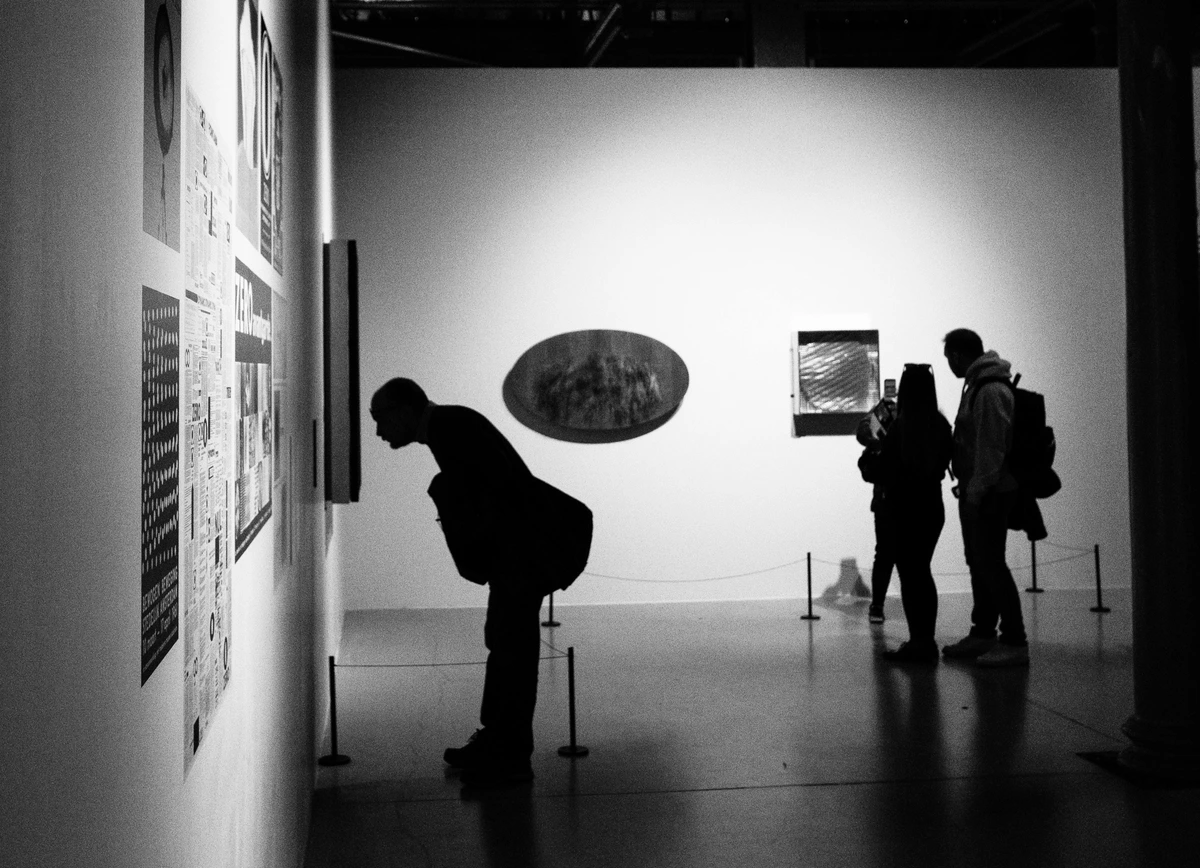
This experience captures something essential about our current moment: the traditional containers for art—the frame, the pedestal, the white cube gallery—are no longer sufficient. Artists are building experiences that spill beyond these boundaries, creating work that exists in time rather than space, in relationships rather than objects, in systems rather than single gestures. We're seeing art that you don't just look at—you enter it, you interact with it, you contribute to it, and sometimes it even changes you in the process.
It's a permission slip to let your imagination run completely off the rails. But this isn't just about the 'wow' factor of a new gadget; it's a fundamental shift in the conversation between the artist and the world. It's about finding new languages to speak about our increasingly complex reality, about tearing down the velvet rope, physically and metaphorically. This transformation is happening because artists have become professional question-askers: 'What if the gallery itself could react to visitors?'
It's a permission slip to let your imagination run completely off the rails. But this isn't just about the 'wow' factor of a new gadget; it's a fundamental shift in the conversation between the artist and the world. It’s about finding new languages to speak about our increasingly complex reality, about tearing down the velvet rope, physically and metaphorically. This transformation is happening because artists have become professional question-askers: 'What if the gallery itself could react to visitors?'
Gone are the days when a canvas and some paint were the only tools in the box. The toolbox has exploded. We're seeing artists weld with code, sculpt with data, and paint with light and sound. They're using algorithms not just as tools, but as creative partners, setting in motion systems that surprise even their creators.
This shift from static object to dynamic system represents perhaps the most significant change in how art is conceived and created in generations. I find it absolutely thrilling because it fundamentally changes the artist's role from a solitary maker to a systems architect, a collaborator with non-human agents, and a designer of experiences that unfold over time and space. The work becomes less about crafting a perfect final product and more about designing a system that continues generating meaning long after the artist steps away.
This represents a fundamental evolution of the artist's role—from solitary producer of precious objects to researcher, orchestrator, social architect, and system designer. They're not just making things; they're building frameworks for experience, participation, and even transformation. The studio itself transforms from a workshop for crafting objects into a laboratory for conducting experiments, a theater for staging encounters, or a control room for managing complex systems. This shift demands new literacies beyond traditional art education—coding, electronics, biology, game design, and social science become as relevant as color theory or figure drawing.
This transformation is driven by artists who have become professional question-askers. It's not just 'What if?' but 'Why not?'. They ask: 'What if the gallery itself could react to visitors?' 'What if I could collaborate with an algorithm that surprises me?' 'Can I make art with living cells, or with social friction, or with artificial intelligence?' 'What if the art object disappears entirely?' 'What if the audience becomes the artwork?'
These questions lead to experiments that may look chaotic from a distance, but look closer and you'll find rigorous methodology behind the risk-taking. This represents a fundamental evolution of the artist's role—from solitary producer of precious objects to researcher, orchestrator, social architect, and system designer. They're not just making things; they're building frameworks for experience, participation, and even transformation.
What Are We Even Talking About? Defining the New Avenues
When I say "new avenues," I'm not just talking about one thing. It's a whole ecosystem of exploration. Think of it as a spectrum. On one end, you have artists picking up power tools and using materials ripped straight from a construction site or your kitchen pantry. On the other, you have people crafting intricate, dream-like worlds inside a computer.
This movement is born from a simple, restless question: "What if?" What if art wasn't something you just hang on a wall? What if it could change? What if it could respond to you? What if the city itself was the canvas—or what if the canvas dissolved entirely, leaving only the conversation it provoked?
These questions matter because they signal a shift in consciousness about art's fundamental purpose. We're moving from art as something you possess to art as something you experience, from art as a noun to art as a verb. This isn't just about new tools or materials—it's about new relationships between artists and audiences, new definitions of what counts as skill, and new ways that art can matter in people's actual lives.
Maybe you're wondering: Are these even "avenues" or just dead ends dressed up as innovation? I used to wonder that too. I've learned the difference lies in whether the artist is genuinely exploring a question or just exploiting a novelty. The most compelling work in any new avenue emerges from necessity—the artist had something to express that demanded this particular approach. When the form feels inevitable rather than fashionable, you know you're encountering something substantial.
At its heart, this is the core idea: New Avenues in Contemporary Art are the innovative mediums, digital integrations, and boundary-pushing methods that redefine the creation, experience, and very definition of art itself.
Let's break down the main avenues I see people exploring right now. Keep in mind these categories are fluid—most exciting work happens in the spaces between them, where disciplines collide and something entirely new emerges.
The First Avenue: New Mediums, New Messages
Remember the first time you touched a material you'd never felt before? There's a kind of magic in it. Artists are digging into that feeling by using stuff you wouldn't normally find in an art supply store. The pandemic lockdowns actually sharpened this impulse for me—stuck at home, I started looking at household objects differently, wondering what stories they could tell if I stopped seeing them as just functional items.
I'm talking about bio-art, where artists collaborate with scientists to work with living tissue, bacteria, or plants. It's art that literally grows, decays, and lives. Then there’s the use of found objects and industrial materials—sheet metal, reclaimed wood, discarded electronics. It's a way of giving new life to the forgotten things around us and making a quiet environmental statement at the same time.

This deep material exploration matters because the medium becomes the message itself. When an artist incorporates driftwood, they're telling a story about time, nature, erosion, and persistence. When they work with circuit boards, the narrative explores technological obsolescence, planned obsolescence, and how our devices shape human connection and isolation.
The material isn't merely a container for an idea; the material is the idea. This represents a radical departure from the Oil On Canvas tradition where materials were largely transparent vehicles for representation. Today's artists treat materials as co-conspirators with their own agency, histories, and voices. This focus on unorthodox substances isn't about shock value—it's a profound inquiry into entropy, responsibility, and the hidden stories embedded in the objects we discard without a second thought.
I've watched this shift happen in real time. A sculptor friend of mine used to work exclusively in bronze—expensive, permanent, physically demanding. Then she became fascinated by bread dough. She started creating large-scale installations using flour, water, yeast, and salt. The pieces would rise, expand, crack, and eventually grow mold or get eaten by gallery visitors. The work was about impermanence, nourishment, labor (domestic and artistic), and how we value different kinds of making. None of that would have been possible in bronze.
This isn't about being edgy for edginess's sake. When materials become collaborators, they bring their own physics, chemistry, biology, and cultural baggage into the conversation. Gravity affects wet clay differently than it affects steel. Mycelium grows according to its own timeline, not your exhibition schedule. When you work with living materials, you learn to negotiate rather than command. This changes not just what you make, but who you become as a maker.
Material Category  | Examples | The "Why" Behind It | Contemporary Artists to Know |
|---|---|---|---|
| Organic & Bio-Materials | Mycelium, bacterial cultures, plant forms, tissue engineering | Explores life, decay, interconnectedness of living systems, and our relationship with nature | Oron Catts & Ionat Zurr (Tissue Culture & Art Project), Diana Scherer (root systems) |
| Industrial & Recycled | Steel, reclaimed wood, plastic waste, electronic components | Comments on consumerism, environmental crisis, urban life, and obsolescence | Richard Serra, Mel Chin, Vik Muniz |
| Digital & Ephemeral | Code, algorithms, light projections, data streams | Creates experiences that change, evolve, or exist only for a moment; explores time and impermanence | Refik Anadol, Rafael Lozano-Hemmer, teamLab |
| Textiles & Soft Sculpture | Woven plastics, repurposed fabrics, fiber arts, yarn installations | Confronts gendered labor histories; explores comfort, domesticity, trauma through tactile experience | Sheila Hicks, Ghada Amer, Nick Cave (Soundsuits) |
| Food & Consumables | Chocolate, sugar, spices, perishable goods | Explores desire, consumption, colonialism, and the politics of food | Janine Antoni, Rirkrit Tiravanija, Kara Walker |
| Sound & Sonic Materials | Audio recordings, field recordings, vibration, resonance | Creates immersive sound environments; explores the relationship between space, sound, and the body | Janet Cardiff, Susan Philipsz, Christine Sun Kim |
| Atmospheric & Elemental | Fog, scent, temperature, air pressure, magnetic fields | Creates immersive environments; makes the invisible visible; engages non-visual senses | Fujiko Nakaya, Olafur Eliasson, Tim Otto Roth |
| Found & Archival | Documents, personal artifacts, historical photographs, legal evidence | Explores memory, authenticity, contested histories, and who gets to tell the story | Christian Boltanski, Walid Raad, Lorna Simpson |
This table isn't exhaustive—think of it as a starting point for your own material investigations. The most exciting work often happens when artists combine categories or discover entirely new ones.
The Fourth Avenue: Gaming Worlds and Interactive Storytelling
There's a revolution happening in the most unexpected place: your living room. Game-based art and interactive narrative are quietly becoming one of the most significant new avenues in contemporary practice, and honestly, it took me way too long to take this seriously. I used to think video games were just entertainment—then I started playing work by artists who were using game engines as their primary medium.
The magic of interactive storytelling lies in its fundamental power shift: the audience becomes protagonist. Unlike traditional art where you observe from a distance, game-based work puts you inside the metaphor, forcing you to make choices, navigate consequences, and actively participate in constructing meaning. The artist creates a world and its rules, but you create the story through your actions within that world.
Artists like Porpentine Charity Heartscape create what they call "weird zines for the computer"—interactive fiction that feels like wandering through someone else's fever dream. Her work "With Those We Love Alive" invites players to ritualistically carve symbols into their own arms (the virtual character's arms) as they navigate a surreal landscape of decay and transformation. It's disturbing, beautiful, and impossible to experience passively—you're implicated in every choice.
What fascinates me about this avenue is how it reinvents ancient forms of storytelling for digital natives. Game-based art draws on everything: Choose-Your-Own-Adventure books, tabletop role-playing games, oral storytelling traditions, and the collective world-building of online communities. But it adds something new—the ability to create systems that respond to player behavior in real-time, creating genuinely emergent narratives that surprise even their creators.
Consider the work of David OReilly, whose "Everything" and "Mountain" are less games than philosophical toys. In "Everything," you can possess and control literally any object in the universe, from subatomic particles to galaxies. The "gameplay" involves experiencing the poetry of scale, interconnectedness, and perspective. It's a meditation disguised as entertainment, asking profound questions about consciousness, relation, and what it means to be anything at all.
This approach represents a radical shift from linear narrative to systems-based storytelling. Instead of following a predetermined plot, players explore the implications of a set of rules and relationships. The art exists in how those systems unfold through interaction, creating unique experiences for every player while maintaining a coherent artistic vision.
For artists interested in this avenue, the technical barriers are lower than ever. Tools like Twine let you create interactive fiction with basic HTML knowledge. Unity and Unreal Engine offer free versions for independent creators. Bitsy creates tiny, lo-fi game worlds that feel handcrafted and intimate. You don't need to be a professional game developer—you just need to see the potential for interactive systems to tell your specific story.
This pursuit represents a rebellion against the preciousness of traditional art and its market-driven valuation. It declares that meaning can be found anywhere—not just in a tube of expensive oil paint or a block of Carrara marble. It democratizes art-making, suggesting that the most potent tools for expression might already be in your recycling bin, growing in your backyard, or hidden in plain sight within your kitchen pantry.
The economic implications are radical too. When artists work with free, found, or living materials, they sidestep the gatekeepers who control access to "serious" art supplies. A kid growing up in poverty can't afford professional oil paints, but they can work with dirt, plants, discarded packaging, or free software. This isn't just about aesthetics—it's about access, equity, and expanding who gets to participate in cultural conversations.
I've seen artists create breathtaking work with literal garbage. Not in an ironic, "look at me using garbage" way, but with genuine reverence for what gets discarded and why. There's something profound about taking society's castoffs and revealing the beauty, history, and potential still pulsing within them.
What I find most compelling about this movement is how it reconnects art with everyday life. Instead of art being this rarefied object behind glass, it becomes something you might encounter in your garden, your local park, or even your own body. This isn't just about materials—it's about accessibility, sustainability, and rethinking where "art" gets to live.
Case Study: The Living Canvas and Its Collaborators
Consider artists who work with living organisms. Oron Catts and Ionat Zurr's "Victimless Leather" grew a miniature leather jacket from living mouse and human cells, creating a piece that was simultaneously beautiful and disturbing. The work raised profound questions about bioethics, consumerism, and our relationship with living systems—all while literally pulsating in a bioreactor.
What fascinates me about bio-art is the surrender of control. The artist becomes a kind of gardener or cultivator, providing optimal conditions and structure, but the life-form itself becomes the primary creative force. These works challenge our deepest assumptions about authorship, mastery, and control. When the artwork has its own agency, when it grows, mutates, and eventually dies, who is really responsible for its outcome? What does it mean to "own" or "collect" such work? These questions spill beyond the gallery into fundamental debates about genetic engineering, artificial life, and what it means to be alive in the 21st century.
The Second Avenue: When Art Gets Smarter (Digital Integration)
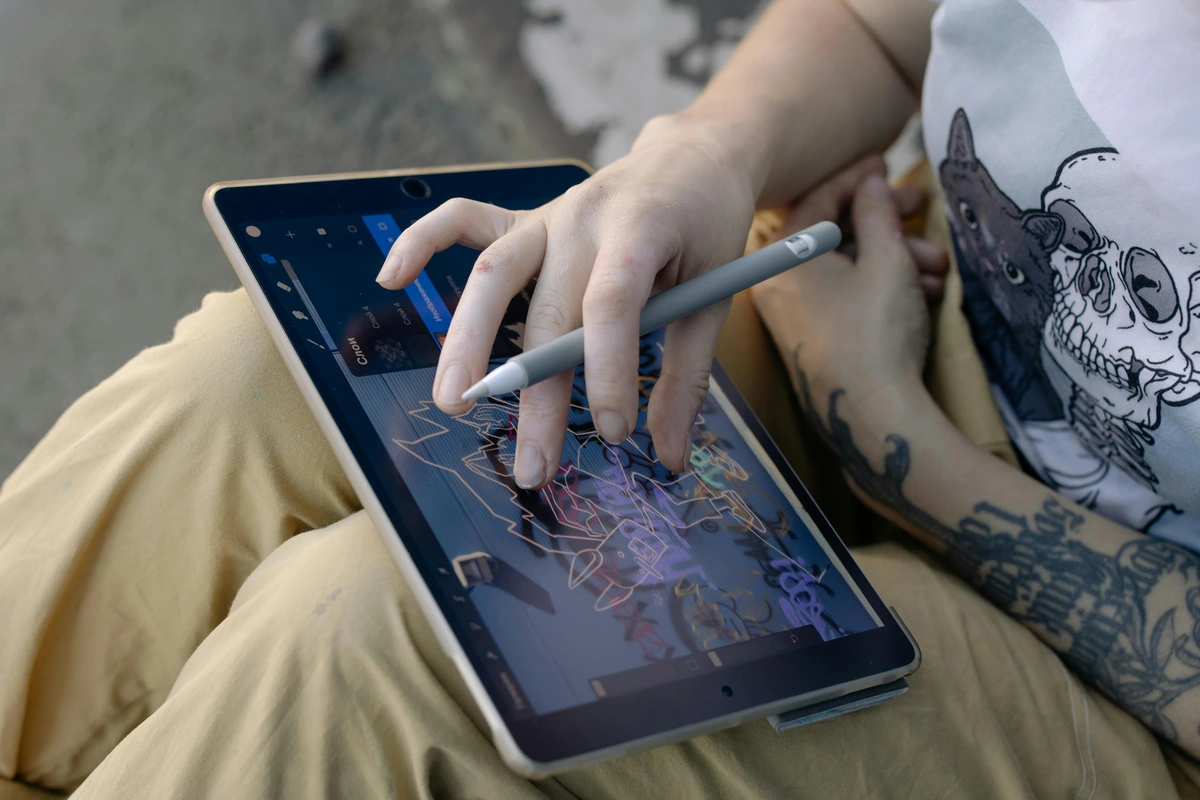
This is the avenue that flips the script from static to dynamic. It's a huge leap from art that is to art that does. The first time I designed a simple generative system and watched it surprise me, something inside me clicked. My role wasn’t just to dictate; it was to curate the emergent behavior of a system I had set in motion.
Code as a Creative Partner
Some of the most exciting work I've seen lately comes from artists who write their own code. They aren't just using software; they're building their own. This is where generative art comes from—a set of rules, and a dash of controlled randomness, that creates visuals a human might never think to draw.
Imagine setting up a digital ecosystem where little shapes follow simple rules. They flock together, they avoid obstacles, they leave trails of color. The artist designs the system, but doesn't dictate every single brushstroke. It’s a collaboration between human intention and machine logic. It feels alive. For me, this is a deeply philosophical game: How much structure is needed for chaos to feel coherent? What does it mean to 'finish' an artwork when its potential variations are effectively infinite?
The Immersive Worlds of VR and AR
Then we have Virtual and Augmented Reality. I see people dismiss this as just a "gimmick," but they're missing the point. It's not about the headset; it's about the space it unlocks. A painter is limited by the edges of the canvas. A VR artist is limited only by their imagination. You can build a world that defies physics, that you can step inside, that can react to your presence. It’s the ultimate power fantasy for a creator.
Augmented Reality (AR) is perhaps even more clever. It layers the digital onto the physical. You can have a sculpture that exists only when you look at a blank pedestal through your phone. It makes you question what's real and what the art object even is. Is it the empty space? Is it the software? It’s a fascinating puzzle.
This technology becomes particularly potent for site-specific installations and public art. Artists like KAWS have used AR to place their iconic characters in major city squares, visible only to app users. Mel Chin has proposed AR projects that "restore" demolished buildings of historical significance, allowing communities to see and interact with their architectural heritage. Other artists create works that respond to environmental data—showing climate change impacts or air quality through visual AR overlays.
Perhaps most significantly, XR technologies are expanding accessibility in unprecedented ways. Artists are creating VR experiences specifically for people with limited mobility, allowing them to "visit" places they couldn't otherwise access. Museums are using AR to provide detailed contextual information, multiple languages, and alternative interpretive frameworks for traditional collections. It's not just about spectacle—it's about democratizing access to cultural experiences and creating new forms of literacy around digital spaces.
What moves me most is how XR technologies are expanding accessibility. Artists are creating VR experiences specifically for people with limited mobility, allowing them to "visit" places they couldn't otherwise access. Museums are using AR to provide detailed contextual information, multiple languages, and alternative interpretive frameworks for traditional collections. It's not just about spectacle—it's about democratizing access to cultural experiences.
The Third Avenue: Playful Processes and Pushed Boundaries
This final avenue isn't about a specific technology, but a mindset. It's about questioning the entire process of making and viewing art. It's about tearing down the velvet rope, physically and metaphorically. I often ask myself, "What if the art wasn't on the wall but was the conversation it triggered in the room? What if we traded passive looking for active participation?" This is where the entire context of art-making gets reshuffled.
Socially-Engaged and Participatory Art
What happens when the audience becomes co-creator rather than passive consumer? This is the radical heart of participatory art and its close relative social practice. Artists like Rirkrit Tiravanija famously cooked Thai meals in galleries, transforming the art space into a communal dining room where conversation and connection became the actual artwork. Tania Bruguera creates projects that engage directly with immigration policy and political structures, using art as a tool for civic engagement.
The brilliant thing about this approach is how it explodes traditional art economics. When the primary output is an experience, a relationship, or social change, how do you price it? How do you collect it? Artists like Theaster Gates don't just make objects—they facilitate community development, housing projects, and cultural preservation in Chicago's South Side. His 'artworks' are often buildings, archives, or entire social programs.
This shifts the valuation question from "What is this object worth?" to "What kind of world do we want to build?" Gates' Dorchester Projects involved purchasing abandoned buildings and transforming them into cultural centers, archives, and community gathering spaces. The "art" includes the architecture, the programming, the social relationships formed, and the economic ripple effects in the neighborhood. You can't hang it on your wall, but you can experience it, participate in it, and benefit from it.
Collectors who support this work aren't buying objects—they're investing in social transformation. Museums don't acquire the "products" but document the processes and sometimes commission new iterations. It's a completely different model of cultural production and support, one that aligns artistic practice with social justice and community-building.
Similarly, SUPERFLEX designs tools for political engagement and economic empowerment. Their "Supercopy" project created perfect replicas of designer furniture that were sold at production cost, questioning authenticity, value, and access in design.
What I find most compelling about these practices is their embrace of uncertainty. When you facilitate rather than dictate, when you invite participation rather than observation, you surrender control over the final outcome. This can be terrifying for artists trained to produce perfect objects, but it's also incredibly liberating. It acknowledges that some of the most meaningful human experiences can't be contained in objects—they exist in the space between people.
Case Study: When the Audience Makes the Meaning
Tino Sehgal takes this to its logical extreme. His "constructed situations" involve trained participants interacting with museum visitors according to precise instructions. In "This Progress," visitors encounter people of different ages who ask them questions about progress. The conversation unfolds organically, guided by the participant-interpreters but shaped by the visitor's responses.
Sehgal prohibits all documentation—no photography, no video, no written descriptions beyond the basic facts. You have to experience the work directly, and your memory becomes the primary record. This is the ultimate rejection of the art market's need for collectible objects. Sehgal's works are sold, but what collectors acquire are the rights to stage the work, along with detailed oral instructions and training. The artwork is an experience, a set of relationships, a memory.
This approach drives museums crazy (How do you market something that can't be photographed? How do you archive something that only exists in memory?) but it also points toward what's most precious about live art: its unrepeatability, its vulnerability, its demand for presence. You have to be there, physically and mentally. In an age of infinite digital reproduction, that's becoming radical.
The Moment is the Masterpiece: Performance and Temporal Art
Some art is meant to be witnessed once and then it's gone forever. This is the challenging, beautiful realm of performance art and time-based media. Artists like Tino Sehgal create "constructed situations" where trained participants interact with visitors in galleries, producing ephemeral conversations and encounters that can never be exactly repeated or adequately documented. Marina Abramović's durational performances—sitting motionless for 700 hours, staring into strangers' eyes one by one—explore the limits of human endurance and connection.
What I love about temporal art is its radical impermanence. When the artwork doesn't produce a permanent object, it escapes the commercial circuit entirely. It forces us into a different kind of attention—when you know something will never happen again, you watch more intently, you engage more deeply, you imprint the experience in memory. It's a powerful antidote to our culture's obsession with preservation and ownership.
The magic of performance art often lies in its liveness—the shared temporal experience between performer and audience, the electricity of co-presence, the vulnerability of bodies in real space and time. These qualities simply cannot be adequately captured through documentation, which is why the best performance art makes you desperately wish you could have been there.
But the relationship between live performance and its documentation creates fascinating paradoxes. Artists like Tino Sehgal explicitly prohibit photography and video of his "constructed situations," forcing viewers to experience the work directly and creating a kind of collective cultural memory. Other artists like Joan Jonas meticulously document their performances, creating video works that become separate artworks exploring the relationship between live action and its mediated record.
In recent years, some performance artists have begun treating documentation as an integral part of the work rather than just an afterthought. They collaborate with filmmakers and photographers from the beginning, treating the documentation itself as a creative act that offers a distinct interpretation of the live performance.
Contemporary performance artists like Pope.L (William Pope.L) create durational works that unfold over months or years, often involving public space and social intervention. His "crawls" through urban environments challenge our assumptions about mobility, race, and public behavior. Artists like Cassils use their own body as material, exploring transgender identity, violence, and resistance through extreme physical transformation and endurance.
But here's what's fascinating—even "ephemeral" performance art produces its own paradoxes around documentation and objecthood. Photographs, videos, and written accounts inevitably become the permanent traces of these fleeting moments, often becoming collectible artworks in their own right. Artists like Ana Mendieta addressed this directly by creating "siluetas"—temporary body imprints in earth, sand, and water that were documented photographically. The photograph becomes a record of absence, a trace of something that no longer exists. This raises profound questions about what constitutes the "real" artwork.
The Ethics of Encounter: Power, Participation, and Responsibility
As participatory art has grown more popular, critical questions have emerged about consent, labor, and power dynamics. When an artist invites "participation," who's really benefiting? Are participants being exploited or empowered? What happens when vulnerable communities become material for an artist's career advancement?
I've seen participatory projects that felt genuinely collaborative and others that felt extractive. The difference often comes down to: Did the artist build relationships before designing the project? Are participants treated as co-creators or raw material? Who gets credit, compensation, and control over how the work is presented?
Artists like Pablo Helguera have developed frameworks for ethical social practice, emphasizing deep listening, genuine collaboration, and long-term commitment over parachute interventions. The work becomes less about the artist's brilliant idea and more about facilitating community agency and cultural expression. This shifts social practice from "doing things to communities" to "doing things with communities"—a crucial distinction.
Finding Your Own Avenue: A Practical Guide
Feeling inspired but overwhelmed? I get it—staring at a blank page (or a blank code editor) can be paralyzing when the possibilities feel endless. The technology can seem intimidating, the materials unfamiliar, and the conceptual territory vast. But here's the thing: every revolutionary artist started exactly where you are right now. The path forward isn't about mastering everything at once—it's about starting small and staying curious.
I remember when I first tried working with code. I spent weeks just teaching myself basic programming—not because I wanted to become a developer, but because I needed to understand the logic, the vocabulary, the way of thinking. The first programs I wrote were terrible, obviously. But each failure taught me something about the relationship between rules and outcomes, structure and surprise.
The breakthrough came when I stopped trying to learn "all of programming" and instead focused on solving one specific creative problem: How could I create a system that would surprise me? That question led me down a path of small experiments, each manageable enough to complete in a weekend, each teaching me just enough to ask the next question.
My advice? Begin with what fascinates you, not what feels "important" or "innovative." If you're drawn to the idea of working with living materials, start by growing a mycelium sample at home or observing plant behaviors. If digital systems intrigue you, begin with the simplest possible code or explore open-source creative platforms. If participating in social interactions excites you, plan one small event—a conversation, a shared meal, a collaborative game.
Here's a crucial mindset shift: think of yourself as a beginner researcher rather than a master creator. Your initial experiments are about gathering data—what happens when I combine these materials? How do people respond to this simple interaction? What patterns emerge from this basic algorithm? Early experiments in any new avenue should be quick, cheap, and disposable. The goal isn't to make finished art—it's to learn something you couldn't have learned by just thinking about it.
The most exciting discoveries happen at the intersection of disciplines. Don't just learn to code—learn to code while thinking about biology. Don't just study social dynamics—study social dynamics while considering how digital platforms mediate human connection. The most innovative artists I know maintain what I call "adjacent curiosities"—they become competent (not expert) in multiple fields and let those fields cross-pollinate. A little bit of electronics knowledge combined with textile skills creates soft circuits and wearable art. Basic understanding of chemistry combined with sculpture creates materials that change color or shape in response to their environment. The magic happens in the spaces between domains.
You don't have to become an expert in everything. Collaboration is one of the most powerful tools in contemporary art practice. Find a programmer who's curious about aesthetics, partner with a scientist who wants to communicate their research visually, work with community members who have stories to tell. Your unique perspective combined with someone else's specialized knowledge creates the alchemy where genuinely new ideas emerge.
The myth of the lone genius artist toiling in isolation is just that—a myth. Most of the best contemporary work happens through dialogue, exchange, and interdisciplinary collision. Think of yourself less as a solitary creator and more as a creative catalyst who brings different worlds into conversation.
The most crucial question you'll face isn't 'What tool should I use?' but 'What story do I urgently need to tell?' The medium should emerge from your message, not the other way around.
I learned this the hard way. Years ago, I became fascinated with 3D scanning and VR. I spent months learning the technology, creating detailed virtual environments, and showing them to anyone who would look. The work was technically impressive but emotionally hollow. People would say "Cool!" and then forget about it five minutes later.
The problem wasn't the technology—the problem was I had nothing to say with it. I was so excited about the "how" that I forgot to ask "why." Once I figured out what story I actually needed to tell (about memory and places that no longer exist), the technology found its proper place as a tool rather than the main attraction.
Practical Starting Points for Each Avenue
If you're curious about new materials:
- Go to a hardware store or fabric store with $20 and buy materials you've never worked with before
- Start a "material diary" where you document interesting substances you encounter
- Try recreating a traditional artwork using completely inappropriate materials
- Visit a thrift store and imagine new uses for discarded objects
- Research one manufacturing process (paper-making, glass-blowing, coding) and learn its basic principles
If you're drawn to digital integration:
- Learn one simple programming language (Python or Processing are great starting points)
- Play with free creative coding platforms like p5.js or Three.js
- Experiment with AR apps that let you place digital objects in your space
- Try modifying existing code from open-source art projects
- Join online communities focused on creative coding and generative art
If you're excited by participatory work:
- Host a dinner party where each guest brings an ingredient without knowing what others will bring
- Create a simple game that requires strangers to interact
- Start a conversation project where you ask the same question to 100 different people
- Volunteer with a community organization and listen more than you talk
- Practice facilitation skills in low-stakes environments (book clubs, team meetings)
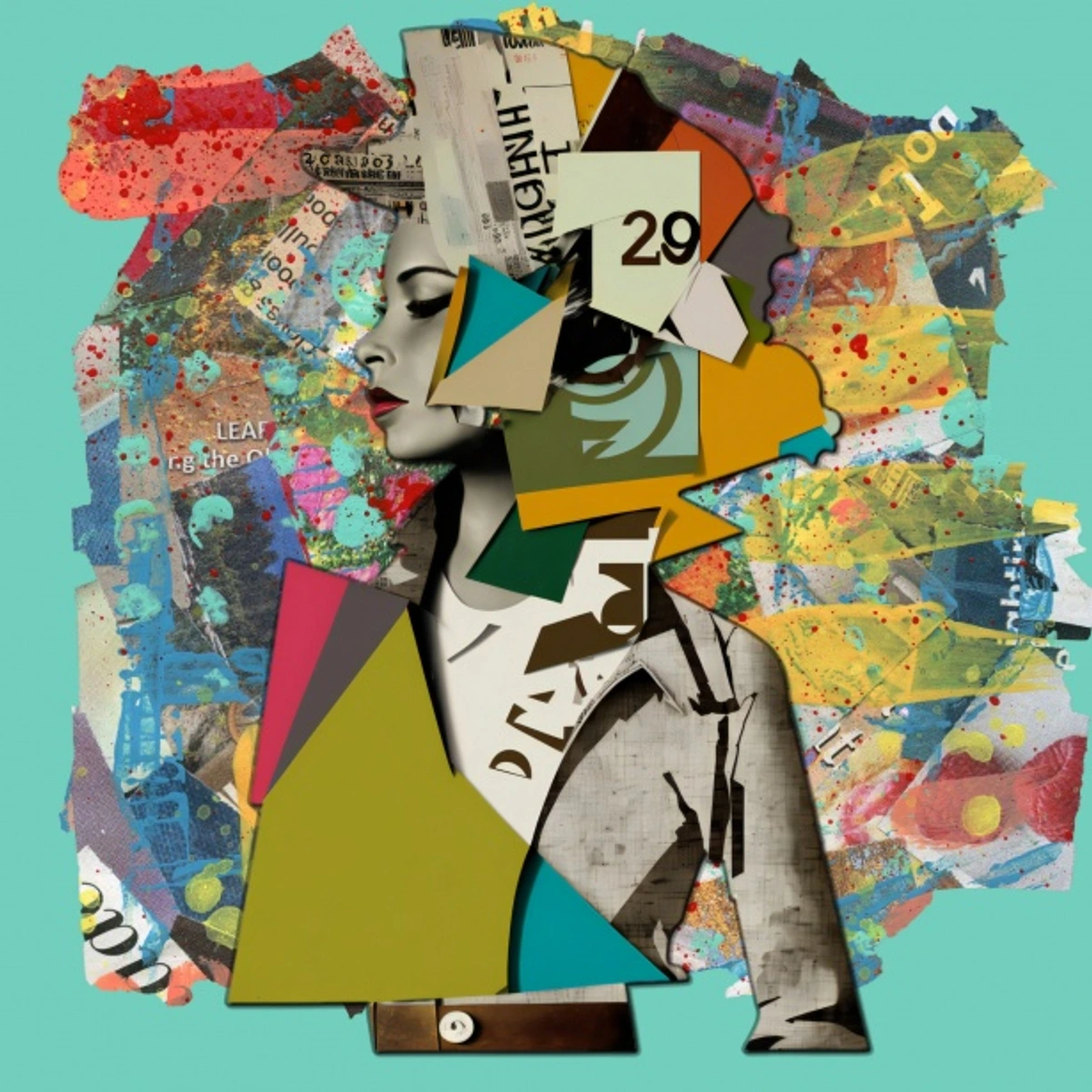
Maybe your story is about climate grief, and it demands biodegradable materials that will gradually return to the earth. Maybe it's about surveillance culture, and it requires data visualization through generative algorithms. Maybe it's about immigrant identity, and it only makes sense as a shared meal where participants' stories become the artwork. Let your content determine your form, not current trends or market demands.
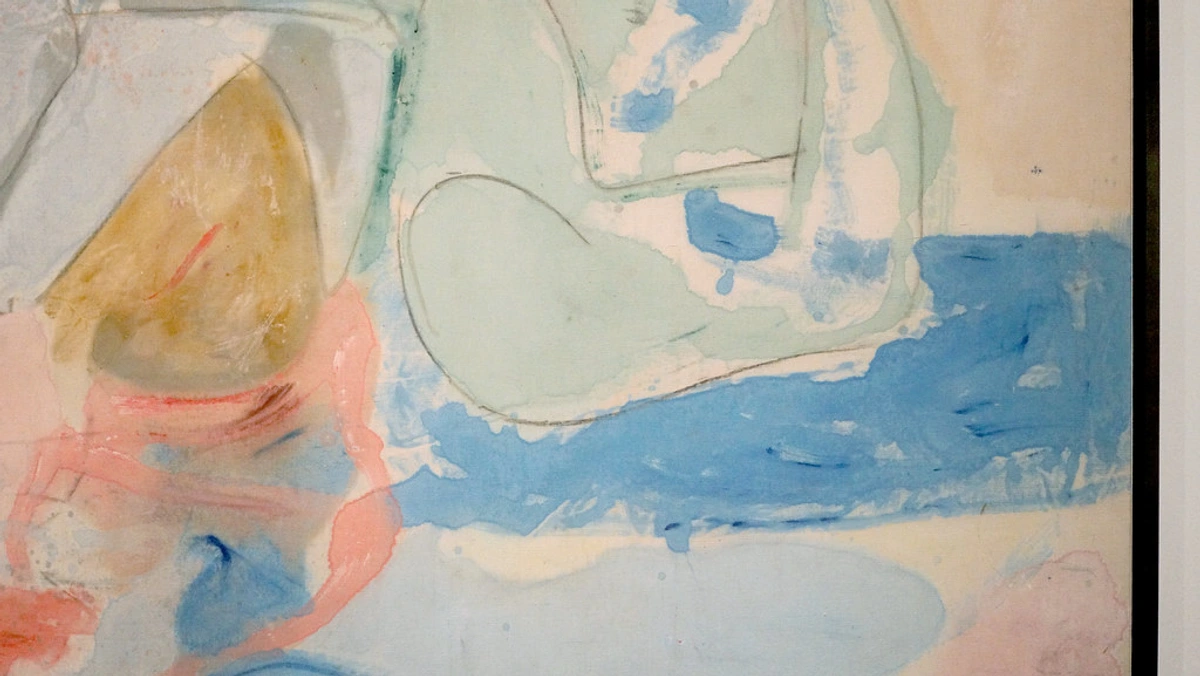
I've watched too many artists become enamored with new technologies without asking what they actually want to communicate. The result is often technically impressive but emotionally hollow—a beautifully designed spaceship with nowhere to go. Don't let the tools become the destination. Use whatever serves your story most powerfully, whether that's a cutting-edge machine learning algorithm or a stick you found on your morning walk.
The artists I most admire are the ones who maintain this clarity of purpose regardless of medium. They might work with the most advanced AI systems one year and then return to pencil on paper the next, because the medium is always secondary to the question they're pursuing. The work remains recognizably theirs because their sensibility—their way of seeing and thinking—is consistent across different materials and technologies.
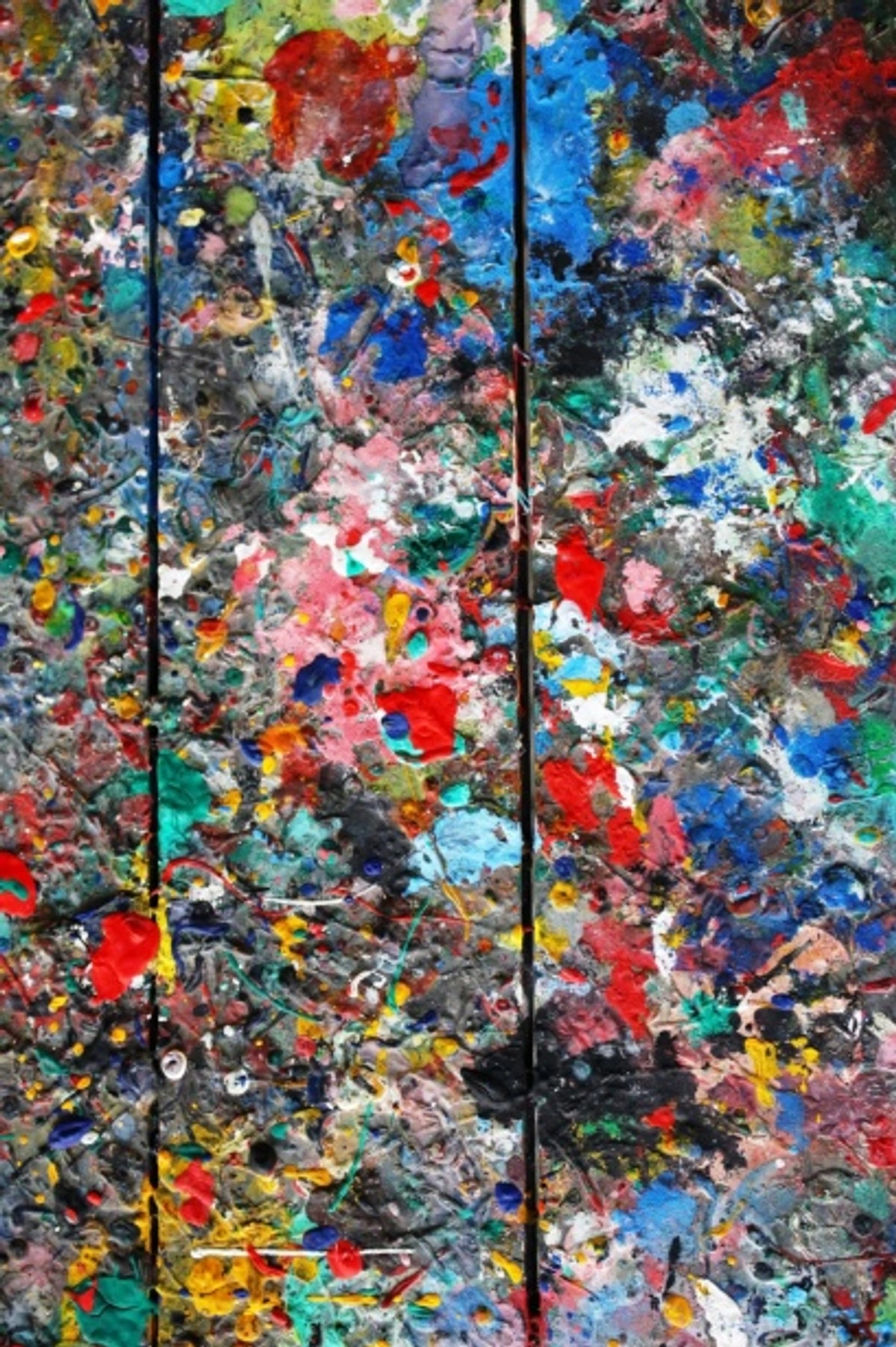
The Fifth Avenue: Remix, Sample, Steal – Appropriation in the Digital Age
Here's something that used to scandalize people: artists have always borrowed, copied, and stolen from each other. What's changed in our digital moment is the scale, speed, and visibility of this borrowing—and the emergence of remix culture as a legitimate artistic practice in its own right.
The history of appropriation stretches back through centuries of art, but it became a central strategy in the 20th century. Marcel Duchamp took everyday objects and declared them art. Pop artists like Andy Warhol and Roy Lichtenstein took commercial images from advertising and comics. Sherrie Levine photographed Walker Evans's Depression-era photographs, asking uncomfortable questions about originality, authorship, and the gendered canon of photography.
Contemporary remix culture pushes this much further. Artists like Sondra Perry use video game engines, virtual environments, and appropriated footage to explore Black identity in digital spaces. Her work often begins with existing digital assets—game characters, stock photography, YouTube videos—which she transforms through glitch aesthetics, animation, and performance. The "original" material becomes raw data for investigating how Black bodies are represented, controlled, and commodified online.
What's fascinating about contemporary appropriation is how it reveals the politics of visibility. When Richard Prince rephotographed Marlboro cigarette advertisements in the 1980s, he was critiquing both advertising's manufactured masculinity and fine art's claims to originality. When contemporary artists remix these same strategies with Instagram screenshots, TikTok videos, and corporate logos, they're following Prince's logic but applying it to our current moment of surveillance capitalism and algorithmic identity formation.
Artists like Hito Steyerl build entire careers on examining how images circulate, mutate, and accumulate meaning as they travel through digital networks. Her video essays show how images degrade as they're shared, compressed, and re-uploaded, becoming visual artifacts of their own transmission history. The "poor image"—blurry, compressed, unauthorized—becomes a symbol of resistance to the high-resolution demands of commercial media and fine art markets.
This work forces us to ask uncomfortable questions: What separates inspiration from theft? When does quotation become plagiarism? How do power dynamics shape who gets to appropriate whose culture? The contemporary art world grapples with these questions constantly, and the answers keep shifting as our understanding of intellectual property, cultural exchange, and colonial violence evolves.
For artists working in this vein, the ethical questions are as important as the aesthetic ones. Appropriation for shock value or easy controversy rarely produces compelling work. The most thoughtful appropriation artists engage deeply with their source material, understanding its original context, recognizing the difference between homage and exploitation, and adding something genuinely new to the conversation.
Your job as an artist isn't to master every new tool that comes along. Your job is to develop a coherent vision of the world and then find the most effective ways to share that vision with others. Sometimes that means learning to code. Sometimes it means learning to cook. Sometimes it means learning to listen more deeply to your community. Sometimes it means understanding the politics of what you're borrowing and why. The tools will change throughout your life; the vision is what endures.
The Role of the Artist in a World of Copy-Paste
This brings us to the complicated question of originality and value in a digital age. I've been openly skeptical of the blockchain/NFT phenomenon, not because the underlying technology lacks potential, but because the hype often overshadowed actual artistic innovation. The speculative gold rush mentality frequently reduced art to just another asset class. The environmental devastation caused by blockchain technologies also made it incompatible with any serious ethical artistic practice.
That said, the challenge these technologies highlighted remains crucial: In a world of infinite digital copies, where does uniqueness and authenticity reside? My answer hasn't changed—it resides in the conversation, the process, the physical encounter, and the context that can't be easily replicated or tokenized. Artists like Lynn Hershman Leeson were exploring digital identity and virtual presence decades before blockchain, creating works that asked whether the 'authentic' self even exists in digital space.
The collapse of the NFT market bubble taught us valuable lessons about digital objects, value, and hype. It revealed how easily technical novelty can be mistaken for artistic innovation, and how quickly speculative markets can hijack conversations that should be about aesthetics, politics, and cultural meaning. While some serious artists found ways to use blockchain thoughtfully—creating works that genuinely couldn't exist otherwise—the vast majority of NFT art was forgettable imagery made temporarily valuable by market manipulation and celebrity endorsement.
What remains after the hype is the fundamental artistic question: How do we create meaning in a world of infinite digital reproduction? The most interesting answers have nothing to do with artificial scarcity or blockchain at all.
The deeper question isn't 'How do we make digital art scarce?' but 'How do we maintain meaning and connection in a world of infinite reproduction?' Some of the most thoughtful responses have come from artists like Hito Steyerl, who co-founded the 'Duty Free Art' project that questions circulation, value, and digital labor in the art world. Other artists like Constant Dullaart have created works that explicitly critique the commercialization of digital culture while working within digital platforms.
Artists like Trevor Paglen dig even deeper, creating works that explore the invisible infrastructure of digital surveillance and AI training. His "Seeing Machines" series documents the cameras, satellites, and sensors that watch us constantly, while his work with ImageNet reveals how biased datasets shape artificial intelligence. It's art that takes the digital world seriously as both material and subject, showing us aspects of our technological reality that remain deliberately hidden.
This critical approach to technology distinguishes serious artistic practice from mere novelty. The most compelling digital art doesn't just use technology—it thinks about what that technology does to us, how it shapes our perceptions, our relationships, our societies. When you encounter such work, you don't just see a cool visual effect; you gain new consciousness about the technological systems that surround us.
These artists serve as our contemporary canaries in the coal mine, sensing dangers and possibilities in new technologies long before the rest of society catches up. They don't provide easy answers, but they ask the essential questions we should all be considering.
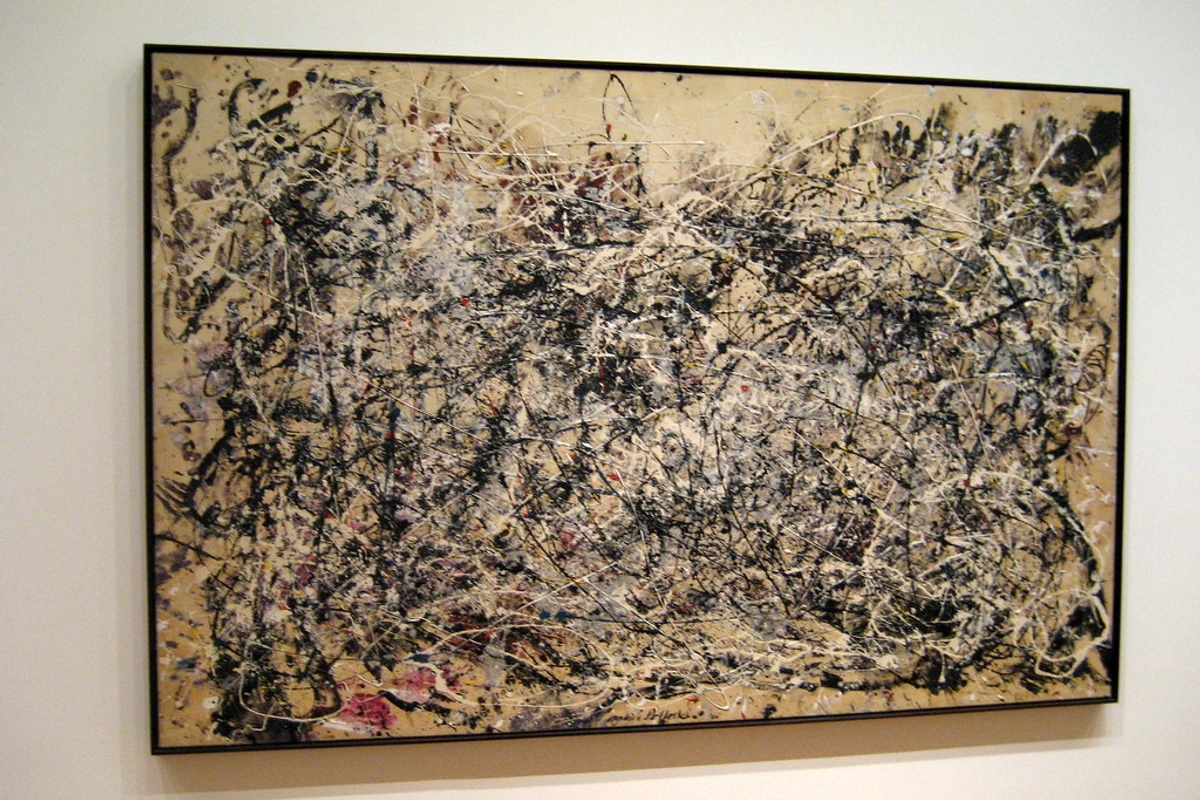
The most interesting work often happens at this intersection of critique and creation—artists who use the tools of digital reproduction while simultaneously questioning what those tools do to our relationship with images, objects, and each other.
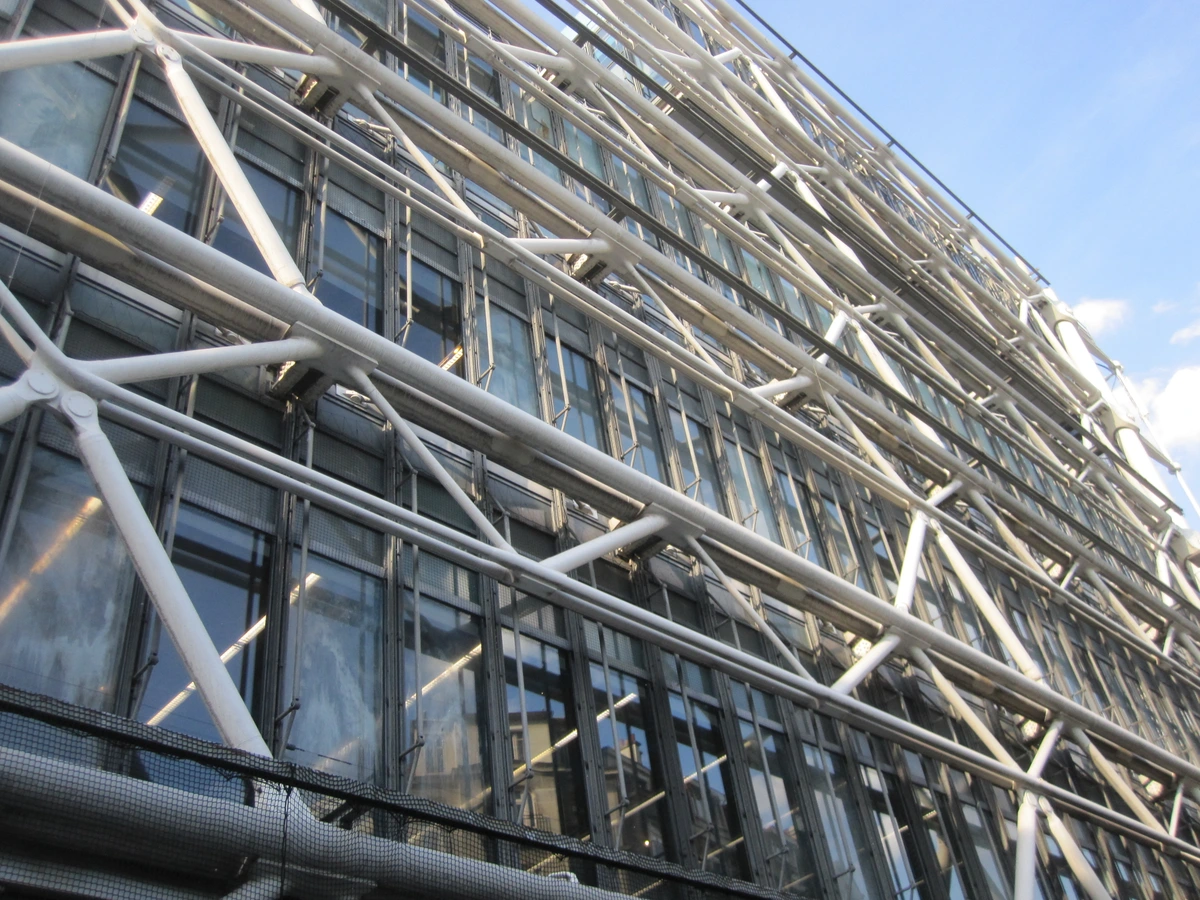
Model Tinkering can be your first step. There are tons of free, accessible tools online. You can experiment with simple generative art algorithms, play with AR apps that let you place objects in your room, or even just start gluing unusual materials together. The goal isn't to make a masterpiece. The goal is to play, to experiment, and to see what happens when you break your own rules.
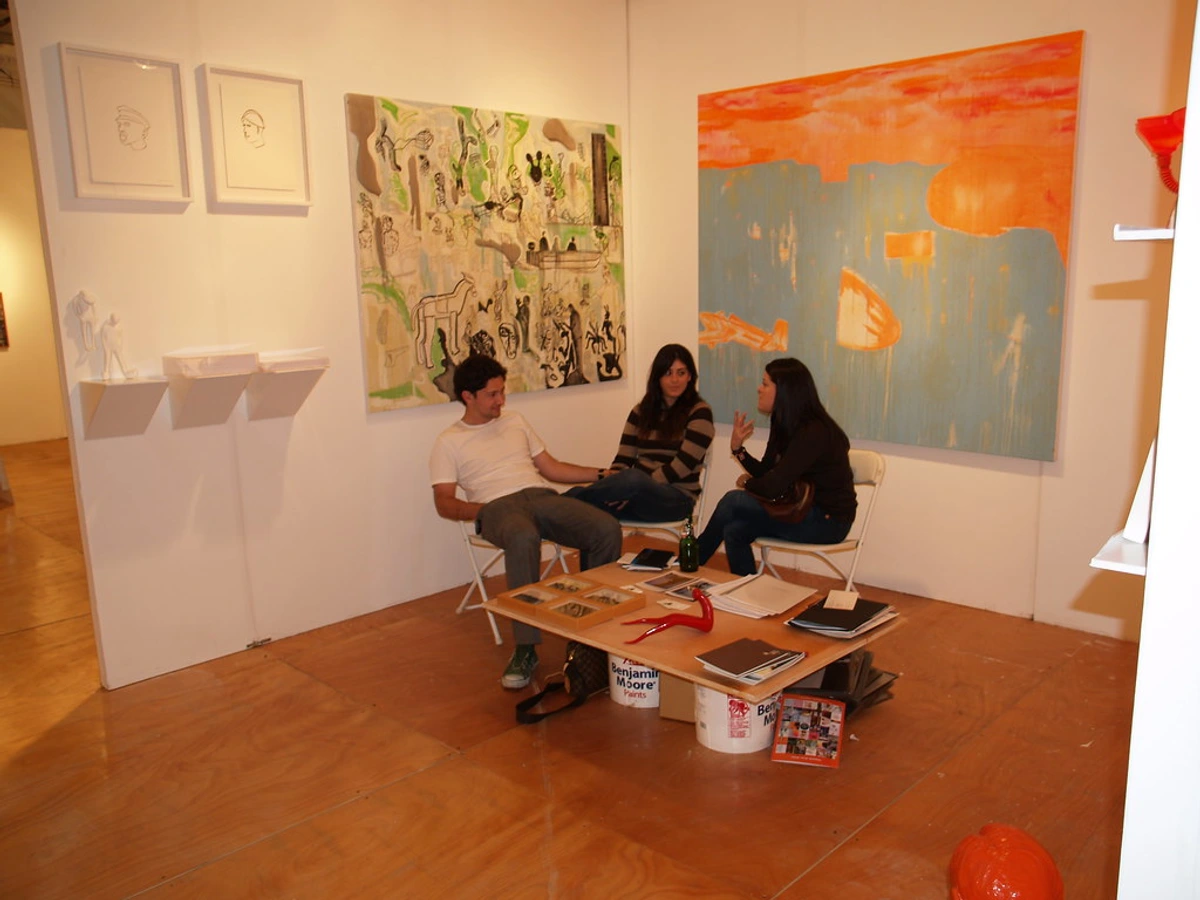
Critical Questions and Common Misunderstandings
New territories inevitably generate confusion, skepticism, and outright resistance. Here's how I think through the most persistent questions that arise about these emerging practices.
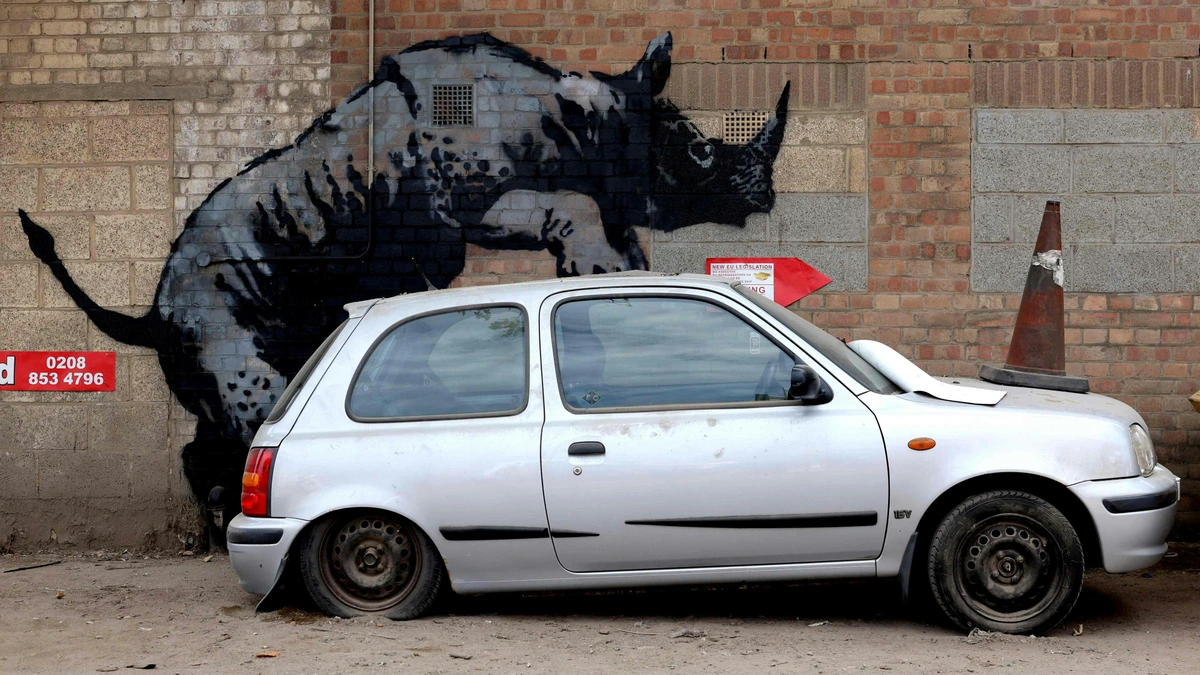
Isn't digital art, especially generative art, less "personal" than something made by hand? That's something I wrestled with for a long time. My thinking has shifted. The personal touch is in the choices: the rules you write, the parameters you set, the colors you choose, and the decision to let go of total control. It's a different kind of authorship, but it's authorship all the same. It’s less about the stroke of a brush and more about the architecture of a system.
If everything becomes an immersive experience, what happens to people who just want to hang a painting on their wall? They absolutely keep hanging paintings! This isn't an either/or proposition—it's an expansion of possibilities. Think of it like music: the invention of synthesizers, samplers, and digital production didn't destroy acoustic instruments or the joy of a simple folk song. Instead, it created entirely new genres, new ways of experiencing sound, and new contexts for understanding what 'music' could be.
The new avenues don't invalidate traditional forms; they enrich the entire ecosystem. Some days you want a fifteen-course molecular gastronomy experience (the VR installation), other days a perfect grilled cheese sandwich (the painting on your wall). Some days you want the symphony orchestra, other days a DJ set. Each serves different needs, different moods, different ways of being in the world.
I actually believe this proliferation of new forms makes traditional painting and sculpture more meaningful, not less. When there are infinite ways to make art, choosing to work within the constraints of physical materials and static forms becomes a specific aesthetic and political statement. Painting in the age of AI isn't conservative—it's radical. It's a declaration that some kinds of meaning can only emerge through the slow accumulation of material decisions, the physical encounter between body and surface, the unique presence of an object that exists in real space and time.
What's actually happening is even more interesting: traditional forms are being reinvigorated by these new contexts. Painting becomes more significant, not less, when it's one option among many rather than the default. A well-crafted physical artwork offers something that no digital experience can replicate—the unique presence of an object existing in shared space and time, aging alongside us, carrying the traces of its making.
I find myself appreciating painting more after experiencing immersive installations, not less. After spending time in virtual environments, returning to a quiet canvas feels like coming home to a different kind of conversation—one that unfolds slowly, that rewards patient looking, that exists outside the frantic pace of technological change. Each form illuminates what's unique and irreplaceable about the others.
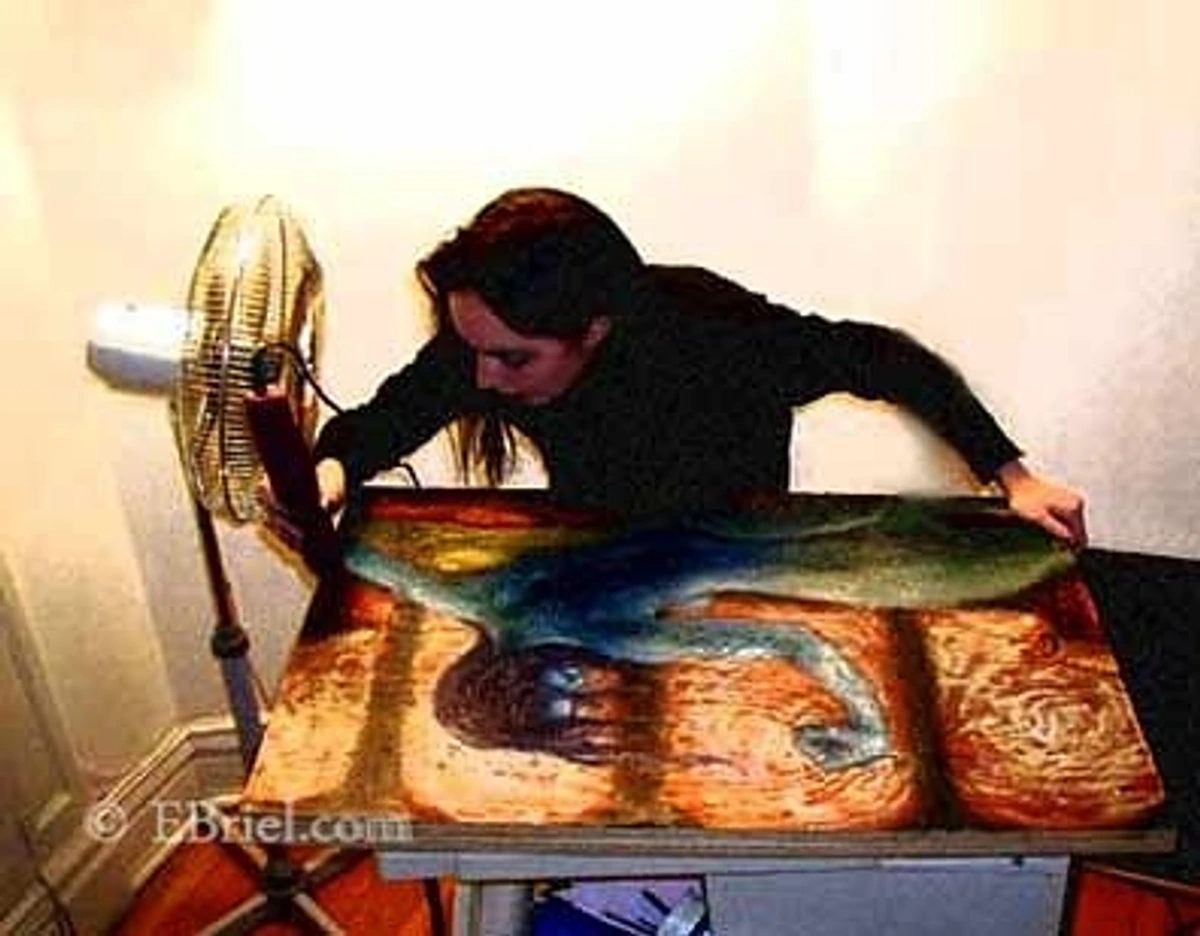
Are these new avenues just for young, tech-savvy artists? Absolutely not—and this is one of the most persistent and damaging myths about contemporary art. Curiosity doesn't have an age limit, and some of the most innovative work with new media comes from artists with decades of experience in traditional practices.
Consider Lillian Schwartz, who began working with computers in the 1960s while maintaining her painting practice. Or Lynn Hershman Leeson, who was exploring digital identity and AI before most of today's 'tech artists' were born. These artists bring deep aesthetic intelligence, historical knowledge, and critical perspectives that enrich their digital explorations from day one.
I've also seen remarkable work from artists who discovered new technologies later in life precisely because they had so much accumulated knowledge to bring to these tools. A painter who understands color theory deeply will make more sophisticated digital work than a young artist who knows code but lacks aesthetic education.
Tech savviness is learnable—it's a set of skills anyone can acquire with time and patience. Vision, experience, and the ability to ask meaningful questions are earned over a lifetime. The most exciting contemporary work often happens at the intersection of deep traditional knowledge and fearless technological exploration.
How do you even begin to collect or buy art like this? You're asking the million-dollar question—literally. Collecting contemporary art in these new forms requires a completely different mindset from traditional art acquisition, but the fundamental impulse remains the same: investing in a relationship with an artist's ideas.
What excites me most about contemporary collecting is how it's forcing everyone—artists, collectors, institutions—to get more creative about what "ownership" and "support" even mean. Rather than just buying finished products, collectors are increasingly commissioning research, funding development, and entering into long-term partnerships with artists. They're not acquiring objects—they're joining conversations that might last decades.
This shift from speculation to patronage feels healthier for everyone involved. Artists get sustained support for ongoing inquiry rather than pressure to produce marketable objects. Collectors get deeper engagement with artistic process rather than just accumulating things. And the art world gets to focus on ideas and innovation rather than just price tags and auction records.
For participatory or social practice work, you might not buy an object at all. Instead, you might commission the artist to develop a project with your community, purchase documentation (photographs, videos, architectural drawings, participant testimony), or acquire the conceptual framework itself—the 'instructions' for recreating the work. Some collectors fund the development of social practice projects in exchange for detailed documentation and ongoing relationship with the artist.
For digital and generative art, possibilities are rapidly evolving. You might acquire:
- A unique digital file with provenance documentation (though this gets complicated with copying)
- A custom algorithm that generates infinite unique variations
- A dedicated display device that runs the artwork exclusively
- A limited edition of prints generated by the algorithm
- The right to display a digital work publicly or commercially
Artists like Rafaël Rozendaal has found creative solutions—selling websites as artworks that collectors 'own' while the public can still view them. Platforms like Feral File are exploring more sophisticated models for digital art collection and display.
For performance and time-based work, collectors typically acquire documentation in various forms—photographs, video documentation, the artist's notes or scores, or objects that were part of the performance. For some artists like Tino Sehgal, this gets even more interesting—collectors acquire the 'instructions' to recreate the performance in their own context, but no physical documentation is allowed.
For bio-art and living materials, collecting becomes incredibly complex. Collectors might acquire:
- The biological samples or cultures
- The equipment necessary to sustain the work
- Detailed protocols for care and maintenance
- Ongoing consultation with the artist
- Or, more commonly, comprehensive documentation of the work as it lived and changed
I know collectors who have transformed parts of their homes into living art installations, complete with climate control systems and dedicated caretakers. Others treat bio-art like serious gardening—learning the biology, tending the work daily, accepting that it will eventually die and that's part of the artwork's meaning. This isn't for everyone, but for the right collector, it becomes a profound daily practice rather than just decoration.
For AR work, you might license the software that allows the digital layer to exist on your property, or acquire a physical object that's 'activated' by the AR component.
The most important shift is psychological: moving from collecting objects to collecting relationships, experiences, ideas, and cultural contributions. This isn't about investment or speculation—it's about patronage and intellectual engagement. You're not buying a product; you're supporting the continued evolution of an artistic practice.
The Infrastructure Challenge
All these new forms require new kinds of institutional support. Museums need conservators who understand both art history and software preservation. Galleries need to develop ethical frameworks for representing artists whose work doesn't produce sellable objects. Art schools need to teach business skills alongside technical skills, helping artists navigate these new economic models. The entire ecosystem is evolving together.
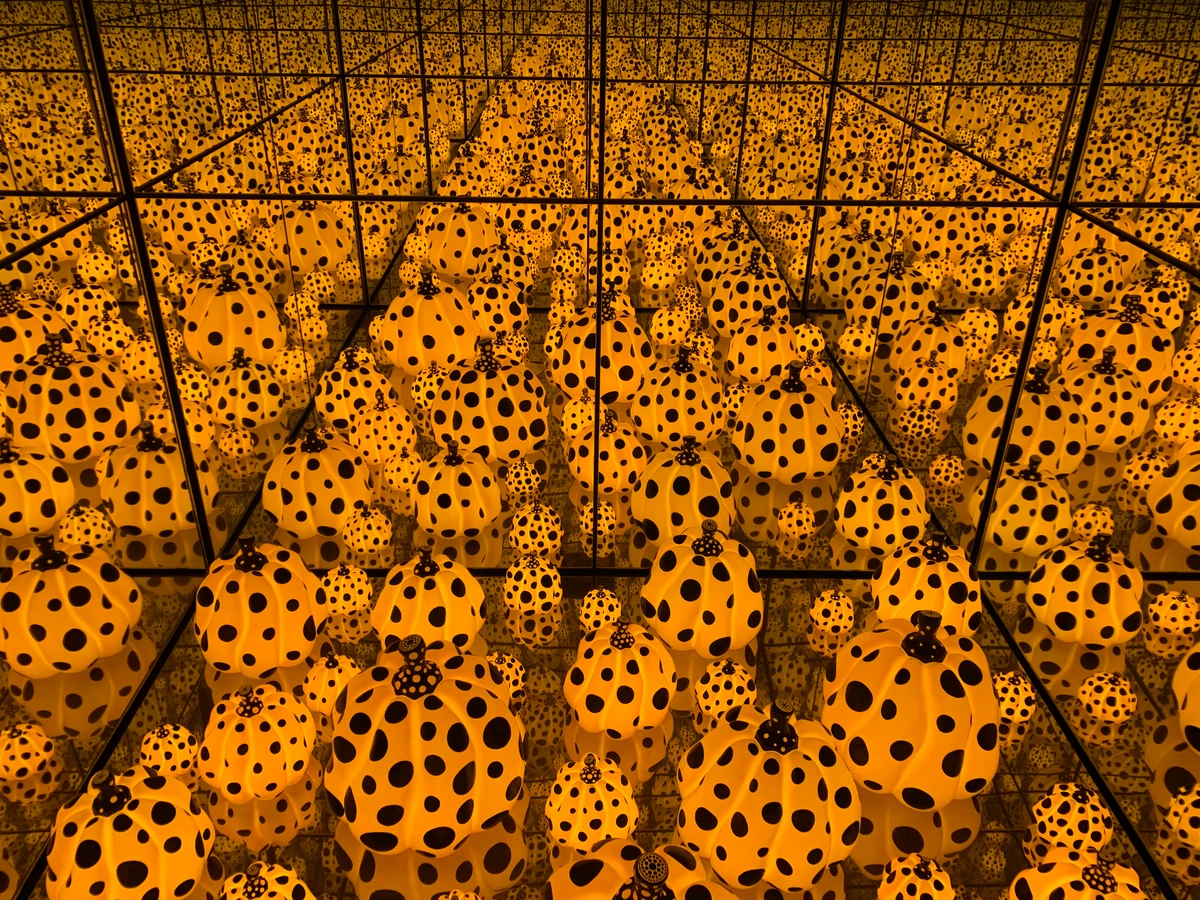
My kid could do that. How is this considered high art? Ah, the classic objection—and honestly, one of my favorite questions because it cuts to the heart of how we understand skill, intention, and meaning in art. The funny thing is, most of the time, your kid couldn't do that—not in the way the artist did.
Yes, a child might be able to replicate the visual appearance of a Jackson Pollock drip painting or a Sol LeWitt wall drawing, but they couldn't replicate the decades of aesthetic development, theoretical inquiry, and cultural conversation that led to that specific gesture appearing at that specific moment in history. The skill lies not in manual dexterity or technical virtuosity, but in conceptual rigor, historical awareness, and knowing exactly what to leave out.
Consider Felix Gonzalez-Torres's 'Untitled' (Portrait of Ross in L.A.)—a pile of candies in the corner of a gallery that visitors are invited to take. Yes, literally anyone could pile candy in a corner. But not everyone could create a work that simultaneously functions as a self-portrait, a memorial to a loved one lost to AIDS, a commentary on the AIDS crisis's erasure of queer lives, and a radical rethinking of what constitutes a 'portrait' or 'monument.' The candy pile is just the tip of a massive iceberg of thought, grief, politics, and formal innovation.
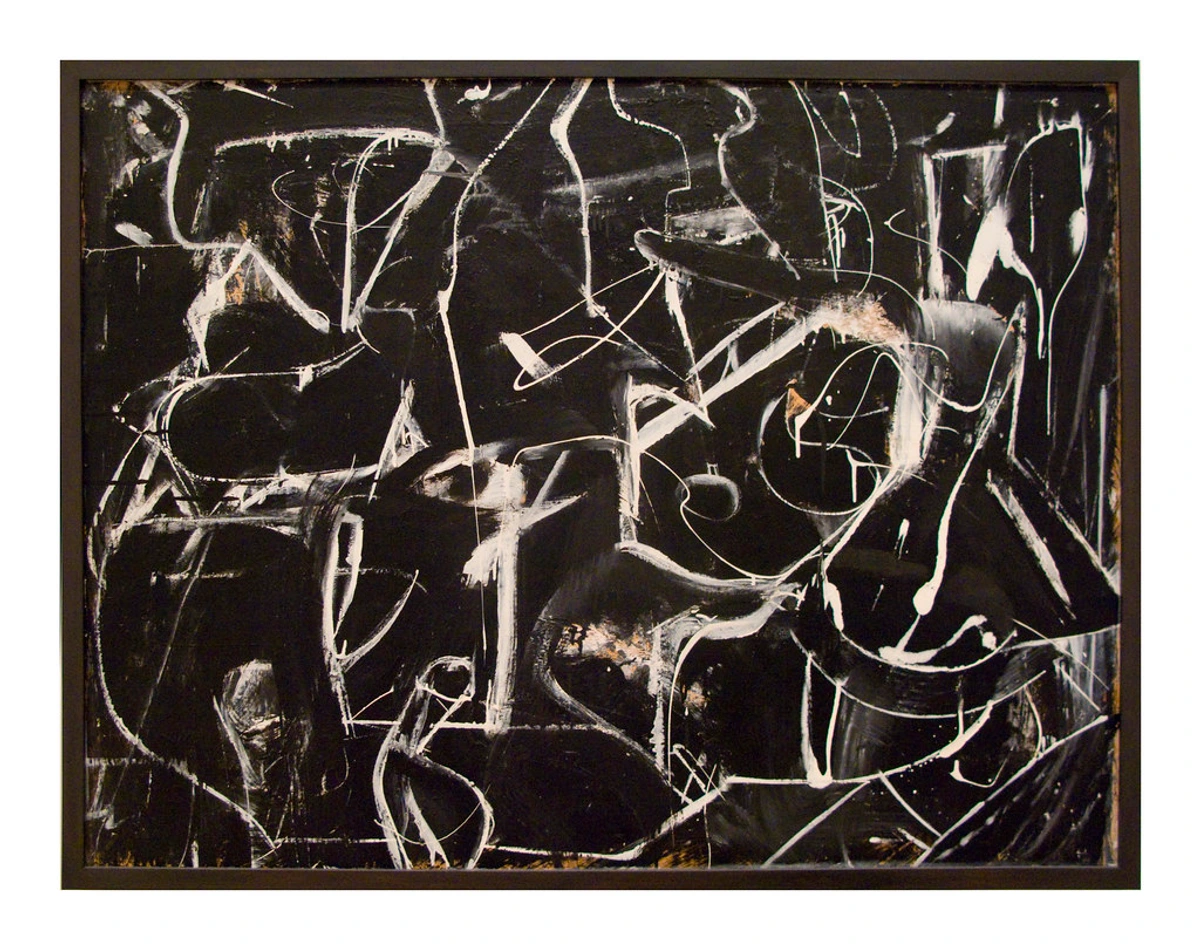
The art isn't the pile of candy—it's the complex web of meanings, emotions, and cultural critiques that the candy pile activates. This is what separates art from craft, and conceptual innovation from technical skill alone. When Marcel Duchamp put a urinal in a gallery in 1917, he wasn't claiming urinal-making was his artistic skill—he was claiming the power to redefine what could be considered art at all. That act changed everything that came after it.
Contemporary art often looks simple because the most sophisticated artists have learned to communicate complex ideas with maximum efficiency. They've done the hard work of thinking, failing, refining, and distilling until only the essential gesture remains. What you're seeing in the gallery is just the final paragraph of a very long, complex argument. The art exists in the distance between what it appears to be and what it actually means.
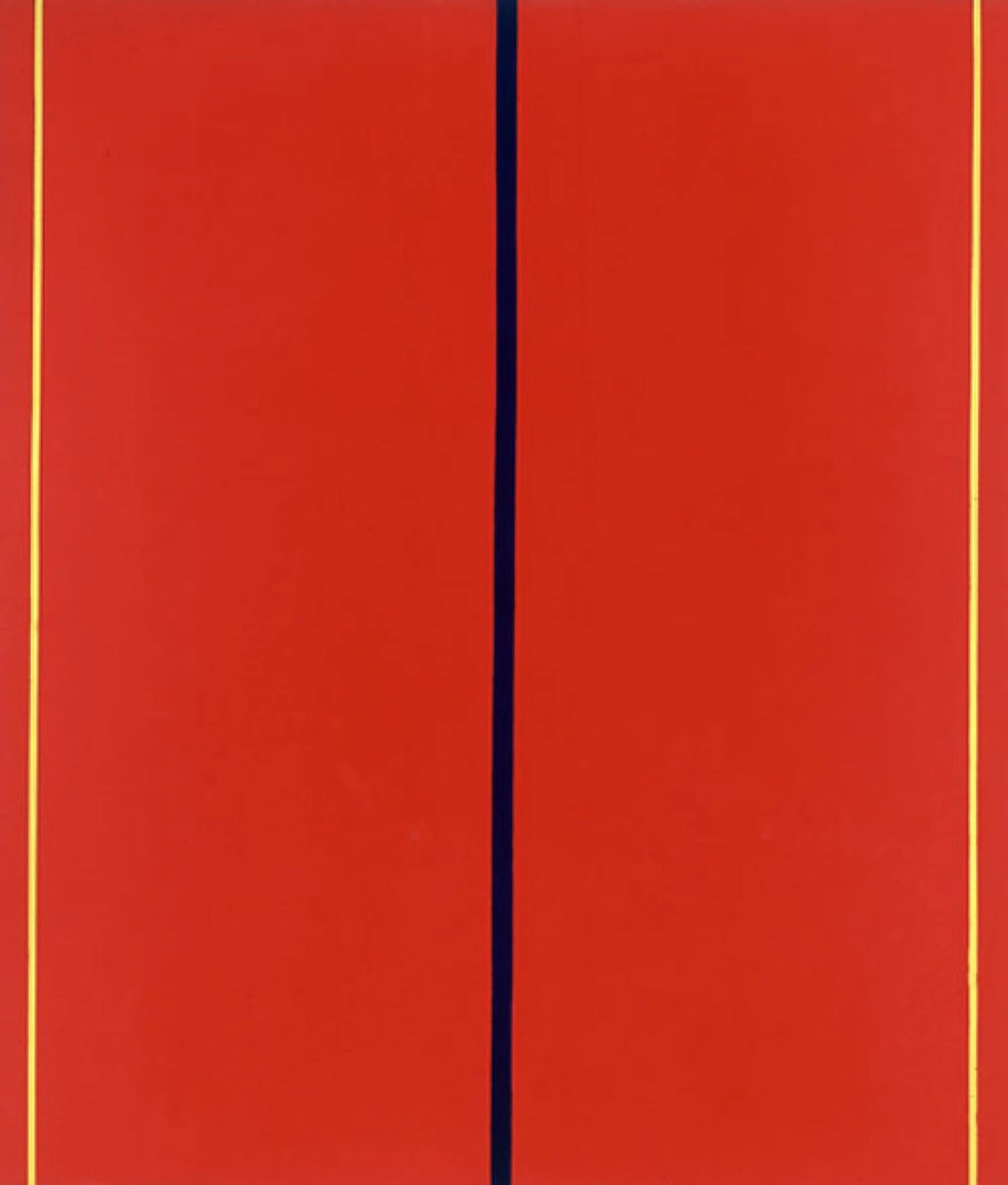
Consider Marcel Duchamp's "Fountain"—that infamous urinal from 1917. The skill wasn't in selecting or modifying the urinal; it was in understanding how the institutional frame of the gallery transforms any object placed within it. Duchamp revealed that art isn't a quality inherent in objects but a function of context, convention, and consensus. This single gesture opened the floodgates for everything that followed—Conceptual Art, Pop Art, Appropriation Art, and ultimately all the new avenues we're discussing.
Or take Felix Gonzalez-Torres's "Untitled" (Portrait of Ross in L.A.)—that pile of candies in the corner. The profound intelligence isn't visible on the surface. The work is simultaneously a self-portrait (the ideal weight of the candy matches the artist's body weight), a memorial to his partner Ross who died of AIDS, a commentary on how the AIDS crisis made queer bodies and lives disappear from public view, a radical reimagining of what constitutes a "monument," and an act of generosity (viewers take candy, making the portrait gradually disappear, just as Ross did). Each candy taken is a small act of communion with this absent person. The work transforms viewers from passive observers into active participants in both remembering and memorializing.
Once you understand the conceptual depth behind these seemingly simple gestures, you realize that what looks effortless actually represents years of intellectual labor, emotional processing, and formal innovation. The apparent simplicity is actually sophistication—the ability to convey volumes through minimal means. These artists are like expert chefs who can create extraordinary flavor with just three ingredients because they deeply understand how those ingredients interact.
Is this all just a trend? Will art go back to being just painting and sculpture? Art never went anywhere—painting and sculpture are thriving, evolving, and continuing to generate vital work. These new avenues aren't replacements; they're radical expansions of what art can be and do. Think of it like music: the invention of the synthesizer, the electric guitar, or digital sampling didn't destroy the violin or piano. Instead, each innovation opened new sonic territories while giving us fresh ears to hear traditional instruments.
What we're witnessing isn't a trend but a paradigm shift—similar to how photography's invention in the 19th century initially seemed to threaten painting but ultimately liberated it from the burden of realistic representation, leading to Impressionism, abstraction, and everything that followed. Photography didn't kill painting; it forced painting to discover its unique capacities beyond mere documentation.
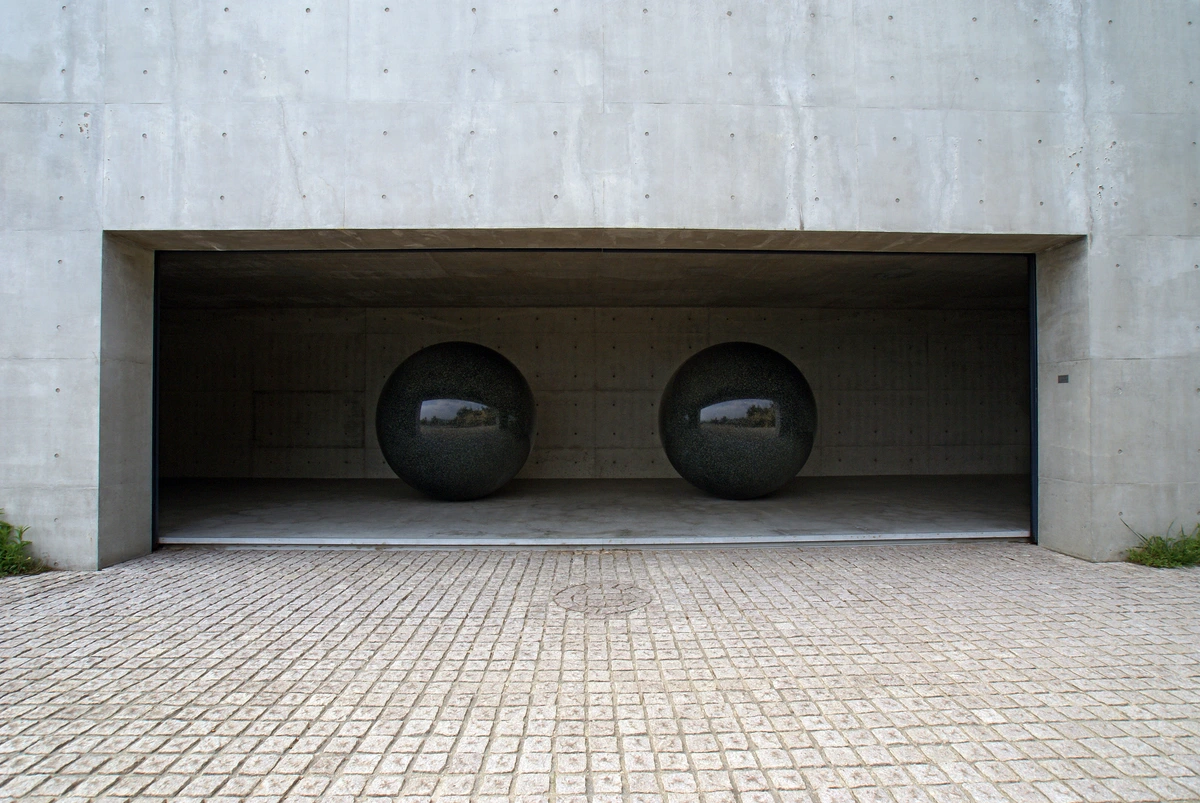
Digital tools, new materials, and conceptual approaches are doing something similar today. They're revealing that painting and sculpture were never just about technical skill or material manipulation—they were always about ideas, emotions, and ways of seeing. Now that we have other tools for creating images and objects, traditional media become clearer about what only they can do: the unique presence of a physical object aging in real time, the evidence of human touch across a surface, the way light interacts with pigment in three-dimensional space.
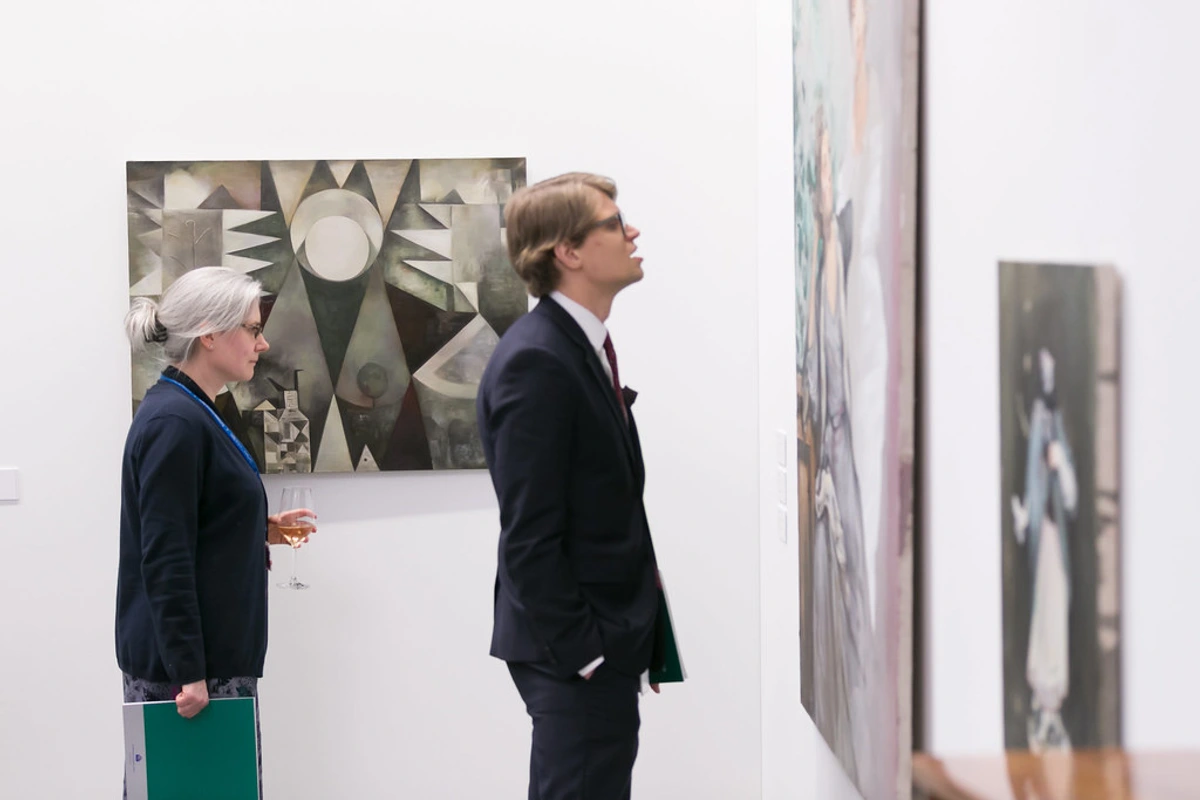
The most interesting contemporary artists often work across multiple approaches—maintaining a painting practice while also creating digital work, or making sculpture alongside social practice projects. The boundaries aren't rigid categories but permeable membranes. Painting influences digital work, which influences performance, which circles back to inform how we understand the oldest artistic forms.
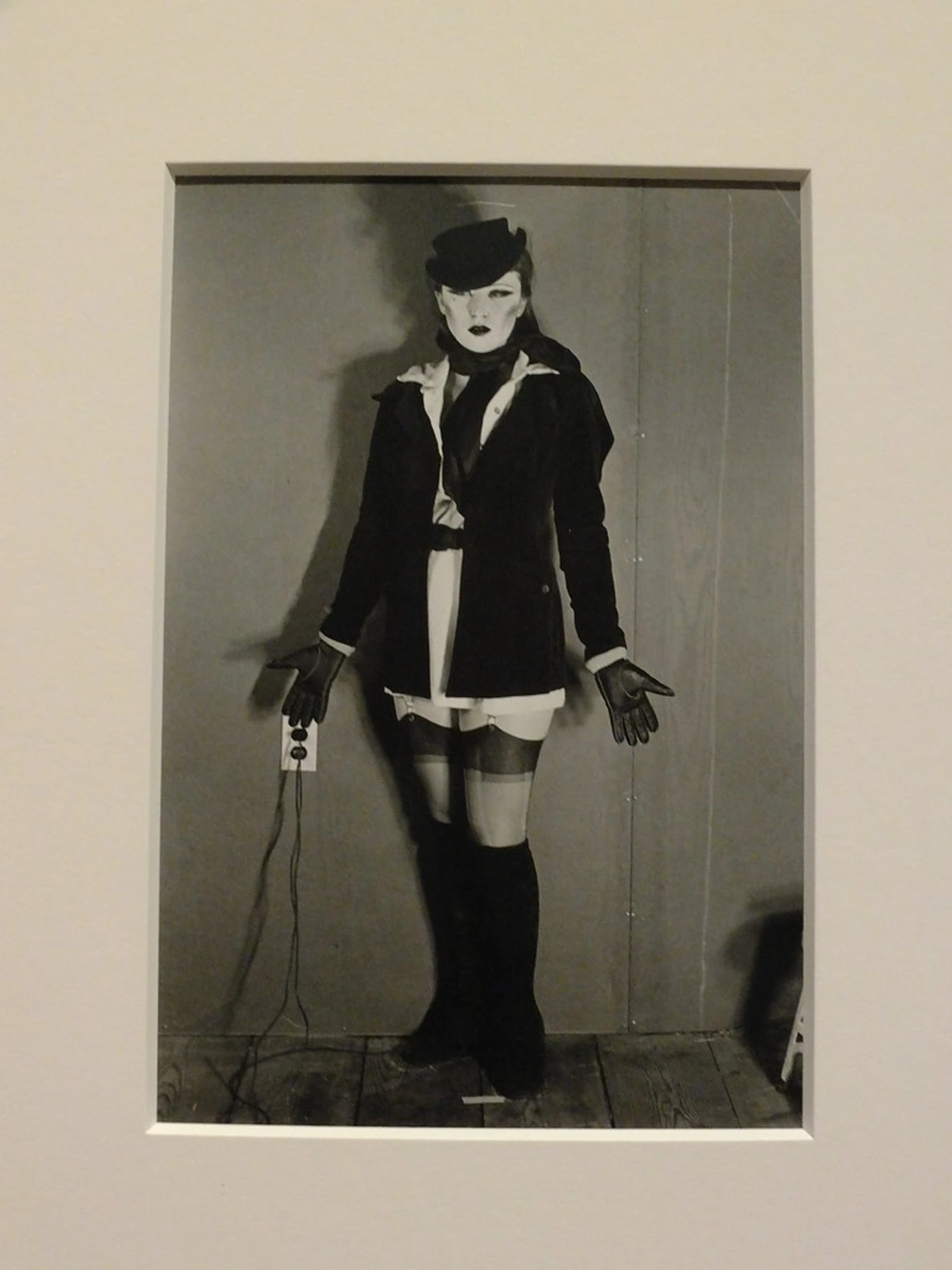
Rather than a linear progression where new replaces old, we're seeing a rich ecosystem where multiple approaches coexist, inform each other, and collectively expand our understanding of what art can be. The question isn't 'Will painting survive?' but 'How will painting continue to surprise us?' Based on what I'm seeing, the answer is: in endlessly inventive ways.
The Canvas is Expanding
We're in a moment of radical openness in art. The old categories are blurring, the new tools are demystifying, and the conversation is global. It's less about mastering a single discipline and more about being a creative problem-solver, a question-asker, and a world-builder.
The Future is Already Here (And It's Complicated)
I want to end with a story that captures why I find this moment both thrilling and terrifying. A few months ago, I visited an exhibition featuring "machine hallucinations"—AI-generated images based on patterns found in vast datasets of historical art. The work was visually stunning: ethereal landscapes that somehow felt both ancient and futuristic, familiar and alien. For the first few minutes, I was completely seduced by the beauty and technical sophistication.
But as I spent more time with the work, something started to bother me. The AI had been trained on museum collections—which meant it had learned to "hallucinate" primarily from European male artists, with a few token exceptions. The machine had perfectly reproduced and amplified centuries of art historical exclusion. The "hallucinations" weren't free-floating creativity—they were digital ghosts of colonial violence and institutional gatekeeping.
This is the central challenge facing contemporary artists working with new technologies: tools are never neutral. Every algorithm, every dataset, every platform carries the political and social DNA of its creators. Working with new technologies means inheriting all their embedded assumptions, biases, and blind spots.
The artists I most admire in this space are the ones who don't just use these tools uncritically. They reverse-engineer them, hack them, expose their hidden politics, and build alternatives. They ask not just "What can this technology do?" but "Who does this technology serve, who does it harm, and what worlds does it make possible or impossible?"
This critical approach to technology—simultaneously embracing its possibilities while interrogating its politics—is what separates meaningful contemporary practice from superficial novelty. It's what makes contemporary art more urgent than ever, not less.
But this openness also brings challenges. Without established criteria, how do we distinguish meaningful innovation from empty spectacle? How do emerging artists navigate a field without clear gatekeepers or career paths? How do institutions adapt to practices that don't fit traditional exhibition models?
These questions don't have easy answers, but the fact that we're asking them is itself significant. It means the conversation is alive, contested, and evolving—exactly where interesting things happen.
Critical Frameworks: How to Think About AI Art
As AI art continues evolving, several distinct approaches are emerging—not all of them equally interesting or ethical:
1. The Tool Approach: Using AI as a sophisticated paintbrush to achieve pre-existing artistic visions. Artists like Mario Klingemann and Helena Sarin have spent years developing painterly AI systems that generate work clearly rooted in traditional art history and aesthetics—just created through digital processes. The AI amplifies human creativity rather than replacing it.
2. The Collaboration Approach: Working with AI systems as genuine collaborators where both human and machine contribute meaningfully to the outcome. Memo Akten creates works where he sets initial parameters, then engages in dialogue with the AI system, shaping its output while remaining open to surprises and emergent behaviors. This approach treats AI less as a tool and more as a creative partner with its own agency.
3. The Mirror Approach: Using AI to reflect human bias, desire, and cultural assumptions back at us. Stephanie Dinkins works specifically with AI trained on photo archives of Black families, creating chatbot installations that reveal how AI systems encode and reproduce racial politics. Her work shows how AI doesn't just reflect existing bias—it amplifies and naturalizes it.
4. The Provocation Approach: Pushing AI systems to their breaking points to reveal their limitations and internal logic. Ian Cheng creates generative AI simulations that evolve according to their own rules, producing emergent narratives that surprise both artist and audience. His work asks whether consciousness and creativity are essentially emergent phenomena that could arise from any sufficiently complex system.
5. The Theft Approach: Using AI systems trained on copyrighted images without permission to generate derivative work. This is the approach that's generated the most controversy—and rightfully so. When AI art companies scrape millions of images from the internet without artists' consent, they're building businesses on stolen labor and intellectual property.
The ethical dimension of AI art can't be separated from its aesthetics. Artists working with AI have a responsibility to understand where their training data comes from, who benefits from the systems they use, and how their work perpetuates or challenges existing power structures. Using AI as an excuse to avoid these questions isn't avant-garde—it's just lazy and exploitative.

The Brave New Collectors: Patronage in the Expanded Field
The emergence of these new avenues hasn't just changed how artists work—it's fundamentally reshaping who gets to participate in the art ecosystem. Traditional models of patronage and collecting are being supplemented (and sometimes supplanted) by more diverse forms of support.
We're seeing technologists commission digital artists to create unique software works that only run on custom hardware they own. We're seeing community organizations commission social practice artists to facilitate neighborhood development projects. We're seeing scientists collaborate with bio-artists on research visualization that gets exhibited in both labs and galleries. The old model of "wealthy collector buys object to display privately" is being joined by models where support flows to process, research, and public engagement.
Platforms like Patreon and Kickstarter have enabled direct support relationships between artists and audiences, bypassing traditional gatekeepers. Museums are increasingly commissioning performance, digital, and social practice work rather than just collecting objects. Corporate collections are evolving beyond paintings on office walls to include data visualization, interactive installations, and AR experiences that serve both aesthetic and functional purposes.
This expansion creates opportunities for new kinds of expertise too. We need conservators who understand how to maintain digital files and living artworks. We need curators fluent in game design and social dynamics. We need art advisors who can help collectors navigate commissioning performance work or supporting community-engaged projects. The entire ecosystem around art is adapting to accommodate practices that don't fit in traditional boxes.
The most significant change is psychological: we're moving from an art world based on objects to one based on relationships. Artists aren't just making things to sell—they're building practices, conducting research, developing projects, and maintaining ongoing engagement with communities and ideas. Collectors aren't just buying finished products—they're investing in the continued evolution of an artistic inquiry.
This creates new possibilities for how artists can sustain their practices beyond the traditional gallery model. Some artists are essentially creating their own small cultural organizations—maintaining studios that function as community centers, research hubs, or educational spaces. Others are building practices that combine commissioned work, teaching, public projects, and commercial sales in flexible combinations that can adapt as opportunities and interests evolve.
The most resilient contemporary artists I know are the ones who've stopped trying to fit into existing systems and instead created their own hybrid models. They might spend one year creating a large-scale public installation, the next teaching experimental workshops, the next developing a commercial product line, the next doing pure research. This flexibility isn't about being opportunistic—it's about recognizing that sustainable artistic practice requires multiple streams of support, engagement, and impact.
This model isn't entirely new. It actually resembles older forms of patronage, where wealthy families supported artists over decades rather than purchasing individual works. Renaissance artists didn't just sell paintings—they maintained long-term relationships with patrons who funded their ongoing experimentation. In many ways, we're returning to a more sustainable model of cultural support, one based on sustained investment in artistic practice rather than speculation on artistic products.
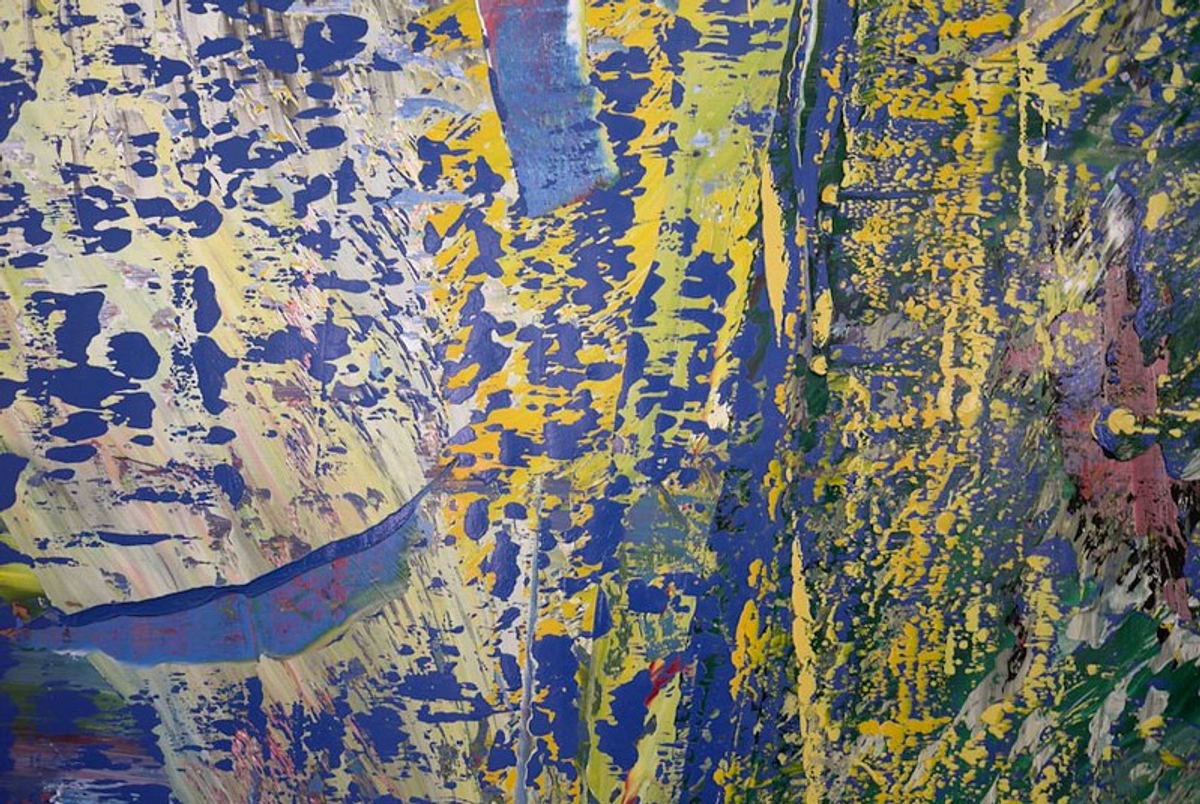
















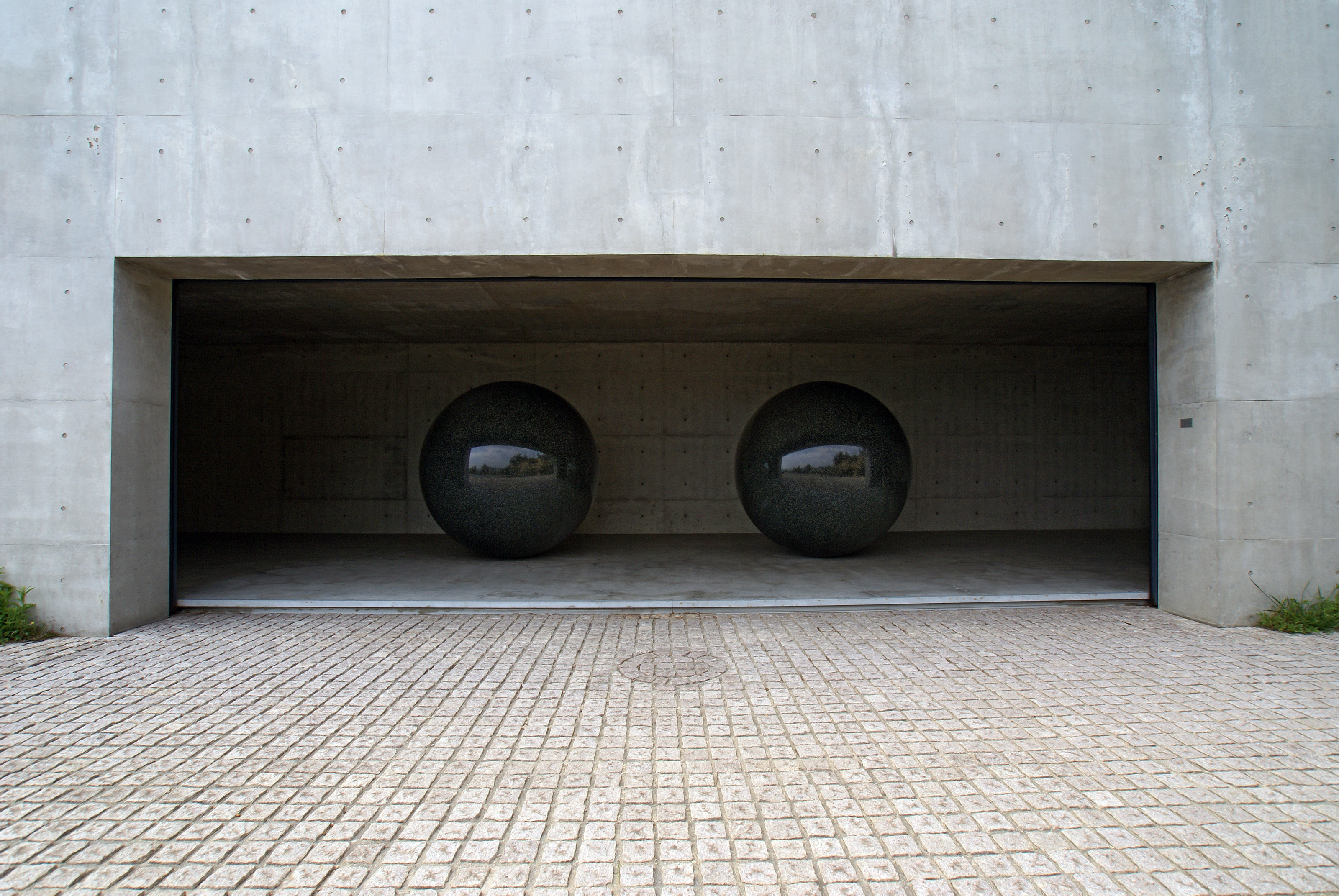


If you're curious about how I navigate this wild world in my own studio, exploring color and form across different projects, you can always see what I've been up to on my timeline page.