The Evolution of Still Life Art: History, Symbolism, & Modern Interpretations
Uncover still life's captivating journey from ancient symbols to Dutch Golden Age opulence, radical Modernism, and its profound contemporary relevance, through an artist's personal lens.

The Evolution of Still Life Art: History, Symbolism, and Modern Interpretations
Confession: For far too long, my view of still life painting was, well, pretty limited. I’d conjure images of ‘dusty fruit bowls’ or ‘wilting flowers,’ and then, internally at least, I’d politely escort the conversation towards something I found more 'exciting' – perhaps a dramatic abstract explosion of color, or a philosophical debate about art’s purpose. I mean, who really gets fired up about static objects, right? But oh, how spectacularly wrong I was! My perspective shifted, as it often does when you really look, and I discovered a whole universe beneath that quiet surface. This journey will trace the incredible evolution of still life, offering a truly comprehensive historical overview. We'll uncover its hidden meanings, meticulous observations, and grand statements about life, death, and everything in between, all alongside my own evolving understanding of this profound genre.
This personal revelation led me down an art history path, revealing that still life, fundamentally, is a work of art depicting mostly inanimate subject matter – common objects, be it natural like fruit and flowers, or man-made like vases and books. The true magic lies in the deliberate arrangement, often intended to convey meaning, tell a story, or simply explore aesthetics like light and texture. It became clear to me that still life isn't just about static objects; it's a profound lens through which we can understand human history, culture, and our ever-evolving perception of reality. From ancient offerings to modern deconstructions, it's a story far richer than I ever imagined. As an artist who spends a lot of time exploring abstraction, I've come to deeply appreciate still life's power – it's about finding the essence beyond the literal form, about truly seeing the world, not just looking at it. And sometimes, that's where the real magic happens. So, let’s start right at the beginning, thousands of years ago, and trace this incredible, quiet genre through the ages, revealing its surprising psychological depth along the way.
The Earliest Whispers: Still Life in Antiquity & Beyond
It’s funny, we often pinpoint still life as a distinct genre emerging at a specific historical moment, but honestly, humans have been drawing and painting everyday objects for as long as, well, forever – or at least since we started making marks on cave walls. Even before the Egyptians, if you peer into Mesopotamian ziggurats or early Chinese tombs, you’ll find intricately rendered objects – vessels, tools, ritual items – hinting at their practical and symbolic roles. Think of the elaborate bronze vessels from the Shang Dynasty in China, often adorned with animal motifs, or the intricate Mesopotamian cylinder seals depicting offerings, which weren't just functional but imbued with deep spiritual significance, often intended to ward off evil or ensure prosperity. And if we go back even further, to the deepest caves where prehistoric artists left their marks, we find depictions of animals, hunting tools, and even symbolic handprints. While not "still life" in the classical sense, these early records reveal a fundamental human impulse to depict the tangible world, imbue objects with meaning, and capture their essence for ritual or spiritual purposes. Our ancestors weren't just illustrating; they were actively trying to understand, record, and perhaps even control their environment through representation.
These weren't just decorative; they often played a crucial part in religious beliefs, burial practices, or conveying status. Take an ancient Egyptian tomb, for example: you’ll find offerings of food for the afterlife. These aren't just generic piles; they’re meticulously rendered baskets of bread, jugs of wine, and cuts of meat. These weren't about aesthetic beauty alone; they were deeply functional and symbolic, crucial for the deceased's eternal sustenance. This early meticulous rendering of objects also served as a foundational exercise, a practice still life continued to play for millennia, teaching artists observation and technical skill – a direct link to what I still do in my studio today, just with different subjects. We even see this early symbolic use in early Christian art, where seemingly simple objects like a fish (Ichthys) or an anchor could carry profound theological meaning, acting as veiled symbols of faith in a hostile world. This demonstrates a universal human tendency to imbue the tangible with the transcendent, a thread that weaves through all of art history.
Fast forward to the Greeks and Romans, and they really took things up a notch with incredible frescoes and mosaics. Beyond xenia (depictions of gifts for guests) and trompe l'oeil (deceive the eye) pieces – delightful challenges to perception that I find endlessly fascinating – Roman artists created a wide variety of still lifes. You can see this in the vibrant frescoes of Pompeii and Herculaneum, where everyday items like food, household tools, theatrical masks, scientific instruments, or even depictions of animals and fish were rendered with such detail and variety, serving both decorative and symbolic purposes. This meticulous attention to the tangible world truly shows how early artists were obsessed with capturing reality, a playful boundary-pushing that still makes me smile. It also solidified still life's role as a fundamental training ground for artists to master rendering, composition, and light—a timeless practice, really, for honing essential observational skills. This foundational exploration of objects, imbued with meaning and aesthetic delight, laid the groundwork for the rich symbolic narratives that would soon emerge in the Renaissance. Intriguingly, Greek and Roman philosophical thought also played a role; the appreciation for the beauty of everyday objects, known as chrysographia, extended beyond mere decoration, sometimes hinting at a memento vivere – a reminder to 'remember to live' and appreciate life's simple pleasures, a fascinating counterpoint to later memento mori.
The Renaissance & Its Hidden Narratives
After the Middle Ages, where religious subjects dominated and still life primarily appeared as symbolic objects within larger narratives, the Renaissance breathed new life into the genre. It’s not that standalone still life suddenly blossomed everywhere, but the symbolic resonance of everyday items became far more pronounced. We even see glimpses of this careful observation of objects in illuminated manuscripts, where meticulous botanical studies or allegorical items would adorn the margins, setting the stage for more focused depictions.
Early Renaissance: Symbolism and Skill
Artists like Jan van Eyck, in his "Arnolfini Portrait," or Hans Memling, in his devotional works, meticulously included objects – a single burning candle (symbolizing God's presence or fleeting life), a discarded pair of shoes (representing sacred ground), or a reflective convex mirror (alluding to God's all-seeing eye or the artist's presence) – each laden with meaning about piety, mortality, human virtues, or even the artist's role. Beyond van Eyck and Memling, artists like the Flemish Clara Peeters, one of the earliest known female still life painters, often depicted elaborate banquet scenes with remarkable precision and attention to light, making her work feel both grand and intimate. Her contemporary, Jacob van Hulsdonck, was celebrated for his delicate arrangements of fruit and flowers, focusing on the interplay of light and shadow. The Antwerp school also saw the rise of more dynamic still lifes, with artists like Frans Snyders often integrating animals and game into opulent compositions, bridging the gap between still life and animal painting. Even earlier, artists like Joachim Beuckelaer and Pieter Aertsen were already integrating substantial still life elements into their expansive market and kitchen scenes, subtly elevating the mundane to significant artistic subjects. It was like they were saying, 'Hey, look closely, there's more here than meets the eye!' Artists crafted visual puzzles, a complex language that demanded an educated viewer to truly understand the underlying symbolism, not just glance at it. That feeling of needing to decode a painting, of knowing there’s a hidden layer, is both frustrating and incredibly rewarding when it clicks. This era also saw the rise of still life as a genre valued by private collectors, showcasing not just moral messages, but also their wealth, taste, and intellectual curiosity through meticulously rendered objects and intricate compositions. The era's burgeoning interest in anatomy and scientific observation also contributed to the incredible realism seen in these works, pushing artists to depict nature with unprecedented accuracy. This fascination with accurate depiction was further amplified by the invention of the printing press, which allowed for the widespread dissemination of illustrated herbals, scientific texts, and anatomical studies. These provided artists with new visual references and inspired even greater detail in their botanical and natural renderings.
The Rise of Vanitas and Materiality
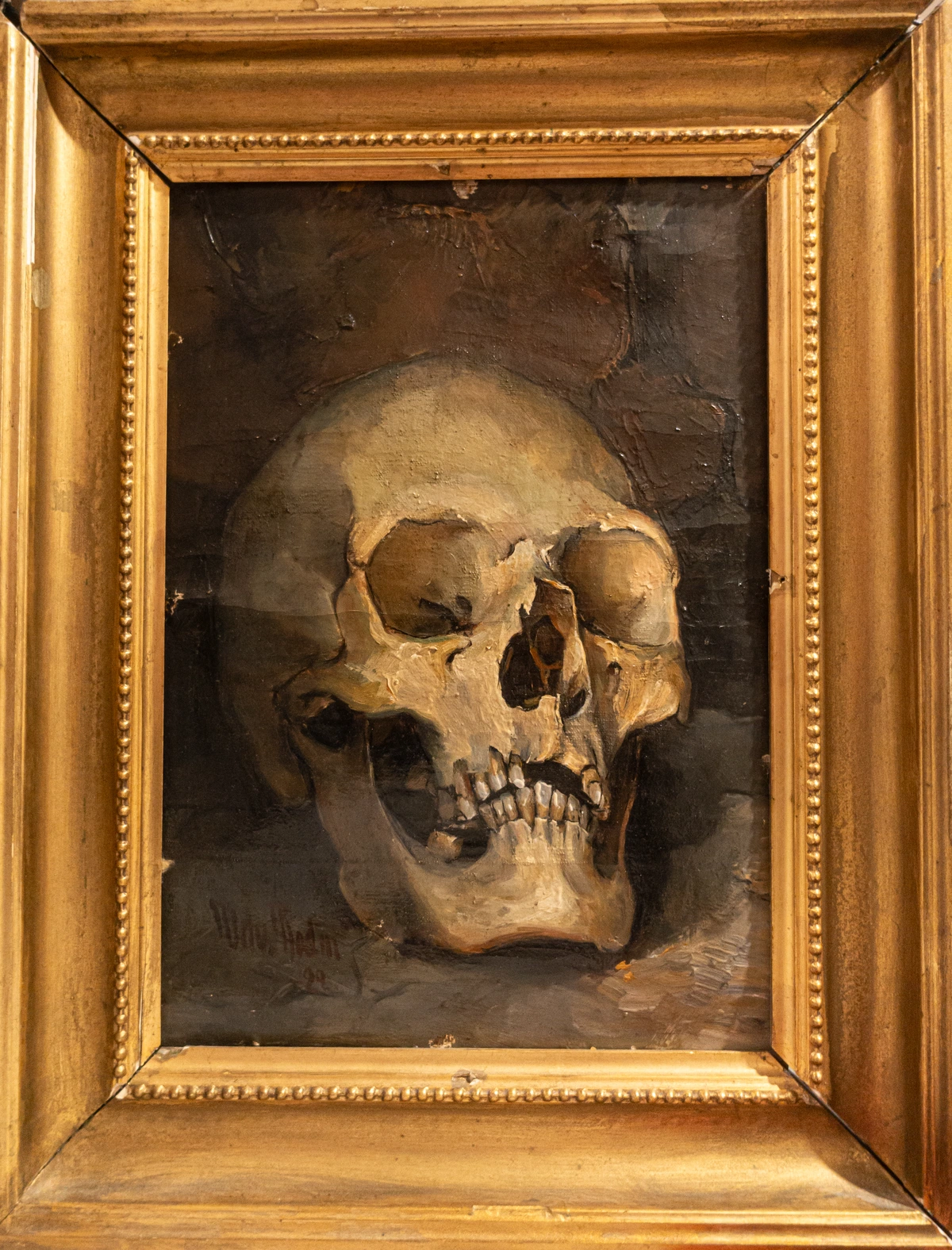
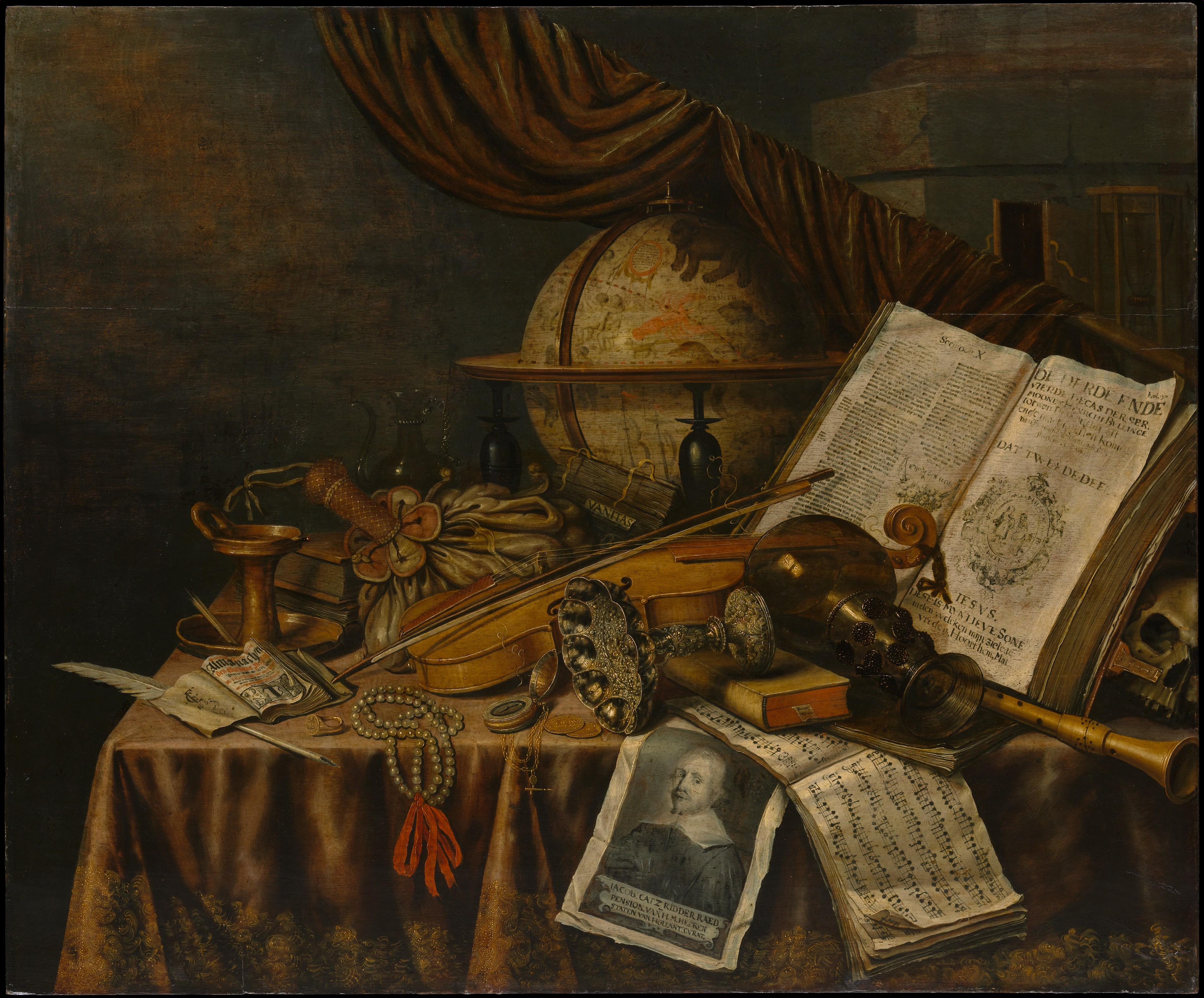
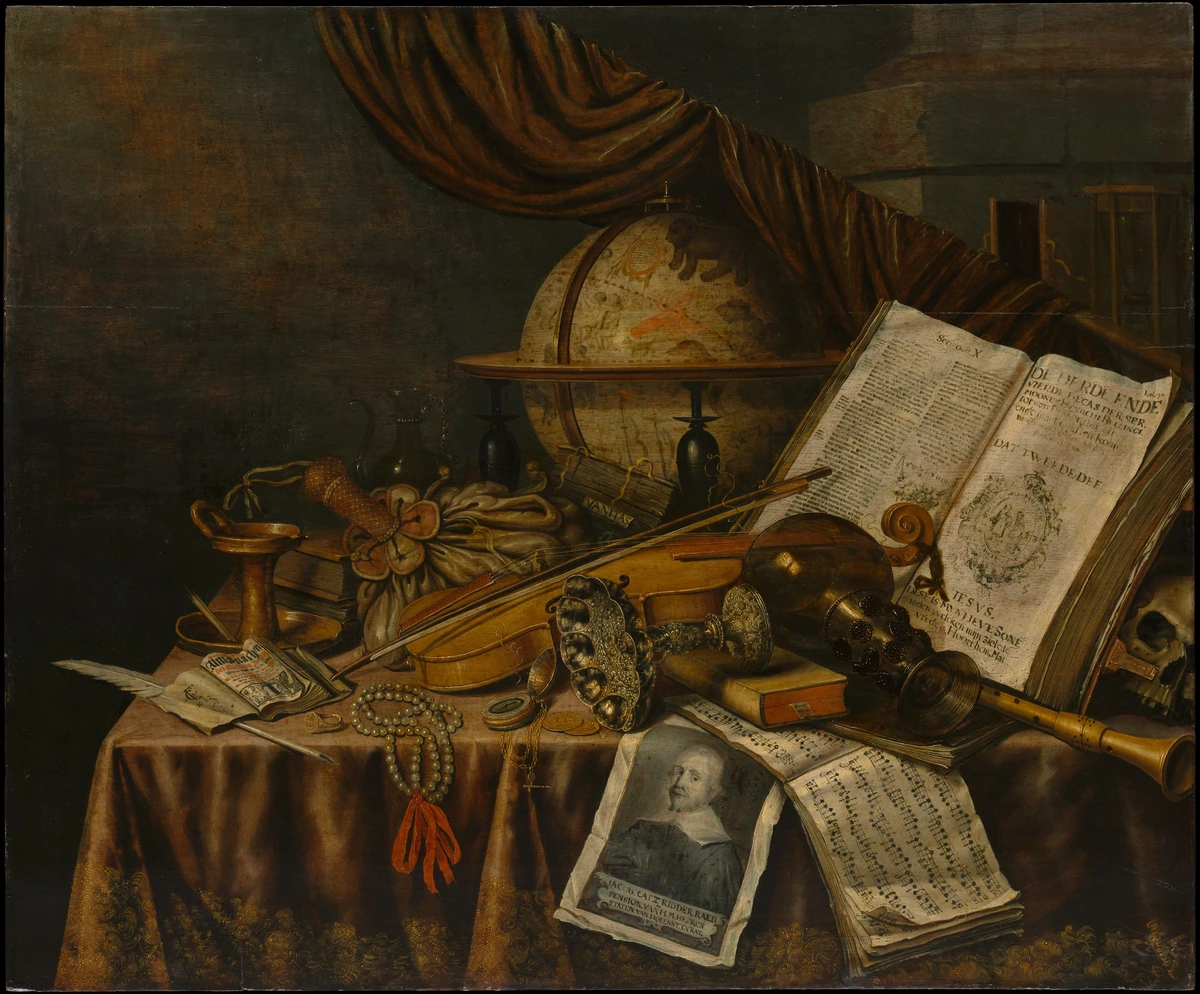
During this period, and particularly as we moved towards the Northern Renaissance, we see the true emergence of the vanitas painting, especially prevalent in the Netherlands. These weren't merely pretty arrangements; they were powerful moral reminders. Imagine a skull (an undeniable memento mori – "remember you must die"), a snuffed candle (life extinguished), decaying fruit (the inevitability of decay), or fragile bubbles (beauty's ephemeral nature) – all carefully placed to echo the Latin phrase "vanitas vanitatum" ("vanity of vanities"). They told you, quite explicitly, that life is fleeting, earthly pleasures are ultimately empty, and perhaps focusing on your immortal soul might be a better use of your time. The purpose of these paintings was not just to warn, but to subtly encourage a shift towards spiritual or intellectual pursuits. A bit morbid, sure, but undeniably profound and deeply thought-provoking, capturing that tension between earthly beauty and inevitable decay. This philosophical undercurrent wasn't just about simple warnings; it often resonated with Stoic ideas about accepting impermanence and focusing on virtue, a deep contemplation of human existence in the face of the finite. I once saw a particularly striking vanitas with a half-eaten lemon that just screamed "life's bitterness" to me, even through centuries of dust – a powerful punch that somehow still felt relevant, making me consider my own mortality and priorities. This rich tapestry of symbolism and meticulous observation would soon give way to a new era of opulent displays and domestic reflections.
What profound truths do you think still life artists of the Renaissance were trying to communicate to their audiences?
The Golden Age of Dutch Still Life: A Feast for the Eyes and Mind
Now, for my absolute favorite chapter in the still life story: the Dutch Golden Age of the 17th century. If you ever dive into a guide to the Golden Age of Dutch painting, you’ll find still life right at its heart. This flourishing was partly due to the Protestant Reformation, which shifted patronage away from grand religious commissions, opening up a thriving market for art that reflected domestic life, personal wealth, and the simple pleasures of the burgeoning merchant class. Beyond religious shifts, the Dutch Republic's immense economic prosperity, fueled by global trade through entities like the Dutch East India Company, meant a rapidly expanding, wealthy middle class with disposable income for art. This led to the development of a vibrant art market, with dealers, galleries, and even public exhibitions, creating an unprecedented demand for secular subjects like still life that mirrored the daily lives and aspirations of these new patrons.
These artists weren't just painting food; they were celebrating life's bounty, the burgeoning wealth from global trade, and the profound pleasures of a good meal. They often used oil paints with meticulous layering and glazes to achieve that incredible luminosity and depth, a technique that helped capture every glistening drop and velvet texture. This attention to detail wasn't just for show; it often required incredible technical skill, from mastering pigment mixing to understanding the subtle effects of studio lighting to render objects with such lifelike precision. It's wild to think how scientific advancements of the era, such as the development of improved optical lenses and early microscopy, directly influenced this hyper-realistic detail, pushing artists to meticulously capture the intricate structures of plants and insects with unprecedented accuracy – indeed, the era's burgeoning interest in botanical illustration and natural history directly fueled the demand for such detailed depictions, making them both art and scientific record. But, almost invariably, if you looked closely enough, there was always that wilting flower, the half-eaten lemon, or the overturned goblet – subtle reminders that nothing, not even abundance, lasts forever. It’s a beautiful paradox, isn’t it? A vibrant celebration tinged with the quiet, inescapable acknowledgment of impermanence. This delicate balance between celebration and contemplation is something I find myself drawn to even in my abstract works – that tension between the ephemeral and the eternal.
Opulent Pronkstilleven, Humble Ontbijtje & More
The genre itself diversified into several popular sub-categories. You had the opulent pronkstilleven, overflowing with exotic fruits, precious metals, and luxurious textiles, showcasing wealth and status, often directly referencing the new global trade routes brought by the Dutch East India Company. Then there were the simpler ontbijtje or "breakfast pieces," which, despite their name, often depicted humble meals or snacks with exquisite detail – truly the 17th-century equivalent of today's Instagram food photography, I think, right down to the meticulous arrangement to make everyday fare look utterly mouth-watering. But the Dutch didn't stop there. We also see the flourishing of beautiful bloemstukken (flower pieces), where artists meticulously rendered bouquets that were often botanically impossible in reality, combining flowers from different seasons, all bursting with vibrant life but also carrying vanitas undertones of fleeting beauty. The incredible detail in these flower pieces was often influenced by burgeoning scientific advancements, such as early microscopy and the development of optical lenses, which allowed artists to study and depict the intricate structures of plants and insects with unprecedented accuracy, fueling a desire to capture the world in minute detail. And let's not forget the jachtstukken (game pieces), depicting hunted animals or hunting paraphernalia, often with a sense of both triumph and the quiet finality of death. Less common but equally fascinating were visschen (fish still lifes) that focused on fresh catches, and even "scientific" still lifes, where artists depicted specimens or instruments, reflecting the era's growing interest in natural history. This meticulous detail wasn't just about showing off; it was also heavily influenced by the era's burgeoning interest in scientific illustration and botanical studies, pushing artists to capture nature with unprecedented accuracy – an early precursor to the Enlightenment's emphasis on empirical observation. Artists like Willem Kalf, Floris van Dijck, and Pieter Claesz became unparalleled masters of light, texture, and compositional balance, making cheese look utterly delectable, silver gleam with impossible brilliance, and fruit appear so fresh you could almost pluck it from the canvas. This golden age of still life, with its blend of celebration and contemplation, set the stage for profound shifts in artistic intention, moving towards quieter observations and new explorations of light and color.
I find these paintings endlessly fascinating. They’re like tiny, impeccably rendered windows into a past world, rich with detail and often, as we've seen, deeper narratives. It's an art form that truly demands close looking, and that's a quality I deeply value and try to infuse into my own work today. What everyday object do you think would make a compelling subject for a modern ontbijtje? Perhaps a half-eaten avocado toast?
Shifting Perspectives: 18th and 19th Centuries
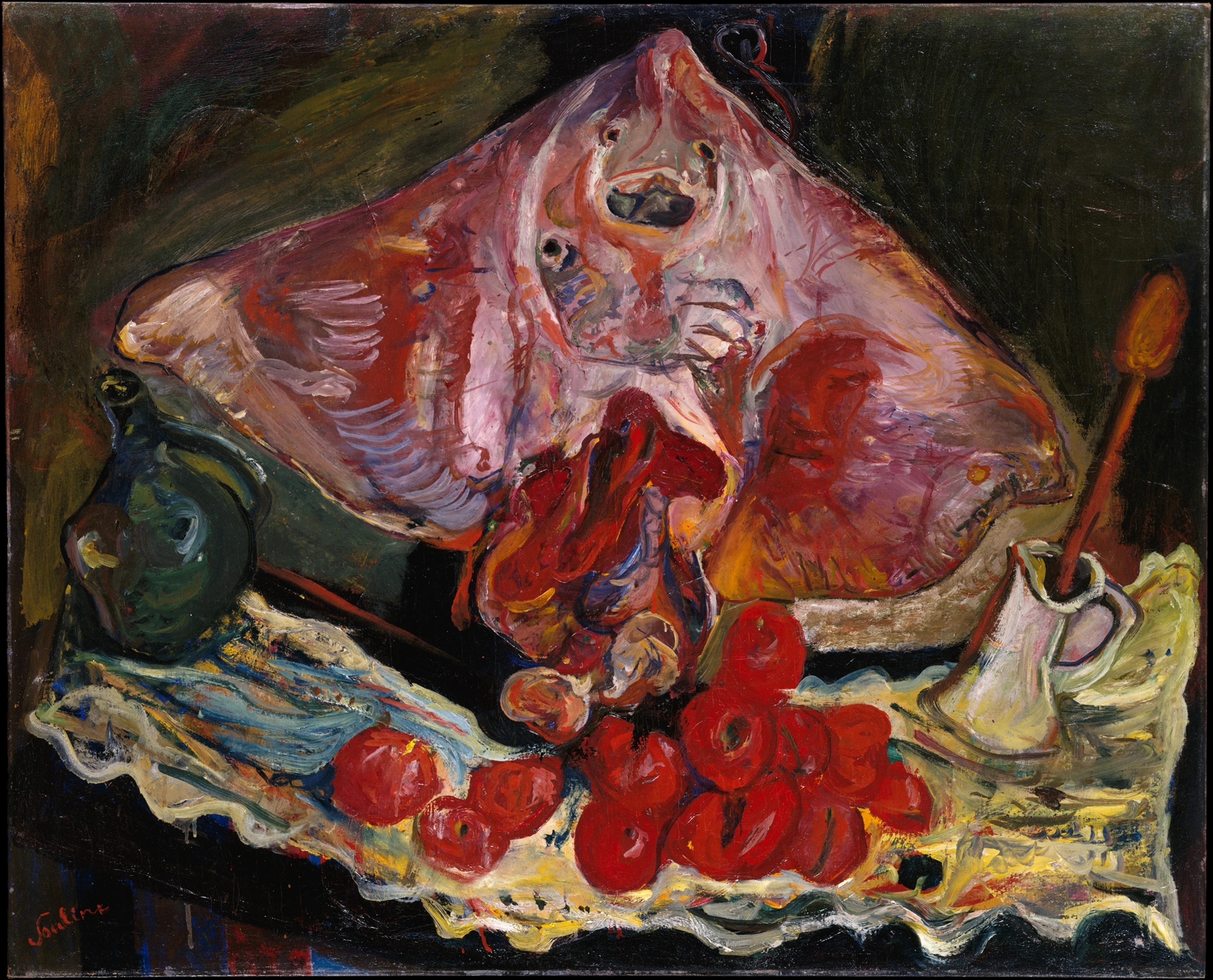
Moving beyond the rich symbolism of the Dutch Golden Age, the 18th century, with its Enlightenment ideals, and the subsequent rise of Impressionism in the 19th, saw still life begin to shed some of its heavy moralistic weight. This wasn't a sudden abandonment, but a gradual shift born from a new focus on reason, individualism, and the appreciation of the material world for its inherent qualities rather than purely didactic purposes. Think of Jean-Baptiste-Siméon Chardin: his 18th-century still lifes of a simple loaf of bread, a glass of water, or a kitchen utensil aren’t about grand pronouncements. They’re profound in their quiet dignity, a pure, almost meditative observation of light, texture, and form. This honesty deeply resonates with me; it’s about appreciating the inherent beauty in the mundane, elevating everyday objects to a level of quiet reverence that feels profoundly democratic. This is a foundational principle that even abstract art, in its own way, explores – finding the essence in the seemingly ordinary. Chardin's quiet mastery of everyday objects profoundly influenced later artists who sought to capture beauty in simple domestic scenes, paving the way for the Impressionists' focus on light and perception. This shift also mirrored the Enlightenment's emphasis on empirical observation and classification, moving art toward a more direct, unadorned engagement with the visible world. Importantly, throughout these centuries, still life continued to serve a practical role in scientific illustration and botanical studies, and it remained a core element in academic training, where students honed their skills in composition, rendering, and observational realism. Artists like Jean-Baptiste Oudry and Alexandre-François Desportes also emerged, specializing in vibrant hunting scenes and animal still lifes, bridging the gap between still life and broader genre painting. And Édouard Manet also played a fascinating role, using still life elements to bridge the gap between academic tradition and modern realism, often with a raw, unidealized quality that challenged conventions. Even Romantic artists like Francisco Goya would incorporate still life elements in their broader compositions, using them to heighten emotional impact or social commentary, adding a dramatic, often unsettling mood. I recall a Goya work where the sheer rawness of depicted meat acted as a powerful, almost brutal, still life element, underscoring the grim realities of his historical context.
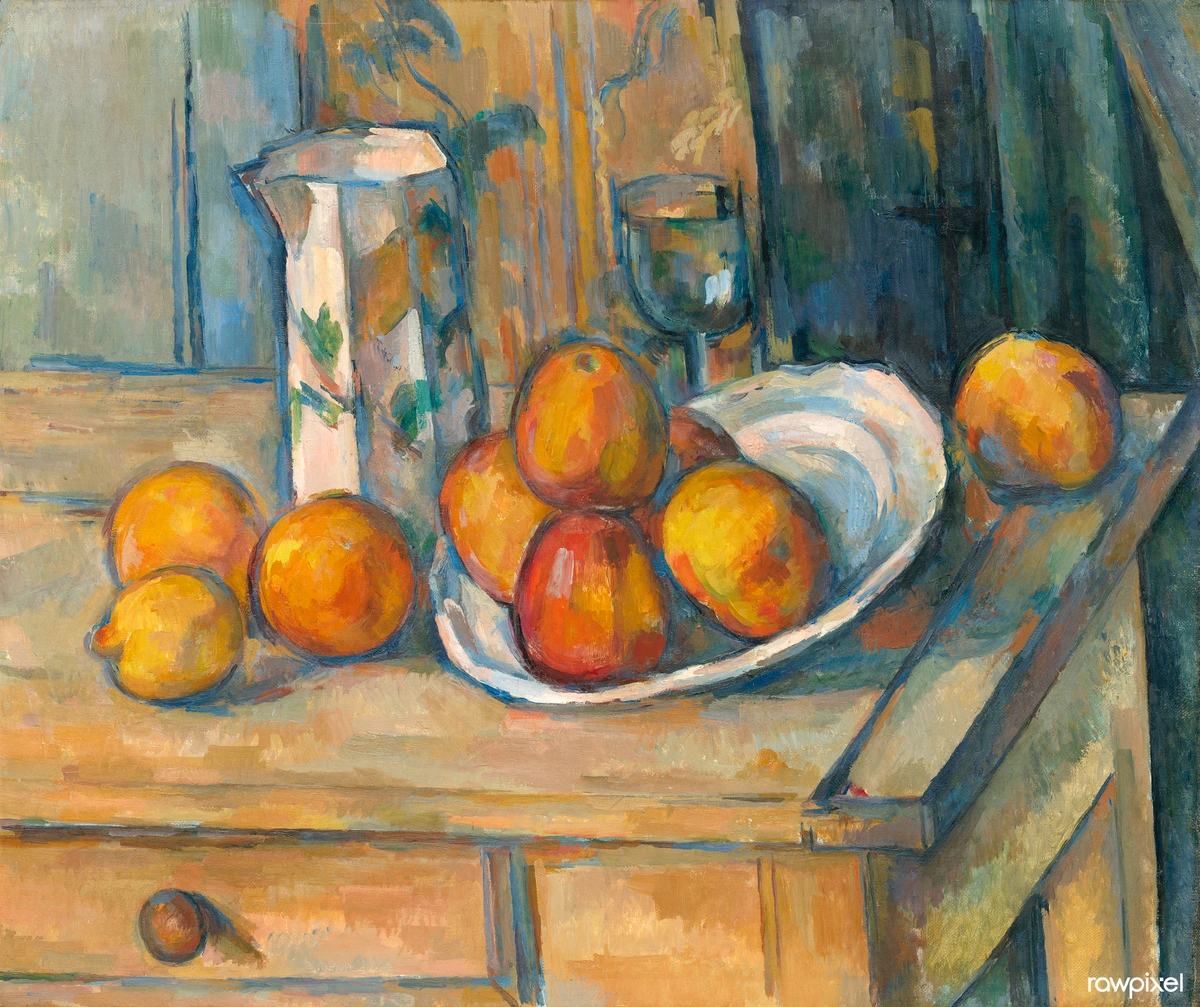
Then the world shifted with the Impressionists and Post-Impressionists. Suddenly, still life wasn't bound by realistic representation; it became a vibrant playground for exploring color, light, and individual perception. Consider Paul Cézanne's apples – they weren't just apples. They were rigorous studies in form, volume, and space, painted from multiple viewpoints at once. This was a truly revolutionary approach, profoundly influencing later movements and directly paving the way for the fragmented realities of Cubism by nudging art ever closer to exploring abstract forms. As someone who experiments with breaking down forms in my own abstract work, I can almost feel Cézanne grappling with how to convey the experience of the apple, not just its surface. And Vincent van Gogh's sunflowers? Less about botanical accuracy, more about raw, explosive emotion and vibrant, pulsing energy. It was as if these artists were asking, "What if we don't just show the object, but convey what it feels like, or what it means to perceive it through our unique inner world?" This fascination with individual perception and the subjective experience was exactly what set the stage for the radical transformations of Modernism, turning still life into a crucible for new ideas.
Modernism's Embrace: Breaking the Mold
The turn of the 20th century, a period of immense upheaval and innovation, saw still life become a radical testing ground. After centuries of evolving representations, Modernist artists didn't just adapt the genre; they twisted it, stretched it, broke it apart, using it as a vehicle for revolutionary new ideas that pushed the boundaries of art itself. It was around this time that photography emerged, and I often wonder how that must have felt for painters – like a new rival had arrived, but also, perhaps, a liberator. Photography seemed to swoop in and relieve painting of its traditional duty to simply document reality, freeing artists to truly explore new avenues of expression beyond mere depiction. This liberation allowed painters to delve into subjective experience, formal abstraction, and conceptual statements, focusing on the how of seeing, not just what was seen. Interestingly, in its early days, photography itself relied heavily on still life arrangements, not just due to long exposure times, but also as a way for photographers to experiment with composition, light, and narrative within a controlled setting, further cementing the genre's enduring importance as a subject across media. This influence also meant that painters, now freed from strict documentation, could explore more static or conceptual arrangements, using still life to probe deeper questions about reality and perception. The rise of mass-produced imagery, from advertising to postcards, also profoundly influenced artists, prompting them to re-evaluate the visual language of everyday objects and incorporate them into new artistic dialogues about consumer culture and modern life.
Henri Matisse, for instance, transformed still life into an explosion of pure aesthetic joy with his vibrant colors and flattened spaces. His "Red Room" (which, yes, subtly incorporates still life elements) is a masterclass in how color and pattern can define space and emotion, something I find incredibly inspiring for my own contemporary and abstract art. Fauvists and Expressionists too, though perhaps less overtly "still life" focused, used objects and vibrant, non-naturalistic color palettes to convey emotion and subjective experience, showing another facet of still life's modernist appeal.
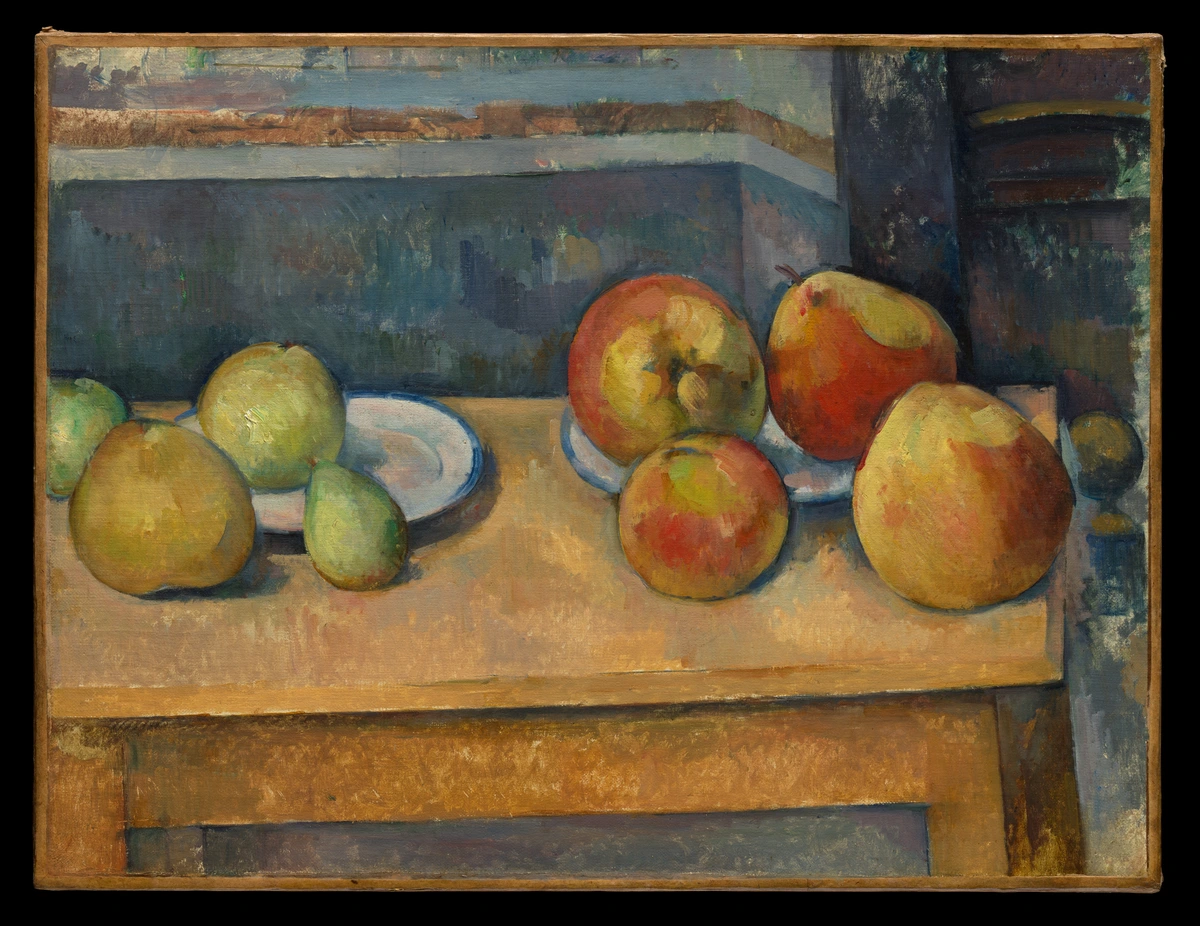
This period truly saw artists push the boundaries of what a still life could be, moving it beyond mere representation to a conceptual playground. The way these masters deconstructed reality still influences how I approach abstract compositions, searching for new ways to see familiar forms.
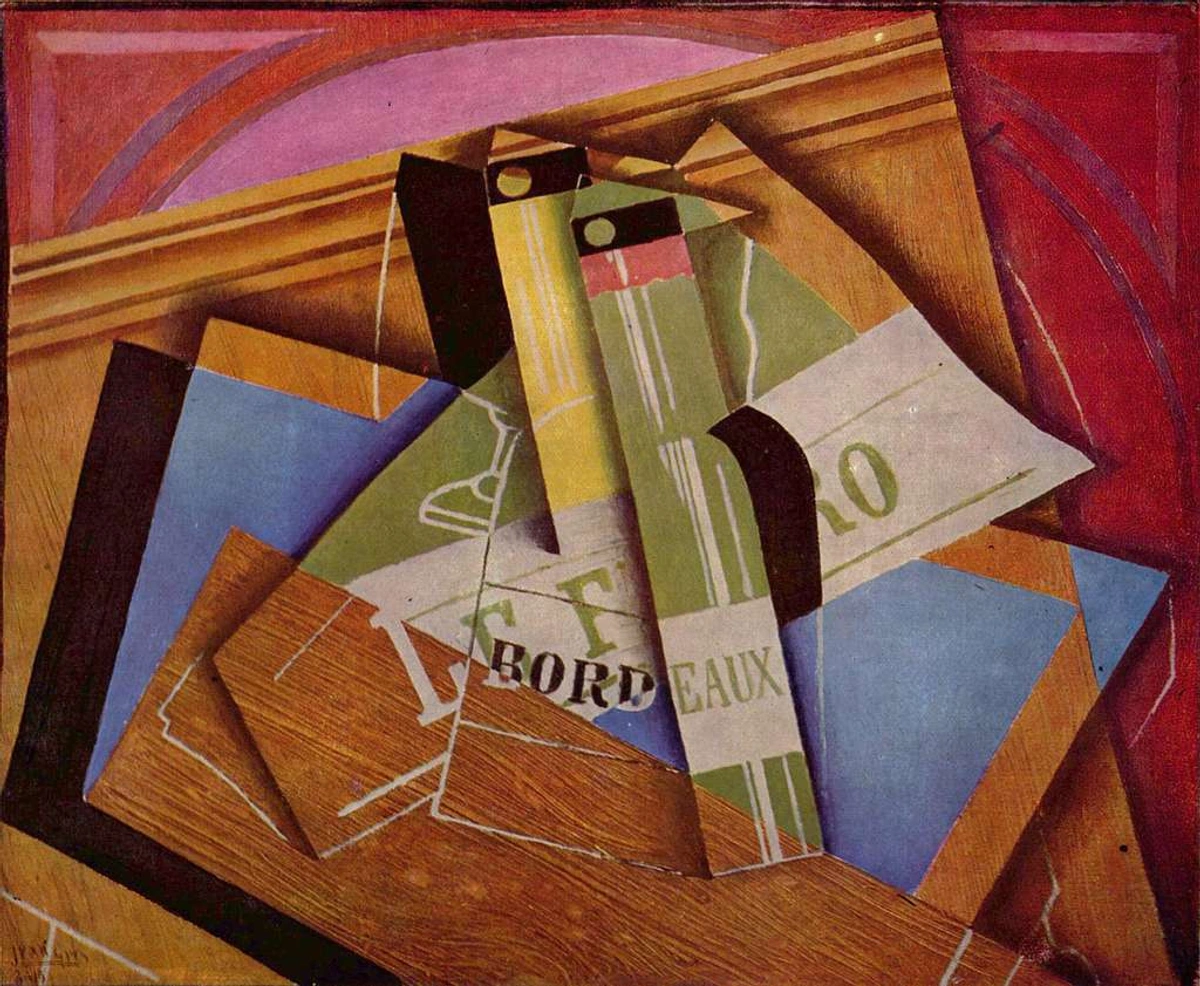
And then there was Cubism. Pablo Picasso and Georges Braque, and later brilliant artists like Juan Gris, took everyday objects – bottles, guitars, newspapers – and completely deconstructed them. They depicted them from multiple, simultaneous viewpoints, presenting a fragmented, almost shattered, view of reality. It's like trying to describe an object to someone who can only see it one piece at a time, but you want them to understand its full, complex form all at once. Or maybe it's like our own brains process reality, stitching together countless sensory inputs into a coherent (mostly!) whole. This movement proved that still life could be a potent tool for philosophical inquiry and conceptual exploration, not just visual beauty. It challenged our perception, forcing us to rethink how we 'see' the world. If you're curious about this revolutionary movement, our ultimate guide to Cubism delves much deeper.
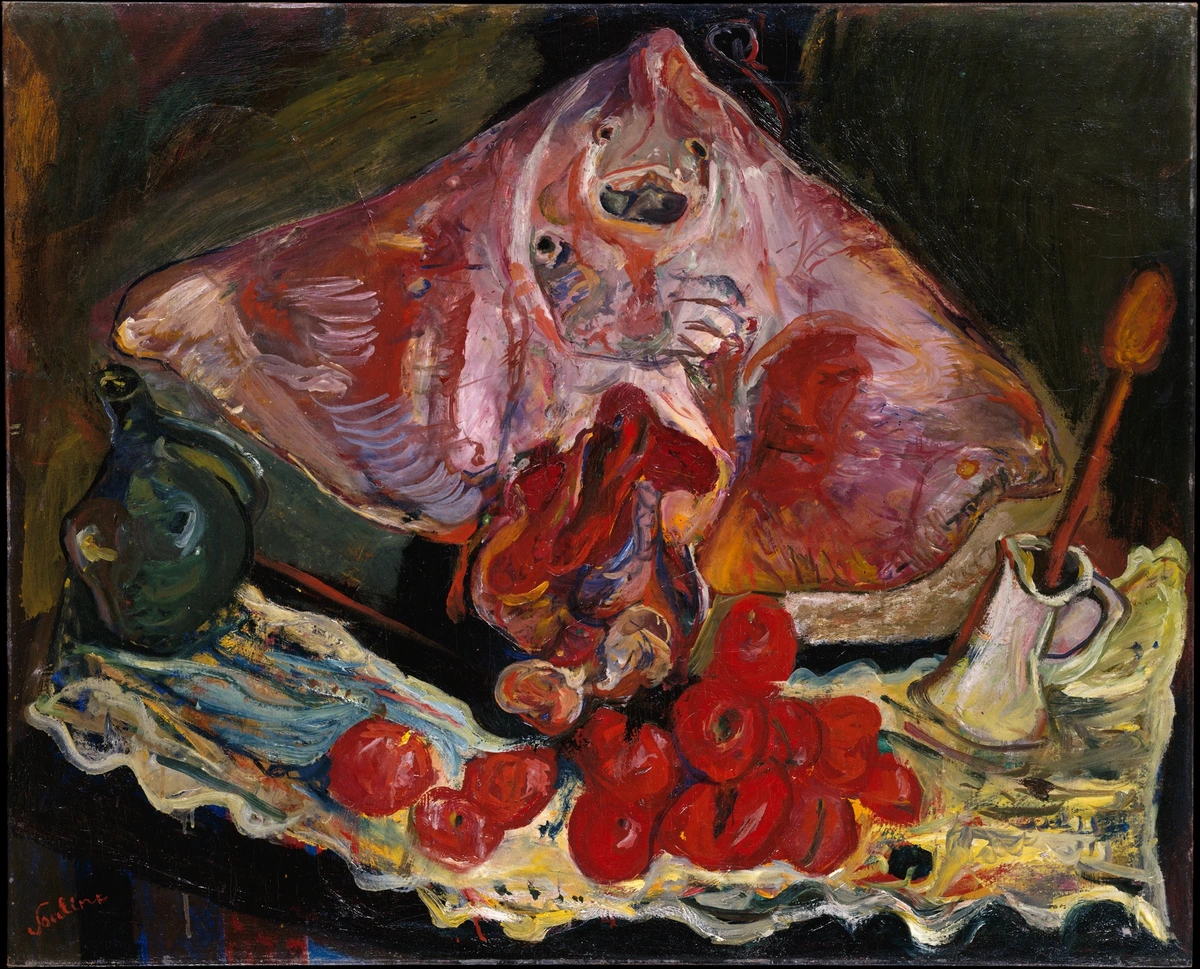
Beyond Cubism, other movements also embraced still life in radical ways. Dadaists, for instance, with their focus on anti-art and the absurd, often incorporated found objects into their readymades or collages, subtly transforming the mundane into provocative statements, a kind of conceptual still life. Surrealists like Salvador Dalí and René Magritte used still life elements to explore the subconscious mind, creating dreamlike and often unsettling juxtapositions, like Dalí's famous melting clocks that defy the very concept of static time. Artists like Giorgio Morandi found profound depth in simple bottles and boxes, exploring themes of memory and isolation with a quiet intensity that offered a distinct counterpoint to the era's more chaotic deconstructions. And the Futurists, for instance, tried to capture the dynamism and speed of modern life even in a seemingly static still life, making objects almost vibrate with energy and movement. A lesser-known but equally significant movement, Orphism, led by artists like Robert Delaunay, also used still life to explore pure color and abstract form, breaking objects into prismatic planes of vibrant hues, pushing abstraction even further. Precisionist painters like Charles Sheeler later offered clean, geometric interpretations of industrial objects, while Pop Artists like Andy Warhol elevated everyday consumer goods into iconic statements. This era, for me, truly demonstrates still life's incredible versatility. It proves it's not merely a subject; it’s a robust framework artists actively utilize for exploring light, form, color, and even the very nature of perception, paving the way for the genre's continued evolution into the present day. How do you think these radical reinterpretations of still life changed the way art was perceived?
Still Life Today: The Everyday Elevated, Digitally and Beyond
So, where does still life stand today? Is it still relevant in our fast-paced, digitally saturated world? Absolutely! It's everywhere, perhaps more pervasive than ever, even if we don't always explicitly call it "still life." Think about the meticulously arranged food photography on Instagram, which, when you consider it, is a direct descendent of those humble Dutch ontbijtje paintings – a celebration of the everyday meal, curated and elevated. Or consider the intricate digital compositions, or even the objects carefully curated in my own studio – I sometimes find myself arranging them just to observe how the light interacts with their forms, or how their shapes dance together, almost like a meditation. Contemporary artists continue to push the boundaries, using still life to offer biting commentary on consumerism (by depicting discarded packaging or mass-produced items), to explore identity (through personal belongings), to raise environmental concerns (by utilizing natural, decaying materials or trash), or even to delve into the ephemeral nature of digital identity and online information. Today, artists like Gabriel Orozco might arrange discarded cardboard boxes in his "Samurai Tree" series, transforming mundane waste into meditations on geometry and space, implicitly critiquing consumerism by recontextualizing its byproducts. Or Subodh Gupta might use gleaming stainless steel tiffin carriers and traditional cooking utensils to create monumental installations that comment on globalization, identity, and the value of everyday objects in a rapidly changing world. Others, like photographer Wolfgang Tillmans, elevate everyday objects – a crumpled shirt, a stack of papers – into profound statements about existence, inviting us to find beauty and meaning in the seemingly insignificant, reflecting on memory and the overlooked ordinary. Sarah Graham, known for her hyperrealistic paintings of sweets and toys, brings a contemporary pop sensibility to traditional still life, demonstrating the genre's continued vitality in painting. The tradition also maintains a crucial role in academic art education, serving as a foundational practice for students to master observation, composition, and technical skills before moving to more complex subjects. We also see exciting developments in digital still life, with artists using 3D rendering software to construct impossible arrangements, or generative art algorithms to create ever-evolving compositions of virtual objects, blurring the lines between the physical and the purely digital realms.
And what about the digital realm? Artists like Jon Rafman use virtual objects and digital spaces to create compelling still lifes that speak to our online existence, constructing intricate scenes from video game assets or found internet imagery, blurring the lines between the real and the simulated. The advent of digital manipulation tools and even AI-generated imagery further pushes these boundaries, allowing for the creation of impossible arrangements and explorations of virtual realities, adding new layers to the genre's enduring appeal. We also see still life principles applied daily in graphic design, product packaging, and advertising, where the careful arrangement and aesthetic presentation of objects are paramount to communication and appeal. The tradition has seamlessly evolved into photography, digital art, and conceptual installations, far beyond just Instagram food shots.
It’s a constant conversation with the everyday, a powerful reminder that immense profundity lies in the mundane, waiting for us to truly see it and perhaps even grasp its deeper symbolism in contemporary art. For instance, an artist today might depict a collection of plastic waste not just as trash, but as a poignant commentary on environmental decay and consumer culture. In my own abstract art, I often seek to capture that same "essence beyond the literal form" that I first admired in still life, translating the interplay of light, texture, and emotional resonance from physical objects into a language of color and shape. What everyday object, when recontextualized, do you think speaks most powerfully about our current society? I'm genuinely curious!
Your Questions Answered About Still Life Painting
Key Aspects & Evolution of Still Life Art
Aspect  | Description | Primary Artistic Goal/Philosophical Underpinning | Key Themes/Motifs | Key Techniques/Materials | Key Artists |
|---|---|---|---|---|---|
| Definition | A work of art depicting mostly inanimate subject matter – common objects, natural (food, flowers, game, rocks) or man-made (drinking glasses, books, vases). It's an elevated slice of life, where deliberate arrangement conveys meaning, tells a story, or explores aesthetics like light, color, and texture. | Visual exploration, aesthetic contemplation, narrative conveyance | Aesthetic exploration, everyday life, narrative | N/A (Genre definition) | N/A |
| Origins | Appeared in ancient Egyptian tombs (offerings for eternity), Mesopotamian/Chinese art (ritual items, status symbols like Shang Dynasty bronze vessels), and Roman frescoes (decorative xenia, trompe l'oeil). Shows a universal human impulse to depict and imbue objects with meaning. | Ritualistic significance, symbolic function, spiritual connection, practical utility | Afterlife, status, ritual, sustenance, early realism | Fresco, mosaic, bronze casting, carving | N/A |
| Renaissance | Objects gained deeper symbolic meaning (e.g., vanitas paintings with skulls, snuffed candles). Also served as technical exercises for artists mastering realism, influenced by scientific interest and private patronage. | Moral instruction, observation of nature, demonstration of technical skill, reflection of wealth/taste | Mortality (vanitas), piety, human virtues, wealth, scientific observation | Tempera, early oil glazing, precise drawing | Jan van Eyck, Hans Memling, Clara Peeters, Jacob van Hulsdonck, Frans Snyders, Joachim Beuckelaer |
| Dutch Golden Age | Flourished as a distinct, primary genre, reflecting domestic life and merchant wealth driven by economic prosperity and global trade. Developed sub-genres like pronkstilleven (opulent displays), ontbijtje (humble meals), bloemstukken (flower pieces). Often combined celebration with memento mori. | Celebration of material life, moral contemplation, scientific accuracy, status display | Abundance, impermanence, wealth, domesticity, scientific curiosity | Oil glazing, chiaroscuro, fine brushes, vibrant pigments (e.g., lead white) | Willem Kalf, Floris van Dijck, Pieter Claesz, Jan Davidsz. de Heem |
| 18th/19th C. | Shifted from heavy symbolism to quiet observation (Chardin), then to explorations of light, color, and perception (Impressionists like Cézanne, Van Gogh, Manet). Served as core academic training and for scientific illustration. Goya integrated symbolic still life elements. | Aesthetic purity, subjective perception, emotional expression, academic instruction | Mundane beauty, perception, emotion, social commentary, realism | Oil painting, impasto, looser brushwork (Impressionists), meticulous realism (Chardin) | Jean-Baptiste-Siméon Chardin, Édouard Manet, Paul Cézanne, Vincent van Gogh, Francisco Goya, Jean-Baptiste Oudry |
| Modernism | Became a radical testing ground, freed by photography's role. Cubists (Picasso, Braque, Gris) fragmented objects. Fauvists/Expressionists used color. Surrealists (Dalí, Magritte) explored the subconscious. Dadaists used found objects. Morandi explored quiet contemplation. Futurists, Orphists, Precisionists, Pop Artists also redefined the genre. | Conceptual exploration, formal innovation, psychological depth, critique of consumerism | Deconstruction of reality, subjective experience, subconscious, absurd, industrial forms, consumer culture | Oil paint, collage, assemblage, 3D rendering (later) | Pablo Picasso, Georges Braque, Juan Gris, Henri Matisse, Salvador Dalí, René Magritte, Giorgio Morandi, Andy Warhol |
| Contemporary Relevance/Themes | Continues to evolve into photography, digital art (Jon Rafman, AI-generated imagery), conceptual installations (Orozco, Gupta, Tillmans, Graham), and remains vital in academic education. Used to comment on consumerism, identity, environment, and digital life. | Social commentary, identity expression, environmental concern, exploration of digital realms | Consumerism, identity, environment, digital existence, memory, the overlooked ordinary | Mixed media, digital art software, installation | Gabriel Orozco, Subodh Gupta, Wolfgang Tillmans, Sarah Graham, Jon Rafman |
What are common symbols in still life art?
Historically, still life paintings were incredibly rich with symbolism. Common symbols often include:
- Skulls, hourglasses, snuffed candles, rotting fruit: These are classic memento mori (reminders of mortality) and vanitas symbols, pointing to the fleeting nature of life and earthly pleasures.
- Flowers (especially wilting ones), bubbles: Beautiful yet fragile, they often symbolize beauty's ephemeral nature and the brevity of existence. Think of a perfectly rendered, dew-kissed tulip in a Dutch painting – it's stunning, but the awareness that it will soon wilt adds a layer of bittersweet contemplation.
- Books, scientific instruments, maps: These can represent knowledge, learning, intellectual pursuits, or the broader understanding of the world, often with an underlying message about the transience of even these grand endeavors. A globe might speak of worldly possessions, but also the vastness of the universe and our small place within it.
- Insects, especially flies: Can symbolize decay, corruption, or the brevity of life, but also, paradoxically, the enduring cycle of life itself and the microscopic beauty found even in the overlooked. A fly on a piece of fruit might remind us of mortality, but also the intricate ecosystem of nature.
- Lemons (often peeled): Frequently symbolize life's sourness or bitterness due to their distinct taste, but the peeled skin can also suggest revealing inner truth or beauty by exposing what lies beneath the surface, or even showcase the artist's extraordinary skill in rendering complex textures and forms.
- Shells, exotic goods, precious objects: These typically represent wealth, luxury, global trade, and sometimes the vanity associated with material possessions, particularly during the Dutch Golden Age when such items flooded European markets.
- Domestic objects/heirlooms: Can evoke a powerful sense of nostalgia, memory, personal identity, or the passage of time through familiar, cherished items.
These symbols collectively weave a rich tapestry of meaning, inviting contemplation on life, death, morality, and our place in the world. It’s worth remembering, though, that the interpretation of symbols can evolve over time and vary greatly depending on cultural context and the artist's specific intention. Contemporary artists, for example, might subvert traditional meanings (e.g., using plastic waste to comment on consumerism and environmental degradation) or create entirely new symbols to comment on modern issues like climate change or digital culture, adding fresh layers of relevance.
When did still life become a popular, distinct genre?
While elements of still life appeared in ancient art, depicting objects for their practical or symbolic roles, it truly emerged as a distinct and primary genre in the 17th century, particularly during the Dutch Golden Age. This period is widely considered the birthplace of still life as an independent artistic genre. This flourishing was due to a unique combination of factors: immense economic prosperity from global trade (leading to a desire to display wealth), the rise of a wealthy merchant class (creating new patronage outside the church), and a cultural shift brought by the Protestant Reformation (which reduced demand for grand religious art and encouraged secular subjects). The burgeoning middle class desired art that reflected their own daily lives, homes, and possessions, creating a massive demand for secular art forms like still life. This era also coincided with a growing interest in scientific observation, pushing artists to depict nature with unprecedented realism. Its enduring artistic significance was further cemented through transformations in subsequent periods and radical reinterpretations during Modernism's embrace.
How does still life art differ from other genres like portraiture or landscape?
Still life uniquely focuses on inanimate objects, granting artists unparalleled control over composition, lighting, and symbolism. Unlike portraiture, which aims to capture a person's likeness and character with the challenge of a living, moving subject, or landscape, which depicts natural scenery with its inherent unpredictability of light and weather, still life offers the artist a controlled environment. This allows for deep experimentation with arrangement, allowing the artist to be the singular narrator and architect of the visual story. It elevates the ordinary, inviting viewers to find profound meaning, beauty, and narrative in the quiet world of objects. It’s a genre where the artist's deliberate arrangement and conceptual choices truly take center stage, often functioning as a controlled experiment for mastering visual storytelling and technical skill. However, it's worth noting that elements of still life can often be found integrated within portraiture or landscape, blurring traditional boundaries in fascinating ways – imagine a small, symbolic object carefully placed on a sitter's table in a portrait, or a foreground arrangement of wildflowers grounding a vast landscape.
What are the key differences between still life, trompe l'oeil, and photorealism?
Still life, as a broad genre depicting inanimate objects, encompasses a wide range of styles and intentions. Trompe l'oeil (French for "deceive the eye") and photorealism are more specific approaches or sub-genres that can fall under the still life umbrella, but with distinct primary goals. Trompe l'oeil specifically aims to create the illusion of reality so convincingly that the viewer mistakes the painted object for a real one, often playing with depth, dimension, and tricks of perspective. Photorealism, a 20th-century movement, takes this further by meticulously reproducing photographic images to achieve an almost hyper-real effect, often blurring the line between painting and photography itself. While still life can employ elements of realism or illusion, its core strength isn't solely defined by it. Its primary focus is on arranging objects to explore themes, symbolism, aesthetics, or the artist's personal perspective, often without the singular goal of purely deceiving the eye or hyper-replicating a photograph.
What is the role of still life in photography and film?
In still photography, still life is a fundamental genre, allowing photographers immense control over composition, lighting, and narrative through the arrangement of inanimate objects. It's a training ground for visual storytelling and aesthetic exploration, much like painting. In film, still life elements appear as carefully crafted mise-en-scène – the arrangement of objects within a scene to convey character, mood, symbolism, or plot points without direct dialogue. A character's messy desk, a carefully laid out meal, or a specific collection of forgotten items can function as a cinematic still life, offering quiet insights into their world, their emotional state, or subtle hints about the unfolding narrative.
What about the technical side of still life painting?
Ah, the nitty-gritty! The technical aspects of still life are what often allowed artists to achieve such breathtaking realism and profound effects. Think about it: creating the illusion of light reflecting off a silver goblet or the velvety texture of a peach wasn't accidental. It involved masterful use of drawing and preparatory studies to map out composition, form, and crucially, perspective, ensuring objects appear three-dimensional and spatially coherent. This was often followed by oil glazing, where thin, translucent layers of paint were built up slowly to create deep, luminous colors and incredible depth. Artists meticulously studied studio lighting, often arranging their objects in controlled environments to understand how light fell, creating dramatic chiaroscuro (strong contrasts between light and dark) or subtle, diffused glows. The choice of pigments also mattered immensely, with artists carefully selecting and mixing colors. For instance, lead white was prized for its opacity and luminosity, allowing for bright highlights and capturing the glint of metal, while finely ground earth pigments like ochre and sienna provided a rich, subtle palette for capturing natural tones and shadows. Artists also carefully chose brushes, using fine-tipped tools for intricate details and broader brushes for smooth transitions. Beyond these, the mastery of compositional balance was crucial, as artists carefully arranged objects to create visual harmony or tension, guiding the viewer's eye. And, of course, color theory played a vital role in evoking mood, creating optical illusions, and rendering objects with lifelike fidelity. The medium choice itself – be it oils for their rich glazes, watercolors for their transparency, or acrylics for their quick drying time – significantly impacted the final rendering of texture and light. For me, understanding these technical challenges makes me appreciate the skill even more; I remember the first time I truly grasped the magic of glazing, how a few translucent layers could transform a flat surface into something alive and glowing; it felt like unlocking a secret language of light. It’s a craft that underpinned all the symbolic and aesthetic exploration – and something I still grapple with in my own work!
How does still life impact us psychologically?
This is a question I ponder a lot! Still life, in its quiet focus on inanimate objects, often creates a unique psychological space for the viewer. It can evoke a sense of calm and contemplation, inviting us to slow down and truly observe in a way our fast-paced world rarely allows. Historically, vanitas paintings, of course, explicitly triggered reflection on mortality and the transient nature of existence, often leading to a sense of solemnity or even unease. But even without such overt symbolism, a well-executed still life can stir nostalgia for simpler times, perhaps through depictions of familiar domestic objects or childhood toys. The very absence of human figures can invite projection, allowing viewers to see themselves or their own experiences reflected in the silent arrangements, turning the work into a mirror for their own inner world. The concept of affordance also plays a role here – the way depicted objects hint at their function (a cup for drinking, a book for reading) can evoke a subtle sense of familiarity, potential action, or even a longing for interaction. The scale of a still life painting can also profoundly influence its psychological effect – an intimate, small piece might draw the viewer in closely, fostering a personal, meditative connection, while a monumental still life can create an immersive, even overwhelming, experience. It can also foster a connection to universal human experiences like eating, gathering, or appreciating beauty, offering a moment of grounding. For me, it's about finding profound stillness amidst the chaos, a visual anchor that can be surprisingly comforting or deeply thought-provoking, depending on the artist's intention, providing a space for active engagement with the art and oneself.
Who are some famous still life painters throughout history?
Many renowned artists have created profoundly significant still life works. Some notable examples include:
- 17th Century (Dutch Golden Age): Floris van Dijck, Willem Kalf, Pieter Claesz, Jan Davidsz. de Heem (masters of opulent pronkstilleven and intricate bloemstukken), and Clara Peeters.
- 18th Century: Jean-Baptiste-Siméon Chardin (French), known for his humble yet exquisite compositions that celebrated everyday dignity and beauty; also Jean-Baptiste Oudry and Alexandre-François Desportes, known for animal still lifes.
- 19th Century (Realism & Post-Impressionists): Édouard Manet, who challenged conventions with his stark realism; Paul Cézanne, who used still life to explore form and space in a revolutionary way; and Vincent van Gogh, whose vibrant sunflowers burst with raw emotion. Also Francisco Goya, for his symbolic use of still life elements.
- 20th Century (Modernists, Cubists, Surrealists, Dadaists, Orphists, Futurists, Precisionists, Pop Art): Henri Matisse (vibrant color and flattened spaces), Pablo Picasso, Georges Braque, Juan Gris (Cubist deconstruction), Salvador Dalí, René Magritte (Surrealist dreams), Giorgio Morandi (quiet contemplation), Marcel Duchamp (Dadaist found objects), Futurists (dynamic energy), Robert Delaunay (Orphist exploration of color/form), Charles Sheeler (Precisionist), and Andy Warhol (Pop Art).
- Contemporary: Gabriel Orozco, Subodh Gupta, Wolfgang Tillmans, Sarah Graham, and Jon Rafman (digital art) continue to push boundaries and redefine the genre.
My Final Thoughts: The Quiet Rebellion
So, next time you encounter a painting of a vase of flowers, a bowl of fruit, or a collection of seemingly random objects, please, don't just glance. Lean in. Take a moment. Ask yourself what it's trying to tell you, what story it's quietly unfolding. Because chances are, that seemingly simple arrangement has a narrative as rich and complex as any grand historical epic, just told in a much quieter, more personal, and deeply contemplative way. It’s a quiet rebellion against the relentless chaos and speed of the modern world; it offers a precious moment of contemplation, inviting us to slow down and look closely, to observe the world with fresh eyes. Maybe it will even spark a connection to your own everyday objects, making you see them anew.
From its origins as sacred symbols in ancient tombs to its evolution through moral warnings, secular celebrations, and radical abstract experiments, still life has proven its incredible adaptability. It consistently finds new ways to reflect our lives, our shifting values, and our ever-evolving perceptions of the world around us. In my own artistic journey, these enduring traditions constantly inspire me, shaping the way I explore abstraction and color, drawing a direct line from historical masters to the art I create today. If these reflections on still life's power and legacy resonate with your own artistic curiosity, I invite you to explore the art I create today and see how these historical threads weave into my own contemporary practice. You can also trace my own artistic journey and perhaps even visit my museum in 's-Hertogenbosch to see how these historical threads continue to evolve and inspire contemporary artists, myself included. This quiet genre, often dismissed, has an unmatched power to make us truly see, and I have no doubt its story will continue to unfold in surprising ways for centuries to come. It's a journey we're all still on, really.