
Contemporary Art in China: A Personal Look at a Dynamic Scene
Dive into the vibrant, complex world of contemporary art in China. Explore its history, key artists like Zeng Fanzhi, challenges, and global impact through a personal, engaging lens.

Contemporary Art in China: A Personal Journey Through Change and Expression
Okay, let's talk about contemporary art in China. It's a topic that, for me, feels like trying to grasp smoke – constantly shifting, incredibly dynamic, and sometimes, frankly, a little hard to pin down. But that's also what makes it so utterly fascinating, isn't it? It's not just about pretty pictures; it's about history, society, and the very human urge to express oneself amidst immense change.
I remember first hearing about Chinese contemporary artists years ago, probably through some slightly bewildered news report about astronomical auction prices. My initial thought was, "Wow, that's... a lot." But then I started looking deeper, and I realised there was so much more to it than just market hype. There was a raw energy, a grappling with identity and history that felt incredibly potent.
Contemporary art in China is a reflection of a society that has undergone rapid transformation. From the Cultural Revolution to the economic boom, artists have navigated a complex landscape of tradition, politics, and globalization. Their work is a testament to resilience and innovation, capturing the essence of a nation in flux.
A Brief, Personal Dive into the History
Think about China's recent history – the Cultural Revolution, the opening up, the rapid economic growth. It's been a whirlwind, right? And art, being the sensitive barometer of society that it is, reacted dramatically. Before the late 1970s, art was largely about propaganda, serving the state. There wasn't much room for personal expression or questioning.
But then, things started to loosen up. Artists, often self-taught or working in unofficial groups, began experimenting. It was like a dam breaking. Suddenly, there was space – albeit sometimes precarious space – to explore ideas, feelings, and critiques that had been suppressed for decades. This period, often called the '85 New Wave, was messy, diverse, and incredibly exciting. It reminds me a bit of those moments in my own life when I've finally felt brave enough to say what I really think – a mix of exhilaration and sheer terror.
The Role of Underground Art Groups
During this period, underground art groups played a crucial role in shaping the trajectory of Chinese contemporary art. These groups, often operating outside official channels, provided a platform for artists to experiment and collaborate. They were instrumental in fostering a sense of community and shared purpose among artists who were navigating uncharted territory.
Key Underground Art Groups
Several underground art groups emerged during this period, each contributing uniquely to the evolution of Chinese contemporary art:
- Stars Group (Xing Xing): One of the first unofficial art groups, they organized exhibitions that challenged the status quo and advocated for artistic freedom.
- Grass Society: Known for their avant-garde approach, they explored themes of identity and societal change through unconventional mediums.
The Rise of the Avant-Garde
These early artists weren't just making art; they were forging a new path. They were influenced by Western modernism and abstract art, but they were filtering it through their uniquely Chinese experience. You saw performance art, installation, photography – forms that were completely new in the Chinese context. It was challenging, sometimes confrontational, and definitely not always easy to understand. (Which, let's be honest, is true for a lot of contemporary art anywhere, isn't it?)
https://commons.wikimedia.org/wiki/File:Exposition_Richard_Prince,American_Prayer-_sc%C3%A9nographie_20.jpg, https://creativecommons.org/licenses/by/2.0
The Influence of Globalization
Globalization played a significant role in shaping the avant-garde movement in China. As the country opened up to the world, artists were exposed to a wider range of influences and ideas. This exposure led to a fusion of traditional Chinese techniques with contemporary global trends, resulting in a unique and dynamic artistic expression.
The Role of International Exhibitions
International exhibitions and collaborations have been pivotal in shaping the avant-garde movement in China. Artists began participating in global exhibitions, which not only provided exposure but also facilitated cultural exchange. This interaction with the global art community helped Chinese artists refine their unique voice while contributing to the broader dialogue of contemporary art.
Key Movements and Themes
As the scene matured, certain trends emerged. Two big ones were Political Pop and Cynical Realism. Political Pop took the visual language of propaganda – the bold colours, the heroic figures – and twisted it, often with a dose of irony or critique. It's like taking something serious from your childhood and turning it into a slightly sarcastic meme. Relatable, right?
Cynical Realism, on the other hand, often depicted everyday life and people with a sense of disillusionment or weariness. Think of those portraits with slightly vacant stares or forced smiles. It captured a feeling that resonated with many people navigating a rapidly changing society where old ideals were gone, but new ones hadn't quite landed yet. It speaks to that universal feeling of, "Okay, what now?"
Other notable movements include:
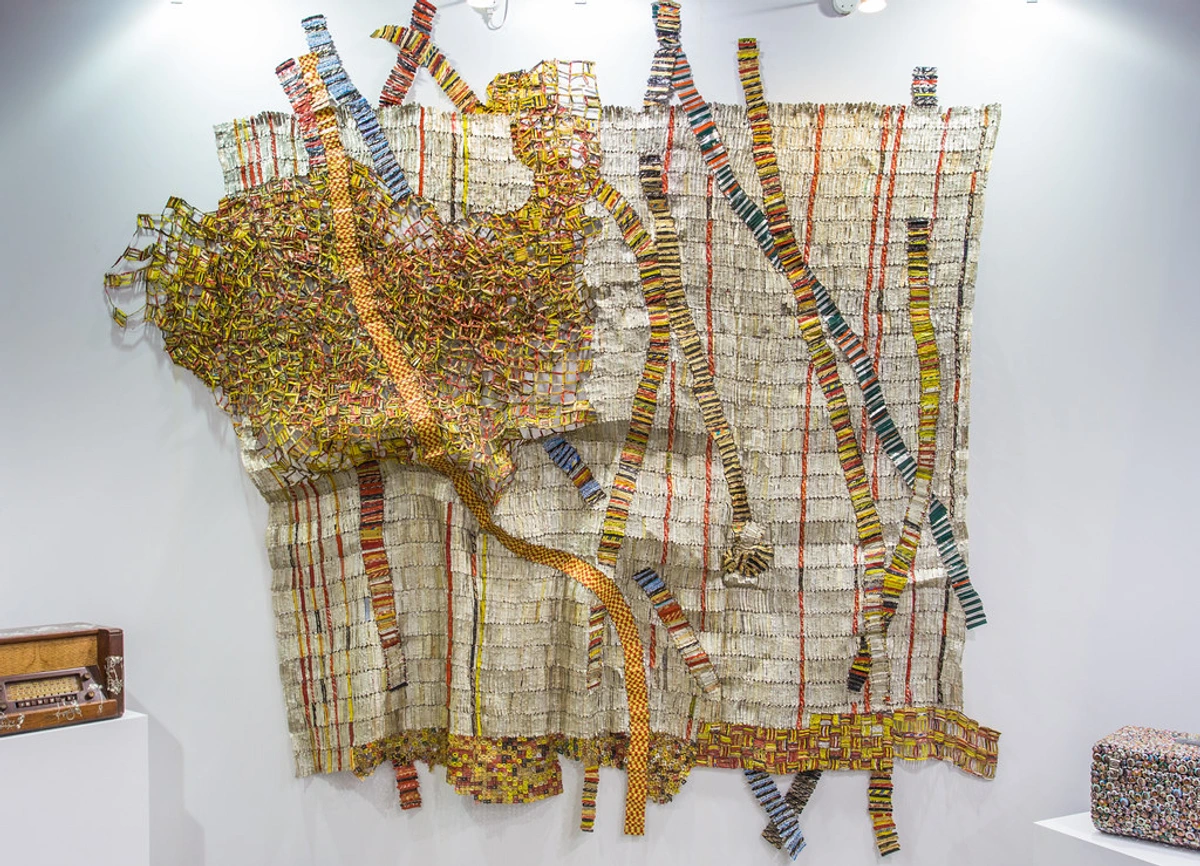
- Gao Brothers: Known for their provocative and politically charged works, the Gao Brothers have been instrumental in pushing the boundaries of what is acceptable in Chinese art.
- New Ink Art: A movement that reinterprets traditional Chinese ink painting techniques in a contemporary context, blending ancient methods with modern themes.
- Digital Art: With the rise of technology, digital art has become a significant part of the contemporary art scene in China, exploring themes of virtual reality and digital identity.

Other themes popped up too: identity, urbanisation, consumerism, the clash between tradition and modernity. Artists were using everything from painting and sculpture to video and performance to explore these complex issues. It's a reminder that types of artwork are constantly evolving because the world is constantly evolving.
The Role of Technology in Art
Technology has played a pivotal role in shaping contemporary art in China. From digital art to virtual reality installations, artists are leveraging technology to push the boundaries of traditional art forms. This fusion of art and technology has opened up new avenues for creative expression and has allowed artists to explore themes that were previously inaccessible.
The Impact of Social Media
Social media platforms have revolutionized the way Chinese contemporary artists share their work and engage with audiences. Platforms like Weibo and WeChat have become essential tools for artists to showcase their creations, connect with fans, and even sell their work directly. This digital shift has democratized the art world, allowing emerging artists to gain visibility and recognition without relying solely on traditional galleries or exhibitions.
The Role of Art Education
Art education has played a crucial role in nurturing the next generation of Chinese contemporary artists. Institutions like the Central Academy of Fine Arts and the China Academy of Art have provided a platform for young artists to develop their skills and explore new ideas. These institutions have been instrumental in shaping the future of Chinese contemporary art by fostering creativity and innovation.
Prominent Voices
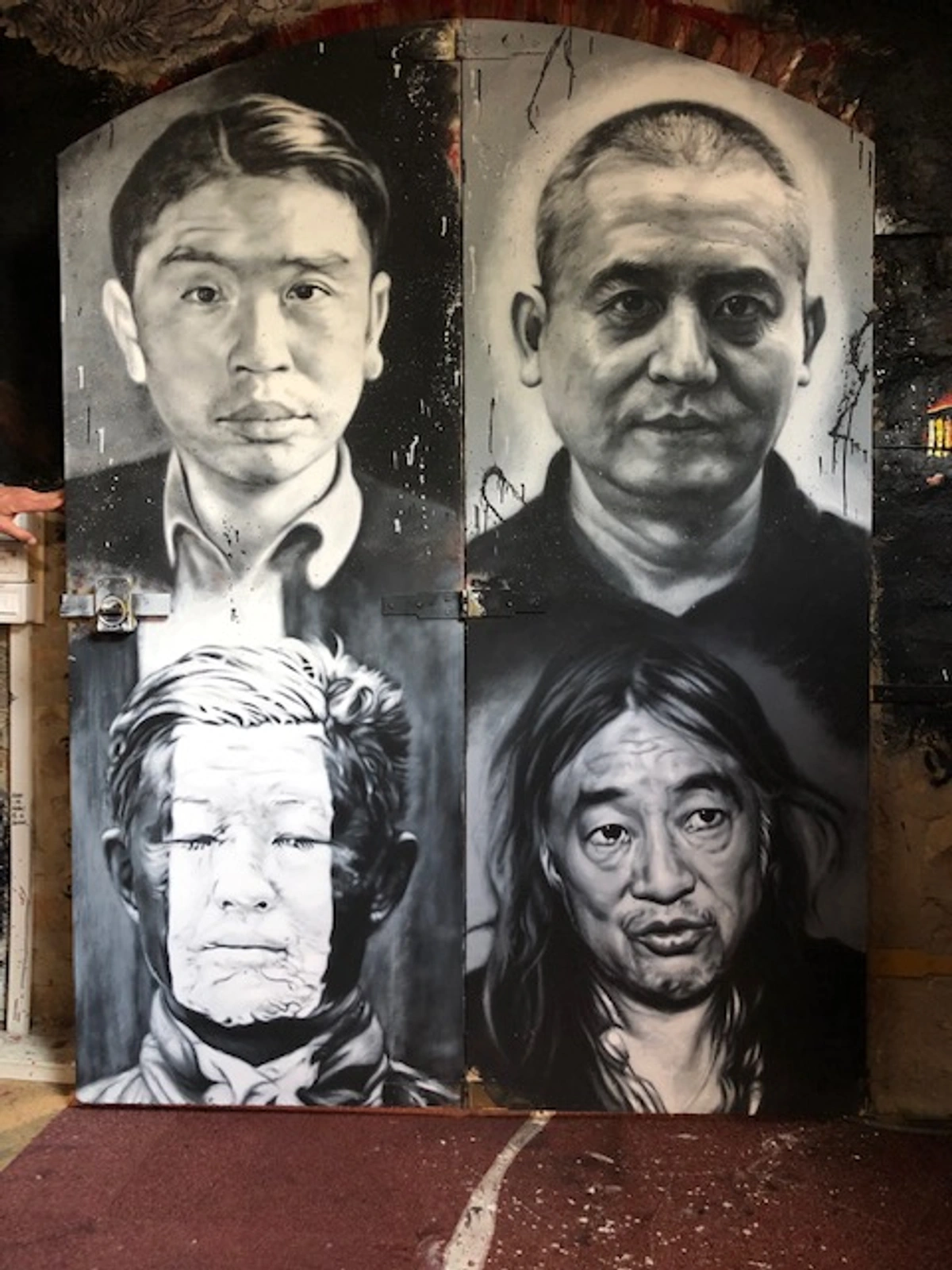
There are so many incredible artists who emerged from this scene. You've got names like Zhang Xiaogang, known for his haunting family portraits, or Yue Minjun, with his instantly recognisable laughing figures. And then there's Zeng Fanzhi, whose work, particularly his 'Mask' series, really struck a chord globally. His paintings often depict figures with masks, hinting at hidden emotions or the performance of self in public life. It's a theme I think we can all relate to sometimes, feeling like you're wearing a mask to face the world.
These artists didn't just gain fame in China; they became major players on the global art stage. Their work started appearing in major museums worldwide and fetching high prices at international auctions. It was a huge moment for Chinese art.
Other notable artists include:
- Ai Weiwei: A global icon known for his activism and provocative installations, Ai Weiwei's work often challenges political and social norms.
- Cai Guo-Qiang: Famous for his explosive artworks and gunpowder drawings, Cai Guo-Qiang's work is a blend of tradition and innovation.
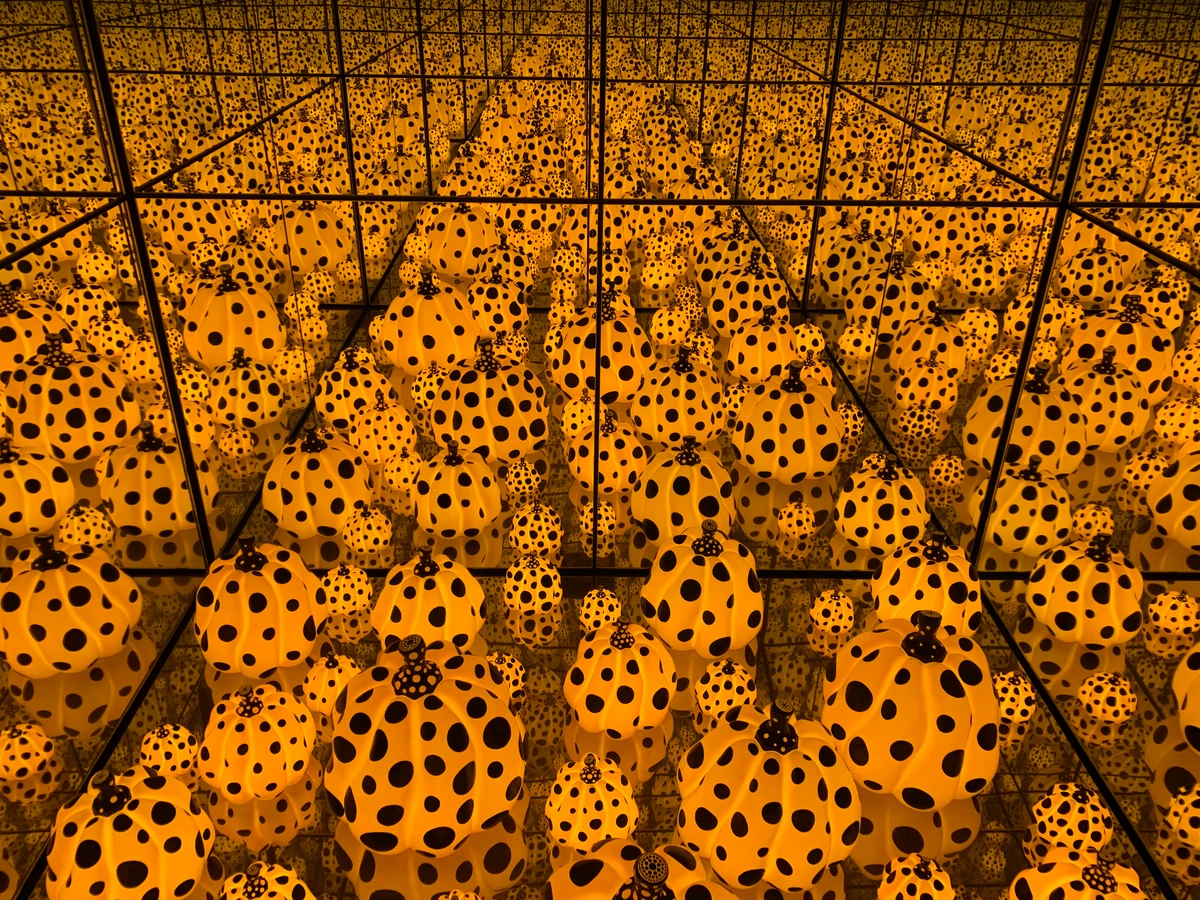
- Yayoi Kusama: Although Japanese, Kusama's influence on the Chinese contemporary art scene is undeniable, with her polka-dot motifs and immersive installations inspiring many.
The Impact of International Recognition
The international recognition of Chinese contemporary art has had a profound impact on the global art scene. It has not only elevated the profiles of individual artists but has also contributed to a broader understanding and appreciation of Chinese culture and history. This recognition has paved the way for increased collaboration and exchange between Chinese artists and their international counterparts, enriching the global art dialogue.
The Role of Art Critics and Curators
Art critics and curators have played a significant role in shaping the narrative of Chinese contemporary art. Their insights and interpretations have helped contextualize the work of Chinese artists for global audiences. By organizing exhibitions and writing critical essays, they have facilitated a deeper understanding of the cultural and historical significance of Chinese contemporary art.
The Role of Art Collectors
Art collectors have also played a pivotal role in shaping the trajectory of Chinese contemporary art. Their support and patronage have provided artists with the resources and exposure needed to thrive. Collectors have not only invested in the work of Chinese artists but have also helped to elevate their profiles on the global stage, contributing to the growing recognition of Chinese contemporary art.
The Global Stage and the Market
The rise of Chinese contemporary art on the international market in the 2000s was phenomenal. Prices soared, and collectors around the world took notice. It was exciting, but also brought its own set of challenges – rapid commercialisation, pressure to produce for the market, and questions about authenticity and value. (If you're curious about the market side of things, I've rambled about understanding art prices and navigating the secondary art market before. It's a whole world in itself!)
While the market has had its ups and downs, the artistic energy remains. Chinese artists continue to exhibit globally and contribute to the broader conversation about contemporary art meaning.
The global recognition of Chinese contemporary art has also led to increased collaboration and exchange between Chinese artists and their international counterparts. This cross-cultural dialogue has enriched the global art scene, bringing new perspectives and ideas to the forefront.
The Role of Art Fairs and Biennials
Art fairs and biennials have played a significant role in promoting Chinese contemporary art on the global stage. These events provide a platform for artists to showcase their work to an international audience and connect with collectors, curators, and art enthusiasts from around the world. They have been instrumental in fostering a global appreciation for Chinese contemporary art and have contributed to its growing prominence in the art world.
The Influence of Art Auctions
Art auctions have become a significant platform for Chinese contemporary art, with major auction houses like Sotheby's and Christie's hosting dedicated sales for Chinese art. These auctions not only provide a commercial platform but also serve as a barometer for the market's health and trends. The record-breaking sales of Chinese contemporary art have drawn global attention and investment, further solidifying its place in the international art market.
Where to See It
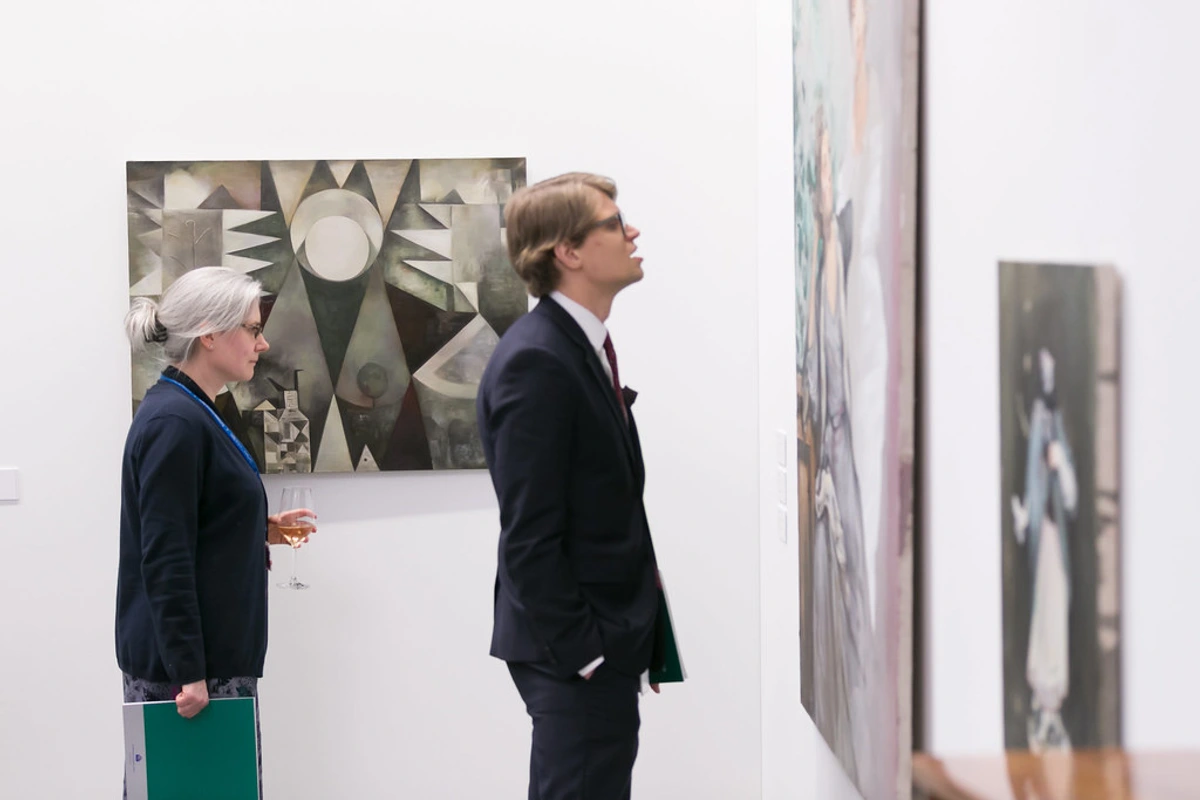
If you want to experience this art firsthand, China itself is the place to go. Cities like Beijing and Shanghai have thriving gallery scenes. Beijing's 798 Art District, a former factory complex, is packed with galleries, studios, and shops – a must-visit if you're ever there. Shanghai also has a dynamic scene with major museums and commercial galleries. (Speaking of best art cities in Asia, Tokyo is another incredible place for contemporary art!)
https://commons.wikimedia.org/wiki/File:National_Museum_of_China,_Beijing.jpg, https://creativecommons.org/licenses/by-sa/4.0
Internationally, you'll find Chinese contemporary art in major museums and galleries worldwide, at international art fairs (visiting art fairs is an adventure!), and through online platforms (buying art online is easier than ever).
Notable Art Districts and Museums
China is home to several notable art districts and museums that showcase contemporary art:
- 798 Art District (Beijing): A hub for contemporary art, this district is known for its industrial architecture and vibrant art scene.
- Power Station of Art (Shanghai): The first state-run museum dedicated to contemporary art in mainland China, it hosts a variety of exhibitions and events.
- Ullens Center for Contemporary Art (Beijing): A leading institution that promotes contemporary art through exhibitions, research, and educational programs.
Online Platforms for Chinese Contemporary Art
The digital age has made it easier than ever to explore and purchase Chinese contemporary art. Online platforms like Artsy, Saatchi Art, and Artnet offer a wide range of works from emerging and established Chinese artists. These platforms provide a convenient way to discover new talent and add unique pieces to your collection.
Art Festivals and Events
Art festivals and events provide a unique opportunity to experience Chinese contemporary art. Events like the Shanghai Biennale and the Beijing International Art Biennale showcase the work of Chinese and international artists, offering a platform for cultural exchange and dialogue. These events are a great way to immerse yourself in the vibrant and dynamic world of Chinese contemporary art.
Challenges and the Future
It wouldn't be a complete picture without mentioning the challenges. Censorship remains a factor, influencing what kind of art can be shown publicly within China. Artists often have to navigate complex political waters. There are also ongoing discussions about the balance between artistic integrity and market demands.
Despite this, the scene is incredibly resilient and constantly evolving. Younger artists are exploring new mediums and themes, often engaging with digital culture, globalisation, and personal narratives in different ways than the previous generation. It makes you wonder what the next big wave will look like.
The future of Chinese contemporary art is bright, with artists continuing to push boundaries and explore new frontiers. The integration of technology, such as virtual reality and artificial intelligence, is opening up exciting possibilities for artistic expression. As the world becomes more interconnected, Chinese artists are poised to make an even greater impact on the global stage.
The Role of Education and Institutions
Education and institutions play a crucial role in shaping the future of Chinese contemporary art. Art schools and universities provide a platform for young artists to develop their skills and explore new ideas. Institutions also play a key role in preserving and promoting Chinese contemporary art, ensuring that it continues to thrive and evolve in the years to come.
The Impact of Government Policies
Government policies have a significant impact on the development of Chinese contemporary art. While censorship and restrictions pose challenges, government initiatives to promote cultural exchange and support the arts have also created opportunities for artists. Policies that encourage international collaboration and investment in the arts have helped elevate Chinese contemporary art on the global stage.
The Role of Art Communities
Art communities have played a vital role in fostering the growth of Chinese contemporary art. These communities provide a space for artists to connect, collaborate, and share ideas. They have been instrumental in creating a supportive environment for artists to thrive and have contributed to the vibrant and dynamic nature of Chinese contemporary art.
FAQ
Q: When did contemporary art start in China? A: While there were earlier stirrings, the scene really took off after the end of the Cultural Revolution in the late 1970s, particularly with the '85 New Wave movement.
Q: Who are some famous Chinese contemporary artists? A: Key figures include Zeng Fanzhi, Zhang Xiaogang, Yue Minjun, Ai Weiwei, and Fang Lijun, among many others.
Q: Is Chinese contemporary art censored? A: Yes, censorship is a significant factor, particularly for art that is politically sensitive or critical of the government. This influences public exhibitions and sometimes forces artists to work or exhibit abroad.
Q: Where can I buy Chinese contemporary art? A: You can find it at major international auction houses, galleries specialising in Asian or contemporary art, international art fairs, and online platforms. (If you're just starting out, maybe check out my guide on how to buy art for beginners!)
Q: What are some key themes in Chinese contemporary art? A: Key themes include identity, urbanisation, consumerism, the clash between tradition and modernity, and the impact of globalisation.
Q: How has technology influenced Chinese contemporary art? A: Technology has opened up new avenues for artistic expression, with artists exploring digital art, virtual reality, and artificial intelligence to create innovative and thought-provoking works.
Q: What role do art fairs and biennials play in promoting Chinese contemporary art? A: Art fairs and biennials provide a platform for Chinese artists to showcase their work to an international audience and connect with collectors, curators, and art enthusiasts from around the world. They have been instrumental in fostering a global appreciation for Chinese contemporary art.
Q: What is the significance of the '85 New Wave movement? A: The '85 New Wave movement was a pivotal period in Chinese contemporary art, characterized by experimentation and a break from traditional art forms. It marked the beginning of a new era where artists began to explore personal expression and critique societal norms.
Q: How has globalization impacted Chinese contemporary art? A: Globalization has exposed Chinese artists to a wider range of influences and ideas, leading to a fusion of traditional Chinese techniques with contemporary global trends. This has resulted in a unique and dynamic artistic expression that resonates with audiences worldwide.
Q: What are some notable art districts in China? A: Some notable art districts in China include the 798 Art District in Beijing and the Power Station of Art in Shanghai. These districts are known for their vibrant art scenes and are must-visit destinations for anyone interested in Chinese contemporary art.
Q: How can I learn more about Chinese contemporary art? A: You can learn more about Chinese contemporary art by visiting museums and galleries, attending art fairs and biennials, and exploring online platforms. Additionally, reading books and articles on the subject can provide valuable insights into the history and evolution of Chinese contemporary art.
Conclusion
Contemporary art in China is a powerful reflection of a society in flux. It's a story of resilience, innovation, and the enduring power of artistic expression in the face of complex challenges. It's not always comfortable or easy to understand, but it's undeniably important and vibrant.











Exploring this scene has certainly made me think more about my own journey as an artist and how my environment shapes what I create. It's a reminder that art is never made in a vacuum. If you're curious about my own path, you can check out my timeline. Or, if you're feeling inspired to bring some contemporary energy into your own space, maybe take a peek at the art for sale on my site. Whatever you do, keep exploring and keep looking – there's a whole world of art out there waiting to be discovered.
The Enduring Legacy of Chinese Contemporary Art
The legacy of Chinese contemporary art is one of resilience, innovation, and the enduring power of artistic expression. It serves as a testament to the human spirit's ability to adapt and thrive in the face of adversity. As the world continues to change, Chinese contemporary art will undoubtedly continue to evolve, inspiring and challenging us in equal measure.
The Future of Chinese Contemporary Art
The future of Chinese contemporary art is bright, with artists continuing to push boundaries and explore new frontiers. The integration of technology, such as virtual reality and artificial intelligence, is opening up exciting possibilities for artistic expression. As the world becomes more interconnected, Chinese artists are poised to make an even greater impact on the global stage, shaping the future of contemporary art.