Best Art Cities in Asia: An Artist's Guide to Museums, Galleries & More
Asia's art scene is exploding! Join an artist's personal guide to the best art cities: Hong Kong, Tokyo, Seoul, Beijing, Shanghai & more. Discover museums, galleries, street art, and essential tips for navigating these vibrant hubs, including insights for fellow artists.

What is the Best Art City in Asia? An Artist's Ultimate Guide
The endless search for creative fuel brings you to some remarkable places. For me, that journey has increasingly meant looking east. Asia, a continent of staggering diversity and deep history, is currently experiencing an explosive boom in its contemporary art scene. Ancient traditions coexist and converse with cutting-edge innovation, creating some of the most dynamic artistic landscapes on the planet. Determining the single "best" art city is an exciting but complex task. It's a question that resonates deeply with me as an artist, always seeking out those pockets of intense creative energy. I mean, isn't finding that perfect spot, that unexpected burst of inspiration, a bit like stumbling upon a new technique in the studio? Sometimes the most profound discoveries happen when you're just wandering, open to whatever the world throws at you. It reminds me of the feeling I get when I'm completely absorbed in my own work, chasing that elusive spark that makes a piece truly sing. This global phenomenon, this explosion of creativity across Asia, feels like a powerful current, and as an artist, I'm always trying to find where that current is strongest, where it might carry me to new ideas. You might even stumble upon some of my own explorations if you decide to buy art.
What exactly is contemporary art in this context? It's not just about what's being made now, but how artists are engaging with the present moment, often drawing on or reacting to the rich tapestry of Asian history and global trends simultaneously. Think of it like a complex layered painting – you see the surface, the immediate impact, but underneath are brushstrokes and textures from centuries past, influencing the final form. It's a vibrant, sometimes messy, conversation across time and cultures. For instance, a contemporary artist might use traditional Chinese ink painting (Guohua) techniques to comment on modern society, or draw inspiration from the minimalist beauty of Joseon Dynasty white porcelain for abstract sculpture. Understanding what art is across these diverse cultures is fascinating here.

Key Metrics: What Makes a Great Art City?
Deciding where to go for a creative recharge can be paralyzing. But over the years, I've found myself assessing cities by a few core metrics. It’s not a strict scorecard, more of a gut-feel assessment that tells me whether I’ve found a place with real creative energy.

Museums & Institutions: The anchors. A great museum isn't just a warehouse for old treasures; it's a living part of the city's cultural conversation. I'm drawn to institutions that challenge me, that pair ancient artifacts with thought-provoking contemporary works. It’s about the curation—the story the museum is brave enough to tell.
Gallery Ecosystem: This is where you find the city's pulse. A few international blue-chip galleries are a sign of a healthy market, but I'm more excited by the mid-tier and emerging gallery scenes. These are the spaces taking risks on new voices and serving as incubators for the next big movements. Wandering through districts like Tokyo’s Roppongi or Seoul's Samcheong-dong, you can feel the energy shift from one block to the next.
Artist Communities & Studios: The lifeblood. You can have all the fancy galleries in the world, but without a thriving community of artists actually making work, it's just a showroom. I love cities where you can find open studio events, artist-run spaces, and that general sense of creative chaos. It reminds me that art isn't just a product; it's a messy, wonderful process.
Art Fairs & Market Hubs: Let's be honest, the market is a huge part of the equation. Major art fairs attract a global audience, inject capital, and put a city on the map. Events like Art Basel Hong Kong or Tokyo Gendai are more than just trade shows—they're massive networking events and barometers for the entire region's artistic health. But it’s the balance that matters. A city that only focuses on the market can start to feel sterile.
Public Art & the Urban Fabric: This is what separates a good art city from a great one. I’m talking about art that you don't have to go looking for—you just stumble upon it. It can be a monumental sculpture in a business district, a thought-provoking installation tucked into a quiet alley in Penang, or the vibrant street art of a Jakarta neighborhood. This is art that belongs to the public, that shapes the daily experience of the city.
The Heavyweights: Asia's Flagship Art Capitals
You can't have this conversation without talking about the big four. These cities have the infrastructure, the history, and the global influence that make them unavoidable stops on any art lover's journey through Asia. Hong Kong, Tokyo, Seoul, and Beijing are the pillars, but as we'll see, they each have a completely different story to tell.
Tokyo, Japan: A Symphony of Contrasts
Tokyo is a city that refuses to be pinned down. It operates on several artistic frequencies at once, from the quiet reverence of ancient traditions to the frenetic, overwhelming energy of Harajuku street culture. It’s a city of districts, and each one offers a completely different flavor of creativity.
The Scene: In neighborhoods like Roppongi, you'll find the glitz and glamour of international powerhouses like Mori Art Museum and the SCAI The Bathhouse gallery, housed in a converted sentō. It's where you go to see what’s happening in the global conversation. But then you cross town to areas like Chiyoda, home to the Tokyo Photographic Art Museum and countless smaller galleries, and the mood shifts. You might find a tiny gallery showcasing a single, meticulous sculptor, their work displayed with the precision of a traditional tea ceremony. It's this incredible range—from the monumental to the intimate—that makes Tokyo so compelling. I remember getting lost near Ochanomizu, stumbling from a massive electronics store into a tiny shop selling handmade pigments, the kind used by Nihonga painters for centuries. That’s Tokyo: one foot in the future, the other planted firmly in a meticulously preserved past.
Must-Visit Institutions:
- Mori Art Museum: Perched atop a skyscraper in Roppongi Hills, Mori offers some of the most breathtaking views of the city and a consistently excellent program of contemporary Asian art. It feels like a spaceship has landed in the middle of the city, offering a bird's-eye view of both the art and the sprawling metropolis itself.
- National Art Center, Tokyo: A jaw-dropping building with no permanent collection. Instead, it's a revolving door of world-class temporary exhibitions, making every visit a unique event.
- Museum of Contemporary Art Tokyo (MOT): Located in a quiet park in Koto-ku, MOT feels like a sanctuary from the city's chaos, offering experimental and often challenging work.
- teamLab Borderless: This isn't just a museum; it's a phenomenon. It redefines the museum experience, creating an immersive, digital world that dissolves the boundaries between artwork and observer. It’s a glimpse into a future where the art isn't just on the walls; it is the walls, the floor, and the air you breathe.
The Market & Fairs: Tokyo Gendai, the city's premier international art fair, has quickly become a must-attend event, solidifying Japan's central role in Asia's art market. The local gallery scene is robust, with a history of nurturing superstar artists like Takashi Murakami and Yoshitomo Nara. For my money, though, the real magic is in the smaller, artist-run spaces in neighborhoods like Shimokitazawa, where the next generation is cutting its teeth.
Tokyo’s art scene is like its food scene: immensely deep, full of specialists, and capable of overwhelming you with quality. You could spend a lifetime exploring it and still feel like you've only scratched the surface.
What makes an Asian city a top destination for art lovers? Is it the presence of world-class museums safeguarding national treasures? A bustling gallery scene showcasing local and international talent? Its role as a major art market hub? Or perhaps the energy of its artist communities and influential art fairs? Maybe it's just the feeling you get wandering through a district buzzing with studios and creative energy, a feeling I often chase myself, sometimes finding it translates directly into my own work which you might stumble upon if you decide to buy art. For me, it's about more than just checking boxes; it's about the feeling a city's art scene gives you, the way it sparks your own creative fire. It's like finding the right color palette – it just feels right and unlocks something new.
This guide delves into the leading contenders for the title of Asia's best art city. We'll explore their unique strengths, key institutions, and cultural significance, helping you navigate this vibrant continent and find the destinations that resonate most with your artistic interests. Let's journey through Asia's most compelling art hubs, comparing them within the context of the best art cities globally.
Seoul, South Korea: The Hyper-Digital Frontier
Seoul operates at a different velocity. It’s the capital of a country that has built its modern identity on blistering speed and technological innovation, and its art scene reflects that. This is the epicentre of the K-wave, and contemporary art here has a nervous, electric energy. Video art, digital media, and large-scale installations feel completely native to the city's hyper-connected, screen-obsessed environment. It's art that isn't just in the future; it's trying to process what that future actually feels like.
The Scene: The gallery scene is decentralized but intense. Gangnam is home to major commercial galleries and the slick fair Frieze Seoul, which has quickly become a global phenomenon, giving Art Basel a run for its money. But cross the river to the Hongdae area, and the vibe changes. It’s the historical heart of the indie art scene—a warren of small project spaces, artist collectives, and a DIY ethos that feels a world away from the polished surfaces of Gangnam. The National Museum of Modern and Contemporary Art (MMCA), with its multiple Seoul branches (Deoksugung and Seoul), acts as a crucial anchor, providing a historical backbone to the city's forward-looking energy.
Must-Visit Institutions:
- National Museum of Modern and Contemporary Art (MMCA) Seoul: Its exhibitions are often daring, connecting Korea's turbulent modern history with its hyper-contemporary present in ways that are both challenging and poetic. It's a place where the past isn't just remembered; it's actively conversing with the future.
- Leeum Museum of Art: A stunning complex housing both traditional Korean treasures and a world-class collection of modern and contemporary art. It’s a masterclass in curation, showing how a nation's history can be viewed through a contemporary lens.
- D Museum: Located in Hannam-dong, it focuses on accessible, design-oriented exhibitions that often go viral and reflect the city's pop culture zeitgeist. It proves that serious art can also be fun and instantly shareable.
Is it the best? If you believe art should race ahead of the present moment, then yes, Seoul is hard to beat. It’s a city-wide lab experimenting with what art looks like in the 21st century.


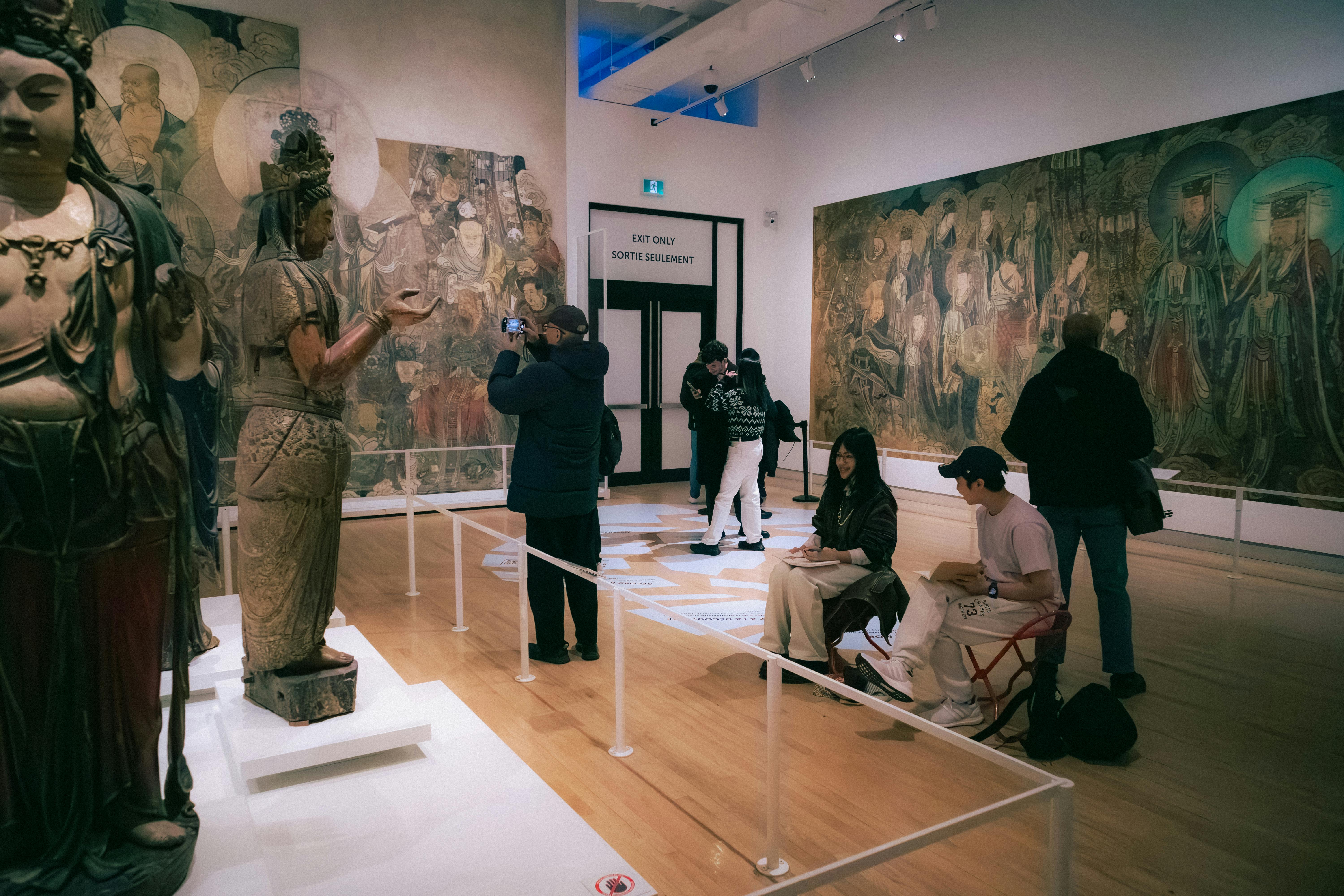


But before we dive into specific cities, it's helpful to understand the framework for judging them. In my experience, a great art city isn't just about one thing; it's a delicate ecosystem. It's about the friction—sometimes beautiful, sometimes uncomfortable—between the old world and the new. I'm looking for places that force me to ask questions, where a centuries-old temple might sit next to a guerrilla art installation, and both feel equally essential. It’s that conversation, that constant push and pull, that makes a place unforgettable.