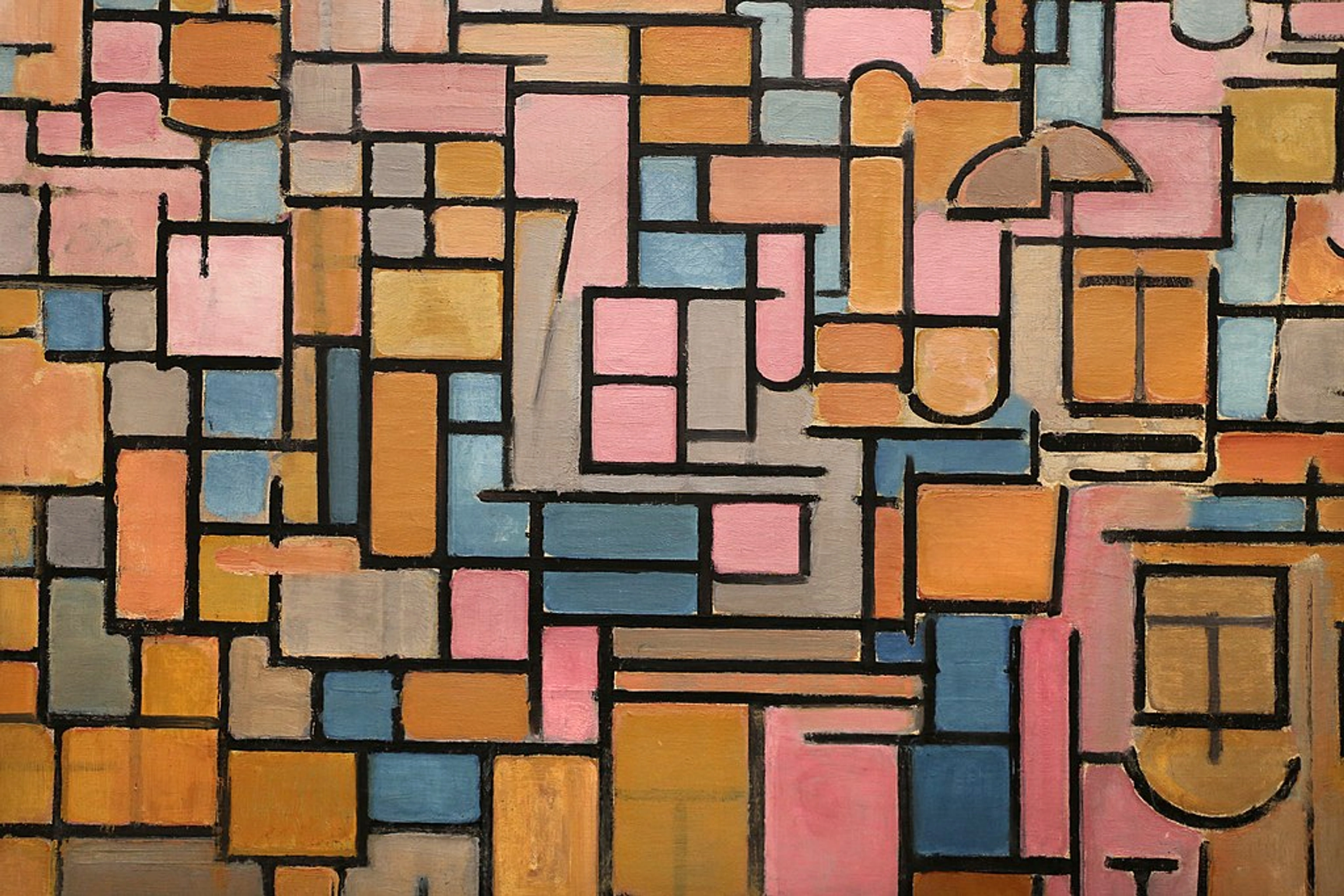
Juan Gris & Cubism: The Guide to Cracking the Code of Abstract Art
Unlock the logic of Juan Gris's Cubist paintings. This guide uses a practical 3-step method to understand fragmented forms, bold colors, and the revolutionary system behind Cubism.

Cracking the Code: How to Truly Understand Juan Gris (and Cubism's Logic)
I’m going to be honest with you. For the longest time, I thought Cubism was a joke. An elaborate prank played on the art world by a few guys in Paris who wanted to see what they could get away with. I'd stand in a museum, staring at a canvas that looked like a guitar had a fight with a newspaper in a blender, and I'd just feel… nothing. Or worse, I'd feel stupid. Like I was missing the punchline.
And Juan Gris? He was the toughest nut to crack. Picasso had this raw, chaotic energy, but Gris's paintings felt like math problems. They were so structured, so calculated, it felt like all the soul had been squeezed out. It took me a long, long time to realize that the calculation was the soul. I was looking for a story when I should have been looking for a system. A whole new way of seeing. A way that would profoundly change how I saw not just art, but the world itself.
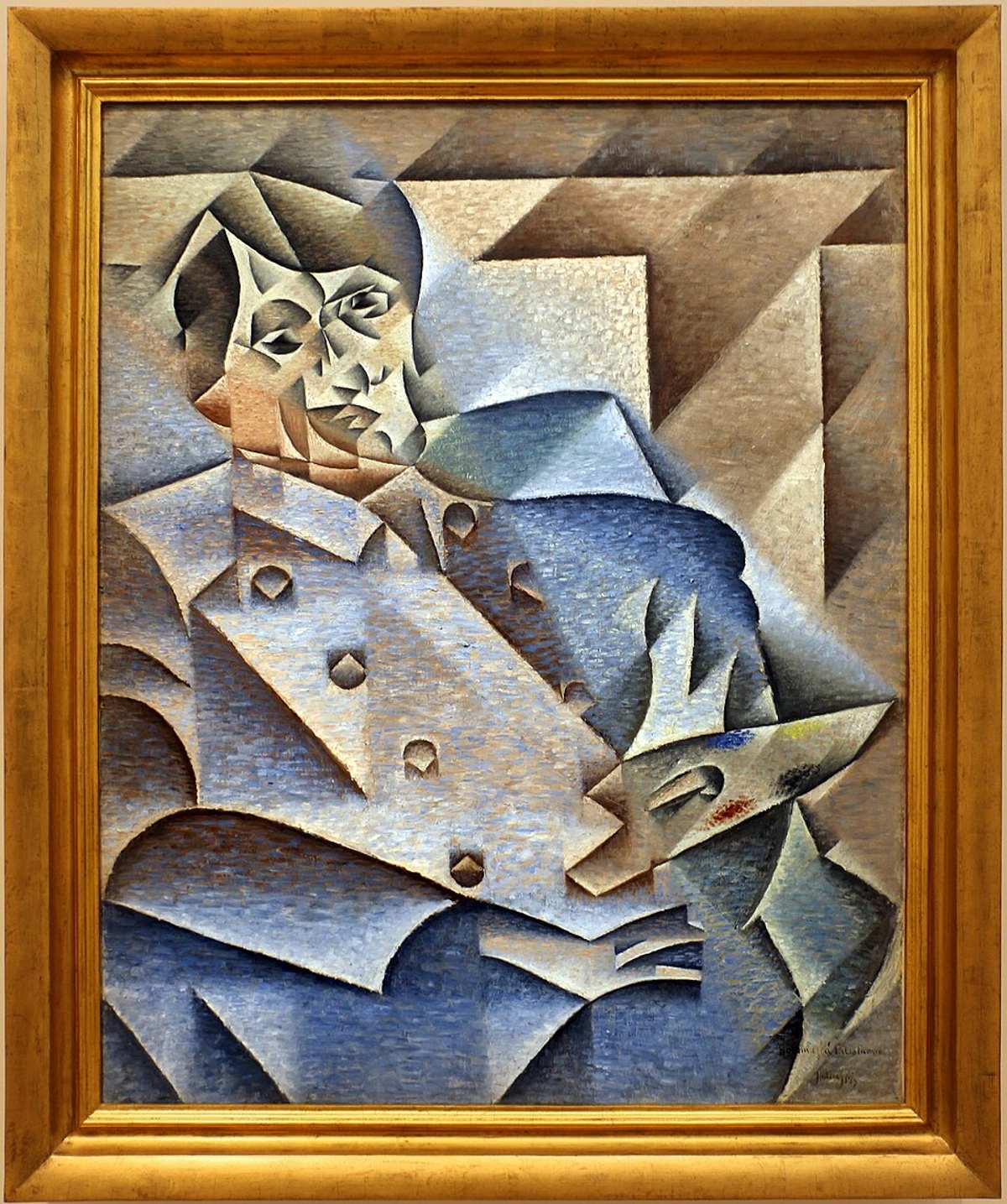
So, if you've ever felt that way, this is for you. We're going to pull back the curtain on Cubism, not with dry art-history-speak, but as two curious people trying to figure out a fascinating puzzle. And our key, our most meticulous guide, is the intellectual mind of Juan Gris.
First Off, What Were They Even Trying To Do?
Before we dive into Gris's specific brilliance, we have to talk about the big, audacious idea behind Cubism itself. Imagine you’re holding a coffee mug. You see one side of it, the handle, the curve. You know from experience what the other side looks like, what the bottom feels like, how the rim is shaped. But you can't see all of that at once. It's a fundamental limitation of our single viewpoint in a 3D world.
Cubists looked at that limitation and said, "No, thanks." They wanted to show you the mug from the front, the back, the top, and the side, all at the same time, on one flat canvas. They weren't trying to paint a realistic picture of the mug; they were trying to paint a more complete idea of the mug. It's like they were trying to paint the 'fourth dimension' of experience—the accumulation of time and multiple viewpoints—by showing an object as it’s truly understood, not just as it's seen in a fleeting instant.
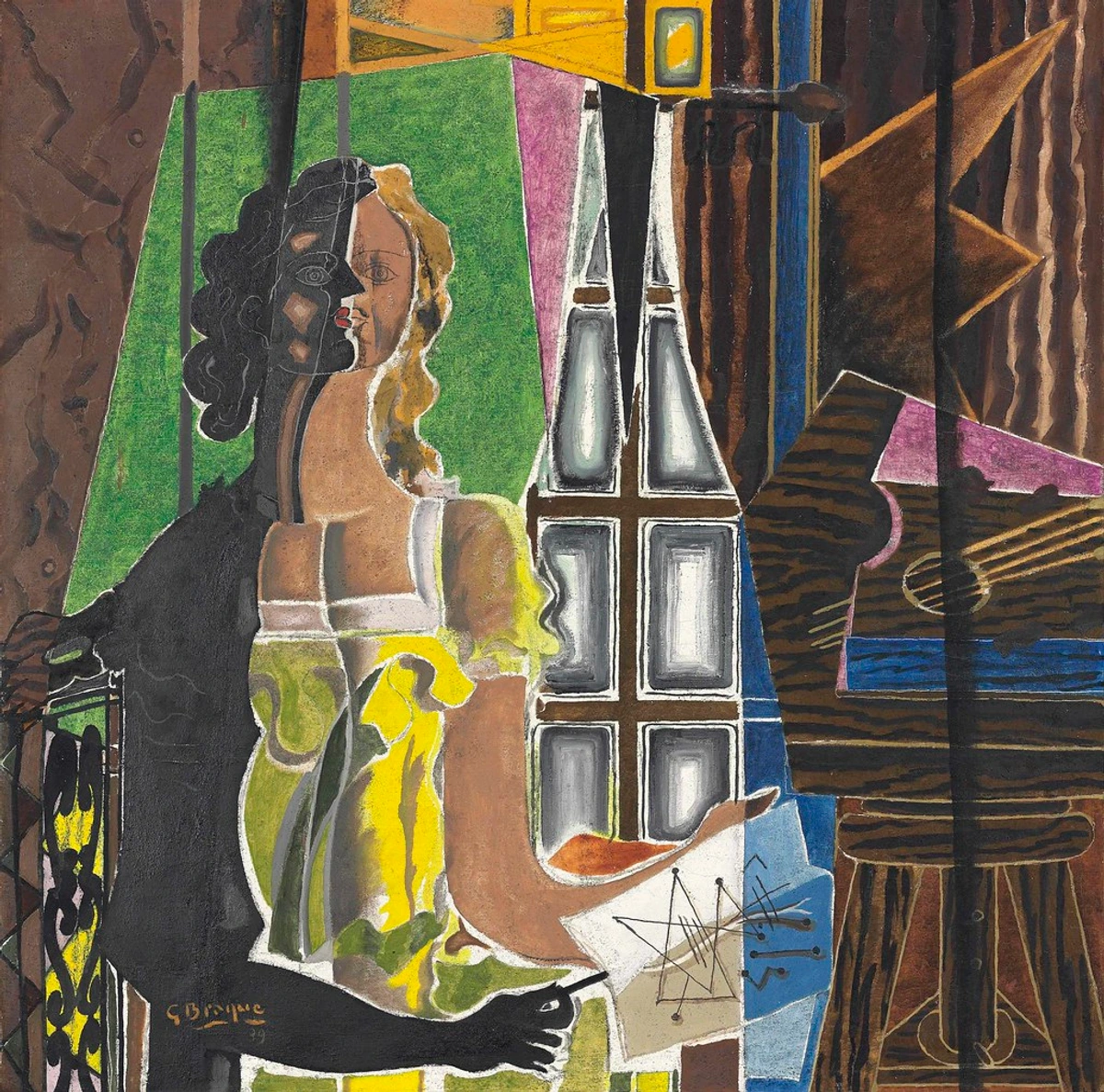
This is the revolutionary core of the ultimate guide to cubism. It’s not about making things look weird for the sake of it; it’s about presenting a deeper, more comprehensive reality. It's about how we, as humans, actually perceive and know objects, integrating memory and multiple perspectives into a single visual statement.
Enter Juan Gris: The Architect of the Revolution
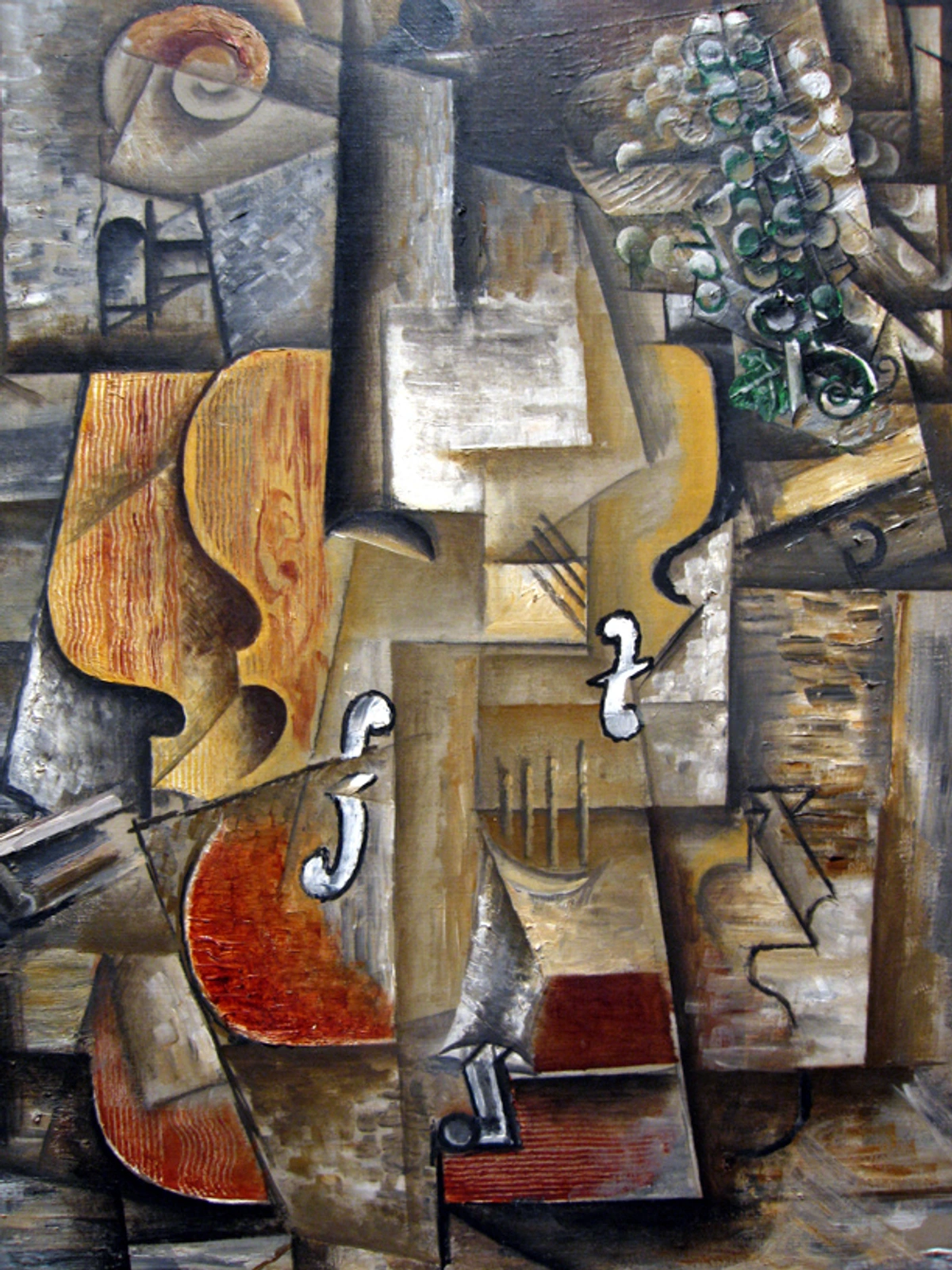
While Picasso and Braque were the wild pioneers who smashed the old rules of perspective, Juan Gris was the one who came in and started making systematic sense of the rubble. If they were the rock-and-roll frontmen, Gris was the brilliant studio engineer—the architect who drafted the blueprints for a new visual language. He brought an unparalleled sense of order, vibrant color, and intellectual rigor to the movement that, frankly, it desperately needed.
His background in mathematical drawing wasn't just a detail; it was foundational. This meant a deep understanding of geometry, proportion, and underlying structure, which you can feel in every calculated line and precisely placed plane of his work. His art is a beautiful, cerebral marriage of logic and artistic expression. This is often the key difference when you delve into the Juan Gris vs Picasso cubism debate, a distinction that clarifies Gris's unique contribution to the movement. His approach was less about spontaneous deconstruction and more about thoughtful, deliberate reconstruction.
To truly grasp Gris's distinctive contribution, it helps to see him in conversation with his fellow pioneers:
Artist Feature  | Pablo Picasso | Juan Gris | |
|---|---|---|---|
| Approach | Intuitive, chaotic, emotional | Methodical, textural, subdued | Logical, mathematical, colorful |
| Color Palette | Often monochromatic (early on), then explosive | Muted, earthy tones, browns, greys | Bright, clear, harmonious colors, often with bold contrasts |
| Composition | Dynamic, fragmented, often violent | Balanced, focused on still life, tactile | Structured, grid-like, architectural, harmonious |
| Vibe | A passionate argument, raw energy | A quiet, thoughtful poem, tactile exploration | A perfectly constructed proof, elegant precision |
Juan Gris was deeply interested in the purity of forms and how they could be organized. He would often start with an abstract structure, a kind of invisible grid, and then fit recognizable elements of his subjects within it. This is why his paintings often feel so stable and monumental, even amidst their fragmentation. He also famously integrated collage, not just as a textural element but as a way to introduce actual fragments of reality (like newspaper print) into his meticulously constructed compositions, blurring the lines between illusion and reality. To learn more about his journey, you might want to look at who is juan gris cubism.
A Practical Guide: Let's Look at a Painting Together
Okay, theory time is over. If you’ve ever felt lost standing in front of a Cubist painting, especially one by Gris, I get it. It’s intimidating. But understanding it is simpler than you think. It's about changing how you look. Let’s break it down into a simple, three-step process, almost like you're a detective on a visual treasure hunt.
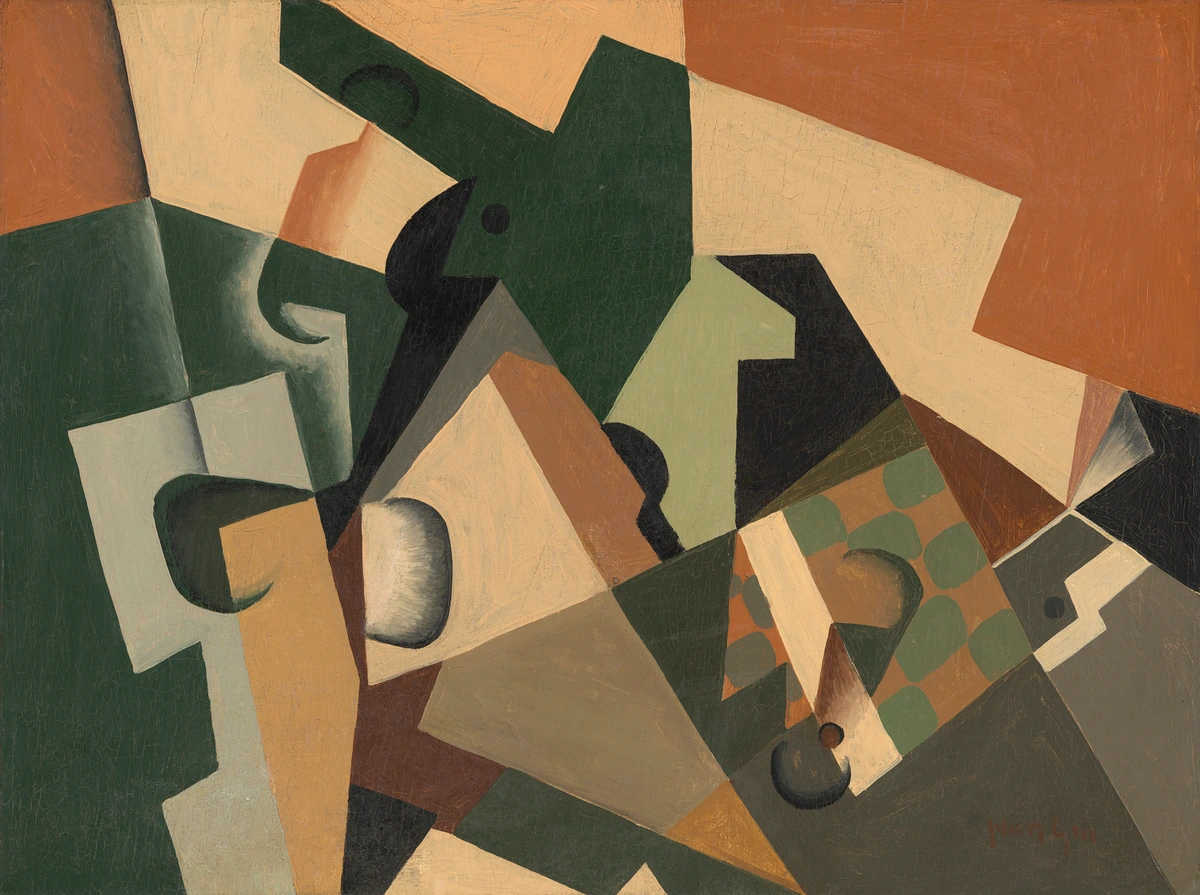
Gris's Canvas: A Universe of Still Life
Before we jump into the steps, a quick note: Gris loved still lifes. His subjects were typically everyday objects – guitars, bottles, fruit bowls, newspapers, pipes, and playing cards. These familiar items were his building blocks, and he manipulated them with intellectual precision. His goal was not to imitate reality but to create a new, coherent reality on the canvas, a carefully orchestrated visual system.
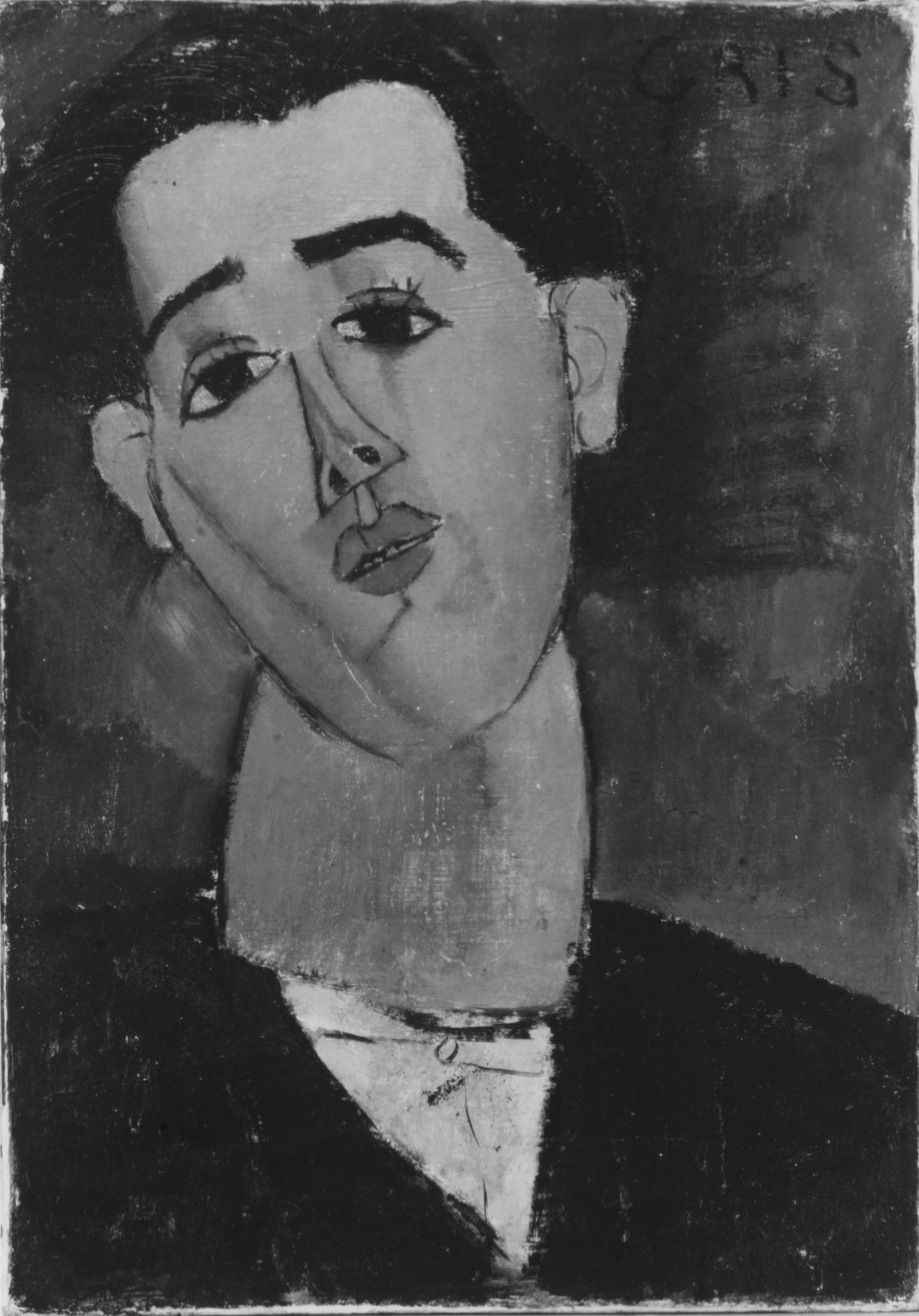
Step 1: Ditch the Big Picture (For a Minute)
Your first instinct is to try and figure out what the whole thing is. A person? A table? A landscape? Ignore that urge. It’s the source of almost all Cubist-related frustration. Trying to grasp the 'whole' too soon is like trying to read every word on a page at once; it just becomes a blur. Cubism demands a different kind of gaze.
Instead, let your eyes relax. Don't look for objects. Look for shapes, colors, and lines. Notice how a sharp diagonal line cuts across a soft curve. See how a patch of bright yellow sits next to a cool grey. Observe the geometric interplay of rectangles, triangles, and circles. Think of it less as a picture and more as a sophisticated graphic design, a puzzle of interconnected forms. Appreciate the composition in art explained on its own terms first. Consider how what is design in art is fundamentally about these elements. Pay attention to how elements of art line or understanding balance in art composition are at play. Don't forget how artists use color and even the psychology of color in abstract art beyond basic hues to guide your eye.
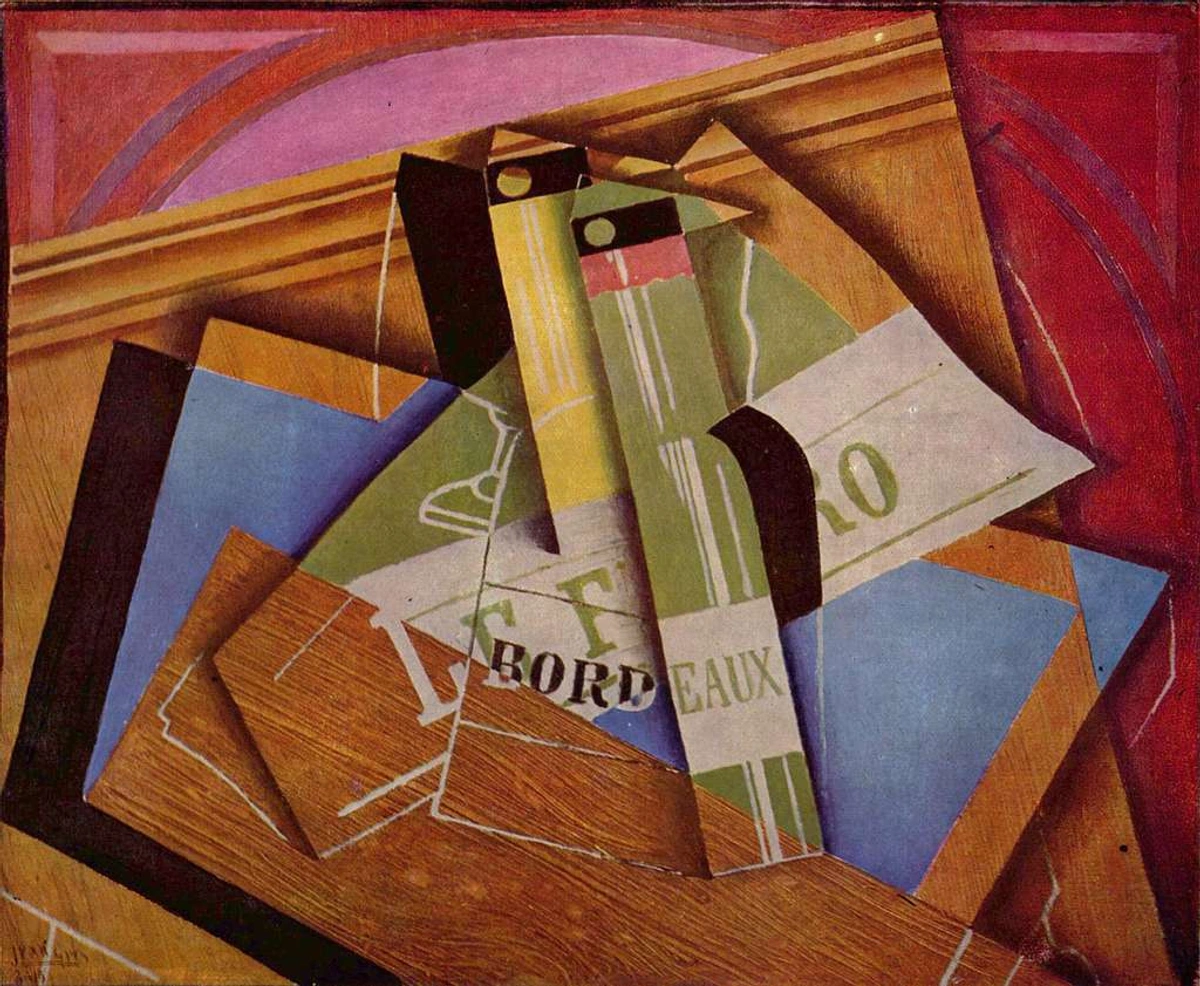
Step 2: Play 'I Spy' for Clues
Now that you've appreciated the abstract beauty, you can start hunting for clues. Gris almost always leaves a trail of breadcrumbs for you, fragments of familiar reality. This is the fun part; you're a detective looking for recognizable pieces that anchor the composition.
- Is that curved line the f-hole of a violin or the scroll of a guitar?
- Does that block of text, perhaps a brand name or a date, look like it was cut from a newspaper?
- Can you spot the stem of a wine glass or the neck of a bottle?
- Are those parallel lines a sheet of music or the strings of an instrument?
Once you find one or two of these clues, you have a key to unlock the scene. These fragments are not random; they are deliberately placed to invite you into the intellectual game Gris is playing.

Step 3: Rebuild the Idea in Your Head
Once you've found your clues, you can start to piece the scene together. You've spotted the neck of a guitar, the curve of its body, and a few strings. You now understand that Gris isn't showing you a single guitar from one angle. He's showing you the idea of a guitar, as you might experience it over time and from different vantage points. You're seeing the top of it, the side where your hand would go, and maybe even a suggestion of its sound represented as a shape or color.
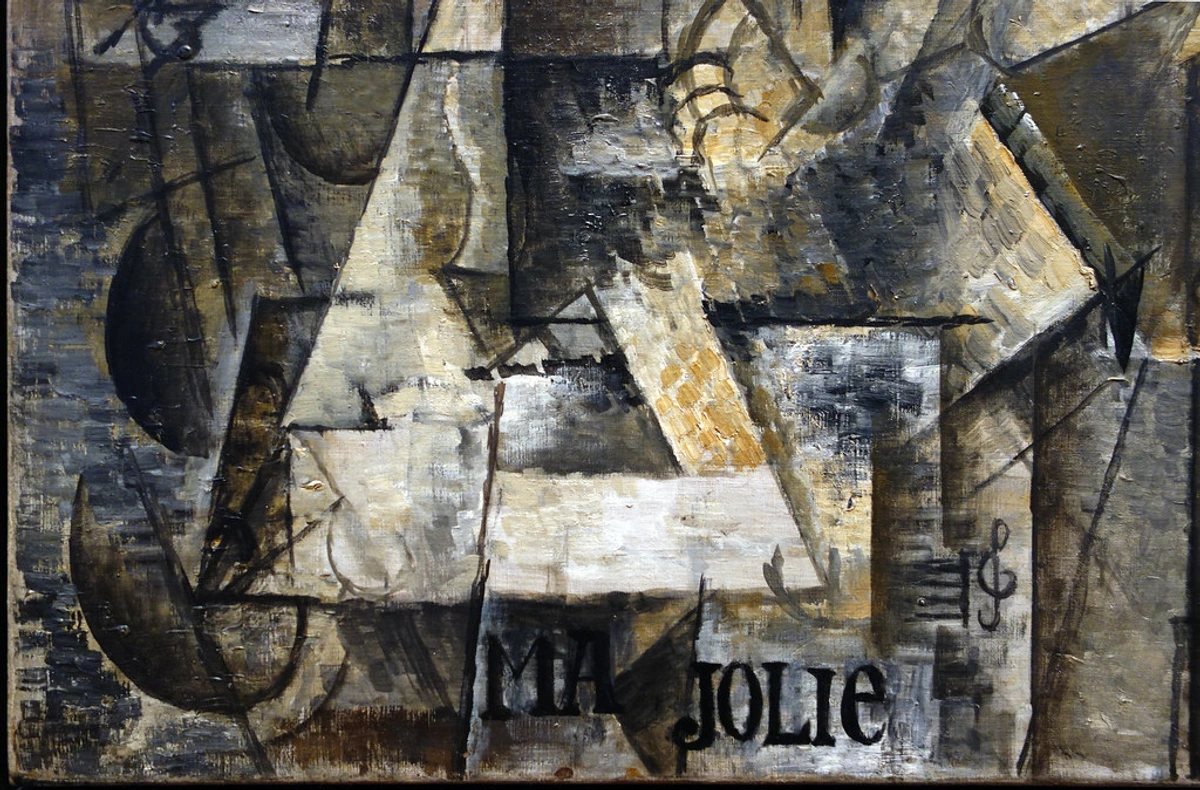
He's flattened all those different experiences and perceptions into one plane, challenging traditional definitive guide to perspective in art. The painting isn't a snapshot; it's a profound summary. It's a diagram of an experience, a more complete conceptualization of the object. Once you grasp that, the whole thing clicks into place. It’s not just broken; it’s deconstructed and then meticulously reconstructed with more information, more truth about the object, than a single, static viewpoint could ever hold. You're actively participating in the art, mentally reassembling the fragments into a richer understanding.
Why Cubism Still Matters: Gris's Enduring Legacy
This revolutionary way of thinking didn't just stay in a few studios in Paris; it exploded, blowing the doors open for almost every major art movement that followed. Cubism gave artists permission to paint not just what they saw, but what they knew, felt, and thought—to create a deeper truth than mere mimesis. It's the undisputed grandfather of so much modern and what is abstract art. Its influence can be seen in Futurism's depictions of motion, Constructivism's geometric abstraction, and even the clean lines of graphic design and architecture.
Juan Gris, with his methodical, intellectual, and exquisitely colorful approach, made Cubism more than just a radical experiment. He turned it into a sophisticated, coherent language—a visual system. His meticulous compositions influenced subsequent generations, inspiring artists to explore structure, pattern, and the interplay of color and form. He demonstrated that even radical abstraction could be built on a foundation of rigorous logic and harmony. His contributions are a vital part of the definitive guide to the history of abstract art key movements artists and evolution.
So next time you're in a museum, perhaps even the den-bosch-museum, and you come across a Cubist painting, don't walk away. Take a breath. Stop looking for a picture and start looking for clues and systems. You're not just looking at art; you're actively engaging in cracking a code. And Juan Gris, the quiet, cerebral master, might just be the best codebreaker there ever was.
Key Takeaways:
- Cubism is about a more complete idea of an object, incorporating multiple viewpoints and the dimension of time onto a flat canvas.
- Juan Gris brought order, logic, and vibrant color to Cubism, acting as its architect.
- His "mathematical drawing" background informed his structured, grid-like compositions.
- To understand a Gris painting:
- Look for shapes, colors, and lines first, rather than trying to identify the whole object.
- Play "I Spy" for fragments of familiar objects (guitars, newspapers, bottles).
- Mentally rebuild the idea of the object, appreciating its multi-faceted representation.
- Cubism's legacy is profound, influencing most subsequent modern art and design, and Juan Gris's systematic approach was crucial to its enduring impact.
Frequently Asked Questions (FAQ)
Is Cubism the same as abstract art?
Not exactly, though it's a close cousin and a major influence. The key difference is that Cubism almost always starts with a real-world subject (a person, a guitar, a bowl of fruit) that it then deconstructs and reassembles. Purely how to abstract art might not have any reference to the real world at all; it can be just about color, shape, and form for their own sake.
Why is Juan Gris less famous than Picasso?
It's a classic art world story: personality and prolificacy. Picasso was a larger-than-life character, a relentless experimenter who was incredibly prolific and constantly reinventing himself, making him a media sensation. Gris was more reserved, intellectual, and tragically, his career was cut short when he died at age 40. His output was smaller and his approach less 'rock and roll,' but his profound influence on the systematic development of Cubism, and by extension, on modern art and design, is arguably just as significant. Check out the stories of other famous cubist artists to see the different paths they took.
Did Juan Gris use collage in his Cubist paintings?
Absolutely. Gris was a master of integrating collage, often using pieces of newspaper, wallpaper, or faux bois (false wood grain) alongside painted elements. For him, collage wasn't just a decorative addition; it was an integral part of his intellectual exploration of reality and illusion. By juxtaposing actual fragments of the world with painted representations, he further complicated and enriched the viewer's perception of the depicted object, creating a dialogue between the real and the rendered.
Do you have to be 'smart' to understand Cubism?
Absolutely not. I think it’s the opposite. You have to be willing to let go of what you think you know about how art 'should' look and just look with fresh, curious eyes—like a child would. It's not about intellectual horsepower; it's about visual playfulness and an openness to a different kind of seeing, not a higher level of it. It’s an invitation to engage with art on a deeper, more active level.




Where did the name 'Cubism' come from?
The story goes that art critic Louis Vauxcelles saw a painting by Georges Braque in 1908 and derided it as being full of 'little cubes.' The name, initially an insult, stuck. It happens a lot in art history—'Impressionism' was also first used as an insult. Art movements often get their names from critics who initially failed to grasp their revolutionary nature. For more details on the general timeline of art movements, check out the timeline.