
Figurative Art: Your Guide to Recognizable Forms & Deeper Connections
Explore figurative art's definition, styles, history, and relationship with abstract art. Understand why recognizable subjects profoundly connect with us, from ancient forms to modern interpretations.

My Journey to Understanding Figurative Art: From 'Looks Like Something' to Profound Connection
I used to think art terminology was a bit like trying to understand a new language in a dream – the words are there, but the exact meaning, those subtle nuances? That's where things got blurry, and honestly, it used to be genuinely disorienting. For years, if a piece wasn't a swirling vortex of colors or a fascinating geometric puzzle (my own work often embraces this – you can even find my art for sale here), I'd just vaguely call it 'art that looks like something.' It took me embarrassingly long to realize that 'looks like something' has a much more elegant, if initially intimidating, name: figurative art. Now, I know what you might be thinking: 'Another art concept I need to decode?' But trust me, this isn't a dry academic lecture. It's more like a friendly chat about something truly foundational – a genre encompassing everything from a vivid portrait that seems to gaze back at you, to a tranquil landscape that transports you, or a meticulously arranged still life that makes you appreciate everyday objects anew. Today, we'll journey through its core definition, explore its surprising flexibility across diverse styles like portraiture, landscape, still life, and genre scenes, trace its deep historical roots, unravel its intricate relationship with abstract art, and understand why it continues to resonate so powerfully. This isn't just about learning a definition; it’s about evolving your understanding from superficial recognition to profound connection, a journey I've personally found incredibly rewarding. It’s a journey into how art mirrors and shapes our understanding of the world, and why it’s so vital, even now.
What Exactly Is Figurative Art? (And Why My Definition Evolved)
Defining the Recognizable: What Figurative Art Truly Is
So, what is figurative art? At its heart, it’s simply art that clearly depicts something recognizable from the real world. Think people, objects, landscapes, animals – anything that retains a strong resemblance to its source. For me, it offers a welcome visual anchor when I sometimes feel adrift in a sea of abstract concepts. You can point to it and say, 'Ah, that’s a cat,' or 'That’s a mountain.' But here's the kicker, and something that took me years to truly grasp: it doesn't mean it’s always hyper-realistic. That was a common misconception I clung to for ages. It just needs to be representational. This fundamental commitment to recognizable subjects makes figurative art a powerful foundation for understanding nearly all other art forms, even those that intentionally move away from reality. In a way, our brains are wired for pattern recognition, constantly trying to make sense of the visual world around us, and figurative art speaks directly to that innate human drive. It’s almost as if we’re hard-wired to look for meaning in what we see, a drive that philosophers from Plato onward have pondered when discussing how we perceive and represent the world.
Even ancient civilizations, like the Egyptians, developed highly stylized yet clearly figurative forms long before photography, using consistent visual conventions to represent reality, often emphasizing conceptual clarity rather than exact photographic likeness. Across different cultures, from the intricate narrative reliefs of Mesopotamia to the powerful yet symbolic frescoes of ancient Rome, and the religiously significant Christian icons or Buddhist mandalas, the human drive to depict a recognizable world has always been paramount, serving profound purposes like glorifying deities, commemorating rulers, or recording historical events. This innate desire to capture and communicate our visual experiences, to make sense of our surroundings, is perhaps the most fundamental philosophical underpinning of figurative art itself – a testament to our enduring drive to represent what we see and feel.
Within this vast realm, you'll find countless sub-genres, each with its own approach to representation. Artists delve into portraiture, aiming to capture not just a likeness but the very essence of individuals, often reflecting societal roles or inner states, or serving to document power and status. It's fascinating how even within portraiture, artists can choose to be hyper-realistic or subtly abstract, conveying emotion through distortion.

Landscape art invites us to contemplate natural scenery, from sublime wildernesses to serene domestic gardens, often conveying emotion or a sense of place, or even promoting national identity. And yes, a landscape can still be identifiable even if the colors are wild and the forms are simplified! Still life arranges inanimate objects to explore form, light, texture, and symbolism, turning everyday items into profound meditations, often carrying symbolic meanings like memento mori (reminders of mortality) or celebrating the abundance of life. And genre scenes illustrate everyday life, offering glimpses into cultures, social interactions, or personal narratives, acting as visual records of their time. Each of these uses the familiar as a vessel for deeper meaning, emotional expression, social commentary, or a fresh perspective on reality, serving as a powerful tool for storytelling and cultural documentation.
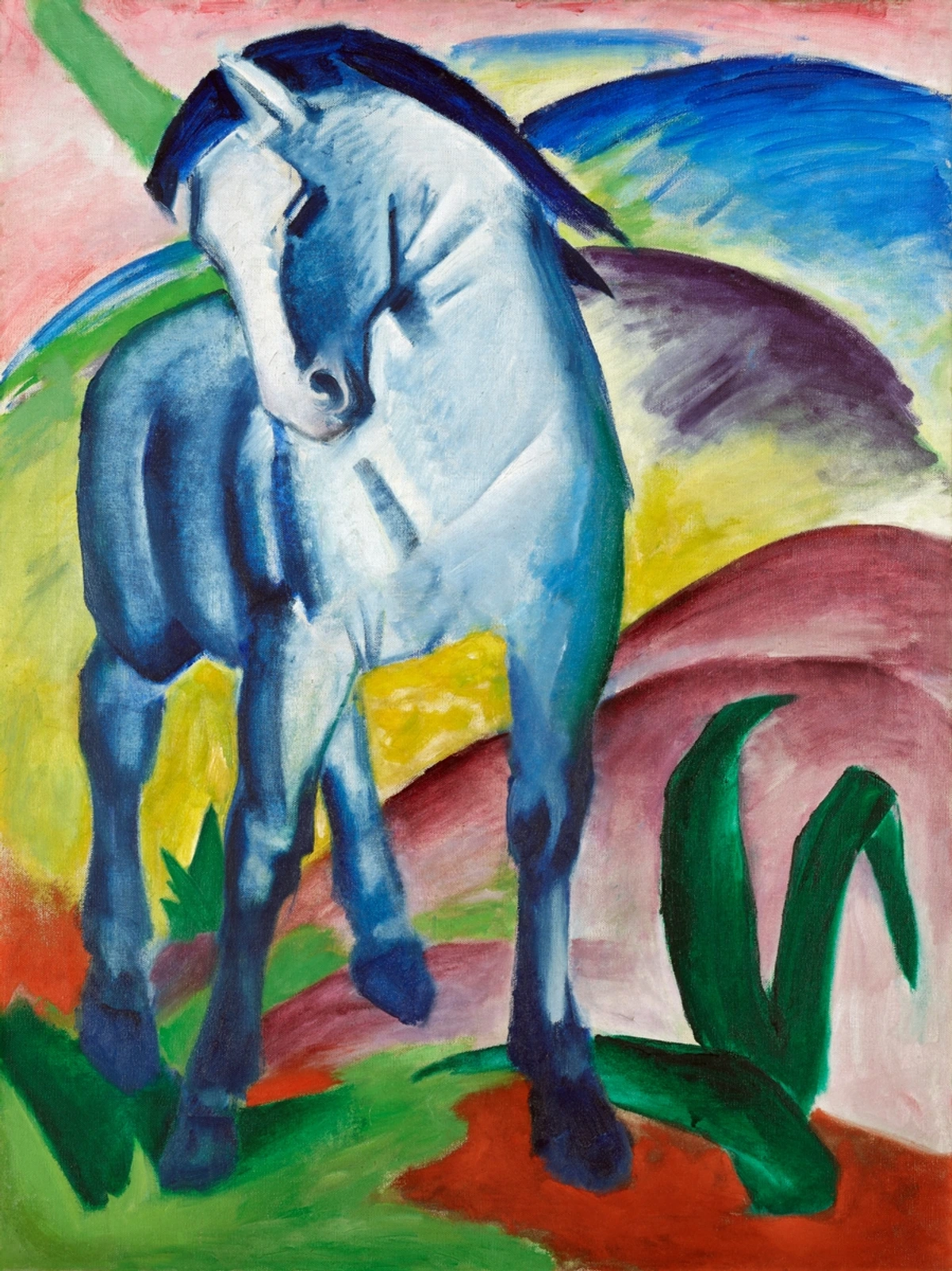
My own journey to understanding this wasn't just about learning a new word; it was about a fundamental shift in how I perceived art. I used to genuinely think 'figurative' just meant 'realistic.' Honestly, I spent years at art school thinking I was so clever explaining the difference between 'realistic' and 'photorealistic,' only to sheepishly discover that 'figurative' was the actual, broader term I should have been using all along! It felt a bit like learning there's a whole continent beyond my small town. But that's like saying all fruits are 'apples.' While apples are indeed fruits, not all fruits are apples. Similarly, realistic art is a style of figurative art, a very precise one that aims for photographic accuracy, like a painstakingly rendered bowl of fruit by a Dutch Golden Age master. Figurative art, however, is the broader umbrella, encompassing everything from a slightly distorted portrait to a vibrant still life that clearly shows a bowl of fruit (even if the fruit is blue, thanks to an artist’s playful brush!). It’s about the what – the recognizable subject – not just the how – the style of its depiction. Perhaps it's this innate human drive to make sense of our surroundings, to capture and communicate our visual experiences, that makes figurative art so universally compelling across cultures and millennia. We see, we interpret, we depict – it’s a fundamental part of who we are, woven into our very psychology. I remember discovering a beautiful figurative drawing in charcoal, not hyper-realistic at all, but the way the artist captured the subject's essence with just a few expressive lines immediately clicked with me. It was 'something,' yes, but more than that, it was a feeling, a presence – and that's when I truly started appreciating the broader scope of figurative representation. What's your personal journey been like in understanding art terms?
Ultimately, figurative art offers a tangible bridge to shared reality, inviting recognition and deeper engagement. But as we'll see, that bridge has some incredibly interesting twists and turns, proving that 'recognizable' can be surprisingly flexible.
The Nuances: It's Not Always Black and White (Thankfully!)
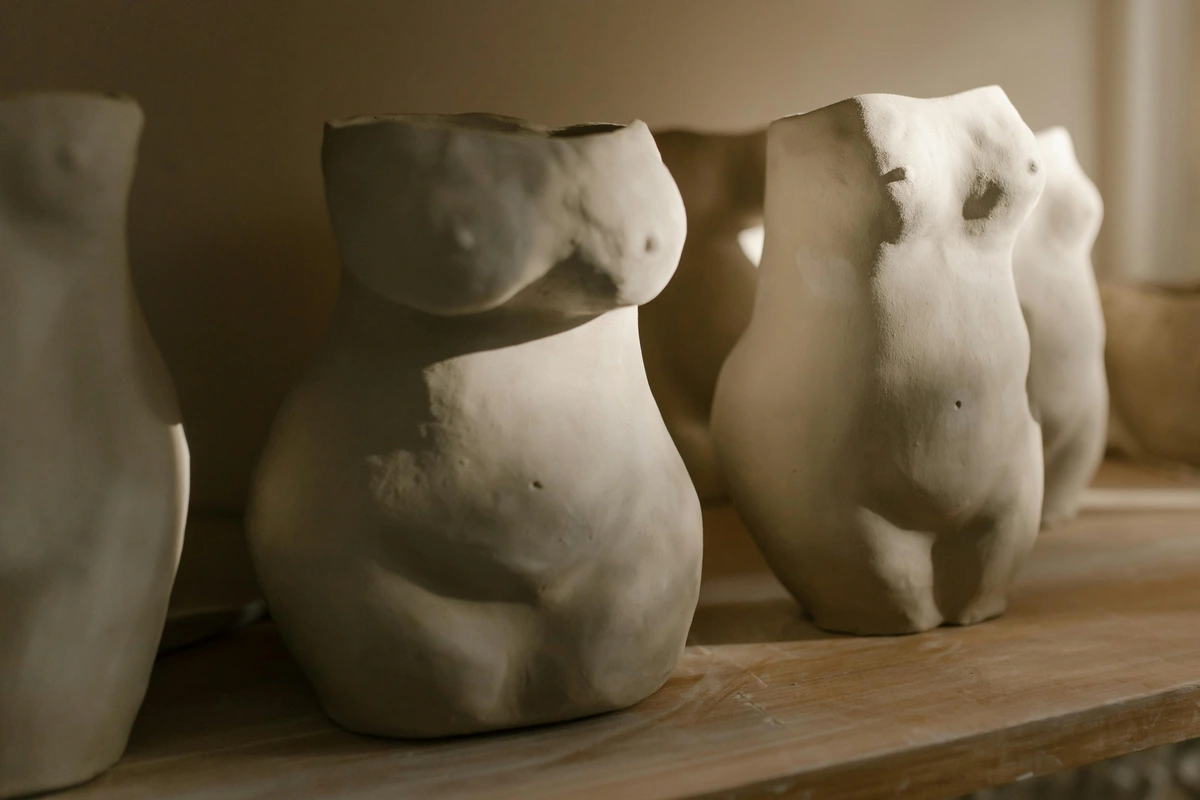
If figurative art is simply 'recognizable,' does that mean it's always predictable? Absolutely not! The true magic of figurative art isn't just in its straightforward definition; it lies in the incredible flexibility within its own boundaries. This is precisely where artists truly shine, taking those recognizable forms and imbuing them with unique vision, raw emotion, and deeply personal interpretation. It's where the simple definitions become delightfully complex, because figurative art isn't about rigid adherence. It’s about holding onto that thread of recognition, even as the artist pulls and stretches it in fascinating ways – sometimes (if I’m lucky) a bit like how I try to make my deadlines stretch, but usually with far less artistic grace. This flexibility initially baffled me; I struggled to shake the idea that 'recognizable' meant 'boring.' But the more I explored, the more I witnessed artists profoundly transforming the familiar, and it’s this very adaptability that allowed it to dominate art for so long.
Historically, different cultures have embraced varying degrees of stylization within figurative art. From the highly formalized depictions in ancient Egyptian tomb paintings, where figures adhere to strict conventions, to the idealized naturalism of classical Greek sculpture, or the expressive distortions found in many non-Western traditions – like the powerful, symbolic masks of West African cultures or the graphic storytelling of Japanese woodblock prints – the interpretation of 'recognizable' has always been wonderfully diverse. This global artistic dialogue enriches our understanding of how representation can serve different aesthetic, spiritual, and social purposes. In classical Greek and Roman art, for instance, we often see idealization – figures rendered not exactly as they appear, but perfected, embodying concepts of beauty, strength, or divinity. This isn't distortion; it's a deliberate enhancement of reality to convey a particular ideal, still firmly within the realm of the figurative.
Take, for example, a serene landscape where an artist uses heightened, dreamlike colors to evoke a mood, or a portrait that subtly elongates features to convey a sense of grace. Think of an Impressionist like Edgar Degas, whose ballerinas are undeniably human figures, yet rendered with such a focus on movement and light that their forms become almost ethereal, capturing a fleeting moment rather than a static reality. Or Renoir, whose lush portraits and landscapes, while clearly depicting people and places, are bathed in a soft, dreamlike glow, emphasizing mood and sensation over photographic detail. The subject remains clear, but the artist's subjective experience shines through. This ability to interpret reality, not just copy it, is what makes the genre so captivating.
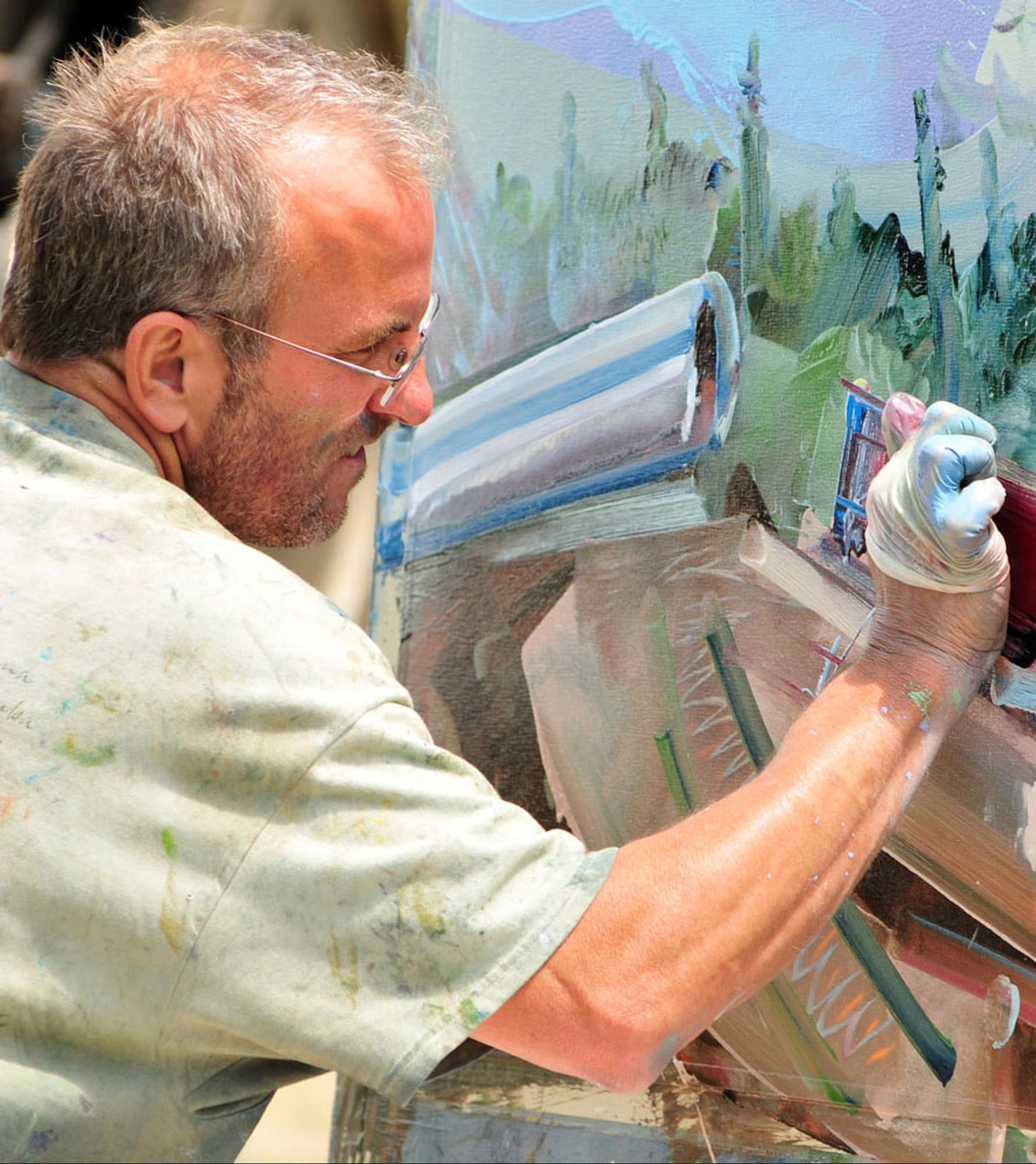
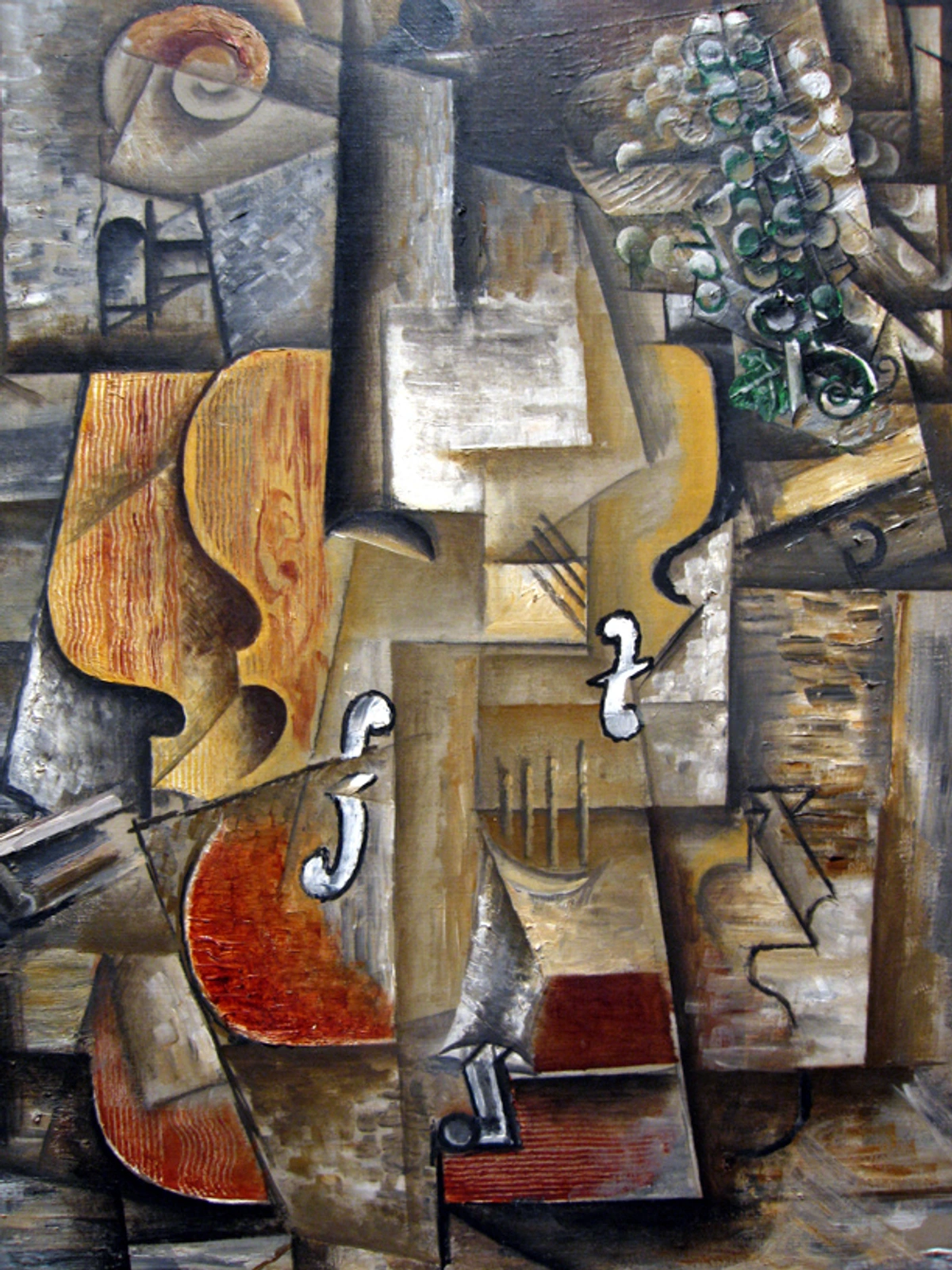
This flexibility is beautifully illustrated by artists who, while working within figurative boundaries, pushed them to their limits. Consider the work of an artist like Picasso. His early Cubist periods, while revolutionary and pushing towards abstraction, still often depicted figures or objects, albeit fragmented and seen from multiple perspectives. The crucial point here is that the intent was still to represent a recognizable subject, even if it meant reassembling reality in a radically new way. You can look at a painting from his Cubist phase and still identify a person, even if they look like they’ve been reconfigured or seen through a shattered mirror. He took the familiar, shook it up, and then reassembled it in a way that challenged our perception while still anchoring it to reality. That's still figurative!
Beyond Cubism, think of the bold, often unnatural colors of Fauvism, or the raw, distorted figures of Expressionism – all pushing the boundaries of representation while keeping the familiar in sight. These artists distorted reality not out of a lack of technical skill, but precisely to convey heightened emotion, subjective experience, or a new way of seeing the world. They were exploring psychological states, making visual elements like color and line more prominent, or commenting on society through altered forms. For more on this pivotal movement, check out my ultimate guide to Cubism.
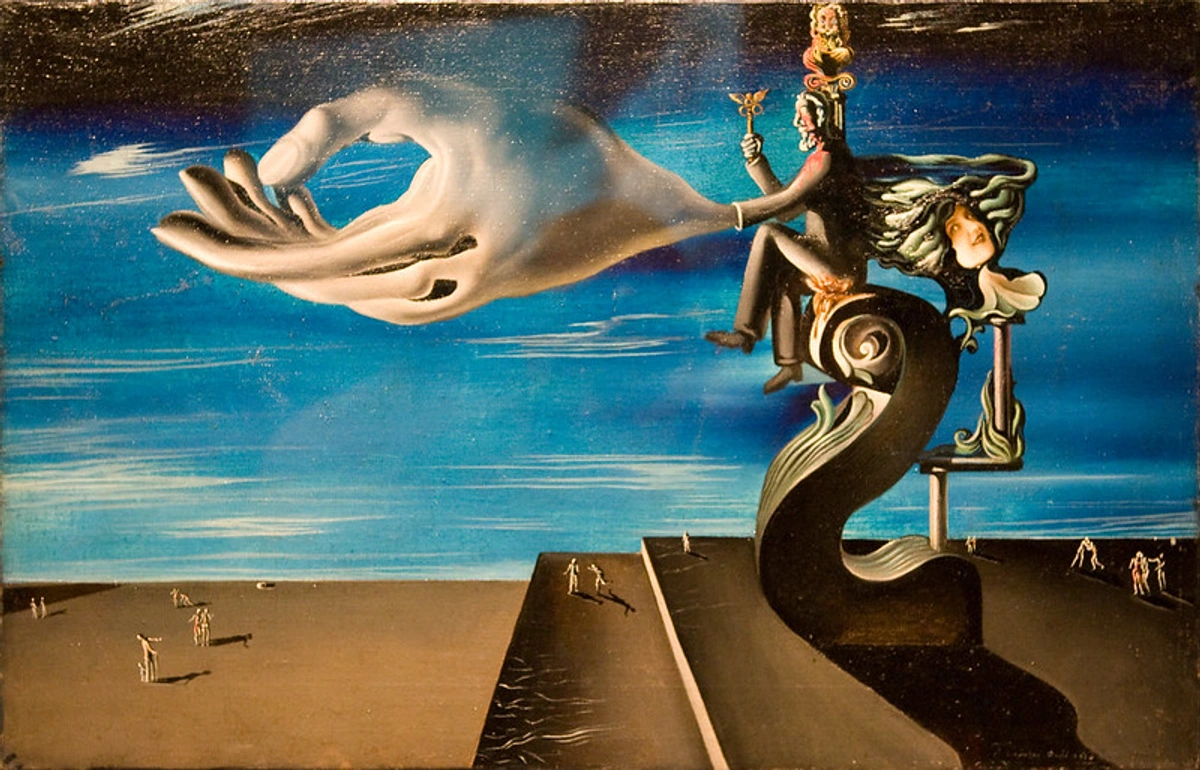
My point is, figurative art isn't a single, rigid style. It’s a vast, diverse category that allows for immense creativity – whether expressing emotional depth, crafting narrative complexity, driving stylistic innovation, or even offering subtle commentary on the human condition. From the serene, light-drenched landscapes of the Impressionists to the emotionally charged figures of Expressionism, and the raw honesty of contemporary portraiture, it's all about retaining that recognition. It's why I also find the discussion of what is design in art so fascinating – even in representational works, the underlying design principles are crucial to how we perceive that familiar subject. What's your favorite example of an artist pushing the boundaries of figurative art? These examples show that figurative art thrives on creative interpretation, proving representation can be endlessly innovative and deeply personal. So, how did this incredibly flexible form dominate art for so long?
A Stroll Through History: The Enduring Primal Appeal
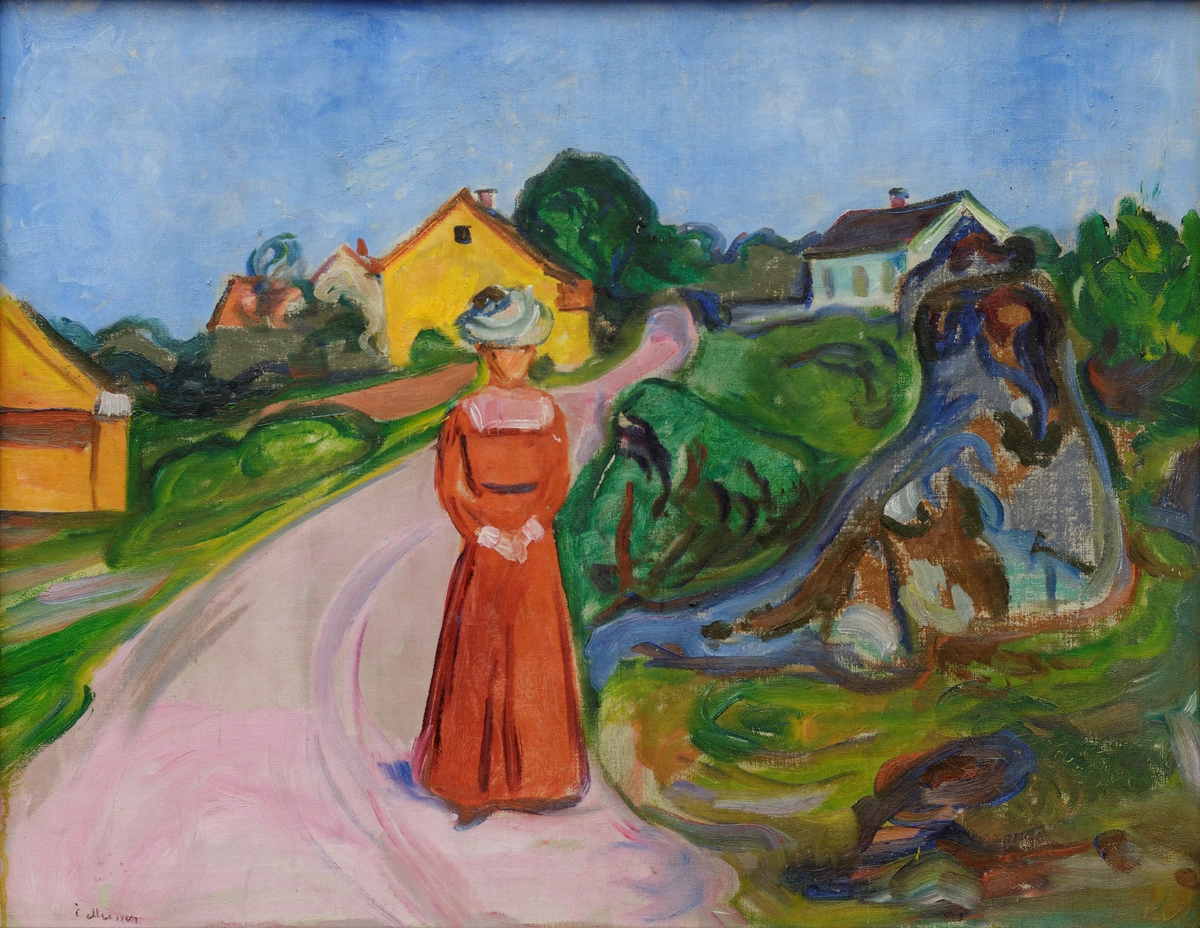
If you think about it, figurative art has been with us since the dawn of time, in forms as varied as painting, drawing, and figurative sculpture. From prehistoric cave paintings of bison to the majestic Egyptian reliefs and statues, the idealized forms of classical Greek sculpture, and glorious Renaissance portraits – it was the dominant mode of artistic expression for millennia. For most of human history, art was figurative. It served to tell stories, document events, glorify gods and rulers, and simply capture the world around us. This wasn't just about artistic preference; it was often driven by powerful patrons – pharaohs, popes, monarchs, wealthy merchants – who commissioned these works to reflect their power, faith, or narrative. They profoundly influenced the artistic output, sometimes even dictating specific subject matter or stylistic choices to convey political or religious messages, from grand historical narratives to intimate religious scenes, thereby shaping entire artistic periods. Think of the Medici family's influence on Renaissance Florence, commissioning masterpieces from artists like Michelangelo and Raphael to solidify their family's prestige and piety, or the Catholic Church's role in the Baroque period, funding dramatic works to inspire awe and devotion. These works also served profound societal and religious functions, acting as visual narratives for the illiterate, inspiring religious devotion, or preserving the stories and values of a culture for future generations. The development of new pigments, printing techniques, and advancements in perspective all contributed to the evolution of figurative art over the centuries, allowing for ever-greater realism and expressive power. After all, with the invention of photography in the 19th century, artists were largely freed from the sole burden of documenting reality, opening up a whole new world of artistic exploration. This pivotal shift, which dramatically altered the very purpose of art, is a key point in understanding its evolution, as detailed on my timeline, which chronicles the major artistic journeys and paradigm shifts. There wasn't much debate about what is art back then, at least not in the same way we have today; it was the way humanity reflected observable reality, a visual record of our existence. Thinking about it, sometimes I wish we had a bit more of that directness in today's art world, but then again, where would the fun in the endless debates be?
I find it almost primal, this desire to represent. When I stand before a work like Leonardo da Vinci’s Mona Lisa (even a reproduction!), seeing a human figure, a familiar animal, or a recognizable scene depicted, it immediately connects with something inherent in our visual processing. There's a tangible feeling of awe, a direct link to a shared human experience across centuries, knowing someone else observed and rendered this world. It speaks a universal language in a way that pure abstraction, while powerful in its own right, sometimes needs a little more coaxing for the uninitiated viewer (and let's be honest, sometimes for me too!). It’s a bit like returning home after a long journey – comforting, familiar, and deeply resonant. This deep-seated human drive to depict what we see is why, despite revolutionary shifts, figurative art remains a cornerstone of artistic expression, bridging us across vast stretches of human history. What does this enduring human drive to represent tell us about ourselves, and what happens when that mirror begins to warp?
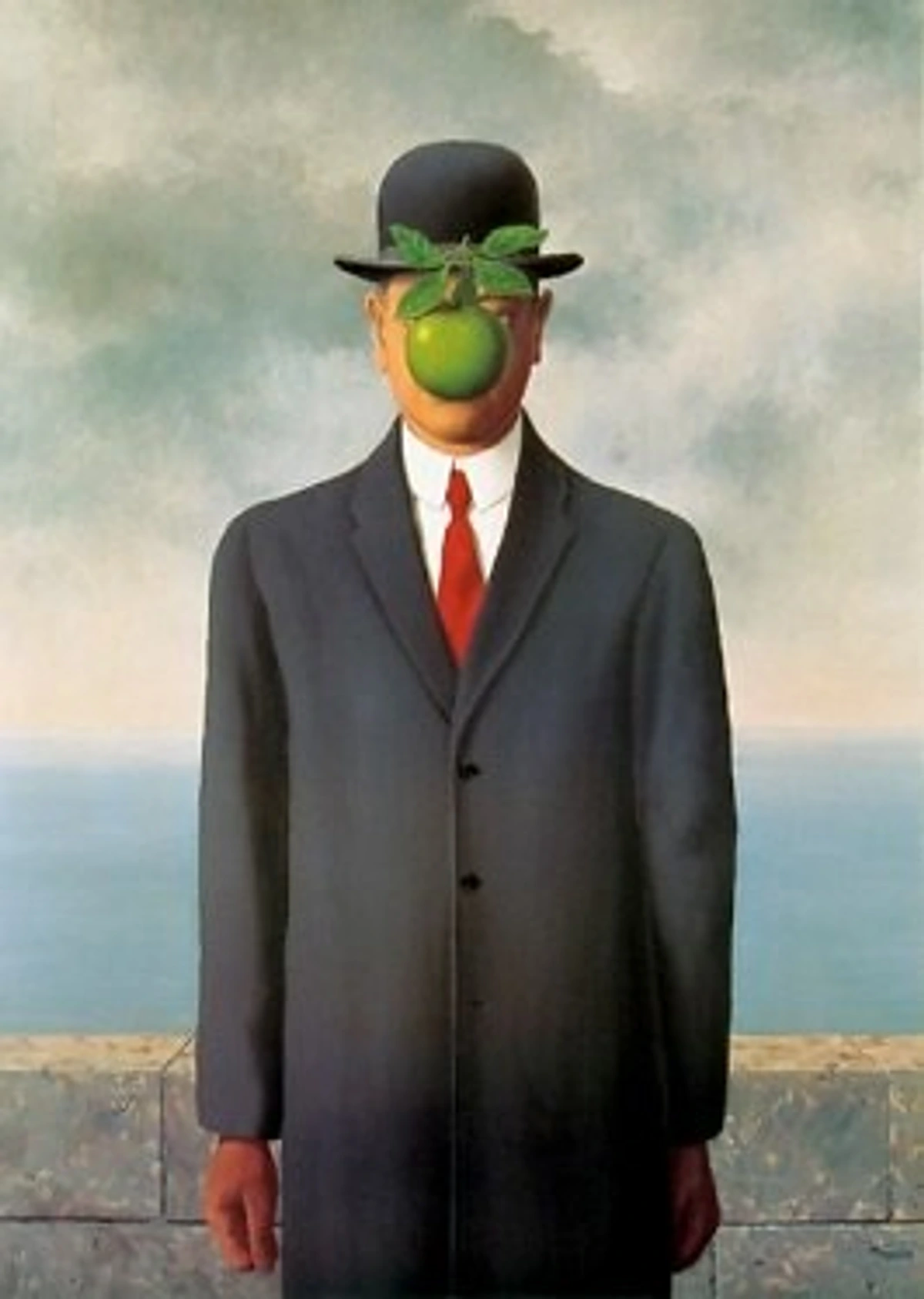
Figurative vs. Abstract: Where My Artistic Mind Gets Happily Busy
Alright, so we've established the grounding power of recognizable forms. But where do things get really interesting? Now, let's dive into the fascinating interplay between figurative art and its frequent artistic sparring partner, abstract art. If figurative art is about portraying recognizable subjects, abstract art, in its purest form, deliberately moves away from them. It focuses on elements like color, line, shape, and texture for their own sake, often aiming to evoke emotion or explore ideas without direct reference to the visual world. It’s this exploration, this quest for meaning in the non-representational, that really took off my own artistic journey, pushing me to see art in new ways. In a way, my own colorful, often abstract art prints and paintings (which you can find for sale here) are a direct result of this journey, exploring emotions and concepts without always needing a literal anchor.
It's a huge spectrum, of course. At one end, you have purely figurative work. Then, there's art that’s barely abstract, like early Cubism where subjects are still somewhat discernible but fragmented. This middle ground is often called stylized figurative art, semi-abstract art, or abstracted figurative art. It’s a fascinating bridge, and where my artistic heart finds a lot of joy. Here, the artist starts with a recognizable subject but then significantly transforms its form, simplifying its details, or fragmenting its composition, leaning heavily towards abstraction without losing all recognition. It's a delightful dance between clarity and mystery, and often, the viewer's interpretation plays a crucial role in where they perceive a piece to sit on this spectrum. We even see movements like Neo-figurativism or Neo-Expressionism emerging in the late 20th century, explicitly bringing recognizable subjects back to the forefront, but with a raw, often emotional and distorted sensibility, proving that figurative art is always finding new ways to express itself.
Here’s a quick breakdown of these intriguing nuances:
Category  | Description | Examples (Artist/Movement) |
|---|---|---|
| Stylized Figurative Art | Retains a recognizable subject but modifies its natural appearance through exaggeration, simplification, or deliberate distortion to emphasize certain qualities or achieve a particular aesthetic. The core subject is unmistakable. | Ancient Egyptian figures, Amedeo Modigliani's elongated portraits |
| Semi-Abstract Art | Blends recognizable forms with abstract elements, where the subject is still discernible but heavily simplified, distorted, or reinterpreted, allowing for ambiguity and multiple interpretations. The subject is still visible, but you might have to look for it. | Paul Cézanne's landscapes (e.g., Mont Sainte-Victoire), Early Wassily Kandinsky (Blue Rider period) |
| Abstracted Figurative Art | Starts with a recognizable subject but transforms it so much that it's on the verge of becoming purely abstract, yet a hint of the original form remains, often inviting the viewer to 'find' the subject within the abstraction. It's almost abstract, but not quite. | Futurists (fragmented figures/vehicles), Later Cubism (e.g., Picasso's Girl with a Mandolin) |
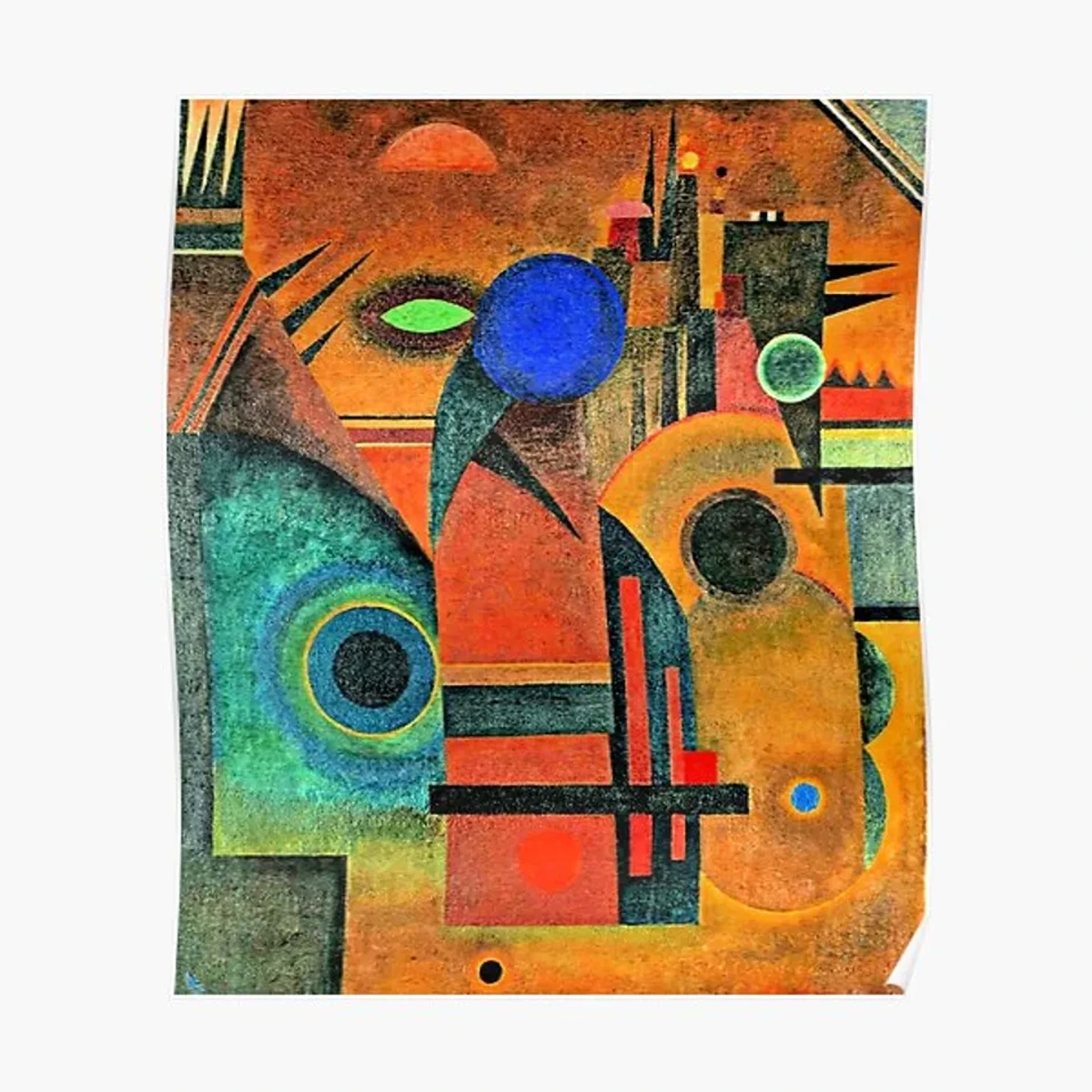
Think of a figure by Amedeo Modigliani, whose elongated portraits distort the human form while still clearly retaining its humanity and emotional weight, emphasizing the subject's inner life or spiritual essence. Or consider a landscape by Paul Cézanne, broken down into geometric forms – still clearly a mountain or a village, but fundamentally transformed by the artist’s unique vision, aimed at exploring the underlying structure and volume of nature rather than just its surface appearance. Another great example is the early works of Wassily Kandinsky, like his 'Blue Rider' period, where horses and riders are still visible, but already beginning to dissolve into vibrant, expressive colors and lines, showing the journey towards abstraction while retaining strong figurative roots. Artists like the Futurists also straddled this line, depicting recognizable subjects like figures or vehicles, but fragmenting them to convey speed, dynamism, and the chaotic energy of modern life. This is where the abstraction is pronounced, but the roots in reality are still visible, making you look closer and think differently about what you're seeing. This middle ground is also where the role of narrative often diverges. While figurative art often inherently tells a story, evokes a scene, or presents a recognizable moment, abstract art invites a different kind of engagement, one focused purely on form, color, and texture, encouraging an internal, emotional response rather than a linear understanding.
Then you have art that’s completely non-representational, like a Rothko color field, or even some of the vibrant splashes I create in my studio, where there's no attempt to depict anything from the visible world. Understanding this vast continuum is key, and if you want to explore it further, my thoughts on the definitive guide to understanding abstract art from Cubism to contemporary expression are great places to start. I've spent a lot of time pondering these differences, and it’s a rabbit hole worth falling into! What part of this spectrum do you find most intriguing?
Ultimately, the spectrum from purely figurative to purely abstract showcases art's endless adaptability, revealing how artists continuously play with revealing or concealing reality.
Why It Still Matters to Me (and Maybe You, Too)
So, why bother defining figurative art in a world that’s often captivated by the avant-garde and the non-representational? For me, it comes down to connection – that direct conversation between the artist’s vision and my own lived experience. There's a particular kind of immediate understanding and empathy that figurative art can evoke. When I see a recognizable face or a familiar scene, my mind naturally projects stories, memories, and emotions onto it. It's like finding a universal truth hidden in a specific image; a quiet smile in a portrait might remind me of a grandparent's gentle wisdom. Or a dramatic, stormy landscape could vividly echo a difficult period in my own life. I once saw a hauntingly beautiful figurative painting of a solitary figure gazing out at a vast, empty ocean, and it instantly brought back the quiet, contemplative moments I spent by the sea during a period of significant personal reflection – a shared sense of solitude and wonder across time. The artist hadn't painted my specific memories, but the clarity of the figure and the immense landscape created a vessel for my own experience, a powerful and immediate connection that pure abstraction, while moving in its own way, often asks me to work harder for. This connection also extends to the cathartic experience of creating such art, allowing artists to process and express their own emotions through tangible forms.
What’s more, even within figurative art, the interpretation can be wonderfully subjective. While a subject might be clearly recognizable, two viewers could find completely different emotional resonances or narratives within the same image, proving that 'seeing' isn't always 'seeing' the exact same thing. This subjective experience is part of why I still find myself sketching recognizable forms, even when my ultimate goal is an abstract piece; it's like a warm-up for my soul, connecting me to shared reality before I launch into pure color and form.
Beyond personal reflection, I'm captivated by how contemporary artists skillfully use traditional figurative techniques to comment on modern issues, creating works that are both timeless and deeply topical. Think of Jean-Michel Basquiat's powerful works, like 'Hollywood Africans', which use stylized, recognizable figures and text to confront social and racial inequalities with raw honesty and immediacy. His use of childlike yet powerful figures, often combined with scrawled text and symbols, creates a sense of urgency and directness that bypasses academic barriers, making his critique of power structures and racial stereotypes intensely accessible and impactful. Another striking example is the work of Kent Monkman, who, through his alter ego Miss Chief Eagle Testickle, reinterprets historical Western art with Indigenous perspectives, using figurative painting to critique colonialism and challenge conventional narratives. His work is both visually stunning and profoundly thought-provoking, demonstrating the enduring power of representation. We also see figurative art used powerfully in cultural preservation, recording traditions and identities, or in direct social commentary, as with works depicting the human impact of climate change or the intimate struggles of daily life. This immediate, personal, and even societal resonance – its ability to tell powerful stories and evoke shared human experiences – makes it so potent. I recently encountered a series of figurative paintings by a street artist that depicted everyday people in various stages of emotional vulnerability against stark, graffiti-filled backdrops. The raw honesty of the figures, their recognizable humanity amidst the urban chaos, hit me hard because it felt like a direct mirror to the quiet struggles we all carry, making me feel seen and understood in a way few other art forms can.
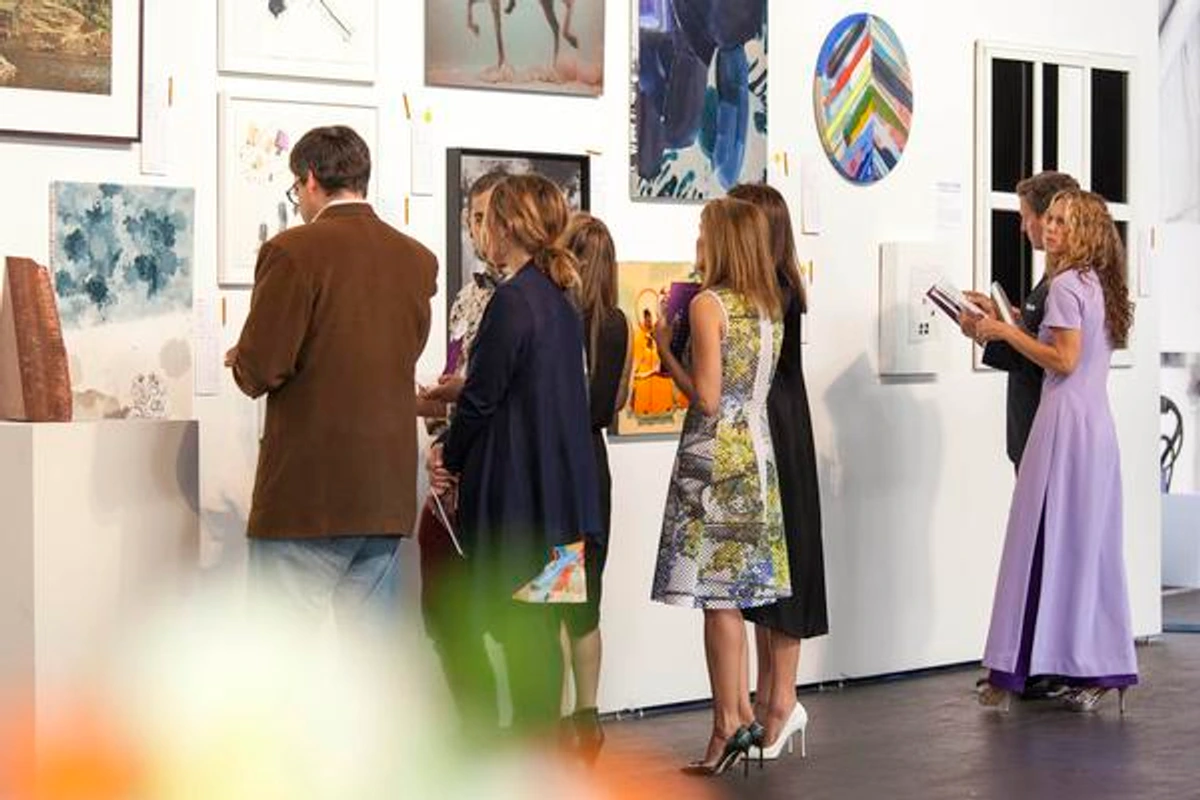
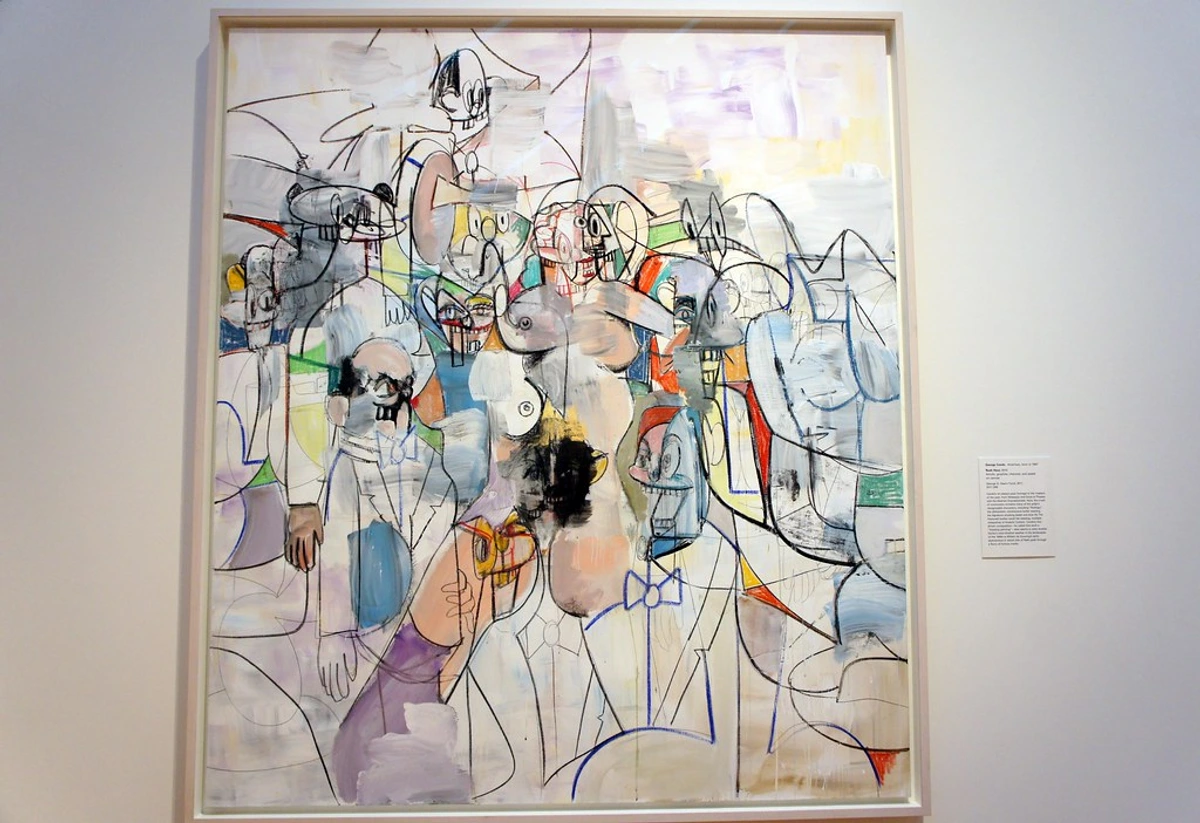

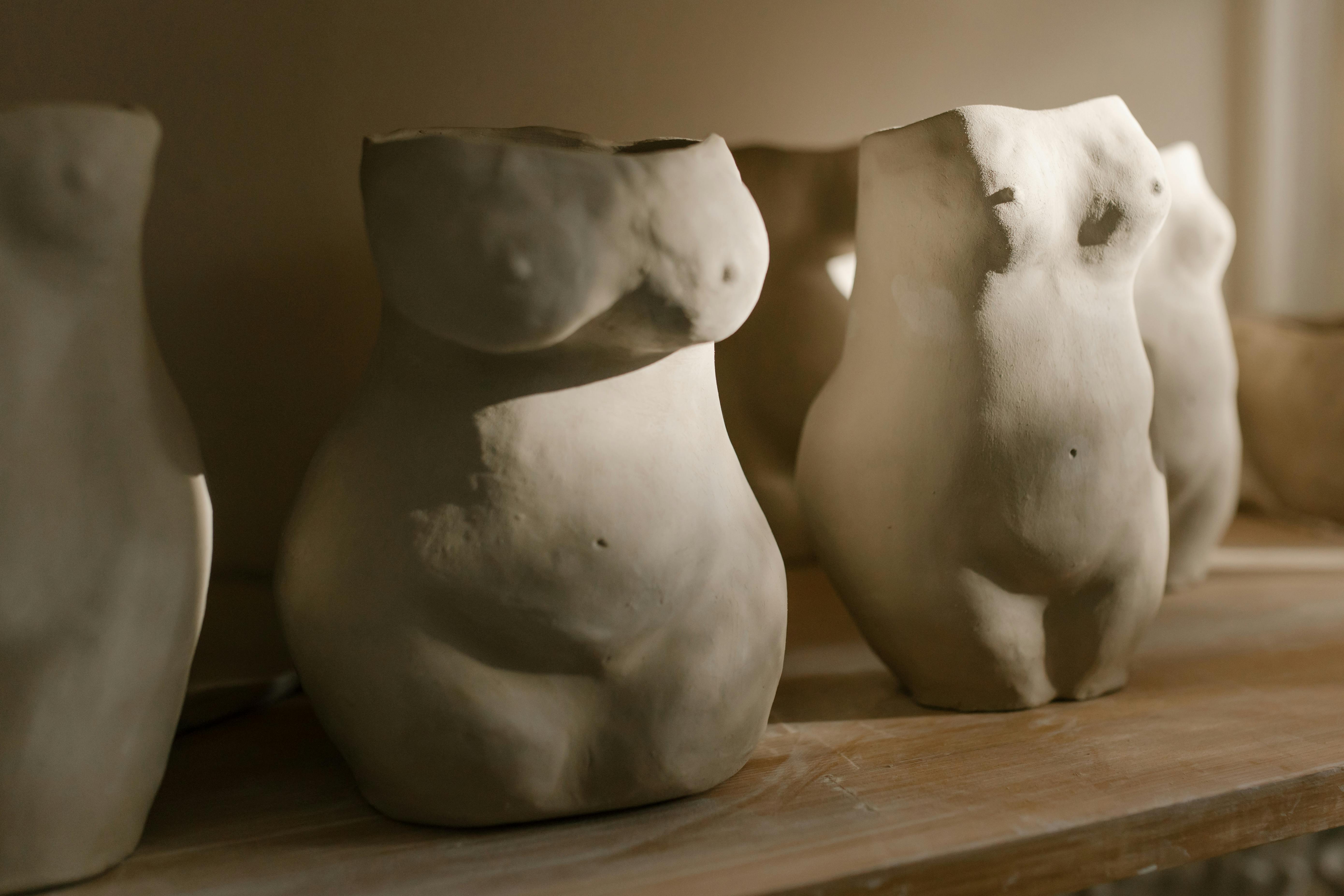


It reminds me of visiting my favorite museum back home in 's-Hertogenbosch. While I love discovering new abstract pieces and delving into their mysteries, there's always a comfort in recognizing the familiar. This grounding effect is something I carry into my own practice; even when I'm working with abstract forms and vibrant colors, the underlying principles of composition and emotional communication, honed by centuries of figurative art, are always present. In fact, understanding how figurative art communicates so directly often informs how I approach evoking emotion or structure in my non-representational works, making me appreciate both ends of the spectrum more deeply. Whether it’s a still life that makes me crave a bowl of fruit or a portrait that seems to gaze right back at me, sharing a silent story across centuries, figurative art grounds us. It offers a mirror to our own world, even when that mirror is beautifully distorted or stylized. Many contemporary artists continue to explore figurative themes, blending traditional representation with modern techniques and perspectives, demonstrating its ongoing vitality. And sometimes, just sometimes, after diving deep into the complexities of abstract expression, coming back to a piece of figurative art feels like a refreshing gulp of clean water. It reminds me that art, in all its forms, is about communication, whether through direct imagery or pure emotion. What aspects of figurative art resonate most with your personal experiences?

Frequently Asked Questions About Figurative Art
All this talk about definitions and nuances naturally leads to some common questions. Here are a few that often pop up, and ones I've certainly pondered myself!
Q: Is figurative art the same as realistic art? A: Nope, not quite! This is a common point of confusion, and one I certainly struggled with early on. Realistic art is a type of figurative art that aims for photographic accuracy, meticulously reproducing what the eye sees – think of it as capturing every single pore and strand of hair. Figurative art is a much broader category that simply means the art depicts recognizable subjects from the real world, regardless of how stylized, distorted, or abstracted they might be. Think of realism as a very specific flavor under the big umbrella of figurative, like a perfectly ripe Fuji apple, while figurative art is the entire fruit basket! You wouldn't say all fruit is an apple, right? That’s the distinction.
Q: Can figurative art be abstract? A: Ah, this is where things get wonderfully fluid, a delightful blurring of lines where my artistic heart finds a lot of joy! It’s definitely a spectrum. While pure abstract art is non-representational, figurative art can lean heavily into abstraction without losing all recognition. We often call this abstracted figurative art or semi-abstract art. It starts with a recognizable subject but then significantly transforms its form, simplifying its details, or fragmenting its composition significantly. It's a fascinating bridge between two worlds, challenging viewers to find the familiar amidst the transformation and encouraging them to look closer and think differently about what they're seeing. It’s a true testament to an artist’s creativity!
Q: How does figurative art differ from illustration? A: That's a great question, and it highlights a common misunderstanding! While both often depict recognizable subjects, their primary intent and context usually differ. Illustration typically serves to explain, decorate, or visually represent a specific text, idea, or product. Its main goal is often to communicate a narrative or message clearly and immediately, almost always in service of something else (a book, an article, an advertisement). Figurative art, on the other hand, usually exists as a standalone work, its primary purpose being aesthetic expression, emotional evocation, or conceptual exploration for its own sake. While figurative art can certainly be illustrative, and illustrations can be highly artistic, the distinction often lies in whether the image is serving a functional purpose (illustration) or an autonomous expressive purpose (fine art). It's a nuanced line, of course, and sometimes beautifully blurred!
Q: What are some examples of figurative art movements? A: Oh, so many! From the grand narratives of the Renaissance and Baroque periods, through the classical elegance of Neoclassicism and the emotional intensity of Romanticism, to the Pre-Raphaelite Brotherhood's revival of intricate detail and literary themes, the symbolic dreamscapes of Symbolism, the stark reality of Realism and Social Realism, all the way to the light-infused scenes of Impressionism and the bold explorations of Post-Impressionism, and even early Cubism (like the Picasso piece we saw earlier) – these are all considered largely figurative. Their primary focus, despite vast stylistic variations, was to represent recognizable subjects, whether human figures, landscapes, or objects, offering visual narratives or reflections of the tangible world. If you’re interested in tracking these shifts, my timeline chronicles quite a few artistic journeys.
Q: Why did artists start moving away from figurative art? A: Great question! And a pivotal moment in art history. The invention of photography in the 19th century was a huge game-changer, acting as a powerful catalyst. Suddenly, artists no longer had the sole purpose of documenting reality with perfect accuracy. This freed them to explore new ideas, emotions, and forms. Coupled with a rising sense of individualism and an emphasis on the artist's subjective experience, along with the profound social changes brought about by industrialization and rapidly evolving urban landscapes, the broader movement of Modernism began to challenge traditional representation. It was a multifaceted shift: photography handled objective reality, artists sought subjective expression, and society itself was transforming rapidly. Movements like Impressionism, followed by Cubism and Expressionism, eventually led to pure abstract art. It was a thrilling time, full of artistic revolutions and paradigm shifts that redefined what art could be, allowing artists to express the unseen. For more, explore my thoughts on modern art.
Q: Is figurative art still relevant today? A: Absolutely, without a doubt! While abstract and conceptual art certainly dominate many contemporary discussions, figurative art remains incredibly popular and deeply resonant with audiences worldwide. Its ability to communicate directly, evoke empathy, tell powerful stories, express profound emotions, and even offer incisive social commentary ensures its enduring value. Many contemporary artists continue to explore figurative themes, blending traditional representation with modern techniques and perspectives, proving its timeless appeal and adaptability. It’s not going anywhere!
Q: What about the emotional impact of figurative art? A: This is perhaps one of its greatest strengths for me! Figurative art connects directly to our lived experience. When you see a recognizable human expression, a familiar landscape, or an object used in daily life, your brain immediately activates empathy and memory. It allows for an instant, intuitive understanding of the artist's message, or, more often, it serves as a powerful mirror for your own emotions and experiences. It offers a clear, accessible entry point into art that can be incredibly moving, without needing a lengthy explanation.
Q: What about the market value of figurative art? A: That's a fascinating question, especially for those of us who create and appreciate art! Historically, well-executed figurative works by renowned artists have always commanded high prices. Today, the market for figurative art is robust and diverse. From established auction houses to independent galleries, there's a strong demand for pieces that offer both technical skill and emotional depth. The immediate, relatable human connection that figurative art provides can be a significant driver of its market value for collectors. However, the value within the figurative genre is highly dependent on factors like the specific style (e.g., hyperrealism vs. expressionistic figuration), the artist's reputation, provenance, medium, and subject matter. Crucially, the artist's intent and the conceptual framework behind a figurative piece can significantly elevate its market value, transcending mere technical skill. A compelling artist's narrative – like my own journey through art – can often deepen a collector's connection to the work and, yes, influence its perceived value. Contemporary figurative artists often find success precisely because their work offers that immediate connection and relatability that many collectors seek, combined with a compelling underlying message.
Q: What challenges do contemporary figurative artists face? A: That's a really insightful question. While figurative art has timeless appeal, today's artists often navigate unique challenges. There's sometimes a pressure to innovate within established forms, to avoid mere imitation or perceived sentimentality or cliché, and to offer a fresh perspective that transcends easy categorization. This might involve blending traditional representation with unexpected materials, experimenting with unusual compositions, or infusing age-old themes with a sharply contemporary viewpoint. A significant challenge is finding a unique artistic voice that stands out in a saturated market, pushing boundaries while still honoring the craft. Some figurative artists might also contend with the perception of being 'less cutting-edge' compared to their abstract or conceptual counterparts in certain art circles, making it a balancing act of both technical mastery and conceptual depth. The key challenge lies in balancing formidable technical skill with profound conceptual depth, ensuring the work communicates an authentic vision rather than just demonstrating mastery. Yet, precisely because it's so relatable, mastering the technical skill to accurately render form and infusing it with authentic emotion remains a powerful and respected pursuit, distinguishing truly powerful work from mere technical exercises and offering rich opportunities for innovation.
Q: What challenges do contemporary figurative artists face in reproduction or digital display? A: That's a really insightful question, and one I grapple with a lot in my own practice! While abstract pieces can often be digitally reproduced with relative ease, capturing the subtle textures, nuanced brushstrokes, and intricate details – like the thick impasto (the buildup of paint) or delicate glazing (thin, transparent layers) – of a figurative painting or sculpture presents unique challenges. The way light hits a meticulously rendered surface, or the tactile quality of a painted canvas – the impasto, the layering – can be difficult to translate perfectly into a two-dimensional digital image. For sculptural works, the challenge is even greater, as capturing the full scale, dimensionality, and interactive quality in a flat digital image is incredibly difficult. This means contemporary figurative artists creating physical works often need to invest heavily in high-quality photography and digital presentation to ensure their work's full impact is conveyed to a wider, online audience, bridging the gap between physical presence and digital representation. This careful reproduction ensures that the intricate visual narratives and emotional depth aren't lost, making the art accessible without losing its essence.
Q: What goes into the process of creating figurative art? A: Ah, the magic behind the curtain! Creating figurative art is often a deeply immersive and skill-intensive process. It typically begins with careful observation of the subject, whether it's a person, a landscape, or a still life. Often, this starts with extensive sketching and preparatory studies, which are foundational steps to understand form, light, composition, and even the emotional core of the subject before committing to the final piece. Artists then translate these observations through their chosen medium – be it paint, clay, or charcoal – employing techniques like drawing, a strong understanding of anatomy (for figures), perspective (for scenes), color theory, and compositional balance. This demands immense dedication, patience, and a refined hand-eye coordination. It's not just about copying reality; it's about interpreting it, adding the artist's subjective experience and emotion to the recognizable form. The journey from initial sketch to finished piece is one of constant decision-making, problem-solving, and a beautiful dialogue between the artist's vision and the evolving artwork. What's one aspect of the artistic process you've always found most fascinating?


My Final Thought: A Bridge Across Time
Figuratieve art, for me, is like an old friend and a trusty compass. It’s comforting, familiar, and always has a story to tell – not just its own, but also the stories it draws out of me. It reminds us of where art has been, and how our innate desire to see and interpret the world around us through creative expression remains as strong as ever. It's a powerful bridge across time, connecting us to artists and viewers from millennia past, offering a direct line to shared human experience. This genre, both foundational and infinitely flexible, continues to offer a vital, direct form of communication. Even in my most abstract pieces, the echoes of form and the human desire for recognition, learned through studying figurative art, subtly guide my hand, demonstrating how understanding representation can deepen one's appreciation for abstraction.
Whether you're drawn to the intricate details of a Renaissance portrait or the bold simplicity of a modern landscape, there's a universe of recognizable beauty waiting to connect with you. So go on, open your eyes, and explore! Visit a local gallery or museum, seek out the figurative works, and truly let them speak to you. Ask yourself: What emotions does this recognizable scene evoke in me? What story is this figure trying to tell? How has the artist chosen to interpret reality, rather than just copy it? You might be surprised by the rich stories it tells you, and the profound connections you make. Perhaps share your favorite figurative artwork in the comments below, or simply seek out a new one next time you're exploring art.
Shedding that 'dream-like confusion' about art terminology doesn't mean the magic disappears. Far from it! It simply means you're now more equipped to enjoy the dream with your eyes wide open, a deeper sense of connection, and perhaps, a slightly stronger craving for those metaphorical apples, both real and painted. What figurative artwork will you seek out next?