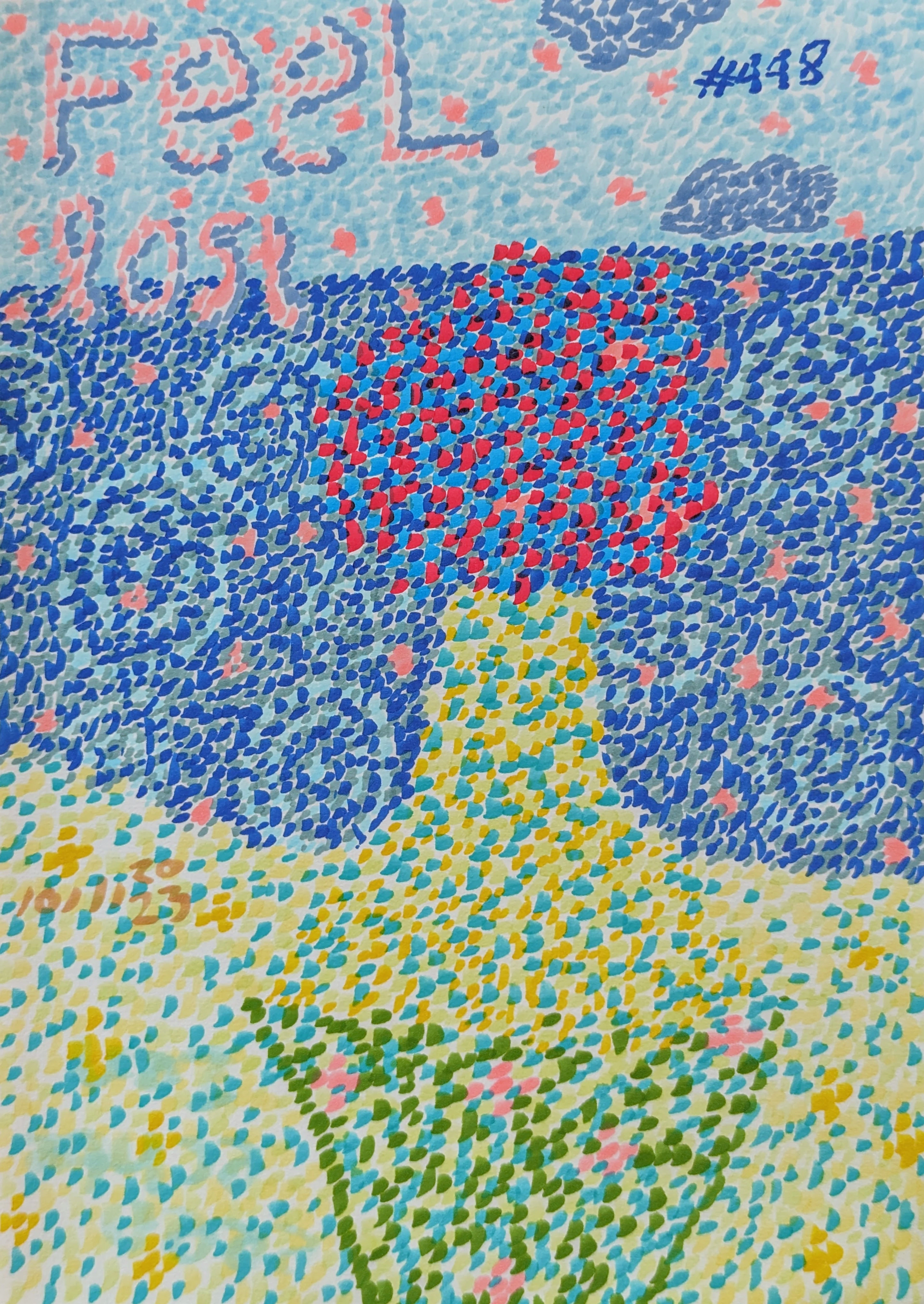
Modern Coastal Home Art: Decorating Beyond the Cliché
Discover how to decorate your modern coastal home with art that evokes tranquility and natural beauty. Learn about palettes, textures, and finding the perfect art.

Decorating with Art in Your Modern Coastal Home: More Than Just Seashells (I Promise!)
It’s funny, isn’t it? The dream of a coastal home, all airy and serene, often comes with an unspoken rulebook that says, “thou shalt display all the seashells, anchors, and rustic signs that proclaim 'Beach Life'.” And hey, if that's your vibe, I'm genuinely thrilled for you! But if you're like me, you might find yourself yearning for something a little more… modern. A touch more sophisticated. A place where the feeling of the ocean is evoked, not explicitly shouted from every surface. This is where art, truly transformative art, steps in. Forget the clichés, because we're about to dive into how art can elevate your modern coastal space from merely 'beach-themed' to breathtakingly beautiful.If you're anything like me, you've probably scrolled through countless pictures of coastal homes, dreaming of that airy, serene vibe. But let's be honest, sometimes it feels like every 'coastal' home online is drowning in seashells, anchors, and rustic signs that say 'Beach Life.' And while there's absolutely nothing wrong with that if it's your jam, I've always found myself wanting something a little more refined, a touch more… modern. That's where art comes in, and trust me, you're in for a treat if you're ready to look beyond the obvious.## What Even Is Modern Coastal, Anyway?Before we dive into hanging things, let's get on the same page about what 'modern coastal' truly means in your home. It's not your grandma's cozy, cluttered beach cottage (though I adore those too, don't get me wrong). Instead, imagine stripping back all the visual noise. You're left with clean lines, an abundance of natural light (hello, huge windows!), and an emphasis on breathable, open spaces that invite the outdoors in. Think organic textures like weathered woods, raw linens, subtle rattans, and perhaps some cool, smooth stone. The palette leans towards soft, muted tones – think sandy whites, seafoam greens, sky blues, and gentle grays, all working together to create a harmonious, understated backdrop. It's about creating a sense of calm and openness, like a deep, refreshing breath of sea air, without being overly literal about marine motifs. Your goal, really, is to evoke the feeling of the coast, that quiet whisper of the waves, not to recreate a gift shop.## The Art of Subtlety: Choosing Your PaletteNow that we've cleared up the 'what,' let's talk about the 'how' for your walls. While blues and greens are practically synonymous with coastal living, you, my friend, are absolutely not restricted to them. In fact, relying solely on them can sometimes make a space feel a bit one-dimensional.I always encourage looking to warm neutrals, soft grays, and sandy tones as your base. This creates a serene canvas that allows your art to truly shine, giving it the space it needs to speak volumes. And speaking of shining, abstract pieces are particularly adept at introducing unexpected, yet harmonious, pops of color – a vibrant coral that mimics the fleeting glow of a sunset, a deep indigo like the profound twilight ocean, or even a sun-kissed orange that reminds you of hazy beach bonfires. Don’t shy away from these bolder hues; they’re the punctuation marks in your tranquil coastal story. If you're curious about how colors truly interact and influence mood, you might find this dive into color psychology fascinating.My take on this? Abstract art works beautifully in a modern coastal setting. It suggests a feeling, a memory, or a landscape without hitting you over the head with a literal depiction of a boat or a lighthouse. Instead, imagine the way sunlight shimmers on water, the subtle, shifting gradients in a misty morning sky, or the intricate, worn patterns in a piece of driftwood. That's the kind of sophisticated visual narrative you're aiming for. It offers depth and invites quiet contemplation without demanding overt attention, letting your mind wander rather than dictating a scene. It's like the quiet hum of the ocean rather than a crashing wave.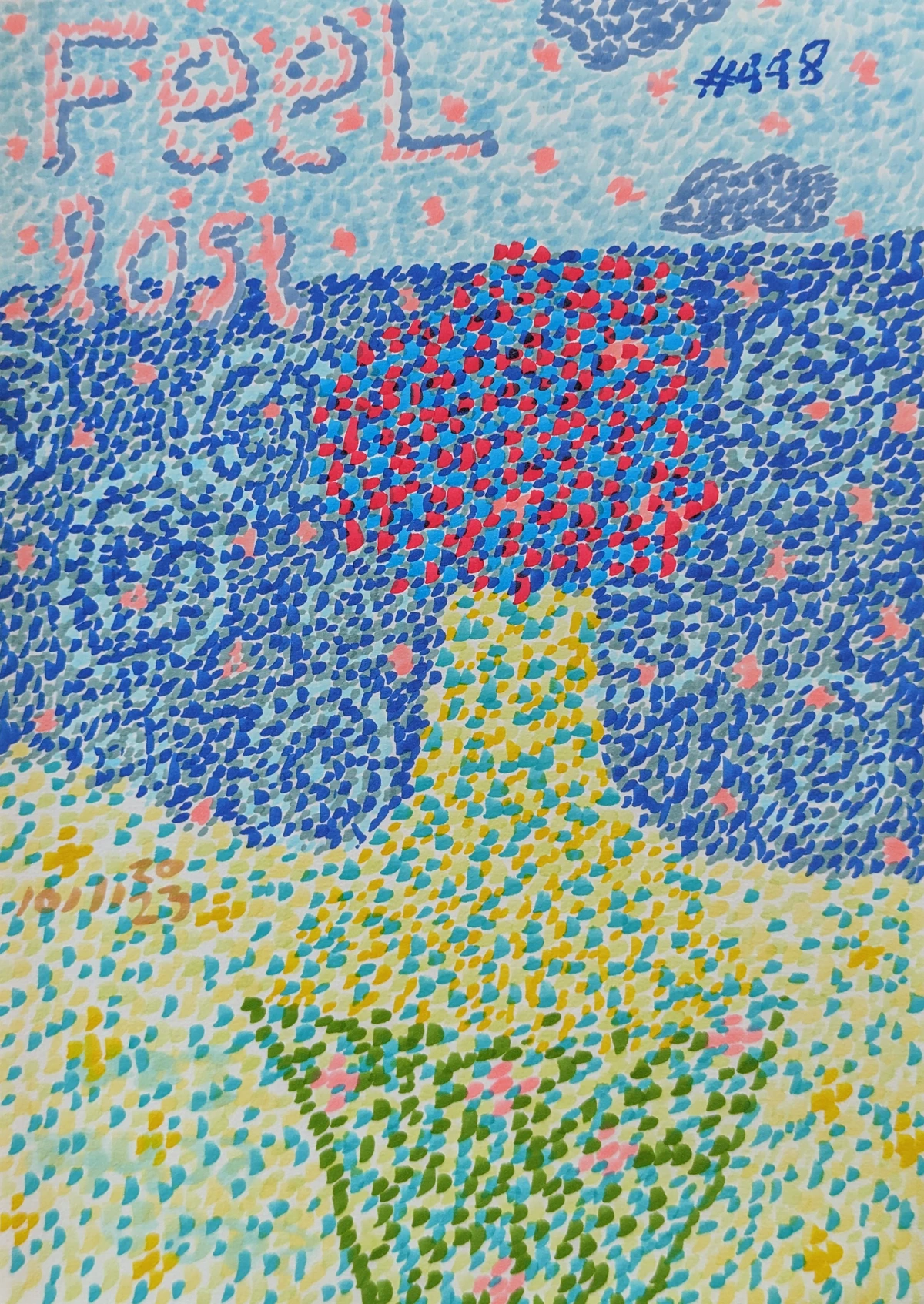 credit, licenceurl(https://creativecommons.org/licenses/by-nc-nd/4.0/)
I remember this one time when I saw a coastal home that had, almost shockingly, a bright, almost neon yellow abstract piece in its living room. And honestly? It just sang. It felt like sunshine captured on canvas, a bold statement that still perfectly complemented the serene backdrop. It challenged my own preconceptions, which is always a good thing, isn't it?## Texture Talk: Complementing Your MaterialsModern coastal homes are all about tactile experiences, right? The rough weave of a linen sofa, the smooth coolness of a stone countertop, the warmth of natural wood underfoot. These are the tactile anchors of your space. Your art should engage in this conversation, creating a dialogue of touch and sight, not shout over it. Consider art mediums like textured canvases, works with embedded natural elements, or even woven textile art that mirrors the tactility of your furnishings. If you're interested in really delving into how different materials can transform a piece, this article on exploring texture in abstract art offers some great insights.When you're choosing art, consider how its finish interacts with the materials already in your space. For example, a piece with a very smooth, almost glossy finish can provide a beautiful contrast to textured walls or a chunky knit throw, creating a delightful visual tension. Conversely, a canvas with visible, impasto brushstrokes, a subtle texture, or even a mixed-media piece can echo the organic feel of your furniture or the rustic charm of weathered architectural details. It’s about creating a multi-sensory experience, where your eyes can almost feel the art before you even touch it.Also, think about the framing, or the intentional absence of it. Does a frameless canvas, perhaps with a gallery-wrapped edge, add to that breezy, unencumbered feel you love? Or would a clean, simple frame – perhaps in a light, natural wood, a crisp white, or even a sleek, understated metal – better complement your minimalist aesthetic? Sometimes, the absence of a frame speaks volumes in a modern setting, creating a floating, airy effect. It's about creating a harmonious visual flow, where even if the art itself isn't textured, its visual 'weight' and presentation contribute to the overall tactile story of the room. It’s one of those small details that make a huge difference, almost like choosing the right pair of shoes for an outfit.## Finding Your Voice: Themes and SubjectsThis is where it gets really fun, and a little bit personal. Because at the end of the day, your home should tell your story. So, what kind of narrative do you want your walls to weave? What emotions do you want to evoke?* Abstract is Your Friend (Still!): I'm going to say it again because it's truly powerful here. Abstract art lets you hint at the ocean's depth, the vastness of the sky, or the raw beauty of the natural world without being a photographic literal depiction. Think fluid shapes, organic lines, or calming color fields that wash over you, like the tide receding. It allows for a deeper, more personal connection, inviting interpretation rather than dictating it, almost like a visual poem. If you're looking for art that really speaks to you, art that captures the essence of these ideas, you might find something that resonates in my collection for sale here. It’s about creating an atmosphere, a mood, a feeling. For a deeper dive into abstract art, check out The Definitive Guide to Understanding Abstract Art. * Subtle Landscapes/Seascapes: If you're someone who really gravitates towards scenes, try to choose abstract or minimalist interpretations. Avoid anything overly detailed or, dare I say, twee – we’re going for timeless, not dated. A blurred horizon line that fades into the sky, a soft suggestion of waves meeting the sand, or a monochromatic rendering of a rugged seaside cliff can be far more impactful and sophisticated than a literal, busy snapshot. It's about capturing the essence of the view, the tranquility, not replicating a postcard. * Personal Connection: At the end of the day, this is your home, your sanctuary. Choose what truly resonates with you, what brings you a sense of calm, joy, or inspiration. Remember, good art tells a story, and in your home, it should be a reflection of your story. This is something I've explored a lot in my own artistic journey, the evolution of how my pieces come to be, and you can read about that here. It's about finding pieces that whisper to your soul, rather than just matching your sofa.## Placement Perfection: Where to Hang Your Treasures
The Allure of Coastal Photography
While abstract art is my absolute favorite for its ability to evoke feeling without being literal, I’d be remiss not to mention the power of photography in a modern coastal setting. But again, think subtlety. We’re talking minimalist black and white seascapes, close-ups of weathered wood, or perhaps an aerial shot of a tranquil shoreline. It brings a grounded, real-world connection to the abstract feelings, often in a clean, graphic way that complements modern design beautifully. It's like finding a quiet moment captured forever, a visual haiku of the coast.This is where I often see people get a little stuck. It's not just about what you like, but where that piece lives within your space. And getting it right can truly elevate a room from 'nice' to 'wow.'* Focal Points: Art is a master at anchoring a room. Imagine a large, serene abstract piece above your sofa, a striking composition above a console table in an entryway, or even a thoughtfully curated statement gallery wall that draws the eye the moment you step into the room. It’s about creating a visual anchor, a place for your gaze to rest and appreciate. Want to dive deeper into creating a stunning focal point and really make your art sing? I've got a whole piece on it: creating a focal point. * Scale Matters: Oh, how it matters! This is probably one of the biggest pitfalls I see, and honestly, it’s an easy fix once you know the trick. A tiny piece on a huge, expansive wall looks lost and awkward, like a whisper in a thunderstorm. Conversely, an oversized piece can totally overwhelm a small nook, making it feel claustrophobic. It's all about proportion, ensuring your art feels 'right' in its surroundings. A good rule of thumb? Your art should generally fill about two-thirds to three-quarters of the wall space it occupies, or be in proportion to the furniture it hangs above. If you're ever in doubt about sizing, you really ought to check out my guide on how to choose the right size art for your space. It's a game-changer, I promise. * Light: Modern coastal homes are often blessed with abundant natural light, which is, frankly, a gift! This is fantastic for mood and making a space feel open, but you'll want to be mindful of direct, harsh sunlight exposure on your artwork, which can cause fading or damage over time. Position your art to receive ambient light rather than direct, harsh rays, or consider UV-protective glazing for framed pieces – it’s a small investment that offers big protection. And don't forget about artificial light! Thoughtfully placed picture lights or recessed lighting can enhance your art in the evenings, bringing it to life when the sun goes down. For more on how to really make your art pop and protect it with thoughtful lighting, this article on the art of display is a must-read. It’s about illuminating, not obliterating. * Grouping: Gallery walls are definitely an option for a modern coastal home, but the key, my friend, is to keep it airy and intentional. This isn't a museum storage unit! Don't crowd your space with too many small pieces that compete for attention. Instead, think about a cohesive theme (perhaps different interpretations of a single color, or various textures), a balanced palette, and crucially, enough white space around each piece to let it breathe. Imagine a carefully composed cluster, rather than a jumbled collection. You want each piece to feel like it belongs, part of a larger, harmonious story, not just thrown up on the wall.## Creating Cohesion: Bringing It All TogetherUltimately, you want your art to feel like an extension of your home, not an afterthought. Think of it as another layer, blending seamlessly with your existing decor and enhancing the overall narrative.* Balance: If your furniture is very minimalist and streamlined, almost whispering in the room, a bolder art piece can provide a welcome, confident contrast. It adds depth and visual interest without disrupting the calm, creating a dynamic tension that’s truly engaging. It's like finding that perfect accessory that elevates an understated outfit. * Flow: In open-concept spaces, where walls are scarce and everything seems to blend, art can be a brilliant, subtle tool to help define different zones (e.g., creating a cozy conversation nook within a larger living area, or distinguishing the dining space). It does this without the need for physical barriers, creating a sense of visual continuity and guiding the eye gently from one area to the next. I've even written about decorating with abstract art in open-concept living spaces if you're curious about this specific challenge – it’s all about creating subtle pathways. * It's a journey: Your home isn't built in a day, and neither is its art collection. It's a living, breathing entity that evolves with you, your tastes, and your experiences. Don't be afraid to experiment, move things around, or even swap pieces out over time. Maybe that piece you loved five years ago doesn't quite resonate today, and that's perfectly okay. It's your space, after all, and it should reflect who you are right now. Embrace the evolution; it's part of the fun!
Beyond the Canvas: Sculptural Elements and Objects d'Art
While we’ve focused heavily on wall art, the modern coastal home often benefits immensely from the inclusion of three-dimensional elements. Think handcrafted ceramics with organic, flowing forms that mimic sea-worn stones or shells (without being literal, of course!). Driftwood sculptures, carefully chosen and artfully displayed, can bring that raw, natural texture indoors. Even beautifully blown glass, with its transparency and subtle color variations, can evoke the shimmer of water or the clarity of a vast sky. These pieces add another layer of visual and tactile interest, contributing to the serene, natural aesthetic. It's about bringing the outside in, not just on your walls, but throughout your entire space.
Embracing the Local: Supporting Artisans and Sustainability
In our quest for a truly unique and meaningful modern coastal home, I think it's worth a moment to consider the provenance of your art. Choosing pieces from local artists or artisans not only supports your community but often results in art that feels more grounded and connected to its environment. Many local artists draw inspiration from their surroundings, and selecting such pieces can imbue your home with a deeper sense of place and authenticity. Moreover, considering sustainable practices in art – whether it’s recycled materials, ethically sourced wood for frames, or environmentally friendly pigments – aligns beautifully with the natural, respectful ethos of modern coastal living. It’s about curating a home that looks good and feels good, inside and out. It’s a way to extend your values into your decorating choices, making your space not just beautiful, but meaningful.## Frequently Asked Questions### Q: Can I use highly saturated colors in a modern coastal home?A: Absolutely! While the base palette is often serene, pops of vibrant coral, turquoise, or even a bold yellow in your artwork can evoke the energy of a seaside sunset or vibrant marine life, as long as they're used thoughtfully as accents.### Q: Should all my art be marine-themed?A: Not at all, and in fact, I'd suggest you try to avoid being too literal. Modern coastal is about the feeling of the coast – calm, openness, natural beauty. Abstract art or subtle landscapes that evoke these sensations without showing a single fish or sailboat are often more sophisticated and timeless.### Q: What's the best way to integrate art if I have a lot of natural light?A: Abundant natural light is a blessing in a coastal home! Consider art with lighter backgrounds or reflective qualities that can play with the light. However, be mindful of direct, prolonged sunlight exposure, which can fade certain artworks over time. Position art to receive ambient light rather than direct, harsh rays, or consider UV-protective glazing for framed pieces.---## Final Thoughts from My CouchDecorating with art, especially when you're aiming for a specific style like modern coastal, is such a personal adventure. It's about inviting the outside in, finding tranquility, and creating a space that feels utterly, undeniably you. Don't overthink it so much that you paralyze yourself, but do put thoughtful consideration into it – if that makes sense. Trust your gut. That's usually the best decorator you've got. And if you're ever near 's-Hertogenbosch, drop by the museum and see some pieces in person. It always helps to get a feel for things when you're making such personal choices. Happy decorating!