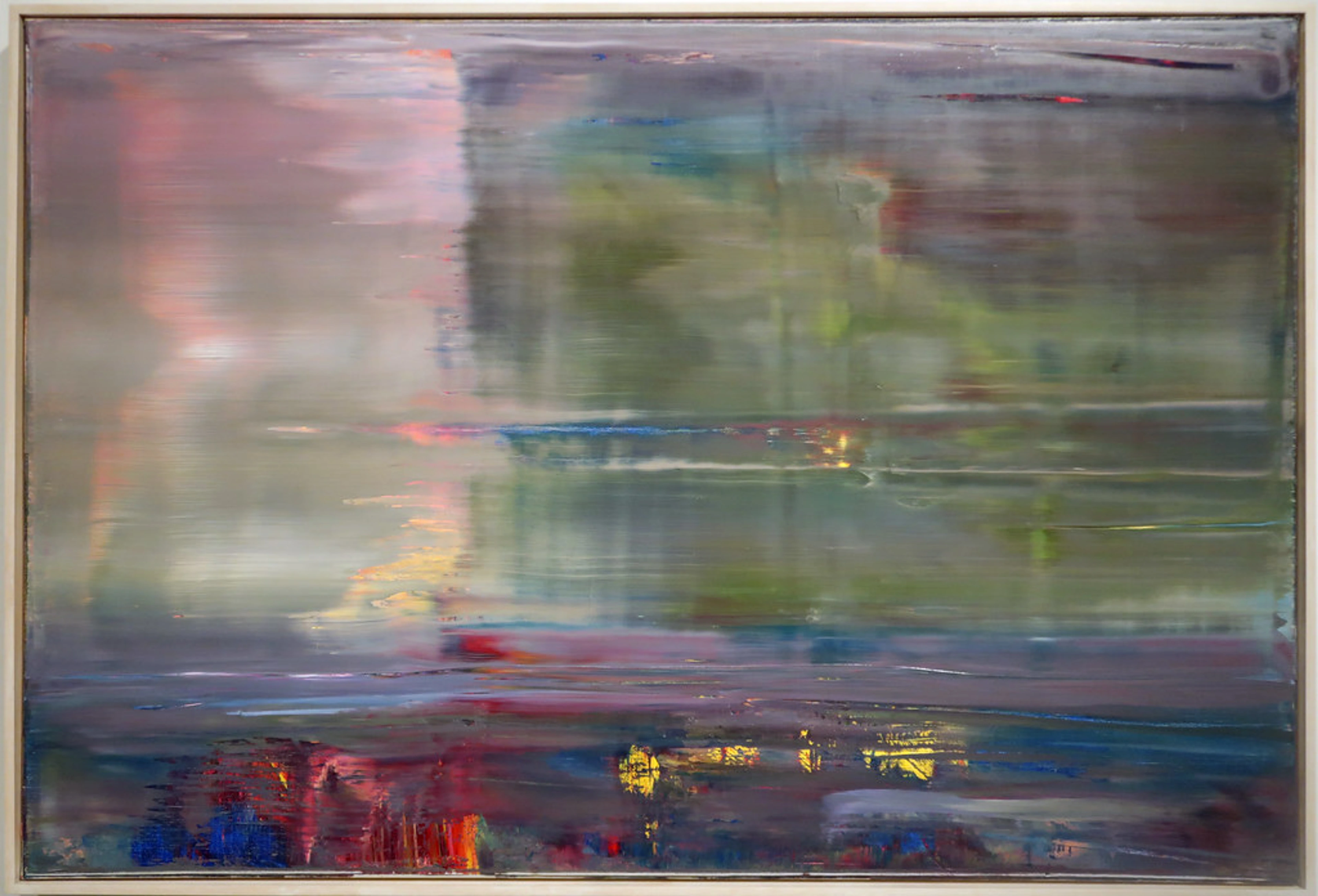
Abstract Art & Coastal Interiors: A Guide to Soulful, Dynamic Spaces
Uncover how abstract art transforms coastal interiors from serene to dynamically alive. Explore color, texture, and placement with artist insights and practical tips for a soulful, unexpected coastal sanctuary.

My Unexpected Love Affair: When Abstract Art Meets Coastal Interiors
I know what you're probably thinking: abstract art and coastal interiors? Isn't one all about wild abandon and vibrant energy, and the other about calm, serene, often muted tones? "That sounds like a clash waiting to happen," you might muse. And honestly, for a long time, I thought so too. My early days by the Wadden Sea instilled a deep love for its tranquil, expansive beauty, but my artistic soul always craved a bit of a shake-up, a jolt of the unexpected – a rebellion against the predictable. It was a happy accident, a rogue wave of inspiration, when I first saw how the untamed spirit of abstract art could perfectly capture the ocean's raw energy, not just its serene surfaces. This blend offers a profound emotional resonance, connecting us to nature's vastness and unpredictability, but in a way that feels fresh and alive. My aim here is to guide you in harmoniously integrating this potent duo, creating spaces that are both tranquil and dynamically alive. For me, decorating isn't about rigid rules; it's about crafting a feeling, a whisper of a story that unfolds uniquely in each room. So, let's dive in and explore why this unexpected pairing works, and how you can make it sing in your own home.
Beyond the Seashells: What 'Coastal' Really Means to Me
When I talk about coastal interiors, I'm not picturing a room overflowing with literal seashells and miniature lighthouses. (Though, hey, if that's your vibe, go for it!). Instead, I think about the essence of the coast—its profound psychological impact. It's the light—bright, airy, often diffused, like the sun on a misty morning over the North Sea. It's the textures—weathered wood, soft linen, rough jute, smooth pebbles worn by the tide, and the subtle grain of natural rattan or wicker. And it's the colors—the endless blues and greens of the ocean, the shifting sands, the muted greys of storm clouds, the crisp whites of breaking waves. It's a feeling of openness, tranquility, and a profound connection to nature that resonates deeply, often evoking a sense of calm and well-being. This biophilic connection to the natural world—our innate human tendency to connect with nature—is precisely why we crave coastal aesthetics. It’s more than just a pretty picture; it’s the vast, open horizons that stretch our minds, the rhythmic sounds of waves that soothe our souls, and the elemental forces of wind and water that remind us of nature's raw power. A thoughtful use of abstract art can deepen this essential bond, moving beyond mere visual representation to evoke the very feel of the coast. It’s not just about decor; it's about creating a healing, restorative environment that subtly reminds us of nature's vastness, its peace, and its untamed spirit.
For me, it's those childhood summers spent by the Wadden Sea, the endless expanse of sky meeting the ever-shifting sands, the crisp salt-laden breeze on my skin, and the earthy, iodine scent of low tide. These aren't just memories; they're sensations woven into my aesthetic. This personal connection to the coast's multifaceted nature is what led me to explore how art could capture its essence, moving beyond the literal. While early landscape painters or Impressionists like Monet and Turner beautifully captured the light and atmosphere of the sea, I found myself drawn to a deeper, more evocative language. Whether it's the rugged, dramatic cliffs of the Atlantic, the serene, sun-drenched beaches of the Mediterranean, or the vibrant tropical reefs, the coast embodies such diverse energies. My artistic soul also craves a bit of a shake-up, a jolt of the unexpected. And that’s where abstract art waltzes in. Abstract art, to me, is the perfect medium to distill these varied moods and landscapes, moving beyond mere depiction to pure evocation, connecting directly to that primal coastal feeling.
What particular sensations of the coast resonate most deeply with you? Perhaps the calm of a still morning, or the drama of a brewing storm?
Why Abstract Art is the Coastal Interior's Secret Weapon
Some might argue that a realistic seascape is the obvious choice for a coastal home. And sure, those have their place. I have nothing against a beautifully rendered sailboat. But I've found that abstract art, with its freedom of form and color, can actually enhance the coastal feeling in a way representational art sometimes struggles to. It doesn't just show you the sea; it evokes the feeling of it, the raw emotion, the untamed spirit. It’s like the difference between seeing a photograph of waves and feeling the spray on your face – one is a literal depiction, the other is an experience. It’s about channeling the essence, not just mirroring the image. And let's be honest, sometimes a highly detailed seascape can feel a little... obvious. Abstract art, by its very nature, invites interpretation, making it a less intimidating and often more compelling choice for those who appreciate subtlety and depth over overt realism.
For me, the rhythmic movement of waves, the shifting light on the water, the chaotic beauty of a tide pool—these are inherently abstract experiences. My art often tries to capture these raw, untamed energies, translating them into color and texture, almost like a visual poem. Imagine a piece with sweeping gestural lines that mimic the crash of a rogue wave against the shore, or layered washes of blues and greens that capture the translucent quality of water over smooth pebbles. These aren't just pretty pictures; they are specific coastal moments, distilled into pure artistic expression. Many early abstract artists, like Wassily Kandinsky, sought to evoke emotion and natural sensations, believing art could express inner spiritual realities—a concept that deeply resonates with the profound feelings the coast inspires. Kandinsky’s journey, for instance, was driven by a desire to communicate deeper truths and a yearning for an art that speaks directly to the soul, much like the sea often does with its powerful, unspoken language. Think too of the ethereal, flowing works of Helen Frankenthaler, whose soak-stain technique creates expansive fields of color that often feel as boundless and fluid as the ocean itself. These artists, in their unique ways, tap into the very essence of nature’s dynamic forms and emotional impact, making their approach a natural fit for capturing the coastal spirit.
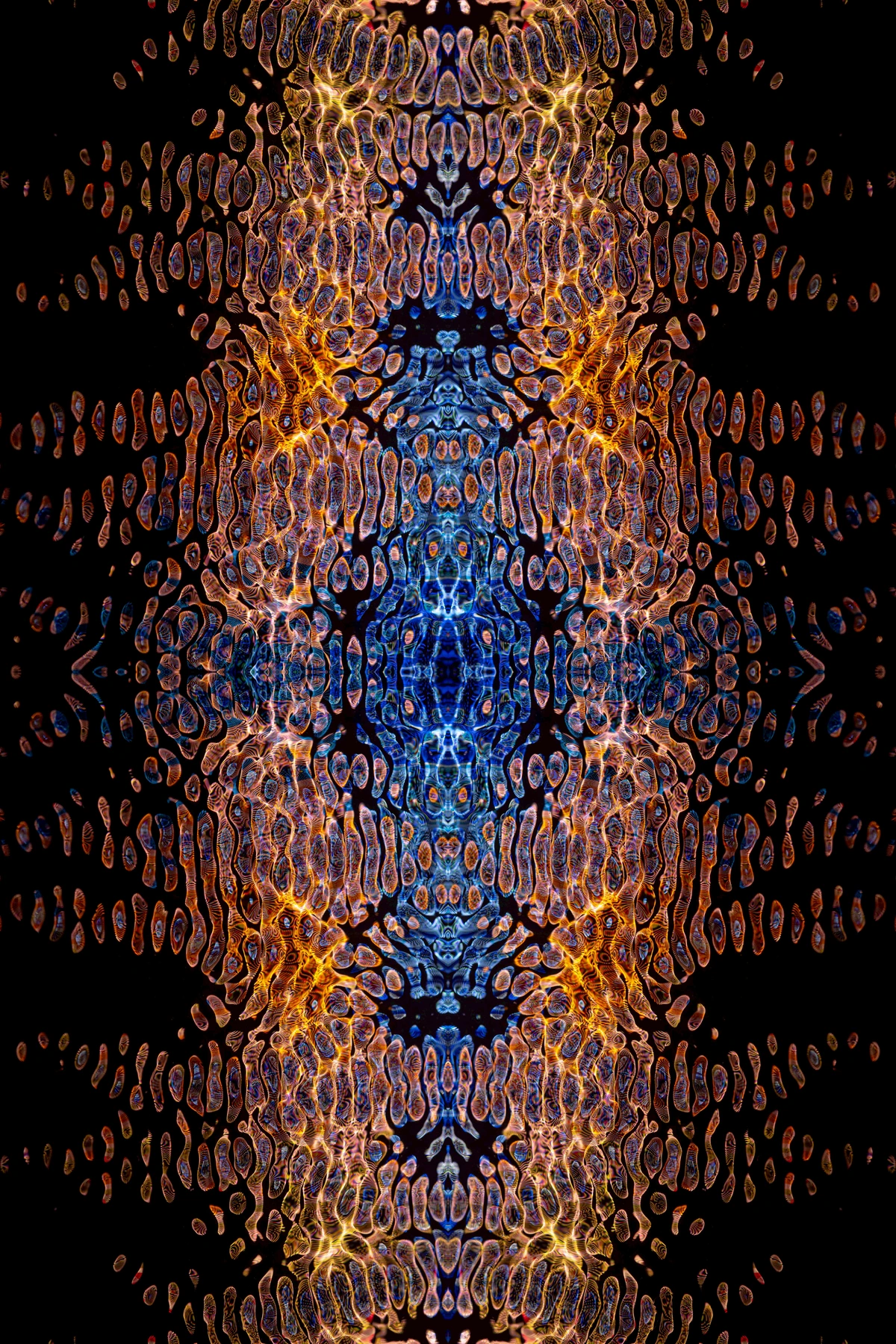
If you're curious about how I approach this, you might enjoy reading about my creative flow and embracing intuition in abstract painting. Or, if you want to understand more about the historical lineage of such art, I’d suggest exploring the definitive guide to the history of abstract art.
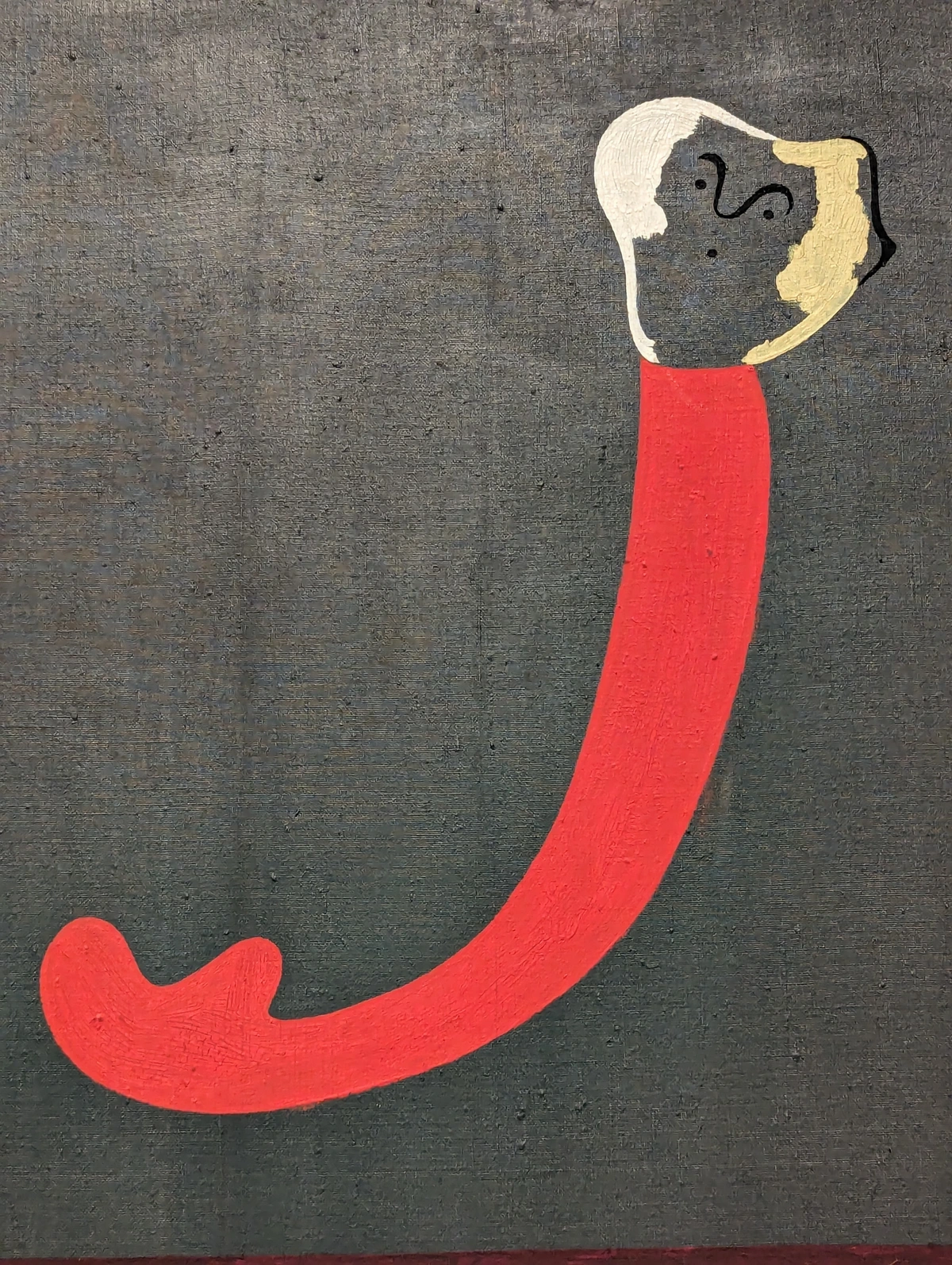
What coastal sensations do you feel abstract art could best capture for you? Perhaps the vastness of the horizon, or the intricate details of a tide pool? This evocative power leads us directly into how color and texture become their own language.
Color Palettes: A Dynamic Dialogue
This is where the magic really happens. You have your tranquil coastal backdrop – soft blues, sandy beiges, maybe a hint of driftwood grey. Now, instead of another muted tone, introduce an abstract piece that carries a surprising splash of vibrant indigo, a burst of sun-kissed yellow, or a deep, moody teal. It’s like discovering a brilliant piece of sea glass on a muted sandy beach, or the sudden, intense color of the ocean just as the sun dips below the horizon. It’s not about matching every hue, but about creating a conversation between the art and the room, a dynamic dialogue that prevents a serene space from feeling sterile and adds an unexpected layer of visual interest. Think of it as the emotional anchor, guiding the room's mood. And don't forget how light itself plays a starring role in coastal colors; abstract art can brilliantly capture this dynamism, whether it's the diffuse glow of a misty morning, the sparkling reflections on water, or the deep shadows of a storm-filled sky. Deep blues can conjure the restless power of a stormy sea, while soft greens might whisper of calm, clear shallow waters. A touch of coral or sand-yellow can evoke warm beach sunsets or vibrant underwater life.
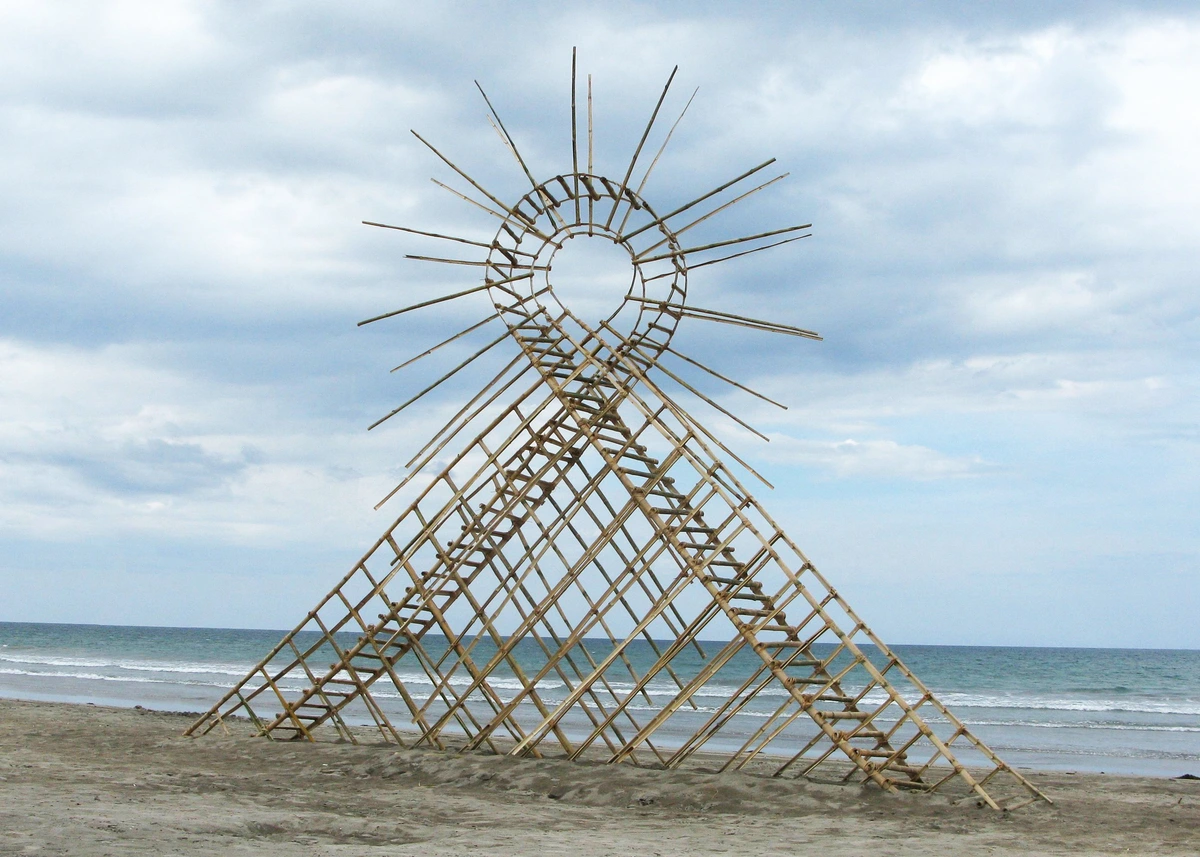
I often think about the psychology of color in abstract art when I'm choosing a piece. A vibrant abstract can provide a focal point, a burst of energy that prevents a serene space from feeling sterile. For example, a piece dominated by deep greens and blues, perhaps with a touch of unexpected gold, can conjure the mystique of deep ocean waters just before a storm, bringing a dramatic flair to a calm living room. Or a lighter, more pastel abstract with splashes of coral and sand can evoke a sunrise over a tranquil beach. It can pick up on an accent color from a throw pillow or a piece of pottery, tying the whole room together in an unexpected way. And for me, there’s a special connection to certain blues, which I explored in my personal connection to blue in abstract art.
What unexpected color combination in nature inspires you most? How could an abstract piece translate that feeling into your home?
Texture and Depth: Echoing Nature's Richness
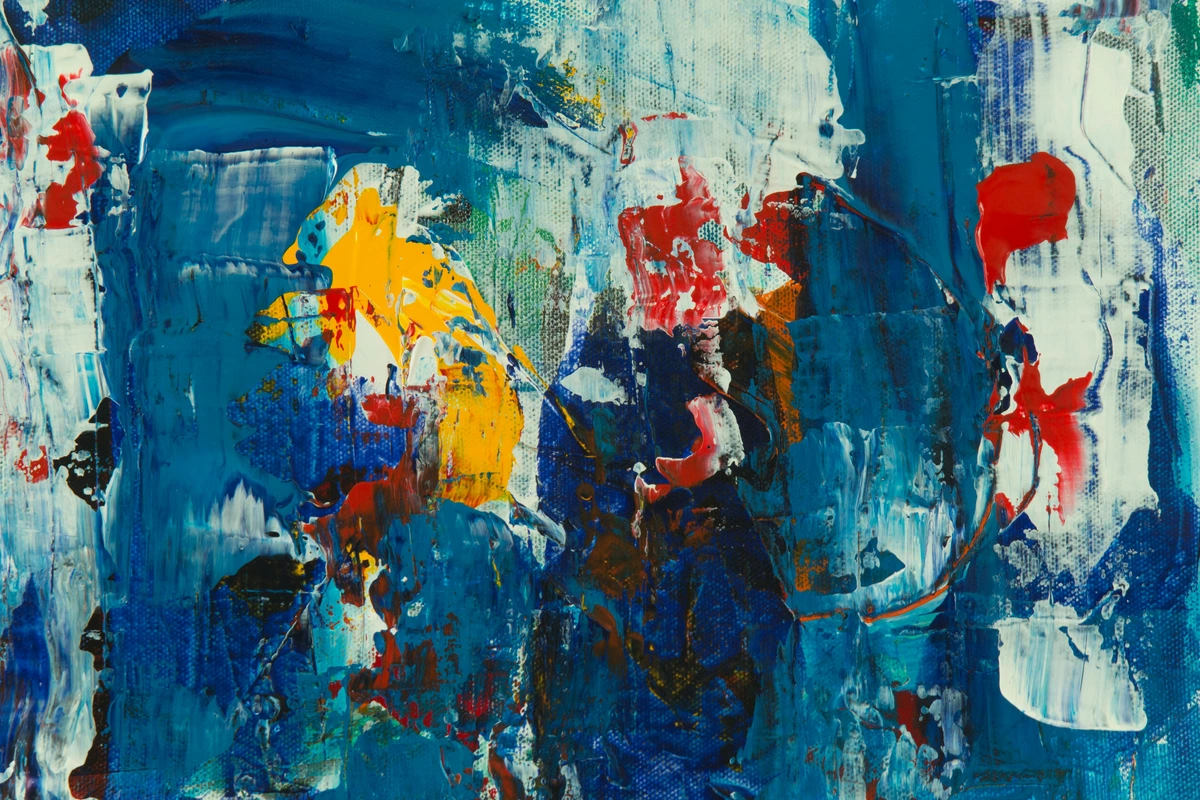
Coastal environments are all about texture: the rough bark of a palm tree, the smooth worn surface of sea glass, the delicate froth of seafoam, the coarse grain of sand beneath your feet. Abstract art, especially pieces with rich impasto or those blending materials for abstract expression, can wonderfully echo this. I'm a big believer in exploring texture for adding depth to abstract paintings in my own work because it adds so much to the narrative of a piece, making it feel truly alive. Beyond impasto, techniques like layering thin washes, scraping back paint to reveal underlayers, or even incorporating actual natural elements (like sand or shells, carefully!) can mimic the tactile diversity of the coast. And let's not forget finishes! A matte finish on an abstract can evoke the dry, porous quality of sand or driftwood, while a high-gloss finish can mimic the reflective, shifting surface of water or the wet sheen of pebbles at low tide. This interplay offers a different kind of quietude, equally coastal.
The way light hits those ridges and valleys, casting subtle shadows, can mimic the uneven surface of sand dunes or the rippled surface of water. And speaking of vastness, even negative space in an abstract piece can play a 'textural' role, acting like the endless expanse of the horizon or the calm surface of a vast sea, contributing to the airy feel of a coastal home without overwhelming it. A quick note on practicality: if you're bringing the outdoors in, consider the art's durability. Pieces with delicate mixed media or certain unsealed textures might need extra care in humid coastal climates or near open windows. Always consult with the artist or restorer if you're unsure, because a damaged piece quickly loses its magic!
What textures from the coast do you find most compelling, and how could they be translated into an abstract artwork for your home?
Practical Tips for Harmonious Integration
Okay, so we've explored the visual and tactile qualities of abstract art in a coastal context. Now, how do you actually make it work in your home without it looking like a confused mess? It's a fair question, and one I've wrestled with myself. Here are a few things I keep in mind, honed by years of trial and error (and a few glorious successes!):
1. Let the Art Lead (or Follow)
Sometimes, I find a piece of art I absolutely adore and design the room around it. Other times, I have a coastal room that needs a little oomph, and I go hunting for the perfect abstract piece. There's no wrong way. The key is to consider the existing elements. If your coastal room is very neutral, you have a blank canvas for a bold, colorful abstract. If your room already has some subtle coastal colors, look for an an abstract that complements or subtly contrasts them. It’s all about creating harmony, even with contrast. Think of it as a conversation; sometimes the art starts it, sometimes the room invites the art to join in.
2. Scale and Placement: Don't Be Shy!
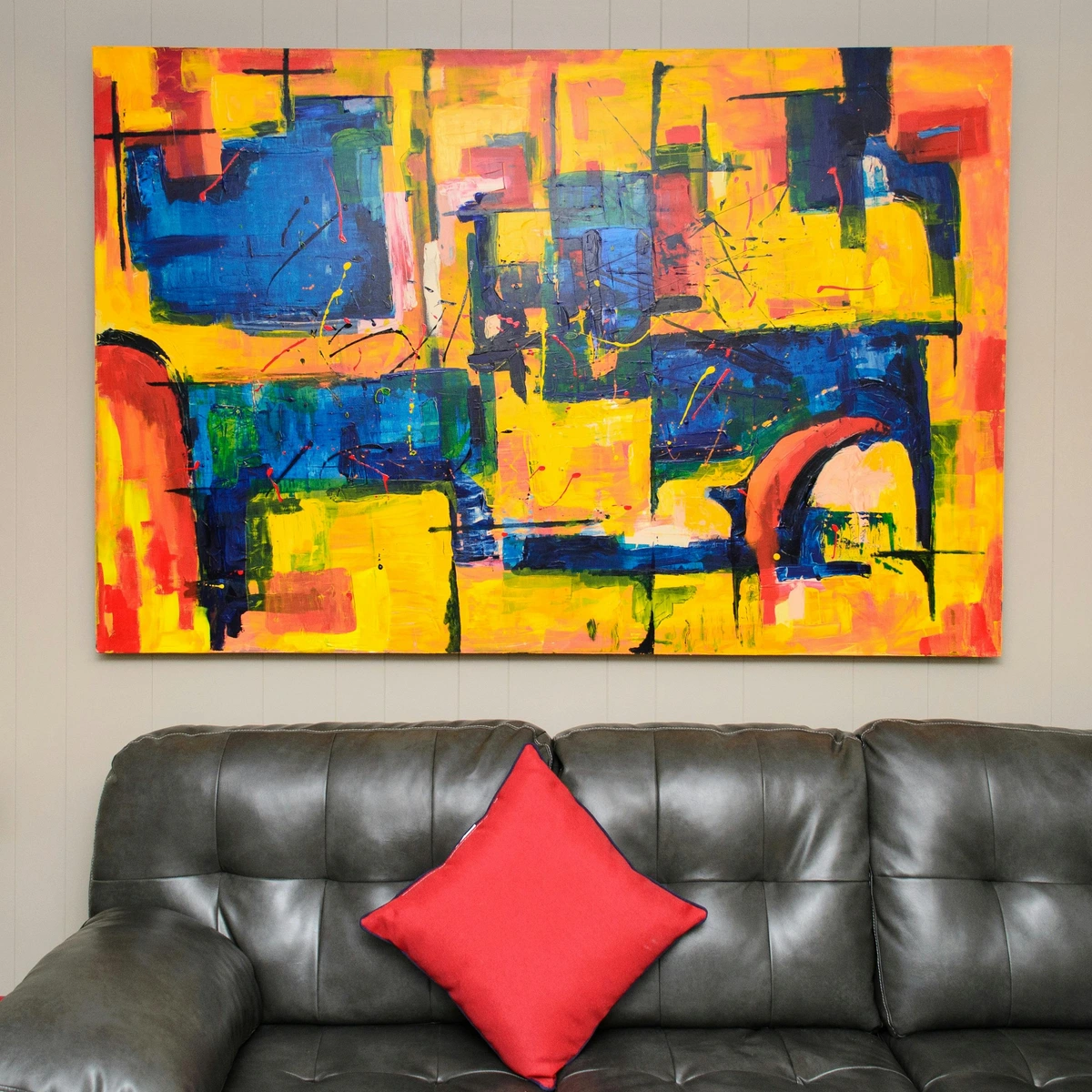
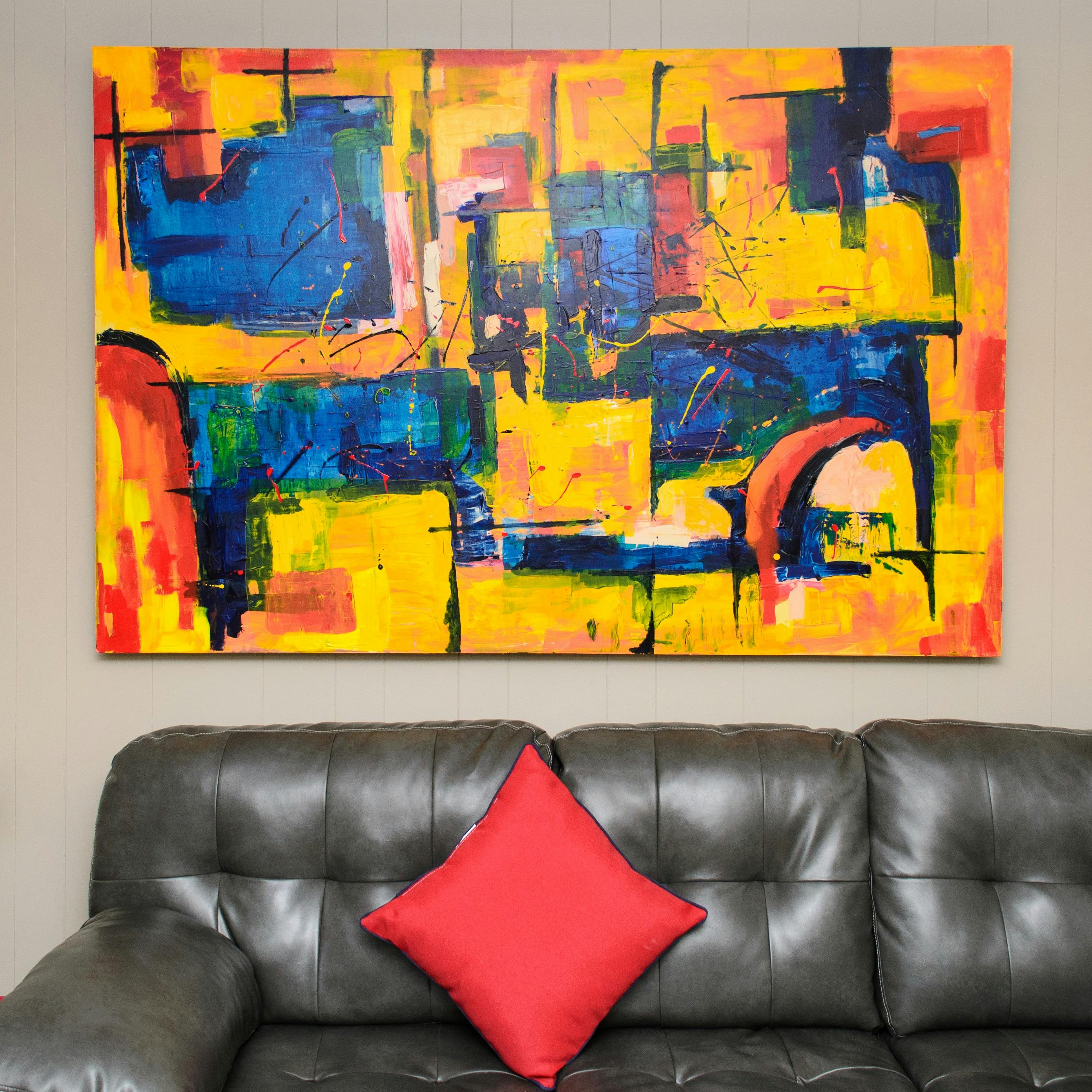
One mistake I used to make was picking art that was too small. In a coastal interior, with its often open and airy feel, a too-small piece can get lost, like a whisper in a storm. (I once hung a piece so small it looked like it was hiding from the waves, my artistic ego suffering a minor dent!) Go for impact! A large abstract piece above a sofa or as a focal point in a dining area can be truly transformative. And consider the height! In rooms with high ceilings or expansive windows, a piece hung slightly higher than usual can draw the eye upward, mimicking the vastness of the sky and creating an even greater sense of openness. Don't be afraid to let it breathe, giving it space to command attention, much like the vast, open expanse of the ocean itself. In a grand, open-concept living space, a monumental piece can anchor the room, much like a lighthouse commands a seascape, or a distant island dominates the horizon. For a cozy reading nook, a smaller, more intricate abstract might draw you in, like discovering a hidden tide pool jewel. When you're dealing with abstract art for small spaces, you still want the piece to feel significant, perhaps by choosing one with deep texture or intense color. And thinking about how to light and position abstract art for maximum impact is always a good idea, no matter the style or size. Consider whether the piece is destined for a bedroom (where a calmer, more reflective abstract might work) or a lively living room (where bolder statements are welcome).
3. Navigating Abstract Styles for Your Coastal Vibe
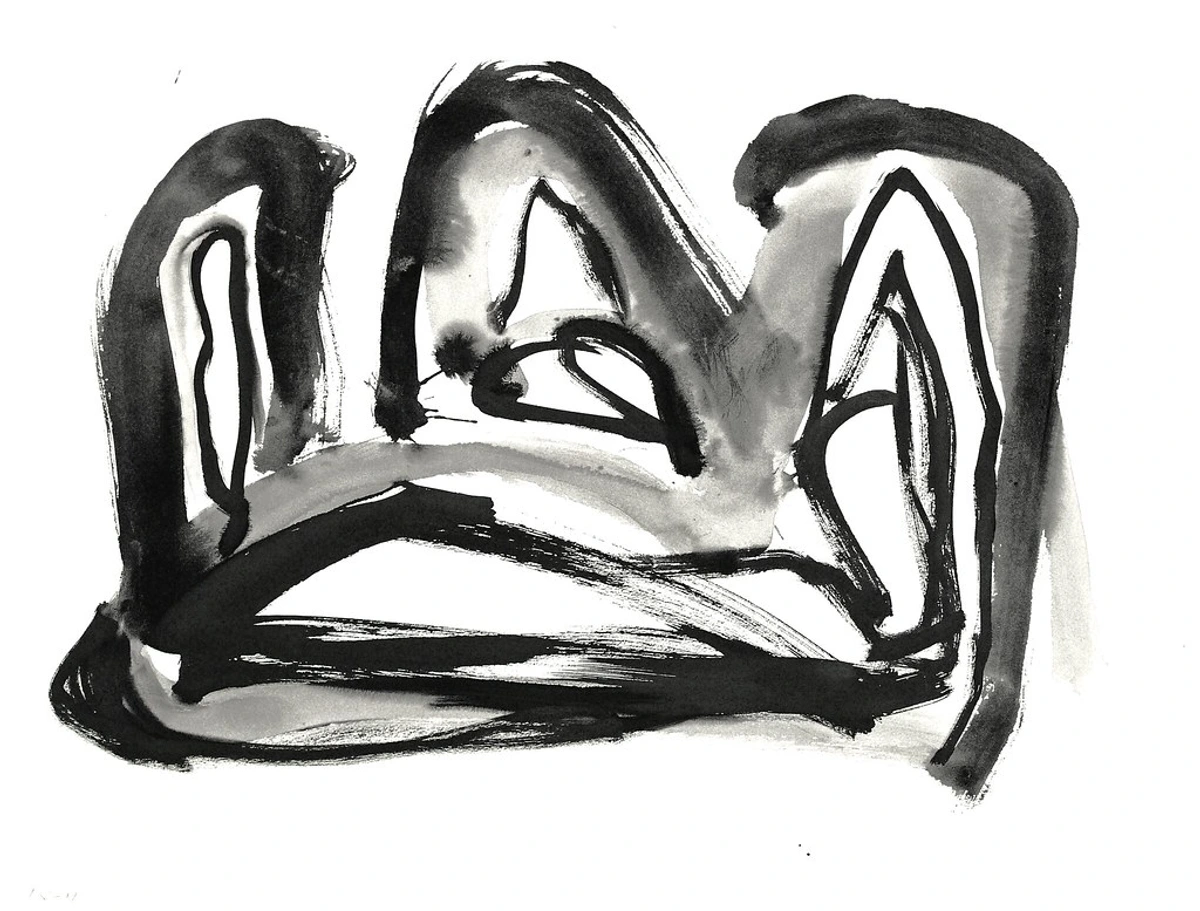
Beyond color and texture, the style of abstract art plays a huge role in complementing your coastal aesthetic. Are you leaning towards a minimalist beach house, a rustic cottage, or a modern coastal apartment? Each can call for a different abstract approach, drawing from various abstract movements. It’s also important to consider the scale of the artwork in relation to the style; vast, expansive pieces might suit minimalist settings, while intricate, layered abstracts could be perfect for a cozy, rustic feel. Here’s a quick guide:
Coastal Vibe  | Abstract Style Suggestions | Why it Works |
|---|---|---|
| Minimalist Beach House | Color Field abstracts (e.g., Mark Rothko's expansive washes) with soft, expansive washes of blues, greys, and sands, or highly textural pieces that evoke raw elements without busy forms. | These styles create a sense of boundless tranquility, mirroring the vastness of the sea and sky, and complement clean lines without overwhelming the space, much like gazing at an endless horizon. Rothko's work, for instance, can evoke deep emotional responses through color alone, aligning with the serene, expansive feeling of a minimalist coastal scene, allowing the viewer's mind to wander into vast, contemplative spaces. |
| Rustic Coastal Cottage | Textured, earthy abstracts with visible brushstrokes and perhaps mixed media (like sand or natural fibers). Lyrical abstraction with organic, flowing lines (perhaps reminiscent of a Hans Hartung piece, capturing spontaneous natural forms). | These pieces echo the weathered charm and natural elements found in a rustic setting, connecting to driftwood, worn timber, and organic coastal forms. The raw, expressive quality complements the unrefined beauty of a cottage, much like the rugged textures of a windswept coastline, grounding the space with an authentic, lived-in feel. |
| Modern Coastal Apartment | Geometric abstracts (like early Piet Mondrian compositions with simplified forms or even a carefully chosen Constructivist piece) or pop art-inspired pieces in a coastal palette. | Introduce a vibrant, unexpected twist and engaging counterpoint. Geometric forms can reflect architectural elements or the organized patterns found in nature (think crystalline structures or shell spirals), providing a sleek contrast to the organic coastal elements. Mondrian's grid-like structures, when using coastal hues, offer a surprising sense of order amidst the fluid chaos of the sea, creating a sophisticated tension. |
| Eclectic Coastal Home | Abstract Expressionism with its raw energy, or highly gestural pieces (think a de Kooning or Jackson Pollock, but with coastal colors!) can bring a dynamic, artistic edge, reflecting the diverse and unpredictable nature of the coast itself. Also, Spiritual Abstraction (like Wassily Kandinsky) with its focus on inner emotion and universal connection. For a truly unique and surprising twist, consider Surrealism (with its dreamlike coastalscapes) or even Fauvism (for bold, non-naturalistic coastal palettes). | This is where you can truly experiment! The raw energy and movement of Abstract Expressionism perfectly capture the untamed spirit of the ocean – the crash of waves, the power of a storm, the ever-changing tides. Kandinsky's spiritual approach, aiming to communicate deep feelings through color and form, resonates with the profound emotional connection many feel to the coast. And for the eclectic soul, a Surrealist piece depicting a dreamlike shore, or a Fauvist landscape with shockingly vibrant coastal hues, can create a truly unique and artistic space that feels both personal and expansive. |
The precise lines and bold blocks of color in some geometric abstracts, like those of Piet Mondrian, can offer a refreshing sense of order and structure amidst the fluid, organic elements of a coastal setting. It’s about finding that balance between the wildness of nature and the thoughtful hand of human design.
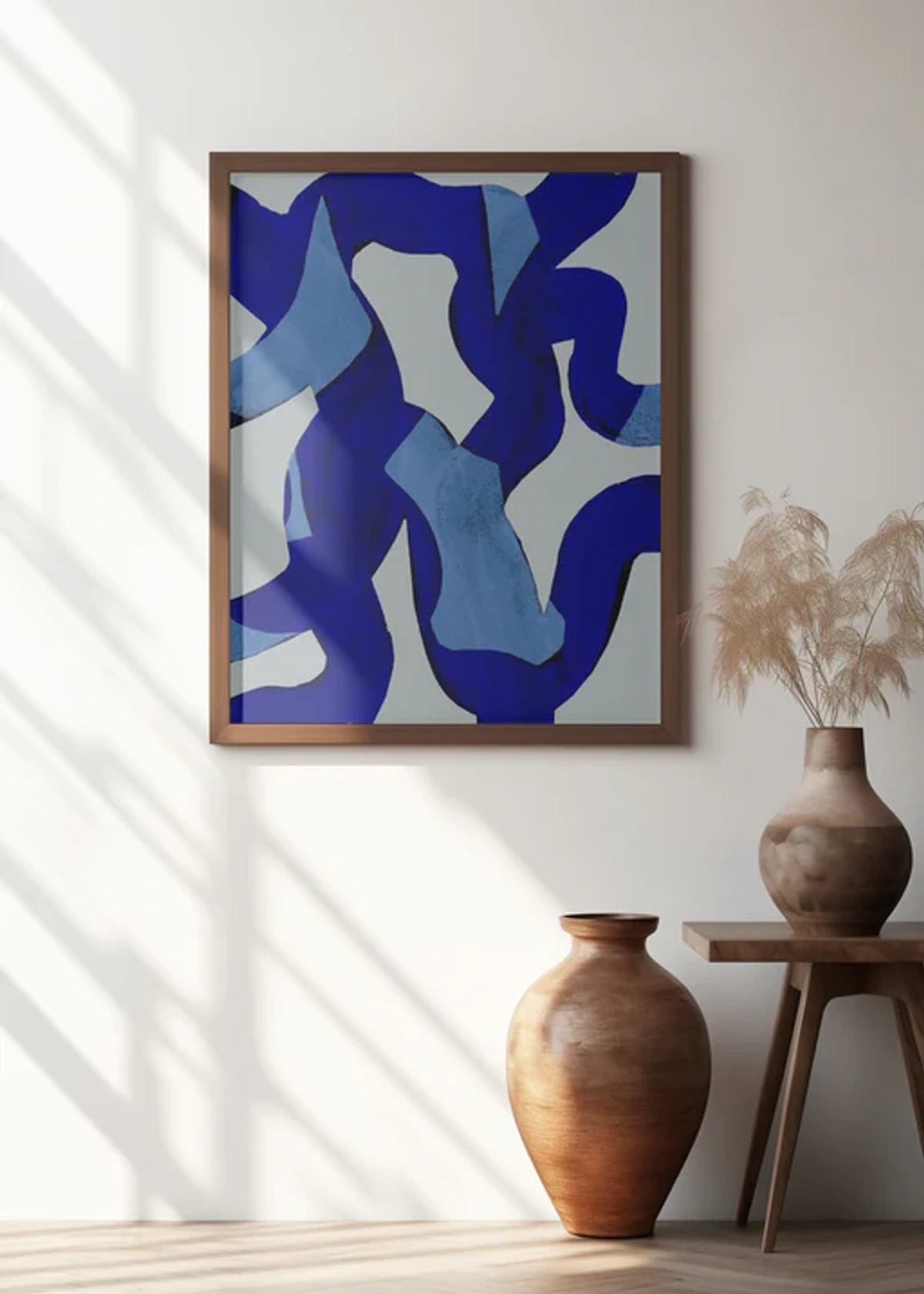
4. Embrace the Unexpected & Negative Space
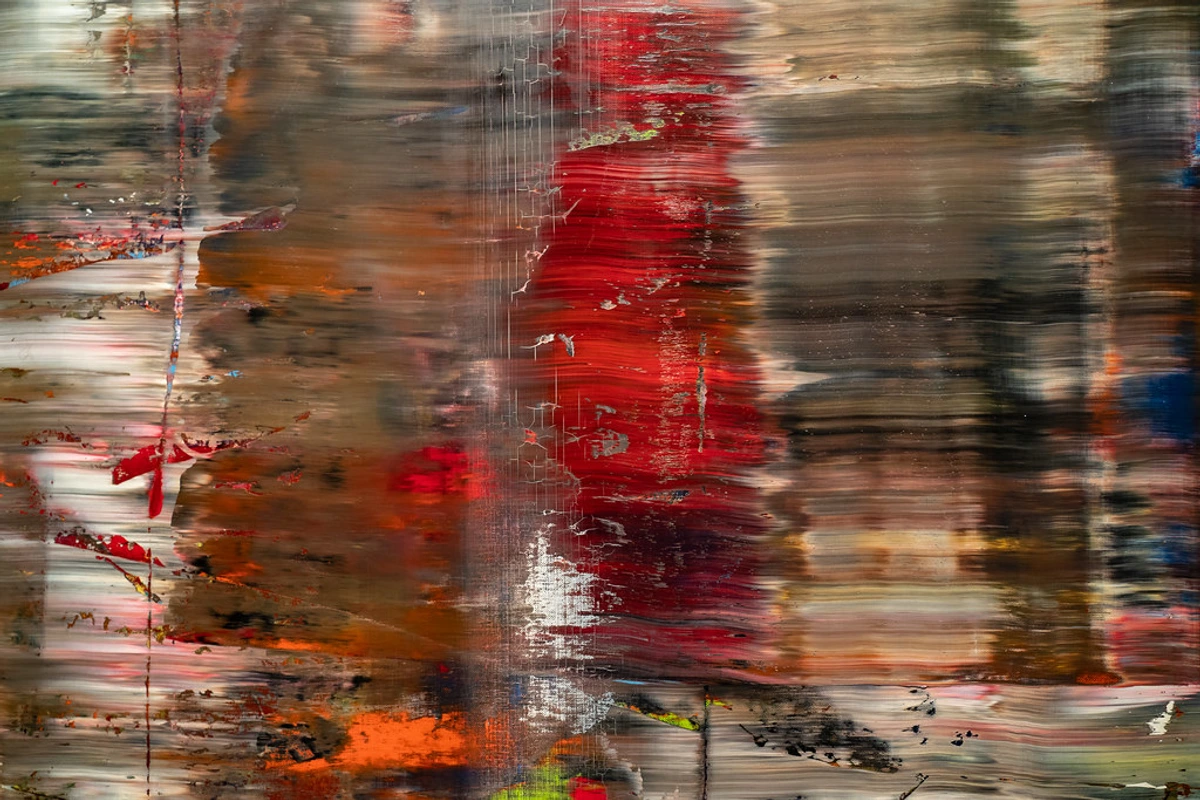
Coastal interiors are often about bringing the outside in. And sometimes, the outside is gloriously unpredictable. A stormy sky, a rogue wave, a piece of driftwood shaped by years of ocean currents—these are not always perfect or symmetrical. Abstract art embodies this beautiful imperfection. It’s about the feeling, the movement, the unexpected splash of color or line that mirrors nature’s own spontaneity. Don't feel like your abstract piece needs to "match" everything perfectly. Sometimes, the most interesting rooms have a touch of the unexpected, that element of delightful surprise. It's like that before & after example of a bold abstract transformation – sometimes you need that bold move, that daring choice to truly elevate a space. And speaking of breathing room, don't forget the power of negative space in abstract art. Those untouched areas of canvas can act like the horizon line or the endless sky, creating a sense of boundless expanse, or the calm surface of a vast sea, contributing to the airy feel of a coastal home, rather than overwhelming it with visual noise.
Which abstract style speaks most to your vision of a coastal sanctuary, and why?
My Coastal Abstract Adventures (and Misadventures): What I Learned
I’ve definitely had my moments where I thought, "Hmm, that didn't quite work." Like the time I tried to force a very busy, highly graphic abstract piece into an already visually rich coastal space. I’m talking vibrant patterns on throw pillows, a patterned rug, and then another pattern on the art. It felt less like a serene coastal retreat and more like a crowded boardwalk on a Saturday afternoon – perhaps it had too many tiny, frantic lines, like a swarm of seagulls fighting over a single chip. My artistic ego definitely got the better of me there! Lesson learned: even with abstract art, balance is key. If your art is making a loud statement, let the surrounding elements be a bit quieter, offering it a calm stage. And vice versa. It’s about creating a conversation, not a shouting match. Another time, I picked an abstract piece that, while beautiful, was too geometrically rigid for the soft, organic lines of the coastal furniture. It felt like a square peg in a round hole, even though the colors were perfect. I realized then that the form and energy of the abstract piece need to resonate with the overall flow of the room, not just the palette. (Perhaps I was just being a bit lazy, trying to make it work against its will!).
I also once fell in love with a piece purely for its vibrant colors, forgetting to consider the artist's intent behind the abstraction. The piece was meant to evoke the frenetic energy of an urban subway, which, while powerful, didn't exactly whisper "serene coastal escape." It looked beautiful on its own, but when placed in my carefully curated, calm coastal bedroom, it simply clashed with the emotional narrative of the room. It taught me that it's not just about the visual elements, but also the underlying story or emotion the artist intended – does it align with the mood you’re trying to create?
But I've also had those glorious moments when a piece just sings. I remember a particularly large, fluid abstract with deep blues and subtle hints of gold that, when hung above a simple, linen-covered sofa, completely transformed a plain living room into a sanctuary. It didn’t just complement the coastal theme; it deepened it, making the room feel connected to the vastness of the ocean. It was a perfect harmony of serenity and subtle drama. That's the magic I chase. It's a constant learning process, this art of curating, and I wouldn't have it any other way!
What design 'misadventures' have taught you the most valuable lessons in your own home?
Bridging Worlds: Abstract Art and Indoor-Outdoor Coastal Living
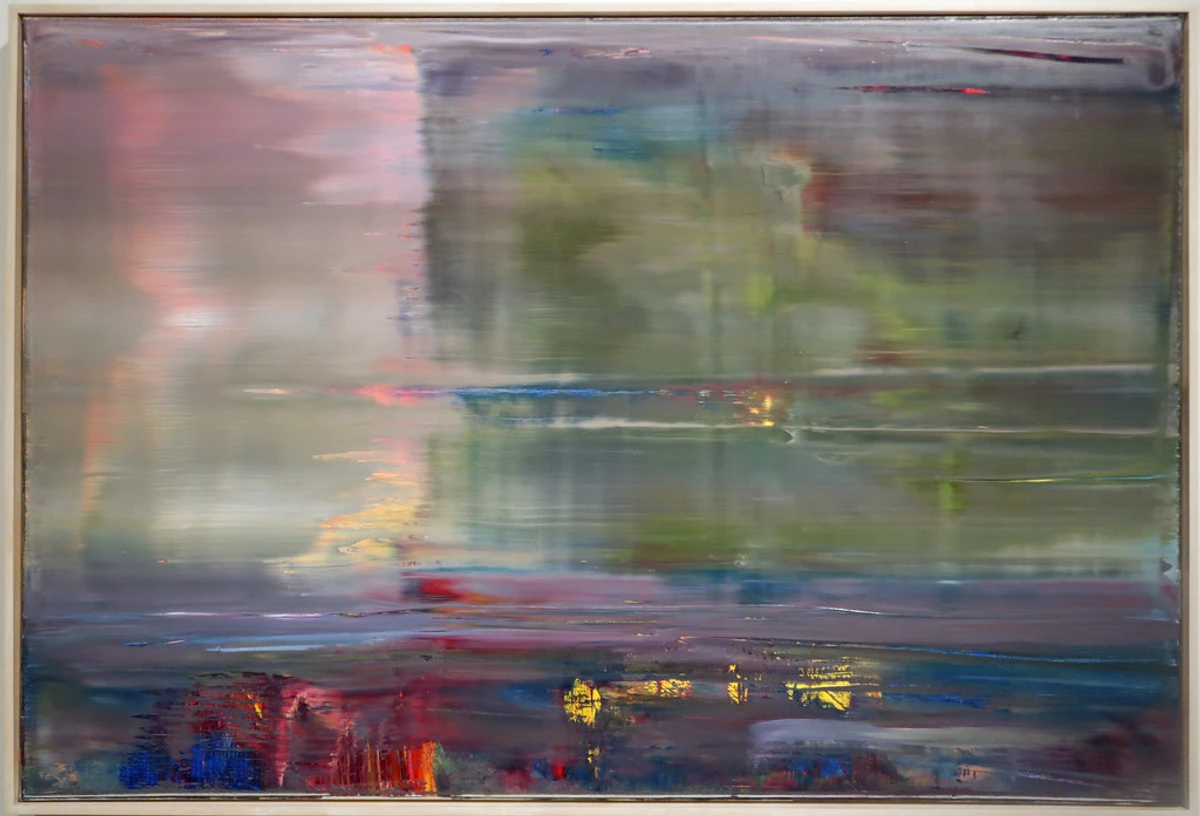

My personal journey has taught me valuable lessons, but the principles of integrating abstract art into coastal living extend beyond my own experiences, particularly when considering the seamless indoor-outdoor flow that defines coastal homes. One of the most powerful aspects of coastal living is this blend of indoors and out. Large windows frame ocean views, sliding doors open to sea breezes, and natural elements are brought inside. Abstract art can be a brilliant bridge in this connection. Imagine a piece with sweeping, gestural lines and earthy tones echoing the weathered dunes outside, or a vibrant, fluid composition mirroring the dynamic dance of waves beyond your window. For example, an abstract with sharp, angular lines and muted greys could evoke the ruggedness of coastal cliffs after a storm, extending the dramatic landscape into your living space. It extends the landscape, not as a literal photograph, but as an emotional echo, making your interior space feel like an integral part of the coastal environment. It's about bringing the feeling of the outside, its unpredictability and beauty, inside your home in an artful, sophisticated way.
Abstract art can also beautifully bridge the gap between the raw, natural materials—like weathered wood, stone, and linen—commonly found in coastal decor and the more refined, "man-made" aspect of art. Imagine a gestural abstract with sweeping, organic lines and earthy tones, visually connecting with the rough grain of a weathered timber beam, or a geometric abstract with smooth, polished surfaces echoing the sleekness of a river stone or the tight weave of a crisp linen throw. This creates a cohesive visual language throughout the space. Moreover, by reflecting the dynamic interplay of nature, such as light dancing on water or the shifting sands, abstract art acts as a powerful mood setter for indoor-outdoor living, influencing the feeling of transitioning between spaces, making each threshold feel like a natural extension of the other. Even without a direct ocean view, an abstract piece infused with the colors of a stormy sky or the textures of a sandy beach can bring that restorative coastal feeling right into your urban apartment, transforming a mere room into a serene escape.



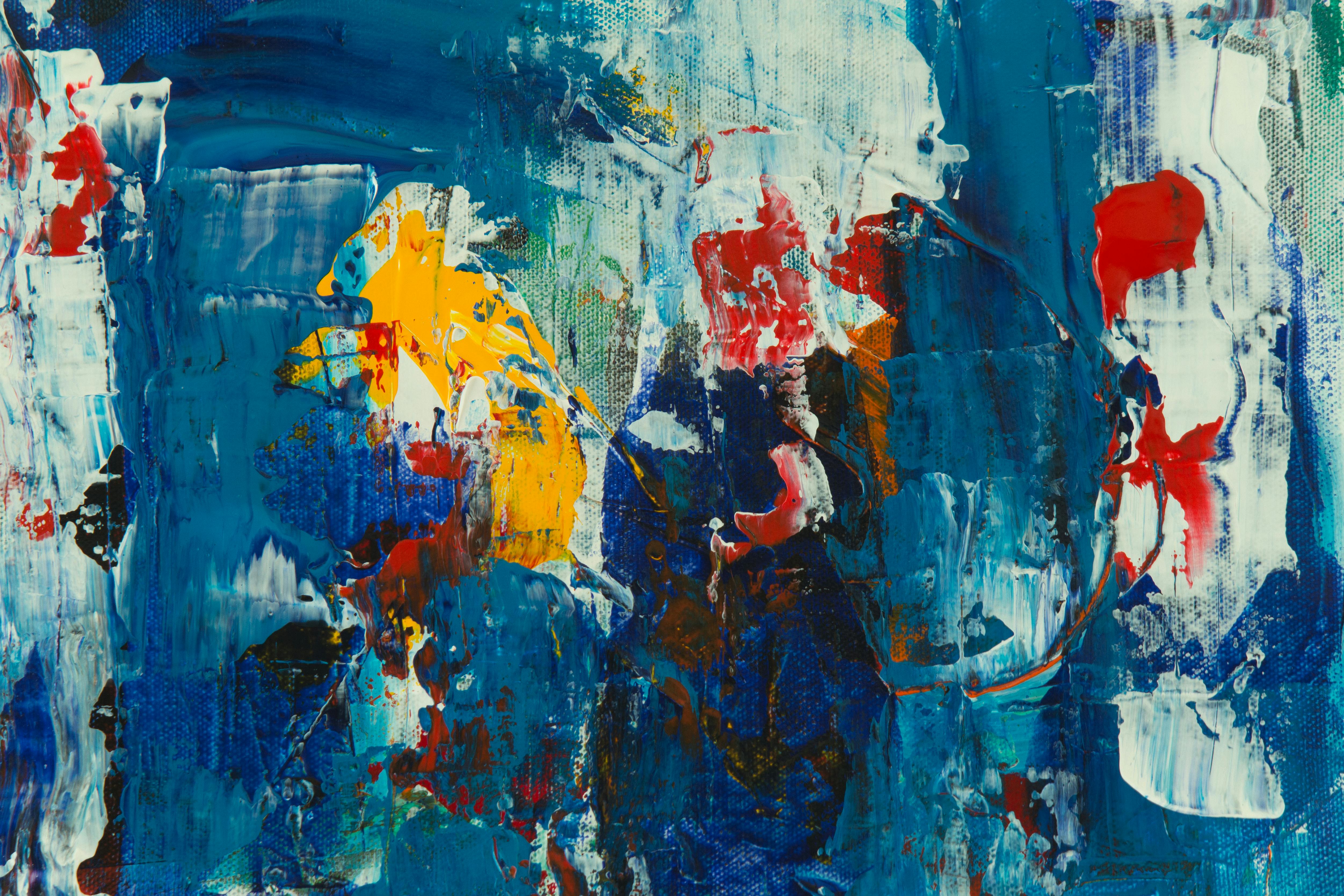


How do you envision abstract art enhancing the flow between your indoor and outdoor spaces?
FAQ: Your Curatorial Conundrums Answered
Okay, I know you've got questions brewing, because this is often where the real fun (and occasional head-scratching) begins! Here are some of the curatorial conundrums I often encounter when chatting with fellow art lovers and coastal enthusiasts:
Q: Can I really use any abstract art in a coastal interior?
A: "Any" is a strong word! While I encourage experimentation, I'd say opt for abstracts that lean into colors, textures, or a general feeling that resonates with the coastal vibe. Think blues, greens, sandy tones, whites, or even vibrant corals and yellows that mimic sea life or sunsets. Abstracts that are too dark, heavy, or overtly urban—like highly geometric industrial pieces or graffiti-style art—might feel jarring with the organic, calming aesthetic of coastal design, creating visual noise rather than harmony. But again, rules are meant to be bent sometimes! For instance, a very minimalist, monochromatic geometric abstract could work in a minimalist coastal setting, if the lines and forms are exceptionally clean and the color palette subtle. It's all about intentionality – choosing a piece because you genuinely feel it contributes to the desired atmosphere, not just because it's abstract.
Q: What if my coastal decor is very muted, but I love vibrant abstract art (or vice versa)?
A: This is where the magic happens! A muted coastal backdrop is the perfect stage for a vibrant abstract to truly pop and become the focal point, injecting energy without overwhelming the serene base. Think of it as a splash of unexpected, dazzling color in a calm sea. If your coastal decor already has vibrant accents (perhaps through plants or pottery), a more subdued, textural abstract could provide a grounding, calming counterpoint, adding depth without competing. The key is balance and dynamic interplay: let one element sing, while the other provides a harmonious accompaniment. And consider the scale here: a modest-sized, vibrant piece can act as a powerful accent in a largely muted room, while a sprawling, subtle color field abstract can bring expansive calm to an otherwise energetic space. It’s all about finding that sweet spot!
Q: What kind of frame works best?
A: For coastal, I usually lean towards natural wood frames (think light oak, whitewashed, or even a weathered grey finish) or sleek, minimalist white or black frames. The goal is to let the art shine and complement the natural, unpretentious feel of a coastal space. Natural wood frames, for instance, echo the driftwood and organic elements of the coast, while minimalist white or black frames provide a clean border that doesn't compete with the art or the room's serene aesthetic. Avoid overly ornate or heavy gold frames, unless you're intentionally going for a very eclectic, high-contrast look that truly represents your personal style. Remember, the frame should enhance, not overpower, the artwork or the room's aesthetic.
Q: How do I make sure the abstract piece doesn't feel cold or clash with my existing coastal decor?
A: This is a common concern! My best advice is to focus on establishing a clear emotional connection and ensuring intentionality. If a piece feels cold, it might lack warmth in its palette or texture. To balance it, incorporate specific warmer coastal elements like natural wood accents (driftwood, light timber furniture), woven textiles (jute rugs, linen throws), or warm ambient lighting. For clash prevention, look for subtle echoes in color or form between the artwork and your existing decor – maybe a specific shade of blue that resonates with your upholstery, or a sweeping line that mirrors the curve of a seashell. It also helps to consider the artist's intent or the title of the artwork; sometimes, understanding the artist's original emotion or subject can help you place a piece more harmoniously. Don't be afraid to experiment with placement, trying different walls or even rooms. Sometimes, a slight shift in context makes all the difference. Ultimately, if the art genuinely speaks to you and you believe it enhances the feeling you want in your coastal home, trust your intuition.
Q: What if I don't have an ocean view? How can abstract art still create a coastal feel in an urban setting?
A: Ah, the urban coastal dream! You absolutely don't need a direct ocean view to infuse your home with that serene coastal energy. Abstract art becomes even more crucial in these settings because it can evoke the essence of the coast purely through color, texture, and form, without being literal. Think of a large abstract piece with deep, calming blues and soft whites to suggest the vastness of the sea and sky, or a highly textured abstract reminiscent of sandy dunes and weathered wood. Even a vibrant abstract with hints of coral and seafoam green can transport you to an imagined tropical reef. It’s about creating a psychological landscape, an emotional escape. And don't forget the power of suggestion: a minimalist abstract with vast negative space can even evoke the quietude of a remote beach, or conversely, a dynamic piece can almost make you 'hear' the roar of crashing waves. Use natural materials in your decor (linen, jute, light wood) to support the art, and strategically placed lighting can mimic the diffused light of a coastal morning. The art becomes your window to the sea, regardless of what's actually outside your window.
Your Coastal Sanctuary Awaits
Bringing abstract art into your coastal interior isn't just about hanging a painting; it's about curating a feeling, an experience. It’s about honoring the coast's dynamic spirit – its wildness and its tranquility – in a way that’s personal and profound. Don't be afraid to break a few rules, to let your intuition guide you, and to embrace the unexpected. Every piece of art tells a story, and when blended thoughtfully with the serene beauty of coastal design, it can transform your home into a truly unique sanctuary. So, I encourage you to look at abstract art with fresh eyes, to see the ocean's wild spirit, the calm of the tide, and the vibrant hues of a sunset captured on canvas, and to dare to bring that magic into your own coastal sanctuary. If you're ready to find that perfect piece that speaks to your soul, and perhaps discover an unexpected love affair of your own, I invite you to explore my collection of contemporary art where many pieces capture this very essence, or visit my museum in 's-Hertogenbosch to see how my artistic journey unfolds on my timeline. Happy decorating, and may your home always whisper a beautiful story!