
Sculptures at Home: Your Definitive Guide to Three-Dimensional Art & Decor
Unlock the transformative power of sculptures in your home. This ultimate guide, from an artist's perspective, offers practical tips on choosing, placing, lighting, and harmonizing three-dimensional art to create dynamic, personality-filled interiors. Discover how to infuse your space with unparalleled depth, personal style, and a touch of the extraordinary.

Sculptures at Home: Your Definitive Guide to Adding Depth, Personality, and Three-Dimensional Art
I’ll admit it: for the longest time, I thought decorating with art meant canvases on walls, maybe a framed print or two. Sculptures? They felt… intimidating. Like something reserved for grand museums or minimalist galleries with perfectly sterile white walls. I’d walk past them, admire their form, but never truly imagine one in my own home, nestled amongst my slightly chaotic collection of books and mismatched mugs. Oh, how wrong I was.
Integrating sculptures into your home isn’t just for art connoisseurs or those with an endless budget; it's a transformative step that adds unparalleled depth, personality, and three-dimensional artistry to any space. This guide is your ultimate companion to understanding, choosing, and placing these captivating art forms in your own sanctuary. It's your opportunity to create a conversation piece, offer a tactile experience, and infuse your space with undeniable personality. Think of it as inviting a silent, intriguing guest into your home – one that asks you to slow down, look, and truly feel.
Why Sculptures? Breaking the Plane and Telling a Story
So, if sculptures felt intimidating to me, why should we even bother? Well, they fundamentally alter how we perceive and interact with a space, don't they? While a painting draws your eye across a two-dimensional surface, a sculpture literally breaks the plane, inviting you to walk around it, to observe it from different angles, and to experience how light plays on its forms throughout the day. This creates an immersive, interactive experience that flat art simply cannot replicate. It’s that 'aha!' moment when you realize a piece isn't just there, it's alive.
What is Sculpture?
At its core, sculpture is three-dimensional art. Unlike painting, which creates an illusion of depth on a flat surface, sculpture physically occupies space and can be viewed from all sides. It engages us not just visually, but often tactually, and can range from ancient monumental figures to modern abstract forms, made from virtually any material imaginable. It's art you can (often) walk around, touch, and truly experience within its environment.

Throughout history, humans have intuitively understood this power. From the classical gravitas of ancient Greek and Roman marbles, often displayed in private villas and gardens, to the elaborate, emotionally charged bronzes of the Renaissance that graced grand estates, sculptures have always added beauty, presence, and a certain weight to living spaces. Think of the serene Buddhas found in Asian homes, offering contemplation, or the vibrant West African wooden figures telling ancestral stories. In ancient Egypt, sculptures of deities and pharaohs weren't just art; they were vessels for the divine, placed in temples and tombs. Mesoamerican cultures, like the Maya and Aztec, crafted intricate stone and ceramic figures that captured their cosmology, often integrated into architectural elements. And Indigenous Australian communities have a rich tradition of carving wooden sculptures (like totemic figures) that hold deep spiritual and narrative significance, connecting homes to ancestral lands and stories.
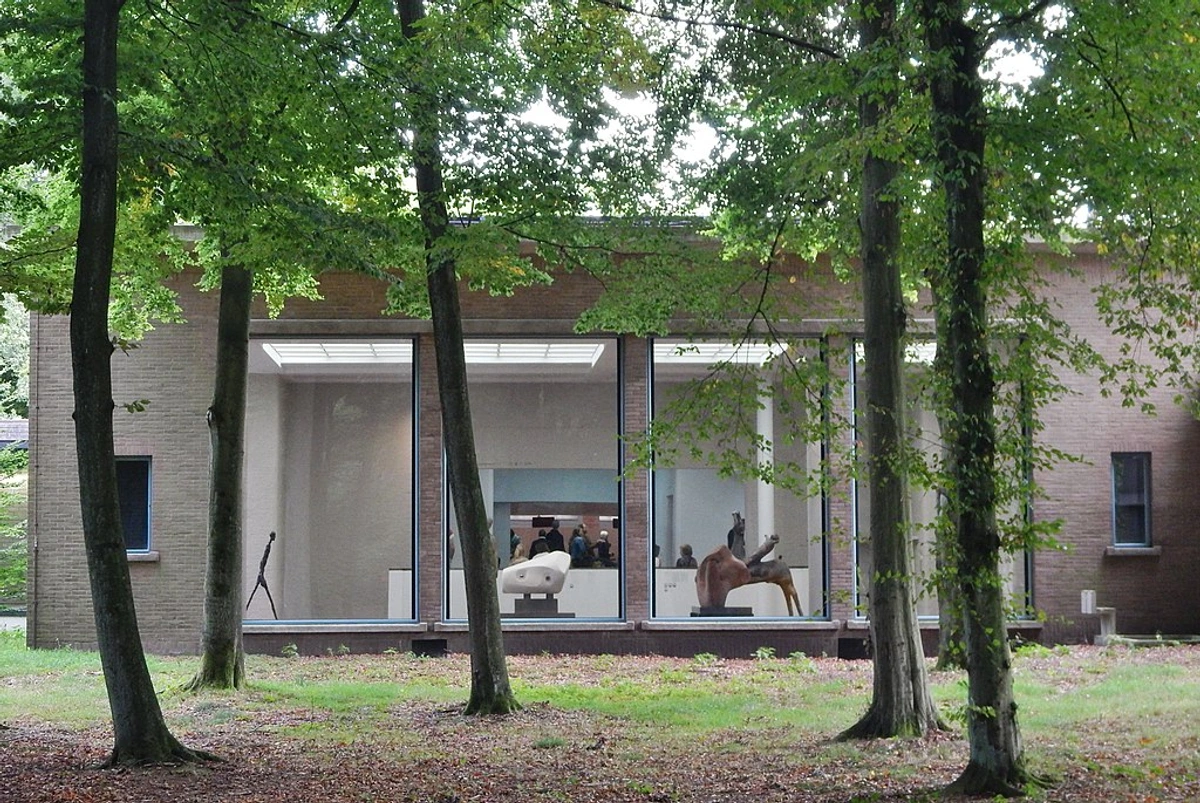
More recently, movements like Art Nouveau introduced organic, flowing forms that blurred the lines between art and architecture, while the Bauhaus movement championed functional, geometric shapes. Cubism shattered traditional forms, leading to fragmented, multi-perspective sculptures, and Minimalism brought forth sleek, simplified shapes that emphasize material and space, with artists like Constantin Brâncuși distilling forms to their essence. Even Post-Modernism embraced eclecticism and playful irony, allowing for diverse and unexpected sculptural integrations. This rich history demonstrates that sculptures aren't a niche; they're a timeless, global language of interior expression. If you want to dive deeper into how art has evolved in interior design, you might enjoy this read on the evolution of art in interior design.
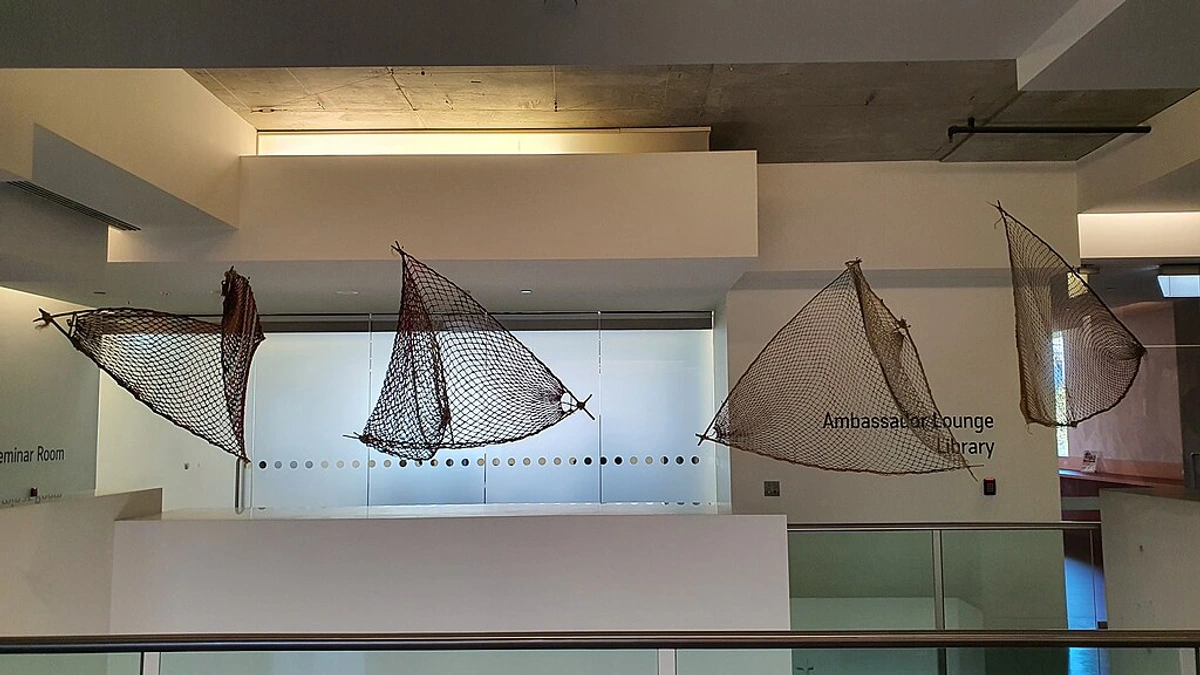
I remember once seeing a small, abstract ceramic piece in a friend's entryway. Every time I visited, it seemed to shift, catching the morning sun one way, then casting long, dramatic shadows by evening. It wasn't just there; it was alive in the space, constantly engaging. That's the magic – a sculpture breathes with the rhythm of your home, telling a silent story, even in the most modern settings. Understanding how art elements come together is key to appreciating this; you might find this article on understanding the elements of sculpture insightful.
Finding Your Sculptural Soulmate: A Personal Journey
This is where the fun truly begins, but also where a lot of people, myself included, used to get stuck. How do you pick the one? It's not unlike choosing a pet, I suppose – there needs to be a connection. Here are a few things I’ve learned to consider when finding that perfect piece, ensuring it becomes a cherished part of your home's story.
1. Style and Theme: What Whispers to Your Soul?
Just like paintings, sculptures come in an astonishing array of styles and themes, each designed to evoke a different feeling or narrative. Which speaks to you?
- Figurative Sculptures: These pieces represent recognizable forms – people, animals, or objects. From a classical bust to a whimsical bronze animal, figurative art often tells a direct story or captures a specific emotion, making it wonderfully relatable.
- Abstract Sculptures: Here, the form itself is the emotion. Abstract pieces prioritize shape, line, color, and texture over literal representation. They invite interpretation and can add a sophisticated, modern, or even enigmatic touch. If you're looking to explore more abstract forms, consider checking out my collection of abstract art.
- Kinetic Art: For those who love dynamic engagement, kinetic art is a sculpture where movement is an integral part of the piece itself. Think delicate mobiles that dance with air currents, intricate mechanical constructions that shift and change, or even sculptures powered by magnetism or light. Artists like Alexander Calder revolutionized this field with his graceful mobiles, while Jean Tinguely created whimsical, often destructive, self-destructing machines, and George Rickey crafted precise, wind-activated geometric forms. These pieces add a fascinating, ever-changing focal point, turning a static space into a lively environment. Movement makes a sculpture feel truly alive, a topic explored in depth in what is kinetic art?.
- Found Object Sculptures / Assemblage: These fascinating creations often repurpose discarded items into new artistic statements. Imagine old gears forming a fantastical creature, a collection of vintage keys arranged into a poignant symbol, or driftwood assembled into an abstract form. Found object art, or assemblage, breathes new life into forgotten materials, imbuing them with unique narratives and a wonderfully approachable, often whimsical, personality. It’s a powerful way to introduce art that feels both personal and environmentally conscious, reflecting a journey of discovery and transformation. Movements like Arte Povera, for instance, championed using everyday, 'poor' materials to challenge traditional art values. These pieces often carry a subtle philosophical message about value and perception, challenging us to see beauty in the overlooked.
My advice? Trust your gut. Choose a piece that genuinely resonates with you, something you’d be happy to gaze at every day, one that brings you quiet joy or sparks intriguing conversation. Your home should reflect your unique personality and journey.
2. Size and Scale: Don't Underestimate (or Overwhelm)
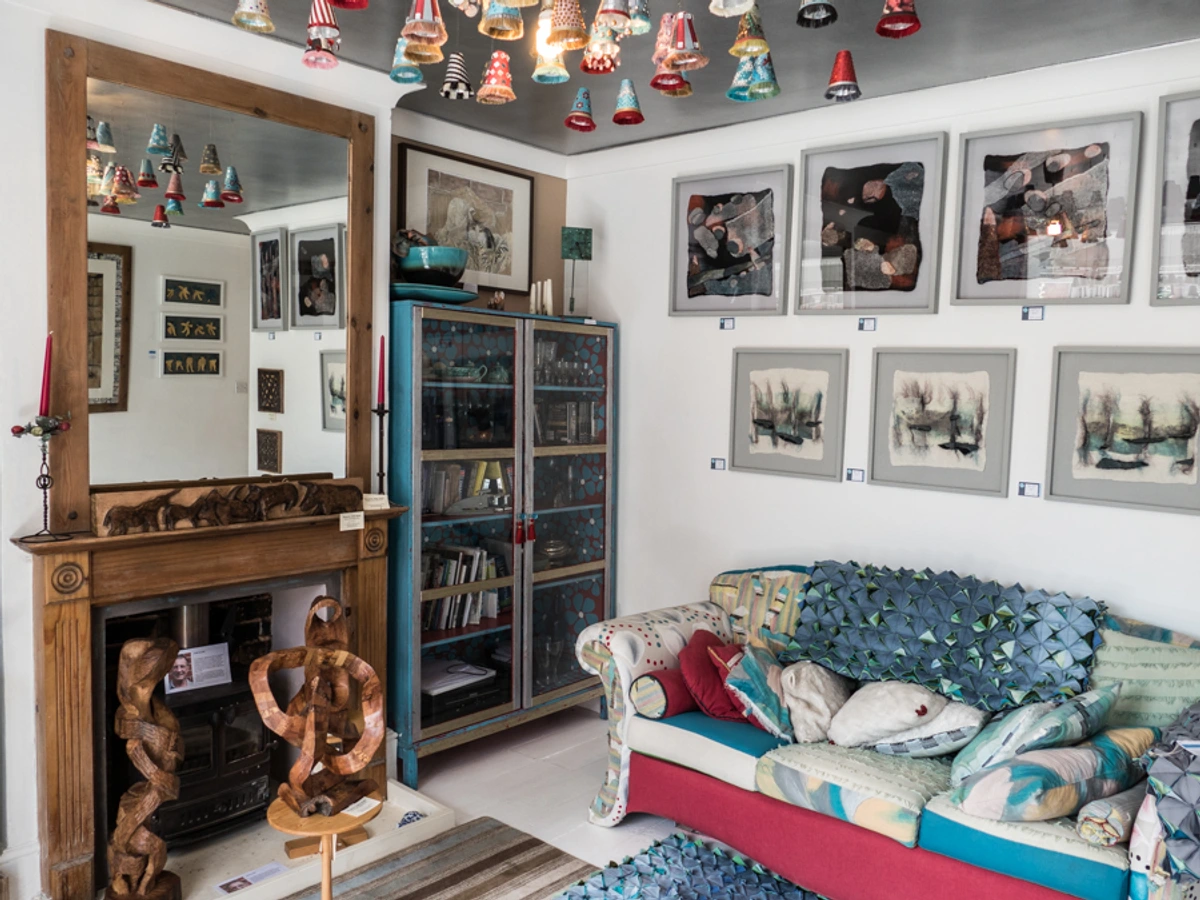
This is perhaps the most crucial element, as it dictates how a sculpture impacts its surroundings. A tiny figurine on a grand mantelpiece will get lost, like a whisper in a stadium, while a truly monolithic piece (meaning large, imposing, and solid) in a small nook can feel like it's trying to eat the room – and potentially instigate a coup d'état against your sofa! Before you even start looking, try to gauge the actual dimensions and the perceived visual weight of your intended space. Visual weight isn't about physical mass; it's about how much attention an object draws. A delicate, airy wire sculpture might have low visual weight even if physically large, while a small, dark, dense stone piece can have significant visual impact. I once misjudged a seemingly delicate metal sculpture, only to find its dark, intricate form dominated a small table like a black hole. For larger pieces, I sometimes cut out a cardboard silhouette to place in the room – it saves a lot of heartache (and backache!).
- Small Spaces (e.g., small apartments, powder rooms): Think delicate, intriguing pieces for bookshelves or side tables. A delicate metal piece or a smooth ceramic orb can add sophistication without visual clutter. For smaller spaces, a few well-chosen pieces always trump an overcrowded collection. Remember, even in small spaces, art can make a huge impact, as discussed in maximizing art impact in small spaces and decorating with art in a powder room.
- Medium Spaces (e.g., entryways, studies): This is where you can play a bit more. Consider a bust on a console table, or a series of smaller, related pieces grouped together to create a unified statement. Perhaps a sculpture for an entryway, a topic explored in art for entryway.
- Large Spaces (e.g., open-concept living rooms, grand hallways): Go bold! A floor-standing sculpture can be a magnificent focal point, demanding attention and grounding the room. Just make sure it has room to breathe, with ample negative space around it to be fully appreciated. Don't be afraid to experiment, as seen in decorating with large-scale abstract art or how to maximize impact for high ceilings.
3. Material and Texture: A Tactile Story and Practical Considerations
Sculptures come in an astonishing array of materials, each bringing its own feel, visual weight, and story. Considering their care and maintenance, alongside their aesthetic, is crucial for a lasting relationship with your art. Remember that a material's durability also matters, especially if your home has varying humidity, direct sunlight, or lively pets and children!

Ceramic/Clay: Handmade Charm and Ancient Traditions
Ceramic and clay offer a handmade, earthy charm, feeling both ancient and contemporary. Glazed ceramics can be vibrant and playful, while unglazed pieces provide a soft, matte finish. From delicate porcelain to robust stoneware, ceramic art connects us to ancient traditions. Artists often appreciate clay's malleability and the transformative power of the kiln, which imbues pieces with unique textures and colors. While robust, ceramics can be brittle and prone to chipping or breaking if knocked or dropped. Consider their placement carefully in busy areas.
- Artistic Process: Clay is molded, thrown on a wheel, or hand-built, then fired in a kiln. Glazes are applied and fired again.
- Care: Generally robust but can chip or break if dropped. Glazed surfaces are easy to wipe clean; unglazed pieces may absorb stains and require gentle brushing or careful damp wiping.
- Environmental/Sourcing: Clay is a natural, abundant resource. Look for artists who use locally sourced clay and energy-efficient kilns.
Wood: Organic Warmth and Earthiness
Warm, organic, and grounding, wood sculptures can range from highly polished abstract forms (like those by Brâncuși) to rough-hewn, naturalistic pieces. They blend beautifully with bohemian, natural, or even minimalist interior styles, bringing a sense of warmth and earthiness. Artists like Henry Moore also explored wood for its biomorphic qualities. Artists are drawn to wood's natural grain, versatility, and tactile quality. Wood is less durable to extreme environmental changes and can crack or warp with humidity shifts.
- Artistic Process: Wood is typically shaped through carving, turning on a lathe, or assemblage.
- Care: Vulnerable to humidity fluctuations and direct sunlight, which can cause cracking or fading. Best placed in stable environments, away from radiators or direct sun. Dust with a soft, dry cloth.
- Environmental/Sourcing: Ethical sourcing is a key consideration. Look for sustainably harvested, reclaimed, or salvaged wood to minimize environmental impact.

Metals: Modernity and Strength
From sleek, polished chrome to rustic, oxidized iron, metal offers a sense of modernity or industrial chic. It can feel strong and commanding (like a cast bronze figure by Henry Moore) or delicate and ethereal (like a finely wrought wire sculpture by Harry Bertoia or the reflective works of Anish Kapoor). Artists often choose metal for its durability, ability to hold intricate forms, and its interaction with light, reflecting or absorbing to create dynamic effects. It's generally very durable, though some metals can be prone to tarnish or rust if not properly treated or maintained.
- Artistic Process: Metal sculptures are often created through casting (pouring molten metal into a mold, such as for bronze), forging (shaping hot metal with tools like a blacksmith), or welding (joining pieces of metal).
- Care: Polished metals may require occasional buffing to prevent tarnish; raw metals might develop a patina over time, which can be part of their charm. Avoid abrasive cleaners.
- Environmental/Sourcing: Metal production can be energy-intensive, but many metals are highly recyclable. Artists using recycled or salvaged metals offer a more sustainable option.
Stone: Timeless Elegance and Gravitas
Stone sculptures exude timeless elegance and gravitas, feeling substantial and enduring. Marble, with its luminous quality and subtle veining, has been a favorite of sculptors for millennia, from classical masters to contemporary artists like Isamu Noguchi. Stone is chosen for its permanence, inherent beauty, and the monumental presence it lends to a piece. It speaks of history and resilience. Stone is exceptionally durable, but porous varieties like marble are susceptible to staining from liquids. Its weight demands stable and often reinforced display surfaces.
- Artistic Process: Stone is typically created through carving or chiseling, a painstaking reductive process that reveals the form within the block.
- Care: Porous stones like marble can stain easily and require careful cleaning with pH-neutral products. Extremely heavy, requiring stable, reinforced placement, especially for larger pieces. Avoid acidic cleaners.
- Environmental/Sourcing: Stone quarrying has environmental impacts. Opting for sculptures made from reclaimed stone or by artists who source responsibly can be a more sustainable choice.
Glass/Acrylic: Lightness, Transparency, and Color
These materials bring lightness, transparency, and often vibrant color, playing with light in unique ways. Perfect for adding a modern, ethereal touch or a pop of brilliant hue. Artists like Dale Chihuly showcase glass's ability to capture and refract light, creating breathtaking visual effects. Acrylic offers similar transparency with greater durability. Both are relatively fragile (glass more so), demanding careful handling and placement away from high-traffic areas where they might be bumped. They can show fingerprints easily.
- Artistic Process: Glass can be blown, cast, fused, or cut and polished. Acrylic is typically molded or carved.
- Care: Can show fingerprints and dust; clean with a soft, lint-free cloth and mild glass cleaner. Fragile, so handle with extreme care.
- Environmental/Sourcing: Glass production is energy-intensive but glass is infinitely recyclable. Acrylic is a plastic, and while durable, recycling can be challenging. Supporting artists who use recycled glass or mindful production methods is beneficial.
Resin / Mixed Media / Textiles: Modern Versatility
Modern sculptures often push boundaries, utilizing materials like durable resins for intricate forms, or combining disparate elements in mixed media pieces. Textiles can be sculpted, woven, and shaped to create soft, tactile, and often colorful forms. These materials allow artists immense freedom to experiment with texture, form, and concept, often resulting in truly unique and unexpected works. Durability varies hugely based on the specific combination of materials. Resin is generally tough, but textile and mixed media pieces might be more delicate and require specialized care or placement away from dust and direct sunlight.
- Artistic Process: Resin is typically cast from molds. Mixed media involves combining various materials, often through assemblage, gluing, stitching, or fastening. Textiles can be stitched, stuffed, woven, or manipulated.
- Care: Varies widely. Resin is generally durable but can scratch; clean with a soft cloth. Mixed media care depends on constituent materials. Textile sculptures may require gentle vacuuming or professional cleaning to remove dust.
- Environmental/Sourcing: These categories vary widely. Many artists working in mixed media or textiles prioritize recycled or upcycled components, offering highly sustainable options. Resins can be less environmentally friendly, though bio-resins are emerging.
Acquiring Your Sculptural Companion and Ethical Considerations
Finding the right sculpture for your home is part of the adventure. Beyond traditional art galleries and online retailers, consider:
- Local Artist Studios & Art Fairs: Direct interaction with artists can provide invaluable insights into their work, artistic process, and inspiration, offering a chance to buy truly unique, handmade pieces. Plus, you’re directly supporting the creative community.
- Antique Shops & Flea Markets: Often hidden gems and unique vintage pieces can be found, offering a piece of history and sometimes a fascinating story. This is a great way to find a unique, budget-friendly sculpture.
- Craft Markets & Design Stores: A good source for contemporary ceramic, wood, or glass pieces that blend art with functional design, perfect for a modern home.
Budget-Friendly Sculpture Options: Creativity Without Breaking the Bank
Art doesn't have to be expensive to be impactful. If you're keen to experiment or simply looking for affordable ways to bring three-dimensional art into your home, consider these avenues:
- DIY Sculptures: Embrace your inner artist! Materials like air-dry clay, plaster, wire, paper mache, or even recycled items (like old wooden blocks, metal scraps, interesting plastic forms, or even textiles) can be transformed into unique, personal pieces. You could try creating abstract forms from wire and plaster, assembling a captivating figure from driftwood, or crafting whimsical creatures from paper mache over a wire armature. There are countless tutorials online!
- Student Exhibitions: Art schools and university art departments often host student exhibitions where you can discover emerging talent and acquire original pieces at accessible prices. It's a fantastic way to support new artists.
- Repurposed Everyday Objects: Sometimes, an everyday object, when taken out of its usual context, becomes a sculpture itself. Think of a beautifully shaped tree branch, a vintage industrial tool, or a collection of smooth river stones. Arranged thoughtfully, these can add sculptural interest without a price tag.
Collectibles vs. Decorative Objects: Understanding Value
When you're acquiring art, it's helpful to distinguish between a collectible sculpture and a purely decorative object. While both add beauty, their long-term value and intent differ significantly. A collectible sculpture is typically an investment, chosen for its artist's reputation, historical significance, rarity, or unique artistic vision. Its provenance (history of ownership) is crucial, as is its condition. Decorative objects, on the other hand, are chosen primarily for their aesthetic appeal and how they complement a space, without necessarily aiming for appreciation in monetary value. Both are valid choices; the key is to understand your own intentions and budget.
Ethical Acquisition: Respecting Art and History
When acquiring art, especially from less conventional sources, it’s worth a moment to consider ethical acquisition. Ensure you’re comfortable with the piece's provenance (its history of ownership), verifying it wasn't acquired illegally or unethically (e.g., stolen artifacts, objects obtained through colonial exploitation, or unauthorized reproductions). Provenance isn't just about legality; it adds a rich layer of story and value to your piece. Knowing its journey, who owned it, or where it was discovered can deepen your connection to the artwork. For unique, handmade works, supporting living artists directly is a wonderful way to ensure they are fairly compensated for their craft and vision. This also connects you to the art's story in a profound way. If you're interested in the journey of artists, my timeline of artistic development offers a fascinating look at how art has evolved.
Placement Prowess & Harmonizing Forms: Let Your Sculpture Shine
You’ve found your sculptural soulmate – now, where do you usher it into your home to truly let it shine? This isn't just about finding an empty spot; it's about crafting a moment, creating a dialogue, and considering both the visual weight and actual physical stability of the sculpture in its chosen location. Remember, a heavy stone piece will require different considerations than a delicate glass mobile. Beyond aesthetics, sculptures can also subtly influence a room's acoustics, acting as sound diffusers, or even serve as subtle room dividers in open-plan living.

Beyond the Pedestal: Unexpected Stages for Your Sculptures
When I first thought of sculptures, my mind immediately went to pedestals. And yes, a beautiful, sturdy pedestal can absolutely elevate a piece, giving it museum-like reverence and ensuring its stability. But don't limit yourself! The article displaying sculptures indoors beyond pedestal offers some really creative ideas.
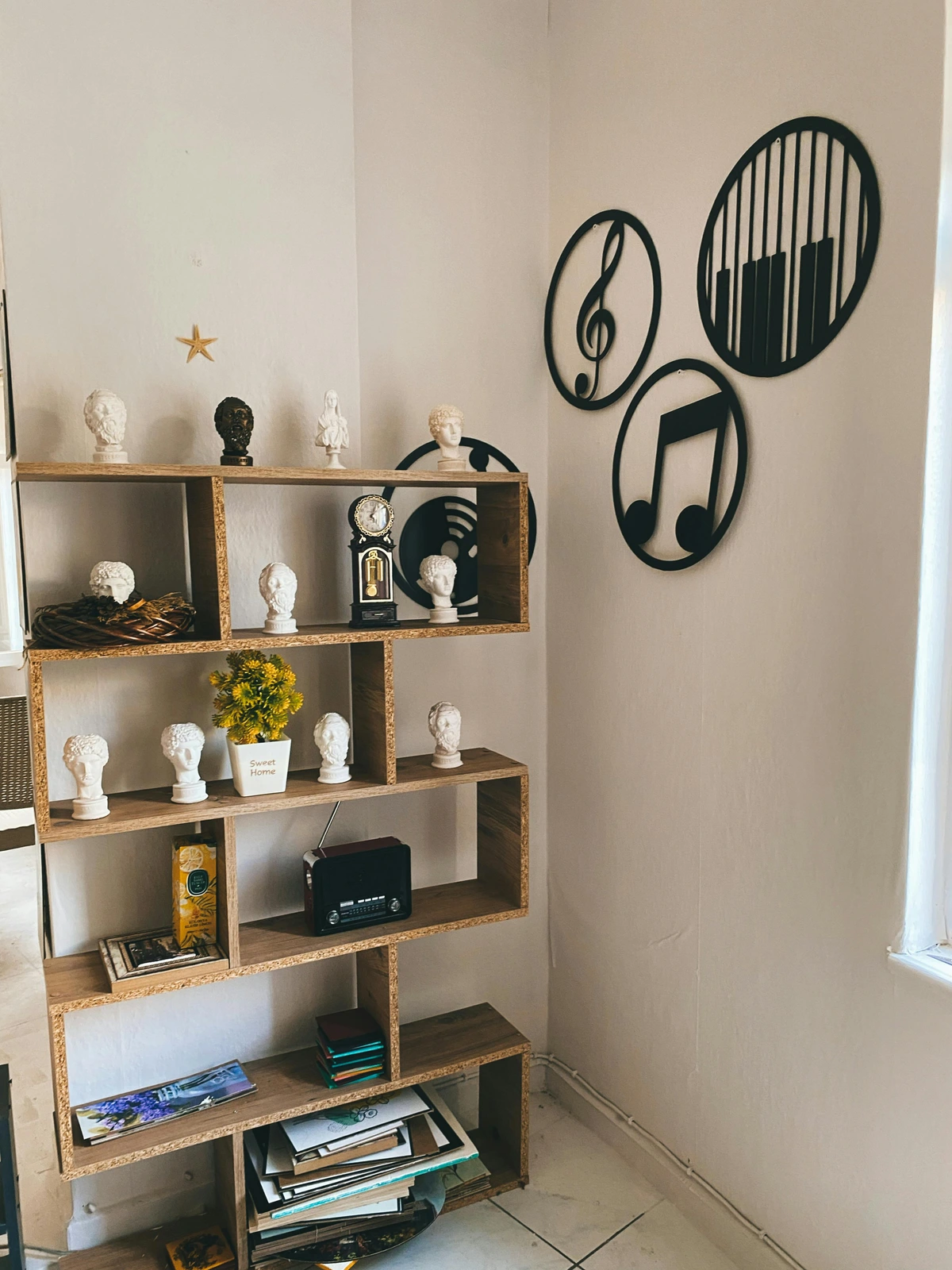
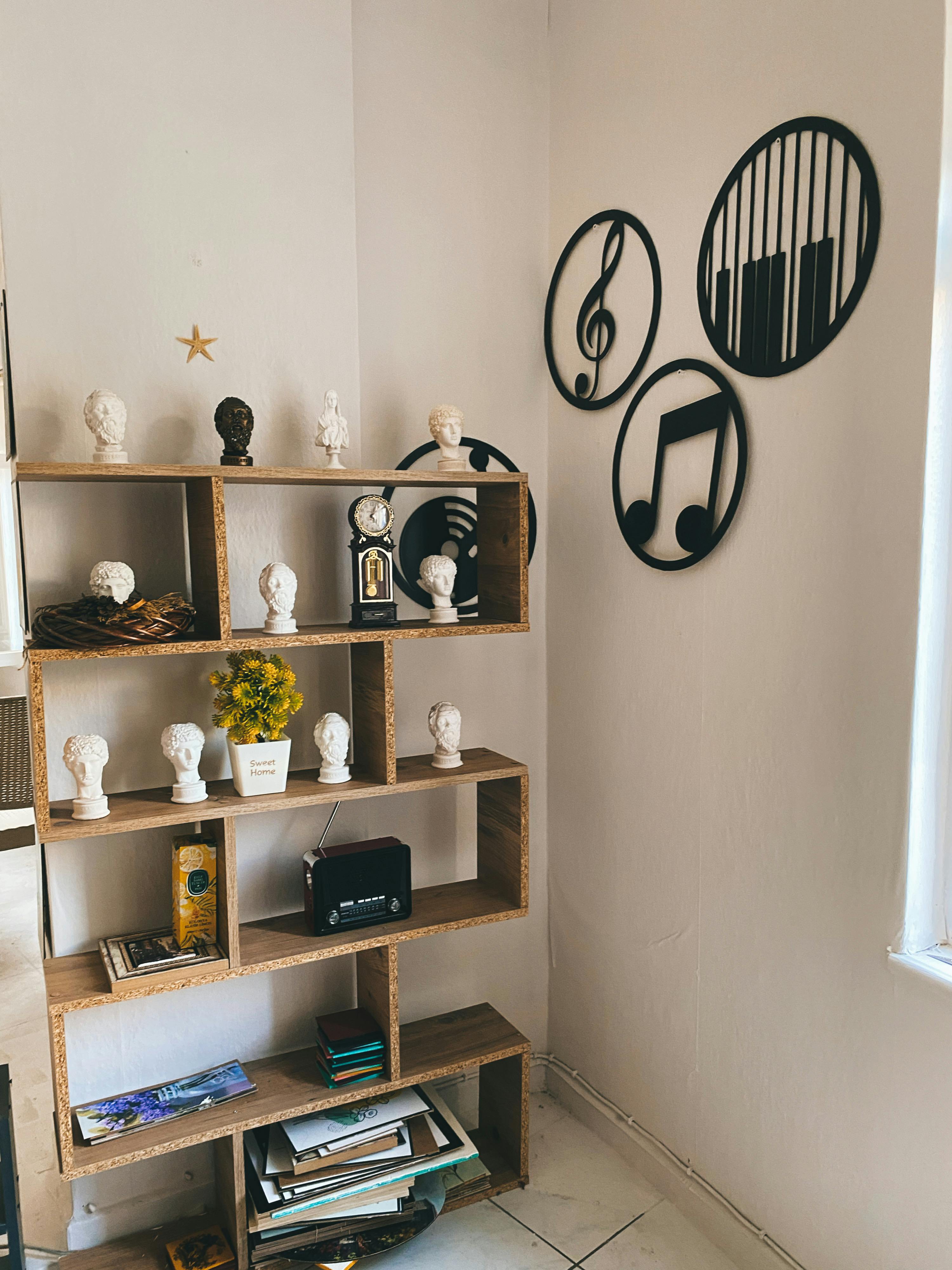
- Bookshelves: A perfectly curated bookshelf can be a micro-gallery, a stage for small, intriguing narratives. Tucking smaller, lighter sculptures amongst books and other decorative items adds visual interest and breaks up the monotony of endless spines. This ties into how to style a bookshelf with art.

- Coffee Tables/Side Tables: A unique sculpture here can be a fantastic conversation starter, inviting guests to lean in and engage. Just ensure it's not so large it impedes functionality, is stable enough to avoid being easily knocked over, and doesn't overwhelm the table's surface.
- Mantelpieces: A mantelpiece is a natural stage for smaller to medium-sized sculptures, often flanking a larger piece of art or a mirror. It's a prime spot for creating a balanced vignette. Always remember to check the mantelpiece's weight-bearing capacity, especially for heavier stone or metal pieces.

- Entryways: Make a grand statement right at the threshold! An entryway sculpture immediately sets the tone for your home, offering a glimpse into your aesthetic. This is definitely covered in art for entryway.
- Windowsills & Alcoves: These often-overlooked spots can be perfect for smaller, delicate pieces, especially if the light plays beautifully on their forms. An alcove provides a natural frame, making the sculpture feel intentional and cherished.
- Staircases: For larger, more robust pieces, the landing or base of a staircase can be a dramatic placement, engaging the viewer as they ascend or descend. This creates a journey through art. If you're looking for more inspiration, consider how to choose art for a staircase.
- Garden/Outdoor Spaces: Don't forget the great outdoors! Weather-resistant sculptures (like certain metals, stone, or specialized ceramics) can add year-round interest to your garden or patio, transforming your outdoor space into an open-air gallery. (Though that's a topic for another day, specifically focused on durability in the elements).
Sculpture as a Statement Piece: The Focal Point
Sometimes, a single, carefully chosen sculpture can be the absolute star of a room, a true statement piece that commands attention and sets the entire aesthetic tone. This isn't just about size; it's about impact. A piece with unique form, vibrant color, or intriguing texture can anchor a space, acting as a visual magnet. When selecting a sculpture to be your focal point, give it ample room to breathe. Avoid clutter around it, allowing its form and presence to speak for itself. It can simplify your decorating decisions by providing a clear center of gravity for the room's design.
The Importance of Negative Space: Letting Art Breathe
This is a concept I'm always thinking about, whether it's in my paintings or in my home. Negative space – the empty area around and within a sculpture – is just as important as the sculpture itself. Think of it like the silence between notes in music; it allows the form to be fully appreciated without feeling crowded. Don't fall into the trap of filling every available surface. Give your pieces breathing room. Imagine a bold, geometric sculpture placed on a large, uncluttered wall. The expanse of the wall around it isn't empty; it's a deliberate frame that emphasizes the sculpture's lines and forms, making it pop. Sometimes, what you don't place is just as impactful as what you do, creating a sense of calm and intentionality.

Harmonizing Forms: Creating a Cohesive Look
Once you've identified the perfect spot and considered its stability, the next step is ensuring your chosen home sculpture integrates seamlessly with your existing décor, creating a harmonious and thoughtfully designed whole. It's all about fostering a balance and visual dialogue between your sculpture, furniture, and architectural elements.
Complementary vs. Contrasting: The Art of Visual Dialogue
- Complementary: Choosing sculptures that share a similar aesthetic, material, or color palette with your existing decor creates a sense of cohesion and calm. For example, a sleek, polished concrete sculpture would echo the clean lines of a modern sofa with minimalist upholstery. Similarly, a rustic wooden piece finds its natural home in a bohemian or farmhouse-style interior, reinforcing a relaxed, organic feel. This approach helps maintain a consistent mood. If you're interested in blending art with specific styles, consider articles like decorating with art in industrial interiors or how to choose art for a minimalist home.
- Contrasting: Sometimes, a bit of unexpected contrast is exactly what a room needs to spark interest and prevent monotony. Imagine an ancient-looking, weathered stone bust providing a focal point in an ultra-modern setting with crisp lines and glass, or a vibrant, abstract metal sculpture against traditional wooden furniture. The juxtaposition can be incredibly striking and adds intrigue, creating a dynamic tension that makes both the sculpture and its surroundings more compelling. It's a bit like adding a surprising spice to a familiar dish, elevating the entire experience. This approach is often seen in decorating with abstract art in eclectic interiors.
Visual Weight and Flow: Guiding the Eye
Beyond style, remember the visual weight of your sculpture – how substantial or light it appears to the eye, irrespective of its actual physical mass. A large, dark piece (like a solid bronze figure by an artist like Henry Moore) will naturally ground a space, making it feel more anchored and stable. Conversely, a light, airy piece (such as a delicate wire sculpture or a clear glass form by Dale Chihuly) can make a space feel more open and expansive. Think of a small, intensely dark sculpture commanding attention on a light, expansive shelf, or a large, delicate mobile gracefully occupying a high-ceilinged room without overwhelming it. When arranging your furniture and art, aim for a natural flow that guides the eye around the room, allowing it to discover each element without obstruction. Consider how a delicate piece might float elegantly above a heavy console, or how a substantial floor sculpture balances out a large seating arrangement, creating an intentional, harmonious composition.
Lighting and Layering: Enhancing the Drama and Story
To truly bring your sculpture to life and maximize its impact, manipulating light and thoughtfully layering elements around it are paramount. Light can make or break a sculpture's presence; it's why museums are so intentional about their illumination, revealing every nuance.

- Spotlighting: A well-placed spotlight is like a theatrical cue for your art. It can dramatically highlight textures and shadows, emphasizing the three-dimensionality of the piece and revealing intricate details you might otherwise miss. Consider small, adjustable track lights (which can be hidden in ceilings or on shelves) or even a discrete picture light for smaller, wall-mounted or shelf-based sculptures. Don't overlook backlighting, where light shines behind a sculpture, creating dramatic silhouettes and transforming its outline into a powerful graphic element. This technique is particularly effective for open-form or delicate pieces. For more inspiration, check out the art of display: how to light and position abstract art for maximum impact.
- Ambient Light: While spotlights add focused drama, ambient light (natural daylight or general room lighting) allows for a softer, more natural appreciation throughout the day. Pay close attention to how natural light changes your sculpture's appearance from morning to evening, as different angles and intensities can reveal new facets of the artwork. This ever-shifting dialogue with light truly brings a sculpture to life.
- Layering for Depth: Don't be afraid to layer elements around your sculpture. This doesn't mean overcrowding, but rather creating curated vignettes that tell a richer story. Combine a sculpture with a beautiful book, a small plant, or a framed photo to create a small, thoughtful moment on a shelf or table. Such arrangements make the space feel lived-in, thoughtfully designed, and more personal.
Common Pitfalls and How to Avoid Them
Look, I've made my share of mistakes, believe me, especially when starting out. Even with the best intentions, there are a few common missteps that can detract from a sculpture's impact rather than enhance it. Here are some things I've learned to watch out for, ensuring your chosen pieces truly shine:
Pitfall  | How to Avoid It |
|---|---|
| Too Many, Too Small | Resist the urge to buy dozens of tiny trinkets to fill every void. A few well-chosen, impactful pieces are far better than a cluttered collection of small items that lack presence. Focus on quality, intent, and impact over sheer quantity, and let each piece have its moment. If unsure, consider if each piece truly 'earns' its spot, or if it's just visual noise. |
| Wrong Scale | As mentioned, scale is everything. If you're unsure, cut out a cardboard silhouette of the sculpture's approximate size and place it in the intended spot. It's a quick, easy way to visualize how it will fill the space and ensure it neither disappears nor dominates inappropriately. Trust me, it saves a lot of heartache (and backache!). |
| Poor Lighting | Don't let your beautiful sculpture linger in the shadows. Consider adding a small puck light, a directional spotlight, or positioning it thoughtfully where natural light can truly play on its form, revealing its textures and contours. The guide to how to light and position abstract art has some great tips that apply here. |
| Ignoring Flow | Ensure your sculpture doesn't obstruct walkways or feel randomly placed, like an afterthought. It should feel like an integrated, intentional part of the room's overall story, guiding the eye and complementing furniture arrangements, contributing to the harmony of the space. Use masking tape to outline potential placements on the floor to visualize flow before committing. |
| Playing It Too Safe | Don't be afraid to choose something bold, unusual, or deeply personal if it truly captivates you. Your home should reflect your unique personality and journey, not just a passing trend or what you think others expect. That's the true beauty of decorating your home – it's all about you! |
| Disregarding Outdoor Durability | If placing a sculpture outdoors, always verify its weather-resistance and consider local climate. Materials like untreated wood, certain metals, or delicate ceramics are not suited for prolonged exposure to the elements (sun, rain, frost) without specific treatment or protection, which could lead to damage or rapid deterioration. Think about long-term survival, not just initial appeal. |
| Ignoring its Message | Every sculpture, whether abstract or figurative, carries a certain energy or message. Don't choose a piece solely for its aesthetics without considering its deeper meaning or how it might conflict with the overall atmosphere you want to create. For instance, a somber, heavy piece might feel out of place in a light, playful room, or vice versa, if not carefully balanced. |
| Forgetting Pets & Children | If you have curious pets or lively children, consider the stability and material of your sculpture. Heavy, stable pieces are safer, and durable, easy-to-clean materials are preferable. Delicate or sharp sculptures are best placed out of reach or in secure display cases to prevent accidents. |
| Neglecting Conservation | Sculptures, like all art, require proper care. Dusting, appropriate cleaning, and stable environmental conditions (temperature, humidity) are crucial. Neglecting these can lead to material degradation over time, especially for sensitive materials like wood, textiles, or ancient artifacts. A little preventative care goes a long way. |

Frequently Asked Questions (FAQ)
Q: Can sculptures work in any room?
A: Absolutely! From a small accent piece in a powder room (decorating with art in a powder room) to a grand statement in a living room, sculptures can enhance any space. The key is choosing the right scale and style for the room's function and existing decor. I've even seen clever, small pieces add intrigue to a well-lit hallway or a cozy reading nook.
Q: How do I clean and maintain my sculptures?
A: This largely depends on the material, as discussed in detail above. Generally, a soft, dry cloth is sufficient for regular dusting. For specific materials like polished metal, porous stone, or delicate glass, consult the artist or a professional conservator for recommended cleaning products and techniques. Always avoid harsh chemicals, abrasive materials, or excessive moisture unless specifically instructed, as these can cause irreparable damage.
Q: What if I don't have pedestals? Where else can I place sculptures?
A: Get creative! Bookshelves, console tables, side tables, mantelpieces, windowsills, or even carefully placed on the floor in a corner can all work beautifully. The most important thing is that the surface is stable and able to safely support the weight of the sculpture. Sometimes a stack of beautiful, sturdy books can even serve as an impromptu, stylish pedestal, adding another layer of personality.
Q: What if I'm afraid of breaking a delicate sculpture?
A: This is a very common concern! For fragile pieces, placement is key: choose low-traffic areas away from direct pathways, curious pets, or playful children. Secure them with museum wax or earthquake putty if possible, especially in earthquake-prone areas. For very valuable or delicate items, a display case can offer both protection and an elegant presentation, giving you peace of mind.
Q: Can I mix different sculpture styles or materials in one room?
A: Yes, and I wholeheartedly encourage it! Mixing styles and materials can add incredible depth, visual interest, and a deeply personal feel, creating an eclectic and curated look. The trick is to ensure there's still a unifying element – perhaps a shared color palette (even if subtle), a consistent theme, or a deliberate contrast that feels intentional rather than haphazard. Think of it as composing a visual symphony where different instruments play together harmoniously. This approach is beautifully showcased in decorating with abstract art in eclectic interiors.

Q: How do I know if a sculpture is good quality?
A: Look for craftsmanship and attention to detail. Are the finishes smooth where they should be? Are joints seamlessly integrated? Does the material feel sturdy and balanced? Reputable artists and galleries will gladly provide information about materials, creation processes, and their history. Don't be afraid to ask questions; a good artist is proud to share their journey. For very significant investments or complex installations, consulting an independent art advisor can also be invaluable. To see some examples of fine craftsmanship across various artistic developments, you could check out my timeline of artistic development.
Q: Will sculptures make my home feel too formal or stark?
A: Not at all! While some sculptures naturally carry a sense of gravitas or formality, you can easily balance this. Choose pieces with softer lines, organic materials (like wood or ceramic), or vibrant colors to inject warmth and playfulness. Surround a sculpture with cozy textiles, lush plants, or other personal touches to soften the overall aesthetic and seamlessly integrate it into a comfortable, inviting home. Think of how a sleek, modern sculpture can be warmed by a textured rug or a soft throw, creating a delightful dialogue.

Q: What's the emotional impact of sculptures in a home?
A: The emotional impact can be profound! Sculptures, especially those you deeply connect with, can be incredibly grounding, inspiring, or even meditative. Their three-dimensionality engages us on a visceral level, inviting touch and contemplation. They can evoke feelings of peace, curiosity, wonder, joy, or even challenge our perceptions, transforming a mere decorative object into a source of daily inspiration and emotional resonance. They ask us to pause and truly feel the space.
Q: How can I incorporate sculptures into themed room designs?
A: Sculptures are wonderfully versatile for themed designs. For a Scandinavian look, opt for minimalist, organic wood or ceramic forms. In an industrial interior, raw metal or concrete pieces can enhance the edgy aesthetic (see decorating with art in industrial interiors). For a bohemian-chic feel, consider found object art or tactile ceramic pieces (explore decorating with abstract art in bohemian-chic interiors). The key is to choose materials, forms, and themes that echo the overarching design principles of your chosen style, making the sculpture feel like an integral part of the narrative.
Q: Do sculptures play a role in Feng Shui or creating a balanced space?
A: Absolutely! In Feng Shui, sculptures can be powerful tools for enhancing or balancing energy in a room. For example, a heavy stone sculpture can bring grounding earth energy, while a delicate metal piece might introduce metallic energy. The subject matter also matters: a serene Buddha promotes calm, while a dynamic abstract form can energize. Placement, material, and form all contribute to the energetic flow, helping to create a more harmonious and balanced living environment. It's about inviting the right kind of energy into your home through art.
Q: What are the cost considerations for different types of sculptures?
A: Sculpture costs vary wildly, from affordable mass-produced decorative items to multi-million-dollar masterpieces. Factors include artist reputation, material rarity and expense (e.g., bronze casting is costly), size, complexity, and provenance. To give you a rough idea:
- Emerging Artists/Craft Fairs: Smaller ceramic or wood pieces might range from €50 to €500. Found object art can also be very accessible here.
- Mid-Career Artists/Galleries: Unique, larger pieces in metal, stone, or high-quality resin could run from €1,000 to €10,000.
- Established Artists/Major Galleries: Significant works can easily reach tens of thousands or even hundreds of thousands of euros.
- Antique/Historical Pieces: Depending on rarity, artist, and condition, these can range from a few hundred euros to millions.
It's truly an investment in art and personal expression, so set a budget and explore what's available within it, remembering that a smaller, thoughtfully chosen piece can have immense impact.
Q: How should I handle fragile or heavy sculptures during installation?
A: For fragile sculptures (like delicate glass or ceramic), always handle them with two hands, supporting the base, and avoid grasping delicate protrusions. For heavy sculptures (stone, large metal), never attempt to lift them alone. Recruit help, use appropriate lifting straps or equipment, and ensure the final placement surface is structurally sound and can bear the weight without risk of collapse or damage. Professionals specializing in art installation are highly recommended for particularly large or valuable pieces – don't take risks with precious art or your safety!











Q: What about digital sculptures or the metaverse?
A: The world of art is always evolving! While traditionally physical, the concept of sculpture is expanding to digital realms. Digital sculptures can exist solely in virtual spaces, viewed through screens or VR headsets. For now, they don't physically inhabit your home, but the growing metaverse and virtual reality platforms mean you might one day 'display' digital art in your virtual home. While the implications for physical home decor are still nascent and the technology behind NFTs and blockchain is evolving, it’s a fascinating area to watch for future possibilities in artistic expression.
In Conclusion: Embrace the Three-Dimensional Story
Decorating with sculptures at home, for me, has been a journey from apprehension to absolute delight. It's about more than just filling a space; it's about curating a feeling, telling a silent three-dimensional story, and inviting a truly unique form of art into your daily life. By thoughtfully considering style, scale, material, and placement, you transform a mere object into a dynamic presence. You learn to engage with your environment in a different way, to notice the subtle play of light, the dramatic shift of shadow, and the undeniable presence of something beautifully crafted.
It’s an investment in your home's soul and a reflection of your evolving aesthetic. So, go on, let a sculpture find its way into your home. I promise, it'll be a conversation worth having, a piece that continually inspires and captivates, and a silent, steadfast companion on your journey through art. And if you’re ever in the neighborhood, feel free to visit my museum in Den Bosch to see how I integrate different forms of art firsthand and how they interact with living spaces.