A Beginner's Guide to Collecting Sculpture
Your comprehensive introduction to collecting sculpture. Learn about materials from bronze to mixed media, how to assess quality, and tips for displaying art in your home.

Collecting Sculpture: A Beginner's Guide – Your Ultimate Journey into Three-Dimensional Art
Welcome, fellow art enthusiast. Have you ever walked into a room and felt an object pull you in, demanding your attention not just with its beauty, but with its sheer presence? That's the power of sculpture. Think of me as your personal curator for this journey into the captivating, sometimes challenging, but always rewarding world of three-dimensional art. Sculpture can feel... substantial. Imposing, even. Unlike a painting that hangs politely on a wall, a sculpture doesn't just represent space; it inhabits it. It has mass, texture, and a physical presence that demands interaction, invites you closer. It asks you to walk around it, to see how the light catches its surfaces, how shadows play across its forms, to feel its energy in the room. And that, right there, is the magic of it – a silent, profound conversation between object and observer. It’s an experience that engages more than just your eyes; it speaks to your sense of touch, space, and even memory, staying with you long after you've left its presence. This isn't just a guide; it's an invitation to a lifelong passion – a way of bringing profound beauty and intellectual curiosity into your daily life. And honestly, this article itself is a bit of a living sculpture; it will grow and evolve, just like your own collecting journey. Think of it as your most comprehensive resource for all things sculpture.
Table of Contents
- Why Sculpture: The Enduring Allure of Form
- Understanding the Language: Materials & Methods
- Fundamental Techniques: Additive vs. Subtractive
- The Maquette: A Sculpture's Blueprint
- The Classics: Stone and Bronze – Echoes of Eternity
- The Enduring Appeal of Clay: Ceramics
- The Versatility of Molds: Plaster and Resin
- The Moderns: Wood, Metal, and Glass
- The Contemporaries: Found Objects & Mixed Media – Beyond Convention
- Digital Sculpture & 3D Printing: The New Frontier
- Soft Sculpture & Textile Art: The Unconventional and Tactile
- Light and Sound Sculpture: Immersive Experiences
- BioArt and Ephemeral Sculpture: Living and Transitory Forms
- Additional Materials: Beyond the Expected
- Beyond Material: Form, Space, and Movement – The Language of Sculpture
- The Fundamental Elements of Sculptural Composition
- Installation Art: Redefining Space and Experience
- When Sculpture Comes Alive: Kinetic Art
- Developing Your Eye: How to Assess Quality
- Understanding Context: Art History and Movements
- Key Sculptural Movements Through History
- The Voices of Women in Sculpture: A Richer Narrative
- Indigenous Sculpture: Connecting to Ancestral Wisdom and Land
- Where to Begin Your Search
- Legal and Ethical Considerations: Collecting Responsibly
- Copyright and Intellectual Property: Protecting Creativity
- Photography and Documentation of Sculpture: A Collector's Essential
- Insurance and Appraisals: Protecting Your Investment
- Bringing It Home: Displaying Your Collection
- Outdoor Sculpture Display Considerations
- Curating Your Collection Over Time: A Living Journey
- Cataloging and Documentation: The Unsung Hero of Collecting
- Building Relationships with Artists and Gallerists
- Building an Art Library: Fueling Your Passion
- Understanding Market Trends and Value: The Business of Art
- Participating in the Art Community: Connecting with Fellow Enthusiasts
- Frequently Asked Questions (FAQ)
- A Final Word from Your Curator: The Continuing Dialogue
- Discover More: My Artistic Vision
Collecting sculpture isn't about simply acquiring objects; it's about bringing new life, new stories, and new dimensions into your personal environment. It’s a deeply rewarding pursuit, an ongoing dialogue with art that transcends the flat surface. But I know what you're probably thinking: "Where do I even begin?" It's a vast field, full of rich history and vibrant contemporary expressions. And honestly, for a long time, I felt the same way – a bit overwhelmed, wondering if I'd ever truly 'get' it. But I've found that with a little guidance, the path becomes clear, and the rewards are immense. Let's walk through it together. We'll demystify the process, from understanding the very language of materials and the fundamental techniques artists employ, to confidently selecting and displaying your first extraordinary piece. From ancient wonders to digital frontiers, we'll explore every facet.
First, Let's Talk About Why Sculpture: The Enduring Allure of Form
Before we dive into the practicalities, let's pause on the 'why'. Why sculpture? A painting can be a window to another world, a flat plane of illusion, but a sculpture is an object in our world. It shares our air, our light, our physical dimensions. This tactile, three-dimensional quality creates a profoundly different kind of relationship. I've always felt it's more direct, more personal. A small bronze figure on a bookshelf can feel like a quiet companion, imbued with a soul, while a large abstract piece in a garden can redefine the very nature of the landscape around it.
This physical, undeniable relationship is what captivates me. It's an art form that engages more than just our eyes; it engages our sense of space, scale, and even our impulse to touch (though we must often resist, for the sake of preservation!). From the monumental figures of antiquity to the kinetic wonders of today, sculpture speaks to our primal understanding of existence, presence, and form. It's a conversation with history, a dialogue with the artist's intent, and a profound statement within your own environment. This is especially true for Public Art, which isn't confined to galleries but interacts directly with daily life, sparking dialogue and shaping civic spaces. For me, discovering a powerful piece of public sculpture in an unexpected urban setting can be one of the most delightful surprises.
Beyond its immediate presence, sculpture has shaped cultures, commemorated heroes, and expressed spiritual beliefs for millennia. It's not just pretty to look at; it's a profound record of human endeavor and belief, a tangible link to our shared past. Think of the ancient Egyptian colossal statues that stood guard over temples, imbued with spiritual power, often serving as eternal dwellings for deities or pharaohs. These works weren't merely decorations; they were believed to house the 'Ka' (life force) of the deceased or divinity, ensuring their eternal presence. Or consider the intricate carvings of indigenous cultures, telling ancestral stories and preserving oral traditions in stone or wood – a visual library of their heritage that connects generations, often acting as spiritual conduits or mnemonic devices for epic narratives. From the powerful narrative reliefs of ancient Mesopotamia, depicting epic tales and royal prowess, to the serene Buddhas of Asia, embodying enlightenment and inner peace, sculpture has always been a primary means of communication, both sacred and secular. It's an art form that has always adapted, from the idealized forms of classical Greece, perfected in marble and bronze, to the emotionally charged expressions and dynamic movement of the Baroque, with masters like Gian Lorenzo Bernini pushing the boundaries of what stone could convey. This lineage continues on to the conceptual daring and material experimentation of the 20th and 21st centuries. Understanding this rich and varied heritage enriches every piece you encounter, connecting you to a vast, unfolding human narrative, and perhaps, even to a deeper understanding of ourselves and our place in the grand tapestry of human creativity.
The Intrinsic Value: More Than Just an Object
But what really sets sculpture apart, beyond its historical weight, is its intrinsic value. It’s an object that commands presence, creates dialogue, and, if you choose wisely, becomes a silent companion in your daily life. It’s not just about what it looks like, but how it feels to live with it, how it subtly alters the energy of a room, or even how the shadows it casts change throughout the day, creating ephemeral drawings on your walls. I've always found that a truly great sculpture reveals itself over time, offering new details, new perspectives, and new conversations each day you live with it. It's a relationship, really, and one that deepens with shared experience.

Understanding the Language: Materials & Methods
The material is the voice of the sculpture. It dictates the texture, the weight, the color, and the feeling of the piece. An artist's choice of material is fundamental to the story they are telling. As a collector, having a basic vocabulary of these materials is your first step. For a truly comprehensive dive, you might find my definitive guide to sculpture materials, techniques, and history quite illuminating.
Understanding the very genesis of a sculpture, how it comes into being, is incredibly illuminating. Before we delve into specific materials, it's helpful to grasp the two overarching philosophical and practical approaches sculptors take: additive and subtractive. Each method presents its own unique challenges and opportunities, shaping not just the form but the very spirit of the final artwork.
Fundamental Techniques: Additive vs. Subtractive
- Subtractive Sculpture: This involves removing material from a larger mass to reveal the form within. Think of it as a process of reduction, where the artist chips away, carves, or cuts material. Stone carving and wood carving are prime examples. The artist is limited by the original block of material and must carefully plan each removal, as there's no going back. There's a profound sense of commitment with subtractive methods; each chisel strike is irreversible, making precision and foresight paramount. This method often highlights the intrinsic qualities of the material itself, as the artist works with the stone or wood to reveal the form that was, in a sense, always latent within. The skill lies not just in cutting, but in seeing the sculpture before it's fully revealed. It's a dance between the artist's vision and the material's inherent properties, a testament to patience and a deep understanding of form.
- Additive Sculpture: In contrast, additive processes involve building up a form by adding material. This can include modeling (like with clay or wax), casting (where molten material is poured into a mold), or assembling disparate parts. This method often offers more flexibility for alteration and allows for hollow forms or intricate structures. Many contemporary artists favor additive techniques for their versatility, as they can combine diverse elements and build forms that might defy gravity or traditional material constraints. It's a process of growth and accumulation, often allowing for a more experimental approach, where the artist can constantly refine and adapt their vision as the work progresses. This method also allows for the creation of complex internal structures and the incorporation of diverse materials, leading to highly innovative and often unexpected outcomes.
Understanding these fundamental approaches helps you appreciate the artist's journey and the challenges inherent in their chosen method, offering insight into the very genesis of the artwork.
The Maquette: A Sculpture's Blueprint
Before a monumental bronze is cast or a massive stone is carved, there's often a smaller, preliminary version: the maquette. Think of it as a sculptor's sketch or a three-dimensional blueprint, a tangible initial thought. These smaller models, often made in clay, plaster, or wax, allow artists to experiment with form, composition, and scale before committing to the final, larger, and often more expensive piece. For a collector, maquettes can offer invaluable insight into the artist's creative process and are often collectible works in their own right, providing a tangible connection to the genesis of a grander vision. I always find it fascinating to see the initial spark of an idea in a maquette, a direct window into the artist’s thought process, revealing the journey from initial concept to monumental creation. If you want to dive deeper into this fascinating stage of creation, check out my guide on what is an armature in sculpture (you can also find more on armatures there!).
The Classics: Stone and Bronze – Echoes of Eternity
When you think of sculpture, your mind probably jumps to the masterpieces of the Renaissance, or perhaps the colossal works of antiquity. These are the titans of sculptural material, revered for their permanence, historical weight, and the sheer mastery they demand.
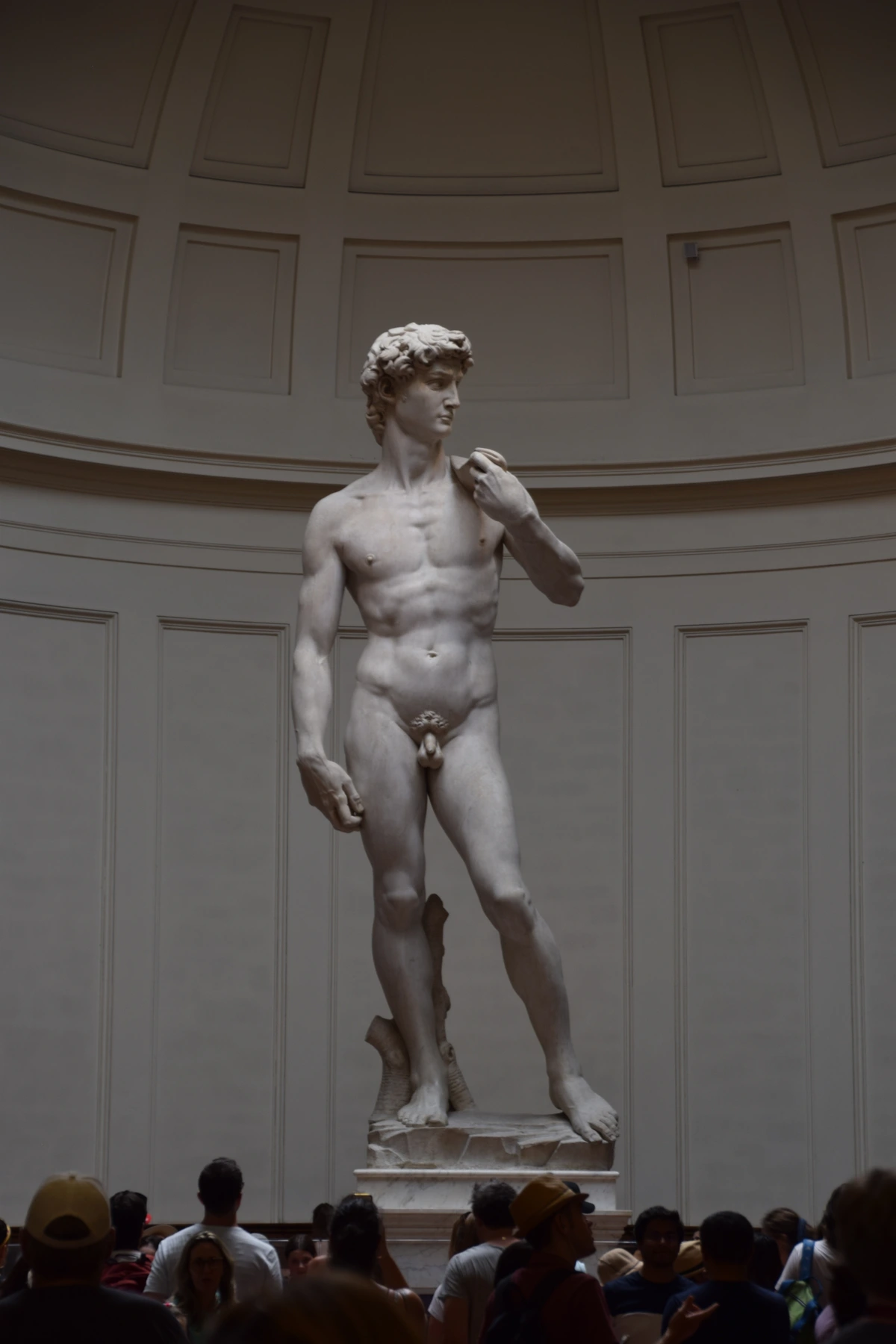
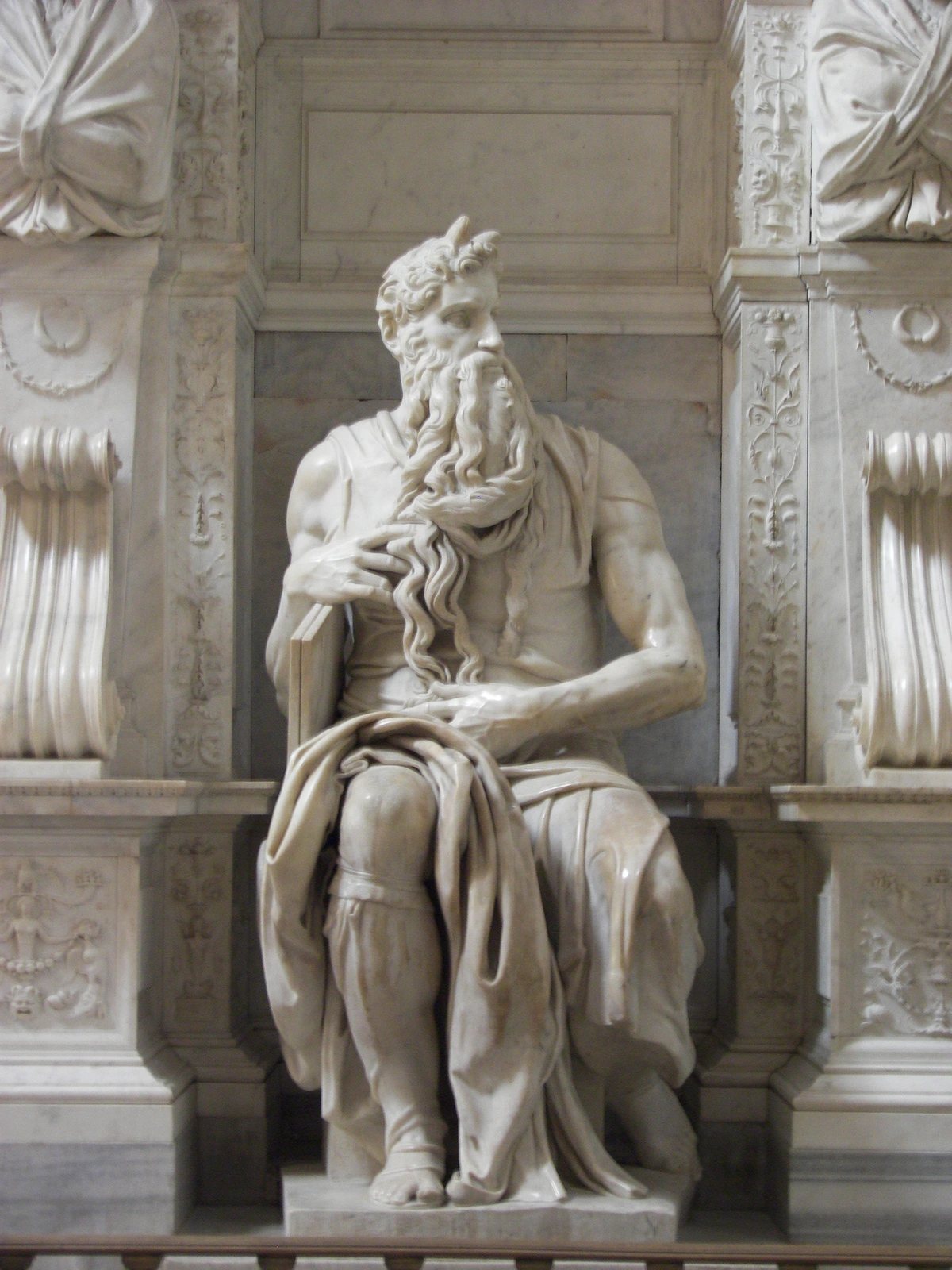
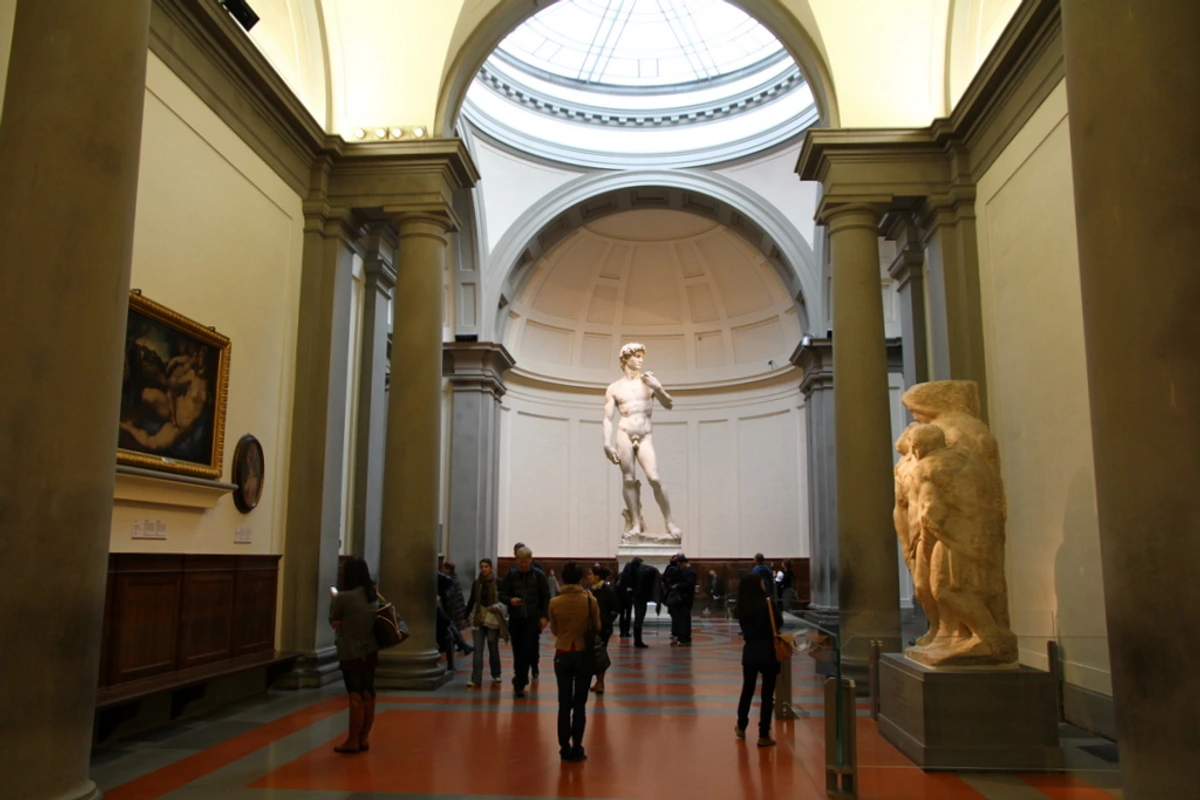
- Stone (Marble, Granite, Alabaster, Limestone, Sandstone, Basalt, Obsidian): This is primarily a subtractive process. The artist starts with a solid block of material and carves away everything that isn't the sculpture, revealing the form within. It's an act of profound dedication and meticulous planning, where every removal is irreversible. I've always found the idea of 'liberating' the form from the stone fascinating, as if the sculptor is simply revealing what was always there. Marble, like in Michelangelo's David (and yes, you should definitely check out my ultimate guide to Michelangelo for a deeper dive into one of history's greatest sculptors and for a quick look at what is the Statue of David), is famed for its subtle translucence and ability to take a high polish, which gives it a remarkably lifelike glow. This quality was perfectly suited for capturing the idealized human form and the dynamic pose of contrapposto, a technique that brought unparalleled realism to classical and Renaissance figures (you can explore what is contrapposto in sculpture in our FAQ!). It was the preferred medium for classical Greek and Roman sculptors, and later for Renaissance masters, due to its workability and luminous quality. Granite is much harder, incredibly durable, and often chosen for monumental outdoor works, as it resists weathering exceptionally well, making it a favorite for enduring public monuments. Alabaster offers a softer, often translucent quality, making it ideal for capturing light and delicate forms, though it's more fragile and often used for indoor pieces. Meanwhile, limestone and sandstone provide earthy textures and are often seen in architectural ornamentation and ancient carvings, offering a connection to the landscape from which they came. Basalt, a dense volcanic rock, is known for its dark, often uniform color and fine grain, making it exceptionally durable for both monumental and intricate work, often seen in ancient Mesoamerican and Egyptian sculptures. Obsidian, a naturally occurring volcanic glass, offers a striking, glossy black surface and sharp edges, allowing for highly precise, almost blade-like forms, though its brittleness makes it challenging to work with. Each stone has its own character, its own resistance to the chisel, and its own conversation with the artist's tools, demanding patience and precision. The tools used range from heavy hammers and various types of chisels (point, claw, flat) for roughing out the form, progressively moving to rasps and files for refining the shape, and then to increasingly fine abrasives for polishing. This meticulous, often physically demanding, process can take hundreds, even thousands, of hours, each strike and abrasion contributing to the enduring form, often whispering tales of ancient civilizations or divine narratives. The sheer physical effort involved makes these pieces feel truly earned, almost a testament to human will, creating works that truly stand the test of time, both physically and culturally.
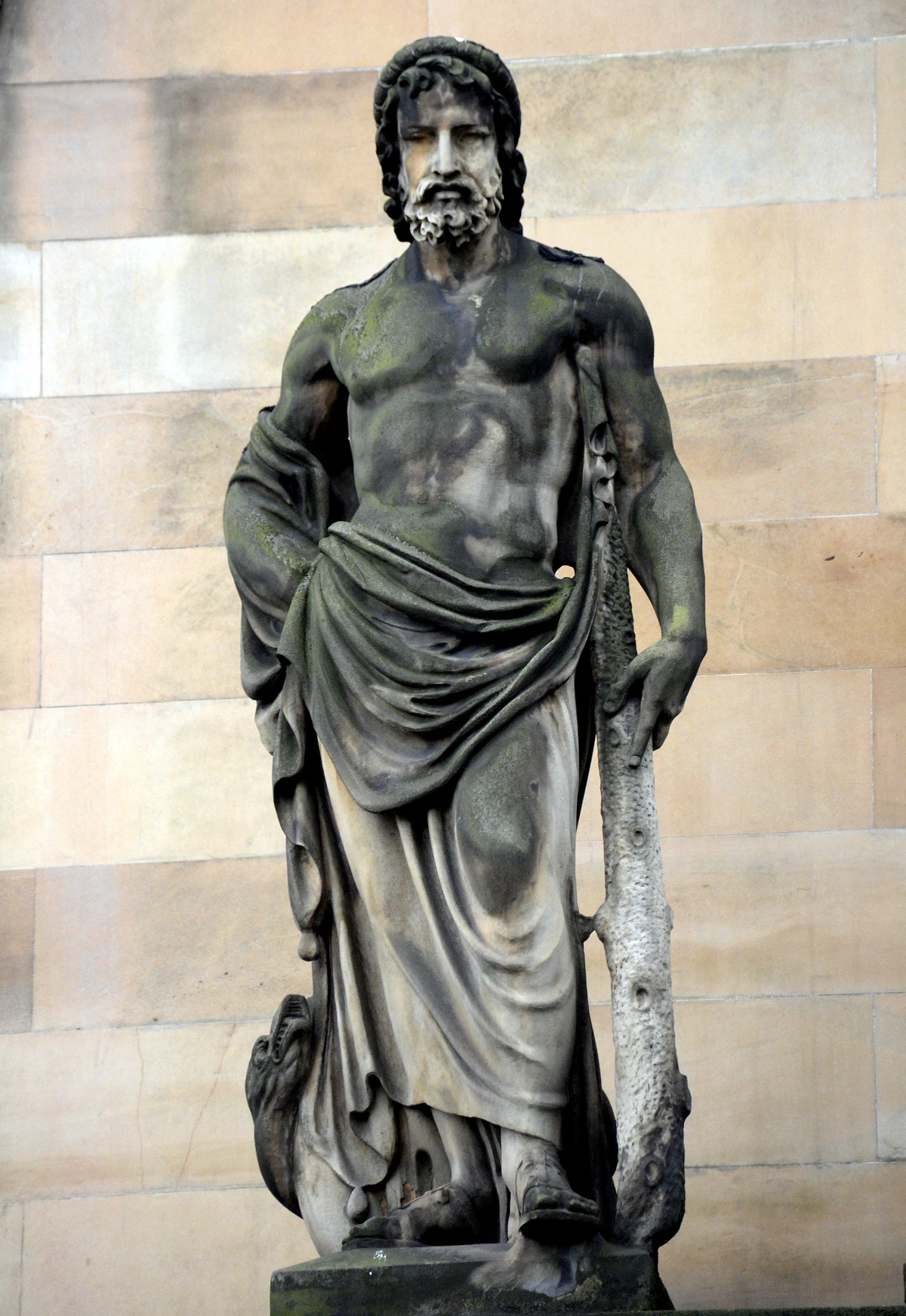
- Bronze: This is an additive process, typically involving the intricate lost-wax casting (cire perdue) method, a technique with roots stretching back over 5,000 years to ancient civilizations like Mesopotamia, Egypt, and the Indus Valley. The process is a fascinating blend of art and science: first, a detailed model (often in clay, plaster, or wax) is created. For lost-wax, a wax version of the sculpture is then meticulously crafted, which is subsequently encased in a refractory mold. When this mold is heated, the wax melts out (hence "lost wax"), leaving a perfect negative cavity. Molten bronze, a durable alloy of copper and tin celebrated for its strength and remarkable ability to capture minute detail, is then poured into this cavity, solidifying to create the final, often hollow, piece. The strength and resilience of bronze make it exceptionally ideal for freestanding figures and monumental outdoor installations, allowing it to gracefully withstand the test of time and the elements.
Over time, bronze naturally develops a beautiful patina—a surface coloration from oxidation that can range from rich greens and blues to deep browns and blacks, adding immeasurable character and depth to the piece. This natural aging process is often considered a desirable aesthetic feature, though patinas can also be artificially induced by artists using specific chemicals and heat to achieve a vast spectrum of colors and finishes, effectively transforming the surface into a painterly canvas.
Beyond casting, metal sculptors employ a range of other significant processes, each offering unique expressive possibilities:
- Forging: This ancient technique involves shaping metal with hammer and heat, much like a blacksmith. It creates expressive, handcrafted forms that often bear the beautiful, rhythmic marks of the tools, imbuing the piece with a raw, visceral energy.
- Welding: Essential for modern metal sculpture, welding joins separate metal pieces with intense heat, creating strong, permanent bonds. This is crucial for constructing fabricated structures, allowing for sharp, clean lines, complex geometries, or robust, multi-part assemblies that defy gravity.
- Repoussé: Imagine hammering metal from the reverse side to create a raised design on the front. This allows for intricate, often delicate relief work, creating a sense of depth and dimensionality on a relatively thin surface.
- Chasing: Often used in conjunction with repoussé, chasing involves refining and detailing the front surface of metalwork. It's about sharpening contours, adding texture, and bringing out the minute details that give a piece its final polish or character.
- Fabrication: A broader, more contemporary term, fabrication encompasses the construction of sculpture from pre-formed metal sheets, rods, or found components. This method often involves cutting, bending, and joining various elements, allowing artists to build complex, often architectural, forms.
The versatility of bronze, and metals in general, allows for both powerful, monumental statements and delicate, intricate forms, making it a perennial favorite for both classical and contemporary sculptors. Its enduring nature and capacity for capturing the finest details make it a truly timeless medium. Beyond traditional methods, modern advancements in metalworking allow for incredibly precise fabrication, laser cutting, and even the use of computer-aided design to create forms that were once impossible. This continuous innovation keeps metal sculpture at the cutting edge of artistic expression. For a deep dive into collecting, you might appreciate a collector's guide to bronze sculpture. And for specific advice on maintaining these magnificent pieces, remember my guide on how to care for bronze sculptures.
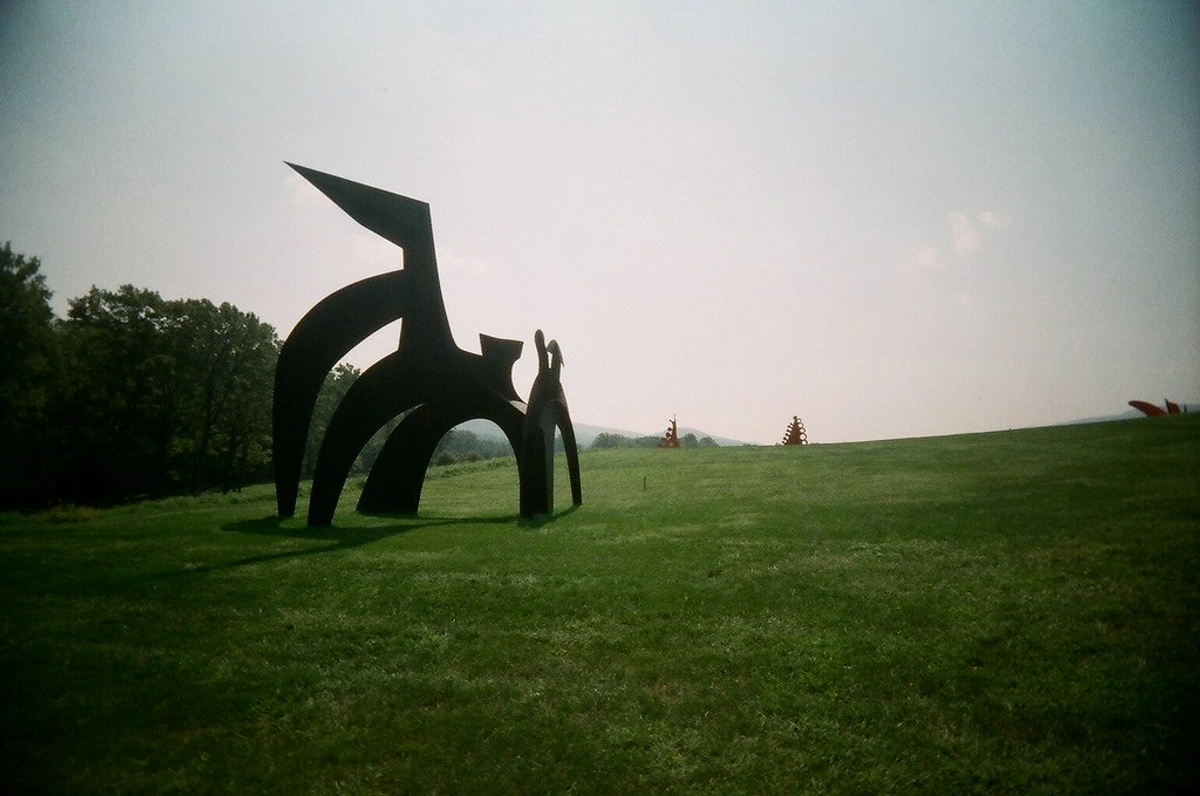
The Enduring Appeal of Clay: Ceramics
Before we leap into the metals and glass, let's talk about ceramics. Often associated with craft, ceramic sculpture has a rich history and a vibrant contemporary scene.
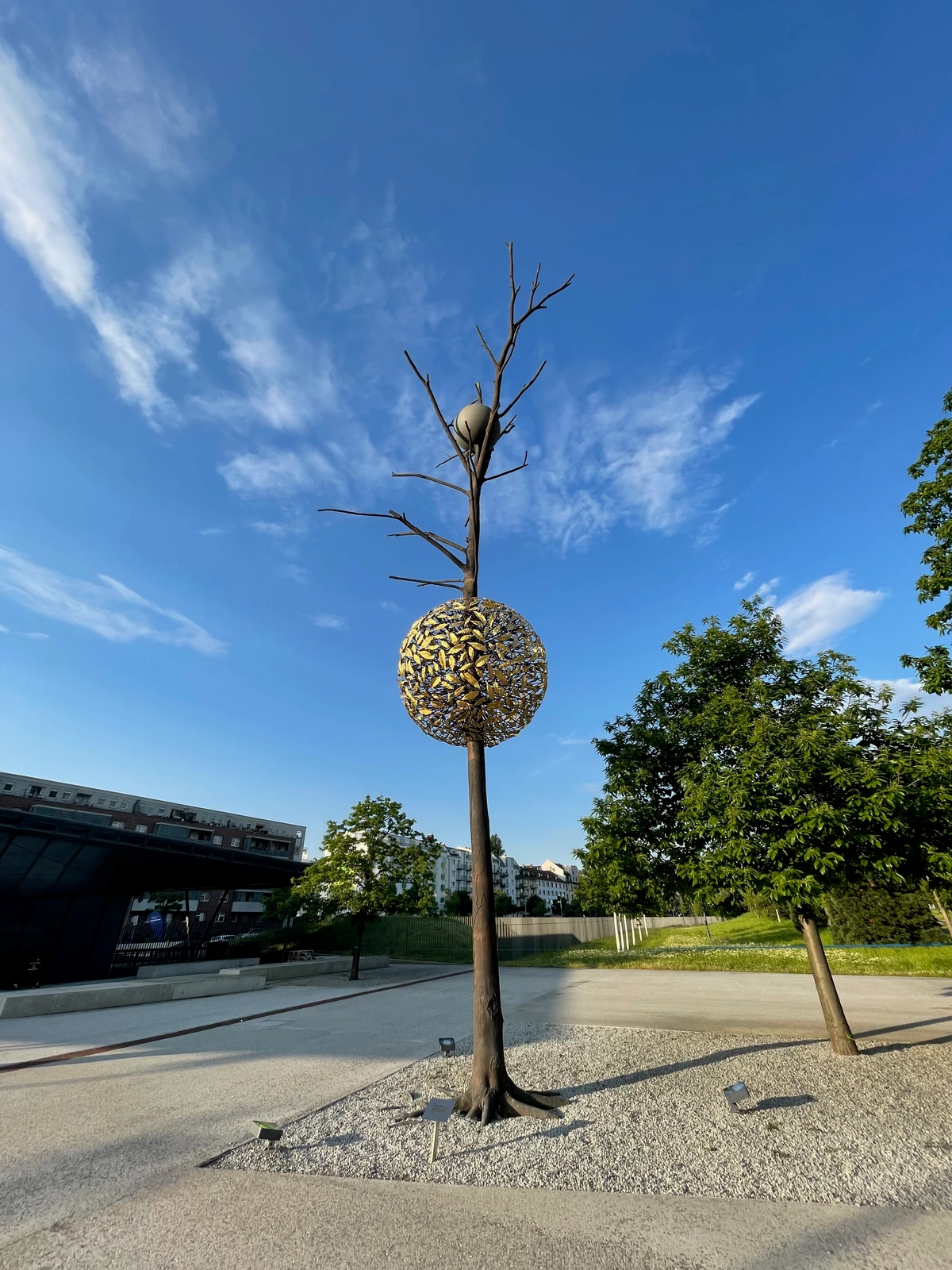
- Ceramics (Clay, Terracotta, Porcelain, Stoneware): This is another additive process, though it can involve subtractive elements like carving or incising. Clay, a wonderfully pliable and responsive material, is sculpted by hand, modeled, or thrown on a wheel. Once shaped, it's fired at high temperatures in a kiln, transforming it into a durable, often glazed, work of art. The firing process is critical, reaching temperatures that vitrify the clay, making it incredibly strong and permanent. Terracotta (literally "baked earth") is unglazed, rustic, and ancient, often characterized by its reddish-brown hue and earthy texture, seen in everything from ancient Roman roof tiles to figurative sculptures. Stoneware is a denser, non-porous ceramic that can be fired to higher temperatures than terracotta, offering robust and versatile forms, often favored for its durability and utilitarian potential as well as artistic expression. Porcelain is refined, translucent, and incredibly delicate, renowned for its luminous white finish and strength when thinly formed, often associated with elegant dinnerware but also capable of breathtaking sculptural intricacy. The expressive possibilities of clay, from rough, earthy textures that invite touch to smooth, luminous glazes that catch the light, are truly boundless. Artists explore a vast array of glazes – thin, glassy coatings – ranging from earthy matte finishes to dazzling high-gloss sheens, and from translucent veils of color to intensely opaque surfaces. These glazes not only add color and texture but also provide a crucial protective layer to the fired clay, enhancing durability and aesthetic appeal. I've always been captivated by how a glaze can completely transform the character of a ceramic piece, from rustic to jewel-like, completely altering its mood and presence. Beyond traditional forms, contemporary ceramic artists continually push the boundaries, creating monumental installations, complex abstract forms, and intricate narrative pieces that powerfully challenge traditional notions of 'craft' versus 'fine art'. It's a field brimming with innovation, where the ancient art of earth and fire meets modern conceptual daring, often resulting in truly unexpected and profound works. Think of artists like Ken Price or Betty Woodman, who elevated ceramics to the realm of high art, or Ai Weiwei with his profound conceptual works using porcelain. From humble earthenware, known for its porosity and rustic appeal, to the refined, often hand-painted surfaces of majolica or the earthy, durable finishes of raku, the variety is immense. Each type of ceramic offers its own historical lineage and artistic potential.

The Versatility of Molds: Plaster and Resin – Replicating and Innovating
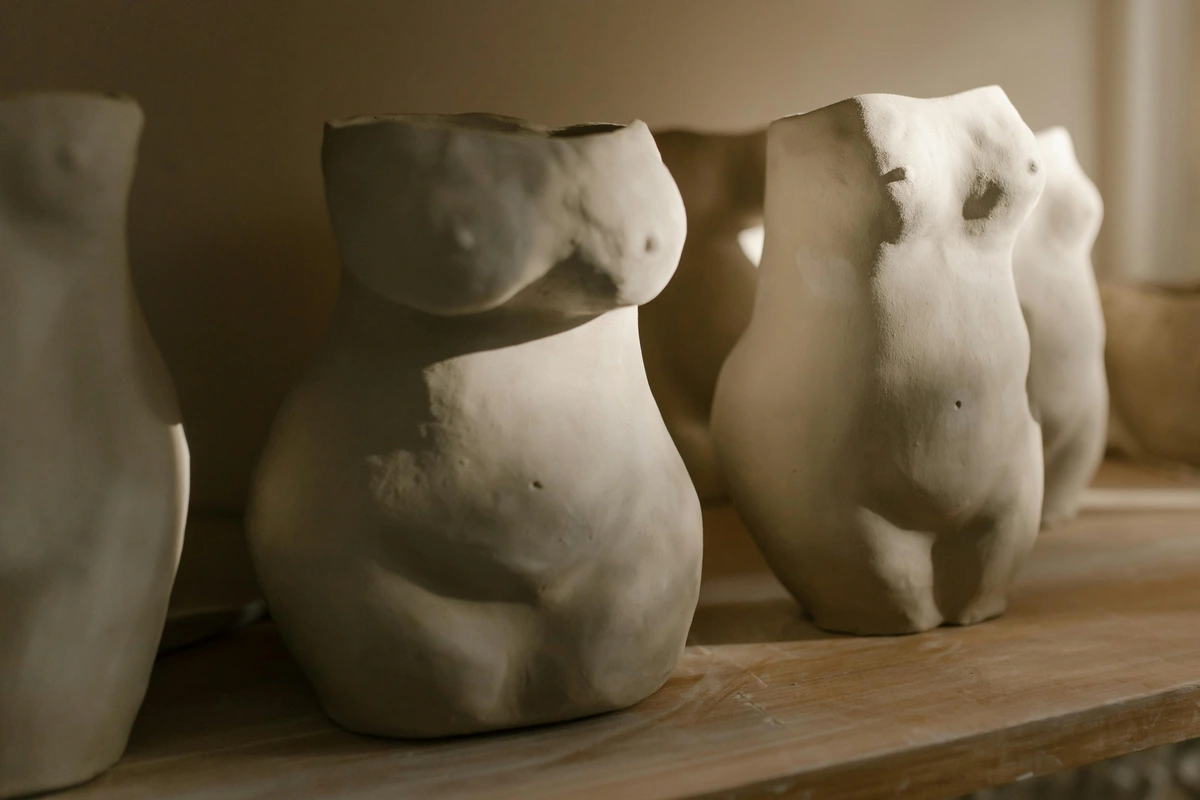
- Plaster & Resin: These materials are often used for casting and can capture incredible detail, making them ideal for reproducing forms or creating intricate pieces. Plaster of Paris is an economical and versatile material, often used for prototypes, studies, or temporary installations, as it sets quickly and can be easily carved, cast, or built up over an armature (that internal skeleton we discussed!). Its relatively fragile nature means it's less common for finished, permanent works, but it's invaluable in the artistic process, especially for studies or creating molds. Resin (including epoxy, polyester, and urethane resins) offers a modern, highly durable alternative, allowing for transparent, richly colored, or highly textured forms. It's particularly popular for contemporary artists who want to achieve specific finishes, incorporate embedded objects, or create works that mimic the look of glass or polished stone but with greater resilience and less weight. Resin pieces can be sanded, polished, and even painted, offering vast creative freedom. Modern advancements also allow for 3D printing with resins, opening up entirely new possibilities for complex geometries, intricate designs, and even internal structures that were previously impossible to achieve with traditional methods. This technology is truly revolutionizing sculptural possibilities, allowing for rapid prototyping and bespoke creations that push the boundaries of form and complexity, blurring the lines between digital design and physical manifestation. Artists like Marc Quinn use resin to create striking, often hyperrealistic, sculptures that challenge notions of identity and the body, while others leverage its translucent qualities to play with light and color in ethereal ways. Both materials rely heavily on mold-making, a crucial technique for creating multiple editions or complex shapes, allowing artists to faithfully reproduce their original models with remarkable precision. I've always found the process of mold-making to be a fascinating blend of scientific exactitude and artistic ingenuity, a testament to human innovation in art.
The Moderns: Wood, Metal, and Glass
As art evolved, so did the palette of materials. Modern sculptors embraced materials that offered new textures, forms, and conceptual possibilities.
- Wood: Warm, organic, and inherently imbued with the story of its own life in its grain, wood is a material that connects us to nature. It can be worked in numerous ways: carved (a subtractive method that reveals the form within the block, a truly meditative process), assembled (combining multiple pieces of wood, often creating dynamic, architectural forms), laminated (gluing thin layers together for strength and form, allowing for impressive curves and resilience), turned (shaped on a lathe, producing symmetrical, often elegant forms), bentwood (steaming and shaping wood into curves), or polished to a high sheen. The choice of wood—from the deep richness and formidable strength of walnut or oak, to the pale smoothness and fine grain of linden or birch, or the dramatic, exotic grains of ebony or zebrawood—drastically changes the mood and character of a piece. Each species boasts unique grain patterns, inherent colors, varying hardness, and even distinct scents, profoundly influencing the artist's approach and the final aesthetic. It's a material that ages beautifully, acquiring a rich, warm patina over time, deepening its color and enhancing its character, and often telling a story of its own existence long before it became art. I've always been fascinated by how the natural patterns in wood can become an integral part of the artwork, almost a co-creator. Finishes can range from natural oils and waxes that lovingly highlight the wood's inherent beauty and tactile qualities, to stains and paints that completely transform its appearance, offering a vast palette for artistic expression. However, proper protection from humidity fluctuations, direct sunlight, and pests is absolutely crucial for its longevity, ensuring your wooden treasures endure. This means thinking about where you place a wooden piece, avoiding direct drafts or strong, unfiltered light, and regularly inspecting for any signs of damage or infestation. Preserving wood sculpture is a delicate balance of aesthetics and environmental control, requiring a mindful approach to its environment. Its sustainability credentials also make it a favored material for artists conscious of their ecological footprint, often utilizing reclaimed or responsibly sourced timber, adding another layer of ethical consideration and narrative to the artwork.
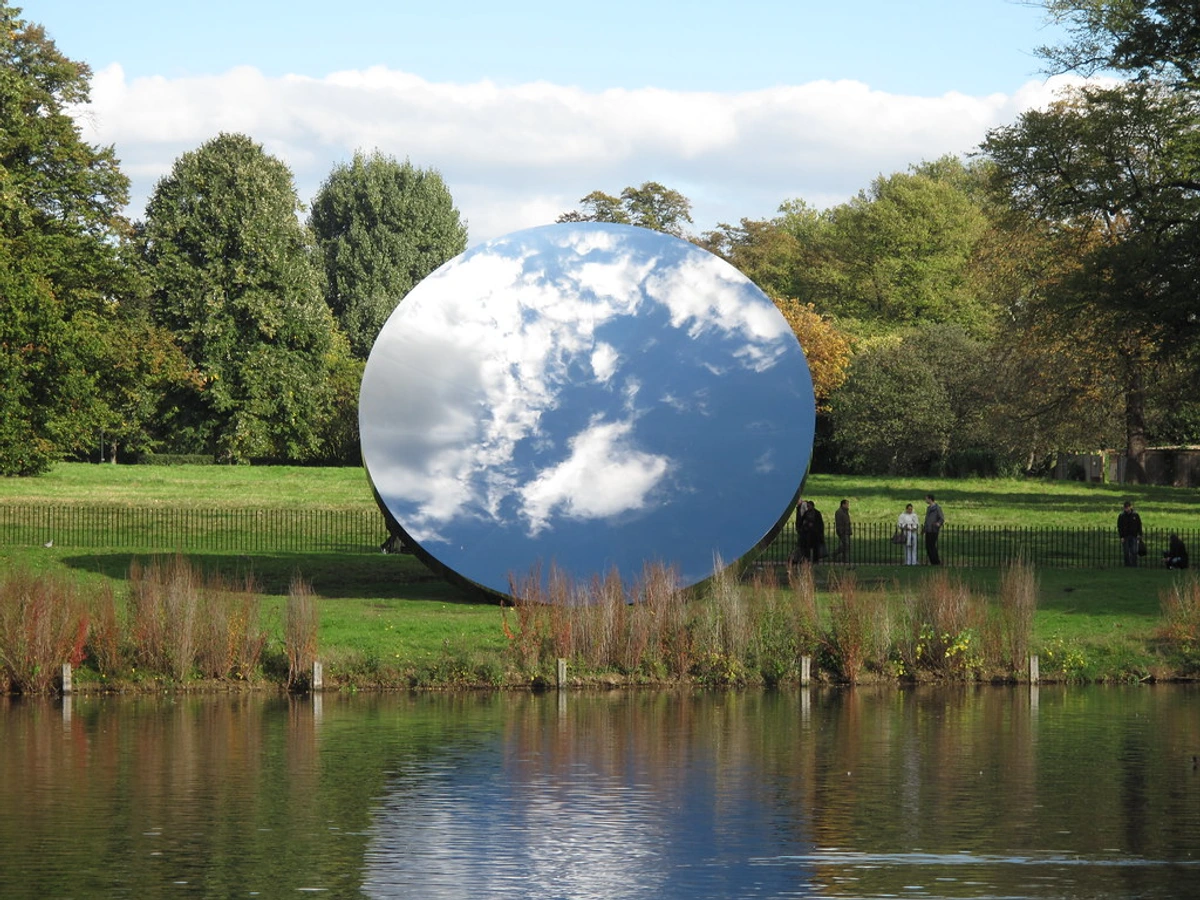
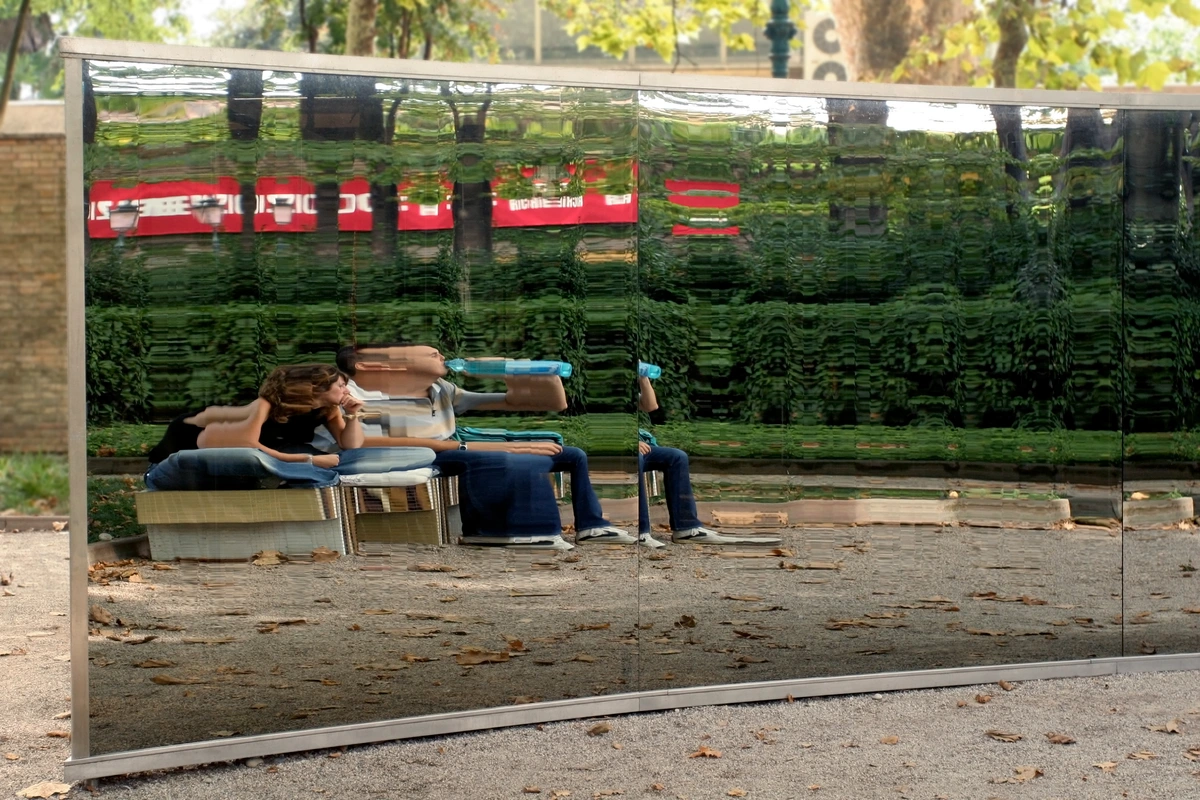
- Steel & Aluminum: Industrial, sleek, and often monumental, metals like steel and aluminum offered artists revolutionary new ways to play with line, space, and reflection. Think of the monumental public art of Richard Serra, whose massive Corten steel forms challenge our perception of gravity and space, developing a stable, rust-like appearance that acts as a protective patina. This almost painterly surface is intentionally cultivated by the artist, blurring the lines between material and painting. Or consider the reflective, mind-bending forms of Anish Kapoor, whose highly polished surfaces mirror and distort their surroundings, drawing the viewer into a dynamic, ever-changing relationship with the artwork, turning the environment into an extension of the sculpture itself. Artists like David Smith, a pioneer of welded metal sculpture, transformed industrial materials into dynamic, abstract forms, embracing the raw energy of steel. Tony Smith, on the other hand, created imposing, geometric sculptures that engage with architectural space, often in minimalist black. Alexander Calder, a master of kinetic art, used steel wire to create delicate mobiles that dance and shift with air currents, transforming the rigid material into forms that embody weightlessness and continuous movement. These metals can be welded (joining pieces with intense heat, creating strong, permanent bonds that allow for incredible structural feats), forged (shaping with heat and impact, yielding organic, hammer-marked textures that speak of the hand of the artist), bent, cut (often with precision tools like laser cutters or plasma torches for intricate, almost lace-like designs), fabricated (assembling pre-formed parts into complex structures that can be architectural in scale), and polished to create both massive, imposing structures and delicate, intricate designs. Their inherent strength allows for unsupported spans and gravity-defying forms, while their surfaces can be left raw and rusted for an industrial aesthetic, painted for vibrant color, or polished to a mirror-like sheen that interacts dynamically with its environment, constantly reflecting and transforming its surroundings. Stainless steel, in particular, is favored for its resistance to corrosion and its modern, clean appearance, making it a popular choice for public art and works exposed to the elements, ensuring longevity and a sleek aesthetic. It's a material that truly embodies the marriage of industrial strength and artistic vision, allowing for breathtaking scale and intricate detail.
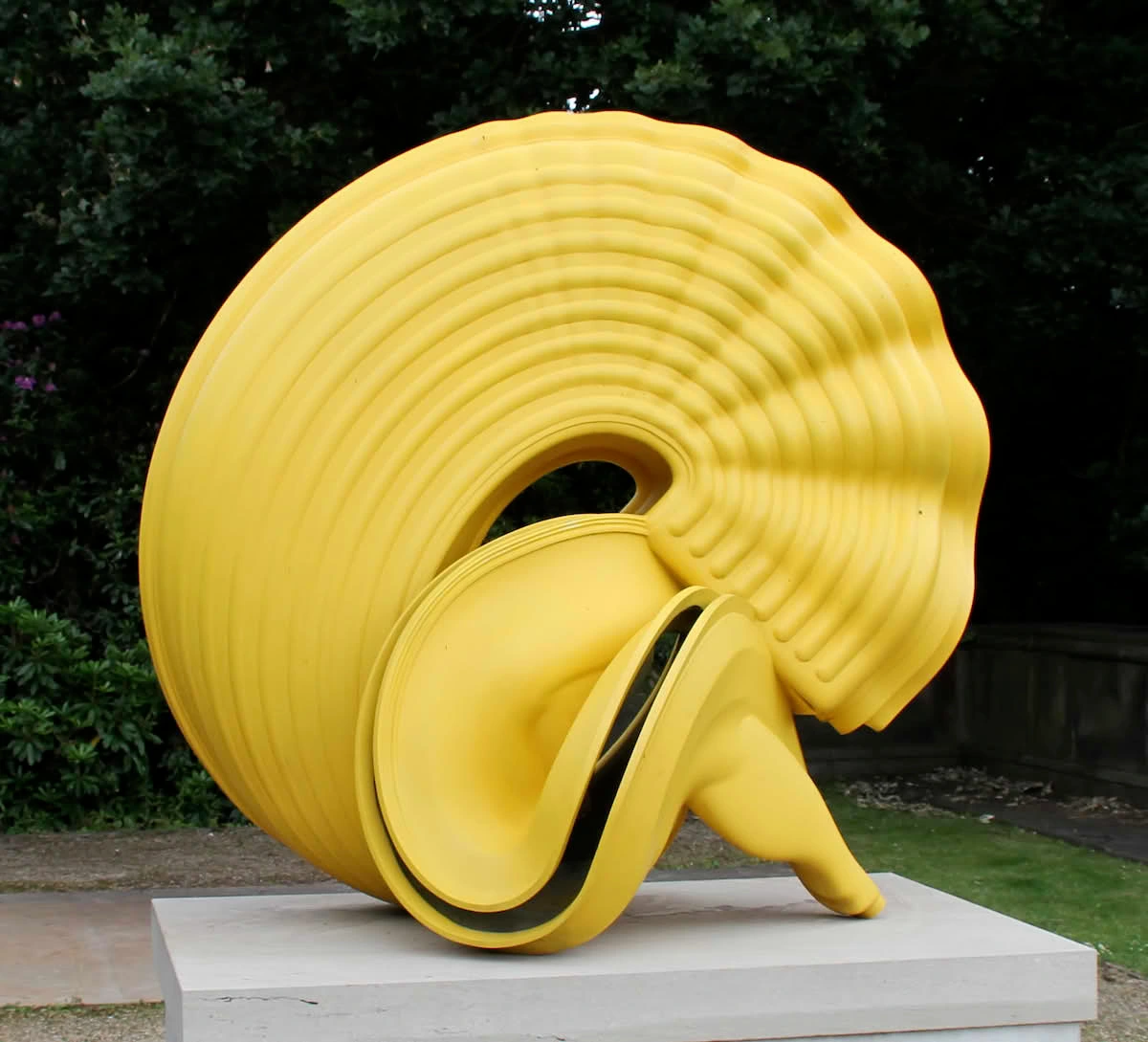
- Glass: Fragile yet incredibly strong, glass plays with light in a way no other material can, truly becoming a medium of pure luminescence. It can be blown (shaped by air while molten, creating hollow, often fluid forms), cast (poured into molds, allowing for solid, intricate shapes), slumped (heated until it sags over a form, perfect for creating gentle curves), fused (multiple pieces melted together to form new sheets or textures), lampworked (manipulated with a torch, ideal for fine detail), pâte de verre (crushed glass fused in a mold for delicate, textured pieces), or cut and laminated (joining sheets of glass for architectural scale or optical effects), creating forms that are simultaneously solid and ethereal, catching and refracting light in dazzling ways. Artists like Dale Chihuly have pushed the boundaries of blown glass, creating complex, organic installations that are truly breathtaking, demonstrating the material's ability to create both monumental and exquisitely delicate pieces. I've always admired how his work makes light a physical presence, almost tangible. Beyond Chihuly, artists like Bertil Vallien explore cast glass for its deep, atmospheric qualities, often embedding objects or images within its depths to create mysterious, narrative works. Tony Cragg creates dynamic, stacked glass forms that play with perception and gravity, transforming raw material into fluid, rhythmic compositions. The way light passes through, reflects off, and is colored by glass creates an ever-changing visual and almost ethereal experience, making it a truly magical sculptural medium. It can transform its surroundings with its ethereal glow, refracting and distorting light to create stunning optical effects, or absorbing it to present deep, contemplative colors that draw you into their depths. For me, glass sculpture often feels like bottled light, a testament to the artist's ability to harness one of the most fundamental elements of our perception, turning the invisible into the visible in the most dazzling ways.
The Contemporaries: Found Objects & Mixed Media – Beyond Convention
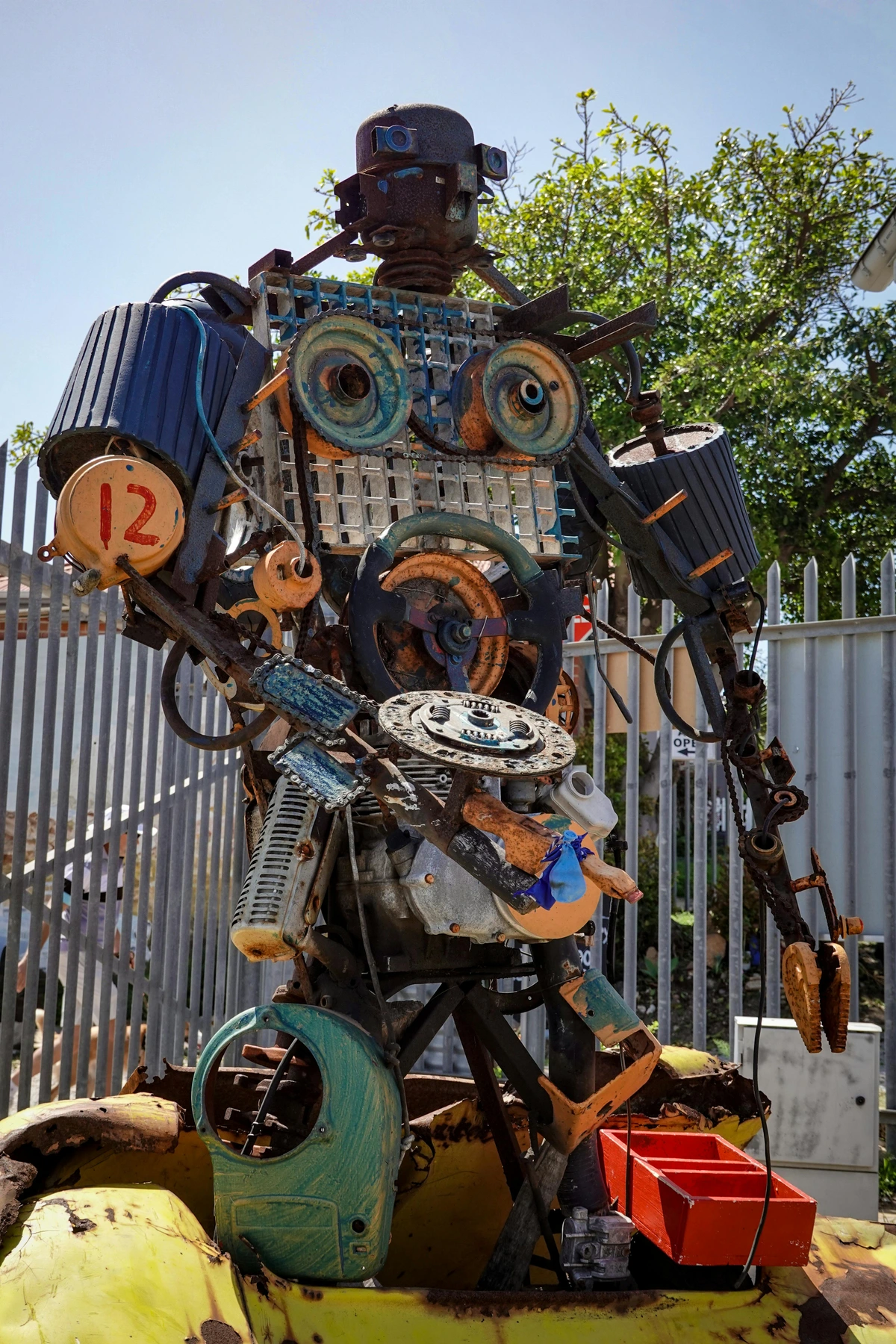
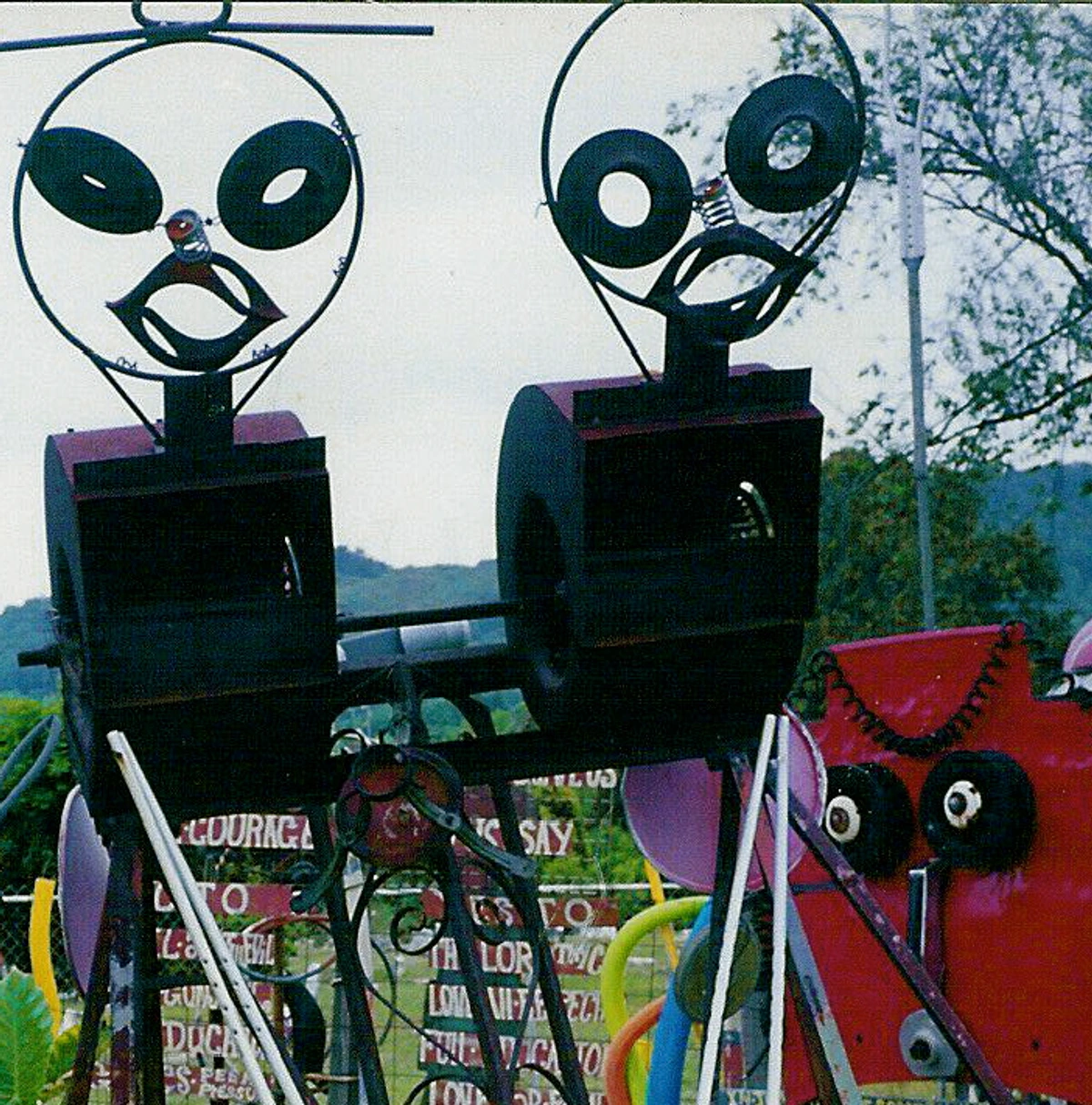
This is where things get really exciting, in my opinion, and where the boundaries of sculpture truly dissolve. Contemporary artists often challenge the very idea of what a sculpture can be made of. This practice, known as assemblage, involves using non-traditional or 'found' objects – everyday items repurposed and recontextualized to create new meaning. It's a testament to creativity, transforming the mundane into the profound.

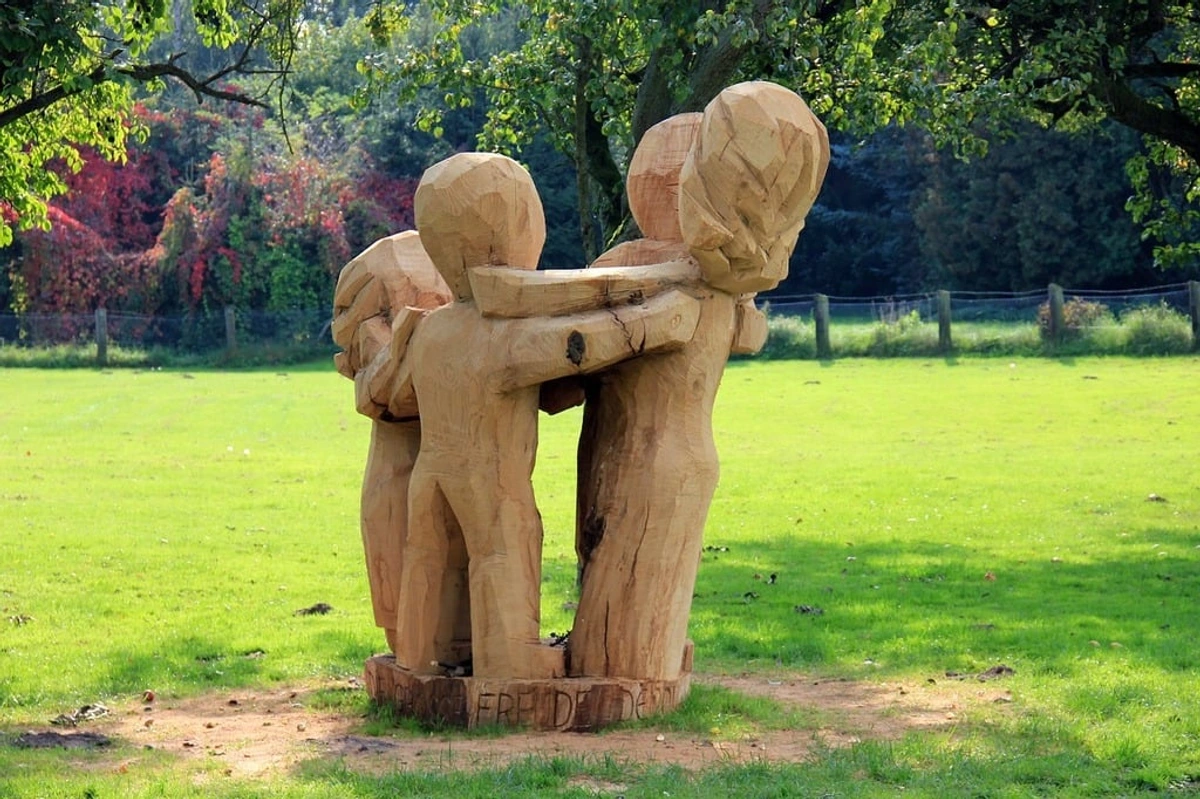
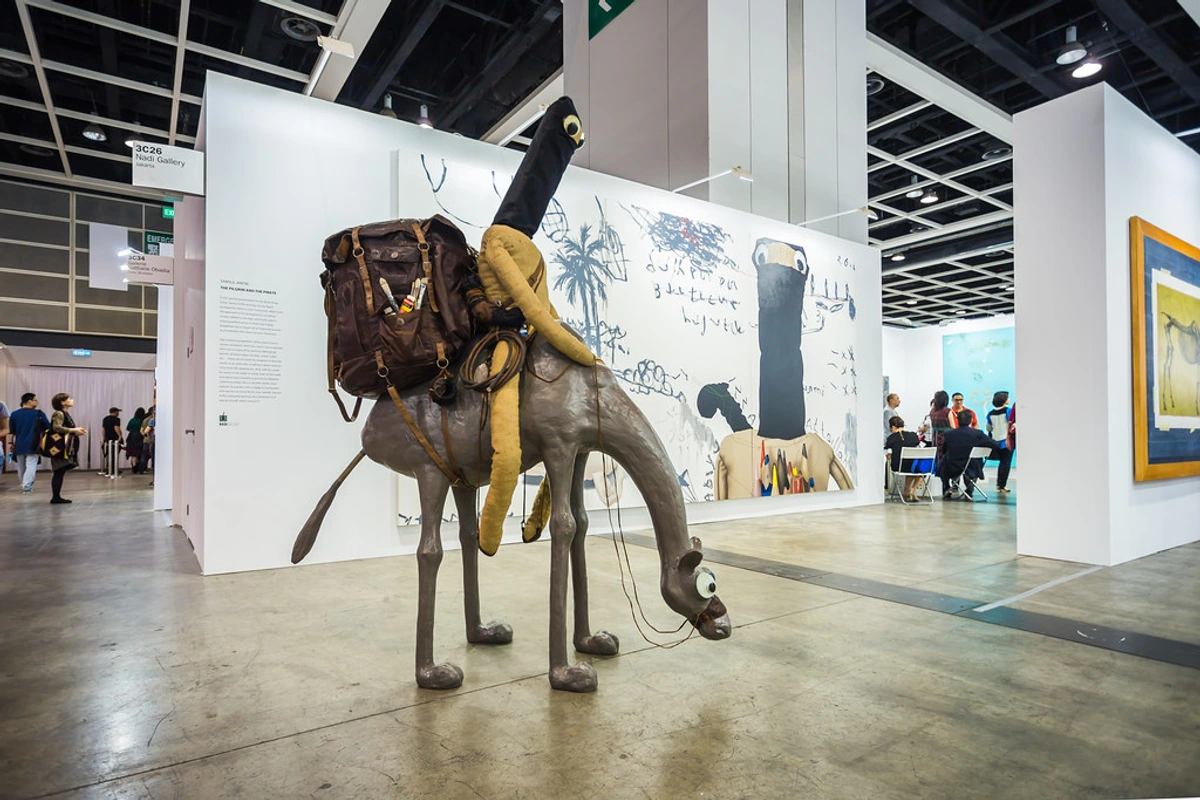
Think of the playful provocations of the Dada movement, where artists like Kurt Schwitters used bus tickets and newspaper clippings to create intricate "Merz" collages and sculptures, challenging traditional notions of art. Or consider an artist today using discarded electronics to craft a commentary on consumer culture and technological waste, transforming obsolescence into powerful statements. Assemblage art is a powerful way to infuse art with social commentary, personal narrative, or simply a fresh aesthetic, transforming the mundane into the profound through recontextualization. Mixed media pieces might combine traditional materials, like carved wood or cast bronze, with unconventional ones, such as fabric, light, video, sound, or even organic matter, creating a rich tapestry of textures, concepts, and ideas. This constant experimentation defines much of contemporary sculpture, pushing boundaries and inviting new interpretations. A particularly compelling development is the increasing use of recycled and sustainable materials. Artists are transforming everything from discarded plastics and e-waste to reclaimed timber and industrial scraps into powerful statements about consumerism, environmental concerns, and the potential for beauty in the overlooked. This not only offers a new aesthetic vocabulary but also imbues the work with an inherent narrative of transformation and responsible creation. It's a movement that reflects a growing awareness of our environmental footprint, and I find the ingenuity in these works truly inspiring; they make me reconsider the potential in everything we discard.

Digital Sculpture & 3D Printing: The New Frontier
The digital revolution hasn't left sculpture untouched; in fact, it's opened up entirely new realms of possibility. Digital sculpture involves creating three-dimensional forms using specialized software, allowing artists to design intricate geometries, manipulate virtual materials, and experiment with scale and form in ways previously unimaginable. This digital model can then be brought into the physical world through 3D printing.
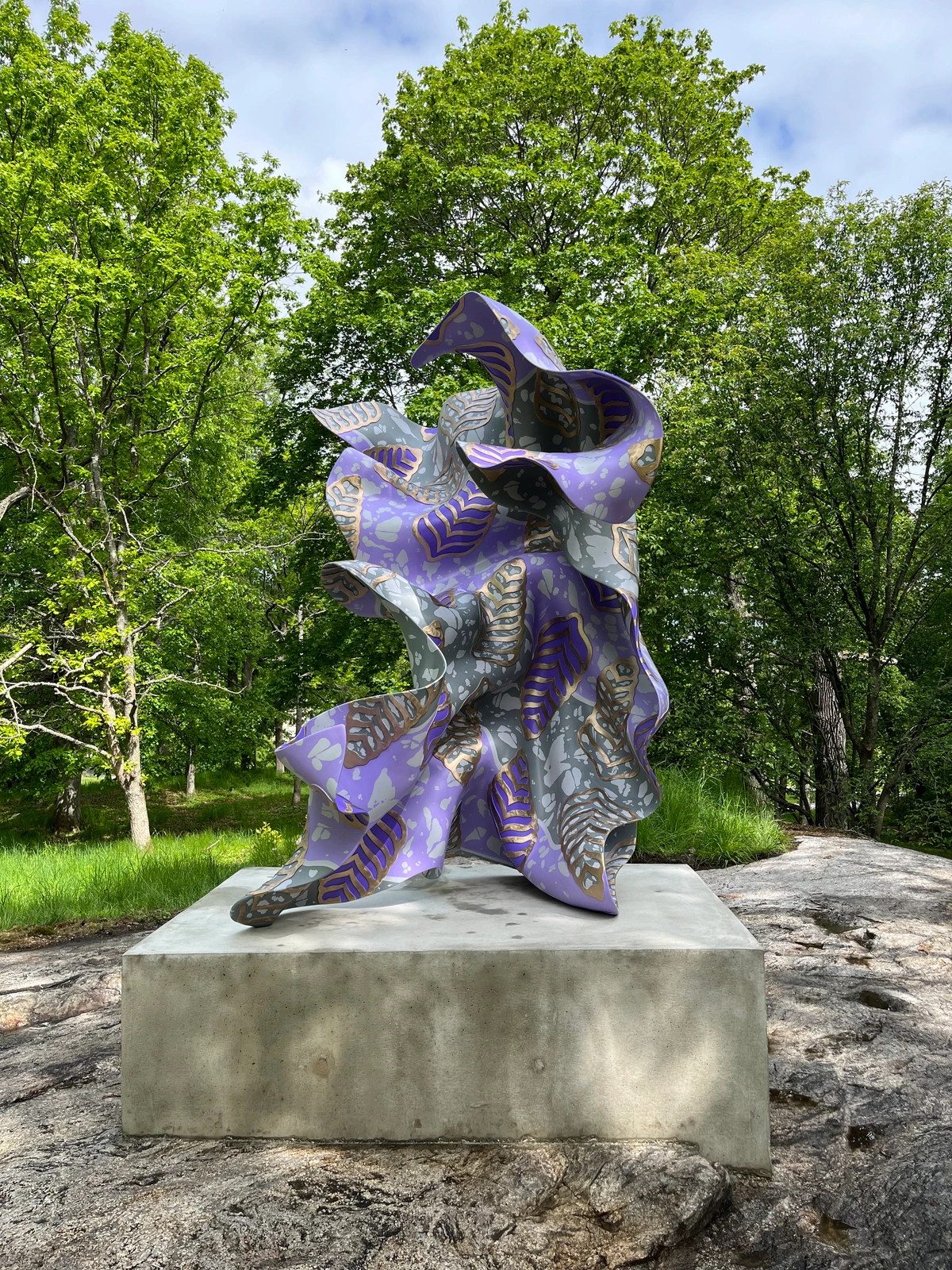
3D printing uses additive processes to build a sculpture layer by layer from a digital file. Materials range from various plastics and resins to metals, ceramics, and even organic composites. This technology allows for unparalleled precision, rapid prototyping, and the creation of highly complex and internal structures that would be impossible with traditional methods. I'm always amazed at the intricate details that can be achieved. For collectors, 3D printed sculptures represent a fascinating intersection of art and technology, often pushing conceptual boundaries and offering access to forms that embody the cutting edge of contemporary practice. It's a rapidly evolving field, challenging our notions of craftsmanship and authenticity, and I'm honestly thrilled to see where it goes next, though I remain a bit skeptical about anything leaning too heavily into the blockchain or NFT side of things. I find the focus on the physical output and the tangible object more compelling, rather than just the digital certificate.
Soft Sculpture & Textile Art: The Unconventional and Tactile
While many associate sculpture with hard, rigid materials, a fascinating and growing area is soft sculpture and textile art. This genre utilizes pliable materials like fabric, yarn, felt, and other fibers to create three-dimensional forms. Artists might sew, knit, weave, felt, crochet, or even drape and sculpt with various textiles, often challenging traditional hierarchies of art and craft, and blurring the lines between sculpture and fashion. Think of the playful and provocative fabric sculptures of Claes Oldenburg, whose oversized everyday objects challenge our perceptions of scale and utility, making the familiar uncanny. Or consider the intricate, often monumental textile installations by Magdalena Abakanowicz, exploring profound themes of humanity, war, and the environment through powerful, often headless figures. These works bring a unique tactility, warmth, and often a sense of vulnerability or intimacy to the sculptural form, engaging viewers in a profoundly different way than, say, a rigid marble statue. They often explore themes of domesticity, identity, and the human body with a distinct softness and malleability, inviting a more empathetic and sometimes unsettling interaction. This genre truly expands our definition of what sculptural materials can be and the messages they can convey, proving that softness can indeed convey immense strength and meaning.
Light and Sound Sculpture: Immersive Experiences
Pushing beyond purely visual and tactile, contemporary sculptors increasingly incorporate light and sound as integral sculptural elements. These works create immersive environments that engage multiple senses. Light can be used to define space, create moving patterns, or project images, while sound can evoke emotions, narratives, or simply alter the acoustic environment, turning a physical space into a dynamic, sensory experience. Artists like James Turrell meticulously sculpt light itself, creating ethereal, architectural installations that redefine our spatial awareness, turning empty rooms into fields of pure color and light. Or consider others, like Bill Fontana, who use ambient sounds, often from remote locations, to craft intricate auditory landscapes within a gallery setting, turning sound into a tangible, sculptural element that can evoke deep emotional responses and narratives. Olafur Eliasson is another master in this realm, using light, water, and air temperature to create immersive sensory experiences that challenge our perception of reality. These pieces transform the viewer's perception of space and time, inviting a deeper, more holistic engagement with the artwork. I've found these experiences to be profoundly meditative and sometimes quite disorienting in the best possible way, forcing a complete recalibration of your senses and challenging what you thought art could be.
BioArt and Ephemeral Sculpture: Living and Transitory Forms
For those truly seeking the avant-garde, BioArt and Ephemeral Sculpture represent some of the most conceptually daring forms. BioArt, as the name suggests, integrates living organisms or biological processes into the artwork. This could range from cultivating bacteria in petri dishes to using plant growth as a sculptural medium, challenging our understanding of life, ethics, and the artist's role. It's often provocative and deeply philosophical, forcing us to confront the boundaries between art and science, and sometimes, our own discomfort. If you're curious, explore my page on BioArt: Biology Meets Art. Ephemeral sculpture, on the other hand, is designed to be temporary or to change over time, intentionally defying permanence. This could involve magnificent ice sculptures that slowly melt away, intricate sand mandalas that are swept away by the wind, or installations crafted from natural materials that decompose back into the earth. I find the intentional transience of these works deeply moving, a powerful commentary on the nature of existence and the relentless march of time. The profound beauty of ephemeral art lies precisely in its transience, its powerful commentary on impermanence, and the unique, often poignant, experience of witnessing something that won't last forever. These works are less about the enduring object and more about the process, the idea, and the vivid memory they leave behind, challenging our very notion of artistic legacy and forcing us to truly live in the moment of artistic experience. It's a powerful reminder that not all beauty is meant to last forever in a physical form; some is meant to be etched into memory, leaving an indelible mark.
Material Category  | Key Characteristics | Common Techniques | Feel & Aesthetic |
|---|---|---|---|
| Stone | Heavy, durable, classical, permanent, often translucent | Carving, Chiseling (Subtractive) | Timeless, Monumental, Earthy, Refined |
| Bronze | Durable, detailed, develops rich patina, strong | Lost-wax Casting (Additive), Forging, Repoussé | Classical, Powerful, Elegant, Historical |
| Ceramics | Pliable when wet, durable when fired, varied glazes | Hand-building, Wheel-throwing, Coil, Slab, Firing | Earthy, Expressive, Craft-focused, Versatile |
| Plaster/Resin | Economical, versatile, captures fine detail, modern | Casting, Modeling, Mold-making, 3D Printing | Provisional, Contemporary, Smooth, Colorful |
| Wood | Organic, warm, unique grain, ages gracefully | Carving, Assembling, Turning, Polishing | Natural, Rustic, Intimate, Earthy |
| Metal (Steel/Alum.) | Strong, can be polished or rusted, linear | Welding, Forging, Bending, Laser Cutting | Modern, Industrial, Minimalist, Reflective |
| Glass | Fragile yet strong, plays with light, translucent | Blowing, Casting, Slumping, Fusing, Lampworking | Ethereal, Dazzling, Delicate, Luminous |
| Found Objects | Repurposed, symbolic, diverse origins | Assemblage, Gluing, Welding, Recontextualizing | Eclectic, Narrative, Provocative, Resourceful |
| Mixed Media | Limitless combinations, conceptual, layered | Assemblage, Collage, Integration, Installation | Experimental, Contemporary, Narrative, Hybrid |
| Soft Sculpture | Pliable, tactile, unconventional, often domestic | Sewing, Knitting, Weaving, Felting, Crocheting | Intimate, Vulnerable, Warm, Expressive |
| Light & Sound | Immersive, sensory, dynamic, temporal | Projection, LED, Motors, Audio Feedback, Sensors | Ethereal, Conceptual, Engaging, Transformative |
| BioArt/Ephemeral | Living, transitory, conceptual, often natural | Cultivation, Growth, Decay, Environmental Interaction | Provocative, Philosophical, Transitory, Organic |
Beyond Material: Form, Space, and Movement – The Language of Sculpture
Once you grasp the materials, the next step is to understand how artists manipulate them to speak to us. Sculpture isn't just about what it's made of; it's profoundly about how it occupies and interacts with space. These are the elements that give a piece its 'voice' and impact, truly forming its unique language. For a comprehensive overview, consider delving into understanding the elements of sculpture.
The Fundamental Elements of Sculptural Composition
Just as a painter works with color and line on a two-dimensional surface, a sculptor masterfully orchestrates elements in three dimensions. Understanding these core principles allows you to move beyond simply observing a piece to truly reading it, deciphering the artist's intent and appreciating the visual dialogue. It’s like learning the grammar of a new language, allowing for deeper comprehension and a richer experience.
- Form & Mass: This refers to the sculpture's three-dimensional shape and its perceived weight or solidity. Is it organic and flowing, with soft curves and natural contours, reminiscent of nature's designs, or geometric and stark, with sharp angles and clean lines that speak of industrial precision? Does it feel heavy and grounded, asserting its presence with an almost immovable force, or light and airy, almost defying gravity, inviting a sense of ethereal wonder? The interplay of form and mass creates the fundamental visual language of a piece, influencing how it's experienced from every angle and how it anchors itself in its environment. It's the core of its physical presence, the initial handshake the sculpture offers to your perception, dictating its immediate emotional and intellectual impact.
- Space (Positive & Negative): This is crucial, perhaps one of the most misunderstood elements. The sculpture itself is positive space – the tangible object, the 'thing' that occupies physical volume. But the empty areas around and within it constitute negative space, which is just as vital to the overall composition. A master sculptor utilizes both, creating a dynamic interplay, a push and pull that activates the surrounding environment, turning emptiness into an active design element. Think of the deliberate voids and apertures in a Henry Moore sculpture – they are as integral to the composition and narrative as the solid forms themselves, inviting the viewer's eye to travel through and around the piece, constantly redefining its boundaries and internal relationships. This dialogue between solid and void is what truly breathes life into a three-dimensional work, turning static material into a dynamic conversation that extends beyond the object itself and into its environment. It’s a conversation that constantly shifts as you move around the piece.
- Scale: How big is it? And how does that size relate to us, the viewer, and the surrounding environment? A monumental outdoor sculpture commands awe and reshapes a landscape, making us feel small and creating a sense of the sublime, while a small, intricate piece invites intimate contemplation, drawing us closer to discover its delicate details. Scale is about impact, presence, and the relationship the artwork establishes with its world, fundamentally altering our perception and emotional response. It’s the difference between a whisper and a shout, both equally powerful depending on the context.
- Balance: Every sculpture, whether abstract or figurative, possesses a sense of balance – or intentional imbalance. This refers to the visual weight and distribution of elements within the piece. Is it symmetrical and serene, or asymmetrical and dynamic, creating tension and a sense of imminent movement? Understanding how an artist achieves or subverts balance is key to appreciating their compositional mastery. For a deeper dive on this, see my thoughts on understanding balance in art composition.
- Line: Even in three dimensions, line is profoundly present, guiding our perception and dictating the sculpture's visual flow. It can manifest as the crisp contour of a figure, the sharp edge of a geometric plane, or the implied path of movement or energy, gracefully guiding your eye around the piece and creating a sense of rhythm and direction. Lines can be actual (like the physical edge of a metal sheet or a carved division) or implied (like the trajectory of a gesture, an invisible force extending into space that our minds complete). This duality is powerful, guiding your eye around the piece and creating a sense of rhythm and direction, contributing to the overall dynamism or stillness of a work. It’s the skeleton of the visual journey, directing your gaze.
- Emphasis/Focal Point: Just like in a painting, a sculpture often has a primary area or element designed to capture and hold your attention. This could be a dramatic gesture, a particularly intricate detail, a contrasting color, or a sudden shift in texture. The artist deliberately uses these elements to draw your eye, guiding your perception and emphasizing the most crucial aspect of their message or aesthetic intention. It's the visual exclamation point, the moment where the artist says, "Look here!"
- Narrative/Symbolism: Many sculptures, especially figurative or historical ones, tell a story or embody symbolic meaning. Understanding the narrative – whether it's a biblical tale, a mythological scene, or a historical event – or deciphering the symbols an artist employs (a dove for peace, a skull for mortality) can unlock deeper layers of appreciation and connect you more profoundly to the artist's intent and the cultural context of the work. This is where the artwork becomes a dialogue with history, belief, and the human condition itself.
- Rhythm & Movement (Implied): Beyond actual kinetic movement (which we'll discuss soon), sculpture often possesses an implied sense of rhythm and movement. This isn't about physical motion, but about how the artist guides your eye through the work, creating a flow, a tempo, or a suggestion of narrative progression. Repeating forms, undulating curves, or a dynamic interplay of positive and negative spaces can all contribute to this sense of visual rhythm, making a static object feel vibrant and alive. It's like a silent dance frozen in time, a choreography of forms that your eyes perform as you circle the piece. The artist creates a visual cadence, an ebb and flow that gives the work a palpable energy.
- Texture: How does the surface feel or appear? Is it rough-hewn stone inviting a sense of ancient history, a highly polished bronze reflecting its surroundings, smooth glass creating a slick modernity, or fragmented assemblage with its myriad points of interest? Each texture creates a different tactile and visual experience, influencing how light plays across the surface and contributing significantly to the emotional and conceptual impact of the piece. It's not just about what you touch, but what your eyes perceive as touchable – a visual invitation to engage.
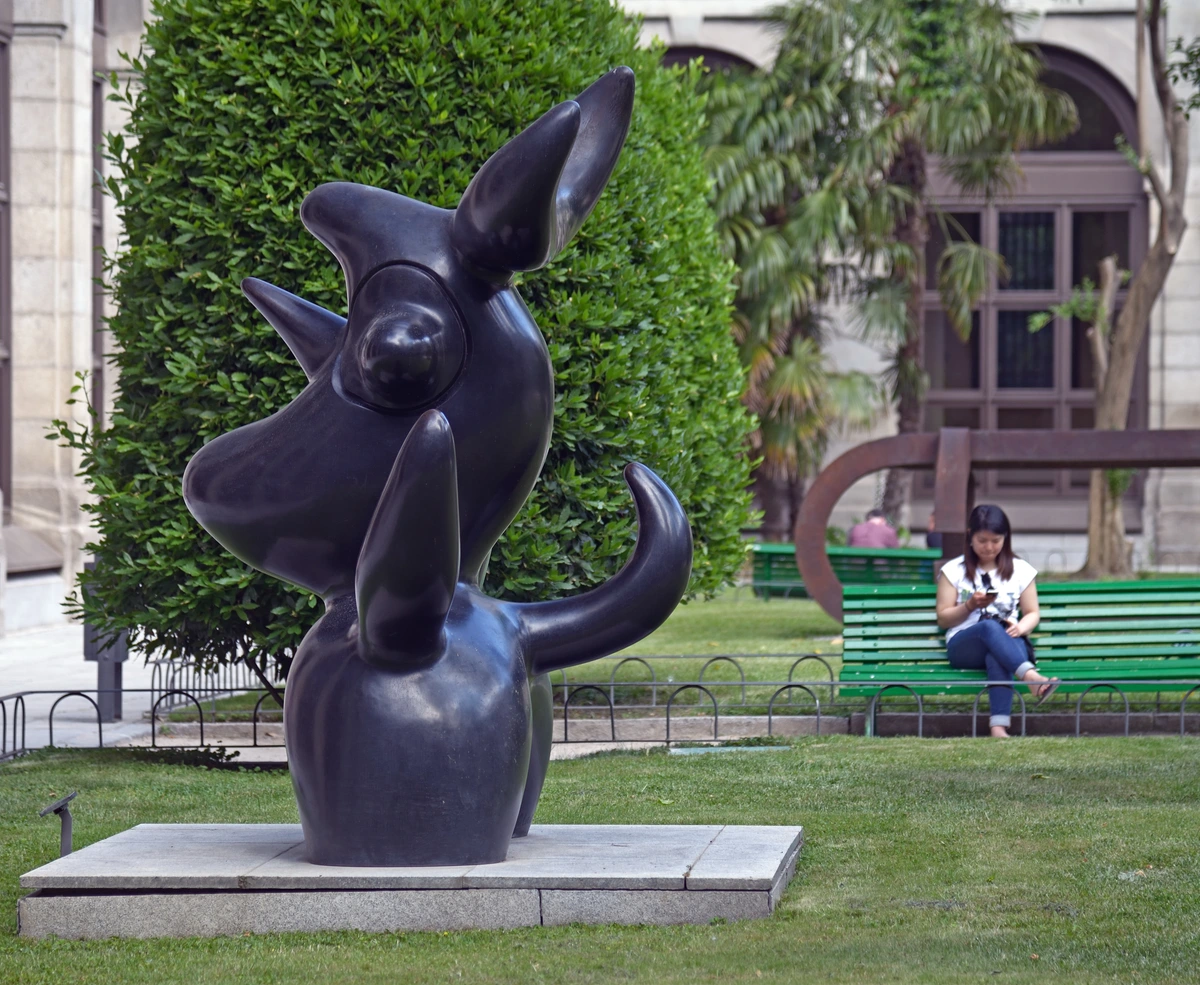
- Color: While often inherent in the material (like the rich green of a bronze patina, the warm tones of wood, or the pure white of marble), color can also be deliberately applied by the artist through paints, glazes, or dyes, adding another layer of expression and meaning. Color can highlight forms, create emotional responses, or emphasize symbolic content, transforming the viewer's immediate perception of the sculpture. In contemporary sculpture, vibrant colors are often employed to create pop art aesthetics or challenge traditional somber palettes, injecting a playful or provocative energy. Think of the bold, unashamed hues in works by Jeff Koons, with his gleaming, highly saturated surfaces, or the playful palette of Joan Miró's sculptural forms, which often combine earthy textures with bright, almost childlike colors. Color is not merely superficial; it can be deeply integrated into the work's conceptual framework, shaping its emotional landscape.
- Light: As I mentioned earlier, sculpture's relationship with light is unique and utterly fundamental. How does natural or artificial light fall upon it, revealing contours, creating dramatic shadows, and emphasizing texture? This isn't static; it changes throughout the day, or with different artificial lighting, offering new perspectives and continually redefining the piece, almost giving it a new personality with each shift. A master sculptor considers light not just as an external factor, but as an integral element that breathes life into the form, revealing hidden depths and shifting narratives, sometimes even becoming the subject itself. It's a conversation that never truly ends, a dynamic interplay that makes a sculpture a living entity within its environment.
Installation Art: Redefining Space and Experience
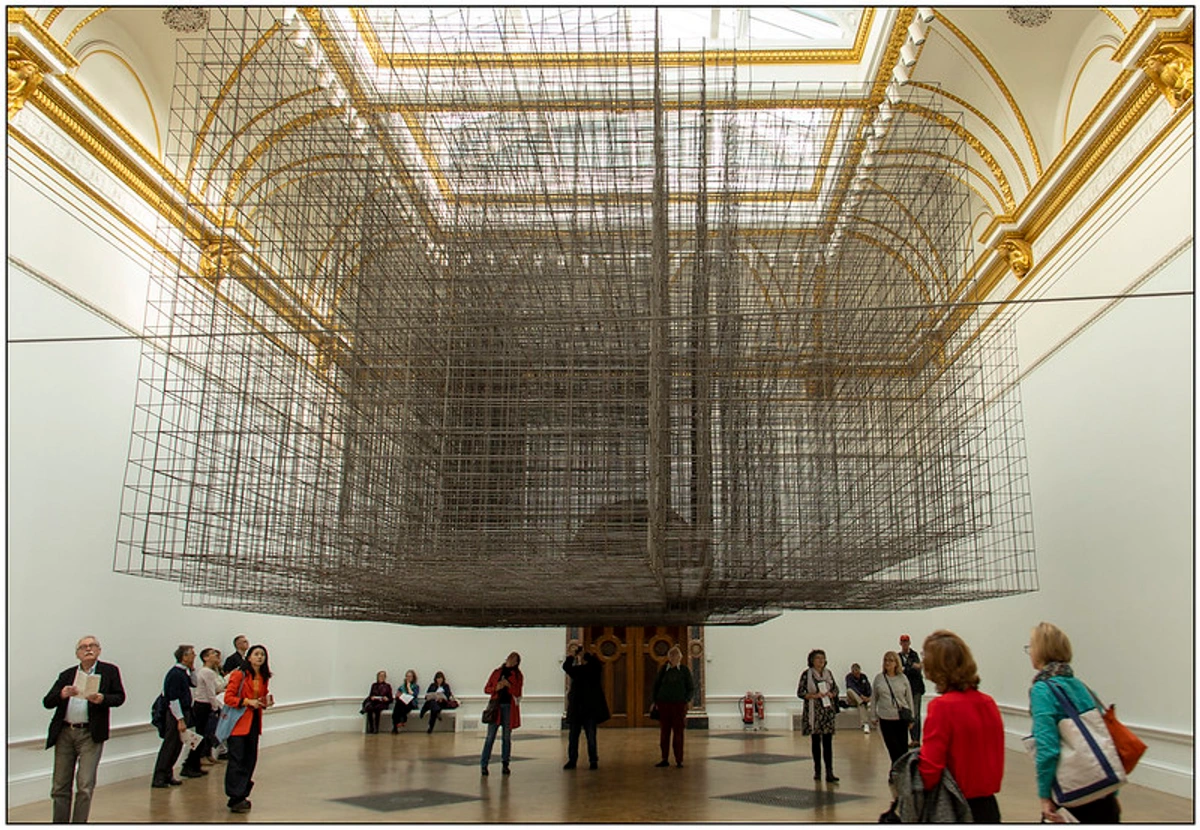
Moving beyond the discrete object, Installation Art is a truly immersive sculptural form where the artwork literally transforms an entire space. It’s not just a sculpture in a room; the room becomes the sculpture, or at least an integral part of it. These works can be temporary or permanent, indoors or outdoors, and often engage multiple senses, challenging the viewer's perception of environment and scale. Think of a gallery space filled with suspended objects, a forest transformed by ribbons, or a room bathed in colored light. Installation art invites you to step inside and become part of the artistic experience, often blurring the lines between art, architecture, and performance. For me, these are some of the most exciting and thought-provoking experiences in contemporary art, forcing a complete re-evaluation of what 'sculpture' can be. The sheer scale and ambition of these works can be truly overwhelming in the best possible way, offering an escape from the ordinary and a profound re-thinking of perception. Artists like Yayoi Kusama create mesmerizing mirrored infinity rooms, transporting viewers into boundless, kaleidoscopic worlds, while Christo and Jeanne-Claude famously wrapped monumental landmarks and natural landscapes, temporarily altering our perception of familiar environments. These experiences challenge the traditional distance between observer and artwork, inviting a visceral, participatory engagement.
When Sculpture Comes Alive: Kinetic Art
Sometimes, sculpture doesn't just imply movement; it performs it. Kinetic art is a captivating genre of sculpture that incorporates actual movement as an integral part of the artwork. This movement can be driven by natural forces like air currents (as in Alexander Calder's delicate mobiles dancing in the breeze, creating ever-changing compositions), by motors and mechanisms for more complex mechanized installations (think of Jean Tinguely's often whimsical, self-destructing machines), by magnetism, or even by the direct interaction of the viewer, making the audience an active participant. Kinetic art offers a dynamic, evolving experience that breaks free from static form, adding the dimension of time to the sculptural experience. It's a reminder that art can be truly alive, constantly shifting and presenting new facets, often challenging our very perception of what sculpture can be. Early pioneers like Naum Gabo and László Moholy-Nagy explored the use of light and motion in their constructions, laying the groundwork for later artists. To dive deeper into this fascinating realm, explore what is kinetic art movement in modern sculpture.
Developing Your Eye: How to Assess Quality
You don't need a degree in art history to recognize a compelling work. Trust your instincts, but also give them some tools to work with. When I'm looking at a new piece, I consider six main areas – a personal checklist, if you will, that helps me connect with the art on a deeper level. These aren't rigid rules, mind you, but more like guiding stars on your journey of appreciation.
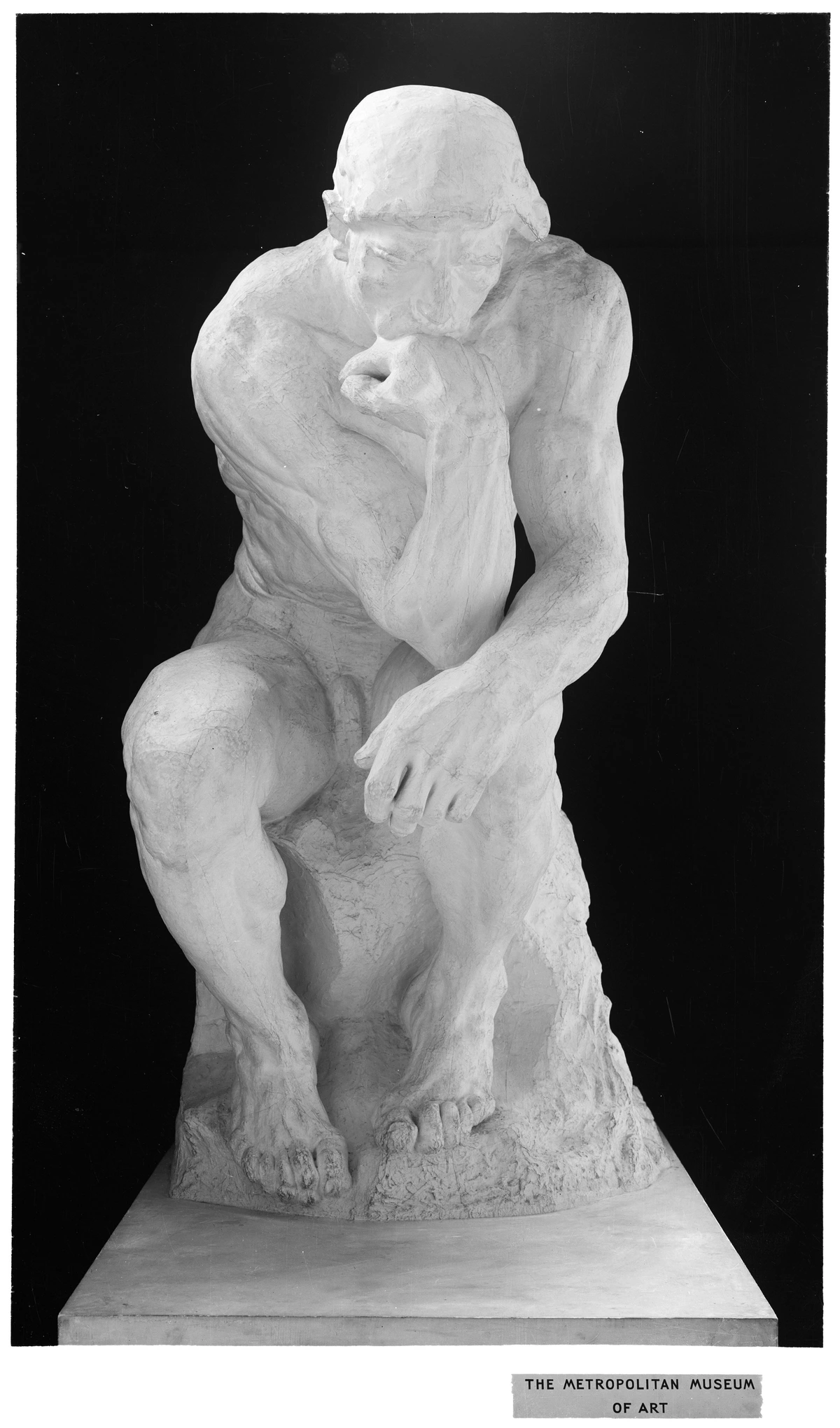
- Craftsmanship and Finish: This is the foundation, the very bedrock of a successful sculpture. Look closely at the execution. Regardless of the material, is it handled with intention and skill? If it's a bronze cast, are the seams clean, the surface polished or textured as intended, free from unwanted imperfections? If it's carved wood, is the grain respected, the surface finished in a way that truly serves the piece, highlighting its natural beauty or transforming it intentionally? Even in raw, industrial pieces, there's an intentionality to the 'roughness' – it's a deliberate aesthetic choice, a raw honesty, not a lack of skill. Shoddy craftsmanship isn't just a flaw; it distracts from the art itself, breaking the spell. For example, in a bronze piece, you'd look for clean seams, an even and intentional patination, and a lack of pitting or unwanted marks from the casting process. In a stone carving, the precision of the cuts, the fluidity of the forms, and the finish of the surface are paramount, speaking to the sculptor's mastery over a stubborn material. Good craftsmanship elevates the concept; poor craftsmanship undermines it, leaving you feeling unsatisfied. It's like listening to a beautiful song performed out of tune – the core is there, but the delivery misses the mark.
- Form and Composition: This is where the magic of three dimensions truly comes into play. Walk around the sculpture, slowly. Does it have a 'dead' side, or is it compelling and interesting from all angles? How does it occupy space – does it dominate, integrate, or playfully disrupt? Does it feel balanced, or intentionally off-kilter to create tension? This is about the piece's internal harmony, its rhythm, and how it guides your eye. For a deeper dive on this, see my thoughts on understanding balance in art composition. Is there a focal point, and how is your eye led around the piece? Is there a sense of visual weight and counterweight, a subtle tension that holds the work together? These are the questions that reveal the sculptor's mastery of three-dimensional design, turning static elements into a harmonious or deliberately discordant whole.
- Originality and Concept: What is the artist saying? What ideas are they exploring? Does the piece evoke a profound emotion, conjure a vivid memory, or spark a completely new idea within you? A technically perfect sculpture can still feel empty if it lacks a compelling concept or a truly unique voice that resonates. The most exciting work, for me, has that distinct signature, that unmistakable personal mark. It shows me a way of seeing the world, or an aspect of the human experience, that I hadn't considered before. It's the 'aha!' moment – that spark of recognition, that feeling of encountering a fresh perspective that expands your own understanding. Does the artist demonstrate a unique approach to material, form, or subject matter? Are they pushing boundaries, challenging conventions, or reinterpreting established themes in a compelling, fresh way? This is where the intellectual engagement truly begins, where the sculpture becomes more than an object; it becomes a catalyst for thought, inviting you to see the world through a new lens.
- Uniqueness and Signature Style: Does the sculpture possess an unmistakable fingerprint of the artist? Beyond technical skill, the most compelling works often have a distinctive voice, a unique way of manipulating material or conveying an idea that feels fresh and individual. I look for that unique visual language that tells me, "This could only have been made by this artist." It’s a testament to their originality and their enduring contribution to the conversation of art.
- Narrative and Storytelling (where applicable): Not all sculpture tells a literal story, but many do, especially figurative or historical pieces. For these, assess the power of the narrative. Does it draw you in? Does it communicate its message clearly and powerfully? Even abstract works can evoke a sense of narrative or a journey. A compelling story, whether overt or subtle, can elevate a piece from mere form to a profound experience, inviting contemplation and personal interpretation.
- Emotional Resonance: Beyond the intellectual concept, how does the piece make you feel? Does it draw you in with its beauty, repel you with its starkness, make you smile with its whimsy, or provoke deep contemplation with its gravitas? Art, at its core, is a dialogue, and a powerful sculpture will elicit a genuine emotional response that touches something within you. If it stays with you long after you've walked away, prompting further thought or lingering feelings that you can't quite shake, that's a very good sign indeed. This connection is deeply personal, and it's what transforms an object into a meaningful presence in your life, almost like a silent companion. Don't underestimate the power of your gut feeling; it’s often the most honest critic you have.
- Condition and Conservation: Beyond the initial aesthetic, a crucial aspect of assessing quality, especially for older or valuable pieces, is their condition. Look for signs of damage, previous repairs, or deterioration specific to the material. Has the piece been well-maintained throughout its history? Are there any hairline cracks in stone, pitting in bronze, or significant fading or flaking in painted elements? Understanding the piece's condition is vital not only for its longevity as an artwork but also for its monetary and historical value. A professional conservator can provide expert insights and advice on necessary treatments, from delicate cleaning to structural repairs, ensuring the artwork’s long-term health. I've always found it prudent to get a professional opinion, especially for a significant acquisition; it's an investment in peace of mind and the artwork’s future. Proper conservation is an ongoing commitment, a silent guardian of the art's integrity.
- Provenance and Documentation: While less about the immediate aesthetic and more about its story, understanding the history of ownership (provenance) and any accompanying documentation (artist's statements, certificates of authenticity, exhibition catalogs) adds immense value and context. It confirms the work's legitimacy and contributes to its narrative, adding layers of historical and market value. Good provenance, a clear and unbroken record of ownership from the artist forward, can be critical for verifying authenticity and preventing issues of forgery or illicit trade. Certificates of authenticity, detailed exhibition histories, and insightful artist's statements all build a robust narrative around the piece, protecting your investment and profoundly enriching your understanding. It's like a detective story where you want all the clues to line up perfectly, ensuring the piece’s journey is clear and ethical.
Understanding Context: Art History and Movements
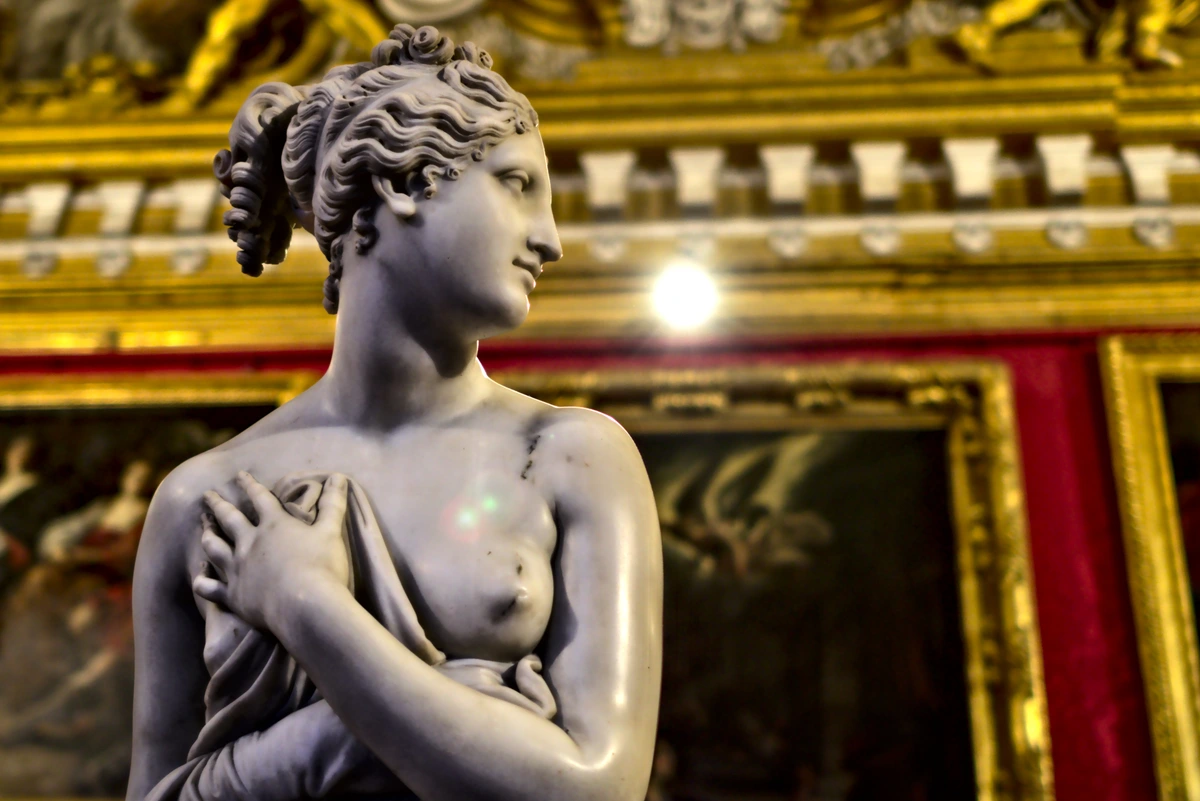
While personal connection is paramount – don't ever let anyone tell you what to like! – having a basic grasp of art history and significant sculptural movements provides invaluable context. Knowing about the idealized forms of Classical Greek and Roman sculpture, the dramatic narratives and emotional intensity of the Baroque, the serene elegance of Neoclassicism (think Antonio Canova's Venere Italica), the streamlined, functional beauty of Art Deco (explore my [ultimate-guide-to-art-deco-movement]), the fragmented perspectives of Cubism (dive into my [ultimate-guide-to-cubism]), or the rebellious provocations of the Dada movement (uncover [the-enduring-influence-of-dadaism-on-contemporary-art-and-its-legacy]) can help you understand the artistic dialogues a piece participates in, the innovations it represents, or the traditions it challenges. This doesn't mean you need to be an art historian, but a little background knowledge can truly unlock deeper layers of appreciation and reveal the profound conversations happening within the art world. It’s like learning the secret language the art is speaking, giving you a key to its hidden depths and a richer understanding of its place in human history.
Key Sculptural Movements Through History
To help you navigate this rich tapestry, here's a quick overview of some pivotal movements in sculpture history. This isn't exhaustive, but it provides a starting point for understanding the diverse intentions and aesthetics artists have explored.
Movement | Key Characteristics | Notable Artists | Materials/Techniques |
|---|---|---|---|
| Ancient Egyptian | Monumental, symbolic, frontal, enduring, often connected to afterlife/deities. | Unknown masters, royal sculptors. | Stone (granite, basalt), wood, bronze, gold. |
| Classical Greek | Idealized human form, balance, harmony, contrapposto, naturalism. | Phidias, Praxiteles, Myron. | Marble, bronze (lost-wax casting). |
| Roman | Realism, portraiture, narrative reliefs, commemorative, often public. | Unknown masters, imperial sculptors. | Marble, bronze, stone. |
| Gothic | Elongated figures, emotional expression, architectural integration, religious themes. | Unknown cathedral sculptors. | Stone (limestone), wood. |
| Renaissance | Revived classical ideals, humanism, intense realism, psychological depth. | Donatello, Michelangelo, Cellini. | Marble, bronze, wood. |
| Baroque | Drama, movement, emotion, elaborate forms, theatricality, grand scale. | Bernini, Puget. | Marble, bronze, wood. |
| Neoclassicism | Return to classical purity, clarity, idealization, moral themes, serenity. | Canova, Thorvaldsen, Houdon. | Marble, bronze. |
| Romanticism | Emotion, drama, individualism, dynamic compositions, often historical/literary themes. | Rude, Carpeaux. | Marble, bronze. |
| Realism/Impressionism | Everyday subjects, capturing fleeting moments, surface texture, modern life. | Rodin, Degas. | Bronze, marble, terracotta. |
| Cubism | Fragmented forms, multiple perspectives, geometric abstraction, challenging representation. | Picasso, Braque, Lipchitz. | Bronze, wood, found objects (assemblage). |
| Dadaism | Anti-art, absurd, ready-mades, challenging societal norms, collage, assemblage. | Duchamp, Schwitters. | Found objects, mixed media. |
| Surrealism | Dreamlike, subconscious, bizarre juxtapositions, symbolic, fantastical. | Arp, Dalí. | Bronze, stone, mixed media. |
| Abstract Expressionism | Emotion, gestural marks, non-representational, large scale. | David Smith, Seymour Lipton. | Steel, bronze. |
| Minimalism | Simplicity, geometric forms, industrial materials, focus on space and form. | Judd, Andre, Serra. | Steel, concrete, wood, bricks. |
| Pop Art | Consumer culture, everyday objects, irony, bright colors, mass production. | Oldenburg, Koons. | Fiberglass, mixed media, various industrial materials. |
| Land Art | Using natural landscape as material, often monumental, ephemeral, site-specific. | Smithson, Christo & Jeanne-Claude. | Earth, rocks, water, plants. |
| Installation Art | Immersive environments, multi-sensory, site-specific, transforming space. | Turrell, Eliasson. | Light, sound, video, varied materials. |
| BioArt | Integrates living organisms or biological processes, ethical considerations, provocative. | Eduardo Kac, Patricia Piccinini. | Living organisms, biological materials, scientific equipment. |
| Ephemeral Art | Temporary, designed to change over time, defies permanence, conceptual. | Andy Goldsworthy, Cai Guo-Qiang. | Ice, sand, natural materials, fire, water. |
The Voices of Women in Sculpture: A Richer Narrative
For too long, the history of sculpture was largely written from a male perspective, overlooking countless brilliant contributions. However, the contributions of female sculptors are immense and vital, offering unique perspectives on form, identity, and social commentary that have profoundly shaped the art world. From the pioneering figures of early modernism, like Camille Claudel (whose emotional and powerful marble works challenged societal norms) and Louise Bourgeois (known for her haunting and introspective fabric and bronze pieces), to the powerful contemporary voices such as Yayoi Kusama (with her immersive installations and vibrant, repetitive forms), Kara Walker (whose impactful silhouettes and sugar sculptures provoke dialogues on race and history), and Judy Chicago (a trailblazer in feminist art with monumental installations), women have consistently challenged conventions and created groundbreaking works across all materials and styles. Delving into their legacies enriches our understanding of art history and provides a more inclusive view of sculptural innovation, revealing a richer and more complete narrative of human creativity. You can learn more about these incredible artists and their impact in my article on famous female sculptors.
Indigenous Sculpture: Connecting to Ancestral Wisdom and Land
Across millennia and continents, Indigenous cultures have created extraordinary sculptures deeply rooted in their spiritual beliefs, ancestral stories, and connection to the land. These works are far more than aesthetic objects; they are often sacred, imbued with profound meaning, and integral to cultural identity and ceremony, serving as spiritual conduits, mnemonic devices, or expressions of cosmological understandings. From the monumental totems of the Pacific Northwest, telling epic clan histories and asserting lineage, to the intricate rock carvings of ancient Australia, depicting creation stories and sacred sites, or the vibrant wooden figures and masks of African traditions, embodying spirits and ancestors in powerful, expressive forms, Indigenous sculpture speaks a profound language of heritage, environment, and worldview. Understanding these traditions requires not just an open mind, but deep respect for their cultural context and significance, offering a powerful counterpoint to Western art historical narratives and expanding our very definition of what art can be. For example, the Inuit carvers of the Arctic create stunning sculptures from soapstone and bone, depicting animals and spirits that reflect their deep connection to the land and its creatures. The Maori whakairo (carving) of New Zealand, with its intricate patterns and storytelling, embodies genealogical ties and spiritual power in wood and bone. These are not merely decorative arts but living testaments to continuous cultural practices and profound spiritual understandings.
Where to Begin Your Search
Now for the fun part: finding your first piece. The art world has many entry points, each with its own benefits.
Venue | Pros | Cons | Best For |
|---|---|---|---|
| Art Galleries | Curated selection, expert advice, established artists, primary market, relationship building. | Can be intimidating for beginners, often higher price points. | Discovering artists who are building a career, building long-term relationships, primary market acquisitions. |
| Art Fairs | Huge variety in one place, see emerging and established art, networking opportunities. | Can be overwhelming, high-pressure environment, requires travel. | Getting a broad overview of the current market, seeing trends, rapid exposure to many artists. |
| Artist Studios | Direct connection with the creator, deep understanding of the process, bespoke commissions possible. | Harder to find, requires more research, variable pricing. | A deeply personal buying experience, supporting artists directly, unique insights into creation. |
| Online Platforms | Accessible, wide range, can browse from anywhere, often lower prices, global reach. | Can't see the piece in person, risk of misrepresentation, shipping challenges, authentication concerns. | Emerging collectors, discovering new talent, convenient browsing, global sourcing. |
| Online Auctions | Access to secondary market, potential for good value, convenience, anonymity. | Fast-paced, competitive, buyer's premium adds cost, no physical inspection. | Experienced collectors, finding specific vintage pieces, anonymity, quick acquisitions. |
| Auctions (Live) | Potential for good value, access to secondary market, thrill of the bid, tangible experience. | Fast-paced, competitive, buyer's premium adds cost, requires physical presence. | Experienced collectors looking for specific, often higher-value pieces, the excitement of live bidding. |
| Art Consultants | Professional guidance, market knowledge, access to private collections, tailored advice. | Costly service, must find a reputable consultant, potential for bias. | High-end collectors, busy professionals, navigating complex markets, specialized collecting. |
| University Galleries/Student Shows | Discover emerging talent, accessible price points, direct artist interaction, fresh perspectives. | Quality can vary, less established artists, potential for less long-term market value. | Very new collectors, supporting fresh talent, finding unique, affordable pieces with direct connection. |
| Museum Shops/Estate Sales | Often feature affordable smaller editions, unique decorative pieces, hidden gems at estate sales. | Limited selection, authenticity may need verification (estate sales), less direct artist connection, often mass-produced. | Finding unique gifts, small decorative sculptures, uncovering unexpected finds, budget-friendly options. |
My advice for a beginner? Don't rush. Enjoy the process of discovery! It's a journey, not a race. Start with local galleries – they're often the most welcoming and eager to share knowledge, and building a relationship with a gallerist can open up many doors. Go to openings; it’s a great way to see new work and meet people in the art community, and honestly, the free wine and conversation never hurt! Talk to the gallerists; it's literally their job to share their passion and connect you with art. You can learn a lot from a simple Q&A with a gallerist on discovering new talent. Also, don't overlook art schools and student shows; they are fantastic places to discover emerging talent at accessible price points, and you can often meet the artists directly, which is a truly special experience, offering a direct insight into the creative process. The most important thing is to buy what you genuinely love and what resonates with you, not what you think will appreciate in value (though that's a nice bonus, and I won't lie, it's satisfying when it happens!). This personal connection is the true treasure. And remember, if you're drawn to contemporary, colorful, and abstract art, there are wonderful pieces to discover in my own collection here – a perfect starting point for your journey into collecting.
Legal and Ethical Considerations: Collecting Responsibly
As rewarding as collecting can be, it's also crucial to be aware of the legal and ethical landscape, particularly when acquiring older pieces or those from culturally sensitive contexts. This isn't just about protecting your investment; it's about being a responsible steward of cultural heritage. Provenance, as we touched on, is key here, acting as the artwork's verifiable biography. It's not merely a list of owners; it's a critical tool for establishing authenticity, verifying legal ownership, and identifying any gaps that might suggest illicit dealings or questionable origins. A clear, unbroken chain of ownership from the artist's studio (or point of discovery for antiquities) to your hands is the gold standard.
- Antiquities and Cultural Heritage: Always exercise extreme caution when considering antiquities or archaeological artifacts. Many countries have strict laws prohibiting the export of cultural heritage items, and purchasing undocumented pieces can inadvertently fuel illicit trade. Ensure you have clear, legal documentation of ownership and export history. This isn't always easy, especially for pieces that have changed hands many times, but it's paramount. When in doubt, it's best to consult with an art lawyer or expert in cultural property law; their insights can save you from significant legal and ethical headaches.
- Repatriation: The concept of repatriation – the return of cultural heritage to its country or community of origin – is a growing and vital ethical consideration. If a piece in your collection is found to have been looted, illegally excavated, or unethically acquired, there may be moral and legal obligations to return it. Staying informed about cultural property laws and engaging with ethical guidelines helps ensure your collection doesn't contribute to past injustices.
- Authenticity and Forgery: The art market, unfortunately, is not immune to fakes. Always strive to purchase from reputable galleries, dealers, or auction houses with strong guarantees of authenticity. For significant investments, beyond a gallery's or auction house's guarantee, consider independent expert opinions or even forensic analysis, especially if there's any uncertainty about the artist, period, or authenticity. It’s a worthwhile investment to safeguard your peace of mind and your financial commitment.
- Resale Royalties (Droit de Suite): In some countries, artists (or their estates) are entitled to a percentage of the resale price of their work. Be aware of these laws, as they can impact subsequent sales and the overall financial trajectory of your collection. It’s an evolving legal landscape, so staying informed is crucial.
- Ethical Sourcing of Materials: For contemporary works, it's increasingly important to consider the ethical sourcing of materials, especially for precious metals, rare woods, or materials with environmental impacts. A transparent artist or gallery can often provide this information, and it's a good practice to ask about it. Supporting ethical sourcing aligns your collecting with responsible global practices.
- Copyright and Intellectual Property: Remember that when you purchase a sculpture, you are typically acquiring the physical object, not the intellectual property rights to the artwork itself. The artist generally retains copyright, meaning you cannot reproduce the work for commercial purposes, create derivative works, or distribute images without their permission (or their estate's, if applicable). Always be mindful of these rights; respecting them is a fundamental part of responsible collecting and supporting the creative community.
Responsible collecting means not just appreciating art, but also respecting its origins, the artist's rights, and global cultural heritage.
Photography and Documentation of Sculpture: A Collector's Essential
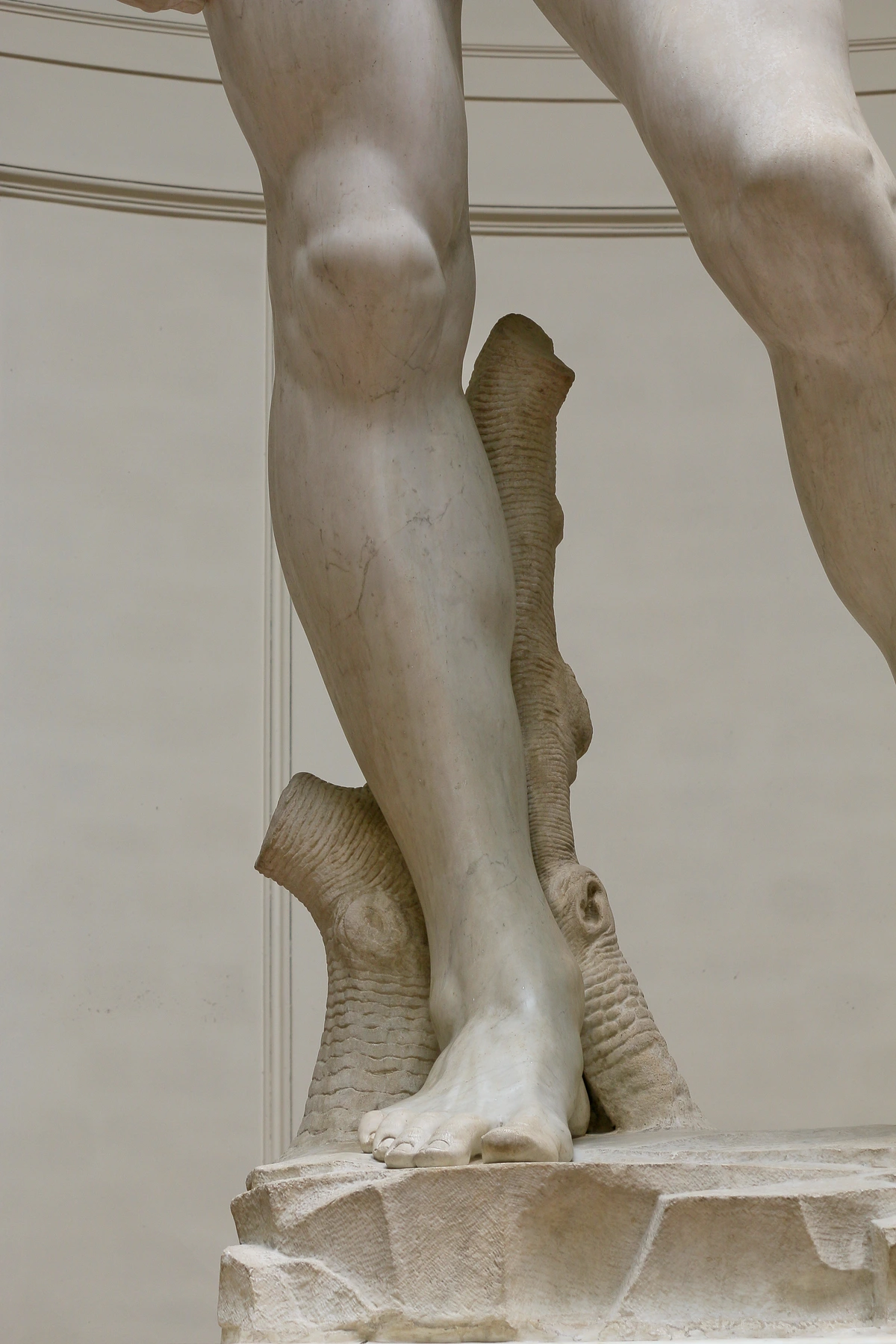
Once you begin acquiring pieces, the importance of good photography and documentation cannot be overstated. High-quality images of your sculptures, captured from multiple angles and under various lighting conditions, are crucial for insurance purposes, future sales, or simply sharing with friends. When photographing, aim for neutral backgrounds, use natural or diffused lighting to avoid harsh shadows, and take shots from eye-level, slightly above, and slightly below, as well as detailed close-ups of any unique features, signatures, or imperfections. These images, along with detailed records of provenance, condition, and artist information, form a vital archive of your collection. Treat it like a visual diary and a security blanket all rolled into one, a comprehensive record of your treasures. And speaking of security blankets, let's talk about protecting your investment, because art, while beautiful, is also a valuable asset.
Insurance and Appraisals: Protecting Your Investment
Once you start building a collection, especially with valuable pieces, insurance becomes non-negotiable. Art insurance is specialized, often covering unique risks like accidental damage, theft, or natural disasters, which standard home insurance might not adequately address. Work with a broker experienced in fine art insurance to ensure comprehensive coverage.
To get the right coverage, you'll need a professional appraisal. An appraisal is a formal valuation of your artwork by a qualified expert. It provides official documentation of the piece's worth, which is crucial for:
- Insurance: Determining appropriate coverage and facilitating claims.
- Donation: Establishing the tax-deductible value.
- Estate Planning: Valuing your collection for inheritance purposes.
- Sales: Providing a baseline for pricing.
I recommend getting a formal appraisal every few years for significant pieces, or if there's a major shift in the art market or the artist's career, as values can fluctuate. It's a key part of responsible collecting and protecting your investment, akin to insuring any other valuable asset you might own. There are different types of appraisals, each serving a specific purpose: Fair Market Value (for estate planning or charitable donations), Insurance Value (for calculating coverage against loss or damage), and Marketable Cash Value (for potential resale). When choosing an appraiser, ensure they are qualified, accredited by a recognized professional organization (like the Appraisers Association of America), and specialize in the type of art you own. Their expertise is invaluable. You can learn more by understanding art appraisals: what every collector needs to know. It's a critical step in responsible art ownership.
Bringing It Home: Displaying Your Collection
While the aesthetic is paramount, practical considerations are also key to ensuring your sculpture thrives in its new home.
You've found a piece you love. Congratulations! This is where the real fun, and sometimes the challenge, begins. Now, how do you make it sing in your space? Display is an art in itself, and I've always felt it's a collaborative dance between the artwork and its environment. Proper placement can elevate a sculpture from an object to a focal point, revealing new facets of its character. This is a topic I'm passionate about, and I've written before about how to incorporate sculptural art into modern interiors.
- Consider the Light: Light is a sculptor's silent partner, dramatically impacting how a piece is perceived. Natural light is often best, as it changes throughout the day, constantly redefining the piece, revealing new textures and shadows. Place a sculpture where morning, midday, and evening light can each tell a different story, allowing the work to evolve with the hours. For more dramatic or focused effects, consider carefully positioned artificial lighting. Spotlights can highlight specific contours or create intriguing shadows for pieces with complex forms, drawing attention to particular details. Wash lighting can illuminate a broader area, creating a softer, more ambient glow. Be mindful of harsh glares, especially on highly polished surfaces, and avoid lights that generate excessive heat or UV radiation, which can be detrimental to delicate materials like certain resins, textiles, or painted surfaces, causing degradation or fading. Always consider how the light interacts with the material itself – a bronze piece might thrive in direct sunlight, allowing its patina to deepen, while a delicate textile sculpture would quickly fade. Protecting your investment means understanding these interactions and making informed decisions about placement, ensuring the artwork's longevity and visual impact.
- Give It Space: This is crucial, and perhaps the most common mistake I see. Don't crowd your sculpture. It needs breathing room, a visual buffer that allows the eye to appreciate its form without distraction. The negative space around and through it is just as much a part of the composition as the physical form itself. Allowing a piece sufficient space enhances its presence and allows its form to be fully appreciated, giving it a commanding yet harmonious presence. Think about its visual weight and how it anchors or floats within the room, ensuring it doesn't compete with other objects but rather harmonizes with them, becoming an integral part of the room's narrative. Sometimes, less is truly more when it comes to display – a single, well-placed piece can speak volumes. For more creative ideas on integrating sculpture, take a look at my guide on displaying sculptures indoors: beyond the pedestal.
- Grouping and Juxtaposition: While a single, powerful sculpture can command a room, sometimes the magic happens when pieces are grouped together. Think about creating a dialogue between multiple sculptures – perhaps contrasting materials, forms, or periods. The "rule of three" is a classic starting point for arranging smaller pieces on a surface like a mantel or a bookshelf (grouping objects of different heights, textures, and forms in odd numbers is often visually pleasing and creates a sense of dynamic harmony). But don't limit yourself to just three! The principle is about creating visual interest and balance through varied forms and heights. Experiment with different arrangements to find what feels harmonious and captivating, allowing your eye to guide you. Remember, your sculpture can be a singular focal point, or part of a larger, carefully curated vignette that tells a richer story, especially when you juxtapose pieces that create a compelling visual conversation, sometimes unexpected ones. It's about finding that delicate balance between individual presence and collective harmony, and often, it's about surprising yourself with the connections you discover.
- The Pedestal Question: Ah, the classic pedestal! A pedestal or plinth literally and figuratively elevates a piece, removing it from the everyday and signaling that this object is special, worthy of focused attention. It's not just for museums or grand halls; a simple, clean-lined pedestal can look fantastic in a contemporary home, allowing the sculpture to command its own space and be seen at its best. Consider the material (wood, metal, concrete, acrylic, or even a repurposed antique piece) and height of the pedestal in relation to your sculpture and the surrounding furniture, ensuring it complements without overshadowing. A rustic wooden plinth might highlight an earthy ceramic, while a sleek acrylic pedestal could enhance a modern glass piece. Sometimes, a low plinth works beautifully, allowing you to look down onto a piece, inviting intimacy, while a taller one can bring a smaller piece closer to eye level, inviting a more direct engagement and a sense of monumentality. The choice of pedestal can significantly alter the perceived monumentality or intimacy of a work, so choose wisely! And remember, a good pedestal is like a good frame – it should enhance the artwork, not distract from it. It's the silent stagehand that helps your sculpture shine.
- Creating a Site-Specific Moment: You don't need a museum budget to think about site-specific display. Consider how a sculpture could enhance a particular nook, a window view, or an unused corner. Could a piece interact with existing architecture, light sources, or even the shadows it casts? Thinking about your home as a canvas for sculpture can unlock truly creative and personal display solutions, making the artwork feel deeply integrated into your living experience, creating a constant dialogue between art and environment.
- Environmental Factors: Consider humidity, temperature fluctuations, and direct sunlight, especially for delicate materials like wood, textiles, or certain contemporary composites. Extremes can cause warping, fading, or cracking. While not always possible, aiming for a stable environment is ideal for long-term preservation. For specific concerns about outdoor pieces, you might want to look into protecting outdoor sculptures from weather, as the challenges are quite different from indoor display.
- Safety and Security: Especially with larger, heavier, or more precarious pieces, ensuring your sculpture is stable and secure is paramount. Accidental knocks can lead to not only irreparable damage to the artwork but also potential injury to people – trust me, I've seen some unfortunate accidents. For stability, consider using earthquake putty or museum wax for smaller, lighter pieces. For more substantial or particularly valuable works, professional installation, including discreet anchoring or custom mounts, might be a wise investment. If you have pets or small children (or even just clumsy friends, like me!), this becomes even more critical – a piece that can be easily toppled is a hazard, and nobody wants a broken artwork (or a broken toe, for that matter!). Security measures, such as alarm systems or discreet display cases, might also be considered for high-value items, offering peace of mind that your treasured pieces are safe and sound.
Outdoor Sculpture Display Considerations
If you're lucky enough to have outdoor space for sculpture, the considerations shift dramatically. You're no longer just battling dust bunnies; you're contending with Mother Nature! The material must be robust enough to withstand the elements – sun, rain, wind, temperature fluctuations, and even curious wildlife. Think about drainage for base materials, and how the piece will interact with the changing seasons. The interplay of natural light and surrounding landscape becomes even more critical, and a piece can take on entirely new meanings depending on the foliage or architectural backdrop. For specific concerns about outdoor pieces, you might want to look into protecting outdoor sculptures from weather.

Curating Your Collection Over Time: A Living Journey
Collecting sculpture, much like life itself, isn't a static endeavor; it's a living journey, a continuous conversation with yourself and the art. Your tastes will evolve, new artists will emerge, and your understanding of art will deepen. Embrace this evolution wholeheartedly. It's a sign of a living, engaged mind, and your collection should be a dynamic reflection of that growth.
- Evolving Taste: Don't be afraid if what captivated you five years ago doesn't quite resonate the same way today. Our aesthetic preferences mature, just like we do, and that's a sign of growth! It's a natural part of the process of growth and self-discovery. Embrace new discoveries and allow your collection to reflect your evolving perspective, rather than feeling bound by past choices. A collection should be a dynamic reflection of you.
- Conservation and Preservation: As your collection grows, so too does your responsibility as a custodian of these artworks. Understand the specific care requirements for each piece – different materials react differently to light, humidity, and temperature. Consider professional conservation advice for valuable or delicate works; a small investment in preventative care can save significant costs and heartache later. Prevention is always better than restoration, and proper environmental controls (stable temperature, controlled humidity, minimal direct light exposure) are paramount for long-term preservation. You might consider art storage solutions for collectors for pieces not on display, especially if you have sensitive materials or a growing inventory that requires careful management.
- Deaccessioning (When to Let Go): Sometimes, a piece no longer fits your collection, your space, or your evolving vision. It's okay to consider selling or donating a work to make room, both physically and curatorially, for new acquisitions. This can be a tough decision, fraught with sentimental attachment, but it's part of the dynamic nature of building a collection. When deaccessioning, consider the ethical implications and aim to place the work where it will be appreciated and cared for, contributing to its ongoing narrative and ensuring its continued life as an artwork. It's not abandonment; it's rehoming, and sometimes a necessary step for your collection to continue its evolution!
- Building an Art Library: Beyond the physical artworks, consider building a small library of art books, exhibition catalogs, and scholarly texts. These resources will deepen your understanding of artists, movements, and techniques, enriching your appreciation for your own collection and the broader art world. I find nothing quite beats curling up with a good art book, losing myself in the visuals and the narratives behind them. It's a continuous education that fuels the passion.
- Understanding Market Trends and Value: While I always say to buy what you love, it doesn't hurt to have a basic understanding of the art market. Follow auction results, read art market reports, and pay attention to which artists and movements are gaining traction. This knowledge can inform future acquisitions and help you understand the potential long-term trajectory of your collection, adding another layer of intellectual engagement to your collecting journey. Think of it as a strategic game, where understanding the landscape is key.
- Participating in the Art Community: Don't be a silent collector! Engage with the art community. Attend gallery openings, artist talks, museum events, and even online forums. These interactions offer opportunities to learn, share your passion, and connect with like-minded individuals, transforming your collecting journey into a vibrant social and intellectual pursuit that extends far beyond the objects themselves. It's truly about building a community around a shared love for art.
Cataloging and Documentation: The Unsung Hero of Collecting
As your collection expands (and trust me, it probably will!), keeping detailed, meticulous records becomes not just important, but absolutely essential. Think of it as creating the autobiography of your collection. A comprehensive catalog should include:
- Artist Information: Full name, birth and death dates (if applicable), nationality, and any relevant biographical details or significant career milestones.
- Artwork Details: Exact title, precise date of creation, primary medium(s) and any specific components, exact dimensions (height x width x depth), edition number (if it's part of a limited series), and a clear description of signature details or artist's marks.
- Acquisition Information: The exact date of purchase, the price paid, the name of the gallery, dealer, or seller, and a complete provenance (the history of ownership).
- Condition Reports: Detailed notes on the artwork's current state, including any minor imperfections, previous conservation treatments, and high-quality photographs from multiple angles.
- Insurance Records: Current appraisal values and comprehensive insurance policy details.
- Exhibition History & Publications: Any exhibitions the piece has been a part of, and any publications where it has been featured.
This meticulous record-keeping not only protects your investment and ensures its authenticity for future generations but also profoundly enriches your understanding of each piece and the collection as a whole. It’s like having a secret dossier for every work you own, telling its complete story from conception to its current home in your collection. This level of detail isn't just for insurance; it's for true appreciation and stewardship.
Building Relationships with Artists and Gallerists
Beyond simply acquiring art, cultivating relationships within the art world can be incredibly rewarding. Engaging with artists offers unparalleled insights into their creative process, their inspirations, and their intentions – truly understanding the mind behind the hand. Building trust with gallerists, on the other hand, can lead to early access to new works, specialized advice tailored to your tastes, and invitations to exclusive events and private views. These relationships transform collecting from a series of transactions into a truly immersive, educational, and deeply personal experience, fostering a genuine connection to the art ecosystem, making your journey even richer.
Frequently Asked Questions (FAQ)
How do I spot a fake or forgery?
This is a complex and often anxiety-inducing question, and honestly, even experts get it wrong sometimes! But here are some red flags and best practices to help you navigate these tricky waters:
- Provenance is King: Provenance is King: A clear, unbroken chain of ownership from the artist, tracing the artwork's journey through various collections, is your strongest defense against forgery. Lack of provenance, especially for older or valuable works, is a huge warning sign that should make you exercise extreme caution.
- Reputable Sources: Reputable Sources: Always buy from established galleries, reputable dealers, or well-known auction houses that offer strong guarantees of authenticity and a clear return policy. Avoid back-alley deals, online sellers without verifiable reputations, or sources that seem too good to be true (because, let's be honest, they almost always are).
- Artist's Style & Materials: Artist's Style & Materials: Familiarize yourself intimately with the artist's typical style, preferred materials, and techniques. Forgers often miss subtle nuances, the idiosyncratic touches that define an artist's hand. Does the piece truly feel like that artist's work in its execution and spirit?
- Signature: Signature: While a signature is important, and often a key identifier, it's also easily faked. Authenticity goes far beyond a signature alone; it's about the entire physical and historical context of the work.
- Condition: Condition: While age often shows in an artwork, pristine condition for an ancient piece can sometimes be suspicious, unless meticulously documented. Conversely, intentional "aging" to simulate antiquity or a specific period can also be a trick used by forgers to deceive. Always consider if the condition aligns with the claimed age and history.
- Documentation: Documentation: Scrutinize any accompanying certificates of authenticity, detailed exhibition history, or entries in a catalog raisonné (a comprehensive, scholarly catalog of an artist's known works). Cross-reference them meticulously with independent sources to verify their legitimacy.
- Trust Your Gut (and Experts): Trust Your Gut (and Experts): If something feels off, trust that intuition – it probably is. For any significant purchase, always seek an independent expert opinion from a qualified appraiser or art historian specializing in that artist or period. It’s an investment in peace of mind that can prevent a very costly mistake, and honestly, it’s always better to be safe than sorry in the art market.
How much should I budget for my first sculpture?
This is entirely personal, and honestly, the range is vast. You can find wonderful small works by emerging artists for a few hundred dollars, or even less at art student shows and local craft fairs. Conversely, established artists' pieces can run into the thousands or much, much more, with masterworks fetching millions. My advice is always the same: buy the best quality you can genuinely afford without stretching yourself thin. The goal is joy, connection, and appreciation, not financial stress or an investment that keeps you up at night. Buy what you love and what you truly want to live with, and don't let price alone dictate your taste; your personal connection is often worth more than any market valuation. Value isn't just monetary; it's also personal and emotional. Start by exploring different venues, comparing prices, and getting a feel for what resonates within your budget. Many galleries also offer payment plans, making higher-value pieces more accessible over time, so don't be afraid to ask about options.
What's the difference between a unique piece and an edition?
This is an important distinction, especially when considering value and rarity.
- A unique piece is a one-of-a-kind creation, often referred to as a singular work or a monotype. There is only one in existence, making it inherently rarer and often more valuable. Works carved from stone or wood are almost always unique.
- An edition is a set number of identical works produced from a single mold, plate, or digital file. This is common for bronze sculptures (casts, which rely on the lost-wax method), certain glass art, or even some mixed media pieces. For example, a sculpture might be marked "Edition 3 of 8," meaning it's the third piece out of a total of eight made. Within editions, you might also find Artist's Proofs (APs), which are outside the numbered edition but identical, often retained by the artist for their own archive or for specific sales or gifts. Limited editions (where the total number is fixed and explicitly stated, like "Edition 3 of 8" or "12/50") generally hold their value better and are considered more exclusive than open editions (where there's no set limit to the number that can be produced, though this is less common in fine art sculpture). Always verify the edition size and whether it's signed and numbered by the artist, as these details significantly impact value, rarity, and authenticity.
How do I care for my sculpture?
This is an excellent question, and the answer truly depends on the material. Generally, for most indoor sculptures, regular, gentle dusting with a soft, lint-free cloth (like microfiber) is sufficient. However, never use harsh chemical cleaners, abrasive materials, or anything that hasn't been specifically recommended for your artwork.
- Bronze: Avoid commercial polishes, which can strip away the natural patina that gives bronze its character and value. A soft dusting is usually enough. If deeper cleaning is needed or if the patina is unstable, consult a professional conservator. For more specific care, you can refer to my guide on how to care for bronze sculptures. Remember, proper care isn't just about cleaning; it's about creating the right environment.
- Stone: Dry dusting is best. For marble, avoid acidic cleaners, abrasive materials, or anything that could stain its porous surface. Use distilled water sparingly for light cleaning, if recommended by an expert.
- Wood: Keep away from extreme humidity fluctuations (which can cause cracking) and direct sunlight (which can cause fading or warping). A light polish with a wood-safe wax or oil can sometimes be beneficial, but always test in an inconspicuous area first.
- Ceramics: Generally easy to care for with gentle dusting. For glazed pieces, a soft damp cloth can be used, but avoid harsh detergents. Unglazed terracotta can be more porous and may require specialized cleaning if stained.
- Glass: Dust gently. For fingerprints, a soft cloth with a mild glass cleaner (non-ammoniated) can be used, but avoid excessive liquid, especially if the piece has intricate joints or applied elements.
- Mixed Media/Found Objects: These are often the trickiest, as different materials have different needs. Always consult the artist or gallery for specific care instructions, as some components might be particularly sensitive.
For specific concerns about a piece, the gallery or artist who sold it to you is your absolute best resource. For more complex needs, especially for valuable or delicate works, consider looking into professional art storage solutions for collectors or consulting a professional art conservator who specializes in the specific material of your piece. And for outdoor sculptures, remember they face the full force of the elements; regular inspection, cleaning, and specific protective treatments are often necessary, as detailed in my article on protecting outdoor sculptures from weather. Ignoring these can lead to irreversible damage.
What is an Armature in Sculpture?
An armature is an internal framework or skeleton used by sculptors to support a pliable material (like clay, wax, or plaster) during the modeling process. It provides structural integrity, preventing the sculpture from collapsing under its own weight as the artist builds up the form. Armatures can be made from wire, wood, metal pipes, or even found objects, and are particularly important for larger or more complex figures. Once the sculpture is complete and perhaps cast in a more rigid material like bronze, the armature may be removed or remain permanently embedded within the piece. For a visual explanation, you can explore what is an armature in sculpture.
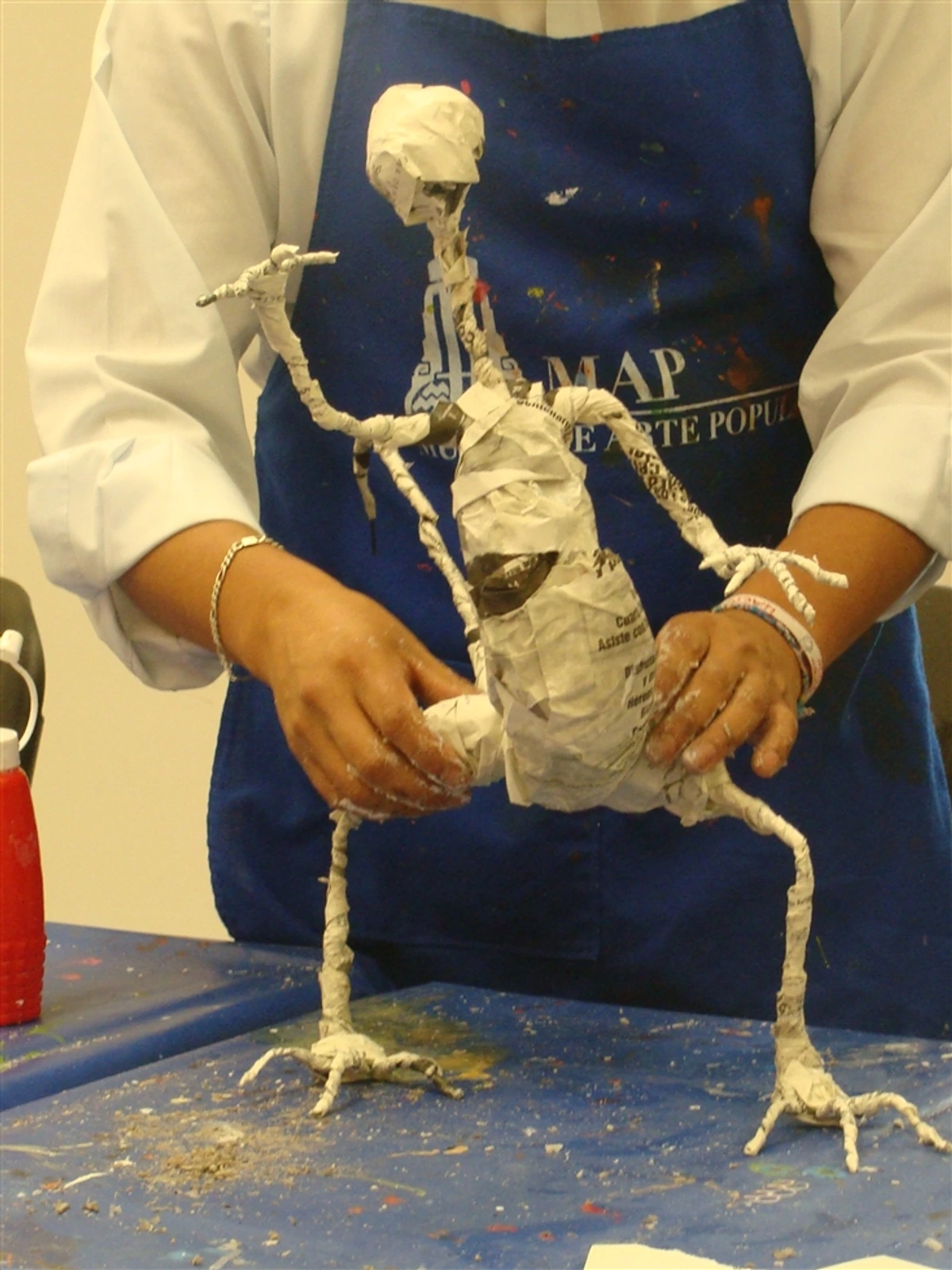
What's the difference between abstract sculpture and figurative sculpture?
This is a fundamental distinction in how sculpture represents the world, and honestly, I love both for different reasons!
- Figurative Sculpture: This type of sculpture aims to represent subjects from reality, typically the human form, animals, or recognizable objects. The goal is often to capture a likeness or convey a narrative in a way that is easily identifiable. Think of Michelangelo's David or Rodin's The Thinker – they are clearly recognizable figures. Its enduring appeal lies in our innate connection to recognizable forms, allowing for immediate emotional and narrative engagement. It often serves to tell stories, commemorate individuals, or express universal human experiences through relatable imagery.
- Abstract Sculpture: In contrast, abstract sculpture does not aim to literally represent external reality. Instead, it focuses on form, color, texture, and line to create an aesthetic experience. It might be inspired by real-world forms but distorts, simplifies, or rearranges them, or it might be entirely non-representational, exploring pure shape and space. Think of the geometric purity of a Brancusi or a minimalist work by Donald Judd. The "meaning" or experience is often derived from the viewer's interaction with these formal qualities rather than a literal narrative, inviting a more subjective and interpretive engagement. It challenges you to feel rather than just see, often provoking a deeper, more personal dialogue with the artwork itself.
Both approaches are equally valid and powerful, offering different kinds of engagement. Sometimes the line between them can blur a bit, which is where it gets really interesting!
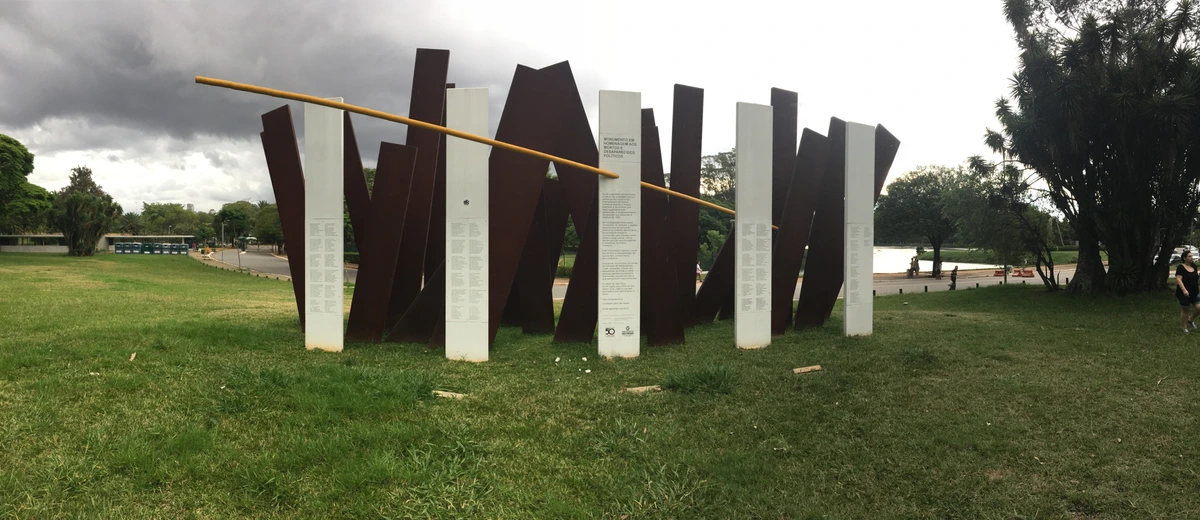


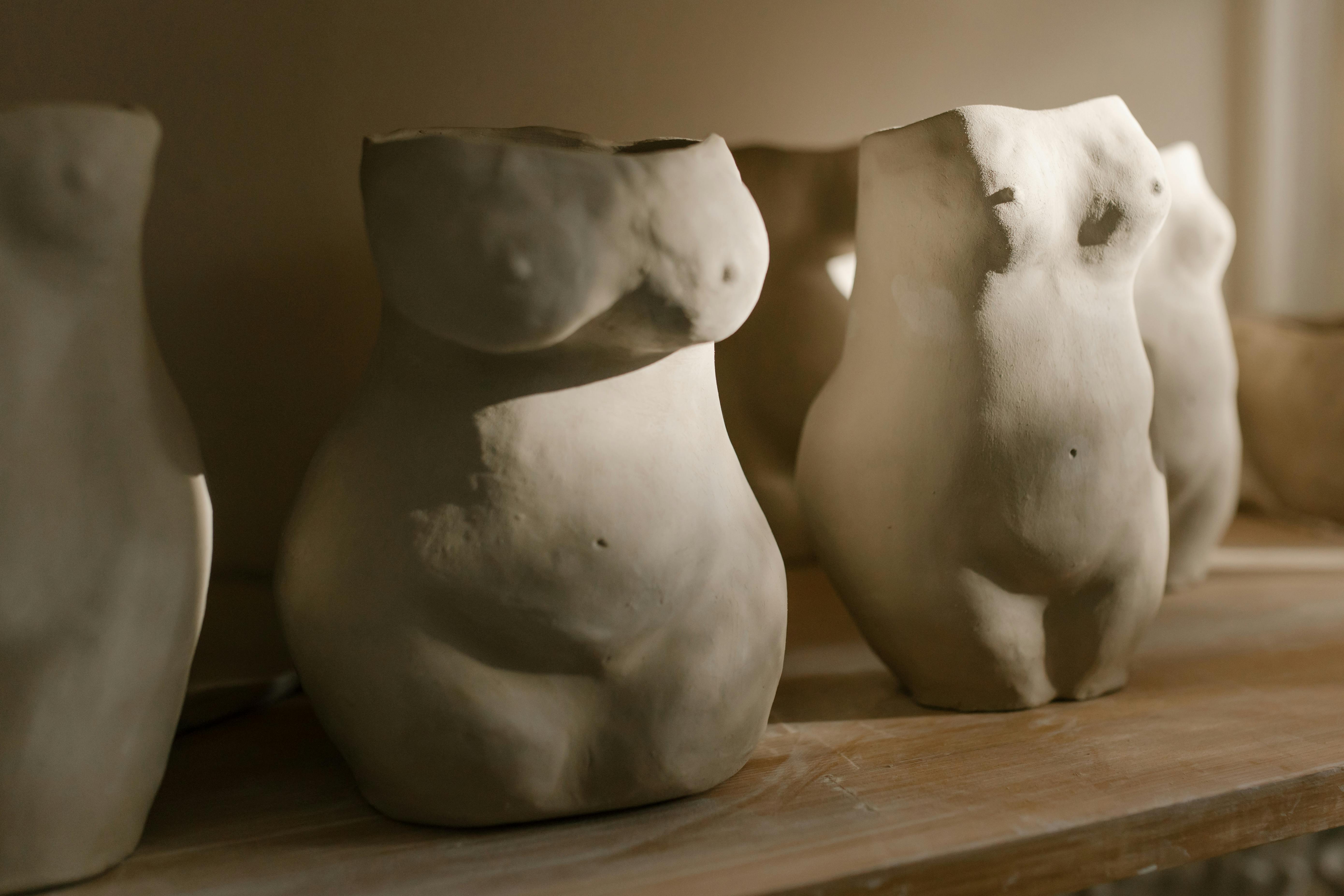
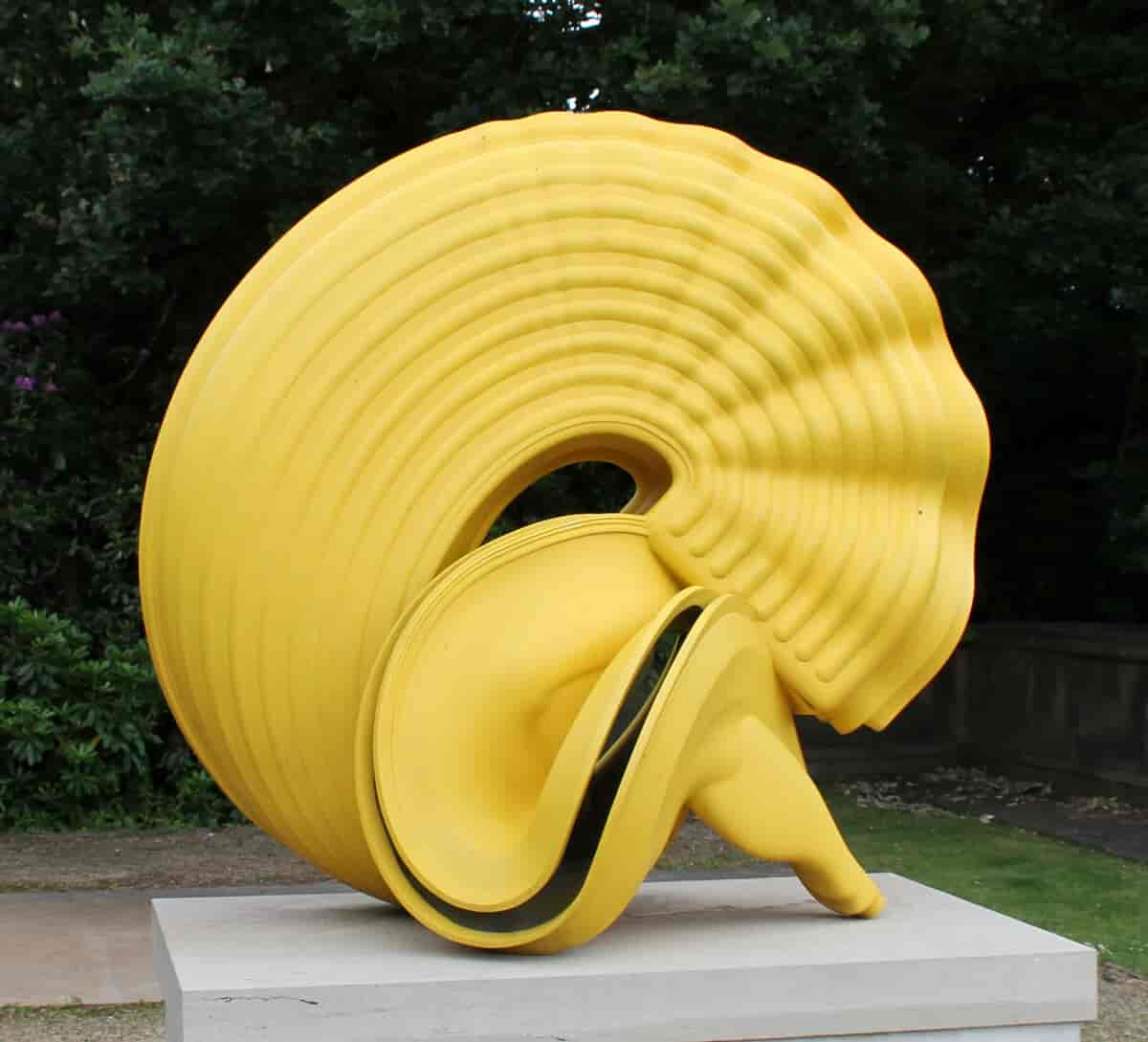


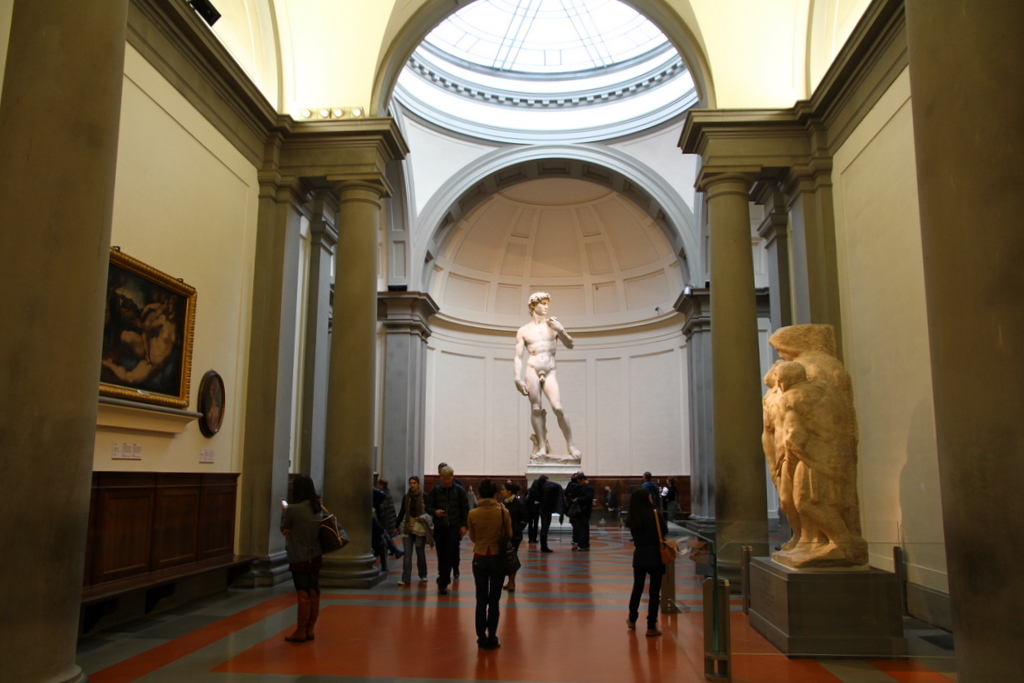


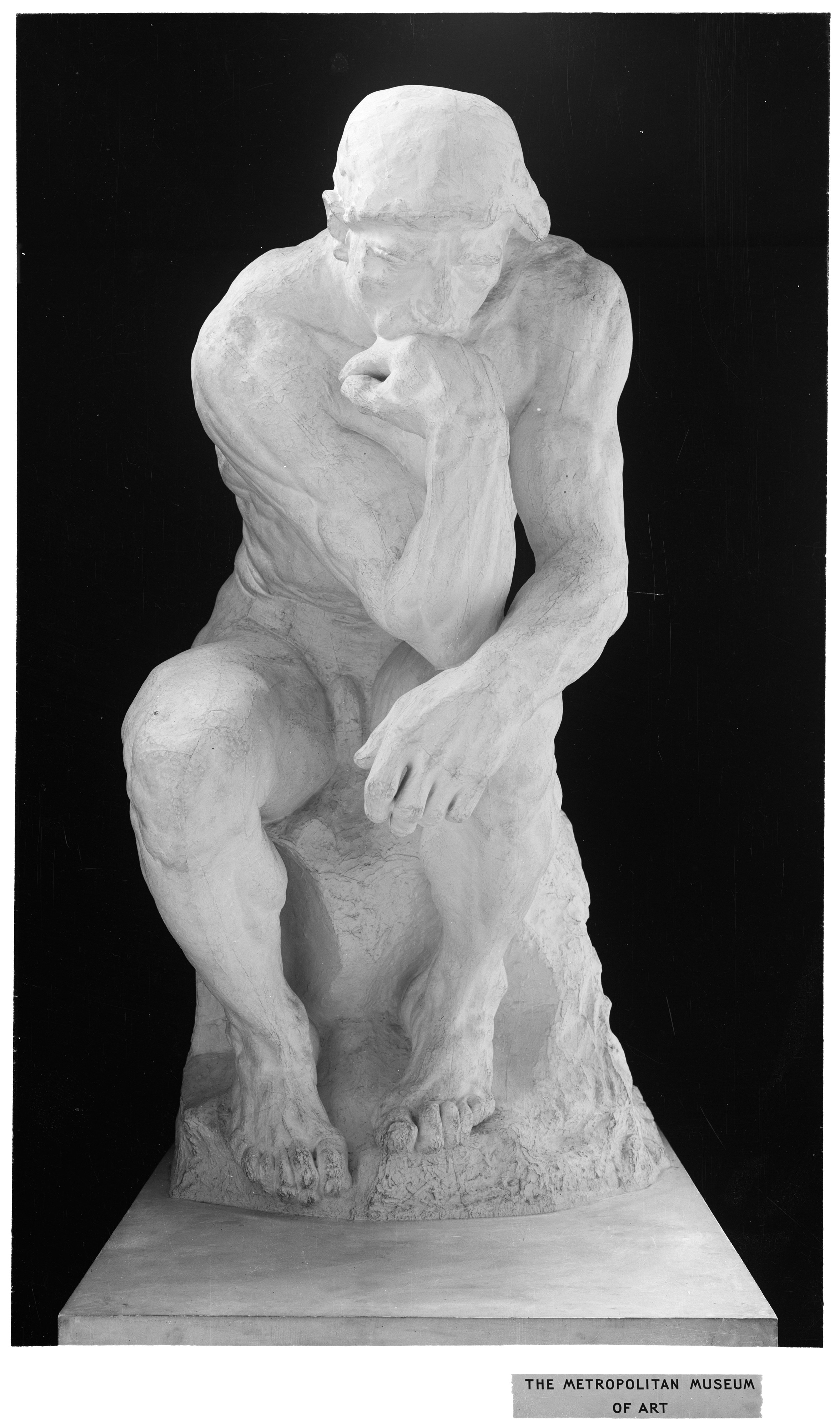




What is Site-Specific Sculpture?
Site-specific sculpture is artwork created specifically for a particular location, with the intent that its meaning and impact are inextricably linked to that environment. The site itself becomes an integral part of the artwork. This could mean a large-scale outdoor installation designed for a specific landscape, an indoor piece that interacts with a building's architecture, or an ephemeral work made for a temporary event. These sculptures often engage deeply with the history, culture, or natural elements of their chosen location, offering a unique dialogue between art and place that fundamentally reshapes our perception of both. They force us to consider how art interacts with its environment in a profound way, almost like an extension of the landscape or architecture itself.
How Do I Commission a Sculpture?
Commissioning a sculpture can be a deeply personal and rewarding experience, resulting in a piece uniquely tailored to your vision and space. The process typically involves:
- Defining Your Vision: Clearly articulate your ideas, preferred materials, scale, budget, and desired timeline.
- Researching Artists: Look for artists whose style and medium align with your vision. Galleries, art fairs, and online platforms are good starting points.
- Initial Consultation: Discuss your project with potential artists. Review their portfolios and discuss their approach to commissions.
- Proposal and Contract: The artist will provide a detailed proposal, often including sketches, maquettes, a timeline, and a breakdown of costs. A formal contract protects both parties.
- Studio Visits & Progress Updates: Stay engaged throughout the creation process, often with studio visits (if feasible) or regular updates from the artist.
- Installation: Work with the artist or a professional installer to ensure the piece is correctly and safely installed in its designated location.
It's a collaborative journey that brings a unique artistic voice directly into your life, culminating in a deeply personal and meaningful work that speaks to your specific vision and space.
What is Kinetic Art?
We touched on this earlier, but it's worth reiterating for clarity. Kinetic art is simply art that contains actual movement. Unlike static sculpture that implies movement, kinetic pieces physically move, whether through natural forces like wind, mechanical means (motors, gears), magnetism, or even viewer interaction. It's a captivating genre that adds a fourth dimension – time – to the sculptural experience. Artists like Alexander Calder are masters of this form, creating delicate mobiles that dance and change with their environment, while others like Jean Tinguely created complex, self-destructive machines. Kinetic art continually evolves, reflecting our technological advancements and our fascination with dynamic forms. For more information, revisit my earlier section on When Sculpture Comes Alive: Kinetic Art or delve deeper into what is kinetic art movement in modern sculpture.
What is Contrapposto in Sculpture?
You might hear this term often in discussions about classical sculpture. Contrapposto is an Italian term meaning "counterpoise." In sculpture, it describes a human figure standing with most of its weight on one leg (the engaged leg), causing its shoulders and arms to twist off-axis from the hips and legs. This creates a natural, relaxed, and dynamic pose, rather than a stiff, frontal stance. Think of Michelangelo's David – he's a perfect example, embodying a sense of potential movement and psychological depth. This technique, revived during the Renaissance, brought unprecedented lifelike movement and grace to the sculpted form, moving away from the rigid postures of earlier periods. To truly appreciate this classical pose and its enduring influence on figurative sculpture, you can delve into what is contrapposto in sculpture.
Do I need to get my sculpture appraised?
For insurance purposes, it's a very good idea, especially as its value increases over time. An appraisal provides official, professional documentation of the work's worth, which is crucial for protecting your investment against loss, damage, or theft. It's a key part of responsible collecting, akin to insuring any other valuable asset. I'd recommend getting a formal appraisal every few years for significant pieces, or if there's a major shift in the art market. There are different types of appraisals (e.g., for insurance, donation, or estate planning), so be sure to specify your needs when engaging a qualified appraiser. You can learn more by understanding art appraisals: what every collector needs to know.
What is the Venus de Milo?
The Venus de Milo is one of the most famous ancient Greek sculptures, believed to depict Aphrodite, the Greek goddess of love and beauty. Carved from Parian marble, this Hellenistic masterpiece dates to around 130-100 BC. It's renowned for its beauty, enigmatic expression, and the mystery surrounding its missing arms, which only adds to its allure. Currently housed in the Louvre Museum in Paris, it remains an enduring symbol of classical beauty and the timeless power of the human form in sculpture. You can explore more about this iconic work on my page about what is the Venus de Milo, and discover why it continues to captivate audiences worldwide despite its missing limbs.
What are some other famous sculptures and their meanings?
Beyond the familiar David and The Thinker, the world is rich with iconic sculptures that carry profound meanings. Consider the ancient Egyptian Sphinx, a mythical creature symbolizing protection and wisdom, or the intricate storytelling reliefs of the Parthenon in ancient Greece. From the powerful Terracotta Army of China, created to guard an emperor in the afterlife, to the emotionally charged Pietà by Michelangelo, depicting Mary cradling the body of Christ, each sculpture is a window into the beliefs, aesthetics, and narratives of its time. Exploring these works offers a journey through human history and creativity, revealing the diverse ways cultures have used sculpture to express their deepest beliefs and aspirations. To me, it's like time travel through art. For more examples and their significance, delve into my guide on famous sculptures and their meanings.
A Final Word from Your Curator: The Continuing Dialogue
Collecting sculpture is, at its heart, a journey, not a destination. It's a living dialogue between you, the artwork, and the space you share, one that continually unfolds and surprises. Your taste will evolve, you'll make unexpected discoveries, and you'll learn what speaks to you on a fundamental, visceral level – sometimes in ways you never anticipated. My best advice? Start small, trust your eye and your gut feeling, and most importantly, allow yourself to be captivated by what truly moves you. Have fun with it – because art should first and foremost bring joy, a deep, resonant pleasure that enriches your daily life!
You are not just acquiring an object; you are becoming a custodian of an artist's vision, a participant in an ongoing story, and an active creator of your own unique environment. Each piece you choose brings a new, three-dimensional story into your life, enriching it in ways you might not yet imagine, adding depth, character, and endless conversation starters to your personal space. Embrace this wonderful journey, and let the sculptures speak to you in ways you never expected, becoming silent companions on your path.
Discover More: My Artistic Vision
If this journey into the world of sculpture has sparked your imagination and you find yourself drawn to contemporary forms, I invite you to explore my own work. My art often plays with vibrant colors and abstract compositions, aiming to create dynamic visual experiences that engage the viewer and transform spaces. I find immense joy in exploring the interplay of light, form, and emotion, and I believe that sculpture, in particular, offers a unique opportunity to infuse a space with a palpable energy. You can see my latest creations and perhaps find a piece that resonates with your evolving collection here – they're the kind of pieces that love to start conversations and inject a pop of joy into any space. Or, if you're ever in the Netherlands, consider visiting the Den Bosch Museum to experience art in person; nothing truly beats seeing it in the flesh, feeling its presence, if you ask me! The beauty of art is its endless possibility, its capacity to surprise and delight, and I hope you continue to explore it with an open heart and a discerning eye, always seeking that profound connection, that spark of recognition that makes a piece truly yours.