Decoding the Stone and Steel: Famous Sculptures and What They Really Mean
Uncover the profound stories behind iconic sculptures like The Thinker, David, and A Subtlety. Explore the symbolism, history, and enduring impact of these masterpieces with a personal, engaging perspective.

Sculpted Narratives: Decoding Famous Sculptures and Their Enduring Messages – A Comprehensive Journey into Form and Meaning
Have you ever stood before a sculpture and felt a profound, almost spiritual connection? I know I have. It's more than just carved stone or cast metal; it's a silent conversation across centuries, a frozen moment of human ambition, belief, and artistic genius. Unlike a painting that invites you into its world, a sculpture insists on sharing yours. It demands your presence, inviting you to move around it, to explore its textures, and to witness how light plays across its form. For me, there’s an undeniable magic in that tangible weight, that unapologetic occupation of space – a tangible whisper from eternity. It’s a primal human urge, really, to give form to the formless, to capture an idea in solid matter. When we consider the fundamental elements of sculpture – line, form, space, mass, texture, and color – we begin to appreciate the intricate language through which artists communicate. In a world increasingly dominated by fleeting digital images, the sheer, undeniable presence of a sculpture demands a different kind of attention, a slower, more deliberate engagement. It makes you pause, breathe, and truly see.
Today, I want to be your guide on a personal tour, a curator's journey through some of the most iconic sculptures the world has ever known. We’ll peel back the layers not just to appreciate their forms, but to truly understand what they mean – the stories they tell, the controversies they sparked, and the hopes and fears they embody. We’re diving deep into the powerful statements these incredible works make, from ancient myths to modern provocations. This isn't just a list; it's an exploration into the very soul of human expression in three dimensions, a quest to uncover the universal messages etched in stone, metal, wood, and even sugar. From the serene expressions of ancient Greek gods to the raw emotional intensity of Baroque masterpieces, and from the challenging conceptual art of today to the monumental forms of forgotten empires, we’re going to explore the profound impact of these tangible whispers from eternity. Along the way, we'll uncover the secrets behind their creation, the materials that give them life, and how they continue to resonate in our contemporary world. This is the ultimate guide to understanding famous sculptures, designed to provide you with the most comprehensive and engaging insights available. In this article, I want to unpack the
The Earliest Whispers: Prehistoric Sculpture
Before the grand civilizations, before written history, humans were already shaping their world. For me, there's something incredibly moving about these earliest attempts to give physical form to beliefs and observations. These aren't just artifacts; they're the first tangible evidence of our ancestors' inner lives, their hopes, and their fears.
Perhaps one of the most famous examples is the Venus of Willendorf, a small (just over 4 inches tall) limestone figurine from around 25,000 BCE. With its exaggerated breasts and hips, and absence of facial features, it's believed to be a fertility symbol or a representation of a mother goddess. It speaks volumes about the priorities and mysteries of early human societies, reminding us of the fundamental human connection to fertility and the natural world. These early figures, often found in caves or burial sites, were portable and potent, serving ritualistic or symbolic purposes that we are only now beginning to decipher. They are direct ancestors to all the monumental works that followed, the very first sculpted narratives.
Beyond the Venuses, the very act of carving figures into cave walls or shaping animals from bone (like the Swimming Reindeer from around 13,000 BCE, a delicate and lifelike carving that shows astonishing observation skills) demonstrates an incredible cognitive leap, revealing early humanity's deep connection to the natural world and their sophisticated observation skills. Don't forget the incredible cave reliefs found in sites like Roc-de-Sers in France, where animals are carved directly into rock walls, showing a nascent understanding of form and perspective that would foreshadow later artistic developments. And then there are the enigmatic megalithic structures of places like Göbekli Tepe in present-day Turkey, dating back to around 9,000 BCE. While not "sculptures" in the portable sense, the massive, T-shaped pillars adorned with intricate relief carvings of animals (such as boars, foxes, and birds) and abstract symbols represent monumental efforts to give form to complex spiritual beliefs and cosmological understandings, pre-dating agriculture and demonstrating a complex artistic and social organization far earlier than once thought. These early works remind me that the impulse to create, to imbue matter with meaning, is as old as humanity itself, a fundamental part of what makes us human, and that our ancestors were engaging with complex ideas of the sacred and the natural world through their art.
The Timeless Voices of Classical Masterpieces
When I think of sculpture, my mind often first drifts to the classical world, where gods and heroes emerged from marble with breathtaking realism. There's a reason these works have endured, a certain universal truth they speak.

Echoes from Ancient Greece: From Kouros to the Parthenon
Before the dramatic intensity of Hellenistic works or the idealized heroism of the Renaissance, the foundations of Western sculpture were laid in Archaic and Classical Greece. I've always been fascinated by the sheer stylistic evolution within this period. Early Greek sculptures, like the Kouros (male youth) and Kore (female maiden) figures, were often rigid, front-facing, and symmetrical, characterized by their enigmatic "archaic smile." While seemingly simplistic, they were groundbreaking in their pursuit of the human form, carving directly from massive blocks of marble. These early figures, often votive offerings or grave markers, represented an emerging focus on the human body as a subject of artistic inquiry, moving away from purely abstract or animal forms.
As Greek civilization evolved, so did its art, culminating in the Classical period, which brought a revolution in naturalism, idealized human anatomy, and a sense of dynamic balance. The shift from the stiff, blocky forms of the Archaic kouroi and korai to the fluid grace of Classical figures marks a profound artistic development. Think of the breathtaking sculptures that once adorned the Parthenon in Athens, crafted under the supervision of the legendary Phidias. These metopes and friezes, now often seen in the British Museum (though their repatriation is a subject of ongoing debate), depicted mythological battles and Panathenaic processions with an astonishing sense of movement, drapery, and emotional restraint. They weren't just decorative; they were visual narratives celebrating Athenian democracy, military prowess, and the divine order, often carved from gleaming Parian marble, a material prized for its translucent quality. For me, they represent a pivotal moment where sculpture moved beyond static representation to capture the dynamism and inner life of its subjects, truly bringing stone to life.
Beyond architectural embellishments, individual sculptors like Polykleitos emerged, codifying an ideal of human proportions that would influence Western art for centuries. His Doryphoros (Spear-Bearer) exemplifies the Greek concept of contrapposto – a natural, relaxed pose where the body's weight is shifted to one leg, creating a subtle S-curve that suggests potential movement and brings the figure to life. It’s a remarkable achievement in conveying naturalism and grace, a true benchmark for idealized human form. Later Classical sculptors like Praxiteles further refined this ideal, introducing a new sensuality and softness, as seen in his renowned Aphrodite of Knidos, often considered the first life-size nude female statue in Greek art, which profoundly influenced later depictions of the goddess.
The Soaring Grace of Hellenistic Masterpieces
Moving into the Hellenistic period, Greek sculpture exploded with drama, emotion, and theatricality. It's a style that speaks directly to the heart, often depicting heightened emotional states and dramatic narratives. Perhaps one of the most compelling examples of this era, and certainly one of my favorites for its sheer dynamism, is the Winged Victory of Samothrace. This monumental marble statue, discovered on the island of Samothrace and now proudly displayed in the Louvre, depicts Nike, the goddess of victory, alighting on the prow of a ship. Even without her head and arms, the sense of forward motion, the incredible drapery that seems to ripple in the wind, and the sheer power of the figure are undeniable. It's a testament to the Hellenistic sculptors' ability to capture fleeting moments with eternal grandeur, making you feel the wind and the spray of the sea just by looking at the stone. It's a breathtaking achievement in conveying energy and triumph in marble, a true masterpiece of emotional intensity.
Another undeniable icon from this period is the Laocoön and His Sons, a Hellenistic masterpiece discovered in Rome in 1506. When I first saw a replica, I was struck by its raw emotion. This isn't calm, idealized beauty; this is agony. The Trojan priest Laocoön and his sons are caught in the coils of sea serpents, a divine punishment sent by the gods for his warnings against the Trojan Horse. Its rediscovery had a profound impact on Renaissance artists, including Michelangelo, who marveled at its dramatic composition and intense expression of human suffering and despair. It tells us that even in ancient times, artists weren't afraid to confront the darkest aspects of existence. It's a stark reminder that even art can bring us face-to-face with the inevitable tragedies of life. Beyond individual works, the Altar of Pergamon's monumental Gigantomachy frieze is another stunning example of Hellenistic drama, depicting the cosmic battle between gods and giants with unparalleled energy and emotional agony, a veritable explosion of figures and expressions. And the poignant Dying Gaul, depicting a mortally wounded Celtic warrior, showcases a profound empathy and detailed realism, moving away from idealized heroism to capture vulnerability and the human cost of conflict. These works collectively broke from the Classical period's restraint, embracing dramatic narrative and intense pathos that speaks directly to the human experience of struggle and triumph, making a powerful emotional connection with the viewer, often through depictions of suffering, old age, and even caricature, expanding the range of sculptural subjects.

The Roman Legacy: Power, Portraiture, and Propaganda
While the Greeks idealized the human form, the Ancient Romans were masters of realism, especially in portraiture and monumental public works. Their sculptures were less about capturing divine perfection and more about reflecting the individual character, status, and power of their subjects, often serving as potent tools of propaganda. For me, this shift to an almost unflinching realism is utterly fascinating.
Think of a figure like Augustus of Prima Porta. This marble statue isn't just a likeness of the first Roman Emperor; it's a carefully crafted piece of imperial ideology. Every detail, from his military breastplate adorned with allegories to his commanding gesture, speaks of authority, divine favor, and peace brought through strength. It’s a complete narrative in stone, designed to communicate imperial ideology across the vast Roman Empire, from the capital to the furthest reaches of the empire. And for a truly breathtaking example of Roman monumental sculpture, consider the Equestrian Statue of Marcus Aurelius – a rare bronze survivor from antiquity, depicting the philosopher-emperor in a gesture of clemency. It’s not just a man on a horse; it’s the embodiment of imperial virtue and power, designed to inspire awe and loyalty, and its survival into the Renaissance led to its profound influence on later equestrian portraits. Another testament to Roman narrative power is Trajan's Column in Rome, a continuous spiral relief depicting the Emperor Trajan's military victories in Dacia, providing an invaluable historical record etched in stone, almost a comic strip of imperial conquest. And we can't forget the detailed historical reliefs on structures like the Arch of Titus, commemorating his triumphs in the Jewish War, or the intricate portrait busts of emperors and private citizens that filled Roman villas and public spaces, each revealing a fascinating glimpse into individual character and Roman society, capturing not just likeness but often the weariness and wisdom of age. Their pragmatic approach to sculpture, often utilizing bronze and marble for public display, was a direct reflection of their imperial ambitions and administrative genius, and their innovations in relief sculpture profoundly influenced Western art.
Of course, Michelangelo's David wasn't the only David. In fact, another significant version came from his teacher, Andrea del Verrocchio, whose bronze David (c. 1473-1475) depicts a confident, almost cocky young hero, standing over Goliath's head. Verrocchio's take captures a youthful bravado that perfectly encapsulates the burgeoning confidence of Renaissance Florence, a powerful civic statement. Then, nearly a century earlier, another Renaissance master, Donatello, created his own version. Donatello’s bronze David, often seen as the first freestanding nude statue of the Renaissance, is markedly different—younger, almost ethereal, with a coy sensuality that was revolutionary for its time. Where Michelangelo's is about the moment before the action, Donatello's depicts the hero after his victory, foot resting on Goliath's severed head, a moment of quiet triumph. It was a bold statement of individualism and humanism, pushing the boundaries of what was acceptable in public art and ushering in a new era of Renaissance sculpture. Comparing the three is like looking at different facets of the same powerful story, each reflecting the evolving humanist ideals of Florence. The period also saw the incredible advancements in bronze casting, with masters like Lorenzo Ghiberti creating masterpieces like the "Gates of Paradise" doors for the Florence Baptistery, which showcased a revolutionary sense of perspective and narrative in relief sculpture, blurring the lines between painting and sculpture. Artists like Andrea della Robbia brought vibrant, glazed terracotta sculptures to public and private spaces, adding a touch of color and accessibility that appealed to a wider audience. If you're keen to understand more about this groundbreaking artist, Donatello's contributions to the early Renaissance are truly a must-read, you can find more in the ultimate guide to Donatello.
Michelangelo's Pietà: A Vision of Maternal Grief
Before the powerful David and the wrathful Moses, Michelangelo created another masterpiece that speaks to a profoundly different human emotion: the Pietà. Carved when he was barely 24, this marble sculpture in St. Peter's Basilica, Vatican City, depicts the Virgin Mary cradling the dead body of Jesus on her lap after the Crucifixion. What strikes me most about it is the impossible tenderness and serene sorrow. Mary, depicted as youthful and idealized, looks down with a quiet, dignified grief, while Christ’s body is rendered with an astonishing anatomical precision and a sense of weighty repose. The way the drapery falls, creating deep shadows and delicate folds, is a testament to Michelangelo's early virtuosity. It’s a work of immense compassion and spiritual depth, transforming raw sorrow into a vision of sublime beauty, a poignant counterpoint to his more overtly heroic or dramatic later works. The way Mary's youthful face seems almost untouched by age, a theological choice reflecting her eternal purity, while Christ's body shows the clear weight of death, creates a powerful emotional tension. It’s a reminder that even profound suffering can be rendered with grace, a quiet whisper in the monumental spaces of faith, inviting contemplation on both divine sacrifice and human grief.
Michelangelo's Moses: A Force of Divine Authority
Speaking of Michelangelo's unparalleled genius, we simply cannot overlook his majestic Moses, carved for the tomb of Pope Julius II in Rome. When I first saw this, I was absolutely floored by its sheer psychological intensity. Moses is depicted with horns (a common misinterpretation of the Hebrew word for "radiant" or "rays of light" at the time) and a flowing beard, holding the Tablets of the Law. But it's his gaze and coiled posture that grab you – a moment of barely contained wrath, as if he's just witnessed the Israelites' idolatry with the Golden Calf. It's a masterclass in emotional intensity, even though it predates the full Baroque movement. This isn't just a biblical figure; it's the embodiment of moral authority and divine anger, rendered with such a vibrant sense of presence that you almost expect him to rise from his seat.
Cellini's Perseus: A Triumph of Mannerism
While Michelangelo and Donatello cast long shadows, other Renaissance sculptors pushed boundaries in different ways. Take Benvenuto Cellini's Perseus with the Head of Medusa, for example. This magnificent bronze sculpture, displayed in the Loggia dei Lanzi in Florence, is a tour de force of Mannerism, a style known for its artificiality, elegance, and complex compositions. Cellini’s Perseus is dramatic, almost theatrical, depicting the hero triumphantly holding up Medusa's severed head, with her writhing body beneath his feet. The casting itself was a monumental feat of engineering, and the detail is exquisite, from the intricate base to the polished surfaces. For me, it embodies the swagger and artistic ambition of the High Renaissance and early Mannerist periods, a sculptor truly showing off their mastery of form and material, transforming a gruesome myth into a vision of triumphant, if somewhat unsettling, beauty.
Following Cellini, another key figure in Mannerist sculpture was Giambologna (born Jean de Boulogne). His Rape of the Sabine Women (c. 1574-1582), a monumental marble group in the Loggia dei Lanzi, is a spiraling, multi-figured composition designed to be viewed from all sides. It's a masterclass in figura serpentinata – a serpentine twisting of figures that creates an extraordinary sense of dynamism and tension. These works pushed the technical and aesthetic limits of sculpture, embracing complexity and virtuosity over the harmonious restraint of the High Renaissance. They set the stage for the explosive drama of the Baroque. Cellini’s Perseus exemplifies the Mannerist ideal of technical bravado and dramatic storytelling, while Giambologna’s Rape of the Sabine Women pushes the boundaries of multi-figure composition, demanding a continuous circling by the viewer to appreciate its full narrative. These works are a thrilling bridge between the High Renaissance's harmonious balance and the Baroque's emotional intensity.
The Baroque Master: Gian Lorenzo Bernini
Medieval Marvels: From Romanesque to Gothic Grandeur
After the classical world faded and before the Renaissance rekindled its flame, the Middle Ages saw sculpture primarily dedicated to religious instruction and architectural embellishment. It’s a period I find incredibly rich, precisely because its art is so intertwined with faith and the monumental structures of its time.
Romanesque Sculpture: Stone Sermons
Emerging around 1000 CE, Romanesque sculpture was characterized by its integration with architecture, particularly on churches and cathedrals. For me, these stone carvings were literally "sermons in stone," designed to educate a largely illiterate populace about biblical stories, saints' lives, and moral lessons. Think of the imposing tympanums above church doorways, like the one at the Abbey Church of Saint-Foy in Conques, France, depicting the Last Judgment with vivid, sometimes fearsome, imagery designed to inspire both awe and fear. These sculptures served as powerful visual sermons, detailing salvation, damnation, and the lives of saints, emphasizing moral imperatives. Figures were often stylized, elongated, and highly expressive, prioritizing symbolic meaning over naturalistic representation, often constrained by the architectural forms they adorned (known as 'column figures'). The carvings were weighty, often grotesque, and profoundly impactful, drawing believers into the narrative of their faith, reminding them of moral imperatives and the promise of the afterlife. Notable sculptors from this period, though often anonymous, include Gislebertus, whose dramatic and expressive carvings at the Cathedral of Saint-Lazare in Autun, France, particularly the Last Judgment tympanum, are recognized for their intense emotionality and masterful composition.
Gothic Sculpture: A Glimmer of Naturalism
As the Middle Ages progressed, Gothic sculpture (from around the mid-12th century) brought a new sense of naturalism and elegance, especially evident in the great cathedrals of France like Chartres and Notre Dame. Figures began to detach more from their architectural supports, gaining a sense of freestanding presence. They became more lifelike, with gentle contrapposto, expressive faces, and realistic drapery that conveyed a newfound softness. The famous Royal Portals of Chartres Cathedral, for example, feature figures that are both majestic and serene, with a nascent humanism that points towards the Renaissance. Beyond Chartres, the sculptures on the façade of Reims Cathedral, particularly the iconic "Smiling Angel" (l'Ange au Sourire), showcase an even greater naturalism and emotional expressiveness, characteristic of High Gothic art, embodying a softer, more approachable divinity. For me, this shift represents a profound change, moving from didactic severity to a more compassionate and relatable depiction of the sacred, reflecting a changing theological and cultural landscape, particularly the rising importance of the Virgin Mary. The French Gothic style, exemplified by Chartres and Reims, was particularly influential, but regions like Germany and England also developed distinct Gothic sculptural traditions, often with their own unique expressiveness, such as the poignant Bamberg Rider in Germany, an early freestanding equestrian statue that embodies the ideal of a Christian knight. It's a beautiful evolution, where stone began to truly breathe with human emotion, preparing the ground for the radical humanism of the Renaissance.
If the Renaissance was about idealized humanism, the Baroque period, which followed, cranked up the drama, emotion, and movement to eleven. And no artist embodied this more completely than the Italian genius Gian Lorenzo Bernini. For me, Bernini's sculptures are like frozen moments of intense narrative, drawing you into a sacred or mythological drama with irresistible force. His works are characterized by their theatricality, dynamic compositions, and ability to capture climactic moments of heightened emotion, truly defining the Baroque art movement.
Take his Ecstasy of Saint Teresa, for example, in the Cornaro Chapel in Rome. This isn't just a statue; it's a theatrical event, depicting the saint in a state of spiritual rapture, pierced by an angel's arrow. The swirling drapery, the delicate facial expression, the interplay of light – it's all designed to overwhelm the senses and evoke a profound emotional response. Even earlier, his Pluto and Proserpina (1621-1622) showcases a similar dramatic intensity, capturing the very moment the god of the underworld abducts Proserpina, with Pluto's powerful grasp indenting her thigh in a breathtaking illusion of flesh. Similarly, his Apollo and Daphne captures the climactic moment of transformation as Daphne turns into a laurel tree to escape Apollo's pursuit, her fingers already sprouting leaves. It’s a breathtaking display of virtuosity in marble, making hard stone appear impossibly fluid and alive.
And then there's Bernini's own David, a striking contrast to Michelangelo's calm hero. Bernini's David is caught in the very act of slinging the stone, muscles tensed, brow furrowed with intense concentration. It’s a snapshot of explosive energy, involving the viewer in the action. His grand public works, like the magnificent Fountain of Four Rivers in Piazza Navona, Rome, are monumental spectacles that integrate architecture, water, and sculpture to create a captivating urban experience. Bernini’s prolific output and innovative approach firmly cemented his place as the undisputed master of Baroque sculpture.
Ancient Greece, too, gave us countless examples of sculptures imbued with deep meaning, often tied to their rich mythology. The gods and goddesses weren't just characters; they were forces of nature, embodiments of virtues and vices, and their sculpted forms were meant to inspire awe and reverence. For instance, Asklepios, the Greek god of medicine, often depicted with a serpent-entwined staff. That staff, the Rod of Asclepius, is still a widely recognized symbol for medicine today, gracing the emblems of countless medical organizations worldwide. It's a profound example of how ancient iconography continues to resonate in our modern world, reminding me how deeply art and symbolism are woven into the very fabric of our lives, often without us even realizing it.
Then there’s the timeless Venus de Milo, a breathtaking Hellenistic marble statue depicting Aphrodite, the Greek goddess of love and beauty. Discovered on the island of Milos, her missing arms only add to her enigmatic allure, inviting endless speculation about her original pose and what she might have been holding. She's not just a representation of a deity, but an embodiment of idealized feminine grace and eternal mystery, a testament to the enduring power of classical aesthetics. If you're intrigued by how deeply art and storytelling are intertwined, you might enjoy exploring art inspired by mythology.
And speaking of idealized beauty, we can't ignore the master of Neoclassicism, Antonio Canova. His Venere Italica (Italian Venus) was created as a replacement for the Medici Venus, which had been taken by Napoleon. Canova's Venus is a marvel of delicate carving, capturing a soft, almost ethereal quality, a conscious return to classical ideals of grace and harmony after the drama of the Baroque and the frivolity of Rococo. Artists like Bertel Thorvaldsen, another leading Neoclassical sculptor, created equally serene and idealized works, drawing heavily from Greek mythology and promoting civic virtue, embodying the Enlightenment's emphasis on reason, order, and noble simplicity.
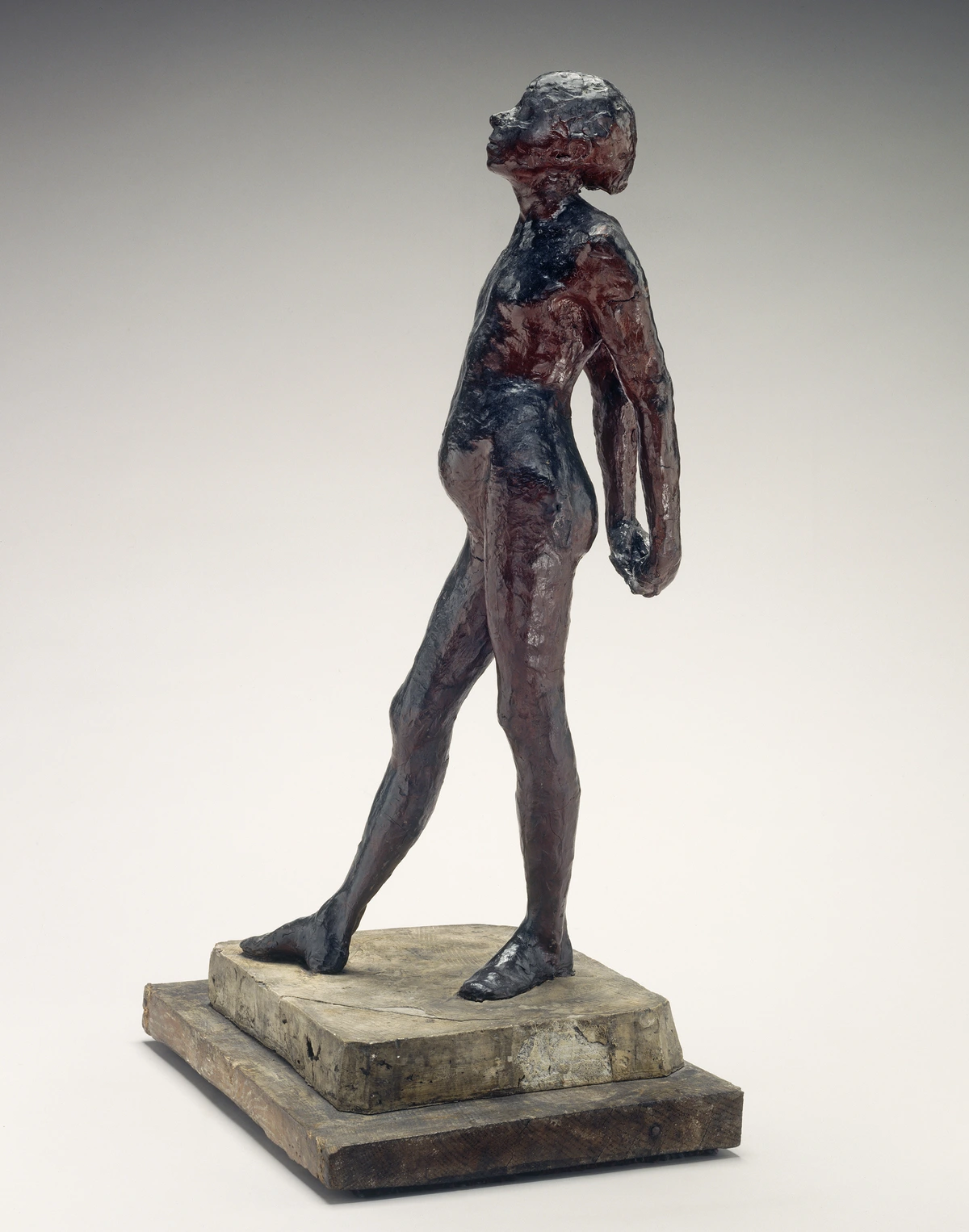
The transition from these classical and neoclassical ideals to modern thought in sculpture wasn't instantaneous, but a gradual awakening, often marked by shifts in emotional emphasis. The Romantic movement (roughly 1780-1850 CE), for instance, infused sculpture with intense emotion, individualism, and dramatic narratives, moving away from Neoclassical restraint. Think of François Rude’s La Marseillaise (The Departure of the Volunteers) on the Arc de Triomphe in Paris, a dynamic and passionate relief that embodies patriotic fervor and raw human emotion, almost bursting from the stone. Another powerful example is Jean-Baptiste Carpeaux's The Dance (1868) on the Paris Opéra, with its swirling, joyous figures capturing a Dionysian revelry. Following this, Realism (roughly 1840-1880 CE) brought a focus on depicting everyday life and ordinary people, rejecting idealism for truth and observation. While often more prominent in painting, sculptors like Edgar Degas explored realism through his innovative wax and bronze figures of dancers, like Little Dancer of Fourteen Years, capturing unidealized poses and moments of quotidian life. Artists began to question the very purpose of art, moving beyond mere representation towards expression and interpretation. This shift laid the groundwork for the groundbreaking work of sculptors like Auguste Rodin, who dared to explore the turbulent inner world of humanity rather than just its outward perfection.
Rodin: The Dawn of Modern Sculpture
When I think of a single artist who truly propelled sculpture into the modern age, breaking decisively from the academic traditions that preceded him, Auguste Rodin (1840–1917) immediately springs to mind. His work, bursting with raw emotion and psychological depth, was revolutionary, insisting on exploring the turbulent inner world of humanity rather than just its outward perfection.
Perhaps his most iconic work, The Thinker (Le Penseur), stands as a universal symbol of intellectual struggle and introspection. Originally conceived as a monumental figure overseeing his ambitious The Gates of Hell, a massive bronze portal inspired by Dante's Inferno, The Thinker quickly took on a life of its own. When I look at him, I don't just see a man sitting; I see the very act of thought made manifest. His muscular body isn't relaxed; it's tensed, burdened by the weight of contemplation, his brow furrowed, his chin resting on his hand in that universally recognized pose of deep introspection. He’s wrestling with profound ideas, perhaps the fate of humanity, or simply his own existence – a raw, unvarnished psychological state that resonates deeply with anyone who's ever grappled with a difficult problem or pondered life's big questions. It’s fascinating how a single pose can communicate so much across centuries, making it clear why I've written a whole piece on just that, if you want to dive deeper into what Rodin’s The Thinker truly means.
Rodin's genius extended far beyond this single figure. His monumental "Gates of Hell" became his life's obsession, a staggering array of over 200 figures depicting scenes from Dante's Inferno, showcasing the sheer number of figures, their raw emotion, and their interconnected struggles. And then there's The Kiss, an exquisite marble sculpture depicting two lovers locked in a passionate embrace. It's sensuous, tender, and deeply human, capturing an intimate moment with an almost impossible naturalism. For me, it speaks volumes about Rodin’s ability to imbue marble with the soft vulnerability of human skin and the intensity of human connection, truly breaking from the smooth, idealized surfaces of academic sculpture.

Consider another of his masterpieces, The Burghers of Calais. This powerful group sculpture depicts six prominent citizens of Calais offering their lives to King Edward III to save their city during the Hundred Years' War. Rodin rejected the heroic, elevated pedestals of traditional monuments, placing the figures on ground level to emphasize their raw, human suffering, courage, and sacrifice. It forces the viewer to confront their vulnerability directly. His work profoundly influenced later generations, ushering in an era where emotion and psychological depth took precedence over classical perfection, firmly establishing him as the progenitor of modern sculpture. Rodin's innovative use of bronze, often leaving visible the marks of his modeling process, and his exploration of fragmentation and the isolated figure, broke decisively from academic smoothness and narrative expectations. He understood that the surface of a sculpture could convey emotion as powerfully as its form, creating works that were raw, visceral, and deeply human.
A delightful tangent: while Neoclassicism sought order and classical forms, the preceding Rococo movement (often seen as a playful, lighter reaction to the grandeur of the Baroque art movement) often embraced whimsical, sensual, and ornate sculptures. Take Étienne Maurice Falconet's Cupid Frightened (L'Amour menaçant), for example. This marble sculpture depicts a mischievous Cupid, finger to his lips, asking for silence, embodying the period's preference for lightness, romance, and intimacy over monumental drama. It's a charming contrast to the monumental, serious works, showcasing sculpture's ability to capture lightness, grace, and human (or divine) foibles, and a wonderful reminder of art’s diverse expressive range.

The Evolution into Abstraction: Brancusi, Moore, Hepworth, and the Power of Pure Form
Before we dive fully into the wild world of contemporary works, it’s worth a quick detour into Abstract Sculpture, which began to truly flourish in the early 20th century. Artists like Constantin Brancusi sought to distill forms to their purest essence, often using polished bronze or marble to create sleek, almost spiritual objects. His iconic Bird in Space series, for example, isn't a literal bird, but an elegant, elongated form that evokes the very sensation of flight and soaring motion, truly capturing the essence of movement rather than its literal depiction. His philosophy was about revealing the underlying truth of a form, not its superficial appearance, emphasizing material and pure shape, and influencing movements like Cubism in their geometric simplification and Abstract Expressionism in their focus on raw emotion and material.
Similarly, Henry Moore, renowned for his monumental reclining figures, explored the relationship between natural forms, the human body, and the landscape, often incorporating voids and negative space as integral parts of his sculptures, creating a profound dialogue between mass and emptiness, and allowing the viewer to 'enter' the sculpture. His contemporary, Barbara Hepworth, a fellow British modernist, also explored abstract forms in wood and stone, known for her organic, pierced shapes that evoke a deep connection to nature and a sense of internal volume. She pioneered the use of the 'hole' as a positive element in sculpture, inviting light and space to become part of the artwork.
Another important development in abstraction was Constructivism, emerging in Russia. Artists like Naum Gabo and Antoine Pevsner rejected traditional mass and volume, instead creating open, geometric structures from industrial materials like glass, metal, and plastic. Their work emphasized space and transparency, often suggesting movement and technological progress, fundamentally redefining sculpture as a construction of space and time and proposing art's integration into modern life.
A more radical departure came with Futurism, a movement that celebrated dynamism, technology, and speed. Umberto Boccioni's Unique Forms of Continuity in Space (1913) is a prime example of this, depicting a striding figure in motion, its form seemingly dissolving into the air, capturing the fluid, fragmented experience of modern life and the energy of the urban environment. These artists challenged the very idea of representation, paving the way for even more radical explorations in the decades to come.
Expressionist Sculpture: Raw Emotion in Three Dimensions
Just as painting embraced intense emotion and distortion in the early 20th century, so too did sculpture. Expressionist sculpture sought to convey inner feelings and psychological states rather than objective reality, often utilizing rough, carved forms that reflected angst, suffering, or spiritual yearning. For me, this period is incredibly potent because it's so unflinchingly honest about the human condition, rejecting academic ideals of beauty for a more visceral truth.
Artists like Käthe Kollwitz (whose powerful anti-war and social justice works, as you can explore in the ultimate guide to Käthe Kollwitz, often translated into poignant sculptural forms like her deeply affecting The Grieving Parents, a memorial to her son who died in WWI, a profoundly raw and empathetic depiction of loss) and Ernst Barlach created figures that were blocky, weighty, and profoundly moving, depicting suffering, contemplation, and human resilience, often with a monumental simplicity. Their sculptures, often in wood or bronze, emphasized simplified forms, sharp angles, and powerful gestures to communicate emotional turmoil and existential struggle. The deliberate roughness of the carved surfaces, the angularity, and the often distorted anatomies were all aimed at externalizing inner experience, creating a visceral impact on the viewer. They rejected the smooth, idealized surfaces of earlier eras, choosing instead a raw, almost primitive aesthetic that screamed with emotional truth and profound human vulnerability, directly reflecting the anxieties of the early 20th century and anticipating the broader Expressionism movement.
Surrealist Sculpture: Unveiling the Unconscious
As the 20th century progressed, the art world embraced the unsettling and the dreamlike with Surrealism. This movement, profoundly influenced by psychoanalysis, sought to liberate the unconscious mind and explore the irrational, the bizarre, and the subconscious. For sculptors, this often meant transforming everyday objects into uncanny and thought-provoking forms, or depicting distorted, fantastical figures, aiming to bypass the rational mind and access the deeper truths of the subconscious. It was a liberation of the object from its conventional meaning, inviting viewers into a world of dreams and psychological landscapes.
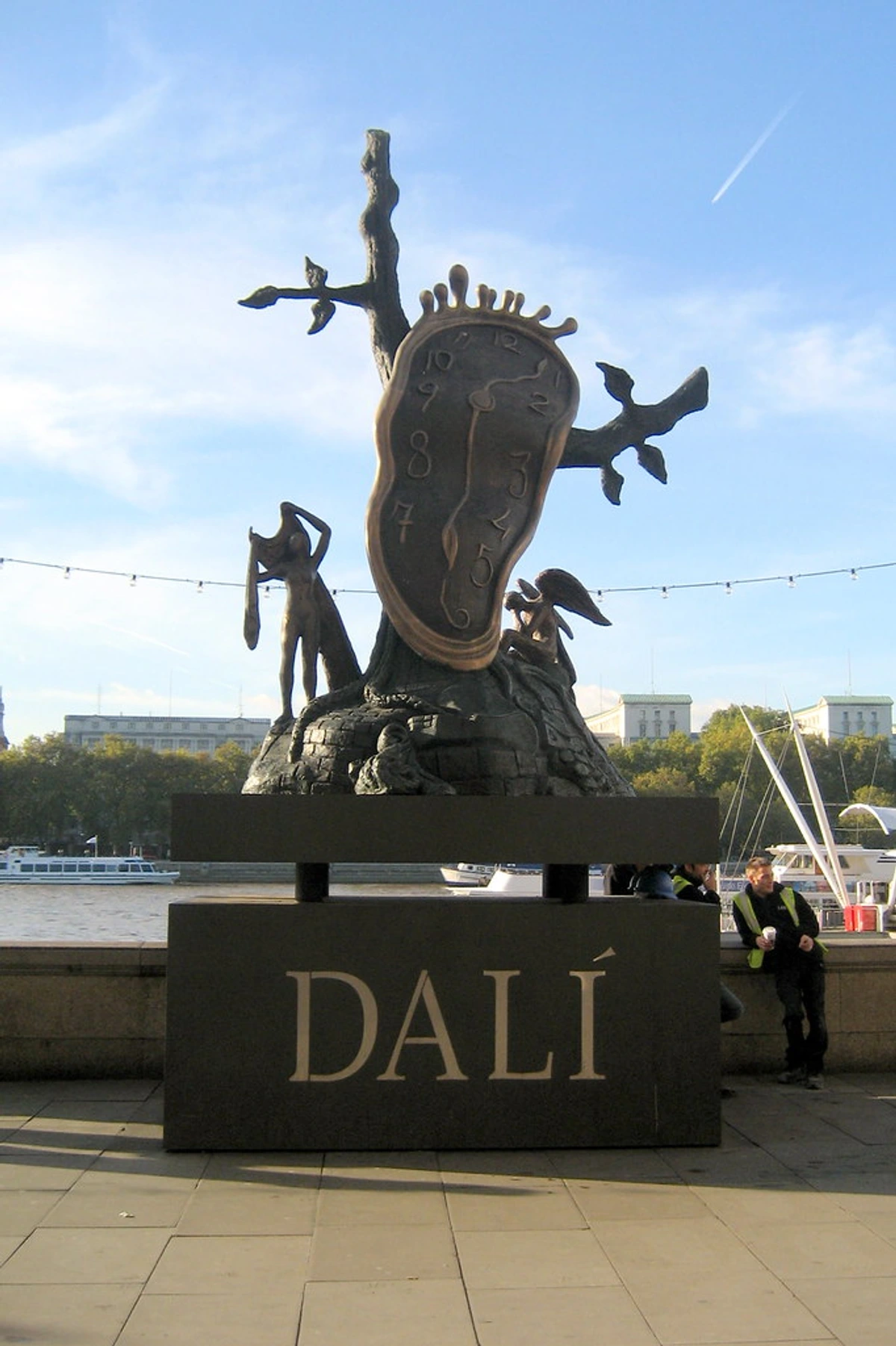
Artists like Alberto Giacometti, though often associated with Existentialism, created attenuated, stick-like figures that evoke a profound sense of isolation and vulnerability, speaking to the fragility of the human condition in a post-war world, figures that seem to dissolve into the surrounding space. Another fascinating example is Meret Oppenheim's Object (Déjeuner en fourrure), a teacup, saucer, and spoon covered in gazelle fur. This "readymade" object, imbued with a strange tactility and unsettling juxtaposition of materials, perfectly embodies the Surrealist desire to challenge rational perception and evoke a sense of the marvelous and the absurd. It’s a playful yet profound disruption of expectation that makes you question the very nature of utility and desire, and the boundaries between the tactile and the visual. And of course, we can’t forget Salvador Dalí, whose surrealist sculptures often brought his hallucinatory visions into three dimensions. His Lobster Telephone (1936), for instance, combines two seemingly unrelated objects to create a bizarre and unsettling new entity, challenging logic and inviting psychological interpretation – a classic Surrealist move, and one that remains iconic of the Surrealism movement.
Minimalism and Conceptual Sculpture: Ideas as Art
Further pushing the boundaries, movements like Minimalism and Conceptual Art emerged, where the idea behind the artwork often took precedence over its physical form. Sculptors like Donald Judd created highly ordered, geometric "specific objects" using industrial materials, emphasizing clean lines, repetition, and the relationship between the artwork and its surrounding space. The beauty, in a minimalist piece, often lies in its precision, its material integrity, and the viewer's direct perception of it, stripped of all narrative or symbolic excess. For me, these works force a different kind of engagement, a focus on pure form and spatial interaction that can be surprisingly profound. Minimalist sculptors deliberately stripped away narrative, symbolism, and overt emotion, inviting viewers to engage directly with the object's physical presence and the space it occupied. Other notable Minimalist sculptors include Carl Andre, known for his arrangements of bricks or metal plates directly on the floor, challenging traditional notions of verticality and monumentality by emphasizing horizontal spread and material presence. And Sol LeWitt, whose conceptual art often involved instructions for creating geometric structures, highlighting the idea over the artist's hand and paving the way for the dematerialization of the art object. It's a fascinating challenge to our assumptions about what art 'should' be, emphasizing the intellectual over the aesthetic and the experience of the artwork over its intrinsic meaning, a core tenet of Minimalism.
Pop Art Sculpture: Challenging Consumer Culture
Then came the vibrant, often audacious, Pop Art movement in the mid-20th century, which provocatively embraced popular culture, advertising, and consumerism. Pop sculptors gleefully blurred the lines between high art and everyday objects, using mass-produced items or creating oversized replicas of mundane things. For me, Pop Art is like holding up a funhouse mirror to society, reflecting our obsessions and desires back at us with a wink and a knowing smile.
Think of Claes Oldenburg's colossal soft sculptures – a giant "Typewriter Eraser" or a massive "Dropped Cone" (an ice cream cone seemingly fallen onto a building). These works are playful, humorous, and deliberately absurd, transforming the ordinary into the extraordinary and challenging our perceptions of scale and context. Or consider George Segal's haunting, life-sized plaster figures, often cast from live models and placed in mundane, recreated environments like bus stops or diners. These works are both deeply realistic and profoundly melancholic, capturing moments of everyday alienation and introspection. And how can we talk about Pop Art without mentioning Andy Warhol? While primarily a painter, his Brillo Box sculptures (1964) are perfect examples of Pop Art's sculptural dimension. These meticulously crafted wooden replicas of ordinary cardboard shipping boxes, indistinguishable from the real thing, blurred the lines between consumer product and artwork, challenging notions of originality, mass production, and the commodity status of art itself. Pop Art sculpture, in its bold appropriation and recontextualization of the everyday, fundamentally questioned what could be considered art and paved the way for even more radical artistic expressions, making a direct commentary on the proliferation of images and products in post-war society. It blurred the lines between high culture and low culture, celebrating the mundane while simultaneously critiquing consumerism with wit and irony. Artists like Marisol Escobar also contributed to Pop Art sculpture with her distinctive, often witty, mixed-media figurative sculptures that combine carving, drawing, and found objects, giving a unique perspective to human figures within consumer society, often depicting satirical portraits of famous personalities. This energetic movement, as you can discover in the ultimate guide to Pop Art, was a vibrant reflection of its time.
Beyond the Pedestal: Contemporary Sculptures and Their Powerful Messages
Now, if you think traditional sculpture is all about bronze and marble, prepare for a delightful shock. Contemporary artists have pushed the boundaries of what sculpture can be, using everything from sugar to dinner plates to make their points, and frankly, I love it. It’s where art gets truly provocative and challenging.
One work that always sticks with me is Judy Chicago’s The Dinner Party. This isn’t just a sculpture; it's a monumental installation, a triangular table set for 39 mythical and historical women, with another 999 names inscribed on the heritage floor. Each place setting, with its unique ceramic plate and embroidered runner, is a vibrant homage to a woman often overlooked by history. The Dinner Party is a powerful feminist statement, demanding recognition for women's contributions and challenging the patriarchal narratives of art and history, effectively creating a counter-history. It's collaborative, symbolic, and utterly groundbreaking, using traditionally "feminine" crafts like ceramics and needlework to elevate and celebrate these figures. I find it incredibly moving how such an ordinary object – a dinner table – can be transformed into such a profound statement, sparking conversations that continue to this day. If you're interested in diving deeper into this powerful work, you should check out the ultimate guide to Judy Chicago.

Louise Bourgeois: Memory, Trauma, and the Spider
For an artist who explored the depths of personal memory, trauma, and the human psyche through sculpture, look no further than Louise Bourgeois. Her work, often deeply autobiographical, is both unsettling and profoundly moving. While she worked across various mediums, her monumental spider sculptures, titled Maman, are perhaps her most iconic. These towering arachnids, often cast in bronze or steel, are simultaneously terrifying and protective, embodying the complex relationship she had with her own mother. For me, Bourgeois's ability to externalize such raw, intimate emotions into physical, often disturbing forms is a masterclass in psychological sculpture. She challenged traditional notions of beauty and comfort, insisting that art should confront our deepest fears and vulnerabilities.
Then there’s Kara Walker's A Subtlety, or the Marvelous Sugar Baby (sometimes just called A Subtlety). Oh, what a piece this was. Housed in the derelict Domino Sugar Factory in Brooklyn, Walker created a colossal sphinx-like sculpture entirely out of sugar. This wasn't just a clever use of material; it was loaded with meaning. The sugar directly referenced the industry's brutal history, colonialism, and the enslaved labor that fueled it, sugar-coating a bitter past and highlighting the sweetness built on exploitation. The sphinx, a symbol of mystery and power, became a mammy-like figure, confronting complex issues of race, gender, and exploitation with an almost confrontational gaze. The ephemeral nature of sugar itself was poignant; a reminder of how quickly history can be consumed, forgotten, or perhaps even whitewashed, literally dissolving over time. Seeing it in person, I was struck by its sheer scale and the uncomfortable, urgent questions it raised – exactly what good art should do, in my opinion, by forcing us to grapple with difficult truths. If you want to delve deeper into Walker's provocative work, the ultimate guide to Kara Walker is an excellent resource.
Ai Weiwei: Art as Activism
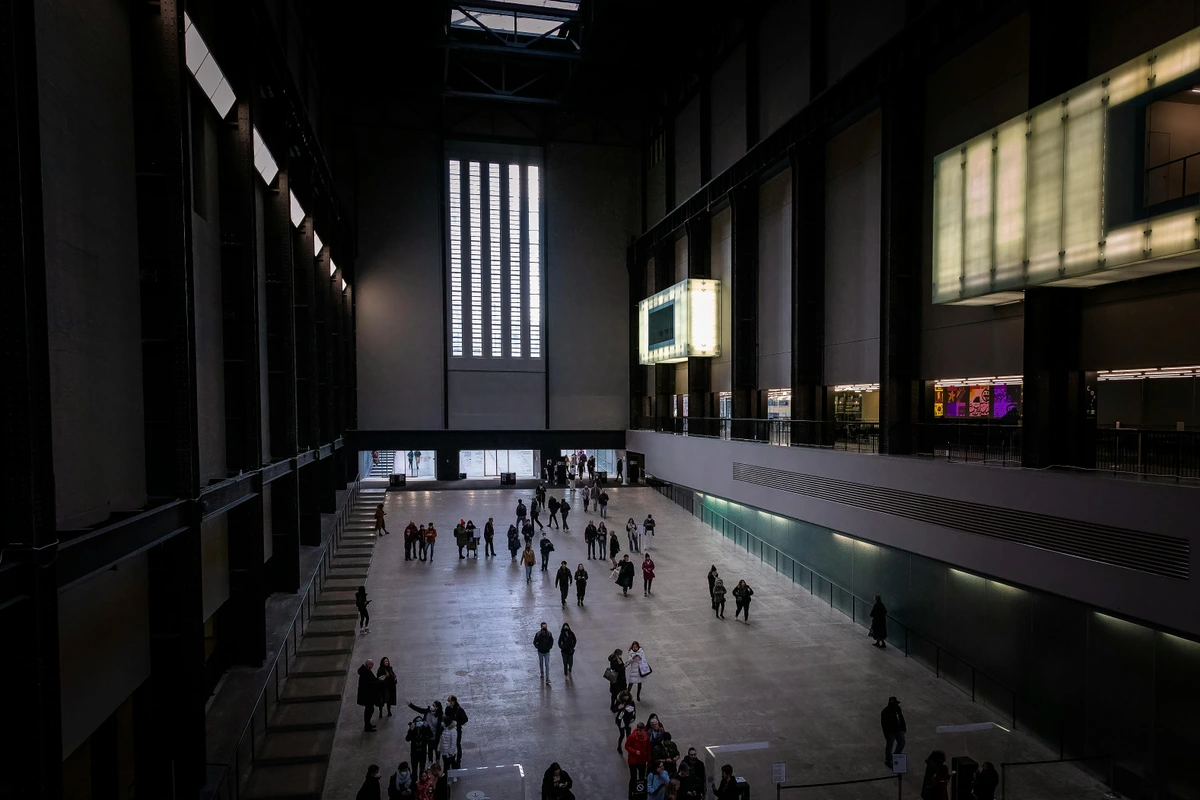
In our increasingly interconnected world, some contemporary sculptors use their art as a potent form of social and political commentary, often challenging established power structures. Ai Weiwei is a prime example of this. This Chinese artist and activist fearlessly confronts issues of human rights, censorship, and the individual's relationship to the state. His sculptural works often utilize traditional Chinese materials and craftsmanship, but with a critical, contemporary twist. For instance, his Sunflower Seeds installation, where millions of individually handcrafted porcelain sunflower seeds filled the Turbine Hall at Tate Modern, spoke volumes about mass production, collectivism, and individuality in modern China, a poignant commentary on human scale within vast systems. Another powerful work, Straight, involved him meticulously collecting and arranging steel rebar from schools collapsed in the 2008 Sichuan earthquake, a direct and devastating critique of government negligence. For me, Ai Weiwei's work proves that sculpture can be a powerful, unapologetic voice for change, compelling us to engage with uncomfortable truths about our global society and the responsibilities of those in power.
Contemporary sculpture really embraces the unexpected. Think about artists like Jeff Koons, whose highly polished, often oversized replicas of everyday objects, like his "Balloon Dog" series, challenge notions of high art versus kitsch, and even question the very definition of originality and value. His work, often playful and provocative, explores consumer culture and the nature of desire, often with a cheeky nod to its superficiality. Or the monumental, reflective forms of Anish Kapoor, whose "Cloud Gate" (that bean in Chicago!) invites public interaction and distorts the urban landscape in fascinating ways, transforming the viewer's perception of their surroundings and making them a part of the artwork itself. Kapoor's work often delves into deep voids, mirrors, and sensuous forms that explore metaphysical ideas of presence and absence, engaging with both physical and psychological space. And then there's Olafur Eliasson, whose large-scale installations often use light, water, and air temperature to create immersive, sensory experiences that challenge our perception of natural phenomena and our role within them. His The Weather Project at Tate Modern, for example, created a giant indoor sun, making visitors acutely aware of themselves and their surroundings. These artists remind us that sculpture isn't just about static forms; it's about experience, context, and pushing the boundaries of perception and expectation. Contemporary sculpture embraces a truly global perspective, exploring themes of identity, migration, environmental crisis, and technological change with an unparalleled range of materials and approaches. If you're curious about these boundary-pushing artists, check out the ultimate guide to Jeff Koons and the ultimate guide to Anish Kapoor and ultimate guide to Olafur Eliasson.
Land Art and Environmental Sculpture: Engaging the Landscape
Beyond gallery walls and urban plazas, some contemporary sculptors choose the vastness of nature itself as their canvas. Land Art, or Earthworks, emerged in the late 1960s, a movement where artists created site-specific works using natural materials like earth, rocks, and vegetation, often in remote locations. These pieces often blur the lines between sculpture, architecture, and landscape design, and their ephemeral nature—subject to the elements and time—is often a core part of their message, emphasizing the impermanence of human intervention and the power of natural processes. For me, this movement profoundly changed how we think about art's boundaries, making the earth itself both medium and subject, and inviting a more profound, almost spiritual connection with the environment, highlighting the impermanence of human intervention and the power of natural processes.
Robert Smithson's Spiral Jetty (1970) in the Great Salt Lake, Utah, is a monumental example: a coil of black basalt rocks stretching into the water, constantly shifting with the changing water levels and the lake's changing salinity. It's a work that engages with geological time, entropy, and the raw power of nature, a dynamic dialogue between human intervention and natural processes. Then there's Nancy Holt's Sun Tunnels (1973-1976) in Utah, four massive concrete tunnels aligned to frame the sunrises and sunsets of the solstices, creating a monumental astronomical observatory and a profound connection to celestial cycles. Other artists, like Andy Goldsworthy, create delicate, transient works using leaves, ice, and stones, meticulously arranged and often documented photographically, emphasizing the beauty and impermanence of the natural world and the cycle of decay and renewal. These sculptures challenge our conventional notions of art, encouraging us to seek out and engage with art in unexpected, often wild, places, forcing a reconnection with our planet.
Sculpture's Public Presence: Monuments and Memorials
Beyond the gallery walls and private collections, sculpture often steps out into the public realm, transforming our shared spaces and serving as powerful monuments and memorials. For me, these works are the very fabric of collective memory, shaping how we remember our past, celebrate our heroes, and mourn our losses.
Think of iconic figures like the Statue of Liberty in New York Harbor, a colossal neoclassical sculpture given by France to the United States. She's not just a statue; she's a universal symbol of freedom, democracy, and welcome, her torch held high for generations of immigrants, a beacon of hope. Or consider Christ the Redeemer overlooking Rio de Janeiro, a massive Art Deco statue that has become a global icon of Christianity and a powerful symbol of Brazil itself, its arms outstretched in a gesture of peace. These works integrate into the very identity of a city or nation, becoming focal points for civic pride, reflection, and remembrance.
Another example of monumental public sculpture, though vastly different in its approach, is the Mount Rushmore National Memorial in South Dakota, USA, where the faces of four U.S. presidents are carved directly into a granite cliff. This colossal undertaking, while a feat of engineering and patriotic symbolism, also raises complex questions about land use, indigenous rights, and the narratives chosen for commemoration.
Public art can also be deeply personal and commemorative, like memorials to historical events or individuals. The Vietnam Veterans Memorial in Washington D.C., designed by Maya Lin, is a powerful example: two long, black granite walls etched with the names of over 58,000 fallen soldiers. Its minimalist design invites reflection, grief, and interaction, literally reflecting the viewer and their surroundings, creating a profound and deeply moving experience that prioritizes personal encounter over traditional heroism. Beyond memorials, public sculptures can also be purely aesthetic, enhancing urban spaces, or interactive, inviting play and community engagement. These sculptures often aim to evoke empathy, provoke thought, and ensure that certain histories are never forgotten. They transform anonymous spaces into places of contemplation and shared experience, reminding us that art has a vital role to play in shaping our collective consciousness and our ongoing dialogue with history. It’s a beautiful thing, how a physical form can hold so much intangible meaning for so many. And in this realm, we can't ignore the burgeoning field of Environmental Sculpture, which often blends public art with land art, creating works that engage with ecological concerns and sustainable practices, transforming public spaces into sites of environmental awareness and artistic contemplation.
Ancient Echoes: Sculptures from Across Cultures
It’s not just the Western world that boasts sculptures rich with meaning. Travel to Central America, for example, and you’ll find the magnificent Feathered Serpent (Quetzalcoatl) at Chichen Itza. This wasn't just decorative; it was a cosmic calendar, a deity, a representation of creation and knowledge for the Mayan civilization. During the equinoxes, the play of light and shadow creates the illusion of a serpent slithering down the pyramid's staircase – an astonishing feat of engineering and symbolic design that still gives me chills, revealing the deep astronomical knowledge of these ancient peoples. It reminds us how ancient cultures often intertwined their art, science, and spirituality in ways we are only just beginning to fully appreciate. It’s a profound connection to the cosmos, etched in stone.
Before the Maya, the Olmec civilization of ancient Mexico left behind colossal basalt heads, weighing up to 50 tons, depicting rulers with distinctive features like broad noses and thick lips. These monumental portraits, dating back to 900 BCE, are among the earliest large-scale sculptures in the Americas and are still shrouded in a beautiful mystery regarding their transportation and purpose. Carved from volcanic basalt, often transported significant distances (sometimes over 100 kilometers), these heads were likely individual portraits of rulers, asserting their power and divine connection, serving as powerful symbols of their dynastic lineage. They are powerful testaments to the Olmec's artistic skill and advanced social organization, likely serving as enduring representations of their powerful leaders, dominating the landscape and communicating authority across generations through sheer scale and imposing presence.
And journeying even further back in time and across continents, the ancient civilizations of Mesopotamia (Sumer, Akkad, Assyria, Babylon) also left behind compelling sculptural legacies. Think of the imposing Lamassu, colossal winged, human-headed bulls or lions that guarded the entrances to Assyrian palaces like Khorsabad. These monumental hybrid figures, with their five legs (designed to appear static from the front, yet moving from the side), embodied protective power and symbolized the king's authority and divine favor, often acting as spiritual guardians against evil. Beyond these guardians, the votive figures from Sumer, with their wide, staring eyes and clasped hands, offer a glimpse into individual piety, acting as perpetual worshippers in temples, ensuring constant prayer on behalf of the donor. And the intricately carved cylinder seals served as personal signatures and narrative devices, rolling out detailed mythological scenes and administrative records, a miniature form of relief sculpture. They weren't just decorative; they were potent guardians, asserting imperial might and spiritual dominion in stone and clay, reflecting a complex worldview where art, religion, and power were inextricably linked.
Majestic Forms of Ancient Egypt
Our journey through ancient echoes wouldn't be complete without a gaze at the monumental sculptures of Ancient Egypt. For millennia, Egyptian artists crafted statues and reliefs that served deeply religious and political functions, embodying the divine power of pharaohs and the eternal cycles of the cosmos. Think of the colossal Great Sphinx of Giza, guarding the pyramids with its lion's body and human head, symbolizing royal power and divine intelligence and the enduring might of the pharaoh Khafre. Or the serene yet powerful Bust of Nefertiti, whose elegant lines and timeless beauty speak volumes about the artistry and aesthetic sensibilities of the Amarna period, a remarkable example of individual portraiture even within highly stylized traditions. And we can't forget the iconic Seated Scribe (c. 2620–2500 BCE), whose lifelike eyes and relaxed posture offer a rare glimpse into the more humanistic side of Egyptian art, depicting a high-ranking official with incredible realism, a departure from the idealized forms of pharaohs, yet still serving a funerary purpose. These sculptures were not merely art objects; they were enduring vessels for the Ka (life force) of the deceased, designed to last for eternity and maintain cosmic order. Often carved from hard, durable stones like granite, basalt, or schist, or meticulously worked in wood and then painted, they embodied a sense of timelessness and immutable power. They possess a stillness and permanence that is utterly captivating, from the colossal statues of Rameses II at Abu Simbel, carved directly into the rock face, to the intricate funerary masks and sarcophagi, each piece meticulously crafted to serve its sacred purpose and ensure passage to the afterlife, acting as direct links between the mortal and divine realms. Their monumental scale and symbolic richness are a testament to a civilization deeply focused on eternity and the divine.
The Spiritual Forms of Buddhist and Hindu Sculpture
Moving further East, the symbolism of the serpent also appears in Buddhist art, often as a protective figure. Consider the numerous depictions of the Buddha meditating under the canopy of a multi-headed Naga (serpent deity). This iconic image signifies protection from the elements during his meditation leading to enlightenment, highlighting the deep spiritual significance and reverence for nature found in Eastern sculptural traditions. These works aren't just beautiful objects; they are conduits for spiritual understanding and cultural narratives, offering insights into complex theological concepts.
Beyond the protective Naga, the rich tapestry of Indian sculpture (both Buddhist and Hindu) offers a profound visual language. Think of the serene seated Buddhas of Gandhara or Sarnath, embodying spiritual tranquility and the path to nirvana. These figures often display specific mudras – symbolic hand gestures – that communicate profound spiritual meanings, such as the Dharmachakra Mudra (turning the wheel of dharma, symbolizing teaching) or the Bhumisparsha Mudra (calling the earth to witness, signifying enlightenment), adding a layer of subtle, yet powerful, communication to the static forms. Beyond the Buddha, the vast pantheon of Hindu deities – from the multi-limbed, dynamic Shiva Nataraja (Lord of Dance) embodying creation and destruction, to the serene Vishnu – are depicted with rich symbolism, each gesture, attribute, and pose conveying complex theological narratives. Or consider the dynamic, sensuous temple carvings of places like Khajuraho and the Elephanta Caves, which depict deities, celestial beings, and mythological narratives with astonishing detail and emotional expression, often celebrating cosmic dance and divine love and the interconnectedness of the spiritual and physical worlds. These works are integral to religious practice, guiding devotees towards spiritual insight and reflecting deeply held philosophical beliefs, forming an essential part of the devotional experience, serving as visual aids for meditation and worship.
The Silent Army of China: Terracotta Warriors
One of the most astonishing sculptural discoveries of all time is China's Terracotta Army, an estimated 8,000 life-sized warriors, chariots, and horses buried with Emperor Qin Shi Huang to protect him in the afterlife. Discovered accidentally by farmers in 1974, the scale and complexity of this underground mausoleum continue to astound. What truly amazes me about this collection is the individuality of each warrior – no two faces are exactly alike, reflecting an incredible level of craftsmanship and attention to detail that extends to their hairstyles, armor, and even facial expressions. This isn't just a collection of statues; it's a monumental undertaking, a silent testament to the absolute power of the first emperor and a vivid snapshot of ancient military organization and the scale of imperial ambition. It speaks volumes about the Chinese reverence for ancestry, the afterlife, and the ambition of its rulers, creating an indelible connection to a past empire and offering unparalleled insights into ancient Chinese life and military might, including details of armor, weaponry, and social hierarchy. The sheer scale of the undertaking, involving hundreds of thousands of laborers, underscores the absolute centralized power of the Qin Dynasty and its desire for eternal dominion.
The Enduring Legacy of African Sculpture
Across the vast continent of Africa, sculpture holds a profound and diverse spiritual, social, and aesthetic significance. Unlike many Western traditions where sculpture often served commemorative or purely artistic purposes, much of traditional African sculpture was deeply functional, used in rituals, ceremonies, and as objects of power and status, acting as intermediaries between the human and spirit worlds. Think of the ancient Nok heads from present-day Nigeria, dating back to 500 BCE, with their distinctive triangular eyes and elaborate hairstyles – some of the earliest figurative art in Sub-Saharan Africa, revealing a sophisticated ceramic tradition. Or the exquisite Ife bronze and terracotta heads from the Yoruba kingdom, renowned for their striking naturalism and idealized beauty, believed to depict kings and other important figures with remarkable individuality and serene expressions. The stylized, elongated figures of the Dogon people of Mali, often depicting ancestors and spirits, are used in rituals and ceremonies, embodying complex cosmological beliefs. And then there are the powerful Kongo Nkisi n'kondi (power figures) from Central Africa, often studded with nails and blades, each signifying an oath or a resolution to a dispute, acting as active agents for justice and protection. And we can't forget the Benin Bronzes (actually mostly brass), intricate plaques and sculptures created by the Edo people of the Benin Kingdom in present-day Nigeria, which offer a stunning chronicle of royal history, court life, and spiritual beliefs, serving as powerful symbols of their civilization. Though many were looted during colonial times and are now held in Western museums, efforts for their repatriation highlight their profound cultural importance and the ongoing struggle for colonial restitution. These aren't just artifacts; they are vibrant expressions of identity, cosmology, and community, serving as vital links to ancestral wisdom and cultural continuity. From the stylized masks used in initiation rites by the Bamana people of Mali, to the richly adorned reliquary figures of the Fang in Gabon, each sculptural tradition reflects a specific worldview and serves a distinct social or spiritual function, often believed to house the spirits of ancestors. They challenge our often Eurocentric view of art history and remind us of the rich, diverse tapestry of human creativity and its functional, living presence, often imbued with an agency and power far beyond mere aesthetic appreciation, acting as active participants in communal life and spiritual ceremonies.
Why Do These Sculptures Matter? The Enduring Impact – More Than Just Stone and Steel
So, after all this exploration, what's the big takeaway? Why do these carved forms, sometimes thousands of years old, still command our attention and stir something within us? It's a question I ponder often, and for me, it boils down to a few fundamental, interconnected reasons, a profound interplay of art, history, and the human spirit that resonates across the ages:
- They embody material innovation and mastery: From the earliest stone tools to cutting-edge digital fabrication and even ephemeral natural elements, sculpture has consistently pushed the boundaries of material science and craft. Artists experiment with materials, adapting them to their vision, revealing their inherent properties and transforming them into something more, often challenging our very definitions of permanence and value. The very act of taking raw matter and giving it form is a testament to human ingenuity and a constant pursuit of technical and artistic excellence, mirroring humanity's ongoing quest to understand and shape its world.
- They are physical anchors of history: Sculptures offer a tangible, almost visceral link to the past. They preserve narratives, beliefs, and artistic styles in a way few other mediums can, literally embodying the zeitgeist of their era. Think of them as three-dimensional historical documents, revealing details about daily life, political structures, and spiritual practices of civilizations long gone. They withstand the test of time, literal stone-cold witnesses to human evolution, often outlasting the civilizations that created them. It's like reaching back and touching history itself.
- They speak a universal language: The most powerful sculptures communicate beyond words. Emotion, power, vulnerability, serenity – these are conveyed through masterful use of form, gesture, and expression, transcending linguistic and cultural barriers. A pensive Rodin, an agonized Laocoön, a defiant David; their feelings resonate clearly, directly from the artist's hand to your heart, irrespective of where or when you encounter them. This ability to evoke primal human responses, regardless of cultural background, is for me, one of sculpture's most profound gifts.
- They provoke thought and dialogue: The sculptures that truly stick with me aren't just decorative; they are catalysts. They challenge our assumptions, ask profound questions, and force us to confront uncomfortable truths or inspire us with grand ideals, sometimes even sparking public debate or controversy, which I think is vital for a healthy society. Like a stone dropped into a pond, their ripples of meaning kick off conversations that echo for generations, shaping our understanding of ourselves and the world.
- They reflect evolving human values: From the divine reverence of ancient forms to the humanist ideals of the Renaissance, and then to the social critiques of contemporary installations, sculptures offer a unique barometer for understanding how our values, beliefs, and societal structures have transformed over time, reflecting shifts in religion, politics, social justice, and aesthetics. They are, in essence, a three-dimensional diary of human civilization.
- They shape cultural identity and memory: Beyond individual meaning, sculptures often become iconic symbols of entire cultures or nations, becoming shorthand for complex histories and shared experiences. Think of the Statue of Liberty or Christ the Redeemer – they are instantly recognizable emblems that embody collective aspirations, histories, and shared values, often serving as rallying points for national identity. They stand as enduring testaments to who we are, where we've come from, and what we believe in, shaping our collective memory and sense of belonging, and offering points of orientation in a rapidly changing world.
As an artist myself, working primarily with vibrant colors and fluid abstractions on canvas, I often find myself contemplating the stark, almost defiant permanence of sculpture. My paintings might dance, whisper, or explode on a two-dimensional surface, but a sculpture? That's a statement set in stone, or metal, or sugar, that physically claims its space in the world with an unapologetic, undeniable presence. There's a different kind of bravery in that, I think, a commitment to form that truly fascinates me.
Key Sculptural Movements Through History
To truly appreciate the evolution of sculpture, it helps to understand the major movements that have shaped its trajectory. It’s like tracing a family tree, seeing how each generation builds upon, reacts to, or outright rejects its predecessors. Here's a brief overview of some pivotal periods:
Movement  | Period | Key Concepts | Key Characteristics | Notable Artists / Works |
|---|---|---|---|---|
| Ancient Egyptian | c. 3100 BCE – 30 BCE | Eternal life, divine pharaohs, cosmic order, spiritual preservation. | Formal, monumental, rigid, symbolic, tied to religion and afterlife, often front-facing, emphasis on permanence. | Great Sphinx, Bust of Nefertiti, Colossi of Memnon, Seated Scribe |
| Ancient Greek | c. 800 BCE – 30 BCE | Ideal humanism, beauty, proportion, mythology, civic virtue, drama. | Idealized human form, naturalism, contrapposto, mythological themes, evolving from Archaic stiffness to Hellenistic drama. | Kouros figures, Parthenon sculptures, Polykleitos' Doryphoros, Laocoön and His Sons, Venus de Milo, Winged Victory of Samothrace |
| Ancient Roman | c. 509 BCE – 476 CE | Imperial power, realism, historical record, civic duty, propaganda. | Realism, portraiture, commemorative (e.g., equestrian statues, triumphal arches), often propaganda, historical narratives. | Augustus of Prima Porta, Equestrian Statue of Marcus Aurelius, Trajan's Column, Arch of Titus Reliefs |
| Early Christian/Byzantine | c. 3rd – 15th Century | Christian dogma, spiritual symbolism, sacred narratives, abstraction of human form. | Focus on spiritual rather than physical beauty, stylized, often relief carvings in sarcophagi or church interiors. | Sarcophagus of Junius Bassus, Byzantine ivories |
| Romanesque | c. 1000 – 1200 CE | Religious instruction, fear of God, monastic ideals, architectural integration. | Architectural integration, didactic (teaching), relief carvings, often grotesque or narrative, stylized forms. | Tympanums and capitals of cathedrals (e.g., Autun), Gislebertus |
| Gothic | c. 1150 – 1400 CE | Sacred narrative, humanism, light, verticality, emotional appeal, Marian devotion. | Elongated figures, increased naturalism, emotional expression, architectural integration (cathedrals), emphasis on verticality. | Chartres Cathedral figures (Royal Portals), Reims Cathedral figures (Smiling Angel), Bamberg Rider |
| Renaissance | c. 1400 – 1600 CE | Classical revival, humanism, individualism, perfect form, scientific anatomical study. | Humanism, classical revival, idealized realism, anatomical precision, monumental freestanding figures, emotional depth. | Donatello's David, Michelangelo's David and Moses, Cellini's Perseus, Verrocchio's David, Michelangelo's Pietà, Lorenzo Ghiberti |
| Mannerism | c. 1520 – 1600 CE | Artificiality, elegance, virtuosity, complex composition, psychological intensity. | Elongated forms, exaggerated poses, heightened emotionalism, spiraling compositions (figura serpentinata), technical display. | Benvenuto Cellini's Perseus, Giambologna's Rape of the Sabine Women |
| Baroque | c. 1600 – 1750 CE | Drama, emotion, movement, grandeur, Counter-Reformation, theatricality. | Drama, emotion, movement, theatricality, ornate, grandeur, often dynamic compositions, intense light/shadow. | Bernini's Ecstasy of Saint Teresa, Apollo and Daphne, David, Fountain of Four Rivers, Pluto and Proserpina |
| Rococo | c. 1700 – 1780 CE | Lightheartedness, intimacy, sensuality, playful elegance, aristocratic fantasy. | Playful, whimsical, ornate, delicate, lighthearted, often intimate scale, sensual themes. | Falconet's Cupid Frightened |
| Neoclassicism | c. 1750 – 1850 CE | Order, reason, civic virtue, classical ideals, moral rectitude, Enlightenment. | Return to classical purity, restraint, idealism, clear lines, moralizing themes, heroic and stoic figures. | Canova's Pauline Bonaparte as Venus Victrix, Thorvaldsen's Jason with the Golden Fleece, Canova's Venere Italica |
| Romanticism | c. 1780 – 1850 CE | Emotion, individualism, national identity, exoticism, the sublime. | Emotion, individualism, dramatic narratives, sometimes violent or exotic themes, less about idealized forms. | Rude's La Marseillaise (Arc de Triomphe), Jean-Baptiste Carpeaux's The Dance |
| Realism | c. 1840 – 1880 CE | Everyday life, objective observation, social commentary, unidealized forms. | Depiction of everyday life, ordinary people, rejection of idealism, focus on truth and observation. | Edgar Degas' Little Dancer of Fourteen Years, Honoré Daumier's Ratapoil |
| Impressionism | c. 1870 – 1890 CE | Transient moments, light effects, atmosphere, spontaneity, capturing perception. | Focus on capturing transient moments, light, and atmosphere; less emphasis on traditional sculpture. | Degas' series of dancers (more about movement studies), Auguste Rodin (early influence) |
| Symbolism / Art Nouveau | c. 1880 – 1910 CE | Mysticism, the subconscious, organic forms, spiritual truth, decorative arts integration. | Mysticism, dream-like imagery, organic forms, sinuous lines, often integrated into architecture. | Rodin's The Kiss, Alphonse Mucha's ornamental figures, Antoni Gaudi's architectural sculpture |
| Modern Sculpture | c. 1880 – 1970 CE | Rejection of academic norms, intrinsic properties of materials, psychological depth, abstraction, experimentation. | Experimentation with form, abstraction, new materials, psychological depth, rejection of academic norms, focus on intrinsic properties of materials. | Rodin's The Thinker, Brancusi's Bird in Space, Henry Moore's Reclining Figure, Barbara Hepworth, Alexander Calder's Mobiles, David Smith, Isamu Noguchi |
| Expressionism | c. 1905 – 1930s CE | Inner emotion, psychological states, social angst, anti-war sentiment, subjective experience. | Intense emotion, psychological depth, distorted forms, raw, often carved figures expressing angst or spiritual yearning. | Käthe Kollwitz's "The Grieving Parents", Ernst Barlach's "The Vengeful One" |
| Cubism | c. 1907 – 1914 CE | Multiple perspectives, fragmentation, geometric forms, challenging traditional representation. | Geometric abstraction, fragmentation of forms, multiple perspectives, challenging traditional representation of space and volume. | Pablo Picasso's "Head of a Woman (Fernande)", Alexander Archipenko's "Walking Woman" |
| Futurism | c. 1909 – 1918 CE | Dynamism, speed, technology, machine aesthetic, modern life, urban energy. | Dynamism, speed, technology, movement, fragmentation of forms, celebrating modern industrial life and the machine aesthetic. | Umberto Boccioni's "Unique Forms of Continuity in Space" |
| Constructivism | c. 1913 – 1930s CE | Space, transparency, industrial materials, social utility, technological progress. | Open, geometric structures, industrial materials (glass, metal, plastic), emphasis on space and movement. | Naum Gabo, Antoine Pevsner |
| Surrealism | c. 1920s – 1960s CE | The unconscious, dreams, irrationality, bizarre juxtapositions, psychological exploration. | Dream-like imagery, irrational juxtapositions, exploration of the unconscious, often using found objects, assemblage, and uncanny forms. | Alberto Giacometti's "Suspended Ball", Meret Oppenheim's "Object", Salvador Dalí's "Lobster Telephone" |
| Pop Art | c. 1950s – 1970s CE | Consumer culture, mass media, kitsch, appropriation, everyday objects, irony. | Embracing popular culture, consumerism, mass production, often using everyday objects or their enlarged replicas. | Claes Oldenburg's "Soft Sculptures", George Segal's "The Diner", Andy Warhol's Brillo Box sculptures, Marisol Escobar |
| Minimalism | c. 1960s – 1970s CE | Objecthood, primary structures, industrial materials, phenomenological experience, purity of form. | Simplicity, geometric forms, industrial materials, repetition, emphasis on material and space, rejection of narrative and illusion. | Donald Judd's "Specific Objects", Carl Andre's "Equivalent VIII", Sol LeWitt's wall drawings |
| Conceptual Art | c. 1960s – Present | Idea over object, dematerialization of art, intellectual engagement, instructions, critique of art institutions. | Idea or concept takes precedence over aesthetic or material concerns, dematerialization of the art object, focus on intellectual engagement. | Joseph Kosuth's "One and Three Chairs", Sol LeWitt's instructions-based art |
| Land Art / Earthworks | c. 1960s – Present | Environment, nature, temporality, site-specificity, geological time, human intervention. | Site-specific works using natural materials, engaging directly with the landscape, often monumental and ephemeral, challenging traditional gallery spaces. | Robert Smithson's "Spiral Jetty", Andy Goldsworthy's natural installations, Nancy Holt's Sun Tunnels |
| Postmodernism | c. 1970s – Present | Pluralism, irony, pastiche, critique of grand narratives, blurring boundaries, appropriation, deconstruction. | Pluralism, irony, pastiche, critique of grand narratives, embracing diverse styles and media, blurring boundaries between art and life. | Jeff Koons' "Balloon Dog", Cindy Sherman's photographic self-portraits (sculptural influence), Charles Ray's figurative works |
| Contemporary | c. 1970 – Present | Global perspectives, social/political commentary, identity, new technologies, immersive experiences, diverse materials. | Diverse materials, conceptual focus, installation, site-specific, public interaction, often social/political commentary, global perspectives. | Judy Chicago's The Dinner Party, Kara Walker's A Subtlety, Jeff Koons, Anish Kapoor, Ai Weiwei, Olafur Eliasson |
Frequently Asked Questions About Sculpture
I often get asked about sculpture, and I've noticed a few questions come up again and again. So, let's tackle them!
What is the purpose of sculpture?
Oh, the grand question! For me, the 'purpose' of sculpture is as varied and complex as human civilization itself, evolving dramatically over millennia. In ancient times, its primary purpose was often religious (depicting deities, aiding rituals), commemorative (honoring rulers, marking graves), or political (propaganda, asserting power). During the Renaissance, it celebrated humanism and idealized beauty. In the modern era, purpose diversified; sculpture could be about pure aesthetics, abstract ideas, social commentary, psychological exploration, or even challenging the very definition of art. Ultimately, I believe its purpose is to make us pause, to feel, to think, and to connect – to capture a moment of human experience in a tangible form that transcends time and speaks a silent, profound language.
What is contrapposto?
Ah, contrapposto! This is one of those key terms that really unlocks how ancient Greek and Renaissance sculptors brought their figures to life. It's an Italian term meaning "counterpose" or "counter-balance," and it refers to a sculptural pose where the human figure stands with most of its weight on one leg, causing the shoulders and arms to twist off-axis from the hips and legs. Think of it like a natural, relaxed stance you might take when standing casually. This weight shift creates a subtle S-curve in the body, suggesting potential movement rather than rigid stillness. For me, it's what gives sculptures like Polykleitos's Doryphoros or Michelangelo's David their incredible naturalism and a sense of "inner life" – they feel poised, engaged, and utterly human. It's a subtle but powerful way to convey dynamism in a static form, and a true testament to the Greek understanding of human anatomy and balance.
What is an armature in sculpture?
Ah, an armature! This is a term that often comes up in additive sculpture, particularly when working with pliable materials like clay or wax. Essentially, an armature is an internal skeletal framework, usually made of wire, wood, or even plastic, that supports the sculpture while it's being built. Think of it like the bones of a figure; it provides stability and prevents the material from collapsing under its own weight, especially for larger or more complex forms. Without an armature, a clay figure's arms might droop, or its entire structure might deform. It’s a foundational element for many sculptors, allowing them to build outwards with confidence and precision, a silent helper in the creative process.
What is the primary difference between sculpture and painting?
For me, the most striking difference is dimensionality and interaction. Painting lives on a two-dimensional surface, where artists create incredible illusions of depth, light, and movement, inviting you to peer into a created world. Sculpture, however, exists in three dimensions; it occupies physical space, has mass and volume, and can be viewed from multiple angles – fundamentally forcing you to engage with it by moving around it and sharing its space. It’s not just something you look at from a fixed vantage point; it’s something you experience within your own physical environment, demanding a more active, embodied form of perception. This tangible presence is what truly sets it apart.
How do sculptors achieve movement in a static form?
This is a brilliant question, because it gets to the heart of sculpture's magic! Since a sculpture is inherently static, artists have to be incredibly clever. They achieve a sense of movement through various techniques. One of the most common is contrapposto, as we just discussed, which implies a potential shift in weight. They also use dynamic drapery, making fabric appear to swirl or ripple in the wind, like on the Winged Victory of Samothrace. Exaggerated gestures, twisting poses (like Bernini's David), and compositions that lead the viewer's eye through a narrative sequence (think of the Parthenon friezes or Trajan's Column) all contribute. Even the interplay of light and shadow, and the way a sculpture occupies and interacts with its surrounding space, can create an illusion of dynamism. It's all about tricking the eye and engaging the imagination, making a frozen moment feel intensely alive.
How has sculpture influenced other art forms?
Sculpture’s influence on painting, architecture, and even performance art is often underestimated, but for me, it’s profound! Think about it: early painters often studied sculpture to understand anatomy, drapery, and how light falls on three-dimensional forms. The Renaissance, in particular, saw a cross-pollination where sculptors like Michelangelo were also painters and architects, bringing a sculptural sense of form and volume to their canvases and buildings. Later, movements like Cubism were directly inspired by the breaking down of forms seen in African sculpture. In contemporary art, the lines blur even more, with sculptors incorporating performance, video, and sound, and architects designing buildings that are essentially monumental, habitable sculptures. It’s a beautiful, continuous dialogue between mediums, constantly pushing the boundaries of creative expression.
What are the main types of sculpture?
Generally, we categorize sculpture by how it interacts with space and how it's created. I find it easiest to think of them in these broad categories:
Type of Sculpture | Description | Example |
|---|---|---|
| Freestanding | Meant to be viewed from all sides; fully dimensional. | Michelangelo's David |
| Relief | Forms project from a background plane; can be high (alto) or low (bas) relief. | Carvings on ancient temples or sarcophagi |
| Assemblage | Created by joining together various found objects. | Picasso's "Bull's Head" (bicycle seat & handlebars) |
| Kinetic | Designed to move, often by wind, motors, or magnets. | Calder's Mobiles; explore kinetic art |
| Public Art | Art in public spaces, often commissioned by governments or communities for civic enhancement. | Anish Kapoor's "Cloud Gate", Christ the Redeemer, Statue of Liberty |
| Installation Art | Large-scale works that transform an entire space or environment. | Judy Chicago's The Dinner Party |
| Site-Specific | Created for a specific location, considering its environment and context. | Anish Kapoor's Cloud Gate |
| Environmental Art | Large-scale works that interact with the natural landscape, often ephemeral. | Robert Smithson's Spiral Jetty |
| Readymade | Ordinary manufactured objects designated by the artist as works of art. | Marcel Duchamp's "Fountain" |
Understanding these types, and indeed, the fundamental elements of sculpture and their properties, from mass to texture, can really deepen your appreciation.
The Sculptor's Toolkit: From Chisel to Digital
Found Objects and Assemblage: Redefining the 'Ready-Made'
The 20th century brought revolutionary shifts in how sculptors approached materials, epitomized by the use of found objects and the technique of assemblage. This really fascinates me, as it challenges the very notion of what constitutes "art" and forces us to reconsider the artist's role.
The most famous early pioneer was Marcel Duchamp with his "readymades," such as the infamous Fountain (1917) – a porcelain urinal signed "R. Mutt." This wasn't about the artist's skill in shaping material, but about the idea and the artist's choice to designate an object as art, profoundly questioning artistic authorship, originality, and the role of the institution. If you want to delve deeper into his revolutionary ideas, the ultimate guide to Marcel Duchamp is essential reading.
Later, artists like Pablo Picasso created early assemblages by combining disparate objects, such as his Bull's Head (1942), famously made from a bicycle seat and handlebars. This technique of welding, gluing, or fastening together various found materials – from scraps of metal to everyday detritus – allowed for incredible spontaneity and often carried direct social or political commentary, imbued with the histories and associations of their original lives. For me, it's a powerful reminder that art can be found anywhere, and a simple shift in context can transform the ordinary into the extraordinary, sparking new dialogues about value, meaning, and perception, and expanding the very vocabulary of sculpture.
Traditional Techniques: Carving, Modeling, and Casting
At the heart of sculptural creation lie a few fundamental approaches that have been refined over millennia. Carving, as we've discussed, is a subtractive process – think of Michelangelo releasing David from a block of marble, patiently chipping away everything that isn't the final form. It demands immense foresight, precision, and an intimate understanding of the material's properties, as every cut is permanent, an irreversible commitment to the form. Modeling, on the other hand, is an additive process. This is where a sculptor builds up a form using pliable materials like clay or wax, allowing for more spontaneity, experimentation, and revision. It's a much more forgiving process, allowing the artist to adapt and change as the form evolves, offering a fluid, adaptable approach to creation. Once a model is complete, it can then be transformed into a more permanent material through casting, with lost-wax casting (or cire perdue) being one of the oldest and most enduring methods for metal sculptures, allowing for intricate detail and durable, often hollow, results, thus preserving the modeled form in a lasting medium and allowing for multiple editions of a work.
Contemporary Approaches: Blurring Boundaries
Today, the sculptor's toolkit has expanded exponentially. Artists are embracing digital fabrication, using 3D printing and CNC milling to create incredibly precise, complex forms previously unimaginable. This allows for rapid prototyping, intricate geometries, and the use of new materials like various plastics and composites, opening up a new frontier for sculptural expression. Assemblage continues to be a popular method, combining found objects and disparate materials to create new narratives and meanings, often commenting on consumer culture or waste, and imbuing everyday objects with artistic intent. Installation art transforms entire spaces, engaging the viewer in a multisensory experience, blurring the lines between artwork and environment, while kinetic sculpture (as seen in the kinetic art movement) introduces actual movement as a core element of the artwork, making time and motion integral to the viewer's experience. For me, this technological evolution isn't about replacing traditional craft, but rather expanding the very definition of what sculpture can be, opening up endless possibilities for artistic expression and challenging our perceptions of art in the digital age. Advanced 3D scanning can capture existing forms with incredible accuracy, while virtual reality (VR) and augmented reality (AR) allow for immersive sculptural experiences that exist purely in digital space, or interact with physical environments in surprising ways, enabling new forms of conceptual and interactive sculpture. When you consider the elements of sculpture – line, form, space, mass, texture, color – these new tools allow artists to manipulate them in ways that were once purely theoretical, creating forms and experiences unimaginable to earlier generations, constantly redefining the boundaries of artistic practice.
What is lost-wax casting?
Lost-wax casting, or cire perdue, is an ancient and incredibly enduring method for creating metal sculptures, particularly in bronze. I've always been fascinated by its intricate process! Essentially, a sculptor first creates a model in wax, which is then covered in a ceramic shell. When heated, the wax melts away (is "lost"), leaving a hollow mold. Molten bronze is then poured into this cavity, taking the exact shape of the original wax. Once cooled, the ceramic shell is broken away, revealing the metal sculpture, which then undergoes extensive finishing. This technique allows for incredible detail and the creation of hollow forms, making heavy sculptures more manageable and using less material. It’s a testament to human ingenuity in art that this method has remained largely unchanged for thousands of years.
What materials are commonly used in sculpture?
Historically, the classics like stone (think marble, granite, alabaster), wood (oak, cedar, mahogany), clay (often fired into terracotta or bronze castings), and various metals like bronze and iron have been dominant. But honestly, contemporary sculptors have thrown the rulebook out the window! They use everything – steel, glass, plastics, fabric, light, sound, video, digital projections, found objects, recycled materials, natural elements (like earth or water), industrial waste, sugar (as we saw with Kara Walker), and even ephemeral materials like ice or sand. The choice of material is rarely arbitrary; it often carries a significant part of the sculpture's meaning, adding layers to its narrative, sometimes even becoming the core conceptual statement itself. For me, this expanded palette of materials is one of the most exciting aspects of modern and contemporary sculpture, reflecting our complex relationship with the natural and manufactured world.
Who are some key female sculptors (beyond those mentioned)?
While this article features groundbreaking women like Judy Chicago, Louise Bourgeois, and Kara Walker, the history of sculpture includes many other incredible female artists whose contributions have often been overlooked. I'd highly recommend exploring:
- Camille Claudel: A brilliant French sculptor of the late 19th and early 20th centuries, a contemporary of Rodin (and for a time, his collaborator and muse), known for her passionate, emotionally charged works like The Waltz and The Age of Maturity. Her story is both inspiring and tragic.
- Barbara Hepworth: A British modernist sculptor, known for her abstract forms and exploration of voids and negative space, often working in wood and stone. Her organic, flowing shapes evoke a deep connection to nature, and she was a pioneering figure in the development of modern abstract sculpture.
- Germaine Richier: A French sculptor known for her expressive, often disturbing, bronze figures that merged human and animal forms, reflecting post-war anxieties. Her work has a raw, powerful quality.
- Louise Nevelson: An American sculptor known for her monumental, monochrome wooden assemblages, often painted black, white, or gold, creating intricate, wall-like installations that explore space and shadow.
- Marisol Escobar: A Venezuelan-American Pop artist known for her distinctive, often witty, mixed-media figurative sculptures that combine carving, drawing, and found objects.
- Eva Hesse: A post-minimalist artist known for her unconventional materials (latex, fiberglass, string) and organic, often fragile forms that explored themes of identity, vulnerability, and the body, profoundly influencing post-war sculpture.
- Niki de Saint Phalle: A French-American artist known for her joyful, monumental "Nanas"—colorful, voluptuous female figures—as well as her provocative "shooting paintings" and large-scale public installations.
These women, and many others, have continually pushed the boundaries of sculptural practice, leaving an indelible mark on art history, often challenging patriarchal norms and expanding the very definition of sculpture.
Who are some other pioneering sculptors to know?
While this article highlights many iconic figures, the world of sculpture is rich with groundbreaking artists! If you’re looking to dive deeper, I’d highly recommend exploring:
- Donatello: A true master of the Early Renaissance, whose realistic and emotionally charged figures paved the way for future greats. Check out the ultimate guide to Donatello.
- Auguste Rodin: Often considered the progenitor of modern sculpture, whose emphasis on emotion and human psychology broke from classical ideals. Discover more in what Rodin’s The Thinker truly means.
- Constantin Brancusi: A pioneer of abstract sculpture, known for his sleek, pure forms that sought to capture the essence of his subjects, a true minimalist before the term existed.
- Henry Moore: Famous for his reclining figures and abstract forms that explore the relationship between human and landscape, deeply influenced by pre-Columbian art.
- Barbara Hepworth: A British modernist sculptor, known for her abstract forms and exploration of voids and negative space, often working in wood and stone, creating a dialogue between internal and external forms.
- Alexander Calder: The inventor of the mobile, bringing movement and dynamism into sculpture, creating delicate, balanced compositions that respond to air currents.
- Louise Bourgeois: A profound artist whose deeply personal and often unsettling work explored themes of memory, trauma, and the body, often through monumental spider forms.
- Isamu Noguchi: A Japanese-American artist whose work blended Eastern and Western aesthetics, known for his public sculptures and landscape designs, bridging sculpture, architecture, and garden design.
- Eva Hesse: A post-minimalist artist known for her unconventional materials and organic, often fragile forms, whose work explored themes of identity, vulnerability, and the body, pushing the boundaries of what sculpture could be.
- David Smith: A key figure in Abstract Expressionist sculpture, known for his monumental welded steel constructions that brought painterly concerns into three dimensions.
- Richard Serra: Renowned for his massive, site-specific steel sculptures that challenge perception and space, often creating immersive, labyrinthine forms that alter the viewer's experience of the environment through their sheer scale and materiality.
- Urs Fischer: A contemporary Swiss artist known for his irreverent, often playful and provocative, sculptures and installations, frequently using unconventional materials and a sense of absurdity to critique consumer culture and art historical traditions.
- Jenny Holzer: While primarily known for her text-based works, her powerful light projections and engraved stone benches often take on a sculptural presence, delivering sharp social and political commentary through succinct, often unsettling, phrases.
- Jeff Koons: Known for his highly polished, often oversized replicas of everyday objects, challenging notions of high art versus kitsch, and blurring the lines between art and commodity. Dive deeper with the ultimate guide to Jeff Koons.
- Anish Kapoor: Master of monumental, reflective forms that invite public interaction and distort urban landscapes, creating immersive experiences that play with perception and space. Learn more in the ultimate guide to Anish Kapoor.
- Käthe Kollwitz: German Expressionist known for her poignant, socially conscious sculptures exploring suffering and human resilience, particularly through her powerful anti-war memorials. Explore her work in the ultimate guide to Käthe Kollwitz.
- Marcel Duchamp: His revolutionary "readymades" profoundly questioned the definition of art and sculpture, emphasizing the conceptual over the purely aesthetic and initiating a paradigm shift in art history. Delve into his ideas in the ultimate guide to Marcel Duchamp.
This is just scratching the surface, of course, but these artists offer a fantastic starting point for understanding the breadth and depth of sculptural innovation, constantly pushing boundaries and redefining what sculpture can be.
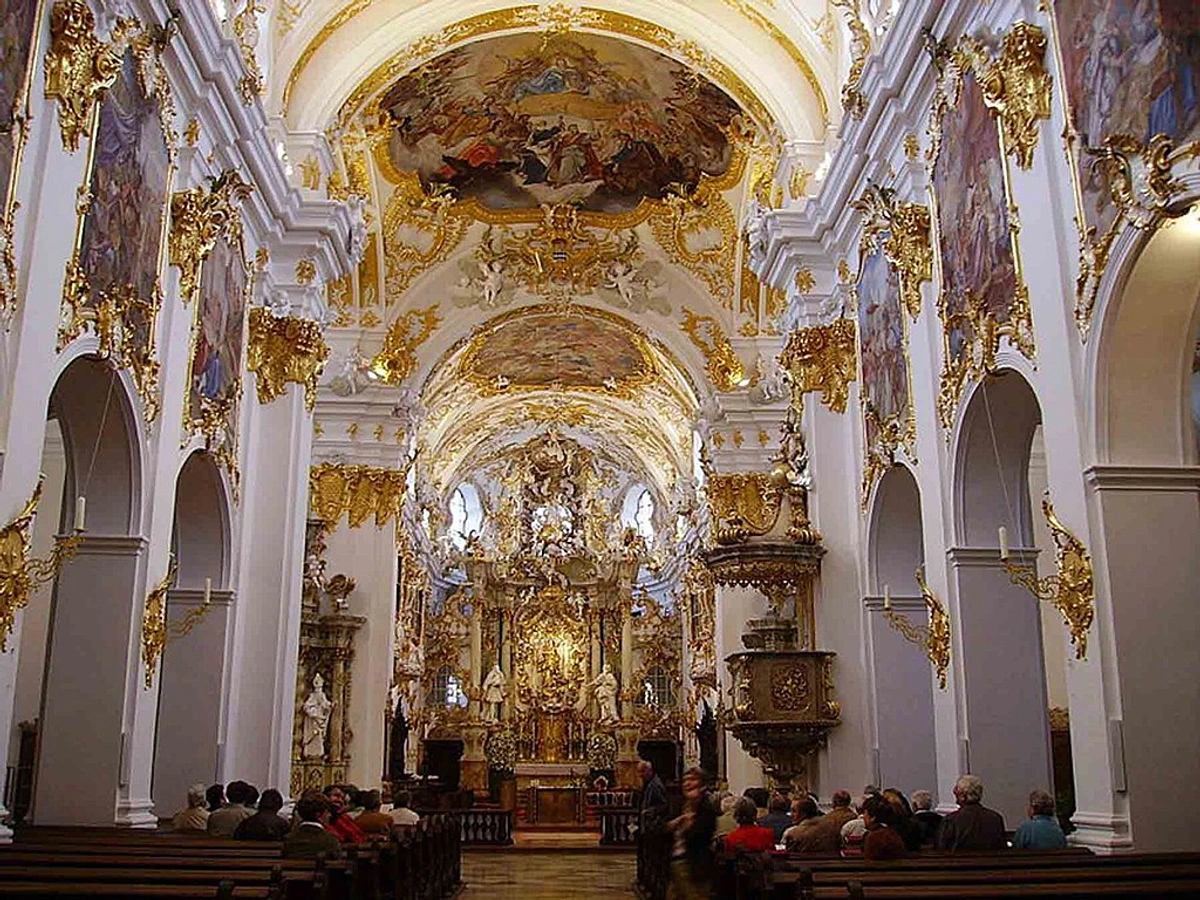
How has the meaning of sculpture changed over time?
Oh, profoundly! It's been a fascinating evolution, reflecting humanity's own journey. In ancient times, sculpture was often deeply religious, political, or commemorative – serving specific, often sacred or public functions, such as acting as vessels for the spirit or assertions of imperial power. Think of Egyptian pharaohs or Greek gods. In the Renaissance, it exploded with a renewed focus on humanism, idealized forms, and classical revival, celebrating the individual and scientific inquiry into human anatomy and proportion. Later, the dynamism of the Baroque art movement brought theatricality and emotion, aiming to overwhelm the senses and inspire religious fervor. With modernism, it truly broke free, becoming more about abstract ideas, formal experimentation, and challenging traditional aesthetics, sometimes dematerializing the object itself. Today, it can be deeply conceptual, political, social, experiential, ephemeral, and constantly pushing boundaries – reflecting a complex, interconnected world, often directly engaging with contemporary issues like globalization, technology, and identity, from environmental concerns to human rights. The journey from sacred object to a medium for critical inquiry is, for me, one of art history's most compelling narratives, showcasing art's incredible adaptability and responsiveness to human experience.
How does technology impact modern sculpture?
It's absolutely fascinating to witness how technology continues to revolutionize sculpture! I mean, who would have thought? From 3D printing and CNC milling allowing artists to create incredibly complex and precise forms, to digital fabrication and augmented reality (AR) changing how we interact with art, the possibilities are exploding. Artists are using computer-aided design (CAD) to plan monumental installations, and even integrating robotics and interactive elements into their work, making sculptures that respond to viewers or their environment, blurring the lines between art and technology. These tools aren't just about efficiency; they open up entirely new aesthetic and conceptual avenues, pushing the very definition of what sculpture can be and how it can be experienced. It's a thrilling time to be an art enthusiast! The ability to manipulate digital models allows for complex geometries and forms that would be impossible to achieve through traditional carving or modeling, democratizing access to creation for some, while also raising questions about authorship and authenticity in the digital age. Furthermore, advanced 3D scanning can capture existing forms with incredible accuracy, while virtual reality (VR) and augmented reality (AR) allow for immersive sculptural experiences that exist purely in digital space, or interact with physical environments in surprising ways, offering new ways to engage with sculptural concepts without physical presence.
How can I best appreciate a sculpture in a museum or gallery?
My absolute top tip: take your time. Resist the urge to just glance and move on to the next piece. Sculpture demands a more active engagement. Walk all the way around it, slowly. Notice how it changes from different angles, how light plays across its surfaces, how shadows define its forms. Look at it from different heights – crouch down, stand tall. Pay attention to the texture of the material, the artist's marks, the sheer craftsmanship. Think about the artist's choices and what emotions or ideas it evokes in you. And yes, don't be afraid to read the plaque for context, but always let your initial, gut emotional response be your primary guide. It's about a dialogue between you and the artwork.
How are sculptures preserved and protected?
This is a really important question, especially given how long some of these pieces have survived! The preservation of sculpture is a complex and ongoing field, focusing on protecting them from environmental damage, human intervention, and the natural process of decay. For outdoor sculptures, this often involves careful material selection (like bronze or durable stone) and sometimes protective coatings, regular cleaning, and monitoring for erosion or vandalism. Indoor pieces require stable climate control (temperature and humidity), protection from light exposure, and secure display conditions. Restorers and conservators work meticulously to repair damage, stabilize deteriorating materials, and ensure the artwork's longevity, often using incredibly precise and non-invasive techniques, aiming to preserve the artist's original intent while ensuring structural integrity. For me, it's a testament to our collective desire to safeguard these tangible pieces of human history for future generations, truly a labor of love and science. If you're interested in the specifics of outdoor protection, you might find our guide on protecting outdoor sculptures from weather very insightful.
What is the difference between carving and modeling?
This is a fantastic question that gets to the heart of sculptural creation! For me, the simplest way to think about it is this: carving is a subtractive process, where the sculptor removes material (like stone or wood) from a larger block to reveal the form within. It's a process of reduction, and once the material is gone, it's gone – demanding precision and foresight. Think of Michelangelo chipping away at marble to free David. Modeling, on the other hand, is an additive process, where the sculptor builds up form by adding and shaping pliable materials like clay or wax. This allows for much more flexibility and revision, as material can be added or removed until the desired form is achieved. Once the model is complete, it can then be cast in more permanent materials like bronze, using techniques like lost-wax casting. Both require immense skill, but they approach the creation of form from fundamentally different directions, and I find that fascinating.
What role does context play in understanding sculpture?
Context, for me, is absolutely everything in art, especially sculpture. It’s like reading a paragraph without the rest of the chapter. Knowing when a sculpture was made (historical period), where it was originally placed (its site-specific meaning), who commissioned it (patronage), and why it was created (its function – religious, political, commemorative) can profoundly deepen your understanding. For instance, Michelangelo's David means one thing in a Florentine piazza and another in a museum gallery. Its original placement as a civic protector is a crucial layer of its meaning. The materials chosen, the techniques used, and the prevailing societal beliefs all contribute to this rich tapestry of context. Without it, you're only seeing half the story, missing the silent conversation between the artwork and its world.
What is the role of patronage in sculpture?
Patronage has been absolutely fundamental to the creation of sculpture throughout history, profoundly shaping its form, scale, and subject matter. For centuries, artists weren't free agents in the way many are today; they relied on powerful individuals, religious institutions, or governments (the "patrons") to commission their work. Think of the Church commissioning grand altarpieces, popes employing Michelangelo, or civic bodies ordering monumental public statues like Donatello's David. The patron often dictated the theme, materials, and even the budget, directly influencing the final artwork. This system allowed for monumental undertakings that required vast resources, fostering innovation and artistic competition. While today artists often create independently, patronage continues in the form of grants, public art commissions, and private collectors, still playing a vital role in enabling large-scale and ambitious sculptural projects. For me, understanding the patron is often key to unlocking the full context and meaning of a historical sculpture, revealing not just artistic choices but also the societal values and power structures of the time.
Why do some ancient sculptures have missing limbs or noses?
Ah, the enduring mystery of the fragmented classical figure! Often, this is due to the simple, inevitable ravages of time, accidents, or purposeful destruction. Statues were exposed to centuries of weather, fell during earthquakes, or were damaged in conflicts. Sometimes, noses were intentionally broken off in ancient times due to superstitious beliefs (like preventing the statue from "breathing" evil) or political iconoclasm, a deliberate act of defacing symbols of power. For me, these 'imperfections' are not flaws but indelible marks of history, adding another poignant layer to their story, reminding us of their journey through millennia, and sometimes even lending them a certain romantic allure in modern perception.
From the raw power of ancient carvings to the nuanced conceptual art of today, sculpture is a continuous thread woven through the tapestry of human history. It's a reminder that our desire to shape the world around us, to give tangible form to our thoughts and feelings, is as old as humanity itself. And perhaps, that's its most profound meaning of all.
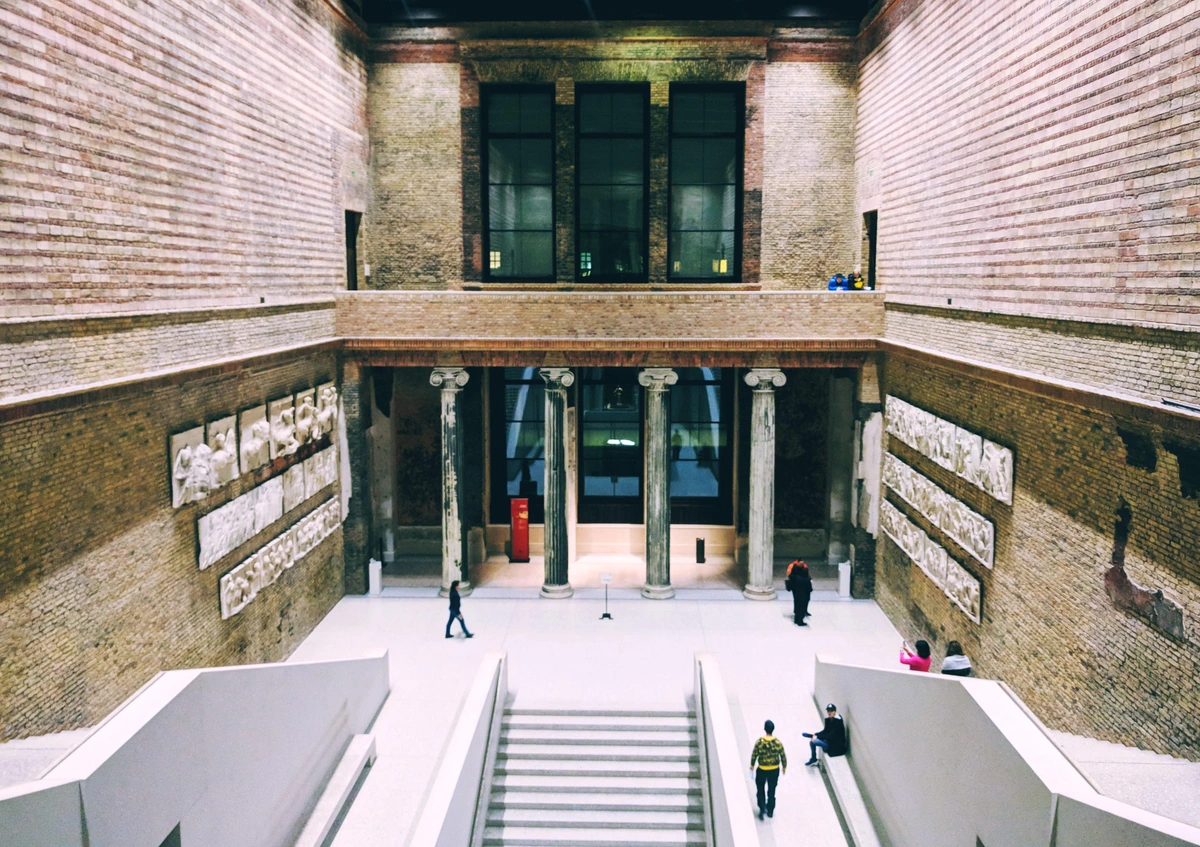
Further Exploration: Delve Deeper into the World of Sculpture
If this journey through the world of sculpture has piqued your interest and left you yearning for more, I've got you covered! There's an endless universe of incredible artists and movements waiting to be discovered. Here are a few more paths you can take to explore the captivating narratives and groundbreaking forms within sculptural art:
- Explore the enduring legacy of Michelangelo beyond his David and Moses.
- Dive into the expressive depth of Auguste Rodin and his impact on modern art.
- Uncover the monumental and conceptual works of Anish Kapoor.
- Experience the provocative feminist art of Judy Chicago.
- Journey through the challenging and culturally resonant art of Kara Walker.
- Consider the playful and often controversial works of Jeff Koons.
- Understand the dynamic movement that defined Baroque art.
- Delve into the revolutionary ideas of Marcel Duchamp, whose "readymades" redefined sculpture.
- Discover the powerful socially conscious work of Käthe Kollwitz.
- Explore the vibrant world of Abstract Expressionism which also had sculptural manifestations.
Each of these artists and movements offers a unique lens through which to view the enduring power and versatility of sculpture. Happy exploring!
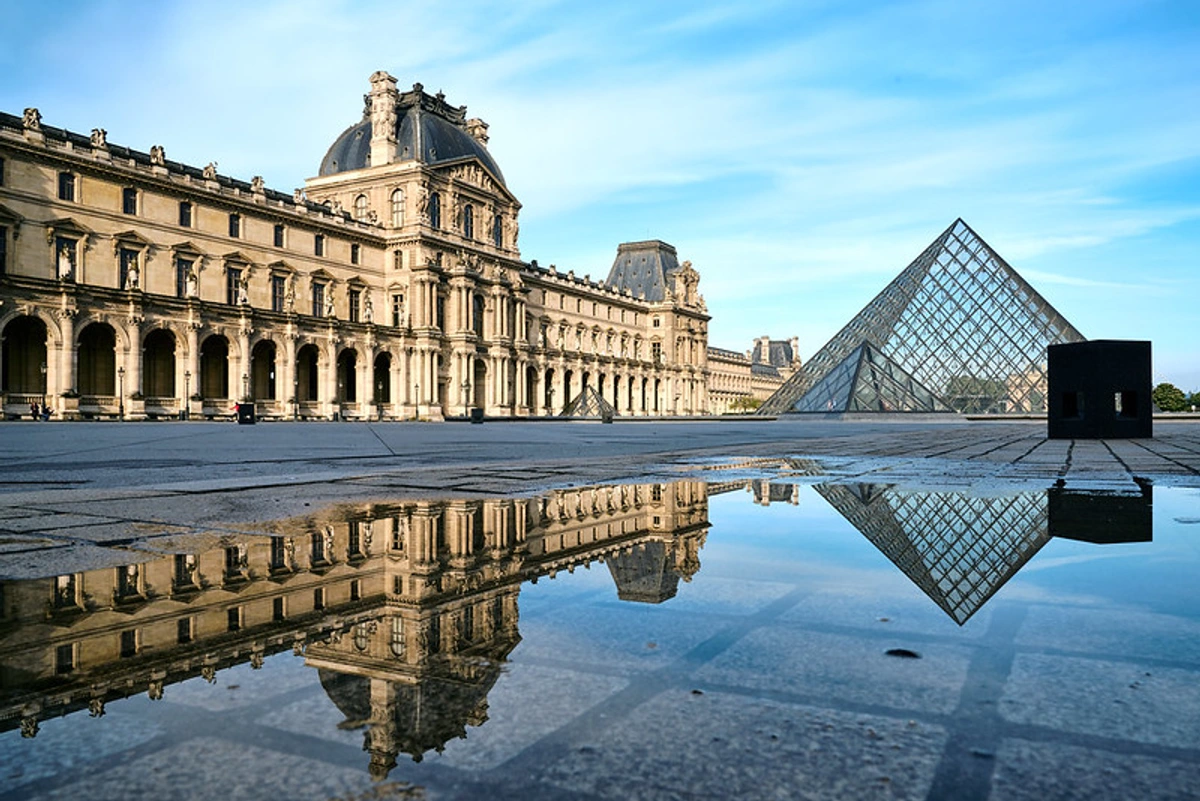
Conclusion: The Silent, Resounding Language of Form and Soul – A Timeless Dialogue
As we've journeyed through millennia of human creativity, from the idealized forms of antiquity to the challenging installations of today, it's abundantly clear that sculpture is far, far more than just "stone and steel." It’s a profound, persistent conversation between humanity and the tangible world, an enduring record of our aspirations, our deepest fears, our evolving beliefs, and our most significant triumphs. From the defiant gaze of Michelangelo's David to the reflective, communal surface of Anish Kapoor's Cloud Gate, from the intricate narratives of ancient temples to the powerful social commentary of contemporary installations, sculptures don't just exist; they actively challenge us, console us, and connect us across cultures and epochs. They speak a silent, universal language of form, volume, texture, and raw emotion, reminding us of our shared humanity and the boundless capacity for artistic expression.
So next time you encounter a sculpture, I truly hope you don't just see a static object, but a vibrant, living whisper from eternity, inviting you into its timeless, deeply personal story. It's a dialogue with the past, a mirror of the present, and a testament to the enduring human spirit. And if this journey has sparked your own creative fire, remember that art, in all its forms, is a conversation – a continuous push and pull between the artist's vision and the viewer's interpretation. Perhaps the ideas sparked here will lead you to explore my own art for sale, or delve into my artist timeline for more inspiration on the creative process. Perhaps you'll find your own modern statement in a different medium, or perhaps, you'll simply see the world with a newfound appreciation for the profound stories etched in solid form. That, for me, is the true magic, an endless wellspring of inspiration, a constant reminder that even in stillness, art is always moving, always speaking, always evolving. It’s a testament to the enduring human need to create, to communicate, and to leave a mark, however ephemeral or monumental, on the canvas of existence.
How to "Read" a Sculpture: A Personal Approach
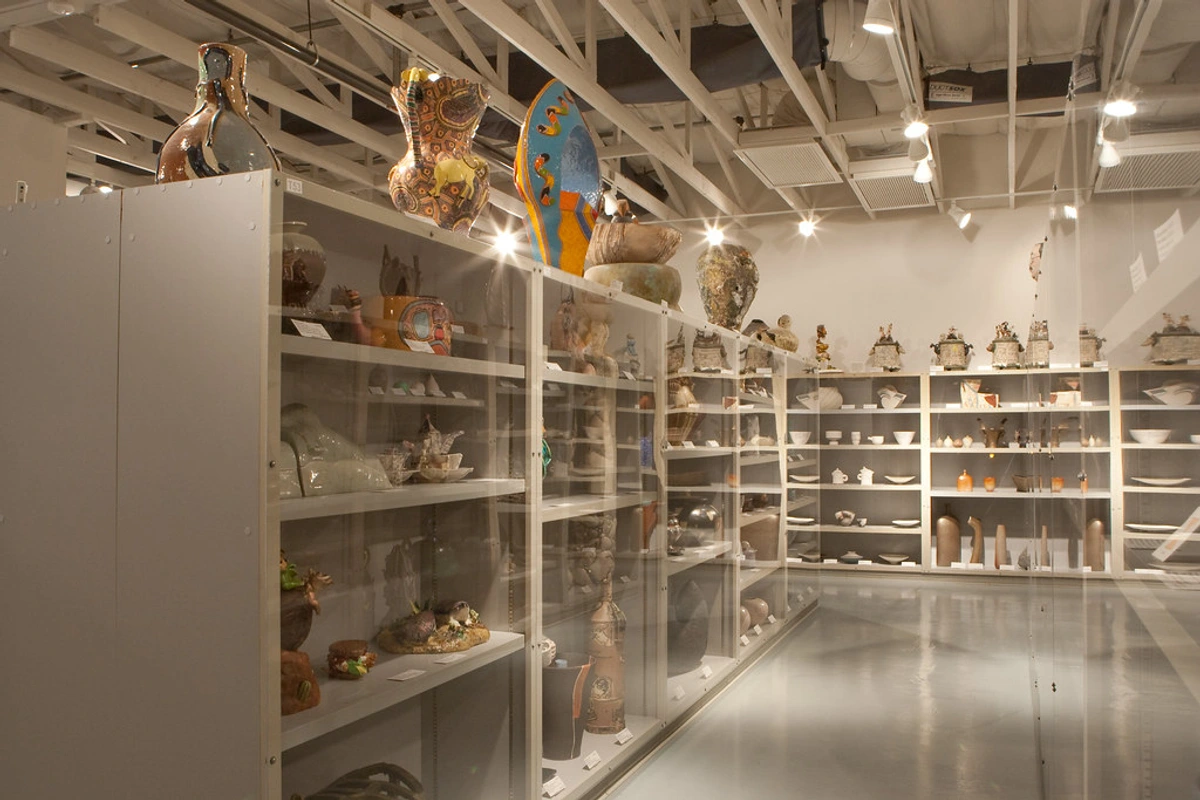



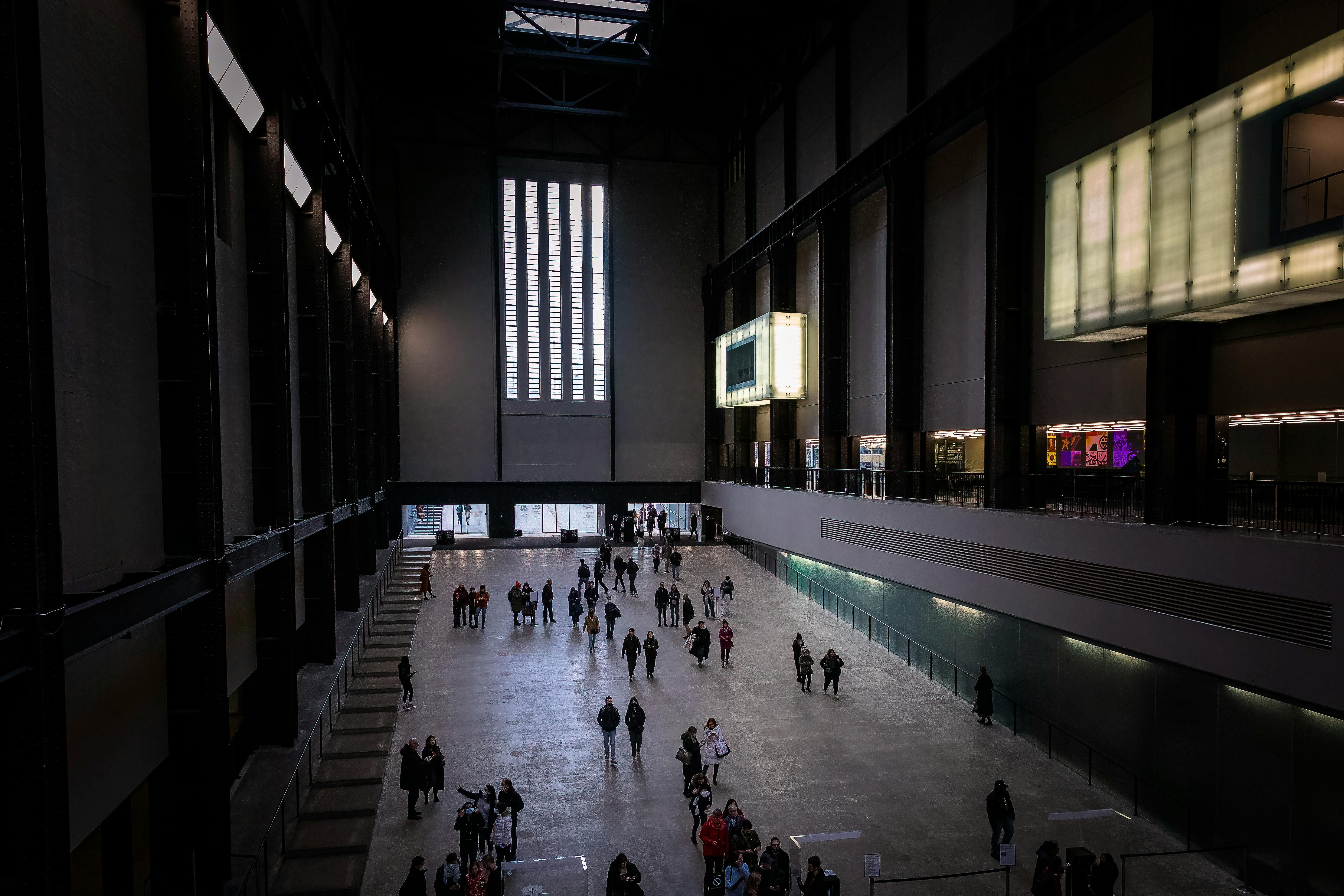




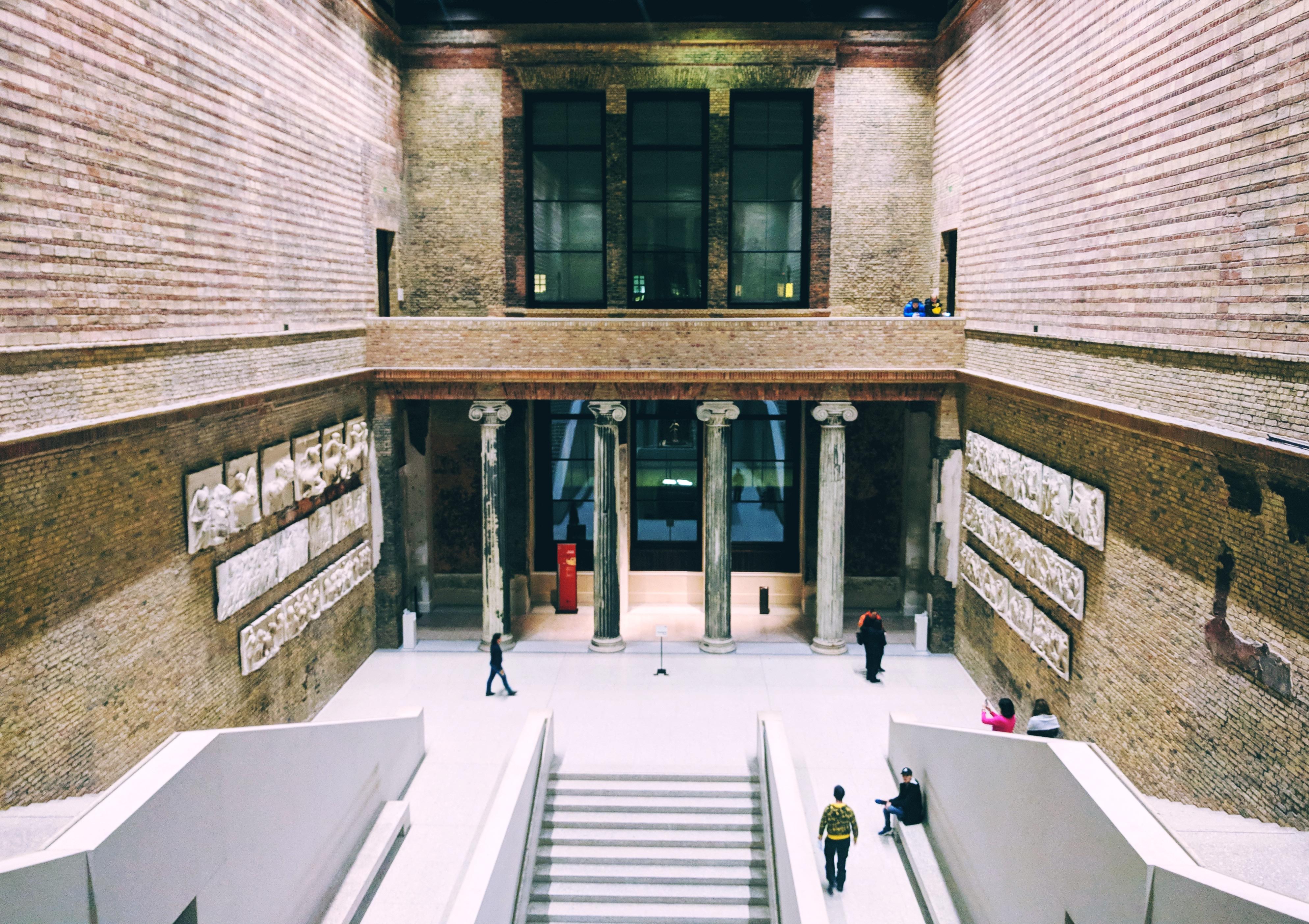

Alright, so you’re standing in front of a significant sculpture, and you want to truly engage with it, to let it speak to you across time and space. How do you go beyond just a fleeting glance and really connect with what the artist is communicating? It's not always intuitive, I know. Sometimes I find myself staring, waiting for it to click, and sometimes it hits me like a ton of bricks (pun absolutely intended!). But there's a method to the magic, a way to open yourself up to the conversation these forms are constantly having. Here’s my personal, step-by-step approach – think of it as a friendly guide to unlocking their silent, resounding language:
- First Impressions, Gut Feelings: Don't overthink it initially; let your subconscious take the lead. What's your immediate, visceral emotional reaction? Does it feel powerful, serene, disturbing, playful, mournful? Jot down a few words in your head (or a notebook, if you're like me and carry one everywhere). This is your raw, unfiltered baseline, and it's invaluable.
- The Full Circle Walk-Around: This is absolutely non-negotiable for me. Walk slowly, deliberately, around the entire piece. What changes as you shift your perspective? How does the light hit it from different angles, revealing new contours or casting dramatic shadows? Does a hidden detail emerge that wasn't visible from the front? Does the form itself seem to transform, telling a different part of its narrative? A sculpture is a 360-degree experience, and I promise you, you're missing half the story if you don't explore it fully.
- Texture and Surface Detail: Get a little closer (but always maintain a respectful distance, of course!). What do you notice about the surface? Is it rough, smooth, highly polished to a mirror sheen, or deliberately unrefined and fractured? Is it clearly carved, painstakingly modeled, cast from a mold, or ingeniously assembled from disparate parts? The texture is never accidental; it's a deliberate choice that powerfully contributes to the sculpture's mood, message, and even its historical context. A raw, chiseled surface screams of effort and direct engagement with material, speaking differently than a pristine, highly polished, reflective one which might evoke luxury or detachment.
- Consider the Material: Why this particular stone, metal, wood, or even something as unconventional as sugar, plastic, or light itself? Each material comes with its own inherent properties, its own history, and its own set of connotations. Bronze suggests permanence, classical weight, and durability; delicate glass might imply fragility or transparency; sugar, as we saw with Kara Walker, speaks of ephemerality and a darker, often colonial, history. The artist's choice of material is a fundamental part of the sculpture's language, adding profound layers to its narrative.
- Scale and Space: Take a moment to truly register the scale. Is it colossal and imposing, dwarfing its surroundings, or is it miniature and intimate, drawing you in for a closer look? Does it dominate its environment with an undeniable presence, or does it subtly integrate, perhaps even hiding in plain sight? How does the sculpture interact not just with the space around it, but also within it (if it has deliberate voids or negative spaces)? A monumental work communicates differently, often demanding public attention and awe, while an intimate one invites personal reflection and proximity.
- Negative Space and Voids: Sometimes, what isn't there is just as important as what is. How does the sculpture interact with the empty space around it? Are there deliberate voids or holes within the form? These negative spaces are not mere absences; they are active components, guiding your eye, suggesting movement, or creating a sense of tension or lightness. Paying attention to these 'empty' areas can reveal profound insights into the artist's compositional choices.
- Symbolism and Narrative (If Applicable): Does the sculpture tell a story? Is it depicting a mythological event, a historical figure, a religious scene, or an abstract concept? Are there recurring symbols or motifs that you recognize, or that seem significant? For instance, a serpent might symbolize renewal or temptation, a specific gesture could convey blessing or warning. Unpacking these symbolic layers is like discovering the deeper poetry of the piece, connecting it to universal human experiences or specific cultural narratives.
- Context Clues (The Plaque is Your Friend): Now, and only now, after your initial personal engagement, after you've allowed the piece to speak to you on its own terms, read the informational plaque. Who made it? When was it created, and what was happening in the world at that time? What's the title, and does it provide a clue or a narrative? Knowing the historical context, the artist's intentions, the patronage behind it, or the mythological/religious narrative can unlock profound layers of meaning you might have missed. It’s like getting the backstory to a compelling character.
- Personal Reflection and Dialogue: Finally, ask yourself: What questions does it raise for you? How does it relate to your own experiences or current events? Does it make you think differently about something? Does it challenge a belief, confirm an emotion, or open your mind to a new perspective? Good art isn't just a monologue; it's an invitation to dialogue, both with the artwork and, more importantly, with yourself.
By taking these steps, you're not just looking at a sculpture; you're actively engaging in a profound conversation with centuries of human creativity. It’s a rewarding journey, and it’s how I find myself truly appreciating these tangible whispers from another time. For further practical advice on integrating art into your living spaces, you might find how to incorporate sculptural art into modern interiors incredibly useful.