Camille Claudel: Sculptural Genius, Unjust Fate, and Enduring Legacy
Explore Camille Claudel's revolutionary sculpture, intense Rodin relationship, and tragic life. Uncover her unique vision and enduring legacy in art history.

Camille Claudel: Sculptural Genius, Unjust Fate, and an Unbreakable Legacy
History, I've noticed, has a peculiar and sometimes infuriating way of shaping narratives. It often pushes truly singular talents to the periphery, or worse, presents their brilliance solely through the accomplishments of others. This tendency, to diminish an artist's independent genius, is something that gets under my skin; it leaves me, frankly, feeling a bit raw. The story of Camille Claudel is a stark, poignant reminder of this very struggle, a narrative that screams for re-evaluation.
I remember the first time I stood before her monumental The Age of Maturity, its raw, almost agonizing emotional power hitting me like a physical blow, a visceral ache in my chest. It wasn't just impressive; it felt like a direct, unfiltered glimpse into a soul. It was only later that I truly grasped how much of her life and groundbreaking work had been tragically overshadowed, how her potential was already threatened by rigid societal structures. She was never merely "Rodin's muse" or "Rodin's student." Claudel was a titan in her own right, a sculptor whose visceral emotion, audacious vision, and unparalleled technical skill carved out a legacy that, for far too long, remained profoundly misunderstood and unjustly obscured.
This article isn't just a recounting of facts. It's an exploration of Camille Claudel's journey—her audacious beginnings, the intense crucible of her relationship with Auguste Rodin, the forging of her unique artistic voice, and the heartbreaking unraveling of her life amidst societal prejudice and personal torment. Ultimately, it's about the powerful, resonant legacy of an artist whose voice, once silenced, now demands to be heard, challenging us to re-examine not just art history, but our understanding of genius itself.
The Genesis of a Sculptor: A Fierce Will Against a Cultural Straitjacket
Imagine, if you will, being a young woman in 19th-century France, seized by an undeniable, almost feverish urge to sculpt. This wasn't a delicate, ladylike pastime. Oh no. This was dirty, physically demanding, and utterly unconventional for someone of her social standing. The barriers for women artists in this era were formidable, a true cultural straitjacket. Formal training in prestigious academies, like the École des Beaux-Arts, especially for sculpture which often required studying nude models, was frequently restricted or outright denied. Access to life models, crucial for mastering human anatomy, was severely limited, unlike for their male counterparts. Societal expectations relentlessly pushed them towards marriage and domesticity, away from professional aspirations. To want something so passionately, only to be told it's not for you, must have been a constant, infuriating battle.
Yet, Camille, born in 1864, wasn't one for convention. From a young age, her hands yearned for clay and marble, a hunger that must have felt both exhilarating and, at times, incredibly isolating. Her early artistic journey led her to private art schools in Paris, such as the Académie Colarossi and Académie Suisse. These institutions, unlike the highly selective and male-dominated École des Beaux-Arts, were more accessible to women. While they still had limitations, they often offered a more liberal curriculum and, crucially for sculptors, provided access to life models—albeit sometimes restricted to female nudes or draped figures—a stark contrast to the outright denial faced elsewhere. Here, she found a fervent community of female artists, though the rigorous training for sculptors, particularly the study of the male nude, remained a significant hurdle that female artists of the time continually fought to overcome.
Her father, Louis-Prosper Claudel, a government official, proved remarkably progressive for his era. He recognized her extraordinary talent early on, pushing past rigid societal norms to actively support her artistic education. He engaged private tutors and facilitated her move to Paris, a pivotal decision that, I believe, changed everything for her. Her younger brother, Paul Claudel, who would later become a celebrated poet and diplomat, was deeply impressed by her power and genius. He wrote of her: "My sister Camille, with her beautiful hands, always busy with clay, was a creature of fierce determination." This admiration was lifelong; he championed her work, despite the later complexities and heartbreaks of her life, often using his influence in literary and artistic circles to advocate for her. For instance, his eloquent prefaces to her exhibition catalogues and his impassioned writings on her art, particularly after her death, were instrumental in beginning her posthumous rediscovery and re-evaluation.
When Two Titans Collided: Camille Claudel and Auguste Rodin
Now, here's where the story becomes intensely complicated, and honestly, reading about this chapter just tightens my chest. In 1884, Claudel entered Rodin's studio as a student. However, their relationship quickly transcended the traditional teacher-pupil dynamic. She became his most gifted pupil, his indispensable collaborator, his lover, and, in so many profound ways, his artistic equal. It was a whirlwind, an intense fusion of minds and bodies that profoundly influenced both artists.
You can almost feel the electric energy crackling between them when you contemplate their respective works from this period; a raw, almost volatile exchange of ideas and passions. They pushed each other, challenged artistic boundaries, and, I imagine, probably infuriated each other in equal measure, perhaps over a precise curve or the emotional weight of a figure. Rodin, with his colossal reputation, was undoubtedly a powerful mentor, opening doors and offering technical guidance. Yet, Camille brought her own fiery passion, technical prowess, and a uniquely penetrating psychological depth to their shared endeavors.
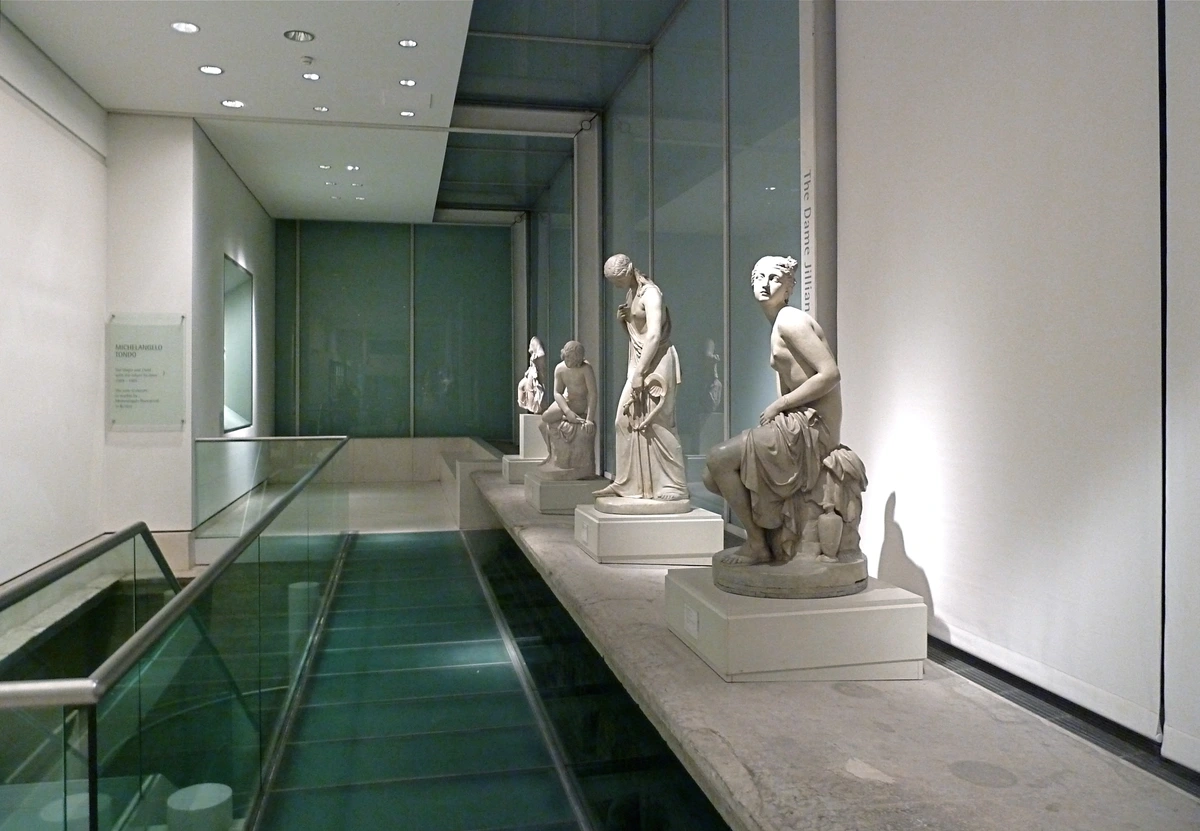
To truly appreciate the depth of her talent and how she distinguished herself, let's compare key aspects of their artistic journeys, highlighting her audacious contributions and how her distinct vision began to emerge even amidst Rodin's towering shadow:
Aspect  | Auguste Rodin | Camille Claudel |
|---|---|---|
| Style & Approach | Monumental, symbolic, often dramatic. Focus on human form and raw emotion. Known for rough, textured surfaces that captured movement and light, employing the non finito (unfinished) technique, which left areas deliberately unpolished to suggest emergence and dynamism. His approach aimed to convey the struggle of creation and the raw energy of the human spirit. | Intense psychological depth, fluid and dynamic forms, capturing fleeting moments of profound emotion and narrative. Often more refined, sensuous, highly polished surfaces, creating a delicate translucence in marble. Her work hinted at a new modernism through intimate narratives and flowing lines, prefiguring Art Nouveau's organic elegance. She sought to express inner life with meticulous outward beauty. |
| Themes Explored | Mythological heroes, allegories of human struggle, monumental public commissions, raw sensuality. Explored universal human conditions through grand narratives of love, despair, and thought. | Female agency, intimacy, sensuality, personal struggle and loss, mythology reinterpreted with intense emotional realism, social observation. Her work often delved into the vulnerability and complexity of individual human relationships and experiences, challenging traditional heroic narratives with profound psychological insight. |
| Key Influences | Primarily classical masters like Michelangelo, Baroque art, Classicism, realism. He drew deeply from established traditions while pushing their boundaries towards a more expressive realism. | Initially Rodin, but rapidly developed a singular voice. Influenced by Japanese prints (seen in bold outlines, flattened planes, and asymmetrical compositions, bringing a fresh perspective to sculptural narrative), Impressionism (in capturing fleeting moments and atmospheric effects, making solid forms appear almost fluid and spontaneous), and a nascent Symbolism (externalizing inner states through powerful visual metaphors). Her organic forms and decorative elements also distinctly prefigured Art Nouveau's flowing lines. |
| Material Treatment | Often left surfaces rough (non finito) to convey process, movement, and a sense of emerging form. Embraced the raw power of the material and the visible marks of creation, as seen in the raw physicality of many figures for The Gates of Hell. | Favored highly polished surfaces for marble, creating a delicate translucence that suggested soft skin or ethereal qualities. Bronze often meticulously patinated for rich, nuanced color and texture, enhancing emotional impact – for instance, a warm brown patina for skin or a dark, almost black hue for gravitas. This meticulous finishing contrasted Rodin's often rougher approach, signaling a distinct philosophical and aesthetic choice. |
| Noteworthy Works | The Thinker, The Kiss, The Burghers of Calais, The Gates of Hell | The Waltz, The Age of Maturity, Perseus and the Gorgon, The Wave, The Gossips, The Little Dauphine |
| Legacy Impact | Revered as the father of modern sculpture, massive public recognition and institutional support. His influence shaped generations of sculptors and his works remain iconic globally. His narrative is one of undeniable triumph and continuous acclaim. | Rediscovered genius, a poignant symbol of female artistic struggle, resilience, and a catalyst for mental health advocacy. Now gaining global recognition and challenging historical narratives that previously sidelined her, her work is seen as a powerful statement on gender equality in the arts, inspiring new generations to re-examine historical biases and celebrate overlooked talents. |
Rodin's towering figure, of course, casts a long shadow, and for too long, Claudel was viewed primarily through his lens—as a muse or an assistant. But this perspective fundamentally misses her radical contribution. Her work was not merely an echo of his; it was a distinct, powerful voice that spoke to the anxieties and passions of her age with an emotional honesty that was entirely her own. Where Rodin often celebrated the monumental and the grand, Claudel often delved into the intimate and the deeply personal, often with a raw vulnerability. Her focus on individual psychological states and the complexities of human relationships offered a fresh, modern perspective. For a deeper dive into Rodin's influence and his iconic works, you might find exploring articles on subjects like The Thinker sculpture by Auguste Rodin particularly illuminating.

Beyond Rodin's Shadow: Forging a Singular Artistic Voice
Despite working so closely with Rodin, Camille Claudel was no mere imitator. Her sculptures pulse with a life, a raw, almost agonizing emotional honesty that is distinctly her own. This is where her independent genius truly shines, revealing a visionary artist who channeled deeply personal narratives into universal human experiences.
I'm utterly captivated by pieces like "The Waltz" (1889-1890), where two lovers are entwined in a passionate embrace, their bodies flowing together with such elegant dynamism it almost defies the solidity of bronze. The way she captures that momentary suspension, that feeling of surrender and connection, is simply breathtaking. The tension in their intertwined forms and the delicate balance of their embrace convey an intimacy rarely seen in sculpture of her time. The sinuous lines and flowing drapery here are early, powerful indicators of her affinity with the burgeoning Art Nouveau aesthetic that would soon sweep Europe.
And then there's "The Age of Maturity" (1893-1900), a heartbreaking allegorical work that many, myself included, interpret as her own painful separation from Rodin. It depicts an older woman pulling away a man from a kneeling young woman—a powerful, almost autobiographical, depiction of abandonment and loss. The man's conflicted posture, caught between two figures, visually conveys the agonizing choice. Scholars also suggest it represents the inexorable march of time, or perhaps a broader commentary on the fleeting nature of relationships and the sacrifices demanded by life itself. The emotional weight in these works, the incredible detail and movement she achieved in hard materials, is a testament to her unparalleled skill and deeply personal vision.
She was also a master of mythological narratives, as seen in "Perseus and the Gorgon" (1897-1899), a dramatic and technically virtuosic marble sculpture. Here, she doesn't just depict the triumph; she focuses on the hero's internal struggle after his victory, his weariness and the lingering horror of Medusa's severed head, injecting profound psychological depth into a classical theme. The meticulous rendering of Medusa's serpent hair and the hero's grim expression demonstrates an exquisite attention to detail and a masterful understanding of form and texture in marble. This ability to infuse classical narratives with modern psychological realism was a hallmark of her innovative approach.
Another compelling work, "The Little Dauphine" (c. 1892), captures the innocent charm and vivacity of a young girl with striking realism. This intimate portrait, a counterpoint to her more dramatic narratives, highlights her versatility in conveying delicate, fleeting emotion and the simple beauty of childhood with exquisite detail, from the soft folds of fabric to the subtle tilt of the head.
Influences and a Vision Ahead of Her Time
Claudel's unique vision was shaped by a confluence of influences that pushed her work beyond traditional academic sculpture and even beyond Rodin's dominant style. You can clearly see early elements of Symbolism in her work, where inner states are externalized through powerful visual metaphors—her figures aren't just bodies, they are vessels of profound feeling. For instance, the very composition of "The Age of Maturity" is a symbolic narrative of separation and choice, embodying intense emotional states through figural arrangement. Her focus on natural forms, sinuous lines, and symbolic representation, for instance, distinctly prefigured Art Nouveau, a style that would soon emerge as a dominant force. The flowing drapery and organic curves in works like "The Waltz" or "The Wave" echo the organic elegance and decorative motifs that define Art Nouveau architecture in Paris, a movement Claudel intuitively anticipated and contributed to.

She also absorbed inspiration from Japanese prints, visible in her bold outlines, flattened planes, and often asymmetrical compositions that brought a fresh perspective to sculptural narrative, emphasizing dynamic silhouettes, much like how Ukiyo-e masters challenged Western perspective. Furthermore, the atmospheric effects and focus on capturing fleeting moments found in Impressionism resonated with her desire to convey transient emotions and psychological states in three dimensions, making solid forms appear almost fluid and spontaneous, much like a Monet painting captures a fleeting quality of light. This blend of influences allowed her to carve out a thoroughly modern aesthetic, audacious for her time, exploring emotional landscapes that challenged prevailing sensibilities.
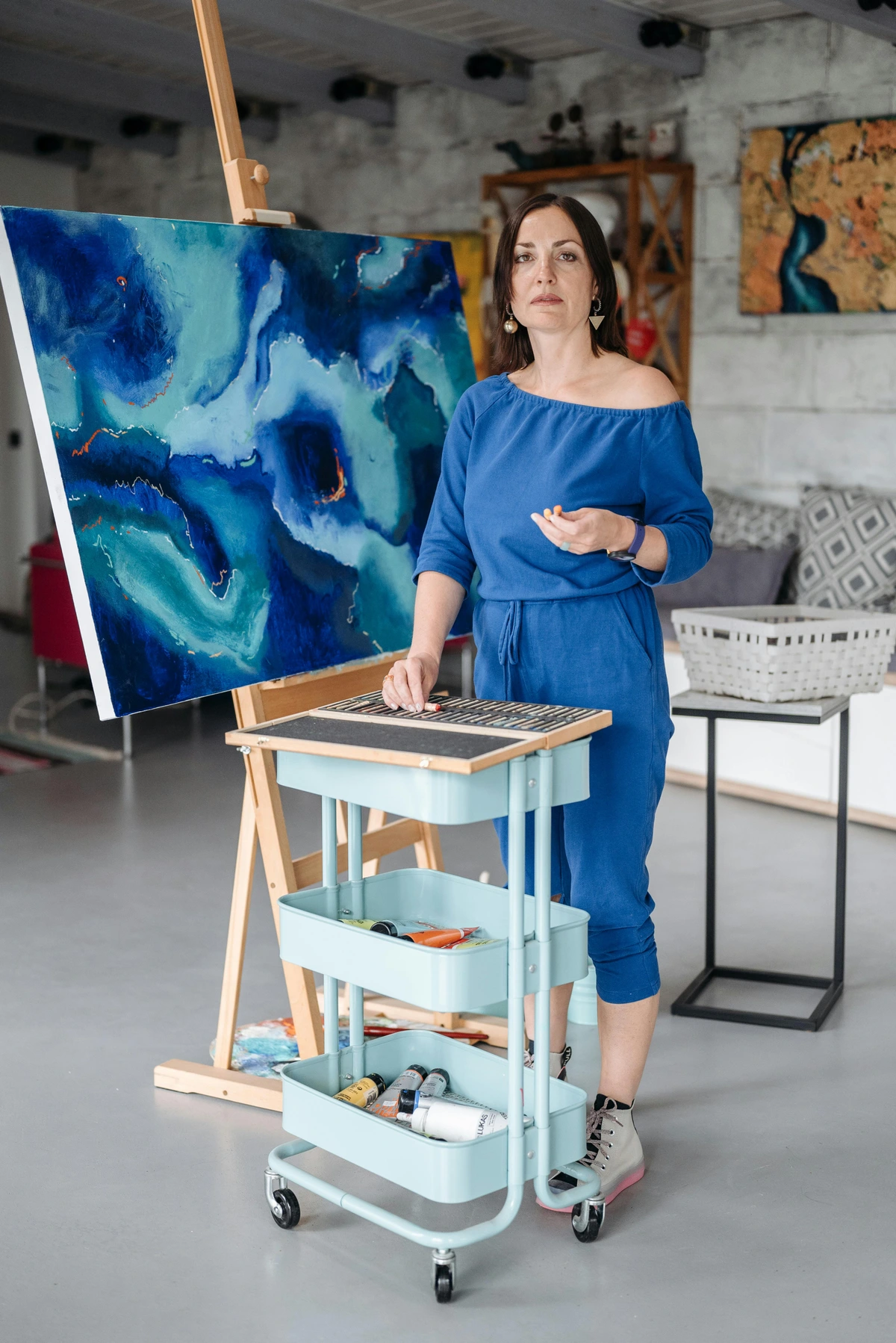
Her sculptures like "The Gossips" (1897) depict women huddled together, sharing secrets, a keen observation of social dynamics rendered with an almost ethnographic precision. The way their forms converge, creating a singular, conspiratorial mass, speaks volumes about human connection and hidden conversations, revealing the subtle power and vulnerability of female bonds within a constrained society. And in "The Wave" (1897-1900), three nude women are caught beneath a monumental, cresting bronze wave—a masterpiece of dynamic composition and emotional tension that explores vulnerability and the overwhelming forces of nature. The swirling drapery and expressive bodies convey both terror and a fragile beauty in the face of the inevitable, perhaps even hinting at the inexorable pressures of society itself. These works demonstrate her unique ability to infuse everyday life and grand allegories with profound human feeling, revealing an audacious vision for her time.
The Language of Stone and Bronze: Claudel's Material Mastery
Claudel's process, like any master sculptor's, involved intricate planning and a profound understanding of her chosen materials. From the initial clay models, she understood the crucial role of an internal support, often a metal rod structure known as an armature, to give form and stability to her creations before they were cast in bronze or carved in marble. Think of it like the very bones of a structure, giving it foundational integrity before the flesh and skin are meticulously added; it's foundational. But her mastery went beyond mere technical skill; it was about coaxing life from inert materials, about a deeply considered philosophical approach.

She explored the delicate translucence of marble, allowing light to play across its highly polished surfaces to suggest soft skin, flowing drapery, and ethereal forms. She often chose marble for subjects demanding purity, vulnerability, or a sense of inner light, as seen in the exquisite, almost veil-like quality she achieved in pieces like "Perseus and the Gorgon" through meticulous polishing and subtle undercutting that created deep shadows and shimmering highlights. Conversely, she manipulated the robust power of bronze to convey weight, dynamic movement, and a startling emotional immediacy, selecting it for more forceful or emotionally charged narratives like "The Waltz" or "The Wave." Her meticulous patination of bronze—a chemical process that alters the surface color and texture—allowed her to achieve rich, nuanced hues and textures, enhancing the emotional impact and depth of her figures. For example, a warm, reddish-brown patina could evoke the flush of living skin, while a deeper, almost black patina might suggest gravitas or despair. This attention to polished perfection and nuanced surface stood in stark contrast to Rodin's characteristic rougher textures and non finito approach, where the raw process remained visible, often deliberately, to convey the struggle of creation or the very act of emerging from the stone, much like in his powerful figures for The Gates of Hell. It wasn't just a difference in technique, but a profound difference in artistic philosophy: Rodin embraced the visible process, Claudel perfected the illusion of life, the finished, emotionally resonant form.
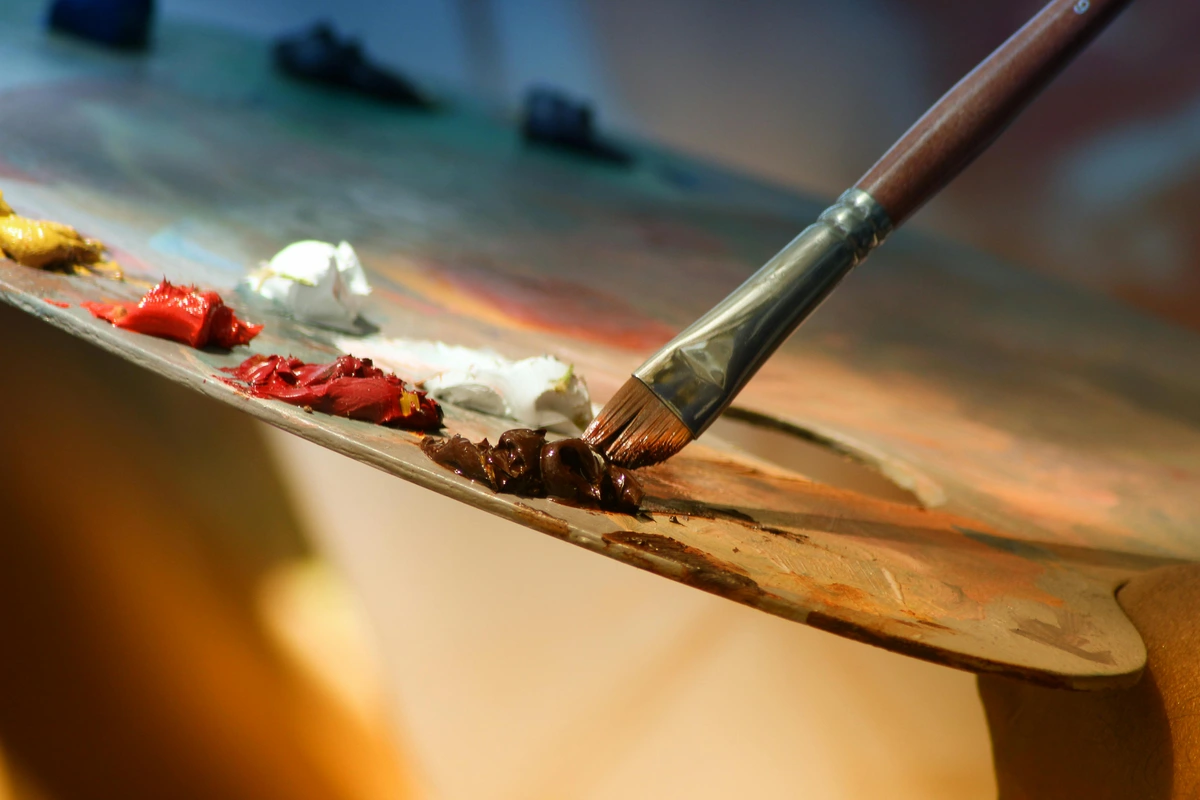
Her forms, though often classical in their subject, possessed a fluid, almost organic quality that resonated with the broader artistic currents of the late 19th century. This was a sculptor truly ahead of her time, her audacious talent daring to explore emotional landscapes that challenged prevailing sensibilities.
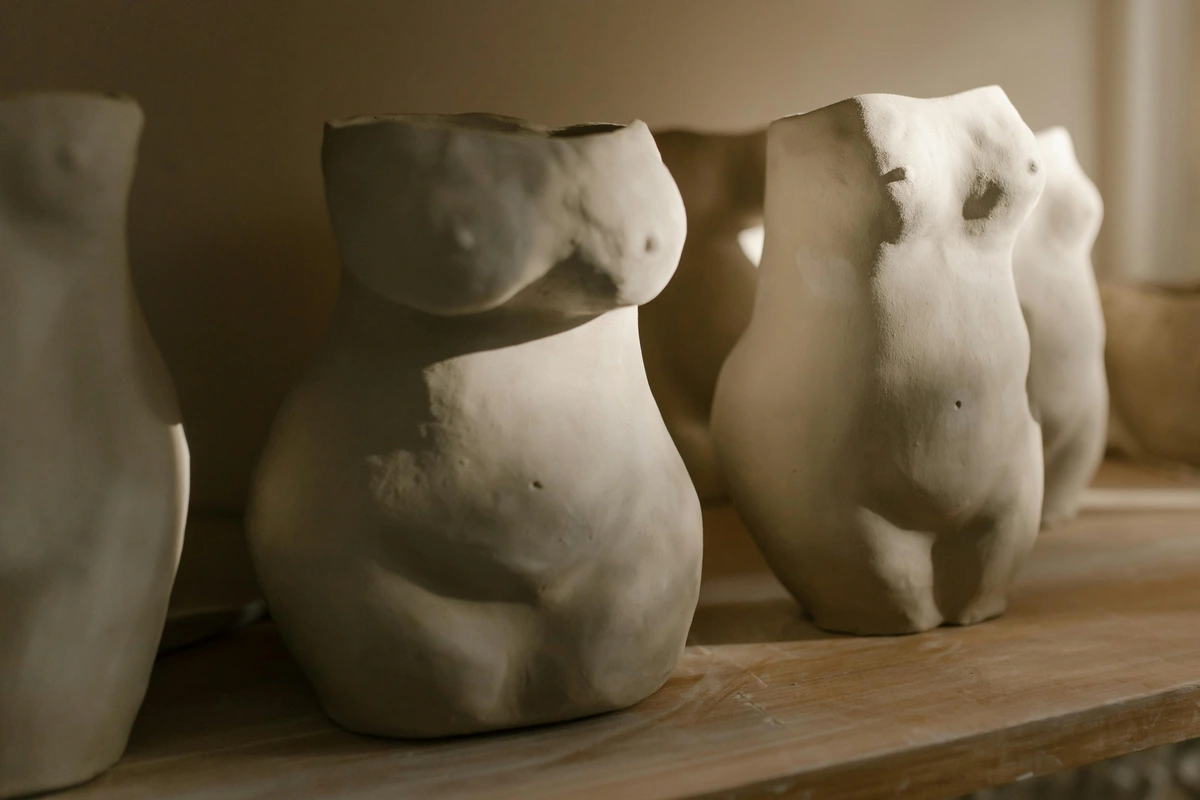
This image of Degas' dancer, though by a different artist, gives you a vivid sense of the dynamism and bodily expression that sculptors like Claudel were also striving for, often imbued with their own unique, deeply personal emotional narratives. The pursuit of capturing fleeting motion in solid form was a challenge that truly defined this era of sculpture.
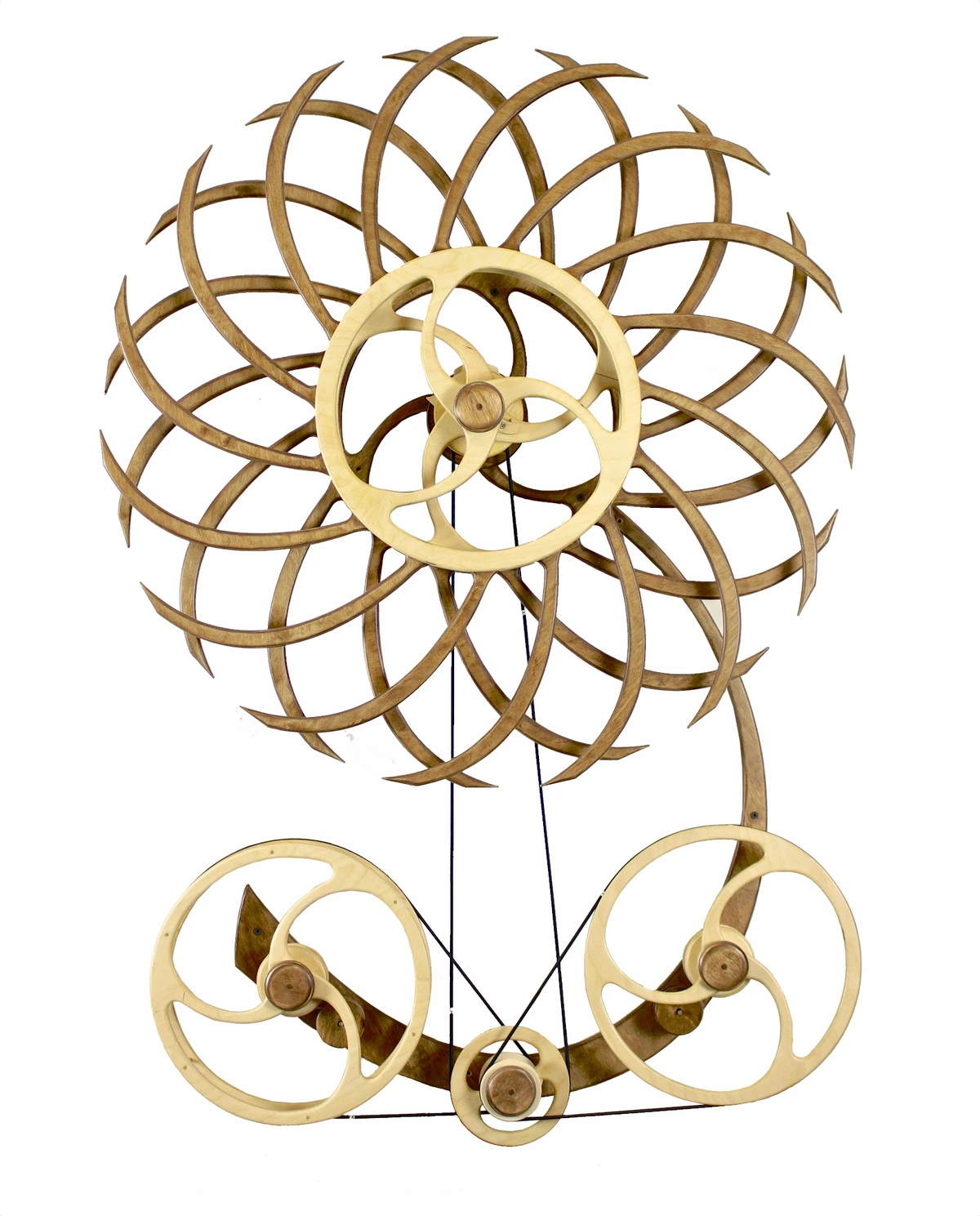
And speaking of dynamism, this 'Olliehopter' sculpture, while a modern assemblage, shares that playful sense of captured motion and inventive form. It's a reminder that artists across eras, using vastly different materials and styles, often share a common goal: to bring inanimate objects to life with character and movement, making them feel like they're about to take flight or tell a story, much like Claudel's figures.
The Unraveling Thread: Isolation, Illness, and Systemic Injustice
Here's where the narrative takes its most heartbreaking turn, a raw knot in the stomach. The tragic unraveling of Camille's story began as her intense relationship with Rodin frayed, irrevocably damaged by his unwillingness to leave his longtime companion, Rose Beuret. While Rodin expressed genuine affection for Claudel and recognized her genius, his social standing, age, and possibly a deeper commitment to Rose (who had been with him through his own struggles) made a permanent union with Camille a complex and ultimately impossible choice for him, and one that devastated her.
Societal Pressures and the Female Artist
This profound personal heartbreak was cruelly compounded by the immense pressures of being an independent female artist trying to forge a career in a fiercely male-dominated world. For women, gaining commissions, securing exhibition space, finding consistent patronage, and even having their work critiqued seriously by male-dominated salons and critics were Herculean tasks. Official institutions like the Académie des Beaux-Arts systematically excluded women from the most prestigious avenues of training and exhibition, limiting their access to life models, formal instruction, and public display. Male critics often dismissed female artists' work as merely "feminine," "delicate," or derivative, regardless of its artistic merit. Her struggle highlights a systemic injustice, a world not yet ready to truly embrace female artistic autonomy. This struggle echoes the battles faced by other pioneering female artists throughout history, such as Artemisia Gentileschi, who also fought against profound societal barriers and personal betrayals.
Crucially, and perhaps most devastatingly, she began to exhibit signs of what many historians and medical experts now believe was a severe mental illness, likely paranoid schizophrenia. It's the kind of spiraling paranoia that chills you to the bone, and you can't help but feel the sheer terror and confusion she must have experienced. Her delusions manifested as accusations against Rodin and others, believing they were plotting against her, stealing her ideas, and even trying to poison her. While art can be profoundly therapeutic, for Claudel, in her acute state, it became tragically entangled with her fractured reality, making sustained creative work incredibly difficult. Concentration became fragmented, the translation of vision to material arduous, and the rigorous demands of sculpture often insurmountable amidst her mental anguish.

Confinement: A Societal Failure
Though she achieved some recognition, including a state commission for "The Waltz," her financial precarity and lack of consistent institutional support stood in stark contrast to the secure careers of her male contemporaries who often enjoyed steady patronage and public works. Her mother, Louise-Athénaïs Claudel, and younger sister, Louise, whose support for Camille's artistic ambitions had always been far less enthusiastic than her father's, struggled profoundly to cope with her increasingly erratic behavior and paranoid accusations. They were overwhelmed, navigating a societal landscape that offered little understanding or support for mental illness, especially in women.
In the early 20th century, mental illness was poorly understood and highly stigmatized, particularly for women. Prevailing medical theories, such as "female hysteria," often misattributed complex psychological conditions to women's physiology, reducing their experiences to a diagnosis that justified confinement. Institutionalization was often seen as a convenient solution for "difficult" or non-conforming women, removing them from public life rather than offering genuine treatment or support.

After her beloved father's death in 1913—the one person who had truly championed her independence and genius—her family, particularly her mother and sister, arranged for her to be committed to a mental asylum. She would spend the next three decades, until her death in 1943, institutionalized, effectively ending her sculpting career. It's a fate that haunts me whenever I think of her, a raw injustice that speaks volumes about the societal attitudes towards women, mental health, and artistic genius at the time. Her commitment was not just a personal tragedy but a chilling reflection of societal failure.
Her brother, Paul Claudel, though he admired her work and visited her for many years, remained a complex figure in this period. While he ensured her work was preserved and later championed her legacy through his writings and influence in literary circles, his actions concerning her institutionalization continue to be a deeply debated aspect of their relationship. He faced agonizing choices within the rigid societal and medical frameworks of the time, often believing her commitment was for her own well-being, yet it remains a profound ethical dilemma in her story. He preserved her art, but at what cost to her freedom and dignity? It's a question that continues to resonate.
A Phoenix from the Ashes: Her Enduring and Rediscovered Legacy
For years, Camille Claudel's extraordinary work was largely forgotten or, at best, seen merely as a footnote to Rodin's monumental career. But thankfully, the tide has turned dramatically. There's been a powerful, much-needed rediscovery of her genius, spurred by dedicated historians, curators, and family members, most notably her great-niece Reine-Marie Paris. Paris's tireless research and advocacy, culminating in her pivotal biography and comprehensive cataloging of Claudel's works, were instrumental in bringing Claudel back into the public consciousness. This has led to pivotal exhibitions (like the landmark 1984 Musée Rodin retrospective, which significantly recontextualized her contribution) and scholarly books that have shone an overdue light on her singular talent and the profound tragedy of her life, ensuring she is no longer relegated to the shadows. It's a story of artistic resilience, even in the face of incredible adversity, and a testament to the persistent efforts required to correct historical injustices and biases, challenging the narrative of female artists as merely muses or subordinates.
Her sculptures are now celebrated for their innovative spirit, their psychological depth, and their sheer, undeniable beauty. If you ever find yourself in Paris, I wholeheartedly recommend a visit to the Musée d'Orsay, where several of her masterpieces are displayed, often highlighting her connection to the burgeoning modern art movements of her era. The Musée Rodin also houses a significant collection of her pieces, often displayed alongside Rodin's to highlight their intertwined yet distinct careers and allow for direct comparison. For the most immersive experience, the Musée Camille Claudel in Nogent-sur-Seine, France, is dedicated solely to her work, offering a profound journey into her creative world and a comprehensive overview of her artistic evolution.
Standing before her creations, you don't just see stone or bronze; you feel the vibrant spirit of a woman who dared to create, to feel, and to challenge a world that wasn't ready for her. Her story is a poignant reminder that true artistic vision cannot be contained, even by the most formidable of circumstances. Her place in the timeline of art history is now undeniably, and deservedly, her own. Her legacy continues to inspire discussions on mental health awareness, gender equality in the arts, and the importance of re-evaluating historical narratives to give due credit to overlooked geniuses.
Frequently Asked Questions about Camille Claudel
Before we wrap up, let's quickly address some common questions people often have about Camille Claudel.









Q: Was Camille Claudel Rodin's student? A: Yes, Camille Claudel initially joined Auguste Rodin's studio as a student in 1884. She quickly became his most talented pupil, then his assistant, indispensable collaborator, and lover. Their intense, complex relationship was deeply influential on both artists, though she rapidly developed her own distinct artistic voice, often demonstrating a psychological depth and material refinement that set her apart.
Q: What are Camille Claudel's most famous sculptures? A: Among her most celebrated works are "The Waltz" (1889-1890), depicting two intertwined figures in a passionate dance; "The Age of Maturity" (1893-1900), an allegorical piece often interpreted as her painful separation from Rodin and the broader human condition; "Perseus and the Gorgon" (1897-1899), a powerful and technically virtuosic mythological sculpture; "The Wave" (1897-1900), a dynamic work capturing vulnerability and societal pressures; and "The Little Dauphine" (c. 1892), showcasing her delicate realism.
Q: Why was Camille Claudel institutionalized? A: After a period of intense struggle—including the breakdown of her relationship with Rodin, financial difficulties, social isolation, and what many historians and medical experts now believe was paranoid schizophrenia—Camille Claudel was committed to a mental asylum in 1913. She remained institutionalized for the last 30 years of her life. This decision, largely driven by her family (particularly her mother and sister) after her supportive father's death, was made within the context of prevailing societal attitudes toward women and mental illness, which often led to the confinement of "difficult" or non-conforming women. Her brother, Paul Claudel, while a champion of her art, also played a complex role in this decision, wrestling with the difficult ethical choices of the era.
Q: Where can I see Camille Claudel's sculptures? A: The best places to see significant collections of Camille Claudel's works are the Musée Rodin in Paris, the Musée d'Orsay in Paris, and the Musée Camille Claudel in Nogent-sur-Seine, France, which is dedicated solely to her art and offers the most comprehensive experience.
Q: What was Camille Claudel's relationship with her brother, Paul Claudel? A: Paul Claudel, a renowned poet and diplomat, was deeply attached to his older sister Camille and was one of the few family members who visited her during her long confinement. He admired her artistic genius profoundly and played a significant role in preserving her work and legacy, ensuring her sculptures were not forgotten through his writings and advocacy. However, his actions concerning her institutionalization remain a complex and debated aspect of their relationship, reflecting the difficult societal norms and family pressures of the era. He made agonizing choices, believing he was acting for her well-being while also contributing to her confinement.
Q: What is Camille Claudel's lasting artistic legacy? A: Camille Claudel's lasting artistic legacy lies in her pioneering contribution to modern sculpture, characterized by intense psychological depth, emotional realism, and a unique fluidity of form. She challenged academic conventions and prefigured movements like Art Nouveau and Symbolism. Her rediscovery has cemented her place as a major female artist who fought against societal constraints, inspiring ongoing discussions about gender equality in the arts, mental health awareness, and the importance of re-evaluating historical narratives.
Conclusion: Her Voice, Resonant and Unsilenced
So, who was Camille Claudel? She was a woman of fierce independence, unparalleled talent, and a destiny shaped by both personal passion and profound societal injustice. Her sculptures are not just beautiful objects; they are visceral echoes of a passionate soul, a testament to raw human emotion and the relentless pursuit of artistic truth. Her story, I've come to believe, teaches us about resilience, the often-unseen battles artists face, and the enduring power of creation even in the darkest of times. I hope that by sharing her story, we can continue to draw her out of the shadows, ensuring her voice, so eloquently expressed in clay and bronze, continues to resonate, loud and clear, for generations to come. Perhaps her journey inspires you to explore art that challenges norms or captures intense emotion, much like many Expressionism artists or other contemporary figures. If you're drawn to powerful narratives and raw emotional honesty in art, I invite you to explore my own collection of contemporary art, often driven by similar deep emotional currents. Her story compels us to look beyond simplistic narratives and recognize the profound, often challenging journeys of artists who dare to break molds and speak their truth.