The Unseen Hands: Unearthing the Power of Famous Female Sculptors
Ever wondered about the women who carved their mark in stone and metal? Dive into the world of famous female sculptors, from forgotten masters to contemporary icons, with a personal look at their struggles, triumphs, and enduring legacies.

The Unseen Hands: Unearthing the Power and Enduring Legacy of Famous Female Sculptors
I know what you're thinking – when you conjure images of 'Great Artists,' the mental rolodex probably leans a little... well, heavily male, right? Michelangelo, Rodin, Bernini – their monumental works are undeniably breathtaking, true masterpieces that resonate through centuries. But lately, I've been on a truly eye-opening journey, pulling back the curtain on the famous female sculptors who, for far too long, have been relegated to the footnotes of art history, or worse, completely erased. This isn't just an article; it's an invitation to a comprehensive celebration, a deep dive into their unparalleled talent, their enduring spirit, and the sheer grit it took for them to demand their place in a studio, chisel in hand, in eras that actively resisted their ambition. It's a bit infuriating, honestly, to think how much incredible talent was either overlooked or actively suppressed by societal norms. This ultimate guide aims to correct a historical imbalance and give these often-overlooked masters the recognition they profoundly deserve, celebrating a powerful legacy that continues to inspire generations. Come with me; it's a story worth telling, and one that deserves to be known in full. We're here to make sure their contributions are etched into the art historical record, just as surely as they etched their visions into stone and metal.

Defining Sculpture: Form, Space, and Material
Before we dive into the incredible women who shaped the sculptural world, let's take a moment to understand what sculpture truly is. For me, it's more than just an object; it's a profound conversation between an artist, a chosen material, and the space it inhabits. It's about bringing an idea from the intangible realm of the mind into a three-dimensional, physical reality, often embodying universal truths or deeply personal expressions. Whether it’s the towering majesty of a monumental figure that dominates a public square or the intricate detail of a small, intimate carving meant for private contemplation, sculpture demands a physical presence, a tangible interaction with our world. It's an art form that continually redefines its own boundaries, challenging both artist and viewer to engage with space, form, and emotion, drawing from a rich history that spans millennia.
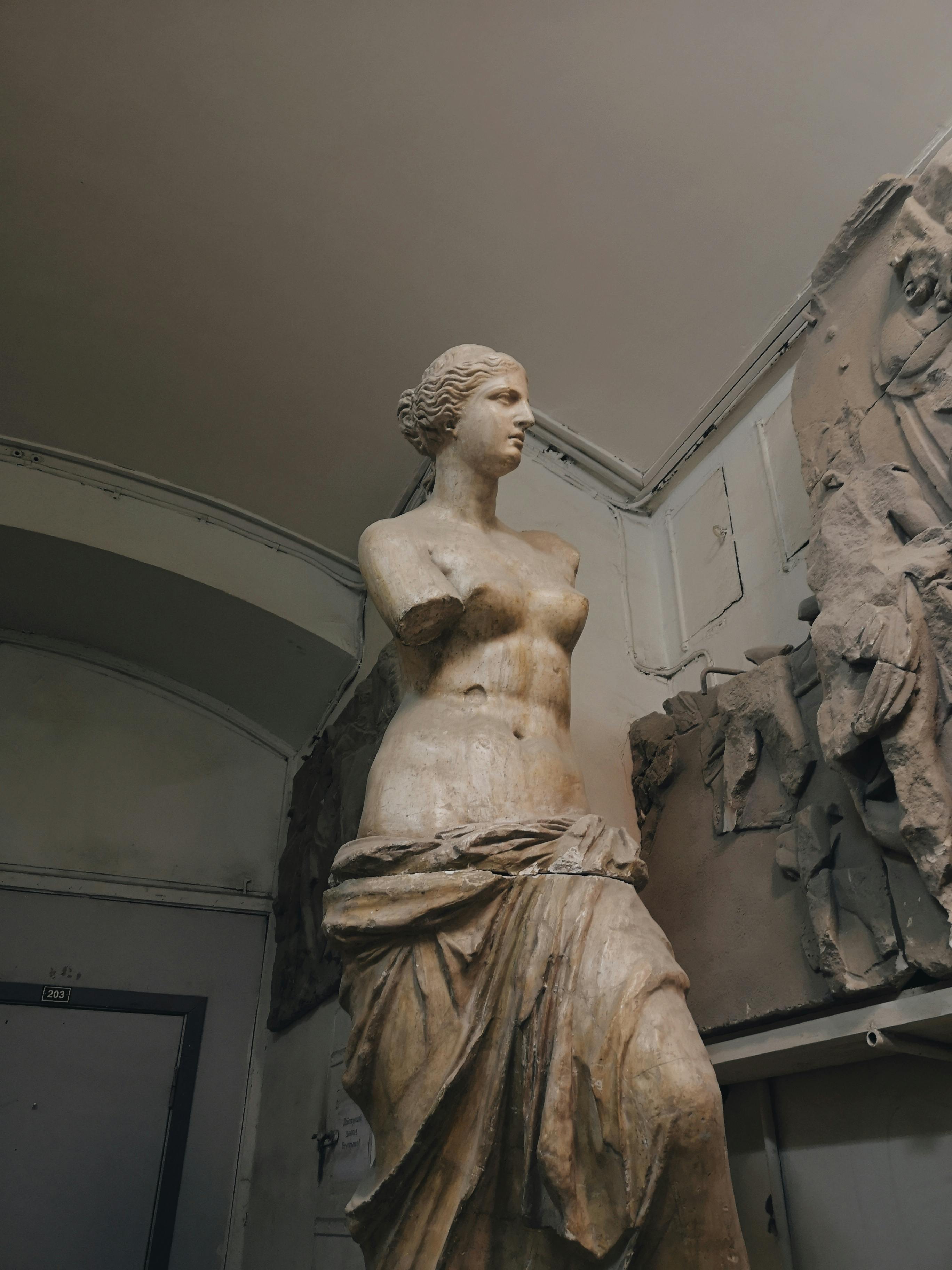
Historically, sculpture has evolved dramatically, reflecting changing human perspectives and technological advancements. From the earliest prehistoric carvings and ancient monumental works like the Venus de Milo, used for ritual and propaganda, to the dynamic narratives of the Renaissance and Baroque periods, and then the radical conceptual explorations of Modernism and beyond, its journey mirrors our own. What began as a means to eternalize gods and rulers gradually transformed into a vehicle for intensely personal expression, social commentary, and a playful interrogation of form and space itself.
From the grand narratives carved into stone in ancient civilizations to the ephemeral installations of today, sculpture tells a story, captures an emotion, or challenges a perception. It invites us to move around it, to view it from multiple angles, and to consider its relationship to the environment, making it a uniquely immersive experience. But what are the fundamental components, the very DNA, that give sculpture its unique power and meaning? Here's what makes it tick, encompassing several key elements that are essential to its definition and impact:
- Form and Volume: This refers to the actual shape and mass of the sculpture, how it occupies three-dimensional space. Is it curvilinear and flowing, evoking organic life, or angular and stark, asserting a modernist precision? I think of how a monumental figure fills a piazza, commanding attention, or how a delicate carving fits in the palm of your hand, each asserting its unique physical presence and narrative weight. The sculptor consciously manipulates mass to create a sense of weight, lightness, or dynamic tension, often using negative space to define the positive forms. It's an intricate dance of mass and void.
- Space (Positive and Negative): This is where it gets really interesting – it's not just about the object itself (positive space), but also the voids, the empty areas around and within it (negative space). A great sculptor, I believe, carves the air as much as the material, using emptiness to define form and create a dialogue. It's a subtle dance, isn't it? This interplay of occupied and unoccupied space is what often gives a sculpture its dynamic tension, depth, and even its psychological impact, inviting the viewer to move around the work and experience its changing relationship with its environment. You can delve deeper into this captivating concept in understanding-the-elements-of-sculpture.
- Material and Technique: The very substance from which it's made—stone, metal, wood, clay, or even light and sound—and the methods used to manipulate it. This is where the artist's profound dialogue with their chosen medium truly begins, influencing the texture, durability, and even the conceptual message of the piece. The stubborn resistance of marble versus the spontaneous pliability of clay, the unforgiving permanence of bronze, or the ephemeral nature of ice – each demands a different conversation, shaping not just the form but also the very meaning of the work. You can learn so much about this by exploring the definitive-guide-to-sculpture-materials.
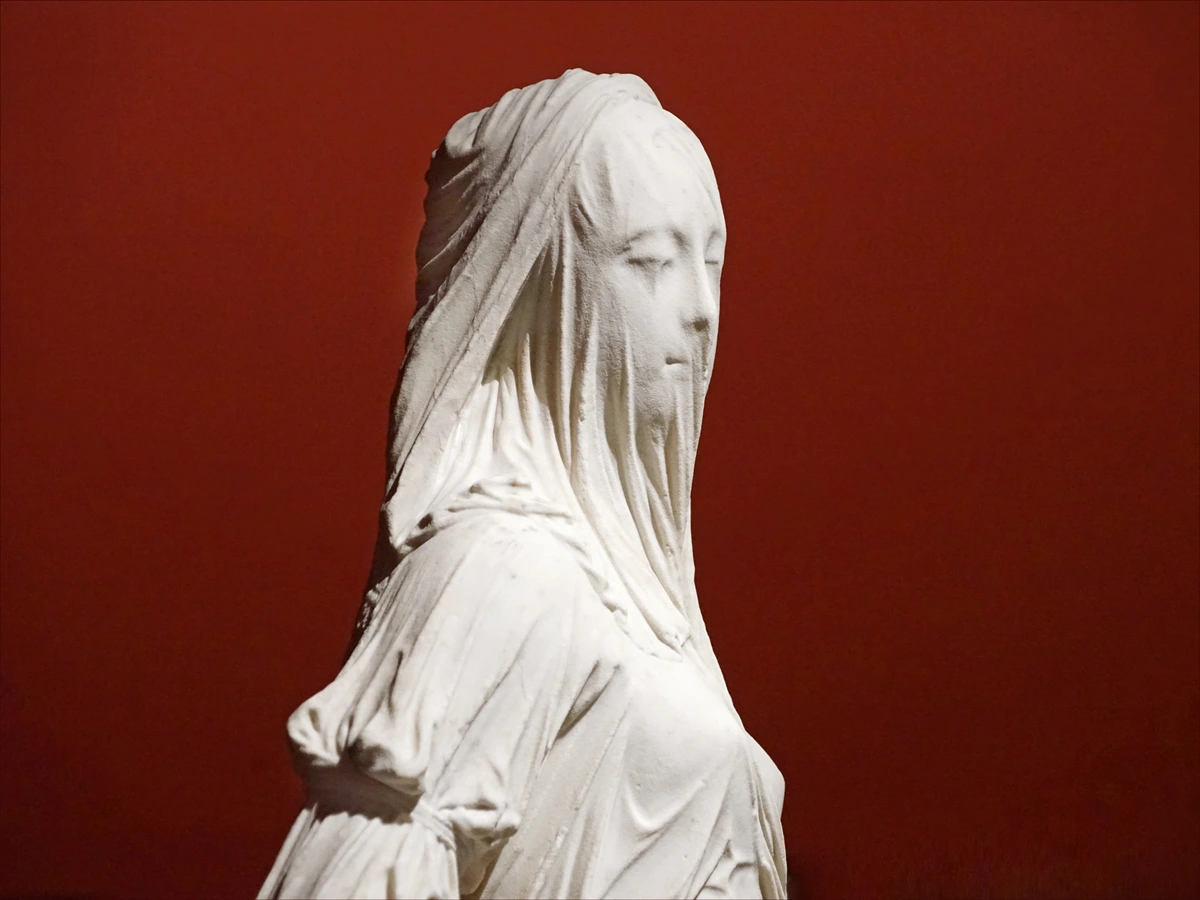
- Texture: This refers to the tactile, surface quality of the work, whether it's rough, smooth, polished, coarse, or even illusionary (like making stone appear soft). It invites touch and adds another crucial layer of sensory engagement, often conveying emotional states or historical context. I'm always drawn to how a sculptor can make cold stone feel like draped fabric, or how a highly polished surface reflects its surroundings, blurring the lines between the sculpture and its environment. Texture can evoke sensations, suggest movement, or create a powerful psychological effect, drawing the viewer into a deeper physical and emotional connection with the artwork.
- Light: The way natural or artificial light interacts with the sculpture's forms is critical, creating dynamic shadows, brilliant highlights, and revealing its contours and depths. A master sculptor, to me, truly paints with light, carving the air as much as the material, understanding that light is not merely illumination but an active participant in shaping perception. The way a shadow falls can entirely change the perceived emotion of a piece, transforming a static object into a dynamic, shifting experience that evolves with the changing light and viewer's perspective.
- Time and Movement: While often perceived as static, sculpture can also deeply encompass the element of time, either through literal movement (kinetic sculpture) – think what-is-kinetic-art-movement-in-modern-sculpture and the delicate shifts of an Alexander Calder mobile – or by dictating the viewer's journey around the piece, revealing new facets and details with each step. A monumental work, for example, reveals new facets, details, and perspectives with each step you take, unfolding its narrative over time and engaging the viewer in a prolonged encounter, making the viewing itself a temporal experience. Even static sculptures can evoke a sense of arrested motion or the passage of time through their narrative or weathered surfaces.
- Scale: This refers to the size of the sculpture in relation to its surroundings and to the human viewer. Is it a colossal monument designed to humble, or an intimate carving meant for personal reflection? The conscious choice of scale dramatically impacts the work's presence, its public or private nature, and the emotional resonance it evokes, shaping how we physically and psychologically engage with the artwork. I always find it fascinating how a sculptor can manipulate our perception of grandeur or intimacy purely through size, transforming a space or a personal feeling.
- Narrative and Symbolism: Many sculptures are imbued with stories, myths, or allegorical meanings. They communicate complex ideas, historical events, or cultural values through their forms, figures, and compositions. A sculptor's choice of subject matter and how they represent it can tell an entire epic or convey a subtle personal truth.
- Composition and Balance: This refers to how all the elements of a sculpture are arranged and relate to each other to create a harmonious or dynamic whole. A master sculptor intuitively understands how to distribute visual weight, guide the viewer's eye, and create a sense of equilibrium or intentional tension, often using principles like symmetry, asymmetry, rhythm, and proportion to achieve a desired aesthetic or emotional effect. It’s the invisible architecture that holds the artwork together, making it compelling from every angle.
- Emotional Impact: Beyond intellectual understanding, sculpture often aims for a direct emotional connection. The expressiveness of a face, the tension in a body, or the raw power of an abstract form can evoke feelings of awe, sorrow, joy, or introspection, creating a profound and visceral experience for the viewer.
The way light plays on a surface, the texture you almost want to touch, the negative space that becomes part of the form, or the subtle shift as you walk around a monumental work – it all contributes to a powerful, immersive experience that transcends simple observation, inviting a deeper, more personal dialogue between you and the artwork. This multi-sensory engagement is what, for me, truly elevates sculpture to a realm of profound artistic expression.
Why Sculpture? A Unique Medium, a Unique Challenge
Sculpture, to me, has always felt like the ultimate declaration. It's physical, it's tangible, it occupies space, demanding attention in a way a painting often can't. It's a profound conversation with material – whether it's the stubborn resistance of marble that requires immense strength and precision, the fluid grace of clay that allows for spontaneous expression, or the unforgiving permanence of bronze that immortalizes a form. I've often thought about the sheer dedication required, the artist's constant negotiation with the medium itself, pushing its limits to bring a vision to life. It's a testament to unwavering vision and physical mastery, often requiring not just creative genius but also immense physical endurance, a team of assistants, and substantial financial investment.
Historically, this very physicality, this need for significant strength, the demand for access to specialized workshops, the long training periods with apprentices, and the fierce competition for large-scale commissions, made it particularly challenging for women. It wasn't just about raw artistic talent; it was about confronting deeply entrenched societal barriers that seemed as solid as the very stone they yearned to carve. You know, I've often thought about what it must have been like – the dust, the noise, the sheer physical effort, the constant battle for credibility in a male-dominated environment, the aching muscles, and the unwavering focus required for monumental works. It's a world away from a quiet easel, isn't it? And speaking of divisions, there was also the deeply ingrained, and frankly, infuriating, gendered division between 'fine art' and 'craft'. Sculpture, especially monumental work in stone or bronze, was unequivocally 'fine art,' while anything involving textiles, ceramics, or domestic-scale materials was often relegated to 'craft,' seen as inherently less serious or artistic, and, you guessed it, often associated with women. This further marginalized female sculptors, even when they created extraordinary works in these "lesser" mediums. But these women, they pushed through. They didn't just sculpt forms; they sculpted their own destinies, chipping away at expectations with every stroke of the chisel. Beyond the sheer physical demands, they also grappled with:
- Limited Access to Education: Academies often excluded women from life drawing classes (crucial for anatomical study of the human form), formal training, and the practical skills necessary for large-scale work, which were considered 'unseemly' or unnecessary for women. This meant they often had to find alternative, less formal routes to learning, such as family workshops or private tutors, significantly hindering their professional development and recognition compared to their male counterparts.
- Difficulty in Securing Patronage: Prevailing biases and a lack of belief in women's 'serious' artistic capabilities made securing wealthy patrons incredibly difficult. Commissions, especially for public or religious works, which often came with significant financial backing and public visibility, were almost exclusively awarded to men. This severely limited women's ability to fund ambitious projects, access expensive materials, and establish a stable professional career, forcing many to rely on personal wealth or more informal networks.
- Restricted Workshop Access: Large-scale sculpture often required access to specialized foundries, stone yards, and workshops equipped with heavy machinery and a team of assistants – the very places where technical skills were honed and monumental works realized. These spaces were predominantly male, often unwelcoming, or simply inaccessible to women, effectively locking them out of the infrastructure necessary for ambitious sculptural practice. The communal and physically demanding nature of such workshops made them particularly resistant to female presence.
- Societal Expectations & Reputation: Women who pursued careers in public, physically demanding fields like sculpture often faced social ostracization or had their reputations questioned. There was immense pressure to conform to traditional domestic roles, and engaging in the 'masculine' art of sculpture was seen as a defiance of appropriate femininity, often leading to social isolation or scandal. Their dedication to art was frequently dismissed as a hobby rather than a serious profession.
- Lack of Public Exhibition Opportunities: Official salons, galleries, and public spaces often favored male artists, making it a constant struggle for female sculptors to get their work seen, appreciated, and critically recognized by a wider audience. Without public display, it was nearly impossible to build a reputation, secure further commissions, or gain a foothold in the competitive art market, trapping many talented women in obscurity or limiting their careers to smaller, private works.
Think about it: securing quality materials, finding willing apprentices, acquiring workshop space, and crucially, winning commissions from powerful patrons. These opportunities were rarely, if ever, easily granted to women, making every finished piece not just an artwork, but a defiant act of artistic will and personal triumph against overwhelming odds.
Materials and Techniques: A Sculptor's Language
The choice of material is never arbitrary for a sculptor; it's a fundamental part of the artistic statement, a silent dialogue between the artist's vision and the inherent properties of the medium. Each material carries its own history, its own challenges, and its own expressive potential, deeply influencing the final aesthetic and meaning of the work. For centuries, marble has been synonymous with classical sculpture, offering a luminous quality that captures light and form with unparalleled grace. Its translucency allows light to penetrate slightly beneath the surface, giving figures a lifelike softness and a remarkable sense of vitality, a quality I find utterly mesmerizing. But its unforgiving resistance demands immense physical strength, specialized tools, and often, extensive workshop infrastructure, posing an even greater barrier for women historically, who often lacked access to such resources and training. The delicate veining and inherent coolness of marble also lend themselves to themes of purity and timelessness, making it a favored medium for idealized figures and monuments. To me, it feels like the sculptor is uncovering the form already existing within the stone, a process of revelation.
Then there's bronze, with its fluid casting process that allows for dynamic movement, intricate detail, and remarkable permanence. It's a material that speaks of monumentality and endurance, capable of capturing fleeting moments in an everlasting form, whether in grand public statues or intimate domestic pieces. The rich patinas that develop on bronze over time add another layer of visual interest and historical narrative, something I deeply appreciate, transforming the surface with a living history. Clay, on the other hand, offers immediacy and flexibility, making it a favorite for preliminary models (known as maquettes) and small, expressive works. Its pliability allows for rapid exploration of form and texture, making it an ideal medium for studies and expressive gestures, though its finished state can be fragile unless fired (into ceramics or terra cotta) or cast into a more durable material like bronze. For many women, clay offered a more accessible entry point into sculpture, often associated with domestic pottery or smaller decorative works, thus circumventing some of the prohibitive barriers of large-scale, 'masculine' materials. I always find the directness of working with clay to be incredibly freeing, allowing for a spontaneous connection between hand and material and an instant translation of thought into form.

But the story doesn't end there. As art evolved, especially through the 20th century, so did the sculptor's palette, pushing the boundaries of what was considered appropriate for 'fine art':
- Wood: Carving wood offers a warmth and organic quality distinct from stone, often retaining the grain and natural character of the material, which sculptors can either highlight or submerge. It's often associated with folk art and religious carvings, but contemporary artists have elevated it to new conceptual heights, exploring its inherent textures and forms with innovative approaches, from monumental, rough-hewn pieces to delicate, polished works. Its availability and varied hardness make it incredibly versatile. Artists like Ursula von Rydingsvard, for instance, have taken wood carving to monumental, visceral heights, transforming raw cedar into deeply personal and imposing forms that speak to her Eastern European heritage and the human experience.
- Plaster: Economical and remarkably versatile, plaster is excellent for modeling and creating molds, often used in preparatory stages before bronze casting or for ephemeral installations. It allows for quick studies, textural experimentation, and the creation of delicate, intricate forms, offering a soft, matte surface that absorbs light and can be easily carved, sanded, or tinted. Its ability to capture precise detail from a mold makes it invaluable for reproducing forms.
- Found Objects & Assemblage: In the 20th century, artists began incorporating everyday objects, scraps, and industrial detritus, challenging traditional notions of "fine art" materials and injecting new narratives into their work. This approach allows for potent commentary on consumerism, society, and personal narratives, democratizing the medium and expanding its expressive potential, as seen in the groundbreaking works of artists like Louise Nevelson, who masterfully transformed discarded wood into monumental, poetic assemblages. This technique often imbues the artwork with the inherent history and cultural resonance of its components.
- Textiles & Fiber Art: What was once largely considered "craft" has been powerfully elevated to high art, with artists using weaving, stitching, knotting, and soft materials to explore texture, form, and often, traditionally female domestic spaces. Artists like Magdalena Abakanowicz have created monumental, emotionally resonant works with fiber, blurring the lines between sculpture and installation and challenging gendered notions of artistic practice. The inherent pliability and tactile nature of textiles offer unique expressive possibilities. This re-evaluation of fiber art, particularly in the wake of the feminist art movement, has empowered sculptors to challenge traditional hierarchies and create monumental, emotionally resonant works that blur the lines between traditional 'craft' and 'fine art,' profoundly expanding sculpture's expressive vocabulary.
- New Technologies: From plastics and resins to digital fabrication, 3D printing, light installations, and even augmented reality, contemporary sculptors are continually pushing boundaries, employing cutting-edge techniques to expand the expressive potential of the medium. These innovations open up entirely new dimensions of form, interaction, and conceptual exploration, allowing for unprecedented complexity, precision, and immersive experiences, often blurring the lines between the physical and the virtual. For many contemporary female sculptors, these technologies have democratized access to tools and processes that were historically physically demanding or resource-intensive, opening new avenues for creativity and allowing for intricate forms and interactive installations that were once unimaginable.
In the modern era, female sculptors have bravely experimented with everything from textiles and found objects to plastics and industrial materials, democratizing the medium and expanding its expressive potential. The choice of material isn't just aesthetic; it's often historically imbued with gendered implications. Certain materials, like heavy stone or bronze, were seen as 'masculine' due to the physical strength and industrial processes involved, actively deterring or excluding women. Conversely, 'softer' materials like clay, textiles, or even paper were often associated with domesticity and 'feminine' crafts, carrying less artistic prestige. These perceptions, thankfully, have been radically challenged by generations of female sculptors who have masterfully used all materials, redefining their expressive potential and breaking down arbitrary hierarchies.
Each material presents its own unique challenges and opportunities, becoming a silent partner in the sculptor's creative dialogue, demanding respect and understanding from the artist, and often carrying its own historical weight and symbolic meaning.
Material  | Key Characteristics | Common Techniques | Historical Context/Opportunities for Women |
|---|---|---|---|
| Marble | Luminous, translucent, highly durable, capable of fine detail; difficult to work. | Carving, chiseling, polishing | Required immense strength, specialized tools, and expensive resources; male-dominated workshops were a significant barrier, pushing women towards smaller, less public works. |
| Bronze | Fluidity in casting allows for intricate details and dynamic forms; monumental and permanent. | Casting (lost-wax method), welding, patination | Complex, costly processes and restricted foundry access posed major hurdles, requiring significant patronage and often male apprentices. |
| Clay | Immediate, flexible, highly pliable; allows for rapid expression; fragile if unfired. | Modeling, hand-building, throwing, firing, glazing | More accessible for early training, and often practiced in domestic settings, though historically relegated to 'craft' or preparatory models; its fragility often meant less permanence and, consequently, lesser status in the art hierarchy, despite its expressive potential. |
| Wood | Warm, organic, varied hardness, retains natural grain; versatile. | Carving, assemblage, turning | Physically demanding depending on wood type; sometimes associated with utilitarian crafts rather than 'fine art,' limiting recognition. |
| Plaster | Economical, versatile, quick-setting, excellent for molds and preliminary studies. | Modeling, casting, molding, carving | Ideal for studies and ephemeral works; less valued as a 'finished' fine art material historically, but crucial for preparatory stages often done by women. |
| Found Objects | Repurposed everyday items, often carrying intrinsic social or historical narratives; diverse textures. | Assemblage, collage, ready-mades | Challenged traditional art definitions, offering accessible mediums for artists without formal training or resources, fostering innovation and social commentary. |
| Textiles/Fiber | Soft, flexible, textural, tactile; diverse colors, weaves, and forms. | Weaving, stitching, knotting, dyeing, draping | Traditionally domestic and often dismissed as 'women's work,' but powerfully elevated to fine art status by feminist artists, directly challenging gendered craft notions, reclaiming a rich female artistic heritage, and expanding sculptural vocabulary into monumental and deeply conceptual forms. |
| New Technologies | Plastics, resins, digital outputs, light, sound, augmented reality; cutting-edge possibilities. | 3D printing, laser cutting, digital fabrication | Requires technical expertise and access to modern equipment; opens entirely new, less physically demanding expressive avenues, diversifying access and creative output. |
Trailblazers from History: Shaping the Past
It’s a common misconception that 'serious' female sculptors are a relatively modern phenomenon. But when you start digging, you realize there were always women creating, always women pushing boundaries, even in eras where their artistic pursuits were actively discouraged or deemed 'unsuitable' for their gender. It's just that their stories weren't always preserved or lauded in the same way. We owe it to them to remember their names and celebrate their courage, to fully acknowledge their immense contributions to the tapestry of art history, ensuring their rightful place is illuminated. It’s a common misconception that 'serious' female sculptors are a relatively modern phenomenon. But when you start digging, you realize there were always women creating, always women pushing boundaries, even in eras where their artistic pursuits were actively discouraged or deemed 'unsuitable' for their gender. In fact, if we look back further, countless anonymous female artisans likely contributed to prehistoric carvings, ancient pottery, and medieval decorative arts – their names lost to history, but their hands undeniably shaping culture. It's just that their stories weren't always preserved or lauded in the same way. We owe it to them to remember their names and celebrate their courage, to fully acknowledge their immense contributions to the tapestry of art history, ensuring their rightful place is illuminated. From the vibrant Italian Renaissance, where we see glimpses of female artists making their mark—like the remarkable Properzia de' Rossi in the 16th century, carving intricate scenes into tiny fruit stones and eventually monumental marble, truly a pioneer in a demanding field. Her journey reminds us that even within the male-dominated ateliers of ultimate-guide-to-renaissance-art, women were carving out their place with ingenuity and perseverance, often through sheer determination and leveraging unique skill sets. Then there's Luisa Roldán (La Roldana), a virtuoso of the Spanish Baroque (late 17th - early 18th century), who defied expectations to become court sculptor to King Charles II, crafting breathtaking polychrome wood sculptures that are still revered today. Her meticulous detail, emotional intensity, and mastery of religious imagery are unparalleled, cementing her status as a master and profoundly influencing the devotional art of her time. Moving through to the Neoclassical period and beyond, where a few tenacious women broke into the male-dominated sculpture academies and salons, their contributions are undeniable. I remember reading about some of these early pioneers and just being utterly amazed by their resilience. They truly laid the groundwork for future generations, often at great personal cost, showing immense artistic skill and sheer force of will in a world not built for their ambition. Their quiet rebellion and unwavering dedication are, to me, incredibly inspiring, a testament to the enduring power of the creative spirit.
Early Challenges and Triumphs
These early artists often started in family workshops, gaining invaluable training that was otherwise denied to women, showcasing their resourcefulness and determination. Properzia de' Rossi, for example, transitioned from delicate miniature carvings (which often garnered some societal acceptance for women) to monumental works after famously winning a competition to sculpt for the façade of San Petronio in Bologna – a testament to her audacious skill and ambition in a fiercely competitive and male-dominated environment. Imagine the sheer audacity and talent required to best male competitors in a field so utterly dominated by men, proving her mastery of challenging materials and grand scale! Her relief carvings for San Petronio, particularly Joseph and Potiphar's Wife, showcase a remarkable mastery of human form and narrative, imbued with a dramatic intensity that rivals her male contemporaries. Luisa Roldán, benefiting from her sculptor father's studio and the tradition of family workshops, carved out a career that defied societal norms, achieving royal patronage and establishing her own thriving workshop. Her ability to infuse her wooden figures with such profound emotional depth and lifelike quality is, frankly, astounding, bringing a new level of pathos and realism to religious sculpture. Their stories are not just about art, but about breaking barriers, one chisel stroke at a time, overcoming social strictures and material limitations to leave an indelible mark on history. They truly set the stage for future generations of women artists, paving a path with their talent and unwavering resolve.
Pioneering Female Sculptors & Their Eras
As you delve into their individual narratives, it becomes clear that each of these pioneering women not only crafted remarkable art but also, in essence, sculpted their own destinies. While this table provides a snapshot, it's crucial to remember that each of these women defied enormous odds to leave their mark. Their stories are interwoven with personal sacrifice, relentless dedication, and often, quiet rebellion against the norms of their time. For instance, Anne Seymour Damer, an aristocratic British sculptor, used her social standing and formidable talent to create elegant Neoclassical portrait busts and mythological figures, challenging expectations for women of her class and demonstrating that high birth did not preclude serious artistic pursuit. And Félicie de Fauveau, a prominent French Romantic sculptor, embraced a medieval-inspired aesthetic, finding success in a period of intense artistic transformation, carving out a unique niche with her emotive and historically resonant works. These artists, and many others, laid the groundwork for future generations, asserting a powerful female presence in a field historically dominated by men.
Name | Era/Nationality | Key Style/Contribution | Notable Works | Enduring Impact |
|---|---|---|---|---|
| Properzia de' Rossi | 16th C., Italian (Renaissance) | Micro-carving, early female professional sculptor, pushed into monumental marble. | Cherry pit carvings, Joseph and Potiphar's Wife | Pioneer in breaking gender barriers in Renaissance ateliers; recognized for intricate detail and narrative skill, inspiring future generations through her sheer tenacity. |
| Luisa Roldán | Late 17th - Early 18th C., Spanish (Baroque) | Religious polychrome wood sculpture, court sculptor to Charles II. | Ecstasy of Mary Magdalene, Saint Michael the Archangel | Master of polychrome wood; held a prestigious court position, influencing Spanish Baroque religious sculpture, celebrated for emotional intensity and lifelike realism. |
| Anne Seymour Damer | Late 18th - Early 19th C., British | Neoclassical, celebrated for portrait busts and mythological figures. | Busts of Horatio Nelson, Joseph Banks; figures for Henley Bridge. | Bridged aristocracy and professional artistry; recognized for her strong grasp of classical forms and leveraging her social standing to pursue a 'serious' art form. |
| Félicie de Fauveau | Early-Mid 19th C., French (Troubadour/Gothic Revival) | Medieval-inspired Romantic sculpture, significant salon presence. | Christine and her Sister, Tomb of Louis de Valois. | Key figure in the Gothic Revival, her detailed and emotive works challenged academic norms and celebrated historical narratives, asserting a unique Romantic vision. |
| Harriet Hosmer | 19th C., American (Neoclassical) | Neoclassicism; independent spirit, worked in Rome, mythological/historical subjects. | Puck, Zenobia in Chains, Beatrice Cenci. | Led the 'White Marmorean Flock' in Rome, defying Victorian gender roles and achieving international fame for large-scale works and bold narratives, a true artistic pioneer. |
| Edmonia Lewis | 19th C., American (Neoclassical) | Neoclassicism; first African American/Native American sculptor to achieve international recognition. | Forever Free, The Death of Cleopatra, Hagar. | Powerful voice for racial and gender equality, using classical forms to tell stories of liberation and identity, breaking profound barriers through her deeply resonant art. |
| Elisabet Ney | 19th C., German-American | Portraiture, Idealism; sculpted European royalty and American figures. | Sam Houston, Stephen F. Austin, Lady Macbeth. | Renowned for capturing the likeness and spirit of her subjects; established a significant art studio in Texas, influencing regional art and leaving a lasting cultural impact. |
| Vinnie Ream | 19th C., American (Neoclassical) | Portraiture; youngest artist and first woman to receive a U.S. government commission. | Abraham Lincoln statue in U.S. Capitol Rotunda. | Achieved national recognition at a young age, breaking barriers for women in monumental public sculpture, a true prodigy whose work stands prominently in the US Capitol. |
| Camille Claudel | Late 19th - Early 20th C., French | Romanticism, Realism; emotionally charged figures, often overshadowed by Rodin. | The Waltz, The Age of Maturity, La Vague (The Wave). | Reclaimed recognition for her intense emotional power and masterful technique, moving beyond Rodin's shadow, inspiring a re-evaluation of her genius and independent vision. |
| Augusta Savage | Early-Mid 20th C., American (Harlem Renaissance) | Figurative, activist; fought for civil rights and racial equality in art. | Gamin, The Harp (Lift Every Voice and Sing), Realization. | Pivotal figure in the Harlem Renaissance, championing African American artists and creating powerful social commentary, leaving an indelible mark on art and activism. |
| Suzanne Valadon | Late 19th - Early 20th C., French | Modernist, known for painting but also significant sculptural work, often figurative. | Busts and small figures, including self-portraits and studies of her son Maurice Utrillo. | A remarkable figure who defied conventions, gaining recognition as a model, painter, and sculptor in a bohemian Parisian art scene, asserting her independence and raw talent. |
| Malvina Hoffman | Late 19th - Mid 20th C., American | Figurative, ethnographic; celebrated for her "Races of Man" series. | The Races of Man (Field Museum), Russian Dancers, Bacchanale Russe. | Traveled globally to capture diverse human forms, promoting cross-cultural understanding through monumental bronze and marble figures, and mastering anatomical realism. |
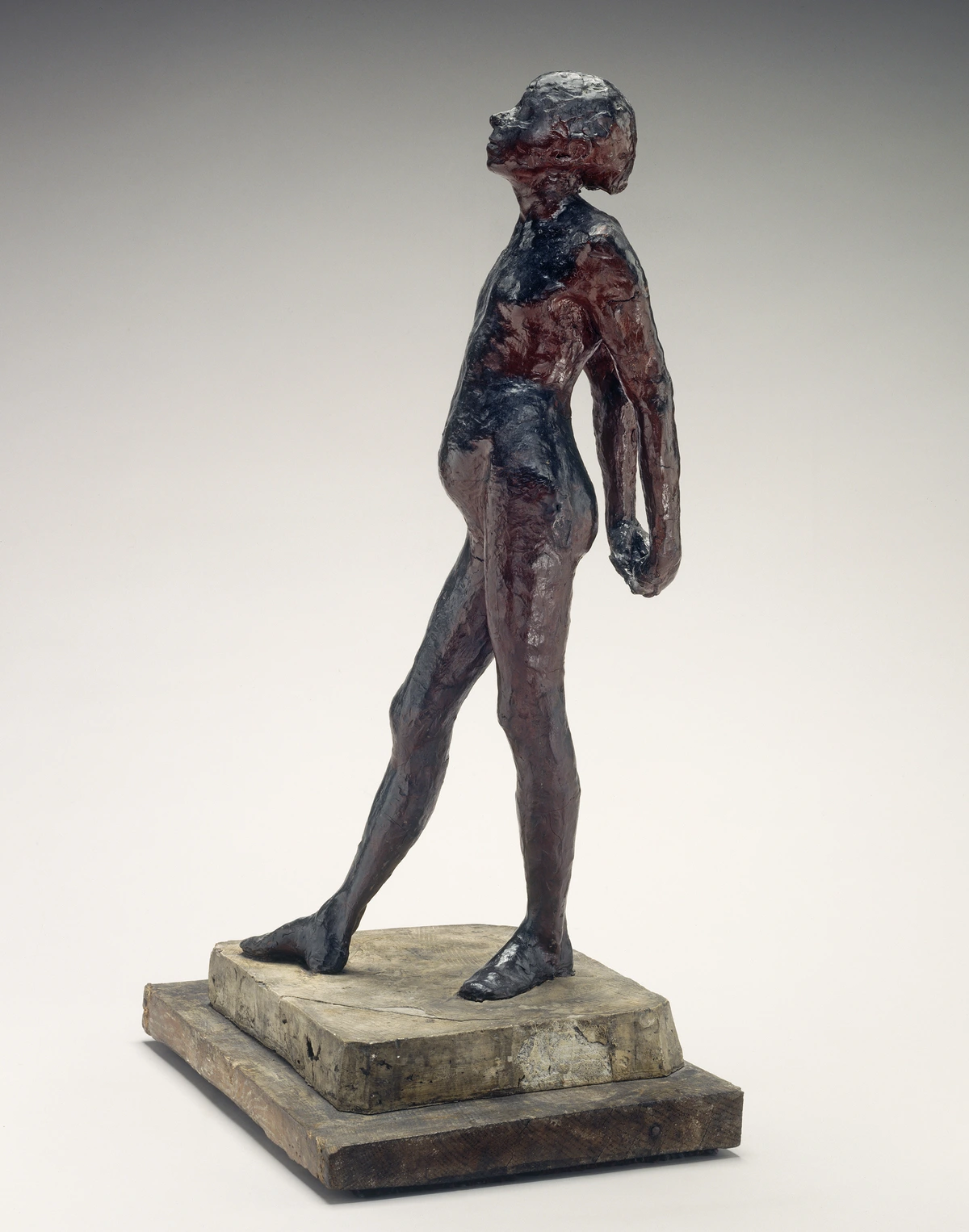
Just think about Camille Claudel, for instance. A raw, undeniable talent, deeply intertwined with Auguste Rodin, yet for so long, her own brilliant body of work was seen primarily through his shadow. It’s a tragic tale of genius clashing with societal constraints and personal struggles, a poignant reminder of the uphill battle many women faced, not just artistically but personally, battling for recognition and agency. Her pieces, full of intense emotion and fluid movement, like The Waltz or The Age of Maturity, speak volumes about her individual mastery of form and psychological depth, showcasing a fierce independence even when overshadowed. Or Augusta Savage, a pivotal figure in the Harlem Renaissance, who not only created powerful figurative works like Gamin and The Harp (Lift Every Voice and Sing) but also tirelessly championed African American artists and fought for civil rights. Her art was a potent form of social commentary, directly addressing the struggles and triumphs of her community, giving voice to the marginalized and inspiring a generation. And then there's Edmonia Lewis, breaking racial and gender barriers in the 19th century as the first African American and Native American sculptor to achieve international recognition. Her powerful narratives carved into marble, like Forever Free and The Death of Cleopatra, weren't just art; they were profound statements of identity and liberation in a profoundly challenging era, directly addressing the complexities of her heritage and the fight for freedom. Their work is a testament to perseverance, a quiet roar against the prevailing norms, and a powerful echo through history. Just think about Camille Claudel, for instance. A raw, undeniable talent, deeply intertwined with Auguste Rodin, yet for so long, her own brilliant body of work was seen primarily through his shadow. It’s a tragic tale of genius clashing with societal constraints and personal struggles, a poignant reminder of the uphill battle many women faced, not just artistically but personally, battling for recognition and agency. Her pieces, full of intense emotion and fluid movement, like The Waltz or The Age of Maturity, speak volumes about her individual mastery of form and psychological depth, showcasing a fierce independence even when overshadowed. Or Augusta Savage, a pivotal figure in the Harlem Renaissance, who not only created powerful figurative works like Gamin and The Harp (Lift Every Voice and Sing) but also tirelessly championed African American artists and fought for civil rights. Her art was a potent form of social commentary, directly addressing the struggles and triumphs of her community, giving voice to the marginalized and inspiring a generation. And then there's Edmonia Lewis, breaking racial and gender barriers in the 19th century as the first African American and Native American sculptor to achieve international recognition. Her powerful narratives carved into marble, like Forever Free and The Death of Cleopatra, weren't just art; they were profound statements of identity and liberation in a profoundly challenging era, directly addressing the complexities of her heritage and the fight for freedom. And we can't forget Malvina Hoffman, whose ambitious ethnographic project, The Races of Man, involved traveling the globe to create over 100 bronze sculptures, capturing the diversity of humanity with remarkable anatomical realism. Her dedication to documenting different cultures through sculpture was truly groundbreaking. Their work is a testament to perseverance, a quiet roar against the prevailing norms, and a powerful echo through history. You can learn a lot more about the broader artistic periods these women emerged from by exploring the ultimate-guide-to-renaissance-art or even the ultimate-guide-to-expressionism to understand the evolving art movements that shaped and were shaped by their incredible contributions.
The Neoclassical Era: Grace and Determination
The 19th century saw a powerful resurgence of classical ideals, a movement we now call Neoclassicism. It emphasized order, balance, heroism, and clear, often idealized forms, drawing profound inspiration from ancient Greek and Roman art and mythology. For women sculptors, this era was a double-edged sword, presenting a complex paradox. While it theoretically offered a framework for 'elevated' art that valued precision and intellectual rigor, the practicalities of mastering anatomy (often requiring the study of nude models in male-only academies), working with heavy marble, and gaining entry to male-dominated academies and official salons remained formidable barriers. The emphasis on classical subjects also meant a demand for powerful male nudes, a subject women were often explicitly discouraged from studying directly, further limiting their opportunities for academic training and public display, or forcing them to rely on plaster casts rather than live models, a significant impediment in a period that prized anatomical perfection and classical idealism. This created a significant disadvantage in a period that prized anatomical perfection, yet these women persevered. To understand the foundational principles behind this era, I highly recommend exploring the-principles-of-neoclassicism-in-art.
Yet, it was precisely in this period that formidable figures like Harriet Hosmer and Edmonia Lewis carved out their indelible legacies, defying expectations with grit, immense talent, and sheer force of will. Hosmer, an American expatriate in Rome and a leading figure in the 'White Marmorean Flock' (a vibrant community of female artists in Italy), fearlessly pursued large-scale commissions, creating works like the whimsical Puck and the monumental Zenobia in Chains. This informal collective, based in 19th-century Rome, provided vital mutual support, intellectual exchange, and practical assistance in an era when such opportunities were scarce for women. They challenged gender expectations with their independent lifestyles, her embrace of direct carving (a technique usually reserved for male masters), and her willingness to tackle complex narratives, infusing them with her unique vision and sharp wit. She often challenged gender expectations with her independent lifestyle, her embrace of direct carving (a technique usually reserved for male masters), and her willingness to tackle complex narratives, infusing them with her unique vision and sharp wit. Similarly, Edmonia Lewis, with her dual African American and Native American heritage, brought profoundly unique perspectives to Neoclassicism, infusing classical forms with powerful narratives of freedom, identity, and the struggles of her people, making her works resonate with profound social commentary that challenged the prevailing racial and gender norms of her time. It truly provides the backdrop against which these formidable women forged their paths.
Another notable figure from this period was Emma Stebbins, an American sculptor also associated with the 'White Marmorean Flock' in Rome, a testament to the supportive networks these women built for each other. Her most famous work, Angel of the Waters (1873), graces the Bethesda Terrace in Central Park, New York City, making her one of the few women to receive a major public commission in the United States during her time. This monumental achievement, a focal point in one of the world's most famous parks, highlights her immense talent and the relentless determination these artists possessed to assert their vision in a public realm traditionally dominated by men. Her work stands as a powerful symbol of grace and perseverance, an enduring testament to the ambition and skill of 19th-century female sculptors.
Modern and Contemporary Masters: Breaking New Ground
As we moved into the tumultuous 20th century, the artistic landscape shifted dramatically. Modernism, with its radical experimentation and questioning of tradition, brought new materials, new concepts, and slowly, more tangible opportunities for women to redefine what sculpture could be. They moved beyond traditional portraiture and monumental figures, delving into abstraction, conceptual art, and often, deeply personal narratives. These shifts were profoundly influenced by radical transformations seen in movements like ultimate-guide-to-cubism, which fractured traditional perspectives on form and space, or the emotional intensity of ultimate-guide-to-expressionism, which prioritized inner feeling over objective reality. We also saw the groundbreaking anti-art stances of Dada, the utopian visions of Constructivism, and the dynamic energy of Futurism, all contributing to a complete reimagining of what art could be. This period also saw the rise of movements like Surrealism, which tapped into the subconscious and dreamscapes, offering potent new avenues for symbolic expression, and Abstract Expressionism (think ultimate-guide-to-willem-de-kooning-the-master-of-abstract-expressionism), which allowed for raw, gestural, and often monumental forms of expression, offering female sculptors vast new creative territories to explore. This period also saw the rise of movements like Surrealism, which tapped into the subconscious and dreamscapes, offering potent new avenues for symbolic expression, and Abstract Expressionism (think ultimate-guide-to-willem-de-kooning-the-master-of-abstract-expressionism), which allowed for raw, gestural, and often monumental forms of expression, offering female sculptors vast new creative territories to explore. The boundaries of what constituted 'art' itself were being questioned, opening up unprecedented freedom for experimentation and personal expression.
It was a thrilling time, full of artists who weren't just making objects, but making profound statements, challenging the very foundations of artistic practice and patriarchal hierarchies. The emergence of abstract art, for instance, opened up entirely new avenues for expression, allowing artists to explore pure form, line, and color without the constraints of figuration. This move away from representation was incredibly liberating for many female artists, allowing them to forge a unique visual language unburdened by historical male-dominated narratives and the pressures of traditional subject matter, allowing their inherent creativity to flourish unencumbered. You can learn more about this exciting evolution in the-definitive-guide-to-the-history-of-abstract-art-key-movements-artists-and-evolution.
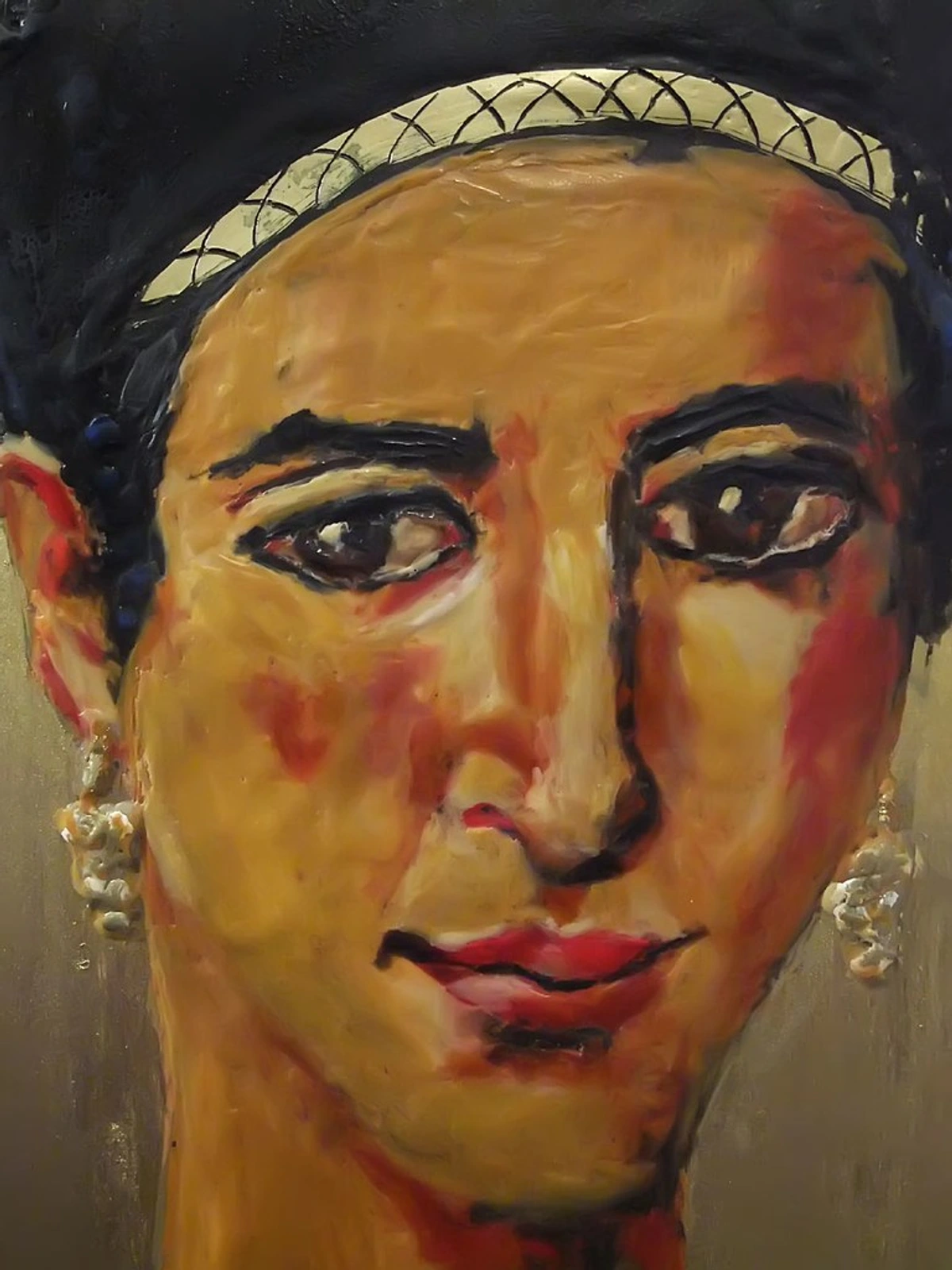
I love seeing how these artists fearlessly experimented, pushing the very definition of what art is, much like what I strive for in my own work you can find on my buy page. This period truly blurred the lines between disciplines, creating a dynamic environment for sculptural innovation, and importantly, fostering spaces where female voices could finally gain traction and redefine the medium on their own terms. It allowed for a profound shift from the purely aesthetic to the deeply conceptual, aligning perfectly with the burgeoning feminist art movement and giving artists the freedom to explore complex social and personal themes.
Beyond the Pedestal: Post-Minimalism and Conceptual Sculpture
As the latter half of the 20th century unfolded, sculpture truly moved "beyond the pedestal." Artists began questioning the very definition of art, the sanctity of traditional materials, and the conventional modes of display. This was particularly fertile ground for female sculptors, who often felt constrained by the rigid forms and patriarchal narratives of traditional sculpture, and who saw in these new approaches a freedom to express their unique perspectives.
Movements like ultimate-guide-to-minimalism and later, Post-Minimalism, emphasized process, unconventional materials, and the immersive experience of the viewer. They embraced raw industrial materials, ephemeral elements, and the inherent properties of chosen media, often with a stark, conceptual clarity that was both intellectually rigorous and deeply felt. Think of Eva Hesse's groundbreaking use of latex, fiberglass, and rope, exploring themes of fragility, repetition, and the body in ways that felt deeply personal and psychologically resonant. Her work, I find, manages to be both rigorous in its abstract language and deeply emotive, speaking to the vulnerabilities of existence and the transient nature of materials, and challenging the permanence often associated with sculpture. Or consider the profound, emotionally charged installations of Doris Salcedo, who uses everyday objects like furniture and clothing, often subtly altered and infused with memory, to confront themes of loss, political violence, and absence, particularly in the context of her native Colombia. Her pieces are not merely objects; they are silent witnesses, imbued with the weight of human experience, creating spaces for contemplation and remembrance, often unsettling in their quiet power. These artists weren't just creating beautiful objects; they were crafting visceral experiences, challenging perceptions, and often, forcing us to confront uncomfortable truths about society and ourselves. They utterly redefined the parameters of sculptural practice and pushed the boundaries of what art could be, asserting a powerful new voice in a historically male-dominated field.
Another artist who dramatically expanded the scope of conceptual sculpture is Ana Mendieta. Her raw, visceral 'earth-body' works, often involving her own body impressed into natural landscapes or documented through photography and film, explored profound themes of identity, displacement, violence against women, and the spiritual connection to the earth. Her ephemeral 'Siluetas' – haunting imprints of her body in various natural settings – are particularly powerful, blurring the lines between performance, sculpture, and land art, and cementing her legacy as a fearless innovator whose work continues to resonate deeply within feminist discourse and environmental art. Her work profoundly questioned traditional representations of the female body and its relationship to nature and cultural identity. This period also saw the rise of Process Art, which focused on the 'making' of the art, the actions, and the inherent qualities of materials, rather than just the finished product. This approach, often less physically demanding than traditional carving, opened new conceptual spaces for female artists to explore. Similarly, Land Art and Site-Specific Installation allowed artists to engage directly with the environment, blurring the lines between art and landscape, and providing monumental canvases that transcended traditional gallery spaces.
Contemporary Female Sculptors Redefining the Form
Name | Era/Movement | Signature Style | Key Themes | Influential Movements | Notable Works | |||||||
|---|---|---|---|---|---|---|---|---|---|---|---|---|
| Barbara Hepworth | Mid-20th C., British (Modernist) | Abstract, organic forms; piercing/hollowing, direct carving in wood/stone | Relationship between natural forms, human figure, landscape, the void | Modernism, Abstract Art, Constructivism | Single Form, Figure for a Landscape, Pelagos | |||||||
| Louise Nevelson | Mid-20th C., American (Assemblage) | Monumental monochromatic wooden assemblages; "sculpting with shadows" | Environment, found objects, architectural forms, spiritualism, recycling | Assemblage, Cubism, Abstract Expressionism, Dada | Sky Cathedral, Dawn's Wedding Feast, Black Wall | |||||||
| Eva Hesse | Mid-20th C., German-American (Post-Minimalist) | Minimalist yet organic; unconventional materials (latex, fiberglass, rope), grids, repetition | Fragility, repetition, absurdity, psychological states, the body, gender | Post-Minimalism, Process Art, Abstract Expressionism | Contingent, Accession II, Repetition Nineteen III, Sans II | |||||||
| Magdalena Abakanowicz | Mid-Late 20th C., Polish (Fiber Art, Sculpture) | Monumental figurative sculptures (Abakans) from woven textiles, crowds, organic forms | Human condition, trauma, crowds, nature, identity, existentialism | Fiber Art, Post-Minimalism, Eastern European Avant-garde | Abakans, Crowd I, Androgyne, Embryology | |||||||
| Louise Bourgeois | Mid-20th - Early 21st C., French-American | Psychological, Surrealist; monumental spiders, cells, totemic figures, domestic objects | Memory, trauma, sexuality, the body, family, relationships, childhood | Surrealism, Feminist Art, Psychoanalytic Art | Maman, Spider, Cells, Arch of Hysteria | |||||||
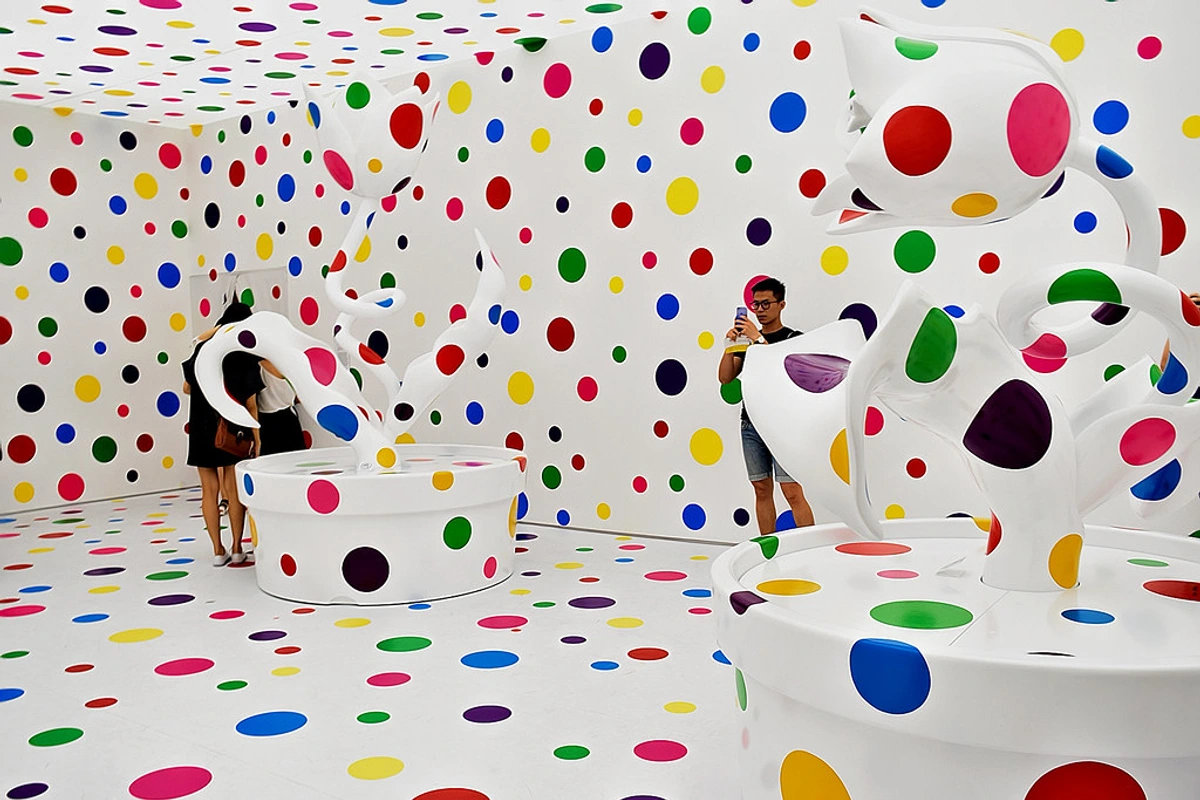
| Yayoi Kusama | Mid-20th - Present, Japanese (Avant-garde, Pop, Minimalist) | Polka dots, infinity nets, immersive installations, pumpkins, self-obliteration | Obsession, hallucination, self-obliteration, infinity, cosmic energy. For a deeper dive, check out the ultimate-guide-to-yayoi-kusama. | Pop Art, Minimalism, Feminist Art, Japanese Avant-garde | Infinity Mirror Rooms, Pumpkins, Narcissus Garden, Obliteration Room | |||||||
| Judy Chicago | Mid-20th - Present, American (Feminist Art) | Installation art, ceramics, textiles; monumental works challenging patriarchy, vaginal iconography | Female identity, power, history, birth, gender politics, women's history | Feminist Art, Installation Art, Performance Art | The Dinner Party, The Birth Project, The Holocaust Project | |||||||
| Rachel Whiteread | Late 20th - Present, British (YBA, Conceptual) | Casting interior spaces, negative space, domestic objects, absence, void | Memory, absence, domesticity, public space, architecture, anti-monumentality | Conceptual Art, YBA, Post-Minimalism | House, Ghost, Embankment, Untitled (Library) | |||||||
| Doris Salcedo | Late 20th - Present, Colombian (Conceptual, Post-Minimalist) | Everyday objects (furniture, clothing), often altered; site-specific installations, subtle interventions | Loss, memory, violence, absence, political trauma, human suffering | Conceptual Art, Post-Minimalism, Latin American Art | Atrabiliarios, Shibboleth, Plegaria Muda, Unland | |||||||
| Sarah Lucas | Late 20th - Present, British (YBA) | Provocative, humorous; everyday objects (stockings, furniture, cigarettes), self-portraits | Gender stereotypes, sexuality, British identity, the body, wit, vulgarity | YBA, Conceptual Art, Feminist Art | Two Fried Eggs and a Kebab, Self-Portrait with Fried Eggs, Bunny Kisses | |||||||
| Kiki Smith | Late 20th - Present, American (Figurative, Narrative) | Human body, nature, fairy tales, mythology; often visceral and intimate, casting, printing | Femininity, vulnerability, mortality, spirituality, abjection, nature | Contemporary Figurative Sculpture, Narrative Art | Lying with the Wolf, Pee Body, Mary Magdalene, Lilith | |||||||
| Phyllida Barlow | Late 20th - Present, British (Installation, Abstract) | Monumental, often precarious, abstract sculptures from raw materials, anti-form | Volume, gravity, anti-monumentality, material transformation, instability | Post-Minimalism, Installation Art, Brutalism | untitled: barricade, Dock, Folly, Rig | |||||||
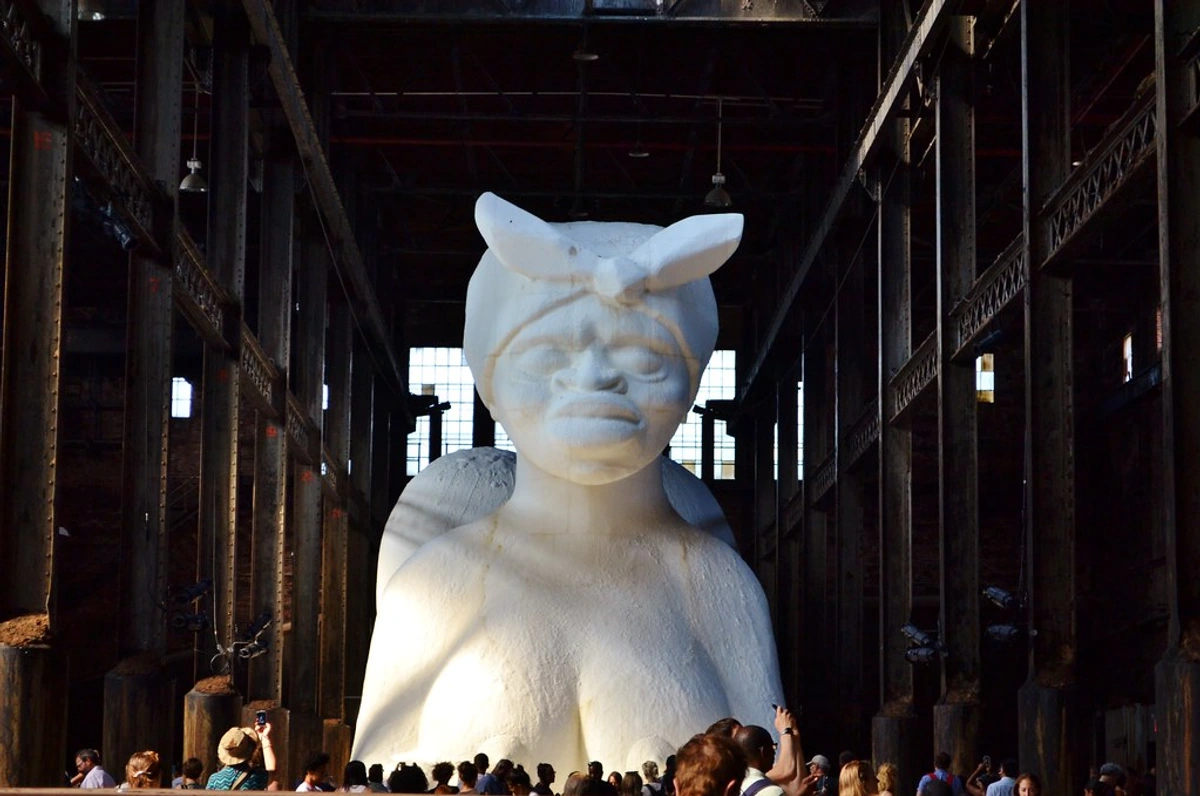
| Kara Walker | Late 20th - Present, American (Conceptual, Installation) | Black cut-paper silhouettes, drawing, film, sculpture; often monumental installations, racial caricatures | Race, gender, sexuality, identity, historical narratives, antebellum South, power dynamics | Conceptual Art, Feminist Art, Post-Modernism | A Subtlety, or the Marvelous Sugar Baby, Gone: An Historical Romance of a Civil War, Darkytown Rebellion | |||||||
| Mona Hatoum | Late 20th - Present, Palestinian-British (Installation, Performance) | Installations using domestic objects, body art; explores themes of displacement, conflict, surveillance | Body, surveillance, confinement, political displacement, geopolitics, home, exile | Performance Art, Installation Art, Feminist Art | Measures of Distance, Hot Spot, Light at the End, Grater Divide | |||||||
| Ruth Asawa | Mid-20th C., American (Modernist) | Intricate looped wire sculptures; abstract, organic, exploring volume and transparency, domestic forms. | Nature, mathematics, repetition, domesticity, community, fluidity | Modernism, Abstract Sculpture, American Craft Movement | Untitled (S.043), Suspended Forms, Fountain at Grand Hyatt, San Francisco | |||||||
| Jessica Stockholder | Late 20th - Present, American (Installation, Assemblage) | Large-scale installations, vibrant color, found objects, blurring lines of painting/sculpture, site-specific | Space, color, material, visual experience, everyday life, consumerism, perception | Installation Art, Abstract Expressionism, Post-Minimalism | Kissing the Wall, Sitting with Pleasure, Colour Jam | |||||||
| Ursula von Rydingsvard | Late 20th - Present, American (Large-scale Wood Sculpture) | Monumental, hand-hewn cedar sculptures; often abstract forms with rich textures, intimate cuts. | Nature, memory, human scale, emotional resonance, personal history, displacement | Post-Minimalism, Process Art | Damski Czepek, Forgiven Sins, Zakopane, Mad. Org | |||||||
| Ruth Asawa | Mid-20th C., American (Modernist) | Intricate looped wire sculptures; abstract, organic, exploring volume and transparency, domestic forms. | Nature, mathematics, repetition, domesticity, community, fluidity | Modernism, Abstract Sculpture, American Craft Movement | Untitled (S.043), Suspended Forms, Fountain at Grand Hyatt, San Francisco | Gego (Gertrud Goldschmidt) | Mid-Late 20th C., Venezuelan (Abstract, Kinetic) | Wire and metal mesh structures, "Reticuláreas"; exploring line, space, and transparency. | Networks, transparency, dematerialization, the drawn line in space, gravity, anti-sculpture | Kinetic Art, Op Art, Constructivism, Latin American Modernism | Reticulárea, Dibujos sin papel (Drawings without Paper), Chorros | 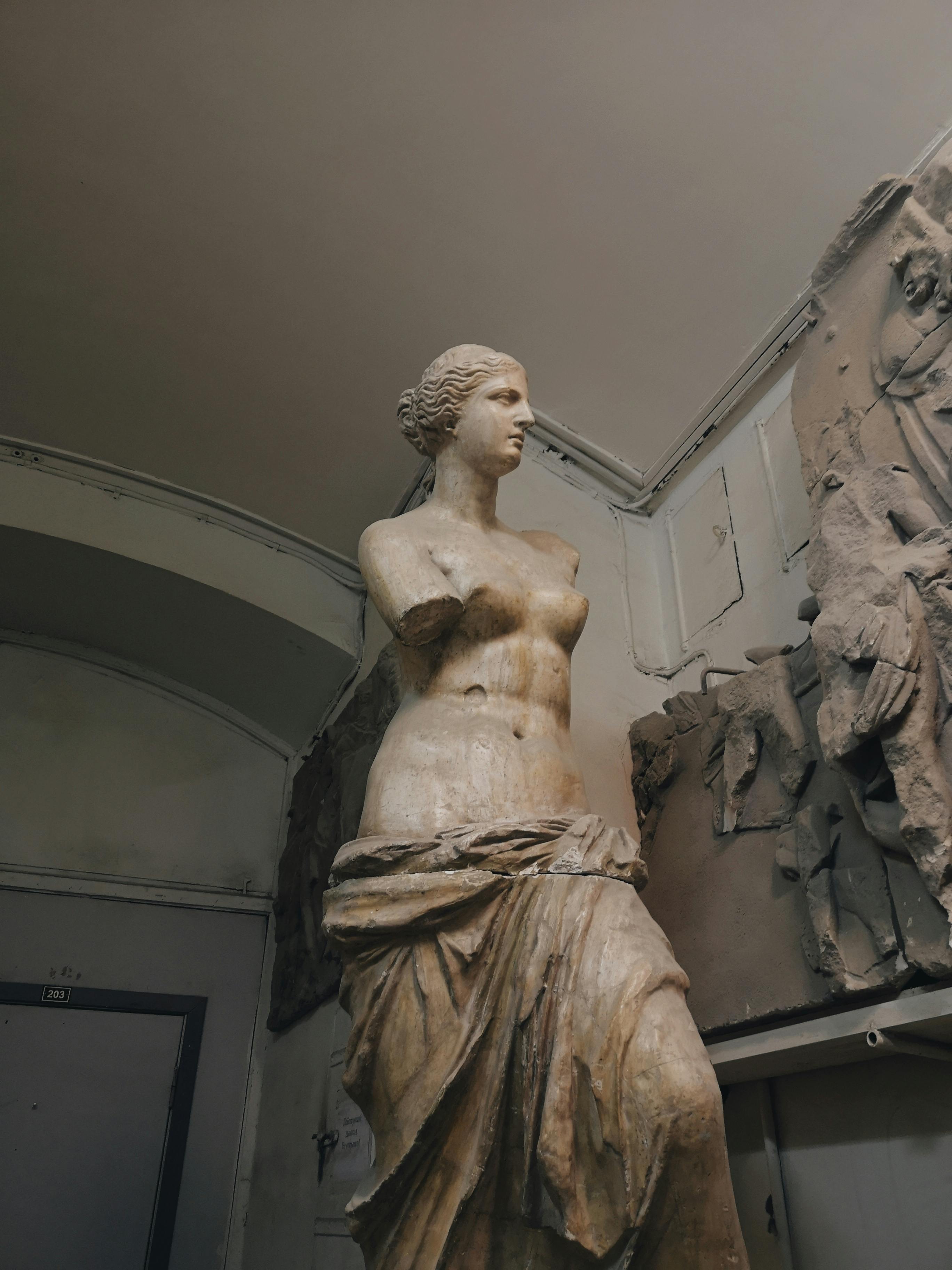 |
| credit, | ||||||||||||
| licence |
Spotlight on an Icon: Barbara Hepworth and the Modern Form
When we talk about modern sculpture, especially in Britain, it's impossible not to immediately think of Barbara Hepworth. Her work, often characterized by its abstract, organic forms and the revolutionary use of piercing and hollowing, truly redefined how we interact with space and material. She was a pioneer of direct carving, working with wood and stone to create pieces that felt intrinsically connected to the landscape around her, particularly the rugged Cornish coast where she lived and worked, drawing profound inspiration from its ancient megaliths and natural contours. Hepworth wasn't just making shapes; she was exploring the void, the internal space, and how it articulates the external form, a concept she termed 'the concavity of the convex'. Her sculptures feel alive, breathing with a serene rhythm that invites contemplation, much like the sea itself. It's that delicate balance between solid mass and ethereal emptiness that I find utterly captivating, a constant dialogue between what is present and what is absent. You can almost feel the wind passing through her carved openings, connecting the human experience to the vastness of nature and the timelessness of the landscape. Her vision was deeply philosophical, seeing sculpture as a way to understand the human relationship with the natural world and the universal forms that underpin existence, often expressed in monumental works like Single Form or Figure for a Landscape, which resonate with a timeless grace and profound connection to the earth. Her legacy is one of profound innovation, blending naturalism with modernist abstraction, and consistently pushing the boundaries of sculptural expression, making her one of the most significant sculptors of the 20th century, regardless of gender. Hepworth's deep engagement with the landscape around her, particularly the rugged Cornish coast, led her to develop a philosophical approach where she saw the forms within nature as mirroring universal human experiences. She truly believed in the spiritual power of abstract forms to communicate universal truths, aiming to evoke a profound connection between viewer, sculpture, and the natural world.
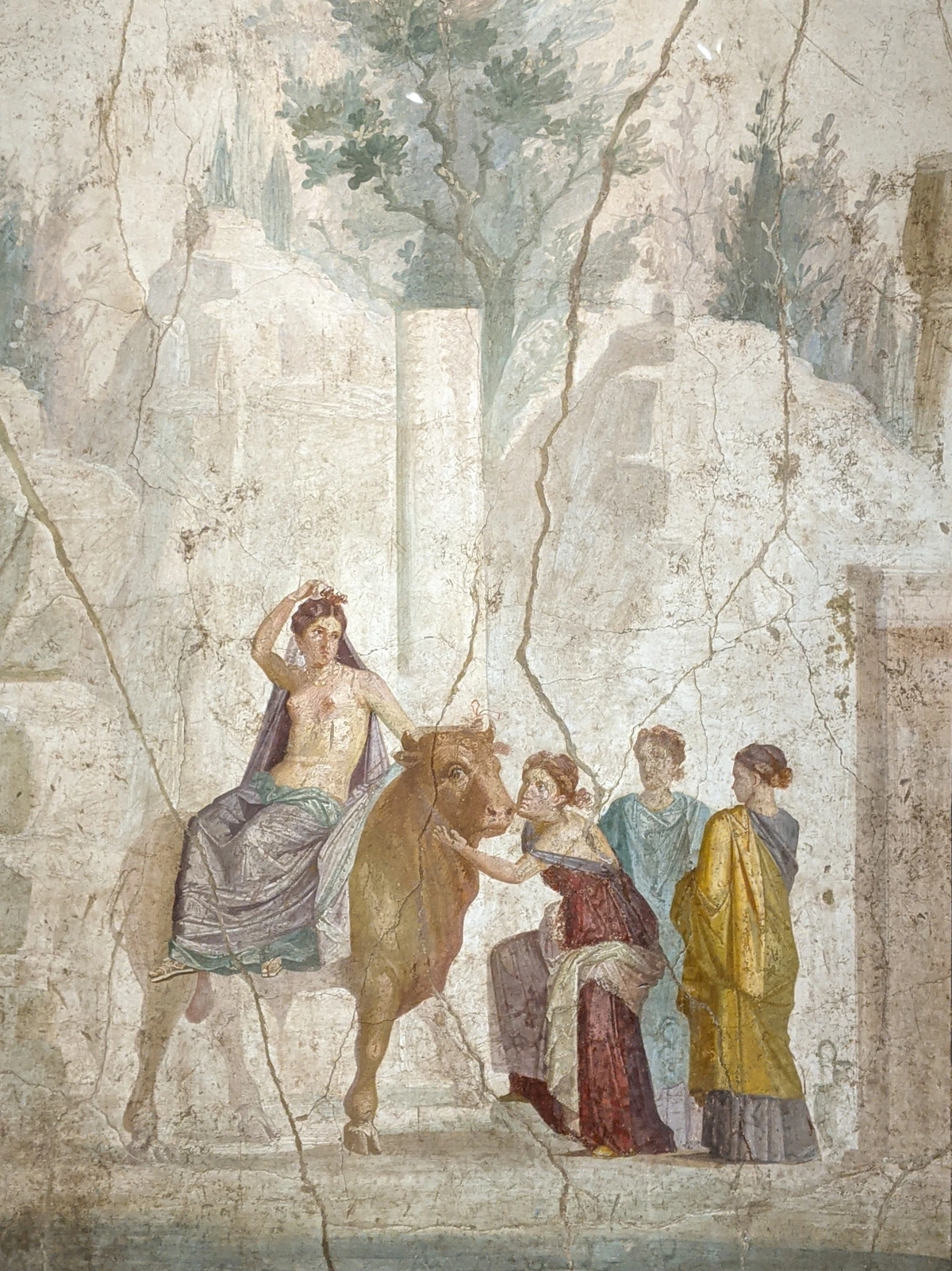
Spotlight on an Icon: Louise Nevelson and the Architectural Power of Assemblage
When I think of an artist who masterfully transformed the discarded into the monumental, Louise Nevelson immediately comes to mind. This Russian-American sculptor, a true force of the 20th century, revolutionized assemblage art by collecting everyday wooden detritus—everything from chair legs and banisters to crates and architectural fragments—and meticulously transforming them into intricate, often monochromatic, wall-like constructions. What truly fascinates me about Nevelson's work is her ability to imbue these found objects with a profound sense of dignity and architectural grace, often painting them a single, enveloping color (her signature black, but also white and gold). She famously called her art "sculpting with shadows," playing with the interplay of light and dark within the stacked boxes and their contents, creating a profound sense of depth and mystery. Her sculptures are not merely collections; they are immersive environments, entire worlds constructed from fragments, often monumental in scale and imbued with a spiritual, almost sacred presence. Nevelson broke down barriers between painting and sculpture, between 'high art' and 'found objects,' and her fearless approach opened doors for countless artists to explore unconventional materials and monumental scale, leaving an indelible mark on American Modernism and the broader history of sculpture.
Spotlight on an Icon: Louise Bourgeois and Psychological Depths
While we're exploring titans of modern sculpture, we absolutely must talk about Louise Bourgeois. Her work, spanning decades, is a deeply personal and often unsettling exploration of memory, trauma, sexuality, and the human body. From her early wooden totemic figures to her colossal spider sculptures (like Maman, which pays homage to her mother, a weaver), Bourgeois used art as a means of psychological excavation, bravely confronting her childhood experiences and complex family dynamics. Her 'Cells,' immersive architectural installations filled with found objects, mirrors, and her own sculptures, invite viewers into fragmented, dreamlike spaces that confront vulnerability and fear, often creating a sense of claustrophobia and introspection. I find her fearlessness in plumbing the depths of her own psyche utterly compelling; it’s a level of honesty I aspire to in my own creative work. Her art often feels like a raw nerve, exposed and yet exquisitely beautiful, making her an enduring figure in 20th and 21st-century art, whose influence continues to ripple through contemporary practice. She was a master of various materials, from bronze and marble to fabric and found objects, always choosing the medium that best articulated her psychological explorations. For me, her work is a powerful testament to the idea that art can be a form of catharsis, a way to process the most profound aspects of the human experience, transforming personal pain into universal resonance. Her ability to translate deep-seated emotions and psychological states into tangible, compelling forms is what truly sets her apart. Her monumental spiders, for example, evoke both fear and protection, reflecting the complex nature of maternal relationships and anxieties that are universally felt, yet uniquely expressed. Her impact on Surrealism and Feminist Art is undeniable.
Spotlight on an Icon: Ruth Asawa and the Poetics of Wire
For me, Ruth Asawa epitomizes the profound beauty that can emerge from unexpected materials and a singular, meditative process. This Japanese-American artist, often associated with the mid-20th-century Modernist movement, created a breathtaking body of work primarily composed of intricate, looped wire sculptures. Her signature technique involved meticulously looping and intertwining wire to create abstract, organic forms that explore volume and transparency in a way that feels both delicate and monumental. What I find utterly captivating about Asawa’s work is how she makes the invisible visible, using wire to "draw in space" and define forms that are simultaneously present and ethereal. Her sculptures, often suspended, seem to breathe with a quiet grace, inviting the viewer to move around them and experience their constantly shifting perceptions of depth and light. Asawa's unique approach was deeply influenced by her childhood experiences in a Japanese internment camp, where she learned resourcefulness, and by her later studies at Black Mountain College, where experimentation was key. Her work bridges the traditional craft of basket-weaving with fine art, transforming humble materials into profound statements about nature, mathematics, and the human condition. She wasn't just making objects; she was revealing the hidden beauty of structure and the profound poetics of form.
Spotlight on an Icon: Judy Chicago and "The Dinner Party"
When I think of a truly monumental piece of feminist sculpture, my mind immediately goes to Judy Chicago's "The Dinner Party." This isn't just a work of art; it's a historical intervention, a reclaiming of narratives that were purposefully suppressed and deliberately excluded from the patriarchal canon. The triangular table, the 39 elaborate place settings, each honoring a mythical or historical woman – it's an overwhelming, powerful statement that took years of collaborative effort to realize. I mean, who else could bring ceramics, needlework, and sculpture together with such potent political and historical weight, literally giving a seat at the table to those erased by history? It's genius, plain and simple. You can learn even more about her vision by visiting the ultimate-guide-to-judy-chicago.

You see images of it, and it's impactful, but standing in front of it, feeling the weight of all those forgotten voices finally given a seat at the table... it's a profound experience. It reminds you that art isn't just about aesthetics; it's about giving voice, challenging the status quo, and sometimes, rewriting history. I think we all have a responsibility to look back and unearth these narratives, much like the original intention of this article. The piece itself, crafted with the aid of numerous female artists, embodies the very spirit of collaboration and collective voice that defined much of the feminist art movement.
Judy Chicago, with her bold vision, epitomizes the spirit of many female sculptors who used their art to confront societal issues head-on. Her impact on feminist art and the art world in general is immense, not just through her own groundbreaking work but also through her efforts to create feminist art education programs. Her work truly redefined the public's understanding of art and gender, giving a powerful visual voice to feminist ideals and inspiring generations of artists to come.
Spotlight on an Icon: Yayoi Kusama and Infinity
If anyone has truly pushed the boundaries of immersive sculpture and transformed personal obsession into universal experience, it's Yayoi Kusama. Her iconic polka dots, vast "Infinity Mirror Rooms," and vibrant pumpkin sculptures are instantly recognizable and have captivated audiences worldwide. For me, stepping into one of her Infinity Rooms is less like viewing art and more like entering an an alternate dimension – a truly overwhelming, dazzling, and sometimes unnerving experience of boundless space and self-obliteration. It's an experience that blurs the lines between reality and illusion, inviting introspection and a profound sense of wonder and connecting with profound concepts of the cosmos and the self. Kusama's art is deeply rooted in her personal struggles with mental health and her experiences of hallucinations, which she began to express through repetitive patterns and motifs, serving both as a coping mechanism and a powerful artistic statement. Her work masterfully blurs the lines between painting, sculpture, and performance, creating comprehensive, enveloping environments that draw the viewer into her unique perceptual world. She's a true pioneer of the avant-garde, Pop Art, and Minimalism, yet her voice remains utterly unique, speaking to universal themes of infinity, selfhood, and the cosmos. Her pumpkins, in particular, with their bulbous forms and endless dot patterns, embody a curious blend of humility and monumental presence, becoming a powerful symbol of her resilience and creativity that has captivated global audiences. To understand the sheer scale of her influence and her unique artistic journey, a deeper dive into ultimate-guide-to-yayoi-kusama is essential.
The Enduring Legacy and Future of Female Sculptors
The truth is, the journey for female sculptors is far from over. While more women are gaining significant recognition today, the art world still grapples with persistent biases in representation, exhibition opportunities, and market value. It's a frustrating reality, but one that is slowly, yet surely, being challenged by a new generation of fiercely dedicated artists, progressive curators, discerning collectors, and powerful advocates, all working tirelessly to rectify historical imbalances. We are seeing a powerful, sustained effort to rewrite art history, ensuring that these previously 'unseen hands' are finally acknowledged, celebrated, and permanently etched into the canon, not just as a footnote, but as central figures in the ongoing story of human creativity.
But the conversation is loud, vibrant, and the work being created is more diverse, compelling, and technologically innovative than ever. From monumental public art that transforms cityscapes to intricate, intimate pieces that invite quiet contemplation, women continue to expand the very definition of sculpture. They are fearlessly using new technologies, embracing unconventional and sustainable materials (from recycled plastics to organic matter), and weaving deeply personal and universal narratives into their forms. The rise of digital fabrication and virtual reality, for instance, has opened up entirely new dimensions for sculptural creation, allowing for unprecedented complexity and immersive experiences that challenge our traditional understanding of physical objects. Furthermore, a growing emphasis on sustainability in art practice is leading sculptors to rethink material choices and production methods, creating works that are not only aesthetically powerful but also environmentally conscious. Many are taking their art directly into public spaces, creating site-specific works that engage directly with communities and urban environments, ensuring their powerful voices are not just heard, but seen and experienced by a wider, more diverse audience. Many are taking their art directly into public spaces, creating site-specific works that engage directly with communities and urban environments, ensuring their powerful voices are not just heard, but seen and experienced by a wider, more diverse audience. This proactive engagement is vital in ensuring their stories and contributions are not overlooked, as they once were, forging a new, inclusive path for the future of the medium. It's a testament to their unwavering vision and the growing recognition that diverse perspectives are absolutely essential for a rich, inclusive art world.
Their legacy isn't just about the objects they create; it's about the courage they embody, the boundaries they break, and the doors they open for those who follow. For me, it's about finding that profound connection, that thread of shared human experience, whether I'm looking at a piece from centuries ago or a vibrant contemporary installation in a bustling city like those you'd find near the den-bosch-museum. It's a powerful reminder that creativity knows no gender, only boundless spirit, relentless vision, and an unwavering desire to communicate, to leave a mark, and to inspire. The future of sculpture, with its ever-expanding materials and conceptual possibilities, will undoubtedly continue to be shaped by the powerful and diverse voices of women artists, building upon the foundations laid by these trailblazers.
Frequently Asked Questions
What are the different types and forms of sculpture?
Sculpture is incredibly diverse, and I find that its variety is one of its greatest strengths! It spans from freestanding sculpture (meant to be viewed from all sides, demanding a full circumambulation from the viewer to appreciate its full form, like classical statues in a piazza) to relief sculpture (where forms project from a background plane, as seen in ancient friezes on temples or sarcophagi). Relief can further be divided into high relief (projecting significantly, almost in the round, creating a strong sense of three-dimensionality and dramatic shadows) and bas-relief (projecting slightly, like a coin or a subtle inscription, with more subtle depth and delicate interplay of light), each offering unique narrative and aesthetic possibilities, such as in the intricate narratives of ancient Greek friezes or the subtle depth of Egyptian tomb carvings.
Beyond these classical divisions, we also have:
- Kinetic Sculpture: These are works that literally move, incorporating mechanical components, wind, water, or even electromagnetic forces to create dynamic visual experiences. Think Alexander Calder's delicate mobiles – always a delight! – or the more complex, machine-like constructions that challenge static perceptions of art, bringing an element of unpredictable change and ephemeral beauty. You can delve deeper into this exciting art form with what-is-kinetic-art-movement-in-modern-sculpture.
- Light Sculpture: Utilizing light as a primary medium, these pieces often play with perception, shadow, and color to create immersive or ethereal effects, turning light into a tangible form, as seen in works by artists like James Turrell who sculpt with pure luminescence and create incredible sensory environments, or Olafur Eliasson with his explorations of light and natural phenomena. These works often engage the viewer's entire perceptual field.
- Environmental Art: Often site-specific and large-scale, these works interact directly with the natural or urban landscape, sometimes even altering it. Artists like Nancy Holt with her Sun Tunnels or Christo and Jeanne-Claude with their wrapped monuments have created truly monumental, landscape-altering experiences that blur the lines between art and nature, often highlighting our relationship with the environment, land use, and ecological concerns.
- Installation Art: This transforms an entire space into an artwork, surrounding the viewer and engaging all senses, challenging traditional notions of display and often creating immersive, experiential environments. You can find more on how to approach displaying-sculptures-indoors-beyond-pedestal. Think of Yayoi Kusama's 'Infinity Rooms' as a prime example, where you become part of the artwork itself, experiencing a boundless world and a dissolution of the self.
- Found Object Sculpture (or Assemblage): As we discussed earlier, artists repurpose everyday objects, giving them new meaning through unexpected combinations and juxtapositions. This often challenges our preconceived notions of art materials and value, forcing us to reconsider what constitutes 'art' and finding beauty in the discarded, a powerful form of artistic alchemy and social commentary. Artists like Louise Nevelson are masters of this technique.
- Performance Art: While often ephemeral and focused on the artist's action, many performance pieces incorporate sculptural elements or engage with the body as a living sculpture, pushing the boundaries of what art can be and directly involving the artist's presence and temporality. Artists like Marina Abramović have used their own bodies as the sculptural medium, creating powerful, visceral experiences that explore endurance, identity, and audience interaction.
The materials used are just as varied, from traditional marble and bronze to ephemeral elements like ice, light, or even sound, to found objects, textiles, and digital projections. Each form offers a unique way for artists to express themselves and for viewers to engage. The diversity here is truly limitless, reflecting humanity's endless creativity and the constant evolution of artistic practice.
Who are some famous female sculptors throughout history?
Historically, you'll find pioneering names like Properzia de' Rossi, the groundbreaking Renaissance carver who worked in miniature and monumental scales; Luisa Roldán (La Roldana), the exceptional Spanish Baroque sculptor known for her exquisite polychrome religious figures and her prestigious royal patronage; and Anne Seymour Damer, an accomplished British Neoclassical sculptor who skillfully navigated high society to pursue her art, creating elegant portrait busts. In the 19th century, figures like Félicie de Fauveau, a prominent French Romantic sculptor whose medieval-inspired works gained salon acclaim and a unique artistic voice; Camille Claudel, known for her deeply emotive figures and a tragic association with Rodin, whose independent genius is now fully recognized; Harriet Hosmer and Edmonia Lewis, prominent Neoclassical sculptors who broke significant racial and gender barriers with their powerful, narrative-driven works in Rome; and Elisabet Ney and Vinnie Ream, renowned for their expressive portraiture and barrier-breaking commissions (Ream's monumental Lincoln statue is in the U.S. Capitol!). I'm always amazed by their sheer tenacity and visionary talent in a male-dominated world.
In the modern era, Barbara Hepworth, known for her abstract, organic forms deeply connected to landscape and her revolutionary piercing of sculptural mass, and Louise Nevelson, a master of monumental monochromatic wooden assemblages that transform found detritus into architectural poetry, are undeniable titans. Then, we move into the latter half of the 20th century with Louise Bourgeois, whose work explored profound psychological depths and memory through often unsettling, visceral forms like her colossal spiders; Eva Hesse, a pioneer of Post-Minimalism, utilizing unconventional and ephemeral materials to convey fragility and emotion; Magdalena Abakanowicz, with her powerful, woven fiber figures addressing collective trauma and the human condition; Judy Chicago, whose monumental "The Dinner Party" irrevocably redefined feminist art and historical narratives; and contemporary figures like Rachel Whiteread, who hauntingly casts negative spaces of domestic objects, exploring memory and absence; Doris Salcedo, who confronts political violence through subtly altered everyday objects imbued with silence and pain; Sarah Lucas, known for her provocative takes on gender and British identity with wry humor; and Yayoi Kusama, famous for her immersive polka-dotted installations and explorations of infinity. These women collectively created an immense and enduring legacy, pushing the boundaries of medium, concept, and recognition across diverse cultures and movements, continually inspiring new generations. It's a rich tapestry of talent and perseverance that continues to unfold. ### What specific challenges did female sculptors encounter in gaining recognition?
Oh, quite a few, and they were profoundly interconnected! Beyond the general societal resistance against women pursuing a 'masculine' and physically demanding art form, gaining recognition was a massive, multi-faceted hurdle that speaks volumes about systemic discrimination that persisted for centuries.
Here are some of the primary challenges they faced:
- Limited Access to Training & Materials: Art academies and master workshops were often closed to women, denying them foundational instruction in anatomy (especially from nude models, which was deemed indecent for women to study), perspective, and the use of heavy tools and expensive materials. Even if they gained entry, the curriculum often steered them away from monumental sculpture, pushing them towards more 'domestic' arts. This lack of formal training severely hampered their development and credibility, often relegating them to decorative arts or private commissions.
- Societal Expectations & Gender Roles: Sculpture was largely deemed 'unsuitable' for women due to its physical demands, public nature, and the messy, often loud environment of a studio. Women were expected to focus on domestic roles, on the 'private' arts (like painting or needlework), not chisel marble in public view. Breaking these deeply ingrained norms required immense courage, financial independence, and often required them to adopt unconventional lifestyles, as famously seen with some of the 'White Marmorean Flock' in Rome, who found support in their expatriate community.
- Lack of Patronage and Commissions: Wealthy patrons, institutions, and the church typically favored male artists for significant, well-paying commissions, particularly for monumental public works, religious subjects, or heroic portraits. Female sculptors often struggled immensely to secure the financial backing and large-scale projects necessary for a prominent career, limiting their ability to produce ambitious works and gain public visibility, leading to their underrepresentation in public collections.
- Overshadowing and Misattribution: Women artists often found their work misattributed to male relatives or mentors (a fate famously experienced by Camille Claudel in relation to Auguste Rodin). Their achievements were frequently downplayed, dismissed as 'hobbyist' or 'amateur' endeavors, or simply erased from historical records, making their rediscovery and rightful attribution a monumental task for modern scholars. The 'genius' narrative was almost exclusively reserved for men.
- Critical & Institutional Bias: Critics were often biased, framing female artists' work through the lens of their gender rather than their artistic merit, or simply ignoring it altogether. Museums and galleries historically underrepresented women in their collections and exhibitions, further cementing their marginalization and perpetuating a skewed version of art history. This still continues to be an issue in many art institutions, as they actively strive for more equitable representation today, a testament to how deeply ingrained these biases were.
- Exclusion from Networks & Public Spaces: Professional success relied heavily on male-dominated networks of artists, dealers, and critics, from which women were often excluded. This limited their visibility, opportunities for collaboration, access to the critical discourse surrounding their work, and crucial opportunities for public display in prominent venues. Art was, and often still is, a network game, and women were largely outside the inner circles.
- Lack of Historical Documentation: Their stories and achievements were often poorly documented, intentionally omitted from art historical texts, or simply lost due to neglect or societal disinterest, making the task of reconstructing their legacies incredibly challenging. Think of how many contemporary female artists and art historians are actively working to unearth and celebrate these forgotten voices, a truly inspiring and vital endeavor, correcting centuries of oversight.
Building a professional reputation required extraordinary tenacity, an independent spirit, and often depended on supportive, albeit unconventional, networks of other women or progressive patrons. Even when their work was lauded, the narrative around their achievements was frequently framed through their gender rather than their artistic brilliance, diminishing their universal impact. This ongoing battle for proper acknowledgment is precisely why we still need to proactively highlight their profound contributions today, ensuring their rightful place in art history and celebrating their often-heroic artistic journeys. ### How has feminism influenced sculpture by women?
Feminism has been a monumental catalyst, profoundly reshaping sculpture by women! It empowered female sculptors to reclaim their own narratives, directly challenge patriarchal structures within the art world and society at large, and fearlessly explore themes of female identity, the body, domesticity, and history in their work. It gave artists the theoretical framework and communal support to boldly address subjects previously deemed taboo or irrelevant, fundamentally altering the trajectory of art history and establishing a new, powerful artistic discourse. I believe its impact on how we understand and appreciate women's artistic contributions is nothing short of revolutionary, fostering a critical lens that exposed and challenged existing inequalities.
Artists like Judy Chicago didn't just create art; they used sculpture as a powerful tool for social and political commentary. Her iconic "The Dinner Party," for instance, actively critiques gender inequality and highlights forgotten female figures throughout history, creating a monumental installation that irrevocably redefined the public's understanding of art and gender, and forcing a re-evaluation of women's place in history. This groundbreaking wave of feminist art also led to:
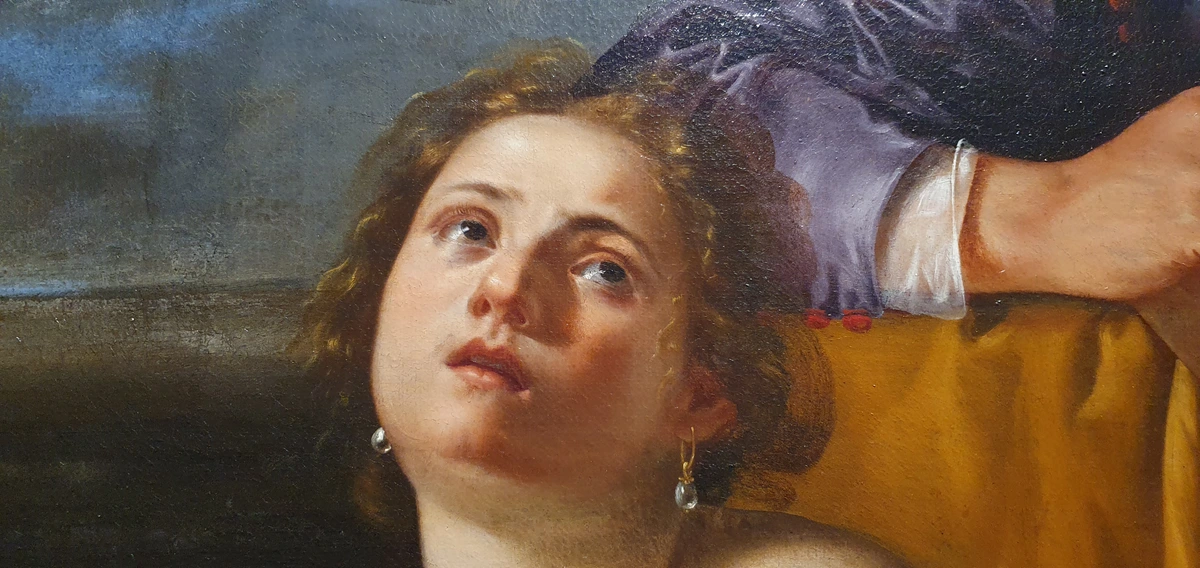
- Reclaiming Materials: A deliberate elevation of traditionally "female" crafts like textiles, ceramics, and needlework into the realm of fine art, challenging hierarchical distinctions between 'craft' and 'art' and validating new forms of artistic expression. Think of Magdalena Abakanowicz's monumental fiber works, for example, which resonate with deep historical and personal meaning, transforming materials once relegated to the domestic sphere into powerful public statements.
- Addressing the Body: A powerful exploration of the female body, not as an object for the male gaze, but as a site of lived experience, vulnerability, strength, and political discourse. This included reclaiming narratives around reproduction, trauma, sexuality, and the visceral realities of female existence, challenging idealized or conventional depictions. Artists like Kiki Smith have powerfully explored this, creating works that are both intimate and universal, often confronting uncomfortable truths about the corporeal self.
- Narrative & Autobiography: A strong emphasis on embracing personal histories, memories, and autobiographical elements as legitimate and powerful artistic subjects, offering unique perspectives often overlooked or suppressed in traditional art historical canons. Louise Bourgeois is a prime example of this intensely personal and psychologically rich approach, transforming private pain into universal artistic statements. This shift validated individual experience as a source of profound art.
- Challenging Institutions: Active campaigning and advocacy for better representation in museums, galleries, and art history narratives, leading to more inclusive exhibitions, academic studies, and permanent collections that better reflect the diversity of artists. This ongoing activism continues to reshape the art world and its gatekeepers, demanding accountability and a more equitable canon.
- Collaborative Practices: Fostering a spirit of collaboration and community among women artists, often leading to large-scale projects that highlighted collective experiences and shared histories rather than focusing solely on individual genius. "The Dinner Party" itself is a testament to this powerful collaborative spirit, demonstrating that collective voice can create monumental impact.
For me, the influence of feminism is undeniable and ongoing; it opened up a vast new landscape of possibilities, both in terms of subject matter and artistic approach, allowing for a much richer and more inclusive sculptural dialogue. It truly transformed the art world, giving a voice to the previously marginalized and reshaping our understanding of art's purpose, making space for diverse narratives and challenging established power structures. You can learn more about Judy Chicago's pioneering work in ultimate-guide-to-judy-chicago. ### Are there many contemporary female sculptors to explore?
Absolutely! The contemporary scene is vibrant with an astounding array of incredible female sculptors, pushing boundaries and defining the art of our time. Think Yayoi Kusama with her immersive, polka-dotted worlds and profound explorations of infinity (you can dive deeper into her work at ultimate-guide-to-yayoi-kusama); Sarah Lucas with her provocative and often humorous takes on gender and British identity using everyday objects; or artists like Rachel Whiteread, who explores memory and absence through hauntingly casting interior spaces and domestic objects, transforming the unseen into tangible form, and Doris Salcedo, who uses subtly altered everyday objects to confront profound themes of political violence, loss, and memory with quiet power. And I always tell people to look for the unexpected, too—the artists experimenting with new forms of public art that engage directly with communities and challenge traditional modes of display, bringing art outside the gallery walls.
We also have the powerful and often unsettling work of Kiki Smith, who delves into themes of the human body, nature, and mythology with visceral honesty, often creating works that are both delicate and disturbing, exploring vulnerability and strength, and questioning societal norms around the female form. Beyond these, consider the monumental, often precarious abstract installations of Phyllida Barlow, whose raw and untamed structures challenge traditional notions of monumentality; the intricate and vibrant textile sculptures of Sheila Hicks (whose work I absolutely adore!), blurring the lines between craft and fine art; or the compelling conceptual works of Mona Hatoum, who addresses themes of displacement, confinement, and conflict using everyday objects and her own body to create potent, often unsettling, installations. The diversity of materials, concepts, and personal narratives from contemporary female sculptors is truly astounding, and it's a testament to the enduring power and evolution of the medium, continually challenging our perceptions of art and its purpose. It's a truly exciting time to be following the world of sculpture, as these artists redefine its very essence and continue to push boundaries globally! ### What is the role of public art in contemporary sculpture?
Public art plays an increasingly vital and dynamic role in contemporary sculpture, transforming our shared civic spaces and inviting broader engagement with art beyond the traditional gallery setting. For me, it's about art meeting life, enriching our daily experiences in unexpected ways. Public sculptures are often monumental, designed to withstand the elements, and frequently commissioned with a specific site or community in mind. They can activate public squares, parks, and urban landscapes, becoming landmarks, meeting points, and catalysts for conversation. Think of how a powerful statue can inspire contemplation, or an abstract installation can spark curiosity in passersby. This type of art often carries significant social, political, or historical weight, serving as memorials, celebrations of culture, or direct commentaries on contemporary issues. Contemporary female sculptors, in particular, are at the forefront of this movement, creating large-scale, site-specific works that challenge traditional notions of monumentality, engage with diverse communities, and reflect on issues of identity, environment, and social justice. Their work ensures that art is not confined to institutions but is woven into the very fabric of our public life, making it accessible, thought-provoking, and a crucial part of our collective visual experience.
How to care for bronze sculptures?
Caring for bronze sculptures, especially if they are cherished pieces in your collection, is paramount for their longevity and appearance. Bronze is an incredibly durable material, but it can be susceptible to environmental factors and improper handling. Here’s what I've learned about keeping them looking their best, ensuring their beauty endures for generations to come:
- Dust Regularly and Gently: Use a soft, lint-free cloth or a very soft brush (like a camel hair brush) to gently remove dust and airborne particles. Always avoid abrasive materials or harsh cloths that could scratch the delicate patina, which is that gorgeous, often colored, surface layer that forms naturally or is intentionally applied by the artist. Regular, gentle dusting is your first line of defense against accumulation that can eventually etch into the surface, causing irreversible damage.
- Avoid Harsh Chemicals at All Costs: Never, ever use household cleaners, solvents, abrasive polishes, or anything not specifically formulated for bronze. These harsh substances can irreversibly strip the natural or artificial patina, which is not only a protective layer but a key part of the sculpture's aesthetic and historical integrity, often intentionally applied by the artist to achieve specific visual effects. If you're unsure, do nothing rather than risk damage, as a stripped patina is incredibly difficult, if not impossible, to restore authentically. Trust me on this one; I've seen too many pieces ruined by well-meaning but ill-informed cleaning attempts.
- Maintain and Protect the Patina: For outdoor bronze, the patina will continue to develop naturally with exposure to the elements, creating unique surface variations over time, which many collectors cherish. For indoor pieces, a light application of a good quality microcrystalline wax (like Renaissance Wax) can protect the surface from dust and fingerprints and enhance its luster. Apply sparingly with a soft, clean cloth and buff gently after it dries to a haze. This acts as a barrier, but it's not a permanent solution; reapplication every few years might be necessary depending on the environment and how frequently the piece is handled.
- Control the Environment: For indoor sculptures, avoid placing them in direct sunlight, near heat sources (like radiators or fireplaces), or in areas with extreme humidity fluctuations, as these conditions can accelerate patina changes, cause condensation, or even lead to structural damage over time. Aim for a stable, moderate environment with consistent temperature and humidity. For outdoor pieces, ensure good drainage around the base to prevent water accumulation, which can lead to localized corrosion and pitting, and consider periodic professional inspections to catch any issues early.
- Handle with Extreme Care: Always handle bronze sculptures by their sturdy bases or the most robust parts, avoiding delicate protrusions or directly touching patinated surfaces with bare hands. The natural oils and acids from your hands can affect the patina over time, causing discoloration or uneven wear. Wear soft cotton gloves if you need to handle them frequently, even for dusting or moving them, to provide an extra layer of protection and prevent fingerprints.
- Professional Cleaning & Restoration is Key: For valuable or older pieces, or if you notice significant corrosion (often appearing as green powdery spots), pitting, structural damage, or an unwanted change in patina, it's always best to consult a professional art conservator specializing in metals. They have the expertise, specialized tools, and controlled environments to clean, stabilize, and restore bronze safely and effectively, preserving its artistic and historical integrity without causing further damage. Trying to fix it yourself can often make things worse, potentially devaluing the artwork significantly and erasing its unique history.
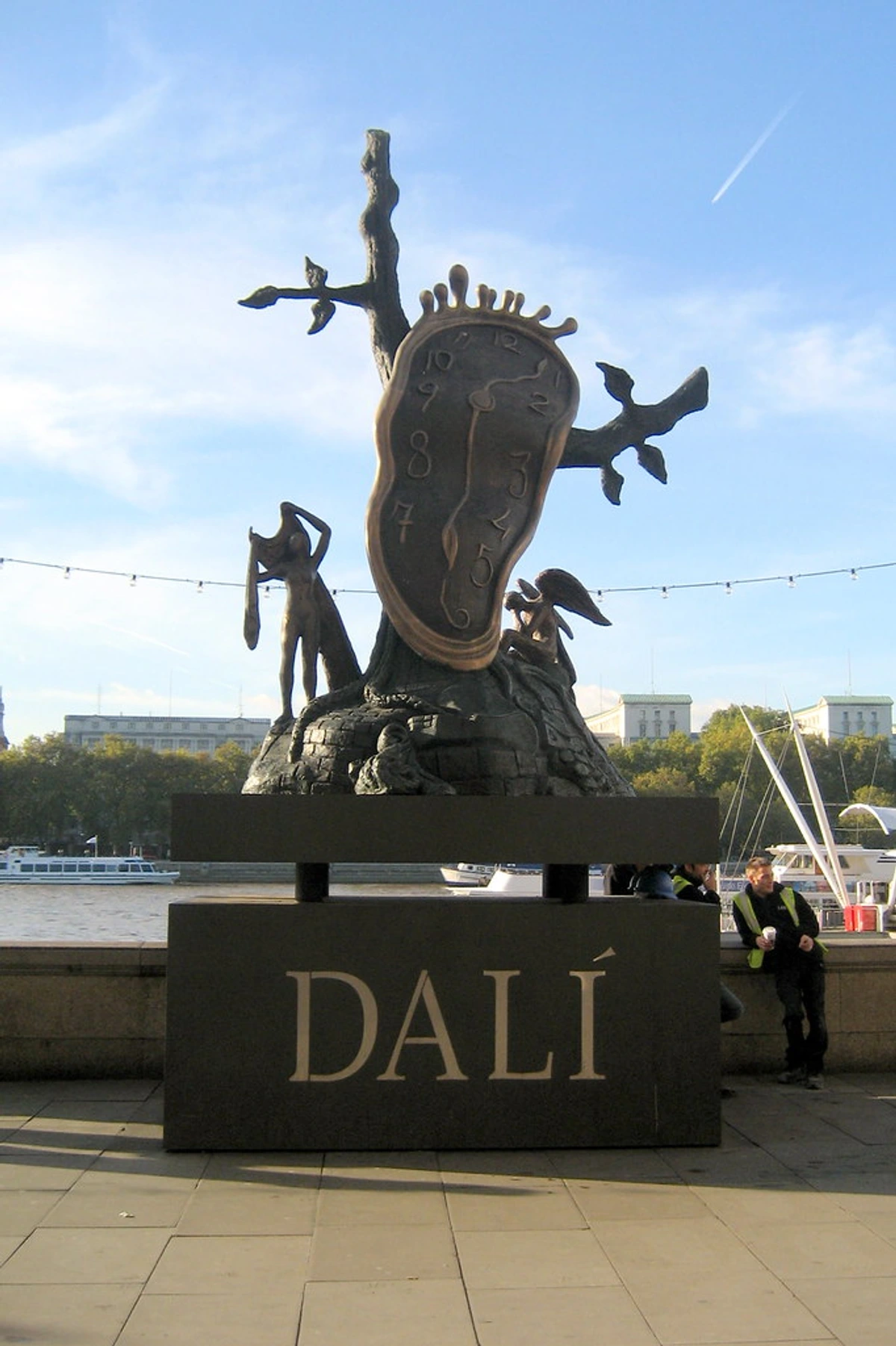
How can sculptural art be incorporated into modern interiors?
Sculptural art is a fantastic way to add dimension, texture, and a compelling focal point to any modern interior, transforming a space from merely functional to truly inspiring! For me, contemporary pieces, especially abstract or minimalist ones, work beautifully because their clean lines, intriguing forms, and conceptual depth perfectly complement modern aesthetics, creating a sense of sophisticated simplicity. I've seen how a well-placed sculpture can utterly elevate a room, creating a sense of curated elegance and personal expression.
Here are some key considerations I always keep in mind when integrating sculpture into a modern space:
- Strategic Placement & Flow: A large floor sculpture can dynamically anchor a room and draw the eye, creating a natural focal point, while a smaller pedestal piece can create an intimate moment of contemplation in a quiet corner. Wall-mounted sculptures, or even relief sculpture, can add unexpected depth and break up flat surfaces, preventing a room from feeling too two-dimensional. Consider how the piece guides the eye, influences the flow of movement through the room, and how it's viewed from multiple angles. Sometimes, a series of smaller pieces can create a powerful narrative along a wall or shelf, transforming a mundane space into an engaging journey.
- Material Contrast & Harmony: Think deeply about how the sculpture's material interacts with its surroundings. A smooth, polished bronze or stainless steel piece can create a striking contrast against a rough, textured brick wall, or a delicate ceramic can soften a stark, industrial space. Conversely, a wooden sculpture might bring warmth to a minimalist room, harmonizing with natural elements. The dialogue between textures and materials adds richness and visual interest, making the space feel more curated and thoughtful, a true interplay of forms and surfaces.
- Lighting is Absolutely Key: This is often overlooked, but lighting can dramatically change how a sculpture is perceived throughout the day and night. Carefully placed accent lighting (spotlights, up-lights, or even natural light through a skylight) can highlight textures and contours, casting dramatic shadows that become an integral part of the artwork itself, creating an ever-evolving presence. Natural light will reveal different facets at different times, so consider how it shifts and transforms the piece throughout the day, creating a dynamic dialogue with its environment.
- Scale and Proportion are Paramount: Ensure the sculpture's size is proportionate to the room and other furnishings. A piece that's too small might get lost, appearing insignificant, while one that's too large could overwhelm the space, making it feel cramped or unbalanced. It's about finding that sweet spot where the artwork asserts its presence confidently without dominating or clashing with the existing design elements. When in doubt, err on the side of slightly larger rather than too small, creating a sense of intentionality and impact.
- Creating Dialogue & Narrative: The goal isn't just to place an object, but to create a dynamic visual dialogue between the sculpture and its environment, and even with other artworks or furniture. Let the piece breathe and interact with its surroundings, becoming a conversation starter rather than just decoration. It should feel like an active participant in your home's story, reflecting your taste and personality, and inviting viewers to engage on a deeper level.
You can also explore how-to-incorporate-sculptural-art-into-modern-interiors for specific tips and inspiration. The key is to see the sculpture not just as an object, but as an active participant in the overall design narrative of your home, bringing life and personality to the space, making it uniquely yours.
What about performance art and the body as sculpture?
The intersection of performance art and sculpture, especially for female artists, is a fascinating and potent realm of artistic expression! While often ephemeral, performance art frequently treats the artist's own body as a sculptural medium – a living, breathing form that occupies space and conveys meaning through movement, endurance, and interaction. Artists like Marina Abramović (whose work you can learn more about by exploring ultimate-guide-to-marina-abramovic) have pushed the boundaries of this, using their bodies to explore themes of pain, vulnerability, identity, and the limits of physical and mental being. For women artists, this approach has been particularly powerful in reclaiming narratives around the female body, challenging traditional objectification, and asserting agency. It moves beyond static representation to a dynamic, often visceral experience, blurring the lines between artist, artwork, and audience, making the very act of living and interacting a form of sculptural expression. The body becomes a site of political, personal, and spiritual inquiry, transforming temporal actions into lasting artistic statements.
Who was Louise Nevelson and what was her contribution?
Ah, Louise Nevelson! She was an absolute force of nature in 20th-century sculpture, and her contribution is immense. Born in Russia, but active primarily in New York, Nevelson revolutionized assemblage art, transforming found objects into intricate, architectural compositions. Her signature style involved creating monumental, monochromatic (often black, white, or gold) wooden 'walls' or 'cabinets' filled with found wooden objects, scavenged from urban environments – everything from chair legs and banisters to discarded crates, which she meticulously painted in a single color. What I find so captivating about her work is how she transformed discarded detritus into elegant, architectural, and often spiritual forms, imbued with a sense of quiet majesty. She famously called her work "sculpting with shadows," playing with the interplay of light and dark within the stacked boxes and their contents, creating a profound sense of depth and mystery, and activating the negative space. Her sculptures are not just collections of objects; they are entire environments, often reaching from floor to ceiling, creating a sense of grandeur and almost sacred space that invites contemplation and personal reflection. She was a pioneer in breaking down the barriers between painting and sculpture, and her fearless approach opened doors for countless artists to explore unconventional materials and monumental scale. She took the everyday and made it extraordinary, reminding us that beauty can be found in the most unexpected places and that art can be a powerful act of transformation through recontextualization, breathing new life into forgotten fragments. Her impact on the development of assemblage and installation art is undeniable, solidifying her place as a true master of American modernism and an inspiration for environmental artists.
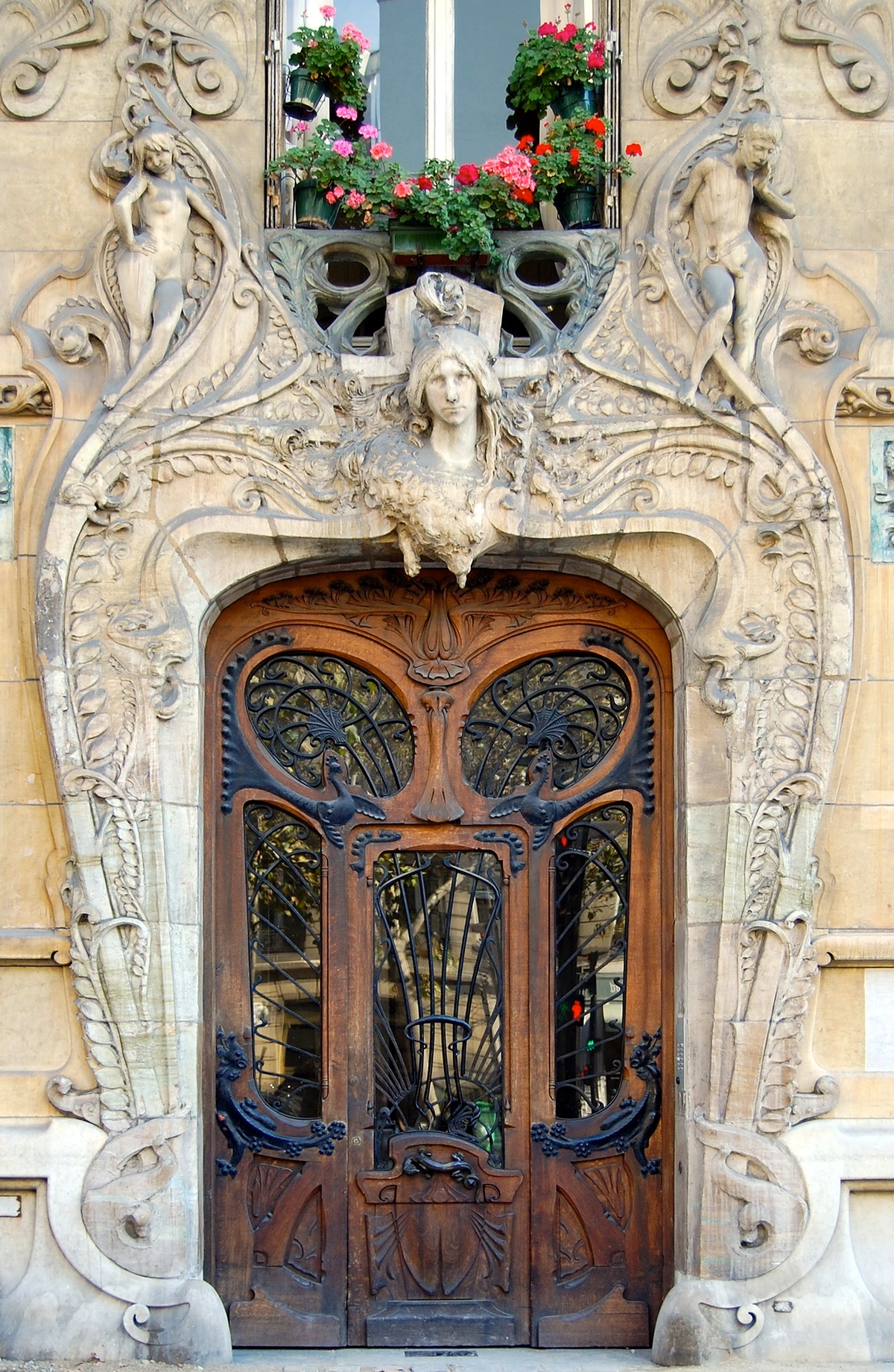
Where can I see works by famous female sculptors?
You'll find their incredible works in major art museums and galleries worldwide! It's a journey of discovery, and I always recommend checking museum websites for their current displays, as collections rotate, offering new insights and showcasing different facets of their work, ensuring you catch their most impactful pieces.
Some key places to look include:
- The Brooklyn Museum (New York): This is a must-visit for Judy Chicago's monumental "The Dinner Party," a cornerstone of feminist art, which redefined the public's understanding of women's historical contributions and the potential of installation art, making a powerful statement about overlooked female voices.
- Tate Modern (London): Frequently exhibits significant works by Barbara Hepworth and Louise Bourgeois, showcasing their profound contributions to modern and contemporary sculpture, often in dialogue with other major artists of their time. The Tate collection is particularly strong in British modernism and abstract art, offering a deep contextual understanding of their work.
- The Museum of Modern Art (MoMA) and The Whitney Museum of American Art (New York): Excellent places to see works by Louise Nevelson, Eva Hesse, and other mid-20th-century American masters, including key figures in Abstract Expressionism and Post-Minimalism, offering a deep dive into American modernism and its groundbreaking experiments, particularly in the realm of unconventional materials and conceptual approaches.
- National Museum of Women in the Arts (Washington D.C.): As its name suggests, this museum is uniquely dedicated to championing women artists from all periods and features a robust collection of sculpture, often highlighting historical trailblazers and contemporary innovators, providing a crucial platform for their work and actively correcting historical omissions.
- The Hepworth Wakefield (UK): A dedicated museum to Barbara Hepworth, offering an unparalleled insight into her life and work, set against the landscape that inspired her, and providing a comprehensive collection of her sculptures, drawings, and archives – truly a pilgrimage for Hepworth enthusiasts and anyone interested in modern British sculpture.
- The Hakone Open-Air Museum (Japan): Often features large-scale outdoor sculptures, including notable works by Barbara Hepworth and others, integrating art with natural landscapes and offering a unique viewing experience where art and environment merge, creating a harmonious dialogue between human creation and the natural world.
- Major Institutions Globally: Iconic institutions like the Metropolitan Museum of Art in New York, the Uffizi Gallery in Florence (for rare historical pieces by artists like Properzia de' Rossi), the Centre Pompidou in Paris, the Art Institute of Chicago, or the Victoria and Albert Museum in London often feature pieces by pioneering and contemporary female sculptors in their extensive permanent collections or special, rotating exhibitions. Don't forget to look for site-specific installations in urban environments, which are becoming increasingly common and engage directly with public spaces, making art accessible beyond museum walls. Public art initiatives are increasingly commissioning female sculptors, changing cityscapes globally and bringing powerful artistic statements to broader audiences.
A little research before your visit can uncover hidden gems and ensure you experience the full breadth of these artists' legacies, truly seeing the impact of their unseen hands and powerful visions firsthand.

How have global cultures and diverse backgrounds influenced female sculptors?
The influence is profound and incredibly enriching, truly a tapestry woven with diverse threads! Female sculptors from diverse cultural backgrounds bring unique perspectives, narratives, and often, traditional techniques to the global art scene, fundamentally expanding the very definition of what sculpture can be. It's truly a global conversation, where local nuances inform universal themes, challenging monolithic Western art historical narratives and introducing a wealth of new approaches and subject matter. I find this cross-cultural dialogue to be one of the most exciting aspects of contemporary sculpture, fostering a more inclusive and representative artistic landscape.
Think of artists like Doris Salcedo from Colombia, whose haunting work often addresses political violence, displacement, and collective memory through a distinct Latin American lens, infusing her sculptures with a profound sense of loss and resilience that speaks to a specific socio-political context. Her use of everyday, often altered, objects carries a weight of human experience unique to her cultural background and the historical traumas she confronts. Or Magdalena Abakanowicz from Poland, whose monumental fiber sculptures (Abakans) drew on her experiences of war and totalitarianism, giving form to collective trauma and the human condition with a powerful, raw aesthetic deeply rooted in her Eastern European context, evoking both ancient rituals and modern anxieties about mass existence. And of course, Yayoi Kusama from Japan, who draws on her deeply personal experiences and rich cultural heritage to create immersive, fantastical environments that merge traditional Japanese aesthetics with a global avant-garde sensibility, making her instantly recognizable worldwide. Her work, while universal, is also distinctly informed by her Japanese heritage and personal journey, transforming personal obsession into universal fascination.
Consider also Ruth Asawa, an American sculptor of Japanese descent, whose intricate, looped wire sculptures draw on traditional basket-weaving techniques passed down through generations while creating entirely modern, abstract forms that explore volume and transparency, and the interplay of line and light. Her work beautifully illustrates how cultural heritage can be reinterpreted and innovated within a contemporary art framework, bridging craft and fine art. These artists don't just add diversity; they actively challenge Western-centric views of art history, introduce new materials, aesthetics, and conceptual frameworks, and ensure a more inclusive and representative artistic dialogue globally. Their work often reflects specific historical contexts, indigenous traditions, or unique socio-political realities, enriching the entire field of sculpture and providing perspectives that resonate universally while retaining their cultural specificity. It's a powerful reminder that art is a global conversation, and every voice brings an invaluable contribution, creating a truly globalized and diversified sculptural landscape that continuously evolves and offers endless new avenues for exploration.
In Conclusion
Reflecting on these incredible women, I can't help but feel a surge of inspiration. Their determination, their singular artistic vision, their unwavering refusal to be silenced – it's a powerful narrative that extends far beyond the art world itself. It reminds us, emphatically, that every voice deserves to be heard, every story deserves to be told, and every artist, regardless of gender or background, deserves a prominent place in history. Their struggles were real, their triumphs hard-won, and their legacies continue to shape how we understand art and its makers today, challenging us to look deeper and broaden our perspectives. To me, their collective impact is a powerful testament to the enduring human spirit.
Their work isn't just about aesthetic pleasure; it's about courage, resilience, the relentless pursuit of vision against all odds, and the profound human need to create – qualities I continually try to embody in my own creative endeavors. So, the next time you visit a museum, or even just walk through a city park, take a moment to look beyond the obvious. You might just discover another unseen hand, another powerful vision, that shaped the world and continues to resonate, reminding us that art is truly a universal language. Who knows, perhaps their courage will even inspire you on your own creative journey, whether you're creating art, simply appreciating it, or navigating your own path in life. You can follow my own artistic journey on my timeline and see how these influences play a role in my creations, or perhaps find inspiration for your own collection by browsing my buy page. And if you're ever in the Netherlands, don't forget to visit the den-bosch-museum for more artistic discoveries, where you might find echoes of this same powerful creative drive, continuing the conversation these incredible women began. Their enduring legacy is a powerful testament to the boundless spirit of human creativity, reminding us that every voice deserves its rightful place, etched not just in stone, but in the collective consciousness of art history.