
Judy Chicago's 'The Dinner Party': A Comprehensive Guide to its Radical Feminist Art and Enduring Legacy
Dive deep into Judy Chicago's 'The Dinner Party', exploring its monumental scale, radical symbolism, collaborative feminist methodology, and its enduring, often controversial, legacy. This ultimate guide unpacks one of the 20th century's most impactful and defiant artworks.

Judy Chicago's 'The Dinner Party': A Seat at History's Table Reimagined
I remember walking through a grand, echoing museum hall once, the hushed reverence around me amplifying a growing unease. Every monumental canvas, every bronze bust, every sweeping historical plaque – they all whispered the same story: 'Great Men.' It was a magnificent feast, but half the chairs were conspicuously, painfully empty. A lingering sense of absence, like a hollow ache, settled in. For women, this hasn't just been a feeling; it's been the stark reality of recorded history for millennia, from groundbreaking scientists like Rosalind Franklin (whose crucial DNA work was initially overlooked) to literary giants like Murasaki Shikibu (author of the world's first novel, often uncredited in Western canons), and, of course, countless artists and leaders. What if that feast wasn't just for the names we knew, but for all those whose stories had been deliberately, or unconsciously, erased?
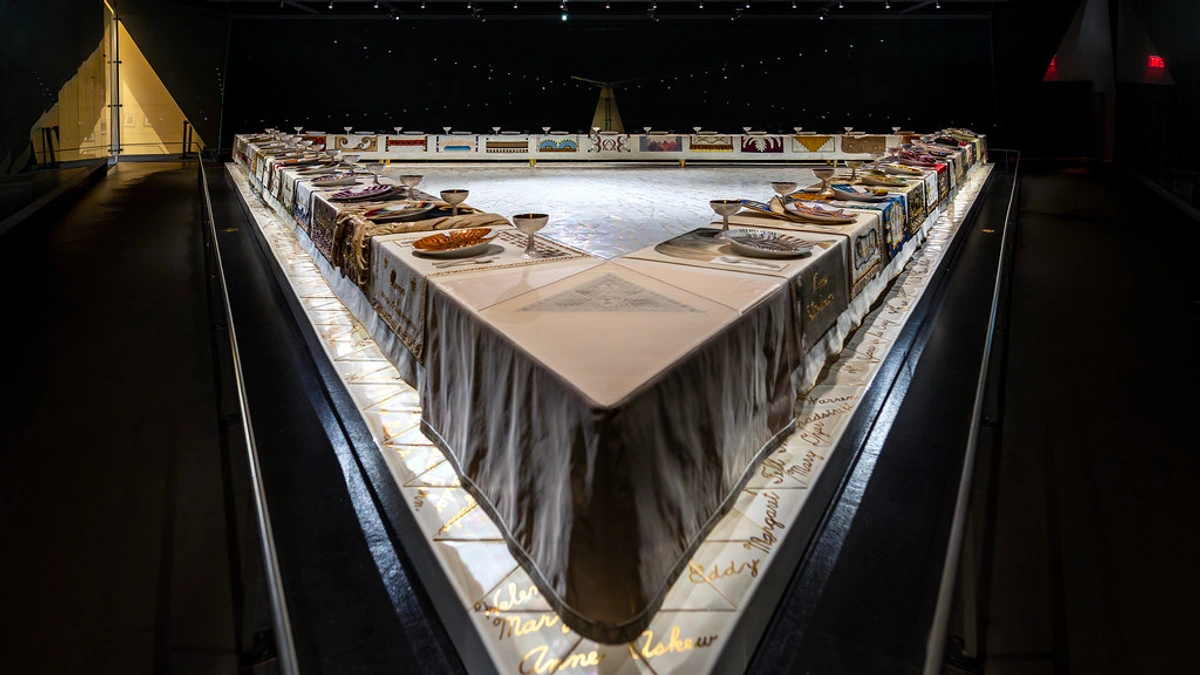
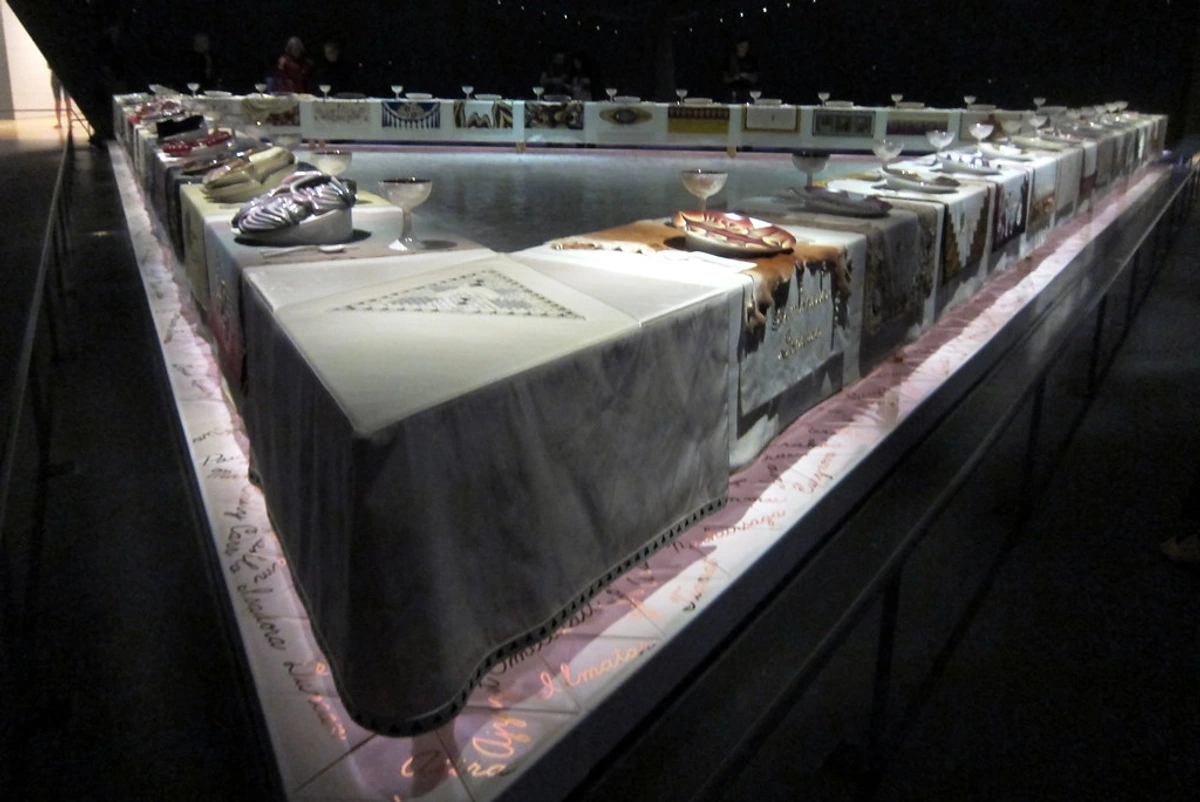
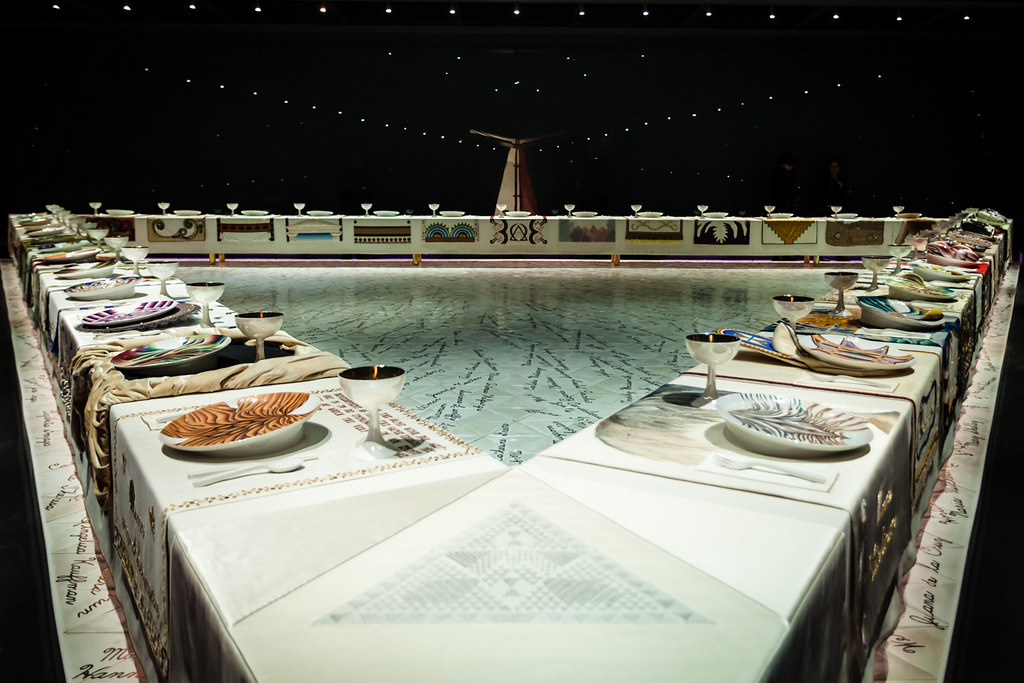
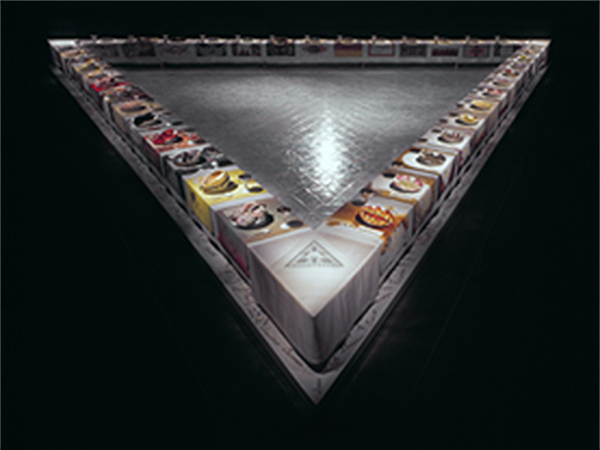
That's the question that led Judy Chicago to literally set a new table, and that's precisely where The Dinner Party begins to speak its powerful truth. When you step into its presence, it's not just another art piece; it's a vast, open triangle, 48 feet on each side, set with 39 gleaming, intricately sculpted plates. Each one is a fierce declaration of presence, a palpable assertion that 'we were here.' It's a sensory experience – the ethereal glow of the porcelain, the rich texture of the embroidery, the sheer, undeniable physical scale of it all. Chicago herself called it an artwork of "cosmic, historical scale," and I interpret that as a piece that bravely encompasses both the grand sweep of human history and something far more profound, almost elemental, linking individual stories to a universal female experience. For Chicago, it’s about fundamentally reshaping our understanding of who has shaped culture, and for me, it’s a profoundly moving confrontation with history's selective memory. It is, unequivocally, the definitive feminist art statement, a living, breathing manifesto.
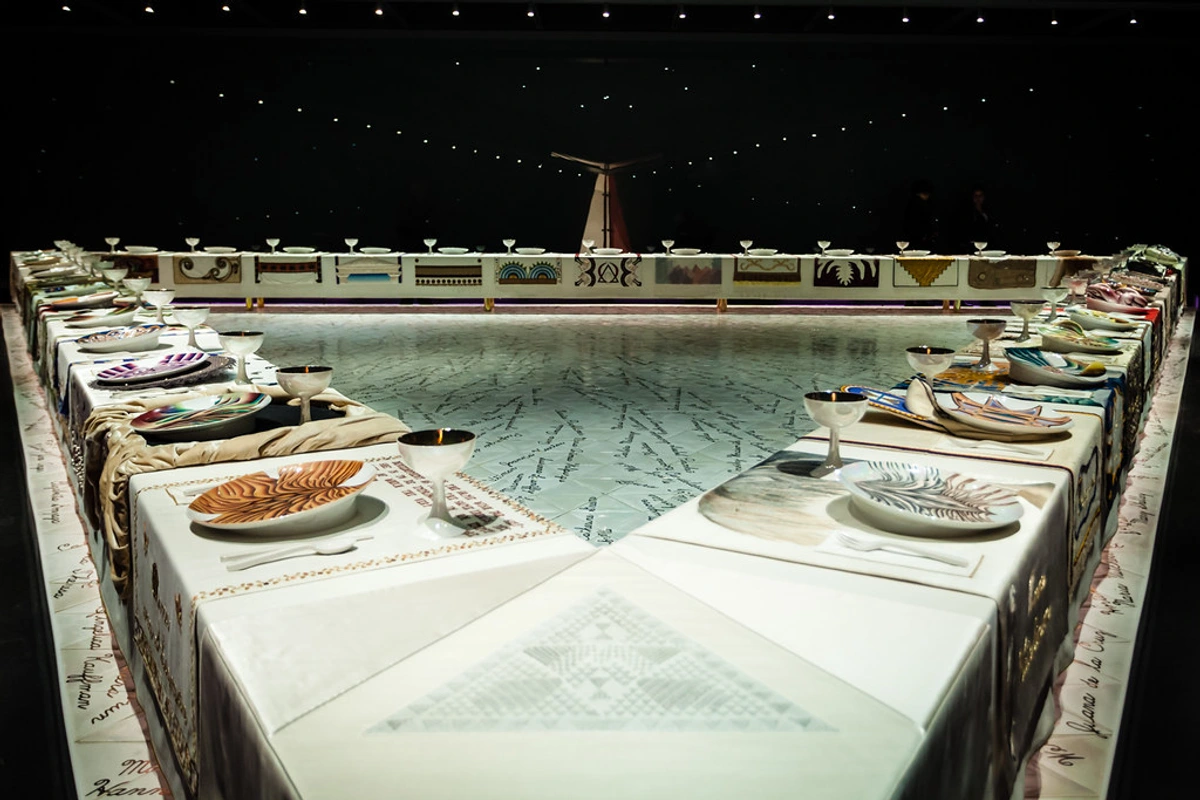
For centuries, the esteemed guests at history’s table – in our books, museums, and halls of power – were overwhelmingly, deafeningly male. This wasn't an accident. Powerful patriarchal (male-dominated) philosophical movements like the Enlightenment, with its emphasis on 'masculine' reason and a hierarchical view of the arts, alongside rigid Victorian-era gender roles and the exclusive, male-dominated art academies, systematically pushed women's expressive forms out of esteemed art discourse. Judy Chicago looked at that table, saw all the empty chairs where women should have been, and decided to set a new one. This monumental, collaborative undertaking directly challenged those structures and historical omissions, creating a piece that continues to provoke and inspire today.
The Dinner Party: A Revolutionary Feminist Installation Explained
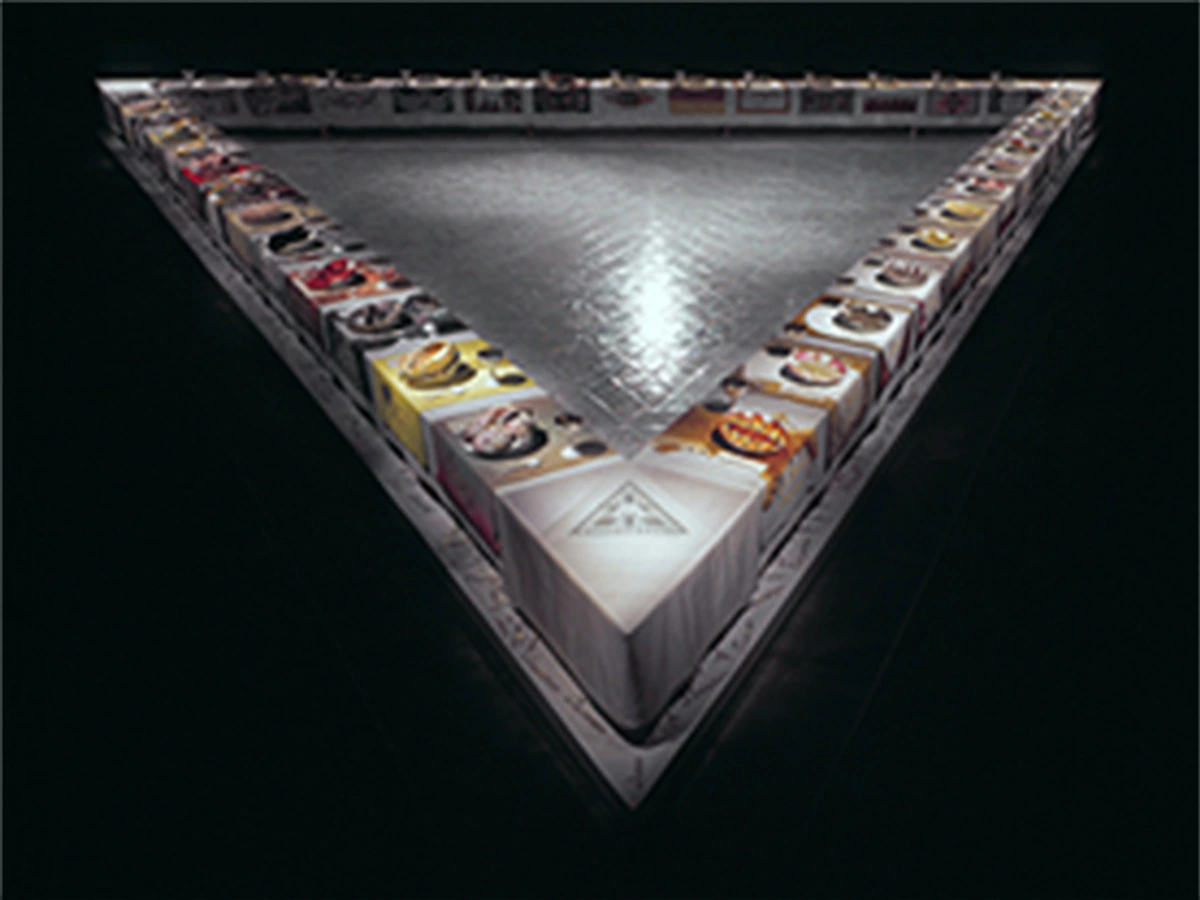
Imagine walking into a massive, deliberately understated room and being confronted by an open triangular table so large it immediately commands the entire space. It doesn't just display; it teaches, provokes, and re-educates. This isn't just a piece of sculpture; it's an environment, a sacred gathering space designed to quite literally carve out and make visible the space for women in history that had been denied. Created between 1974 and 1979, it was a colossal undertaking involving hundreds of volunteers – weavers, ceramicists, researchers – a testament, really, to how feminist principles could translate into actual, massive art-making. It was deeply influenced by the vibrant women's liberation movement of the 1970s, which championed collective action, challenged traditional gender roles, and pushed for the visibility of women's work. The table structure itself, a robust combination of wood and steel, provides the literal and metaphorical framework for this monumental endeavor. It’s a powerful embodiment of the Feminist Art Program Chicago helped pioneer, which prioritized collaboration, visibility for women's work, and challenging established art hierarchies through unconventional teaching methods like consciousness-raising sessions and non-hierarchical critiques. The sheer physical scale of 48 feet (14.6 m) on each side, along with the immense logistical challenge of its creation and subsequent global tours, speaks volumes about the monumental effort required to literally carve out and sustain space for women in history.
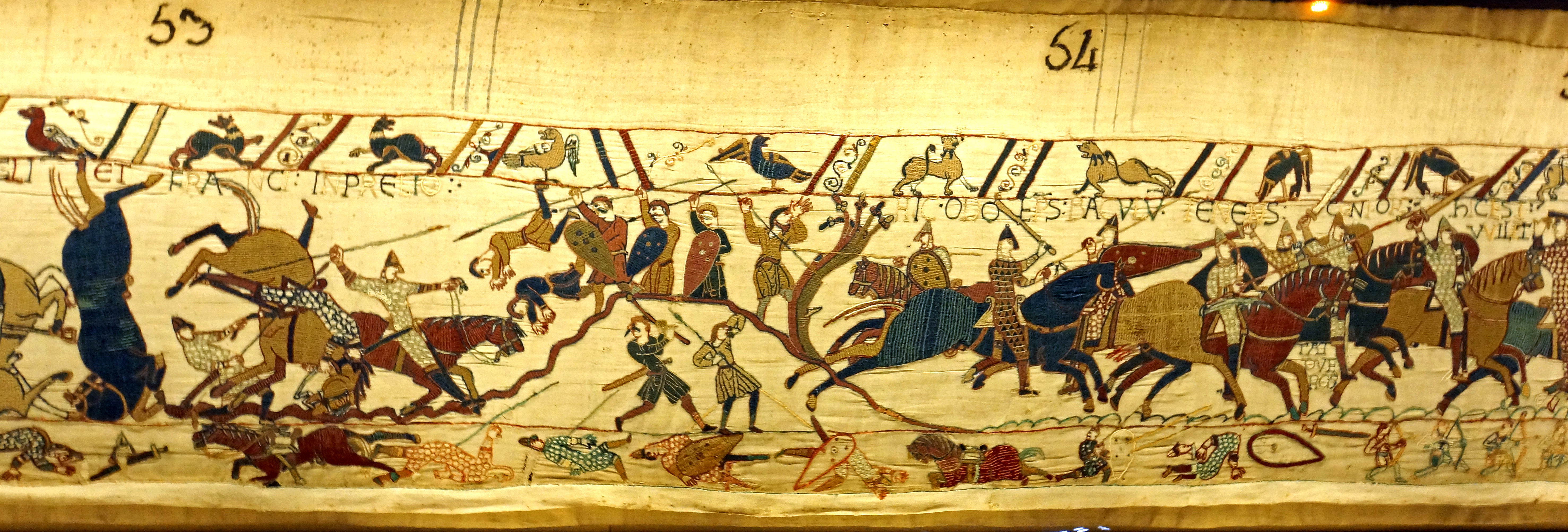
Chicago didn't just create an artwork; she built a monument, a powerful refutation of history's selective memory. For centuries, textile arts and ceramics were relegated to the domestic sphere, dismissed as 'women's work,' deemed too utilitarian, too feminine, or lacking the intellectual rigor of 'fine art' like painting and sculpture. This wasn't an accident, of course. Philosophical movements like the Enlightenment, with its emphasis on 'masculine' reason and a hierarchical view of the arts, alongside rigid Victorian-era gender roles and the exclusive, male-dominated art academies, systematically pushed these expressive forms out of esteemed art discourse. Things like quilting, embroidery, basket weaving, and pottery, often requiring immense skill, time, and precision, were simply not considered serious or worthy of high art status. Think of the intricate, narrative Bayeux Tapestry of medieval Europe or the delicate porcelain work of ancient China—these were highly valued artistic expressions that, over time, became devalued when associated with women's domestic labor. The Dinner Party directly challenges this hierarchy, elevating these crafts to the highest echelons of artistic expression and validating the anonymous labor and artistic skill of generations of women, essentially forcing the art world to reconsider its definitions. It asks, quite pointedly, who gets to decide what 'art' is?
The Collaborative Creation: A Feminist Methodology in Action
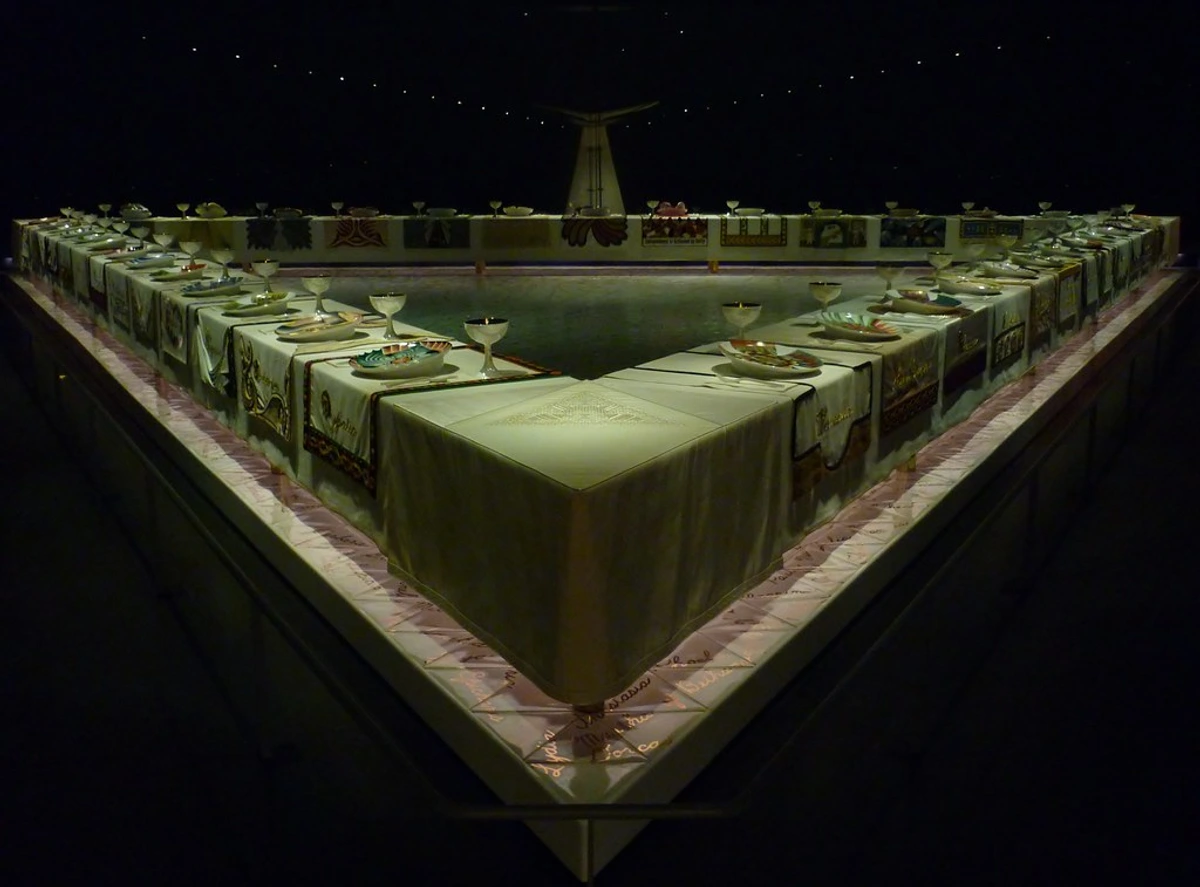
What often gets overlooked in the final grandeur of The Dinner Party is the revolutionary process of its creation. Chicago envisioned it as a collective undertaking, embodying the feminist principle that women's work often goes unrecognized and that collaboration can be a powerful force. Hundreds of volunteers, predominantly women, poured thousands of hours into research, embroidery, and ceramics. The extensive historical research for the 39 featured women and the 999 women on the Heritage Floor was a monumental academic project in itself, unearthing forgotten figures and challenging established historical narratives – I mean, imagine diving through countless archives, dusty tomes, and obscure documents for years, meticulously piecing together lives deliberately pushed to the margins by biased record-keeping. This wasn't just about making art; it was about building a community, sharing skills, and collectively reclaiming history – a living embodiment of the Feminist Art Program Chicago helped pioneer at places like California State University, Fresno. These programs weren't just about art instruction; they were about fostering an inclusive, supportive environment for female artists, encouraging self-discovery and challenging patriarchal norms in art education, thereby influencing broader art pedagogical approaches. Of course, managing hundreds of volunteers over five years had its challenges; artistic collaboration, particularly on this scale, involves careful coordination, shared vision, and navigating diverse perspectives, but the collective spirit ultimately triumphed. The sheer scale also meant immense logistical challenges during its global tours and ongoing preservation efforts, from the fragility of the porcelain and textiles requiring specialized climate control and handling, to the complex logistics of transporting such a massive, multi-component installation. It's a constant reminder of the physical demands of maintaining such a monumental work and its message.
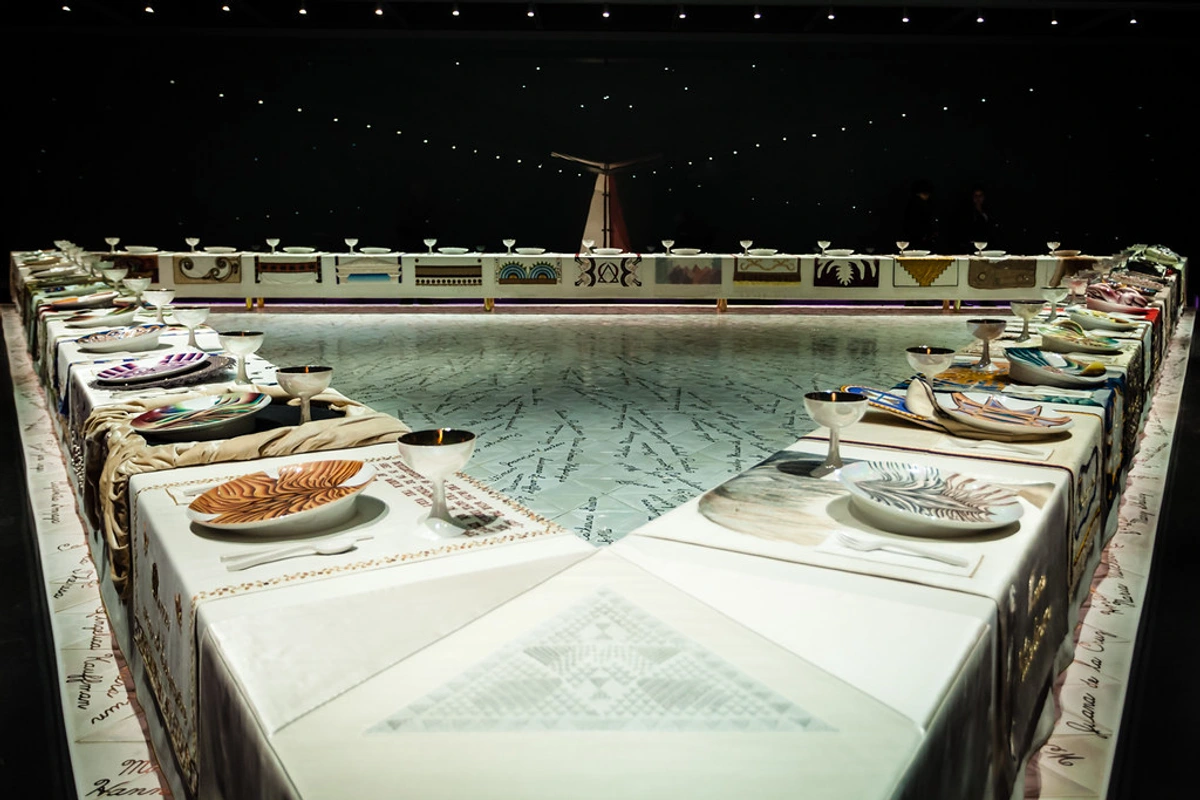
Here’s a quick breakdown of its core components, highlighting its sheer scale and deliberate construction:
Feature  | Description | Symbolic Significance |
|---|---|---|
| Shape & Scale | A massive equilateral triangle, 48 feet (14.6 m) on each side, conveying both equality and monumental scope. | Represents female power, equality among all participants, and the ancient feminine divine—a universal, life-giving feminine creative force found in many prehistoric cultures. |
| Number of Place Settings | 39 | Honors specific women, celebrating their achievements and reclaiming female sexuality as a source of power and identity, not shame. |
| The Place Settings | 39 unique, elaborate settings for 39 mythical and historical women, each a tribute. | Honors specific women, celebrating their achievements and reclaiming female sexuality. |
| The Heritage Floor | Porcelain tiles beneath the table, inscribed with the names of 999 other women. | A literal foundation, acknowledging the invisible labor and collective struggle of countless women throughout history, providing a bedrock for all celebrated achievements. |
| Number of Names on Heritage Floor | 999 | A literal foundation, acknowledging the invisible labor and collective struggle of countless women throughout history. |
| Mediums | Ceramics, embroidery, and weaving—crafts historically dismissed as 'women's work'. | Elevates domestic arts to 'fine art,' directly challenging patriarchal art hierarchies and expanding the very definition of art itself. |
Deconstructing the Radical Symbolism: A Seat at the Table
Every single element of The Dinner Party is meticulously designed, imbued with layer upon layer of meaning. It's an artwork that doesn't just display; it teaches, provokes, and re-educates. It forces you, the viewer, to confront your own assumptions about history and art.
The Place Settings: Sculpting a New Narrative
This is where the piece gets intensely personal and, for some, quite controversial. Each of the 39 place settings is utterly unique, meticulously designed to celebrate a specific woman, from the Primordial Goddess to Georgia O'Keeffe. Chicago and her team spent years researching each woman, ensuring every detail – from the hand-painted ceramic plate to the chalice, utensils, and elaborately embroidered runner – resonated with her life and era. It's a truly stunning visual biography, a testament to individualized recognition within a collective narrative.
The Plates: Unapologetic Reclamation of Female Form
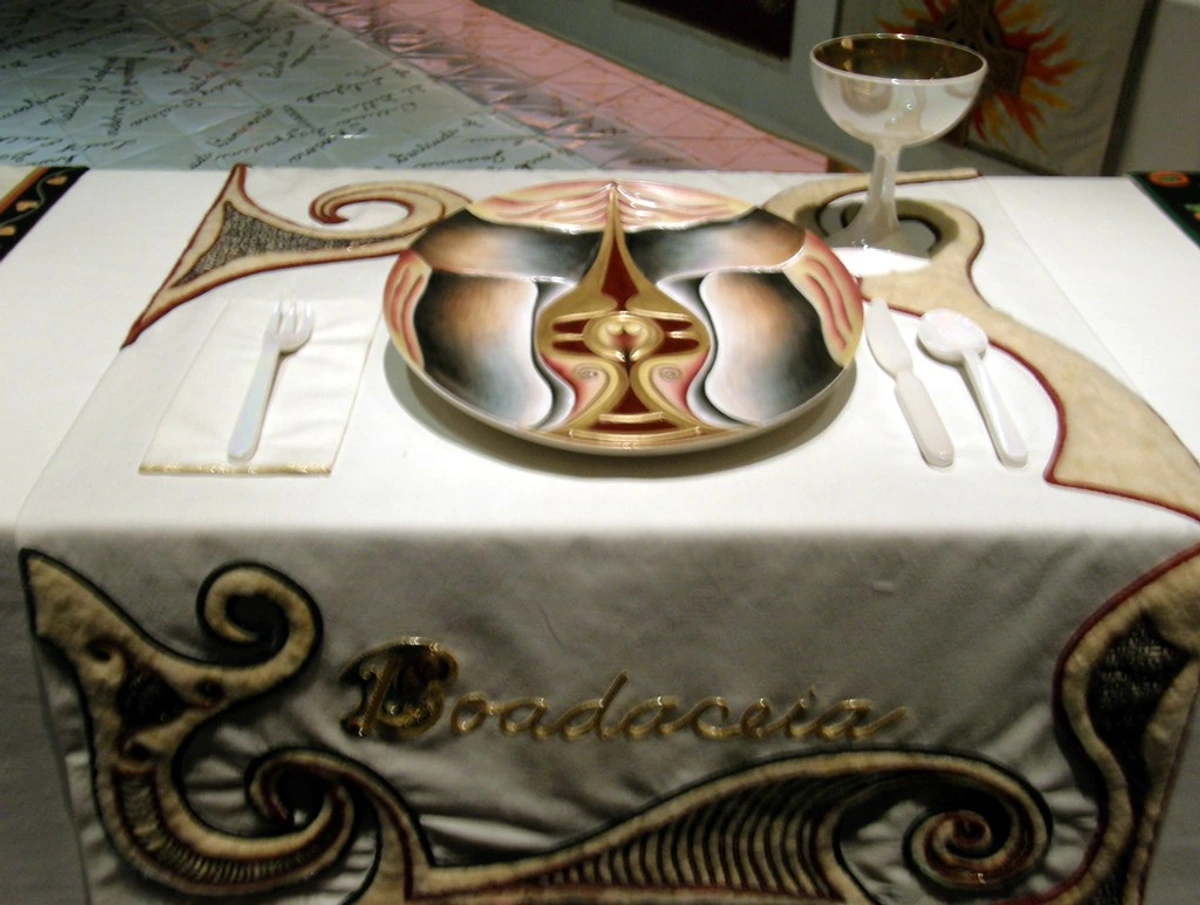
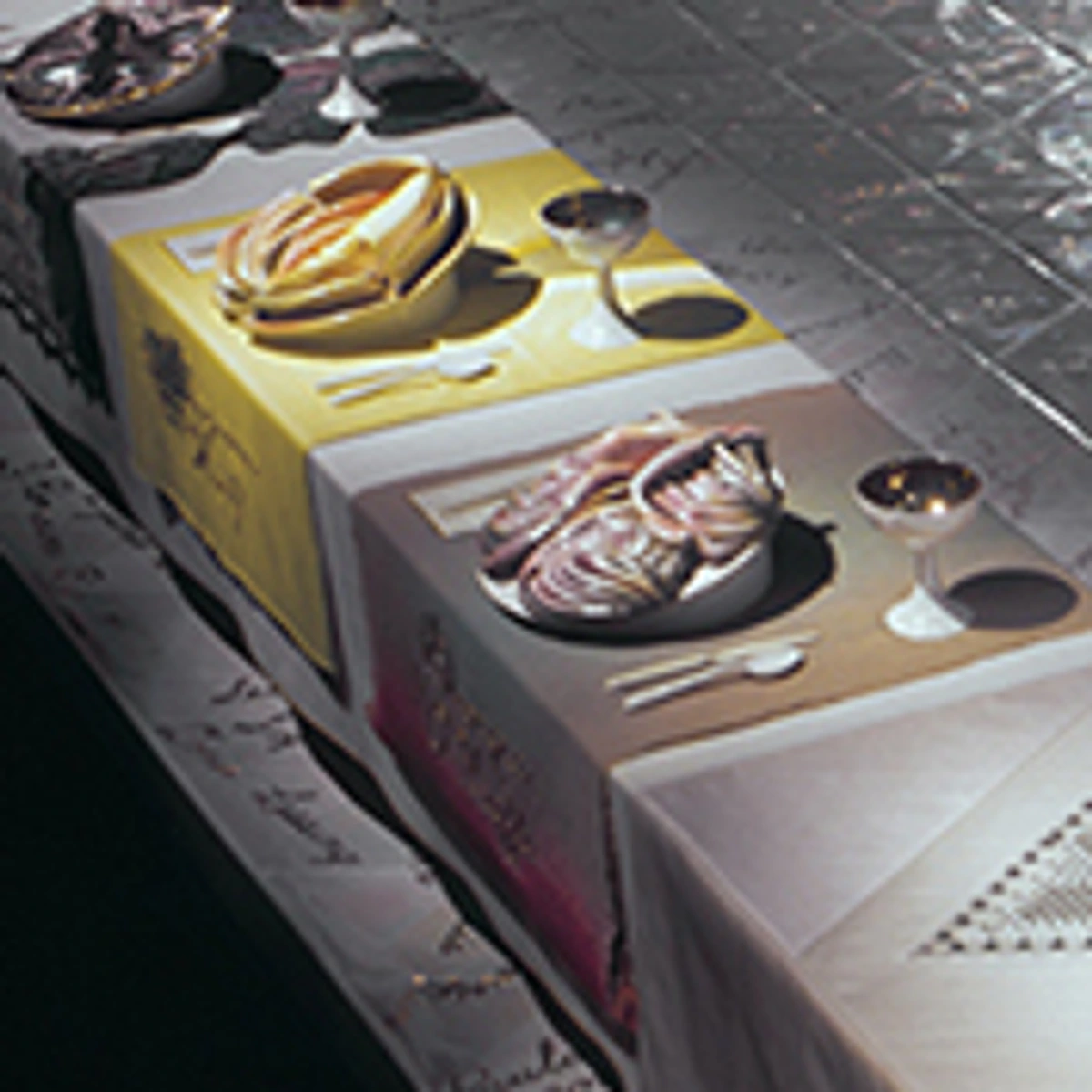
And the plates... oh, the plates. Most are sculpted with intricate, abstract forms that rise dramatically from the surface, often using complex slip casting (a ceramic forming technique where liquid clay, or slip, is poured into a plaster mold to create intricate hollow forms) and diverse glazing techniques (applying a glassy coating to ceramicware, then firing it at high temperatures for color and durability) to achieve their vibrant colors and dimensional effects. Many of these forms are based on butterfly or flower-like imagery, which also explicitly evoke the vulva.
credit, licence
Let's not be shy about this. This was, and still is, radical. In the 1970s, openly depicting female genitalia in art, especially in such a celebratory and prominent way, was deeply transgressive. Society at large, and the art world in particular, was deeply uncomfortable with female anatomy and sexuality being presented outside of a male gaze or for male consumption. To show the vulva in an art gallery, not as an object of shame or titillation, but as a symbol of power, creation, and identity – Chicago was quite literally serving up female power on a platter. Each plate's design evolves through history, from flat, almost two-dimensional forms representing primordial goddesses and early matriarchal (female-led) societies, gradually becoming more three-dimensional and assertive. This culminates in the fully-formed, explicitly vulvic images of later historical figures, symbolizing women's burgeoning, and often hard-won, freedom.
The Runners: Weaving Histories, Elevating Craft
The runners beneath them are just as significant. Using elaborate embroidery and needlework techniques specific to the historical period of each woman – from intricate cross-stitch and delicate lacework to complex quilting and needlepoint – they don't just decorate; they tell her story. Each stitch, each thread, is a deliberate act of narrative and honor. It's an act that elevates craft to the level of fine art, honoring the anonymous domestic labor and artistic skill of millions of women throughout history. Think of the uncredited women artists of the Renaissance like Sofonisba Anguissola (whose own artistry was often overshadowed by male contemporaries), or the needlework passed down through generations – these runners give voice to that silenced artistry, explicitly connecting it to the broader canon of art. It’s a powerful statement against the historical dismissal of textiles as mere utility rather than profound artistic expression. This insistence on valuing the 'domestic' and the 'craft' in high art was, and still is, a critical feminist intervention, demonstrating how the pedagogical approaches of the Feminist Art Program profoundly shaped the artwork's material choices and collaborative ethos.
The Triangle: Ancient Power, Modern Equality
Why a triangle? It’s certainly not your typical dinner table shape. For Chicago, the equilateral triangle is a potent symbol of equality. All sides are equal, all guests are equal. But the symbolism runs deeper. It's also one of the earliest universal symbols for the feminine divine, representing the goddess and female power in ancient cultures. Think of prehistoric fertility figures found across Europe, the triangular pubic forms in early art, or the symbolism in many indigenous spiritual traditions where the inverted triangle often represents the womb and the life-giving force of the earth. (It's fascinating how many cultures, from ancient Egypt to alchemy, have used the triangle to represent balance, unity, or transformation, though Chicago's focus was specifically on reclaiming and re-centering the feminine.) By choosing this shape, she's grounding her work in a history that predates and subverts patriarchal societies, offering an alternative vision of power.
The Heritage Floor: The Unseen Foundation of History
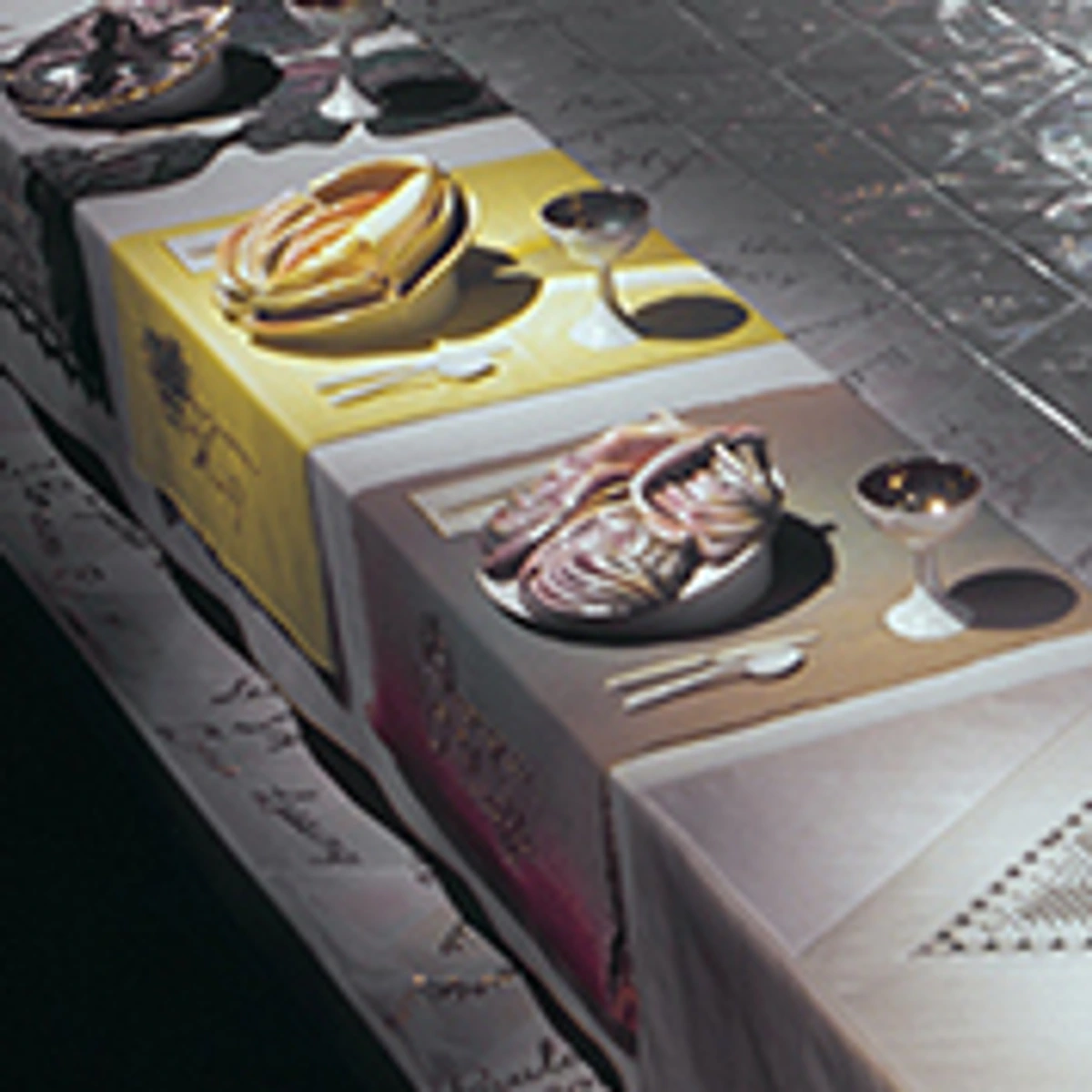
For me, this is the part that truly gives me goosebumps, a quiet power that resonates deeply. The 39 guests don't exist in a vacuum. Just as the triangle grounds itself in ancient feminine power, the foundation upon which the table rests – the Heritage Floor – provides a literal and metaphorical bedrock for these celebrated figures. Made of 2,304 hand-cast porcelain tiles, inscribed in gold on these tiles are the names of 999 other women who made significant contributions to history, but whose stories might otherwise remain untold. These are not just names; they are the bedrock upon which every celebrated achievement is built, a silent acknowledgment of the uncelebrated efforts that make progress possible. Imagine it like the invisible roots of a magnificent tree, supporting all the vibrant branches and leaves above – the strength lies beneath. These 999 women represent diverse fields: forgotten scientists, uncredited writers, tireless activists, pioneering artists in various crafts, midwives, healers, folk artists, domestic workers, nurses, educators, and the countless everyday laborers whose work sustained communities but was rarely recorded or deemed worthy of historical recognition. The practical challenges of identifying and verifying so many names meant relying on historical records, which themselves were often biased, but the immense effort to unearth them was paramount to Chicago's vision to correct historical omissions.
This is a powerful visual metaphor for invisible labor and the collective struggle. It shows that the achievements of the more 'famous' women at the table are built upon the foundation laid by countless others – the silent architects who innovated, the unrecorded innovators, the mothers, sisters, and activists whose efforts paved the way. It’s a beautiful representation of collective struggle and shared legacy. It reminds me of how artists like Artemisia Gentileschi and Frida Kahlo didn't just appear out of nowhere; they were part of a long, often silenced, lineage of creative women. It's also a powerful abstraction, much like the dynamic forms found in abstract art, where foundational elements create a deeper meaning for the whole.
[credit], [licence]
The Enduring Legacy and Its Echoes in Contemporary Art
But this monumental endeavor, so rich in meaning, wasn't met with universal praise. When The Dinner Party debuted, it ignited a firestorm of controversy. It was publicly attacked, called pornographic, labeled kitsch, and dismissed for its use of craft mediums. I can only imagine the sheer discomfort, perhaps even outrage, such an overt celebration of female anatomy and sexuality elicited from an art world still deeply rooted in patriarchal norms back then. The label "pornographic" was often hurled by an uncomfortable establishment that viewed any public celebration of female anatomy not mediated by a male gaze as obscene. "Kitsch," a term for art considered to be in poor taste or overly sentimental, was used to dismiss its aesthetic value, attempting to relegate its overtly symbolic plate designs and the perceived sentimentality of its embroidery to the realm of the domestic and amateur – exactly what Chicago was fighting against. It makes me wonder what kind of courage it took to stand by such a bold vision then, especially against dismissive sneers from a patriarchal art world (like the historical Royal Academy of Arts). Critics debated not only its explicit imagery but also the very criteria for selecting the 39 women – questions arose about perceived Eurocentric bias, the omission of certain figures, and the 'overtness' of its feminist message. Chicago's intention was always to represent a universal female experience, and the critique served as an invitation for future artists to continue the conversation.
For years, after touring major museums globally, this massive, profound piece of art had no permanent home, often packed away in storage, a poignant echo of how women's contributions themselves have historically been hidden or misplaced. The lack of a permanent home felt symbolic of the struggle for women's history to be taken seriously and given its rightful place. The ongoing technical challenges of its preservation and exhibition – from managing the delicate nature of the porcelain and textiles to ensuring consistent climate control and secure transport – further underscore the monumental effort required to sustain its legacy. And for those curious about art and its evolving forms, this tangible, collaborative, and historically grounded artwork stands in stark contrast to the ephemeral and often individualistic nature of modern digital art trends like NFTs. While both push boundaries, The Dinner Party's enduring physical presence and collective creation speak to a different kind of lasting value, one rooted in shared human effort and tangible materiality, often questioning the long-term, speculative value of purely digital assets.
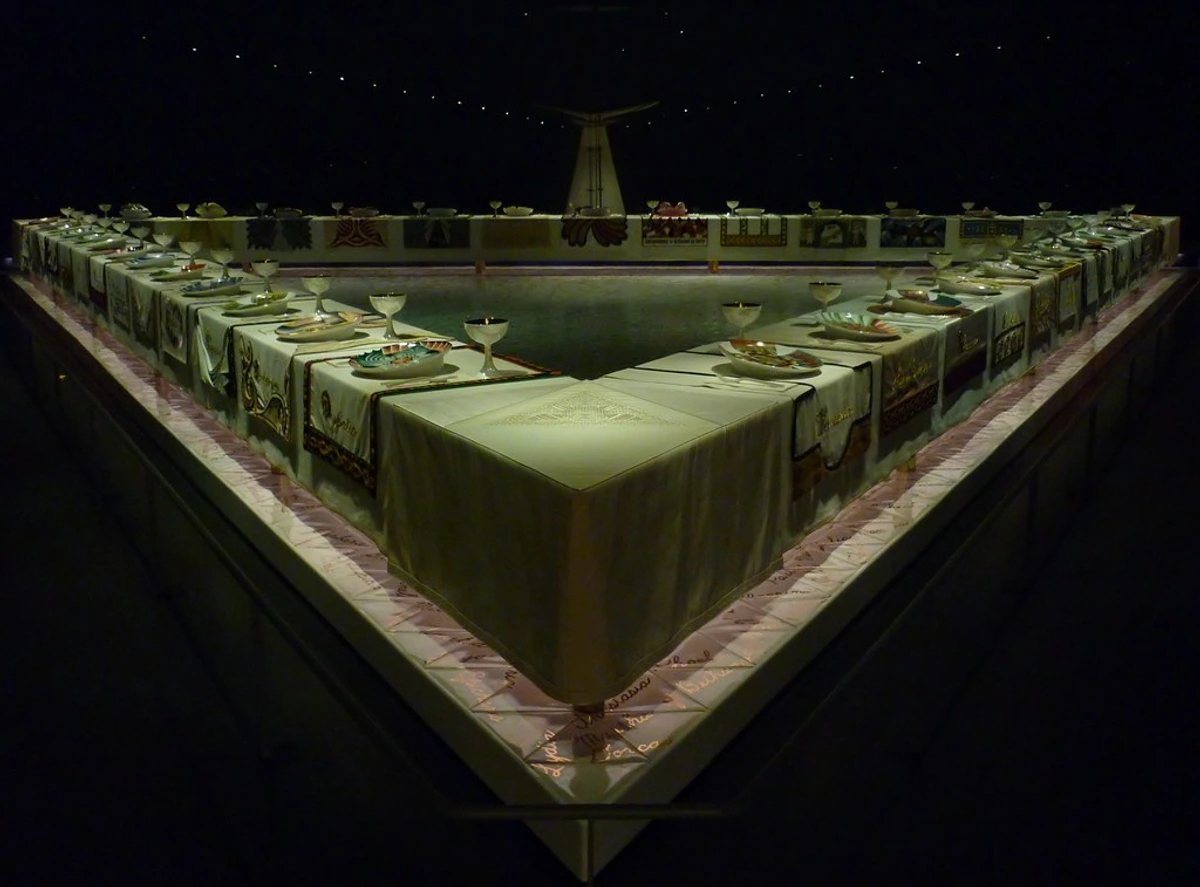
Yet, its power endured. It eventually found a permanent home at the Elizabeth A. Sackler Center for Feminist Art at the Brooklyn Museum, where it continues to inspire, provoke, and educate. Its influence is undeniable, paving the way for countless artists who use history, identity, and collective experience in their work – from the powerful silhouettes of Kara Walker (who similarly confronts difficult histories of marginalized groups through monumental, symbolic installations) to contemporary explorations of identity and representation. More broadly, it fueled the rise of feminist art installations globally, inspiring works like Martha Rosler's Semiotics of the Kitchen or Miriam Schapiro's Womanhouse (which Chicago herself co-founded), directly influenced by Chicago's innovative pedagogical approaches in the Feminist Art Program. These works, like The Dinner Party, critically examine women's roles, reclaim narratives, and challenge art institutions. It taught us that feminist art could be monumental, a spectacle, capable of reclaiming symbols, rewriting narratives, and demanding space in the hallowed halls of the art world. It's a physical, undeniable presence that says: we were here, we are here, and you will make room for us. Its bold use of color, form, and abstract symbolism also laid groundwork for a wide range of contemporary artistic expression, including vibrant and abstract works that prioritize emotional impact and innovative forms.
FAQ: Your Questions Answered About The Dinner Party
Many questions arise when encountering such a monumental piece. Here's a look at some of the most common ones, offering deeper insights into The Dinner Party's enduring significance.
Who is Judy Chicago? Judy Chicago (born Judith Sylvia Cohen in 1939) is a pioneering American feminist artist, art educator, and writer. She co-founded the first Feminist Art Program in the United States at California State University, Fresno (1970-71), and later at the California Institute of the Arts. Her work, characterized by large-scale, collaborative installations (such as The Birth Project and The Holocaust Project) and a commitment to elevating women's narratives, has been instrumental in shaping the feminist art movement and challenging the patriarchal art establishment. Her artistic evolution has consistently pushed boundaries, from early minimalist pieces to her later, overtly feminist work, consistently exploring themes of birth, power, and historical erasure. You can learn even more about her fascinating life and career in our Ultimate Guide to Judy Chicago.
Which women are featured at the table and why? There are 39 women, spanning from the Primordial Goddess to Georgia O'Keeffe, representing women across mythology, ancient history, and modern eras. The selection criteria focused on women who either symbolized important aspects of female experience (e.g., motherhood, activism), had been overlooked by history, or had made significant contributions as innovators in their fields or having a strong public voice. The extensive research involved often meant pragmatically focusing on areas where historical documentation was most accessible. For example, Sappho was chosen for her powerful poetry celebrating female love, and Hypatia for her groundbreaking philosophical and mathematical achievements in ancient Alexandria, often obscured by later male-centric histories.
The primary critique of the selection has often been its perceived Eurocentric bias, focusing predominantly on Western historical figures. Chicago has openly acknowledged this critique, stating that while the project's massive undertaking naturally drew from accessible research, her intention was always to represent universal female experience. This critique, however, isn't a dismissal but an invitation: it highlights how Chicago's work paved the way for subsequent artists to create their own "dinner parties" from more diverse cultural perspectives, extending the conversation she began and ensuring more inclusive historical representation. Here are just a few of the distinguished guests, seated across three wings of the triangular table:
Wing I (Prehistory to Roman Empire) | Wing II (Christianity to Reformation) | Wing III (American Revolution to Women's Revolution) |
|---|---|---|
| Sappho (Ancient Greek lyric poet, celebrated for her poetry about love and women) | Hildegard of Bingen (German Benedictine abbess, writer, composer, philosopher, mystic, and visionary) | Sojourner Truth (African American abolitionist and women's rights activist) |
| Hatshepsut (One of the most powerful female pharaohs of Ancient Egypt) | Eleanor of Aquitaine (Powerful queen of France and England, prominent figure in medieval European politics) | Susan B. Anthony (Leader in the American women's suffrage movement) |
| Boudica (Warrior queen of the ancient British Iceni tribe who led an uprising against the Roman Empire) | Artemisia Gentileschi (Baroque painter, known for dramatic canvases depicting strong female figures) | Virginia Woolf (English writer, considered one of the most important modernist 20th-century authors) |
| Hypatia (Neoplatonist philosopher, astronomer, and mathematician from ancient Alexandria) | Anna van Schurman (Dutch painter, engraver, poet, and scholar, known for her advocacy for women's education) | Georgia O'Keeffe (American modernist artist, known for her paintings of enlarged flowers, New York skyscrapers, and New Mexico landscapes) |



Why is it so important? Put simply, The Dinner Party was truly revolutionary. It was one of the first epic-scale artworks to celebrate the full scope of women's history, not as a sidebar, but as the main event. It unapologetically challenged the traditional definition of 'art' versus 'craft,' elevating historically dismissed mediums and forcing a re-evaluation of what can be considered 'fine art.' Critically, it brought feminist ideas, particularly the celebration of female identity and sexuality, to a massive, mainstream audience, sparking vital conversations that continue to this day about inclusion, representation, and who gets to tell history's story. Its collaborative methodology also profoundly influenced art education, advocating for more inclusive and supportive environments for artists, and directly shaped the development of subsequent feminist art movements and installations. It served as a blueprint for a new way of making and experiencing art, leaving an indelible mark on art history.
Where can I see The Dinner Party today? It is on permanent display at the Elizabeth A. Sackler Center for Feminist Art at the Brooklyn Museum in New York City (200 Eastern Pkwy, Brooklyn, NY 11238). If you ever get the chance to see it in person, I urge you to go. Standing there, surrounded by all that history, all that deliberate artistry, is a gut punch, a revelation, and a quiet roar all at once. Seeing art on a screen is one thing, but standing in its tangible presence is an entirely different experience, something I think about often when considering art at a place like the Den Bosch Museum. For current visiting hours and admission details, I always recommend checking the Brooklyn Museum's official website directly.
A Final Thought on Setting the Table
The Dinner Party is more than a historical document. It’s an invitation. It asks us to look around at our own worlds and see who is missing from the conversation. Who isn't getting a seat at the table in our workplaces, our governments, our media? Whose contributions are still relegated to the Heritage Floor of unrecognized labor (like in STEM fields, historical preservation, or community organizing)? Whose artistry is still dismissed because of its medium or its maker? It’s a powerful reminder that history isn't just something that happened. It’s a story we are constantly telling, constantly revising, and constantly challenging. And Judy Chicago, with her army of collaborators, gave us a powerful, beautiful, and audacious new chapter – a permanent seat at the table for every woman who came before, and every woman yet to come.
So, as you move through your own world, I urge you to actively seek out and create those inclusive spaces where all voices are heard and all contributions are valued. Notice the 'empty chairs' in your own sphere. Whose stories are being overlooked? Whose contributions deserve a more prominent place? Perhaps start by amplifying a silenced voice in your community, researching an overlooked historical figure, or supporting initiatives that actively bring marginalized histories to light. For me, The Dinner Party didn't just teach me about women's history; it reshaped how I view every collective endeavor, reminding me that true progress is always built on the visible and the invisible, the celebrated and the unacknowledged. It made me want to go out and set more tables.

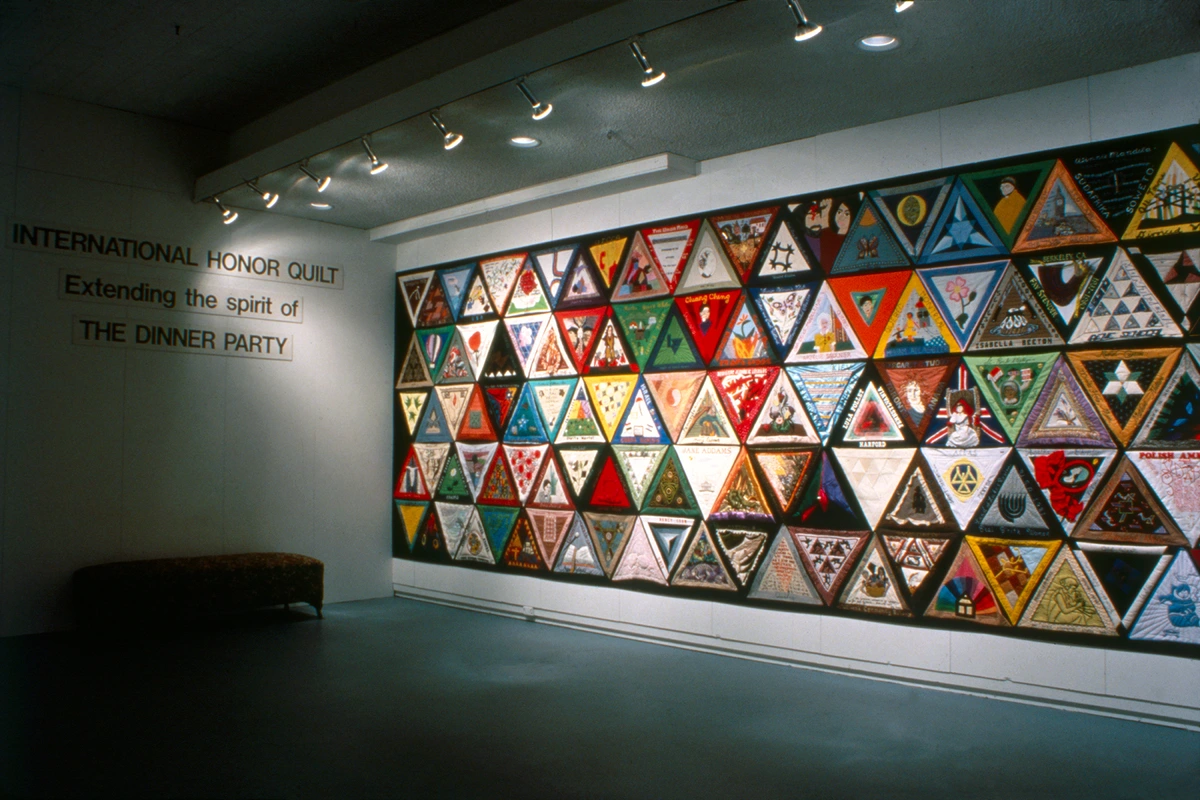
[credit], [licence]