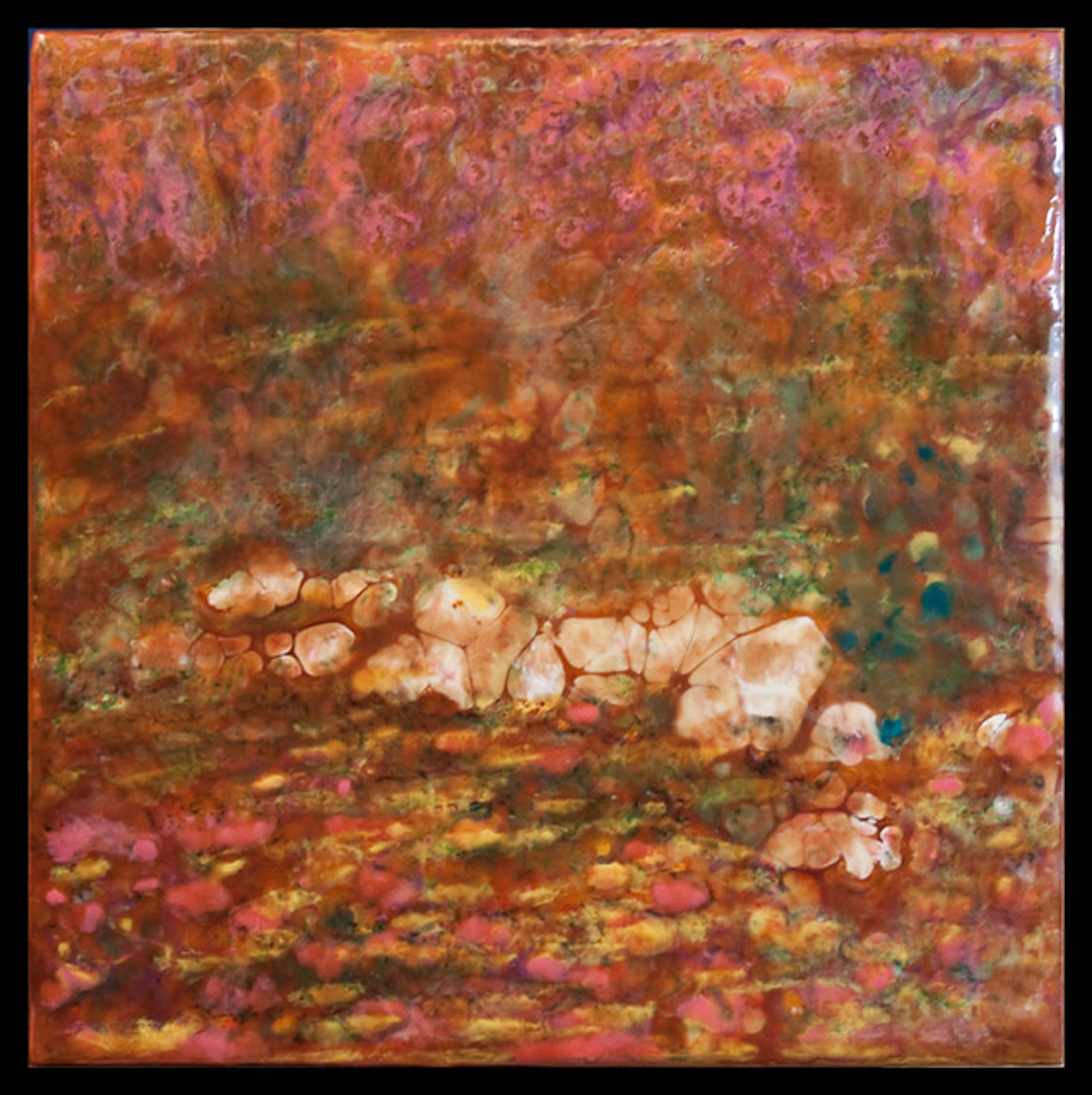
How to Style a Bookshelf with Art: Your Ultimate Guide
Transform your bookshelves from mere storage to curated art displays. Discover personal tips on styling with prints, sculptures, and objects to create engaging, meaningful vignettes.

How to Style a Bookshelf with Art: Your Ultimate Guide
I’ve always thought of bookshelves as more than just homes for books. For me, they’re miniature galleries, personal narratives unfolding across shelves, little stages where stories of imagination and experience play out. They are, in essence, a reflection of our inner worlds made manifest. And honestly, for a long time, my own bookshelves were a bit of a chaotic mess. Stuffed with books, yes, but lacking that intentional spark, that je ne sais quoi that makes you pause and truly look.
Then I started experimenting with art. And oh, what a difference it made! Suddenly, those functional rectangles of wood or metal became vibrant focal points, expressions of my personality as much as my literary tastes. They transformed from mere storage into dynamic compositions, each shelf a curated scene waiting to be explored. If you're looking to elevate your own shelves from mere storage to something truly special, something that whispers tales of your passions and aesthetics, you've come to the right place. We're going to dive deep into how to transform your bookshelves with art, making them not just organized, but utterly captivating and deeply personal. It's about injecting soul into your shelves, making them sing with your unique style.
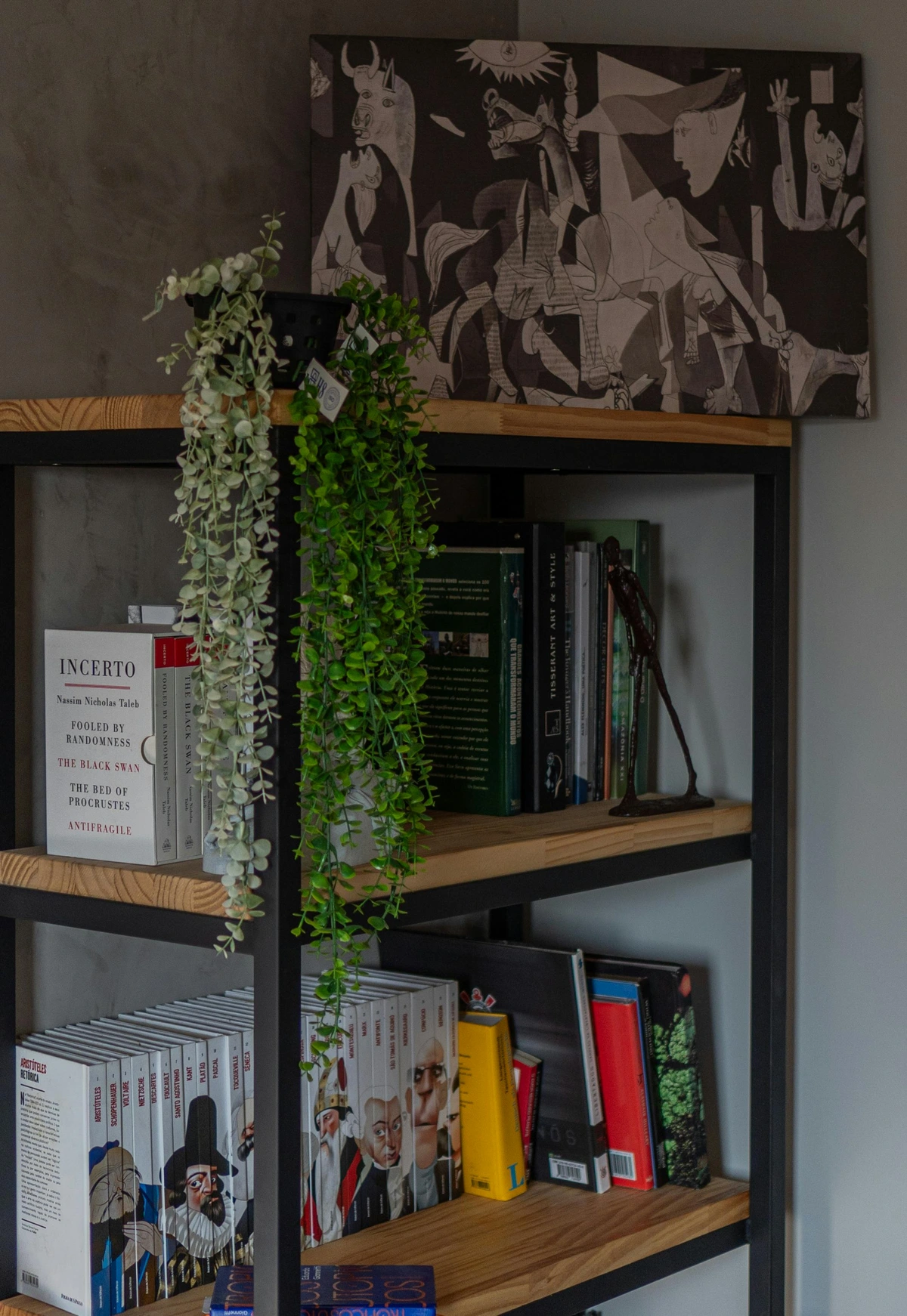
Why Bring Art to the Bookshelf Party?
Before we get into the how, let's chat about the why. You might be thinking, "Aren't books art enough?" And yes, absolutely they are. The prose, the poetry, the illustrations – they all sing. But integrating other forms of art – be it a small sculpture, a framed print, or even a quirky decorative object – does something magical, something additive. It adds layers, texture, a sense of narrative depth, and a personal touch that books alone can't quite achieve. It's about creating a rich dialogue between your literary treasures and visual aesthetics, transforming a functional item into a personal curio cabinet that reflects the breadth of your interests.
Beyond aesthetics, there's a certain energy that art brings. It can create a sense of harmony, a point of visual interest, or even a delightful surprise. Imagine a cozy corner with a well-loved armchair, a cup of tea, and a bookshelf that tells a story not just through its titles, but through the little worlds you’ve built within its compartments – a tiny ceramic bird perched atop a Dickens novel, or a vibrant abstract print peeking out from behind a collection of travel guides. It's an invitation to linger, to explore, to feel inspired, to escape into your own carefully crafted universe. This is also a fantastic way to display smaller, more intimate pieces of art that might get lost on a large wall or feel out of place in a more formal gallery wall, allowing them their own stage to shine.
The Ensemble Cast: Types of Art Perfect for Shelves
When I first started, I thought "art" only meant framed paintings. Boy, was I wrong! The beauty of shelf styling is the freedom to play with a diverse cast of characters. Here are some of my favorite types of art to bring into the bookshelf fold:
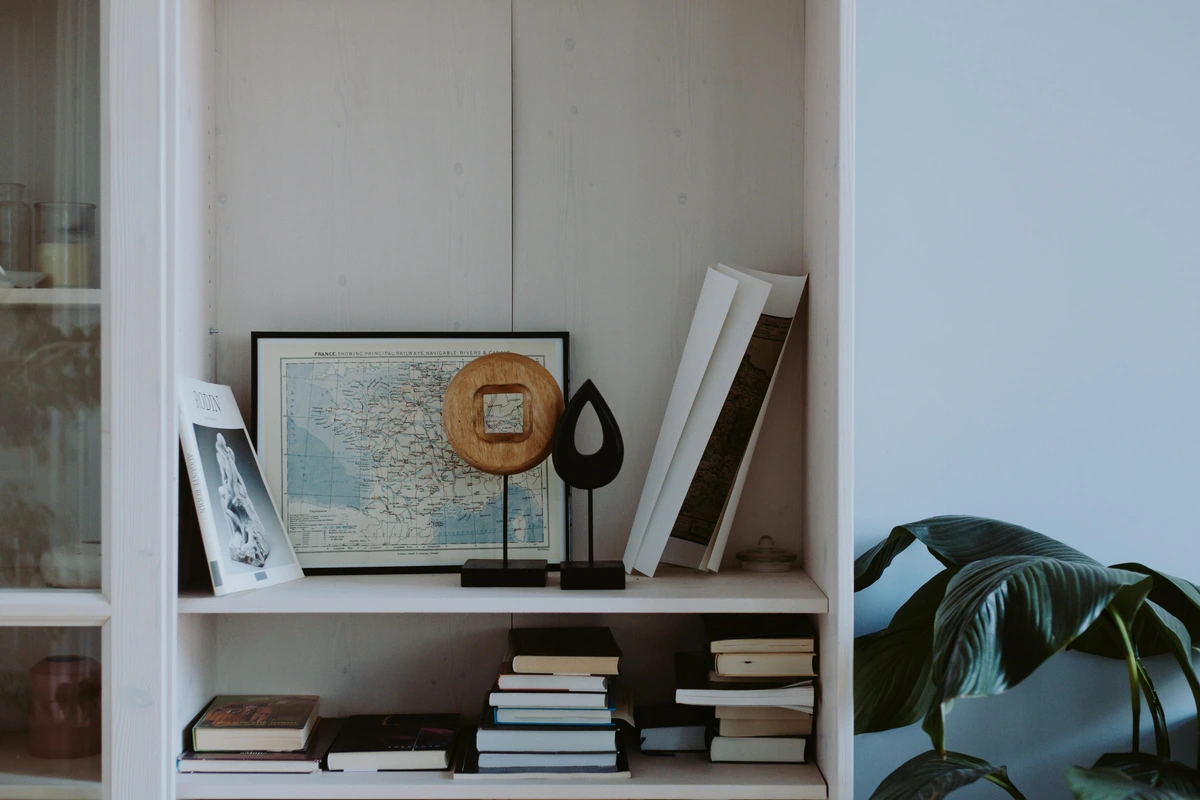
1. Small Framed Prints and Paintings
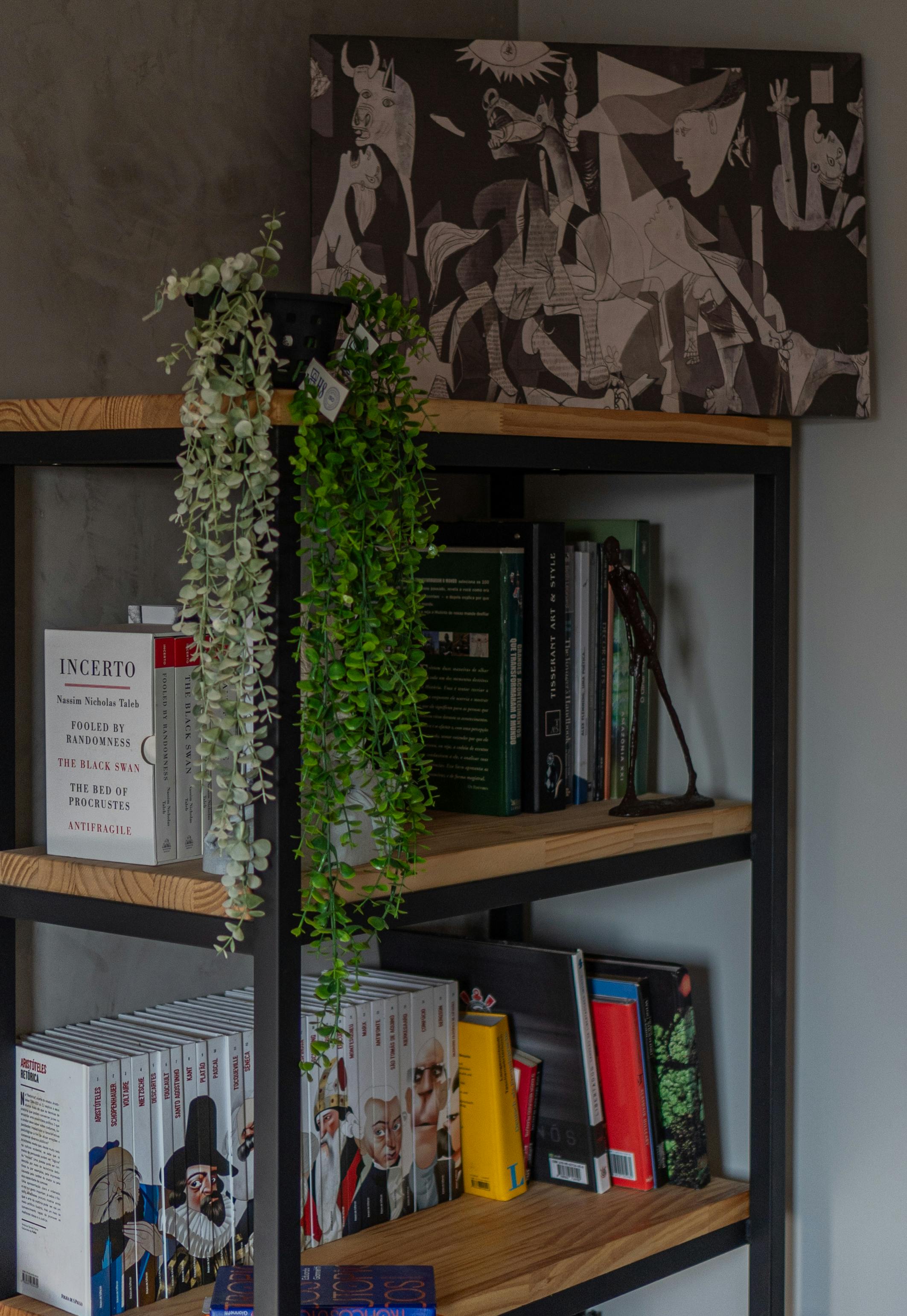
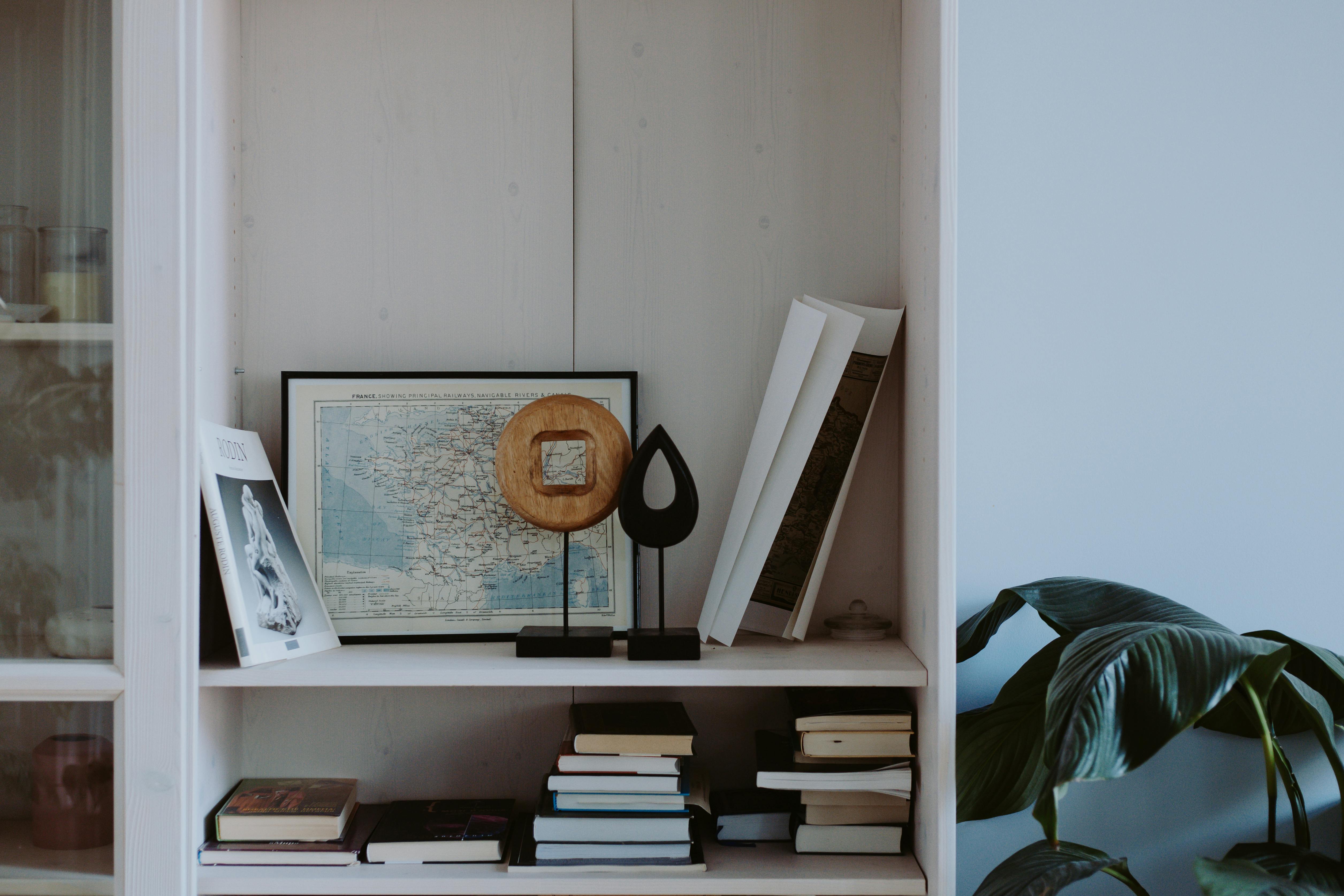
These are probably the most intuitive. Small prints, photographs, or original artworks in beautiful frames can lean against the back of a shelf, peeking out from behind a stack of books, or even stand alone. The key here is scale. You want pieces that complement the height and depth of your shelves, not overwhelm them.
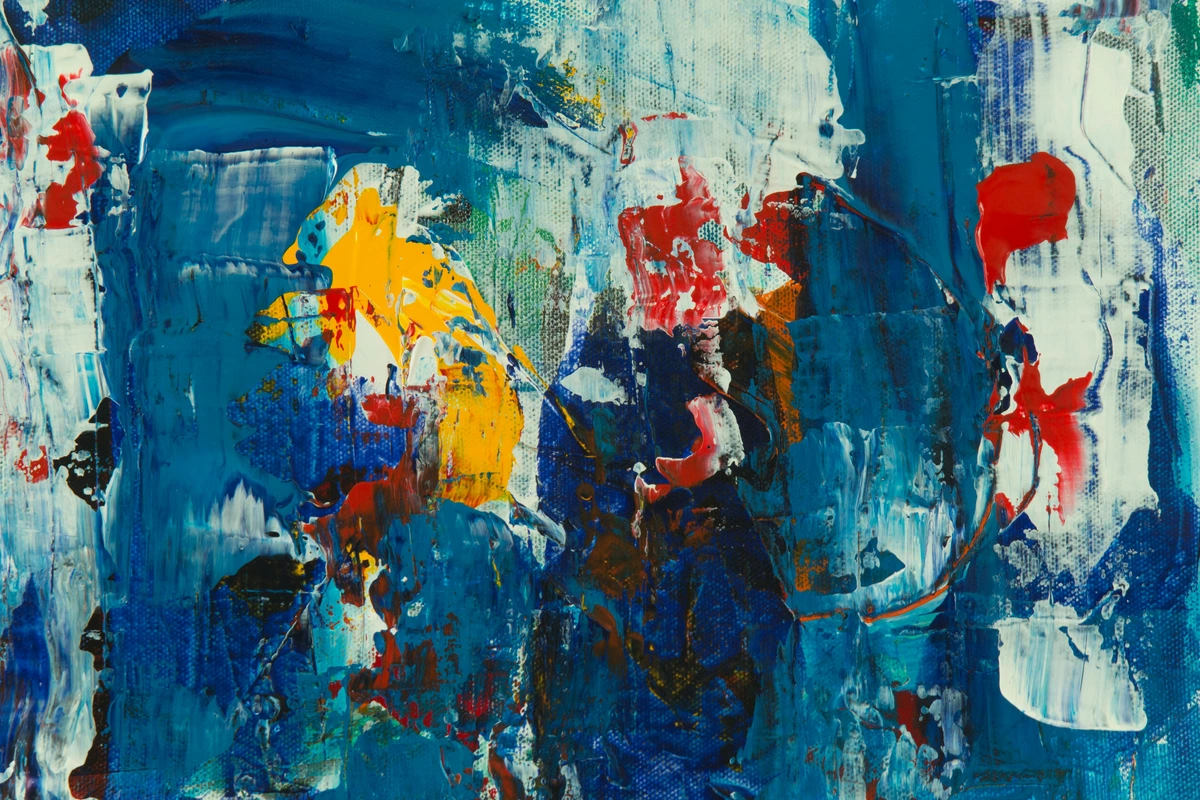
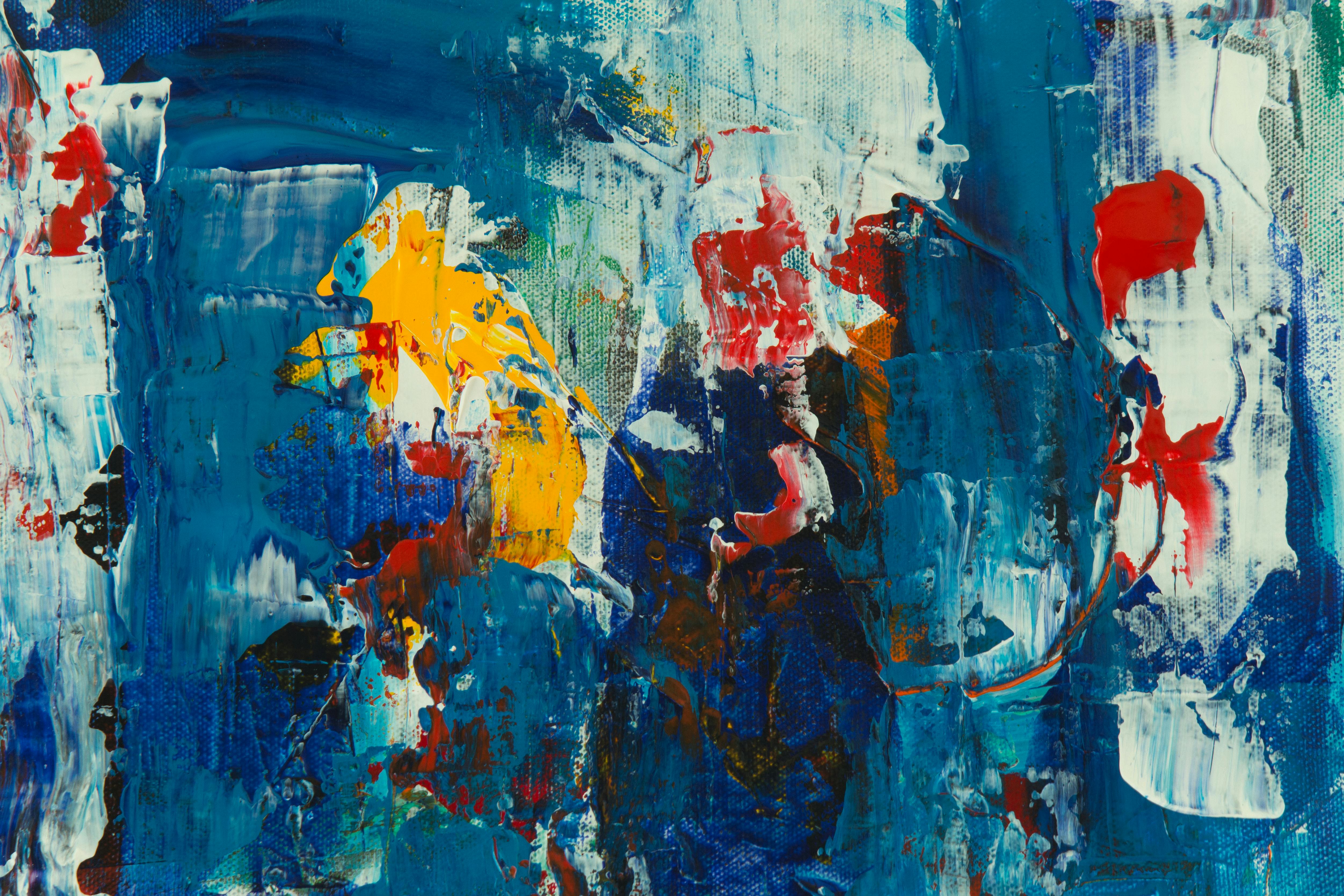
I often find myself drawn to abstract art for this – its versatility allows it to blend seamlessly with various book spine colors and textures without clashing. If you're building your collection, perhaps consider your first abstract piece with smaller prints in mind.
2. Sculptural Objects and Ceramics
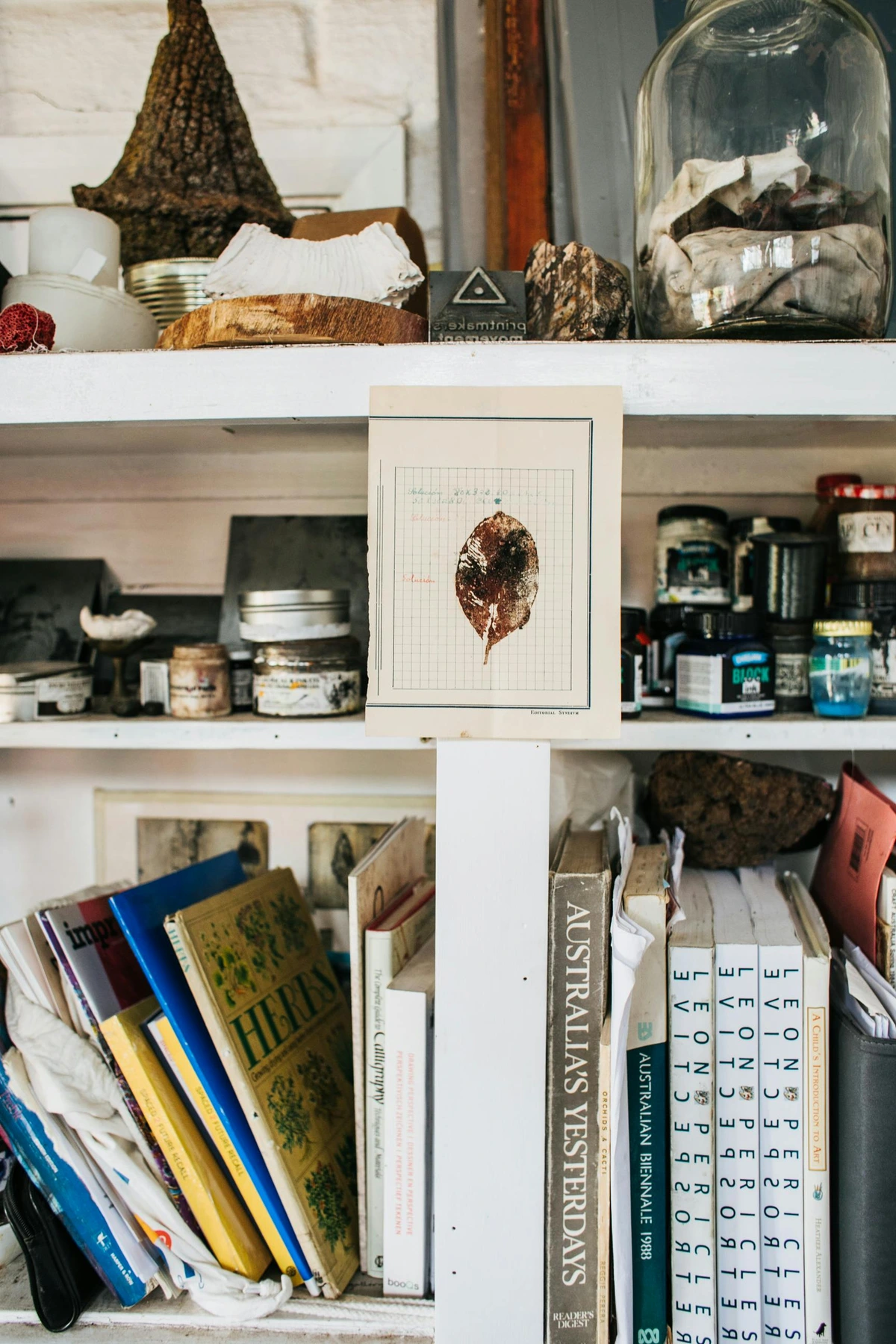
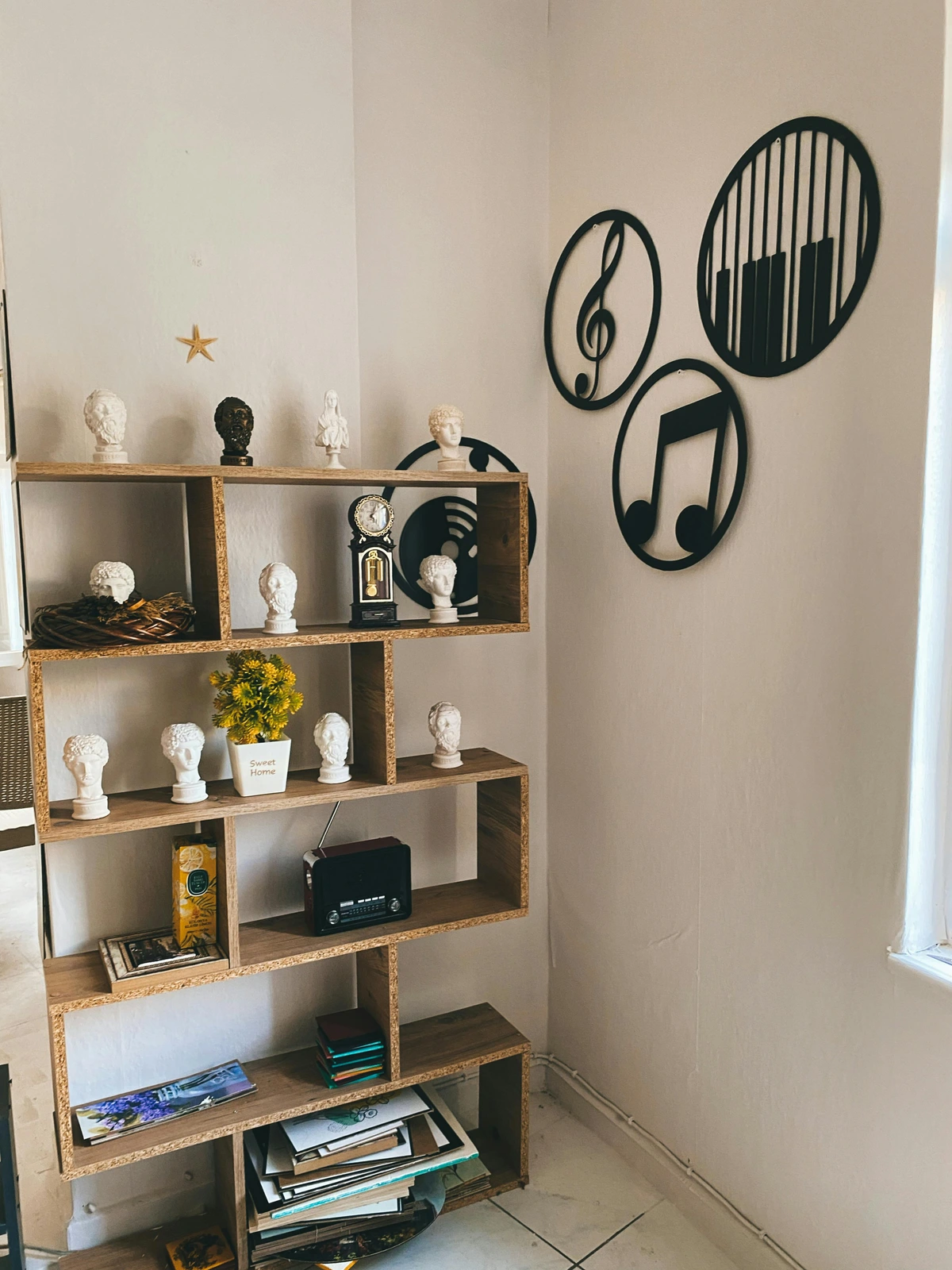
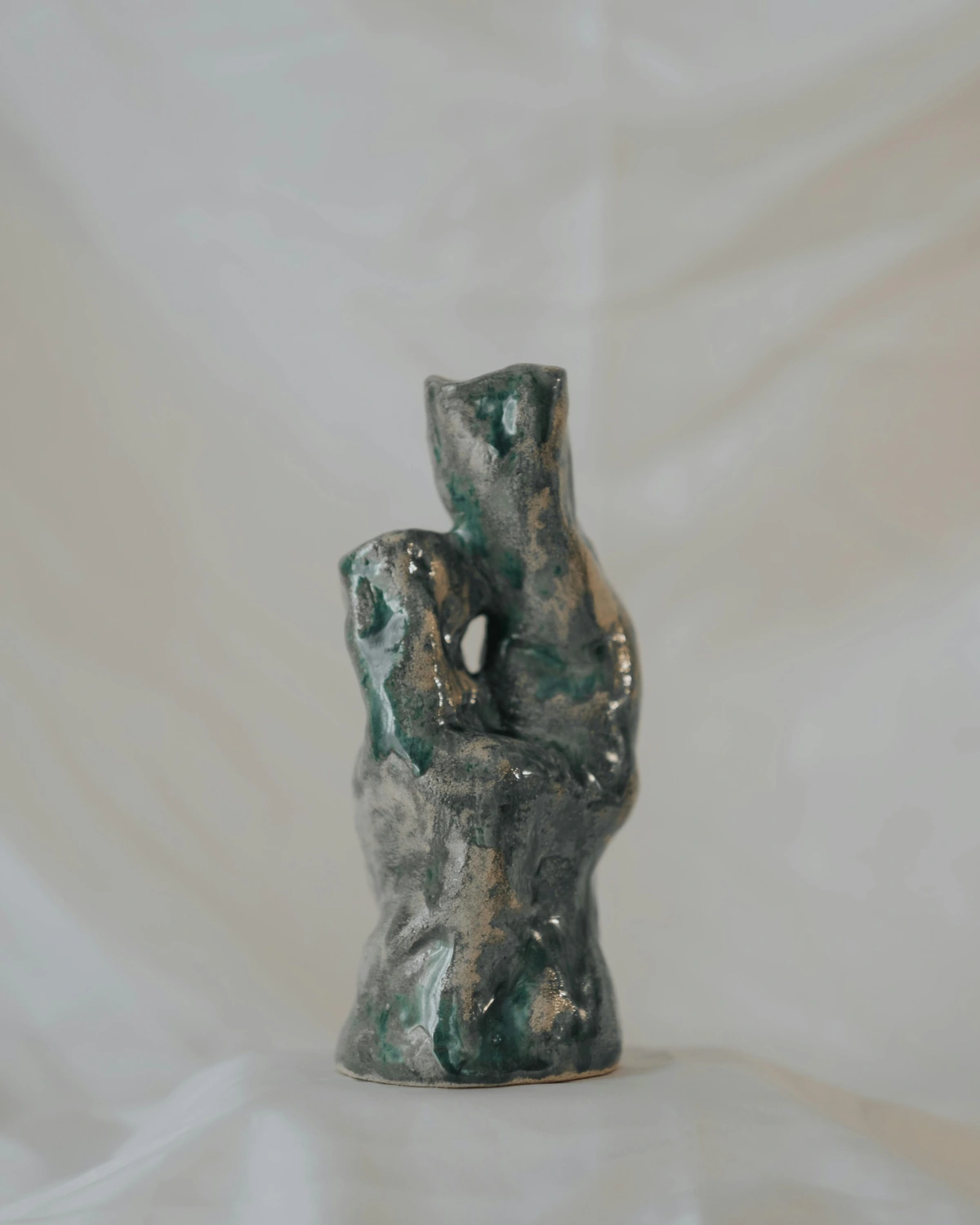
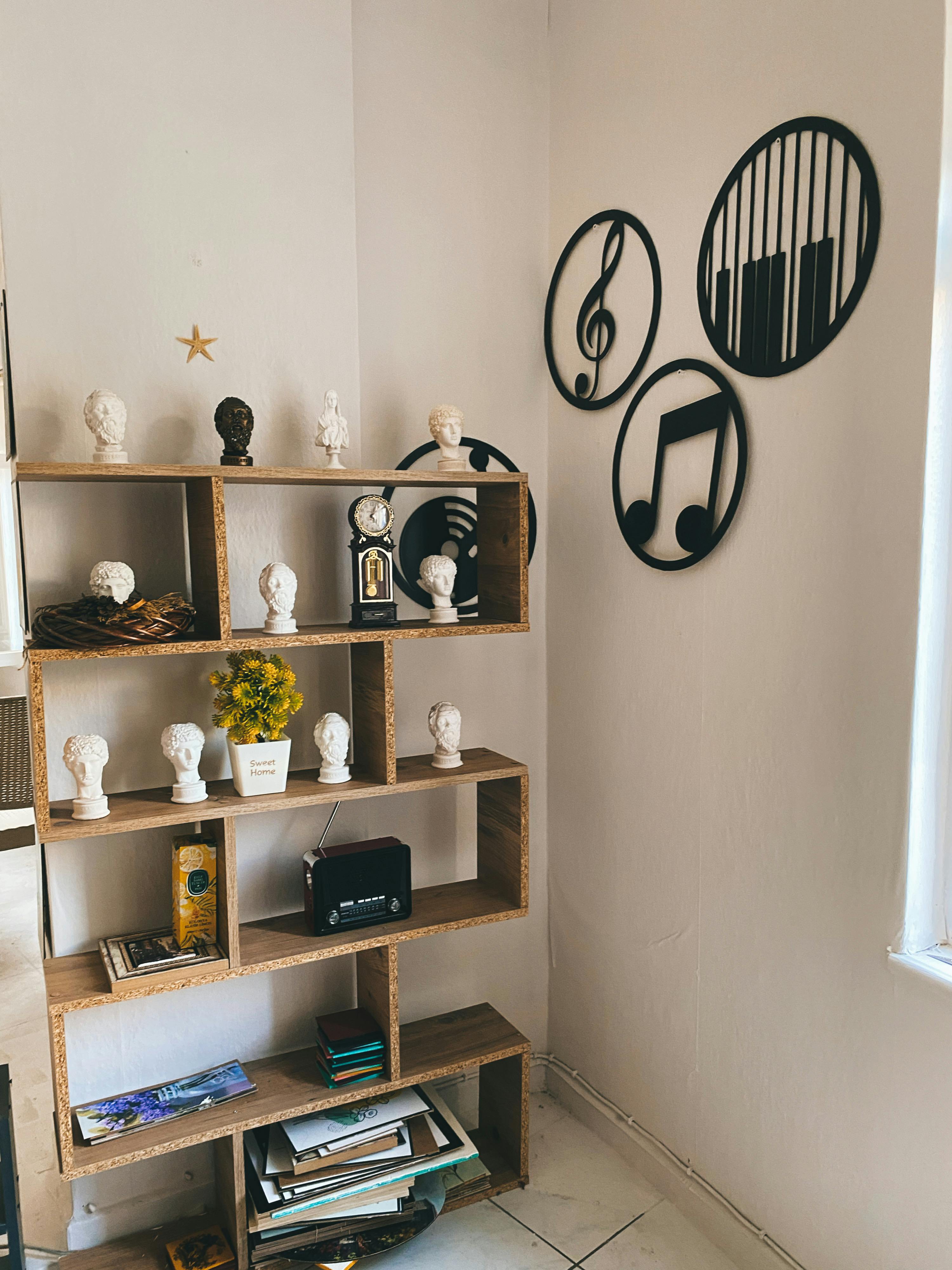
Ah, the joy of three-dimensions! Sculptures, ceramic vases, pottery, busts, or even interesting natural elements like driftwood, unique stones, or coral, add an incredible sense of depth and tactile interest. They break up the linearity of books and introduce organic forms, creating a captivating visual rhythm. Think about how a smooth, minimalist ceramic piece can contrast beautifully with a stack of old, worn hardcovers, or how a rough, textured sculpture can sit alongside glossy art books.
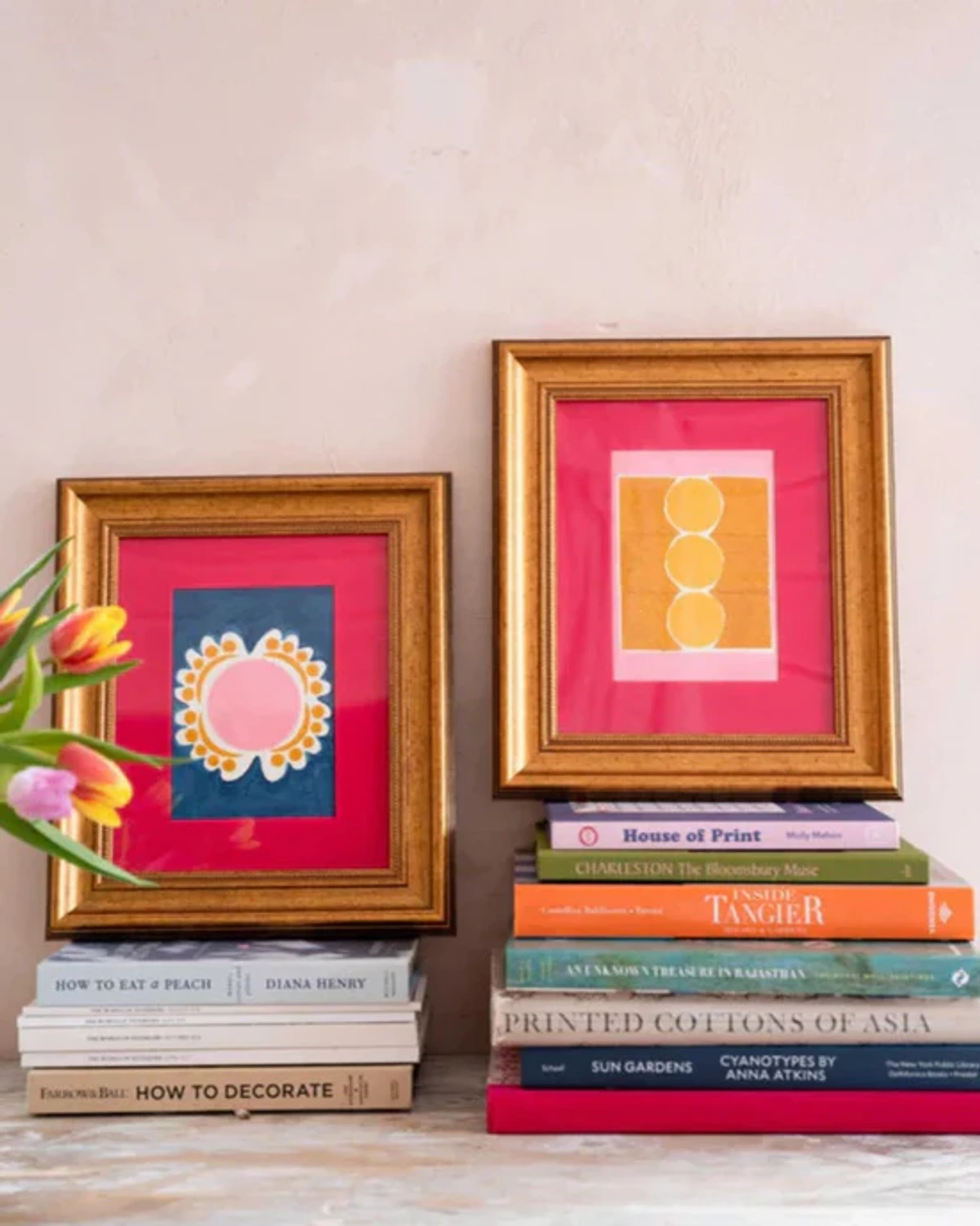
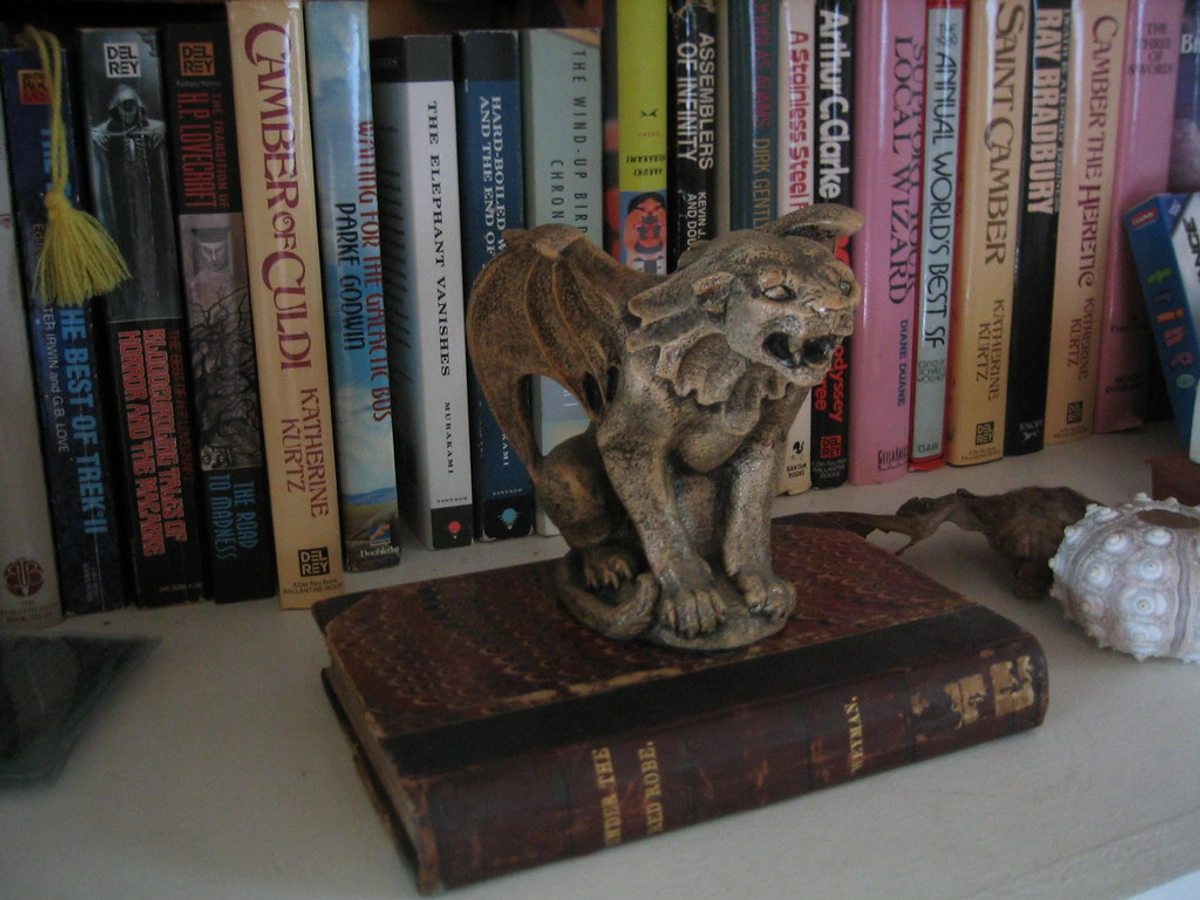
I remember finding this incredibly quirky little ceramic bird once – totally out of place in a dusty antique shop – and it now perches proudly on my fiction shelf, a tiny guardian amidst literary adventures. These pieces are conversationalists, often carrying their own history and charm. If you're looking to start incorporating these, you might find inspiration in how to incorporate sculptural art into modern interiors more broadly. And don't underestimate the power of a classical bust; it instantly adds an air of sophistication and gravitas to any shelf, even if it's just a small replica.
3. Decorative Objects as Art
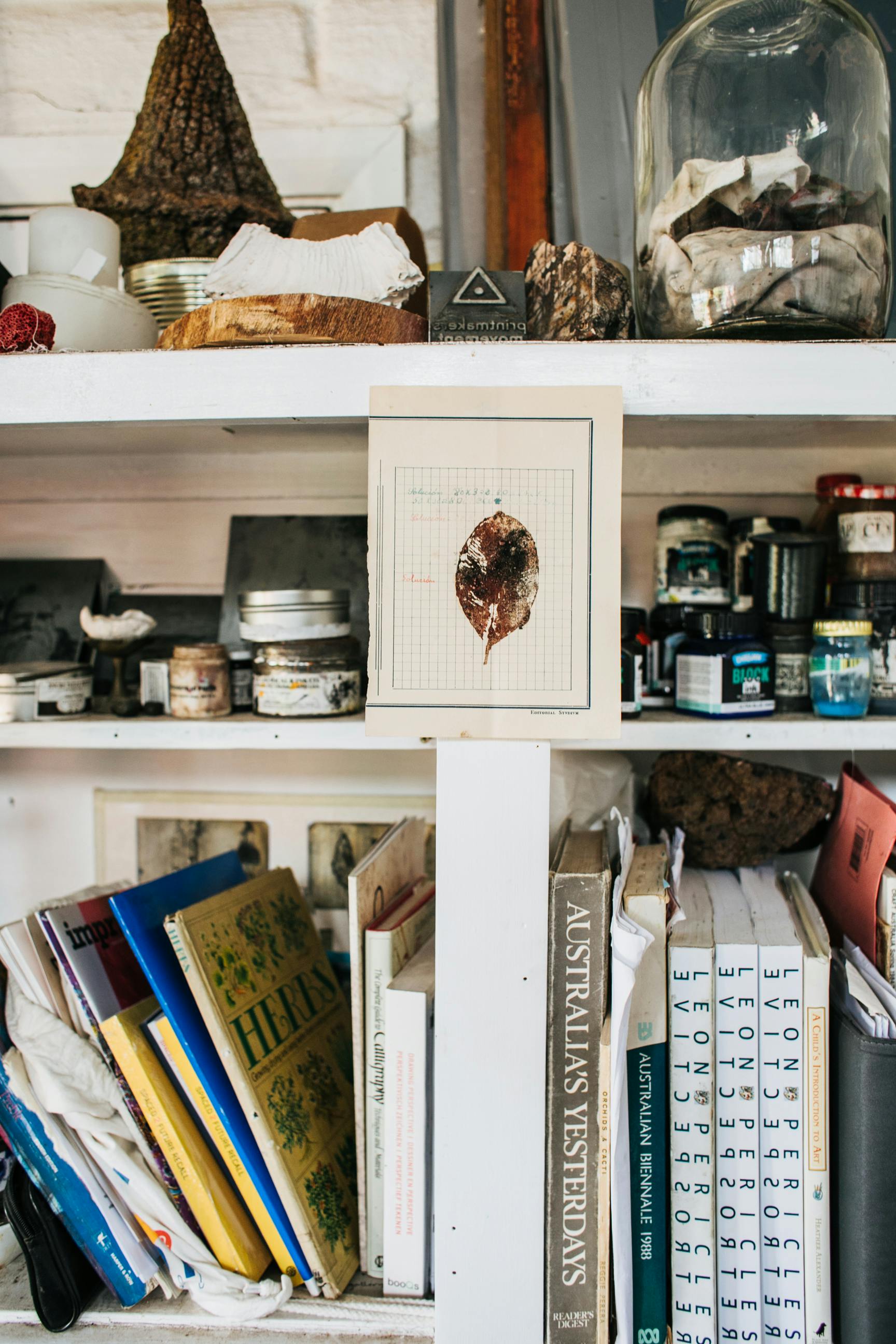
This is where the line between "decor" and "art" beautifully blurs, and honestly, I think that's where the most personal magic happens. A beautifully designed bottle, a vintage camera, an intriguing geological specimen, an antique globe, unique bookends, or even a stack of uniquely bound art books can all function as artistic elements. The trick is to select items that have intrinsic beauty, interesting form, or a story behind them. It's about finding that unique item that speaks to you, that catches your eye, even if it wasn't originally conceived as fine art.
I once used a tiny, intricate clock from a flea market as a centerpiece for a small shelf. It wasn't a masterpiece in the traditional sense, but its delicate gears and aged brass gave the whole section a whimsical, thoughtful vibe, a little wink of history. These pieces, much like abstract art, often transcend traditional notions of decorating with different art styles because their appeal is so deeply personal. Don't be afraid to display a cherished souvenir from a trip, a family heirloom, or even a child's artistic creation – if it holds meaning for you, it belongs on your shelves.
4. Textiles and Soft Elements
Who says art has to be rigid? Sometimes the soft touch of a textile is just what a shelf needs. Think about a small, beautifully patterned fabric swatch draped artfully, a miniature tapestry leaning against the back, or even a vibrant scarf folded precisely. These elements introduce a wonderful sense of warmth, softness, and an unexpected textural contrast to the hard lines of books and shelves. They can also be a fantastic way to incorporate color and pattern without the commitment of a framed piece.

5. Small Mirrors and Reflective Surfaces
Don't underestimate the power of reflection! Small framed mirrors, or even objects with highly polished, reflective surfaces, can do wonders on a bookshelf. They catch the light, add a subtle sparkle, and create an illusion of depth, making your shelves feel more expansive. A tiny convex mirror, for instance, can add an antique charm and a fascinating focal point.
The Art of the Arrangement: My Go-To Styling Principles
Alright, you’ve gathered your cast of characters, your potential masterpieces and intriguing objects. Now for the truly fun part: putting it all together! This is where your personal director's vision comes into play. Think of these as guidelines, not rigid rules – your shelves should reflect you, your journey, and your unique aesthetic. It’s a dance between intentional design and intuitive placement.
Now for the fun part: putting it all together! Here are the principles I swear by when styling a bookshelf. Think of these as guidelines, not rigid rules – your shelves should reflect you.
1. The Power of the Vignette
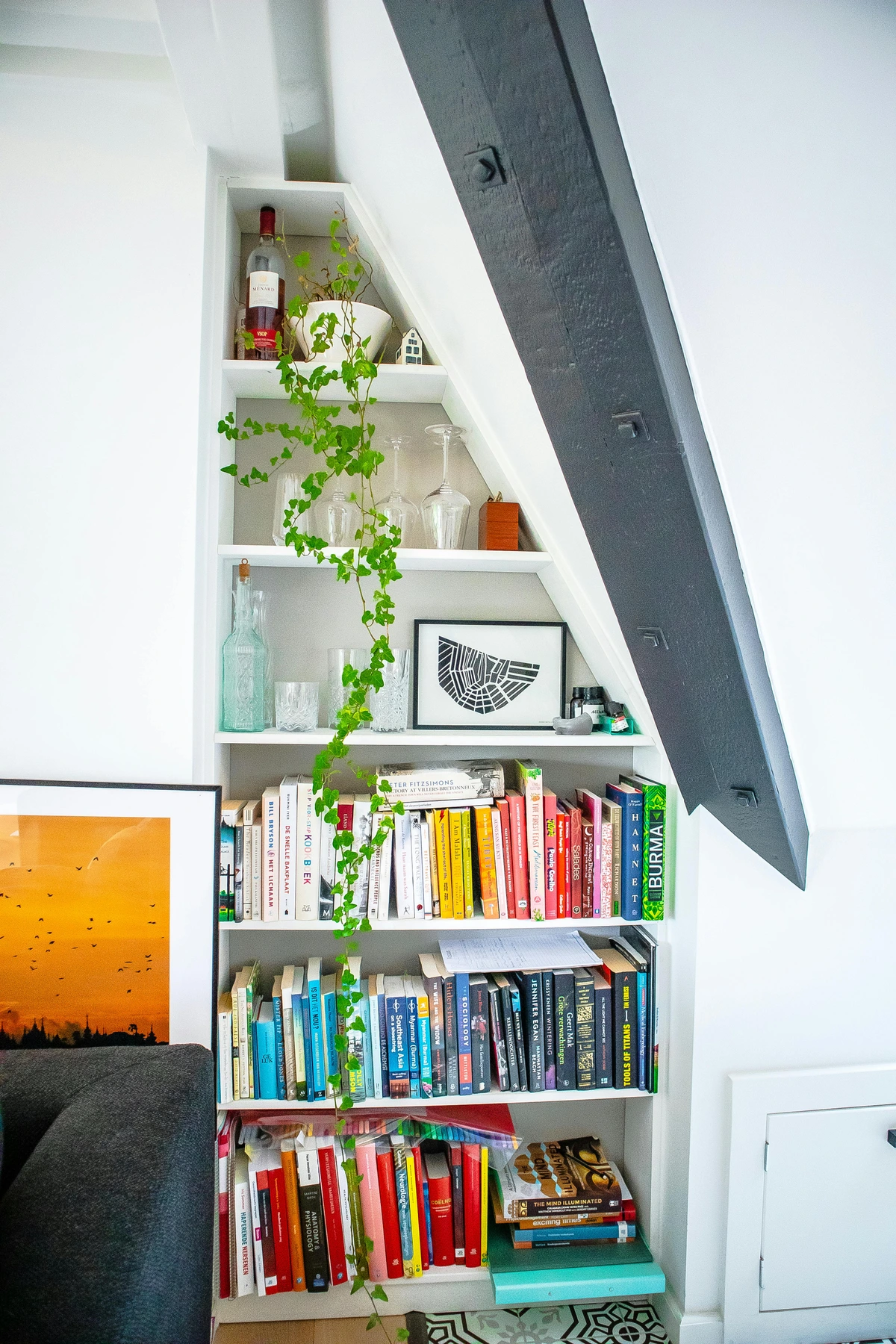
Instead of treating each shelf as a separate entity, a solitary stage, I think about creating small, self-contained vignettes. A vignette is a mini-composition of 3-5 items that, when grouped together, tell a visual story or evoke a particular mood. This could be a stack of books, a small framed print leaning against them, and a sculptural object in front. The magic happens when you vary heights, textures, and forms within each vignette, keeping the eye moving and inviting closer inspection. I often find the "rule of three" (or any odd number) works wonders for grouping items – it just feels naturally balanced and dynamic.
2. Balance, Not Symmetry
This is a big one, and it's where a lot of people get tripped up. Unless you're intentionally going for a super minimalist, perfectly mirrored symmetrical look (which can be stunning, but often hard to achieve without looking sterile or forced), aim for visual balance rather than exact symmetry. Think of it like a seesaw: you want both sides to feel equally weighted, even if the objects on each side are completely different. If one side of a shelf has a tall stack of books, balance it with a shorter stack and a substantial sculpture on the other, or a few smaller, heavier-looking items. It's about distributing visual weight evenly, creating harmony without demanding identical twins on either side.
3. Layering is Your Best Friend
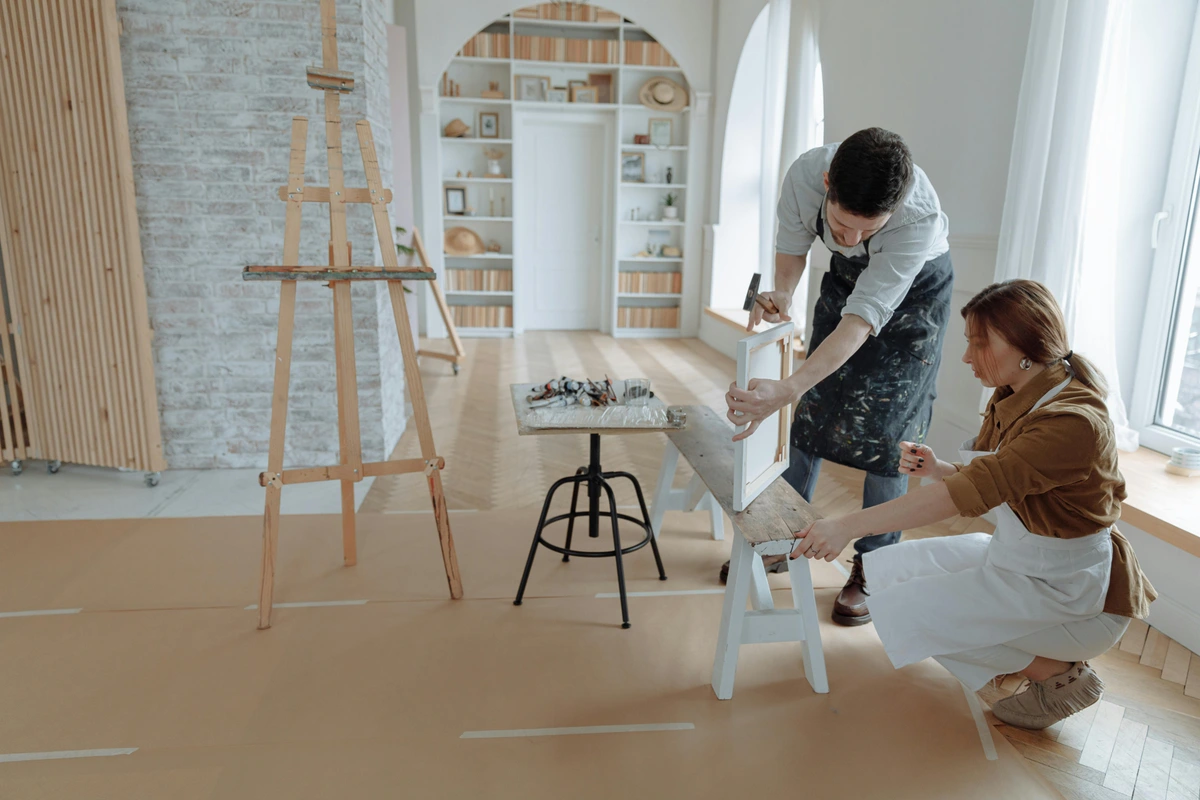
Layers add depth, mystery, and make your shelves feel rich and considered, rather than flat and one-dimensional. It's like building a little scene. Place a larger framed print at the back, perhaps slightly leaning against the wall, then a medium-sized sculpture or a stack of horizontal books in front of it, and then a small, interesting object or a few vertically standing books in the foreground. This creates visual interest, draws the viewer in, and invites them to discover more as their eye moves from front to back. It’s a bit like the alchemy of layers in my own abstract paintings – each layer adds to the overall narrative and allows the eye to explore different planes.

4. Play with Horizontal and Vertical
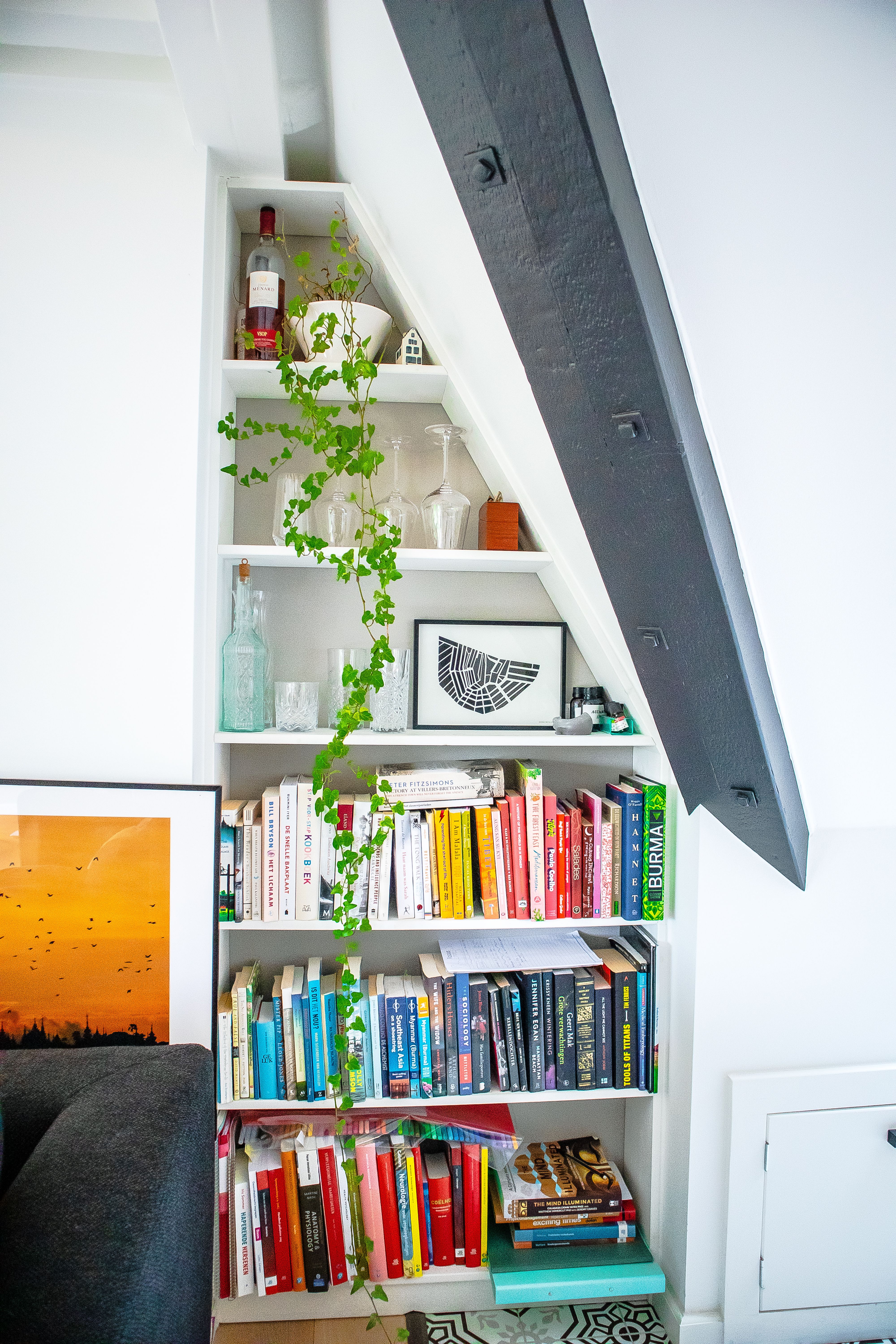
Not all books need to stand upright! Stacking some horizontally can create a solid base for placing a small art object on top. This variation breaks up monotony and adds visual rhythm. I usually aim for a mix: some vertical stacks, some horizontal piles, and then art interspersed.

5. Embrace Negative Space
Resist the urge to fill every single inch! Negative space – the empty areas – is just as important as the filled ones. It gives your eyes a place to rest and allows individual pieces to breathe and stand out. A sparse shelf can be incredibly impactful, drawing attention to the few perfectly chosen items it holds. Overcrowding is a common mistake that can make even beautiful pieces look like clutter. Sometimes, less is genuinely more, especially when you want to maximize art impact in small spaces.
6. Consider Color and Texture
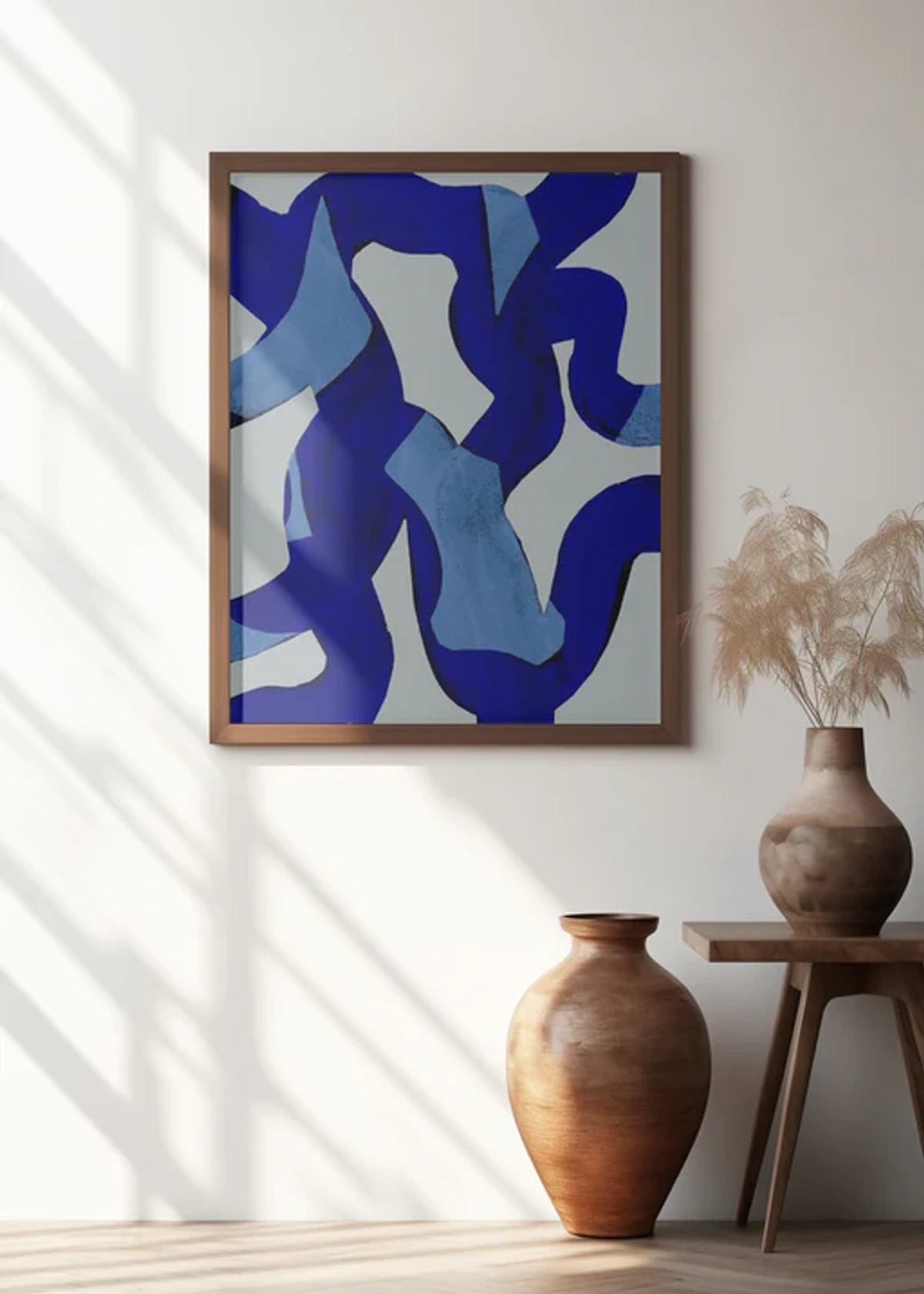
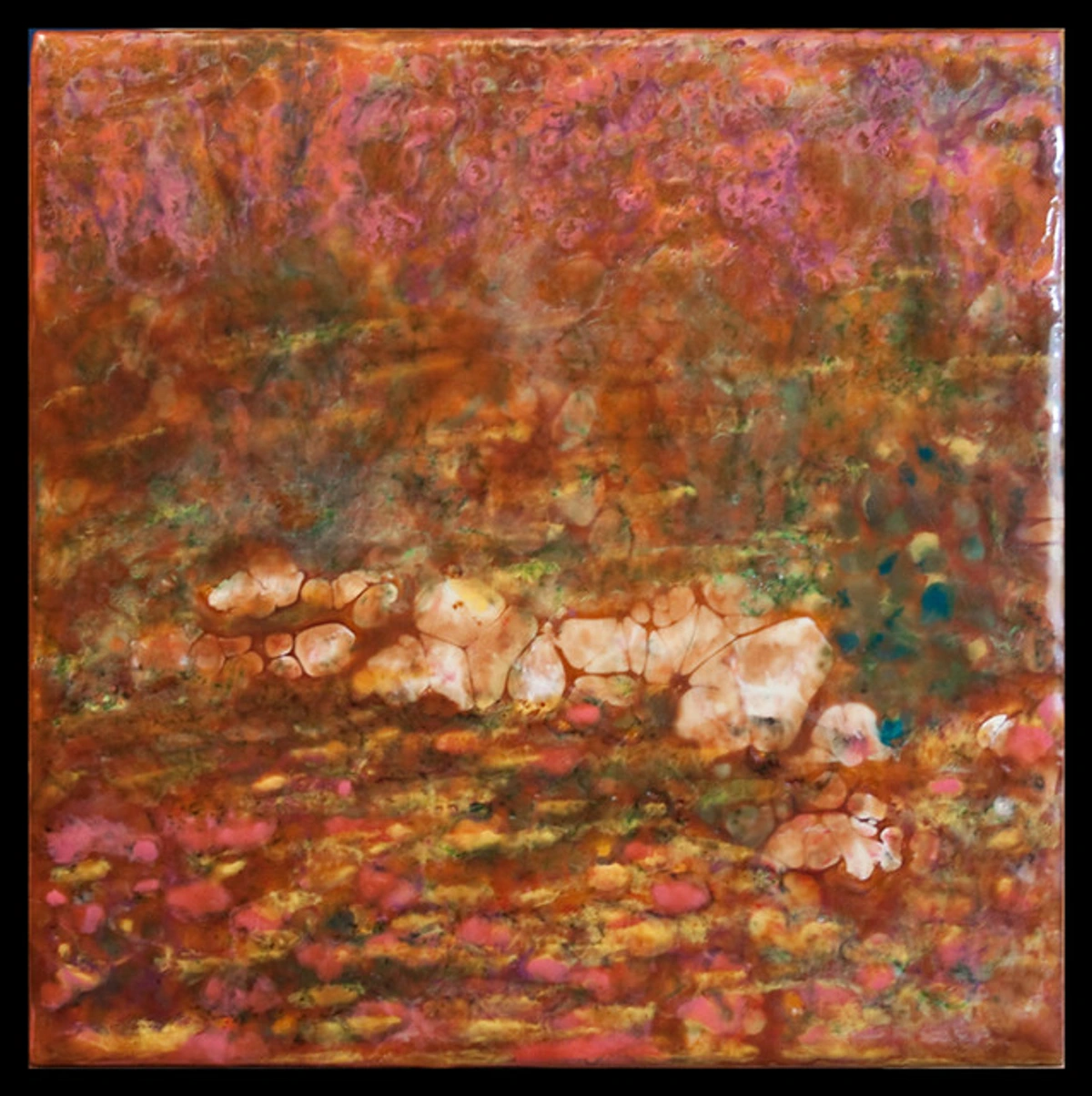
Think about the overall color palette of your room and how your bookshelf art can either complement it subtly or provide a deliberate, exciting pop of contrast. Do you have a lot of warm, earthy tones? A cool-toned ceramic piece or a deep blue abstract print could be strikingly effective. Are your books mostly neutral, perhaps a sea of whites and grays? A vibrant small painting or a boldly colored decorative object could be just what you need to infuse life. The same goes for texture – it's often overlooked but incredibly powerful. Mix smooth metals with rough pottery, soft fabrics with hard wood, glossy finishes with matte ones. It's like composing a visual symphony, where each element plays a part in the tactile and visual experience. Don't forget the power of repeating a certain color or texture across different shelves to create a sense of cohesion and flow.
7. Repetition for Rhythm and Flow
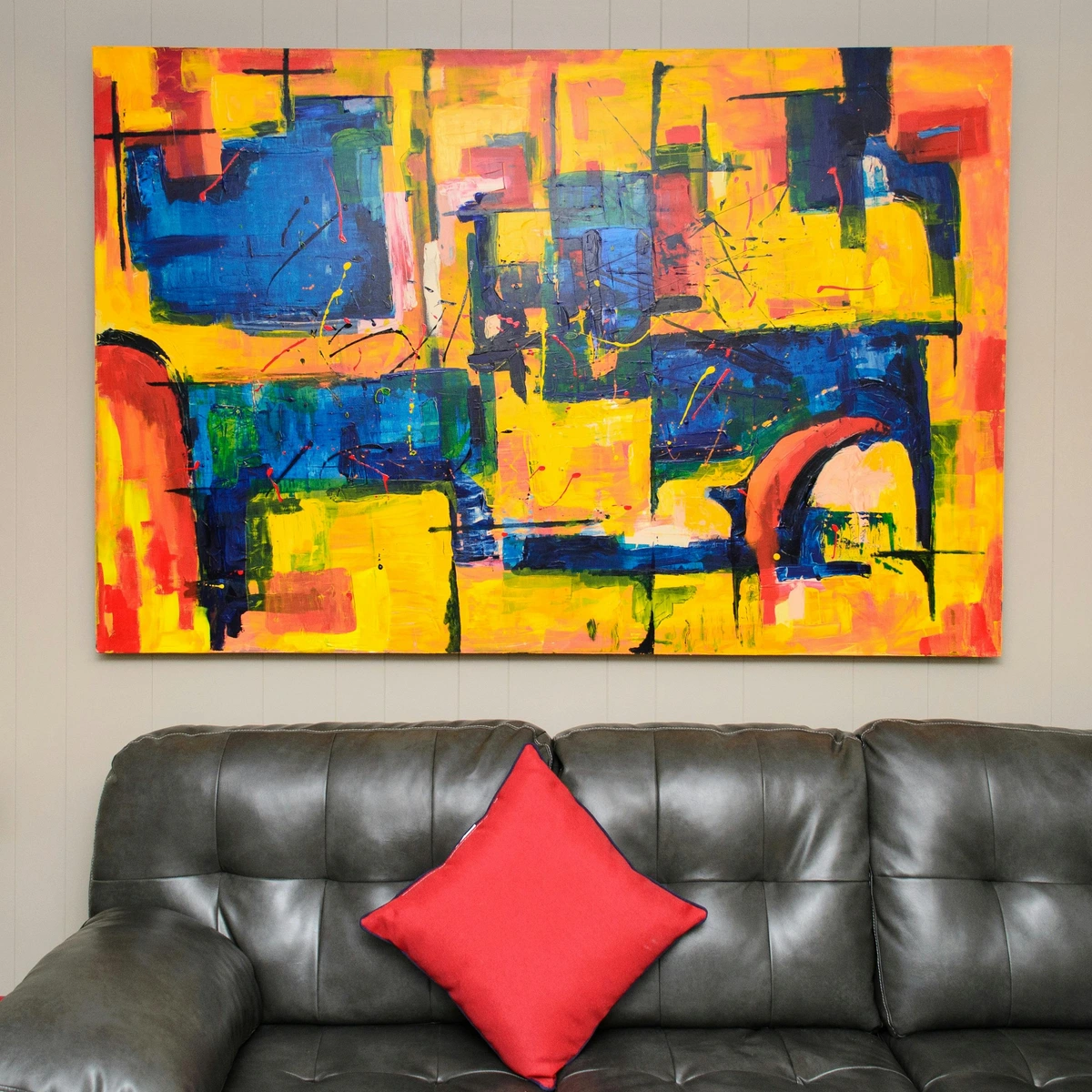
While variety is the spice of life, a little repetition can be the glue that holds your design together. Repeating a certain color (perhaps from a piece of art on the wall), a material (like a specific type of ceramic or metal), or even a shape (circular vases interspersed) can create a sense of rhythm and flow throughout your shelves. It’s not about being monotonous, but about creating subtle visual echoes that make the entire display feel intentional and harmonious.
8. The Pyramid or Triangle Method
This is a classic design trick that works wonders on shelves. Arrange items in a way that creates a visual triangle or pyramid. For example, a taller item in the center, flanked by two slightly shorter items, and then even smaller pieces at the ends. This creates a sense of stability, balance, and natural visual interest that the eye finds pleasing. It gives structure to your vignettes without making them feel rigid.
9. Playing with Scale and Proportion
Don't be afraid to mix things up! Contrasting a very large item (like a tall vase) with very small items (tiny decorative objects or short book stacks) can create dynamic tension and visual drama. The key is to ensure everything still feels proportionate to the shelf itself and to the overall collection. A good rule of thumb is to ensure at least one item on each shelf commands attention, while others support it.
A Step-by-Step Approach to Styling Your Bookshelves with Art
Alright, let's get down to business. You've got your principles, your art, and your enthusiasm. Here's how I typically approach a bookshelf styling project, distilled into actionable steps. Remember, it's less about strict adherence and more about an iterative process of experimentation, playful discovery, and a little bit of glorious mess!
Alright, let's get down to business. Here's how I typically approach a bookshelf styling project. It's less about strict adherence and more about an iterative process of experimentation.
Step  | Action | My Personal Tip |
|---|---|---|
| 1. Clear the Deck | Take everything off your shelves. Seriously. You need a blank slate. | This feels drastic, but it's liberating! It lets you see the potential. |
| 2. Clean & Assess | Dust, wipe, and assess the shelves themselves. Any repairs needed? New paint? | A clean foundation is crucial. A fresh start makes a world of difference. |
| 3. Consider Your Theme (Optional, but Recommended!) | Decide on a loose theme or mood for your shelves or even individual sections. | This isn't about rigid rules, but a guiding narrative. Is it "coastal calm," "urban eclectic," "scholarly retreat," or "vibrant abstract"? |
| 4. Sort Your Books | Group books by genre, color, size, or how often you read them. | I like to group by color loosely for visual flow, but keep favorites accessible. Sometimes I'll stack books by height for a sleek look. |
| 5. Gather Your Art & Objects | Collect all the potential art pieces, sculptures, decorative items, and even plants you might use. | Don't be shy! Bring out more than you think you'll need from around the house. You can always edit later – the more options, the better. |
| 6. Anchor with Books | Start by placing your larger book stacks (both vertical and horizontal) to establish the basic structure of each shelf. | Create visual anchors first. These are the "walls" of your vignettes, the foundation upon which everything else builds. |
| 7. Introduce Larger Art Pieces | Place your larger framed prints or sculptures, leaning them or placing them strategically. | Step back often. Does it feel right? Consider how these larger pieces relate to the books around them. |
| 8. Fill with Smaller Art & Objects | Add smaller sculptures, decorative items, and plants to complete your vignettes. Layer them in front of books or larger art. | Play with heights and depths, creating those engaging visual triangles. The "rule of three" for grouping items is your best friend here! |
| 9. Incorporate Lighting (Subtly!) | Think about small shelf lights, discreet LED strips, or even a small picture light. | Lighting highlights your curated pieces, adds dramatic flair, and creates incredible ambiance, especially in the evenings. |
| 10. Edit, Edit, Edit! | This is the most important step. Remove anything that feels cluttered, redundant, or doesn't contribute to the overall story. Leave breathing room! | If in doubt, take it out. Empty space is powerful and allows your chosen pieces to truly shine. Less really is often more. |
| 11. Personalize & Refine | Add those truly personal touches: a cherished photo, a souvenir from a meaningful journey, a very specific object that sparks joy. | Your shelves should tell your story. Don't be afraid to break a "rule" if it makes it feel more like you and brings a smile to your face. Enjoy the process! |
Don't Forget the Greenery!
Plants, even small ones, are living art! A trailing vine or a quirky succulent can add life and freshness to any shelf. I often integrate small plants into my shelf vignettes. They introduce an organic element that contrasts beautifully with the hard lines of books and frames.
Once you've done your initial pass, step back and live with it for a day or two. You'll be surprised how fresh eyes can reveal new opportunities for refinement. This isn't a one-and-done project; it's an evolving display of your life and loves!
Integrating with the Room: Beyond Just the Shelf
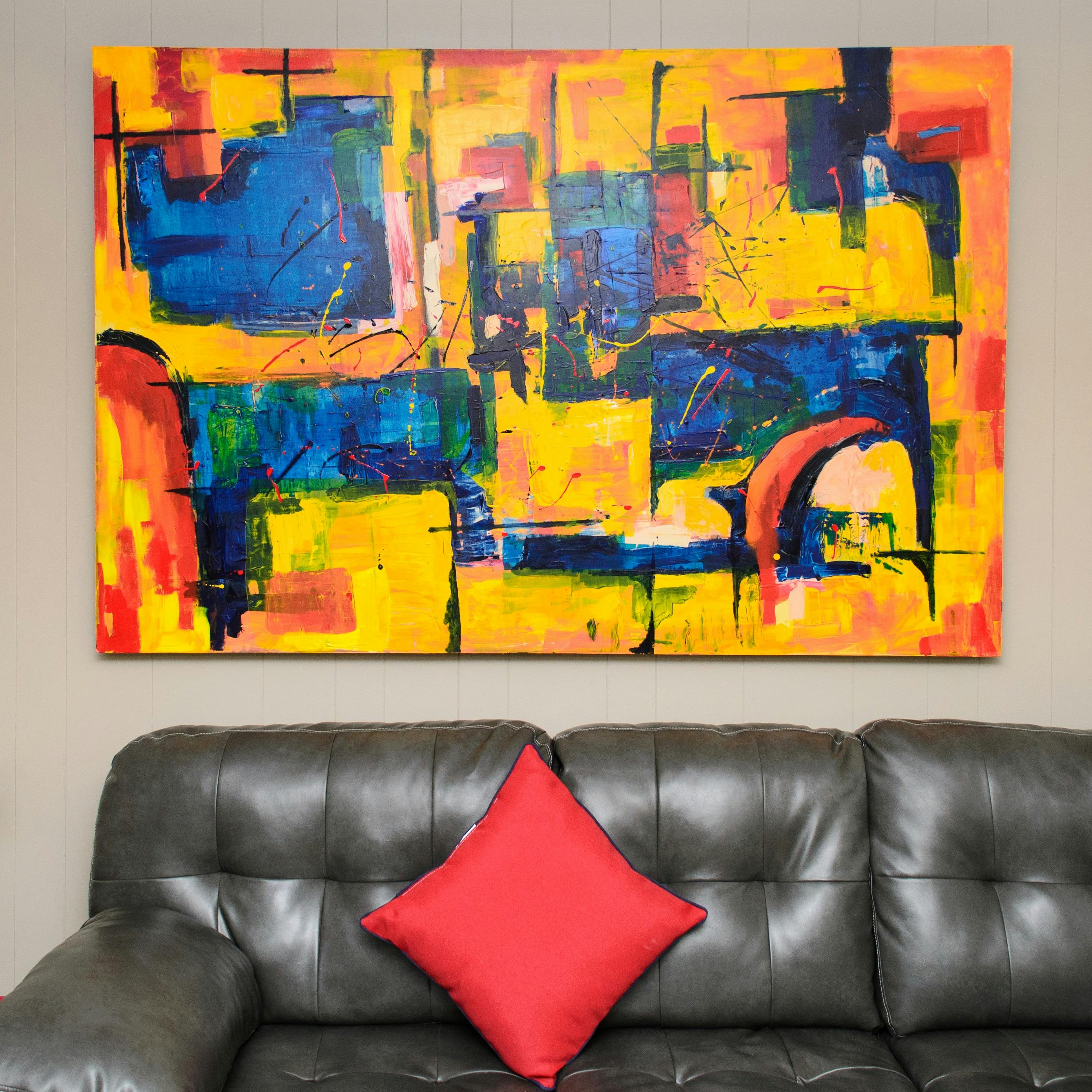
Your bookshelf doesn't exist in a vacuum. It's part of a larger conversation with your room. Think about how the art on your shelves relates to the art above the sofa, or your choosing art for your living room in general. Are there common colors, themes, or textures? This isn't about everything matching perfectly, but rather creating a sense of flow and cohesion. For example, if you have a prominent piece of abstract art on the wall, a smaller abstract print on the bookshelf can echo that theme subtly.
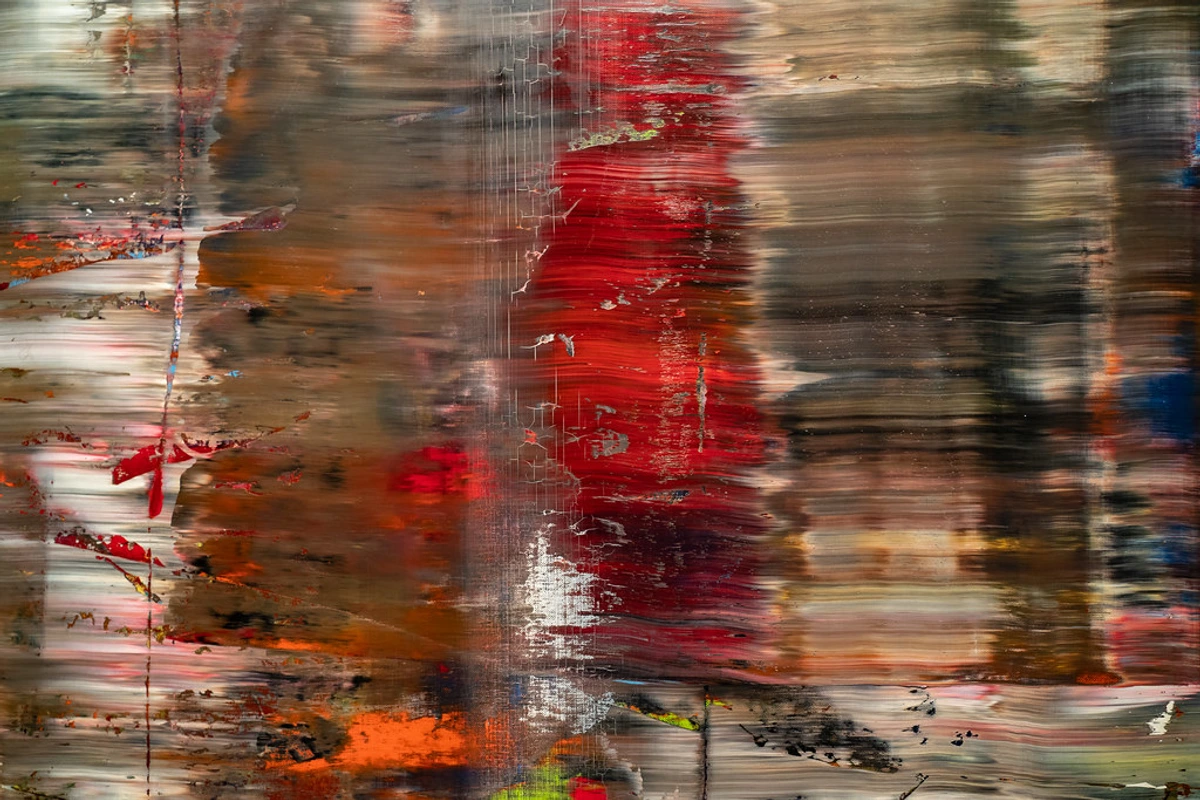
And remember, the way you light your shelves can make a huge difference too! A small picture light, discreet LED strips, or even a strategically placed table lamp nearby can highlight your favorite pieces, turning them into true stars of the show. Good lighting can transform the entire mood of a corner, making a simple shelf display feel like a sophisticated gallery exhibit. It's a bit like the art of display for larger pieces, just on a more intimate, smaller scale. Also, consider the architectural style of your room; a modern minimalist space might call for sleek, hidden lighting, while a more traditional room could embrace a classic picture light. The goal is always to enhance, never to distract.
FAQs: Your Bookshelf Art Questions, Answered
Got more questions? I hear you! Here are some common ones I get about styling bookshelves with art.
Q: How do I prevent my bookshelf from looking cluttered?
A: Ah, the eternal struggle! The absolute best tip I can give you is to embrace negative space. Don't feel like you need to fill every gap or cram something onto every surface. Remember, white space (or in this case, shelf space) allows your eye to rest and makes the pieces you do display stand out. Also, group similar items (like books by size or color) and use the "rule of three" for decorative objects. Edit ruthlessly – if it doesn't add to the story, if it doesn't spark joy, or if it just feels like 'filler,' it probably detracts. Less really can be more here, allowing your chosen art and books to breathe and make an impact. Consider a rotating display; not everything has to be out all the time!
Q: What's the best way to secure art on shelves so it doesn't fall?
A: For framed pieces leaning against the back, their own weight usually suffices, especially if they're tucked behind a stack of books. For lighter items or in earthquake-prone areas (or homes with playful pets, bless their hearts), a little museum putty (often called earthquake putty) is your best friend. It's removable and surprisingly strong. For sculptural pieces, ensure they have a stable base and are placed where they won't be easily knocked. And hey, if you're really nervous about hanging art without nails, leaning is a great alternative!
Q: Can I mix different art styles on one bookshelf?
A: Absolutely, and I encourage it! An eclectic mix often creates the most interesting and personal display. The trick is to find a common thread – perhaps a consistent color palette that runs through diverse pieces, a shared theme (like nature or abstract forms), or simply a unified frame style. It's like putting together a great outfit; not everything matches, but it all goes together.
Q: How often should I re-style my bookshelves?
A: As often as you feel inspired, my friend! Your home evolves, your tastes change, and your book collection certainly grows. I usually give mine a refresh seasonally, or whenever I acquire new art or books that demand a place of honor. It's a wonderful way to keep your space feeling fresh, dynamic, and truly reflective of your current self. Don't view it as a one-and-done task; think of it as an ongoing creative project, a living gallery that changes with you.
Q: What kind of art is best for a home library or study?
A: For a home library or study, I lean towards art that fosters reflection, inspiration, or a sense of calm focus. We're creating an environment for deep thought, after all! Abstract pieces, especially those with subtle textures or harmonious colors, work wonderfully as they can stimulate thought without dictating it. Small sculptures or busts can add a classic, thoughtful touch, perhaps even sparking a historical curiosity. Consider pieces that complement the intellectual atmosphere without being too distracting or overly vibrant. You'll find more ideas in articles like choosing art for a home library or study, but generally, anything that encourages a quiet contemplation or intellectual curiosity is a winner.
Q: How do I incorporate themed collections without looking childish?
A: This is a fantastic question! The trick is sophistication and curation. Instead of displaying every item in a collection, select a few key, high-quality pieces. Integrate them thoughtfully into a vignette, perhaps alongside a stack of relevant books or a piece of abstract art that picks up a color from the collection. Think "curated display" rather than "dumping ground." For example, if you collect vintage cameras, choose two or three particularly beautiful ones and arrange them intentionally, perhaps with a relevant photography book.
Q: What if I have very deep or very shallow shelves?
A: Ah, the practicalities! For very deep shelves, layering becomes your absolute superpower. Don't be afraid to put art, larger books, or even smaller storage boxes at the back to create varying depths and prevent items from getting lost. You can even use risers to elevate back-row items. For very shallow shelves, less is definitely more. Focus on smaller prints, delicate sculptures, or horizontally stacked thin books. Lean prints against the back rather than trying to stand deep objects.
Q: Can I use digital art or digital frames on my shelves?
A: Absolutely! We live in a digital age, and digital frames have come a long way. A high-quality digital frame displaying abstract art or photography can be a dynamic, ever-changing focal point on a shelf. Just ensure the frame's style complements your overall aesthetic, and consider how the screen brightness will interact with the surrounding items. It's a modern twist that can bring incredible versatility to your display.
Final Thoughts on the Art of the Bookshelf
Styling a bookshelf with art isn't just about making things look pretty; it's about making them feel meaningful. It’s an act of curation, a small declaration of your unique aesthetic, and a chance to tell your story without uttering a single word. It's about creating a miniature world that reflects your passions, your journeys, and your evolving self. So go on, rummage through those forgotten corners, pull out those little treasures, and start playing. There's no right or wrong, only your way, your unique artistic expression. Embrace the process, let your intuition guide you, and allow your shelves to become a vibrant extension of your home's soul. And if you find a piece you truly love, something that resonates with the new life on your shelves, remember that I have a collection of my own that might just speak to you over at the buy section, or perhaps you'd like to explore some of the stories behind them at the timeline or see where I draw inspiration from at the Den Bosch Museum.






Happy styling, my friend. May your shelves be ever inspiring, ever evolving, and always a testament to your beautiful story!