Wabi-Sabi Art: Embrace Imperfection, Create Quiet Beauty
Discover Wabi-Sabi art for your home. Learn to choose pieces that celebrate natural flaws, quiet simplicity, and authentic materials. Create a serene, perfectly imperfect sanctuary and bring nature's quiet beauty inside.

Choosing Art for a Wabi-Sabi Interior: Embracing Imperfection and Quiet Beauty
Have you ever walked into a room and felt an immediate sense of calm, a space that seems to breathe with honesty and an understated elegance? For me, that's the profound pull of Wabi-Sabi, an ancient Japanese aesthetic and philosophy that whispers rather than shouts. It's about finding beauty in the transient, the imperfect, and the humble simplicity of things. It’s not just a decorating style; it's a way of seeing the world, appreciating the subtle cracks, the gentle wear, the raw, unpolished beauty that time and nature bestow. My own creative journey often echoes this sentiment, finding profound beauty in the unrefined gesture or the accidental drip in my abstract pieces.
But here’s the thing: trying to infuse this deeply philosophical approach into your home, especially when it comes to something as expressive as art, can feel a bit daunting. How do you choose pieces that truly resonate with Wabi-Sabi without making your space feel sparse or uninspired? Well, I’ve spent quite a bit of time pondering this, sifting through concepts and experiences, and I’ve found that it’s less about following strict rules and more about cultivating a feeling, a genuine, unforced connection to your surroundings. So, let’s dive in and explore what truly speaks the language of Wabi-Sabi, and how we can bring that quiet beauty home.
What Wabi-Sabi Truly Means: A Journey into Authentic Beauty
Before we even think about hanging anything on the wall, let’s get on the same page about Wabi-Sabi itself. Its roots are deep, tracing back to Zen Buddhism and the 15th-century Japanese tea ceremony. Figures like Sen no Rikyū championed humble, natural materials and imperfect beauty over ostentation (an excessive display of wealth or extravagance). This was a deliberate rejection of the opulent Chinese aesthetics popular at the time, moving towards a more austere, yet deeply spiritual, beauty. Wabi-Sabi draws from Zen principles of mindfulness, detachment from the material world, and an appreciation for the impermanence of all things (known as mujō). It isn’t about grand statements; it’s about subtle revelations and the freedom from conventional tastes (datsuzoku).
To put it simply, mujō in art might be reflected in a painting that captures a fleeting moment – like a blossoming flower just before it wilts, reminding us of life's constant flux – or the intentional use of ephemeral materials that will naturally decay or change over time. Datsuzoku, on the other hand, encourages us to look past fleeting trends and mass-produced perfection, finding beauty in unique, even quirky, expressions of human craft that defy easy categorization or conventional aesthetic norms. It’s the art that stands apart, not because it shouts, but because it confidently is.
While Wabi-Sabi is a vast and profound concept, my personal journey has led me to understand its heart as a deep appreciation for the subtle, the understated, and the authentic that guides my art choices for a Wabi-Sabi space. It’s about creating a sanctuary that feels grounded and real, a place where you can truly just be. It’s also about finding beauty in the natural cycle of growth, decay, and the marks of time. It’s the opposite of pristine, mass-produced perfection. It's about the soul of the object.
I’ve also come to appreciate how it intertwines with Mono no Aware – the gentle melancholy of things, a poignant awareness of the impermanence of all things, and a bittersweet longing at their passing. It’s the beauty of a wilting flower or the quiet sadness of a fading season, perfectly complementing Wabi-Sabi’s celebration of transience. In art, this might manifest as a photograph of an abandoned, weathered building, a textile that has gracefully faded over time, or a painting that captures the last, soft light of autumn, evoking a quiet contemplation of what once was and what will soon pass.
Think of it this way:
- Wabi (
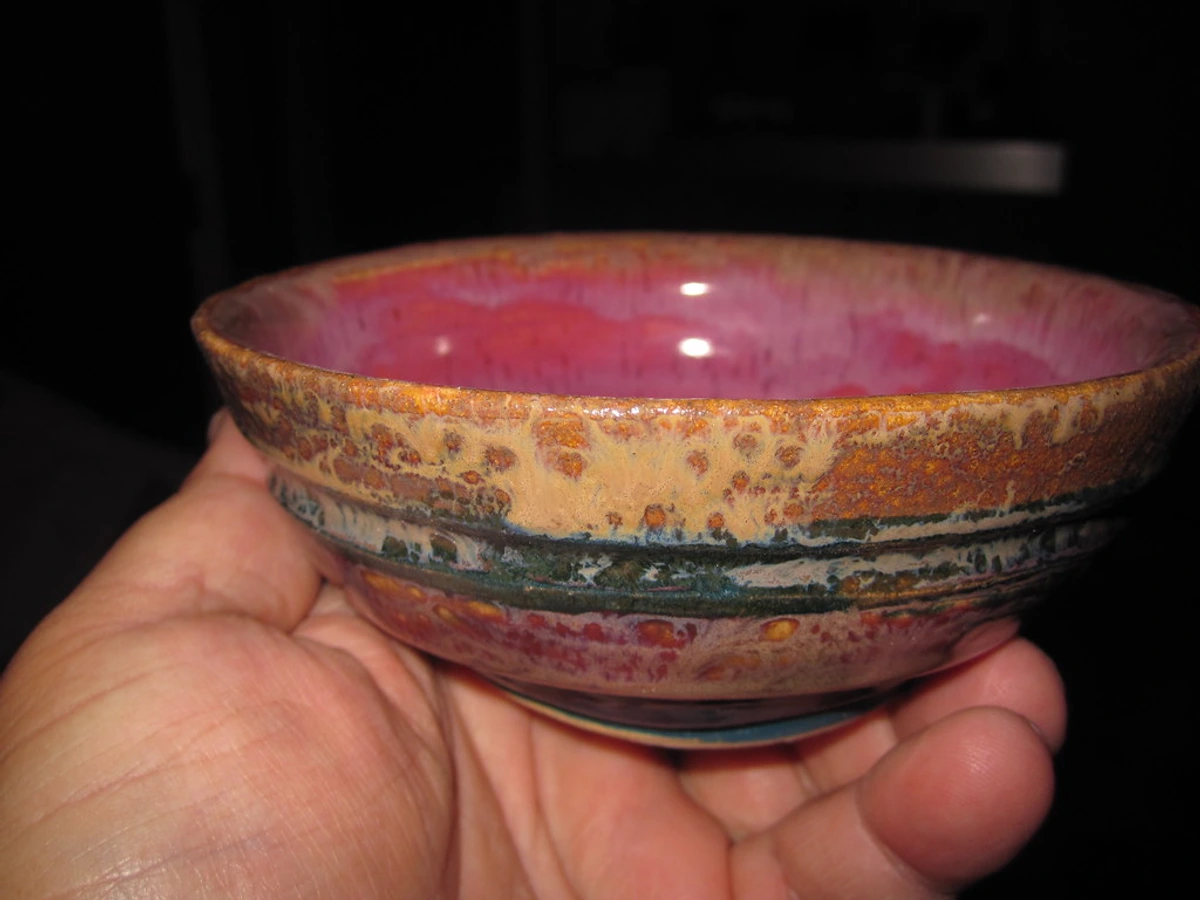
侘): This speaks to the beauty of rustic simplicity, quiet solitude, and humble naturalness. It’s about being content with little, appreciating imperfection, and finding depth in austere beauty. Imagine a moss-covered stone, or the unique, irregular grain of an old wooden bowl. It's not about grand, polished statements, but the quiet dignity of the raw and unadorned. Contrast this with a gleaming, symmetrical sculpture; Wabi finds charm in the humble, irregular form and a sense of peaceful poverty. - Sabi (
寂): This refers to the beauty of age and transience, the way time leaves its mark. It’s the patina on an old bronze statue, the subtle fading of a linen curtain, the quiet melancholy of things passing. It’s a recognition of life’s fleeting nature, leading to a deeper appreciation for the present moment. This is far from the pristine, untouched look of newly manufactured items; Sabi celebrates the story etched by time, the quiet elegance of natural degradation, and the wisdom that comes with age.
When combined, Wabi-Sabi is about accepting and even celebrating natural flaws, understanding that nothing lasts forever, and stripping away the unnecessary to reveal the essential. No clutter, no ostentation. Just pure, honest materials and forms, deeply connected to nature.
To crystallize these ideas, let’s break down the core tenets of Wabi-Sabi and how they translate directly into artistic choices:
Tenet  | Description | Art Application |
|---|---|---|
| Simplicity | Remove the superfluous to find the essence. Less is truly more. Focus on the core truth of an object or scene. | Opt for minimalist compositions, uncluttered forms, understated elegance. Art that suggests rather than states. |
| Naturalness | Embrace natural materials, forms, and processes. Authentic connection to the earth and organic rhythms. | Choose art made from wood, clay, natural fibers, stone, or paper. Art inspired by organic shapes, raw landscapes, or natural phenomena. |
| Imperfection | Nothing is perfect, complete, or eternal. Flaws are not defects but signs of authenticity, uniqueness, and the story of time. | Embrace art with visible brushstrokes, uneven edges, natural flaws (e.g., knots in wood, slight cracks in pottery), or even mendings like Kintsugi. Celebrate the unpolished and the unrefined. |
| Asymmetry | Balance is found in natural, often irregular, forms, creating dynamic harmony rather than rigid precision. Nature rarely presents perfect symmetry, and Wabi-Sabi reflects this. | Select pieces that are not perfectly symmetrical, avoiding rigid, manufactured geometry. Look for a harmonious imbalance that feels organic and alive. |
| Transience | Everything changes, decays, and eventually disappears. Beauty is fleeting. This awareness leads to a deeper appreciation for the present moment and the beauty of natural cycles. | Seek art with patina, weathered textures, subjects reflecting natural cycles (e.g., wilting flowers, changing seasons, eroding landscapes). Art made from ephemeral materials (like handmade paper or ink) that subtly changes over time is also perfect. |
| Subtlety | Beauty is often quiet, understated, and requires contemplation to be fully appreciated. It's not immediately obvious but reveals itself over time, inviting a slower, deeper engagement. | Look for muted colors, soft textures, art that invites calm introspection and slow discovery. Pieces that integrate seamlessly into their environment rather than dominating it, encouraging quiet observation. |
The Sensory Experience: Art That Awakens More Than Sight
Wabi-Sabi isn’t just a visual aesthetic; it’s a profound sensory experience. When I select art for a Wabi-Sabi space, I don’t just ask myself, “Does it look good?” I go deeper, asking, “How does it feel?” Does it invite a gentle touch? Does its texture absorb sound, creating a quietude, perhaps like a woven tapestry that softens echoes in a room? Does it evoke the scent of damp earth or aged wood? This connection to the tactile, the subtle, and the quiet is what truly brings a Wabi-Sabi interior to life, transforming a room from a mere collection of objects into a calming, immersive environment where you truly feel present.
Think about art that engages more than just your sight: a piece of raw clay pottery with a palpable texture that makes you want to run your fingers over it, a woven textile art piece that looks soft enough to absorb a whisper, or an abstract painting with heavy impasto that begs a closer inspection of its peaks and valleys. I've found that exploring texture in my abstract paintings can evoke a similar connection, even in vibrant pieces. It’s about art that engages your entire being, not just your eyes.
Nature’s Whisper: The Wabi-Sabi Color Palette for Art
Beyond touch and sound, color also plays a crucial role in evoking the quiet beauty of Wabi-Sabi. When I’m thinking about colors for a Wabi-Sabi interior, my mind immediately drifts to nature’s most soothing, desaturated tones. We’re talking about a palette that breathes, that feels like it could have been pulled directly from the earth, a worn stone, or a quiet forest floor. This means:

- Earth Tones: Think rich terracotta, soft clay, sand, deep forest greens, muted moss, and charcoal grays. These form the bedrock of any Wabi-Sabi space, grounding it with the essence of the natural world and the very soil beneath our feet.
- Subtle Neutrals: Off-whites, warm beiges, oatmeals, and creams are your best friends. They provide a calm, expansive backdrop that allows texture and form to truly shine, acting as silent observers rather than shouting for attention. Think of them as the quiet sky or a sun-bleached rock.
- Desaturated Blues and Greens: Picture the deep, calming blue of a stormy sea or the faded green of ancient copper or lichen on stone. These colors add depth without overpowering the serene atmosphere, evoking elements like water and aged metal, reminding us of nature's constant presence and subtle shifts.
Now, does this mean you can’t have any color? Not at all! A tiny, deliberate splash of muted rust (like an ancient, oxidized metal), a deep, aged indigo (think naturally dyed textiles that have mellowed with time), or a faded ochre (like an ancient pigment) can act as a beautiful, intentional accent. The key is that it feels organic and doesn’t disrupt the overall sense of tranquility and naturalness. It’s about restraint, not rigid exclusion. Just be mindful that overly bright, jarring, or highly contrasting color schemes tend to disrupt the serene balance we’re aiming for. It’s a whisper, not a shout, remember? Much like the subtle color shifts in a dappled forest, they enhance, rather than dominate.
Textures, Materials, and the Soul of Wabi-Sabi Art
This is where Wabi-Sabi art truly comes alive for me. It’s not about smooth, glossy surfaces; it’s about feeling the story of the material. I look for art that invites touch, that has a history etched into its very being. Think of it like this: your hands should almost instinctively want to reach out and explore. I often consider these materials, prioritizing natural, unrefined, and hand-worked options:
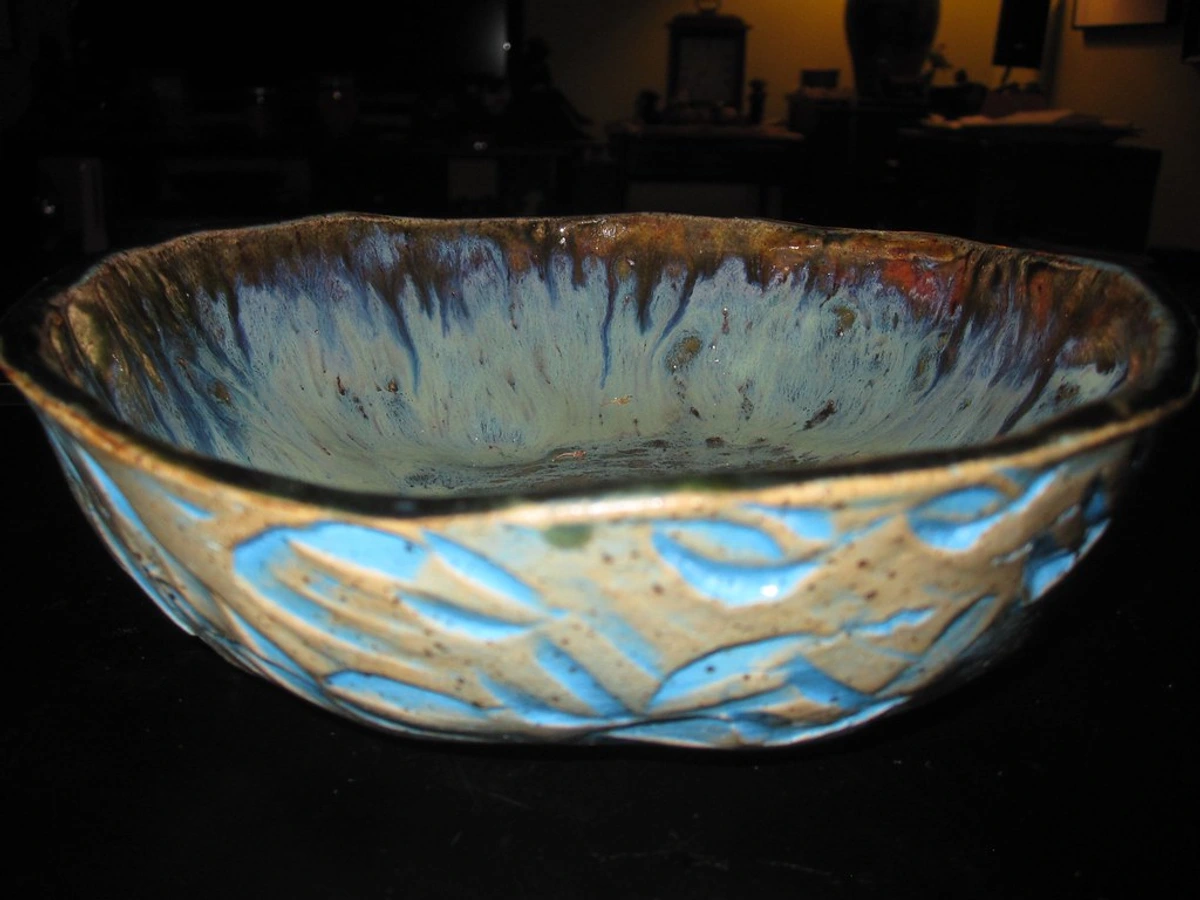
- Handmade Ceramics and Pottery: The Beauty of the Imperfect Vessel: Objects with organic shapes, subtle glazes, or even deliberate cracks. The philosophy of Kintsugi, where broken pottery is repaired with gold lacquer, doesn’t just fix a flaw; it celebrates the break as part of its history, making the piece even more valuable. This is a beautiful embodiment of Wabi-Sabi, honoring imperfection and transience. Consider specific Japanese styles like Raku (known for its immediate, unpredictable results and earthy textures), Shino (thick, milky glazes with natural ash effects), or Bizen (unglazed, earthy, wood-fired wares with natural scorch marks). These ceramic pieces often feel incredibly grounding and truly unique.
- Raw and Unfinished Wood: Stories Etched in Grain: Pieces carved from natural wood, perhaps with visible grain, knots, or a weathered finish. When I say “raw,” I mean wood in its natural, unprocessed state. “Unfinished” implies it hasn’t been sealed or painted, allowing its inherent texture and character to shine. Imagine a beautifully gnarled root sculpture or a simple, unpolished wooden panel with its natural imperfections. There’s a certain honesty, a quiet dignity there.
- Textile Art: Woven Warmth and Dimension: Woven wall hangings, natural linen pieces, or even subtly dyed fabrics can add incredible warmth and dimension. There’s something so comforting about the tactile nature of textiles, a quality I often explore when decorating with textile art. Think of a hand-knitted wall hanging or a tapestry with visible, slightly irregular stitches that tell the story of their making.
- Paper and Fiber Art: Delicate Simplicity: Handmade paper with deckled edges, or art created from natural fibers, can bring a quiet sophistication. Think of delicate rice paper or sculpted pulp art, allowing the material itself to create texture and subtle form. These materials embrace vulnerability and transience beautifully, often showing the marks of their creation.
- Stone and Concrete: Grounded and Enduring: Sculptural pieces or vessels made from raw, unpolished stone or concrete embody that earthy, grounded Wabi-Sabi feel. Their inherent weight and cool surface speak volumes of enduring natural elements, yet also show their age through subtle erosion and natural variations.
- Gestural Calligraphy or Sumi-e: The Transient Brushstroke: While not a material in itself, the art of calligraphy (especially in Japanese Sumi-e ink painting) often uses natural ink and paper, and its beauty lies in the imperfect, transient brushstroke—a perfect example of Wabi-Sabi principles in practice. The expressive, unrefined marks capture a fleeting moment, never to be exactly replicated, embodying the mindful practice and irreversible nature of each stroke.
- Beyond the Tangible: Photography and Digital Art: Even in photography, a Wabi-Sabi approach might favor candid, unposed shots, naturally aged prints, or images celebrating decay and the raw beauty of abandoned spaces over highly manipulated, pristine perfection. Think of black and white documentary photography that captures the grit of reality, or images that highlight the texture of rust and peeling paint. For digital art, it might manifest in textures that mimic natural imperfections, or compositions that embrace asymmetry and subtle, desaturated palettes, perhaps through digital brushes that emulate ink washes or distressed surfaces. The key is the feeling of authenticity and the celebration of the unrefined.
The key is that the material itself should tell a story. It doesn’t need to be perfect; in fact, its imperfections are what make it truly beautiful and unique. This is also why I generally steer clear of mass-produced, highly polished prints that often lack the soul and unique imperfections that Wabi-Sabi champions.
Forms and Subjects: Embracing Asymmetry, Nature, and the Abstract
Wabi-Sabi shies away from rigid symmetry and overt grandiosity. Building on the tactile beauty of natural materials, when selecting art, I look for pieces whose forms feel organic, slightly off-kilter, and deeply connected to the natural world. Here’s what often catches my eye, and why these forms resonate with the Wabi-Sabi spirit:
- Abstract Art with Organic Forms: Flowing with Nature: Think fluid lines, soft curves, and shapes inspired by nature – a gentle swell of a wave, the silhouette of a distant mountain range, or the intricate pattern of tree bark. It should evoke a sense of calm and introspection, not chaos. Asymmetry in these forms, mirroring nature’s own variations, creates a more dynamic and authentic visual experience than rigid, man-made perfection. My own approach to abstract art often focuses on these intuitive, organic forms.
- Minimalist Landscapes: Whispers of the Horizon: Abstracted landscapes that capture the essence of a scene rather than a detailed rendition. Think soft horizons, subtle gradations of color, and vast, open spaces that invite quiet contemplation. This aligns beautifully with the ‘less is more’ philosophy I’ve discussed in art for minimalist interiors, but with an added layer of soulful imperfection.
- Botanical Studies & Ikebana-inspired Pieces: Fleeting Natural Beauty: Simple, unframed pressed flowers or leaves, or delicate ink drawings of plants, can bring the outside in without being fussy. The transience of natural elements is a core Wabi-Sabi tenet, celebrating the fleeting beauty of a bloom or a changing leaf. Think of the elegance of a single branch in a sparse composition, mirroring the art of Ikebana, Japanese flower arranging. Ikebana emphasizes asymmetry, empty space (Ma), and the natural form of branches and flowers, often using a Kenzan (flower frog) to achieve precise, minimalist arrangements that highlight natural lines and spaces.
- Subtle Imperfections: Features, Not Flaws: Art that intentionally incorporates visible texture, like heavy impasto or deliberate brushstrokes in a painting, uneven edges in a ceramic piece, or the distinct grain and knots in a wood sculpture. These are not flaws but features that enhance its authenticity and tell a story, embracing the very power of imperfection. This is why things like woodblock carving, with its raw, handcrafted nature and visible tool marks, can fit so well – it’s an honest record of the hand that made it.

Avoid anything too busy, too brightly colored in a jarring way, or too geometrically perfect unless that geometry feels naturally occurring, like a honeycomb. The art should be a quiet conversation piece, not a shouting match, allowing for contemplation rather than demanding immediate attention. It should invite you to linger, not just glance.
The Art of Space: Placement and the Power of 'Ma'
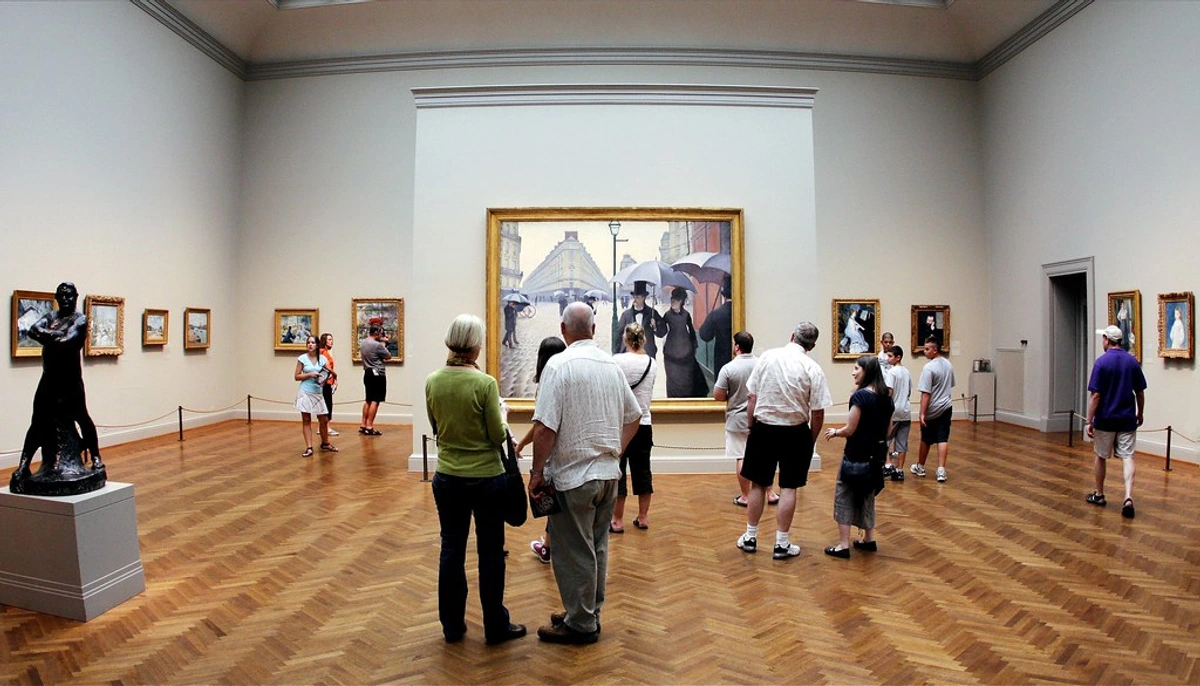
One of the biggest mistakes I see in any interior, but especially a Wabi-Sabi one, is clutter. When it comes to art, less truly is more. The goal is to allow each piece to breathe, to have its own moment in the spotlight without competing with others. This brings us to the Japanese concept of Ma (間), which refers to the intentional use of empty space, negative space, or pauses. It’s not just an absence of something; it’s a presence, an active part of the composition that allows the other elements to truly resonate. Think of the silence between musical notes – that’s Ma, allowing each note to fully land and be appreciated. In art placement, it’s the quiet wall space around a single, powerful piece, allowing it to truly sing without interruption. Sometimes, in a truly Wabi-Sabi space, the absence of art on a wall, or a single, perfect branch in a simple vase, becomes the art itself, a testament to negative space and the power of deliberate emptiness. It's a profound understanding that emptiness is not nothing, but a potential, an active element that defines and enhances what is present.
I often find myself doing the following to incorporate Ma:
- Single Statement Pieces: Instead of a bustling gallery wall (unless it’s very intentionally curated for texture and subtlety), consider one powerful, contemplative piece per wall or area. It allows the eye to rest and truly appreciate the art. A good rule of thumb? Aim for approximately 1.5 times the width of the artwork in clear, unobstructed wall space around it on either side, if possible, allowing it to command its space and truly resonate.
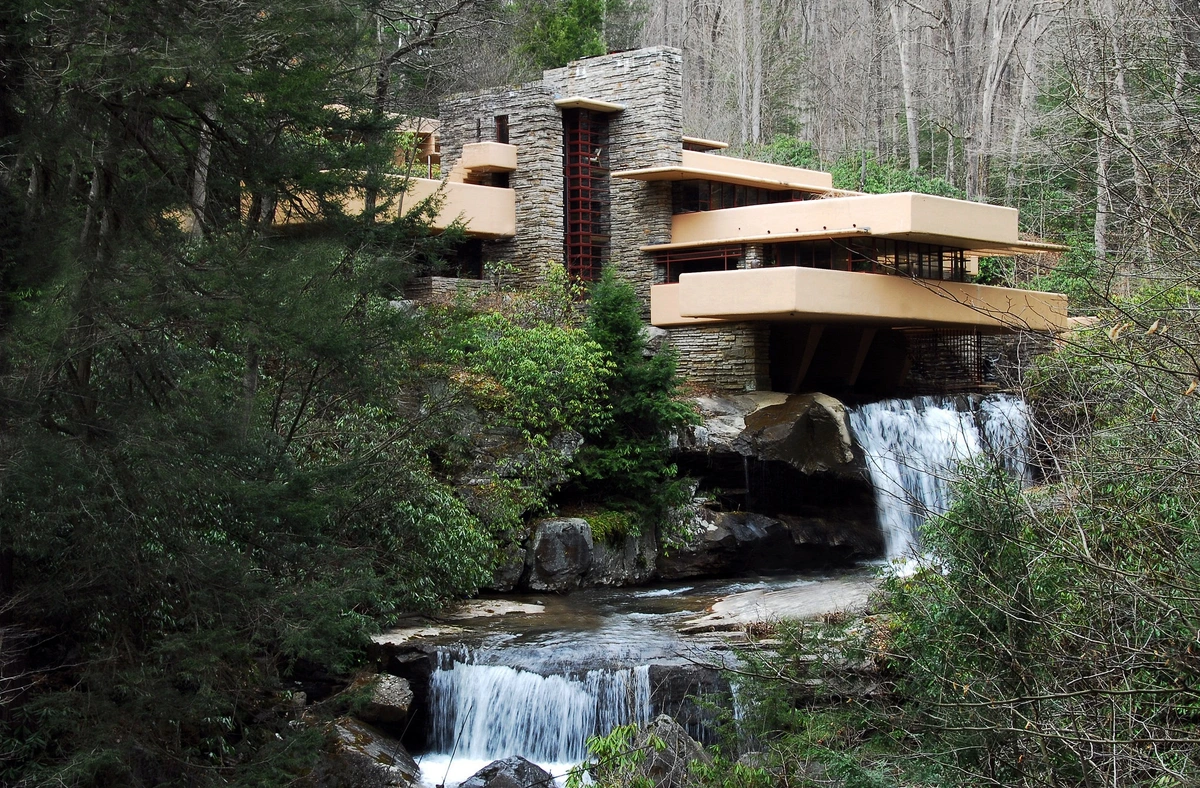
- Unframed or Simply Framed: Often, a canvas can be left unframed, or a piece can be framed in raw wood or a simple, muted metal. The frame should support the art, not overshadow it. The focus should be on the art and its texture, its very being. This is also why I avoid overly intricate or ornate frames; they detract from the art’s inherent simplicity and humility.
- Leaning vs. Hanging: For a truly relaxed, transient feel, try leaning larger pieces against a wall. This adds an informal touch that perfectly embodies the Wabi-Sabi spirit, suggesting impermanence and a lack of rigid permanence, as if the piece is simply resting rather than fixed.
- Thoughtful Lighting: Highlighting the Soul: Consider how natural light interacts with the art throughout the day, highlighting its textures and subtle shifts. For artificial light, a soft, diffused light source, perhaps a simple spotlight, is usually enough to highlight texture without creating harsh contrasts. My thoughts on the language of light go into this a bit more, and understanding how to light and position abstract art is crucial.
Remember, a Wabi-Sabi space isn’t about filling every void; it’s about creating pockets of calm and beauty. This is where the Japandi style, which shares many principles with Wabi-Sabi (like minimalism and natural materials), also shines, often employing negative space with elegant precision.
Sourcing Your Wabi-Sabi Art: The Joy of Discovery
Now that you know what to look for, the next question is, where do you find these perfectly imperfect pieces? It’s part of the joy of the Wabi-Sabi journey, and it often involves a bit of patience and an open mind. It reminds me of a time I spent hours sifting through dusty bins at a rural market, the air smelling faintly of old wood and forgotten treasures, only to find the most beautiful, chipped ceramic mug that now sits proudly on my shelf. Sometimes, the treasure reveals itself after a thorough, slightly messy hunt!
Here are a few places I often recommend, along with some search terms you might find useful:
- Artisan Markets and Local Craft Fairs: These are goldmines for handmade ceramics (look for Raku, Shino, or Bizen styles), woven textiles, and unique wooden sculptures. You’re often buying directly from the maker, ensuring that authentic, human touch. Plus, supporting local artists feels good, right? Search for: "handmade pottery," "artisan textiles," "local wood carving," "found object art."
- Antique Shops and Flea Markets: Keep an eye out for aged pottery, weathered wooden items, faded textile pieces, or even old tools that have developed a beautiful patina. Their history is etched into them, telling stories without words. Search for: "vintage ceramics," "aged wooden decor," "antique textiles," "distressed metal art."
- Galleries Specializing in Contemporary Craft or Abstract Art: Many contemporary artists focus on texture, natural materials, and organic forms, even if their work isn’t explicitly labeled Wabi-Sabi. Look for abstract pieces that evoke nature or emphasize raw materials and the art of intuitive painting. Search for: "contemporary abstract art," "raw materials sculpture," "textured art," "earth art."
- Online Marketplaces for Handmade Goods: Sites like Etsy or similar platforms can be great for discovering artists who create unique, handcrafted items in ceramics, textiles, or printmaking. Just be sure to check the artist’s process and material descriptions. Search for: "hand-thrown vase," "organic wall hanging," "reclaimed wood art," "natural fiber art."
- Making Your Own: Why not? Even a simple, hand-coiled clay pot or a thoughtfully arranged piece of found driftwood can embody the Wabi-Sabi spirit. It’s about the intention and the appreciation for the raw process, a creative journey from concept to canvas. The imperfect result is part of its charm – perhaps a crooked handle or a slightly uneven edge. I've often found my happiest accidents become my favorite pieces, a true testament to Wabi-Sabi in action.
My Art in a Wabi-Sabi Space: Finding Resonance in the Unpolished
When I’m choosing art for my own Wabi-Sabi inspired spaces, or even just advising others, I look for that immediate ‘click’ – that gut feeling that a piece belongs. It’s often something that doesn’t demand attention but rather invites quiet observation. It’s not necessarily art that screams ‘Wabi-Sabi’ but art that feels Wabi-Sabi, speaking of raw emotion and honest creation.
Sometimes, this means selecting abstract art from an artist like myself. While my personal work, such as the pieces you can find on display at the Den Bosch Museum, often involves vibrant colors, the process of creation – the intuitive approach, the layering, the emphasis on texture and flow – can still align with the Wabi-Sabi principle of authenticity and the beauty of the handmade. For instance, in my 'Sunrise Over the Dunes' series, the vibrant oranges and yellows are applied with energetic, visible brushstrokes and layered textures, which, for me, embody transience and imperfection – the raw, unpolished beauty of a fleeting moment in nature. That an accidental drip of paint completely changed the composition, turning what I thought was a mistake into a celebrated, unique feature, is pure Wabi-Sabi in action! A bold, intuitive abstract piece, with its energetic brushstrokes and layered textures, can offer a moment of striking, unpolished beauty in an otherwise serene setting. It acts as a perfect counterpoint to muted tones, as long as it speaks of raw emotion and honest creation. It’s about how the art was born and what it evokes, a celebration of the emotional language of color within an authentic process, and the beauty of a moment captured in its rawest form. If you find something that truly resonates, you can always buy original art directly from me.
Common Misconceptions About Wabi-Sabi Art
As with any profound philosophy translated into aesthetics, Wabi-Sabi is prone to a few common misunderstandings. It's easy to stray from its core principles without realizing it, sometimes by oversimplifying or misinterpreting its quiet nature. Let’s clear up a few of these, so you can approach Wabi-Sabi art with genuine understanding.
- It’s Not “Shabby Chic”: While both embrace imperfection and age, Shabby Chic often leans towards a romanticized, deliberately distressed, and sometimes overtly feminine aesthetic. It's about a curated nostalgia. Wabi-Sabi is far more austere, grounded, and philosophical, focusing on natural processes and humble beauty rather than quaint sentimentality or a distressed-for-effect look. It’s about genuine wear, not artificial aging.
- It’s Not Necessarily Drab or Lifeless: Some people think Wabi-Sabi means everything must be brown, gray, and dull. On the contrary, while it favors muted tones, it celebrates the vibrancy of natural life and the subtle shifts in color found in stone, moss, or fading leaves. The key is organic color, not the absence of it. Think of a deep, mossy green, the rich, earthy red of terracotta, the subtle blue of aged denim, or the quiet purple of dried berries. There’s life in those tones, just a different kind of life than a neon sign!
- It’s More Than Just Minimalism: While both share a “less is more” philosophy, abstract art for minimalist homes often seeks perfect lines and pristine surfaces. Wabi-Sabi, however, actively welcomes the worn, the asymmetrical, and the imperfect. The flaw is not tolerated; it’s celebrated as an integral part of the object's story. It’s minimalism with a soul, a history, and a deliberate embrace of the imperfect, valuing authenticity over pristine perfection.
- It Doesn't Have to Be Old or Antique: While age often brings character that aligns with sabi, a newly created piece can absolutely embody the Wabi-Sabi spirit. If it uses natural materials, shows the hand of the maker, embraces imperfection, and exudes a humble, quiet beauty, it's Wabi-Sabi, regardless of its age. The focus is on the spirit and process, not just the timeline.
Frequently Asked Questions About Wabi-Sabi Art
As you embark on your journey to discover Wabi-Sabi art, a few questions naturally arise. Let’s address some of the most common ones I hear, so you feel confident in your choices.
Can Wabi-Sabi art be colorful?
Yes, absolutely, but with restraint and intention. While traditional Wabi-Sabi often leans towards earthy, desaturated tones, a muted or aged splash of color can act as a beautiful accent. The key is that the color feels organic, not jarring or artificial, and doesn’t overpower the overall sense of tranquility and naturalness. Think of the deep, rich indigo of an old textile, the subtle variegation in natural pigments, a rusty orange patina, or the vibrant yet fleeting colors of a sunset – rather than neon brights. The emotional language of color still has a place, but it whispers rather than shouts.
Is modern minimalist art the same as Wabi-Sabi art?
They share many similarities, particularly the emphasis on simplicity, clean lines, and uncluttered spaces. However, modern minimalism often strives for perfection, sleekness, and manufactured precision, whereas Wabi-Sabi actively celebrates imperfection, the marks of time, and natural roughness. While they can complement each other (as seen in Japandi style), Wabi-Sabi has a distinct philosophical depth that goes beyond mere aesthetic reduction. It’s about the spirit of the object, not just its form.
What are the key indicators to look for when identifying Wabi-Sabi art?
Look for these key characteristics: Is it handmade, showing the artist’s unique touch (visible brushstrokes, tool marks, subtle irregularities)? Does it use natural, raw, or aged materials (wood, clay, natural fibers, stone)? Does it feature organic, asymmetrical forms or subjects from nature? Does it have a quiet, understated quality that invites contemplation rather than demanding attention? Does it convey a sense of transience or the passage of time, perhaps through a beautiful patina, intentional wear, or ephemeral subject matter? If it ticks most of these boxes, it likely embodies the Wabi-Sabi spirit and tells a genuine, unpolished story.






Does Wabi-Sabi art have to be expensive?
Not at all! In fact, the philosophy often champions humble materials and objects that might be overlooked. The value in Wabi-Sabi art comes from its authenticity, its story, and its connection to nature and human craftsmanship, not necessarily its price tag. You can find beautiful pieces at artisan markets, antique shops, or even by creating your own art from found materials. The beauty is in the soul, not the cost; an aged, simple ceramic bowl can be more Wabi-Sabi than an expensive, pristine sculpture.
What type of art is generally NOT Wabi-Sabi?
Generally, Wabi-Sabi avoids anything overtly glossy, highly polished, mass-produced with identical copies, brightly artificial, or excessively ornate. Think of things that lack a handmade quality, appear too perfect or sterile, or have loud, jarring colors and designs. Specific examples would include hyper-realistic, photo-perfect portraits, opulent still lifes with highly reflective surfaces, or perfectly symmetrical geometric abstract art that strives for manufactured precision and high contrast. It’s about authenticity and humility, so anything overly extravagant or flawlessly engineered would typically be at odds with the aesthetic. Art that is excessively refined or tries too hard to be “perfect” usually misses the point, focusing on human control rather than natural flow and the beauty of natural degradation.
Conclusion: The Quiet Art of Living with Intention
Embracing Wabi-Sabi in your art choices is truly a journey of intention and connection. It’s about cultivating a home that feels like a refuge, a space where every chosen piece tells a subtle story of authenticity, nature, and the gentle passage of time. It’s not about achieving a perfect look, but rather about creating an environment that feels perfectly imperfect, a true reflection of life’s genuine beauty and your own unique journey. So, go forth and explore – let your intuition guide you to those pieces that whisper, that invite touch, and that celebrate the quiet, unpolished poetry of existence.