The Ultimate Guide to Choosing Art for Transitional Interiors
Discover how to select the perfect art for your transitional style home. This guide balances traditional comfort with modern clean lines to create a timeless look.

Mastering the Art of Transitional Interiors: Your Ultimate Guide to Curating a Harmonious Home
Ah, transitional style. It’s a concept that truly captures my imagination, speaking to the very heart of how we live today—a genuine embrace of both heritage and innovation. I know what you might be thinking: Is it just a polite way of saying you can't make up your mind? Trust me, I’ve navigated this delightful dance myself in my own creative journey: seeking the grounded comfort and timelessness of traditional design, while simultaneously being captivated by the clean lines and calm simplicity of modern aesthetics. The result? A truly beautiful, yet wonderfully nuanced, middle ground. And in this delicate balancing act, nothing, absolutely nothing, plays a more exquisite role than choosing the right art—the visual anchor that ties it all together. This isn't just a trend; it's a timeless philosophy, an intentional dance between eras that allows a home to feel both utterly current and deeply rooted in personal history.
For me, art isn't just decoration; it's the very soul of a room, the quiet yet powerful piece that whispers stories and ignites conversation. In a transitional space, however, this choice can feel like a final exam, can’t it? Lean too traditional, and suddenly that sleek modern sofa feels apologetically out of place. Go too modern, and those cherished classic architectural details or that heirloom armoire might start to feel a touch stuffy, unappreciated. But please, don’t you worry. This guide isn't about rigid rules or passing tests; it’s about empowering you to curate a beautiful, ongoing dialogue between old and new, between comfort and sophistication. My aim is to make this the most comprehensive, engaging, and genuinely useful resource you’ll find anywhere. I’ll equip you with the insights to master transitional art selection, transforming your home into a harmonious echo of your unique, evolving style—perhaps even reflecting a bit of my own artistic exploration you can discover on my /timeline. We’ll dive deep, covering everything from the historical roots of the style to the profound psychological impact of art, ensuring you not only select beautiful pieces but truly understand why they work, creating spaces that feel authentically lived-in and deeply personal. It’s about empowering you to tell your story, beautifully and intentionally, establishing your home as a sanctuary of self-expression. This article is your ultimate companion on this journey, crafted to provide authoritative insights for every level of art enthusiast and home decorator.
The Origins of Transitional Style: A Brief History of Blending
Before we dive headfirst into the exhilarating world of art selection, let's take a moment to understand where transitional style truly comes from. I find that knowing the roots of a design philosophy often deepens our appreciation for it, much like understanding an artist's early works illuminates their later masterpieces. Transitional design didn't just appear overnight; it evolved as a natural response to changing lifestyles and a desire to move beyond rigid stylistic boundaries that felt, frankly, a bit stifling. In the late 20th century, as people sought homes that felt both classic and contemporary, the need for a style that could bridge traditional ornate details with modern clean lines became clear. It was a rebellion, in a subtle way, against the extremes—neither purely formal traditionalism nor stark, cold modernism. This movement was also a direct response to the perceived coldness and uniformity of some modernist movements, and the stuffiness of traditionalism, seeking a more balanced, approachable, and livable aesthetic. It wasn't just about aesthetics; it was about creating spaces that truly felt like home, reflecting a desire for both beauty and utility, a yearning for comfort without sacrificing elegance. This continuous adaptation to human needs and desires in interior design is a fascinating journey. It’s this thoughtful evolution that makes transitional style so enduring and deeply personal, much like a beloved heirloom passed down and reinterpreted for a new generation. It’s a design language that speaks to both our yearning for the familiar and our desire for fresh perspectives, finding beauty in the synthesis of seemingly opposing forces. As you'll discover, this historical dance between tradition and innovation provides the perfect canvas for art that bridges eras. Key figures didn't declare its birth, but rather a collective shift in taste among designers and homeowners who sought a more sophisticated yet approachable aesthetic than the prevailing styles allowed.
So, What Exactly Is Transitional Style?
Think of transitional design as more than just a style; it's a philosophy, a carefully considered approach that embraces the very best of both worlds. It's that exquisitely curated blend of traditional warmth and contemporary crispness. For me, it embodies the perfect marriage of masculine strength and feminine grace, the storied elegance of the old with the refreshing clarity of the new, and the deep comfort we crave with the undeniable sophistication we admire. It's about creating a space that feels utterly current, yet also deeply rooted in timeless appeal, avoiding the extremes of either purely modern or purely traditional aesthetics. It’s a masterful balancing act, finding the sweet spot where each element enhances the other without competition. Think of it as a carefully choreographed dance, where every piece has its moment to shine, contributing to a greater, more sophisticated whole. Understanding what constitutes [design in art](/finder/page/what-is-design-in-art) is truly at the core of this philosophy. Think of it as inviting a beautifully worn antique chest to sit beside a sleek, minimalist sofa, or letting a vibrant abstract painting hang above a classic, tufted headboard. The magic isn't in making them identical, but in celebrating their differences in a way that creates a richer, more cohesive whole. It’s about crafting a home that feels both familiar and fresh, a true reflection of a life lived with appreciation for both heritage and innovation. This delicate balance creates a dialogue, a visual conversation that is both sophisticated and incredibly inviting. It’s a truly versatile approach that welcomes diverse pieces, allowing them to coexist and elevate each other. This blending also allows for an inherent flexibility, meaning your home can evolve with your tastes and discoveries, rather than being locked into a single era. It's a style that champions longevity and personal narrative, making it not just a design choice, but a lifestyle. It’s about curating a harmonious aesthetic that subtly acknowledges various design periods, creating a living space that feels both cohesive and dynamically interesting. This adaptability is perhaps its greatest strength, offering a canvas that grows with you.
The Guiding Principles: What Makes Art Transitional?
Before we delve into the characteristics of the style itself, I find it immensely helpful to first understand the core principles that make a piece of art 'transitional.' It's not just about matching a sofa; it’s about embodying a spirit of thoughtful coexistence and dynamic balance. When I look at a piece of art, I'm asking: Does it speak to both the past and the present? Does it offer something familiar yet fresh? These questions guide the very essence of selection.
- Intentional Juxtaposition: The art deliberately contrasts traditional motifs or techniques with modern execution, or vice-versa, creating visual tension and interest without discord. Think of an abstract piece with a classical gold frame, or a contemporary sculpture on an antique pedestal.
- Timeless Appeal: It transcends fleeting trends, drawing on universal themes or forms that feel enduring, irrespective of the era. These are the pieces that will remain cherished even as other aspects of your decor evolve.
- Emotional Resonance: It evokes a feeling that is both comforting and stimulating, avoiding extremes of starkness or excessive ornamentation. The art should speak to your soul without shouting.
- Subtle Storytelling: The piece hints at a narrative or history without being overtly literal, inviting personal interpretation and engaging the viewer on a deeper level. It's about suggestion, not dictation.
- Material Dialogue: It often incorporates elements—be it color, texture, or subject matter—that bridge the materials and finishes already present in the room. This creates a cohesive visual conversation between the art and its environment.
Understanding these principles is truly at the heart of mastering transitional art selection, laying the groundwork for a home that feels both sophisticated and profoundly personal. These aren't just rules, but rather a philosophy to guide your intuition.
The Defining Characteristics: Beyond the Blend
To truly grasp transitional style, I often break it down into a few key defining characteristics that go beyond just 'blending.' It's a style built on thoughtful contrasts and sophisticated curation:
- Understated Elegance: It eschews overt ostentation, favoring quiet luxury and timeless appeal. Think quality over quantity, and subtle details over grand pronouncements. This creates a serene backdrop that allows art to truly shine without competition.
- Harmonious Contradictions: This is where the magic happens – the deliberate pairing of a classic chandelier with a modern dining table, or a plush velvet armchair with a minimalist console. These contradictions aren't jarring; they create visual intrigue and depth, making a room feel dynamically balanced.
- Comfort and Livability: Despite its sophistication, transitional design prioritizes comfort. Spaces are designed to be lived in, to be inviting and approachable, never too precious. The art should contribute to this feeling, making the home a true sanctuary.
- Refined Neutrals with Strategic Color: The foundation is almost always a serene neutral palette, allowing textures and forms to stand out. Color, when introduced, is done so with intention, often in muted, sophisticated tones or as a deliberate, well-placed pop. This thoughtful use of color is a powerful tool in art selection.
- Curated Collections: Transitional homes rarely look 'decorated overnight.' Instead, they feel thoughtfully assembled over time, reflecting a journey of collecting pieces that tell a story and resonate personally. Art is a key component of this evolving narrative.
- Thoughtful Materiality: There’s an emphasis on natural materials – rich woods, tactile linens, subtle metals – often presented in a way that highlights their inherent beauty rather than heavy embellishment. This creates a sensory depth that grounds the space and connects disparate elements, and art should echo this appreciation for authentic materials.
The Essence of Transitional Design
At its core, transitional design is about finding harmony. It's about creating a space that feels effortlessly elegant, comfortable, and inviting, without being overly formal or too stark. It's not a compromise between two styles, but rather a deliberate celebration of their complementary strengths. Imagine a classic wingback chair re-imagined with simplified lines and a neutral linen upholstery – that's the spirit. It's a space that welcomes conversation, relaxation, and a sense of timeless belonging. It’s also about balance – the gentle push and pull between different eras and aesthetics, creating a dynamic yet cohesive environment. This balance ensures that no single element dominates, allowing each piece to contribute to a greater, more sophisticated whole. This delicate interplay makes the room feel curated, not decorated overnight, revealing layers of thoughtful design and a deep appreciation for both the past and the present. It’s this subtle orchestration that allows for a rich visual tapestry, where every thread contributes to a cohesive and inviting aesthetic, without one dominating the other.
Characteristic  | The Traditional Side | The Modern Side |
|---|---|---|
| Palette | Warm, classic neutrals (ivory, beige), deep jewel tones as accents. | Crisp, clean neutrals (grey, white), sophisticated muted tones. |
| Furniture | Curved lines, comfortable silhouettes, often upholstered in classic fabrics. | Straight lines, minimal ornamentation, often featuring exposed legs or frames. |
| Materials | Rich, dark woods, plush velvet, textured linen, delicate silks. | Sleek metal (chrome, brushed nickel), glass, concrete, simple, robust textiles like cotton or wool. |
| Overall Vibe | Comfortable, timeless, elegant, with a sense of history. | Clean, calm, uncluttered, focused on functionality and form. |
| Decor & Accents | Ornate mirrors, antique vases, detailed sculptures, patterned rugs. | Minimalist decor, abstract sculptures, sleek ceramics, geometric patterns. |
| Lighting | Chandeliers, ornate sconces, lamps with fabric shades. | Recessed lighting, minimalist pendants, sculptural floor lamps, exposed bulbs. |

Transitioning from purely modern to traditional, or vice versa, means choosing the best elements of each. This flexibility makes transitional spaces incredibly adaptable and enduring, allowing them to evolve with your taste and timeless trends. It’s about building a foundation that will serve you beautifully for years to come.
Your ultimate goal, as I see it, is to find art that not only honors this exquisite blend but actively participates in it. You're not just looking for pieces; you're seeking visual narratives that feel both deeply classic and refreshingly current, capable of holding their own in either realm and effortlessly bridging the two. Consider how art can elevate a fireplace mantel, a natural focal point, and explore more ideas in decorating with art above a fireplace.
Key Elements of Transitional Art: A Harmonious Checklist
To simplify your selection process, I often guide my clients through a mental checklist of key elements that consistently make art 'work' in a transitional space. It's about identifying pieces that possess a certain adaptability and depth, allowing them to comfortably inhabit both traditional and modern contexts.
Element | Transitional Art Approach | Avoid (Often too rigid or conflicting) |
|---|---|---|
| Subject Matter | Reimagined classics, abstract interpretations of nature/figures, subtle symbolism, urban studies. | Overly literal historical scenes, kitschy or overtly pop culture references (unless very intentional), saccharine themes. |
| Style/Movement | Abstract Expressionism, Lyrical Abstraction, Modern Minimalism (with warmth), Contemporary Figuration, Impressionistic landscapes. | Stark Op Art, pure photorealism (unless decontextualized), overtly academic traditionalism. |
| Color Palette | Muted tones, sophisticated neutrals, tonal variations, strategic pops of color, harmonious complementary schemes. | Jarring primary contrasts (unless abstractly balanced), overly bright neons, clashing hues that create visual noise. |
| Line & Form | Both organic and geometric lines, simplified forms, dynamic compositions, implied movement. | Rigid, unyielding lines without fluidity, overly complex or busy forms that feel cluttered. |
| Texture | Visible brushstrokes, layered mediums, woven surfaces, subtle tactile elements, smooth juxtaposed with rough. | Completely flat, uniform surfaces lacking sensory depth, overly 'rustic' or rough textures that feel out of place. |
| Emotional Tone | Calm, contemplative, sophisticated energy, serene, inviting, thought-provoking. | Aggressive, overtly melancholic, overly sentimental or didactic, overtly chaotic. |
| Scale & Impact | One commanding piece, curated gallery walls with consistent elements, diptychs/triptychs. | Many small, disparate pieces creating clutter, art too small for its space, pieces that overwhelm rather than anchor. |
This checklist serves as a helpful compass, guiding your eye towards pieces that inherently possess the versatility and depth required for successful transitional integration.
The Philosophy of Blending
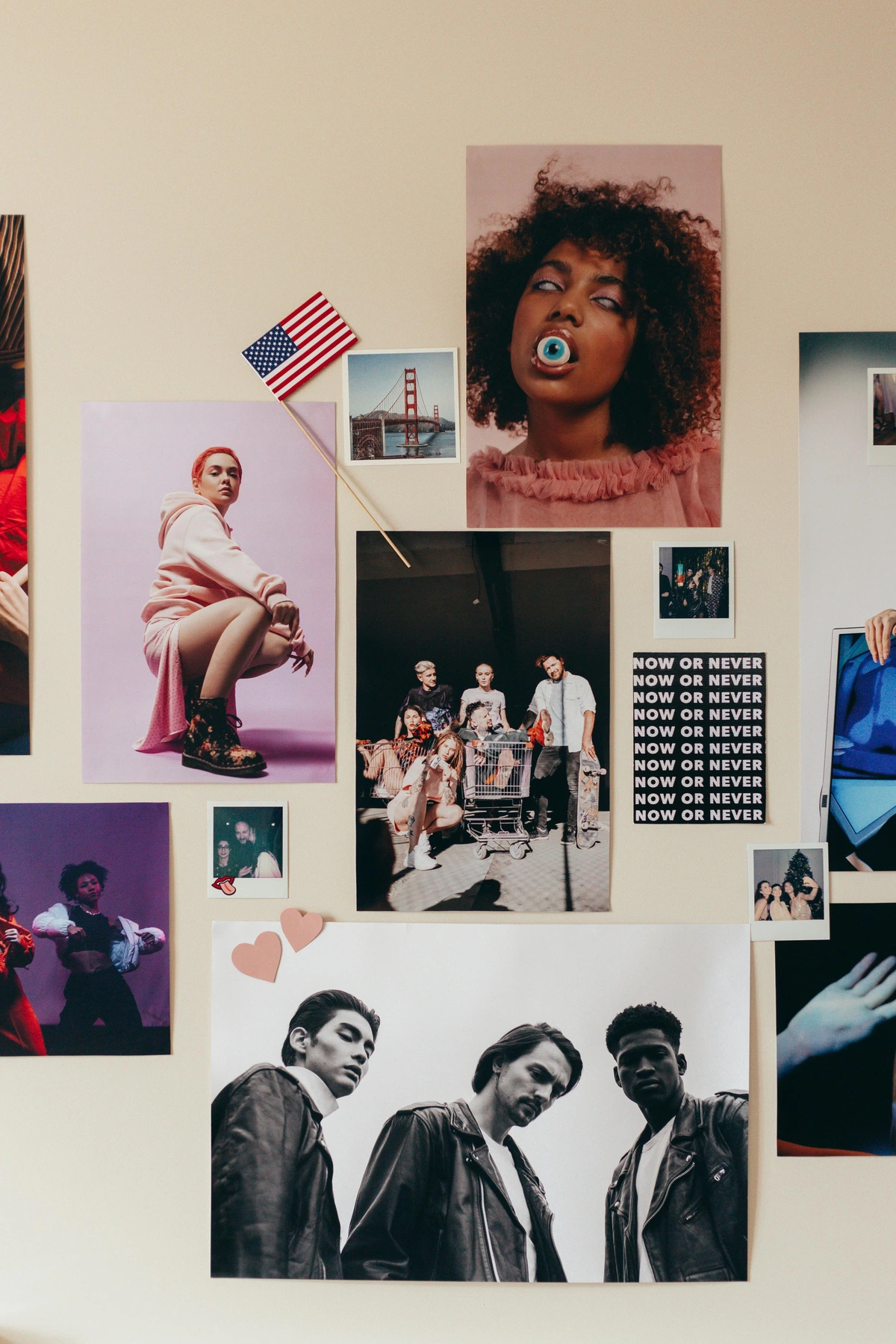
When I approach a transitional space, I don't just see a collection of objects; I see a story unfolding. It’s a space that values comfort without sacrificing sophistication, where tradition offers a warm embrace, and modern elements provide a breath of fresh air. The art you choose should echo this sentiment, acting as a visual anchor and conversation starter. It's about creating a dialogue, a visual conversation where a streamlined sofa can happily coexist with a classic console, and a contemporary painting can perfectly complement antique sconces. It’s about being deliberate and thoughtful, ensuring every piece contributes to a cohesive, inviting, and utterly timeless environment. This blending isn't just aesthetic; it's about creating a feeling of settled elegance, a space that feels lived-in yet refined, much like the evolution of art itself through various periods, which you can explore in the evolution of art in interior design: from grand salons to modern minimalism. It’s an alchemy of elements that speaks to our innate desire for both beauty and belonging, often influenced by [the psychology of color in abstract art: beyond basic hues](/finder/page/the-psychology-of-color-in-abstract-art-beyond-basic-hues) to evoke specific moods. It's a subtle nod to history, a graceful bow to innovation, and always, always, a commitment to personal expression over passing fads. This philosophy, I believe, is what truly elevates a house into a home. To achieve this, I often think about how to make each piece a thoughtful counterpoint or a gentle echo of another, creating a dynamic yet balanced visual experience. The blending also means a mindful approach to scale and proportion, ensuring that traditional grandeur doesn't overwhelm modern simplicity, and vice-versa. Moreover, the careful consideration of line – from the crisp edges of a modern frame to the flowing curves of a classical sculpture – is crucial in unifying these diverse elements. This intricate dance of visual components is what truly defines the art of transitional blending, creating a nuanced aesthetic that delights the eye and soothes the soul, a concept further elaborated in [the definitive guide to understanding line in abstract art: from gestural marks to geometric forms](/finder/page/the-definitive-guide-to-understanding-line-in-abstract-art-from-gestural-marks-to-geometric-forms). I often think of line as the invisible thread that connects everything, from the architectural details of a room to the brushstrokes in a painting, creating a continuous visual narrative. Beyond the visual, this philosophy embraces the idea that a home should feel curated, not merely decorated. It's a living space that tells a story, your story, through the thoughtful assembly of objects that resonate on a deeper, emotional level.
The Psychology of Space: How Art Influences Mood
Before we dive into the specifics of what art to choose, let's take a moment to consider the profound impact art has on the feeling of a room. In a transitional interior, the goal is often serenity, sophisticated comfort, and an inviting atmosphere. The art you select is a powerful tool in shaping this emotional landscape. Do you want a burst of energy, a moment of quiet contemplation, or a subtle nod to nature's calm? Each piece, through its colors, lines, and subject matter, whispers to the subconscious, influencing our perception of warmth, scale, and even time. Choosing art with intention here can transform a mere decorated room into a truly felt space. It's about more than just aesthetics; it's about crafting an experience, much like my explorations into creating ambiance: choosing abstract art for every room's mood.
When I'm creating for a transitional space, I think about how the artwork will communicate with the viewer. A calming seascape in muted blues might foster relaxation, while an abstract with dynamic lines and warm hues could inject vibrancy. It's about finding that sweet spot where the art both complements and elevates the emotional tone you wish to cultivate. I once had a client who was struggling to make her sleek, modern living room feel cozy. We introduced a large, textured abstract piece with warm, earthy tones, and it was incredible to see how it instantly softened the space, drawing people in and making it feel much more inviting. The art truly transformed the room's emotional resonance, proving that it's not just decoration; it's a profound influencer of mood and atmosphere. It's a subtle alchemy, where colors, forms, and subject matter work together to create an immersive experience. Consider how an artwork can be the missing puzzle piece that turns a functional space into a soul-soothing sanctuary or an energizing hub. Understanding this emotional dialogue is key to selecting art that truly enriches your daily life and the overall ambiance of your home. It's about creating an atmosphere that resonates with psychological well-being, fostering a sense of peace or invigorating creativity, depending on the room's function. The art becomes a quiet companion, subtly shaping your emotional experience within the space.
The Art of the Bridge: What to Look For
Now, for the really exciting part – the art! In a transitional space, I truly believe art acts as that essential, elegant bridge. It's not just a decorative piece; it's the visual storyteller that connects the seemingly disparate elements in your room, weaving them into a harmonious whole. Here’s what I've learned to look for, and what I encourage you to consider, when selecting your perfect piece.
1. Themes and Subjects: A Modern Twist on Timeless Narratives
This is where you can truly let your personality shine, blending traditional inspiration with a contemporary sensibility. It’s about choosing subjects that evoke a sense of history or nature, but are rendered with a fresh, updated perspective.
Reimagining the Classics
This is where you can really play, pushing boundaries in a respectful and exciting way. You can lean towards traditional subjects but presented in a more contemporary way. For example, instead of a grand historical battle scene, which might feel too rigid and heavy for a transitional space, consider a piece that subtly references history through its palette, form, or even a deconstructed narrative, but with a modern, even abstract, interpretation. Think about the raw energy of [Jackson Pollock signature on a drip painting, detail from Fiona and Graeme's collection on Flickr.](https://images.zenmuseum.com/article/who-was-clement-greenberg/c5f16100-cc3c-11f0-a39d-67ae8c70516a.jpg) for abstract movements or even modern interpretations of classical figures like [Francis Bacon's 'Head VI', 1949, oil on canvas painting of a screaming figure in a purple robe within a glass cage.](https://images.zenmuseum.com/article/ultimate-guide-to-francis-bacon/30d21560-b32d-11f0-966e-47f869eff679.jpg). It’s about taking inspiration from the past and filtering it through a contemporary lens, creating a dialogue between eras that feels fresh and unexpected. Perhaps a classical mythological scene rendered with bold, graphic lines, or a traditional still life reimagined in vibrant, non-literal colors. The goal is to evoke the familiarity of the past while firmly planting the piece in the present, offering a fresh perspective on enduring themes. This approach allows for a playful yet respectful nod to art history, ensuring your space feels both sophisticated and utterly current. Consider pieces that recontextualize historical events or figures, inviting a fresh interpretation and a captivating conversation. It's about finding that sweet spot where a historical echo meets a modern voice, creating a piece that feels both familiar and strikingly new.
- Landscapes: Oh, I adore a good landscape, but for transitional interiors, we're not talking about a hyper-realistic, almost photographic oil painting of a countryside. Instead, I steer clients towards landscapes with a more contemporary soul. Think looser, more expressive brushstrokes, perhaps a semi-abstract interpretation that focuses on the raw emotion of color and the dance of light rather than exacting photorealism. It hints at tradition but speaks with a modern accent. Imagine something with the serene depth of a classical vista, but painted with the bold freedom of contemporary expression, perhaps even blurring the lines between nature and abstraction. Consider pieces that evoke a sense of place without being literal postcards, perhaps with muted tones or unexpected compositions, bringing the tranquility of nature indoors without being overtly traditional. This is where you can find
[Bruges, city, tourism, historical, static, theater, life, change, sadness, melancholy, vibrant colors, abstract, expressionist, urban landscape, text, painting](https://images.zenmuseum.com/art/676/picture.jpg)and[Painter David Brewster creating work for the Art of Action project.](https://images.zenmuseum.com/page/generic/making/Painter_David_Brewster_creating_work_for_the_Art_of_Action_project.jpg)as beautiful examples, or explore my thoughts on what is abstract art for more inspiration. Consider pieces that capture the essence of a place rather than its exact depiction, inviting the viewer to create their own narrative, or even surreal landscapes that offer a sense of escape, much like the imaginative worlds found in[Surreal fantasy planet landscape with vibrant colors and cosmic elements.](https://images.zenmuseum.com/article/ultimate-guide-to-remedios-varo-surrealism-and-mysticism/3cbc2ab0-b322-11f0-a667-1d2cdd77ff1d.jpg). These kinds of landscapes can transport you without being overtly literal, adding a layer of sophisticated escapism to your transitional space.

- Portraits: A stern, classic portrait can sometimes feel a touch too formal, too heavy, for the easy elegance of a transitional space. My suggestion? Seek out figure studies with abstract elements, or portraits that dare to use a bold, unexpected color palette. It’s a beautiful way to nod respectfully to the grand tradition of portraiture without being chained to its more rigid interpretations. Think of a human form depicted with a contemporary lens – perhaps a deconstructed face, a vibrant, non-literal use of color that captures the spirit of the subject rather than just their likeness, or even pieces that evoke a sense of the human form without explicit depiction. Consider abstract busts, or even photography that captures a candid, unposed human element, blurring the lines between traditional reverence and modern interpretation. The goal is connection, not formality. For truly impactful pieces, consider larger scales that make a statement without being overwhelming. Think of pieces that capture emotion or a fleeting moment rather than a static, formal pose, creating a more dynamic interaction with the viewer. Look for contemporary artists who play with scale, color, and form to create portraits that are both timeless and utterly fresh. Consider the impactful silhouettes of
[Black silhouette artwork from MoMA's 'Gone: An Historical Romance of a Civil War' exhibition, showing figures flying, on hills, and interacting in a stylized landscape.](https://images.zenmuseum.com/page/artists/kara-walker/85744e00-3f54-11f0-b0c0-df8808c80d41.jpg)or the expressive intensity of[Edvard Munch's woodcut 'Angst' depicting a distorted, anxious crowd under a swirling sky.](https://images.zenmuseum.com/article/ultimate-guide-to-edvard-munch/3e2cab10-ab55-11f0-9aa3-29ad848e6b4f.jpg)for pieces that capture human emotion in a powerful, non-traditional way. These contemporary interpretations allow for a depth of engagement that traditional portraits sometimes lack in a transitional setting, making them powerful focal points. I'm always looking for pieces that hint at a story, inviting the viewer to fill in the blanks. They can be incredibly personal, reflecting the nuanced beauty of the human experience in a way that feels utterly fresh. - Figurative Art: Beyond traditional portraits, contemporary figurative art can be a powerful choice for transitional spaces. Look for pieces that offer a modern interpretation of the human form – abstract figures, expressive dancers, simplified silhouettes, or even pieces that hint at human presence through gesture or movement. These works can evoke emotion without being overly literal, adding a deeply human element while maintaining a sophisticated, modern edge. Consider pieces that play with light and shadow to create dynamic forms, or those that use unexpected materials to depict the human figure, adding textural interest. I find that
[When The Music Is Over, The Doors, Jim Morrison, music, dance, blue figure, pink shadow, yellow beacon, purple room, roof, walls, floor, stairs, passion, life, emotion, unending force, melodies, rhythms, Zen Dageraad, drawing, marker, abstract, figurative, vibrant colors, contrasting colors, deep purple, yellow, blue, pink](https://images.zenmuseum.com/art/585/picture.jpg)is a fantastic example of abstract figurative art that brings incredible energy and depth to a space. They offer a unique way to explore the human condition without the formality of traditional portraiture, creating a more approachable and emotionally resonant experience. - Still Life: The traditional still life, with its opulent Dutch Master-style fruit bowls and draped fabrics, can be a delight, but for transitional decor, I often lean towards a more simplified, graphic, or even abstract interpretation of everyday objects. It's about finding beauty in the mundane, but presenting it with a fresh perspective. My own journey as an artist often involves exactly this—looking at familiar things through a new lens, stripping away the superfluous to reveal the essence, which you can explore further in my /timeline where I've showcased my artistic evolution. This approach keeps the comfort of recognizable subjects but adds that crucial contemporary edge. For some delightful examples, consider
[Still Life with Rayfish, a painting depicting a large rayfish, tomatoes, a jug, and a bottle on a draped cloth, showcasing a historical still life composition.](https://images.zenmuseum.com/history-of-still-life-painting/6b91b3b0-90d5-11f0-ae83-09b64070fa59.jpg)for a traditional take that still offers incredible visual richness, and then leap to[table, still life, domestic scene, patterned, colorful, abstract, geometric, dotted, bright, playful, yellow mug, pink table, blue lines, red lines, green shapes](https://images.zenmuseum.com/art/482/picture.jpg)for a vibrant, abstract interpretation that feels utterly fresh. The key is to find pieces that celebrate form and composition, even if the subject matter is subtly reinterpreted or minimalist. Think about pieces that abstract everyday objects, revealing their inherent beauty through form, color, and texture rather than hyper-realistic rendering. A compelling still life can offer a moment of quiet contemplation, transforming the ordinary into the extraordinary, and its placement can add a focal point to dining rooms or kitchens. They're a quiet celebration of everyday beauty, making them incredibly relatable and engaging. They serve as a visual pause, inviting a closer look at the often-unnoticed details of daily life, making them perfect for infusing a sense of grounded tranquility.

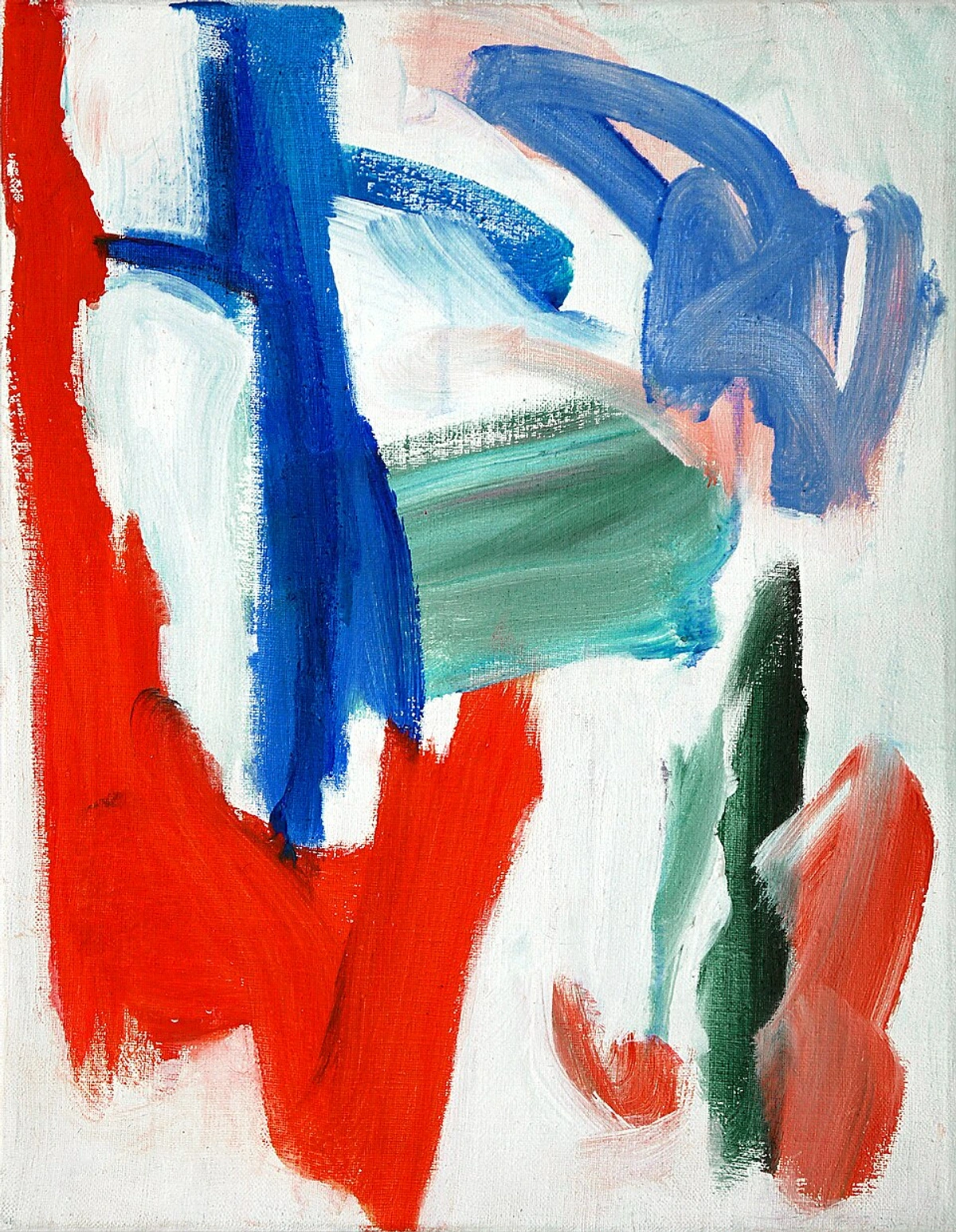
- Abstracts: Yes, absolutely, unequivocally yes! Abstract art is, in my opinion, a fantastic cornerstone for transitional interiors. It effortlessly brings in that clean, modern edge. The key, however, is to select abstracts that aren't overly stark, cold, or aggressive. I always look for pieces that offer some organic movement, a pleasing and harmonious color palette (perhaps echoing existing tones in the room), or captivating texture that invites the eye to linger. These elements ensure the abstract piece feels integrated and warm, rather than alien. They provide a wonderful counterpoint to more traditional furniture, sparking conversation and adding a layer of intellectual curiosity. For a deeper dive into the world of non-representational art, you might enjoy my thoughts on what is minimalism in art, which often aligns beautifully with the principles of transitional design. You could also explore
[the evolution of abstract art: key movements and their collectible value](/finder/page/the-evolution-of-abstract-art:-key-movements-and-their-collectible-value)orthe definitive guide to the history of abstract art: key movements, artists, and evolution, or a personal perspective in why i paint abstract: my personal philosophy and artistic vision. Consider how the abstract forms can echo the clean lines of modern furniture or the subtle curves of traditional pieces, creating a visual rhythm throughout the space. Whether it's the raw energy of[Multicolored abstract painting with bold brushstrokes and dynamic shapes in red, blue, yellow, and orange.](https://images.zenmuseum.com/article/what-is-collage-art/304d4060-be22-11f0-b583-9d70f186c7fb.jpeg)or the quiet sophistication of a monochrome piece, abstracts offer unparalleled versatility and a powerful means of personal expression. For those with smaller spaces, even a significant abstract can be strategically chosen to maximize impact without overwhelming the area, a topic I delve into in[abstract art for small spaces: maximizing impact in compact areas](/finder/page/abstract-art-for-small-spaces:-maximizing-impact-in-compact-areas). They are truly the chameleons of the art world, adapting and enhancing any transitional setting with their inherent flexibility and depth. - Text-Based Art and Typography: Don't shy away from the unexpected! Art that incorporates text, quotes, or striking typography can be a very modern and personal addition. Look for clean, sans-serif fonts for a contemporary feel, or abstract compositions where the letters themselves become part of the visual design. These pieces can infuse wit, wisdom, or a personal mantra into your space, acting as a quiet conversation starter and a unique expression of your identity. Consider something like
[Andy Warhol's Campbell's Soup Cans artwork featuring multiple varieties of soup cans.](https://images.zenmuseum.com/article/what-are-warhols-campbells-soup-cans/d5c02850-aab8-11f0-b755-61e4a3886335.jpg)for an iconic example, or explore modern calligraphic pieces for a softer touch, like those you might create with[Set of calligraphy brushes on paper with hieroglyphs](https://images.zenmuseum.com/essential-calligraphy-pens-for-beginners/f4f19a10-9262-11f0-8cec-d1de649bf045.jpeg). The beauty lies in the message, whether explicit or implied through artistic rendering. The contrast of structured text within a flowing, transitional space can be incredibly compelling, adding an intellectual layer to the aesthetic. These are wonderful ways to inject personality and a specific message without resorting to overly literal imagery, making them perfect for creating a focal point with a story. They provide a unique opportunity to articulate a personal philosophy or an inspiring sentiment, subtly yet powerfully. - Botanicals and Nature-Inspired Art: Think of classic botanical prints, but with a distinctly contemporary edge. We're talking large-scale, minimalist floral photography that focuses on form and light, or abstract interpretations of leaves, branches, and natural textures. These pieces bring a touch of the outdoors in, softening sleek modern lines while adding a timeless organic element. They offer a serene, grounding presence, whether through delicate ink drawings of foliage or bold, color-block interpretations of a forest canopy. The goal is to evoke nature, not simply replicate it. They are a gentle way to introduce pattern and color without overwhelming the space. Consider the subtle beauty of a monochromatic botanical print or the vibrant energy of a semi-abstract floral, both providing a connection to the natural world that feels current and sophisticated. I often use these types of pieces to bring a sense of tranquility and an organic softness to otherwise angular or minimalist elements in a transitional room. They are truly versatile, adapting to various moods depending on the chosen color palette and style. They can transform a stark space into a verdant oasis, fostering a sense of calm and well-being.
- Cityscapes and Architectural Studies: For those who appreciate urban elegance, stylized cityscapes or abstract architectural photography can be incredibly impactful. Look for pieces that focus on geometric forms, the interplay of light and shadow, or a muted yet rich color palette to maintain the sophisticated balance of transitional design. These pieces can capture the energy of urban life or the quiet grandeur of a building's structure, offering a contemporary narrative that still feels rooted and substantial. Think of a charcoal sketch of a city skyline, or a dramatically lit photograph of a classic facade rendered in monochrome, bridging past and present with compelling visual storytelling. They can add a sophisticated, cosmopolitan edge to a transitional space, connecting it to the broader world while retaining its personal charm. Consider pieces that highlight the grandeur of historical architecture or the dynamic lines of modern urban landscapes, creating a visual bridge between the old and new worlds within your home. These are fantastic for rooms where you want to evoke a sense of global sophistication and a connection to architectural beauty. They inject a sense of dynamic energy and a connection to the wider world, reflecting a life lived with an appreciation for both intimate and grand scales.
The Artist's Hand: Connection and Authenticity
Before we dive deeper into the technical aspects of color, scale, and medium, I want to emphasize something profoundly important in transitional design: the connection to the artist and the authenticity of the piece. In a world saturated with mass-produced decor, choosing art that carries a unique narrative or the discernible mark of a human hand brings an unparalleled depth and soul to your space. It's about finding pieces that resonate with a story, whether that's the artist's journey, the inspiration behind the work, or the very process of its creation. This connection elevates art from mere decor to a profound expression of humanity and individuality, a perfect counterpoint to the often impersonal nature of modern design.
- Support Originality: Seek out original paintings, limited edition prints, or unique sculptural works. These pieces carry an energy that reproductions simply cannot replicate. Consider visiting local art fairs, open studios, or independent galleries to discover emerging talent. For new collectors, exploring
[collecting emerging abstract art: a guide to discovering tomorrow's masters](/finder/page/collecting-emerging-abstract-art-a-guide-to-discovering-tomorrows-masters)can be a great starting point. - The Story Behind the Art: A piece with a compelling backstory – perhaps it's by an artist whose philosophy you admire, or it was acquired during a meaningful trip – becomes far more than just decoration; it's a conversation starter, a memory keeper, and a reflection of your personal values. These stories enrich your home's narrative and make the art truly come alive.
- Handcrafted Charm: Embrace the subtle imperfections and unique qualities of handmade art. These elements add character and a sense of warmth that contrasts beautifully with the sleekness of modern elements in a transitional interior. It's the visible touch of human endeavor that truly grounds a space, adding an irreplaceable sense of soul.
Connecting with the art on this deeper level ensures that your transitional home isn't just beautifully designed, but richly felt, filled with pieces that truly tell your story. It fosters a profound sense of connection, making your home a living, breathing gallery of personal meaning.
Oh, color! It's truly your best friend, your secret weapon, in a transitional space. It's the silent conductor of your room's symphony, influencing everything from mood to perceived size. Your artwork can be that pivotal element that subtly weaves your neutral palette together, creating an undeniable sense of cohesion, or it can be the source of a deliberate, sophisticated pop of color that invigorates the entire space. It’s all about understanding [how artists use color](/finder/page/how-artists-use-color) to create impact. The choices you make here deeply influence the emotional experience of your room, shaping everything from its perceived warmth to its overall sense of calm or energy. Think about how a strategically chosen color can unify disparate elements, bringing a sense of flow and intention to your design. It's about selecting hues that resonate with your personal aesthetic and the desired mood of the space. I've found that getting the color story right can transform a room from simply decorated to truly alive, creating an immersive experience that feels both refined and deeply personal. It's truly the most potent design tool in your arsenal, capable of unifying disparate elements and setting the emotional stage for your entire home. It's like finding the perfect key to unlock the full potential of your transitional palette, allowing the space to breathe and come alive with a nuanced vibrancy.
Warmth and Coolness: Balancing the Emotional Spectrum
Understanding the inherent warmth or coolness of colors is paramount in a transitional space. Warm hues (reds, oranges, yellows) tend to advance and energize, fostering coziness and intimacy. Cool hues (blues, greens, purples) tend to recede and calm, promoting serenity and spaciousness. Transitional art often plays with this dynamic, either by providing a warm accent in a predominantly cool room, or introducing cool elements to balance a warmer palette. It’s about creating an emotional equilibrium, ensuring the art contributes to the desired mood without creating visual tension. Think of how a piece with warm, earthy tones can ground a sleek, modern space, or how a serene blue abstract can bring a breath of fresh air to a room with traditional, rich wooden furniture.
- Tonal & Monochromatic: There's an undeniable elegance, a quiet power, in art that explores varying shades and intensities of a single color, or a few closely related hues. I find these pieces incredibly sophisticated. They add immense depth and visual interest without ever overwhelming the serene, balanced feeling of a transitional room. Imagine a canvas playing with blues – from a deep navy to a soft sky, perhaps with hints of grey-blue, or a series of muted greens and grays that evoke a misty forest. It's a masterclass in understated impact, creating a sense of calm and sophistication. For a deeper dive, explore the psychology of color in abstract art: beyond basic hues. These pieces excel at creating a sense of quiet luxury, allowing the viewer to appreciate the subtle shifts in tone and texture, adding a subtle richness that feels both timeless and modern. They are a testament to the power of subtlety, proving that a whisper can be more impactful than a shout, creating a seamless visual flow.
- Subtle Pops of Color: This is where the magic of intention comes in. Select a piece that subtly (or boldly, if you dare!) picks up on an accent color already present in your room—perhaps a specific shade from your throw pillows, a nuanced hue in your rug, or even the underlying tone of a beloved ceramic piece. This deliberate connection creates a cohesive, thoughtfully designed look that feels utterly professional and polished, tying everything together with an invisible thread of color. It's about creating a visual 'aha!' moment, where the art provides a gentle counterpoint or an unexpected burst of energy, rather than clashing. Think of a predominantly neutral space suddenly awakened by a canvas with a confident splash of emerald green, mirroring a small detail in a nearby planter, or a muted abstract with a burst of coral that picks up a hue from a decorative vase. Don't be afraid to introduce a single, vibrant abstract that echoes a smaller element elsewhere, creating a focal point that feels both integrated and exciting. You can find unique pieces to help achieve this balance in my /buy collection. This approach prevents the space from feeling monotonous, injecting personality and dynamism without sacrificing the overall serenity. The key is balance and restraint, ensuring the pop feels deliberate, not accidental. It’s like a perfectly placed exclamation point in a thoughtfully written sentence, drawing the eye without overwhelming the composition.
- Neutral with Texture: A heavily textured neutral piece can be just as impactful as a colorful one, sometimes even more so in a transitional setting. Think of a minimalist canvas with thick, impasto paint application, a woven textile with a rich, tactile surface, or a raw plaster artwork. It’s a concept that feels deeply connected to the power of imperfection in art, adding dimension and warmth without competing with other elements. These pieces are often the unsung heroes of a transitional space, providing subtle visual interest and a sophisticated depth. They can create a focal point through their very understatedness, inviting closer inspection and interaction, and creating a sense of quiet luxury that speaks volumes without shouting. The interplay of light and shadow on such surfaces creates an ever-evolving visual feast.
3. Scale and Framing: The Finishing Touches – The Presentation is Everything
It's an area where thoughtful consideration can elevate even a simple print into a gallery-worthy display, transforming a mere image into a statement piece. This intricate balance is beautifully explored in the art of display: how to light and position abstract art for maximum impact.
I often tell clients that how you present the art is almost as important as the art itself. This is where the clean, sophisticated modern side of your transitional style can truly shine, acting as a quiet counterpoint to traditional elements. The right scale and framing can literally make or break how an artwork integrates into your space, influencing everything from visual flow to the overall sense of balance. The thoughtful consideration of negative space, too, is paramount; sometimes the breathing room around the art is just as impactful as the art itself, allowing each piece to command attention without feeling crowded. This careful consideration ensures the art feels perfectly integrated, not just placed.
- Go Big: When in doubt, I often advocate for one large-scale, impactful piece of art rather than a busy collection of smaller ones. There’s a certain confidence, an uncluttered grandeur, in a single commanding piece that aligns perfectly with modern sensibilities and the serene aesthetic of transitional design. It simplifies, elevates, and anchors a space beautifully, creating an immediate focal point that grounds the entire room. This approach is especially powerful, almost essential, if you are choosing art for high ceilings, where a small piece would simply get lost. Remember, a large piece doesn't have to be overwhelming; a muted abstract or a serene landscape in a generous size can bring immense calm and sophistication. I even find
[A white canvas sits on a wooden easel, with art supplies like paint tubes and brushes on a nearby table, set against a warm wooden background.](https://images.zenmuseum.com/article/best-easels-for-painting-at-home/3a9c5380-bd8c-11f0-9552-b7c9888a62fb.jpeg)inspiring for envisioning a large piece. Consider how a singular, commanding piece can become the undeniable focal point of a room, effortlessly drawing the eye and setting the tone for the entire space, creating a sense of visual gravitas that smaller pieces simply can't achieve. This is particularly true in spaces with high ceilings, where a small artwork would feel dwarfed and insignificant. A large piece creates a sense of effortless luxury, a bold statement without needing to shout. - Matting: An Understated Elegance: While not strictly framing, the choice of matting (the border between the art and the frame) is a subtle yet powerful element that can profoundly impact how a piece is perceived. For transitional art, I almost always recommend a wide, crisp white or off-white mat. This creates breathing room around the artwork, enhancing its perceived value and lending an immediate sense of modern refinement, regardless of the art style within. It's a trick I use often to elevate a piece, providing a clean visual break that allows the art to stand out without feeling crowded, almost like giving it a personal spotlight. A wide mat can also make a smaller piece feel more substantial, enhancing its presence in the room, creating an illusion of grandeur and importance that makes the artwork feel more significant. This thoughtful detail adds a layer of sophisticated polish, signaling that every element has been carefully considered, transforming a print into a prized possession.
- Simple Framing: This, my friends, is absolutely crucial. The frame is the bridge between the art and your wall, setting the tone for how the artwork interacts with its surroundings. Even a piece with a very traditional subject or classical brushstrokes can be instantly modernized and made to feel utterly current with the right simple, clean frame. I love thin gallery frames in crisp black, bright white, or a beautifully finished natural wood. These choices allow the art to breathe and blend, creating a sophisticated edge that complements both modern and traditional elements. I strongly advise avoiding ornate, heavy, or overly gilded frames, as they can, with surprising speed, tip the balance too far into the traditional camp, creating a jarring rather than harmonious effect. Remember, the frame should enhance, not compete with, the art and the room's aesthetic. The goal is a subtle elegance that lets the art be the star, rather than an overbearing distraction. A floating frame, where the canvas appears to hover within the frame, is another excellent contemporary choice that adds depth and a minimalist appeal. It's about letting the artwork shine, creating an understated elegance that elevates the entire presentation.
- Gallery Walls: A thoughtfully conceived gallery wall can indeed work beautifully in a transitional space, adding personality and layering. However, the key here is curation and intention. Instead of a sprawling, wildly eclectic mix that might feel chaotic, aim for a more structured, intentional layout. Consider using matching frames for a unified, modern backdrop, or perhaps mix a few simple frame styles (like crisp black and a light natural wood) for subtle variety that still feels cohesive. The art itself can be a blend of styles—perhaps a vintage botanical print alongside a contemporary abstract—but the presentation should be orderly and well-planned. Explore the intricacies of this approach in curating your perfect gallery wall: a step-by-step guide for abstract art lovers and what is a gallery wall. The universal principles of a good gallery wall apply, whether you're designing for a long hallway, your main living room, or even a cozy small living room. Consider incorporating a mix of mediums – a photograph, a small abstract painting, and a sculptural wall hanging – all unified by consistent framing or a cohesive color story. This adds even more depth and intrigue. For detailed steps on how to plan and execute such a display, you might find my guide on how to arrange pictures on a wall invaluable. A well-executed gallery wall becomes a personal narrative, a visual autobiography that evolves with you and your home. Remember, the negative space between the pieces is just as important as the art itself, creating visual breathing room and preventing a cluttered feel. It's about telling a visual story with intention and elegance, a testament to your personal journey.
- Arrangement Principles: The Invisible Grid: When placing art, especially a grouping, think about an invisible grid. Even if frames aren't perfectly aligned, aiming for a consistent visual weight and balance within a defined area will create a harmonious effect. Consider spacing between pieces – not too tight, not too loose – to allow each artwork to breathe while still feeling part of a larger composition. This thoughtful arrangement is a hallmark of sophisticated transitional design, ensuring that even a diverse collection feels cohesive and intentional. It's about creating visual order without sacrificing personal expression. I often use painter's tape to map out a gallery wall on the floor first, experimenting with different layouts until it feels just right. This allows you to visualize the balance and flow before committing to holes in the wall. The negative space around and between pieces is just as important as the art itself, acting as a visual pause and enhancing each artwork's presence. It creates a rhythm for the eye, guiding it through your curated collection.
- Diptyches and Triptyches: For those who appreciate a cohesive visual narrative without a full gallery wall, a diptych (two panels) or triptych (three panels) can be a fantastic solution. These sets are designed to be displayed together, creating a sense of unity and balance that perfectly suits the transitional aesthetic. They offer a strong visual statement without feeling cluttered and can be particularly effective in larger spaces or over long furniture pieces, providing a sense of grandeur without excessive ornamentation. I find them particularly impactful above a large sofa or a king-sized bed, where they can command attention without overwhelming the space. Consider abstract diptyches that continue a visual theme across panels, or triptychs that tell a subtle, evolving story through their composition, adding a dynamic and sophisticated focal point. They're a sophisticated way to achieve visual impact and flow without the complexity of a full gallery wall, creating a streamlined yet rich aesthetic. They offer a sense of grand scale with a refined, contemporary sensibility.


Considering Texture: More Than Just Visual
Texture in art is often overlooked, but in a transitional interior, it’s a silent hero. It adds a tactile dimension, inviting the eye and the hand to explore. Think of it as another layer of warmth and complexity, bridging the sleekness of modern design with the richness of traditional elements. The interplay of light and shadow on a textured surface creates a dynamic visual experience that changes throughout the day, adding endless intrigue and a sense of living artistry.
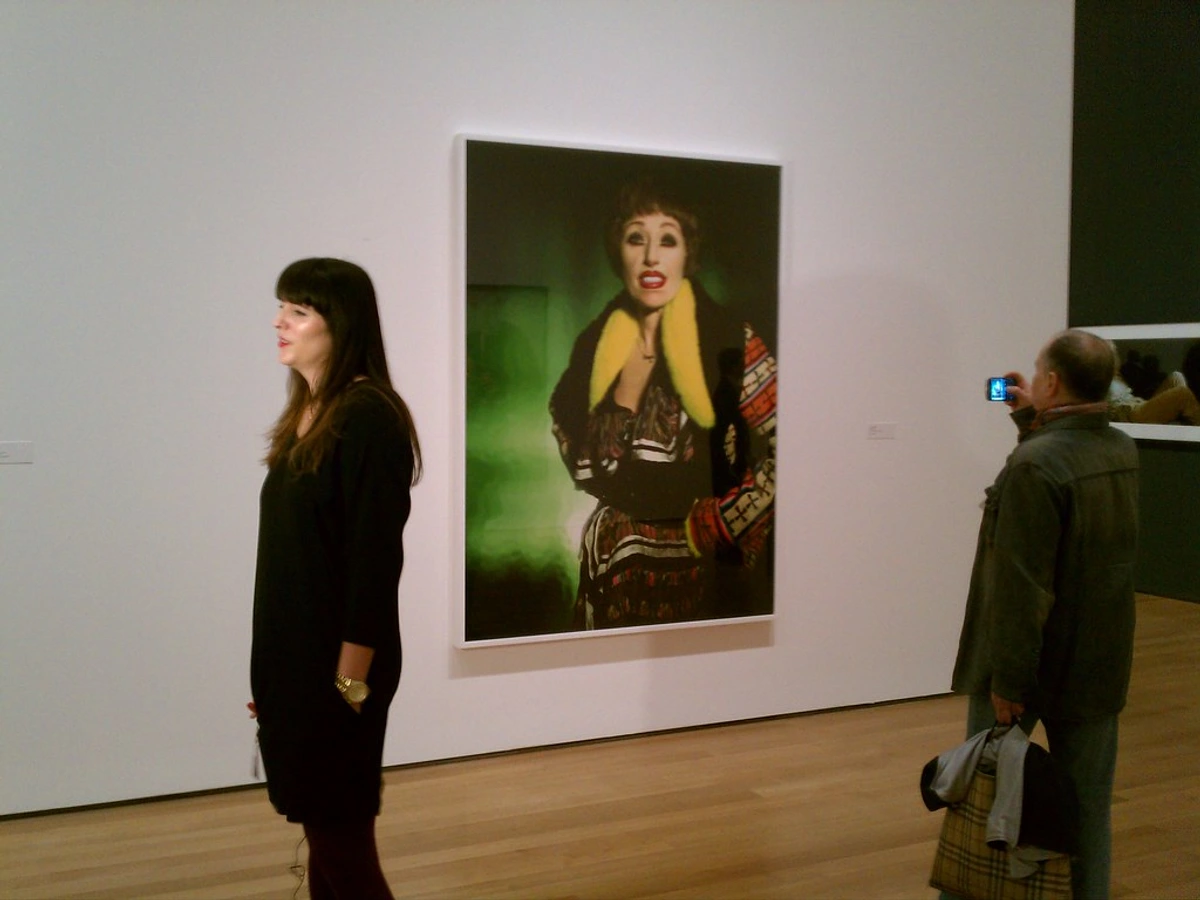
- Impasto & Palpable Surfaces: For paintings, look for pieces with thick, expressive brushstrokes (impasto) or visible canvas weave. These create literal peaks and valleys that catch the light differently throughout the day, adding an incredible sense of dynamism and depth. The way light plays across these surfaces transforms the artwork throughout the day, offering new perspectives with every shifting shadow, making the artwork feel profoundly alive.
- Woven & Fiber Art: Textile art is fantastic for introducing softness and warmth, and the varied weaves and natural fibers add an undeniable tactile quality. Think about the subtle luxury of a hand-woven tapestry or the intricate details of an embroidered piece; these mediums bring a unique, organic texture that softens sharp lines and adds a comforting layer to your design scheme, introducing a sense of handcrafted authenticity.
- Sculptural Forms: Three-dimensional art naturally brings texture into play, whether it’s the smooth coolness of polished stone, the rough patina of bronze, or the intricate details of a ceramic piece. They provide a physical anchor, a moment of grounded reality in a carefully curated space. They invite interaction, often encouraging viewers to move around them, experiencing them from different angles and perspectives. This physical presence adds an unparalleled sense of weight and gravitas to a room, creating focal points that demand attention and contemplation. They offer a tangible connection, bridging the visual and the tactile.
Beyond the Canvas: Exploring Diverse Art Mediums for Added Texture and Interest
While paintings on canvas, large-scale photography, and mixed media are fantastic staples for transitional interiors, I always encourage you to think beyond the obvious. Embracing a variety of mediums adds incredible texture, dimension, and unexpected interest, further enhancing that layered, collected feel. This is where your modern instincts can truly play with traditional forms, creating a truly unique and engaging space. Think of it as building a rich, sensory experience, where different materials and forms engage the viewer in varied ways. It's about letting the artwork transcend its two-dimensional confines and become a tangible, sculptural presence in the room.
- Sculpture: Sculptures are a magnificent addition to transitional interiors, providing crucial three-dimensional interest. Look for pieces with clean lines, organic shapes, or perhaps even a slightly deconstructed form. A simple bronze abstract figure, a smooth stone sculpture, or even a compelling ceramic piece on a console table can introduce a wonderful three-dimensional quality and a rich layer of texture that paintings alone can't achieve. They bring a grounded, tangible presence to a space, adding an architectural element. Consider how their form interacts with light and shadow throughout the day, creating an ever-changing display. For more insight into integrating these forms, you might find my guide on how to incorporate sculptural art into modern interiors incredibly helpful.
[Anish Kapoor's Tall Tree & The Eye sculpture, made of reflective spheres, in front of the Guggenheim Museum Bilbao, with a bridge and city buildings.](https://images.zenmuseum.com/page/artists/anish-kapoor/d481c630-3d2e-11f0-a8e9-3113ab322f72.JPG)is a great example of modern sculpture, while a smaller, tactile piece like[Abstract art sculpture made from found objects, featuring rusty metal parts, gears, and a number 12 sign.](https://images.zenmuseum.com/my-journey-found-objects-abstract-art/fcb32c10-96d0-11f0-91a5-63238a40490e.jpeg)can offer a more intimate, intriguing statement. A well-chosen sculpture can provide a crucial anchor in a transitional room, a conversation piece that engages from multiple angles and adds a sophisticated layer of material richness. They act as tactile counterpoints to flatter wall art, enriching the sensory experience of the room. - Textile Art: Don't shy away from the tactile beauty of textile art! Modern tapestries, woven wall hangings with abstract patterns, or even finely embroidered pieces with contemporary motifs can introduce softness, warmth, and a unique textural element. These pieces can bridge the gap between plush traditional fabrics and sleek modern lines beautifully, offering a quiet depth. Look for natural fibers and subtle variations in weave to add an organic touch. Consider
[An embroidered folding screen depicting cranes, deer, and pine trees, displayed in a museum setting.](https://images.zenmuseum.com/integrating-textile-art-interiors/94675b10-9610-11f0-9e7a-bf8b4eab3812.jpg)for a traditional example and imagine its modern interpretation through abstract forms or minimalist color palettes. Modern textile artists are creating truly breathtaking pieces that feel both ancient and utterly contemporary. A large, abstract woven piece can serve as a stunning focal point, absorbing sound and adding an unparalleled softness. They can be particularly effective in bedrooms or living areas where a sense of coziness and tactile comfort is desired, adding a handcrafted touch that feels incredibly authentic. These pieces invite touch and can instantly warm up a minimalist space, creating an unexpected but delightful juxtaposition. They also offer excellent acoustic benefits, quietly enhancing the tranquility of your transitional haven.
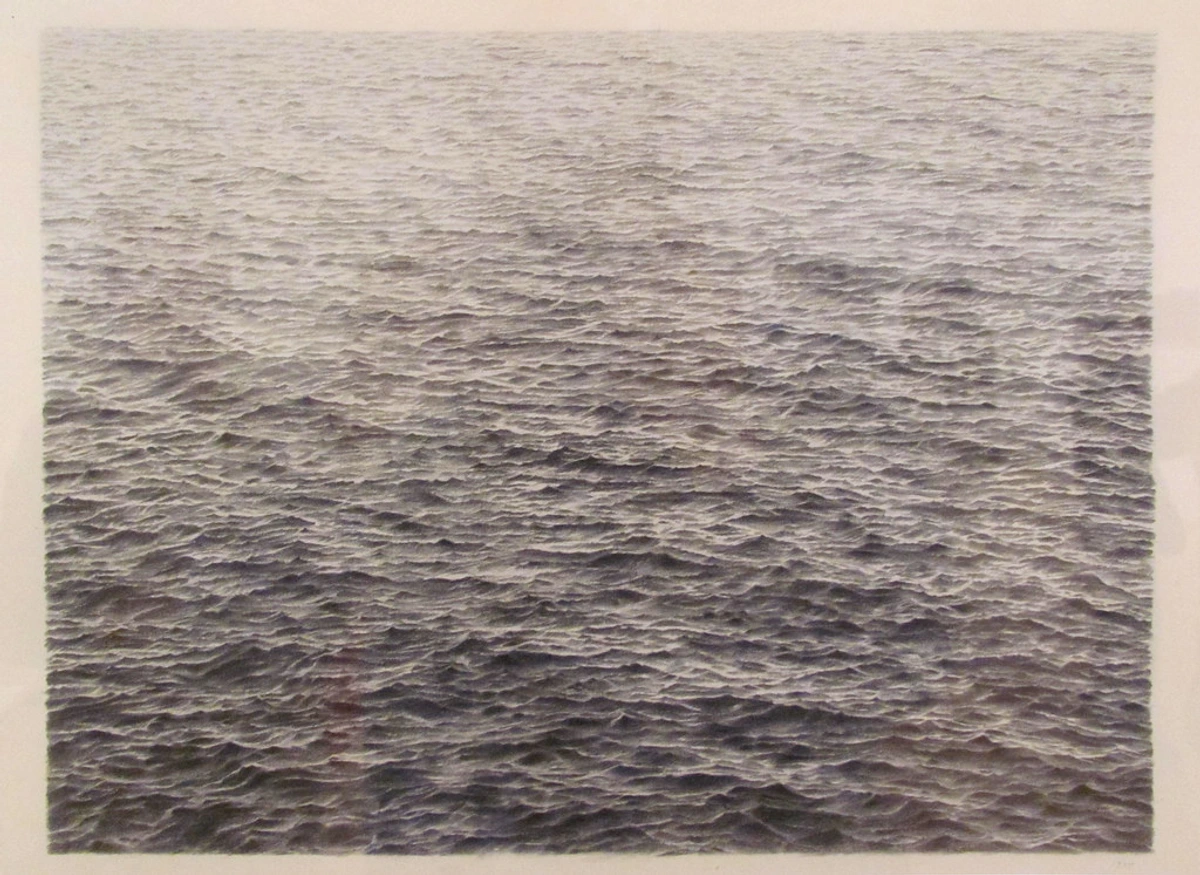
- Photography: While mentioned, it bears repeating: large-format photography, especially in black and white or muted tones, can be incredibly powerful. It offers a crisp, modern aesthetic that perfectly balances traditional elements. Consider abstract photography, architectural studies, highly stylized nature scenes that focus on form and light rather than overt subject matter, or even conceptual pieces that invite thoughtful interpretation.
Henri Cartier-Bresson exhibition banner outside a modern building, with people and a child on a scooter in the foreground.showcases the enduring power of black and white photography. The clean lines and often stark contrasts of photography provide a refreshing counterpoint to the softer, more organic elements of traditional design. I also love the idea of mixing vintage photography with contemporary pieces, further emphasizing the 'bridge' aspect of transitional style. It's a fantastic way to introduce a sense of timelessness and a crisp modern edge simultaneously. It captures moments, whether real or imagined, that can infuse a space with narrative and emotional depth.

- Digital Art: As technology evolves, so does art! High-quality digital prints, generated art, or even video art displayed on sleek screens can bring a truly contemporary edge to a transitional space. Look for pieces that offer abstract patterns, vibrant colors, or subtle movements that enhance the room's atmosphere. These works can feel incredibly fresh and forward-thinking, perfectly balancing traditional elements. Consider abstract digital patterns like
[Abstract artistic background with intricate blue and orange patterns, creating a sense of balance and depth.](https://images.zenmuseum.com/article/what-is-holography-art/85d3c100-bbb4-11f0-984c-2b726ca4bc64.jpeg)for a dynamic, modern touch. They offer endless possibilities for customization and can even be programmed to change, offering a constantly evolving visual experience that truly captivates. Just remember to ensure the display technology blends seamlessly with your decor, perhaps within a minimalist frame. This is where art truly embraces the future, offering dynamic beauty that can evolve with your mood and the space itself. High-quality digital prints of generated art also fall into this category, offering cutting-edge aesthetics without needing a screen. They represent a fascinating intersection of technology and creativity, adding an element of futurism to your curated collection. - Mixed Media: These are often my personal favorites for transitional spaces because they inherently blend different elements, mirroring the very essence of the style. A piece that combines paint with collage, drawing, or even found objects (much like my own journey with abstract art, which you can explore on my /timeline, or the detailed insights in the definitive guide to mixed media in abstract art: techniques, materials, and contemporary masters) can speak volumes. It offers complexity and conversation, embodying the very essence of transitional style, and can introduce unexpected textures and narratives. The beauty of mixed media lies in its ability to tell a layered story, perfectly reflecting the nuanced aesthetic of transitional design, inviting closer inspection and deeper engagement from the viewer. It's truly a celebration of artistic freedom, where different materials come together to create a cohesive and compelling whole. They are visual poems, rich with diverse narratives and tactile surprises, making them endlessly engaging.
- Ceramics: Beyond purely functional pieces, sculptural ceramics can bring a beautiful organic or geometric form to your transitional space. A hand-thrown vase with an interesting glaze, a series of abstract ceramic wall hangings, or a cluster of sculptural vessels on a shelf introduces artisanal warmth and texture that feels both ancient and utterly contemporary. They connect us to the earth and craftsmanship, offering quiet contemplation and a subtle nod to human artistry. Look for matte finishes, natural earth tones, or unexpected structural forms that play with light and shadow. These pieces are often incredibly versatile, able to stand alone as a statement or blend seamlessly into a curated vignette, adding depth and a touch of the handmade. I particularly love how ceramics can introduce a grounded, earthy element that contrasts beautifully with sleeker modern finishes, creating a truly balanced aesthetic. They connect us to the timeless art of crafting, bringing a quiet dignity and artisanal charm to any room. Think of a series of hand-thrown vessels or a beautifully glazed sculptural bowl to add instant character. They are small anchors of earthiness and human touch, providing a comforting counterpoint in any transitional setting.
- Drawings and Sketches: Don't underestimate the quiet power and intimacy of a beautifully executed drawing or sketch. Framed simply, these pieces can add an intimate, contemplative element and a sense of raw artistic expression. Look for abstract line work, minimalist figure studies that capture gesture over detail, or expressive charcoal pieces with rich textures, perhaps like
Black and white abstract painting with expressive charcoal textures and washes.. Their understated nature allows for a subtle dialogue between the art and the viewer, offering depth without visual noise. They can be particularly effective in smaller, more personal spaces, inviting a closer look. A simple line drawing can speak volumes, offering a quiet moment of reflection amidst the richer textures of a transitional interior. Consider framing them with a generous mat to give them added prominence and a gallery-like presentation. They offer a raw, unpretentious beauty that feels deeply authentic and personal, perfectly suiting the nuanced appeal of transitional interiors. They are perfect for injecting a sense of quiet contemplation and intellectual curiosity into a transitional space.
Putting It All Together: A Cheat Sheet for Your Transitional Art Journey
Feeling a little overwhelmed by all the delightful possibilities? It’s perfectly okay, I promise. Think of this as your personal cheat sheet, a simplified guide to help distill these concepts into actionable choices. This table is designed to be a quick reference, a compass for your transitional art journey, helping you navigate the exciting world of art selection with confidence.

The Interplay of Elements: A Holistic View
Beyond individual choices, the true artistry of transitional design lies in how all these elements—subject, color, scale, medium, and texture—dance together. It’s a delicate orchestration, where each piece is chosen not in isolation, but for its dialogue with everything else in the room. Think of it as composing a symphony: individual notes are beautiful, but their arrangement creates the magic. This holistic approach ensures that your home isn’t just a collection of beautiful things, but a harmonious environment where every detail contributes to a larger, more sophisticated story. It's about creating a living space that feels curated, intentional, and deeply personal, reflecting a discerning eye and a love for nuanced beauty. Every element, from the smallest accent to the grandest painting, plays a crucial role in this ongoing visual conversation, weaving together a tapestry that is uniquely yours.
Art Element | Do This | Maybe Avoid This |
|---|---|---|
| Subject | Abstract forms, tonal landscapes, semi-abstract figures, stylized botanicals, subtly modern portraits, cityscapes, conceptual art. | Hyper-realistic historical scenes, overly ornate still lifes with excessive detail, overtly sentimental themes, overtly kitschy art, purely illustrative pieces without artistic depth. |
| Color | Neutrals, muted tones, sophisticated desaturated hues, or a single bold accent color carefully chosen to complement your palette; consider warm/cool balance. | Clashing, overly bright neons, too many competing primary colors, or themes that are too juvenile or jarring; colors that fight with the room's existing palette. |
| Scale | One large, confident statement piece; a tightly curated gallery wall with cohesive framing; a diptych or triptych that fills the space appropriately. | Lots of small, busy pieces scattered haphazardly around the room, making it feel cluttered and unfocused; art that is significantly too small or too large for the wall or furniture it's above. |
| Frame | Simple gallery frames (black, white, natural wood), float frames that create breathing room around the art, slim metal frames, wide white or off-white matting. | Ornate, heavily gilded, chunky, excessively decorative frames that compete with the art or the room's balance; frames that feel dated or too rustic. |
| Medium | Paintings on canvas (oil, acrylic, mixed media), large-scale photography, contemporary sculpture, textile art, clean graphic prints, ceramics, digital art, drawings, sketches. | Heavy, dark tapestries with overly traditional scenes, fussy needlepoint, overtly rustic wood carvings that clash with modern elements, purely functional items presented as art without artistic merit. |
| Placement | Anchor a focal point (like above a fireplace or sofa), create visual flow, consider sightlines and how art interacts with furniture; eye-level hanging for most pieces; intentional groupings. | Blocking architectural features, hanging too high or too low (aim for eye-level for the center), ignoring room-specific needs (e.g., moisture in bathrooms); uneven spacing in groupings; placing art where it feels isolated. |
| Texture | Varied textures (impasto paint, woven fibers, sculpted forms, raw canvas) to add depth and interest and bridge modern/traditional elements. | Smooth, flat, and uniform surfaces that offer no tactile or visual variation, making the space feel sterile or one-dimensional. |
| Narrative | Pieces that spark contemplation, personal connection, or subtle storytelling without being overtly literal; art that invites multiple interpretations. | Art that tells a singular, explicit story, leaving no room for individual interpretation; overly didactic or preachy themes; overly complex narratives that create visual clutter. |
| Emotional Impact | Art that evokes calm, serenity, thoughtful engagement, or a sophisticated energy; pieces that resonate with your desired mood. | Pieces that feel jarring, overly aggressive, or emotionally unsettling in a space designed for balance; art that creates tension rather than harmony; overly cheerful or saccharine art. |
| Originality | Unique pieces, emerging artists, personally resonant themes, handmade craftsmanship, limited edition prints. | Mass-produced, generic prints lacking soul or connection to the space; art chosen purely for fleeting trends; replicas or copies lacking authenticity. |
| Origin & Narrative | Pieces that resonate personally, tell a subtle story, or hint at a rich history without being overtly specific; art with an interesting backstory or connection. | Mass-produced, generic prints lacking soul or connection to the space; art chosen purely for trends or as an afterthought without personal meaning. |
| Rental Spaces | Easily removable, lightweight pieces; adhesive strips or temporary hooks; framed prints or canvases; gallery walls with small, diverse pieces. | Heavy, permanent installations; pieces requiring significant wall alteration; very expensive, delicate pieces that are hard to move. |
FAQ: Decoding Your Decor Dilemmas
Sometimes, the most seemingly straightforward questions can be the trickiest to answer. Here, I've gathered some common queries I hear, hoping to shed a little light on your transitional art journey. This section aims to provide quick, insightful answers to help you navigate specific challenges and confidently curate your home's artistic narrative.
Q: How often should I change my art?
A: This is a delightful question, and my answer is: whenever your heart desires! Art, like our lives, is an evolving journey. While some pieces are timeless anchors, others might serve a purpose for a season or a specific mood. Don't feel pressured to constantly rotate, but if a piece no longer resonates or you discover something new that truly speaks to you, embrace the change. Our homes should reflect our current selves, and sometimes that means a fresh visual perspective. Think of it as curating your personal story; some chapters remain, others evolve. For foundational, investment pieces, I'd say they should be chosen to be timeless, evolving with your home rather than being frequently swapped. However, for smaller pieces, or prints, I encourage rotating them with the seasons, your mood, or as you discover new artists. Think of it as curating your personal gallery; sometimes a fresh perspective is all it takes to reinvigorate a space. Don't be afraid to move pieces between rooms – you might be surprised how a familiar artwork finds a new voice in a different setting. The key is to respond to how the art makes you feel in that moment and that space. Ultimately, your home is a reflection of your journey, and your art should evolve with you, telling the most current chapter of your story.
Q: Where can I display unconventional art pieces (e.g., small sculptures, textiles not meant for hanging)?
A: This is where your creativity truly shines! Don't limit yourself to walls. Small sculptures can be magnificent on a stack of books on a coffee table, nestled on a console, or even on a bathroom vanity. Textiles can be draped over the back of an armchair, laid on a bench, or folded in a display cabinet. The key is thoughtful placement that allows the piece to be appreciated from multiple angles, ensuring it's not hidden or awkward. Think about unexpected vignettes and how these pieces can add a layer of personal charm and textural interest to often-overlooked surfaces. Even a beautifully shaped ceramic bowl can become an art piece on its own, showcasing its form and glaze. Consider also using pedestals, open shelving, or even a fireplace hearth as stages for smaller, impactful pieces. The goal is to integrate these pieces seamlessly into your decor, transforming everyday spaces into curated displays.
Q: Can I mix art from different periods or styles?
A: Absolutely, yes! In fact, mixing art from different periods and styles is one of the hallmarks of successful transitional design. It's how you achieve that coveted layered, collected, and deeply personal look. The trick, as always, is thoughtful curation. Look for common threads—perhaps a shared color palette, a consistent subject matter (like landscapes across different eras), or a similar emotional tone. Simple, cohesive framing can also unify a diverse collection. It's about creating a conversation between pieces, not a visual clash, and allowing each to shine in harmony with the others. Embrace the unexpected pairings; they often create the most compelling visual stories in a transitional space. This deliberate juxtaposition of old and new is what gives transitional spaces their unique character and depth. I often find that pairing a vibrant contemporary abstract with a classic landscape, for example, creates a dynamic tension that is incredibly engaging and makes both pieces stand out more. It's about finding unexpected harmonies that tell a richer, more personal story.

Q: Can I use black and white art or photography?
A: Oh, absolutely, without a doubt! Black and white photography or abstract art is a truly perfect choice for transitional spaces. It's inherently timeless, exudes sophistication, and effortlessly bridges the gap between traditional gravitas and modern minimalism. For me, it adds a graphic punch, a quiet drama, without ever competing with or overwhelming your existing color scheme. It's like the perfect neutral, offering depth and visual interest in its subtle tones and compelling contrasts. Consider [Black and white abstract painting with expressive charcoal textures and washes.](https://images.zenmuseum.com/expressive-power-of-charcoal-in-abstract-art/cf16c860-90e6-11f0-9cfb-d76894ac00b7.jpeg) as an example of impactful monochrome art. The absence of color forces the eye to focus on line, form, and texture, which are all vital elements in creating depth and interest in a transitional setting. Whether it's a stark architectural photograph or a soft, atmospheric abstract, black and white pieces add an undeniable elegance, creating a powerful visual statement that transcends trends.
Q: What about incorporating family heirlooms or sentimental pieces?
A: This is where transitional design truly shines! Family heirlooms and sentimental pieces are the very soul of a home, connecting you to your past and adding unparalleled character. Instead of feeling like they 'don't fit,' view them as an opportunity to create beautiful contrasts. A vintage portrait can anchor a modern console, or a collection of antique ceramic pieces can add warmth to a minimalist shelf. The trick is thoughtful placement and perhaps updating their context (e.g., a modern frame for an old print, or contemporary lighting for a classic sculpture). These pieces tell your unique story and contribute immensely to the collected, layered feel that transitional interiors embody, transforming a house into a home filled with personal history and love. They are the irreplaceable threads that weave your personal narrative into the fabric of your home, making it truly unique and deeply resonant.
Q: Can I mix art styles from different periods (e.g., an antique map with a modern abstract)?
A: Oh, absolutely! This is precisely the spirit of transitional design. The magic lies in creating a cohesive narrative despite the varied origins. Look for common threads: a shared color palette (even if subtle), complementary lines (e.g., the strong geometry in both an antique map and a minimalist abstract), or a consistent frame style. The juxtaposition of old and new can be incredibly rich and visually stimulating, creating a space that feels deeply personal and thoughtfully curated. It's about building a dialogue, not a monologue. This is where your personal taste truly comes into play, creating a collection that is uniquely yours and tells a compelling visual story. For instance, an antique, richly detailed portrait can surprisingly harmonize with a bold, contemporary abstract if they share an underlying tone or if the modern piece's colors subtly echo a forgotten detail in the older work. It's all about intentionality and finding unexpected harmonies that add depth and intrigue to your home.
Q: How do I handle art in a rental space?
A: Ah, the rental dilemma! It’s all about creativity and non-invasive solutions. Opt for lightweight pieces that can be hung with adhesive strips (like Command Strips) or temporary hooks. Lean larger canvases against walls for an effortlessly chic, unframed look. Gallery walls can still be achieved with careful planning and less permanent hanging methods. Consider digital art displayed on smart screens or sculptural objects on shelves and consoles, which require no wall alterations at all. The goal is to make your art feel impactful and integrated without risking your security deposit. Your art should make a statement, not cause stress over repairs! Think creatively with tension rods, decorative easels, or even floor-to-ceiling bookshelves that allow art to be displayed without marking walls. Magnetic paint for a small feature wall could also be an option for temporary displays.
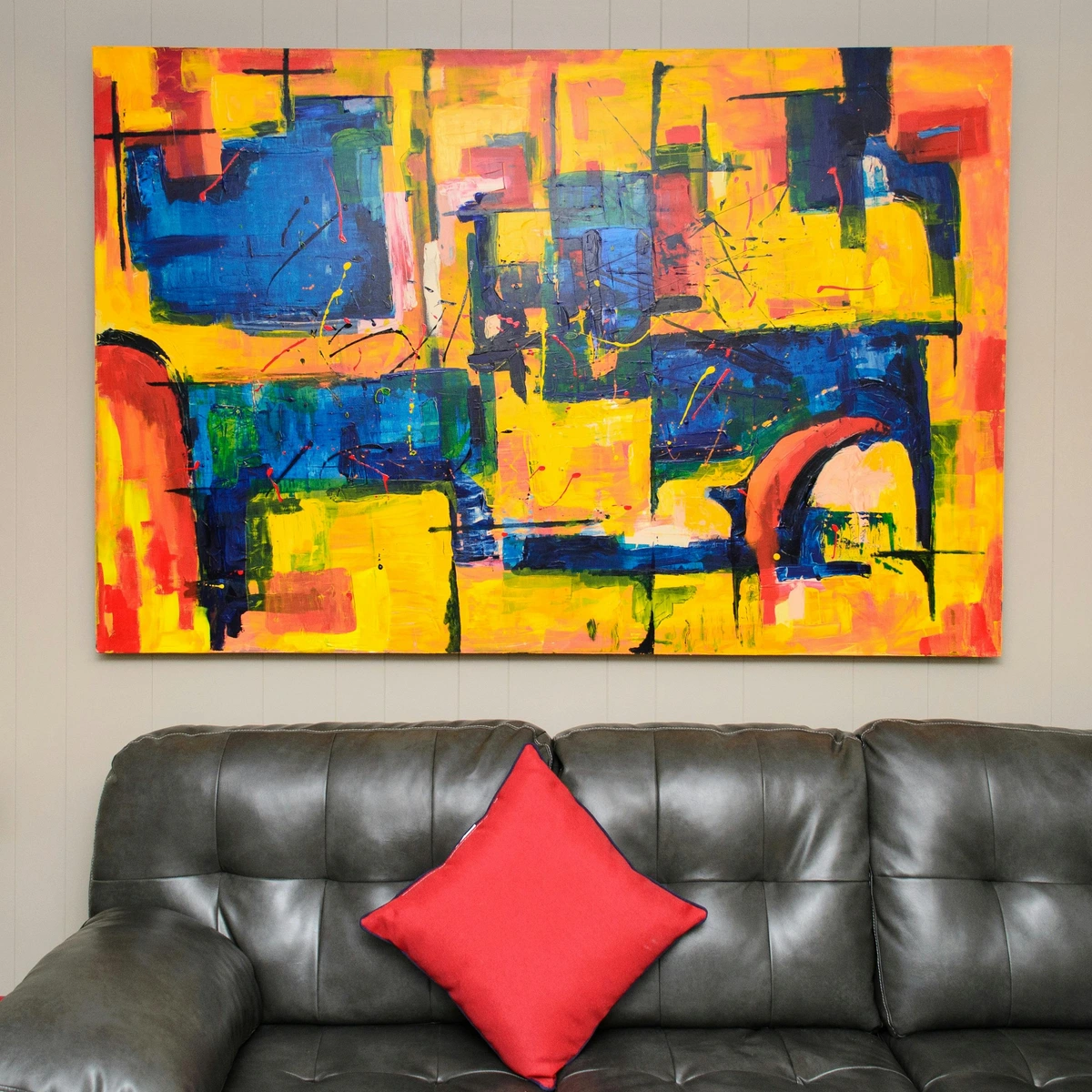
Q: Should the art match my sofa?
A: Please, for the love of all things creative, no! The goal, my dear, is always coordination, not literal matching. Think of it like a beautifully dressed person – their accessories don't match their outfit exactly, but they complement it, adding layers and interest. Your art should sing in harmony with the colors and textures in your room, not mimic them precisely. Instead, I always suggest picking up on a subtle secondary color from your rug, a nuanced hue in a throw pillow, or even introducing a fresh, complementary color to add a delightful spark of interest. It's about building a conversation, not creating a clone. True transitional design thrives on subtle interplay, not overt uniformity, ensuring your space feels authentic and vibrant, not sterile or bland.
Q: Is investing in art important for transitional interiors?
A: While you certainly don't need a museum-worthy collection to achieve a beautiful transitional space, investing in a few meaningful pieces can profoundly elevate your home. Think of it as building a legacy. These are the pieces that will anchor your design for years, transcending trends and becoming cherished heirlooms. Investment doesn't always mean spending a fortune; it means choosing art that is high-quality, authentic, and speaks to you deeply. These pieces often have a timeless quality that perfectly aligns with the enduring nature of transitional style, adding both monetary and emotional value to your home. They're not just purchases; they're contributions to the enduring story of your personal aesthetic. These are the pieces that will bring you joy and contemplation for a lifetime, becoming truly priceless aspects of your home's character.
Q: Can I incorporate vintage or antique pieces into a transitional space?
A: Absolutely, and I highly encourage it! Vintage and antique art are the very heart of the soulful depth of transitional design. These pieces bring a sense of history, character, and narrative that instantly elevates a space. They act as anchors, grounding the room in a sense of time and place, while modern elements provide contrast and freshness. A beautifully weathered landscape painting can sit beside a sleek, contemporary console, or a collection of antique ceramic vases can complement abstract wall art. The key is thoughtful placement and ensuring there’s a visual dialogue between the old and the new, creating a curated, collected feel rather than a haphazard jumble. This blend of eras is precisely what makes a transitional home feel so rich and authentic. I've seen antique botanical prints paired with bold abstract sculptures, creating a truly unique and captivating vignette that speaks to both tradition and innovation.
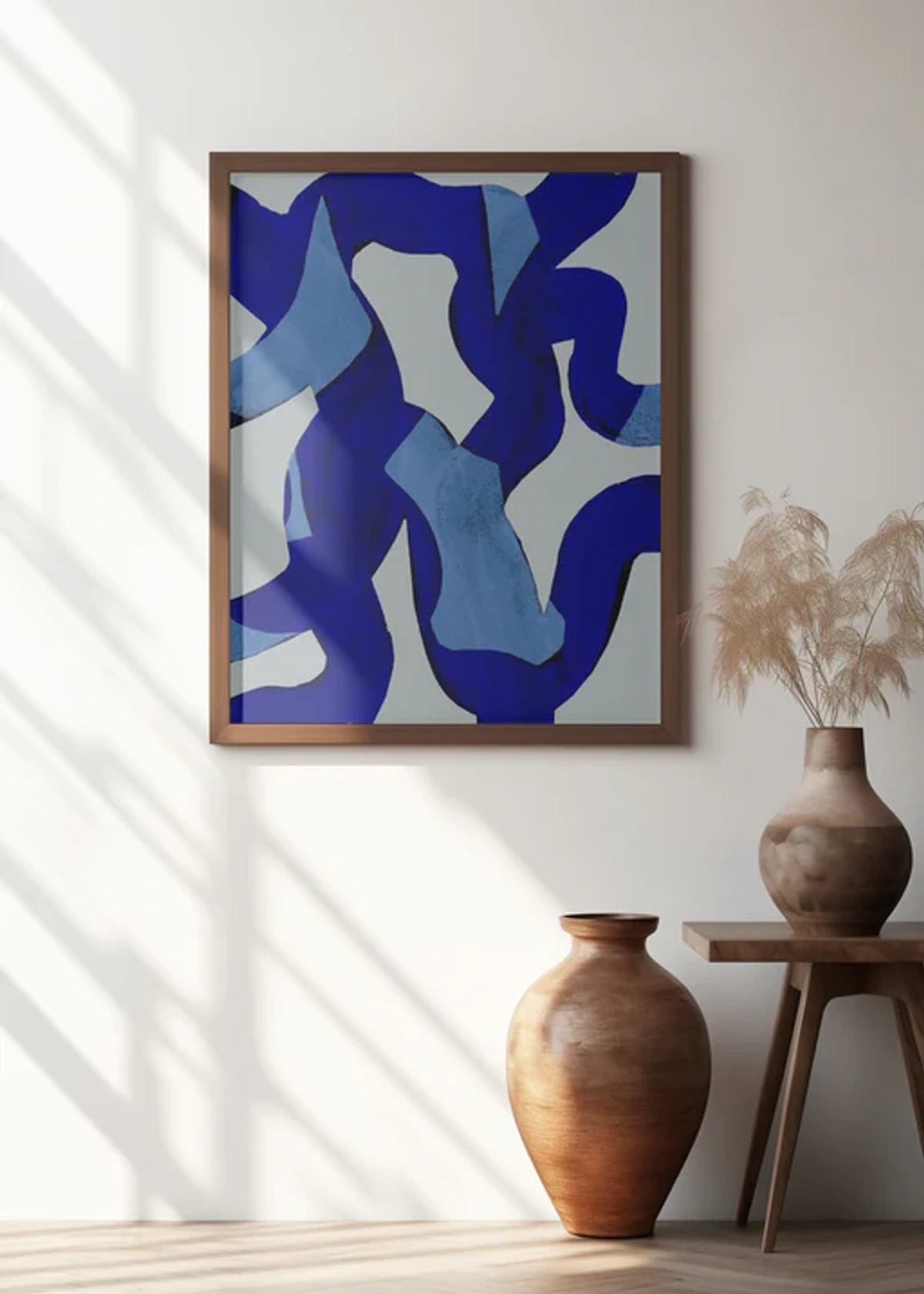
Q: How do I know if an artwork is 'good' for my transitional space?
A: Trust your gut! While all the guidelines in this article are invaluable, the most important criterion is your personal connection to the piece. Does it evoke an emotion? Does it make you pause and think? Does it simply bring you joy? If a piece resonates deeply with you, it likely possesses that elusive quality of timelessness and personal expression that defines truly great transitional art. Beyond that, consider if it contributes to the overarching balance of old and new, and if its colors, lines, or textures create a harmonious dialogue with the rest of your decor. It’s about finding pieces that feel both integrated and inspiring, adding a layer of soul that only personal connection can provide. This intuitive approach, combined with thoughtful consideration, will lead you to a collection that feels genuinely yours.
Think of lighting as an extension of the artwork itself, allowing it to truly sing, much like the insights shared in the art of display: how to light and position abstract art for maximum impact. It's not just about visibility; it's about revealing textures, enhancing colors, and setting the overall mood, transforming your art into a living, breathing part of your home.
Beyond the art itself and its thoughtful placement, there's another crucial element that, in my experience, can make or break a display: lighting. It's the silent director, setting the mood and revealing the nuances of your chosen pieces. In a transitional space, where ambiance is key, mastering art lighting is paramount.
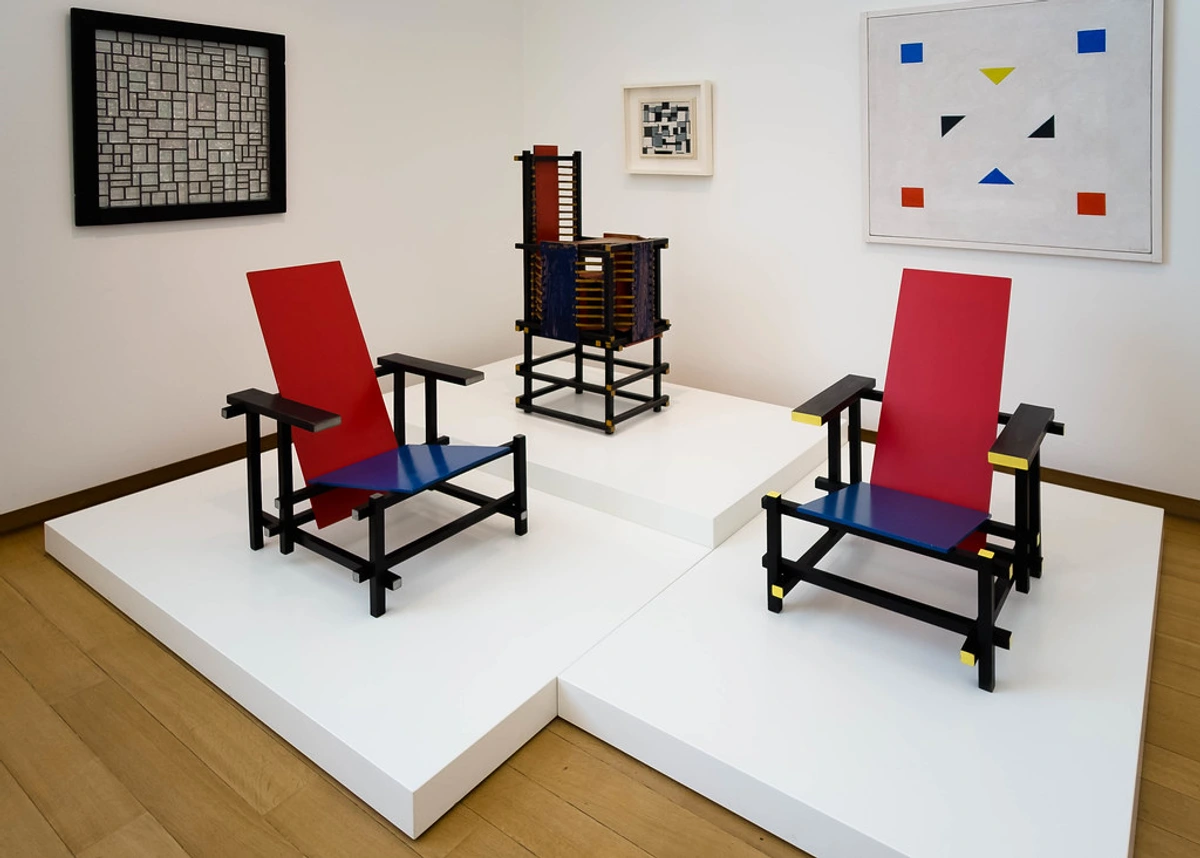
- Natural Light's Embrace: * Natural Light's Embrace: First, consider how natural light interacts with your art throughout the day. Does a window cast a beautiful glow, or perhaps create harsh glare? Position your art to benefit from gentle, diffused light, avoiding direct, unfiltered sunlight that can cause fading over time. If direct sunlight is unavoidable, consider UV-protective glazing for your framed pieces, especially for valuable or sentimental works. Remember, the mood shifts with the sun, and your art will reflect that dynamic, revealing different facets throughout the day. For rooms with many windows, you'll want to carefully consider how light changes throughout the day; read more in how to choose art for a room with a lot of windows. Natural light brings a living quality to art, with subtle shifts revealing new details and perspectives throughout the hours, making the art feel truly integrated with the rhythm of your home. It creates an ever-changing display, connecting your interior to the outside world.
- Strategic Artificial Illumination: * Strategic Artificial Illumination: For evenings or darker corners, artificial lighting becomes your best friend. I'm a huge proponent of adjustable track lighting or dedicated picture lights. These allow you to highlight specific artworks, drawing the eye precisely where you want it to go, creating dramatic focal points. Warm LED lights (around 2700K-3000K) typically flatter most art and blend seamlessly with the cozy sophistication of transitional interiors. Look for lights with a high Color Rendering Index (CRI) to ensure true color representation—anything less than 90 CRI can distort colors and diminish the artwork's vibrancy. Dimmers are your secret weapon, allowing you to control the intensity and craft the perfect atmosphere for any occasion, from a vibrant gathering to a quiet evening of contemplation. Consider using narrow beam angles for focused illumination and wider angles for a more diffused glow, creating layers of light that add depth to the room and emphasize the art's presence, making it feel truly curated. This meticulous approach to lighting can truly transform your art from a static object into a dynamic, living element within your home. For a deep dive into illuminating your collection, explore
how to choose the right lighting to enhance your abstract art collection. The goal is to make the art feel alive, its textures and colors brought forth with nuanced precision. - The Power of Shadows: * The Power of Shadows: Don't be afraid of shadows! Sometimes, strategic shadows can add drama and depth, especially with textured pieces or sculptures. It's not always about flooding a piece with light; sometimes it's about defining its edges and form through the interplay of light and dark, creating a three-dimensional effect that draws the viewer in and highlights its unique qualities. A piece might even reveal entirely new characteristics under different lighting conditions, making it a dynamic part of your decor. For spaces with more nuanced illumination, you might explore my insights on how to choose art for a room with low light. The interplay of light and shadow is, after all, a fundamental element of visual art, and when intentionally applied, it can make a good piece truly exceptional in your space, adding a layer of sophisticated intrigue. This thoughtful manipulation of light creates an immersive experience, inviting a deeper engagement with the artwork.
- Accent Lighting: * Accent Lighting: Beyond direct picture lights, think about how ambient and accent lighting within the room interacts with your art. Uplights for sculptures, or even strategically placed table lamps and floor lamps, can create beautiful highlights and contribute to the overall mood, ensuring your art is visible and appreciated at all times of day. A well-placed lamp can cast a soft glow that enhances the warmth of an artwork, making it feel integral to the room's design. This layered lighting approach not only highlights your art but also contributes to the overall cozy and sophisticated ambiance that defines transitional interiors. It's about sculpting the light to bring out the best in every piece and corner of your home, creating a truly immersive and inviting visual experience. Consider using smart lighting systems to adjust colors and intensity, offering even greater versatility to match your mood or the artwork.
Curating a Collection: The Journey, Not the Destination
Building an art collection for a transitional home is truly a journey of discovery and personal expression, much like an artist's evolving portfolio. It's not about filling every wall overnight, but rather about thoughtfully acquiring pieces that speak to you, that resonate with your evolving aesthetic. Think of your home as a living gallery, where each piece contributes to a continuous narrative, telling your unique story to all who enter. This journey is as much about self-discovery as it is about interior design, and I find that incredibly exciting. It’s about creating a personal museum, a curated reflection of your soul that evolves and deepens with time.
- Start with What You Love: My most important piece of advice is always to buy what genuinely moves you. If a piece evokes emotion, curiosity, or simply brings you joy, it has a place in your home, regardless of trends or how it 'fits' a perfect scheme. Your personal connection is paramount. Never buy art simply to fill a space; wait for the piece that truly speaks to your soul, the one that makes your heart skip a beat or your mind ponder. This authentic connection is the foundation of a truly meaningful collection. It’s the emotional resonance, not the price tag, that truly elevates a piece, ensuring longevity and deep satisfaction.
- Mix High and Low: Don't be afraid to pair a significant investment piece with affordable prints or original works from emerging artists. This eclectic approach is the very essence of transitional style and creates a much richer, more personal collection. It's like combining a designer outfit with a cherished vintage find, or a couture gown with a beloved pair of sneakers. This layering creates depth and tells a more compelling story than a uniform collection ever could. The juxtaposition of a high-value painting next to a cherished flea market find can be incredibly charming and authentic, showcasing your individual eye and storytelling ability. This deliberate blend adds character and a sense of effortless curation, making your home feel approachable yet sophisticated.
- Embrace the Unexpected: Sometimes the art that challenges your preconceived notions can be the most rewarding. A piece that initially feels like a daring choice might become the most beloved, precisely because it pushes boundaries and sparks new conversations and reflections. Trust your intuition and be open to pieces that surprise you, that pull you in with an unexpected narrative or a bold aesthetic. The most memorable homes are often those that dare to be different, reflecting a unique vision and a willingness to step outside the box, creating a truly personal and captivating environment. These unexpected treasures are often the ones that spark the most joy and conversation, becoming truly iconic within your home, providing delightful surprises for both you and your guests.
- Consider the Story: Each piece of art comes with its own history, its own narrative, a silent whisper of its past. When you bring it into your home, it becomes part of your story. Think about what the art communicates, where it came from, and how it aligns with the story you want your home to tell, creating a dialogue between its origins and its new life. This narrative depth adds soul to your space, transforming it from merely decorated to deeply felt, making your home a living tapestry of meaningful connections. It’s the invisible thread that weaves your collection into a cohesive and captivating narrative, a true testament to a life well-lived.
- Patience is a Virtue: Building a meaningful collection takes time. Don't rush the process, even if that empty wall is silently judging you. Enjoy the hunt, the discovery, and the anticipation of finding that perfect piece, much like a treasure hunter patiently searching for a hidden gem. A truly curated home is built slowly, deliberately, and with immense care. Think of it as a lifelong conversation with your surroundings, constantly evolving and deepening with each new addition, each piece a carefully chosen word in your home's unfolding narrative. This patient approach ensures that every piece is deeply cherished and truly contributes to the soul of your home. It’s a journey of continuous refinement and personal expression, making each acquisition a meaningful milestone.
Beyond the 'what' and 'how' of choosing art, the 'where' is equally vital. Each room in your transitional home offers unique opportunities for art to shine, to enhance its purpose, and to reflect your personal style. It's about designing a home that feels cohesive and intentional from the moment you step inside, as detailed in my guide on how to decorate a house. I find that carefully considering placement can elevate even the most unassuming piece into a true focal point, transforming a mere space into a curated experience. It's about creating a seamless flow of beauty and narrative throughout your entire home.
Beyond the 'what' and 'how' of choosing art, the 'where' is equally vital. Each room in your transitional home offers unique opportunities for art to shine, to enhance its purpose, and to reflect your personal style.

- The Living Room: * The Living Room: Often the heart of the home, the living room is where your art can make its grandest statement. Above a sofa, a large-scale abstract or a curated gallery wall creates an immediate focal point. I always consider how the art relates to the sofa's proportions and the overall flow of the room, ensuring it anchors the space without overwhelming it. Don't forget the negative space; sometimes a blank wall can be just as impactful, offering a visual pause. For comprehensive guidance on scale and placement, see choosing art for your living room and specifically for above the sofa, art above the sofa: a guide to perfect placement and scale. Remember, the living room is for gathering, so select art that sparks conversation and reflects the warmth of your home. A bold abstract can inject contemporary energy, while a muted landscape can foster a sense of calm, both perfectly balancing the transitional aesthetic. It's about creating a space where visual stories unfold, inviting comfort and lively discussion.
- The Dining Room: * The Dining Room: This is a space for gathering, for conversation. Art here can set a sophisticated mood. A striking piece or a harmonious series can transform the dining experience. A good dining room piece invites contemplation without overwhelming the convivial atmosphere. Consider a large abstract with a muted color palette to encourage calm conversation, or a triptych of contemporary still lifes for visual interest. Discover more in my guide on how to choose art for a dining room, or for more formal settings, choosing art for a formal dining room. This is a fantastic place for art that stimulates conversation or creates a sophisticated ambiance. Abstract pieces with rich, inviting colors or a triptych that creates a sense of flow work beautifully here. Avoid anything too jarring or visually busy that might detract from the communal experience. Imagine a piece that subtly echoes the colors of your dinnerware or the textures of your table linens, creating a truly integrated space. I often find that sculptural elements or art with reflective qualities can also add a touch of glamour and diffuse light beautifully in a dining setting. It's about enhancing the sensory experience of sharing a meal, making the space feel both elegant and inviting.
- The Bedroom: * The Bedroom: A sanctuary of calm, the bedroom calls for art that promotes serenity and personal reflection. Soft abstracts, tranquil landscapes, or intimate figurative studies work beautifully. Consider placement above the bed for impact, ensuring it's not too visually jarring and doesn't compete with the room's primary function of rest. Choose colors that evoke peace and subjects that personally resonate with you, creating a truly private and comforting retreat. Read my tips on how to choose art for a small bedroom: creating a serene retreat for more ideas, or my general advice on how to choose art for a bedroom. The art in your bedroom should be a gentle invitation to unwind and connect with your inner self, creating a personal haven that nourishes the soul. Think of art that tells a quiet story, rather than shouting for attention, creating a restful visual escape. It’s about creating a space for quiet contemplation and emotional replenishment, an intimate visual journey each day.
- The Entryway/Hallway: * The Entryway/Hallway: This is your home's first impression, and art can truly define it. A bold statement piece in the entryway can welcome guests, while a series of smaller works along a hallway can create an engaging visual journey, guiding the eye and adding interest to an often-overlooked space. Consider art for entryway and
[Long, narrow cruise ship hallway decorated with framed art and paintings on the walls, featuring polished wood paneling and a gleaming hardwood floor.](https://images.zenmuseum.com/article/art-for-long-hallways/ef7191d0-ba21-11f0-9770-b50970bb4464.jpeg)for practical advice on art for long narrow hallways. In a hallway, a series of cohesive pieces can guide the eye, creating a beautiful narrative as you move through the space. Alternatively, a single, impactful abstract can provide a powerful focal point. Remember, this is your chance to set the tone for the entire home, so choose art that reflects your personal style and the overall aesthetic you wish to convey. It's an opportunity to create intrigue and set expectations for the design story that unfolds within. It's the visual prologue to your home's narrative, inviting guests to explore further.

- The Home Office/Study: * The Home Office/Study: Inspiration and focus are key here. Choose art that motivates you, whether it's an abstract that sparks creativity or a landscape that offers a sense of calm. Personal works or those reflecting your passions can make this space truly yours, providing a welcome visual break during intense work. Balance stimulating pieces with those that promote serenity. My article on choosing art for home office productivity has more insights. Here, art should inspire without distracting. Abstract pieces that encourage creative thinking, subtle landscapes that offer a sense of calm, or even motivational graphic prints, all framed simply, can enhance your workspace without overwhelming it. Consider art that supports concentration, such as minimalist abstract compositions, or biophilic art that connects you to nature, as explored in case-study-transforming-a-home-office-with-biophilic-abstract-art. I often recommend pieces that evoke a sense of ambition or serene focus, depending on the nature of your work, ensuring the art supports your professional and creative endeavors. It's about curating an environment that nurtures both productivity and personal well-being.
- The Staircase: * The Staircase: Often overlooked, a staircase offers a fantastic opportunity for dramatic art display. A flowing series of pieces, or a singular tall artwork, can transform a functional area into an artistic statement. Don't let this vertical canvas go to waste! Consider safety and visibility, ensuring art is securely mounted and doesn't impede movement. For unique ideas, see how to choose art for a staircase. This vertical canvas is perfect for a series of ascending pieces or a single, tall artwork that draws the eye upwards, transforming a functional area into an artistic statement.
[Colorful staircase art featuring a woman's profile and geometric patterns in a subway station](https://images.zenmuseum.com/article/gallery-wall-ideas-for-a-staircase/0b94a4d0-cace-11f0-ad0c-5b4ad570f091.jpeg)can offer an inspiring example of dynamic vertical display. A gallery wall climbing with the stairs can tell a visual story, guiding the eye and adding intrigue to a transitional space, creating a moment of delightful discovery with every step. It’s an opportunity to turn a functional pathway into a captivating visual journey. - The Kitchen: * The Kitchen: While often practical, the kitchen can also be a canvas! Look for art that can withstand the environment, such as framed prints behind glass or even durable ceramic pieces. Food-related art, abstract pieces with warm tones, or even quirky graphic prints can add personality and warmth. Think about how the art complements your kitchen's finishes and color scheme, creating a cohesive and inviting culinary space. Consider how to decorate a kitchen for more detailed advice on integrating aesthetics with functionality. A vibrant abstract could inject energy, while a series of botanicals might bring a touch of natural calm. I often suggest something unexpected here, like a bold, minimalist print, to add a surprising element of sophistication to this functional space. It’s about infusing personality and charm into the heart of the home, making it a space that feels both practical and inspiring.
- The Bathroom/Powder Room: * The Bathroom/Powder Room: These smaller spaces are perfect for making a bold statement or adding a touch of unexpected luxury. A vibrant abstract, a striking black and white photograph, or a sculptural object can elevate the experience, transforming a utilitarian space into a personal retreat. Always ensure art is appropriately protected from moisture and humidity with proper framing or material choices. For inspiration, check out decorating with art in a powder room: maximizing impact in small spaces or how to choose art for a bathroom. These smaller spaces are perfect for making a bold statement or adding a touch of unexpected luxury. A vibrant abstract, a striking black and white photograph, or a sculptural object can elevate the experience. Always ensure art is appropriately protected from moisture and humidity, perhaps using aluminum frames or plexiglass for added longevity. Even a tiny powder room can become a jewel box with the right piece, a delightful surprise for guests. It’s about transforming the functional into the fabulous, creating a moment of unexpected beauty.
- The Laundry Room: * The Laundry Room: Even utilitarian spaces deserve a touch of beauty! Uplifting abstracts, humorous prints, or calming landscapes can transform a chore into a more pleasant experience, adding a touch of personality to an often-overlooked room. It's about bringing joy and style into every corner of your home, and you can learn more in decorating with art in a laundry room. Uplifting abstracts, humorous prints, or calming landscapes can transform a chore into a more pleasant experience. Why not infuse a little beauty into even the most utilitarian spaces? A well-chosen print can make folding laundry feel a little less like a chore and a lot more like a moment of mindful domesticity. Even a simple, framed graphic print can elevate the space and make it feel more intentional. It's a reminder that beauty can be found in every aspect of our lives, even the most mundane.
Common Pitfalls to Avoid
Even with the best intentions, it's easy to stumble. Being aware of common missteps can save you time, money, and potential design headaches. As an artist and a lover of harmonious spaces, I've seen these mistakes made countless times, and they're easily preventable with a little foresight. Learning from common errors is just as valuable as learning best practices, helping you refine your eye and make more confident choices.
- Over-Matching: As I've said, your art should coordinate, not match your sofa or curtains perfectly. This creates a sterile, uninspired look that lacks depth and personality. It feels planned in a way that stifles natural evolution and personal expression, making a room feel less lived-in and more like a showroom display. True transitional design celebrates the unexpected, the slightly imperfect pairing that creates real charm. It's about creating a dialogue of elements, not a mirror image, and fostering genuine character in your home.
- Ignoring Scale: A tiny piece on a vast wall will get lost, appearing insignificant; a giant piece in a small nook will overwhelm, making the space feel cramped and visually uncomfortable. Proportions are everything, and understanding how art interacts with the dimensions of your wall and surrounding furniture is crucial. It’s about creating visual balance, not just filling a void. A piece that is too small will look lost, while one that is too large can overwhelm the entire wall and room, making everything feel out of sorts. Always measure and visualize to ensure your art feels perfectly at home in its space, creating a sense of proportion and harmony.
- Poor Lighting: Even the most magnificent piece can fall flat without proper illumination, losing its nuances, colors, and textures. Harsh overhead light can create distracting glare, while dark corners render art invisible. Thoughtful lighting can transform a good piece into a truly exceptional one, bringing it to life and allowing its details to shine, and conversely, poor lighting can diminish even the most beautiful artwork. It's truly the difference between merely seeing and experiencing your art. Consider it the final brushstroke in the presentation of your chosen piece, allowing its full spirit to emerge.
- Too Many Small Pieces: While gallery walls are wonderful when thoughtfully planned, a haphazard collection of small, unrelated pieces can feel cluttered and chaotic rather than curated. This creates visual noise and prevents any single piece from making an impact, making the room feel restless and unfocused. It's about quality and cohesion over sheer quantity. A carefully curated selection, even if small, will always have more impact than a cluttered, overwhelming display. Each piece deserves its moment to shine, and too many competing elements can diminish that impact, leading to visual exhaustion.
- Buying for Trends Alone: Art should be a long-term love affair, not a fleeting fling. Buy what you truly connect with, not just what's popular right now. Trends fade, but genuine connection lasts and will bring you joy for years to come. A home filled with art chosen purely for its trendiness quickly feels impersonal and dated; a home filled with art chosen from the heart always feels authentic and timeless. Your home is not a showroom; it's a reflection of you, and your art should echo that authentic self. Let your art be a testament to your enduring taste, not just a passing fad, ensuring your collection remains meaningful through the years.
Deciding where to acquire your next beloved piece is as much a part of the journey as selecting the art itself. Both online platforms and physical galleries offer distinct advantages for the transitional art collector, each providing a unique experience in the pursuit of art that resonates with your home and soul.
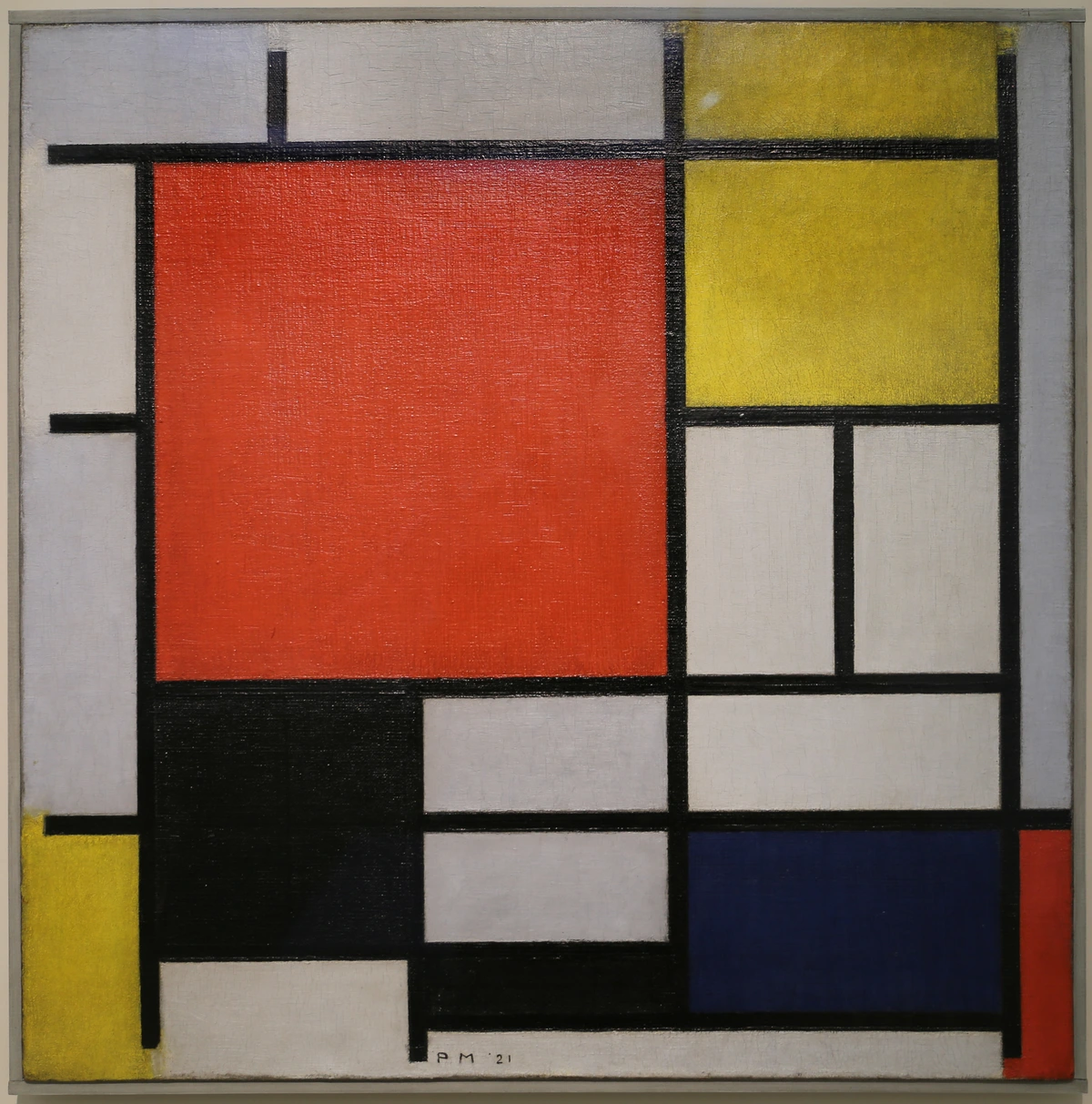


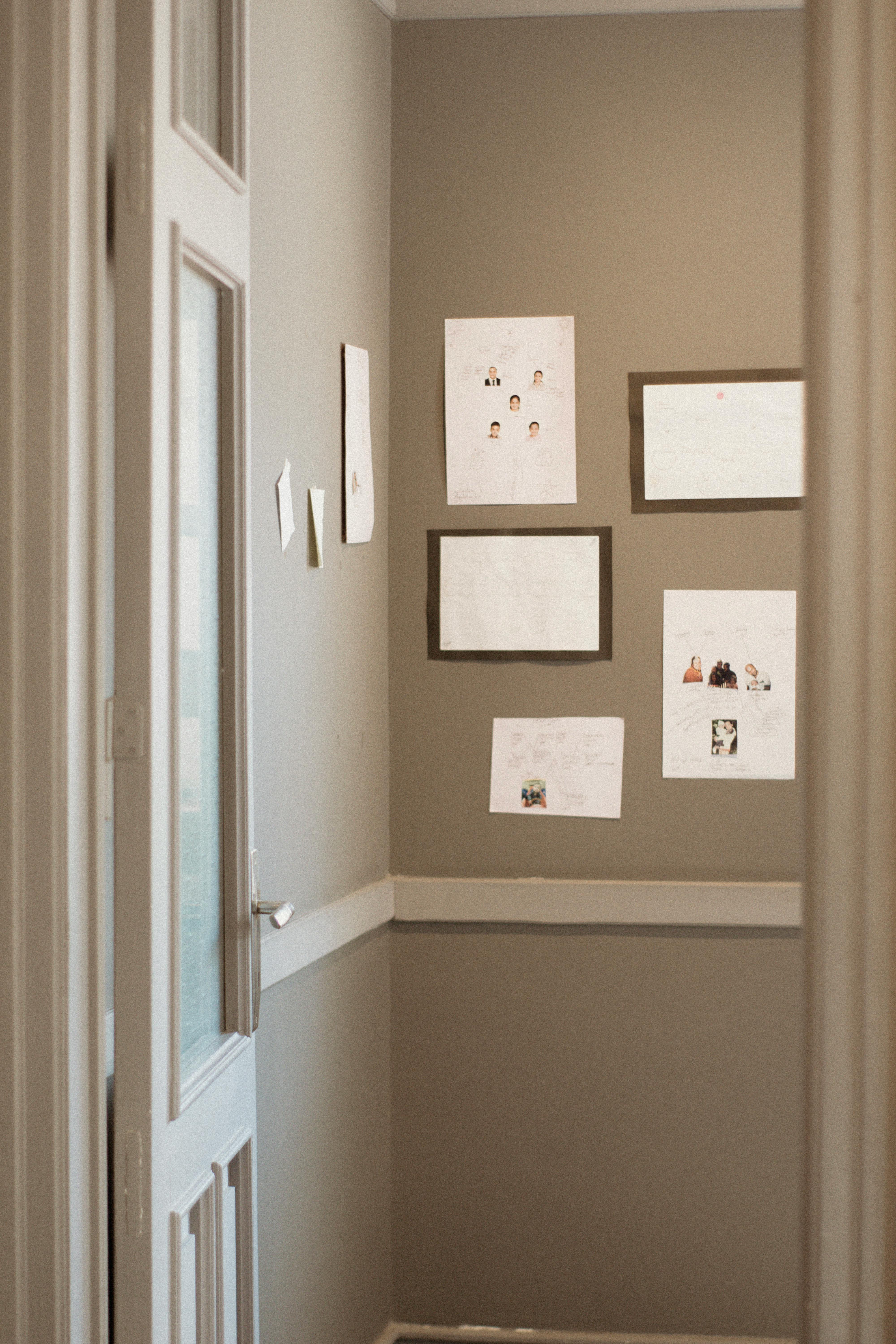
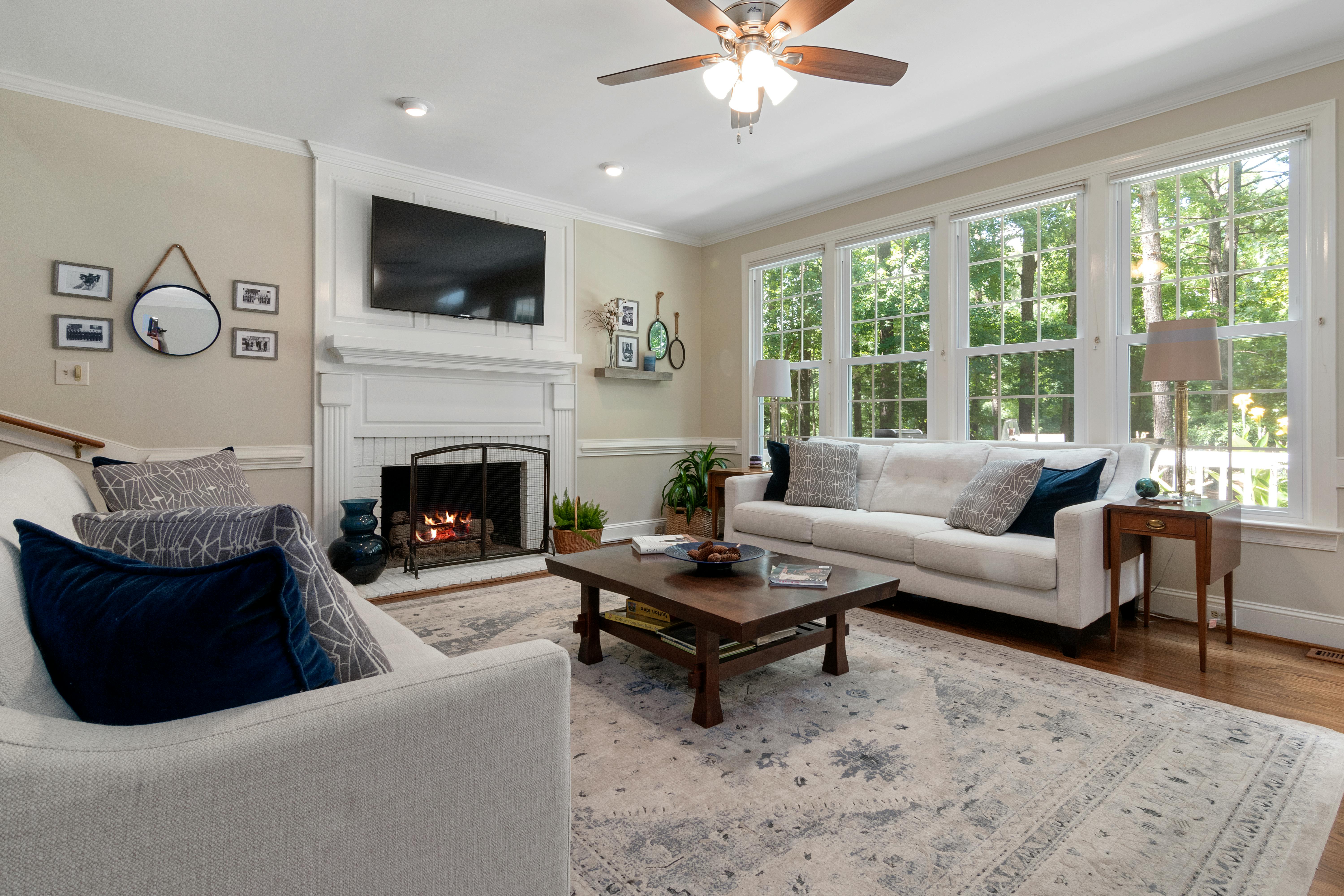
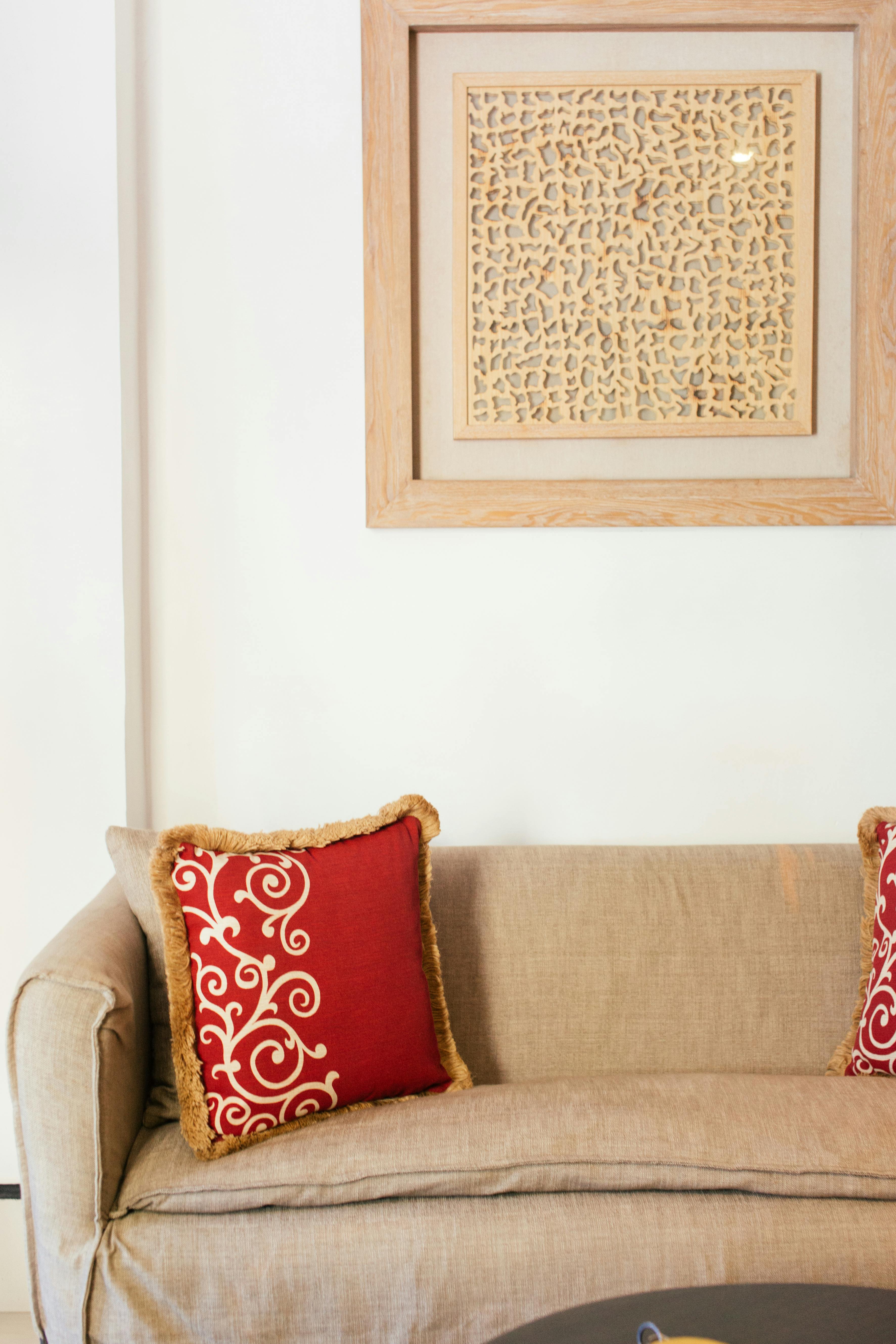




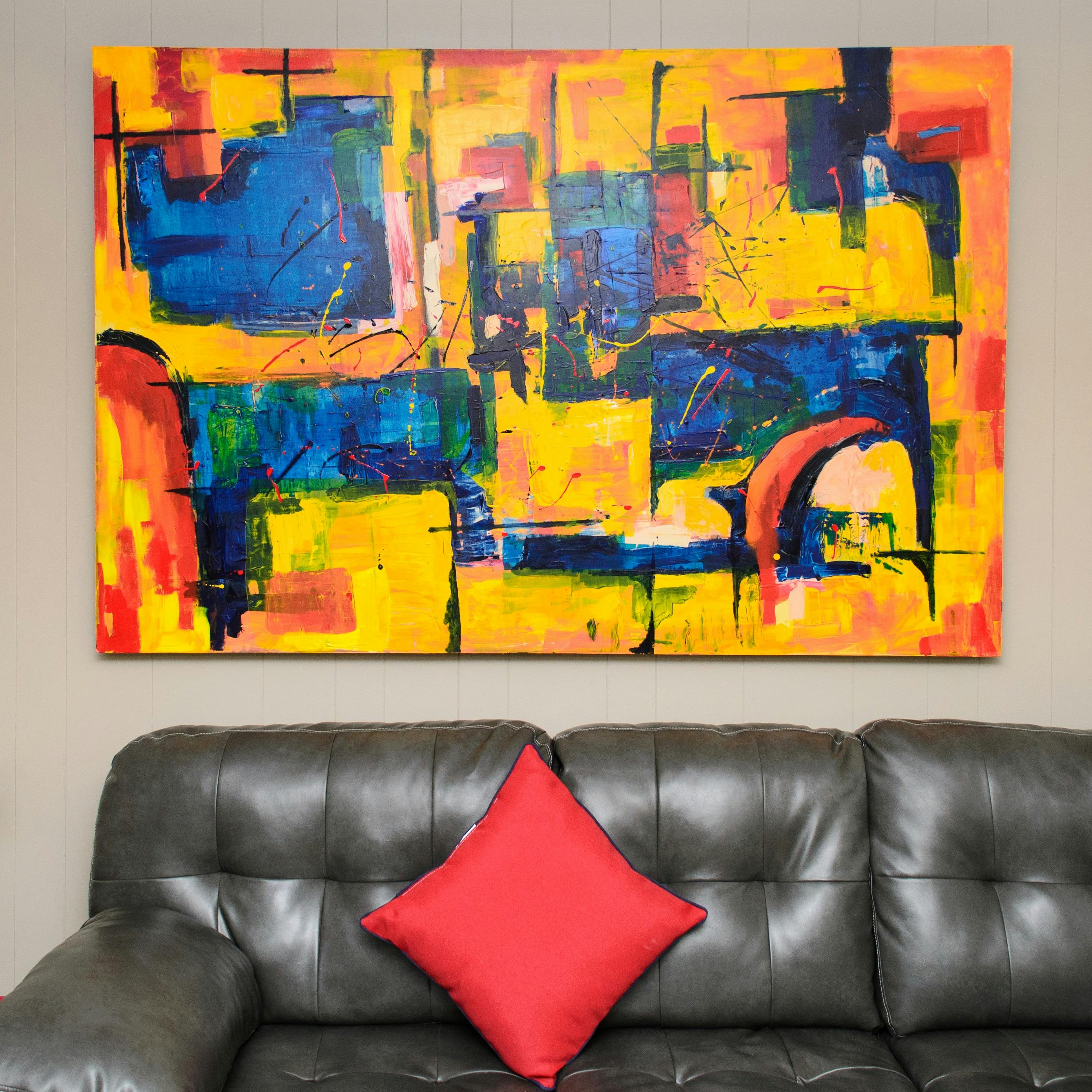





Online Art Marketplaces
- Pros: Incredible variety, often more accessible price points, the convenience of browsing from home, and the ability to discover artists from around the globe. Many platforms offer tools to visualize art in a room, which can be surprisingly helpful for understanding scale and fit. This broad accessibility makes it easier to find truly unique pieces that resonate with your personal style, no matter how niche. Many online platforms also provide helpful filtering options, allowing you to narrow down your search by style, color, size, and even price point.
- Cons: You can't experience the texture or subtle nuances of a piece in person, which can be a significant drawback for highly textural or three-dimensional art. Color representation can vary across screens (a significant concern for abstract and expressive works where precise hues are vital), and shipping can be a concern, especially for larger pieces or international purchases. Always check return policies and artist reviews thoroughly. It's also harder to gauge the true scale and presence of a piece without seeing it in a real-world setting, so rely on measurements and mock-ups as much as possible. My advice? If it's a significant investment, try to find a way to see it in person or at least get detailed videos and photos from the artist.
Physical Galleries & Art Fairs
- Pros: The immersive experience of seeing art up close, feeling its presence, and appreciating its true colors and textures – something a screen simply cannot replicate. You can meet artists, discuss their work, and gain valuable insights directly, forging a personal connection to the art and its creator. Galleries often provide expert advice on framing and placement, acting as trusted advisors in your collecting journey. The ambiance of a gallery itself can be inspiring, offering a deeper context for the art and a chance to truly connect with the artistic vision. There's an undeniable magic in walking through a space dedicated to art, allowing yourself to be surrounded by creativity.
- Cons: Can be intimidating for new collectors, selections are often more limited than online platforms, and prices can be higher due to overheads. Travel may be required to visit specific galleries or art fairs, which can be a barrier for some. However, the benefits of a tactile, in-person experience often outweigh these considerations for significant pieces, especially when you're making a long-term investment in your home's aesthetic. It's about forging a real connection with the artwork, something that can be challenging to do through a screen.
The Blended Approach
- The Blended Approach: For a truly transitional collection, I recommend a blended approach. Use online resources for discovery and initial exploration, then visit galleries and art fairs for those pieces that you feel a deep connection to, especially when texture and scale are paramount. Don't underestimate local art markets and open studio events for finding unique, affordable works from emerging talents – a fantastic way to support your local art community and uncover hidden gems! This hybrid strategy offers the best of both worlds: broad selection and the irreplaceable sensory experience. It allows you to cast a wide net for inspiration while still ensuring you make tactile, informed decisions for the pieces that will define your home's unique character. It's a smart, balanced approach to building a truly rich and personal collection. This flexible method ensures you leverage every available avenue to build a collection that is both diverse and deeply personal.
Cultivating Your Eye: Developing Your Transitional Art Instinct
Choosing art for your transitional home, at its heart, is a deeply personal and evolving journey, not a rigid checklist to tick off. My greatest advice? Trust your instincts. The more you immerse yourself in art—visit galleries (both physical and online), browse art books, follow artists you admire—and pay attention to what genuinely moves you, the more refined your eye will become. Don't be afraid to experiment, to buy pieces that speak to you, even if they don't perfectly fit a preconceived notion. Sometimes the most unexpected piece can become the most cherished. Develop a visual vocabulary by identifying what colors, forms, textures, and themes consistently draw you in. This process of intentional observation and personal reflection will hone your unique transitional art instinct. The most harmonious transitional homes are those that tell a unique story, your story, through a thoughtfully curated collection that evolves with you. Remember, art is a lifelong conversation, and your home is its most intimate gallery. It's about building a space that feels deeply authentic, a true reflection of your tastes, experiences, and aspirations, creating a legacy of beauty that will endure. This continuous process of learning, appreciating, and letting your home's aesthetic evolve as you do, culminates in a space that truly feels like a reflection of your soul, a dynamic and inspiring environment that nurtures your spirit. Your eye, once trained, will guide you infallibly toward pieces that resonate deeply and contribute to your home's unique character.
The Grand Finale: Curating Your Transitional Legacy
Ultimately, your transitional home isn't just a style; it's a philosophy of living, a celebration of history meeting modernity, and a canvas for your unique story. The art you choose is more than just decor—it's the visual language that articulates this philosophy, filling your space with character, warmth, and an undeniable sense of belonging. Go forth, explore, and let your home become the masterpiece of your personal journey. Happy curating! It's a journey of self-expression, discovery, and creating a truly extraordinary sanctuary that reflects the depth and beauty of your unique spirit.