Choosing Art for Your Living Room: A Heartfelt Guide to Creating Your Perfect Sanctuary
Feeling overwhelmed by choosing art for your living room? I've been there! This guide shares my personal tips for selecting the perfect size, style, and color to make your living room truly yours, transforming it into a space that tells your story.

Choosing Art for Your Living Room: A Heartfelt Guide to Creating Your Perfect Sanctuary
Your living room is more than just a space; it's the heart of your home, a sanctuary where memories are made and stories are shared. Choosing the right art for this space can transform it into a reflection of your personality and a haven of inspiration. But with so many options, styles, and opinions, where do you begin? Let's embark on this journey together, exploring how to curate a space that feels uniquely yours.
Your living room is more than just a space; it's the heart of your home, a sanctuary where memories are made and stories are shared. Choosing the right art for this space can transform it into a reflection of your personality and a haven of inspiration. But with so many options, styles, and opinions, where do you begin? Let's embark on this journey together, exploring how to curate a space that feels uniquely yours.
I know, I know. Stepping into the world of choosing art for your living room can feel a bit like wading into an ocean without a map. There are so many options, so many styles, so many opinions! But here's the thing: your living room, arguably the heart of your home, deserves more than just an afterthought. It's where memories are made, stories are shared, and where you (and your art) should feel utterly, beautifully at home.
Art is not just about aesthetics; it's about creating an atmosphere that resonates with you and your loved ones. Whether you're drawn to bold abstracts, serene landscapes, or eclectic mixed-media pieces, the right art can elevate your living room from ordinary to extraordinary.
Art has the power to evoke emotions, spark conversations, and even inspire creativity. It's not just about filling a wall; it's about creating an atmosphere that resonates with you and your loved ones. Whether you're drawn to bold abstracts, serene landscapes, or eclectic mixed-media pieces, the right art can elevate your living room from ordinary to extraordinary.
I've certainly stumbled through this process myself, ending up with pieces that felt 'fine' but never truly 'me'. My goal here isn't to give you rigid rules, but to share what I've learned, what works, and how to cultivate a space that truly reflects you and feels incredible. Let's make this less about daunting decisions and more about delightful discoveries, shall we?
In this guide, we'll explore everything from understanding your space and choosing the right scale to finding art that speaks to your soul and arranging it in a way that enhances your living room's ambiance. We'll also delve into practical tips for mixing styles, incorporating color, and even creating your own gallery wall. By the end, you'll have all the tools you need to curate a living room that feels like a true reflection of who you are.
In this guide, we'll explore everything from understanding your space and choosing the right scale to finding art that speaks to your soul and arranging it in a way that enhances your living room's ambiance. We'll also delve into practical tips for mixing styles, incorporating color, and even creating your own gallery wall. By the end, you'll have all the tools you need to curate a living room that feels like a true reflection of who you are.
Additionally, we'll discuss how to balance functionality and aesthetics, the role of lighting in showcasing your art, and how to incorporate art into different design themes, from minimalist to eclectic.
Understanding Your Living Room's Soul
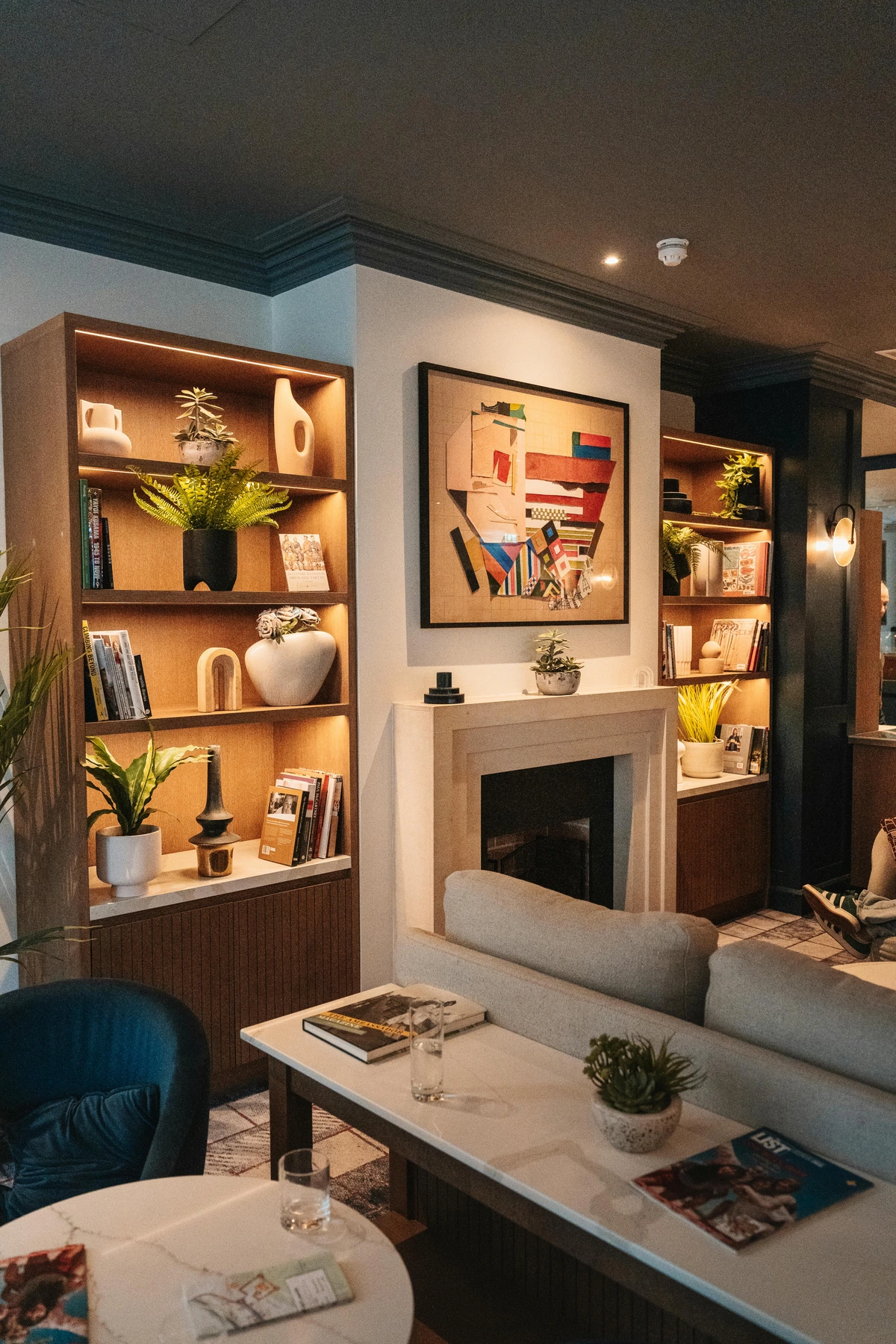
Before diving into the world of art, take a moment to truly understand your living room. What is its purpose? Is it a cozy retreat for quiet evenings, a vibrant hub for entertaining guests, or a multifunctional space that adapts to your family's needs? The art you choose should complement and enhance this purpose, creating a harmonious balance between aesthetics and functionality.
Consider the natural light in your living room. Does it flood in through large windows, or is it more subdued? The amount and quality of light can influence the type of art that will thrive in your space. For example, watercolors and delicate prints may fade in direct sunlight, while bold, vibrant pieces can bring energy to a dimly lit room.
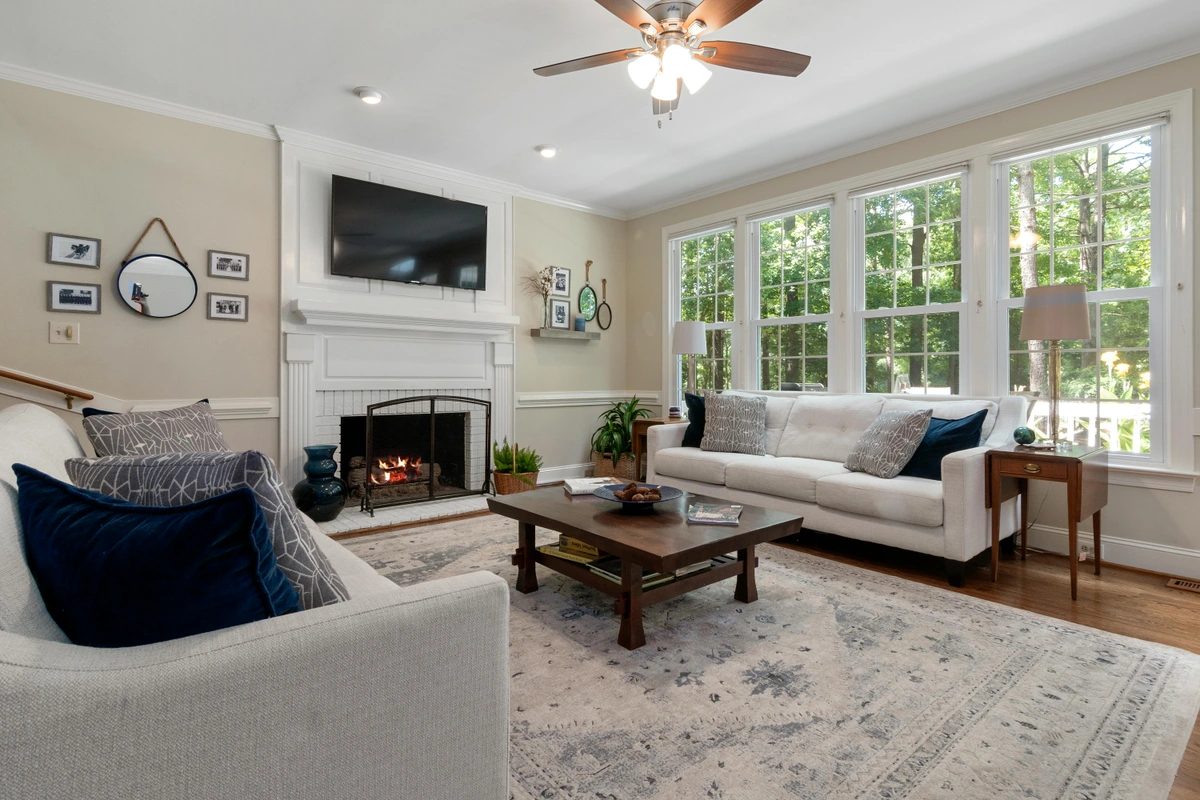
Before you even think about browsing art, I always suggest taking a deep breath and really seeing your living room. It's your canvas, your stage, and your art needs to play a starring role without overshadowing the rest of the cast.

The Canvas: Space and Scale
One of the most common mistakes in choosing art is misjudging the scale. A piece that's too small can get lost on a large wall, while an oversized artwork can overwhelm a smaller space. To find the perfect balance, consider the following:
- Measure Your Wall Space: Use a tape measure to determine the dimensions of the wall where you plan to hang the art. This will help you visualize how different sizes will fit.
- Consider Furniture Placement: If the art will be hung above a sofa, console table, or fireplace, ensure it complements the furniture's scale and doesn't overpower it.
- Create a Mock-Up: Use painter's tape to outline the dimensions of potential artworks on your wall. This will give you a better sense of how they'll look in the space.
Another tip is to consider the room's ceiling height. High ceilings can accommodate taller artworks or vertical arrangements, while lower ceilings may benefit from horizontal pieces that create a sense of width.
One of the biggest mistakes I see (and, yes, have made myself!) is misjudging the size and scale of artwork. A tiny print on a huge, expansive wall looks utterly lost, like a single almond blossom in a vast field. Conversely, a massive statement piece can overwhelm a smaller space, making it feel cramped and busy.

It's all about balance. Think of your walls as prime real estate. What kind of narrative can they support?
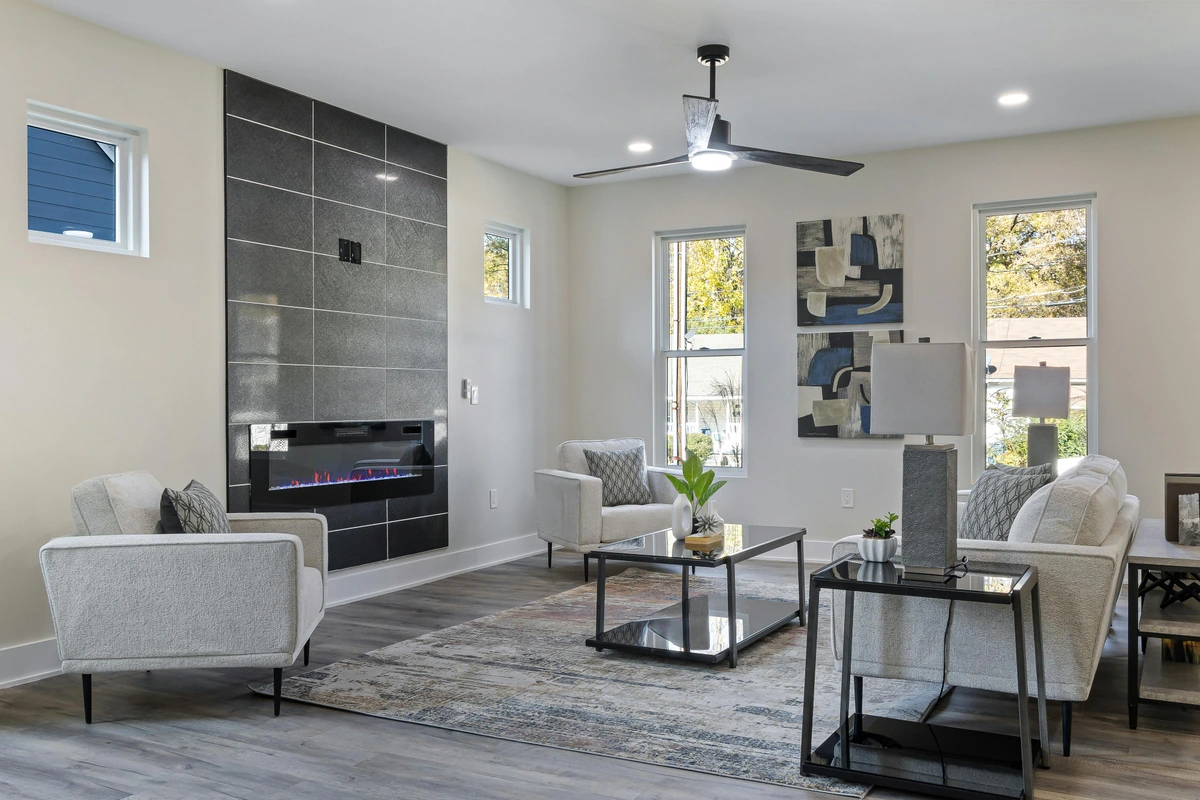
Do you have a large, empty wall above a sofa? A single, commanding piece might be perfect. Or perhaps a thoughtfully curated gallery wall that tells a visual story. For a small living room, I lean towards pieces that offer depth without demanding too much physical space, or perhaps a series of smaller pieces that create a cohesive flow. It's a delicate dance, but when you get it right, oh, it sings!
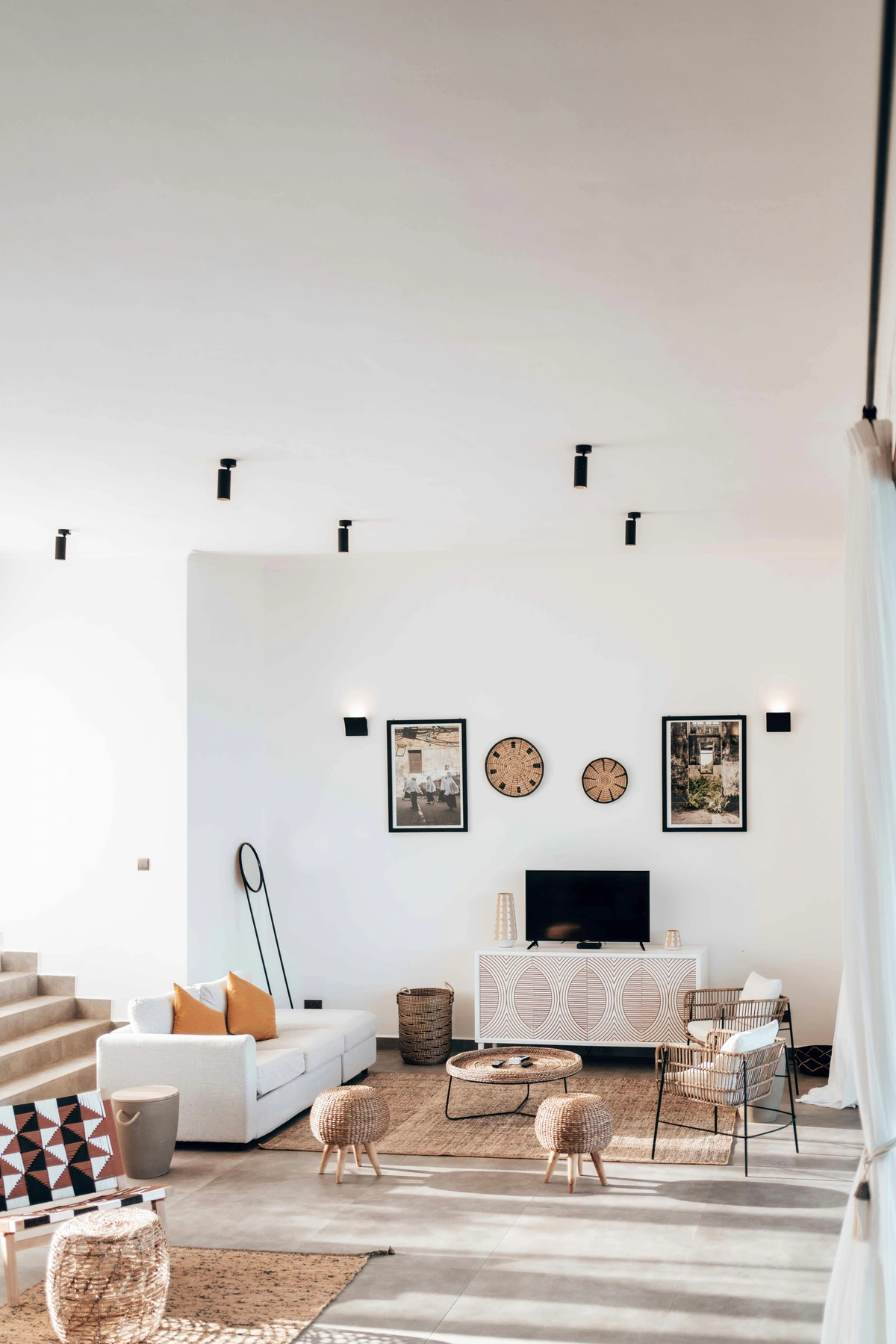
Here's a little guide I've found helpful for thinking about scale:
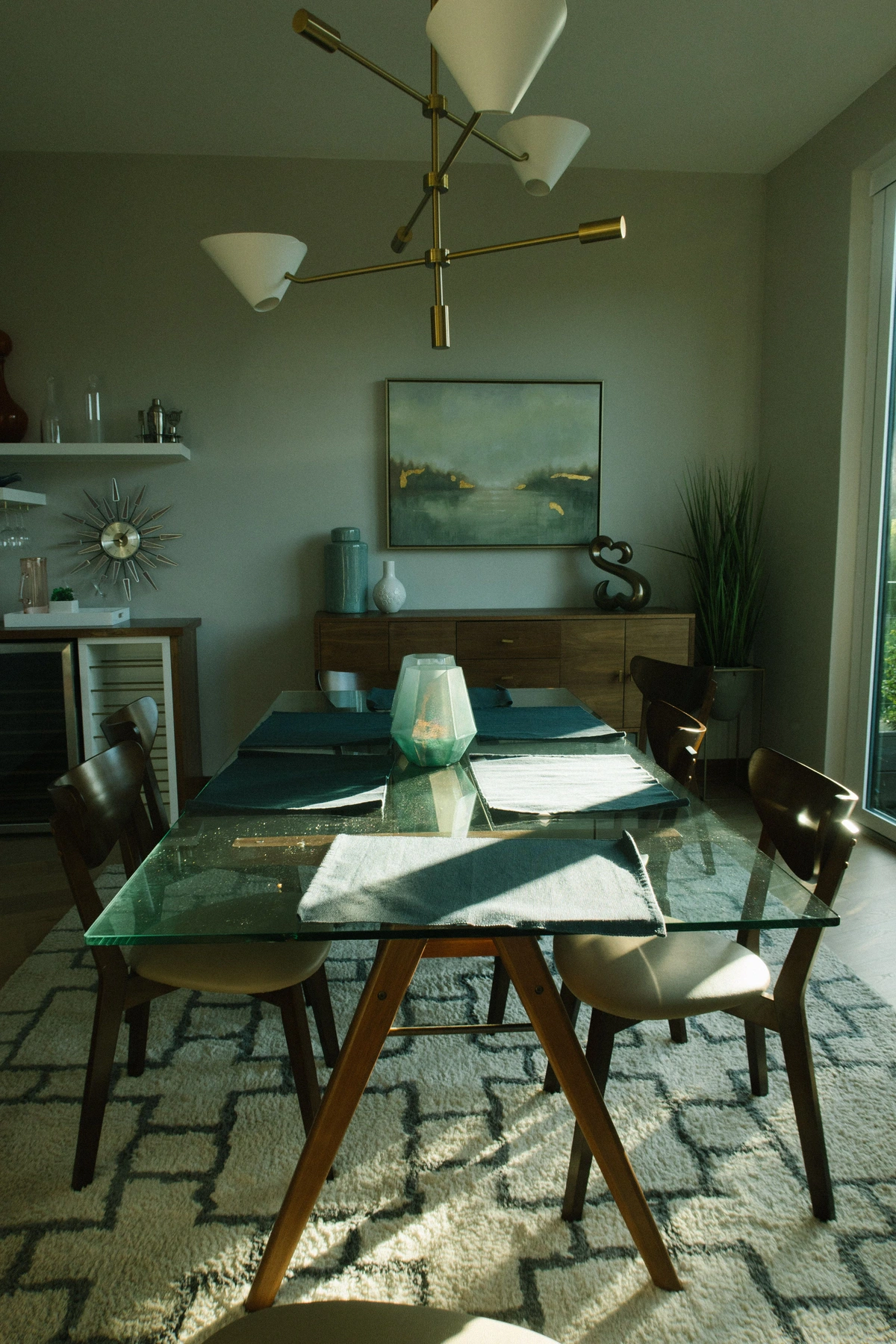
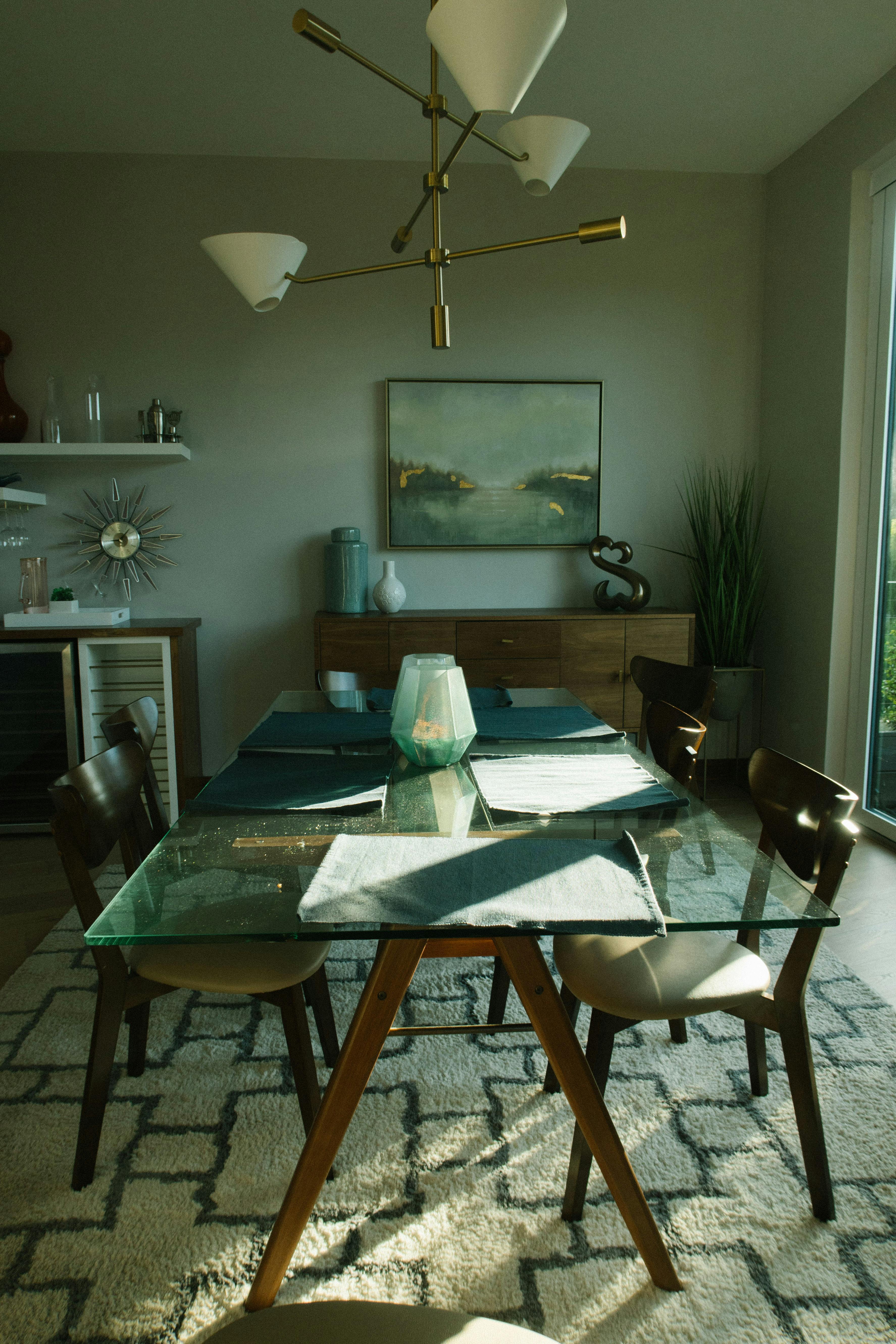
A modern dining room with a glass-top table, wooden chairs, and abstract wall art, illuminated by natural sunlight.
Wall/Furniture Type  | Recommended Art Size | My Rationale |
|---|---|---|
| Above a Standard Sofa (70-90 inches) | 2/3 to 3/4 the width of the sofa | Creates visual anchor, prevents art from looking undersized |
| Large Empty Wall | Single large piece (40+ inches wide/tall) or a substantial gallery wall | Commands attention, fills the space without feeling sparse |
| Small Wall/Nook | Single small to medium piece (12-24 inches) | Adds interest without overwhelming; consider vertical pieces for height |
| Above a Fireplace Mantel | Similar width to the mantel opening, or slightly narrower | Draws the eye up, complements the architectural feature |
| Paired with a Console Table | Art should be no wider than the table, and not extend too high above it | Maintains balance; allows room for decorative objects on the table |
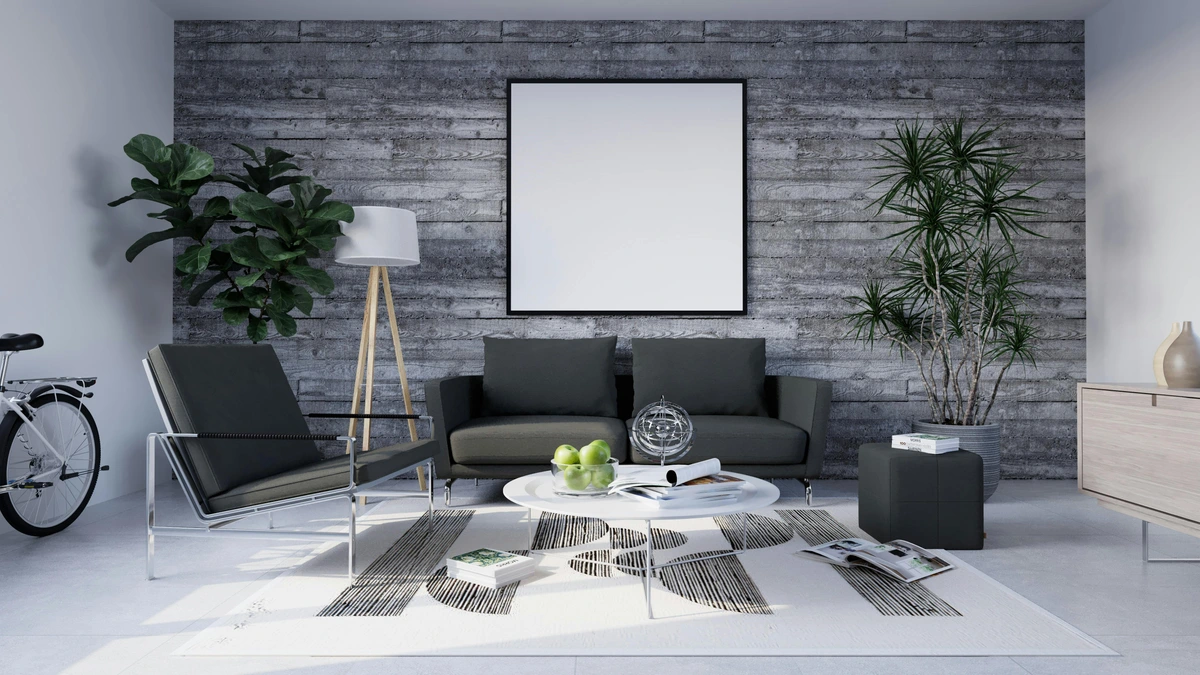
The Whisper: Existing Decor and Style
Your living room's existing decor and style should guide your art choices. Whether your space is minimalist, eclectic, rustic, or modern, the art you select should harmonize with or thoughtfully contrast against this backdrop.
- Harmonizing with Your Decor: Look for art that complements the colors, textures, and themes already present in your living room. This creates a cohesive and balanced look.
- Creating Contrast: If you prefer a bolder approach, choose art that contrasts with your decor. A vibrant abstract piece can add energy to a neutral space, while a monochromatic print can provide a calming counterpoint to a colorful room.
- Mixing Styles: Don't be afraid to mix different art styles. A vintage landscape can sit beautifully next to a contemporary abstract, creating a dynamic and visually engaging space.
Consider the textures in your room as well. A glossy, framed print can add a modern touch to a rustic space, while a textured canvas can bring warmth to a minimalist setting.
Now, let's talk about the vibe. Is your living room a tranquil haven of Japandi serenity? A rustic retreat with a modern farmhouse feel? Or a vibrant, eclectic mix? The art you choose can either seamlessly blend into this existing narrative or create a wonderfully intriguing contrast.
I tend to think about whether I want the art to harmonize or disrupt (in a good way!). For harmony, look for colors, textures, or themes that echo what's already there. For disruption, choose something bold, unexpected, or a contrasting style. This is where the fun really begins, the unexpected connections that make a space feel truly alive.
The Art of Connection: Finding Your Piece
Art is deeply personal, and the pieces you choose should resonate with you on an emotional level. Whether you're drawn to abstracts, landscapes, portraits, or mixed-media works, the key is to find art that speaks to your soul and enhances your living room's ambiance.
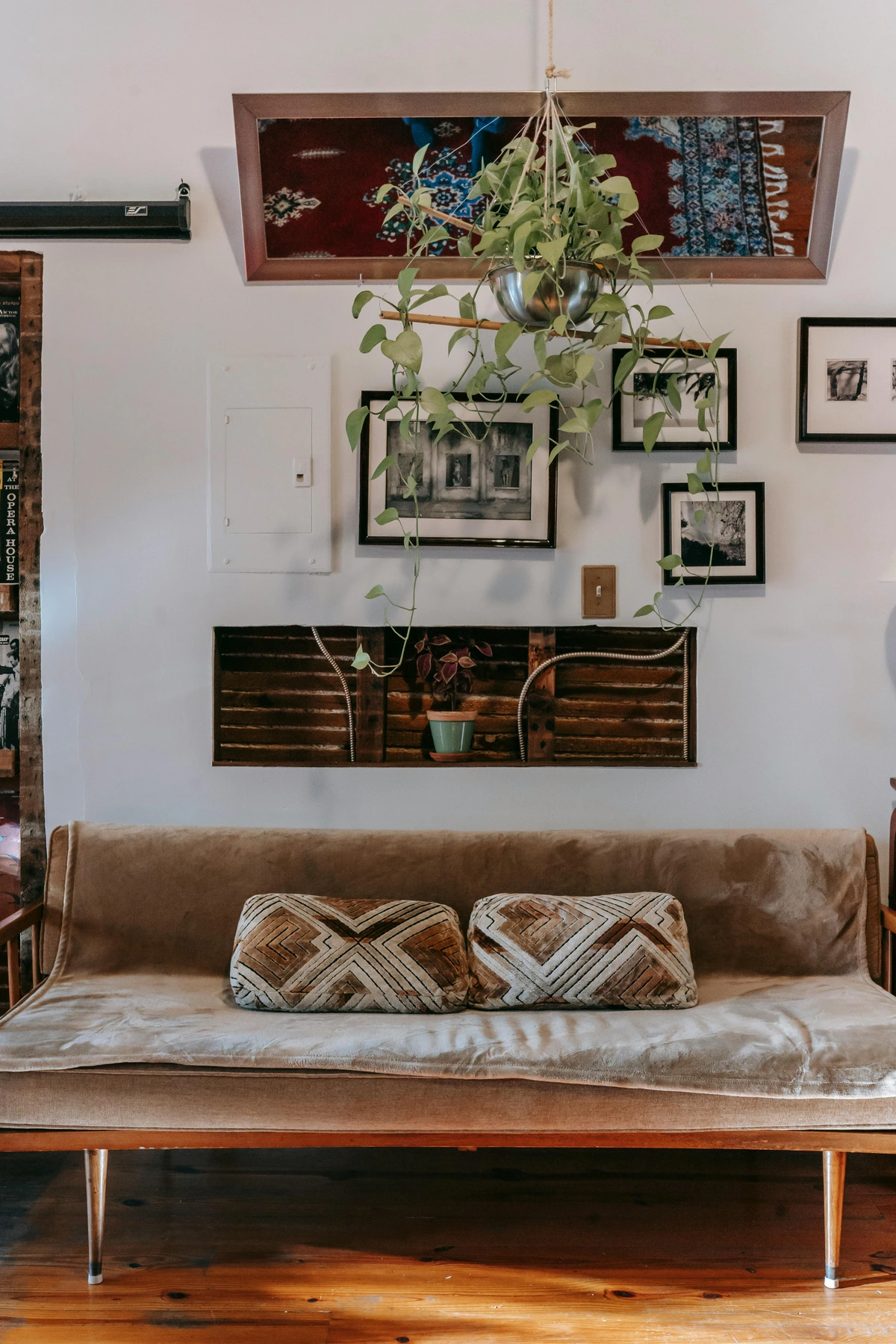
- Explore Different Mediums: From paintings and prints to sculptures and textiles, there's a wide range of mediums to explore. Each offers a unique way to express your personality and style.
- Visit Galleries and Studios: Immerse yourself in the art world by visiting local galleries, studios, and art fairs. This can provide inspiration and help you discover new artists and styles.
- Support Local Artists: Consider purchasing art directly from local artists. Not only does this support the creative community, but it also gives you a unique piece with a story behind it.
This is perhaps the most personal part of the journey. What truly resonates with you? An abstract piece that sparks imagination? A calming landscape? A vibrant portrait?
Don't just buy art because it 'matches' the sofa – buy it because it makes your heart sing.
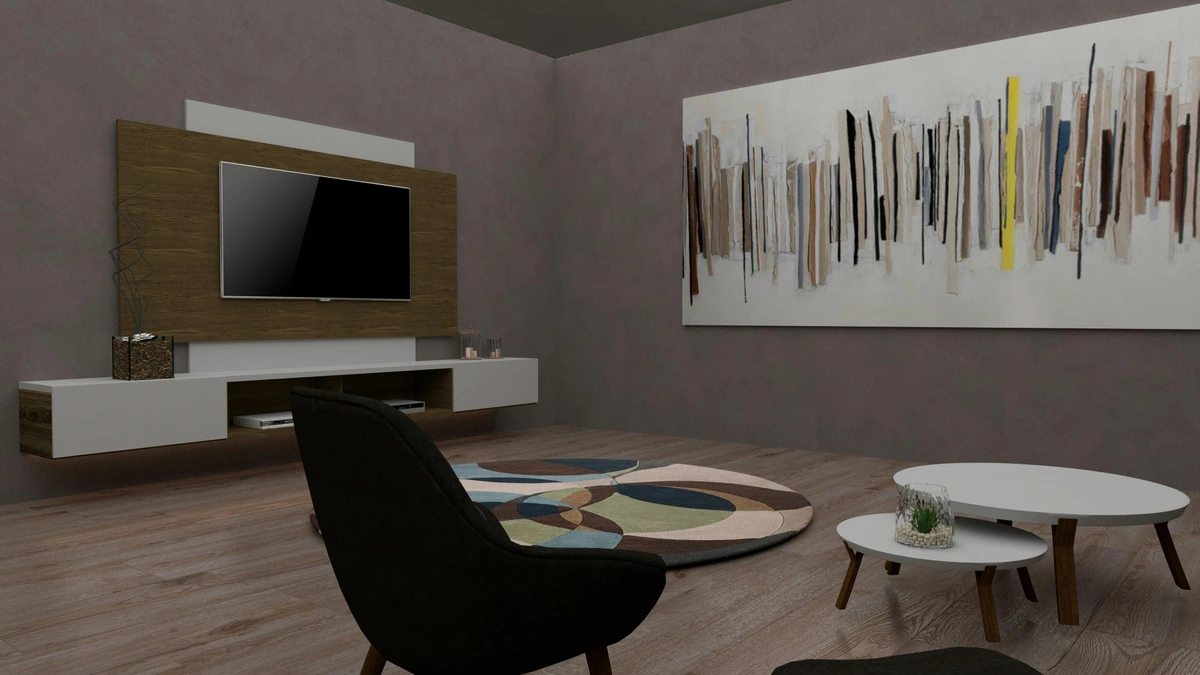
Color and Emotion: More Than Just a Match
Color plays a crucial role in setting the mood and tone of your living room. The colors in your art can evoke emotions, create focal points, and even influence the perceived size of the space.
Color and Emotion: More Than Just a Match
Color plays a crucial role in setting the mood and tone of your living room. The colors in your art can evoke emotions, create focal points, and even influence the perceived size of the space.
- Warm Colors: Reds, oranges, and yellows can add warmth and energy to a room, making it feel cozy and inviting.
- Cool Colors: Blues, greens, and purples can create a calming and serene atmosphere, perfect for relaxation.
- Neutral Colors: Whites, grays, and beiges provide a versatile backdrop that can complement any decor style.
- Bold Accents: A pop of bright color can add drama and personality to your living room, creating a focal point that draws the eye.
Consider the psychological impact of colors. For example, green is often associated with tranquility and nature, while red can evoke passion and energy. Use these associations to guide your choices and create the desired atmosphere in your living room.
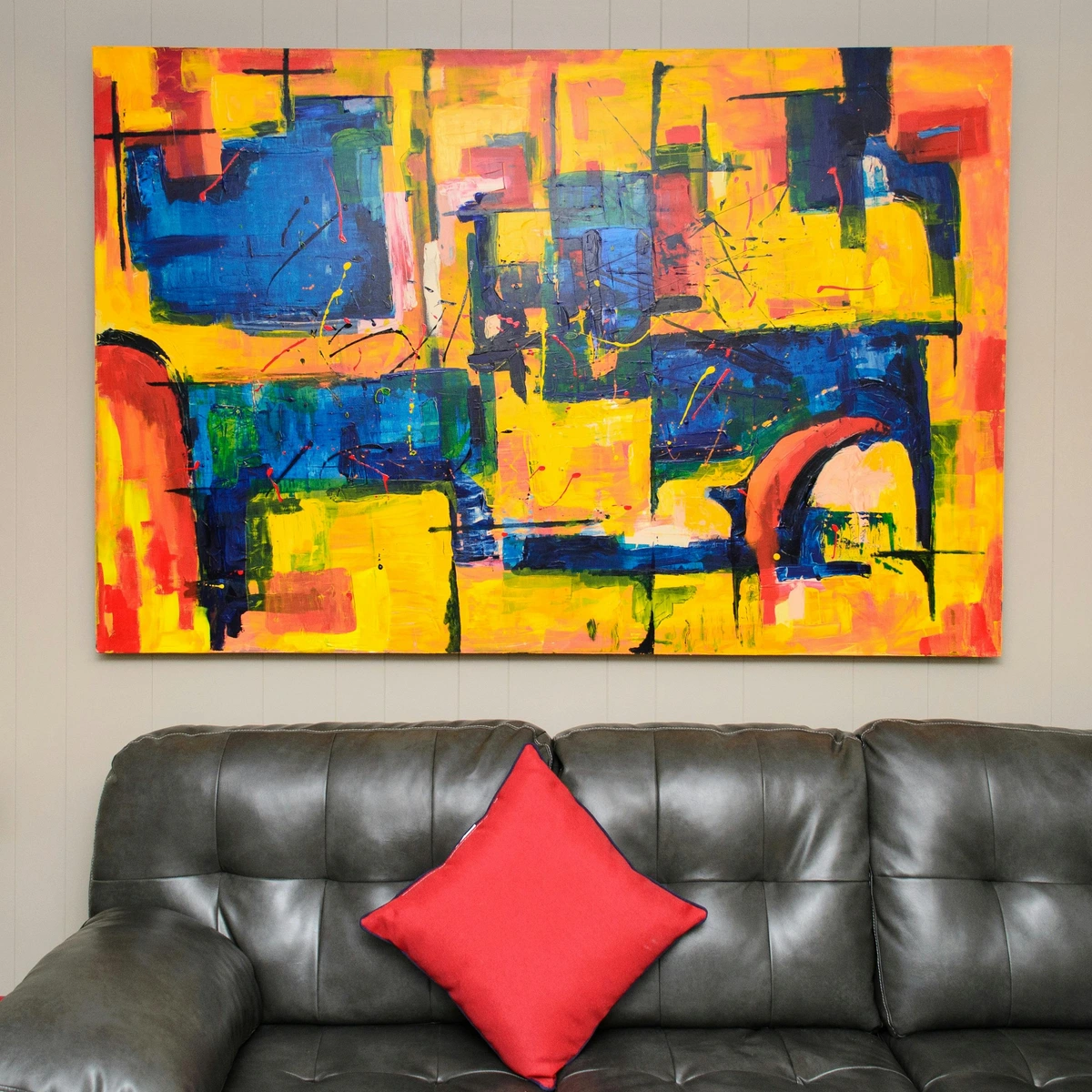
Color is such a powerful storyteller. I often think about the mood I want to evoke. Do I want a sense of calm and tranquility? Then I might gravitate towards cool blues, soft greens, or serene neutrals. Do I crave energy, warmth, or a conversational focal point? Then perhaps bold reds, oranges, or yellows will be calling my name.
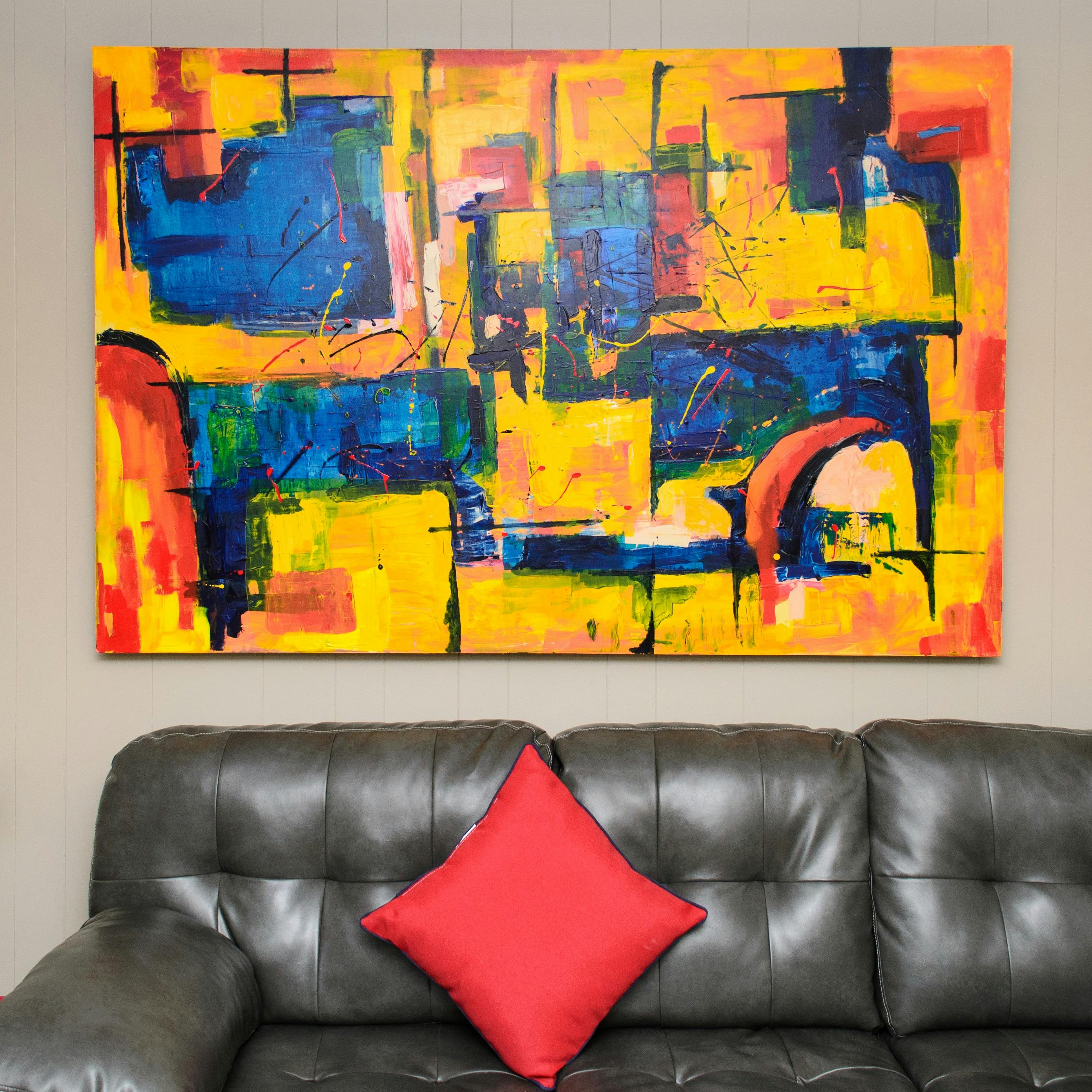
Abstract color painting on white painted wall above a leather couch with a red pillow
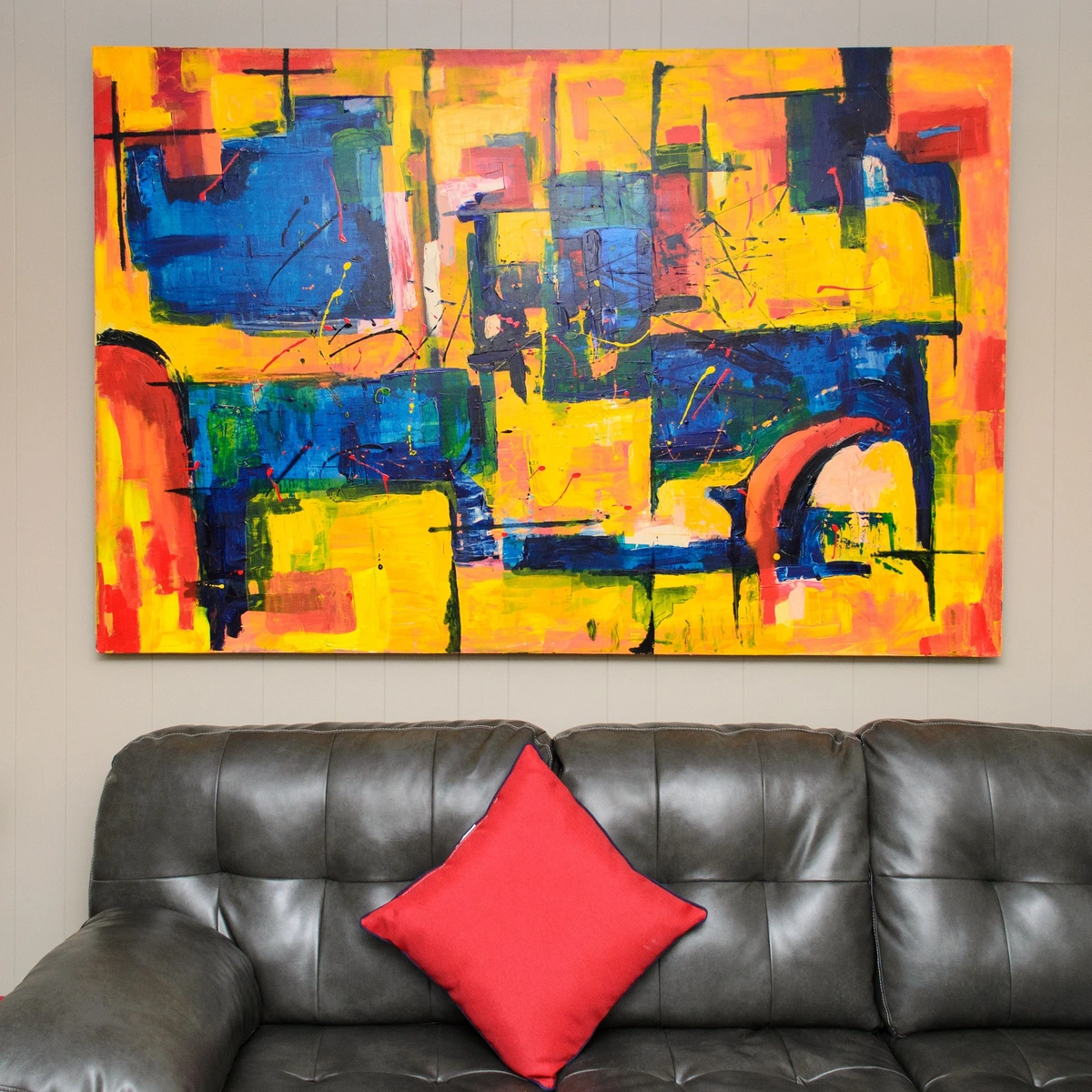
Remember, art doesn't have to perfectly match every single throw pillow. Sometimes a pop of contrasting color is exactly what a room needs to feel dynamic and interesting. It's about how the colors interact and the overall emotional landscape they create.
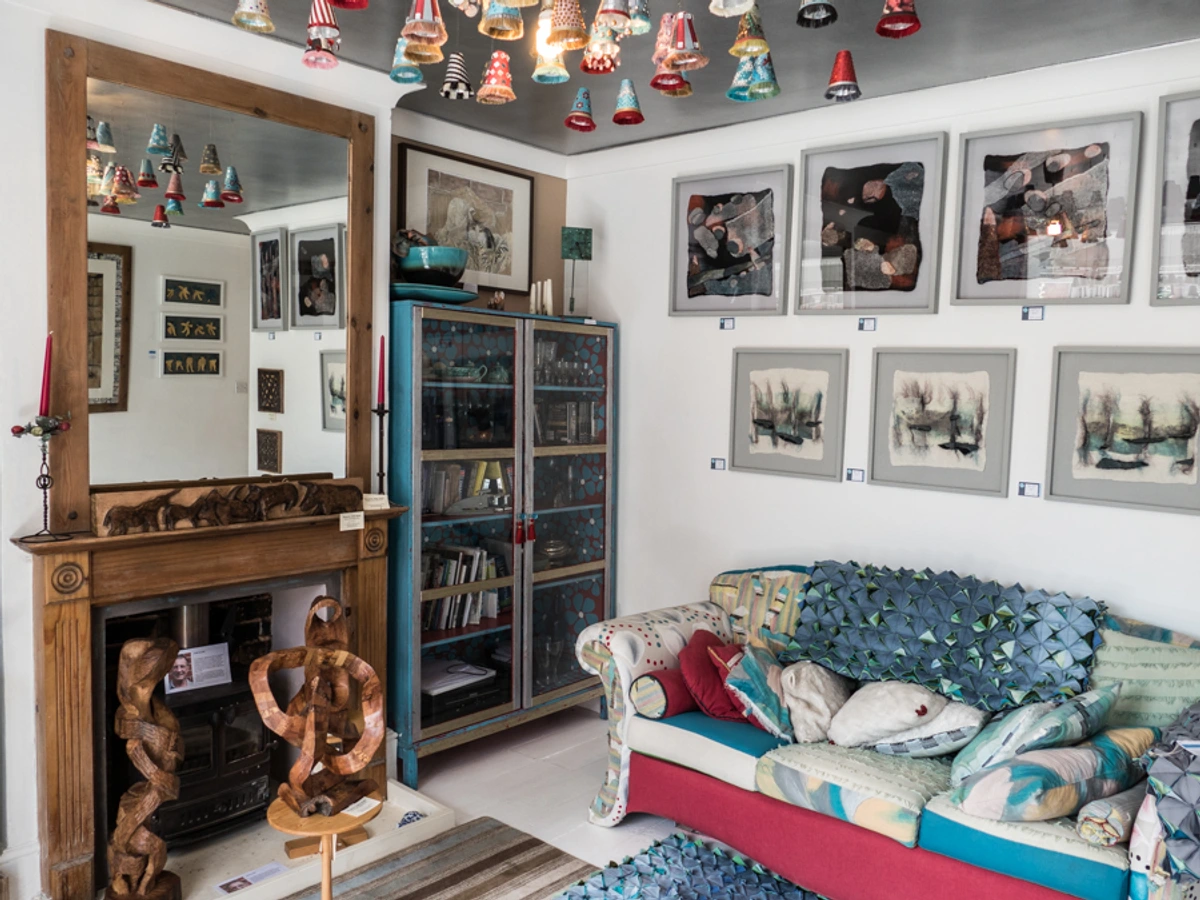
Style Speaks Volumes: From Abstract to Figurative
The style of art you choose can significantly impact the overall aesthetic of your living room. Here's a breakdown of some popular styles and how they can enhance your space:
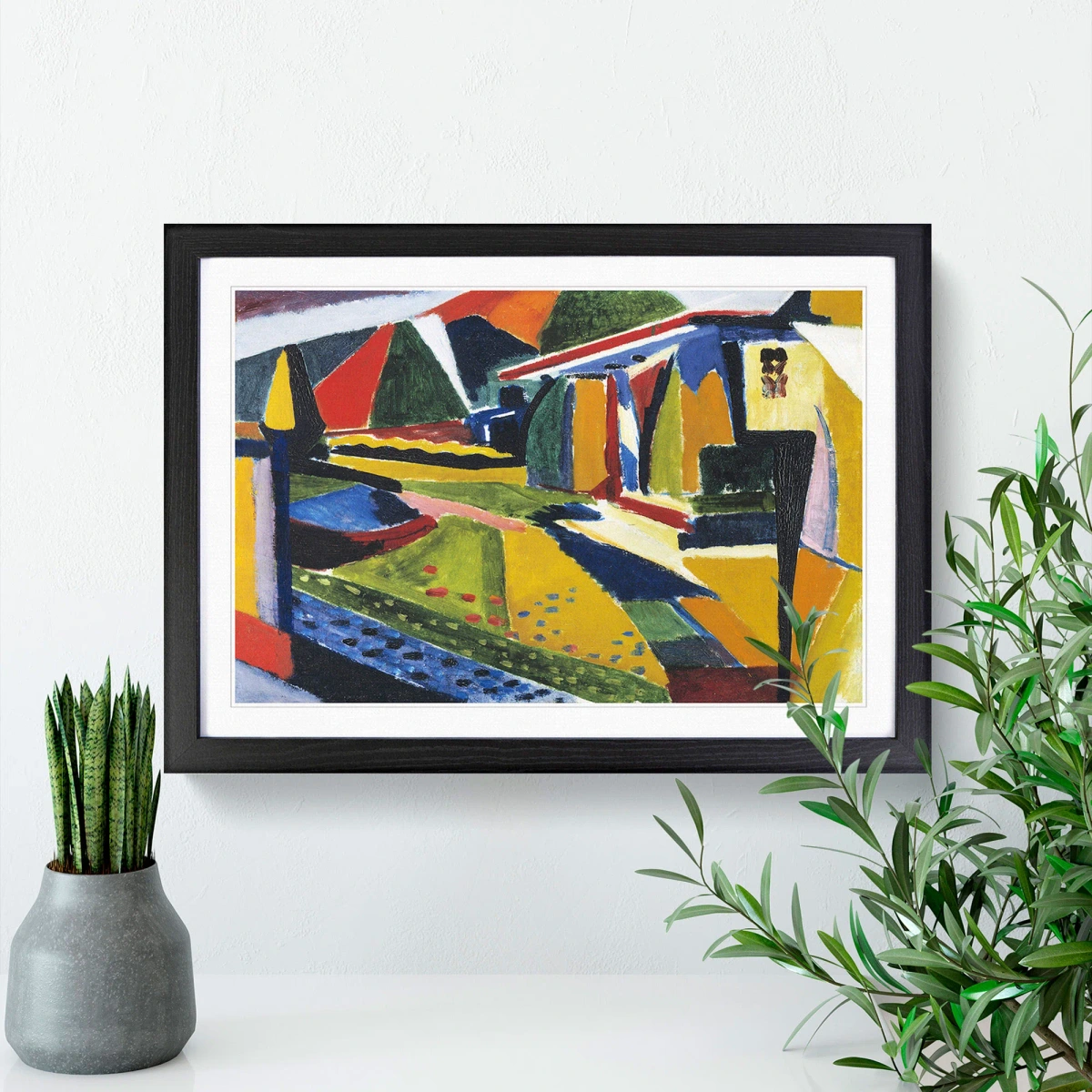
- Abstract Art: Known for its bold colors, shapes, and textures, abstract art can add a modern and dynamic touch to your living room. It invites interpretation and can spark interesting conversations.
- Landscapes: Whether realistic or impressionistic, landscapes can bring a sense of nature and tranquility into your home. They're perfect for creating a calming and serene atmosphere.
- Portraits: Portraits add a personal and intimate touch to your living room. They can be family photos, historical figures, or even abstract representations of the human form.
- Botanical Prints: These timeless pieces bring a touch of nature indoors, adding freshness and vitality to your space.
- Mixed Media: Combining different materials and techniques, mixed media art can add depth and texture to your living room, creating a visually engaging focal point.
This is where your unique personality can truly shine. I’ve always found a certain freedom in abstract art myself; it allows for such personal interpretation and adds a layer of depth that figurative pieces sometimes can't. You look at it, and it asks you what you see, what you feel. That's a powerful conversation to have in your living room!
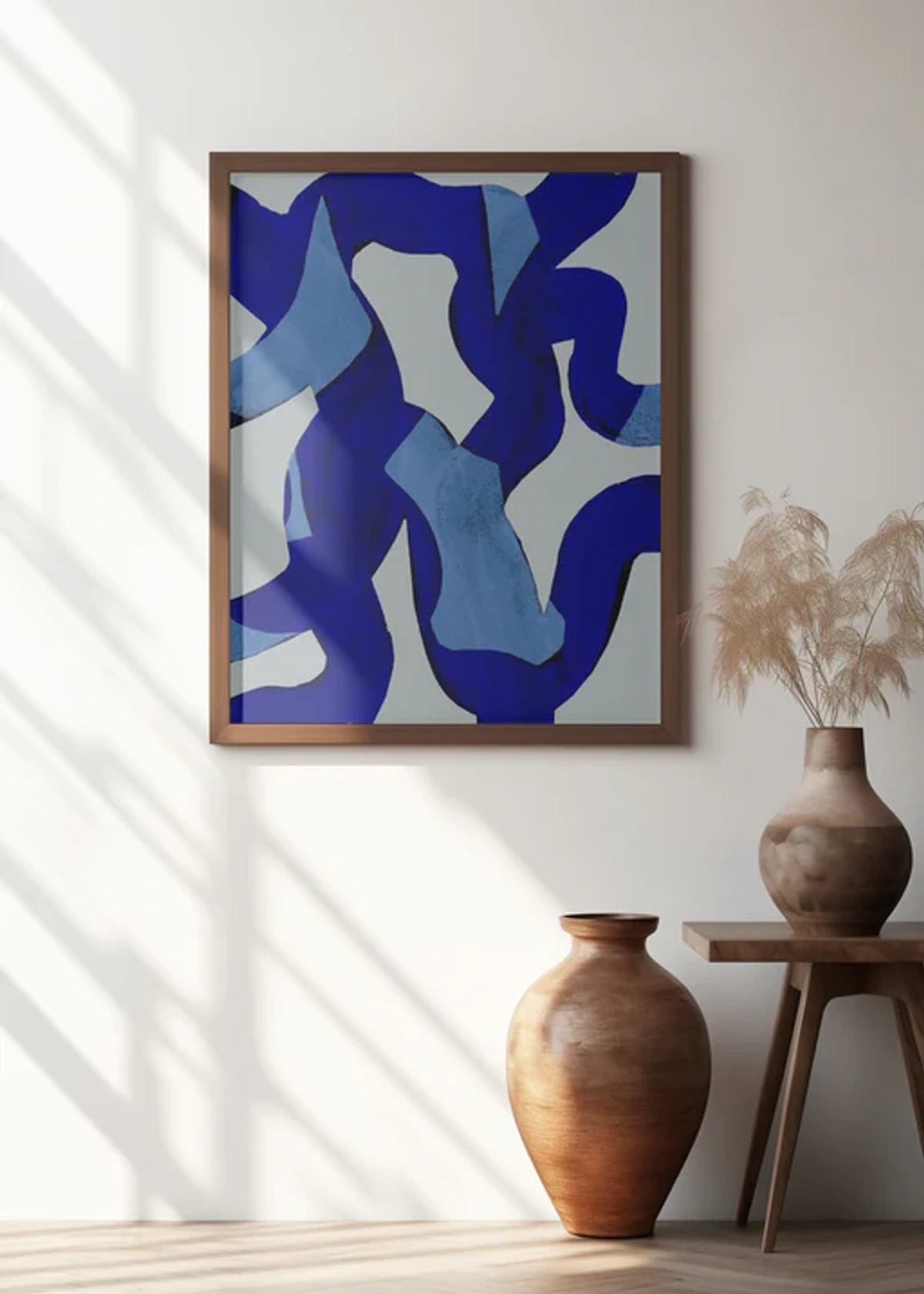
Framed abstract painting with bold blue brushstrokes on a light gray background, hanging on a white wall above two brown vases on a wooden table.
Perhaps you're drawn to abstracts with bold brushstrokes and vibrant colors, like some of the pieces I create (you can always check out my art here if you're curious). Or maybe you prefer the timeless elegance of landscapes, the intrigue of portraits, or the delicate beauty of botanical prints. There's no right or wrong answer here, only your answer.
Don't be afraid to mix styles either! An abstract piece can sit beautifully next to a vintage find, creating an eclectic living space that feels rich with character. The key is that each piece, regardless of its style, speaks to you on some level.
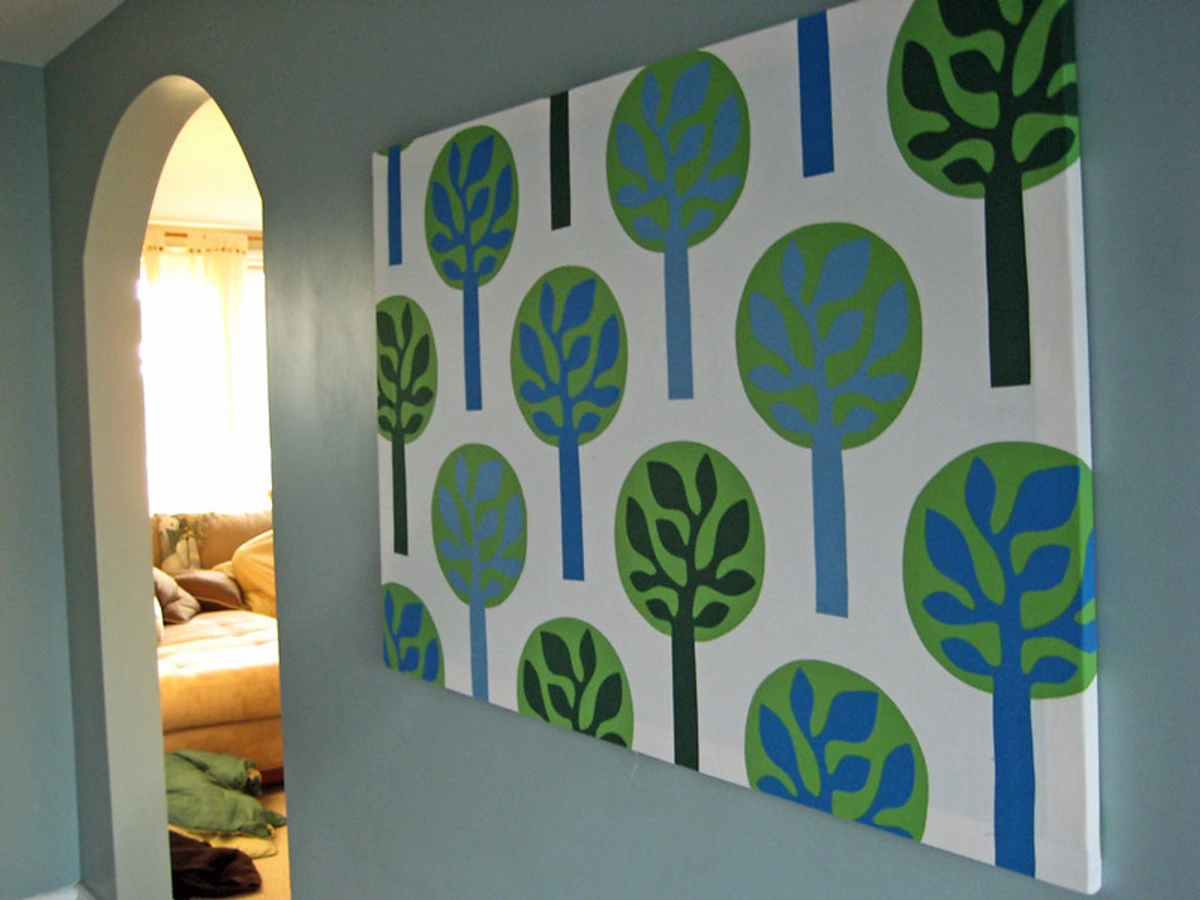
Placement Prowess: Hanging Your Masterpiece
Once you've chosen the perfect piece of art, the next step is to hang it in a way that enhances its impact and complements your living room's layout.
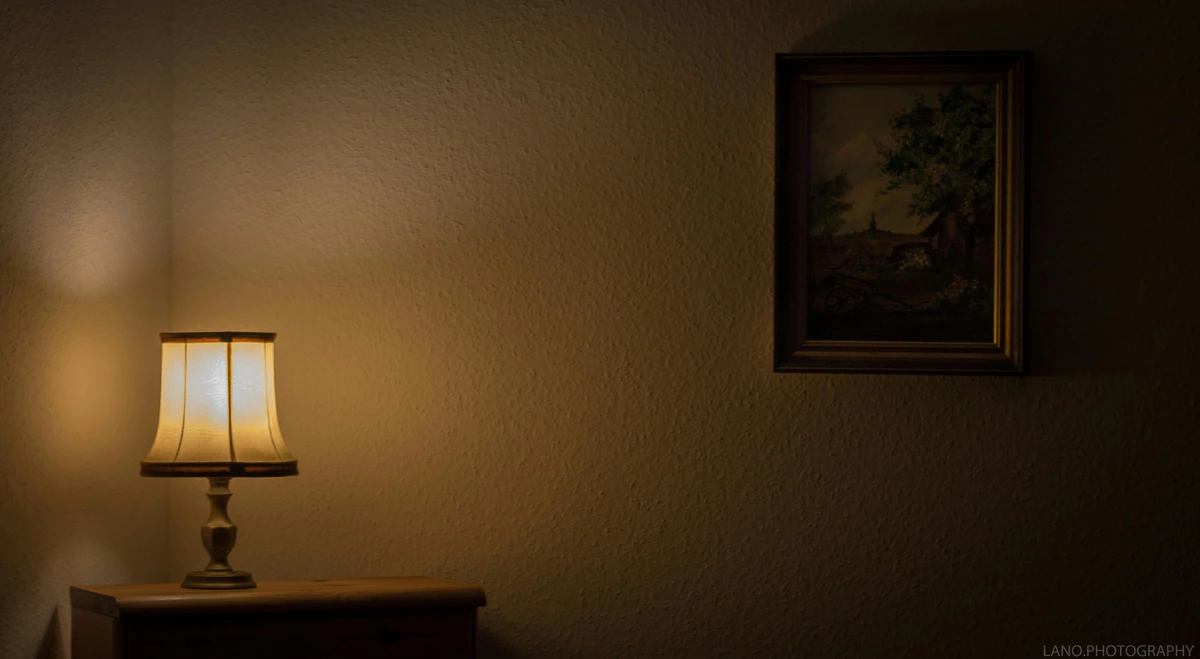
- Eye Level: As a general rule, the center of your artwork should be at eye level, which is typically around 57-60 inches from the floor. This ensures that the art is easily visible and creates a balanced look.
- Above Furniture: When hanging art above a sofa, console table, or fireplace, aim for the bottom of the frame to be 6-10 inches above the furniture. This creates a cohesive grouping and prevents awkward gaps.
- Gallery Walls: For a more dynamic display, consider creating a gallery wall. Mix and match different sizes, styles, and frames to create a visually engaging arrangement.
- Lighting: Proper lighting can enhance the beauty of your art. Consider using picture lights, track lighting, or even natural light to highlight your pieces.
So, you've found your art! Now comes the moment of truth: where to hang it? This isn't just about hammering a nail; it's about optimizing the visual impact.
The Sweet Spot: Eye Level and Beyond
I generally follow the museum rule: the center of the artwork should be at eye level. For most people, that's about 57-60 inches (145-152 cm) from the floor. However, this rule bends a bit when hanging art above furniture.
When hanging above a sofa or console table, I aim for the bottom of the frame to be about 6-10 inches (15-25 cm) above the furniture. This creates a cohesive grouping without leaving too much awkward space. Don't be afraid to experiment. Use painter's tape to mock up the placement before committing!

The Sweet Spot: Eye Level and Beyond
I generally follow the museum rule: the center of the artwork should be at eye level. For most people, that's about 57-60 inches (145-152 cm) from the floor. However, this rule bends a bit when hanging art above furniture.
When hanging above a sofa or console table, I aim for the bottom of the frame to be about 6-10 inches (15-25 cm) above the furniture. This creates a cohesive grouping without leaving too much awkward space. Don't be afraid to experiment. Use painter's tape to mock up the placement before committing!
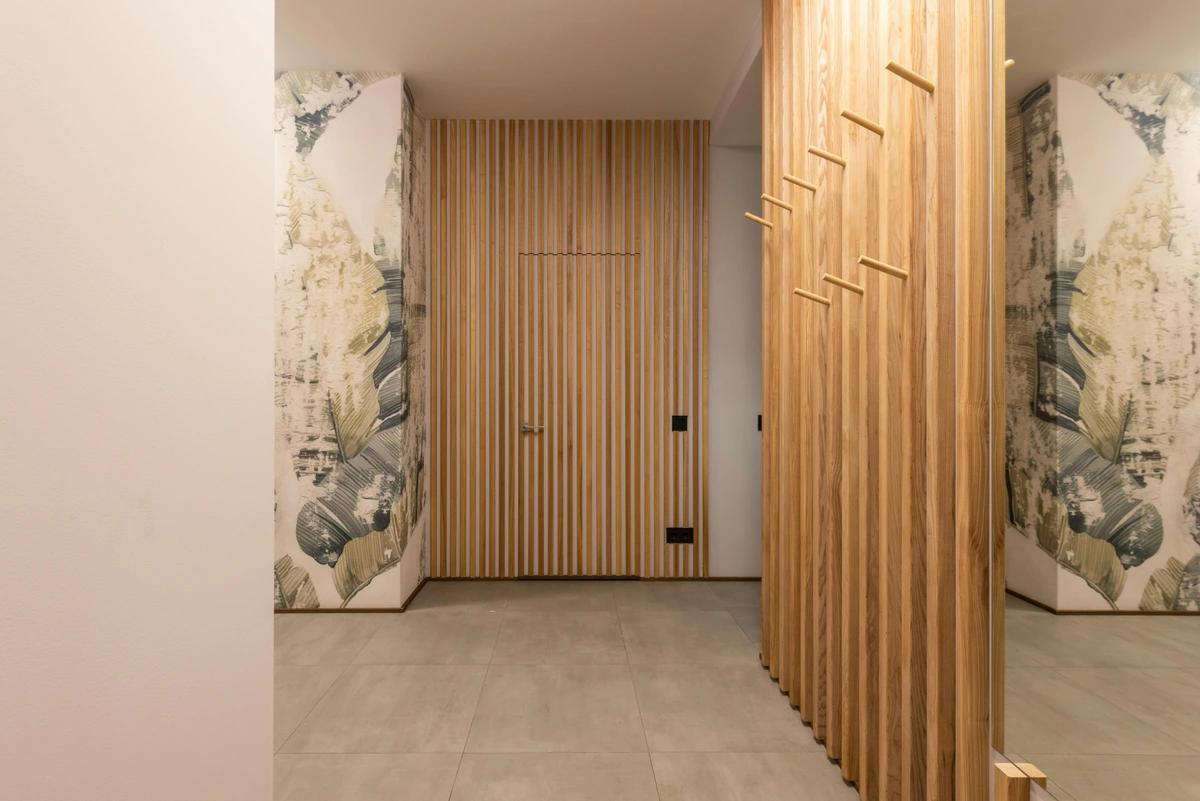
Gallery Walls: A Curated Conversation
Ah, gallery walls! They can be a stunning way to display a collection, but they can also quickly devolve into visual clutter. My advice? Plan, plan, plan!
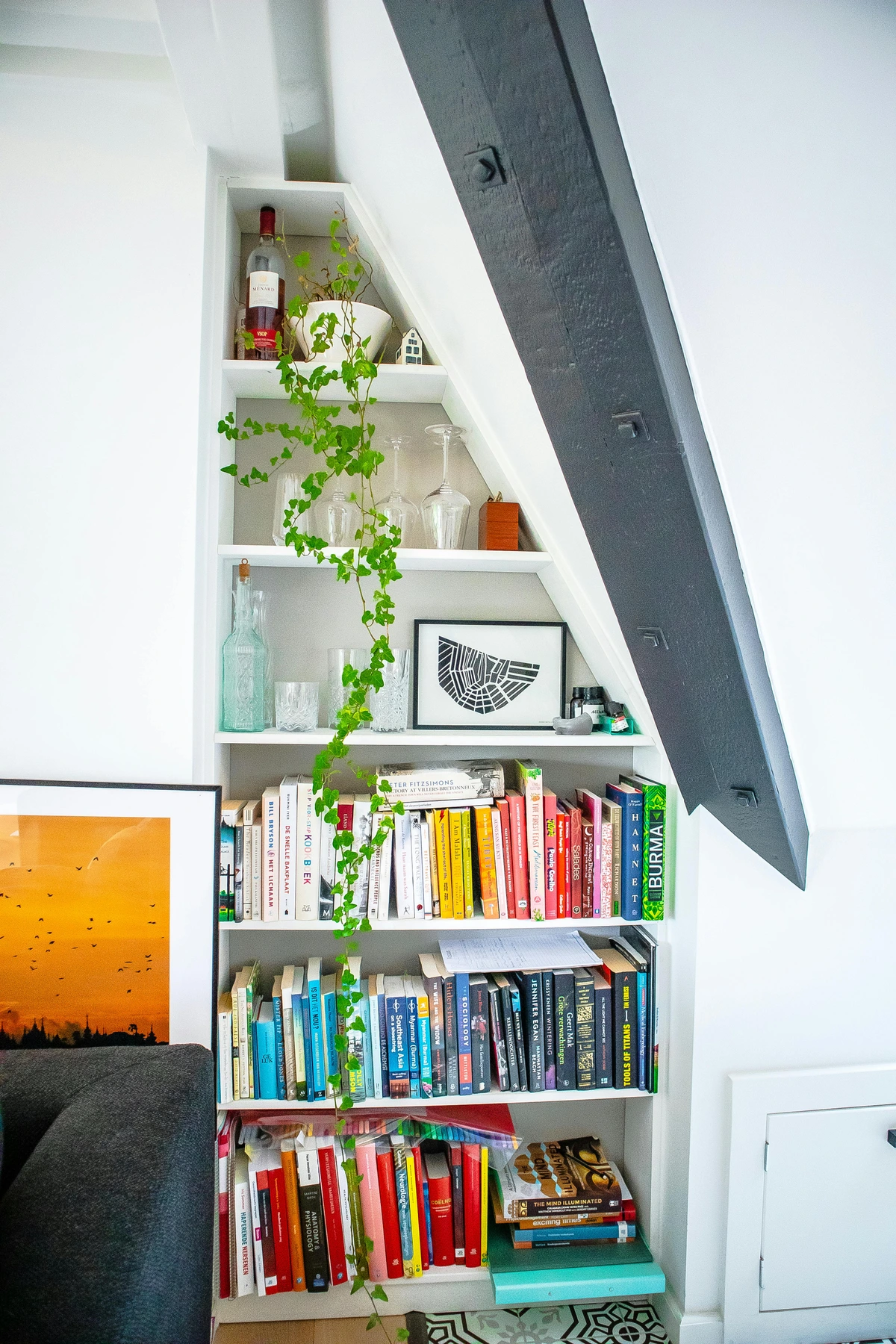
Lay your pieces out on the floor first to find a pleasing arrangement. Think about how the different shapes and sizes interact. I often pick one central piece and build around it, ensuring there's a consistent spacing (usually 2-3 inches) between frames. It's like composing a visual symphony!
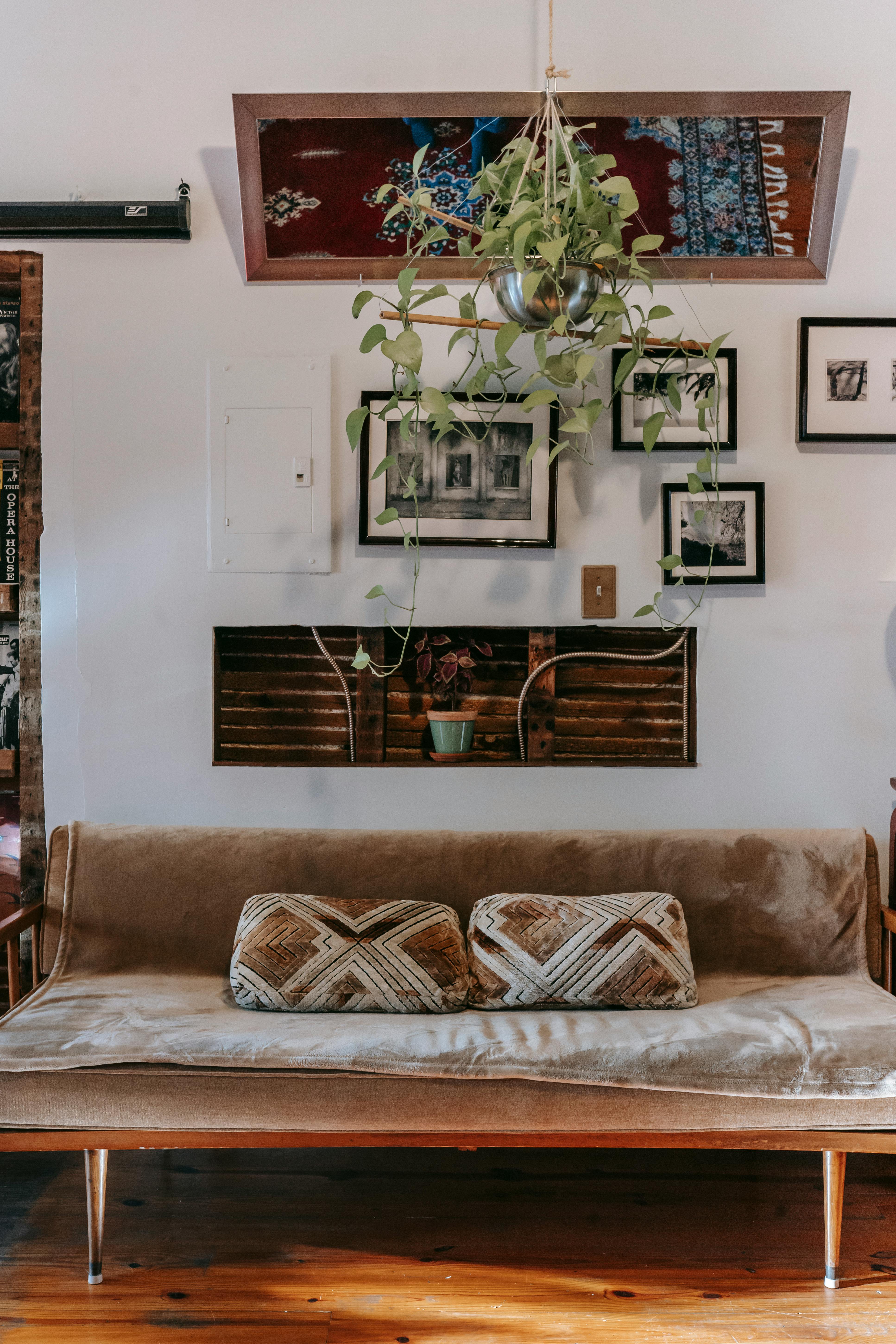
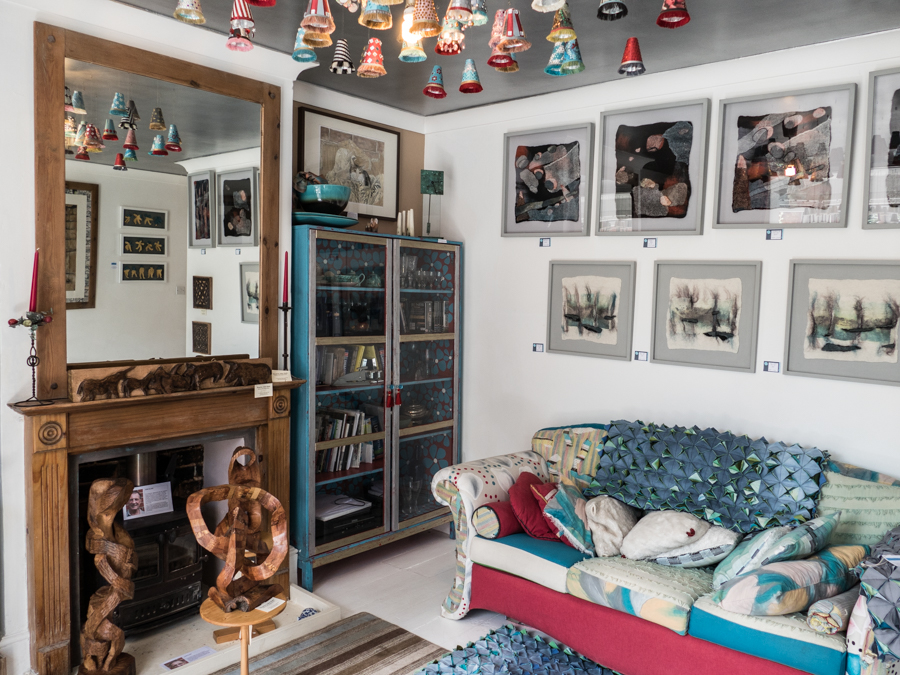
An eclectic living space or gallery with fireplace, mirror, sculptures, blue cabinet, hanging glass ornaments, patterned sofa, and abstract art.
Framing Finesse: The Art of Presentation
The right frame can elevate your artwork, turning it into a stunning focal point. Here's how to choose the perfect frame for your living room:
- Match the Style: Consider the overall aesthetic of your living room. A sleek, modern frame can complement contemporary decor, while an ornate frame can add a touch of elegance to a traditional space.
- Consider the Artwork: The frame should enhance the artwork, not overpower it. For bold, colorful pieces, a simple frame can provide balance, while a more intricate frame can complement detailed or delicate artworks.
- Use Mats: Mats can add depth and dimension to your framed art. They also provide a buffer between the artwork and the glass, protecting it from damage.
- Experiment with Colors: Don't be afraid to choose a frame in a bold or unexpected color. This can add a pop of personality to your living room and create a striking visual impact.
Consider the material of the frame as well. Wooden frames can add warmth and texture, while metal frames can provide a sleek, modern look. The choice of material can significantly influence the overall aesthetic of your artwork.
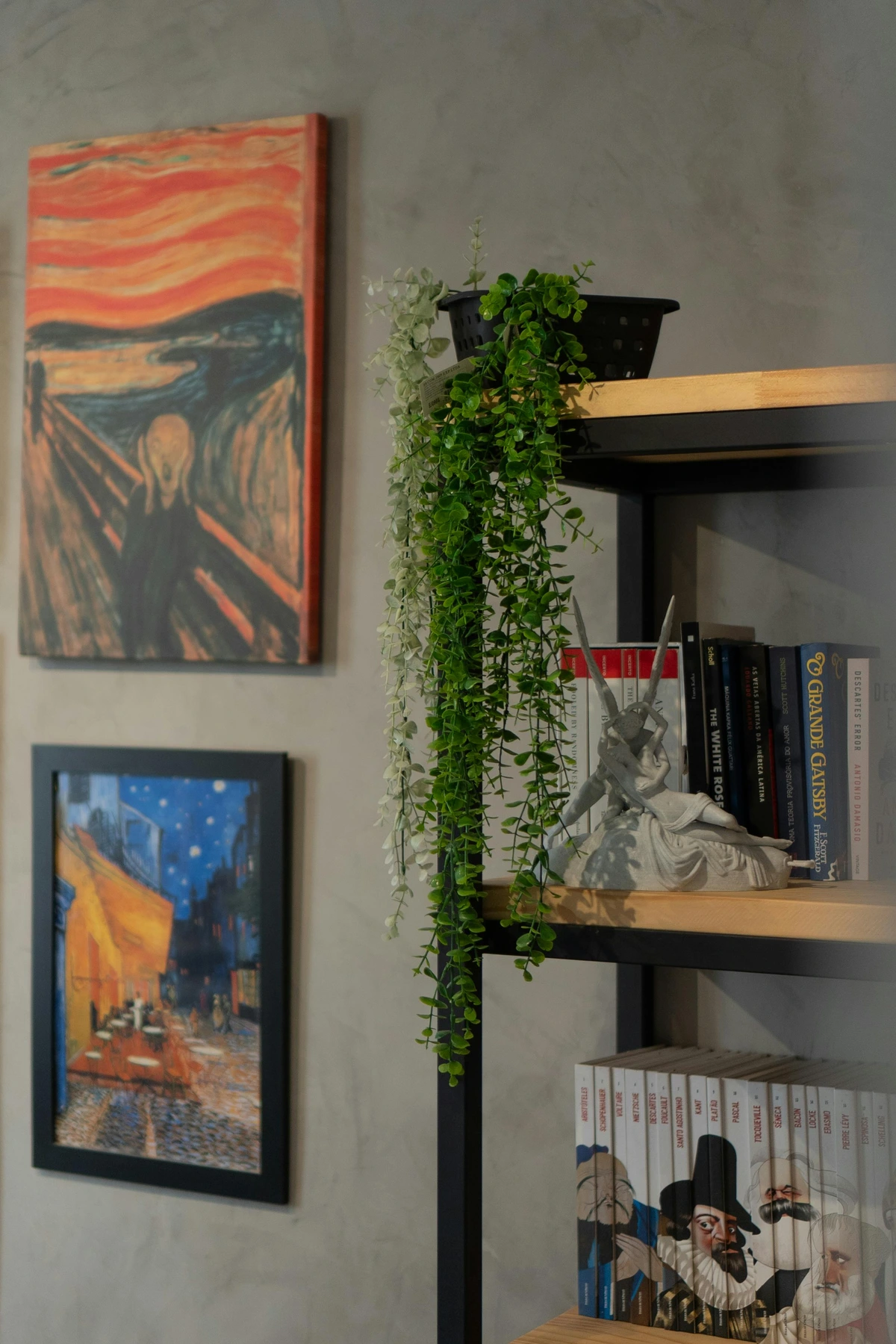
This might seem like a minor detail, but a good frame can truly elevate your artwork, acting as a bridge between the piece and your wall. A beautiful frame can take a simple print and make it feel like a masterpiece, while a poorly chosen one can detract from even the most stunning original.
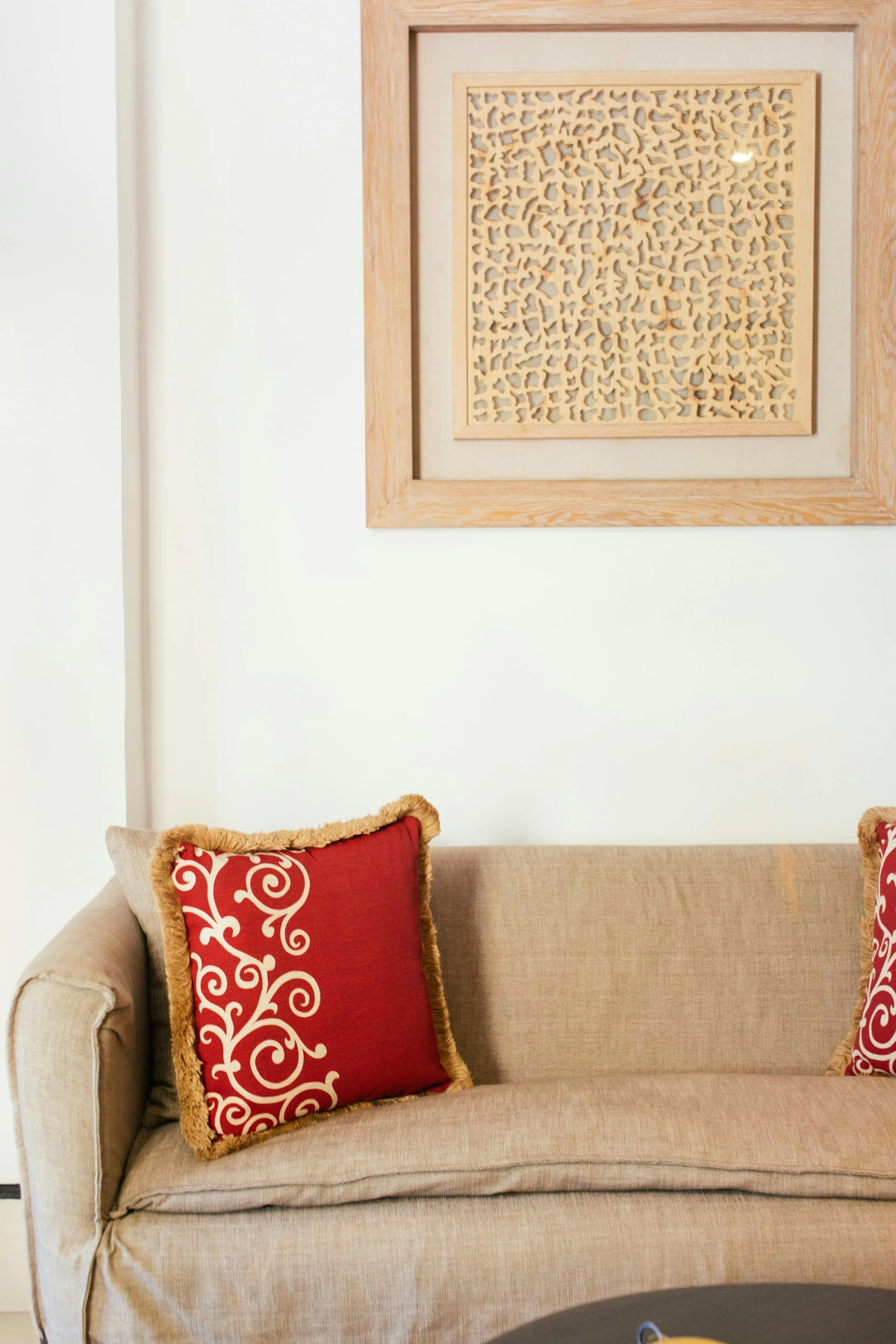
Consider the frame's style – sleek and modern, ornate and traditional, or minimalist and unassuming – and how it interacts with both the artwork and your living room's overall aesthetic. Sometimes, a matboard can also make a world of difference, giving the artwork breathing room and enhancing its presence.
FAQ: Your Living Room Art Queries Answered
How do I choose art that reflects my personality?
Choosing art that reflects your personality is all about trusting your instincts. Look for pieces that evoke emotions, spark memories, or simply make you happy. Whether it's a bold abstract, a serene landscape, or a quirky mixed-media piece, the right art will resonate with you on a personal level.

What are some budget-friendly ways to decorate with art?
Decorating with art doesn't have to break the bank. Consider the following budget-friendly options:
- Prints and Posters: High-quality prints and posters are an affordable way to add art to your living room. Look for pieces that speak to you and frame them for a polished look.
- DIY Art: Create your own artwork using materials like canvas, paint, and fabric. This adds a personal touch to your space and can be a fun and rewarding project.
- Thrift Stores and Flea Markets: You can often find unique and affordable art at thrift stores, flea markets, and estate sales. Keep an open mind and be prepared to hunt for hidden gems.
- Online Marketplaces: Websites like Etsy, Society6, and Redbubble offer a wide range of affordable art prints and originals from independent artists.
How can I incorporate art into a minimalist living room?
In a minimalist living room, less is more. Choose a few statement pieces that complement the clean lines and neutral colors of your space. Consider the following tips:
- Focus on Scale: Opt for larger pieces that make a bold statement without overwhelming the space.
- Stick to a Neutral Palette: Choose art in neutral colors like black, white, and gray to maintain a cohesive and calming atmosphere.
- Use Simple Frames: Sleek, minimalist frames can enhance the artwork without detracting from its simplicity.
- Create Negative Space: Leave plenty of empty space around your art to create a sense of balance and tranquility.
What are some creative ways to display art in a small living room?
In a small living room, creativity is key. Here are some ideas to maximize your space:
- Gallery Walls: Create a gallery wall using a mix of small and medium-sized pieces. This adds visual interest without taking up too much space.
- Floating Shelves: Use floating shelves to display art alongside books, plants, and decorative objects. This creates a dynamic and layered look.
- Lean Art Against the Wall: For a casual and flexible display, lean artwork against the wall on a console table or shelf.
- Use Mirrors: Incorporate mirrors into your art display to create the illusion of more space and reflect light.
How can I mix different art styles in my living room?
Mixing different art styles can create a dynamic and visually engaging space. Here's how to do it effectively:
- Find a Common Thread: Look for a common element, such as color, theme, or frame style, to tie different pieces together.
- Balance Bold and Subtle: Pair bold, eye-catching pieces with more subtle, understated ones to create a harmonious balance.
- Experiment with Layouts: Try different arrangements, such as a gallery wall or a salon-style display, to see what works best in your space.
- Trust Your Instincts: Ultimately, the key to mixing art styles is to trust your instincts and choose pieces that you love.
How high should I hang art in my living room?
I generally recommend hanging the center of your artwork at eye level, which is usually about 57-60 inches (145-152 cm) from the floor. If it's above furniture, aim for the bottom of the frame to be 6-10 inches (15-25 cm) above the top of the furniture for a cohesive look.
Can I mix different styles of art in one living room?
Absolutely! Mixing styles, such as an abstract piece with a vintage landscape or a modern print, can create an incredibly rich and personalized space. The trick is to find common threads—perhaps a shared color palette, a similar frame style, or a consistent theme—to tie them together.
What kind of art is best for a small living room?
For a small living room, I often suggest pieces that don't overwhelm the space. A single, medium-sized statement piece can work wonders, or a carefully arranged series of smaller prints. Consider art that draws the eye in with detail or creates a sense of depth, like some abstract pieces.
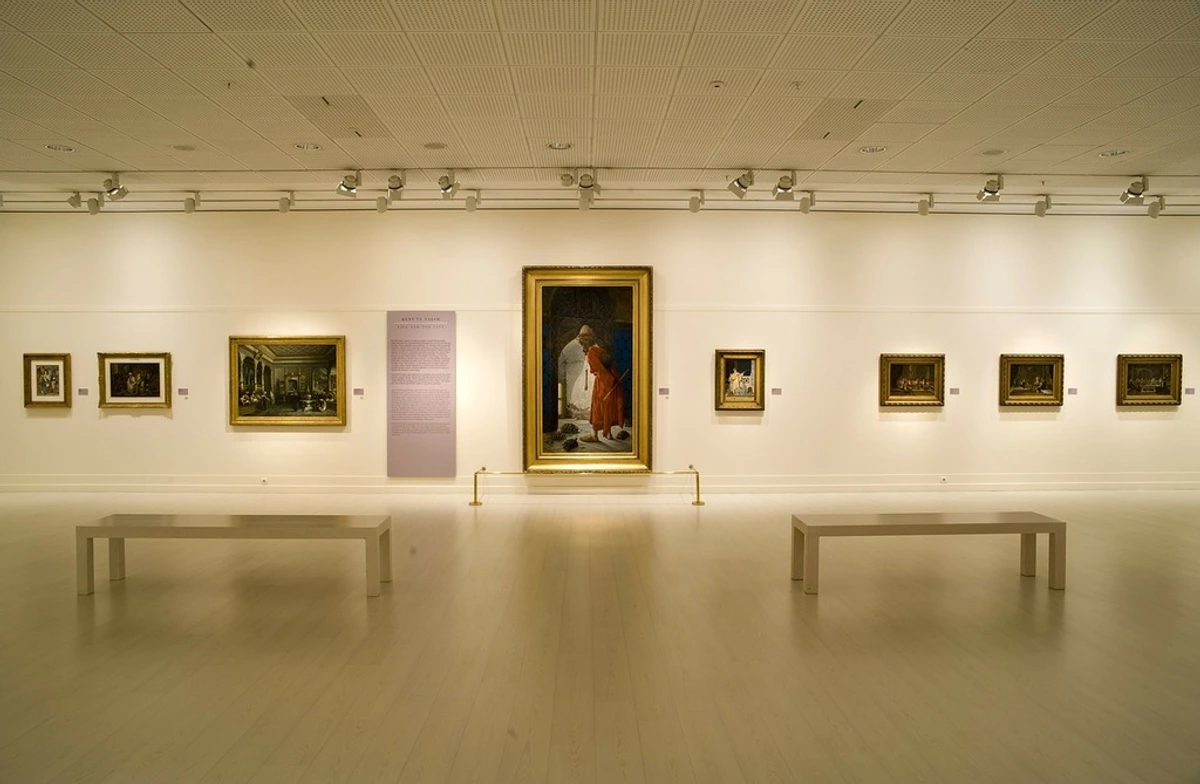
Should my art match my furniture?
Not necessarily! While it's great if your art complements your existing furniture, it doesn't need to be a perfect match. Think of art as an opportunity to add contrast, a pop of color, or a different texture to your room. It should enhance your furniture, not just mirror it.
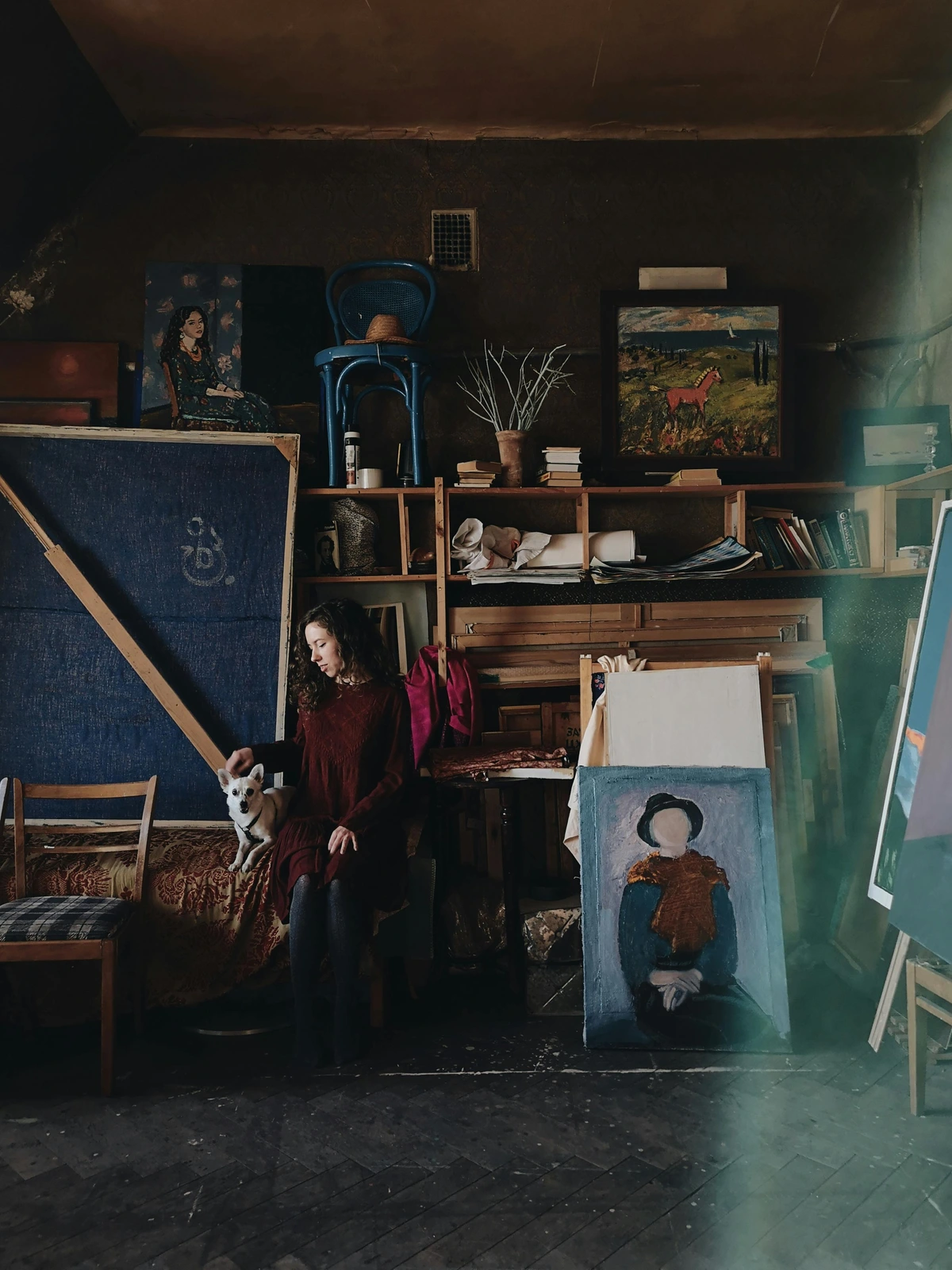
Where can I find unique and original art for my living room?
This is my favorite question! Beyond galleries and online marketplaces, consider local art fairs, student exhibitions, or even directly from artists themselves (like me, you can explore my collection here). This not only supports artists but also gives you a truly unique piece with a story.
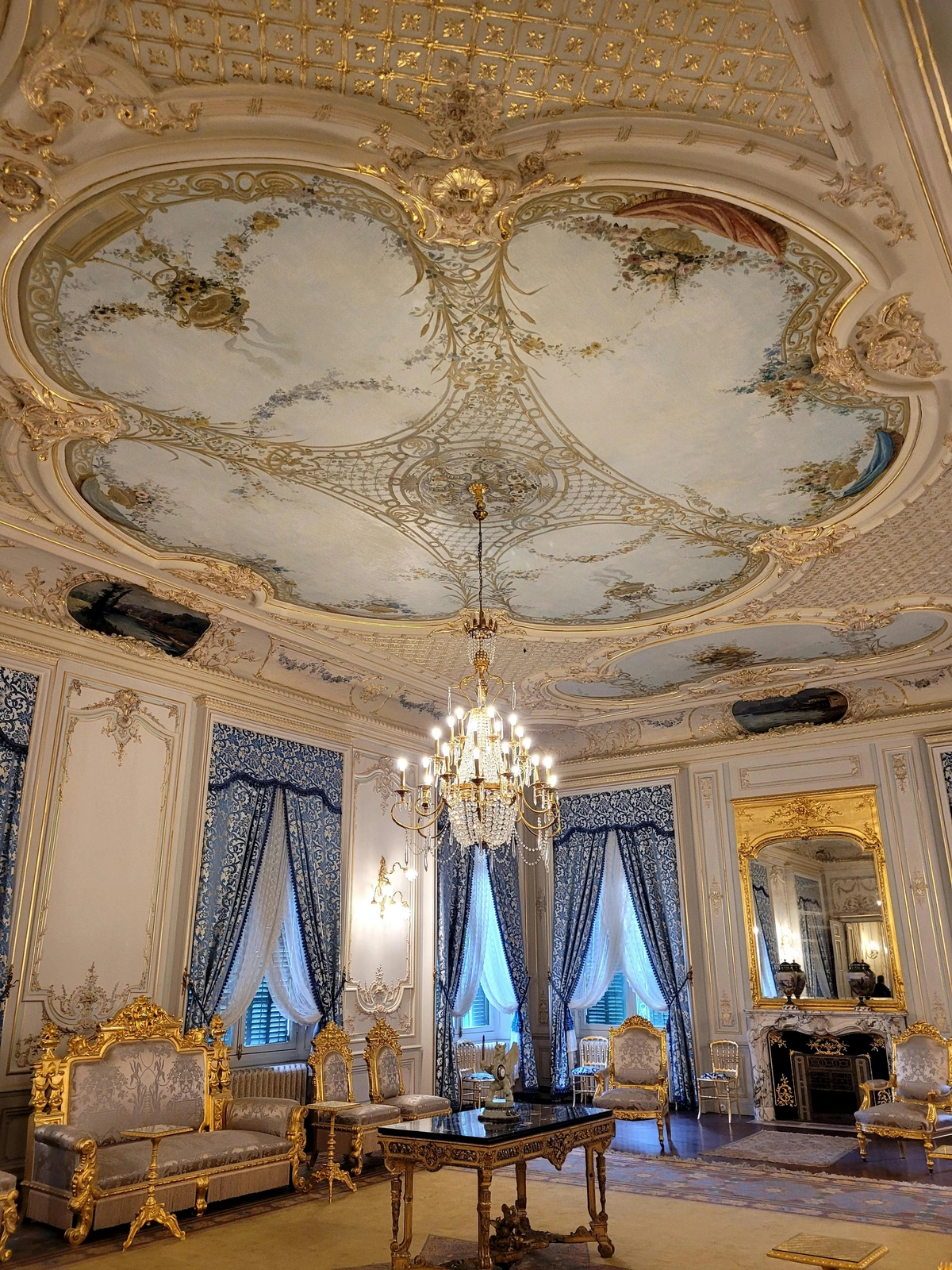
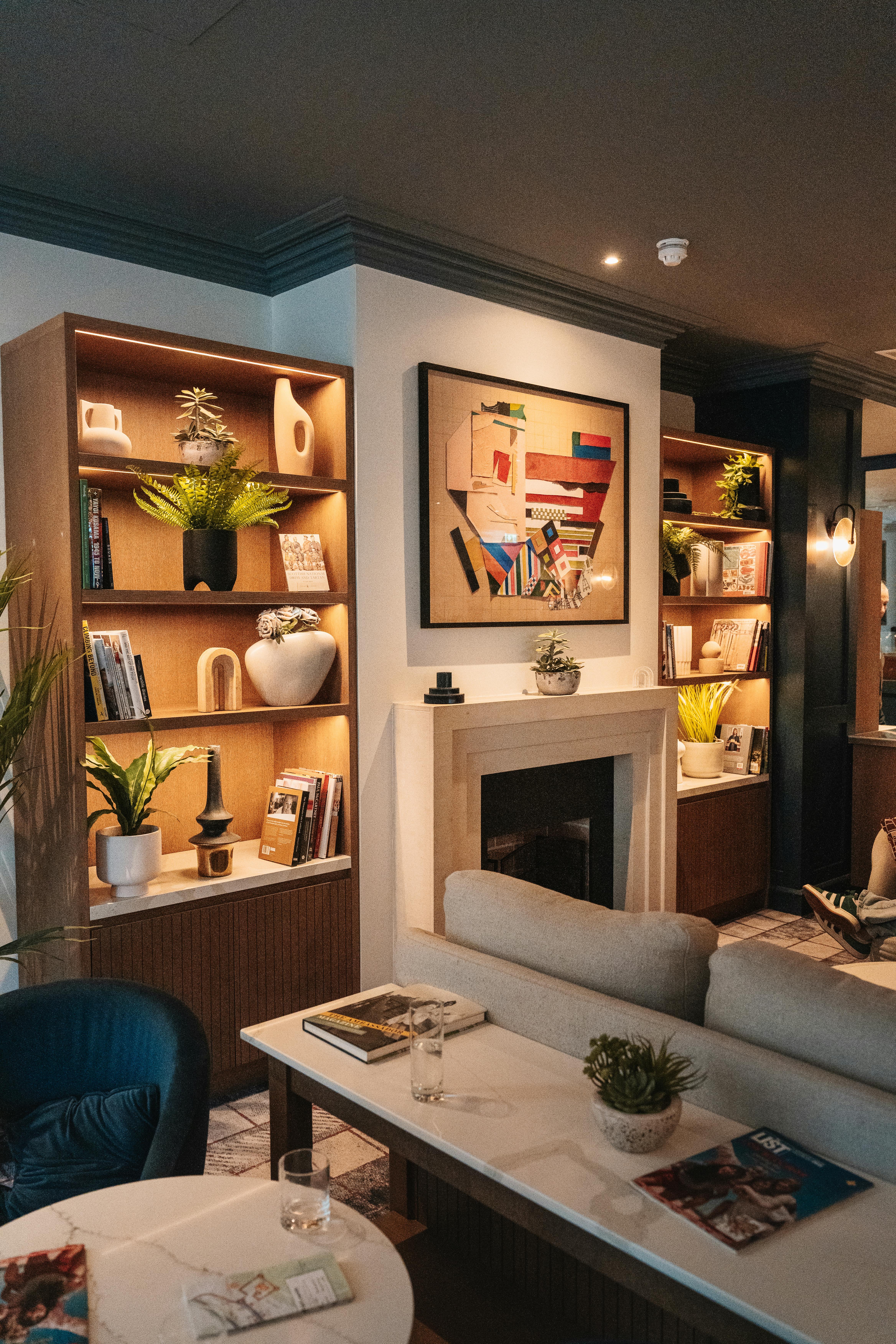






Conclusion: Your Living Room, Your Story
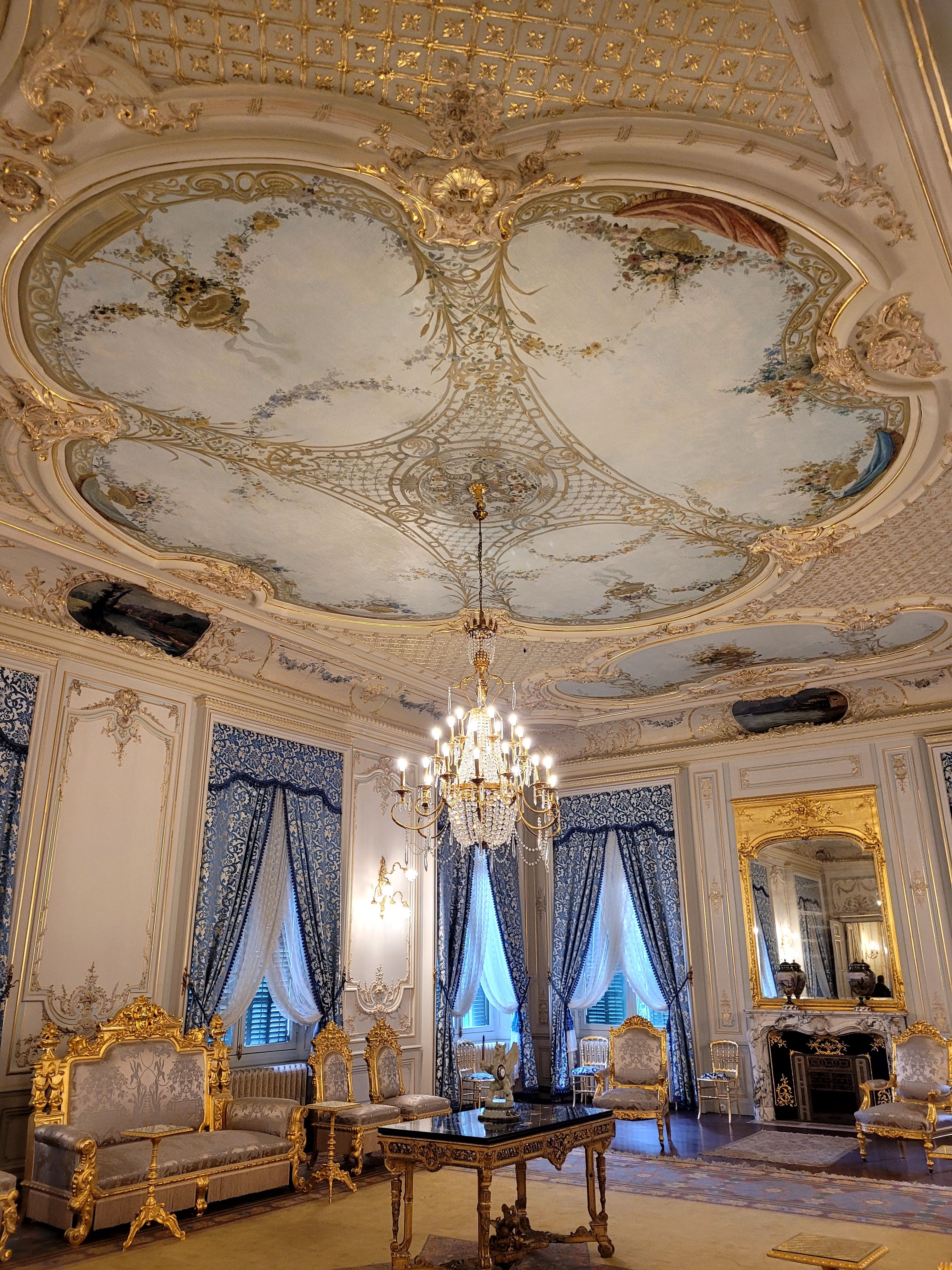
Choosing art for your living room is a deeply personal and rewarding journey. It's about more than just filling a wall; it's about creating a space that reflects your personality, evokes emotions, and tells your unique story. Whether you're drawn to bold abstracts, serene landscapes, or eclectic mixed-media pieces, the right art can transform your living room into a sanctuary that feels truly yours.
Take your time, explore different styles, and trust your instincts. Remember, there are no rigid rules when it comes to art—only what feels right for you and your space. So go ahead, curate a living room that you absolutely adore, and let your art tell the story of who you are.
Choosing art for your living room is less about following strict rules and more about embarking on a personal journey of discovery. It's about listening to your instincts, understanding your space, and finding pieces that truly resonate with your soul. Your living room is more than just a room; it's a reflection of who you are, a sanctuary where every carefully chosen piece tells a part of your story. So, take your time, experiment, and most importantly, have fun creating a space that you absolutely adore. After all, art is meant to be lived with and loved, isn't it?