Transform Your Home Office: The Ultimate Guide to Art for Focus, Creativity & Well-being
Unlock unparalleled focus and creativity in your home office with intentionally chosen art. Explore the psychology of color, abstract art, strategic placement, common pitfalls, and historical insights to boost productivity and well-being. The ultimate guide to home office art.

Transform Your Home Office: The Ultimate Guide to Art for Focus, Creativity & Well-being
Remember that sterile, beige box I used to call my home office? It felt less like a creative hub and more like a holding cell for unfinished to-do lists, devoid of any personality or inspiration. I know, I know. My secret weapon isn't a new desk or a fancy chair, though I've tried those too. It's something far more powerful, more personal: art. I'm here to share how this unconventional approach, a departure from the usual productivity hacks, not only transformed my own workspace but also aligns with the belief that art should be an integral part of a fulfilling creative life, a core principle we champion at Zenmuseum.com. In this article, we'll explore the unconventional power of art to transform your home office, making it a sanctuary for focus, creativity, and enhanced productivity. And most importantly, I'll show you actionable ways to implement these ideas in your own space.
The Subtle Power of What You See: The Psychology of Art in Your Workspace
Have you ever noticed how some spaces just feel different? Like a cozy coffee shop that makes you want to write a novel, or a bustling market that energizes you? Our surroundings are constantly whispering to our subconscious, subtly influencing our mood, focus, and even our capacity for creative thought. In a home office, where deep concentration is gold and creativity can feel like a fleeting ghost, what we put on our walls isn't just decoration; it's a silent, powerful partner in our work.
I remember reading once that even looking at nature scenes can reduce stress, which led me down a rabbit hole into the fascinating psychology of color in art. It's not just a hunch; scientific studies have shown real effects. Let's break down some colors and their potential impact:
- Blues and Greens: These often evoke a sense of calm, stability, and focus – perfect for analytical tasks or when you need to dive deep into complex problems. I've found a deep, sapphire blue in an abstract piece can foster profound concentration, ideal for tasks requiring deep analytical thought.
- Vibrant Yellows or Oranges: On the other hand, these can literally spark energy, enthusiasm, and creativity, making them ideal companions for brainstorming sessions or overcoming that afternoon slump. A burst of cadmium yellow in a geometric pattern can act as a visual jolt, perfectly timed for that mid-afternoon creative slump. It's like a shot of mental espresso!
- Reds: While powerful and passionate, use red strategically. A hint can inject energy and courage, but too much can be overstimulating, even aggressive, if you need calm focus.
- Purples: Often associated with luxury, wisdom, and creativity. Lighter lavenders can be calming, while deeper purples can inspire contemplation and imaginative thinking.
- Browns/Earth Tones: These ground us, providing a sense of stability, warmth, and connection to nature. They can create a feeling of security and comfort, perfect for long hours at the desk.
- Neutrals (soft greys, beiges, whites): These provide a grounding, uncluttered backdrop that allows the mind to find its own focus. They offer visual breathing room, allowing other, more vibrant elements to shine without overwhelming the senses.
And remember, it's not just the color itself, but its saturation and hue that subtly shift its psychological impact.
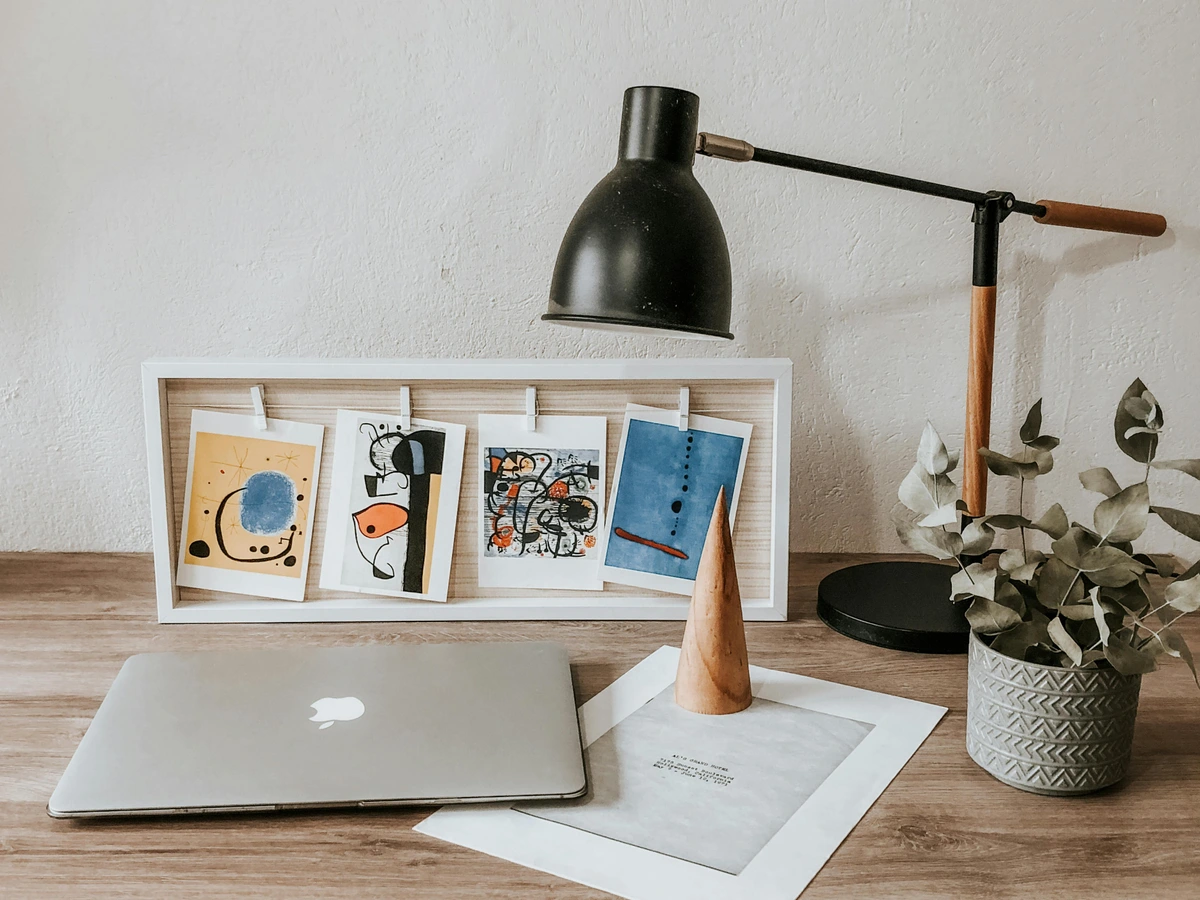
In fact, if you want a deeper dive into how these principles play out in a real-world setting, there's a fantastic case study on transforming a home office with biophilic abstract art that really opened my eyes to these connections. The case study highlights how incorporating natural forms and organic patterns, even in an abstract style, can ground us and reduce perceived stress, demonstrating a tangible link between nature-inspired art and improved cognitive function. It's about crafting an environment that doesn't just look good, but actively supports your best self, even when you're just trying to get through those emails.
Finding Your Creative Muse – What Art Works?
Now, what kind of art are we talking about here? This is where it gets fun, and surprisingly personal. I used to think 'office art' meant bland landscapes or those cringeworthy motivational posters (shudder). But I've learned it's about what genuinely resonates with you.
The Abstract Advantage: Why Non-Representational Art Excels
For me, it's often abstract art. Why? Because it offers a visual escape without demanding a narrative. You know, sometimes a detailed cityscape just makes me think about my commute, and that's not exactly 'focus-boosting.' Narrative art, with its explicit stories or recognizable figures, can draw you in too deeply when you need to concentrate elsewhere. Unlike representational art, which can trigger pre-existing associations or narratives, abstract art provides a more open-ended visual experience, allowing you to bring your own interpretations and focus, thereby acting as a gentle, non-disruptive stimulus. Abstract pieces, on the other hand, invite interpretation. They let my mind wander just enough to spark an idea, then gently pull me back to the task. It's like a mental stretch break, a moment of open-ended contemplation that clears the mental palate. I was genuinely surprised how effective it was!
The Quiet Power of Negative Space
Sometimes, the most powerful element isn't what's in the art, but what's around it. The concept of negative space in art – the empty area surrounding and between the subjects of an image – often prominent in minimalist pieces, can create a profound sense of calm, openness, and quiet. It's like giving your brain room to breathe and think without visual clutter. Imagine a serene landscape with vast skies and minimal elements; that expansive feeling can translate into mental spaciousness in your office. Or picture a single, bold black line on a vast expanse of white canvas, or a composition with ample uncluttered background around a few key geometric shapes. This visual breathing room can translate directly into a less cluttered mental state, promoting clarity.

The Role of Texture and Medium
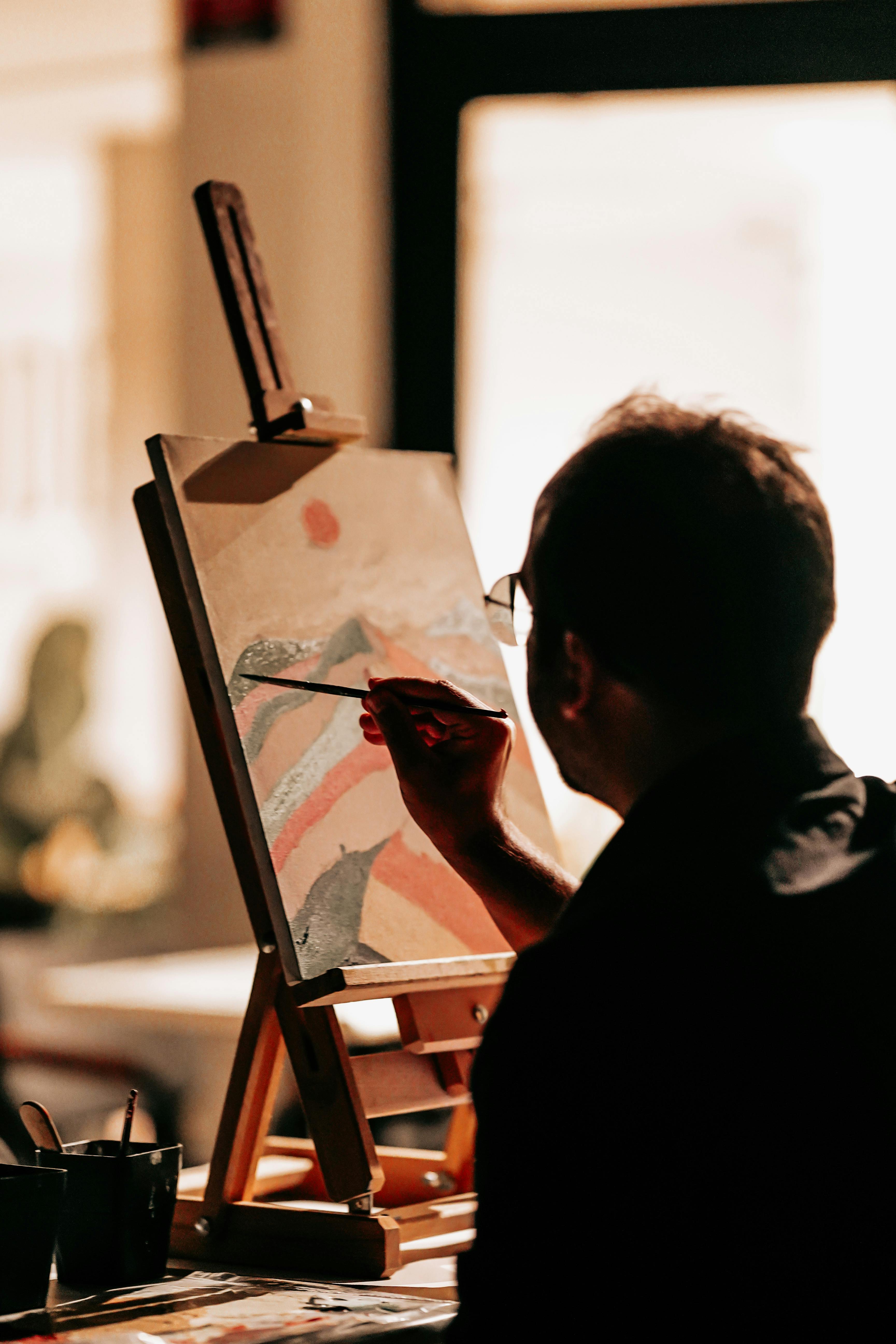
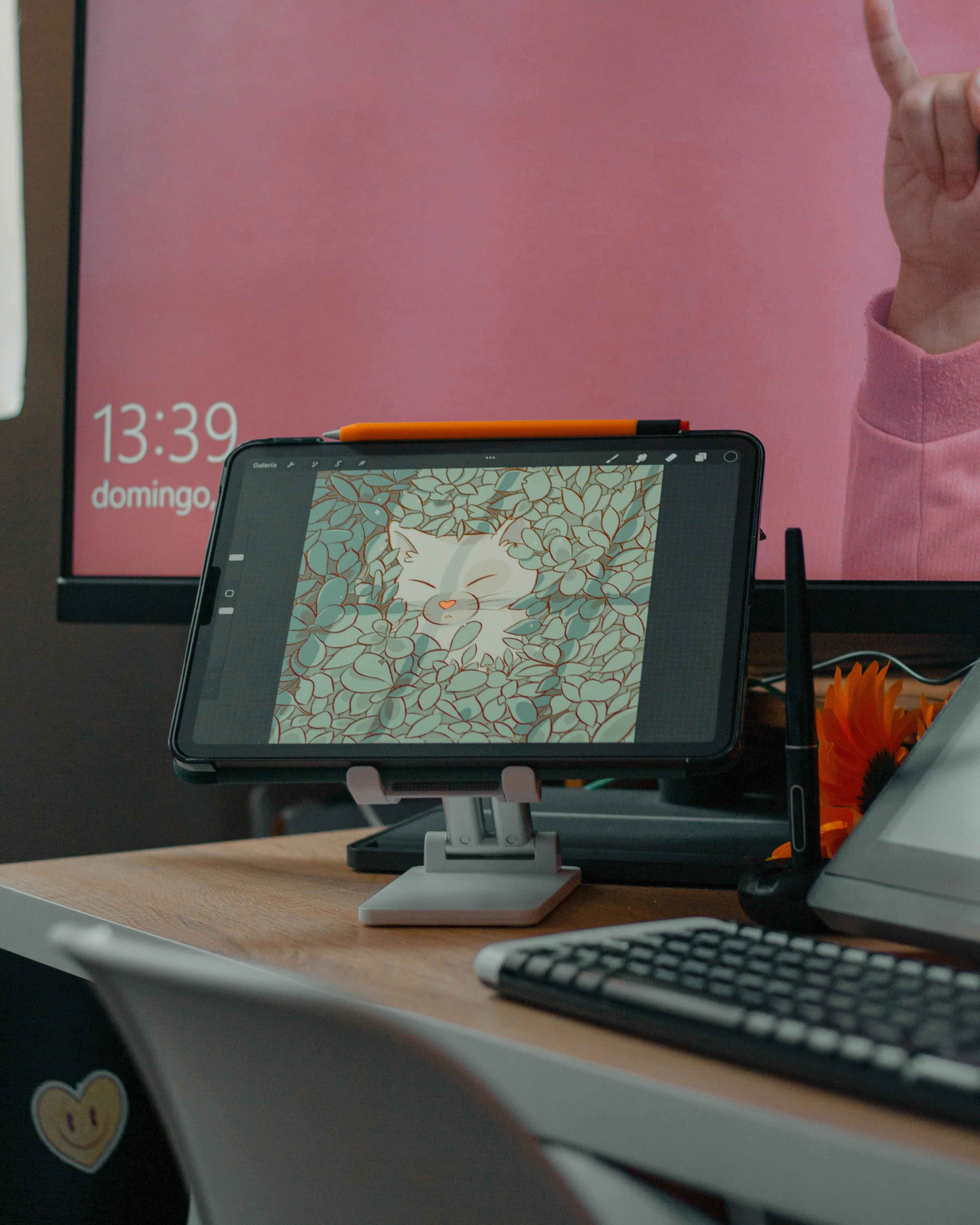
Beyond color and composition, the physical qualities of art – its texture and medium – play a subtle yet significant role in shaping your workspace's ambiance. The tangible texture of an impasto oil painting, with its visible brushstrokes that you can almost feel, can add a grounding, tactile dimension. It adds a sense of history and human touch. In contrast, the smooth, glossy finish of a high-quality digital print might offer a sleek, modern feel that complements a tech-focused environment. Think about the soft, diffuse quality of a watercolor, the rich depth of pastels, or the raw honesty of charcoal drawings. Each medium brings its own sensory experience. The sleek lines of a modern frame can also add layers of depth that enhance your environment. While the digital art landscape offers exciting new avenues, focus on quality and enduring aesthetic value. An awareness of the evolving nature of digital ownership, while interesting, shouldn't overshadow the immediate, tangible impact art has in your space.
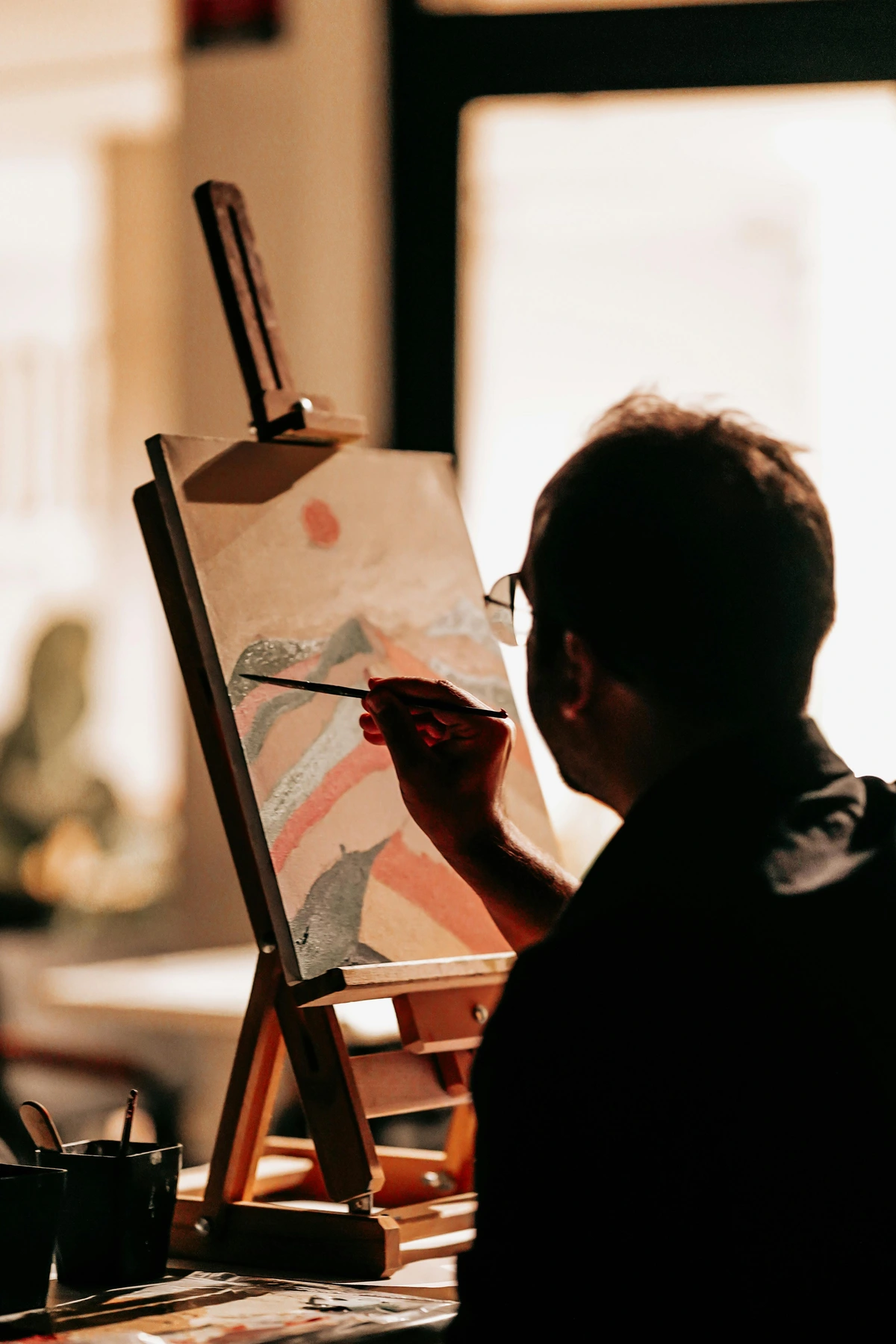
Matching Art Styles to Your Workspace Needs
Different artistic styles cater to different needs and personalities. It's about finding your art persona and aligning it with your daily tasks:
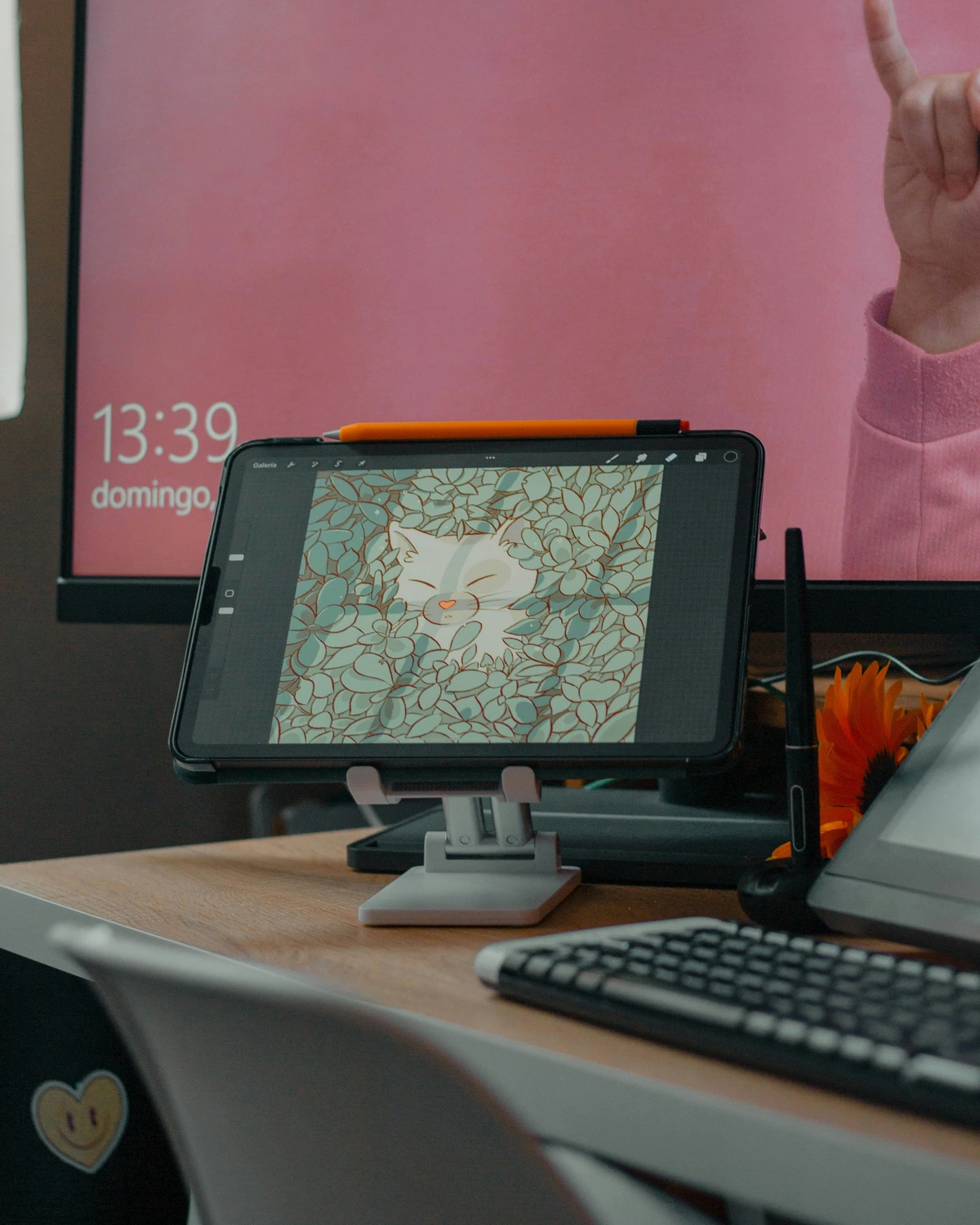
- Abstract Expressionism: With its dynamic brushstrokes and intense colors, it can be incredibly energizing for brainstorming and creative bursts. Its raw energy and spontaneous marks can act as a catalyst for divergent thinking, encouraging you to explore unconventional solutions. Think vibrant spontaneity that ignites passion.
- Minimalist Art: Focusing on subtle forms, clean lines, and ample negative space, it offers the calm you need for deep concentration and complex problem-solving. Its emphasis on restraint and clarity fosters an environment conducive to meticulous planning, focused execution, and minimizing cognitive load during demanding tasks. It's about quiet precision. If you're into that serene, uncluttered look, there's a lot to say about minimalist spaces.
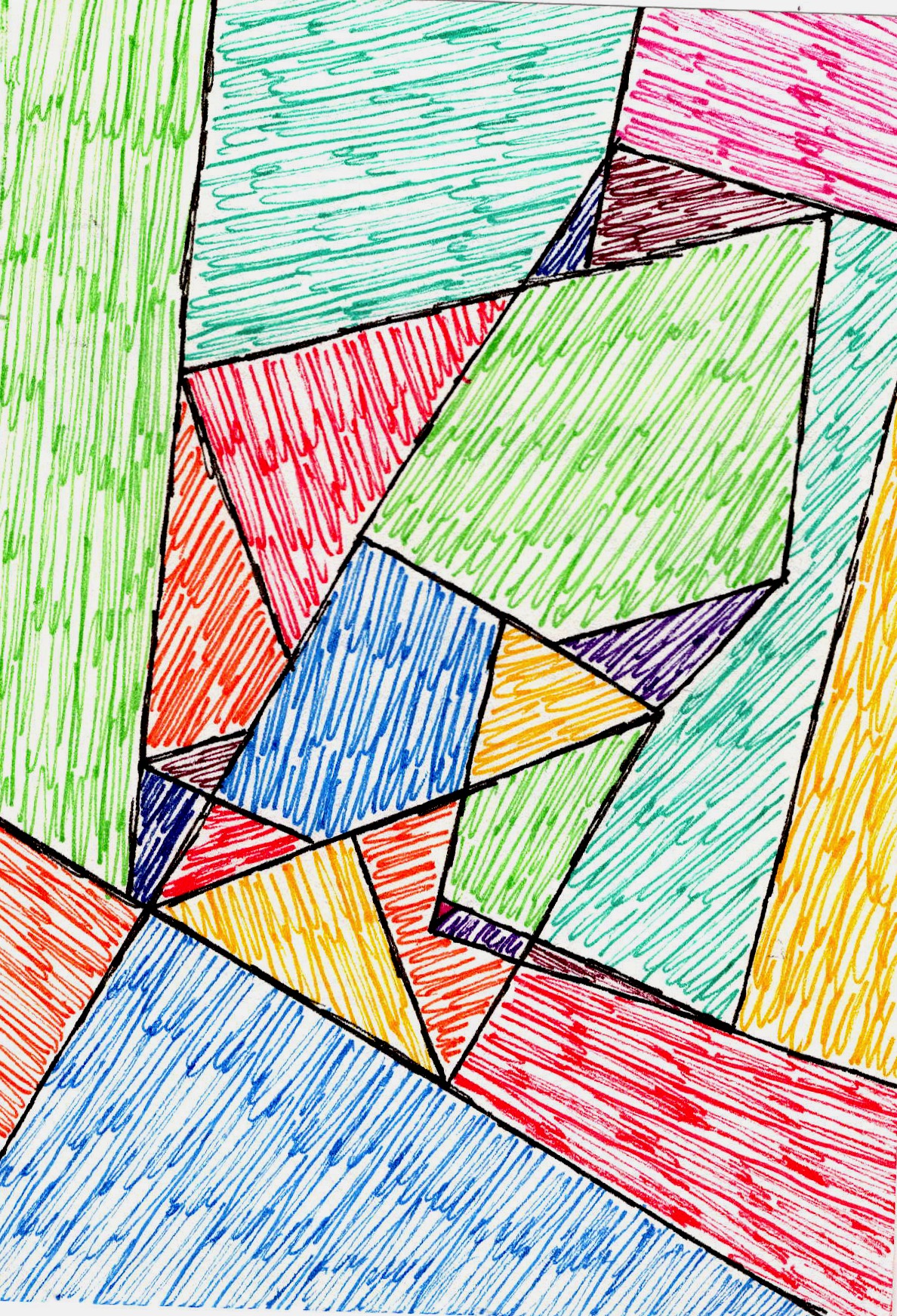
- Bauhaus Principles: Art inspired by Bauhaus, with its precise geometry, clean lines, and functional beauty, can bring a sense of order and structure to your digital chaos, fostering a methodical mindset. Think of the iconic designs of Walter Gropius or Mies van der Rohe – their emphasis on efficiency and clarity translates beautifully into a visual anchor that reminds us of purpose in our online endeavors.
- Biomorphic Abstraction: Art that evokes natural forms and organic shapes (think Jean Arp or Henry Moore, even in abstract forms) can provide a grounding connection to nature, reducing stress and improving cognitive function, much like actual biophilic design. For more on this, check out how to use abstract art for small spaces.
If you're looking for pieces that evoke different emotions or align with certain interior vibes, I've delved into specific styles before. Or perhaps you prefer something more vibrant and layered, then bohemian interiors might be your jam. It's truly about listening to what your eyes and brain crave. Your office, after all, is an extension of you, and the art should tell a story that empowers your work.
zenmuseum.com, https://creativecommons.org/licenses/by/2.0/
The Art of Placement – Where to Put It (and How Much)
This is where I, admittedly, made a few rookie mistakes early on. I once hung a huge, intensely detailed piece, a beautiful landscape brimming with tiny figures, right behind my monitor. Guess what? Instant distraction. Every. Single. Time. It was gorgeous, but my brain couldn't resist trying to decipher every brushstroke and count every figure instead of writing that report. A detailed landscape, for instance, might draw your eye because your brain is subconsciously trying to 'solve' the scene, analyze the perspective, or identify elements, pulling focus away from the immediate task. "Oh, past me, what were you thinking?" I muse. So, a key lesson I learned the hard way: placement is paramount.
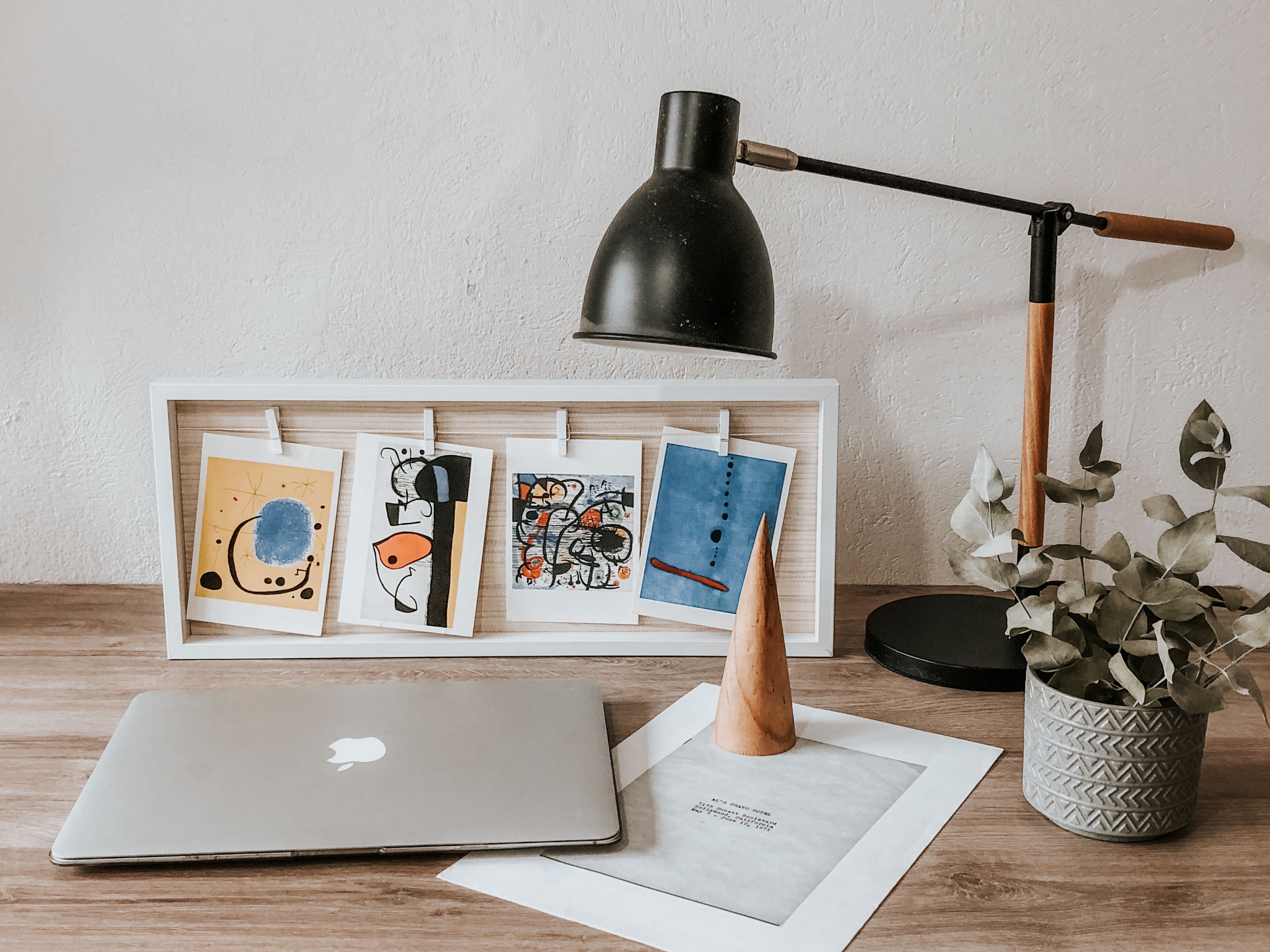
Think about your direct line of sight. What do you see when you lift your eyes from your screen? Ideally, you want something visually interesting but not overpowering. For direct eye-line placement, consider works with subtle color gradients, calming organic forms, or simple geometric patterns that offer visual interest without demanding active interpretation. These are perfect for a quick mental reset – a brief visual break that invites contemplation, then lets your mind return to the task refreshed. If you have a larger wall that's not directly in your eye-line during work, that's prime real estate for a bolder statement piece. It becomes a backdrop, an anchor for the room, rather than a visual competitor for your immediate attention. A statement piece on a larger wall can act as an aesthetic anchor for the entire room, setting the mood and providing a focal point that enhances the overall ambiance without being a constant distraction. And consider the medium too: a weighty sculpture might ground a space, while a vibrant digital print offers a different kind of energy.
Maximizing Impact: Size, Scale, and Gallery Walls
And what about size? This is another one where people often get it wrong. Too small, and it looks lost. Too big, and it can shrink the room. Scale is crucial – how the art relates to the dimensions of the room and the furniture. For smaller home offices, I've found that maximizing impact in compact areas is crucial – think vertical pieces to draw the eye up, creating an illusion of greater height, or a carefully curated gallery wall that feels cohesive rather than chaotic. Consider a tall, narrow abstract canvas or a series of smaller, stacked artworks that draw the eye upward, creating an illusion of greater verticality and spaciousness in a compact room. For a gallery wall, I often start with a central anchor piece and arrange smaller, complementary works around it, grouping them by theme or color palette to ensure harmony and a sense of visual narrative without becoming distracting. For a gallery wall, besides theme or color, consider unifying the frames or using a consistent matting style for a more cohesive and professional look. When arranging a gallery wall, I always use paper cutouts of the artworks on the wall first to experiment with layouts before committing to hanging. The frame itself, its material, color, and texture, also plays a huge role in how the art is perceived and how it interacts with the room's overall design.
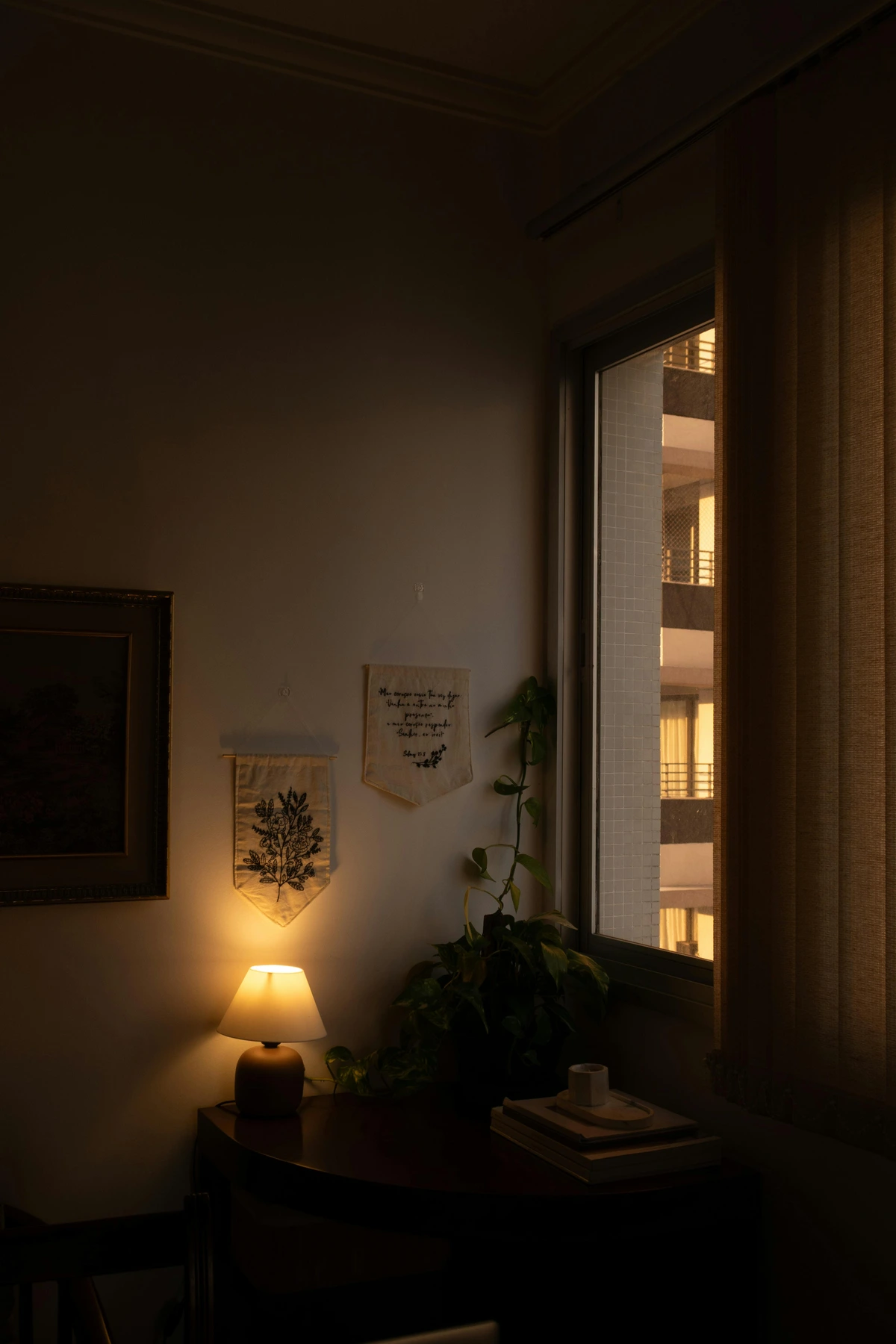
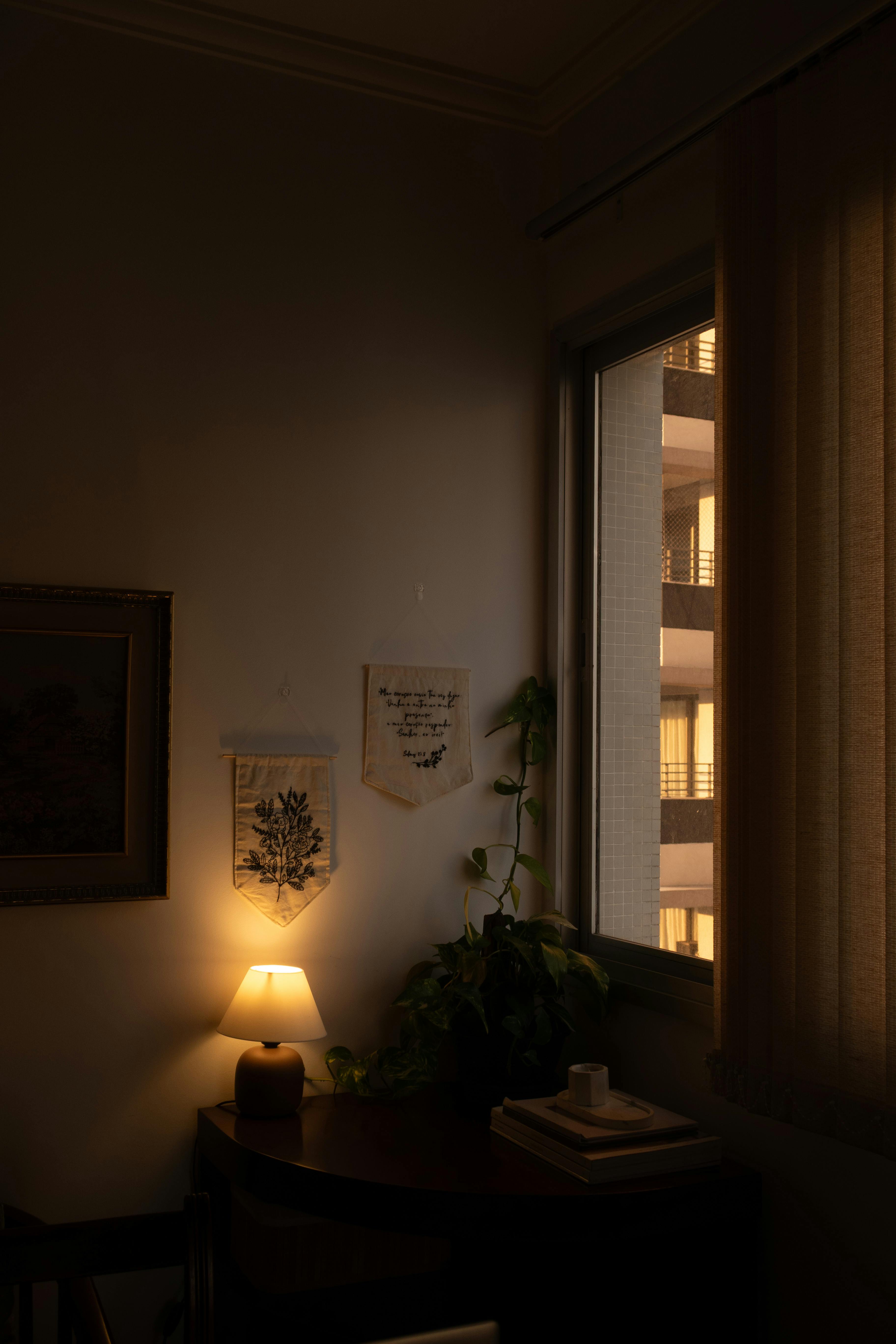
Oh, and don't forget lighting! Even the most stunning piece can fall flat in poor light, or worse, create glare that strains your eyes. There's a whole art to displaying abstract art for maximum impact that makes a huge difference, using ambient, accent, and task lighting to enhance the artwork's features without overpowering your workspace.
Art and Your Well-being: A Historical Whisper
It's funny, this isn't a new idea. Artists and thinkers for centuries have understood the profound link between environment and mind. Think of the serene gardens and carefully curated studios of Renaissance masters, like Leonardo da Vinci's workshop, where innovation blossomed amidst an intentional visual tapestry. Consider the tranquil, organized scriptoriums of medieval monasteries, where illuminated manuscripts and a calming aesthetic were designed to foster deep concentration and spiritual contemplation for scribes. Even ancient libraries and academies used visual stimulation – from intricate murals to carefully chosen sculptures – to inspire learning and philosophical thought. From the Impressionists' sun-drenched studios designed to capture fleeting light to the Art Nouveau interiors that blended nature and craft, artists have always instinctively shaped their surroundings. Just as Renaissance masters curated their studios to foster specific intellectual states, we can now thoughtfully select art for our home offices to cultivate focus, creativity, and well-being in our own digital domains. We're just rediscovering these timeless principles for our modern workspaces, adapting them to our digital age.





Crafting Your Creative Sanctuary – It’s a Journey
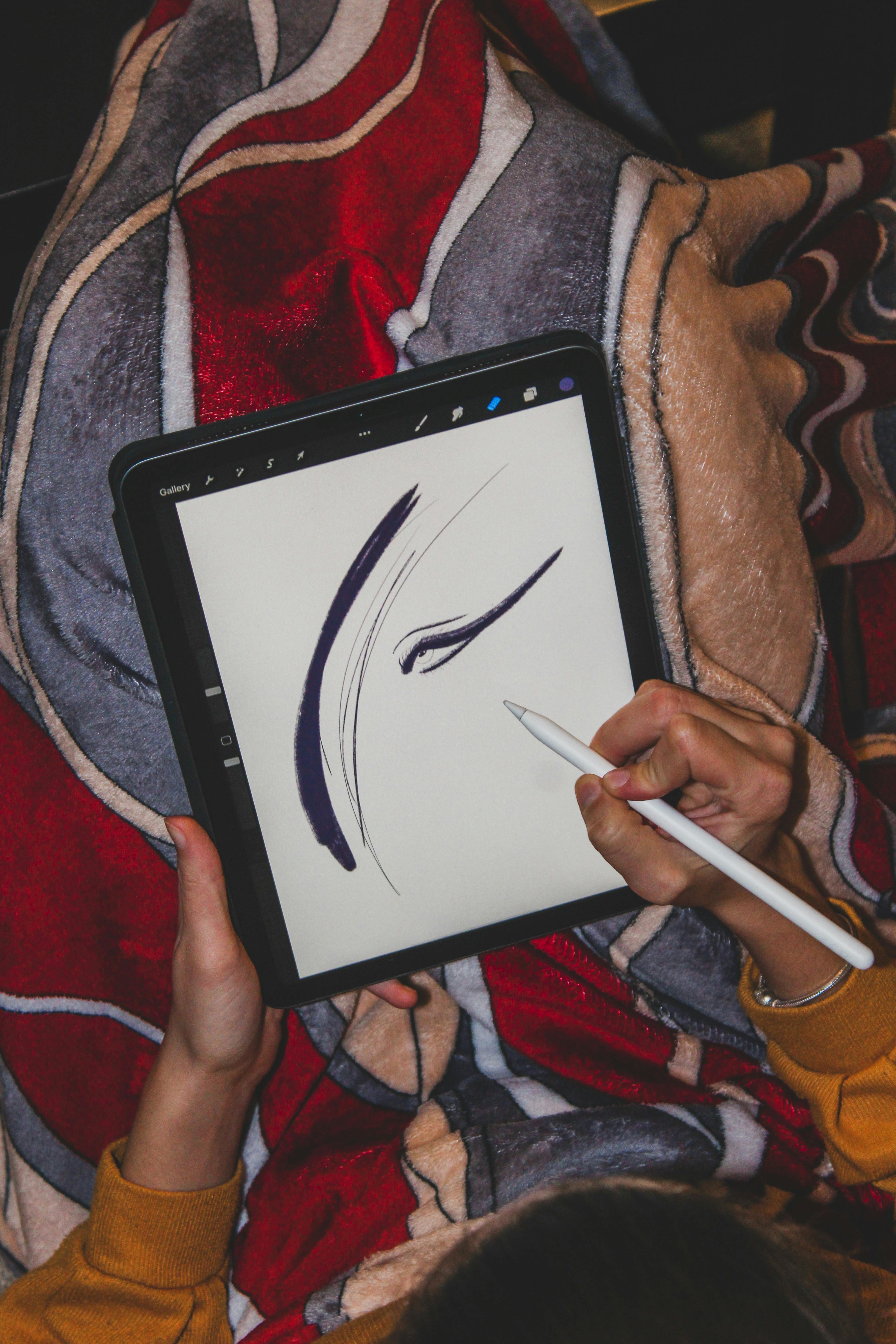
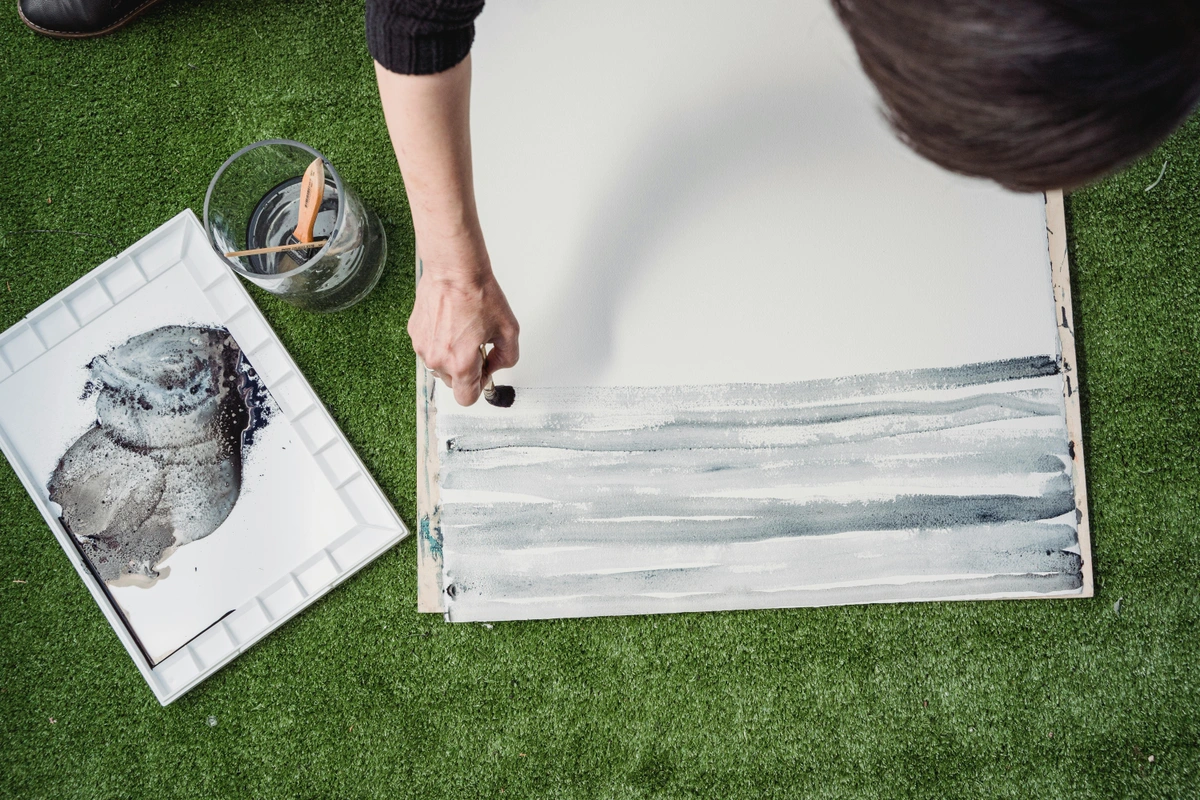
Building an inspiring home office isn't a one-and-done deal. It's an ongoing process, a bit like my own artist's journey – a timeline of exploration and evolution, constantly evolving, sometimes messy, but always moving forward. Don't be afraid to experiment! Your workspace needs might even change with different projects or seasons of life. Swap out pieces seasonally, repurpose art from other rooms, or even try creating a simple piece yourself. Each change is an opportunity to rediscover your space and reignite your inspiration. Each piece tells a story, and the ones you choose for your workspace should tell a story that empowers you. Investing in art is truly investing in your own well-being and productivity. Sometimes, the most powerful piece is one you create yourself, or perhaps even a commissioned work that holds deep personal meaning and speaks directly to your aspirations. Ultimately, the most potent art for your workspace is that which speaks directly to you, holding personal significance and resonating with your aspirations. It's a personal journey, sure, but a profoundly worthwhile one. For client-facing home offices, remember that art can also be a subtle conversation starter or a reflection of your personal brand and professional identity, adding another layer of depth to your professional space.

Common Pitfalls to Avoid
While adding art to your home office is incredibly beneficial, a few missteps can undermine its positive effects. I've been there! Here are some common pitfalls and how to steer clear:
- Choosing Art Solely for Aesthetics: It's tempting to pick something simply because it's 'pretty,' but neglecting its psychological impact can backfire. Ensure the art's colors, composition, and subject matter align with the mood and function you want to foster in your workspace, whether that's calm, energy, or focused concentration.
- Over-Cluttering: More isn't always better. Too many pieces, or pieces that are too busy, can create visual noise rather than inspiration. This can lead to cognitive overload and make your office feel chaotic. Opt for quality and strategic placement over quantity, allowing each piece (and your mind) room to breathe.
- Poor Placement: As I mentioned, a highly detailed or narrative piece directly in your line of sight can be a major distraction. Your brain is a problem-solver, and it will instinctively try to process complex scenes, pulling focus from your work. Consider the eye-line from your primary work position. Save your most captivating narrative pieces for walls outside your immediate, focused gaze, or choose subtle abstracts for direct viewing.
- Ignoring Lighting: Even the most beautiful artwork loses its impact in poor lighting. Insufficient or improperly directed light can create shadows, glare, and diminish the vibrancy of your pieces, making them less engaging and potentially straining your eyes. Proper lighting enhances the art and reduces eye fatigue, making your space more functional.
- Ignoring the Sensory Experience Beyond the Visual: We often focus only on how art looks. But the texture of a painting, the material of a frame, or even the perceived 'weight' of a sculpture contributes to the overall sensory experience of your space. A smooth, reflective surface feels different from a rough, matte one. Consider how these non-visual elements contribute to (or detract from) the desired ambiance and tactile grounding of your office.
Frequently Asked Questions
Question  | My Take |
|---|---|
| What kind of art is best for a home office? | Honestly, it's what truly resonates with you. Keywords like 'best art for focus home office' or 'art for creative workspace' often lead here. I lean towards abstract or geometric pieces because they offer visual interest without distracting narratives. Calming colors (blues, greens) are fantastic for sustained focus, while vibrant ones (yellows, oranges) can spark creativity for brainstorming. Consider the art's energy – is it static and contemplative, or dynamic and stimulating? Avoid anything overly busy, aggressive, or emotionally charged if you need to concentrate for long periods. The goal is supportive inspiration, not agitation. |
| How many pieces of art should I have in my office? | This depends entirely on the size of your space, your aesthetic, and how much visual stimulation you prefer. For searches like 'how much art in small home office' or 'office art layout tips'. For a smaller office, one or two well-chosen pieces can make a significant impact without overwhelming. In a larger area, a thoughtfully arranged gallery wall or a few strategically placed pieces can work beautifully. Remember, the goal isn't to fill every wall, but to create visual interest and support your workflow – think quality over quantity and the purpose of each piece: focal point, mood setter, or subtle enhancement. |
| Can art be distracting? | Absolutely, if chosen or placed poorly! That's precisely why I advocate for thoughtful selection. Readers searching for 'distracting art in office' or 'art for concentration' will find this answer useful. I personally avoid overly detailed or narrative pieces directly in my line of sight when I need intense focus. Think of art as a deliberate, beneficial visual break or a calming backdrop, not another screen vying for your attention. If you find yourself constantly staring at it, or it evokes strong emotions that pull you away from work, it's likely too distracting for that specific placement or your current needs, indicating overstimulation. |
| Should art match my office decor perfectly? | Not necessarily 'match' in a rigid, matchy-matchy sense, but it should harmonize. This addresses queries like 'office art style advice' or 'harmonizing art with decor'. Think about complementary colors, textures, and styles. A bold pop of unexpected color can add personality and vitality, but clashing aesthetics can create visual tension and feel jarring. It's all about creating a coherent feeling and visual flow, fostering a visual conversation between the art and the decor, even if the elements aren't identical. Your office is an extension of you, so let it reflect your unique taste. |
| What are some budget-friendly ways to incorporate art into my home office? | You absolutely don't need to break the bank! For those searching 'affordable home office art ideas' or 'DIY workspace art'. I often recommend high-quality prints, which are far more accessible than originals and come in countless styles. Explore local art markets for emerging artists, or even consider creating your own abstract pieces (it's surprisingly therapeutic!). Small, framed art on shelves, elegant digital art on a dedicated screen or smart display, or even beautifully designed art books opened to a favorite page, can make a huge impact without a huge investment. Art rentals are also a fantastic, flexible option for curated pieces. |
| Are there scientific studies on the impact of art in the workplace? | Yes! While it's a growing field, research consistently points to positive effects. This answers questions about 'psychology of art in workplace' or 'scientific benefits of art at work'. Studies have shown that art in the workplace can reduce stress, increase employee satisfaction, enhance creativity, and even improve problem-solving abilities. Biophilic art (art inspired by nature) in particular has been linked to improved well-being and cognitive function. It's not just a nice-to-have; it's a proven contributor to a healthier, more productive environment. The field is still evolving but consistently shows positive results. |
| What is the difference between art for an office and art for a living space? | This is a great question! Art for a living space often prioritizes ambiance, personal expression, and perhaps even igniting conversation. For an office, while these elements are still present, the primary goal shifts to supporting productivity, focus, and creativity without distraction. Think 'functional inspiration' versus 'aesthetic enjoyment.' Office art should be a subtle collaborator in your work, whereas living space art can be more of a dominant feature or a dramatic statement. |
Conclusion
So, if your home office is currently feeling more like a functional box than a source of inspiration, take a moment to look around. Imagine what a splash of thoughtfully chosen color, a calming composition, or a dynamic abstract piece could do. Whether you're seeking to boost your home office productivity, find inspiration for creative work, or simply cultivate a more calming and focused workspace, the thoughtful inclusion of art can be a transformative element. It's not just about making the room look pretty (though that's a delightful bonus!). It's about consciously shaping your environment to support your creativity, sharpen your focus, and make those long workdays just a little bit more joyful. It's about empowering your work and reflecting your unique story. Go on, give your workspace the art it deserves – and watch how your work, and your well-being, transforms. If you find yourself wanting to explore some pieces for your own sanctuary, you know where to look. Or perhaps you'd like to see some of my work up close at my museum in 's-Hertogenbosch!