The Definitive Guide: Art for Restaurants & Cafes - Curating Unforgettable Experiences
Transform your restaurant or cafe with art! This guide covers art psychology, curation, durability, ethical sourcing, strategic placement, innovative forms, and ROI for an unforgettable dining experience, written by an artist.

The Definitive Guide: Art for Restaurants & Cafes - Curating Unforgettable Experiences & Boosting Your Brand
Have you ever walked into a restaurant and just... felt it? That immediate sense of 'this is my place,' or 'tonight is going to be special,' even before you've glanced at the menu? Or, conversely, stepped into a space that felt utterly forgettable, perhaps even jarring? The difference, I've found, often whispers from the walls, from the very art adorning the space. For many, art in a restaurant or cafe often feels like that last, lovely, but ultimately non-essential flourish, right? Something you get to once the menu is perfect, the espresso machine is gleaming, and the payroll is sorted. But I'm here to tell you that thinking about art as an afterthought is overlooking a significant opportunity.
I've seen it countless times – a space with just good food, and then a space with good food and great art. The difference? Night and day. Art isn't just decoration; it's a silent, powerful storyteller, a mood-setter, and a crucial component of your brand's identity. It speaks volumes before your first dish is served or your first coffee is sipped. It's the whispered promise of an experience, a visual feast that sets the stage for the culinary one to come. In this definitive guide, I promise you, we'll explore everything from defining your brand's artistic narrative and understanding art's psychological impact, to the gritty practicalities of sourcing, installation, and ensuring a significant return on your investment. Let's make your space truly unforgettable and undeniably yours.
The Enduring Allure: A Brief History of Art in Public Dining
Before we dive into the 'how,' let's acknowledge the 'always.' The idea of art in dining spaces isn't new; it's a thread woven through human history. From the simple murals in ancient Roman taverns that depicted local life and gods, to the opulent frescoes and tapestries adorning grand Renaissance banquet halls signaling wealth and status, art has always been an intrinsic part of the public dining experience. Imagine the elaborate feasts held in spaces like the Vatican's Borgia Apartments, where guests were surrounded by Pinturicchio's frescoes – the art was as much a part of the spectacle as the food itself.
Fast forward to the bustling Parisian cafes of the 18th and 19th centuries, such as the iconic Cafe Guerbois, which became vibrant hubs for intellectual and artistic exchange, often showcasing the works of emerging Impressionist artists. This wasn't just about selling art; it was about creating an atmosphere where ideas flowed as freely as the absinthe. Later, the sleek lines and integrated designs of Art Nouveau and Art Deco cafes embodied modernity and luxury, making the entire establishment a work of art. This rich heritage shows us that art isn't just a modern trend; it's a foundational element of hospitality, constantly evolving to shape mood, status, and connection. So, when you think about art for your restaurant, you're tapping into centuries of tradition – and that's a powerful story in itself. It's truly fascinating, isn't it, how something seemingly decorative has always been so deeply ingrained in our shared social experiences?
First Impressions: Setting the Stage for Success
Your restaurant or cafe isn't just a place to eat; it's an experience. From the moment a customer steps in, their senses are engaged. The aroma of coffee, the sizzle from the kitchen, the background hum of conversation, and crucially, what they see. Art is your chance to make a profound first impression and reinforce your brand's narrative. Are you a cozy, rustic bistro? A sleek, modern eatery? A vibrant, eclectic cafe? Your art should scream it (or subtly whisper it, depending on your vibe). I always tell my clients, your art is the first dish served, visually speaking, so make it count!
What Story Do You Want to Tell? Crafting Your Narrative
Before you even glance at a single canvas, take a moment to really define your establishment's personality. This isn't just about matching colors; it's about telling a coherent story, much like a well-composed dish tells a culinary story. What's your cuisine? What's your target demographic? What emotion do you want to evoke? I always start here, because if you don't know the story, how can the art tell it?
For example, if you're serving up classic Italian fare in a warm, intimate setting, perhaps you're looking for something that evokes rustic charm or romantic landscapes, maybe even drawing inspiration from Impressionistic works that capture serene beauty with their focus on light and fleeting moments. Impressionism, with its emphasis on capturing the immediate visual impression, creates a wonderfully soft and inviting atmosphere, perfect for a relaxed meal.
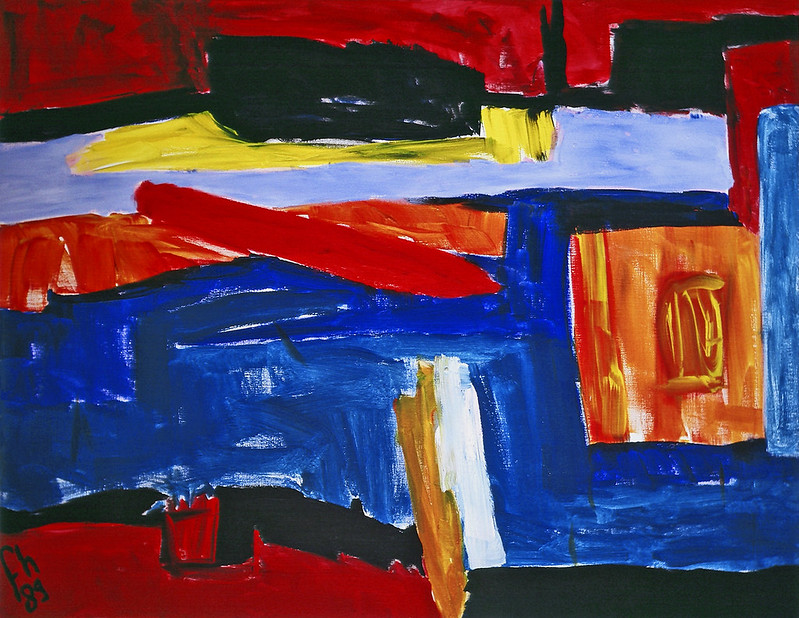
But if you're a bustling, innovative brunch spot, maybe bold, abstract art for small spaces: maximizing impact in compact areas or playful, contemporary pieces are more your speed, perhaps channeling the energetic graphics of Pop Art (think Andy Warhol's vibrant, accessible imagery) or the imaginative realms of Surrealism (like Remedios Varo's dreamlike narratives). Pop Art, with its bold colors and often commercial imagery, can add a playful, high-energy vibe, while Surrealism invites conversation and contemplation. It's about alignment. Disjointed art – a mismatch of styles, themes, or periods that clash rather than complement – can create a confusing or unsettling atmosphere, and trust me, that's not what you want when people are trying to relax and enjoy a meal. The art should be the perfect visual overture to your culinary symphony.
Let's consider some common scenarios and why certain art styles resonate:
Restaurant/Cafe Type  | Ambiance Goal | Suggested Art Style | Why it Works | My Artistic Perspective |
|---|---|---|---|---|
| Cozy Cafe | Warm, inviting, familiar | Local landscapes, still life, subtle abstracts, illustrations (e.g., illustration-vs-fine-art-whats-the-difference) | Evokes nostalgia, supports local identity, creates a sense of calm and comfort, encouraging guests to linger. | I often create serene, nature-inspired pieces, perhaps with gentle, abstract forms using warm tones. These encourage lingering and conversation, like a comforting embrace for the space. |
| Fine Dining | Elegant, sophisticated, refined | Abstract expressionism, large-scale modern pieces, minimalist photography, subtle sculptures | Signals luxury and intellectual engagement, avoids distraction, allows for deeper interpretation, adds a quiet grandeur. Think of a bold yet understated abstract expressionist painting creating a focal point without overwhelming. | For fine dining, I focus on bold abstract art with depth and rich textures, using evocative color fields to stimulate thought, not overwhelm the refined culinary experience. My pieces, like those in my buy collection, offer nuanced layers, akin to a complex dish. |
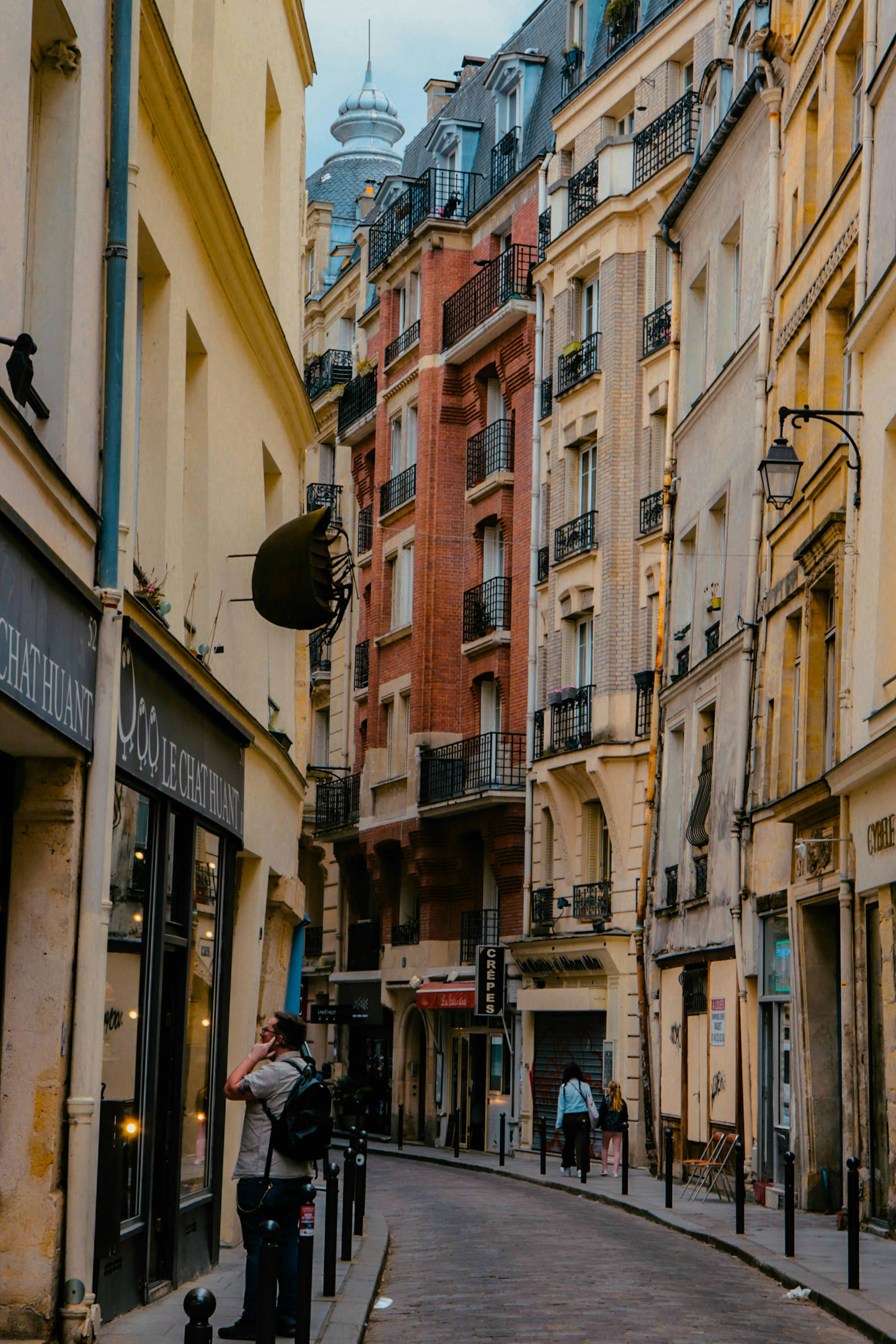
| Bistro/Brasserie | Lively, classic, unpretentious | Cityscapes, figurative works (e.g., Parisian street scenes), culinary-themed art, impressionistic pieces | Captures urban energy, relates to local charm, encourages conversation without being overly formal. | My work often features energetic or whimsical narratives, using vibrant, contrasting colors that spark conversation, much like the dynamic feel of a city and the warmth of a good meal. |
| Modern Eatery | Sleek, contemporary, innovative | Geometric abstracts, art for minimalist interiors less is more, conceptual art, pop art | Reinforces modern aesthetic, clean lines complement minimalist design, offers visual intrigue. | I gravitate towards clean lines and vibrant accents, focusing on form and sophisticated color palettes. Sometimes I include a subtle nod to urban dynamics, like my abstract cityscapes (see Den Bosch example below) or pieces from my buy collection. |
| Eclectic Brunch | Vibrant, playful, unique | Mixed media, pop art (think Keith Haring for energy), decorating with abstract art in bohemian chic interiors a guide to layering and texture, graffiti art | Fosters a fun, energetic, and memorable atmosphere, encourages social sharing, reflects a diverse menu. | Colorful, pattern-rich, surreal works that invite a second look, often with a sense of joyous abandon and unexpected juxtapositions, are ideal. These pieces, like my abstract compositions, are designed to spark Instagram moments. |
| Niche/Themed Spot (e.g., Vegan Cafe) | Mindful, earthy, community-focused | Botanical art, sustainable textile art, abstract art with organic forms, local craft | Reinforces values, creates a natural connection, feels authentic and thoughtful. | For these spaces, I might lean into biomorphic forms or earthy palettes, or even bold, uplifting colors that reflect the vibrancy of plant-based cuisine. |
The Psychology of Restaurant Art: Influencing Mood, Behavior, and Appetite
Now that you've got a handle on telling your brand's story, let's dive into something even deeper: how art subtly manipulates the minds of your diners. Beyond simply looking good, art possesses a remarkable ability to influence the subconscious mind of your diners. This isn't just about personal taste; it's about leveraging the power of visual stimuli to enhance the entire dining experience, subtly guiding mood, perception, and even appetite. I find it fascinating how a well-placed piece can shift the energy of an entire room – I’ve seen it turn a quiet corner into a vibrant hub or calm a bustling entrance.
Influencing Mood and Behavior
Art is a powerful mood regulator. The emotional response it elicits can profoundly affect how guests feel and behave in your space:
- Calm and Serenity: Art with soft, flowing lines, natural motifs, or cool color palettes (blues, greens) can create a tranquil environment, encouraging guests to relax and linger. Think minimalist landscapes or serene abstract works, perhaps linking to mindful-moments-how-abstract-art-can-be-a-gateway-to-inner-peace-and-reflection. This might be ideal for a calm coffee shop, a contemplative tea house, or a refined dessert bar where quiet enjoyment is key. These pieces foster a sense of peace and unhurriedness.
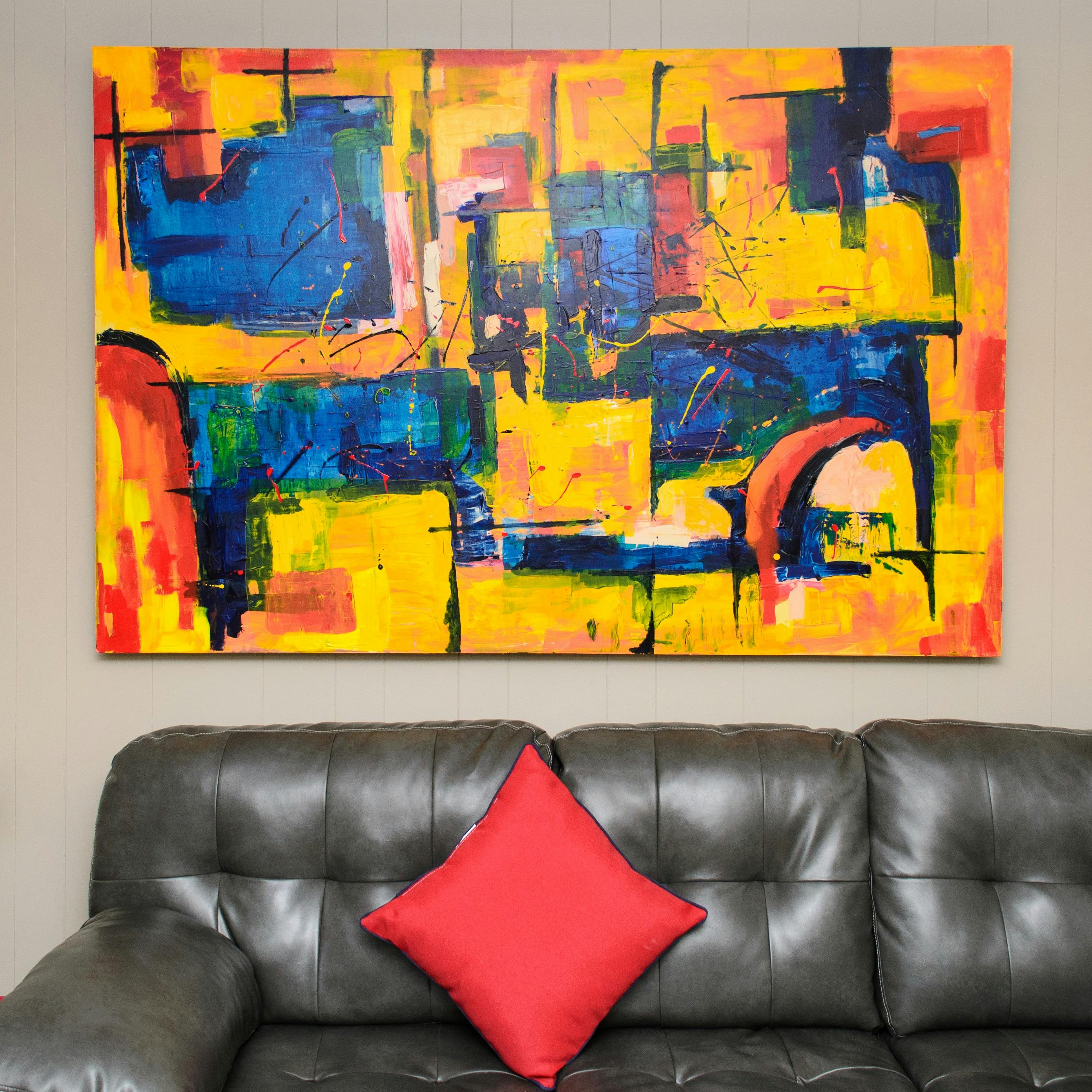
- Energy and Buzz: Vibrant, dynamic pieces with bold colors and active compositions can inject energy into a space, making it feel lively and exciting. Perfect for a bustling brunch spot, an energetic bar, or a family-friendly restaurant. This is where my own work, often full of movement and bright hues, finds its natural home, designed to awaken and engage. Such art encourages interaction and a faster, more spirited dining pace.
Color Psychology in Dining: A Subtle but Powerful Influence
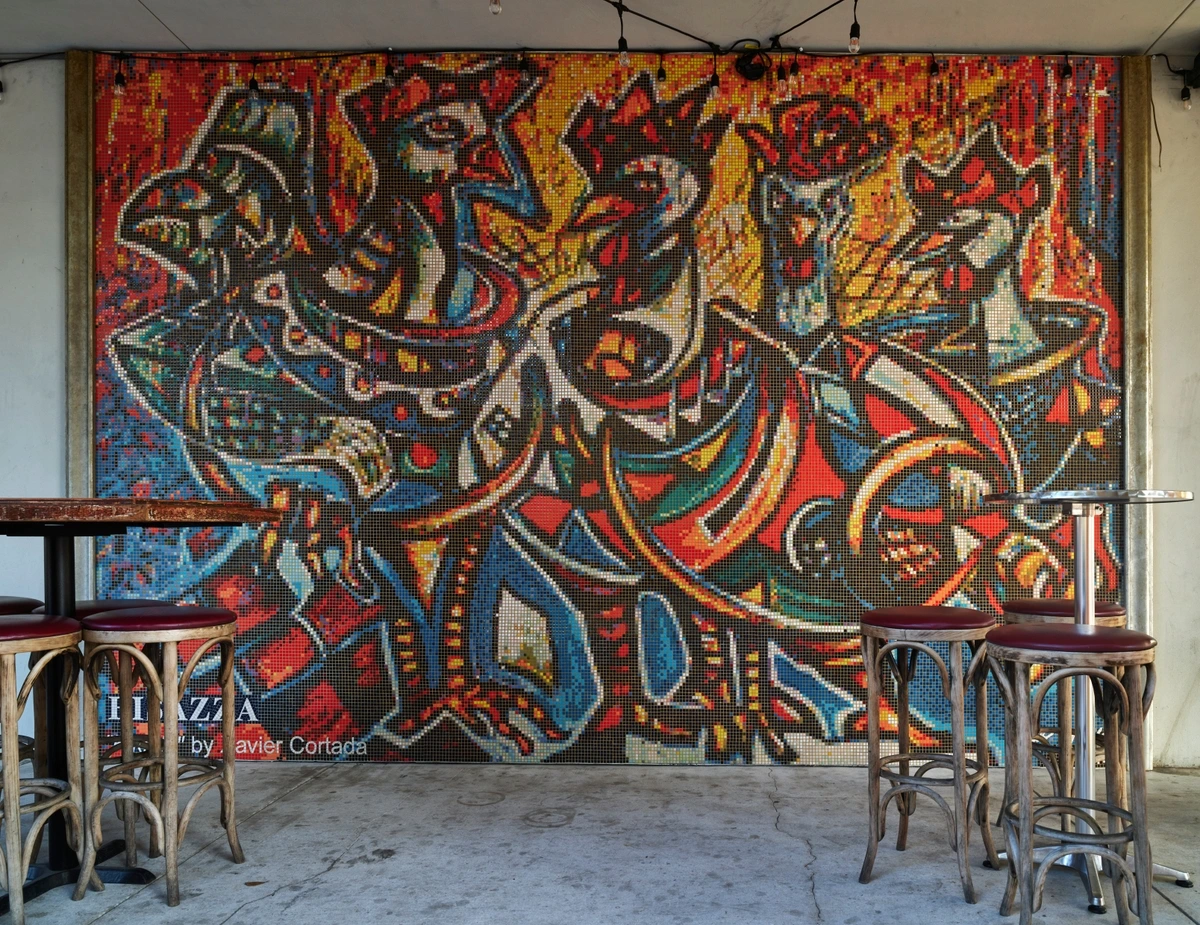
Colors are incredibly powerful. Research in color psychology indicates they can literally influence appetite, mood, and perception of taste. It's a fascinating area of study, and one I think about a lot when creating my own work. My pieces are often quite vibrant, aiming to evoke energy and positive emotion, which can be wonderfully suited to stimulating a lively atmosphere. If you want to dive deeper into this, check out how artists use color or the psychology of color in abstract art: beyond basic hues.
Think about it:
- Warm colors (reds, oranges, yellows) can stimulate appetite and create a sense of energy and coziness. They're great for lively bistros or cafes. Red, for instance, has been linked in studies to increased heart rate and metabolism, subconsciously signaling urgency and warmth – perfect for encouraging faster turnover in a bustling eatery. Research even suggests red can increase food consumption, while yellows are often associated with happiness and the warmth of sunlight, making a space feel inviting. My own work often uses vibrant hues that evoke energy, like some of my pieces available to buy.
- Cool colors (blues, greens, purples) tend to be calming and can be sophisticated, but too much can suppress appetite. They work well in minimalist or serene fine dining establishments where the focus is on a refined, unhurried experience. Blue, often associated with tranquility and trust, might slow down the dining pace, allowing for a more contemplative meal. Used strategically, they can add a touch of tranquility without making guests feel lethargic; too much, however, can make food appear less appetizing (think about why there aren't many blue foods!).
- Neutrals (greys, beiges, whites) provide a sophisticated backdrop, allowing your food and the occasional accent art piece to really pop. They offer a canvas for other elements to shine without competing. They convey cleanliness and sophistication.
Consider a palette that complements your existing decor and food presentation, rather than clashing. It's all about creating a harmonious visual feast.
[credit], [licence]
Biophilic Design: Bringing Nature Indoors
Beyond just traditional framed art, integrating natural elements through biophilic design can significantly enhance mood and well-being. This approach connects people to nature in the built environment, and it's particularly powerful in dining spaces. Think living walls, large plant installations, or botanical art. The presence of natural patterns, textures, and real greenery has been shown to reduce stress, improve cognitive function, and even increase comfort – all vital for a positive dining experience. This feels incredibly natural and inviting, almost like dining outdoors, but with all the comforts of being inside.
Perceived Value and the Lingering Factor
High-quality, thoughtfully curated art doesn't just look nice; it literally elevates the perceived value of your establishment. It signals attention to detail and a commitment to providing a premium experience, which can justify higher price points and attract a more discerning clientele. It essentially says, "We care about everything here," from the ingredients to the ambiance. Studies, even anecdotal ones I've observed, suggest that customers are willing to spend 10-15% more and perceive food as higher quality in aesthetically pleasing environments. I once advised a cafe owner to swap out some generic prints for vibrant, original local art, and within months, they reported a noticeable uptick in both average check size and positive online reviews mentioning the "great vibe." It wasn't just decoration; it was a clear signal of quality and care.
Beyond that, customers tend to stay longer in spaces they find aesthetically pleasing and engaging. Art can serve as a conversation starter, a focal point for daydreaming, or simply a comforting presence. The longer they stay, the more likely they are to order another coffee, a dessert, or an extra drink. This subtle influence directly enhances revenue by increasing linger time and potential orders – sometimes extending visits by up to 20%. It's a subtle, beautiful nudge towards enhanced revenue, simply by making the space more enjoyable. I've seen it countless times – a captivating piece of art will hold someone's gaze, drawing them deeper into the experience, making them feel less rushed and more at home. Who knew a painting could extend happy hour?
The Art Itself: Style, Subject, Color, and Sourcing
Now for the fun part: diving into the art itself! This is where your personal taste can really shine through, but always keep your brand and customer in mind. It's like composing a dish – you have your core ingredients, but the spices and garnish make it uniquely yours.
Defining Styles & Subject Matter: More Than Just Pretty Pictures
This is where you marry your brand identity with artistic expression. What kind of imagery resonates with your menu? Food-related art can be charming, but it's not a must. Sometimes, abstract pieces work beautifully, allowing patrons to interpret them and sparking conversation. For those new to the term, abstract art is art that does not attempt to represent external reality, but rather achieves its effect using shapes, forms, colors, and textures. I often find that abstract art, with its open interpretation and ability to evoke pure emotion, is perfect for dining spaces because it allows each diner to bring their own story to the table without being overly prescriptive. It avoids literal narratives that might clash with a diverse culinary offering, instead inviting personal connection. Consider local artists whose work might connect your establishment to the community and offer a unique sense of place.
And for the love of good design, be mindful of potentially controversial or overly stimulating subject matter. Remember, people are here to eat, converse, and relax. Art should enhance that, not challenge their worldview in an uncomfortable way. Unless, of course, you're that kind of establishment, and your art is part of your rebellious brand statement – and even then, be intentional! My rule of thumb: if it makes someone visibly uncomfortable before their appetizers arrive, it's probably not the right fit.
Let's look at some diverse mediums that offer unique stylistic opportunities:
- Textile Art: Weavings, tapestries, embroidered pieces, or custom upholstered panels can add incredible warmth, texture, and crucially, acoustic dampening to a space. They bring a cozy, artisanal feel, perfect for a bistro or cafe. For more ideas, explore decorating with textile art weaving warmth and texture into your home.
- Ceramics and Pottery: From decorative plates on walls to sculptural vessels or even bespoke serving ware, ceramics offer an earthy, handcrafted element. They connect to the craft of cooking and can feel wonderfully authentic. Imagine handcrafted bowls, like the one pictured below, adding a personal touch to your decor.
- Botanical Art/Living Walls: Integrating plants as art, whether through framed botanical prints or actual living wall installations, brings freshness, natural beauty, and a strong biophilic design element that promotes well-being and a calming ambiance. This is a wonderfully subtle way to infuse nature.
- Photography: Minimalist architectural photography for a modern space, vibrant street photography for an energetic one, or serene landscape photography for a calming ambiance. A detailed graphite drawing of ocean waves, like some by Vija Celmins, could evoke a profound sense of calm in a serene setting.
- Sculptural Art: Three-dimensional pieces, from delicate suspended mobiles to robust floor-standing works, add depth and intrigue. They can also subtly define spaces without creating physical barriers. For more inspiration, delve into how to incorporate sculptural art into modern interiors and displaying sculptures indoors beyond pedestal. A well-placed sculptural piece can become a genuine talking point, adding a layer of sophistication that flat art sometimes can't achieve.
The Importance of Framing: Presentation, Protection, and Style
Beyond the artwork itself, the framing is a critical, often underestimated, component. It's the presentation layer that protects your investment and significantly impacts how the art is perceived in your space. Think of it like a beautifully plated meal – the garnish and the serving dish are just as important as the food itself.
- Protection: For commercial spaces, protection is paramount. Opt for museum-quality glass or acrylic that is UV-protective to prevent fading, and anti-glare to ensure visibility from various angles. Acrylic is lighter and more shatter-resistant than glass, making it a safer choice in busy environments. This also includes proper backing materials to prevent moisture damage.
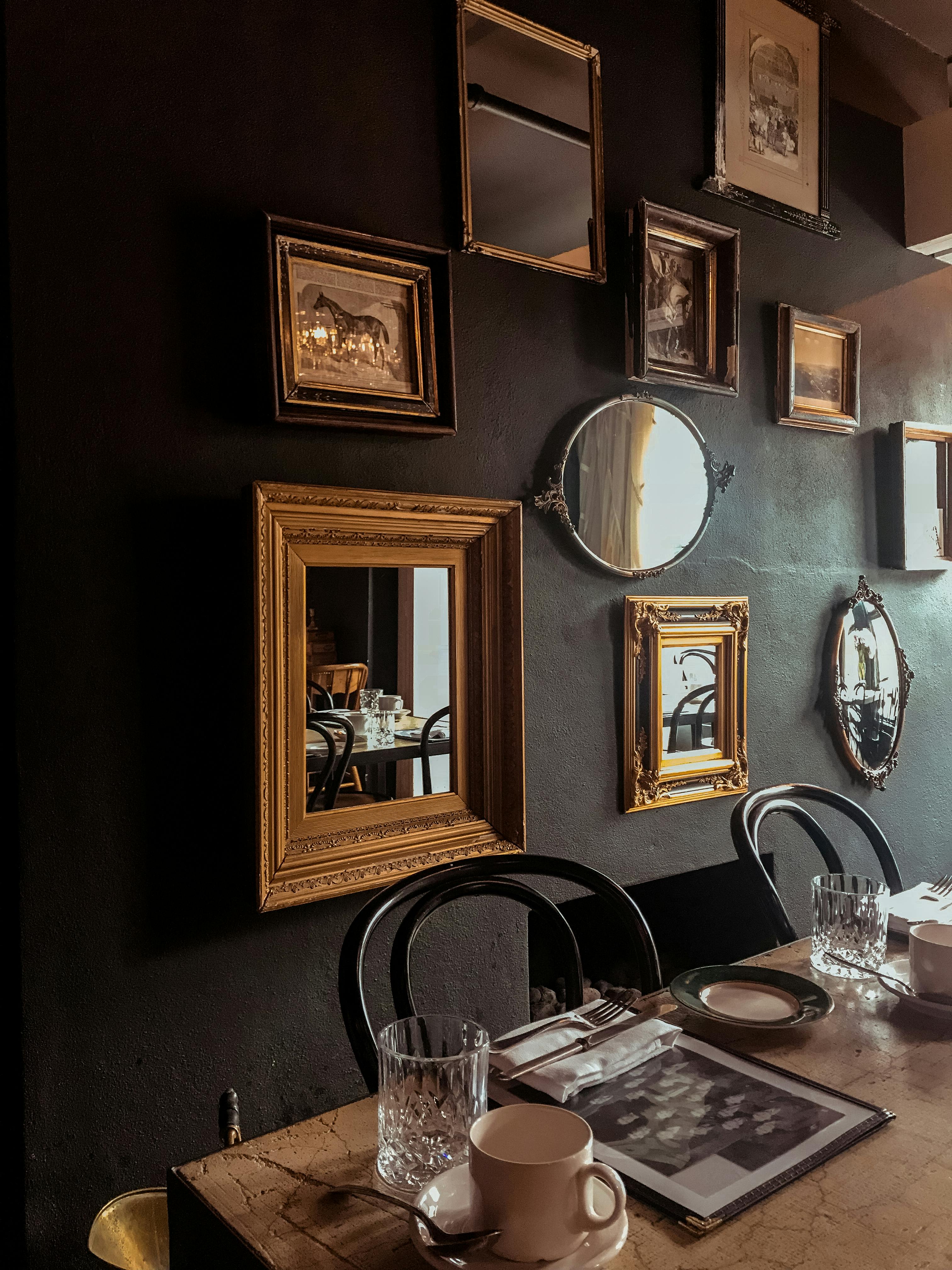
- Style Alignment: The frame should complement both the artwork and your interior design. A sleek, minimalist metal frame might suit a modern eatery, while a distressed wood frame could enhance a rustic bistro. Avoid frames that are too ornate for simple pieces or too plain for intricate ones – the frame should enhance, not compete. I've seen beautifully simple pieces ruined by over-the-top frames, and vice versa. It’s a delicate balance.
- Durability: Choose sturdy materials for frames and hanging hardware that can withstand temperature fluctuations, humidity, and the occasional bump in a high-traffic area. I've learned from experience that a flimsy frame near a bustling server station is a recipe for disaster (and a broken investment!). Always consider security hangers for busy public areas.
Practical Considerations for Restaurant Art: Beyond Aesthetics
Okay, so we've nailed the 'vibe check' and understood the psychological impact. Now, let's get down to the brass tacks – the practicalities that often get overlooked but are absolutely vital when you're dealing with a commercial space. This isn't your living room; it's a high-traffic, food-and-drink-centric environment. I've learned from experience that overlooking these details can turn a beautiful investment into a costly headache, like that time a delicate canvas I'd admired got splattered with balsamic glaze – a beautiful disaster, but a disaster nonetheless! It was a lesson that sticks with you: beauty needs to be resilient.
Durability and Maintenance: Survival of the Fittest
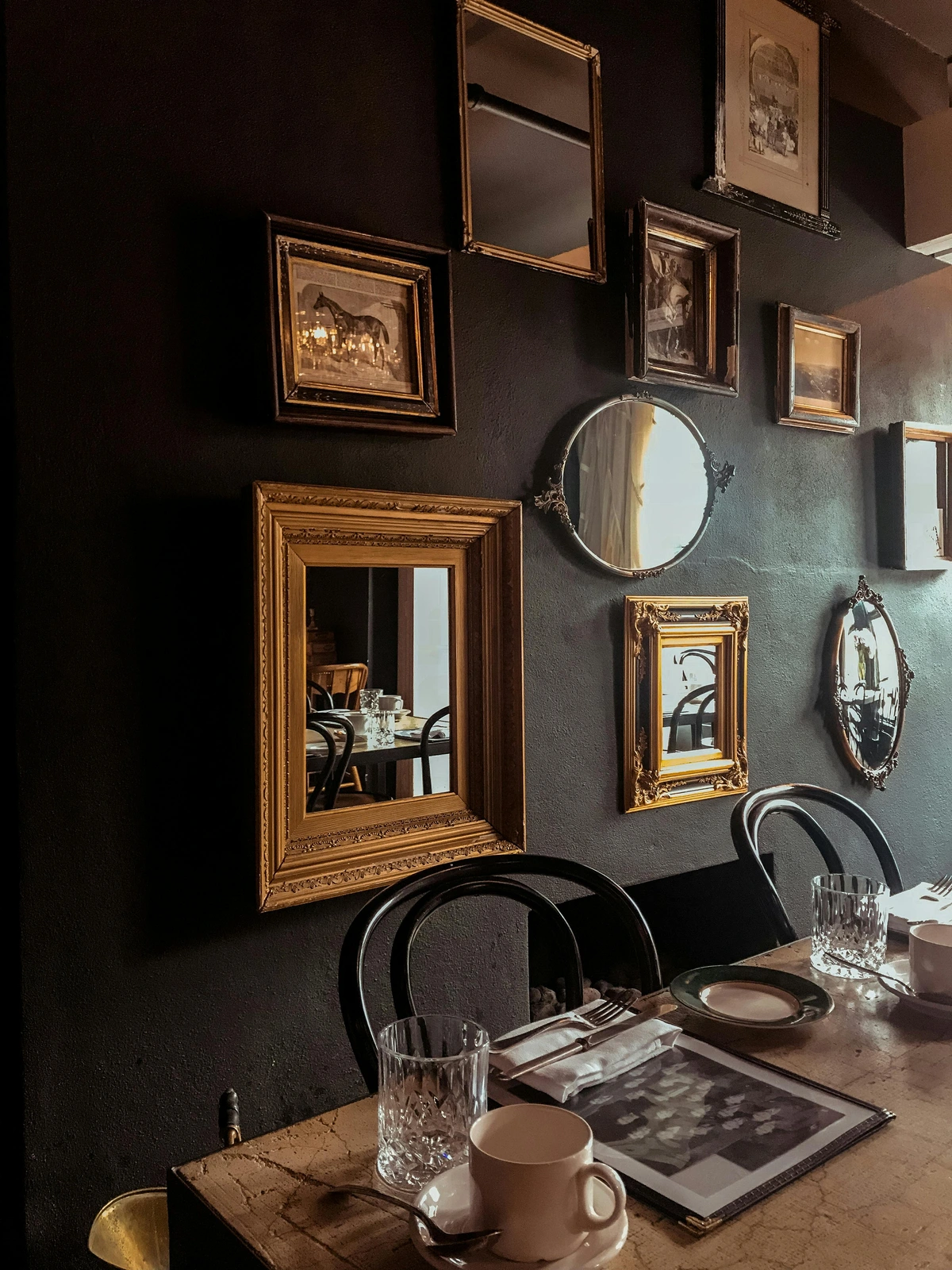
This is huge. Art in a restaurant is exposed to steam, grease, splashes, curious fingers, and the occasional bump. Fine art canvases might not fare well near the kitchen pass, and delicate sculptures could be a hazard in a busy walkway. Consider materials that are easy to clean and robust.
- Prints under glass or acrylic are generally safer and easier to wipe down. Acrylic, in particular, is lighter and less prone to shattering than glass, which is a bonus in a busy commercial setting. Make sure the glass/acrylic is UV-protective and anti-glare to preserve the art and enhance viewing.
- Metal or treated wood sculptures can withstand more. I'm a big fan of how these materials can add texture without sacrificing longevity.
- Murals are a fantastic, durable option, often becoming a signature piece. They're literally part of the building, making them incredibly robust and easy to clean (if properly sealed with a protective varnish).
- Textile art (like woven wall hangings or tapestries) can add warmth and sound absorption, but consider their placement away from direct food splatter zones and ensure they can be professionally cleaned. Some can even be treated with stain-resistant coatings.
- Ceramic or pottery pieces can be incredibly sturdy and add an artisanal touch, especially for shelf displays or as functional art (like bespoke serving platters).
This is where an article like choosing art for high-traffic areas durability tips becomes your best friend. Seriously, read it. It’s got some gold nuggets on keeping your investments looking fresh. And for goodness sake, make sure whatever you choose can be cleaned without harsh chemicals – think food-safe environments! Regular, gentle dusting and wiping are key.
Art as a Safety Feature: Unintentional Hazards and Mitigation
While beautiful, art can sometimes pose unforeseen safety risks in a busy public space. Thinking proactively can save you a lot of trouble (and potential lawsuits!).
- Placement and Protrusions: Sculptures with sharp edges or pieces that significantly protrude into walkways can be tripping hazards or cause injury. Ensure all art is securely mounted and positioned where it won't impede guest or staff movement, especially in dimly lit areas. A floor-standing sculpture in a narrow corridor is a definite no-go.
- Weight and Securing: Heavy artworks must be installed with appropriate, heavy-duty hardware by professionals. A falling piece is not only costly but incredibly dangerous. Consider seismic bracing in earthquake-prone areas. I once saw a large, unfixed sculpture wobble precariously when a server bumped its pedestal – gave me a fright! Secure everything!
- Flammability: Be mindful of flammable materials, especially near heat sources like fireplaces or in kitchens. Ensure all art complies with local fire safety regulations. Fabrics, paper, and untreated wood can pose risks.
- Accessibility: Ensure art doesn't block emergency exits, fire extinguishers, or accessible pathways. Art should enhance, not hinder, the safe flow of your space. This also means placing pieces thoughtfully to allow for wheelchair access and ensuring no sharp edges are at head height.
Size and Scale: Don't Overwhelm, Don't Underwhelm
Getting the scale right is a delicate dance. Too small, and your art gets lost in the bustling environment, like a whisper in a crowded room. Too large, and it can feel imposing or claustrophobic, like an over-sauced entree. You want your art to complement the space, not dominate it (unless, of course, a single, monumental statement piece is your deliberate design choice, which can be absolutely brilliant, especially in a grand entrance or a feature wall). Think of it like a perfectly portioned meal – just right.
Consider the wall space available, the height of your ceilings, and the proximity to diners. A large, captivating piece can anchor a wall, while a thoughtfully curated gallery wall can add texture and interest without overwhelming. If you have those grand, high ceilings that really sing, leverage them! But remember, the goal is always to enhance the dining experience, not distract from it. I often advise clients to stand back and imagine the space without the art – then imagine it with the art. Does it feel balanced? Does the level of detail suit the viewing distance? A highly intricate piece might be lost across a large room, while a bold, simple abstract might be perfect.
Lighting: Shine a Light on Your Choices
Good lighting is your art's best friend. It can transform a piece, highlight its textures, and draw the eye. Think about ambient lighting in your restaurant – is it warm and dim, or bright and energetic? Your art lighting should work in harmony with this.
- Spotlights (track lighting, picture lights): Can create drama and direct focus to specific pieces. Ensure they are positioned to avoid glare on framed art. LED lights are ideal as they emit minimal heat and UV.
- Wall Washers: Provide an even, diffused light across a larger artwork or a gallery wall, creating a softer mood.
- Accent Lighting: Can highlight sculptures or architectural details.
And don't forget natural light! Maximize it where you can, but also consider how it changes throughout the day and how that affects the art. The difference good lighting makes is incredible; it literally brings the art to life, revealing nuances you might otherwise miss. I once saw a piece completely transformed by careful spotlighting, revealing layers I hadn't noticed before, and it became a talking point for diners. For more in-depth guidance on how to illuminate your masterpieces, check out this guide on the art of display: how to light and position abstract art for maximum impact.
Strategic Placement: Art in Relation to Your Space
Beyond merely hanging things on a wall, consider the strategic placement of each piece. This isn't just about aesthetics; it's about guiding flow, defining zones, and enhancing specific moments in the dining experience. For instance, art placed at eye-level for seated diners will be perceived very differently than a large piece high on a wall above standing patrons. It's about optimizing the viewing experience.
- Entryways and Waiting Areas: This is your first visual handshake. A captivating, statement piece here can set the tone and create an immediate sense of arrival. It's an opportunity to grab attention and signal your brand's personality.
- Dining Areas: Here, art should complement conversation, not compete with it. Avoid overly distracting or busy pieces in direct eyeline of diners. Consider a series of smaller, complementary pieces that allow for individual appreciation without demanding constant focus. Think about the sightlines from different tables.
- Above Bars or Service Stations: These are often high-traffic, high-visibility areas. Art here can be a focal point, drawing attention, but should also be robust enough to handle the environment.
- Defining Zones: In larger, open-plan restaurants, art can subtly delineate different dining zones – a cozy corner for intimate meals, a vibrant area for groups. A change in art style or scale can signal a shift in ambiance.
- Restrooms: Don't neglect these! Thoughtful art in restrooms is a delightful surprise, reinforcing attention to detail and extending your brand's aesthetic into every corner. I’ve heard customers rave about a small, quirky piece they discovered in a restroom, often more than a large piece in the main dining room! This is where you can truly delight and differentiate. It shows you care about every part of their experience.
Art Sourcing & Budget-Friendly Approaches: Smart Choices for Every Wallet
Don't have an unlimited budget? Most restaurant owners don't! But a limited budget doesn't mean you have to sacrifice quality or impact. Here's how to be smart about it:
Ethical and Sustainable Sourcing: Art with a Conscience
In today's world, provenance and impact matter. Guests are increasingly aware of a business's ethical footprint, and your art choices can reflect a commitment to responsible practices. This is an area where your brand can truly shine beyond just aesthetics.
- Local Artists: Supporting local talent reduces transportation footprint and invests directly in your community, creating a meaningful connection between your establishment and its locale. Look for artists who use locally sourced or recycled materials. It's a fantastic story to share with your diners, fostering a sense of community and authenticity.
- Sustainable Materials: Inquire about artists who use eco-friendly paints, recycled canvases, or sustainably harvested wood for frames. Many contemporary artists are deeply committed to minimizing their environmental impact. This isn't just a trend; it's a growing expectation.
- Fair Trade: If sourcing art from international artisans, ensure it comes from fair trade organizations that guarantee fair wages and safe working conditions. This demonstrates a global conscience and supports ethical practices across the art supply chain. It's about aligning your values with your visual statement.
Quick Wins & Budget-Friendly Approaches: Smart Sourcing for Every Wallet
- High-Quality Giclée Prints: Investing in museum-quality giclée prints (high-resolution digital prints on archival paper or canvas) of original artworks can be incredibly cost-effective. With good framing, they can look remarkably like originals and offer the same visual impact for a fraction of the price. The key is to choose reputable sources and ensure the print quality is exceptional. Pieces from my own buy page, for example, are available as high-quality prints that can still make a significant statement. Explore collaborations with local print shops for custom sizing and affordable, professional framing.
- Emerging Artists & Art Students: Seek out emerging artists from local art schools or community art programs. They often offer unique, fresh perspectives and more affordable pricing as they build their portfolios. You might discover the next big talent and get a piece whose value appreciates. It's a win-win: you support local talent, and you get unique art.
- Art Rental & Leasing Programs: For businesses with fluctuating budgets or a desire for fresh content, art rental or leasing programs are an excellent solution. You pay a monthly fee, get to enjoy high-quality art, and can swap pieces periodically. This keeps your space dynamic without a large upfront investment. Many galleries and art consultants offer this, often with options to eventually purchase a piece you've particularly loved. It's a fantastic way to test different styles!
- Rotating Exhibitions & Consignment: Partner with local art schools, emerging artists, or galleries to host rotating exhibitions. This provides dynamic content for your walls, supports the art community, and gives customers a reason to return to see what's new. Imagine monthly or quarterly refreshes! Offer the art for sale, taking a small commission. This benefits the artist and offers unique pieces for your patrons to take home, further connecting them to your brand. Many galleries also offer art on consignment, allowing you to display pieces without an upfront purchase.
- Digital Art Collaborations: Work with local graphic designers or digital artists to create unique, brand-aligned digital art that can be displayed on screens, or even printed on demand for a custom look. This can be highly cost-effective and offers immense flexibility.
Beyond the Canvas: Innovative Art Forms for Your Restaurant
While framed art is a classic choice, don't limit your imagination. The world of art for commercial spaces has expanded dramatically, offering innovative ways to engage diners and define your brand. Sometimes the most impactful art isn't on a canvas at all. As an artist, I'm always looking for new ways to make a statement, and these are some of my favorite unconventional approaches.
Murals: A Signature Statement
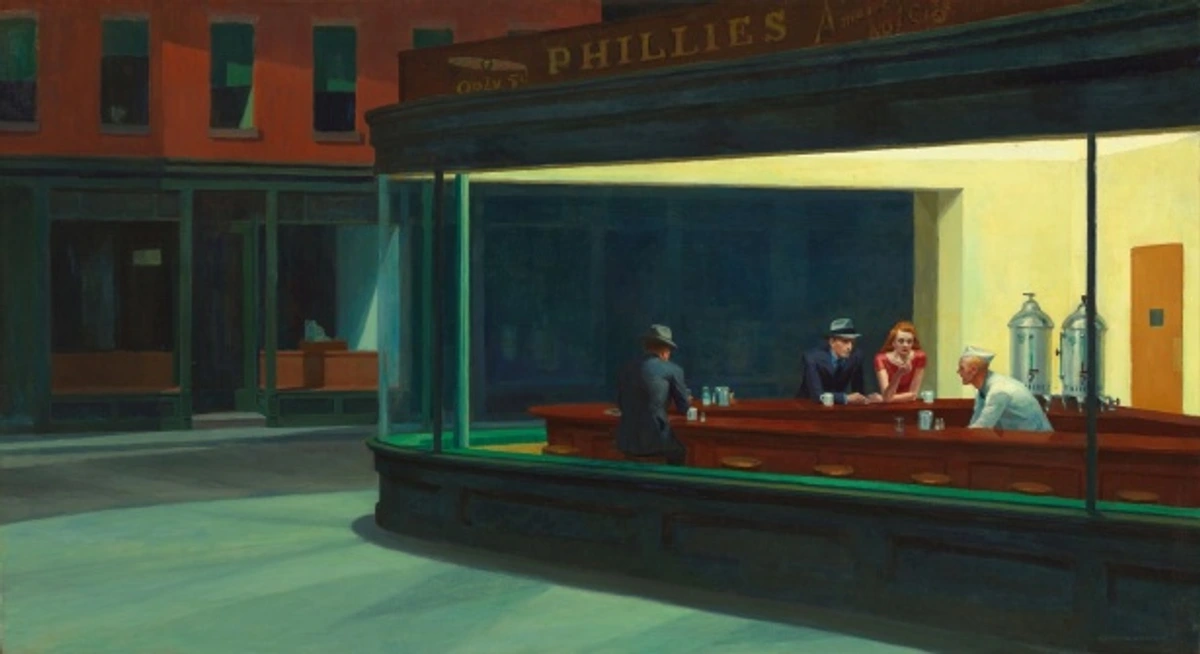
A mural transforms a wall into a monumental work of art. Whether it's a hand-painted scene, an intricate geometric pattern, or a vibrant abstract, a mural can become the definitive visual centerpiece of your establishment. They are incredibly durable (especially when sealed with a protective, cleanable varnish) and offer a completely immersive experience. I love how a well-executed mural can completely redefine a space, creating an unforgettable backdrop for dining. They become instant landmarks, attracting social media buzz and becoming a quintessential "Instagram moment" for your diners.
Sculptures and Installations: Adding Dimension
Don't forget the power of three-dimensional art. Sculptures, hanging installations (think kinetic mobiles or delicate cascades, which you can learn more about with what is kinetic art movement in modern sculpture), or even carefully arranged decorative objects can add depth, texture, and unexpected points of interest to your restaurant. They can draw the eye upwards (especially effective with high ceilings), delineate spaces, or simply add a playful element. Just remember the durability and safety considerations we discussed earlier, especially in high-traffic zones. Explore more on how to incorporate sculptural art into modern interiors and displaying sculptures indoors beyond pedestal. A well-placed sculptural piece can become a genuine talking point, adding a layer of sophistication that flat art sometimes can't achieve.
Digital Art and Projections: The Modern Edge
For a truly contemporary or high-tech eatery, consider digital art or projection mapping. This allows for dynamic, evolving visuals that can change with the time of day, season, or even a special event. Imagine a serene digital landscape morphing into an energetic abstract as evening progresses, or a projection that tells a subtle story about your menu's ingredients. It's a flexible, cutting-edge option that offers endless possibilities for unique ambiance. It might seem daunting, but the impact can be truly extraordinary, offering an interactive and ever-changing artistic experience. Think beyond static images – consider generative art that subtly shifts, or even augmented reality elements accessible via a QR code.
Technical Considerations for Digital Art:
- Hardware: High-definition projectors, large screens, or integrated LED panels are essential. Consider screen brightness for ambient light and resolution for clarity. Ensure cabling is discreet and secure. Think about aspect ratios that best suit your space and content.
- Content Management: A robust content management system (CMS) is vital for scheduling changes, curating new art, and ensuring smooth transitions. Look for user-friendly interfaces that allow for easy updates and playlist creation.
- Maintenance: Digital displays require ongoing technical support, software updates, and occasional hardware maintenance. Budget for this, or partner with a specialized tech provider. Downtime can be costly and detract from the ambiance.
- Cost Implications: While the initial setup can be significant, the long-term flexibility and ability to constantly refresh content without new physical purchases can offer excellent ROI, especially for dynamic brands looking to stay at the forefront of design.
Temporary Art Installations: Pop-Ups and Seasonal Flair
Beyond permanent fixtures, consider temporary art installations. These pop-up art moments can be tied to seasonal menus, local festivals, or special events, creating a buzz and giving customers a fresh reason to visit. Think a festive display for the holidays, an interactive piece for a summer street fair, or a collaboration with a local artist for a limited-time exhibition. It keeps your space dynamic and demonstrates a commitment to evolving experiences. Temporary installations are a fantastic way to test out new styles or artists before committing to a permanent piece, or simply to add seasonal charm and novelty. They're also brilliant for generating ongoing social media content and positioning your restaurant as a cultural hub.
The Legal & Ethical Canvas: Protecting Your Investment & Reputation
As much as we love the creative freedom, there are practical and ethical considerations when displaying art in a public space. Ignoring these can lead to headaches, legal issues, or even damage your brand's reputation. This is where my pragmatic side kicks in; creativity needs a framework.
Copyright and Licensing: Understanding Your Rights
When purchasing or commissioning art, always ensure you understand the copyright and licensing terms. Are you buying the artwork itself, or also the rights to reproduce it for marketing (e.g., on your website, social media, menus, advertisements)? If you're displaying prints, are they authorized reproductions? Always get a clear bill of sale or a written agreement detailing usage rights. This protects both you and the artist. I always make sure my clients have a clear understanding of the usage rights for any piece they acquire from me – it's crucial for everyone's peace of mind. Be clear whether you have exclusive rights (meaning no one else can use it) or non-exclusive rights (meaning the artist can license it to others). Don't just assume you can use images of the art for all your marketing without explicit permission.
Cultural Sensitivity and Inclusivity
Given that your restaurant serves a diverse clientele, it's crucial to select art that is culturally sensitive and inclusive. Avoid pieces that might be perceived as offensive, stereotypical, or appropriative. When in doubt, err on the side of caution or consult with cultural experts. The goal is to create a welcoming space for everyone, fostering connection, not alienation. For example, a piece depicting traditional symbols without proper understanding or permission could be seen as cultural appropriation. Similarly, art that is overtly political or religious could alienate a portion of your audience. Always consider your target demographic and the broader community – a safe, respectful space is a popular space. It shows you genuinely value all your patrons.
Accessibility: Art for Everyone
Beyond cultural sensitivity, consider physical accessibility. Can guests with visual impairments appreciate textured art or readily access descriptions? Are sculptures placed out of the main thoroughfare to ensure easy navigation for those with mobility aids? Thoughtful placement and varied artistic mediums can ensure your curated environment is enjoyable for all your patrons. It's about designing an experience that truly welcomes everyone, which is, after all, the essence of hospitality. This might even include offering audio descriptions for key pieces via a QR code.
Art Curation: The Professional Touch
For larger establishments or those seeking a truly cohesive and sophisticated collection, consider engaging an art curator. A professional curator understands art history, aesthetic principles, and the business objectives of a restaurant. They can help define your artistic vision, source appropriate pieces (including from my buy collection!), negotiate purchases or leases, and oversee installation, ensuring your art investment is strategic and impactful. Think of them as the sommelier for your walls – guiding you to the perfect pairings.
Different Curatorial Approaches for Commercial Spaces:
Curatorial Approach | Description | Ideal For |
|---|---|---|
| Thematic Curation | Focuses on a specific overarching theme (e.g., local history, nature, abstract concepts) that ties into the restaurant's narrative. | Establishments with a strong, clear brand story or a specific regional connection. |
| Monochromatic Curation | Uses a limited color palette to create a serene or sophisticated ambiance, often relying on texture and form for interest. | Minimalist, high-end fine dining, or spaces aiming for a very calming, refined atmosphere. |
| Artist-Focused Curation | Highlights the work of one or a few artists, creating a distinct artistic identity and allowing for deeper engagement with their style. | Boutique hotels, galleries with attached cafes, or restaurants seeking a very unique, signature look. |
| Rotating Exhibitions | Manages dynamic displays that change periodically (e.g., monthly, quarterly), keeping the space fresh and engaging. | Cafes, bistros, or community-focused restaurants that want to support local artists and encourage repeat visits. |
Insurance, Security, and Conservation: Safeguarding Your Investment
Your art collection is an asset. Treat it as such. Overlooking its protection can lead to significant financial and emotional distress. This isn't just about covering costs; it's about preserving the ambiance and narrative you've worked so hard to create. I once had a client whose beautiful original oil painting was ruined by an undetected leak; the cost of restoration was astronomical. Lesson learned: protect your art!
- Insurance: Ensure your art is properly insured against theft, damage, or vandalism. Speak with your commercial insurance provider about specific art riders to your policy. Many insurance companies have specialists in art valuation and risk assessment for commercial properties; finding one is an investment in peace of mind. Understand the replacement value and the impact on your ambiance if a key piece is lost.
- Security: For high-value pieces, consider security measures like specialized hangers that prevent removal, alarm systems, proximity sensors, or even CCTV surveillance. Professional installation of heavy pieces is non-negotiable to prevent accidental falls. Think proactively about preventing both opportunistic theft and accidental damage.
- Conservation: If you're investing in original artworks, especially those made with delicate materials or specific techniques, understanding basic art conservation is vital. While you don't need to be an expert, know when to call in professionals. Regular, gentle cleaning, avoiding direct sunlight for sensitive pieces, and controlling humidity (ideally between 40-60% relative humidity) can significantly prolong the life of your art. Different mediums have different needs (e.g., oil paintings are robust but sensitive to extreme heat; works on paper are susceptible to light damage and require UV-protective glazing). A small investment in conservation advice can protect a much larger investment in the long run. My recommendation? Treat your art like you treat your fine wines – with care and respect, especially for long-term enjoyment.
The ROI of Good Art: More Than Just Eye Candy, It's Smart Business
I know what you're thinking: "Another expense!" But truly, thoughtfully chosen art isn't just an expense; it's an investment with tangible returns. It's not about being extravagant; it's about being strategic. Think of it as enhancing your greatest asset: the customer experience. Research suggests that businesses investing in art can see a 10-15% increase in perceived value and a noticeable boost in customer loyalty and spend.
Enhancing the Customer Experience & Loyalty
People linger longer in places that feel good. They're more likely to return, recommend you, and frankly, spend more. Art contributes directly to that 'feel good' factor. It elevates the perceived value of your establishment, setting it apart from competitors. It creates a memorable atmosphere that guests connect with emotionally. I firmly believe that a great meal, coupled with a captivating environment, fosters true customer loyalty. When you walk into a place and just feel a connection, that's often the art at work. My own art is designed to create an emotional resonance, something that stays with you long after you've left. Customers in art-rich environments often report higher satisfaction levels and a greater willingness to pay premium prices, sometimes by as much as 15%.
Social Media Buzz: Free, Powerful Marketing
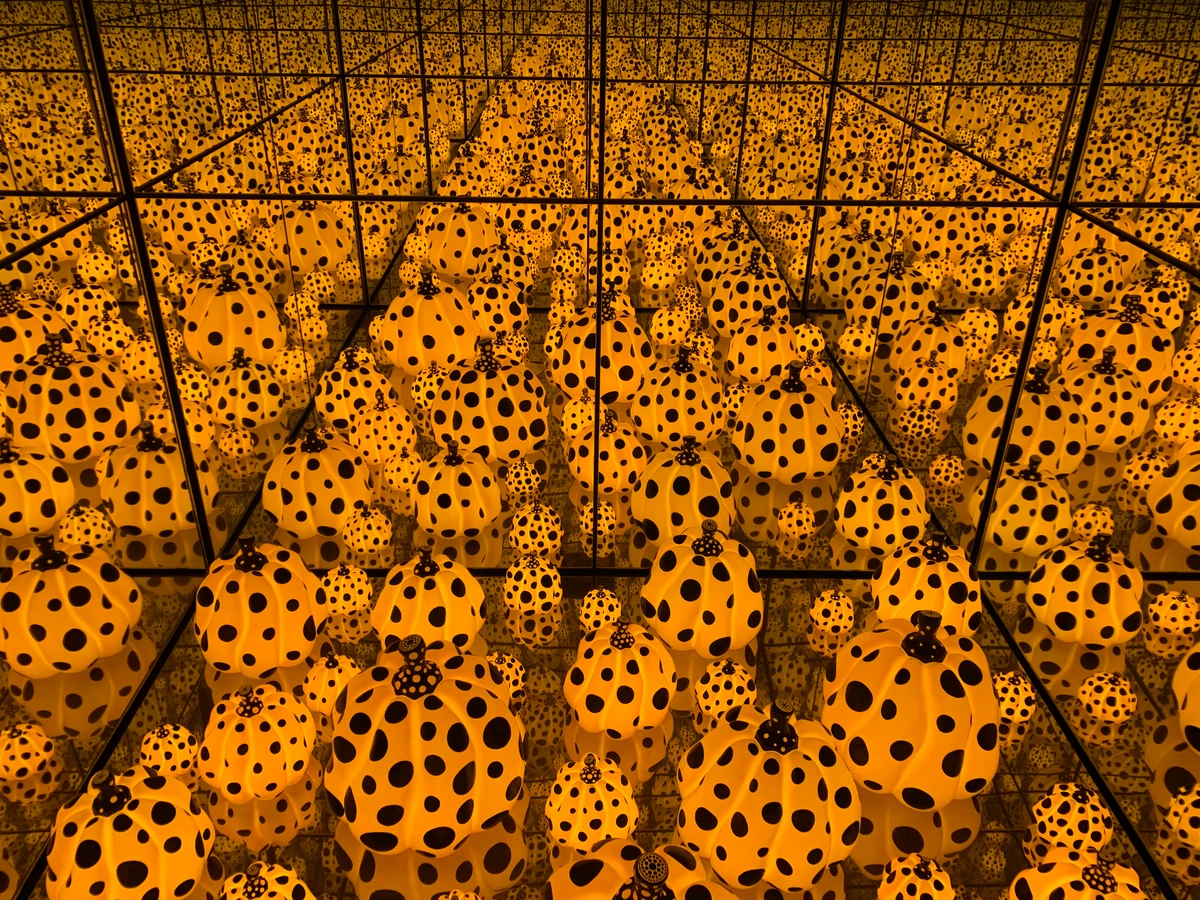
In our Instagram-obsessed world, unique and striking art is pure gold. Customers will take photos with it, tag your location, and share it with their networks. That's free marketing, my friend, and it's incredibly powerful. Give them something to talk about, something visually memorable that encourages sharing. I love seeing my work become a backdrop for someone's special moment, shared across the globe, bringing new eyes to both my art and the restaurant. The right piece can turn your wall into a viral sensation, generating buzz far beyond your local clientele. Imagine your cafe becoming known for "that cool painting" – that's the dream!
[credit], [licence]
Art as a Strategic Marketing Tool: Beyond the Instagram Moment
Beyond spontaneous social shares, your art can be actively integrated into your marketing strategy. Feature unique pieces in your website's gallery, press releases, or even on merchandise. Collaborate with the artist for exclusive events, interviews, or limited-edition prints. Your art can become a unique selling proposition, drawing in new demographics and offering a talking point that transcends the menu. It's about turning your aesthetic investment into a tangible brand asset. Consider creating a small brochure or QR code next to key pieces, offering insights into the artist or the story behind the work – it transforms passive viewing into an engaging narrative, deepening customer connection and providing another touchpoint for your brand story.
Staff Engagement and Training: Your Brand Ambassadors
Don't forget your team! When staff understand the thought behind the art, they can speak about it with passion and knowledge. This empowers them to enhance the customer experience, answer questions, and reinforce your brand story. A quick training session on the art and its relevance can turn your servers into brand ambassadors, connecting them more deeply to the establishment they represent. It also gives them a sense of pride in their workplace, making them feel part of a thoughtfully curated environment. I’ve seen staff become genuinely enthusiastic when they can share a story about a particular piece or artist. It fosters a shared sense of ownership and pride that radiates outwards to your customers.
My Canvas, Your Space: An Artist's Take on Restaurant Art
As an artist who pours emotion and intention into every brushstroke, I see the role of art in a dining space not just as decoration, but as an extension of the culinary experience itself. My work, often characterized by vibrant colors, dynamic forms, and a sense of joyful exploration, is designed to evoke energy and spark conversation. I believe art should offer a momentary escape, a visual journey that complements the flavors on the plate.
For instance, my abstract cityscapes – like the piece inspired by Den Bosch – aren't just pretty pictures; they're an interpretation of the city's pulse, its vibrant light, and intricate streets. Placing such a piece in a modern eatery could mirror the innovative spirit of its cuisine, inviting diners to find their own narratives within the abstract forms, much like they discover new tastes in a complex dish. Similarly, my more tranquil, nature-inspired abstracts, with their soothing color palettes and organic forms, could perfectly complement a cozy cafe striving for a calm, reflective ambiance.
When I create, I'm thinking about how the colors interact, how the textures invite closer inspection, and how the overall composition creates a feeling. This is precisely what restaurant art should achieve. It should resonate, adding a layer of depth and personality that makes a space truly unforgettable. It's about creating an atmosphere where art and food dance in harmony, each elevating the other. It's about that elusive 'chef's kiss' for the eyes!
Key Takeaways: Your Chef's Kiss of Art Advice
Before you embark on your artistic journey, here’s a quick recap of the most crucial ingredients for success, serving as your final, thoughtful nudge:
- Define Your Story First: Art is a powerful storyteller. Know your brand's narrative before selecting pieces. It's the foundation of everything.
- Embrace Psychological Impact: Use color, style, and scale to subtly influence mood, perceived value, and appetite. This is where art works its magic.
- Prioritize Practicality & Placement: Durability, maintenance, proper lighting, strategic placement, and safety considerations are non-negotiable for commercial spaces. Don't let beauty overshadow function.
- Think Beyond the Frame: Murals, sculptures, textiles, digital art, and temporary installations offer rich, innovative possibilities for engagement. Be bold!
- Source Smartly & Ethically: Explore local artists, high-quality giclée prints, leasing options, rotating exhibitions, and ensure ethical sourcing to fit any budget and align with your values.
- Understand the Legal & Ethical Canvas: Always clarify copyright, ensure cultural and physical sensitivity, consider professional curation, and secure your investment with proper insurance and conservation. Protect your assets and reputation.
- See Art as an Investment: It directly enhances customer experience, drives social media buzz, acts as a marketing tool, and boosts staff engagement, leading to tangible business returns.
- Harmonize with Music & Cuisine: Aim for a holistic sensory experience where art, music, and food create a cohesive brand story. A true symphony for the senses.
Frequently Asked Questions About Choosing Art for Restaurants & Cafes
Q: What is the historical role of art in public dining spaces?
A: Art has always played a significant role in public dining, evolving from practical necessity to intentional ambiance. In ancient taverns and inns, art might have been simple murals or carvings reflecting local life. During the Renaissance and Baroque periods, grand dining halls in palaces and estates were adorned with elaborate frescoes, tapestries, and sculptures to convey wealth and status. The rise of cafes and salons in the 18th and 19th centuries saw art become more accessible, fostering intellectual and artistic exchange – think of Parisian cafes displaying works of emerging Impressionist artists. In the Art Nouveau and Art Deco eras (early 20th century), art became integral to the architectural and interior design of cafes and restaurants, embodying modernity and luxury. Today, this rich history culminates in art being a deliberate tool to craft brand identity and enhance the guest journey, blending tradition with contemporary expression. From a simple village inn with folk art to a Michelin-starred restaurant with museum-quality contemporary pieces, art has consistently shaped the dining experience.
Q: Should all the art in my restaurant match?
A: Not necessarily! While coherence is key, matching every single piece can look sterile and uninspired. Aim for a cohesive theme, color palette, or overarching narrative, but allow for variety in style, medium, and artist. A well-curated mix can add depth and personality, like a delicious tasting menu – diverse, but harmonious. I often find that a mix of my vibrant abstract prints, perhaps paired with a more subdued textured piece, creates a dynamic yet balanced feel. It’s about creating a conversation between pieces, not a monotonous repetition that feels forced. What's more important is that they all belong together, even if they're not identical.
Q: How often should I change the art in my restaurant?
A: It depends on your budget, desired impact, and whether you're buying, leasing, or hosting exhibitions. Some establishments rotate art seasonally or yearly to keep things fresh and give regulars something new to see. Others prefer permanent fixtures that become iconic. If you're using high-quality prints, you could swap them out more frequently than original pieces. Leasing art or hosting rotating exhibitions with local artists (as discussed above) can also be a great, cost-effective option for regular refreshes. I've found that even a small rotation can make a big difference for returning customers, signaling a dynamic and engaging space. Plus, it gives you an excuse to redecorate!
Q: What if I have a small budget for art?
A: Don't despair! A limited budget doesn't mean limited creativity. Consider high-quality giclée prints (like those on my buy page), supporting emerging local artists (who are often more affordable as they build their portfolios), or even showcasing student art from a local academy. DIY framing can save costs (if done professionally enough!), and sometimes, one or two impactful pieces are better than many mediocre ones. Remember, abstract art for small spaces: maximizing impact in compact areas can be a clever way to make a statement without needing vast canvases. There are always creative solutions; it just takes a bit more thought and resourcefulness. It’s about being smart and intentional with what you have.
Q: How do I protect art in a busy restaurant environment?
A: Choose durable mediums like metal, treated wood, or acrylic paintings (which are less fragile than oil on canvas). For prints or paper works, always opt for museum-quality framing with UV-protective and anti-glare glass or acrylic. Strategically place more delicate pieces in less accessible areas, away from high-traffic routes or potential splashes. Regular, gentle cleaning is also crucial. And honestly, a bit of common sense goes a long way – don't put a priceless ceramic vase next to a high-traffic bar, unless you enjoy living dangerously! Also, ensure all heavy pieces are securely mounted by professionals to prevent accidental falls. Insurance, as discussed earlier, is also a critical layer of protection for your investment.
Q: Can art influence how long customers stay?
A: Absolutely. Engaging, comfortable, and beautiful surroundings encourage lingering. If your art contributes to a relaxing or inspiring atmosphere, customers are likely to stay longer, order more, and enjoy their experience more thoroughly. Research suggests customers stay up to 20% longer in aesthetically pleasing environments. Conversely, chaotic or uncomfortable art might make them want to eat and leave quickly. It's a direct connection to the perceived comfort and overall pleasure of the dining experience – a key part of customer loyalty and revenue. Think of it as providing a delightful visual reason to stay just a little bit longer. A captivating piece can extend a meal into an experience.
Q: What about digital art in a restaurant setting?
A: Digital art can be a fantastic, modern option! It offers dynamic visuals that can be updated easily, allowing you to change the mood or theme with a click. Think about high-definition screens displaying subtle abstract animations, changing landscapes, or even curated artist videos. Just ensure the screens are well-integrated into the design, the content is high-quality, and the technology is reliable. It's a cutting-edge way to keep your space fresh and engaging, and offers unparalleled flexibility – imagine a serene digital landscape morphing into an energetic abstract as evening progresses, all from a button press! Remember to account for hardware and software maintenance in your budget, as digital solutions require ongoing technical care and expert calibration for optimal impact.
Q: Should I choose art based on the cuisine I serve?
A: Not necessarily in a literal sense, but definitely in a thematic and emotional one! While food-themed art can be charming, it's more important that the art evokes the right mood and aligns with your brand's broader identity, rather than being a literal representation of your menu. For example, a vibrant Mexican restaurant might choose abstract art with warm, energetic colors and dynamic forms, rather than just pictures of tacos. The key is harmony and resonance. Think of it as enhancing the feeling of your cuisine, not just illustrating it – like the perfect musical score for a film, it supports the main act without being the main act itself. The art should amplify the culinary story without competing with it.
Q: Why is cultural sensitivity important when selecting art?
A: Your restaurant serves a diverse public, and art should create a welcoming and inclusive environment for everyone. Culturally insensitive or appropriative art can alienate guests, generate negative publicity, and damage your brand's reputation. It’s vital to research any cultural symbols or themes to ensure they are represented respectfully and authentically, avoiding stereotypes or misuse. When in doubt, it’s always better to consult with cultural experts or choose pieces with universal appeal. The last thing you want is for your art to cause discomfort or, worse, offense – it completely undermines the hospitality you're trying to offer. An inclusive space is a stronger, more beloved space, demonstrating respect for all your patrons.
A Final Thought: Make it Yours, Make it Memorable
Choosing art for your restaurant or cafe is a deeply personal process, even though it's for your business. It's about translating your vision, your passion for food and hospitality, into a visual language. It's about creating a space where people don't just eat; they connect, they celebrate, they find a moment of peace or excitement. When I create a piece, I'm trying to evoke emotion, to spark a feeling, and that's precisely what your restaurant's art should do, too.
Don't be afraid to take risks, to choose pieces that truly resonate with you and your brand. Because when you pour your heart into every detail, including the art on your walls, your customers will feel it. And that, my friend, is the secret ingredient to true success. Now, go forth and curate something magnificent! Perhaps start by sketching out your brand's visual narrative and identifying one key area where art can make the biggest impact – an entryway, a feature wall, or even just your restrooms.
If you're looking for art that's vibrant, contemporary, and full of life, feel free to explore my collection. I believe art should evoke emotion and spark conversation, and you might just find the perfect piece to elevate your restaurant or cafe on my buy page. Or, if you're ever in the Netherlands, a visit to a den-bosch-museum might just ignite your next inspiration, offering a wealth of historical and contemporary art to ponder!






[credit], [licence]