What Exactly Is an Art Curator? Unpacking the Unsung Heroes of the Art World
Ever wondered what an art curator truly does? Dive deep into their world: from meticulous research to captivating exhibition design, explore the skills, types, and profound impact of these unsung heroes in the art world.

What Exactly Is an Art Curator? Unpacking the Unsung Heroes of the Art World
When I first started creating art, I had a rather simplistic view of an art curator. I probably imagined someone who just... well, hangs paintings. Maybe points at a fancy piece and says 'This is art!' (I know, I know, a bit naive, even for me). But oh, how wonderfully wrong I was. It's so much more than mere display; it's an intricate dance of storytelling, meticulous research, and a profound connection to both history and future. This isn't just an article; it's the ultimate guide to understanding the complex, vital, and often understated profession of art curation, designed to answer every question you might have about art curation careers, what an art curator does, and the profound impact of this role. In a world brimming with artistic expression – from the boldest abstracts to the most delicate sculptures – the art curator stands as a pivotal figure. They are the guide, the interpreter, and, in many ways, an unsung hero, whose role has evolved dramatically over centuries. They're the ones who thoughtfully orchestrate the dialogue between art and audience, often behind the scenes, shaping our understanding and appreciation of culture. This article dives deep into the multifaceted role of these vital professionals, exploring their responsibilities, the skills they master, the diverse environments they inhabit, and the profound impact they have on how we experience art.
Why 'Unsung'? The Quiet Power of Curation
When I call them 'unsung heroes,' I mean it. Unlike the celebrated artist whose name adorns the canvas, or the iconic art piece that draws millions, the curator's influence is often felt rather than seen. Their profound impact on how we engage with culture – from ensuring the ethical display of ancient artifacts to championing underrepresented contemporary artists – is immense. They are the intellectual backbone and the empathetic bridge between creation and comprehension, safeguarding our collective cultural memory and actively shaping future narratives. This guide will illuminate that quiet power, showing you exactly why their work is so indispensable in today's complex art ecosystem. It's about transforming a mere collection of objects into a profound cultural statement, a dialogue that resonates far beyond the gallery walls, subtly influencing public discourse and preserving cultural memory.
The Heart of the Matter: What Does a Curator Actually Do?
It's easy to walk into a gallery, see a perfectly arranged exhibition, and miss the monumental work that breathes life into it. A curator isn't just a gatekeeper; they're an architect of experience, a scholar, a diplomat, and sometimes, frankly, a logistical wizard and a fundraiser. Their role is incredibly dynamic, shifting between deep academic rigor, profound cultural sensitivity, and practical, hands-on execution. It's a challenging, constantly evolving tightrope walk that requires immense dedication. Let's break down the core responsibilities that define this multifaceted role, expanding on what initially drew me into understanding their craft. Think of them as the ultimate multi-hyphenate professionals, blending historical acumen with cutting-edge vision.
The Curator's Ethical Compass: Navigating Responsibility and Trust
Before delving into specific duties, it's crucial to acknowledge the deep ethical responsibilities that underpin every curatorial decision. Curators are not just managers of objects; they are stewards of cultural heritage and public trust. This involves rigorous attention to provenance (a work's ownership history, tracing its journey from creation to its current location), ensuring artworks were acquired ethically, and a commitment to transparency in all institutional dealings, particularly concerning acquisitions and deaccessioning (the formal process of removing works from a collection). They are also increasingly tasked with fostering inclusivity and promoting diverse voices, actively working to decolonize museum practices and tell richer, more representative stories. It's a constant balancing act, demanding intellectual integrity and a profound sense of social accountability, ensuring art serves as a catalyst for social change.
Ethical Principle  | Description |
|---|---|
| Provenance & Due Diligence | Meticulously researching a work's ownership history to ensure it was legally and ethically acquired, especially crucial for cultural objects from conflict zones or colonial contexts. This is about preventing illicit trade and respecting cultural heritage. |
| Transparency | Openness in all institutional processes, particularly concerning acquisitions, deaccessioning, and partnerships, fostering public trust and accountability. This means clear communication about decisions and their rationale. |
| Inclusivity & Representation | Actively diversifying collections and exhibition narratives to reflect a wider range of voices, cultures, and perspectives, moving beyond traditionally dominant canons. It's about ensuring art speaks to and for everyone. |
| Conservation & Preservation | Prioritizing the long-term physical and intellectual integrity of artworks through best practices in environmental control, restoration, and documentation, ensuring future generations can engage with cultural heritage. |
| Respect for Source Communities | Engaging in dialogue and collaboration with indigenous and originating communities regarding the display, interpretation, and potential repatriation of culturally sensitive objects. This recognizes their inherent rights and knowledge. |
| Intellectual Honesty | Presenting research, interpretations, and exhibition narratives with academic rigor and integrity, acknowledging differing viewpoints and avoiding biased or misleading information. |
Responsibility | Description |
|---|---|
| Responsibility | Description |
| :------------------------------- | :------------------------------------------------------------------------------------------------------------------------------------------------------------------------------------------------------------------------------------------------------------------------------------ |
| Research & Scholarship | Deep dives into art history, artists' biographies, cultural contexts, and theoretical frameworks to build coherent narratives and authenticate works. It's intellectual detective work that underpins every curatorial decision, uncovering hidden stories and re-evaluating established canons. |
| Collection Management | Overseeing the acquisition, care, documentation, and preservation of artworks within an institution's collection, ensuring the long-term health and relevance of artistic heritage. This involves meticulous cataloging, environmental control, and coordinating with conservators. |
| Exhibition Design & Curation | Crafting the narrative flow, selecting pieces, planning spatial arrangements, lighting, and interpretative materials (labels, catalogues, digital content) to create immersive and thought-provoking experiences. This is where the story truly comes to life. |
| Education & Engagement | Developing programs, writing accessible texts, giving talks, and creating resources to make art meaningful and engaging for diverse audiences, bridging the gap between complex art and public understanding. This includes digital outreach and community partnerships. |
| Acquisition & Deaccession | Strategically adding new works to a collection (acquisition) or, less frequently, removing them (deaccessioning) to strengthen its vision, mission, and historical relevance, often involving complex ethical and financial considerations and extensive due diligence. |
| Fundraising & Development | Securing financial support for exhibitions, acquisitions, and educational programs, writing grants, and cultivating donor relationships to ensure the viability and growth of artistic initiatives. They are often the public face advocating for artistic and cultural value. |
| Community Engagement & Outreach | Building relationships with diverse communities, fostering dialogue, and ensuring exhibitions and collections are relevant and accessible to all audiences, often involving participatory projects and local partnerships. |
Research & Scholarship: The Intellectual Bedrock
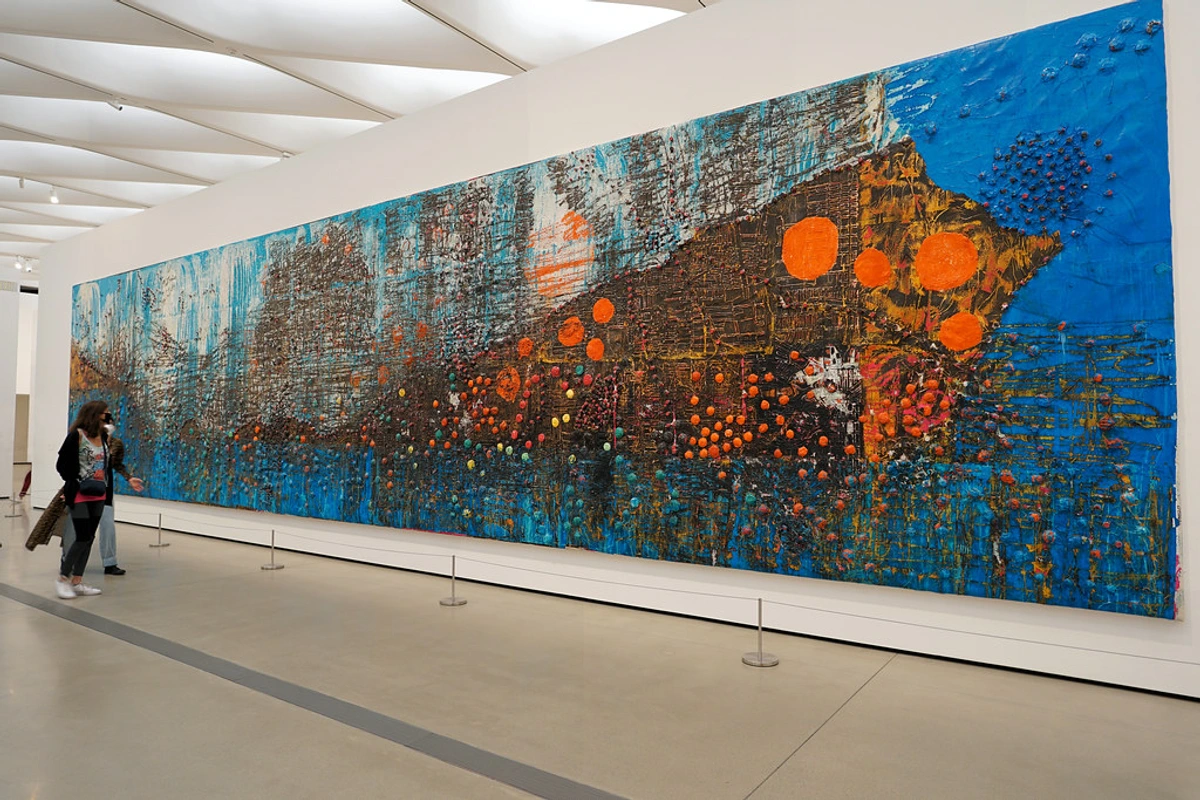
Imagine spending months, even years, poring over archives, old letters, forgotten interviews, and obscure academic papers just to understand the full context of a single artwork or an artist's entire oeuvre. I sometimes think of it as detective work, but with far more beautiful clues, clues that unlock deeper meanings. This foundational research is crucial for authenticating pieces, understanding their significance, and weaving them into compelling narratives that resonate with contemporary audiences. It's about unearthing hidden histories, re-evaluating established narratives, and sometimes, even discovering entirely new artistic movements. Without this rigorous intellectual groundwork, an exhibition is just a collection of objects – interesting perhaps, but lacking the profound resonance a curator brings. It's about revealing the hidden stories and dialogues embedded within each brushstroke or sculpted form, and perhaps even understanding the intricate history of photography as fine art by delving into rare prints and early processes.
This isn't just about dusty tomes; it's about connecting seemingly disparate facts, deciphering artists' intentions, and understanding the broader cultural zeitgeist. A curator might spend months, even years, poring over primary sources like artist letters, exhibition reviews, and archival photographs to understand the full context of a piece, tracing its provenance to ensure its authenticity, or diving into the social movements that shaped an artist's work. The deeper the research, the richer the narrative they can construct, transforming mere display into a profound educational experience. Modern research also embraces interdisciplinary approaches, drawing insights from fields like sociology, psychology, even neuroscience or environmental science to offer a more holistic understanding of art's context and impact. They're constantly asking not just 'what' but 'why,' 'how,' and 'what does this mean now?'
Collection Management & Conservation: Guardians of Legacy
This is where the quiet, unsung hero stuff truly happens. It's not glamorous, no red carpets here, but without it, the art world would quite literally crumble. Curators, often working closely with highly specialized conservators, are responsible for the physical and environmental well-being of the art. We're talking about everything from proper storage conditions (temperature, humidity, light exposure) to detailed documentation (condition reports, provenance research, imaging), ensuring that a masterpiece by Gerhard Richter or a thought-provoking piece by Christopher Wool lasts for generations. It’s about being a diligent steward of cultural patrimony, balancing accessibility with preservation for future generations, and constantly adapting to new threats like climate change and environmental pollutants. It reminds me of the critical need for proper art storage solutions for collectors – if the art isn't protected, its story can't be told.
Effective collection management is a science in itself, involving climate control systems, pest management, and disaster preparedness. Curators, often working hand-in-hand with dedicated registrars (who manage the movement and documentation of artworks) and conservators (who specialize in the physical care and restoration of art), must also meticulously document every detail of an artwork's life, from its creation to its current location. They build a robust provenance (the record of ownership and history of a work of art), vital not only for authentication but also for understanding its context and ensuring ethical stewardship, as highlighted in Ethical Considerations When Buying Cultural Art. Furthermore, the preservation of digital assets – from born-digital art to photographic records of physical works – is an increasingly critical aspect, requiring new strategies for long-term viability. Conservation itself involves both preventative measures (like environmental control and proper art storage solutions for collectors) and interventive treatments (like restoration), all guided by the principle of minimal intervention to preserve the artwork's integrity.
Curatorial Challenges in Art Storage
Challenge | Description |
|---|---|
| Space Constraints | Housing ever-growing collections, especially for large-scale contemporary works, requires constant innovation in storage solutions and often leads to difficult deaccessioning discussions. |
| Environmental Control | Maintaining precise temperature and humidity levels to prevent degradation, a complex and energy-intensive endeavor, especially for diverse materials like textiles, paper, and metal. |
| Security Risks | Protecting high-value artworks from theft, vandalism, and unauthorized access, necessitating advanced security systems and strict protocols for handling and movement. |
| Disaster Preparedness | Developing robust plans for protecting collections from natural disasters (floods, fires, earthquakes) and unforeseen events, including emergency evacuation and salvage procedures. |
| Digital Archiving | Preserving born-digital art and digital documentation of physical works, grappling with rapid technological obsolescence and the need for continuous migration of data. |
Exhibition Design & Storytelling: The Alchemy of Presentation
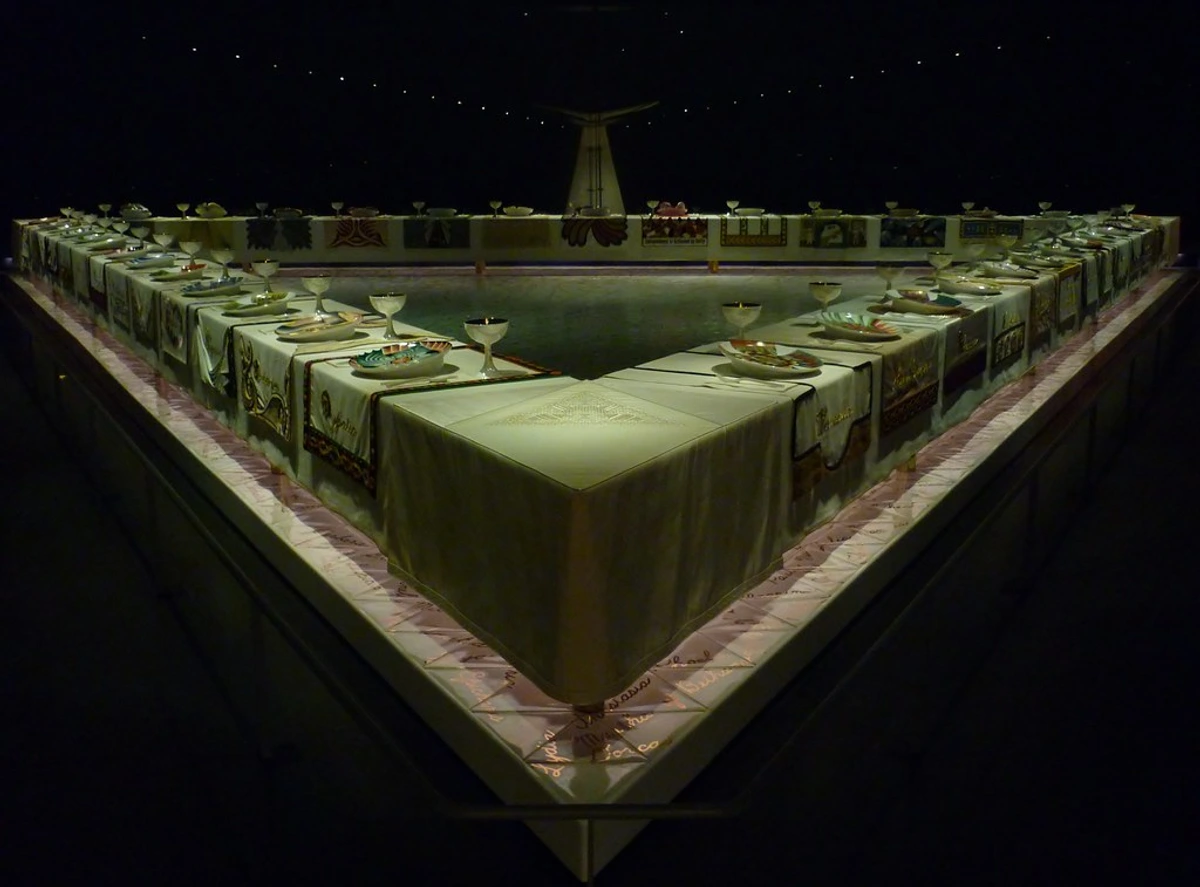
This is, for many, where the magic truly happens – where the abstract ideas take tangible form. A great exhibition isn't just a bunch of art on walls; it's a conversation, a journey, a carefully constructed narrative designed to evoke emotion and spark thought. A curator decides not only what art to show but how to show it, and the 'how' is everything. This involves everything from the precise placement of each piece, its relationship to neighboring works, the flow of visitors through the space, the lighting design, and even the subtle choice of wall color. The goal is to create an immersive environment that enhances the artwork's message and invites deeper contemplation. A good curator has already anticipated your gaze, your questions, creating a silent dialogue with the art itself, almost guiding your steps. It’s a profound act of design in art, shaping the entire aesthetic and emotional impact of the viewing experience. It changes how art is perceived, much like how the evolution of art in interior design has shaped our living spaces, making a statement in every curated space. This also extends to how new media art, from video installations to virtual reality experiences, are integrated into a physical space, or even exist purely as digital exhibitions.
Education & Public Engagement: Building Bridges
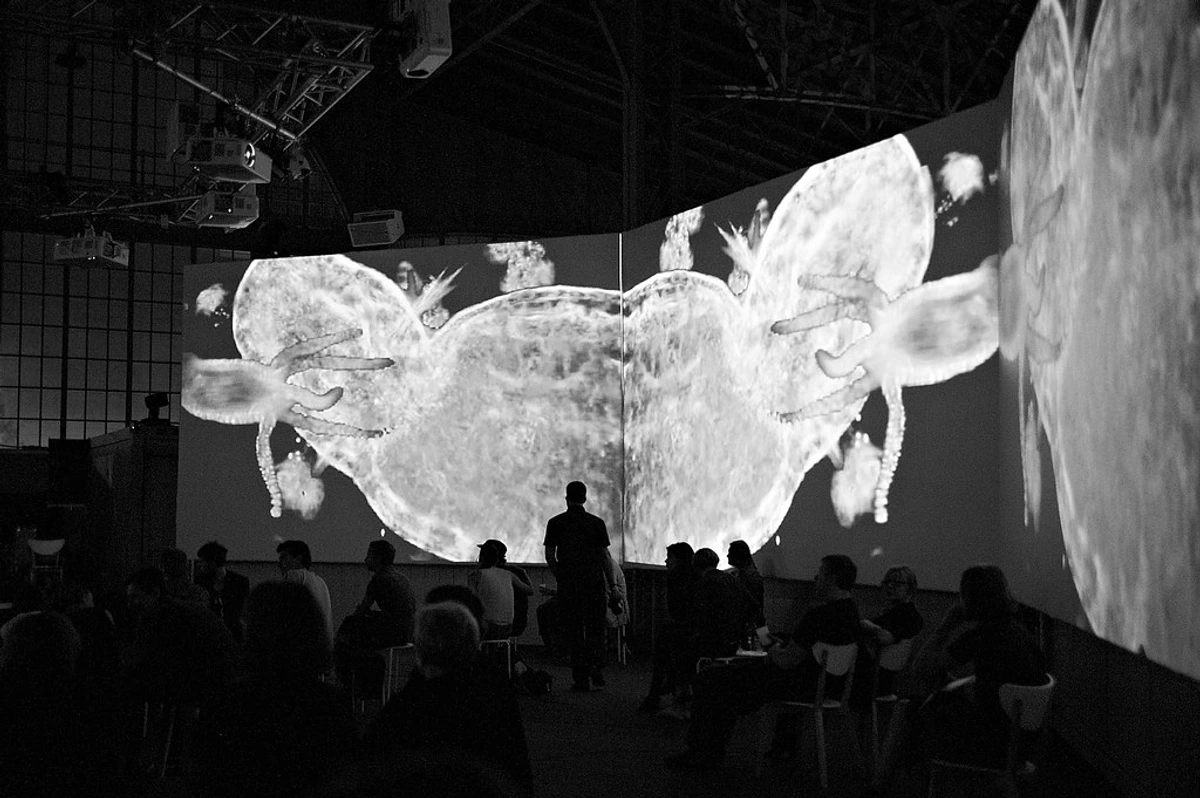
Making art accessible isn't about dumbing it down; it's about building bridges of understanding between complex ideas and diverse audiences. Curators translate intricate concepts into engaging labels, insightful catalogue essays, and dynamic public programs—from lectures to workshops and interactive digital content. This could involve everything from school outreach programs and family workshops to scholarly symposia and online courses. I love seeing a child's face light up with discovery, or an adult suddenly 'get' a complex piece because of a well-written interpretive text. This role is about fostering a deeper, more meaningful connection between the public and the art, ensuring that its stories resonate far beyond the gallery walls and become part of our collective cultural consciousness, sometimes even inspiring new generations of artists and thinkers. It's also increasingly about creating accessible content for online audiences, ensuring global reach.
This responsibility extends to crafting compelling narratives for diverse literacy levels and cultural backgrounds. Curators often work with educators to develop guided tours, interactive installations, and digital platforms that demystify complex artistic concepts. The goal is to empower visitors to form their own interpretations, fostering a sense of ownership and personal connection to the art. I think of it as giving someone the tools to unlock a secret garden – the garden was always there, but now they have the key. Examples of innovative educational programs include virtual reality tours for remote audiences, online courses exploring the history of encaustic painting, interactive digital exhibits that let users manipulate artworks, and even community workshops that allow participants to create art inspired by the collections, sometimes leveraging AI tools for personalized learning experiences.
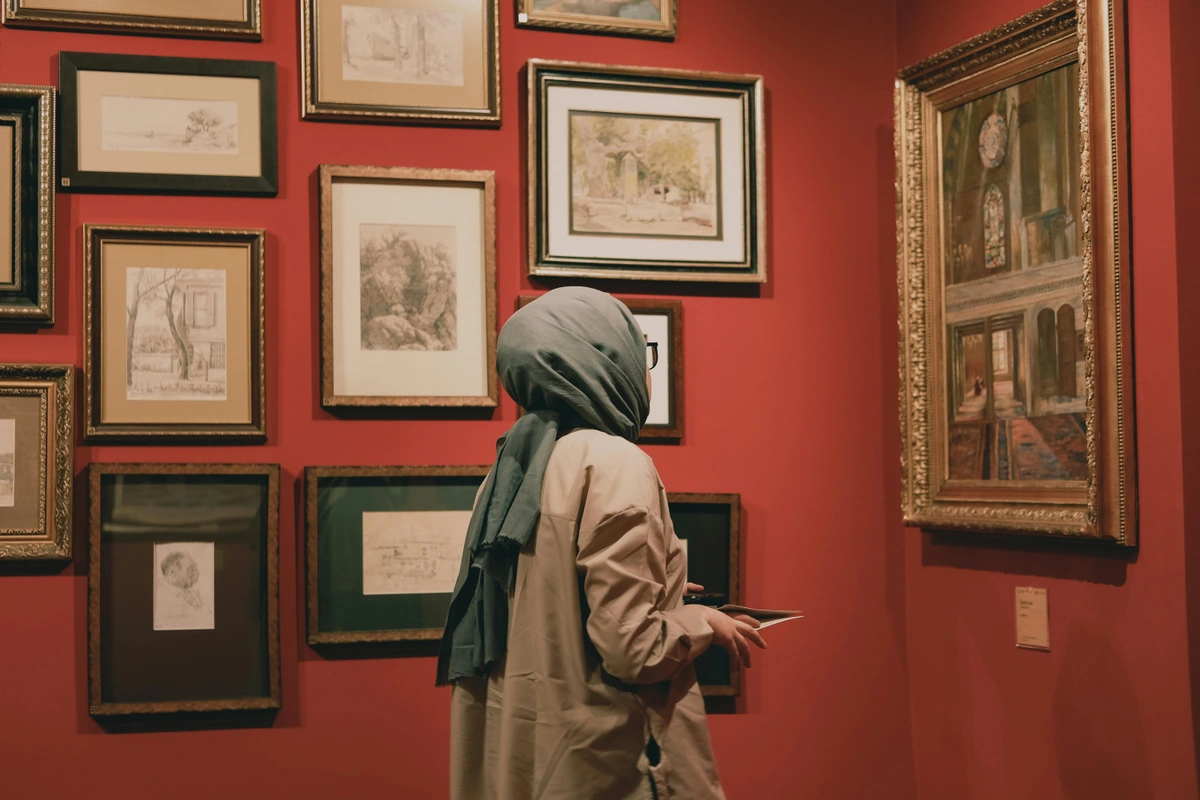
Acquisition & Deaccessioning: The Strategic Edge
This is often the most political, and frankly, riskiest part of the job. Curators play a vital, strategic role in shaping a collection's future and identity. When acquiring art, they're not just buying a painting; they're betting on its historical significance, its long-term value, and its ability to enrich the institution's narrative for decades to come. This involves extensive due diligence, meticulous provenance research, and often navigating complex legal and ethical landscapes, including adherence to international agreements and internal acquisition policies. It's a bit like playing chess, but with millions of dollars and cultural heritage at stake, requiring foresight, market knowledge, and an unwavering commitment to the collection's mission. Conversely, deaccessioning – the considered removal of works from a collection – is an even more sensitive and often controversial process, handled with extreme ethical and financial scrutiny. It typically involves extensive consultation with institutional boards, legal experts, specialized committees, and community stakeholders, ensuring transparency and accountability. For insights into value, understanding art appraisals is key for any art professional engaged in these high-stakes decisions, especially when considering the ethics of art collecting and its broader impact on cultural heritage and public trust.
Fundraising & Development: Fueling the Vision
Beyond the scholarly and aesthetic, a critical, often unseen, aspect of a curator's role involves securing the financial bedrock for their ambitious projects. Curators are increasingly involved in fundraising and development, writing compelling grant proposals, cultivating relationships with patrons and donors, and demonstrating the public value of art. This can include everything from major capital campaigns for new wings, to securing exhibition sponsorships, to annual appeals for operational support. It’s about translating their intellectual vision into a financially viable reality, and advocating for art's intrinsic value to diverse stakeholders. Without this consistent effort, many groundbreaking exhibitions and vital acquisitions would simply never come to fruition. It's a pragmatic necessity that underpins the entire ecosystem of art presentation.
This isn't just about asking for money; it's about building relationships and articulating a compelling vision. Curators must be adept storytellers, able to convey the cultural, educational, and social impact of their projects to potential funders, including private patrons, corporate sponsors, and government agencies. They might host private viewings, lead specialized tours, or create bespoke presentations to cultivate donor engagement, transforming abstract ideas into tangible opportunities for support. It’s a delicate dance between passion and practicality, ensuring the lights stay on and the art continues to flow. This includes writing various types of grants—from government funding for cultural initiatives to private foundation grants for specific research projects—each requiring a tailored approach and a compelling case for support.
A Journey Through Time: The Historical Evolution of the Curator's Role
The Curator as a Digital Innovator: Bridging Physical and Virtual Realms
While traditional roles remain vital, a significant evolution in the curator's responsibilities involves navigating the ever-expanding digital landscape. Modern curators are increasingly tasked with curating online exhibitions, managing digital archives, and developing virtual reality experiences. This role demands a unique blend of technological fluency, critical discernment, and an understanding of new media art forms. It's about leveraging digital tools to broaden access, foster online communities, and explore innovative storytelling, ensuring that art remains relevant and engaging in a hyper-connected world. This includes everything from preserving born-digital art to creating immersive digital tours and integrating AI for collection analysis, as explored in The Role of AI in Art Curation. The goal is to make art accessible to a global audience, blurring the lines between physical and virtual exhibition spaces.
The role of the art curator, as we understand it today, didn't simply materialize overnight. It's a fascinating story of evolution, mirroring shifts in societal values, artistic practices, and the very concept of public access to culture. From ancient collections to modern digital realms, the 'keeper' of art has continuously adapted. I find it endlessly fascinating how a profession can morph and grow while retaining its core essence – a dedication to art and its stories. It’s a testament to human ingenuity and the enduring power of art itself.
From Cabinets of Curiosities to Public Museums
In the earliest forms, the 'curator' was often a private collector or a royal 'keeper' of a vast personal collection – a cabinet of curiosities (or Wunderkammer). These collections were eclectic, encompassing natural history, scientific instruments, and art, all displayed for personal enjoyment and scholarly pursuit among a select few. The shift towards public museums in the 18th and 19th centuries, following events like the French Revolution, dramatically redefined this role. Suddenly, art was for the masses, and a new kind of professional was needed to organize, interpret, and preserve these burgeoning national treasures. They became scholars, tasked with creating coherent narratives for newly accessible collections.
This transition was monumental. No longer solely for the elite, art became a tool for national identity, public education, and moral upliftment. The early museum curators, often scholars themselves, laid the groundwork for modern art historical research and the systematic classification of artworks. They were the pioneers who transformed private hoards into public institutions, making art accessible to a much broader audience, even as debates around nationalism and universal museums began to emerge. Iconic institutions like the British Museum, founded in 1753, or the Louvre, established after the French Revolution, are prime examples of this shift, necessitating a new kind of cultural steward to manage and interpret these burgeoning national treasures. This era also saw the nascent development of exhibition catalogues and interpretive texts, setting the stage for modern educational programming.
The Rise of the Modern Curator
The 20th century saw the professionalization of the curatorial field, with specialized academic training becoming essential. Curators transitioned from mere custodians to active shapers of art historical discourse. They became proponents of new artistic movements, collaborating directly with living artists and challenging traditional canons. The post-war era, in particular, brought about a greater emphasis on visitor engagement, education, and the museum's civic responsibility, broadening the curator's mandate beyond just acquisition and display. This continuous adaptation is what makes the role so rich and impactful today. I think about how figures like Alfred Barr Jr. at MoMA revolutionized exhibition-making, focusing on a chronological, didactic approach that fundamentally shaped how we view modern art and the history of abstract art. This era also saw the rise of the curator as an advocate, someone actively involved in defining and promoting contemporary art, bridging the gap between artists and the public. The later 20th century and early 21st century have seen a further evolution with the rise of post-modern theory, decolonial studies, and increased focus on social justice, pushing curators to critically examine power structures within institutions and the narratives they present, actively seeking to broaden representation and challenge established canons and contribute to a more inclusive art world.
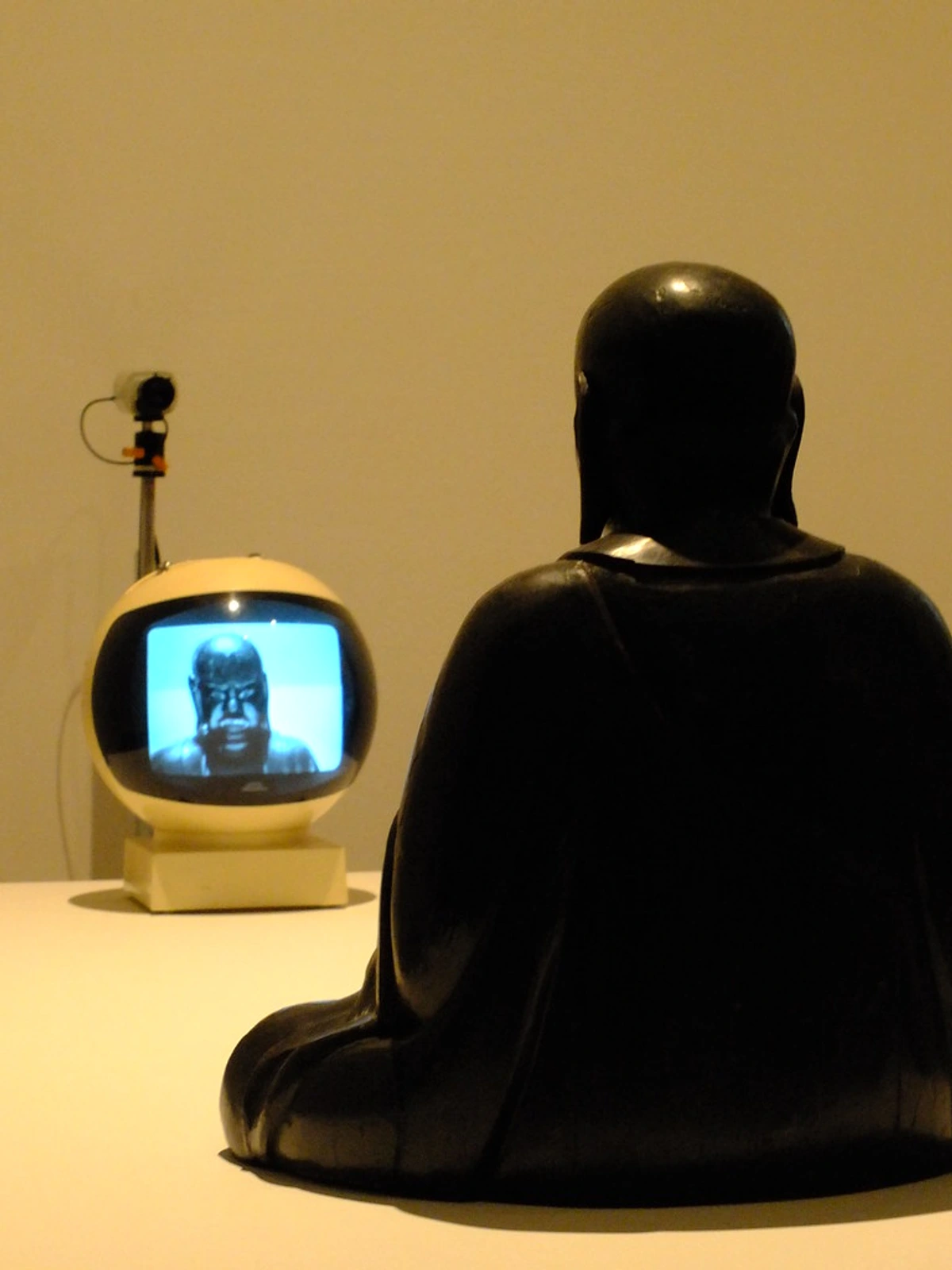
The Many Faces of Curation: Different Types of Curators
Type | Focus | Key Environment |
|---|---|---|
| Museum Curators | Academic research, collection building, conservation, large-scale public exhibitions, historical narratives, and long-term institutional vision. | Public museums like the Uffizi Gallery or The Metropolitan Museum of Art. |
| Gallery Curators | Artist representation, sales, smaller, often rotating exhibitions, market analysis, talent discovery, and commercial viability. | Commercial art galleries, often working directly with artists and collectors. |
| Independent & Freelance Curators | Project-based, working with various institutions, artists, or private collections, often bringing fresh perspectives and experimental approaches. | Flexible, self-employed, collaborating across diverse venues – from pop-up shows to international biennials. |
| Corporate & Private Collection Curators | Managing and developing art collections for companies or individuals, often focused on investment, brand identity, or personal taste. | Corporate offices, private residences, investment firms, luxury brands. |
| Digital Curators | Online exhibitions, digital archives, virtual reality experiences, managing digital art assets, fostering online communities, and new media art. | Online platforms, virtual galleries, museums' digital departments, tech art festivals. |
| Academic Curators | Scholarly research, teaching, specialized exhibitions tied to university studies, and the development of future curatorial professionals. | University art galleries, teaching hospitals with art collections, research institutions. |
| Collections Specialist Curators | Deep expertise in specific materials or historical periods, focusing on the technical care, cataloging, and scholarly interpretation of permanent collections. | Large museums, archives, specialized research institutions, often working in storage facilities or conservation labs. |
Museum Curators: Custodians of History
These are often the titans of the field, the custodians of history and academic rigor. Their decisions can shape our understanding of entire movements, like the history of abstract art, for centuries. They delve deep into specific periods or mediums, building comprehensive collections and orchestrating landmark exhibitions that draw millions. The pace might be slower than a commercial gallery, but the depth and scholarly impact are immense, contributing to the very canon of art history and influencing how we perceive everything from ancient Egyptian artifacts to the enduring legacy of Ukiyo-e: Japanese Woodblock Prints. I always find a profound sense of continuity in their work. Often, they work within complex institutional structures, balancing scholarly pursuits with public expectations and funding realities.
Their work is less about rapid sales and more about long-term cultural impact. This means navigating complex institutional politics, balancing diverse stakeholder interests, collaborating with numerous departments—from conservation to marketing—and often leading large teams. A museum curator's vision can define a generation's understanding of a specific artist or an entire cultural period, making their role one of immense responsibility and influence. Think of the monumental efforts involved in curating a major retrospective at an institution like The Metropolitan Museum of Art or the British Museum, where years of planning, research, and negotiation are standard. They also play a crucial role in shaping museum policy, influencing how collections grow and how public funds are allocated, often working directly with boards of trustees and community advisory groups.
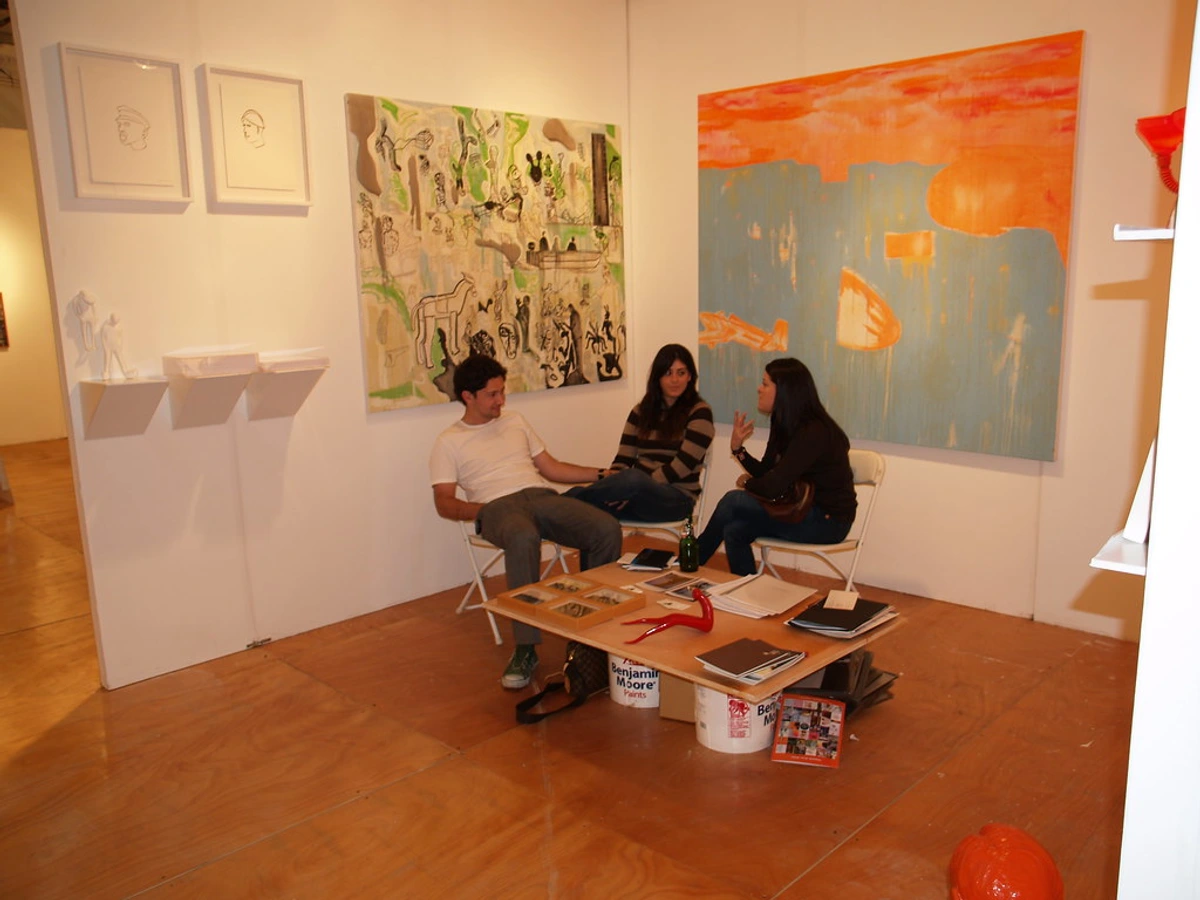
Gallery Curators: The Market Edge
A different beast entirely. Here, there's a much more direct relationship with the artist and the market. Gallery curators are often tasked with discovering new talent (as discussed in a Q&A with a gallerist), developing artists' careers, and facilitating sales. Their exhibitions are typically shorter, more dynamic, and directly influenced by market trends, requiring a keen business sense alongside an artistic eye. It’s a fast-paced environment where aesthetic vision meets commercial reality.
These curators are often on the front lines of the contemporary art scene, identifying promising artists and helping them establish their careers (sometimes even through a Q&A with a gallerist). They need to understand not only art historical context but also the nuances of the art market, including pricing, collector relationships, and art fair strategies. It’s a high-pressure role that blends curatorial passion with entrepreneurial drive, constantly seeking to find the next big thing while nurturing established talent. Their success is often tied directly to the commercial success of the artists they represent, making market analysis and networking vital parts of their job. They're like cultural venture capitalists, investing their expertise and connections into artistic potential.
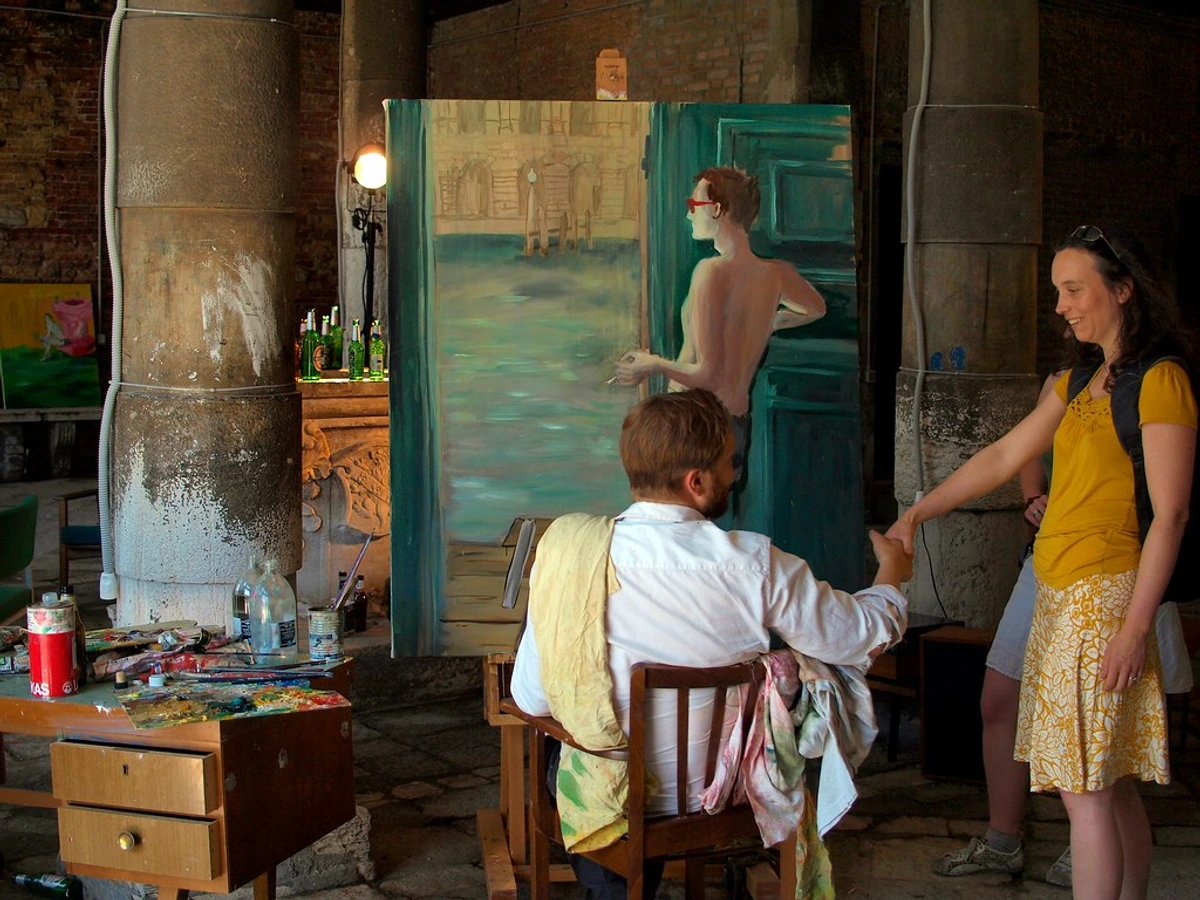
Academic Curators: Research & Education
Working primarily within university settings, academic curators often bridge the gap between scholarly research and public presentation. They are deeply involved in teaching, training the next generation of art historians and curators, and organizing exhibitions that often stem from in-depth academic inquiry. Their shows might explore niche topics or experimental themes, serving as both educational tools and platforms for scholarly debate, delving into everything from ancient art to the latest abstract art movements. This role emphasizes the intellectual mission of art, often making vital contributions to specific fields of study, and fostering critical thinking about art's role in society.
Academic curators are often at the forefront of theoretical developments in art history and curatorial practice. They have the unique opportunity to integrate their research directly into exhibitions, creating shows that are both intellectually rigorous and pedagogically valuable. This might involve re-examining historical periods through new lenses or exploring interdisciplinary connections between art and other fields like science, philosophy, or even urban studies. Their impact often lies in shaping future generations of art professionals and thinkers through hands-on learning experiences, dedicated mentorship, and fostering critical engagement with art's role in society. They are crucial in advancing the academic discourse surrounding art and its role in society.
Independent & Freelance Curators: Agility and Innovation
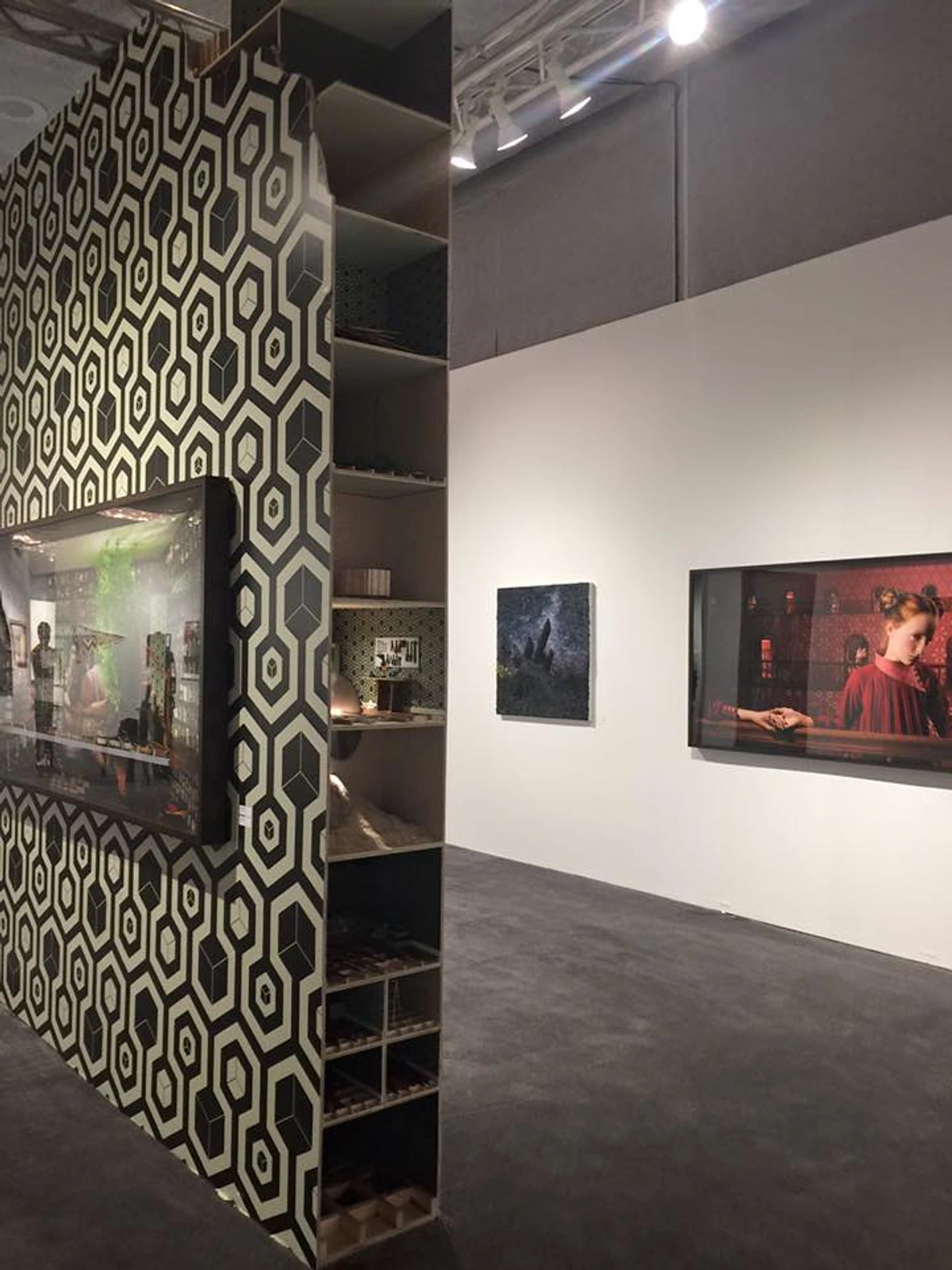
These are the free spirits, working on a project-by-project basis for various institutions, artists, or private clients. They bring an incredible agility and often an experimental edge, free from the institutional constraints that sometimes limit creativity. Their strength lies in their ability to forge unique partnerships and realize visionary projects across different venues – from pop-up exhibitions in unexpected spaces, to site-specific installations, to large-scale international collaborations. They are the creative entrepreneurs of the curatorial world, constantly pushing boundaries and redefining exhibition formats, often acting as cultural consultants or art advisors. I've often seen them take risks that larger institutions simply can't, leading to some of the most exciting and innovative shows you'll encounter.
The Path to Curation: Education and Experience
Before we dive into the nitty-gritty skills, it's worth taking a moment to consider the typical journey aspiring curators undertake. It’s not always a straight line, but there are common threads of academic rigor and practical experience that weave through most successful curatorial careers. I often tell younger artists and enthusiasts that passion is crucial, but it needs to be underpinned by serious dedication to learning and doing.
Formal Education: The Academic Foundation
Stage | Description |
|---|---|
| Undergraduate Studies | A Bachelor's degree in Art History, Fine Arts, or a related humanities field (e.g., Anthropology, Archaeology, Critical Theory), providing foundational knowledge in art historical periods, movements, and methodologies. This is where you build your intellectual toolkit. |
| Graduate Studies (MA/Ph.D.) | A Master's or Doctoral degree in Art History, Museum Studies, Curatorial Studies, or a specialized field (e.g., Conservation Science, Digital Humanities), offering deep theoretical and practical training. These programs delve into critical theory, exhibition practices, and the ethical dimensions of collection stewardship, teaching you how to think about art in sophisticated, nuanced ways. |
| Internships & Fellowships | Hands-on, structured experience within museums, galleries, archives, or other art institutions, essential for practical skills, networking, and career exposure. These are invaluable apprenticeships, translating academic knowledge into real-world application, often focusing on specific departmental tasks. |
| Entry-Level Positions | Initial professional roles such as Assistant Curator, Collections Manager, Curatorial Assistant, or Research Associate, providing further practical experience, mentorship from senior staff, and opportunities to manage smaller projects. This is where you learn the ropes and start building your own curatorial voice. |
| Mid-Career & Senior Roles | Progression to Associate Curator, Curator, or Chief Curator, with increasing responsibility for exhibition development, collection building, team leadership, strategic planning, and often significant public speaking and fundraising duties. These roles demand proven expertise and a strong track record of impactful projects. |
Most art curators hold advanced degrees, often a Master's or Ph.D., in fields such as Art History, Museum Studies, Curatorial Studies, or specific disciplinary areas like Anthropology or Archaeology if their focus is broader. These programs provide a deep theoretical understanding of art, its historical contexts, critical methodologies, and the ethics of collection management. They teach you how to think about art, how to research, and how to articulate complex ideas, acting as the bedrock for all future work.
Internships & Entry-Level Roles: Learning by Doing
Academic knowledge, while essential, is only one piece of the puzzle. Practical, hands-on experience through internships and entry-level assistant curatorial positions is absolutely vital. These roles provide invaluable exposure to the day-to-day realities of museum and gallery work, from research and exhibition planning to collection care and educational programming. This is where you learn the logistical wizardry I mentioned earlier – how to coordinate loans, manage budgets, and troubleshoot unexpected challenges. It’s where theory meets practice, where invaluable professional networks are built, and where you start to understand the delicate balance between intellectual vision and practical execution. It's often through these apprenticeships that future curatorial leaders are identified and mentored.
Essential Skills and Qualifications: What It Takes
So, you want to be a curator? It's not just about a fancy degree (though that helps!). It's a demanding role that calls for a unique blend of academic rigor, interpersonal finesse, and sheer passion. I often think of it as requiring the brain of a historian, the eye of an artist, and the diplomatic skills of an ambassador. It's a continuous learning curve, always adapting to new art, new technologies, and new ways of thinking about culture. Here's a deeper dive into what it truly takes to thrive in this multifaceted profession. It's about being perpetually curious, a lifelong student of both art and humanity, always asking 'what if?'
Skill | Importance |
|---|---|
| Diplomacy & Negotiation | Essential for securing loans from private collectors and institutions, collaborating with artists, and managing diverse stakeholder relationships within and outside the institution. |
| Adaptability | The art world is constantly changing, from new media to shifting ethical considerations. Curators must be agile, open to new ideas, and able to navigate evolving challenges. |
| Empathy | Understanding diverse audiences, artists' intentions, and the cultural contexts of artworks allows for more meaningful and inclusive curatorial practices. |
| Resilience | Long project timelines, funding pressures, and complex interpersonal dynamics mean curators need significant emotional fortitude and the ability to bounce back from setbacks. |
| Networking | Building a robust professional network is vital for identifying new artists, securing loans, collaborating on projects, and staying informed about art world trends. |
A Keen Eye & Critical Thinking: Seeing Beyond the Surface
I often tell people it's like learning to see the world in high-definition. You're not just looking at a painting; you're dissecting it, understanding its intent, its place in the grand narrative of art. This involves deep critical analysis, discerning quality, and understanding stylistic nuances. It's about being able to articulate why a piece matters, not just what it is.
This is where connoisseurship, that almost intuitive understanding of artistic quality and authenticity, truly comes into play. A keen eye allows a curator to spot overlooked masterpieces, identify forgeries, and appreciate the subtle innovations that define an artist's signature style. But it's more than just aesthetics; it's about asking critical questions: Who made this? When and why? For whom? And what does it mean to us today? It’s a constant intellectual exercise, a thrilling chase for deeper understanding. This also extends to developing a nuanced critical perspective, similar to that of an art critic, but applied to the selection and presentation of artworks, constantly evaluating not just what is presented, but how and why. It's about seeing beyond the surface to the hidden narratives and dialogues embedded within each piece, sometimes even identifying art forgeries with an almost supernatural precision.
Key Curatorial Tools & Resources
Tool/Resource | Purpose |
|---|---|
| Collection Databases | Digital systems (e.g., TMS, Embark) for managing artwork inventory, provenance, condition reports, and exhibition history. |
| Academic Journals | Essential for staying current with scholarly research, critical theory, and new art historical discoveries. |
| Exhibition Design Software | Programs like AutoCAD, SketchUp, or specialized museum design tools for spatial planning, visualizing layouts, and creating detailed installation plans. |
| Networking Platforms | Art world events, conferences (e.g., ICOM, AAMC), and professional associations for connecting with colleagues, artists, and gallerists. |
| Conservation Labs | Collaboration with conservators and access to scientific analysis tools for understanding artwork materials, condition, and treatment options. |
| Digital Archiving Systems | Platforms for preserving born-digital artworks, managing digital assets, and creating accessible online collections. |
Communication & Collaboration: The Art of Connection
Curators are constantly communicating – whether writing a compelling catalogue essay, delivering a public lecture, or negotiating with lenders and artists. More importantly, they're masters of collaboration, working with exhibition designers, educators, conservators, and marketing teams to bring their vision to life. It's a team sport, requiring immense diplomacy and interpersonal skills.
From negotiating complex loan agreements with international institutions to engaging with diverse community groups, effective communication is paramount. They must be persuasive advocates for art, capable of inspiring trust and building consensus among various stakeholders. This often means being an excellent public speaker, able to captivate an audience with stories about art, and a skilled writer, capable of crafting texts that are both scholarly and engaging. It’s about being a translator of complex ideas, making them resonate with everyone from seasoned collectors to first-time museum visitors. This also extends to adept media relations, effectively communicating the exhibition's message to journalists and the wider public through press releases, interviews, and social media engagement. I think of it as building a narrative bridge, allowing everyone to cross into the world of the artwork, regardless of their starting point.
The Curatorial Process: From Concept to Opening
So, how does an exhibition actually come to life? It's a journey, a meticulous orchestration that begins long before the first artwork is hung. For me, as an artist, understanding this process deepened my appreciation for the curatorial eye. It's an iterative dance of vision, negotiation, and sheer organizational willpower, transforming an initial spark into a fully realized public experience, often spanning years from conception to completion.
1. Conceptualization & Research
It all starts with an idea. A curator might be inspired by a particular artist, a historical period, a societal issue, or a new theoretical framework. This initial spark then leads to intensive research, poring over texts, archives, and existing collections, looking for connections and narrative threads. It's about building a robust intellectual foundation for the exhibition's core message.
This initial phase is a delicate balance of boundless curiosity and rigorous feasibility assessment. The curator will brainstorm potential themes, test hypotheses, and consider the availability of artworks. They might consult with fellow scholars, visit artists' studios, or explore archival materials to solidify their concept, constantly asking: Is this idea compelling enough? Is there enough material to tell this story comprehensively? What new insights can this exhibition offer? This phase also involves considering the target audience and the potential formats for the exhibition – from a small, focused display to a large-scale, international presentation, often incorporating early audience journey mapping to envision the visitor experience. It's like being a detective and a visionary simultaneously, searching for clues and imagining the grand reveal.
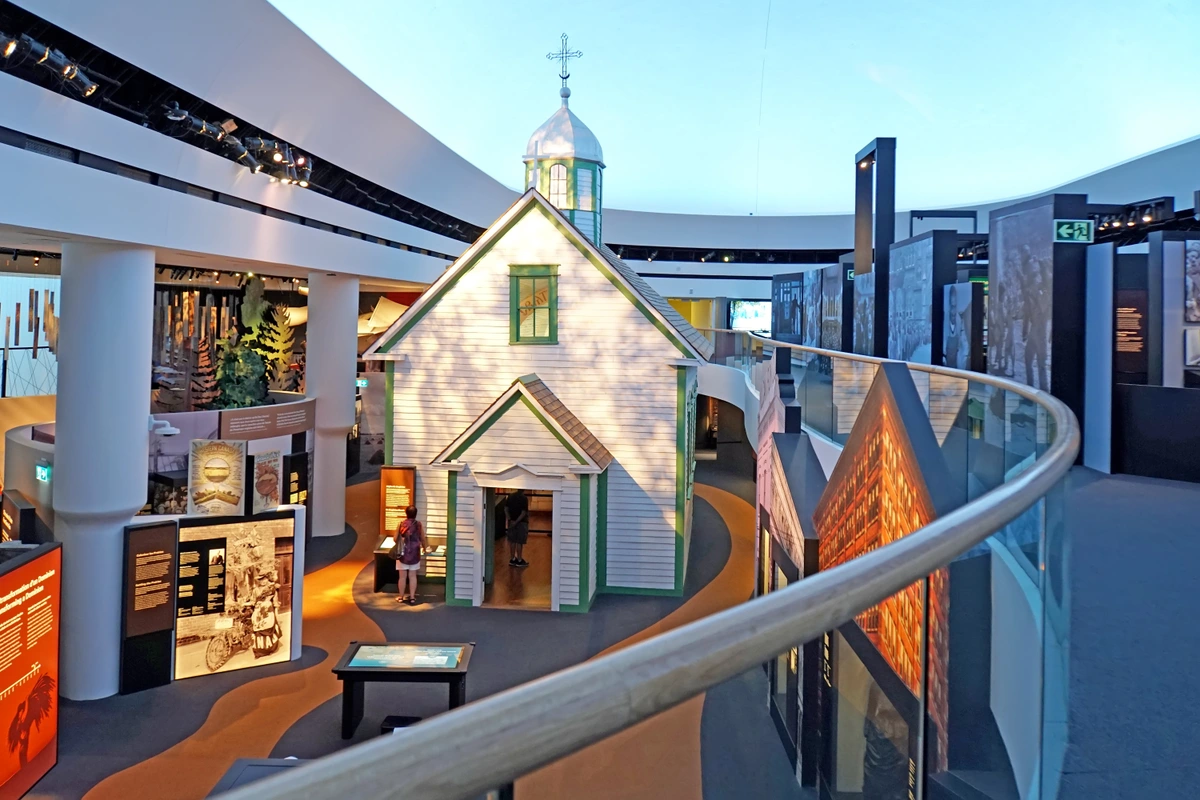
2. Selection & Interpretation
Once the concept is solid, the curator begins the painstaking process of selecting artworks. This isn't just picking favorites; it's about finding pieces that collectively tell the story, that resonate with each other, and that will create a compelling experience for the viewer. This often involves extensive communication with artists, collectors, and other institutions to secure loans, navigating complex logistics and insurance requirements. Each selection is a deliberate interpretative act, shaping the ultimate meaning and impact of the exhibition.
This stage requires a curator's sharpest eye and most nuanced judgment. They must not only assess the aesthetic quality and historical significance of each piece but also how it contributes to the overarching narrative. Ethical considerations, such as provenance and cultural sensitivity, are paramount. And then comes the intricate dance of negotiating loans, securing permissions, and ensuring artworks can be safely transported and displayed – a logistical challenge that can be as complex as any intellectual one. This also includes careful consideration of the ethical sourcing of objects, particularly for archaeological or ethnographic materials, ensuring compliance with international cultural heritage laws and engaging with source communities. I've heard stories of curators spending years negotiating a single loan, a testament to the dedication required.
3. Logistics & Design
This is where the rubber meets the road. Budgets are finalized, lenders are secured (often involving complex negotiations and insurance), and the physical layout of the exhibition space is meticulously planned with designers. This stage involves everything from wall colors and lighting schemes to the precise placement of each label and the flow of visitor traffic. It's a massive project management undertaking.
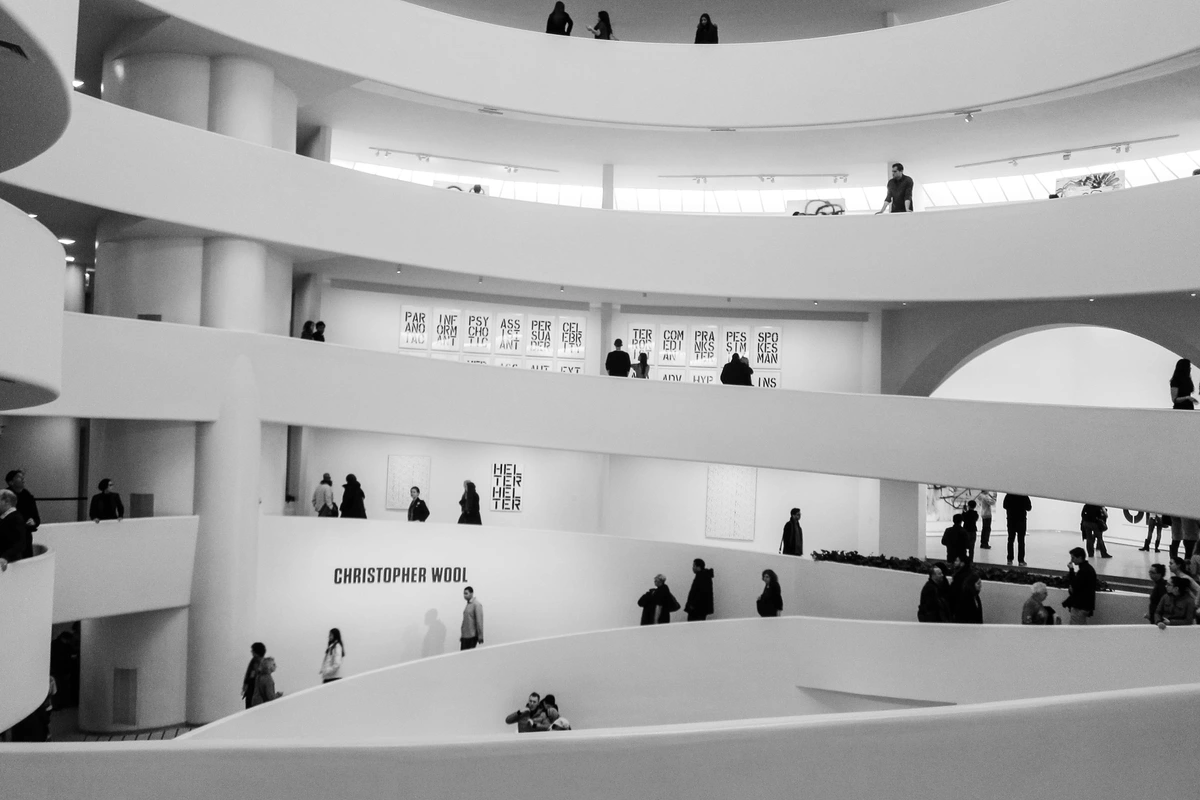
Working closely with exhibition designers and architects, the curator translates their intellectual vision into a tangible environment. This involves detailed floor plans, elevation drawings, and even virtual walkthroughs to anticipate how visitors will experience the space. Accessibility considerations for all audiences, such as proper ramp access, clear signage, and tactile elements, are integrated from the outset. Every decision, from the font on the wall labels to the height of a pedestal, is carefully considered to enhance the artwork's impact and guide the visitor's journey. This phase also includes rigorous risk assessment for artworks, designing custom display cases, and coordinating with registrars for shipping and customs documentation. It's an intricate puzzle, where every piece, no matter how small, contributes to the overall visitor experience.
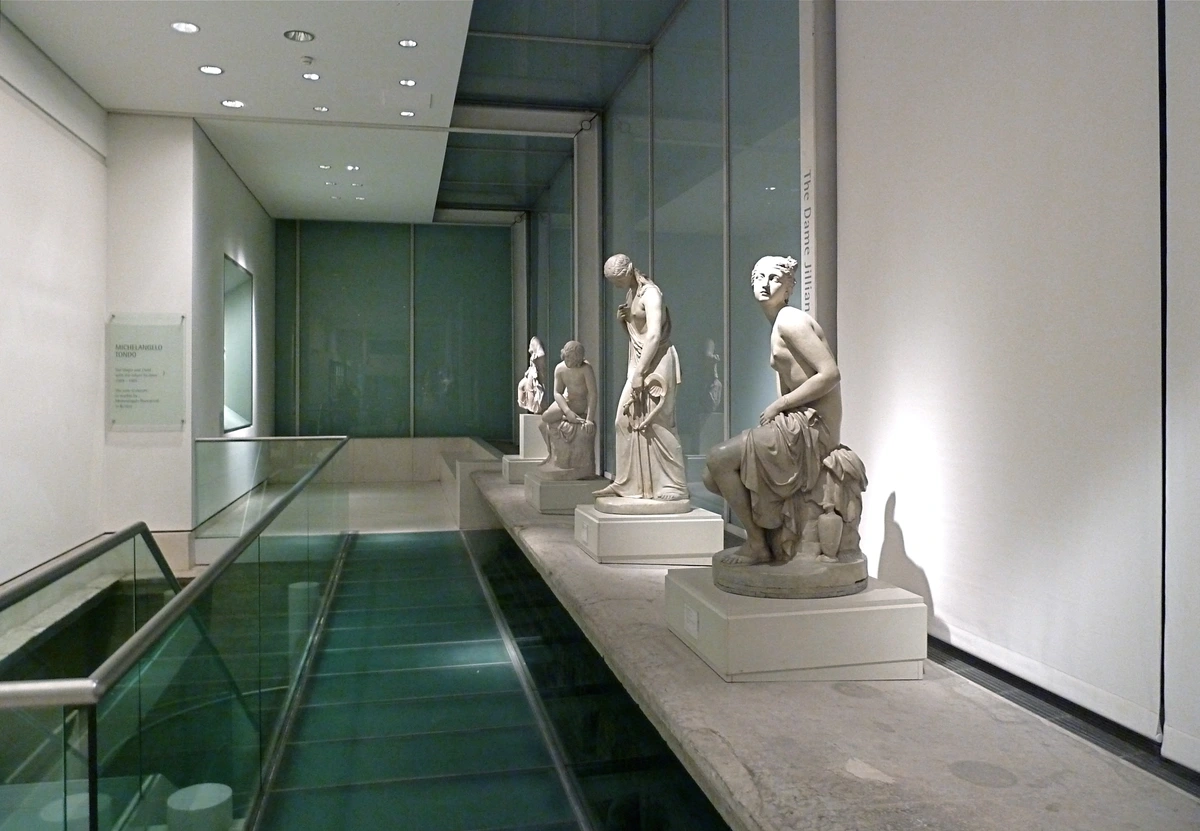
Exhibition Planning Checklist (Simplified)
Stage | Key Actions |
|---|---|
| Concept Development | Ideation, preliminary research, theme definition, initial budget estimates, team assembly. |
| Artwork Selection | Extensive research, artist liaison, loan requests, preliminary conservation assessments, narrative mapping, interpretative strategy. |
| Design & Logistics | Space planning, architectural drawings, lighting design, graphic design for labels and catalogues, insurance negotiation, shipping arrangements, security planning, accessibility review. |
| Installation | Art handling, mounting, lighting adjustments, final label placement, interactive element testing, last-minute problem-solving, conservation checks. |
| Opening & Engagement | Press previews, public opening, curatorial talks, educational programs, visitor feedback collection, post-exhibition evaluation. |
4. Installation & Final Touches
The artworks arrive, often crated and carefully handled by specialized art handlers and conservators. The installation process is a high-stakes dance, with each piece being positioned, lit, and secured according to the curator's vision and conservation standards. Labels are proofread multiple times (and then again, just to be safe!), interactive elements are rigorously tested, and every detail, down to the angle of a spotlight or the height of a pedestal, is finessed to ensure the visitor experience is seamless and impactful. This stage often involves troubleshooting unexpected challenges, a testament to the curator's problem-solving skills. I imagine it's a bit like directing an orchestra where every instrument is a priceless, fragile artifact.
This is where the curator’s detailed planning meets the physical reality of the art. Working alongside conservators, registrars, and installation teams, they oversee the delicate process of unpacking, condition checking, and mounting each artwork. Adherence to strict safety protocols for art handling and environmental monitoring for sensitive materials is paramount. Lighting is adjusted meticulously to highlight details and protect sensitive materials, and last-minute tweaks are made to ensure optimal viewing. It’s a period of intense focus, where months of planning culminate in the precise arrangement of objects that will tell the exhibition’s story. Ensuring accessibility for visitors with disabilities, such as proper ramp access or tactile elements, is also a crucial part of these final touches. It's a true test of attention to detail and grace under pressure.
5. The Opening & Public Engagement
Finally, the doors open! But the curator's work doesn't stop. They often lead tours, give talks, engage with the media, and observe visitor reactions. This continuous public engagement ensures the exhibition's ideas reach and resonate with the widest possible audience, sparking conversations and new understandings. It’s a rewarding moment, seeing the culmination of months, sometimes years, of work come to life.
Post-opening, the curator often engages in audience feedback analysis, evaluating the exhibition's impact and identifying areas for future improvement. They might participate in scholarly symposia, contribute to academic journals, or simply spend time in the galleries, observing how visitors interact with the art and absorbing their reactions. This ongoing dialogue ensures that the exhibition's legacy extends far beyond its closing date, continuing to inform and inspire. It’s a vital feedback loop, making sure the initial vision truly connects with its intended audience, gathering insights that inform future curatorial projects and institutional strategy, and potentially influencing future collection development. It's the ultimate litmus test, seeing how your carefully crafted story resonates with the world.
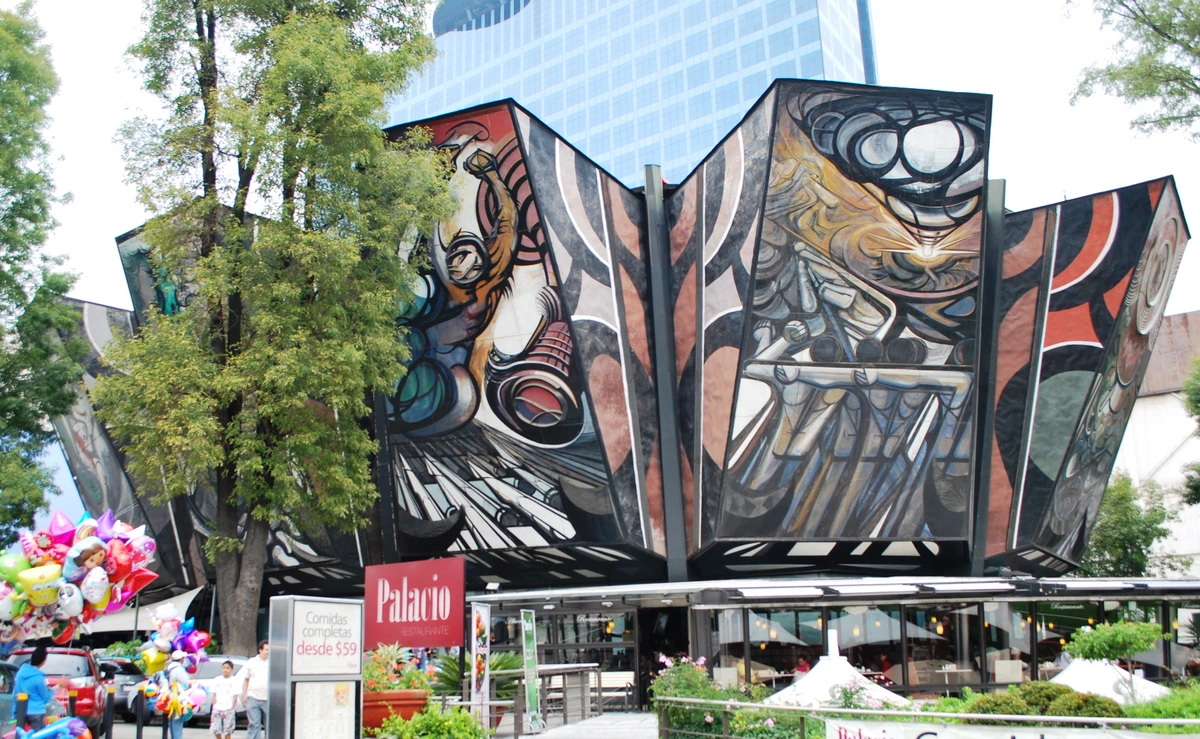
https://images.pexels.com/photos/20268598/pexels-photo-20268598.jpeg?cs=srgb&dl=pexels-imren-tutuncu-649064925-20268598.jpg&fm=jpg, https://creativecommons.org/public-domain/
The Impact of a Curator: Shaping Our Understanding of Art
The work of a curator, in its essence, is about making connections. Between art and audience, between past and present, between disparate ideas that suddenly, under their skilled hand, make perfect sense. They don't just display art; they frame its meaning, quite literally and figuratively. They have the power to reveal hidden histories, elevate overlooked artists, and challenge conventional narratives, thereby actively shaping cultural memory and future discourse. Think about it: how many times have you walked into a museum, felt a profound connection to a piece, and later realized it was the clever grouping, the insightful label, the perfect lighting that facilitated that moment? That's the curator at work, quietly guiding your eye and opening your mind, allowing you to engage with art on a deeper, more personal level. Their vision can transform a collection of objects into a powerful, coherent statement about humanity, history, and creativity. I believe their impact is one of the most underestimated forces in the art world, subtly but profoundly influencing our collective understanding and appreciation of culture. They are the intellectual architects of cultural memory, often acting as cultural translators, making complex narratives accessible to everyone.
Challenges and the Evolving Role
It's not all glamorous openings and intellectual debates, believe me. Curators face constant pressures, and the role itself is continually evolving in response to global changes, technological advancements, and shifting societal expectations. It's a field that demands constant adaptation and critical reflection. From dwindling budgets to the complex ethical questions posed by new technologies, the curatorial landscape is anything but static. This is where the true resilience and intellectual agility of a curator shine, as they navigate an increasingly complex and demanding global art world.
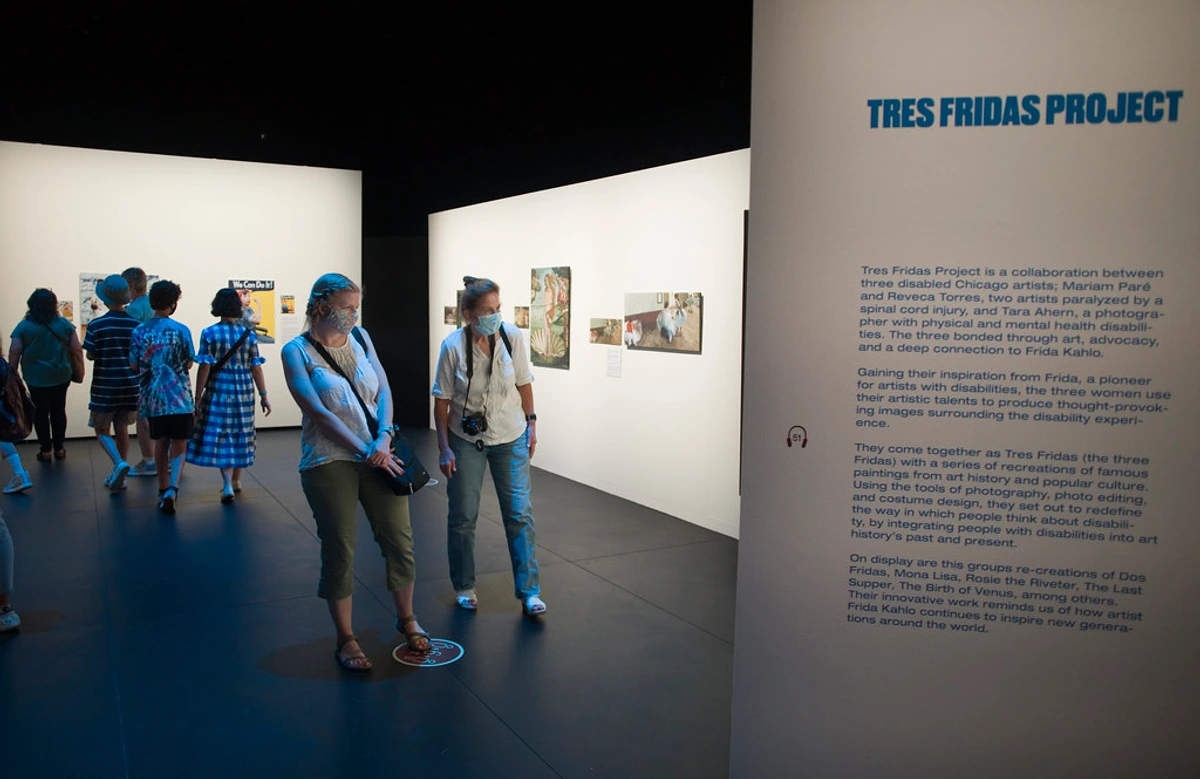
Funding & Resources: The Eternal Struggle
Balancing grand visions with often tight budgets is an art in itself. Curators spend a significant amount of time securing funding, writing grants, and managing resources – a practical reality that often surprises those outside the field. It's a constant negotiation between aspiration and financial feasibility, requiring innovative solutions to sustain ambitious projects and maintain collections. They often find themselves pitching not just art, but the value of art, to diverse stakeholders.
This challenge has only grown more acute in recent decades, with public funding decreasing and competition for private philanthropy intensifying. Curators must become adept at crafting compelling narratives that demonstrate the return on investment – not just financial, but cultural and social – of their projects. This might involve developing creative partnerships, exploring new revenue streams like merchandise sales or ticketed events, or even advocating for art's essential role in civic life. It's a relentless pursuit of resources to fuel their intellectual and artistic ambitions, often exploring diverse funding models from government grants to corporate sponsorships and individual patronage, always seeking to ensure the long-term viability of cultural institutions. I sometimes think of it as being a CEO of culture, constantly balancing the books with the grand artistic vision.
The Digital Frontier: Navigating New Realities
Ah, the digital realm. It's exciting, terrifying, and full of potential. While I'm generally skeptical of the hype around things like NFTs – because let's be honest, the digital world has its own unique set of ethical considerations and challenges, particularly regarding longevity, provenance, and environmental impact – digital curation is undeniably a growing field. Curators are now exploring virtual exhibitions, online archives, and how artificial intelligence might influence their work, as discussed in "The Role of AI in Art Curation". This includes leveraging AI for collection analysis, visitor analytics, and even generative art collaborations. It's a delicate balance of embracing innovation while maintaining critical discernment, understanding that the value of art often lies beyond its digital representation. The burgeoning understanding the AI art market is a complex new landscape they must navigate, often asking profound questions about authenticity and authorship.
Beyond the hype, the digital frontier offers immense opportunities for expanding access and engagement. Curators are experimenting with virtual reality (VR) and augmented reality (AR) to create immersive experiences that transport visitors to historical sites or allow for close examination of delicate artworks. Digital archives make collections accessible to global researchers, and online platforms foster new forms of community engagement. The challenge lies in ensuring these digital initiatives complement, rather than detract from, the profound experience of encountering physical art, and in addressing the long-term preservation of digital art itself. This requires developing new standards for digital conservation and grappling with the ephemeral nature of some new media art. They are also leveraging AI for collection analysis, visitor analytics, and even generative art collaborations, as discussed in The Role of AI in Art Curation and Understanding the AI Art Market. It's a dynamic interplay between old and new, ensuring the art continues to speak across time and space.
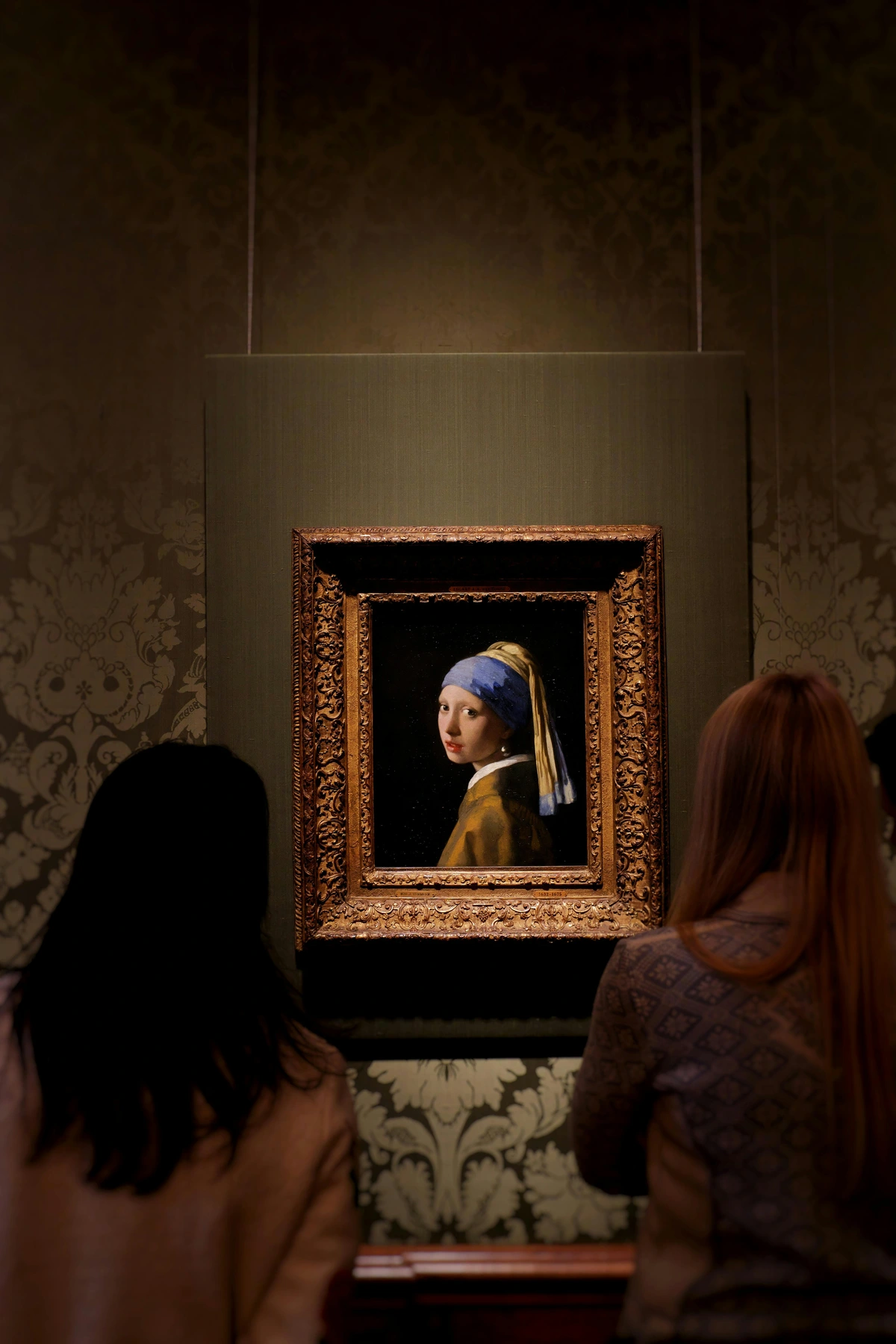
Sustainability in Curation: A Growing Imperative
In an era of increasing environmental awareness, sustainability in curation is becoming a critical challenge. Curators are tasked with considering the ecological footprint of exhibitions – from the materials used in installations and display cases (favoring recycled or rapidly renewable resources) to the energy consumption of climate-controlled galleries and the logistics of international art transport. This involves exploring eco-friendly practices, promoting local sourcing, reducing waste, and even rethinking the very permanence of exhibitions through modular designs or virtual alternatives. It’s a crucial evolution in their ethical responsibilities, ensuring that art stewardship extends to the planet itself.
This isn't just about 'going green'; it's about fundamentally rethinking curatorial practices. Curators are increasingly seeking ways to reduce carbon emissions from shipping artworks, opting for local loans, or developing digital alternatives to physical travel. They are exploring sustainable exhibition design, using repurposed and recycled materials, designing for modularity to minimize waste, and even integrating renewable energy sources. This shift represents a profound ethical reorientation, recognizing that the care of cultural heritage is inextricably linked to the health of the planet. It often requires innovative solutions, such as using recycled exhibition furniture, minimizing international freight, and prioritizing energy-efficient lighting and climate control systems. It's a silent revolution, where every exhibition can become a statement about our shared future.
Inclusivity & Representation: Redefining the Canon
This is a big one, and a crucial shift that continues to redefine the very core of curation. Curators today are increasingly tasked with ensuring diverse voices, perspectives, and histories are represented in collections and exhibitions. This means actively moving beyond traditionally Eurocentric or male-dominated canons to tell richer, more complex, and truly global stories, including those of indigenous artists, artists of color, and women artists. It's a vital, ongoing process of re-evaluation and expansion, often involving community engagement, collaborative projects, and a commitment to decolonizing museum practices. It’s about building a more equitable and representative art world for everyone, acknowledging that art can be a powerful catalyst for social change, as explored in the page Art as Catalyst for Social Change.
This also involves critically examining the historical biases embedded within institutional collections and challenging the very frameworks through which art has traditionally been valued and interpreted. Curators are actively engaging with source communities, commissioning new works from underrepresented artists, and fostering dialogues that dismantle exclusionary narratives. It's a dynamic and sometimes challenging process, but one that is essential for making art truly relevant and resonant in a diverse, globalized world. This includes re-evaluating historical display methods and collaboratively developing new interpretive strategies with cultural stakeholders, ensuring that art serves as a catalyst for social change. It's about ensuring that every voice, every story, finds its rightful place in the grand tapestry of art history.
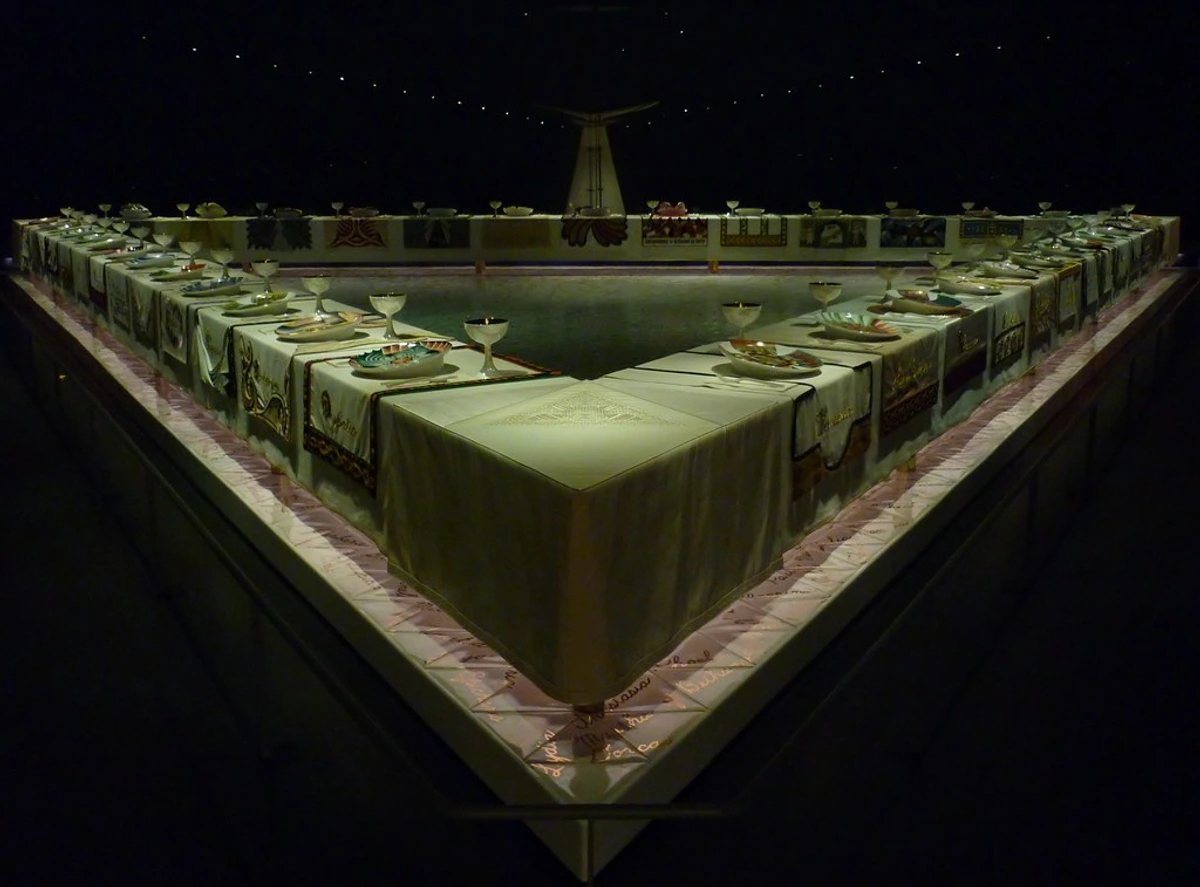
Global Geopolitics and Cultural Heritage: Navigating Complexities
Curators are increasingly operating within a globalized and politically charged landscape. This means grappling with the complexities of repatriation – the return of cultural objects to their countries of origin – and combating the illicit trade of antiquities. They are often at the forefront of cultural diplomacy, using exhibitions to foster dialogue and understanding between nations, while also advocating for the protection of cultural heritage in conflict zones. This role demands not only art historical expertise but also a profound understanding of international law, ethical frameworks, and geopolitical sensitivities. It’s a heavy responsibility, ensuring that cultural objects are stewarded with respect for their origins and histories and are not used for political exploitation. I've seen firsthand how an exhibition can open a powerful dialogue between cultures, far more effectively than political speeches.
Key Challenges in Modern Curation
Challenge | Description |
|---|---|
| Funding Instability | Decreasing public funding and increased reliance on private philanthropy create constant pressure to secure resources for exhibitions, acquisitions, and operations. |
| Digital Transformation | Rapid advancements in technology require curators to adapt to new forms of art (e.g., AI art, NFTs), digital preservation, and online engagement strategies, while also maintaining the value of physical art. |
| Ethical & Decolonial Practices | Demands for repatriation of cultural objects, combating illicit trade, and actively promoting diverse and inclusive narratives challenge traditional curatorial norms and require profound ethical reflection. |
| Sustainability | Addressing the environmental impact of exhibitions, from carbon footprints of transport and climate control to sustainable materials and waste reduction, becoming a core ethical responsibility. |
| Audience Engagement | The need to attract and retain diverse audiences in an increasingly distracted world, requiring innovative educational programming, accessible language, and relevant exhibition themes. |
The Future of Curation: Anticipating What's Next
Looking ahead, the role of the art curator promises to be even more dynamic and challenging. I envision a future where curators become even more agile, leveraging new technologies while fiercely advocating for the enduring power of physical, tangible art. The constant evolution means the job will never be boring, always pushing the boundaries of what's possible in the interpretation and presentation of art. It’s a journey into the unknown, guided by a deep respect for history and an open mind for innovation.
Hyper-Personalized Experiences
With data analytics and AI, we might see exhibitions tailored not just to broad demographics but to individual visitor preferences, offering bespoke pathways through a museum, or even suggesting related content based on their past engagement. The challenge will be to offer personalization without losing the serendipitous discovery that makes art so magical, finding that delicate balance between guided experience and independent exploration. Imagine stepping into a museum where interactive displays adapt to your interests, or a virtual guide offers insights specific to your learning style.
This future might involve AI-powered chatbots that answer visitor questions in real-time, or immersive digital overlays that provide deeper contextual information on specific artworks based on individual curiosities. However, the ethical implications of data collection and privacy will be paramount. Curators will need to ensure that personalization enhances, rather than dictates, the visitor's experience, preserving the opportunity for unexpected encounters and personal discovery that makes art so magical. The delicate balance will be in making art more accessible and relevant without creating echo chambers of existing preferences, always prioritizing visitor autonomy and data security. It's about using technology to enrich the human experience, not replace it.
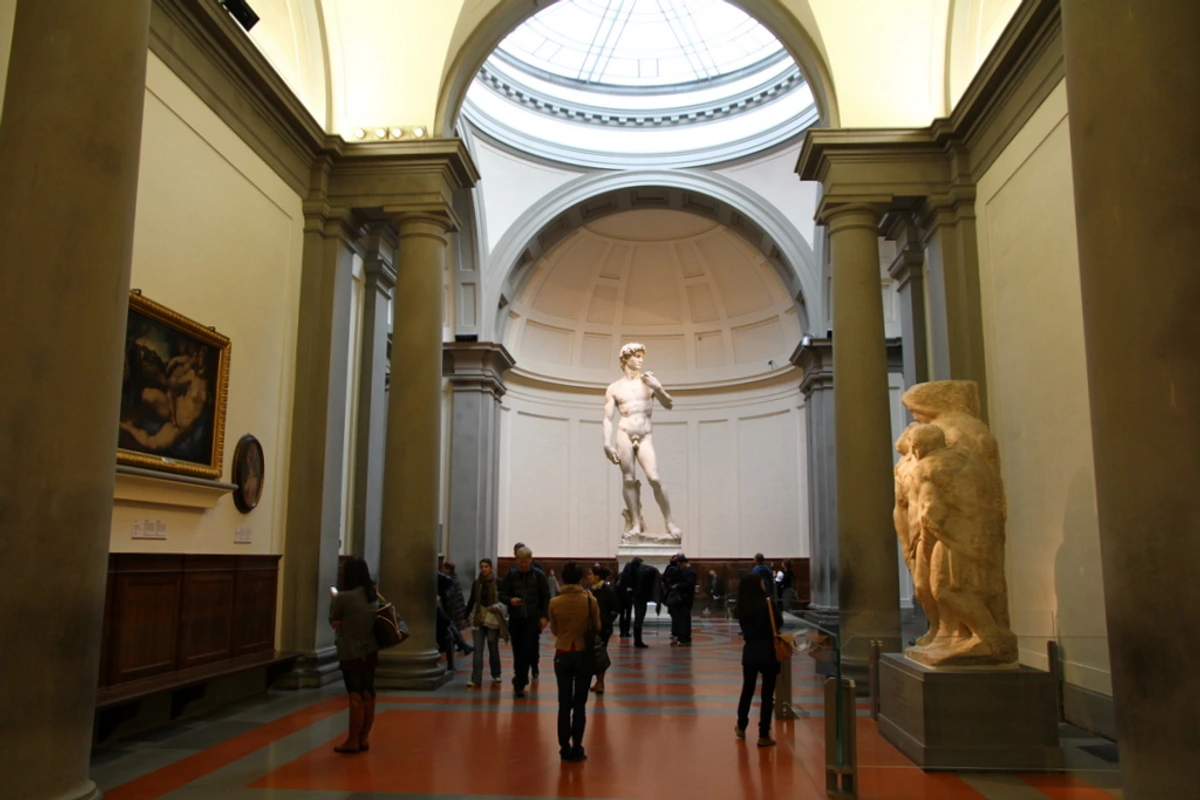
Cross-Disciplinary Collaborations
Curators will increasingly work across disciplines, collaborating with scientists (for bio-art and conservation), technologists (for VR/AR and interactive installations), architects (for exhibition design), and even urban planners (to integrate art into public spaces). This will lead to truly immersive experiences that transcend traditional gallery walls, with art responding to environmental data, or engaging with social issues in innovative ways. I foresee a future where the boundaries between art, science, and technology become increasingly blurred, creating new forms of artistic expression and public engagement.
Think of projects where neuroscientists study visitors' brain responses to art, informing future exhibition layouts, or collaborations with climate scientists to create works that raise awareness about environmental issues. These partnerships will not only enrich the artistic experience but also position art as a vital tool for interdisciplinary research and societal problem-solving. It's about breaking down silos and recognizing that art's power extends far beyond purely aesthetic concerns, leading to projects like art installations powered by renewable energy or exhibitions that explore the intersection of genetic engineering and artistic creation, even leveraging AI as Co-Creator in some instances. The future of curation is truly boundless when we open ourselves to these cross-pollinations of ideas and disciplines.
Community-Led Curation: Empowering Local Voices
A growing trend in the future of curation is the shift towards community-led curation. This involves empowering local communities to co-create exhibitions, define narratives, and even contribute directly to collection development. Rather than being solely top-down, this approach recognizes the invaluable knowledge and perspectives held within diverse communities, fostering a more inclusive and representative art world. Curators in this model act as facilitators and collaborators, building bridges between institutions and the public, ensuring that exhibitions are not just about communities, but actively by and for them. It’s about decentralizing authority and truly sharing the power of storytelling with those whose stories are being told, leading to more authentic and impactful cultural experiences. I believe this is where some of the most profound and resonant art experiences will emerge in the coming years, truly reflecting the diverse tapestry of humanity.
Global Dialogue & Digital Accessibility
The digital realm will continue to democratize access, allowing global audiences to engage with collections and exhibitions virtually. Curators will play a pivotal role in fostering international dialogue, ensuring diverse narratives are presented and understood across cultural boundaries, bridging geographical divides with digital innovation. This includes creating accessible online content, facilitating virtual exchanges, and leveraging digital tools to connect disparate cultural institutions and communities globally. It's about creating a truly global village of art, where geographical barriers no longer limit access or understanding.
My Personal Take on Curation
As an artist, putting my heart and soul onto a canvas is one thing; handing it over to someone else to interpret, to place within a narrative, is quite another. I appreciate the curatorial eye perhaps more than most, because I understand the vulnerability and the power of that hand-off. Sometimes, I think about how my abstract pieces are perceived, how different contexts could highlight different facets of my work – perhaps bringing out a sense of calm in one setting, or vibrant energy in another. It’s a fascinating dance between creation and interpretation.
For me, a great curator isn't just an organizer; they're a fellow storyteller, someone who can amplify the quiet whispers of an artwork into a resonating dialogue. I've often wondered how my own pieces, particularly those exploring themes of nature and emotion, would be interpreted through different curatorial lenses. Would they be presented alongside historical abstract expressionists, or perhaps as part of a contemporary dialogue on environmental art? The possibilities are as endless as the stories art can tell. It’s this creative tension, this collaborative effort between artist and curator, that truly brings art to life for the public, sometimes leading to exciting discoveries for collectors looking to buy new work, or finding a home in unique venues like the Den Bosch Museum. I imagine them considering the interplay of colors in my abstract art movements and placing them in a way that creates a new visual symphony for the viewer.
credit, licence
When someone sees one of my vibrant, energetic paintings and truly gets it – often because it's been placed in a context that illuminates its core, perhaps even a specific museum like the Den Bosch Museum someday – that's a testament to powerful curation. It makes me reflect on my own artistic timeline and how I envision my work being presented in the future, how collectors might discover and buy my pieces and integrate them into their own thoughtfully curated spaces, perhaps alongside pieces they found through collecting emerging abstract art. Ultimately, it's about finding that resonance, that perfect alignment between the artwork's intention and its reception, an alignment that a great curator can orchestrate with profound skill.
This personal reflection reinforces my deep respect for the curatorial profession. They are the guardians of meaning, the architects of connection, and the silent partners in an artist's journey. Their work ensures that the conversation between art and audience remains vibrant, ever-evolving, and profoundly impactful. It's a role that demands both intellectual rigor and emotional intelligence, and when done well, it elevates not just the art, but our shared human experience.
What is the typical salary for an art curator?
Salaries for art curators vary widely based on factors such as institution type, location, experience, and level of responsibility. Entry-level assistant curators in smaller regional museums might earn around $40,000-$50,000 annually, while experienced head curators or chief curators at major international institutions can command salaries well into six figures, often exceeding $100,000-$150,000+. Freelance curators' incomes are project-based and can fluctuate significantly. It's a field where passion often outweighs immediate financial reward, especially early in one's career, but the intellectual and cultural rewards are immense.
How do curators stay current with art trends?
Curators stay current with art trends through a multifaceted approach. This includes rigorously reading academic journals and art publications, attending international art fairs (like TEFAF Maastricht) and biennials, visiting artists' studios, networking with gallerists and fellow curators, and actively engaging with new media and digital platforms. They also conduct ongoing research into emerging artists and critical theories, often traveling extensively to experience new art firsthand. It's a continuous process of intellectual curiosity and active engagement with the global art ecosystem, ensuring their knowledge remains fresh and relevant. Many consider it a lifelong pursuit of learning, constantly refining their understanding of art's evolving language.
What role do ethics play in contemporary curation?
Ethics play a foundational and increasingly prominent role in contemporary curation. Curators are tasked with rigorously examining the provenance of artworks to combat illicit trade, promoting diverse and inclusive representation in collections, actively engaging in discussions around repatriation of cultural heritage, and ensuring transparency in all institutional dealings (e.g., acquisitions and deaccessioning). They also consider the environmental impact of exhibitions, striving for sustainable practices. It's a constant ethical negotiation, balancing institutional missions with public trust, social justice, and global responsibilities, as thoroughly explored in Ethical Considerations When Buying Cultural Art.
How has the pandemic impacted the role of a curator?
The COVID-19 pandemic significantly accelerated the digital transformation of the curatorial field. Curators rapidly adapted to developing virtual exhibitions, online public programs, and digital engagement strategies. While physical access was restricted, the pandemic underscored the importance of digital accessibility and global outreach. It also prompted a deeper reflection on institutional resilience, sustainable practices, and the role of art in times of crisis, pushing curators to innovate and redefine how art connects with audiences in both physical and virtual spaces. It forced a rapid evolution, proving the adaptability of the profession.
What is the role of a curator in a contemporary art fair?
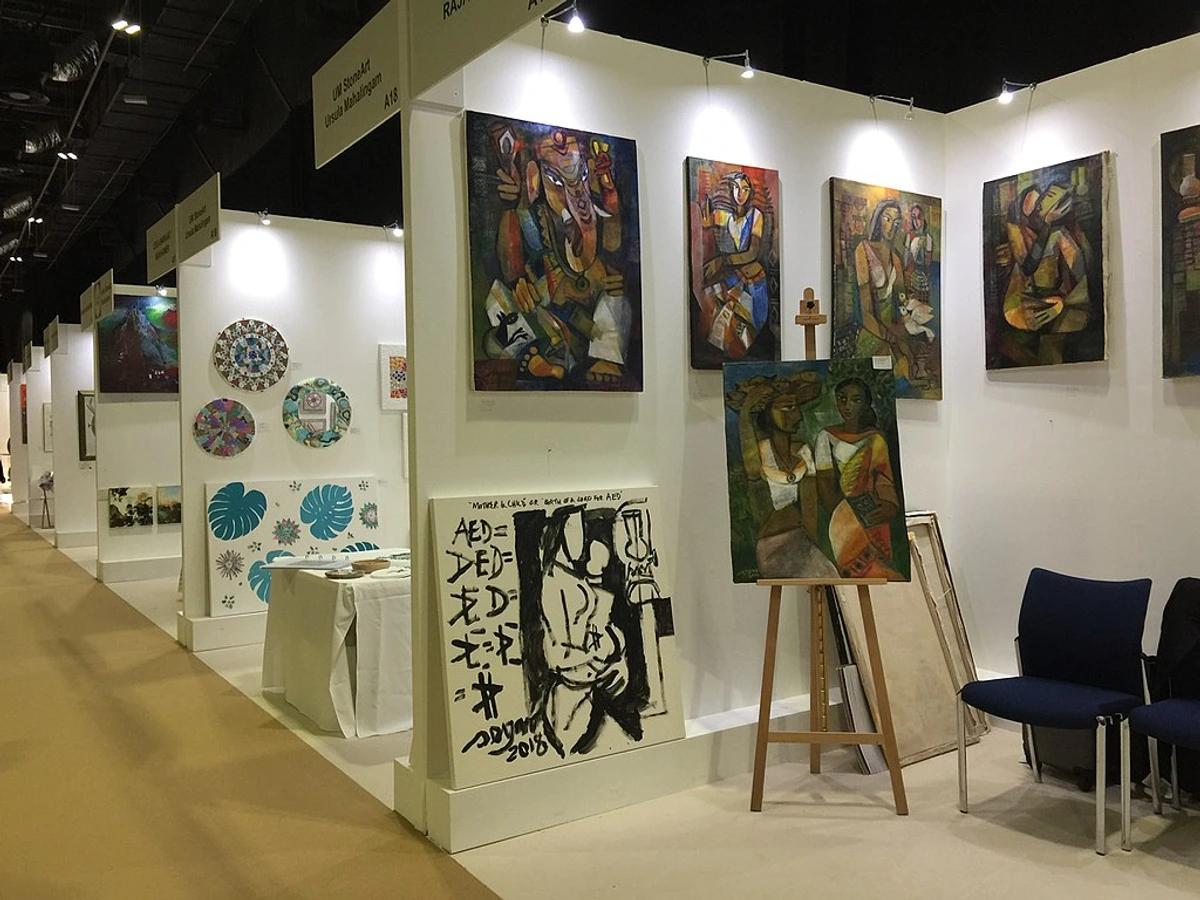
In a contemporary art fair, a curator's role differs significantly from a museum setting, often focusing on commercial viability and artist representation. They might curate a specific booth or section, selecting artworks that align with a particular theme or represent emerging trends. Often, they work closely with gallerists to present artists in a way that appeals to collectors and generates sales, balancing aesthetic vision with market demands. Independent curators might also be hired by fairs to curate special projects, talks programs, or satellite exhibitions, adding an intellectual layer to the commercial environment, often bridging the gap between artistic integrity and market appeal. They are often on the pulse of the latest movements, identifying exciting new talent and introducing them to a global market, acting as cultural scouts for the art world.
How do curatorial decisions impact an artist's career?
Curatorial decisions can profoundly impact an artist's career. Inclusion in a major exhibition, acquisition by a prominent institution, or a positive review in an exhibition catalogue can significantly enhance an artist's visibility, critical standing, and market value. Curators can introduce artists to new audiences, provide them with institutional validation, and shape how their work is perceived within art historical narratives. Conversely, exclusion or misrepresentation can hinder an artist's trajectory. A curator's choice can be a powerful endorsement, opening doors to further opportunities and solidifying an artist's place in the art world. I've often seen artists' careers truly take off after a thoughtfully curated show, a testament to the curator's influence.
How do curators ensure ethical acquisition?
Ensuring ethical acquisition is a paramount responsibility for curators, particularly in an era of heightened awareness around cultural heritage and illicit trade. This involves extensive due diligence, including thorough provenance research to verify a work's ownership history and ensure it was not illegally excavated, stolen, or exported. Curators adhere to strict institutional policies, national laws, and international conventions (like the UNESCO 1970 Convention) regarding cultural property. They also engage in transparent processes, often involving committees and legal experts, to ensure all acquisitions align with the highest ethical standards and the institution's mission. The focus is on responsible stewardship, protecting cultural patrimony for future generations, and avoiding any association with the illicit art market. It's a continuous battle against a complex, shadowy underworld of cultural exploitation.
Frequently Asked Questions (FAQ)
Let's address some of the most common questions I hear about this fascinating profession. These are the kinds of questions that often pop up in conversations, shedding light on the practicalities and nuances of a curator's daily life, and helping to demystify a role that is both complex and deeply rewarding.
What is the typical career path for an art curator?
While the path is rarely linear, most art curators begin with a strong academic foundation, typically holding a Master's or Ph.D. in art history, museum studies, or a related discipline. This formal education provides the deep theoretical and historical knowledge essential for interpreting complex artworks and building coherent narratives. This is then complemented by extensive practical, hands-on experience gained through internships and entry-level positions within museums, galleries, or other art institutions. These roles, such as Assistant Curator or Curatorial Assistant, are absolutely vital for learning the day-to-day realities of the profession, from research and exhibition planning to collection care and educational programming. It’s where theory meets practice, and where invaluable professional networks are built and mentorship relationships are forged. Progression then moves to Associate Curator, Curator, and eventually, for some, to Head Curator or Chief Curator, with increasing responsibility for exhibition development, collection building, and institutional leadership. Continuous learning through conferences, scholarly publications, and ongoing research is key throughout one's career to stay abreast of new artistic movements, critical theories, and conservation techniques.
Do curators only work in museums?
While the path is rarely linear, most art curators begin with a strong academic foundation, typically holding a Master's or Ph.D. in art history, museum studies, or a related discipline. This formal education provides the deep theoretical and historical knowledge essential for interpreting complex artworks and building coherent narratives. This is then complemented by extensive practical, hands-on experience gained through internships and entry-level positions within museums, galleries, or other art institutions. These roles, such as Assistant Curator or Curatorial Assistant, are absolutely vital for learning the day-to-day realities of the profession, from research and exhibition planning to collection care and educational programming. It’s where theory meets practice, and where invaluable professional networks are built and mentorship relationships are forged. Progression then moves to Associate Curator, Curator, and eventually, for some, to Head Curator or Chief Curator, with increasing responsibility for exhibition development, collection building, and institutional leadership. Continuous learning through conferences, scholarly publications, and ongoing research is key throughout one's career to stay abreast of new artistic movements, critical theories, and conservation techniques. It's a journey of continuous intellectual and professional growth.
Do curators only work in museums?
Absolutely not! While museums are a prominent employer, curators work in a wide range of settings including commercial art galleries, corporate collections, private foundations, auction houses, non-profit art spaces, university art galleries, and increasingly, in digital and freelance capacities. The definition of a "gallery" or "exhibition space" has expanded dramatically.
Many also work as independent curators, bringing their expertise to various projects, pop-up exhibitions, and international biennials. The flexibility and entrepreneurial spirit required in these diverse roles mean that a curator's career path can be incredibly varied, moving fluidly between different institutional structures and artistic contexts. Some even specialize in emerging fields like virtual reality art or public art installations, pushing the boundaries of traditional curatorial spaces. It's a career that adapts and evolves as rapidly as the art world itself.

What is the role of technology in conserving art?
Technology plays a transformative role in conserving art, moving beyond traditional methods to offer unprecedented insights and preservation capabilities. Advanced imaging techniques like multispectral imaging, X-radiography, and 3D scanning allow conservators and curators to analyze artworks in incredible detail, revealing hidden layers, previous restorations, material composition, and even artists' working methods without invasive procedures. Digital environmental monitoring systems maintain precise climate control in storage and galleries, crucial for sensitive materials. Digital archiving ensures the long-term preservation of born-digital art and provides comprehensive documentation for physical works. Virtual reality (VR) and augmented reality (AR) can create digital surrogates for fragile objects, allowing public access without risk. Technology empowers more informed, precise, and less invasive conservation treatments, ensuring the longevity of our shared cultural heritage. It's a powerful alliance between science, art, and preservation.
What's the difference between an art curator and an art dealer?
An art curator primarily focuses on scholarship, research, collection management, and exhibition development, aiming to interpret and preserve art for public engagement and intellectual discourse. An art dealer, on the other hand, is primarily concerned with the commercial aspects of art, buying and selling artworks, representing artists, and navigating the art market. While both need a keen eye and market knowledge, their core motivations and responsibilities differ significantly – one prioritizes cultural impact, the other economic exchange, though an ethical dealer will also prioritize long-term artistic legacy.
Think of it this way: a curator builds narratives; a dealer builds markets. While both contribute to the art ecosystem, their roles are distinct. A curator's success is measured in scholarly contribution, public engagement, and collection stewardship, whereas a dealer's success is typically measured in sales and artist career development. It's rare for one person to fully inhabit both roles simultaneously within a major institution, though independent professionals might blur the lines more often, sometimes even assisting collectors in how to buy works from emerging artists.
Can art be curated outside of a physical space?
Absolutely! The digital revolution has dramatically expanded the possibilities for curation beyond traditional physical spaces. Online platforms, virtual reality (VR) and augmented reality (AR) experiences, interactive websites, and social media channels all serve as vibrant new arenas for curatorial practice. Curators create virtual exhibitions, manage digital archives, and design immersive digital environments that can reach a global audience, unconstrained by geographical or physical limitations. This often involves curating born-digital art, new media art, or even creating digital interpretations of physical collections. While the visceral experience of physical art remains unique, digital curation offers unparalleled accessibility and opens up exciting new avenues for engaging with art and its narratives globally. It's an exciting frontier, pushing the boundaries of what an 'exhibition' can be.
What's the difference between a curator and an art historian?
While closely related and often overlapping, an art historian primarily focuses on the academic study of art, researching, writing, and teaching about art's past and present. They might specialize in particular periods, regions, or themes, contributing to scholarly publications and academic discourse. A curator, while deeply rooted in art history and often possessing similar academic credentials, takes that knowledge and applies it to the practical presentation and management of art, actively shaping how the public experiences and understands artworks through exhibitions and collections. Think of it this way: the historian uncovers and explains; the curator organizes and presents, translating complex scholarship into engaging public experiences.
Many curators began their careers as art historians, but the curatorial role adds a layer of hands-on engagement with physical objects, institutional strategy, and public communication. It requires not just intellectual depth but also practical skills in project management, design, and public relations. It's the difference between writing a book about a painting and deciding where and how that painting will be seen by thousands. The curator is the bridge-builder, connecting academic rigor with public accessibility, making history tangible.
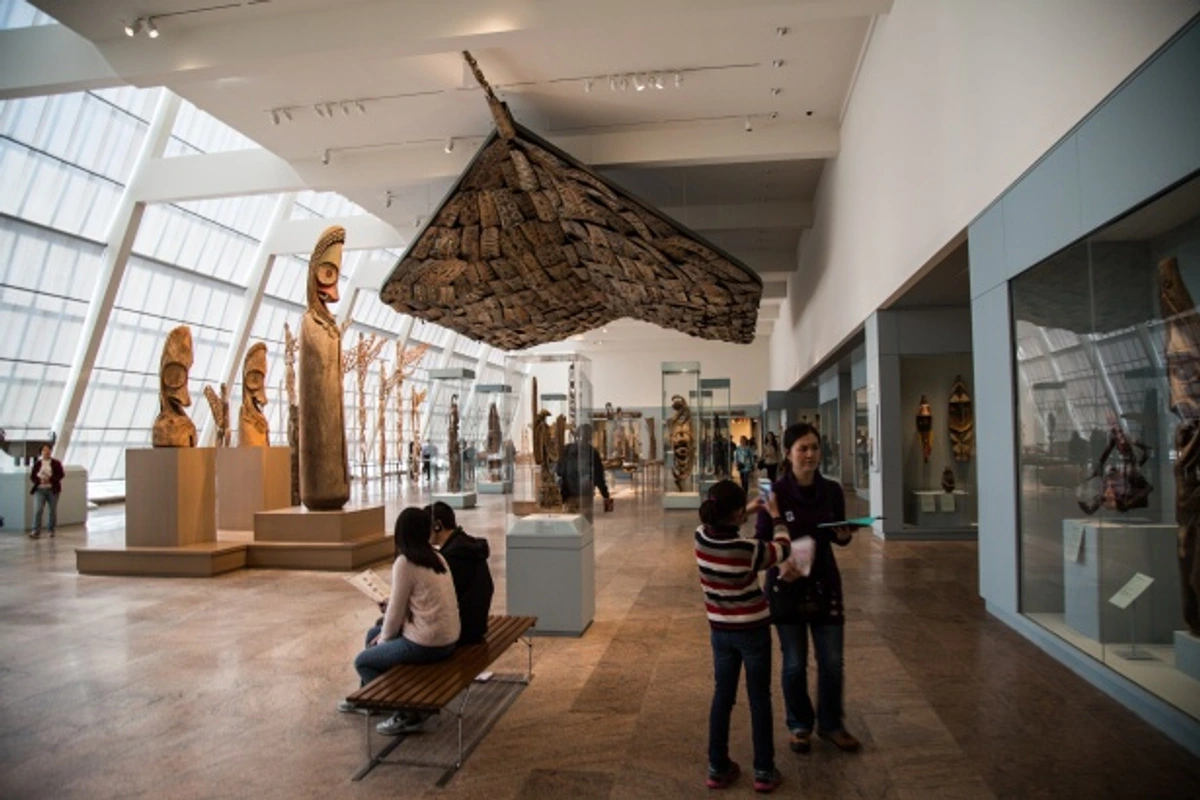
How important are internships and entry-level roles?
Internships and entry-level assistant curatorial positions are incredibly important, often essential, for aspiring curators. They provide invaluable hands-on experience in all facets of curatorial work, from research and exhibition planning to collection management and educational programming. These roles allow individuals to build professional networks, apply theoretical knowledge in a practical setting, and gain a realistic understanding of the daily demands of the profession. They are often the gateway to a successful curatorial career.
I can't stress this enough: practical experience is where you learn the true craft. It's where you get to see how a grand vision translates into budgets, timelines, and the physical hanging of an artwork. It's also where you discover the unexpected challenges and the immense satisfaction of seeing an exhibition come to life, learning from seasoned professionals every step of the way. These roles are crucial for building a portfolio of practical experience that complements academic credentials, giving you the real-world wisdom that no textbook can provide.
How do curators choose art for an exhibition?
Curators choose art based on a combination of factors: the exhibition's central theme or narrative, the quality and historical significance of the artworks, their relevance to the collection's mission, availability from lenders, and often, their personal vision and expertise. This involves extensive research into provenance, condition, and contextual relevance. It's a highly considered and often collaborative process, aiming for both intellectual rigor and visual impact, while also balancing practical considerations like budget, space, and conservation requirements.
This decision-making process is a fascinating blend of scholarship, intuition, and practicality. A curator might spend years identifying the perfect pieces to illustrate a particular argument or bring a historical period to life. They must also consider how different artworks will interact with each other in the physical space, creating a visual dialogue that enhances the overall message. It’s a bit like casting actors for a play – each piece must contribute to the ensemble to make the performance truly compelling. The process often involves close collaboration with artists, other curators, and external experts to ensure a multifaceted and rich presentation. They also consider the condition of the artwork, its display requirements, and its ability to travel safely, which are all key factors in securing loans. Ultimately, it’s about making a cohesive statement, ensuring every element serves the larger narrative, much like choosing the right elements when decorating with art for a specific ambiance.
How does technology impact curation?
Technology has profoundly impacted curation by enabling virtual exhibitions, digital archives, and new forms of interactive engagement. It aids in collection management, conservation through advanced imaging, and broadens public access globally. However, it also presents challenges regarding digital preservation, intellectual property, and maintaining the unique, visceral experience of encountering physical art. It's a tool, not a replacement for human discernment.
For example, advanced imaging techniques, such as multispectral analysis or X-radiography, allow conservators to analyze artworks in unprecedented detail, revealing hidden layers or previous restorations. Digital platforms facilitate global collaborations, enabling institutions to share collections and expertise across continents. Yet, curators must critically evaluate new technologies, ensuring they genuinely enhance the art experience and uphold ethical standards, rather than simply adopting trends for their own sake. The human element, the discerning eye and thoughtful interpretation, remains irreplaceable, especially when navigating complex issues like the authenticity, ownership, and long-term viability of digital art forms. I think of technology as an incredibly powerful magnifying glass, not a replacement for the human eye or heart.


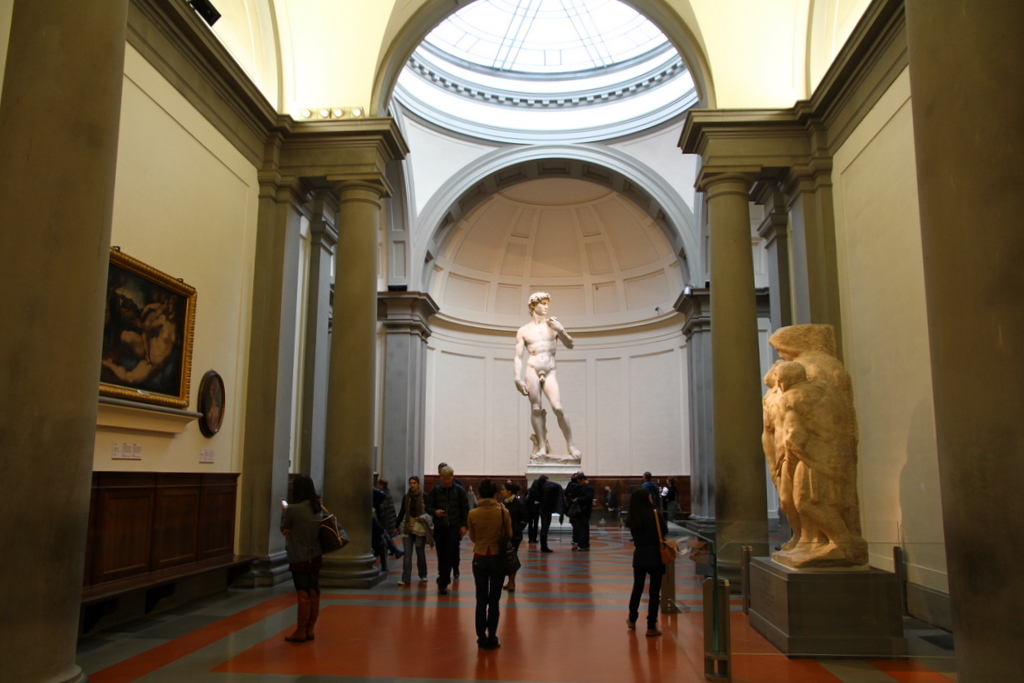



What are the ethical responsibilities of a curator?
Curators bear significant ethical responsibilities, which include ensuring the authenticity and provenance of artworks, adhering to best practices in conservation and preservation, promoting inclusivity and diverse representation in collections and exhibitions, and upholding transparency in acquisition and deaccessioning processes. They must also consider the environmental impact of their work and engage responsibly with cultural heritage, particularly in post-colonial contexts. It's a constant balancing act between institutional mission, public trust, and cultural stewardship, as explored in Ethical Considerations When Buying Cultural Art.
Beyond these, curators also have a responsibility to foster intellectual honesty, presenting research and interpretations with integrity. They must navigate potential conflicts of interest, ensure fair labor practices for artists and staff, and advocate for free expression while being sensitive to diverse audiences. It’s a role that demands constant moral compass calibration, always prioritizing the long-term well-being of art and its public over fleeting trends or institutional pressures. This also involves ongoing dialogue with source communities regarding the display and interpretation of culturally sensitive objects, fostering relationships built on trust and mutual respect. It's a heavy mantle of guardianship, ensuring art's integrity and accessibility for all.
Is curation a creative job?
Yes, absolutely! While it's deeply academic and organizational, curation is profoundly creative. It involves conceptualizing new ideas, crafting compelling narratives, designing immersive experiences, and finding innovative ways to present art that sparks new insights and emotions in the audience. It's creativity on an intellectual, aesthetic, and strategic level, demanding imagination to connect dots that others might not even see, transforming a collection of objects into a profound cultural statement. A great curator is an artist in their own right, using art as their medium.
I see it as a form of intellectual artistry. Just as a painter uses pigment and brush to tell a story, a curator uses artworks, space, light, and text to construct a narrative. They are constantly inventing new ways to engage, to provoke, and to inspire, taking raw material – the art itself – and shaping it into an experience that resonates deeply with the human spirit. It's a demanding creativity, but one that yields immense rewards in cultural enrichment. The ability to envision a theme, select disparate works, and then weave them into a coherent and compelling narrative is an inherently creative act, requiring both rigorous academic grounding and a truly imaginative spirit. It's the ultimate act of cultural alchemy, transforming disparate elements into a cohesive and impactful whole.
Conclusion: The Silent Storytellers Shaping Our World
So, the next time you walk into a gallery or a museum, take a moment. Beyond the art itself, beyond the grandeur of the space, recognize the invisible hand at work. The curator is there, orchestrating an experience, guiding your eye, whispering stories, and connecting dots you might never have seen on your own. They are the silent storytellers, the guardians of our collective visual heritage, and the art world would be immeasurably poorer without them. Their dedication ensures that art continues to challenge, inspire, and reflect the complexities of the human experience, making them truly unsung heroes in the ongoing dialogue between creation and understanding.
Ultimately, a curator's legacy is not just in the objects they acquire or the exhibitions they mount, but in the profound connections they forge between art and humanity. They invite us to look closer, think deeper, and feel more intensely, shaping our perception of culture and ourselves. Their work is a testament to the enduring power of art to communicate, to challenge, and to inspire, ensuring that the stories held within each artwork continue to resonate for generations to come. And isn't that, after all, what all great art endeavors to do? They are the cultural navigators, guiding us through the vast and often complex oceans of artistic expression, helping us find meaning and beauty in unexpected places. They are the unsung heroes who ensure the dialogue between art and audience remains vibrant, ever-evolving, and profoundly impactful.