Artwork Framing: Ultimate Guide to Protection, Display & Longevity
Master art framing with this ultimate guide. Explore frames, archival mats, UV glazing, mounting, historical styles, and sustainable choices to protect your artwork's legacy for generations.

# The Ultimate Guide to Framing Your Artwork: Protection, Display, and Longevity
I often think about the quiet power of a well-framed artwork. It's not just about aesthetics; it’s about a profound act of preservation, a visual embrace that turns a fleeting moment into an enduring legacy. We pour our hearts into creating or collecting [art](/finder/page/history-of-art-guide), so why would we leave it vulnerable to the relentless march of time, dust, and environmental hazards? I certainly wouldn’t, and I bet you wouldn’t either. To truly understand how to give your cherished pieces that superhero treatment – protecting them from UV degradation, acid burn, and accidental bumps – we first need to get up close and personal with the anatomy of a frame. So, let’s peel back the layers and dive into the fascinating world of choosing the right **picture frame** components, ensuring your art gets the champion's treatment it deserves. In this guide, we'll journey from historical contexts to essential components, the artistic choices involved, and the practicalities of display, arming you with the knowledge for lasting preservation and stunning presentation. It’s about building confidence, transforming that anxious feeling about 'doing it wrong' into the satisfaction of a job well done, preserving a piece of your soul for future eyes.

[credit](https://images.pexels.com/photos/8189135/pexels-photo-8189135.jpeg),
[licence](https://creativecommons.org/public-domain/)
---
## A Glimpse into Framing's Rich History: More Than Just a Border
Before we dissect the modern frame, it's worth a quick journey through time. Frames didn't always exist to merely encase art; they were often integral extensions of the artwork, reflecting the societal, religious, and artistic values of their era. Think of the gilded altarpieces of the [Renaissance](/finder/page/what-was-the-renaissance), which didn't just hold divine art but were part of its sacred aura, extending its grandeur into the viewer's space. Artists like [Donatello](/finder/page/ultimate-guide-to-donatello) often designed frames as part of their sculptural works, blurring the line between art and its container. During the **Baroque** period, frames amplified theatricality, often designed to blend seamlessly with the painting's composition, almost as if the [frame itself](/finder/page/how-to-frame-a-canvas-painting) was part of the scene, echoing the dynamism of masters like Bernini. The 18th century **Rococo** frames mirrored the swirling motifs of the paintings, a playful echo of the artwork itself, while **Neoclassical** designs brought a return to simpler symmetry and classical restraint.
Later, **Art Nouveau** frames embraced organic, flowing lines inspired by nature, and the **Arts and Crafts** movement celebrated natural materials and honest craftsmanship, often emphasizing the handmade quality of both frame and art. **Impressionists** often chose simplicity, letting luminous brushstrokes lead, sometimes even opting for unadorned white or natural [wood](/finder/page/what-is-the-meaning-of-american-gothic-by-grant-wood) frames to keep the focus squarely on the light and color of the painting. **Modern and [abstract artists](/finder/page/famous-abstract-artists)**, in their quest to push boundaries, sometimes opted for no frame at all, challenging the very notion of a boundary. It’s a constant evolution, showing that a frame is never just a border; it's a silent historical narrator, a conversation piece between the art and its era. This rich history wasn't just about aesthetics; **guilds** played a crucial role in regulating frame making, ensuring quality and craftsmanship, particularly during the Renaissance. The **Industrial Revolution** later democratized framing, making it more accessible to a wider public through [mass production](/finder/page/how-mass-production-changed-art-accessibility), though often at the cost of bespoke craftsmanship.
[credit](https://images.pexels.com/photos/8784734/pexels-photo-8784734.jpeg),
[licence](https://creativecommons.org/public-domain/)
---
## Key Components of Framing: More Than Meets the Eye
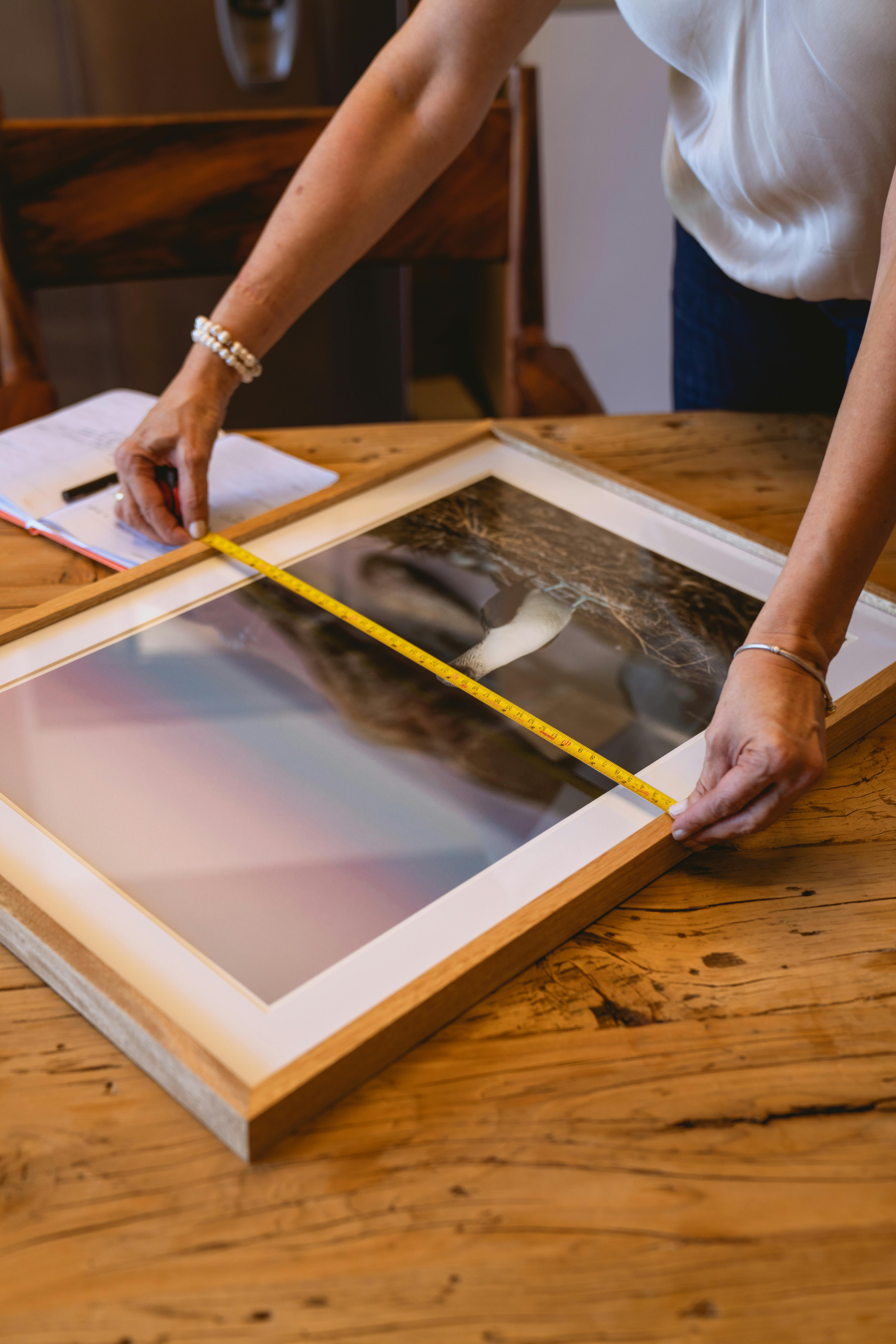
Trust me, knowing the individual parts of a frame isn't just for pros. Understanding these building blocks empowers you to make genuinely informed decisions, whether you’re picking up a ready-made frame or working with a custom shop. It's like understanding the ingredients in a recipe – suddenly, you're in control! The entire assembly of artwork, mat, glazing, and backing is often called the "art sandwich"—and understanding each layer is critical for its health and presentation.
### 1. The Frame: The Art's First Hug
This is the outer structure, the literal boundary of your artwork’s world. But it's far from just a border. As we've seen, **frames** have a rich history, evolving from simple protective borders to elaborate artistic statements, often reflecting the [art movements](/finder/page/famous-art-movements-timeline) of their time.
[credit](http://commons.wikimedia.org/),
[licence](-)
#### Material: The Frame's Character
Oh, the choices! Each has its own vibe, its own story. The choice of material impacts not just the look but also the longevity and stability of the frame.
* **Wood:** For me, wood is the timeless classic. It offers warmth, incredible versatility, and can be stained, painted, or carved. The key concern with wood is quality variation. Poorly cured or cheaper woods like some pine or poplar (though poplar is budget-friendly and takes paint well) can be susceptible to warping, cracking, or even attracting insects over time. I once framed a delicate etching with a beautiful but poorly seasoned pine frame. Over a year, the wood warped significantly, causing the mat to bow and even crack the glass – a truly heartbreaking lesson in false economies! To prevent this, look for kiln-dried wood, and consider a frame treated with a sealant or insect repellent, especially if you live in a humid climate. Higher quality woods like oak, maple, cherry (which offers rich, warm tones that deepen beautifully with age), walnut, ash, birch, or mahogany (classic, durable, fine grain) offer incredible durability and a natural grain that often complements organic or traditional art beautifully. They’re an investment that pays dividends in longevity and aesthetic appeal. Wood treatments like lacquering or specific waxes can also provide additional protection and enhance the finish. For sustainable choices, look for **FSC-certified wood** (Forest Stewardship Council) or reclaimed wood, minimizing environmental impact.
* **Metal:** Sleek, modern, and often with slim profiles that don't steal the show. **Aluminum** is common, durable, and generally doesn't warp. It's fantastic for contemporary or minimalist pieces. Other options like steel, brass (polished or antique for vintage warmth), or bronze can add an industrial edge or a different metallic warmth. Finishes like brushed nickel, black anodized, polished chrome, or powder-coated colors (even vibrant hues!) can drastically change the aesthetic. Black anodized aluminum, for instance, offers superior durability and scratch resistance compared to a polished chrome. I’ve sometimes found metal can feel a bit 'cool' or stark for very warm-toned art, almost as if it's keeping a polite distance. Also, be aware that some metals like brass or raw steel can oxidize or tarnish over time, though this can sometimes be part of their charm if that's the desired aesthetic. The quality of anodization or plating varies significantly; cheaper options can flake or corrode over time. For very large frames, metal can also become quite heavy.
* **Polystyrene (Plastic):** The budget-friendly champion. It's lightweight and comes in countless finishes designed to mimic wood or metal. It's great for temporary displays or if you're framing a poster for a kid's room. But I’ll be honest, I've found it can lack the gravitas and longevity that makes a frame feel like a true partner to the artwork. It’s often the 'fast fashion' of the framing world – trendy and accessible, but it can also be more fragile, susceptible to dings and dents, and some cheaper finishes can look obviously artificial, sometimes peeling or chipping. It can also become brittle with age and UV exposure, and can shed microplastic particles as it degrades, raising environmental concerns. While some higher-quality polystyrene frames are improving in durability and finish (often with better coatings or composite structures) and some even incorporate recycled content, their environmental footprint, from manufacturing to eventual disposal, is a point to consider.
* **Engineered Wood (MDF/Composite):** Often a step up from basic polystyrene but more economical than [solid wood](/finder/page/how-to-prepare-a-wood-panel-for-painting), these frames use wood fibers or particles bound with resin. They offer stability and can be wrapped with veneers or foils to mimic various wood grains. While they don't warp or crack like poorly cured solid wood, they can be susceptible to moisture damage and lack the natural warmth and durability of high-quality solid wood.
#### Style: The Visual Conversation
This is where the frame really starts to converse with the artwork. For my own vibrant, often abstract pieces, I find myself gravitating towards frames that offer a calm visual pause, allowing the colors to truly sing without competing.
* **Floater Frames:** For canvases, I'm particularly fond of the **floater frame**. It creates a subtle, elegant gap between the art and the frame, giving the canvas a sense of hovering and preventing any part of the painting from being obscured. You can learn more about building one yourself in [a guide to building a floating frame for canvas art](/finder/page/a-guide-to-building-a-floating-frame-for-canvas-art). While traditionally for canvases, specialized adaptations exist for panel art, allowing them to also 'float' within the frame.
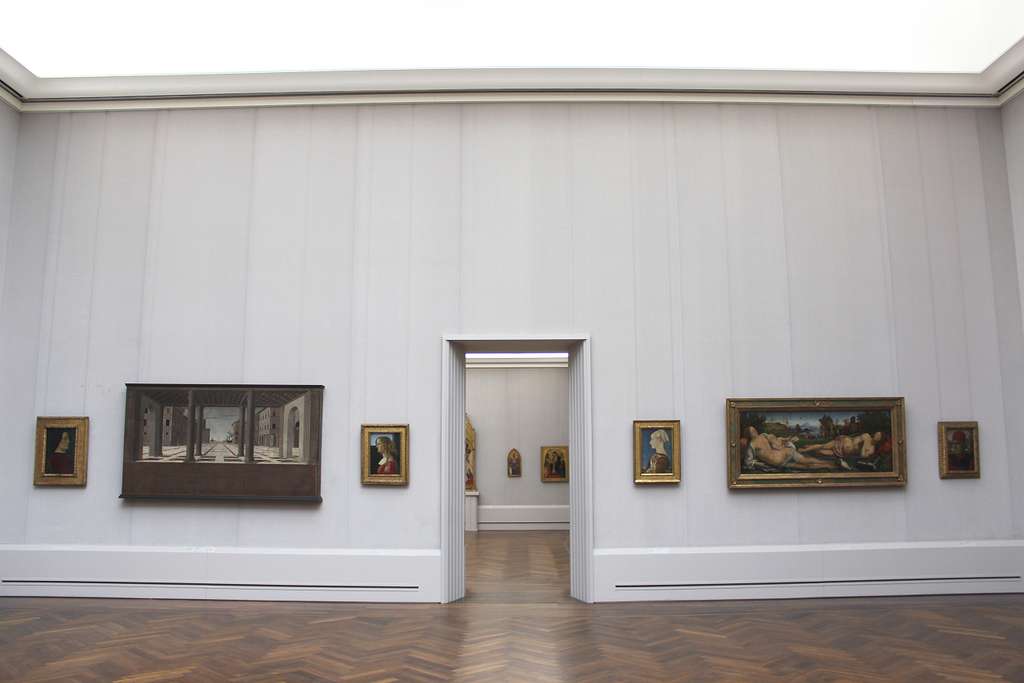
* **Gallery Frames:** These are typically simple, clean-lined frames in black, white, or natural wood, designed to put the focus squarely on the artwork. They’re a versatile choice for a wide range of styles, from photography to contemporary paintings. Think of the serene, cohesive atmosphere in a major museum like the Gemäldegalerie Berlin.
* **Shadow Box Frames:** These deep frames are perfect for three-dimensional objects, textiles, or collages, adding depth and drama while protecting the delicate contents from dust and damage. They create a captivating diorama effect.
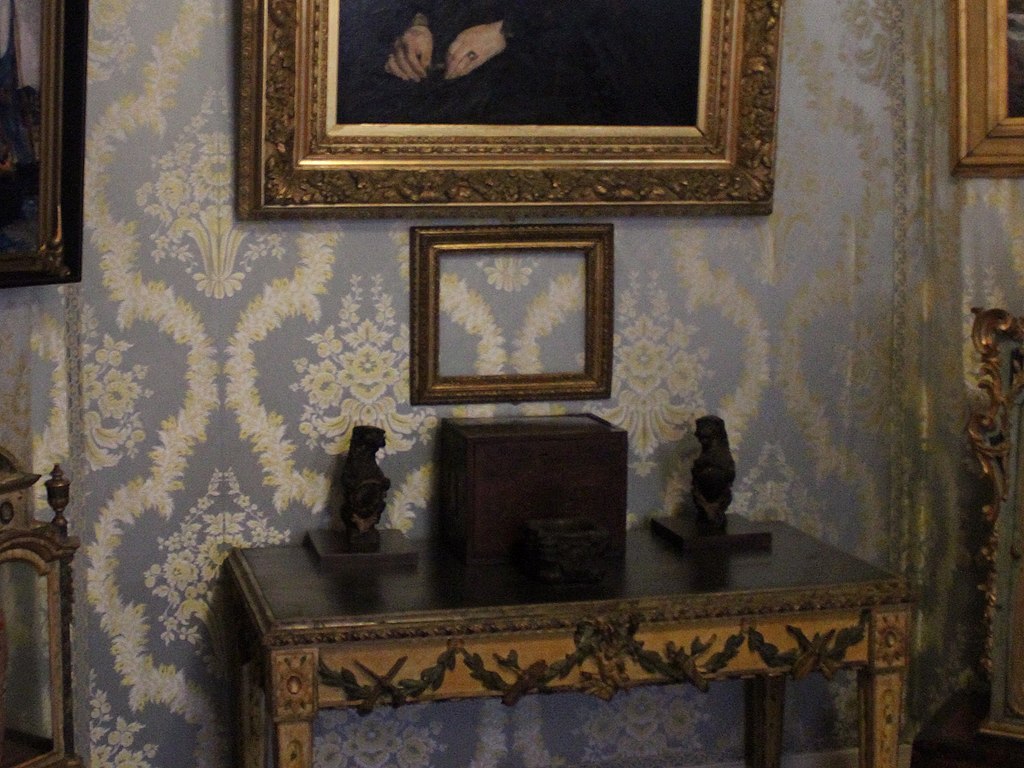
* **Traditional/Ornate Frames:** Evoking historical grandeur, these richly detailed frames often feature carvings and gilding, perfectly complementing traditional landscapes, portraits, or academic art. Ornate gilded frames, with their intricate patterns and often gold-leaf finish (either water gilding for a luminous, burnishable finish or oil gilding for a matte look), are a hallmark of this style. Victorian frames often feature dark, heavy wood with decorative elements. Hand-finished frames, where an artist applies layers of gesso, bole, and gold leaf, then distresses or patinates them, offer a unique depth and character unmatched by mass production.
* **Modern Minimalist Frames:** Characterized by extremely clean lines, often in black, white, or natural wood, designed to be unobtrusive and let the art speak entirely for itself. Often seen with contemporary photography or abstract pieces. If you're pondering [how to choose a frame for abstract art](/finder/page/how-to-choose-the-right-frame-for-your-abstract-art), [minimalism](/finder/page/ultimate-guide-to-minimalism) is often a strong contender.
* **Industrial Frames:** Utilizing raw metals like steel or iron, often with visible welds or distressed finishes, for a rugged, urban aesthetic, sometimes featuring natural patinas like verdigris for bronze or rust for steel.
* **Rustic Frames:** Made from distressed or reclaimed wood, often with a weathered look, perfect for country landscapes, [folk art](/finder/page/what-is-folk-art), or bohemian decor.
* **[Art Deco](/finder/page/how-to-decorate-with-art-in-art-deco-interiors) & Mid-Century Modern Frames:** Art Deco frames often feature bold geometric patterns, sleek lines, and luxurious materials like polished chrome or exotic wood veneers, reflecting the glamour of the 1920s-30s. Think sunburst motifs or stepped designs. Mid-Century Modern frames are typically simple, clean, and often made of warm-toned wood with tapered profiles or simple geometric shapes, emphasizing functionality and minimalist aesthetics, perfect for graphic prints or abstract works from the 1950s-60s.
* **Shaker/Mission Frames:** These styles emphasize simplicity, functionality, and honest craftsmanship. Typically made of natural woods (like oak) with clean, straight lines and minimal ornamentation, they reflect a design philosophy that prioritizes utility and material integrity. They are distinct from minimalist frames in their warmth and connection to traditional woodworking.
* **Stacked Frames:** This technique involves layering two or more frames together for a more complex and visually rich effect. For instance, a thin metal frame can serve as an inner accent, providing a clean border directly around the mat, which is then surrounded by a wider, more ornate wood outer frame. This adds depth, contrast, and a highly customized look.
[credit](https://commons.wikimedia.org/wiki/File:Fenway_Court_Interior_22_%28cropped%29.jpg),
[licence](https://creativecommons.org/licenses/by-sa/4.0/deed.en)
#### Construction & Durability: The Frame's Backbone
The way a frame is constructed, especially its corners, significantly impacts both its aesthetic and durability.
* **Corner Styles:** **Mitered corners**, where two pieces are cut at a 45-degree angle and joined to form a 90-degree angle, are the most common and offer a seamless look. **Butt joints**, where one piece simply abuts another, are simpler but less elegant and generally weaker. For superior strength and a touch of craftsmanship, **splined** or **keyed miter joints** use small inserts (splines or keys) to reinforce the miter, preventing shear stress at the joint and ensuring greater longevity. These are typically found in higher-quality custom frames. Beyond these, for very large or heavy frames, professional framers might use **dowel joints** or **biscuit joints** for additional reinforcement, ensuring the frame can withstand the immense pressure without deforming over time.
* **Rabbet Depth:** This is the L-shaped groove on the inner edge of the frame where the artwork, mat, glazing, and backing sit. Think of it as the frame's 'grip' on your art sandwich, securing all those precious layers. The depth of this groove is absolutely critical. Too shallow, and your art sandwich won't fit securely, risking components popping out or shifting; too deep, and it can create unnecessary space that allows components to shift, potentially exposing the artwork's edges or allowing dust intrusion. Typically, a rabbet depth of 3/8 to 1/2 inch (about 1-1.3 cm) is adequate for most standard framing with a mat and glazing. If you're framing a stretched canvas, the rabbet needs to be deep enough to accommodate the entire thickness of the stretcher bars. For very thick mats, multiple layers of glazing, or intricate three-dimensional objects in a shadow box, a deeper rabbet is essential and can be precisely tailored in custom framing, ensuring a perfect, snug fit for all components.
---
### 2. Matting (or Mount): The Breathing Room
This is the border, usually made of card, between the frame and the artwork. Its importance often gets underestimated, but I see it as critical for both aesthetics and preservation. The entire assembly of artwork, mat, glazing, and backing is often called the "art sandwich"—and the mat is a crucial ingredient, sitting directly on top of your art. It needs careful attention. In professional terms, a **mat board** refers specifically to the material, while **mounting** is the act of attaching the artwork to a backing, and the mat then sits *over* the artwork.

[credit](https://upload.wikimedia.org/wikipedia/commons/3/34/Collections_Storage_Archives_of_American_Art.jpg),
[licence](https://creativecommons.org/licenses/by-sa/2.0)
#### Purpose: Aesthetic and Protective
The **mat's** primary role is twofold: it prevents the artwork from touching the glazing (which can lead to moisture transfer, mold, or adhesion over time – a disaster, believe me!), and it adds crucial visual space, creating a moment for the eye to rest before engaging with the art. A well-chosen mat can profoundly enhance the art's appearance, [drawing](/finder/page/definitive-guide-to-drawing-techniques) attention inward. For those delicate pieces like pastels or charcoals, it literally provides the necessary physical barrier. This "breathing room" also allows paper-based artwork to expand and contract naturally with changes in humidity without buckling or rippling. Mats can also feature a **beveled edge**, where the inner cut is angled, adding a subtle depth and elegance that a straight cut can't achieve. You can even have **multi-opening mats** for displaying a series of small artworks or photographs in one frame, creating a cohesive gallery within a single piece. Beyond the standard beveled edge, professionals sometimes use **French mats** (multi-layered with staggered bevels and decorative hand-painted lines) or **v-grooves** (a thin, decorative line cut into the mat surface, typically parallel to the opening) for added elegance. Some [modern art](/finder/page/history-of-modern-art) is even presented with **deckle-edged mats**, where the inner edge is intentionally uneven and natural, mimicking the raw, organic edge of handmade paper. For certain contemporary pieces, a **reverse bevel** (where the cut slopes away from the artwork, hiding the cut edge) can offer a cleaner, less prominent visual edge, keeping the focus entirely on the art.
#### Types: The Acid Test
Not all mats are created equal, and this is where conservation becomes key. When we talk about **conservation framing**, the matting is arguably the first line of defense. Knowing the standards ensures longevity. The **thickness** of the mat board also plays a role; standard mats are usually 4-ply (1/16 inch), but for a more substantial look or deeper spacing, 8-ply (1/8 inch) or even 12-ply mats are used, adding gravitas and depth to the framed piece.
| Mat Quality | Characteristics | Use Case | Key Standard | Why it Matters |
| :------------------------ | :------------------------------------------------------------------------------------------------------------------------------------------- | :--------------------------------------------------------------------------------------------------------- | :------------------------------------------------ | :------------------------------------------------------------------------------------------------------------------------------------------ |
| **Standard (Buffered)** | Better than pure acidic paper, but still not ideal for long-term preservation. Contains **lignins** – natural compounds in wood pulp that break down over time, releasing acids. | Okay for posters or reproductions you aren’t sentimentally attached to, for very short-term display. | pH neutral at manufacturing, but not acid-free long-term. | Will eventually degrade and discolor, risking damage to artwork through **acid migration**. |
| **Conservation Quality** | **Acid-free** (neutral pH of 7 or slightly higher) and **lignin-free**. Made from purified wood pulp or alpha-cellulose. Prevents **acid migration** – the slow chemical damage from acidic materials. | Minimum for anything you care about: limited editions, cherished prints, family photos. | Meets ISO 18902 for photographic materials ([archival quality](/finder/page/the-definitive-guide-to-archival-printmaking-techniques-understanding-gicle-lithography-and-more)). | Provides significant protection against yellowing, brittleness, and chemical damage for decades. |
| **Museum Quality** | The gold standard. Made from pure cotton fibers (100% cotton rag), naturally acid-free and lignin-free. Superior long-term protection and stability. | For truly valuable, original, or irreplaceable pieces; an investment in forever. | Meets ISO 18902 and often higher standards for purity and stability, ensuring maximum longevity. | Offers the highest level of preservation, ensuring your art remains stable and vibrant for centuries.
|
Why does this matter? Because acidic materials (like standard cardboard or cheap paper) contain lignins that break down over time, releasing acids that can yellow, become brittle, and literally 'burn' or discolor your artwork through a process called **acid migration**. Think of it like a slow, invisible chemical fire creeping across your masterpiece, or slow-acting bleach seeping from the frame into your art. I once saw a beautiful antique map literally eating itself from the edges because it was framed with acidic materials – a truly alarming sight that makes you appreciate the science behind conservation. Conservation mats actively prevent this. They are literally a shield.
[credit](https://upload.wikimedia.org/wikipedia/commons/3/37/%27Woman%27_by_Joan_Mir%C3%B3%2C_Tate_Modern.JPG),
[licence](http://creativecommons.org/publicdomain/zero/1.0/deed.en)
---
### 3. Glazing: The Invisible Protector
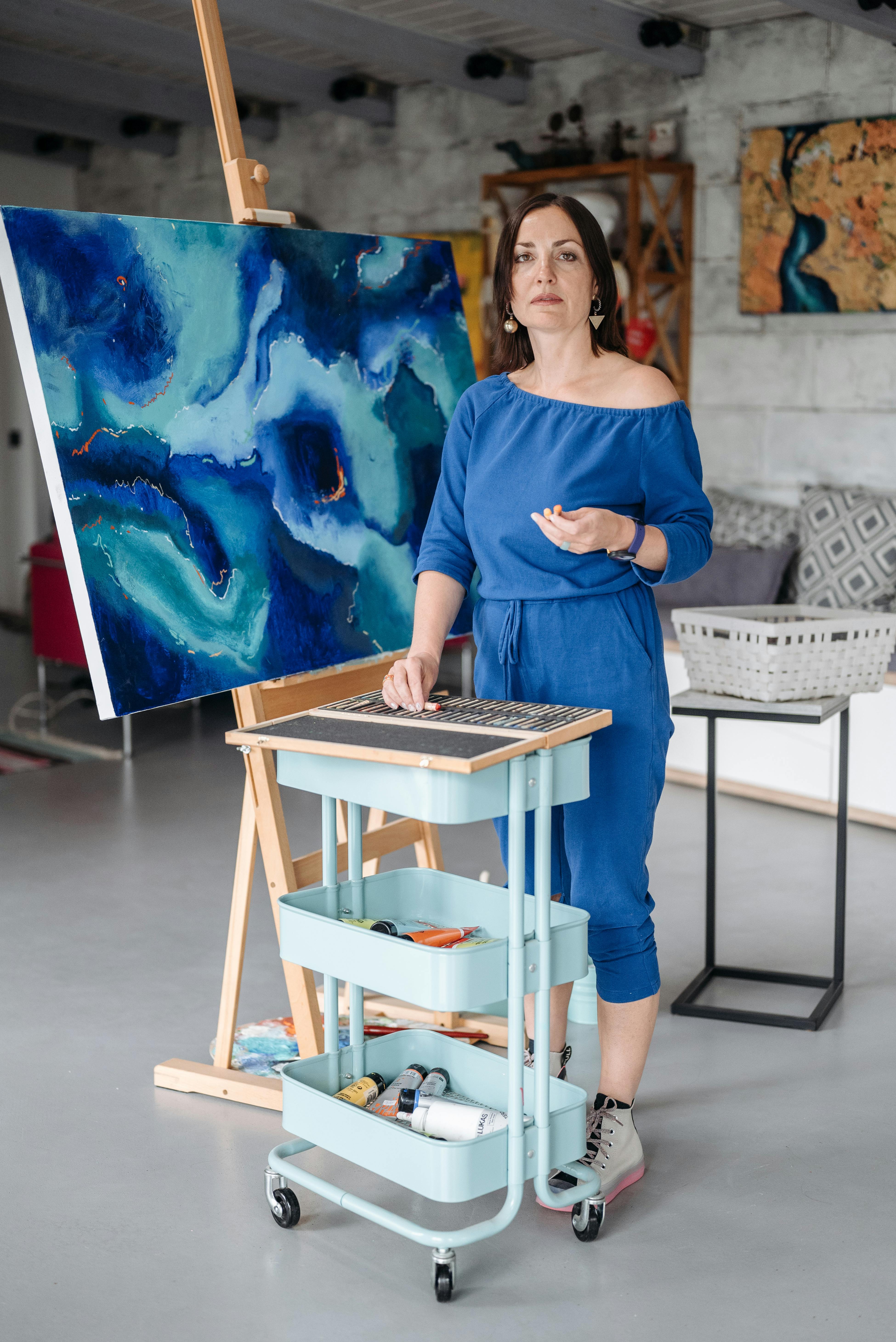
What exactly is glazing, and why is it so vital for your artwork's survival? This is your artwork's transparent shield – glass or acrylic. Its job? To protect against dust, moisture, and that sneaky, damaging **UV light**. I remember visiting a friend's studio and seeing a stunning watercolor that had been hung near a window for years. The vibrant blues and purples had faded to a pale ghost – it was heartbreaking. That's the power of unchecked UV exposure.
[credit](https://images.pexels.com/photos/8381965/pexels-photo-8381965.jpeg),
[licence](https://creativecommons.org/public-domain/)
#### Purpose: Shielding Your Masterpiece
Beyond the obvious dust and splash protection, the real hero here is UV filtration. Imagine your favorite shirt left in a sunny window for a year – that's what unfiltered UV light does to pigments and paper, causing irreversible fading and degradation. Also, if artwork (especially pastels or charcoal) touches the glazing, it can smudge or adhere, which is why mats or **spacers** (thin strips that create a gap) are critical. Spacers can be made of clear plastic, wood, metal, or even molded foam, and can sometimes be a design element in themselves, especially in deeper frames. For delicate media like pastels, static electricity from [acrylic glazing](/finder/page/the-art-of-glazing:-adding-luminous-depth-to-my-abstract-acrylics) can even lift pigment particles, making a spacer an absolutely critical buffer. **Conservation grade spacers** are specifically designed to be inert and acid-free, ensuring no harmful chemicals leach onto your precious artwork.
#### Types: Clarity Meets Protection
Choosing the right glazing is a balance of clarity, weight, shatter resistance, and crucially, UV protection. Sometimes, cheaper acrylics can have a slight color cast, which can subtly alter the perception of your artwork, a small detail that can really bother you once you notice it.
| Glazing Type | Key Characteristics | UV Protection | Anti-Reflective | Best For | Pros | Cons |
| :----------------------- | :------------------------------------------------------------------------------------------------------------------------------------- | :------------ | :-------------- | :---------------------------------------------------------------- | :----------------------------------------------------------------------------------------------------------------- | :----------------------------------------------------------------------------------------------------------------------- |
| **Standard Glass** | Excellent clarity, highly scratch-resistant. | ~0-45% | No | Budget-friendly, smaller pieces where UV isn't a concern. | Superb optical clarity, very scratch-resistant, durable. | Heavy, breaks easily (safety risk), offers minimal UV protection. |
| **Standard Acrylic** | Lightweight, shatter-resistant. Can generate static. | ~0-45% | No | Large pieces, high-traffic areas, children's rooms, shipping. | Lightweight, shatter-resistant (safer), good for large sizes and shipping. | Scratches more easily than glass, can generate static (attracting dust/pigment), potential for color cast. |
| **UV-Protective Glass** | Excellent clarity, scratch-resistant. Filters a significant amount of damaging UV (often 70-90% or even 97%). Heavy and breakable. | ~70-97% | Low | Essential for preserving vibrancy, good middle ground for protection. | Excellent UV filtration, maintains clarity and scratch resistance of glass. | Still heavy and breakable, can be more expensive than standard glass. |
| **UV-Protective Acrylic**| Lightweight, shatter-resistant. Filters significant UV (often 70-90% or even 97%). Scratches more easily, can generate static. | ~70-97% | Low | Large pieces needing UV protection & shatter resistance (e.g., public spaces, children's rooms). | Lightweight, shatter-resistant, offers good UV filtration. | Scratches more easily, static issues, can be slightly less optically pure than glass, higher cost than standard acrylic. |
| **Museum Glazing** | The crème de la crème. Minimizes glare/reflection to an astonishing degree (often <1% reflection). Often includes superior UV protection (97-99%). | ~97-99% | Yes | Truly valuable, original, or irreplaceable pieces where optimal viewing & protection are paramount. Often uses multi-layer coatings or laminated interlayers for advanced performance. | Virtually invisible, eliminating reflections; highest UV protection, enhances viewing experience dramatically. | Most expensive option, requires careful cleaning, can be delicate due to coatings. |
**UV-Protective Glazing** is your artwork's invisible force field. It filters out a significant percentage (often 70-80% for basic, up to ~99% for museum-grade) of damaging UV rays. Absolutely essential for preserving the vibrancy and integrity of your artwork. For anything you want to keep looking good, this is non-negotiable and a hallmark of **conservation framing**.
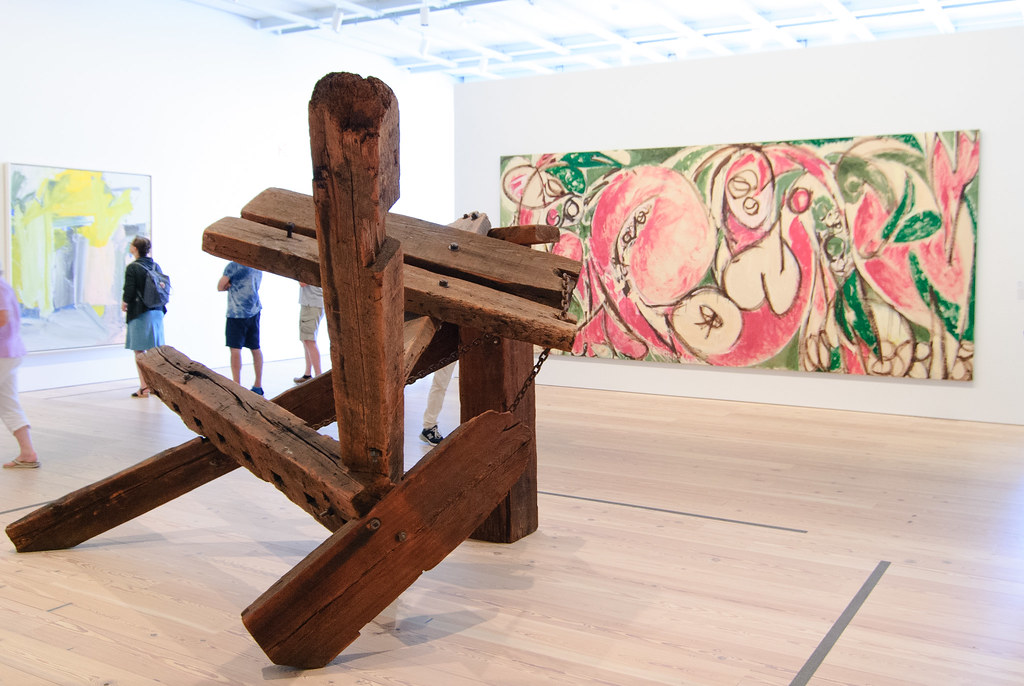
**Anti-Reflective/Museum Glazing** is the crème de la crème. It minimizes glare and reflection to an astonishing degree, making the glazing almost invisible, so you can truly see the art, not your own reflection. These often include excellent UV protection as well, achieved through sophisticated multi-layer coatings (like those used on camera lenses) or laminated interlayers. If you've ever stood in front of a painting in a museum and wondered how they got the glass to disappear, this is probably it.
[credit](https://live.staticflickr.com/7203/27388598936_133b6d46b4_b.jpg),
[licence](https://creativecommons.org/licenses/by/2.0/)
---
### 4. Backing Board & Mounting: The Hidden Support System
This is the unsung hero, providing structural support and securing the artwork within the frame. But just like with mats, the wrong choice here can silently undermine all your efforts. Professional framers, with their specialized tools like mat cutters, underpinners, and even vacuum presses, understand how crucial these hidden elements are. The typical order of your "art sandwich" within the frame rabbet goes: Frame -> Glazing -> Mat -> Artwork -> Backing Board. It’s the firm foundation that holds everything in place, preventing shifting and offering a final barrier against external threats.

[credit](https://pxhere.com/en/photo/973226),
[licence](https://creativecommons.org/publicdomain/zero/1.0/)
#### Backing Board: The Art's Foundation
* **Purpose:** The backing board holds everything together from the back, providing rigidity and a barrier. Common materials for backing boards include standard cardboard (which I'd avoid for anything precious due to acidity) and **foam core**.
* **Types:**
* **Standard Foam Core:** Lightweight and rigid, good for non-archival pieces where long-term preservation isn't a concern. Made from polystyrene foam sandwiched between paper liners.
* **Acid-Free Foam Core:** What I recommend for anything of value – it's lightweight, rigid, and won't leach acids into your art. This is crucial as even if your mat is acid-free, a cheap, acidic backing board can still cause **acid migration** from the back, slowly damaging your piece! It's an insidious process, like a slow-acting bleach seeping from behind your masterpiece. Always look for materials that meet archival standards like ISO 18902 for photographic materials.
* **Archival Cardboard (Conservation Board):** Can also be a good, more eco-friendly option (especially if recycled), ensuring it too is acid and lignin-free. Offers rigidity and a traditional feel.
* **Specialized Panels:** For very large pieces needing ultimate rigidity and barrier protection, options like **Dibond** (an aluminum composite panel) or **acid-free barrier boards** (e.g., polyester films or thin aluminum sheets) can be used, offering superior flatness and protection against environmental fluctuations. These are often used in museum-level framing.
#### Mounting: Securing Your Art with Care
How the artwork is actually attached *to* the backing board or mat. This is where you really need to be careful, especially with originals.
* **Hinging:** Using archival, **acid-free** tape (like Japanese paper tape or linen tape, both reversible with moisture) or photo corners to attach the artwork to the backing board or mat in a way that allows it to 'breathe' and expand/contract slightly with humidity changes. Typically, the artwork is hinged at the top edge only, allowing it to hang freely. It's fully reversible and my absolute recommendation for original art, limited editions, or anything you might want to remove without damage in the future. This is the gold standard for **conservation mounting**. For framing historical documents, certificates, or delicate antique maps, hinging is almost always the chosen method to ensure preservation and reversibility.
* **Dry Mounting:** Adhering the artwork directly to the backing using heat-activated adhesive. It's a permanent bond, which is why I generally *don't* recommend it for valuable, original, or limited-edition pieces. Think of it as eloping with your artwork – permanent, potentially beautiful, but with zero possibility of a graceful separation! Once it's done, there's no going back without potentially damaging the art, though professional framers *can sometimes* reverse it with specialized equipment and solvents – but it's risky and can cause heat damage or brittleness to certain media over time. It's more suited for posters or prints where permanence isn't an issue and you want to ensure a perfectly flat, warp-free surface, preventing any rippling. For less precious, temporary displays, simple **tucking** behind a mat is also an option.
* **Float Mounting:** A specialized technique where the artwork appears to 'float' within the mat window, often with a small space around its edges. The art is mounted directly onto an **acid-free** secondary backing board (often slightly smaller than the art, or simply serving as the mounting surface), which is then attached to a larger mat or the frame's main backing board. This ensures the entire piece is visible, including deckled (uneven) edges, unique textures, or simply to give a contemporary, minimalist look. The attachment method to the secondary backing is usually hinging, again ensuring reversibility.
---
## Summary: Key Choices at a Glance
Making decisions can be tough, so I put together this little cheat sheet based on what I've learned. It's a quick guide to help you decide when to splurge and when to save, and more importantly, *why*.
| Element | Recommendation for Posters/Prints | Recommendation for Original/Valuable Art | Key Consideration | Key Benefit | Why it Matters |
| :------------- | :-------------------------------------------------------------- | :--------------------------------------------------------------------- | :--------------------------------------------------------------------------- | :--------------------------------------------------------------------------- | :------------------------------------------------------------------------------------------------------------------ |
| **Frame** | Wood, Metal, Polystyrene (good construction) | High-quality Wood, Metal (solid construction, timeless style, adequate rabbet depth) | Matches art style, structural integrity for longevity, aesthetic impact. | Aesthetic enhancement, structural support, matches art's gravitas. | The visual foundation and first layer of physical protection. |
| **Matting** | Optional / Standard (buffered) | **Conservation** or Museum Quality (100% acid-free, lignin-free cotton) | Prevents acid migration, provides visual breathing room, crucial for delicate media. | Chemical barrier, visual appeal, physical separation from glazing. | Crucial barrier against degradation and enhances presentation. |
| **Glazing** | Standard Glass or Acrylic | **UV-Protective** Glass or Acrylic (ideally anti-reflective, with spacers if needed) | Blocks harmful UV rays, protects from dust/physical damage, clarity. | Prevents fading/degradation, physical protection, enhances viewing. | Your artwork's transparent shield against light, dust, and physical threats. |
| **Backing** | Standard Foam Core | **Acid-Free** Foam Core or Archival Board | Prevents acid migration from the rear, structural support. | Stops damage from behind, adds rigidity. | Provides structural stability and another layer of chemical protection. |
| **Mounting** | Hinging / Dry Mount (for permanence, if not valuable) | **Acid-Free Hinging** (fully reversible, allows expansion) | Reversibility, prevents damage from humidity changes or permanent adhesion. | Preserves integrity of artwork, allows for future intervention. | Determines how securely and safely your art is held within the frame. |
---
## Framing Different Art Media: Tailoring the Protection
Not all art is created equal, and neither are its framing needs. The type of media, its fragility, and its intrinsic value heavily influence the best approach. Here’s a quick overview of some common art types and their unique considerations:
| Art Medium | Key Characteristics | Glazing Recommendation | Matting Recommendation | Mounting Recommendation | Special Considerations |
| :------------------------- | :------------------------------------------------------------------------------------------------------------------------- | :------------------------------------------------------------------------------------------- | :------------------------------------------------------------------------------------------- | :---------------------------------------------------------------------------------------- | :------------------------------------------------------------------------------------------------------------------------------------------------------------------------------------------------------------------------------------------------------------------------------------------------------------------------------------------------------------------------------------------------------------------- |
| **Oils & Acrylics on Canvas** | Often varnished, textural, stretched on stretcher bars. | Generally NOT framed with glazing (varnish protects). | N/A (unless framing a canvas panel behind glass) | Stretched on stretcher bars. Frame supports canvas directly. | Floater frames or traditional decorative frames are common. Glazing is typically avoided as the varnish protects the painting, and the canvas needs to 'breathe.' The frame rabbet must be deep enough to fully accommodate the stretcher bars (typically 0.75-1.5 inches). [How to frame a canvas painting](/finder/page/how-to-frame-a-canvas-painting) and [how to stretch a canvas for painting](/finder/page/how-to-stretch-a-canvas-for-painting) offer more guidance. |
| **Photographs** | Light-sensitive, can fade or shift color. | Highly recommended; **UV-protective glazing** is a must. Anti-reflective is a plus. | **Conservation-quality acid-free mats** are essential. | **Hinging** for archival purposes and reversibility. Dry mounting only for less valuable prints. | Different print types (e.g., silver gelatin, pigment print) have varying stabilities and archival needs; consult specific guidelines for each. Preventing fading is paramount. Use conservation-grade photo corners for delicate or irreplaceable prints. [How to care for works on paper: a collector's guide](/finder/page/how-to-care-for-works-on-paper-a-collectors-guide) can offer further insights. |
| **Watercolors & Drawings** | Delicate paper, highly susceptible to dust, humidity, UV. Pigments/inks can fade. | Absolutely essential; always **UV-protective glazing**. | **Conservation** or **museum-quality acid-free mats** are non-negotiable. | **Hinging** with acid-free tape is preferred. Dry mounting is a definite no-go. | Delicate pigments/inks require maximum protection. Frame artwork face-up within the mat and frame to prevent accidental contact. Paper type (e.g., heavy watercolor vs. thin drawing paper) can influence flexibility and mounting. Some artists use "watercolor blocking" to prevent buckling. |
| **Pastels & Charcoals** | Friable (easily smudged) pigment, delicate surface. | Essential; requires **spacers** to prevent contact/smudging. UV-protective is vital. | **Conservation-quality acid-free mats** provide necessary space and barrier. | **Hinging** with acid-free materials; avoid permanent mounting. | Static cling from acrylic can lift pigment, direct contact with glass smudges. Spacers can be clear acrylic strips, wooden fillets, or even foam core strips. Artists may "fix" media with a spray before framing, but this doesn't replace the need for spacers. For maximum protection, opt for museum-grade glazing with an integrated spacer. |
| **Textiles & Tapestries** | Fabrics can be delicate, require breathing room, susceptible to dust/moths. | Optional, with spacers if dust/contact is a concern. UV-protective for delicate dyes. | N/A (unless creating a fabric collage in a shadow box) | Never use adhesives. Couching or lacing to an acid-free fabric-covered board. | Need good air circulation. **Shadow box frames** provide depth. **Couching** involves stitching the textile onto a backing with nearly invisible threads. **Lacing** uses tension-controlled threads to stretch the textile smoothly over a board. Always use acid-free materials and methods that are fully reversible. |
| **3D Objects & Collages** | Varied materials and shapes, delicate, requires depth. | Essential for dust/damage protection; clear acrylic often safer than glass. | N/A (usually uses custom mounts instead) | Secure to backing with discreet, reversible methods (custom foam, acrylic supports, fine line). | Requires **shadow box frame** with ample depth. Object is the "art sandwich" filling, secured to the backing. For delicate sculptures or memorabilia, custom-built internal supports (e.g., carved archival foam, transparent acrylic cradles, small metal armatures) are crucial to prevent shifting and damage. Example: The iconic Man Ray shovel from the Dada movement, if framed, would benefit from a deep shadow box to preserve its form and context. |
| **Mirrors** | Reflective surface, silvering susceptible to moisture/damage. | N/A (the mirror *is* the reflective surface) | N/A (unless a decorative element is applied directly to the mirror) | Frame provides structural support for the glass. | Good quality, rigid **acid-free backing** crucial for protecting silvering and preventing "black spots" (delamination/corrosion). Large/heavy mirrors need specialized hanging hardware. Historically, mirrors were framed elaborately to reflect status and interior design trends, sometimes even with integrated lighting or hidden compartments. |
| **Historical Documents & Certificates** | Delicate paper, inks, highly susceptible to UV fading, acid degradation. | Absolutely essential; **UV-protective glazing** is non-negotiable. | **Museum-quality acid-free mats** (100% cotton rag) are paramount. | **Hinging** with acid-free tape or photo corners is the only archival method. | Requires the highest level of conservation to prevent irreversible damage to irreplaceable documents. Always consult a professional conservator before framing highly valuable or fragile historical pieces. They can provide specialized advice on deacidification, paper repair, and appropriate materials for long-term preservation. |
After exploring the specific needs of various art forms, let's consolidate these insights into a guiding framework for making your own informed framing decisions.
[credit](https://images.pexels.com/photos/6877573/pexels-photo-6877573.jpeg),
[licence](https://creativecommons.org/public-domain/)
---
## Choosing the Right Frame Elements: An Artistic Equation
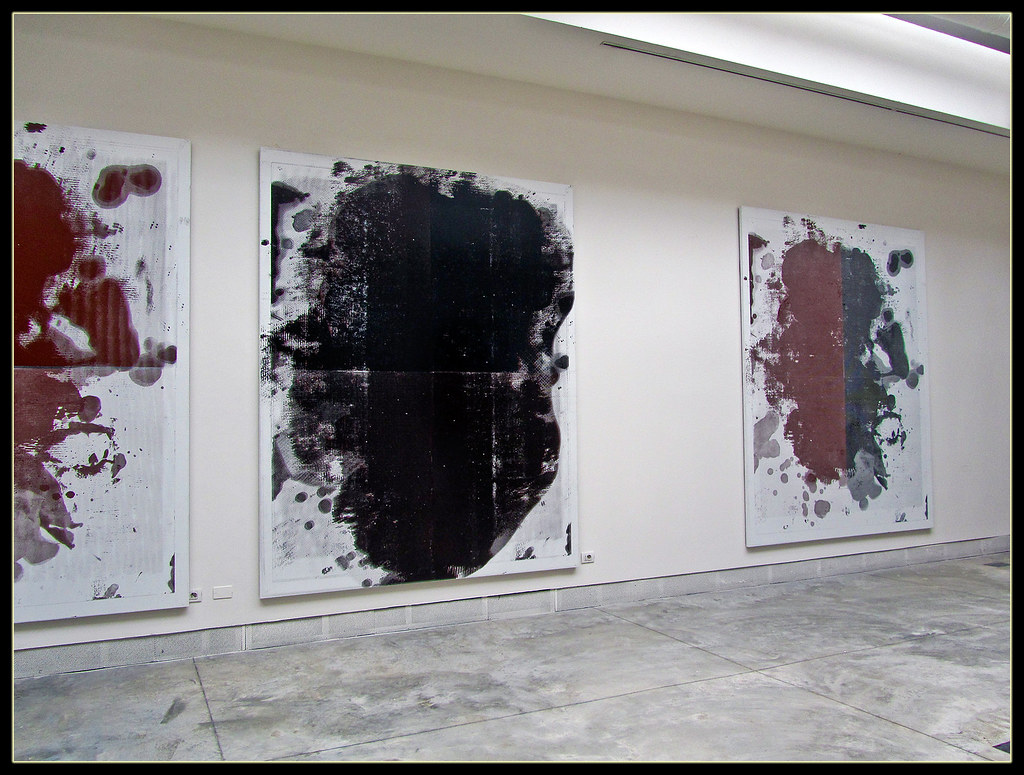
I always tell people that choosing a frame is an artistic decision in itself. It’s a balance of taste, protection, and practicality. Imagine you’re trying to find the perfect outfit for your artwork – it needs to fit, flatter, and protect it from the elements. The frame itself can even be seen as a form of artistic interpretation, enhancing the artwork's narrative. This is where the "ultimate" in our guide really comes into play.
[credit](https://live.staticflickr.com/6195/6087778411_164f0d9a2f_b.jpg),
[licence](https://creativecommons.org/licenses/by-nc-nd/2.0/)
### 1. Protection Level: The Preservation Imperative
For valuable, original, sentimental pieces, or anything you’ve spent hours creating (like my own paintings!), you **must** opt for **acid-free** materials (**conservation framing**) and **UV-protective glazing**. Don't skimp here; it's the difference between preserving history and watching it slowly degrade. **Conservation framing** typically refers to using acid-free, lignin-free materials throughout the frame package (mat, backing, mounting methods) and UV-protective glazing. **Museum framing** takes this a step further, often using 100% cotton rag mats, museum-grade anti-reflective UV glazing, and specialized barrier boards, aiming for maximum longevity and minimal visual interference. This is an investment in the art's future, preventing irreversible damage like yellowing, **foxing** (age-related brownish spots caused by mold, impurities in paper, or metal particles, often difficult or impossible to remove once set), and fading. Remember, the cost of restoration due to improper framing far outweighs the initial investment in archival materials.
### 2. The Artwork Itself: Your North Star
The frame should always primarily complement the **artwork's style**, period, and colors. A rustic wooden frame might be perfect for a sweeping landscape, while a sleek metal frame could highlight an [abstract piece](/finder/page/case-study-transforming-a-small-dark-hallway-with-a-vibrant-abstract-piece). My golden rule: the frame and mat should never visually compete with or overpower the artwork itself. The goal is to enhance, not distract. When thinking about frame width, I consider the size and complexity of the art; a larger, more intricate piece can often handle a wider, more substantial frame, lending it gravitas, while a small, delicate drawing might get lost or feel "swamped" in one. A [thin frame](/finder/page/how-to-choose-a-frame-for-abstract-art), however, could make a huge painting look unstable, like a giant balancing on a toothpick. What I've found is that the artwork's inherent qualities dictate the best framing choices. For example, framing a vibrant **Klimt** requires a different approach than a geometric **Mondrian**; the former might benefit from an ornate, gilded frame that extends its decorative qualities, while the latter demands a stark, minimalist frame to emphasize its clean lines and pure forms.
| Art Style | Recommended Frame Characteristics | Key Benefit |
| :------------------------------------- | :---------------------------------------------------------------------------------------------------------- | :------------------------------------------------------------------ |
| **Traditional (e.g., Landscapes, Portraits)** | Ornate, carved wood, classic profiles in gold/silver or rich wood tones; often reflects historical context. | Enhances grandeur, matches historical aesthetic. |
| **Impressionist/Post-Impressionist** | Simpler, less distracting frames; sometimes weathered or natural wood; lets color/brushstrokes shine. | Keeps focus on luminous art, avoids distraction. |
| **Modern/[Abstract Art](/finder/page/what-is-abstract-art)** | Sleek, minimalist designs in black, white, or metal (anodized aluminum); floater frames are popular. | Complements contemporary aesthetic, emphasizes clean lines. |
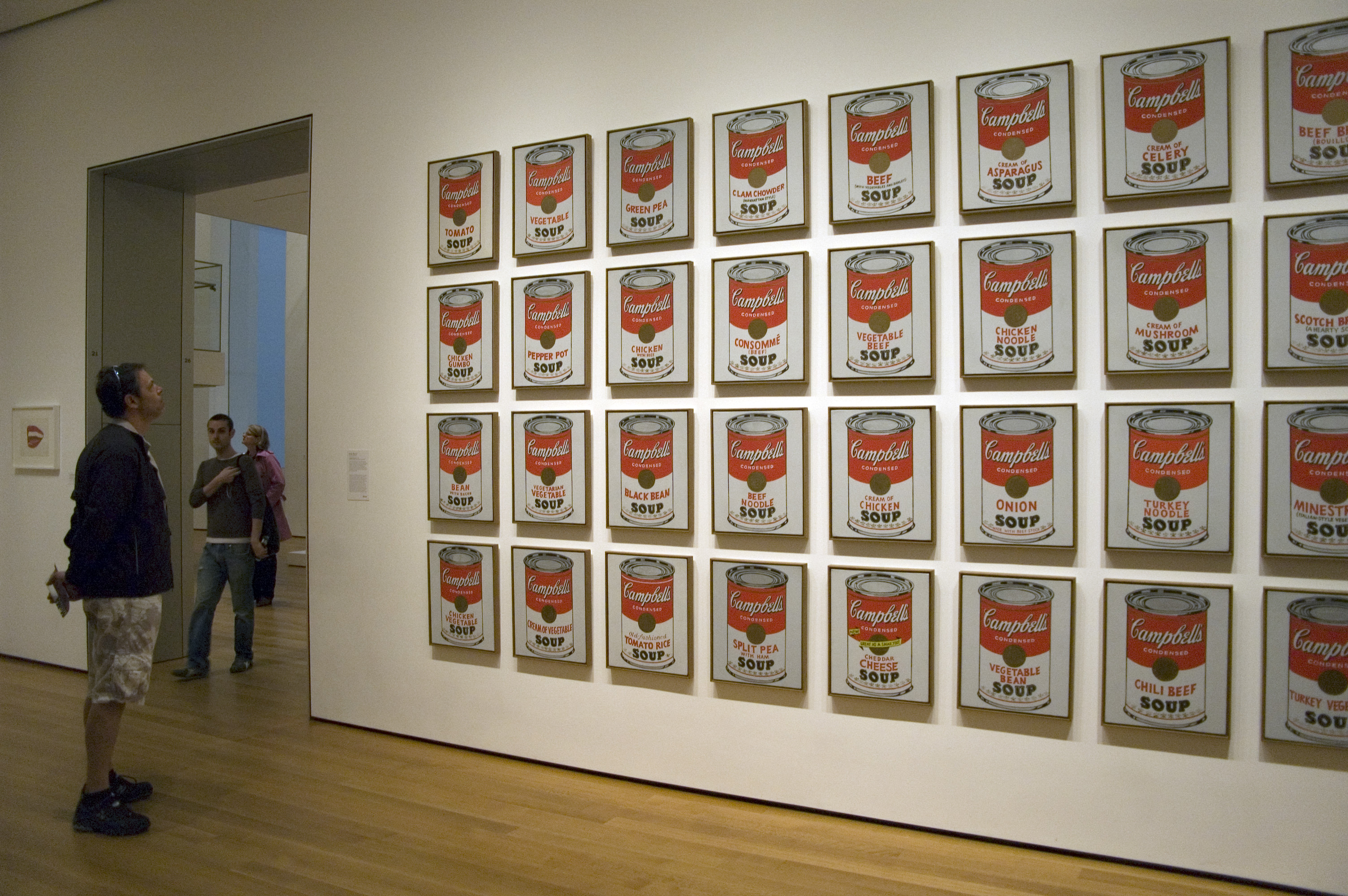
| **[Surrealism](/finder/page/what-is-surrealism)/Pop Art (e.g., Warhol)** | Can range from simple, bold colors to highly customized, perhaps even quirky frames that extend the art's narrative. | Extends artistic statement, adds personality. |
| **Contemporary/Experimental** | Highly versatile; simple frames, no frames, or shadow boxes for mixed media; unconventional materials. | Flexible for diverse media, supports innovative presentation. |
[credit](https://upload.wikimedia.org/wikipedia/commons/7/78/Ame02128_22.jpg),
[licence](https://creativecommons.org/licenses/by-sa/4.0)
### 3. Proportions and Harmony: The Visual Balance
This is a big one. Wider mats often suit larger pieces, giving them breathing room. Similarly, the frame's width should be proportionate to the artwork. A tiny photo in a massive frame looks odd, like a mouse in a mansion, and a huge painting in a whisper-thin frame can feel unstable, like a giant trying to balance on a toothpick. It's all about **visual harmony**, achieved when all elements (art, mat, frame) feel balanced and intentional in their relationship. As a general rule of thumb: for a small 8x10 print, a 2-inch mat and a 1-inch frame might be balanced, whereas a 30x40 canvas might call for a 4-inch mat and a 2-inch frame, allowing the art to command its space without being overwhelmed. I once saw a delicate botanical drawing framed in a truly enormous, heavy frame – the drawing just disappeared, swallowed by the frame's ambition. Don't let your art suffer that fate!

[credit](https://www.pexels.com/photo/paintings-hanging-in-a-corner-19460384/),
[licence](https://creativecommons.org/public-domain/)
### 4. Your Interior Decor: A Subtle Nod
While the artwork comes first, it’s not a bad idea to consider where the art will hang. You don't want a jarring clash, but also don't feel obligated to match everything perfectly. Sometimes, a contrasting frame can make the art pop. Think of it as a subtle nod to your room's aesthetic, not a strict uniform. The frame should live in harmony with both the art and its environment, a silent mediator between two worlds.
[credit](https://images.pexels.com/photos/102127/pexels-photo-102127.jpeg),
[licence](https://creativecommons.org/public-domain/)
### 5. Framing for Galleries and Exhibitions: The Professional Context
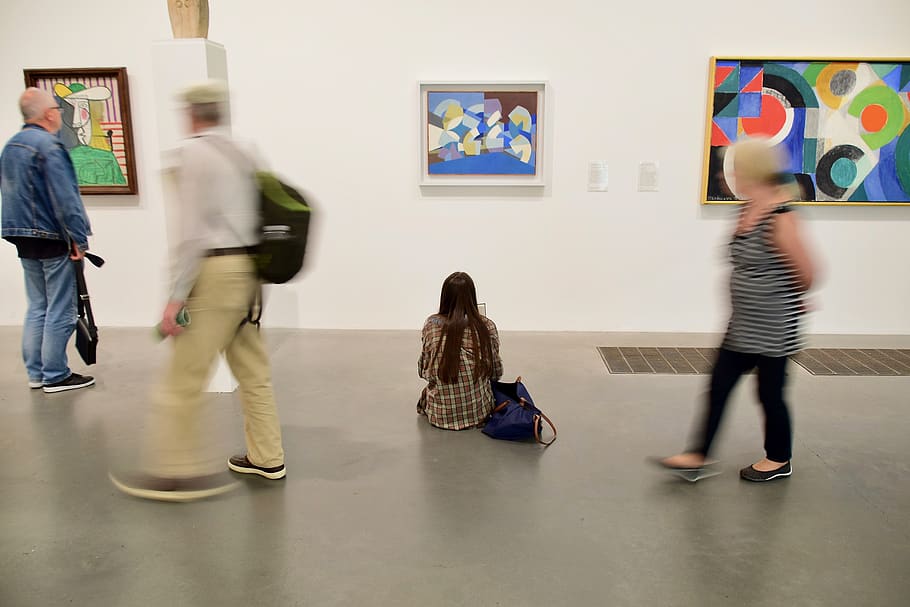
If you're an artist or collector displaying work in a professional setting, for juried shows, or even for online sales, consistency is often key. Often, simple, well-made frames (like a classic gallery-style wood frame) are preferred to ensure the focus remains on the art, not the frame itself. Consideration for ease of shipping, hanging, and presentation standards (e.g., minimum frame width, specific colors or finishes for competition entries, durability for transit, clear labeling for insurance and provenance) is also paramount. For artworks being sold online, a professional frame can significantly enhance its perceived value and protect it during shipping. I've seen curators insist on specific neutral frames to maintain cohesion across an entire exhibition, like the serene atmosphere in the Gemäldegalerie Berlin. This is about presenting your art in its best, most professional light, free from distractions.
[credit](https://images.pexels.com/photos/6925017/pexels-photo-6925017.jpeg),
[licence](https://creativecommons.org/public-domain/)
---
## DIY vs. Professional Framing: Where Do You Stand?
I’ve tried both routes, and honestly, each has its place. It often comes down to what you're framing and how much time (and patience!) you have. My discipline can be a mess on most days, but with framing, the consequences of cutting corners can be heartbreaking. For specific projects, the advice in a [Q&A with a framing expert preserving and displaying your art](/finder/page/qa-with-an-expert-art-framer) can be invaluable.
[credit](https://www.pxbarn.com/en/search?q=art+gallery),
[licence](https://creativecommons.org/licenses/publicdomain/)
| Feature | [DIY](/finder/page/how-to-make-your-own-gesso-a-diy-guide-for-artists) Framing | Professional Framing | Rationale | Why it Matters |
| :----------------------- | :------------------------------------------------------------------------------------------------------------------------------------------------------------------------------------------------------------------------------------------------------------------------------------------------------------------------------------- | :------------------------------------------------------------------------------------------------------------------------------------------------------------------- | :--------------------------------------------------------------------------------------------------------------------------------------- | :--------------------------------------------------------------------------------------------------------- |
| **Cost** | Lower, especially for standard sizes and materials purchased in bulk. | Higher, reflecting expertise, custom sizing, premium archival materials, and specialized labor. Expect hundreds for standard, thousands for high-end. | Investment vs. immediate outlay; specialized skills and materials come at a price, but protect valuable art. | Balancing risk vs. reward for the art's intrinsic value and purpose. |
| **Customization** | Limited by available pre-cut mats, frame sizes, and tool access. Achieving perfect cuts and bespoke designs can be challenging. | Virtually limitless options for materials, sizes, and specialized treatments (e.g., shadow boxes, textile mounts, custom finishes). Access to unique profiles. | Tailored fit for unique art vs. off-the-shelf solutions; complex projects require specialized approaches. | Ensures a perfect fit and aesthetic for any artwork, no matter how unique. |
| **Quality/Protection** | Depends entirely on your skill, materials used, and research. Risks include improper mat cuts (I once ruined a perfectly good mat trying to cut a perfect bevel, what a disaster!), inaccurate glass/acrylic cutting, irreversible mounting, or using acidic materials leading to long-term damage like yellowing or mold. | Generally much higher, with archival standards and expert handling, especially for delicate art. Professionals have access to specialized acid-free barrier boards and reversible mounting techniques. | Expertise minimizes risk; archival quality ensures longevity and peace of mind. | Professional execution ensures the best possible protection and longevity for your art. |
| **Expertise/Guidance** | Self-taught, relies on online resources (like this guide!) and trial-and-error. | Invaluable, personalized advice from experienced framers, ideal for unique or challenging pieces. They can recommend the best materials and techniques. | Learning curve vs. immediate access to seasoned knowledge and problem-solving skills. | Avoids costly mistakes and ensures optimal framing decisions. |
| **Time & Effort** | Requires significant personal time for learning, sourcing materials, and precise execution. | Saves you time; framers handle all aspects from design to assembly, including access to specialized tools like vacuum presses and underpinners. | Your time is valuable; professional service frees it up for other pursuits, or for creating more art! | Frees up your time and ensures a hassle-free, professional result. |
| **Best For** | Standard size posters, casual prints, personal projects, art where permanence is not paramount. Photos for a kids room, temporary displays. | Valuable originals, custom sizes, heirlooms, delicate or oddly shaped pieces, or art for exhibition/competitions. Anything you truly cherish. | Balancing risk vs. reward for the art's intrinsic value and purpose. | Ensures your most treasured pieces are handled with the care and expertise they deserve. |
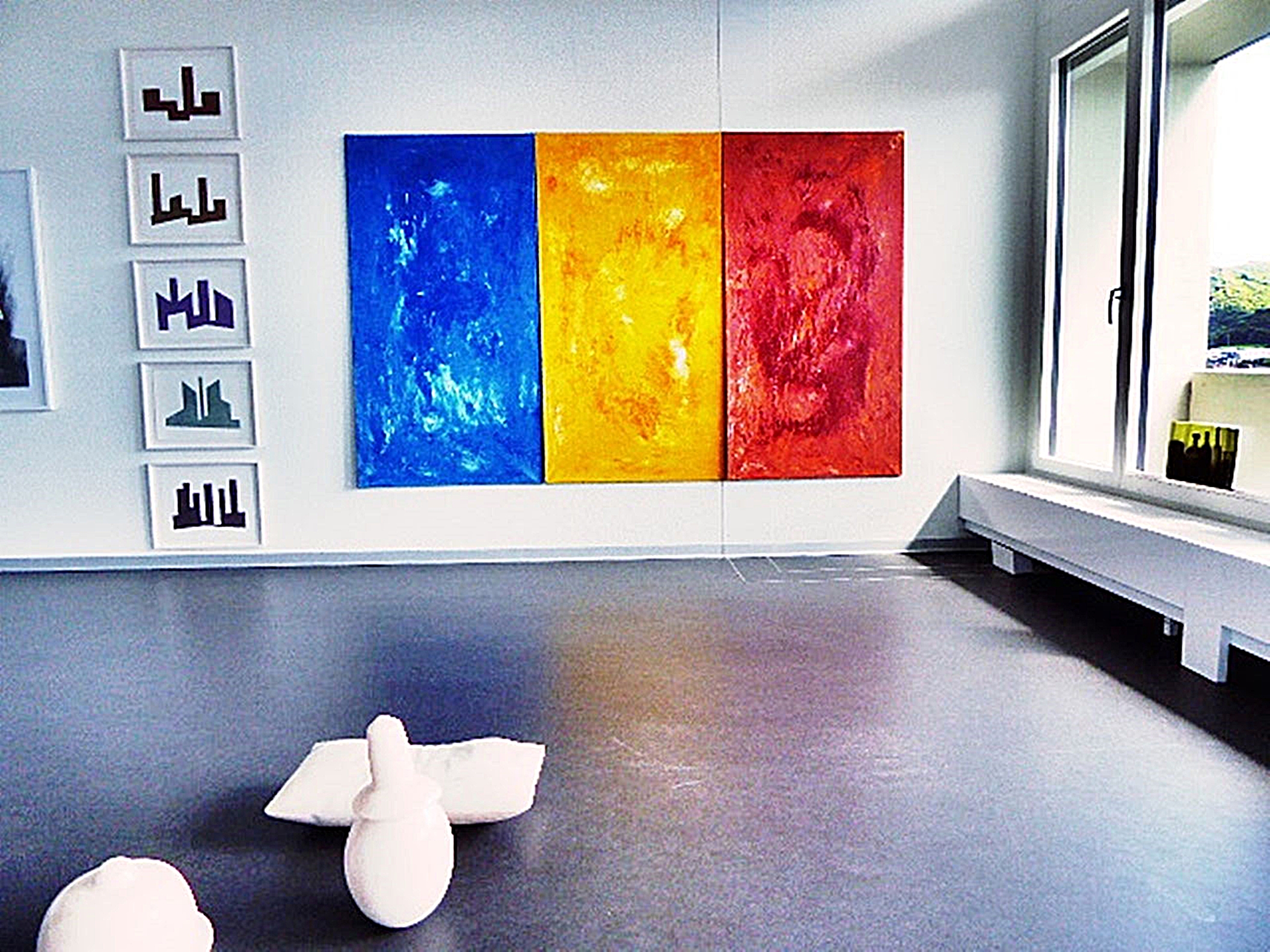
[credit](https://upload.wikimedia.org/wikipedia/commons/9/9f/Pedro_Meier_Stadthaus_Olten_Ausstellung_2016%2C_im_Hintergrund_Triptychon_%C2%BBMetamorphosen_-_Ovid%C2%AB._%C3%96l-Lack_auf_Leinwand%2C_je_150_x_80_cm._Foto_%C2%A9_Pedro_Meier_Multimedia_Artist_Niederbipp.jpg),
[licence](https://creativecommons.org/licenses/by-sa/4.0)
---
## Hanging Your Framed Art: The Grand Finale
So you’ve gone through all the effort to frame your art beautifully. Don't let the hanging be an afterthought! Proper display can truly make or break the presentation. I always take a deep breath before this step; it's where everything comes together. A beautiful frame hung poorly is like a perfectly cooked meal served on a dirty plate – it just undermines the whole experience.
### Hardware and Hanging Systems
Choosing the right hardware is crucial for both safety and aesthetics. I've seen too many beautiful frames come crashing down because of inadequate hooks! Always check the weight rating of your hardware; it's a small detail that makes a huge difference. Never skip this part, even if your discipline is a mess on most days. Always over-engineer your hanging system slightly; it's better to be safe than sorry, and certainly better than a shattered frame or damaged artwork.
* **Small, Lightweight Frames:** For smaller, lighter pieces (typically under 5 lbs or 2.2 kg), a simple sawtooth hanger or a single picture hook will often suffice. Just make sure the hook is rated for the weight.
* **Medium to Large Frames:** I prefer using two D-rings (attached to the back of the frame, about 1/3 down from the top) with a sturdy picture wire stretched between them. This distributes the weight evenly and makes leveling much easier. Picture wire is usually rated for 20-50 lbs (9-22 kg); remember to twist the wire securely! For very heavy pieces, you might skip the wire and use two separate hooks in the wall, directly engaging with the D-rings for maximum support. If you're framing [oversized artwork](/finder/page/how-to-frame-oversized-artwork), planning your hanging system is even more critical.
* **Heavy Frames:** For truly heavy art (over 50 lbs or 22 kg), you will almost certainly need two separate hooks in the wall, directly engaging with two D-rings on the frame, or even specialized heavy-duty hangers like Z-clips or security hangers that screw directly into wall studs, especially for public or institutional settings. Don't underestimate the weight of a large framed piece with glass! Always inspect existing hardware periodically for signs of wear or fatigue, especially in high-traffic areas or areas with significant temperature/humidity fluctuations.
### Wall Types and Anchoring
This is where my DIY spirit sometimes meets its match. Different walls need different approaches:
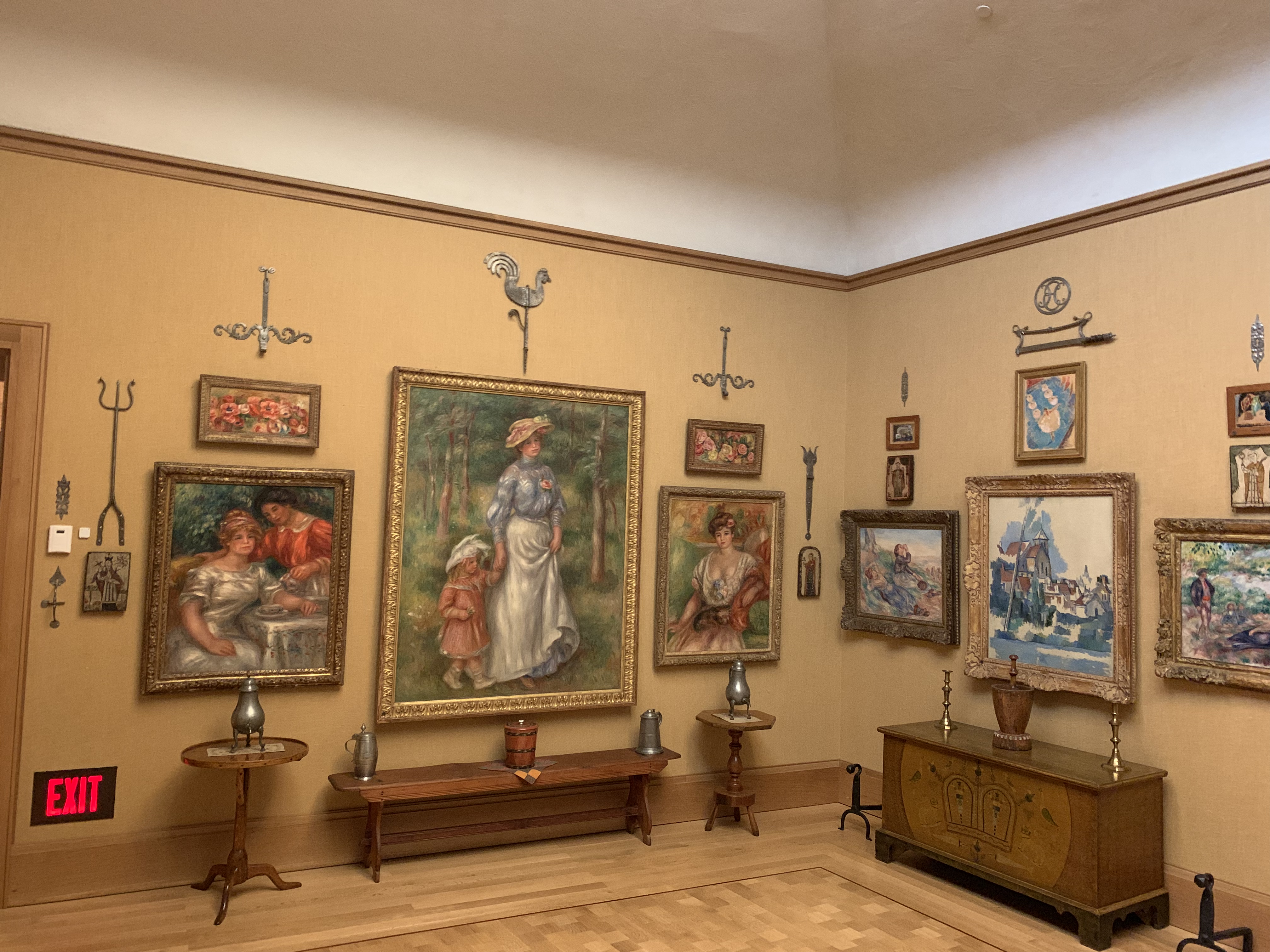
[credit](https://upload.wikimedia.org/wikipedia/commons/4/42/Barnes_gallery_interior.jpg),
[licence](https://creativecommons.org/licenses/by-sa/4.0)
* **Drywall:** Most common, but also the most finicky. For anything beyond a feather-light frame, you'll need a drywall anchor. There are many types – self-drilling anchors (which screw directly into the drywall), toggle bolts (which have wings that open behind the wall for greater support), plastic conical anchors. Always match the anchor to the weight. To find a stud in drywall, you can use a **stud finder** or gently tap the wall; a hollow sound indicates open space, while a solid thud usually suggests a stud.
* **Plaster Walls:** Often older homes. These can be brittle. I find a screw-in hook with a wide, flat base often works best, or carefully drill a pilot hole first to prevent cracking. Patience is key here, and sometimes specialized plaster anchors are needed.
* **Wood Studs:** The dream! If you can find a stud (use a stud finder, trust me), a simple screw or nail driven directly into it will offer the strongest hold. No anchor needed!
* **Brick/Concrete Walls:** These require a hammer drill, masonry bit, and specific wall plugs (rawlplugs) or anchors designed for stone. This is definitely a job where specialized tools make all the difference.
### Placement and Leveling
* **Eye Level:** A classic gallery rule, and for good reason. Hang art so the center of the piece is roughly at **eye level** (typically around 57-60 inches / 145-152 cm from the floor). This makes it comfortable to view, placing the artwork directly in the viewer's natural line of sight, much like in a museum.
* **Groupings and Gallery Walls:** When hanging multiple pieces, think about them as a single unit. Maintain consistent spacing. For inspiration on creating dynamic displays, take a look at [what is a gallery wall](/finder/page/what-is-a-gallery-wall). It's a fantastic way to tell a story with your art collection. For complex arrangements, a **[gallery wall](/finder/page/what-is-a-gallery-wall) layout calculator** or app can be a lifesaver, helping you visualize and plan before making holes in the wall.
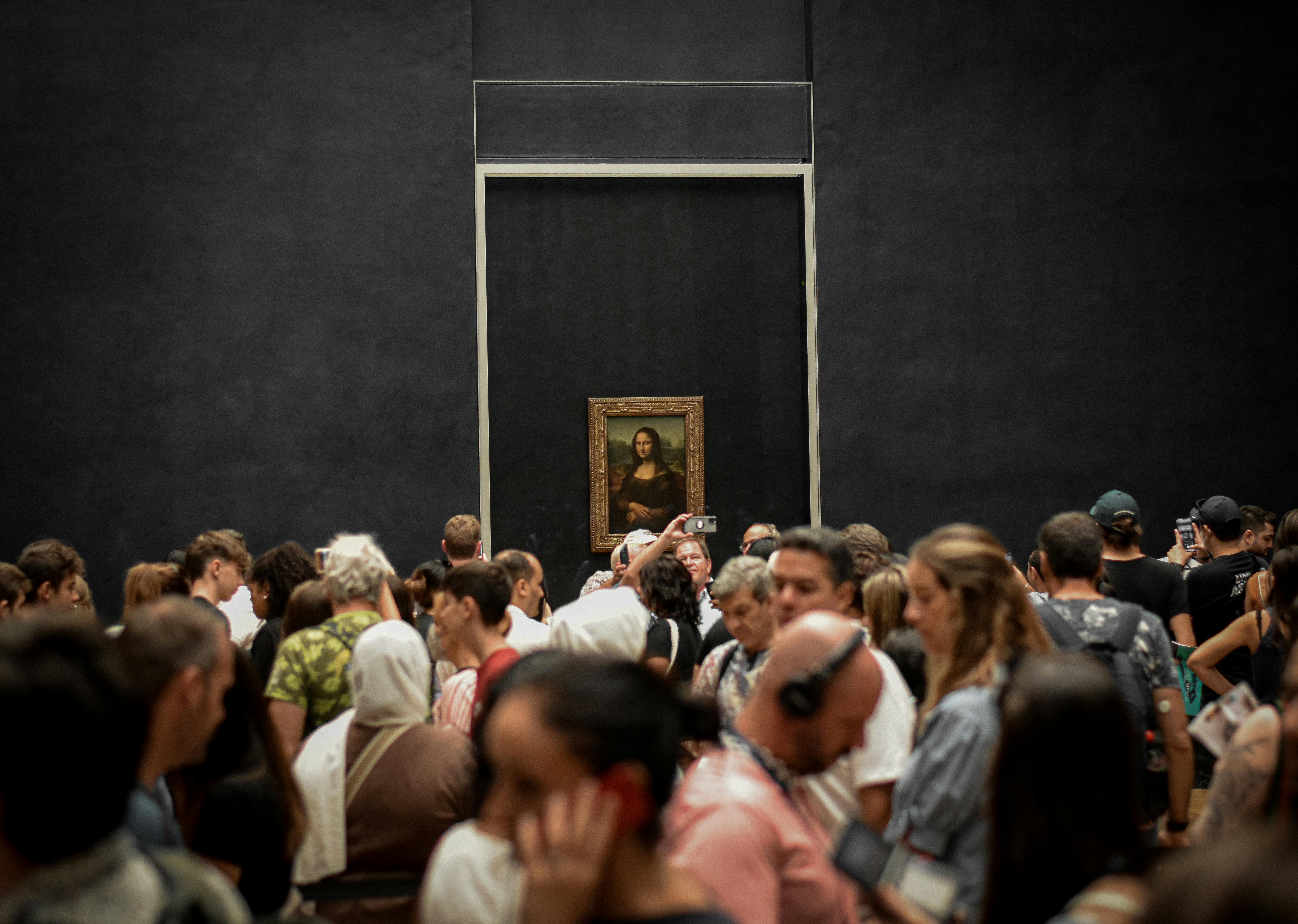
[credit](https://images.pexels.com/photos/13677095/pexels-photo-13677095.jpeg),
[licence](https://creativecommons.org/public-domain/)
* **Use a Level!** Please, for the love of all that is visually balanced, use a level. Nothing ruins the flow of a room faster than crooked art. It’s a small tool, but trust me, a wonky picture frame is a visual siren call for mild irritation that will plague you until it's fixed. A small bubble level or a level app on your phone will save you future headaches.
### Framing for Specific Environments
Beyond general display, where you hang your art can dictate specific framing choices. For high-humidity areas like bathrooms or kitchens (though I'd generally avoid placing valuable art there), consider sealed frames and acrylic glazing to minimize moisture intrusion. For high-traffic areas like hallways, shatter-resistant acrylic is a safer choice. And if you're venturing into creating outdoor art, specialized weather-resistant frames and UV-stable materials are paramount, as traditional framing will simply not withstand the elements.
---
## Lifespan and Maintenance: Keeping Your Art Pristine
Framing is the first step, but maintaining that pristine condition requires a little ongoing love. Think of it like taking care of a cherished plant – consistent, gentle attention goes a long way. Even the best archival materials have a lifespan, so vigilance is key. What I've learned is that an investment in proper framing is only as good as the care that follows. I once had a framed piece develop suspicious spots on the mat after a particularly humid summer, and it was a stark reminder that even the best intentions need ongoing oversight.
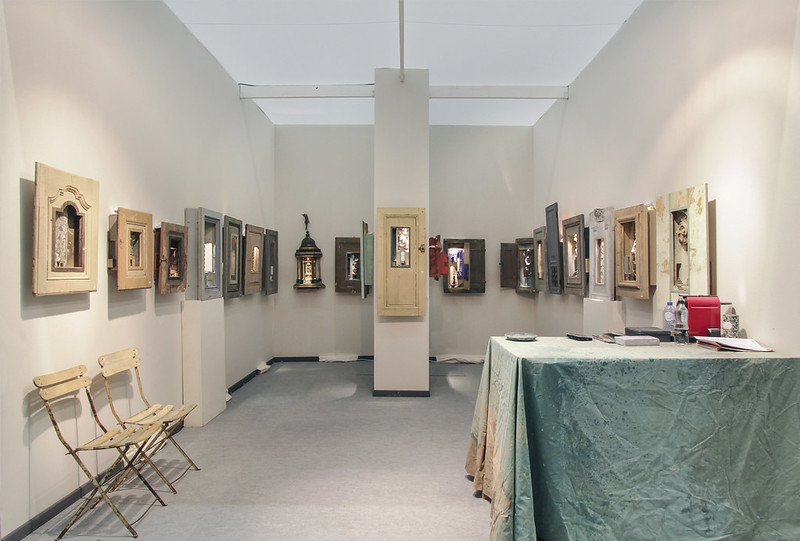
[credit](https://www.flickr.com/photos/kotomi-jewelry/38424693896),
[licence](https://creativecommons.org/licenses/by-nc/2.0/)
* **Location, Location, Location:** Avoid hanging [framed art](/finder/page/art-for-apartments) in direct sunlight, above active heat sources (like radiators), or in areas with high humidity (bathrooms, unventilated basements). These conditions are the archenemies of art, causing fading, warping, and potential mold growth. Fluctuations in temperature and humidity are particularly damaging, as they can cause materials to expand and contract, leading to stress on the artwork and frame. Ideal conditions for art storage and display typically involve stable temperatures around 68-72°F (20-22°C) and relative humidity between 45-55%. For more on safe storage, explore [art storage solutions for collectors](/finder/page/art-storage-solutions-for-collectors). For truly valuable pieces, considering specialized climate-controlled storage units or display cases might be a worthwhile advanced preservation option.
* **Cleaning Glazing:** For glass, use a glass cleaner sparingly on a soft cloth, spraying the cloth first, *not* the glass directly (you don't want liquid seeping into the frame!). For acrylic, use a specialized acrylic cleaner or just mild soap and water with a very soft, lint-free cloth to avoid scratches. Always wipe gently to avoid static buildup.
* **Dusting:** A soft, dry cloth or a microfibre duster is your best friend. Be gentle around the frame edges, and avoid harsh chemicals or abrasive materials.
* **Pest and Mold Watch:** If you notice any strange spots, unusual odors, or tiny critters near your framed art, it's time for an inspection. Mold can be devastating, and pests like silverfish love to munch on paper and glue. If you spot signs (e.g., small brown spots on the mat, a musty smell, or tiny tunnels in the paper), isolate the piece immediately, gently dust with a soft brush, and consult a professional conservator if signs persist. Early detection is key to professional restoration.
* **Re-framing or Inspection:** For truly valuable pieces, I recommend having a professional framer inspect the framing every 10-20 years. Materials *do* degrade, even archival ones, and an expert eye can catch issues before they become major problems. Archival tapes can lose their adhesive strength, mats can begin to acidify over very long periods, and even UV protection can diminish slightly. Specific signs that warrant an inspection include visible yellowing or browning of the mat, subtle warping or buckling of the artwork, loose frame joints, or any changes in the glazing's clarity. It’s a proactive step in preserving your legacy. For very old or extremely valuable pieces, a comprehensive conservation assessment by a professional art conservator is often recommended, going beyond just the frame to evaluate the artwork's intrinsic condition.

[credit](http://commons.wikimedia.org/),
[licence](https://creativecommons.org/publicdomain/mark/1.0/)
---
## Environmental Impact and Sustainability in Framing
As someone who thinks about the long-term impact of everything I create, the environmental footprint of framing materials is increasingly on my mind. While preservation is paramount, we can also make more conscious choices.
* **Sustainable Wood:** Look for frames made from **FSC-certified wood** (Forest Stewardship Council), which guarantees the wood comes from responsibly managed forests. Reclaimed or salvaged wood is another excellent option, giving new life to old materials. Local sourcing also reduces transportation emissions.
* **Recycled Metals:** Aluminum frames can often be made from recycled content, reducing the demand for virgin resources and energy consumption. Always inquire about the percentage of recycled materials used.
* **Non-Toxic Finishes:** Opt for frames with water-based or low-VOC (Volatile Organic Compound) finishes to minimize off-gassing and air pollution. This is better for your home environment and for the framers who apply them.
* **Recyclable Materials:** While plastics like polystyrene pose challenges, some components (like certain metals or glass) are recyclable. Always inquire about end-of-life options for your framing materials when making choices, and support businesses that have robust recycling programs.
* **Longevity as Sustainability:** The most sustainable framing choice is often the one that lasts the longest. Investing in high-quality, archival materials means less frequent replacement, reducing waste over time. It's a testament to the idea that true sustainability often aligns with enduring quality – a frame that lasts a century is inherently more sustainable than one replaced every few years.
* **Support Sustainable Framers:** Seek out framing businesses that prioritize sustainability in their operations, from material sourcing to waste reduction and energy efficiency. They'll often highlight these practices.
---
## Digital Art and NFTs: A Different Kind of 'Framing'
This is where the physical and digital worlds diverge dramatically. For **[digital art](/finder/page/history-of-digital-art)** or **NFTs** (Non-Fungible Tokens), traditional framing concepts—with their focus on physical protection from UV light, acid migration, and dust—don't directly apply. While a digital display (like a high-resolution screen) can certainly be *framed aesthetically* to integrate into a physical space, perhaps using a [how to choose a digital art frame](/finder/page/how-to-choose-a-digital-art-frame), the core preservation challenges are entirely different. Instead of mats and glazing, the longevity of [digital art](/finder/page/history-of-digital-art) hinges on data integrity, robust digital archiving practices, and the long-term stability of blockchain platforms. This includes ensuring file formats remain accessible (migrating old formats to new ones), creating redundant backups across multiple storage types, and adhering to strict metadata standards. It's crucial to understand that an [NFT](/finder/page/what-is-the-nft-virtual-racing-game-market) is primarily a record of ownership, a digital certificate, not the artwork file itself. The digital artwork still faces issues like