Designing Your Abstract Art Studio: A Sanctuary for Creative Flow
Explore the art of designing an abstract studio. Learn how intentional light, zones, tools, curated chaos, and atmosphere create a personal sanctuary for artistic inspiration and deep creative flow.

My Creative Sanctuary: Designing a Studio Space for Abstract Inspiration
Creating a studio space that nurtures creativity is a deeply personal journey. For artists, this space is more than just a room; it's a sanctuary where ideas come to life, emotions are expressed, and inspiration flows freely. Whether you're an abstract artist, a painter, or a digital creator, the environment you cultivate can significantly impact your creative process. This article explores the nuances of designing a studio space that fosters abstract inspiration, offering practical tips, personal insights, and expert advice to help you craft your own creative haven.
Why a Studio Space Matters
A dedicated studio space is essential for artists. It provides a physical and mental boundary between the mundane and the creative, allowing for deeper focus, fewer distractions, and a sense of ritual that enhances the creative process. Whether you're a seasoned artist or just starting, having a space that is solely yours can make all the difference in your artistic journey.
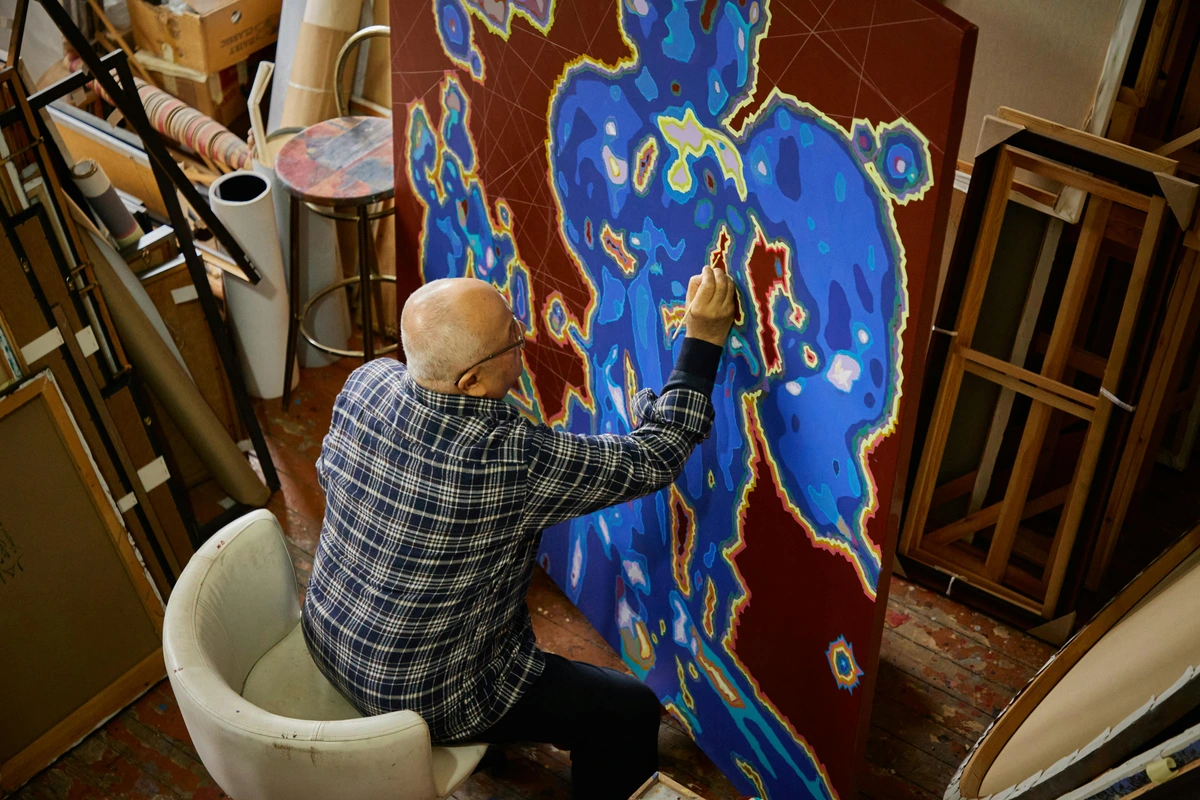
There's a certain magic that happens when you step into a space that is truly, unequivocally yours. For me, that's my abstract art studio. It’s not just a room; it’s a living, breathing extension of my mind, a sanctuary where chaos meets calm, and fleeting ideas find their canvas. Designing it wasn't just about picking furniture or colors; it was an act of introspection, a physical manifestation of my creative process. If you’ve ever wondered what goes into cultivating an environment where abstract inspiration thrives, well, pull up a chair. Or better yet, imagine yourself in my studio, brushes in hand. And perhaps, along the way, you’ll unearth a few insights for shaping your own dedicated haven.
The Psychology of a Creative Space
The environment in which we create can profoundly influence our mindset and output. A well-designed studio isn't just about aesthetics; it's about fostering a mental state conducive to creativity. Studies have shown that spaces tailored to individual needs can enhance focus, reduce stress, and even boost productivity. For artists, this means creating a space that not only inspires but also supports the unique rhythms of their creative process.
The Impact of Environment on Creativity
The physical environment plays a crucial role in shaping our mental state. A cluttered space can lead to a cluttered mind, while a well-organized and thoughtfully designed studio can enhance clarity and focus. The colors, lighting, and layout of your studio can all influence your mood and creative output. For example, natural light can boost your energy levels, while a calming color palette can help you relax and focus.
Creating a Mental Sanctuary
Your studio should be a place where you feel safe to explore, experiment, and express yourself. It should be free from distractions and filled with elements that inspire you. Whether it's a favorite piece of artwork, a comfortable chair, or a view of nature, these elements can help create a mental sanctuary that supports your creative process.
Why a Dedicated Studio Space Matters
Creating a dedicated studio space is more than just a luxury; it's a necessity for any artist. It provides a physical and mental boundary between the mundane and the creative. This separation allows for deeper focus, fewer distractions, and a sense of ritual that can significantly enhance the creative process. Whether you're a seasoned artist or just starting, having a space that is solely yours can make all the difference in your artistic journey.
The Ritual of Creation
Rituals are powerful tools for signaling to your brain that it's time to shift gears. For many artists, stepping into their studio is the first step in a ritual that prepares them mentally and emotionally for the work ahead. This could be as simple as lighting a candle, playing a specific piece of music, or arranging tools in a particular way. These small acts create a psychological transition from the outside world to the creative realm.
The Studio as a Loyal Friend: More Than Just Walls
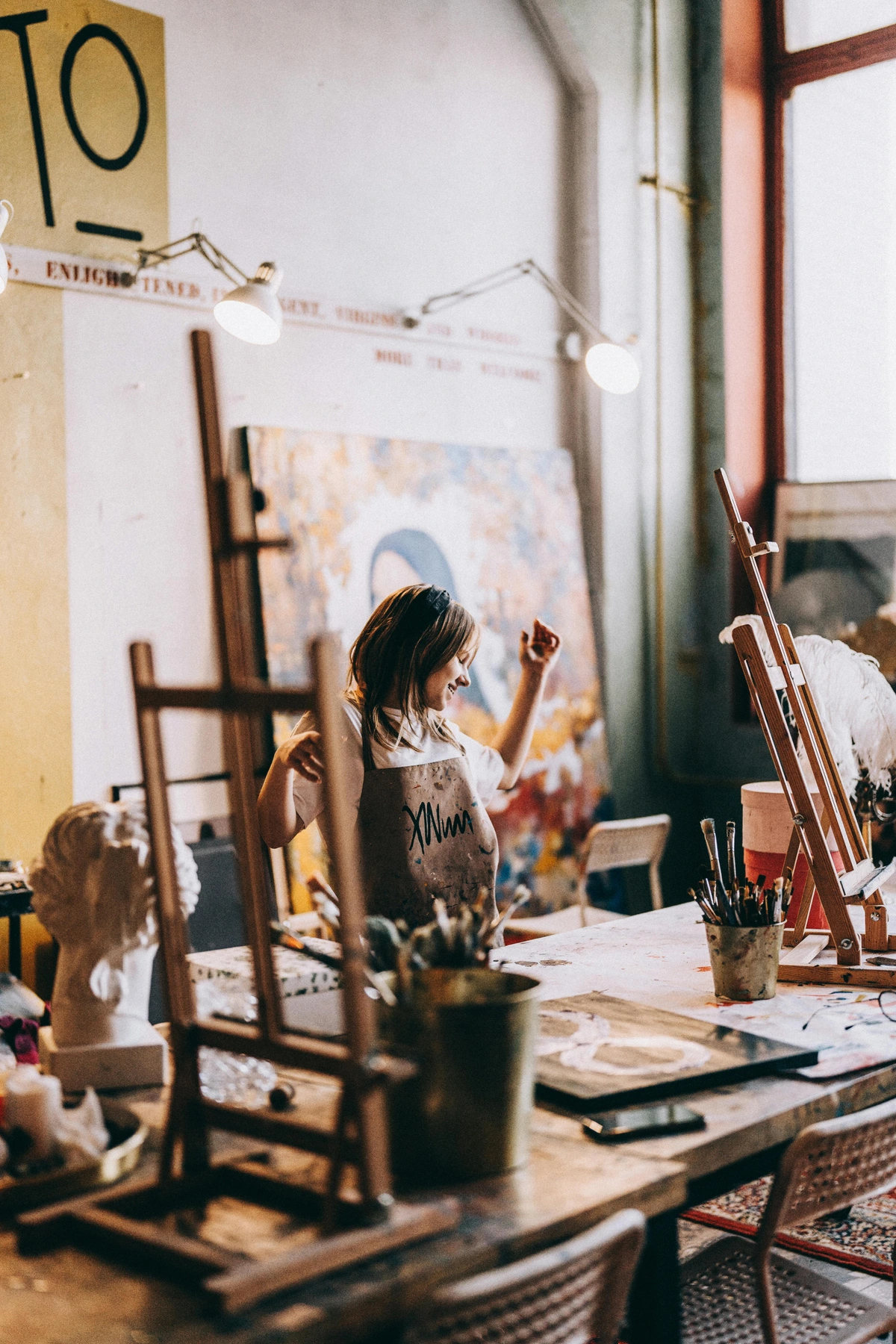
I’ve always felt that my studio is a bit like a loyal, understanding friend. It witnesses my triumphs and my frustrations, my wild experiments and my quiet moments of contemplation. It doesn't judge. It just is – a quiet, unwavering presence, holding space for every splash of color and every moment of doubt. And that presence, that silent support, is fundamental to my work. Where else could I, for instance, splutter paint onto the floor and, with a knowing wink, declare it 'expressive mark-making,' or wrestle with a stubborn composition until the wee hours without bothering anyone? It's where my abstract self feels most at home. This isn't just about utility; it's about the very soul of the space, a silent partner in the often-messy dance of creation. It's a place that understands that sometimes, the most profound insights emerge from what looks, to an outsider, like utter disarray. But the magic truly begins when we start to intentionally shape this understanding into tangible form.
Architecting Inspiration: Light, Layout, and the Canvas's Call
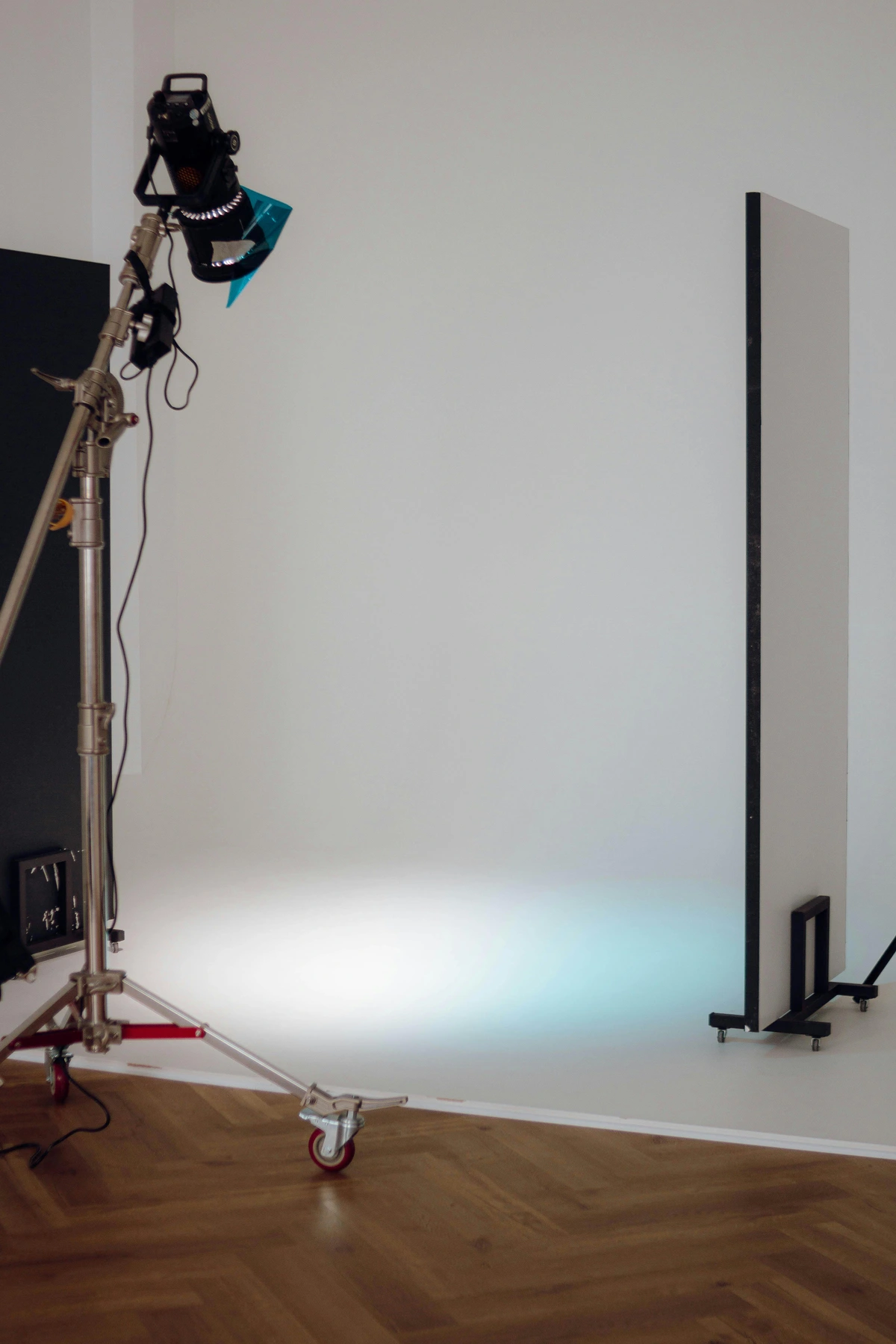
This deep, almost symbiotic relationship with my studio is precisely why its physical design is no less important than its spiritual one. When I first envisioned this space, it wasn't about pristine minimalism. Oh no. My brain is a beautiful mess of ideas, and my studio needed to reflect that, but with purpose. The first non-negotiable was light. Natural light, ideally north-facing, provides that consistent, true color rendition crucial for abstract work. But reality bites, doesn't it? So, I supplemented with adjustable daylight-balanced LED lighting. No one wants to spend hours mixing a vibrant blue only to find it's a dreary grey under different conditions.
The Role of Natural Light
Natural light is often considered the gold standard for artists. It provides a full spectrum of color, which is essential for accurately perceiving and mixing hues. North-facing windows are particularly prized because they offer consistent, diffused light without the harsh shadows or glare that can come from direct sunlight. This type of lighting is ideal for creating a calm and focused atmosphere, which is conducive to the creative process.
Choosing the Right Lighting
Lighting is not just about visibility; it's about accuracy. Different types of lighting can drastically alter the appearance of colors. For example, incandescent bulbs can make colors appear warmer, while fluorescent lighting can introduce a cool, blue tint. Daylight-balanced LED lights are the closest to natural light, making them ideal for artists who need to see true colors.
Comparing Lighting Options
Lighting Type  | Color Temperature | Best For |
|---|---|---|
| Natural Light | Varies (5000K-6500K) | General use, color accuracy |
| Incandescent | Warm (2700K-3000K) | Cozy atmosphere, not ideal for color accuracy |
| Fluorescent | Cool (4000K-4500K) | Bright, even light, but can distort colors |
| LED (Daylight-balanced) | Neutral (5000K-6500K) | Best for color accuracy and energy efficiency |
Designing Your Studio Layout
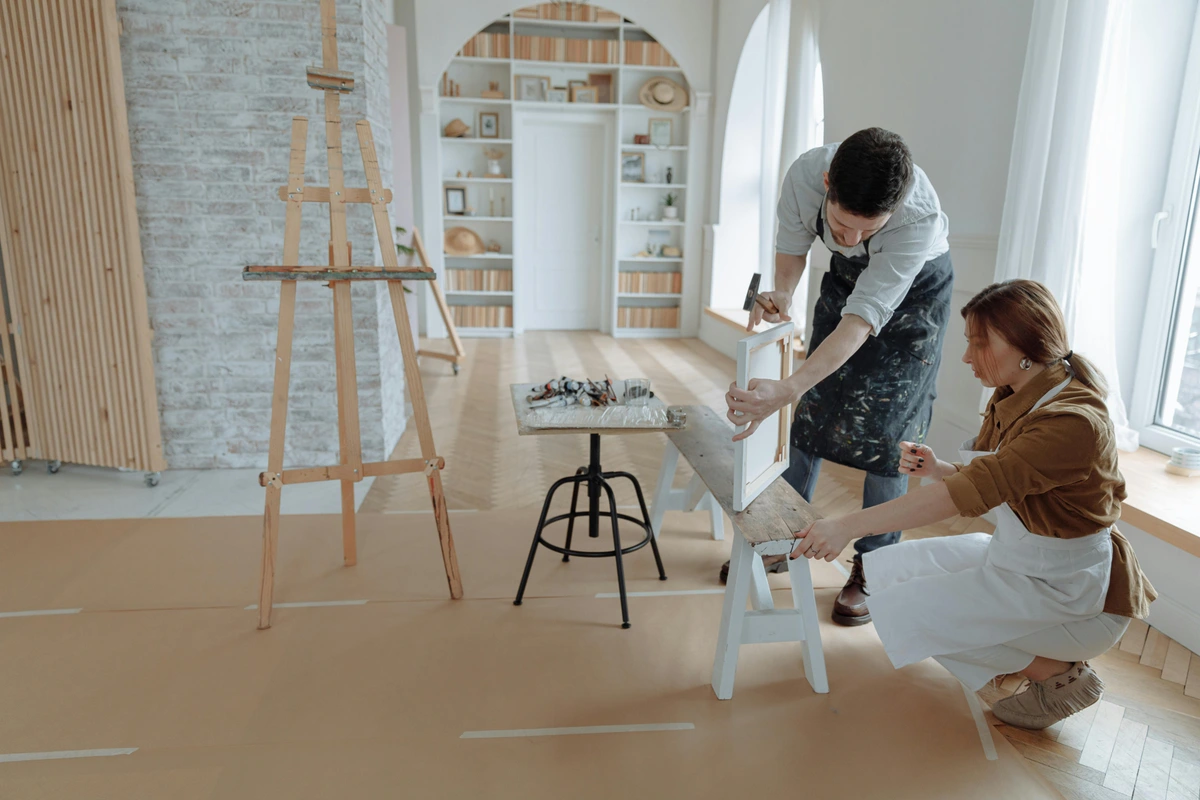
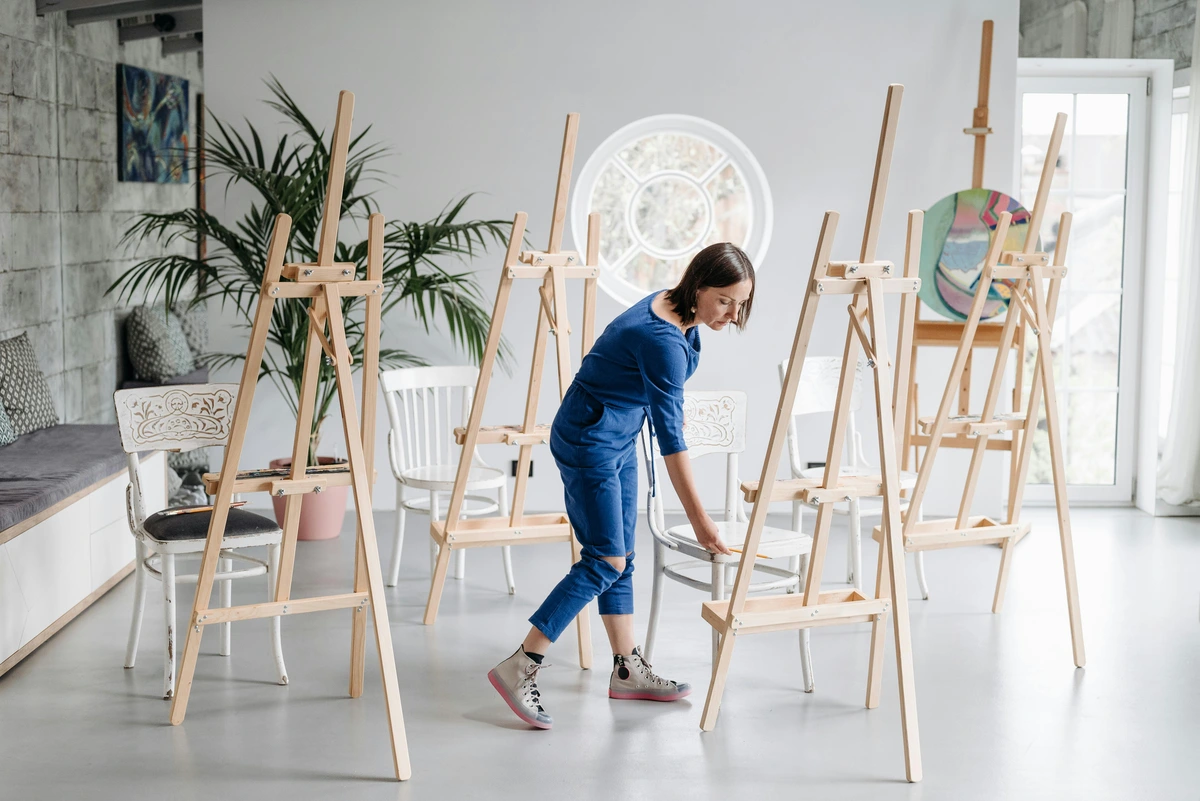
Then came the layout. I thought of it as a series of zones:
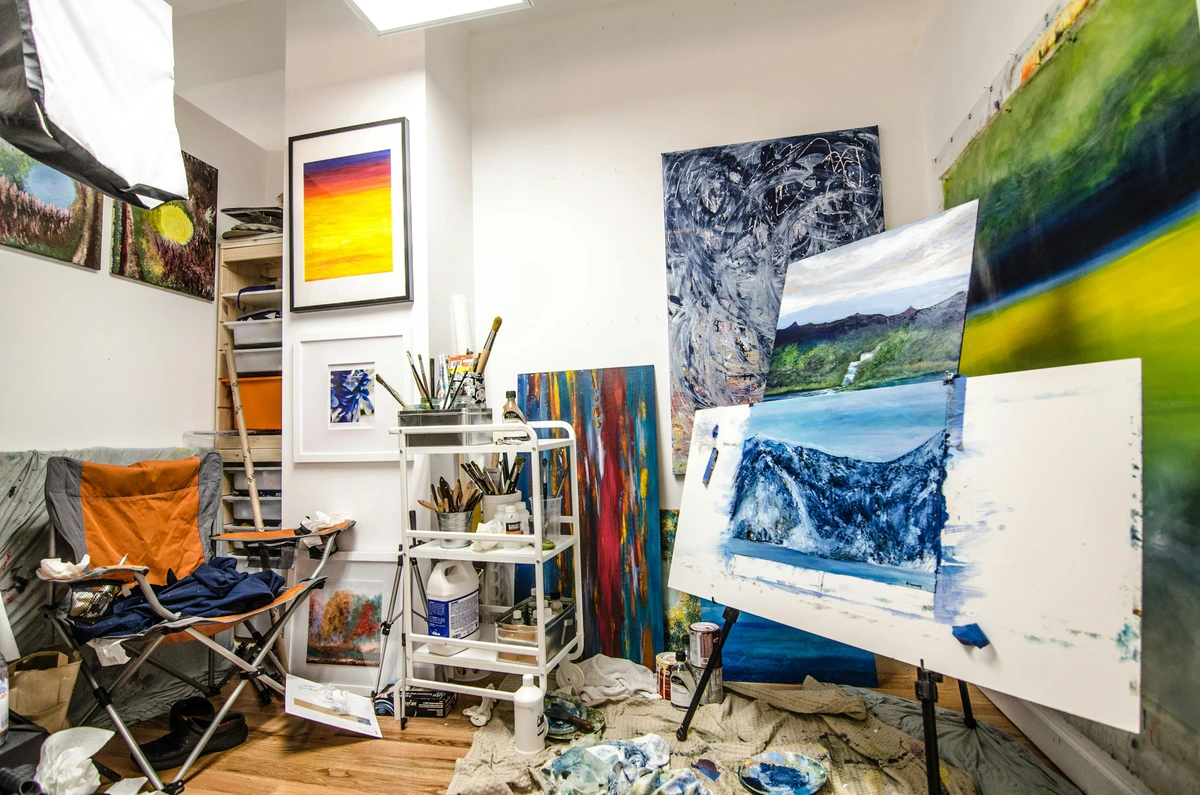
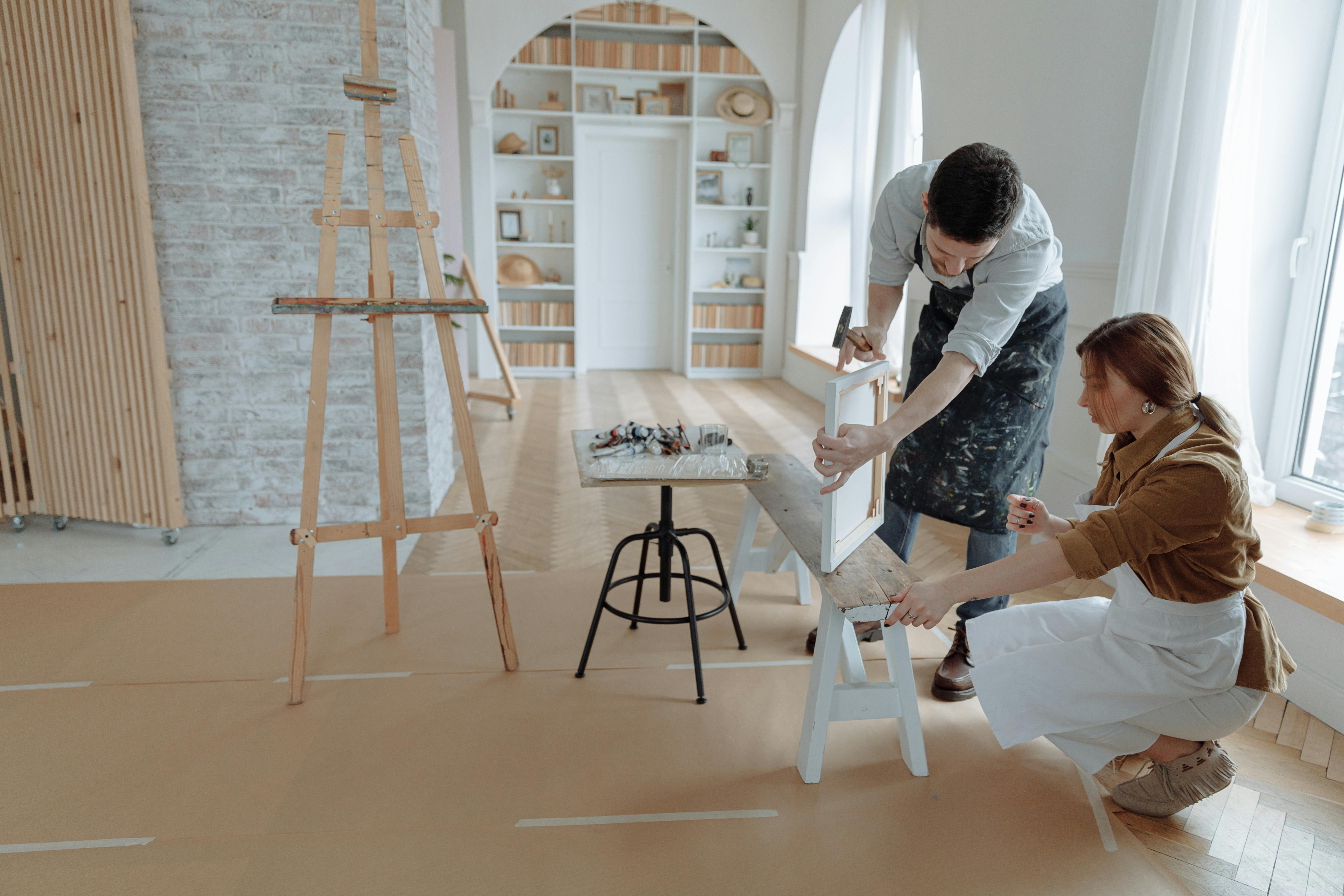
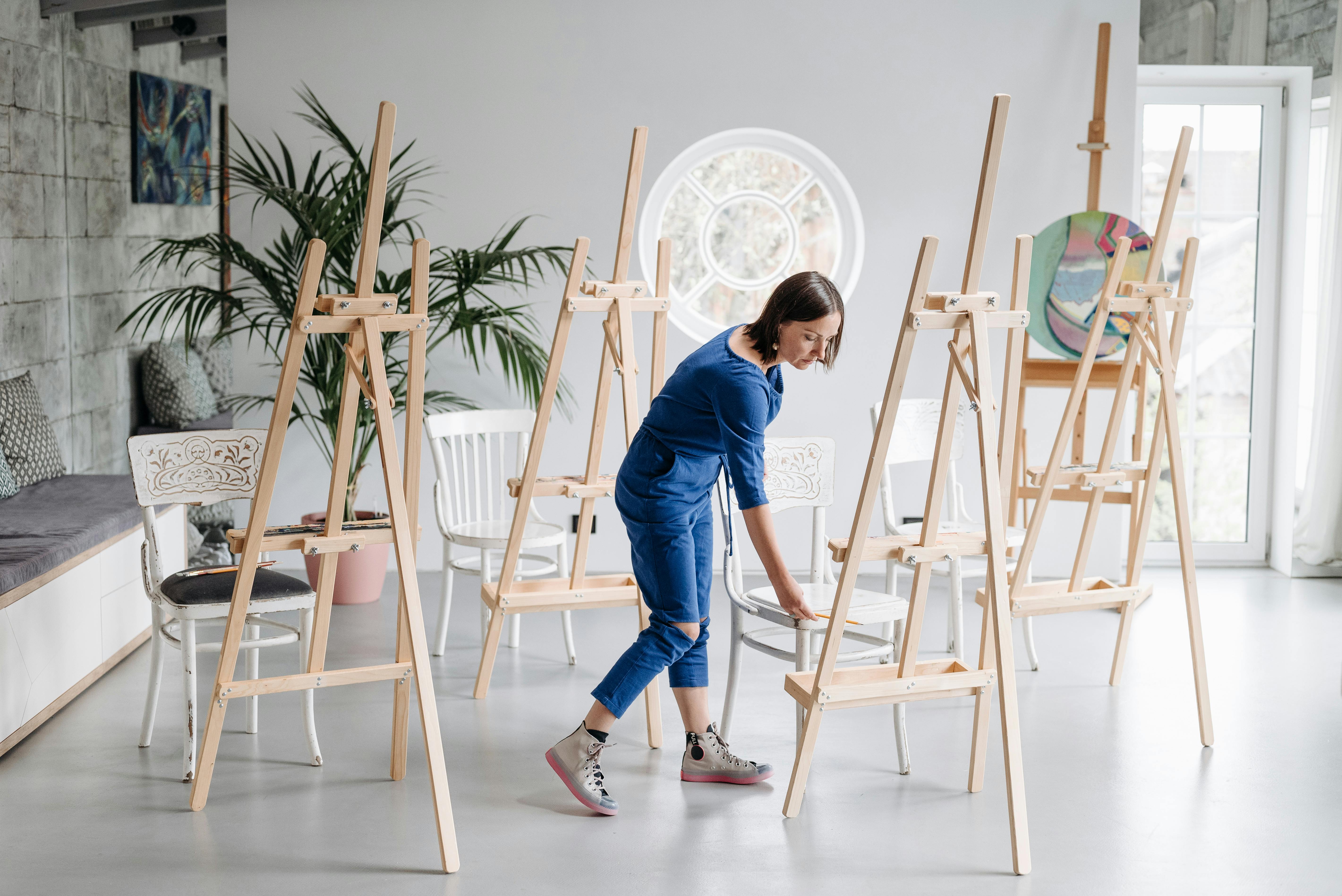
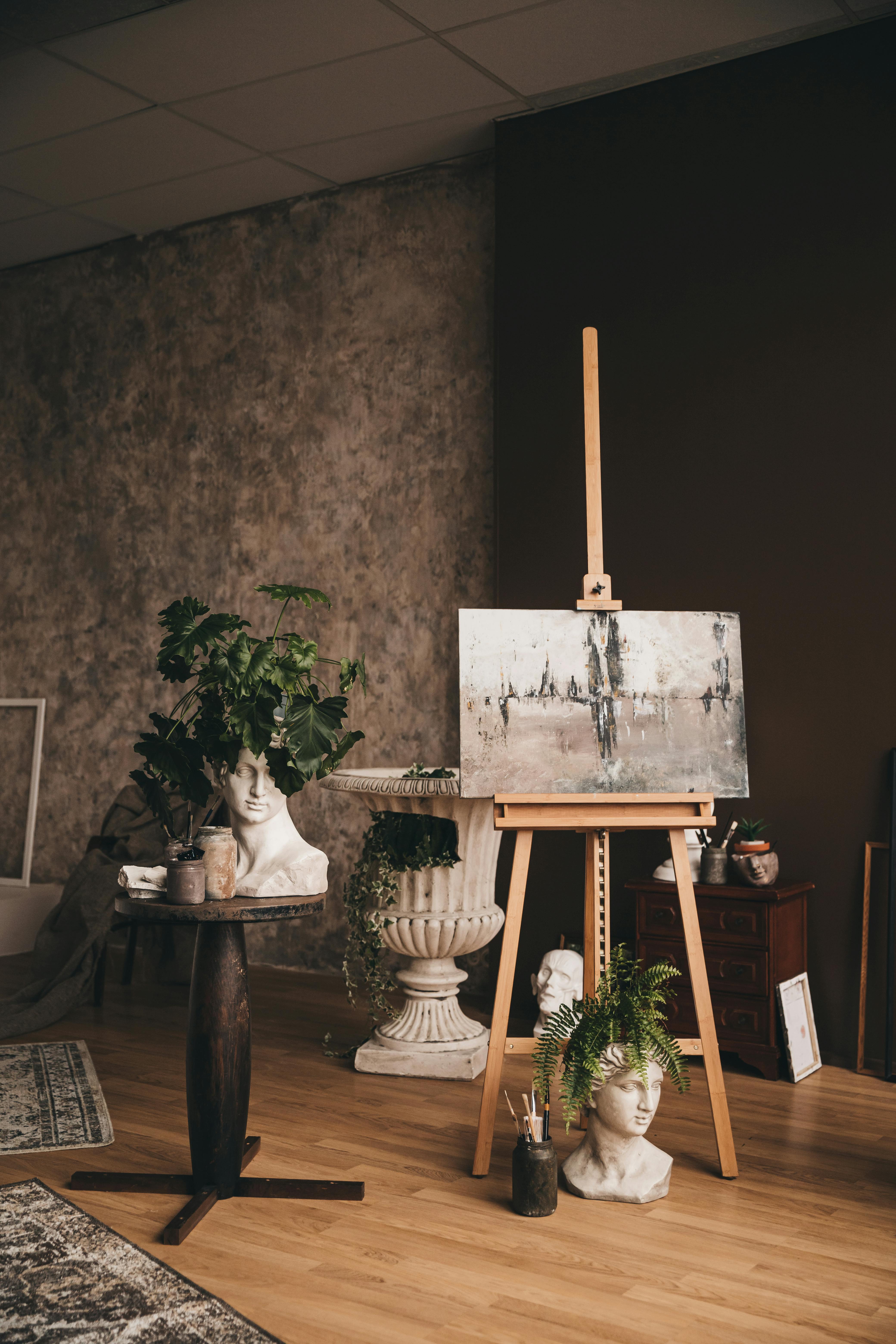
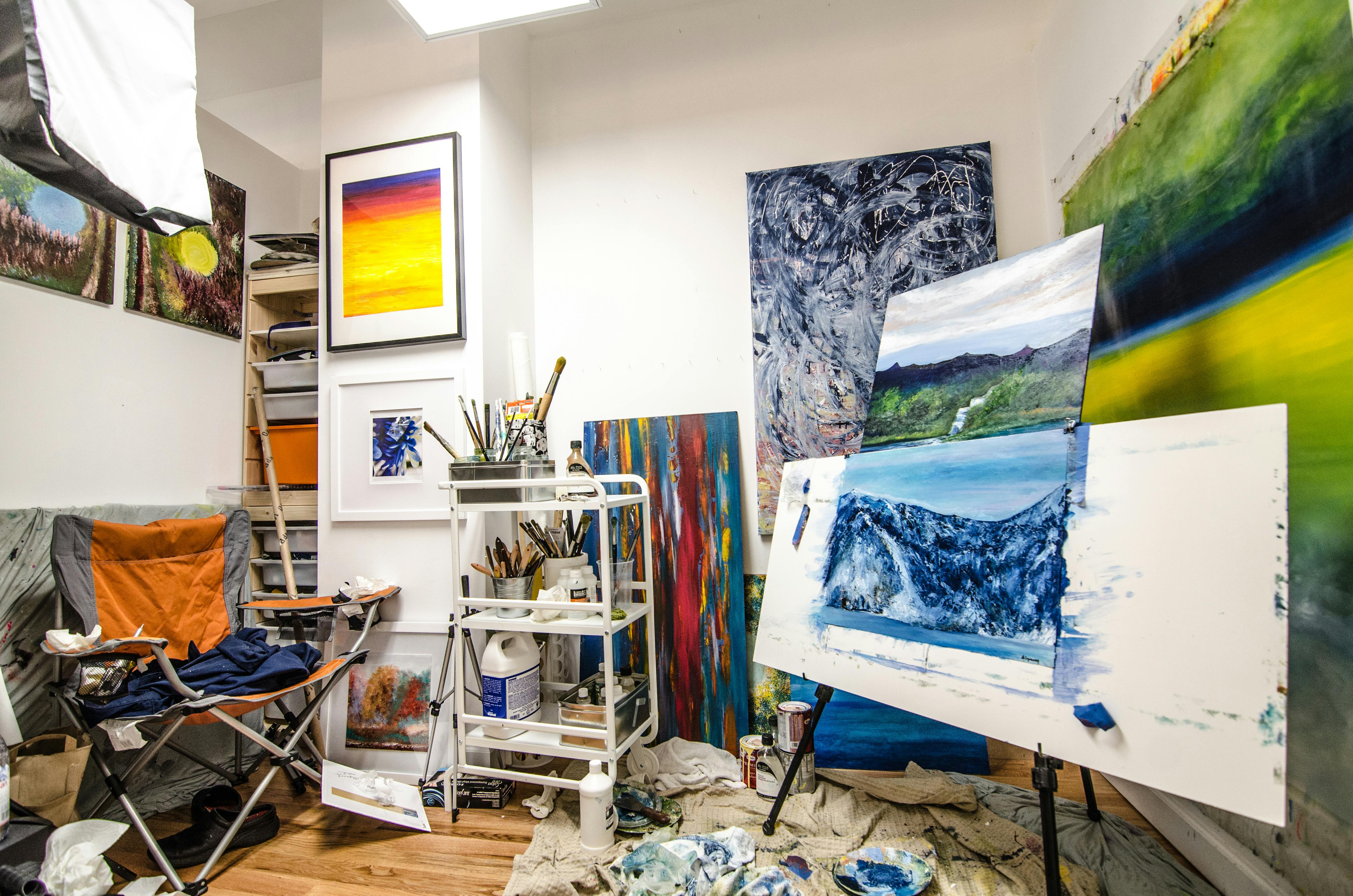
- The Active Zone: This is where the magic (and the mess) happens. A sturdy, adjustable easel takes center stage, often flanked by smaller tables for works in progress. I can't stress enough the importance of an easel that moves with you, allowing different perspectives.
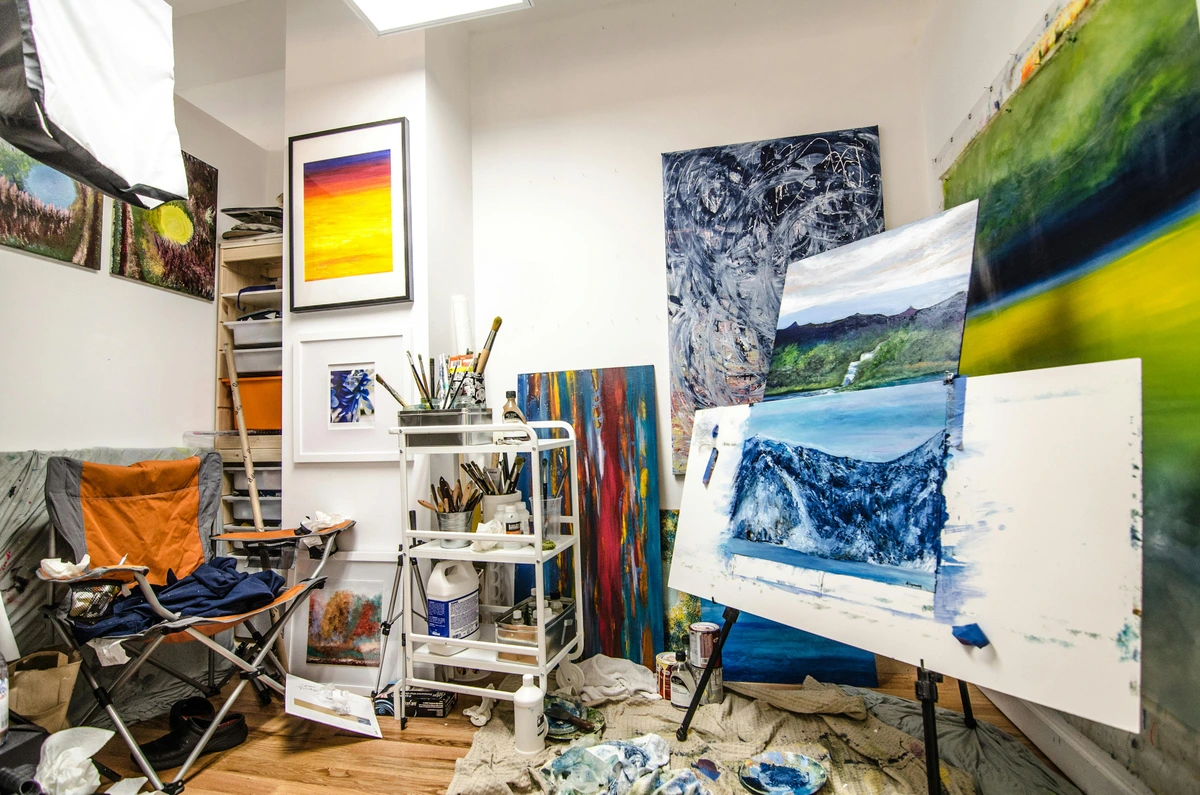
- The Dirty Zone: A dedicated corner for mixing paints, cleaning brushes, and all the glorious grime that comes with abstract expression. It's where the chaos is allowed to be untamed, preventing it from creeping into the entire space. And a crucial, often overlooked element: proper ventilation. Especially when working with oil paints, solvents, or aerosols, maintaining fresh air is not just about comfort, but safety. My studio has an exhaust fan and large windows, ensuring the air remains as clear as my creative intentions.
- The Contemplation Corner: Sometimes, you just need to step back. A comfortable, uncluttered chair and a small side table for a cup of tea, or perhaps a dog-eared book on the evolution of abstract art, perhaps delving into Kandinsky's early theories on spiritual expression in color, or a philosophical text by Agnes Martin. This is where I let my eyes rest and my mind wander, allowing new interpretations to emerge.
The Importance of Zoning
Creating distinct zones within your studio can help streamline your workflow and maintain a sense of order, even in a chaotic creative process. Each zone serves a specific purpose, allowing you to focus on different aspects of your work without distractions. This zoning can also help prevent cross-contamination of materials and ideas, ensuring that each area remains dedicated to its intended function.
Ergonomics and Comfort
Ergonomics play a crucial role in the design of a studio. An adjustable easel, a comfortable chair, and the right height for your work surface can prevent strain and fatigue, allowing you to work for longer periods without discomfort. Consider investing in ergonomic tools and furniture to make your studio a more comfortable and productive space.
Essential Ergonomic Tools
Tool | Purpose |
|---|---|
| Adjustable Easel | Allows for different working angles and heights |
| Ergonomic Chair | Provides support and reduces strain during long sessions |
| Anti-Fatigue Mat | Reduces discomfort from standing for extended periods |
| Adjustable Lighting | Ensures optimal visibility and reduces eye strain |
A Symphony of Hues: Color, Texture, and the Tools of Expression
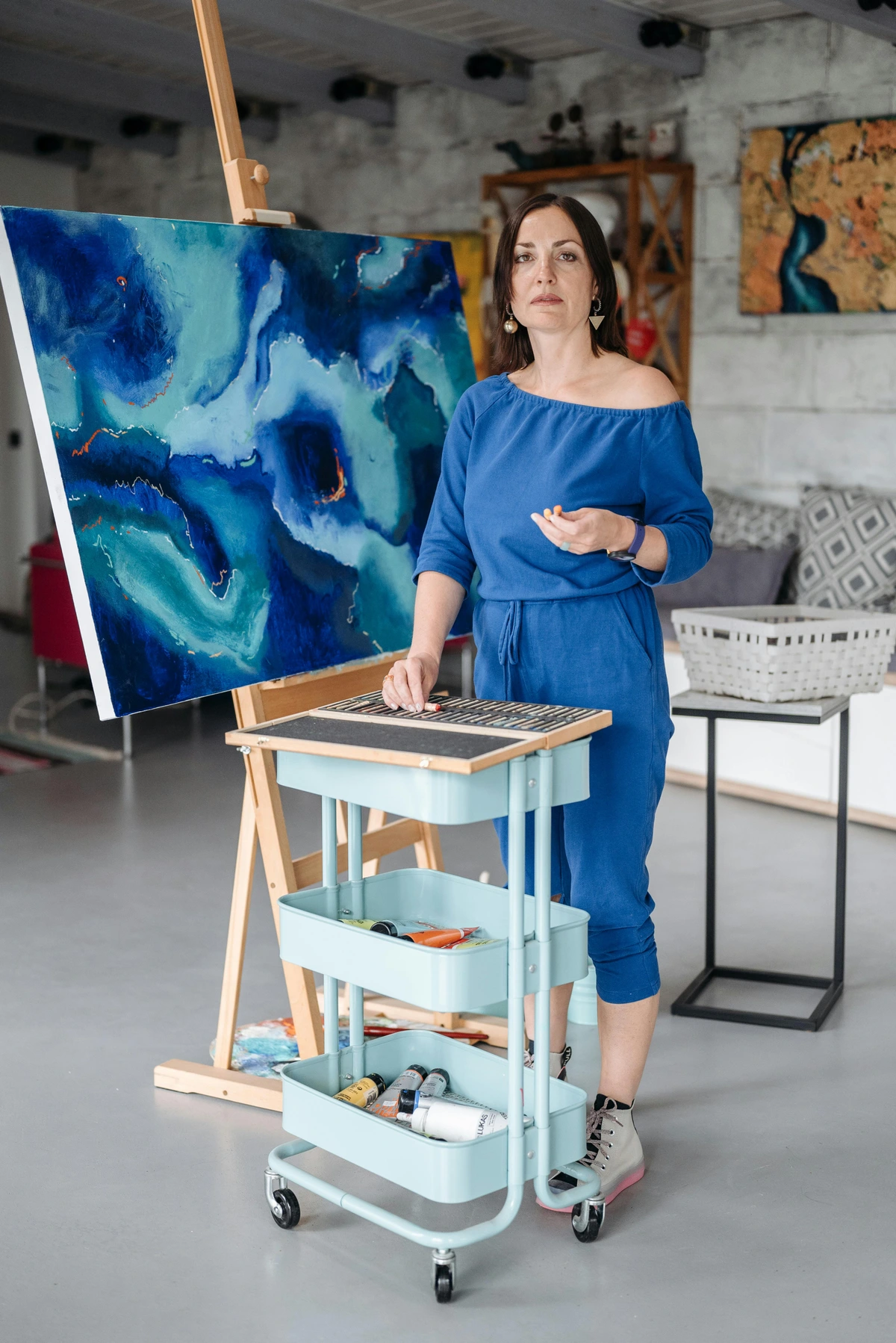
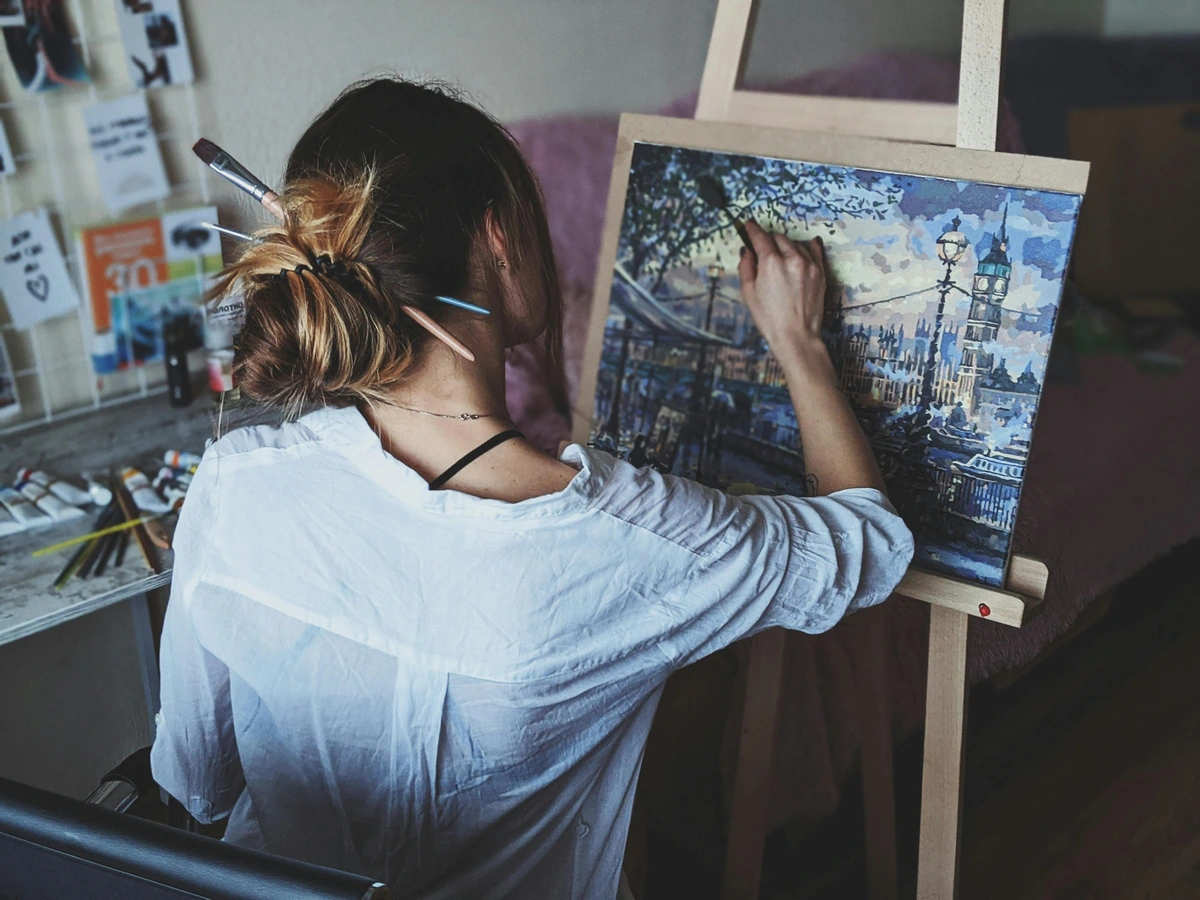
With the bones of the space established, the next layer is about sensory richness, the very vocabulary of abstract art. For an abstract artist, color is breath. My studio walls are mostly a neutral white – a calm canvas for my often riotous experiments. But then come the intentional pops of color: a vibrant blue rug here, a fiery red storage bin there. These aren't just decorative; they're sparks, visual cues that keep the creative energy flowing without overwhelming the senses. It’s like a quiet hum that underpins the symphony.
The Psychology of Color in Creativity
Color psychology is a fascinating field that explores how different hues can evoke specific emotions and moods. For artists, understanding the psychological effects of color can be a powerful tool in designing a studio that enhances creativity. For example, blue is often associated with calmness and focus, while red can evoke passion and energy. By strategically incorporating these colors into your studio, you can create an environment that supports your creative goals.
The Role of Color in Creativity
Color psychology plays a significant role in creativity. Different colors can evoke various emotions and moods. For example, blue is often associated with calmness and focus, while red can evoke passion and energy. Understanding the psychological effects of colors can help you design a studio that enhances your creative process.
Color Associations and Their Effects
Color | Emotional Association | Creative Impact |
|---|---|---|
| Blue | Calmness, Focus | Enhances concentration and clarity |
| Red | Passion, Energy | Stimulates excitement and urgency |
| Green | Balance, Harmony | Promotes relaxation and renewal |
| Yellow | Optimism, Joy | Encourages positivity and inspiration |
Organizing Your Tools
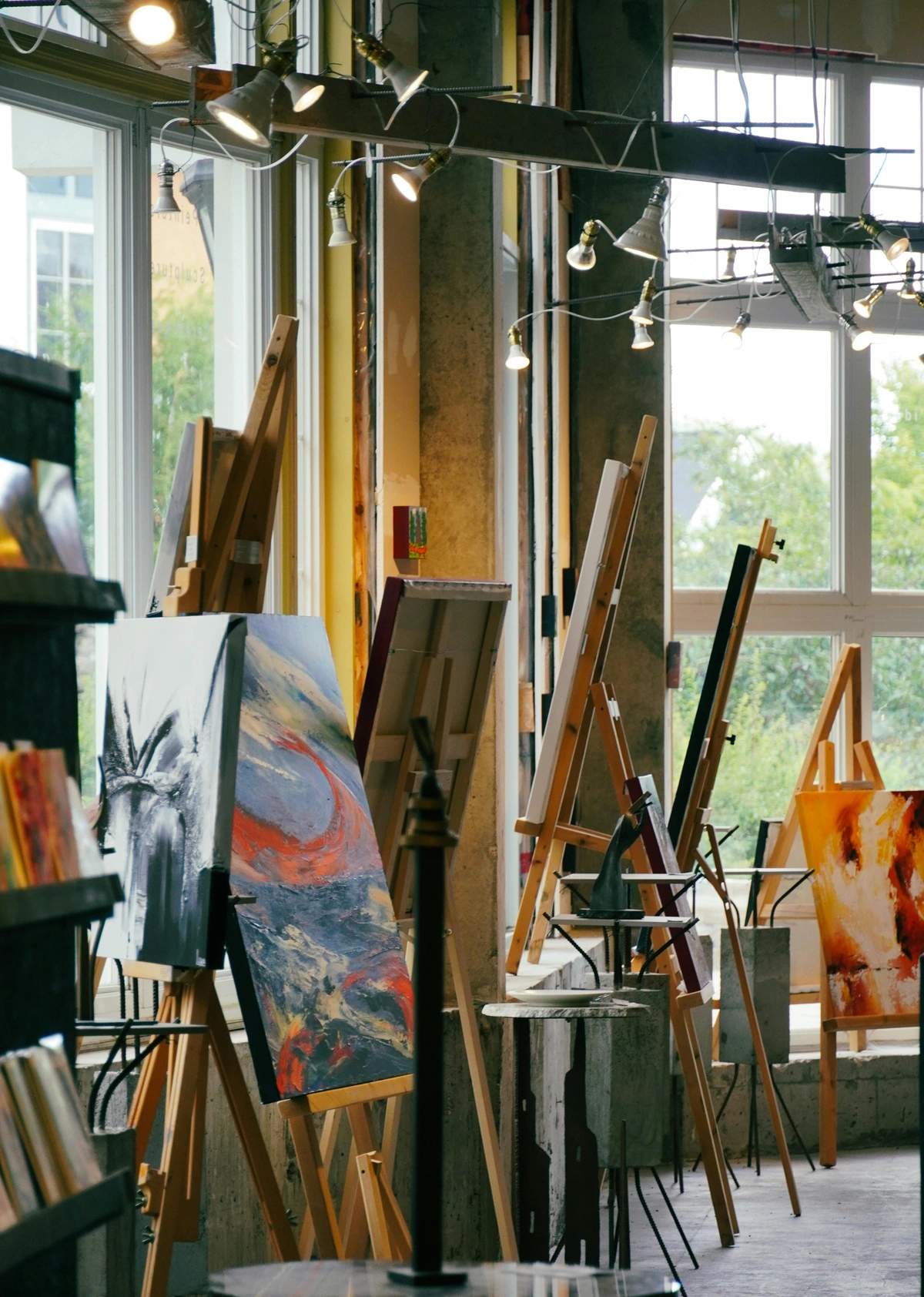
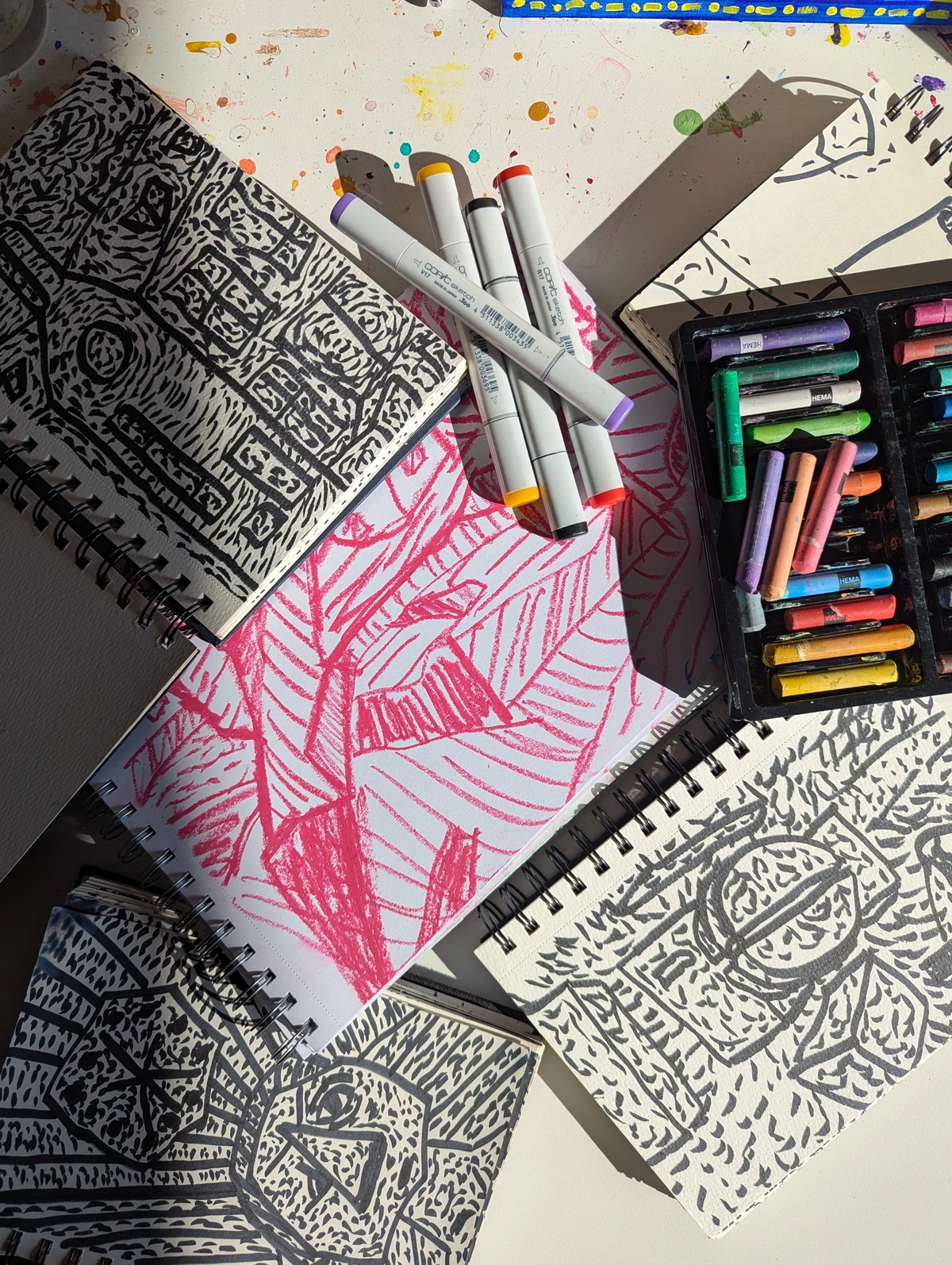
Ah, storage. For many, it's a battle, a necessary evil. For me, it's an opportunity for visible accessibility. My paints, brushes, palette knives, and various mark-making tools aren't tucked away; they're out in the open, often on rolling carts or open shelving. This isn't just for convenience; seeing the spectrum of possibilities, the array of textures (from exploring texture, perhaps how a palette knife creates raw, impasto layers, to beyond the brush where a charcoal stick can express a whisper or a scream), can itself be a potent trigger for inspiration. It's a reminder of the endless vocabulary at my fingertips, ready to speak the language of layers.
Creative Storage Solutions
Solution | Benefits |
|---|---|
| Rolling Carts | Mobility and easy access to tools |
| Open Shelving | Visibility and inspiration from tools |
| Pegboards | Customizable and space-efficient storage |
| Magnetic Strips | Ideal for metal tools and small items |
Exploring Different Textures
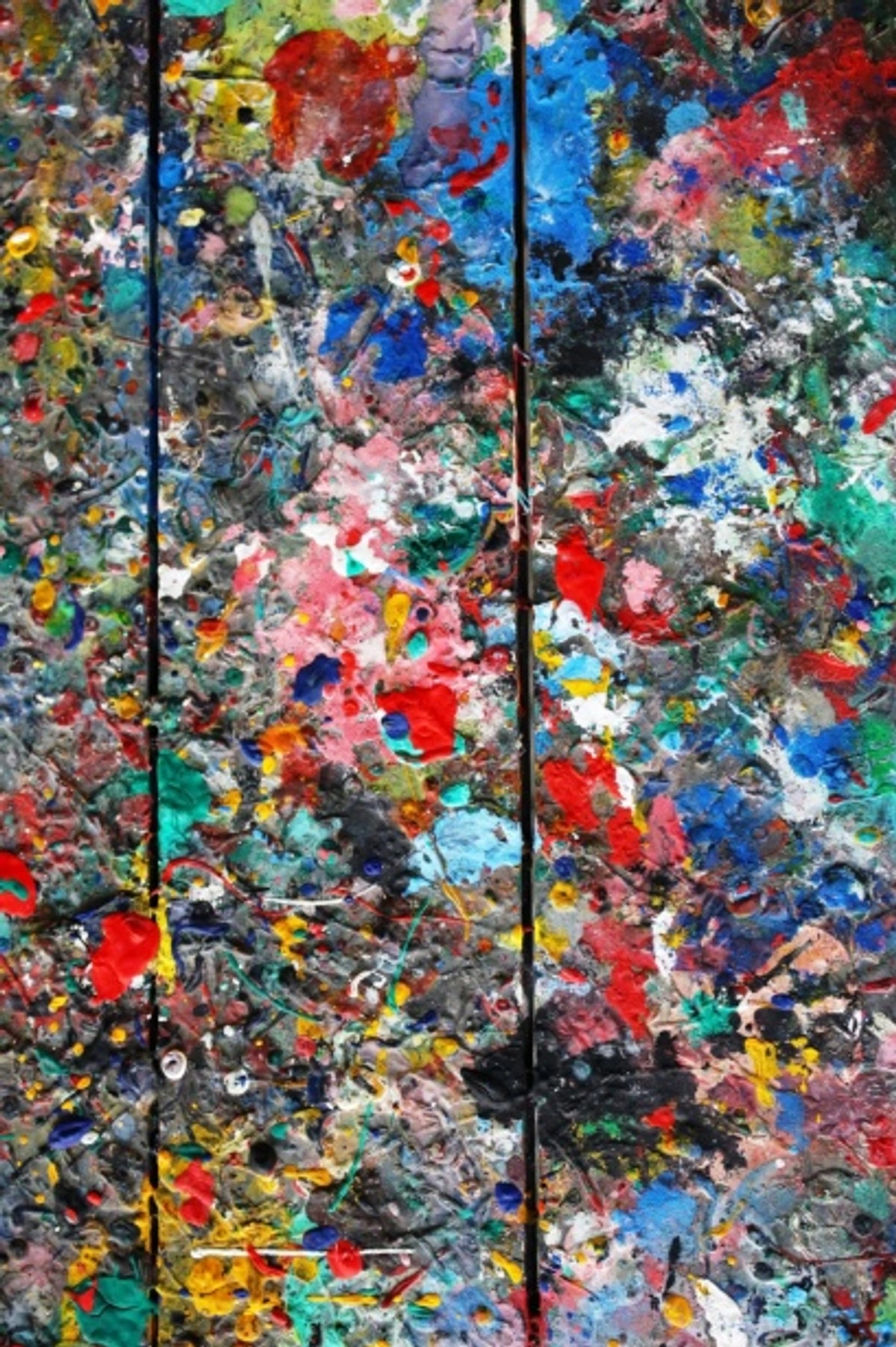
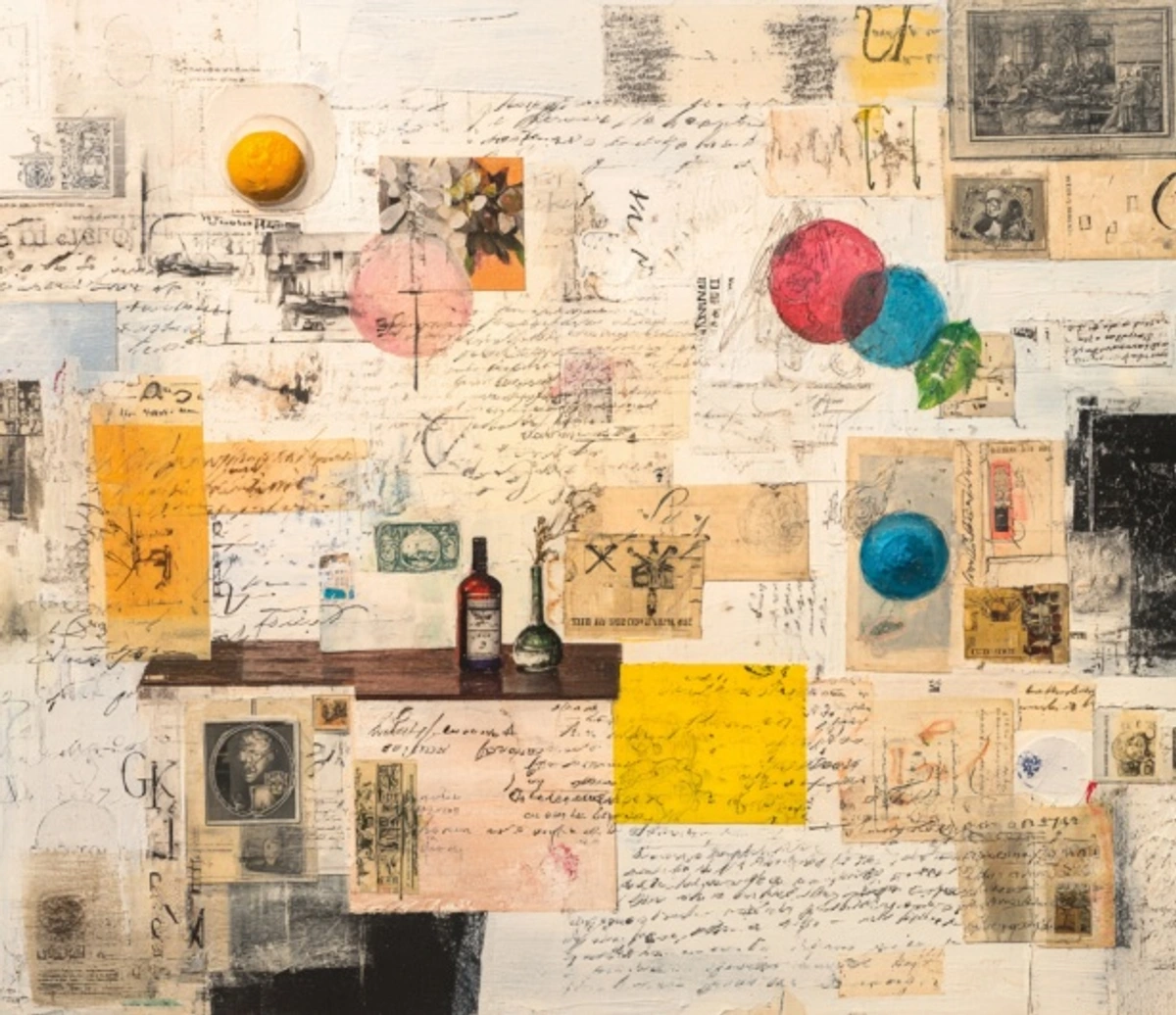
Texture is another essential element in abstract art. It adds depth and dimension to your work, making it more engaging and tactile. Experimenting with different textures, such as impasto techniques, collage, or mixed media, can open up new avenues for creative expression. Keep a variety of textured materials and tools on hand to inspire your next masterpiece.
Texture Techniques and Their Effects
Technique | Description | Creative Impact |
|---|---|---|
| Impasto | Thick application of paint | Adds dimensional depth and tactile quality |
| Collage | Layering of different materials | Introduces complexity and visual interest |
| Mixed Media | Combining various artistic mediums | Expands creative possibilities and experimentation |
The Sweet Science of Disarray: Embracing the Mess
There’s a common misconception that a creative space must be impeccably tidy. Mine certainly isn't. In fact, some of my most exciting discoveries have emerged from what others might call "mess." That splutter of paint on the floor? It once sparked an idea for a new technique when I saw how it bled into the concrete, reminding me of river deltas. A forgotten scrap of textured paper from a mixed media experiment on a table? It became the foundation for a new series when its rough surface, like a weathered cliff face, suggested a new narrative. My studio thrives on what I call "curated chaos." Everything has a general, intuitive place, but within those fluid bounds, organic developments are not just allowed, but celebrated. It's a studio that embodies the idea that the unexpected beauty of imperfection is often where true originality resides. And this embrace of the unpredictable extends far beyond the visual.
The Role of Chaos in Creativity
Chaos can be a catalyst for creativity. It encourages spontaneity and experimentation, allowing for unexpected discoveries and happy accidents. Embracing chaos in your studio can also reduce the pressure to be perfect, enabling you to take more risks and explore new artistic directions without fear of failure.
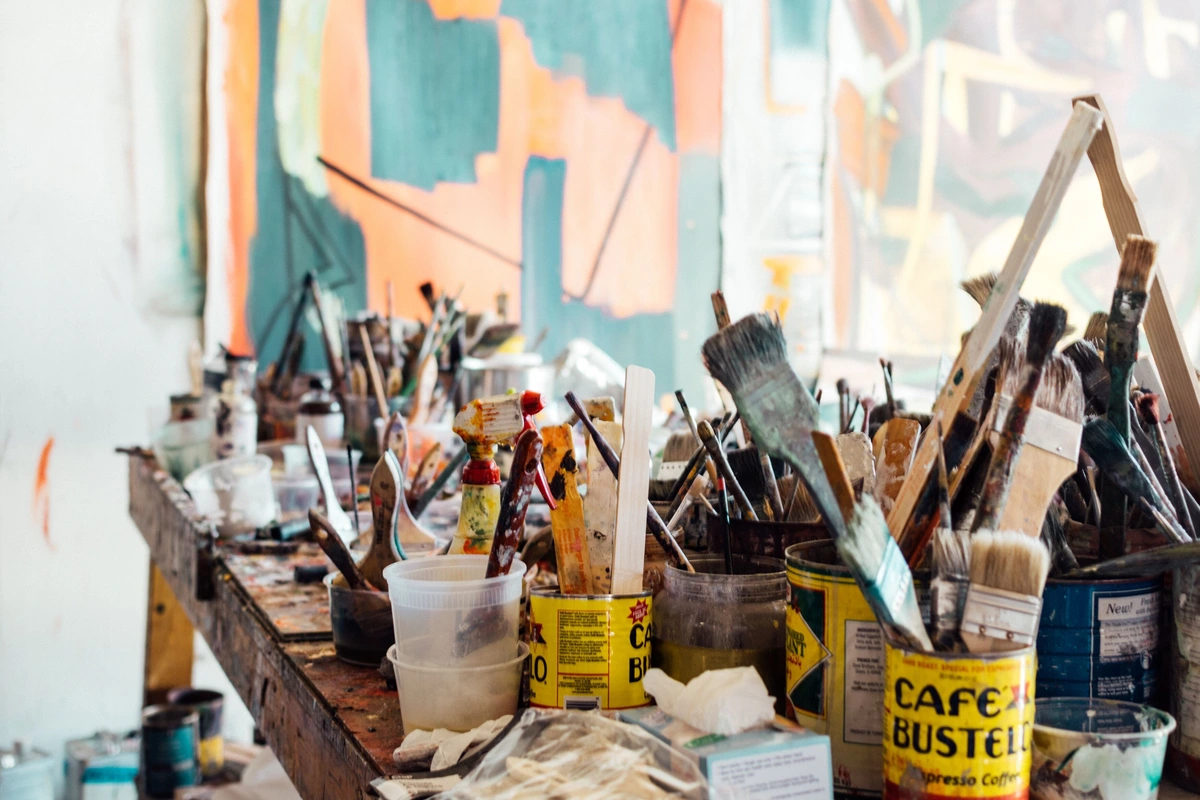
The Benefits of a Messy Studio
A messy studio can foster creativity by encouraging spontaneity and experimentation. It allows for unexpected discoveries and happy accidents that can lead to innovative techniques and ideas. Embracing the mess can also reduce the pressure to be perfect, allowing you to take more risks and explore new artistic directions.
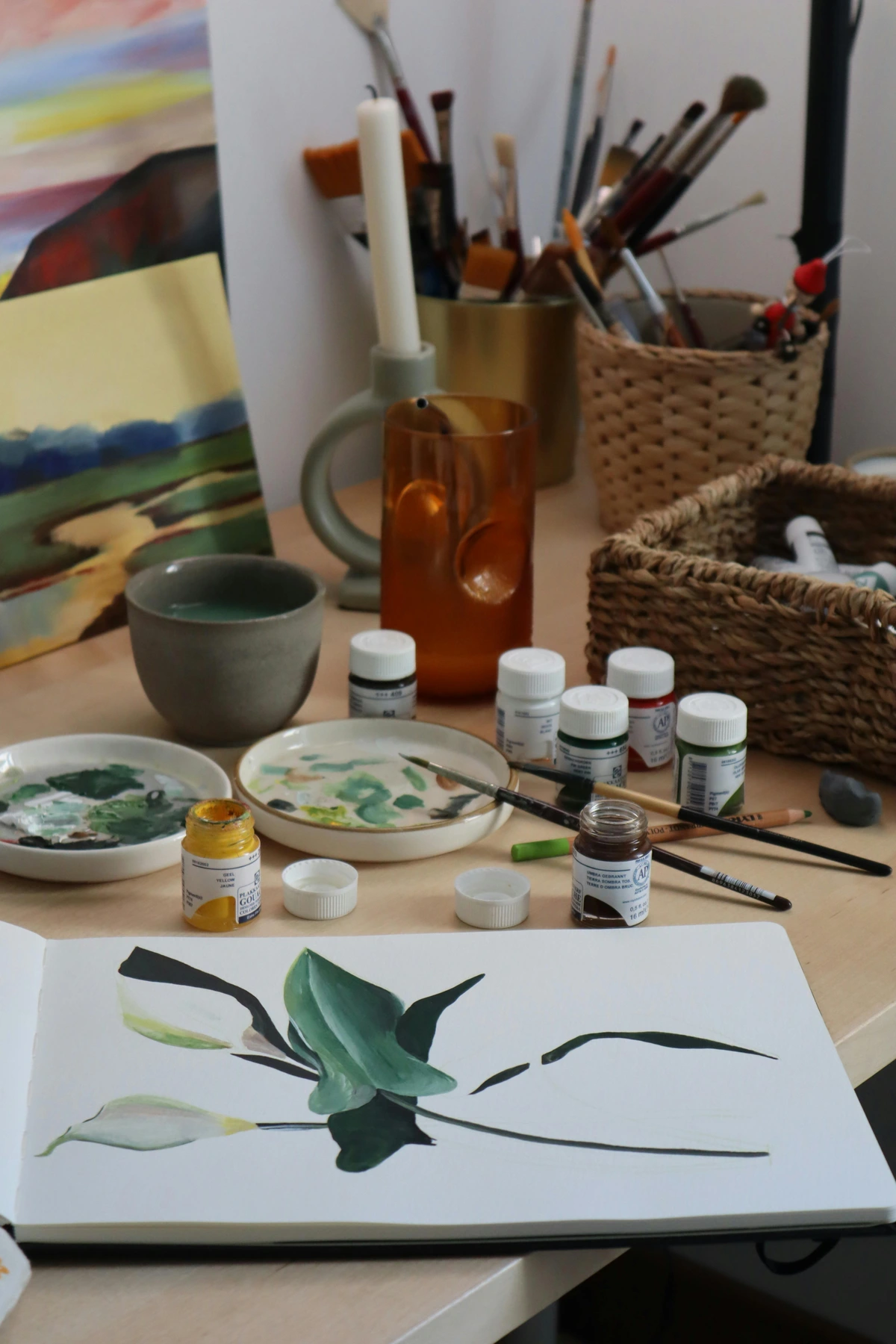
Managing Chaos in Your Studio
While chaos can be beneficial, it's important to manage it effectively to avoid overwhelming your space. Here are some tips for maintaining a balance:
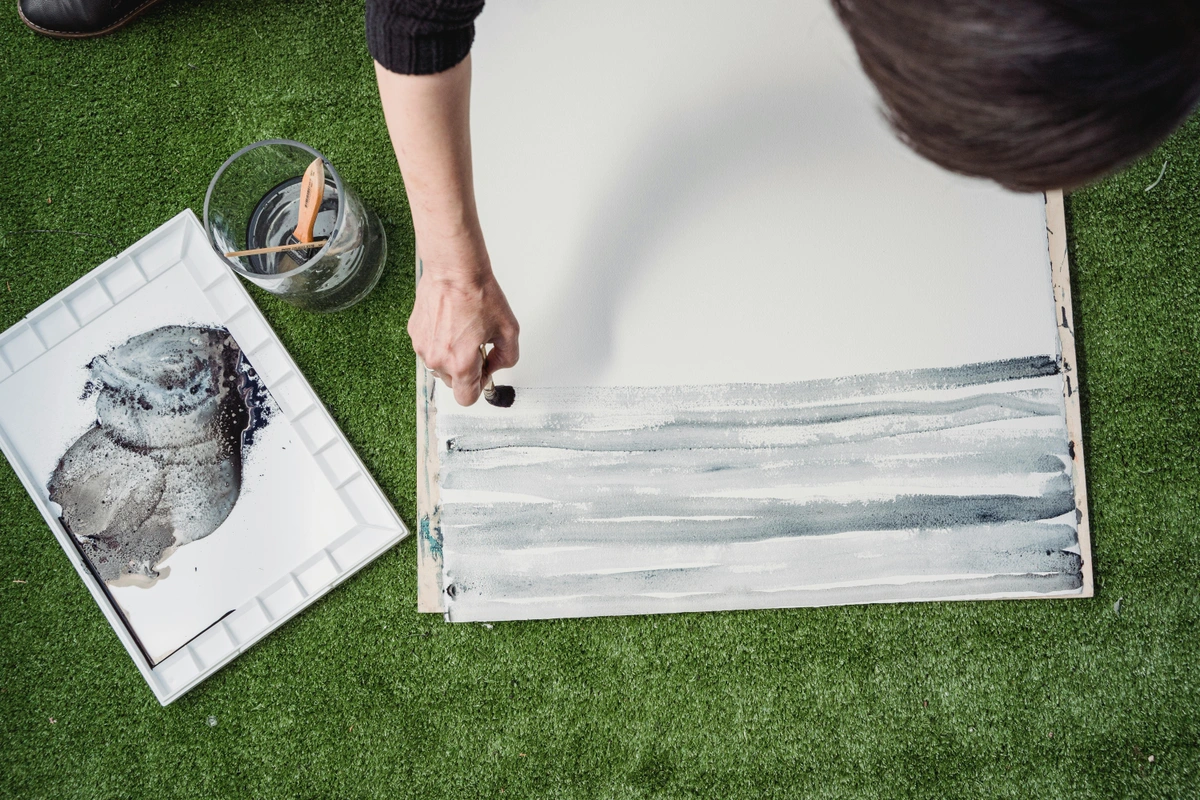
- Designate Zones: Keep your chaos contained within specific areas to prevent it from spreading throughout the entire studio.
- Regular Cleanups: Schedule periodic cleanups to reset your space and prevent clutter from becoming unmanageable.
- Organize Tools: Use storage solutions to keep essential tools accessible and prevent them from getting lost in the chaos.
The Intangible Canvas: Atmosphere, Sound, and the Flow State
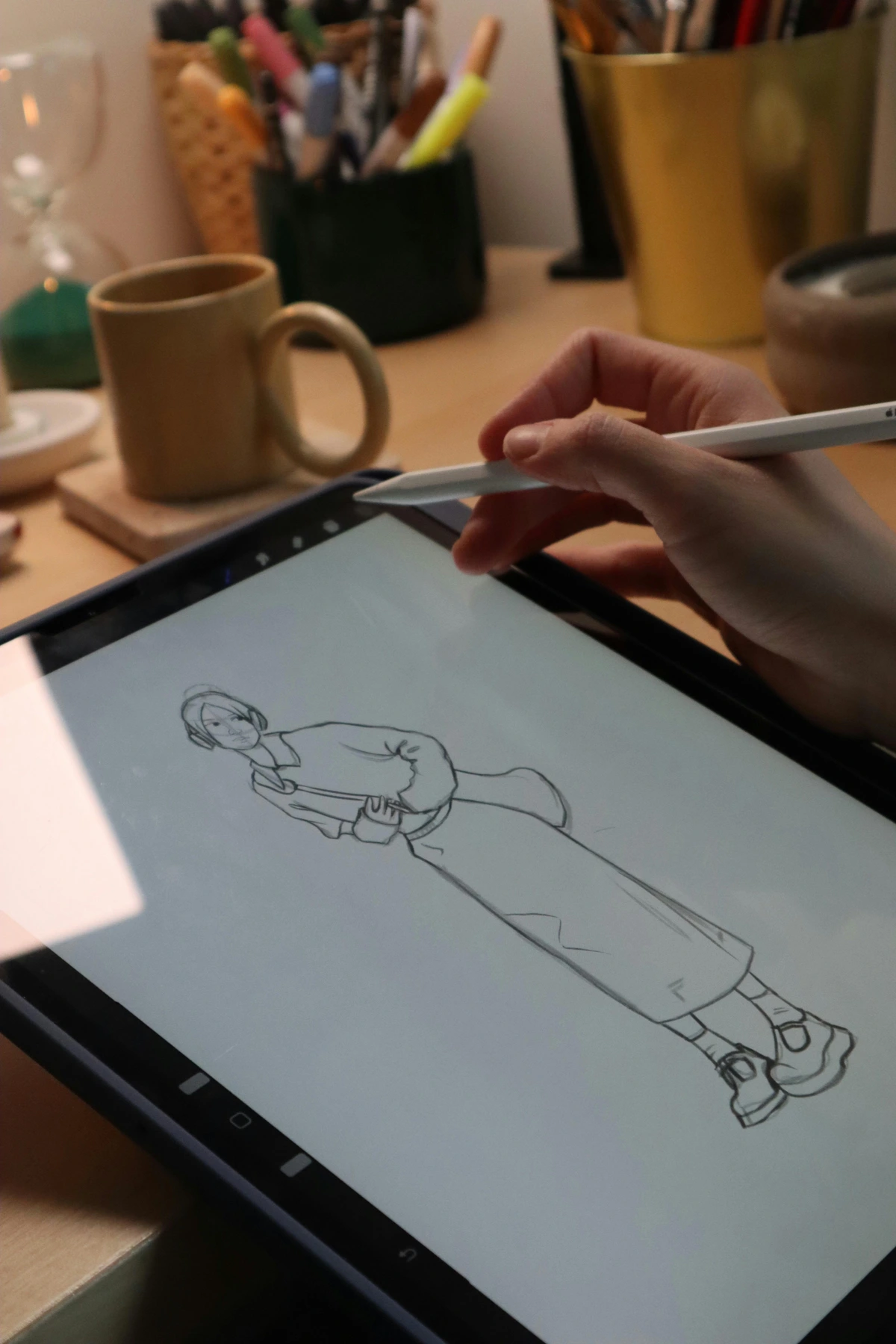
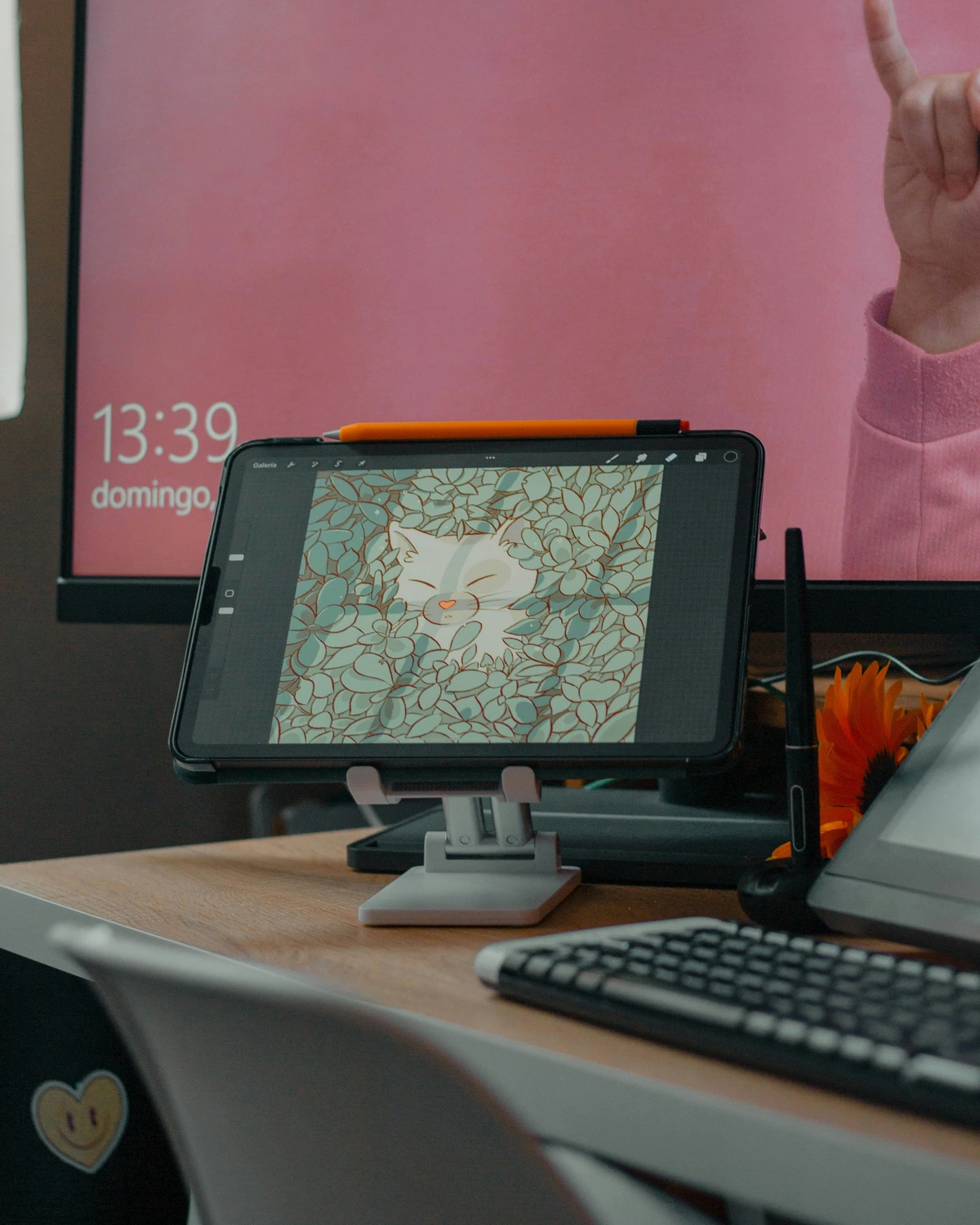
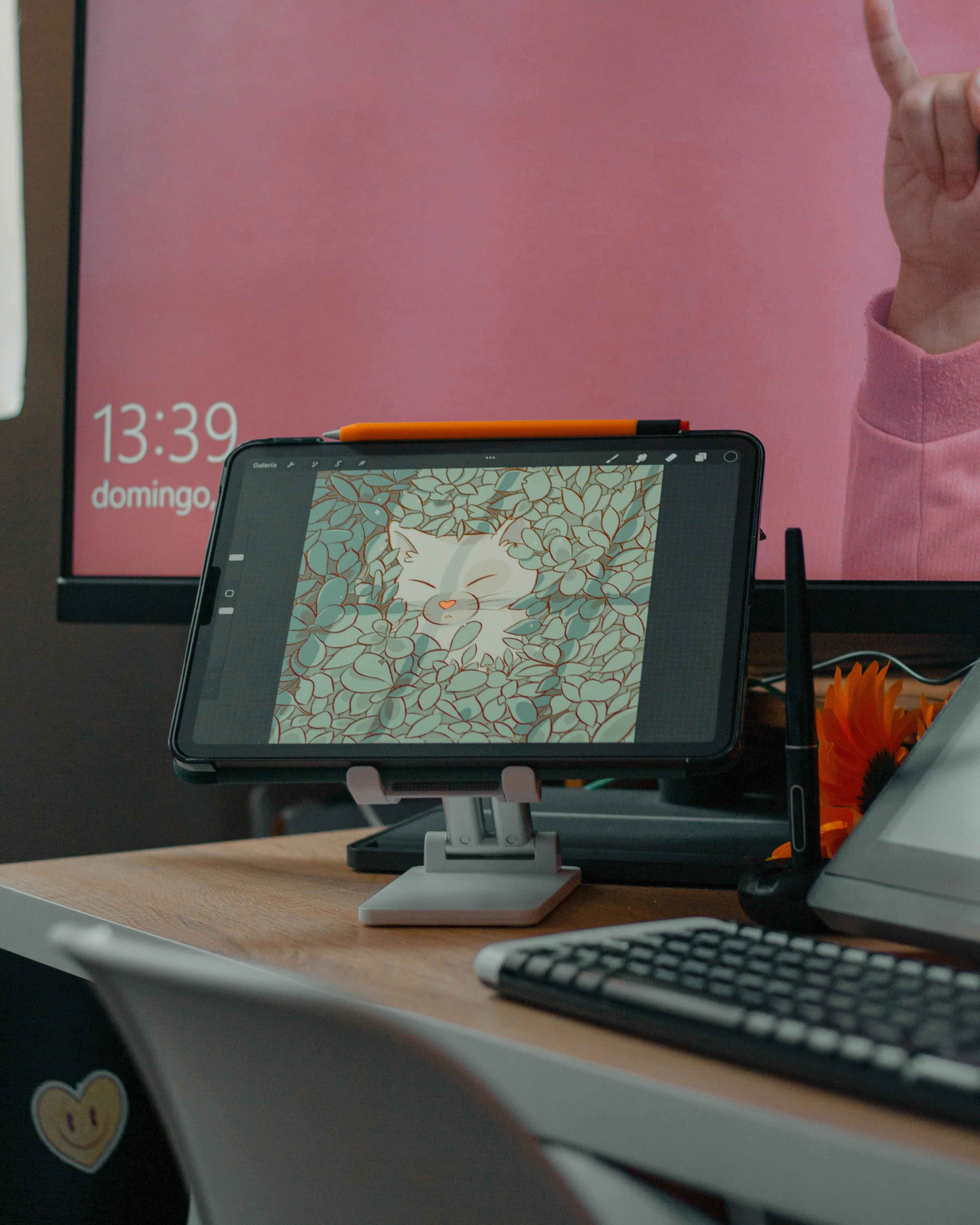
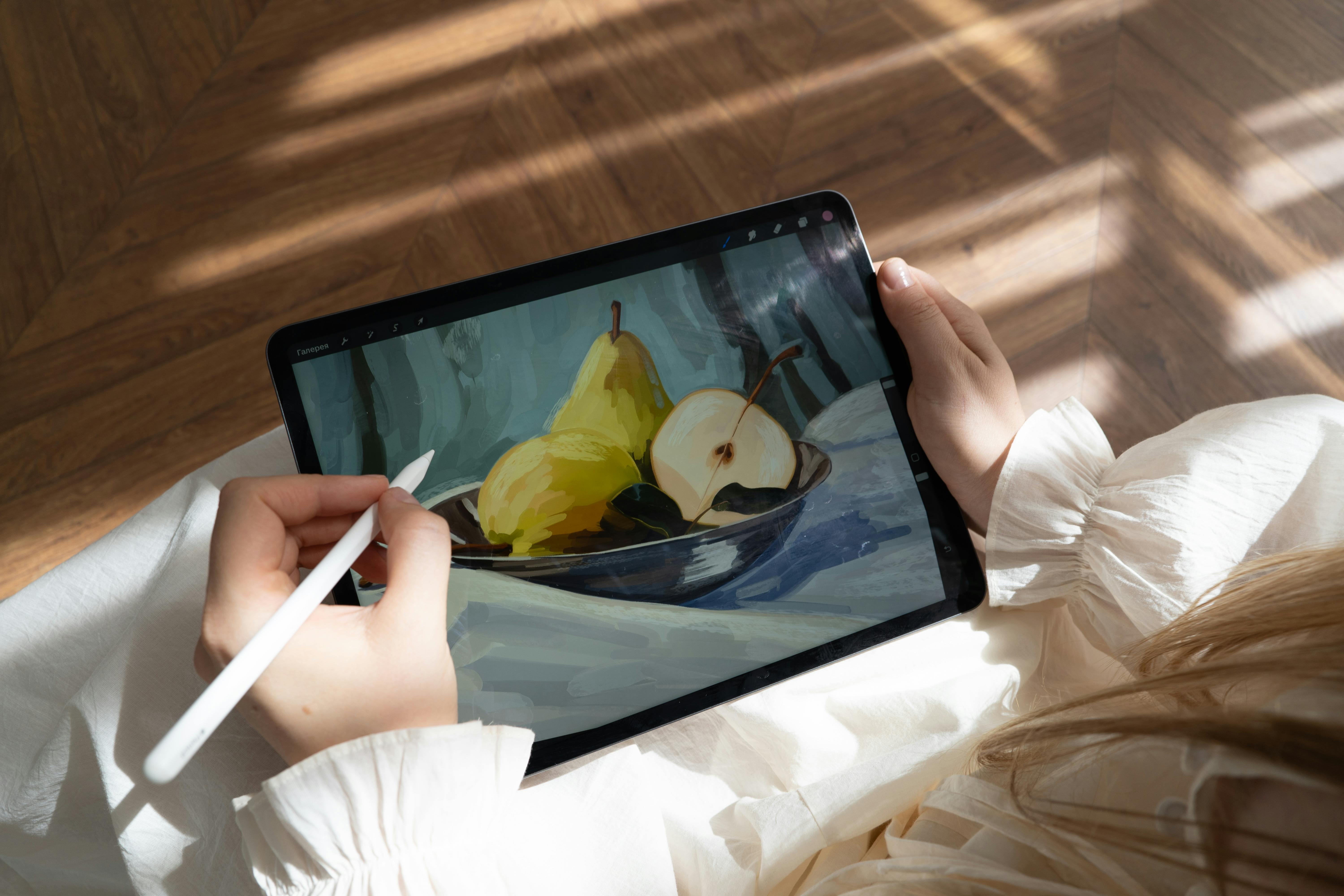
Beyond the physical, the atmosphere of my studio is meticulously crafted. It’s a space where I can truly lose myself, entering that elusive flow state essential for abstract expression. This often involves sound. Sometimes it's absolute silence, listening to the subtle whispers of intuition. Other times, it’s a carefully curated playlist – perhaps ambient electronic for a focused hum, a vibrant jazz ensemble for energetic mark-making, or even classical pieces that demand a more deliberate rhythm – a rhythmic backdrop that moves with the energy of the brushstroke. And then there’s scent. The faint, familiar aroma of linseed oil, the sharp tang of fresh acrylics, or the earthy notes of charcoal – these aren't just smells; they're sensory anchors, instantly transporting me into the creative mindset, further sealing the studio's role as a complete sensory sanctuary. The absence of external distractions, the sense of being cocooned, allows my mind to wander freely, making connections that wouldn't surface in a more "regulated" environment. This deep connection to the space fosters a sense of psychological safety, allowing for risk-taking and the vulnerable act of revealing inner worlds through art. For me, the flow state isn't just about productivity; it's where my subconscious truly speaks, transforming raw emotion into color and form without the filter of overthinking. Sometimes, a quick break to explore the digital tools I integrate into my creative journey is also part of this flow.
The Role of Sound in Creativity
Sound can have a profound impact on your creative process. Different types of music or ambient sounds can evoke specific moods and emotions, which can influence your artistic output. For example, ambient electronic music can create a focused and meditative atmosphere, while jazz can inspire energy and spontaneity. Experimenting with different sounds can help you find the perfect auditory backdrop for your creative sessions.
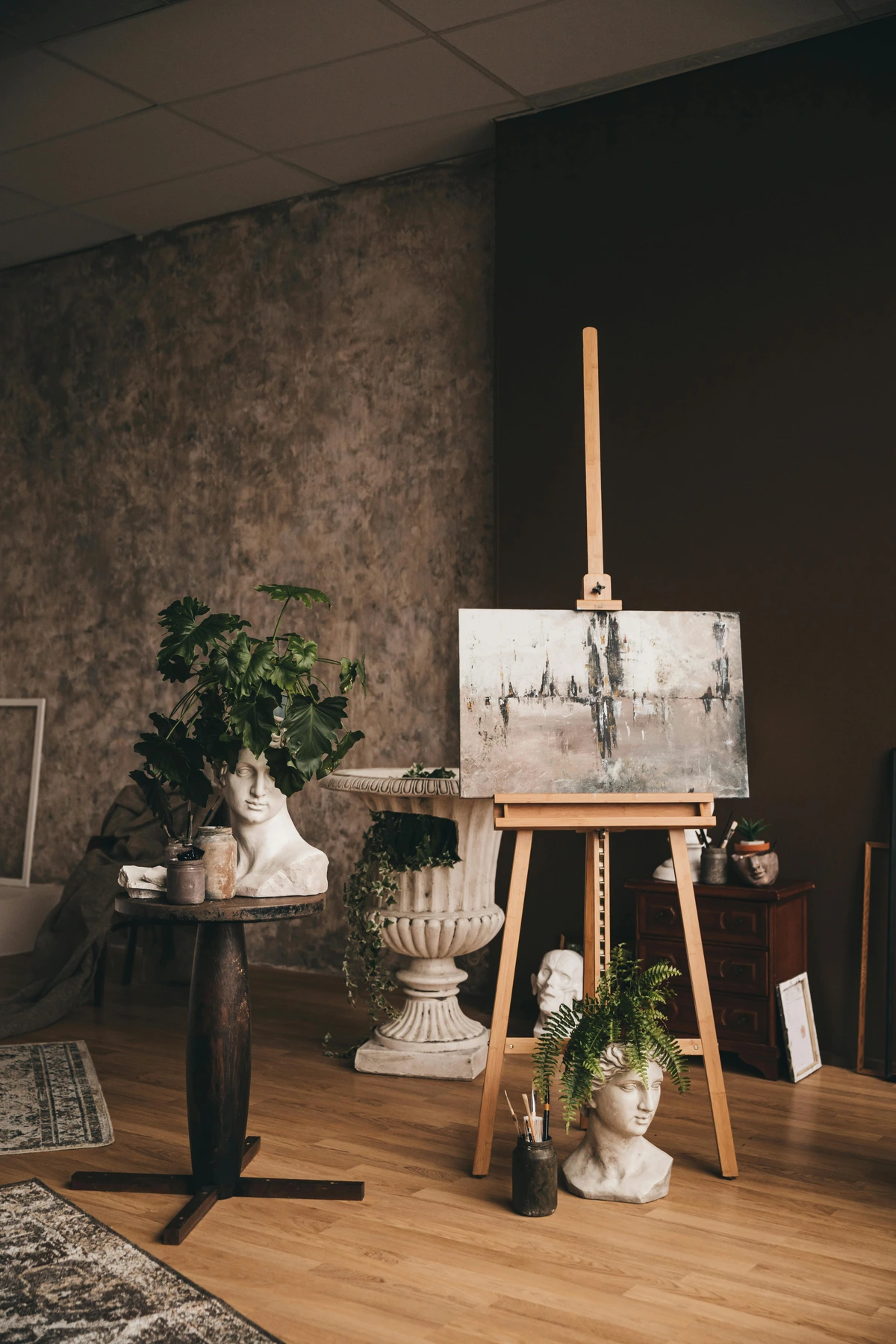
Creating the Right Atmosphere
The atmosphere of your studio can significantly impact your creative process. Consider the following elements to create an environment that fosters creativity:
- Sound: Experiment with different types of music or silence to find what works best for you. Some artists find that ambient sounds or nature noises help them focus, while others prefer the energy of upbeat music.
- Scent: Aromatherapy can enhance your mood and creativity. Essential oils like lavender for relaxation or citrus for energy can be beneficial.
- Temperature and Humidity: Ensure your studio is comfortable in terms of temperature and humidity. Extreme conditions can be distracting and uncomfortable.
Achieving the Flow State
The flow state is a mental state where you are fully immersed in your work, leading to heightened creativity and productivity. To achieve this state:
- Minimize Distractions: Create a space free from interruptions and external distractions.
- Set Clear Goals: Have a clear idea of what you want to achieve in your studio session.
- Engage in Rituals: Develop pre-studio rituals that signal to your brain it's time to focus and create.
Techniques for Entering the Flow State
Technique | Description |
|---|---|
| Mindfulness | Practice mindfulness to clear your mind and focus on the present moment |
| Time Blocking | Allocate specific time slots for creative work to maintain focus |
| Goal Setting | Set clear, achievable goals for each session to provide direction |
| Rituals | Develop pre-studio rituals to signal the start of a creative session |
Cultivating Your Own Abstract Art Sanctuary
So, what does all this mean for you? You don't need a sprawling loft or a purpose-built outbuilding to create your own creative haven. The principles are universal, whether you're setting up a home art studio on a budget or carving out a small space in your home. It’s about understanding your personal process, your needs, and then intentionally designing a space that supports it.
Personalizing Your Creative Space
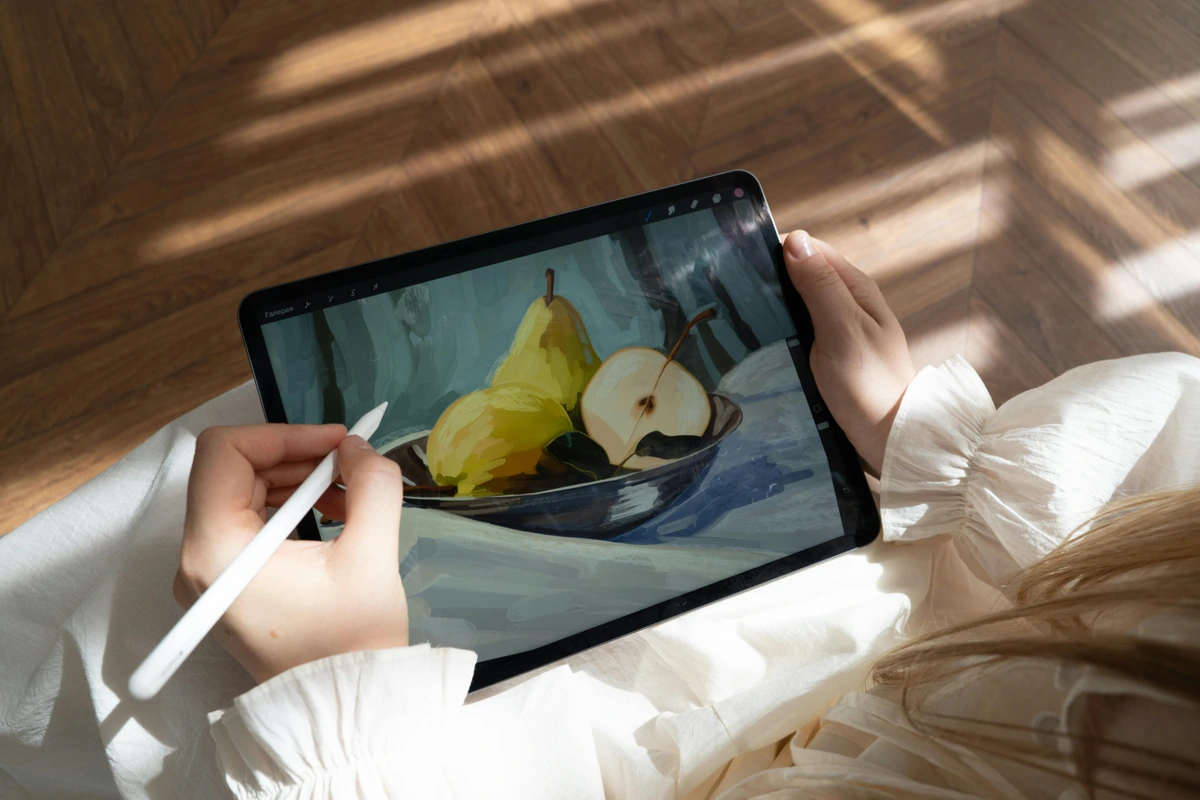
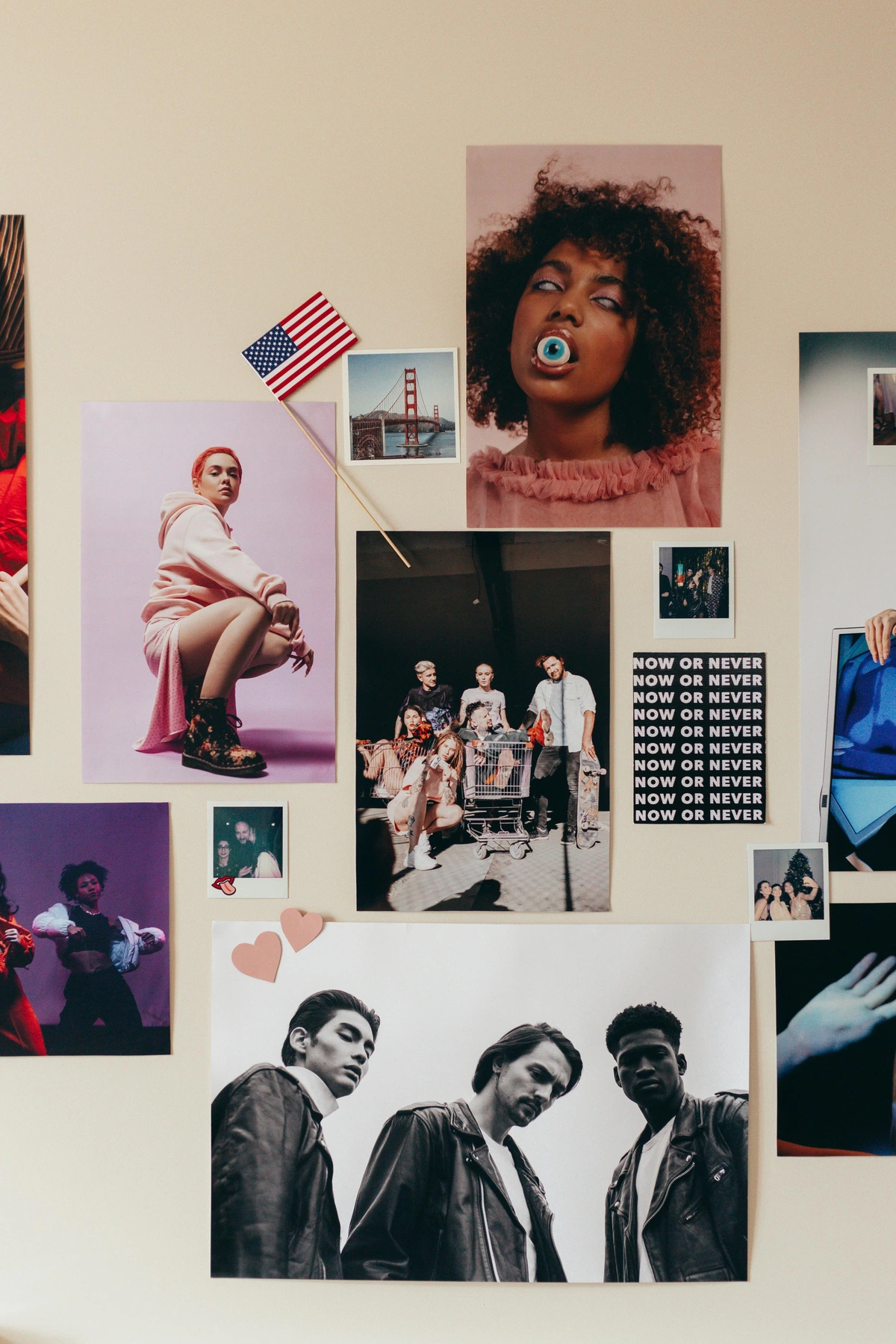
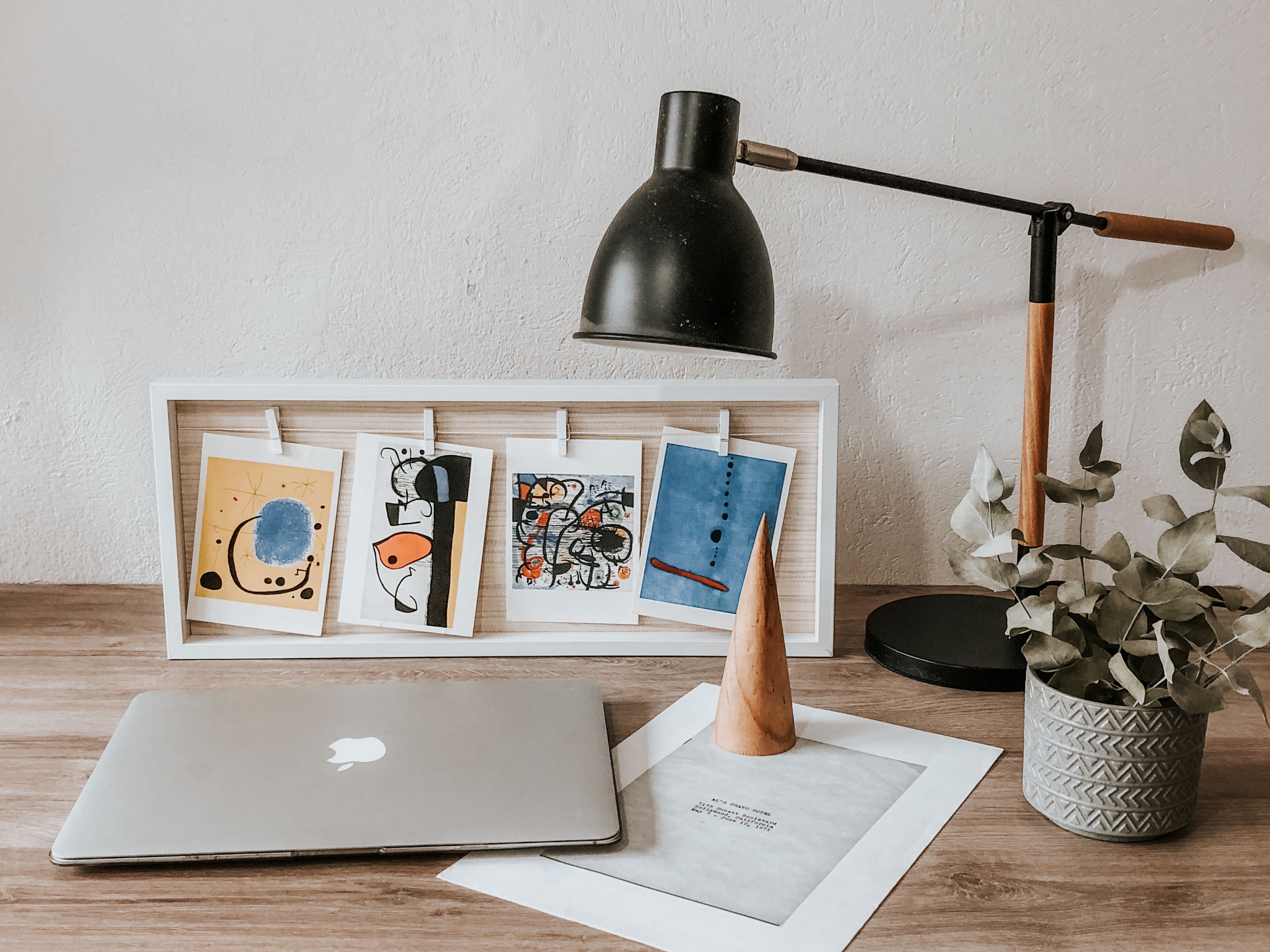
Personalization is key to creating a studio that truly reflects your artistic identity. Consider incorporating elements that inspire you, such as artwork, photographs, or objects that hold personal significance. These items can serve as visual reminders of your creative goals and aspirations, helping to keep you motivated and focused.
Practical Tips for Setting Up Your Studio
Here are a few quick takeaways:
- Prioritize Light: Natural light is king, but good artificial light is a vital supplement.
- Define Zones: Even in a small area, mentally or physically separate your active, dirty, and contemplative spaces. This might mean a folding screen, a large rug to delineate a 'clean' zone, or even distinct lighting for each area.
- Embrace Your Tools: Keep them accessible; their visual presence can inspire.
- Allow for Imperfection: A "clean" studio isn't always a "creative" one. Learn to love your unique mess.
- Curate Your Atmosphere: Sound, scent, and even the absence of stimuli play a huge role.
Common Mistakes to Avoid
Mistake | Solution |
|---|---|
| Poor Lighting | Invest in quality lighting that mimics natural light |
| Overcrowding | Keep your space organized and free from unnecessary clutter |
| Ignoring Ergonomics | Use ergonomic tools and furniture to prevent strain and fatigue |
| Neglecting Ventilation | Ensure proper airflow to maintain a healthy and comfortable environment |
Budget-Friendly Studio Ideas
Creating a studio on a budget is entirely feasible. Consider the following tips:
- Repurpose Furniture: Use old tables, shelves, or cabinets to organize your tools and materials.
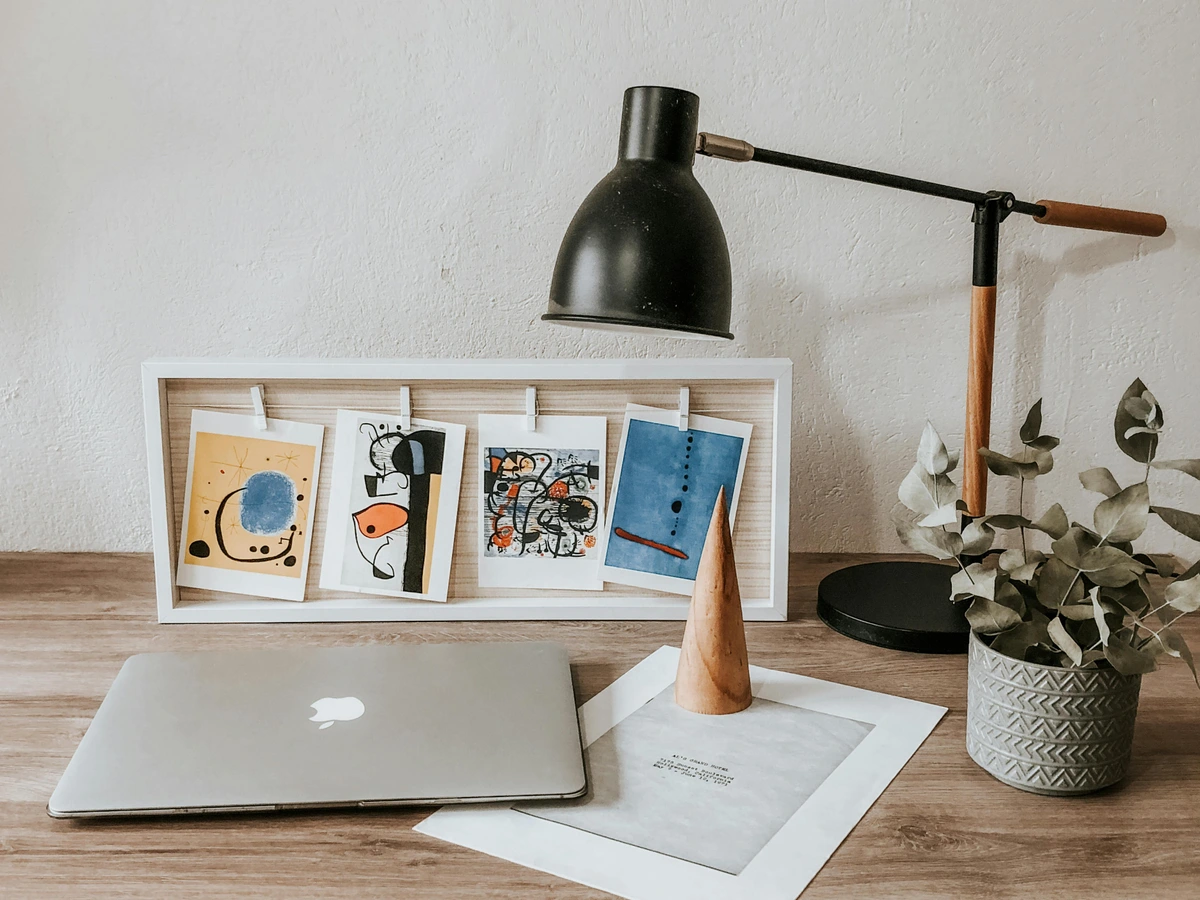
- DIY Lighting: Create your own lighting solutions using affordable LED strips or desk lamps.
- Thrift Store Finds: Look for second-hand easels, chairs, and storage solutions at thrift stores or online marketplaces.
Budget-Friendly Studio Setup
Item | Budget-Friendly Option |
|---|---|
| Easel | Second-hand or DIY easel |
| Lighting | Affordable LED strips or desk lamps |
| Storage | Repurposed furniture or thrift store finds |
| Tools | Discounted or second-hand art supplies |
Finding Inspiration for Your Studio
Your studio should be a reflection of your artistic self – a place where you feel unburdened, free to experiment, and ready to let your inner world unfold onto the canvas. It's more than just a place to make art; it's a partner in your artistic vision and a testament to your creative process. So, go forth, and craft a space that calls to your unique artistic spirit, a true sanctuary where creativity finds its truest home. And if you ever find yourself drawn to the tangible results of such a space, remember, my art is available here. Perhaps a piece from my timeline could find its way into your own sanctuary.
Sources of Inspiration for Your Studio
Source | Description |
|---|---|
| Nature | Incorporate natural elements like plants or natural light to create a calming atmosphere |
| Artwork | Display artwork that inspires you and reflects your artistic vision |
| Personal Objects | Include items that hold personal significance to create a sense of connection and motivation |
| Music | Use music to set the mood and inspire your creative process |
FAQ
What is the most important element in a studio?
The most important element in a studio is light. Natural light is ideal, but good artificial lighting is essential for accurate color representation and a comfortable working environment.
How can I make a small space work as a studio?
Even in a small space, you can create a functional studio by defining zones, using multi-functional furniture, and keeping your tools organized and accessible. Consider using folding screens or rugs to separate different areas.
What are some budget-friendly studio ideas?
You can create a budget-friendly studio by repurposing old furniture, using DIY lighting solutions, and finding second-hand tools and materials at thrift stores or online marketplaces.
How can I achieve the flow state in my studio?
To achieve the flow state, minimize distractions, set clear goals for your studio sessions, and develop pre-studio rituals that signal to your brain it's time to focus and create.
What are some common mistakes to avoid when setting up a studio?
Common mistakes include poor lighting, overcrowding, ignoring ergonomics, and neglecting ventilation. Addressing these issues can help create a more comfortable and productive studio environment.
How can I personalize my studio to reflect my artistic identity?
Personalize your studio by incorporating elements that inspire you, such as artwork, photographs, or objects that hold personal significance. These items can serve as visual reminders of your creative goals and aspirations.
What role does color play in the design of a creative studio?
Color can significantly impact your mood and creativity. Understanding the psychological effects of color can help you design a studio that enhances your creative process. For example, blue can promote calmness and focus, while red can evoke passion and energy.
How can I manage chaos in my studio without stifling creativity?
Manage chaos by designating specific zones for different activities, scheduling regular cleanups, and using storage solutions to keep essential tools accessible. This balance allows for spontaneity while preventing clutter from becoming overwhelming.
What are some budget-friendly options for setting up a studio?
Budget-friendly options include repurposing old furniture, using DIY lighting solutions, and finding second-hand tools and materials at thrift stores or online marketplaces. These approaches can help you create a functional studio without breaking the bank.
How can I use scent to enhance my creative process?
Incorporate aromatherapy into your studio to create a calming or energizing atmosphere. Essential oils like lavender can promote relaxation and focus, while citrus scents can invigorate and inspire. Experiment with different scents to find what works best for you.







Why is it important to embrace the mess in a studio?
Embracing the mess in a studio can foster creativity by encouraging spontaneity and experimentation. It allows for unexpected discoveries and happy accidents that can lead to innovative techniques and ideas.