
Winsor & Newton Oil Paints: An Honest, Hands-On Review for Artists
Dive deep into Winsor & Newton oil paints with this personal review. Discover the nuances of their Professional and Winton lines, and find out which is right for your artistic journey.

Winsor & Newton Oil Paints: The Ultimate Artist's Guide to Unlocking Legacy, Quality, and Mastery
Welcome, fellow art explorers! If you're anything like me, the journey into oil painting is a lifelong adventure – full of discovery, sometimes frustration, and always, always about the pursuit of that perfect expression. And along this path, certain brands become trusted companions. For me, Winsor & Newton is unequivocally one of them. For years, Winsor & Newton tubes have been a consistent presence on my palette and in my studio – a trusted companion through countless artistic experiments, vibrant breakthroughs, and yes, a fair few glorious messes! I vividly recall the early days when a simple tube of their Burnt Sienna felt like unlocking a new dimension in my landscapes. But if you're anything like me, navigating their extensive range, particularly the distinction between their Professional and Winton lines, can feel a bit like deciphering an ancient text – fascinating, yes, but where do you even begin? Both offer fantastic experiences, but they cater to very different artistic appetites and project needs. So, settle in, because this isn't just a review; it's a deep dive into why these paints have earned their reputation, and whether they're the right fit for your creative journey. This isn't just a brand; it's a global phenomenon, recognized from professional studios to art school classrooms. Consider this your definitive guide, from someone who's squeezed a lot of paint! I'll share my personal insights, practical tips, and break down everything you need to know to make the most of these iconic paints. From understanding what's in your tube to mastering advanced techniques, we'll cover it all, ensuring you have the knowledge to elevate your understanding and practice of oil painting to new heights. Ready to explore the world of Winsor & Newton with me? It's a journey into both historical craftsmanship and modern innovation, promising to transform your creative endeavors, bridging the gap between centuries of tradition and the demands of contemporary art. If you're curious to see how I personally wield these incredible materials, feel free to explore my own art – it's often with a Winsor & Newton brush in hand!

Table of Contents
- The Unwavering Legacy of Winsor & Newton: Why They Matter to Artists
- A Quick History (Because Context Matters)
- Early Product Innovations Beyond Oil Paints
- Winsor & Newton's Enduring Influence on Art and Artists
- Royal Warrants: A Mark of Distinction and Quality
- Understanding the Components of Oil Paint: What's In Your Tube?
- The Art and Science of Milling: From Paste to Pigment
- Beyond the Binder: Understanding Drying and Curing
- Types of Pigments: What You Need to Know
- Comparing Inorganic and Organic Pigments
- Historical vs. Modern Pigments
- The Importance of Colour Index Names (CIN)
- Additives and Fillers: Enhancing Performance and Value
- The Two Titans: Professional vs. Winton Oil Colour
- Understanding Paint Consistency and Viscosity: The Feel Under Your Brush
- Winsor & Newton Professional Oil Colour: The Crème de la Crème
- Understanding the 'Series' System in Professional Paints
- Winsor & Newton Winton Oil Colour: The Reliable Workhorse
- W&N's Broader Art Range: A Spectrum of Artistic Excellence
- Expanding Your Oil Painting Toolkit: Beyond Just Paint
- Winsor & Newton Brushes and Tools
- Understanding Brush Fibers: Natural vs. Synthetic
- The Art of the Ground: Choosing Your Support and Primer
- Acrylic Gesso vs. Oil Ground (Primer)
- Beyond Traditional Supports: Exploring New Surfaces
- A Deep Dive into Winsor & Newton Oil Painting Mediums: History, Science, and Application
- Winsor & Newton's Legacy in Medium Innovation
- The 'Fat Over Lean' Rule: A Cornerstone of Oil Painting Longevity
- Understanding Opacity and Transparency
- Beyond the Tube: Winsor & Newton Oil Sticks for Expressive Mark-Making
- Varnishes: The Final Protective Layer - Retouching vs. Final
- My Personal Tips and Experience with Winsor & Newton Oils: Navigating Your Artistic Journey
- Mixing & Matching
- Embracing Color Theory & the Limited Palette
- Keeping a Color Journal: Unlocking Your Palette's Potential
- Embracing Value Studies: The Unsung Hero of Strong Paintings
- Learning from the Masters: A Historical Perspective
- Drying Time & Mastering the 'Fat Over Lean' Rule
- Understanding the Science of Drying Oils
- Brushes Make a Difference (and so does cleaning them!)
- Embracing Imperfection and Happy Accidents
- Studio Setup
- Studio Safety and Best Practices: Prioritizing Your Well-being
- Ventilation is Your Best Friend
- Personal Hygiene: Simple, Yet Critical
- Understanding Pigment Toxicity
- Safe Disposal of Waste: Preventing Studio Hazards (and Fires!)
- Techniques for Using Winsor & Newton Oil Paints: Beyond the Basics, Towards Mastery
- Alla Prima (Wet-on-Wet)
- Glazing and Layering
- Impasto and Texture
- Scumbling
- Sgraffito
- Underpainting and Grisaille (and Imprimatura!)
- Dry Brushing
- Washing and Staining
- Troubleshooting Common Oil Painting Issues with Winsor & Newton
- Blooming and Mold: Preventing Surface Imperfections
- Cracking and Crazing
- "Sinking In" (Dull, Matte Patches)
- Yellowing: Understanding and Mitigating Color Shift
- Slow Drying
- Poor Adhesion or Peeling
- Caring for Your Finished Oil Painting: Ensuring Longevity for Generations
- The Importance of Varnishing
- Cleaning and Dusting Your Oil Paintings
- Display and Storage Best Practices
- Restoration and Conservation: When Time Takes its Toll
- Conclusion: Are Winsor & Newton Oil Paints for You? The Final Stroke
- Frequently Asked Questions (FAQ)
- Q: What Do Winsor & Newton Tube Symbols Mean? (Transparency, Lightfastness, Series)
- Q: What is 'oiling out'?
- Q: How Does Winsor & Newton Ensure Lightfastness?
- Q: What's the main difference between Winsor & Newton Professional and Winton oil paints?
- Q: Can I mix Winsor & Newton Professional and Winton oil paints?
- Q: What kind of brushes should I use with Winsor & Newton oil paints?
- Q: Can I use Winsor & Newton oils on top of acrylics?
- Q: Are Winsor & Newton Oil Paints Vegan-Friendly?
- Q: How do I choose the right white?
- Q: Can I Use Winsor & Newton Oils for Impasto Without Mediums?
- Q: How long do Winsor & Newton oil paints take to dry?
- Q: Can Winsor & Newton oils be used with other brands?
- Q: Do Winsor & Newton oil paints have a strong odor?
- Q: What are the best colors to start with in oil paints?
- Q: Are Winsor & Newton oil paints suitable for beginners?
- Q: What is the 'tooth' of a canvas or painting surface?
- Q: How should I store my Winsor & Newton oil paints?
- Q: What's the typical shelf life of Winsor & Newton oil paints?
- Q: Are Winsor & Newton oil paints toxic?
- Q: Where are Winsor & Newton oil paints made?
- Q: How do I choose between opaque and transparent oil colors?
- Q: What is the difference between transparent, semi-transparent, and opaque labels?
- Q: What is 'hue' in a paint name?
- Q: What is the 'Fat Over Lean' Rule?
- Q: How do I clean my oil paint brushes?
- Q: Can I use Winsor & Newton oils on paper?
- Q: What's the difference between cold-pressed and refined linseed oil?
- Q: How do I revive dried paint in a tube?
- Q: How do I dispose of oil painting waste safely?
The Unwavering Legacy of Winsor & Newton: Why They Matter to Artists
Before we dive into the nitty-gritty of pigment loads and drying times, let's talk about why Winsor & Newton holds such a significant place in the art world. Their name isn't just synonymous with quality; it represents a foundational pillar in the history of artist materials. They've not only shaped how artists interact with their tools but have also continually adapted to modern demands while upholding their historic commitment to excellence. For me, that means every tube isn't just paint; it's a connection to centuries of artistic tradition and scientific innovation. It's about trust, consistency, and knowing that the materials I'm using have stood the test of time, empowering countless artists, from masters to eager beginners, to bring their visions to life. This isn't just a brand; it's a cornerstone. Think about the luminaries of art history—from the Pre-Raphaelites like John Everett Millais and William Holman Hunt, to the Impressionists who reveled in portable color, and beyond—many relied on W&N's innovations. Their materials weren't just tools; they were enablers of artistic movements, providing the stable, vibrant colors that defined eras, truly shaping the visual language of their time. This deep influence isn't just anecdotal; Winsor & Newton's impact on art education and major academies cannot be overstated, providing the very curriculum and materials that trained generations of artists. When I think of how art movements bloomed, a lot of it comes down to artists having reliable tools. Imagine the Pre-Raphaelites, with their intense detail and vibrant colors – they needed paints that wouldn't betray their vision decades later. Or the Impressionists, leaving their studios to capture fleeting light outdoors – the portable tube, a W&N innovation, was an absolute game-changer for them, liberating art from the confines of the studio. It's a connection to centuries of artistic tradition and scientific innovation, truly shaping the visual language of their time. This isn't just a brand; it's a cornerstone.
Winsor & Newton's Enduring Influence on Art and Artists
Winsor & Newton's influence goes far beyond just manufacturing; they actively shaped the landscape of art education and practice. Their commitment to standardized, high-quality materials meant that artists, from students to established masters, had access to reliable tools. This consistency fostered innovation, allowing artists to push boundaries with confidence, knowing their materials would endure. Their meticulous approach to color, lightfastness, and permanence essentially democratized professional painting standards, influencing generations of artists and enabling new artistic movements.
Royal Warrants: A Mark of Distinction and Quality
Furthermore, Winsor & Newton's excellence has been recognized with multiple Royal Warrants – a rare mark of recognition for companies that have supplied goods or services to the British Royal Family for at least five years. This isn't just a fancy label; it's a testament to their unwavering quality and service, signifying their status as a supplier of the highest standard to some of the world's most discerning patrons. This continued dedication to scientific understanding and innovation, through ongoing research into new pigments and sustainable practices, is what allows them to remain at the forefront of the art materials industry today.
A Quick History (Because Context Matters)
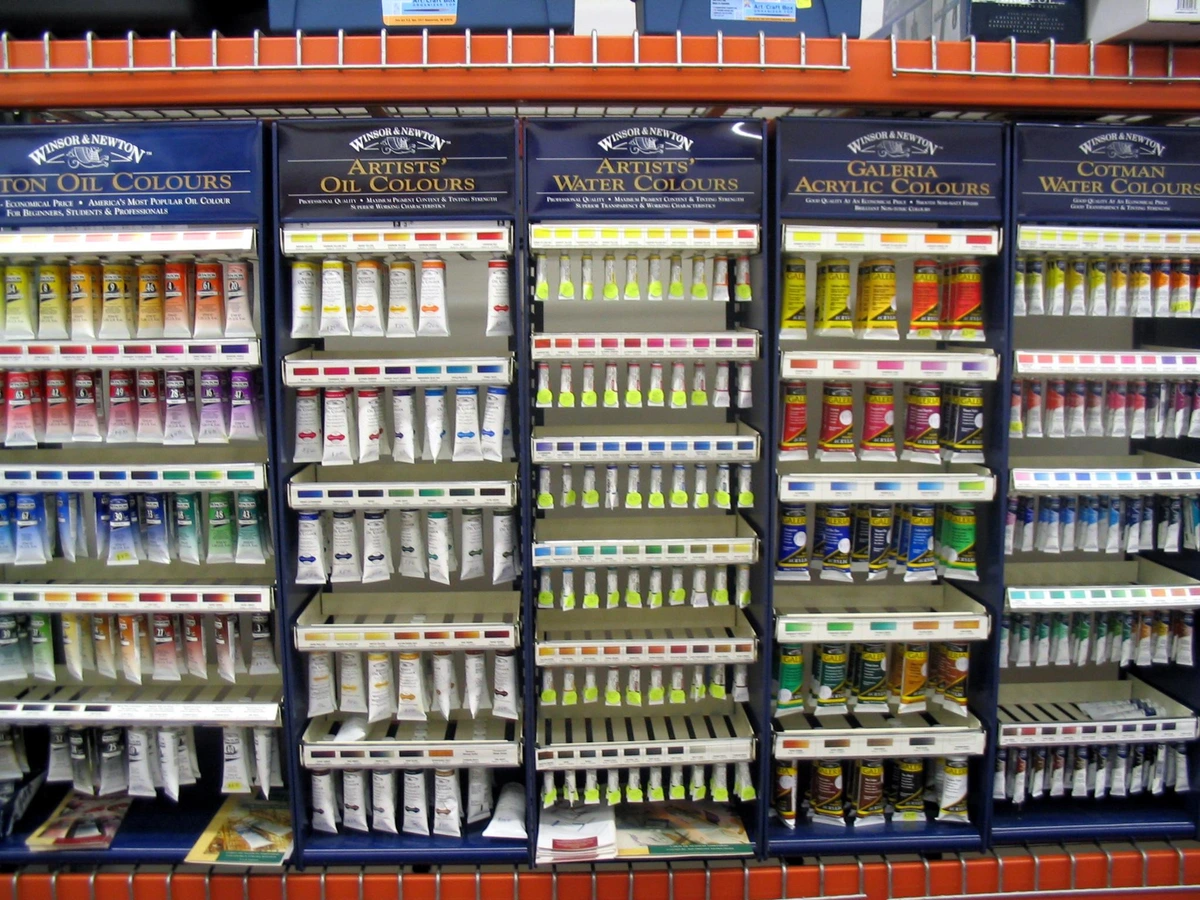
Winsor & Newton isn't just some newcomer on the block; they've been around since 1832. Can you believe that? That's nearly two centuries of paint-making, an incredible testament to their enduring quality and innovation. Henry Newton and William Winsor, the brilliant minds behind it all, weren't just artists; they were chemists who fundamentally revolutionized artists' materials. Their collaboration fused scientific rigor with artistic sensitivity, setting new benchmarks for the industry.
They didn't just give us the collapsible metal paint tube (a monumental invention, honestly – imagine trying to paint with pigments from an animal bladder, or scraping them from a shell, or storing them in fragile glass syringes, as artists often did before!), which made oil painting portable, greatly reduced waste, and made the medium accessible to a wider array of artists beyond the well-resourced studio. This wasn't just a convenient packaging solution; it ignited a revolution in artistic practice, directly influencing movements like Impressionism by enabling artists to paint en plein air. They also established rigorous standards for pigment purity, lightfastness (how resistant a color is to fading when exposed to light), and permanence (the paint's ability to resist change over time), which were absolutely revolutionary at the time. Prior to their efforts, artists often contended with inconsistent, fugitive colors that would drastically alter their works decades later.
Early Product Innovations Beyond Oil Paints
While their oil paints are legendary, Winsor & Newton's innovative spirit wasn't confined to just that one medium. They quickly expanded their offerings, applying the same scientific rigor and commitment to quality across a broader spectrum of artist materials. This included pioneering improvements in watercolors, inventing processes for their pan and tube forms that made them more stable and vibrant. They also developed a range of specialized brushes, papers, and painting mediums, all designed to enhance the artist's experience and the longevity of their work. This holistic approach to art supplies demonstrates their overarching dedication to empowering artists with the best possible tools, regardless of their preferred medium, a philosophy that continues to this day. Prior to their efforts, artists often contended with inconsistent, fugitive colors that would drastically alter their works decades later. This commitment to scientific understanding of color and materials laid the groundwork for the modern art supply industry, influencing countless brands that followed. They also pioneered advancements in color theory, publishing guides that helped artists understand how to achieve consistent and lasting results, essentially democratizing professional painting standards. This wasn't just about selling paint; it was about empowering artists with reliable tools and knowledge. It's also worth noting their long-standing relationship with the Royal Academy of Arts, providing materials and expertise that directly influenced generations of British artists. Furthermore, Winsor & Newton's excellence has been recognized with multiple Royal Warrants – a rare mark of recognition for companies that have supplied goods or services to the British Royal Family for at least five years. This isn't just a fancy label; it's a testament to their unwavering quality and service, signifying their status as a supplier of the highest standard to some of the world's most discerning patrons. This continued dedication to scientific understanding and innovation, through ongoing research into new pigments and sustainable practices, is what allows them to remain at the forefront of the art materials industry today.
It's this deep-rooted legacy of quality and innovation that, I have to say, still absolutely shines through in their modern products today. From the rigorous testing of new pigments to their commitment to sustainability, W&N continues to evolve. Knowing this history, for me, adds a layer of respect to every tube I open, understanding that I'm part of a continuum of artists who have benefited from their pioneering spirit. They didn't just sell paint; they advanced the art form itself, truly leaving an indelible mark on the creative world.

Understanding the Components of Oil Paint: What's In Your Tube?
Before we dive into the specifics of Winsor & Newton's lines, I think it's really helpful to understand what actually goes into a tube of oil paint. It’s more than just 'color in a tube'; it's a carefully balanced chemical formulation that impacts everything from how the paint handles to how long your masterpiece will last. At its core, oil paint consists of just a few key elements, but don't let that simplicity fool you. It's a carefully balanced chemical formulation, a testament to centuries of scientific and artistic refinement, where the quality, purity, and balance of these elements are what truly differentiate a student-grade paint from a professional one. It impacts everything from how the paint handles under your brush to how long your masterpiece will last. For me, understanding what's in the tube demystifies the whole process and truly deepens my appreciation for the craft of paint-making. It's like understanding the ingredients in a gourmet meal – it elevates the entire experience. Let's break down these essential components, and why Winsor & Newton excels at delivering these with such consistency and quality:
The Art and Science of Milling: From Paste to Pigment
Before the raw pigment and binder become the luscious paint in your tube, they undergo a crucial process called milling. This isn't just about mixing; it's about systematically grinding the pigment particles into the binder to achieve the perfect dispersion, consistency, and tinting strength. Winsor & Newton, particularly for their Professional line, employs traditional triple-milling (passing the paint through rollers three times) or even more passes. This meticulous, time-honored process isn't just about mixing; it's a sophisticated art and science. Pigments are ground with the binder, traditionally by passing them repeatedly through a series of heavy rollers – what we call triple-milling, or even more passes for the finest paints. This ensures:
- Pigment particles are uniformly dispersed: This eliminates any grittiness, maximizes color intensity, and prevents the pigment from separating from the oil, which can lead to dull patches in your painting.
- Optimal oil absorption: Each microscopic pigment particle is thoroughly coated in oil, preventing 'sinking in' (where the oil leaches into the support, leaving dull, matte patches) and promoting a stable, coherent paint film. This is vital for consistent drying and a uniform sheen.
- Ideal consistency: The paint achieves that signature smooth, buttery, or sometimes more robust texture that's a joy to work with. This perfect consistency ensures beautiful brushstroke retention, effortless blending, and predictable handling, whether you're laying down thin washes or rich impasto.
This meticulous attention to the milling process is a hallmark of quality, directly impacting the paint's handling properties, its vibrancy, and its archival stability.
Component  | Role in Oil Paint | Key Considerations |
|---|---|---|
| Pigment | The heart of the color! These are finely ground, colored particles derived from natural minerals, synthetic compounds, or organic sources. The type, quality, and concentration of pigment determine the paint's hue, lightfastness, and tinting strength. Winsor & Newton is particularly renowned for its high-quality pigments. | Purity: Single-pigment paints offer cleaner mixes and truer hues, allowing for precise color control. Tinting Strength: This refers to a pigment's ability to retain its color when mixed with another color, especially white. High tinting strength pigments (like Phthalo Blue) can quickly overpower other colors, meaning a little goes a long way. Winsor & Newton Professional oils are renowned for their exceptional tinting strength, which also means they are incredibly economical despite their higher upfront cost. Particle Size: Affects texture, transparency, and how the paint feels under the brush. Lightfastness: Crucial for archival quality (how well it resists fading over decades or centuries) – always look for ASTM ratings on the tube. Toxicity: Some pigments (e.g., Cadmiums, Cobalts, Lead) carry health warnings; always check labels and ensure proper studio ventilation and hygiene. |
| Binder | This is what holds the pigment particles together and binds them to the painting surface as the paint dries. For traditional oil paints, the binder is typically a drying oil, most commonly refined linseed oil. Other oils like poppy, safflower, or walnut oil can also be used, each imparting slightly different drying times and characteristics. | Oil Type: Linseed (the most common and robust binder, forms a strong, flexible film, yellows slightly over time, suitable for most colors), Poppy (very pale, least yellowing of the drying oils, slowest drying, ideal for whites and pale blues where color purity is paramount, but forms a more brittle film than linseed), Safflower (pale, good for whites and blues, moderate drying time, more flexible than poppy but slower than linseed, a versatile middle ground, often found in student-grade paints due to its excellent workability and non-yellowing properties). Quality: The purity and refinement of the oil greatly affect paint stability, flexibility, and longevity, contributing to a stable paint film that resists cracking and discoloration over decades. |
| Vehicle | Often used interchangeably with 'binder,' but sometimes refers to the liquid portion of the paint, including the binder and any added solvents or additives that adjust consistency and drying time. Think of it as the carrier that makes the paint workable and flowable. | Consistency: How thick or fluid the paint is, influencing brushstroke retention and application. Drying Rate: How quickly the paint becomes touch-dry, crucial for layering. Workability: How easily it spreads, blends, and holds brushstrokes; often tailored to the pigment. |
| Additives/Fillers | In some paints, especially student-grade or more economical lines like Winton, inert fillers (like chalk or aluminum hydroxide) might be added. These help to extend the paint, modify consistency, and reduce cost, but can slightly dilute the pigment concentration. Drying agents (siccatives) can also be added to regulate drying time. | Pigment Load: Fillers reduce pigment concentration, making the paint less intense and often reducing tinting strength. Texture: Can affect the feel and transparency, sometimes making paints feel 'short' or 'greasy.' Cost: Reduces manufacturing expense, making paints more accessible. Drying Agents (Siccatives): Help standardize drying times, especially in student grades like Winton, for more predictable performance, though they can sometimes increase brittleness if overused. Drying Agents: Help standardize drying times, especially in student grades, for more predictable performance. |
Understanding this basic breakdown makes the differences between professional and student-grade paints much clearer. It's often about the purity and concentration of the pigment, and the quality of the binder, rather than some mysterious 'secret ingredient.' It's knowing that you're paying for concentrated color and archival integrity in the Professional line, and a thoughtfully balanced, accessible formulation in the Winton line. Both have their place on an artist's palette.
Beyond the Binder: Understanding Drying and Curing
While we often say oil paints "dry," technically, they cure through a process of oxidation, where the drying oil reacts with oxygen in the air and polymerizes (hardens). This is a chemical change, not just evaporation like watercolors or acrylics. This curing process is why oil paintings can take so long to become fully stable. It's not just about the paint feeling dry to the touch; it's about a complete chemical transformation throughout the entire paint film. This polymerization creates a durable, flexible, and chemically stable artwork that can endure for centuries, but it demands patience.
- Drying Time: This refers to when the paint is touch-dry, meaning it's no longer tacky and can be safely handled or overpainted. This can range from days to weeks, depending on pigment, thickness, and environment.
- Curing Time: This is the much longer period (typically 6 months to over a year, depending on thickness and environment) where the entire paint film hardens throughout. It's crucial for the archival integrity of the painting and impacts when a final varnish can be safely applied, ensuring no trapped moisture or uncured oil.
Winsor & Newton's formulations are designed to ensure a stable and predictable curing process, contributing to the longevity of your artwork. For those working in layers, understanding these processes is paramount, as applying new paint over a still-curing layer can lead to future cracking.
Types of Pigments: What You Need to Know
When we talk about pigment, it's not just 'color.' Pigments come from diverse sources, each with unique characteristics that affect how your paint performs and endures. Understanding these types can help you make more informed choices about your palette, and it's something Winsor & Newton excels at categorizing, making your life easier:
- Inorganic Pigments (Mineral/Earth Pigments): These are traditionally derived from natural earth deposits or minerals (e.g., Ochres, Siennas, Umbers, Mars colors) or synthetically created mineral compounds (e.g., Cadmiums, Cobalts, Ultramarine). They are generally very stable, lightfast, and opaque, offering excellent covering power. Historically, these were the bedrock of most palettes, known for their permanence and earthy tones.
- Organic Pigments: Initially derived from natural sources like plants or insects (e.g., Alizarin Crimson from madder root, Indian Yellow from mango-fed cow urine – fascinating, right?), modern organic pigments are largely synthetic. They often offer intense vibrancy, high tinting strength, and can range from transparent to opaque. While some older organic pigments were prone to fading, modern formulations (like the Phthalo colors, Quinacridones, or Dioxazine Purple) are incredibly lightfast and durable, often surpassing the lightfastness of some inorganic pigments.
- Single vs. Multi-Pigment Colors: Winsor & Newton's Professional line particularly prides itself on single-pigment colors. This means the hue is achieved using only one pigment. Why does this matter? It ensures cleaner, more predictable color mixing, giving you ultimate control over your palette. When you mix two single-pigment paints, you know exactly what you're combining. Multi-pigment paints (blends of two or more pigments) can sometimes create 'muddy' or dull results when mixed with other colors, as you're unknowingly combining more pigments than intended. For instance, a 'Sap Green' might be a blend of a yellow and a blue; if you then mix that with another yellow, you're unknowingly introducing three pigments, increasing the chance of dullness and making color prediction harder. This purity also translates into exceptional tinting strength, meaning a small amount of paint can powerfully influence a mixture, ultimately saving you paint and money in the long run. Single pigments are the secret to vibrant, clean mixes.
Comparing Inorganic and Organic Pigments
To further clarify, here's a quick comparison of these two broad categories:
Feature | Inorganic Pigments | Organic Pigments (Modern Synthetic) |
|---|---|---|
| Source | Natural minerals/earth or synthetic mineral compounds | Natural (plants/insects, historically) or largely synthetic carbon-based compounds |
| Transparency | Often opaque, good covering power | Often transparent to semi-transparent, but can be opaque |
| Lightfastness | Generally very high (e.g., Cadmiums, Cobalts, Earths) | Excellent in modern formulations (e.g., Phthalos, Quinacridones) |
| Tinting Strength | Moderate to High | Very High (a little goes a long way) |
| Vibrancy | Earthy, rich, strong | Often incredibly intense, pure, and vibrant |
| Examples | Ochres, Siennas, Umbers, Cadmiums, Cobalts, Ultramarine | Alizarin Crimson, Phthalo Blue/Green, Quinacridones, Dioxazine Purple |
Historical vs. Modern Pigments
It's fascinating to consider how far pigments have come. Historically, artists relied on mineral and earth pigments, often grinding them themselves. Think of the limited palettes of the Old Masters! Winsor & Newton's early innovations included standardizing these traditional pigments. Modern chemistry has introduced an incredible array of synthetic organic pigments (like Phthalos and Quinacridones) that offer unprecedented vibrancy, tinting strength, and lightfastness, often surpassing their historical counterparts in performance and safety. Where older organic pigments might have been notoriously fugitive, modern advancements mean many synthetic organics are now among the most permanent and lightfast options available. W&N embraces both, carefully selecting the best of both worlds for their paints, ensuring artists have access to a rich spectrum of colors that are both reliable and safe. This thoughtful approach allows for a broader, more stable palette than artists of previous centuries could ever dream of.
The Importance of Colour Index Names (CIN)
For serious artists, understanding Colour Index Names (CIN) is incredibly helpful. You'll often see these alphanumeric codes (e.g., PR101 for Red Iron Oxide, PB15 for Phthalo Blue) printed on paint tubes. They provide a standardized, international system for identifying the exact pigment(s) used in a paint, regardless of the brand's proprietary color name (e.g., "Venetian Red" from one brand might be PR101, while another's "Indian Red" could also be PR101). This helps you:
- Ensure consistency: You can confidently buy the same pigment from different brands.
- Understand mixing properties: Knowing the underlying pigment helps predict how colors will mix.
- Check for lightfastness: Researching a specific CIN can give you more detailed information about its archival properties.
- Avoid unexpected blends: You can tell if a paint is a single pigment or a blend by checking how many CIN codes are listed. Winsor & Newton is excellent at providing this information, empowering you to make informed decisions for your palette and ensuring archival quality in your work. It's like checking the ingredients list on your food – you know exactly what you're getting.
The Two Titans: Professional vs. Winton Oil Colour
Understanding Paint Consistency and Viscosity: The Feel Under Your Brush
Before we delve into the nuances of Professional versus Winton, let's briefly touch on consistency and viscosity in oil paints. These terms describe how thick or fluid the paint is and how it flows. For me, it's about the feel under the brush, the resistance you get, and how well it holds a mark.
- Consistency: This refers to the general "body" of the paint. A paint might be described as buttery, stiff, fluid, or even gooey. * Consistency: This refers to the general "body" of the paint. A paint might be described as buttery, stiff, fluid, or even gooey. Winsor & Newton Professional oils often exhibit a beautiful, buttery consistency that allows for smooth application, fine details, and expressive impasto. This variation is often meticulously tailored to the natural properties of each specific pigment, offering a unique tactile experience for each color. Winton paints, while still excellent, tend to have a slightly firmer, more uniform consistency across the range, which can be advantageous for beginners who desire predictable handling.
- Viscosity: This is a measure of a fluid's resistance to flow. High viscosity paint is thick and slow-moving, holding its shape well (great for impasto or textural work). Low viscosity paint is thinner and flows more easily (ideal for glazes or washes). Winsor & Newton carefully balances viscosity in their paints to ensure optimal handling and performance, with subtle, pigment-specific variations, especially in their Professional line. Understanding these properties helps you anticipate how the paint will behave on your palette and canvas, guiding your choice of brush and medium, and ultimately allowing for greater control over your artistic expression.
This is where most artists face their first big decision with W&N. You've got the top-tier Professional Oil Colour and the more budget-friendly Winton Oil Colour. Think of it this way: Professional is your Michelin-star meal, meticulously prepared with the finest ingredients. Winton is your favorite, comforting home-cooked dinner – still delicious and satisfying, but perhaps a bit more straightforward.
Let's break down the key differences, because making the right choice here can significantly impact your artistic journey and budget:
Feature | Winsor & Newton Professional Oil Colour | Winsor & Newton Winton Oil Colour |
|---|---|---|
| Pigment Load | Extremely high, pure single pigments for maximum vibrancy and tinting strength. Unrivaled intensity and opacity/transparency. | Moderate to good, often using blends of pigments and fillers to achieve desired hues at a lower cost, offering good coverage. |
| Lightfastness | Exceptional; nearly all colors rated 'Excellent' (I) or 'Very Good' (II) for maximum longevity and archival integrity. This adheres to ASTM D4236 standards. | Good; the majority are rated 'Good' (II), suitable for most applications and still meeting international standards for permanence. |
| Consistency | Rich, buttery, and smooth with a unique characteristic per pigment; a joy to work with, maintaining brushstrokes beautifully and offering superb handling. Varies slightly from color to color due to natural pigment properties. | Slightly stiffer, less buttery; can feel a bit more uniform across colors, which can be advantageous for beginners learning brush control. Designed for consistent texture. |
| Color Range | Extensive (120 colors), including rare, historical, and modern pigments. Offers incredible breadth for nuanced palettes, including many single-pigment options. | Comprehensive (55 colors), covering all essential hues for students and hobbyists, providing a balanced and functional palette with a focus on accessible blends. |
| Drying Time | Varies naturally by pigment, as expected with pure oils (some fast, some slow). Requires understanding of 'fat over lean' rules for stable layering. | Generally more consistent and predictable, with some added driers for more uniform drying across the range, making it easier for beginners to manage. |
| Price Point | Premium, reflecting the high quality, pure pigments, and meticulous manufacturing process. A long-term investment for lasting art. | Economical, making it accessible for students, daily practice, and large-scale projects without financial strain. Excellent value for money. |
| Best For | Professional artists, serious students, archival work, fine art where longevity and purity are paramount. Ideal for detailed work, glazing, expressive impasto, portraiture, and landscape painting requiring precise color and subtle nuances. | Students, beginners, daily practice, large-scale works, underpainting, and experimental pieces. Excellent for learning fundamental techniques, blocking in color, and workshops, where consistent performance and value are key. |
Winsor & Newton Professional Oil Colour: The Crème de la Crème
When I'm working on a piece that truly matters, something I want to last for generations – a painting destined for an exhibition or a cherished collection – I instinctively reach for the Winsor & Newton Professional line. And let me tell you, there's a reason for that. Or several, really. It’s not just about the name; it’s about the tangible difference you feel in every stroke and the confidence you have in its longevity. For me, choosing Professional oils for a significant work is like selecting the finest ingredients for a gourmet meal – it elevates the entire experience and guarantees a lasting, exquisite result. Every time I squeeze out a vibrant Cadmium Yellow or a deep Ultramarine, I can feel the history and precision in its consistency.

- Pigment Power & Purity: The sheer intensity of these colors is breathtaking. We're talking about incredibly high concentrations of pure, often single-source pigments, meticulously ground to maximize their brilliance and lightfastness. This isn't just about vibrancy; it means you need so little paint to achieve incredible color saturation and fantastic tinting strength. A tiny speck can transform an entire mixture! This purity is also crucial for clean, vibrant mixes, reducing the dreaded 'muddy' outcomes – something I used to battle constantly as a beginner. Yes, they're a premium investment upfront, but I've found that this incredible pigment load actually saves me money in the long run because a little truly goes a long, long way. It's an investment that pays dividends in both quality and efficiency, allowing your artistic vision to flourish without compromise. It's like buying a concentrated essence versus a diluted cordial – the initial cost is higher, but the yield is far greater.
- Archival Excellence: Beyond the immediate joy of vibrant color, the Professional line is formulated for longevity. Many of their colors use rare and historical pigments, meticulously ground and blended with high-quality oils. This commitment extends to their exceptional lightfastness ratings – ensuring your work will stand the test of time, resisting fading and deterioration for generations. It's about creating art that endures, which is a powerful thought, especially for pieces meant for exhibition or legacy. This is where you can truly invest in the future of your art.
- Buttery Smoothness & Color Purity: The consistency is just divine. It feels like spreading softened butter – smooth, responsive, yet holding its shape for expressive brushwork or palette knife applications. Blending is a dream, and layering feels intuitive. This richness allows for both thin, delicate washes and thick, luscious impasto with equal grace. It’s a sensory experience, honestly, almost meditative. Many colors are single-pigment, which is crucial for clean, vibrant mixes. If you've ever struggled with muddy colors, often it's because you're mixing too many complex pigment blends. W&N Professional simplifies this beautifully, allowing you to truly understand color relationships and the nuanced interplay of hues. The subtle differences in texture between pigments, from the smooth glide of a Cadmium to the slightly gritty feel of an Ultramarine, become part of your artistic language, allowing for nuanced expression. It's important to note that Winsor & Newton Professional line predominantly uses genuine pigments, meaning the name (e.g., Cadmium Red, Cobalt Blue) refers to the actual, single-source pigment used, not a 'hue' blend of different, often less expensive, pigments trying to imitate it. This commitment to genuine, high-quality pigments is a hallmark of professional-grade materials.
Understanding the 'Series' System in Professional Paints
Winsor & Newton Professional Oil Colours are organized into 'Series' (typically Series 1 to Series 5 or 6). This isn't just arbitrary numbering; it directly correlates to the cost of the pigments used in each color. Series 1 colors, for example, use more common and less expensive pigments, while Series 5 or 6 colors will contain rare or very finely processed pigments, like Cadmiums or certain Cobalts. This system allows you to understand why certain tubes are more expensive than others and helps you budget your palette. It's a transparent way of showing where the value lies – directly in the quality and rarity of the pigments.
Winsor & Newton Winton Oil Colour: The Reliable Workhorse
Now, don't get me wrong, the Winton line is far from 'lesser' – it's just different. For many artists, especially those starting out, those on a budget, or those working on larger, experimental pieces, Winton is an absolute gem. When I'm preparing a canvas for a big abstract piece, doing an underpainting, or simply practicing new techniques, Winton often gets the call. Honestly, the Winton line is far from 'lesser' – it's just different. For many artists, especially those starting out, those on a budget, or those working on larger, experimental pieces, Winton is an absolute gem. When I'm preparing a canvas for a big abstract piece, doing an underpainting, or simply practicing new techniques, Winton often gets the call. Its consistent performance across the range makes it incredibly reliable for these kinds of foundational or exploratory works. And let's be real, who wants to feel guilty about using a beautiful Cadmium Red on a simple study? Winton frees you from that particular artistic neurosis! For instance, I vividly remember a large-scale commission where I needed to cover a massive canvas quickly with a vibrant, consistent blue sky. My Professional Ultramarine would have been exquisite, but also incredibly expensive for such a broad application. Winton's Ultramarine Hue stepped up perfectly, providing a beautiful, rich base that I could later refine with the more intense Professional colors for highlights and atmospheric effects.
- Value for Money & Accessibility: This is Winton's superpower, hands down. You get reliable, decent quality oil paint without breaking the bank. For beginners, it's absolutely perfect for exploring the medium, experimenting with techniques, and building confidence without the constant fear of 'wasting' expensive materials. It's why I often recommend Winton for foundational practice, helping artists bridge the gap between initial curiosity and dedicated practice. If you're just starting, definitely check out some great options in my guide to the best oil paint sets for beginners.
- Thoughtful Formulation for Consistent Performance: To achieve its accessible price point, Winton often uses modern, stable pigments and a careful blend of pigments and inert fillers. While this means the pigment load isn't as high as the Professional line, the colors are still vibrant and mix well, offering great opacity and covering power. Winsor & Newton ensures that even their student-grade paints meet good lightfastness standards, which is crucial for any artist creating work they hope will endure. It's a testament to their commitment to quality across their entire range, making sure you get a reliable product every time. Moreover, Winton often utilizes modern, less hazardous alternative pigments (referred to as 'hues') where possible, making it a generally safer and more environmentally conscious option for beginners or those with sensitivities, without compromising on color vibrancy or permanence. These 'hues' are carefully formulated to visually match the genuine pigment, offering a similar artistic experience at a more accessible price point.
- Consistent Feel for Learning & Large Works: While not as luxurious or varied in texture as Professional, Winton paints have a very consistent, slightly firmer consistency across the range. This can actually be a huge advantage for learning brush control and for maintaining a uniform texture in your work, especially if you're not looking for extreme impasto effects from the paint itself. It's also fantastic for underpainting, initial washes, or for large-scale works where you want a consistent base without the variability of very specific, pure pigments. This predictability helps you focus on your technique.
- Broad Appeal & Versatility: It's an excellent choice for students, hobbyists, and even professionals who need large quantities of paint for specific projects, like preparing canvases or doing initial compositional blocks. The color range, while smaller, hits all the essential notes, making it easy to create a diverse and functional palette without being overwhelmed. It's a true workhorse that won't let you down.

W&N's Broader Art Range: A Spectrum of Artistic Excellence
While our focus here is squarely on their incredible oil paints, it's worth acknowledging that Winsor & Newton's legacy extends across the entire spectrum of artist materials. Their expertise isn't confined to oils; they are equally renowned for their professional-grade watercolors (like the Professional and Cotman lines), acrylics (such as Galeria and Professional Acrylics, offering a smooth, flexible film ideal for contemporary work), gouache (with its opaque, matte finish), drawing inks (known for their brilliant, lightfast colors), pastels, and even fine art papers. This breadth of quality speaks to their overarching commitment to artists, regardless of their chosen medium. For me, knowing that the same dedication to pigment quality and archival standards runs through their entire product line gives me even greater confidence in their oil paints. It's like having a master chef who excels at many cuisines – you know their core skills are exceptionally refined. It means you can build a truly consistent and high-quality studio using materials from a single, trusted source, no matter what your next creative experiment demands.
Expanding Your Oil Painting Toolkit: Beyond Just Paint
While the paints themselves are, of course, the star of the show, any experienced oil painter knows that a comprehensive toolkit includes much more. Winsor & Newton's ecosystem of products extends to brushes, solvents, painting mediums, and even supports. The solvents, for instance, are not just for cleaning; they're essential for thinning paint for initial washes or creating leaner layers. Investing in good quality tools across the board can genuinely transform your painting experience, making techniques smoother and results more professional. Think of it like a chef with the right knives and cookware – the ingredients are crucial, but the tools unlock their full potential.
Winsor & Newton Brushes and Tools
Winsor & Newton don't just stop at paint; they offer an impressive array of brushes tailored for oil painting, understanding that the tool is as crucial as the pigment. From their professional Series 7 Kolinsky Sable brushes (for the finest details, precision, and incredible snap – a true luxury!) to more robust hog bristle brushes perfect for impasto and bold, textural strokes, choosing the right brush can feel like finding the perfect extension of your hand.
Let's break down brush types a bit, and how Winsor & Newton's offerings align with these needs:
- Natural Bristle (e.g., Hog): Ideal for thicker paints and impasto, hog bristle brushes are stiff and resilient. They hold a good amount of paint and create distinct, textured marks. Winsor & Newton's Winton Hog Bristle Brushes are excellent, durable workhorses perfect for loading up with W&N Professional for those luscious, expressive strokes.
- Synthetic Bristle (e.g., Monarch, Galeria): These are incredibly versatile, offering a good 'spring' and excellent shape retention. They're easier to clean and durable, often suitable for both oils and acrylics. W&N's Monarch synthetic brushes are excellent workhorses – they are designed to mimic the spring and performance of natural hair, holding a good amount of paint, cleaning easily, and maintaining their shape beautifully, making them ideal for both detailed work and broader applications. Their Galeria range offers a more economical synthetic option, still with great performance and durability.
- Sable (e.g., Series 7 Kolinsky): The gold standard for precision and fine detail, sable brushes are incredibly soft, yet have excellent snap. They excel at holding a fine point and carrying delicate washes or thin glazes, allowing for unparalleled control. Winsor & Newton's legendary Series 7 Kolinsky Sable brushes are a true luxury, but worth it for those intricate passages and precise blending.
- Blended Bristle (e.g., Sceptre Gold): These combine the best of both worlds, offering a mix of natural and synthetic fibers to achieve a balance of softness, snap, and durability. Blended Bristle (e.g., Sceptre Gold): These combine the best of both worlds, offering a mix of natural and synthetic fibers to achieve a balance of softness, snap, and durability. For those needing a middle ground, their Sceptre Gold series, a blend of sable and synthetic, offers a fantastic balance of spring and paint-carrying capacity and is excellent for a wide range of oil applications.
Beyond brushes, they also produce high-quality palette knives in various shapes and sizes (essential for mixing, scraping, and expressive application) and other studio essentials, all designed with the artist's needs in mind. Seriously, don't skimp on your brushes; they're your primary interface with the paint and a good set can elevate your entire practice!
Understanding Brush Fibers: Natural vs. Synthetic
Winsor & Newton offers brushes categorized primarily by their fiber type, each suited for different techniques and paint consistencies. To truly master oil painting techniques, selecting the right brush is paramount. Here's a quick guide to understanding your options:
- Natural Bristle (e.g., Hog): Ideal for thicker paints and impasto, hog bristle brushes are stiff and resilient. They hold a good amount of paint and create distinct, textured marks. Winsor & Newton's Winton Hog Bristle Brushes are excellent, durable workhorses perfect for loading up with W&N Professional for those luscious, expressive strokes.
- Synthetic Bristle (e.g., Monarch, Galeria): These are incredibly versatile, offering a good 'spring' and excellent shape retention. They're easier to clean and durable, often suitable for both oils and acrylics. W&N's Monarch synthetic brushes are designed to mimic the spring and performance of natural hair, holding a good amount of paint, cleaning easily, and maintaining their shape beautifully, making them ideal for both detailed work and broader applications. Their Galeria range offers a more economical synthetic option, still with great performance and durability.
- Sable (e.g., Series 7 Kolinsky): The gold standard for precision and fine detail, sable brushes are incredibly soft, yet have excellent snap. They excel at holding a fine point and carrying delicate washes or thin glazes, allowing for unparalleled control. Winsor & Newton's legendary Series 7 Kolinsky Sable brushes are a true luxury, but worth it for those intricate passages and precise blending.
- Blended Bristle (e.g., Sceptre Gold): These combine the best of both worlds, offering a mix of natural and synthetic fibers to achieve a balance of softness, snap, and durability. For those needing a middle ground, their Sceptre Gold series, a blend of sable and synthetic, offers a fantastic balance of spring and paint-carrying capacity and is excellent for a wide range of oil applications.
Beyond brushes, they also produce high-quality palette knives in various shapes and sizes (essential for mixing, scraping, and expressive application) and other studio essentials, all designed with the artist's needs in mind. Seriously, don't skimp on your brushes; they're your primary interface with the paint and a good set can elevate your entire practice!
The Art of the Ground: Choosing Your Support and Primer
Before any paint touches the surface, the support (what you're painting on – think canvas, wood panel, linen, or even specially prepared paper) and its primer are absolutely fundamental. Winsor & Newton offers a range of options and materials to prepare your chosen surface, understanding that a strong foundation is critical for the longevity and appearance of your artwork.
Let's look at common supports:
- Canvas: The most traditional choice, typically stretched cotton or linen. Linen is known for its strength and fine weave, making it highly durable and stable, though more expensive. Cotton is more affordable and widely available, providing a good balance of cost and quality. W&N offers both pre-stretched and roll canvas.
- Wood Panels: Offer a rigid, stable, and smooth surface, making them excellent for detailed work or when you want a completely unyielding support. MDF or hardboard panels are popular, especially when properly gessoed. They are less prone to atmospheric movement (expansion and contraction) than canvas, which can help prevent cracking in paint layers over time.
- Paper: Specially prepared, heavyweight paper (like sturdy watercolor paper or Bristol board, preferably 300gsm or more) can be an economical and convenient option for studies, sketches, or smaller finished works. It must be properly primed with at least two coats of gesso to create an impermeable barrier, preventing the oil from soaking into and eventually degrading the paper fibers, which can cause the paper to become brittle and eventually rot.
Ensuring your chosen support is properly primed is crucial. Winsor & Newton's Gesso (an acrylic polymer emulsion) creates a stable, slightly absorbent barrier that prevents the oil from soaking into the support (which can cause the support to rot or the paint to become brittle over time) and provides a good 'tooth' for the paint to adhere to. I always recommend at least two coats for a solid foundation, sometimes more if the surface is very absorbent. This foundational layer is often overlooked but is absolutely critical for the archival quality and longevity of your artwork.
Acrylic Gesso vs. Oil Ground (Primer)
While Winsor & Newton's acrylic gesso is a versatile and popular choice, it's important to understand the distinction between an acrylic gesso and a traditional oil ground:
- Acrylic Gesso (e.g., Winsor & Newton Galeria Gesso): This is an acrylic-based primer that creates a flexible, relatively absorbent surface. It's fast-drying and suitable for both oil and acrylic paints. It provides a good 'tooth' for oil paint adhesion.
- Oil Ground (or Oil Primer): This is a traditional oil-based primer applied over a size (like rabbit skin glue or an acrylic size) to protect the support. It creates a less absorbent, smoother, and often more luminous surface, allowing the oil paint to sit more 'on top' rather than sinking in. Many artists prefer oil grounds for their buttery feel and the way they make colors sing. Winsor & Newton offers oil-primed canvases and panels, or you can purchase their oil ground to prime your own supports.
You can even find oil-primed canvases and panels, which are already prepped and ready for direct oil application, providing a beautiful, non-absorbent surface that truly lets the oil paint sing, offering a slightly different feel and luminescence compared to acrylic gesso. Remember, a strong foundation is everything in painting, just like in life, ensuring your masterpiece can endure for centuries. For a more in-depth look at preparing your surfaces, check out my guide on how to prepare a canvas for oil painting.
Beyond Traditional Supports: Exploring New Surfaces
While canvas and wood panels are the most common, adventurous artists also explore other supports. Imagine painting on prepared copper or aluminum panels – these offer incredibly smooth, non-absorbent surfaces that make colors truly sing with a unique luminosity, especially for delicate glazes. Some artists even work on specially prepared textiles, creating unique textural effects. The key, regardless of the support, is proper preparation to ensure archival quality. This means using appropriate primers and barriers to protect the surface from the oil paint and provide optimal adhesion, allowing your creative vision to manifest on truly unique foundations.
Exploring Winsor & Newton Oil Painting Mediums: Expanding Your Horizons
Beyond the paints themselves, Winsor & Newton offers a comprehensive range of oil painting mediums that can drastically alter how your paints handle, their drying time, and their final appearance. For me, these mediums are like the secret spices in a recipe – they don't just change the flavor; they define the dish. Experimentation here is key to finding your unique artistic voice. Understanding these can truly unlock new possibilities in your oil painting techniques. They are designed to enhance your creative freedom while adhering to the principles of archival painting.
Winsor & Newton's Legacy in Medium Innovation
It's worth noting that Winsor & Newton's commitment to artist materials extends deeply into the realm of mediums. Historically, they were pioneers in standardizing and innovating many of the mediums we use today, applying the same scientific rigor to binders, solvents, and resins as they did to pigments. Their understanding of how these components interact to create stable, archival paint films, and their meticulous research into resins and solvents, has fundamentally shaped the art materials industry. They set standards that are still emulated today, ensuring that when you pick up a W&N medium, you're benefiting from decades of scientific advancement. So, when you reach for a tube of Liquin or a bottle of their Refined Linseed Oil, you're not just grabbing a product; you're tapping into a rich history of material science and a dedication to empowering artists with reliable tools.
One crucial concept to grasp when working with oil paints and mediums is the 'Fat Over Lean' rule. This isn't just a suggestion; it's a fundamental principle for ensuring the longevity and structural integrity of your artwork, preventing cracking over time. In simple terms, each successive layer of paint should contain more flexibility (more 'fat' or oil content) than the layer beneath it, and conversely, dry slower. Lean layers, which contain less oil (and often more solvent), dry faster and are less flexible. If you apply a fast-drying, rigid, 'lean' layer over a slow-drying, flexible, 'fatty' one, the top layer will dry and become rigid before the bottom layer has fully cured and shrunk. This differential drying rate inevitably leads to stress and cracking over time, literally destroying your painting. Winsor & Newton's range of paints and mediums are formulated to help you adhere to this rule, allowing for stable, multi-layered paintings that will endure for generations. Think of it like building a house – you need a solid, flexible foundation before you add the more rigid upper structures.

Here's a quick rundown of some common types and what they do. Remember, the 'Fat Over Lean' rule (which we'll explore in more detail shortly) is paramount when using these mediums, as they directly impact the oil content and drying time of your paint layers.
Medium Type | Purpose & Effect | Winsor & Newton Examples |
|---|---|---|
| Linseed Oil | Increases fluidity, gloss, and transparency. Slows drying time significantly. Adds richness and depth to colors. Essential for creating 'fat' layers and enhancing luminosity. | Refined Linseed Oil (the most common, paler, thinner, and generally faster-drying than cold-pressed), Cold Pressed Linseed Oil (richer, slightly darker, slower drying), Thickened Linseed Oil (very viscous, adds gloss and transparency, slows drying), Bleached Linseed Oil (paler, helps reduce yellowing, but can be more brittle) |
| Poppy Oil | A pale oil that reduces yellowing, ideal for whites, pale blues, and light-colored glazes. Slower drying than linseed oil, so use with care in underlayers or areas that need to dry quickly, as it forms a more brittle film over time. | Poppy Oil |
| Safflower Oil | Similar to poppy oil, very pale and non-yellowing, with a slightly faster drying time than poppy but slower than linseed. Good for pale colors and can be intermixed with linseed oil, offering a flexible, non-yellowing film. | Safflower Oil |
| Alkyd Mediums | Accelerate drying time, increase transparency and flexibility, and reduce tackiness. Excellent for glazing, scumbling, and smooth finishes. Can be diluted with mineral spirits. They actively help maintain the 'fat over lean' rule by speeding up the drying of lower layers, creating a durable, flexible film that resists yellowing and provides a stable foundation for subsequent layers. | Liquin Original (general purpose, increases flow and transparency, speeds drying), Liquin Fine Detail (for smooth, fine work with no brush marks), Liquin Light Gel (for subtle texture and increased transparency), Liquin Impasto (for thick impasto and textured effects). |
| Solvents | Used to thin paint, clean brushes, and remove varnish. Essential for brushwork, creating thin washes, and achieving 'lean' initial layers. They evaporate as the paint dries, leaving less oil in the film, making these layers faster-drying and less flexible. This property is crucial for adhering to the 'fat over lean' rule. | Winsor & Newton's Sansodor (a low odor, refined mineral spirit that's much more pleasant to work with indoors, though still requiring ventilation due to its vapor content), Distilled Turpentine (a traditional, natural solvent derived from pine trees, known for its strong, characteristic odor and excellent thinning properties), and White Spirit (Artist's Grade Mineral Spirits, a petroleum distillate, good for cleaning and thinning). Always ensure good ventilation when using any solvents in your studio. |
| Stand Oil | A very thick, pale, non-yellowing linseed oil that creates a smooth, enamel-like finish with increased flow and gloss. Significantly slows drying time. Excellent for fine detail and glazing, offering great durability and a strong, flexible film. | Stand Oil |
| Dammar Medium | A traditional medium made from Dammar resin, oil, and solvent. Increases gloss, transparency, and depth of color. Dries relatively quickly and is suitable for glazing, imparting a beautiful luminosity and richness. However, it's important to note that Dammar can yellow slightly over time, a characteristic of natural resins. | Dammar Medium |
| Copal Mediums | Made from Copal resin, these are known for creating an extremely hard, durable, and lustrous film. They dry very quickly, making them excellent for fast-drying layers and glazes, but are less flexible and should be used cautiously, adhering strictly to 'fat over lean'. Can add considerable depth. | While not a primary Winsor & Newton line today, Copal mediums are worth knowing for their historical context. Made from Copal resin, these were traditionally known for creating an extremely hard, durable, and lustrous film. They dry very quickly, making them excellent for fast-drying layers and glazes, but are less flexible than oil-based mediums and should be used cautiously, adhering strictly to 'fat over lean'. They can add considerable depth and a unique, almost amber-like quality to colors. |
| Retouching Varnish | A temporary varnish applied to areas of dull or sunken-in paint ('sunk-in' areas) to restore gloss and allow for further painting. It forms a permeable film, allowing the underlying paint to continue to cure, and subsequent paint layers to adhere without forming an impermeable film. | Retouching Varnish |
| Impasto Mediums | Designed to thicken paint for expressive, textured brushstrokes and palette knife work. These mediums allow you to build significant surface texture and volume – from subtle ridges to dramatic peaks – without excessively increasing the paint's oil content (which could lead to cracking) or compromising the color's integrity. They maintain the structural integrity and flexibility of the paint film. Winsor & Newton offers various formulations; some can add transparency, others maintain opacity, depending on your desired effect. | Winsor & Newton's Liquin Impasto (speeds drying and builds texture), Painting Knife Medium (for very thick, sculptural impasto), and Blending & Glazing Medium (when used thickly for subtle textural effects and slower drying). |
| Brush Cleaners/Restorers | Specifically formulated to clean and condition brushes, extending their life. Some can even revive stiff, dried-out brushes. Essential for maintaining your valuable tools and preventing cross-contamination. | Winsor & Newton Brush Cleaner, Artguard Brush & Hand Cleaner |
Understanding Opacity and Transparency
Winsor & Newton clearly labels their paints with their transparency level, which is incredibly useful for planning your painting. This isn't just an aesthetic choice; it's a fundamental property of the pigment itself and dictates how light interacts with your layers:
- Opaque colors: These cover underlying layers completely. Think of Titanium White or Cadmium Red – they lay down a solid block of color. Great for bold statements, covering mistakes, strong definitive shapes, or for creating strong contrasts. They prevent light from passing through to the paint film to the canvas.
- Semi-Opaque/Semi-Transparent colors: These offer partial coverage, allowing some of the underlying layers to show through. They're incredibly versatile for blending, subtle transitions, creating soft veils of color, and building up mid-tones. I find myself reaching for these often for nuanced effects.
- Transparent colors: These allow light to pass through them, bounce off the canvas or underpainting, and refract back through the paint layer. Colors like Alizarin Crimson or Phthalo Blue are classic transparent pigments, perfect for glazing and creating incredible luminosity and depth, where colors seem to glow from within. Understanding this spectrum is crucial for achieving desired effects, especially in layered painting, and can dramatically influence the mood and impact of your artwork.
I often find myself using Liquin to speed up layers, especially when I'm impatient (which is often!). It's a lifesaver for building complex paintings in a reasonable timeframe, allowing me to maintain a productive workflow. But for rich, slow-drying glazes that develop incredible depth and luminosity, a touch of linseed oil or stand oil is simply unbeatable. Don't be afraid to experiment with these – they can truly transform your artistic process and help you achieve effects you might not have thought possible, opening up new avenues for expression and unique textural opportunities. Just remember that 'fat over lean' rule, and you'll be on your way to structurally sound, beautiful paintings that will endure for generations!
credit, licence It's a lifesaver for building complex paintings in a reasonable timeframe, allowing me to maintain a productive workflow. But for rich, slow-drying glazes that develop incredible depth and luminosity, a touch of linseed oil or stand oil is simply unbeatable. Don't be afraid to experiment with these – they can truly transform your artistic process and help you achieve effects you might not have thought possible, opening up new avenues for expression and unique textural opportunities. Just remember that 'fat over lean' rule, and you'll be on your way to structurally sound, beautiful paintings that will endure for generations!
Beyond the Tube: Winsor & Newton Oil Sticks for Expressive Mark-Making
While not strictly a medium for thinning or altering paint, oil sticks (or oil bars) are a fascinating addition to the Winsor & Newton range. They are essentially oil paint in solid stick form, offering a direct, painterly way to draw or create expressive marks without brushes. They can be used alongside traditional tube oils, blended with mediums, or even thinned with solvents. I find them incredible for adding gestural lines, bold textures, or for sketching directly onto the canvas, blurring the line between drawing and painting in a truly dynamic way. It's a spontaneous and freeing way to engage with the medium, offering an almost sculptural quality to lines and marks, adding yet another dimension to your toolkit and pushing the boundaries of traditional oil application. They are essentially oil paint in solid stick form, offering a direct, painterly way to draw or create expressive marks without brushes. They can be used alongside traditional tube oils, blended with mediums, or even thinned with solvents. I find them incredible for adding gestural lines, bold textures, or for sketching directly onto the canvas, blurring the line between drawing and painting in a truly dynamic way. It's a spontaneous and freeing way to engage with the medium, offering an almost sculptural quality to lines and marks, adding yet another dimension to your toolkit and pushing the boundaries of traditional oil application. They are fantastic for artists who enjoy working directly, sketching in color, adding a raw, gestural energy, or even working large-scale with broad, sweeping movements, offering an almost chalk-like freedom with the richness of oil.
Varnishes: The Final Protective Layer - Retouching vs. Final
Beyond mediums, Winsor & Newton offers a crucial range of varnishes, which are the final protective layer for your dried oil painting. These aren't just for shine; they provide a durable barrier against dirt, dust, and harmful UV radiation, which can cause pigments to fade or yellow over time. Crucially, they also unify the painting's sheen, bringing dull or 'sunken-in' areas back to life and enhancing the richness of the colors.
It's important to distinguish between two main types of varnish:
- Retouching Varnish (e.g., Winsor & Newton Retouching Varnish): This is a temporary, thin varnish applied to areas of dull or 'sunk-in' paint to restore gloss and allow for further painting. It forms a permeable film, allowing the underlying paint to continue to cure, and subsequent paint layers to adhere without forming an impermeable barrier. It's applied during the painting process, typically when layers are touch-dry but not fully cured.
- Final Varnish (e.g., Winsor & Newton Artists' Gloss, Matte, or Satin Varnish): This is the permanent, protective coat applied only when the painting is completely dry and cured (which, let's be honest, can take 6 months to a year or more for thick oil paintings – patience is truly a virtue here!). Their final varnishes are typically easily removable with appropriate solvents (like mineral spirits or turpentine), allowing for future conservation and cleaning without damaging the underlying paint film. This reversibility is not just a convenience; it's a non-negotiable step for archival artwork and a cornerstone of sound conservation practice, ensuring that a painting can be cleaned and restored without harm decades or even centuries from now. It’s a silent promise of longevity to future generations.
Whether you prefer a high-gloss, a subtle satin, or a completely matte finish, W&N has an option to perfectly complement your artwork, ensuring a uniform finish and long-term protection.

My Personal Tips and Experience with Winsor & Newton Oils: Navigating Your Artistic Journey
Alright, let's get down to the brass tacks – the practical wisdom I've gathered over years of squeezing these tubes onto my palette. These are the little insights that don't always make it into the textbooks but can make a world of difference in your daily studio practice.
- Mixing & Matching: I often mix Winton and Professional paints, and honestly, it's a fantastic way to stretch your budget without compromising key areas. For large areas that will be covered or for initial layers like an underpainting or blocking in large color fields, Winton is fantastic. Its consistent body and reliable color are perfect for these foundations. Then, I bring in the Professional line for vibrant highlights, focal points, intricate details, and areas where pigment intensity, lightfastness, and subtle nuances of color truly matter. For example, a crisp highlight on a portrait or the precise edge of a leaf in a landscape almost always calls for the rich, pure pigment of a Professional tube. This hybrid approach gives you the best of both worlds – economy and brilliance. It's about being strategic, you know? Like knowing when to use a quick sketch versus a fully rendered drawing, or when to use a more economical wine for cooking versus a fine vintage for sipping.
- Embracing Color Theory & the Limited Palette: Winsor & Newton's extensive color ranges, especially in the Professional line, make it a joy to explore color theory. My absolute favorite approach for truly understanding color relationships and creating harmonious paintings is to work with a limited palette. This means choosing just a few core colors and challenging yourself to mix every other color you need from these. Their single-pigment paints in the Professional range are a dream for clean color mixing, helping you avoid muddy results and truly understand how colors interact. This is where the real magic happens, in my opinion, seeing how colors sing together or create beautiful harmonies. I remember one particular challenge where I committed to painting an entire landscape with just three primary colors plus white. It was initially frustrating, but gradually, I started seeing the endless possibilities within those limited hues. The way a tiny touch of Alizarin Crimson could warm up a blue-green, or how a dab of yellow could bring light into a shadow, was absolutely revelatory. It completely transformed my understanding of color.
- Keeping a Color Journal: Unlocking Your Palette's Potential: Beyond just mixing on the palette, I highly recommend keeping a dedicated "color journal" or swatch book. Dedicate a small sketchbook to swatching out every Winsor & Newton color you own, noting its opacity, lightfastness, and series. Then, create small mixing charts – how your Cadmium Yellow mixes with Ultramarine Blue, or how Alizarin Crimson reacts with Titanium White. This direct, hands-on study with your actual paints is invaluable. It helps you anticipate color behavior, discover new hues, and build an intuitive understanding of your palette, truly maximizing the potential of these fine paints.Examples of Effective Limited Palettes:
- Zorn Palette: Ivory Black, Yellow Ochre, Vermilion (or Cadmium Red Light Hue), and Titanium White. This traditional palette is surprisingly versatile for portraits and figure painting, offering a rich, subtle range.
- Primary Palette: Cadmium Yellow (or Lemon Yellow), Cadmium Red (or Alizarin Crimson), Ultramarine Blue, and Titanium White. A classic for vibrant, clean mixes.
- Split Primary Palette: A cool yellow, warm yellow, cool red, warm red, cool blue, warm blue, and white. This expands your mixing possibilities greatly without becoming overwhelming.
Don't be afraid to make your own color charts; they are invaluable learning tools for seeing your colors' full potential! You'll be amazed at the range of hues you can create from a seemingly small selection. - Embracing Value Studies: The Unsung Hero of Strong Paintings: Before you even think about color, dedicating time to value studies (working only with shades of grey or a single monochromatic color) will dramatically improve your oil paintings. Winsor & Newton's earth tones (like Raw Umber) or a simple black and white palette are perfect for this. Value, the lightness or darkness of a color, creates the form, depth, and drama in your artwork. A strong value structure ensures your painting reads well from a distance and has impact, regardless of the colors you later apply. It’s like getting the melody right before you orchestrate the whole symphony. I've found that focusing on values first makes the subsequent color choices so much more intuitive and powerful.
- Drying Time & Mastering the 'Fat Over Lean' Rule: Ah, the perennial challenge of oil paints – the drying time. Winsor & Newton is no exception here. While Winton sometimes incorporates siccatives (driers) for more predictable drying, remember that you're working with oil, and patience is a virtue you'll learn quickly! Some colors dry faster than others due to their inherent pigment properties (e.g., earth tones like Umbers and Siennas, especially those with manganese, dry quicker than many Cadmiums or Ivory Black). If you're impatient (which, let's face it, is most of us at some point!), consider strategically using an alkyd drying medium like Winsor & Newton's Liquin to accelerate drying in specific layers, allowing you to build complex paintings more efficiently. And always, always remember the 'Fat Over Lean' rule: ensure each subsequent layer has more oil (is 'fatter') than the one beneath it, and conversely, dries slower. This is absolutely crucial to prevent cracking and ensure the archival longevity of your artwork. For me, understanding 'fat over lean' feels like learning the secret handshake of the Old Masters – it's a fundamental principle that, when adhered to, ensures your painting will endure for generations. Building your painting in stable layers requires this discipline – think of it as structural engineering for your art! I've got a detailed guide on how to varnish an oil painting once it's completely dry, which is crucial for protecting your masterpiece. Remember, patience here is key; a varnish applied too early can trap moisture and cause significant issues down the line.
Understanding the Science of Drying Oils
To truly grasp why 'Fat Over Lean' is so critical, it helps to briefly understand the chemistry. Drying oils (like linseed, poppy, safflower) contain fatty acids with double bonds. When exposed to oxygen in the air, these bonds break and reform, linking together (polymerizing) to create a solid, flexible, plastic-like film. This process is called oxidation. Different oils and pigments oxidize at different rates, and if a faster-curing, less flexible layer is placed over a slower-curing, more flexible one, the stresses created during the uneven hardening process inevitably lead to cracking. This beautiful, complex chemical dance is what gives oil paintings their incredible longevity, but it also demands our respect and understanding.
- Learning from the Masters: A Historical Perspective: It's incredibly inspiring to look back at art history and realize how many great masters would have benefited from (or even used, in later periods) the quality and innovation Winsor & Newton brings. Study how artists like the Dutch Golden Age painters used glazes, or how the Impressionists handled color with direct, alla prima strokes. Then, try to emulate those techniques using your W&N paints. It's not about copying, but about understanding the underlying principles and translating them through the lens of modern, high-quality materials. This connection to the past, facilitated by reliable materials like Winsor & Newton's, can deepen your appreciation for both the craft and your own artistic journey, showing you how fundamental principles transcend time and medium.
- Brushes Make a Difference (and so does cleaning them!): Seriously, don't skimp on your brushes. I learned this the hard way more times than I care to admit. Good paint deserves good tools – it's like trying to cut steak with a butter knife; you just won't get the best result! Your brushes are a direct extension of your artistic intention, and their quality profoundly impacts your ability to control the paint, create the desired texture, and achieve precise marks. High-quality brushes hold their shape, respond better to your hand, and lay down paint more smoothly. For impasto, I lean towards stiff hog bristle brushes, while for delicate glazes and fine details, softer synthetic brushes or sables are indispensable. You can find some of my recommendations in my article on the best oil painting brushes for artists. And remember to clean them properly and promptly after each session; it extends their life, prevents cross-contamination of colors, and frankly, makes painting a lot more enjoyable. I've ruined enough good brushes to learn this lesson the hard way, and it's a painful one to repeat!My Go-To Brush Cleaning Routine:
- Remove Excess Paint: First, wipe off as much excess paint as possible with a rag or paper towel. Don't be shy – really work that paint out!
- Solvent Rinse: Then, rinse brushes in a jar of solvent (like Sansodor or turpentine) to remove most of the remaining paint. I usually have two jars: one for the initial, dirtier rinse, and a second for a cleaner rinse. Repeat until most of the color is gone.
- Soap and Water Wash: Finally, wash them thoroughly with warm water and a specialized brush soap (or even a mild bar soap), working the lather into the bristles until the water runs clear. This ensures all pigment and oil residue is gone.
- Rinse and Reshape: Rinse thoroughly under running water. Then, gently reshape the bristles to their original form. I often 'point' my round brushes with a little brush soap left in the tip to help them hold their shape as they dry.
- Dry Properly: Allow your brushes to dry flat on a towel or brush-side up in a brush holder. Avoid letting them dry bristles-down or standing in water, as this can cause water to seep into the ferrule and loosen the glue, leading to bristles falling out or handles detaching.
Trust me, a good brush cleaning routine can make your brushes last for years and years, saving you money and frustration, and keeping your studio practices much more enjoyable. For even more detailed guidance, my article on cleaning and caring for your paint brushes is a must-read!
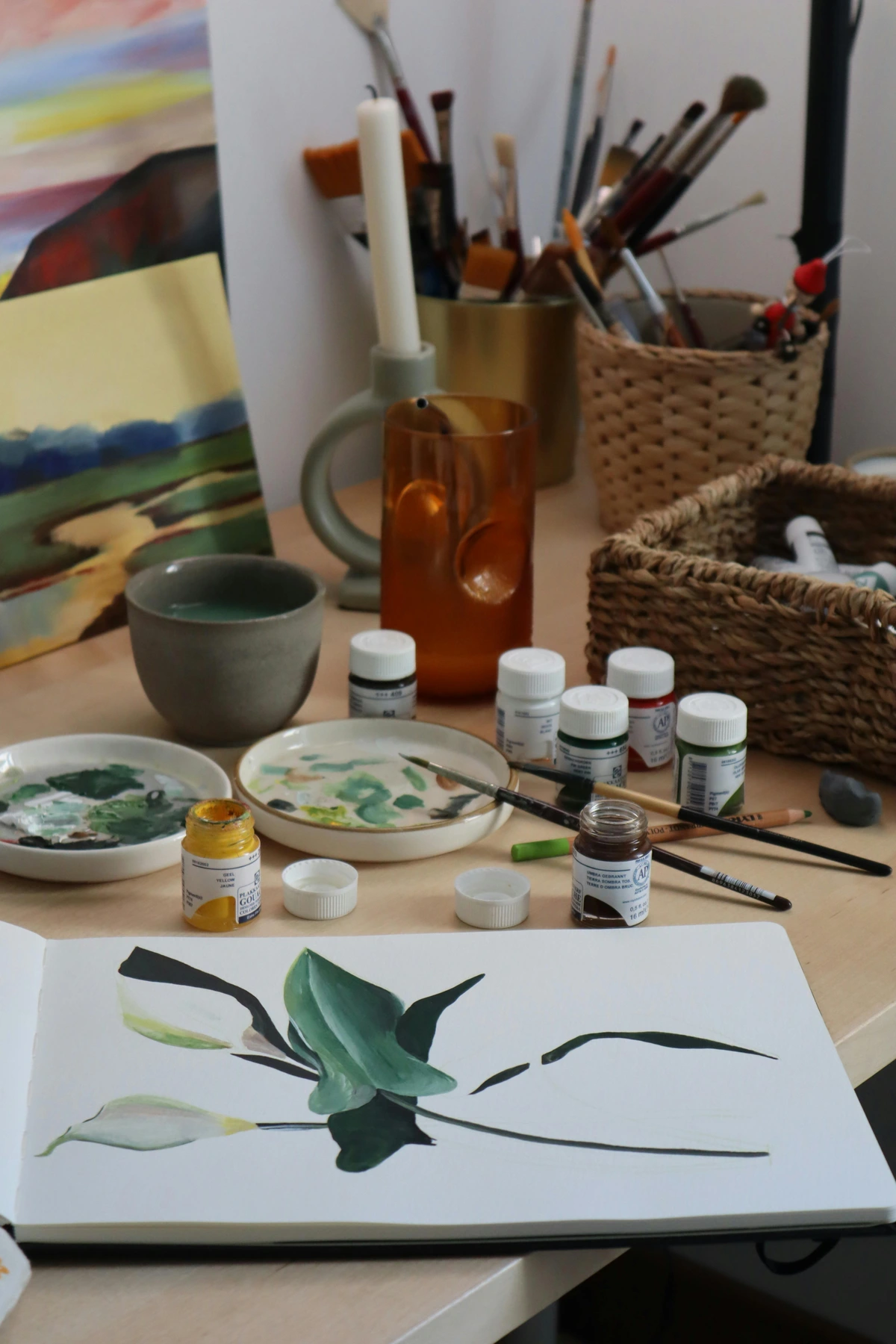
My friends, this isn't just a suggestion; it's absolutely paramount. As artists, we work with materials that, while beautiful, can pose health risks if not handled correctly. Prioritizing your well-being in the studio is non-negotiable, and Winsor & Newton, with its clear labeling, makes it easier to practice safely.
Ventilation is Your Best Friend
- Solvents: The most common culprit for studio fumes are solvents like traditional turpentine and mineral spirits. While Winsor & Newton offers low-odor alternatives like Sansodor, all solvents release vapors that should not be inhaled excessively.
- Pigment Dust: When working with dry pigments (though less common with tube oils), or even sanding dried paint layers, fine pigment dust can be hazardous if inhaled, potentially causing respiratory issues. Even fumes from certain paints themselves (especially those containing solvents or volatile organic compounds), or fine pigment dust generated from sanding dried paint layers, can contribute to overall air quality concerns and respiratory issues if proper ventilation is not maintained.
- Solution: Always ensure a well-ventilated workspace. Open windows on opposite sides for cross-ventilation, use a fan to direct fumes away from your breathing zone, and consider a high-quality air purifier with carbon filtration. For intense work, a respirator mask is a wise investment.
Personal Hygiene: Simple, Yet Critical
- Wash Your Hands: After every painting session, thoroughly wash your hands with soap and water, especially if you've been handling pigments or solvents.
- Barrier Creams/Gloves: Consider using barrier creams or nitrile gloves to create a protective layer between your skin and paints, particularly with pigments known for toxicity (e.g., Cadmiums, Cobalts).
- No Ingestion: This should be obvious, but never eat, drink, or smoke in your studio. And please, never put brushes in your mouth – it's a hard habit to break for some (I know, I've seen artists absentmindedly do it to point a brush!), but it is absolutely vital for your health, as even non-toxic pigments should not be ingested, and toxic ones can be seriously harmful. Think of your palette as a chemical zone, not a snack bar!
Understanding Pigment Toxicity
Winsor & Newton clearly labels its tubes with safety information (e.g., AP non-toxic seals or health warning symbols).
- Read Labels: Always take a moment to read the safety information on each tube.
- Cadmiums and Cobalts: These pigments, while offering incredible vibrancy and lightfastness, contain heavy metals. Handle them with extra care, ensure good ventilation, and avoid direct skin contact.
- Lead-Based Pigments: While less common now in readily available consumer paints, traditional Flake White (lead white) is highly toxic if ingested or absorbed through the skin. It's a classic pigment with unique working properties, but its hazards are undeniable. Winsor & Newton offers safer, non-toxic alternatives like Flake White Hue, which mimics the color and handling without the risks. Always prioritize your health over historical purity, especially in pigments known to be dangerous.
Safe Disposal of Waste: Preventing Studio Hazards (and Fires!)
This is so important it bears repeating from the FAQ section. Oil-soaked rags and some pigments pose specific hazards:
- Oil-Soaked Rags: Rags saturated with drying oils (linseed, poppy, safflower) can spontaneously combust through exothermic oxidation as they dry. Never throw them directly into a regular trash can. Instead, adopt one of these safe disposal methods:
- Store them in a sealed, metal container (like a paint thinner can) completely submerged in water. This is my preferred method.
- Alternatively, lay them flat outdoors on a non-flammable surface (like concrete), allowing them to dry completely and safely, away from any combustible materials, before disposal. Once completely dry and hard, they are no longer a fire risk. Prioritize this step!
- Solvent Waste: Used solvent (turpentine, mineral spirits) should never be poured down the drain. Over time, paint particles will settle to the bottom of your solvent jar, leaving cleaner solvent above. You can often decant the cleaner solvent for reuse, extending its life and reducing waste. This simple act of 'recycling' your solvent not only saves you money but also lessens your environmental footprint. The sludge at the bottom and any solvent you no longer need should be taken to a hazardous waste facility in your area. Check with your local municipality for proper disposal sites – many areas have specific days for household hazardous waste collection. This is vital for environmental protection and preventing contamination. The sludge at the bottom and any solvent you no longer need should be taken to a hazardous waste facility in your area.
- Paint Scraps: Small amounts of dried paint on palettes can usually be scraped off and disposed of in regular trash. For larger quantities or wet paint that contains toxic pigments, check local guidelines for hazardous waste disposal.
Being responsible with your materials protects both yourself, your studio, and the environment. Make safety a habit, not an afterthought!

- Embracing Imperfection and Happy Accidents: Look, painting isn't always about perfection. Sometimes, the most beautiful moments in a painting arise from an unexpected drip, a smeared brushstroke, or a color mix that wasn't quite what you intended. With Winsor & Newton's forgiving oils, especially the Winton line for experimentation, allow yourself the freedom to play. Don't be afraid to make 'mistakes' – they're often just opportunities in disguise. I've found some of my most dynamic work came from letting go of rigid control and embracing the spontaneous dance of paint on canvas. It’s a bit like life, isn’t it? The unexpected turns often lead to the most interesting destinations. I recall a painting where a vibrant blue accidentally dripped into a warm yellow area. Instead of immediately wiping it away, I leaned into it, letting the colors blend organically. The result was a surprisingly rich, luminous green that I could never have intentionally mixed, adding an unexpected depth and dynamism to the piece. It taught me the value of letting go of rigid control and allowing the materials to sometimes guide the way.
- Studio Setup: Keep your workspace clean(ish) and well-organized. Even with the best paints, a cluttered space can hinder creativity and flow. I try to keep my essential oil painting supplies for beginners organized, with dedicated spots for brushes, paints, and mediums. This saves precious creative time searching for tools. Though I admit, my studio can get a bit wild when I'm deep into a project – it's a delicate balance between organized chaos and total surrender to the artistic whirlwind!
Techniques for Using Winsor & Newton Oil Paints: Beyond the Basics, Towards Mastery
Now that we've talked about the paints and the mediums, let's chat about how to actually get them onto the canvas in interesting ways. Winsor & Newton's paints, with their excellent consistency and pigment load, are incredibly versatile, supporting a whole range of traditional and contemporary oil painting techniques. Experimentation is the name of the game here; don't be afraid to try new approaches! From the immediacy of wet-on-wet applications to the nuanced build-up of glazes, these paints are ready for whatever your creative spirit demands. Think of these techniques not as rigid rules, but as a rich language to explore and express your unique vision. Mastering these will truly elevate your artistic practice and allow you to communicate complex ideas and emotions through your work.
Alla Prima (Wet-on-Wet)
This is a fantastic, spontaneous technique where you complete a painting, or a significant portion of it, in a single session while the paint is still wet. It's often referred to as 'direct painting' because you don't wait for layers to dry. The buttery consistency of both Winsor & Newton Professional and Winton oils makes blending on the canvas a dream, allowing for soft transitions and vibrant color mixing right there and then. Because the paint remains wet, colors can be seamlessly blended directly on the canvas, creating smooth gradations and lively optical mixtures. For this technique, working with mediums that slow drying (like Winsor & Newton's Poppy Oil or Stand Oil) can significantly extend your blending time, while using colors with naturally longer drying times (like Cadmiums) can also be advantageous, giving you more flexibility for seamless transitions. If you're into capturing a moment, working with speed, or creating expressive, painterly effects, alla prima is definitely worth exploring. I love the immediacy of it – it feels like a race against the clock, but in a good way, pushing you to make confident decisions! It's also fantastic for plein air painting where you need to quickly capture changing light and atmosphere, much like the painter in this scene. For this technique, working with mediums that slow drying (like Poppy Oil or Stand Oil) can extend your blending time, while using colors with naturally longer drying times (like Cadmiums) can also be advantageous.
Glazing and Layering
For those who prefer to build depth and luminosity, glazing is your absolute best friend. This involves applying thin, transparent layers of paint, typically thinned with a glazing medium (like a slow-drying oil or an alkyd medium such as Liquin), over a dry, opaque underpainting. The magic happens because light doesn't just sit on the surface; it passes through the transparent glaze, bounces off the underlying opaque layer, and then refracts back through the glaze, creating an incredible glow, optical mixing of colors, and a sense of deep, luminous space within the painting. Winsor & Newton Professional oils, especially those with naturally transparent pigments (often indicated on the tube with a square or circle symbol, such as Alizarin Crimson, Phthalo Blue, or Transparent Yellow), are perfect for this. When combined with a suitable glazing medium like Winsor & Newton's Liquin Original (for faster drying, ideal for building layers quickly) or Stand Oil (for slower drying and increased luminosity, perfect for deep, rich effects), you can achieve breathtaking effects, building up rich, luminous colors and subtle, complex shifts in tone over time. It's a process of gradual revelation, where each transparent layer deepens the illusion of light and space. I've found this technique can truly elevate a piece, giving it that classic, Old Master feel, where colors seem to glow from within, adding an almost stained-glass quality. Want to deep dive? My guide on mastering glazing techniques in oil painting might be just what you need.

Impasto and Texture
If you like your paint to have a physical presence, to stand off the canvas, then impasto is for you. This technique involves applying thick, often undiluted, layers of paint, typically with a palette knife or a stiff bristle brush, to create noticeable texture, dimension, and expressive brushstrokes. The rich, dense consistency of Winsor & Newton Professional oils holds its form beautifully for impasto effects, allowing you to create sharp ridges, peaks, and valleys that catch the light. Even Winton, with its slightly firmer body, can be used for subtle texture. For truly dramatic impasto, you can incorporate an impasto medium (like Winsor & Newton's Liquin Impasto or Painting Knife Medium) to build significant volume without excessively increasing the paint's oil content, which is important for drying stability. For truly dramatic impasto, you can incorporate an impasto medium (like Winsor & Newton's Impasto Medium) to build significant volume without excessively increasing the paint's oil content, which is important for drying stability. Palette Knife Techniques for Impasto:
- Dragging: Pulling the knife across the surface to create textured ridges and scraped effects.
- Troweling: Spreading paint thickly, similar to buttering bread, for smooth, dense areas.
- Dabbing/Stippling: Gently tapping the knife to create broken, textured marks that catch the light.
Using stiff hog bristle brushes or a palette knife will help you achieve the most pronounced textures.
Palette Knife Techniques for Impasto:
- Dragging: Pulling the knife across the surface to create textured ridges and scraped effects.
- Troweling: Spreading paint thickly, similar to buttering bread, for smooth, dense areas.
- Dabbing/Stippling: Gently tapping the knife to create broken, textured marks that catch the light.
There's something incredibly satisfying about the tactile quality of a well-executed impasto painting; it practically begs you to touch it (though please don't touch art in a museum!). I often combine this with bold, abstract forms in my own work to give them an almost sculptural quality and dynamic energy.
Scumbling
Scumbling is a fantastic technique for creating soft, broken color effects and adding luminosity. It involves lightly dragging an opaque or semi-opaque paint, thinned very minimally (or not at all), over a dry underlayer using a stiff, dry brush. The key is to apply it sparingly, using minimal pressure, allowing some of the underlying color to show through in tiny flecks or broken passages. This creates a shimmering, ethereal quality and can be used to suggest atmosphere, soft textures (like foliage or clouds), or delicate light effects. Winsor & Newton's buttery Professional oils are ideal for this, as their rich consistency allows them to be dragged lightly without becoming too runny, creating that perfect 'broken' application. I've used scumbling to create the soft glow of a hazy morning sky or the delicate texture of distant trees, and it's a wonderfully subtle way to add nuance. It's a subtle technique that can add immense depth and a sense of diffused light to your work.
Sgraffito
For those who love to carve and reveal, sgraffito is your playground. This technique, derived from the Italian word 'sgraffiare' meaning 'to scratch,' involves scratching or incising into wet paint to reveal the color of the underlying layer, the canvas itself, or even the initial gesso primer. You can use a variety of tools – the back of a brush, a palette knife, a wooden stylus, a needle, or even specialized sgraffito tools. It's excellent for creating fine lines, sharp textures, expressive gestures, or for implying detail that would be difficult to paint directly, adding an almost etched quality to your work. The consistent body of Winsor & Newton paints, especially the Professional line, means they hold their form well enough to be incised clearly before they start to set, yielding crisp, clean lines that truly stand out. It's a really fun way to add dynamic lines, unexpected details, and a tactile quality to your painting, bridging the gap between drawing and painting, and can be particularly effective for depicting hair, grass, or subtle surface imperfections. Think of it as drawing with your paint, revealing the history of your layers beneath.

Sfumato
Ah, sfumato, the technique that makes you feel like a Renaissance master! Coined by Leonardo da Vinci, sfumato (Italian for 'soft, faint, or blurred') is all about creating soft, almost imperceptible transitions between colors and tones, often by building up many thin layers of glazes or by finely blending wet-into-wet paint. The edges are blurred and softened, creating a hazy, dreamlike effect with no harsh lines. Think of the Mona Lisa's enigmatic smile – that's sfumato at its finest. Winsor & Newton's Professional oils, with their exceptionally fine milling and capacity for transparent layering, are absolutely ideal for achieving these subtle, atmospheric effects. Using slow-drying mediums like poppy oil or stand oil can extend your blending time, allowing for truly seamless transitions, making your forms appear to emerge from shadow in a soft, ethereal glow. It's a technique that requires patience and a delicate touch, but the results are breathtakingly beautiful, adding immense depth and a sense of mystery to your artwork.
Underpainting and Grisaille (and Imprimatura!)
While mentioned implicitly in glazing, it's worth highlighting underpainting as a fundamental technique that lays the groundwork for your entire painting. This involves creating a monochromatic or limited-color base layer to establish the tonal values, composition, and often the overall mood of your painting. A common form is grisaille, which uses shades of grey or muted colors to build a full range of values. This foundational layer allows you to focus purely on light and shadow without the distraction of color, setting up a strong structure for subsequent glazes or opaque layers. Historically, many Old Masters relied on grisaille to perfect their compositions and tonal values before introducing color, ensuring a robust underlying structure. It's an invaluable step for realistic rendering and ensuring proportional accuracy, creating a 'roadmap' for your final colors. It's an invaluable step for realistic rendering and ensuring proportional accuracy.
Another related technique is imprimatura, which is a thin, transparent, toned layer (often a warm earth tone or a cool grey) applied evenly over the white ground of your canvas before you even begin drawing. It removes the stark white, provides a middle tone to work against, and can unify the overall color harmony of your painting from the very first stroke. This is particularly useful for establishing a mood or color temperature from the very beginning. Winsor & Newton's range of reliable whites (like Titanium White for opaque coverage) and earth tones (like Raw Umber or Burnt Sienna for their fast-drying properties) in both lines are perfect for building these initial, critical layers, ensuring a stable and enduring foundation for your vibrant colors. It's like building the skeleton and then adding a subtle base primer before you add the skin and clothes, you know? A strong start makes everything else easier, allowing you to focus on form and light without the distraction of a glaring white surface. For those interested in this foundational approach, my guide on what is grisaille: understanding the monochromatic painting technique provides a deeper dive.
Dry Brushing
Dry brushing is a versatile technique where you apply a small amount of paint to a relatively dry brush and then drag it lightly across a textured surface. The brushstrokes break up, allowing the underlying color or texture to show through, creating a rough, broken effect. This is fantastic for adding texture to objects, suggesting foliage, depicting rough surfaces, or creating atmospheric effects. Both Winsor & Newton's Professional and Winton paints work well for dry brushing, with their inherent body allowing for distinct, textural marks. I've often used it to create the shimmering effect of light on water, the rough texture of old wood, or the subtle fuzz of a distant tree line, where a light touch reveals so much detail. It's a technique that allows for a surprising amount of detail and soft transitions with minimal paint.
Washing and Staining
Washing or staining involves applying very thin, transparent layers of highly diluted oil paint (thinned with solvent) over a primed canvas or an underpainting. This technique is excellent for quickly establishing initial color fields, toning the canvas, or creating soft, diffused backgrounds. The key is to work quickly before the solvent evaporates, leaving a thin, stain-like layer that dries relatively fast and serves as a 'lean' foundation for subsequent layers. It's a great way to quickly cover large areas with transparent color, much like a watercolor wash but with the unique, slower-drying properties and luminosity of oils. This 'lean' initial layer provides an excellent foundation for building subsequent 'fatter' layers, adhering perfectly to the crucial 'fat over lean' rule.

Troubleshooting Common Oil Painting Issues with Winsor & Newton
Even with the best materials, every artist faces challenges. Here are a few common issues you might encounter with oil paints, and how your Winsor & Newton materials can help you troubleshoot them:
Blooming and Mold: Preventing Surface Imperfections
- Cause: Blooming (a white, waxy film) can occur when a painting dries too quickly in a damp environment, or if too much wax medium is used. Mold thrives in humid, stagnant conditions, especially on paintings that aren't fully cured or are stored poorly. This can be heartbreaking to discover on a cherished piece, especially after hours of careful work. Blooming and mold are more than just cosmetic issues; they indicate an unhealthy environment for your artwork.
- Solution: Ensure a stable, moderately dry, and well-ventilated studio environment. Allow paintings to cure fully before varnishing. While Winsor & Newton paints are formulated for stability, environmental factors are key. If blooming occurs, it can often be gently removed with a soft, lint-free cloth once the painting is completely dry. For mold, professional conservation is usually required, but prevention is always best.
Cracking and Crazing
- Cause: The most common, and frankly, most preventable, culprit for cracking is violating the 'Fat Over Lean' rule, where a faster-drying, less flexible layer is applied over a slower-drying, more flexible one that is still curing and contracting. Environmental factors like extreme temperature fluctuations, direct sunlight, or storing paintings in unconditioned spaces can also contribute significantly by causing the paint film to expand and contract unevenly.
- Solution: Strict adherence to 'Fat Over Lean' is paramount. Use Winsor & Newton's alkyd mediums like Liquin to ensure underlayers dry predictably and faster, creating a stable foundation. Allow ample drying time between layers.
"Sinking In" (Dull, Matte Patches)
- Cause: This happens when the painting support absorbs too much oil from the paint, leaving a dull, matte, and often desaturated area. This happens when the painting support absorbs too much oil from the paint, leaving a dull, matte, and often desaturated area. I remember agonizing over a section of a painting that kept 'sinking in,' leaving a ghostly pale patch right where I wanted a rich, deep shadow. It's more common with leaner paint applications or absorbent grounds, particularly if your gesso isn't adequately applied.
- Solution: If a section sinks in during the painting process, you can "oil out" the area. This involves thinly rubbing a small amount of painting medium (like refined linseed oil or a thin layer of Liquin Original) over the dull area to restore its sheen and color saturation. Allow this to become touch-dry before painting over it. Proper gessoing with Winsor & Newton's gesso also helps prevent this by creating a less absorbent barrier.
Yellowing: Understanding and Mitigating Color Shift
- Cause: All drying oils yellow to some extent over time, with linseed oil being more prone than poppy or safflower oil. This is a natural aging process, often exacerbated by darkness (paintings kept in dark storage can yellow more quickly, then surprisingly, recover slightly if exposed to natural light for a period). Think of old paintings in attics – they can often regain some vibrancy when brought into ambient light. This phenomenon is a fascinating and sometimes frustrating aspect of oil paint chemistry. The good news is that Winsor & Newton actively researches and refines their oils to minimize yellowing, but it's an inherent property of the material that artists must manage.
- Solution: Winsor & Newton uses highly refined linseed oil to minimize yellowing. For whites and pale blues, consider using colors bound with Poppy Oil or Safflower Oil (like Winsor & Newton's specific whites bound with these). Ensure paintings are exposed to natural light periodically. A final, non-yellowing varnish (like their Artists' Varnish) will also help protect the surface and can be removed in the future if discoloration occurs.
Slow Drying
- Cause: Naturally slow-drying pigments (like Cadmiums, Ivory Black) or heavy application of slow-drying mediums (like Poppy Oil) combined with cool, humid, or poorly ventilated conditions.
- Solution: If you need to speed things up, use fast-drying alkyd mediums like Winsor & Newton's Liquin products. Ensure good ventilation and a moderately warm, dry environment in your studio. Layer thinly, as thick paint takes significantly longer to cure – sometimes months or even over a year for very heavy impasto. Think of it like a thick stew needing longer to cook through than a thin soup. Patience truly is a virtue in oil painting, and sometimes a necessity if you want your work to last!
Poor Adhesion or Peeling
- Cause: Applying oil paint over an unstable or incompatible surface (e.g., directly onto unprimed paper or over a glossy, non-porous acrylic layer), or a layer beneath that is still too wet or unstable.
- Solution: Always work on a properly primed surface with sufficient 'tooth'. Ensure previous layers are adequately dry. If painting over acrylics, make sure the acrylic layer is completely dry and preferably matte (or lightly sanded with very fine sandpaper) to provide optimal 'tooth' for the oil paint to adhere without risk of delamination. Remember, acrylic is naturally more flexible than dried oil paint, so the oil layer needs a good mechanical bond. Winsor & Newton's quality primers and gessos are designed to provide an excellent foundation for adhesion, minimizing these issues. Winsor & Newton's quality primers and gessos are designed to provide an excellent foundation for adhesion.
Understanding these common issues and how to preemptively address them with your Winsor & Newton materials can save you a lot of heartache and ensure your beautiful work endures!
Caring for Your Finished Oil Painting: Ensuring Longevity for Generations
You've poured your heart and soul into a painting, meticulously using these incredible Winsor & Newton oils. The last thing you want after pouring your heart and soul into a painting is for it to degrade over time, its colors fading or its surface cracking. Proper care for your finished oil painting is just as important as the painting process itself, demanding attention even after the last brushstroke. Think of it as protecting your legacy – a piece of yourself that you want to last for centuries, a testament to your creative journey. Think of it as protecting your legacy – a piece of yourself that you want to last for centuries, a testament to your creative journey. My guide on how to clean and care for oil paintings offers even more comprehensive advice on this vital topic.
The Importance of Varnishing
Varnishing is a critical final step, typically applied once your oil painting is completely dry (and I mean completely – this can take anywhere from six months to a year or more, depending on paint thickness and environment!). A good varnish protects the paint surface from dirt, dust, and harmful UV radiation, which can cause pigments to fade or yellow over time. Crucially, it also unifies the painting's sheen, bringing dull or 'sunken-in' areas back to life and enhancing the richness of the colors. Winsor & Newton offers a range of varnishes, including both gloss, matte, and satin finishes, allowing you to choose the final aesthetic. The most important characteristic of their varnishes is that they are easily removable with appropriate solvents for future cleaning and conservation, without harming the underlying paint film. This reversibility is a cornerstone of archival practice. I’ve got a detailed guide on how to varnish an oil painting that walks you through the process. It's a small effort for a huge return in longevity and visual appeal, truly completing your masterpiece.
Cleaning and Dusting Your Oil Paintings
Even with a protective varnish, paintings can accumulate dust and grime over time. Gentle cleaning is key to maintaining their vibrancy and longevity.
- Regular Dusting: For light dust, use a very soft, clean, dry brush (like a wide, soft fan brush or a makeup brush) to gently sweep dust from the surface. Always brush lightly in one direction.
- Light Cleaning (Varnished Paintings Only): For more stubborn surface dirt on a fully dried and varnished painting, you can very carefully wipe with a soft, lint-free cloth barely dampened with distilled water. Never use household cleaners, chemicals, or excessive moisture. Always test in an inconspicuous area first. If in doubt, consult a professional conservator.
- Unvarnished Paintings: Never attempt to clean an unvarnished oil painting with any liquid, as you risk damaging the delicate paint film.
Display and Storage Best Practices
Once varnished, display your paintings away from direct sunlight (even varnished, prolonged exposure is detrimental), extreme temperature changes (like near a radiator or air conditioner vent), and high humidity. These environmental factors can cause paint films to crack, become brittle, pigments to fade, and canvases to stretch or warp.
Framing: Framing: When framing your artwork, consider using archival, acid-free mats and backing boards if using a frame with glass. For oil paintings, it's generally recommended not to place them directly behind glass, as oil paints need to 'breathe' and can be damaged by trapped moisture. If protection from dust is paramount, ensure there is an air gap (using spacers) between the painting surface and the glass, preventing it from touching the paint film. This allows for proper air circulation while still offering protection. Always ensure your frame is robust enough to support the painting's weight without putting stress on the canvas or panel. For oil paintings, it's generally recommended not to place them directly behind glass, as oil paints need to 'breathe' and can be damaged by trapped moisture. If protection from dust is paramount, ensure there is an air gap (using spacers) between the painting surface and the glass.
Storage: If storing paintings, ensure they are in a stable, temperate environment, ideally upright and protected from physical damage. Storage: If storing paintings, ensure they are in a stable, temperate environment, ideally upright and protected from physical damage. Avoid leaning canvases directly against each other, especially face-to-face or back-to-back; use spacers or cardboard to prevent surface contact, which can transfer paint or impressions or even cause them to stick together. Consider using archival boxes or crates for long-term storage, especially for valuable works, protecting them from dust, light, and accidental damage. You've created something precious; treat it with the respect it deserves, and it will reward you for generations!
Restoration and Conservation: When Time Takes its Toll
Even with the best care, paintings can suffer damage over centuries due to environmental factors, accidents, or the natural aging of materials. This is where art restoration and conservation come in. This specialized field focuses on preserving artworks for future generations, involving a deep understanding of art history, chemistry, and material science. Conservators meticulously clean, repair, and stabilize artworks, often using techniques and materials that can reverse damage caused by time or neglect. While it's a complex discipline for professionals, understanding the basics can help you appreciate the longevity of your materials. Winsor & Newton's commitment to lightfastness and permanence means that their Professional paints are formulated to be as stable as possible, making them more amenable to conservation efforts if needed far down the line. While it's a complex discipline for professionals, understanding the basics can help you appreciate the longevity of your materials. Winsor & Newton's commitment to lightfastness and permanence means that their Professional paints are formulated to be as stable as possible, making them more amenable to conservation efforts if needed far down the line. A key aspect of their varnishes is their reversibility, allowing conservators to safely remove old, discolored varnish without damaging the original paint layers. It's a testament to their dedication that they consider the very long-term life of an artwork.
Conclusion: Are Winsor & Newton Oil Paints for You? The Final Stroke
So, after all that, what's the verdict? Winsor & Newton oil paints, whether you go for the Professional or Winton line, offer exceptional quality, reliability, and a rich history that resonates with countless artists. They're a brand I consistently recommend, and they've certainly earned their place in my own studio, proving themselves time and again.
- If you're a beginner or student, the Winton line provides an incredible entry point into the world of oils – excellent value, good pigment, and a consistent, reliable experience that's a joy to learn with.
- If you're a seasoned artist, working on commissions, or simply demanding the absolute best in terms of pigment purity, lightfastness, and handling, then the Professional line is a worthy investment that will elevate your work to its highest potential.
Ultimately, the 'best' paint is the one that allows you to express yourself most effectively, aligning with your budget, technique, and artistic aspirations. But with Winsor & Newton, you're not just buying paint; you're tapping into a legacy of nearly two centuries of innovation and unwavering commitment to artists, a legacy built on scientific rigor and artistic sensitivity. That's a pretty powerful foundation, if you ask me – a reassurance of quality and historical significance that allows you to paint with confidence. So, whether you're laying down your first experimental underpainting with Winton or adding a luminous, archival glaze with Professional, know that you're working with materials trusted by generations of artists worldwide. Now go forth and create something beautiful, knowing your tools are ready for the journey! Maybe it's time to explore my own art and see how these very materials translate into contemporary abstract expression, or perhaps dive into more painting techniques to truly master the medium. Happy painting, and may your colors always sing!
Frequently Asked Questions (FAQ)
Q: What Do Winsor & Newton Tube Symbols Mean? (Transparency, Lightfastness, Series)
A: Winsor & Newton is excellent at providing clear symbols and information directly on their paint tubes, which empowers artists to make informed choices for their palette and for the longevity of their work. Here's a quick rundown of what those symbols mean:
- Transparency/Opacity: Often indicated by a small square. A hollow square means transparent, ideal for glazing and luminous layers. A half-filled square means semi-transparent/semi-opaque, offering partial coverage and great for subtle blending. A fully filled square means opaque, perfect for bold statements and covering underlying layers completely. This helps you plan your layers, knowing how much the underlying color will show through.
- Lightfastness: Usually rated with Roman numerals (I, II, III) or stars (***, **, *). Winsor & Newton uses ASTM (American Society for Testing and Materials) standards. I or AAA (in their older system) typically means 'Excellent Lightfastness,' indicating the highest resistance to fading over time, suitable for museum-quality archival work. II or AA means 'Very Good Lightfastness,' also highly permanent. Ratings like III or A are generally less recommended for professional, permanent artwork. This rating is crucial for ensuring your artwork retains its original vibrancy for generations.
- Series: Often a number (e.g., Series 1, Series 4). This indicates the relative cost of the pigment(s) used, with higher numbers generally corresponding to more expensive or rare pigments. It's a way for artists to understand the price differential between different hues within the same paint line.
- Pigment Content (CIN): (Not a symbol, but crucial info) You'll also typically find the Colour Index Name (CIN), an alphanumeric code (e.g., PR101 for Red Iron Oxide, PB15 for Phthalo Blue), which identifies the exact pigment(s) used. This is invaluable for understanding mixing properties and ensuring consistency across brands.
- Transparency/Opacity: Often indicated by a small square. A hollow square means transparent, a half-filled square means semi-transparent/semi-opaque, and a fully filled square means opaque. This helps you plan your layers, knowing how much the underlying color will show through.
- Lightfastness: Usually rated with Roman numerals (I, II, III) or stars (***, **, *). Winsor & Newton uses ASTM (American Society for Testing and Materials) standards. I or AAA (in their older system) typically means 'Excellent Lightfastness,' indicating the highest resistance to fading, suitable for museum-quality archival work. II or AA means 'Very Good Lightfastness.' Ratings like III or A are generally less recommended for professional, permanent artwork.
Q: What is 'oiling out'?
A: 'Oiling out' is a technique used to restore the luster and color saturation to areas of an oil painting that have become dull or 'sunk in' due to the support absorbing too much oil from the paint. It involves applying a very thin layer of painting medium (like Winsor & Newton's Refined Linseed Oil or a thin layer of Liquin Original) to the affected areas with a soft rag or brush. The excess is then wiped off. This brings back the richness of the colors and provides a better surface for subsequent paint layers to adhere to. It's often done between painting sessions or as part of a final varnishing process, but it's crucial to apply it sparingly to avoid creating a 'fat' layer over a 'lean' one if you intend to continue painting.
Q: How Does Winsor & Newton Ensure Lightfastness?
A: Winsor & Newton has a long-standing commitment to the permanence of artists' materials. They ensure lightfastness through rigorous testing and adherence to international standards.
- Pigment Selection: They carefully select pigments known for their inherent stability and resistance to fading.
- Formulation: Paints are formulated to maximize the stability of the pigment-binder matrix.
- ASTM Standards: Both their Professional and Winton lines are rigorously tested according to ASTM D4236 standards (Standard Practice for Labeling Art Materials for Chronic Health Hazards) and ASTM D4302 (Standard Specification for Artists' Oil, Resin-Oil, and Alkyd Paints). This includes comprehensive lightfastness testing, which subjects paint samples to intense, accelerated light exposure over time (often using specialized Xenon Arc lamps to mimic natural daylight) to simulate decades, or even centuries, of natural aging. This rigorous process, combined with visual assessment, ensures their stability and resistance to fading, giving artists confidence in the longevity of their artwork. It's a testament to their dedication to archival quality.
- Clear Labeling: The lightfastness rating (e.g., ASTM I, II) is clearly printed on each tube, allowing artists to make informed choices for archival work.
This dedication to scientific testing and transparency ensures that Winsor & Newton paints will stand the test of time, preserving your artwork for future generations. It's a key reason why their materials are trusted globally by professional artists and conservators alike.
Q: What's the main difference between Winsor & Newton Professional and Winton oil paints?
A: The main distinction comes down to pigment concentration, lightfastness, and overall handling characteristics, which in turn affect the price. Winsor & Newton Professional Oil Colours feature extremely high concentrations of pure, often single-source pigments, resulting in unparalleled vibrancy, exceptional tinting strength, and the highest possible lightfastness ratings (often ASTM I or II for maximum archival quality). They offer a luxurious, buttery consistency that varies subtly by pigment.
Winton Oil Colours, on the other hand, are formulated as a student-grade option. They achieve their accessible price point by using a moderate pigment load, sometimes incorporating blends of pigments and inert fillers. While they still offer good color and lightfastness (meeting international standards for permanence, often ASTM II), their intensity and tinting strength are less than the Professional line. Their consistency is generally more uniform and slightly stiffer across the range. Think of it as the difference between a custom-blended, single-origin espresso from a master barista and a really good, consistent filter coffee – both get the job done and taste great, but one is meticulously crafted for peak refinement, purity, and nuanced flavor, meeting the demands of a discerning palate and archival, professional work, while the other offers excellent, reliable satisfaction for everyday enjoyment and broader applications. Both have their place and their devotees! This table offers a clearer comparison:
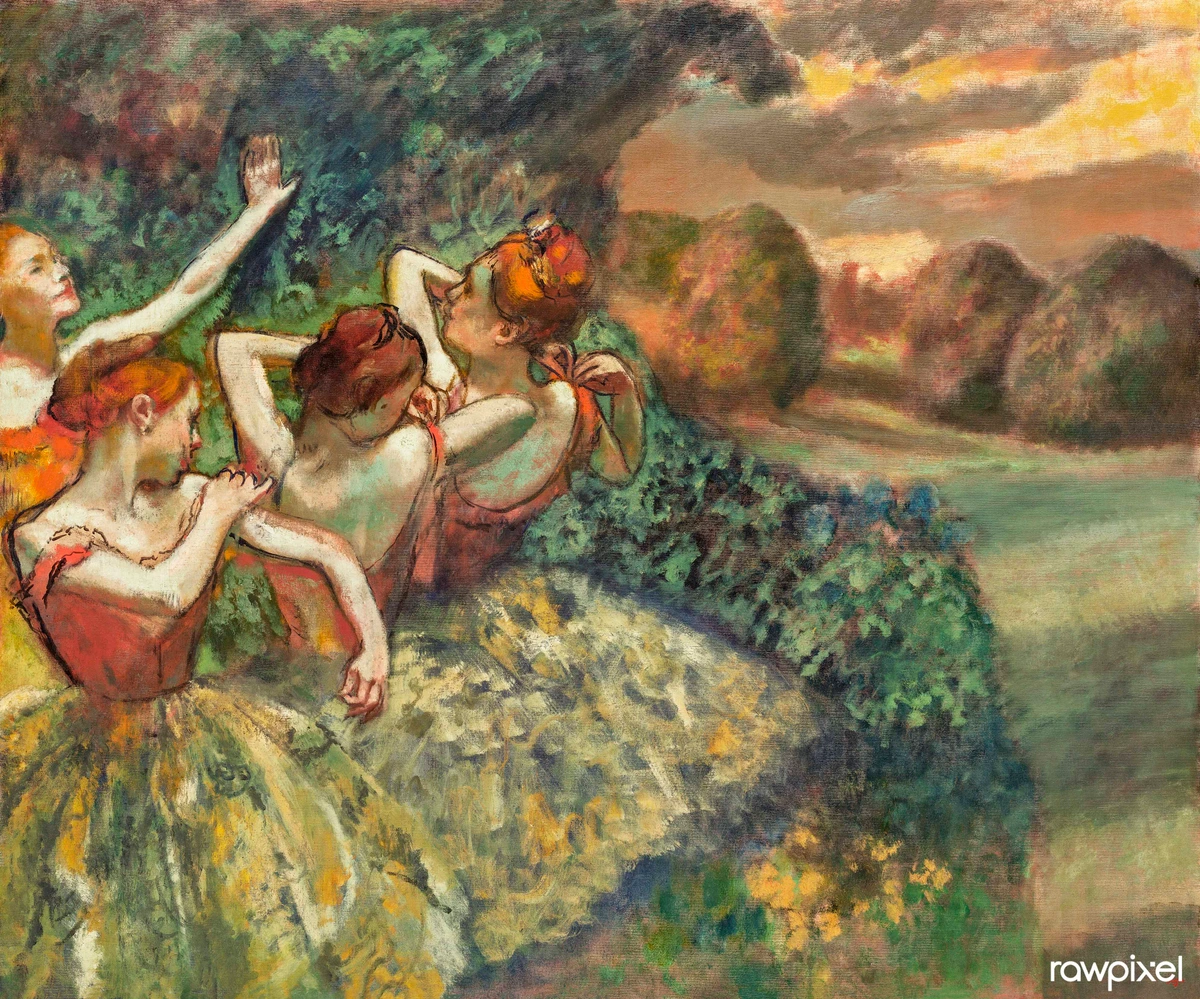
Q: Can I mix Winsor & Newton Professional and Winton oil paints?
A: Absolutely! Many artists, myself included, frequently mix paints from both lines. This is a great way to save money on larger areas or underpaintings while reserving the high-pigment Professional paints for crucial details, highlights, or areas where maximum vibrancy and lightfastness are needed. Just ensure both are oil-based paints, which Winsor & Newton's lines always are. It's a smart way to maximize both your budget and your artistic impact, creating a versatile palette that adapts to different needs within a single artwork.
Q: What kind of brushes should I use with Winsor & Newton oil paints?
A: The best brushes depend entirely on your technique and the desired effect, and honestly, it's a journey of personal discovery! Just like a musician chooses their instrument for a specific piece, an artist selects a brush for a particular stroke or texture. Winsor & Newton offers an extensive range to cater to every artistic whim. Here’s a breakdown to help you navigate: For expressive impasto and textured work, natural hog bristle brushes are excellent for their stiffness and ability to hold thick paint and create distinct marks. For smoother blending, delicate glazing, or fine details, softer synthetic brushes (like Winsor & Newton's Monarch series) or natural sable brushes (like their Series 7 Kolinsky) are often preferred for their precision and ability to create seamless transitions. Ultimately, it's a matter of personal preference and experimentation, but generally, stiffer brushes move thick paint better, and softer brushes apply it more smoothly. I've got a detailed guide on the best oil painting brushes for artists that might help you choose, breaking down the pros and cons of different types! It's worth investing in a few good quality brushes that match your primary techniques.
Q: Can I use Winsor & Newton oils on top of acrylics?
A: Yes, you absolutely can! A common and effective technique is to use acrylic paints for your initial underpainting or blocking in large areas, as acrylics dry very quickly. Once the acrylic layer is completely dry and preferably matte (to provide some 'tooth' for the oil to adhere to), you can safely apply oil paints on top. However, the reverse is generally not recommended: do not apply acrylics over oil paints, as the oil paint's flexibility and potential to leach oil can compromise the acrylic layer's adhesion and longevity. Remember, 'fat over lean' applies, and this extends to different mediums too! Acrylics provide a lean, stable base for the richer oil paints.
Q: Are Winsor & Newton Oil Paints Vegan-Friendly?
A: For many artists, the vegan status of art materials is an increasingly important consideration. Traditionally, some oil paints or their binders might have animal-derived ingredients. Winsor & Newton has been working to address this.
- Generally, many of their oil paints are vegan, especially the more modern synthetic organic pigments, as their binders (linseed, safflower, poppy oil) are plant-based.
- However, some pigments can be derived from animal sources (e.g., Ivory Black, which is traditionally made from charred animal bones, though synthetic alternatives exist). Also, some binders or additives in niche historical colors might contain animal products.
- Best Practice: Always check individual tube labels for specific ingredients or contact Winsor & Newton directly for their most up-to-date vegan-friendly product lists. They are transparent about their formulations and often provide lists on their website for artists seeking vegan options.
Q: How do I choose the right white?
A: Choosing the 'right' white depends on your purpose! Winsor & Newton offers several key whites:
- Titanium White: The most opaque and strongest white, with excellent covering power. It's brilliant and generally dries at a moderate rate. My go-to for highlights, strong definitive shapes, and mixing where opacity is needed.
- Zinc White: A much more transparent white with a cool, crisp tone. It's often used for delicate glazes, tinting colors without losing their transparency, or for mixing subtle, cool pastels. It dries quite slowly and forms a more brittle film, so it's best used in small amounts or in upper layers.
- Flake White Hue: This aims to mimic traditional lead-based Flake White but uses non-toxic pigments. It's semi-opaque, with a warm, soft white tone and a smooth, "ropey" consistency. It typically dries faster than Titanium White.
- Mixing White: A blend of Titanium and Zinc white, offering a balance of opacity and transparency, often with good working properties.
Experimentation is key, but I often keep both Titanium White for opaque strength and Zinc White for transparent tinting on my palette.
Q: Can I Use Winsor & Newton Oils for Impasto Without Mediums?
A: Yes, absolutely! Both Winsor & Newton Professional and Winton oil paints have a naturally thick, buttery consistency that allows for beautiful impasto effects straight from the tube. The Professional line, in particular, is renowned for its rich body, which holds brushstrokes and palette knife marks exceptionally well, creating striking texture and dimension. While mediums like Winsor & Newton's Liquin Impasto or Painting Knife Medium can significantly extend the paint, add volume, and control drying time, they are not strictly necessary for achieving substantial impasto. Many artists prefer the pure, unadulterated feel of the paint for direct, expressive application, allowing the natural properties of the pigment and oil to shine.
Q: How long do Winsor & Newton oil paints take to dry?
A: Drying times for oil paints, including Winsor & Newton's lines, are notoriously variable and are influenced by several factors. Generally, paints can be touch-dry anywhere from 2 days to 2 weeks, but they can take 6 months to a year or even longer to fully cure (meaning the paint film is completely hardened throughout). Key factors include:
- Pigment Type: Some pigments naturally dry faster (e.g., earth colors like Burnt Sienna, Raw Umber, Cobalt pigments due to metallic content). Others dry very slowly (e.g., Cadmiums, Ivory Black, Alizarin Crimson, sometimes Zinc White).
- Paint Thickness: Thin layers dry much faster than thick impasto applications, which can take many months to fully cure.
- Mediums Used: Fast-drying alkyd mediums like Liquin significantly accelerate drying by promoting oxidation. Conversely, oils like poppy or stand oil will slow it down considerably.
- Environmental Conditions: Warm, dry, well-ventilated environments speed up drying by encouraging the oxidation process. Cold, humid, stagnant conditions slow it down dramatically, increasing the risk of blooming or mold.
Winton paints often have added siccatives (driers) for more consistent and predictable drying across the range, which can be helpful for beginners. However, patience is always key with oils! Always remember and strictly adhere to the 'Fat Over Lean' rule (applying layers with more oil over layers with less oil) to ensure stable drying and prevent unsightly cracking in your finished artwork, safeguarding its longevity.

Q: Can Winsor & Newton oils be used with other brands?
A: Absolutely! Oil paints are generally intermixable across different brands, as long as they are all genuinely oil-based. The fundamental components (pigment and drying oil binder) are compatible. You might notice slight differences in consistency, tinting strength, or drying rates between brands, but these can be easily managed on your palette. For instance, I often mix a Winsor & Newton Professional Cadmium Yellow with a Winton Ultramarine for a vibrant, economical green for large landscape areas. Or, I might use a Professional Alizarin Crimson for its unique luminosity in a glaze over a Winton earth tone in an underpainting. It's a great way to expand your palette and find specific colors or qualities you love from various manufacturers. It's a great way to expand your palette and find specific colors or qualities you love from various manufacturers.
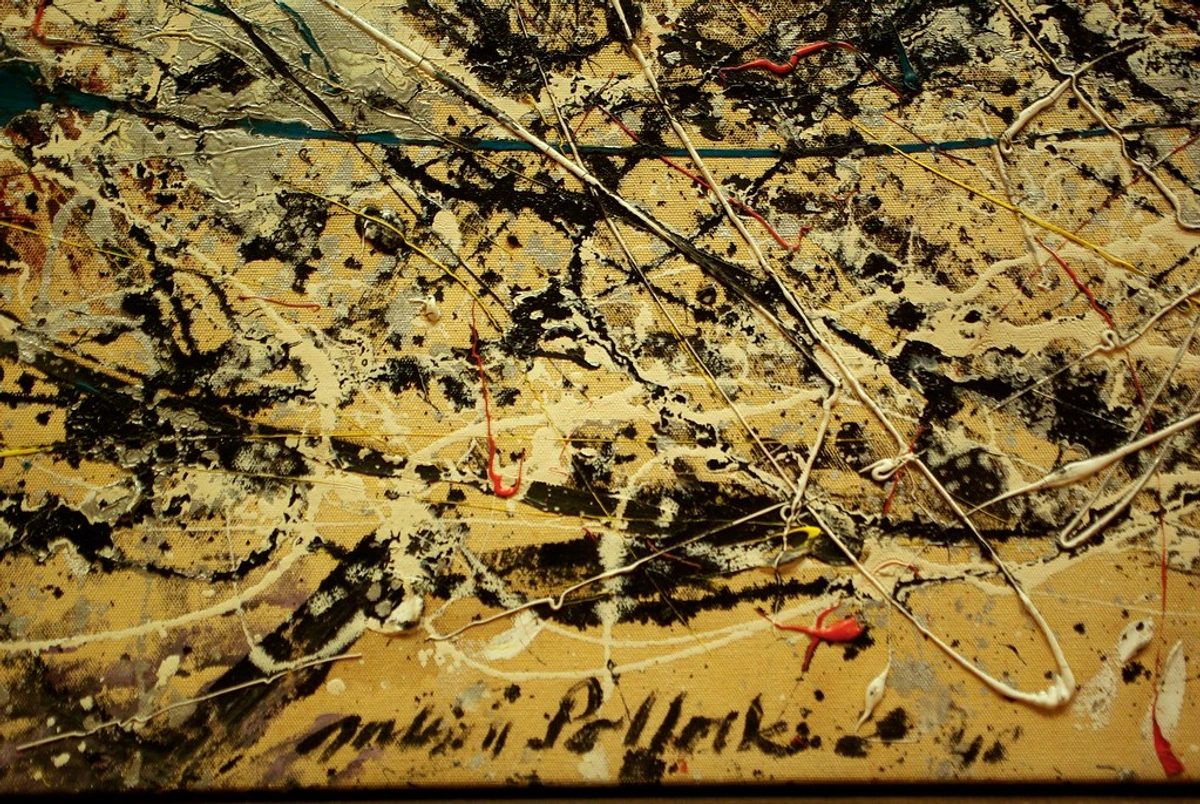
Q: Do Winsor & Newton oil paints have a strong odor?
A: The paints themselves generally have a mild oil scent, a pleasant, earthy aroma to some! The stronger odors typically come from the solvents used for thinning paint and cleaning brushes, such as traditional turpentine or mineral spirits. Winsor & Newton offers low-odor alternatives like their 'Sansodor' for artists sensitive to traditional solvent fumes, which can make indoor painting much more comfortable. However, always ensure good ventilation in your studio when working with any oil painting materials – open a window, use a fan, or consider an air purifier. Your nose (and your lungs!) will thank you. Safety first!
Q: What are the best colors to start with in oil paints?
A: For beginners, I always recommend a limited palette to truly understand color mixing, rather than overwhelming yourself with too many options. It forces you to learn how colors interact and how to achieve a vast array of hues from just a few tubes, which is where the real magic happens. Here’s a great starter set to build a versatile foundational palette: A great starter set would include: Titanium White (for opacity and mixing), a cool yellow (e.g., Lemon Yellow or Cadmium Yellow Light), a warm yellow (e.g., Cadmium Yellow Deep or Indian Yellow), a cool red (e.g., Alizarin Crimson or Quinacridone Red), a warm red (e.g., Cadmium Red or Vermilion Hue), a cool blue (e.g., Phthalo Blue or Ultramarine Blue Green Shade), and a warm blue (e.g., Ultramarine Blue Red Shade or Cobalt Blue). Earth tones like Burnt Sienna, Raw Umber, and Yellow Ochre are also incredibly versatile and economical. Winsor & Newton's Winton range offers excellent choices for building this foundational palette without a huge investment.
Q: Are Winsor & Newton oil paints suitable for beginners?
It's a fantastic entry point into the world of oil painting.
A: Yes, absolutely, and emphatically so! The Winton Oil Colour line is an excellent choice for beginners, making it a fantastic entry point into the world of oil painting. It offers good quality, a comprehensive color range, and a consistent feel at an accessible price, allowing new artists to experiment and learn without a huge upfront investment. It offers good quality, a comprehensive color range, and a consistent feel at an accessible price, allowing new artists to experiment and learn without a huge upfront investment. It's often included in guides to essential oil painting supplies for beginners for good reason. As you progress and demand more specific qualities, you might gradually introduce colors from the Professional line, expanding your palette and possibilities.

Q: What is the 'tooth' of a canvas or painting surface?
A: The 'tooth' refers to the texture or slight roughness of your painting surface. It's the microscopic peaks and valleys on the canvas or primed panel that provide a grip for your paint, allowing it to adhere properly rather than just sliding off. A surface with good tooth will hold the paint better, facilitating layering and allowing for various brushwork effects. Gesso is often applied to a canvas to create an ideal tooth, balancing absorbency and texture for oil paints. Too smooth, and paint won't adhere; too rough, and it can consume too much paint and affect fine detail.
Q: How should I store my Winsor & Newton oil paints?
A: To maximize the shelf life and preserve the quality of your oil paints, proper storage is crucial. Always store your Winsor & Newton tubes upright in a cool, dark place, away from direct sunlight, radiators, or any extreme temperature fluctuations. Heat and light can cause the oil to separate or the paint to dry out prematurely. Ensure the caps are tightly sealed immediately after use to prevent air exposure, which is the main culprit for paint drying out and forming a skin. I've found that organizing them by color family (warm reds with warm yellows, cool blues with cool greens, etc.) in a dedicated art box or drawer keeps them easily accessible and helps maintain order in my studio, making my workflow so much smoother. A little bit of organization can save you so much time and frustration during a painting session. This little bit of care goes a long way in ensuring your paints are ready to use whenever inspiration strikes, allowing you to pick up exactly where you left off.
Q: What's the typical shelf life of Winsor & Newton oil paints?
A: When properly stored (in a cool, dark place with tightly sealed caps, away from air exposure), Winsor & Newton oil paints have an exceptionally long shelf life—we're talking many, many years, often decades! The high-quality oils and stable pigments are incredibly durable. The primary concern is preventing them from drying out prematurely due to air exposure. If you find a hardened skin at the opening of the tube, you can carefully cut or pick it away with a palette knife, and the paint underneath is almost always still perfectly fresh and usable. I've personally used tubes that are well over a decade old, and with a little care, they perform beautifully. Investing in good quality oil paint truly is an investment that lasts a lifetime, and often beyond – a testament to its permanence!
Q: Are Winsor & Newton oil paints toxic?
A: Like many art materials, some oil paints contain pigments that can carry health warnings if ingested or handled improperly. Winsor & Newton is diligent about providing safety information (AP non-toxic seals or health warning labels) on each tube, clearly indicating any potential hazards. It's crucial to always read these labels carefully. Colors containing heavy metals (such as Cadmiums, Cobalts, or lead-based pigments like Flake White) generally carry more serious warnings. To ensure your safety:
- Practice good hygiene: Wash your hands thoroughly with soap and water after every painting session. Consider using barrier creams or gloves to create a protective barrier.
- Avoid ingestion: Never eat, drink, or smoke in your studio. Don't put brushes in your mouth – seriously, it's a hard habit to break, but vital!
- Ensure ventilation: Always work in a well-ventilated area, especially when using solvents like turpentine or mineral spirits. Cross-ventilation with open windows and a fan is a good start.
- Dispose safely: Follow guidelines for disposing of paint waste (rags, solvent) responsibly. (More on this in another FAQ!)
The Winton range often utilizes modern, less hazardous alternative pigments (referred to as 'hues') where possible, making it a generally safer option for beginners or those with sensitivities, minimizing potential exposure to heavy metals while still providing excellent color performance. However, caution and good studio practices are always advised with any art material – better safe than sorry, always. For more on studio safety, check out my comprehensive guide on cleaning and caring for your paint brushes. However, caution and good studio practices are always advised with any art material – better safe than sorry, always. For more on studio safety, check out my comprehensive guide on cleaning and caring for your paint brushes.

Q: Where are Winsor & Newton oil paints made?
A: Winsor & Newton has a long history of manufacturing in the United Kingdom. While they are a global brand, many of their oil paints and other fine art materials are still produced at their facility in Northumberland, England, upholding their tradition of quality and craftsmanship. It's reassuring to know there's such a deep-rooted history behind the materials you're using.
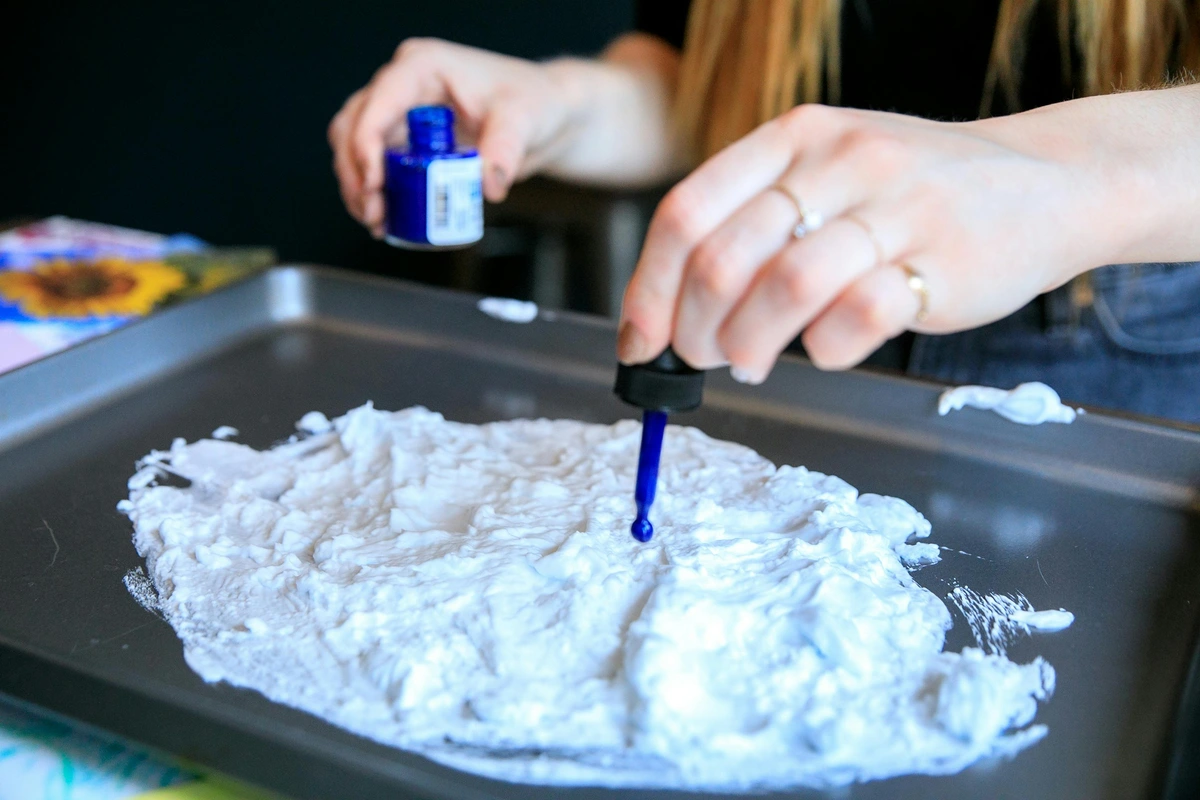
Q: How do I choose between opaque and transparent oil colors?
A: Understanding opacity and transparency is crucial for layering and achieving different effects, and it's a concept that can truly unlock new dimensions in your painting. Winsor & Newton clearly labels their paints with their transparency level using a simple square symbol on the tube – hollow for transparent, half-filled for semi-transparent, and fully filled for opaque. Winsor & Newton clearly labels their paints with their transparency level using a simple square symbol on the tube – hollow for transparent, half-filled for semi-transparent, and fully filled for opaque. Opaque colors (like Cadmiums or Titanium White) cover underlying layers completely and are great for bold statements and highlights, providing strong definitive shapes. Transparent colors (like Alizarin Crimson or Phthalo Blue), on the other hand, allow light to pass through, making them ideal for glazes, subtle shifts in tone, and creating luminous depth where colors appear to glow from within. My advice? Experiment with both and see how they can play off each other in your work, as they offer distinct visual qualities and contribute differently to the overall composition.
Q: What is the difference between transparent, semi-transparent, and opaque labels?
A: These labels (often found on Winsor & Newton tubes) describe how much light passes through the dried paint film. Transparent colors allow light to pass through almost completely, ideal for glazing and creating luminous depth. Semi-transparent (or semi-opaque) colors allow some light through but offer partial coverage, good for subtle blending and building up layers. Opaque colors completely block light, offering strong covering power for bold marks, highlights, and covering underlying layers. Understanding these properties is vital for achieving desired visual effects and planning your painting process.
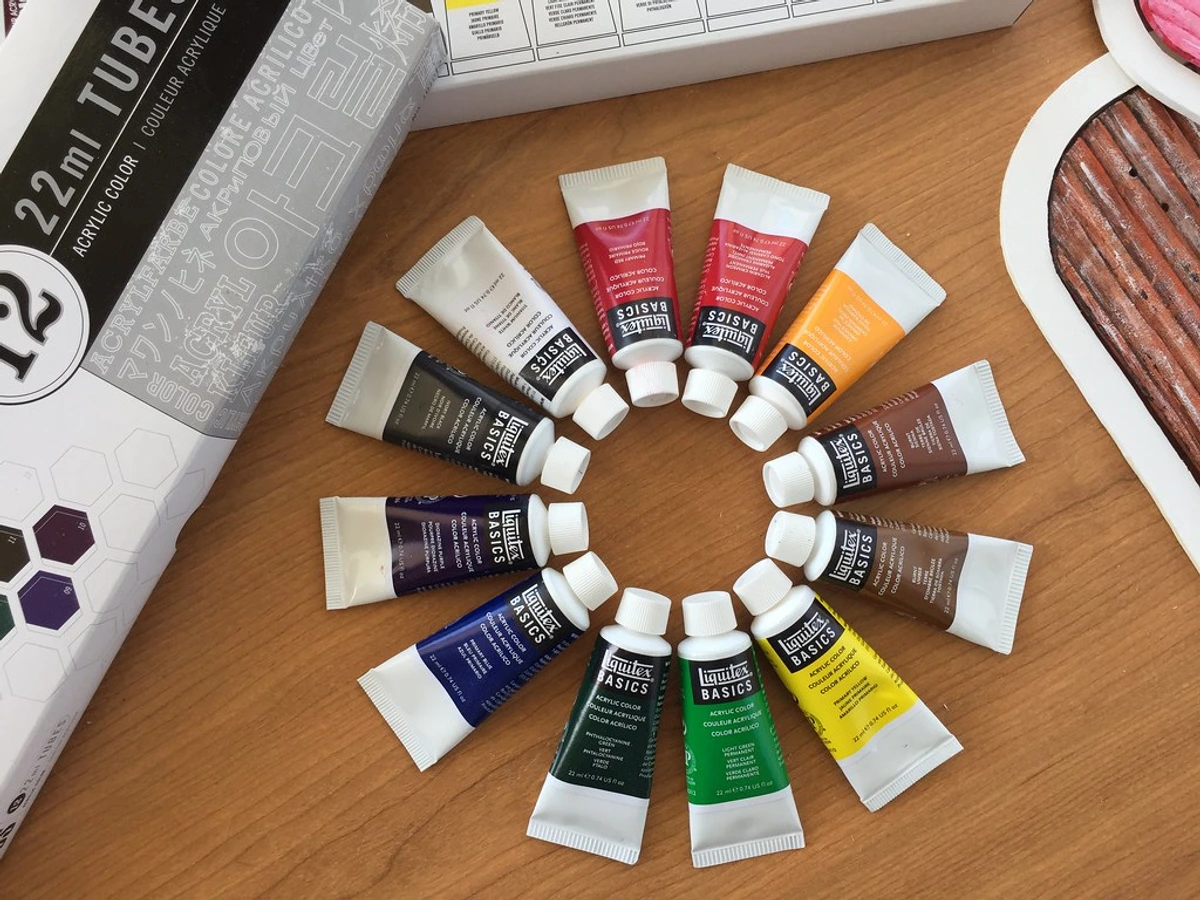
Q: What is 'hue' in a paint name?
A: When you see a paint color named, for example, 'Cadmium Red Hue,' the 'Hue' suffix indicates that the paint is formulated to mimic the color of genuine Cadmium Red, but it does so using a blend of alternative pigments rather than the actual, often more expensive or hazardous, cadmium pigment. This allows artists to achieve a similar color and performance at a more accessible price point or with reduced toxicity, particularly common in student-grade paints like Winton. It's a great way to get the desired color effect without the cost or specific handling considerations of the genuine pigment.
Q: What is the 'Fat Over Lean' Rule?
A: The 'Fat Over Lean' rule is arguably the most fundamental principle for ensuring the longevity and structural integrity of your oil paintings, preventing unsightly cracking over time. In essence, it dictates that each successive layer of paint must be more flexible (contain more 'fat' or oil) and dry slower than the layer beneath it (which should be 'leaner' or less flexible and faster-drying).
Why does this matter? Oil paints dry through oxidation, a process where the oil hardens. Lean layers (thinned with solvent, less oil) dry faster and become more brittle. Fat layers (mixed with more oil or oil-rich mediums) dry slower and remain more flexible. If you apply a fast-drying, rigid, 'lean' layer over a slow-drying, flexible, 'fatty' one, the top layer will dry and become rigid before the bottom layer has fully cured and shrunk. This differential drying rate inevitably leads to stress and cracking, literally destroying your painting's surface. Winsor & Newton's range of paints and mediums are formulated to help you adhere to this rule, allowing for stable, multi-layered paintings that will endure for generations. Think of it like building a house – you need a solid, flexible foundation before you add the more rigid upper structures.
Q: How do I clean my oil paint brushes?
A: Proper brush cleaning is absolutely essential not just for the longevity of your brushes, but also for maintaining color purity in your next painting session. Here's my step-by-step routine, and believe me, I've learned this the hard way after ruining too many good brushes!
- Remove Excess Paint: Start by wiping off as much excess paint as possible from the bristles using a rag or paper towel. Don't be shy – really work that paint out!
- Solvent Rinse: Immerse and swish your brushes in a jar of solvent (like Winsor & Newton's Sansodor or traditional turpentine). I usually have two jars: one for the initial, dirtier rinse, and a second for a cleaner rinse. This dissolves and removes the bulk of the oil paint. Repeat until most of the color is gone.
- Soap and Water Wash: Once the majority of the paint is removed, wash them thoroughly with warm water and a specialized brush soap (or even a mild bar soap or dish soap). Work the lather gently into the bristles, pressing them into your palm, until the water runs completely clear. This ensures all pigment and oil residue is gone.
- Rinse and Reshape: Rinse thoroughly under running water. Then, gently reshape the bristles to their original form (a fan brush should be fanned, a round brush should be pointed). I often 'point' my round brushes with a little brush soap left in the tip to help them hold their shape as they dry.
- Dry Properly: Allow your brushes to dry flat on a towel or brush-side up in a brush holder. Avoid letting them dry bristles-down or standing in water, as this can cause water to seep into the ferrule (the metal part) and loosen the glue, leading to bristles falling out or handles detaching.
Trust me, a good brush cleaning routine can make your brushes last for years and years, saving you money and frustration, and keeping your studio practices much more enjoyable.
A: Proper brush cleaning is absolutely essential not just for the longevity of your brushes, but also for maintaining color purity in your next painting session. Here's my step-by-step routine, and believe me, I've learned this the hard way after ruining too many good brushes!
- Remove Excess Paint: Start by wiping off as much excess paint as possible from the bristles using a rag or paper towel. Don't be shy – really work that paint out!
- Solvent Rinse: Immerse and swish your brushes in a jar of solvent (like Winsor & Newton's Sansodor or traditional turpentine). I usually have two jars: one for the initial, dirtier rinse, and a second for a cleaner rinse. This dissolves and removes the bulk of the oil paint. Repeat until most of the color is gone.
- Soap and Water Wash: Once the majority of the paint is removed, wash them thoroughly with warm water and a specialized brush soap (or even a mild bar soap or dish soap). Work the lather gently into the bristles, pressing them into your palm, until the water runs completely clear. This ensures all pigment and oil residue is gone.
- Rinse and Reshape: Rinse thoroughly under running water. Then, gently reshape the bristles to their original form (a fan brush should be fanned, a round brush should be pointed). I often 'point' my round brushes with a little brush soap left in the tip to help them hold their shape as they dry.
- Dry Properly: Allow your brushes to dry flat on a towel or brush-side up in a brush holder. Avoid letting them dry bristles-down or standing in water, as this can cause water to seep into the ferrule (the metal part) and loosen the glue, leading to bristles falling out or handles detaching.
Trust me, a good brush cleaning routine can make your brushes last for years and years, saving you money and frustration, and keeping your studio practices much more enjoyable. For even more detailed guidance, my article on cleaning and caring for your paint brushes is a must-read!
Q: Can I use Winsor & Newton oils on paper?
A: Yes, you absolutely can use oil paints on paper, but it's crucial to properly prepare the surface first. Raw paper will absorb the oil from the paint, causing it to become brittle and eventually deteriorate. Always prime your paper with at least two coats of gesso (or an acrylic primer) to create a barrier. Thicker, heavier papers (like watercolor paper or Bristol board) tend to hold up better. Using oil-primed paper specifically designed for oils is also an excellent option. I often do quick studies on gessoed paper, it's a great economical alternative to canvas.





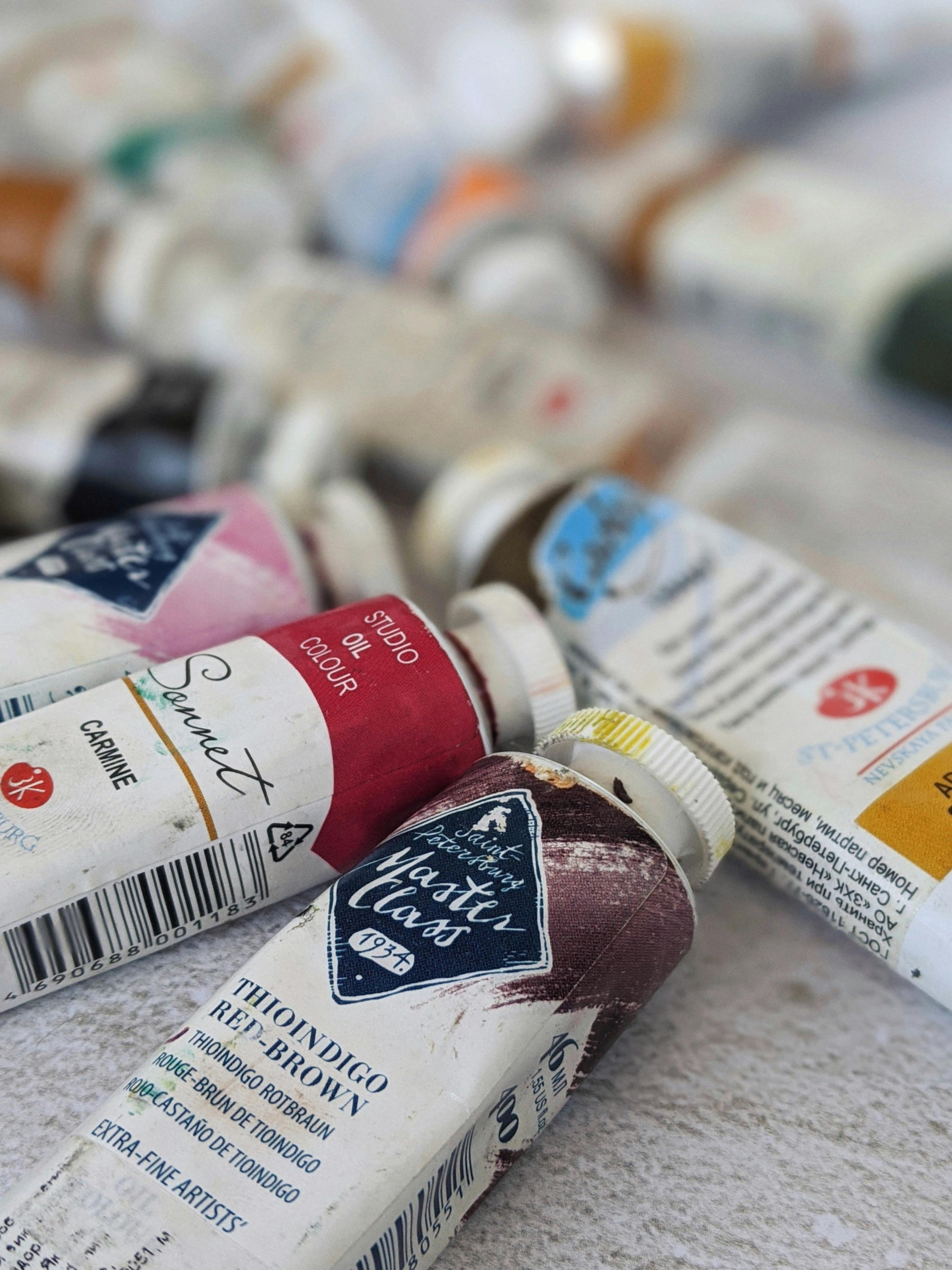









Q: What's the difference between cold-pressed and refined linseed oil?
A: Both are types of linseed oil used as painting mediums, but they differ in processing and properties. Cold-pressed linseed oil is extracted without heat, retaining more of its natural impurities. This can result in a slightly darker oil that dries a bit slower, forming a strong, flexible film, and is often favored by traditionalists for its richness, flexibility, and a slightly more viscous, almost 'ropey' feel, reminiscent of historical formulations. It can add a beautiful, subtle warmth to colors. Refined linseed oil has been processed to remove impurities, making it paler, thinner, and generally faster-drying. Refined linseed oil has been processed to remove impurities, making it paler, thinner, and generally faster-drying. It's the most commonly used linseed oil today due to its cleaner appearance, less yellowing tendencies, and more predictable drying. I tend to use refined linseed oil for most of my work for its consistency and versatility, but cold-pressed certainly has its charm for specific effects.
A: Both are types of linseed oil used as painting mediums, but they differ in processing and properties. Cold-pressed linseed oil is extracted without heat, retaining more of its natural impurities. This can result in a slightly darker oil that dries a bit slower but is often favored by traditionalists for its richness, flexibility, and a slightly more viscous feel, reminiscent of historical formulations. Refined linseed oil has been processed to remove impurities, making it paler, thinner, and generally faster-drying. It's the most commonly used linseed oil today due to its cleaner appearance, less yellowing tendencies, and more predictable drying. I tend to use refined linseed oil for most of my work for its consistency and versatility, but cold-pressed certainly has its charm for specific effects.
Q: How do I revive dried paint in a tube?
A: If your oil paint has dried out in the tube, unfortunately, it's very difficult to fully restore it to its original consistency, especially if it's completely hardened. However, if it's just a skin at the opening, you can carefully cut that away with a palette knife or strong wire. If the paint itself is very stiff but not hard, you can try kneading the tube gently to redistribute the oil, or squeeze out a small amount onto your palette and slowly work in a drop or two of refined linseed oil or a painting medium with a palette knife until it becomes workable again. Be careful not to add too much oil, as this can make the paint overly 'fatty.' For completely hardened paint, sadly, it's usually beyond saving.
Q: How do I dispose of oil painting waste safely?
A: Safe and responsible disposal of oil painting waste is absolutely critical, not just for the environment, but for your studio safety. Oil-soaked rags and some pigments pose specific hazards:
- Oil-Soaked Rags: This is a big one, and it's not a joke! Rags saturated with drying oils (linseed, poppy, safflower) can spontaneously combust through a process called exothermic oxidation as they dry. I've heard too many horror stories of studio fires caused by improper rag disposal, so please take this seriously! Never throw them directly into the trash. Instead, I recommend one of these methods: Never throw them directly into the trash. Instead, I recommend one of these methods:
- Store them in a sealed, metal container (like a paint thinner can) completely submerged in water. This is my preferred method for maximum safety and fire prevention.
- Alternatively, lay them flat outdoors on a non-flammable surface (like concrete), allowing them to dry completely and safely, away from any combustible materials, before disposal. Once completely dry and hard, they are no longer a fire risk. Prioritize this step!
- Solvent Waste: Used solvent (turpentine, mineral spirits) should never be poured down the drain. Over time, paint particles will settle to the bottom of your solvent jar, leaving cleaner solvent above. You can often decant the cleaner solvent for reuse, extending its life and reducing waste. The sludge at the bottom and any solvent you no longer need should be taken to a hazardous waste facility in your area. Check with your local municipality for proper disposal sites – many areas have specific days for household hazardous waste collection. This is vital for environmental protection.
- Paint Scraps: Small amounts of dried paint on palettes can usually be scraped off and disposed of in regular trash. For larger quantities or wet paint that contains toxic pigments, check local guidelines for hazardous waste disposal. Remember, if it's wet and contains cadmiums or cobalts, it's generally considered hazardous. Never wash wet paint directly down the sink.
Being responsible with your materials is a crucial part of being a good artist and a good citizen, protecting both yourself, your studio, and the environment.