Gesso: The Unsung Hero of Painting Surfaces
Ever wonder what gesso *really* is and why it's the secret foundation for a great painting? I break down everything from applying it to choosing the right kind. Your canvas will thank you.

Gesso: The Unsung Hero of My Studio (and Why It Should Be Yours Too)
Let's be honest, we've all been there. You have a vision—a swirling, fiery masterpiece just begging to come to life on canvas. You grab your paints, brimming with excitement, and dive straight in. Then, months later, that initial spark of brilliance starts to dull. The colors yellow, sink, or worse, begin to crack. I've had paintings I was incredibly proud of slowly degrade into a lifeless mess, and it’s heartbreaking to see your hard work and passion diminish over time. The silent culprit? A poorly prepared surface. The unsung hero that could have saved them, ensuring their lasting brilliance? Gesso.
I know, I know. Gesso isn't the sexy part of painting. It’s not the vibrant pigment or the final varnish. It’s the foundational grunt work, the behind-the-scenes magic that most artists don't even think about – until something goes wrong. But trust me, ignoring gesso is like building a beautiful house on a foundation of sand; it might look good for a while, but it's destined for collapse. It’s the silent, hardworking stagehand that makes the star of the show—your paint—look absolutely brilliant, ensuring its longevity and vibrancy for decades, even centuries, to come. So let’s give this humble, yet mighty, primer the spotlight it deserves. Because without it, our vibrant visions can literally fade into dull history, becoming a cautionary tale instead of a timeless masterpiece.
The Undeniable Importance of a Good Foundation: Why Surface Prep Matters
Before we even talk about gesso itself, let’s zoom out. Why does any of this matter? Why bother with a primer? For me, it boils down to two critical factors that every artist, whether a seasoned professional or an enthusiastic beginner, should care about deeply: longevity and vibrancy. Your art is an investment – of your precious time, your boundless passion, your carefully selected materials, and a piece of your very soul. You want it to last, to hold its true colors, and to faithfully represent your vision for years, if not centuries. A properly prepared surface is not just a suggestion; it’s the first, most crucial, and often overlooked step in ensuring that artistic legacy endures.
Without it, you risk:

- Dull, Sunken Colors: Imagine mixing the most vibrant cadmium red or a luminous cerulean blue, expecting it to sing on your canvas. Without gesso, when paint is applied directly to an unprepared, porous surface like raw canvas or wood, the precious binder—the liquid component that holds the pigment particles together—can be aggressively absorbed into the support. This process, often referred to as 'sinking in' or 'starving the pigment,' leaves the pure pigment behind, looking dry, dull, and lifeless, drastically reducing the vibrancy and saturation you intended. It's like watching a vivid watercolor instantly lose its brilliance as it dries on blotting paper; the life just gets sucked right out of it. Gesso prevents this chemical thirst, ensuring your colors remain as brilliant as you imagined them.
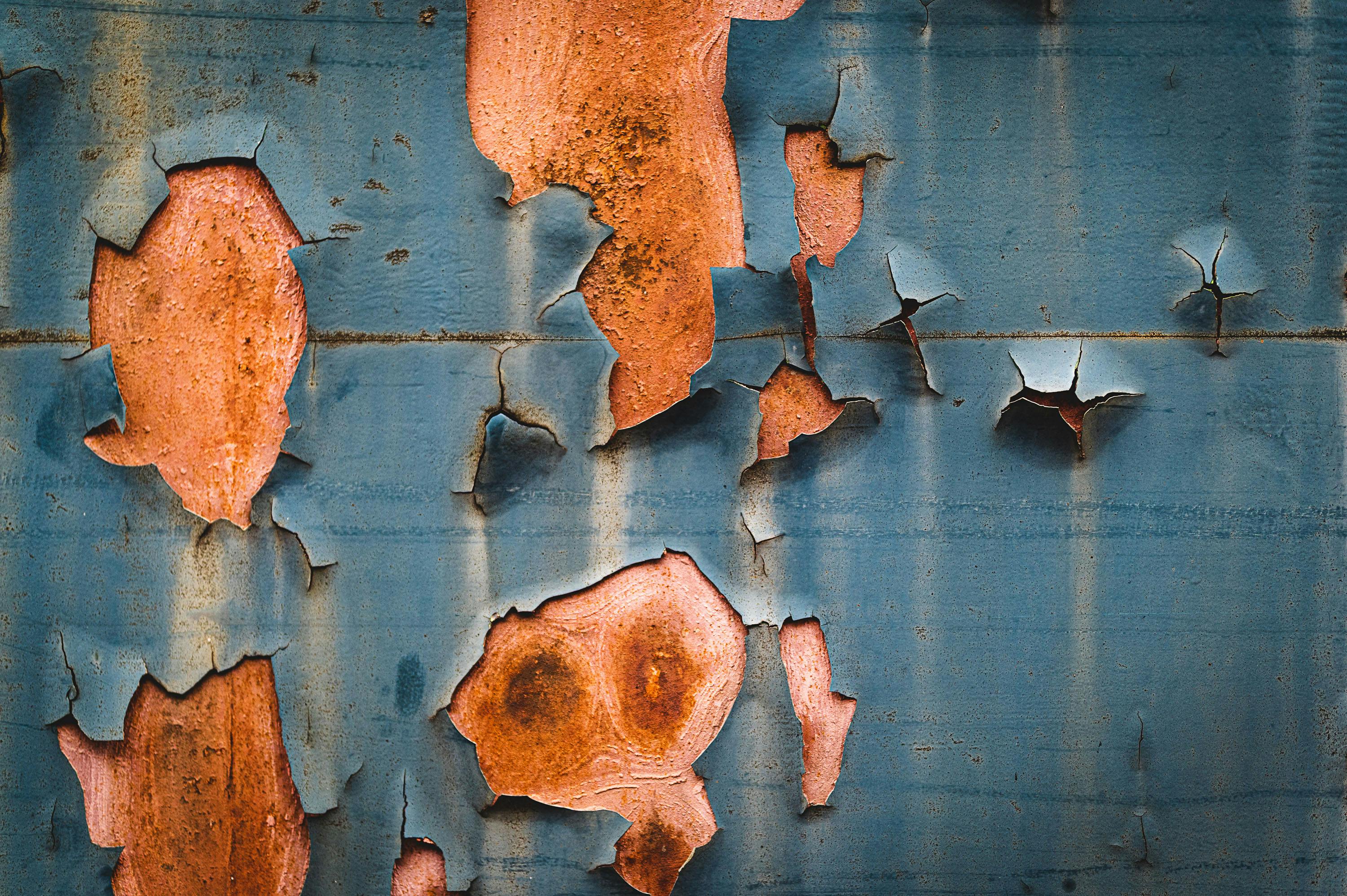
- Cracking and Flaking: Have you ever seen an old painting with tragic spiderweb cracks or, worse, entire sections of paint flaking off? An unprimed surface often lacks the necessary 'tooth' (a microscopic roughness) for paint to adhere mechanically and chemically. Over time, as your artwork experiences environmental changes (temperature fluctuations, humidity shifts, even subtle movements of the canvas), the paint layers, without a strong, flexible bond to the support, can become brittle. This leads to heartbreaking cracking, delamination, and eventual flaking off, directly compromising the structural integrity and aesthetic value of your painting. Gesso creates that essential, robust bond, acting like a flexible skin that moves with your artwork, protecting it from these destructive forces.
- Acid Degradation: This is where the long-term archival quality really comes into play. A significant and often invisible archival concern is the inherent acidity of many traditional art supports, such as cotton canvas, linen, or wood panels. This acidity isn't a problem overnight, but over decades and centuries, it can chemically react with your paint layers and even the support itself. This insidious process leads to irreversible yellowing of whites, embrittlement of the canvas fibers (making them fragile), and overall structural degradation of your masterpiece. Gesso acts as a crucial, pH-neutral or slightly alkaline barrier, effectively protecting your delicate art from these destructive chemical processes, ensuring its longevity for generations, just like the works of the Old Masters.
- Uneven Application: Imagine trying to paint a smooth, consistent wash or a perfectly blended gradient on a surface that has areas that are super thirsty and others that are slick and repellent. Raw surfaces often have highly inconsistent levels of absorbency across their area. This inconsistency means that paint applied to these surfaces will behave unpredictably—some areas might soak up too much binder, leading to dull, 'starved' spots, while others might repel it, causing frustrating streaks, poor coverage, or unexpected shifts in sheen. A properly gessoed surface provides a uniform, evenly absorbent ground, smoothing out these inconsistencies. This guarantees consistent paint behavior, predictable color appearance, and a truly professional, cohesive finish across your entire composition, giving you full artistic control.
Simply put, gesso is your insurance policy. It's the silent guardian of your masterpiece, allowing your true artistic voice to shine through without fighting against a rebellious surface.
Gesso Through the Ages: A Brief History
Before we dive too deep into the "how-to," it’s fascinating to consider that artists have been preparing their surfaces for centuries. The concept of gesso isn't new; it's just evolved. For millennia, artists understood that what lay beneath the paint was just as vital as the paint itself. The concept of preparing a ground for painting is incredibly old, predating our modern understanding of archival quality. The earliest forms of surface preparation date back to ancient Egypt, where funerary portraits were painted on linen and wood panels coated with thin layers of plaster (like gypsum or calcium carbonate) or natural resins. These early primers provided a smoother, less absorbent surface, allowing the vibrant mineral pigments—often derived from precious minerals like lapis lazuli or malachite—to adhere better and maintain their luminosity through the millennia. The Greeks and Romans continued this tradition, often employing a fine gypsum plaster (similar to what we'd call 'gesso' today) mixed with animal glues to create exquisitely smooth, bright grounds for their frescoes and intricate panel paintings. This meticulous preparation was not merely cosmetic; it was essential for the durability and the profound visual impact of their art, much of which we still marvel at today.
The word "gesso" itself comes from the Italian word for "gypsum," a soft sulfate mineral, and was traditionally made from an animal glue binder (often rabbit skin glue, a natural protein adhesive) mixed with chalk, gypsum, or white pigment. This traditional recipe, still revered by some purists today, created a truly luminous, hard, and exquisitely smooth surface for painting, particularly with tempera and oil paints on rigid supports like wood panels. Traditional gesso, with its chalk or gypsum content, allowed for incredible detail and precise brushwork, characteristic of the Renaissance masters. Think of the luminous quality and intricate details of early Renaissance panel paintings—that ethereal glow and crisp detail often came from a meticulously applied traditional gesso ground, which reflected light back through the transparent layers of paint, creating an unparalleled depth and radiance.
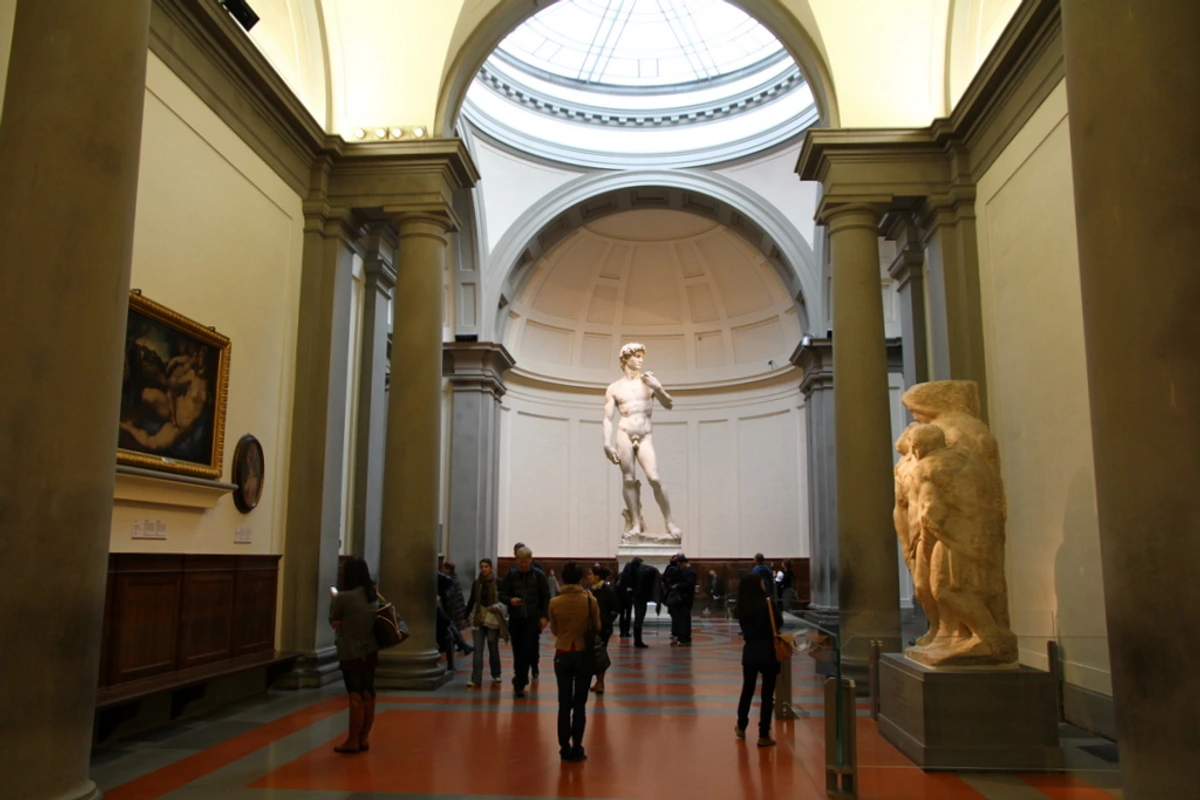
The transition to modern acrylic gesso, with its flexible polymer binder, was a truly monumental game-changer for artists, especially with the rise of stretched canvases in the 17th century and beyond. Traditional gesso, being inherently brittle and prone to cracking, would simply fracture and flake off when applied to a flexible surface that inevitably expands and contracts with environmental changes or subtle impacts. Modern acrylic gesso, however, liberated artists from this constraint, allowing them to work on larger, more portable, and flexible canvases without fear of their ground deteriorating. This innovation wasn't just practical; it dramatically expanded artistic possibilities, allowing for the grand scale of abstract expressionism, the textural explorations of impasto, and many other modern movements. So, when you reach for that tub of modern gesso, remember you're tapping into a rich artistic lineage, benefiting from centuries of material science evolution, ensuring your work stands the test of time, just like the masters before us.
So, What Exactly Is Gesso? (And Why Should You Care?)
At its core, gesso (pronounced 'jess-oh', from the Italian word for 'gypsum') is a foundational primer used to prepare almost any surface for painting. I like to think of it as the essential bridge between your raw support (like canvas, wood, or even metal) and your precious paint. Its fundamental job is multifaceted: to seal the surface, to impart a subtle yet crucial texture or "tooth" for the paint to grab onto, and to create a uniform, often brighter, ground to work upon. But it's so much more than a mere barrier; it's an active participant in your painting's longevity, its color vibrancy, and even its overall aesthetic appeal, subtly shaping how your colors interact with the surface and how your brushstrokes feel and express themselves.
Key Benefits of Using Gesso
So, why do I, and countless other artists, swear by this seemingly humble material? Because the benefits are profound and directly impact the success and longevity of your artistic vision.
Benefit  | Description | Why It Matters for Your Art |
|---|---|---|
| Sealing | Prevents paint binders (the medium carrying the pigment) from soaking excessively into porous surfaces like raw canvas, wood, or paper. This absorption would otherwise 'starve' the pigment, leading to dull, brittle, or cracked paint layers over time. | Gesso acts as a vital guardian, creating an impermeable barrier that prevents the paint's binder (the liquid medium that carries the pigment) from soaking excessively into porous surfaces like raw canvas, wood, or paper. This absorption would otherwise 'starve' the pigment, leaving it dull, brittle, and prone to cracking over time. By keeping the binder with the pigment, gesso ensures your paint retains its full vibrancy, color saturation, and inherent flexibility, protecting it from degradation and ensuring a consistent, professional finish across your entire composition. |
| Creating "Tooth" | Gesso's fine particulate fillers (like calcium carbonate or silica) create a microscopic roughness, or 'tooth,' on the surface. This texture allows paint to adhere mechanically and beautifully, preventing slippage, improving brush control, and facilitating better layering. | Gesso's finely ground particulate fillers (like calcium carbonate or silica) create a microscopic roughness—a subtle, finely textured topography on the surface that artists refer to as 'tooth.' This texture is paramount because it gives your paint something physical to mechanically adhere to, preventing frustrating slippage and promoting optimal, long-term paint adhesion. This 'grip' is crucial for preventing cracking and flaking, and it allows for incredible versatility in mark-making, from smooth, delicate glazes to thick, expressive impasto; your brushstrokes truly have a solid foundation to call home. |
| Uniform Ground | Raw surfaces often have inconsistent absorbency, leading to 'hot spots' where paint can sink in unevenly or 'slick spots' where it barely adheres. Gesso creates a uniform, evenly absorbent surface across the entire support, smoothing out these inconsistencies. | Raw surfaces are often a chaotic patchwork of inconsistent absorbency, leading to unpredictable 'hot spots' where paint can sink in unevenly or 'slick spots' where it barely adheres. Gesso, on the other hand, creates a uniform, evenly absorbent surface across the entire support, smoothing out these frustrating inconsistencies. This guarantees consistent paint behavior, predictable color appearance, and a truly professional, harmonious finish across your entire composition. This uniformity is vital for achieving cohesive color fields, seamless gradients, and overall artistic control, ensuring no unexpected shifts in sheen or hue will derail your creative flow. |
| Color Enhancement | Most gesso is brilliant white (due to titanium dioxide), providing a bright, neutral foundation that makes subsequent paint layers appear more luminous, vibrant, and true to their intended hue. This effect is particularly noticeable with transparent or semi-transparent pigments, which truly glow when applied over a bright ground. | Most gesso is formulated with brilliant white pigments (primarily titanium dioxide), providing a bright, neutral foundation that makes subsequent paint layers appear more luminous, vibrant, and true to their intended hue. This illuminating effect is particularly noticeable with transparent or semi-transparent pigments, which truly glow with an inner light when applied over a bright, reflective ground. It literally makes your colors pop with incredible intensity and purity! Gesso ensures your artistic vision isn't dulled or altered by a dark, discolored, or patterned underlying surface, allowing the true brilliance of your pigments to shine through, uncompromised. |
| Archival Quality | High-quality artist's gesso is specifically formulated to be pH-neutral or slightly alkaline, acting as an essential protective barrier between your paints and the often-acidic support material. This chemical barrier prevents acidic degradation of both your paint layers and the canvas or wood over time. | High-quality artist’s gesso is specifically formulated to be pH-neutral or slightly alkaline, acting as an essential protective barrier between your paints and the often-acidic support material (like cotton, linen, or wood). This chemical barrier is not just a temporary fix; it actively prevents acidic degradation of both your delicate paint layers and the underlying canvas or wood over time. This commitment to archival quality is paramount, as it preserves your artwork for decades, preventing common long-term issues like yellowing, embrittlement of the canvas fibers, or cracking. It ensures your artistic legacy endures, just like the works of the Old Masters, allowing future generations to appreciate your vision. |
| Versatility | Gesso is incredibly adaptable, allowing you to prepare and paint on almost any surface imaginable – from raw canvas, linen, and wood to unexpected materials like metal, plastic, glass, fabric, and paper. It truly transforms disparate, non-traditional materials into suitable, archival artistic supports. | Gesso is incredibly adaptable, allowing you to prepare and paint on almost any surface imaginable – from raw canvas, linen, and wood to unexpected materials like metal, plastic, glass, fabric, and paper. It truly transforms disparate, non-traditional materials into suitable, archival artistic supports. This versatility expands your creative possibilities exponentially, inviting fearless experimentation with mixed media, found objects, and unconventional substrates. It breaks you free from the perceived limitations of traditional canvases, opening up entirely new avenues for artistic expression and innovation that I find incredibly exciting. |
Let's get a little geeky for a moment about what makes gesso, well, gesso. Modern acrylic gesso is a sophisticated blend of carefully selected components, each playing a vital, synergistic role. Think of it as a meticulously engineered cocktail designed for optimal performance, ensuring not just a barrier but an active enhancement of your painting experience. This sophisticated formulation ensures that gesso doesn't just sit passively on the surface, but actively contributes to the integrity, longevity, and ultimate beauty of your painting.
The Anatomy of Modern Acrylic Gesso: Key Components
Component | Function | Why it's Important for Artists |
|---|---|---|
| Acrylic Polymer Emulsion | This is the binder, the crucial liquid component that acts as the 'glue' holding all the solid ingredients together and, most importantly, strongly adhering the gesso to your chosen surface. It's what makes modern gesso so distinct from its brittle traditional counterpart. | This is the binder, the crucial liquid component that acts as the 'glue' holding all the solid ingredients together and, most importantly, strongly adhering the gesso to your chosen surface. It’s what makes modern gesso so distinct from its brittle traditional counterpart. It provides incredible flexibility, elasticity, and robust durability, forming a resilient film that moves seamlessly with a stretched canvas without cracking, flaking, or delaminating. This ensures your ground remains intact and stable, even with minor impacts or changes in humidity, protecting the integrity of your artwork for years to come. |
| Titanium Dioxide | This is the powerhouse white pigment responsible for gesso's brilliant opacity and brightness. It's a key ingredient that distinguishes quality gesso. | This is the powerhouse white pigment, primarily responsible for gesso’s brilliant opacity and brightness. It’s a key ingredient that distinguishes quality gesso. Titanium dioxide creates a luminous, uniform, and bright ground that effectively blocks out the underlying color or texture of your support. This luminous base makes subsequent paint colors appear more vibrant, pure, and true to their hue, preventing the support from showing through, dulling, or altering your pigments, ensuring your colors truly sing. |
| Calcium Carbonate (or Silica) | These finely ground mineral particles are the key filler ingredients. They are crucial for creating the all-important microscopic texture, or 'tooth,' that artists crave in a painting surface. | These finely ground mineral particles are the key filler ingredients. They are crucial for creating the all-important microscopic texture, or 'tooth,' that artists crave in a painting surface. Calcium carbonate (or silica) gives your paint something physical to mechanically adhere to, preventing frustrating slippage and promoting optimal, long-term paint adhesion. This 'grip' is crucial for longevity, preventing cracking, peeling, and flaking, and it significantly improves brush control and paint handling, giving you more expressive freedom. |
| Flow Improvers | These are specialized additives designed to modify the viscosity and surface tension of the gesso, ensuring smooth, effortless application and helping to minimize unsightly brush marks. | These are specialized additives designed to modify the viscosity and surface tension of the gesso, ensuring smooth, effortless application and helping to minimize unsightly brush marks. Flow improvers contribute significantly to an even, consistent coating, reducing frustrating streaks and improving the overall aesthetic of your prepared surface. This attention to flow creates a professional, pristine foundation for your artwork, allowing your paint to glide beautifully. |
| Anti-foaming Agents | These critical chemical additives work to prevent the formation of pesky air bubbles, which can arise during the manufacturing, mixing, or application process. These bubbles, if left unchecked, would create an uneven, pitted surface. | These critical chemical additives work to prevent the formation of pesky air bubbles, which can arise during the manufacturing, mixing, or application process. These bubbles, if left unchecked, would create an uneven, pitted surface. Anti-foaming agents help achieve a perfectly smooth, blemish-free surface, avoiding unwanted textural irregularities or 'craters' that can disrupt your painting process, compromise brushwork, and detract from the final aesthetic. This ensures a consistent, dependable ground, free from annoying imperfections. |
| Preservatives | These are essential ingredients that inhibit and prevent microbial growth (such as mold, fungi, and bacteria) within the gesso formulation. They are vital for maintaining product integrity and extending shelf life. | These are essential ingredients that inhibit and prevent microbial growth (such as mold, fungi, and bacteria) within the gesso formulation. They are vital for maintaining product integrity and extending shelf life. Preservatives ensure your gesso remains stable, fresh, and usable for significantly longer periods, protecting your investment in quality art materials and preventing premature spoilage or contamination. This means your gesso will perform consistently and reliably every time you reach for it, ensuring your time is spent creating, not troubleshooting. |
This carefully balanced cocktail ensures your paint adheres beautifully, its colors stay true, and critically, creates a uniform ground. This uniformity means your paint will behave consistently across the entire surface, preventing frustrating and unpredictable variations in color absorption, sheen, or texture. Ultimately, this meticulous engineering ensures your artwork endures, standing the test of time against environmental shifts, and preserving your artistic vision for years to come. It truly is the silent guardian of your masterpiece.
The Science of Adhesion: How Gesso Works
Beyond simply covering a surface, gesso facilitates a sophisticated dual-action adhesion that is absolutely vital for painting longevity: mechanical and chemical. The calcium carbonate or silica particles within gesso create a microscopic roughness, an intricate topography of tiny peaks and valleys, which we refer to as 'tooth.' This is mechanical adhesion – your paint literally has countless tiny crevices and irregularities to grip onto, like a climbing shoe finding purchase on a textured rock face rather than sliding helplessly on a slick pane of glass. This physical interlocking is incredibly strong. Simultaneously, the acrylic polymer emulsion in modern gesso creates a powerful chemical bond with both the support (through molecular attraction and penetration into the substrate's pores) and your subsequent paint layers. This means the gesso isn't just sitting there; it's actively fusing the entire painting structure together. This synergistic effect of mechanical and chemical adhesion is why gesso is so remarkably effective at preventing cracking, peeling, delamination, and loss of paint over time, forming an unbreakable bond that protects your artwork.
The "tooth" is a critical concept here, and it works hand-in-hand with gesso’s other primary function: sealing. Imagine trying to paint on a perfectly smooth, non-absorbent surface like glass. The paint would just slide around, offering no grip, making control impossible, and your artistic intentions would be utterly thwarted. Now imagine painting on a highly absorbent surface, like untreated fabric or paper; the paint would soak in instantly, losing its vibrancy, becoming dull, and potentially bleeding uncontrollably. Gesso masterfully balances these two extremes, creating the ideal middle ground for almost any paint. It first effectively seals the surface, creating a vital barrier that prevents your paint’s precious binder from being prematurely absorbed into the support. This absorption would otherwise leave your colors dull, brittle, and prone to cracking, diminishing your vision. Simultaneously, it provides that essential microscopic texture, or "tooth," that literally gives your paint something physical to sink its teeth into, ensuring optimal adhesion and preventing it from cracking, flaking, or delaminating over time. This precise, controlled absorbency, combined with the ideal texture, is what truly sets gesso apart, making your canvas a perfectly hospitable home for your artistic vision. It also allows your brushstrokes to flow more smoothly and consistently across the surface, giving you unparalleled control over your mark-making and encouraging expressive gestures, turning the act of painting into a true joy.

But not all gesso is created equal, and it's here that we encounter the fascinating evolution of the material. You’ve basically got two main families of gesso, each with its own unique properties, historical context, and ideal applications:
Feature | Traditional Gesso | Modern Acrylic Gesso |
|---|---|---|
| Binder | Rabbit-skin glue | Acrylic polymer binder |
| Pigment | Gypsum, chalk, or whiting | Titanium white or calcium carbonate |
| Flexibility | Brittle, only for rigid surfaces | Flexible, perfect for stretched canvas |
| Best For | Traditional oil painters on rigid supports like wood panels, especially for classical realism or fine detail work. Ideal for tempera painting as well. | Oils, acrylics, casein, gouache, mixed media on almost any flexible or rigid surface, including stretched canvas, wood, paper, metal, and plastic. It's the go-to for contemporary artists. |
| Smell | Let's just say... organic. | Minimal, plasticky smell |
You can learn more about the specifics in our deep dive, what is gesso in painting?. For most of us, especially if you’re using acrylics or oils on canvas, the modern acrylic gesso is your go-to best friend. It’s incredibly versatile, easy to use, dries quickly, and crucially, won’t crack when your canvas flexes, offering unparalleled freedom and durability.

Gesso for Different Paint Types: A Comprehensive Guide to Media Compatibility
While gesso is an almost universal primer, its role can subtly shift depending on your chosen medium and the specific effect you’re aiming for. Understanding these nuances can save you a lot of headache (and heartache over ruined paintings!). Trust me, the interaction between gesso and different paint types is a fundamental aspect of informed artistic practice, allowing you to maximize the potential of your materials and achieve your desired results.
Paint Type | How Gesso Helps | Key Considerations |
|---|---|---|
| Acrylics | Provides a stable, semi-absorbent, and ideally textured surface that prevents the acrylic binder from sinking excessively into the support. This ensures brilliant color saturation, excellent paint adhesion, and a smooth flow of paint off your brush. Crucially, it creates a pH-neutral barrier, protecting the underlying canvas or support from any potential long-term degradation. | Standard, high-quality acrylic gesso is perfectly suited for acrylic paints. Because acrylics are so versatile, your gesso choice and application can dramatically influence the final outcome. For artists desiring a super-smooth finish (ideal for detailed portraiture, delicate glazing, or hyperrealism), I recommend multiple thin coats with light sanding between layers. Conversely, for highly textured or impasto work, you can directly mix pumice, fine sand, or even modeling paste into your gesso to create custom tactile surfaces, adding incredible depth and dimension right from the start. The key is to prevent the acrylic paint from being absorbed unevenly, which can lead to streaky or dull spots, and to ensure the longevity of your vibrant colors and structural integrity of your artwork. |
| Oils | Gesso is absolutely crucial when painting with oils. It creates an indispensable non-absorbent barrier that actively protects the canvas (which is often made of natural fibers like cotton or linen) from the destructive acidity of linseed or other drying oils. Without this barrier, the oil would slowly "rot" the fibers over time, causing the canvas to become brittle and disintegrate. Beyond protection, gesso provides a consistent, luminous ground that prevents oil colors from sinking in and dulling (known as "sinking in"), maintaining their vibrancy and sheen. The fine "tooth" also ensures superior mechanical adhesion for the oil paint layers. | Gesso is absolutely crucial when painting with oils. It creates an indispensable non-absorbent barrier that actively protects the canvas (which is often made of natural fibers like cotton or linen) from the destructive acidity of linseed or other drying oils. Without this barrier, the oil would slowly "rot" the fibers over time, causing the canvas to become brittle and disintegrate—a truly tragic end for a masterpiece. Beyond this essential protection, gesso provides a consistent, luminous ground that prevents oil colors from sinking in and dulling (known as "sinking in"), maintaining their vibrancy and sheen. The fine "tooth" also ensures superior mechanical adhesion for the oil paint layers. Modern acrylic gesso works wonderfully and safely under oils (it adheres beautifully and is considered "lean" enough to go under "fat" oil paint layers, adhering to the fundamental "fat over lean" rule). However, some traditional oil painters, purists, or those seeking a historically authentic surface still prefer traditional oil-based gesso for its exceptionally smooth, non-absorbent, and luminous surface. Be aware that oil-based gesso requires significantly longer drying times (weeks, not hours) and often necessitates solvent cleanup. When using acrylic gesso for oils, it’s essential to apply adequate layers (typically 3-4, and sometimes more) to truly seal the surface and create a robust, non-absorbent barrier that fully protects the canvas from the oil paints, ensuring long-term archival stability. |
| Watercolors/Gouache | While traditional watercolor paper is designed to handle these water-based media without gesso, specialized "watercolor ground" gessos (often clear or white) can dramatically expand your possibilities. These unique grounds transform non-traditional surfaces (like stretched canvas, wood panels, or even metal) into suitable grounds, providing the crucial absorbency and fine tooth necessary for watercolors and gouache to perform their characteristic washes, lifting, and layering techniques. | While traditional watercolor paper is specifically designed to handle these water-based media without gesso, specialized "watercolor ground" gessos (often clear or white) can dramatically expand your possibilities. These unique grounds transform non-traditional surfaces (like stretched canvas, wood panels, or even metal) into suitable grounds, providing the crucial absorbency and fine tooth necessary for watercolors and gouache to perform their characteristic washes, lifting, and layering techniques. Crucially, regular acrylic gesso is generally too non-absorbent and forms a plastic-like film, making it unsuitable for traditional watercolor techniques unless you’re aiming for a very specific, non-traditional effect. Instead, seek out "absorbent gesso" or "watercolor ground" products, which are specifically designed to mimic the absorbency and texture of fine watercolor paper. Clear gesso can also be used if you want the underlying surface color or pattern to show through, while still providing a transparent tooth and some protection. Experimentation with these specialized grounds is key to finding the right balance for your particular style and desired effects when breaking free from traditional paper, opening up an exciting new world for water-based media. |
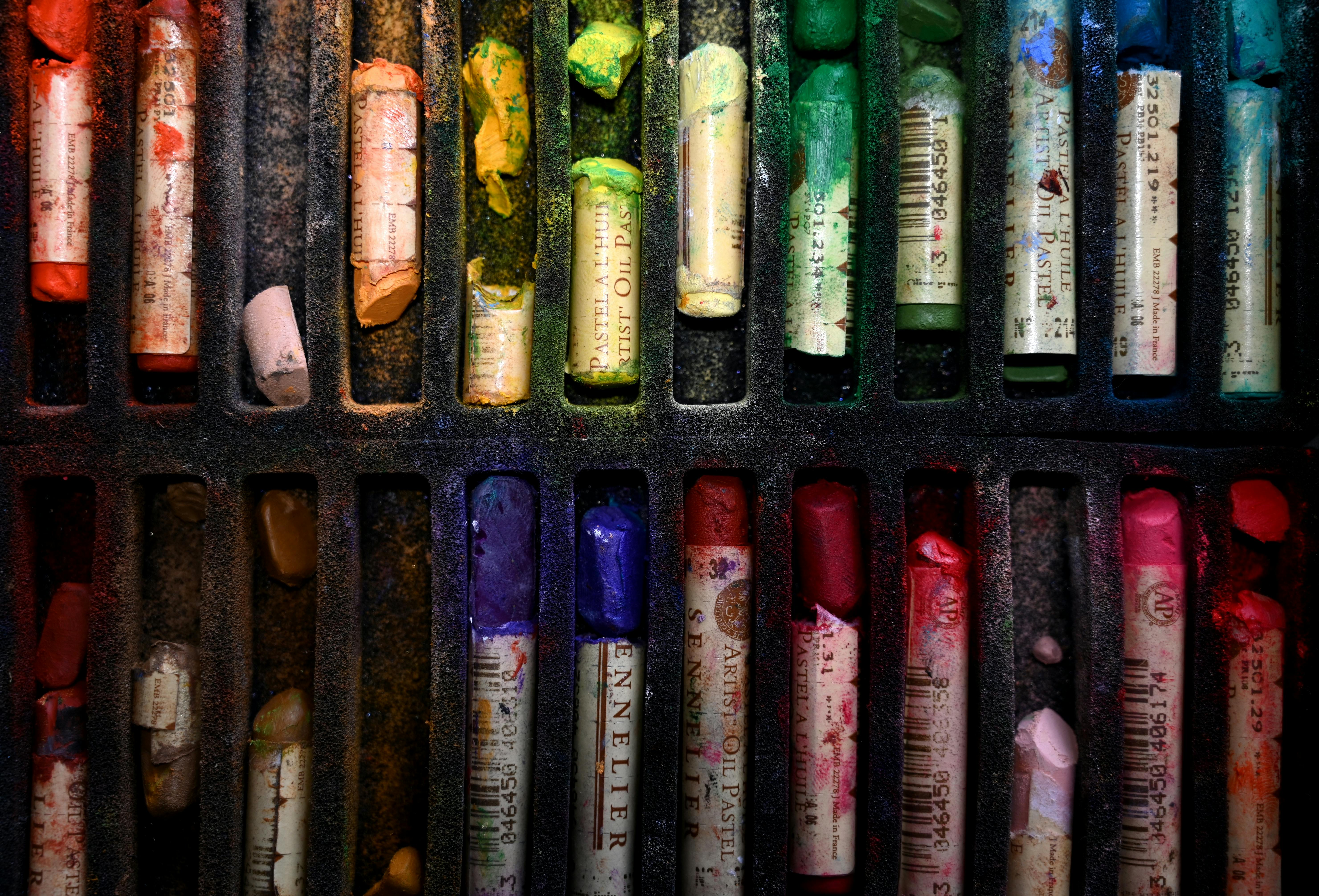
| Pastels/Charcoal | For dry media like pastels and charcoal, a gessoed surface—particularly one with an enhanced 'tooth'—can provide an exceptionally receptive ground. The texture acts like a multitude of tiny valleys, allowing the dry pigments to grab, hold, and build up rich layers, minimizing dust and maximizing color intensity. | For dry media like pastels and charcoal, a gessoed surface—particularly one with an enhanced 'tooth'—can provide an exceptionally receptive ground. The texture acts like a multitude of tiny valleys, allowing the dry pigments to grab, hold, and build up rich layers, minimizing dust and maximizing color intensity. While not strictly necessary (many artists work directly on paper), gessoing a surface for pastels or charcoal can be a game-changer for achieving specific textures, extending longevity, or working on non-traditional supports like wood or canvas. Specialized "pastel grounds" are highly recommended; these often have a significantly coarser tooth than standard gesso, providing superior adhesion for soft pastels, preventing them from simply sliding off. A thin coat of clear gesso can also work well on paper, adding a subtle tooth without altering its underlying tone too much, making it ideal for delicate layering or mixed media approaches, and truly extending the life of your dry media artwork. |
Gesso for Mixed Media: Breaking Boundaries
One of the most exciting aspects of gesso, for me, is its incredible versatility in mixed media art. It’s truly like a universal translator, allowing disparate materials and artistic languages to coexist harmoniously on a single plane. Whether you’re combining collage, fabric, drawing, printmaking, photography, or even light sculptural elements, gesso provides a cohesive, stable, and uniquely receptive foundation. It primes, seals, and adds the essential tooth, enabling different mediums to adhere and interact on a single surface without issues of chemical incompatibility, poor adhesion, or discoloration. This expansive capability opens up an entire world of creative possibilities, letting you fearlessly push the boundaries of what a "canvas" can be, fostering innovation and artistic freedom. I've often found myself using gesso to unify wildly different elements, turning what could be a chaotic mess into a harmonious composition.
Beyond Canvas: Gesso on Other Surfaces
While stretched canvas is perhaps the most common recipient of a good gesso coat, the truth is that this versatile primer can transform almost any rigid or flexible surface into a durable, paintable ground. I’ve personally experimented with gesso on everything from discarded cardboard and old book covers to smooth metal sheets and even glass, and the results are often surprisingly rewarding, opening up new dimensions for creativity. It's truly amazing how a little preparation can turn the mundane into a magnificent canvas.
Think about it: gesso provides a uniform, non-acidic, and slightly absorbent layer, fundamentally changing the surface properties. This makes it ideal for:
- Wood Panels: Wood panels, often made from hardboard (MDF) or birch ply, are naturally absorbent and can be quite acidic over time. Beyond their traditional use for oil painting (where gesso is absolutely essential for long-term protection), gesso ensures your acrylics don't sink into the wood grain, preventing dull spots and giving you a consistently vibrant and luminous surface. It also provides a smooth yet toothy ground that can be sanded to an incredibly fine, almost glass-like finish for hyper-realistic detail or exquisite glazing techniques, making it a favorite for classical and contemporary artists alike.
- Paper and Cardboard: Ever wanted to paint on paper or even thick cardboard without it buckling, warping, or your precious colors looking dull and absorbing unevenly? A thin, even coat or two of gesso provides crucial structural stability, greatly enhances color brilliance, and critically, creates a barrier that prevents paints from bleeding through to the other side. It also makes fragile surfaces significantly more durable and suitable for heavier paint applications or complex mixed media techniques, effectively transforming everyday, ephemeral materials into archival art surfaces. It's like giving humble paper a superhero cape!
- Metal: Yes, even incredibly slick, non-porous surfaces like metal (aluminum, steel, copper) can be primed with gesso, which I find utterly liberating! Gesso acts as a powerful adhesive layer, creating micro-texture and chemical bonding sites that allow paint to adhere securely where it would otherwise simply slide off, scratch, or chip easily. For best results, ensure the metal surface is meticulously clean, thoroughly degreased, and lightly abraded (scuffed with fine-grit sandpaper) to provide some initial mechanical grip before gesso application. This transforms cold, industrial surfaces into vibrant, receptive canvases.
- Plaster and Clay: For sculptures, reliefs, or complex mixed media pieces made from plaster, unfired clay (after thorough drying), or polymer clay, gesso creates a smooth, uniform, and incredibly receptive base. It seals these porous materials, preventing excessive paint absorption that could lead to dulling, and provides an excellent ground for subsequent layers of acrylic, oil, or even enamel paints, ensuring vibrant color and durable adhesion on three-dimensional forms. It allows your sculptural work to truly come alive with color.
- Found Objects: This is where the fun really begins for me, pushing the boundaries of what a painting support can be. The world is literally full of potential canvases just waiting to be discovered! Old book covers, plastic containers, forgotten ceramic tiles, glass bottles, smooth stones, even certain types of fabrics (after a bit of testing and ensuring structural integrity) – a simple layer of gesso is often all it takes to repurpose these into unique artistic canvases. I’ve personally gessoed old vinyl records, wooden spoons, discarded shoes, and even smooth river rocks to create unexpected pieces! It truly acts as a universal translator, making disparate materials speak the same artistic language and inviting you to unleash your creativity on unexpected forms and dimensions. The possibilities are truly endless, limited only by your imagination and the structural integrity of the object itself.
The key is to consider the inherent properties of your original surface, particularly its flexibility and absorbency. For rigid supports like wood panels, thick cardboard, or plaster, both traditional (animal glue-based) and modern acrylic gesso can technically work, though acrylic is far more common today. However, for flexible supports such as stretched canvas or various fabrics, modern acrylic gesso is absolutely essential. Traditional gesso, being inherently brittle due to its gypsum and animal glue composition, would inevitably crack, fracture, and flake as the canvas flexes with changes in temperature, humidity, or even slight movements, utterly ruining your painting over time. Modern acrylic gesso, with its durable and flexible polymer binder, remains supple and pliable, moving with your canvas without compromising the integrity of your art. A very porous material, like raw fabric or untreated wood, might need more coats to achieve an even seal and sufficient tooth, while a slick, non-porous surface benefits from a gesso that offers maximum adhesion and perhaps a light scuffing for extra grip. Beyond just painting, gesso also acts as an excellent bonding agent for complex mixed media applications, providing a stable, unified foundation for collage elements, fabric, found objects, or even light sculptural additions. It's a profound invitation to experiment and push the boundaries of what you consider a "canvas," but always with a mindful nod to the material's structural integrity and archival potential.

The Convenience of Pre-Gessoed Surfaces and Priming Textiles
While applying your own gesso offers the ultimate control and a personalized foundation, sometimes convenience simply wins, especially for artists with limited time or storage. Pre-gessoed canvases and panels are readily available in almost every art store and are perfectly suitable for many artists, especially beginners or those on a tight schedule. These factory-primed surfaces are designed to be ready to paint on. However, remember my earlier advice: a quick extra coat (or two) of your own quality gesso can still significantly elevate even these pre-primed options to a truly professional standard. This personal touch isn't just about being meticulous; it will give you a superior, more consistent foundation for your work, enhancing paint adhesion, vibrancy, and longevity far beyond the thin, often uneven factory primer, which can sometimes be quite minimal and less robust than you'd hope for a lasting artwork.

For artists exploring textile art or fabric painting, gesso also plays a surprisingly crucial role. Applying a thin, flexible gesso to various fabrics (think denim, sturdy cotton, linen, silk, or even clothing intended for wearable art) can prevent paint from bleeding, significantly improve adhesion, and give you a more vibrant, controlled surface to work on. The gesso creates a barrier that stops the fabric fibers from excessively absorbing your paint, ensuring your colors remain brilliant. It also adds a slight stiffness or 'body' to the fabric, making it easier to handle and paint on without distortion. It’s all about creating that perfect receptive ground, no matter the medium or material, ensuring your creative vision translates beautifully and endures. For detailed information on preparing canvas specifically, you might also find our guide on how to prepare a canvas for acrylic painting incredibly helpful, as it shares many principles applicable to textiles.
Gesso vs. Primer: The Great Debate Nobody Told You About
"Wait," you might be thinking, and it’s a fair question, "can't I just use a hardware store primer? After all, it's primer, right? And it's so much cheaper!" I completely get the impulse – we all want to save a few pennies where we can, especially when art supplies can add up quickly. And in an absolute pinch, for a practice piece that won't see the light of day beyond the confines of your studio, perhaps it's an option. But here’s the thing: it's a classic case of using the profoundly wrong tool for a highly specialized job. A house primer is meticulously designed to soak into drywall, plaster, or wood siding and create a uniform surface for house paint. It’s formulated for durability in a home environment, yes, but critically, it is not engineered for the specific chemical interactions, subtle absorbency, and rigorous archival quality demanded by fine art pigments. It almost always lacks the precise level of absorbency and ideal 'tooth' for artistic pigments and, more dangerously, may contain acidic components (or components that become acidic over time) that can relentlessly degrade your artwork over decades, causing irreversible damage to your creative legacy.

Artist’s gesso, by stark contrast, is specifically designed from the ground up to provide that perfect, nuanced level of absorbency and ideal 'tooth' for your specific artistic paints (acrylics, oils, etc.), while also unequivocally ensuring archival quality. This means it’s meticulously formulated to be pH-neutral (or slightly alkaline) and completely free of any acids or unstable components that can degrade your canvas, wood panel, or paint over decades, or even centuries. Many hardware store primers, however, contain ingredients (like certain types of calcium carbonate, clays, or synthetic fillers) that can become acidic over time, causing your canvas to become brittle, your paint layers to yellow, crack, or even delaminate entirely. They’re also often designed to absorb paint aggressively (to speed up house painting), which can prematurely dull your fine art pigments, robbing them of their intended vibrancy. This leads to a painting that looks 'thirsty' and lifeless. Too absorbent, and your paint will look dull, losing its vibrancy as the binder is absorbed into the ground. Not absorbent enough, and it might just slide right off, or fail to bond properly, leading to cracking or flaking years down the line. It’s a truly delicate balance, a sophisticated chemical and physical engineering feat, meticulously crafted for the precise longevity and aesthetic integrity of your creative work. This isn’t just about making paint stick; it’s about preserving your artistic legacy. You're not just buying art materials; you’re making a critical investment in the future and enduring quality of your art. Understanding these profound differences between house primers and artist’s gesso is a fundamental, non-negotiable step in making informed, responsible choices for your artistic practice.
Still confused? To sum it up, here's a quick comparison:
Feature | Artist's Gesso | Hardware Store Primer |
|---|---|---|
| Purpose | Prepare surfaces for fine art painting | Prepare walls for house paint |
| Composition | Acrylic polymer/animal glue, titanium white, calcium carbonate, archival binders | Latex/oil-based, various fillers, non-archival components |
| Archival Quality | Designed for longevity, pH-neutral/alkaline | Not designed for art, can degrade over time |
| Absorbency | Controlled, provides "tooth" for art paint | High, often "sucks" paint in, dulling colors |
| Flexibility | Highly flexible (modern acrylic gesso is engineered to move with stretched canvas without cracking, even in varying humidity/temperature); traditional gesso is rigid and will crack on flexible surfaces. | Varies greatly, but generally low. Hardware primers are designed for rigid wall surfaces and are typically not engineered to withstand the natural flexing and movement of a stretched artist's canvas or other dynamic supports. This lack of flexibility inevitably leads to severe cracking, peeling, and delamination over time, utterly destroying the artwork. |
| Pigment | Often titanium white for brightness | Various pigments, may not be lightfast or art-grade |
We have an entire article on gesso vs. primer: what's the difference for artists? that dives into all the nerdy, essential details. It's a must-read if you're serious about your materials. You might also want to explore our comprehensive guide on what is raw canvas for painting for even deeper insights into selecting and preparing your surfaces from scratch, giving you ultimate control over your artistic journey.
Preparing Your Workspace for Gesso Application
Before we even crack open that fresh tub of gesso, let’s talk about setting the stage. A little preparation goes an incredibly long way in making the gesso application process smooth, efficient, and, crucially, far less messy. I speak from extensive experience here – a stray gesso drip has a supernatural way of finding the most improbable surfaces (my cat, as I may or may not have mentioned, was definitely not amused by her accidental new 'prime coat,' and neither was my favorite rug!). Proper setup will transform a potentially frustrating task into a focused, meditative part of your artistic process, allowing you to actually enjoy this foundational step.
Here’s what I recommend for a stress-free gesso session:

- Ventilation is Key: While most modern acrylic gessos are thankfully low-odor and non-toxic (always check the label for AP certification from reputable organizations like ACMI, the Art & Creative Materials Institute), good ventilation is absolutely critical when working with any art materials. Open a window, use a fan, or work in a well-circulated area. If you're exploring traditional gesso with its strong animal glue scent, or if you're particularly sensitive, robust ventilation is even more paramount for your comfort and health.
- Protect Your Surfaces: This is non-negotiable. I cannot stress this enough. Lay down old newspaper, dedicated studio bedsheets, or a plastic drop cloth generously. Gesso, especially when applied with enthusiasm (and sometimes, let's be honest, a bit of flailing), can splash, drip, and generally find its way onto anything not meticulously covered. This isn't just for your immediate workspace; always extend your protection to the floor underneath and any surrounding furniture. Dried gesso, once cured, is incredibly tenacious and notoriously difficult to remove from porous surfaces, so prevention is absolutely key.
- Gather Your Tools: Efficiency begins with organization. And a clear head! Have everything you need within arm's reach before you even start: your gesso (ensure it's at room temperature for optimal consistency), a clean stirring stick or palette knife, your chosen application brushes or foam rollers, at least two water containers (one for initial rinse, one for cleaner water – crucial for brush longevity!), and your desired grit sandpaper (if you plan to sand for smoothness). A lint-free cloth or tack cloth is also invaluable for wiping dust, which can ruin a smooth gesso surface.
- Wear Appropriate Attire: Don an old t-shirt, a dedicated painting apron, or even a full studio smock. While gesso is water-soluble when wet, making fresh spills easy to clean, once it dries, it forms an incredibly durable, water-resistant film that is notoriously difficult, if not impossible, to remove from fabric. I’ve got a favorite painting shirt that tells a whole story of creative endeavors, marked by countless gesso splatters—a testament to its permanence! Consider it your artistic uniform, ready for battle.
- Protect Your Hands: While most modern acrylic gessos are generally considered non-toxic, it can still be messy, and repeated or prolonged skin contact is best avoided, particularly if you have sensitive skin. Consider wearing disposable nitrile or latex gloves, especially if you’re going to be working for an extended period or applying gesso by hand for texture. It not only saves on tedious cleanup (imagine scrubbing dried gesso from your cuticles!) but also keeps your hands soft and ready for, well, more glorious painting! Plus, it saves you from looking like you've been wrestling a ghost.
Taking these small steps will ensure you can focus on the meditative process of preparing your surface, rather than worrying about rogue drips or needing to scramble for a clean brush.

Health and Safety: A Quick Note
While most modern acrylic gessos are rigorously tested and labeled as non-toxic and low-odor (always double-check the label for AP (Approved Product) certification from reputable organizations like ACMI, the Art & Creative Materials Institute), it’s still an excellent practice to maintain good ventilation in your workspace. If you’re exploring traditional gesso with animal glues, the odor can be quite pronounced and persistent, making ventilation absolutely essential. Furthermore, when sanding dried gesso, tiny dust particles containing calcium carbonate and titanium dioxide can become airborne. To protect your lungs from inhaling these particulates, especially during extensive sanding, I always strongly recommend wearing a high-quality dust mask (like an N95 respirator). It’s about being smart, prioritizing your long-term health, and taking care of yourself so you can continue creating beautiful art safely and comfortably for years to come – because your art deserves a healthy artist.
How to Apply Gesso Like You Know What You're Doing
Alright, let’s get our hands dirty (or gloved, if you followed my advice!). Applying gesso is more of a meditation than a chore, I promise, especially once you get into the rhythm of it. It’s a quiet act of devotion to your craft. Here's my no-fuss method, refined over years of trial, error, and a few accidental gesso splatters on my forehead.
- Prep Your Surface (Beyond Just the Room): Before even thinking about dipping your brush into gesso, ensure your canvas or chosen surface is meticulously clean, completely dry, and absolutely dust-free. Any residual grease, oil, fingerprints, or even tiny dust particles can severely prevent the gesso from adhering properly, leading to frustrating issues like peeling or uneven coverage later on. For a raw canvas, I recommend giving it a gentle wipe-down with a slightly damp, lint-free cloth (and allowing it to dry fully) or a thorough brush-off to remove any loose fibers or manufacturing residue. For pre-stretched, factory-primed canvases, a quick brush-off or a pass with a tack cloth is usually sufficient, but always assume there’s some dust. If you’re working on a wood panel, a light sanding with fine-grit sandpaper (180-220 grit) to create a slight 'key' (a microscopic texture for the gesso to grab onto) and a thorough wipe-down will ensure optimal adhesion. Metal surfaces will need to be degreased and lightly scuffed before priming.
- Stir, Don't Shake (Seriously): This is a small but crucial tip, one I learned the hard way with many bubbly canvases! The solid components (like titanium dioxide and calcium carbonate) in gesso can settle at the bottom of the container over time. Shaking the tub vigorously, while seemingly efficient, introduces a multitude of tiny air bubbles into the gesso. These bubbles will then inevitably transfer to your surface during application, creating an uneven, pitted, or pockmarked finish that can be incredibly frustrating to paint on. Instead, gently stir it with a clean stick, a dedicated gesso brush handle, or a palette knife until it’s a smooth, creamy, perfectly uniform, yogurt-like consistency. Think of it as gently waking up the gesso, allowing all its components to reintegrate without incorporating unwanted air.
- The First Coat: Thin, Even, and Well-Worked: Grab a wide, flat brush – a good quality, but not necessarily expensive, synthetic brush is ideal, as gesso can be quite abrasive on natural bristles. A smoother, synthetic brush will inherently give you fewer brush marks than natural bristles. For larger canvases, a dense foam roller (designed for smooth finishes) can be incredibly efficient for a very even, thin coat, but I often prefer a brush for the first layer to really work the gesso into the weave and ensure deep penetration. Apply a thin, even coat in one direction (say, horizontally across your canvas). Don't try to achieve perfect coverage or full opacity on this first pass; the primary goal is maximum adhesion and a foundational sealing layer. Think of it as a deep massage for your canvas, gently working the gesso into every fiber, pore, or crevice of your support, ensuring an intimate, lasting bond. You can thin your gesso slightly with water (up to 25%) if it feels too thick for this initial layer, but always add water gradually.
Choosing Your Application Tool
Tool | Best For | Pros | Cons |
|---|---|---|---|
| Wide Flat Brush | General application, pushing gesso into the canvas weave, achieving some subtle texture, suitable for smaller to medium canvases and panels. | Offers excellent control, allowing you to effectively work gesso deep into the canvas weave, ensuring maximum penetration and adhesion. It can also create desirable subtle brushstroke texture if that's part of your aesthetic, adding character to your ground. Highly versatile and a definite studio staple for any artist. | Can leave noticeable brush marks if the gesso is applied too thickly, not thinned enough, or if the brush is too stiff; requires more physical effort and time for very large surfaces; can shed bristles if of poor quality. |
| Foam Roller | Ideal for achieving a super smooth, incredibly even finish, particularly on large canvases and panels where consistency is key. | Exceptionally effective for eliminating brush marks and creating a uniform, flat, flawless surface quickly, particularly useful for smooth finishes. Incredibly efficient for priming expansive areas with speed and precision, significantly reducing application time, which is a blessing on large projects. Just be mindful of air bubbles if rolled too aggressively. | Offers less precise control for intricate edges and tight corners, sometimes requiring a brush for touch-ups; can introduce tiny air bubbles if rolled too aggressively or if the gesso is too thick; less effective at pushing gesso deep into a raw canvas weave for the crucial first coat compared to a brush. |
| Palette Knife/Squeegee | Perfect for applying very thick, highly textured gesso layers; creating expressive, impasto-like grounds, and incorporating textural mediums. | Ideal for creating dramatic textural effects, building interesting ridges, peaks, and sculptural forms directly into your ground. This tool can apply gesso very quickly and thickly for immediate dimensional impact, transforming the surface itself into an active, expressive part of the composition, rather than just a passive base. Fantastic for abstract and mixed media artists. | Generally not suitable for achieving smooth, even, or traditional primer coats; requires more artistic skill and deliberate intention to get consistent coverage; can create very uneven absorption if not carefully applied, potentially impacting subsequent paint layers. |
| Gesso Brush | Specifically designed and optimized for gesso application, featuring durable bristles that withstand the abrasive nature of the medium. | Often crafted with a sturdy blend of synthetic and natural bristles, designed to withstand the abrasive, particulate nature of gesso. These brushes distribute gesso evenly, hold a good amount of medium, and resist shedding, making them a worthwhile investment if you prime canvases frequently. They are built for longevity and consistent performance. | Can be more expensive initially than a generic utility brush, but their durability and superior performance often justify the cost for dedicated artists. |
I find myself typically reaching for a wide flat brush for the crucial first coat to really work the gesso into the canvas fibers, ensuring maximum penetration and adhesion. For subsequent coats, especially if I'm aiming for a very smooth finish, I'll often switch to a dense foam roller to eliminate brush marks and achieve a flawless surface. It’s all about finding what works best for your personal style, the specific medium you're using, and the desired final effect.
- Patience, My Friend, Patience (and Proper Drying): This step is absolutely critical and often overlooked, but it is the secret to a truly professional ground. After applying each coat, you must let it dry completely to the touch. This isn't a suggestion; it's a requirement. This can take anywhere from 30 minutes to a couple of hours, or even longer, depending on the thickness of the coat, the absorbency of your support, and crucially, your local humidity and temperature. Rushing this step is a guaranteed recipe for a sticky, uneven, clumpy mess, and can seriously compromise the adhesion and integrity of subsequent layers. Resist the urge to poke or touch! Go make a cup of tea, respond to some emails, or stretch – your art will genuinely thank you for the patience. Ensure adequate airflow during drying to prevent tackiness and to encourage even curing.
- To Sand or Not to Sand (The Smoothness Spectrum): Once each coat is bone-dry, you face a crucial decision that profoundly impacts the final texture of your artwork. If you’re aiming for a super-smooth, porcelain-like surface (which is highly desirable for detailed portraiture, delicate glazing techniques, hyperrealism, or very fine detail work), then gentle, consistent sanding is absolutely essential. I typically use fine-grit sandpaper, starting in the 220-320 grit range for the first sanding, then moving up to 400-600 grit for an ultra-smooth finish. Use gentle, consistent circular motions, applying even pressure across the entire surface. After sanding, always thoroughly wipe off the fine gesso dust with a slightly damp, lint-free cloth or a tack cloth. This step is critical not only to remove loose particles but also to prepare the surface optimally for the next coat. If, however, you prefer a bit of texture—a tactile 'tooth' for your brushstrokes to play with (which can add energy to abstract or expressive pieces)—you can skip this step entirely, or just do a very light, quick pass to knock down any obvious bumps or imperfections. My personal preference usually involves a light sanding between coats; it just feels right, creating a welcoming, subtly textured surface without being slick or overly rough, a perfect compromise.
- The Second Coat (and Beyond): After the first coat is thoroughly dry and optionally sanded, apply the next coat in the opposite direction (e.g., if your first was horizontal, your second should be vertical). This cross-hatch application method is brilliant because it helps to fill in the canvas weave evenly, minimizes or eliminates residual brush marks from the previous layer, and creates a beautifully uniform ground that provides excellent, consistent tooth for your paint. This layering also systematically builds up the protective barrier and opacity of the gesso, contributing to a more robust foundation.
- Repeat as Needed (The Layering Game): The ideal number of gesso coats is definitely a personal preference and depends heavily on your chosen medium and desired surface. Generally, two to four coats are usually plenty for most purposes. However, the more coats you add (and the more thoroughly you sand between them, if you’re pursuing smoothness), the smoother, less absorbent, and more luminous your final surface will be. For very absorbent surfaces (like raw linen or untreated wood) or for oil painting (where a completely sealed, non-absorbent ground is critical), I often go for three or four coats, sometimes even five, ensuring a truly impenetrable barrier. For acrylics on a pre-primed canvas that already has some factory gesso, two additional coats might be all you need to elevate it to a truly professional standard. This layering process isn't just about covering; it's an investment in the quality and longevity of your finished artwork.
Advanced Gesso Techniques: Beyond the Basics
Once you’ve mastered the fundamental application of gesso, the real fun begins! This is where you can truly let your creativity take hold and let your ground become an active, expressive component of your artwork. There are a few advanced techniques that can significantly elevate your gesso game and expand your creative toolkit, allowing you to move beyond simply priming a surface:
- Tinting Your Gesso: As mentioned earlier (and it bears repeating because it's so powerful!), mixing a small amount of acrylic paint (just a few drops is often enough) into your white gesso creates a custom toned ground. This simple yet profound technique can dramatically impact the overall mood, atmosphere, and luminosity of your final painting. A warm red-brown or sienna ground (like a diluted burnt sienna or umber) can subtly peek through your paint layers, adding incredible richness, depth, and warmth to a landscape, still life, or figurative work, making subsequent colors glow with an inner light. Conversely, a cool grey or blue can unify a moody abstract or a dramatic night scene. It’s a fantastic, often overlooked, way to set the entire aesthetic and emotional foundation for your artwork even before your first brushstroke of color. How to mix acrylic paint can help you get the colors just right, opening up endless possibilities for custom grounds.
- Creating Custom Textures: This is where gesso truly transforms from a mere primer into an expressive, sculptural medium. Don’t be afraid to experiment with adding various textural elements directly into your gesso. Fine art-grade sand, pumice powder, marble dust, glass beads, or even clean sawdust can be mixed in to create unique, tactile surfaces that will grab your paint in fascinating ways, adding immense character. This is an absolute game-changer for abstract artists or anyone who wants to build incredible depth, dimension, and physical presence right from the start of their painting. Just remember to apply these heavily textured gessos in relatively thin, buildable layers, allowing each to dry thoroughly, to avoid cracking as the gesso cures, especially with very coarse materials. You might also explore the definitive guide to texture in abstract art for more ideas and inspiration.
- Smooth as Glass Finish: For hyper-realistic detail, meticulous glazing techniques, or classical approaches, an ultra-smooth, almost glass-like surface is often the holy grail. Achieving this involves a more rigorous regimen of applying very thin, self-leveling coats of gesso and thorough, consistent sanding between each and every layer. You’ll typically use progressively finer-grit sandpaper, starting around 220-320 grit, then moving to 400-600 grit, and for the ultimate smoothness, some artists even use 800-1000 grit or a wet-sanding technique (using a damp sponge or cloth with the sandpaper) to achieve a porcelain-like finish. Always wipe away sanding dust completely, as even tiny particles can mar the next layer. Some dedicated artists even polish their gessoed surfaces with a soft, lint-free cloth to enhance its subtle sheen and receptivity, creating an almost luminous base.
- Reserving Areas: For conceptual or mixed media work, you might intentionally choose to apply gesso to only parts of your surface, leaving other areas raw (e.g., exposed canvas, beautiful wood grain, printed paper, or collage elements) to create striking contrasts in texture, absorbency, or color. This requires careful masking with artist’s tape to achieve clean lines and deliberate boundaries, but the resulting effects can be truly dynamic, playing with the viewer’s expectations of the surface and adding another layer of meaning to your composition. This technique brilliantly highlights the versatility of gesso as a selective primer, allowing for compelling visual narratives to emerge.
Experimentation is the absolute heart of artistic growth, and gesso offers a surprisingly rich and often overlooked playground for such exploration. Don't be afraid to try new things, push boundaries, or deviate from the 'rules'; the worst that can happen is you learn what doesn't work for your unique style and process, which is valuable knowledge in itself! Gesso is an incredibly forgiving medium for creative discovery.
Cleaning Up After Gesso Application
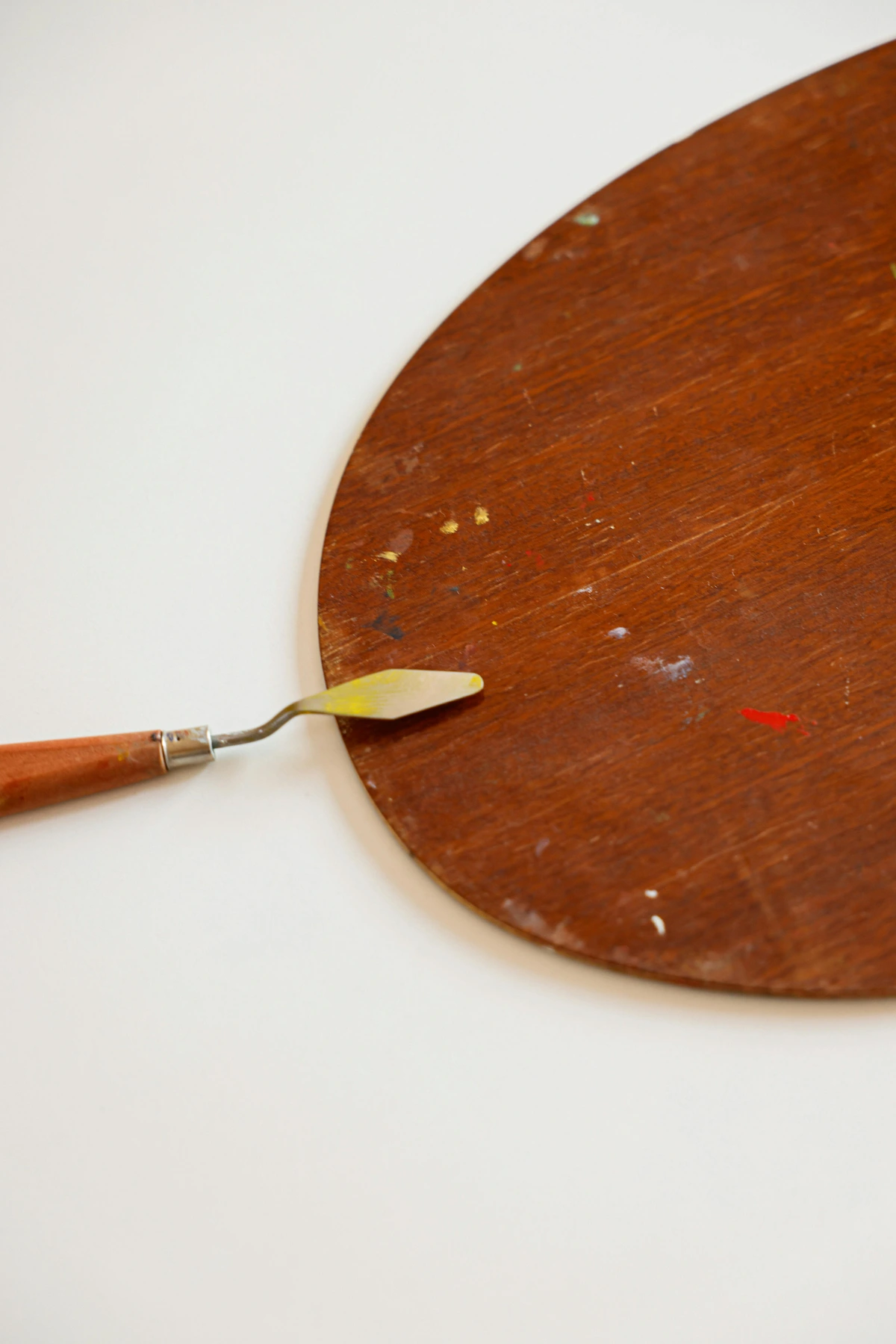
Don't, under any circumstances, forget the cleanup! Gesso is relatively easy to clean when wet with just warm water and soap, but it’s an absolute race against time. Acrylic gesso, once dry, forms an incredibly durable, water-resistant, plastic-like film that is notoriously difficult, if not impossible, to remove from brushes, clothing, or porous surfaces in your workspace. Immediately rinse your brushes and all tools thoroughly with warm soapy water after each coat or before any prolonged breaks. I usually keep a dedicated bucket of water near my workspace specifically for gesso-covered brushes, submerging them immediately to prevent the gesso from hardening on the delicate bristles. For dried gesso on non-porous surfaces (like a palette or table protected by plastic), a razor blade or scraper can sometimes work with persistent effort, but prevention is always, always better than cure. Properly cleaning and maintaining your tools not only preserves your valuable art supplies but also saves you a significant amount of future frustration and expense. You wouldn't leave paint to dry on your brushes, and gesso is no different—treat it with the respect it deserves!
For a more detailed, step-by-step walkthrough, be sure to check out our comprehensive beginner's guide on how to apply gesso to canvas, which offers even more tips and tricks for a perfect ground.
Troubleshooting Common Gesso Problems
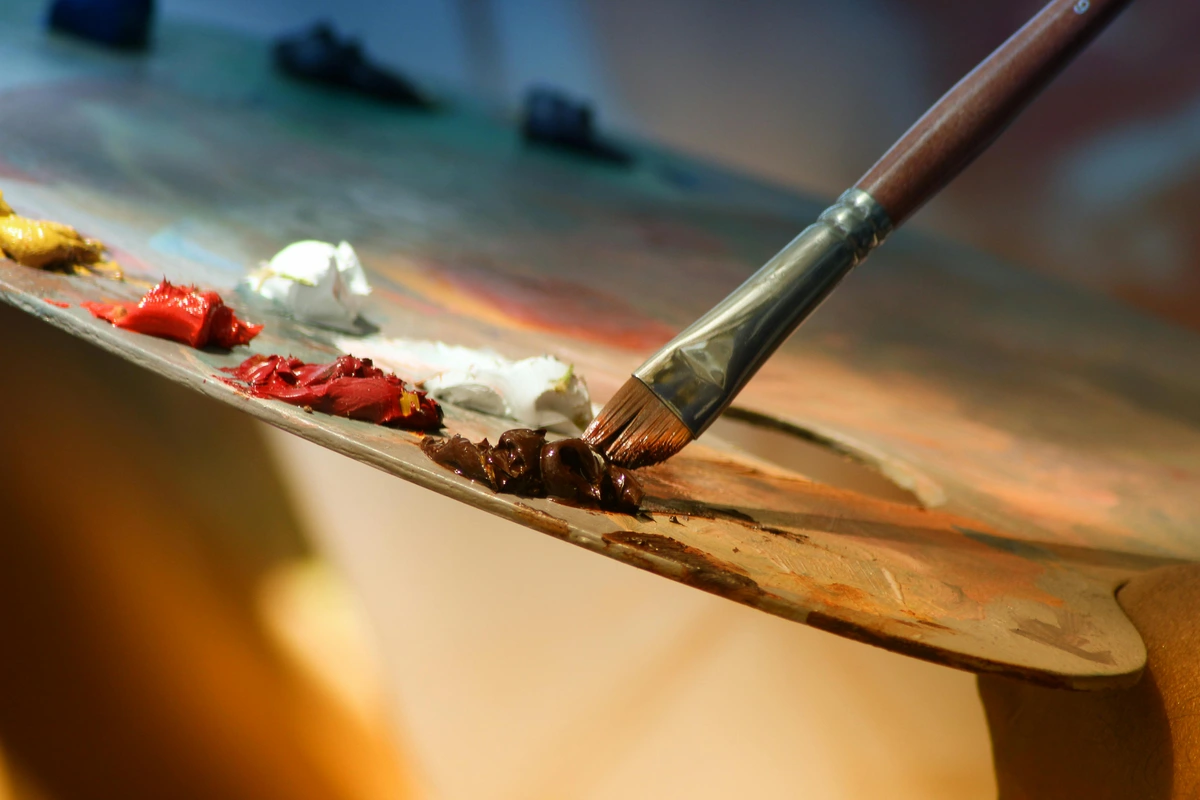
Even with the best intentions, meticulous preparation, and careful application, sometimes gesso can, unfortunately, throw a curveball. Don't fret; this is a normal part of the learning curve, and thankfully, most common issues have simple, straightforward solutions. I’ve personally encountered most of these at some point in my artistic journey, and I can tell you that usually, it’s either a quick fix or a valuable lesson learned that ultimately improves your technique for next time. It’s all part of the beautiful, messy process of creating.
Here are a few common gesso woes and how to tackle them:
- Bubbles in the Gesso: This common issue is almost always due to shaking the gesso container vigorously rather than gently stirring it, or by applying the gesso too thickly and aggressively, trapping air. Trapped air can also come from an overly stiff brush or foam roller, or by simply working the gesso too much.
- Solution: Prevent bubbles by always stirring gesso gently and thoroughly, never shaking. Apply gesso in thin, even coats, using consistent, moderate pressure, and avoid overworking it. If you notice wet bubbles forming, try gently dragging a dry, soft brush or a palette knife lightly over them to pop them before they dry. For dried bubbles, your best friend is fine-grit sandpaper (220-400 grit) to carefully smooth them out. You might need to apply another thin coat of gesso after sanding to ensure uniformity, but patience is key.
- Streaks or Brush Marks: Noticeable streaks or persistent brush marks often occur if your gesso is too thick and viscous, if you're using an overly stiff brush (or one that's shedding), or if you're applying uneven pressure. This can detract from the smooth ground you're trying to create.
- Solution: To prevent this, thin your gesso slightly with clean water (up to 20-25%) for a smoother, more fluid consistency. Use a softer, wider synthetic brush (a good gesso brush is key here) or, for truly seamless results, a dense foam roller for subsequent coats. Always ensure even pressure. If brush marks dry, light sanding with fine-grit sandpaper between coats is incredibly effective at smoothing them out. Multiple thin coats are always better than one thick, streaky one.
- Uneven Absorption/Patchy Look: This frustrating issue often manifests as 'hot spots' where paint sinks in rapidly, or patchy areas where coverage is inconsistent, creating an undesirable visual texture. It typically happens if the original surface wasn’t cleaned properly (residual grease or oil acts as a repellent), or if the surface itself had naturally varying levels of absorbency, leading some areas to soak up more gesso than others. It's like trying to paint on a blotchy, unprepared surface.
- Solution: Always ensure your surface is meticulously dust-free, clean, and dry before starting. The key is to apply gesso in thin, even, deliberate coats, allowing each to dry fully before the next. Patience in building up layers is crucial; generally, more coats (3-4 for particularly porous surfaces) will effectively even out the absorbency and create a uniform ground. Sometimes, a very light sanding after the first coat can also help rough up any slick spots, promoting better adhesion for subsequent layers and a more consistent finish.
- Gesso Drying Too Fast/Too Slow: Gesso drying times are highly susceptible to environmental factors. Extreme heat or low humidity can cause gesso to dry too rapidly, leading to cracking, brush marks, or a tacky surface. Conversely, high humidity or cold temperatures can significantly slow down drying, prolonging the process and potentially leading to uneven curing.
- Solution: In very dry conditions, working in a slightly cooler environment or a very slight mist of water (applied to the air, not directly to the gesso!) can help. In humid conditions, ensure excellent airflow (with a fan, not blowing directly on the wet gesso) and work in a well-ventilated area. Always check if the gesso is truly dry to the touch across the entire surface, not just by visual inspection, before applying the next coat or sanding. Patience is a virtue here.
- Gesso Applied Too Thickly or Uneven Texture: It’s a common mistake, especially for beginners, to try and achieve full coverage or opacity in one go. We might slather it on too thickly, or our brushwork might be inconsistent. This can lead to a host of problems: uneven drying, unsightly cracking (especially with traditional gesso or very thick acrylic gesso), or an overly textured surface that is far from what you intended, fighting against your brushstrokes.
- Solution: The golden rule is always to aim for multiple thin, even coats rather than one thick one. If you’ve applied it too thickly and it’s still wet, you can gently scrape off the excess with a palette knife or a squeegee to redistribute or remove it. Once dry, diligent sanding is your absolute best friend! Use progressively finer-grit sandpaper to gradually reduce the thickness and achieve your desired smoothness. For persistent uneven texture after sanding, sometimes an additional very thin, smooth coat of gesso (perhaps slightly thinned with water) can help even things out before your final layers. Patience and persistence are key here; remember, multiple thin coats are always better than one thick one for both appearance and structural integrity.
- Gesso Peeling or Cracking: While relatively rare with high-quality modern acrylic gesso, peeling or cracking is a severe problem that indicates a fundamental issue. It can happen if the gesso is applied to a very oily, greasy, dirty, or improperly prepared surface that inhibits adhesion. It will also inevitably occur if traditional (brittle) gesso is mistakenly used on a flexible support like stretched canvas, as it simply can't handle the movement. Overly thick application (especially without proper drying between layers) can also lead to cracking due to differential drying rates.
- Solution: The absolute best solution is prevention: always prep your surface meticulously, ensuring it’s clean, dry, and free of contaminants. If using traditional gesso, strictly adhere to rigid supports only. If peeling or cracking occurs, unfortunately, the most reliable solution is often to scrape off the compromised gesso completely (if possible), clean the surface thoroughly, and reapply it correctly from scratch. It’s a harsh lesson, but a necessary one to ensure the archival integrity and lasting beauty of your artwork.
Think of these not as failures, but as learning opportunities. Each little hiccup teaches you more about the material and how to coax the best results from it.

Choosing Your Gesso: A Trip Down the Art Store Aisle
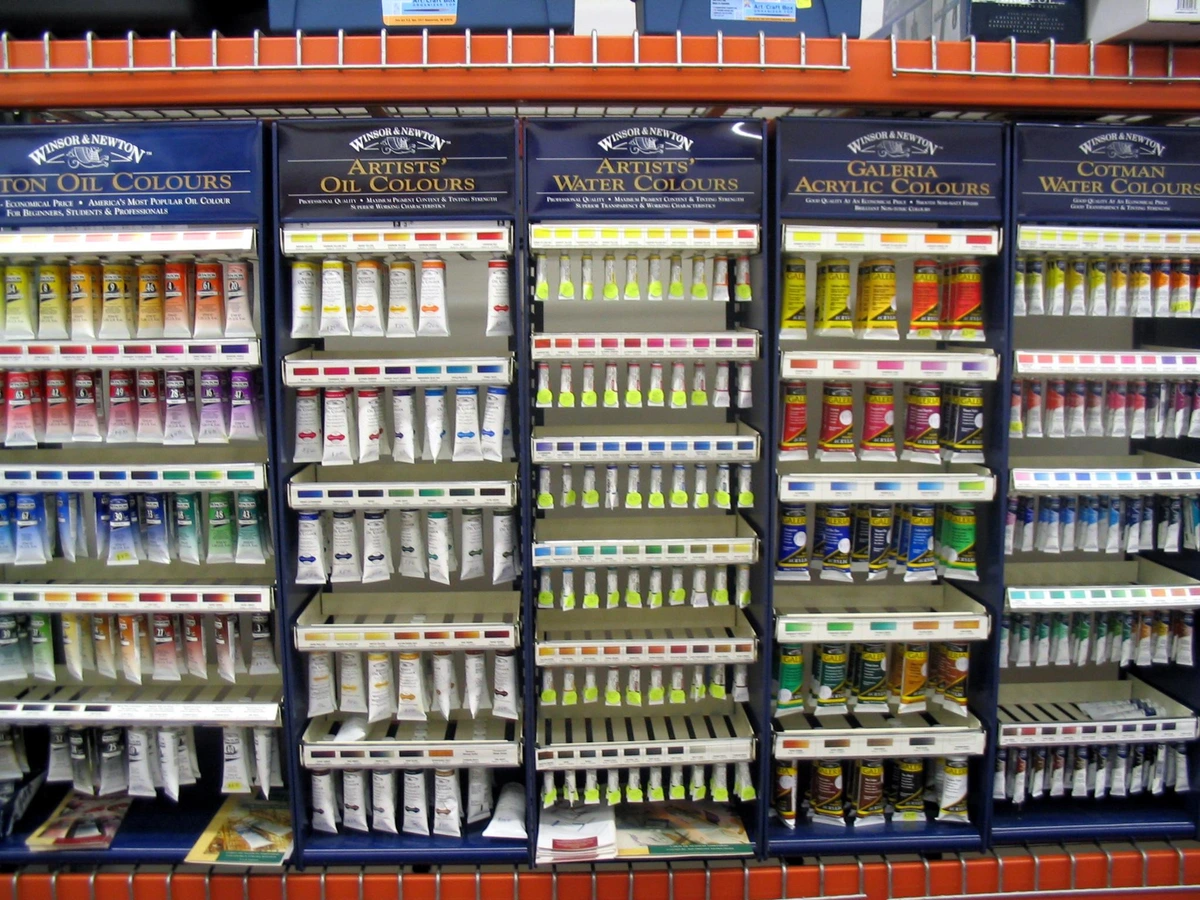
Walking into an art store, whether it’s a small independent shop or a massive chain, can be an exhilarating yet utterly overwhelming experience. The sheer variety of brushes, paints, mediums, and, yes, gessos, can easily make your head spin, leaving you wondering where to even begin. But don't worry, I'm here to simplify the gesso shelf and break down some of the most common and important choices you’ll encounter, empowering you to make informed decisions for your artistic practice. Think of me as your personal gesso guide, helping you navigate the options and find your perfect match.
Gesso Type | Best Use Case | My Two Cents | |||||||||
|---|---|---|---|---|---|---|---|---|---|---|---|
| Traditional Gesso (True Gesso) | Classical painting techniques, rigid supports (wood panels), fine detail, tempera, achieving historical luminosity. | Made from animal glue (like rabbit skin glue) and chalk/gypsum, traditional gesso provides an incredibly smooth, luminous, and hard surface. It’s highly absorbent yet allows for exquisite detail and fine brushwork, especially with oil and tempera paints, making it a favorite for classical realism. However, it's inherently brittle, completely inflexible, and requires careful preparation (heating the glue, applying multiple layers). It's best reserved for rigid panels and artists pursuing historically accurate techniques, and definitely not recommended for beginners due to its complexities and brittleness. | |||||||||
| :--- | :--- | :--- | |||||||||
| Student Grade | Practice, studies, art journaling, teaching purposes, budget-conscious projects, or when experimenting with new, non-critical surfaces. | This is a perfectly acceptable starting point for beginners or for studies where uncompromising archival quality isn't the absolute top priority. Student-grade gessos can be thinner, contain fewer high-quality pigments (less titanium dioxide), and offer slightly less tooth than professional versions. This means you might need more coats to achieve satisfactory opacity and proper tooth, but they’re a cost-effective way to understand gesso’s properties and get comfortable with the application process without a significant financial investment. Just be aware that you might sacrifice a bit of vibrancy and longevity compared to professional grades. | |||||||||
| Professional Grade | Essential for final artworks, commissions, pieces intended for sale, long-term display, or when you demand the absolute highest quality foundation and archival integrity for your artistic legacy. | This is where you invest in your art’s future, plain and simple. Professional-grade gessos are typically thicker, significantly more opaque, and provide a superior, much more durable and consistent ground. They contain higher concentrations of premium pigments (like more titanium dioxide for brilliant whites) and superior acrylic polymer binders, leading to better flow properties, adhesion, and flexibility. While more expensive than student grades, they are unequivocally worth the extra cost for serious work, commissions, or pieces intended for long-term display – it’s a critical investment in your art’s longevity, aesthetic quality, and archival integrity. | |||||||||
| White Gesso | The ubiquitous standard workhorse, suitable for almost any painting project across all mediums (acrylics, oils, mixed media) where a bright, neutral base is desired. | This is, without a doubt, what you’ll reach for 99% of the time. Its brilliant white opacity (thanks to a high concentration of titanium dioxide) provides a bright, neutral ground that allows your paint colors to appear their most vibrant, luminous, and true to their intended hue. It’s the ultimate blank slate, ensuring your pigments sing without being dulled or altered by the underlying support, offering maximum contrast and luminosity. | Black Gesso | Ideal for dramatic underpaintings, creating striking night scenes, developing highly saturated or moody color palettes, or for establishing an immediate sense of depth and atmosphere from the very beginning of your painting. | A fantastic, and often unconventional, way to start a painting with powerful contrast and a pre-established tonal range. Colors layered over black gesso often achieve an intense luminosity, appearing richer and deeper than on white, almost glowing from within. It’s perfect for subjects that demand drama, mystery, or a more subdued, nocturnal palette, and can push you to think about light and shadow in entirely new ways. Also excellent for charcoal or pastel work where a dark ground is desired, allowing the highlights to truly pop. | Clear Gesso | When you want the inherent natural color, pattern, or texture of your underlying surface (e.g., raw canvas, beautiful wood grain, printed paper, or even a photograph) to show through, but still require the essential tooth and sealing properties of a primer. | A brilliant choice for priming paper or raw canvas when you genuinely love the inherent natural color, pattern, or texture of your underlying surface (e.g., beautiful wood grain, printed paper, or even a photograph) to show through, but still require the essential tooth and sealing properties of a primer. Clear gesso provides a translucent, virtually invisible, yet slightly textured ground that offers adhesion and protection without altering the visual characteristics of your substrate. It’s particularly versatile for mixed media or when incorporating collage elements you wish to remain visible, allowing the original surface to become an active part of the artwork. | Colored Gesso | Used to create an intentionally toned ground from the very start, directly influencing the overall mood, temperature, or harmony of your painting, or to quickly achieve a specific base color without needing to tint white gesso yourself. | These gessos are a fun time-saver, often coming pre-mixed in a range of muted earth tones, various grays, or even bright primaries. They provide an instant colored base, which can be invaluable for certain compositions, immediately establishing a mood or atmosphere. However, remember you can also easily create your own custom toned ground by mixing a small amount of acrylic paint directly into your white gesso – a technique I use often to set a mood early on, letting a subtle hint of the underpainting peek through in the final piece. |
| Sanding Gesso / Super Smooth Gesso | Specifically formulated for artists who desire an exceptionally smooth, almost glass-like surface, particularly for hyper-realistic detailed work, delicate glazing, or specific classical oil painting techniques where texture is undesired. | Specifically formulated for artists who desire an exceptionally smooth, almost glass-like surface, particularly for hyper-realistic detailed work, delicate glazing, or specific classical oil painting techniques where any noticeable texture is undesired. These specialized formulations contain finer, more uniformly sized particulate fillers (like silica) and are designed to be sanded down to an ultra-smooth, flawless finish without compromising their integrity or tooth. They are a real treat for those who cherish a silky-smooth, almost porcelain-like painting surface, offering a refined ground for exacting techniques. | |||||||||
| Absorbent Gesso | Uniquely formulated for media that traditionally benefit from a highly absorbent surface, such as watercolors, gouache, very thin acrylic washes, inks, or dyes, especially when working on non-traditional supports like canvas or wood panels. | Uniquely formulated for media that traditionally benefit from a highly absorbent surface, such as watercolors, gouache, very thin acrylic washes, inks, or dyes, especially when working on non-traditional supports like canvas or wood panels. Unlike standard acrylic gesso, absorbent gesso is designed to mimic the absorbency of fine watercolor paper. This allows you to use traditional water-based media on non-traditional supports without losing their characteristic luminosity, ability to lift, and blend. It’s a fantastic tool for mixed-media artists looking to integrate diverse techniques across different substrates, truly opening up a world of possibilities for water media beyond paper. |
Gesso Brands and Quality: What to Look For
Just like paints, gesso comes from many different manufacturers, ranging from venerable art supply companies to newer, innovative brands. While the basic ingredients (polymer emulsion, titanium dioxide, calcium carbonate) are similar, their precise proportions, the quality of the raw materials, and the manufacturing process can vary significantly. This directly impacts the consistency, opacity, flexibility, and overall performance of the gesso, ultimately affecting your painting experience and the longevity of your artwork.
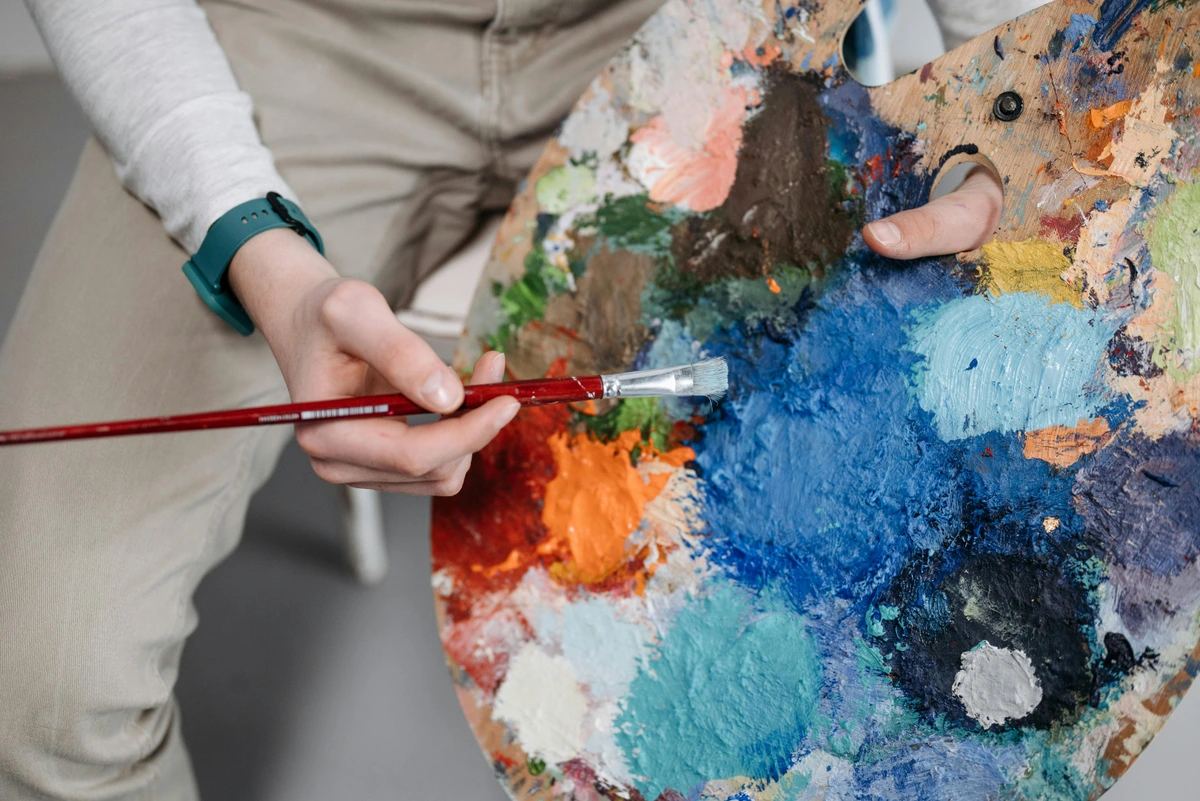
- Consistency: Gesso consistency varies widely by brand, which is something I quickly learned to appreciate. Some brands produce a thicker, more paste-like gesso that offers excellent coverage per coat but can be harder to spread smoothly without thinning it slightly with water. Others offer a more fluid, self-leveling gesso that is easier to apply thinly and evenly but might require more coats to achieve full opacity and tooth. Your choice here truly depends on your preferred application method and desired final texture, so don't be afraid to experiment.
- Opacity: This crucial factor directly relates to the concentration and quality of titanium dioxide pigment in the gesso. A highly opaque gesso will effectively cover your surface color or pattern more quickly, providing a brighter, more neutral ground with fewer coats, saving you time and material. Student-grade gessos, to achieve a lower price point, sometimes sacrifice opacity, meaning you’ll need more layers to achieve the same coverage and brightness. This can be a false economy in the long run, as you’ll use more product to get a similar result.
- Tooth/Texture: The amount, type, and fineness of the particulate fillers (primarily calcium carbonate or silica) determine the 'grittiness' or microscopic texture of the gesso. This is where personal preference really comes into play. Some artists, especially those working with dry media or expressive brushwork, prefer a more pronounced, tactile tooth that really grabs the pigment. Others, like hyperrealists or those using delicate glazes, seek an exceptionally smooth, almost glass-like finish that allows for intricate detail. Many brands offer variations, or you can, of course, create your own custom texture with additives, as discussed earlier.
- Flexibility: While all modern acrylic gessos are inherently flexible (unlike their brittle traditional counterparts), some brands specifically engineer their formulations for enhanced elasticity. These highly flexible gessos are ideal for heavily stretched canvases, larger works that experience significant environmental shifts, or for artists who frequently transport their work, minimizing the risk of cracking or damage due to movement or vibration. This is a critical consideration for the long-term longevity and archival stability of your art, ensuring it withstands the test of time and travel.
- Drying Time: The initial drying time (to touch) and the full curing time (when it’s completely stable) can also vary slightly between brands. This is typically due to differences in the acrylic polymer binder and various additive formulations. Always refer to the manufacturer’s recommendations on the label, but generally, expect acrylic gesso to be touch-dry in under an hour and fully curable within 24 hours, depending on coat thickness and environmental conditions (humidity, temperature). Patience during curing is always rewarded!
My advice? Start with a reputable brand, even a student-grade one from a well-known art supply company, as their quality control is usually more reliable, which gives you a consistent baseline. Gesso also comes in various convenient sizes, from small tubs for occasional use or travel to large gallon-sized containers for those of us who prime canvases in bulk (which, let's be honest, is often the most economical choice!). Always consider your volume of work when choosing your container size – a larger tub or bucket is almost always more cost-effective in the long run. As you gain experience and refine your techniques, you’ll naturally develop a strong preference for certain gesso characteristics (consistency, tooth, opacity). Don’t be afraid to try a few different types and brands until you find your perfect match, the one that truly resonates with your artistic style and feels right under your brush. It’s a deeply personal preference, much like choosing your favorite coffee or discovering your signature color palette. Your gesso should feel like an extension of your artistic intentions.
A Note on Eco-Friendly Gesso Options
For the environmentally conscious artist (which I constantly strive to be!), it’s heartening to note that more and more brands are now offering "eco-friendly" or "low VOC" (Volatile Organic Compound) gessos. These innovative formulations aim to significantly reduce chemical emissions, minimize unpleasant odors, and, where possible, incorporate more sustainable or recycled ingredients as alternatives to petroleum-derived acrylic polymers. While the core function of gesso remains the same – to prepare your surface – choosing these options can be a small yet significant way to align your artistic practice with your environmental values. Always read labels diligently if this is a priority for you; every small choice adds up to a larger impact, and every little bit helps our planet.

Environmental Considerations for Gesso
Aspect | Description | Why It Matters |
|---|---|---|
| Low VOC Formulas | Volatile Organic Compounds can contribute to air pollution and indoor air quality issues. Low VOC gessos minimize these emissions. | Low VOC formulas are significantly better for your health and the environment, especially when working in enclosed studio spaces. Volatile Organic Compounds can contribute to indoor air pollution and health issues. Look for "low VOC" or "zero VOC" on the label to ensure a healthier workspace and a smaller environmental footprint. |
| Sustainable Ingredients | Some brands are exploring plant-based binders or recycled fillers as alternatives to petroleum-derived acrylic polymers. | Using sustainable ingredients reduces reliance on non-renewable resources and actively supports more environmentally responsible manufacturing practices within the art supply industry, moving us towards a greener future. |
| Packaging | Look for gessos in recyclable containers or larger sizes, which reduce overall packaging waste. | Minimizing single-use plastics and opting for bulk purchases (like gallon-sized tubs instead of many small ones) significantly helps reduce your environmental footprint in the studio, generating less waste and often saving you money in the long run. |
| Disposal | While most acrylic gessos are non-toxic, proper disposal of excess gesso and rinse water is important to prevent waterway contamination. | Never pour gesso or paint water down the drain. It’s crucial for protecting our waterways. Instead, allow solids to settle in a dedicated rinse bucket, pour off the clear water, and dispose of dried solids in regular trash. For large quantities or unusual waste, use designated chemical waste facilities if available in your area. Be a responsible artist, both in your craft and for the planet. |
Choosing eco-friendly art supplies is a small but meaningful way to align your creative practice with your values. It’s a conversation worth having, and thankfully, more brands are starting to listen.
When you're browsing the art supply aisles, don't be afraid to pick up the tubs and read the labels thoroughly. Different brands will have slightly different consistencies, drying times, and specific properties. What feels perfectly right for one artist might be entirely different for another, so a little experimentation and personal experience are almost always the best guides. Your gesso should feel like an extension of your artistic intentions.
If you're really diving deep into product specifics, our comprehensive review of the best gesso for canvas preparation can help you navigate the myriad brands and pick the perfect one for your needs. And for the truly adventurous and historically minded souls, there's always the exciting option to explore a DIY guide for making your own gesso, delving into the traditional recipes of old masters.
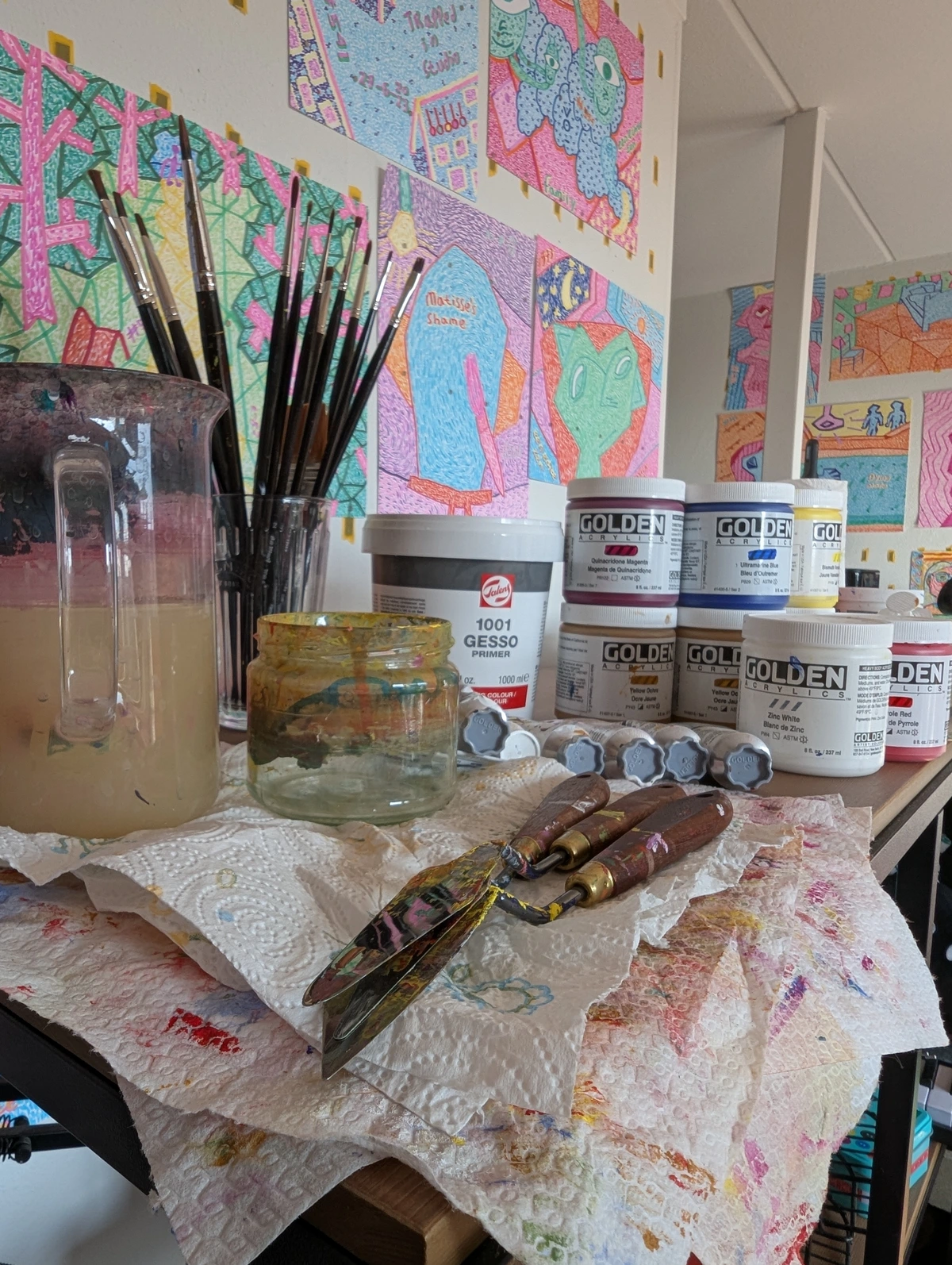
credit, licence
Frequently Asked Questions (FAQ)
Let's tackle some of those questions you've been quietly Googling.
Do I need to gesso a canvas that says 'pre-primed'? (Yes, Usually!)
Honestly, I almost always do, and I strongly recommend you consider it too. Most mass-produced, store-bought canvases that claim to be 'pre-primed' often have a very thin, sometimes uneven, and frequently lower-quality layer of factory primer on them. Think of it as a bare-minimum base coat, often just enough to technically market it as 'primed' to cut costs. Adding one or two of your own coats of quality artist’s gesso (and perhaps a light sanding in between) provides a significantly superior, more consistent, and truly archival surface. This simple step will dramatically improve how your paint applies, how the colors vibrate and retain their luminosity, and ultimately, how the final piece looks, feels, and lasts for decades. It’s about taking proactive control of your foundation and elevating your materials to a professional standard, rather than just settling for the bare minimum.
How many coats of gesso are really necessary?
It’s a matter of preference and what you’re trying to achieve, much like deciding how many layers of glaze you’ll use in a painting – it truly depends on your vision! For a textured effect where you want some of the canvas weave to show through, one or two might be enough. For a super-smooth, relatively non-absorbent surface ideal for detailed oil painting or hyperrealism, you might want four or more, with diligent light sanding between each layer. My personal sweet spot for most canvases is typically three coats; I find this strikes an excellent balance between achieving sufficient smoothness, ideal absorbency, and practical efficiency. For a more comprehensive, step-by-step guide on perfecting your application, check out our detailed article on how to apply gesso to canvas - a beginner's guide.

Can I thin gesso with water?
Yes, absolutely, you can and often should thin gesso with water! If your gesso is too thick straight from the tub and feels like sticky yogurt, or if you desire a thinner, more penetrative first coat to really soak into the canvas weave, you can add a small amount of clean water (up to about 20-25%). Always add water gradually and stir it in slowly and thoroughly to avoid introducing air bubbles. This thinning is especially helpful for that crucial first coat, ensuring it truly sinks into the canvas fibers and provides a deep, solid grip, creating a resilient foundational layer that will prevent subsequent layers from peeling or delaminating.
Can I use gesso on paper?
Definitely! Gesso is fantastic for preparing paper of various weights and types, transforming it into a versatile painting surface beyond just drawing. It’s especially beneficial if you plan to use acrylics or oils on paper, or if you want to prevent frustrating buckling and warping that can occur with heavier washes and mediums, which can really distort your artwork. Gesso stiffens the paper, provides an excellent tooth for paint adhesion, and crucially, creates a barrier that prevents paint from soaking through to the other side. A thin, even coat or two will transform even basic drawing paper into a much more robust, archival, and receptive painting surface, expanding your creative possibilities beyond traditional canvas or wood. You can even use clear gesso to retain the paper’s original tone while adding texture, making it incredibly versatile for mixed media work.
Can I use gesso with watercolors or gouache?
Yes, but with a very important caveat! Standard white acrylic gesso is formulated to create a relatively non-absorbent, sealed surface, which is generally too slick for traditional watercolor techniques (washes, lifting, blending) to behave as expected. You’d essentially be painting on plastic. However, there are specialized "watercolor ground" gessos (often available in clear or white, and sometimes other colors) that are specifically designed to maintain or mimic the unique absorbency that watercolorists need. These specialized grounds allow watercolors and gouache to react more like they would on traditional paper, enabling beautiful washes, lifting techniques, and luminous layering on non-traditional surfaces like canvas, wood panels, or even metal. Alternatively, you can use clear gesso on paper or raw canvas to keep the natural tone and visual texture of the support while adding some tooth, which is particularly useful for building layers or integrating water-based media into mixed media work. This innovation truly opens up exciting new possibilities for mixed media, allowing you to use these delicate water-based paints on unexpected and durable surfaces, breaking free from the confines of paper. For creating subtle tinted grounds specifically for watercolors, consider mixing a tiny amount of watercolor paint (or highly diluted acrylic ink) directly into a specialized watercolor ground for nuanced color shifts without compromising absorbency or texture.
How long does gesso need to cure before I can paint on it?
While a thin coat of modern acrylic gesso might feel dry to the touch in as little as 30 minutes to an hour (depending on humidity and temperature), I would strongly advise giving it a solid 24 hours to fully cure and harden before you start applying heavy layers of oil or acrylic paint. This extended curing time isn't just about dryness; it ensures the gesso is properly cross-linked, fully bonded to the surface, and has achieved its maximum durability and stability. Rushing this step can lead to the gesso lifting, peeling, or reacting unexpectedly (e.g., increased absorbency or a patchy finish) when you begin painting, ultimately compromising the integrity of your artwork. Patience here really pays off exponentially for the long-term longevity and archival quality of your masterpiece – don't cut corners on this!
How to store gesso?
Gesso should always be stored in a cool, dry place, ideally at room temperature, and most importantly, kept tightly sealed to prevent it from drying out or becoming contaminated. If your gesso gets a bit thick over time, a small amount of clean water (stirred in slowly) can often revive it, but once it’s truly hardened into a solid block, it’s pretty much a goner and should be discarded. Crucially, avoid freezing gesso, as this can permanently break down the delicate acrylic emulsion, leading to a gritty, unusable consistency. I’ve learned the hard way to always make sure the lid is on tight, even if I’m just stepping away for a few minutes – a little air exposure is all it takes for it to start thickening prematurely. Proper storage protects your investment and ensures your gesso is ready when you are, saving you frustration and money down the line. I’ve learned this the hard way more times than I care to admit, usually involving a favorite brush and a solidified tub of gesso!
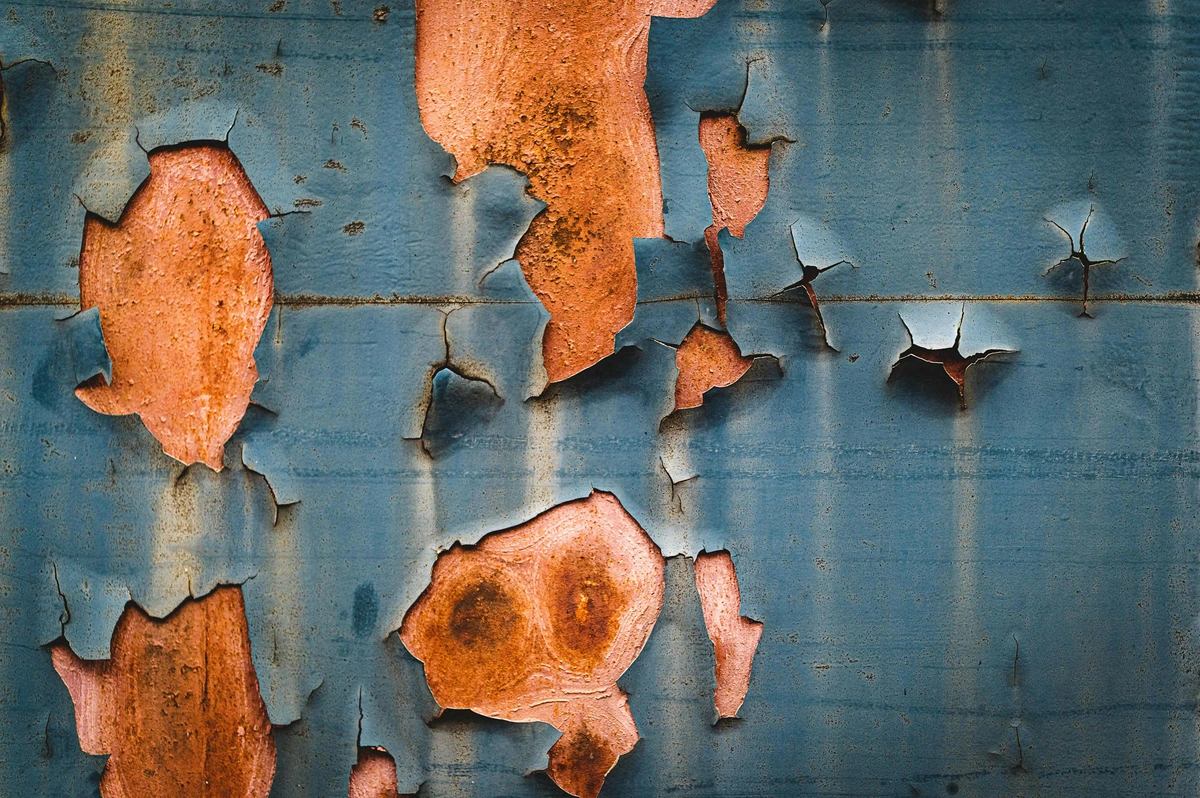
Can gesso go bad or expire? (And How to Tell)
Yes, unfortunately, gesso absolutely does have a shelf life. While it doesn’t "expire" in the way perishable food does with a strict date, it can definitely go bad or become unusable. Typically, a well-sealed container of gesso can last anywhere from 2 to 5 years if stored properly in a cool, dry place away from extreme temperatures. However, over time, especially if not stored properly (e.g., lid left ajar, exposed to air or contaminants, or fluctuating humidity), it can thicken excessively, dry out, become gritty, or even develop mold or a strong, unpleasant, foul odor if exposed to bacteria or fungi. If your gesso has a strong, off-putting smell (beyond its normal subtle acrylic scent), strange lumps that won't stir out, an overly thick or rubbery consistency that won’t smooth out with water, or visible mold, it is unequivocally best to discard it. A fresh, smooth, and consistent texture is crucial for effective priming; using compromised gesso can lead to significant adhesion problems, uneven surfaces, poor paint application, and ultimately compromise the longevity and archival quality of your artwork. Trust your senses – if it seems off, it probably is, and it’s not worth risking your masterpiece.
Can gesso go bad or expire?

What about oil-based gesso? Is it different from acrylic gesso?
Ah, the world of traditional mediums and historical practices! Yes, oil-based gesso is indeed profoundly different from modern acrylic gesso. It’s a much more traditional primer, historically composed of lead white pigment (which is toxic), linseed oil, and turpentine, typically used exclusively under oil paints. It creates an exquisitely smooth, non-absorbent, and luminous surface that traditional oil painters often adore for its unique working properties and ability to create subtle glazes. However, it comes with significant drawbacks: it dries much, much slower (often taking weeks or even months to fully cure), can be quite toxic due to the solvents and pigments involved (requiring strict ventilation and safety precautions), and crucially, cannot be used under acrylic paints (due to the fundamental "fat over lean" rule, where oil paints must go over acrylics, not the other way around, to prevent cracking and adhesion issues). For most contemporary artists and certainly for mixed media or acrylic painting, modern acrylic gesso is the far more practical, safer, and versatile choice. I personally primarily stick with acrylic gesso for its remarkable flexibility, rapid drying time, and ease of use and cleanup.
Can gesso be used as a texture medium?
Absolutely! While its primary, traditional role is priming and preparing a surface, gesso's inherent body and ability to hold form make it an excellent and underestimated texture medium. You can apply it thickly with a palette knife, a squeegee, or even your fingers to create expressive impasto effects, build up subtle or dramatic sculptural forms, or even mix in various aggregate materials like fine sand, pumice, marble dust, or tiny glass beads for a unique tactile surface that interacts dynamically with your paint. It's an incredibly versatile material for adding significant dimension, visual weight, and tactile interest to your work, especially in abstract painting or mixed-media pieces where surface quality is paramount. Just be mindful that very thick applications might require considerably longer drying and curing times to prevent cracking or delamination, so build up in layers if going for extreme texture. You might also find our article on exploring texture: my favorite techniques for adding depth to abstract paintings inspiring for these applications.
Is gesso essential for all media?
Not strictly all media, but it’s unequivocally highly recommended, if not essential, for most painting applications on canvas, wood panel, or other rigid supports. For drawing mediums like charcoal, graphite, or pastels, a gessoed surface can indeed provide a beautiful, consistent tooth that grabs pigment exceptionally well, though specialized pastel grounds are also available. For direct application to paper with watercolors or gouache, traditional watercolor paper is specifically engineered to handle those without gesso, relying on its inherent absorbency. However, for acrylics, oils, or complex mixed media on virtually any non-paper surface (especially canvas or wood), gesso is generally considered indispensable for optimal paint adhesion, brilliant color vibrancy, controlled absorbency, and critically, long-term archival quality. It truly is the ultimate protector and enhancer for your creative endeavors, laying the groundwork for lasting masterpieces.

Is gesso toxic?
Most modern acrylic gessos are indeed formulated to be non-toxic, especially those rigorously tested and marketed for artists. Always make it a habit to check the product label for AP (Approved Product) certification from reputable organizations like ACMI (Art & Creative Materials Institute), which indicates it’s safe for use. However, traditional gessos, especially those made with animal glues like rabbit-skin glue, can have a very strong, distinctive odor that many find unpleasant, necessitating robust ventilation. Furthermore, when sanding any dried gesso, tiny airborne dust particles (containing pigments and fillers) can be irritating to the respiratory system. Therefore, I always strongly recommend wearing a high-quality dust mask (like an N95 respirator) during sanding to protect your lungs. Good ventilation is always recommended when working with any art materials, simply as a best practice to ensure a healthy and comfortable studio environment, allowing you to create safely and comfortably.
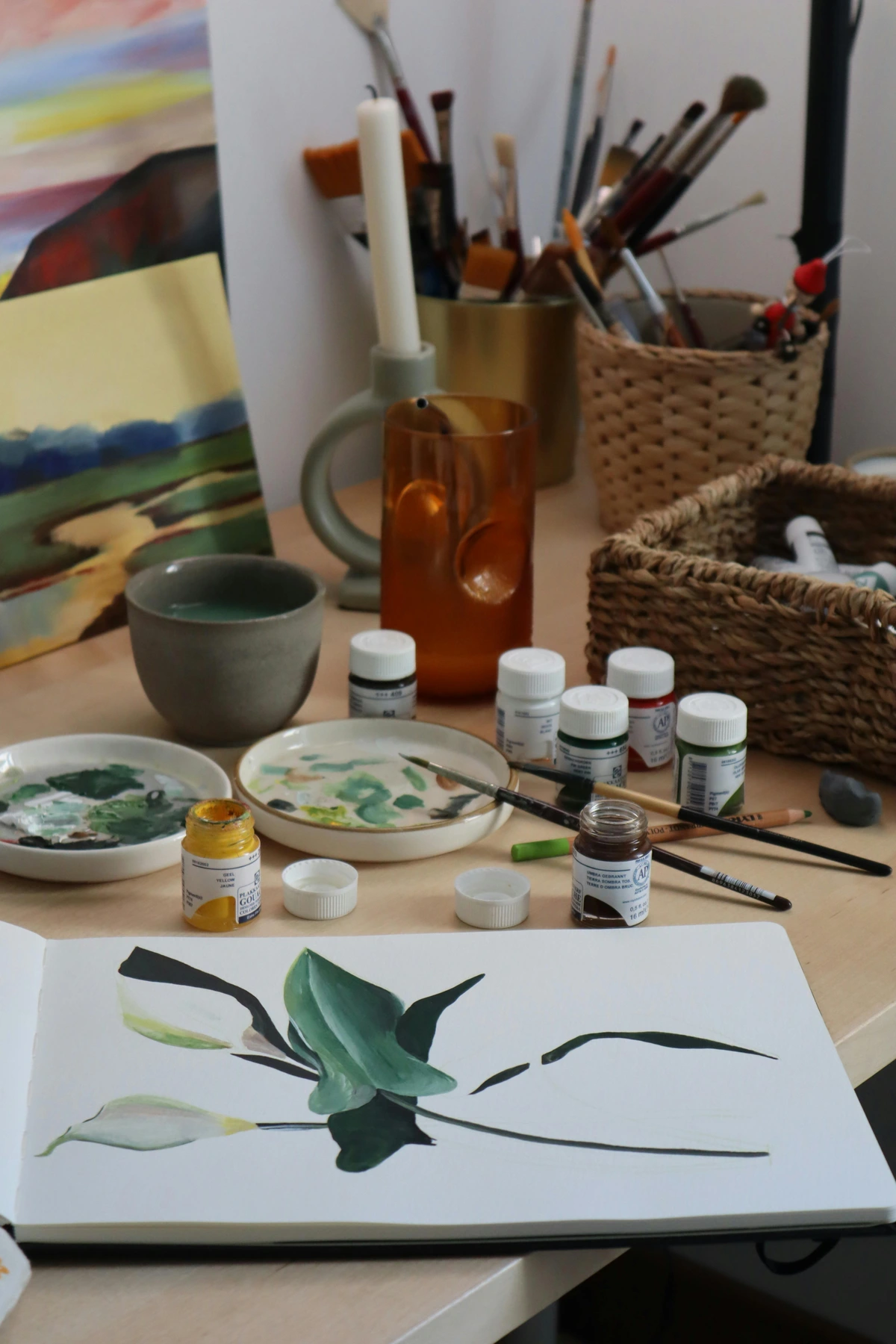
What about tinted grounds for different moods?
Ah, this is one of my absolute favorite tricks, and one I highly encourage artists to explore! A tinted ground is simply a layer of gesso (or, more commonly, white gesso mixed with a small amount of acrylic paint) that provides an initial, custom color to your canvas rather than the stark, pure white. This underlayer offers incredible benefits: a warm, reddish-brown ground (like burnt sienna mixed into gesso) can subtly peek through your paint layers, adding incredible richness, depth, and warmth to a landscape, still life, or figurative work. Conversely, a cool gray or blue ground can be perfect for a dramatic portrait, a moody abstract, or to unify a cool-toned composition. It’s a wonderfully sophisticated way to set the emotional tone, establish a harmonious color palette, and provide a unified underlying glow to your painting from the very first brushstroke. You can achieve it easily and affordably by mixing a small amount of acrylic paint into your white gesso before application, ensuring consistency with gentle stirring. Experiment with different colors to discover how they influence your subsequent paint layers, because this subtle decision can have a monumental impact on the finished piece!
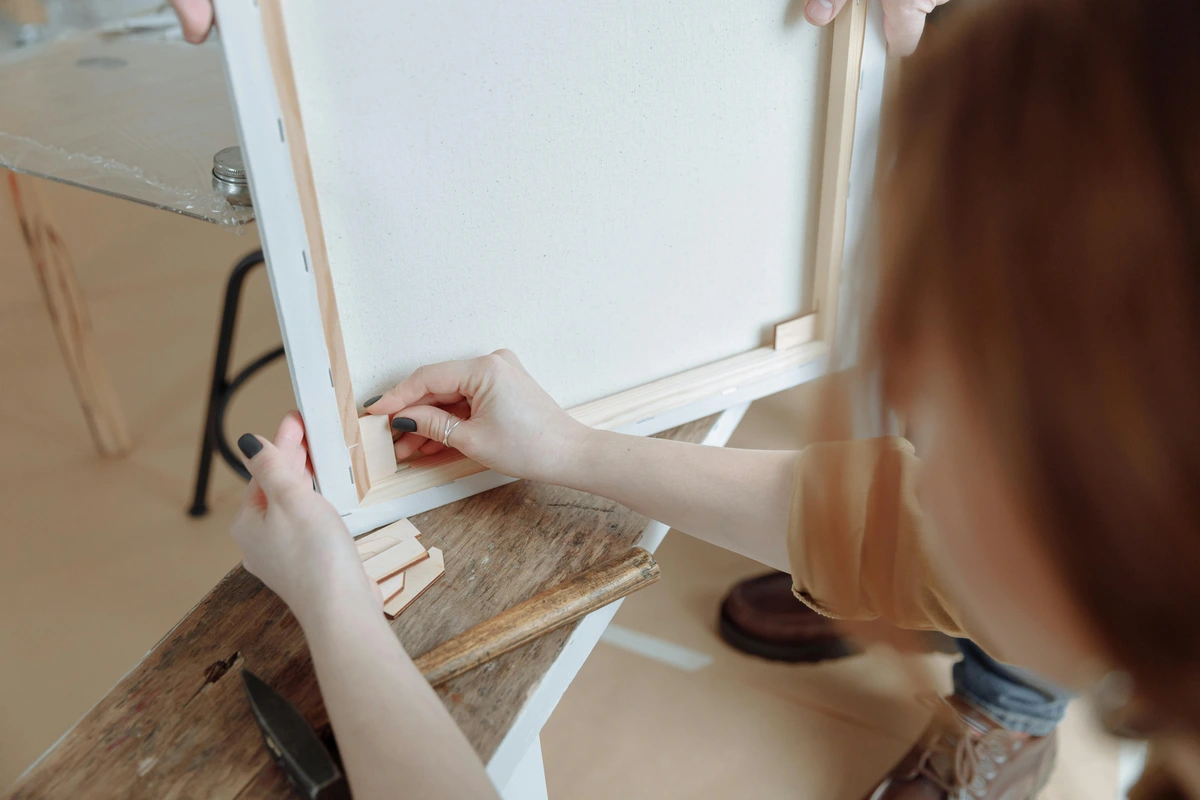
The Emotional Impact of a Primed Surface
Beyond all the myriad technical benefits, there’s a profoundly psychological and emotional aspect to a well-gessoed surface that I find deeply compelling. For me, standing before a perfectly prepared canvas—whether it’s exquisitely smooth or intentionally textured—feels like taking a deep, cleansing breath, a moment of calm before the creative storm. It’s more than just a blank slate; it’s a promise, an open invitation to create, imbued with potential, a canvas eager to receive your vision. The deliberate act of preparing that ground is a ritual, a quiet moment of intention, focus, and connection to your materials before the expressive, sometimes chaotic, joy of painting begins. It builds anticipation, fosters a sense of respect for the creative journey ahead, and ultimately, a confidence in the longevity of your work. It’s not just a technical barrier; it’s a bridge to your artistic flow, a silent collaborator that subtly supports every brushstroke, every color choice, and every decision you make. This profound connection to your materials, this mindful preparation, truly elevates and enhances the entire creative experience, setting the stage for a more confident, vibrant, and enduring expression of your unique artistic vision. It’s a foundational act of self-care for your art, and for your peace of mind.
Your Painting's Best Friend
So there you have it. Gesso isn’t just white paint in a different bottle; that’s a profound misunderstanding of its true role. It’s the essential handshake, the vital intermediary, between your initial artistic idea and its final, tangible creation. It’s the deep respect you pay to your materials, a testament to your dedication, and the robust foundation that unequivocally ensures your work will not only last but thrive through the ages. It’s the crucial first step in transforming a dauntingly blank surface into a vibrant, receptive world of its own, eagerly awaiting your touch – your silent partner in creativity.
Next time you stand before a new canvas, whether it’s raw or pre-primed, don’t see applying gesso as a tedious chore. See it as the first, deliberate, and deeply creative act of your next masterpiece – a ritual that connects you to generations of artists, from ancient Egyptians to Renaissance masters, who understood the profound, timeless importance of a well-prepared ground. It’s the quiet, resilient foundation for all the art I create, some of which you can browse and maybe even take home from here, knowing each piece began with this critical, caring step. It truly is the silent guardian of your masterpiece, waiting to make your artistic vision eternal.