Art Price Negotiation: Your Ultimate Guide to Confident Collecting
Unlock the intricate art of price negotiation in the art world. This comprehensive guide, filled with personal insights, empowers you to research, engage respectfully with galleries and artists, and acquire art you deeply connect with, on your terms.

How to Negotiate the Price of Art (Without Feeling Like a Jerk): Your Ultimate Guide
Remember that feeling? The one where you're standing in front of a piece of art that just speaks to your soul, and then the conversation turns to price? For many, including myself, the thought of asking for a discount can feel like a sacred transgression, an affront to the creative spirit. My first real art purchase? It felt less like a transaction and more like a sacred vow. My heart was pounding, the smell of fresh paint still lingered, and the idea of asking for a discount felt like an act of sacrilege. That fear, that reluctance to talk money when confronted with beauty, is something I’ve lived, and I know many of you have too. But what if I told you it doesn't have to be that way? What if negotiation, when done right, is not just acceptable, but often expected in the art world?
I get it. I've been on both sides of this conversation, both as a collector and as an artist myself, selling my own work in my online shop. But I want to let you in on a little secret: negotiation is not just part of the art world, it’s often an expected interaction. Historically, the relationship between artist, patron, and buyer has always involved some form of dialogue about value. Before the sleek galleries and bustling art fairs of today, the dialogue about an artwork's value was just as integral. Discussions about materials, scale, time, and ultimately, payment, were the norm. Even during the Romantic era, while the solitary genius was idealized, the practicalities of patronage and sale still involved nuanced discussions, albeit sometimes masked by poetic language. Modern commercial galleries, for instance, operate with significant overhead and commissions (typically 40-60%), which inherently builds in a margin for discussion. It’s not about lowballing or disrespecting the artist; it's a conversation, a subtle dance, and when done right, it can make acquiring a piece you love even more satisfying. So, let's pull back the curtain and talk about how to do this with grace, intelligence, confidence, and above all, respect. Because honestly, who doesn't love the feeling of a well-earned acquisition, especially when it’s something you truly connect with and know you navigated with finesse?
When Does Negotiation Even Make Sense? The Context is King
Okay, before you start practicing your best poker face, you need to know where you're standing. The context of the sale is everything. Not all art purchases are created equal, and the possibility of a discount changes dramatically depending on where you're buying. It's like asking for a discount on a bespoke suit versus a t-shirt – very different expectations, and one has a much better chance of success. Understanding the venue is your first crucial step in approaching negotiation respectfully and effectively. Historically, bargaining for art has deep roots, from salon sales to the evolving gallery system, where commissions and overhead have always been a factor, making room for a careful negotiation.

Here's a quick breakdown of where and when you might consider the dance:
Purchase Venue  | Negotiation Likelihood | Key Considerations | When to Generally Avoid Negotiation | Potential Pitfall/Consideration |
|---|---|---|---|---|
| Established Gallery (Primary Market) | Often Expected | Galleries have margins (typically 40-60%) to work with. A 5-15% discount is a common range. They want to build relationships with new collectors and often have flexibility for volume sales or significant pieces. | Highly in-demand pieces by established artists, especially new releases. Galleries with explicitly fixed-price policies (rare but exist, sometimes to maintain brand image or artist's market consistency). Artists experiencing a sudden surge in popularity might also have less flexibility. | Always confirm if the price includes framing or shipping; sometimes these are hidden costs that can be negotiated as value-adds. |
| Independent Artist (Studio/Website) | Possible, but Delicate | You're talking directly to the creator. The price is deeply personal, covering materials, studio overhead, and their livelihood. Focus on respect and building a relationship. Emerging artists might be more flexible as they build their collector base, while established self-representing artists often have carefully calculated prices reflecting all aspects of their business, from material costs to years of skill development. | Small, unsigned works; commissioned pieces where a price was agreed upon; prices already listed as 'firm'; or if the artist explicitly states no negotiation. | Understand that an artist's pricing reflects their time, skill, unique vision, and often years of artistic struggle; extreme lowball offers can be deeply disrespectful and damage potential future relationships. |
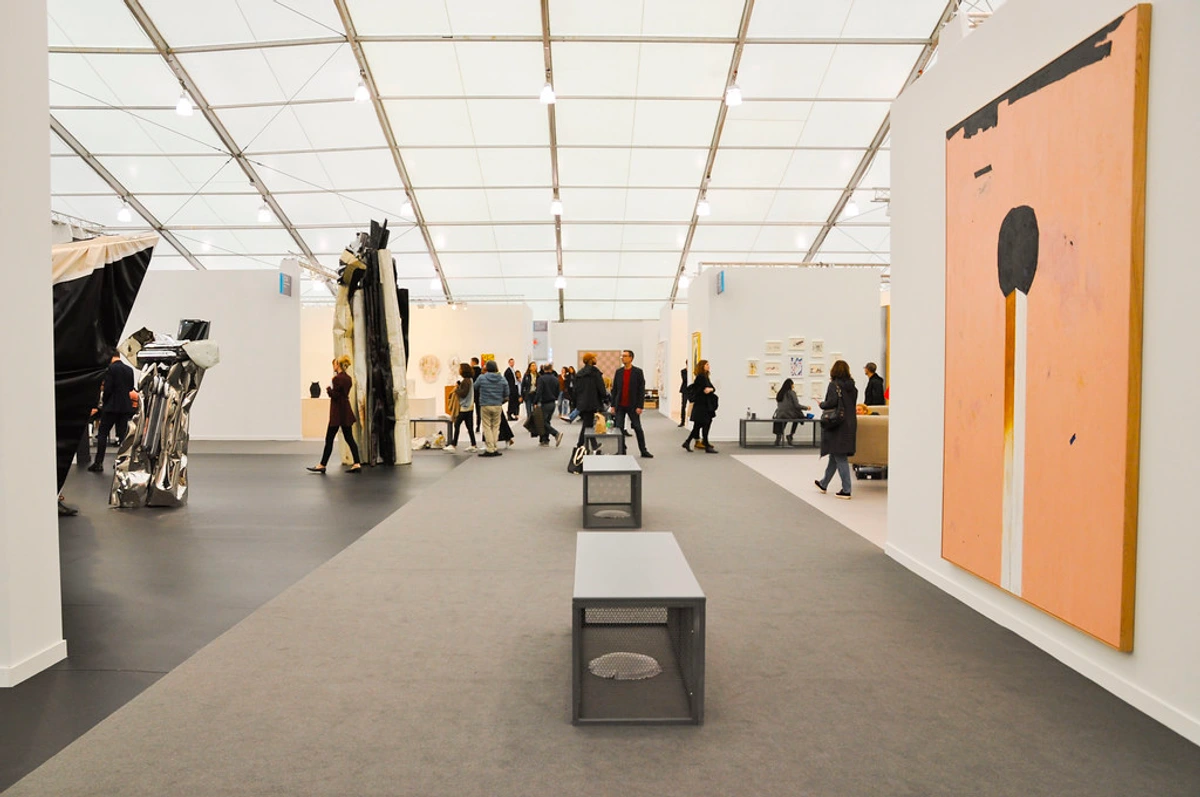
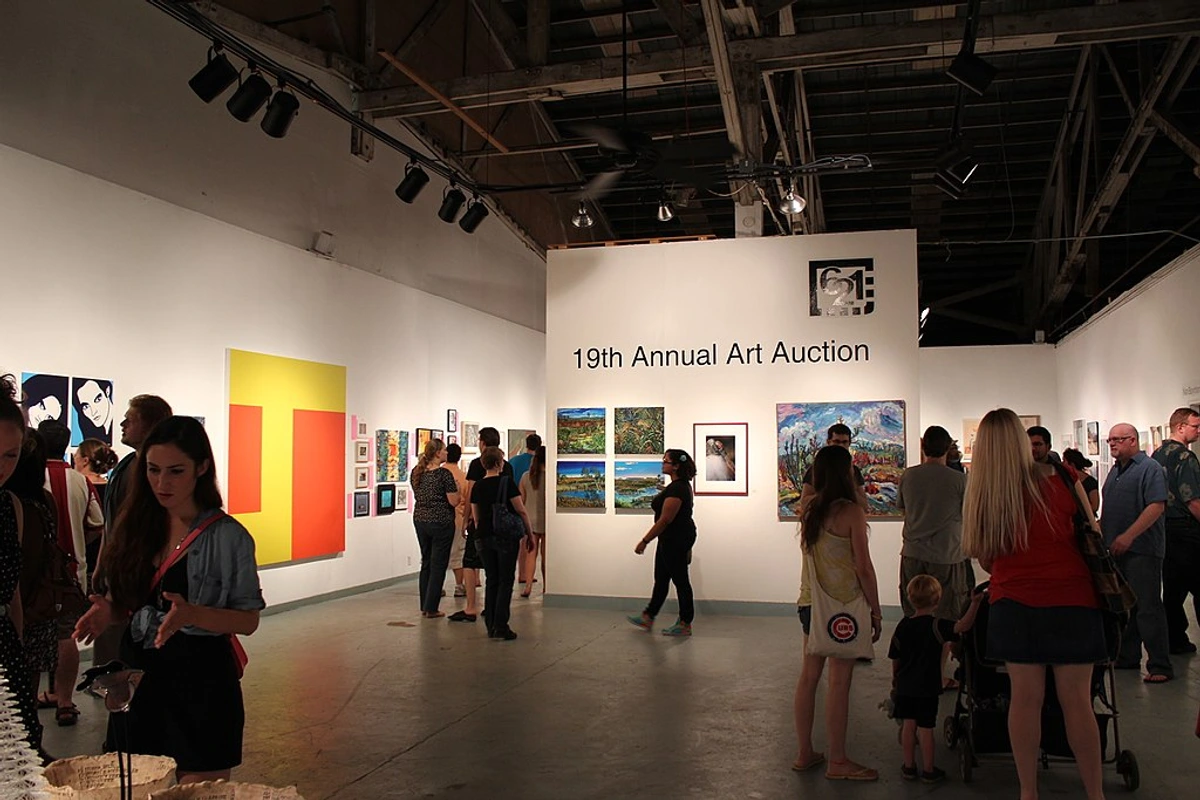
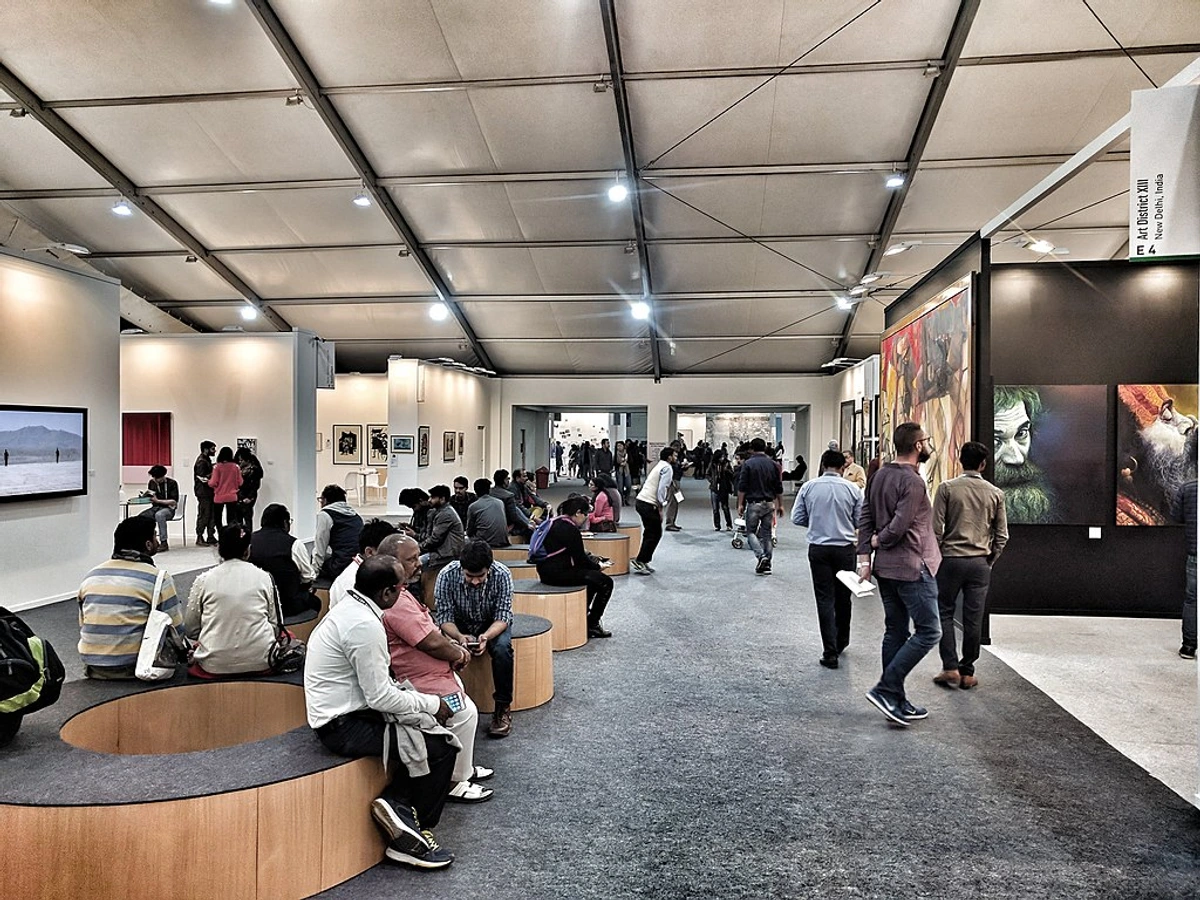
| Art Fair | Very Likely | Especially towards the end of the fair, galleries are motivated to sell rather than ship works back. The atmosphere is more transactional, and competition is higher. Look for 'fair specials' or package deals on multiple works. The temporary nature often encourages more direct negotiation. | Early in the fair for highly anticipated works; pieces already significantly reduced; or if it's a 'curated booth' with strictly adhered pricing. | The frenetic pace can lead to hasty decisions; ensure you still do your research and aren't pressured into a purchase. Confirm all details like provenance and condition report before committing. |
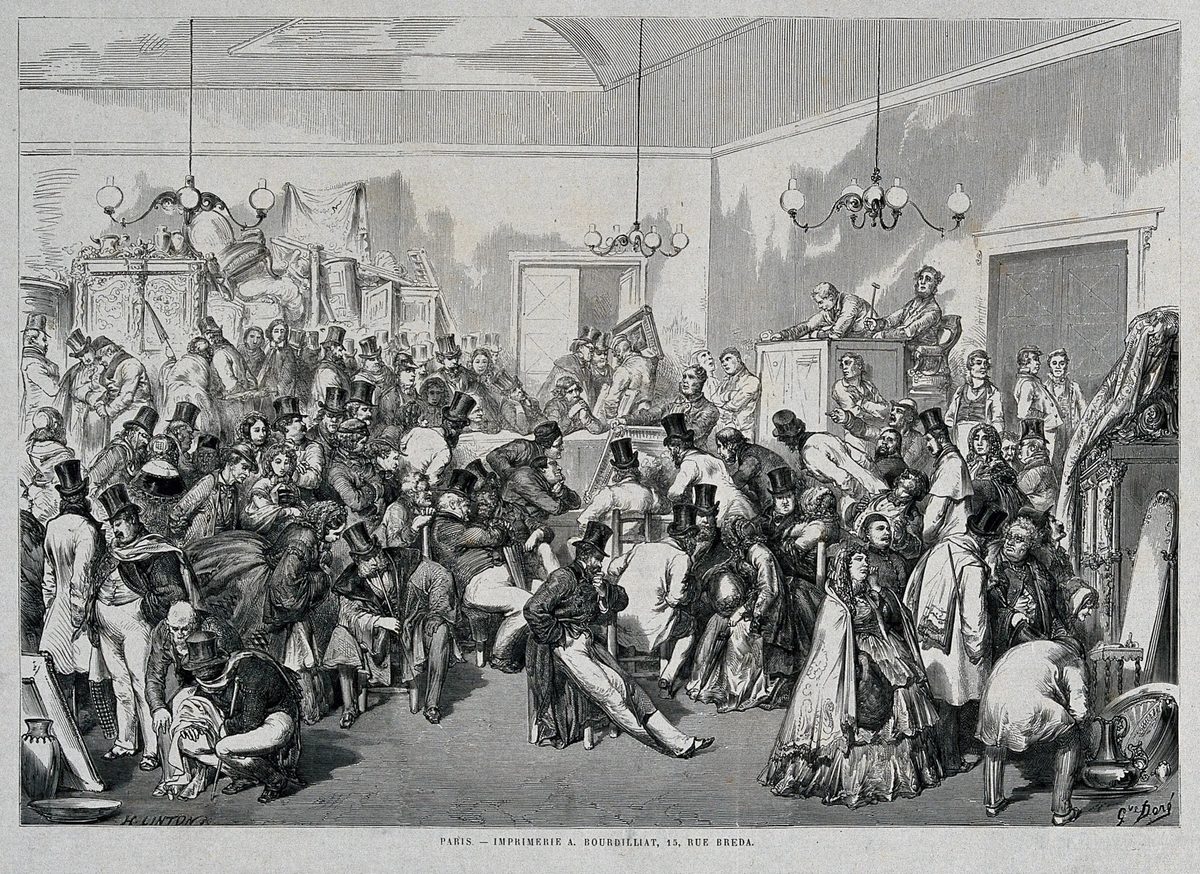
| Auction House | No (for the final hammer price) | The price is set by bidding. Your negotiation happens with yourself—setting a maximum bid and sticking to it before the hammer falls. Post-auction negotiation is extremely rare, usually only for pieces that didn't meet reserve. | Once the hammer falls; during active bidding. However, some pre-auction negotiation for a reduced buyer's premium or arranging a private sale for an unsold lot (if it didn't meet reserve) can sometimes occur. | Be aware of buyer's premiums (often 20-30% on top of the hammer price), artist's resale rights (Droit de Suite), and other fees, which can significantly increase the total cost. |
| Online Platform (Curated vs. Marketplace) | Depends | Curated Platforms (e.g., Artsy, Saatchi Art): Often have a "Make an Offer" feature. Direct Artist Sites: Usually firm prices unless you contact the seller directly. Marketplaces (e.g., eBay Art): Often open to offers. Always understand the platform's fee structure (which impacts seller flexibility) and whether it's a primary or secondary market sale. | Fixed-price items on major retail platforms; works by very high-demand artists with transparent pricing; digital-only works (like NFTs, whose market remains volatile and carries significant environmental concerns). | Ensure clear communication with the seller, especially regarding shipping, authenticity, and returns, as direct interaction can be limited. Always clarify provenance and obtain a bill of sale. |
Key takeaway: The venue dictates the dance. Know your stage before you step onto it. You wouldn't try to haggle over a coffee, but a bespoke suit or a car? Absolutely. Art lies somewhere in that spectrum, leaning towards the latter in many contexts.
The Role of the Gallerist/Dealer as a Facilitator
While we often focus on the transaction, it’s worth a moment to appreciate the gallerist’s multifaceted role. They aren't just salespeople; they are often passionate advocates, experts, and crucial bridges between artists and collectors. A good gallerist has invested significantly in an artist's career—curating exhibitions, handling logistics, providing financial support, and developing deep market knowledge. Their expertise in pricing, market trends, and artist development makes them invaluable partners. Negotiation, from their perspective, isn't about being 'ripped off,' but rather finding a mutually beneficial agreement that respects the artist's value and fosters a lasting relationship with you, the collector. They're trying to make a match, not just a sale. Understanding this perspective can make your approach much more effective.
Your Pre-Negotiation Toolkit: Doing the Homework
You wouldn't buy a house without checking its history and market value, right? And let's be real, art is infinitely more nuanced than a house, perhaps even more complex than that weird tax form I procrastinated on last spring. Walking in informed is your single greatest asset. It screams 'serious collector' rather than 'just browsing, killing time until my coffee is ready.' This isn't about finding fault or playing detective to catch someone out; it's about genuinely understanding value – a concept that, in art, is deliciously intricate. Art’s value is a blend of its intrinsic artistic merit (quality, significance), its market value (what similar works sell for), and its personal emotional value (what it means to you). Your research aims to understand all three.
1. Research the Artist: Unpacking Their Journey
Beyond the immediate price tag, an artist's trajectory, historical significance, and the potential for future appreciation all contribute to an artwork's intrinsic value. This isn't just about what it costs today, but what it represents and where it might sit in art history tomorrow. Is the artist emerging, mid-career, or established? An artist's career trajectory heavily influences pricing. An artist like Jean-Michel Basquiat has a massive public auction record, making his prices very transparent. For a living, emerging artist, you'll need to dig a little deeper:
- Look at their CV: Have they had solo shows? Are they in any notable collections? Have they won awards? But don't just read the list—interpret it. A solo show at a significant institution like MoMA carries substantially more weight than a group show at a local café, for example. National awards often indicate greater recognition than local ones. Are they consistently showing, or are there long gaps? This gives insight into their commitment and market momentum. Also, look for mentions in art publications or reputable press.
- Check their gallery representation: Being represented by a reputable gallery adds a layer of validation to their pricing structure. Some galleries are considered 'tier 1' (major international players, known for shaping careers and holding significant sway in the global art market), while others are regional or artist co-ops. Understanding the gallery's standing helps you gauge the artist's market position. You might also find insights into their art market trends.
- Follow their journey: For an emerging artist, look at local art organizations, university faculty lists, and artist residency programs. Their social media can also offer insights into their development and pricing rationale. Understanding their production volume (e.g., a prolific artist versus one who produces few pieces annually) can also hint at price flexibility, as a higher volume may sometimes allow for more negotiation. My own professional journey, for instance, is documented on my timeline, which helps contextualize the work.
- Consider their materials and process: Does the artist use rare or expensive materials? Is the creation process exceptionally labor-intensive (e.g., intricate bronze casting versus a quick sketch)? Understanding these factors can provide context for the price and explain why some works have less negotiation room. It's about respecting the craft.
- The Intangible Value: Beyond material and labor, consider the conceptual development, the uniqueness of the idea, and the cultural or societal relevance of the work. These intangible elements – a distillation of the artist's vision, intellectual rigor, emotional depth, or unique cultural commentary – contribute significantly to an artwork's inherent value and price.
2. Know Your Budget: Your Financial Anchor
This sounds obvious, but it's critical. Decide on your absolute maximum price before you start the conversation. This is your anchor. It prevents you from getting swept up in the moment and making a decision you'll regret. I've been there, making a rash decision, and then later staring at a piece wondering if I could have done better. Don't be like past me. Be smarter, be prepared. Your wallet (and your peace of mind) will thank you.

3. Research Comparable Prices (Comps): Becoming an Art Detective
This is where you become a detective, donning your metaphorical trench coat and perhaps a silly hat (entirely optional, but fun). You're looking for what similar pieces by the same artist (or similar artists) have sold for recently. This helps you understand the distinction between price (the market-driven figure) and value (the inherent worth). Also, you'll learn about the primary market (new sales from galleries/artists) versus the secondary market (resales, auctions), where prices can differ significantly. Think of the primary market as buying a brand-new car directly from the dealership, and the secondary market as buying a pre-owned car from a private seller or a used car lot. Secondary market prices can be higher due to auction house fees and dealer markups, or lower if there's less demand for a particular period or medium. Always consider these factors when comparing.
I once thought I'd found a bargain at a local auction, only to realize later the artist's primary market prices were consistently higher for comparable works. It taught me the glorious puzzle of distinguishing between an undervalued gem and a less desirable period of work. That day, my silly detective hat probably looked even sillier, but I learned. It's all part of the glorious puzzle. A strong secondary market often validates primary market prices, but discrepancies can be negotiation points. For instance, if a primary gallery piece is priced significantly above recent secondary market sales of comparable works, it might indicate room for discussion. Be cautious: a heavily discounted piece, especially from an unfamiliar source, could sometimes signal potential issues with provenance or authenticity, so always verify.

When looking for comps, consider:
- Size: Is your piece larger or smaller than others that have sold? Size often correlates directly with price.
- Medium: Paintings on canvas are often priced differently than works on paper, sculptures, or giclée prints. A bronze sculpture, for instance, has different material and labor costs than a charcoal drawing. The inherent cost of creating a large oil painting is often higher than a small drawing, impacting the base price.
- Period: Is it from a particularly sought-after period in the artist's career? Think about Picasso's Blue Period versus his innovative explorations in what would become known as abstract art.
- Condition: Especially for older or secondary market works, the condition can significantly impact value. Always ask for a condition report for significant purchases. Any damage or restoration could affect the price and your negotiation stance.
- Auction Databases: Websites like Artnet or AskArt are fantastic resources for established artists, though they often require a subscription. For living artists, also try searching "artist name + gallery price list" or "artist name + recent sales." Remember to filter meticulously by medium, size, and the date of sale to ensure truly comparable data. For appraisals, see our guide on understanding art appraisals.
The Importance of Provenance in Value
While already mentioned as a factor, it’s worth emphasizing: Provenance – the documented history of ownership of an artwork – is absolutely critical. Strong, verifiable provenance doesn't just assure authenticity and legal ownership; it can significantly enhance a piece's value and is often a key driver in the secondary market. Think of it as the artwork's verifiable pedigree. If a piece has a notable exhibition history or a previous owner of repute (e.g., a famous collector, an important museum), that history itself can become a powerful talking point and even a negotiation leverage, signaling the artwork's recognized importance. Conversely, poor or missing provenance can raise red flags, making a piece harder to sell or even authenticate. It’s truly the backstory that gives confidence to the front story. Learn more about understanding art provenance.
4. Understanding Gallery Markups and Artist Commissions
It helps to know that galleries operate on a business model where they typically take a commission on sales, often around 50%. This can vary, sometimes from 40% to 60%, depending on the gallery's standing, the artist's negotiation power, and the services provided. This commission covers the gallery's extensive overhead: rent, marketing, exhibition costs, staff salaries, insurance, and the crucial work of artist development and promotion. The artist prices their work to cover material costs, studio overhead, marketing, shipping to the gallery, and to earn a living wage from their craft. This means that while there's often a margin for negotiation, it's not endless, as both the gallery and the artist need to sustain their operations and livelihoods.
5. The Emotional Investment Behind the Price Tag
For many artists, pricing a piece is not purely a cold calculation of cost and labor; it's also a profoundly emotional act, a kind of vulnerable self-appraisal. The work often represents months or even years of their journey, their vision, their soul – and yes, sometimes even their blood, sweat, and tears (literally, if it’s a particularly messy medium). I remember agonizing over the price of a particularly personal abstract piece, feeling the weight of expressing its worth in a number. It wasn't just paint on canvas; it was a distillation of months of thought, feeling, and a whole lot of creative struggle. Approaching negotiation with an awareness of this deep personal connection can foster a more empathetic, respectful, and ultimately more successful conversation. It's about valuing the art as a complete entity, its creative journey and vision, not just its material or monetary figure. Trust me, that empathy goes a long way.

credit, licence
6. When a Piece Isn't (Officially) For Sale
Sometimes you'll encounter a piece that is marked "NFS" (Not For Sale), "on hold," or already sold. It's like spotting the perfect pair of shoes, only to find they're not in your size – heartbreaking, I know. But don't despair! If you absolutely love it, politely ask: "I understand this piece is not currently available, but it has truly captured my attention. Would the artist consider a commission for a similar work, or could I be added to a waiting list for future pieces of this nature?" You could also inquire if the artist has prints or studies of that particular work available, offering a more accessible way to own a piece of that artistic vision. This shows serious interest and respect for the artist's process and a genuine desire to connect with their work, even if the current piece is unavailable. It keeps the door open, which is always a good thing. For more on this, check out what is an art commission.
Key takeaway: Knowledge is power. Research thoroughly to understand the art, the artist, and the market. Your informed approach benefits everyone involved in the art acquisition process, transforming a simple transaction into a meaningful interaction.
The Art of the Ask: How to Start the Conversation with Grace
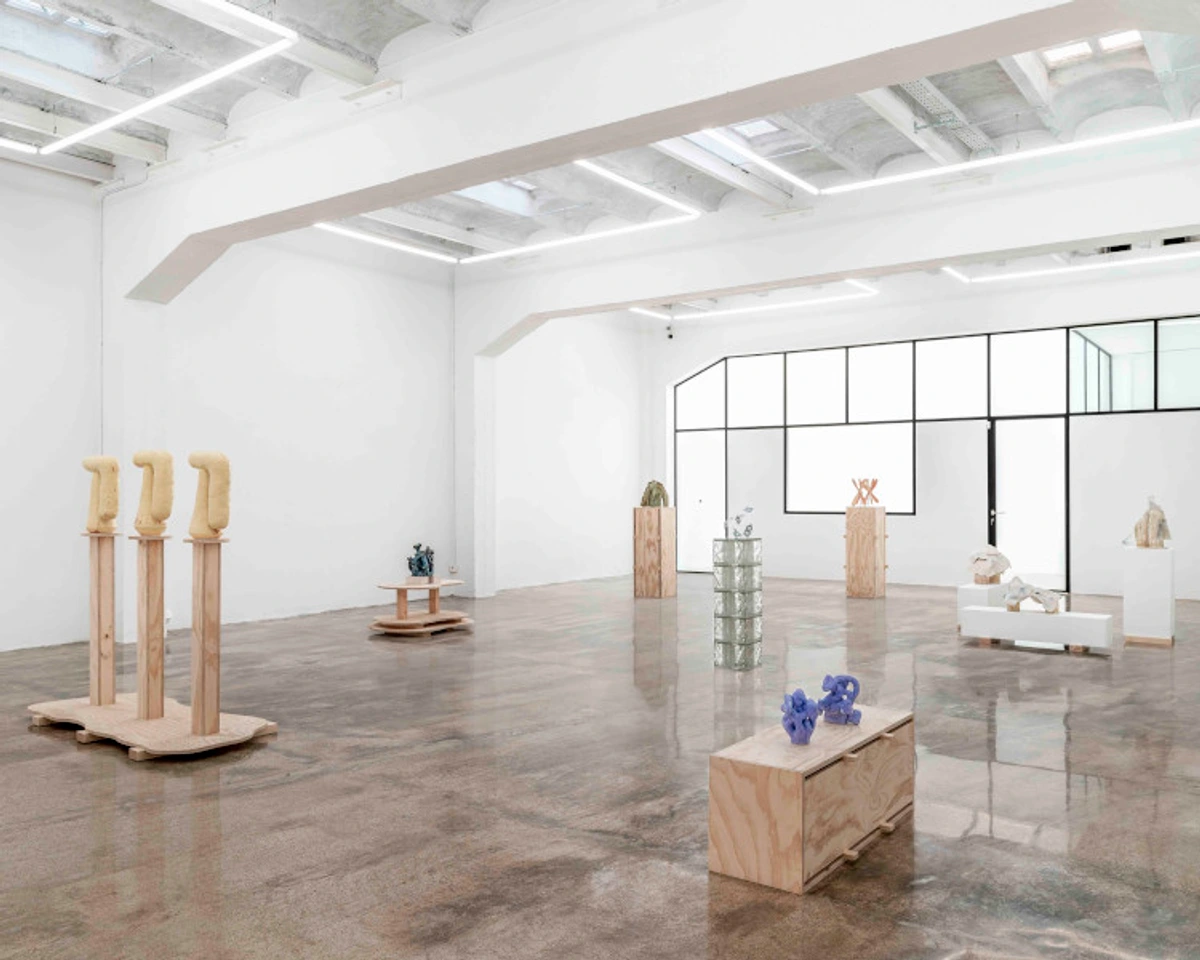
So, your homework is done, your budget is bravely staring you down, and you're ready to make your move. This is it – the moment of truth! It can feel like walking a tightrope, or perhaps more accurately, like you're about to ask your art hero for a raise. I remember one time, I was so enamored with a sculpture, my voice actually cracked when I tried to ask about price flexibility. It’s an awkward dance, but this is where your meticulous preparation meets your genuine passion, and the art of the ask truly begins. The absolute key here is politeness and genuine enthusiasm. Remember, you're not trying to win a battle or conquer territory; you're trying to build a bridge, foster a relationship, and demonstrate that you are a serious, engaged collector who truly sees the art. And crucially, don't jump straight to the price; spend time with the art, and with the gallerist/artist, before initiating a financial discussion.

Here's how to gracefully approach the conversation:
1. Express Your Genuine Interest First
Start by talking about what you love about the work. Be specific. This shows the gallerist or artist that you're connecting with the piece on a meaningful level. It signals that you are a potential long-term collector who genuinely appreciates the art, not just someone looking for a flipper's bargain. This also helps you decide if the piece is truly right for you, or just a fleeting interest – a crucial gut check before committing.
2. Use Soft Language and Open Questions
Instead of a hard demand, ask a question. This opens the door for a collaborative conversation. Frame it as an inquiry, not an ultimatum. Remember, a question invites dialogue, a demand shuts it down. It’s a subtle but powerful difference, like the difference between a gentle nudge and a shove.
- Instead of: "I'll give you $4,000 for this." (Too direct, sounds like a take-it-or-leave-it)
- Try: "I absolutely love this piece; it's been on my mind since I first saw it. It's a bit of a stretch for my budget—is there any flexibility on the price?" (Shows commitment, acknowledges budget constraints)
- Even better: "I've truly fallen for this piece and am very eager to bring it into my collection. Given my genuine interest, would there be any possibility of discussing the price?" (Polite, enthusiastic, clearly states desire to own, and opens the door for a flexible response.)
3. Make a Reasonable Offer (If Naming a Price)
If you decide to name a price, for the love of all that is creative, don't lowball. A lowball offer (often below 50% of the asking price) is the fastest way to end the conversation and be marked as a non-serious buyer, or worse, someone who undervalues art. Based on your research, an offer that's 10-15% below the list price is usually a respectable and realistic place to start. For example, if a piece is priced at $10,000, a respectful starting offer might be around $8,500-$9,000, leaving room for a counter-offer. Remember, this is about fair value and building a relationship, not exploitation. Think of it as an invitation to a negotiation, not a demand for surrender. If they offer a lower discount than you hoped, say 5% instead of 10%, you can gently respond: "I appreciate that, thank you. I was hoping for a little more flexibility – would 8% be possible?" This keeps the dialogue open without being aggressive.
4. Be Prepared to Justify (Gently)
You can subtly mention your research. "I've been following their work, and based on recent sales for similar-sized pieces by the artist, I was hoping you might be able to consider a price closer to X." This frames your offer in fact, not just desire. You're showing you've done your homework, which elevates you from a casual browser to an informed collector. It's like bringing receipts to the argument, but in the most polite way possible.

5. Common Pitfalls to Avoid
- Being Aggressive: Never demand. Always inquire. A confrontational approach will shut down the conversation immediately. It's an art gallery, not a boxing ring.
- Lying About Your Budget: Don't claim a lower budget than you actually have. Gallerists are experienced and can often tell. It erodes trust and makes you look, well, untrustworthy.
- Undermining the Artwork: Never say "This piece isn't worth that much." It's disrespectful to the artist and the gallery, implying their labor and vision are cheap. It's akin to telling a chef their Michelin-star dish isn't worth the price.
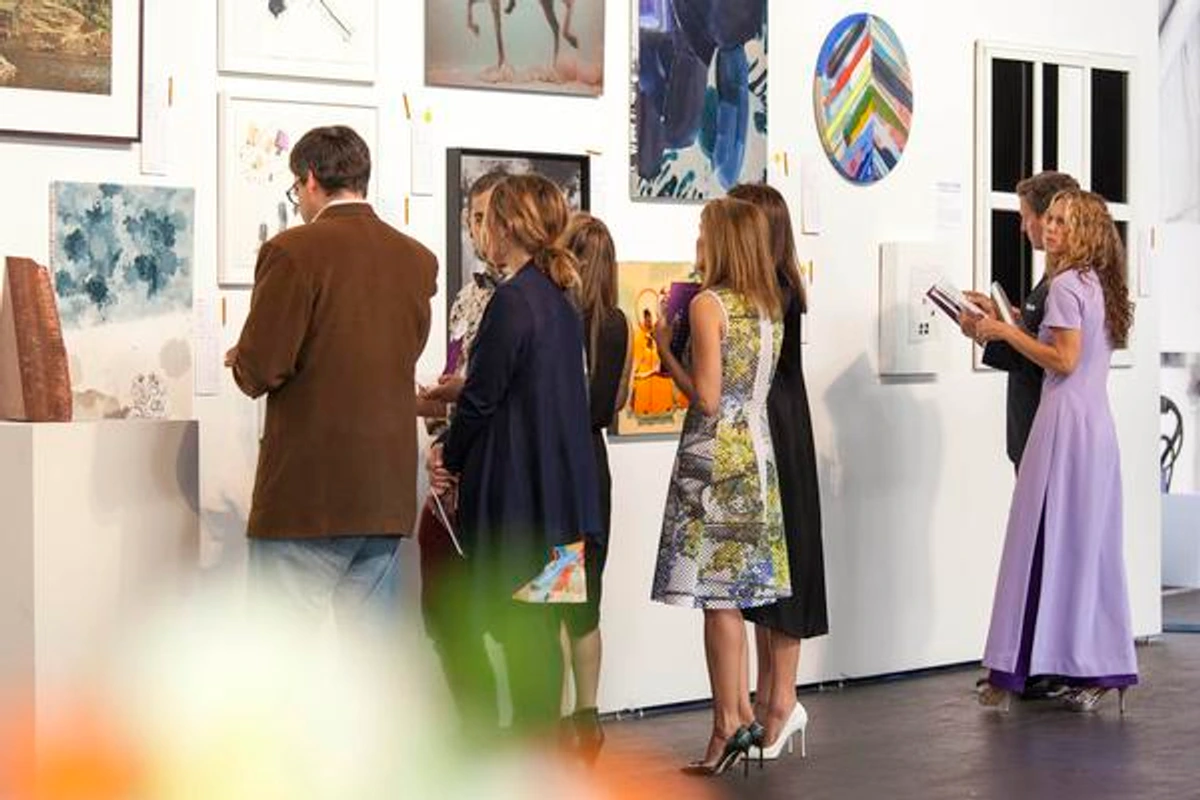
- Rushing the Process: Art acquisition is often a thoughtful process. Don't pressure the gallerist for an immediate answer; allow them time to consult with the artist or owner if necessary. Patience often yields better results. Haste makes waste, especially in art collecting.
credit, licence
Negotiating with an Agent or Art Advisor
If you're fortunate enough to be working with an independent art advisor or an agent, remember that they are there to represent your best interests. In this scenario, they will typically handle the negotiation process on your behalf. Your role then becomes clear: communicate your budget, desires, and any specific concerns transparently to them. Trust in their expertise and their established relationships within the art world. A good advisor often has leverage and knowledge of market nuances that you might not, making them an invaluable asset in securing the artwork you love at a fair price. They can also identify opportunities you might miss, such as a piece that has been with the gallery for a while, or an artist's upcoming solo show that might impact market perception.
Beyond the Sticker Price: What Else Can You Ask For?
Sometimes, a direct price reduction isn't feasible, or perhaps the gallery genuinely has no wiggle room on the asking price. But don't let that stop you! That doesn't mean the negotiation is over; it simply means it's time to think creatively about added value. Often, galleries are more willing to offer services or perks than a straight discount, as it impacts their immediate bottom line less. It's about finding mutual benefit, a win-win where everyone feels good about the acquisition.
Value-Add Option | Description & How to Ask |
|---|---|
| Framing | Custom framing can be expensive, sometimes adding 10-20% to the total cost. Could they include the frame in the price? Or, if the existing frame isn't quite right, could they offer a credit towards a new frame, or suggest a simpler, more cost-effective option that still complements the artwork? "If a direct price adjustment isn't possible, would you be able to include the framing, or perhaps offer a credit towards a frame or a more cost-effective alternative?" |
| Shipping/Delivery & Installation | Especially for large, delicate, or high-value works, free professional delivery and installation can be a significant value-add, saving you considerable cost and hassle, not to mention peace of mind. "Would professional delivery, insured shipping, and installation be an option if I acquire the piece at the listed price? Could you provide a detailed quote so I can compare my options?" Learn more about understanding art shipping and installation. |
| Payment Plans (Installments) | Would the gallery be open to you paying for the piece in installments over a few months? This is becoming increasingly common, making significant investments more accessible without immediate cash flow strain. You could propose a specific structure, like "Would a three-month payment plan with a 50% down payment and the remaining balance split across 90 days be feasible for this piece?" Find out more about negotiating payment plans. |
| A Second Piece (or a "New Collector"/"Collection" Discount) | If you're buying one piece, you might get a better discount on a second, smaller work, or even on a collection of related works. If you're a first-time buyer at that gallery, politely mentioning this can sometimes open the door to a small introductory discount, as galleries often want to foster relationships with new collectors and encourage repeat business. "As a new collector to your gallery, might there be an introductory discount available? Or if I were interested in a second piece, would a collection discount be possible?" |
| Art Consultation | For higher-value acquisitions, some galleries (or independent art storage solutions providers who also offer consultation) might offer a brief consultation on placement, lighting, or integration into your existing collection. This is rare for a first purchase but could be explored as an added value, especially for significant pieces. |
| Documentation & Authentication | Ensure you receive a formal bill of sale, a certificate of authenticity (if applicable), and clear provenance documentation. While these should be standard practice, confirming their inclusion is a non-negotiable part of securing your investment and proving authenticity for future resale or insurance purposes. Think of it as your artwork’s passport and legal deeds. See our guides on identifying and avoiding art forgeries and understanding art provenance. |
Cultural Considerations in Negotiation
It's worth noting that negotiation styles and expectations can vary significantly across cultures. In some regions, like parts of the Middle East, Asia (e.g., bustling art markets in India or China where haggling is a cultural norm), or Latin America, haggling is a deeply ingrained part of commerce and expected, even for higher-value goods like art. Here, a direct, value-for-money approach might be well-received, and starting with a lower offer is common. In contrast, in many Western European or North American contexts, direct, aggressive bargaining might be considered impolite or even offensive outside of specific contexts like art fairs, where the atmosphere is more transactional. Always be aware of the local customs of the gallery or artist you're engaging with. When in doubt, err on the side of respectful inquiry rather than aggressive bargaining; a polite question is almost universally acceptable.
Quick Tips for The Ask:
- Patiently allow the conversation to unfold: Good things rarely happen under pressure. Don't rush.
- Always maintain a respectful tone: You're building a relationship, not demanding a hostage release.
- Know your research and your budget inside out: Confidence, after all, comes from knowledge.
- Show genuine love for the art: Passion is contagious and builds rapport faster than any number.
- Think creatively about value-adds: Beyond a simple price cut, flexibility is your secret weapon.
Key takeaway: Think holistically about value. Price isn't the only factor; services and payment terms also contribute to the overall satisfaction and long-term benefit of your art acquisition.
When to Gracefully Walk Away: Preserving Your Options
Sometimes, despite your best efforts, your respectful approach, and your compelling arguments, the answer will be no, or the price simply won't align with your budget. This is a crucial moment, a test of your inner collector. The ability to gracefully walk away, without burning bridges or making a rash purchase you'll regret later (I've done it, and the buyer's remorse is real!), is as important as the negotiation itself. Accept the decision with a genuine smile, express your continued admiration for the piece and the gallery, and move on. The art world is surprisingly small, and maintaining a good reputation is invaluable. You might not buy this piece today, but a positive interaction leaves the door wide open for future acquisitions, for new pieces you might discover through that same connection, or even for a change of heart on their end down the line. Remember, a graceful exit preserves your options and your peace of mind.
A Special Note on Buying Directly From an Artist
This is a different, more personal dynamic, akin to buying directly from a farmer who grew your food. When you buy directly from an artist, every single dollar goes towards their studio rent, their materials, their groceries, and often, the simple ability to keep creating. It's incredibly direct support, a profound vote of confidence in their vision. While some artists also explore digital realms like NFTs, it's worth remembering the current volatility, significant environmental concerns, and often speculative nature of that market. For physical works, the immediate connection and tangible value remain the bedrock of collecting. I sell my own work, both originals and prints, through my online shop. When someone buys a piece, it's not just a transaction; it's a profound validation of my journey and allows me to continue pouring my soul into my craft. While some artists are open to negotiation, many price their work with little room to move, often having calculated a price that not only covers their costs but also provides a fair wage for their labor, years of practice, and unique vision – the intangible value of their creative spirit. Approach with immense respect. Express your love for the work first and foremost. The relationship you build with a living artist can genuinely be one of the most rewarding aspects of collecting, a connection that transcends mere commerce.
FAQ: Your Burning Questions Answered About Art Negotiation
Here are some of the most common questions I hear about negotiating art prices, distilled for clarity and confidence.
Q: What is a reasonable discount to expect when buying art from a gallery?
A: There's no hard and fast rule, but 5-15% is a common range for galleries. For a first-time buyer, a 10% discount is a great outcome. Established collectors with a history at the gallery might receive more. Remember to also consider value-adds like framing, shipping, or payment plans, which can often be easier to secure than a direct price cut.
Q: What should I do if the gallery or artist says no to a discount?
A: Accept it gracefully. "I completely understand. Thank you for considering it. It's a beautiful piece." You can still buy the artwork at the full price if it's within your budget and you feel it's worth it. Don't burn the bridge. The art world is small, and a good relationship with a gallery or artist is worth more than a small discount. A positive interaction, even without a discount, builds goodwill for future encounters and potential future art acquisitions.

Q: Is it better to negotiate via email or in person?
A: In person is almost always better. It allows you to build rapport, convey your genuine passion for the work, and read non-verbal cues. If that's not possible, a phone call is the next best thing, as it still allows for direct conversation and a human connection. Email can feel a bit cold and transactional, making it harder to build that essential human connection and convey your sincerity, especially for a significant art investment.

Q: What if the artist has a very specific pricing structure or philosophy?
A: Respect for their artistic and business process is paramount. Some artists, especially those whose work is in high demand or who have a strong personal philosophy behind their pricing (e.g., ensuring ethical wages for collaborators, or maintaining price consistency across all venues), might not offer discounts. In these cases, it's about deciding if the artwork's value to you justifies the asking price, perhaps exploring payment plans instead. Always honor the artist's integrity and vision, recognizing that their pricing often reflects their commitment to sustainable practice.
Q: How can I be sure I'm not overpaying for a piece of art?
A: This circles back to your homework! Thoroughly researching the artist, their career trajectory, comparable sales (comps), and considering the piece's long-term investment potential versus short-term market fluctuations is your best defense against overpaying. Remember the distinction between price (what the market offers) and value (the intrinsic and personal worth). If you've done your research and the piece still speaks to your soul, you're likely making a sound decision. Also, consider consulting an art advisor for high-value acquisitions.
Q: What if the artist is represented by multiple galleries, and prices differ?
A: This is a fair question, and it speaks to market consistency. Generally, a reputable artist's prices for comparable works (size, medium, period) should be consistent across all their primary market galleries. If you notice a significant discrepancy, it's perfectly reasonable to politely inquire about it with the gallerist. They might offer an explanation (e.g., different editions, older inventory). However, be wary of 'deals' that seem too good to be true, as they can sometimes indicate provenance issues or an unofficial sale. The key is transparency; don't be afraid to ask for clarification.
Q: Is it okay to ask for a "collector's discount" if I've bought from them before?
A: Absolutely, if you've developed a positive relationship with a gallery or artist over previous acquisitions, asking for a 'collector's discount' or a gesture of goodwill is not only acceptable but often expected. It signals your loyalty and continued patronage, which galleries value immensely. Frame it as a thank you for their ongoing support and a desire to deepen your collection. Something like: "As a returning collector, I was hoping there might be some flexibility on this piece as I continue to build my collection with your gallery."








Q: What if the artwork is already on sale or discounted? Can I ask for more?
A: If a piece is already explicitly marked 'on sale' or has a significant visible discount, asking for a further reduction is generally less likely to be successful and can sometimes be perceived as insensitive. However, you can still politely inquire about value-adds, like free shipping or framing. Or, if you're considering purchasing multiple items, you might ask if a small additional 'collection discount' could be applied for the combined purchase. The answer might still be no, but it doesn't hurt to inquire respectfully about additional value.
Q: What about hidden costs beyond the listed price?
A: Always, always clarify all potential costs beyond the listed price. Beyond sales tax and standard shipping, be mindful of:
- Import Duties & Customs Fees: Crucial for international purchases. These can significantly inflate the final cost.
- Specialized Art Shipping Insurance: Especially for valuable or delicate works during transit. Ensure the coverage is adequate.
- Professional Installation Fees: If the artwork requires specific hanging mechanisms or is very large. Some galleries include this as a value-add.
- Storage Fees: If you can't take possession immediately and the gallery offers storage, confirm any associated costs.
These are all legitimate questions to ask during your inquiry, and some of them can certainly be part of your 'value-add' negotiation. Don't forget to look into art insurance for long-term protection once the piece is safely in your collection.
Q: How long does the negotiation process usually take?
A: It can be quick, or it can take several days or even weeks, especially for high-value pieces or if the gallery needs to consult with the artist or owner. Be patient and allow the process to unfold naturally. Rushing can often lead to a less favorable outcome.
Final Thoughts: It's a Relationship, Not Just a Transaction
At the end of the day, remember that buying art is about so much more than a transaction; it's about passion, connection, and bringing beauty, meaning, and a piece of someone's soul into your life. The goal isn't to 'win' a deal or 'beat' the system, but to acquire a piece of art that truly resonates with you, on terms that feel right for everyone involved. View negotiation not as a conflict, but as the final, respectful, and entirely human step in the process of building a meaningful relationship with an artwork, its creator, and the broader art world itself. By approaching this delicate dance with preparation, politeness, genuine passion, and a healthy dose of empathy, you not only dramatically increase your chances of acquiring the art you love at a fair price but also ensure you remain a valued and respected member of the collecting community. Happy collecting, and may your walls (and your heart) be filled with beauty and stories that resonate for years and generations to come. Now, go forth and collect with confidence!
Further Reading
For more insights into the fascinating world of art and collecting, explore these related articles: