Trompe l'Oeil Art: The Ultimate Guide to Illusion, Deception & Perception
Unravel the captivating world of trompe l'oeil art. Explore its ancient history, ingenious techniques, iconic artists, and the psychology behind its eye-fooling magic, from an artist's personal perspective. Your ultimate guide to illusion art.

Trompe l'Oeil Art: The Ultimate Guide to Illusion, Deception & Perception
I'll never forget the first time I genuinely paused, my breath catching, before a street art mural that seemed to plunge a real chasm into the pavement beneath my feet. That delightful flicker of confusion, that 'aha!' moment – for me, that's pure magic. And that, my friend, is the very essence of trompe l'oeil art: a captivating journey into deliberate, masterful deception. It's an art form designed not just to represent reality, but to utterly convince you it is reality – a playful, cunning trick on canvas, wall, or even pavement. In this definitive guide, I want to pull back the curtain on this mesmerizing genre, exploring its rich, ancient history, the ingenious techniques artists employ, and the enduring psychological thrill it offers to us all. By the end of this journey, you'll not only understand how these incredible optical illusions are created but also why they resonate so deeply with us across centuries and mediums.
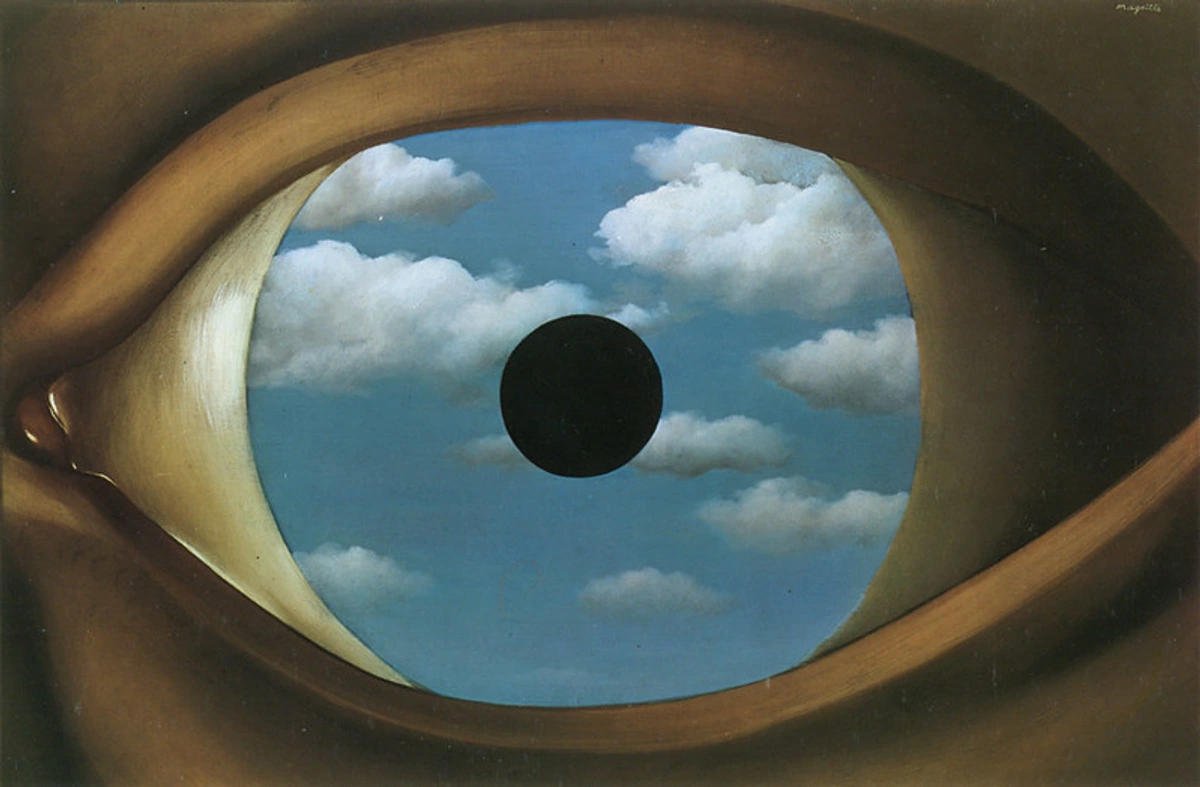
The name itself, trompe l'oeil, is French for "deceives the eye" or "eye-fooling." Could there be a more perfect descriptor? It's not just about hyper-realism; it’s about crafting an optical illusion where flat surfaces appear gloriously three-dimensional, making you instinctively question your own perception. That invitation to doubt, that playful challenge to our senses, is utterly captivating. But let's be clear: while artists like René Magritte (and I'm a huge fan, by the way) play with our perception, his aim wasn't quite the same as a strict trompe l'oeil artist. Magritte's genius lies in creating conceptual paradoxes and dreamlike juxtapositions, making us question the nature of reality and representation itself, rather than convincing us a flat surface is a three-dimensional object projecting into our space. Think of it this way: Magritte makes you ponder 'Is this a pipe?', while trompe l'oeil makes you try to pick up the pipe you know is painted. It's a subtle but crucial distinction, pushing us to ponder the very fabric of perception, and it truly makes you think about how we interpret the world.
The Ancient Roots of Artistic Deception: A Journey Through Time
The concept of tricking the eye with paint isn't new; it's practically ancient history. It’s moments like these that make me pause and truly appreciate the sheer audacity and ingenuity of early artists. How did they achieve such convincing illusions without our modern tools? What drove them to challenge perception so profoundly?
One of the earliest and most enduring tales that perfectly encapsulates this spirit comes from ancient Greece, involving two rival painters, Zeuxis and Parrhasius. Zeuxis, ever the showman, painted grapes so realistically that birds flew down to peck at them. Pretty impressive, right? But then Parrhasius, the true master of illusion, called Zeuxis to judge his own work, supposedly hidden behind a curtain. When Zeuxis confidently tried to pull the curtain aside, he realized the curtain itself was a painting. Talk about a moment that definitively established the power of illusion in art history – or perhaps, a 'curtain drop' moment! Zeuxis, humbled, conceded defeat, declaring, "I have deceived the birds, but Parrhasius has deceived Zeuxis." It perfectly illustrates how trompe l'oeil elevates art beyond mere imitation to a game of wits, often driven by a desire for status and artistic challenge.
Even earlier, echoes of this art can be found in Ancient Egyptian tomb paintings. These weren't just decorative; they were crafted with a deep-seated intention to create illusion, believed to manifest a vibrant, eternal reality for the deceased. While not employing linear perspective in the Greek or Roman sense, Egyptian artists would imply depth through techniques like hierarchical scale (where larger figures often indicated greater importance, or sometimes closer proximity to the viewer) and overlapping forms. For instance, by showing one figure partially obscured by another, they created a visual layering that suggested one object was in front of another. The art was meant to manifest these necessities – lush harvests, bountiful hunts – ensuring their continuous presence and prosperity in the afterlife. It was, in essence, an artistic act of perpetuation, making a new reality with paint.
In ancient Roman frescoes, particularly those unearthed in Pompeii and Herculaneum, the illusionistic impulse truly flourished. Artists there cleverly extended scenes beyond walls, making opulent rooms feel larger and more open than they actually were. I'm talking about entire faux landscapes, architectural vistas, and false windows that tricked the eye into perceiving immense depth within often small, windowless spaces. They used atmospheric perspective, making distant elements paler, bluer, and less distinct to simulate distance, just as real landscapes appear. It wasn't just about decor; it was about expanding perceived reality itself, creating a sense of grandeur and openness even in cramped quarters. Sometimes, they even employed early forms of anamorphosis, distorting images in such a way that they appear correctly proportioned only when viewed from a specific, oblique angle – like a stretched-out drawing that suddenly snaps into focus from the perfect vantage point, akin to looking at a distorted reflection in a funhouse mirror. A truly mind-bending trick for its time.
And then, in the Byzantine era, while the focus shifted from spatial illusion to spiritual representation, we still see whispers of illusionistic desire. Mosaics, for instance, sometimes employed subtle light and shadow (chiaroscuro) to give religious figures a sense of volume and presence. Think of the shimmering gold leaf and meticulously arranged tesserae in places like the Hagia Sophia, or even more vividly in the mosaics of Ravenna, where subtle shading could make a holy figure feel almost sculpted, more tangible, more present in the sacred space. It wasn't about tricking the eye into seeing depth in a room, but about fostering a deeper, more immediate spiritual connection through a sense of embodied form, making the divine feel closer.
Renaissance Resurgence & Baroque Brilliance
Fast forward to the Renaissance, and trompe l'oeil experienced a magnificent resurgence, propelled by a profound, almost scientific, understanding of linear perspective. Artists used intricate perspective and foreshortening techniques in grand frescoes, seamlessly transforming flat church ceilings into soaring, heavenly domes or opening up seemingly endless vistas through painted walls. This large-scale illusionism is often called quadratura, a brilliant technique where painted architectural elements perfectly extend the actual architectural lines of the room, creating a unified, expansive illusion. Imagine painted columns that seamlessly melt into real ones, or a painted archway that seems to continue a physical hallway, tricking the eye into believing the room's dimensions were vastly expanded. Masters like Andrea Mantegna's Camera degli Sposi (1474) with its famous oculus and figures peering down, or later, the breathtaking ceiling frescoes of Andrea Pozzo in the Church of Sant'Ignazio in Rome, truly pioneered this. Pozzo, for example, used ingenious perspective to make the flat ceiling appear to open up into a multi-tiered dome filled with celestial figures, a dizzying feat of architectural trickery that completely disguised the flat surface into a seemingly infinite, soaring space. They faced immense challenges, painting detailed frescoes on vast, often curved ceilings, constantly battling perspective distortions from various viewing angles. Can you imagine walking into one of those churches for the first time, utterly enveloped in a painted world that stretches far beyond the physical boundaries of the building? It must have been breathtaking, a true manipulation of architectural space through paint.
Another stunning example of Renaissance architectural illusion can be found at the Palazzo Te in Mantua, where Giulio Romano painted the Sala dei Giganti (circa 1530s), making the room appear to collapse around the viewer, creating an overwhelming, immersive illusion of crumbling architecture, falling giants, and swirling debris rendered with such dynamism that the viewer feels physically threatened by the depicted chaos. It's truly a feat of spatial trickery.
As art evolved into the Baroque era, so did the subtlety and audaciousness of the deception. The 17th century saw masters like Cornelis Norbertus Gysbrechts, who wasn't just painting illusions, but painting paintings of illusions. He’d create canvases that looked like the backs of other canvases, or meticulously rendered studio easels with half-finished works. He even painted a famous 'cabinet of curiosities' with doors that appeared to open into a vast collection, or a trompe l'oeil notice board with notes and objects seemingly pinned to it, all designed to make you question the physical object of the painting itself. This is a "meta-illusion" because it doesn't just trick the eye about what's depicted; it cunningly plays with our very assumptions about the nature and presentation of the artwork itself, blurring the lines between painting and object, illusion and reality. Is it a painting, or an actual object from the artist's studio? It's like a trick within a trick, and I find it utterly fascinating because it pushes beyond simple perception to question authorship, the physical object of art, and how we engage with it. This era also saw the rise of the specialized trompe l'oeil still life, particularly in the Dutch Golden Age, where artists like Samuel van Hoogstraten or Gerard Dou focused on arrangements of everyday objects, often depicting them as though precariously hanging or jutting out into the viewer's space. They might include insects on painted fruit to suggest decay and heightened realism, or objects seemingly hanging off the frame, deliberately challenging the boundary of the artwork. Van Hoogstraten's famous View into a Dutch Interior (a perspective box) is a prime example of creating entire miniature worlds that demand active viewership.
Later, in the 19th century, American artists like William Harnett perfected the art of still life trompe l'oeil. His meticulous renditions of worn currency, well-used tools, old newspapers, musical instruments, and hunting gear were rendered with such photographic precision and careful arrangement that they seemed to leap off the canvas. His famous works like The Old Violin and Myself When I Am Young are prime examples of his ability to create such convincing visual realities. There are legendary stories of museum guards having to constantly remind visitors not to try and pick up a painted violin or unroll a painted dollar bill. I can almost picture someone reaching out, only to feel a flat, cold surface and a delightful jolt of realization – that's the magic moment, the playful, successful deception. These works often served not just as a display of incredible virtuosity, but also as a way to test the viewer's perception and challenge the very boundaries of the art object itself.
The Artist's Toolkit: Masterful Trompe l'Oeil Techniques
Now that we've seen the historical masters, let's delve into the specific skills that enabled their astounding illusions. These historical masterpieces weren't born from sheer luck, but from a deep understanding of specific artistic principles and an arsenal of sophisticated techniques. It might look like magic, but like any good magic trick, it comes down to a few core principles executed with astounding skill. The sheer precision required to create a convincing illusion of depth in my own work is humbling; for trompe l'oeil artists, it's a level of mastery that borders on alchemy!
Here's a closer look at the key elements that make trompe l'oeil so convincing:
- Masterful Perspective: This is probably the biggest piece of the puzzle. Artists meticulously use linear perspective, plotting out their illusions with vanishing points where parallel lines seem to converge, and orthogonal lines that create the sense of receding space. Then there's atmospheric perspective, where they create depth using subtle changes in color, clarity, and detail to simulate distance – think of how distant mountains appear paler, bluer, and less distinct, almost dissolving into the atmosphere. A key component here is foreshortening, a technique where objects or parts of objects are drawn shorter than they are in reality to create the illusion of depth, as if they are receding or jutting forward in space. Imagine a hand reaching directly towards you: the fingers closest appear much larger than the palm, which seems to shrink and recede. Or picture a painted bird flying directly towards the viewer, its wings and body rendered shorter than in reality to create the illusion of it soaring forward in space. That's foreshortening in action, and it's all about tricking your brain into seeing depth cues that aren't actually there. Mastering this is a monumental task, demanding years of dedicated practice, and honestly, a bit of mathematical genius.
- Precise Light and Shadow Play (Chiaroscuro): The accurate application of light and shadow, often called chiaroscuro, is absolutely crucial. Artists replicate exactly how light falls on real objects, meticulously casting convincing shadows that suggest form, volume, and depth. For instance, imagine a painted apple: the subtle gradation from bright highlight to deep shadow on its surface, combined with the convincing shadow it casts onto the painted table and the actual wall behind it, utterly convinces your brain of its roundness and its projection into your space. Or consider a painted drape: the sharp highlights and deep, soft shadows perfectly define each fold, making the fabric appear to billow and recede. It's truly astonishing how a perfectly placed shadow can transform a flat surface into a three-dimensional one, making a wall seem to recede or an object appear to pop out. These shadows don't just define form; they create mood, drama, and a sense of tangible presence, making the illusion incredibly immersive. It's like knowing exactly where the light switch is, but in paint!
- Clever Composition and Placement: Often, trompe l'oeil works are strategically placed in specific architectural settings or on particular objects (like a desktop) to enhance the illusion. They might be framed by a real doorway, or painted directly onto a ceiling, making the transition from real to fake almost seamless. Composition is absolutely key to guiding the viewer's eye and completing the trick, making the illusion feel inevitable. Artists use implied lines, the arrangement of objects, and clever framing to direct your gaze to the perfect spot where the illusion clicks. A strategically placed painted shadow might extend from a real column, or a trompe l'oeil object might draw the viewer's eye to a "sweet spot" where the illusion is most convincing. The artist isn't just painting an object; they're engineering an experience, carefully considering your likely vantage point and visual pathway. Sometimes, the artwork even interacts with the actual architecture, or might intentionally "hide" or reveal elements, adding another layer of playful interaction.
- Obsessive Detail and Texture: Every crack, every thread, every brushstroke is rendered with painstaking, almost microscopic accuracy. This hyper-realism convinces the eye that it's looking at tangible objects, not just paint on a flat surface. For artists focused on illusion, understanding and mimicking texture is paramount – from the dull, rough surface of unpolished wood to the glint of polished metal, the transparency of a delicate glass bottle, the roughness of brickwork, the luxurious folds of silk, or even the iridescent shimmer of a soap bubble or the wetness of dew on a leaf. Without this meticulous attention to surface qualities, that delightful illusion would quickly fall apart. It's the difference between seeing a painted object and feeling like you could reach out and touch it.
Preparing the Stage: Grounds, Pigments, and Mediums
Achieving such precision isn't just about skill; it's also about the tools and materials, chosen with an almost scientific rigor. Trompe l'oeil artists often favored very fine brushes for those intricate details, and stable, slow-drying mediums like oil paints and glazes. Why oil paints? Their extended drying time is a gift, allowing for seamless blending and the layering of delicate, transparent glazes, which are absolutely essential for building up those subtle tonal shifts that create incredible depth, luminosity, and the translucent quality of light interacting with real surfaces. The preparation of the painting surface was equally critical: smooth, non-absorbent grounds, often meticulously gessoed panels or walls, provided the ideal, flawless 'stage' for the illusion. Gesso, typically a white paint mixture, creates a uniform, slightly absorbent, but primarily non-porous surface that prevents paint from soaking in unevenly and allows for precise, clean application of layers, crucial for maintaining crisp detail. Pigments with high tinting strength were crucial for creating subtle tonal shifts and deep, convincing colors. It truly speaks to incredible patience and a deep, almost scientific, understanding of materials, much like a meticulous craftsperson selects their instruments, knowing each choice contributes to the magic.
Beyond the Canvas: Trompe l'Oeil in Architecture, Public Spaces, and Digital Realms
Trompe l'oeil isn't confined to easel paintings; its principles have been historically applied, and continue to thrive, in architectural contexts and public art, transforming our perceived reality on a grander scale.
In ancient Rome, as seen in Pompeii, artists used trompe l'oeil frescoes to visually expand small, windowless rooms, not just as decor, but to provide a sense of expansive luxury. They painted elaborate landscapes, architectural elements, and false windows with vistas that seemed to extend infinitely, literally creating space where none existed. This architectural illusionism, perfected in the Renaissance and Baroque periods, is called quadratura. It's a masterful technique where entire ceilings and walls are painted to appear as if they are extensions of the actual architecture, seamlessly dissolving the boundary between the actual structure and the painted illusion. These grand works opened up to the sky, revealed multi-story buildings, elaborate sculptures, or even non-existent spaces, tricking the eye into believing the room was a vast, limitless space. Think of it like painting the 'bones' of a room to make them appear to extend endlessly. Masters like Andrea Pozzo could make a flat ceiling appear to soar into a dizzying, multi-tiered dome filled with celestial figures. Beyond these grand statements, trompe l'oeil was extensively used in palaces and stately homes for more 'modest' (though no less skillful) deceptions. Artists created faux architectural details like columns, niches, or moldings, or meticulously mimicked expensive materials such as rare marble, intricate tapestries, or exotic wood. This wasn't just about decor; it was a brilliant and cost-effective way to achieve opulence on a budget, making luxurious aesthetics accessible, or simply to enhance the grandeur of a space without the immense cost of actual construction or exotic imports.
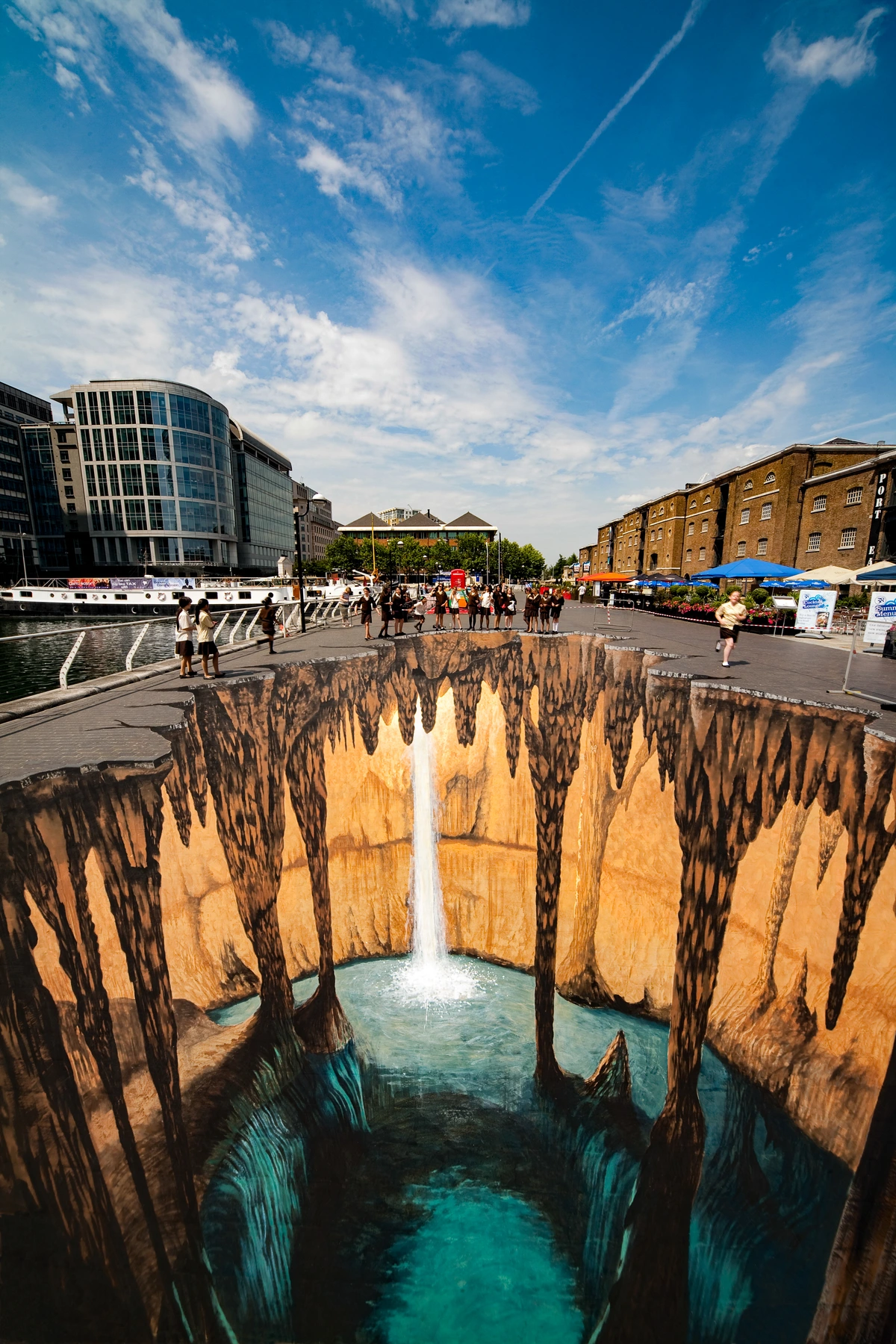
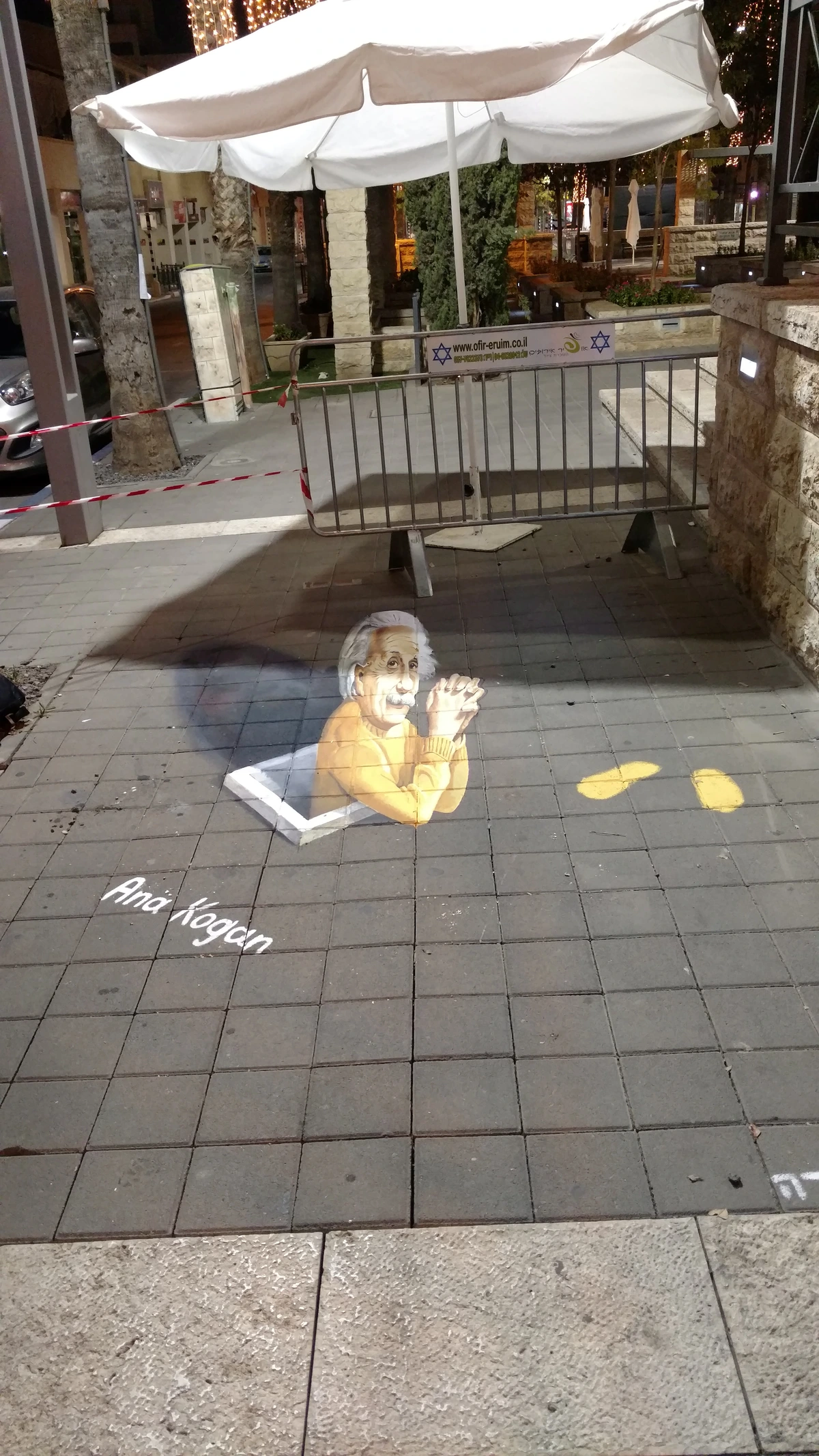
Today, this art form has exploded into urban environments, with street artists transforming mundane pavements and walls into breathtaking interactive illusions. Artists like Julian Beever and Edgar Mueller are renowned for their massive 3D chalk drawings, employing a technique called anamorphic perspective. These drawings, when viewed from a very specific vantage point (and often captured perfectly by a photographer from that same angle), suddenly resolve into gaping chasms, towering waterfalls, or floating objects. It's temporary, site-specific art that utterly challenges passersby to interact with the illusion, often causing delightful double-takes and a collective gasp of wonder. We also see contemporary artists creating large-scale architectural trompe l'oeil murals on buildings, making flat facades appear to have elaborate carvings, faux balconies, or open onto fantastical scenes.
In interior design, trompe l'oeil murals are still used to expand small rooms, add non-existent architectural features like columns or moldings, or create whimsical faux-windows with painted vistas. But the practical applications don't stop there. Think about theatre and film set design – artists frequently employ trompe l'oeil techniques to create the illusion of vast landscapes, intricate interiors, or distant cities on a limited stage or soundstage. It's a testament to the enduring power of these techniques to transform our perceived reality, whether within the intimate confines of a room, across a bustling city square, or on a grand theatrical stage.
Digital Deceptions: Trompe l'Oeil in the Modern Age
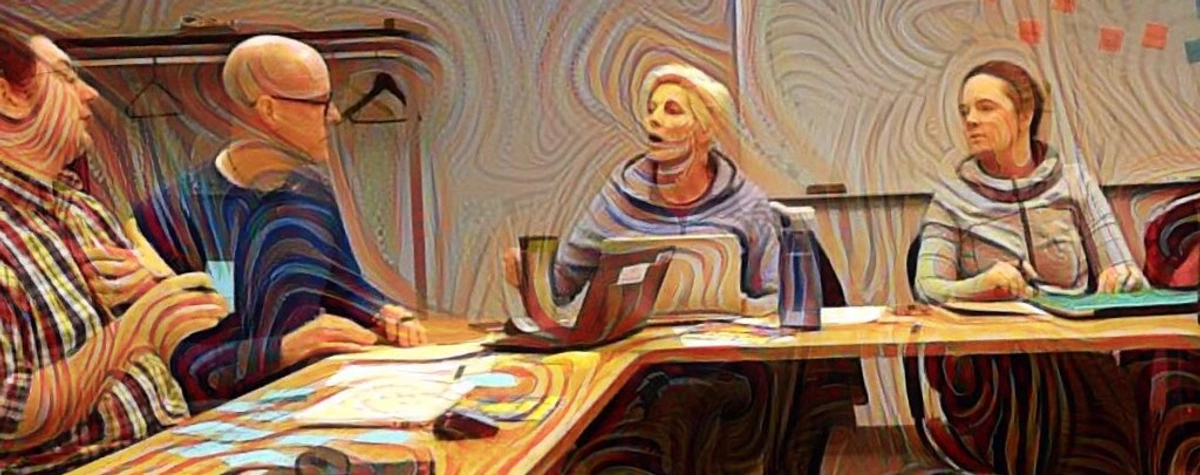
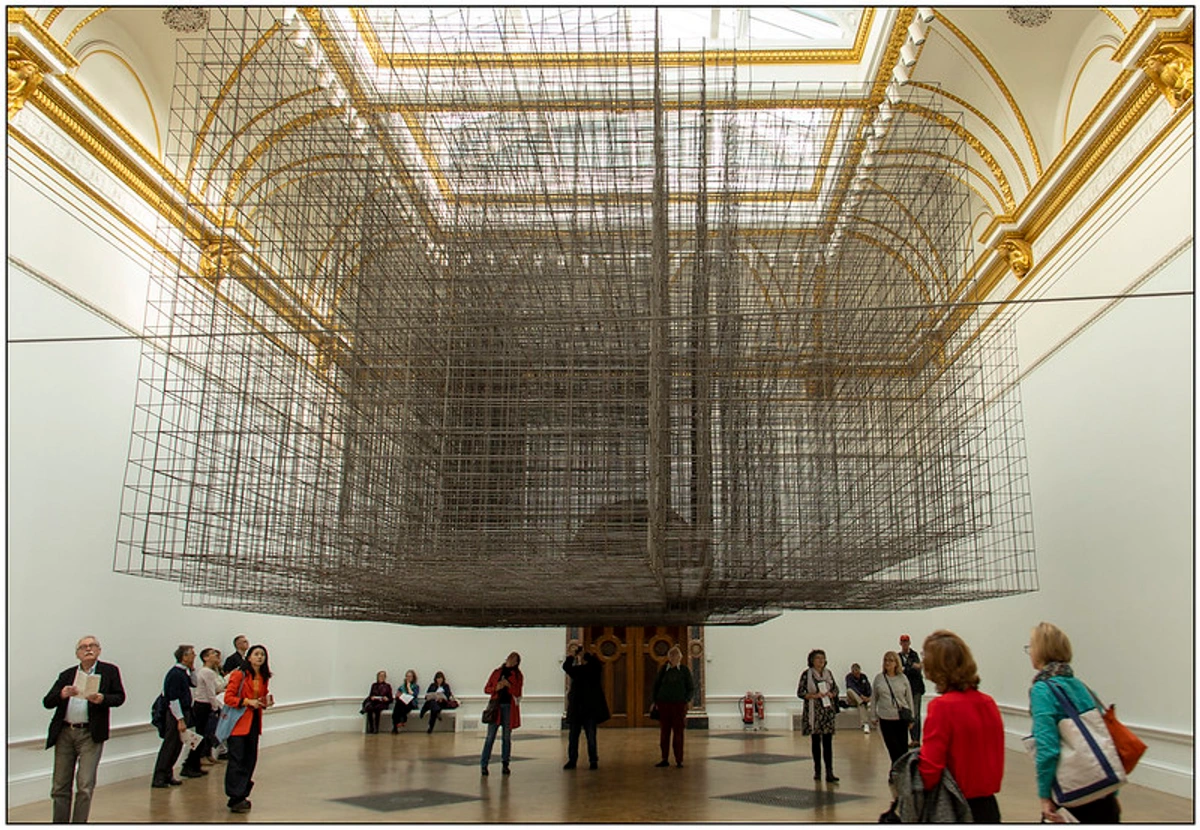
The digital realm has, as you can imagine, opened up entirely new frontiers for trompe l'oeil. Artists now use advanced 3D rendering software, complex image manipulation programs, and augmented reality (AR) applications to create hyper-realistic illusions. AR applications, for instance, overlay digital images onto the real world through a phone camera or smart glasses, allowing a user to 'see' a painted object seemingly appear in their living room, interacting with the real physical space through clever digital projection. These digital deceptions can appear on screens, in virtual environments, or even overlaid onto the real world, blurring the lines between the physical and the virtual. While some digital artworks are minted as NFTs (Non-Fungible Tokens), primarily for ownership records on blockchain technology, it's important to differentiate. The digital illusion itself, while incredible to experience on a screen, exists ephemerally in its display, unlike the physical permanence of a painted fresco. The artistic intent of creating an illusionistic depth remains distinct from the technological mechanism of its market, which, I must admit, I remain cautious about due to its often speculative nature and environmental impact. Still, these digital tools offer unprecedented control and precision, extending the legacy of trompe l'oeil into new, interactive, and endlessly adaptable forms.
credit, licence
The Psychology of Deception: Why Our Brains Love Trompe l'Oeil
So, why do we find being tricked so utterly delightful? I think there’s a certain, almost primal, joy in being momentarily fooled. It's a kind of playful engagement with art that goes beyond simple admiration; it feels like solving a visual puzzle, and our brains are intrinsically rewarded for figuring things out. Our brains are hardwired to make sense of the world, to identify patterns, depth, and order. When trompe l'oeil presents a perfectly executed illusion, our visual system initially accepts it as real. The subsequent realization that it's not real creates a delightful cognitive dissonance – that satisfying feeling of your brain reconciling a surprising truth. It's that moment when your brain first says, "Wait, that looks real!" and then immediately, "Oh, it's paint!" – a delightful mental tug-of-war. That little jolt of surprise, that intellectual 'aha!' moment, is part of the fun, and our brains are intrinsically rewarded for figuring things out.
This isn't just a simple trick; it taps into our innate curiosity and our brain's constant need to predict and interpret our environment. Neurologically, this interaction can be understood through concepts like top-down processing, where our brains use prior knowledge and expectations to interpret visual information. When trompe l'oeil defies these expectations, it forces a prediction error, which, rather than causing distress, often registers as a pleasurable surprise. Imagine seeing a perfectly painted extension of a windowsill that looks so real you expect to rest your arm on it, only to find a flat wall. Your brain predicted a solid, protruding surface, but the illusion 'errors' by showing it where none logically exists. Or picture a painted doorknob on a smooth wall – your brain expects it to be graspable, and the realization that it's flat creates that delightful jolt. That delightful mismatch is the prediction error, and it’s a powerful reminder that perception is subjective, wonderfully malleable, and can be playfully manipulated. It’s a visual riddle, and solving it (or failing to!) is an essential part of the fun, making us question the very nature of what we consider "real."
Trompe l'Oeil vs. Optical Art: A Deceptive Distinction
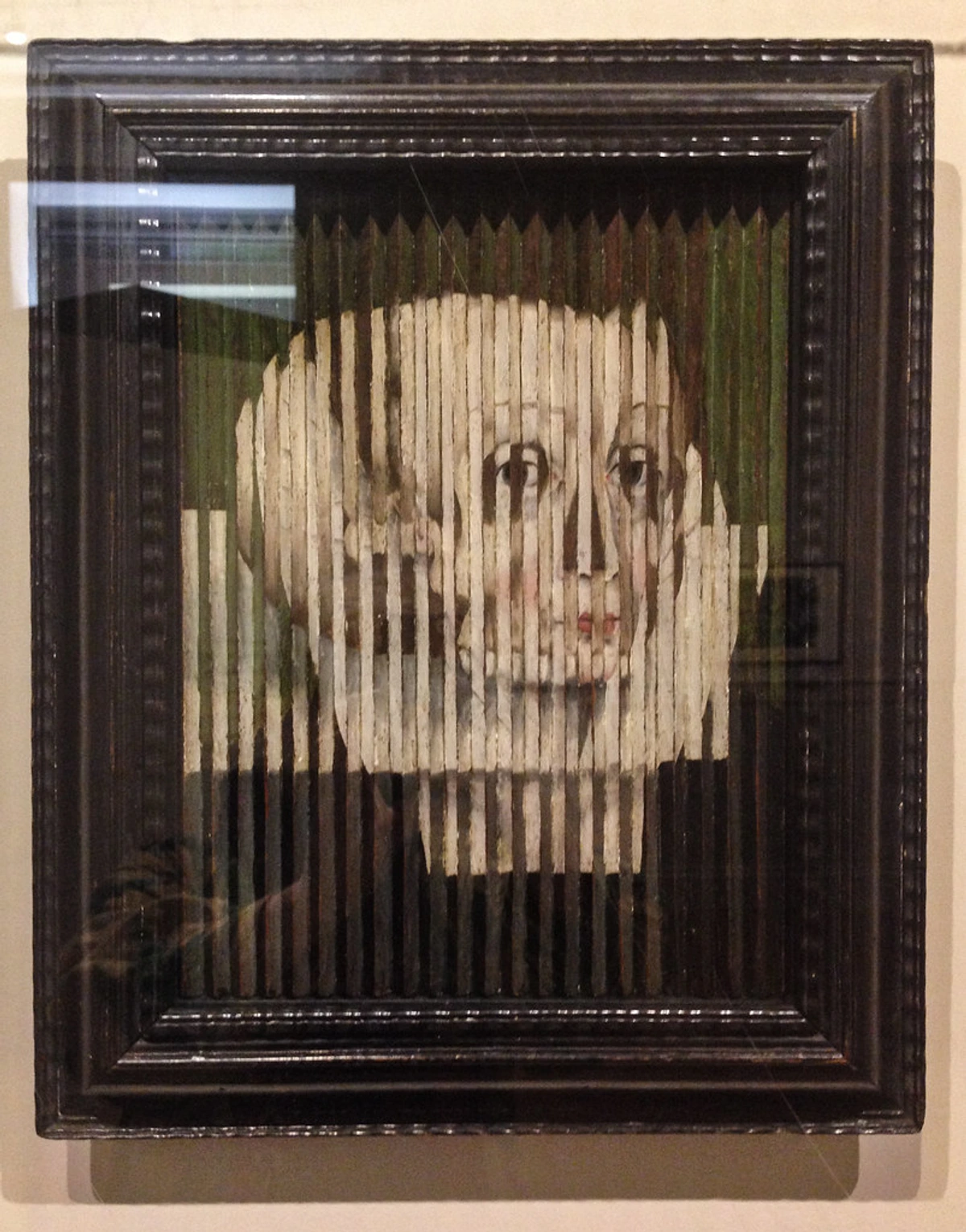
While both play with our eyes, their goals and methods are distinct. It's a common point of confusion, but the difference is actually quite elegant:
Feature  | Trompe l'Oeil (Eye-Fooling) | Optical Art (Op Art) |
|---|---|---|
| Primary Goal | To create the convincing illusion of three-dimensional objects and spaces on a flat surface, aiming to make viewers mistake painted representations for tangible reality. | To create dynamic abstract visual effects like perceived movement, vibration, or spatial ambiguity through geometric patterns and precise color interactions. |
| Primary Artistic Focus | Convincing spatial realism and material imitation. | Dynamic visual phenomena and sensory manipulation. |
| Key Elements | Realistic depiction of objects, masterful perspective in art, light, shadow, texture, and clever composition. | Abstract geometric patterns, lines, and shapes; precise color relationships and contrast; precise optical effects through pattern and color contrast. |
| Aesthetic | Often figurative or still life, aiming for convincing spatial realism. | Abstract and non-representational, focusing on dynamic visual phenomena. |
| Use of Color | Used realistically to enhance illusion and mimic reality (e.g., natural light, object hue). | Used systematically for optical effects, often with high contrast or vibrating complementary colors, not necessarily for realism. |
| Viewer Interaction | Encourages the viewer to try and "break" the illusion, to question the tangible reality of the depicted objects. | Engages the viewer's visual system in creating dynamic, often disorienting, phenomena that aren't physically present. |
| Perceptual Effect | Creates a jolt of surprise and a moment of reconciling conflicting visual information. | Induces a sense of motion, flickering, or depth purely through visual pattern and contrast, not through realistic depiction. |
| Feeling Evoked | Surprise, wonder, playful deception, questioning reality. | Disorientation, visual flicker, dynamic energy, hypnotic effect. |
| Notable Artists & Examples | Zeuxis (Grapes), Cornelis Norbertus Gysbrechts (Trompe l'Oeil, Reverse of a Painting), William Harnett (The Old Violin), Pere Borrell del Caso (Escaping Criticism), Julian Beever (Street Art). | Bridget Riley (Movement in Squares), Victor Vasarely (Vega-Art series), M.C. Escher (while Escher's work often employs visual paradox and illusion, his primary focus was on impossible geometries, paradoxes, and conceptual explorations rather than literal deception or perceived movement in the Op Art sense). |

Beyond Literal Deception: Other Ways Art Plays With Our Eyes
When I think about the clever deceptions of trompe l'oeil, it inevitably makes me consider how art, even in its most abstract forms, fundamentally engages and plays with our perception. While traditional trompe l'oeil is about hyper-realistic deception, other artists explore depth and illusion in entirely different registers. For example, Cubism fractured reality by showing multiple viewpoints of an object simultaneously on a single flat surface, creating a complex, multi-dimensional perception without aiming for realistic illusion. The very act of seeing an object from all sides at once, flattened onto a canvas, profoundly challenges our conventional understanding of space and form, requiring the viewer to actively reconstruct the object in their mind. Similarly, Surrealism, with its dreamlike juxtapositions of unrelated objects and illogical scenarios, plays profoundly with our perception of what is real and logical, inviting us into a world of visual paradox and subconscious narratives, questioning psychological reality. Even Futurism, with its dynamic depiction of movement and speed, aimed to capture a multi-temporal, perceptual experience by showing objects in multiple stages of motion, simultaneously, challenging how we see objects and their relationship to their surroundings in a static frame and conveying the sensation of speed and dynamism. And let's not forget Dadaism, which, through its embrace of absurdity, randomness, and anti-art sentiments, forced viewers to question their very definitions of art, reality, and societal norms – a different, more conceptual, kind of perceptual challenge altogether.
My own abstract art, for instance, isn't aiming to make you think a painted object is real, but it does often create its own kind of depth and spatial ambiguity. Just as trompe l'oeil manipulates spatial perception through hyper-realistic imitation, my own abstract work plays with visual perception through the dynamic interplay of color, form, and implied depth, inviting a similar, albeit different, kind of visual engagement. I'm always exploring how geometric shapes and vibrant colors can overlap, recede, or pop forward through techniques like subtle color blending or layering of transparent forms, creating a sense of movement or different dimensions on a flat canvas. Both approaches, mine and those of trompe l'oeil masters, challenge the viewer's perception of a flat surface, making your eyes dance. It's a philosophical riddle, painted into existence.
Your Questions Answered: FAQs About Trompe l'Oeil Art
Is trompe l'oeil considered "real" art?
Absolutely! This question surfaces occasionally, usually from those who equate "real art" solely with emotional expression or abstract concepts. But trompe l'oeil demands immense technical skill, a deep understanding of perspective in art, light, and color, and an almost obsessive eye for detail. The craftsmanship involved, often honed over years of classical training, is truly astounding. In fact, mastery of trompe l'oeil techniques was often considered a foundational prerequisite for artists to then explore more abstract or conceptual work. The goal isn't just to copy, but to creatively construct an illusion that engages the viewer on a unique, often intellectual, level, prompting contemplation about the very nature of reality. It provokes thought, wonder, and a playful challenge to perception. Its historical pedigree, dating back to ancient Greece and flourishing through the Renaissance, unequivocally places it within the esteemed canon of fine art. Its presence in major museum collections worldwide and its inclusion in academic art curricula as a foundational technique further solidify its standing. It's a testament to human ingenuity and artistic prowess.
How do I identify trompe l'oeil art?
To spot a trompe l'oeil masterpiece, look for several key indicators. Remember, the illusion can be on a small easel painting or a massive architectural mural, but the core principles remain the same:
- First, pay attention to the sense of depth: does a flat surface appear to recede into a believable space, or do objects seem to protrude into yours?
- Second, observe the meticulous detail and hyper-realism; every element should be rendered with such precision that it mimics reality perfectly.
- Third, notice the play of light and shadow, which should be utterly convincing, making painted objects cast shadows onto the actual wall or floor.
- Fourth, consider the subject matter: is it depicting everyday objects (still life), architectural elements (windows, columns, ceilings), or figures that seem to interact with the real environment? Does the artwork seem to interact with the actual architecture of the space, like a painted shadow extending from a real column or a painted doorway appearing to lead into a real room?
- Finally, and most telling, notice the sensory experience: if you find yourself doing a double-take, trying to pick up a painted object, or reaching out only to feel a flat surface when you expected solidity, you're almost certainly encountering trompe l'oeil.
How is trompe l'oeil different from hyperrealism?
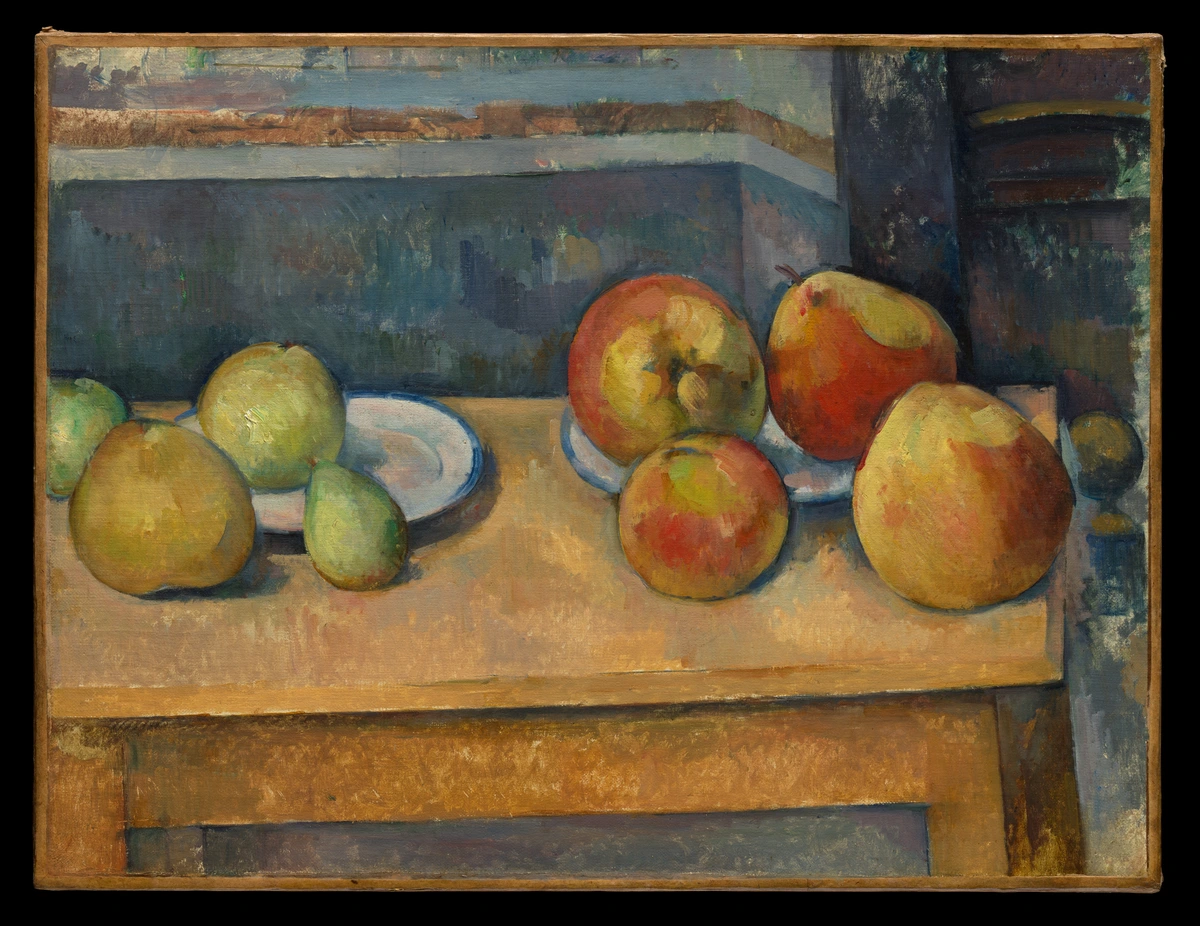
While both aim for extreme realism, their intent is different. Hyperrealism seeks to render subjects with photographic accuracy, often blurring the line between painting and photography, but its primary goal is usually not to deceive the viewer into believing the painted object is physically real or three-dimensional. It's about a profound, almost clinical, imitation of reality – like a perfectly detailed photograph printed on canvas, such as a photorealistic portrait of a person where the goal is fidelity to the subject, not spatial illusion. Trompe l'oeil, on the other hand, explicitly aims to deceive the eye and mind, creating an optical illusion where the flat artwork appears to be a real, tangible object existing in the viewer's space – like a window painted onto a wall that makes you think you're looking through the wall. The core difference lies in intent: hyperrealism aims for fidelity, while trompe l'oeil aims for deception and trickery of the eye and mind. Hyperrealism can be a tool used in trompe l'oeil, but the illusionistic intent – the desire to trick you – is what fundamentally defines trompe l'oeil.

What are the common subjects of trompe l'oeil paintings?
Trompe l'oeil artists have explored a diverse range of subjects throughout history. Perhaps the most famous is the still life, where everyday objects like letters, musical instruments, food, hunting gear, or even trompe l'oeil doorbells and knotholes are depicted with such realism they seem tangible. Architectural illusions are also incredibly common, including painted windows revealing grand vistas, faux columns, niches, moldings that extend a room's perceived space, painted doorways that lead nowhere, illusionistic sculptures built into walls, painted bookcases that look like real shelves filled with books, and spectacular quadratura ceilings that open up to celestial scenes. Sometimes, artists include figures that appear to be climbing out of the canvas, or allegorical scenes that seamlessly blend into the real environment. The common thread is always the illusion of three-dimensionality and interaction with the viewer's actual space.
What are some famous examples of trompe l'Oeil?
Beyond the legendary tale of Zeuxis and Parrhasius, many renowned works showcase this art form. Notable examples include Andrea Mantegna's Camera degli Sposi (1474) in Mantua, with its illusionistic oculus ceiling, and Giulio Romano's Sala dei Giganti (circa 1530s) at the Palazzo Te. The Dutch Golden Age produced masters like Samuel van Hoogstraten, known for his perspective boxes and still life deceptions. Pere Borrell del Caso's Escaping Criticism (1874) is a popular example featuring a boy seemingly climbing out of the frame, literally breaking the fourth wall. In the modern era, you have the incredible street art of Julian Beever and Edgar Mueller, creating massive 3D illusions on public pavements using anamorphic perspective, and countless contemporary artists creating architectural trompe l'oeil murals that transform cityscapes, such as murals on the side of buildings that create the illusion of elaborate balconies or open doorways.
Is trompe l'oeil hard to create?
Incredibly so! It demands an almost obsessive attention to detail, a scientific grasp of perspective (especially linear perspective and foreshortening), and an ability to mimic textures and light flawlessly. For any figurative elements, a deep understanding of anatomy is also paramount to ensure believable forms. It's a skill honed over years of dedicated practice, often requiring a mastery of traditional painting techniques to achieve that perfect deceptive effect. Believe me, even a slight miscalculation in perspective, a misplaced shadow, or an inconsistent highlight can immediately shatter the illusion, making the time investment enormous. Every single detail, from a tiny dust speck to a subtle wood grain, must be rendered with absolute precision to convincingly fool the eye. It truly requires a painter who doesn't like to rush, but rather relishes the meticulous process of building an illusion, layer by painstaking layer. The perfection required is almost an endurance test of artistic patience, contrasting sharply with styles that might prioritize spontaneous expression.





What kind of training is required to become a trompe l'oeil artist?
Becoming a master of trompe l'oeil typically requires extensive, rigorous training in classical art techniques. This includes a deep study of drawing, anatomy, architectural drawing, and, most crucially, the principles of linear perspective. Artists often spend years perfecting their understanding of light, shadow, and color theory, as well as the meticulous craft of painting, including precise brushwork and the layering of glazes. Many would pore over the works of old masters, often copying them to deconstruct and understand their ingenious methods. This training often took place in historical art academies or through apprenticeships in ateliers that focused heavily on these precise techniques. It's a path demanding immense patience, keen observation, and unwavering dedication to realism and optical illusion – not for the faint of heart, but incredibly rewarding.
My Final Take: The Beautiful Deception Endures
Ultimately, trompe l'oeil art, for me, isn't just about the trick itself; it's about the celebration of perception, the profound power of art to manipulate our understanding of reality, and the sheer delight in having our senses playfully challenged. It reminds us to look closer, to question what we see, and to appreciate the profound skill that can turn a flat surface into a portal to another dimension. This fascination with manipulating perception, even in a more abstract way, deeply informs my own work. Just as trompe l'oeil artists use perspective and detail to suggest depth, I employ color and form to create a similar, albeit abstract, sense of spatial layering and visual play. Both approaches challenge the viewer's perception of a flat surface. It's a testament to how art can engage us, surprise us, and make us think about the very nature of what is real – a philosophical riddle, painted into existence.
I invite you to discover how these principles of perception and illusion are reimagined in my own abstract works, where color and form dance to create new visual experiences – you can explore them in the art for sale section, or delve deeper into my artistic journey to see how these ideas have shaped my creative evolution.