Tenebrism: Caravaggio's Legacy, Psychological Depths, & Modern Echoes
Uncover Tenebrism's dramatic history and intense characteristics. Explore its profound psychological impact from Caravaggio to modern film and abstract art, revealing how darkness truly illuminates.

Title
Stepping into the shadows, only to find profound light – that's Tenebrism for me. It’s a bit like turning off all the lights in a room and then shining a single, focused beam on the one thing that truly matters. I remember standing before a painting years ago, feeling the sudden, almost physical punch of light carving a figure from impenetrable darkness, and thinking, "This is what I always hope to find in really good art." To be seen, to be moved, to feel something profound? For me, art is about feeling, about connection, and Tenebrism, with its dramatic contrasts and almost theatrical lighting, just has a unique, visceral impact. It's not subtle; it doesn't whisper; it practically screams. It demands your attention, pulling you into its shadowed depths and illuminating only what truly matters. In my own abstract compositions, I've discovered how deliberately darkening a large section of the canvas allows a vibrant splash of color to cut through, creating an unexpected power and mystery, much like Tenebrism carves figures from the dark. So, with that personal introduction to my fascination, let's dive into the shadows and find out what Tenebrism truly is. I promise we'll find some light along the way.Watching this video (1:30) might also bring you some inspiration for the article: What is Chiaroscuro? - Credit: Smarthistory
So, What Exactly Is Tenebrism, Anyway? (And How Does it Differ from Chiaroscuro?)
I know, I know, when you first hear about it, it sounds intense, right? But trust me, the name says it all. At its heart, Tenebrism (from the Italian tenebroso, meaning 'dark, gloomy, mysterious') is an artistic style characterized by violent contrasts of light and dark, where darkness becomes a dominant, almost consuming, feature of the image. When I say "violent," I mean the light doesn't gently emerge; it slashes through the darkness, creating abrupt, almost shocking transitions that demand immediate attention and provoke a strong emotional response. Think of chiaroscuro as a gentle gradient, delicately shaping form and depth, like the soft curve of a cheekbone gradually illuminated by a window in a Raphael portrait. Tenebrism, on the other hand, delivers a sudden, dramatic spotlight, pushing that interplay of light and shadow to its absolute extremes, like the blinding beam on Christ's face in Caravaggio's The Calling of St. Matthew. It’s not just a heightened use of shadow; it's an almost aggressive embrace of darkness, where forms emerge abruptly from profound blackness, rather than gradually fading into it. Its intention is unmistakable: to dramatically highlight the narrative's emotional core or a specific spiritual moment. For a deeper dive into the broader concept of light and shadow, I’ve got a whole piece on what is chiaroscuro in art that delves into its many facets, and another on how artists use light and shadow dramatically. Consider this the dramatic sequel!
This extreme contrast isn't just about shaping form; it's about revealing it from an enveloping void. Unlike the soft, smoky transitions of sfumato (famously used by Leonardo da Vinci to create gentle haziness and blurry outlines, which I personally find almost dreamlike, lending a sense of serene mystery to figures), Tenebrism is sharp, explicit, and confrontational. Sfumato whispers, chiaroscuro models, but Tenebrism shouts. Its primary goal isn't just to depict a scene, but to imbue it with profound emotional or spiritual weight, using light as a spotlight for the soul. It’s about creating an immediate, visceral impact, making the viewer feel the intensity of the moment. That deliberate choice, for me, is where the genius lies. So, how does it stack up against its cousins?
Feature  | Chiaroscuro | Tenebrism | Sfumato |
|---|---|---|---|
| Contrast Level | Subtle, gradual transitions | Extreme, violent contrasts | Very soft, imperceptible transitions |
| Shadow Dominance | Shadows define form & depth | Darkness is a consuming element | Shadows are blended, diffuse |
| Light Source | Often natural, diffused | Usually single, intense, often hidden spotlight | Natural, often soft and atmospheric |
| Emotional Impact | Soft, atmospheric, volumetric | Dramatic, visceral, intense, often unsettling | Gentle, ethereal, mysterious, dreamlike |
| Purpose | To create realism, depth, mood | To create high drama, psychological intensity, narrative focus | To create softness, blur outlines, achieve realism without harsh lines |
| Artistic Intent | Subtle modeling, naturalism | Intensified spiritual or emotional narrative | Subtlety, atmospheric perspective, idealization |
| Typical Subject Matter | Portraits, religious scenes, allegories | Religious drama, genre scenes, martyrdoms | Portraits, allegorical scenes |
The term "Tenebrism" itself, while describing an existing artistic practice, only gained widespread use and academic recognition later. In fact, it often came from critics who initially used it with a somewhat negative connotation, implying an exaggerated or even 'gloomy' approach to painting that lacked the classical ideals of grace and harmonious composition. It was 19th and 20th-century art historians, particularly those re-evaluating Baroque art, who truly solidified its place in the academic lexicon, helping us understand its revolutionary impact. It's funny how labels evolve, isn't it? What starts as a criticism can become a celebrated descriptor over time. And while the entire Baroque era was known for its drama and grandeur, Tenebrism carved out its own niche by pushing that drama to its starkest, most visceral limits, setting it apart from more broadly theatrical, yet less intensely shadowed, compositions. It was a stylistic rebellion, if you ask me, and one I can certainly appreciate.So, with this foundational understanding, are you ready to delve deeper into the shadows of its past?
A Dive into Darkness: Tenebrism's Historical Roots
But this dramatic dance of light and shadow, while perfected by Caravaggio, didn't appear out of nowhere; its roots stretch back further than you might think. While chiaroscuro – the deliberate interplay of light and shadow – had roots earlier, notably in the Italian Renaissance. Masters like Leonardo da Vinci, whose preparatory drawings sometimes featured striking contrasts to give his figures life, and even Michelangelo, whose dramatic lighting in the Sistine Chapel ceiling offers proto-Tenebrist figures, laid some groundwork. Think of the monumental Delphic Sibyl or the Prophet Jonah, where powerful localized light illuminates their robust forms against deep, architectural shadows. These are "proto-Tenebrist" because they exhibit strong, concentrated light against profound darkness, creating dramatic sculptural relief, even if they don't yet embrace the consuming void that Caravaggio would later master. However, these masters primarily used light to sculpt form and create depth rather than to aggressively carve figures from an enveloping void or to create the extreme, almost artificial spotlight effect that would define true Tenebrism. Leonardo's sfumato, for instance, was about gentle, smoky transitions, the opposite of Tenebrism's sharp edges. Early Renaissance artists like Andrea del Castagno also experimented with robust, sculptural forms defined by strong, almost stark, lighting, even if not yet fully embracing the dramatic darkness that would define Tenebrism. Even some early Venetian painters, in their quest for heightened drama and emotional intensity, played with deep shadows to make their vibrant colors pop, a precursor to the Caravaggesque method.
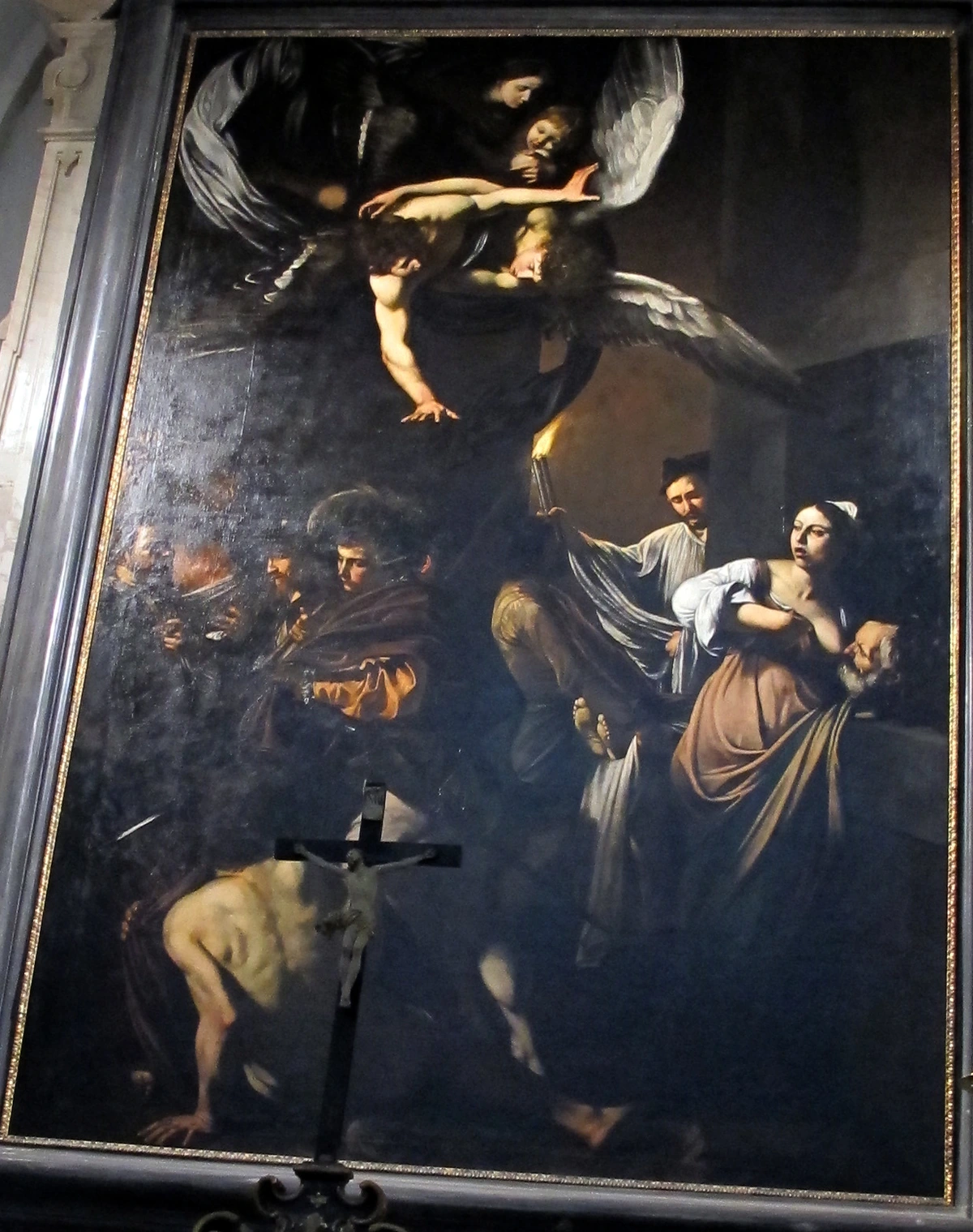
Beyond these giants, early Mannerist painters also experimented with heightened contrasts to create emotional tension. Artists like Pontormo and Rosso Fiorentino, though not strictly Tenebrists, used dramatic, often unsettling lighting in their works to convey a sense of spiritual anxiety or intense emotional states. Take Pontormo's Deposition from the Cross – the figures are almost unnaturally illuminated against a swirling, ambiguous background, their forms distorted by the harsh light, creating a disquieting sense of drama that certainly hints at what was to come. These earlier artists demonstrated the evocative power of contrasting light and dark, but it was Caravaggio who truly revolutionized its application, transforming it from a subtle modeling tool into a dramatic narrative force. He took a whisper and made it a roar.However, when we talk about Tenebrism in its most intense, in-your-face form, there’s one name that immediately springs to mind, overshadowing (pun intended) almost all others: Caravaggio. Oh, Caravaggio. What a rebel. What a genius. Working in early 17th-century Rome, he practically single-handedly spearheaded this dramatic technique, using it to depict religious scenes and gritty genre subjects with an unprecedented, almost shocking, realism and psychological intensity. This application of Tenebrism served different purposes: in public altarpieces like The Calling of St. Matthew, it directed the viewer's eye to the moment of divine intervention, making it incredibly immediate; in more private devotional works, it fostered deep introspection. He was definitely a character, and I often wonder if his tumultuous life fueled his desire to depict such raw, intense moments on canvas. He was known for his tempestuous personality, frequently involved in brawls, and even fled Rome after killing a man in a duel – a life as dramatic as his canvases!
What's often overlooked is why this dramatic shift resonated so profoundly. The Church, in the throes of the Counter-Reformation, actively sought art that would re-engage the faithful, moving them emotionally and spiritually. After the Protestant Reformation, which emphasized individual faith and direct connection with God, the Catholic Church needed to reaffirm its authority and emotional grip on its congregants. Tenebrism, with its raw immediacy and powerful focus on human drama, was perfectly suited to this demand. This visceral emotional connection was precisely what the Church sought to foster, aiming to draw congregants back through powerful, relatable experiences of faith, making sacred narratives feel intensely personal and relatable to the common worshiper, bridging the gap between the divine and the earthly. It made you feel not just like an observer, but almost complicit in the unfolding drama. It was art designed to make you feel the weight of faith, and honestly, who could argue with its effectiveness?
Beyond the Church’s influence, this was also an era of burgeoning humanism, where the individual human experience, with all its flaws and virtues, gained philosophical prominence. Tenebrism’s unflinching realism, often depicting biblical figures with everyday flaws and settings—dirty feet, wrinkled skin—making the divine intensely human, aligned perfectly with humanism's focus on tangible, observable reality over idealized forms. Imagine walking into a church in 1600. Most art is bright, idealized, heavenly. Then you see a Caravaggio: biblical figures emerging from oppressive darkness with an almost blinding light. This unflinching portrayal was revolutionary, a deliberate departure from the ethereal beauty of the Renaissance. It resonated deeply with the emotional fervor and grandeur of the Baroque era, perfectly aligning with the Counter-Reformation's desire to make religious art more relatable and emotionally direct for the common worshiper. He embraced the darkness, using it to amplify the human drama of his subjects, making spiritual moments feel immediate and relatable. While the Church embraced its ability to stir devotion, many traditionalists found its stark realism confronting, a radical departure from the idealized beauty that dominated previous centuries. It was, I suppose, a bit too 'real' for some palates. I've often wondered if I'd have been one of those critics, or one of the awestruck commoners. Given my own inclination towards finding drama and honesty in art, I think I would have been firmly in the latter camp, probably captivated by the sheer audacity of his vision.
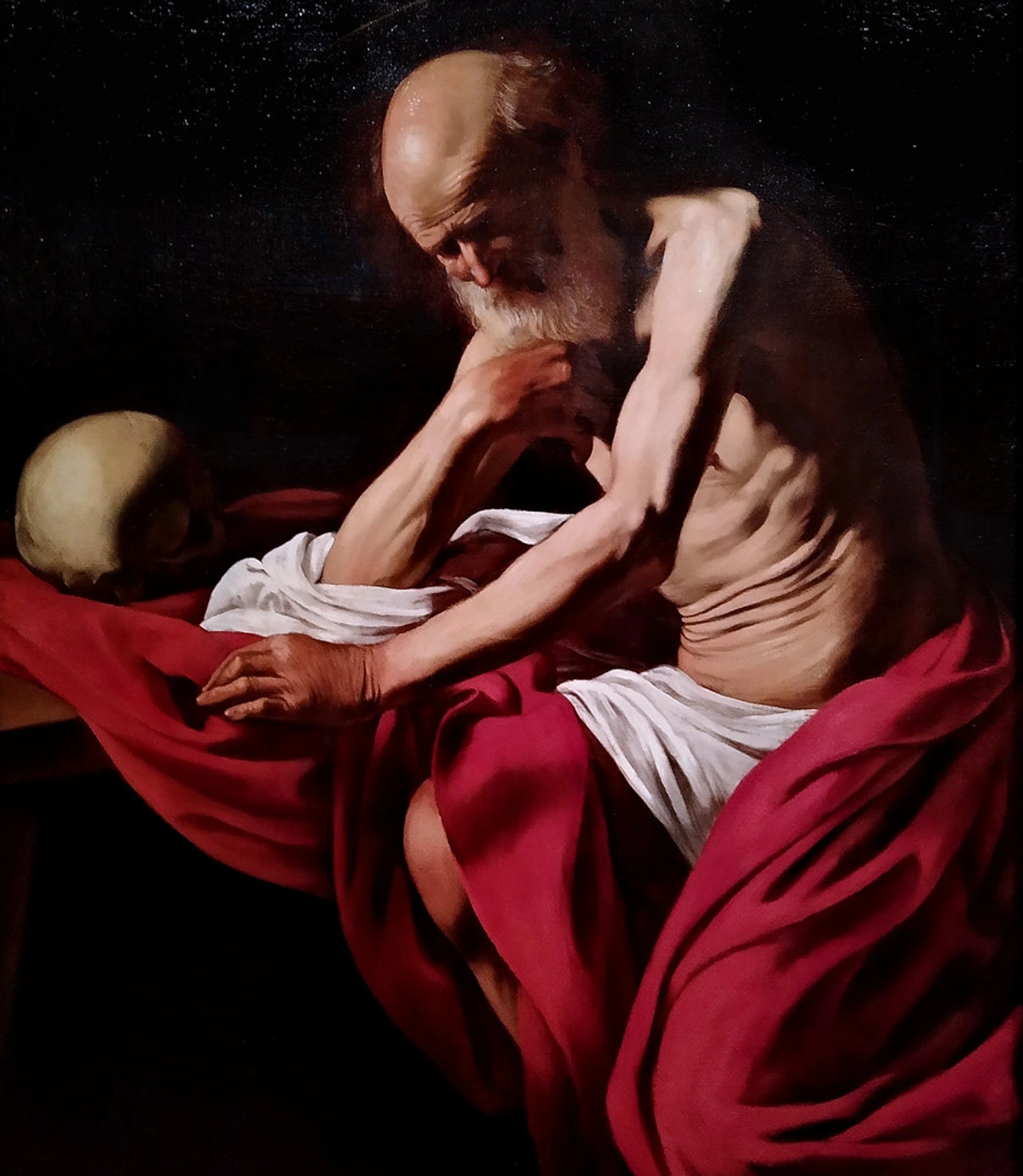
His influence was monumental. Artists across Europe, known as the Caravaggisti, eagerly adopted his style. They saw the power in that stark light, the emotional punch it delivered, but also, importantly, a new way to break from the rigid academic traditions that emphasized idealized beauty, classical subjects, and smooth, refined techniques. It must have taken real courage to go against the established artistic norms of the time! The Caravaggisti championed naturalism, depicting figures with unvarnished honesty, often in contemporary dress or settings, and focused on direct emotional appeal rather than intellectual allegory. This wasn't just about a new visual trick; it was a response to a changing world, one where the human experience and individual emotion were gaining prominence, foreshadowing elements of the Enlightenment by asserting the value of tangible reality and personal feeling. This allowed them to explore human emotion, vulnerability, and the rawness of life in a way that had rarely been seen before, reflecting a broader cultural shift towards appreciating human experience in all its imperfect glory. While many faithfully emulated his dramatic contrasts, some Caravaggisti, particularly those catering to different patrons or regional tastes, adapted the style by, for example, softening the extreme darkness slightly, incorporating richer color palettes, or focusing more on genre scenes than purely religious ones. This evolution meant Tenebrism wasn't a static formula but a dynamic artistic language that artists could bend to their own expressive needs.
Beyond Caravaggio, other masters like Artemisia Gentileschi, renowned for her powerful depictions of strong female figures, often employing Tenebrism to emphasize their strength and determination as they confront violence or injustice, making their struggles feel incredibly immediate; Orazio Gentileschi; Bartolomeo Manfredi; Georges de La Tour, whose quiet, introspective scenes often feature a single candle as the light source, creating an intimate, almost unsettling psychological drama where the extreme stillness and isolated light make the figures feel both deeply vulnerable and profoundly mysterious, as if caught in a private, unspoken moment where shadows seem to swallow everything but the most essential human elements; and the Utrecht Caravaggisti such as Gerrit van Honthorst and Hendrick ter Brugghen, who brought the style to Northern Europe. The reception in Northern Europe, particularly in the Dutch Republic, often focused on the genre painting aspects, appreciating the realism and dramatic lighting in everyday scenes – perhaps less so on the overt religious fervor of Italian Baroque, catering more to local tastes and bourgeois patronage. It makes sense, doesn't it? Different cultures, different priorities. We also see its principles strongly at play in the early works of Spanish masters like Jusepe de Ribera and even the young Diego Velázquez, who adapted the dramatic lighting to suit their own cultural and narrative contexts. Ribera, for example, often imbued his Tenebrist saints with an almost brutal physicality, emphasizing their suffering through harsh light. Each artist adapted the technique to their own unique vision, but all shared that unmistakable commitment to dramatic light and shadow, creating a powerful emotional connection with the viewer. Many of them also favored a muted palette of browns, ochres, and deep reds, known as earth tones, not just for their solemn mood but also because these pigments were readily available and helped ground the dramatic lighting in a visceral, human reality, enhancing the illusion of tangible presence within the shadowy scenes.
Are you curious how these dramatic effects were actually brought to life on canvas?
The Technical Brilliance: Materials and Methods of Tenebrism
But how did these artists achieve such dramatic effects? Let's delve into the technical mastery behind these shadowed masterpieces. Beyond just visual impact, this extreme contrast, for me, is a testament to incredible technical skill and a deep understanding of materials. Achieving those profound blacks and luminous whites wasn't a matter of chance; it was a complex dance between chemistry and artistry, a battle against the very nature of paint. Honestly, I'm just glad I have modern pigments and a decent studio, otherwise, I might have been one of those poor souls wrestling with drying times and cracking paint – a true conservator's nightmare! I can only imagine the sheer frustration of wrestling with pigments that refuse to cooperate.
Artists had to meticulously layer pigments, often using fast-drying oils and specific binders to build up opaque darks that wouldn't become muddy or fade over time. This was a significant challenge given the tendency of dark pigments, like lamp black or bone black, to absorb oil unevenly and dry slowly, which could lead to cracking or a dull, flat finish. Artists also often employed glazing techniques, applying thin, transparent layers of dark pigments over dried underpaintings to build up rich, luminous shadows with incredible depth, without completely obscuring the forms beneath. Imagine the frustration of spending hours on a deep shadow, only for it to lose its profundity as it dried, becoming a patchy, unfortunate grey! Conversely, they needed to achieve luminous highlights with thick applications of paint, or impasto, that could physically project from the canvas. The edges of a saint's cloak, the bridge of a nose, or a shimmering piece of cloth would be built up with creamy, opaque lead white, known for its opacity and brilliant reflective qualities, making these areas physically glow against the recessed shadows. Up close, these impasto highlights would have a tangible, almost sculpted quality, catching the light in a way that drew the eye and created a powerful sense of presence, almost seeming to project forward into the viewer's space. The risk with impasto, especially thick layers of lead white, was uneven drying; if the outer layer dried too quickly over still-wet paint underneath, it could lead to severe wrinkling or cracking over time, a conservator's nightmare. Artists often mitigated this by applying impasto in successive, thin layers, allowing each to dry, or by mixing lead white with specific fast-drying resins. It's enough to make you appreciate every perfectly preserved highlight you see today.
The careful preparation of the canvas was also crucial. Often, artists would apply a dark, sometimes reddish-brown or black, ground layer before painting. This dark ground served a dual purpose: it made it easier to achieve deeper, richer shadows from the outset, and it allowed the lighter forms to pop forward with greater intensity, as they didn't have to fight against a bright, reflective base. It was a bit like starting your painting in utter darkness, then turning on a focused spotlight that cuts through the void, making your subject leap forward. I've found a similar technique invaluable in my own work; starting with a dark base can surprisingly make subsequent colors sing with more intensity. This foundational layer contributed significantly to that profound blackness from which forms could suddenly emerge, a true hallmark of Tenebrist work.
Sadly, over centuries, even these masterfully executed deep blacks could sometimes fade, crack, or become transparent, revealing underlying layers or losing their initial profundity. This is something we, as modern viewers and conservators, often grapple with when looking at these masterpieces in museums today. It's a reminder of the fragility of art, even when created with such fierce intent. And it makes me wonder what these pieces truly looked like fresh off the easel – perhaps even more intense than we can imagine! It also makes me think about how challenging it must be to accurately reproduce the subtle yet dramatic tonal shifts of a Tenebrist painting in a digital format, where the screen's inherent luminosity can flatten those profound darks. A true digital conservator's challenge, I guess.
Key Characteristics of a Tenebrist Masterpiece
Alright, so you've felt the historical currents and glimpsed the technical secrets. Now, let's become art detectives and unpack the visual hallmarks that scream 'Tenebrism' from a canvas. When I'm playing art detective, searching for clues on the canvas, these are the tell-tale signs, the visual fingerprints, I always look for. These aren't just rigid rules, mind you, but more like a roadmap to understanding its powerful visual language and recognizing that dramatic hand at play:
- Extreme Light-Dark Contrast: This is the absolute cornerstone. You’ll see a dramatic, almost violent juxtaposition of intensely lit areas against deep, pervasive shadows. This stark, immediate shift grabs your attention and creates instant emotional impact, rather than a gentle transition. Think of the piercing light on the faces in Caravaggio’s The Calling of St. Matthew, slicing through the tavern's gloom – it’s the visual equivalent of a sudden, loud chord in a quiet symphony. It’s what first hooks my eye every time.
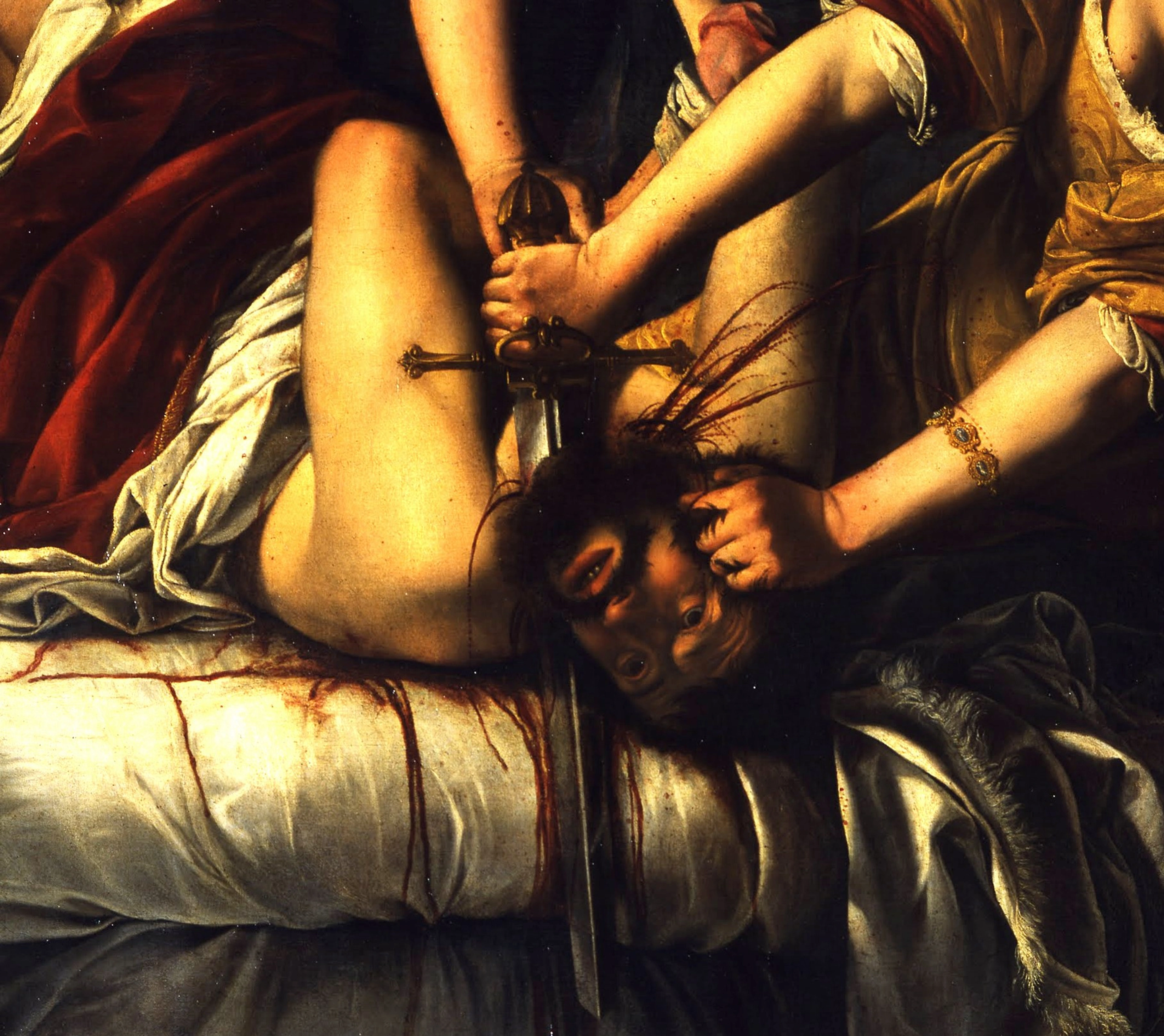
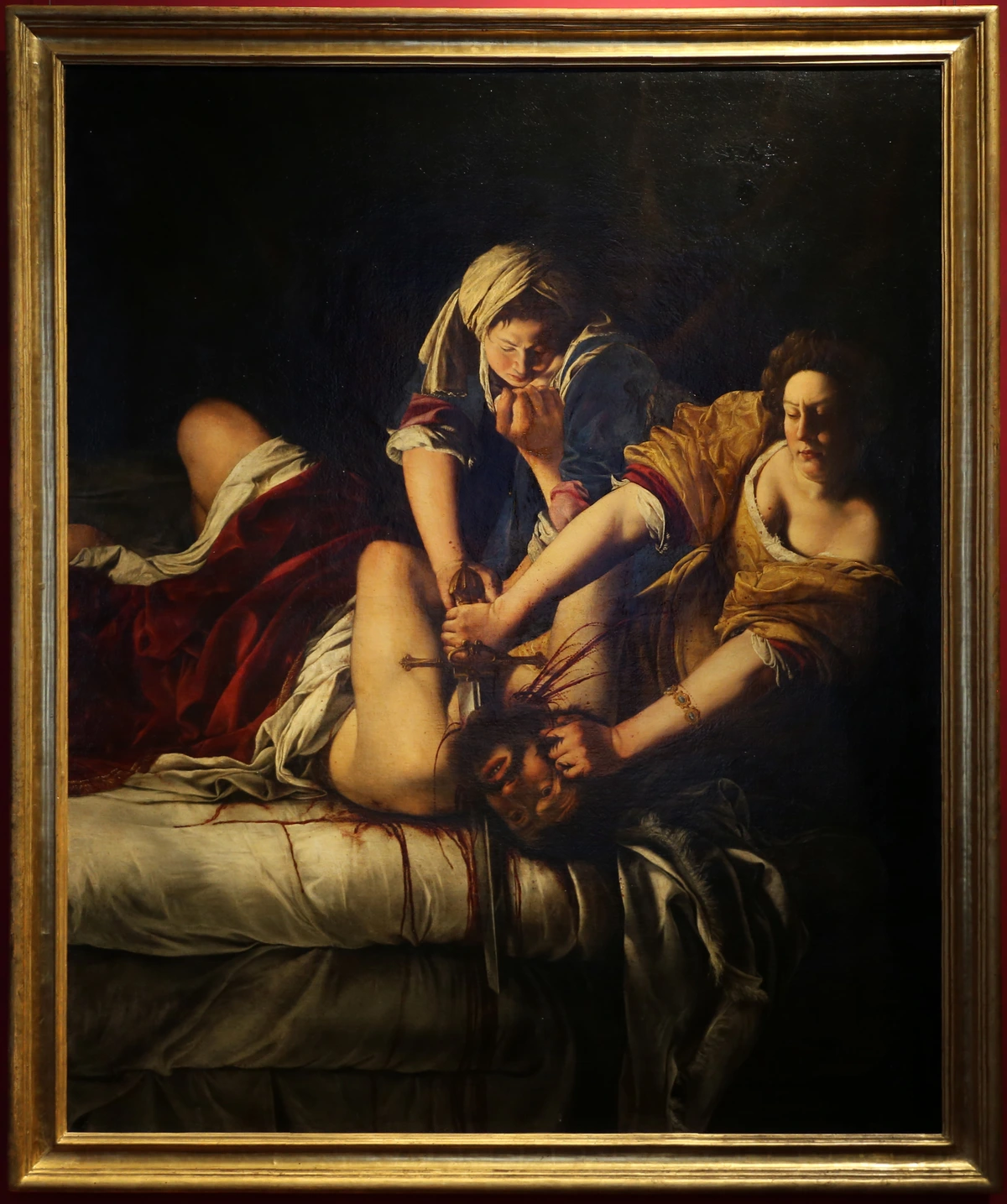
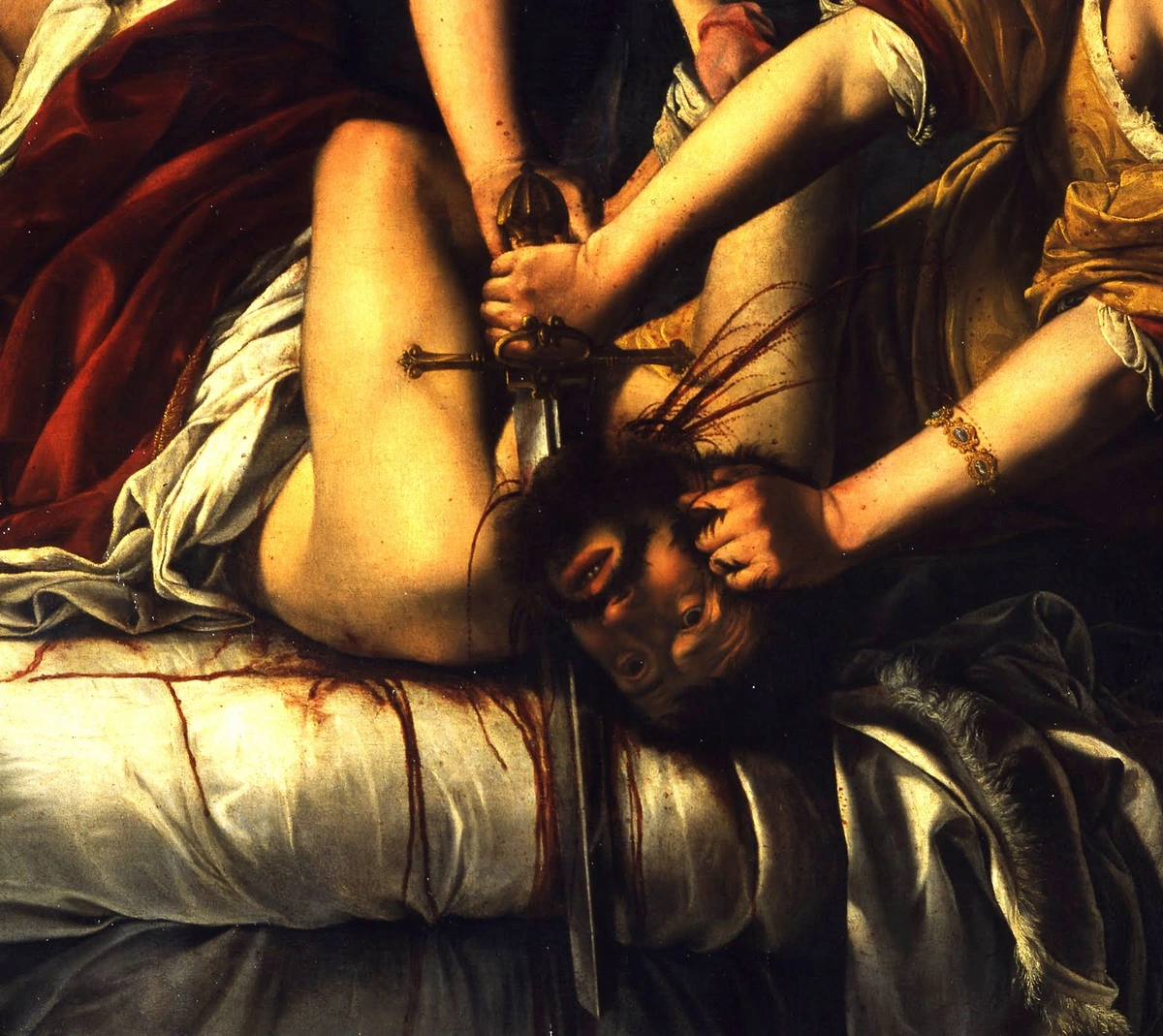
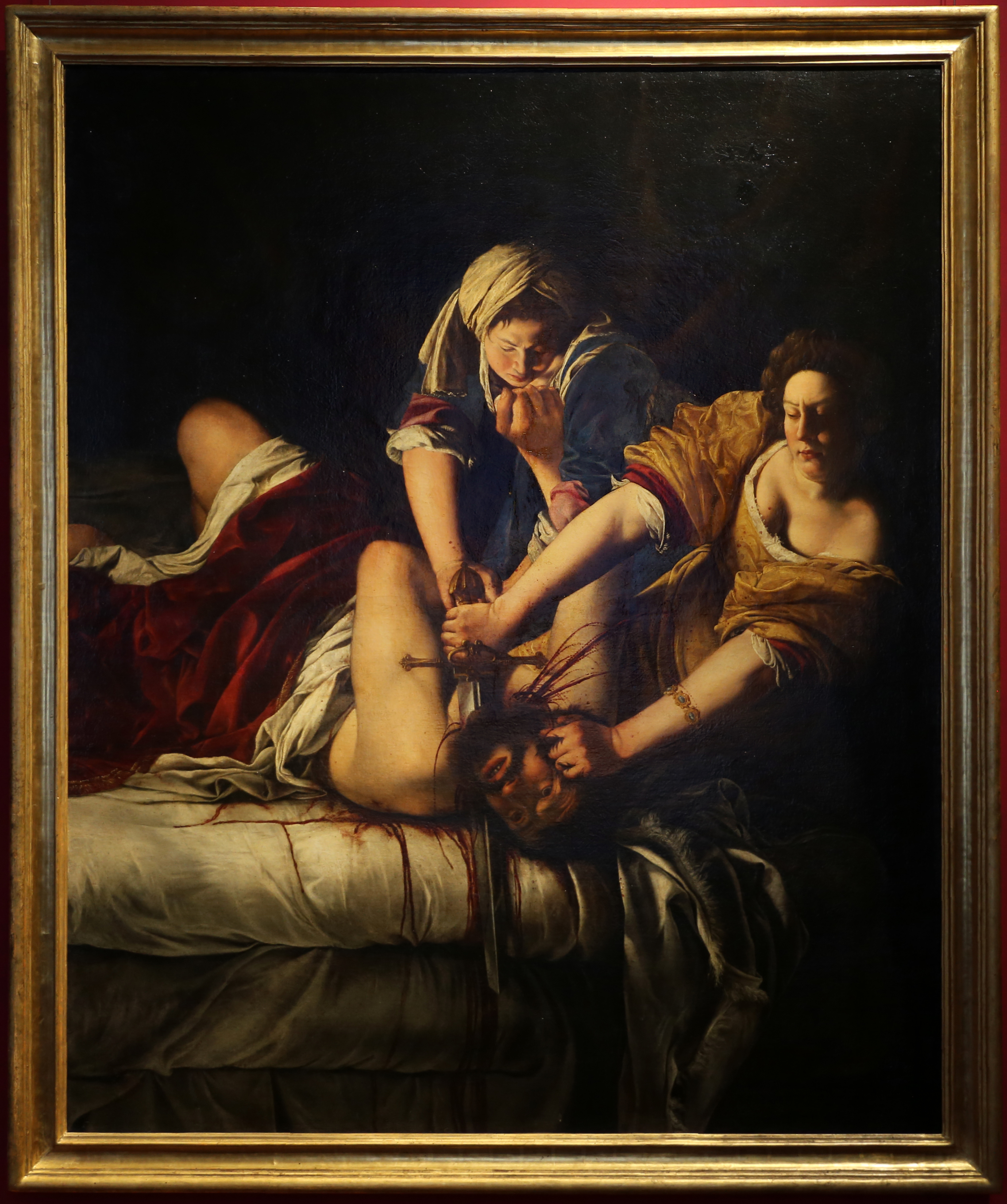
- Dominant Darkness (Negative Space as Presence): The shadows aren’t just background; they are an active, consuming element of the composition, almost a character in themselves. Think of them as a heavy velvet curtain, an inky abyss, or a swirling void, obscuring details, creating a delicious sense of mystery, and emphasizing the illuminated forms by powerful contrast. Often, figures emerge abruptly from this profound blackness, amplifying their presence. In Artemisia Gentileschi's Judith Slaying Holofernes, the oppressive void of the background makes the violent act feel terrifyingly close and immediate, almost suffocating the viewer. This isn't just an absence of light; it's an assertive presence of shadow, where the dark negative space actively shapes what we do see.
- Dramatic Spotlighting: The light often appears artificial, emanating from an unseen, concentrated source, as if a theatrical spotlight has been shone on a specific part of the scene. This creates sharp highlights and deep cast shadows, often with abrupt transitions. Artists frequently employed thick applications of paint, or impasto, for these highlights, making them physically project from the canvas and catch the real light, intensifying their luminosity against the deep, recessed shadows. Imagine the edge of a saint's cloak or the bridge of a nose, built up with creamy, opaque lead white that seems to almost glow from the canvas itself, pulling your eye directly to that tactile surface, much like the intense beam hitting the main characters in Georges de La Tour's The Penitent Magdalene. It's like a director deciding precisely what you must see, and the psychological impact of that controlled gaze is immense. It's a conscious choice to guide your attention.
- Limited Background Detail: Often, the extensive darkness means backgrounds are minimal or entirely absent. This eliminates distractions, ensuring the viewer's focus remains solely on the dramatically lit figures and their immediate environment, thereby amplifying the emotional and narrative impact. Take Caravaggio’s Conversion on the Way to Damascus – the horse's rear and Paul's prone body are the entire focus, the background a mere suggestion of darkness. It's a bit like clearing the stage for the main actors, and honestly, who needs fussy details getting in the way of true drama?
- Psychological Intensity & Expressive Figures: Beyond just the lighting, Tenebrist works often amplify the emotional intensity of the figures themselves. Their expressions, gestures, and body language are not subtle; they are heightened by the dramatic illumination, making human suffering, ecstasy, or divine intervention feel incredibly raw and immediate. Ribera's martyrs, for instance, often contort in agony, their pain made even more stark by the unforgiving light, drawing you into their struggle.
- Common Subject Matter: While highly effective for religious narratives during the Counter-Reformation (depicting martyrdoms like Caravaggio's The Martyrdom of St. Matthew or moments of intense spiritual drama), Tenebrism also found power in secular subjects. Genre scenes, like Caravaggio's The Cardsharps, or even mythological narratives, used the stark contrasts to amplify human experience and illicit drama. Crucially, it often focused on common people and everyday life, portraying even biblical figures with a gritty authenticity—dirty feet, wrinkled skin—making the divine feel intensely human and relatable, a key goal of the Counter-Reformation. This was a deliberate departure from the idealized, often ethereal, representations of the Renaissance. The starkness made the ordinary feel extraordinary, highlighting the inherent drama in human existence, and in a way, paved the path for later movements that celebrated the mundane and the real.
- Limited Color Palette (Often Earth Tones): While some Tenebrist works can still use vibrant colors if the contrast is extreme enough, many favor a muted palette of browns, ochres, and deep reds. This allows the dramatic interplay of light and dark to take center stage, rather than vibrant hues, forcing the viewer to focus on the tonal relationships and the emotional weight of the scene. It’s less about chromatic spectacle and more about tonal impact. These earthy tones, especially the deep reds often used for drapery or blood, contribute significantly to the solemn, often tragic, mood of many Tenebrist paintings, lending a visceral, grounded reality to the dramatic lighting.
- Focus on the Crucial Elements: By selectively illuminating only vital figures or narrative points, the artist eliminates distractions, forcing the viewer's gaze and focus precisely where the story or emotion resides. This selective visibility is a powerful narrative tool, a masterclass in the art of composition: guiding the viewer's eye, making every visible detail count, much like an arrow pointing to the narrative's focal point. Your eye has no choice but to go exactly where the artist intended, engaging with the theatricality of the scene.These characteristics work in concert to create art that doesn't just depict a scene, but commands attention and evokes a powerful emotional response. So, the next time you encounter a painting with such intense contrasts, will you recognize the 'hand' of Tenebrism at play? Which of these characteristics do you find most striking when you look at a Tenebrist painting?
The Power and Psychology of Tenebrism
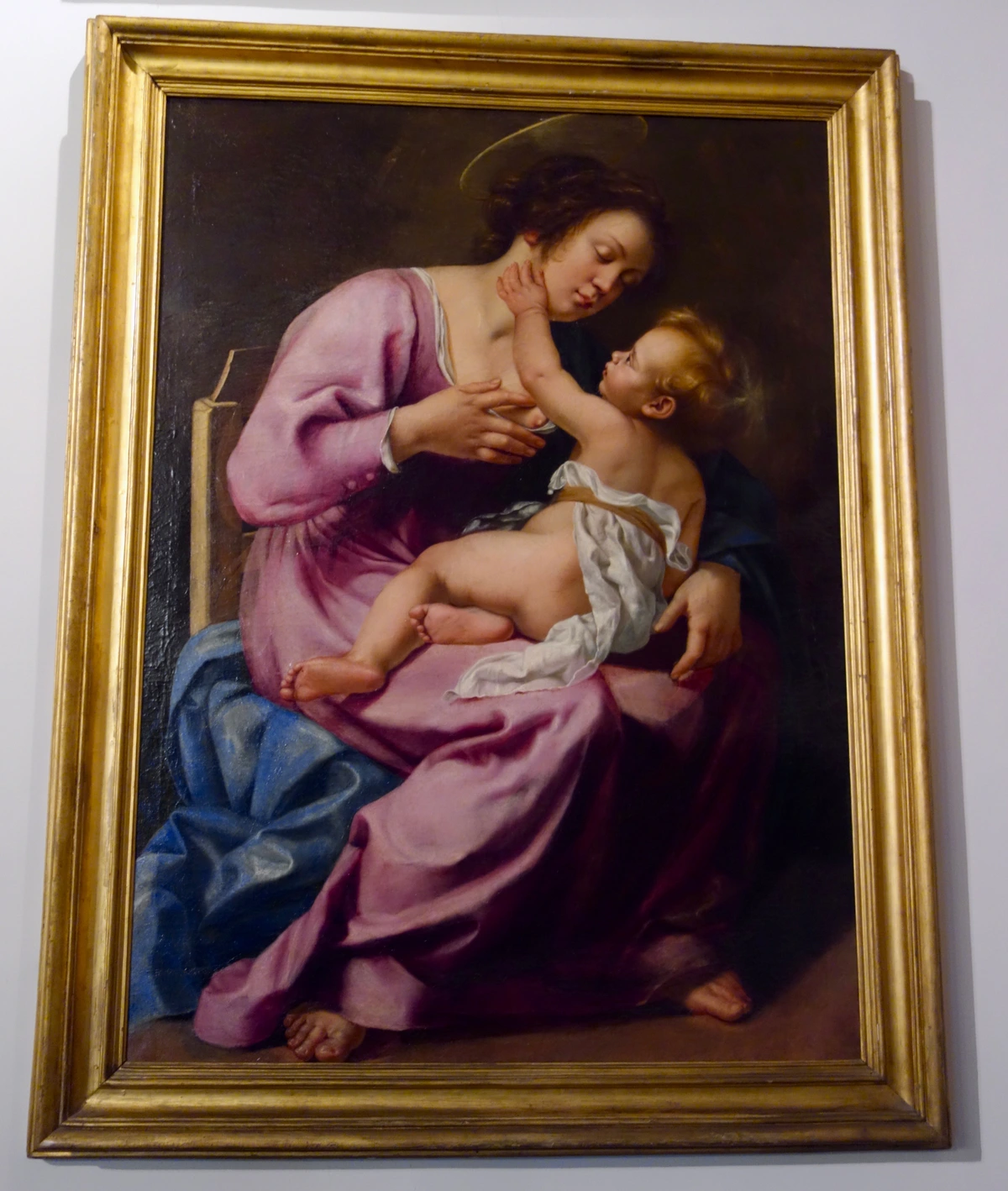
Now that we've dissected the visual hallmarks of Tenebrism, let's explore the profound psychological impact these dramatic contrasts have on us, the viewers. So, what does this extreme approach do to us, the viewers? I mean, let's be honest, who doesn't love a bit of drama? Tenebrism isn't just a technique; it's a feeling, a profound psychological statement. It speaks to our primal fear of the unknown lurking in the shadows, but also to the hope embodied by that single, piercing light. That deep, consuming darkness, sometimes called negative space, can symbolize hidden truths, moral ambiguity, the depths of the subconscious, or even the vast, unknowable divine, making us confront what lies beneath the surface. It creates a powerful visual tension, a dynamic push-and-pull between what is revealed and what remains hidden, drawing us further into the narrative. For me, that push and pull is where the real magic happens, constantly challenging my perceptions, much like the dance between certainty and mystery in life itself. It's a feeling I try to capture in my own abstract explorations, that hint of something just beyond reach.
This powerful contrast evokes a range of emotions: unease, introspection, a heightened sense of empathy for the subjects, or even a profound sense of spiritual awe. It often creates a sense of liminality – a feeling of being on the threshold between the known and unknown, light and dark, reality and the divine. This ambiguity, combined with the intense focus, compels us to grapple with deeper meanings. More specifically, it often stirs emotions ranging from visceral fear and despair in scenes of martyrdom to profound hope and divine revelation in religious narratives, and even a potent sensuality in some secular works.
The psychological effect of seeing figures emerge from such profound darkness can be unsettling, even evoking a sense of the uncanny – that strange feeling when something familiar appears subtly wrong or out of place, as these powerfully lit forms seem almost to break free from the void. I remember seeing a de La Tour painting, The Penitent Magdalene, and feeling that uncanny intimacy – the familiar scene, yet the profound stillness and isolated light made it feel profoundly private and almost forbidden, as if I was intruding. Or, think of the intense realism of a saint's suffering in a Ribera painting, made so intensely real it borders on the unsettling, or the shocking realism of the severed head of Holofernes in some Caravaggisti works. It's a bit like seeing a familiar face suddenly illuminated by a flashlight in a dark room; it's still them, but profoundly altered and unnerving. It makes the human struggle or spiritual moment feel incredibly raw and immediate. It can even evoke a sense of the sublime – that terrifying yet awe-inspiring feeling of confronting something immense and uncontrollable – by juxtaposing the overwhelming, infinite darkness with a focused, almost miraculous, burst of light, suggesting vast power and profound mystery, much like the divine light breaking into a mundane scene in a Caravaggio. Tenebrism was, for me, always a direct challenge to the comfortable, to make you feel something truly profound, whether it was terror or grace. In my own work, I often aim for a similar sense of awe, even if through abstract means, by creating vast, dark spaces punctuated by intense, unexpected bursts of color.
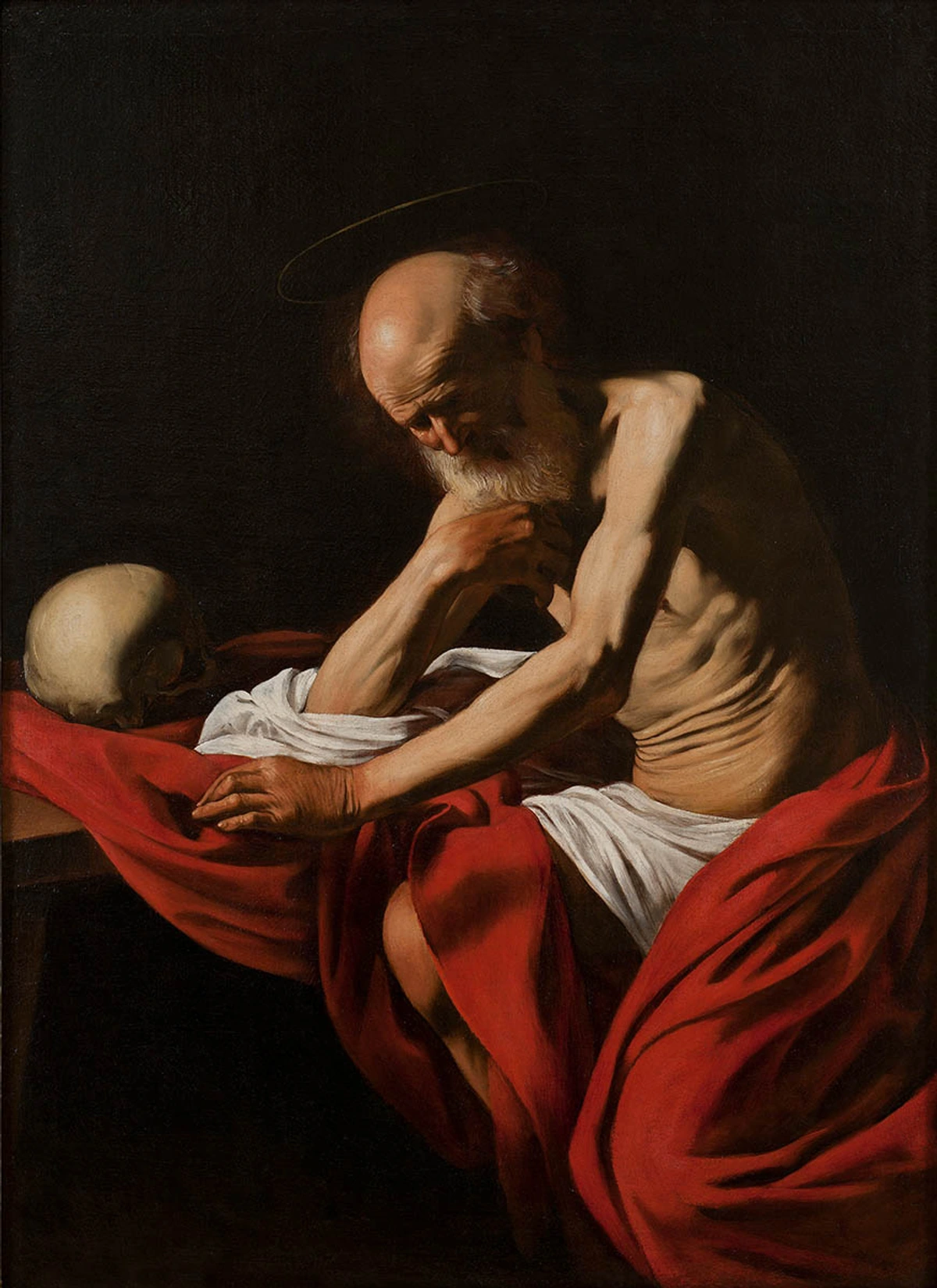
Tenebrism was particularly suited for depicting dramatic religious scenes, martyrdoms, and moments of spiritual revelation because its stark contrasts could viscerally communicate the gravity of these events. The powerful light could symbolize divine intervention or intense spiritual awakening, while the surrounding darkness amplified the suffering, vulnerability, or mystery, drawing the viewer into a deeply personal encounter with the sacred or the tragic. This made it a powerful tool for the Counter-Reformation, subtly (or not so subtly) used to stir intense devotion and even serve as a form of emotional propaganda, encouraging adherence to Catholic doctrine through visceral artistic experience. It amplifies everything. The stark contrasts immediately heighten the emotional temperature of a scene, creating a sense of urgency or awe. A look, a gesture, a moment of agony or ecstasy – it all becomes more potent when framed by intense darkness. This unflinching realism, often depicting saints or heroes with the gritty authenticity of common people, was revolutionary. It often made viewers, accustomed to idealized representations, feel profoundly uncomfortable, yet undeniably moved. It brought divine narratives down to earth, highlighting spiritual and moral themes through raw human experience.What Tenebrist artwork has most profoundly impacted you, and why?
The Double-Edged Sword: Contemporary Criticism of Tenebrism
But, like any truly groundbreaking style, Tenebrism wasn't without its detractors. While we look back at Caravaggio and his followers as geniuses, many critics of the time, and even later art historians, viewed Tenebrism as overly theatrical or even manipulative. Its stark drama could, at times, feel sensationalized, potentially detracting from subtle spiritual messages or making figures seem too base. For instance, Giovanni Baglione, a contemporary rival of Caravaggio, criticized his works as 'dark, gloomy, and without grace,' reflecting a preference for more traditional, idealized aesthetics. Critics argued that its intense realism sometimes bordered on the grotesque, a departure from classical ideals of beauty and decorum that had long dominated art. For others, particularly during the Counter-Reformation, the very rawness that stirred devotion in one person was considered morbid or excessive by another, even hinting at a lack of respect for sacred subjects through its earthy portrayal. They thought it was, perhaps, a bit too much for polite society, sacrificing grace for gritty impact. This potential for emotional manipulation, while effective for the Church's goals, was precisely what made it controversial to some. It was, I suppose, a delicate balance between profound impact and perceived excess – a tightrope individual artists certainly navigated differently, and one I sometimes wonder if I'd have walked successfully myself. Would I have been a critic, perhaps raising a slightly judgmental eyebrow, or an awestruck commoner? What do you think – can art be too dramatic?
Beyond the criticisms, this emphasis on raw emotion and individual experience also laid crucial groundwork for later movements like Romanticism. Think about the dramatic, often melancholic, canvases of artists like Eugène Delacroix or Théodore Géricault; their focus on intense personal feeling, passion, and the sublime in nature or human suffering owes a quiet debt to the emotional temperature dialed up by the Tenebrists centuries before. Géricault’s The Raft of the Medusa, for instance, uses stark contrasts and dramatic lighting to amplify the desperation and struggle of the survivors, creating an overwhelming emotional experience for the viewer. Beyond Romanticism, Tenebrism's raw depiction of reality also anticipated later movements like Realism by highlighting the importance of capturing unvarnished truth and the everyday, even if through a different aesthetic lens. It’s a testament to its foundational impact on how artists approach truth and emotion in their work.Ready to explore its modern echoes?
Beyond the Canvas: Tenebrism's Enduring Legacy and My Take
The beauty of a truly powerful artistic principle is its timelessness, wouldn't you agree? Tenebrism, for all its Baroque origins, is a timeless visual language. Its principles resonate far beyond the canvas, constantly finding new expressions in visual media. It’s a bit like a secret handshake that directors, photographers, and even digital artists understand. My fascination with its adaptability just keeps growing – it speaks to the universal human experience of confronting the unknown, of finding light in the dark.
Tenebrism in Film and Photography
Do you ever look at a contemporary black and white photograph, a film noir movie like Double Indemnity or The Maltese Falcon? Or perhaps even a German Expressionist film like The Cabinet of Dr. Caligari? The dramatic contrasts are unmistakable. When I watch these films, I'm always struck by how the shadows aren't just a backdrop; they're characters themselves, a technique I constantly try to translate into my own visual language. The way light cuts through the smoky atmosphere in Blade Runner or emphasizes the isolation in a stark urban landscape – that's Tenebrism at work. These principles are effective in film and photography because they create suspense, highlight moral ambiguity, and emphasize psychological states, forcing the viewer to confront the characters' inner turmoil or the stark realities of their environment. Tenebrism's influence can even be seen in certain atmospheric video games in the horror genre, like Silent Hill or Limbo, where stark shadows create palpable tension, guiding the player's eye to crucial elements or hidden threats. Think about fine art photography, especially in portraiture or street photography, where artists intentionally use harsh, directional light and deep shadows to sculpt faces or create a sense of isolation and urban grit. A great contemporary example would be the work of Gregory Crewdson, whose meticulously staged photographs often feature intense, artificial lighting cutting through suburban darkness, creating scenes pregnant with psychological tension and mystery through dramatic, carefully placed spotlights. Even certain contemporary fashion photography campaigns leverage Tenebrist principles to evoke mood and mystery. And if you’ve ever sat in a darkened theatre, watching a single performer illuminated by a powerful beam, you've experienced Tenebrism's influence on modern theatrical lighting design first-hand – guiding your focus, amplifying emotion.
Tenebrism in Contemporary Visual Art
Its influence extends to German Expressionist painting, some forms of digital art that manipulate light and shadow to create stark emotional landscapes, and yes, even in the dramatic panels of graphic novels and comic art, where a single ray of light cutting through deep shadow can define a character's internal struggle or a crucial plot point. Contemporary artists like Bill Viola, known for his video installations that often feature figures emerging from darkness into intense light, or photographic artists who deliberately manipulate artificial light to create high-contrast, moody scenes, are, in their own way, inheritors of the Tenebrist tradition. These contemporary applications profoundly inspire me; they show that the dramatic interplay of light and dark is still a potent, relevant language for modern expression. We can also see its principles at play in Dutch Golden Age still-life painting, where objects are often dramatically lit against dark, enveloping backgrounds, emphasizing their texture, form, and symbolic weight, much like Caravaggio illuminated his figures. These modern applications prove that the dramatic interplay of light and dark remains a powerful tool for conveying narrative and emotion, often to evoke a deep, introspective mood, much like I aim for in my own abstract pieces.
My Tenebrist Journey: How Shadows Define My Abstract Work
This enduring appeal isn't just aesthetic; it's deeply psychological. The dramatic play of light and shadow, the emergence from profound darkness, taps into fundamental human experiences of mystery, fear, and revelation. It's a visual language that transcends time and medium because it speaks directly to our emotional core, mirroring the hidden depths within ourselves. This connection to the darker, more introspective aspects of human experience has even allowed Tenebrism's principles to resonate with later philosophical movements like existentialism, which grappled with isolation, ambiguity, and the search for meaning in a complex world.
This enduring power of light and shadow isn't just something I observe in other art forms; it's a principle that deeply informs my own creative process. Even in my abstract compositions, where color often takes center stage, I'm always thinking about how light and shadow define form and create depth. I remember once working on a piece, let's call it 'Crimson Dawn,' where I was struggling to create a powerful focal point – perhaps a vibrant splash of red. I tried adding more color, but it just made the piece feel busy, like too many voices trying to shout at once. Then, I had a moment of insight, directly echoing that Tenebrist impulse: I deliberately darkened a large section of the canvas with deep charcoals and muted blues, allowing just a sliver of that intense red to cut through. Suddenly, the whole composition gained an unexpected power and mystery, a sense of quiet drama and emergent energy. It was a revelation, like Caravaggio himself carving figures from the dark, but with my own abstract language. The absence of light, I realized, didn't diminish the color; it amplified it, making that red scream with a newfound intensity. I even remember sketching out the initial idea in charcoal, seeing how the strong value contrasts immediately created drama and drew the eye, even without color. While I might not use the extreme, theatrical spotlighting of a Caravaggio, the fundamental principles of using contrasting values to evoke emotion and guide the eye are universal.



Tenebrism, for all its historical specificity, offers timeless lessons about impact, narrative, and the sheer power of visual drama. It has taught me that even in a world of vibrant hues, the strategic absence of light can amplify what remains, making even the brightest colors sing with a newfound intensity. This deliberate interplay, the paradox of using darkness to define light, is a core principle I actively explore in my own contemporary works, often with the intent of drawing the viewer into an equally profound, albeit abstract, emotional space. You can see how this plays out in the art for sale on my site today. My artistic journey, much like the evolution of Tenebrism itself, has been a constant exploration of how light and shadow shape our perception and emotion. And perhaps, when you visit my museum in 's-Hertogenbosch, you’ll feel that dramatic interplay for yourself, finding those echoes of profound light emerging from the strategically placed darkness in my own canvases. It’s a reminder that sometimes, the most profound statements are made not by what you show, but by what you deliberately hide in the darkness. It’s about creating a space for the imagination, for feeling, for being moved. And that, to me, is what great art, whether classical or abstract, aims to achieve. It’s about the truth revealed in the shadows.
Key Takeaways: Tenebrism in a Nutshell
Before we part ways, let’s quickly recap the essence of this captivating style:
- Extreme Contrast: Violent juxtaposition of light and dark.
- Dominant Darkness: Shadows aren't just background; they're an active, narrative force, creating powerful negative space.
- Dramatic Spotlighting: Light from a single, often unseen source, highlighting crucial elements with intense focus.
- Psychological Intensity: Aims to evoke strong emotional and spiritual responses, often unsettling or sublime.
- Caravaggio's Legacy: He largely defined and popularized the style, shifting art towards raw realism and human experience.
- Enduring Legacy: Its principles resonate beyond Baroque art, influencing film, photography, and contemporary abstract works.
It's a style that truly gets under your skin, isn't it? What echoes of Tenebrism do you see in the art that moves you?