The Ultimate Guide to Art Supplies for Kids (That Won't Drive You Crazy)
Ditch the art store overwhelm! Discover the best, safest, and most fun art supplies for kids of all ages, from toddlers to tweens. A personal guide to sparking creativity.

The Ultimate Guide to Art Supplies for Kids (That Won't Drive You Crazy) 🎨
Let's be honest: walking into an art supply store, even as an adult, can be a vortex of beautiful, overwhelming choices. It's a vibrant, chaotic symphony of possibility that often ends with me staring blankly at a wall of a thousand different blues, wondering which one won't permanently bond with my carpet (spoiler alert: it often does!). Now, if you're a parent, that feeling is amplified tenfold. You're not just looking for tools; you're looking for catalysts of creativity, vessels for boundless imagination, and, crucially, materials that won't send you spiraling into a permanent state of mess-induced despair.
I've been there. I am there. As an artist and a parent, I've spent years navigating the glorious, glitter-strewn battlefield of childhood art, seeking out the magic makers that inspire without driving us completely up the wall. This isn't just about avoiding stains; it's about making deliberate choices that genuinely nurture your child's artistic journey, boost their confidence, and empower them to express their incredible inner worlds.
Consider this your ultimate, deeply opinionated, and highly practical guide – your secret weapon in embracing the beautiful, colorful chaos of childhood art. I'm here to cut through the noise, share what I've learned, and help you foster genuine creativity in your children without losing your sanity (or your security deposit!).
Let's cut through the noise. This isn't just about avoiding a mess or finding something to keep them busy for an hour. Oh no, it's about nurturing tiny humans in profoundly powerful ways that extend far beyond the canvas. We're talking about developing crucial fine motor skills, boosting essential problem-solving abilities, fostering vital emotional expression, building self-esteem, and, yes, igniting that incredible, boundless imagination.
Art isn't just a pastime; it's a foundational pillar in how children understand and interact with the world around them. It's about giving them a voice before they even have the words, a non-verbal language to process complex experiences and express themselves authentically. So, when you're choosing that perfect set of crayons, you're not just buying wax sticks; you're making a profound investment in their holistic development, their burgeoning confidence, and their boundless joy.
My philosophy? The goal here isn't to raise the next Rembrandt overnight (unless that's your thing, no judgment – just make sure to send me an invite to their first gallery opening!). The real magic happens when kids are free to explore, make glorious messes (that are secretly manageable, I promise!), and use their little hands and minds to show you what's going on in their incredible brains. This is my personal, deeply opinionated guide to the art supplies that I think are genuinely great for kids – the ones that empower them without driving us parents completely up the wall. I've spent years navigating this colorful chaos, and I'm here to share what I've learned about making art accessible, fun, and genuinely beneficial for every age. By the end of this guide, you'll feel confident in your choices, empowered to set up a creative space, and ready to embrace the beautiful, messy journey of art with your child.
Why Art is Crucial for Child Development
Before we dive into the supplies, let's briefly underscore why this matters beyond just keeping them occupied. Engaging with art helps children in multifaceted ways, far beyond just creating pretty pictures. It's a holistic experience that supports cognitive, emotional, and physical growth. Think of art as a playground for their developing minds and bodies, an essential arena for growth, much like a good story fosters visual storytelling techniques in narrative art in older artists.
Key Developmental Benefits of Art
Art is more than just a fun activity; it's a foundational pillar in a child's development. Here's a deeper look into the key areas where art makes a profound impact:
- Cognitive Growth: Art encourages critical thinking, problem-solving, and decision-making. When a child asks, "How do I make green?" or "What happens if I use less water?", these seemingly simple questions spark complex neural connections. They're engaging in mini-scientific experiments, learning about cause and effect, and building foundational reasoning skills that transfer to academics and beyond. It’s like a fun brain gym that trains their minds for future challenges, from math problems to everyday dilemmas. Plus, the abstract nature of many art projects can even introduce concepts similar to what is abstract art at a rudimentary level, fostering creative problem-solving.
- Emotional Expression: For children who haven't yet fully developed verbal communication, art provides a powerful, non-verbal outlet for expressing feelings, fears, and joys. It's a safe space to explore their inner world, process complex emotions, and even cope with stress. I've seen kids work through big feelings on paper – anger might manifest as bold, frantic scribbles, while joy could be a burst of vibrant colors. Art gives them a voice when words fail, helping them understand and regulate their emotional landscape. This raw expression is akin to the deep emotional release artists find when they translate emotion into abstract art.
- Fine and Gross Motor Skills: From gripping a chunky crayon (engaging larger gross motor skills) to making detailed strokes with a paintbrush (honing precise fine motor skills), art activities are fantastic for developing hand-eye coordination, dexterity, and muscle control. These are vital for countless daily tasks, from writing their name and learning to tie shoelaces to dressing themselves and manipulating small objects. The repetitive motions and controlled movements inherent in art build strength and precision, preparing them for a lifetime of skilled action. Every brushstroke, every tear of paper, contributes to developing these crucial skills.
- Sensory Exploration: The textures of clay, the smell of paint, the vibrant colors, the sounds of tearing paper – art engages multiple senses simultaneously. This multi-dimensional input is crucial for early childhood development, helping children interpret and understand the world around them. It allows them to experiment with different materials and discover how they feel, look, and behave, fostering a deeper connection to their environment and a rich, embodied learning experience. Engaging with various exploring texture:-my-favorite-techniques-for-adding-depth-to-abstract-paintings in art supplies gives children a profound sensory education.
- Creativity and Imagination: This is perhaps the most obvious benefit, but also the most profound. Art allows children to dream, to invent, and to bring their unique visions to life, fostering original thought, innovative approaches, and divergent thinking (the ability to generate multiple solutions to a problem). It teaches them there isn't always one "right" answer, which is a powerful lesson for life. In a world often focused on conformity, art offers a sanctuary for individuality and boundless invention. This is where they begin to understand what is design in art in their own unique way, building their visual vocabulary.
- Language Development: Describing their art ("This is a red car!"), narrating their process ("First I drew a line, then I added a circle!"), and discussing their choices ("I used blue because it feels peaceful") all contribute significantly to language development. Art provides concrete subjects for conversation, expanding vocabulary and improving descriptive skills, even forming the basis for early visual storytelling techniques in narrative art.
- Cultural Awareness: Introducing children to art from different cultures and historical periods can spark curiosity about the wider world. Whether it's looking at Indigenous art, learning about Frida Kahlo and Mexican folk art, or exploring ancient Egyptian hieroglyphs, art is a universal language that transcends boundaries and teaches respect for diverse perspectives. It’s a wonderful way to broaden their horizons and foster a sense of global citizenship.
Developmental Benefits at a Glance
Benefit  | How Art Helps Children |
|---|---|
| Cognitive Growth | Encourages problem-solving, critical thinking, decision-making, and understanding cause-and-effect through artistic experimentation. |
| Emotional Expression | Provides a safe, non-verbal outlet for processing feelings, fears, and joys, helping children explore their inner world and cope with stress. |
| Fine & Gross Motor Skills | Develops hand-eye coordination, dexterity, and muscle control essential for writing, dressing, and other daily tasks, from gripping large tools to making precise movements. |
| Sensory Exploration | Engages multiple senses (sight, touch, smell) simultaneously, crucial for early childhood development and a deeper understanding of materials and the environment. |
| Creativity & Imagination | Fosters original thought, innovative approaches, and divergent thinking, allowing children to dream, invent, and bring unique visions to life without the pressure of a single "right" answer. |
Understanding these benefits can profoundly shift our perspective from seeing art as just a frivolous pastime to recognizing it as a cornerstone of holistic development. I mean, who doesn't want their kid to be a brilliant, emotionally intelligent, problem-solving creative genius? I know I do, even if it means a little extra scrubbing! It's about nurturing skills that extend far beyond the easel, shaping them into well-rounded, confident individuals. This isn't just about art; it's about life.
What Actually Makes a "Good" Art Supply for a Kid?
Before we get to the lists, let's realign our thinking. We're not looking for archival quality or lightfast pigments; this isn't about creating museum-quality pieces that will last for centuries. We're looking for five things, and I call them the "Parent Sanity Quintet" (because who can stop at just three, or even four, when it comes to saving your sanity?!):

Quick tip: While exploring materials, remember that even professional artists often start with simple tools. You don't need to break the bank to ignite creativity, just like you don't need a huge studio to be a plein air painter!
- Safety: This is absolutely non-negotiable. When you’re choosing anything for tiny hands (and often tiny mouths!), safety comes first. Always look for the AP (Approved Product) seal from the Art and Creative Materials Institute (ACMI). This isn't just a sticker; it means a toxicologist has reviewed the product and confirmed it’s safe for its intended use and won't cause acute or chronic health problems. "Non-toxic" is the keyword you'll be searching for, especially for younger children. And remember, even non-toxic doesn't mean "tastes like candy," so supervision is always key – my kids once tried to sample finger paint, and let's just say it wasn't a culinary success! This emphasis on safety is paramount, much like the careful selection of best eco-friendly art supplies for conscious artists for older artists.
- Washability: I cannot stress this enough. Seriously. I once had a run-in with a permanent red marker and a very curious toddler, and let me tell you, the wall was never the same. Nor was my sanity for a solid week. "Washable" and "Ultra-Washable" are not just marketing terms; they are your best friends, your cleaning crew, and the unsung heroes of peaceful art sessions. Always, always prioritize these labels unless you're prepared for some serious scrubbing (or repainting, as the case may be). Trust me, saving your sofa from a vibrant blue permanent marker stain is worth every penny. Imagine the sheer terror of an acrylic paint spill on your rug! Washability is your safeguard.
- Usability: Can a small, developing hand actually use this thing without immediately giving up in frustration? This is crucial for fostering a love of art, not just a fleeting interest. Chunky crayons, for example, are fantastic for toddlers because they can be gripped in a fist, allowing for those big, sweeping arm movements that build foundational motor skills. On the flip side, tiny, fiddly things—like thin paintbrushes or intricate pencil sharpeners—are just a recipe for frustration for younger kids. The tool should feel intuitive, comfortable, and empowering to use, allowing them to focus on their creative ideas rather than wrestling with the supplies. Think about how a comfortable brush allows an artist to focus on basic brushstrokes for acrylic painting without distraction.
- Versatility & Durability: Can it be used in multiple ways? Will it stand up to enthusiastic (read: sometimes destructive) exploration? A crayon that snaps instantly or a paint that only works on one type of paper might lead to more frustration than fun. We're looking for workhorses, not one-trick ponies. Supplies that can be used across various surfaces or in different techniques offer more bang for your buck and encourage broader experimentation. I love anything that can survive being dropped multiple times without shattering! This is where you get the most out of your investment, much like a versatile palette knife for an abstract artist.
- Value for Money: While not strictly about safety or usability, getting good value ensures that art remains accessible and sustainable for your family. This doesn't necessarily mean buying the cheapest option, but rather choosing products that offer quality, last longer, or can be refilled, allowing for sustained creative exploration without constantly breaking the bank. It's about making art a regular part of life, not a rare, expensive treat. It’s about finding that sweet spot where quality meets affordability, enabling consistent engagement with art.
The Parent Sanity Sextet: Quick Reference
Criteria | What to Look For | Why It Matters |
|---|---|---|
| Safety | AP (Approved Product) Seal, "Non-Toxic" | Peace of mind; protects young artists from harmful chemicals. |
| Washability | "Washable," "Ultra-Washable" | Saves furniture, clothes, and your sanity from permanent stains. |
| Usability | Chunky grips, ergonomic shapes, easy-to-manipulate | Prevents frustration, encourages engagement, aids fine motor development. |
| Age-Appropriateness | Tailored to developmental stage, suitable complexity | Ensures engagement, prevents frustration, fosters sustained interest and growth. |
| Versatility & Durability | Multi-surface, sturdy construction, long-lasting | Maximizes value, minimizes waste, withstands enthusiastic child's play. |
| Value for Money | Cost-effective, refillable, encourages experimentation | Supports sustained creative exploration without breaking the bank. |
Setting Up Your Child's Art Space: Tips for Parents
Creating an inspiring yet manageable art space for your child doesn't require a dedicated studio. With a few thoughtful considerations, you can set up a creative zone that encourages exploration while minimizing parental stress. Remember, the goal is to make art accessible and enjoyable, not a source of anxiety for you or your little artist. I've learned that a little bit of upfront planning saves a lot of headaches (and scrubbing) later on! Thinking about the art space for a child is similar to how an adult artist might consider their own studio setup, even if their work is abstract art for small spaces.
- Designate a "Yes" Space: Choose a specific area, whether it's a corner of the kitchen table, a spot in the playroom, or even an outdoor area, where art activities are always welcome. Lay down a cheap plastic tablecloth or an old sheet to protect surfaces. This signals to your child that this is their creative zone, and it also contains the mess. Consider dedicating an outdoor area for really messy projects; it's a game-changer for parental peace of mind.
- Make Supplies Accessible (and Organized!): Store age-appropriate supplies in clear bins, rolling carts, or low shelves where your child can easily reach them. Labeling bins with pictures or words helps foster independence. For younger kids, I often pre-portion materials like paint or glue into smaller containers to prevent massive spills. My rolling cart is probably my favorite art-related purchase – it makes setup and cleanup a breeze! This organized approach helps foster independence and a sense of ownership, much like how a dedicated artist arranges their art studio.
- Protection is Key: Invest in a good smock or designate an "art shirt" that can get messy. This saves countless outfits. Have a roll of paper towels, wet wipes, and a designated "paint water" cup (that won't be mistaken for a drinking cup!) readily available for quick cleanups. I also love using old newspapers or cardboard underneath projects for an extra layer of protection.
- Optimal Lighting and Ventilation: Whenever possible, choose a space with good natural light. It's not just pleasant; it's essential for seeing colors accurately and reducing eye strain. If natural light isn't abundant, ensure there's adequate artificial lighting. For activities involving paints, glues, or markers (especially alcohol-based ones for older kids), good ventilation is crucial. Open a window, use a fan, or consider doing messy projects outdoors to keep the air fresh and safe.
- Display Their Masterpieces: This is perhaps the most crucial step in fostering their artistic confidence! Create a rotating gallery space. This could be a corkboard, a string with clothespins, a magnetic whiteboard, or even the classic fridge door. Seeing their art proudly displayed validates their efforts, shows them you value their work, and acts as powerful encouragement for further creation. I make it a point to switch out the art every week or two to keep it fresh and ensure everyone's work gets a moment in the spotlight. This small act of validation is crucial for building self-esteem and encouraging continued artistic exploration, much like an artist might dream of their work in a gallery or having their art displayed in unexpected spaces.
- Embrace the Mess (Within Limits): Despite all preparations, art will be messy. Acknowledge this upfront and aim for "manageable messy." The joy of creation often involves getting a little paint on the hands or glitter on the floor. It's a small price to pay for fostering such incredible development, if you ask me. Just remember: washable, washable, washable! It's about finding that balance between creative freedom and practical cleanup.
Art Space Quick Setup Ideas
Location | Pros | Cons | Tips for Success |
|---|---|---|---|
| Kitchen Table | Easy to supervise, hard surfaces for cleanup | Can interrupt mealtime, may feel too "formal" | Lay down a plastic tablecloth or old sheet; have cleaning supplies at the ready. Dedicate a specific time slot for art. |
| Playroom Corner | Dedicated space, less interruption of daily life | Can become cluttered, may require more intensive cleanup | Use a rug or mat, clear storage bins for easy access, and a designated "art shirt" for messier projects. |
| Outdoor Area | Minimal mess anxiety, natural light, fresh air | Weather dependent, supplies need to be portable | Tarps or old shower curtains are your best friend. Use water-based paints for easy rinsing. Great for finger painting and large-scale projects. |
| Portable Art Cart | Flexible, supplies can be moved to different locations | Requires dedicated storage space when not in use | Fill with age-appropriate, frequently used supplies. Label drawers or bins clearly. Easy to roll out and pack away. |
The Essentials, Broken Down by Age
Kids' needs and abilities change faster than you can clean up glitter. Here’s a rough guide. Don't treat it as gospel; you know your child best. If your 4-year-old is a careful watercolorist, go for it. If your 7-year-old just wants to smush clay, that's perfect too.
The Tiny Explorer (Ages 1-3)
This age group is all about pure, unadulterated sensory exploration. The goal isn't to create a recognizable masterpiece (though every scribble is a masterpiece in a parent's eyes!). It’s all about discovering cause and effect – "I touch this goop, and it makes a color! I squish this blob, and it changes shape!" There's no right or wrong, just joyous experimentation and developing those crucial early connections between hand and brain. Think textures, big movements that engage their whole arm, and bold, surprising discoveries. It's a foundational period for building curiosity and confidence, laying the groundwork for future learning and creativity. For these little ones, every smear of paint or squish of clay is a profound experiment in the elements of art: line, color, and form.
Supply Type | Why It's Great | My Top Tip |
|---|---|---|
| Finger Paints | The ultimate hands-on (literally!) sensory experience. Encourages tactile exploration and bold color application. They're wonderfully messy in the best possible way. | Look for edible, food-safe recipes online for peace of mind, or choose commercial brands with the AP seal. Use them in the bathtub or on a large plastic tarp for super easy cleanup! Don't forget an old t-shirt or smock! |
| Chunky Crayons | Easy for little fists to grip, promoting gross motor skills. Their robust size makes them almost impossible for tiny hands to snap, which means less frustration and more drawing! These are perfect for developing that foundational palmar grasp. | Egg-shaped, rock-shaped, or even triangular crayons are fantastic for this age as they prevent rolling off the table (a surprisingly common source of toddler frustration!) and encourage different grips. They're also great for scrubbing patterns onto textured surfaces, adding another layer of sensory exploration. |
| Large Paper | More space for big, sweeping arm movements, allowing them to use their whole arm and body. It removes the pressure of filling a small space, encouraging uninhibited expression and building confidence. | Tape a roll of butcher paper to the floor or an easel and let them go wild. A large cardboard box flattened out also works wonderfully as a giant canvas, offering a satisfying, sturdy surface for their enthusiastic marks. |
| Play-Doh (or similar dough) | Fantastic for developing fine motor skills—squishing, rolling, pinching, and twisting. It also introduces basic concepts of form and dimension, and it's incredibly calming for many kids due to the tactile feedback. It's a fantastic tool for strengthening hand muscles, which are vital for future writing and dexterity. | Make your own! It's incredibly cheap, non-toxic, and surprisingly easy to customize with colors and scents. Store it in an airtight container to keep it fresh for weeks. Consider adding safe spices like cinnamon or a few drops of essential oil (lavender for calm!) for extra sensory fun. You can also explore introduction to ceramics for a more permanent sculpting option for older toddlers. |
| Water Wow! Books | Mess-free painting! Kids use a water-filled brush to reveal colors on special pages, then it dries for endless reuse. This provides the magic of painting without any of the cleanup, perfect for parents on the go. | Perfect for travel or quiet time when mess is a no-go. No actual paint involved, just water magic! These books are also excellent for developing fine motor control as they learn to guide the brush, and the instant gratification of colors appearing is incredibly engaging. |
| Large Dot Markers | Easy to grip and make bold, satisfying marks without the need for fine motor control or precision. They encourage cause and effect and are less messy than traditional paints. | Use them on large paper, cardboard, or even for dot-to-dot activities. They're great for developing rhythm and pattern recognition without the frustration of traditional markers. |
| Texture Balls/Sensory Paint Rollers | Encourages tactile exploration and creates interesting patterns. These tools are fantastic for kids who enjoy different sensations and visual effects beyond traditional brushstrokes. | Dip them in shallow trays of finger paint and roll them across large sheets of paper. You can also use household items like sponges, bubble wrap, or toy cars with textured wheels for similar effects. |

Beyond the Basics for Tiny Explorers: Everyday Objects as Art Supplies
For the very youngest artists, remember that almost anything can be an art supply! Think about safe, tactile objects that encourage exploration and engagement with the world around them. This fosters ingenuity and teaches them to see creative potential everywhere:
The Power of Household Items for Toddler Art
Everyday Object | How to Use It for Art | Developmental Benefits |
|---|---|---|
| Water & Paintbrushes | Simple water painting on a sidewalk or wall, watching it disappear as it dries. | Cause & effect, gross motor skills, sensory exploration, transient art concept. |
| Yogurt/Pureed Food | Edible finger paints! Mix with food coloring or use pureed berries/avocado for safe, taste-friendly sensory play. | Tactile exploration, fine motor skills, safe oral exploration. |
| Shaker Bottles | Clear, tightly sealed bottles with water, glitter, oil, food coloring. Shake to observe density, mixing, and color. | Visual stimulation, cause & effect, color theory introduction, mess-free. |
| Large Cardboard Boxes | Flattened out as a giant canvas or built into a fort for imaginative play and large-scale drawing. | Gross motor skills, spatial reasoning, imaginative play, confidence in large marks. |
| Natural Elements | Leaves, sticks, pinecones for temporary sculptures, collages, or stamping in mud/paint. | Sensory exploration, connection to nature, fine motor skills, observation. |
| Cotton Balls/Pads | Dip in paint for dabbing, smudging, or creating soft textures. Excellent for practicing gentle pressure and exploring new marks. | Fine motor skills, texture exploration, light pressure control. |
| Bubble Wrap | Paint one side and press onto paper for unique, bubbly textures. | Sensory exploration, cause & effect, pattern creation. |
| Sponges | Cut into shapes and dip in paint for stamping, or use for broad washes and creating textured backgrounds. | Fine motor skills, shape recognition, texture creation, cause & effect. |
| Toy Cars/Trucks | Roll wheels through shallow trays of paint on large paper for exciting tracks and patterns. | Gross motor skills, cause & effect, pattern creation, imaginative play. |
- Water Painting: A bucket of water and a large paintbrush on a sunny sidewalk, patio, or wall provides endless, mess-free fun. The 'paintings' disappear as they dry, offering a magical, transient art experience that teaches about evaporation and light. It's surprisingly meditative and incredibly satisfying for little ones to make big, bold marks that vanish.
- Edible Finger Paints: For toddlers who still put everything in their mouths, edible finger paints are a game-changer! Blend yogurt with food coloring, or mash soft fruits and vegetables (like berries or avocado) for safe, delicious sensory play that doubles as a snack. This removes all parental anxiety about ingestion and lets them truly immerse themselves in the tactile experience of painting.
- Shaker Bottles: Fill clear, tightly sealed plastic bottles with water, glitter, oil, and food coloring for mesmerizing visual stimulation and cause-and-effect learning. Secure the lid very tightly with strong tape or glue to prevent leaks. As they shake and observe, they're learning about density, mixing, and color theory in a captivating, mess-free way.
- Large Blocks/Soft Sculptures: Building with soft blocks (foam, fabric) or engaging with fabric sculptures encourages spatial reasoning, problem-solving, and tactile engagement without the commitment of traditional art supplies. These can be rearranged, stacked, and explored in endless ways, promoting imaginative play and foundational understanding of three-dimensional forms. Consider using natural elements like large leaves, smooth stones, or pinecones for temporary, nature-based sculptures outdoors.
The Preschool Powerhouse (Ages 3-5)
By preschool, they're starting to get more control over their movements, and their incredible imaginations are bursting with ideas. They might want to draw a person or a house (even if it looks more like a potato with sticks, which is perfectly glorious in its own right!). At this age, we give them tools that support their developing dexterity and let their burgeoning ideas take shape. This is where you'll see a shift from pure exploration to intentional creation, even if the intentions aren't always clear to us adults! This is a magical age where their stories and ideas really start to flow onto the page, and the right tools can make all the difference in encouraging that brave leap from thought to tangible art. This is a crucial time for strengthening the pincer grasp and refining hand-eye coordination. It's truly amazing to witness their evolving understanding of elements of art: line and form as they create.
Supply Type | Why It's Great | My Top Tip |
|---|---|---|
| Washable Markers | Bright, satisfying colors that flow easily, perfect for building confidence in making clear marks. Less pressure needed than crayons, reducing hand fatigue. They make a bold, immediate impact, which is very gratifying for this age. | Get the ones with broad, conical tips – they're easier to hold and offer both broad strokes and finer lines. Look for sets with good color variety but not overwhelming numbers. For more options, check out the best markers for coloring. Always ensure they are labeled "washable" to save your furniture! |
| Tempera Paint Sticks | Like a glue stick, but with paint. All the fun, less mess. They glide smoothly, offer vibrant, opaque colors, and dry quickly. This means less waiting and more creating! | A total game-changer for quick, clean painting sessions. They're fantastic for drawing directly on paper, cardboard, or even rocks, offering a unique tactile experience without the need for brushes or water pots. |
| Safety Scissors | A huge step in developing hand-eye coordination and bilateral coordination (using both hands together). Learning to cut helps strengthen hand muscles and refines precision, vital skills for writing. | Start with cutting Play-Doh snakes or strips of cardstock before moving to paper. Look for spring-loaded versions that help open the blades for easier use, reducing frustration. Always supervise, and teach them that scissors are for paper, not hair! |
| Glue Sticks | The gateway to what is collage art and three-dimensional construction. They are easy to use, provide instant adhesion, and teach about assembly and spatial relationships. | The purple ones that dry clear are magic for showing younger kids exactly where the glue is, helping them understand how much to apply and where their pieces will stick. Liquid school glue can be introduced for heavier elements. |
| Air-Dry Clay | Offers a more permanent creative outcome than Play-Doh. Kids can sculpt, dry their creations, and then paint them later for a multi-stage project, fostering patience and planning. It's wonderful for developing fine motor skills and understanding form. | A little water goes a long way to keep it pliable while working. Store unused clay in an airtight container to keep it fresh for weeks. Consider sealing dried pieces with a clear varnish for durability and a finished look. This medium is a fantastic introduction to introduction to ceramics-history-techniques-and-contemporary-practice without needing a kiln. |
| Large Rubber Stampers | Great for repetitive patterns, building scenes, and developing fine motor skills as they press and lift. They're also fantastic for storytelling and creating sequential art. | Look for chunky handles and simple, recognizable shapes. Use with washable ink pads or shallow dishes of tempera paint. You can even make your own simple stamps from carved potatoes or craft foam for personalized creations! |
| Washable Watercolor Palettes (Pan Sets) | Introduce early color mixing and brush control with minimal mess. The transparent nature of watercolors allows for layering and introduces the concept of washes. | Start with a simple pan set and thicker paper to prevent buckling. Encourage experimentation with how much water to use – it's a great lesson in control! You can even explore how artists use color in a simple way with these sets. |
| Construction Paper | Thicker than regular paper and comes in a wide variety of colors. Ideal for cutting, gluing, folding, and collage, adding another dimension to their creations. | Stock up on various colors and sizes. It's perfect for background elements or creating sturdy shapes for their emerging masterpieces. |
| Chalk & Whiteboard | Allows for large-scale, erasable drawing, promoting gross motor skills and risk-free experimentation. | An outdoor chalkboard or a large indoor whiteboard provides a fantastic, reusable surface for big ideas. Great for collaborative art! |
Encouraging Intentional Creation (Ages 3-5)
At this stage, you'll notice a shift from purely sensory exploration to more goal-oriented art-making. They might announce, "I'm drawing a dog!" even if it looks more like a colorful cloud. Embrace it! Here's how to support their burgeoning artistic vision, helping them connect their inner world to their tangible creations, a process that continues for artists throughout their lives as they explore concepts like visual storytelling techniques in narrative art:
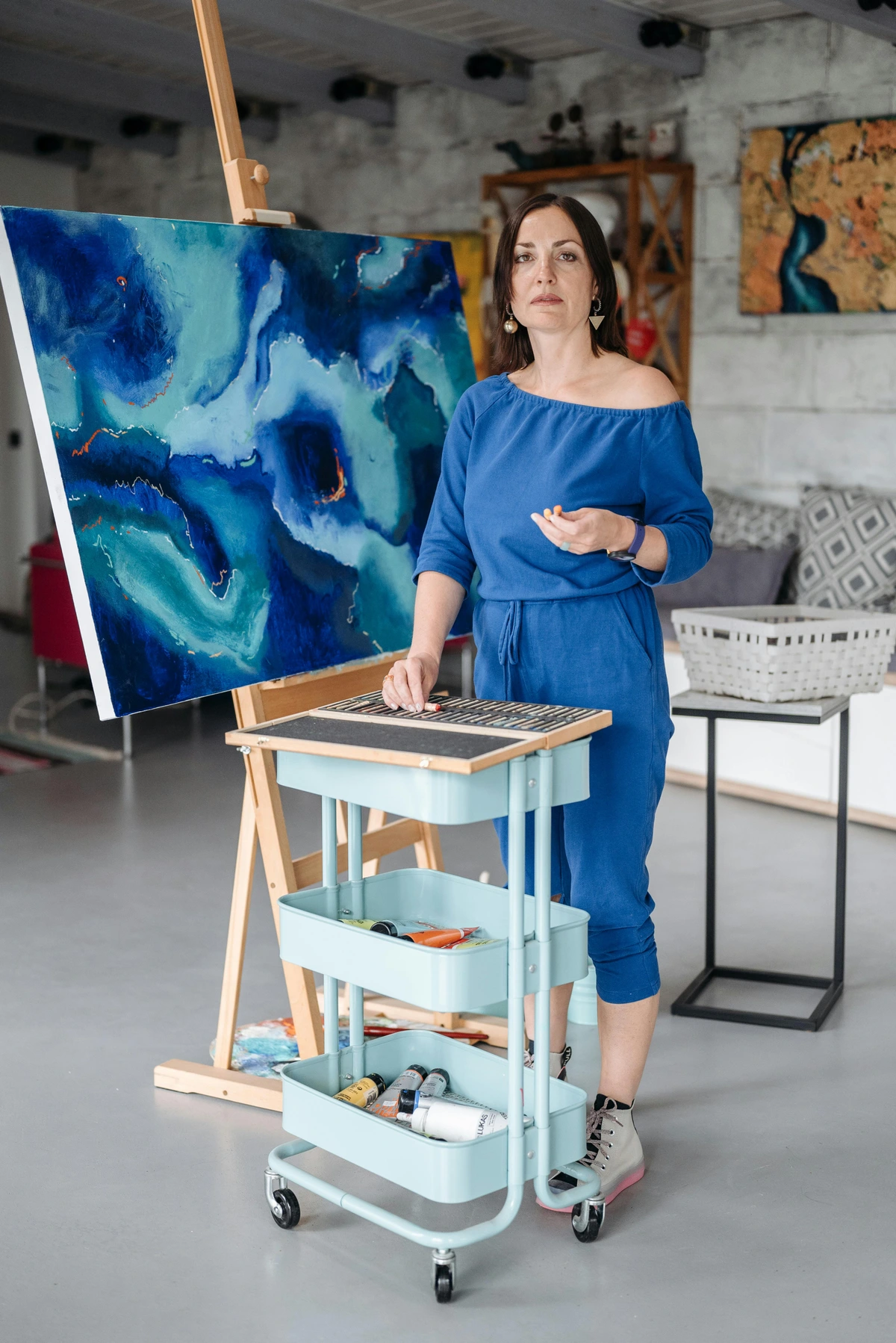
- Provide Prompts, Not Prescriptions: Instead of saying, "Draw a house," try "Draw something you see from your window," or "What's your favorite animal doing right now?" This encourages their own ideas while offering a starting point. Provide a variety of paper shapes and sizes to inspire different creations. This approach fosters divergent thinking, a skill that's crucial for artists when they try to find their artistic voice.
- Talk About Their Art: Ask open-ended questions like, "Tell me about this part," or "What's happening in your picture?" rather than judging or trying to guess what it is. This validates their creative process and helps them articulate their thoughts and feelings. This reflective process is similar to how an artist might discuss their work and craft their narrative.
- Introduce Basic Concepts: You can subtly introduce ideas like primary colors (red, yellow, blue) and secondary colors (what happens when primaries mix!). Talk about shapes and lines without making it feel like a lesson. "Look, you used a lot of wavy lines here!" This lays the groundwork for understanding how artists use color and elements of art: line.
- Collaborative Art: Sometimes, joining in on the art-making can reduce pressure. Create a piece together, taking turns adding elements. This models artistic behavior and makes the experience shared and joyful. Collaborative art can be incredibly enriching, even exploring modern concepts like AI as co-creator.
- Patience and Space: The biggest gift you can give a preschooler is the time and space to explore without interruption or judgment. Their art might not look "perfect," but the process is profoundly beneficial for their development. It's about nurturing their intrinsic motivation to create, a cornerstone of artistic growth.
The Big Kid Creator (Ages 6+)
Now we can start introducing things that require a bit more finesse and control. At this stage, kids often begin to care more about the "look" of their art, and quality starts to matter a little more – they'll definitely notice the difference between a smooth-gliding pencil and a waxy, crumbly one. We're fostering skills while keeping the joy and freedom of exploration alive. This is where their artistic identity often starts to emerge! They might even start to grasp early concepts of understanding balance in art composition and how it affects their finished pieces.
Supply Type | Why It's Great | My Top Tip |
|---|---|---|
| Watercolor Set | Teaches crucial concepts of color mixing, transparency, and water control. The way colors blend and react feels truly magical, allowing for delicate washes and vibrant layers. It encourages patience and observation of how colors interact. | Get some decent best watercolor paper for artists review (even student-grade will do); it prevents the soggy, ripping frustration of regular paper and makes the experience so much more rewarding. Start with a simple pan set and a few good brushes. Explore my guide on essential watercolor supplies for beginners for more tips. |
| Colored Pencils | Allows for detailed work, intricate lines, and the introduction of shading techniques. They offer a sense of control and precision, making them ideal for drawing, coloring, and adding fine details. They are less messy than paints and provide a good transition from crayons. | A small set of good quality pencils (think Faber-Castell, Crayola, or even a basic Prismacolor set) is far better than a huge set of waxy, cheap ones that barely lay down color. Quality here truly impacts the experience. You can even read my in-depth prismacolor premier colored pencils review if you're curious about the higher end. Encourage layering and blending to create new colors and textures. |
| Oil Pastels | Creamy, vibrant, and so satisfying to blend with your fingers. They offer intense, opaque color and a painterly texture, bridging the gap between drawing and painting. Great for bold strokes and mixing directly on the paper. | Show them how to scratch into layers of color (a technique called sgraffito). It will blow their mind! Also, encourage blending with a paper stump or even just their fingers for smooth transitions. Just be prepared for a bit more mess than crayons. You can explore more in my a beginners guide to using oil pastels. |
| Model Magic | A lightweight, spongy, and clean alternative to traditional clay. It's less messy than regular clay, dries without baking, and holds its shape beautifully. Fantastic for building three-dimensional objects and enhancing spatial reasoning. | It can be colored with markers before or after it dries. Encourage them to sculpt figurines, jewelry, or imaginative creatures. Once dry, they can be painted with acrylics or tempera for a multi-stage project. |
| Sharpies | With supervision! The bold, permanent lines are incredibly satisfying for older kids who appreciate crispness and strong definition. They are excellent for outlining, adding details, and creating graphic designs. | Great for drawing on rocks, pumpkins, or customizing fabric items (like t-shirts or canvas bags). Always ensure good ventilation, and provide clear boundaries for where permanent markers can and cannot be used. They are not for the faint of heart, but the results can be stunning! |
| Mixed Media Sketchbook | A sketchbook with paper thick enough to handle various mediums – pencils, markers, watercolors, and even light collage. It encourages experimentation and reduces the fear of |
Introducing Art History & Appreciation (Ages 6+)
As children grow, their capacity to understand the world expands, and this is the perfect time to introduce them to the vast and inspiring realm of art history. This isn't about memorizing dates or artists; it's about seeing how people across time and cultures have used art to express themselves, tell stories, and make sense of their world. It can be a profound way to connect their own creative efforts to a larger human narrative.
Activity | Why It's Great | My Top Tip |
|---|---|---|
| Museum & Gallery Visits | Seeing art in person is a completely different experience. It brings scale, texture, and presence to life in a way books or screens cannot. It can spark wonder and introduce them to diverse styles and movements. | Keep visits short and focused. Let them lead and explore what catches their eye. Ask open-ended questions like, "What do you see happening here?" or "How does this art make you feel?" Avoid making it a lecture; make it an exploration. Consider visiting local galleries (like perhaps the Den Bosch Museum) or even virtual tours to start. |
| Art Storybooks & Biographies | Many fantastic children's books tell the stories of famous artists or introduce different art movements in an engaging, age-appropriate way. This helps them understand the human element behind the art. | Look for books that tell a story rather than just listing facts. Connecting an artist's life experiences to their work can be incredibly insightful. Explore diverse artists from different cultures and historical periods, such as Frida Kahlo or the artists behind Ukiyo-e. |
| Recreating Masterpieces | A fun, hands-on way to understand techniques and styles. Kids can pick a famous painting they love and try to recreate it in their own style, using their chosen materials. | Encourage them to interpret, not just copy. What colors would they change? What textures would they add? This fosters critical observation and creative problem-solving. For instance, exploring the vibrant brushstrokes of abstract expressionism could be a great starting point. |
| Discussing Elements & Principles | Introduce basic art concepts like elements of art: line, color, shape, and principles like understanding balance in art composition when looking at art. This gives them a vocabulary to describe what they see and understand how art is constructed. | Use real-world examples or their own art to illustrate these concepts. "Look at how the artist used so many different lines here!" or "Do you see how these colors create a feeling of warmth?" This builds analytical skills without stifling creativity. |
The Budding Artist (Ages 9-12+)
By pre-teen years, kids are often refining their styles, showing specific interests, and sometimes even starting to think about artistic careers (or at least, really good fan art that goes viral!). They can handle more complex tools and concepts, and often crave materials that offer more control and expressive possibilities. This is when you can really see their individual artistic voice taking shape, and providing them with quality tools can significantly boost their confidence and skill development. It's a wonderful age to introduce them to more sophisticated techniques and mediums, encouraging them to think like true artists and perhaps even find their signature style, much like an artist discovering their voice on a creative journey.
Advanced Creative Exploration for Budding Artists
At this age, the art supplies start to mirror those used by professional artists, albeit in student-grade versions. This is a fantastic opportunity to introduce them to the breadth of artistic disciplines and the tools that support them. This is also a great time to introduce concepts like what is a color study in art to deepen their understanding of color theory.
Supply Type | Why It's Great | My Top Tip |
|---|---|---|
| Sketching Pencils | Introduces various graphite hardnesses (e.g., H for lighter lines, B for darker) for detailed drawing, allowing for a wide range of tones and effects. This is fundamental for learning about values, shading, and realism. | A simple set of B, HB, 2B, 4B, 6B is perfect for exploring shading and values, essential for realistic drawing. Pair them with a good eraser and a blending stump. You can find more details in my guide to best sketching pencils for artists. |
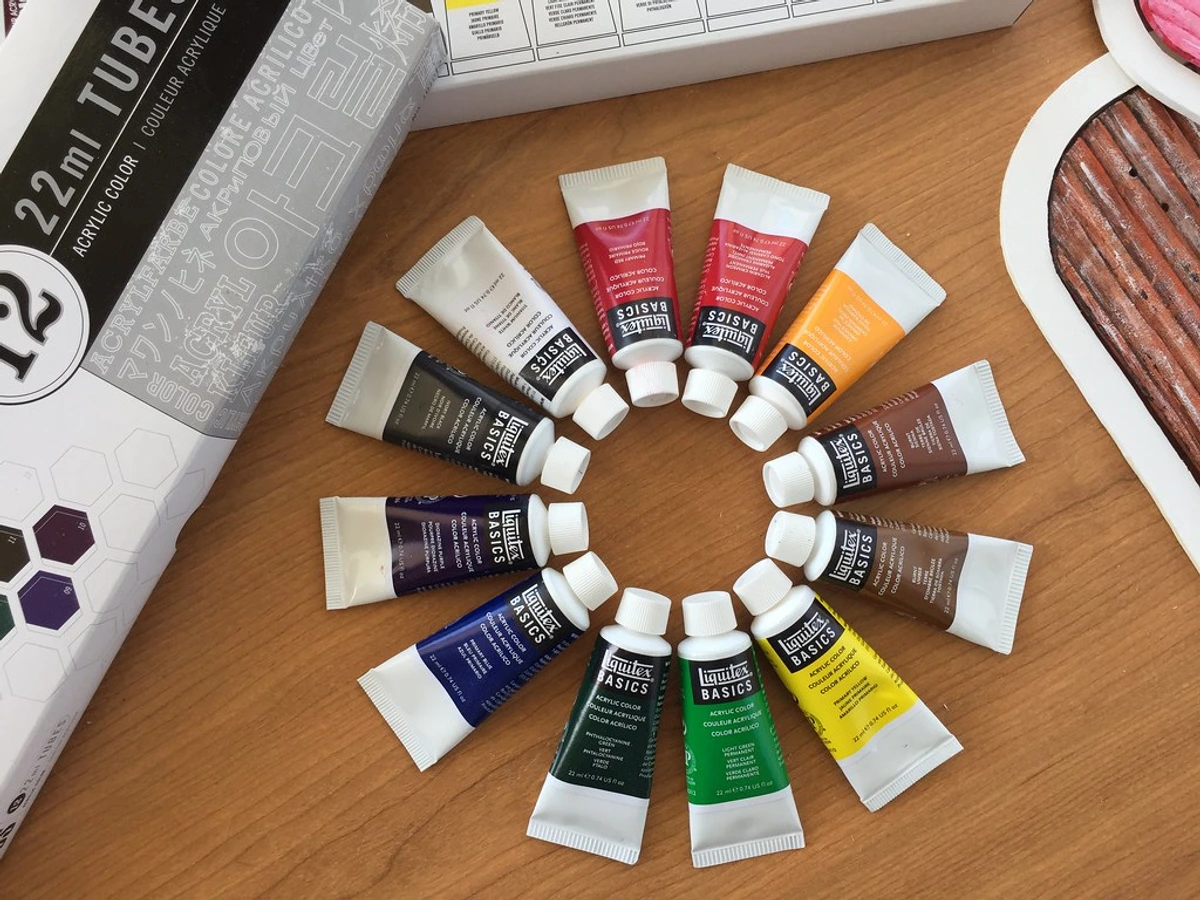
| Acrylic Paints | Versatile, vibrant, dries fast. Great for canvas, wood, rocks, and mixed media projects due to its strong adhesion. They offer a thick, opaque coverage similar to oils but without the long drying time or strong fumes. | Always use a smock and dedicated brushes, and clean them immediately with soap and water – they are not washable once dry! Consider a basic set of Liquitex Basics acrylic paint for beginners. For more advanced options and understanding paint characteristics, check out my reviewing the best acrylic paint brands for professional artists and definitive guide to paint types for artists. |
| Gouache Paint | Often described as opaque watercolors, gouache offers a vibrant matte finish, is easy to re-wet, and provides excellent covering power. It's a fantastic medium for graphic illustration and creating bold, flat areas of color, allowing for layering and corrections. | A fantastic bridge between watercolor and acrylic, great for illustration work and creating bold, flat areas of color. Many artists consider it an essential gouache painting supply for beginners, and you can read more about what is gouache painting. Experiment with both thick, opaque applications and thin, watercolor-like washes. |
| Fine-Tip Markers | For detailed line work, comics, graphic design explorations, or intricate illustrations, offering precision and crispness that broader markers can't match. They are perfect for outlines, cross-hatching, and adding texture. | Look for alcohol-based markers (with good ventilation) for smooth blending and professional-looking results or water-based for layering and less odor. Refer to best markers for coloring for more options, including brush tip and twin-tip varieties. |
| Linoleum Carving Tools | Introduces basic printmaking concepts with adult supervision, teaching about positive/negative space, inversions, and repeatable images. It's a highly tactile and rewarding process that results in unique prints. | Great for creating repeatable designs for cards, fabric, or art prints. Start with soft cut linoleum for easier carving, which is less prone to injury than traditional linoleum. Always use a cutting mat and carve away from your body. |
| Drawing Inks | Offers intense, fluid color for dramatic lines, washes, and dip pen work. Inks provide a unique depth and luminosity, perfect for expressive drawings, calligraphy, or adding bold accents. | Experiment with different drawing pens, traditional nibs, and brushes. Some inks are waterproof when dry, allowing for watercolor washes over them without bleeding. Explore techniques like cross-hatching, stippling, and wash application for varied effects. For more calligraphy inspiration, check out essential calligraphy supplies for beginners. |
| Oil Sticks/Paint Sticks | Similar to large, buttery crayons but with the consistency of oil paint, allowing for direct application, blending, and expressive mark-making without brushes. | These are fantastic for bold drawings, layering, and blending with fingers. They bridge the gap between drawing and painting beautifully. For a deeper dive, explore exploring oil-sticks-for-expressive-mark-making. |
Digital Art for Kids: A Modern Approach
In today's world, it's impossible to ignore the rise of digital art. For older kids, this can be an incredibly engaging and powerful medium, combining their love for technology with creative expression. It also offers undo buttons, which can reduce frustration immensely – a huge plus for fostering confidence! I remember how much digital art transformed my own process by removing the fear of making a 'mistake.' In fact, the shift from traditional to digital is a fascinating journey, much like the broader historical evolution of art itself, or even the rise of digital abstract art.
- Drawing Tablets: Simple graphic tablets (like Wacom Intuos or even an iPad with Apple Pencil) allow kids to draw directly onto a screen. This translates their hand movements into digital strokes, opening up a world of possibilities for digital painting, illustration, and graphic design. There's a learning curve, but the creative freedom is immense, and the lack of physical mess is often a parental favorite. This is an exciting step into the intersection of technology and art, a journey many contemporary artists are also taking, exploring from pixels to paint: my creative journey integrating digital tools in abstract art.
- Benefits of Digital Sketching: The "undo" button alone is a game-changer for reducing frustration and encouraging fearless experimentation. Digital art can also be easily shared, printed, and endlessly modified, offering a dynamic creative experience. It's a fantastic way to understand concepts of layering and composition without the permanence of traditional media.
- Art Apps & Software: From free apps like Autodesk Sketchbook or Ibis Paint X to more robust paid options like Procreate (for iPad) or Clip Studio Paint, there are countless tools available. These often come with a vast array of brushes, colors, and effects that can simulate traditional mediums or create entirely new visual styles. Encourage them to experiment with layers and different brush types – it's like having an infinite art supply store at their fingertips! The principles of how artists use color are just as relevant in the digital realm.
- Exploring Different Styles: Many apps offer a dizzying array of brushes that mimic everything from oil paint to charcoal. This allows kids to experiment with different artistic styles without needing to buy all the physical supplies. It's an excellent way to discover their preferences before investing in physical materials.
- 3D Design/Sculpting Software: For kids interested in building virtual worlds or characters, introducing them to entry-level 3D modeling software (like Tinkercad or even simplified versions of Blender) can be incredibly rewarding. It fosters spatial reasoning and digital fabrication skills, which are becoming increasingly valuable. This is a fascinating bridge between artistic creation and practical design, touching upon concepts of definitive guide to perspective in art.
- From Screen to Reality: Pairing 3D design software with a 3D printer (if accessible) can be an incredible way to bring digital creations into the physical world, offering a tangible reward for their digital efforts. It's a taste of how digital tools are shaping the future of art and design.
- Online Art Communities: With proper supervision, online platforms like DeviantArt (for older teens) or kid-friendly sharing sites can be great for sharing art, getting constructive feedback, and finding inspiration from other young artists. This can foster a sense of community and encourage continuous learning, but always emphasize online safety and privacy. This interaction echoes how artists present their work in real-world spaces, learning to craft their narrative.
- Creative Critiques and Inspiration: These platforms can be a powerful source of inspiration and even gentle, constructive feedback (with parental guidance, of course). Seeing how others create can spark new ideas and techniques. It helps them understand that art is a conversation, not just a solitary act.
A Closer Look at the Fun Stuff
Let's get into the nitty-gritty of some of these categories, because once you've got the basics down, it's all about exploring the vast, colorful world of art supplies!
The Role of Texture in Children's Art
Before we dive into specific mediums, I want to briefly touch on something fundamental that often gets overlooked: texture. For kids, especially younger ones, the tactile experience of art is just as important as the visual. The squish of clay, the gritty feel of sand mixed into paint, the smooth glide of a marker – these sensations are not just fun; they're crucial for sensory development and understanding the physical properties of materials. Much like abstract artists explore texture to add depth to their work, children intuitively use texture to express themselves. Encouraging them to experiment with different textures in their art can open up entirely new dimensions of creative expression.
Material / Technique | How it Creates Texture | Developmental Benefits |
|---|---|---|
| Thick Paint / Impasto | Applying paint thickly, creating visible brushstrokes or peaks. | Sensory exploration, understanding volume, dramatic visual effects, expressive mark-making. |
| Sand or Salt in Paint | Adding granular materials to paint for a rough, grainy finish. | Tactile engagement, cause & effect, material science, unique visual effects. |
| Collage Materials | Layering diverse materials like fabric, paper, leaves, or yarn. | Sensory exploration, fine motor skills, understanding spatial relationships, composition. |
| Sgraffito (Scratching) | Scratching through layers of paint or pastel to reveal underlying color. | Fine motor control, cause & effect, layering, hidden discoveries. |
| Dough/Clay with Tools | Pressing objects (e.g., leaves, combs, stamps) into soft clay. | Fine motor skills, pattern creation, understanding impression, spatial awareness. |
| Sponge Painting | Dabbing paint with sponges for a mottled, uneven texture. | Fine motor control, pattern creation, unique visual effects, exploration of tools. |
Paints: The Good, The Messy, and The Magical
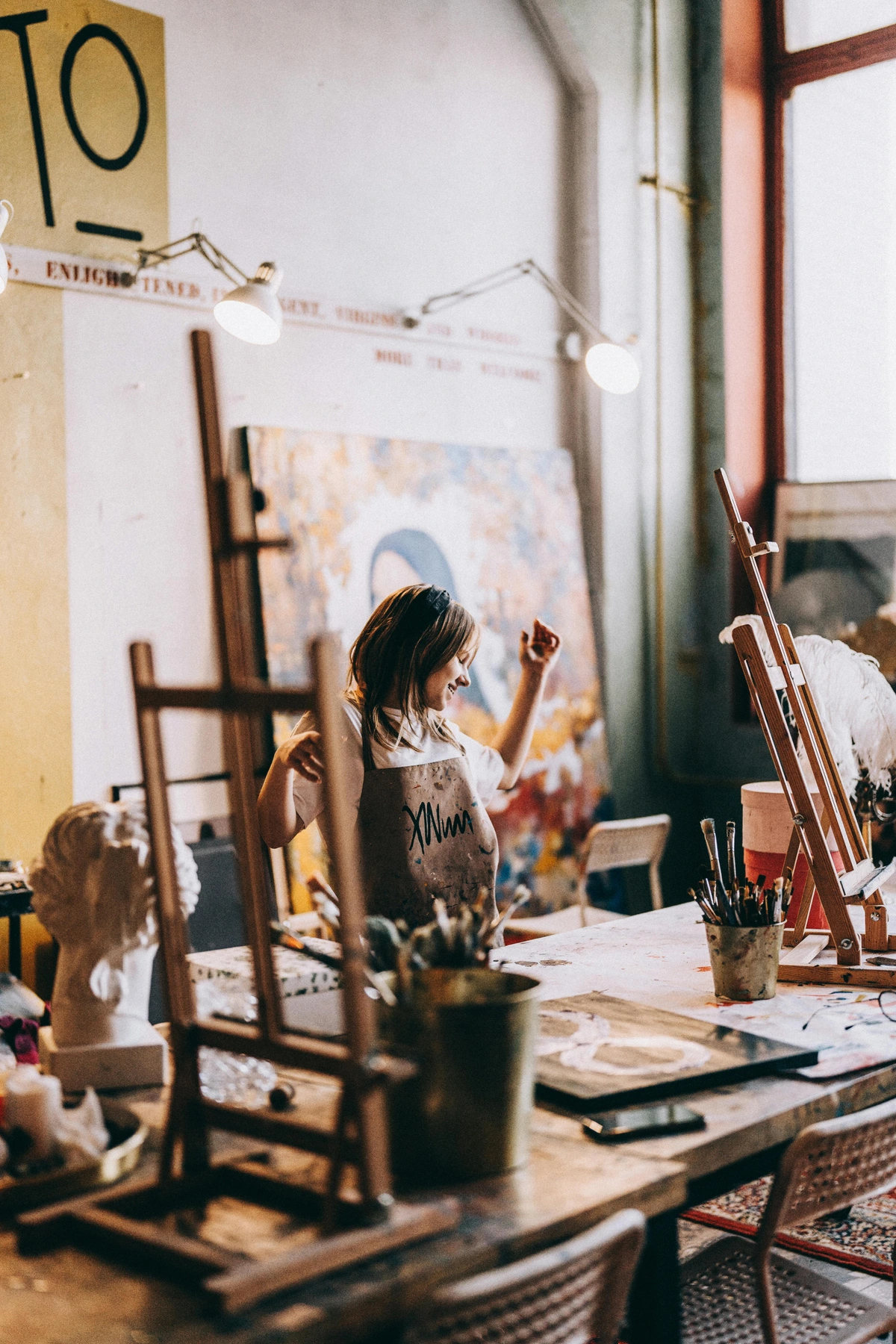
Painting is often the main event, the big splash of color that everyone associates with art. Choosing the right kind can make or break the experience, turning a joyful exploration into a frustrated cleanup (ask me how I know – I've seen enough paint spills to last a lifetime!). For a full breakdown of professional paints, you can check out my definitive guide to paint types for artists, but for kids, the rules are definitely different – simpler, safer, and far more washable! Here's a deeper dive into the world of paints for young artists.
Brushes and Tools for Painting
The paint is only half the story; the tools you use to apply it matter too. For younger kids, chunky brushes with large handles are ideal, often made with synthetic bristles that are easy to clean. As they get older, you can introduce a wider variety.
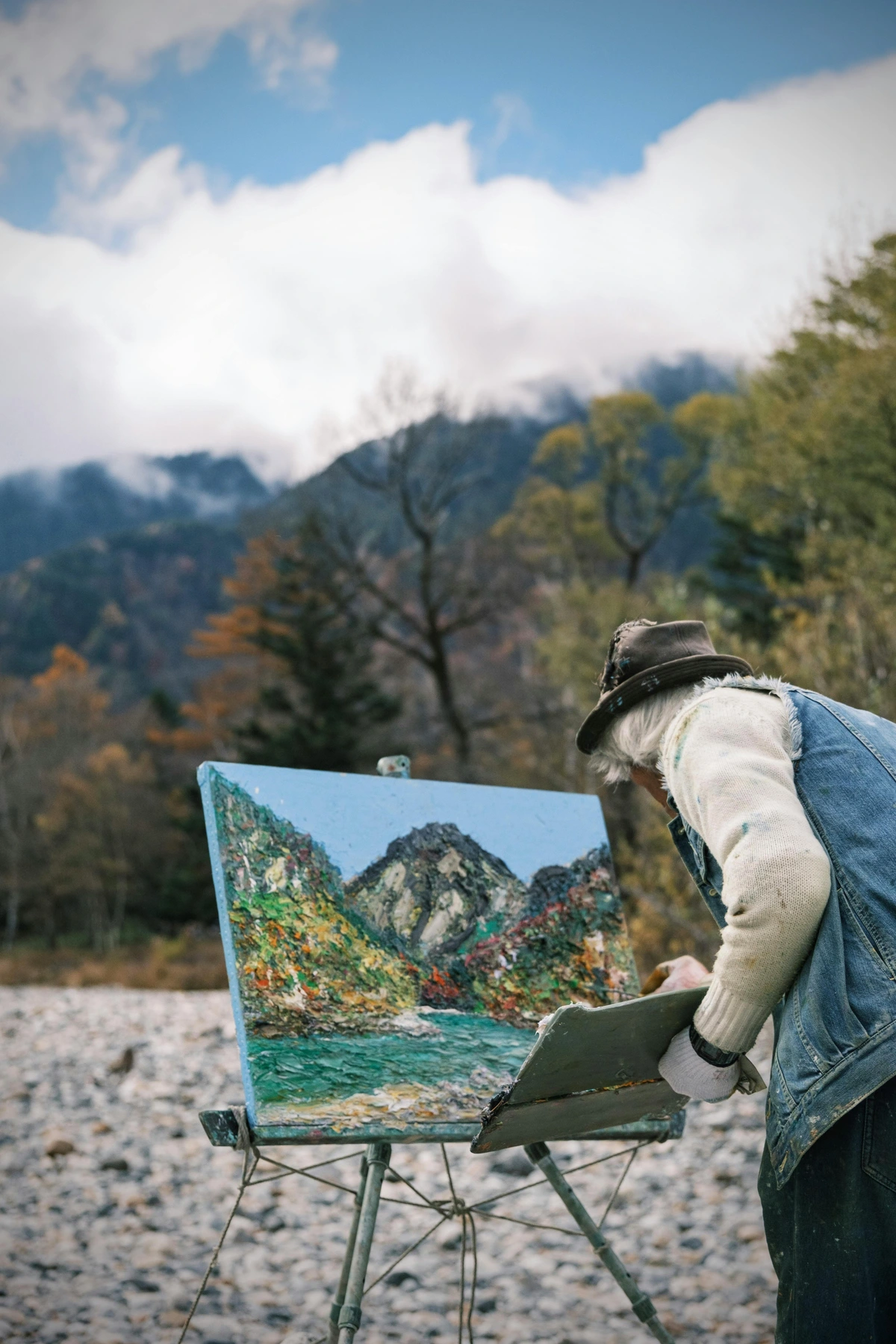
- Chunky Brushes: For toddlers and preschoolers, look for brushes with thick handles that are easy for small hands to grip. Foam brushes are also great for broad strokes and less detail.
- Synthetic Round & Flat Brushes: For ages 6+, a few basic synthetic brushes in various sizes (small, medium, large) will cover most needs. Round brushes are good for lines and details, while flat brushes are great for washes and filling in areas.
- Palette Knives: For older kids, a plastic palette knife can be a fun way to experiment with paint texture and mixing colors directly on the surface, offering a different tactile experience than a brush. You can learn what a palette knife is and how to use it.
- Sponges & Found Objects: Don't forget household sponges, cotton balls, or even leaves and twigs for unique textural effects. It's all about experimenting!
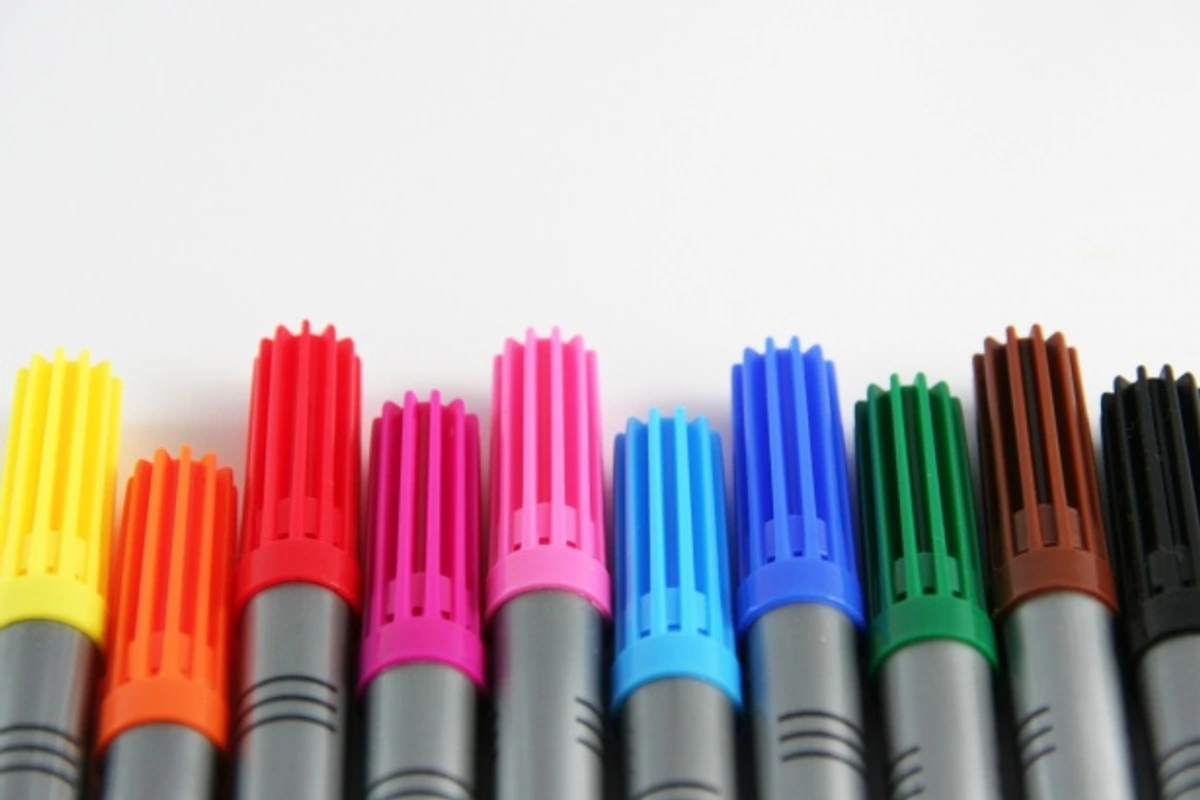
- Tempera Paint: This is the undisputed champion of kids' paint. It's incredibly cheap, gloriously opaque, and comes in wonderfully washable formulas, making it the classic poster paint you remember from school. Perfect for broad strokes, bold, vibrant colors, and guilt-free messes, tempera encourages large, expressive movements. Tempera cakes (dry discs of tempera that activate with water) are also fantastic for a less messy experience, offering controlled application and easy cleanup. They're like the comforting familiarity of a well-used palette for a seasoned artist, providing immediate gratification and vivid results.
- Watercolor Paint: These are transparent and a bit more subtle, teaching kids about layering, transparency, and how colors interact when blended or overlapped. They are wonderful for teaching crucial concepts of color mixing and delicate water control. A simple pan set (the little dry cakes of color) is a perfect start, especially when paired with good watercolor paper to prevent buckling and enhance the experience. Remember, patience is key with watercolors, as layers need to dry to achieve vibrant, clean effects. You can find more specific recommendations in my guide to best watercolor sets for beginners and learn about essential watercolor supplies for beginners. For a more advanced exploration, consider reading a review of Schmincke Horadam watercolors for insights into professional-grade options.
- Acrylic Paint: I'd typically save this for older kids (ages 9+) or specific craft projects where permanence is desired. Acrylic is basically liquid plastic and is not washable once it dries, which I learned the hard way on a favorite (now paint-splattered) sweater. It's incredibly versatile for painting on wood, rocks, canvas, or even fabric, offering strong adhesion and opaque coverage. However, it absolutely requires a smock and a watchful eye, plus dedicated brushes that get cleaned immediately with soap and water before the paint dries. For a deep dive into different paint characteristics, check out my definitive guide to paint types for artists. For beginner acrylics, you might consider a basic set of Liquitex Basics acrylic paint. You can also explore different best acrylic mediums for abstract artists to alter their properties, or learn basic brushstrokes for acrylic painting.
- The History of Acrylics: It's fascinating how a relatively new medium, developed for industrial use, completely revolutionized the art world, becoming a favorite for modern and abstract art. If you're curious about its journey, you can read more in the history of acrylic painting from industrial innovation to artistic medium.
- Gouache Paint: Think of gouache as opaque watercolor. It's a wonderful medium that offers vibrant, matte colors and can be re-wet like watercolor, but it has the covering power of tempera. It's fantastic for illustration and design work, and it's generally washable (especially student-grade versions) before it dries completely. It's a great bridge for kids ready for a step up from tempera but not quite ready for the permanence of acrylics. Many artists consider it an essential gouache painting supply for beginners, and you can read more about what is gouache painting. Experiment with both thick, opaque applications and thin, watercolor-like washes.
- Gouache for Illustration: Its opaque nature and ability to be re-wet make it a favorite for illustrators and designers, allowing for crisp lines and bold color blocks that can be easily corrected. It's a great stepping stone for kids interested in comic book art or graphic design.
Surfaces for Painting
The paper (or canvas!) you choose can dramatically impact a child's painting experience, influencing how colors blend, how paint absorbs, and ultimately, how frustrated (or delighted!) they become. The right surface can make all the difference.
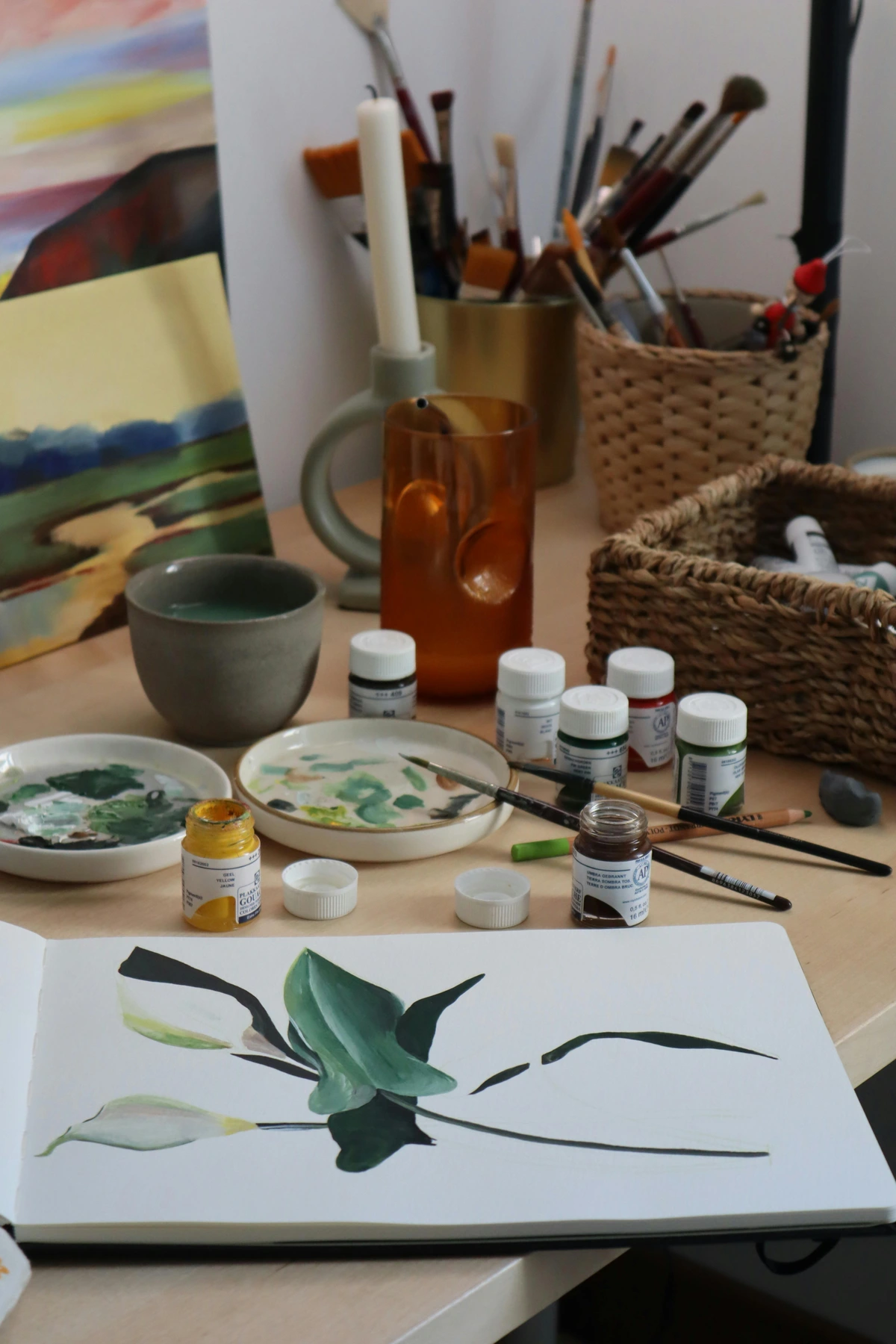
Choosing the Right Surface for Your Child's Masterpieces
Surface Type | Ideal For | Key Benefits |
|---|---|---|
| Butcher Paper Rolls | Finger paints, tempera, large-scale markers, collaborative projects | Inexpensive, allows for grand gestures, removes pressure of limited space, encourages unrestrained expression. |
| Mixed Media Paper | Crayons, markers, colored pencils, light watercolor/tempera washes | Versatile, thicker than printer paper, handles various mediums without buckling, good all-rounder for diverse projects. |
| Watercolor Paper | Watercolors, gouache, ink washes | Specifically designed to absorb water, prevents pilling/warping, allows colors to blend beautifully, enhances the watercolor experience. Get a decent student-grade best watercolor paper for artists review. |
| Cardboard (recycled) | Tempera paint, glue, collage, building 3D structures | Free, sturdy, great for building and sculpting, offers a unique texture, encourages eco-friendly art. |
| Canvases & Canvas Boards | Acrylics, oil pastels, mixed media for older kids | Provides a "professional" feel, durable surface, elevates artwork, great for long-lasting pieces. Learn how to apply gesso to canvas a beginners guide for better results. |
| Drawing Paper/Sketchbooks | Sketching pencils, charcoal, colored pencils, fine-tip markers | Good texture for dry mediums, excellent for practice, helps build a portfolio of work, encourages daily drawing. Consider a dedicated best sketching pencils for artists for better results. |
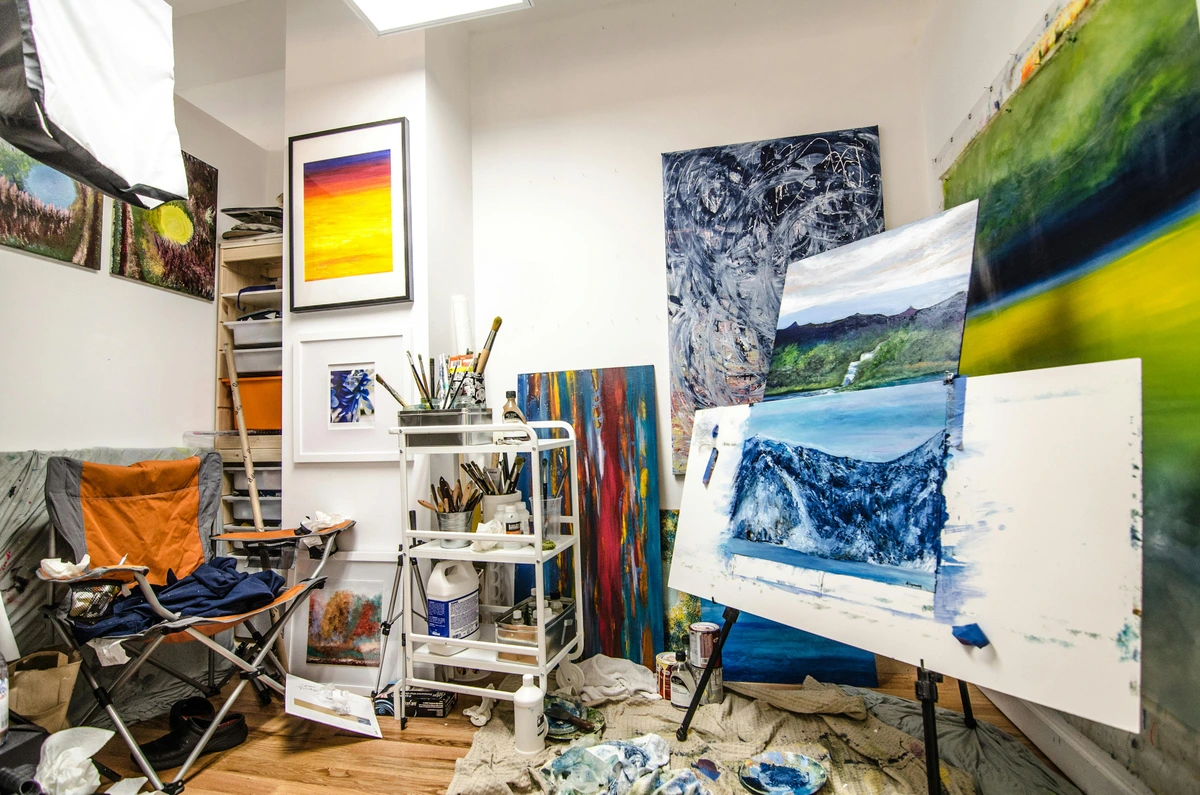
- Butcher Paper Rolls: Inexpensive, available in huge quantities, and perfect for taping down to a table or floor for large-scale, unrestrained expression. Great for finger paints, tempera, and chunky markers – it allows for grand, sweeping gestures without worrying about running out of space, perfect for young artists still developing control. You can buy huge rolls that last for ages. Think of it as their first grand canvas for abstract art.
- Mixed Media Paper: A slightly heavier paper (usually 90-140 lb or 160-300 gsm) that can handle a bit more wetness from various mediums without buckling or tearing. Ideal for watercolors, tempera, and even light acrylic applications. It's a versatile choice for kids who like to switch between drawing and painting, making it a great all-rounder for diverse projects. It’s the perfect playground for their mixed media explorations.
- Watercolor Paper: Absolutely essential for watercolors to truly shine. It's thicker (typically 140 lb/300 gsm or more) and designed to absorb water without pilling or warping excessively, which is a common source of frustration with regular paper. A decent student-grade watercolor paper makes a world of difference for budding watercolorists, allowing colors to blend beautifully and dry smoothly. Remember, the quality of your surface can significantly enhance the painting experience! For those ready to dive deeper, you can also explore different watercolor sets.
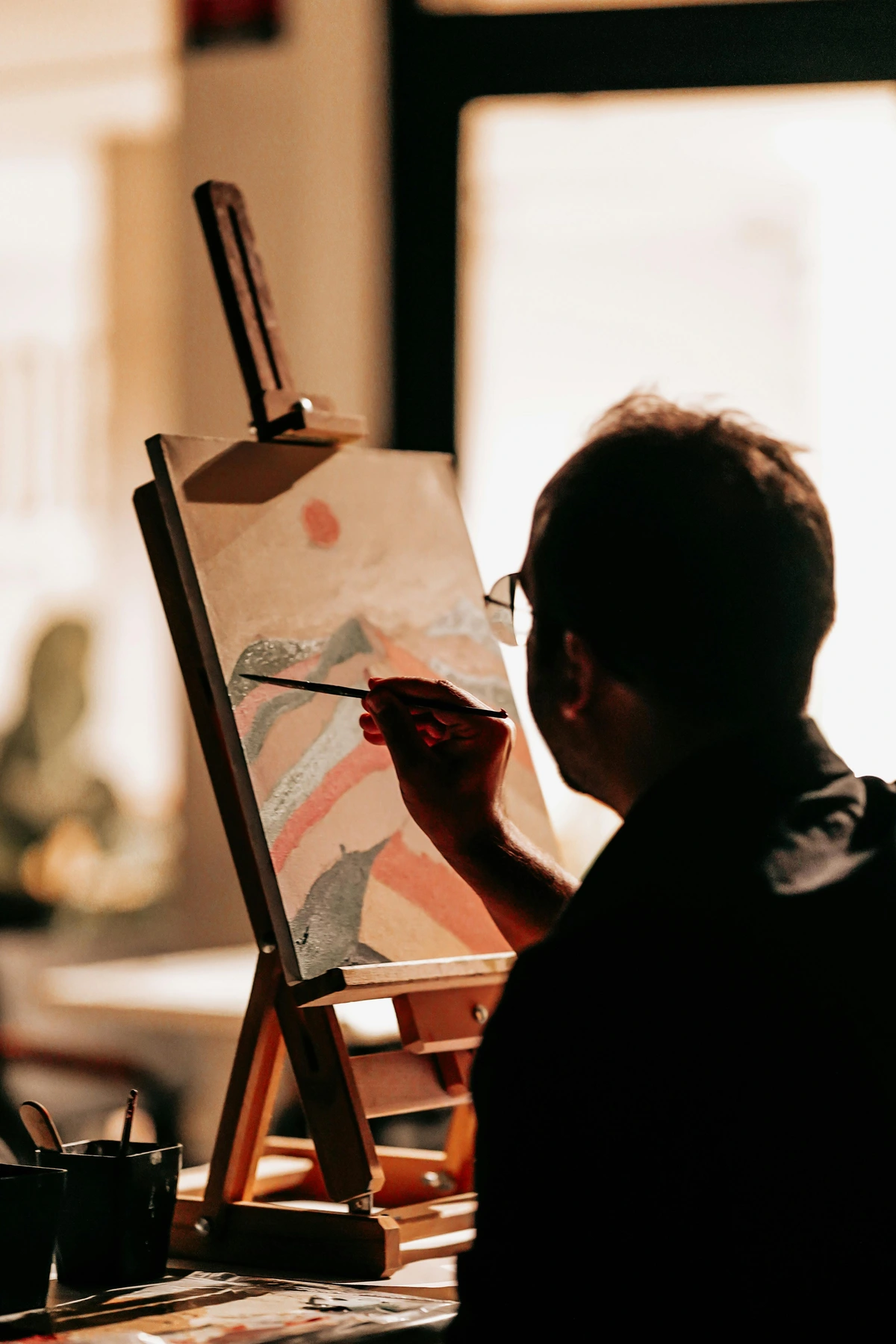
- Canvases & Canvas Boards: For older kids ready for acrylics, small canvases or canvas boards (pre-primed with gesso) provide a more "professional" feel and a durable surface for their masterpieces. It's a great way to elevate their work and give them a sense of creating something truly substantial, something that feels like a "real painting." You can even learn how to stretch canvas for painting if you're feeling ambitious and want to make your own custom sizes, or simply understand how to apply gesso to canvas a beginners guide for better paint adhesion. Don't forget that different types of easels are available to support their work, from table-top to standing easels, perfect for a budding plein air artist.
Drawing: Beyond the Crayon
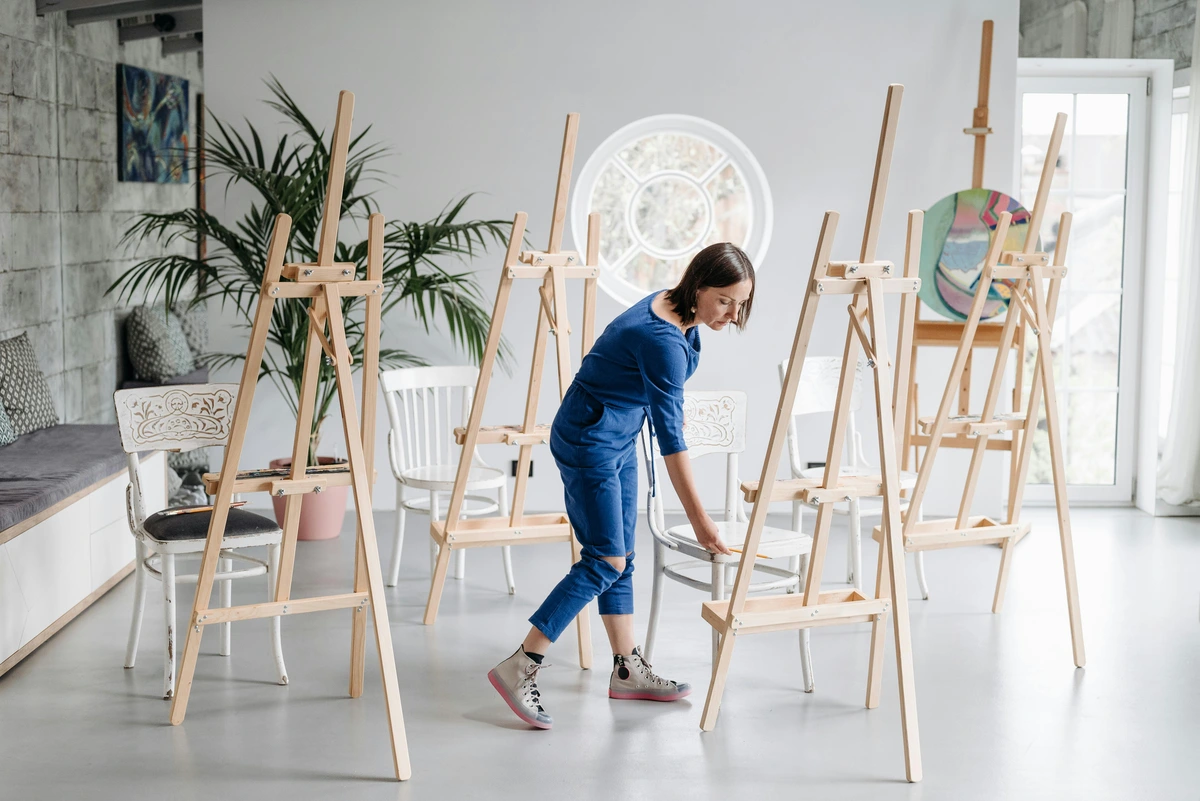
There is a whole universe of captivating tools for making marks on paper, each with its own personality and potential. Moving beyond the humble crayon, especially as kids grow, opens up new possibilities for expression, detail, and texture that can truly transform their artistic journey. It's like discovering new languages for their visual thoughts, and honestly, it’s one of my favorite parts of being an artist – exploring new ways to make a mark! Here’s a deeper dive into drawing tools that offer diverse creative avenues:
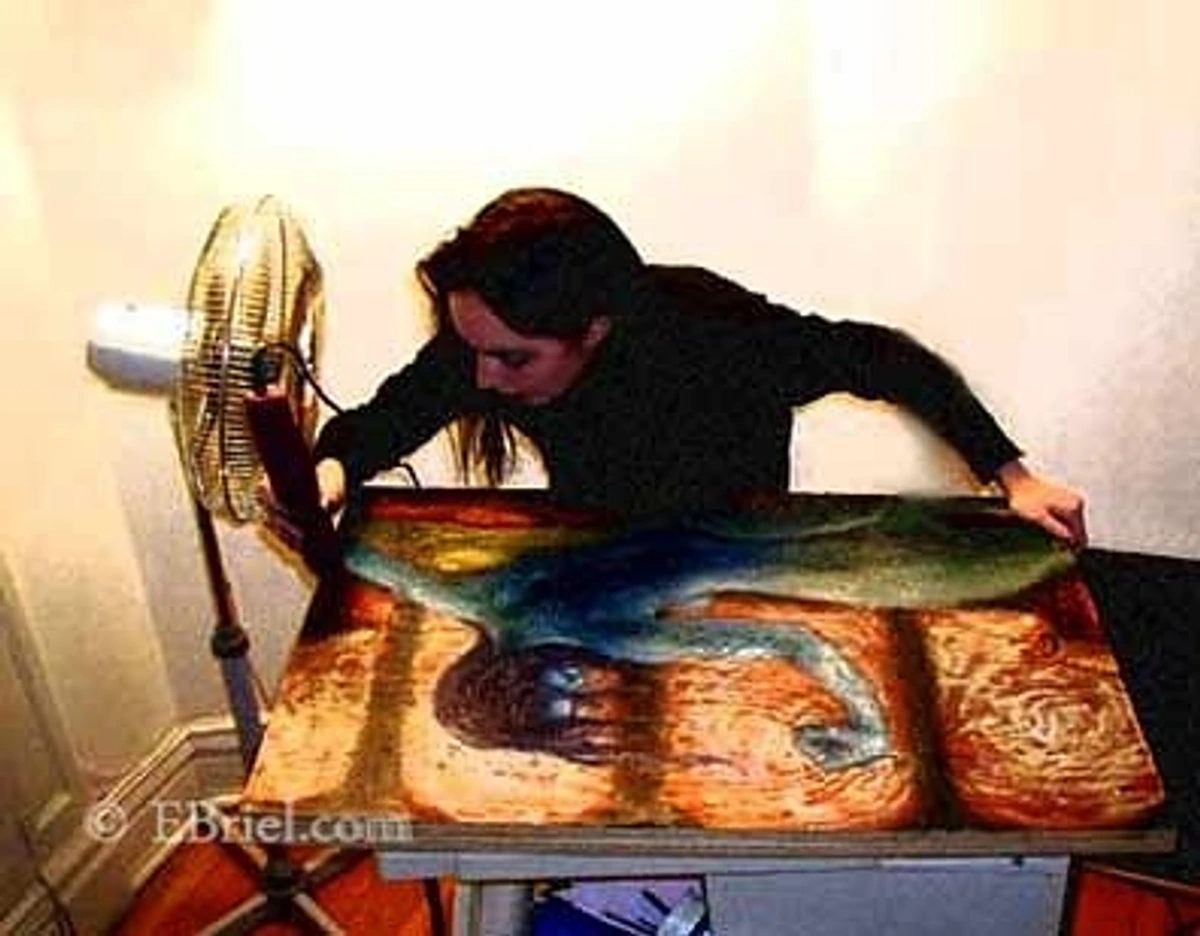
- Oil Pastels: Think of them as the crayon's cooler, more sophisticated older sibling. The colors are incredibly rich, opaque, and they blend beautifully, offering a painterly feel without the need for brushes or water. A bit messier, yes, but the vibrant results and tactile blending are absolutely worth it. Encourage them to experiment with blending colors directly on the paper with their fingers or a paper stump, and show them how to scratch into layers of color (a technique called sgraffito). You can explore more in my guide a beginners guide to using oil pastels. This medium is fantastic for exploring different textures in art.
- Chalk Pastels: These are delightfully dusty and can be a bit chaotic (definitely an outdoor or well-ventilated indoor activity!), but the blending effects and soft, painterly feel are stunning. They teach about blending, subtle color transitions, and creating atmospheric effects, making them fantastic for landscapes, portraits, or abstract compositions. Just have a damp cloth handy, and consider laying down newspaper or a plastic sheet! You can also use a fixative spray (adults only!) to prevent smudging and preserve the artwork. They're excellent for creating soft gradients and working on textured papers, and a great way to introduce a different kind of mark-making tool.
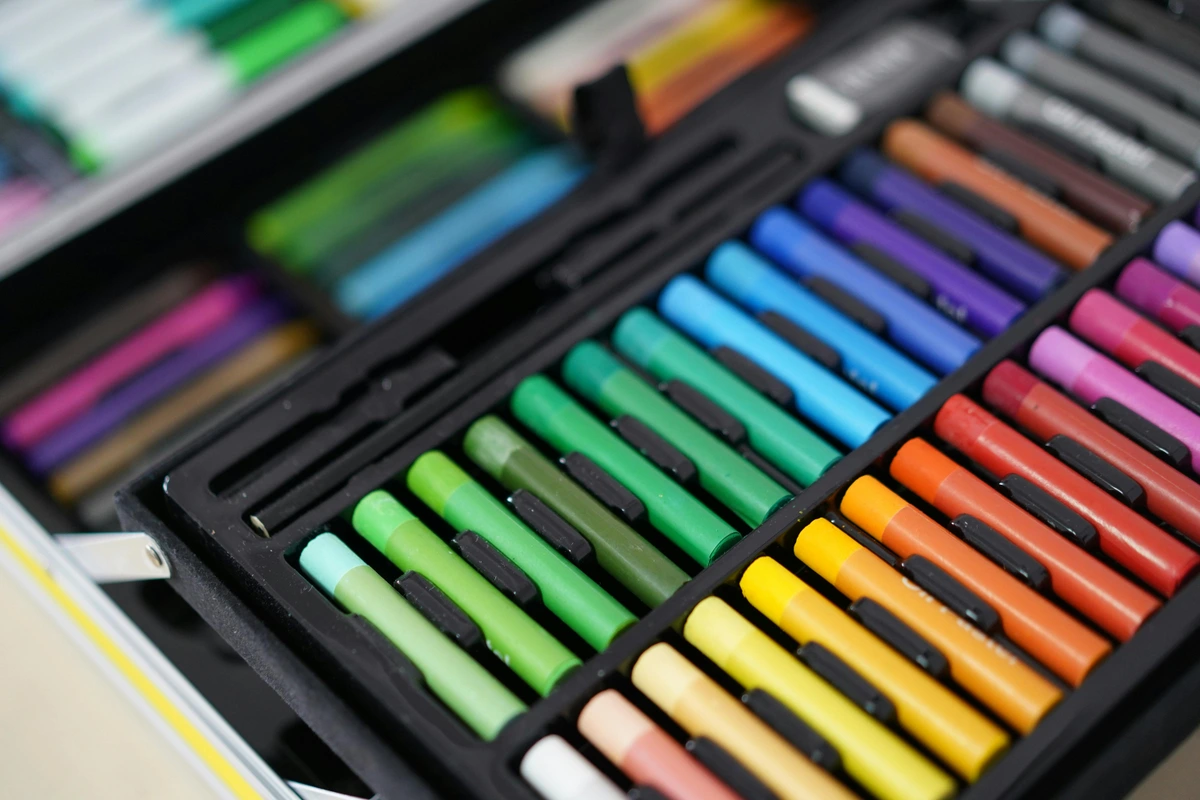
- Charcoal: For older, more serious artists (10+), charcoal can be an incredibly expressive medium. It's fantastic for learning about values, light, and shadow, allowing for deep, dramatic contrasts and soft, atmospheric effects. It's messy, yes, but the dramatic, powerful results are so satisfying, and the sensory experience of working with it is unique. Pair it with a kneaded eraser for lifting highlights and creating textures, and a fixative spray (adult supervision!) to prevent smudging. There are various types, from compressed charcoal sticks for broad strokes and filling large areas to charcoal pencils for finer details and controlled lines. If you're looking for an introduction, check out essential charcoal drawing supplies for beginners for more in-depth tips. It's a primal, powerful tool that connects artists to ancient mark-making traditions.
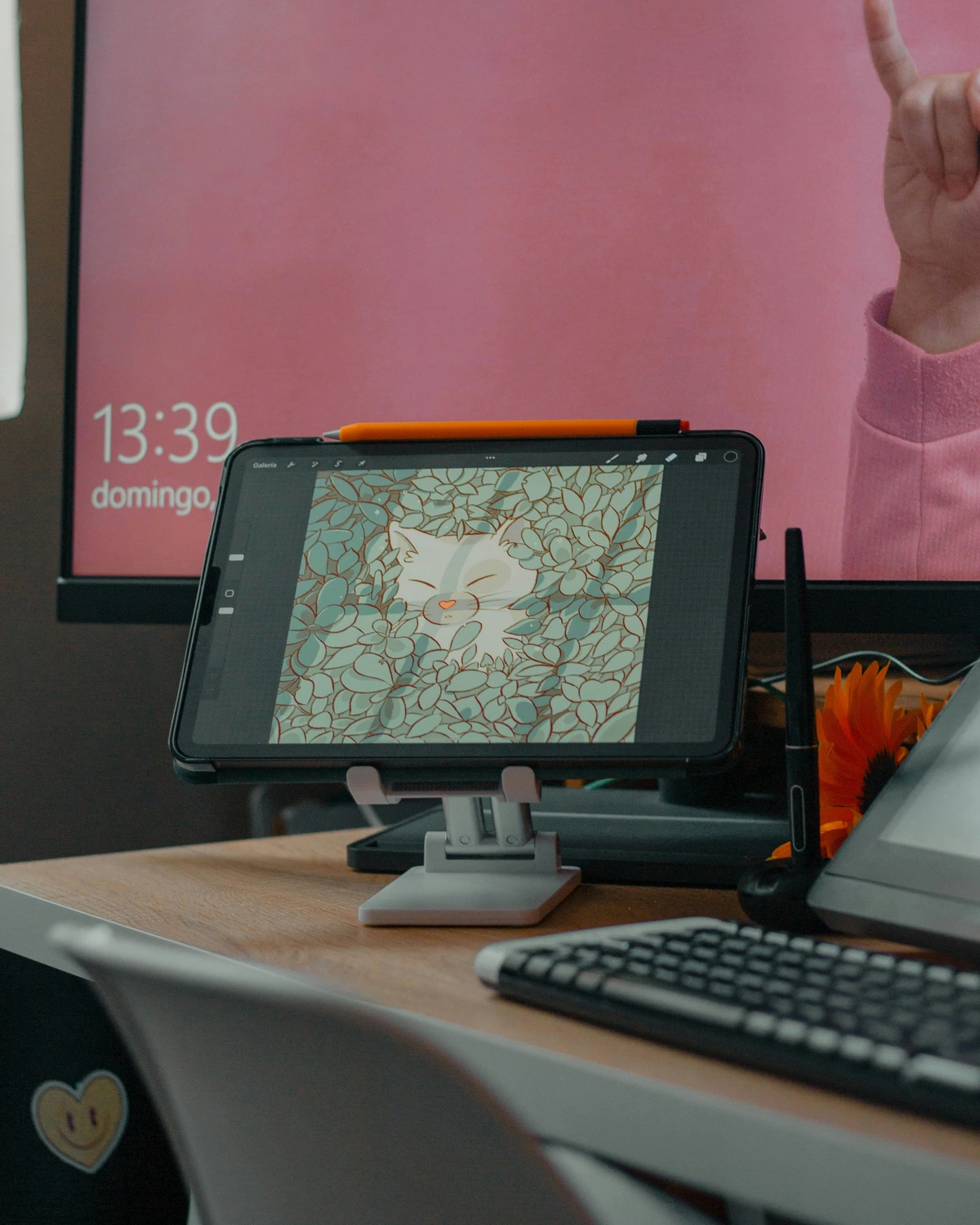
- Graphite Pencils: These aren't just for schoolwork! For older kids (8+), a basic set of sketching pencils with varying hardness (like a 2H for light lines, HB for general drawing, and 2B, 4B, 6B for darker tones and shading) can introduce them to fundamental concepts like shading, line weight, perspective, and realism – the essential building blocks of observational drawing. It's a versatile and fundamental drawing tool that helps them understand form and dimension, and provides incredible control over subtle values and intricate details. You can explore more options in my guide to the best sketching pencils for artists and also essential drawing supplies for beginners. Learning about different pencil grades helps develop an understanding of elements of art: line and value, paving the way for more complex artistic endeavors.
- Colored Pencils: As kids get older, they often want more control and detail than crayons offer. A good set of colored pencils can feel like a very grown-up tool, allowing for intricate work, smooth color transitions, and precise layering. While professional sets like Prismacolor are amazing, a solid student-grade set from Faber-Castell or Crayola is more than enough to start. They're excellent for layering, blending, and creating vibrant illustrations. You can see my thoughts on the pro versions in this Prismacolor review. Encourage them to experiment with layering different colors to create new shades and achieve depth in their drawings! This can be a fantastic way to introduce them to color theory in a hands-on way.
Markers: Beyond the Basics
While washable markers are a staple for preschoolers, older kids can explore a fascinating world of markers with different properties. It's amazing how much variety there is once you look past the basic school supplies, and each type opens up new artistic avenues! This journey of discovery mirrors how professional artists explore new tools and techniques to achieve specific visual effects.
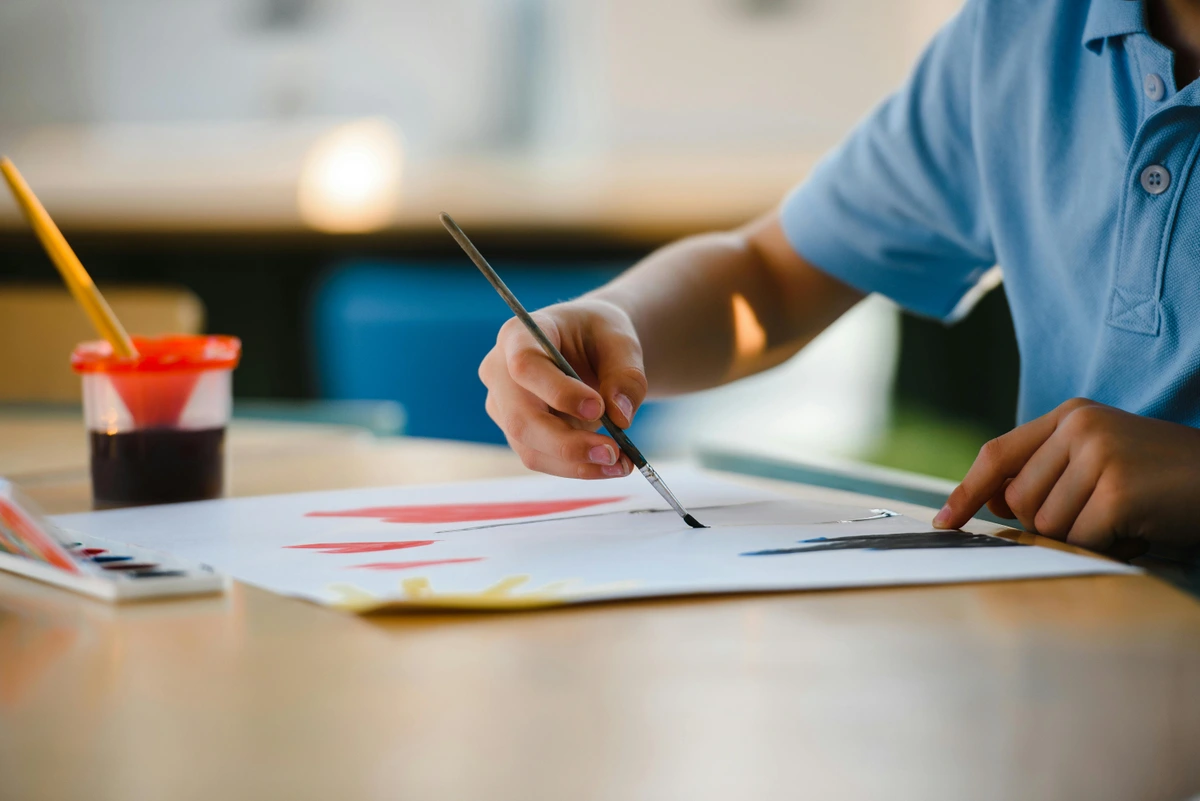
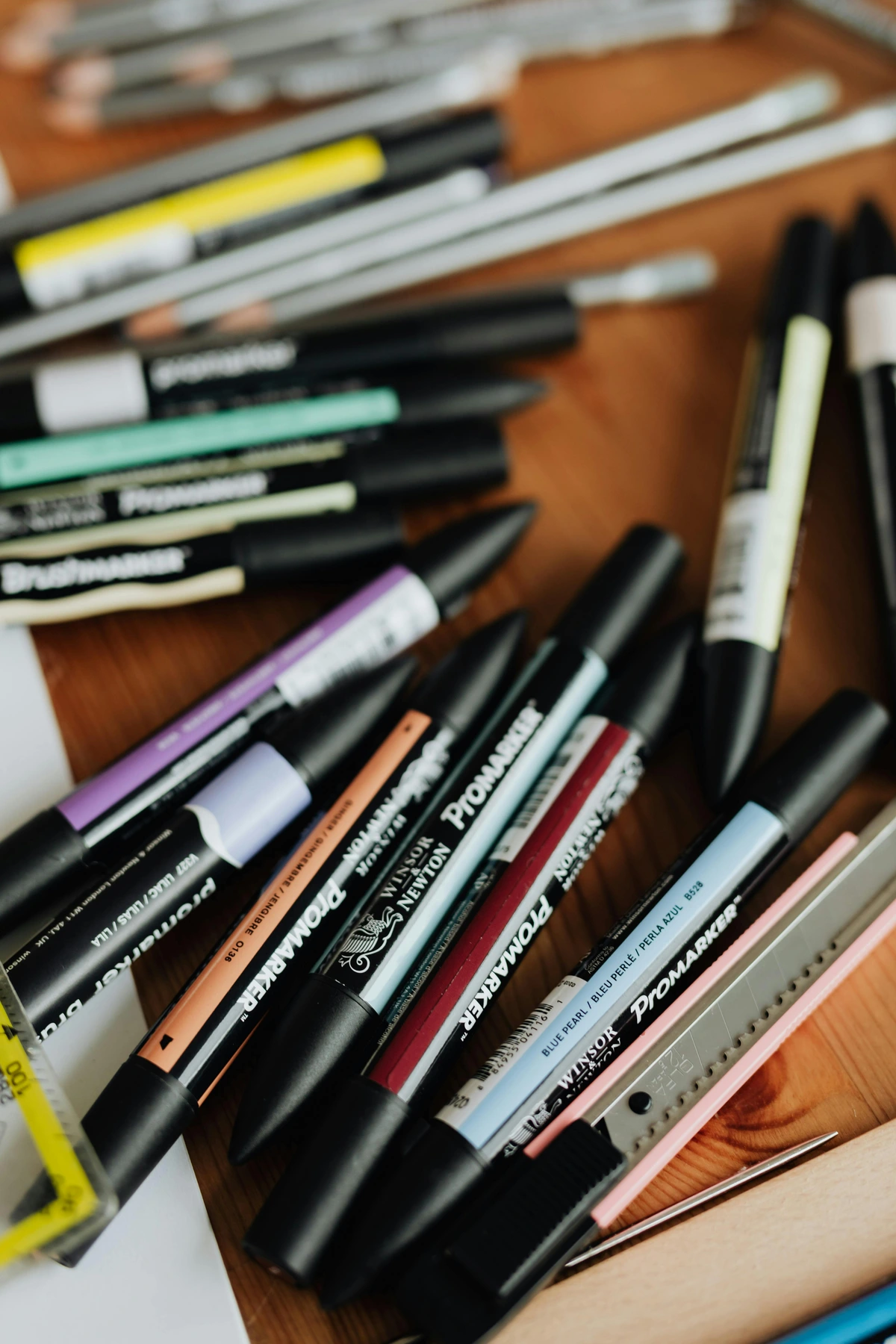
- Fine-Tip Markers: Perfect for intricate line work, comic book art, graphic design, or detailed illustrations where precision is key. They offer a level of detail that broader markers simply can't achieve, making them ideal for adding tiny patterns, textures, or crisp text. They're fantastic for refining drawings and creating a polished look.
- Brush Markers: These have a flexible, brush-like tip, allowing for varied line weights with pressure, creating a beautiful, painterly effect. They're great for calligraphy-style lettering, expressive drawings, and sketching. Some are even water-soluble for watercolor-like blending effects, adding incredible versatility. These are so versatile and fun to experiment with for both drawing and coloring!
- Alcohol-Based Markers: For advanced students (10+ and always with good ventilation!), brands like Copic offer incredible blending capabilities for smooth, vibrant color fields and professional-looking results. They're more expensive and permanent, so definitely for supervised use, but the results can be stunning for illustration and graphic art. You can read a full Copic markers review for professional artists if you're curious about the higher end. For alternative options, check out the best alcohol-based markers for artists.
- Gel Pens & Glitter Pens: For adding sparkle, shimmer, and fine, smooth lines, gel pens (especially glitter and metallic varieties) are incredibly popular with older kids. They're fantastic for decorative elements, journaling, card-making, or adding accents to drawings, offering a different tactile and visual experience than traditional markers.
- Fabric Markers: These allow kids to draw and personalize fabric items like t-shirts, canvas bags, sneakers, or even pillowcases. They're a fantastic way to extend their creativity beyond paper and create something wearable, functional, and truly unique. Just be sure to follow the heat-setting instructions on the packaging to make the designs permanent and washable. This is a great way to combine art with fashion and personal expression!
Building & Sculpting: The Third Dimension
Art isn't just flat, confined to a piece of paper! Building things is crucial for developing spatial reasoning, problem-solving skills, and understanding how objects exist in three-dimensional space. It's a hands-on way for kids to bring their imaginary worlds into reality, fostering a tangible connection between thought and form. Here are some fantastic materials for three-dimensional exploration:
- Air-Dry Clay: This is one of my all-time favorites for younger kids (3+). You can make pinch pots, little monsters, beads—anything your imagination can conjure! Let it dry for a day or two, and then you have a permanent object you can paint. It’s a wonderful introduction to 3D form and a more tactile, less messy experience than traditional pottery clay. It's also great for strengthening hand muscles and developing fine motor control.
- Polymer Clay: For older children (8+ and with adult supervision for baking in a well-ventilated area), polymer clay offers a durable, oven-bakeable alternative. It's incredibly versatile for making jewelry, figurines, or detailed sculptures that will last for years. It comes in a huge range of vibrant colors and is generally less messy than traditional clay. It's a fantastic tool for detailed hand-building, allowing for intricate designs and lasting creations. You can even explore more about this in an introduction to ceramics-history-techniques-and-contemporary-practice without needing a kiln! These more permanent mediums offer a satisfying conclusion to their artistic efforts, much like an artist completing a piece for a museum.
Sculpting Materials for Every Age
Material | Age Group | Best For | Key Benefits |
|---|---|---|---|
| Play-Doh/Modeling Dough | Toddler-Preschool | Sensory exploration, squishing, rolling, basic shapes | Develops fine motor skills, hand strength, calming tactile feedback, non-toxic, easily moldable, reusable. |
| Air-Dry Clay | Ages 3+ | Sculpting, pinch pots, beads, figurines | Permanent creations without baking, great for multi-stage projects (sculpt, dry, paint), enhances fine motor skills and understanding of form. |
| Model Magic | Ages 6+ | Lightweight sculptures, jewelry, imaginative creatures | Clean, spongy texture, dries without baking, holds shape well, can be colored with markers. |
| Polymer Clay | Ages 8+ (with supervision) | Detailed figurines, jewelry, durable sculptures, intricate designs | Oven-bakeable for permanent, durable creations, wide range of vibrant colors, excellent for fine detail and lasting art. Learn more about introduction to ceramics-history-techniques-and-contemporary-practice. |
| Paper Mache | Ages 6+ | Building large forms, masks, animals, functional objects | Inexpensive, uses recycled materials, builds gross motor skills (ripping paper), durable when dry, can be painted. Can create an what is an armature in sculpture for complex shapes. |
| Cardboard Tubes & Boxes | All Ages | Building structures, vehicles, imaginary creatures | Free, versatile, encourages problem-solving, spatial reasoning, and imaginative play. Easily cut, glued, and painted. |
| Pipe Cleaners & Pom-Poms | Ages 3+ | Small sculptures, figures, decorative accents | Easy to manipulate, colorful, promotes fine motor skills, perfect for small, imaginative creations. |
- Collage Box: This isn't something you buy; it's something you create and continually add to! Fill a shoebox or a clear plastic bin with scrap paper, fabric scraps, old buttons, yarn, magazine cutouts, bottle caps, natural elements (dried leaves, twigs), and anything else that looks interesting. It's a goldmine of creative potential, encouraging kids to see beauty and possibility in everyday objects. It is the very essence of what collage art is – bringing disparate elements together to create a new whole, and a wonderful way to foster resourcefulness and imaginative thinking. You can even explore a beginners guide to creating collage art.
- Recycled Materials: Cardboard boxes, toilet paper rolls, plastic bottles, egg cartons, old newspapers, and even bottle caps are the unsung heroes of kids' sculpture. A roll of masking tape, some liquid school glue, and a bit of paint can turn what we perceive as trash into a majestic robot, a towering castle, a fantastical spaceship, or an entire miniature city. This also teaches valuable lessons about sustainability, repurposing, and seeing potential in unexpected places. It's a fantastic way to engage in eco-friendly art making!
Adhesives and Fasteners
You can't build without something to hold it all together! The right adhesive can be just as crucial as the art supply itself, ensuring their creations last longer than five minutes (a common struggle, trust me!).
- Glue Sticks: The gateway to collage and paper crafts. The purple ones that dry clear are magic for showing where the glue is for younger kids. They're perfect for introducing the concept of adhesion without a huge mess, making them essential for early collage art explorations.
- Liquid School Glue (PVA Glue): Essential for paper mache, more robust collages, and attaching heavier elements. It dries clear and strong. This is your go-to for more ambitious projects, offering a reliable hold for a variety of materials.
- Masking Tape: Incredibly versatile! Great for holding things temporarily, creating clean lines for painting, or building with recycled materials. Kids can rip it themselves, which is a bonus for fine motor skills. It’s also fantastic for creating geometric patterns before painting, teaching about positive and negative space.
- Washi Tape: A colorful, decorative alternative to masking tape. It's easy to reposition and adds a lovely visual element to projects. It's perfect for adding instant flair, borders, or even creating patterns without the commitment of paint.
Safety Beyond Non-Toxic: Proper Tool Use
While "non-toxic" is the absolute baseline for choosing kids' art supplies, true safety extends to how tools are used. As children get older and graduate to more sophisticated (and sometimes sharper) materials, teaching proper tool handling becomes paramount. It's about empowering them to use these tools effectively and safely, not just about avoiding ingestion.
Tool Type | Safety Consideration | Best Practice |
|---|---|---|
| Scissors & Craft Knives | Sharp blades can cut skin. | Always supervise younger children. Teach older kids to cut away from their body, use a cutting mat, and keep fingers clear of the blade. Store sharp tools securely and out of reach. |
| Permanent Markers | Can stain skin, clothing, and surfaces permanently. Fumes can be irritating. | Designate specific surfaces for use (e.g., rocks, fabric). Ensure good ventilation. Always provide a protective mat. Emphasize that these are not for skin or walls. |
| Hot Glue Guns | High temperatures can cause burns. | Use low-temperature glue guns for younger children, and always supervise. Teach them to keep fingers clear of the nozzle and hot glue. Provide a silicone mat to protect surfaces and collect drips. |
| Linoleum Carving Tools | Sharp blades can slip and cut hands. | Strict adult supervision is essential. Teach them to carve away from their body and hands. Use a non-slip mat. Start with softer carving blocks. Store tools safely. |
| Acrylic Paints | Not washable once dry on fabric; some pigments can be irritating to skin if left on for prolonged periods. | Always use a smock. Clean brushes immediately. Wash hands thoroughly with soap and water after use. Avoid getting paint in eyes. |
| Spray Fixatives/Varnishes | Fumes can be harmful if inhaled; flammable. | Only adults should apply these. Use in a well-ventilated area (preferably outdoors). Ensure children are not in the vicinity during application and drying. Store securely. |
A Note on Eco-Friendly Art Supplies
I'm always trying to be more conscious of the materials I use, and honestly, it's a fantastic lesson for kids too about sustainability and respecting our planet. You can find some amazing best eco-friendly art supplies for conscious artists these days, from beeswax crayons to recycled paper, plant-based paints, and biodegradable glitter. But the truth is, you can also just use what you have around the house or found in nature! Embrace the philosophy of "reduce, reuse, recycle" in your art practice. Paint with mud, make sculptures from twigs and leaves, press flowers to create natural collages, or experiment with natural dyes from fruits and vegetables (think beet juice for pinks, or turmeric for yellows!). Nature truly is the original, most abundant art supply store, offering endless inspiration and materials for free, and teaching kids to look for beauty in unexpected places. It's a wonderful way to connect with the environment while getting creative, much like an artist might integrate found objects into abstract mixed media.
DIY Natural Dyes for Eco-Conscious Art
Creating your own natural dyes is not only eco-friendly but also a fantastic science experiment for kids! It teaches them about color extraction and the surprising pigments found in everyday items.
Natural Source | Color Achieved | How to Use (Adult Supervision) |
|---|---|---|
| Beetroot | Pinks, light reds, purples | Boil chopped beetroot in water for 30-60 minutes, strain, and use the liquid for painting or dyeing fabric. |
| Turmeric | Bright yellows, oranges | Mix turmeric powder with warm water to create a vibrant paint. Be warned: it can stain! |
| Red Cabbage | Purples, blues (can shift with pH changes - add baking soda for blue!) | Boil chopped red cabbage, strain the liquid. Experiment by adding a little lemon juice (acid) for pink or baking soda (base) for blue. A true color-changing marvel! |
| Coffee/Tea | Browns, sepia tones | Brew strong coffee or tea. Use the cooled liquid for washes, staining paper, or even drawing. |
| Spinach/Grass | Light greens | Blend spinach or grass with a little water, strain well, and use the liquid for subtle green tones. |
Beyond the Canvas: Exploring Diverse Art Forms
Art isn't limited to drawing and painting! Introducing kids to different art forms expands their understanding of creative expression and opens up new avenues for discovery.

Paper Making & Bookbinding for Kids
Before we dive into printmaking, let's talk about the canvas itself! The art of papermaking and simple bookbinding can be a truly magical experience for kids, connecting them to the origins of their art supplies and offering a hands-on lesson in recycling and craftsmanship. It teaches patience, sustainability, and the joy of creating something from scratch.
Activity | Age Group | Key Concepts | Materials |
|---|---|---|---|
| Simple Paper Making | Ages 6+ | Recycling, Fibers, Sustainability | Scrap paper (junk mail, old drawings), blender, screen/deckle (can be made from old picture frames and mesh), sponges, water, towels. |
| Mini Bookbinding | Ages 7+ | Storytelling, Sequencing, Craft | Paper, string/yarn, blunt needle, cardboard for covers, glue sticks, various decorative elements. |
Simple Paper Making
Creating paper from recycled scraps is not only eco-friendly but also a fantastic way to understand the material they draw and paint on. It's a truly transformative process for kids to see old paper become new again!
- Process: Tear up old paper (junk mail, newspaper, old drawings), blend it with water to create a pulp, then use a screen and deckle to form new sheets. Press out the water and let it dry.
- Benefits: Teaches about recycling, the composition of paper, and offers a unique, textured surface for future art projects. It’s a bit messy but incredibly rewarding!
Mini Bookbinding
Making their own books is empowering. It gives them a special place for their stories, drawings, and ideas, fostering a sense of authorship and permanence for their creative output.
- Process: Simple stitches (like a pamphlet stitch) can bind folded pages into a small book. They can design covers with cardboard and collage.
- Benefits: Encourages storytelling, sequential art, writing, and fine motor skills. It gives their artwork a tangible home and a sense of importance.
Printmaking for Kids
Printmaking is a fantastic way to introduce concepts of repetition, mirror images, and positive/negative space. It feels a bit like magic when you peel back the paper to reveal a print – that moment of surprise is truly wonderful! I love how accessible printmaking can be, even for very young children. It's a foundational experience that touches upon principles seen in professional printmaking, even in giclee print processes.
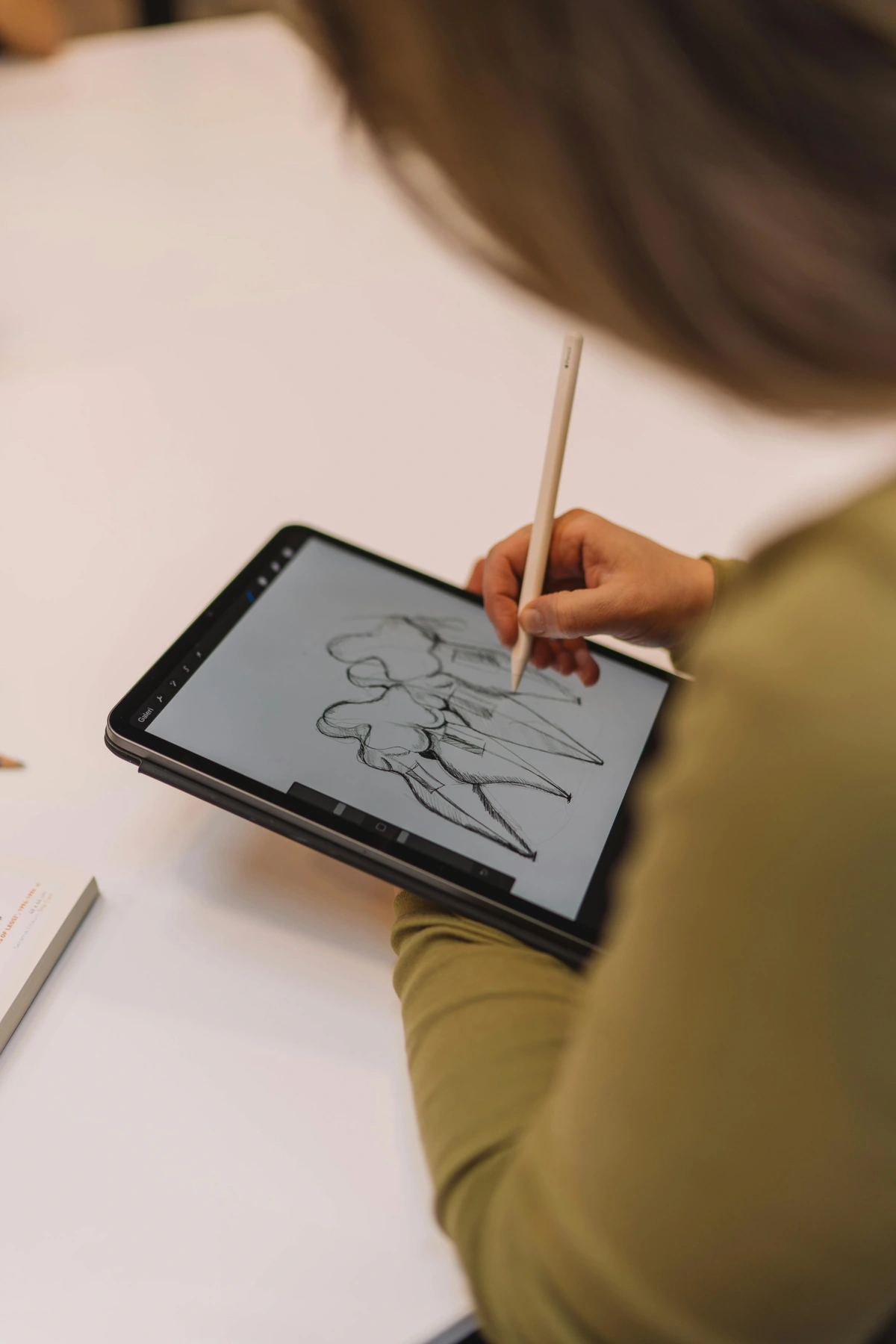
- Simple Block Printing: Use carved potatoes, craft foam, or linoleum blocks (for older, supervised kids) to create stamps. Apply paint or ink and press onto paper or fabric. Potato printing is super easy for little ones and gives great results.
- Monotype Printing: Apply paint directly to a smooth, non-absorbent surface (like a plastic sheet or glass), then press paper onto it to transfer a unique image. This technique creates one-of-a-kind prints, hence "mono" type.
- Nature Prints: Ink up leaves, flowers, or even textured objects like corrugated cardboard and press them onto paper for beautiful, organic prints. The detail captured from natural elements is always stunning.
Kids can experiment with simple techniques like block printing with carved potatoes or leaves, or even monotype printing with paint on a smooth surface. It’s a fantastic way to learn about repetition, negative space, and pattern creation, and the results are always a delightful surprise. Here's a quick overview of some kid-friendly printmaking methods, offering a glimpse into techniques that even professional artists use to create unique prints:
Technique | Age Group | Key Concepts | Materials |
|---|---|---|---|
| Potato Printing | Toddler-Preschool | Shape, Repetition | Cut potatoes, washable paint, paper |
| Craft Foam Prints | Preschool-Early Elem | Positive/Negative Space, Pattern | Craft foam, dull pencil for drawing, washable paint, paper |
| Nature Object Prints | All Ages | Texture, Detail, Repetition | Leaves, flowers, textured objects, washable paint/ink, paper |
| Monotype Printing | Early Elem+ | Unique Image, Blending | Smooth surface (plastic, glass), washable paint, paper, roller/brayer (optional) |
| Gelli Plate Printing | Ages 6+ | Layering, Texture, Ghost Prints | Gelli plate, acrylic paints, paper, various textures (leaves, lace, stencils). Creates unique layered prints. |
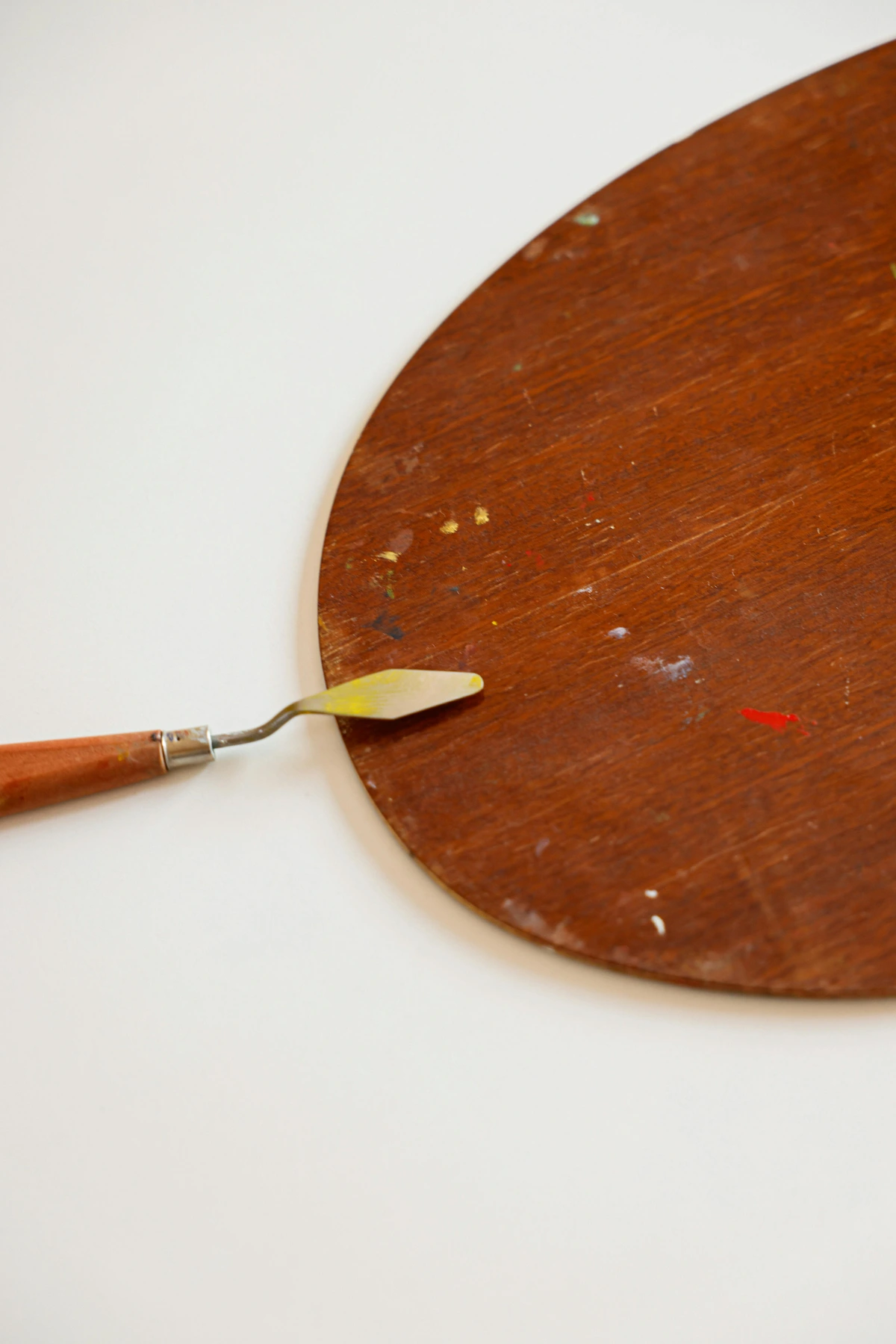
Calligraphy and Lettering for Kids
The art of beautiful writing can be surprisingly engaging for older children. It combines artistic expression with language, making it a wonderful interdisciplinary activity. This deep dive into letterforms can even lead to an appreciation for the history of calligraphy.
- Brush Pens: Start with large brush pens (like Crayola Supertips) that allow for thick and thin strokes with pressure.
- Felt-Tip Calligraphy Pens: These offer a more structured approach to lettering, with broad, chisel tips that mimic traditional calligraphy nibs. They're great for introducing consistent stroke widths and the basic forms of calligraphy.
- Hand Lettering: Encourage them to explore different lettering styles, perhaps even creating their own alphabet or designing invitations for family events. This allows for personal expression within the structure of lettering. You might want to check out essential calligraphy supplies for beginners for more detailed guidance.
Weaving and Fiber Arts for Kids
Beyond drawing and painting, exploring textiles can open up a whole new world of tactile creation. Weaving, knitting, and other fiber arts teach patience, pattern recognition, and fine motor skills in a deeply satisfying way. I still remember the joy of seeing my first simple woven placemat come to life! These activities can also introduce them to abstract concepts through texture and pattern, similar to some abstract paintings.
Fiber Art Type | Age Group | Key Concepts | Materials |
|---|---|---|---|
| Finger Knitting | Ages 4+ | Loop creation, continuous line, simple pattern | Yarn (chunky is best for beginners), fingers. |
| Cardboard Loom Weaving | Ages 6+ | Over/under pattern, warp and weft, texture creation | Cardboard, yarn, blunt needle or fingers, scissors. |
| Friendship Bracelets | Ages 7+ | Knot tying, color patterns, fine motor precision | Embroidery floss, safety pins or clips. |
| Yarn Wrapping | Ages 3+ | Texture, color layering, fine motor skills | Yarn, cardboard shapes, sticks, or pipe cleaners. |
| Braid Making | Ages 3+ | Pattern repetition, motor coordination | Yarn, fabric strips, natural materials like long grasses. |
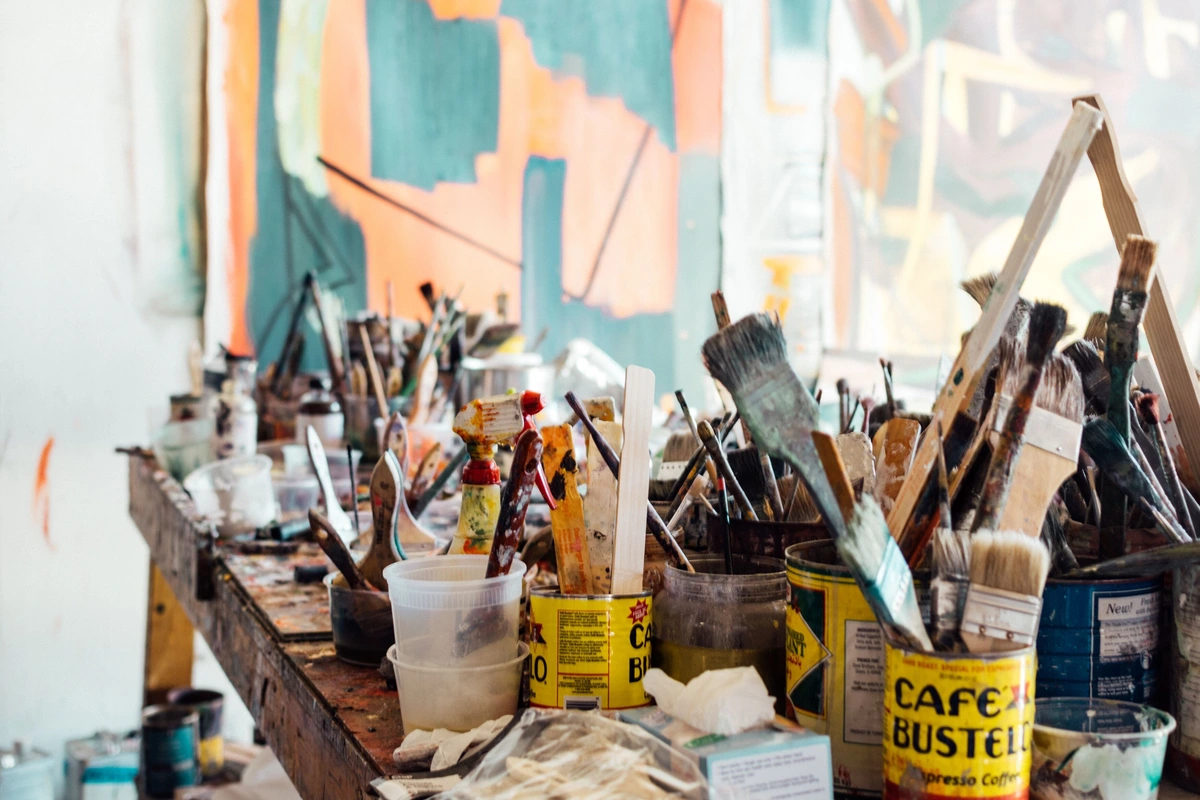
Mixed Media Adventures
Sometimes, the most exciting art happens when you break the rules and combine different materials! Mixed media art encourages experimentation and thinking outside the box. It's a fantastic way to engage with materials in a less restrictive manner, often leading to surprising and delightful outcomes, much like the unexpected results artists achieve in abstract mixed media works.
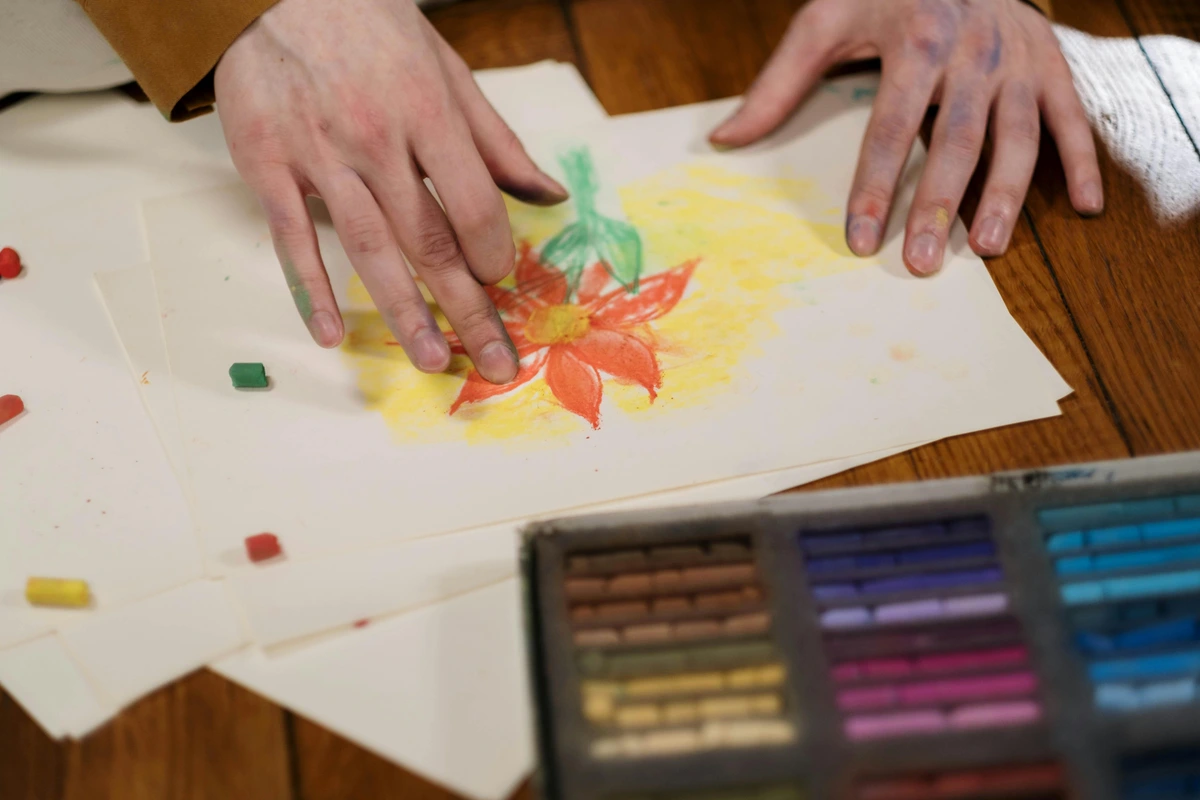
- Collage with Paint: Combine painting with glued-on elements like fabric scraps, magazine cutouts, or found papers.
- Drawing on Painted Surfaces: Once a painting is dry, use markers, colored pencils, or pastels to add details, outlines, or new textures.
- Sculpture with Drawn Elements: Create a 3D sculpture and then draw or paint patterns and details onto its surface.
The beauty of mixed media is that there are no limits, only opportunities to combine textures, colors, and forms in unexpected ways. It's truly at the essence of what is collage art. You can dive even deeper into this versatile art form with a beginners guide to creating collage art or explore the broader world of the definitive guide to mixed media in abstract art-techniques-materials-and-contemporary-masters.
FAQ: Your Questions Answered
What kind of paper is best for different mediums?
Oh, paper! It seems so simple, just a surface to create on, but it's a total game-changer for a child's artistic experience. For most general drawing and coloring, a good mixed-media paper is a fantastic all-rounder. It's usually a bit thicker than regular printer paper and can handle crayons, markers, colored pencils, and even light paint washes without buckling too much. For watercolors, always opt for watercolor paper – it's specifically designed to absorb water without pilling or tearing. For sketching with pencils or charcoal, a slightly textured drawing paper can add lovely depth, helping the medium cling to the surface. Don't be afraid to experiment with different papers; sometimes the "wrong" paper can lead to amazing, unexpected discoveries! The choice of paper is as important for a child as finding the best watercolor paper for artists is for a professional.
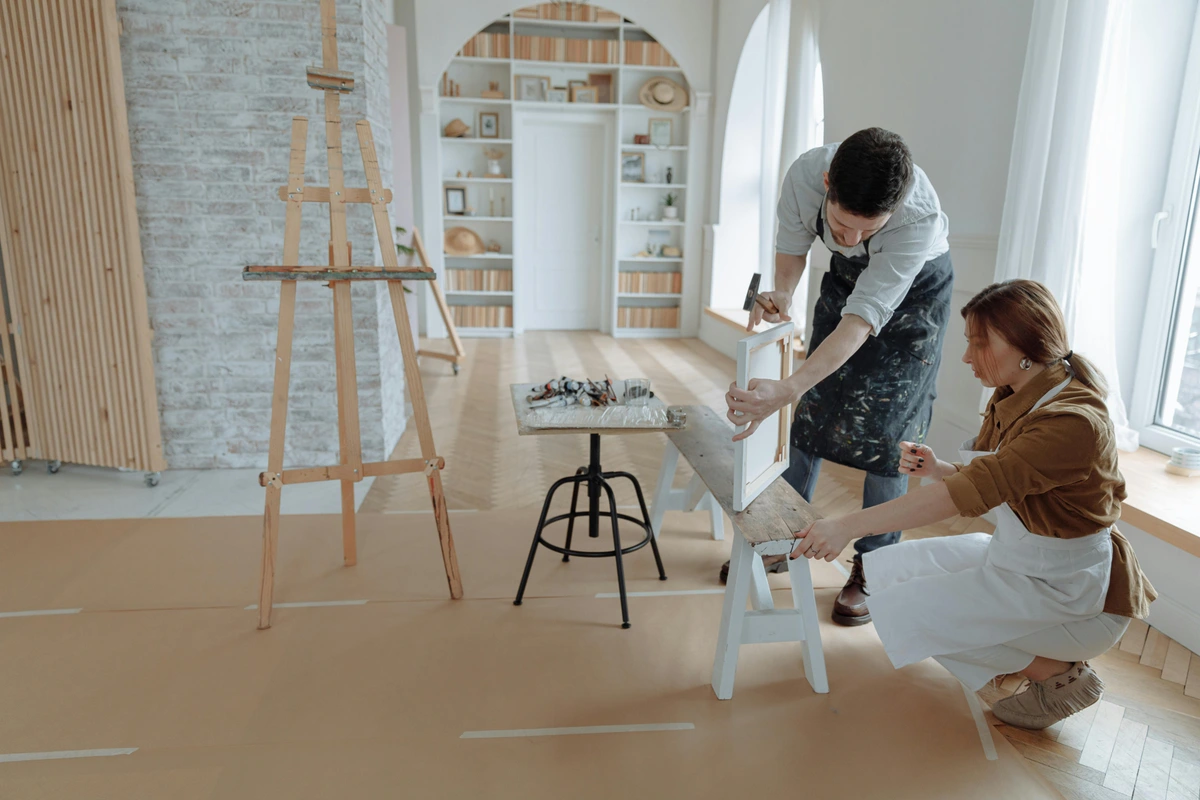
What are the absolute must-have art supplies for a 5-year-old?
If I had to choose just a few, the non-negotiables would be: a set of broad-tip washable markers, a good pad of mixed-media paper (it's surprisingly versatile and can handle almost anything), tempera paint sticks for quick bursts of color, and a tub of air-dry clay. That covers drawing, painting, and sculpting with minimal mess and maximum creative output, hitting all the core sensory and developmental needs. It’s about building a foundational toolkit that encourages broad exploration, similar to an artist's essential drawing supplies.
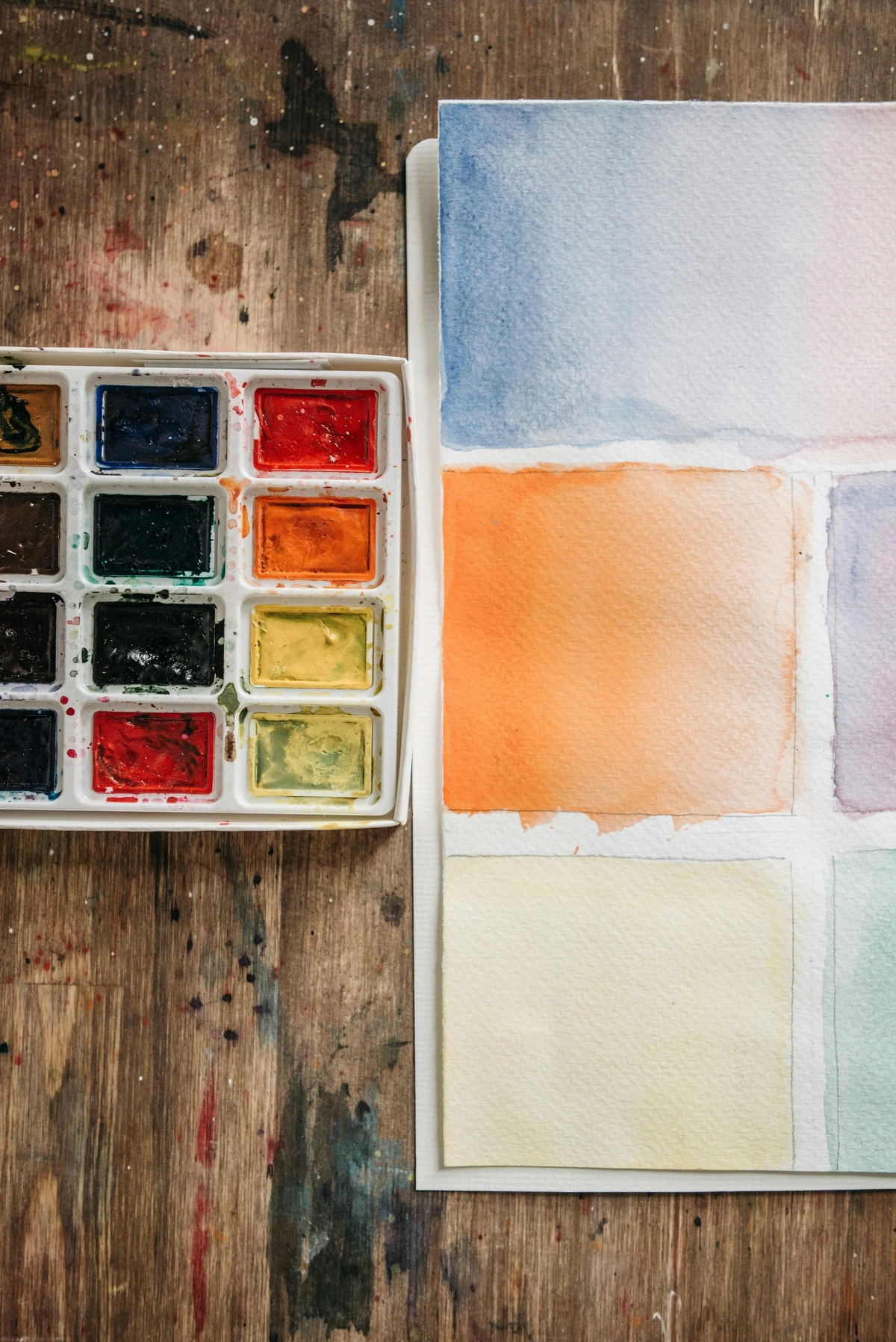
How do I clean up specific art messes?
This is the eternal parent question, isn't it? The bane of many a creative session! For washable paints and markers, warm water and a little dish soap usually do the trick on most surfaces and fabrics. For more stubborn stains, a pre-treatment spray (like a laundry stain remover) before washing can work wonders. For oil pastels or chalk pastels, try scraping off excess with a dull knife (like a butter knife) and then wiping with a damp cloth and a little dish soap; remember, pastels can be quite greasy. For glitter, I swear by lint rollers and a small handheld vacuum – they are life-savers! Air-dry clay dust can usually be vacuumed or wiped with a damp cloth. The key for most messes is speed – the quicker you tackle it, the easier it is to remove! And always, always check the product's packaging for specific cleaning instructions – sometimes a little specific knowledge goes a long way. It's similar to how meticulous an artist is about cleaning their paint brushes.
Are expensive "artist-grade" supplies better for kids?"
Honestly, no. Not for starting out, and often not even for budding artists. Professional supplies are designed for longevity, lightfastness, and very specific effects that kids don't need (or often appreciate!). The frustration of using a non-washable, expensive paint that's difficult to handle far outweighs the benefit of its pigment quality. Stick to student-grade or kid-specific stuff; it's designed with their developmental stage and your sanity in mind. Save the professional-grade materials for when they're truly dedicated and asking for them by name!
When should my child start using more permanent art supplies?
It really depends on the child! There's no magic age, as some kids are naturally more careful and meticulous at a younger age (say, 8 or 9), while others might be ready later. The best indicators are their understanding of instructions, their respect for materials (i.e., not trying to paint the dog with acrylics!), and their ability to focus for longer periods. Start with a conversation about the special nature of these materials ("This paint doesn't wash out, so we'll need extra care!"), designate a specific "permanent art" zone (perhaps with a protective mat), and always provide supervision initially. Slowly introduce things like acrylics, oil pastels, or fine-tip permanent markers as you observe their readiness and responsibility.
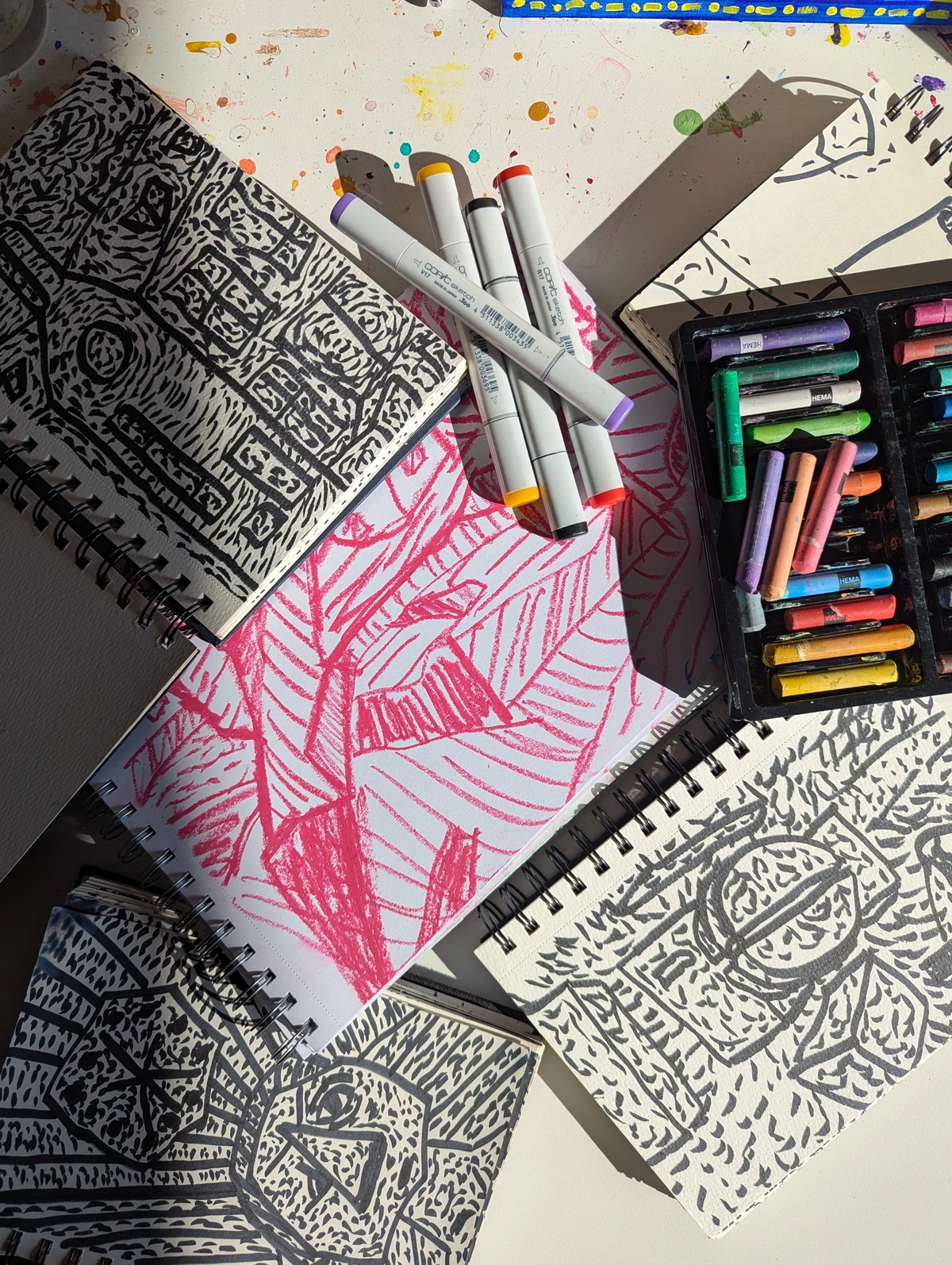
How do I store all this stuff without my house looking like a craft store exploded?
This is a question I hear all the time! A rolling cart with multiple drawers (often found at craft stores or even kitchen supply stores) is your best friend. You can wheel it out for art time and tuck it away later. Also, clear plastic bins, labeled by category (drawing, painting, collage), can be a lifesaver for seeing what you have at a glance. Think vertically with wall-mounted organizers or pegboards if space is limited. The key is easy access for them, and easy put-away for everyone! Effective storage is crucial for maintaining an inspiring creative environment, whether it's for a child's playroom or an artist's studio, allowing for a better flow of creativity and ideas, much like how thoughtful curation enhances collecting art for small apartments.
Are subscription art boxes worth it?
This is a fun one, and a question I've wrestled with myself! Subscription art boxes can be a fantastic way to introduce new materials and techniques without having to research or shop for individual items. They often come with themed projects and clear instructions, which can be great for inspiring kids (and parents!) who feel stuck in a creative rut. However, they can sometimes be a bit pricey, and you might end up with materials you already have or don't absolutely love. My take? They're worth trying for a few months to see if they spark new interests or provide much-needed inspiration, especially for older kids. For younger kids, curating your own "art box" from dollar store finds, craft store sales, or even recycled materials can be just as exciting and much more budget-friendly – and you get to pick exactly what goes in!
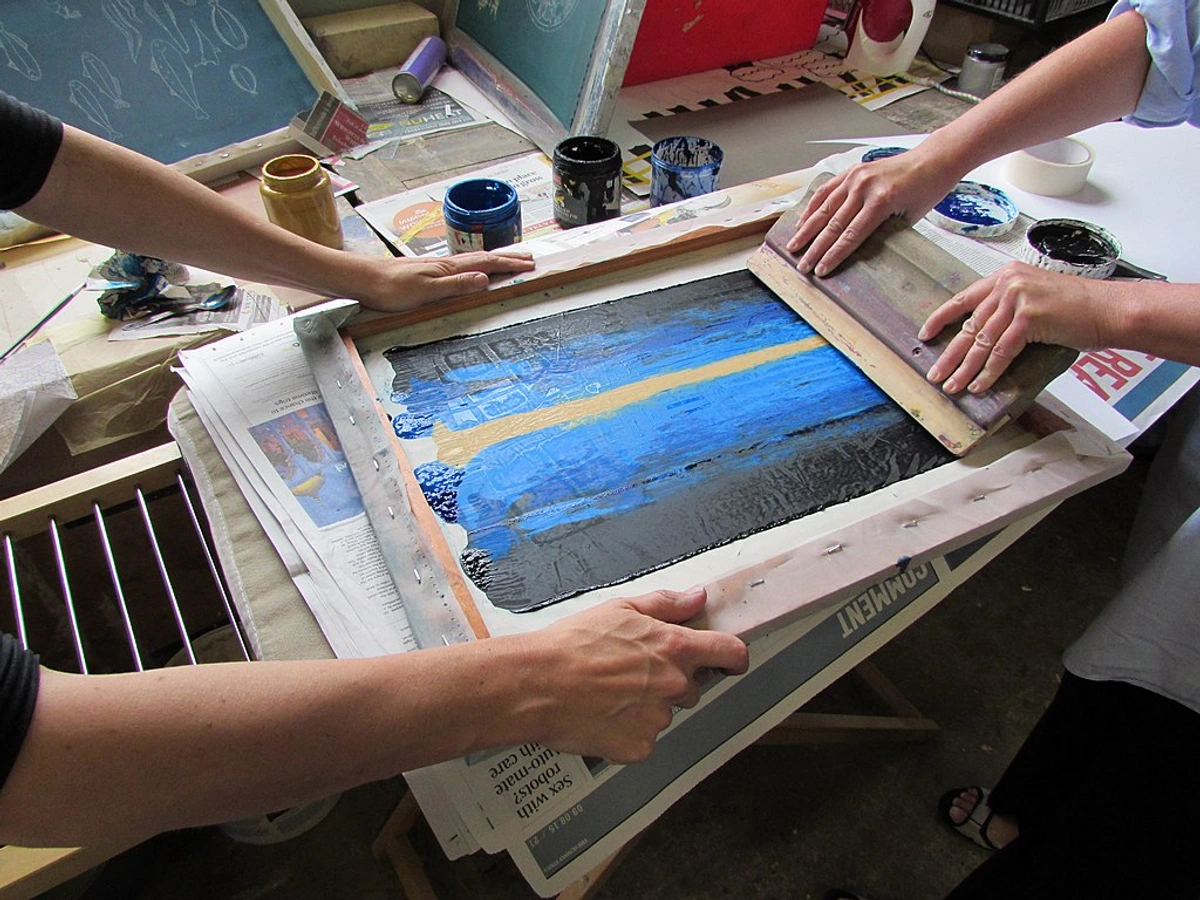
My child gets frustrated and says, "I can't draw!" What should I do?"
Oh, the heartbreaking "I can't draw!" It’s a common refrain, usually stemming from a comparison to someone else's art or a perceived "failure" to create something realistic. The most powerful thing you can do is shift the focus from the outcome to the process. Instead of saying "Let's draw a dog," try "Let's see what kinds of lines this crayon can make" or "What happens if we mix these two colors?" Or, even better, try "process art," which is all about the experience of making, not the finished product. Drip paint, squish clay, print with leaves. When there's no "right" or "wrong" way to do it, it miraculously removes the fear of failure and opens up a world of playful exploration. This emphasis on process over product is a core philosophy in many art forms, especially when delving into concepts like what is abstract art.

Seriously, how can I make art time less messy?
Preparation is everything. A little bit of planning goes a long way in managing the chaos, trust me!
- Designate a Space: A corner with a cheap plastic tablecloth on the floor and table is ideal. If weather permits, taking art outdoors can be a game-changer for messier activities like finger painting or spray bottles.
- Smocks are Non-Negotiable: An old oversized t-shirt works perfectly, or you can buy inexpensive art smocks. The goal is to protect their clothes so they can create freely without you worrying about stains.
- Keep Baby Wipes Handy: They are magic for cleaning hands, tables, and even small floor spills. I keep a pack in every art-related drawer and bag.
- Work on a Tray: A simple baking sheet with a lip, a plastic placemat, or even a cut-open cereal box can contain a surprising amount of mess, from paint drips to rolling beads and stray glitter. This creates a mini "containment zone" that psychologically feels less daunting to clean and makes it easier to transport materials.
- Small Portions: Only put out small amounts of paint, glue, or glitter at a time. It’s much easier to add more than to clean up an excess. This also encourages mindful use of materials.
- Water & Paper Towels Nearby: Always have a cup of water for rinsing brushes and a stack of paper towels or cloths within easy reach. The quicker you can wipe, the less the mess spreads. I also like to have a dedicated "dirty water" bucket.
- Choose "Less Mess" Alternatives: Opt for tempera paint sticks instead of liquid tempera, dot markers instead of traditional markers, or play-doh instead of clay when you're really trying to minimize cleanup. There are so many fantastic options available now!
The Art of Process Over Product
In our achievement-oriented world, it’s all too easy for kids (and let's be honest, us too!) to get caught up in creating a "perfect" piece of art. We see the final product as the goal, but the real magic, especially for young children, is in the process itself – the journey of creation, not just the destination. This mindset is critical for nurturing genuine creativity and self-expression, echoing the core philosophy behind many forms of contemporary art, including why I paint abstract.
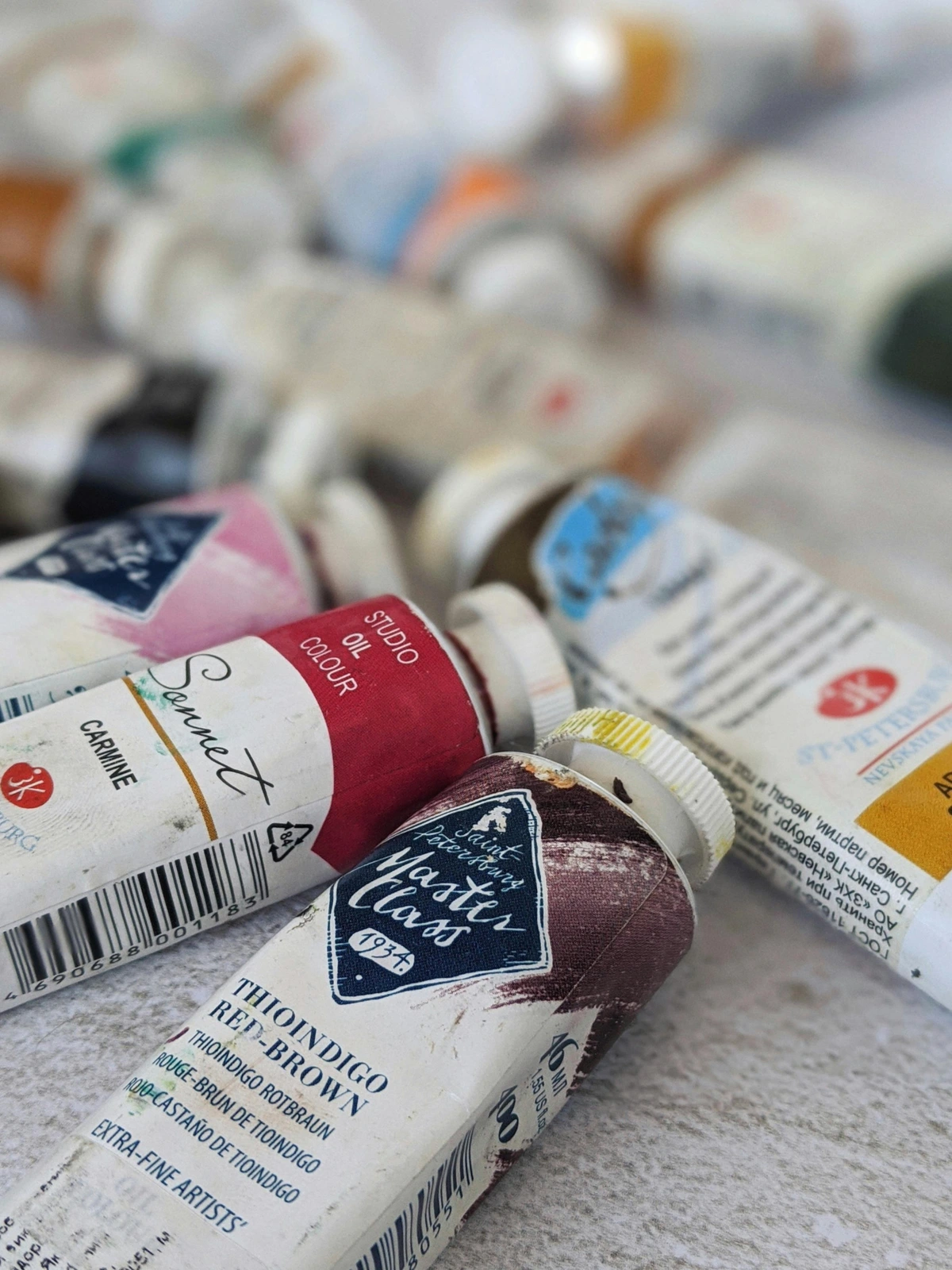
- Emphasize Experimentation: Instead of saying "Draw a house," try open-ended prompts like "Let's see what kinds of lines this marker can make" or "What happens if we mix these two colors?" This encourages curiosity and discovery rather than strict adherence to a preconceived idea.
- The Freedom of Abstract Art: Remind them that art doesn't always have to look like something. Exploring what is abstract art can be incredibly freeing, allowing them to focus on color, line, and form without the pressure of realism.
- Focus on the Experience: Talk about the textures, the smells, the sounds of making art. "How does that squishy clay feel in your hands?" "Listen to the crayon scratch across the paper!" Engaging all their senses deepens their connection to the creative act.
- Sensory Language: Encourage them to describe their art using sensory words: "Is the paint smooth or bumpy?" "Does this color feel warm or cool?" This builds their vocabulary and observational skills.
- Remove the Pressure of Perfection: "Process art" activities, where the outcome is less important than the exploration (like drip painting, squishing clay, or abstract collages), are fantastic for this. There's no right or wrong, which frees them from the fear of failure and fosters genuine joy in creation.
- Learning from "Mistakes": What we perceive as a mistake, a child often sees as an opportunity or a new direction. Encourage them to see how they can integrate an unexpected splash or tear into their piece, turning it into part of the story.
- Ask Open-Ended Questions: Instead of the loaded question "What is it?", try "Tell me about your drawing," or "What were you thinking about when you made this?" This encourages reflection, validates their inner world, and often leads to fascinating insights into their thought process.
- Beyond Visuals: Ask about the feelings evoked by their art, or what sounds their drawing might make. This helps them connect their emotional world to their creative output.
It shifts the focus from achieving a perfect outcome to enjoying the exploration, experimentation, and unique discoveries along the way. This mindset is perhaps the greatest art lesson you can impart.
Managing the Masterpieces: Display & Storage
Ah, the inevitable mountain of artwork! Celebrating your child's creations is important, but so is managing the sheer volume. It's a joyful problem to have, but a problem nonetheless! Thoughtful display and storage can turn that mountain into a curated collection, much like an art collector might organize their precious acquisitions for display in unexpected spaces.
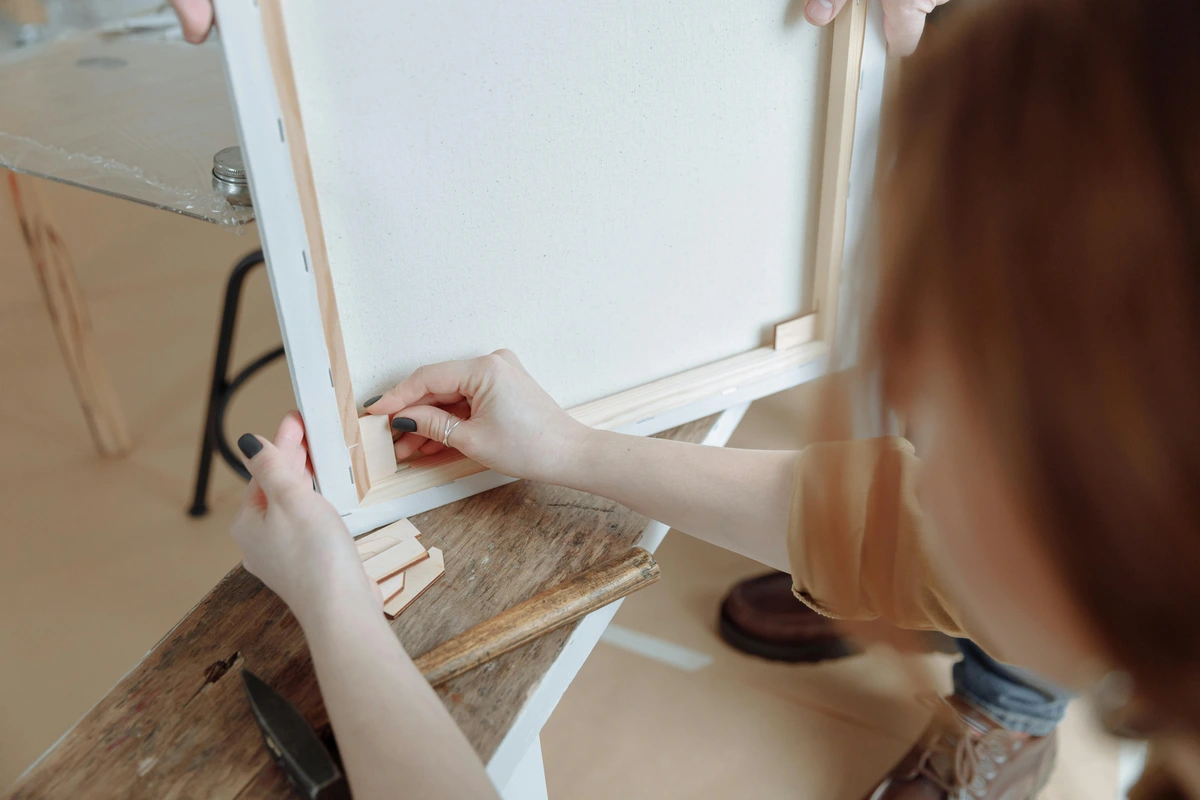


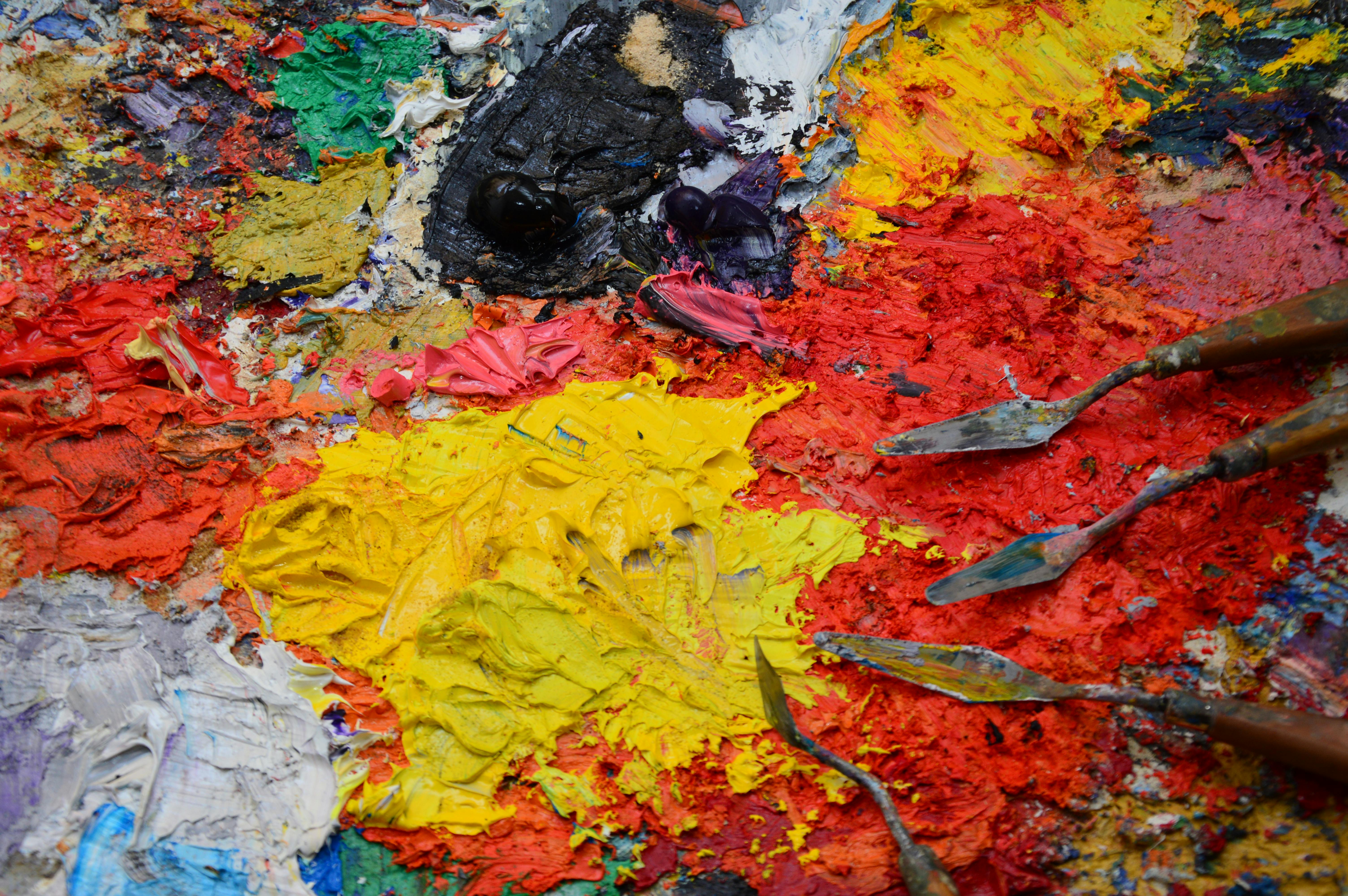

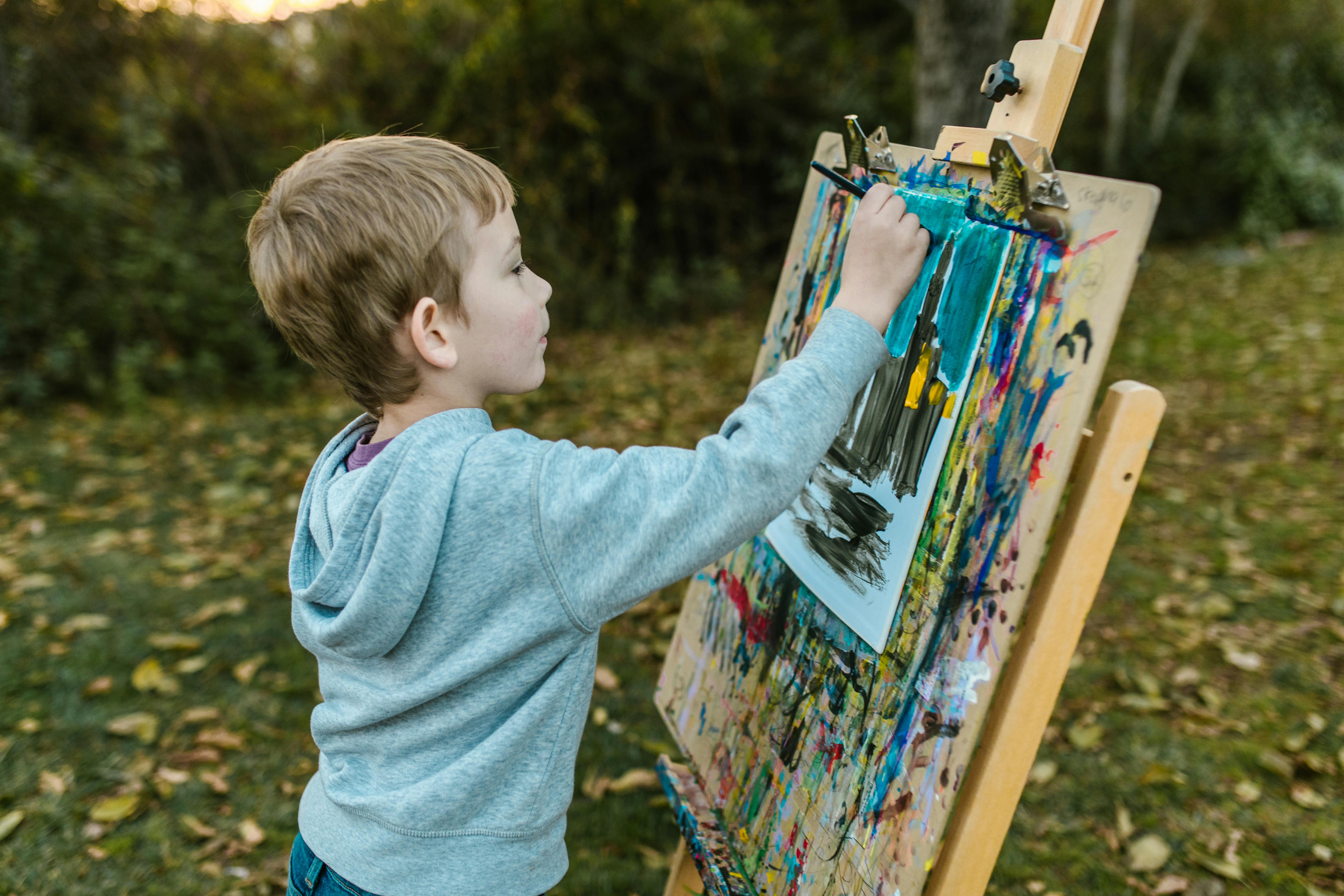


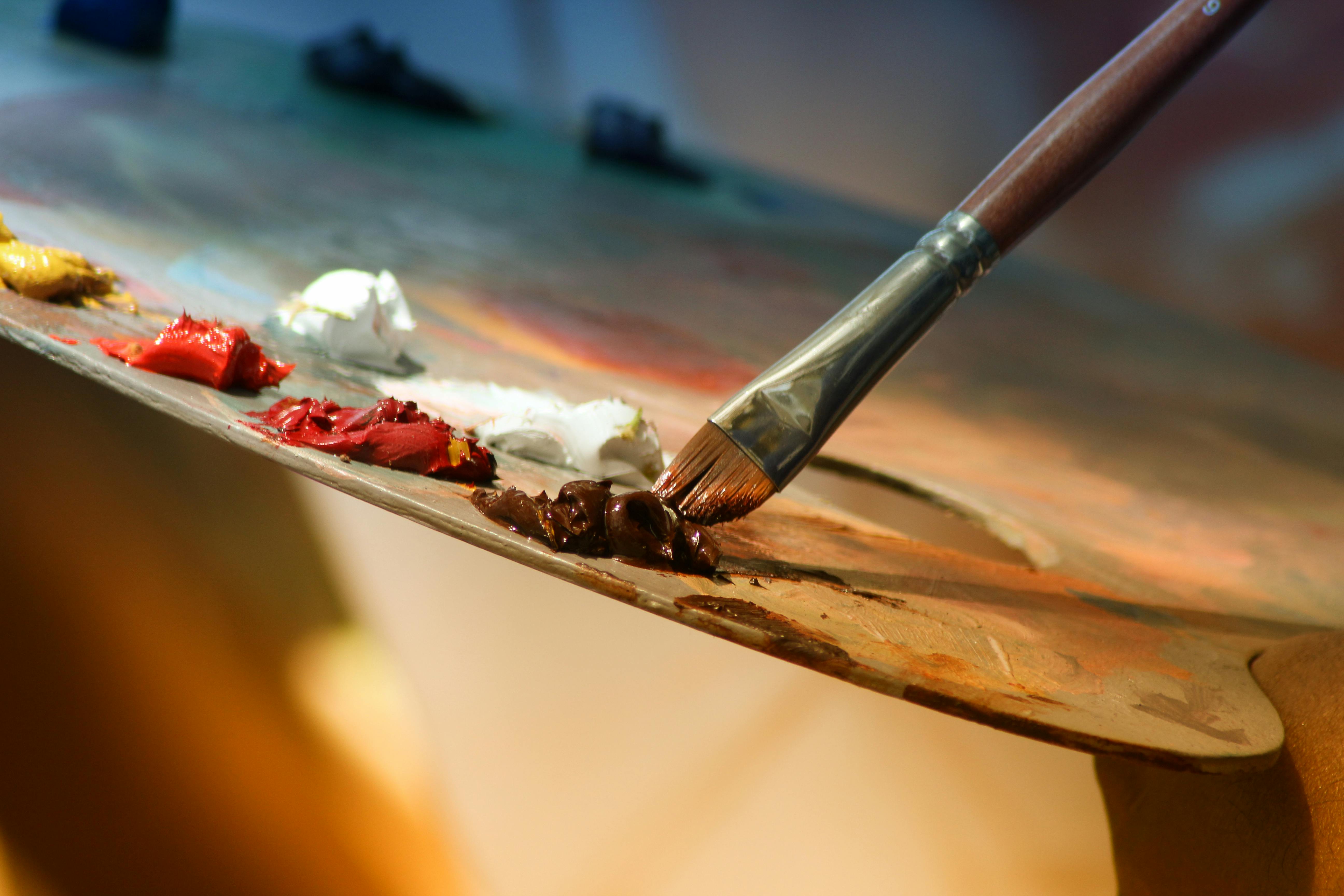

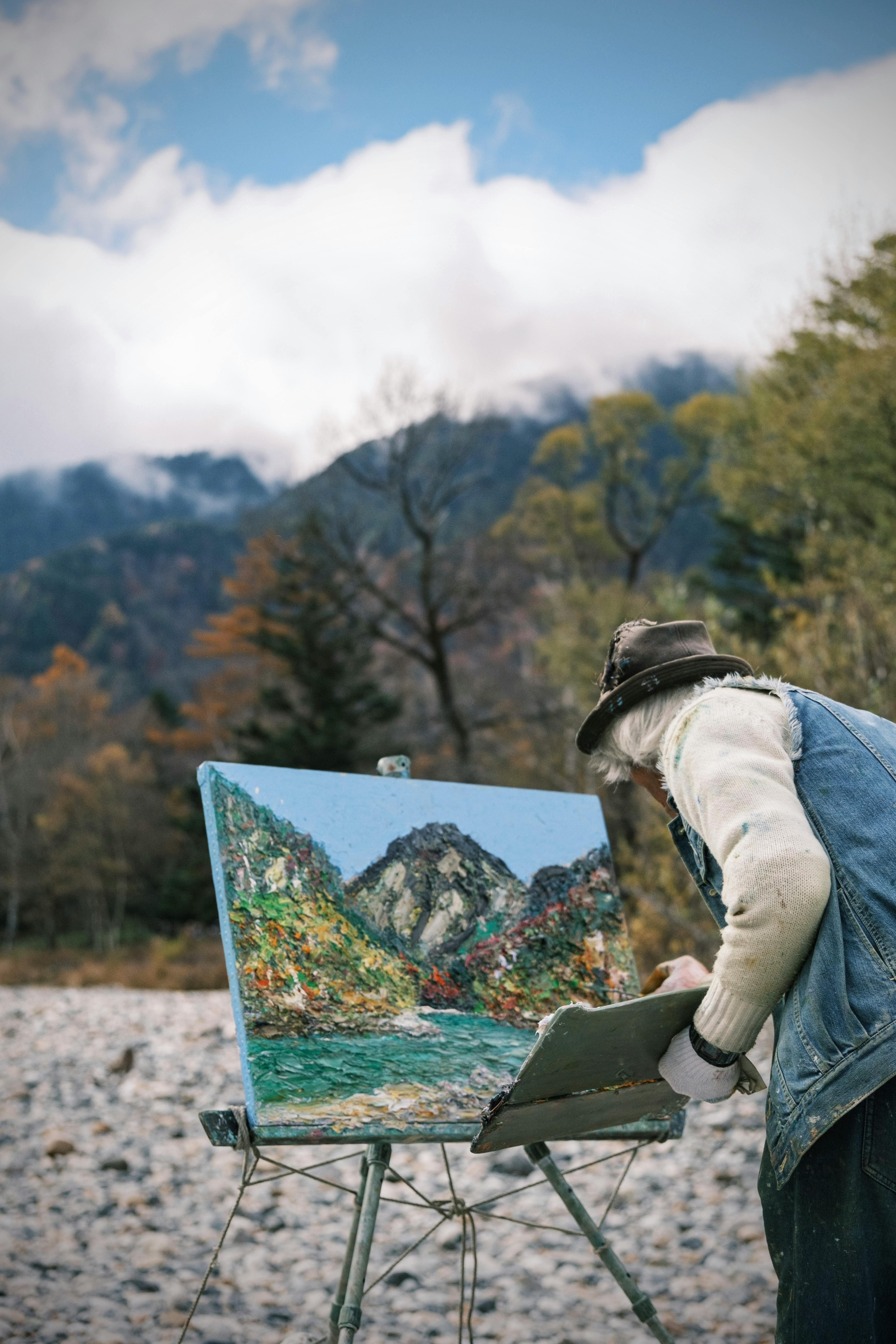


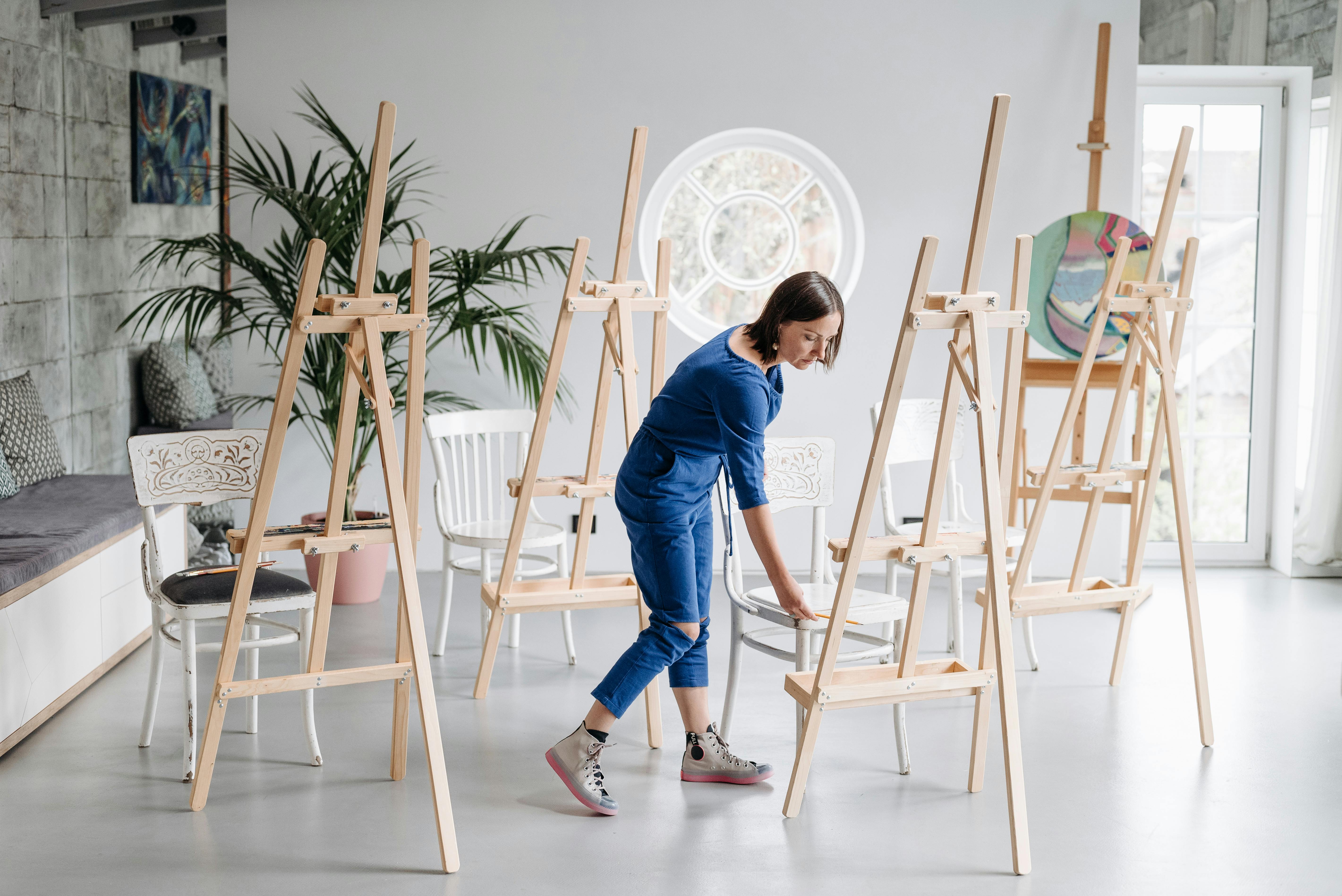

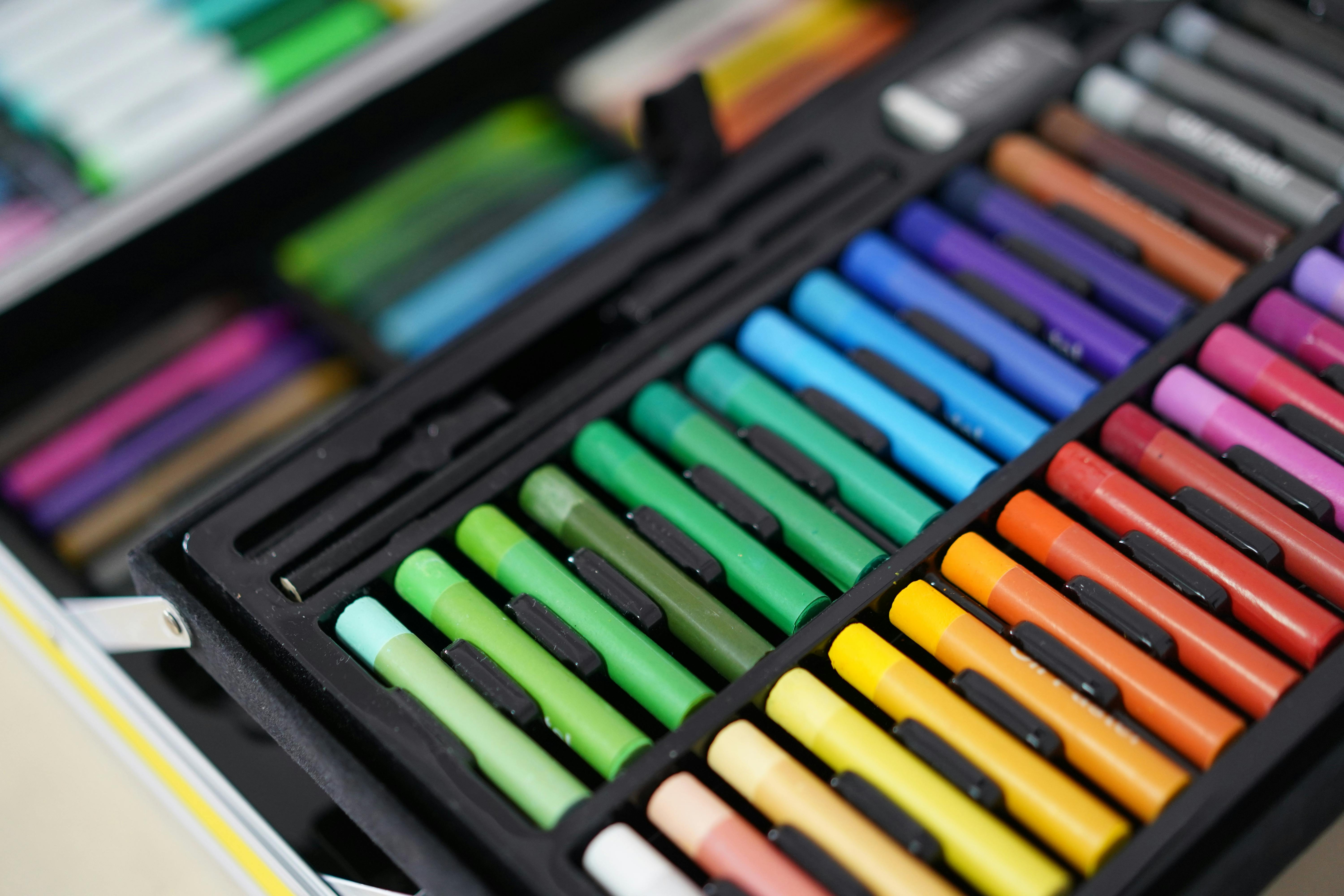
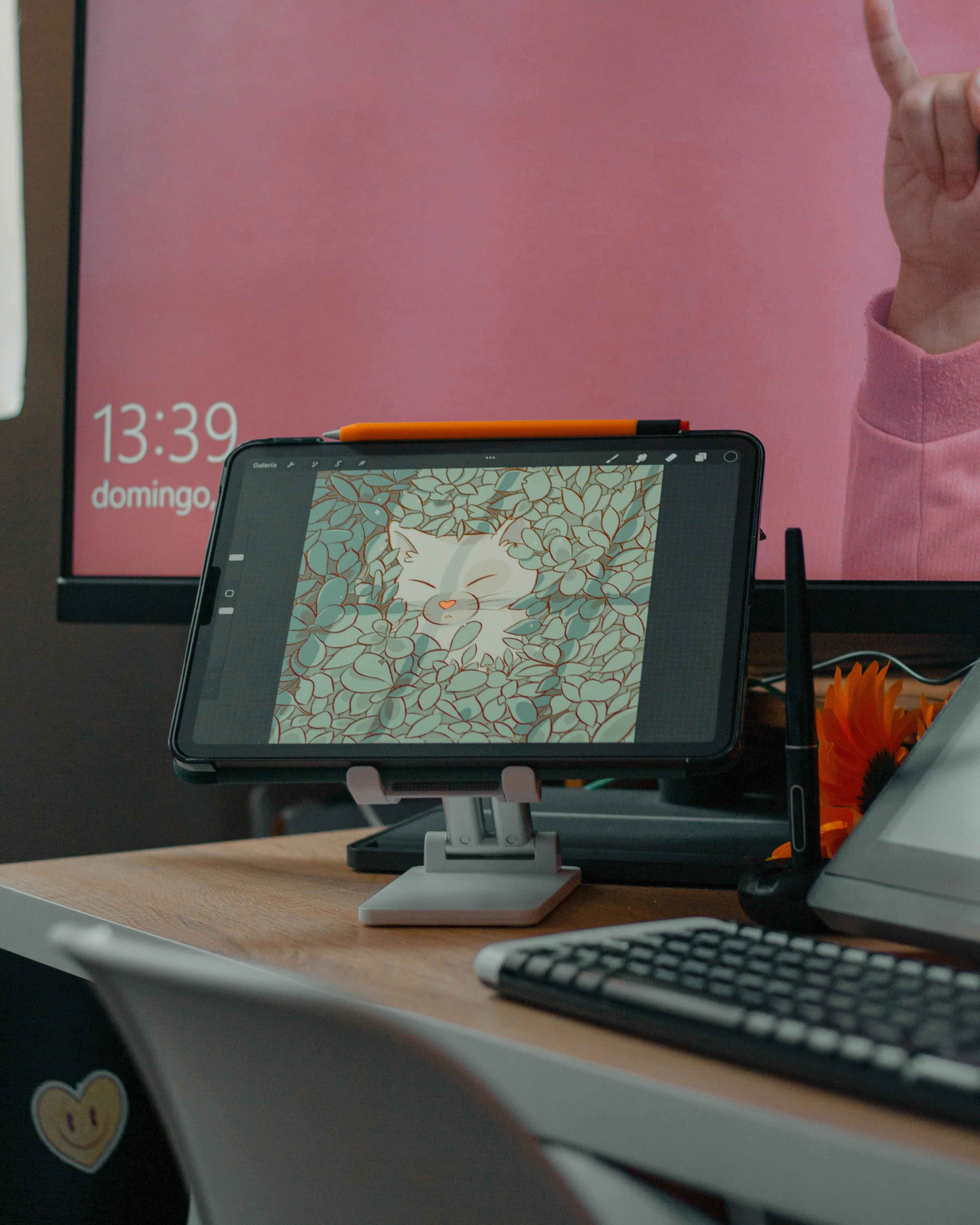

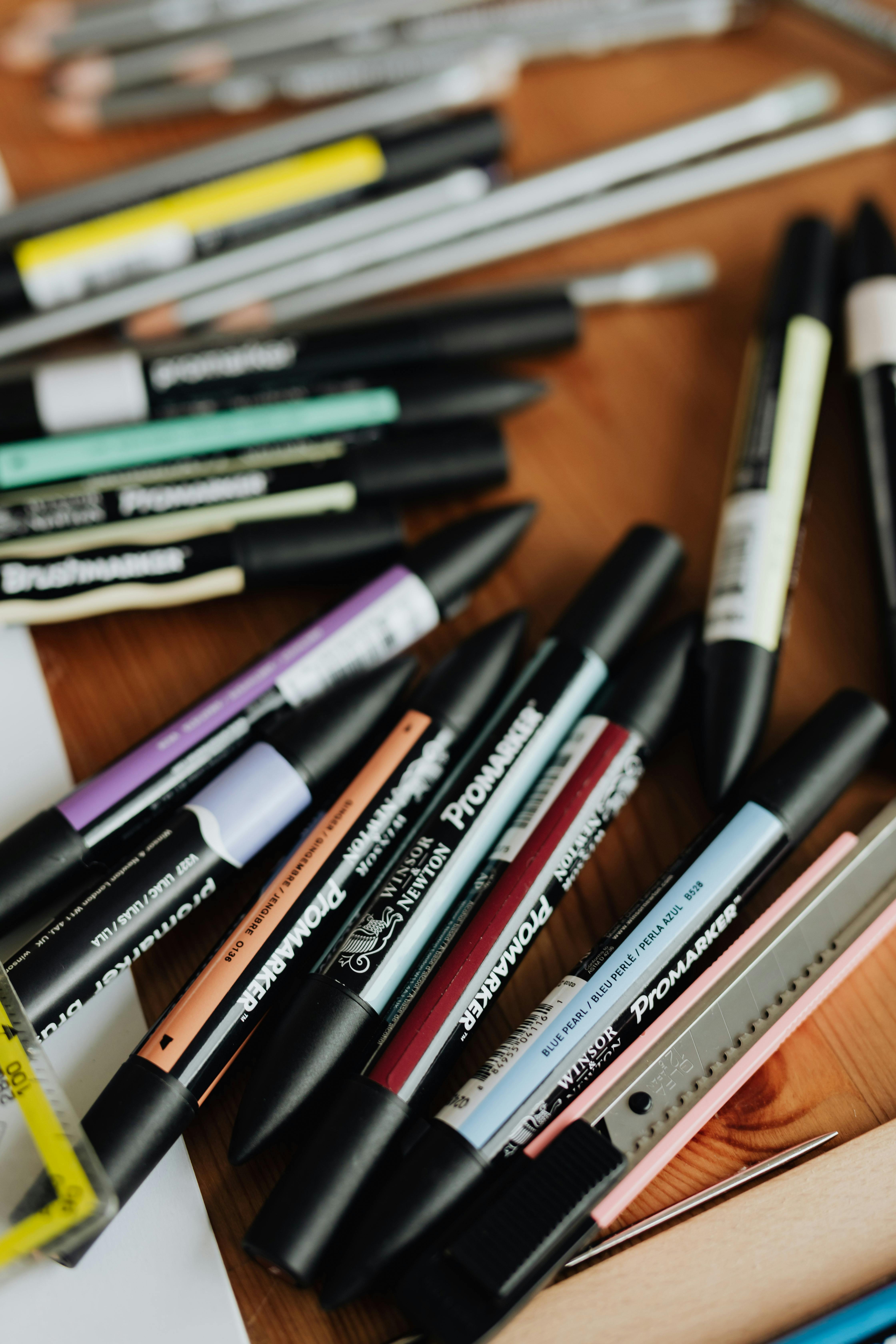
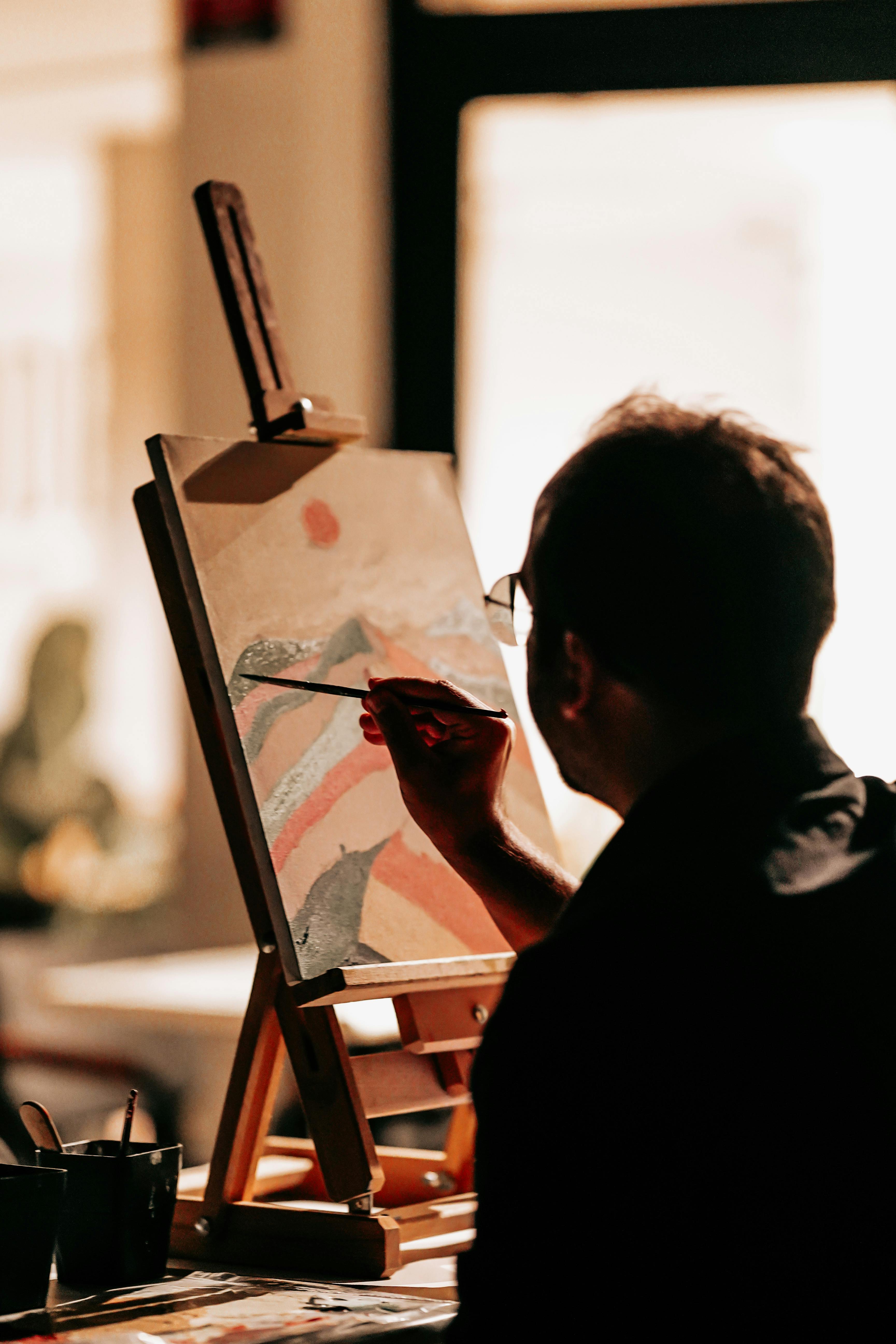
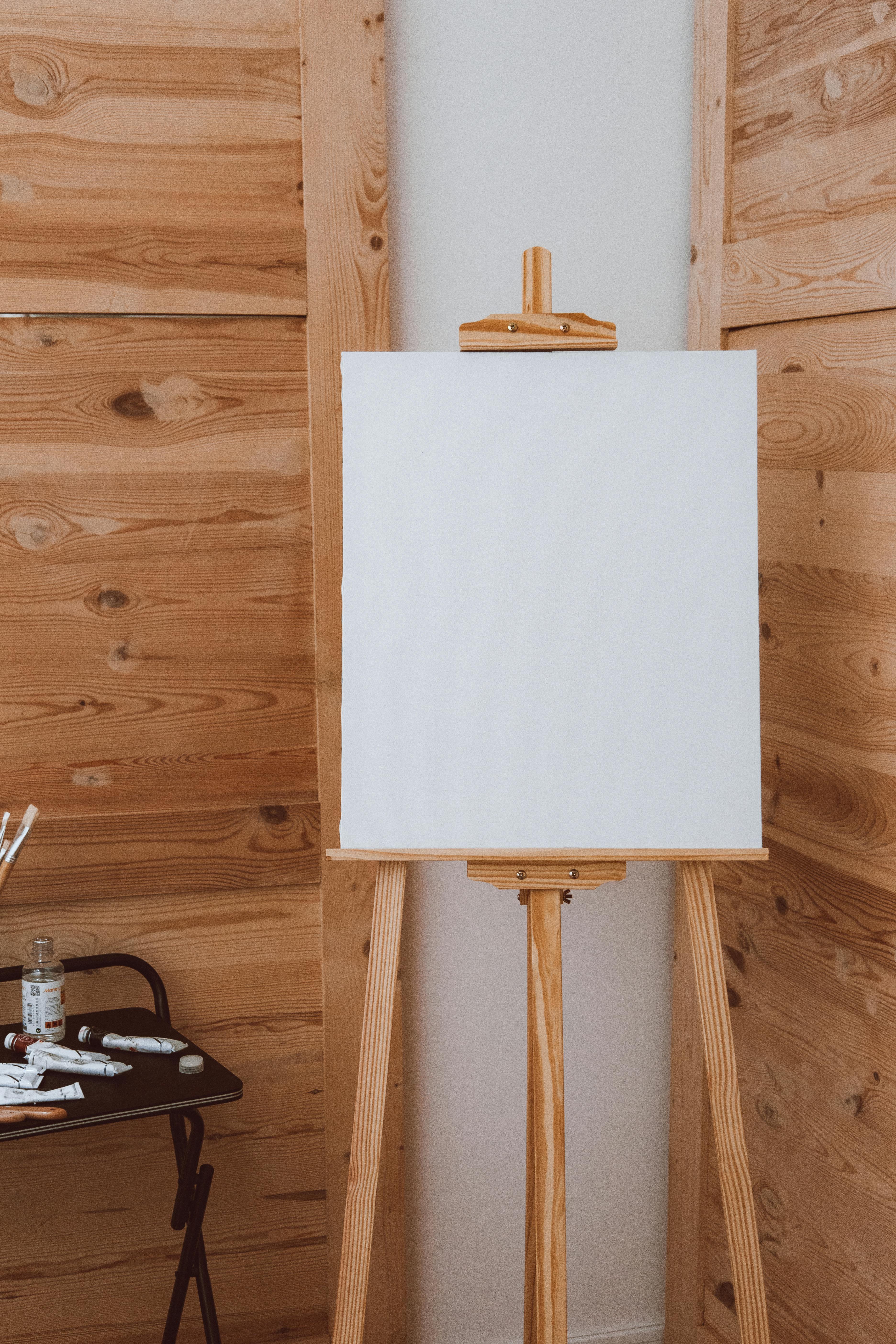


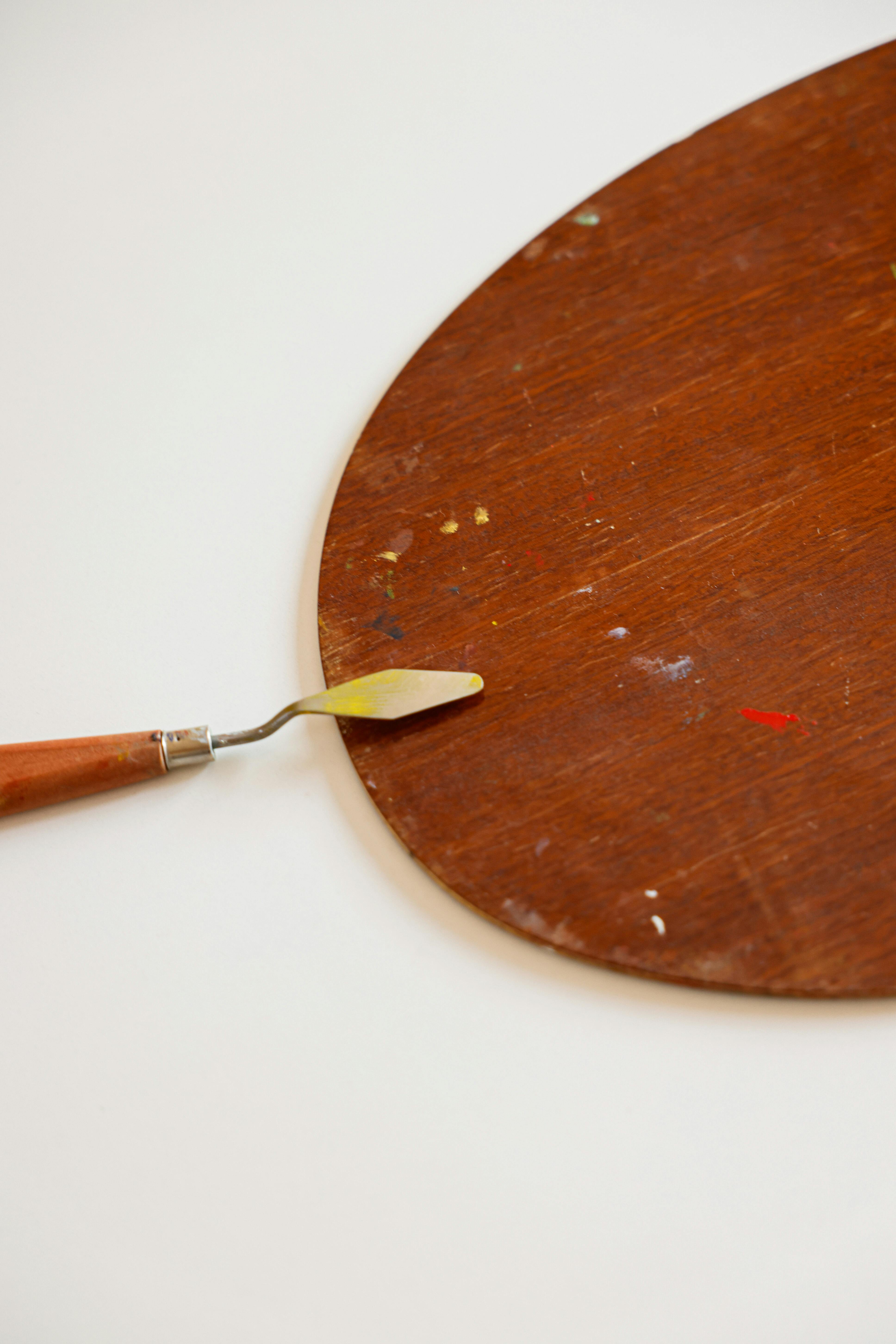
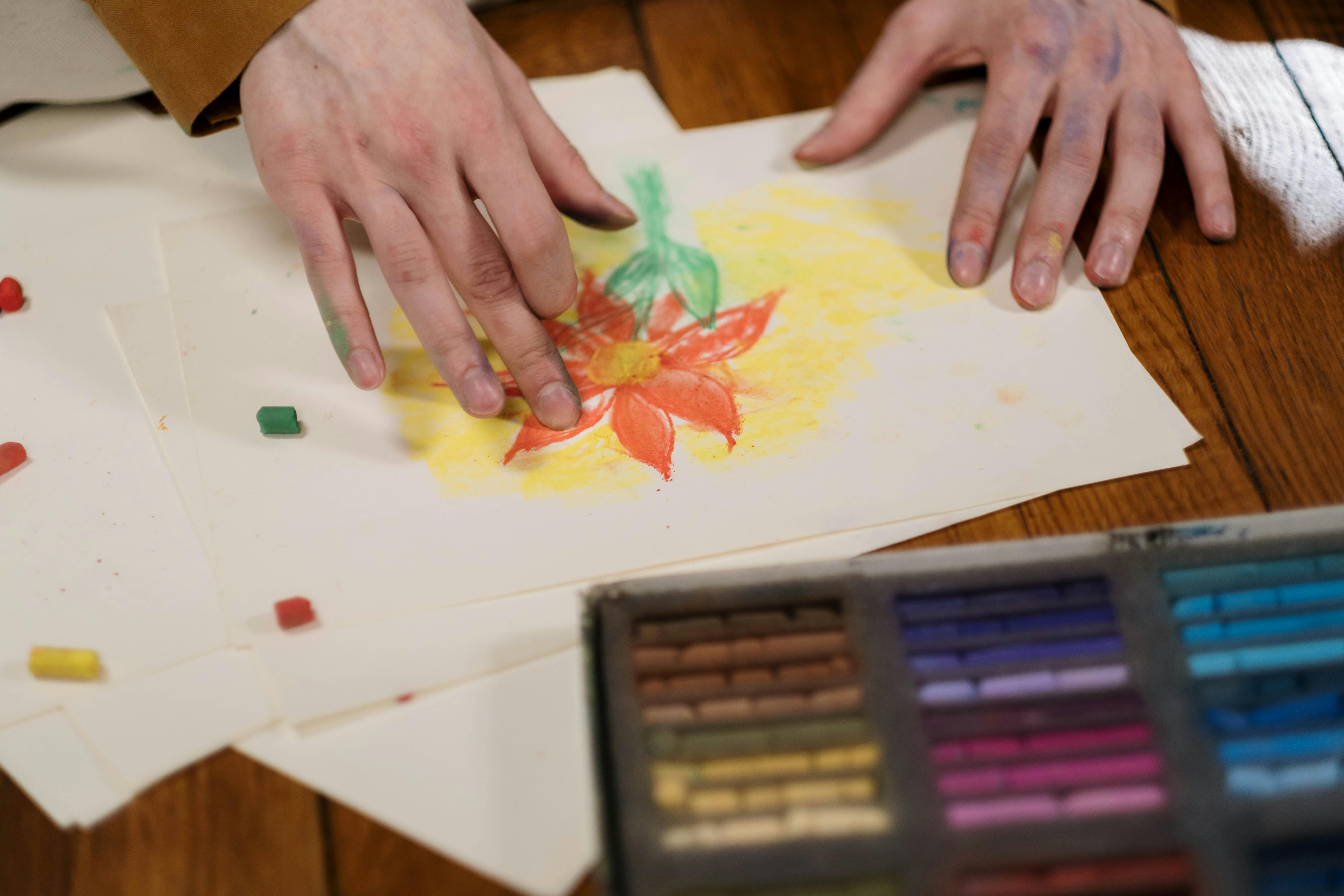
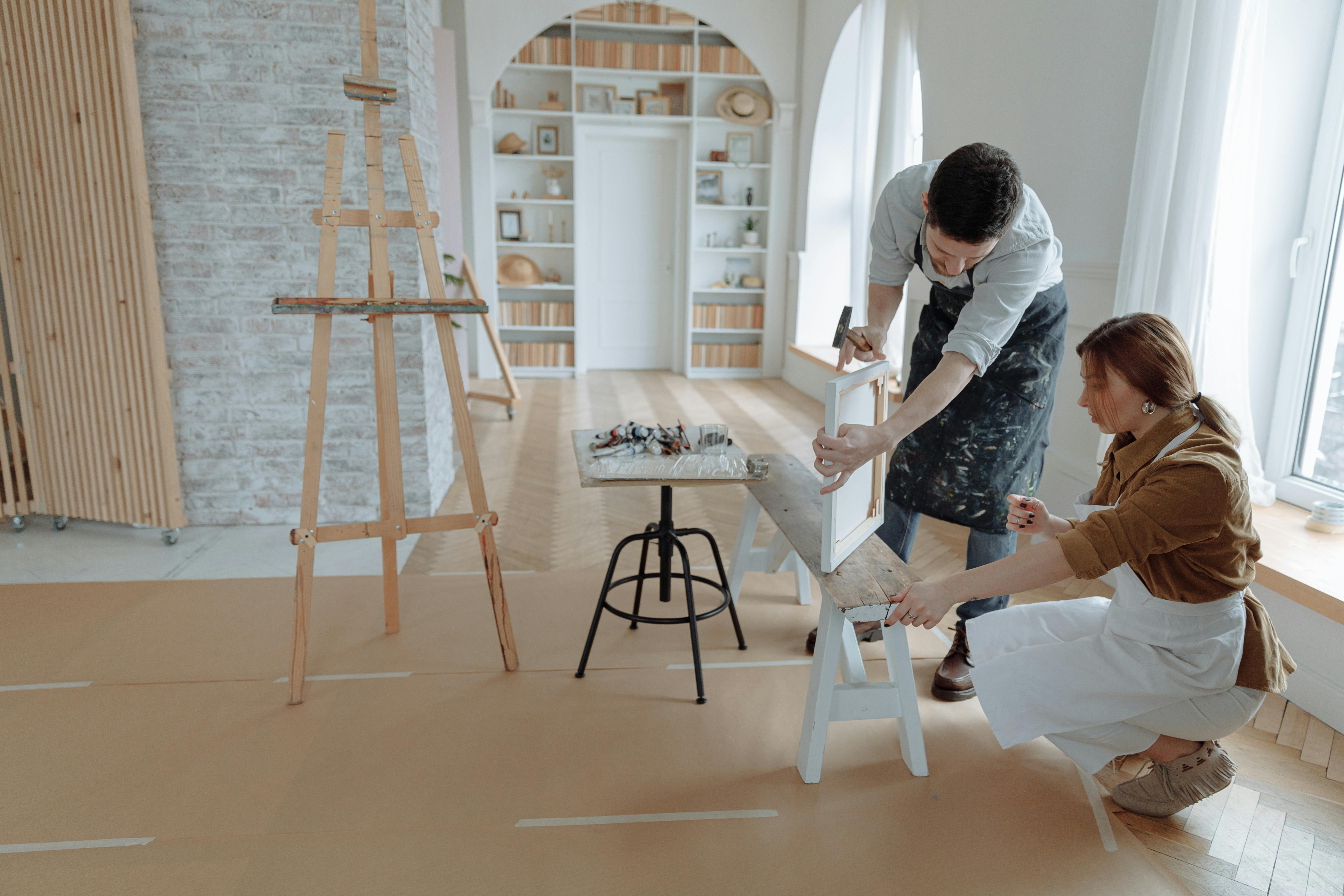


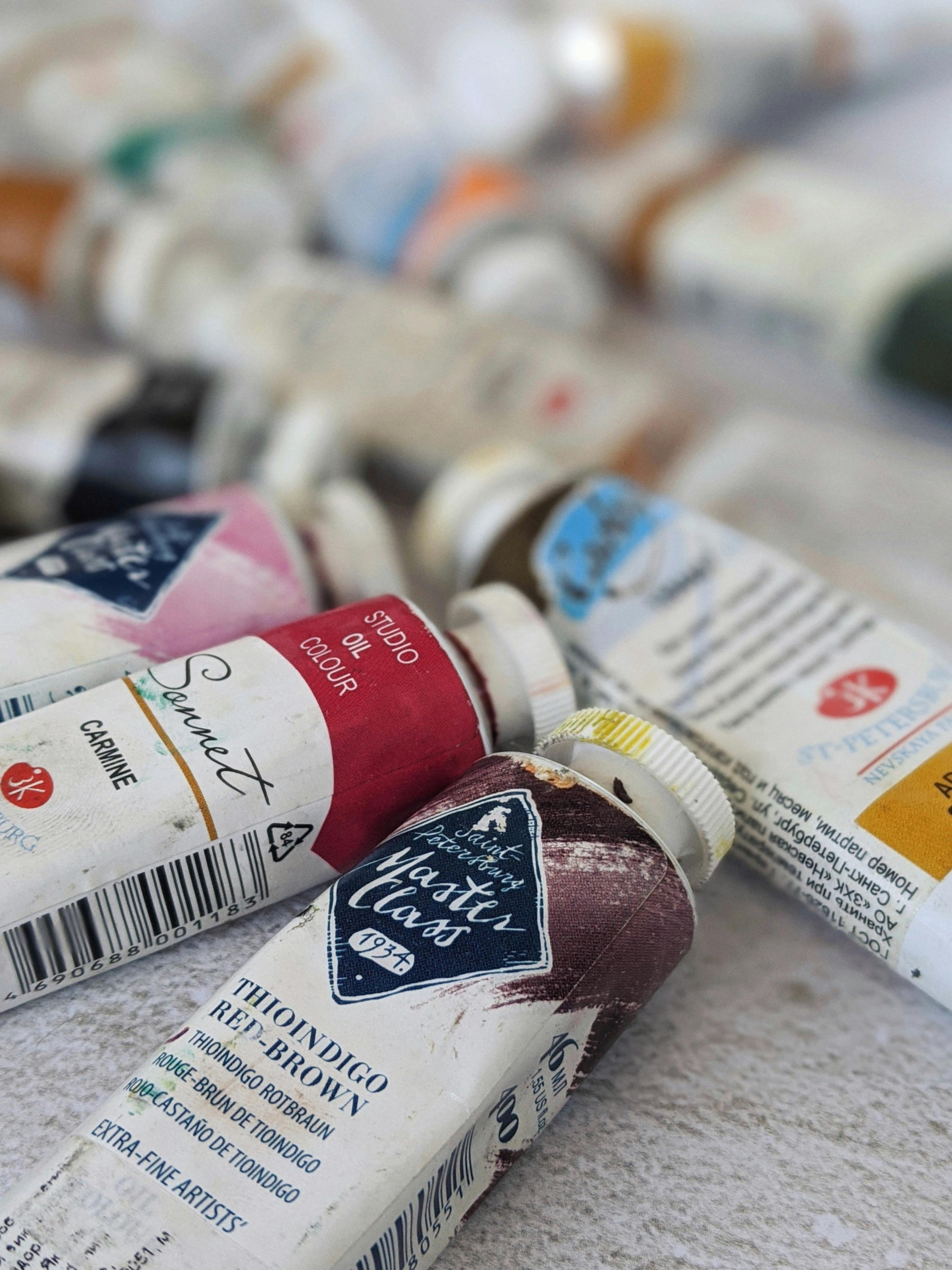
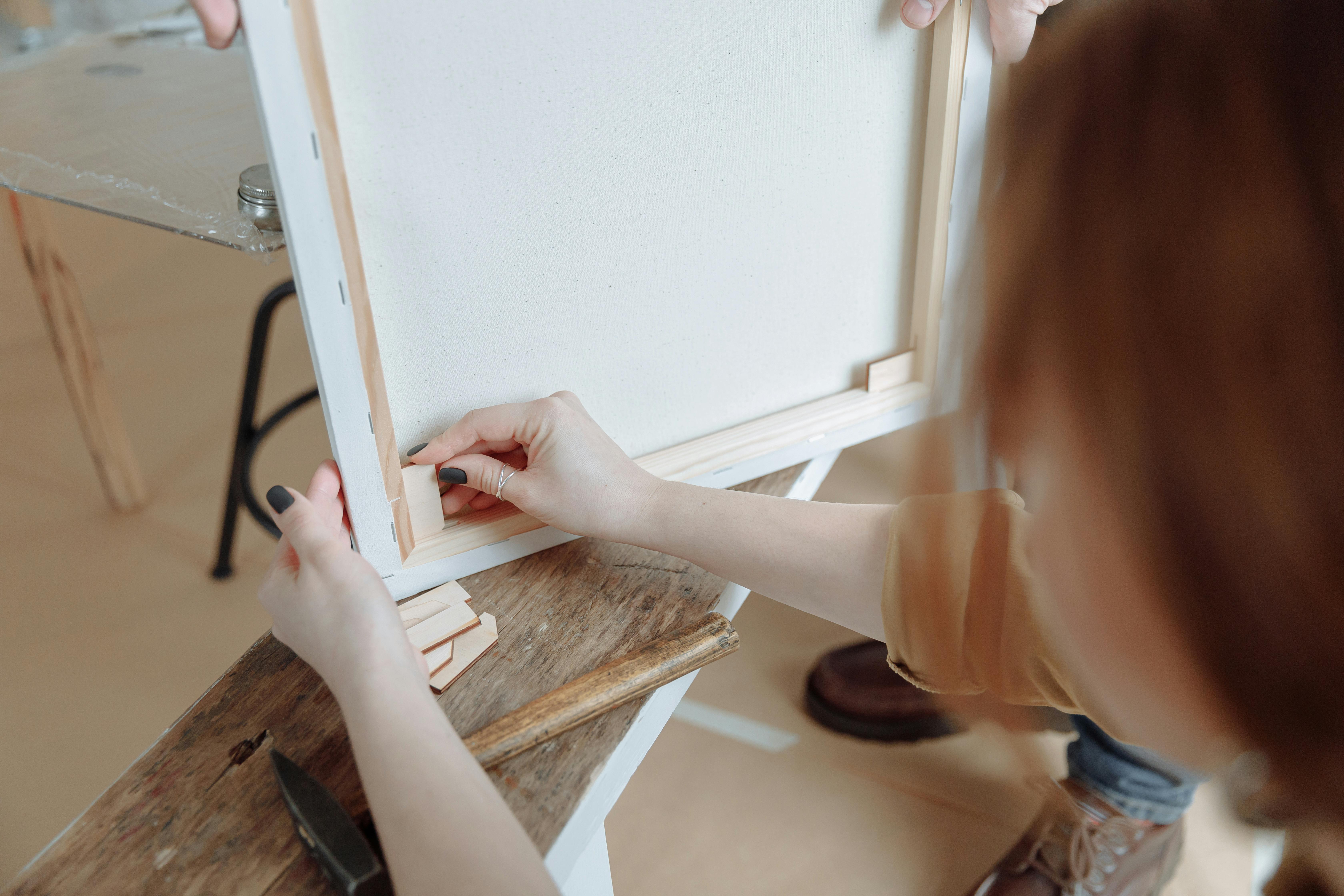
- The Fridge Gallery: A classic for a reason! Rotate artwork regularly to keep it fresh and to ensure every piece gets its moment in the spotlight.
- Dedicated Art Wall: A cork board, a string with clothespins, or even a few simple frames with rotating art inserts can create a more permanent "gallery."
- Digital Archive: Take photos of every piece before it gets stored or discarded. This preserves the memory without preserving every physical item. You can even create digital scrapbooks!
- Flat Storage Bins: For physical storage, large, flat plastic bins that slide under a bed or stack in a closet are ideal. Categorize by year or theme to make looking back a joy.
- Choose a Few Favorites: Involve your child in the process of choosing a few special pieces to keep each month or year. This teaches them curation and decision-making.
Remember, the value isn't just in the finished piece, but in the pride it instills and the memories it represents.
In the end, the "best" art supplies are the ones that get used. It's easy to get caught up in buying the perfect kit, but often a simple pencil and the back of an envelope are all it takes to spark an idea. As an artist myself, I've found inspiration in the most mundane places, a principle that applies to all creative journeys.
The real gift isn't the fancy paint or the 120-pack of crayons. It's the time you carve out, the freedom you provide for boundless exploration, and the powerful message you send when you hang their beautifully chaotic masterpiece on the fridge: "What you create is important. You are important." That, my friends, is a lesson that will last a lifetime, far longer and more vividly than any tube of paint.
Remember, art is not just about creating objects; it's about building character, fostering resilience, and nurturing a lifelong love of learning and self-expression. So go forth, embrace the beautiful mess, and watch your child's creativity soar! And when they grow up and perhaps become artists themselves, remember that every piece of art they make, whether it's a bold abstract painting or a quiet watercolor, started with these early explorations. Their unique voice, just like mine, began with playful experimentation and a supportive environment.