Sustainable Art Supplies: The Ultimate Eco-Conscious Studio Guide
Transform your art practice! This ultimate guide explores natural pigments, ethical tools, mindful studio habits, and practical steps to reduce your environmental impact from creation to disposal.

Sustainable Art Supplies: Your Ultimate Guide to an Eco-Conscious Studio
I used to be one of those artists who, perhaps a little too absorbed in the sheer joy of creation, didn't give much thought to the lifecycle of my art supplies. My focus was purely on the canvas, the vibrant color, the raw expression. And, let's be honest, who has time to worry about sustainability when you're locked in a fierce, existential wrestling match with a particularly stubborn shade of cadmium red? But then, a quiet thought started nagging at me, persistently, like a forgotten tube of paint hardening in the drawer: Was I creating beauty while inadvertently contributing to environmental ugliness? This guide will explore that journey, offering practical steps and insightful considerations for building a more environmentally responsible art practice, from pigments to studio habits. My aim is to make this the most comprehensive and engaging resource you'll find on becoming an eco-conscious artist, covering everything from materials and tools to mindful studio practices and the broader environmental impact of our craft.
I remember the exact moment it hit me. I was standing at my studio sink, watching milky, pigment-laden water swirl down the drain after an intense painting session. How could I pour my heart into abstract pieces, to celebrate the raw, untamed beauty of the world on canvas, yet potentially be using materials that harmed the very planet I drew inspiration from? It felt less like artistic freedom and more like, well, a bit hypocritical. This isn't about achieving immediate perfection, mind you; my studio is still a beautifully chaotic mess on most days, and I'm far from a zero-waste guru. But it is about mindful steps, about trying to make better choices, one conscious brushstroke at a time, moving towards a more environmentally considerate approach to art. It’s a journey, much like finding the perfect composition in your abstract art, or mastering the art of intuitive painting.
The Hidden Cost: Unpacking the Environmental Footprint of Art Supplies
Okay, so we're starting this journey together. Nobody sets out to be an environmental villain armed with a paintbrush. We simply buy what's available, what works, what our teachers recommended, often without a second thought. But the truth is, traditional art supplies often carry a surprisingly heavy environmental footprint, one that stretches far beyond the moment we uncork a tube or dip a brush. Have you ever stopped to truly think about the intricate journey your paints took to get to your palette, or where they vanish to once they're washed down the drain?
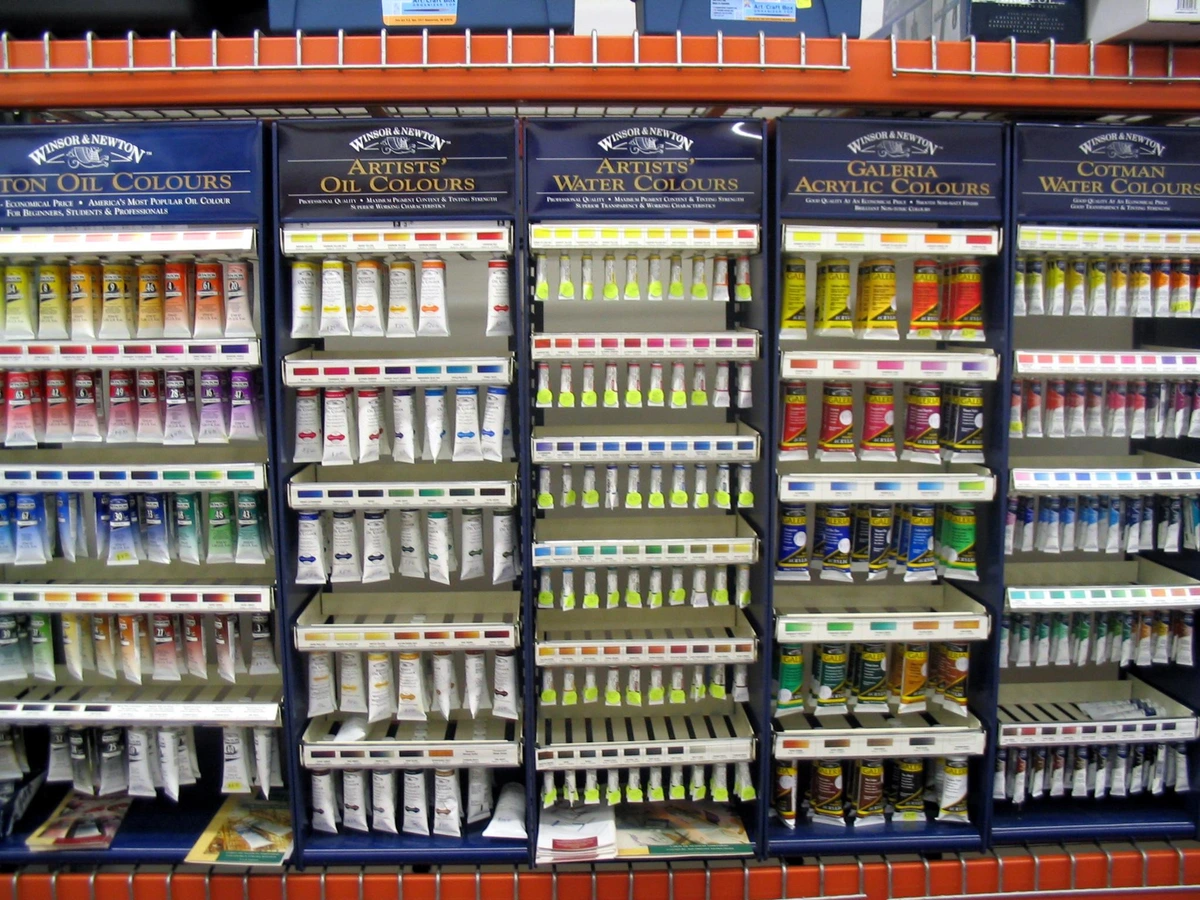
Historically, artists often worked with natural, locally sourced pigments and binders—earth, minerals, plant dyes, egg tempera. The environmental impact was generally localized and biodegradable. Fast forward to the industrial age, and suddenly, synthetic pigments, petroleum-based plastics, and chemical solvents became the norm. This shift, driven by factors like lower cost, greater convenience, and enhanced performance (think unparalleled lightfastness and vibrancy), brought incredible artistic freedom, but also a greatly expanded environmental toll, one we're only now fully reckoning with. It's a striking contrast: creating art that celebrates life, using materials that, at their core, might be doing the opposite.
The Lifecycle of Your Materials: From Earth to Easel to Eternity
From the very extraction of raw materials—think mining for vibrant cadmium or cobalt, which can scar landscapes, pollute water tables, destroy habitats, and pose significant health risks to local communities—to manufacturing processes that consume vast amounts of water and energy, often releasing industrial pollutants into the air and waterways, to the inevitable plastic packaging that often outlives the art itself, the lifecycle of art supplies is incredibly complex. Consider that vivid cadmium red; its pigments often begin deep underground, extracted in ways that can be ecologically damaging and hazardous to human health. Petroleum-based binders in many acrylics contribute directly to our reliance on fossil fuels and the accelerating climate crisis. And brushes might be crafted from non-renewable resources or unsustainably sourced animal hair, raising both environmental and ethical concerns about over-harvesting or dubious welfare practices. Furthermore, many synthetic brush bristles, often made from nylon or polyester, can shed microplastics during use and cleaning, contributing to plastic pollution in waterways, ending up in our oceans and even our food chain.
Why are these heavy metals so prevalent despite their impact? Primarily because pigments like cadmium and cobalt offer unparalleled lightfastness, vibrance, and stability that many natural or synthetic alternatives struggle to match, especially in professional-grade paints. For artists seeking longevity and intense color, these have historically been the go-to. However, the good news is that innovators are constantly working to create safer, eco-friendly alternatives with comparable performance. My own exploration into the rich history of oil painting has taught me how much material choices have evolved.
This isn't meant to shame anyone (myself included, certainly), but rather to inform and empower. Once you truly know, you can't really un-know, can you? And for me, that realization sparked a deep desire to do better. To find ways to create art that genuinely aligns with my growing commitment to living more sustainably. It's an evolving journey, not a fixed destination, much like my journey with mixed media.
The Footprint Beyond Paint: Other Art Mediums
While paint often takes center stage in sustainability discussions, it's crucial to broaden our perspective. Almost every art form carries an environmental signature. Have you considered the hidden costs of your favorite non-painting mediums?

- Ceramics: Think about the immense energy consumption of kilns for firing clay, often running at extremely high temperatures for extended periods. Glazes, too, can contain heavy metals like lead, cadmium, or chromium that become toxic if not properly handled or if they leach into the environment from discarded pieces. Sourcing clay itself can have significant land-use impacts, including habitat destruction and soil erosion.
- Printmaking: Many traditional printmaking processes rely on harsh solvents for cleaning plates and tools (such as mineral spirits, acetone, or specific etchants used in intaglio), and heavy metal-based inks. The paper itself, if not sustainably sourced (like best watercolor paper), contributes to deforestation and water pollution from pulp production.
- Photography (Traditional Darkroom): While less common today, traditional darkroom photography generates chemical waste from developers, fixers, and toners, which require careful disposal to prevent water contamination.
- Textile Arts: The production of fibers (cotton, wool, synthetics), dyes, and fabric treatments can be incredibly water-intensive and polluting, especially in conventional textile industries. Conventional cotton farming, for instance, uses vast amounts of water and pesticides. Think about the dyes used in your fiber art – are they natural or synthetic, and what's their environmental impact?
Understanding these broader impacts empowers us to seek greener alternatives across our entire creative practice.
A Conscious Palette: Sustainable Pigments, Binders & Paints
While our palettes are becoming greener, the environmental footprint of our art extends far beyond the paints themselves, encompassing the tools we use and the very spaces in which we create. Paints, for me, were definitely the biggest hurdle. I adore the versatility of acrylics, as many artists do, and I've even explored their rich history and evolution. But they are, at their core, plastic-based. And while I still use them for certain effects, I've been actively seeking out alternatives and more conscious brands, pushing myself to learn how artists use color with a different, greener set of materials.

Exploring Alternatives to Traditional Paints:
- Natural Pigments: I've become absolutely fascinated by earth and mineral pigments. Imagine painting with actual dirt, literally! Not just any dirt, of course, but finely ground ochres from ancient riverbeds (used by cave painters for millennia), siennas, and umbers, rich in iron oxides, each telling a profound story of the earth itself. Did you know that vibrant ultramarine blue was once painstakingly made from the precious stone Lapis Lazuli, famously used in medieval religious art, or that cochineal, derived from insects, produced the intense reds favored by Old Masters? Other natural wonders include malachite for greens (though some traditional mineral pigments need careful handling due to toxicity) and plant-derived colors like indigo (blue) or madder (red). These often require minimal processing—usually just grinding and washing. Historically, these natural pigments were slowly abandoned in favor of synthetic alternatives due to factors like lower production costs, greater availability for mass production, and a desire for standardized colors with predictable lightfastness and vibrancy in modern art. Sourcing these ethically means ensuring they're not from environmentally sensitive areas or exploited labor, and in the case of insect-derived pigments like cochineal, that welfare standards are met. For plant-based pigments, consider if large-scale monoculture farming for ingredients like flax is displacing diverse ecosystems. It adds another layer of thoughtfulness to your artistic process, much like learning how to make your own natural paint pigments.
- Plant-Based Binders: For watercolors, it's often gum arabic, a natural tree resin. For oils, linseed oil (derived from flax plants) is a classic, natural choice. This oil, pressed from flax seeds, has been a staple for oil painters for centuries, a beautiful, natural base that, when combined with natural pigments, opens up a whole new world of color and texture. Its cousin, walnut oil, offers a lighter color and slower drying time, which can be advantageous for blending, though it's typically more expensive. Other natural binders include egg tempera (using egg yolk) or casein (milk protein), both offering unique properties and biodegradability. The sustainability of these binders often comes down to responsible harvesting practices for the plants or animals they originate from. It's also worth noting that large-scale cultivation of crops like flax for linseed oil, if not managed sustainably, can lead to issues like significant water usage, soil depletion, and reliance on monoculture, which reduces biodiversity. If you're just starting with watercolors, I have some thoughts on essential watercolor supplies that might spark some ideas for greener choices.
- The VOC Verdict: Volatile Organic Compounds (VOCs) – those invisible gases that off-gas from many paints, solvents, and varnishes – aren't just bad for the environment; they're genuinely bad for us. They contribute to indoor air pollution, eye and respiratory irritation, headaches, dizziness, and can even damage the liver, kidneys, and central nervous system with prolonged exposure. Think of VOCs like silent, irritating fumes that can build up in your studio, much like a chemical fog, but these fumes can irritate your lungs and eyes and harm the environment by contributing to outdoor smog formation. Common VOC culprits include xylene, toluene, formaldehyde, benzene, and acetone. Switching to zero- or low-VOC paints and mediums significantly improves studio air quality and dramatically reduces environmental impact. Always look for brands that clearly label their VOC content or explicitly state they are VOC-free; check ingredient lists for common culprits.
Eco-Friendly Paint Brands to Explore
While traditional acrylics remain a challenge, there are many innovative avenues opening up. Water-mixable oil paints can significantly reduce the need for harsh, petroleum-based solvents like turpentine. And for watercolors, many brands are inherently more eco-friendly, using natural binders and pigments. Even then, paying attention to the pigment list and avoiding heavy metals is always a good practice. For a deeper dive into specific brands I've explored, check out a broader review of the best eco-friendly paint brands for artists.
Brand Example  | Key Feature / Benefit | Mediums Offered | Primary Eco-Benefit | Price Point | Notes |
|---|---|---|---|---|---|
| Natural Earth Paint | Pure earth pigments, non-toxic, vegan, made in USA | Watercolors, oils, acrylics (powdered) | Natural, responsibly sourced pigments | $$ | Great for beginners, children, and muralists |
| Sennelier Green | Plant-based binders, solvent-free oils, highly pigmented | Oils, acrylics, gouache | Reduced chemical footprint, plant-derived binders | $$$ | Professional quality, rich colors, low odor |
| M. Graham | Walnut oil binder (for oils), honey-based watercolors | Oils, watercolors | Natural binders, traditional methods | $$ | Excellent flow, vibrant hues, supports bees for honey |
| BioShield | Natural resin-based paints, zero VOCs | Wall paints, wood finishes | Zero VOCs, natural ingredients | $$$ | Great for studio walls and furniture; non-toxic |
| EcoCreate Paints | Recycled pigment waste, refillable packaging | Acrylics, water-mixable oils | Circular economy focus, waste reduction | $$ | Innovative, emerging brand with strong ethical stance |
| Kama Pigments | Pure pigments, traditional binders, ethical sourcing | Pigments (dry), oils, watercolors | High quality, artist-grade, minimal processing | $$$ | Offers raw materials for DIY paint making |
| Golden OPEN Acrylics | Extended working time, water cleanup | Acrylics | Reduced water waste, less toxic than traditional oils | $$$ | Mimics oil paint behavior, but still plastic-based |
And for those venturing into other mediums, the green journey continues!
Sustainable Solutions for Other Mediums:
Drawing & Sketching
- Charcoal & Graphite: Look for sustainably harvested wood charcoal or vine charcoal. Even better, consider willow charcoal from managed forests. For graphite, seek out pencils from FSC-certified wood (Forest Stewardship Council certification assures that the wood comes from responsibly managed forests, promoting ecological integrity and social benefit). Dive into the expressive power of charcoal with a clear conscience! You can even make simple charcoals by carefully burning willow branches yourself.
- Pastels: Many soft pastels are primarily chalk and pigment. Focus on brands with transparent pigment lists and natural binders. Making your own pastels from pure pigments and a minimal binder is also a rewarding, eco-friendly option. A simple recipe involves mixing powdered pigment with a binder like gum arabic solution or even a touch of honey, then rolling and drying them. This realistic pastel painting of a cat could inspire your next conscious creation.
- Inks: Embrace water-based acrylic inks or explore traditional natural dyes for calligraphy and drawing. Water-based acrylic inks, while still synthetic, avoid harsh solvents, while natural dyes (like walnut ink, made from boiling walnut hulls; berry-based inks from blackberries or elderberries; or oak gall ink, a historically significant iron gall ink used for centuries before synthetic inks) are fully biodegradable. Brands using plant-derived pigments and responsibly sourced ingredients are emerging. Calligraphy, for instance, has a rich history that pre-dates chemical inks. For great beginner options, check out essential calligraphy supplies.
- Paper: Opt for recycled paper (post-consumer waste), hemp paper, or bamboo paper instead of virgin wood pulp. These alternatives significantly reduce deforestation, water consumption, and chemical use in production. Even for your best sketching pencils, the paper choice matters.
Adhesives & Sculpture
- Adhesives & Glues: For collage or mixed media, switch to plant-based glues (like rice paste or wheat paste, which you can easily make at home with flour and water) or glues explicitly labeled non-toxic and biodegradable. This is especially important if you're working on a collage art piece and want all its elements to be as sustainable as possible. Look for glues with PVA (polyvinyl acetate) that are acid-free and labeled as non-toxic, as some formulations can be more environmentally benign. To make wheat paste: Whisk 1 part flour into 4 parts cold water until smooth. Heat gently, stirring constantly, until it thickens to a translucent, paste-like consistency. Let cool completely before use.
- Sculpting Mediums: Explore natural clays (that can be air-dried or fired without glazes containing heavy metals), paper mache (using recycled paper and homemade paste), or sustainable FSC-certified wood for carving. For an armature, consider repurposing wire, cardboard, recycled plastic, or natural fibers. Air-dry clay offers a great no-fire option, though check its ingredients to ensure it's not petroleum-based. For firing, choose lead-free glazes.
Beyond the Brush: Greening Your Tools, Surfaces & Studio
But the canvas is only half the story, isn't it? The tools that bring our visions to life, and the very space we create in, also hold immense potential for greener choices. It's like finding new ways to express myself in my abstract art, which you can see examples of here, by embracing different tools and materials.

Ethical Brushes: Bristles with a Conscience
Traditional brushes often use animal hair (sable, squirrel, hog) or synthetic bristles made from petroleum-based plastics. Both have their drawbacks. Animal hair raises ethical concerns about sourcing and animal welfare (think over-harvesting or less-than-humane practices), while plastic bristles contribute to our ever-growing plastic waste problem, including the shedding of microplastics into water systems during cleaning. My shift has focused on:
- Vegan Bristles: Many high-quality synthetic brushes are now made from recycled plastics (like recycled PET) or innovative plant-based materials, such as bio-polymers derived from castor bean oil. These often offer performance comparable to animal hair without the ethical dilemma. You can also find best brushes for acrylic painting that are vegan.
- Sustainably Sourced Handles: Look for handles made from FSC-certified wood or rapidly renewable bamboo, ensuring responsible forestry practices.
- Secondhand or Refurbished Brushes: Give brushes a second life! Check antique stores, flea markets, or online marketplaces for used brushes. Often, a good cleaning is all they need to be perfectly functional again.
- Longevity & Care: Regardless of material, caring for your brushes extends their life, significantly reducing consumption and waste. I've found great tips in this guide on cleaning and caring for your paint brushes.
Sustainable Surfaces: Beyond the Traditional Canvas
Canvases are another area ripe for green innovation. Traditional cotton or linen canvases have their own environmental footprint. Conventional cotton farming, for example, is notoriously water-intensive and often relies heavily on pesticides, which can pollute ecosystems and harm farm workers. But exciting alternatives are emerging:
Material Type | Eco-Benefit | Notes |
|---|---|---|
| Recycled Papers/Boards | Reduces landfill waste, reuses existing resources | Great for sketches, studies, collages. Think mat board scraps, thick cardboard from packaging, or even old book covers. Can be gessoed for painting. |
| FSC-Certified Papers | Supports responsible forest management | Ensures wood pulp comes from sustainably harvested trees. |
| Bamboo Canvases/Panels | Rapidly renewable, less water/pesticides than cotton | Excellent alternative to traditional wood or stretched canvas. |
| Organic Cotton/Hemp | Less water & pesticides than conventional cotton | Look for GOTS (Global Organic Textile Standard) certification. |
| Repurposed Materials | Ultimate waste reduction, unique textures | Cardboard, old denim, wood scraps, reclaimed plywood. Prime with eco-friendly gesso for painting. |

Artists like Robert Rauschenberg or Mierle Laderman Ukeles have shown how powerful this approach can be, turning discarded objects into profound statements. When it comes to preparing these surfaces, consider eco-friendly gesso and primers. Many brands now offer low-VOC or natural-resin-based gessos that perform beautifully without the harsh chemicals. Learning how to stretch a canvas yourself can also ensure you're using materials efficiently and knowingly.
Greening Your Studio Habits: The Art of Mindful Creation & Disposal
Beyond materials, our daily studio practices can make a huge, cumulative difference. These are the small things that, consistently applied, shift your overall impact dramatically. I'm always looking for ways to streamline my how to clean an oil painting palette routine in an eco-friendly way.

Reusing & Upcycling Containers: A First Step to Zero Waste
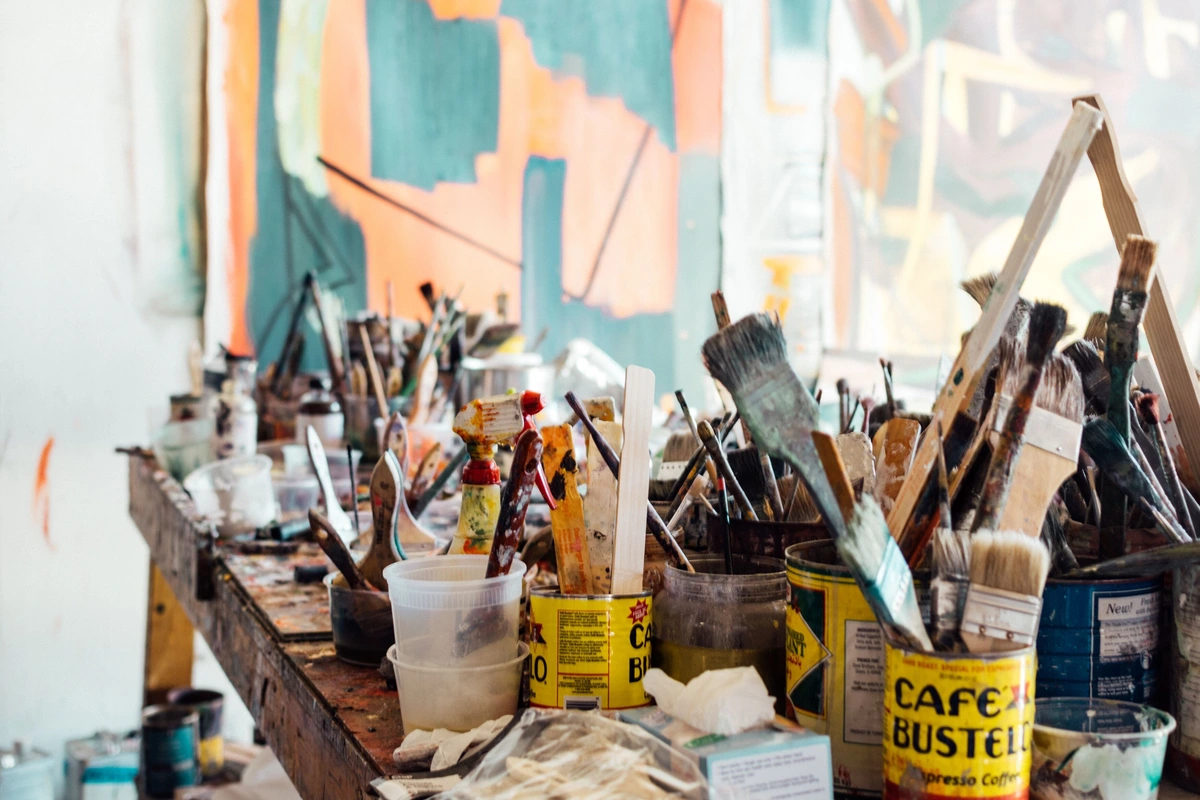
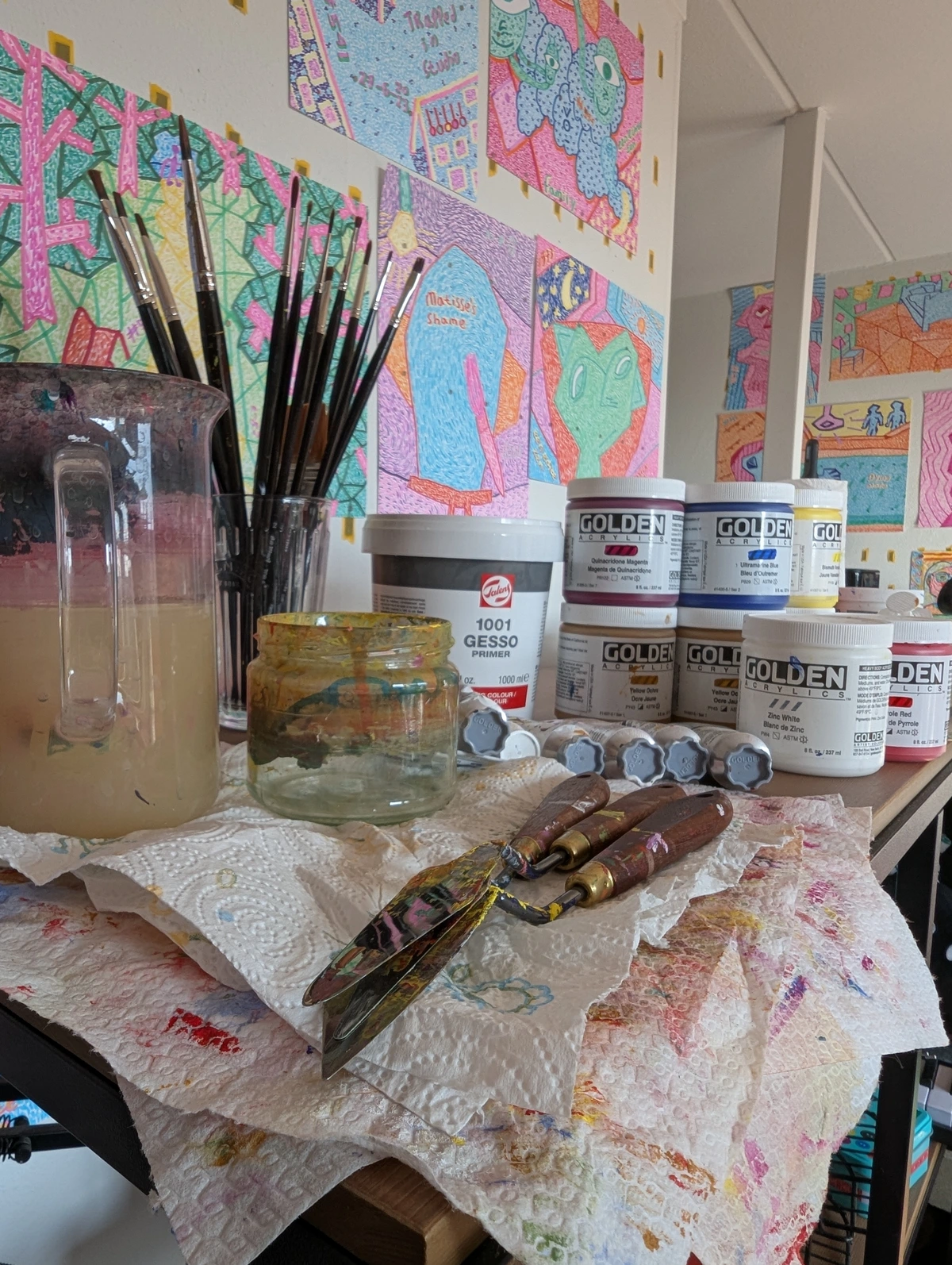
Before we even talk about cleaning or disposal, let's talk about reducing. This is a simple but incredibly impactful habit. Old yogurt pots become perfect water jars, empty paint tubes are collected for recycling programs (if available in your area), and glass jars are repurposed for mixing mediums, storing small tools, or creating makeshift palettes. Get creative with what you already have before buying new. My studio is full of delightful, mismatched containers! This thinking led me to explore the idea of a circular economy in art – how can materials be reused, repurposed, or returned to nature, minimizing waste at every turn? Imagine a world where art supply companies take back empty tubes for refilling, or where all pigment by-products could safely re-enter the ecosystem. We’re not quite there, but it’s a powerful vision to strive for.
What Happens When We're Done? The Art of Responsible Disposal
The environmental footprint of our art extends far beyond creation. What happens to the excess paint, the dirty water, and the empty tubes? Many traditional solvents and some heavy-metal pigments (like those containing cadmium, cobalt, lead, or chromium) are classified as hazardous waste. This means they can pose substantial threats to public health or the environment if not managed properly, requiring specialized disposal. Pouring these down the drain or tossing them in regular trash allows toxic chemicals to leach into our precious groundwater systems and soil, potentially harming wildlife and human health. This is especially true for septic systems, which are not designed to filter out heavy metals or synthetic polymers, leading to direct contamination of groundwater and local ecosystems. It's a sobering thought, but one we must confront. My approach focuses on a hierarchy: reduce, reuse, then dispose responsibly.
Mindful Studio Practices:
- Reduced Water Usage: I've enthusiastically adopted a three-jar washing system for my brushes – one for initial rinse, one for a deeper clean, and a final clear water rinse. This significantly reduces overall water use and keeps less pigment going directly down the drain. Using reusable cleaning cloths (old t-shirts work wonders!) instead of disposable paper towels is another simple, impactful swap. For larger cleans, even capturing water from the initial rinse in a bucket to settle can make a difference.
- Proper Disposal of Paint Water & Solvents: Never, ever pour solvents or heavily pigmented water down the drain! This is perhaps the most critical rule for an eco-conscious studio. Here’s a breakdown:
- Solvents (Mineral Spirits, Turpentine, Turpenoid):
- Allow paint residue to settle to the bottom of a sealed, labeled container.
- Carefully pour off the cleaner solvent from the top for reuse.
- Let the remaining sludge evaporate in a well-ventilated area (crucially, away from ignition sources, children, and pets!).
- Once hardened, the solid residue should be disposed of as hazardous waste at your local waste facility. Never put liquid solvents in regular trash.
- Heavily Pigmented Water (Acrylics, Heavy Metal Watercolors):
- For water that's murky with acrylic paint (containing microplastics) or watercolors with heavy metals, it should ideally not go down the drain.
- Allow the water to evaporate in a wide, shallow container. This prevents microplastics and heavy metals from entering waterways.
- Once completely dry, scrape up the dried pigment and dispose of it as solid waste, as it still contains those problematic materials. This might vary by local regulations, so check your municipal waste website.
- Non-Toxic, Natural Pigment Water: If you're using genuinely non-toxic, natural earth pigments with natural binders, the water can often be safely poured onto soil (not down a storm drain that leads directly to rivers). However, always verify local regulations first. When in doubt, let it evaporate and dispose of the solids.
- Cleaning Agents and Mediums: Beyond solvents, many brush cleaners and varnishes also contain harsh chemicals or VOCs. Look for plant-based brush cleaners, water-based varnishes, and low-VOC mediums. Instead of chemical paint strippers, try natural soap and water for fresh paint or gentle scraping for dried paint. For more insights into tools, check out what is a palette knife.
- Energy Efficiency: Maximizing natural light is always my first choice (I'm lucky to have a window that looks out towards the lovely Den Bosch museum), but when I need artificial light, I've switched entirely to energy-efficient LED bulbs. This is a significant change, considering older incandescent bulbs waste about 90% of their energy as heat, and even fluorescents are less efficient and contain mercury. LEDs consume far less energy and last much longer. Simple things like unplugging chargers and turning off lights when leaving the studio also add up to a significant reduction in your energy footprint.
- Studio Ventilation: Good ventilation isn't just about comfort; it's about health and reducing airborne VOCs. If natural cross-ventilation isn't enough, consider energy-efficient exhaust fans. Positioning your workspace near an open window and ensuring good airflow can dramatically improve air quality without relying on energy-intensive filtration systems. When painting with oils or using any solvents, a dedicated fume extractor can be a worthy investment, but always ensure it's energy-efficient.
Sustainable Tools & Accessories Beyond the Brush
While brushes are a big focus, other studio essentials can also be greened:
Tool/Accessory | Sustainable Choice | Benefits |
|---|---|---|
| Palettes | Reusable glass, ceramic, or recycled plastic palettes | Easy to clean, durable, reduces disposable waste. |
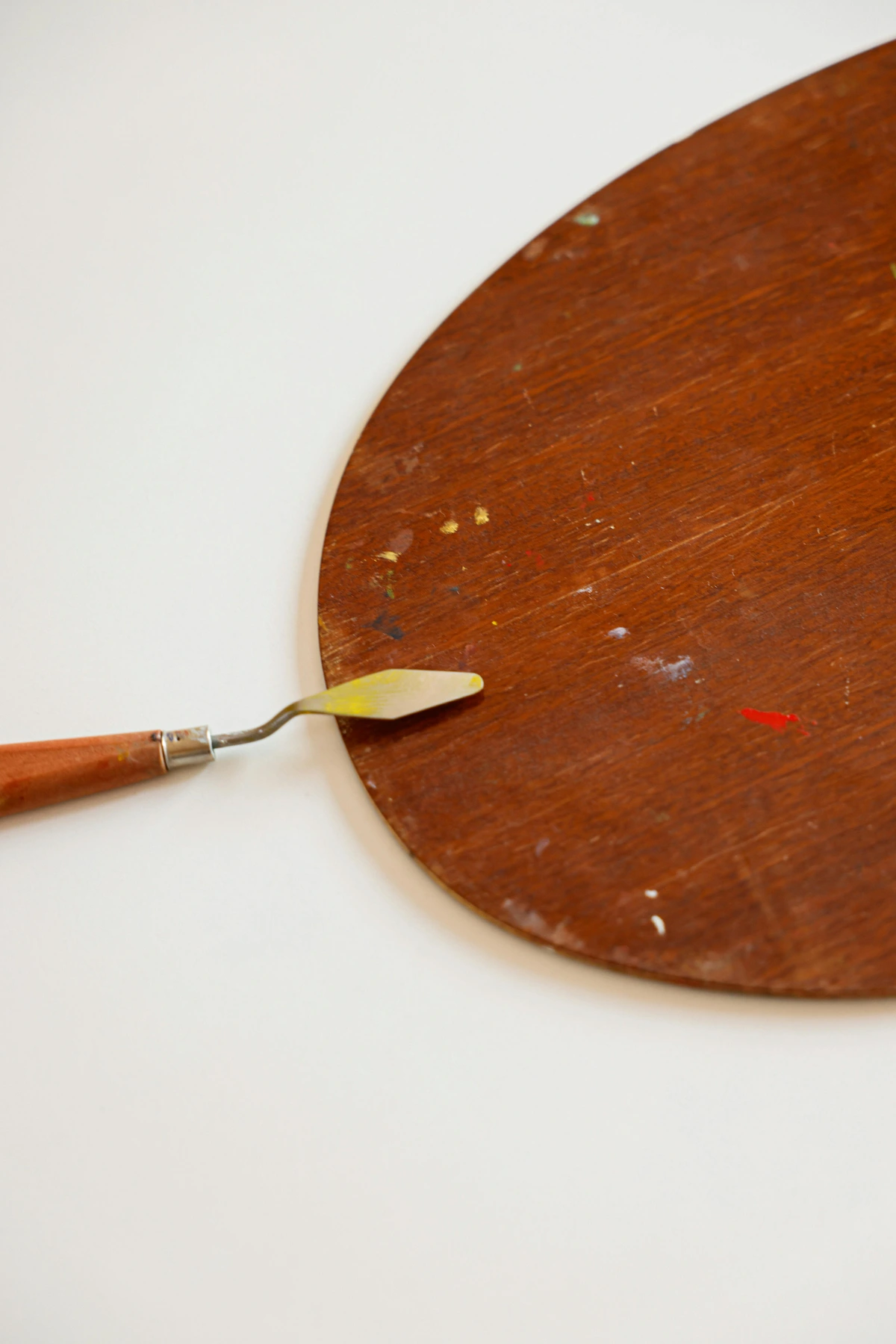
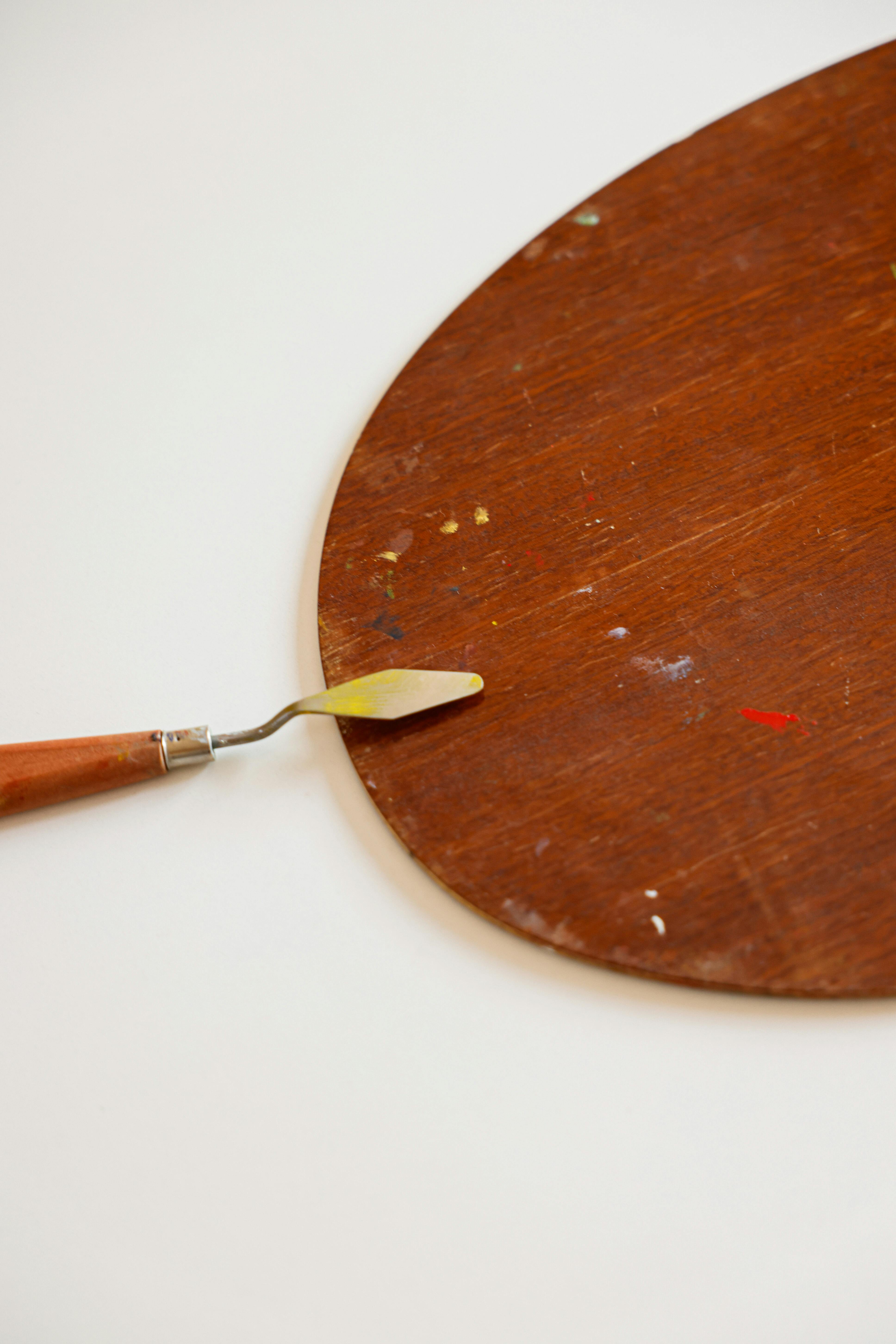
| Palette Knives | Stainless steel, sustainably sourced wood handles | Long-lasting, can be cleaned thoroughly for years of use. |
| Easels | FSC-certified wood, durable metal, secondhand | Longevity, responsible material sourcing, reduces new consumption. |
| Studio Furniture | Repurposed, secondhand, FSC-certified wood, bamboo | Extends life of existing items, reduces demand for new resources. |
| Cleaning Cloths | Reusable fabric (old towels/t-shirts) | Replaces disposable paper towels, reduces landfill waste. |
Navigating the Green Art Market: Challenges, Greenwashing, and Conscious Choices
Making the switch to an entirely green art practice isn't always straightforward. I've definitely faced some bumps on the road, balancing my ideals with the practical realities of being a working artist.

- Cost: Let's be real: eco-friendly can sometimes mean eco-expensive upfront. Sustainable sourcing, ethical labor, and specialized manufacturing often come with higher price tags than mass-produced conventional alternatives. It's a hurdle I've certainly faced, balancing my budget with my values, often opting to buy fewer, higher-quality, sustainable items rather than many cheaper, less eco-conscious ones. It's an investment, not just in your art, but in the planet.
- Availability: Finding specialized sustainable supplies sometimes means digging a little deeper. They might not be on the shelves of your everyday art supplier, requiring a bit more online research or trips to niche art stores. This is improving rapidly, though, as demand grows.
- Performance: There's a natural, lingering worry that 'eco' might mean 'inferior performance.' I've certainly experimented with materials that didn't quite live up to my expectations, leading to frustrating moments and a few scrapped canvases! My avocado pit paint, for example, was a delightful shade of moss but sadly had the binding power of a whisper on a windy day. It's also worth noting that natural binders like linseed oil will dry differently (often slower) than fast-drying acrylic polymers, and natural pigments can have different levels of granularity or saturation compared to highly processed synthetics. It's about finding what genuinely works for your unique practice, and sometimes that requires trial and error. Don't be discouraged by initial disappointments.
- Greenwashing: The term 'eco-friendly' is everywhere now, which is fantastic in theory, but also incredibly daunting. How do you tell genuine sustainability from clever marketing, or greenwashing, which is when a company makes exaggerated, vague, or misleading claims about the environmental benefits of their products, often without clear evidence or third-party verification? Look for transparent ingredient lists, verifiable third-party certifications (like Green Seal, which certifies products for reduced environmental impact; Cradle to Cradle, which assesses products for material health, recyclability, and ethical manufacturing; or B Corp Certification, which indicates a company meets high standards of social and environmental performance, accountability, and transparency), and brands with clear, honest ethical statements about their sourcing, manufacturing, and waste reduction processes. If a product only uses vague terms like “natural” or “green” without specifics, or focuses on one small eco-benefit while ignoring larger impacts, be wary. Ask questions, read reviews, and be a discerning consumer.
- Balancing Ideals with Practicality: It's a journey, not an overnight, all-or-nothing switch. My studio isn't 100% 'green,' and yours doesn't have to be either. It's about progress, not perfection; making informed choices where you can and being kind to yourself when you can't. Every small, mindful step truly does make a difference.
Embracing DIY & Upcycling in Your Art Practice
One of the most rewarding aspects of this journey has been exploring DIY eco-friendly art supplies and ingeniously upcycling everyday materials. I've dabbled in making simple watercolors from foraged earth pigments and gum arabic, or transforming old denim scraps and even applying gesso to repurposed cardboard into unique, textured canvases. You can also make simple block printing stamps from potato scraps, create natural dyes from kitchen waste like onion skins, or even concoct basic wheat paste glue with just flour and water. It's a fantastic way to reduce waste, save money, and infuse your art with a truly unique, personal story and an undeniable connection to your local environment. My approach to making your own gesso also comes from this mindset.

The Evolving Canvas: Digital Art, Framing & Activism
As the art world continues to evolve, so too does the conversation around sustainability. While much of this guide focuses on physical materials, it's worth considering the entire lifecycle of an artwork, from its initial creation to its final display and beyond. What about the unseen impacts?

The Digital Footprint of Art
The allure of digital art is strong – no physical waste, endless undo buttons, seemingly boundless possibilities. But the truth is, it's not without its environmental footprint. The energy consumption of powerful computers, graphics cards for rendering complex visuals, servers for cloud storage (with their significant carbon footprint of data centers), and the inevitable e-waste from discarded devices all contribute to a significant ecological impact. Consider:
- Energy Consumption: Running high-performance art software and rendering large files consumes substantial electricity. Opt for energy-efficient hardware and optimize your system's power settings. Choose cloud storage providers that are transparent about their renewable energy usage (or lack thereof).
- E-Waste: Electronics have a short lifespan. Extending the life of your devices, repairing rather than replacing, and responsibly recycling e-waste are crucial. While the NFT/blockchain space often touts decentralization, the underlying energy consumption for minting and transactions has been a significant environmental concern, sparking ongoing debates about more sustainable protocols. It's a complex and still largely unresolved issue.
- Virtual Reality (VR) Art: As VR art grows, its energy demands for computing power, headsets, and associated infrastructure will also rise. Furthermore, the potential for sensory overload in immersive VR experiences can indirectly contribute to increased consumption of energy (e.g., cooling systems, longer user sessions). Conscious development and consumption practices here will be key to minimizing its ecological shadow.
Sustainable Framing, Display & Shipping
Creating the art is one thing, but how it's presented and moved around also matters. Have you thought about the wood in your frames or the packaging your art arrives in?
Aspect | Eco-Friendly Practices | Impact |
|---|---|---|
| Framing | Recycled wood, FSC-certified wood, bamboo frames | Reduces deforestation, reuses materials, sustainable sourcing. |
| Non-toxic glues, low-VOC finishes for frames | Improves indoor air quality, reduces chemical runoff. | |
| Mounting | Acid-free, archival recycled paper or cotton rag boards | Longevity of artwork, uses post-consumer waste. |
| Glass/Acrylic | Use recycled content acrylic or glass; consider UV protection for longevity | Reduces demand for virgin materials; protects artwork from degradation (extending life). |
| Display | Maximizing natural light, energy-efficient LED gallery lights | Reduces electricity consumption. |
| Shipping | Consolidating shipments, local sourcing (if possible) | Reduces fuel consumption, minimizes carbon footprint. |
| Recycled/biodegradable packaging materials | Minimizes landfill waste, reduces reliance on virgin plastics. | |
| Carbon offsetting for unavoidable emissions | Invests in projects that reduce greenhouse gases elsewhere. This often involves funding initiatives like renewable energy, reforestation, or methane capture to compensate for emissions that cannot be directly eliminated. |
Art as Activism: Sparking Change Through Creativity
Beyond personal studio choices, art itself can be a powerful tool for change. Art as Activism uses creative expression to raise awareness, challenge norms, and inspire action on environmental and social issues. By choosing sustainable materials, artists not only reduce their own impact but can also use their work to spark conversations about our collective responsibility to the planet. Artists like Olafur Eliasson, known for his large-scale installations addressing climate change (e.g., Ice Watch using melting glaciers), Agnes Denes (Wheatfield – A Confrontation planting wheat in downtown Manhattan), or the eco-artist collective N. S. Harsha, who often uses recycled materials to critique consumerism, powerfully demonstrate this. Consider also artists creating land art with natural, biodegradable materials, or those who use found objects to highlight waste in our society, like Michelle Reader's sculptures from discarded plastics. My own abstract art, with its vibrant, untamed energy, often seeks to reflect the profound beauty and fragility of the natural world, implicitly encouraging a deeper appreciation and stewardship. When you combine your artistic passion with a commitment to sustainability, you become a powerful force for good.








Frequently Asked Questions about Sustainable Art
Curiosity is a wonderful thing, especially when it leads to more mindful choices. Here are some common questions I've encountered on this journey toward a more sustainable art practice, alongside my honest thoughts:
- Q: Are eco-friendly art supplies as good as traditional ones?
- A: Absolutely! While some alternatives might require a slight adjustment in technique or feel, many eco-friendly brands now offer professional-grade quality that rivals their conventional counterparts. It's often a matter of experimenting to find the brands and materials that align best with your artistic style and preferences. Don't let old assumptions hold you back from discovering new favorites; you might even find a preference for the unique qualities of natural pigments, just as some artists swear by particular watercolor papers.
- Q: How do I know if an art supply is truly eco-friendly?
- A: Look beyond generic buzzwords. Prioritize brands with transparent ingredient lists, verifiable third-party certifications (like Green Seal, Cradle to Cradle, or B Corp), and clear, honest statements about their sourcing, manufacturing processes, and waste reduction efforts. If a brand offers vague assurances without specific details, it's a red flag for greenwashing. Research is truly key here; be a detective!
- Q: What's the environmental impact difference between oil paints and acrylics?
- A: This is a nuanced question! Traditional oil paints use natural oil binders (like linseed oil), which are generally more biodegradable. However, they typically require petroleum-based solvents (often VOC-heavy) for thinning and cleaning, which poses significant environmental and health concerns. Acrylics, on the other hand, are essentially plastic-based. They contribute microplastics to our water systems and their production relies on fossil fuels. While they clean up with water, the plastic content is a major long-term issue. Water-mixable oils offer a good compromise by using natural binders but allowing water cleanup, significantly reducing solvent use. Ultimately, both have trade-offs, and your cleaning habits for each medium are crucial to minimizing impact.
- Q: Is it possible to be a zero-waste artist?
- A: While achieving a truly zero-waste art practice can be incredibly challenging (and for many, perhaps impossible in our current system), the goal is to minimize waste as much as possible. Focus on the "reduce, reuse, recycle" hierarchy, and celebrate every small step. It's about progress, not unattainable perfection. Every choice towards less waste is a victory.
- Q: What are the most common toxic art supplies I should avoid?
- A: Be particularly cautious with paints containing heavy metals like cadmium, cobalt, lead, and chromium (especially in older paints), as well as solvents like turpentine, mineral spirits, and xylene. Many aerosol sprays (fixatives, varnishes) also contain harmful VOCs. Look for alternatives in glazes for ceramics (lead-free), and photographic chemicals. Always check labels for warnings and proper disposal instructions. Prioritize non-toxic alternatives whenever possible, even if it means adjusting your palette knife techniques or mediums.
- Q: How can I safely dispose of old, toxic paints if my local facility doesn't accept them?
- A: This is a tricky one! First, always reconfirm with your local waste management – sometimes information online isn't fully updated, or there are special collection days. If truly not accepted, the best practice is to allow solvent-based paints to dry completely in a well-ventilated, secure area (away from children/pets/ignition sources). Once hardened, they are less hazardous and can sometimes be disposed of with regular solid waste, though this varies by region and local regulations. Never pour them down drains or directly into the environment. Consider donating unopened, non-toxic paints to schools or community art programs.
- Q: Are there specific eco-friendly art supply kits for beginners?
- A: Yes, several brands (like Natural Earth Paint or some dedicated watercolor sets) offer beginner-friendly kits that focus on non-toxic, plant-based, or earth-pigment materials. These often include basic watercolors, earth pastels, or simple natural oil paint sets. Look for kits explicitly marketed as "non-toxic," "natural," or "plant-based" to ensure a good starting point for a greener art journey, much like finding the right beginner watercolor sets.
- Q: What is greenwashing in the context of art supplies?
- A: Greenwashing in art supplies refers to marketing claims that exaggerate or mislead consumers about a product's environmental benefits. For example, a paint labeled "natural" might still contain synthetic binders or pigments with high environmental impacts, or a brush marketed as "eco-friendly" might only have a bamboo handle while its bristles are still petroleum-based plastic. It's crucial to look for comprehensive certifications and transparent ingredient lists rather than vague terms.
- Q: What are the common environmental concerns associated with traditional art framing?
- A: Traditional framing often involves wood from unsustainable sources, contributing to deforestation. Many glues, paints, and finishes used on frames contain VOCs and other harsh chemicals that contribute to indoor air pollution and can harm the environment upon disposal. Additionally, traditional mounting boards might not be acid-free or made from virgin pulp, adding to the environmental footprint. Opting for recycled, FSC-certified, or bamboo frames with non-toxic finishes addresses these concerns.
Further Resources & Conclusion
The journey toward a more sustainable art practice is ongoing, and there's always more to learn. I encourage you to explore online communities of eco-conscious artists, seek out workshops on natural pigment creation, or delve into books and documentaries that shed light on sustainable manufacturing and environmental art. Look for inspiring artists like Andy Goldsworthy (ephemeral land art using only natural, found materials), or Agnes Denes (land artist known for Wheatfield – A Confrontation). Every step you take makes a difference, inspiring not only your own art but potentially those around you. It's about weaving our artistic passion with a deeper reverence for the planet, ensuring that the beauty we create on canvas is reflected in the world around us. So, go forth, create, and be the change, one brushstroke at a time.
If you're ready to make your first green swaps, check out our comprehensive guide on art supplies list for beginners to get started on your eco-conscious artistic journey!