What Is Artistic Tradition? A Personal Guide Through Art History
Ever wonder what 'artistic tradition' really means? Join me on a journey from ancient rules to modern rebellion to understand how the past shapes the art we see today.

What Is Artistic Tradition? A Deep Dive into Art's Enduring Conversation
Have you ever walked into a grand museum, one of those places with marble floors and impossibly high ceilings, and just felt… the weight of it all? You're surrounded by centuries of art, and you can almost feel the ghosts of artists whispering over your shoulder. For me, it's a humbling yet exhilarating experience, like stepping into a vast, silent library where every masterpiece is a spoken word from a bygone era. That, right there, is the feeling of artistic tradition. That, right there, is the feeling of artistic tradition. It’s not just a dusty old concept for textbooks; it’s a living, breathing thing that connects a painter from the 1500s to a digital artist today. For me, it’s like stepping into a vast, ongoing conversation, a dialogue spanning millennia, and finding my own voice within it, much like finding your unique artistic timeline within a larger historical current. It’s a bit like tuning into an ancient radio frequency, picking up signals from minds long past, and then adding your own song to the airwaves.
To me, artistic tradition is like a family recipe passed down through generations. The basic ingredients are there—the techniques, the subjects, the ideas—but each new chef, or in our case, artist, adds their own little twist. Sometimes they follow the recipe exactly, sometimes they burn it on purpose, and sometimes they swap out the main ingredient for something completely new. But the original recipe is always there, a starting point for conversation. It's an interesting tension, isn't it? The pull of the past versus the urge to forge something utterly new, to innovate beyond what's come before. I find that tension endlessly productive, like a constant hum in the studio. In a way, you could even think of artistic tradition as a form of cultural DNA, encoding the artistic instructions, innovations, and aesthetics that define an era, a people, or even a global movement. It's the inherited blueprint, constantly being re-edited and expressed in new forms, yet always carrying the echoes of its ancestral past. This deep-seated connection is what makes art history less of a rigid timeline and more of a pulsating, interconnected web.
It's this ongoing dialogue with the past that I find so fascinating. It’s not about being trapped by old rules, but about understanding where you came from so you can decide where you're going. It's like knowing the full history of a language before you write your own poem; you can appreciate the grammar while choosing to break every single rule for effect.
So, How Are Artistic Traditions Forged? The Unseen Blueprints and Building Blocks of Enduring Art
Traditions, in my view, aren't just things that happen. Believe me, if they did, my studio would be full of spontaneous masterpieces every morning! No, they're actively built, sometimes painstakingly, sometimes spontaneously, but always through a process of shared understanding and collective effort. It's like a grand, evolving architectural project where each generation adds its own wing, its own flourish, or even decides to knock down a wall or two. For an artist, understanding these underlying elements is like getting a peek at the blueprints – it reveals why certain forms endure, how they're transmitted, and what values they carry. I think it boils down to a few key, interconnected elements that get passed along, shaping not just what art looks like, but why and how it's made. Understanding these foundational blocks helps us appreciate the intricate tapestry of art history.
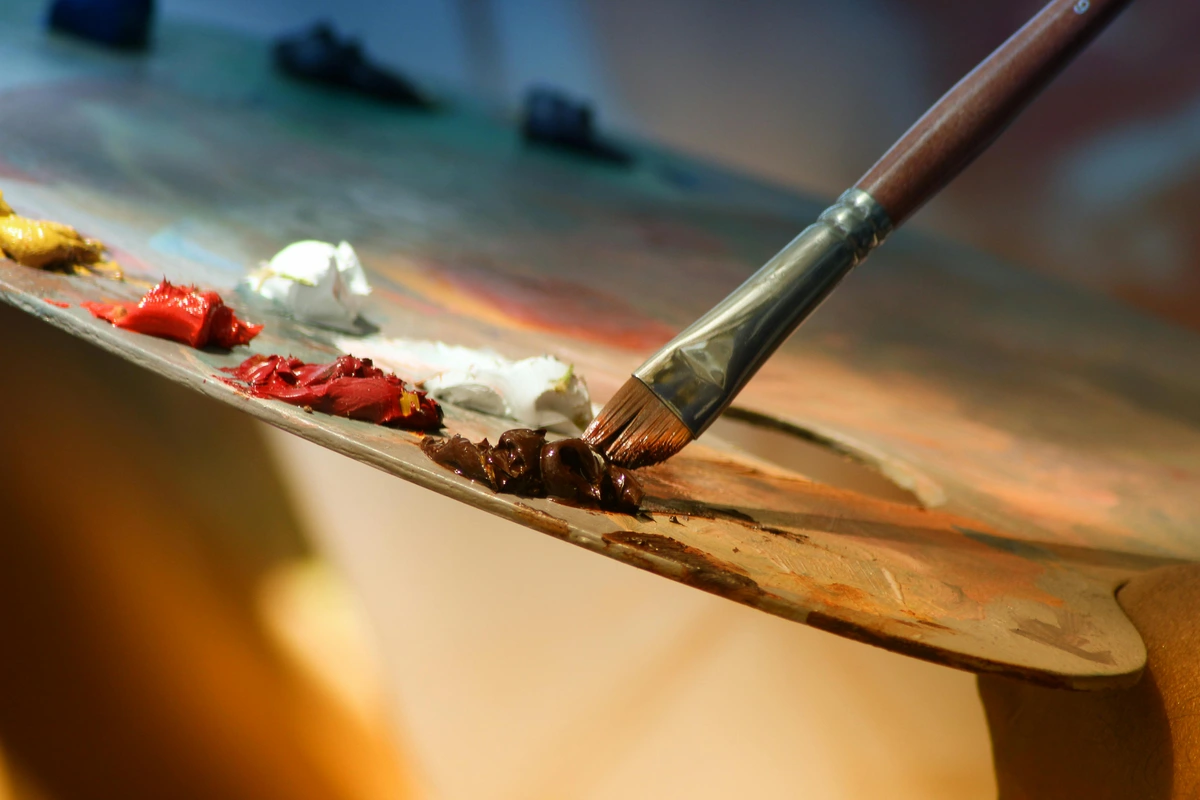
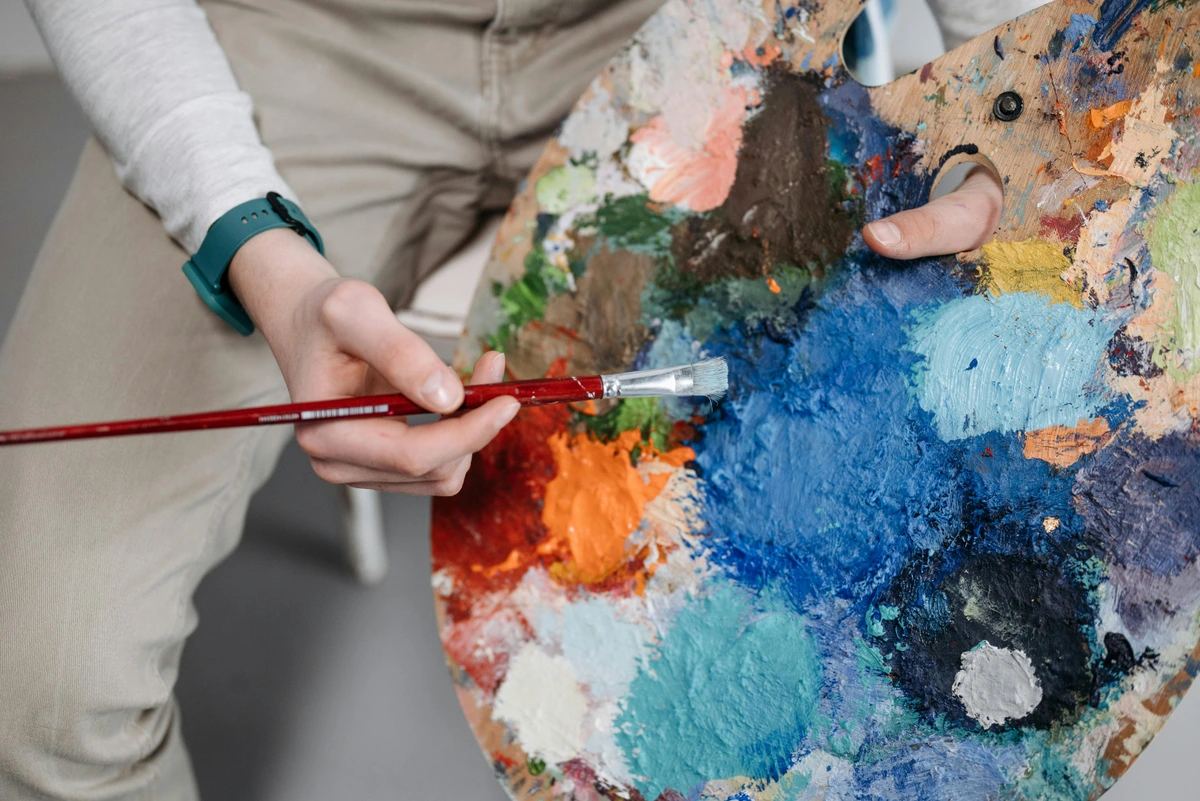
- Techniques and Materials: This is the practical side, the 'how-to' of art. Think about the specific way a certain culture used egg tempera before oil painting became the big thing, or the centuries-old techniques of Indian miniature painting. It's also about the tools – from ancient chisels and meticulously prepared pigments to modern digital brushes and AI art generators. These methods, from how you mix your paint to how you prepare a canvas, or even how you manipulate light in a digital space, are the nuts and bolts of tradition. They're the inherited craft, the tangible skills that artists learn, refine, and sometimes, consciously subvert. Think of the painstaking preparation of canvases, the specific grinding of pigments for rich hues, or the intricate weaving patterns in traditional textiles. The choice of tools, too, from the palette knife to the finest brush, or even modern digital interfaces, all play a role. I find that the limitations and possibilities of materials often dictate the direction a tradition takes – imagine trying to achieve the shimmering effects of Byzantine mosaics without gold leaf! Even the subtle differences in how artists use oil sticks or master glazing techniques contribute to the distinctive 'flavor' of a tradition. Consider the detailed methods of fresco painting in the Renaissance, or the painstaking preparation of Japanese woodblock prints, each demanding specific tools, knowledge, and meticulous execution. The very interaction with these materials and techniques creates a dialogue with the past, linking present-day practices to ancient methods.
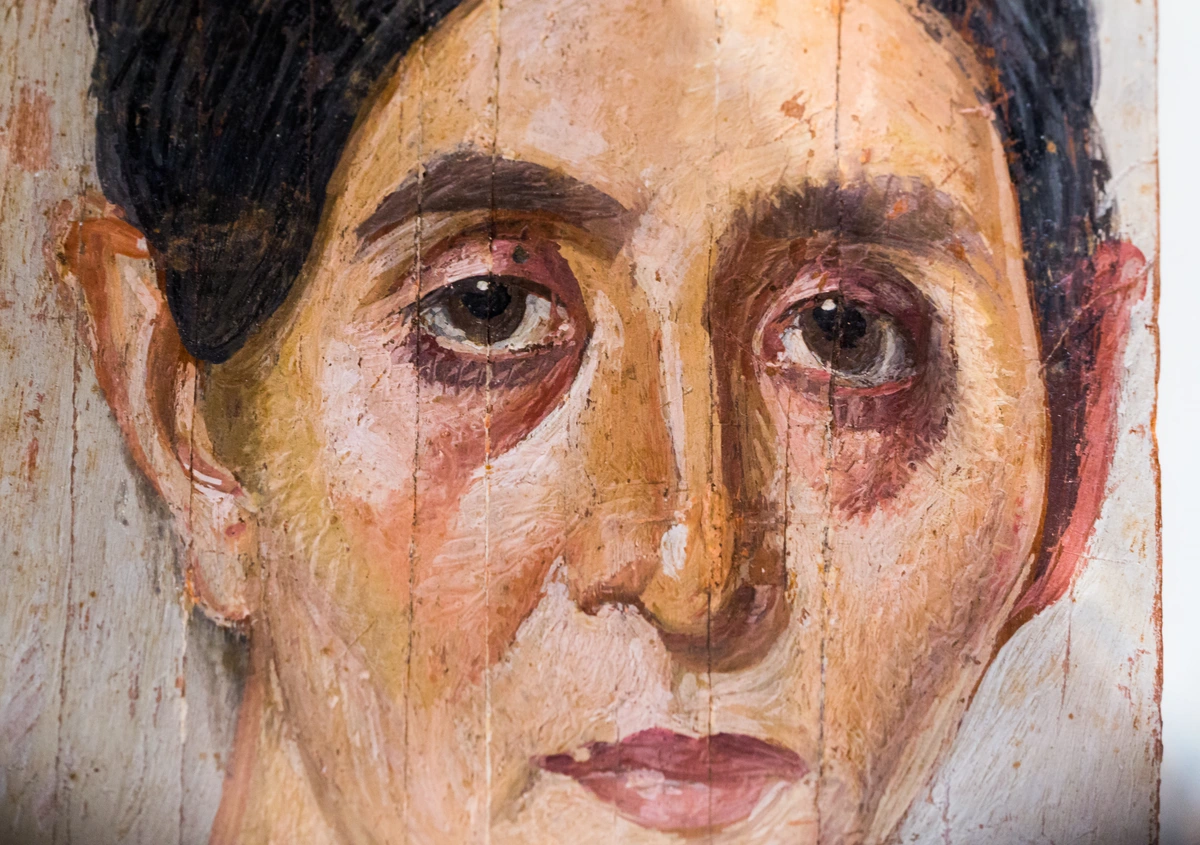
- Subject Matter and Symbolism: This delves into what is depicted and what it means, often reflecting the deepest values and beliefs of a society. For centuries in Europe, religious scenes were the bread and butter of art. Everyone knew that a lily symbolized purity and a skull symbolized death. This is where the concept of iconography comes in – the established system of symbols, images, and meanings that are understood by a particular culture or artistic tradition. But it extends far beyond that. Consider the intricate narratives and philosophical concepts embedded in Chinese landscape painting, which often depicted hermits seeking spiritual enlightenment in nature, or the rich storytelling found in Indigenous Australian art, where dots and lines convey ancestral stories and sacred sites, holding spiritual and geographical significance. This shared visual language, these recurring themes and their symbolic interpretations, are a huge part of tradition, providing a common ground for understanding art across generations. It’s about building a collective visual literacy. For instance, understanding the visual storytelling techniques embedded in historical works can unlock layers of meaning far beyond the surface. You can dive deeper into specific symbolism in our article on exploring the symbolism of the lotus flower in art history. Sometimes, traditions even play with the very nature of representation itself, as seen in works like René Magritte’s 'The Treachery of Images' which challenges the assumption that an image is the thing it represents. The consistent portrayal of deities and mythological figures in ancient Greek art, each with specific attributes, established a clear visual lexicon. Similarly, the detailed narratives woven into Persian miniature painting depict epic poems and royal court life, creating a visually rich and culturally specific storytelling tradition that's deeply rooted in literary and religious texts.
- Aesthetic Values: What did a particular culture consider 'beautiful' or 'good' art? This is the elusive spirit of a tradition, often a reflection of deeper philosophical and societal ideals. The ancient Greeks were obsessed with idealized human forms and mathematical harmony, a concept that's influenced Western art for millennia and was revived in the Renaissance. They believed in the perfection of design and the balanced elements of art, almost like a foundational grammar for visual expression. But this isn't universal. Consider the Japanese aesthetic of wabi-sabi, which finds beauty in imperfection, asymmetry, and transience – a chipped tea bowl telling a story of time. Or think of the raw power and spiritual intensity celebrated in many African sculptural traditions, where beauty might be secondary to spiritual efficacy, focusing instead on expressive distortion for spiritual purposes. These deeply ingrained ideas about what art should be, how it should feel, and what it should communicate, form the very soul of a tradition, often dictating everything from color psychology to compositional balance and even the choice of subject matter itself. It’s like a subconscious agreement on what constitutes good design, guiding creative choices across generations. These values are often intertwined with religious beliefs, societal structures, and philosophical outlooks, making them deeply ingrained and resistant to rapid change, yet also capable of profound evolution over centuries. The subtle balance of color and form in a traditional Chinese scroll painting, or the reverence for natural materials in certain Indigenous crafts, are further examples of how deeply held aesthetic values guide artistic creation and appreciation.
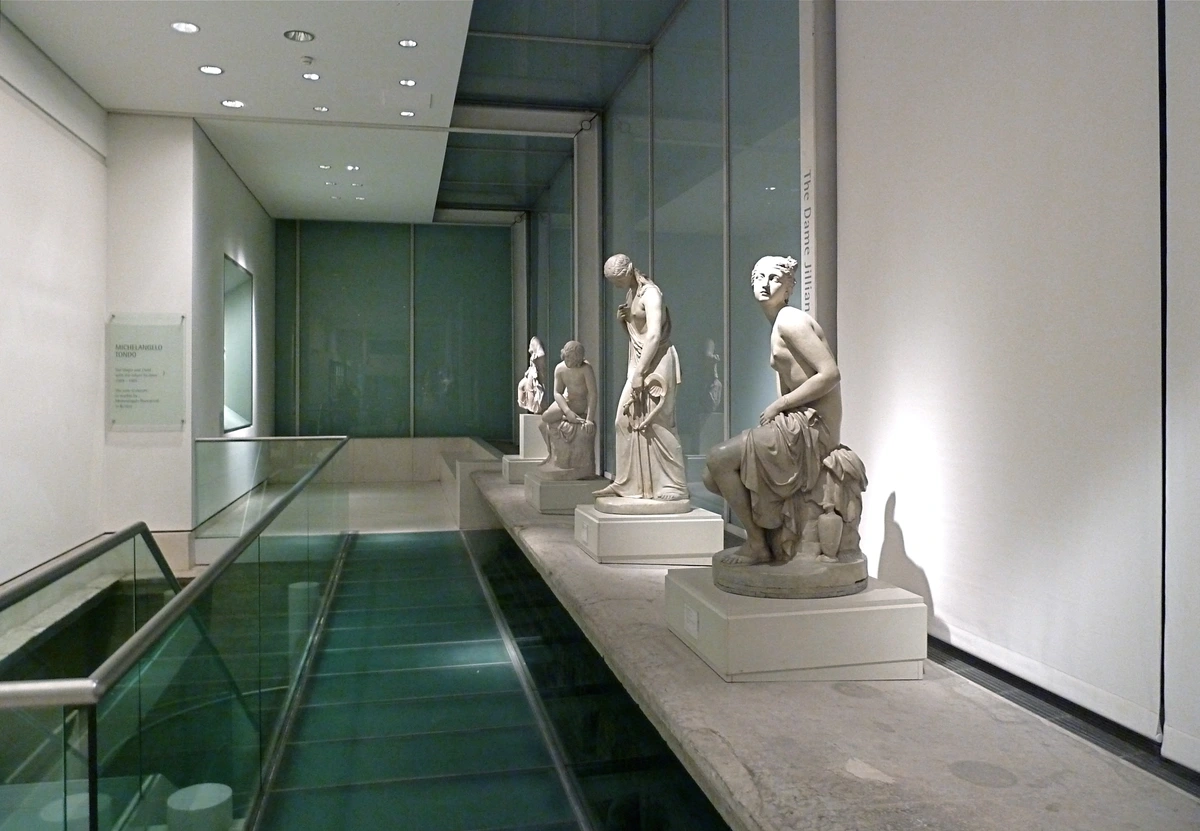
- Institutions: Think of the Royal Academies in Europe. They created a very formal, powerful tradition by setting the curriculum, hosting the big exhibitions, and basically deciding who was 'in' and who was 'out'. But institutions are broader than just academies; they include patrons (like the Church or wealthy families who commissioned works, often dictating content and style), powerful guilds (which controlled training, production, and access to materials), art schools, museums (like the venerable British Museum or the serene Kroller-Muller Museum), and even today's digital platforms and auction houses. These entities validate, preserve, and transmit artistic practices, effectively acting as gatekeepers and custodians of tradition. They codify rules, establish hierarchies, and sometimes, ironically, provoke rebellion against the very traditions they uphold by their very rigidity, sparking counter-movements. For instance, the grand British Museum in London, or the serene Kroller-Muller Museum in the Netherlands, are not just repositories but active shapers of what we consider 'art' and how it's understood. They influence which artists are celebrated, what narratives are prioritized, and how new art is integrated (or not) into the existing canon. It's a powerful and often subtle influence, but one that undeniably steers the ship of artistic tradition.
- Philosophy and Ideology: This element digs into the underlying belief systems, worldviews, and dominant intellectual currents that shape what art is, how it's made, and what it's for. Ancient Greek philosophy, with its emphasis on human reason and ideal forms, profoundly shaped their art, leading to idealized sculptures and harmonious architecture. In contrast, the existential philosophies of the mid-20th century influenced artists to explore themes of alienation and absurdity, giving rise to movements like Abstract Expressionism and Existentialist art. These overarching intellectual frameworks provide the bedrock upon which aesthetic values and subject matter are often built, guiding artists in their pursuit of meaning and expression. What an artist believes about the world, or what society expects them to believe, often becomes embedded in the very fabric of their work. The Enlightenment's focus on reason and individual liberty, for example, fueled the rise of Neoclassicism, emphasizing clarity, order, and civic virtue in art. Conversely, the later Romantics, influenced by counter-Enlightenment thought, celebrated emotion, intuition, and the sublime power of nature. These philosophical currents are the silent architects of artistic movements, providing the intellectual scaffolding for aesthetic choices.

- Transmission of Knowledge (Pedagogy): How do these traditions actually get passed down? This is where the practical aspect of learning comes in. Historically, this often happened through apprenticeships, where young artists would spend years in a master's studio, copying, assisting, and absorbing the techniques and philosophies directly. Later, art academies formalized this process with structured curricula, life drawing classes, and a hierarchy of genres. Today, it involves art schools, workshops, online tutorials, and even informal communities. This system of teaching and learning ensures that the 'recipe' gets passed on, even if it's altered in the process. It's a continuous chain of knowledge transfer, adapting from the master's hand to digital classrooms. This also includes the sharing of theoretical texts, manifestos, and critical discourse, which help to articulate and disseminate the ideas underpinning a tradition. Even informal communities and online forums today act as new avenues for passing on and evolving artistic knowledge. I often find myself reflecting on my own artistic timeline and how much of what I create, even when exploring abstract concepts, is built upon techniques and principles absorbed through this very process of transmission. Consider the Renaissance workshops where apprentices not only ground pigments but also learned composition and narrative from masters like Leonardo. Or the Bauhaus, which revolutionized art education by integrating craft and fine art, creating a distinct tradition of design pedagogy.
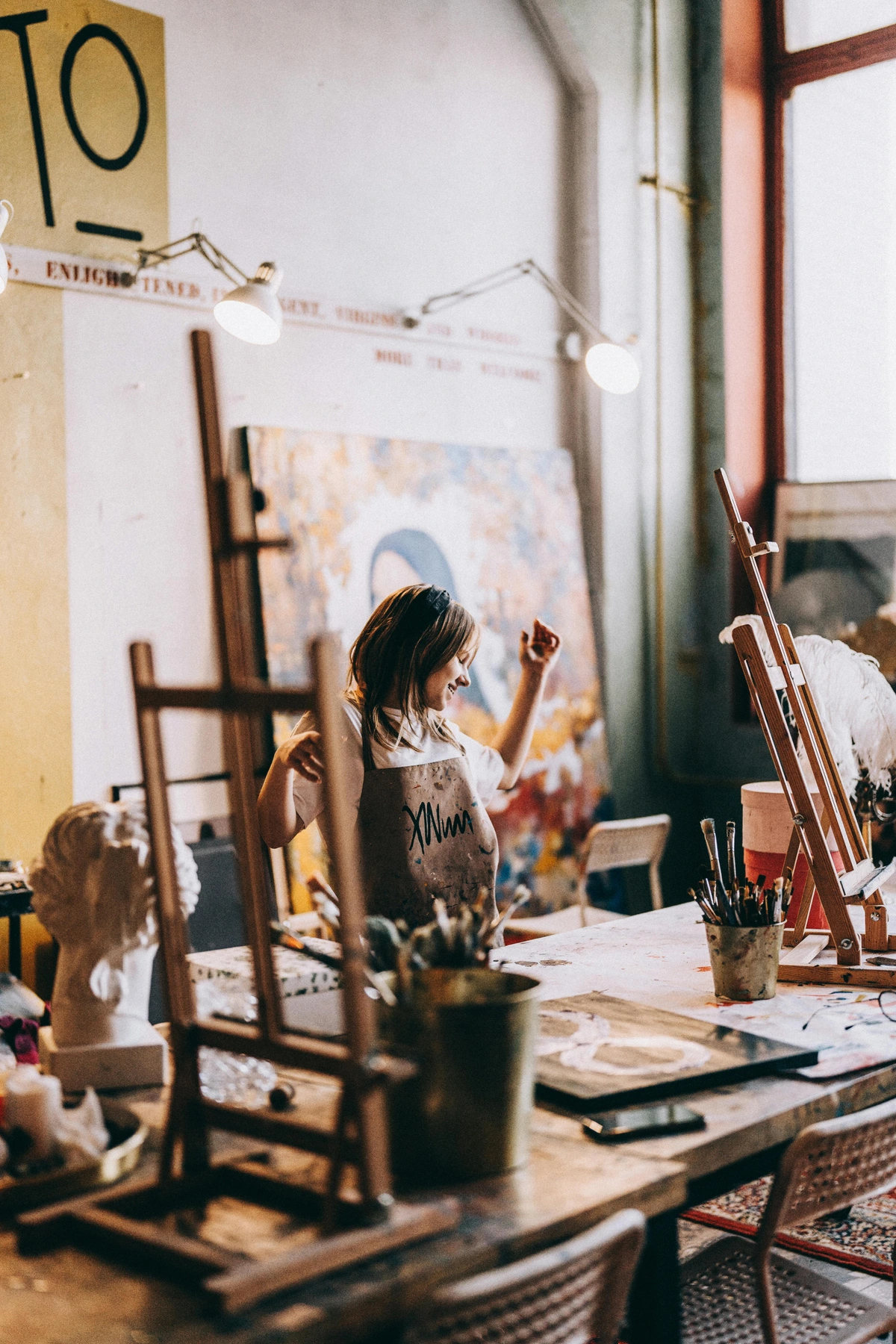
- Narrative and Context: Beyond the visuals, traditions are often shaped by the stories they tell and the broader cultural context in which they exist. For instance, the tradition of historical painting in the West wasn't just about technique; it was about conveying moral lessons and grand narratives that resonated with societal values. Similarly, the narrative elements in Japanese ukiyo-e prints often depicted scenes from popular theater or daily life, offering a glimpse into a specific cultural moment. Understanding the "why" behind the art – the stories, the societal role, the cultural beliefs – is crucial for grasping a tradition's full scope. The continuous narrative technique seen in ancient Egyptian tomb paintings or the elaborate mythological cycles depicted in Hindu temple sculptures are prime examples of how storytelling forms the very backbone of a tradition, transmitting cultural memory and spiritual understanding across millennia.
These elements get woven together to create a strong, intricate thread that runs through history, forming a complex tapestry of artistic heritage. It's never just one thing; it's the interplay of all these factors that gives a tradition its unique character and staying power. It’s like reading a vast, multi-layered novel where each chapter, each artistic tradition, adds depth and complexity to the overall human story. Understanding these narrative threads is like learning the grammar of a particular culture's artistic expression, allowing us to 'read' the deeper meanings encoded within the art.
A Walk Through Time: Tradition in Action – A Global Perspective
Let's take a little trip and see how these ideas actually played out across different eras and cultures. It's one thing to talk about tradition abstractly, but it's another to see its powerful currents shaping and reshaping art throughout human history. From ancient civilizations laying down foundational aesthetic principles to modern artists deliberately dismantling them, and then often rebuilding, the story of art is, in essence, the story of tradition – a grand, unfolding drama with countless acts and protagonists. What I find truly incredible is how these foundational ideas echo through centuries, informing, inspiring, and sometimes infuriating, artists across the globe. It's like watching a mighty river, constantly carving new paths, but always fed by the same ancient springs.
Ancient Foundations: The Tradition of Order, Permanence, and Ideals
Our journey begins long before recorded history, with prehistoric art setting the earliest traditions of symbolic representation through cave paintings, fertility figures (like the Venus of Willendorf), and megalithic structures like Newgrange. These early human expressions established fundamental traditions of mark-making and symbolic communication, laying the groundwork for all art to follow. The awe-inspiring cave paintings of Lascaux, for instance, demonstrate a sophisticated understanding of animal forms and movement, establishing a tradition of depicting the natural world and spiritual beliefs that would echo for millennia. But let's rewind a little further to the cradle of civilization in Mesopotamia. Here, the Sumerians, Akkadians, Babylonians, and Assyrians developed complex artistic traditions through their cuneiform tablets, cylinder seals, and monumental ziggurats. Their art often served to glorify rulers and deities, establishing enduring traditions of narrative relief sculpture, elaborate ceremonial objects, and monumental architecture focused on stability, divine power, and the recording of history. Think of the Standard of Ur, with its clear registers telling stories of war and peace, a powerful early example of visual narrative. The elaborate ceremonial objects, intricate cylinder seals, and monumental ziggurats from this period all speak to a tradition deeply intertwined with religious belief, political power, and the dawn of written history. The Code of Hammurabi, for example, is not only a foundational legal text but also an artistic statement, with its carved relief depicting the king receiving laws from the sun god Shamash, solidifying a tradition of art as a vehicle for legal and divine authority.
Fast forward to the ancient Egyptians, whose artistic tradition was incredibly stable for nearly 3,000 years – a testament to its efficacy and deep cultural roots. Their goal wasn't realism as we know it, but clarity, order, and permanence, intended to serve the afterlife and reinforce divine rule. The composite view of the human body (head in profile, torso front-on) was a fundamental rule, a part of a tradition meant to depict people in their most complete and eternal form, devoid of fleeting emotion. This wasn't a lack of skill; it was a deliberate choice reflecting their belief in an eternal cosmic order. This focus on enduring forms, sometimes even literally inscribed in stone like the Rosetta Stone, speaks volumes about their societal values and beliefs. Their use of hieroglyphs as both text and image, and the consistent portrayal of deities and pharaohs in specific, recognizable poses, solidified a visual language meant to last for eternity. Their artistic output, from tomb paintings to colossal statues, rigidly followed a set of established conventions, creating a visual language that was immediately recognizable and understood across millennia. Consider the magnificent burial masks, like that of Tutankhamun, which exemplify the Egyptian tradition of creating enduring effigies designed to accompany the deceased into the afterlife, ensuring their eternal presence. It’s an incredible testament to the power of a deeply ingrained tradition to shape an entire culture's aesthetic and worldview.
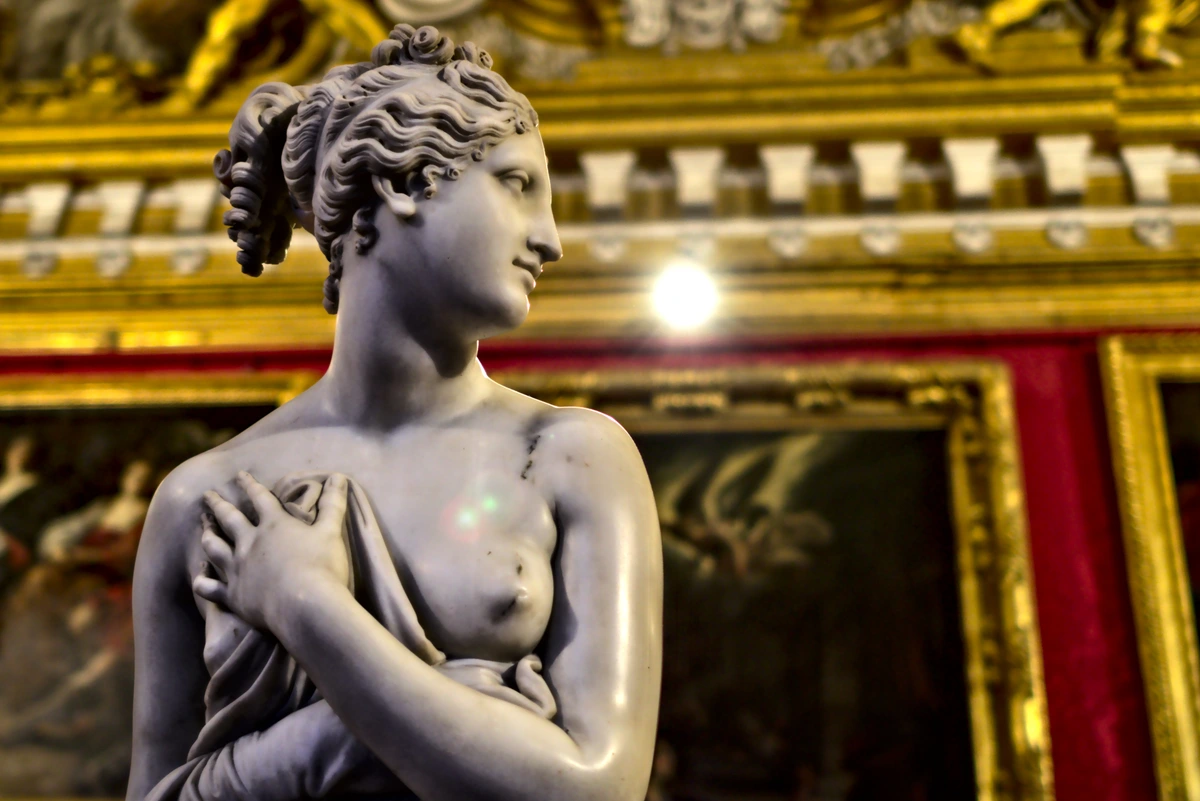
Then you have the Greeks, who gave us the tradition of humanism and idealism. Sculptors like Myron didn't just carve a man throwing a discus; they carved the perfect man, in the perfect moment of balance and tension. This pursuit of idealized beauty, anatomical perfection, and mathematical harmony became the benchmark for Western art for centuries, a tradition that emphasized the rational and the heroic, and the capabilities of humankind. Their temples, sculptures, and pottery all reflect a deep commitment to order and aesthetic perfection, embodying concepts of mathematical harmony and ideal proportions that would resonate for centuries. Sculptors like Myron and Praxiteles pushed the boundaries of anatomical realism while maintaining an idealized form, setting a high benchmark for subsequent artistic endeavors. I find it fascinating how these ancient cultures laid down aesthetic and conceptual groundwork that artists still grapple with today – the tension between the ideal and the real, the desire for perfection versus the messy reality of existence. They truly established what many would later call the "Classical Tradition," a foundational grammar for Western art that would be continuously reinterpreted and revived. From the distinct Doric, Ionic, and Corinthian orders of architecture, each with its own set of rules and aesthetic qualities, to the intricate narratives on their red-figure and black-figure pottery, the Greeks established a comprehensive artistic system. The Parthenon in Athens, a pinnacle of Doric architecture, exemplifies this commitment to ideal proportions and optical refinements, serving as an enduring symbol of their aesthetic traditions.

And let's not forget the Romans! They were incredibly pragmatic, taking the Greek traditions and adapting them to serve their own imperial ambitions. Roman art often focused on realism – think of their brutally honest portraiture of emperors, complete with wrinkles and warts – and grand public works like the Colosseum or the Pantheon, which showcased their engineering prowess and conveyed the might of their empire. Their tradition was about civic duty, historical record, and the tangible power of the state, often using art as a powerful tool of propaganda and public display. The Romans innovated with concrete, allowing for vast architectural feats like the Pantheon and the Colosseum, and their emphasis on veristic portraiture (capturing individual likeness, even with imperfections) departed from Greek idealism, establishing a new tradition of grounded, powerful realism. They understood that art could not only beautify but also assert dominion and narrate imperial glory. Roman mosaics and wall paintings, often decorating lavish villas, also contributed to a tradition of depicting daily life, mythology, and intricate architectural illusions. The Trajan's Column, for instance, is a monumental example of Roman narrative relief, spiraling upwards with detailed depictions of military campaigns, solidifying their tradition of using art to record and celebrate imperial achievements.
The Medieval Interlude: The Tradition of Spiritual Devotion
Before the Renaissance, we had the vibrant and complex traditions of the Medieval period, a fascinating era where the focus shifted dramatically towards spiritual devotion. Here, art wasn't about humanistic ideals or classical realism, but almost entirely about illustrating religious narratives and communicating the divine. Consider the intricate metalwork and manuscripts of early medieval art, like the Celtic illuminated Gospels from the so-called Dark Ages, brimming with swirling interlace patterns, zoomorphic designs, and rich symbolism. These were not merely decorative; they were traditions in themselves, carrying deep spiritual meaning and acting as portable conduits of faith and knowledge in a turbulent world. Masterpieces like the Book of Kells or the Lindisfarne Gospels exemplify the Insular art tradition, showcasing breathtaking calligraphy, elaborate initial pages, and evangelist portraits that blend Christian themes with vibrant Celtic knotwork, reflecting a unique cultural synthesis.
Then think of the dazzling mosaics of Byzantine art, with their shimmering gold backgrounds and elongated, ethereal figures, designed to transport the viewer to a heavenly realm. Their icons, often painted in tempera on wood, were considered windows to the divine, not mere representations. Or the intricate illuminated manuscripts created in monasteries, painstakingly crafted to preserve sacred texts and knowledge, often the only bastion of learning in a turbulent world. Storytelling was paramount, often at the expense of naturalistic perspective or proportion, because the message of faith outweighed all other aesthetic concerns. This was a tradition deeply tied to the Church, dictating both subject matter and stylistic conventions, emphasizing spiritual transcendence over earthly observation and celebrating spiritual light rather than earthly shadow. The iconic mosaics of the Hagia Sophia or the Basilica of San Vitale in Ravenna, with their flat, frontal figures and golden glow, perfectly embody this tradition of celestial beauty and spiritual reverence, creating immersive sacred spaces.
Then, as the period progressed, we saw the robust, architectural tradition of Romanesque art, with its thick walls, rounded arches, and often formidable sculptural programs meant to instruct the faithful. This gave way to the subsequent, awe-inspiring Gothic period. Gothic cathedrals, with their soaring vaults, flying buttresses, stained-glass windows, and intricate sculptures, brought a new sense of drama, light, and almost a naturalistic expressiveness to religious art, albeit still firmly within a spiritual framework. The famous Bayeux Tapestry, for instance, offers a compelling narrative tradition, albeit in textile form, chronicling historical events with remarkable detail and artistic flair. This era perfectly illustrates how a tradition can evolve, adapting new techniques and sensibilities while remaining true to its core purpose – an incredible artistic and engineering feat driven by deep spiritual conviction. The intricate sculptural programs of Romanesque portals, like those at Autun Cathedral, served to instruct and awe the illiterate faithful with vivid scenes of the Last Judgment, while the luminous stained glass of Gothic cathedrals, such as Chartres, transformed light into a divine presence, bathing congregants in sacred narratives. It's a continuous, dynamic reinterpretation of faith through art. The innovative use of flying buttresses and ribbed vaults in Gothic architecture, for example, allowed for immense stained-glass windows, transforming the interior of cathedrals into spaces of ethereal, divine light, a clear evolution of the Romanesque's heavy solemnity and emphasis on mass.
The Renaissance: The Tradition of Rebirth and Humanism
What makes the Renaissance so cool is that its big innovation was reviving an older tradition – the classical ideals of Greece and Rome. Artists like Michelangelo and Leonardo da Vinci didn't see the past as a limitation; they saw it as a springboard. They looked back at classical sculptures and architecture and thought, "Yes, that! We need to bring that back, but with our own twist." They studied human anatomy (sometimes quite illicitly, I imagine, given the taboos!), mastered linear perspective to create the illusion of depth and receding space on a two-dimensional surface, and experimented with light and shadow (chiaroscuro for strong contrasts and sfumato for soft, hazy transitions) to create a new tradition grounded in scientific observation, profound realism, and a profound focus on human experience. This tradition—with its emphasis on single-point perspective, dramatic composition, heroic figures, and a revival of mythology and portraiture—would dominate Western art for the next 400 years, influencing everything from painting and sculpture to architecture and literature. It was a tradition that celebrated human potential and individual genius, an exciting shift from the purely spiritual focus of the preceding era. This period also saw significant developments in oil painting techniques, allowing for richer colors and smoother transitions, which you can see in depth in a work by a master like Rembrandt van Rijn. And let's not forget the incredible women artists of the Renaissance who, despite immense societal barriers, carved out their own space within this burgeoning tradition, proving talent knows no gender and contributing significantly to the era's artistic output, like Sofonisba Anguissola or Artemisia Gentileschi. The period also saw the emergence of the Northern Renaissance, with artists like Jan van Eyck pushing the boundaries of oil painting and meticulous detail, developing a distinct tradition of realism and symbolism, often focusing on domestic scenes and intricate allegories rather than grand narratives.
The Academy: The Tradition of Codification and Control
From the 17th century onwards, powerful institutions known as Art Academies became the guardians of tradition. This was where tradition became codified, almost a set of commandments for aspiring artists. They created a strict hierarchy of genres (history painting was at the top, still life at the bottom) and a very specific, polished style emphasizing technical perfection, moral subjects, and classical references. This Academic tradition was about control, about establishing a singular, 'correct' way of making art. It was powerful, shaping public taste and artistic careers through salons and exhibitions, but it also became incredibly rigid and, for many artists, stifling. It’s a classic example of how a tradition can evolve from a foundational guide to an oppressive dogma.
This era also saw the rise of different movements reacting to, or expanding upon, the Academic tradition. The grand narratives and theatricality of the Baroque (17th century), with artists like Caravaggio and Bernini, pushed for intense emotion and dramatic movement, often serving the Counter-Reformation and absolute monarchies. Following this, the lighter, more intimate, and decorative Rococo (early 18th century) emerged, favoring pastel colors and playful themes, a subtle defiance of Baroque grandeur and a focus on aristocratic domesticity. The late 18th century saw the rise of Neoclassicism, a conscious return to the perceived purity and moral gravity of classical antiquity, often used for political and moral instruction, exemplified by the severe, moralizing works of Jacques-Louis David like The Oath of the Horatii. In direct opposition, Romanticism (early 19th century) championed emotion, individualism, and the sublime power of nature, moving away from rationalism to explore the irrational and the heroic, with artists like Eugène Delacroix and his powerful Liberty Leading the People. This sequence demonstrates the continuous ebb and flow of adherence to and rebellion against established artistic norms, all contributing to the complex tapestry of Western tradition, yet always in dialogue with the pervasive Academic framework, either embracing its rigor or seeking to dismantle its constraints.
Modernism: The Tradition of Radical Experimentation and Revolution
Precursors to Modernism: Symbolism and its Discontents
Before the full explosion of Modernism, a powerful current known as Symbolism (late 19th century) emerged, reacting against the perceived objectivity of Realism and Impressionism. Artists like Gustave Moreau (with his richly imagined mythological scenes) and Odilon Redon (whose evocative lithographs explored dream worlds) sought to express inner truths, dreams, and subjective emotional realities through evocative, often mysterious, imagery. This movement, prioritizing suggestion and metaphor over direct representation, laid crucial groundwork for the emotional intensity and psychological depth that would characterize many Modernist movements, particularly Expressionism and Surrealism, by asserting the spiritual and intellectual purpose of art beyond mere visual perception. It was a conscious turn inward, anticipating the psychological explorations of the 20th century.
And then, everything exploded. By the late 19th and early 20th centuries, artists started to feel that the academic tradition was a dead end. The world was changing rapidly with industrialization, new scientific discoveries (like Einstein's theories of relativity), the advent of photography (which freed painting from purely descriptive roles), and global conflicts, and artists felt that the old 'recipe' simply couldn't capture the modern experience. They began to question everything, actively rebelling against established norms. This is where you get movements that were defined by what they weren't, often seeking to shock, provoke, and redefine art's very purpose. It was a tradition of constant revolution, a refusal to stand still. This era, often seen as a radical break, paradoxically established a new tradition: the relentless pursuit of the "new" and the "avant-garde." The very definition of art was expanded and challenged, paving the way for everything from abstract art to conceptual installations.
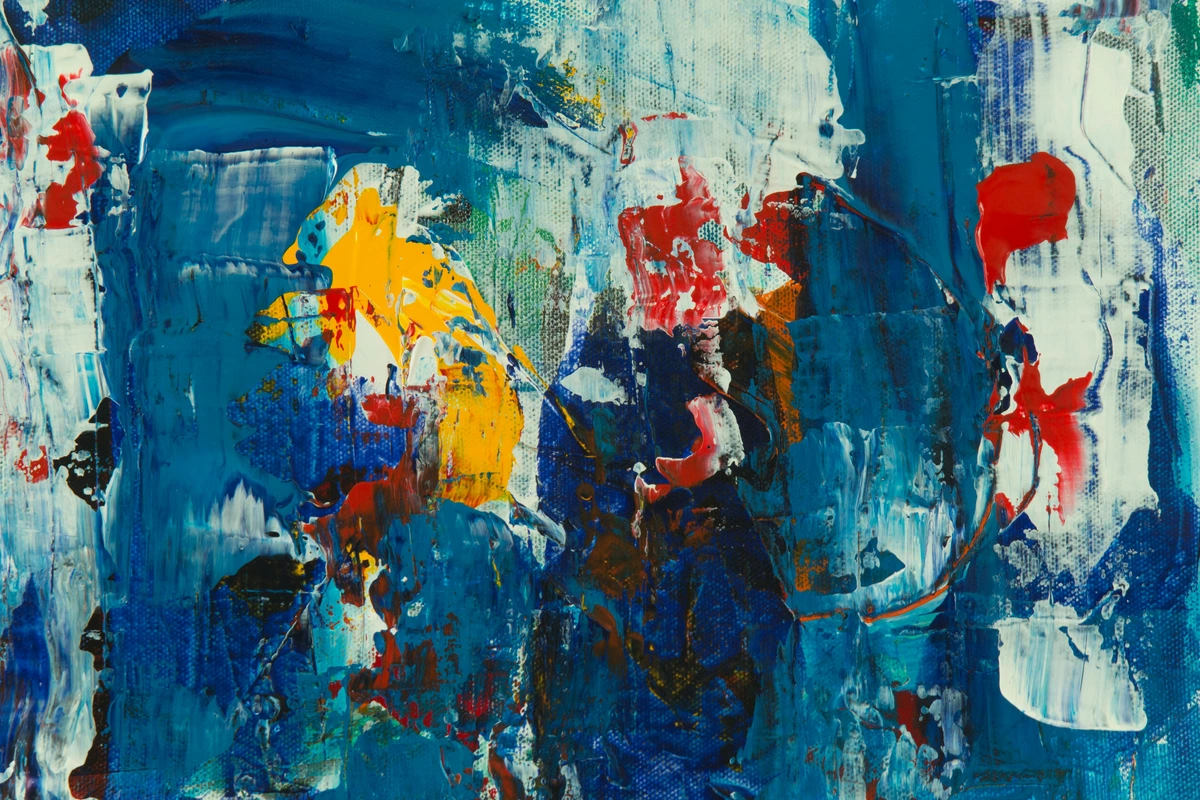
- Impressionists: rejected the polished finish of academic painting, opting instead to capture the fleeting effects of light and atmosphere with visible, often broken, brushstrokes and vibrant, unmixed color. Artists like Claude Monet (with his iconic Water Lilies series), Pierre-Auguste Renoir (known for his lively social scenes), and Edgar Degas (capturing candid moments of ballerinas and laundresses) were less concerned with grand historical narratives and more with the immediate sensation of a moment, breaking away from historical or mythological subjects to depict everyday life – landscapes, city scenes, and portraits of modern Parisians. Their radical approach, often mocked at first (one critic derisively called Monet's "Impression, Sunrise" just an "impression," sparking the movement's name!), became a cornerstone of modern art, valuing subjective perception over objective reality. You can see their impact in our article on famous Impressionist artists. Their emphasis on light, color, and transient moments profoundly influenced how artists perceived and represented the world, moving away from the studio and into the fleeting vibrancy of outdoor life. It was a radical shift from the meticulously rendered realism of academic painting, and its embrace of subjective perception paved the way for even more radical departures from representational art.
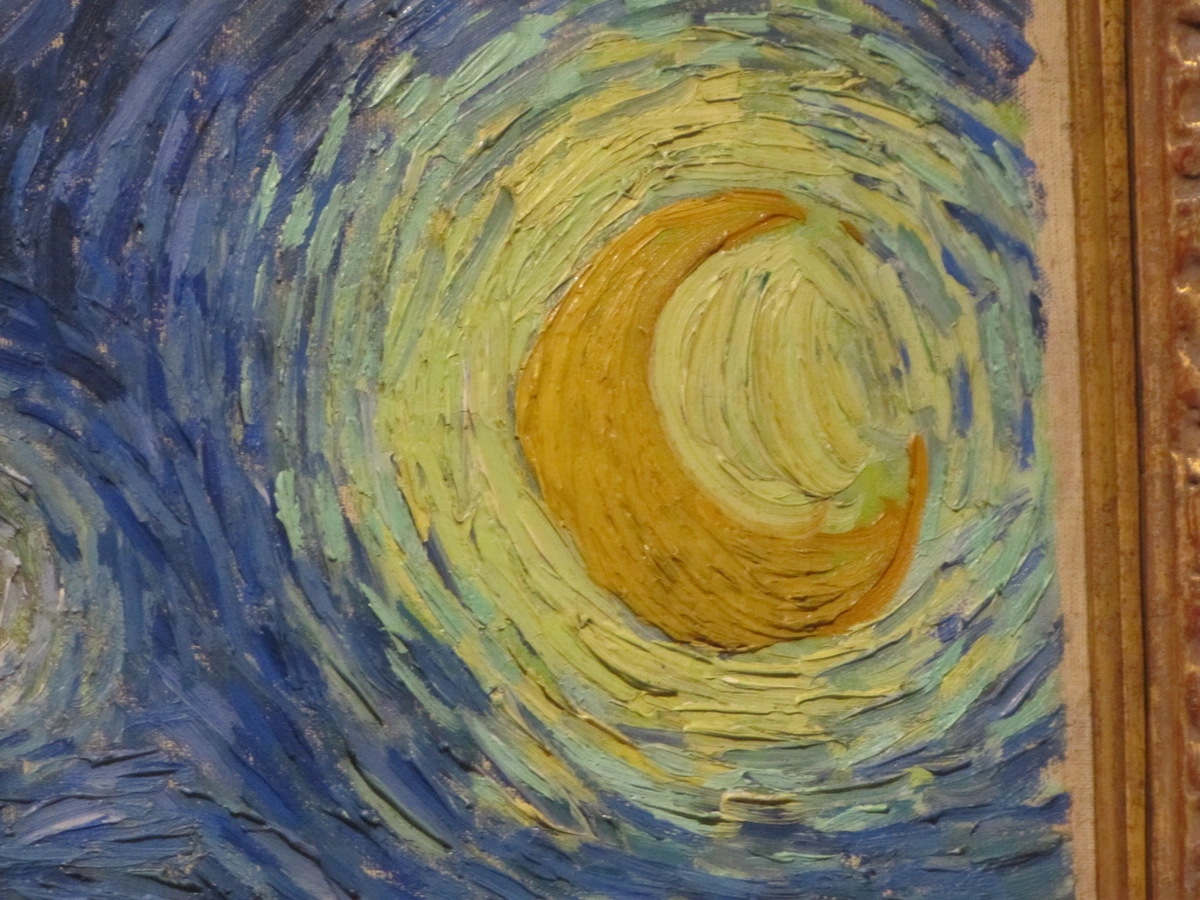
- Post-Impressionists: Building on Impressionism's use of color and light, artists like Vincent van Gogh (with his intensely emotional Starry Night), Paul Cézanne (who analytically broke down forms to their geometric components), and Paul Gauguin (exploring symbolic, non-Western aesthetics in his Tahitian period) pushed further, imbuing their work with deeper emotional resonance, structural rigor, or symbolic meaning. Van Gogh's swirling, expressive brushstrokes, Cézanne's analytical approach to form, and Gauguin's vibrant, symbolic colors all show a departure from pure optical impression toward a more personal and conceptual artistic vision. This period, for me, is where you really see artists begin to fully assert their individual psychological landscapes onto the canvas, breaking from collective observation. This period also saw artists like Georges Seurat develop Pointillism, a meticulous technique of applying small dots of pure color to create shimmering optical effects, further exploring the scientific aspects of color and perception in works like A Sunday Afternoon on the Island of La Grande Jatte.
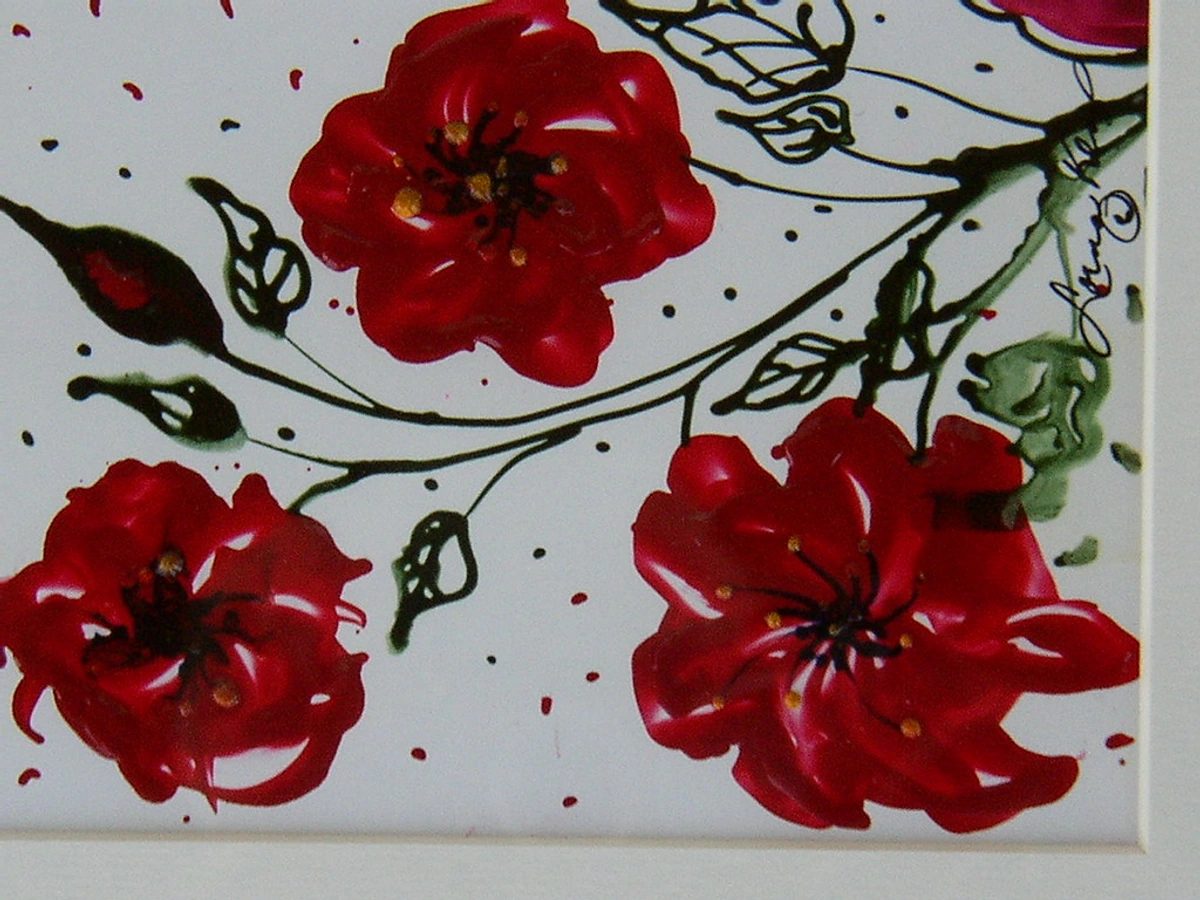
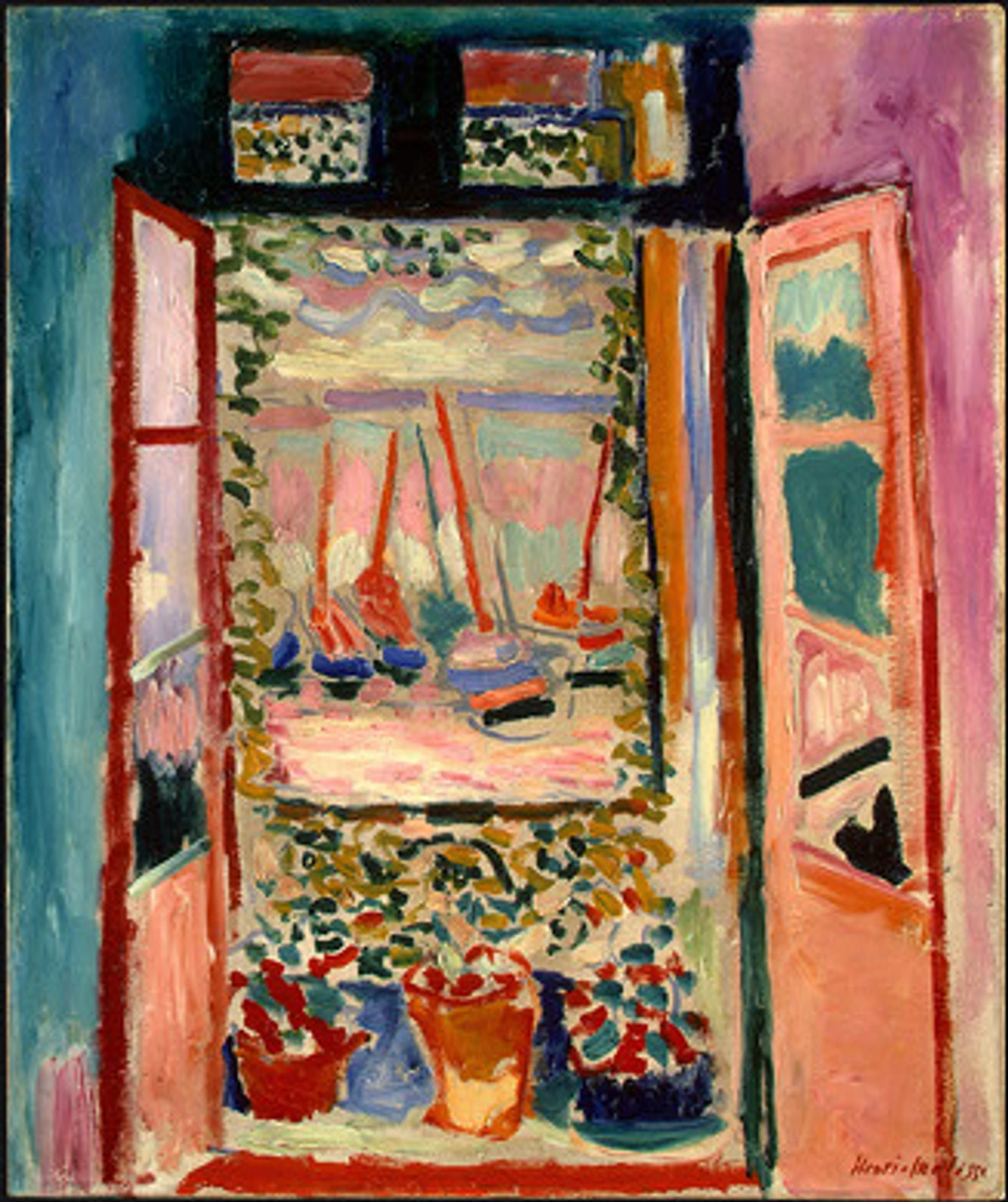
- Fauvism: Emerging shortly after Impressionism, Fauvism, meaning "wild beasts," pushed the use of color to its vibrant extreme. Artists like Henri Matisse (in works like The Dance) and André Derain used bold, non-naturalistic colors not to literally depict reality, but to express raw emotion and create powerful visual impact. It was a short-lived but explosive movement that definitively freed color from its descriptive role, allowing artists to use color for its own sake, rather than merely representing an object's local color. This laid significant groundwork for later abstract developments, showing that color itself could carry profound artistic meaning. It was an explosion of pure chromatic energy, with artists like Matisse using color to construct form, define space, and convey emotion in ways that were unprecedented, utterly liberating color from its traditional descriptive role. The Fauves demonstrated that color could be an autonomous expressive element, independent of its naturalistic counterpart, paving the way for further abstraction.
- Expressionism: Directly reacting to the perceived superficiality of Impressionism, Expressionist artists sought to express intense subjective emotion rather than objective reality. Artists like Edvard Munch (with his iconic "The Scream"), Ernst Ludwig Kirchner (a key figure in the German group Die Brücke, which explored raw emotion and often unsettling urban scenes), and Wassily Kandinsky (a pioneer of abstract art with Der Blaue Reiter, focusing on spiritual abstraction) distorted figures and used vivid, often jarring colors to convey inner turmoil and psychological states. This movement emphasized the artist's inner world over external appearances, fundamentally shifting the purpose of art for many, turning the canvas into a mirror of the soul. This focus on subjective experience paved the way for later movements like Neo-Expressionism, which continued to explore intense emotional states, highlighting the enduring power of emotional expression in art.
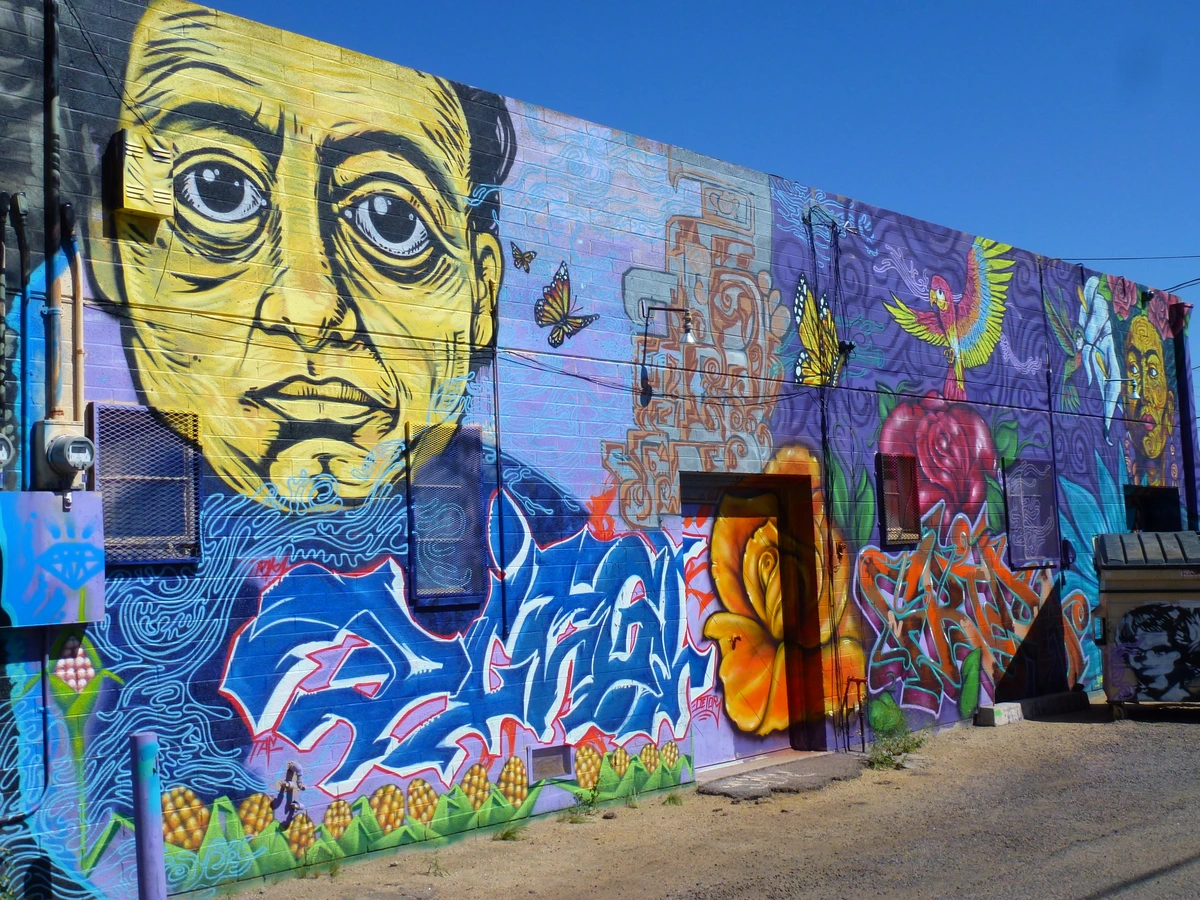
- Cubists: like Georges Braque and Pablo Picasso shattered the tradition of single-point perspective that had ruled since the Renaissance, depicting subjects from multiple viewpoints simultaneously. This wasn't just a stylistic choice; it was a fundamental rethinking of how reality could be represented in art, challenging centuries of visual convention by introducing a fourth dimension of time into painting. They fragmented objects and reassembled them abstractly, forcing the viewer to engage with multiple facets of a subject at once, demanding an active intellectual participation from the audience. If you're curious, our ultimate guide to Cubism offers a deeper dive into this revolutionary movement. This radical restructuring of visual reality opened up new possibilities for representing objects and space, fundamentally challenging the single viewpoint that had dominated art since the Renaissance and influencing countless subsequent movements. Early Analytical Cubism broke forms into geometric shards, while later Synthetic Cubism introduced collage and simplified shapes, exploring new textures and spatial relationships.
- Abstract Expressionists like Jackson Pollock and Willem de Kooning threw out the idea of recognizable subject matter altogether, focusing instead on emotion, gesture, and the act of painting itself. This radical departure marked a significant shift in the art world, with New York emerging as a new artistic center. You can learn more about this transformative shift in our guide to abstract art and the definitive guide to the history of abstract art.
- Dadaism and Surrealism: Movements like Dadaism, born out of the horrors of WWI, and Surrealism challenged not just aesthetic conventions but the very definition of art itself, incorporating elements of chance, dreams, and the subconscious. Artists like Marcel Duchamp (with his "readymades" like a urinal titled "Fountain") fundamentally questioned what constitutes art, famously stating that art is anything an artist says it is, while René Magritte (famous for The Treachery of Images) and Salvador Dalí (with his melting clocks in The Persistence of Memory) used traditional painting techniques to create utterly untraditional, mind-bending imagery that explored the paradoxes of representation and the depths of the subconscious mind. It was a true rebellion against logic and order, a tradition of embracing the absurd, the uncanny, and the irrational, seeking a "higher reality" beyond the mundane. Duchamp's questioning of art's definition and Magritte's witty visual paradoxes shattered expectations and opened up entirely new conceptual traditions in art, emphasizing the power of the mind and the irrational.

- Pop Art: Emerging in the mid-20th century, Pop Art (think Andy Warhol's iconic Campbell's Soup Cans and Roy Lichtenstein's comic book panels) challenged the seriousness of Abstract Expressionism by embracing popular culture, advertising, and mass production. It blurred the lines between "high" and "low" art, injecting irony, humor, and a fascination with consumerism into the artistic tradition, proving that art could be both intellectually rigorous and immensely accessible. Warhol's silkscreens of celebrity portraits and commercial products, and Lichtenstein's comic strip panels with their bold Ben-Day dots, were a direct engagement with the mass media landscape, reflecting and critiquing the burgeoning consumer culture. This embrace of commercial imagery and popular motifs profoundly influenced subsequent generations, proving that art could be both intellectually rigorous and immensely accessible, often using recognizable imagery to comment on society.
The funny thing is, this rebellion against tradition became its own powerful tradition. The 'avant-garde,' the idea of constantly pushing boundaries, innovating, and being new, became the new expectation, almost a mandate for artistic relevance. Artists found themselves in a constant race to be the 'next big thing,' ironically establishing a new set of unwritten rules about what constituted 'good' modern art, often valued for its shock factor or its perceived break from the past. It’s a beautiful paradox, really: the tradition of anti-tradition, a continuous cycle of breaking molds only to form new ones. What began as a fierce rejection of academic rigidity ultimately became a new kind of canon, with its own celebrated figures and defining characteristics, constantly challenging artists to innovate and redefine what art means in a rapidly changing world.
Tradition in Contemporary Art: What Now? Remixing the Past, Shaping the Future
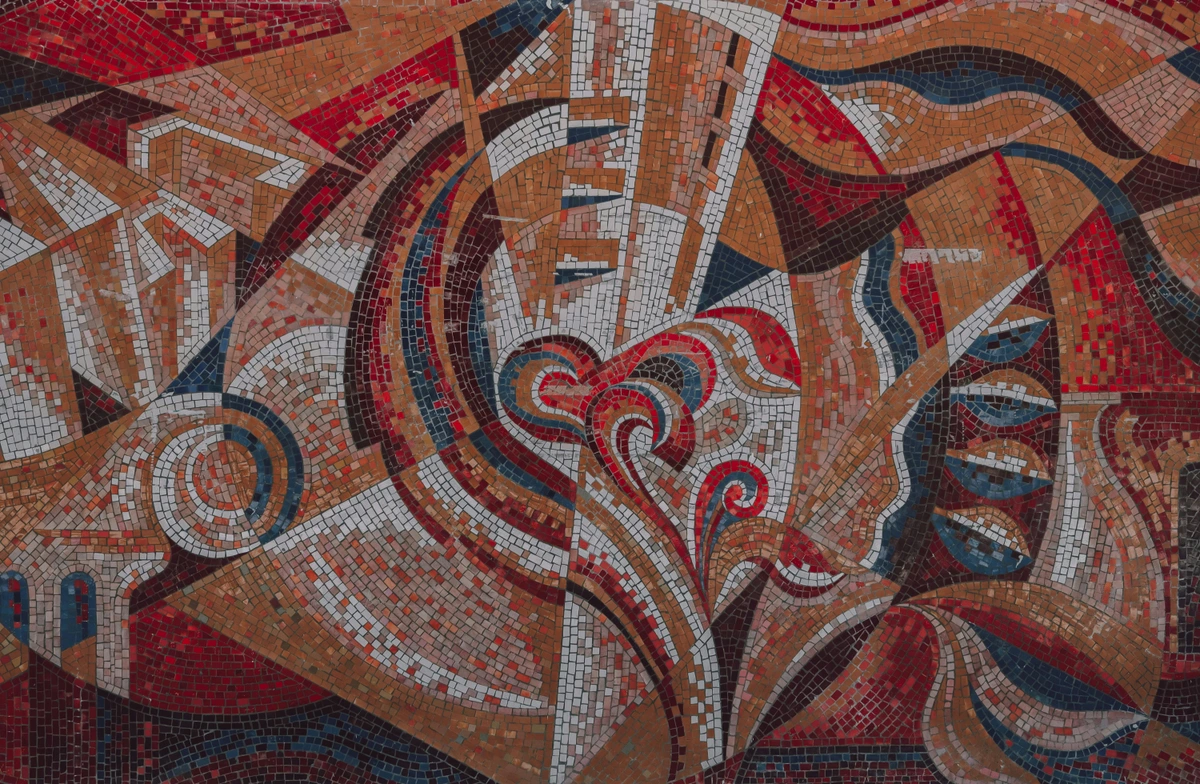
So where does that leave us today? It's a bit of a beautiful mess, isn't it? Contemporary art is often about playing with all the traditions that came before, a vast, open-source library of artistic languages. An artist today has access to the entire history of art and can pick and choose what to reference, what to challenge, and what to combine. It's less about breaking tradition outright, and more about engaging in a complex, often irreverent, dialogue with it, like a DJ sampling old tracks to create something utterly fresh and new. This "remix culture" is not about disrespect, but about acknowledging the vast artistic heritage available to us. It's a conscious act of reinterpretation, where historical forms and techniques are imbued with new meanings to address contemporary concerns, creating a rich dialogue across time and cultures. It's an exciting time, overflowing with possibilities and, frankly, a lot to keep up with! For instance, how do we analyze the artistic merit of a painting when the definitions of 'painting' and 'merit' are constantly being re-evaluated, and the very lines between different art forms — like illustration vs. fine art — are increasingly blurred? This blurring of boundaries itself is becoming a new kind of tradition, emphasizing conceptual freedom over rigid categorization.
Artists like Kara Walker use the old-fashioned tradition of silhouette cutting, a seemingly innocent folk art, to talk about very modern and painful issues of race, gender, and historical oppression, giving a powerful new voice to suppressed narratives. Similarly, Judy Chicago used traditional 'women's crafts' like ceramics and embroidery in her monumental work The Dinner Party to create a new, feminist monument, literally writing women back into a history that had largely ignored them, challenging the patriarchal narratives of art history. They're not just rejecting tradition; they're actively remixing it, subverting its original intent, and injecting contemporary relevance to say something profoundly new, often with an acute awareness of historical context. This engagement with history allows for a powerful visual storytelling that reclaims and redefines.
Then you have artists grappling with complex issues of identity, memory, and post-colonialism. Artists like Kehinde Wiley recontextualize historical portraiture by depicting contemporary Black subjects in the grand poses of old masters, fundamentally challenging the traditions of representation and power in art. Ai Weiwei, on the other hand, uses traditional Chinese craftsmanship and materials to create works that critically engage with modern political and social issues, showcasing how tradition can be both a tool for preservation and a vehicle for protest, often through monumental installations that reference historical forms. These artists remind us that art is not created in a vacuum; it’s a direct engagement with social, political, and cultural realities, and that traditions can be powerfully re-activated as instruments of critique and change. This resonates strongly with the themes often explored in The Harlem Renaissance, where artists used their platforms to define identity and challenge established norms. Contemporary performance artists, for example, might draw on ancient ritualistic traditions to explore modern social issues, blending the historical and the ephemeral in powerful new ways.
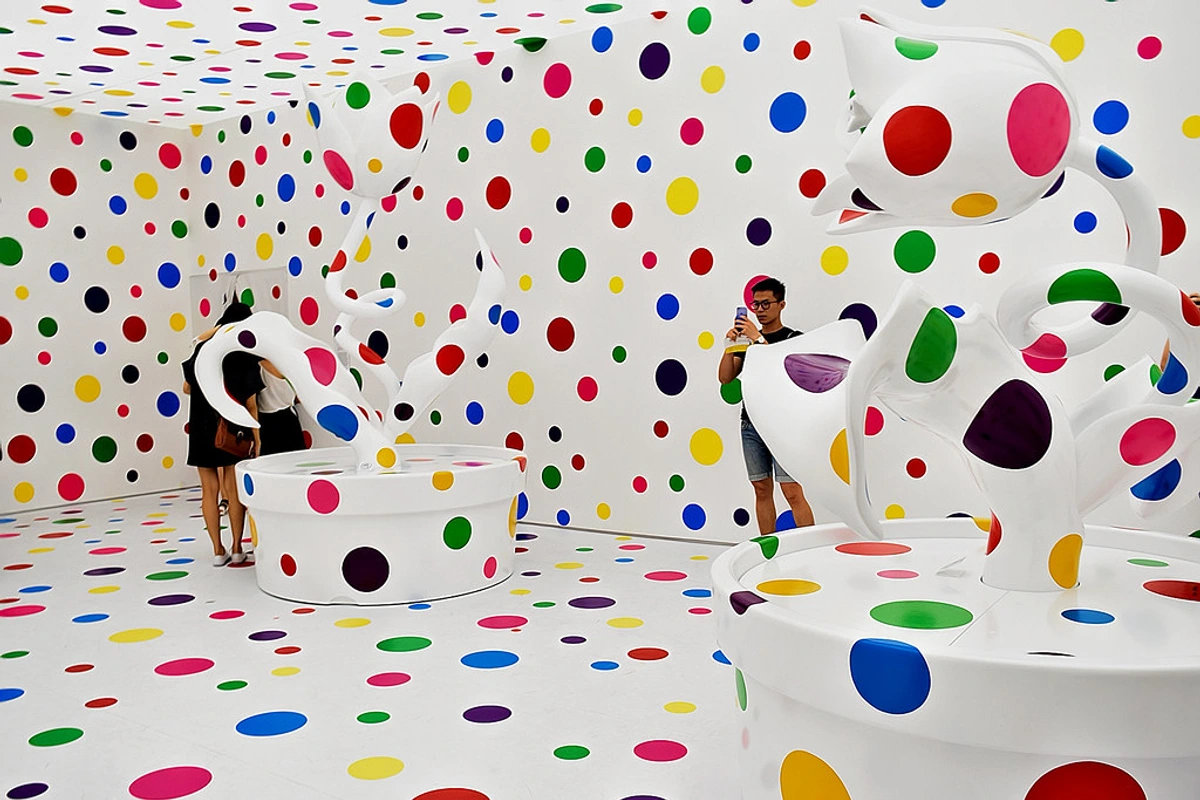
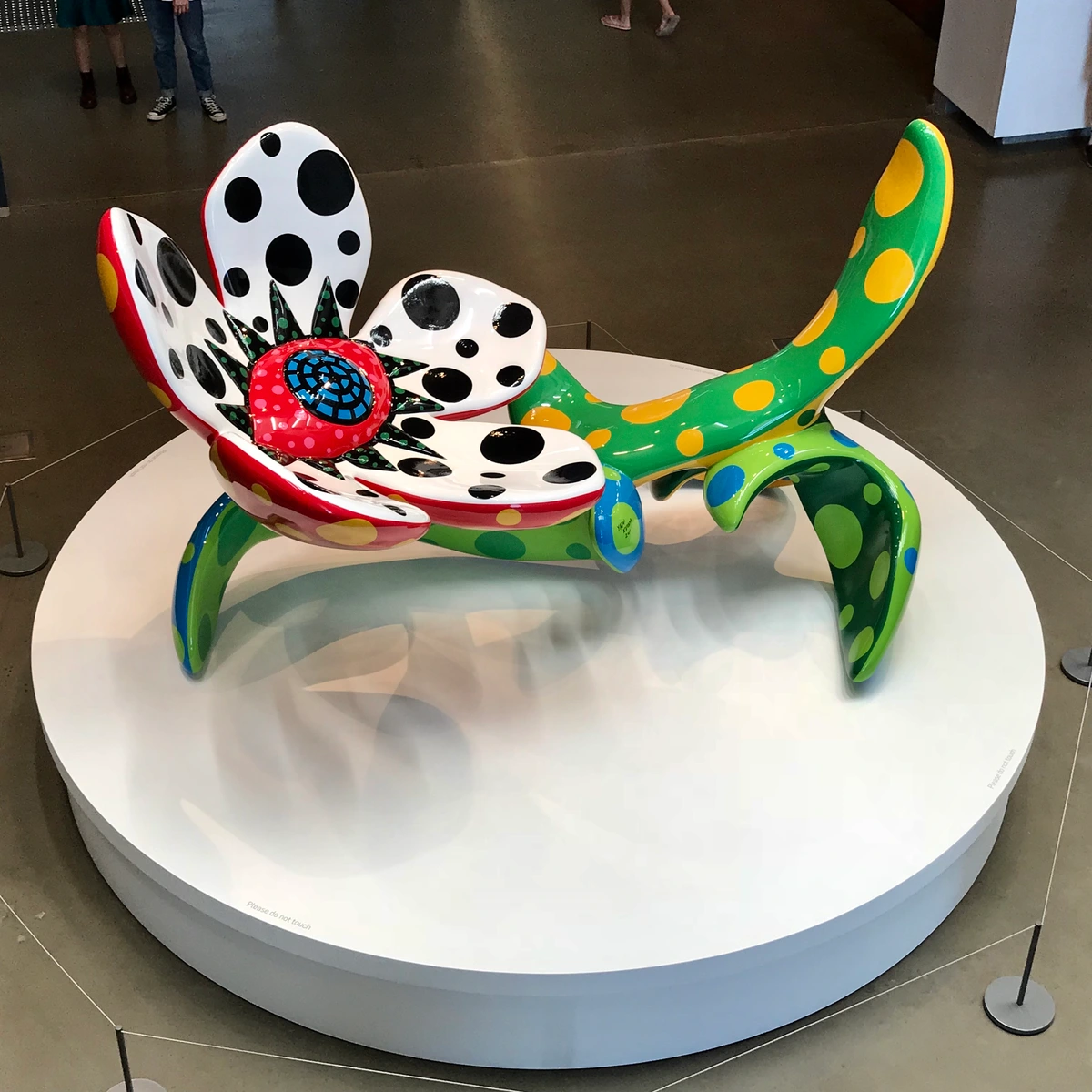
And of course, artists are experimenting with entirely new mediums, questioning the very definition of art and building on past traditions in unexpected ways. Think of contemporary artists leveraging digital tools to create interactive installations that build on the principles of Kinetic Art, or conceptual artists pushing the boundaries of Minimalism with sound or light. The spectrum is vast. Think of artists creating immersive digital experiences that build on the principles of Kinetic Art, or conceptual artists pushing the boundaries of Minimalism with sound, light, and performance. We're also seeing the rapid rise of AI art, which, while challenging traditional notions of authorship, is undoubtedly forming new aesthetic traditions and prompting profound philosophical discussions about creativity and its origins. These new explorations challenge us to continually reconsider the boundaries of art itself. Even street artists like Banksy draw on traditions of protest art and public murals, but with a distinctly modern, often anonymous, approach, democratizing art and bringing it directly to the public. These new explorations challenge us to continually reconsider the boundaries of art itself.

Today, I think the prevailing tradition is one of radical freedom, profound self-awareness, and relentless questioning. It's an understanding that you can't create in a vacuum; every mark you make, every color you choose, every concept you explore is in dialogue with all the artists who came before you. And that’s not a burden; it's an incredible opportunity – a vast, rich legacy to draw from. It's the family recipe, waiting for your personal touch, your unique flavor, and perhaps a completely new ingredient. This era also highlights the blurring lines between categories, for example, the ongoing discussion around illustration vs. fine art, challenging traditional hierarchies and expanding the very definition of what art can be. We're seeing a breakdown of old silos, recognizing artistic merit across a much broader spectrum of creative practices, moving beyond rigid definitions of "high" and "low" art. It’s about understanding that every artistic act, whether a monumental sculpture or a street art stencil, exists within a rich and complex web of historical and cultural references.
FAQ: Artistic Tradition – Unpacking Common Questions
Is artistic tradition a good or bad thing?
Neither! It's a tool, a framework, a historical record, but never an absolute judgment. Tradition can provide a valuable foundation, a rich visual language, and a shared cultural understanding to work with. It's like learning a complex instrument; you master the scales and techniques so you can then improvise with true mastery. But tradition can also be restrictive, even suffocating, if followed blindly or enforced dogmatically, leading to stagnant art. I believe the most interesting art often happens when an artist understands tradition so profoundly that they know exactly which rules to follow, which to cleverly bend, and which to gleefully shatter. It's about informed defiance, not ignorant rejection – making a conscious choice to engage with or depart from the past. For me, the most exhilarating moments in my own abstract art often come from understanding a traditional rule so well that I can deliberately break it to achieve a new effect, like a jazz musician improvising on a classical melody. It's in that tension, that conscious decision to either lean into or push against the past, that the most vital art is often born. It provides a shared vocabulary, but it's up to each artist to decide what new stories they want to tell with it.
What role does patronage play in artistic traditions?
Patronage, whether from religious institutions, wealthy families, or governments, has been absolutely pivotal throughout history. It's often the driving force behind the creation and direction of artistic traditions. Think of the Church commissioning vast cathedrals and altarpieces during the Medieval and Renaissance periods, effectively dictating subject matter, scale, and even often style to convey specific religious messages. Or the Medici family in Florence, whose financial backing directly fostered the explosion of Renaissance art, allowing artists to experiment and innovate.
In more recent history, government-sponsored programs (like the WPA in the US during the Great Depression) shaped entire public art traditions. Today, patronage comes in various forms – private collectors, corporate sponsorships, grants from art foundations, and even crowd-funding. The patron's influence can be subtle or overt, but it undeniably shapes what art gets made, what themes are explored, and how artistic styles evolve, often setting the trends and validating certain artistic directions that then become part of the larger tradition. It’s like the engine driving the whole artistic vehicle, sometimes gently guiding, sometimes forcefully steering. This connection between artist and patron has always been crucial, shaping not just individual careers but entire artistic epochs, and it continues to evolve in fascinating ways in today's art market, influencing everything from private commissions to public art initiatives. Even crowd-funding platforms and social media fan bases are, in a new sense, forms of patronage, allowing artists to bypass traditional gatekeepers and cultivate direct relationships with their audience, further diversifying how traditions are supported and nurtured. It's a constant negotiation, a dance between artistic vision and financial support that has always been, and will always be, a defining force in the art world.
How do artists learn and engage with artistic traditions?
It's a multi-faceted process, really. Historically, artists learned through apprenticeships in studios or guilds, meticulously copying masters and absorbing techniques firsthand. Then came formal art academies, which codified traditions into rigorous curricula, focusing on drawing from plaster casts, anatomy, and historical painting. Today, while formal education in art schools still plays a role, artists also engage with tradition through self-study, museum visits (I spend countless hours just looking and absorbing!), art history research, and even digital reproductions. Contemporary artists often engage in a process of "sampling" – taking elements from diverse traditions, reinterpreting them, and blending them with modern concepts or technologies. It's less about strict adherence and more about an active, conscious dialogue with the past. For example, when I am translating emotion into abstract art, even though the outcome is abstract, the underlying principles of composition, color theory, and expression are deeply rooted in centuries of artistic learning. This continuous engagement helps artists to either find their own voice within the tradition or consciously forge a new path. We also have a wealth of online tutorials, artist communities, and publications that disseminate knowledge and foster this engagement, making artistic learning more accessible than ever before.
How is tradition different from an art movement or style?
This is a crucial distinction, and I often liken it to a grand lineage. Think of it like this: A style is a specific visual vocabulary or look (like the loose brushstrokes of Impressionism, or the geometric fragmentation of Cubism). An art movement is a group of artists working with a similar style, philosophy, and set of ideas for a distinct period of time (like the Surrealist movement exploring the subconscious, or Minimalism stripping art to its essentials). A tradition, however, is the much larger, longer-lasting river that all these streams, styles, and movements flow into or out of. The classical tradition, for instance, has been around for millennia and has influenced hundreds of styles and movements, constantly being reinterpreted and reborn. It's the enduring backbone, while movements are the dynamic, evolving muscles.
Let's break it down in a table for clarity:
Feature  | Artistic Tradition | Art Movement | Art Style |
|---|---|---|---|
| Duration | Millennia, centuries | Decades, a few generations | Can be short-lived, or specific to an artist |
| Scope | Broad cultural/historical arc, fundamental principles | Group of artists, shared philosophy, specific goals | Visual characteristics, aesthetic choices |
| Examples | Classical tradition, Chinese landscape tradition | Impressionism, Cubism, Surrealism, Abstract Expressionism | Pointillism, Chiaroscuro, Drip painting |
| Relationship | Encompasses multiple movements/styles; underlying values | Emerges from or reacts to traditions; defines an era | Defines the look of a movement or artist's work |
| Example | Classical Tradition, Chinese Landscape Painting | Impressionism, Cubism, Surrealism | Chiaroscuro, Pointillism, Drip Painting |
How Do New Technologies and Global Connections Impact Artistic Traditions?
This is a fascinating and rapidly evolving area, truly a dynamic frontier for tradition. New technologies, from photography and film to digital art, AI, and even virtual reality, constantly introduce new mediums, tools, and possibilities. Each new medium carries the potential to foster new techniques, aesthetics, and communities, eventually leading to new traditions. Think of how digital painting, once seen as a novelty, is now a widely accepted art form with its own masters and stylistic conventions, building on centuries of painting tradition. The emergence of new tools, like AI art generators, raises profound questions about authorship, creativity, and the very nature of human artistic expression, and it's exciting (and a little daunting!) to see how these will either be integrated into existing traditions or spark entirely new ones. However, when it comes to things like blockchain and NFTs, I approach them with a healthy dose of skepticism. While they offer new ways to certify ownership and engage with digital art, and even open up new avenues for digital artists to monetize their work, I think it's too early to tell if they'll establish truly enduring artistic traditions in the sense of profound aesthetic or philosophical shifts, or if they're more about market mechanisms, speculation, and the financialization of art. My focus, as always, is on the art itself, its intrinsic merit, and its enduring cultural impact, rather than the buzz of the latest tech fad.
Globalization also plays a massive role, perhaps the most profound in shaping contemporary traditions. With unprecedented access to art from all cultures and eras – thanks to museums, the internet, and travel – contemporary artists are engaging in a truly global dialogue. This cross-pollination can lead to entirely new hybrid traditions, where influences from disparate cultures merge to create something truly unique and often wonderfully complex. It’s a beautiful, intricate tapestry being woven right before our eyes, and it challenges the very notion of a single, linear artistic progression, celebrating a rich multiplicity of artistic voices and perspectives.













How do folk art and indigenous traditions fit into this?
This is a crucial point, and honestly, something I think we in the mainstream art world need to pay more attention to. Folk art and indigenous traditions are often the deep, ancient roots from which many "high art" traditions spring, and they continue to flourish with their own unique integrity. They are typically passed down within communities, often serving functional, spiritual, or ceremonial purposes, rather than being primarily for display or market.
These traditions are incredibly rich in their own right, with distinct techniques, materials, symbolism, and aesthetic values that often have millennia of unbroken lineage. Think of the intricate weaving traditions of the Navajo, the storytelling through masks in West Africa, or the spiritual symbolism embedded in Australian Aboriginal dot paintings. They challenge the Western-centric view of linear art history and demonstrate a vast multiplicity of valid artistic paths. I find immense inspiration in their profound connection to community, land, and spirituality, and I think contemporary art has much to learn from their enduring power and wisdom. They often embody a holistic view of art, where creative expression is deeply integrated into daily life and collective identity, rather than being segregated as a separate sphere. This offers a powerful counter-narrative to the often individualistic focus of Western art history, reminding us that art's purpose can extend far beyond individual expression to serve communal cohesion, spiritual connection, and historical memory.
How does contemporary globalization affect traditional art forms?
Globalization is a double-edged sword for traditional art forms, offering both challenges and opportunities. It can lead to the erosion of unique cultural practices as global influences become dominant, or it can commodify traditional art, stripping it of its original context and meaning. However, it can also be a powerful force for preservation and revitalization. It allows for broader exposure, new markets, and increased appreciation for diverse artistic heritage. Indigenous artists, for example, can now reach global audiences, fostering economic sustainability and cultural exchange, while still maintaining the integrity of their traditional practices. It also enables cross-cultural dialogue, inspiring new hybrid art forms that blend traditional techniques with contemporary global perspectives. It's a complex and ongoing process, one that requires careful navigation to ensure authenticity and respect for cultural origins.
Can artistic traditions die or be revived?
Absolutely! Traditions are living entities, not static monuments. They can certainly fade, especially if the cultural, religious, or societal conditions that fostered them disappear. Think of certain ritualistic art forms that lose their meaning when the rituals are no longer practiced. However, traditions can also be powerfully revived, often with new interpretations. The Renaissance, as we discussed, was a massive revival of classical Greek and Roman traditions. Similarly, many contemporary artists are looking back at marginalized or overlooked artistic traditions – perhaps Indigenous art forms, or 'crafts' traditionally associated with women – and breathing new life into them, adapting them for modern commentary. So, while some traditions might sleep, they rarely truly die as long as there are artists willing to rediscover and reimagine them. It's a testament to the resilience of human creativity and the enduring power of certain forms and ideas. I often find myself drawn to the echoes of ancient motifs and techniques, seeing how they can be reinterpreted to speak to a contemporary audience in my own work. The revival of encaustic painting in the 20th century, a technique dating back to ancient Greece and Egypt, is a great example of artists rediscovering and recontextualizing old methods for new artistic expressions.
What is the relationship between tradition and innovation?
This is the eternal dance of art, isn't it? Tradition often provides the foundation – the established techniques, forms, and ideas – while innovation is the force that pushes beyond those boundaries. It's not a simple opposition, but a dynamic interplay. True innovation often arises from a deep understanding of tradition, allowing an artist to consciously subvert, reinterpret, or even fuse existing elements in novel ways. Think of Picasso's Cubism: it was revolutionary, but it also fundamentally engaged with and broke down the traditions of Western perspective that had been established for centuries. Without that tradition, the innovation wouldn't have had such a profound impact. So, tradition provides the language, and innovation writes new sentences, new poems, new narratives within it. It’s a continuous dialogue, a respectful (or sometimes rebellious) conversation between what has been and what can be. Even seemingly radical breaks, like the shift to abstraction, often retain echoes of traditional compositional principles, albeit reinterpreted.
Can a single artist start a new tradition?
It's very rare, but it can absolutely happen. While traditions are usually collective and evolve over time, a truly groundbreaking artist can pioneer a new medium, a radically new way of thinking, or a revolutionary approach that fundamentally shifts the paradigm and influences generations of artists to come. For example, Marcel Duchamp's concept of the "readymade" (presenting an ordinary object as art, challenging the very definition of artistry) arguably started a whole new tradition in conceptual art that is still going strong today, profoundly influencing artists like Andy Warhol and the Pop Art movement. His move was less about a new style and more about a new way of engaging with art, and that's the seed of a new tradition. Similarly, the first artists to embrace photography or digital art were laying the groundwork for entirely new traditions that are still unfolding. It's about a shift in how art is conceived and experienced, rather than just a new aesthetic. The impact of such a singular vision can resonate for centuries, redirecting the course of art history itself.


What are some examples of non-Western artistic traditions?
There are so many, and they offer an incredibly rich counterpoint to Western perspectives! For example, Chinese landscape painting has a continuous tradition stretching back over a thousand years, with specific philosophical goals (like expressing harmony with nature) and highly refined brushwork techniques. Think of the delicate ink wash paintings that aim to capture the essence of a mountain, not just its visual representation. Islamic geometric art is another stunning tradition, based on intricate mathematical patterns and calligraphy, which avoids figurative representation and instead emphasizes the infinite nature of God. West African bronze casting, particularly from the Kingdom of Benin, boasts a centuries-old tradition of creating highly detailed, symbolic portraits and ceremonial objects. And Japanese ukiyo-e woodblock printing (think Hokusai's "Great Wave") offered a vibrant, accessible art form depicting landscapes, actors, and scenes of daily life. Each of these traditions has its own unique philosophy, techniques, and aesthetic values, demonstrating the vast diversity of human artistic expression.
Conclusion: Your Place in the Ongoing Conversation
So, what is artistic tradition, really? If I had to distill it, I'd say it's the continuous, sometimes tumultuous, conversation between past, present, and future artists. It's the silent knowledge passed down through generations, the innovations that shatter old molds, and the endless reinterpretation of what it means to create. It's not a rigid set of rules, but a dynamic inheritance that empowers us, challenges us, and connects us to the vast tapestry of human creativity. It's the grand narrative of our shared visual language.
As an artist myself, I find immense inspiration in understanding these currents. It helps me to understand where my own voice fits, how I can build upon or deviate from the "recipes" that came before me, and how my abstract art can still be part of this incredible lineage. My hope is that by exploring these traditions, you too feel a deeper connection to art, and perhaps even find your own inspiration to contribute to this grand, ongoing dialogue. This isn't just about admiring the past; it's about finding your place within its magnificent continuum. The conversation is waiting for your unique perspective – come join in!
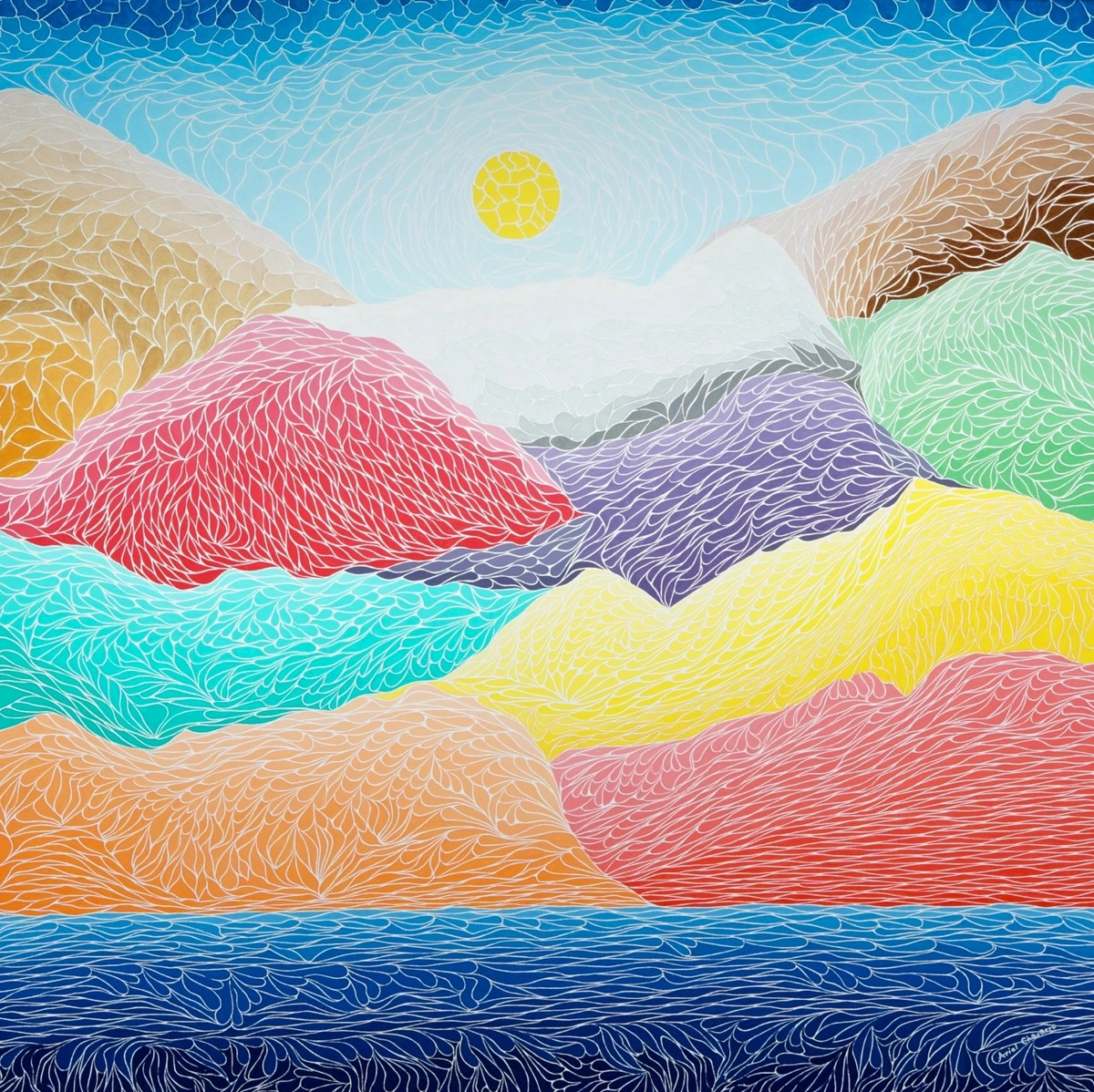

If you're inspired to start your own artistic journey, or perhaps explore art that consciously engages with this rich history, feel free to browse my collection or learn more about my artistic timeline.
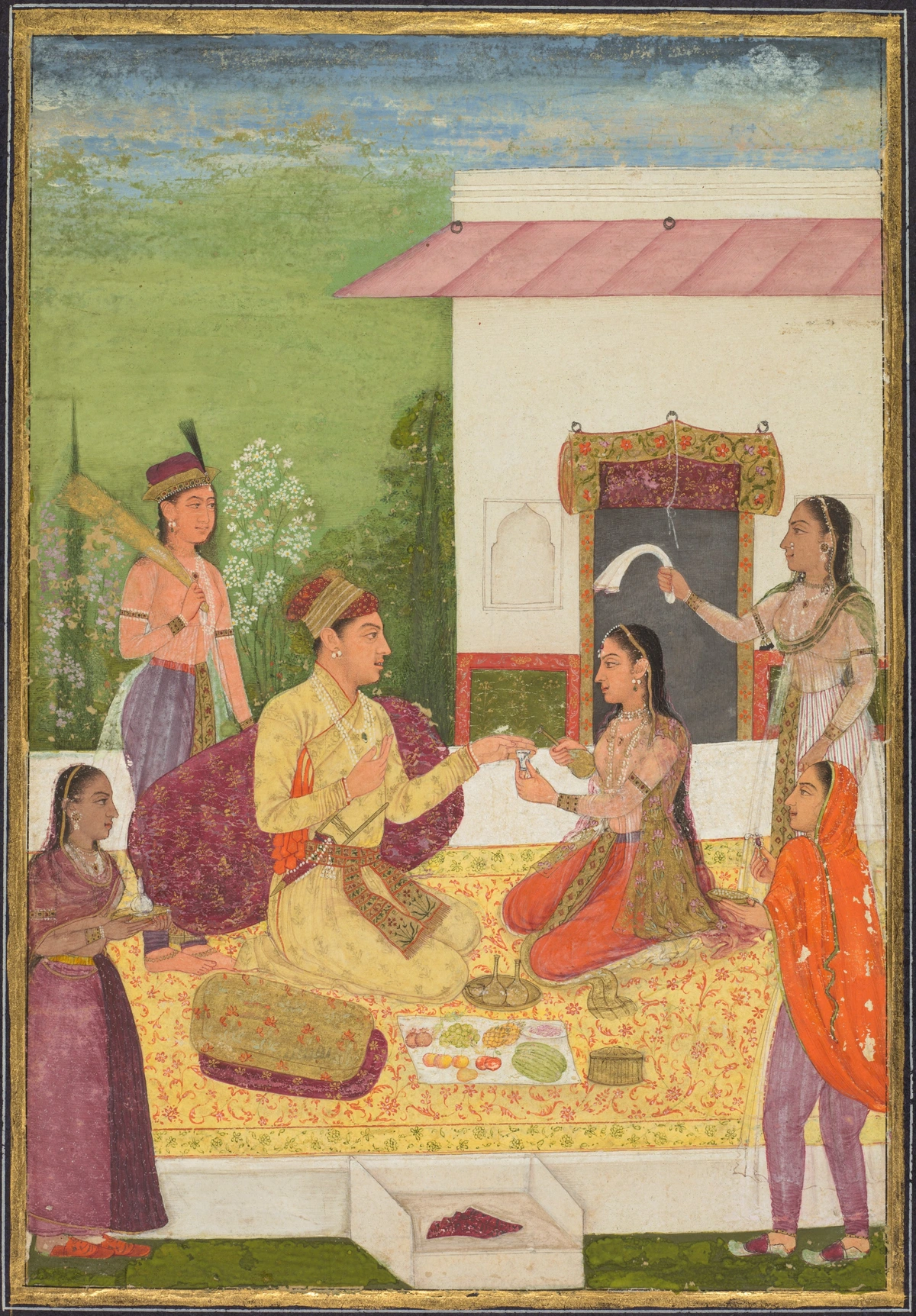
We could also talk about Mughal miniature painting from India, with its exquisite detail and rich narratives, or the Australian Aboriginal dot painting tradition, which carries deep spiritual and ancestral knowledge, often conveying complex Dreamtime stories and mapping ancestral lands. The world is truly brimming with these incredible artistic lineages, each offering a unique lens through which to understand human creativity and cultural expression.
Let's look at a few more examples in a structured way:
Tradition | Key Characteristics | Examples/Notable Works |
|---|---|---|
| Chinese Landscape Painting | Expresses harmony with nature, philosophical depth, delicate ink wash techniques, often includes calligraphy and poetry; emphasizes spiritual rather than literal representation. | Fan Kuan's Travelers Among Mountains and Streams, Guo Xi's Early Spring, Along the River During Qingming Festival |
| Islamic Geometric Art | Intricate mathematical patterns, calligraphy, arabesques, aniconism (avoidance of figural representation), emphasizes the infinite nature of God; found in architecture, ceramics, textiles, and manuscripts. | Alhambra palaces, mosaics in mosques, illuminated Qur'ans, tiles of the Blue Mosque |
| West African Bronze Casting | Often linked to spiritual and political power, highly detailed ceremonial objects, ancestral portraits, mask traditions; utilizes lost-wax casting technique. | Benin Bronzes, Ife heads, Dogon masks, Ashanti gold weights |
| Japanese Ukiyo-e Woodblock Printing | Depicts scenes of daily life, theater, landscapes, and courtesans; bold lines, flat colors, influential on Western art; emphasis on transient beauty and popular culture. | Hokusai's The Great Wave off Kanagawa, Hiroshige's Fifty-three Stations of the Tōkaidō, Utamaro's Beauties |
| Mughal Miniature Painting | Exquisite detail, vibrant colors, rich narratives often depicting court life, historical events, and natural scenes from India; a blend of Persian, Indian, and Islamic styles. | Akbarnama illustrations, portraits of emperors, Hamzanama |
| Australian Aboriginal Dot Painting | Connects to ancestral Dreamtime stories, maps sacred sites, uses symbolic dots and patterns, often collective creation; represents stories, ceremonial grounds, and food sources. | Works by Emily Kame Kngwarreye, Clifford Possum Tjapaltjarri, Papunya Tula art |
| Mesoamerican Art | Monumental architecture, complex iconography (deities, rituals, cosmology), intricate sculpture, vibrant murals; often tied to astronomy, sacrifice, and divine rule. | Mayan stelae, Aztec calendar stone, Teotihuacan murals, frescoes at Bonampak |
| Oceanic Art | Focus on ancestral spirits, ceremonial masks, intricate carving (wood, stone), tattooing, often functional and symbolic; deeply integrated with ritual and social structure. | Maori carvings, Easter Island moai, Sepik River masks, bark paintings from Arnhem Land |