
Classical Realism: Master Craft, Timeless Beauty & Atelier Artistry
Discover Classical Realism: a vibrant art philosophy reviving Old Master techniques for enduring beauty. Explore its history, core principles, rigorous atelier training, influential artists, and how it anchors modern art in truth and craftsmanship.

Classical Realism: Master Craft, Timeless Beauty & Atelier Artistry
I once stood before a pile of bricks, meticulously arranged and presented as high art. My mind raced, desperately trying to unlock the profound statement it was surely making, but my heart remained stubbornly silent, unmuffled by concrete and mortar. All those bold abstractions, wild experiments, and head-spinning conceptual leaps – think of Marcel Duchamp's readymades or the explosive gestures of Abstract Expressionism – often left me feeling intellectually challenged but emotionally cold. I yearned for something tangible, something rooted in the observable world, a testament to human hands and minds working in concert.
But then, almost like finding a hidden port in a storm, a different kind of movement began to coalesce. This was Classical Realism, and for me, it represents a deep sigh of relief, a grounding force. It's a purposeful return to the rigorous training, the enduring aesthetic values, and the sheer masterful techniques that defined the European Old Masters. And trust me, it’s not just some dusty, nostalgic imitation of what came before; I see it as a vibrant, contemporary artistic philosophy that offers an anchor in a tumultuous world. It empowers artists to infuse their unique contemporary voice and relevance into time-honored methods. It’s about pursuing truth and beauty, yes, but doing so through incredibly disciplined observation and time-honored craftsmanship, all filtered through a lens of subtle Aesthetic Idealism – the belief that art can refine reality to reveal a deeper, more universal beauty, not by distorting it, but by highlighting its most harmonious and resonant qualities. At its heart, Classical Realism embraces Mimesis, which isn't just mere copying, but the profound act of observing and understanding the natural world with meticulous skill to interpret and express its essence, capturing not just what something looks like, but what it is.
Join me as we unravel its rich history, delve into its core philosophy, celebrate the master artists who champion this tradition, and discover why its enduring pursuit of truth and beauty continues to resonate profoundly today.
This movement, to my mind, champions the profound idea that the skills honed from the Renaissance all the way through the 19th-century academies aren't obsolete at all. Quite the opposite, I think they form a timeless, absolutely essential language for artistic expression – much like music or mathematics offers a universal structure for understanding. It stands, quite purposefully, in direct contrast to many tenets of Modernism. Modernism often seemed to prioritize originality and the wholesale rejection of tradition, mimesis, and foundational skill above almost everything else. I mean, where's the fun in throwing everything out, right?
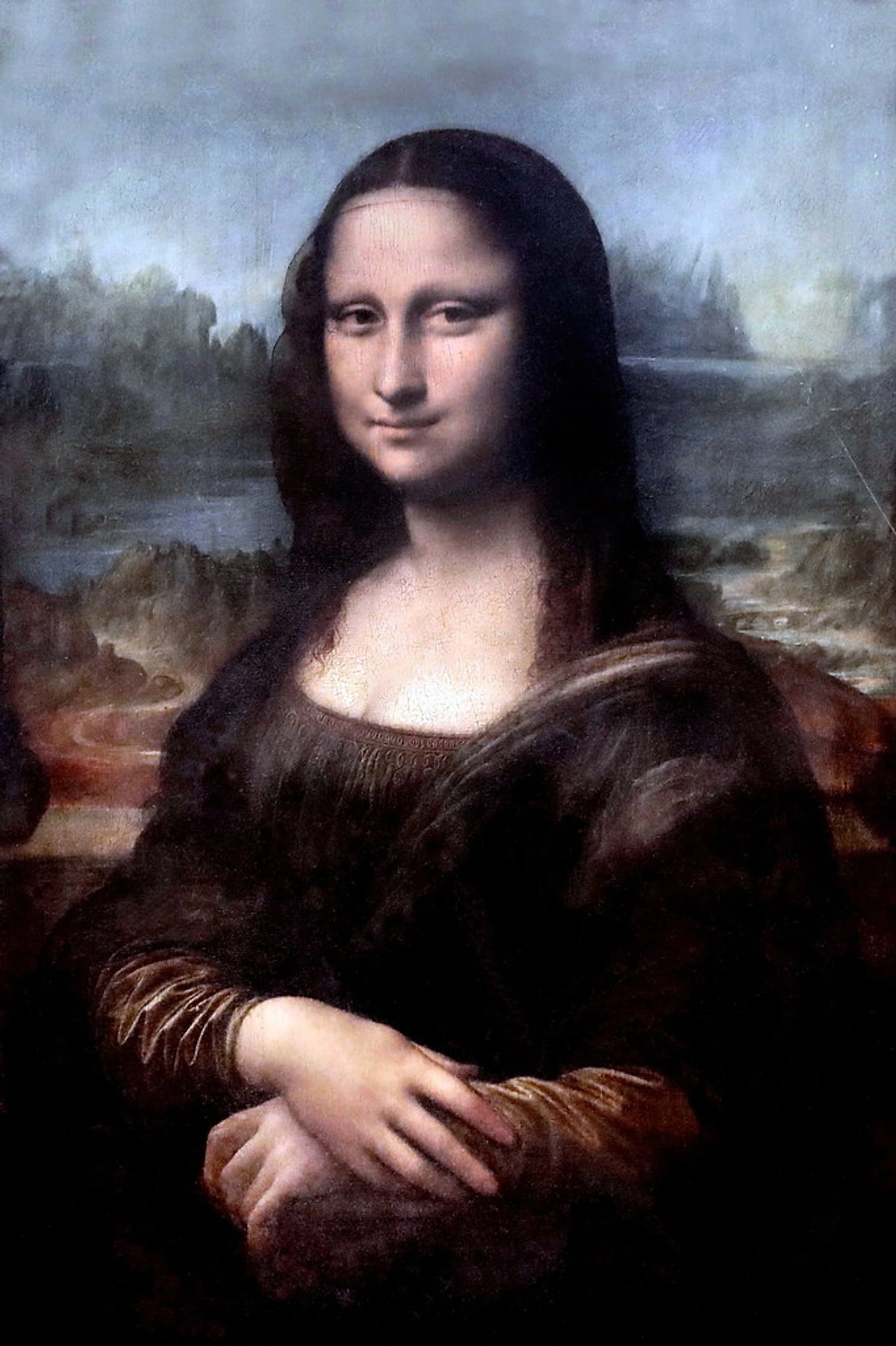
The Historical Context: A Rebellion Against Abstraction and a Call for Craft
So, how did we get here? By the mid-20th century, the art world, as I mentioned, had pretty much abandoned representational painting. Seriously, movements like Dadaism, Abstract Expressionism, Pop Art, and Minimalism had completely redefined what art could be, often divorcing it entirely from anything you could actually observe in reality. And for many viewers, myself included, this created a profound disconnect. It felt as though something inherently human about art – its ability to communicate shared experience and beauty – had been sidelined.
Art education in universities pivoted dramatically. Instead of mastering anatomical proportions or perspective, students often found themselves immersed in theoretical discourse, personal expression (sometimes, I'd argue, at the expense of foundational craft), and abstract conceptual frameworks. The foundational skills that, for centuries, had been the bedrock of art — rigorous life drawing to capture the human form's essence, systematic studies of anatomy for anatomical truth, the mastery of perspective for spatial depth, and classical painting techniques for enduring beauty — seemed to take a back seat. It fostered a pervasive sentiment that something deeply human and essential to art had been lost in translation.
This shift brought with it a perceived decline in craftsmanship. What did that look like? This meant less time spent meticulously copying plaster casts for accurate form, less emphasis on understanding light and shadow through dedicated tonal studies, and a general dismissal of the hands-on mastery that defined the Old Masters' genius. A certain painterly nuance, a convincing conveyance of form, an emotional expression that only deep technical mastery can truly unlock, seemed to vanish. Artists and thinkers observed not just a decline in execution but, perhaps more importantly, a dismissal of that universal human appreciation for beauty, recognizable form, and narrative – the innate recognition of balanced forms and harmonious compositions that speaks to something primal within us.
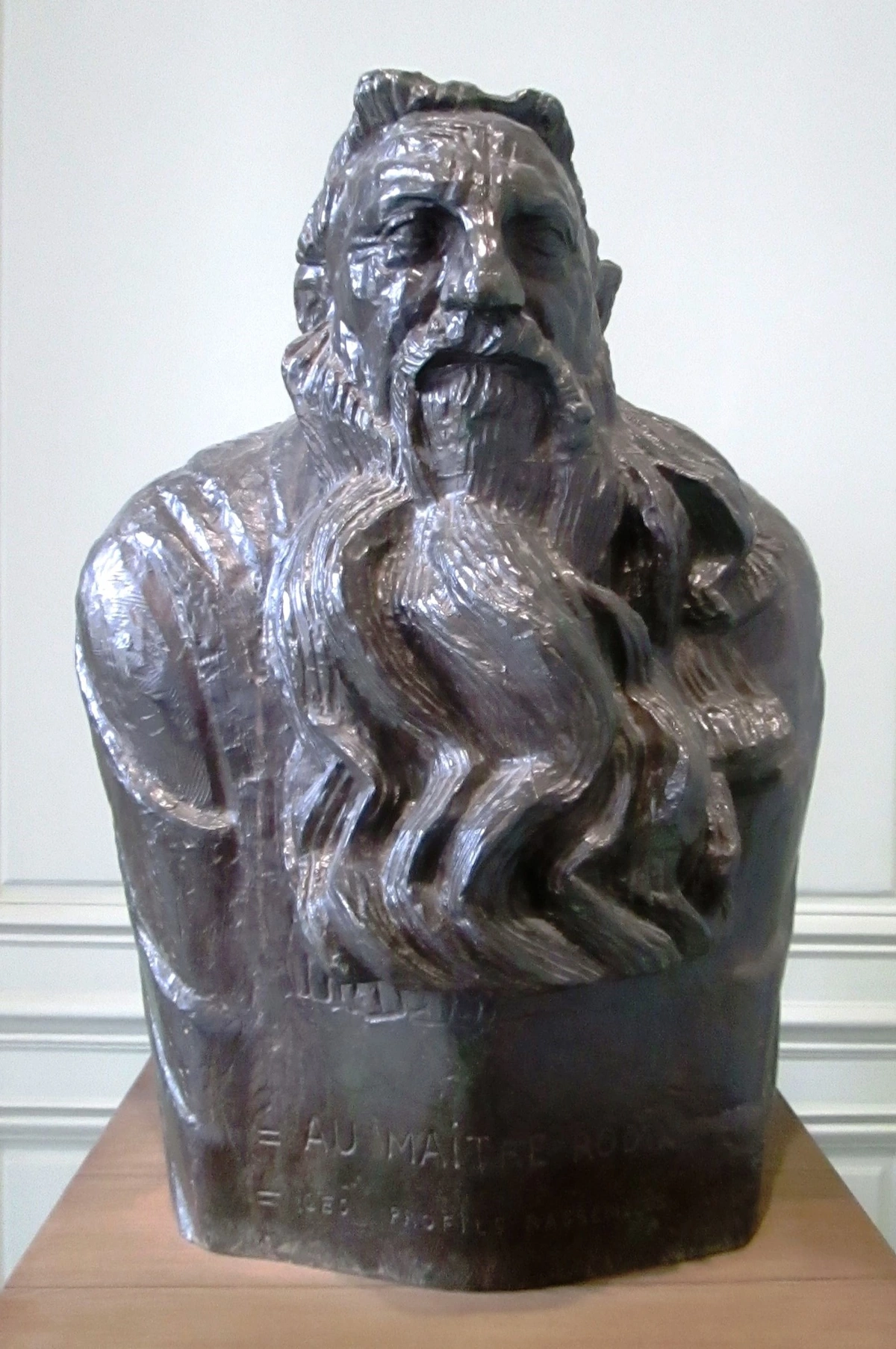
From this deep sentiment, the Classical Realist movement slowly began to coalesce. It was spearheaded by figures like R. H. Ives Gammell and his student Richard Lack, who, in 1982, actually coined the term "Classical Realism." Their mission was clear and deliberate: preserve and transmit the knowledge of the Old Masters. They did this by establishing small, independent studios, which we now know as ateliers, modeled directly on the workshops of the past. Think of it as a direct lineage of knowledge transfer, akin to a master blacksmith teaching an apprentice not just how to forge metal, but the very spirit of the craft, ensuring generations of skill and wisdom are passed down. This deliberate revival laid the groundwork for the meticulous artistic principles we're about to explore.
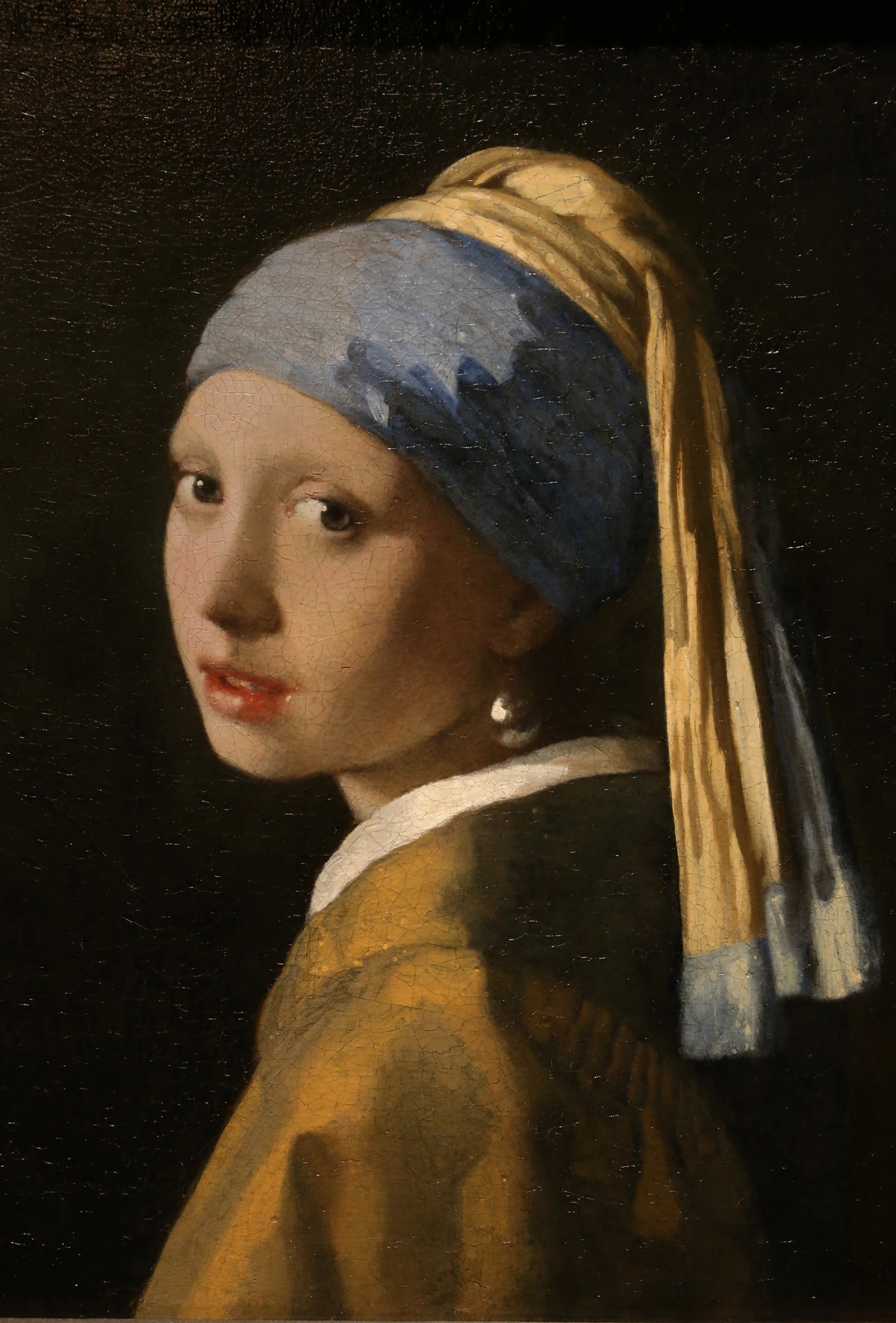
Core Principles and Characteristics: The Language of Timeless Art
The philosophy of Classical Realism is built, in my experience, upon a remarkably solid foundation of specific principles and techniques. The whole point, really, is to achieve a high level of naturalism, harmony, and what I’d call a deeply satisfying visual coherence. These characteristics are what truly set it apart from other forms of Realism and figurative art. Let's delve into what makes this approach so compelling.
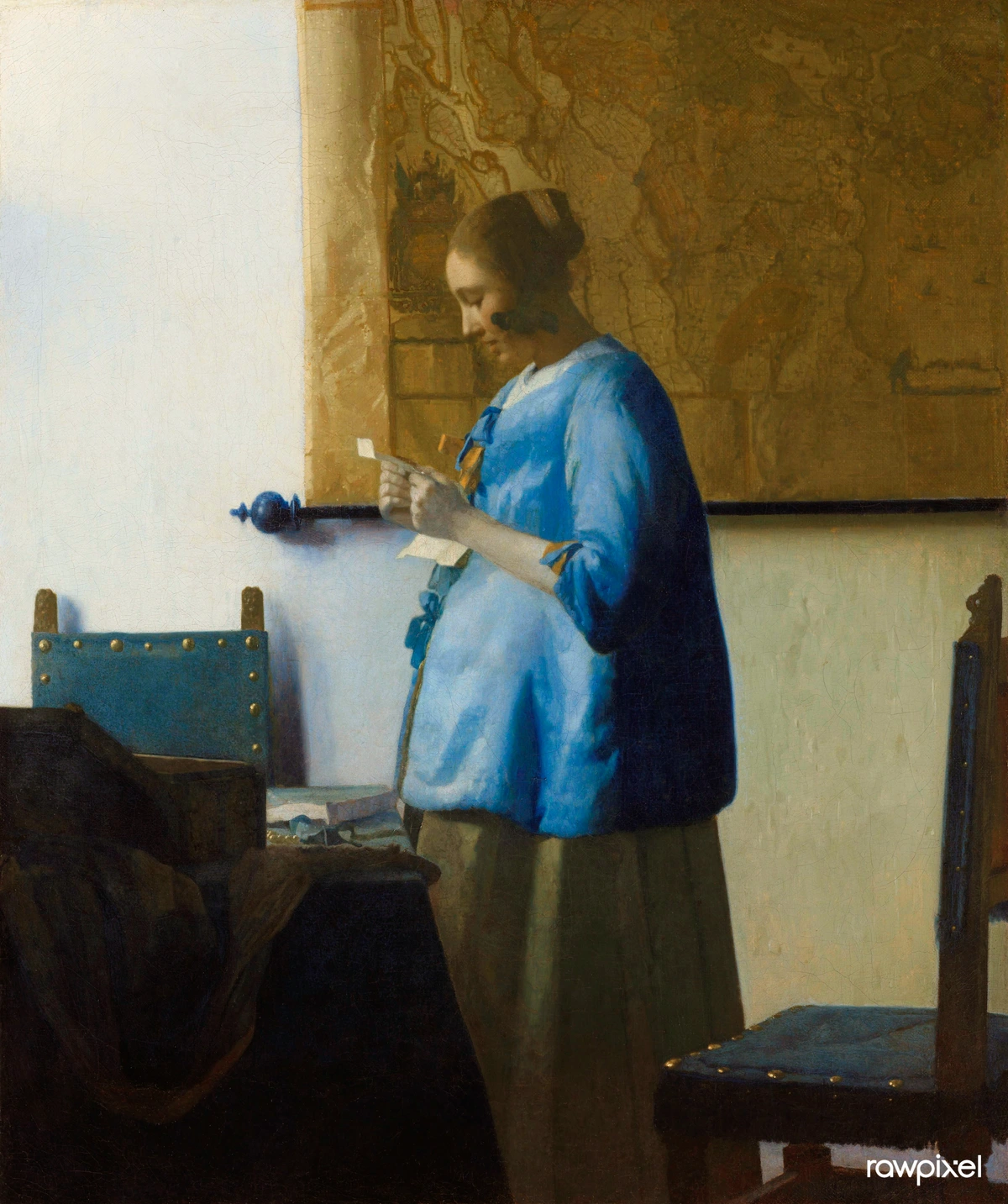
Characteristic  | Description | Why it Matters (My Perspective) |
|---|---|---|
| Primacy of Drawing | Drawing from life isn't just important; it's the absolute, non-negotiable foundation. Accuracy in proportion, gesture, and form is paramount because it's through drawing that an artist truly conceptualizes and plans form, structure, and spatial relationships before color even enters the picture. It forces you to 'think' in three dimensions, preventing reliance on color to fix structural issues. | If you can't draw it, you can't truly understand it, let alone paint it with conviction. It's the skeleton beneath the skin, the fundamental truth of form, a method of discerning and revealing essential beauty by distilling the observable world. |
| Modeling Form with Light | This is where the magic happens, and it’s all about understanding value – the lightness or darkness of a color. It’s a sophisticated understanding of how light and shadow play on surfaces, often using techniques like Chiaroscuro (dramatic contrasts of light and dark) to create that utterly convincing illusion of three-dimensionality. It’s how an apple stops being flat and suddenly feels perfectly round and real, using varying degrees of lightness and darkness rather than just hue. | This is how art transcends a flat surface and breathes life into a subject. It's how an artist sculpts form from light and shadow, imbuing flat surfaces with palpable volume and presence, subtly idealizing its effect to reveal the ultimate, inherent form. |
| Harmonious Color | Forget arbitrary splashes of paint. Classical Realism emphasizes a controlled, often beautifully muted color palette where every color relates harmoniously to the next. Principles of traditional color theory are applied to achieve a visual symphony, avoiding purely expressive or jarring uses of color and often using atmospheric perspective – making distant objects appear lighter, bluer, and less distinct, achieved with specific color temperature shifts – to enhance depth and realism. | Color should sing, not scream. It’s about creating a visual quietude, a subtle richness that invites contemplation rather than demanding attention. Every hue contributes to the overall emotional truth and the feeling of enduring beauty, working in concert to create a unified sensory experience. |
| Traditional Subject Matter | We're talking portraits, figure painting, landscapes, and still lifes. But they're not just subjects; they're treated with a certain gravity and a sense of timelessness, often achieved through deliberate composition, evocative lighting, and universal themes that transcend the specific moment. Why a still life of an apple? Because it's a profound study of light, form, and texture, a meditation on simple beauty and the enduring cycle of nature. Or why a portrait? To capture the enduring dignity and inner character of an individual, not just their fleeting appearance, but their inherent spirit. | These subjects are timeless because they speak to universal human experience. An apple isn't just an apple; it's a profound study of light, form, and texture, a meditation on simple beauty and the enduring cycle of nature. It’s a chance to idealize the mundane into the profound. |
| Emphasis on Underpainting and Layering | Before the final colors even touch the canvas, there's a meticulous process of underpainting (often in monochrome or limited color). This establishes the accurate values, forms, and foundational structure. This precise groundwork allows for subsequent layers of translucent glazes (thin, transparent layers of paint) and opaque paint (thick, covering layers) to build incredible depth, richness, luminosity, and optical effects. The glazes, in particular, allow light to penetrate and reflect off underlying layers, creating a vibrant glow. And of course, the crucial technique of 'fat over lean' is applied, ensuring that each subsequent layer has more oil, guaranteeing the painting's stability and longevity. | It's like building a meticulously crafted violin, where each layer of varnish and wood is applied with precision to achieve a resonant, luminous sound – this methodical approach is the secret to enduring luminosity and the subtle refinement of form. |
| Atelier Training | This is the bedrock of how skills are actually acquired. Knowledge is passed down directly from master to student in a workshop environment, emphasizing a systematic, step-by-step learning process that builds proficiency layer by layer. It's art education the old-fashioned, highly effective way, like a classical musician learning scales and complex compositions from a virtuoso. | Direct lineage of knowledge – it’s invaluable. You learn not just techniques, but how to think like a craftsman, internalizing centuries of accumulated wisdom. It’s the engine that keeps this art movement alive, fostering a direct connection to the masters of the past. |
| Aesthetic Idealism | While it's absolutely based on the observation of nature, the artist often filters reality through a classical lens, striving for subtle idealization of form. The goal isn't slavish copying, but to subtly refine the subject, to remove transient imperfections, and to achieve a more beautiful or perfect representation than mere reality might offer. Think of it as refining nature's whispers into a perfect, resonant song, where the artist acts as an editor, distilling the essential nature of the subject to reveal a deeper, more universal truth and beauty. | It's not about making things superficially 'prettier,' but about revealing an elevated truth – finding the perfect, resonant note in the cacophony of reality. Like a portrait, it captures not just how someone looks, but how they could be at their most dignified, reflecting an inner ideal and a universal standard of beauty. |
The Atelier Method: The Engine of Skill Transmission
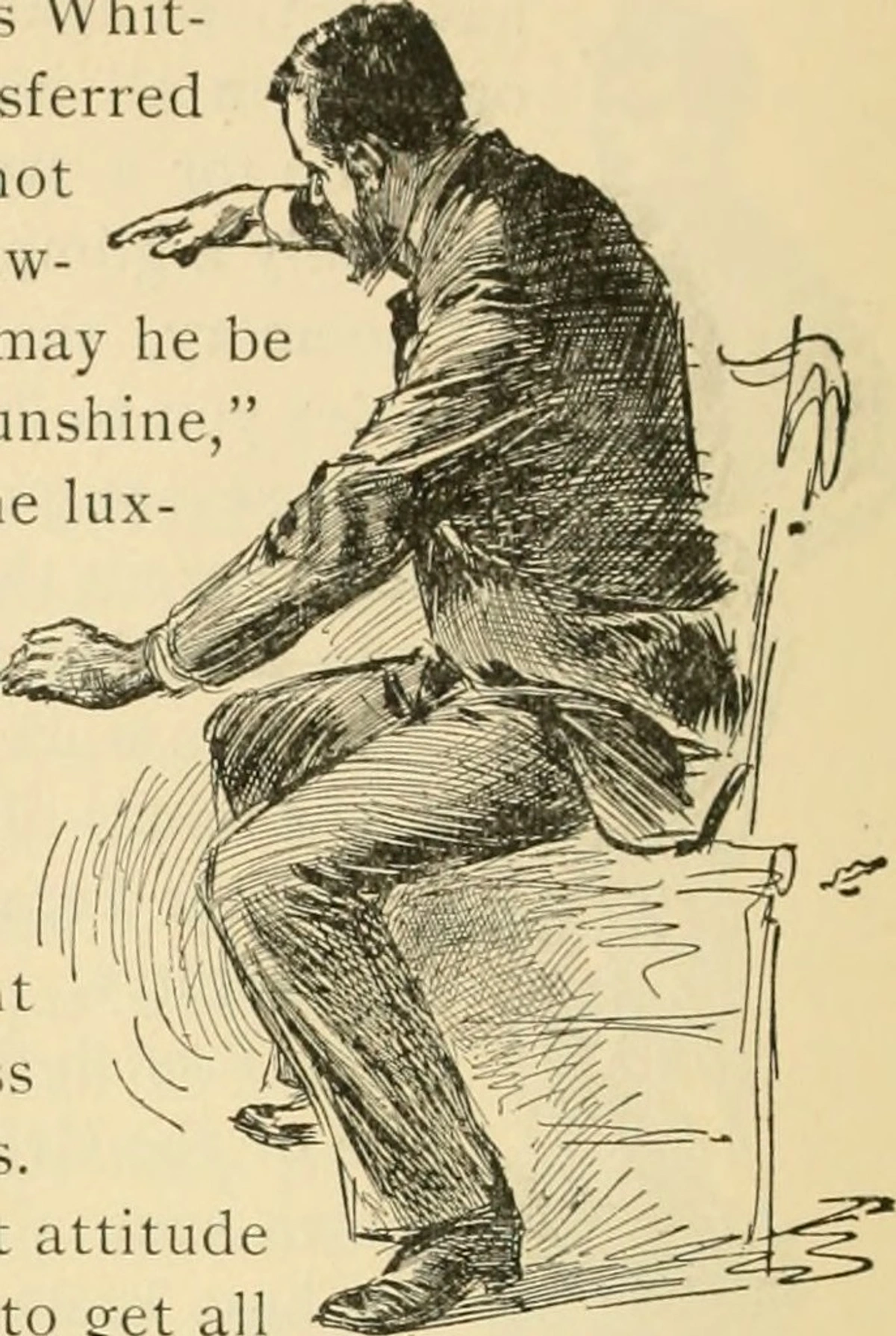
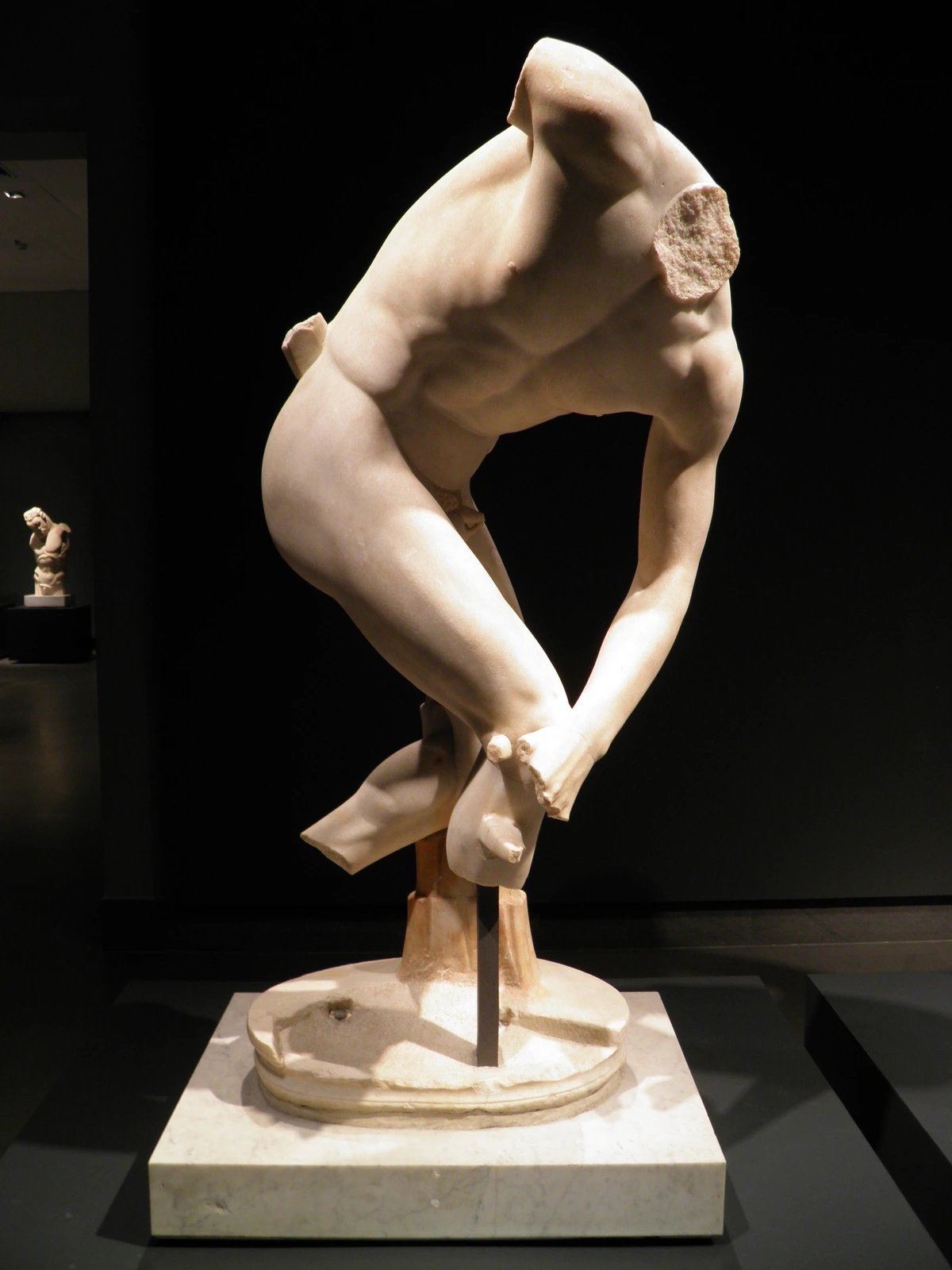
If you're asking me, the real beating heart of the Classical Realism revival is the atelier. It's a completely different beast from your typical university art department, and I mean that in the best possible way. Unlike many modern art schools that emphasize conceptual discourse and personal expression above all else, an atelier provides intensive, systematic training, plunging students deep into the classical method with a singular focus on observable skill and craft. I've heard stories (and seen the results!) of students spending years just on foundational exercises, starting with meticulous drawings of plaster casts – iconic pieces like the Apollo Belvedere or Venus de Milo – before ever moving to Bargue plate drawings, anatomical studies, and then to a live model. This methodical, multi-stage approach, paired with direct, hands-on critique from a master, ensures such a deep, visceral understanding of form, light, and how to handle materials. The critique isn't just about pointing out errors, but about guiding the student's eye and hand, imparting the master's understanding of form and light. This is the very same immersive, disciplined training that forged legends like Leonardo da Vinci and Rembrandt van Rijn, fostering a profound proficiency in drawing, painting, and composition over years of dedicated practice.
Materials and Mediums: The Tools of Timelessness
When we talk about Classical Realism, we're not just talking about what is painted, but how. The choice of materials is absolutely foundational, as they are integral to achieving the specific aesthetic qualities that define the movement. Most Classical Realists will lean heavily into oil paints. Why oils? Well, they offer incredible versatility: from thin, translucent glazes that build luminosity and depth, to thick, expressive impasto. The slow drying time allows for seamless blending, intricate layering (crucial for techniques like 'fat over lean' to ensure durability and prevent cracking), and delicate optical effects, which is essential for achieving those subtle shifts in tone and form that define the movement.
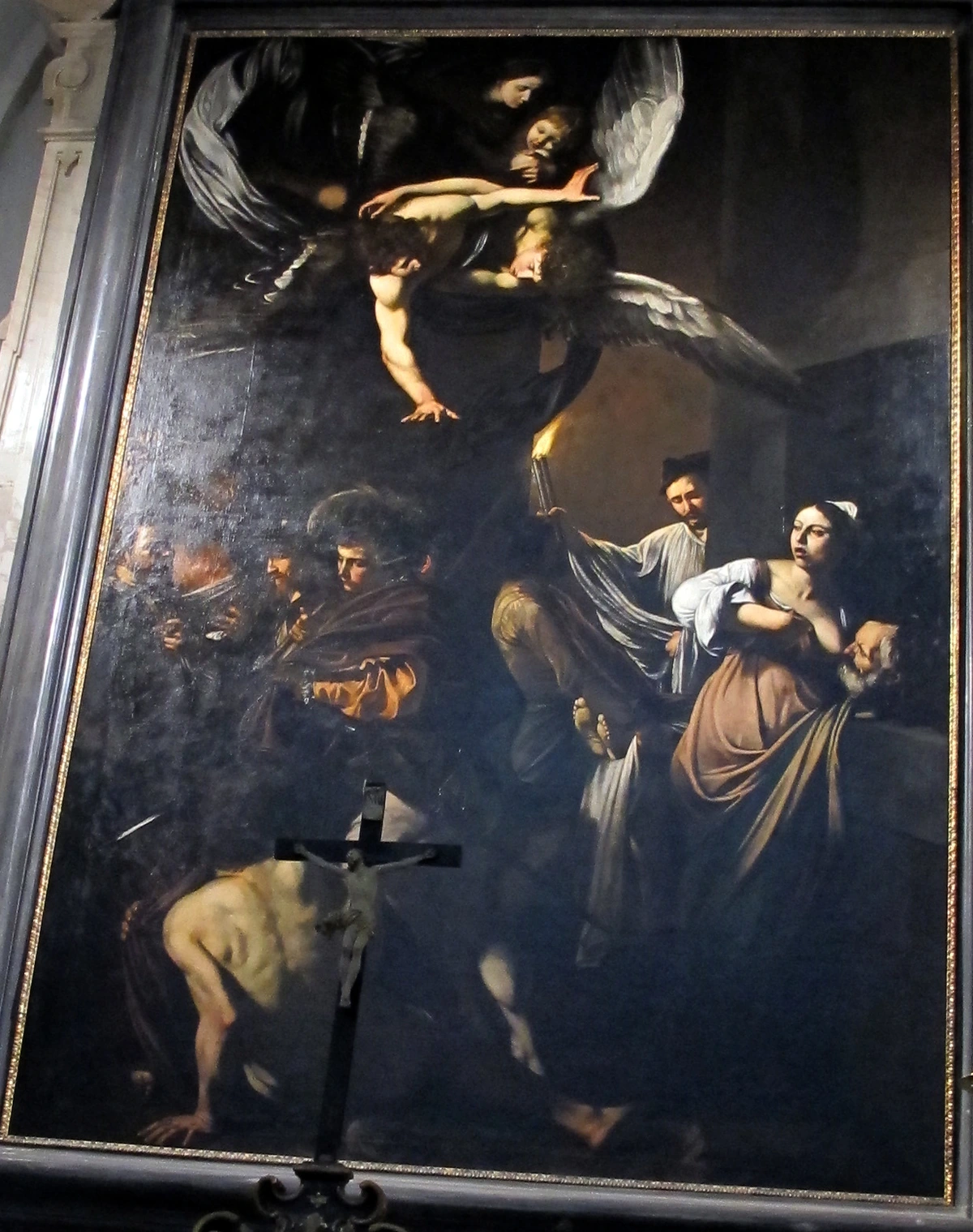
You'll also find an almost reverent approach to brushes – often natural bristle brushes (like hog bristle for impasto and broad strokes) and fine sable brushes for precise details. And the canvas? Prepared meticulously, often with multiple layers of traditional gesso (such as rabbit skin glue gesso) or acrylic gesso to create a perfectly smooth, non-absorbent surface. This provides the ideal ground for delicate brushwork, nuanced color application, and the layered approach, all contributing to the luminous and enduring quality of the final piece. It’s like a master chef who understands not just the ingredients, but the very soul of each utensil, the subtle influence of heat, and the precise moment to add the finishing touch for perfect, enduring flavor.

Classical Realism and Photography: A Modern Dialogue
In our visually saturated world, it’s worth asking: how does Classical Realism stand in relation to photography? After all, photography can capture reality with unparalleled accuracy. But this is precisely where the Classical Realist’s craft reveals its unique purpose. While both capture visual information, photography is a mechanical, instantaneous capture of a moment. Classical Realism, by contrast, is a thoughtful, interpretive act of synthesis and refinement. While photography captures a fleeting moment with undeniable fidelity, Classical Realism offers a deliberate, sustained engagement with its subject, allowing for deeper contemplation and a more profound synthesis of observed reality and artistic intent. It's a testament to the human mind's capacity to interpret, refine, and imbue the visual world with personal meaning and universal beauty, a quality a camera cannot replicate. A photograph is a slice of reality; a Classical Realist painting is a distillation, an interpretation, often bringing forth a deeper emotional resonance or a more profound sense of order than a simple photo ever could. It’s not just about what you see, but what you feel and understand about the subject’s enduring essence.
Key Artists and Institutions: Keeping the Flame Alive
Though it might feel like a quiet corner of the art world, the Classical Realism movement is defined by some truly influential artists who are also passionately dedicated educators. Their efforts, I believe, have fostered a global network of schools, all committed to preserving and pushing forward this classical tradition. This diaspora of knowledge and standardized curriculum ensures the methods of the Old Masters—artists like Titian (for his color), Raphael (for his drawing), and Rembrandt van Rijn (for his masterful manipulation of light and shadow)—continue to inspire and inform.
- Richard Lack (1928-2009): A truly foundational figure. He studied under Ives Gammell and went on to establish Atelier Lack in Minneapolis, which was one of the very first modern ateliers. His systematic approach to teaching and painting, often exemplified by his elegant portraits and luminous still lifes, laid much of the groundwork for the modern atelier movement. I always think of him as one of the great torchbearers.
- Jacob Collins (b. 1964): A leading contemporary realist painter known for his breathtaking figurative paintings and portraits, characterized by exquisite draftsmanship and a luminous quality reminiscent of the Old Masters. He is the visionary founder of the Grand Central Atelier in New York City, whose graduates often exhibit exceptional skill in rendering skin tones and drapery. His work exemplifies the movement's pursuit of beauty and skill.
- Daniel Graves (b. 1949): He founded The Florence Academy of Art (a pilgrimage site for many), which has honestly become one of the most prominent and respected institutions for classical art training in the world, emphasizing rigorous anatomical study and drawing from life, often seen in the powerful figure drawings and nuanced portraiture of its graduates.
- Juliette Aristides (b. 1971): A celebrated painter and author of incredibly influential books on classical drawing and painting, such as "Classical Drawing Atelier" and "Classical Painting Atelier." Her elegant and refined portraits and still lifes demonstrate a profound understanding of light and form. She founded the Aristides Atelier in Seattle, continuing the lineage with grace and profound insight, often focusing on domestic still lifes rendered with exquisite detail.
Classical Realism vs. Other Art Movements: Understanding the Distinctions
To truly grasp Classical Realism, I think it’s immensely helpful to compare it with both its relatives and its stark contrasts in the art world. It helps clarify where it sits in the grand conversation, particularly concerning art movements of the 21st century.
Movement | Philosophy & Goals | Technique | Subject Matter | Key Visual Characteristic |
|---|---|---|---|---|
| Classical Realism | To create beautiful, idealized representations of nature using classical methods. It's a thoughtful synthesis of observation and tradition, often seeking to perfect reality and imbue subjects with universal significance. | Meticulous drawing, controlled color harmony, sophisticated modeling of form with light and shadow (e.g., Chiaroscuro), subtle idealization of form, and a focus on anatomical accuracy and perspective. | Traditional genres: portrait, figure, still life (like a detailed Still Life with Rayfish), landscape. Often imbued with a sense of timelessness and dignity. | Luminous, refined, and subtly perfected reality. |
| Realism (19th C.) | To depict the world truthfully, without artifice or idealization. Often focused on the lives of ordinary people and social commentary, sometimes grittier. Emphasized verisimilitude and the depiction of mundane and often unvarnished reality. | Observational, but often with a more direct, less polished finish. Brushwork can be more visible, less polished, e.g., Gustave Courbet's work. | Everyday life, labor, social conditions, un-idealized nature – basically, life as it really was, reflecting contemporary society. | Unvarnished, often gritty, direct observation. |
| Neoclassicism (18th-19th C.) | To revive the ideals of classical antiquity (ancient Greece and Rome) in art, emphasizing order, clarity, balance, and moral rectitude. A reaction against the perceived frivolity of Rococo. Often served didactic or political purposes. | Precisely drawn lines, sculptural forms, clear compositions, often a restrained palette. Emphasized intellect over emotion. | Historical, mythological, and allegorical subjects, often depicting heroic deeds or moral dilemmas. Dignified portraits. | Orderly, severe, often sculptural and morally instructive. Often characterized by sharp outlines and a sense of sculptural form, sometimes appearing more severe or detached than Classical Realism's warmer approach. |
| Academic Art (19th C.) | To uphold established artistic conventions and idealize historical, mythological, and allegorical subjects, often with moralizing themes. Heavily influenced by official salons and strict hierarchical rules of official academies. While Neoclassicism was a style favored by academies, Academic Art encompasses the broader institutional approach. | Highly polished, finished surfaces; emphasis on traditional drawing, composition, and often grandeur. Considered the "correct" way to paint for its time, often valuing technical perfection and grand narratives. | Historical scenes, mythology, allegory, literary narratives, grand portraits. Often heroic or moralizing narratives, large scale and highly theatrical. Often grand narratives intended to convey moral lessons or celebrate historical triumphs, aiming for a universally understood and 'correct' artistic expression. | |
| Photorealism | To reproduce a photograph as accurately as possible in another medium, often exploring the mediated nature of reality and photography's effect on perception. The goal is perfect replication, often a clinical precision. | Often uses airbrushes, grids, and projectors to replicate photographic detail exactly. Can feel almost clinical in its precision, aiming to erase the artist's hand. | Contemporary scenes, reflective surfaces, portraits based directly on photos. It's about copying a source image to comment on perception and media. Often chosen for their ability to challenge perception, such as reflections, blurred motion, or repetitive patterns, highlighting photography's mediating role. | |
| Contemporary Realism / Hyperrealism | To depict subjects with an extreme level of detail and fidelity, often pushing the boundaries of photographic representation in other media, exploring the nature of reality and perception in the modern age. | Meticulous detail, often using airbrushes, grids, or projectors to achieve near-perfect replication of source images; erasure of the artist's hand. | Contemporary scenes, urban landscapes, portraits, still lifes, often focusing on the mundane or overlooked with extraordinary detail. | Ultra-realistic, precise, often with a hyper-detailed, almost clinical appearance. |
| Baroque Art (17th-18th C.) | To evoke intense emotion, drama, and grandeur, often in service of the church or state. The goal was to move the viewer profoundly through strong emotional "affect." | Dynamic compositions, dramatic use of Chiaroscuro and Tenebrism, a powerful sense of movement, and use of strong diagonals and foreshortening for dynamism. Much less emphasis on quiet harmony and subtle idealization than Classical Realism, prioritizing emotional manipulation. Often characterized by strong diagonals, dynamic movement, and emotional intensity, contrasting with Classical Realism's preference for balance and harmonious order. | Religious narratives, mythological scenes, dramatic portraits, often with a theatrical flair and grand scale, intended to inspire awe and devotion. Often propaganda for church and state. | Dramatic, emotional, dynamic, and theatrically grand. |

Aesthetic Idealism: Refining Reality, Not Just Beautifying It
This concept of "Aesthetic Idealism" is one that always fascinates me, and it’s a cornerstone of Classical Realism. It’s easy to misunderstand it as simply making things "prettier," like adding superficial embellishments. But it's far more profound than that. Imagine looking at a perfectly ripe apple: it's beautiful in its natural state. Now imagine a chef selecting the most perfect apple from a basket, highlighting its smooth skin, its rich color, and its ideal shape. The chef isn't changing the apple, but revealing its inherent perfection more clearly. While Classical Realists meticulously observe nature, they don't aim for a raw, unfiltered replication (that's more 19th-century Realism or Photorealism). Instead, they subtly, thoughtfully, refine what they see. This isn't about arbitrary embellishment; it's achieved through careful compositional choices, harmonious color palettes, and the masterful use of light and shadow to enhance natural rhythms of form, or by selecting the most harmonious aspects of the subject. They might subtly smooth out visual noise or distractingly transient imperfections, for example, to allow the essential structure and inherent beauty of the form to shine through with greater clarity and impact.

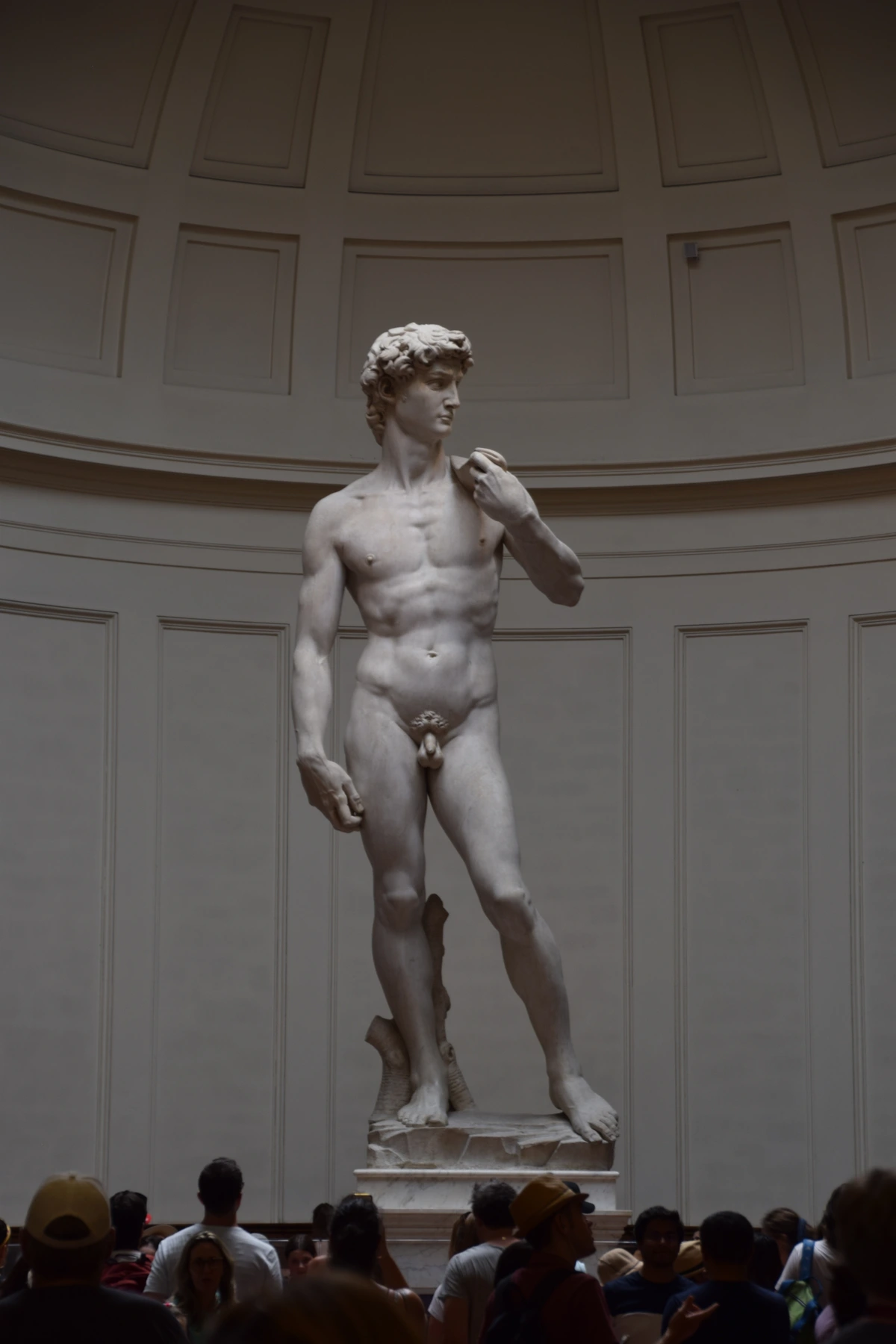
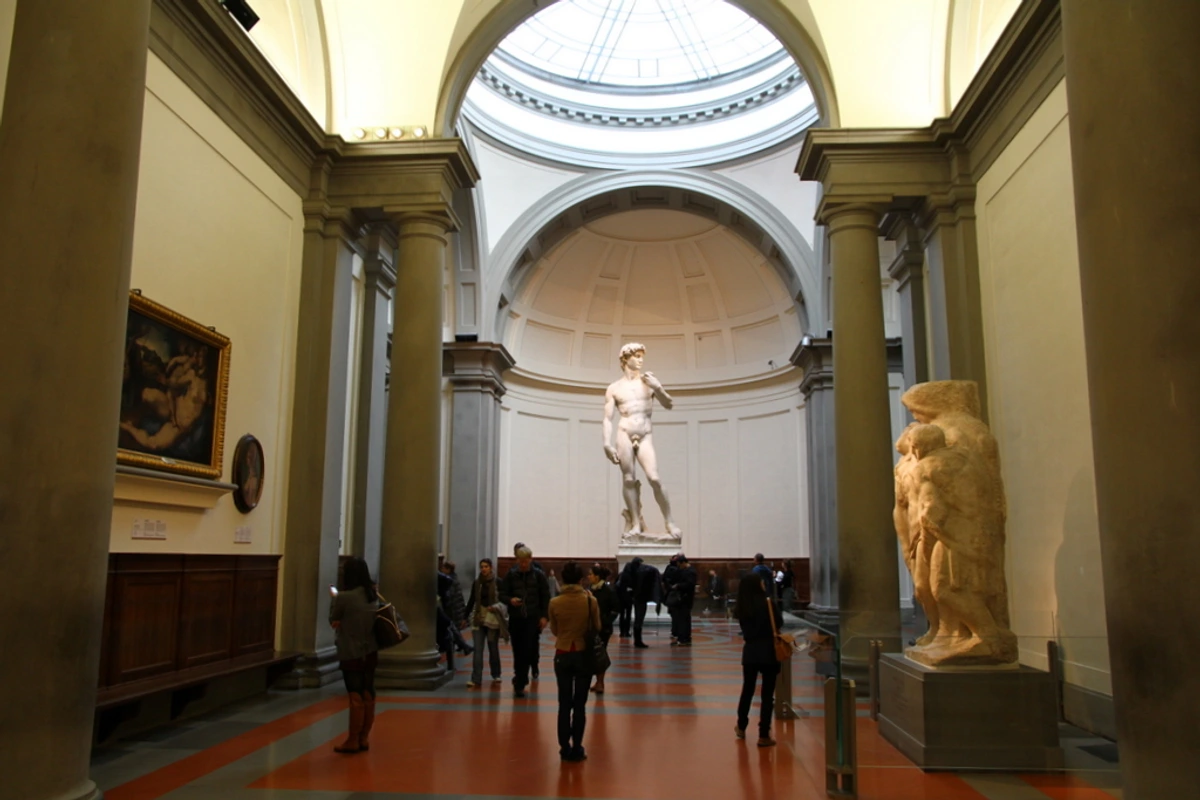
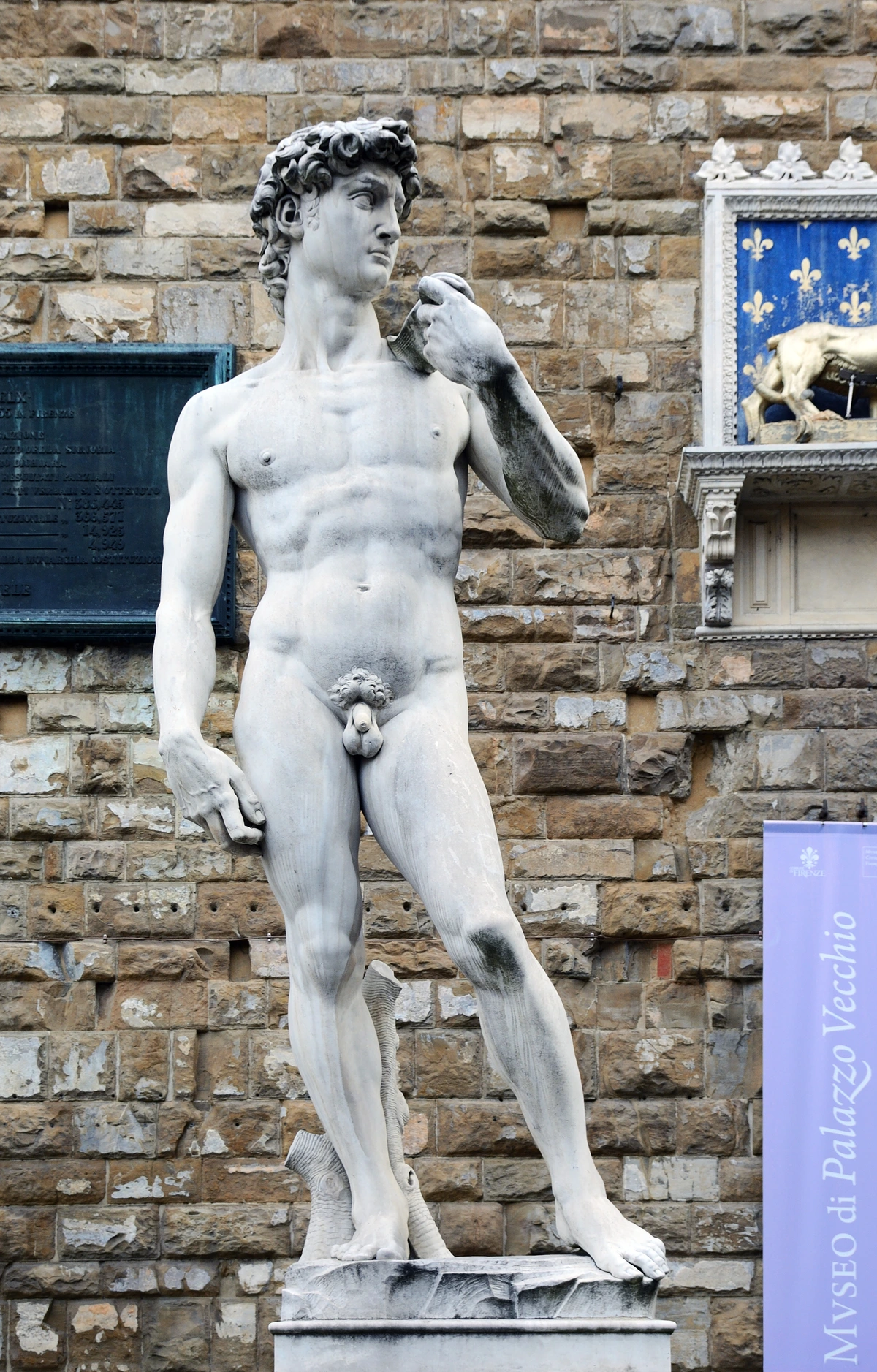
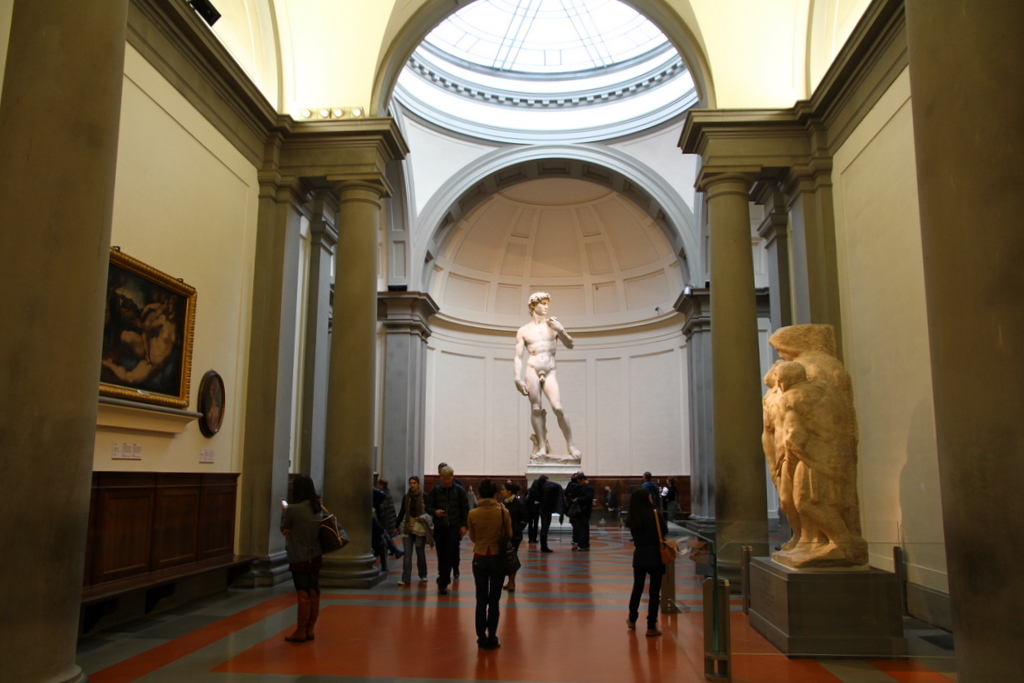
Imagine a portrait of a person: a Classical Realist might gently smooth a few lines that detract from a noble expression, subtly enhance a feature to bring out the sitter's inherent character, or arrange the lighting to emphasize their dignity, rather than merely capturing every passing imperfection. It's about distilling the essence, presenting the subject not just as they are, but as they could be, or as their most beautiful and harmonious self. For me, it’s about capturing a deeper truth – an objective truth of form and a universal beauty – by gently editing the transient quirks of reality. It takes tremendous skill and a very particular artistic eye to do this without losing the subject's soul. Michelangelo's David, for example, is a perfect human form, drawing on the ideals of classical Greek sculpture (think Praxiteles or Polykleitos), embodying not just physical perfection but an inner strength and nobility that transcends a literal likeness. His work, like the renowned statue found in Florence, epitomizes this search for an elevated truth in art – an approach mirrored by contemporary Classical Realists who seek to reveal essential beauty by distilling nature's essence through masterful observation and refinement, rather than mere replication.
Critical Reception, Originality, and Modern Challenges
So, what do people think of Classical Realism today? Well, it's a bit of a mixed bag, as most interesting things are! Its proponents celebrate its dedication to craftsmanship, its beauty, and its profound connection to art history. They see it as a much-needed antidote to what some perceive as the excesses or superficiality of parts of the contemporary art world. For them, it represents a timeless standard of excellence.
However, the movement isn't without its critics. Some argue that its deep respect for tradition can sometimes veer into conservatism, leading to accusations of being "too focused on the past," or lacking in the conceptual daring that defines much contemporary art. They might suggest it's merely a technical exercise, a beautiful but ultimately unchallenging re-enactment of old styles, and that it doesn't "push boundaries" or reflect the complexities of modern life with the same urgency as more avant-garde movements. But does adherence to timeless principles inherently limit contemporary relevance? I'd argue it doesn't.
But I think that misses the point entirely. The challenge for today's Classical Realist isn't just to paint beautifully – though that's a monumental achievement in itself! It's to find their own unique voice within this rigorous tradition, to apply these timeless skills to contemporary subjects with fresh eyes, or to infuse classic themes with modern sensibilities and psychological depth. For example, an artist might paint a bustling modern cityscape using the dramatic chiaroscuro techniques of the Baroque, revealing a timeless human drama in the urban environment, thus applying classical principles to a contemporary subject in an original and profound way. Originality within Classical Realism isn't about rejecting the past wholesale; it's about a unique interpretation of its principles, a deeply personal viewpoint, and the innovative application of traditional techniques to express something profoundly new or relevant to the present moment. It’s about creating art that resonates now, while standing firmly on the shoulders of giants.
One of the main challenges is indeed finding a market that truly understands and values their work alongside more conceptually driven contemporary art. The art world's patronage models have shifted dramatically, and there's often a perception that conceptual innovation, readily reproducible digital art, or even NFTs, are more 'cutting-edge' or commercially viable than the painstaking, physical labor of a classically trained artist. This impacts pricing, gallery representation, and collector interest, making it a constant uphill battle for artists and galleries to champion a movement that emphasizes skill and beauty as paramount. The enduring, physical nature of Classical Realist art, painstakingly crafted over time, also stands in stark contrast to more ephemeral, digital, or purely conceptual trends, offering a tangible, almost sacred connection to artistic labor and human touch. But the enduring human desire for art that both challenges and comforts, that shows both mastery and meaning, ensures Classical Realism continues to find its admirers and practitioners.
The Enduring Pursuit of Truth and Beauty: Why It Resonates
When I think about the core drive behind Classical Realism, it always comes back to a profound search for truth and beauty. But what exactly do these words mean in this context? For a Classical Realist, 'truth' isn't about capturing every fleeting, imperfect detail of reality. Instead, it's about revealing a deeper, essential truth of form, structure, and human experience. It's the truth that lies beneath the surface – the universal principles that govern visual harmony, natural order, and the inherent character of a subject. And 'beauty' isn't just about superficial prettiness or subjective preference; it's about a timeless, objective beauty found in balance, proportion, and aesthetic harmony – a beauty that resonates across cultures and eras. It's the kind of beauty that feels inherently 'right,' harmonious, and resonant, not just 'nice.' It’s a pursuit that aligns art with the very fabric of existence, a timeless quest to understand and articulate the deeper order of the world through the artist's hand and eye. This is why, even in our fast-paced, fragmented world, the quiet, disciplined pursuit of Classical Realism offers such a powerful and grounding counter-narrative.
Classical Realism in Practice Today: A Living Tradition
While the foundations of Classical Realism are ancient, its practice today is anything but stagnant. Contemporary Classical Realists are actively engaging with the modern world, often blending traditional techniques with sensibilities that reflect our present moment. You'll find artists meticulously rendering the human form in contemporary settings – think portraits of individuals in tech industries or healthcare professions, painted with the dignity and insight of the Old Masters. They create portraits that speak to modern psychological depth, or paint still lifes that feature objects holding personal, cultural, or even societal significance today – perhaps a collection of antique books alongside a smartphone, rendered with the same meticulous care. Some are even exploring how classical principles can inform digital art, 3D modeling, or animation, proving that the commitment to craft and the pursuit of truth and beauty are not confined to a specific historical period or medium. These artists aren't just preserving a tradition; they're actively evolving it, demonstrating that mastery of fundamental skills remains profoundly relevant and powerful in any artistic era. They remind me that true innovation isn't always about rejecting everything, but often about applying deep understanding in a fresh, personal way.
For those drawn to this blend of tradition and contemporary expression, finding Classical Realist art is easier than ever. Many contemporary ateliers maintain vibrant online galleries showcasing their students' and masters' work, and dedicated art galleries specialize in contemporary figurative and realist art. A simple search for "Classical Realist artists," "contemporary atelier art," or "modern Old Masters" online will reveal a thriving and growing community. You might even discover opportunities to buy directly from artists or through specialized platforms, connecting you with works that speak to enduring values of skill and beauty.




Frequently Asked Questions about Classical Realism
Here are some common questions I hear about this fascinating art movement:
- What is the main difference between Classical Realism and 19th-century Realism? Classical Realism, while observational, aims to idealize nature, seeking a more perfect or beautiful representation, often with a sense of timelessness and universal beauty. 19th-century Realism, on the other hand, focused on depicting the world as it truly was, including its mundane or even gritty aspects, without idealization and often with social commentary.
- How is Classical Realism different from Neoclassicism? While both draw inspiration from classical ideals, Neoclassicism (18th-19th C.) was a specific historical movement focused on reviving ancient Greek/Roman aesthetics, often with didactic or political aims, emphasizing clear lines and moral themes. Classical Realism is a modern revival movement (mid-20th C. onward) that emphasizes Old Master techniques and aesthetic idealism through direct observation of nature, aiming for a deeper, refined realism rather than strictly historical or mythological themes.
- Is Classical Realism a conservative art movement? It's often perceived that way due to its adherence to historical techniques and aesthetic values. However, many practitioners argue that it offers a progressive path forward by re-emphasizing fundamental skills and enduring principles of beauty, allowing for profound personal expression and contemporary relevance within a rigorous framework. Originality comes from unique interpretation and innovative application, not just rejection of the past or a purely conceptual approach.
- What is an atelier and how does it relate to Classical Realism? An atelier is a small, independent art studio or workshop, modeled on historical art apprenticeships. It's the primary method through which Classical Realism skills are taught and transmitted, emphasizing systematic, hands-on training from master to student in drawing, painting, and composition.
- Does Classical Realism only paint traditional subjects? While it draws inspiration from traditional genres like portraiture, figure painting, landscapes, and still lifes, contemporary Classical Realists often apply these methods to modern subjects and themes. The 'traditional' aspect lies more in the approach to rendering than strictly in the choice of subject matter.
- How does 'Aesthetic Idealism' manifest in Classical Realism? Aesthetic Idealism means that artists don't just copy nature but subtly refine it. They might enhance beautiful features, correct transient imperfections, or arrange elements to create a more harmonious and universally appealing image. The goal is to reveal a deeper, essential truth and beauty inherent in the subject, rather than just its literal appearance, without losing its core character. This is achieved through masterful command of drawing, composition, and light, carefully editing reality for an elevated truth.
- Is the training in Classical Realism extremely difficult and time-consuming? Yes, the training in an atelier is known for being rigorous and demanding, often requiring years of dedicated practice to master foundational skills. However, this intensive approach ensures a deep, visceral understanding of drawing, painting, and composition that is unparalleled. It's a commitment, but one that rewards students with profound technical proficiency and a unique artistic sensibility.
- What are common pitfalls for aspiring Classical Realist artists? Aspiring artists might struggle with impatience, wanting to move too quickly past foundational exercises. Another pitfall is mistaking slavish copying for true observation and interpretation, or becoming overly discouraged by the rigorous technical demands. Maintaining discipline, embracing constructive critique, and consistently seeking to understand the 'why' behind the techniques are crucial for navigating these challenges.
In a world where art can sometimes feel increasingly ephemeral or disconnected from foundational skill, Classical Realism stands as a steadfast beacon. It offers a profound return to craftsmanship, a celebration of beauty, and a continuous dialogue with the timeless masters. It's not just about looking back, but about equipping artists with an enduring language to express truth and beauty in any era. If you've ever felt that yearning for art that speaks with clarity, skill, and soul, then I truly believe exploring Classical Realism is a journey well worth taking. It's a testament to the idea that some things, like the pursuit of masterful artistry and the dignity of human craft, never truly go out of style. Perhaps, like me, you'll find it a refreshing anchor in the ever-shifting currents of contemporary art, reminding us of the profound power of dedicated craft and enduring aesthetic vision. We invite you to explore further on Zenmuseum.com and discover the timeless appeal of this vibrant tradition.