Beyond the Famous Names: 5 Underrated Female Artists You Should Know
A personal and passionate guide to discovering incredible but overlooked female artists. Dive into the stories and works of women who changed art history forever.

Beyond the Famous Names: Your Ultimate Guide to Underrated Female Artists
When I think about "Great Artists," if I'm being honest, my mind used to conjure a familiar roster of men – the Rembrandts, Picassos, and Pollocks of the world. And to be fair, for a long time, the dominant narrative of art history has tended to illuminate certain paths while leaving others in shadow. But here’s what truly excites me: the most transformative, paradigm-shifting treasures aren't always front and center in the main gallery. Often, the most profound discoveries are found tucked away in the footnotes, patiently awaiting our eager gaze. This isn't merely about correcting historical oversights, though that pursuit is undeniably critical. For me, it’s about something far more expansive: it’s about enriching our collective understanding of human creativity in the most profound ways possible. It’s about stretching your artistic horizons and finding voices that resonate deeply, perhaps in ways you never anticipated.
Consider this your exclusive, all-access pass to a meticulously curated journey. I'm here to introduce you to a constellation of extraordinary female artists whose resilience, visionary genius, and profoundly impactful work have, quite frankly, blown my mind and reshaped my entire perspective on art. Their stories, their struggles, and their triumphs deserve to be etched into common knowledge, not relegated to academic whispers. It’s high time we pull back the curtain on these incredible visionaries and bestow upon them the spotlight they've always deserved within the magnificent global tapestry of art.
This article transcends a mere list; it's a heartfelt invitation to deepen your appreciation for art history itself – to question the narratives we've inherited and actively seek out a more complete, more vibrant picture. Together, we’ll embark on an exploration of some of the most impactful, yet often unsung, female artists across diverse periods and movements. We’ll delve into their fascinating lives, their groundbreaking artistic breakthroughs, and crucially, why their contributions are so vital to our collective understanding of human creativity. Prepare to have your artistic horizons stretched, expanded, and utterly transformed – in the most exhilarating way imaginable, opening new avenues for discovery and inspiration.
The Unseen Trailblazers: Reshaping Movements from the Shadows and Systemic Barriers
Before we dive into the powerful narratives of individual artists, let's confront a crucial, and often infuriating, truth: many of the female artists who broke new ground didn't just create art; they actively painted against the prevailing currents of their era. They wrestled with monumental systemic barriers, navigated dismissive critics who questioned their very capacity for genius, and often chafed under suffocating societal expectations that actively sought to keep them out of the studio, the academy, and the gallery. Can you even imagine the immense fortitude required to simply fight for the right to exist as an artist, let alone create groundbreaking and influential work?
Their art, therefore, is far more than just aesthetically powerful; it’s a profound testament to immense personal courage, an unwavering, almost defiant, commitment to their craft, and a quiet yet persistent rebellion against a world designed to sideline them. These women redefined what was possible, often doing so without the recognition, public platforms, or lucrative commissions that their male counterparts routinely received. Theirs is a history of brilliance achieved against seemingly insurmountable odds, frequently starting with the most basic struggle for artistic legitimacy.
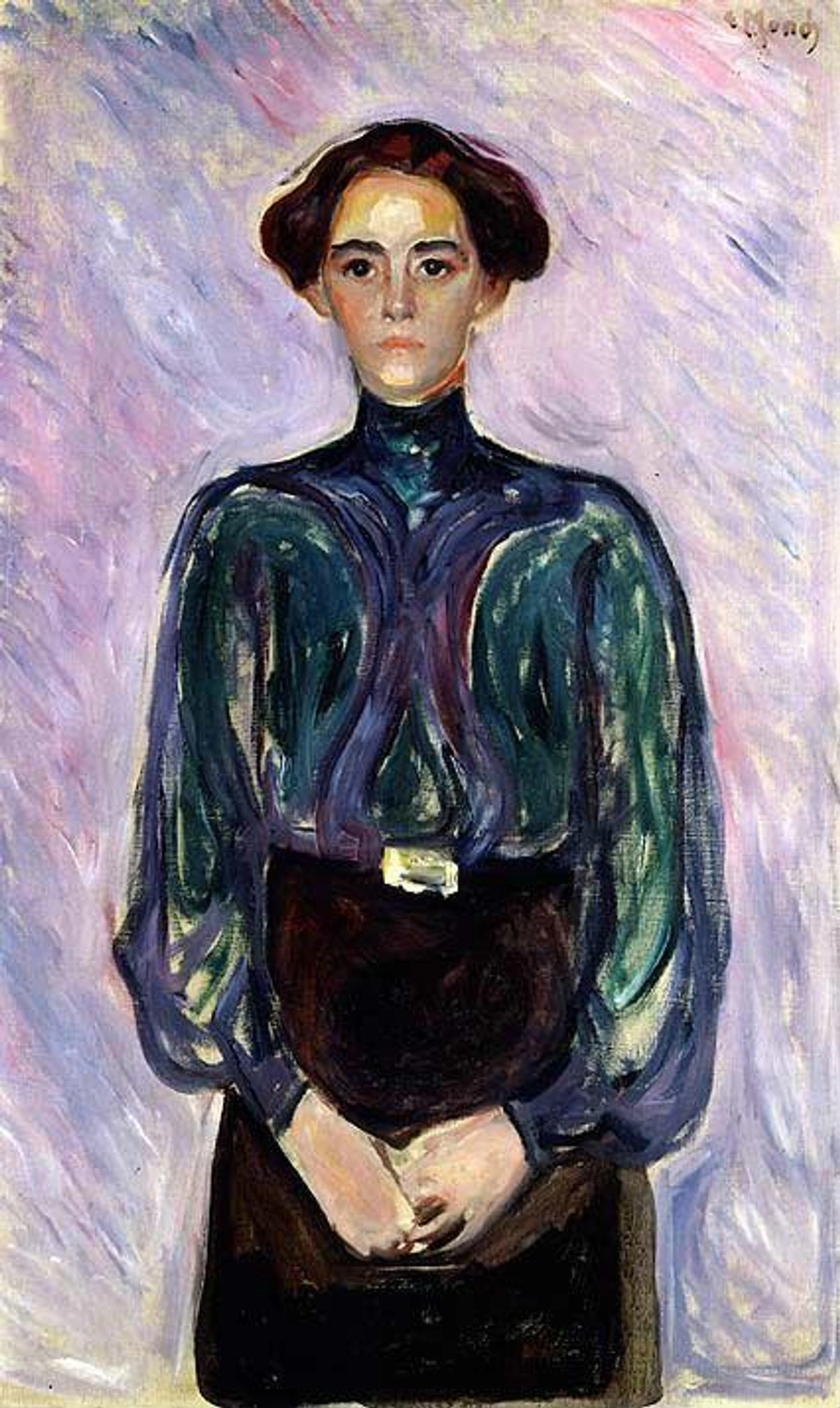
Beyond the overt discrimination, these trailblazers navigated a world that frequently denied them access to crucial formal art education, powerful patronage networks, and even basic, dedicated studio space. Their triumphs were often quiet, hard-won battles waged against deeply ingrained prejudice and a debilitating lack of resources. Yet, despite these colossal challenges, their contributions irrevocably altered the course of art history, paving the way for generations to come and leaving an indelible mark on our creative landscape.
The Pioneers Who Painted Against the Grain: Breaking Barriers and Redefining Art
It's one thing to be an artist; it's another to be an artist when the world is actively trying to sideline you. These women didn't just create art; they kicked down doors so others could walk through.
6. Mary Cassatt (1844–1926)
When I think of Impressionism, my mind often conjures images of sun-dappled landscapes and bustling Parisian cafes. But among those revolutionary painters who dared to capture fleeting moments and ordinary life, Mary Cassatt shines with a brilliance that, frankly, deserves far more spotlight than she typically receives. An American transplant in the heart of Paris, she wasn't just one of the few women officially invited to exhibit with the Impressionists; she was a force who refused to merely follow trends. Instead, she forged a distinctly personal path, dedicating her gaze to the intimate, unvarnished lives of women and children, a subject matter often dismissed as sentimental but which she elevated to profound psychological study. Her work captures these relationships with an empathy, psychological depth, and keen observation that still resonates profoundly today.
Cassatt's depictions of motherhood, for instance, transcend mere sentimentalism. She delves into the quiet dignity, the profound connection, and even the subtle complexities within these bonds, revealing the universal truths embedded in these everyday interactions. Her brushwork is a fascinating blend of looseness and precision, capturing movement and emotion with a masterful hand, a visual poetry that's both immediate and deeply considered. What really set her apart, beyond her choice of subject matter, was her highly innovative approach to composition, often drawing inspiration from Japanese prints (a burgeoning influence in Europe at the time). This infusion of bold lines, flattened planes, and unconventional cropping gave her scenes a fresh, modern sensibility, pushing the boundaries of traditional portraiture and injecting a vibrant new perspective into Impressionism. I often find myself contemplating what it must have been like for her: a fiercely independent woman who consciously chose a demanding artistic career over the rigid societal expectations of marriage and domesticity. Her radical choice, and the exquisite, unflinching art it produced, speaks volumes about her dedication and vision, a true testament to personal and artistic freedom in an era that actively sought to restrict women's ambitions.
Why She's a Revelation: Cassatt wasn't just 'one of the female Impressionists'; she was a crucial, pioneering voice. She brought a unique, unflinching perspective to the movement, challenging conventions about how women were portrayed in art and elevating subjects often dismissed as trivial to reveal their universal human experience and profound psychological depth. If you’re captivated by her insights, you can dive even deeper into her fascinating life and art with our ultimate guide to Mary Cassatt.
Let’s rewind a bit further, to the Renaissance, a period often entirely dominated by male names like Michelangelo or Raphael. But even then, groundbreaking women were making their mark. One such artist, whose name deserves to be on every art lover’s tongue, is Sofonisba Anguissola. Born into an aristocratic family in Cremona, Italy, she achieved an unprecedented level of success for a woman of her time, paving the way for future female artists. Unlike many female painters who were limited to still life or miniature portraits, Anguissola became renowned for her vivid and psychologically astute portraits.
Her skill was so exceptional that she earned an invitation to the Spanish court, where she served as a respected court painter and lady-in-waiting to Queen Elisabeth of Valois. Can you even imagine the immense pressure and sheer talent required to not only survive but thrive in such an environment, navigating royal protocols and artistic demands? What truly sets Anguissola apart for me is the remarkable naturalism and profound warmth she infused into her subjects, often capturing them in informal, intimate settings that were revolutionary for the time. Her self-portraits, in particular, are extraordinary – not just for their technical mastery and candid portrayal of her own intelligence, but for the rare glimpse they offer into the inner world of a woman actively shaping her artistic destiny within a male-centric art world. She wasn't just painting faces; she was painting souls. If you're curious about the broader context of art from this period, you might enjoy our guide to famous Renaissance artists.
Why She's a Revelation: Anguissola was a trailblazer, demonstrating that women could achieve artistic excellence and professional success centuries before it became more commonplace. Her naturalistic portraits captured a unique human element, and her legacy inspired a generation of aspiring female artists.
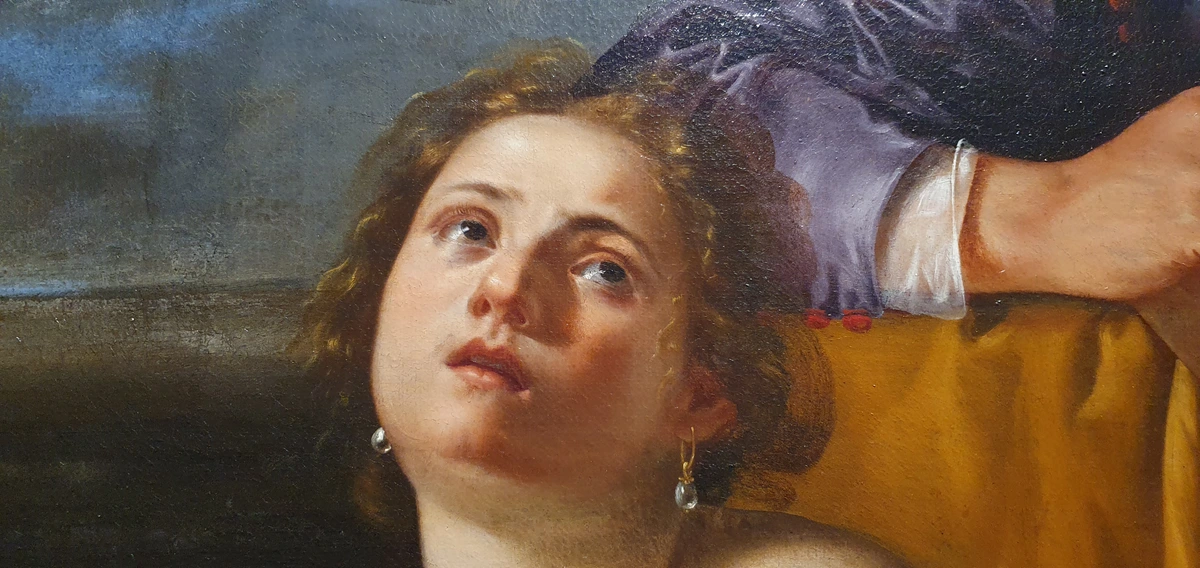
Now, let's fast forward a bit to the Baroque era with an artist whose work hits you like a punch to the gut in the best possible way: Artemisia Gentileschi (1593–c.1656). I vividly remember the first time I saw her painting, Judith Slaying Holofernes. It was in a book, and it absolutely stopped me in my tracks. It’s a brutal, visceral, and incredibly powerful painting. What strikes me, especially when comparing it to other male artists' versions where Judith often looks hesitant or even delicate, is Artemisia’s Judith: she is determined, physically strong, and completely in control – a woman fiercely taking charge of her own narrative.
Gentileschi's life itself was marked by immense personal struggle and defiance, including a notorious rape trial, and her experiences profoundly informed her art. She channelled her personal trauma and resilience into her powerful canvases, often depicting strong female protagonists from biblical and mythological stories. These women are not passive victims; they are active agents, filled with psychological realism and an almost palpable emotional intensity. Her masterful use of Caravaggesque chiaroscuro – the dramatic interplay of light and shadow – heightens the emotional impact, drawing the viewer deep into the scene. She was, without question, one of the most accomplished painters of the Baroque period, full stop. Not just 'female painter.' She carved out a professional career as an independent artist at a time when that was virtually unheard of for women, traveling, maintaining a busy workshop, and receiving commissions from royalty and popes.
Why You Should Know Her: Artemisia Gentileschi was a master of the Baroque, whose unflinching psychological realism and powerful, assertive female subjects were utterly revolutionary. Her work is an enduring testament to female agency, strength, and the transformative power of art born from personal experience. Her impact resonates profoundly even today.
8. Hilma af Klint (1862–1944)
Here’s a story that still blows my mind every time I tell it. For decades, the narrative of art history credited Wassily Kandinsky with creating the first truly abstract paintings around 1911. Well, hold onto your paintbrushes, because it turns out Hilma af Klint, a Swedish artist, mystic, and spiritualist, was creating breathtakingly large-scale abstract works as early as 1906—years before Kandinsky. She was a true, visionary pioneer, driven by a deep desire to explore spirituality, the unseen world, and cosmic forces through radical shapes, vibrant colors, and intricate symbols. Her work was a direct conduit for spiritual messages, a visual language for the intangible. If you're interested in the broader context, you can find more on the history of abstraction in my guide to the history of abstract art.
A profound testament to her forward-thinking vision (and perhaps her accurate assessment of the conservative art world, which she believed wasn't ready), she stipulated in her will that her abstract work shouldn't be publicly exhibited until 20 years after her death. The result? She remained virtually unknown for the majority of the 20th century. When her vast, revolutionary body of work was finally unveiled and exhibited widely in recent decades, it didn't just add a new chapter to art history; it completely rewrote the very beginning of the narrative of Western abstraction, forcing us to rethink the established canon and giving her the rightful place she earned as a pioneer.
Why She's a Revelation: Hilma af Klint is, without a doubt, arguably the true pioneer of Western abstract art. Her profound, mystical work is a stunning marriage of science, spirituality, and artistic intuition, forcing us to reconsider our understanding of modern art's origins. To truly grasp her revolutionary impact, delve into our ultimate guide to Hilma af Klint.
Georgia O'Keeffe (1887–1986)
When I think of an artist who captured the sheer grandeur and subtle sensuality of the American landscape, it's impossible not to immediately think of Georgia O'Keeffe. She is, without question, one of the most iconic figures in American Modernism, renowned for her pioneering work that transformed how we perceive nature, abstraction, and the very concept of the "female gaze." Her close-up, often monumental, paintings of flowers—which she insisted were not symbolic of female anatomy, but simply how she saw them—are legendary, inviting viewers to slow down and truly see the intricate beauty of the natural world.
But her vision extended far beyond flowers. Her stark, majestic depictions of New York skyscrapers capture the pulsating energy of urban life, while her later works, inspired by the vast, spiritual landscapes of New Mexico, evoke a profound sense of isolation, beauty, and connection to the earth. She embraced a unique blend of realism and abstraction, reducing forms to their essential lines and colors, creating a distinctly personal visual language. O'Keeffe was a fiercely independent woman who carved out her own path, both personally and artistically, challenging conventions and leaving an indelible mark on 20th-century art. Her clarity of vision and her ability to find the monumental in the minute continue to inspire me.

Why She's a Revelation: Georgia O'Keeffe redefined American Modernism, transforming how we see nature, sensuality, and the vast landscapes of the Southwest into iconic, deeply personal works. Her pioneering approach to abstraction and her unwavering artistic independence cemented her legacy as a towering figure in art history. Explore her iconic work further in our ultimate guide to Georgia O'Keeffe.
14. Lee Krasner (1908–1984)
It’s genuinely frustrating that it’s still almost impossible to talk about Lee Krasner without immediately mentioning her husband, Jackson Pollock. For far too long, that was her primary, often overshadowing, identity: Mrs. Pollock. But let me tell you, Lee Krasner was an absolute force of nature and an undeniably pivotal figure in the Abstract Expressionist movement in her own right. Her prolific career spanned over fifty years, and what makes her truly remarkable is her relentless commitment to reinvention, constantly pushing the boundaries of her own style.
She was famously, almost ferociously, self-critical, often cutting up older drawings and paintings to create vibrant, dynamic new collages and mixed-media works. This wasn't destruction; it was a powerful act of creative rebirth, a relentless pushing of her own boundaries. Her art is rhythmic, raw, incredibly powerful, and deeply personal, often acting as a visceral reflection of periods of turmoil, growth, and rebirth in her own life. She wasn't just near the center of the New York School; she was at its very heart, a key intellectual and artistic contributor whose influence as both a painter and a thinker was immense. Her journey, her struggles, and her triumphs mirror the larger narrative of women striving for recognition in a male-dominated field, showing how a truly independent vision can persevere and flourish. For more on her, check out our ultimate guide to Lee Krasner, Abstract Expressionist Pioneer.
Why She's a Revelation: Lee Krasner was a brilliant, independent artist whose work possesses incredible range, emotional depth, and a dynamic formal invention that stands entirely on its own. Her story serves as a crucial, ongoing reminder that we must actively look past the famous men to fully appreciate the incredible women who stood with them, often leading the charge, and who consistently pushed artistic boundaries with their unique vision. You can explore more about this pivotal movement in our ultimate guide to Willem de Kooning, the master of Abstract Expressionism, keeping Krasner's foundational role in mind.
Modern Visionaries: Redefining Art and Shaking Up the Canon
Moving into the vibrant and often tumultuous 20th and 21st centuries, the artistic landscape began to shift dramatically. While monumental strides were made, let's be real: far too many brilliant women still flew under the radar of mainstream fame, their groundbreaking contributions often minimized or outright ignored. It’s a testament not just to their sheer force of will, but to their undeniable genius, that their work is now, finally, getting the recognition it always deserved. This era sees artists not just challenging the canvas, but the very definition of art itself, using new mediums and conceptual approaches to redefine what’s possible.
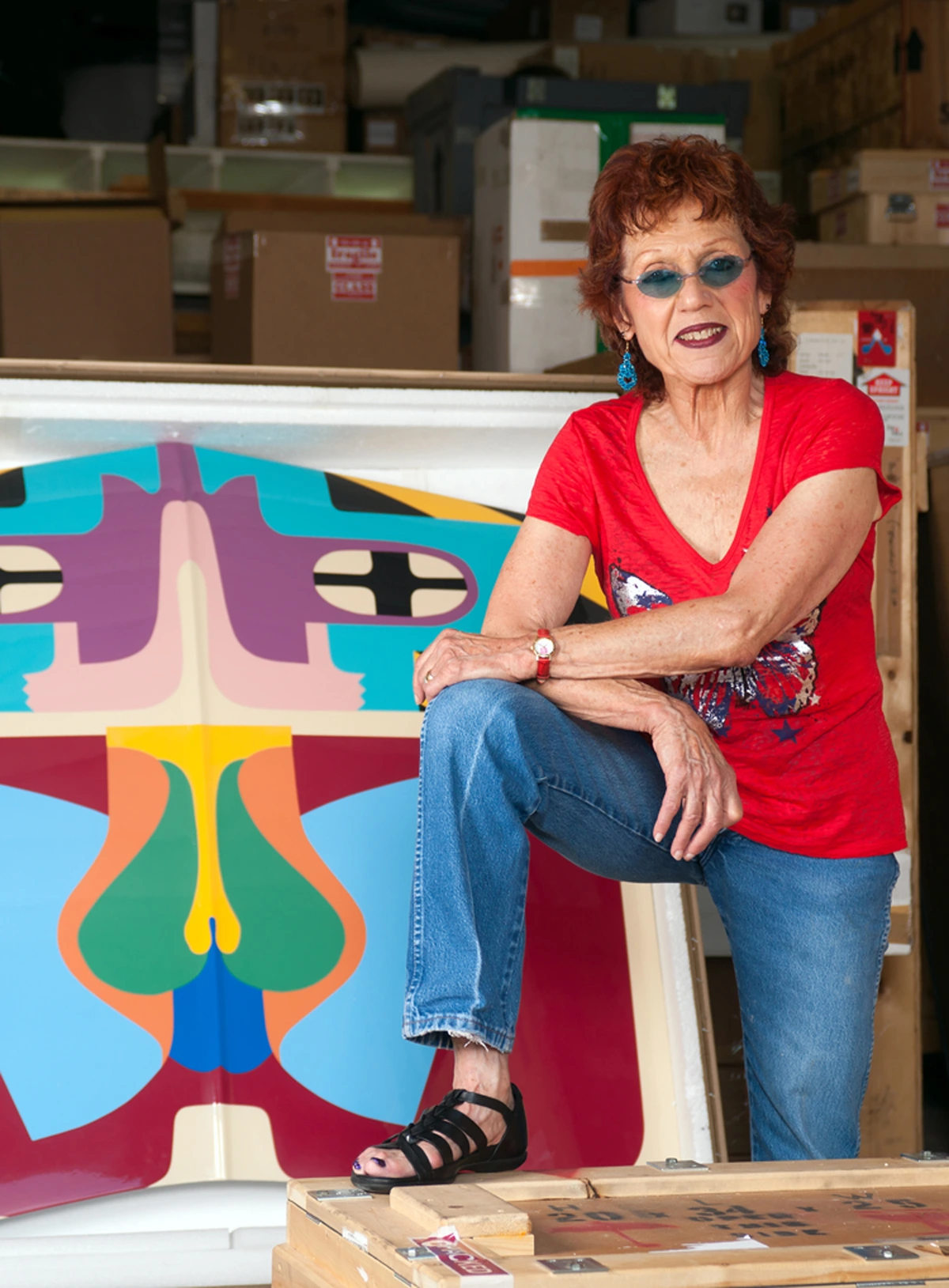
16. Judy Chicago (b. 1939)
A true powerhouse of contemporary and feminist art. You simply can't talk about art that challenges the status quo without talking about Judy Chicago. She is unapologetically focused on rectifying the systemic omission of women from the historical record – a mission I deeply admire.
Her most famous work, The Dinner Party, is an absolutely monumental installation, a truly staggering achievement in feminist art. Imagine a triangular table with 39 elaborate place settings, each one meticulously crafted to commemorate a significant woman from history, with an additional 999 names inscribed on the heritage floor below. It's breathtaking, not just in its scale and intricate detail (each place setting features embroidered runners and unique vulvar-inspired ceramic plates) but in its profound intention: to celebrate women's achievements while simultaneously critiquing their historical absence from mainstream narratives. It’s the kind of art that doesn't just ask you to look; it demands you think, reflect, and reconsider our collective memory. Her entire body of work, much like The Dinner Party, functions as a powerful, grand-scale artist statement for social justice, constantly pushing for a more inclusive and equitable world.
Why She's a Revelation: Judy Chicago is a pioneer of the Feminist Art movement and has spent her career creating art that demands a more inclusive and just world. Her monumental installations and tireless advocacy have fundamentally reshaped how we approach art history and gender politics. To truly grasp her impact, explore our ultimate guide to Judy Chicago.
17. Agnes Martin (1912–2004)
When I first encountered Agnes Martin's work, I confess, I was a little stumped. Her paintings often feature subtle grids and delicate lines on vast, monochromatic canvases. There are no dramatic gestures, no bold statements in the traditional sense. But then, if you sit with them, really look, something profound begins to unfold. It's like a quiet meditation, a visual poem that speaks of stillness, tranquility, and the pursuit of perfection. She called her work 'abstract expressionism for the mind', and I totally get it now; it's less about emotional outpouring and more about internal, contemplative experience.
Martin, a Canadian-American artist, is often associated with Minimalism due to her restrained forms, though she famously preferred to call herself an Abstract Expressionist, explaining that her work was about expressing emotion, albeit quietly. Her signature grids, meticulously hand-drawn, are never perfectly geometric; they possess a slight, almost imperceptible imperfection, a human touch that imbues them with warmth and vulnerability, inviting the viewer into a subtle dialogue. She was deeply influenced by Eastern philosophy, particularly Taoism and Zen Buddhism, seeking to evoke feelings of happiness, innocence, and transcendent beauty through her art. Her colors are soft, muted—pale blues, subtle greys, gentle yellows—creating an ethereal, almost spiritual atmosphere that invites profound contemplation. For an artist whose work might initially seem austere, the emotional depth you find there is truly remarkable, like a quiet hum that resonates deep within.
Why She's a Revelation: Martin's quiet radicalism challenged the bombast of much mid-century art, offering a path to profound introspection through simplicity and delicate abstraction. Her work is a testament to the power of subtlety and the enduring search for beauty and meaning. Delve deeper into her minimalist masterpieces with our ultimate guide to Agnes Martin.
Eva Hesse (1936–1970)
Here’s an artist whose career was tragically short but whose impact reverberates through contemporary art: Eva Hesse. A German-born American artist, Hesse became a pivotal figure in the Post-Minimalist movement of the 1960s, infusing the cool, hard-edged aesthetic of Minimalism with profound emotional depth, vulnerability, and often, a touch of the absurd. Her work, primarily sculpture, explored themes of fragility, the body, and the human condition with an unflinching honesty that I find incredibly compelling.
Hesse famously experimented with unconventional, often perishable, materials like latex, fiberglass, and string, pushing against traditional notions of permanence and preciousness in art. Her sculptures, with their repetitive forms, organic textures, and often unsettling connotations, invite a visceral, almost tactile, engagement from the viewer. Works like "Repetition Nineteen III," a series of soft, sagging, bucket-like forms, challenge perceptions of order and stability. Her art, deeply influenced by her experiences as a Holocaust refugee and her own personal struggles, is a raw exploration of control and chaos, presence and absence, making her a truly revolutionary voice in 20th-century sculpture. Her commitment to pushing material boundaries and imbuing abstract forms with intense emotional resonance continues to inspire.
Why She's a Revelation: Eva Hesse infused Minimalism with emotional depth and fragility, pioneering the use of unconventional materials to create sculptures that are both formally rigorous and profoundly human. Her brief but incandescent career irrevocably shaped Post-Minimalism and continues to influence artists grappling with materiality and meaning.
12. Alma Thomas (1891–1978)
Imagine this for a moment: you dedicate 35 years of your life to shaping young minds as an art teacher. Then you retire. What’s next? If you’re Alma Thomas, you embark on a new chapter, launching a full-fledged painting career in your late 60s that propels you to national celebration. Her story, for me, is one of the most profoundly inspiring because it’s an irrefutable testament that creativity, passion, and profound artistic vision truly have no age limit. It’s never too late to begin, or to begin anew.
Thomas is celebrated for her vibrant, utterly joyful, mosaic-like abstract paintings. These aren't just compositions; they are effervescent bursts of pure, unadulterated happiness, almost like visual hymns that sing with color and light. She drew deep inspiration from the natural world around her—the shifting light filtering through trees, the intricate patterns of flowers, and the pulsating energy of her beloved garden in Washington D.C. She meticulously built up her canvases with short, rhythmic strokes of pure, often unmixed, color, creating a distinctive and instantly recognizable style that became a hallmark of the renowned Washington Color School. Her impact was dual-faceted: not only was she a leading figure in this movement, but she also made history as the first African American woman to have a solo exhibition at the prestigious Whitney Museum of American Art. Her incredible later-in-life artistic explosion feels like a beautiful, vibrant extension of the creative energy seen during the Harlem Renaissance, demonstrating a powerful and enduring continuum of Black artistic expression and resilience.
Why She's a Revelation: Alma Thomas's work is an unparalleled masterclass in color theory, radiating pure, infectious happiness and optimism. Her incredible late-in-life success story isn't just a beacon of perseverance; it’s a powerful reminder to pursue our passions, no matter the stage of life.
12. Louise Bourgeois (1911–2010)
Now, let's shift gears slightly and consider an artist whose work explored the profound complexities of human emotion and memory through sculpture, installation, and drawing: Louise Bourgeois. A French-American artist, Bourgeois’s career spanned nearly seven decades, but she didn’t achieve widespread recognition until her 70s—another powerful reminder that artistic journeys often defy conventional timelines. Her work is deeply autobiographical, drawing heavily from her tumultuous childhood, family dynamics, and the psychological weight of memory.

Bourgeois is perhaps best known for her monumental spider sculptures, particularly the Maman series. When you stand beneath one of these towering, majestic, yet slightly unsettling forms, you can't help but feel a visceral connection to the profound themes of motherhood, protection, and fear they evoke. These aren't just creepy-crawlies; they are potent metaphors for the nurturing and predatory aspects of a mother, inspired by her own complex relationship with her mother, a restorer of tapestries. Her pieces are often deeply unsettling, yet incredibly compelling, exploring themes of femininity, sexuality, trauma, and the body with an unflinching honesty that was revolutionary for its time. She worked across a vast range of materials—bronze, marble, latex, fabric, and even found objects—each chosen meticulously for its expressive potential, adding layers of meaning to her intensely autobiographical art. For those fascinated by artists who push beyond the canvas, our exploration of famous female sculptors offers more inspiring stories.
Why She's a Revelation: Louise Bourgeois fearlessly delved into the psychological depths of human experience, creating powerful, often disturbing, and always unforgettable works that explored personal history, gender, and the universal anxieties of existence. Her late-career rise to prominence is an inspiration, and her work continues to challenge and provoke.
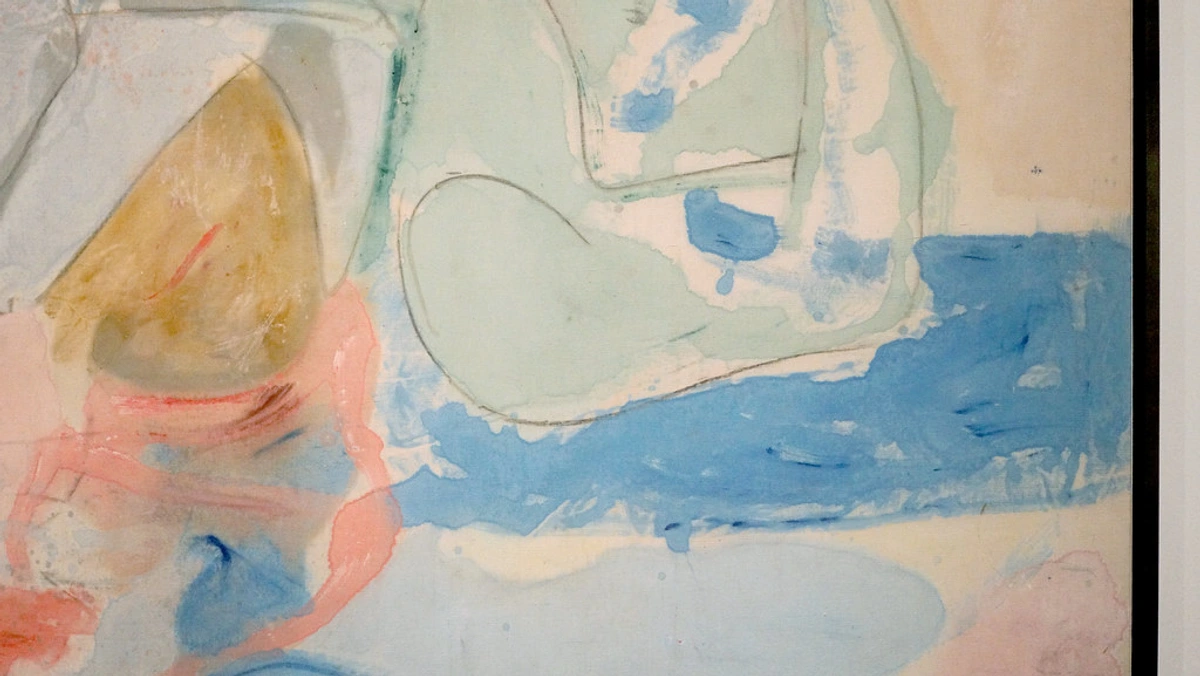
Imagine color, not as something applied to the canvas, but as something that literally becomes the canvas. That’s the magic of Helen Frankenthaler, a pivotal figure in Abstract Expressionism and a true pioneer of Color Field painting. She burst onto the scene in the early 1950s, challenging the raw, aggressive energy of her male Abstract Expressionist counterparts with a lyrical, almost poetic approach to abstraction. Her signature “soak-stain” technique—pouring thinned paint directly onto unprimed canvas—allowed the pigments to soak into the fibers, creating luminous, translucent forms that felt both spontaneous and deeply considered. It was a revolutionary technique that fundamentally altered the course of abstract painting, paving the way for a whole new generation of artists.
Her work often evokes natural motifs—landscapes, bodies of water, atmospheric light—but always within a purely abstract vocabulary. There's a fluidity, an organic quality to her compositions that feels both expansive and intimately personal. She profoundly understood the power of color to evoke emotion and create space without explicit representation, literally shaping the canvas itself with pure pigment. For me, her paintings are like breathing, vibrant environments you can step into, a testament to her profound understanding of both paint as a medium and the human emotional landscape. Her groundbreaking "soak-stain" technique wasn't just a method; it was a philosophy that radically expanded the possibilities of painting.
Why She's a Revelation: Frankenthaler’s innovative “soak-stain” technique was a game-changer, pushing the boundaries of Abstract Expressionism and profoundly influencing the Color Field movement. Her lyrical approach to color and form established her as a master of abstraction in her own right, refusing to be defined by the male artists around her. Explore more about this movement in our ultimate guide to Helen Frankenthaler.
14. Bridget Riley (b. 1931)
Prepare to have your eyes (and perhaps your mind) delightfully tricked! Bridget Riley is an undisputed master of Op Art (Optical Art), an art movement that exploded in the 1960s by playing directly with visual perception. Her works are not just paintings; they are carefully constructed visual experiences designed to create sensations of movement, vibration, and dazzling illusion. When I first encountered one of her large-scale canvases, I literally felt my vision shift, and that's the point – her art actively engages your physical presence.
Riley’s practice is meticulously precise, using geometric abstraction—often lines, curves, and patterns in black and white or vibrant colors—to create dynamic compositions that seem to ripple, pulsate, or even glow. There's a profound intellectual rigor behind her apparent simplicity, rigorously exploring how our eyes and brains interpret visual information. She isn't interested in narrative or overt emotion in the traditional sense, but rather in pure optical phenomena, demonstrating the incredible power of line and color to create a profound, almost dizzying, visual experience. Her work forces you to become an active participant, to question what you see, and to revel in the sheer wonder and occasional disorientation of visual perception itself. If you're fascinated by the intersection of art and science, and how perception can be manipulated, Riley is your unparalleled guide.
Why She's a Revelation: Bridget Riley mastered the art of optical illusion, creating dynamic and immersive visual experiences that fundamentally challenged how we perceive painting. She remains a vital figure in abstract art, pushing the boundaries of geometric abstraction and demonstrating the power of visual perception itself. Dive into the world of mind-bending art with our ultimate guide to Bridget Riley.
Faith Ringgold (b. 1930)
When I think of an artist who masterfully weaves personal narrative, cultural heritage, and social commentary into truly unique forms, Faith Ringgold immediately comes to mind. An American artist, author, and activist, Ringgold revolutionized narrative art by blending traditional African American quilting with painting and storytelling, creating her iconic "story quilts." Her work is a vibrant, compelling exploration of race, identity, civil rights, and the female experience in America.
Ringgold's most famous work, Tar Beach, which inspired a Caldecott Honor Book, exemplifies her genius. It tells the enchanting story of Cassie Louise Lightfoot, a young Black girl who dreams of flying over 1930s Harlem. Her quilts are not just visually stunning; they are deeply layered narratives, combining painted images, handwritten text, and meticulously stitched fabric to create rich, immersive worlds. She consciously challenged the Western art canon that often excluded textile art, elevating a traditionally female and African American craft into the realm of high art. For me, her work is a powerful testament to the enduring human spirit, the beauty of cultural tradition, and the radical act of telling one's own story.
Why She's a Revelation: Faith Ringgold revolutionized narrative art by blending traditional African American quilting with painting and storytelling, creating powerful "story quilts" that explored race, identity, and the American experience with unmatched vibrancy. She championed the value of craft and gave voice to marginalized narratives with profound artistry.
Yayoi Kusama (b. 1929)
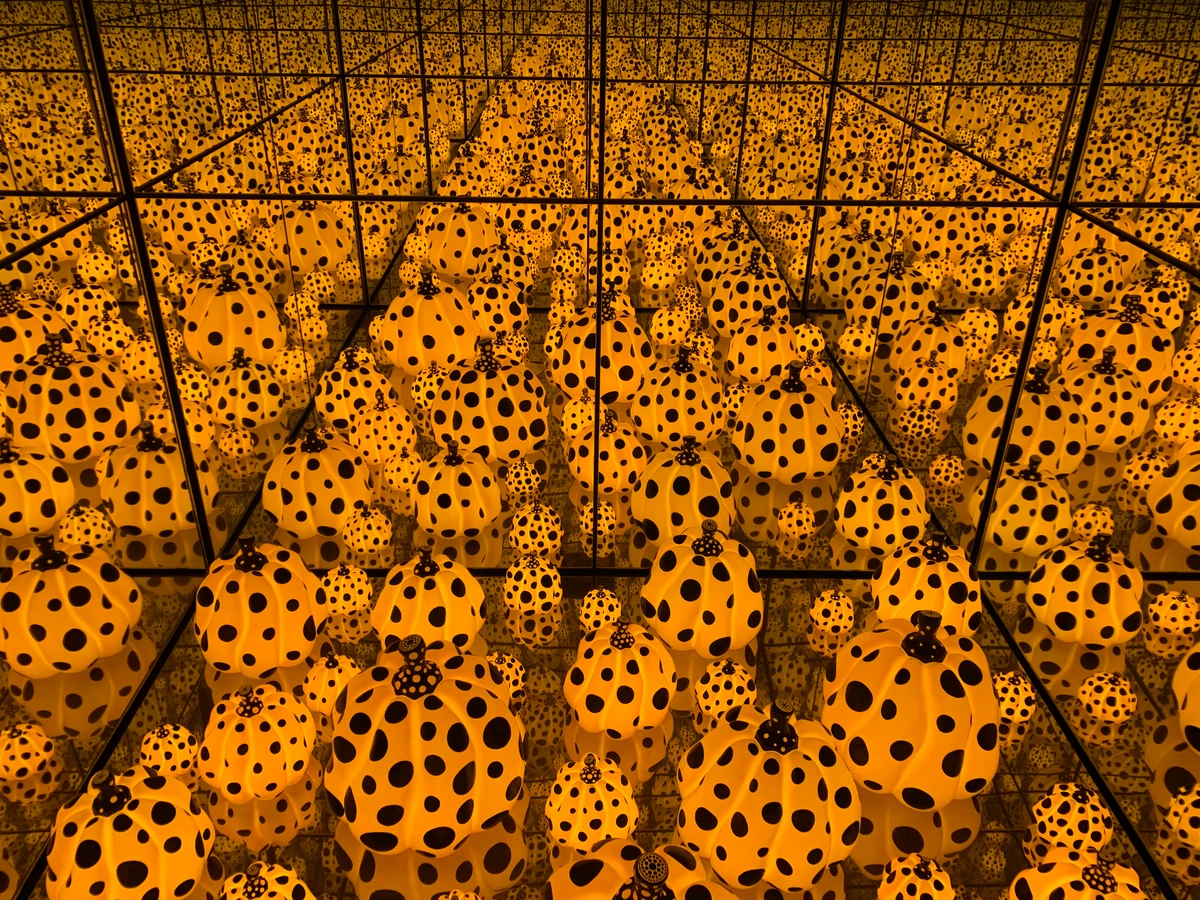
Prepare to step into a universe of infinite polka dots, mirrors, and dazzling, immersive wonder – you’ve entered the world of Yayoi Kusama. A Japanese contemporary artist, Kusama is an absolute global phenomenon, known for her prolific and boundary-pushing work across painting, sculpture, performance art, and her iconic "Infinity Mirror Rooms." Her art is a direct, often intensely personal, exploration of obsession, repetition, self-obliteration, and the concept of infinity, stemming from her experiences with hallucinations since childhood.
Kusama’s signature polka dots and infinity nets are far more than just decorative patterns; they are visual representations of her inner world, her attempts to escape or embrace the overwhelming nature of her visions. Her immersive installations, which transport viewers into kaleidoscopic worlds of endless reflections and pulsating light, are not just aesthetically stunning; they are profound explorations of space, self, and the universe. She has bravely used her art as a form of therapy and public expression, challenging stigmas around mental health. For me, Kusama’s relentless creative drive and her ability to transform personal struggle into universal, joyous, and thought-provoking experiences are simply breathtaking. She truly shows us how art can be both intensely personal and universally connective.
Why She's a Revelation: Yayoi Kusama, the "Princess of Polka Dots," has created a global phenomenon with her immersive installations and relentless exploration of infinity, obsession, and self-obliteration, pushing the boundaries of what art can be and profoundly impacting how we experience contemporary art.
Marina Abramović (b. 1946)
Now, let's venture into a realm where the artist's own body becomes the medium, pushing physical and psychological limits: the world of Marina Abramović. A Serbian-born performance artist, Abramović is an undisputed pioneer and the reigning "grandmother of performance art." Her work is famously intense, often confrontational, and deeply meditative, exploring themes of endurance, pain, interaction, presence, and the boundless capabilities (and vulnerabilities) of the human mind and body.
I remember being absolutely transfixed by "The Artist Is Present," her 2010 performance at MoMA, where she sat silently at a table for hundreds of hours, inviting individual audience members to sit opposite her and simply gaze. The raw emotion, the profound connections forged in silence, and the sheer endurance required were utterly breathtaking. Her early works often involved self-inflicted pain or dangerous scenarios, pushing the boundaries of art and challenging audiences to confront their own discomfort. For me, Abramović’s courage, her unwavering commitment to radical honesty, and her profound ability to create art that exists in the here and now, forcing us into a shared, often uncomfortable, experience, make her an essential voice in contemporary art. Her art doesn't just ask you to look; it asks you to feel and be present.
Why She's a Revelation: Marina Abramović is a groundbreaking pioneer of performance art, whose intense and enduring works explore the limits of the body and mind, the nature of human interaction, and the profound power of presence. Her radical approach has indelibly shaped contemporary art.
7. Käthe Kollwitz (1867–1945)
Now, let's turn to an artist whose work, for me, embodies raw human emotion and a tireless commitment to social justice: Käthe Kollwitz. A German artist working primarily in printmaking and sculpture, Kollwitz lived through two World Wars and immense personal tragedy, and her art became a powerful, unflinching testament to the suffering of ordinary people. When you look at her etchings, lithographs, and woodcuts, you don't just see images; you feel the weight of grief, poverty, and the devastating impact of conflict.
Her work is deeply rooted in Expressionism and Social Realism, focusing on universal themes of motherhood, loss, grief, poverty, protest, and anti-war sentiment. She depicted the working class, the bereaved, and the hungry with an empathetic intensity that is profoundly moving. Her distinctive lines are stark, raw, and powerful, while her forms are often heavy and monumental, conveying an almost unbearable sense of universal human struggle and sorrow. Kollwitz didn't shy away from the harsh realities of her time; instead, she confronted them head-on, using her art as a searingly powerful voice for the voiceless. In an art world often preoccupied with purely aesthetic beauty, Kollwitz insisted on art's crucial capacity for profound moral and political commentary, creating a legacy that resonates with urgency even today. You can explore more about this impactful movement in our ultimate guide to Expressionism.
Why She's a Revelation: Käthe Kollwitz was a master printmaker whose searingly emotional and socially charged work stands as one of the most powerful artistic critiques of war, poverty, and injustice in the 20th century. Her unflinching gaze and profound empathy make her an essential voice in the history of art. Explore her impactful work in our ultimate guide to Käthe Kollwitz.
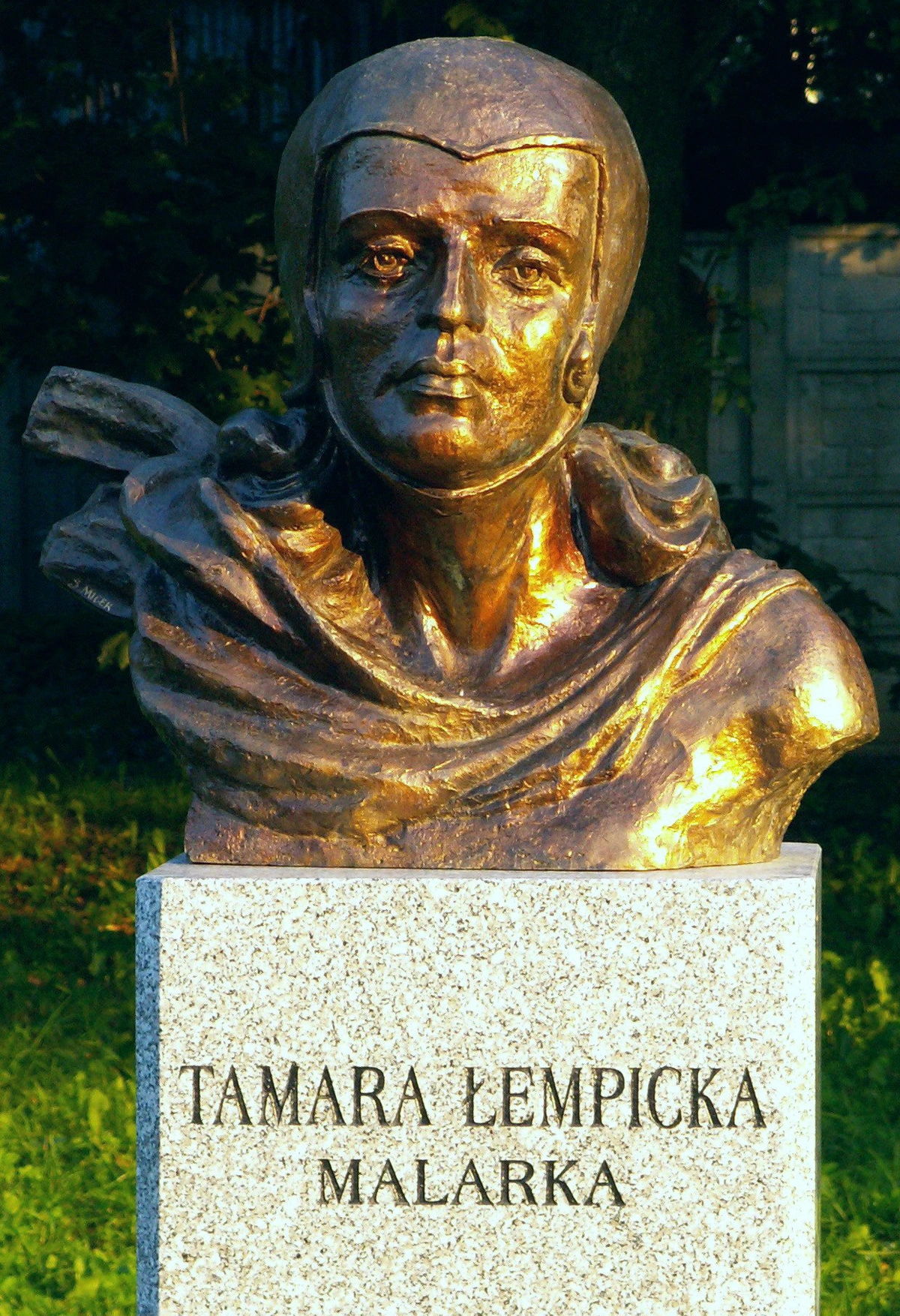
9. Tamara de Lempicka (1898–1980)
If you want to talk about glamour, elegance, and the intoxicating energy of the Roaring Twenties, then you absolutely must know Tamara de Lempicka. She was the quintessential Art Deco painter, creating a distinctive style that perfectly captured the sensuality, modernity, and luxurious decadence of the interwar period. Her portraits of aristocrats, socialites, and bohemian artists are instantly recognizable: bold, sleek, almost sculptural figures, rendered with a polished, almost metallic finish, set against architectural backdrops.
Lempicka's women are strong, independent, and undeniably sensual. There’s a cool, almost detached eroticism to them, a powerful female gaze at a time when women were often depicted passively. She mastered a unique blend of Cubist fragmentation and Neoclassical grandeur, creating a style that was both avant-garde and classically beautiful. For me, her work is like stepping into a perfectly styled, jazz-infused dream, a testament to her mastery of form, color, and undeniable chic. She wasn't just painting portraits; she was crafting an entire aesthetic, a lifestyle, that defined an era. You can discover more about the movement she epitomized in our ultimate guide to the Art Deco movement.
Why She's a Revelation: Tamara de Lempicka epitomized the Art Deco aesthetic, creating glamorous, stylized portraits that celebrated female sensuality and independence. Her bold, distinctive style captured the spirit of a revolutionary era and continues to influence fashion and design today. Explore her iconic work further in our ultimate guide to Tamara de Lempicka.
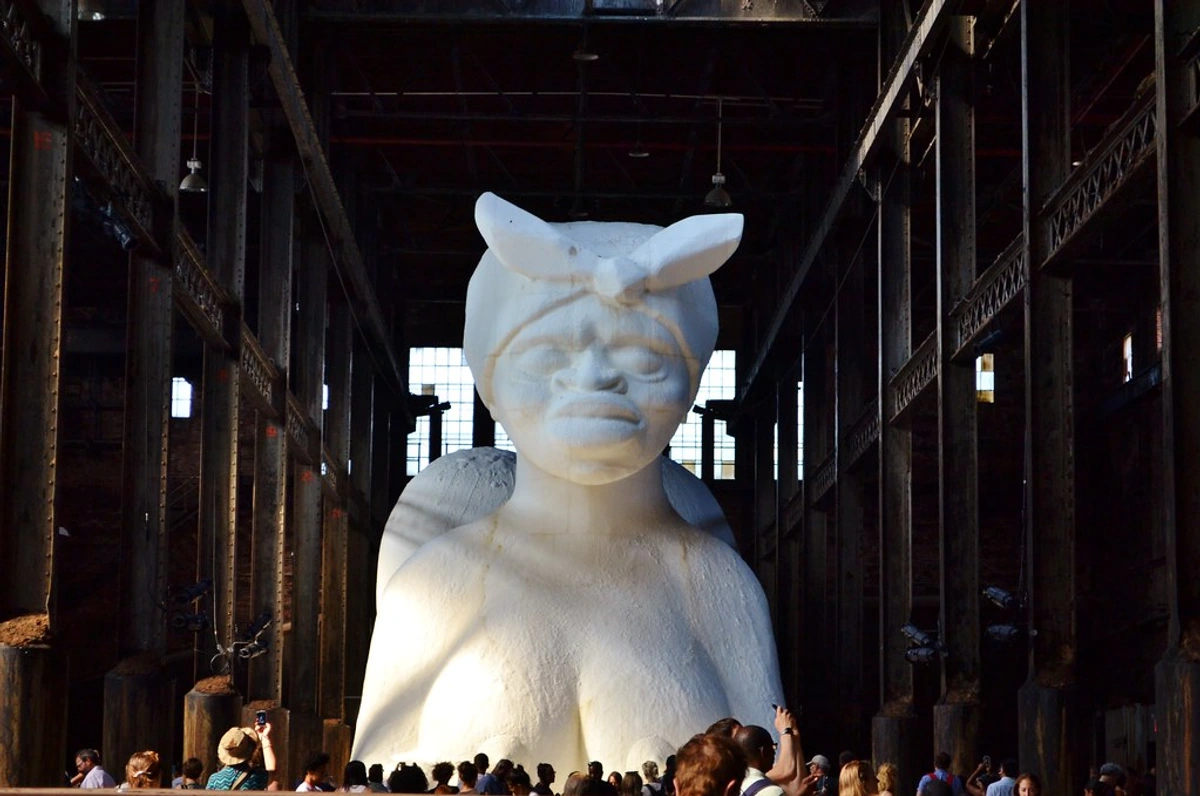
15. Kara Walker (b. 1969)
Now, let's fast forward to an artist whose work is as provocative as it is visually arresting: Kara Walker. She is a contemporary American artist best known for her silhouette installations which explore deeply complex and often uncomfortable narratives of race, gender, sexuality, and violence in the American South. When you first encounter her work, the familiar, almost charming, medium of paper silhouettes—reminiscent of 19th-century folk art—draws you in. But then, as you look closer, the scenes unfold into disturbing, fantastical, and intensely critical commentaries on historical power dynamics.
Walker’s silhouettes depict grotesque, often caricatured, scenes of slavery, sexual exploitation, and racial stereotypes, deliberately forcing viewers to confront the brutal realities of history that are often sugarcoated or conveniently ignored. Her work is a brilliant and unsettling use of historical forms to critique contemporary issues with striking power and nuance. She doesn't offer easy answers or comforting resolutions; instead, she creates immersive environments that demand active engagement, challenging us to grapple with difficult truths about American identity and the enduring, often uncomfortable, legacies of racism and systemic injustice. For me, her work is a masterclass in using deceptive beauty and familiar forms to confront horror, and in subverting expectations to deliver a truly unforgettable and impactful message. Explore more about her powerful art in our ultimate guide to Kara Walker.

A Quick Comparison: Seeing Their Impact at a Glance
Sometimes, breaking it down in a table just helps put everything into perspective, doesn't it? As an artist myself, I often find these summaries incredibly useful for quickly grasping the breadth of human creativity. Here's a quick rundown of these incredible artists, highlighting their pivotal contributions and why their stories are so vital—plus a few extra names to keep your curiosity piqued!
Artist  | Period/Movement | Key Artwork / Known For | Key Themes/Style | Why She's a Revelation / Unique Impact | Noteworthy Contribution |
|---|---|---|---|---|---|
| 1. Sofonisba Anguissola | Renaissance | Naturalistic portraits of family and court | Naturalism, psychological depth | Unprecedented success for a woman of her time, paved the way. | Pioneering female court painter. |
| 2. Clara Peeters | Dutch Golden Age / Still Life | Meticulous still lifes; hidden self-portraits | Detail, symbolism, domesticity, self-assertion | Revolutionized still life, subtly asserted female presence. | Pioneer of still life genre. |
| 3. Artemisia Gentileschi | Baroque | Judith Slaying Holofernes; powerful female protagonists | Female agency, drama, Caravaggesque chiaroscuro | Empowering female narratives in a brutal, expressive style. | Master of dramatic realism. |
| 4. Élisabeth Vigée Le Brun | Neoclassicism | Portraits of Marie Antoinette & European aristocracy | Naturalism, grace, empathetic portrayal, female gaze | Defied expectations as leading court painter; captured era's essence. | Court painter to royalty. |
| 5. Rosa Bonheur | Realism | The Horse Fair; monumental animal paintings | Animal anatomy, raw power, naturalism, defiance | Broke gender norms, achieved immense success in animal painting. | Master of animal painting. |
| 6. Mary Cassatt | Impressionism | Tender, insightful depictions of women and children | Domesticity, motherhood, Japanese influence | Broke barriers in a male-dominated movement; unique female perspective. | Elevated everyday female experience. |
| 7. Käthe Kollwitz | Expressionism | Socially charged prints & sculptures of human suffering | Social justice, grief, poverty, anti-war themes | Her focus on social realism often marginalized in 'fine art' discussions. | Voice for the voiceless. |
| 8. Hilma af Klint | Early Abstraction/Mysticism | The Paintings for the Temple | Spirituality, cosmic forces, geometry, vibrant color | True pioneer of Western abstract art, predating Kandinsky. | Rewrote art history's beginning. |
| 9. Tamara de Lempicka | Art Deco | Glamorous, stylized portraits of the elite | Sensuality, luxury, bold lines, striking colors | Epitomized the Art Deco aesthetic with bold, sensual forms. | Defined an era's glamour. |
| 10. Agnes Pelton | American Modernism / Abstract Mysticism | Fhira-Schwank (Abstract); desert landscapes | Spirituality, light, ethereal abstraction, cosmic harmony | Pioneered abstract mysticism in America; luminous, unique style. | Visionary abstract painter. |
| 11. Georgia O'Keeffe | American Modernism | Large-scale flowers, New York skyscrapers, New Mexico landscapes | Abstraction, natural forms, sensuality, spiritual connection | Pioneered American Modernism, unique female gaze on nature. | Iconic American Modernist. |
| 12. Alma Thomas | Washington Color School | Joyful, mosaic-like abstract patterns inspired by nature | Pure color, rhythm, nature-inspired, optimism | Achieved national recognition very late in life; a beacon of perseverance. | Inspiring late-career triumph. |
| 13. Frida Kahlo | Surrealism / Magic Realism | Self-portraits, The Two Fridas | Identity, pain, postcolonialism, Mexicanidad | Transformed personal suffering into iconic, deeply symbolic art. | Cultural icon & symbol of resilience. |
| 14. Lee Krasner | Abstract Expressionism | Dynamic, evolving abstract paintings and collages | Reinvention, raw emotion, biomorphic forms | A powerful, fiercely independent voice in Abstract Expressionism. | Constant artistic reinvention. |
| 15. Louise Bourgeois | Modern / Contemporary | Maman (spider sculptures), cells, drawings | Trauma, motherhood, memory, body, psychological depth | Fearlessly delved into human psychology through powerful sculpture. | Iconic feminist sculptor. |
| 16. Agnes Martin | Minimalism / Abstract Art | Subtle grids and delicate lines, meditative abstractions | Tranquility, spirituality, purity, hand-drawn lines | Challenged bombast of mid-century art; profound introspection through simplicity. | Master of quiet abstraction. |
| 17. Eva Hesse | Post-Minimalism | "Repetition Nineteen III"; unconventional sculptures | Fragility, absurdity, body, unconventional materials | Infused Minimalism with emotional depth; pioneered new materials. | Revolutionary sculptor. |
| 18. Helen Frankenthaler | Abstract Expressionism | Lyrical "soak-stain" paintings; color field abstraction | Luminous color, fluid forms, natural motifs | Pioneered soak-stain technique, influencing Color Field. | Revolutionary use of color. |
| 19. Bridget Riley | Op Art | Dynamic, illusionistic abstract patterns | Visual perception, geometric abstraction, movement | Mastered optical illusions, creating profound visual experiences. | Engaged viewer's perception. |
| 20. Faith Ringgold | Narrative Quilting / Feminist Art | Tar Beach, story quilts | Race, identity, civil rights, female experience | Blended African American quilting with painting to tell powerful stories. | Invented story quilts. |
| 21. Judy Chicago | Feminist Art | The Dinner Party; monumental installations | Female history, gender critique, collaboration | Tireless advocate for women in art; monumental feminist installations. | Championed women's place in history. |
| 22. Kara Walker | Contemporary Art | Provocative silhouette installations on race and gender | Race, gender, sexuality, historical narratives | Uses historical forms to critique contemporary issues with striking power. | Confronts history with stark silhouettes. |
| 23. Yayoi Kusama | Contemporary Art | Polka dots, infinity nets, immersive installations | Obsession, repetition, self-obliteration, infinity | Global phenomenon, immersive and boundary-pushing art. | Master of immersive art. |
| 24. Marina Abramović | Performance Art | The Artist Is Present, endurance performances | Body, pain, endurance, interaction, energy | Pioneer of performance art, explores limits of body and mind. | Groundbreaking performance artist. |

How to Discover Your Own Underrated Artists: A Personal Expedition
This list, while I hope it's sparked some new curiosities, is truly just a launchpad. The real adventure—and for me, the most profound joy—begins when you actively seek out and uncover artists who speak directly to your soul. This is precisely how I've built my own artistic perspective, and I promise you, it's an incredibly rewarding, lifelong pursuit. As an artist, I find these expeditions not just educational, but deeply inspiring for my own creative practice. Here are a few ways I personally navigate the vast, glorious ocean of art history and contemporary practice to find those hidden gems:
My Top Strategies for Artistic Discovery:
- Become a Label Detective (The Fine Print & Beyond): Next time you're in a museum, resist the urge to just rush to the blockbusters. Take a moment, really lean in, and read the labels next to every painting, even the seemingly minor ones. Who were their contemporaries? Who influenced them, or, crucially, who did they influence? Often, the most exciting discoveries are quietly lurking in the details of a small caption. Don't be afraid to veer off the main path and dig deeper into the 'lesser-known' works in a gallery, not just the marquee pieces. This is where the magic happens. I've found some of my favorite artists by simply asking "Who else was working in this city at this time?" It's a goldmine!
- Embrace the Digital Rabbit Hole (Strategically!): Find an artist you like online? Don't stop there! Dedicate a focused hour to a deep dive: click through related artists, explore their influences, and trace the movements they were part of. Reputable museum websites (like The Met, MoMA, Tate), academic databases, and even well-curated art blogs are incredible resources. But remember to verify your sources! I'm always bookmarking obscure online exhibition catalogs – you never know what gems you'll unearth.
- Physical Exploration: Go Local & Global: If you can, visit smaller, local galleries and art schools. You might stumble upon an emerging talent who will be the next big name. When traveling, prioritize local museums and independent art spaces; they often showcase regional artists who are profound but less internationally known. Think about a trip to Lisbon and exploring its vibrant street art scene, or diving into the incredible collections at the Art Institute of Chicago. Trust me, getting lost in a local art scene is one of life's great pleasures.
- Follow the Leaders (and especially the Mavericks): Find art curators, historians, critics, and even other artists on social media (or through their publications) whose taste and insights you genuinely admire. See who they're talking about, what exhibitions they're visiting, and what conversations they're sparking. You'll often find yourself introduced to brilliant artists you might never have encountered otherwise. I often learn the most from those who are actively challenging the status quo.
- Challenge the Western Canon: This is a big one for me. So much of what we consider 'art history' is Western-centric, often overlooking vast, rich traditions. Actively challenge yourself to explore art from different cultures, continents, and historical periods. The global art scene is incredibly rich and diverse, offering countless opportunities for discovery far beyond the familiar European and North American names. My own artistic practice has been profoundly enriched by looking beyond what I initially thought was "mainstream art history."
- Explore Our Deeper Dives (You're Already Here!): You're already on a fantastic path just by reading this! Continue exploring our comprehensive guides on specific artists who broke the mold and movements that changed the world. For instance, if you're drawn to pioneering abstraction, our definitive guide to the history of abstract art is an excellent starting point. If you're captivated by powerful female voices, delve into our ultimate guide to Frida Kahlo or the ultimate guide to Judy Chicago. And if you're interested in the power of color, our exploration of the psychology of color in abstract art might spark new insights. There's a whole universe of art to explore right at your fingertips!
These strategies aren't just about accumulating a list of new artists; they're about cultivating a more expansive, dynamic, and personally enriching appreciation for art itself. It's a continuous journey of learning, questioning, and profound discovery, and I promise you, it's truly exhilarating.
Frequently Asked Questions (FAQ)
Who are some notable contemporary female artists?
This is a fantastic question because the contemporary art world is brimming with incredible female talent! Beyond those discussed in the main article like Kara Walker, Judy Chicago, Yayoi Kusama, and Marina Abramović, there are so many more shaping the landscape today. Think of artists like:
- Cindy Sherman (b. 1954): Famous for her photographic self-portraits that challenge gender roles and identity.
- Jenny Holzer (b. 1950): Known for her text-based artworks, often displayed in public spaces, that provoke thought on social and political issues.
- Julie Mehretu (b. 1970): Celebrated for her large-scale abstract paintings that explore urban landscapes, history, and geopolitics.
- Njideka Akunyili Crosby (b. 1983): Her vibrant, large-scale works combine painting, drawing, and collage to explore postcolonial identity and transnational experiences.
- Cecily Brown (b. 1969): Known for her energetic, semi-abstract paintings that delve into themes of desire, pleasure, and the human figure.
These are just a few, and the beauty of contemporary art is that new voices are constantly emerging, challenging, and enriching the conversation. It's an exciting time to be following the work of female artists!
Why So Many Brilliant Women Were Historically Overlooked: Unpacking the Systemic Barriers
It’s a question that weighs heavily on any art lover, and one that absolutely needs to be confronted: why were so many female artists, despite their undeniable genius, routinely overlooked throughout history? It's a truly disheartening and complex mix of systemic factors, one that paints a stark picture of historical inequity. But it’s a history we need to understand, to confront, and to actively work against if we are to truly appreciate the breakthroughs made by these incredible women. It’s not just about a lack of recognition; it was an active exclusion.
For centuries, the hurdles for women aspiring to be professional artists were monumental. They were routinely and deliberately:
- Denied Access to Formal Education: This was perhaps the most brutal barrier. The crucial art academies and ateliers, where artists learned fundamental skills like anatomy (often from nude models), perspective, and advanced techniques, were overwhelmingly closed to women. Without this foundational training, it was nearly impossible to achieve the technical mastery required for large-scale, prestigious commissions, effectively barring them from the 'big leagues.'
- Excluded from Guilds and Patronage Networks: These were the gatekeepers of artistic success, providing apprenticeships, commissions, and public recognition. Women were often barred from these powerful, male-dominated circles, cutting them off from economic independence, professional advancement, and the vital connections needed to build a career.
- Confined by Societal Expectations: Women's creative endeavors were frequently dismissed as mere 'hobbies' or parlor pastimes, rather than serious professions. Rigid societal roles often confined them to domestic subjects, like still lifes (though some, like Clara Peeters, revolutionized this genre) or portraits of family members, severely limiting their exposure to more "prestigious" genres like historical or religious painting.
- Overshadowed or Uncredited: Even when women did achieve success, their work was often attributed to male relatives (fathers, brothers, husbands) or overshadowed by more famous male contemporaries. Even if recognized, their legacy was often poorly preserved or actively diminished by later historians, a painful erasure that we are still fighting to correct.
It's a deeply entrenched systemic issue, one woven into the very fabric of historical institutions. But here’s my optimistic take, and it’s what keeps me going: contemporary art historians, curators, and institutions are actively and passionately working to correct these historical omissions. They are meticulously researching, rediscovering, and re-exhibiting the work of these forgotten masters, ensuring their stories are finally told. The shift is happening, and it's thrilling to be a part of it. It’s a collective, ongoing effort to build a more inclusive, accurate, and truly representative narrative of art history.
The Impact of Global Conflicts on Women in Art
It’s a sobering thought, but the immense upheavals of global conflicts, particularly the World Wars, paradoxically created unique, albeit temporary, shifts in societal roles that had a ripple effect on female artists. As men went to the front, women often stepped into roles previously unavailable to them, including in artistic and cultural sectors. This meant:
- New Subject Matter: Women artists found themselves documenting civilian life, the home front, and the emotional toll of war from a distinct, often harrowing, perspective. Think of Käthe Kollwitz’s searing anti-war prints, which I find incredibly powerful – she captured the anguish of loss with an unmatched intensity. These weren't just artistic expressions; they were vital historical documents.
- Increased Opportunities (Briefly): Some women gained access to exhibitions, commissions, and teaching positions that might have been closed to them before. The necessity of the moment often loosened traditional constraints, allowing their talent to shine, even if momentarily.
- Shifting Norms: The wartime demand for labor and resilience often loosened some traditional gender roles, leading to a greater public presence for women in various fields, including the arts. It demonstrated, unequivocally, women’s capabilities beyond the domestic sphere.
However, it's crucial to note that many of these gains were temporary. After the wars, there was often a conservative push to return to traditional gender roles, and many female artists found opportunities once again shrinking. But the precedent had been set, and the experiences undoubtedly fueled a growing desire for lasting equality. The memory of their contributions could not be entirely erased.

The Unseen Forces: Women Behind the Scenes (Patrons, Critics, and Educators)
While our focus is often, and understandably so, on the artists themselves, it's absolutely crucial to remember the vital, often hidden, roles women played behind the scenes. They weren't always holding the brush or chiseling stone, but they were shaping the art world in profound and often subversive ways, laying groundwork for others to follow. Think of the influential female patrons who, through their discerning commissions and financial support, provided crucial creative freedom to artists (both male and female), sometimes literally making careers possible. Figures like Isabella d'Este in the Renaissance, or Peggy Guggenheim in the 20th century, wielded immense power, fostering innovation and challenging established norms.
Consider also the often-unsung early female critics and writers who, despite facing immense skepticism and being dismissed in male-dominated circles, helped define tastes, interpret new movements, and advocate fiercely for artists, even when their male counterparts lacked the foresight to do so. Their written words were acts of bravery and intellectual assertion. And let's not forget the countless generations of art educators, so often women, who inspired legions of young minds, meticulously taught foundational skills, and kept artistic traditions alive in classrooms, private studios, and community centers, often without public acclaim. These women, in their own right, were trailblazers, often battling immense societal resistance to pursue their passions and make an indelible mark. Their collective influence, though less visible on gallery walls, was instrumental in fostering vibrant artistic ecosystems and nurturing talent, quietly (or not so quietly) reshaping the cultural and historical landscape for the long term.
The Global Tapestry: Expanding Our View Beyond the West
I mentioned challenging the Western canon earlier, and I truly believe it's one of the most exciting frontiers in art discovery. So much of our traditional art history narrative is, understandably, Euro- and American-centric. But the global art scene is an astonishingly rich and diverse tapestry, brimming with incredible female artists whose contributions are only now beginning to receive the international recognition they deserve. From the intricate textiles of indigenous artists to the vibrant street art of Latin America, from the profound spiritual works of Asian masters to the dynamic contemporary scenes across Africa, there is a universe of creativity waiting to be explored. Actively seeking out these diverse voices doesn't just broaden your artistic palate; it enriches your understanding of human experience and cultural expression on a monumental scale. It’s a journey I’m deeply passionate about, and it constantly reshapes my own perspective on what art can be.
Who is the most famous female artist?
Ah, the age-old question, and 'famous' is such a wonderfully subjective concept, isn't it? If we're talking about global, almost household-name recognition today, then names like Frida Kahlo, Georgia O'Keeffe, and Yayoi Kusama certainly lead the pack. Their images and stories have transcended the art world, becoming powerful cultural icons, easily recognizable even outside of art circles. However, and this is truly the beating heart of this article, the entire point is to gently (or not so gently!) nudge you beyond those well-deserved but widely known names. It’s about discovering equally impactful, yet often critically overlooked, talents whose contributions are just as profound. It's about expanding your personal canon and recognizing the vast constellation of genius that extends far beyond the most publicized stars. My own perspective is constantly being reshaped by these 'new' discoveries, and I hope yours is too!
How has technology impacted female artists?
This is a rapidly evolving area, and the impact of technology on female artists is fascinating and multi-faceted. On one hand, digital tools and social media platforms have democratized access, allowing women artists to:
- Bypass Traditional Gatekeepers: Artists can directly share their work with a global audience, circumventing biases in galleries or institutions.
- Build Communities: Online platforms foster networks, mentorship, and collective support, which have historically been harder for women to access.
- Experiment with New Mediums: Digital art, virtual reality, AI-generated art, and interactive installations offer entirely new avenues for creative expression.
However, challenges remain. Issues like online harassment, algorithmic bias, and the gender pay gap can still manifest in digital spaces. Yet, for me, the overall trajectory is one of empowerment. Technology offers unprecedented tools for visibility, connection, and innovative creation, helping female artists to assert their voices and shape the future of art in exciting new ways.
What is the significance of self-portraits by female artists?
This is a fantastic question because self-portraiture has been a particularly potent genre for female artists, offering a unique avenue for agency and expression. For centuries, women artists often faced limited access to models or formal training, making their own image a readily available (and free!) subject. But it's far more than a practical choice. Self-portraits by women frequently go beyond mere likeness; they become powerful tools for:
- Asserting Identity: In societies that often defined women by their relationships to men, a self-portrait allowed an artist to claim her own image and professional identity.
- Challenging the Male Gaze: Instead of being passively depicted, female artists could control their own representation, subverting conventional portrayals and offering a female perspective.
- Exploring Inner Worlds: Many self-portraits delve into complex psychological states, emotional experiences, and personal narratives that were often suppressed or ignored in art.
- Documenting Their Role: They often show the artist at work, with her tools, affirming her dedication and profession in a male-dominated field.
Artists like Sofonisba Anguissola, Artemisia Gentileschi, and Frida Kahlo, among many others, masterfully used the self-portrait to craft their legacies and express profound truths, making it a cornerstone of female artistic contribution.
What about the intersection of art and activism for women?
For many female artists, art and activism are inextricably linked, forming a powerful synergy that drives their creative practice. Historically, and certainly in the contemporary landscape, women have used their art as a potent tool to:
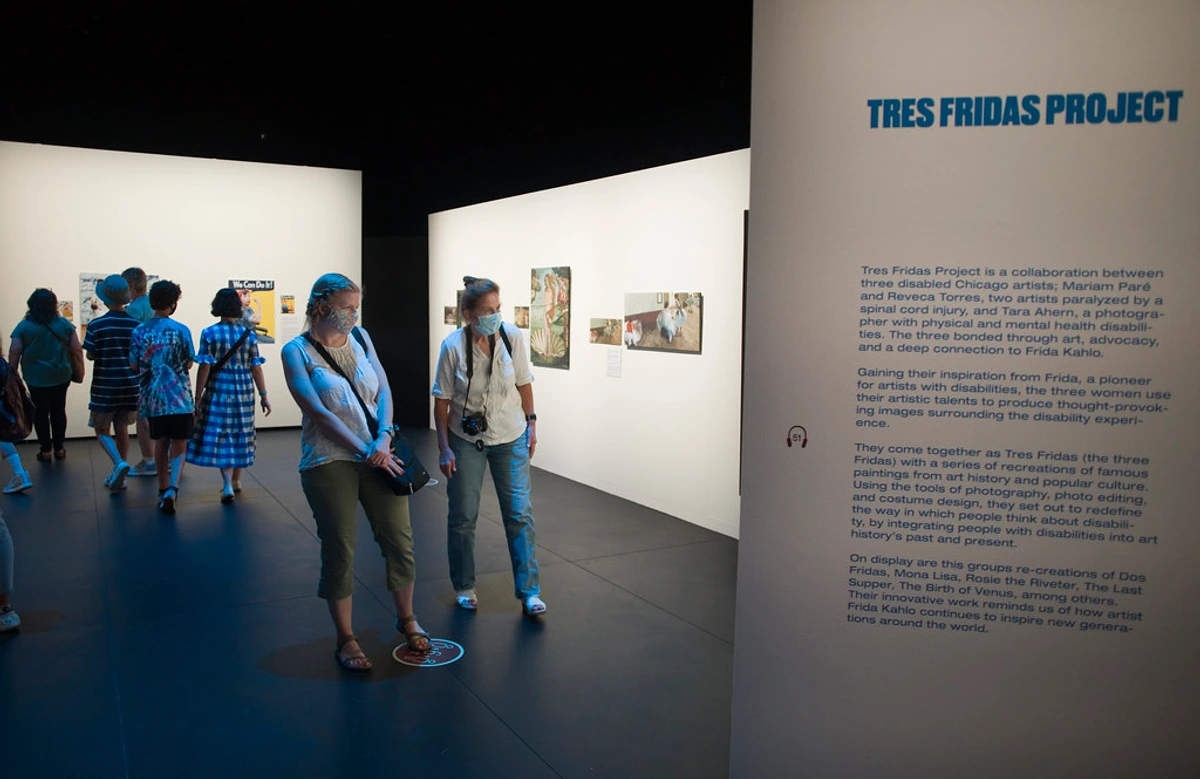
- Critique Injustice: Exposing and challenging gender inequality, racial discrimination, political oppression, and environmental issues.
- Advocate for Change: Raising awareness, sparking dialogue, and mobilizing action around crucial social causes.
- Empower Marginalized Voices: Giving visibility and a platform to stories and experiences often overlooked by mainstream narratives.
- Foster Solidarity: Creating spaces for shared understanding, healing, and collective action among women and other underrepresented groups.
Artists like Judy Chicago, Faith Ringgold, and Kara Walker are prime examples of this intersection, where their aesthetic choices are deeply intertwined with their commitment to social justice. Their work isn't just about beauty; it's about pushing for a more equitable and just world, proving that art can be a profound catalyst for change.
What is Feminist Art?
Since we've highlighted pioneers like Judy Chicago, it's worth briefly touching on Feminist Art. At its core, Feminist Art is art created by artists who consciously address the political and social struggles of women, actively seeking to dismantle patriarchal structures within both society and the art world. It emerged prominently in the late 1960s and 1970s, challenging the male-dominated art historical canon and advocating for greater representation, critical recognition, and equity for female artists. It uses art as a powerful tool to critique patriarchal structures, expose gender inequality, explore female identity, and celebrate women's experiences and achievements.
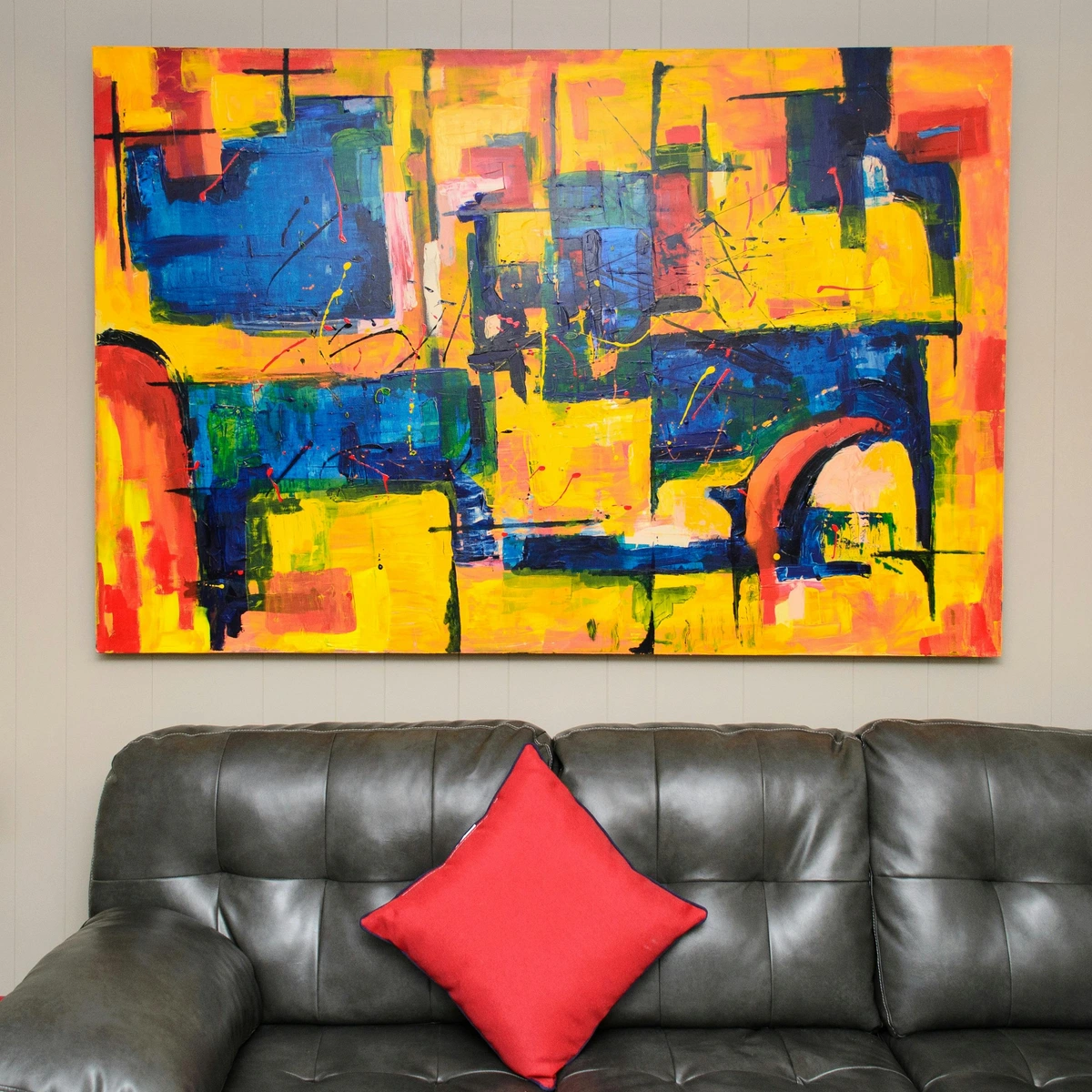
It's a wonderfully diverse movement, encompassing a wide range of styles and mediums—from performance art and photography to monumental installations and traditional painting. What unites it is the intention: to provoke thought, challenge norms, and empower women within and beyond the art world. It’s not just "art made by women"; it’s art made with a specific political consciousness and a powerful message of liberation and equality, constantly pushing for a more just and inclusive artistic landscape.
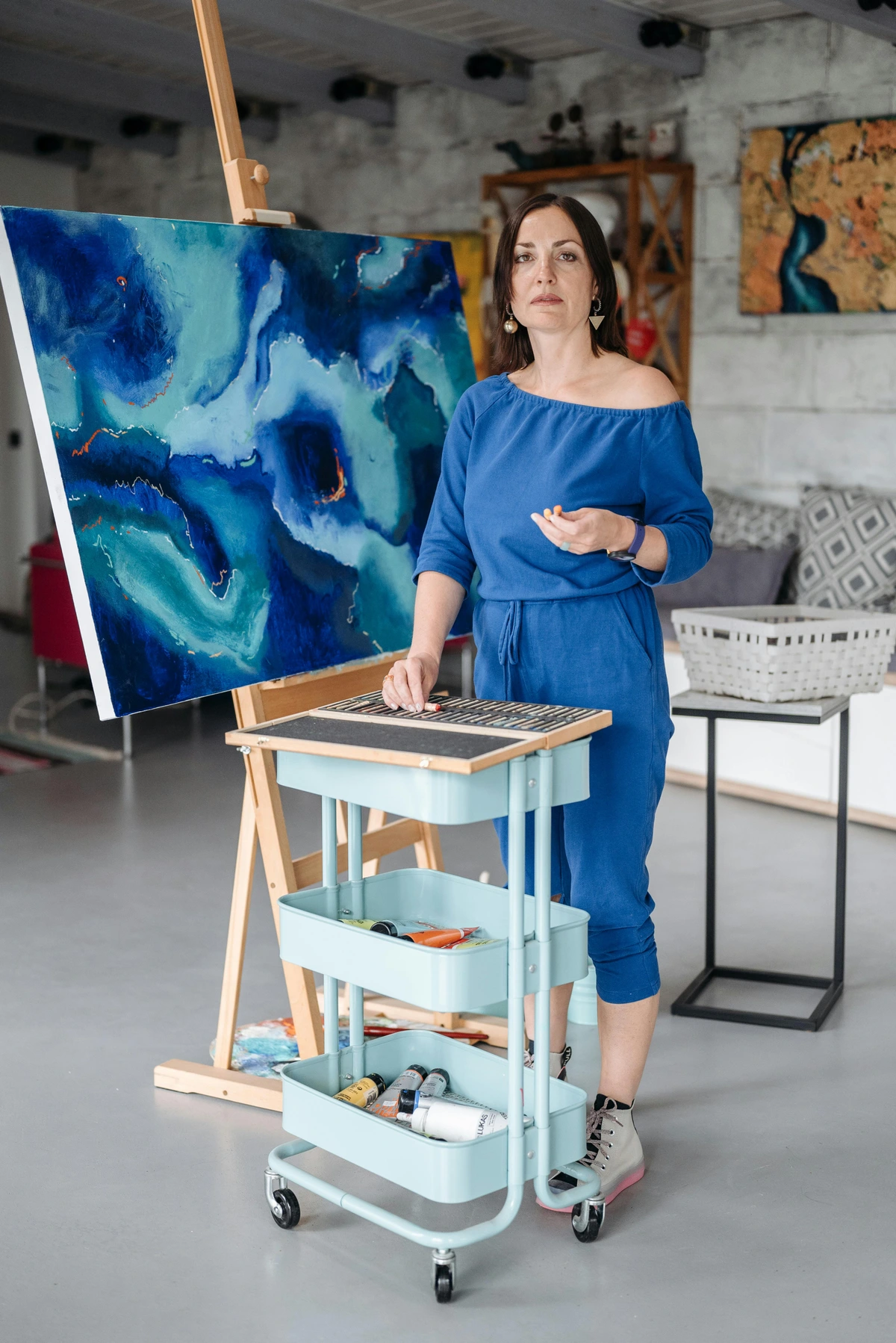
What role did photography play for female artists?
Photography, as a relatively newer art form (compared to painting or sculpture), often offered female artists a unique entry point and a different set of challenges and opportunities. For some, it was more accessible, requiring less institutional training than traditional academies. For others, it was a powerful medium for:
- Challenging Representation: Women photographers could control the gaze, subverting traditional portrayals of women and offering new perspectives on identity, the body, and lived experience. It was a way to reclaim visual narratives.
- Documenting Social Change: It became a vital tool for capturing social issues, activism, and the lives of marginalized communities, giving voice and visibility to those often overlooked.
- Personal Expression: From avant-garde experiments to intimate self-portraits, photography allowed for diverse forms of personal and conceptual exploration, often with a raw immediacy that other mediums couldn't match.
Artists like Anna Atkins (one of the first photographers, documenting botany), pioneering portraitist Julia Margaret Cameron, the social documentarian Dorothea Lange, and the utterly revolutionary Cindy Sherman made monumental contributions, proving photography's power as both an artistic and documentary medium for women. It’s a field where female artists have consistently innovated and excelled, often without the historical baggage of older, more male-dominated art forms, creating their own rich lineage of visual storytelling.
How can I evaluate the significance of an overlooked artist?
This is where your "label detective" skills really come into play! When you discover an artist who resonates but isn't a household name, you can evaluate their significance by looking at several factors:
- Innovation: Did they pioneer a new technique, style, or subject matter? Were they ahead of their time?
- Influence: Did they influence other artists, movements, or even broader cultural trends? Even if unrecognized in their lifetime, their work might have subtly shifted paradigms.
- Context: How did their work respond to or challenge the societal, political, or artistic norms of their era?
- Depth and Consistency: Does their body of work demonstrate sustained artistic vision, technical mastery, and intellectual engagement?
- Resonance: How does their work speak to viewers today? Does it offer fresh insights or emotional impact?
Sometimes, the very act of rediscovery makes an artist significant, as it forces us to reconsider and rewrite art history itself. It's about looking beyond established narratives and trusting your own informed judgment.

Are there contemporary initiatives supporting female artists?
Absolutely, and I find this incredibly encouraging! While we acknowledge the historical disparities, there's a vibrant and growing ecosystem of initiatives dedicated to championing contemporary female artists. These include:
- Dedicated Galleries and Museums: Spaces like the National Museum of Women in the Arts (NMWA) actively collect and exhibit work by women.
- Residencies and Grants: Organizations offer specific grants, fellowships, and residency programs to support female artists' creative development and financial stability.
- Mentorship Programs: Connecting emerging female artists with established professionals to foster growth and navigate the art world.
- Online Platforms and Databases: Websites and digital archives dedicated to increasing the visibility and research of women artists past and present.
- Activist Art Groups: Collectives that advocate for greater representation, challenge biases, and organize exhibitions and events.
These initiatives are crucial for building a more equitable and dynamic art world, ensuring that today's groundbreaking female artists receive the recognition, resources, and platforms they deserve, and that their legacies are not overlooked by future generations. It's a testament to ongoing collective effort.
Are things better for female artists today?
That's a profoundly nuanced 'yes, but also no, and we still have work to do' from me. Absolutely, there has been significant, tangible, and truly exciting progress in recent decades. Female artists are undeniably more visible in galleries, museums, and international art fairs than ever before, which is a monumental stride forward. Major institutions are actively mounting retrospectives and group shows dedicated to re-evaluating and celebrating women's contributions.
However, the cold, hard data still tells a disheartening story of persistent disparity. Studies consistently highlight a major gap in auction prices for works by women compared to men, often for art of comparable quality and historical importance. Furthermore, while improving, the percentage of works by women in major museum collections globally still has a very, very long way to go to reflect true equity. So, yes, things are significantly better—we've come so far—but there is definitely still crucial, systemic work to do to achieve true parity and ensure that future generations don't have to ask this same question. It's a journey, not a destination, and we're all part of the ongoing effort.
The Intersection of Art, Science, and Technology: A New Frontier for Female Artists
As we move into the 21st century, one of the most exhilarating frontiers for artistic exploration lies at the intersection of art, science, and technology. And guess what? Female artists are at the forefront of this groundbreaking convergence, pushing boundaries and challenging our perceptions of what art can be. This isn't just about using new tools; it's about asking new questions and envisioning new futures.
From bio-art that integrates living organisms and scientific processes into artistic expression, to digital installations that respond to viewer interaction, and AI-generated art that explores the nature of creativity itself – women are leading these dialogues. They are using scientific research as inspiration, collaborating with scientists and engineers, and reclaiming narratives in fields historically dominated by men. This confluence allows for:
- Conceptual Depth: Exploring ethical, philosophical, and societal implications of scientific advancements.
- Innovative Mediums: Working with genetic material, algorithms, data visualization, and virtual realities.
- Interdisciplinary Dialogue: Fostering conversations between seemingly disparate fields, enriching both art and science.
For me, this is where some of the most profound and future-shaping work is happening. It's a testament to the boundless curiosity and innovative spirit of female artists, who continue to redefine the very parameters of artistic practice.
The Role of Mentorship and Art Collectives: Building Networks of Support
One often-overlooked aspect of artistic success, particularly for marginalized groups, is the power of mentorship and collective support. For centuries, informal (and often exclusive) networks helped male artists navigate the art world, find patrons, and secure recognition. Female artists, frequently excluded from these circles, often had to forge their own paths, sometimes in isolation. However, the emergence of female-led art collectives and structured mentorship programs has been transformative.
These networks provide:

- Shared Knowledge: A space to exchange practical advice on everything from technique to gallery representation.
- Emotional Support: A crucial community where artists can share struggles, celebrate triumphs, and find solidarity.
- Collective Voice: The ability to amplify individual messages and advocate for broader change within the art world.
- New Platforms: Collectives often create their own exhibition opportunities, bypassing traditional gatekeepers.
Think of the impact of groups like the Guerrilla Girls, or the countless informal communities that sprang up around artists like the Abstract Expressionists (Lee Krasner was a central figure in the New York School's intellectual circles). These collaborative efforts prove that when women support women, the entire art world benefits, fostering an environment where diverse voices can truly thrive.
What is "The Male Gaze" in art, and why is it important?
This concept, deeply relevant to understanding why many female artists chose their particular subjects and styles, refers to the way women and the world are often depicted in visual arts (and media in general) from a masculine, heterosexual perspective. The term was coined by feminist film theorist Laura Mulvey in 1975, but it applies broadly to art history.
In traditional art, women were frequently portrayed as passive objects of beauty, sexuality, or moral lessons, primarily for the pleasure and perspective of a male viewer. This often led to:
- Idealized or Objectified Bodies: Women's bodies depicted in a way that conforms to male desires, often unrealistic or overtly sexualized.
- Limited Roles: Women shown primarily in domestic, subservient, or allegorical roles that reinforce patriarchal societal norms.
- Absence of Female Agency: Their internal lives, thoughts, and complex experiences rarely explored with depth.
Understanding the Male Gaze helps us appreciate the radical nature of artists like Artemisia Gentileschi, who painted women as powerful agents, or Mary Cassatt, who depicted the everyday lives of women with empathetic realism, subverting these traditional portrayals and offering an alternative female perspective.

Where can I see works by the artists you listed?
Many of their works are housed in major collections worldwide, which is fantastic! For example, you can often find pieces by Mary Cassatt at the Art Institute of Chicago or the Metropolitan Museum of Art (check out our guide to the Met). Artemisia Gentileschi's powerful canvases can be seen at the Uffizi Gallery in Florence or the National Gallery in London. Hilma af Klint's groundbreaking abstractions are often exhibited at institutions like the Guggenheim in New York. Lee Krasner's dynamic works are held in collections such as the MoMA, while Käthe Kollwitz's searing prints can be found in major graphic arts collections globally. Alma Thomas's joyful compositions are prominent at the Smithsonian American Art Museum, and Judy Chicago's monumental The Dinner Party is permanently housed at the Brooklyn Museum. It's always a good idea to check specific museum websites before you visit, as collections and exhibitions can change.
How can I support contemporary female artists today?
That's a fantastic and incredibly important question! Supporting contemporary female artists is crucial for ensuring their continued visibility and success, helping to correct historical imbalances in real-time. Here are a few concrete ways you can make a difference, based on what I try to do:
- Visit Exhibitions: Actively seek out exhibitions featuring women artists at local galleries, museums, and alternative art spaces. Your presence at these shows sends a message that there's demand for their work.
- Buy Their Art: If your budget allows, invest in their work! Whether it's an original painting, a sculpture, a print, or even merchandise, your purchase directly supports their livelihood and career. Even small art prints, like those you can find in my own shop, can make a difference to an artist.
- Share Their Work: Use social media, talk to friends, and write about the artists whose work moves you. Spread the word! Visibility is a powerful currency in the art world.
- Engage with Galleries & Institutions: Follow galleries that represent female artists. Advocate for more diverse representation in major museum collections and exhibitions. Attend artist talks and panel discussions.
- Read & Research: Educate yourself about their practices, read interviews, and support publications that champion female artists. The more informed you are, the better advocate you can be.
Every single action, no matter how small, contributes to building a more equitable and vibrant art world for everyone.
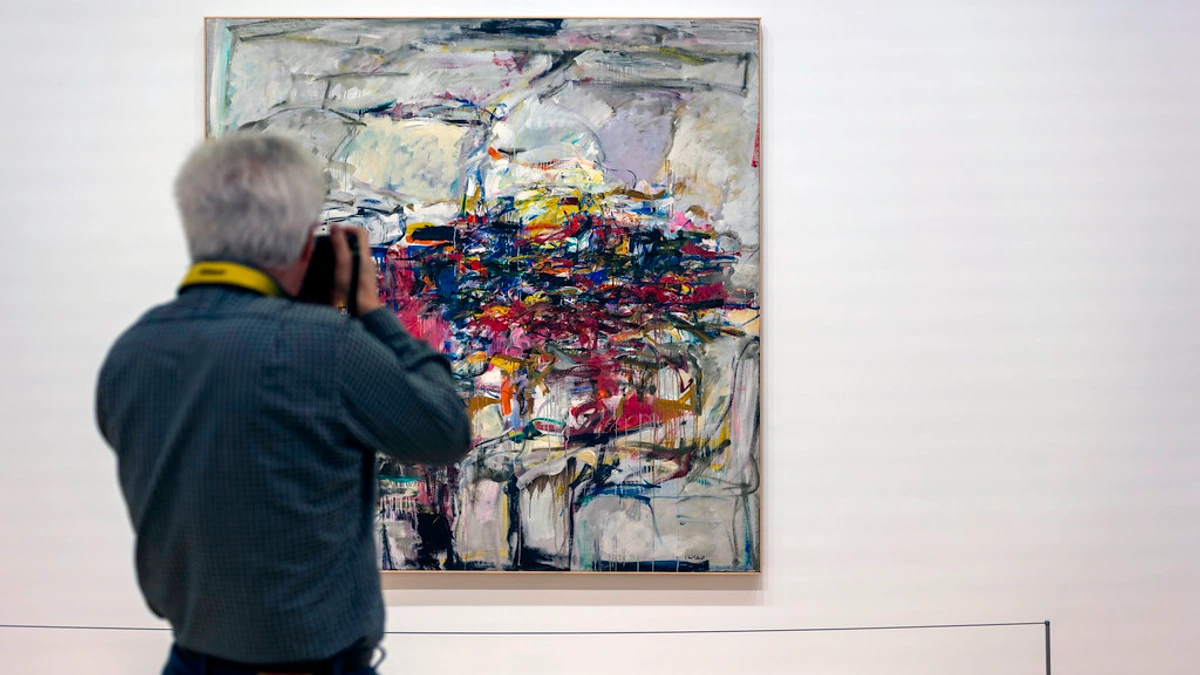
What are some common themes in female artists' work?
That's a fascinating question, and while it's crucial not to essentialize, I've observed some recurring threads. Many female artists, historically and contemporarily, explore themes of identity (personal, societal, gendered), the body (often challenging traditional male gaze portrayals), domesticity (elevating the private sphere), social justice, nature, and spirituality. You'll also often find a profound engagement with autobiographical narrative and a powerful tendency to reclaim historical narratives or propose alternative perspectives. Think of the intense psychological depth in Artemisia Gentileschi's work, or the bold reclamation of female narratives in Judy Chicago's art. These aren't exclusive to women, of course, but they often appear with unique urgency and insight in their practices.
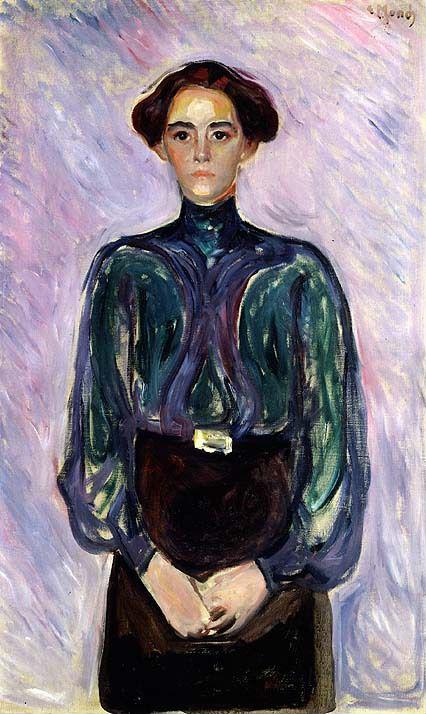




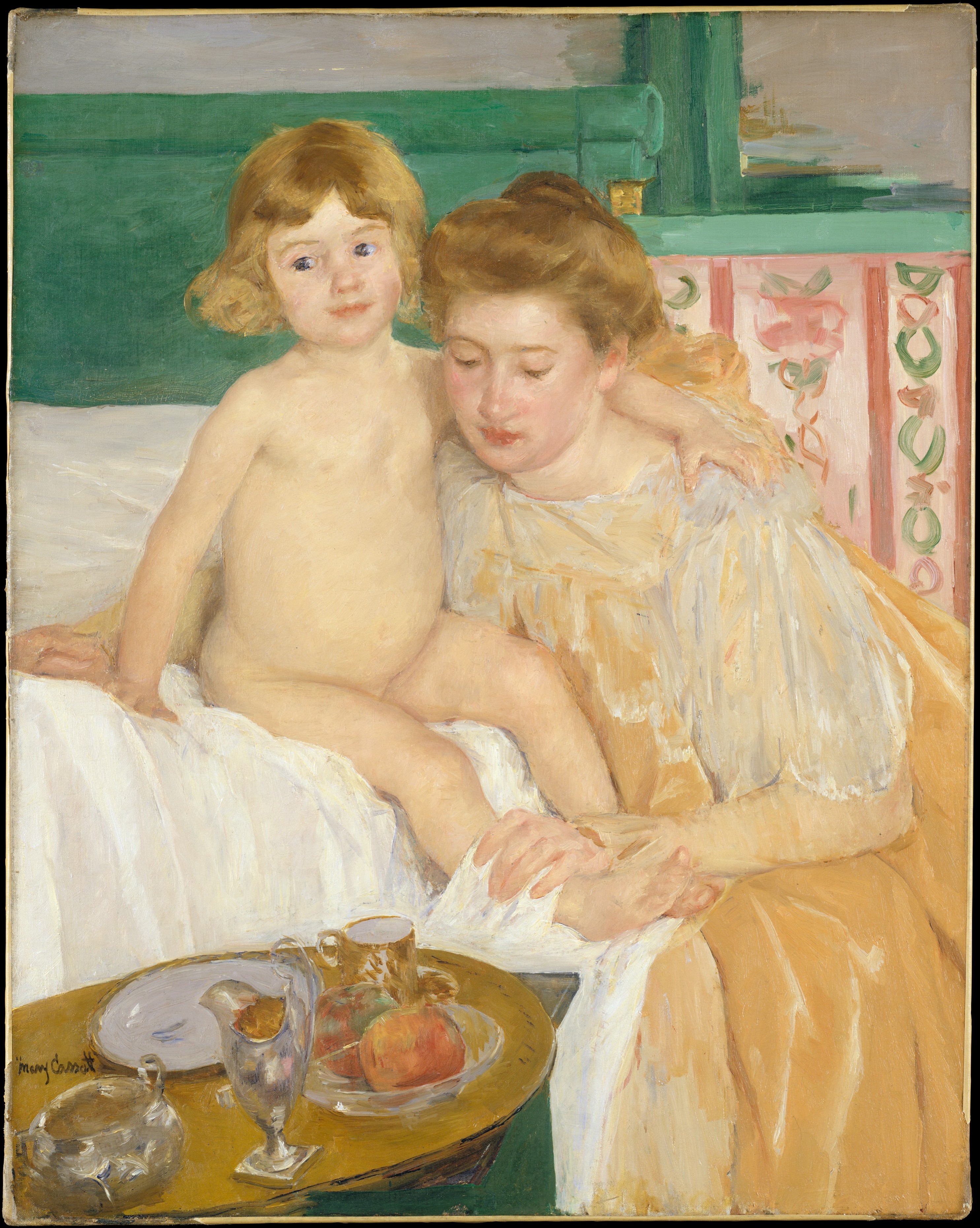
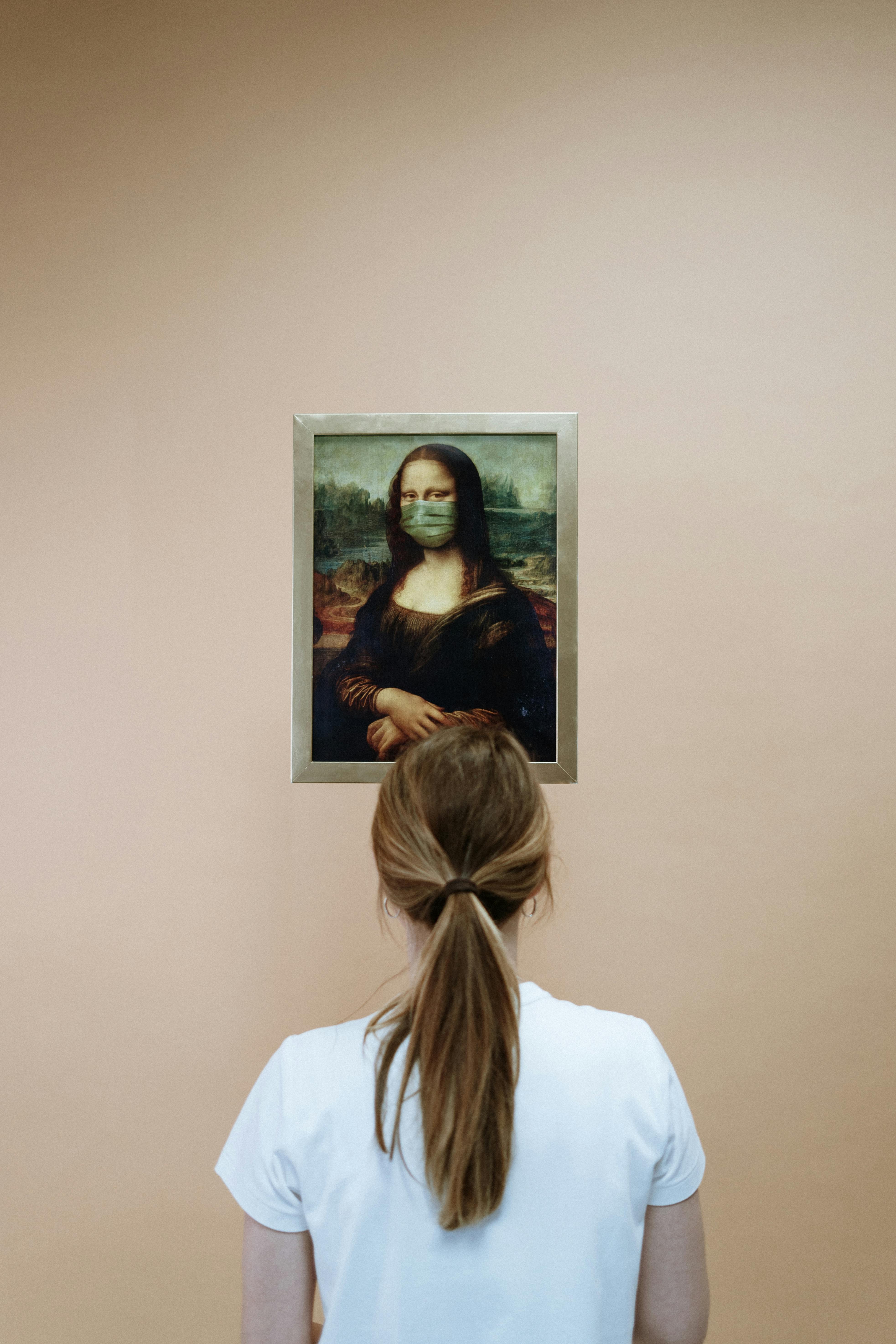













What about other art forms? Women in Textile Art and Ceramics.
It's easy to focus on painting and sculpture, but women have also made profound, often revolutionary, contributions in other artistic disciplines, especially those historically relegated to the 'craft' sphere. Textile art and ceramics, for instance, were often considered domestic or functional, yet female artists have consistently elevated them to high art, pushing boundaries and infusing them with deep conceptual meaning. From the intricate story quilts of Faith Ringgold (who merged African American quilting traditions with narrative painting) to the pioneering fiber art of Anni Albers at the Bauhaus, textiles have been a powerful medium for expressing identity, narrative, and abstract form. Similarly, in ceramics, artists like Lucie Rie transformed functional pottery into exquisite modernist sculptures, while contemporary artists continue to explore the medium's expressive potential. These women challenged hierarchies, proving that artistry and profound expression can be found in every material and every technique.
How do historical biases impact art education today?
This is a critical question, and the answer is: significantly, though change is happening. Historically, art education curricula were heavily skewed towards a male-dominated Western canon, often omitting or minimizing the contributions of female artists and artists from non-Western cultures. This created a biased and incomplete understanding of art history for generations of students. Today, however, there's a concerted effort to decolonize and diversify art history syllabi, incorporating a broader range of voices, movements, and perspectives. Museums and educators are actively working to correct these historical oversights, ensuring that students are exposed to a more equitable and accurate narrative of human creativity. It’s a slow process, but an essential one for fostering a truly inclusive understanding of art.
What is the future for female artists?
That's the question that really excites me! While we've come so far, and the landscape is undeniably more equitable than it once was, there's still crucial work to do. The future, in my optimistic view, is one of increasing visibility, equitable representation in collections and the market, and continued groundbreaking innovation. I foresee a future where the phrase "female artist" becomes simply "artist," and where gender is no longer a qualifier but simply one aspect of a rich, diverse identity. It's a future where mentorship networks grow stronger, where historical research continues to unearth forgotten masters, and where institutions are truly representative of global human creativity. It's a future that all of us, by being informed and engaged, can actively help build.
A Final Thought: The Ever-Evolving Canvas of Art History
The history of art isn't a static, dusty old book. For me, it's a living, breathing conversation that we're all an active part of, constantly being rewritten, expanded, and enriched by new discoveries and fresh perspectives. By seeking out these incredible artists and sharing their stories, we're not just adding new, essential voices to that conversation; we're actively participating in the creation of a more truthful, inclusive, and ultimately, more awe-inspiring narrative of human creativity.
This journey of discovery, this constant unveiling of new perspectives and hidden histories, is truly a huge part of what fuels my own artistic practice. It’s that sheer, exhilarating thrill of finding a hidden gem, of seeing the world—and the canvas—through a fresh, often overlooked, lens, that keeps me coming back to my own studio, experimenting with color and form. It's a powerful reminder that art is an ongoing dialogue, and every voice, especially those traditionally marginalized, enriches the conversation immeasurably. I sincerely hope this exploration of extraordinary female artists inspires you as deeply as it has inspired me, prompting you to seek out more of these incredible stories and, crucially, to share them, becoming a vital part of this ongoing, dynamic narrative. Perhaps, as you delve further, you'll even find a new piece that speaks directly to your spirit in my shop.
Challenging the Canon: Contemporary Curatorial Practices
It's not just artists and historians who are working to correct the historical imbalance; curators in museums and galleries worldwide are actively engaging in the crucial work of re-evaluating and re-contextualizing the art historical canon. This involves:
- Mining Archives: Deep dives into museum collections to unearth forgotten works by women and other underrepresented artists.
- Mounting Thematic Exhibitions: Creating shows that explore movements or themes through a more inclusive lens, highlighting contributions previously overlooked.
- Rewriting Wall Labels: Updating interpretive texts to acknowledge biases and provide richer, more accurate historical context.
- Acquisition Strategies: Actively seeking to acquire works by diverse artists to build more representative collections.
This is a thrilling time in the art world, as institutions actively strive for a more complete and honest narrative. The conversations sparked by these curatorial shifts are challenging, exciting, and absolutely essential for ensuring that the full breadth of human creativity is finally given its rightful place in history.