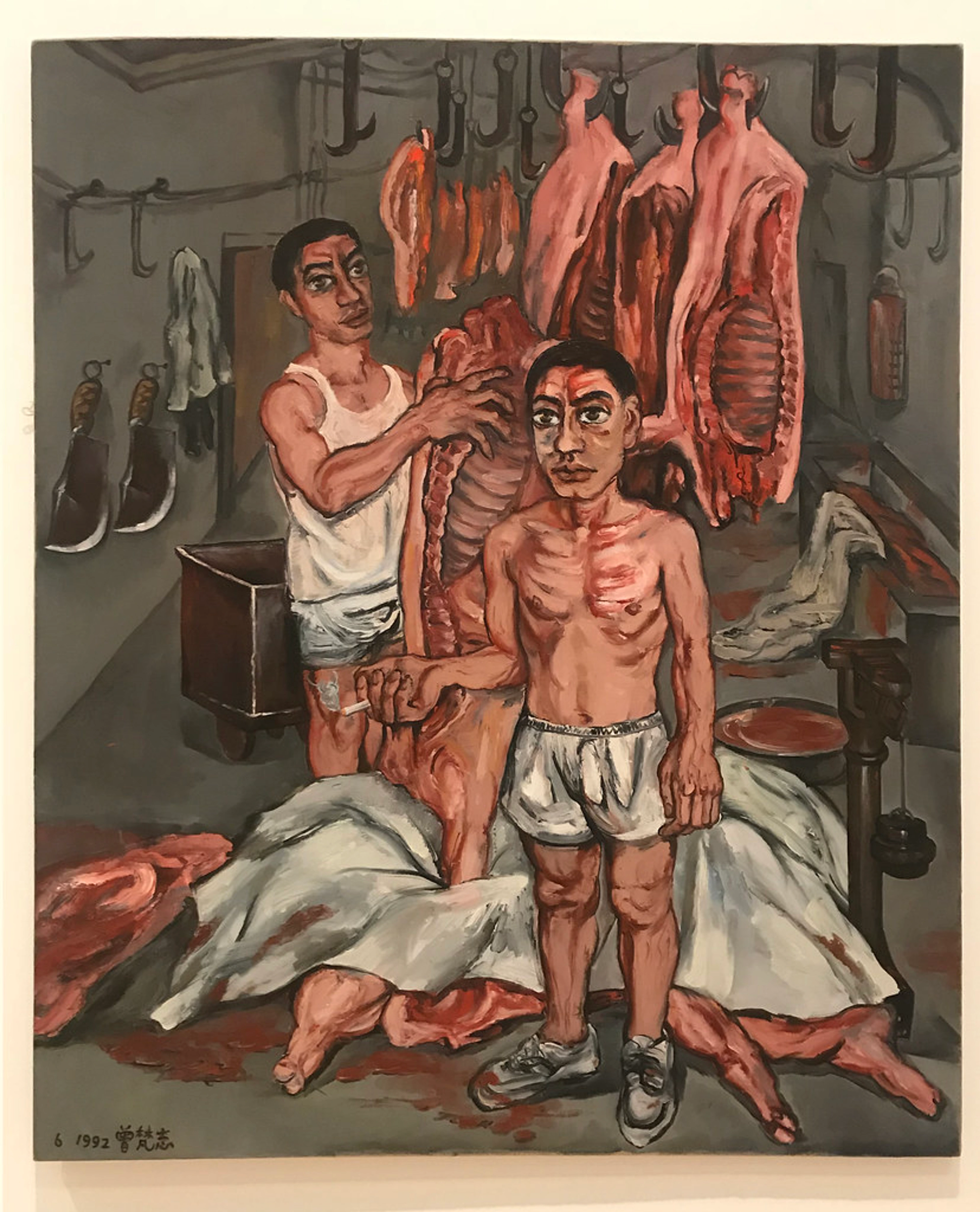
Social Realism: Art's Unflinching Mirror, Truth, and Enduring Legacy
Explore Social Realism's profound impact: its origins in societal turmoil, defining features, global reach, and how artists channeled truth into a powerful call for change. Discover its legacy in contemporary art and my own journey.

Social Realism: Art's Unflinching Mirror to Truth and Injustice, a Personal Journey
You know, I've seen images, perhaps of a gaunt worker or a desperate mother, that just hit me—not just in a pretty-picture kind of way, but with a real punch to the gut. That's how I often feel about Social Realism. For me, it's not just another art movement in the history books; it's a defiant act of empathy, a period where artists collectively decided their brushes and chisels weren't just for beauty, but for truth. Imagine being an artist, seeing the struggles of everyday people—the working class, the marginalized communities—and feeling this undeniable urge to not just depict it, but to amplify it. That's Social Realism for me: a mirror held up to society, often unflattering, always compelling, and almost always a direct call to acknowledge the uncomfortable realities of injustice, inequality, and those baffling, sometimes brutal, socio-economic conditions of its time. The air itself often felt thick with the despair of the poor, the visible toll of tiny hands stained with coal dust, and entire families crammed into single, crumbling rooms. It’s art with a conscience, profoundly influencing countless artists who, like me, feel a pull to embed meaning and social commentary in their craft.
In this exploration, we'll uncover why this movement was born, its defining traits, its global reach, and why its echoes still resonate so powerfully today. What does it mean for art to truly confront reality, and what happens when it does?
The Crucible of Change: Why Artists Embraced Reality
As I try to make sense of the world today, I can't help but see echoes of the turmoil that birthed Social Realism in the late 19th and early 20th centuries. This wasn't just a quiet shift in aesthetics; it was a furious artistic response to a world utterly reshaped by unprecedented societal upheaval. Rapid industrialization had painted landscapes grey with factories and choked cities with overcrowding, poverty, and sanitation crises. For millions, life became a brutal daily grind in coal mines, sweatshops, and assembly lines, often without basic protections. The burgeoning capitalism of the era, while fueling progress for some, simultaneously created vast economic inequality, exploited labor (including child labor, which, frankly, still makes my blood boil, especially when I think about how little has truly changed for some communities today), and led to immense human suffering. Add to this the escalating social unrest, global conflicts like the World Wars, and devastating economic depressions (like the Great Depression of the 1930s, which plunged millions into despair globally), and you begin to grasp the immense weight of what artists were witnessing and compelled to capture.
Now, depicting societal struggles wasn't entirely novel; you can trace its roots back to 19th-century Realism in France, for instance. I'm thinking of Gustave Courbet’s unflinching depictions of rural laborers, or Jean-François Millet’s poignant 'The Gleaners' (1857), which brought the harsh reality of rural poverty to the Salon. Honoré Daumier, too, with his biting satirical prints, relentlessly critiqued social injustices and the hypocrisy of the political elite. Beyond France, artists of the Barbizon School, like Théodore Rousseau and Jules Breton, focused on capturing the raw beauty and hardship of rural life, further cementing the dignity of everyday subjects. These artists laid crucial groundwork, showing that everyday life—even its grittiest parts—was a worthy and profound subject for serious art. This radical embrace of the ordinary was revolutionary; for so long, art had largely glorified the powerful, the mythical, or the divine. To turn the canvas towards the unvarnished truth of common existence was, in itself, an act of defiance.
But this impulse truly exploded into a global, organized force during the interwar period, fueled by the rise of organized labor movements and early socialist and communist ideologies advocating for worker rights and systemic change. It wasn't just a handful of isolated voices; it was a chorus. Artists across continents grappled with shared challenges and felt a moral imperative, a philosophical justification rooted in Enlightenment ideals of humanism and reason, to use their unique voice to advocate for systemic change, to make the invisible struggles of the many visible to the few in power. They weren't just observing; they were deeply, personally invested.
It reminds me of the raw, collective anxiety captured in works like Edvard Munch’s powerful woodcut 'Angst' or his lithograph 'Despair'. While stylistically more aligned with Expressionism, these works tap into that profound societal discomfort that Social Realists would later channel and portray with their own distinct language. Munch, for me, captures the underlying psychic dread of a society on the brink, a visceral precursor to the emotional landscapes Social Realists would later map out with their brushes, often by depicting the outward manifestations of this dread in strained faces and grim environments.
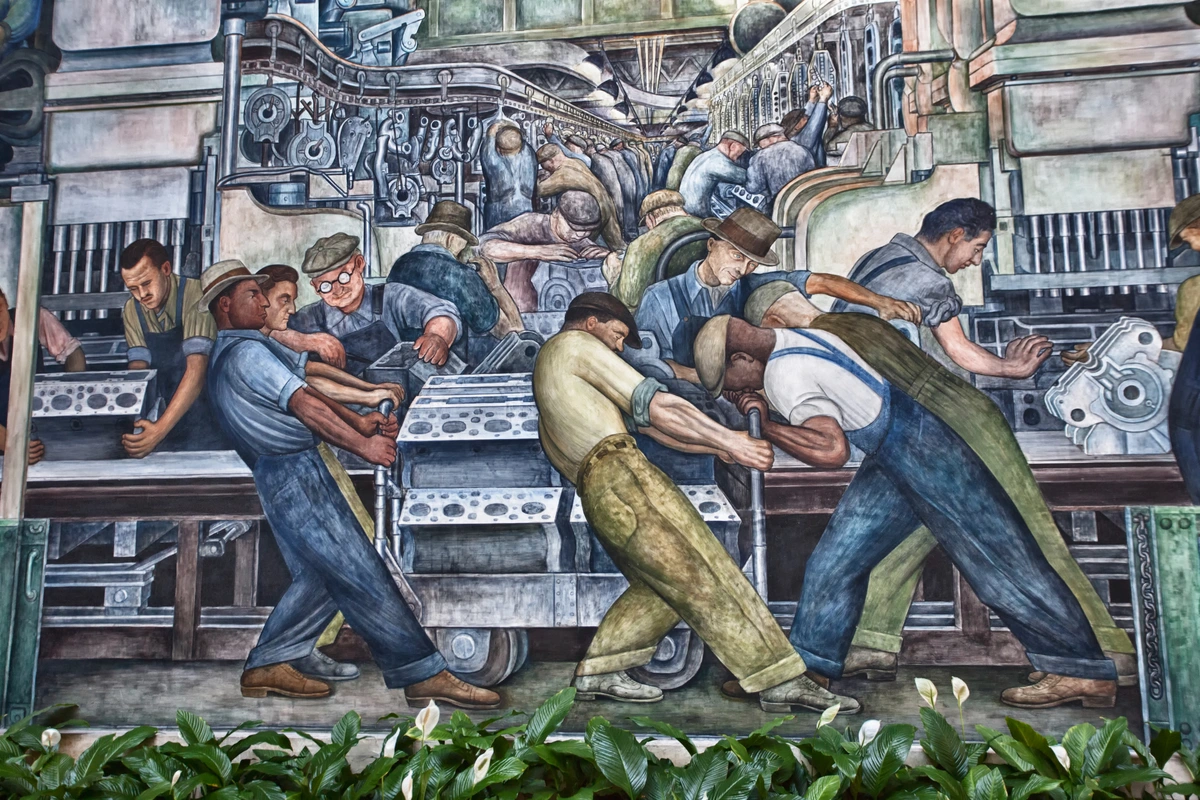

Defining Characteristics: How to Spot a Social Realist Work
When I look at a piece and wonder if it falls under Social Realism, there are specific things I instinctively seek out. It's not just the raw emotional undercurrent of the era—though that’s foundational—but how that emotion is channeled through a distinct set of artistic traits. For me, these are the unmistakable hallmarks:
- Focus on the Common Person: This is probably the defining feature for me, the one that tells me, "Okay, this artist cares about us." Social Realism is dedicated to depicting the lives of ordinary individuals, departing from the traditional focus on royalty, mythology, or the aristocracy. Instead, they centered on the everyday worker, the farmer, the immigrant, the single parent—anyone from marginalized communities. This wasn't just representation; it was an act of dignifying their struggles and existence, making visible populations that were too often overlooked or dismissed. It’s about restoring agency and humanity, often highlighting their resilience, their quiet strength, and the community bonds that sustained them, rather than just pitying their circumstances. You see this in a subtle posture of defiance, a shared glance of solidarity, or the meticulous rendering of a worn worker's hands, depicted with almost reverent detail, telling a silent story of endurance.
- Realistic or Representational Style: You’ll generally find an accessible and readily understood style here. The main goal, after all, was clear communication, not to intentionally obscure meaning with overly abstract forms or to chase an unattainable photographic likeness. While works might sometimes use dramatic elements or slight exaggerations—a gaunt figure might be rendered with an almost sculptural starkness to emphasize the ravages of hunger, or a powerful, almost sculpted gesture, or slightly simplified forms to emphasize a universal type rather than an individual—these were always in service of the social commentary, ensuring the message remained unmistakable. It was realism with a profound purpose: to convey truth, not just prettiness. This is also where the burgeoning field of documentary photography played a crucial role, often providing artists with raw visual data and inspiration, teaching them how to "see" the truth of hardship with an unflinching eye.
- Social & Political Commentary: Beyond just showing you what was happening, Social Realist art almost always carries a potent underlying message. These artists actively critiqued economic inequality, harsh working conditions, racial injustice, poverty, and the devastation of war. This was art with an explicit purpose, often functioning as a direct call to action or a heartfelt appeal for empathy, compelling viewers to confront uncomfortable societal truths and, hopefully, to do something about them. They often tackled themes like imperialism, colonialism, specific labor disputes (think of the grim march of striking miners), or the systemic failings of society that led to devastating agricultural crises or urban blight. It wasn’t always subtle, and it wasn’t meant to be.
- Emotional Resonance: The works are designed to hit you right in the feelings—sympathy, anger, sadness, or a spark of hope for change. This deep engagement with the human condition is often achieved through relatable narratives connecting with our universal experiences of struggle and resilience. It’s not just an intellectual exercise; it’s a gut feeling, a connection to shared humanity. For me, if a piece doesn't stir something deep inside, if it doesn't make me pause and reflect on the human condition, it might be realistic, but it probably isn't Social Realism. Beyond just anger and pity, many works also evoke a sense of quiet dignity, stoicism, or even melancholic beauty in the face of hardship—a testament to the human spirit's enduring capacity.

Ethical Considerations: The Tightrope of Representation
Before we dive into the global spread, it feels important to acknowledge something that often sits uncomfortably with me about art that tackles social issues: the ethical tightrope. Social Realism, for all its noble intentions, wasn't immune to critique on this front. There was always the risk of romanticizing poverty, inadvertently turning suffering into a spectacle, or even reinforcing stereotypes through simplified depictions of marginalized groups. It’s the age-old question, isn't it? Are artists truly giving a voice, or are they speaking for someone? This concern about the "gaze"—whose perspective is being privileged and what might be lost or distorted when an artist from a different class or background depicts others' lives—is always present. Consider, for instance, the debates around Soviet Socialist Realism, where the state-mandated glorification of labor sometimes overshadowed the authentic, complex realities of individual workers, risking a form of artistic propaganda. There's also the potential for "othering," even with good intentions, if the depiction feels alienating or exotic rather than deeply empathetic. Debates also simmered around artistic "authenticity" versus political messaging. When art becomes explicitly didactic or serves a specific ideological agenda, does it lose something of its innate artistic quality? This tension, between raw artistic expression and clear political purpose, is something artists grappling with social issues still wrestle with today. The questions Social Realism grappled with — about authenticity, about whose story gets told, and by whom — are the very questions that resonate in today’s discourse around cultural appropriation and equitable representation. Even in my own contemporary art, which is often abstract and colorful, the question of intent and impact is always there. Am I truly connecting, or just observing from a distance? It reminds me that even with the best intentions, the act of representation is rarely simple, and demands thorough research and understanding of one's subjects, not just assumption.
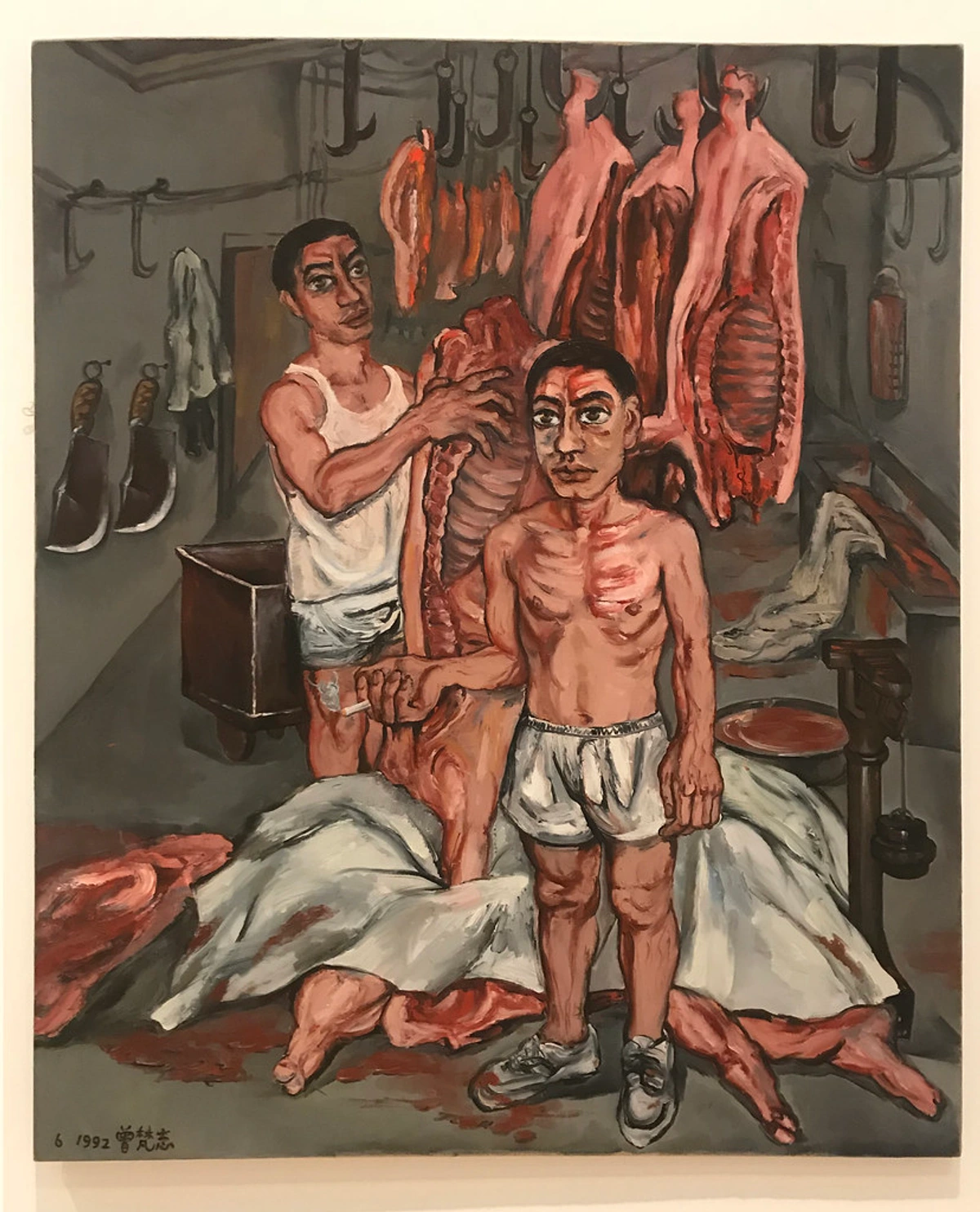
A Global Phenomenon: Key Movements and Influential Figures
Social Realism, for me, isn't a singular, monolithic movement. Instead, I see it as a powerful, widespread tendency that blossomed in diverse forms across numerous countries, primarily between the 1920s and 1940s. It was truly a global cultural wave, capturing the collective anxieties and aspirations of generations grappling with profound societal transformation. Understanding the crucible from which Social Realism emerged helps us then recognize its distinct artistic DNA.
Regional Manifestations and Influential Figures:
- Mexico: The Epic Storytelling of the Muralists: If you're talking Social Realism, you have to talk about the Mexican Muralists. The triumvirate of Diego Rivera, José Clemente Orozco, and David Alfaro Siqueiros are arguably its most iconic and influential proponents. They weren’t just painting; they were telling epic stories on vast, public murals, often commissioned for government buildings in the wake of the Mexican Revolution. This was a country rebuilding its identity, trying to define what it meant to be Mexican after a decade of civil war. Their murals chronicled the Revolution itself, indigenous struggles, agrarian reform, anti-clericalism, and the lives of the working class, often explicitly promoting socialist ideals and cultural nationalism. This wasn't merely decorative; it was a radical act of public education and collective memory building, forging a national identity in a largely illiterate populace, making history visible to all.
- United States: Capturing America's Struggles and Spirit: I always find it fascinating how precursors to Social Realism appeared in the US with the Ashcan School in the early 20th century. Artists like George Bellows (think 'Stag at Sharkey's'), Robert Henri, John Sloan, and Everett Shinn depicted gritty urban life in New York City with an unflinching gaze. They focused on street scenes, boxing matches, and everyday people, often earning their 'lowbrow' moniker because critics, who were often still looking for idealized landscapes or genteel portraits, didn't quite know what to do with art that celebrated the grit and grime of daily existence. Later, during the devastating Great Depression (a period of unprecedented unemployment and poverty, exacerbated by failures in the banking system and agricultural crises like the Dust Bowl), figures like Ben Shahn ('The Passion of Sacco and Vanzetti,' a powerful critique of social injustice and xenophobia) powerfully captured the hardship and resilience of ordinary Americans. Shahn’s powerful series on the Sacco and Vanzetti trial, for instance, didn't just depict two men; it laid bare the systemic xenophobia and class bias that led to their controversial execution, making a profound statement on justice denied. The government-sponsored Federal Art Project (part of the WPA) also provided vital support, commissioning thousands of artists to create public art during this time. While Benton is often classified as an American Regionalist for his focus on rural American life, his commitment to portraying the struggles and triumphs of common folk aligns directly with the core ideals of Social Realism. It’s also worth noting the parallel emergence of the Harlem Renaissance, where Black artists used their work to counter stereotypes and celebrate Black identity and experience. It actively countered dehumanizing stereotypes and offered nuanced, powerful portrayals of Black joy, resilience, and intellectual vibrancy, fundamentally expanding the scope of 'social reality' that art could address.
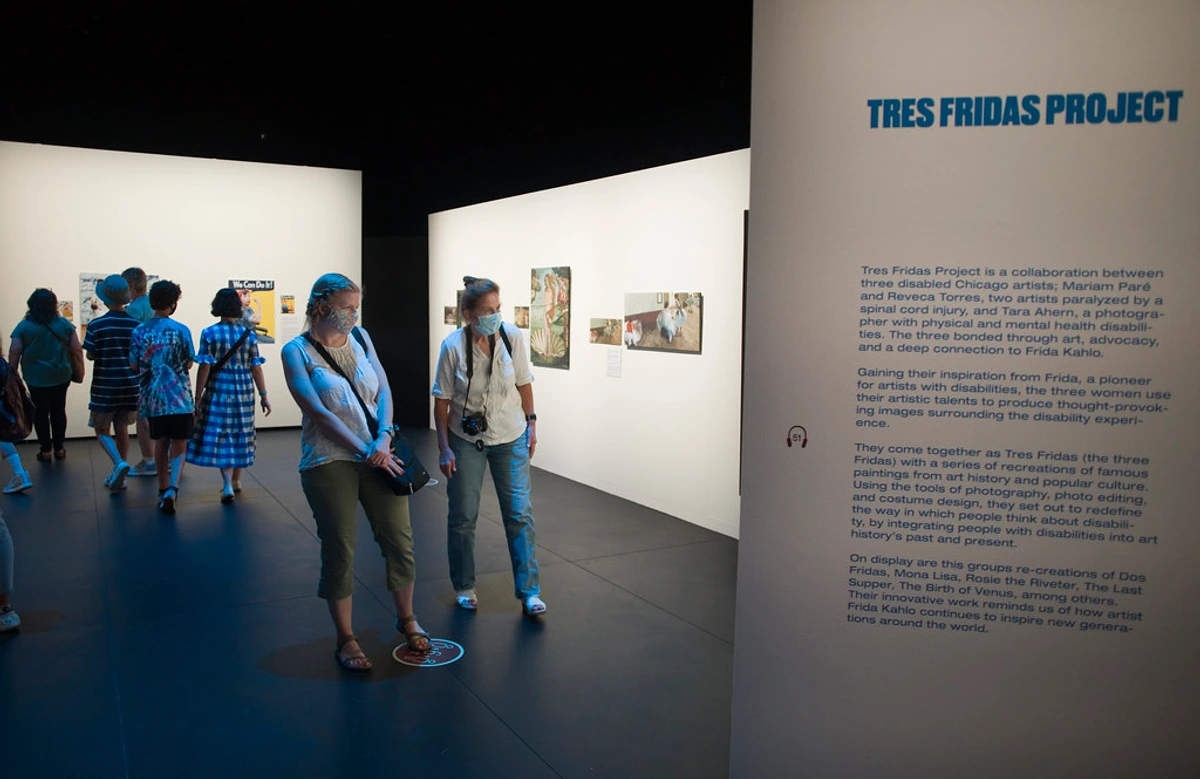
- Germany: The Raw Empathy of the Weimar Republic: The harrowing experiences of World War I, the subsequent economic devastation (hyperinflation, mass unemployment) of the Weimar Republic, and profound social upheaval fueled a powerful strain of Social Realism in Germany. Artists such as Käthe Kollwitz created incredibly moving prints and sculptures, like 'Woman with Dead Child' or 'The Weavers' series. Her raw, empathetic approach, often utilizing stark black and white woodcuts and lithographs, didn't just show suffering; it demanded empathy for the physical toll of war and poverty on the working class, mothers, and children who bore the brunt of these crises. When I see her work, it’s hard not to feel a lump in my throat; it’s the raw, unvarnished truth of humanity, a poignant argument against the machinery of war and exploitation.
- Britain: Quiet Observation amidst Industrial Decline: Though perhaps less overtly revolutionary than its Mexican counterpart, Social Realism also found a footing in Britain, particularly in the interwar period when the country faced industrial decline and social inequalities. Artists associated with the Euston Road School, like William Coldstream and Graham Bell, developed a sober, observational style focused on everyday urban scenes, portraits, and domestic life, often with an underlying current of social awareness. Their works, though less overtly didactic, captured the quiet dignity of working-class families and the stark realities of urban decay, often with a melancholic undertone that spoke volumes about societal neglect, emphasizing a grounded connection to reality.
- The Soviet Union: Idealized Futures and Hidden Realities (Socialist Realism): Concurrently, though often distinct in its ideological underpinnings, Soviet Socialist Realism emerged as the official state-sanctioned art style. While it shared the commitment to depicting the working class and promoting social ideals—artists like Aleksandr Deineka ('Defense of Petrograd') and sculptor Vera Mukhina ('Worker and Kolkhoz Woman') glorified labor and heroism—its primary function was to propagate communist values and glorify the Soviet state. This often resulted in idealized and heroic depictions that diverged from the critical stance and raw reality embraced by Social Realism elsewhere. While I appreciate the sheer power of Deineka's 'Defense of Petrograd,' there's a certain polish that makes me pause, a feeling that the rough edges of reality might have been smoothed over just a tad too much for my taste. The philosophical difference here is crucial: where Western Social Realism often aimed to expose suffering and critique systemic failures to prompt change, Soviet Socialist Realism presented a utopian vision of a transformed society, an idealized future already being built, depicting triumphant workers and collective achievements, rather than the struggles that remained or were actively suppressed. It achieved this through bold, heroic figures, bright palettes, and compositions that conveyed boundless optimism, creating a powerful, if sometimes deceptive, narrative.
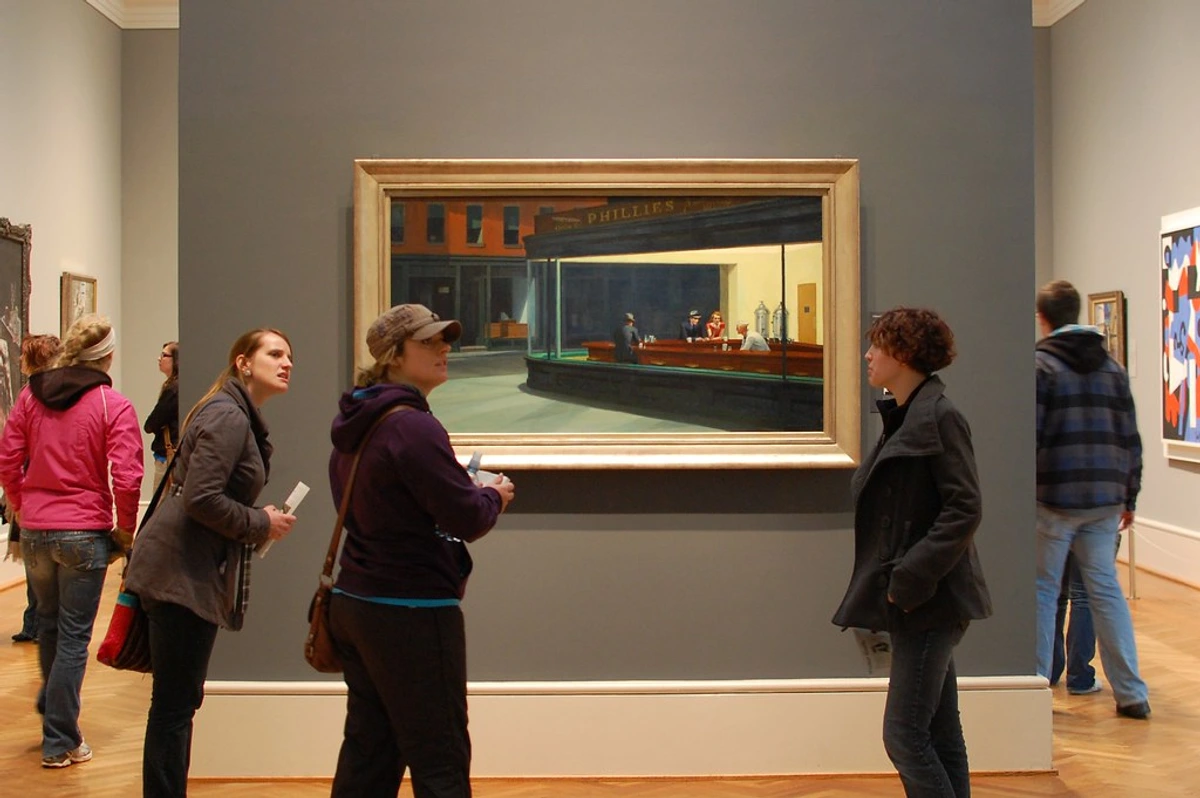
Beyond painting, the Social Realist impulse permeated other cultural forms. Literature, particularly the 'proletarian novel,' saw works like Upton Sinclair's The Jungle or John Steinbeck's The Grapes of Wrath vividly documenting the harsh realities of labor and poverty. Photography (exemplified by Jacob Riis's 'How the Other Half Lives,' Lewis Hine's documentation of child labor, and the Farm Security Administration (FSA) photographers like Dorothea Lange and Walker Evans), and cinema (with early works from filmmakers like Sergei Eisenstein in the Soviet Union or social dramas by John Ford in the US) all embraced the urge to document and comment on social realities, forming a comprehensive cultural commentary. This was truly the dawn of photography as fine art with a social purpose. It truly was a widespread, collective artistic awakening.
Artistic Conversations: Social Realism in Dialogue (and Disagreement) with its Contemporaries
It’s worth a quick thought about how Social Realism rubbed shoulders (or consciously avoided) other movements of the time. Futurism, for instance, with its fervent adoration of machines, speed, and even war, stood in stark contrast. Social Realists looked at the human cost of industrial advancement and conflict, refusing to glorify the very forces that were grinding down the working class. And where Surrealism dove deep into the subconscious and dreamscapes, often exploring political themes through allegory and jarring juxtapositions, Social Realism grounded itself firmly in the observable, stark realities of everyday life. Both were reactions to societal turmoil, but their chosen artistic languages were worlds apart: Surrealism’s dive into the subconscious used allegory and dreamscapes to critique power, while Social Realism grounded itself firmly in the observable, stark realities of everyday life, choosing clarity and directness as its primary weapons against chaos.
Tools of Truth: Mediums, Techniques, and Photography's Role
I find it fascinating how the effectiveness of Social Realism in reaching and influencing a broad audience was largely predicated on the deliberate selection of techniques and mediums. These artists consciously stepped away from easel paintings primarily destined for private collections. They embraced forms that were more public, more widely accessible, and dare I say, more democratic. It was about getting the message out, plain and simple.
- Murals: Particularly prominent in Mexico and the United States, large-scale murals on public buildings were a primary vehicle for social messages. Their monumental size and public placement ensured wide visibility, often bypassing traditional gallery systems. In Mexico, after the Revolution, they became powerful tools for national identity-building and public education, depicting history and social struggles to a largely illiterate populace. In the US, during the New Deal era, government programs like the WPA's Federal Art Project used murals not only to uplift spirits and document the nation's character but also, at times, to subtly (or not-so-subtly) promote specific national narratives or political agendas, using art to affirm shared values in a time of crisis.
- Printmaking: Techniques such as lithography, woodcuts, linocuts, and even etching were absolutely indispensable. I mean, let's face it, not everyone could afford a giant mural for their living room, but a print? That's a whole different story! These methods allowed for the mass production of images, making powerful social commentaries affordable and widely distributable. A woodcut, with its stark contrasts and bold lines, could convey raw emotion and hardship with incredible immediacy, almost shouting its message. Lithography, on the other hand, allowed for more nuanced shading and detail, perfect for satirical commentary or complex narratives. This brought art directly into homes and communities, enabling rapid dissemination of political and social messages, almost like early mass media, sparking conversation over kitchen tables.

- Oil Painting: While murals and prints offered broad public access, many Social Realist paintings were also created in oil. This medium allowed for rich detail, emotional depth, and nuanced storytelling. Artists could use expressive brushwork and chiaroscuro (strong contrasts between light and dark) to heighten the drama and emotional impact, making figures feel incredibly tangible and their struggles deeply resonant. These works, displayed in galleries and art centers, aimed to foster dialogue among a more engaged audience, potentially turning viewers into advocates for change.
- Photography: I can't emphasize enough the crucial role documentary photography played in shaping the visual language and public perception of Social Realism. Photographers like Jacob Riis (whose 'How the Other Half Lives' exposed New York City slum conditions), Lewis Hine (documenting child labor), and the Farm Security Administration (FSA) photographers like Dorothea Lange (whose 'Migrant Mother' became the face of the Great Depression) and Walker Evans (with his stark, formalist documentation of rural poverty) captured the raw realities of the era with unflinching directness. The perceived "objectivity" and immediacy of these photographic records profoundly influenced painters and sculptors, encouraging a heightened sense of verisimilitude and emotional honesty in their depictions of social issues, even as artists themselves made choices about framing and composition. It provided a stark, irrefutable visual lexicon of hardship that artists could then interpret and amplify. This was truly the dawn of photography as fine art with a social purpose.
This thoughtful choice of medium underscored the movement's commitment to accessibility and its democratic spirit, positioning art not merely for the elite but as a vital instrument for broader societal engagement.
The Enduring Legacy: Why Social Realism Still Matters Today
Did Social Realism solve the world's myriad problems? Of course not. But its indelible impact profoundly reshaped the discourse surrounding art's potential and purpose. For me, it firmly established the premise that art extends beyond mere aesthetic pleasure or the confines of elite galleries; it can function as a potent instrument for social commentary, a voice for the voiceless, and a fervent advocate for empathy. The movement effectively challenged the notion of art as purely ornamental, repositioning it squarely within the public sphere, actively engaging with real-world issues. It fundamentally shifted the public's expectation of art, demonstrating that it wasn't just for the elite, but a vital forum for public discourse. It's truly a testament to art as a catalyst for social change.
Now, it wasn't without its detractors, and I think it's important to acknowledge that. Critics often argued that its overt political messages sometimes overshadowed artistic quality, or that its emphasis on realism inherently limited artistic experimentation and expression. The state-sponsored forms, in particular, were often dismissed as mere propaganda, their artistic merit secondary to their ideological function—which, let's be honest, is a label thrown around quite liberally when art gets a bit too loud. Academics sometimes viewed it as lacking intellectual rigor compared to more abstract or avant-garde movements, missing the point that its directness was its strength. Yet, even these critiques, ironically, underscore the profound impact and capacity of Social Realism to stir public consciousness and provoke dialogue. It forced people to react, even if that reaction was disdain.
Beyond its direct influence, Social Realism paved the way for later art forms that tackled identity and social justice. Think about how it opened doors for feminist artists, queer artists, or artists addressing racial struggles; it legitimized using art for such deep, personal, and collective dialogues. It subtly influenced the understanding that art could be a powerful tool for self-expression and community building within marginalized groups. This lineage is clear in the works of artists who, decades later, would use their craft to expose the systemic injustices of sexism, homophobia, and racism. We see its spirit continuing in contemporary documentary film, activist art, community-based art projects, and even the incisive visual language of political cartoons and editorial illustrations.
Today, while 'Social Realism' primarily denotes a specific historical period, its core spirit and methodologies persist. Contemporary artists across diverse mediums continue to utilize their craft to explore critical issues of identity, inequality, environmental degradation, human rights, and the ongoing struggles of marginalized communities. Artists grappling with the ethics of depicting marginalized communities (avoiding tokenism or exploitation) still wrestle with dilemmas Social Realists faced. The fundamental impulse to employ art as a powerful mirror and megaphone remains as vital as ever.
When I look at Banksy's incisive street art, whether it’s critiquing consumerism, political apathy, or the hypocrisy of power, I see that legacy alive and kicking. His work, ephemeral and provocative, proves that art can still challenge the status quo from the streets. Or Kara Walker's powerful silhouette narratives exploring race and gender in America, like her installations such as 'African't.' Her use of silhouettes, for instance, allows for complex histories to be explored without resorting to potentially problematic direct representation of specific individuals. These artists aren't just creating pretty things; they're pushing buttons, making us think, and sometimes making us uncomfortable—exactly what Social Realism aimed to do.
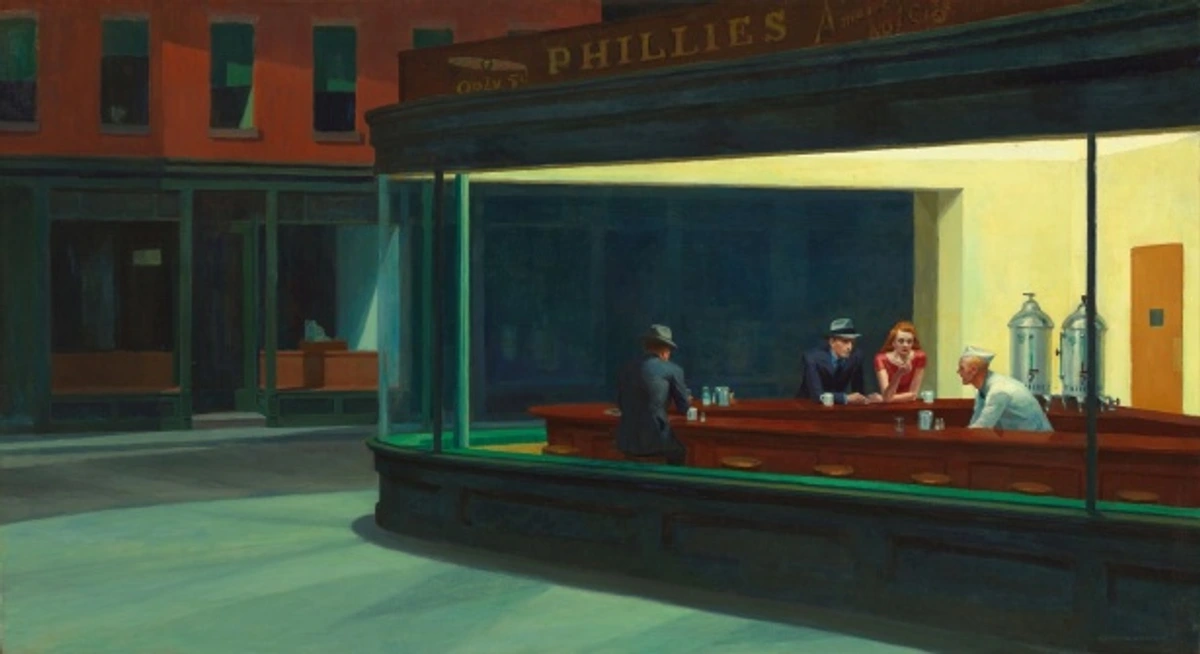


And for me, as an artist creating contemporary art prints and paintings, the spirit of Social Realism acts as a constant reminder that my work, even when abstract or vibrant, can carry meaning, evoke emotion, and spark conversation about the human condition. Whether exhibited in a grand institution like the museum in 's-Hertogenbosch or hanging in a quiet home, I believe art should always challenge us to look deeper.
Social Realism, therefore, continues to challenge viewers, compelling us to look deeply at the world around us, reflecting both its undeniable brokenness and its enduring resilience. Its legacy isn't just about what was, but about what art can be—a powerful witness, a thought-provoker, and ultimately, a way to truly see. It's a question I often ask myself as an artist, and one I invite you to consider: where do you see that same spirit of direct, meaningful engagement with our world in the art and media that surrounds us today? If you're curious about my own artistic journey and how I try to connect with these enduring themes, you can always check out my timeline.