The Last Brushstroke: How Artists Tell Us a Painting is Truly Finished
Ever wondered how an artist knows a painting is done? I'm pulling back the curtain on how artists use composition, color, and narrative to convey a sense of finality.

The Last Brushstroke: How Artists Tell Us a Painting is Truly Finished – Your Ultimate Guide to Artistic Completion and the Quest for Finality
I have a confession to make. One of the most exhilarating—and equally terrifying—moments in my studio isn't starting a new piece; it's deciding to end one. The canvas glows, the colors sing, and then that insidious whisper begins: "Just one more touch... maybe a little highlight there? A dash of cerulean in the corner?" It's a universal artist's dilemma, this push-pull between perfection and completion. But it’s more than just a personal struggle; it got me thinking: how do we, as artists, truly signal to you, the viewer, that the story is over, the statement is made, and the journey of this particular canvas is complete? How do we convey that unequivocal finality in art? Is it just a subtle gesture, or a profound declaration? And more importantly, how do you, standing before a completed work, truly know when an artist has stepped away, satisfied? This article aims to be your ultimate guide to understanding how artists determine when a painting is truly finished, exploring the diverse techniques and philosophies that mark a work's conclusion. We'll delve into everything from the deliberate brushstroke to the overarching narrative, the subtle play of light to the bold statement of color, and how different historical periods and avant-garde movements have redefined what 'done' truly means. It's a deeper conversation about the unspoken pact between creator and observer, a shared recognition of when a visual story reaches its resonant final thought, and how you can identify it every time. Here, we'll explore artistic closure, aesthetic resolution, and the many cues of completion in painting and sculpture. It’s a journey into the artistic mind, a peek behind the curtain of creation, to truly understand when the metaphorical microphone is dropped, and the applause (or silent contemplation) can begin.
I have a confession to make. One of the most exhilarating—and equally terrifying—moments in my studio isn't starting a new piece; it's deciding to end one. The canvas glows, the colors sing, and then that insidious whisper begins: "Just one more touch... maybe a little highlight there? A dash of cerulean in the corner?" It's a universal artist's dilemma, this push-pull between perfection and completion. But it’s more than just a personal struggle; it got me thinking: how do we, as artists, truly signal to you, the viewer, that the story is over, the statement is made, and the journey of this particular canvas is complete? How do we convey that unequivocal finality in art? Is it just a subtle gesture, or a profound declaration? And more importantly, how do you, standing before a completed work, truly know when an artist has stepped away, satisfied? This article aims to be your ultimate guide to understanding how artists determine when a painting is truly finished, exploring the diverse techniques and philosophies that mark a work's conclusion. We'll delve into everything from the deliberate brushstroke to the overarching narrative, the subtle play of light to the bold statement of color, and how different historical periods and avant-garde movements have redefined what 'done' truly means. It's a deeper conversation about the unspoken pact between creator and observer, a shared recognition of when a visual story reaches its resonant final thought, and how you can identify it every time. Here, we'll explore artistic closure, aesthetic resolution, and the many cues of completion in painting and sculpture.
It’s rarely just about a signature in the corner (though we'll get to that later, in the FAQ: The End Game). More profoundly, it's a feeling woven deep into the very fabric of the painting itself. It's a subtle yet complex language of visual cues that, when mastered, says, “This is it. The end.” This 'final thought' is communicated through a myriad of artistic elements: from the deliberate structuring of a composition and the expressive use of color, to the tangible quality of brushwork and the evocative interplay of light and shadow. Let’s break down that intricate language together, exploring the deliberate choices artists make to bring their creations to a conclusive, resonant halt. We'll delve into how different eras, movements, and personal philosophies shape this crucial moment of artistic declaration. It's a complex tapestry, woven from intention, technique, and the unspoken dialogue between artist and audience, all converging to create that undeniable 'finished' feeling.
What Does "Finished" Mean to an Artist? A Philosophical Dive
Before we dissect the visual mechanics, it's worth pausing to consider the philosophical underpinnings of artistic completion. For many artists, "finished" isn't a single, fixed state, but a dynamic interplay of intention, intuition, and external factors. It can be a moment of emotional catharsis, a declaration of a conceptual idea, or simply when the work achieves a self-sustaining visual logic – a 'conceptual completion' where the idea behind the art is fully articulated. This journey from initial spark to final brushstroke is deeply personal, often revealing as much about the artist's inner world as it does about their technical prowess. Let's break down these elements, because understanding them is like getting a backstage pass to the artist's mental process, a privileged glimpse into the choices that define the end of a creative journey:
- Intention: Does the artwork fulfill the artist's original vision? Has the message been clearly communicated, or the emotion fully expressed? For me, particularly in abstract art, the initial spark is often an emotional state or a conceptual seed. The work is finished when that initial impulse has been fully externalized and articulated on the canvas, even if the final form is wildly different from what I first imagined. It's about achieving a resonance with that core idea, a sense that the work speaks the intended message unequivocally.
- Intuition: Often, it's a gut feeling, a subtle yet undeniable 'click' where the work just feels right. For me, it's when adding anything else would feel like a disruption, like speaking after a profound silence. This 'click' isn't always logical; it's a deep-seated recognition that the work has achieved a self-sustaining visual logic. It's as if the painting itself declares its independence, having found its own voice and purpose, and any further intervention would only muddle its newfound autonomy. Sometimes, it's the exhaustion of a particular artistic problem, knowing I've explored every viable path within that piece.
- External Factors: Sometimes deadlines, client requirements, or even the physical limitations of the medium dictate the end. While not ideal, these practicalities can also define a work's conclusion. I've had pieces find their 'finish' when the canvas literally couldn't hold any more paint, or when a gallery deadline loomed large. These aren't always the romantic narratives we associate with art, but they are a very real part of an artist's life, and a pragmatic form of 'completion' that can, surprisingly, often lead to innovative solutions within constraints. It forces a kind of decisive action, a final commitment, even if the internal dialogue still has a few questions left.
As I often find in my own abstract art, the process itself dictates the end, evolving until it clicks into place. Sometimes, that "click" is a quiet whisper, other times it's a resounding gong, but it's always that moment when the piece declares its independence from me, the creator, having fulfilled its own inherent purpose.
The Compositional Full Stop: Guiding the Eye to Conclusion
Think of a painting's composition as its grammar. Some compositions are like run-on sentences, designed to keep your eye moving endlessly, inviting endless re-engagement. Others are structured like a perfectly crafted final paragraph, guiding you to a conclusive thought, leaving you with a sense of resolved completeness. This is often achieved through closed composition, which creates a self-contained universe, but even an expansive, open composition can offer its own unique form of resolution, a 'snapshot' of an eternal flow that feels undeniably whole.
In a closed composition, the key elements are contained strictly within the frame, guiding the viewer's eye back into the artwork rather than allowing it to drift outwards. Figures might be pointing inwards, or a circular arrangement of elements keeps your attention from wandering off the edge of the canvas. Think of the serene stability of a classical portrait, where the subject is centrally framed, or the intricate narratives of Renaissance art where all action unfolds within a precisely defined spatial box. This approach was particularly favored in classical and Renaissance art, and even the structured, almost hieroglyphic compositions of ancient Egyptian art or the precise carvings of prehistoric art, where the aim was often to present a perfectly harmonious, self-contained world that feels resolved and complete, like a perfectly wrapped gift, leaving no doubt about the boundaries of the artistic statement. It creates a sense of immutable order and self-sufficiency, often used to convey timeless themes or grand narratives that feel utterly resolved, drawing the viewer into a tightly controlled visual experience.

Even the meticulously organized narratives of the Art of the Dark Ages can exhibit this enclosed quality.
The Silent Frame: Negative Space as a Boundary
In addition to direct containment, the strategic use of negative space can also contribute to a profound sense of compositional finality. By carefully defining the empty areas around and within the central subject, artists can frame the primary elements, preventing the eye from wandering off the edge of the canvas. This creates an invisible, yet powerful, boundary, guiding the viewer's attention back into the artwork itself. Think of how the stark, empty areas in a minimalist Japanese woodblock print, like those that influenced the later Ukiyo-e movement, often emphasize the delicate forms within, making the composition feel utterly complete in its thoughtful restraint. It’s a trick of emphasis, making what isn't there speak as loudly as what is, and thereby creating a powerful sense of visual closure.
Consider the sculptures at Chartres Cathedral, deeply embedded in their architectural niches. Each figure, though part of a larger narrative, forms a self-contained unit, their gaze and form directing attention inwards, ensuring the visual story remains within its sacred frame.
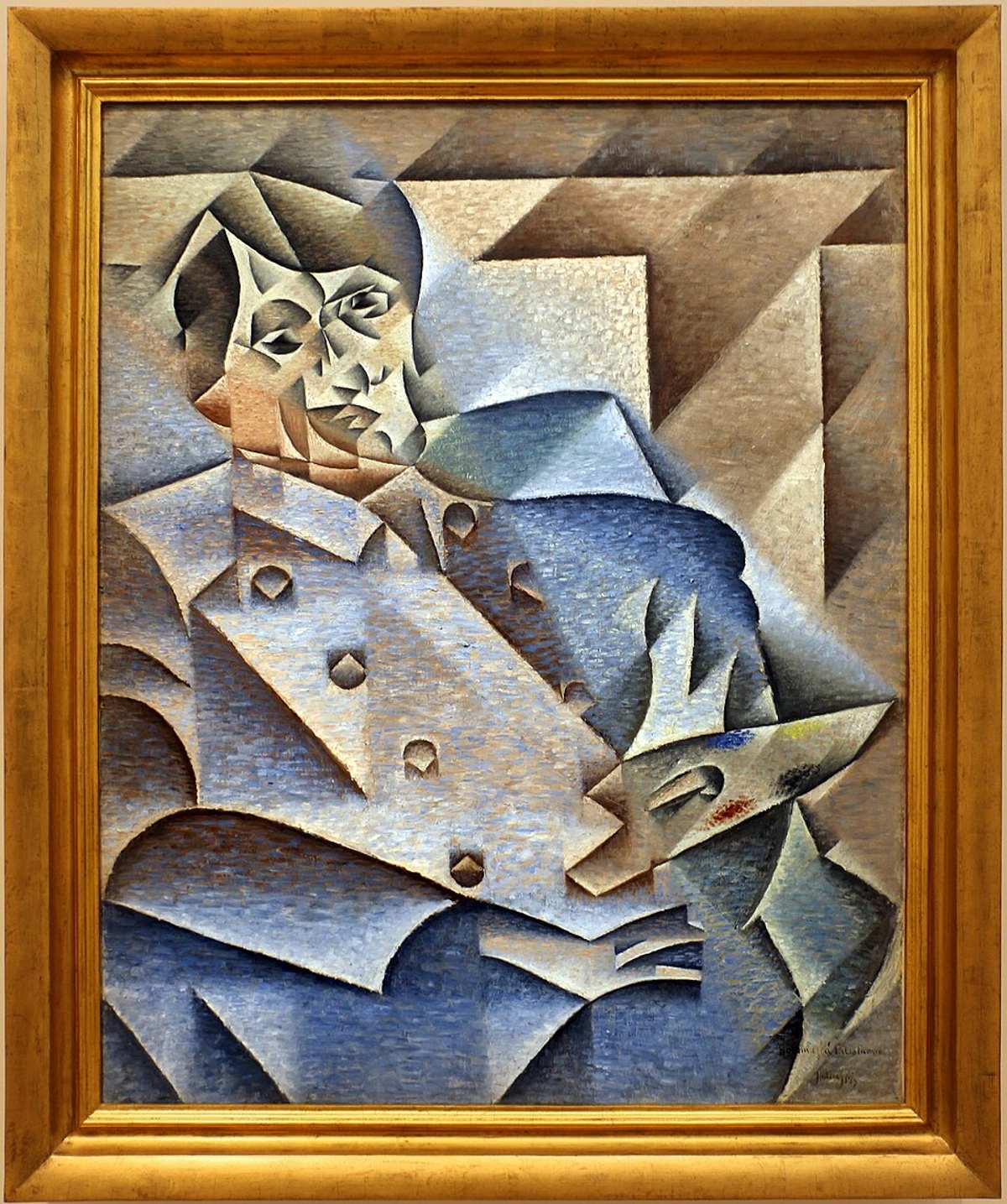
Picasso, despite his revolutionary approach, often used elements of closed composition to contain his fragmented realities. In this piece, the reclining figure is entirely enveloped within the canvas, her gaze and form directing our attention back into the quiet act of reading, creating a self-contained narrative of contemplation.
Take Mannerist paintings, for instance. Often characterized by their dramatic theatricality and swirling, elongated figures, they might seem anything but 'final.' Yet, their compositions, despite their motion, invariably bring all elements together in a final, albeit dramatic, statement. It's a testament to how even intense visual dynamism can be corralled into a conclusive artistic declaration, a sophisticated evolution from the more serene compositions of the Renaissance.
In Pontormo's Deposition from the Cross, the figures spiral downwards, creating a vortex of grief that is entirely self-contained. Your eye follows the tragedy, but it doesn't leave the frame. The story ends right there, in that moment of sorrow. It's a masterful use of balance in art composition to achieve emotional finality.
Conversely, an open composition invites the viewer to imagine beyond the frame. Elements might seem to extend off the canvas, suggesting a larger world or an ongoing narrative. While it might seem counterintuitive to a sense of "finality," a master of open composition can still convey completion by suggesting a resolved moment within that larger, continuous flow. Think of a snapshot of a vast landscape – the scene continues, but that particular captured moment feels undeniably whole. This is often achieved through Implied Boundaries, where while the physical edges of the canvas are permeable, the internal logic or emotional intensity of the scene creates its own psychological enclosure. A good example is often found in the works of Henri Matisse, especially his 'Open Window' series, where even with elements reaching beyond the canvas, the overall emotional impact feels resolved. The vibrancy and self-sufficiency of the interior space, even with the beckoning world outside, create a complete emotional statement. Or consider a master like J.M.W. Turner; his vast, sweeping landscapes, while open and infinite, often culminate in a single, awe-inspiring focal point—a burst of light, a storm's climax—that renders the moment utterly complete, even if the world beyond continues. It’s a trick of emphasis, making one specific instant feel like the narrative's definitive breath. Even in contemporary art, artists leverage this by creating installations that extend beyond the gallery walls, implying an ongoing dialogue with the environment. For example, the expansive, light-filled spaces of a museum like the Kröller-Müller Museum can make even seemingly boundless works feel contained by their architectural context, paradoxically creating a sense of finality. For me, this is where the interplay between art and its setting truly shines, where the "frame" becomes more than just wood and glass, extending into the viewer's own psychological space. It's a testament to the artist's ability to manipulate perception, to suggest endlessness while simultaneously declaring a singular, profound moment of artistic resolution.
Matisse's 'Open Window' perfectly exemplifies how an open composition can still feel complete. The frame of the window, while inviting the eye outwards, also acts as a contained world, a perfectly balanced glimpse into a larger, vibrant reality. It's a snapshot, yes, but a fully realized one, a moment of profound observation that needs no further embellishment.
Geometric Certainty and the Minimalist Statement
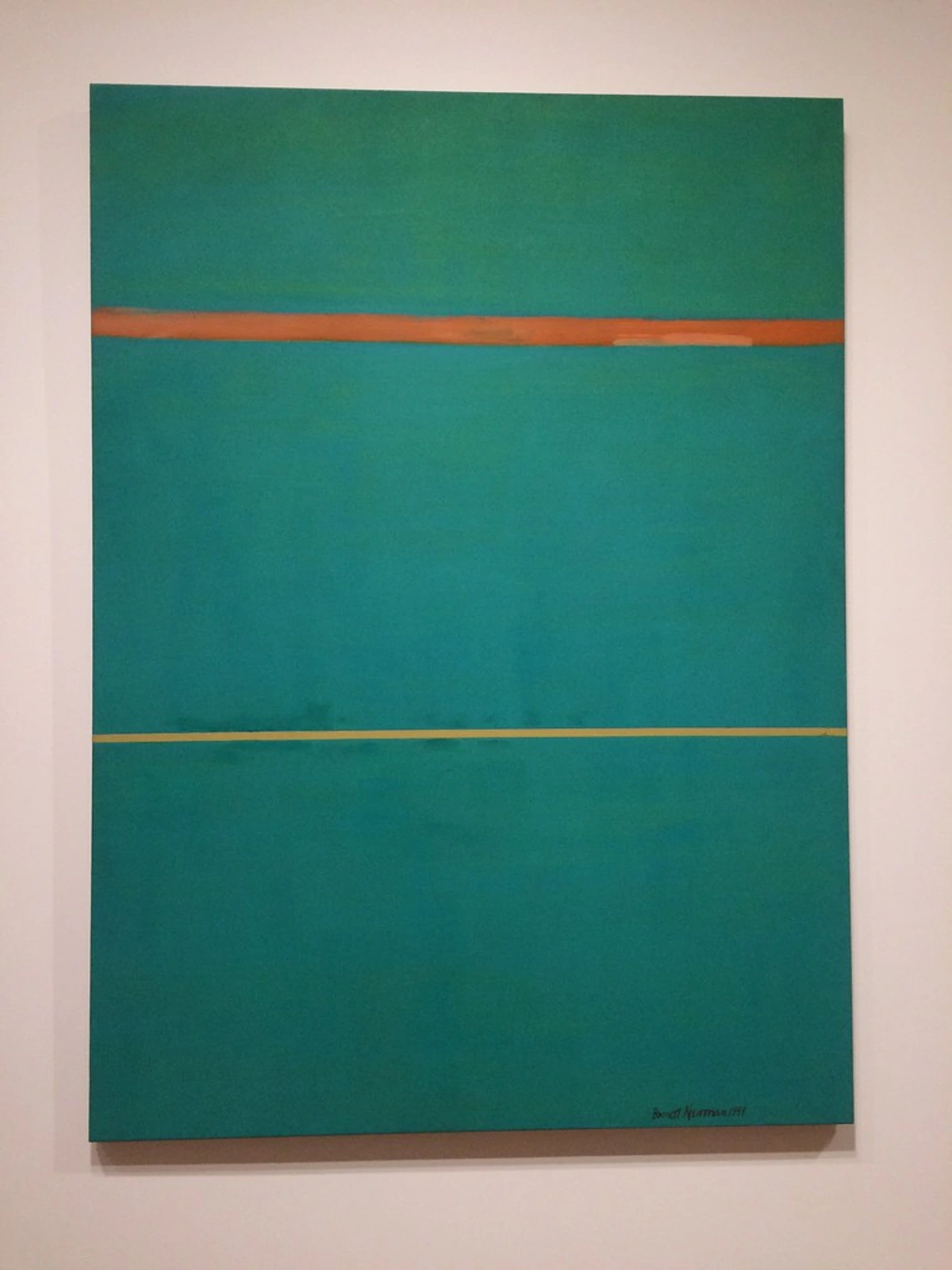
On the other end of the spectrum, you have artists like Piet Mondrian. His work is the ultimate expression of compositional finality. The perfect equilibrium of his grids, with their primary colors and bold black lines, creates a sense of absolute order and resolution. There is nothing left to add or take away. It is finished, by definition. How do you argue with perfect balance? This echoes the core tenets of Minimalism, where the reduction to essential forms and colors inherently signals a complete thought; there’s simply nothing extraneous left to remove or refine. Think of the serene purity in a work by Donald Judd, where form and material are stripped to their absolute essence, declaring an undeniable conclusion. The power of Minimalism, in my eyes, is its absolute economy of expression, achieving maximal impact with minimal means, thereby leaving no room for further amendment. For me, these works are like perfectly solved equations, where every variable has been addressed, and the answer is undeniable. Even the vibrant, rhythmic arrangements of Op Art achieve a similar, though more dynamic, geometric certainty. This rigid, almost scientific approach to composition ensures that once the parameters are met, the work is, by its very nature, complete. There’s a profound satisfaction in this kind of intellectual and visual resolution, where the logic of the piece is as airtight as its aesthetic.
Artists such as Agnes Martin further refined this idea, using subtle grids and delicate lines to create fields of quiet, meditative completion. Her meticulous, almost ritualistic process of drawing these precise, yet subtly imperfect, grids meant that the work felt 'finished' when its internal logic had been fully explored and expressed. Their work isn't loud about its finality; it is finality, expressed through absolute visual silence and perfect equilibrium, a gentle yet firm statement of artistic resolution. It's a testament to how the absence of overt drama can, paradoxically, amplify the sense of a complete and unwavering artistic vision. Think too of the controlled chaos of Sol LeWitt's wall drawings, where the completion of a predetermined set of instructions declares the artwork 'finished,' regardless of who executes it, embodying a profound sense of conceptual finality. This sense of 'conceptual completion' is a powerful tool for artists working with systematic approaches, moving the definition of 'finish' from subjective aesthetic judgment to the objective execution of a concept.
Similarly, even in the fragmentation of Cubism, artists like Pablo Picasso would arrive at a composite view that, despite its multiple perspectives, ultimately coalesced into a complete, albeit revolutionary, depiction. The visual puzzle, once assembled, presented a finished reality, pushing the boundaries of what a 'contained' image could be. It's as if Picasso, after dissecting reality into its many facets, then painstakingly reassembled it into a new, undeniably resolved truth, achieving a 'cubist completion' where every angle and fragment contributed to a unified, new understanding of form. This wasn't merely about breaking things apart; it was about forging a new, comprehensive understanding, a 'total vision' that felt utterly concluded in its audacious re-creation of reality.
The Role of the Viewer in Finality
It's a delicate dance, this moment of artistic completion. As I mentioned earlier, the artist's declaration is only half the story. The viewer, too, plays a crucial role in discerning when a work is "finished." Our individual experiences, cultural backgrounds, and emotional responses all contribute to how we perceive a painting's sense of resolution. Sometimes, a work feels complete because it evokes a powerful, singular emotion in us. Other times, it's the intellectual satisfaction of a concept fully explored. It's almost as if the artwork, once released by the artist, enters a new phase of 'social completion,' where its meaning and finality are continually reaffirmed through collective observation and interpretation. This shared recognition is, in itself, a profound form of artistic closure. The artwork, once completed by the artist, enters a public sphere where its meaning and finality are collectively affirmed through dialogue and interpretation. This isn't to say the artist's intent is irrelevant, but rather that the artwork, once released, takes on a life of its own, its 'finality' becoming a co-created experience between the maker and the multitude of eyes that behold it. It's a living, breathing conclusion, constantly being re-evaluated.

Interactive and Participatory Art
In some contemporary practices, the viewer's role goes beyond mere interpretation; it becomes an active component of the work's completion. Interactive art invites the audience to physically engage with the piece, and participatory art often requires their contribution to even exist. In these cases, the artwork isn't truly 'finished' until the audience has interacted, making their response and engagement the definitive final act. It's a blurring of lines, a shared authorship where the 'final thought' is a collaborative creation.
Art Movements and Their Declarations of Finish
It’s fascinating to observe how different art movements, almost like distinct dialects, developed their own ways of signaling completion. From the ancient world to the avant-garde, from meticulous realism to raw abstraction, each era and philosophy imposed its own criteria for when a work was truly 'done,' reflecting deeper cultural and intellectual currents. For me, this is where art history truly comes alive, showcasing how the very definition of 'finished' is a fluid concept, mirroring the evolving human experience. Let's explore a few more pivotal movements that redefined what it meant for a work to be complete. Each epoch, with its unique philosophical and aesthetic concerns, offered a distinct answer to the question of artistic finality.
The Precision of the Renaissance
In the Renaissance, finality was often synonymous with photographic realism, meticulous detail, and a seamless finish. The artist aimed to create an illusion of reality so perfect that the hand of the maker disappeared, leaving behind a window into another world. Techniques like sfumato, a soft, hazy blurring of lines and colors, famously employed by Leonardo da Vinci, and chiaroscuro, the dramatic contrast of light and shadow, championed by Caravaggio, were not just stylistic choices but declarations of mastery. Every muscle, every fold of drapery, every glint of light was rendered with exacting precision, leaving no doubt that the artist had exhausted all possibilities of representation and brought the scene to its ultimate, harmonious perfection. It was a quest for an almost divine completeness, where the artwork became a perfect mirror of the world, and indeed, often an idealized version of it. The subtle use of linear perspective, masterfully detailed in the definitive guide to perspective in art, also ensured a sense of rational order and spatial closure, confirming the artist's complete control over the illusionistic space. Furthermore, techniques like glazing, where thin, transparent layers of paint are applied to build up depth and luminosity, contributed to a seamless, jewel-like finish that left no doubt about the meticulous completion of the work. For me, the Renaissance artist's declaration of 'finished' was almost a defiant act against the fleeting nature of life, creating something eternal and perfect. The flawless execution, the mastery of illusionistic space, and the meticulous attention to detail were all part of a larger ambition: to create a world within the canvas that felt more real, more perfect, than reality itself. This wasn't merely about capturing a moment; it was about immortalizing an ideal, a vision of beauty and order that felt undeniably complete and enduring.

Even in portraits, like those by Sofonisba Anguissola, the precision of detail, from the fabric to the musical instrument, speaks volumes about a complete and resolved artistic statement. This pursuit of an almost divine perfection, an idealized version of reality, was itself a definitive statement of artistic ambition, leaving no doubt as to the artist's complete vision.
The Emotion of Expressionism
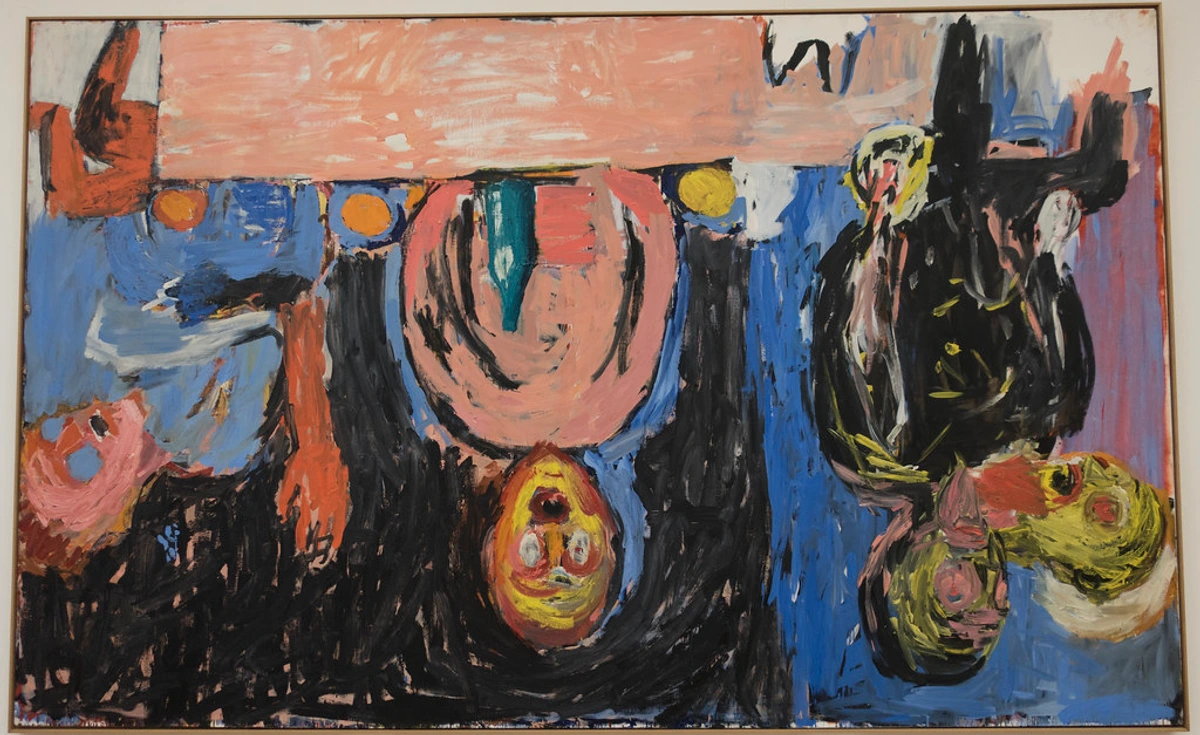
Conversely, movements like Expressionism found their conclusion in emotional saturation rather than objective realism. A painting by an Expressionist like Ernst Ludwig Kirchner, Franz Marc, or even the powerful social commentary of Käthe Kollwitz feels finished not when every detail is perfect, but when the raw emotion has been fully conveyed, sometimes through distorted figures and jarring colors. The intensity itself is the marker of completion; the artist has poured their soul onto the canvas, and the expressive output is the final statement, a visceral truth laid bare. It's a shout, a scream, or a profound whisper, but once that emotional core has been fully externalized, the work is done. It's about capturing the essence of a feeling, rather than its literal appearance. Think of the intense color choices and bold brushwork in their work, which scream completion through sheer force of feeling, leaving no doubt about the artist's emotional declaration. This emotional declaration extends even to later movements like Neo-Expressionism, which continued to prioritize raw feeling over refined form. Artists such as Georg Baselitz, with his inverted figures and visceral brushwork, found completion not in aesthetic polish, but in the raw, unapologetic confrontation with existential themes. These artists often returned to figurative elements, but always with an intense, raw emotional charge that defined their works' ultimate conclusion, leaving no doubt about the primal force of their statements.
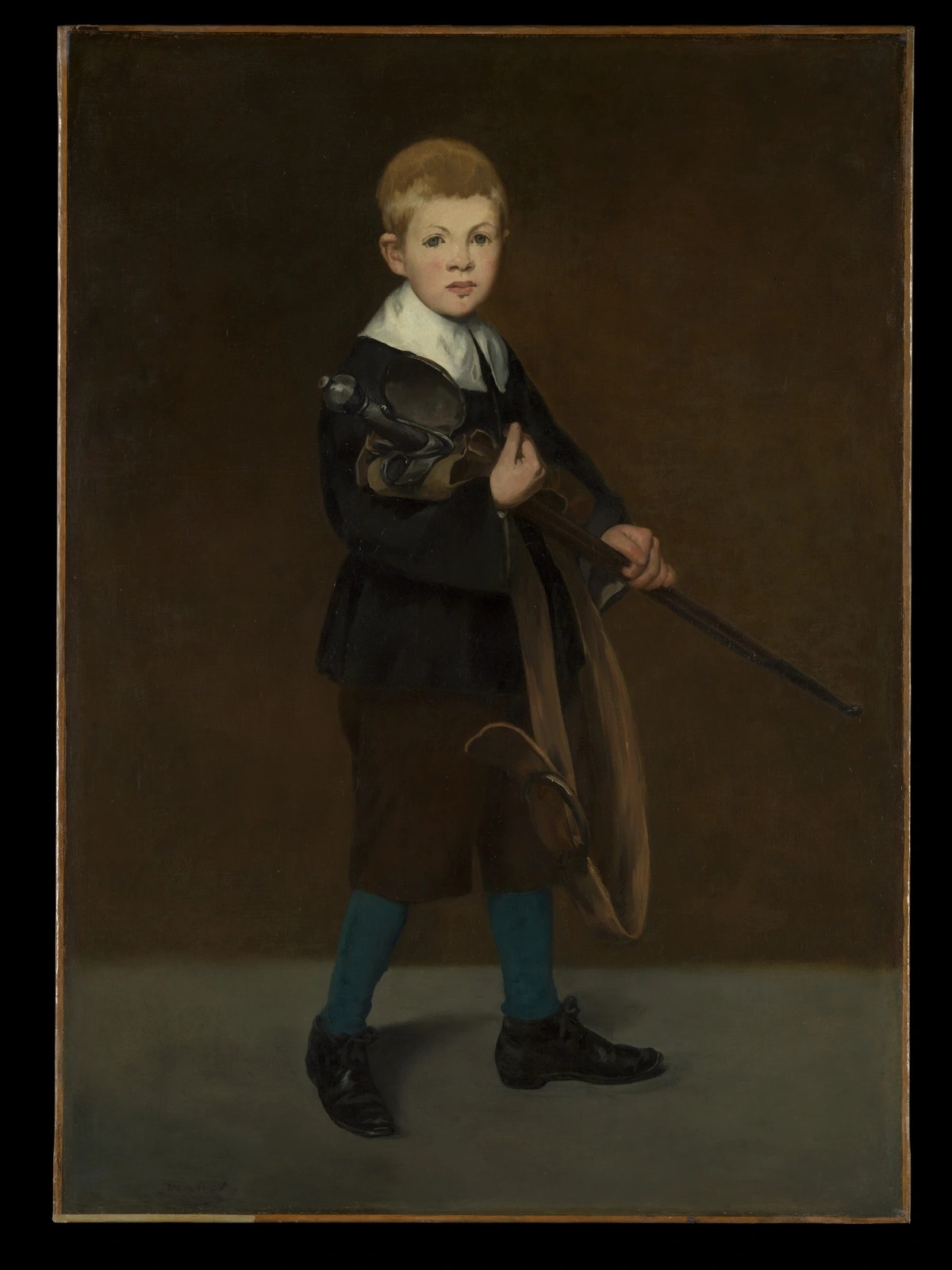
The Dynamic Resolution of Futurism
Even in movements focused on motion, like Futurism, there was a point of resolution. While depicting speed and dynamism, artists like Umberto Boccioni ultimately captured a singular, decisive moment of energetic flux, freezing it in time in a way that felt utterly conclusive. The fragmented forms and vibrant lines coalesce into a powerful statement of modernity's relentless pace, reaching a peak that leaves no room for further acceleration. Think of Umberto Boccioni's sculptures, where the dynamic movement is captured in a form that feels utterly complete within its chosen moment. It's like watching a race car cross the finish line – the motion continues, but that moment, frozen in artistic time, is undeniably the end of the race, the ultimate expression of velocity. The use of simultaneity, showing multiple views of an object in motion, further reinforced this sense of a comprehensive, albeit fragmented, conclusion. The Futurists, often profoundly impacted by the industrial age and conflicts, also illustrate how World War 1 changed art, pushing for new expressions of speed and violence. The chaos and technological advancements of the era fueled their desire to capture a sense of unstoppable momentum, which, once achieved on canvas or in sculpture, felt like a definitive statement of a new world order. The technique of simultaneity, showing multiple views of an object in motion, further reinforced this sense of a comprehensive, albeit fragmented, conclusion. It was a declaration of a new aesthetic for a new age, a complete break with the past in a rush of dynamic energy.
The Grandeur and Dramatic Finality of the Baroque
When I think of the Baroque era, I often picture grand narratives and an overwhelming sense of drama—and drama, by its very nature, demands a climax, a resolution. Artists like Gian Lorenzo Bernini in sculpture, or Caravaggio in painting, mastered the art of freezing the ultimate moment of a story, a divine intervention, or an intense emotional experience. Their works are often characterized by intense movement, rich colors, and dramatic lighting (which we'll discuss more soon), all converging to create a single, powerful statement that leaves no doubt about its conclusion. It's a style that thrives on the theatrical, ensuring the curtain falls on an unforgettable scene. The raw emotion and dynamic energy are precisely what make Baroque art feel so decisively 'finished' – it leaves no room for ambiguity, only a powerful, encompassing experience. The careful interplay of contrapposto in sculpture and dynamic diagonals in painting further amplified this sense of dramatic resolution, ensuring a definitive, overwhelming impact. Every swirl of drapery, every gesture, and every intense facial expression converged to create a single, powerful moment that felt undeniably complete. For a Baroque artist, a painting was complete when it had delivered its emotional punch and theological message with maximum force, much like the grandeur found in Baroque architecture. The careful interplay of contrapposto in sculpture and dynamic diagonals in painting further amplified this sense of dramatic resolution, ensuring a definitive, overwhelming impact. Every swirl of drapery, every gesture, and every intense facial expression converged to create a single, powerful moment that felt undeniably complete, leaving the viewer breathless and convinced of the story's ultimate, dramatic conclusion.
Art Deco: Sleek Lines and Definitive Form
Moving forward to the early 20th century, Art Deco, with its emphasis on geometric precision, luxurious materials, and streamlined forms, declared its finality through a sophisticated sense of modern elegance and functional clarity. Whether in architecture, fashion, or painting, an Art Deco piece was 'finished' when its design achieved a perfect balance of bold lines, stylized motifs, and refined symmetry, often embodying the speed and optimism of the machine age. The clean, crisp edges and polished surfaces left no room for ambiguity, presenting a definitive aesthetic statement that felt both modern and timeless. It's a style where every detail, from a streamlined skyscraper to a perfectly crafted piece of jewelry, contributes to an undeniable sense of luxurious completion, a complete vision of modern living. This is a movement where the ultimate goal was often a perfectly resolved aesthetic, a vision of modernity distilled into elegant, unassailable form, showcasing a unique aspect of art and interior design.
The Emotional Grandeur of Romanticism
Romanticism, emerging in the late 18th century, prioritized emotion, individualism, and the glorification of nature. For Romantic artists like J.M.W. Turner or Eugène Delacroix (whose Liberty Leading the People we'll discuss later), a work was finished when it evoked a powerful, often sublime, emotional experience. The dramatic brushwork, sweeping landscapes, and intense narratives weren't just stylistic choices; they were tools to convey a complete emotional landscape, a definitive feeling that washed over the viewer and left no doubt about the artwork's resonant conclusion. The artwork was a vessel for intense feeling, and once that feeling was fully embodied, the work was done. It was about capturing the essence of human experience and the grandeur of the natural world, delivering a full, heartfelt statement. The Romantic quest for the sublime, that awe-inspiring mix of terror and beauty, often served as the ultimate marker of completion; once that profound emotional landscape was evoked, the artist had achieved their definitive aim, leaving the viewer in a state of elevated feeling.
The Illogical Resolution of Surrealism
Kinetic Art: Movement as Conclusion
In stark contrast to the static finality of some movements, Kinetic Art, emerging in the mid-20th century, finds its completion in movement itself. For artists like Alexander Calder or Jean Tinguely, a work is 'finished' not when it is still, but when its mechanisms are perfectly calibrated, and its intended motion—be it subtle vibrations or dramatic rotations—is fully realized and sustained. The artwork is alive, constantly shifting, and its finality lies in the smooth, continuous execution of its designed motion, a perpetual state of becoming that paradoxically defines its completion. The artwork's life is its statement, and its cessation of movement would be its true 'unfinished' state, making it a fascinating exploration of artistic endurance. This embodies the dynamic spirit of the kinetic art movement, where the artwork's existence is defined by its ceaseless interaction with space and time.
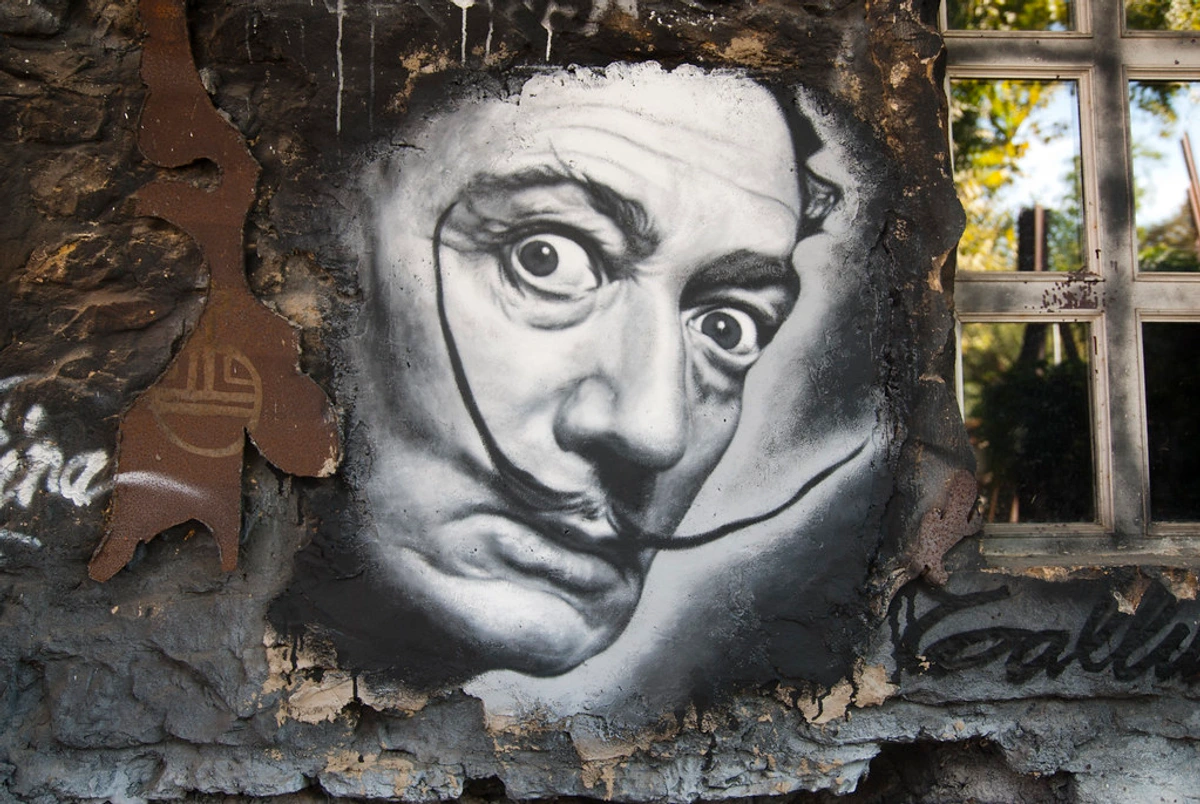
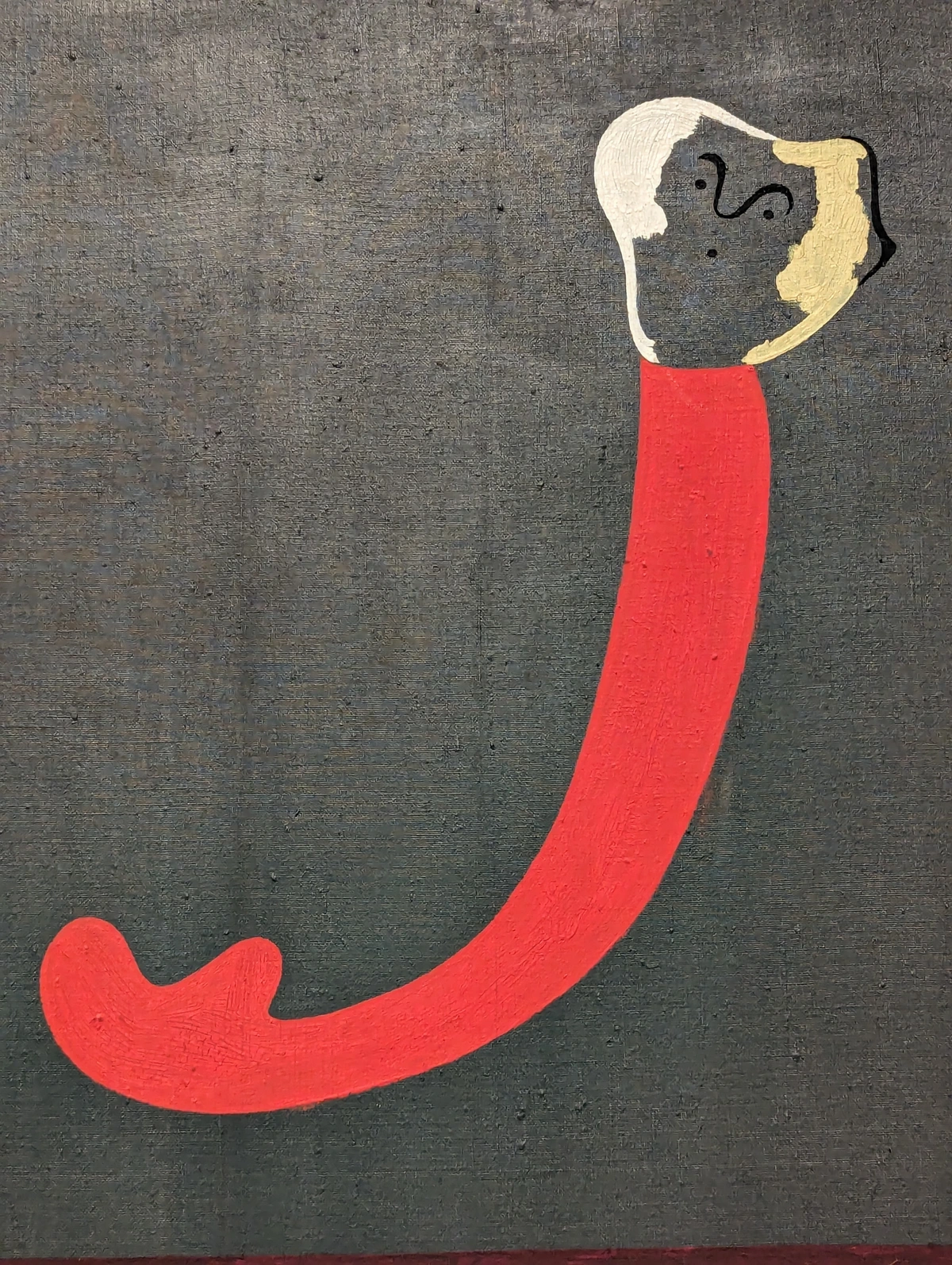
Surrealism offered another intriguing approach to finality. Artists like Salvador Dalí and René Magritte delved into the subconscious, creating dreamlike worlds that, despite their illogical juxtapositions, often felt utterly resolved in their internal, dream-like coherence. A Surrealist painting might be 'finished' when it successfully captures the unsettling logic of a dream, or when its paradoxical imagery achieves a startling clarity. The conclusion isn't rational, but psychological, leaving the viewer with a sense of a complete, albeit bizarre, vision. It's a different kind of truth, one that finds its finality in the suspension of disbelief and the acceptance of the absurd as a coherent statement. A Surrealist painting might be 'finished' when it successfully captures the unsettling logic of a dream, or when its paradoxical imagery achieves a startling clarity, presenting a complete, albeit bizarre, vision. It’s about creating a psychological resonance, a profound disturbance that, once fully articulated, feels utterly resolved within its own dream-logic, leaving the viewer with a lingering sense of uncanny completion. Think about René Magritte and his works which often play with the viewers' understanding of reality, where the conceptual resolution of the paradox defines its finality, similar to the ideas explored in what is the meaning of the treachery of images.
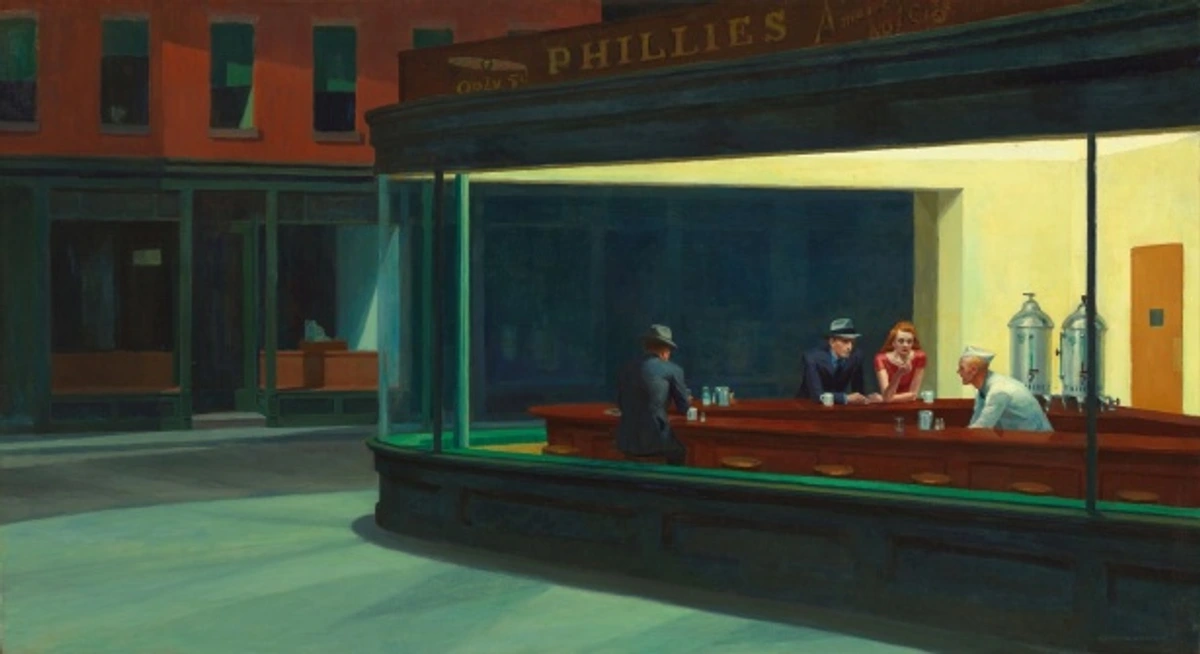
Magritte’s 'The Fifth Season' presents a seemingly impossible scene with such meticulous precision that it feels like a fully realized, if surreal, reality. The image is complete in its enigmatic statement.
The Political and Social Declaration of Finish
Beyond aesthetics and personal philosophy, art can declare its finality through a powerful social or political statement. Here, 'finished' means the message has been delivered with undeniable force, leaving an indelible mark on collective consciousness.
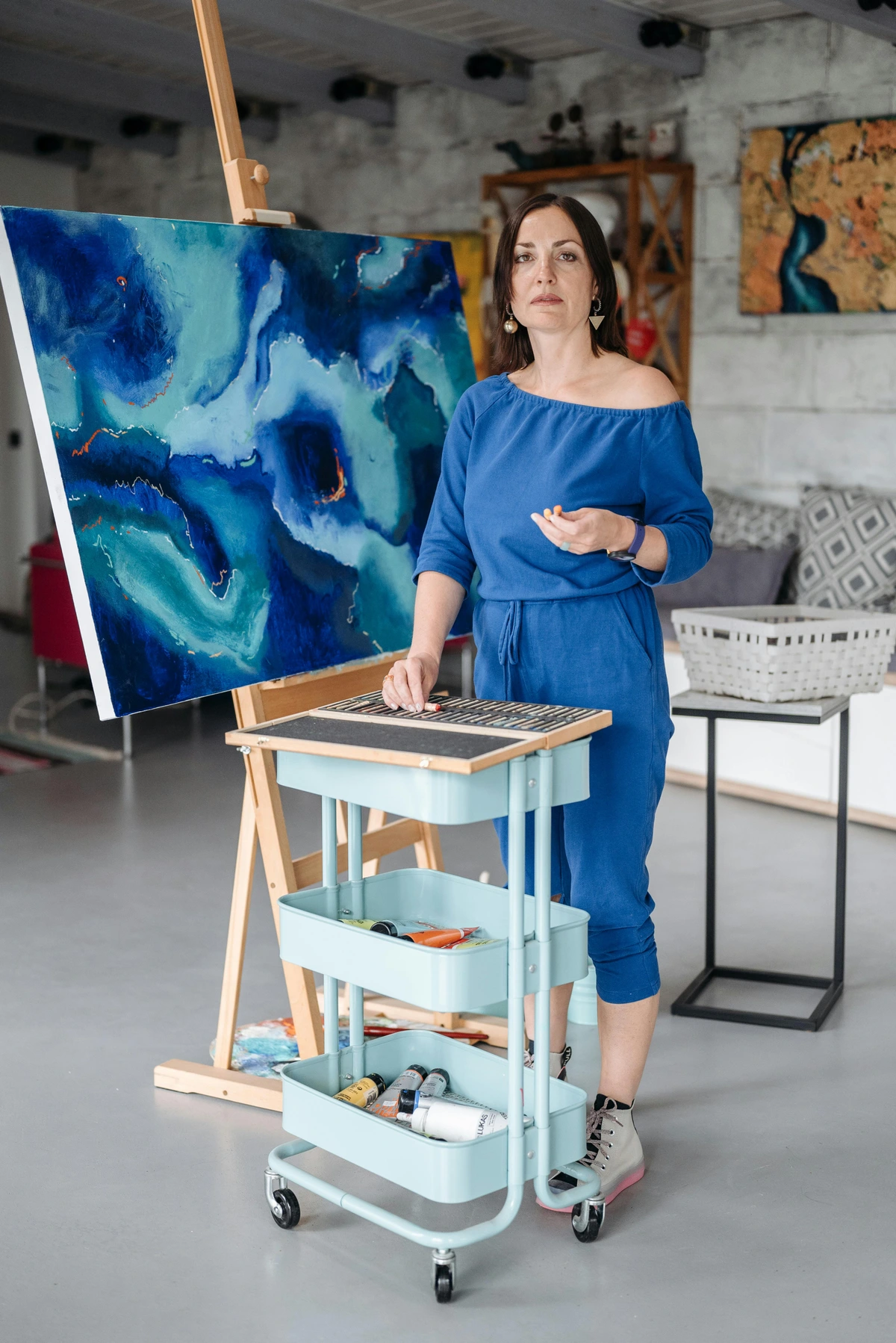
Art as Activism: The Harlem Renaissance
Movements like The Harlem Renaissance saw artists using their work to declare the richness and vitality of Black culture in America. A painting by Aaron Douglas or a sculpture by Augusta Savage was 'finished' when it powerfully asserted identity, challenged stereotypes, and contributed to a new narrative of self-worth and artistic excellence. The art wasn't just beautiful; it was a potent declaration of presence and pride, a complete statement of cultural self-determination. The finality here lies in the impact of the message and its role in social change. Artists like Augusta Savage, through her powerful sculptures such as Gamin (1929), captured the spirit and dignity of African Americans, creating works that were complete in their assertion of identity and resistance against oppression. Her art was finished when it undeniably contributed to the cultural and social upliftment of her community. It was a declaration of strength and identity, a complete narrative woven into visual form that served not just as aesthetic expression, but as a powerful tool for social change and collective affirmation. The finality here lies not just in the art object itself, but in its profound impact on a community finding its voice.
The Power of Social Commentary: Käthe Kollwitz Revisited
While we touched on Käthe Kollwitz in Expressionism, her work also powerfully exemplifies social finality. Her prints and sculptures depicting suffering, poverty, and the impact of war were complete when they had unflinchingly exposed harsh truths and evoked profound empathy. The raw, unadorned honesty of her figures left no room for ambiguity; the statement of human condition was made, definitively. Her art demands a response, and in that demand, it achieves its unshakeable conclusion.
The Art of the Everyday: Finding Finality in Familiarity
Sometimes, the sense of a 'finished' work emerges from the artist's ability to elevate the mundane, capturing a seemingly ordinary moment or object with such precision and insight that it feels utterly complete.
Still Life as a Statement of Completion
Consider the venerable tradition of still life painting. From Dutch Golden Age masters to contemporary realists, artists have found profound finality in arranging and depicting inanimate objects. A still life is 'finished' when the interplay of light, shadow, form, and texture creates a harmonious, self-contained world on the canvas. Every element, every reflection, every surface, contributes to a delicate balance that, once achieved, feels utterly resolved. It's a quiet declaration that, even in the stillness of everyday objects, there is a complete universe to explore. This often ties into the principles of still life composition. The artist's deliberate arrangement of objects, their thoughtful interplay of textures and forms, creates a microcosm of existence, a quiet yet profound statement that, once balanced, needs no further alteration. It's a celebration of the present moment, perfectly encapsulated and resolved.
Genre Painting: A Slice of Life Resolved
Similarly, genre painting—depicting scenes from everyday life—achieves its finality by freezing a decisive moment. Whether it's a domestic scene, a bustling marketplace, or a quiet interaction, the painting is 'finished' when that slice of life feels fully encapsulated, its narrative understood, its emotional tenor complete. There's a subtle narrative arc resolved within the frame, leaving the viewer with a sense of having witnessed a complete, if momentary, human experience. The artist, through careful composition and evocative detail, freezes a fleeting moment, transforming it into an enduring statement of human life, feeling utterly resolved in its particularity. It’s like a single, perfectly crafted sentence that tells an entire story, needing no further words.
The Conceptual Completion: When the Idea is Enough
For many artists, particularly in the modern and contemporary eras, the 'finish' of an artwork is less about its visual perfection or emotional impact, and more about the full articulation of a conceptual idea. The work is complete when the concept it aims to explore has been fully expressed, regardless of traditional aesthetic norms.
Conceptual Art and the Idea as Finish
For many artists in the 20th and 21st centuries, the 'finish' of an artwork shifted dramatically from physical perfection to the complete articulation of an idea. Conceptual art posits that the concept or idea behind the work is more important than the aesthetic object itself. The work is finished when the concept is fully expressed, debated, or even merely presented. This movement challenged centuries of artistic tradition, pushing the boundaries of what could be considered art and, by extension, what it meant for art to be 'finished'. The conceptual shift meant that the idea could be the artwork itself, and once that idea was fully articulated—whether through text, diagram, or a simple instruction—the work was complete. It was a radical redefinition, moving finality from the physical realm to the intellectual, a profound assertion that a thought, fully formed, is as complete as any sculpted marble.
Duchamp and the Readymade
No discussion of conceptual completion is complete without Marcel Duchamp. His readymades, such as Fountain (a urinal signed "R. Mutt"), radically redefined what could be considered art and, crucially, when it was "finished." For Duchamp, the conceptual act of selecting an object and declaring it art was the artistic statement. The work was complete when the idea was formed and the object was presented within an art context, challenging viewers to consider the artist's intention over craft or aesthetics. Its finality was in its provocative intellectual declaration, effectively marking the "end" of traditional artistic expectations. Duchamp’s actions, much like the broader Dadaism movement, were less about creating new beautiful objects and more about questioning the very definition of art and authorship. The 'finished' state of a readymade was not about aesthetics or craft, but about the profound philosophical challenge it posed, making it a complete statement of artistic rebellion and intellectual provocation.
Installation Art and Site-Specificity
In installation art and site-specific works, the artwork often achieves completion when it fully engages with its environment or fills a designated space, creating an immersive experience. The 'finish' is the moment the artist's vision for interacting with the space is fully realized, transforming the viewer's perception of their surroundings. The temporal nature of many installations means their 'finish' can also be tied to their deinstallation, making the complete experience the artwork itself. Artists like Christo and Jeanne-Claude, known for wrapping buildings and landscapes, created works whose completion was inherently linked to their temporary existence and subsequent removal. The 'final' artwork encompassed not just the physical manifestation, but the entire process from conception to realization, public experience, and eventual disappearance. This approach highlights how the boundaries of art can extend beyond the tangible object, making the immersive environment or the temporary intervention the complete artistic statement. It also leads to related concepts like Process Art, where the journey of making is the artwork itself, and Interactive Installations, which are only 'finished' when a viewer engages with them, meaning the art is constantly in a state of becoming. These works challenge the notion of a fixed, immutable finality, embracing flux and participation as integral to their completion.
Performance Art: The Act as the Artwork
Similarly, performance art finds its conclusion in the completed action. The 'finish' is the moment the performance ends, the narrative unfolds, or the intended interaction concludes. While documentation (photos, videos) allows the work to live on, the live, ephemeral act itself is the primary artwork, and its cessation is its definitive end. This challenges traditional notions of a permanent art object, finding finality in transient experience. The work is complete when the artist's intended message, interaction, or ritual has run its course.
Performance Art: The Act as the Artwork
Similarly, performance art finds its conclusion in the completed action. The 'finish' is the moment the performance ends, the narrative unfolds, or the intended interaction concludes. While documentation (photos, videos) allows the work to live on, the live, ephemeral act itself is the primary artwork, and its cessation is its definitive end. This challenges traditional notions of a permanent art object, finding finality in transient experience.
The Visceral Language of Brushwork and Texture
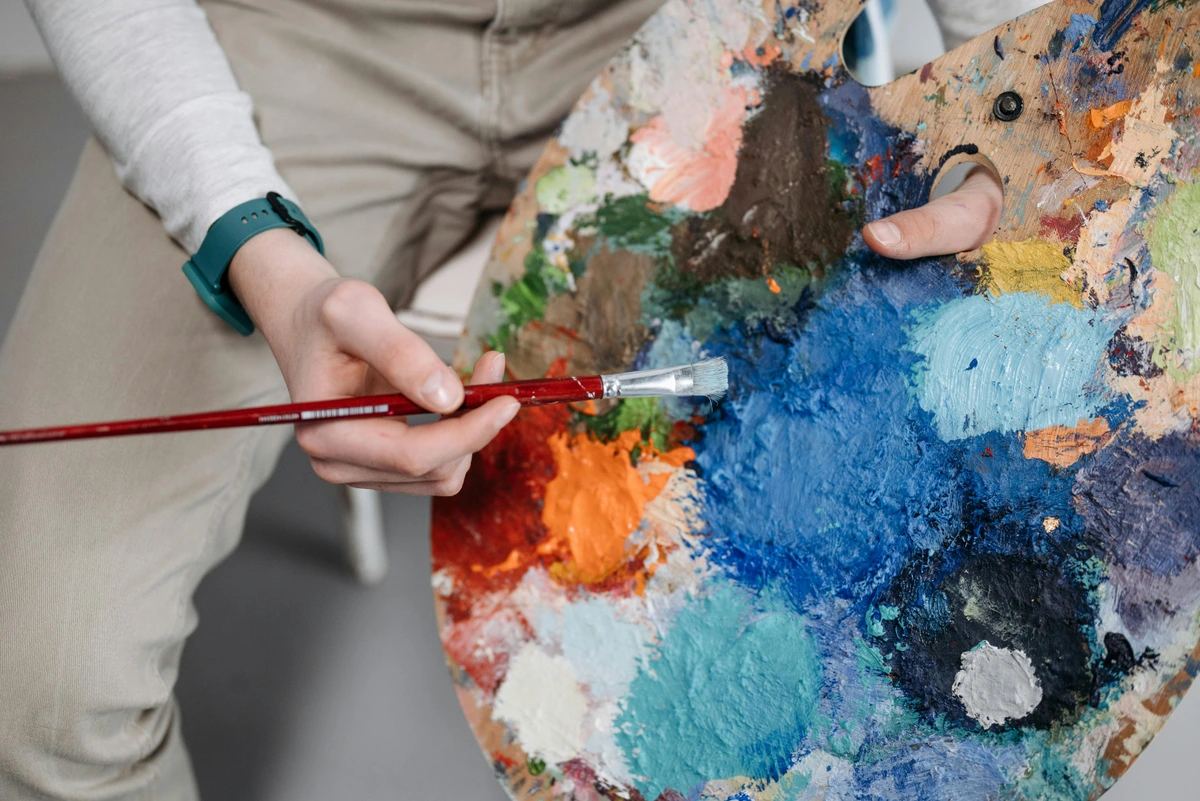
Beyond composition, the very way paint is applied—the texture, the visible strokes—can communicate a profound sense of completeness. I often find myself dancing with this idea in my own abstract work; when do I leave a brushstroke raw and expressive, letting the action of painting declare its own finish, and when do I smooth it into seamless perfection, creating an impenetrable surface? The answer often lies in what I want the final feeling to be, what kind of 'period' I want to put at the end of the visual sentence. Sometimes, a single, bold stroke is the ultimate declaration; other times, it's the meticulous layering that whispers, 'I am complete.' It's a constant internal dialogue, a pushing and pulling until the surface tension feels just right. My own process is a bit chaotic, a dance between intention and accident, but you can read about how I wrestle with that 'click' of completion in a piece I wrote on the unseen layers of my work.

The Bold Statement of Pop Art
For artists like Andy Warhol and Roy Lichtenstein, finality often stemmed from the appropriation of mass-produced imagery and its recontextualization. A Pop Art piece felt finished when it had made its bold, often ironic, statement about consumer culture or celebrity. The crisp lines, flat colors, and repetitive motifs were not about painterly expression but about delivering a clear, impactful message. The artwork was 'done' when its conceptual punch was fully landed, echoing the immediacy and bluntness of commercial advertising. It's a fascinating example of how artistic completion can be found in the replication and reinterpretation of the everyday, transforming the mundane into a definitive artistic declaration. The very directness of their imagery left little room for ambiguity, creating a striking sense of resolution. Andy Warhol's iconic Marilyn Diptych (1962), for example, with its silkscreened repetitions of Marilyn Monroe's face, felt complete in its forceful commentary on celebrity and mass production. The repetition itself became the declaration, exhaustive and undeniable. In this way, Pop Art, much like Modern vs. Contemporary Art, constantly redefined what was considered 'high art' and 'finished.' The artwork's completion was achieved through its unapologetic embrace of commercial aesthetics and its ability to reflect, and often critique, the consumer-driven society it emerged from. It's a blunt, yet brilliant, form of artistic finality.

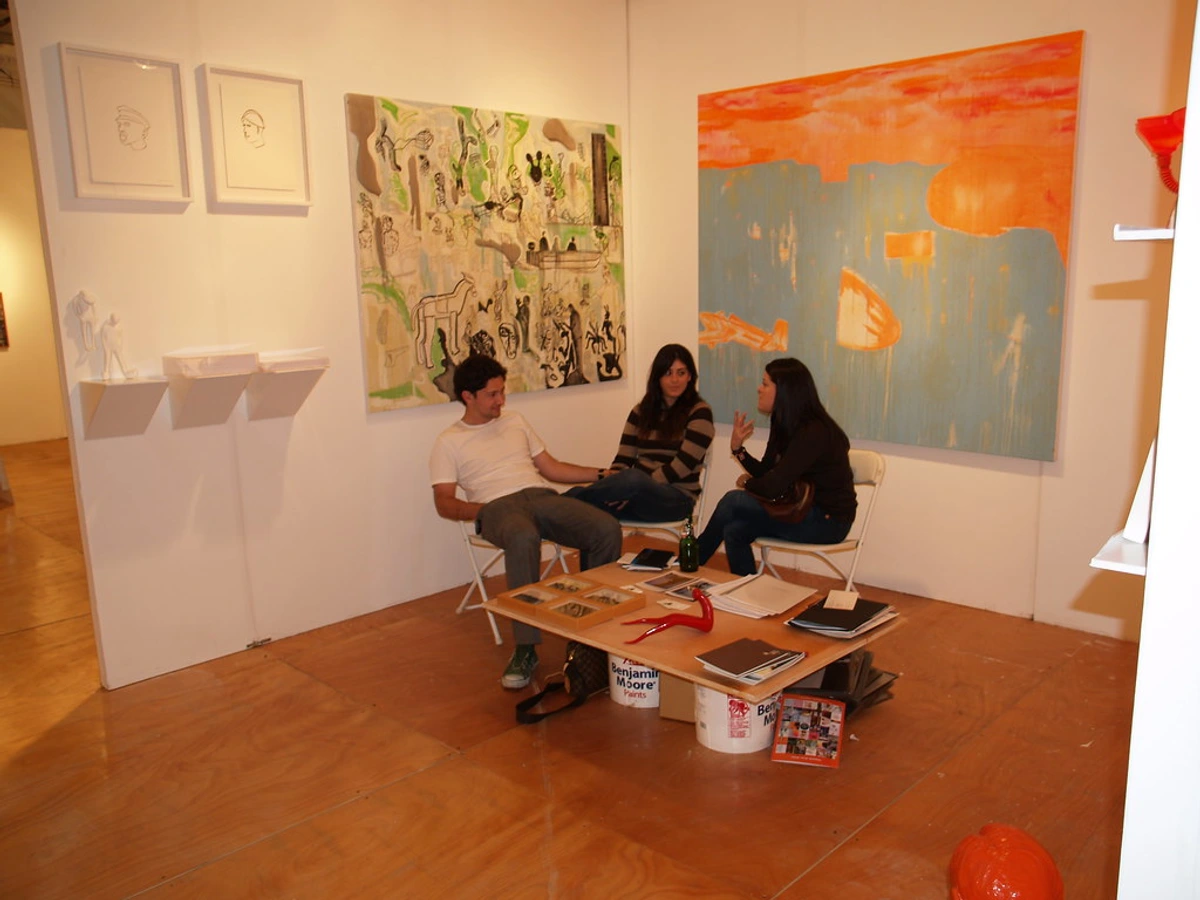
While not a Pop Art piece itself, the image of an art discussion highlights how different art forms, including Pop Art's commercial aesthetics, are debated and ultimately declared 'finished' by the art world and public.
Impasto and the Energetic End
Think of artists who embraced impasto, applying thick, visible layers of paint that stand proud from the canvas. A painter like Vincent van Gogh, whose swirling, vibrant brushstrokes are often left exposed, can create a sense of powerful, almost frenetic energy. Yet, even in this dynamism, there's a point where the energy resolves, where the final, fervent application of paint creates a complete emotional landscape. Consider Jackson Pollock; his 'all-over' drip paintings, while seemingly chaotic, reach a point of exhaustion and saturation where no more paint can be added without diminishing the whole. It's the visual equivalent of a crescendo that has reached its peak and found its definitive silence. It's an interesting contrast to the meticulous smoothness often found in Renaissance art, where a polished surface indicated mastery and a finished piece. For me, impasto is a declaration, a physical manifestation of the artist's conviction that this mark is the final, essential statement. This isn't just about paint; it's about the very action of painting becoming the subject, and its cessation, the finish. The sheer physicality of the paint, its texture, and the visible evidence of the artist's hand convey a raw, immediate sense of completion. This echoes my own passion for exploring texture in abstract work, where the tactile quality of the surface communicates as much as the colors. For artists embracing impasto, the finality isn't just visual; it's almost sculptural, a declaration that the material itself has been pushed to its expressive limit, creating a surface that feels profoundly resolved in its very physicality. It's a testament to the artist's conviction, literally etched into the canvas.
The Deliberate Detail
On the other hand, a work that is meticulously detailed, with every surface rendered with absolute precision, also screams 'finished.' The artist has left no stone unturned, no corner unpolished. This often signals not just completion, but a profound dedication and singular vision, where every element contributes to an undeniable whole. The Dutch Masters, for instance, were masters of this, creating worlds of incredible detail where every fold of fabric or gleam of light felt perfectly placed and absolutely final. Their use of glazing, applying thin, transparent layers of paint, built up an incredible luminosity and depth that felt utterly resolved, a polished window into a meticulously crafted reality. This level of detail extends to contemporary Hyperrealist painters, where the 'finished' state is achieved when the painted image is virtually indistinguishable from a photograph, pushing the boundaries of human perception. The painstaking recreation of every minute detail leaves no doubt about the artist's exhaustive exploration of the subject. Think of the meticulous detail in Verism, where extreme realism becomes a statement of finality. The Dutch Masters, for instance, were pioneers of this, creating worlds of incredible detail where every fold of fabric or gleam of light felt perfectly placed and absolutely final. Their use of glazing, applying thin, transparent layers of paint, built up an incredible luminosity and depth that felt utterly resolved, a polished window into a meticulously crafted reality. It’s a declaration of mastery over the visible world, leaving no aspect unexplored.
Repetition and Systemic Closure
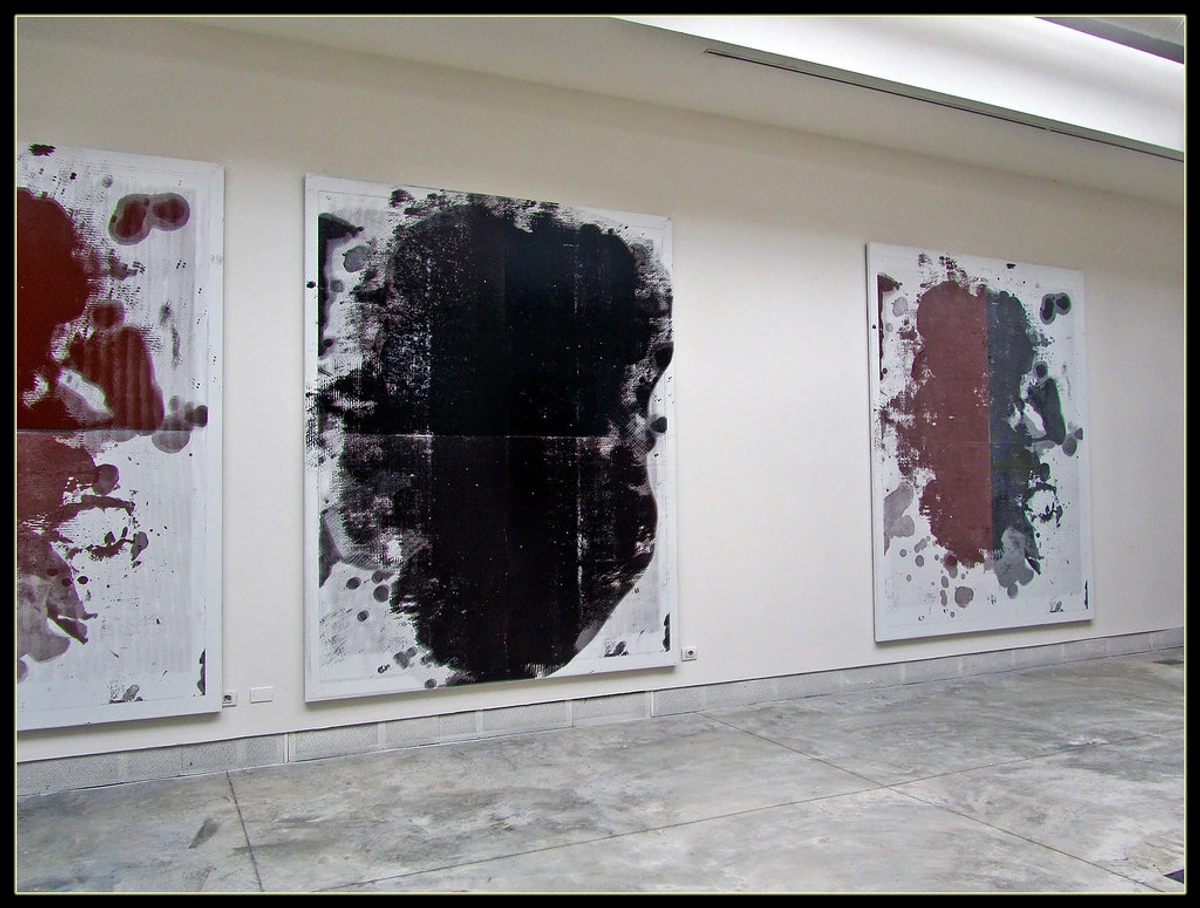
Some contemporary artists find finality in repetition and systemic processes. Take Christopher Wool for example. His works often feature stenciled words or abstract patterns that repeat, sometimes with deliberate imperfections or drips. The "end" is reached when the system has run its course, or when the visual rhythm feels exhaustively explored. It’s a different kind of precision, one that dictates its own boundary through its consistent, yet sometimes chaotic, application. This approach mirrors the conceptual idea that art can be a finite process, a defined journey within a set of rules, where the conclusion is reached not by subjective feeling, but by the completion of the system itself. This also applies to artists using algorithmic art or generative art, where the completion of the code or the generation of a specified number of outputs marks the work as finished, embodying a distinct form of abstract art. This is the artist as a system designer, where the execution of the system itself is the definitive act. This principle also applies to algorithmic art or generative art, where the completion of the code's execution or the generation of a specified number of outputs marks the work as finished, embodying a distinct form of abstract art. This is the artist as a system designer, where the execution of the system itself is the definitive act. We're even seeing this in the burgeoning field of AI as Co-Creator, where the AI's "final output" is determined by programmed parameters, presenting a new frontier for defining artistic finality through computational processes. The artwork is complete when the system has delivered its intended, often unique, outcome, a form of conceptual closure driven by code rather than brushstroke.
Christopher Wool's work, for me, always evokes a sense of both rigorous system and rebellious imperfection. The very act of repeating a motif until it feels 'done' is a powerful declaration of finality. My own abstract works sometimes use repetitive geometric patterns to achieve a similar sense of exhaustive exploration and ultimate conclusion, where the visual rhythm resolves into a cohesive whole, like in this piece:

Color as a Concluding Statement
Color, my friends, is not just decoration; it's a language, capable of whispering or shouting 'The End.' When I'm in the studio, a lot of my subconscious is grappling with whether a palette feels resolved—whether it has said all it needs to say, emotionally and visually. It's that moment when adding another hue would disrupt rather than enhance, when the existing colors have found their perfect, if sometimes dissonant, harmony, creating an undeniable sense of chromatic closure. This is a subtle dance of color theory and emotional intuition, where every pigment has a purpose in the grand statement. The psychological impact of color, its ability to evoke specific emotions or states of mind, often dictates when a palette has said all it needs to say, moving beyond mere visual appeal to a deep emotional resonance.
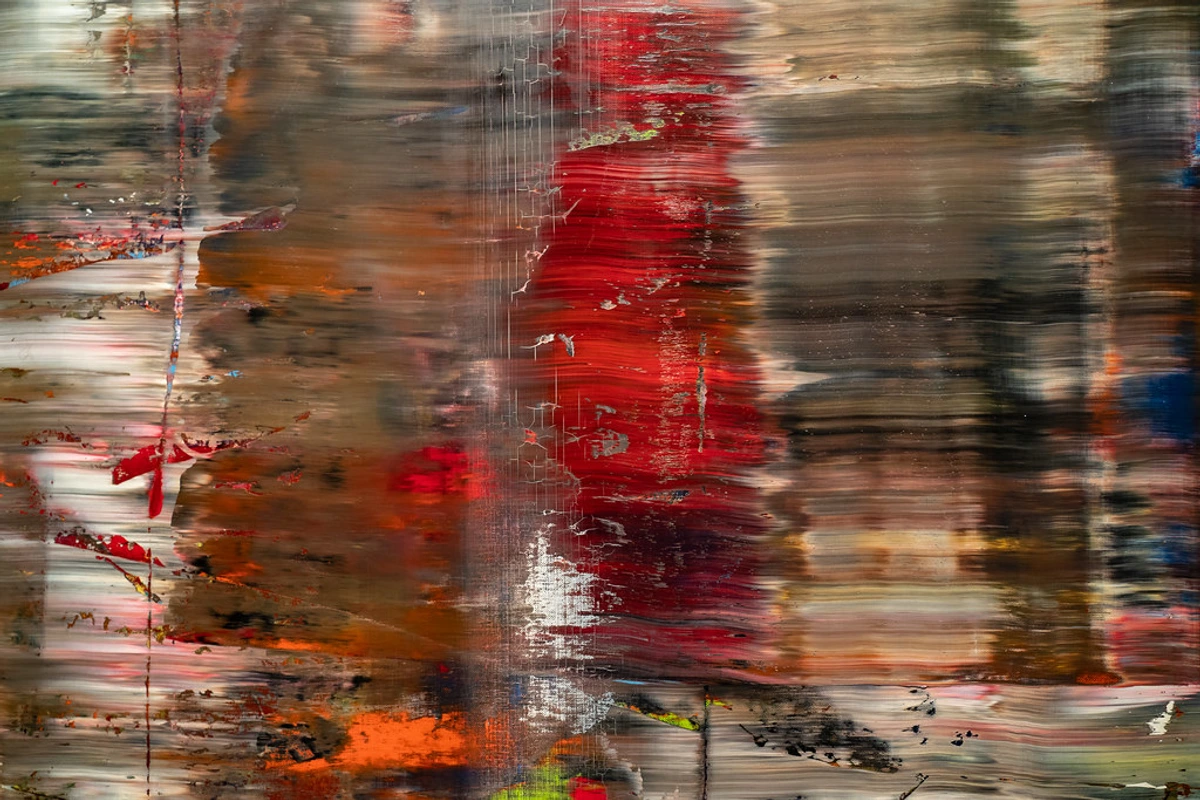
The Power of a Limited Palette
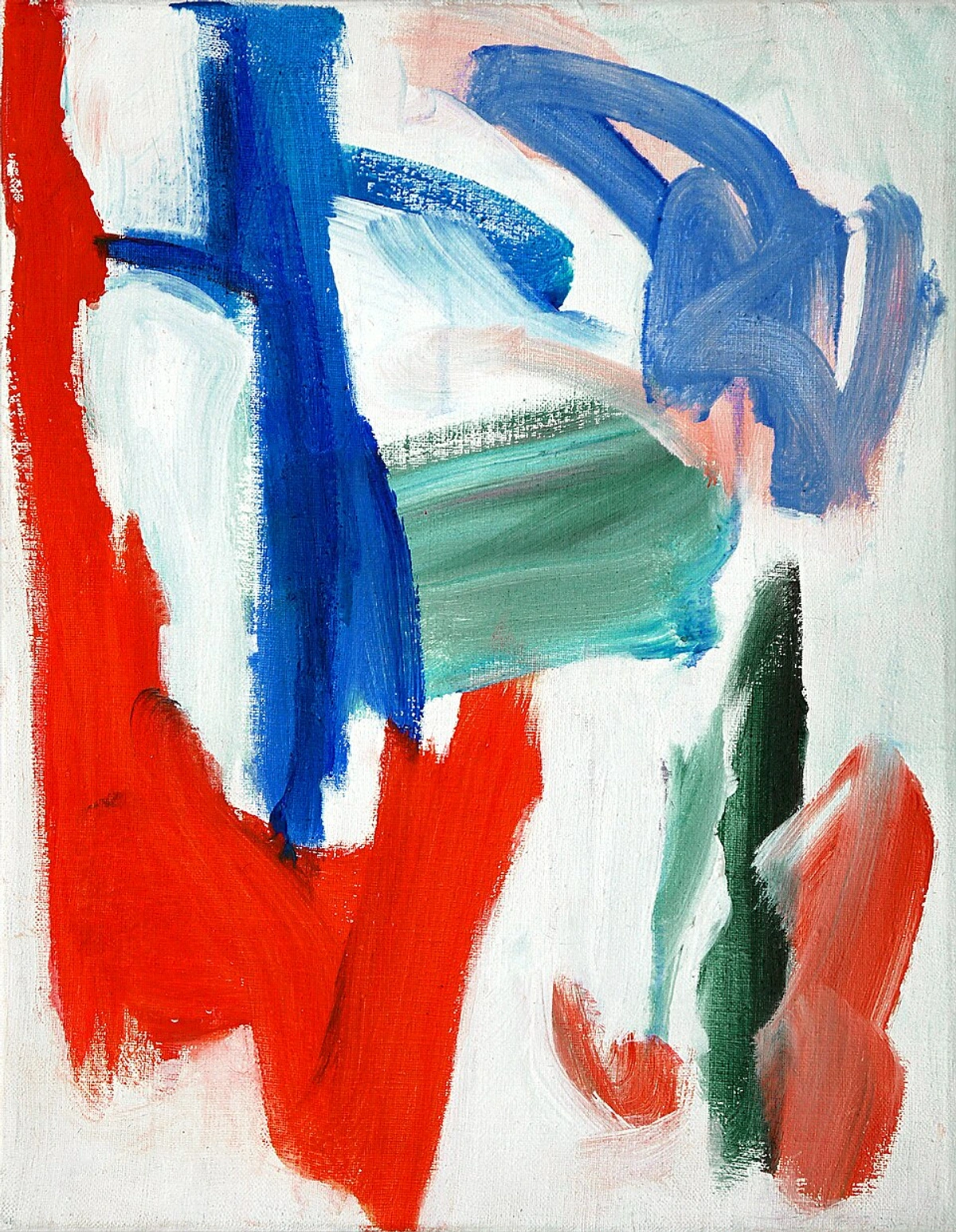
Many artists choose to work with a limited palette to achieve a sense of unity and finality. By restricting the number of colors, they force themselves to explore the full depth and variation within those chosen few. This often results in a cohesive and unshakeable visual statement. Think of a charcoal drawing; it's not 'unfinished' because it lacks color. Its monochromatic nature is its strength, its final declaration. Artists use a similar principle with a few carefully selected hues to create a sense of absolute completion, leaving no room for further chromatic intervention – sometimes even as part of a dedicated color study. Consider Picasso's 'Blue Period,' where a limited palette of blues and greens powerfully conveyed a singular emotional state, or the stark, impactful monochromes of Yves Klein, whose single, vibrant blue felt like the ultimate statement of color itself. I often find a limited palette can be more challenging, but also more rewarding, forcing a deeper exploration of each hue's potential – sometimes even as part of a dedicated color study. This deliberate restriction forces a deeper engagement with the chosen colors, allowing their full expressive potential to emerge and declare a definitive end. My own abstract pieces sometimes explore this, where a vibrant red, blue, and yellow can create a chaotic yet complete energy, like in this piece. Think of Picasso's 'Blue Period,' where a limited palette of blues and greens powerfully conveyed a singular emotional state, or the stark, impactful monochromes of Yves Klein, whose single, vibrant blue felt like the ultimate statement of color itself. This deliberate restriction forces a deeper engagement with the chosen colors, allowing their full expressive potential to emerge and declare a definitive end, often achieving a profound emotional resonance with minimal means.
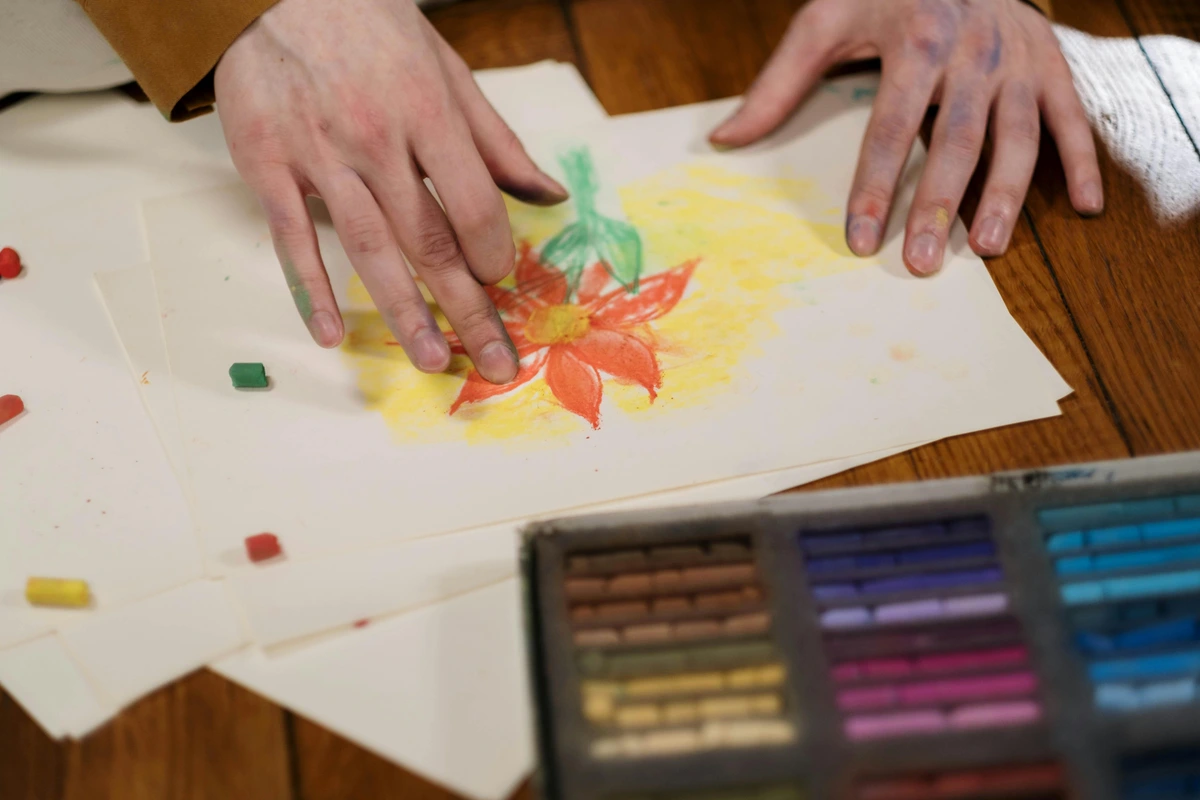
The harmony and tension within a limited set of colors can speak volumes, often more powerfully than a sprawling, uncontrolled spectrum.
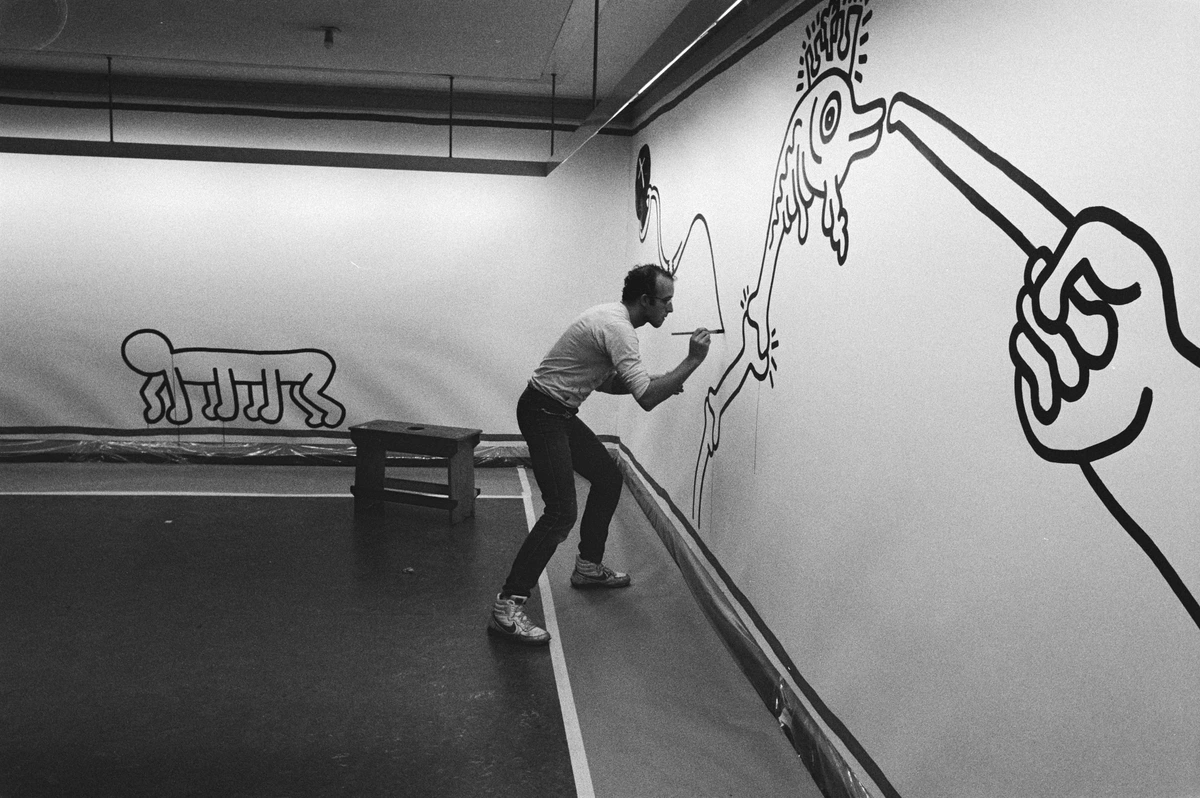
Monochromatic Mastery: The Power of a Single Hue
Sometimes, finality is achieved by an artist's deliberate decision to use only one color, exploring its every nuance and possibility. Monochromatic art can create an incredibly focused and powerful statement, where the absence of other colors forces the viewer to confront the depth, texture, and emotional range of a single hue. Think of Yves Klein's iconic International Klein Blue (IKB); his paintings are finished because they exhaustively explore the potential of that singular, vibrant pigment, declaring a definitive statement about color itself. Or consider the subtle, layered whites of Robert Ryman, where the interplay of texture and light within a single color creates a world of profound, quiet completion. It’s a radical form of visual distillation, where less truly is more, and the chosen color becomes a complete universe.
Saturation and Emotional Resonance
The intensity, or saturation, of colors can also signal finality. A painting bursting with highly saturated, vibrant colors might convey a powerful, conclusive emotional peak, much like the climax of a story. Conversely, a desaturated, muted palette can evoke a reflective, somber, but equally resolute feeling of closure. It’s about finding the point where the emotional temperature of the colors is exactly right – not too hot, not too cold – but perfectly attuned to the intended message, as if the last note of a melody has perfectly faded into silence, leaving a resonant echo. This careful calibration ensures the viewer experiences the full, intended emotional weight of the piece, without distraction. It's about achieving a 'chromatic equilibrium,' where no color feels out of place or redundant. This balance ensures the viewer experiences the full, intended emotional weight of the piece, without distraction, reaching a state of chromatic resolution. It’s about achieving a 'chromatic equilibrium,' where no color feels out of place or redundant, but rather, each contributes to a perfectly calibrated emotional temperature. This meticulous calibration ensures the viewer experiences the full, intended emotional weight of the piece, without distraction. You can dive deeper into how artists manipulate these elements in understanding how artists use color and even the deeper psychological impacts in the psychology of color.
When Light and Shadow Say "The End"
Light can be a powerful tool for conclusion. Think of the final scene in a movie, where a single spotlight illuminates the hero. Artists have been using this trick for centuries. Tenebrism, a technique mastered by painters like Caravaggio, is the perfect example. He plunged most of his canvases into profound darkness, using a single, intense light source to illuminate the most critical elements, forcing the viewer's focus. But we can't forget chiaroscuro, a broader term for strong contrasts between light and dark, which masters like Rembrandt van Rijn used to profound effect, not just for drama but to sculpt form and emotion, guiding the eye to the very soul of his subjects, leaving no ambiguity about the story's depth or the psychological depth of a portrait. It's a way of saying, 'This is what truly matters, everything else recedes into the background.'
By plunging most of the canvas into darkness and using a single, dramatic light source to pick out the action, the artist essentially says, "Look here. This is the crucial, final moment. Nothing else matters." The deliberate placement of highlights and the subtle play of reflected light further solidify forms and draw attention, leaving no visual question unanswered. It's a precise orchestration, where light functions as both a narrator and a spotlight, declaring the scene's emotional and narrative conclusion. This strategic use of light and shadow creates a visual hierarchy that culminates in a clear, focused statement, much like a dramatic conclusion in a play.
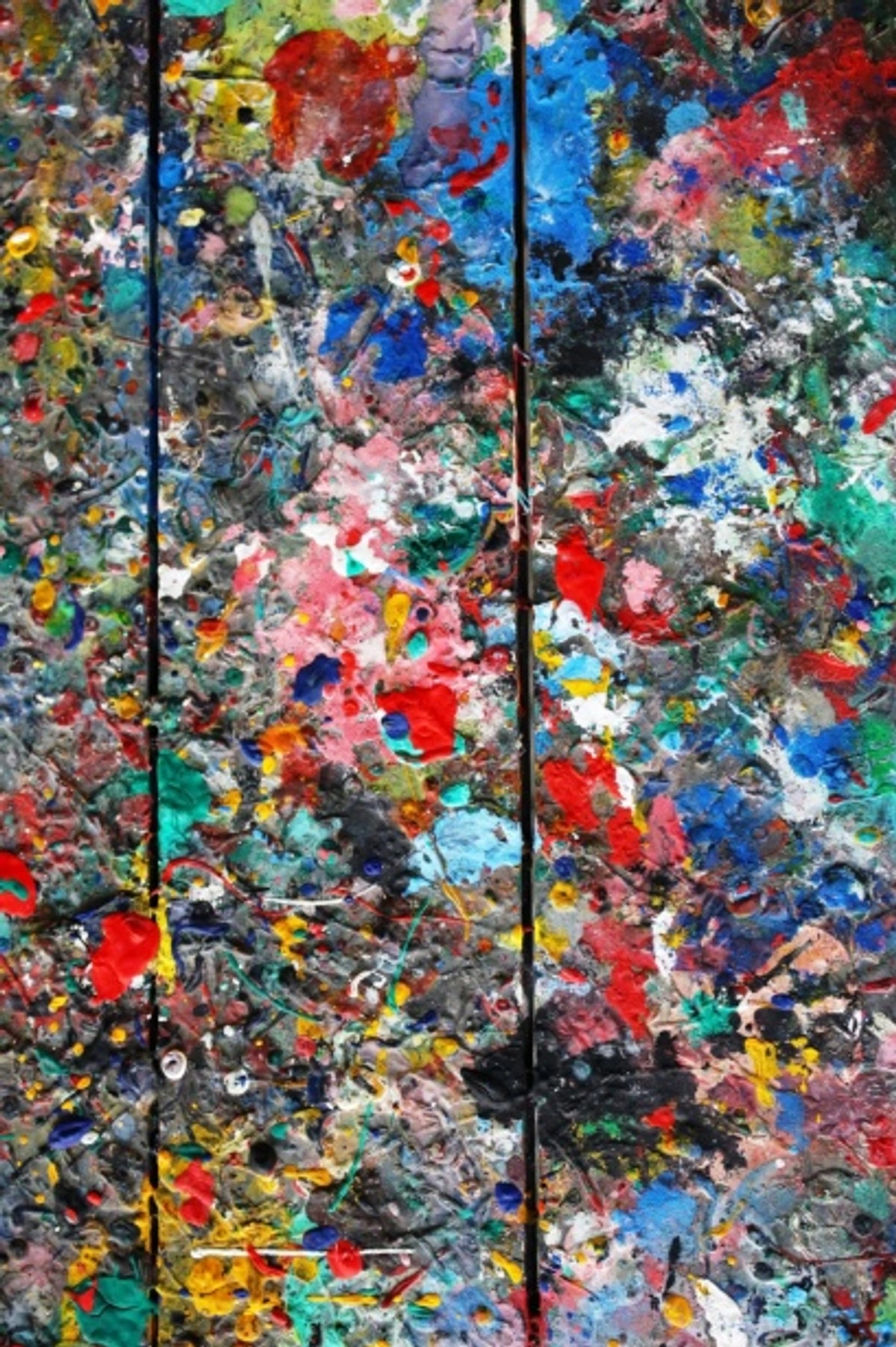
This isn't just about drama; it's about focus and exclusion. The darkness eliminates all distractions, forcing you to confront the story's conclusion. It's an incredibly effective way to convey finality, creating a visual hierarchy that dictates what the viewer must see. The deliberate placement of highlights and the subtle play of reflected light further solidify forms and draw attention, leaving no visual question unanswered. It's a precise orchestration, where light functions as both a narrator and a spotlight, declaring the scene's emotional and narrative conclusion. The psychology of color and its absence plays a huge role here, as the lack of color in the shadows can heighten the emotional impact of the illuminated areas, pushing us towards the narrative's resolution. My own abstract work often uses stark contrasts to guide the eye, creating a dramatic tension that resolves into a powerful, immersive emotional state, as you might feel when looking at a piece like this. The strategic use of light can also create profound psychological depth, guiding the viewer through a narrative of emotion or thought. Think of Rembrandt van Rijn, a master of chiaroscuro, who used light to sculpt not just form, but the very soul of his subjects, leaving no ambiguity about the story's depth or the psychological complexity of a portrait. His figures emerge from the shadows with an undeniable presence, their stories illuminated and brought to a poignant conclusion by the masterful play of light.
Here, the strong contrast acts like a visual exclamation mark, declaring the intense, complex emotion as the final, undeniable statement.
In this piece, the interplay of vibrant color and deep shadow creates a narrative climax of emotional struggle, where the final, bold lines assert a conclusive statement.
Narrative Climax: The Story is Over
Some paintings are explicitly about telling a story. For these works, finality comes from depicting the climax or the resolution of that narrative. The most obvious examples are historical paintings that capture the peak of a battle or a revolution, moments of profound human drama that leave no question about the narrative's conclusion. It's like the final, booming chord of an epic symphony, leaving you with a sense of awe and closure. This applies equally to genre paintings that capture a decisive moment of everyday life, or mythological paintings that freeze the apex of a dramatic tale, leaving the viewer with a complete understanding of the unfolding drama. These visual storytelling techniques ensure that the narrative finds its compelling endpoint within the frame. Historical paintings capturing the peak of a battle or a revolution, or mythological paintings freezing the apex of a dramatic tale, leave the viewer with a complete understanding of the unfolding drama. It's like the final, booming chord of an epic symphony, leaving you with a sense of awe and closure. The artwork serves as a visual monument to a decisive moment, a complete narrative in a single, powerful frame, leaving no narrative question unanswered.
Eugène Delacroix's Liberty Leading the People isn't about the quiet moments before the fight, nor is it about the cleanup afterwards. It is the absolute, definitive peak of the action. Liberty has risen, the flag is high, and the people are surging forward. It is the moment of triumph, the conclusion of the struggle, a powerful and undeniable assertion of the revolutionary spirit. Delacroix didn't just depict an event; he immortalized its emotional and historical crescendo, leaving no doubt about its significance or its intended final statement. The painting serves as a visual monument to a decisive moment, a complete narrative in a single, powerful frame.
Delacroix's masterpiece doesn't just show an event; it is the event, encapsulated in its most emotionally charged and historically significant moment, a complete visual declaration.
These visual storytelling techniques give us a sense of completion because we are witnessing the story's most crucial point. There's no need to ask, "What happens next?" because, in a way, this moment is the answer, the culmination of all preceding events. It's about capturing the essence of a narrative arc in a single, powerful tableau.
Even much older narrative works, like the Bayeux Tapestry, achieve this sense of finality through their detailed, sequential storytelling, leading the viewer to the inevitable conclusion of a historical event, acting as a complete visual chronicle.
The Symbolism of Animals as a Final Statement
Beyond human narratives, animals often serve as powerful symbols that can convey a sense of finality. A painting featuring a majestic lion, a soaring eagle, or a peaceful dove can be 'finished' when its symbolic message—be it courage, freedom, or peace—is fully embodied and communicated. The animal itself, as a universal archetype, can provide an unequivocal visual conclusion, resonating deeply within the viewer's subconscious. This is particularly true in works that explore the symbolism of animals in contemporary art, where a creature's presence can be a potent, concluding statement. A solitary wolf might symbolize untamed freedom, a flock of birds, liberation, or a still, watchful owl, profound wisdom. Once that symbolic weight is fully embodied and communicated through the animal's depiction, the artwork feels complete, its message resonating deeply within the viewer's subconscious, providing an unequivocal visual conclusion.
The Abstract Resolution
But what about abstract art? Without a clear narrative or recognizable figures, how does an artist signal the end? This is where it gets more intuitive and emotional.
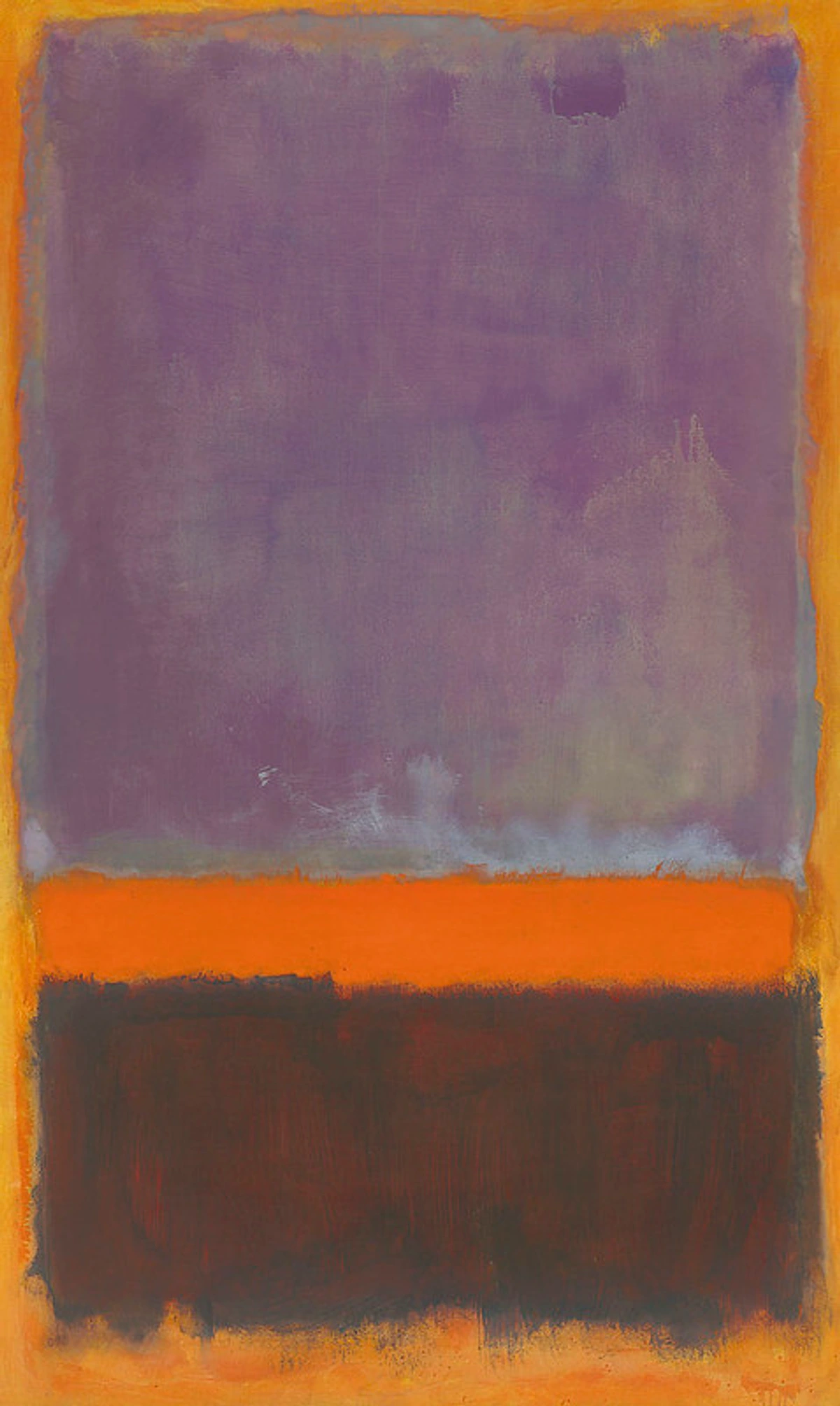
For an artist like Mark Rothko, finality wasn't about a story ending, but an emotion fully realized. His huge color fields were designed to be immersive, characteristic of his pioneering role in Abstract Expressionism. The "end" is reached when the colors and their relationships achieve a perfect state of emotional resonance. When you stand in front of a Rothko, you're not meant to look for a narrative in the traditional sense; you're meant to feel a conclusion, a complete emotional landscape that envelopes you. His monumental canvases, with their vibrating color fields, are not just paintings; they are experiences, designed to evoke profound contemplation and a sense of ultimate spiritual or emotional release. The perceived 'end' is reached when this intense emotional resonance is fully achieved, leaving the viewer with an undeniable, if wordless, statement. It's a testament to the power of color itself to convey profound meaning without relying on recognizable forms. The careful layering and subtle shifts in hue create a visual vibration that settles into a profound, almost spiritual, stillness, creating a 'chromatic declaration' that feels utterly complete. His monumental canvases, with their vibrating color fields, are not just paintings; they are experiences, designed to evoke profound contemplation and a sense of ultimate spiritual or emotional release. Other Abstract Expressionists, like Willem de Kooning, found their finality in the raw, gestural energy of their brushstrokes, where the sheer force of their creative act declared the work complete, a powerful and undeniable assertion of the artistic ego and the creative process.
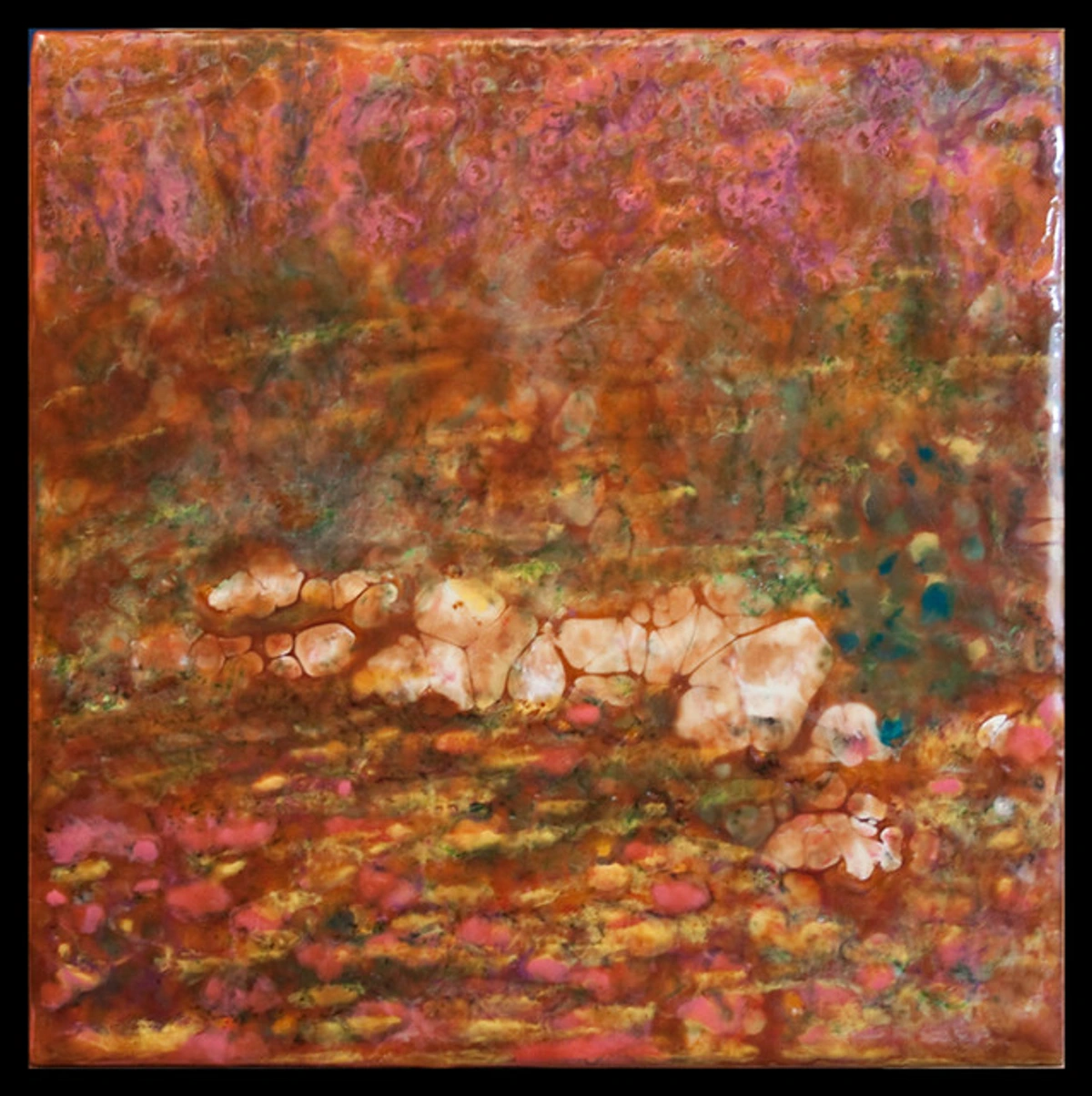
credit, licence
The completeness comes from the harmony, tension, and vibration between the colors. It feels like the final chord of a powerful piece of music. You can explore more about this and the rich tapestry of non-representational art in the definitive guide to the history of abstract art.
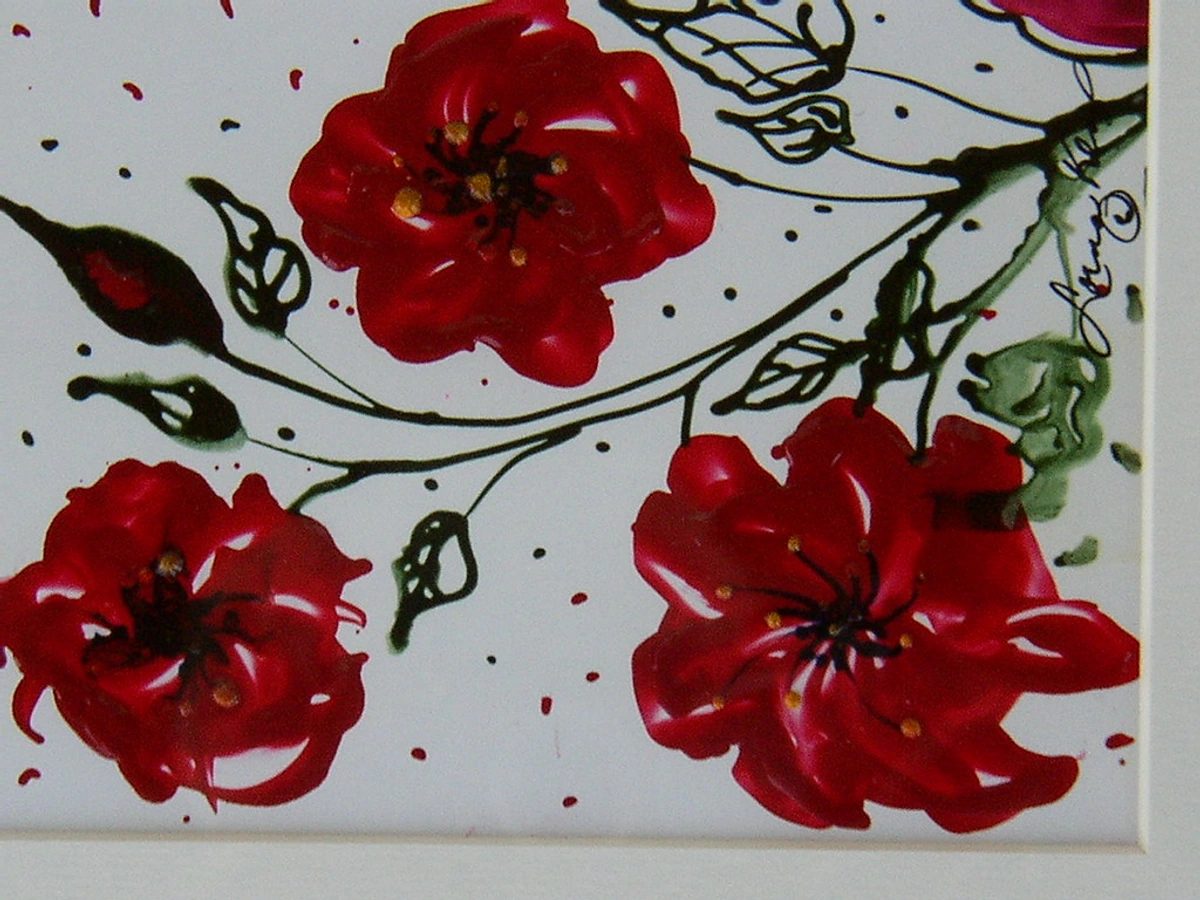
Beyond Rothko: Other Abstract Approaches to Finality
While Rothko achieved finality through emotional immersion, other abstract artists find their conclusions through different avenues. Think of the intense, raw energy of Jackson Pollock's drip paintings; their 'end' is often a point of exhaustion or saturation, where no more paint can be added without overwhelming the canvas. Or consider the systematic grids of Agnes Martin, where finality emerges from the meticulous, almost meditative completion of a predefined pattern, a quiet assertion of order. Each abstract artist, in their unique way, establishes an internal logic that, once fully explored, dictates the moment of completion, often leaving the viewer with a sense of profound, if abstract, resolution. Sometimes, for me, it's about an abstract landscape that finds its conclusion in a playful yet coherent arrangement of forms, a moment when the chaotic elements align into a harmonious whole, a manifestation of my abstract language:
This kind of playful abstraction reaches its 'finish' when the whimsical narrative feels fully articulated. Other abstract artists find their conclusions through different avenues. Think of the intense, raw energy of Jackson Pollock's drip paintings; their 'end' is often a point of exhaustion or saturation, where no more paint can be added without overwhelming the canvas. Or consider the systematic grids of Agnes Martin, where finality emerges from the meticulous, almost meditative completion of a predefined pattern, a quiet assertion of order. Each abstract artist, in their unique way, establishes an internal logic that, once fully explored, dictates the moment of completion, often leaving the viewer with a sense of profound, if abstract, resolution. Sometimes, for me, it's about an abstract landscape that finds its conclusion in a playful yet coherent arrangement of forms, a moment when the chaotic elements align into a harmonious whole, a manifestation of my abstract language. It's a journey into pure form and emotion, finding its unique point of ultimate coherence.
Medium Specificity: How Materials Dictate Completion
The very choice of medium is, in itself, a declaration of intent, profoundly influencing when and how an artwork is considered "finished." Different materials possess inherent qualities, limitations, and expressive potentials that guide the artist towards a natural endpoint, shaping the finality of the piece in often unexpected ways. For me, this is where the conversation between artist and material truly deepens, where the whispers of the canvas, the resistance of the clay, or the fluidity of digital pixels all contribute to the artwork's ultimate "aha!" moment. It's not just what you make, but how you make it, that defines its ultimate resolution.
The Materiality of the Statement
Consider the inherent properties that define the completion of an artwork across various mediums:
- Painting (Oil, Acrylic, Watercolor): The finality here can range from the seamless, invisible brushstrokes of the Old Masters to the expressive, gestural marks of an Abstract Expressionist. It's often when the surface has reached its desired texture, luminosity, and depth, or when the last layer of glaze or varnish is applied, sealing the visual statement.
- Sculpture (Bronze, Marble, Clay): For a bronze sculpture, the casting process often marks its definitive completion, transforming a soft model into a permanent, hard form. For marble, it's when the chisel has revealed the final form, polished or left raw to convey specific textures. With ceramics, it's typically after the final firing and glazing, making the form immutable, as seen in the introduction to ceramics. The physical permanence and finished surface often define its completion.
- Photography: A photograph is 'finished' the moment the shutter clicks, capturing a singular instant. While post-processing can refine the image, the core artistic decision of when to capture the scene defines its fundamental completion. The print, the display, these are presentations of that finished moment.
- Fiber Art/Textiles: The completion of a tapestry, quilt, or woven sculpture is often marked by the final stitch, knot, or binding. It's when the narrative or abstract pattern is fully realized through the intricate manipulation of threads and fabrics, creating a complete, tangible form, much like the detailed work discussed in a Q&A with a Textile Artist.
- Digital Art: This is a fascinating contemporary question, as digital pieces can be endlessly mutable. However, a digital painting might be considered complete when the artist stops manipulating pixels, while a generative artwork's 'finish' could be defined by the cessation of its algorithm or a specific snapshot in its ongoing evolution. The artist's declaration or the predetermined parameters of the code often dictate its finality.
The Artist's Studio Practice: The Intimate Dance Towards Completion
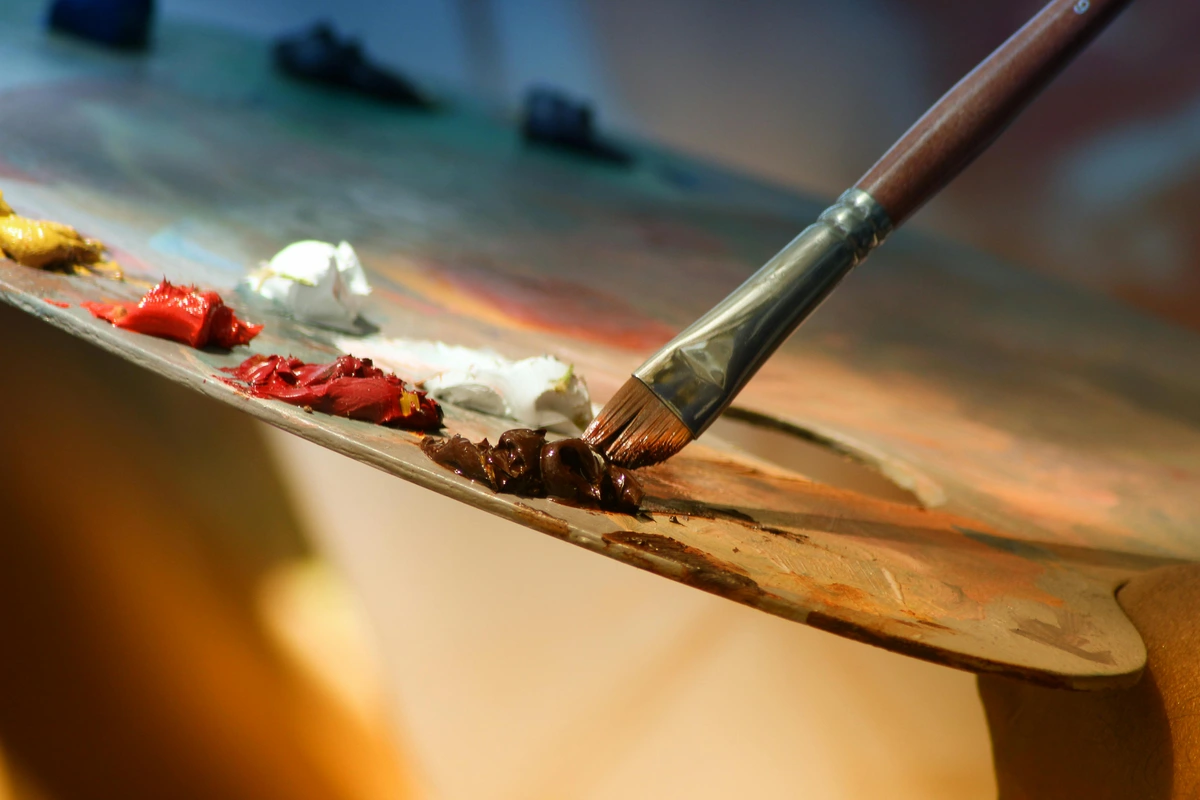
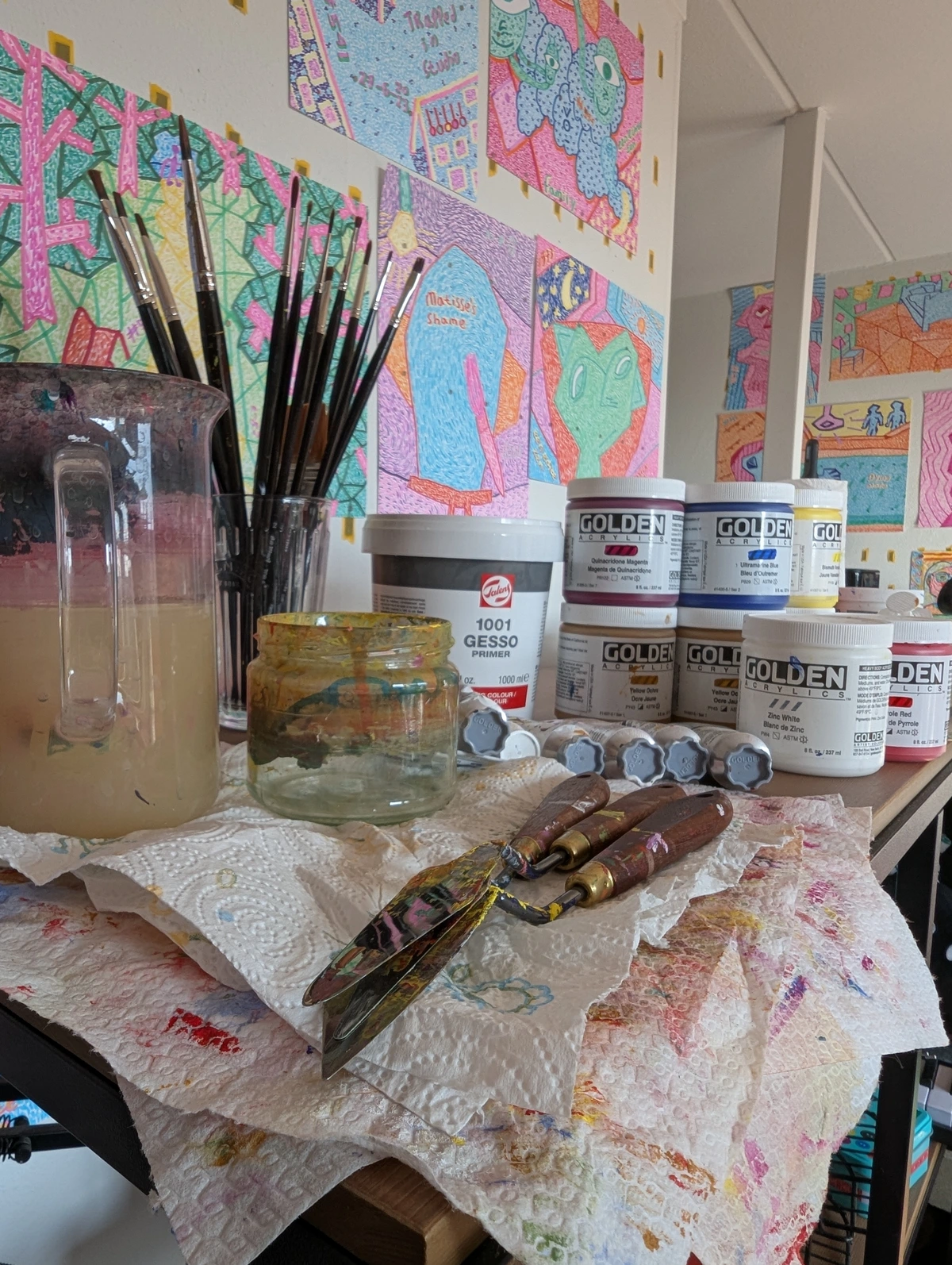
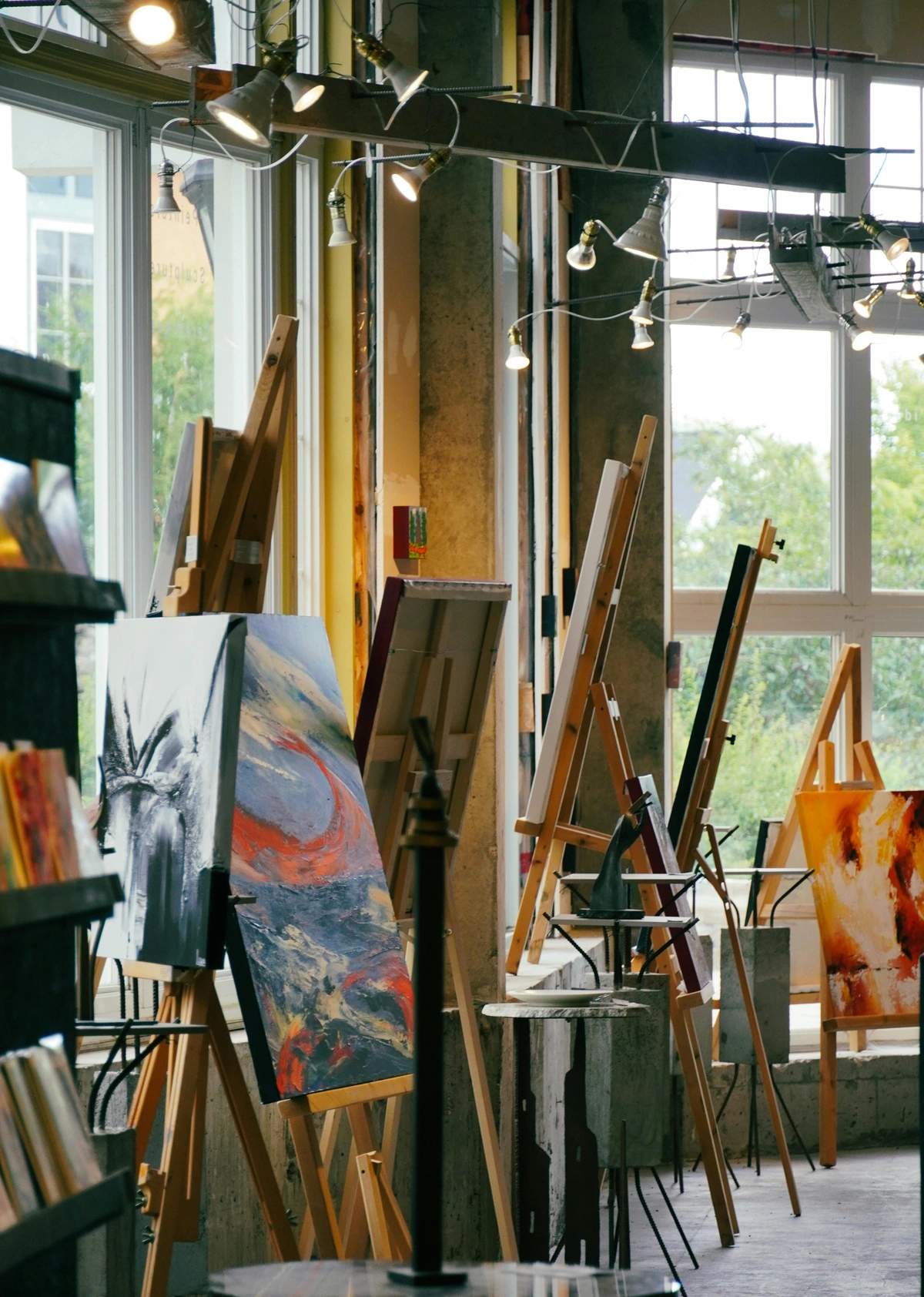
Beyond the grand theories and historical movements, the everyday reality of an artist's studio offers a myriad of personal rituals and decision-making processes that culminate in that 'finished' moment. It’s a space of intense dialogue, frustration, and eventual triumph. For me, it's often a cycle of intense focus followed by periods of stepping away, gaining fresh perspective. Sometimes, the work demands a specific, decisive action; other times, it's a gradual unfolding. The tools themselves—the brush, the palette, the raw canvas—become collaborators in this intimate dance.
Knowing When to Stop: The Unspoken Cues
How do I know when it's time to put the brushes down? It's rarely a grand revelation. Often, it's a series of small cues:
- The artwork starts to 'fight back': When every new mark feels like a struggle, or actively detracts from what's already there, it's a sign I've gone too far, or I'm about to.
- A sense of 'redundancy': If I find myself adding elements just for the sake of adding them, without a clear purpose, it's time to step back. True completion is about essentiality, not accumulation.
- The 'breath' of the piece: When the artwork feels like it can breathe on its own, independent of my further intervention, it's reached its autonomy. It has a life force, a visual integrity that feels complete.
- The 'echo' of the initial spark: If the final piece still resonates with the original intention or emotion that started it all, but in a richer, more complex way, that's often a powerful signal of completion. It's a return to the core idea, fully realized.
It’s a deeply personal negotiation, a constant internal dialogue. And sometimes, even after a piece is 'finished,' I find myself revisiting it in my mind, wondering if I should have done one more thing. But that, perhaps, is part of the ongoing conversation of art itself.
A Quick Comparison
To make it clearer, let's put some of these ideas side-by-side.
Artist/Artwork  | Technique for Finality | Emotional Impact |
|---|---|---|
Caravaggio (Seven Works of Mercy) | Tenebrism, dramatic spotlight | Definitive, dramatic conclusion |
Piet Mondrian (Composition...) | Perfect geometric balance | Intellectual, resolved harmony |
Eugène Delacroix (Liberty...) | Climactic narrative peak | Triumphant, historical finality |
Gustav Klimt (The Kiss) | Enclosed, self-contained composition | Eternal, intimate closure |
Mark Rothko (Untitled) | Immersive color field resonance | Contemplative, emotional saturation |
Jackson Pollock (Number 1A) | Energetic, all-over composition | Exhaustive, frenetic resolution |
Christopher Wool (Untitled) | Repetitive pattern, controlled drips | Systemic, industrial finality |
Pablo Picasso (Weeping Woman) | Cubist fragmentation, emotional intensity | Raw, definitive anguish |
Caravaggio (The Calling of Saint Matthew) | Tenebrism, dramatic spotlight | Definitive, sacred revelation |
Rembrandt van Rijn (The Night Watch) | Chiaroscuro, narrative culmination | Collective, powerful moment |
Marcel Duchamp (Fountain) | Conceptual declaration, artistic challenge | Provocative, questioning finality |
Judy Chicago (The Dinner Party) | Symbolic installation, feminist statement | Empowering, historical conclusion |
Claude Monet (Water Lilies Series) | Fleeting light, atmospheric capture | Ephemeral, tranquil completion |
René Magritte (The Treachery of Images) | Conceptual paradox, surrealist precision | Intellectual, unsettling resolution |
Claude Monet (Impression, Sunrise) | Fleeting light, atmospheric capture | Ephemeral, sensory completion |
Andy Warhol (Marilyn Diptych) | Repetition, mass-produced imagery | Iconic, cultural finality |
Joseph Mallord William Turner (The Fighting Temeraire) | Sublime, atmospheric drama | Epic, emotional resolution |
Piet Mondrian (Broadway Boogie Woogie) | Dynamic equilibrium, geometric rhythm | Harmonious, musical finality |
FAQ: The End Game
Let's tackle some common questions I get about this, because as an artist, these are the conversations that truly deepen my own understanding, and hopefully, yours too. These are the "end game" questions that often pop up, and they're crucial for truly appreciating the depth of artistic completion.
How does an artist really know when a painting is finished?
Honestly? Sometimes we don't. It's often a gut feeling, a subtle but undeniable 'click' where the work just feels right. For me, it's when adding anything else would feel like a disruption, like speaking after a profound silence. The painting has said what it needs to say, and my job is to listen and step away. It's a balance between intention and intuition, a delicate dance between control and surrender. My own process is a bit chaotic, a dance between intention and accident, but you can read about how I wrestle with that 'click' of completion in a piece I wrote on the unseen layers of my work. It’s about listening to the artwork itself, letting it tell you when it’s finally breathing on its own, independent of my further intervention. Sometimes, it's a moment of pure exhaustion, where I simply can't add another mark without feeling like I'm defiling the surface. Other times, it's a calm acceptance, a quiet nod that, yes, the conversation is complete. It’s a synthesis of technical proficiency and emotional honesty, a moment when the work transcends its components and becomes a singular, unified statement. This often involves a 'dialogue' with the piece, where the artwork itself reveals its needs, and I, as the creator, must respect its emergent autonomy. It's a bit like parenting, really; at some point, you have to let go and let the artwork stand on its own two feet, ready to face the world. This moment of release, though sometimes bittersweet, is the true mark of completion, a final acknowledgment that the work has achieved its full potential, a concept I often wrestle with in the unseen layers of my work.
Can a signature ruin a painting's sense of finality?
Absolutely. A signature is the most literal way of saying "The End," but if placed poorly, it can wreck the composition, pulling focus or disrupting the visual flow. Great artists integrate their signature into the work, making it the final, deliberate mark that completes the balance rather than just a label slapped on at the end. It should feel like the last brushstroke, not an afterthought, a subtle affirmation rather than an interruption. Sometimes, I even play with the idea of not signing a piece, leaving that question mark hanging, but usually, a well-placed signature is the artist's final, quiet nod of approval, a gesture of authorship and completion. It's akin to a final punctuation mark in a beautifully written sentence – it needs to be there, but it shouldn't distract from the words themselves. I often spend as much time pondering the placement of my signature as I do the last few brushstrokes, seeking that perfect harmony. It's the artist's final stamp of approval, a quiet 'I was here, I made this, and it is done.' But it should never scream for attention. A well-placed signature should be discovered, like a secret, integrated into the visual flow rather than slapped on as an afterthought. You can read more about the intricacies of signing a painting in this guide: how to sign a painting.
What's the difference between an unfinished painting and a sketch?
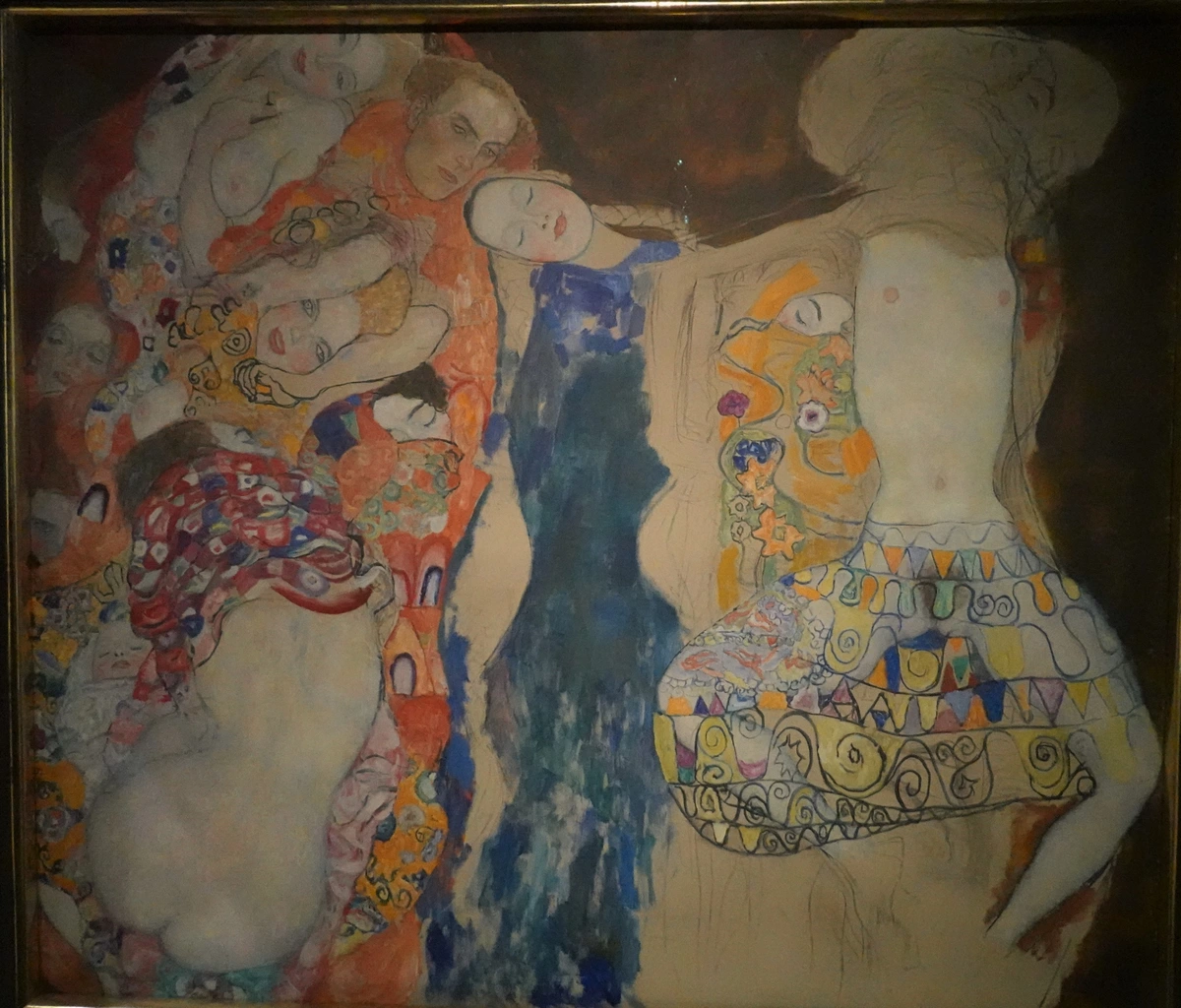
Intention, purely and simply. A sketch is often a preparatory work, a plan, an exploration of an idea or form. An unfinished painting is one the artist intended to complete but, for whatever reason (lost inspiration, illness, death, a change of heart), didn't. Interestingly, some 'unfinished' works, like Gustav Klimt's The Bride or even early studies for masterpieces, achieve a different kind of finality, capturing a raw, fleeting moment that a more polished piece might lose. This distinction between a preparatory sketch (an exploration of an idea) and an unfinished painting often blurs in contemporary practice, but historically, the intention of completion was key. The purpose behind the creation defines its perceived state of finish. Sometimes, an 'unfinished' work can reveal more about the artist's process and inner world than a perfectly polished piece, offering a glimpse behind the curtain of creation, almost like a window into their creative thought process. Think of the rough, dynamic energy in a master's early drawing—it's complete in its purpose, even if it's not the 'final' artwork. This distinction is crucial for understanding the artist's journey, recognizing that not every mark is intended for a grand, polished statement, but each serves a unique purpose in the creative process. A sketch is a question, an exploration, a fleeting thought captured on paper, complete in its exploratory nature. An unfinished painting, on the other hand, is a halted conversation, a narrative left hanging, pregnant with unfulfilled potential. It speaks to the fragility of the creative process, a reminder that not every journey reaches its intended destination, but even in its incompleteness, it can hold a poignant beauty. It's the difference between a deliberate pause and an unexpected stop. The former is a finished idea, the latter, a promise unkept.
How does the art market influence an artwork's finality?
This is a fascinating and sometimes thorny question. The art market, with its commercial pressures, can paradoxically influence when a work is declared 'finished.' Sometimes, a collector's demand or a gallery's exhibition schedule can dictate the completion of a piece, even if the artist feels it could be further refined. Conversely, a work might achieve a kind of market-driven finality through its sale or its acquisition by a major institution, cementing its status as a complete and valuable object. This external validation, while not directly artistic, certainly impacts the perceived finality of a piece. However, for me, the true artistic finality must always come from an internal dialogue with the work itself, not from external pressures. While market validation can certainly elevate a work's status, it doesn't necessarily define its inherent artistic completion. The artwork's value might soar, but its 'finished' state, in a purely creative sense, remains a conversation between the artist and the canvas. The art market can provide a powerful external affirmation, but the internal click of completion must always precede it for the work to feel truly resolved.
Does finality mean a painting is static or boring?
Not at all! A painting can be full of energy and movement and still feel complete. Think of Henri Matisse's La Danse. The figures are in perpetual motion, but the circular composition makes their dance feel eternal and resolved. The finality is in the perfection of that loop, not in the freezing of the action. It's a testament to how dynamism can be both continuous and definitively resolved, a paradox I find endlessly fascinating in art. You might also find interesting insights on how artists maintain visual tension and dynamism in what is design in art and understanding balance in art composition. In my own work, I often strive for a similar 'controlled chaos,' where the energetic brushstrokes coalesce into a balanced, finished whole. A work can be teeming with implied motion, yet perfectly complete in its visual statement, like a perfectly choreographed dance that ends with a powerful, final pose. Think of the swirling energy in a Baroque ceiling fresco; it's bursting with movement, yet its narrative arc reaches a definitive, overwhelming conclusion. My piece, "Family Party," with its surreal yet contained energy, strives for this kind of dynamic resolution: the implied motion and vibrant chaos are deliberately contained within a composition that, despite its dynamism, feels utterly resolved. It's like watching a perfectly executed, high-energy dance routine that ends with a powerful, definitive pose; the movement is continuous, but the statement is complete. Finality, in these cases, isn't about stillness, but about the culmination of all forces, a powerful and undeniable crescendo that leaves no room for further movement.
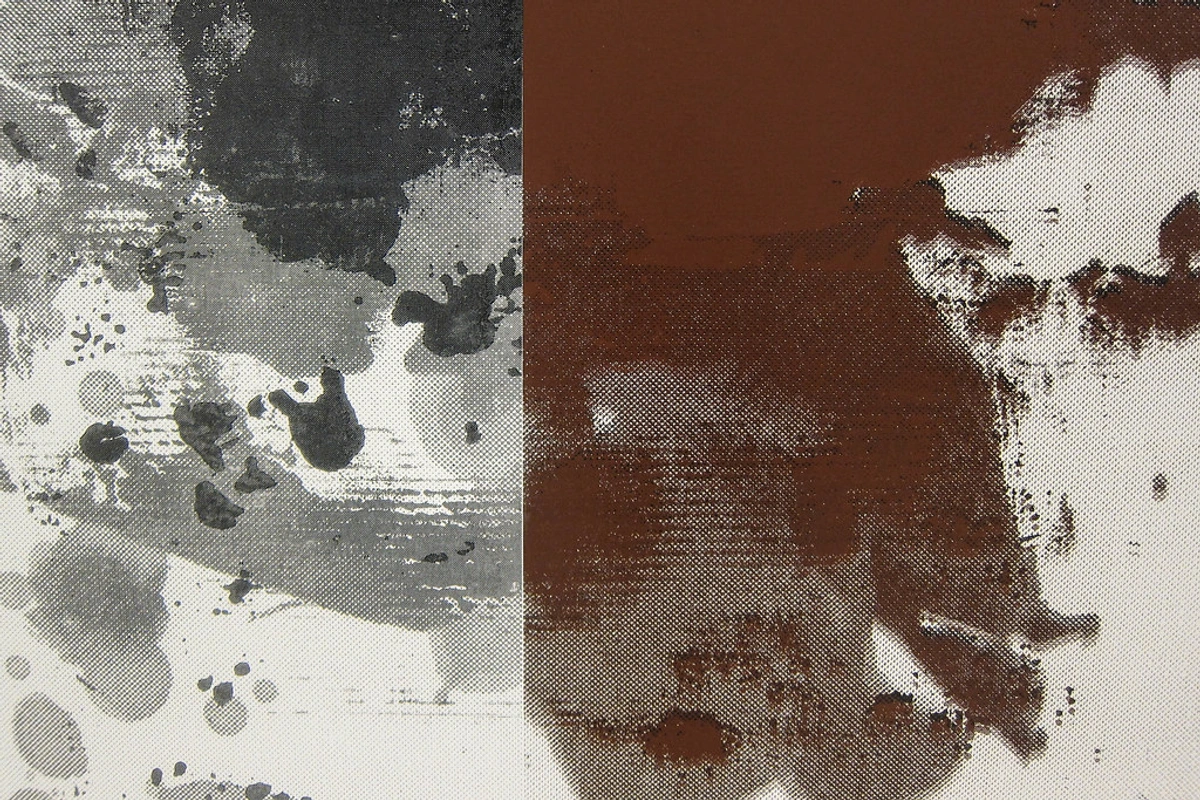
Here, the chaotic elements find a strange, unsettling finality in their very collision.
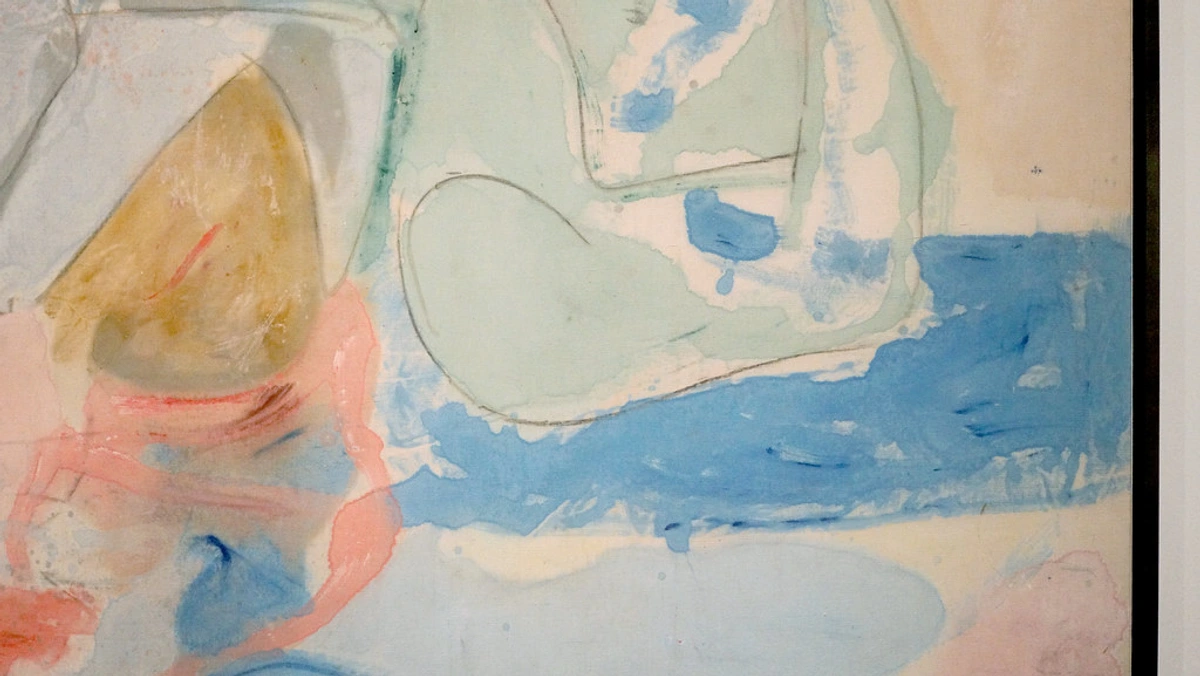
What is the role of context and display in an artwork's finality?
This is a subtly powerful factor. A painting displayed in a grand museum gallery might instantly convey a sense of 'finished' and 'important,' while the same work in a bustling home setting could feel like an ongoing part of life, its meaning constantly re-evaluated. The way art is lit, framed, and positioned, whether as abstract art for small spaces or a grand statement, profoundly affects its perceived completion. For me, the journey of a piece from my studio to a collector's wall is a part of its finality, transforming it from a personal statement into a shared experience. The very act of hanging a work, as detailed in guides like how to arrange pictures on a wall or how to display art on a bookshelf, is a declaration of its ready state, a public affirmation of its conclusion. You can read more about this in articles discussing the art of display and beyond the gallery wall. A stark white gallery wall might accentuate a painting's finality, demanding singular attention, whereas a rich, textured wall in a home might invite a more intimate, ongoing dialogue, subtly altering the sense of its conclusion. The framing, the lighting, the proximity to other objects—all subtly influence how we perceive a work's completion. For me, the journey of a piece from my studio to a collector's wall is a part of its finality, transforming it from a personal statement into a shared experience. The very act of hanging a work, as detailed in guides like how to arrange pictures on a wall or how to display art on a bookshelf, is a public declaration of its ready state, a public affirmation of its conclusion. It’s a powerful reminder that art exists in context, and that context often dictates its perceived finality, making the art of display as crucial as the art of creation, especially when considering abstract art for small spaces.
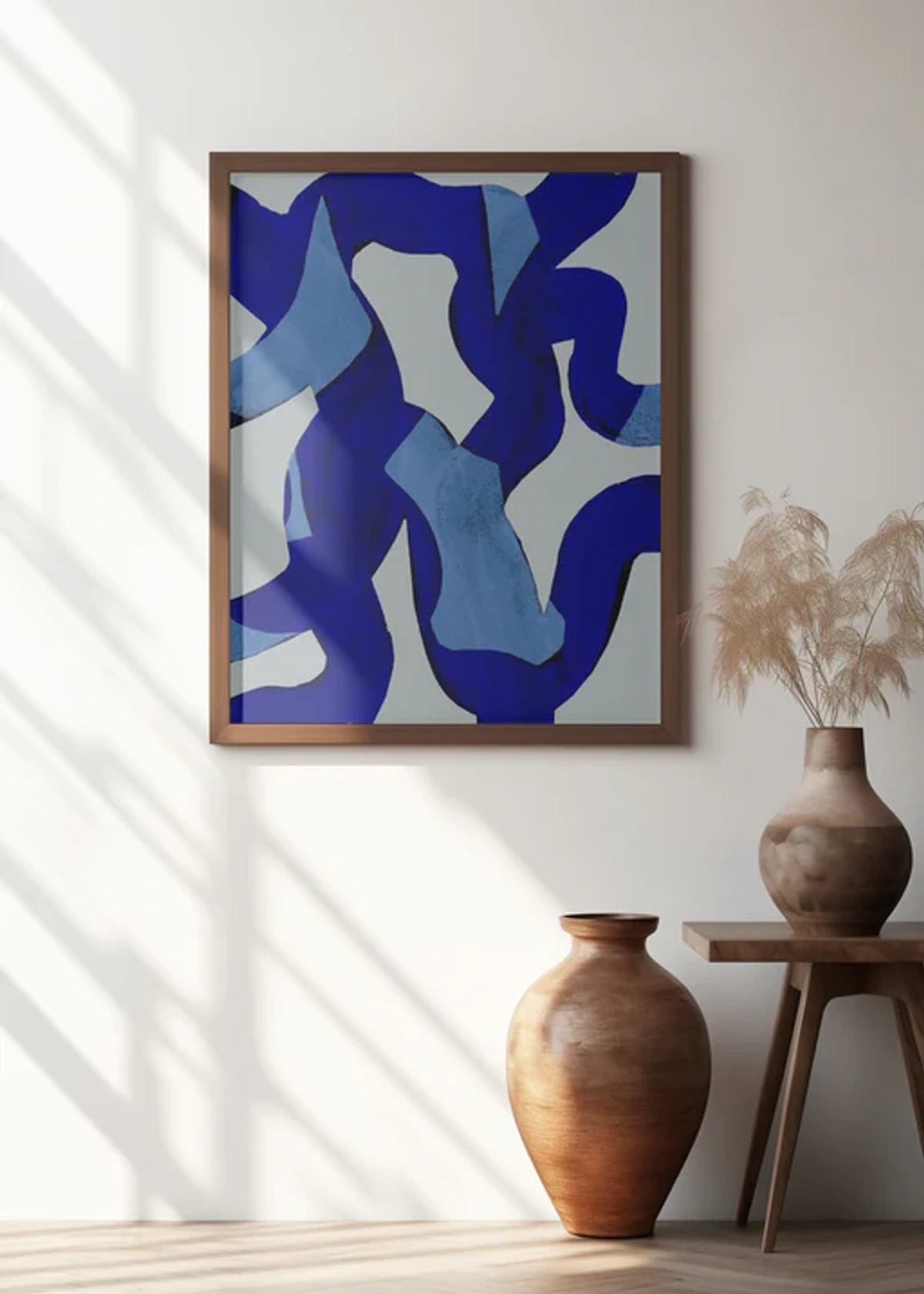
How do contemporary artists challenge the idea of a "finished" work?
Ah, this is where it gets deliciously rebellious! Many contemporary artists deliberately blur the lines of completion. Some create process art, where the act of making is more important than the final object, or where the work is inherently mutable. Others create interactive installations that are only "finished" when a viewer engages with them, meaning the art is constantly in a state of becoming. It's a fascinating re-evaluation of what constitutes an "end," often suggesting that art is a continuous dialogue rather than a fixed statement. Consider artists like Gerhard Richter who often revisits and reworks canvases, sometimes scraping away layers, allowing the 'finished' state to be a temporary pause in an ongoing dialogue with the painting. Or think of Dadaism, where the very act of challenging artistic conventions meant a constant re-evaluation of 'finish.' Many contemporary artists also incorporate chance and unpredictable elements, allowing the artwork to declare its own end, often in surprising and liberating ways, pushing against the very notion of a static, immutable masterpiece. This fluidity reflects a modern understanding of art as an ongoing conversation rather than a definitive pronouncement. Consider artists like Gerhard Richter who often revisits and reworks canvases, sometimes scraping away layers, allowing the 'finished' state to be a temporary pause in an ongoing dialogue with the painting. Or think of Dadaism, where the very act of challenging artistic conventions meant a constant re-evaluation of 'finish.' Many contemporary artists also incorporate chance and unpredictable elements, allowing the artwork to declare its own end, often in surprising and liberating ways, pushing against the very notion of a static, immutable masterpiece. The temporary installations, site-specific works, and even performance art pieces all contribute to this expanded definition of 'finished,' often finding resolution in their transience or their direct engagement with an audience. Even a piece like Banksy's street art, which is inherently ephemeral, feels 'finished' in its immediate declaration, even as its physical presence might fade over time:
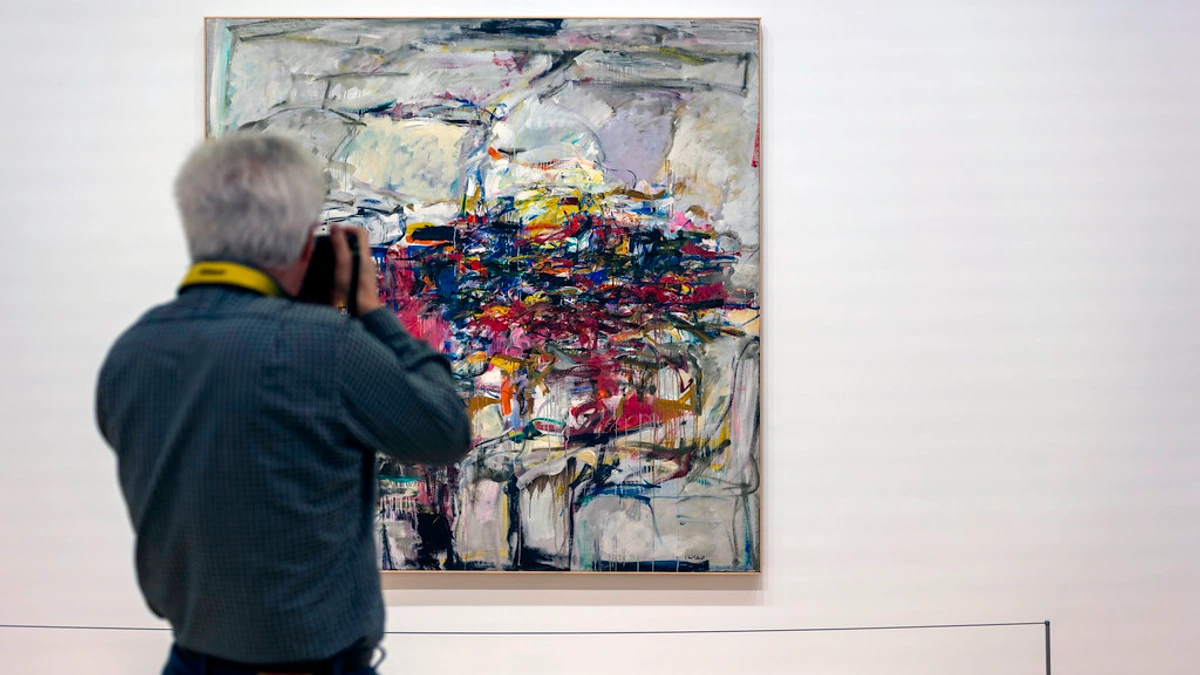


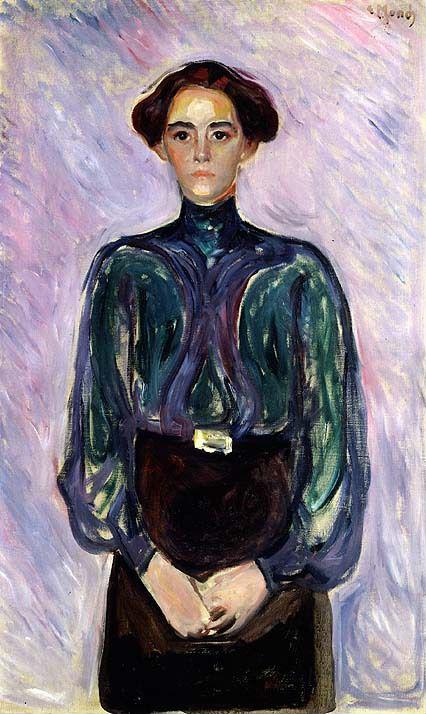

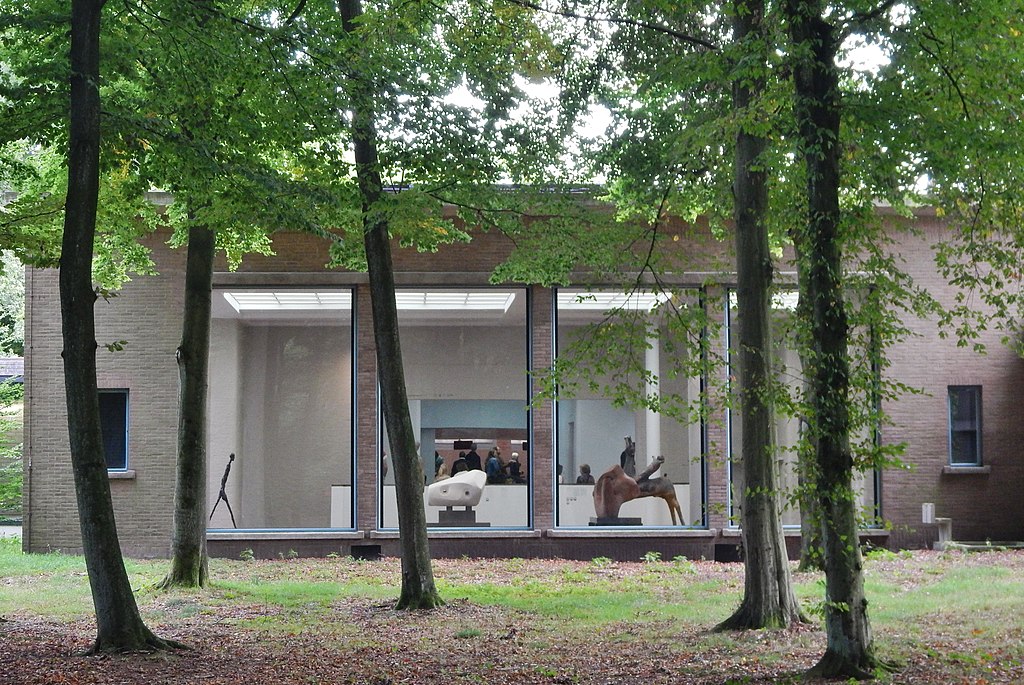


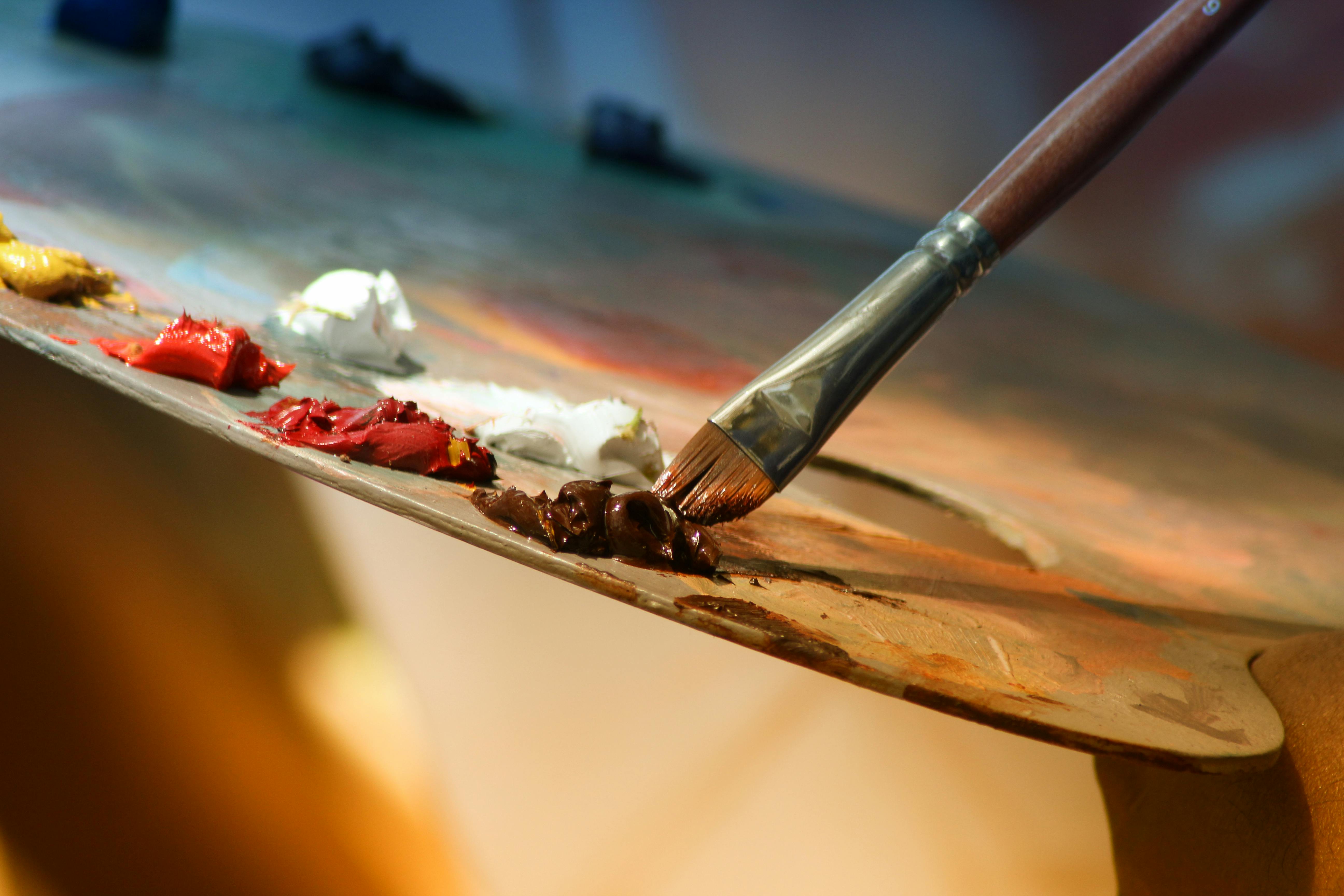






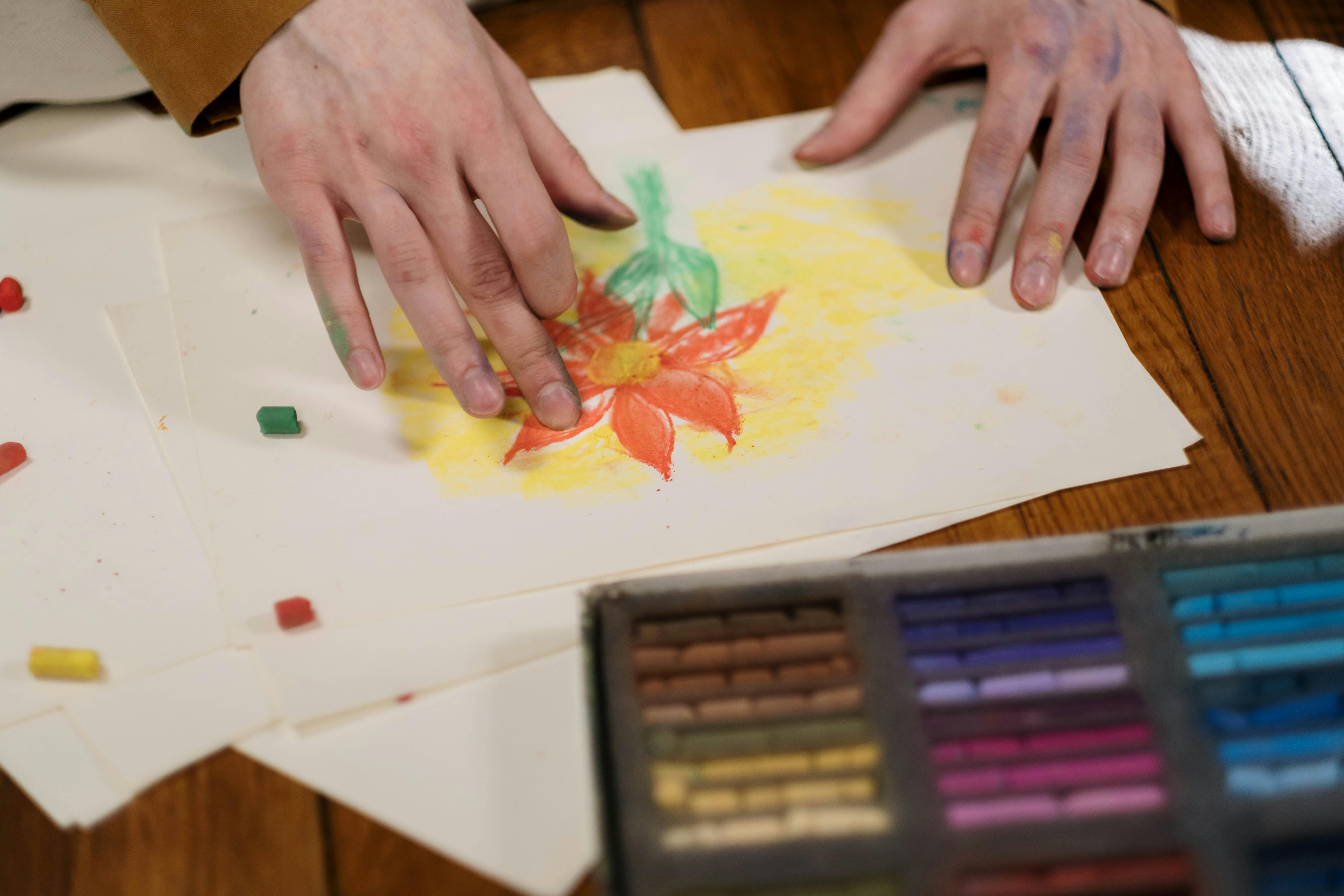


This kind of art challenges us to consider when a statement, even a temporary one, achieves its complete impact. Artists creating process art, for instance, often prioritize the journey of making over a static end-product, meaning the 'finished' work might simply be the documentation of its creation or its ongoing state of flux. Similarly, interactive installations are only truly 'finished' when a viewer engages with them, meaning the art is constantly in a state of becoming, its completion a co-created experience.
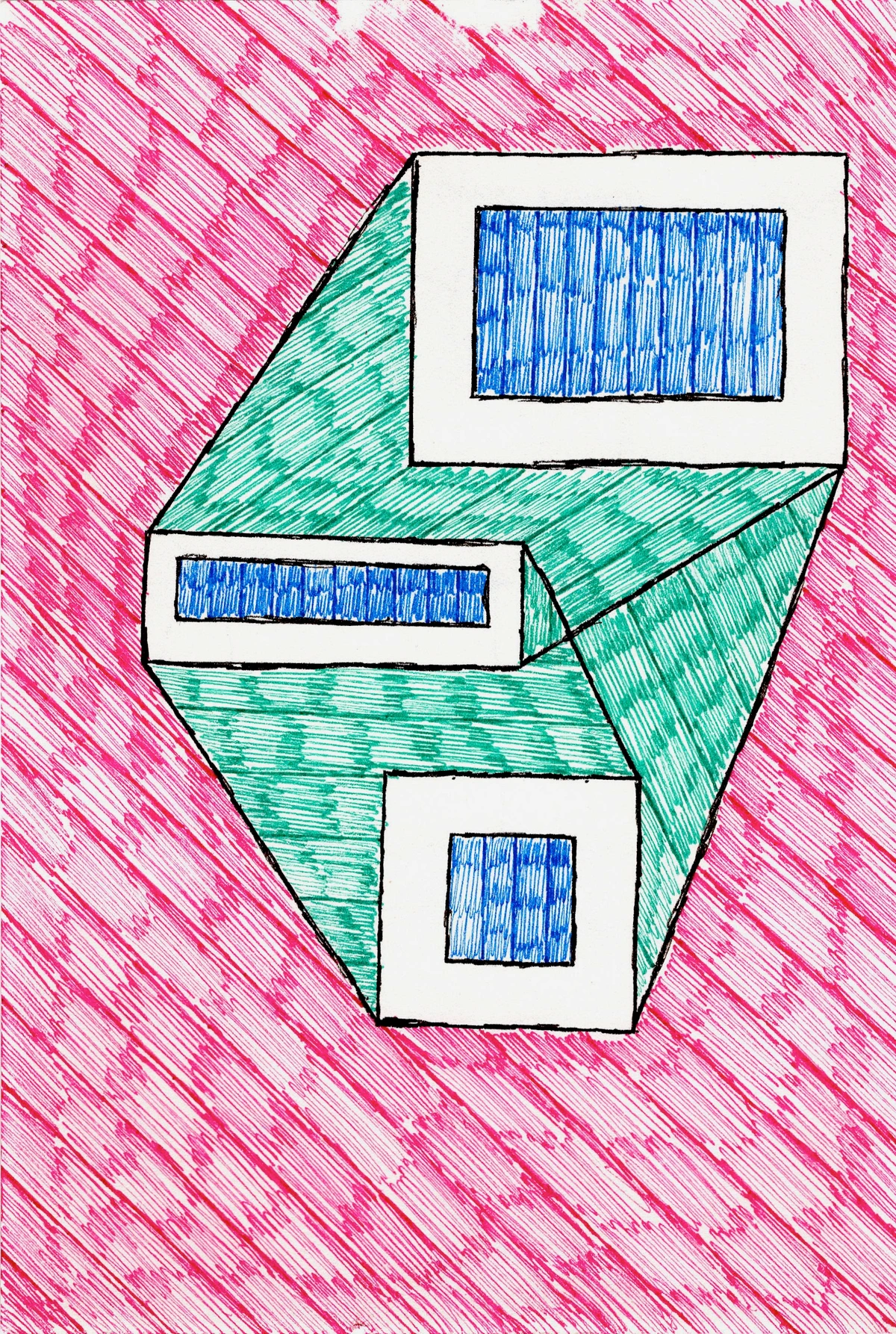
Can a painting feel finished even if it has visible flaws or imperfections?
Absolutely. In fact, sometimes those "flaws" are precisely what makes a piece feel finished, paradoxically. The Japanese aesthetic of wabi-sabi celebrates imperfection and impermanence, finding beauty in the incomplete and the transient. For many artists, a visible drip, a slightly uneven line, or a moment of raw canvas showing through can be the perfect final touch – a human signature that asserts the handmade nature of the work, and the artist's decision to let it be. It's about recognizing that "perfect" isn't the same as "finished," and often, the most resonant conclusions embrace a touch of beautiful imperfection, revealing the authentic journey of creation rather than a sterile perfection. I find a certain honesty in a work that isn't afraid to show its process, its struggles, its very humanity. The beauty in these 'flaws' lies in their authenticity; they are not mistakes, but deliberate marks that contribute to the artwork's unique story and its final, human declaration. It's a radical embrace of the imperfect, a rejection of sterile perfection in favor of a vibrant, living truth. This approach echoes the Japanese aesthetic of wabi-sabi, which celebrates imperfection and impermanence, finding beauty in the incomplete and the transient. For many artists, a visible drip, a slightly uneven line, or a moment of raw canvas showing through can be the perfect final touch – a human signature that asserts the handmade nature of the work, and the artist's decision to let it be. It's about recognizing that 'perfect' isn't the same as 'finished,' and often, the most resonant conclusions embrace a touch of beautiful imperfection, revealing the authentic journey of creation rather than a sterile perfection. I find a certain honesty in a work that isn't afraid to show its process, its struggles, its very humanity.
Does the medium dictate finality?
Indeed it can! The inherent qualities of the materials an artist chooses profoundly impact the concept of "finished." A watercolor painting, with its translucent washes, might feel complete with fewer layers than a richly impastoed oil painting. A delicate ceramic piece is finished when it emerges from the kiln, fired and glazed, its form immutable, as seen in the introduction to ceramics. A bronze sculpture finds its finality in the casting process, transforming a soft model into a permanent, hard form, much like the process described in a guide to preparing wood panels for a more durable surface. A photograph is 'finished' the moment the shutter clicks, capturing a singular instant. A performance art piece, by its very nature, is finished when the live action concludes, existing thereafter only in documentation or memory. The medium's limitations and possibilities often define its own unique parameters for completion, guiding the artist towards a natural end point. Different materials have different voices, and they tell you when they're done speaking. My own mixed media works often feel finished when the disparate elements coalesce into a unified, textural whole. For a photographer, a work is 'finished' the moment the shutter clicks, capturing a singular instant that defines its conclusion. Similarly, a digital artwork might be considered complete when the artist stops manipulating pixels, though its potential for reproduction and dissemination adds another layer to its 'finality'. Different materials have different voices, and they tell you when they're done speaking. The medium's limitations and possibilities often define its own unique parameters for completion, guiding the artist towards a natural end point. It's a profound collaboration, where the artist respects the inherent qualities of the materials, allowing them to dictate their own moment of ultimate resolution.
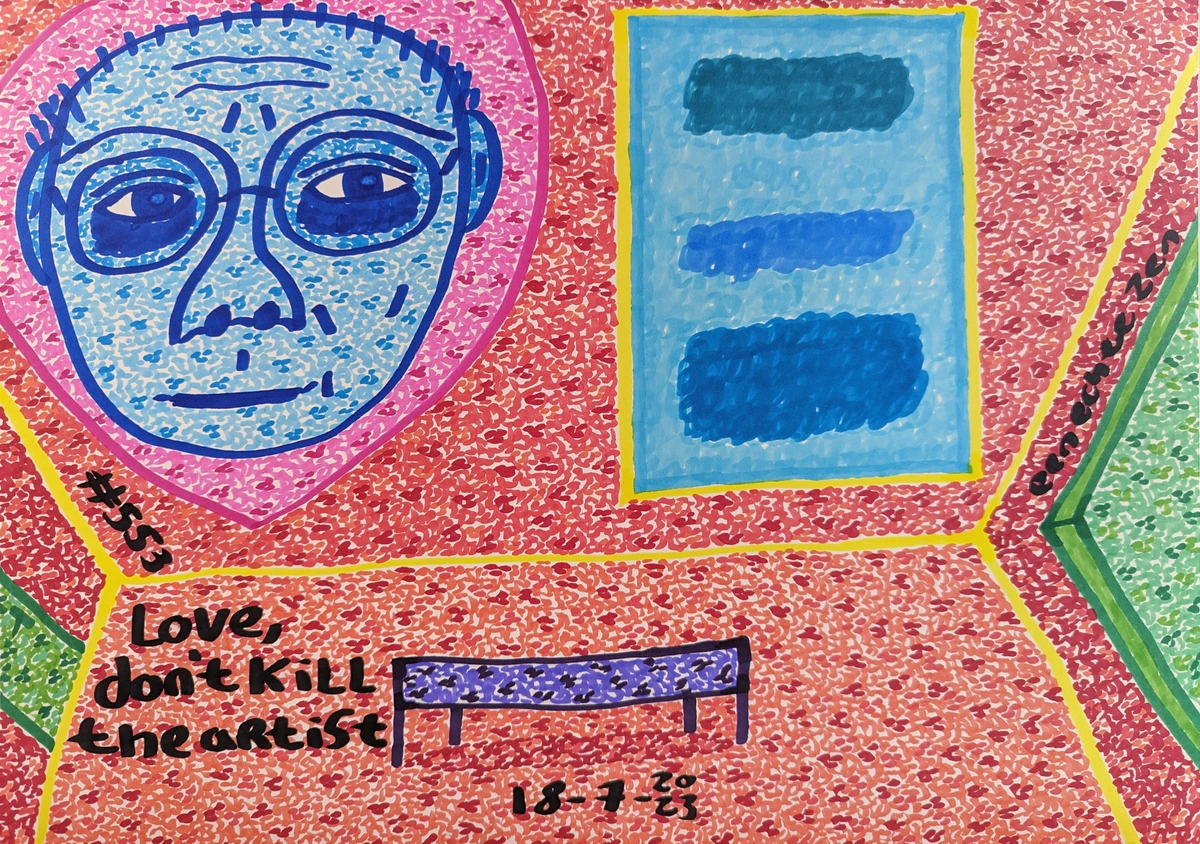
Are digital artworks ever truly 'finished'?
This is a fascinating contemporary question! For digital art, especially generative or interactive pieces, the concept of a fixed "finish" can be wonderfully fluid. A digital painting might be considered complete when the artist stops manipulating pixels, but a generative artwork might be designed to continuously evolve, never truly reaching a static state. Its "finish" might be defined by the cessation of its algorithm, or a specific snapshot in its ongoing evolution. Even NFTs, while providing a certificate of ownership for a digital asset, don't necessarily impose a traditional sense of finality on the artwork itself, which can still be endlessly reproduced or modified in other contexts. While blockchain technology offers a verifiable record of ownership, the artwork's intrinsic 'finished' state can remain a complex, philosophical question, challenging our conventional understanding of art. It makes us rethink what we mean by "original" and "complete" in a world of endless replication, pushing against traditional notions of a definitive, immutable artwork. While blockchain technology offers a verifiable record of ownership for NFTs, the artwork's intrinsic 'finished' state can remain a complex, philosophical question, challenging our conventional understanding of art. It's a frontier where the definition of completion is still very much in flux, much to my endless fascination and occasional bewilderment. While blockchain technology offers a verifiable record of ownership for NFTs, the artwork's intrinsic 'finished' state can remain a complex, philosophical question, challenging our conventional understanding of art. This constant re-evaluation of what constitutes a 'finished' digital piece pushes us to expand our understanding of art itself, embracing its fluidity and its endless possibilities for evolution. The digital realm offers a playground for exploring new forms of finality, where the code itself can be the canvas, and its execution the ultimate statement.
What about ephemeral or performative art?
Ephemeral art, like a sand mandala that will be swept away, or a performance piece that exists only in the moment of its execution, finds its finality in its very transience. The "finish" isn't a physical object, but the completed experience, the memory, or the documentation of the event. It’s a powerful statement about impermanence and the value of the present moment. The artist declares it finished when the action is complete, when the temporary installation has served its purpose, or when the audience has fully experienced the intended interaction. It pushes us to consider that not all art is meant to last forever, and sometimes, the most profound conclusions are those that embrace their fleeting nature. The transient nature of these works forces a heightened sense of presence and engagement, making the live experience the ultimate and complete statement. The artist declares it finished when the action is complete, when the temporary installation has served its purpose, or when the audience has fully experienced the intended interaction. It pushes us to consider that not all art is meant to last forever, and sometimes, the most profound conclusions are those that embrace their fleeting nature. The 'finish' here isn't a physical object, but the completed experience, the memory, or the documentation of the event, making each moment precious and irretrievable.
The Role of Documentation in Ephemeral Art's Finality
For ephemeral and performance art, the concept of 'finished' takes on a unique dimension. Since the artwork itself is fleeting, documentation – through photography, video, or written accounts – often becomes the enduring record, and in a sense, contributes to its perceived finality. The documentation captures the 'finished' event, allowing it to exist beyond its live execution. This raises fascinating questions about the artwork's primary state: is the performance itself the art, or is the documentation the lasting artwork? Regardless, the act of documenting provides a crucial form of closure, preserving the essence of a transient creation. It ensures that even works designed to disappear leave a lasting impression and a historical marker of their completion. The documentation becomes the enduring art object, a testament to the ephemeral experience, carrying the essence of the work's finality into perpetuity. This raises fascinating questions about the artwork's primary state: is the performance itself the art, or is the documentation the lasting artwork? Regardless, the act of documenting provides a crucial form of closure, preserving the essence of a transient creation. It ensures that even works designed to disappear leave a lasting impression and a historical marker of their completion, allowing future generations to engage with a moment that would otherwise be lost to time.
Beyond Human Intervention: Nature and Time
Sometimes, the 'finish' of an artwork is dictated by forces beyond the artist's direct control—namely, nature and the passage of time. Land art, for instance, might be created to erode and change, its completed state being its inevitable return to the earth. The artist initiates the process, but nature completes it. Similarly, certain materials inherently degrade over time, and the artist might embrace this impermanence, making the artwork's eventual dissolution a part of its final, cyclical statement. This acceptance of external forces as agents of completion is a profound philosophical statement, reminding us that not all art is meant to be preserved indefinitely, and some finds its ultimate resolution in its inevitable transformation. Think of Andy Goldsworthy's incredible land art, where intricate sculptures are crafted from natural materials and then left to the elements. Their 'finished' state is their gradual return to nature, a poignant and complete cycle of creation and dissolution. It's a powerful reminder that true artistic finality can sometimes lie in letting go and allowing the world to complete the story. Think of Andy Goldsworthy's incredible land art, where intricate sculptures are crafted from natural materials and then left to the elements. Their 'finished' state is their gradual return to nature, a poignant and complete cycle of creation and dissolution. This acceptance of external forces as agents of completion is a profound philosophical statement, reminding us that not all art is meant to be preserved indefinitely, and some finds its ultimate resolution in its inevitable transformation. It's a beautiful, humbling surrender to the grander forces of existence, where art becomes a collaboration with the universe itself.
The Beginning of the Conversation
Ultimately, the artist's declaration of "finished" is only half the story. The moment I put down my brushes, step back, and feel that quiet click of completion—that's the end of my journey with the piece. But simultaneously, it's the beginning of its journey with you. Finality in art isn’t a closed door or a neat conclusion tied with a bow; it’s an open invitation. It’s a moment of profound artistic trust, where I, the creator, present you with a completed thought, then step aside and say, "Now, what do you see? What does it make you feel? What conclusions do you draw?" In this shared space of observation and interpretation, the last brushstroke truly comes to life, endlessly echoing the untold stories within its frame. It's a profound exchange, this moment of artistic completion, and ultimately, it's a testament to the enduring power of art to both conclude a statement and begin an infinite conversation. My hope is always that my 'finished' work becomes a vibrant beginning for your engagement, a piece that continues to resonate and reveal new depths long after my brush has been cleaned and put away. Perhaps the most profound finality in art is this enduring dialogue, a timeless echo between creator and observer, a constant unfolding of meaning that makes art truly immortal. It's a testament to art's enduring power—to conclude a statement, yes, but also to spark an infinite conversation, a ripple effect that extends far beyond the canvas. So next time you stand before a painting, take a moment. Listen to its final thought. And then, begin your own. If you're inspired to bring a piece of this ongoing conversation into your own space, explore my original works or delve into more art historical insights on my timeline. You can also learn about other cultural institutions, such as the Den Bosch Museum, which curate and display completed artworks, prompting new dialogues. The journey of artistic completion is, in essence, a journey into the heart of human experience—complex, beautiful, and endlessly fascinating.