Who is the World's Most Famous Artist? A Curator's Deep Dive
Join a curator's personal journey into artistic fame. Explore 5 facets: legacy, market, ubiquity, stories & overcoming barriers in this comprehensive guide to renown.

Who is the World's Most Famous Artist? A Curator's Take on Lasting Art Fame
As a curator, an artist, and frankly, a bit of a daydreamer who often finds myself staring at the way light falls on a canvas for an hour, lost in the world of painting, the question "who is the most famous artist in the world?" always hits me in a particular way. It’s more than just a question; it's a beautiful, complex puzzle, like trying to pick the single most captivating cloud in a boundless sky. Honestly, some days I think it’s the person who first drew a stick figure – because isn’t that universally understood? Think about it: a few lines convey a human form across cultures, across millennia, a primal act of communication. From the earliest cave paintings in Lascaux to ancient petroglyphs, this simple, direct visual language has been the bedrock of human expression. This deep, immediate recognition, I believe, is the very bedrock of lasting fame. But is that the only answer? Or just the simplest?
Yet, the query itself is incredibly potent, isn't it? It pushes us to really dig into what 'fame' means in art, stripping away the surface-level chatter of auction prices or viral trends. For me, it boils down to the intricate blend of cultural resonance, lasting legacy, and that almost mythical storytelling that lifts certain names into the global consciousness – or perhaps, even more simply, the artist who makes you feel something profound, who genuinely moves you. So, let’s not just answer this question; let’s deconstruct it, exploring the fascinating layers of artistic renown and what truly makes an artist great. Whether you're contemplating a visit to my Den Bosch museum or simply browsing art for sale, this journey into what makes an artist truly great is an essential part of our shared human and creative experience.
The Usual Suspects: A Pantheon of Household Names
Okay, I know what you’re probably thinking, and you're not wrong: Leonardo, Picasso, Van Gogh. These aren’t just artists; they’re practically synonyms for art itself. They’re the rockstars of the art world, the figures whose work you spot referenced everywhere, from a well-known meme featuring The Scream to high fashion runways inspired by Cubism. But what truly elevates them to household name status, setting them apart from merely celebrated artists? For me, it’s often their revolutionary impact on artistic conventions, their profound influence on subsequent generations, and their deep integration into Western cultural narratives that makes them, well, the usual suspects. That, I think, is where the real intrigue begins, as we start to pull apart the very fabric of artistic fame. It's not just about raw talent; it's about a confluence of cultural timing, institutional support, and often, their works being reproduced and discussed so widely that they become part of the collective human experience, often embedding themselves deep within specific cultural narratives.
The Renaissance Titans: Da Vinci & Michelangelo
When we delve into foundational fame, two names immediately leap out: Leonardo da Vinci and Michelangelo. Honestly, try finding someone who hasn't at least glimpsed the Mona Lisa or heard of the Sistine Chapel. For me, Leonardo is this astounding enigma – not just a painter, but an inventor, a scientist, a polymath (that's someone with wide-ranging knowledge, a true Renaissance mind!) whose intellect truly felt like a universe unto itself! His Mona Lisa is arguably the most iconic painting ever, a work so endlessly reproduced and discussed that its enigmatic smile has become a cultural shorthand. The unsolved mysteries surrounding its creation, the innovative techniques he employed like sfumato (a soft, hazy blurring of lines and colors, creating an elusive, smoky effect, almost like looking through a veil), and the ongoing debates about its subject's identity only deepen its mythical allure. We even have a dedicated article exploring why the Mona Lisa is so famous, delving into its captivating mystery and the dramatic tales of its theft that only amplified its legend. And Michelangelo? His sculptures don't just depict figures; they feel alive, don't they? The sheer power and raw emotion in masterpieces like David or the Pietà are simply breathtaking, cementing his indelible place in art history, and forever influencing the course of sculpture and artistic education. His majestic frescoes, especially those gracing the Sistine Chapel ceiling, stand as a monumental testament to his artistic prowess and enduring legacy.
But their renown wasn't accidental. Their fame was meticulously cultivated, often with the powerful backing of patrons like the formidable Medici family or the Papacy. These institutions provided not just financial support but actively commissioned monumental works, ensuring prominent public display, establishing academies that taught their styles, and even influencing art critics of the era. Their very biographies were often chronicled by influential figures like Giorgio Vasari, whose "Lives of the Artists" immortalized them, setting their narratives in stone for generations. They were, in a sense, the original "influencers," their genius championed and their legacies solidified over centuries through academic institutions, widespread engravings of their work, and generations of art historians. The stability and wealth provided by these patrons also allowed artists the freedom to focus on profound innovation and experimentation, which is crucial for building a lasting legacy. They fundamentally reshaped how we perceive and value artistic genius, setting a benchmark for fame that echoes even today.
The Modern Masters: Picasso & Van Gogh
Fast forward a few centuries, and we encounter Pablo Picasso, a truly monumental figure who seemed to reinvent art with every new phase of his incredibly prolific career. From his sombre 'Blue Period,' which poignantly reflected themes of poverty and melancholy, to the groundbreaking Cubism he co-founded with Georges Braque – a revolutionary approach that quite literally fractured reality by depicting objects from multiple viewpoints simultaneously, like looking at a sculpture from all sides at once, but on a flat canvas. This new perspective influenced everything from architecture to graphic design, theatre set design, and even early film techniques – Picasso’s global influence is undeniable. Cubism shattered traditional single-point perspective, forcing viewers to actively engage with the work, seeing it from multiple angles at once. This fundamentally altered how we perceive and represent three-dimensional space on a two-dimensional canvas, impacting not just painting but also sculpture and even influencing modern architecture and graphic design. Picasso's relentless experimentation across painting, sculpture, ceramics, and printmaking, coupled with his immense output, continually pushed the boundaries of what art could be, contributing significantly to his pervasive renown. Just look at his 'Femme couchée lisant' (Reclining Woman Reading), a powerful work from his early career:
This introspective piece, showcasing his capacity for profound emotional expression even amidst stylistic shifts, tells such a story of human emotion and connection, doesn't it? And speaking of stories, Vincent van Gogh... his life story alone could easily fill a library, often romanticized with tales of his mental health struggles. While his personal battles undeniably shaped his perspective, it’s his raw passion, his profound struggle, and those intensely vibrant, swirling canvases that truly captivate – works like his iconic Starry Night Over the Rhône or 'Sunflowers,' which just burst with life. His Post-Impressionism exploded with intense color and expressive brushstrokes, where every stroke felt like an extension of his inner turmoil and profound spiritual yearning. His use of thick, impasto paint (applying paint thickly so it stands out from the surface, creating texture and visible brushstrokes) and bold, complementary colors wasn't just aesthetic; it was a visceral manifestation of his emotional state, conveying turbulence, joy, and a deep connection to nature, allowing viewers to feel his struggle and his intense connection to the world around him. His groundbreaking approach to color and texture profoundly influenced subsequent movements like Expressionism and Fauvism, securing his legacy far beyond his personal narrative. It makes me reflect on my own artistic journey sometimes, you know, this profound, often difficult, connection between life and creation.
Pop Culture Icons: Warhol, Banksy & Kusama
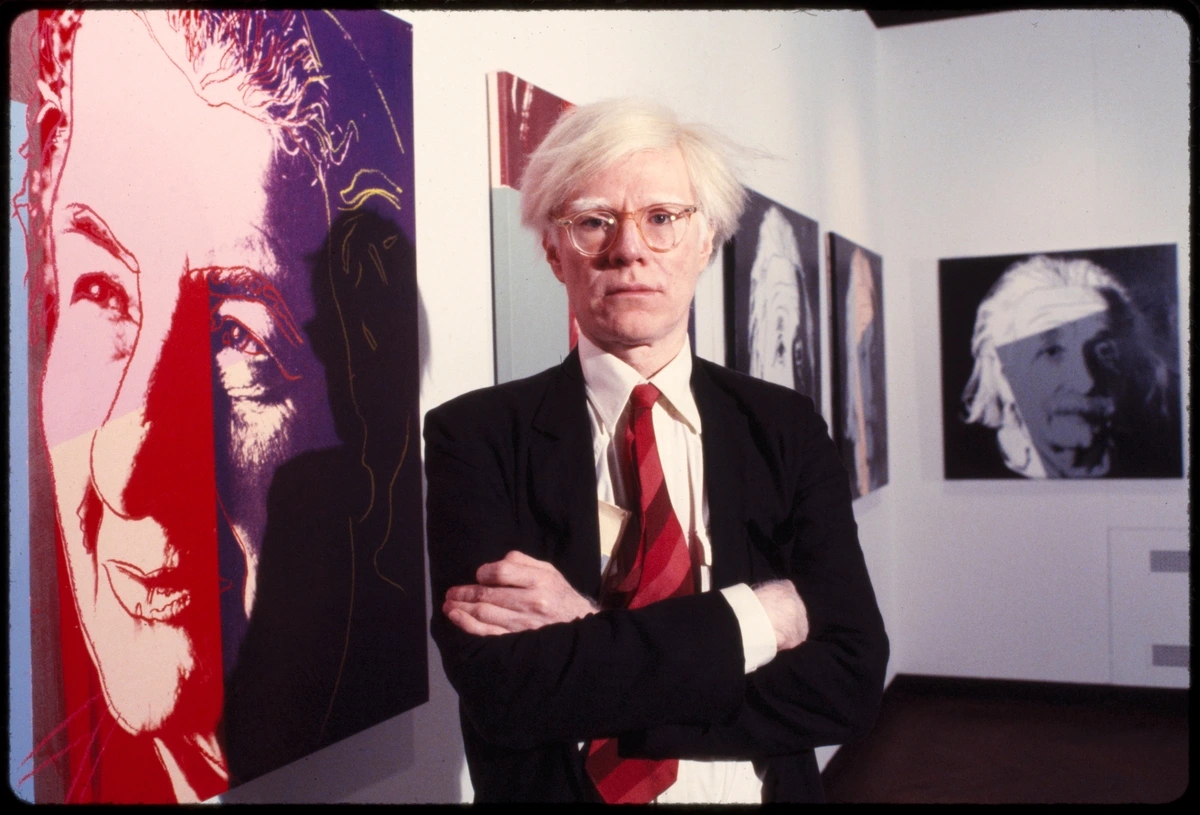
Then there are the artists who truly transcended the gallery walls, infiltrating popular culture and becoming household names through sheer ubiquity and incredibly savvy self-presentation. Andy Warhol is, without a doubt, the undisputed king here. His Marilyn Diptych isn't just art; it's a cultural shorthand, recognized across generations. Warhol's genius wasn't simply in creating iconic images, but in his profound understanding and manipulation of media. His pioneering use of silkscreen printing allowed for mass production, making his art reproducible and thus blurring the lines between high art and commercial products, effectively treating art itself like a product and himself as a celebrity brand. His legendary studio, "The Factory," was a celebrity hangout and a hub of creative experimentation, further solidifying his image as an art world provocateur and a master of self-promotion. Pop Art, as a movement, completely altered our perception, democratizing art by bringing everyday objects and mass media imagery into the fine art realm and introducing the concept of seriality, which directly contributed to the widespread reproduction and familiarity of his work. His approach to art, commerce, and celebrity always makes me chuckle, and often makes me reflect on my own studio practices – the world has certainly changed so much, hasn't it?
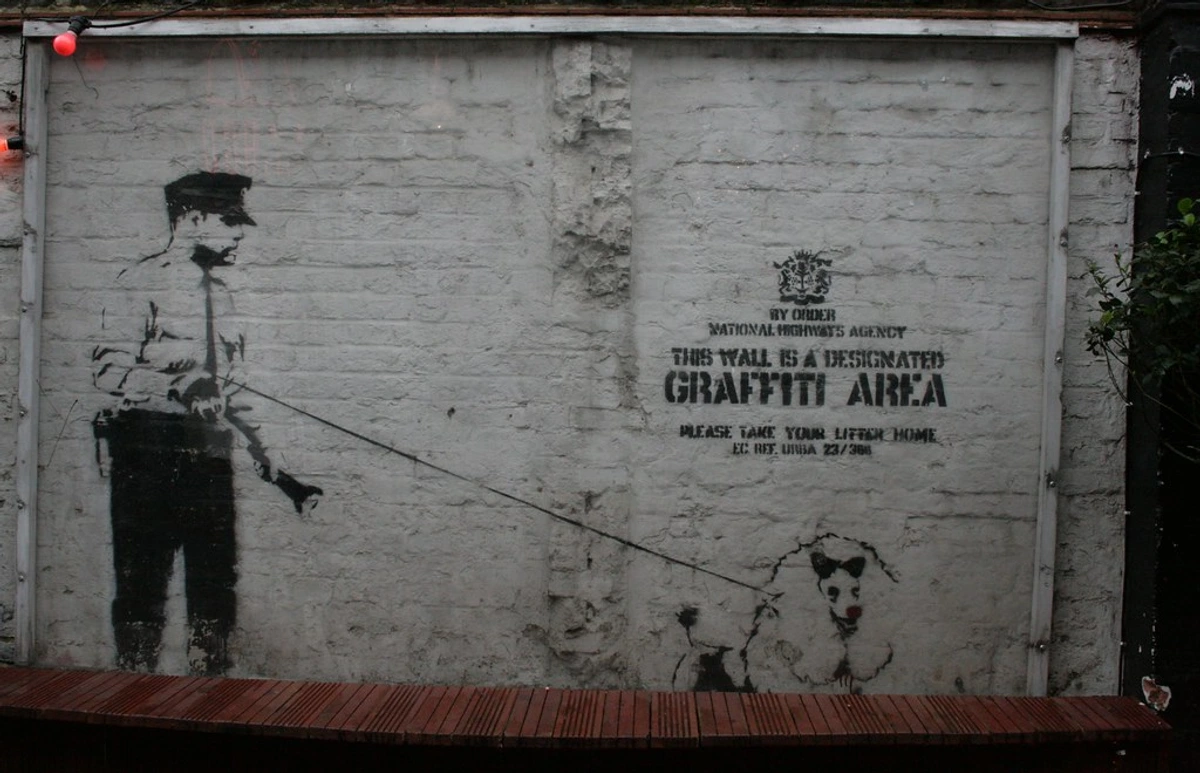
And in our current, hyper-connected era, we have Banksy, the enigmatic anonymous street artist whose provocative work and unexpected public stunts resonate globally. His anonymity isn't just a quirk; it's a strategic amplifier of his fame, creating mystery, encouraging intense speculation, and forcing global engagement with his often biting social and political commentary. He frequently tackles themes of consumerism, anti-war sentiment, political corruption, and the absurdity of modern life, often using satire and irony to deliver a powerful punch – think of pieces like "Girl with Balloon" or his "Walled Off Hotel" in Bethlehem. He’s a phenomenon, proving that fame isn't solely reserved for the dead or for those with lavish institutional exhibitions; sometimes, it's about making a powerful, often ephemeral, statement right on a public wall, leveraging modern digital intrigue. The mystery surrounding his identity allows his message to take center stage, amplifying its impact.
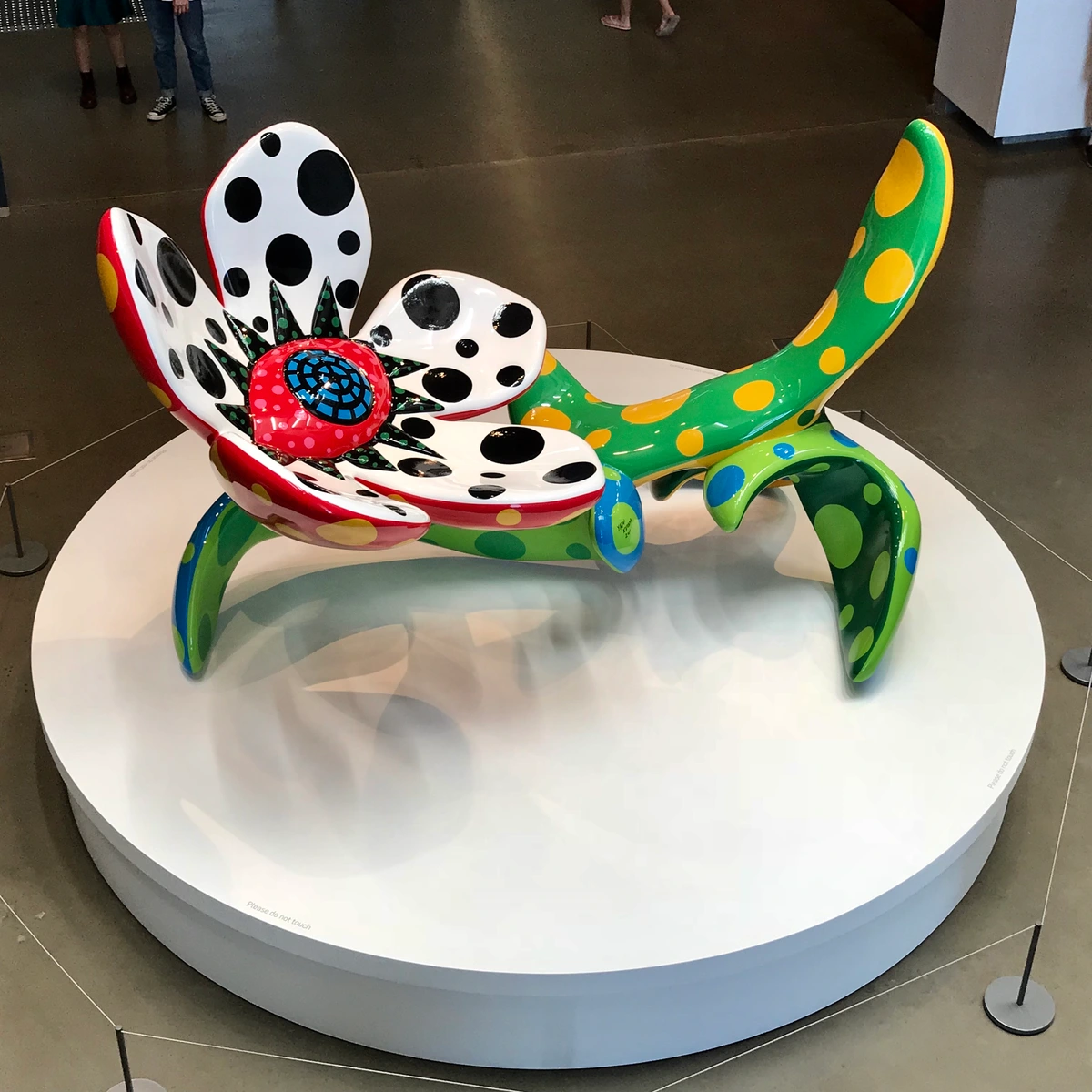
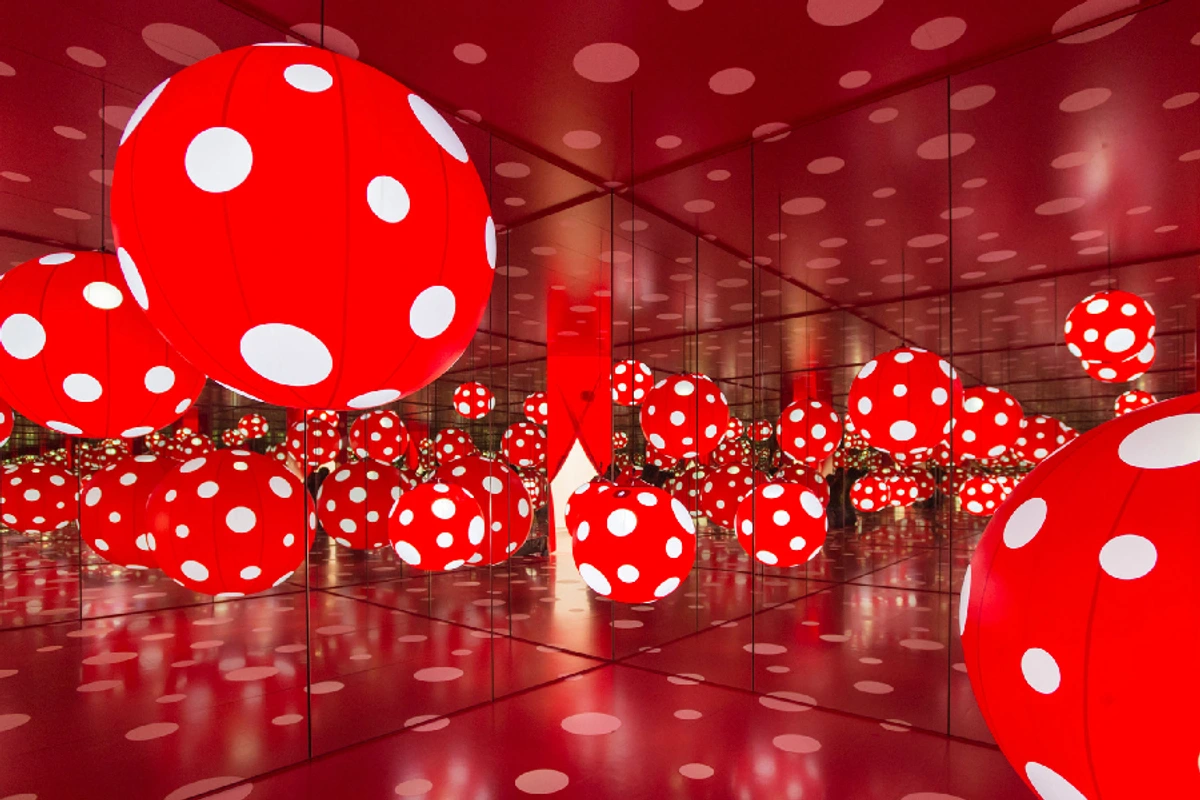
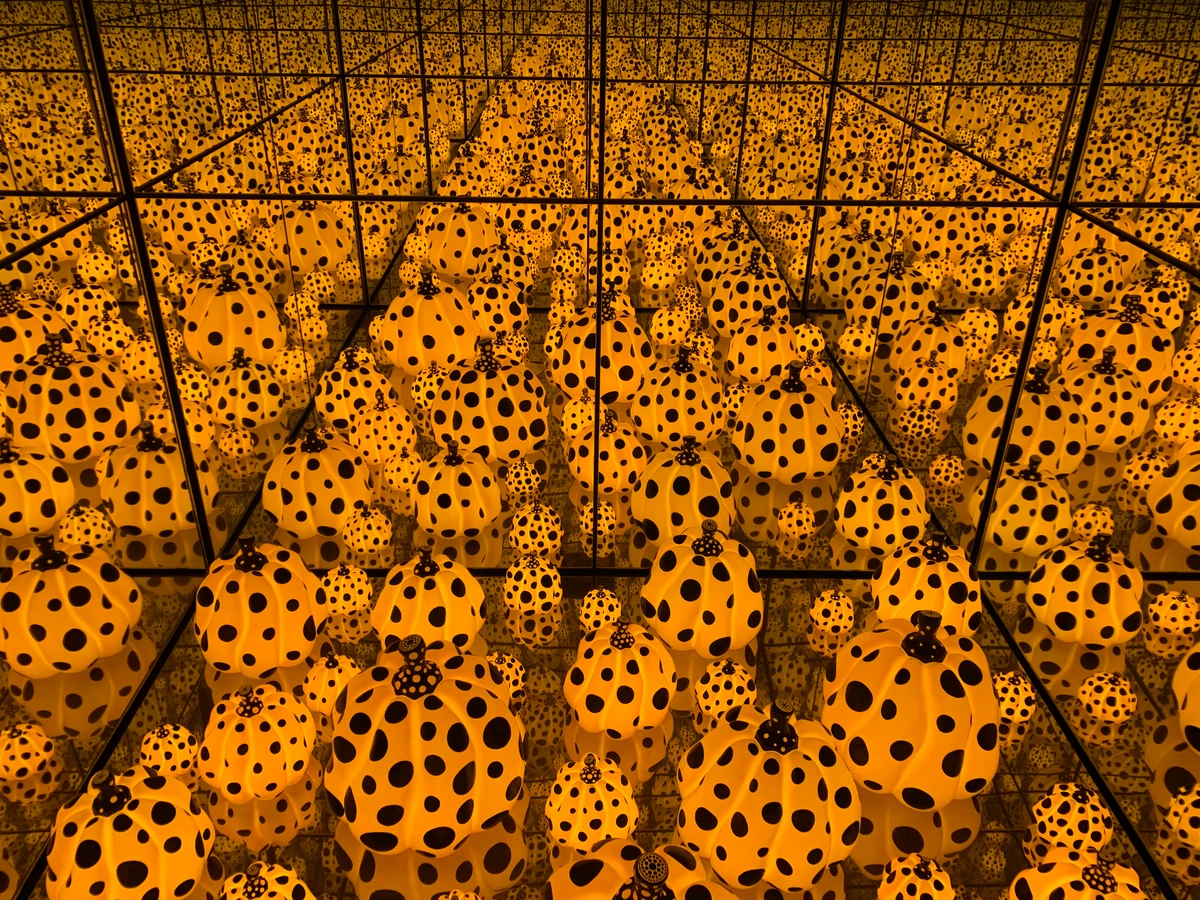
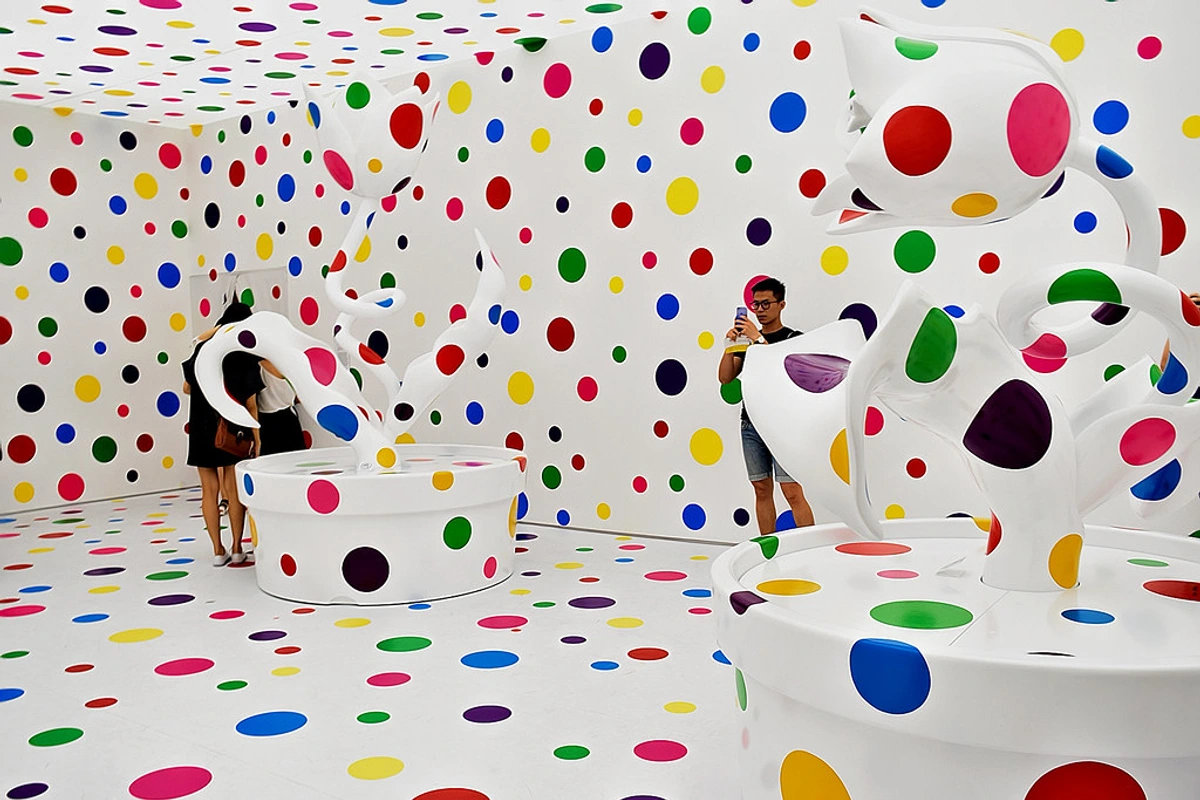
Similarly, the Japanese artist Yayoi Kusama, with her mesmerizing infinity rooms and iconic polka dot motifs, has achieved global superstardom, making her distinctive, joyful aesthetic immediately recognizable to millions far outside traditional art circles. Her work, often rooted in deeply personal themes of self-obliteration, infinite recurrence, and the vastness of the cosmos, creates immersive, almost spiritual experiences that captivate and challenge perceptions. Her instantly recognizable style and consistent exploration of these profound concepts have solidified her global renown. These artists demonstrate how fame can extend far beyond the canvas, but what are the fundamental pillars that truly underpin such lasting recognition, sometimes even for centuries? Let's deconstruct that.
What Makes an Artist "Famous," Really? (Deconstructing Fame)
This is where it truly gets interesting for me, shifting our focus from simple recognition to a profound understanding of impact. Is fame primarily about being endlessly reproduced on merchandise, or is it about forever altering the course of human creativity? Both, I suppose, but there are definitely layers to unpeel. Sometimes, I feel like trying to define it is like trying to nail jelly to a wall, but that’s precisely the fun of it, isn't it? For me, "cultural resonance" means an artwork or artist connects with a broad audience, reflecting or shaping shared values and ideas, while a "lasting legacy" signifies an irreversible impact on artistic practice or thought that continues to influence for generations. So, what do you think cooks up lasting fame? Let’s break down the key ingredients that, in my opinion, cook up lasting artistic fame:
1. Enduring Legacy: Changing the Game and Cultural Impact
Some artists achieve lasting fame because they quite literally changed the game, leaving an indelible, irreversible mark on art history. Take Rembrandt van Rijn, for instance. His mastery of light and shadow, particularly in monumental works like The Night Watch, wasn't just technically brilliant; it redefined portraiture and group compositions, breathing a dynamic, theatrical energy into what was once static. His unparalleled ability to capture inner emotion and profound psychological depth through chiaroscuro (the use of strong contrasts between light and dark to create volume and drama, giving figures a sculptural, three-dimensional quality) was revolutionary. While other artists like Caravaggio used chiaroscuro for dramatic effect, Rembrandt's genius lay in how he used it to illuminate the inner lives of his subjects. He also pioneered techniques like impasto and profoundly developed etching as an artistic medium. Honestly, when I look at his portraits, I feel like I'm peering into the very soul of the sitter, into their deepest thoughts.
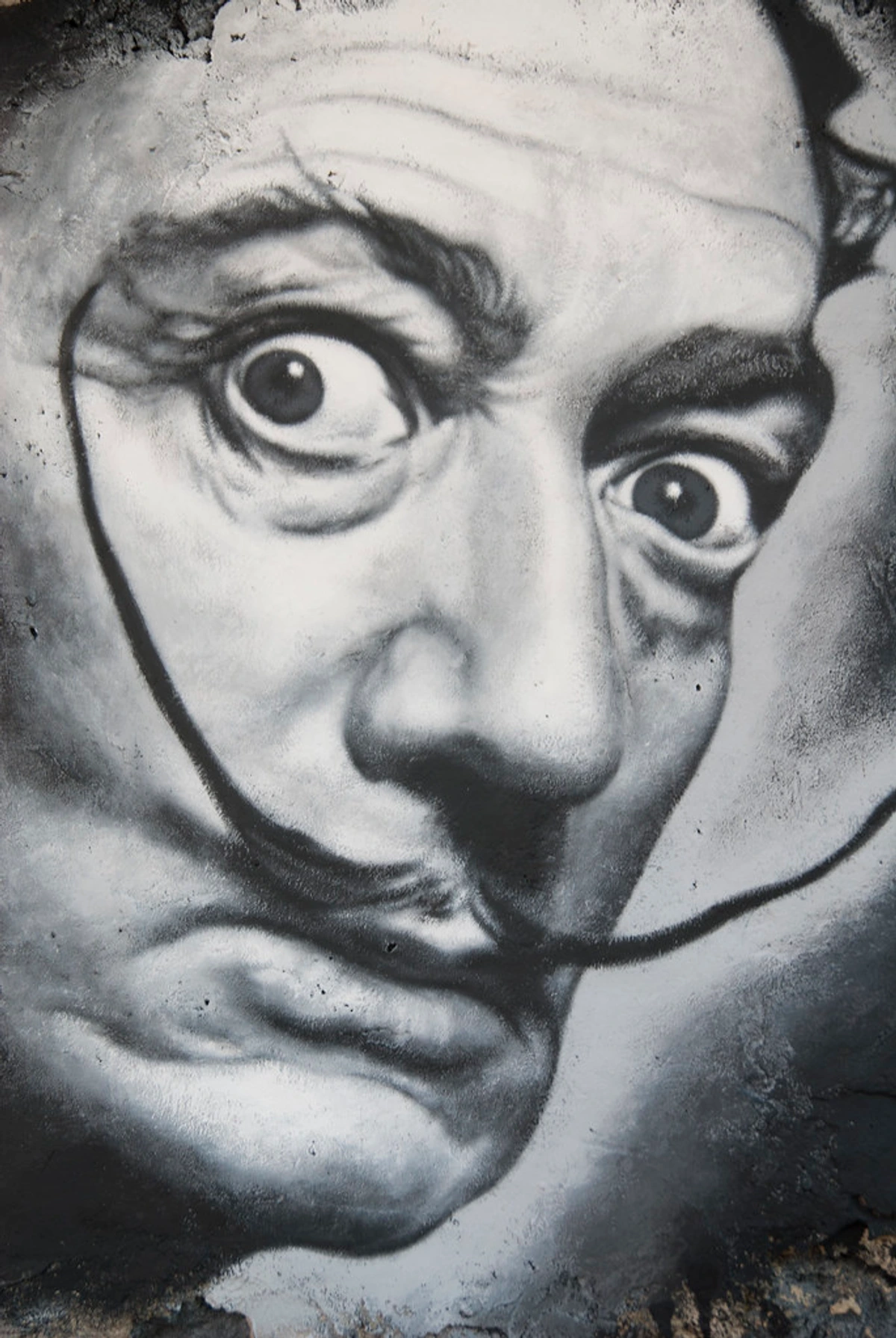
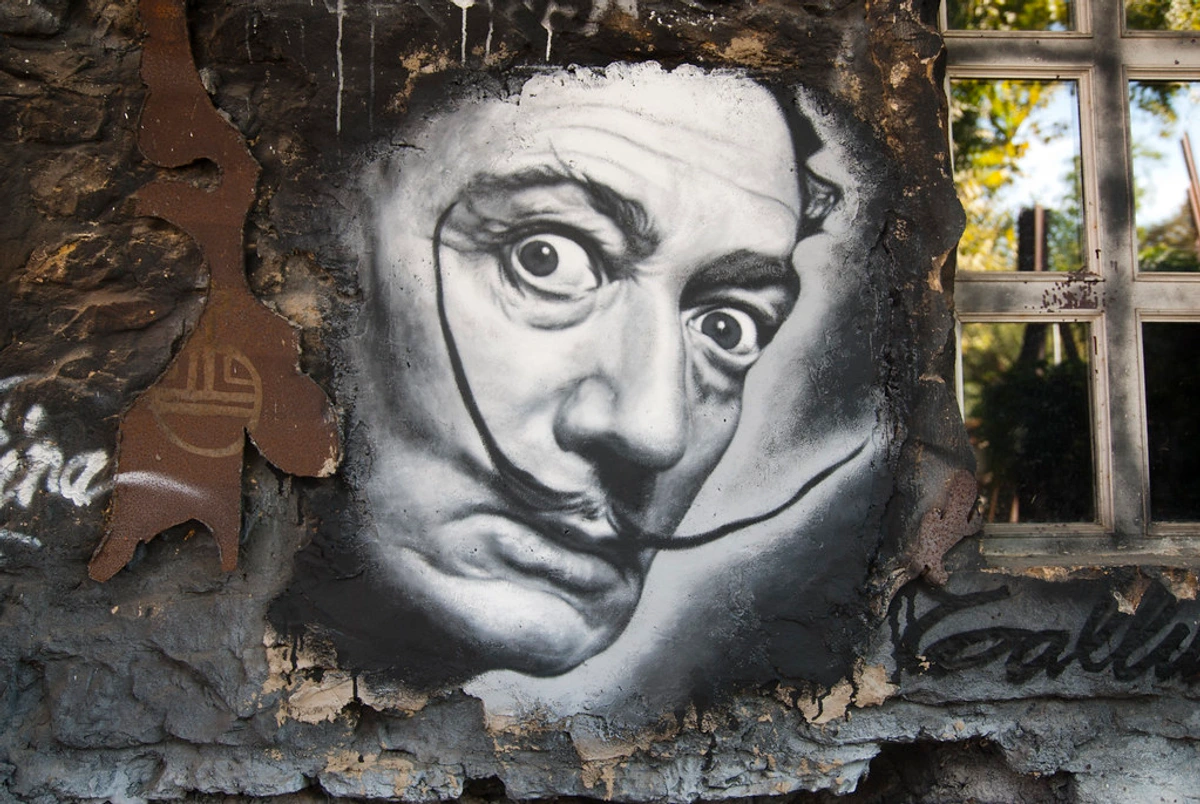
Similarly, Piet Mondrian, whose geometric abstract art – characterized by primary colors, straight lines, and rectangular forms – didn't just look visually striking; it laid foundational principles for Minimalism and modern architecture. His De Stijl movement was driven by a philosophical quest for universal harmony and spiritual order, a response to the chaos and destruction of World War I, believing that art could achieve universal truths through pure abstraction. This general approach, exploring foundational visual language that transcends specific representational styles, is something I strive for in my own contemporary abstract work, continually challenging viewers and influencing design. Their fame isn't fleeting; it's solidified by their pioneering achievements and the art movements they initiated or championed, which often elevate key figures to collective renown. Think of the Bauhaus School, whose collaborative ethos profoundly influenced generations of designers and artists, or how the bizarre and dreamlike imagery of Surrealism effectively catapulted Salvador Dalí into the global consciousness, almost making him synonymous with the movement itself.
Historically, the role of influential art critics and theorists has also been crucial in shaping public perception and cementing legacies. Figures like Giorgio Vasari chronicling the Renaissance, Clement Greenberg championing Abstract Expressionism, or later critics like John Berger and Rosalind Krauss, have fundamentally steered narratives, validating specific artists and movements and influencing how art is understood and valued. This kind of institutional backing – often fueled by discerning patrons, powerful art critics, and influential scholars – typically began with art education, where attending prestigious academies was a direct path to recognition. This is a stark contrast to the far more democratized paths to fame we see today through online platforms and accessible art courses.
Then there are artists like Johannes Vermeer or El Greco, who only truly achieved widespread recognition and profound critical acclaim centuries after their deaths. Their fame is a testament to the power of timeless beauty and the eventual re-evaluation by future generations, often prompted by dedicated scholarly rediscovery through archival research or stylistic analysis, or shifting artistic tastes that finally caught up to their genius. Perhaps their subtle emotional depth or innovative techniques were simply ahead of their time, waiting for a receptive audience. It's almost like their work was just patiently waiting for the world to be ready for it, you know? It's a reminder that true artistic worth isn't always immediately apparent.
Quick Takeaway: For me, true legacy isn't about immediate gratification; it's about altering the very fabric of human creativity and thought, often through pioneering new movements or techniques, sometimes even if the world isn't ready for it at first glance.
2. Market Value & Collectibility: The Price of Prestige
Then there’s the sheer financial fame, which, let's be honest, is a very different beast altogether. Artists like Jean-Michel Basquiat or Gerhard Richter command truly astronomical prices at auction. While money is certainly not the sole measure of artistic worth, a $100 million painting absolutely grabs headlines and eyeballs, doesn't it? As an artist myself, I can tell you there's a certain wry humor in seeing those figures, knowing the daily grind and heartfelt effort behind many creative endeavors – the countless cups of coffee and blank canvases that went into creations that might one day fetch a fraction of that. Sometimes I look at those prices and wonder if my own collection of colorful abstracts will ever reach such dizzying heights – a curator can certainly dream, right? This financial fame is often tied to the highly speculative nature of the art market itself, where branding (how collectors, galleries, and the artists themselves strategically position the artist and their works through persona, interviews, and public statements to cultivate a unique identity and elevate their perceived value), scarcity, and critical consensus create a bubble of immense value. Even historical artists like Caravaggio, whose works have seen their market value skyrocket centuries after his death, prove that the market can rewrite the narrative of fame over time. Let's take a look at a Basquiat piece that exemplifies his unique energy:
For contemporary artists like Damien Hirst or Jeff Koons, their fame is inextricably linked to their market value and their innate ability to generate cultural buzz, often through controversy that challenges our very notions of art. Hirst, for example, often sparks debate with his conceptual pieces involving preserved animals, while Koons's highly polished, monumental sculptures playfully (or provocatively) elevate kitsch to high art. Their work frequently raises philosophical questions about originality, authenticity, and consumerism, compelling viewers and critics alike to engage in ongoing dialogue. This type of controversy directly engages the audience, forcing them to think, debate, and remain engaged with the artist and their work, inherently building a powerful form of fame. Their large-scale, often polarizing, works are sought after by major collectors and institutions, continually pushing the boundaries of what art can be, and what it can be worth. This kind of fame reflects a blend of unique artistic vision, shrewd business acumen, and an acute understanding of the art world's intricate ecosystem. The critical question for history, though, is whether this market-driven fame will translate into enduring cultural impact, or simply become a footnote about financial speculation.
Quick Takeaway: High prices certainly grab attention, but for me, truly lasting impact requires more than just a hefty auction bid; it demands a deeper cultural contribution that stands the test of time, proving its worth beyond mere monetary value.
3. Ubiquity & Global Reach: Art as Cultural Shorthand
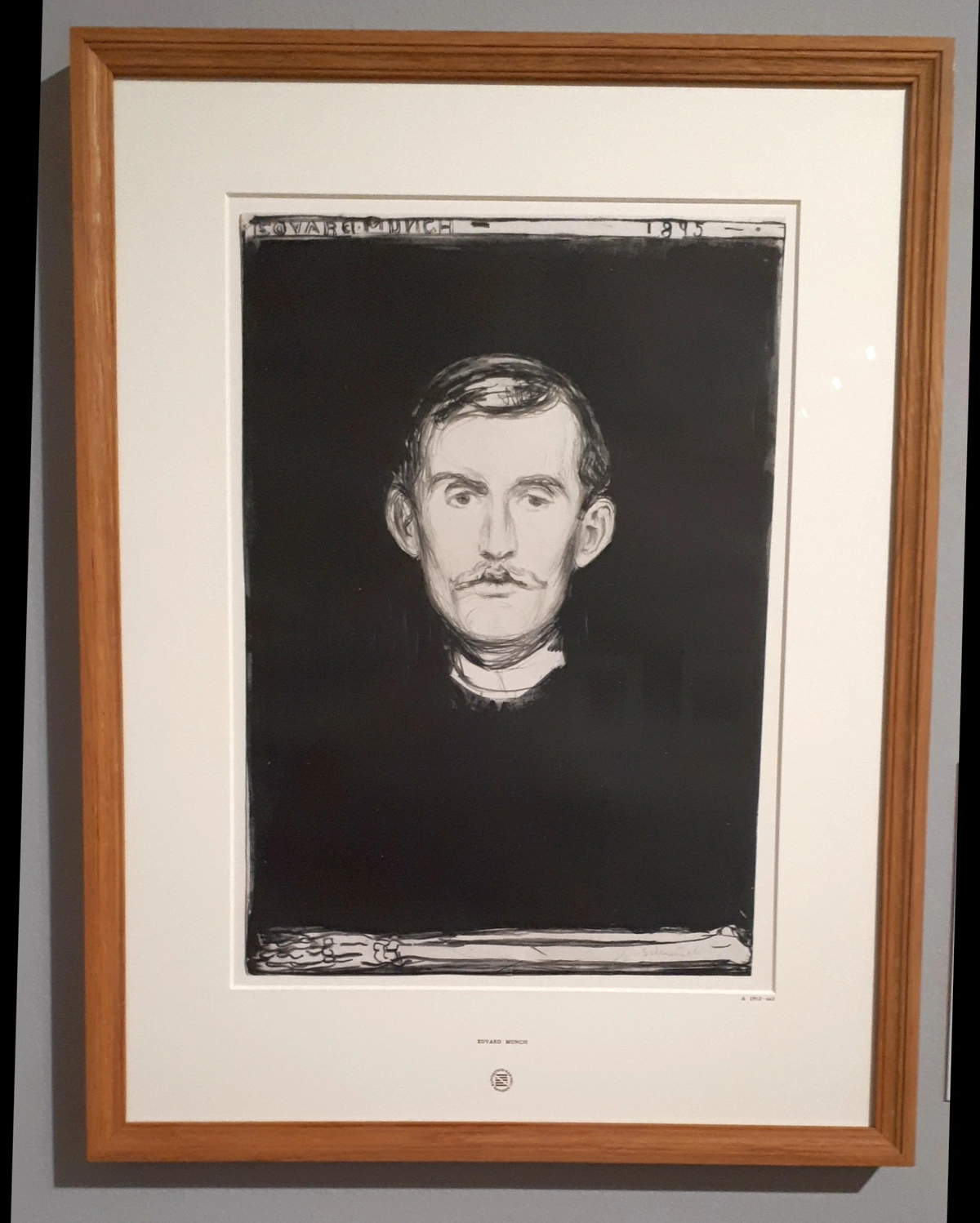
Some artists achieve widespread fame simply because their work becomes undeniably ubiquitous – it's everywhere. Think of Edvard Munch's The Scream – you see it on coffee mugs, posters, even emojis. That kind of omnipresence, fueled by relentless reproduction, burns an image into the collective consciousness, transcending geographical and cultural boundaries, often regardless of whether people even know the artist's full biography. For me, that's a unique kind of fame entirely; it's about an image taking on a life of its own, becoming a cultural shorthand. While The Scream is instantly recognizable, its fame is primarily through reproduction. In contrast, the Mona Lisa isn't just ubiquitous; its fame is also deeply tied to its artistic innovation, historical context, and the ongoing art historical discourse it inspires, making it a cultural icon in a more profound sense. Similarly, Vincent van Gogh's Starry Night Over the Rhône is both widely reproduced and deeply admired for its groundbreaking artistic style and emotional power, its vibrant colors and evocative brushstrokes connecting profoundly with viewers.

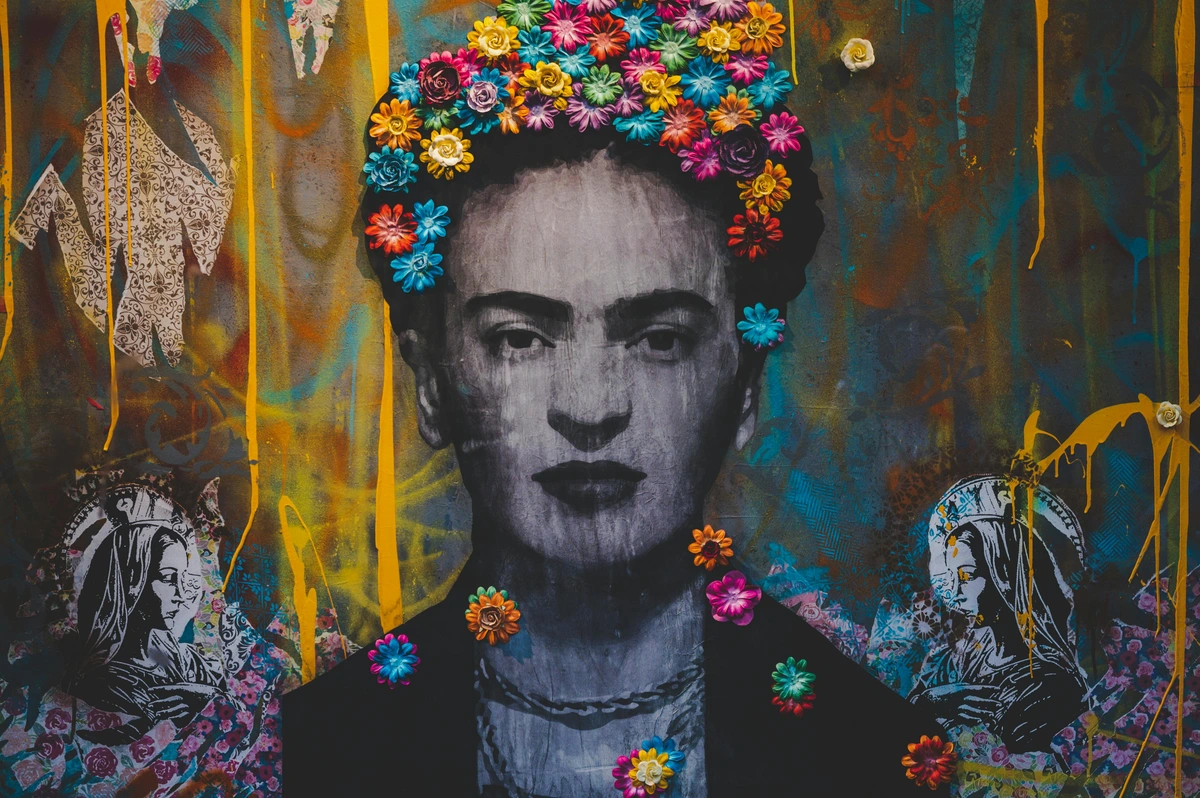
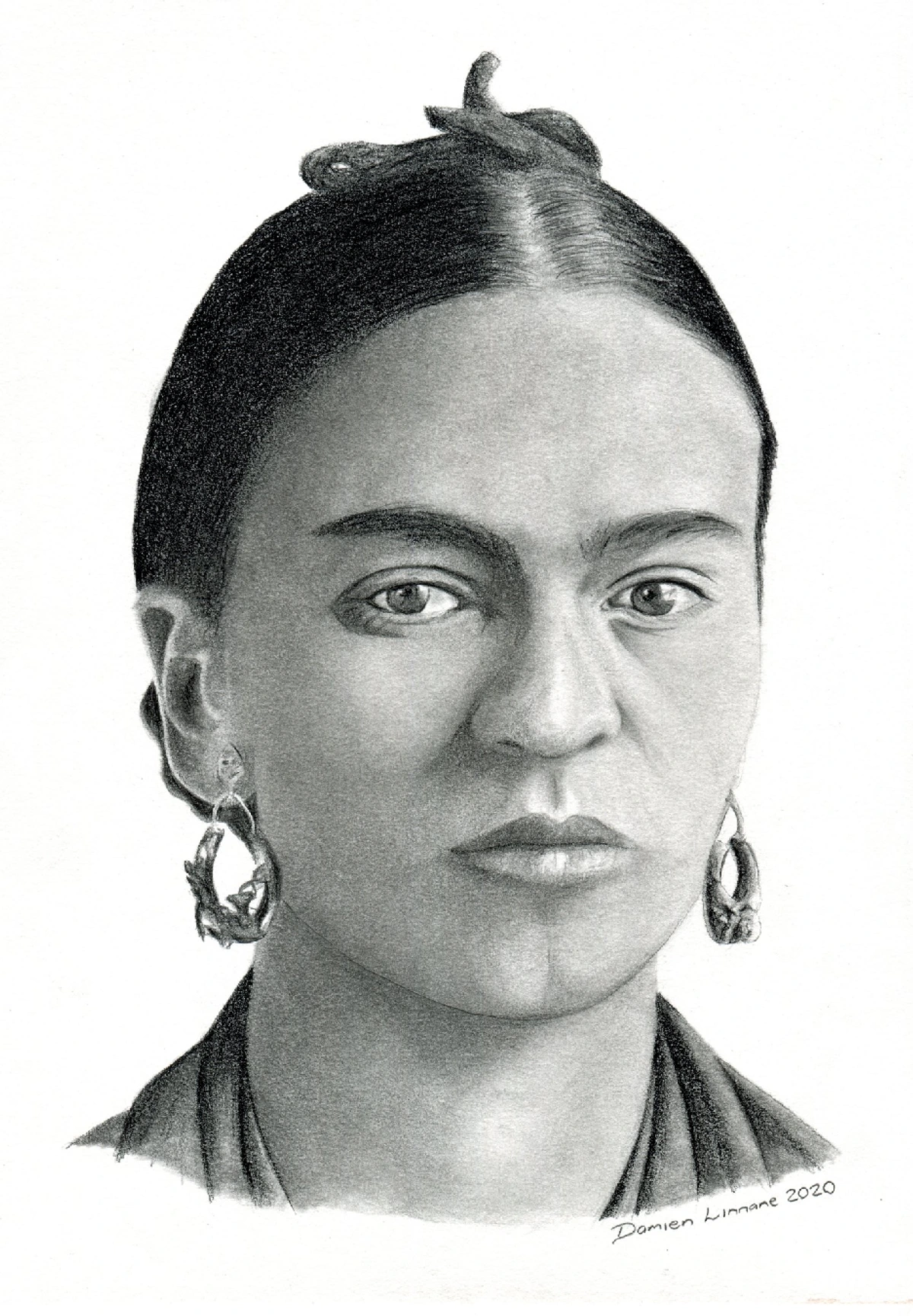
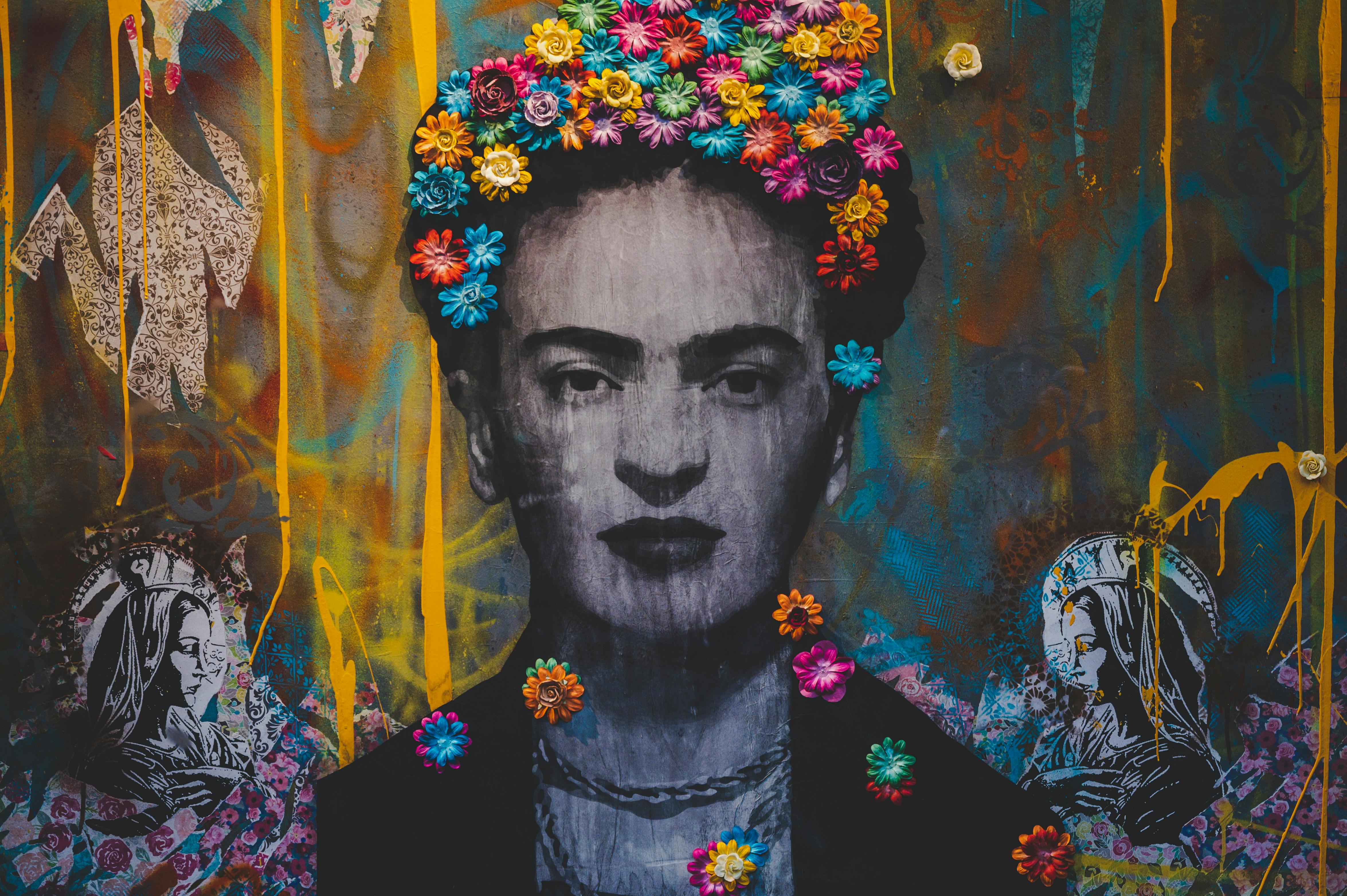
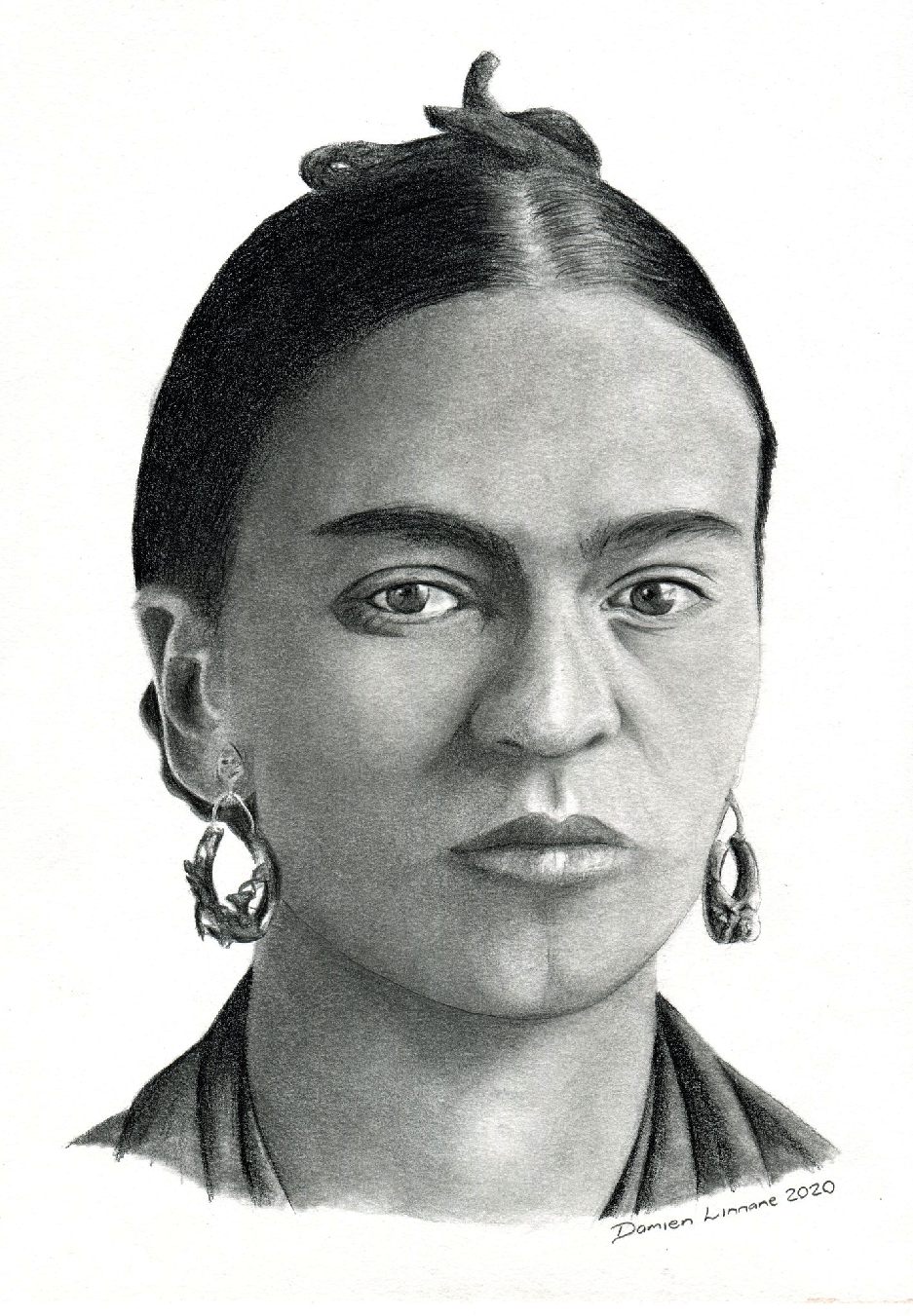
This global reach isn't exclusive to Western artists. The Japanese master Hokusai, for example, is globally recognized for his iconic woodblock print, The Great Wave off Kanagawa. Initially popular and affordable within Japan, these prints were widely distributed through trade routes and later through Western exhibitions, contributing to their pervasive presence. It's an image that has long transcended its origins to become a universal symbol of nature's power. Similarly, Frida Kahlo, with her striking self-portraits and powerful, deeply personal narrative, has become a global icon, celebrated not just for her distinctive art but also for her incredible resilience, her unflinching exploration of identity, and her unique personal story, resonating with countless individuals across the world, particularly as a feminist and LGBTQ+ cultural beacon. This widespread recognition, this kind of omnipresent fame, constantly leads me back to my own grappling with the central question – how much does sheer, undeniable visibility count towards being the "most famous"? A great deal, I'd argue.
Quick Takeaway: When an artwork becomes a meme, a motif, or a universal symbol through relentless reproduction and widespread recognition, its fame – and by extension, the artist's – is deeply solidified in the collective consciousness, demonstrating art's powerful capacity for global communication.
4. Mythical Storytelling, Controversy & Social Commentary
Beyond the art itself, the compelling story surrounding an artist can dramatically amplify their fame, often elevating them to mythical status. Think of Vincent van Gogh's self-mutilated ear, a dramatic tale that, for many, has almost overshadowed his revolutionary use of color and light. Or Jean-Michel Basquiat's meteoric rise from a graffiti artist on the streets of New York, known for his SAMO© tags, to an art world darling, tragically cut short – his tumultuous life story is as compelling and vibrant as his canvases, cementing his iconic, almost mythical status. Sometimes, fame is also powerfully fueled by controversy or by using art for potent social commentary. Artists like Francisco Goya, with his unflinching 'Disasters of War' series that depicted the horrors of the Napoleonic Wars and the brutality of conflict, or Käthe Kollwitz, whose powerful lithographs and sculptures like 'The Grieving Parents' resonated deeply with themes of suffering and loss, directly influenced by the devastation of World War I, achieved fame by using their art as a voice for the voiceless. Their renown is explicitly grounded in humanitarian and social justice messaging, proving that art can be an incredibly powerful tool for protest and change.
And then there are figures like Marcel Duchamp, whose mere act of exhibiting a porcelain urinal, titled 'Fountain,' in 1917 sparked a century of intense debate and discussion, making him famous for radically challenging the very definition of art, the concept of artistic skill, and the revered role of the artist and institution. Duchamp's work was a cornerstone of the Dada movement, an avant-garde art movement that rejected the logic, reason, and aestheticism of modern capitalist society, often expressing nonsense, irrationality, and anti-bourgeois protest. Even today, contemporary artists like Ai Weiwei leverage their art for stark political commentary, with their fame often amplified by his public activism and the controversies their work generates, reminding us that art often thrives on provocation. Sometimes, the initial controversy even prevents fame in their lifetime, only for future generations to embrace their radical vision – a fascinating twist in the tale of renown.

Quick Takeaway: The narrative around an artist – whether deeply personal, politically charged, or provocatively controversial – is often just as powerful as their brushstrokes in forging enduring fame, shaping how they are remembered and understood across time.
5. Overcoming Barriers: The Rise of Female Artists
Historically, the art world has undeniably been a challenging space for women to gain deserved recognition. Yet, many incredible female artists have risen above these barriers to achieve significant and enduring fame, offering inspiring narratives that resonate deeply even today. Beyond Frida Kahlo, whose powerful narrative we’ve already touched upon, consider artists like Artemisia Gentileschi, a formidable Baroque painter who achieved international renown despite immense societal constraints and personal trauma. Her works, such as Judith Slaying Holofernes, boldly depicted powerful female protagonists, challenging traditional representations and showcasing a mastery of dramatic chiaroscuro and narrative intensity that rivaled her male contemporaries, powerfully conveying female strength. The significance of her fame is amplified by the fact that she received major public and private commissions, a rare feat for a woman artist in the 17th century. Or Georgia O'Keeffe, whose groundbreaking modernist works of magnified flowers and stark New Mexico landscapes redefined American art, carving out her unique vision by presenting a distinctive, often sensual, perspective on natural forms. O'Keeffe's deliberate departure from prevailing European art trends and her commitment to developing a uniquely American modernism greatly contributed to her lasting recognition. Their fame not only rests on their undeniable artistic genius but also on their resilience, their courage, and their ability to challenge established norms. Today, contemporary female artists like Yayoi Kusama (whom we discussed earlier) and Marina Abramović continue to break through barriers and achieve global recognition, proving that the landscape is slowly but surely evolving.
Quick Takeaway: Fame is not merely about raw talent; it is profoundly about perseverance, resilience, and the courage to challenge established norms, especially for those historically marginalized who dared to carve their own path.
The Ingredients of Artistic Fame: A Quick Overview
To help solidify these diverse paths to renown, I've found it useful to think of them as distinct, yet often overlapping, ingredients in the recipe for lasting artistic fame:
Ingredient of Fame  | Key Characteristic | Exemplary Artists/Works |
|---|---|---|
| Enduring Legacy | Pioneering new movements, redefining techniques, philosophical depth, critical validation. | Leonardo da Vinci, Rembrandt, Mondrian, Michelangelo, Salvador Dalí |
| Market Value & Collectibility | Astronomical auction prices, high demand, strategic branding and scarcity. | Jean-Michel Basquiat, Gerhard Richter, Damien Hirst, Jeff Koons |
| Ubiquity & Global Reach | Works become cultural symbols, widespread reproduction, instantly recognizable. | Mona Lisa (Da Vinci), The Scream (Munch), The Great Wave (Hokusai), Frida Kahlo, Starry Night Over the Rhône (Van Gogh) |
| Mythical Storytelling & Controversy | Compelling personal narratives, dramatic events, challenging norms and social commentary. | Vincent van Gogh, Basquiat, Marcel Duchamp, Goya, Ai Weiwei |
| Overcoming Barriers | Resilience, challenging norms, advocating for marginalized voices through art. | Artemisia Gentileschi, Georgia O'Keeffe, Frida Kahlo, Yayoi Kusama, Marina Abramović |
The Digital Frontier of Fame
While these historical and societal factors have shaped our understanding of artistic fame for centuries, the digital age has, quite literally, opened up entirely new dimensions, radically transforming how artists achieve and maintain renown. In our rapidly evolving digital landscape, the very definition of artistic fame is undergoing yet another profound transformation. Social media platforms now allow artists to connect directly with a global audience, completely bypassing many traditional gatekeepers. Artists can become viral sensations overnight through platforms like Instagram or TikTok, cleverly utilizing influencer marketing and trending content to build massive followings. Imagine a digital painter creating stunning 3D animations that become a global trend, or a photographer's unique visual style garnering millions of followers and sparking widespread emulation. And then there are NFTs (Non-Fungible Tokens), which, for a time, introduced new, often volatile, avenues for ownership, speculation, and rapid, viral recognition. An NFT is a unique digital certificate of ownership recorded on a blockchain, creating a sense of scarcity and collectibility for digital art, leading to entirely new celebrity artists in a remarkably short span. This digital frontier undeniably offers unprecedented pathways to rapid, widespread fame, challenging existing notions of what it means to be a famous artist. However, the long-term impact of this kind of digital fame on enduring legacy is yet to be fully understood; the ephemeral nature of viral trends and the speculative bubble around NFTs often stands in stark contrast to the centuries-long recognition of a Rembrandt. Moreover, the rise of AI art, with its ability to generate images and even entire styles algorithmically, introduces complex questions about authorship, originality, and the very concept of artistic genius. If an AI creates a masterpiece, who is the artist? Is it the programmer, the prompt-engineer, or the algorithm itself? And how will future generations define artistic genius and, by extension, fame in a world where creativity can be algorithmically generated? It's truly a Wild West out there, and as a curator, I'm watching with a mix of excitement and healthy skepticism, genuinely wondering who among this new wave will truly stand the test of time and transcend mere fleeting digital popularity.
My Personal Verdict (If I Had to Pick Just One)
So, after all this deep introspection – considering enduring legacy, market impact, sheer ubiquity, mythical storytelling, overcoming barriers, and even the digital whirlwind – if you put a virtual gun to my head and demanded a single name... I still honestly couldn't give you just one! And as a curator, I find a unique kind of beauty in that impossibility. The truth is, the true beauty of art lies in its glorious diversity; it’s not a competition, even though our human brains (and market forces) just love to categorize and rank. However, if I were truly pressed to select an artist who, for me, embodies the most multifaceted nature of artistic fame – someone historically monumental, constantly reinterpreted, and profoundly embedded in our collective imagination, one who truly shaped the way I think about art and its power and potential – I’d probably, after much deliberation, lean towards Leonardo da Vinci.
His works, like the Mona Lisa and The Last Supper, aren't just paintings; they are cultural touchstones that have transcended centuries and continue to spark wonder, debate, and endless fascination today. He wasn't simply an artist; he was a polymath – a visionary who relentlessly blended art and science, infusing his paintings with such profound psychological depth that they still feel incredibly modern. His meticulous anatomical studies, for instance, directly informed the unparalleled realism and naturalism of his figures, making his art not just beautiful but scientifically grounded. This ability to explore underlying structures, to dissect and synthesize observations from the world, resonates deeply with my own artistic explorations, particularly in my contemporary abstract art where I'm constantly seeking to express complex ideas through form and color, often aiming for universal harmony and emotional depth. I mean, sure, Picasso revolutionized form, and Van Gogh poured pure emotion onto the canvas, but Leonardo's sheer breadth of genius, the way he embodied a synthesis of art and knowledge, just speaks to me on a different level. But that’s just my two cents, of course, reflecting my own perspective shaped by years in the art world. For me, the 'most important' or 'most famous' artist truly shifts with my current inspiration, the piece I’m looking to buy next, or even the style I’m channeling in my own studio. It's a fluid, deeply personal journey, much like art itself. And if you're curious about other giants who shaped history, explore our insights on the most important artists through history. Now, who is your most famous artist today, and what criteria do you use to define their renown? I'd genuinely love to know.
Frequently Asked Questions
Q: Is there a single, officially recognized "most famous artist"?
A: As a curator, I can tell you definitively: no, absolutely not! 'Fame' in art is wonderfully subjective and depends entirely on the metrics you choose – cultural impact, market value, public recognition, critical acclaim, or even controversy. There’s no official body or universal consensus that could ever declare a single most famous artist. It's rather like asking who created the "best" color or the "most beautiful" sunset – impossible to answer definitively! Though, sometimes I wonder if the stick figure artist from the introduction might have a claim, purely for universal recognition, you know?
Q: Which artists consistently appear on lists of "most famous"?
A: Artists like Leonardo da Vinci, Pablo Picasso, Vincent van Gogh, Michelangelo, Rembrandt, Andy Warhol, and Frida Kahlo are almost universally recognized. Their enduring presence on these lists speaks to a powerful combination of factors discussed throughout this article: their immense cultural impact, instantly recognizable and often reproduced works, compelling (and sometimes mythical) life stories, and innovative techniques that continue to influence artists and art lovers today. They truly embody multiple 'ingredients of fame' and are recognized globally, transcending Western cultural boundaries.

Q: Can today's artists reach the same heights of fame as historical masters?
A: Absolutely! While historical impact naturally solidifies over centuries, contemporary artists such as Banksy, Jeff Koons, Damien Hirst, and Yayoi Kusama have achieved global recognition and a form of celebrity status that rivals many historical figures. Their work often influences popular culture in profound ways, generates significant market value, and reaches unprecedented audiences through digital platforms, proving that fame isn't solely reserved for the annals of history. The key challenge for them, perhaps, is converting this rapid digital renown into truly enduring long-term cultural resonance, a legacy that transcends fleeting trends and continues to inspire centuries later.
Q: What makes an artwork famous, rather than just the artist?
A: Often, an artwork achieves its own iconic status due to its groundbreaking artistic innovation, its powerful emotional resonance, its profound historical significance, or simply its sheer recognizability and frequent reproduction in media and merchandise. A truly famous artwork can certainly elevate an artist’s fame, but some pieces become indelible cultural icons in their own right, transcending the artist's full biography – think of how many people recognize The Scream without knowing much about Munch himself or how The Great Wave off Kanagawa is globally recognized even by those unfamiliar with Hokusai. It's almost like the artwork takes on a life of its own, becoming a character in the human story.
Q: How has art education influenced an artist's path to fame, historically and today?
A: Historically, formal art education through academies and apprenticeships was a primary pathway to recognition, offering structure, patronage connections, and public exhibition opportunities. Think of the rigorous training in the Renaissance or the formal recognition gained through institutions like the Royal Academy. Today, while traditional art schools remain vital, the digital age has democratized art education through online courses, tutorials, and social media platforms. This has opened up new, more accessible avenues to fame, allowing self-taught artists or those outside traditional systems to gain significant recognition, often much faster, by connecting directly with a global audience.










Q: Are there any artists whose fame grew significantly after their death?
A: Absolutely, and it's a fascinating twist in the narrative of artistic fame! Artists like Johannes Vermeer, El Greco, and even Vincent van Gogh achieved their widespread critical acclaim and popular recognition primarily in the centuries after their lifetimes. For Vermeer, his subtle, meticulous scenes and masterful use of light were largely overlooked for generations before being 'rediscovered' by art historians and the public. Similarly, El Greco's highly individualistic, expressive style didn't align with prevailing tastes in his own era, but later resonated deeply with modern sensibilities. These cases remind us that true artistic worth isn't always immediately appreciated, sometimes patiently waiting for the world's aesthetic and critical perspectives to catch up to their genius.
A Final Thought
Ultimately, I believe the quest for the 'most famous artist' reveals more about us – our values, our curiosities, and what we seek in art – than it does about any single individual. It’s a powerful, beautiful reminder that art isn't static; it lives, breathes, and continuously evolves with us. And sometimes, in our pursuit of identifying the "most famous," we risk letting the celebrity of an artist overshadow the profound beauty and message of the art itself, potentially influencing artists to create for renown rather than authentic expression. Perhaps the truly most famous artist is the one who, right here, right now, sparks something profound within you, the viewer. The one that makes you pause, feel deeply, or even compels you to embark on your own creative timeline, much like I have with mine. And if my current inspirations and artistic journey lead me to explore themes of universal harmony and emotional depth through vibrant abstract forms, perhaps your most famous artist embodies those very qualities too. If you're looking for contemporary art that aims to spark that very feeling, I invite you to explore some of the pieces in my own collection. I work in contemporary abstract art, often using vibrant colors and bold forms to explore complex ideas, hoping to create that same kind of deep, personal resonance. So, after all this, who is your most famous artist today? I'd genuinely love to know.