
Influential Female Artists: An Ultimate Guide to Their Enduring Legacy
Explore the lives and masterpieces of influential female artists from Renaissance to modern times. Discover how these groundbreaking women defied odds, reshaped art history, and continue to inspire, with an artist's unique insights.

Unearthing Brilliance: The Ultimate Guide to Influential Female Artists
For far too long, the narrative of art history has been overwhelmingly male, whispered in hushed tones about the 'masters.' Yet, beneath the surface, a vibrant, resilient counter-narrative has always existed: that of influential female artists who, against immense odds, carved out their own dazzling spaces. For me, as an artist exploring vibrant colors and abstract forms in my own work, discovering these incredible talents feels like unearthing a hidden treasure, a secret history that enriches everything I thought I knew about art. It's like finding a forgotten melody that suddenly makes the whole symphony clearer, shifting your perspective on the entire artistic canon and inspiring new directions in my own creative journey. We're talking about women who weren't just painters, but sculptors, printmakers, and visionaries across all mediums, who dared to pick up a brush when they were often told to pick up a needle.
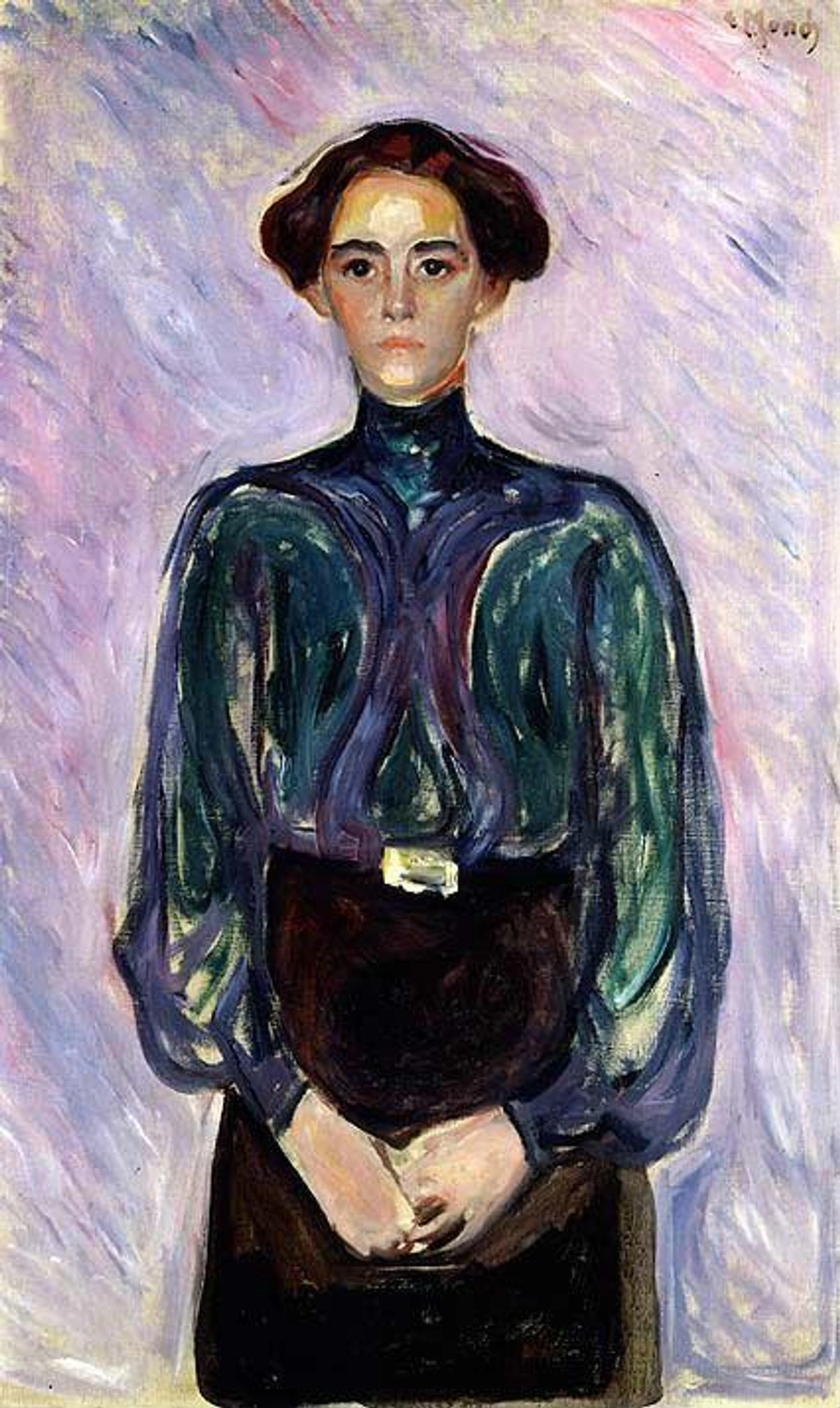
I know what you're probably thinking: if you thought of a 'master artist,' your mind might still conjure up images of men – the Rembrandts, the Picassos. And their genius is undeniable. But what about the women who created alongside them, often with equal, if not greater, skill and emotional depth, yet were systematically overlooked, dismissed, or actively discouraged? We're talking about being denied entry to academies, their work often attributed to men, or simply not preserved. That's what we're here to talk about today: the influential female artists who broke barriers, defied conventions, and gifted the world with extraordinary art.
The Brushstrokes of Resistance: Why Their Stories Matter
It's easy to look back and think, "Well, why weren't there more famous female artists?" The truth is, many did exist. The persistent question of "why so few" is often met with simplistic answers, but the reality is far more complex and rooted in systemic exclusion – a pervasive, institutionalized denial of opportunity. For centuries, women were largely excluded from formal art education, denied access to life drawing classes (which were considered indecent, given the presence of nude models and the perceived impropriety of women studying the male form), or simply not allowed into professional guilds. Imagine the prestigious Accademia di Belle Arti in Florence, a hub of Renaissance art, largely closed off to women for centuries. This wasn't merely social custom; it was official policy in many institutions.
But the barriers didn't stop there. Economic realities often meant women couldn't afford expensive materials like pigments and canvases, or secure and maintain studio space independently, as property rights and financial autonomy were often denied to them. Imagine the sheer determination it must have taken to pursue a passion that society actively tried to extinguish. It's a powerful thought, really, and one that makes their surviving works even more precious.
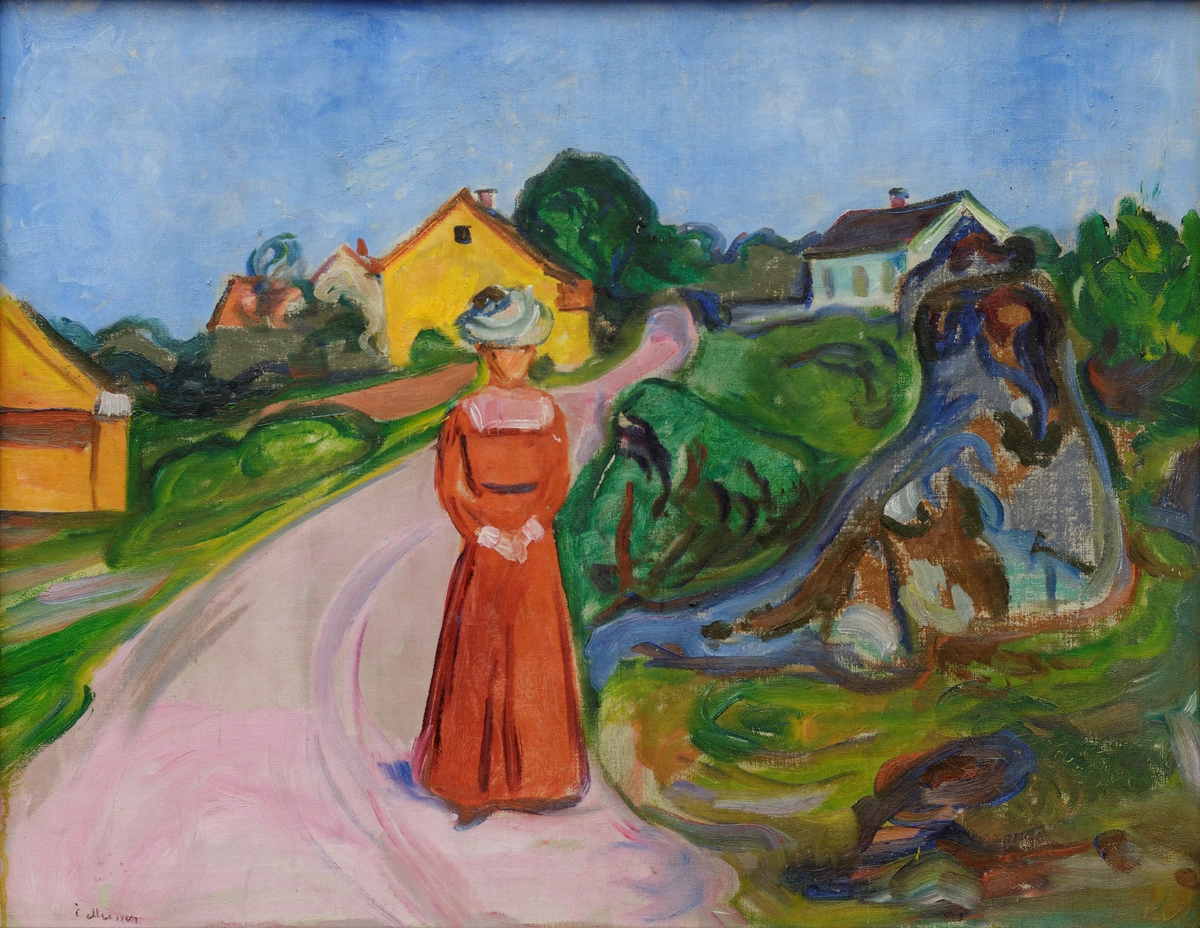
And let me tell you, even before the Renaissance, women were creating art. Think of the unsung medieval manuscript illuminators, meticulously illustrating texts in cloisters, or the textile artists whose intricate tapestries and embroideries adorned palaces. Their incredible works were often dismissed as "craft" rather than "fine art," a distinction often rooted in gender bias. Works produced by women for domestic use, or those requiring manual skill over perceived intellectual rigor, were historically devalued. Consider the Bayeux Tapestry – a monumental narrative artwork, likely created by women, yet often framed as a craft. This bias denied generations of artists their rightful place, and as an artist, I recognize the deep artistry in any form of skilled creation, whether it’s a detailed miniature or a large-scale abstract painting.
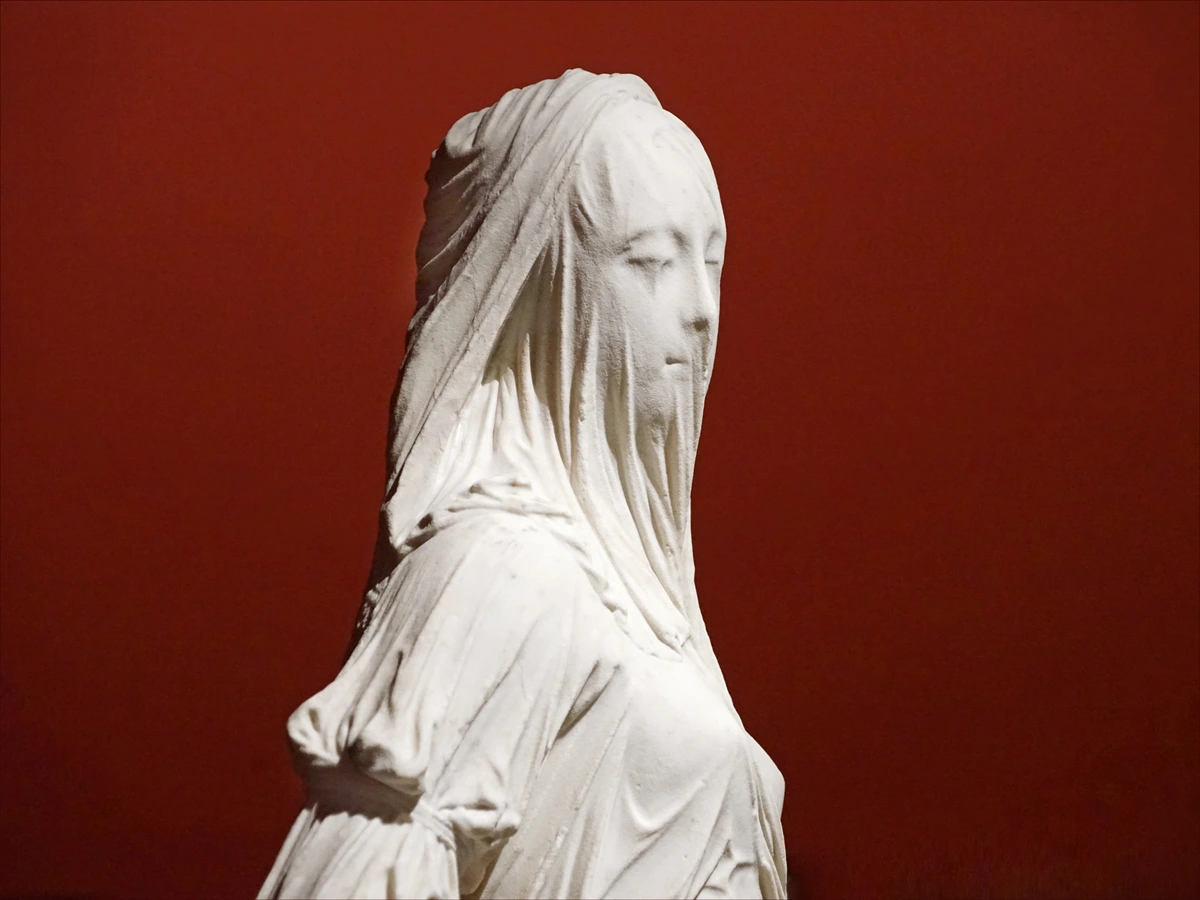
And let's not forget the subtle biases that persisted even when women did gain recognition. Their subjects were often relegated to 'domestic' scenes or portraits, while grand historical or mythological narratives were deemed the domain of men. This wasn't merely a preference; male artists often had greater access to prestigious commissions and patrons for these large-scale works, reinforcing the perception. Yet, as you'll see, these women artists took those constraints and utterly shattered them, creating masterpieces that spoke volumes about their own experiences and observations. Their art, much like my own abstract explorations, often sought to find universal truths in the deeply personal, often leveraging what was dismissed as the "feminine gaze". What is this "feminine gaze"? It's a perspective rooted in female experience, often prioritizing intimacy, emotion, and the interior lives of women, as opposed to the often objectifying or narrative-driven "masculine gaze." This allowed them to imbue their subjects with a unique strength and empathy, transforming perceived limitations into profound artistic advantages.
Pioneers of the Canvas: Renaissance and Baroque Masters
When I first delved into the Renaissance and Baroque periods, I was genuinely surprised by the quality and sheer presence of female artists, even amidst the overwhelming male dominance. This era, characterized by grand narratives and dramatic contrasts, also saw the quiet emergence of women who would redefine its possibilities. These were women who were often born into artistic families, giving them a rare opportunity for training—a precious commodity at the time. Traditional artistic guilds were almost exclusively male, making family connections or private tutelage the only viable paths for women to learn their craft. Royal or noble patronage also became a crucial lifeline, offering commissions and protection.
Sofonisba Anguissola (c. 1532 – 1625)
Think about the late Renaissance. While everyone talks about the monumental figures, I often find myself drawn to the quiet strength in the portraits of Sofonisba Anguissola. Hailing from Cremona, Italy, she became a court painter to King Philip II of Spain, a remarkable achievement for a woman, particularly one born into nobility who was not expected to pursue a paid profession. What I love about her work is the psychological depth and naturalism she brought to her portraits, especially of women and children. She captured moments of everyday life with an intimacy that was truly ahead of her time, often depicting her subjects in informal poses that revealed their inner lives. Her self-portraits, in particular, reveal a confident, intelligent woman, looking right through the centuries, challenging you to understand her journey. She was a master of Mannerism (a style known for its artificial qualities, elongated figures, and often complex compositions), yet infused it with a refreshing realism by focusing on genuine human emotion. Her innovation lay in transforming portraiture, a genre often considered less prestigious than history painting, by imbuing it with unprecedented psychological insight and naturalism, elevating it to a profound art form. Her masterpiece, Self-Portrait at the Easel (c. 1556-1565), reveals her self-awareness and skill. Her works can be found in major collections worldwide, including the Museo Nacional del Prado in Madrid.
Artemisia Gentileschi (1593 – c. 1656)
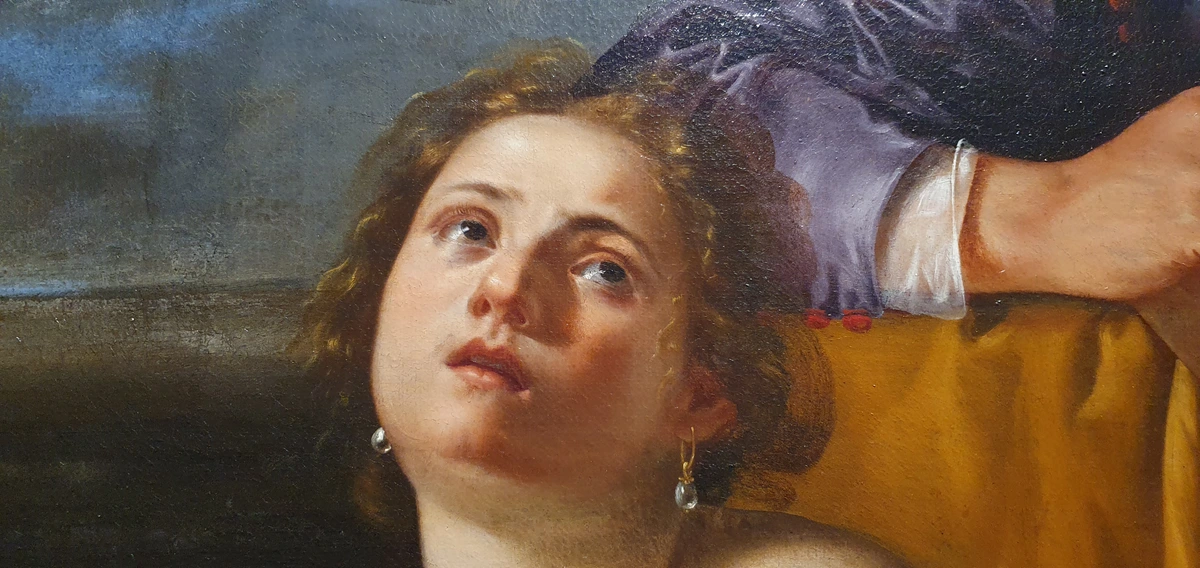
Now, if Anguissola shows us quiet strength, Artemisia Gentileschi delivers raw, visceral power. A contemporary of Caravaggio, she was a master of the Baroque style, known for her dramatic use of tenebrism (that intense contrast of light and dark, like a single spotlight cutting through deep shadow, creating dramatic effect) and her unflinching portrayal of female figures, often from biblical or mythological tales. But here's the thing about Artemisia: her life was marked by immense trauma, including sexual assault. What did she do? She channeled that pain and resilience into her art, often with her father, Orazio Gentileschi, providing initial training. Her depiction of Judith Beheading Holofernes, for instance, isn't just a biblical scene; it's an explosion of female fury and agency, her women often actively defiant and powerful, a stark contrast to many passive female figures of the era. The raw power of this work still stops me in my tracks; the sheer force of her artistic will poured onto that canvas is palpable, making me reflect on how challenging experiences can fuel groundbreaking art. She innovated by using intense psychological realism and dramatic lighting to create powerful narratives of female strength and survival, a radical departure from the often idealized or passive female figures prevalent in art. If you haven't seen it, you absolutely must check out the ultimate guide to Artemisia Gentileschi – it delves deep into her fascinating story and incredible works, many of which are housed in the Uffizi Gallery and the Capodimonte Museum. Her Susanna and the Elders is another powerful example of her ability to convey female vulnerability and strength.

Beyond the Masters: Expanding the Renaissance and Baroque
It's important to remember that Anguissola and Gentileschi were not alone. Their success, often built on family connections and enlightened patronage, opened doors for others in an era still largely dominated by men. These women leveraged their opportunities to carve out significant careers:
- Lavinia Fontana (1552–1614): A prolific portraitist and the first documented female artist to work for public commissions, often painting powerful patrons and large-scale altarpieces in Bologna. She innovated by mastering complex religious and mythological narratives, traditionally male domains, proving women's capacity for grand historical themes. Her Minerva Dressing is a remarkable example of her skill.
- Fede Galizia (1578–1630): Celebrated for her exquisite still lifes, she brought a profound quietude and meticulous detail to a genre often seen as minor, elevating it through her precise technique and contemplative compositions. Her innovation lay in the hyper-realistic rendering of objects, making still life a serious and respected subject, exemplified in her Basket of Peaches.
- Clara Peeters (1589–after 1657): A Flemish Baroque painter who was a pioneer of still life painting, known for her elaborate breakfast pieces and masterful depiction of reflective surfaces. Her detailed works, often featuring subtle self-portraits in reflections within glassware – a fascinating artistic Easter egg – demonstrate an incredible skill in capturing light and texture. As an artist, I'm always looking for ways to insert subtle personal touches, and her reflections are a brilliant example.
- Giovanna Garzoni (1600–1670): An Italian Baroque painter primarily known for her exquisite still lifes of fruits, vegetables, and flowers, often with insects or small animals. Her delicate touch and scientific precision elevated the genre of miniature painting and botanical illustration, demonstrating a keen eye for nature.
Their collective presence defies the narrative of art history as solely a male domain, proving that artistic brilliance knows no gender, even if history often tried to pretend it did. You can find their works in esteemed institutions like the National Museum of Women in the Arts and the Rijksmuseum.
Bridging Eras: From Rococo Elegance to Realistic Depths
As centuries passed, the doors for women artists slowly began to open, yet the path remained fraught with challenges. The 18th and 19th centuries saw women skillfully navigating the established artistic currents while subtly, or sometimes overtly, pushing against societal expectations and limited institutional access. This period, spanning the opulent Rococo and the more austere Neoclassicism, and later the burgeoning Realism, presented a complex landscape. The role of influential patrons remained crucial, offering support that formal academies often denied. However, the rise of salons, often hosted by influential women, also provided critical exhibition spaces and networking opportunities, allowing female artists to gain visibility and commissions.
Élisabeth Vigée Le Brun (1755–1842)
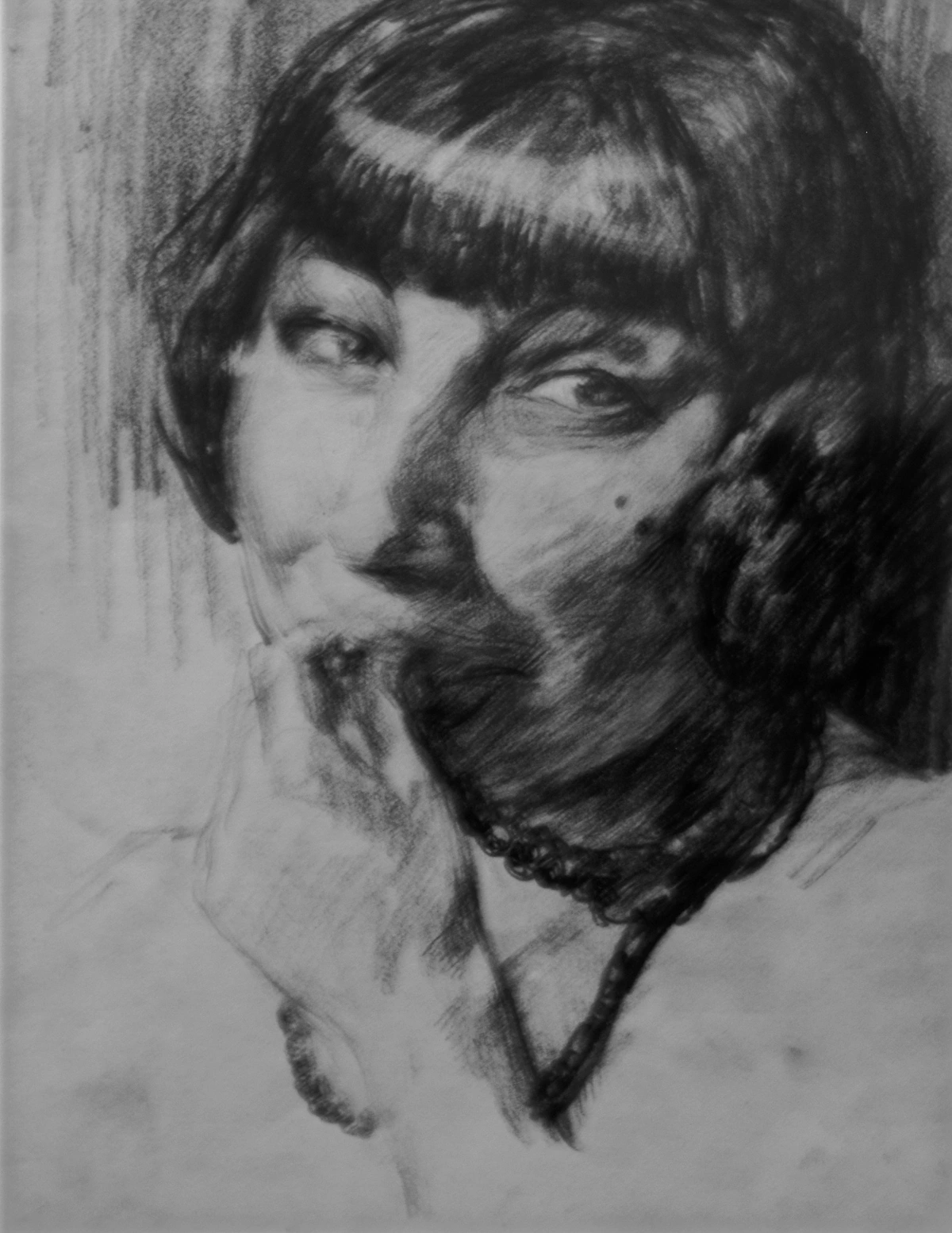
Imagine being the favorite portrait painter of Marie Antoinette, navigating the volatile world of late Rococo and Neoclassicism, and then surviving the French Revolution to continue an international career. That was Élisabeth Vigée Le Brun. Her elegant, sensitive portraits, especially of women and children, exude a natural charm and warmth that captivated European royalty. She mastered the art of flattering her sitters while maintaining a fresh, engaging style that felt more intimate than many of her male contemporaries. She cleverly adapted her style to the changing political landscapes, moving from the lighthearted Rococo to the more restrained Neoclassical, all while maintaining her unique vision. Her resilience and adaptability in a turbulent era are truly inspiring. Her self-portraits and portraits of Marie Antoinette, like Marie Antoinette and Her Children, are iconic, held in collections like the Louvre and the Palace of Versailles. Her innovation lay in making portraiture feel natural and emotionally resonant, a strategic artistic choice that appealed deeply to her high-profile female sitters and broke from rigid court aesthetics.
Angelica Kauffman (1741–1807)
Another force to be reckoned with was Angelica Kauffman, a Swiss Neoclassical painter who achieved immense success in London and Rome. She was one of only two female founding members of the Royal Academy of Arts in London, a remarkable feat given the systematic exclusion of women from such institutions. Despite prevailing biases, she excelled in history painting, a genre considered the pinnacle of academic art and typically reserved for men, imbuing her mythological and historical narratives with grace and moral sentiment. Her intellectual prowess and artistic skill were undeniable, earning her international acclaim and patrons across Europe. Her works are prominently featured in the Royal Academy of Arts and the Victoria and Albert Museum. Her innovation was proving that women could master the most demanding and prestigious genre of painting, breaking significant gender barriers in the academic art world. Cornelia, Mother of the Gracchi, Pointing to Her Children as Her Treasures (c. 1785) is a prime example of her moralistic and classical approach.
Rosa Bonheur (1822–1899)
And then there's the audacious Rosa Bonheur, a French Realist painter renowned for her monumental and highly accurate animal portraits. Not only did she achieve widespread fame and critical success, but she also famously sought official permission to wear trousers to facilitate her work in male-dominated spaces like slaughterhouses and livestock markets – a small but significant act of defiance. Beyond this, her openly lesbian relationship with Nathalie Micas, and later Anna Klumpke, was a profound act of defiance in 19th-century society, demonstrating her commitment to personal and artistic independence. Her dedication to depicting animals with such vivid realism and empathy, alongside her trailblazing defiance of gender norms, makes her an icon of artistic independence. The Horse Fair (1852-1855) is her most famous work, a monumental canvas residing in the Metropolitan Museum of Art. Her innovation lay in elevating animal painting to the scale and seriousness of historical painting, combined with a radical personal independence that challenged Victorian gender expectations.
Shattering Expectations: Impressionism to Early Modernism
As the world hurtled into the 19th and 20th centuries, a new explosion of female talent emerged, utterly redefining what art could be, from the fleeting moments of Impressionism to the profound depths of early Modernism. This period, marked by rapid social and technological change, offered both new opportunities and continued constraints for women artists. They often operated within or at the edges of radical new movements, transforming art from the inside out, frequently finding unique ways to express themselves when traditional avenues remained closed.
Mary Cassatt (1844 – 1926)
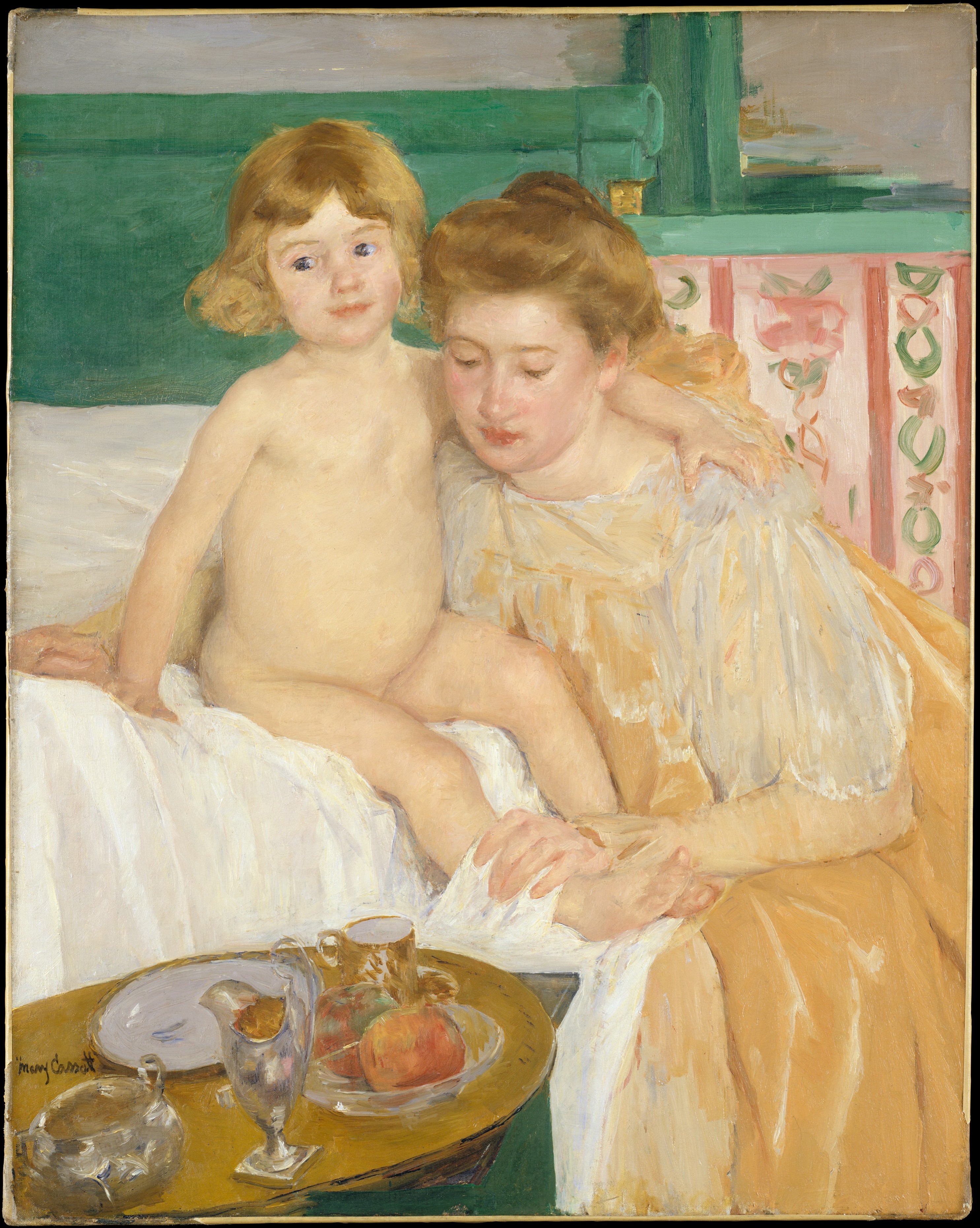
Ah, Mary Cassatt! An American who made her mark among the French Impressionists. While her male counterparts were painting Parisian boulevards and cafes, Cassatt focused on the intimate world of women and children. This wasn't merely a stylistic choice; it was often a strategic necessity, as societal norms limited female artists' access to public spaces and male models. And yes, some critics tried to dismiss it as 'feminine' or 'domestic,' but I see a profound sensitivity and honesty in her portrayal of motherhood and everyday life. She didn't just depict these societal roles; she imbued them with dignity and artistic merit, elevating these intimate moments to high art, capturing genuine emotion without sentimentality. Her work feels so real, so immediate, often showing the influence of Japanese prints in her compositions through flattened perspective and bold outlines, which was quite revolutionary at the time. Her masterpiece, The Boating Party (1893-1894), is a brilliant example of her skill. Fellow Impressionist Berthe Morisot (1841–1895) also exemplified this, exploring domestic scenes with a distinctly feminine gaze, offering a unique and powerful perspective within the movement. If you appreciate the Impressionist movement, a deeper dive into Mary Cassatt is a must. Many of her masterpieces are proudly displayed at the Art Institute of Chicago and the Metropolitan Museum of Art.
Frida Kahlo (1907 – 1954)
What can I even say about Frida Kahlo that hasn't been said? Her life was a tempest of pain, passion, and politics, and every brushstroke reflects that raw intensity. She didn't just paint; she bled onto the canvas. Her self-portraits are iconic not just for their vibrant colors and elements of magic realism (where fantastical elements are woven into a realistic setting, often drawing from Mexican folklore and personal experience, like her seemingly levitating self-portraits or animals embodying human emotions), but for their unflinching honesty about her physical suffering, her complex relationships, and her profound Mexican identity, heavily influenced by indigenous cultures and folk art. She used art as a powerful tool for self-discovery, empowerment, and political commentary, creating her own universe and inviting us to step into its vibrant, often heartbreaking, reality. Her iconic The Two Fridas (1939) powerfully expresses her emotional turmoil. Truly, if you want to understand the power of personal narrative and resilience in art, then you absolutely need to explore the ultimate guide to Frida Kahlo – it delves deep into her fascinating story and incredible works, which are cornerstones of collections like the Museo Frida Kahlo (Casa Azul) in Mexico City and the Museum of Modern Art.
Georgia O'Keeffe (1887 – 1986)
From the vibrant chaos of Kahlo to the serene majesty of Georgia O'Keeffe. This American modernist captured the stark beauty of the New Mexico landscape and transformed it into something almost spiritual. Her monumental close-ups of flowers, for instance, aren't just botanical studies; they're explorations of form, color, and sensuality, often conveying a profound sense of the sacred in nature. At the time, these large, intimate floral works were sometimes controversially interpreted as symbolic of female genitalia, challenging prevailing views on female sexuality and art and forcing viewers to confront their own perceptions. She had this incredible ability to make you see the familiar anew, forcing viewers to engage with the essence of the subject matter in a profound way. Her artistic vision was so uniquely hers, truly a singular voice in American art. While famous for flowers, her urban landscapes like Radiator Building—Night, New York (1927) show another powerful facet of her vision. You can learn more about her distinctive style and enduring legacy in the ultimate guide to Georgia O'Keeffe. The Georgia O'Keeffe Museum in Santa Fe is dedicated to her extensive body of work.
Käthe Kollwitz (1867 – 1945)
And then there's Käthe Kollwitz, whose art is a poignant, powerful cry for humanity. This German Expressionist focused on the suffering of the working class, the ravages of war, and the profound grief of loss. Her etchings, lithographs, and sculptures are incredibly moving, full of empathy and a stark realism that demands attention. A prime example is her famous print Woman with Dead Child (1903), which viscerally conveys the universal agony of maternal loss. She mastered these printmaking techniques, using their graphic intensity to amplify the emotional impact of her work and make it accessible to a broader audience. While deeply rooted in specific social and historical contexts, her work transcends them, touching upon universal human experiences like love, loss, and the struggle for survival. Her work isn't always comfortable to look at, but it's vital, a testament to the human spirit's endurance and fragility. The raw emotion in her prints is almost overwhelming. Exploring her work is a profound experience, and our ultimate guide to Käthe Kollwitz provides a fantastic entry point into her world. Her significant oeuvre is preserved in the Käthe Kollwitz Museum in Berlin and the Museum of Modern Art.
Hilma af Klint (1862 – 1944)
Prepare to have your understanding of art history challenged by Hilma af Klint. A Swedish mystic and artist, she pioneered abstract painting as early as 1906 – years before artists like Wassily Kandinsky, who is often credited with the first abstract works. Driven by spiritualism, particularly the tenets of Theosophy and Anthroposophy, and a belief in communicating higher truths and unseen dimensions, her monumental, brightly colored, and often geometric abstract paintings were truly revolutionary. She famously stipulated that her work not be shown until 20 years after her death, believing the world wasn't ready for it. Her recent rediscovery has reshaped the narrative of modern art, placing a powerful female voice at its very genesis, using specific color symbolism and geometric forms to express complex spiritual concepts. Her series The Ten Largest (1907) is a breathtaking example of her groundbreaking vision. Dive into her groundbreaking vision with the ultimate guide to Hilma af Klint. Her work has been the subject of groundbreaking exhibitions at the Guggenheim Museum.
Other Modern Innovators: Innovation and Redefinition
Before the contemporary era, many other women pushed boundaries, often leveraging constraints into unique strengths:
- Marie Bracquemond (1840-1916): Though less known than her Impressionist peers, Bracquemond was a crucial member of the movement. Her soft, luminous domestic scenes and outdoor landscapes, often featuring her family, show a profound understanding of light and color, challenging the confines of her limited public access.
- Sonia Delaunay (1885-1979): A pioneering figure in abstract art, she co-founded Orphism with her husband, Robert Delaunay. Her vibrant, rhythmic compositions, seen in paintings like Prismes électriques (1914), extended to fashion and textile design, blurring the lines between fine art and applied art and demonstrating a comprehensive artistic vision.
- Natalia Goncharova (1881-1962): A leading figure of the Russian avant-garde, she was a prolific painter, costume designer, and illustrator. Her work, blending Russian folk art with European modernism, pushed boundaries through movements like Cubo-Futurism, as exemplified in her painting The Cyclist (1913).
- Tamara de Lempicka (1898–1980): The dazzling queen of Art Deco, defined an era with her glamorous, stylized portraits of the elite and fashionable. Art Deco, characterized by geometric shapes, luxurious materials, and a sense of modernity, found its perfect embodiment in her sleek, Cubist-influenced works that captured the opulence and speed of the Roaring Twenties, like her Autoportrait (Tamara in a Green Bugatti) (1929).
- Leonora Carrington (1917–2011) and Remedios Varo (1908–1963): Exploring the darker, more surreal corners of the 20th century, these artists created fantastical worlds. Surrealism, an art movement emphasizing the liberation of the subconscious mind and dream imagery, found rich ground in their intricate narratives, often featuring alchemical symbols, mythical creatures, and female archetypes, challenging patriarchal structures through their unique Surrealist visions.
These artists, each in her own way, demonstrated ingenuity in the face of limited access to art materials and traditional training, often experimenting with techniques or choosing subjects that could be pursued within societal constraints, ultimately turning those very constraints into unique strengths. Their works grace museums such as the Musée d'Orsay, the Museum of Modern Art, and various private collections.
Contemporary Voices: Pushing Boundaries and Reclaiming History
In our modern era, female artists continue to challenge, innovate, and inspire, breaking down the last vestiges of traditional barriers and exploring new mediums and concepts. Their work reflects the complex world we live in, often with a fearless critical eye. The tireless efforts of female art critics and historians have also been crucial in the rediscovery and re-evaluation of these often-overlooked figures, ensuring their rightful place in the canon.
Judy Chicago (b. 1939)
When I think of contemporary feminist art, the first name that springs to mind is almost always Judy Chicago. Her monumental installation, The Dinner Party, is a watershed moment in art history. It's a triangular table set with 39 elaborate place settings, each honoring a mythical or historical woman. The sheer ambition, the extensive research, the collaborative effort involving hundreds of volunteers in sewing and ceramics, and the powerful message of reclaiming women's place in history are just astounding. It literally created a space for women who had been excluded. While sometimes criticized for its selection criteria or perceived essentialism, it remains an artwork that sparks conversation, debate, and profound appreciation for the legacies it celebrates. Don't miss the ultimate guide to Judy Chicago for an in-depth look at this transformative artist. The Dinner Party (1974–1979) is permanently housed at the Brooklyn Museum.
Agnes Martin (1912 – 2004)
Then there's the meditative genius of Agnes Martin. Her work stands in stark contrast to Chicago's overt political statement, yet is equally groundbreaking in its own way. An Abstract Expressionist who eventually moved towards Minimalism, Martin's signature grids and subtle lines often appear deceptively simple. But spend time with them, and you'll find an incredible depth, a quiet quest for perfection and transcendental beauty. Drawing inspiration from Taoist philosophy and her serene experiences in the American Southwest, her paintings are an invitation to contemplation, a visual poetry of silence and structure, reflecting a deeply philosophical search for order and meaning. Her Untitled #1 (1975) exemplifies her serene approach. For anyone interested in the profound power of simplicity, the ultimate guide to Agnes Martin is an essential read. Her works are widely exhibited at institutions like the Museum of Modern Art and the Tate Modern.
Helen Frankenthaler (1928–2011)
Helen Frankenthaler was a pioneer of color field painting and post-painterly abstraction, developing her revolutionary "soak-stain" technique where she poured thinned paint directly onto unprimed canvas. Post-painterly abstraction emphasized openness and clarity of form, moving away from the emotionally charged brushwork of Abstract Expressionism. This allowed colors to merge and create fluid, luminous fields that seemed to breathe, removing the artist's hand as the primary mark-maker. Her work, like Mountains and Sea (1952), represents a vibrant, intuitive approach to abstraction, emphasizing spontaneity and the expressive potential of color itself, fundamentally altering the trajectory of abstract art. Explore her groundbreaking contributions to abstract art with the ultimate guide to Helen Frankenthaler. Her influential canvases are held in prestigious collections such as the National Gallery of Art in Washington D.C. and the Museum of Fine Arts, Boston.
Lee Krasner (1908–1984)
A formidable figure in Abstract Expressionism, Lee Krasner created powerful, often large-scale, and intensely dynamic canvases. While often overshadowed by her husband Jackson Pollock, her work stands on its own as a testament to her fierce artistic independence and constant evolution. She moved through various styles throughout her career – from Cubist-influenced early works, to energetic abstractions with organic forms, to monumental, gestural paintings in later life – always imbued with her distinct raw energy and emotional depth, challenging perceptions of female artists in the male-dominated New York School. Her legacy is being rightfully re-evaluated, recognizing her as a central force in the movement, with works like Composition (1949) showcasing her unique voice. Her work can be seen at the Museum of Modern Art and the Whitney Museum of American Art.
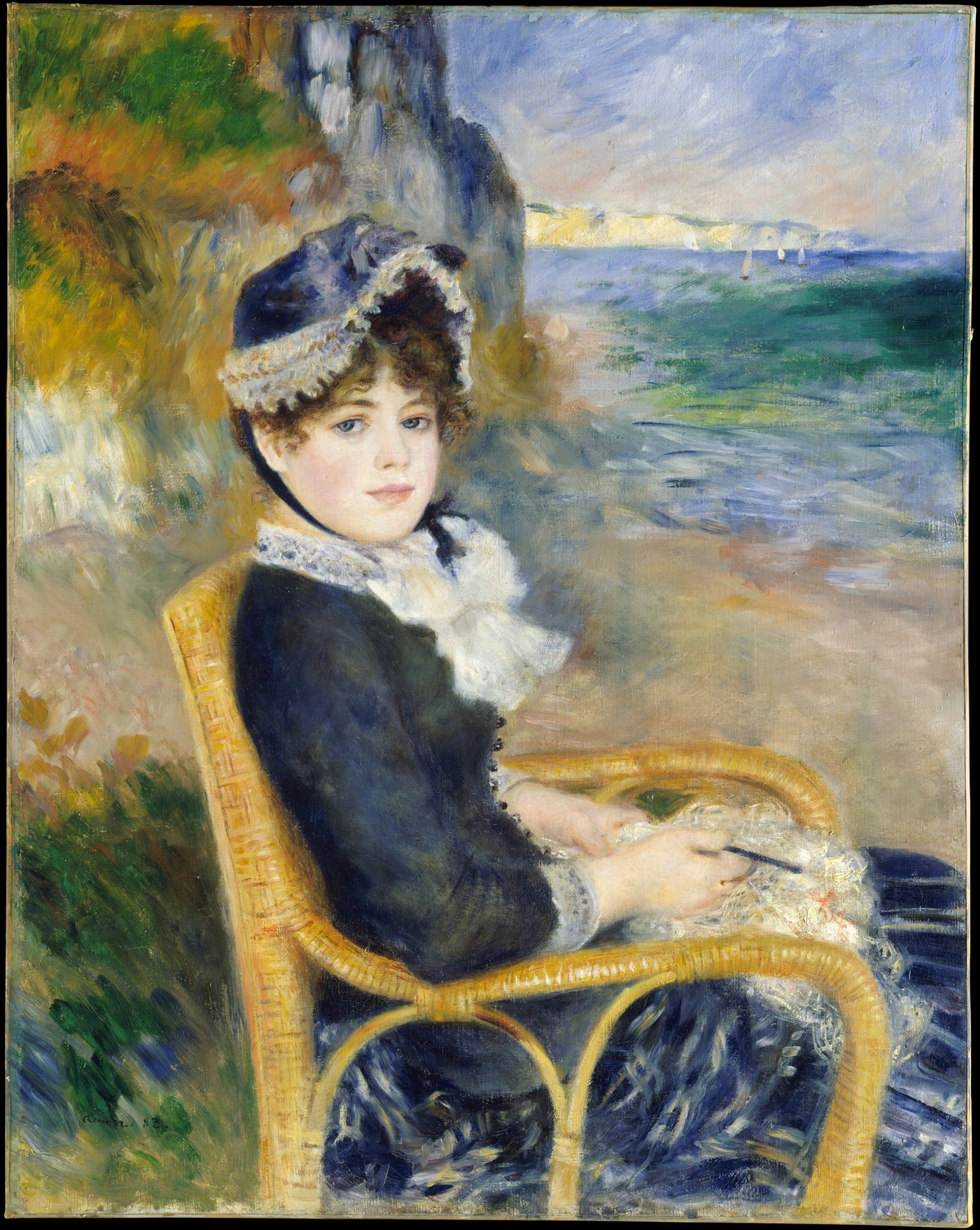
Kara Walker (b. 1969)
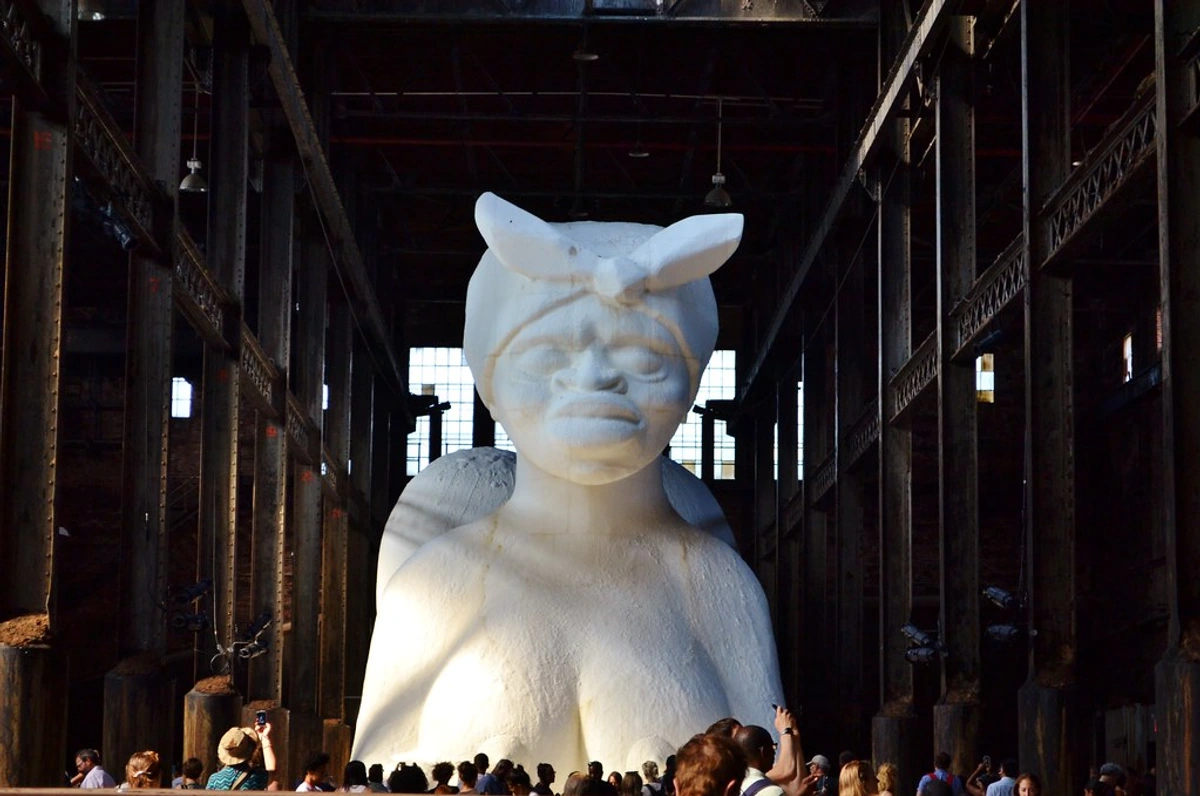
Kara Walker is a provocative and critically acclaimed contemporary artist best known for her cut-paper silhouettes that explore complex issues of race, gender, sexuality, and power dynamics in American history, particularly the brutal legacy of slavery in the Antebellum South. Her works are often grand, immersive installations that challenge viewers with unsettling narratives and stark, confrontational imagery, forcing us to confront uncomfortable truths. She uses beauty and grotesque elements to spark dialogue and reflection on historical trauma. Her unique artistic language and fearless approach are explored in depth in the ultimate guide to Kara Walker. Her major exhibitions include those at the Metropolitan Museum of Art and the Tate Modern. A notable, albeit temporary, work was A Subtlety, or the Marvelous Sugar Baby (2014), a massive sugar-sculpture sphinx that addressed the exploitation of sugar workers and black bodies.
Other Contemporary Voices: Global Reach and Diverse Media
The contemporary art world is richer than ever with female talent. From:
- Shirin Neshat (b. 1957): A photographer and filmmaker whose poignant works explore women's identities in Islamic societies, often using Farsi calligraphy and powerful visual metaphors to address themes of exile, displacement, and duality, as seen in her Women of Allah series.
- Yayoi Kusama (b. 1929): The iconic Japanese artist known for her immersive infinity mirror rooms and signature polka dots, exploring themes of obsession, psychological states stemming from her own hallucinations, and cosmic interconnectedness through repetition and pattern. Her Infinity Mirror Room – Phalli's Field (1965) is a groundbreaking example.
- Jenny Saville (b. 1970): A British painter known for her monumental, visceral nude portraits that challenge conventional beauty standards and explore the materiality and vulnerability of the human body by depicting flesh with an unflinching, often grotesque, realism. Her painting Ruben's Flap (1998) is a powerful exploration of the body.
- Marina Abramović (b. 1946): Has redefined performance art, using her body as both subject and object to explore themes of endurance, pain, and the relationship between performer and audience. Her piece Rhythm 0 (1974) remains a chilling examination of human nature.
- Tracey Emin (b. 1963): A prominent Young British Artist, creates deeply personal and confessional works across various media, including installation, drawing, and photography, exploring themes of vulnerability, memory, and the female experience with raw honesty. Her installation My Bed (1998) is a raw and intimate self-portrait.
These artists, alongside many others, demonstrate that the conversation surrounding art, identity, and society is constantly evolving. Their works are celebrated in institutions such as the Guggenheim Museum, Tate Modern, and Gagosian Gallery.
Female Artists and New Media: Navigating the Digital Frontier
Beyond traditional mediums, contemporary women artists are increasingly leveraging new technologies. From digital art to virtual reality installations, they are pushing the boundaries of what art can be. While some explore the nascent world of NFTs (Non-Fungible Tokens) and blockchain art, it's crucial to approach this space with a critical eye. Theoretically, these platforms could offer new avenues for artists, especially independent ones, by enabling direct sales, ensuring immutable ownership records, and fostering direct engagement with collectors. They can also offer unique ways to prove authenticity and potentially secure better royalties for artists. However, the long-term impact and ethical considerations, including their significant environmental footprint, speculative market fluctuations, potential for exploitation, and the sheer volatility of the market, remain subjects of ongoing discussion and skepticism within the broader art world. Nevertheless, female artists continue to innovate across all available platforms, using technology as another tool for expression and critique, constantly asking: What else can art be?
A Chronological Look at Influential Female Artists
I thought it would be helpful to put some of these incredible women into a quick table for easy reference. It's by no means exhaustive – the list of brilliant female artists is far, far longer than most people realize – but it gives you a starting point for exploration. Note their lifespans and key contributions to see how they navigated their times.
Artist Name  | Lifespan | Era / Movement | Notable Contribution | Key Influence/Style | Key Themes/Subject Matter | Key Innovating Technique/Concept | Iconic Work (Example) |
|---|---|---|---|---|---|---|---|
| Sofonisba Anguissola | c. 1532 – 1625 | Renaissance (Mannerism) | Pioneering female court painter, intimate psychological portraits | Naturalism, Mannerist realism | Portraits (especially women/children), self-portraits | Elevating portraiture with psychological depth | Self-Portrait at the Easel |
| Lavinia Fontana | 1552 – 1614 | Late Renaissance / Early Baroque | Prolific portraitist, first female to work public commissions | Religious & mythological narratives, portraits | Religious scenes, mythological narratives, society portraits | Mastering large-scale historical themes | Minerva Dressing |
| Fede Galizia | 1578 – 1630 | Late Renaissance | Exquisite still lifes, meticulous detail | Hyperrealism, contemplative compositions | Still lifes (fruit, flowers), religious subjects | Elevating still life through precise rendering | Basket of Peaches |
| Clara Peeters | 1589 – after 1657 | Flemish Baroque | Pioneer of still life, masterful reflective surfaces | Detailed realism, breakfast pieces | Still lifes (food, objects, allegories) | Subtle self-portraits in reflections | Still Life with Cheeses, Almonds and Pretzels |
| Giovanna Garzoni | 1600 – 1670 | Baroque | Exquisite miniature still lifes and botanical illustrations | Scientific precision, delicate detail | Fruits, flowers, animals, botanical studies | Mastering miniature still life & tempera | Plate of Figs |
| Artemisia Gentileschi | 1593 – c. 1656 | Baroque | Powerful depictions of female strength and biblical scenes | Tenebrism, dramatic realism, narrative power | Biblical & mythological heroines, female agency | Radical female-centric dramatic narratives | Judith Beheading Holofernes |
| Angelica Kauffman | 1741 – 1807 | Neoclassicism | Master of history painting, founding member of Royal Academy | Classical themes, graceful compositions | History painting, mythological scenes, portraits | Excelling in male-dominated history painting | Cornelia, Mother of the Gracchi |
| Elisabeth Vigée Le Brun | 1755 – 1842 | Rococo / Neoclassicism | Prolific court painter to Marie Antoinette, elegant portraits | Naturalistic elegance, tender portraits | Royal portraits, women, children, self-portraits | Emotionally resonant and natural portraiture | Self-Portrait with Straw Hat |
| Rosa Bonheur | 1822 – 1899 | Realism | Renowned for realistic animal portraits, challenged gender norms | Detailed realism, animalier, observational | Animal portraits, rural life, monumental scenes | Elevating animal painting to grand scale | The Horse Fair |
| Berthe Morisot | 1841 – 1895 | Impressionism | Intimate portrayals of domestic life, distinct feminine gaze | Loose brushwork, light, domestic scenes | Domestic life, women, children, landscapes | Unique intimate perspective (feminine gaze) | The Cradle |
| Mary Cassatt | 1844 – 1926 | Impressionism | Intimate portrayals of women and children, motherhood | Impressionistic brushwork, intimate gaze | Motherhood, women in everyday life, Japanese print influence | Elevating domestic scenes to high art | The Boating Party |
| Marie Bracquemond | 1840 – 1916 | Impressionism | Luminous domestic scenes & outdoor landscapes | Soft light, delicate brushwork | Domesticity, outdoor scenes, portraits | Challenging societal limits in Impressionism | On the Terrace at Sèvres |
| Käthe Kollwitz | 1867 – 1945 | Expressionism | Social commentary, empathetic portrayal of suffering | Powerful etchings, raw emotion, printmaking | War, poverty, grief, working-class struggles | Mastering graphic intensity in printmaking | Woman with Dead Child |
| Hilma af Klint | 1862 – 1944 | Abstract Art (Pioneer) | Early pioneer of abstract painting, spiritual abstraction | Geometric abstraction, vibrant color | Spiritual concepts, unseen worlds, evolution | Pioneering abstraction pre-Kandinsky | The Ten Largest, No. 7, Adulthood |
| Georgia O'Keeffe | 1887 – 1986 | American Modernism | Iconic flower close-ups, Southwestern landscapes | Precisionism, abstract forms in nature | Flowers, landscapes, still lifes, abstraction | Challenging perceptions of female sexuality | Jimson Weed/White Flower No. 1 |
| Sonia Delaunay | 1885 – 1979 | Orphism / Abstract Art | Pioneering abstract art in painting, fashion, textiles | Rhythmic abstraction, vibrant color contrasts | Simultaneous contrasts, abstract patterns | Integrating art into daily life (Orphism) | Prismes électriques |
| Natalia Goncharova | 1881 – 1962 | Russian Avant-Garde (Cubo-Futurism) | Blending folk art with modernism, diverse media | Primitivism, Futurism, Cubism | Rural life, religious subjects, portraits, costumes | Synthesizing diverse avant-garde styles | The Cyclist |
| Tamara de Lempicka | 1898 – 1980 | Art Deco | Glamorous, stylized portraits of the elite | Cubist influence, sleek modernism | Portraits of the wealthy, nudes, cityscapes | Defining the aesthetic of the Art Deco era | Autoportrait (Tamara in a Green Bugatti) |
| Frida Kahlo | 1907 – 1954 | Surrealism / Magic Realism | Raw, intensely personal self-portraits, Mexican identity | Folk art, symbolism, autobiographical | Self-portraits, pain, identity, Mexican culture | Autobiographical magic realism | The Two Fridas |
| Remedios Varo | 1908 – 1963 | Surrealism | Fantastical, dreamlike narratives, intricate details | Magical realism, allegorical | Mystical, alchemical, fantastical narratives | Weaving complex alchemical symbols | Vampire Gardener |
| Lee Krasner | 1908 – 1984 | Abstract Expressionism | Powerful, evolving abstract canvases, fierce artistic independence | Energetic abstraction, collage | Abstract forms, personal expression, nature | Constant stylistic evolution & innovation | Composition |
| Agnes Martin | 1912 – 2004 | Minimalism | Meditative grid paintings, spiritual abstraction | Grids, subtle lines, transcendental beauty | Serenity, transcendence, perfection, abstract landscapes | Philosophical approach to geometric abstraction | Untitled #1 |
| Helen Frankenthaler | 1928 – 2011 | Color Field Painting | Pioneer of "soak-stain" technique, lyrical abstraction | Fluid color, spontaneous gesture | Lyrical abstraction, landscape-inspired forms | "Soak-stain" technique in color field | Mountains and Sea |
| Judy Chicago | b. 1939 | Feminist Art | Monumental installations, reclaiming female history | Collaborative, symbolic, often narrative | Feminist history, identity, female experience | Large-scale collaborative feminist installation | The Dinner Party |
| Yayoi Kusama | b. 1929 | Contemporary Art | Infinity Mirror Rooms, polka dots, obsession | Pop art, Minimalism, Surrealism | Infinity, obsession, psychological states, self-obliteration | Immersive sensory environments | Infinity Mirror Room – Phalli's Field |
| Kara Walker | b. 1969 | Contemporary Art (Silhouettes) | Provocative explorations of race, gender, and power | Silhouettes, cut-paper, unsettling narratives | Slavery, race, gender, sexuality, American history | Challenging historical narratives with silhouettes | A Subtlety, or the Marvelous Sugar Baby |
| Jenny Saville | b. 1970 | Contemporary Art | Monumental, visceral nude portraits, challenges beauty standards | Figurative, raw, explores the body | The body, flesh, beauty standards, vulnerability | Unflinching, grotesque realism of the body | Ruben's Flap |
| Shirin Neshat | b. 1957 | Contemporary Art (Photography/Film) | Explores identity in Islamic societies, visual metaphors | Poignant imagery, Farsi calligraphy | Women's identity, exile, duality, Islamic culture | Cinematic narratives, powerful symbolism | Women of Allah Series |
| Marina Abramović | b. 1946 | Performance Art | Redefining performance, body as subject/object | Endurance, pain, audience interaction | The body, limits, human connection | Long-duration, confrontational performance | Rhythm 0 |
| Tracey Emin | b. 1963 | Young British Artists (YBA) | Deeply personal, confessional works across media | Raw honesty, autobiographical | Vulnerability, memory, female experience | Confessional installation art | My Bed |

Further Exploration: Frequently Asked Questions About Influential Female Artists
To delve deeper into common curiosities and misconceptions, let's address a few frequently asked questions that often come up when discussing these incredible artists.
Who was the first recorded female artist or painter?
That's a tough one, as records are often incomplete or biased, especially from ancient times. In ancient Greece, Irene of Trikala is mentioned by Pliny the Elder as a painter. However, for a professional, internationally recognized artist in the Western tradition, Sofonisba Anguissola is widely considered one of the first, achieving significant success and court patronage in her lifetime. So, while 'first' is hard to pinpoint definitively due to the scarcity and biases in historical record-keeping, often exacerbated by societal roles limiting women's public recognition and literacy rates affecting documentation, Anguissola certainly carved a prominent path for women in the professional art world.
Why were influential female artists historically overlooked or unrecognized?
It wasn't a lack of talent, believe me. The primary reasons were deeply systemic: lack of access to formal training (especially academies that taught anatomy and life drawing, which were often considered unsuitable for women), exclusion from powerful artistic guilds, pervasive societal expectations that confined women to domestic roles, and immense difficulty for women to market or sell their own work independently. Historically, male artists often had more access to prestigious patrons who commissioned major works and promoted their careers, while women's patronage was often more limited or domestic. Historical biases also meant their works were less likely to be collected, preserved, or celebrated by male-dominated art institutions, critics, and historians. The art market, too, historically undervalued female artists, often suppressing their prices compared to male counterparts, contributing significantly to their underrepresentation. The current re-evaluation of art history actively seeks to correct these long-standing oversights, ensuring a more inclusive canon.

Are there any female Old Masters in art history?
Absolutely! The term "Old Master" traditionally refers to European artists active before 1800, and its application to women is part of a necessary historical re-evaluation, broadening our understanding of who truly achieved mastery. Artemisia Gentileschi is perhaps the most celebrated female Old Master, her powerful Baroque paintings rivaling those of her male contemporaries. Sofonisba Anguissola, Lavinia Fontana, Fede Galizia, and Elisabeth Vigée Le Brun (a court painter to Marie Antoinette) are also widely regarded as Old Masters. Their work is a testament to the fact that brilliance knows no gender, even if history tried to pretend it did. The ongoing scholarly debate surrounding the term actively recognizes their contributions as integral to the periods they worked within.
Which female artist has the most expensive painting, and why are prices rising?
While the art market's perception of and valuation for works by female artists have undergone significant transformations in recent decades, leading to much-needed re-evaluation, Georgia O'Keeffe currently holds the record for the most expensive painting by a female artist sold at auction, with her Jimson Weed/White Flower No. 1 selling for $44.4 million in 2014. Works by other contemporary female artists like Yayoi Kusama, Helen Frankenthaler, Agnes Martin, and Tamara de Lempicka have also fetched incredibly high prices, signaling a broader and much-deserved increase in academic and public interest, driving up their market worth. This rise reflects a conscious effort to correct historical oversights, fueled by feminist art scholarship, increased museum acquisitions, and a growing desire to diversify traditional canons and appreciate the immense artistic contributions of women that were historically undervalued. Crucially, increased institutional support through dedicated exhibitions and scholarship has also cemented their market value.
How have female artists influenced male artists or broader art movements?
This is a fantastic question that challenges the traditional, often male-centric, narrative of influence. While direct attribution can be complex, female artists absolutely played a crucial role in shaping broader art movements and, in turn, influencing their male contemporaries. Consider Berthe Morisot and Mary Cassatt within Impressionism; their intimate portrayals of domestic life and motherhood offered a distinctive "feminine gaze" that expanded the thematic scope of the movement, influencing how male artists approached similar subjects or even pushed back against the perceived 'limitations' of such themes. Hilma af Klint's pioneering abstract works, though hidden for decades, demonstrate that the impulse towards abstraction was not solely a male domain, suggesting a broader, collective evolution of artistic thought. In the contemporary sphere, the feminist art movement championed by Judy Chicago profoundly reshaped the critical discourse, forcing all artists to reconsider gender and power dynamics in their work and pushing institutions to diversify their collections. These women didn't just participate; they innovated, offering new perspectives, techniques, and thematic approaches that enriched the entire artistic landscape and opened doors for future generations, regardless of gender.
How can aspiring female artists navigate the art world today?
Today, the art world, while still having its challenges, offers far more avenues for female artists. My advice? Embrace your unique voice; authenticity resonates. Seek out mentors, join supportive artist communities (both online and local), and don't shy away from self-promotion. Utilize social media and personal websites to showcase your work, and research grants, residencies, and equitable galleries. Building a strong online presence and a professional portfolio specifically tailored for applications is crucial for visibility and sales. Networking is key, and understanding basic art law and contracts can protect your work. Remember that persistence is as vital as talent. Actively advocate for greater representation in museums and galleries, and engage with art education initiatives that support young female artists. Never stop learning, experimenting, and believing in the power of your vision. What's the biggest lesson? The historical struggle highlights the power of persistence; never let a "no" define your artistic journey.
How can I support contemporary female artists?
Oh, this is a great question! Support can come in so many forms. Visit galleries that represent diverse artists, follow female artists on social media, attend their exhibitions, and, if you can, buy their work! Even sharing their art with your friends makes a difference. Engage with art criticism and publications that focus on female artists, and attend artist talks or lectures. Participating in online discourse about their work also amplifies their voice. Remember, every piece of art you bring into your home is a conversation starter, a piece of someone's soul, and a way to continue the legacy of these incredible women. It's not just about famous names; it's about celebrating the act of creation, no matter who the artist is. Maybe you'll find something that truly speaks to you, like an original piece from an emerging artist, or even a unique print that resonates with your space and spirit. Your active engagement ensures their stories continue to be told, and new ones are brought to light.










The Unfolding Story: Your Role in the Legacy
Thinking about these women, I'm struck by their sheer audacity. Audacity to pick up a brush when they were told to pick up a needle. Audacity to depict scenes of power and vulnerability when they were told to be demure. Audacity to carve out a legacy against centuries of resistance. The unflinching gaze of Artemisia Gentileschi, the unapologetic self-expression of Frida Kahlo, the bold spirit of Georgia O'Keeffe's vibrant abstractions, and the quiet power of Sofonisba Anguissola's portraits all echo in my own artistic journey. My canvases, alive with color and abstract forms, often feel like a dialogue with their spirit of resilience and innovation.
Their stories aren't just fascinating historical footnotes; they're rallying cries, proving that talent, vision, and determination will always find a way to shine. This isn't a closed chapter; it's an ongoing, unfolding narrative, and by engaging with their work, we become part of it. What will you discover next, and how will you contribute to their enduring legacy?
I encourage you to keep exploring, keep looking, and keep appreciating the incredible spectrum of art out there. You never know what hidden masterpiece you might discover next, waiting to ignite your imagination. Maybe you'll even be inspired to visit a museum, perhaps even the Den Bosch Museum, to see some of these works in person or reflect on how art has evolved through the timeline of history. Your active participation in discovering and celebrating their art ensures their legacies continue to unfold, inspiring generations to come.
About the Author
I'm Zen Dageraad Visser, an artist whose work often explores vibrant colors and abstract forms, much like the courage and unique perspectives of the female artists discussed here. The vibrant, often abstract, narratives on my canvases resonate with the resilience and expressive power demonstrated by these historical women. You can explore my collection and perhaps find a piece that resonates with your own journey of artistic appreciation.