Breaking Artistic Tradition: How Contemporary Art Rewrites the Rules
A personal exploration into why and how contemporary artists break from artistic tradition. Discover the pioneers, the modern rebels, and the future of art.

The Beautiful Mess of Breaking Artistic Tradition: Why Artists Rebel: Your Definitive Guide to Artistic Subversion
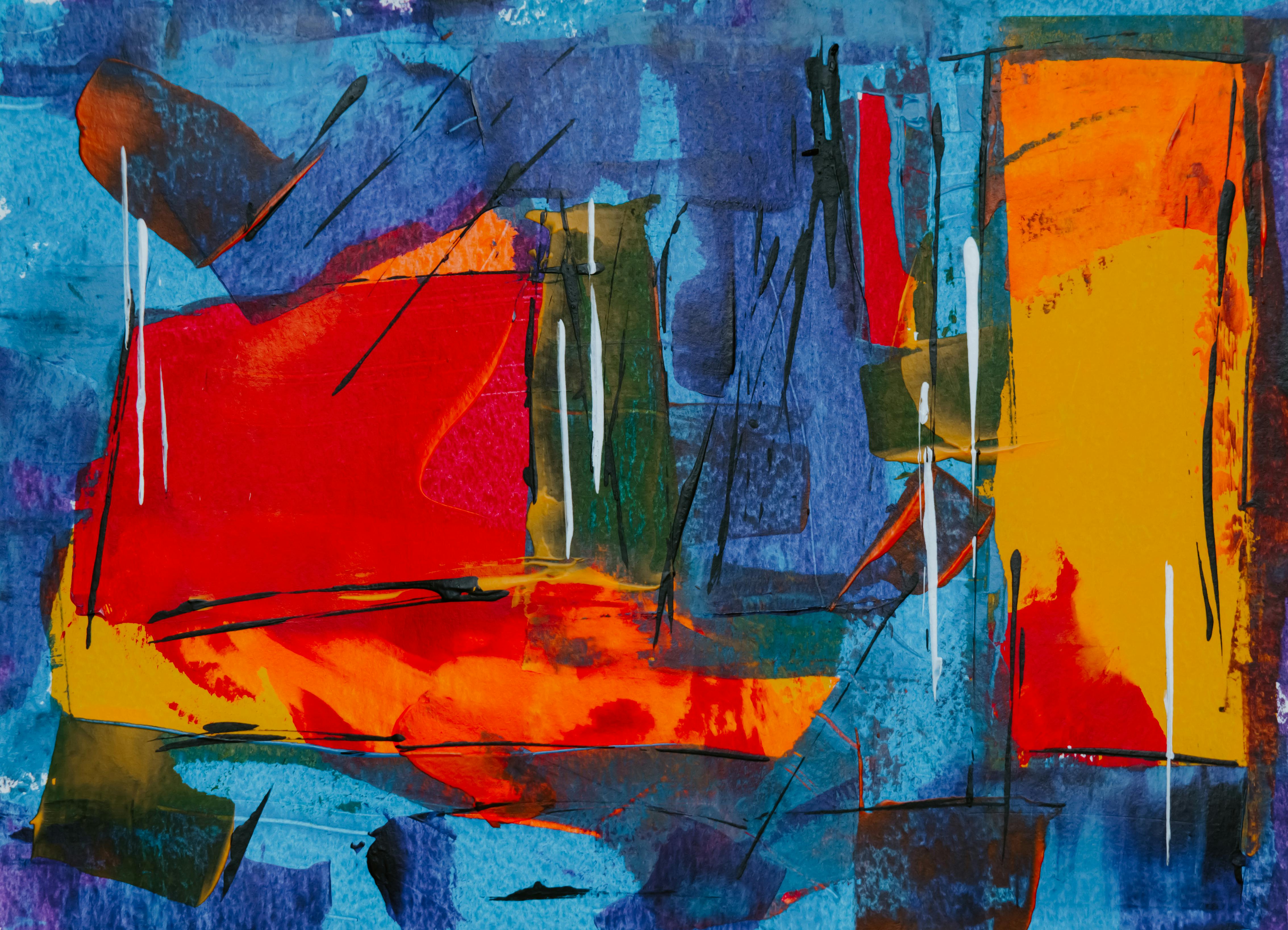
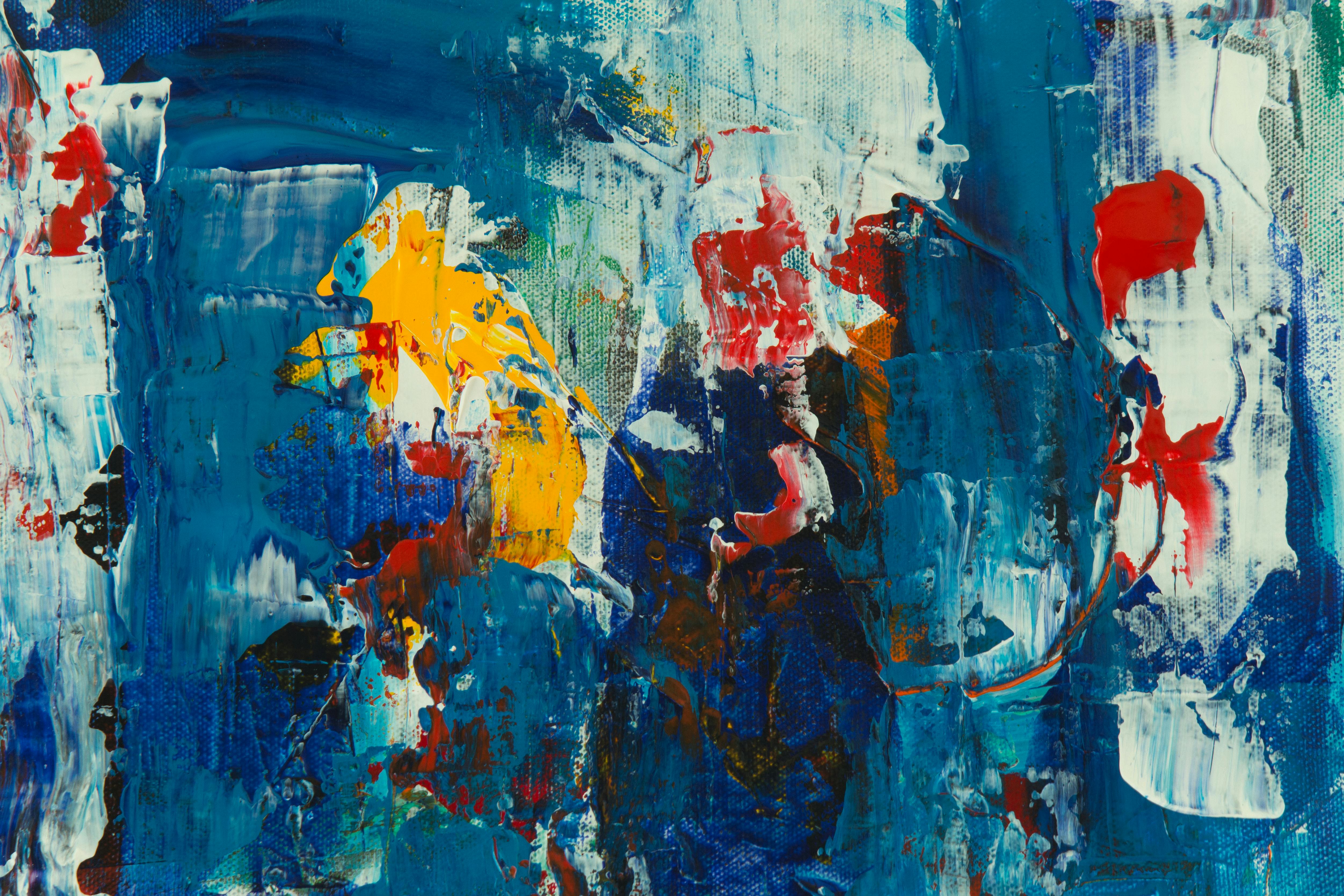
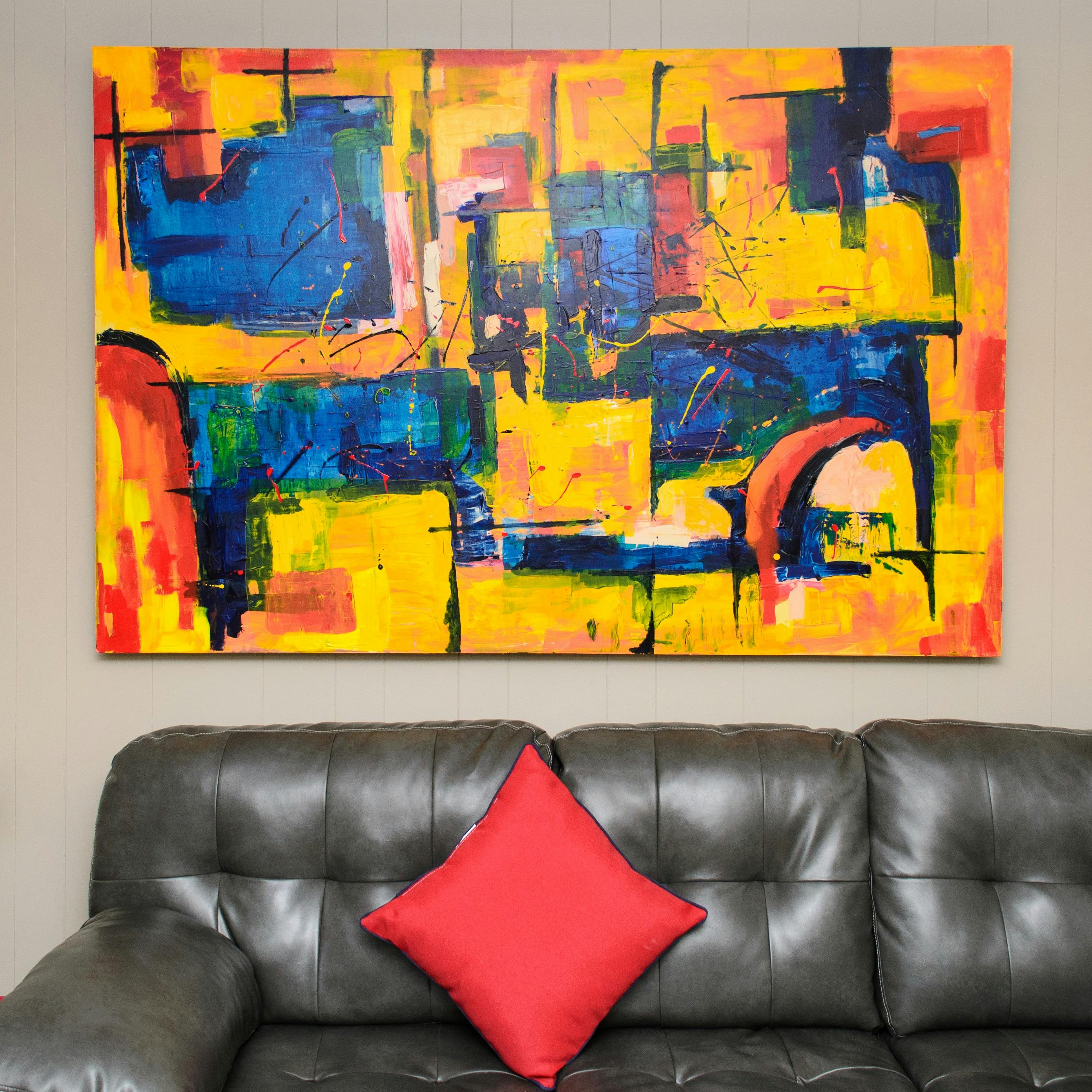
Let's be honest, the word 'tradition' can feel a bit... stuffy. It conjures up images of dusty velvet ropes in museums, stern-faced portraits staring down at you, and a silent, unspoken rulebook that everyone else seems to have read. For a long time, I felt that weight. The idea that to be a 'real' artist, you had to walk a certain path, master certain techniques, and basically get an invisible stamp of approval from the ghosts of artists past. I often wondered if my own work, with its explosions of color and abstract forms, truly fit into any of those venerable, hallowed halls. I get it, the pull of the familiar, the comfort of established norms. It’s a powerful current.
But then you look around at what's actually exciting, what's vibrant and alive in the art world, and you realize something fundamental: the most memorable art often comes from the moment someone decided to tear a page out of that rulebook. Or, better yet, set the whole thing on fire. Breaking tradition isn't just about rebellion for the sake of it; it's about evolution, about daring to ask 'what if?'. It's the engine of art, a ceaseless conversation between the past, the present, and the yet-to-be-imagined. It’s how art stays vital, relevant, and endlessly surprising. This article dives deep into how artists throughout history, and especially today, have challenged the status quo, pushing the boundaries of what art can be, and ultimately, enriching our collective visual language. We'll explore the 'rules' they broke, the movements they ignited, and the profound impact their defiance has had on how we perceive and engage with art. Are you ready to question everything you thought you knew about art, to understand the raw impulse behind artistic breakthroughs, and how these shape the art you see and experience today? If you're looking for the ultimate deep dive into why artists just can't seem to follow the straight and narrow, and how that refusal has shaped everything we now call art, you've come to the right place. Consider this your definitive guide to the beautiful, messy, and absolutely essential act of breaking artistic tradition.
So, What Rules Are We Even Talking About? Defining the 'Tradition' to Break: Unpacking the Unwritten Mandates of Art
When we talk about 'breaking tradition,' it's not one single, monolithic act. Instead, it's a multi-front assault on expectations, often targeting the very foundations upon which the art world was built. For me, these 'rules' aren't always explicitly written; they're woven into the fabric of art history, dictating what was considered 'good' or even 'art' at all. I tend to see these unspoken mandates clustering around a few key areas, and understanding them is the first step to truly appreciating the artists who dared to defy them, and how their defiance has ultimately expanded our collective understanding of creativity itself. It's about recognizing the invisible walls before you try to climb over them, or, as some prefer, simply blast through:
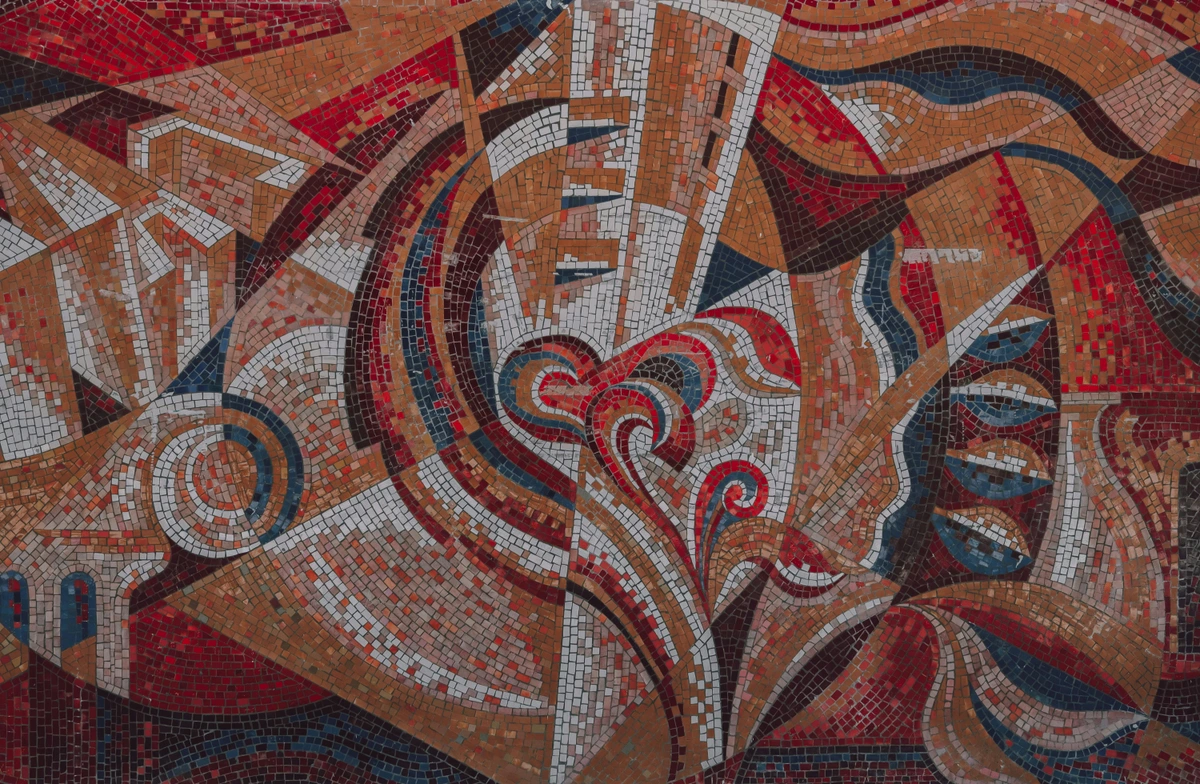
- Technique & Medium: Historically, there was a rigid expectation about how art should be made and with what. Think of the esteemed academic tradition where a painting had to be made with oil on canvas, applied with precise brushwork, or a sculpture carved meticulously from marble or cast in bronze. Any deviation was often seen as crude, unrefined, or simply not art. The Renaissance, for instance, codified many of these techniques, with masters like Sofonisba Anguissola (even while breaking gender barriers herself) adhering to rigorous methods of oil painting. Yet, her contemporary influence also showcased a subtle shift towards more intimate portraiture, hinting at future rebellions. Before that, ancient fresco painting, intricate mosaics, or the detailed illuminations in manuscripts represented their own strict canons of acceptable methods, much like the precise crafting of ancient Greek sculptures or the vibrant complexity of medieval stained glass. Each era built its own set of technical 'dos and don'ts', creating a formidable challenge for anyone daring to venture outside the established craft. When I think of this, I wonder how much of my own work, with its layers of acrylic and mixed media, would have been considered 'art' even a century ago. It's a reminder that even the materials we choose are part of a larger conversation with history.
- Subject Matter: A strict hierarchy existed, often prioritizing religious, historical, or mythological scenes, alongside portraits of wealthy patrons. Everyday life, raw emotion, political commentary, or anything deemed 'lowbrow' was relegated to the sidelines. Imagine a world where a still life of fruit was inherently less significant than a grand battle scene; that was the reality, a reality slowly chipped away by movements like Dutch Golden Age genre painting or the Barbizon School, which subtly elevated scenes of rural life. Even the Impressionists, though revolutionary in technique and capturing ephemeral moments of light, largely stuck to palatable subjects like landscapes, portraits, and scenes of bourgeois leisure, only gently pushing the boundaries of what was considered 'worthy' of the canvas. To depict the grit of urban life, the struggles of the working class, or the deeply personal, often uncomfortable, aspects of human experience was, for a long time, simply off-limits for 'serious' art, creating an invisible barrier that Expressionism would later smash with its raw, emotional honesty.
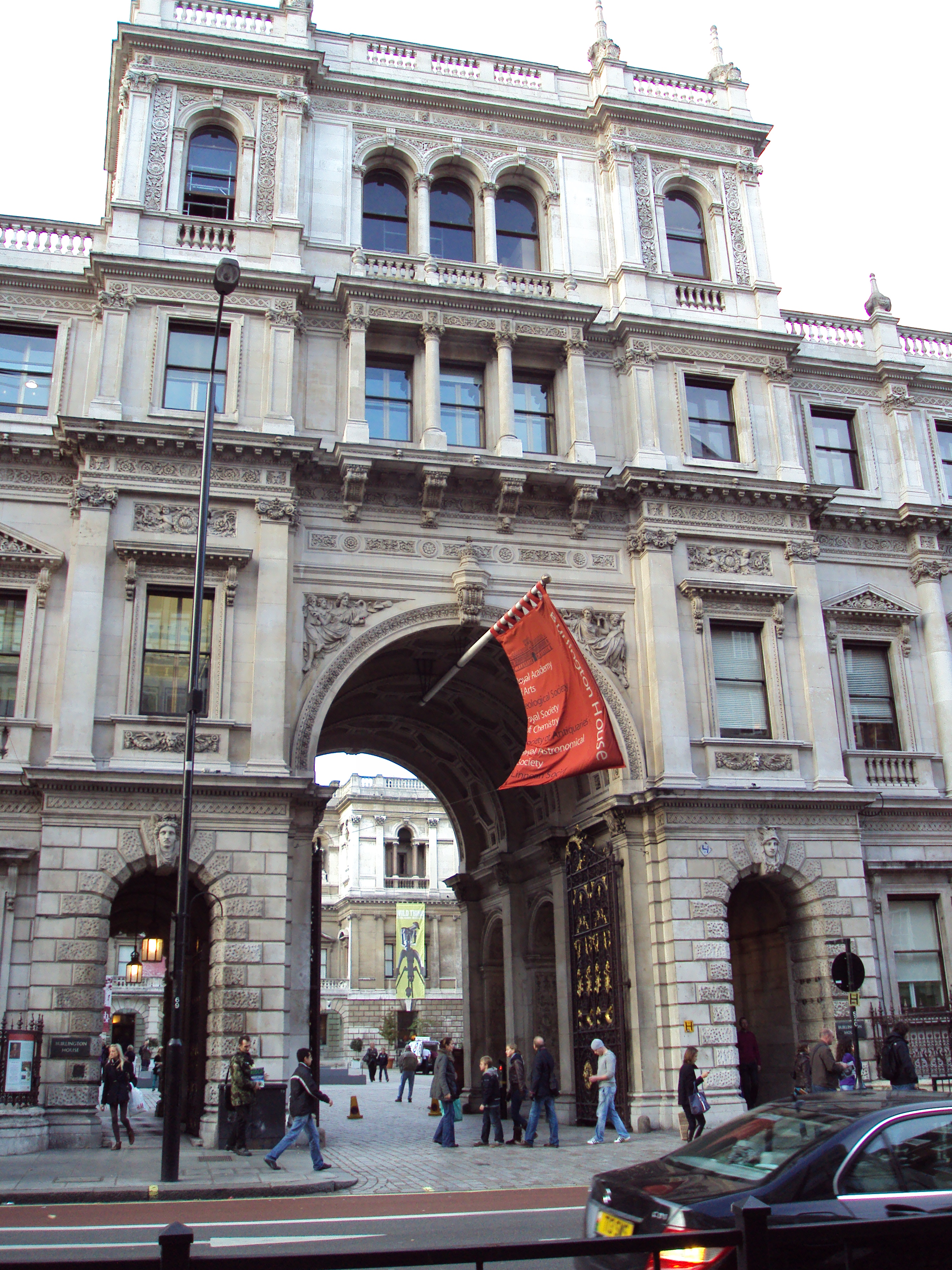
- The Venue: The belief was steadfast: art belonged exclusively in pristine, white-walled galleries, grand museums, or the private collections of the elite. This created an exclusive, often intimidating, environment that dictated who could experience art and where. The very architecture of places like the Royal Academy of Arts in London speaks to this historical exclusivity, designed to house and showcase art within a specific, controlled context. It was a place for sanctioned art, approved by academic bodies, and displayed in an environment that reinforced its elite status. To exhibit outside these hallowed halls was to risk irrelevance, or worse, outright rejection.
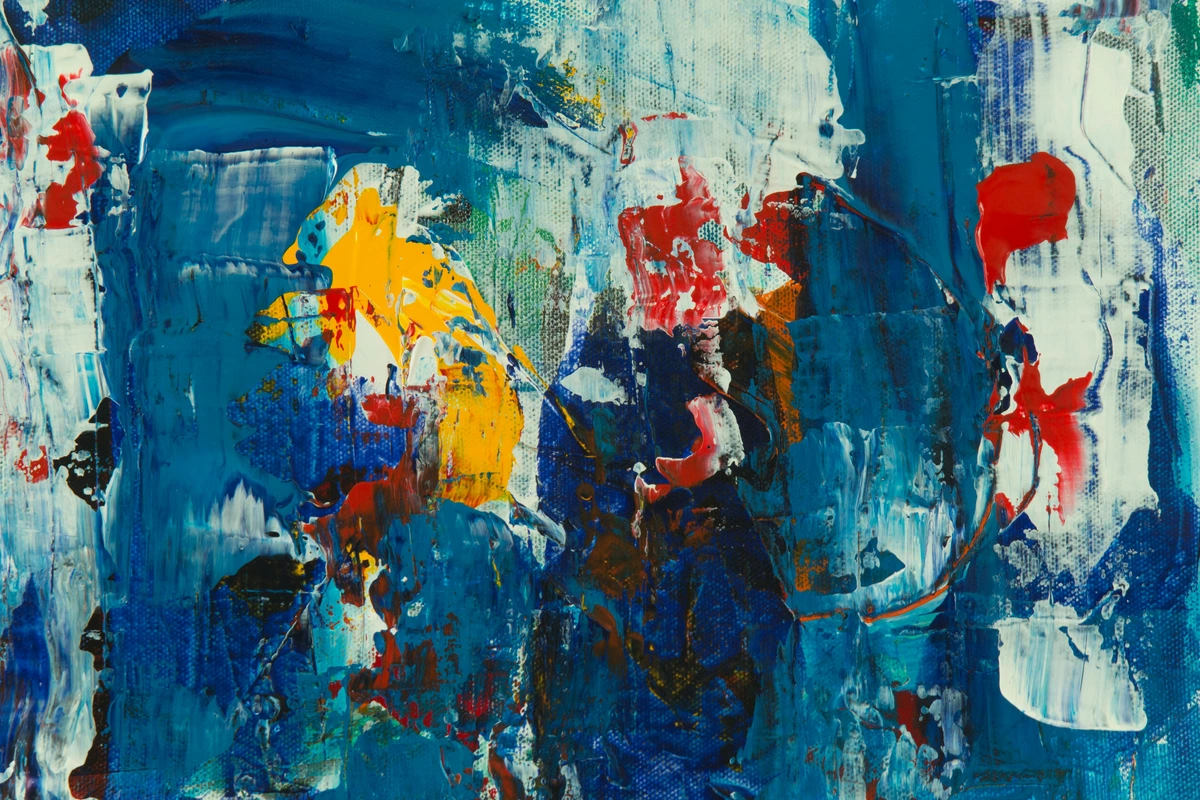
- The Concept: Perhaps the most pervasive 'rule' was the notion that art must be beautiful, representational, or at the very least, demonstrate clear technical skill in the traditional sense. Art that was unsettling, abstract, or purely conceptual was often dismissed as a joke or a lack of talent. Consider the enduring struggle of abstract art to be fully accepted by some segments of the public, or how early photographers had to fight for their medium to be recognized as 'art' rather than mere documentation. This rule often dictated that art should offer a sense of aesthetic pleasure, a reflection of harmonious ideals—ideals shaped by eras from Renaissance humanism to Enlightenment rationalism—making anything challenging, discordant, or purely intellectual feel like an affront. Its purpose was often didactic or decorative, rarely to provoke or unsettle. The rise of Minimalism later pushed against this, arguing for art as pure form and idea.
- Patronage & Audience: Traditionally, art was often created for specific patrons – the church, aristocracy, or wealthy merchants – dictating its form, content, and eventual display. Breaking tradition here meant artists seeking independence, creating for a broader public, or even for themselves, free from commission constraints. This shift transformed the artist from a commissioned artisan to an autonomous creator, sometimes even a social commentator, answering to a far wider, more diverse audience, or even just their own inner artistic imperative. The emergence of the independent art dealer, the public exhibition, and later, the commercial gallery system, for all its current complexities, was itself a radical departure from the direct patron-artist model, creating new ways for art to reach—and challenge—its viewers.
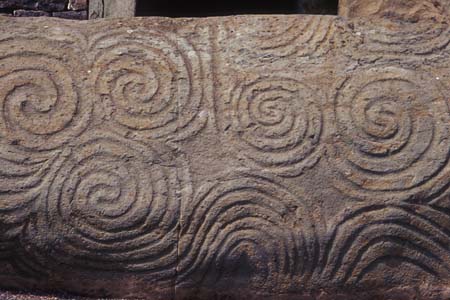
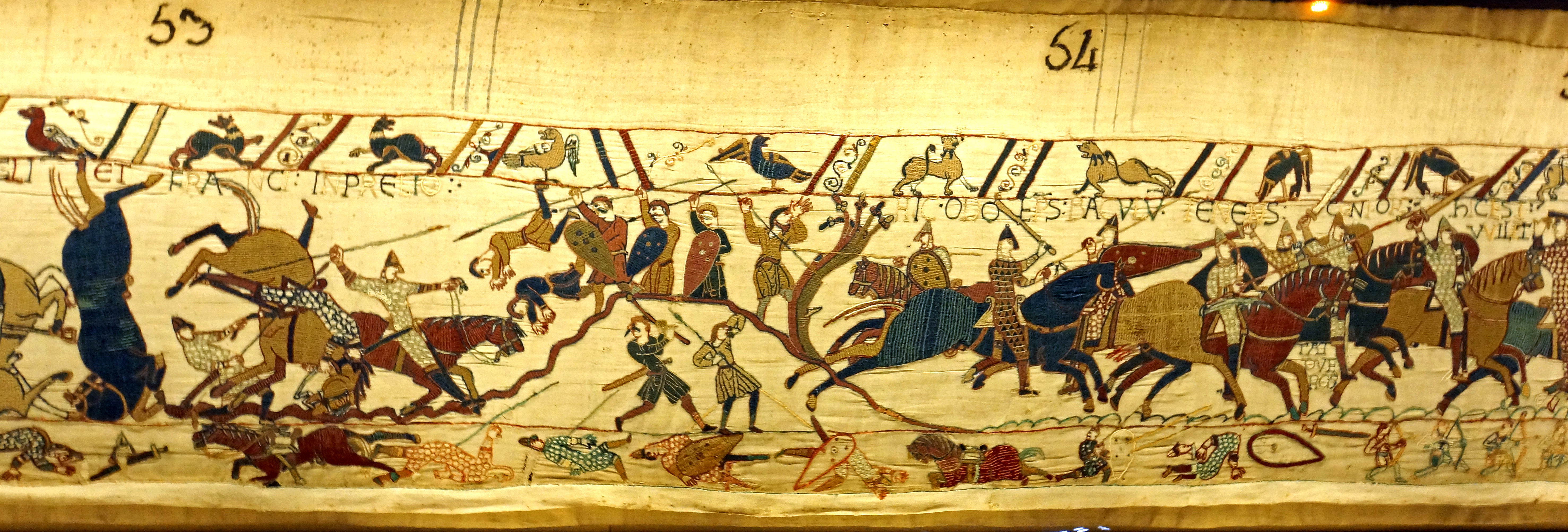
- The Artist's Role: From the anonymous artisans of prehistoric cave paintings or the creators of the Bayeux Tapestry to the celebrated masters of the Renaissance, the artist's role evolved. But tradition often confined them to craftsman, servant, or genius. Breaking this meant challenging the very identity and autonomy of the artist, expanding it to include provocateur, philosopher, or social commentator. It transformed the artist from a mere producer of beautiful objects to a crucial societal voice, an interpreter of complex realities, or even a disruptor of comfortable norms.
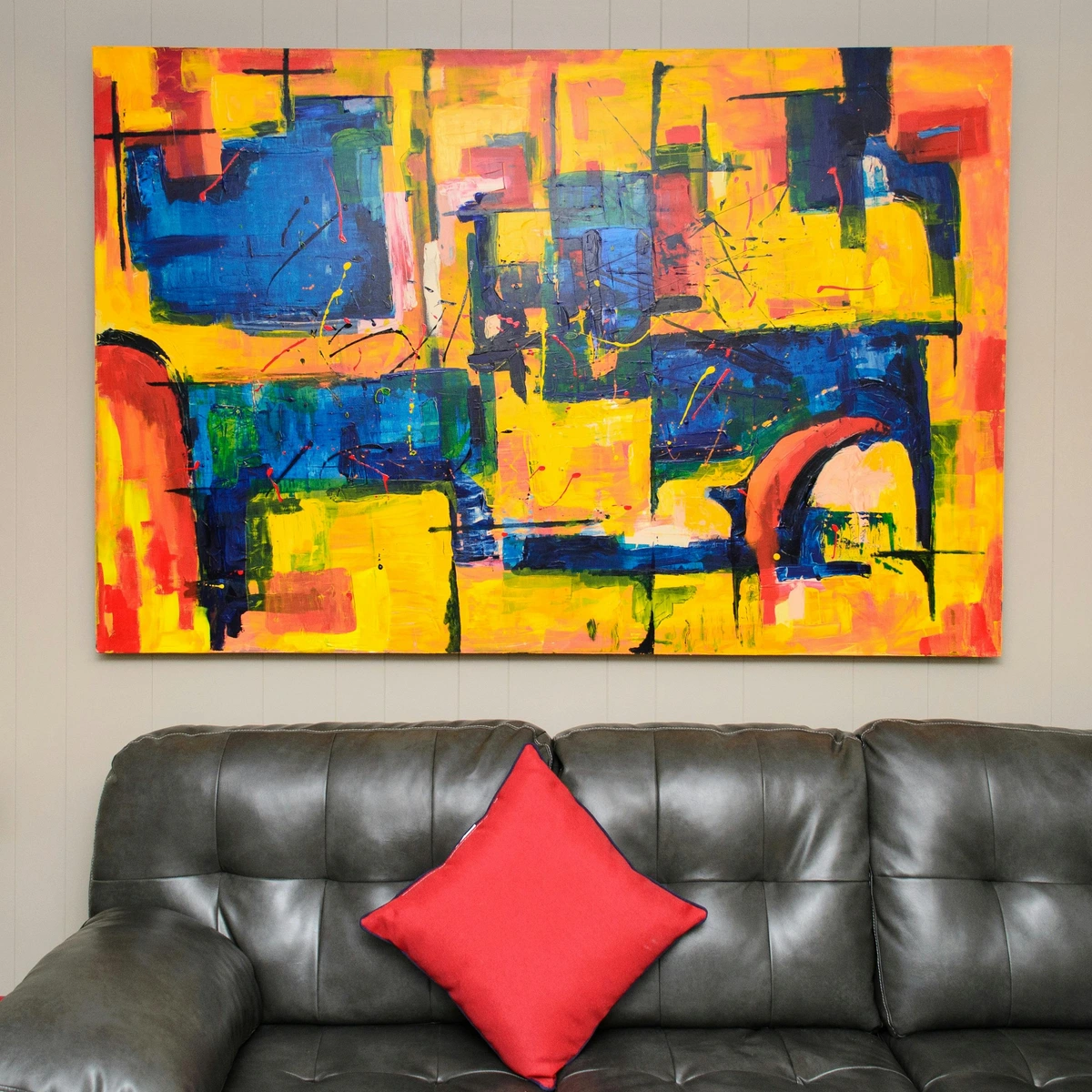
For centuries, these 'rules' were the bedrock of the art world. They provided a common language, yes, but they also built a very high wall. And walls, as we know, are incredibly tempting to climb over, or, as some artists prefer, simply blast through. Just look at the shifting landscape:
Aspect  | Traditional Expectation | Tradition-Breaking Approach |
|---|---|---|
| Technique/Medium | Oil on canvas, carved marble, bronze casting, fresco | Found objects, digital code, performance, biological materials, mixed media, street art, kinetic sculpture, video art, light installations, ephemeral materials |
| Subject Matter | Historical, religious, portraits of elite, mythology | Everyday objects, abstract concepts, social commentary, dreams, political events, personal narratives, identity politics, environmental issues, philosophical inquiries, the mundane, the grotesque |
| Venue | Galleries, museums, private collections, churches, palaces | Streets, public spaces, virtual worlds, industrial sites, temporary installations, digital platforms, abandoned buildings, remote landscapes, public transport, community centers |
| Concept | Beauty, representation, technical skill, didacticism | Provocation, emotion, ideas, experience, interactivity, social critique, conceptual exploration, the sublime, the unsettling, the absurd, the participatory, the ephemeral |
| Patronage/Audience | Commissions from elite, limited public access, wealthy collectors | Public art, community-based projects, self-funded work, direct engagement with diverse audiences, online platforms, artist collectives, activist art, art for social change |
| Artist's Role | Craftsman, master, genius, documentarian | Provocateur, activist, curator, collaborator, philosopher, performer, archivist, educator, social engineer, programmer, researcher, healer, chronicler of marginalized histories, entrepreneur, brand, digital creator |
| Scale/Temporality | Fixed size, permanent materials, static presence | Monumental scale, miniature, ephemeral, site-specific, temporary, durational, performative, interactive, virtual, evolving |
The Pioneers of Smashing the Mold
You can't talk about breaking the rules without mentioning the guy who put a urinal in a gallery and called it art. Marcel Duchamp's Fountain in 1917 was a seismic shock. But it wasn't just a random act of provocation; it was a carefully calculated challenge. He wasn't just challenging the idea of what art could look like, but the very definition of what art is. Duchamp, and the Dadaists he was associated with—artists like Tristan Tzara, Hugo Ball, Richard Huelsenbeck, and Emmy Hennings—were reacting to the senseless brutality of World War I, using absurdity, irrationality, and anti-art gestures to dismantle the very foundations of logic and 'reason' that had led to such devastation. Born in the neutral haven of Zurich at the Cabaret Voltaire, Dada embraced chaos, performance, poetry, and collage as a direct affront to the rationalism they felt had led to global catastrophe. They believed that if reason led to war, then unreason might lead to liberation. The movement flourished in major cultural hubs: in Zurich, it was centered around performance and sound poetry; in Berlin, artists like Hannah Höch and Raoul Hausmann pushed political photomontage; and in New York, Duchamp himself, alongside Man Ray and Francis Picabia, explored photography and mechanical drawings, further expanding the 'anti-art' concept.
He argued that the artist's choice—the idea—was the art, not the physical craftsmanship. This introduction of the 'readymade'—an ordinary manufactured object designated by the artist as a work of art, with Fountain being perhaps the most famous example—was a conceptual atom bomb, blowing apart centuries of aesthetic assumptions. It was a profound statement about authorship, value, and the institutional power of the art world. If an artist simply declares something art, is it? The Dadaists, operating from cultural hubs like Zurich, Berlin, and New York, used performances, manifestos, and found objects to provoke, confuse, and ultimately, force a re-evaluation of art's role in society. Their playful yet subversive acts were a direct rejection of bourgeois values and the perceived sanity of the established order. It’s this audacious questioning that still resonates today, making us rethink the very boundaries of creativity.
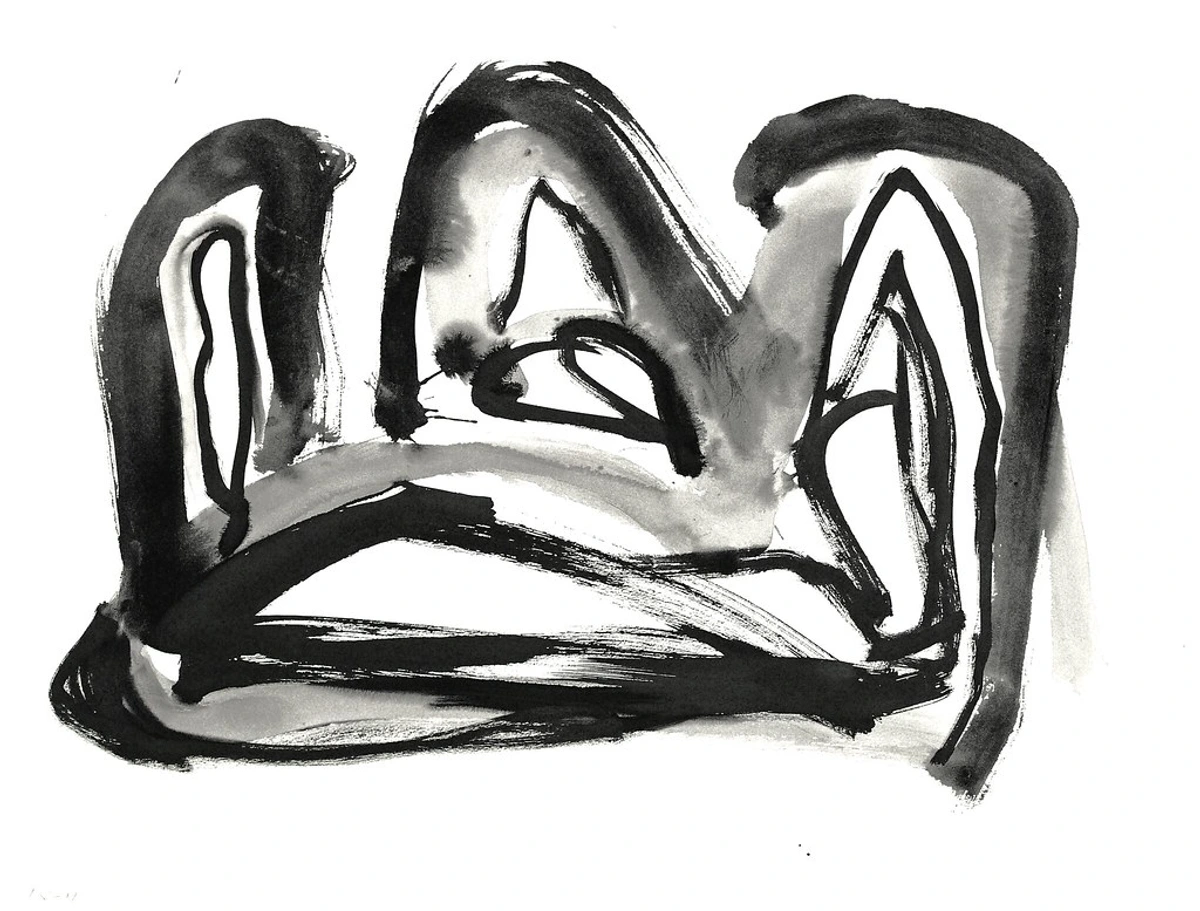
This act was a cornerstone of Dadaism, a movement born from the trauma of World War I that spat in the face of logic and convention. It was messy, absurd, and utterly necessary. By elevating a mass-produced object to art, Duchamp wasn't just being provocative; he was making a profound philosophical statement: art is less about the object itself and more about the artist's conceptual choice and the context in which it's presented. This concept of the 'readymade' opened the floodgates for future conceptual artists, proving that the 'artness' of an object could be entirely in the mind, not the hand. This radical shift demanded a new kind of engagement from the viewer, moving from passive admiration to active intellectual participation—a discussion, a debate, even outright confusion. That's a powerful shift right there, moving from the purely visual to the profoundly cerebral.
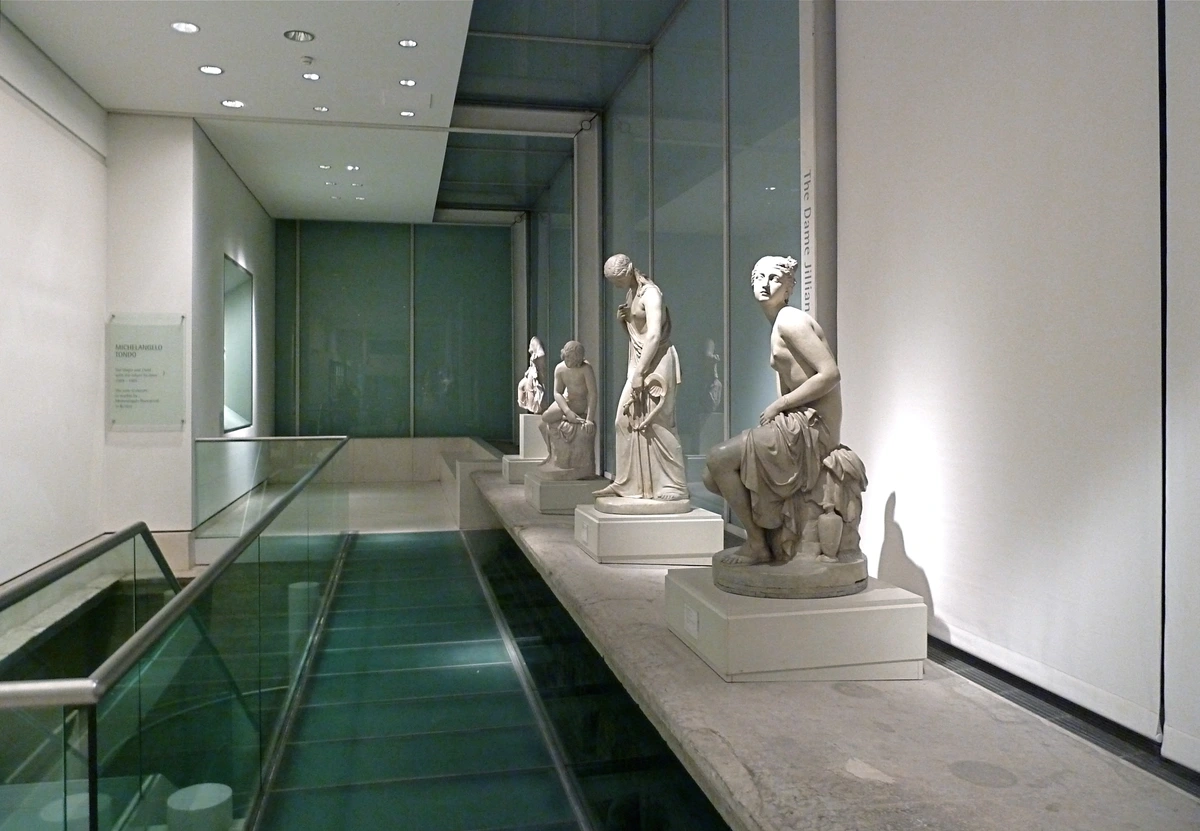
But the psychological undercurrents stirred by the war soon found another, perhaps even more dreamlike, form of rebellion: Surrealism.
Surrealism: Unlocking the Subconscious
Born from the rebellious spirit of Dada, Surrealism pushed beyond mere absurdity into the realm of dreams, the subconscious, and psychological liberation. Influenced heavily by Freud's theories on psychoanalysis, Surrealists sought to express the unfiltered workings of the mind, often through dream-like imagery, unexpected juxtapositions, and unsettling realities. Artists like René Magritte (who famously challenged the relationship between image and reality with works like The Treachery of Images), Salvador Dalí (known for his melting clocks and vast, desolate landscapes), Frida Kahlo (whose self-portraits explored pain, identity, and Mexican culture with visceral honesty), Joan Miró (with his biomorphic forms and vibrant, playful abstractions), and Max Ernst (who pioneered techniques like frottage and grattage) defied the logical and the representational. They crafted bizarre scenarios and deeply personal narratives, challenging the idea that art must adhere to waking logic. Instead, they found profound meaning and a new form of truth in the irrational and the fantastical, often employing techniques like automatism (drawing or writing without conscious thought, allowing the subconscious to guide the hand), the 'exquisite corpse' game (a collaborative drawing method where participants consecutively draw on a folded paper to create a collective image), and even hypnotic trances to tap into these hidden depths. It was a rule-break in subject matter and concept that still fascinates us today, inviting us to question our perceptions of reality and the very nature of truth itself. For me, the Surrealist embrace of the subconscious feels deeply connected to the intuitive process of abstract art—how feelings and forms emerge from a place beyond conscious planning, often unexpectedly shaping the final piece.
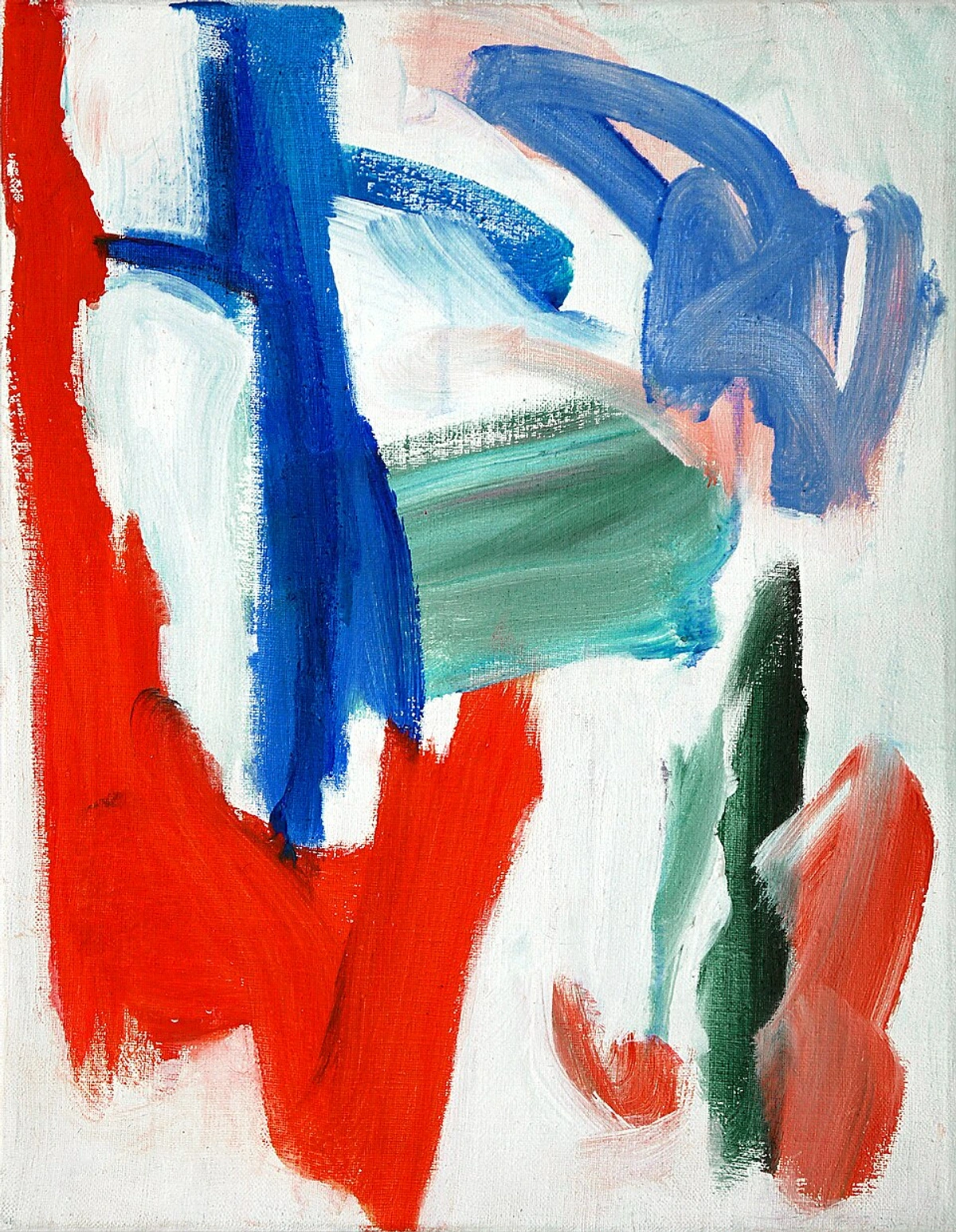
Then you have the big-bangs of the 20th century, moments that fundamentally shifted how we see. The Cubists, led by artistic titans like Pablo Picasso and Georges Braque, didn't just break a rule; they shattered the very grammar of Western art that had been codified during the Renaissance. They literally broke perspective, showing multiple viewpoints at once, compelling us to understand that a painting wasn't merely a window to another world, but an object in its own right—a constructed reality. This was an intellectual, almost architectural, challenge to millennia of artistic convention. When you look at Cubism, you're not just observing; you're actively trying to reassemble a fragmented reality. This movement essentially told the world: 'The way you've always seen things isn't the only way.' They pushed into Analytical Cubism, meticulously dissecting objects into geometric forms and reassembling them, often in muted colors and focusing on underlying structures, forcing the viewer to engage cerebrally rather than merely visually. Later, Synthetic Cubism introduced collage elements, integrating real-world materials, text, and bolder patterns and colors, blurring the lines between art and life and emphasizing the constructed nature of the artwork itself. It was a radical rethinking of form and representation, profoundly influencing everything that came after it, including much of the abstract work I explore today, where the interplay of planes and fragmented forms often creates a new kind of visual rhythm. Explore more about this pivotal movement in our ultimate guide to Cubism.
credit, licence
And after another World War, the Abstract Expressionists in New York, driven by a new energy and existential angst, truly unhooked painting from the easel entirely. This was a direct, raw response to the profound societal shifts and psychological impact of global conflict, a need to express the inexpressible. Artists like Jackson Pollock didn't paint on the canvas; he dripped, poured, and danced around it, making his famous 'drip paintings.' For him, the painting became a record of an event, an action, a raw explosion of inner turmoil, a direct line from psyche to canvas. The idea of a calm, contemplative artist in their studio was replaced by a raw, physical, and emotional performance, an act that felt almost shamanistic. As I see it, the canvas was no longer a picture; it was an arena, a battleground for expression, a space for pure, unadulterated feeling. This push into pure abstraction, where color and form communicated directly without narrative, was incredibly liberating. It allowed for an unmediated expression of the self, a breaking free from the constraints of objective reality. And it wasn't just Pollock; artists like Willem de Kooning explored visceral, gestural abstraction, with aggressive brushwork and fragmented figures, while Helen Frankenthaler pioneered Color Stain Painting, allowing thinned paints to soak directly into unprimed canvas, making color and surface inseparable in lyrical, expansive compositions. Then you have Mark Rothko, with his luminous, floating color blocks, who pushed into Color Field painting, seeking to evoke profound emotion and spiritual experience through vast expanses of hue, inviting contemplation rather than action. Other significant figures included Clyfford Still, whose jagged, monumental forms created immense visual tension, and Barnett Newman, who sought the sublime through vast fields of color interrupted by a single 'zip' of contrasting hue. This was a profound break from the need for representation, a true dive into art for art's sake, and a clear path towards the kind of deeply emotive abstraction that still resonates today, including in my own work, where I strive to create similar emotional depth through color and texture. You can read more about the evolution of these ideas in our guide, The Definitive Guide to the History of Abstract Art: Key Movements, Artists, and Evolution, and further explore its development in The Evolution of Abstract Art: Key Movements and Their Collectible Value.
Pop Art: Embracing the Everyday, Questioning the Elite
Just as Abstract Expressionism sought to plumb the depths of human emotion, a new movement emerged that swung the pendulum violently in the other direction: Pop Art. This was a fascinating, often cheeky, rebellion, primarily flourishing in Britain and the United States in the 1950s and 60s. Its roots, interestingly, can be traced back to the Independent Group in London in the mid-1950s, with artists like Richard Hamilton and Eduardo Paolozzi exploring the imagery of mass media and consumer culture even before their American counterparts. Artists like Andy Warhol (with his iconic Campbell's Soup Cans and celebrity silkscreen prints like Marilyn Monroe), Roy Lichtenstein (who appropriated comic book imagery with Benday dots), and Claes Oldenburg (known for his monumental sculptures of everyday objects like soft toilets and giant ice cream cones) challenged the very idea of 'high art' by taking inspiration directly from the mundane, the ubiquitous, and the commercial: consumer culture, advertising, and comic books. Suddenly, soup cans, celebrity portraits, and everyday objects were elevated to fine art status. It wasn't just about imagery; Pop Art questioned originality, authorship, and the elitism of the art world. It was a vibrant, often ironic, and thoroughly accessible break from the introspective intensity that preceded it, reminding us that beauty and meaning could be found in the most unexpected places—even on a grocery shelf. Pop Art forced us to look at the familiar with fresh eyes, to question what we value, and to consider the pervasive influence of mass media on our lives. It dissolved the perceived hierarchy between fine art and popular culture, arguing that all forms of visual culture were equally valid as subject matter.
The Enduring Echoes: From Historical Rebellion to Contemporary Flux
The Enduring Echoes: From Historical Rebellion to Contemporary Flux: How Artists Continue to Push Boundaries
So, if the 20th century was a century of seismic shifts, what about today? Has all the rule-breaking left us with no rules at all? Far from it. What we see now is an acceleration and diversification, a vibrant, chaotic free-for-all where the old traditions are just one set of tools in a massive, ever-expanding toolbox. The conversation with history intensifies, with contemporary artists either fiercely rejecting, subtly subverting, or lovingly reinterpreting what came before. It’s like a grand, multi-generational jam session, and the instruments just keep getting weirder and more wonderful. Here’s where I see some of the most exciting fractures happening right now, blurring lines and redefining what art can be, showing us that the spirit of rebellion is alive and well, just constantly evolving and reflecting the complex tapestry of our current world.
1. The Street as the Canvas
Artists like the elusive Banksy completely bypass the traditional gallery system, creating work that is often anonymous, ephemeral, and powerfully resonant. Why wait for permission to have a show when a brick wall in a city center can be your museum? This democratizes art, challenging the exclusivity and commercialism of the art world. Street art, encompassing graffiti, murals, and stencil art, is inherently public, often deeply political or socially critical, and frequently temporary, existing in a constant dialogue with its urban environment. It forces art into the daily lives of people who might never step into a gallery, questioning not just who art is for, but also its very ownership and value. Think of how a powerful mural can transform a forgotten alley into a site of reflection or protest, or how a simple stencil can ignite a global conversation. It’s an act of reclaiming space and voice. Historically, graffiti, which laid the groundwork for much of what we now call street art, was itself a rebellious act, a subculture born in urban landscapes. Artists like Keith Haring and Jean-Michel Basquiat famously bridged the gap between raw street expression and the gallery world, using their unique visual languages to address social and political issues with immense impact.
2. Art You Can Walk Into: Immersive Experiences
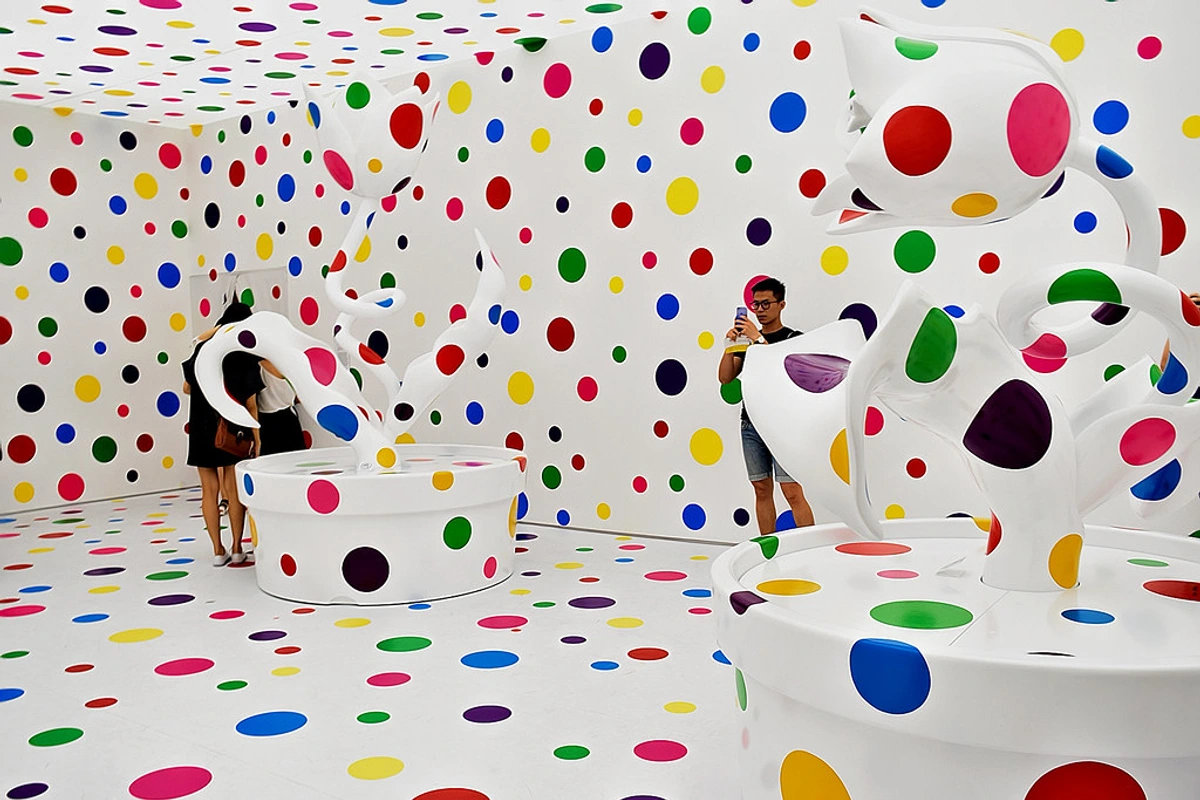
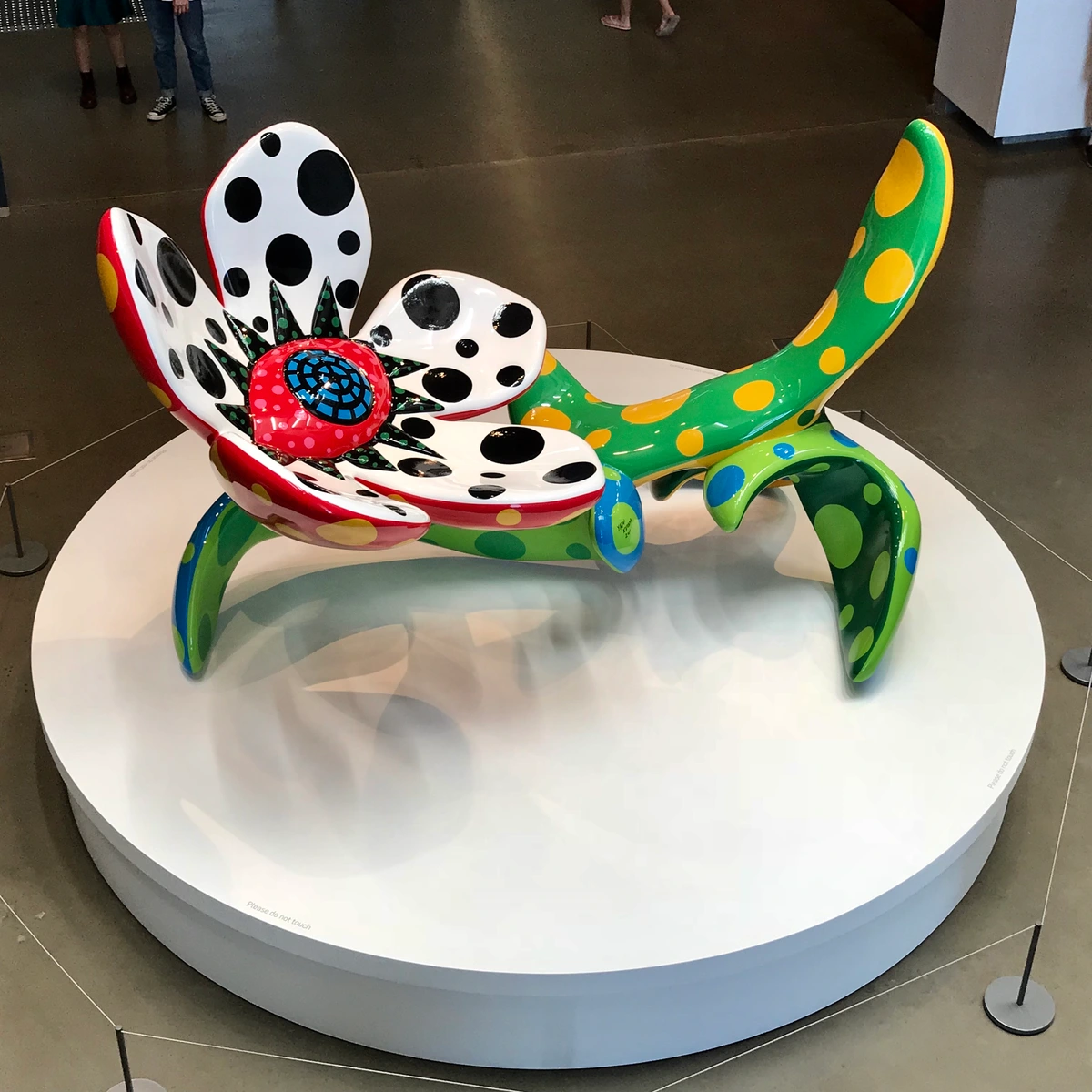
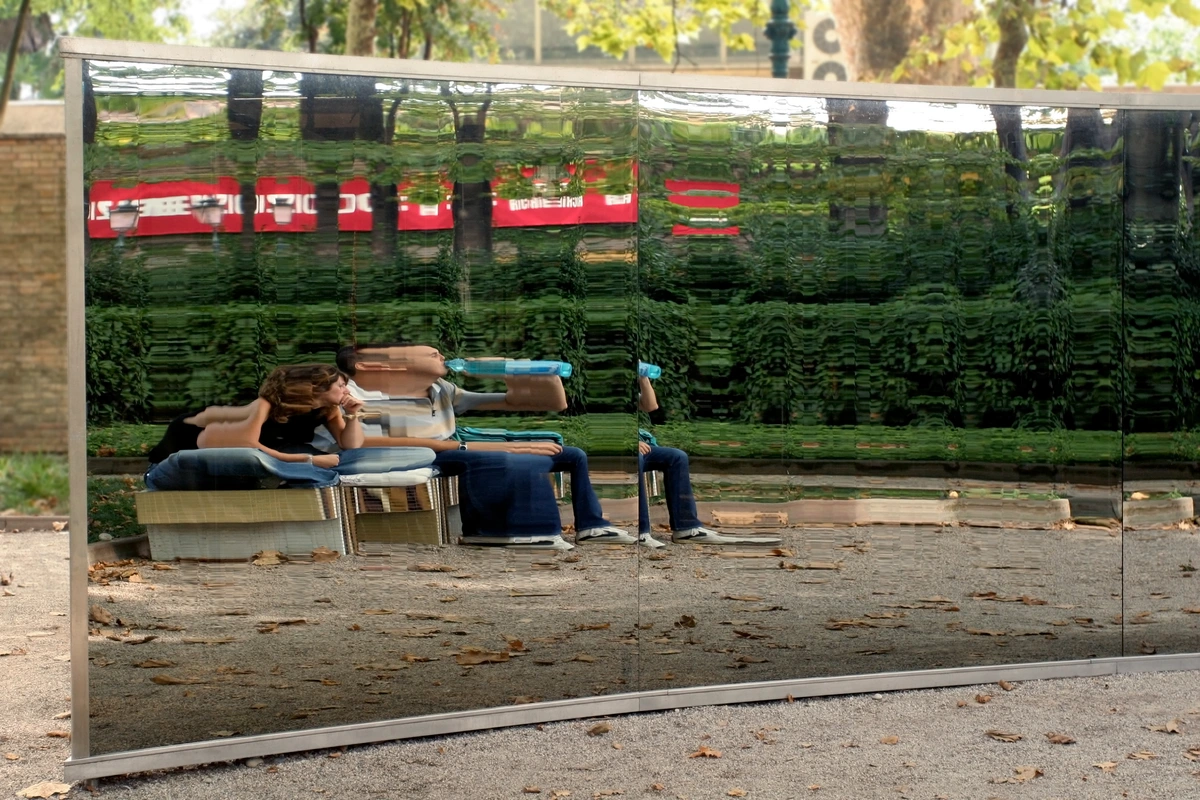
Why merely look at a painting of a landscape when you can be completely surrounded by an alternate universe? Installation artists create immersive experiences that challenge the passive role of the viewer, often transforming entire rooms or buildings into sensory journeys. Yayoi Kusama's Infinity Mirror Rooms, for instance, aren't static objects to be viewed from a distance; they are meticulously crafted environments to be experienced, to be walked into, to be absorbed by. This breaks the traditional barrier between the viewer and the artwork, making you a part of the piece itself, often inviting introspection, a sense of boundless wonder, or even playful disorientation. Think also of the mesmerizing light installations by James Turrell, where light itself becomes the medium, shaping perception and space, turning a simple room into a field of pure color, or the collaborative, technology-driven worlds created by Japanese art collective teamLab, where digital projections respond to your presence, blurring the lines between the virtual and the physical. Other artists like Olafur Eliasson engage us with large-scale installations that manipulate natural phenomena, such as rainbows or waterfalls, within gallery spaces, prompting us to reconsider our relationship with the environment. Then there's Random International's Rain Room, an installation where visitors can walk through a downpour without getting wet, creating an almost magical, interactive experience. These artists use light, sound, projection, scent, and even haptic feedback to build entire worlds, transforming familiar spaces into sites of profound sensory engagement. It's about shifting from looking at art to existing within it, blurring the lines between observer and participant, and creating a truly holistic, often unforgettable, experience. This is something I find incredibly compelling, as it pushes past purely visual engagement into a full bodily and emotional immersion.
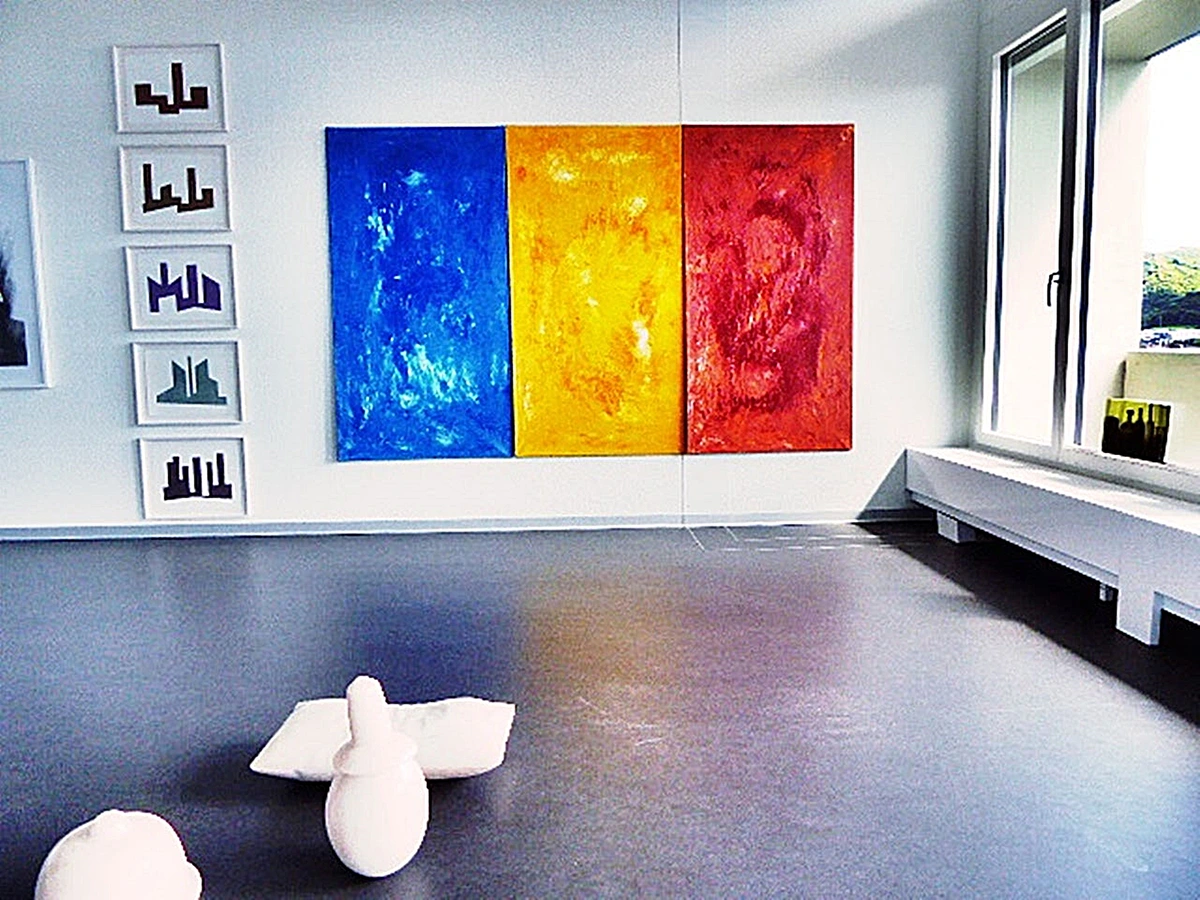
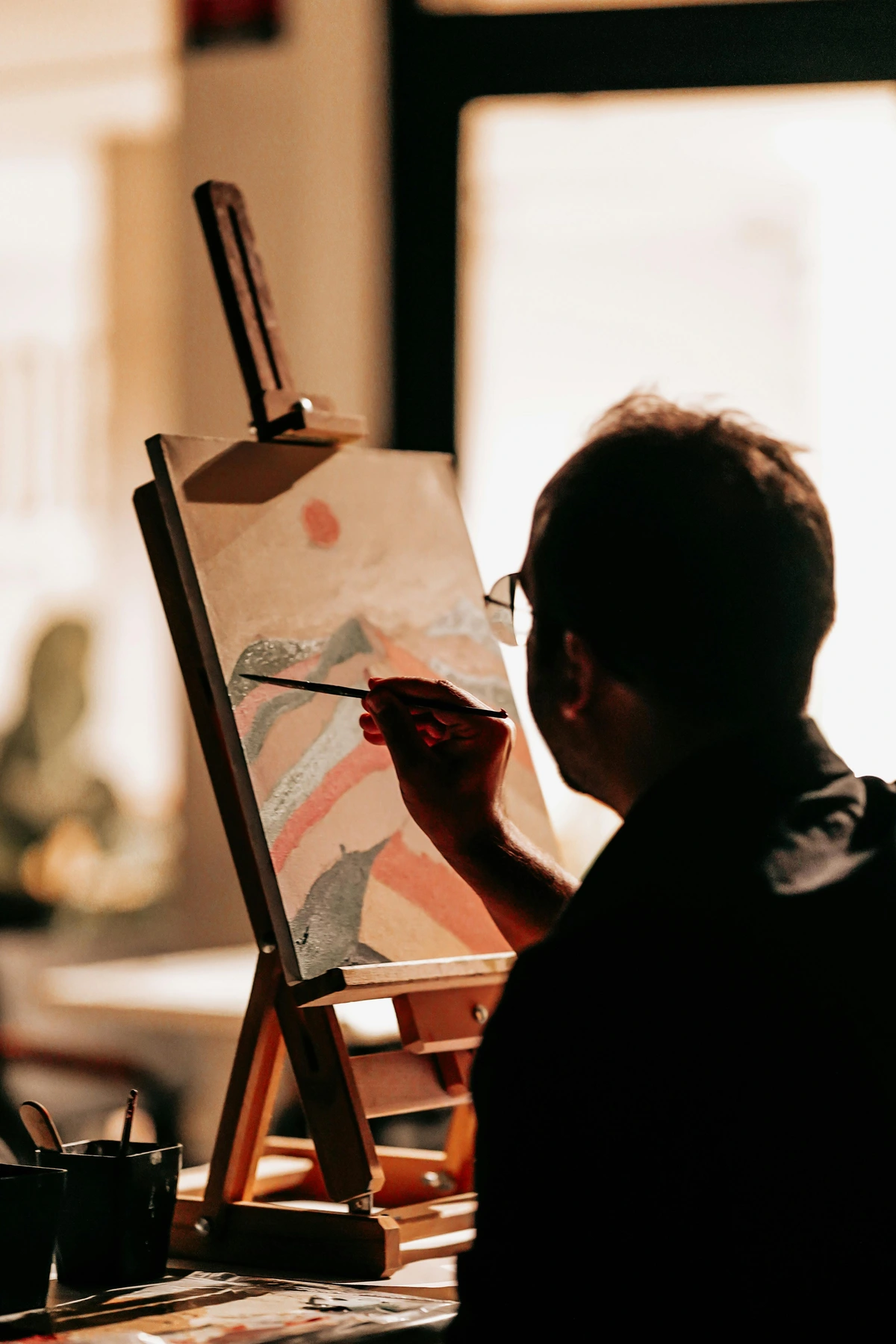
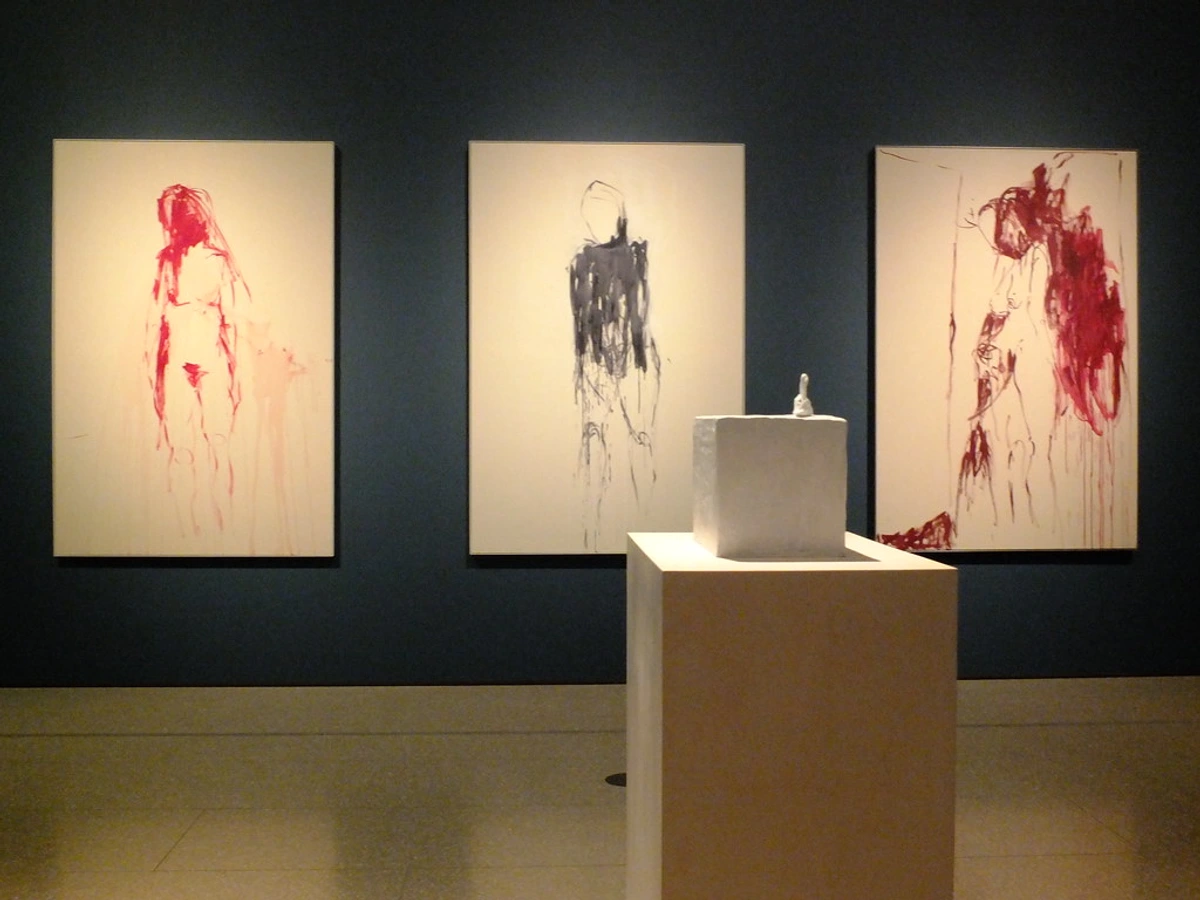
3. Using Unconventional (and Living) Materials: Expanding the Artist's Palette
Who says paint has to come from a tube? Or that sculpture needs to be carved from noble bronze? Contemporary artists gleefully embrace an ever-expanding palette of materials, breaking free from traditional constraints. They use everything from discarded trash (see Mark Bradford's layered paper 'paintings' for incredible texture and profound social commentary) to digital code, found objects, light, sound, and even living organisms. Bio-art, for example, uses bacteria, living tissue, and DNA as a medium, pushing the boundaries of what art is and raising profound questions about life, ethics, and the role of the artist as a creator in the most literal sense. Think of Joseph Beuys's use of felt and fat to symbolize healing and trauma, or Damien Hirst's early works involving animals preserved in formaldehyde, deliberately challenging notions of beauty and decay. Other artists might incorporate everyday detritus to highlight consumerism or environmental concerns, turning what was once considered waste into poignant artistic statements, creating a powerful form of ecological art. It's about seeing potential where others see none, and demonstrating that the message and the concept can elevate even the most humble material to high art. This expansion of materials means that art can directly engage with contemporary issues, from sustainability to scientific advancement, in incredibly direct and visceral ways.
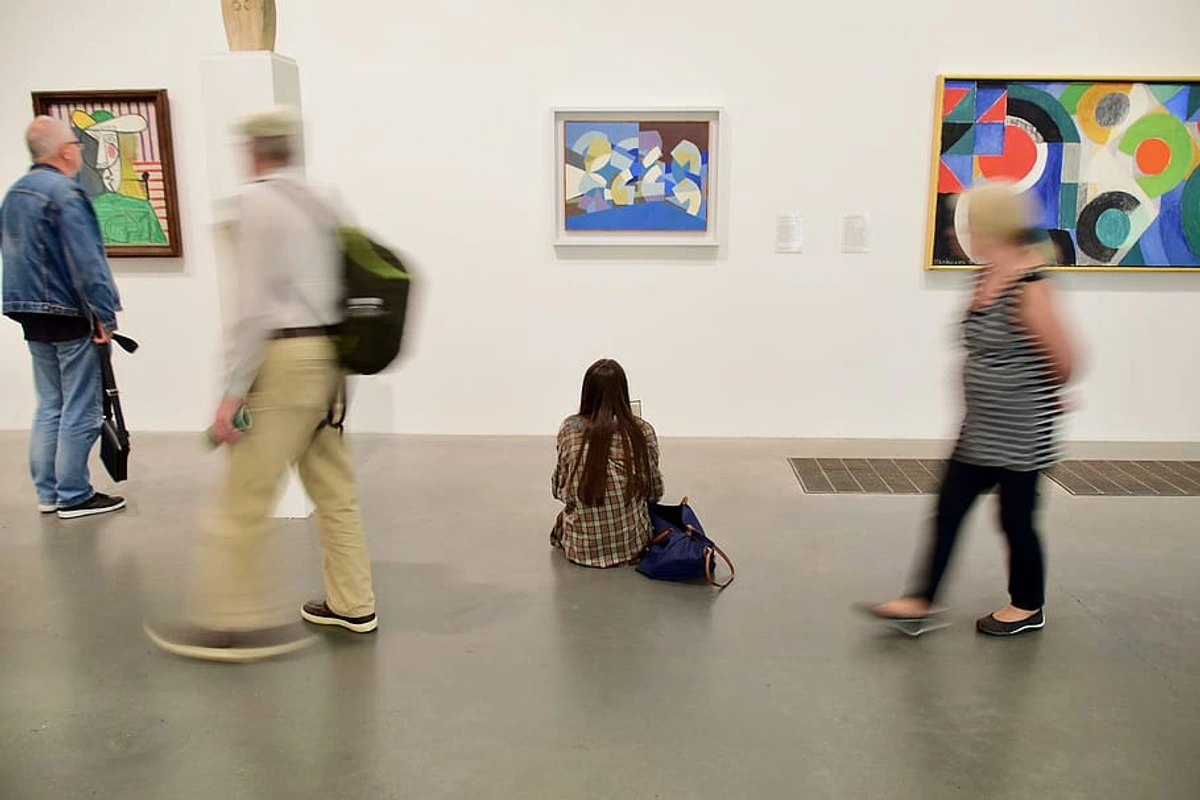
4. Digital & AI Art: Code as Canvas, Algorithms as Brushes

The digital realm has become an undeniable new frontier, a boundless canvas for contemporary creativity. Artists now wield code, algorithms, and artificial intelligence to create work that exists purely in virtual space, as interactive experiences, or as unique digital prints. This challenges the traditional notion of physical craftsmanship and opens up entirely new aesthetic possibilities. Think of generative art, where algorithms create endlessly evolving patterns based on a set of rules, or AI art, where machine learning models learn from vast datasets to produce novel images, sometimes even collaborating with human artists. We're seeing immersive experiences through virtual reality (VR) and augmented reality (AR), transforming how we perceive and interact with digital artworks. While the buzz around NFTs and blockchain technology has introduced new discussions around ownership and authenticity in the digital art space—and, let's be honest, often more speculative froth than genuine artistic innovation, sometimes feeling like a solution in search of a problem for actual art—for me, the real magic is in the creative potential. It's the ability to generate forms, colors, and ideas that were impossible just a few decades ago, to explore new frontiers of visual expression. It's less about the speculative market, and more about the radical expansion of what a 'medium' can be, pushing the boundaries of what we define as 'artistic creation.' This excites me immensely, as it mirrors the endless possibilities I find in abstract forms, where the 'code' of color and texture creates new realities, constantly shifting and reconfiguring. It's about art that lives, breathes, and evolves in new digital ecosystems. You can even explore how AI is being used as a co-creator in our article AI as Co-Creator: Exploring Collaborative Art Projects with Artificial Intelligence.










5. Performance Art: The Body as Medium, the Moment as Masterpiece
If the canvas can be an arena, why can't the artist's own body, or a choreographed event, be the artwork itself? Performance art shatters the notion of art as a static, collectible object, opting instead for the ephemeral, the experiential, and the direct. Its roots can be traced back to movements like Futurism, Dada, and Fluxus, which embraced happenings and actions as art, emphasizing process over product, often inviting audience participation. Think of Allan Kaprow's 'Happenings' in the 1960s, which were loosely structured events blurring art and life, or Yoko Ono's iconic Cut Piece, where audience members were invited to cut away pieces of her clothing. From the provocative, endurance-based actions of Marina Abramović challenging physical and psychological limits, to the feminist statements embedded in Judy Chicago's collaborative pieces like The Dinner Party (which, while sculptural, has strong performative elements in its making and presentation, as you can read more about in What is The Dinner Party by Judy Chicago?), performance art is immediate, often confrontational, and always ephemeral. It transforms the act of creation into the art itself, demanding presence and engagement from the viewer in a way no painting ever could. It asks us to consider the body as a site of artistic expression, a living sculpture, and the present moment as the ultimate canvas, dissolving the traditional boundaries between artist, artwork, and audience.

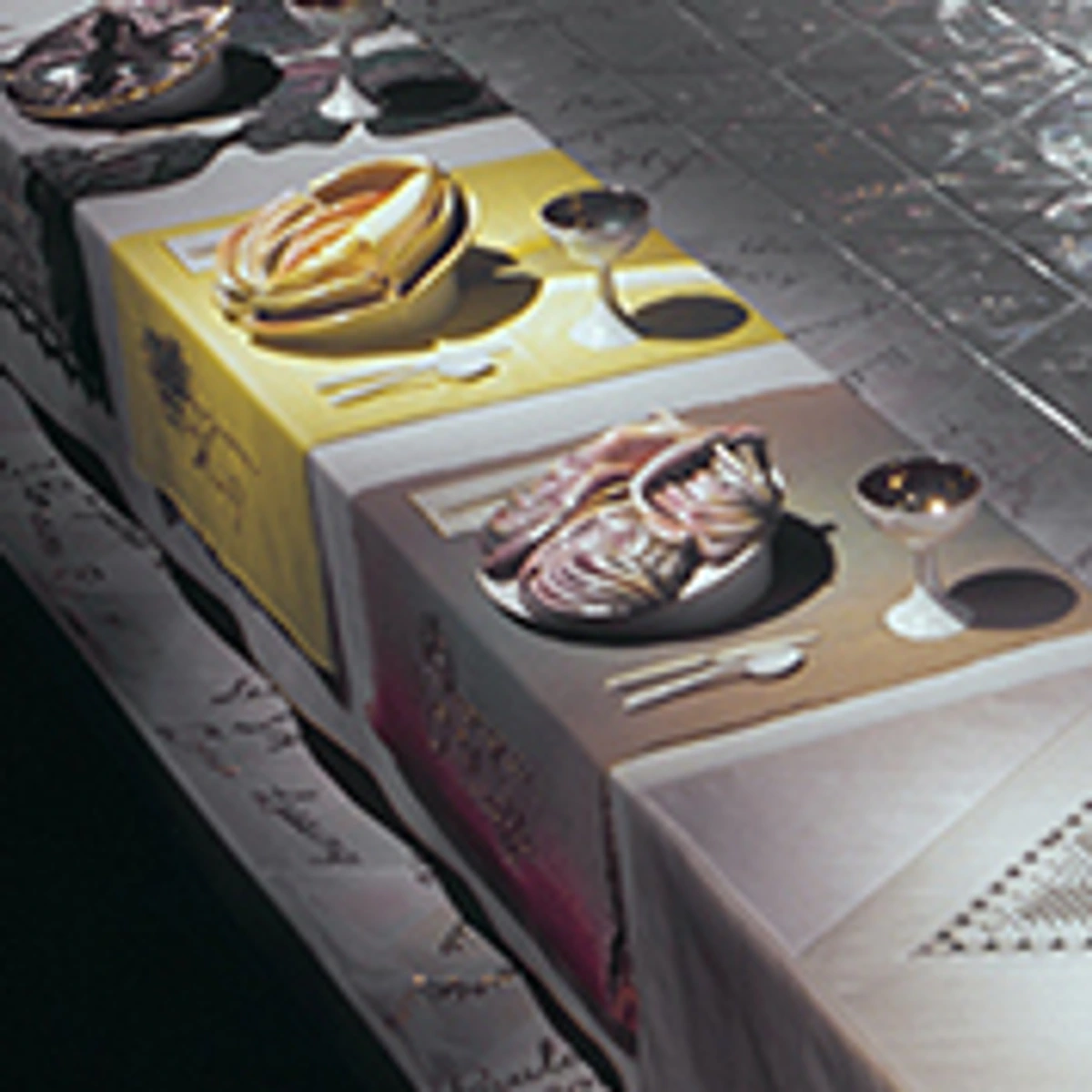

6. Relational Aesthetics: Art as Interaction, Community as Creation
Moving beyond individual objects or even ephemeral performances, some contemporary artists explore Relational Aesthetics, a term coined by theorist Nicolas Bourriaud, where the artwork is the social interaction itself, the dialogue, or the shared experience created between people. This is less about a tangible object to be bought and sold, and more about fostering human connection within an artistic framework. Think of Rirkrit Tiravanija cooking and serving Thai curry in a gallery, transforming the sterile white cube into a communal dining experience and a space for conversation, or Felix Gonzalez-Torres's piles of candy that visitors are invited to take, gradually diminishing and then being replenished, symbolizing loss, renewal, and the bittersweet nature of life. This radical approach challenges the commodification of art, emphasizes collaboration and participation over individual genius, and redefines the art 'object' as a catalyst for human connection and social engagement. It’s a beautiful, messy act of creating community through art, fostering dialogue, and blurring the lines between art and life, asking us to consider our shared humanity. For me, this resonates deeply with the idea that art isn't just something to be looked at, but something to be lived and experienced together. While it has faced critiques for its sometimes ephemeral or less tangible nature, its focus on human connection remains a powerful tradition-breaking force.
To make it clearer, here's a little breakdown of how things have shifted, showing the dynamic evolution across different aspects of artistic practice:
The Why Behind the Break: Motives of Artistic Subversion - Why Artists Can't Resist the Urge to Rebel
If breaking tradition seems like a constant in art history, it begs the question: why do artists do it? It's rarely for one singular reason, and it's certainly more complex than simply wanting to be rebellious (though a healthy dose of that can't hurt!). I see several core motivations driving these seismic shifts, often intertwining and reinforcing each other:
- To Reflect a Changing World: Art has always been a mirror to society, a barometer of human experience. As the world transforms—politically, scientifically, socially, technologically—so too does the language artists use to articulate it. After two World Wars, for example, how could art not become fractured, existential, and abstract? Artists feel the pulse of their era and respond, often creating forms that challenge the comfort of the past, seeking to make sense of new realities or give voice to emergent anxieties and hopes. Think of the urgency and social commentary found in movements like Social Realism during the Great Depression, the reflective nature of art created in response to climate change today (ecological art), or the fragmented narratives of post-internet art grappling with digital life. The impact of World War I, for instance, was a profound catalyst for Dadaism and Surrealism. Art becomes a crucial lens for processing collective experience.
- To Expand the Definition of Art Itself: Each time an artist introduces a new medium or concept, they stretch the boundaries of what 'art' means, pushing the very limits of human creativity. Duchamp asked, 'Can a manufactured object, simply chosen, be art?' Performance artists ask, 'Can a fleeting action, a gesture, be art?' Digital artists ask, 'Can code, an algorithm, be art?' Land artists carve into the earth, and video artists create moving images. Even sound art explores new sensory experiences. Each affirmative answer enriches the ongoing dialogue and expands the very lexicon of human expression, making the art world a richer, more diverse place. It's about opening new doors, new avenues for creative thought, continually pushing the edges of what is permissible and imaginable within the realm of artistic practice, exemplified by movements like Kinetic Art that brought movement into sculpture.
- To Challenge Power Structures: Historically, art was often commissioned by the powerful—the church, the state, the wealthy elite—and thus often served their narratives. Breaking tradition can be a potent act of dissent, challenging who controls narratives, who is represented, and who gets to decide what is valuable and beautiful. Street art is a perfect example of art reclaiming public space and public voice, often giving a platform to marginalized perspectives, a way of saying, 'Our stories matter, too, and we don't need your permission to tell them.' Feminist art, like the powerful works of Judy Chicago, explicitly challenged male-dominated art histories and narratives, demanding recognition for women's contributions and experiences. Similarly, Post-Colonial Art and Indigenous Contemporary Art actively dismantle Western-centric art histories, asserting diverse cultural identities and challenging dominant narratives that have long silenced or misrepresented non-Western voices.
- To Express the Inexpressible: Sometimes, existing artistic languages simply aren't enough to convey a new feeling, a complex idea, or a traumatic experience. New forms are invented out of necessity, to give voice to what couldn't be spoken or shown before. Abstract Expressionism, in its raw emotionality, is a profound testament to this, giving form to post-war angst and individual psychological landscapes, creating a direct conduit for emotion. Surrealism, too, aimed to unlock the hidden depths of the subconscious, to give visual form to dreams and desires that logical language struggled to capture. Even earlier, Symbolism sought to evoke ideas and emotions rather than directly represent them, laying groundwork for later expressive movements like Romanticism. It's the search for a visual language that matches the complexity of the inner world, giving form to the ineffable, the spiritual, or the deeply personal.
- Personal Vision and Innovation: And sometimes, it's simply the unyielding drive of an individual artist to see something new, to push a boundary that hasn't been pushed, or to find a more authentic way to express their unique vision. That's the part that resonates most deeply with my own practice—that constant itch to explore and innovate, to let the paint do its own thing, to find new harmonies in unexpected places. It's about finding that singular voice that only you can offer to the ongoing conversation of art, a fresh perspective that only your hands and mind can bring forth. This pure, almost alchemical drive for novelty has fueled countless avant-garde movements throughout history, where individual genius dares to redefine collective perception.
Here’s a snapshot of these powerful motivations and some movements that epitomize them:
credit, licence

Motivation | Core Idea | Exemplary Art Movements |
|---|---|---|
| Reflect Changing World | Art as a mirror to societal shifts, new technologies, global events | Dadaism, Pop Art, Social Realism, AI Art, Environmental Art, Post-Internet Art, Photojournalism |
| Expand Definition of Art | Challenging what constitutes 'art,' its materials, and forms | Conceptual Art, Readymades, Bio-Art, Performance Art, Kinetic Art, Land Art, Video Art, Sound Art |
| Challenge Power Structures | Subverting traditional patrons & narratives, institutional critique | Street Art, Feminist Art, Political Art, Relational Aesthetics, Post-Colonial Art, Indigenous Contemporary Art, Activist Art |
| Express the Inexpressible | Creating new languages for complex feelings, the subconscious, the sublime | Abstract Expressionism, Surrealism, Symbolism, Color Field Painting, Romanticism, Gothic Art |
| Personal Vision/Innovation | Individual drive for unique expression, breaking personal boundaries | Avant-garde movements, Contemporary Abstraction, Post-Impressionism, Fauvism, Minimalism |
| Reclaiming Identity | Asserting cultural heritage and marginalized perspectives | Harlem Renaissance, Indigenous Contemporary Art, Post-Colonial Art, Black Arts Movement, Chicano Art Movement, Feminist Art |
FAQ: Breaking Tradition
How does the commercial art world react to tradition-breaking art?
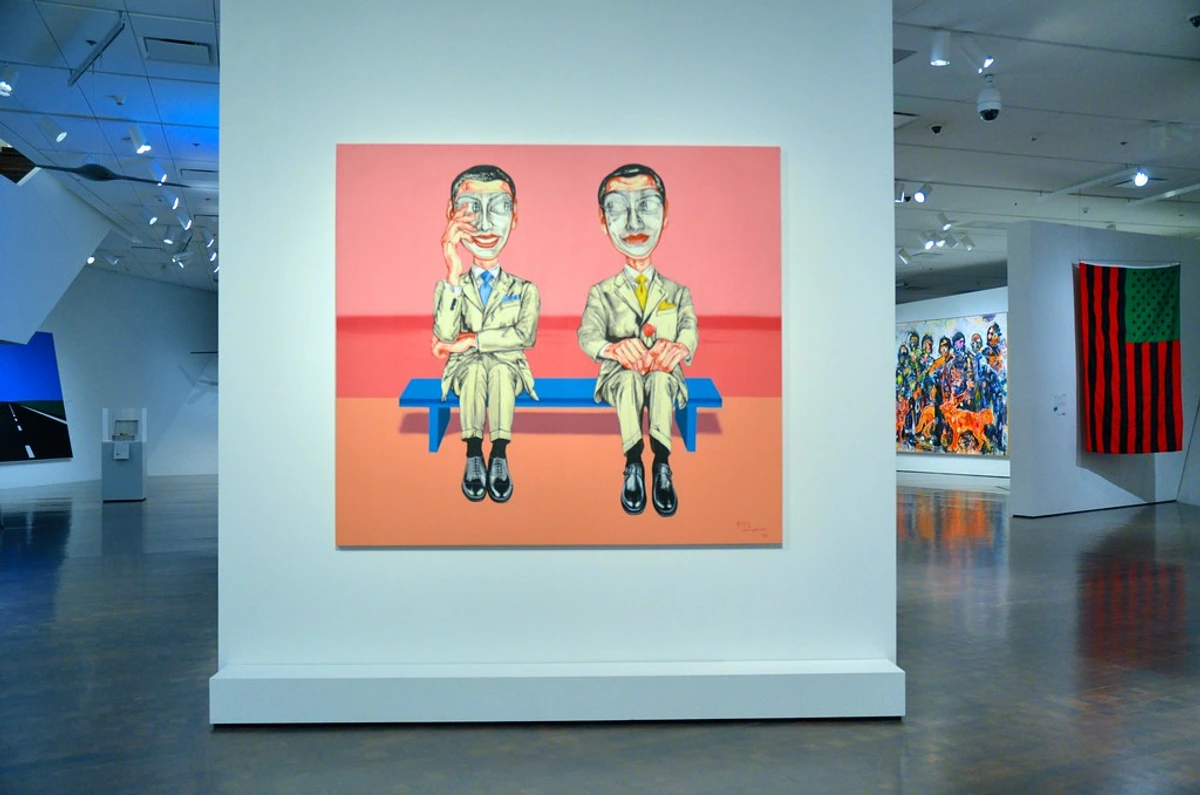
That's a fantastic and often overlooked question. Historically, truly groundbreaking art is often met with resistance, even ridicule, from the established commercial art world. It challenges existing tastes, market values, and investment strategies. Think of the initial reception to Impressionism or Cubism—critics hated it! They were seen as crude, unfinished, even insulting to academic standards. Even movements like Expressionism were initially met with skepticism for their raw emotion and distorted forms. Galleries often hesitated, and collectors were wary. However, once a movement gains momentum and critical recognition, the market eventually catches up. Today, collectors actively seek out innovative, tradition-breaking work, understanding that it often represents the leading edge of artistic thought and future value. But it’s a delicate balance; genuine innovation isn't always immediately understood or financially rewarded. For artists, the motivation should always be the art itself, not the market. The market will follow, eventually. Though, I must admit, it's always a wild ride waiting to see what sticks, and which artists become the next Peter Doig or Zeng Fanzhi.
Is breaking tradition just about being shocking?
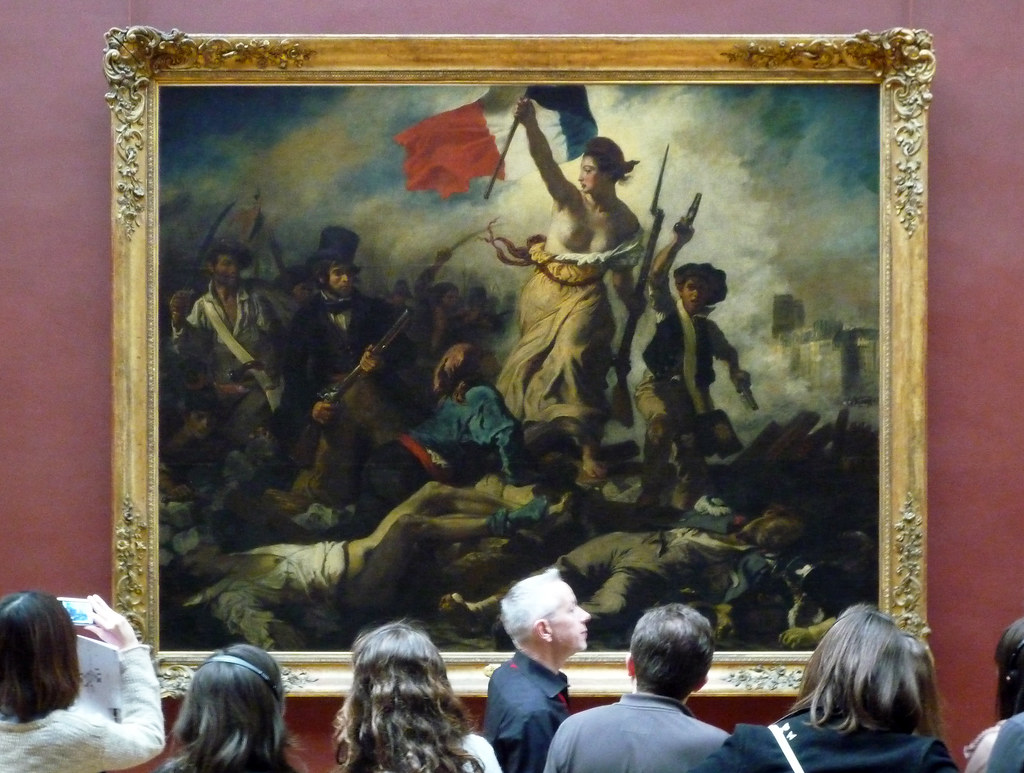
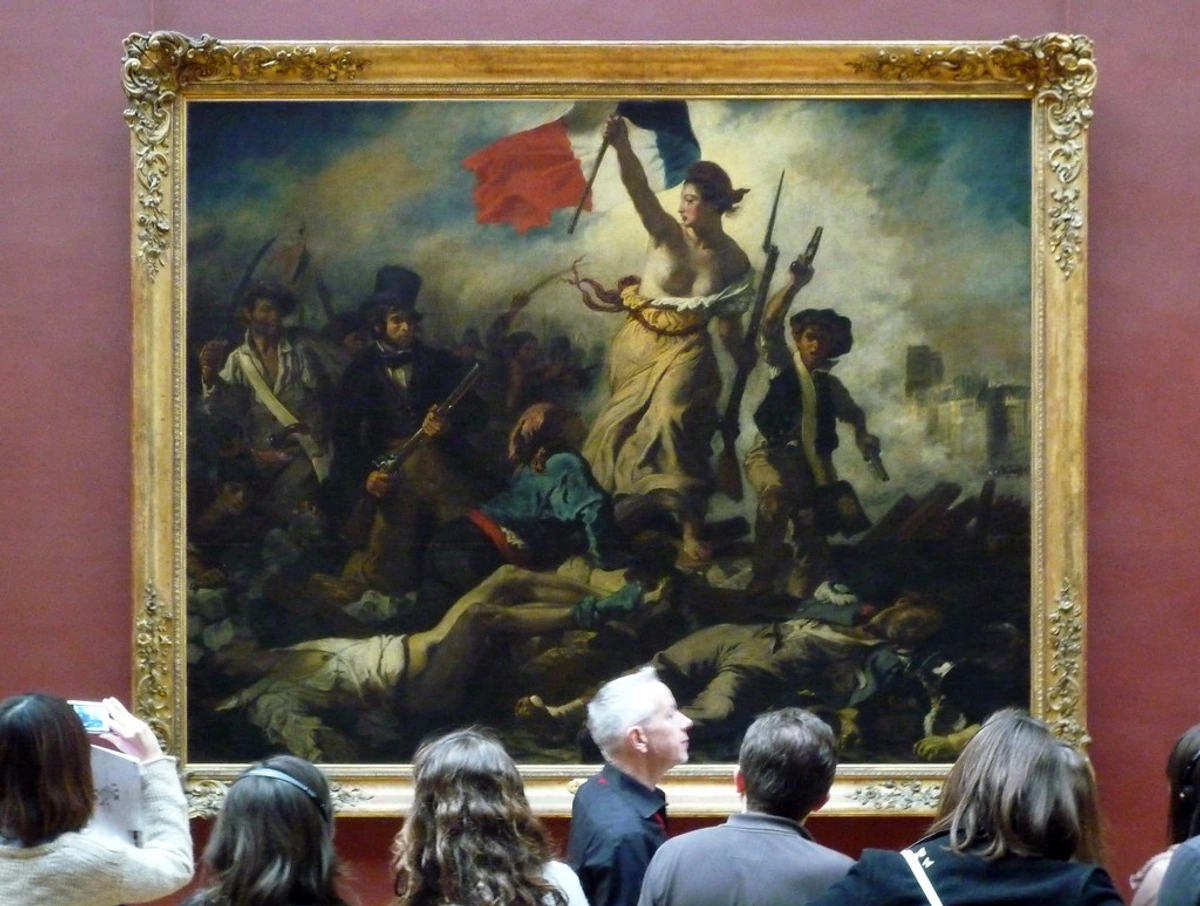
Sometimes it can seem that way, and sure, shock value can be a tool to grab attention, to cut through the noise. But for the most impactful artists, it's rarely the sole goal. It's usually a byproduct of asking a difficult question, forcing a re-evaluation, or expressing an idea that simply doesn't fit into existing boxes. Duchamp's urinal wasn't just shocking; it was a profound philosophical question about art's identity, a direct challenge to the very institution of the museum. The initial shock is often the hook; the lasting idea is the art, the conversation it sparks, and the way it changes our perception. It's like a splash that then creates ripples for years to come. Think of the visceral impact of Eugène Delacroix's 'Liberty Leading the People' – it was shocking for its depiction of revolutionary fervor and social mixing, but its deeper purpose was a powerful political statement.
What role does cultural identity play in breaking tradition?
Cultural identity is a huge, often foundational, element in how artists engage with and break from tradition. For many artists from non-Western traditions or marginalized communities, 'tradition' often refers to a Western art history that has historically ignored or devalued their own rich cultural legacies. Breaking these Western traditions can be a powerful act of reclaiming narrative, asserting cultural pride, and introducing new perspectives and aesthetics into the global art conversation. It's not just about rebellion for rebellion's sake, but about centering one's own heritage and challenging dominant cultural norms that have long dictated what 'art' is and who gets to make it. This can lead to incredible hybrid forms, where traditional motifs are recontextualized with contemporary practices, creating a vibrant dialogue between past and present. Think of the incredible cultural assertion seen in art from the Harlem Renaissance, or contemporary Indigenous artists who weave ancient symbols with modern materials and conceptual approaches to tell stories that have long been suppressed. It's about ensuring a multiplicity of voices and visions are heard, enriching the global tapestry of art.

Do you have to know the rules to break them?
This is the classic debate, and my take is... mostly, yes. It's often said you have to know a language perfectly to truly play with its grammar, and art is no different. Picasso, for example, could draw like an old master by the time he was a teenager. That deep understanding of form and composition gave him the freedom to deconstruct it in Cubism. Knowing the tradition gives you a foundation to push against, a historical context to respond to. It’s the difference between accidentally knocking over a wall and strategically dismantling it, brick by brick, understanding why that wall was built in the first place. Without that understanding, it’s just chaos; with it, it's a deliberate act of creation, a conscious conversation with history. I think of it like learning to play jazz; you first master the classical scales and chords, and only then can you truly improvise and break free in a meaningful way. Understanding concepts like perspective in art or color theory provides the vocabulary you need to then invent new sentences, new poems, new forms of visual language.
Is 'art for art's sake' still a relevant concept in a world craving meaning?
This is a deep one, and it's a concept that has itself been challenged and redefined many times over. 'Art for art's sake' (or L'art pour l'art) gained prominence in the 19th century, suggesting that art's primary purpose is aesthetic pleasure, free from moral, political, or didactic functions. And while many artists today, myself included, find profound value in creating art purely for its visual or emotional impact—the sheer joy of color and form, the feeling a bold brushstroke evokes—the contemporary art world also embraces art that is deeply engaged with social, political, and philosophical issues. Breaking tradition often means using art as a vehicle for critique, activism, or communal experience, moving beyond purely aesthetic concerns. So, while 'art for art's sake' still holds a beautiful truth for many, it now exists within a much broader spectrum of artistic intent, where meaning can be found in a multitude of forms, both aesthetic and didactic. It’s a richer conversation, really. The idea of meaning isn't static; it can be found in the sheer formal beauty, in a challenging concept, or in a powerful social statement.
Is 'traditional' art still relevant?
Absolutely. 100%. Breaking tradition isn't about erasing the past or declaring it obsolete. It's about having a conversation with it, building upon it, and reinterpreting it for a new era. Contemporary artists constantly draw inspiration from, reference, and reinterpret art history. A strong foundation in techniques like perspective in art or color theory is still incredibly powerful, informing even the most abstract or conceptual works. The goal isn't to declare the old ways obsolete, but to add new voices and perspectives to the ongoing conversation. Tradition isn't a stagnant pool; it's the rich soil from which new and unexpected things grow. Ignoring it would be like trying to speak a language without knowing its history; you'd miss so much nuance and depth. Just look at the enduring relevance of Gothic sculptures or the timeless power of Renaissance masters; they continue to inform and inspire, even as new forms emerge.


credit, licence

What about beauty? Does breaking tradition mean art no longer has to be beautiful?
That's a question I grapple with a lot in my own abstract work, and it's one of the most exciting aspects of contemporary art. The definition of 'beauty' has certainly expanded beyond classical ideals of harmony, proportion, and idealized form. Breaking tradition often means challenging conventional notions of beauty, exploring discomfort, the grotesque, the raw, the unconventional, or even the purely conceptual. Art can be beautiful in its honesty, its conceptual depth, its emotional impact, its ability to provoke thought, or even its sheer audacity, rather than just its aesthetic pleasantness. For me, beauty can be found in a bold color combination, a surprising texture that invites touch, the profound feeling a piece evokes, or the unexpected harmony within apparent chaos—even if it's not 'pretty' in the traditional sense. It's about opening our minds to new forms of aesthetic experience, realizing that beauty is truly in the eye of the beholder, and that sometimes, a piece is beautiful because it makes you uncomfortable, because it forces you to think.
How does this affect art collectors or those new to art?
For collectors, it means the landscape is broader and more exciting than ever before. Understanding the lineage of tradition-breaking helps one appreciate the context and innovation of contemporary pieces, often identifying future masterpieces before they become universally recognized. It invites a more adventurous approach to collecting, seeking out work that challenges and inspires. For newcomers, it's an invitation to drop preconceptions and embrace curiosity. Don't worry about 'understanding' every piece in a didactic sense; instead, approach it with an open mind. Ask yourself how it makes you feel, what questions it raises, what memories it stirs, or what new perspective it offers. The more open you are to the unexpected, the richer your experience will be. It's not about memorizing dates and names, but about engaging with ideas, emotions, and the sheer audacity of human creativity. It's a journey, not a test, and the most rewarding journeys are often those that lead us to uncharted territory. And remember, exploring art is also about discovering your own taste, independent of trends or established critics.
What about the relationship between craft and fine art?
This is a fascinating 'rule' that has been constantly challenged. Historically, there was a clear, often elitist, distinction between 'fine art' (painting, sculpture, drawing) and 'craft' (ceramics, textiles, jewelry). Craft was often associated with utility, tradition, and anonymous labor, while fine art was celebrated for individual genius and expressive intent. However, contemporary artists have been actively blurring these lines, using traditional craft techniques and materials within fine art contexts, or elevating craft objects to the status of art. This breakdown of hierarchy is another powerful way of breaking tradition, asserting that skill, beauty, and conceptual depth can be found in all forms of making, and that materials like clay or fiber can be as expressive as oil paint or bronze. Think of the intricate ceramic works by artists like Grayson Perry, who uses traditional pottery forms to explore contemporary social issues, or the powerful textile art used in many contemporary installations by artists like Sheila Hicks. This re-evaluation enriches both the fields of craft and fine art, allowing for a broader appreciation of human creativity across all its forms, and is a topic deeply explored in the introduction to ceramics and other craft-focused articles.
Is there a limit to breaking tradition? Can anything be art?
That's the million-dollar question, isn't it? If the history of art is a constant breaking of rules, does it lead to a point where there are no rules left? While the definition of art has expanded almost infinitely, I believe there's still a 'limit' of sorts, though it's more about intention and context than a rigid boundary. For something to be considered art, it usually requires a deliberate act of creation or designation by an artist, and an engagement with an audience (even if that audience is just the artist themselves). It requires intent, a statement, a question, an emotion, a spark. Simply existing isn't enough; it has to be framed, presented, or conceived as art. So, while a banana taped to a wall might seem absurd, the artist's intent and the subsequent dialogue it generated are what made it art, not just the fruit itself. The limit, if there is one, lies in the artist's ability to imbue something with meaning, and the audience's willingness to engage with that meaning. It’s a fascinating, ever-shifting line that artists constantly test.
How does social media impact tradition-breaking in art today?
Social media has become a monumental, perhaps even revolutionary, force in how art is created, disseminated, and consumed. It acts as a massive, democratizing gallery, allowing artists to bypass traditional gatekeepers (galleries, critics, museums) and connect directly with a global audience. This instantaneous feedback loop, the viral spread of images, and the rise of digital communities all contribute to accelerated tradition-breaking. New aesthetics and movements can emerge and gain traction at lightning speed. It challenges traditional notions of exclusivity, geographic boundaries, and even the lifespan of an artwork. However, it also introduces new pressures: the need for constant novelty, the commodification of 'likes' and 'shares,' and the potential for fleeting trends to overshadow deeper artistic merit. It's a double-edged sword, offering unprecedented reach but also new forms of artistic compromise, forcing artists to navigate a new commercial and critical landscape. For me, it's a tool, another medium, with its own fascinating set of challenges and opportunities. It changes not just how art is seen, but how it is valued, often prioritizing immediate impact over sustained contemplation, requiring artists to be savvy communicators as much as skilled creators.
How do political and economic shifts influence artistic rebellion?
Massively! I mean, history is full of examples. Major political upheavals, wars, economic depressions, or social justice movements often create an urgent need for artists to respond, to articulate new realities, or to challenge the status quo. Dadaism, born from the chaos of World War I, is a prime example of artists rejecting the 'reason' that led to such destruction. The Great Depression fueled Social Realism, art that depicted the struggles of everyday people. Economic shifts can also dictate what kind of art gets funding, what materials are accessible, and who can afford to be an artist. When traditional funding dries up, artists often get more resourceful and rebellious, taking to the streets or finding new ways to connect with communities directly. So, these external forces don't just influence what art is made, but often why and how it breaks from established norms, becoming a powerful form of social commentary or even activism.

The Real Tradition is Change Itself: Embracing the Future of Art and Your Role in It
When I look at my own artistic timeline, I see a constant push and pull with tradition. It’s a dance, a conversation, a subtle defiance. You learn the rules, you internalize them, you even master them, and then, if you're a true artist, you start to ask, 'But what if?' What if I used this color here, against all conventional wisdom of color theory? What if I let go of control entirely and let the paint do its own thing, allowing serendipity to guide the process, creating unexpected textures and forms? What if the canvas wasn't just a flat surface, a window to a literal world, but an entry point into a vibrant, multi-layered emotion, a visceral experience of color and form that speaks directly to the soul? That questioning, that insatiable curiosity to explore beyond the known, is, I believe, the real artistic tradition—the one that truly connects us across centuries and cultures, from the ancient creators of cave art to the most avant-garde digital pioneers.
The history of art isn't a straight, predictable line of masters perfecting a single craft. It's a messy, chaotic, and profoundly beautiful family tree of rebels, thinkers, innovators, and dreamers. Each one stands on the shoulders of the last, not to mimic, but to respectfully, or sometimes defiantly, say, 'Okay, that was brilliant, but what's next? What new territory can we explore?' The point isn't to destroy the past, but to build a future that's interesting enough to be worthy of it, to add another vibrant, unexpected branch to that sprawling, ever-growing tree. And that's a tradition I'm more than happy, more than honored, to be a part of. It's in this spirit of endless exploration that I create my own abstract art, aiming to provoke thought and emotion through audacious color, compelling form, and rich texture. If you see something in this spirit that speaks to you—something that resonates with the beauty of breaking boundaries, of finding freedom in expression, or simply sparks a feeling you can't quite name—you can always find my prints and original works available to /buy. Let's continue to redefine beauty, challenge expectations, and embrace the limitless potential of art, together. The ongoing dialogue between tradition and innovation is what keeps art alive, always surprising us, always reflecting the profound and messy truth of being human.