A Day in the Life of a Full-Time Artist: The Messy Reality
Ever wonder what artists *really* do all day? Forget the myths. Here's a brutally honest, coffee-fueled look at the daily chaos, creativity, and business of being a full-time artist.

The Glorious, Messy, Coffee-Fueled Reality of a Full-Time Artist: A Candid Look Inside the Studio
Ever wonder what it really takes to sustain a life dedicated to creating art? It’s far less about serene contemplation in a pristine studio and much more about a relentless, passionate, and often chaotic dance between creativity and commerce. I’m here to pull back the curtain on that beautiful, bewildering journey, to share the unvarnished truth of a life dedicated to the canvas, the clay, the digital brush, and yes, the ever-present lukewarm coffee. Forget the neatly packaged narratives and the perfectly filtered Instagram feeds; this is the raw, unfiltered truth of what happens behind the scenes, from the first sip of lukewarm coffee to the last, weary brushstroke.
It’s a wonderfully weird, challenging, and incredibly rewarding gig. For me, it's also the most profound way I know to engage with the world, to leave my mark, and perhaps, to inspire you to find your own creative resonance. But how does that really translate into a daily routine, the practicalities, and the mental gymnastics required to keep the creative engine humming? That's what we're diving into. So, are you ready to dive into the beautiful chaos?
To give you a roadmap through this glorious mess, here's a glimpse of the journey we'll take together:
Section  | Key Focus |
|---|---|
| The Sacred Space | Cultivating your physical studio environment. |
| The Unseen Work | Mindset, resilience, and battling internal critics. |
| The Morning: Negotiating with the Admin Monster | The unglamorous but essential business side of art. |
| Mid-Morning to Afternoon: The Studio Dance | The actual creative process, from conception to execution. |
| Late Afternoon: Switching Hats Again | Diversifying income, marketing, and the practicalities of selling art. |
| The Evening: Refilling the Well | Self-care, lifelong learning, and nurturing inspiration beyond the studio. |
| The Role of Technology | How digital tools and platforms are shaping the modern art world. |
| FAQ: The Stuff You're Probably Wondering | Candid answers to common questions about an artist's life. |
| Glossary of Key Terms | Demystifying the language of the art world. |
People often paint a rather romantic picture of a full-time artist, don't they? The kind where I effortlessly float into a sun-drenched studio, a brush dabs onto a canvas as a bird chirps on the windowsill, and voilà, a masterpiece is born before lunch. Ah, if only. That pristine, Pinterest-perfect vision? It's often just that – a vision, curated for public consumption. The truth, my friend, is a lot messier, more gloriously chaotic, and decidedly more coffee-fueled than any Instagram feed would have you believe. I mean, let's be real, most days my studio smells more like turpentine and lukewarm coffee than fresh linen and wildflowers, and my hands are often covered in paint or clay dust. It's a constant negotiation, a dance between the ideal and the utterly pragmatic, whether I'm working on a vibrant abstract painting, sculpting a delicate ceramic piece, or meticulously crafting a digital illustration. This tension, between the dream and the daily grind, is where the real magic (and the real work) happens. It’s what transforms a fleeting vision into a tangible piece of the world, regardless of the medium.
This article isn't about the highlights reel or the perfectly posed Instagram shot; it's a candid, behind-the-scenes look at the daily realities, the often-unseen challenges, and the profound joys of sustaining a creative career. For me, being an artist isn't solely about the act of creation; it's a dynamic, demanding, and deeply rewarding journey that encompasses everything from intricate brushstrokes to meticulous spreadsheets, from battling self-doubt to celebrating small victories. It's about juggling a small, often slightly chaotic business where the primary product is, quite literally, a piece of your soul.
It's a job description that includes everything from CEO to janitor, all rolled into one paint-stained package. We'll pull back the curtain and explore what a typical day actually looks like, beyond the curated snapshots, revealing the gritty, glorious truth of a life dedicated to art. This isn't just a career; it's a commitment, a calling, and a continuous act of self-reinvention. It's about finding meaning in the everyday, translating the unspoken into the seen, and navigating a path that is as unique as each brushstroke. I promise, it's wonderfully weird, challenging, and incredibly rewarding – and I wouldn't have it any other way. It's about embracing the full spectrum of emotions, from the quiet triumph of a perfectly mixed color to the exasperation of a shipping label printer that just won't cooperate.
The Sacred Space: Cultivating Your Studio Environment
Before diving into the daily grind, it's worth a moment to talk about the physical space itself: the studio. For many artists, this isn't just a room; it's an extension of their mind, a carefully cultivated ecosystem where ideas can breathe and manifest. Whether it’s a dedicated loft, a corner of a spare room, or even a portable setup that travels with you, the environment profoundly impacts the creative process. It's truly fascinating how the physical space can shape your artistic output, almost like an extension of your own mind. I've worked in everything from a sun-drenched communal studio to a tiny corner of my living room, and each has presented its own unique set of opportunities and challenges.
Types of Artist Studios: Finding Your Perfect Fit
Choosing the right environment is a crucial decision that significantly impacts your creative output and overall well-being. It's not a one-size-fits-all solution; what works for one artist might be a nightmare for another. Each option comes with its own set of advantages and challenges, and I've tried many of them over the years. Understanding these nuances is key to cultivating a space that truly supports your artistic journey.
Studio Type | Description | Pros | Cons | Ideal For |
|---|---|---|---|---|
| Dedicated Home Studio | A specific room, converted garage, or dedicated corner within your home. | Convenience, low overhead, personalized environment, immediate access, no commute. | Potential for household distractions, limited space, can blur work-life boundaries. | Artists who value comfort, privacy, and have limited budgets or young families. |
| Shared Studio Space | A larger studio rented with other artists, often in an industrial building. | Community, shared resources (kilns, large presses), larger equipment access, networking opportunities. | Less privacy, potential for noise/distractions, scheduling conflicts for shared tools, differing artistic practices. | Emerging artists, those seeking community, or those needing specialized equipment. |
| Commercial Loft/Warehouse | A rented industrial or commercial space, often with high ceilings and ample light. | Ample space for large-scale work, separation from home life, professional atmosphere, fewer distractions. | Higher rent, commute, requires more extensive setup, less immediate community feel. | Established artists, those working on large installations, or seeking a professional image. |
| Plein Air Setup | Portable equipment for painting outdoors, directly inspired by nature. | Direct inspiration from nature, fresh perspective, unique natural light, immediate connection to subject. | Weather dependency, public interaction, portability limitations (see: What is Plein Air Painting), security concerns for equipment. | Landscape artists, those seeking spontaneity, or needing a break from indoor studio work. |
| Digital Workspace | A setup primarily for digital art using computers, tablets, and specialized software. | Flexibility, undo function, wide range of tools, easy sharing and distribution, reduced material waste. | Screen fatigue, lack of tactile feel, initial software/hardware cost, constant tech updates, potential for digital distractions. | Digital artists, illustrators, graphic designers, or artists integrating digital with traditional mediums. |
| Mobile/Portable Studio | A compact, easily transportable setup for artists on the go. | Maximum flexibility, ideal for travel, can work in various locations, minimal commitment to a fixed space. | Limited scale of work, constant packing/unpacking, potential for lost or damaged supplies. | Artists who travel frequently, sketchers, or those without a permanent space. |
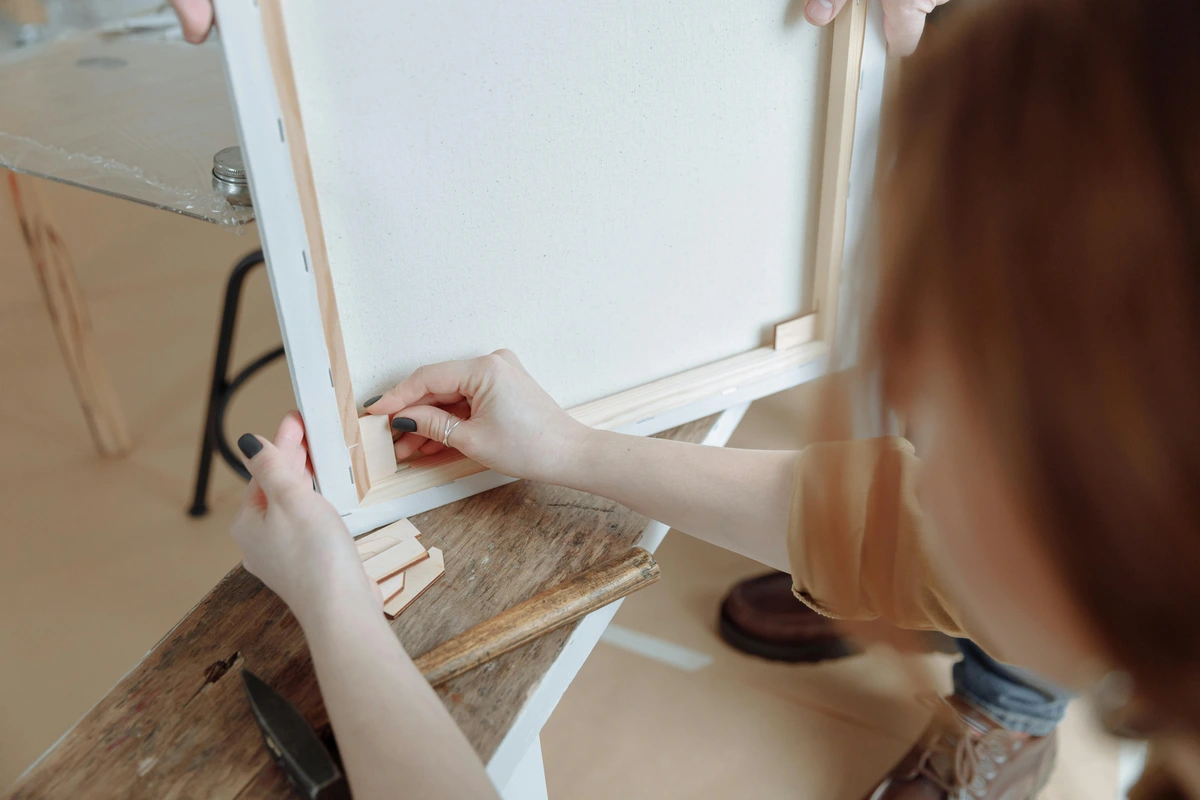
Choosing the right environment is a continuous negotiation. It's about figuring out what nourishes your particular creative beast, and sometimes, that means starting small or thinking creatively about your resources.
Setting Up a Home Studio on a Budget
Not everyone can afford a dedicated loft or a shared studio space right out of the gate, and that's perfectly okay. I've been there! Creating a functional home studio doesn't require a huge investment; it requires ingenuity and a clear understanding of your needs. Here's how you can set up a productive space without breaking the bank:
- Designate a Corner: Even a small corner of a spare room, a basement, or even a section of your living room can become your creative sanctuary. The key is psychological demarcation – this is your art space.
- Vertical Storage is Your Friend: Shelves, pegboards, and wall-mounted organizers are invaluable for saving floor space. Utilize inexpensive options like IKEA shelving units or DIY pegboards for brushes, tools, and small canvases.
- Repurpose Furniture: An old dresser can become storage for paints, a sturdy kitchen table can be your work surface, and even an old cabinet can be transformed into a drying rack. Look at thrift stores or online marketplaces for hidden gems.
- Prioritize Essential Lighting: While fancy studio lights are great, a good clamp lamp with a daylight-balanced LED bulb can make a world of difference for evening work. Position it to minimize glare and illuminate your canvas evenly.
- DIY Ventilation: If working with solvents, even opening windows and using a box fan can create crucial cross-ventilation. For more toxic materials, invest in a small, portable air purifier with a carbon filter.
- Material Scavenging: Don't be afraid to repurpose everyday items for mark-making or collage. Cardboard, interesting packaging, or even dried leaves can become unique art materials. Your 'trash' can truly be your art's treasure.
- Flexible Easel Options: Instead of an expensive studio easel, consider a tabletop easel, a portable field easel, or even modifying an existing tripod to hold smaller canvases. Adjustable height is key for ergonomic comfort.
Remember, the most important element of any studio is you and your willingness to create. A well-loved, organized, and budget-friendly space can be just as creatively fertile as the most expensive loft. It’s about making the most of what you have and letting your passion shine through.
The Psychology of Space: How Your Studio Impacts Your Mood and Creativity
Your studio isn't just a place where you make art; it's a psychological landscape that can profoundly influence your mood, focus, and creative output. I've found that a well-designed studio can act as a silent partner, supporting my artistic endeavors, while a neglected one can become a source of subtle stress. It's almost like the space itself is a collaborator, subtly nudging you towards certain choices or gently hindering your flow. This isn't woo-woo; it's a demonstrable connection between environment and psychology. Consider how:
- Order vs. Chaos: While 'organized chaos' is a reality for many artists (and a phrase I use often!), too much clutter can undeniably lead to mental clutter. The visual noise can compete with the conceptual space needed for new ideas to emerge. Finding your personal sweet spot between inspiration-sparking mess and productivity-stifling disarray is key. For me, this means a clean work surface but art supplies within easy, visible reach.
- Color Palette: The colors of your studio walls and furniture can subtly affect your energy levels, mood, and even your perception of your own artwork. Warm tones (like soft yellows or terracotta) might feel inviting and energizing, while cool tones (like muted blues or greens) can promote calm and focus. I've experimented with both, finding that a neutral base with pops of vibrant color in my art supplies and inspiration boards works best for my particular creative rhythm.
- Personalization: Surrounding yourself with objects that bring you joy or spark ideas – be it a collection of found objects, inspiring books, small works by artists you admire, or even souvenirs from travels – creates a personal sanctuary that fuels the imagination. This isn't about clutter; it's about curating a visual dialogue, a constant stream of subtle cues that nudge new ideas into existence. Think of it as building your own personal muse board, a dynamic collection of things that speak to your soul and remind you of the beauty and complexity you're trying to capture in your art.
- Sensory Input: Beyond the visual, consider how sound (music, ambient noise, silence), scent (turpentine, fresh linen, or essential oils), and even tactile elements (the texture of your tools, the feel of your floor) impact your creative immersion. A studio that thoughtfully engages multiple senses can deepen your focus and make the hours melt away. I'm a big believer in a carefully curated My Studio Playlist: Music That Fuels My Abstract Creations to set the mood.
- Flow and Movement: How easily can you move between different zones in your studio? Is your most-used equipment within reach? A physically intuitive layout can prevent interruptions and maintain your creative momentum. Think about how your body moves through the space and optimize for natural transitions.
It's a continuous process of tuning your environment to match your evolving creative needs, ensuring it's a space that truly works for you, not against you. It's about crafting an ecosystem where ideas can not only breathe but flourish. This iterative process of refinement mirrors the artistic journey itself, where constant adjustment leads to a more harmonious outcome.
Studio Zones: Organizing for Optimal Flow
To maximize productivity and minimize distractions, I’ve found it incredibly helpful to delineate specific zones within my studio. This isn't about rigid boundaries, but rather creating logical areas for different activities, ensuring everything has its place and purpose. Think of it as a micro-ecosystem designed for different functions, allowing you to transition seamlessly from one task to another without having to 'reset' your entire workspace. This kind of intentional design dramatically reduces mental friction and helps maintain momentum, especially when juggling multiple projects.
Studio Zone | Primary Activities | Key Considerations |
|---|---|---|
| Wet Zone | Painting, mixing mediums, cleaning brushes, applying gesso, solvent use. | Easily cleanable surfaces (tile, sealed concrete), excellent ventilation (windows, exhaust fan), access to water, chemical-resistant containers. |
| Dry Zone | Drawing, sketching, collage assembly, framing, pastel work, digital art. | Clean, dust-free surfaces, good lighting, comfortable seating, dedicated storage for dry materials, computer setup if digital. |
| Administrative Hub | Computer work, invoicing, research, emails, social media, marketing. | Dedicated desk, computer/laptop, printer, comfortable ergonomic chair, file storage, clear separation from art materials. |
| Storage & Archiving | Finished artworks, blank canvases, bulk supplies, shipping materials. | Climate control (consistent temperature/humidity), protection from dust and light, organized shelving, proper framing/packaging supplies. |
| Inspiration/Reading Nook | Sketching, journaling, reading art books, contemplating ideas, quiet reflection. | Comfortable chair, good lighting, access to inspirational objects/books, away from active work zones, a place for mental breaks. |
These zones create a workflow that respects both the messy reality of creation and the structured demands of running a business. They act as silent cues, signaling to your brain which mode to enter, making the transition between tasks much smoother and more efficient.
I've learned that my studio needs to be both inspiring and functional. It's a delicate balance between organized chaos and strategic accessibility, a space that understands the ebb and flow of creative energy. Think about these crucial elements:
- Light: Natural light is a painter's best friend, offering the most accurate color rendition and a psychological boost. I always try to position my easel near a large window, ideally facing north to get consistent, indirect light. But let's be real, inspiration doesn't always strike during daylight hours! That's where good artificial lighting for evening work becomes equally crucial. I've invested in full-spectrum, daylight-balanced bulbs to ensure accurate color perception, even when the sun has long gone down. It's about making sure your colors look the same in natural light as they do under artificial illumination, avoiding those dreaded 'color surprises' the next morning. When natural light isn't an option, I rely on a combination of track lighting and floor lamps, all fitted with CRI (Color Rendering Index) 90+ bulbs. This ensures that the colors I see under artificial light are as close as possible to how they’ll appear in natural daylight, preventing those dreaded 'color surprises' the next morning when I see my work in a different environment.
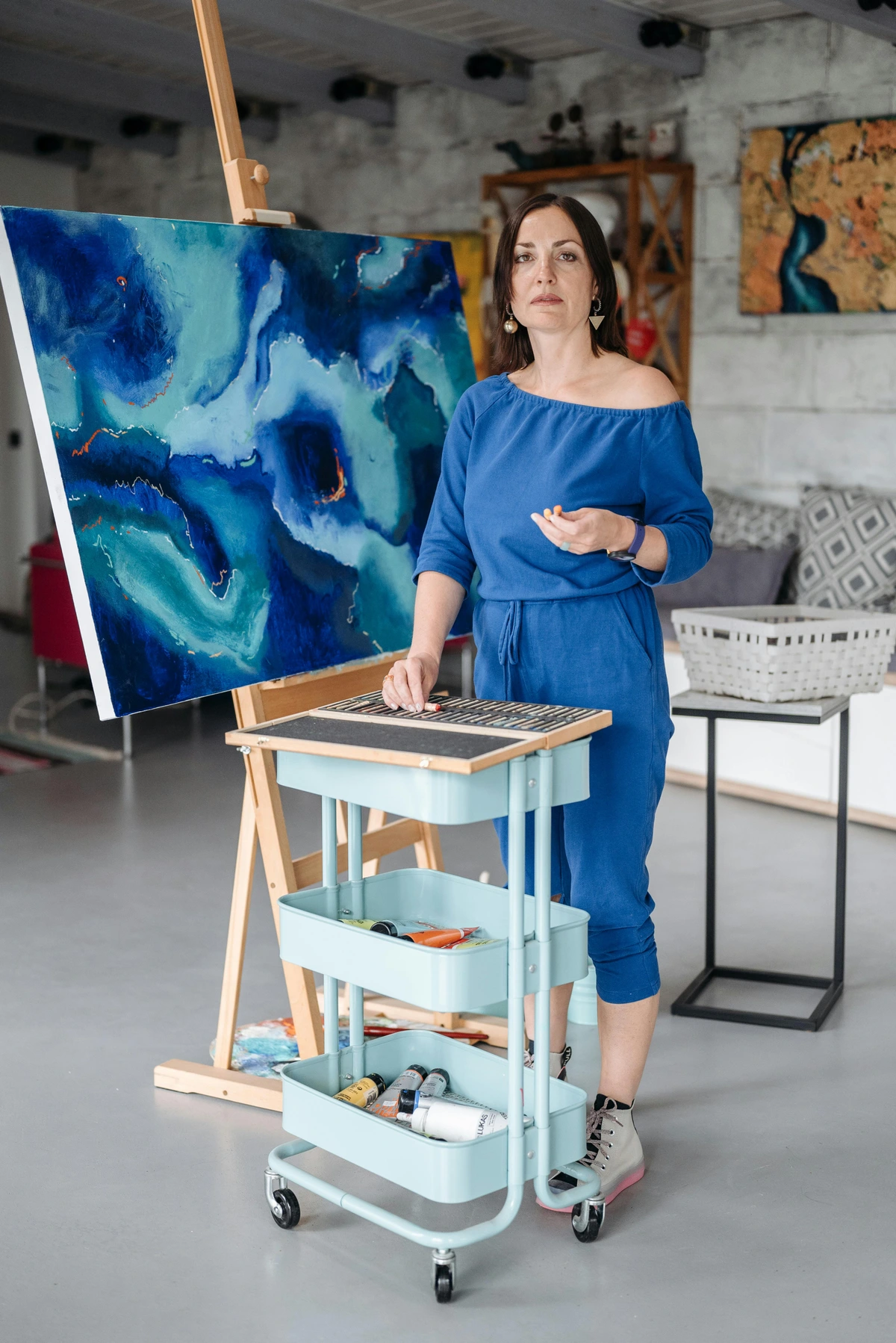
- Organization: Ah, the eternal battle! While it often looks like a beautiful mess (and sometimes it is!), there's an underlying, often intuitive, logic to where everything lives. Easy access to frequently used tools (brushes, palette knives, paints, mediums) is paramount, preventing creative flow from being interrupted by a frustrating search. My rolling cart is an absolute lifesaver, a silent testament to the business-like order required behind the creative chaos. It allows me to bring my most-used supplies right to my easel. Consider vertical storage, clear containers, and designated zones for different activities (e.g., painting, drawing, framing). The goal isn't sterile neatness, but functional order that supports, rather than hinders, your creative process. I use clear, stackable containers for small items, rolling carts for mobility, and a pegboard system for often-used tools. Labels are my best friend – especially for different mediums or types of brushes. This kind of systematic organization, while seemingly mundane, actively reduces decision fatigue and allows for seamless transitions between tasks.
- Inspiration: Surrounding myself with things that spark joy and ideas—art books, found objects, images that resonate, even a small collection of quirky trinkets or inspiring quotes—helps keep the imaginative faculty primed. This isn't about clutter; it's about curating a visual dialogue, a constant stream of subtle cues that nudge new ideas into existence. I think of it as my visual muse board, a dynamic collection of things that speak to my soul and remind me of the beauty and complexity I'm trying to capture in my art.
- Comfort & Ergonomics: Long hours mean comfortable seating, adjustable easels (have you explored the best studio easels for professional artists options?), and good air circulation are non-negotiable. Your body is your most important tool, after all. I've learned the hard way that ignoring your physical well-being leads to burnout and injury. Investing in a good studio chair, ensuring your easel height is correct for your posture, and taking regular breaks to stretch can literally save your career. It's not just about comfort; it's about longevity, allowing you to sustain those long, intense creative sessions. Think of it as preventative maintenance for your most valuable asset: yourself. This includes investing in an adjustable standing desk or an ergonomic chair, anti-fatigue mats if you spend hours on your feet, and even simple things like a timer to remind you to take regular stretching breaks. Your body is the vessel for your art, so treating it with respect is non-negotiable for a long, healthy career.
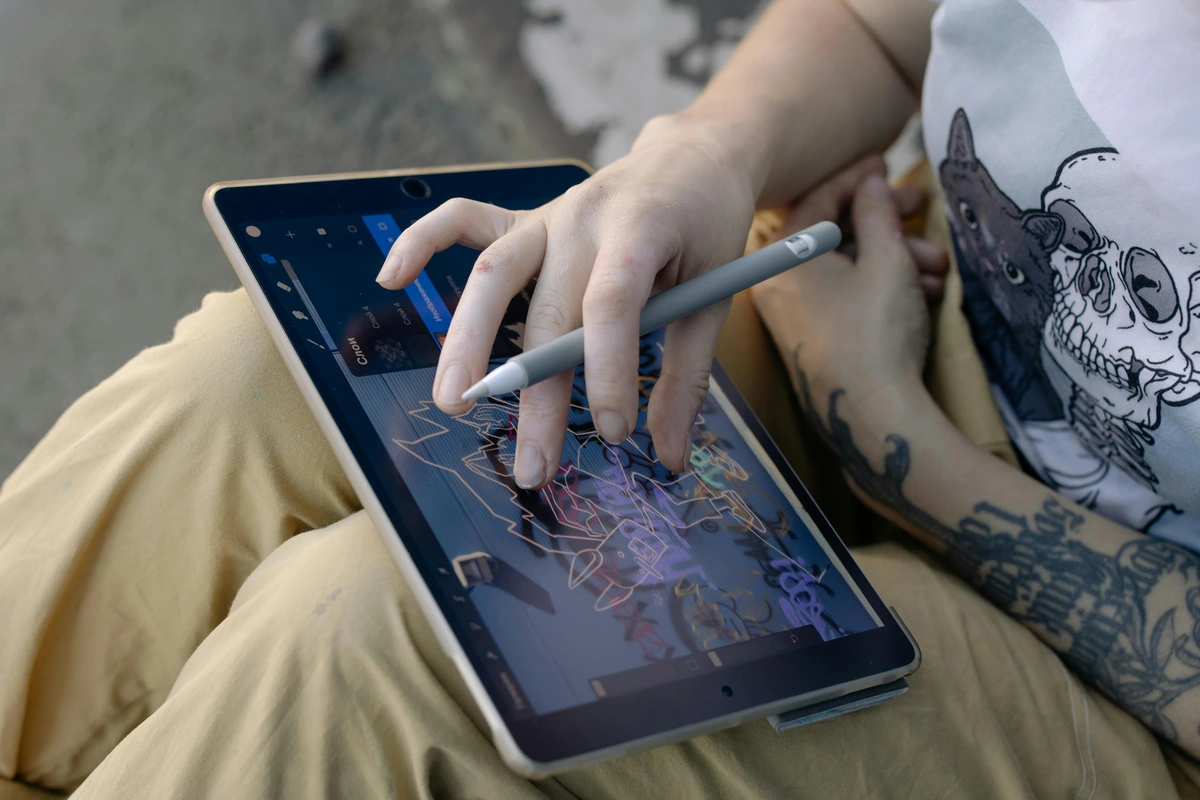
- Digital Integration: Even in a physical studio, digital screens for reference images, music, online courses, or even just a timer for breaks, are often essential. For me, it's about seamlessly blending the digital with the tactile. My iPad often sits nearby, displaying inspirational images, playing a carefully curated playlist to set the mood, or providing a quick tutorial when I'm trying a new technique. How does your digital world blend with your tactile one, enhancing rather than distracting from your hands-on creation? It's about harnessing technology to serve the art, rather than letting it dominate. For instance, I use my iPad with Procreate for quick compositional studies or to test color palettes before committing to canvas. I also keep a digital library of inspirational images and art history references readily accessible, minimizing the need to physically clutter my painting area with books.
Studio Safety Best Practices: Protecting Yourself and Your Art
Safety in the studio is often overlooked but is absolutely paramount for a long and healthy creative career. This isn't the glamorous part, but a healthy studio is a productive studio, allowing you to create freely without compromising your well-being. Consider these best practices:
- Ventilation: If you're working with oil paints, certain varnishes, aerosols, or volatile organic compounds (VOCs), good cross-ventilation isn't just a suggestion; it's a necessity. Invest in an exhaust fan or ensure robust natural airflow to prevent the buildup of harmful fumes.
- Chemical Storage & Disposal: Understand and adhere to proper disposal methods for hazardous materials like solvents, certain pigments, and rags soaked in oil paint. Never pour chemicals down the drain. Store flammable liquids in approved safety cabinets. Many local art supply stores or waste management facilities offer guidance on safe disposal.
- Fire Safety: Have a fire extinguisher readily available and know how to use it. Be mindful of potential fire hazards, especially when working with solvents or electrical equipment. Keep your workspace free of excessive clutter that could fuel a fire.
- Personal Protective Equipment (PPE): Depending on your medium, this might include gloves (nitrile for solvents), respirators (for dust or fumes), and safety glasses (for power tools or vigorous mixing). Your health is worth the investment.
- First Aid: Have a basic first aid kit readily accessible and know how to use it for minor cuts or chemical exposure. In case of serious incidents, know your local emergency numbers.
- Material Handling: Understand the toxicity levels of your pigments and mediums. Some heavy metals are extremely dangerous if ingested or absorbed through the skin. Read labels and practice safe handling.
- Archival Care for Artworks: Beyond personal safety, consider the long-term well-being of your artworks. Proper storage for finished pieces (protection from direct sunlight, humidity, and extreme temperature fluctuations), and understanding the archival quality of your materials are all part of responsible studio practice. It’s about being a guardian of your creations, ensuring they endure.
Environmental Considerations: Sustainable Studio Practices
As artists, we’re often deeply connected to the natural world, both as a source of inspiration and as a resource for our materials. This awareness has led me to think critically about the environmental impact of my studio practices. Sustainable art isn't just a trend; it's a responsible approach to creation, aligning our creative output with our values.
- Material Sourcing: Opting for pigments and mediums from brands committed to ethical and sustainable sourcing. This might mean choosing paints free of heavy metals, those made with naturally derived binders, or exploring recycled materials for substrates. It's about asking questions about where your materials come from and how they're produced.
- Waste Reduction: Minimizing waste by reusing solvent (through settlement and decanting), repurposing old canvases for studies or new works, and being mindful of how much paint I squeeze onto my palette. I also save paint scraps and dried palettes, sometimes incorporating them into mixed media pieces, finding beauty in what might otherwise be discarded.
- Safe Disposal: Understanding and adhering to proper disposal methods for hazardous materials like solvents and certain pigments is critical. Never pour chemicals down the drain or into general waste. Many local art supply stores or waste management facilities offer guidance on safe disposal, ensuring these substances don't harm the environment.
- Ventilation & Air Quality: Investing in high-quality air purifiers or ensuring robust cross-ventilation, especially when working with aerosols or volatile organic compounds (VOCs), isn't just for your health; it protects the broader environment from harmful emissions.
- Water Conservation: Being mindful of water usage when cleaning brushes and tools is a small but significant act. I often use a multi-bucket system to minimize running water continuously, allowing sediment to settle before disposing of water responsibly.
This conscious approach transforms the studio into a space that not only supports creativity but also aligns with a broader commitment to environmental stewardship. For more insights into ethical choices, you can explore Best Eco-Friendly Art Supplies for Conscious Artists.
Creating this sanctuary is an ongoing process, a continuous negotiation between aspiration and practicality. It's where the magic is meant to happen, so it deserves conscious attention. It's a living, breathing space that evolves with you.
The Unseen Work: Mindset & Resilience
Before we even get to the coffee, or the emails, there's the internal landscape to navigate. Being an artist, especially a full-time one, is as much a mental game as it is a creative one. It demands a specific kind of resilience, a thick skin for inevitable rejections, and an unwavering belief in the value of what you're bringing into the world. It’s about cultivating a mindset that embraces uncertainty as part of the creative process, rather than a threat to it. I've learned that without a strong inner foundation, the external pressures of the art world—the rejections, the slow sales, the relentless self-promotion—can easily overwhelm. This isn't just about 'positive thinking'; it's about developing practical coping mechanisms, practicing self-compassion when a piece isn't working, and understanding that your worth isn't tied to every critique or sale. It's an ongoing journey of self-discovery, perhaps even more so than the art itself. It's about building emotional intelligence in the face of constant public and self-scrutiny. I once had a gallery owner tell me a piece was 'too aggressive' – instead of internalizing it as a failure, I reframed it as 'too bold for that specific space.' That subtle shift is everything. It's about detaching your personal value from the outcome of your art, a continuous, often challenging, practice.
Dealing with Self-Doubt and Comparison: The Silent Saboteurs
In the world of social media and curated success stories, it's easy to fall into the trap of self-doubt and endless comparison. This is perhaps one of the most insidious challenges for an artist, undermining confidence and stifling creative impulses. I've learned that these feelings are universal, but managing them requires conscious effort and a robust internal framework. It's like building an emotional immune system for your creative self:
- Recognize Imposter Syndrome: That nagging feeling that you're not 'good enough' or that your success is a fluke, despite all evidence to the contrary. It's a profoundly common experience, especially among creatives who are constantly pushing boundaries. Acknowledge it, name it, but absolutely do not let it define your worth or halt your progress. See it as a sign that you're growing.
- Limit Social Media Consumption Strategically: While valuable for marketing and connection, endless scrolling through other artists' highlight reels (the 'best of' compilations) can trigger intense comparison and feelings of inadequacy. Curate your feed intentionally for genuine inspiration and learning, not for self-flagellation, and know when to take a digital detox or unfollow accounts that consistently make you feel less-than. Your mental peace is paramount.
- Focus on Your Unique Journey: Your artistic path is inherently unique, a winding road with its own pace and milestones. Celebrate your small victories, learn from your setbacks, and understand that everyone's timeline is different. Comparing your chapter 3 to someone else's chapter 20 is, as I've learned the hard way, a guaranteed recipe for despair. Your personal evolution is the only benchmark that truly matters.
- Keep a 'Win' Journal or Success Log: Document positive feedback, successful sales (no matter how small), moments of creative breakthrough, or even just instances where you pushed through a challenge. On days when self-doubt inevitably creeps in, revisiting these affirmations can be a powerful, evidence-based antidote to those negative whispers.
- Seek Mentorship and Build Community: Sharing these struggles with trusted peers or mentors can provide invaluable perspective and remind you that you're not alone in these feelings. Hearing others articulate similar fears can be incredibly validating and create a sense of solidarity that combats isolation. A good critique group isn't just about art feedback; it's about mutual emotional support.
- Practice Mindful Self-Talk: Pay attention to the internal narrative you're creating. Replace harsh self-criticism with encouraging, compassionate language. Speak to yourself as you would a dear friend who is struggling. This isn't about delusion; it's about fostering a supportive inner environment for creativity to thrive.
It's a continuous battle, yes, but by actively developing and refining these coping strategies, you can prevent self-doubt and comparison from hijacking your creative spirit and derailing your artistic journey. It’s about building an inner fortress for your creative soul.
Overcoming Creative Blocks: When Inspiration Dries Up
Every artist, at some point, stares at a blank canvas or an unfinished piece and feels utterly barren of ideas. Creative blocks are not a sign of failure; they're a natural part of the artistic cycle. The trick isn't to force inspiration, but to create the conditions for it to return. I've learned to view these moments not as obstacles, but as invitations to explore new avenues or simply rest. Here are some strategies I employ when the well feels dry:
- Change Your Scenery: Sometimes, the best way to get unstuck is to physically move. Take a walk in nature, visit a museum (even if it's not your usual style), or work in a coffee shop for a few hours. New visual input can often spark unexpected ideas and refresh your perspective.
- Embrace Play and Experimentation: Step away from the pressure of making a 'finished piece.' Grab some cheap paper and crayons, try a medium you've never used before, or just make mindless marks. It’s about reactivating that childlike sense of curiosity and letting go of expectations. Think of it as creative stretching.
- Engage with Other Arts: Listen to music you've never heard, read a book on an unrelated topic, watch a thought-provoking film. Creative input from different disciplines can cross-pollinate your artistic ideas in surprising ways. For me, a carefully curated My Studio Playlist: Music That Fuels My Abstract Creations can often kickstart a session.
- Review Old Work/Sketchbooks: Sometimes, the germ of a new idea is hiding in an abandoned sketch or an old painting that never quite worked. Revisit your artistic history with fresh eyes; you might find an overlooked gem or a new direction.
- Set Small, Achievable Goals: Instead of aiming for a masterpiece, aim to mix five colors, make ten marks, or work for thirty minutes. Small wins build momentum and gradually chip away at the feeling of being overwhelmed.
- Journaling and Free Writing: Sometimes the block is not visual, but conceptual. Free writing about your feelings, your anxieties, or even just describing what you see in front of you can unlock hidden thoughts and intentions.
- Seek Feedback (Cautiously): A trusted artist friend or mentor can offer a fresh perspective. Just be mindful that you're seeking external input to inspire, not to dictate, your next move. The goal is a gentle nudge, not a complete overhaul.
Creative blocks are temporary. By cultivating patience, curiosity, and a willingness to explore, you can transform these frustrating periods into opportunities for growth and renewed inspiration.
Cultivating Artistic Resilience: A Daily Practice
Practice | Description | Benefit | My Experience |
|---|---|---|---|
| Mindfulness & Reflection | Daily journaling, meditation, or quiet observation of thoughts and feelings. | Reduces anxiety, increases self-awareness, fosters non-attachment to outcomes, clarifies artistic intent. | Helps me connect with my inner motivation and understand the 'why' behind my work. |
| Goal Setting (Flexible) | Setting intentions for the day/week, but allowing for organic shifts and intuition. | Provides direction without rigid expectations, reduces pressure, encourages adaptability. | I aim for process goals (e.g., 'explore this color palette') rather than outcome goals. |
| Community Engagement | Connecting with other artists, sharing struggles and successes, both online and in person. | Fights isolation, provides validation and diverse perspectives, opens doors to collaborations, offers mutual support. | My critique group is a lifeline, offering fresh eyes and a safe space to share fears. |
| Self-Compassion | Treating oneself with kindness during creative blocks or setbacks, recognizing the human element. | Prevents self-sabotage, encourages persistence and growth, fosters a healthier relationship with art. | I remind myself that a 'bad painting day' doesn't make me a 'bad artist.' |
| Learning from Feedback | Objectively analyzing critiques for actionable insights, discarding the rest that doesn't resonate. | Transforms criticism into a tool for improvement, not personal attack, accelerates skill development. | I listen, absorb, then filter based on my artistic vision. Not all feedback is for you. |
| Embracing Imperfection | Accepting that mistakes are part of the process and not failures, allowing for authenticity. | Reduces pressure, encourages risk-taking, fosters authentic expression. (The Power of Imperfection: Embracing Accidents and Evolution in My Abstract Art) | Some of my best 'accidents' have become signature elements in my work. |
| Scheduled Downtime | Deliberately stepping away from art for rest and rejuvenation, respecting boundaries. | Prevents burnout, allows subconscious processing, refills the creative well, offers new perspectives. | My evening walks, completely disconnected from art, are sacred. |
| Seeking Mentorship | Connecting with more experienced artists for guidance and support, learning from their journeys. | Provides perspective, accelerates learning, offers practical advice on navigating the art world. | A good mentor offers wisdom that no art school textbook can provide. |
| Physical Well-being | Regular exercise, healthy eating, sufficient sleep, and ergonomic studio practices. | Enhances physical and mental energy, improves focus, prevents injuries, supports creative longevity. | My body is my most important tool; I treat it with respect. |
The Morning: Negotiating with the Admin Monster
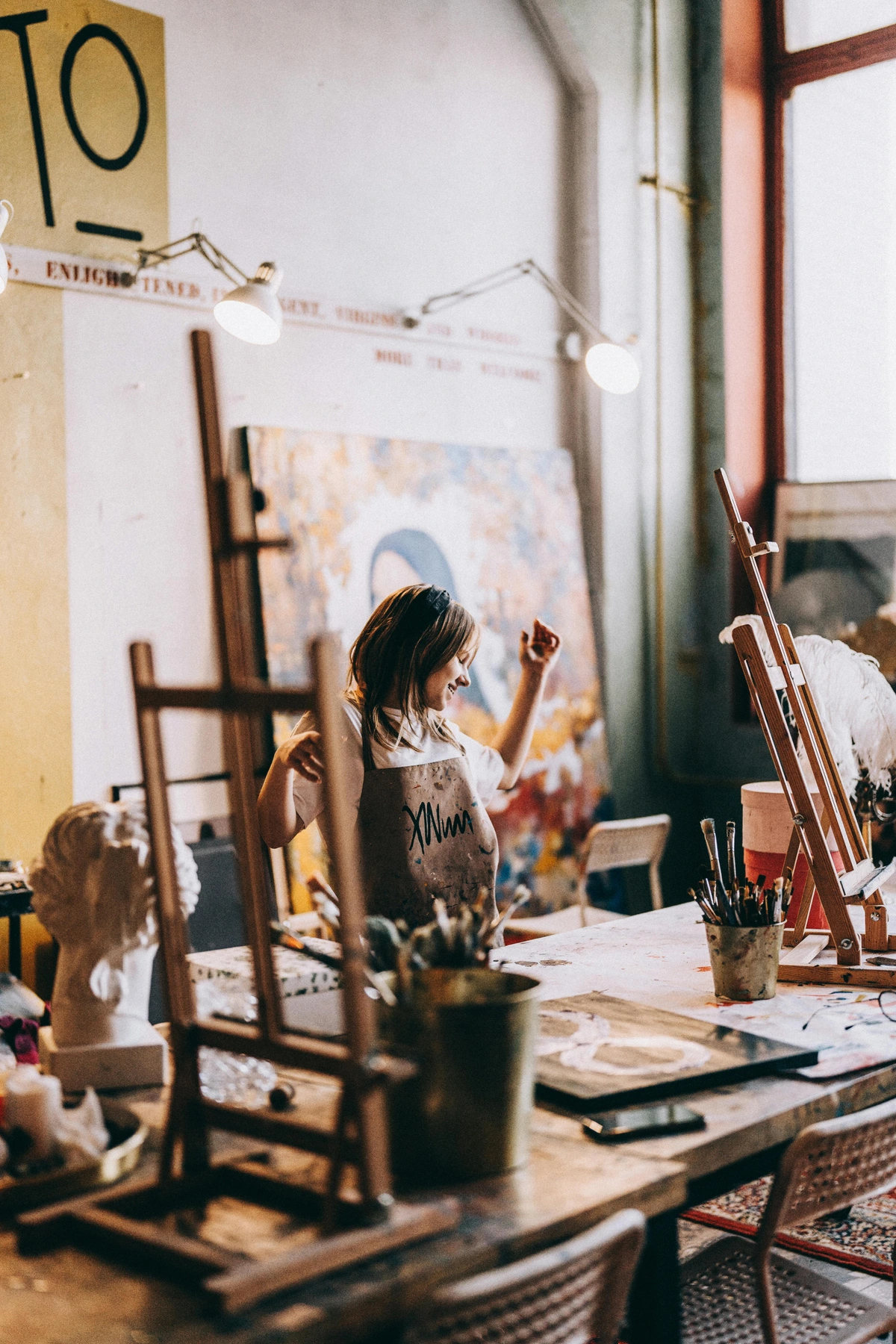
I am not a morning person. My creativity doesn't cheerfully greet the dawn; it has to be coaxed out with dangerous amounts of coffee. And even with a perfectly curated studio (as we just discussed), before a single drop of paint is touched, I have to face the Admin Monster. This beast is made of emails, social media comments, website updates, supply orders, and financial spreadsheets.
It’s the least glamorous part of the job, but it's non-negotiable. Answering inquiries from collectors via email or phone, coordinating logistics with galleries, updating my online portfolio with new work (and the ever-present /buy links!), ordering more Titanium White because I always run out (seriously, why is that always the first to go?), and trying to figure out how to use Instagram's latest algorithm-defying feature... it all takes time. A lot of time. Sometimes it feels like I spend more time in spreadsheets than with a paintbrush, but it's the invisible scaffolding that supports the visible art, allowing me to continue making the work I love. It’s the constant, unglamorous hum that keeps the engine running.
Financial Management & Business Acumen
Beyond just tracking expenses and income, true financial management for an artist involves understanding cash flow, setting budgets, building emergency funds, and even dabbling in basic investment strategies for long-term stability. This is crucial for navigating the often unpredictable income streams of a creative career, ensuring you can weather the 'feast or famine' cycles with less anxiety. I've learned the hard way that knowing your numbers isn't just for tax season; it's about empowering your artistic freedom, allowing you to take creative risks without immediate financial repercussions.
I use simple accounting software like QuickBooks or FreshBooks to keep everything in check, and a CRM (Customer Relationship Management) tool to manage collector interactions and sales history, keeping track of preferences and past purchases. It sounds corporate, I know, but it keeps the 'starving artist' at bay, allowing me to focus more on creation and less on financial anxiety. Beyond software, I also keep a close eye on setting realistic pricing for my work (a whole art in itself, which we'll discuss later), building an emergency fund for leaner months, and even exploring basic investment strategies to secure long-term financial stability. It's about proactive planning, not just reactive accounting. Understanding basic contract law and intellectual property rights is also becoming increasingly vital for safeguarding your work, especially when considering How to License Your Art or navigating gallery agreements. It’s all part of the unglamorous but utterly essential scaffolding that supports your creative freedom.
Key Financial Management Strategies for Artists:
- Separate Business and Personal Finances: This is non-negotiable. Have dedicated bank accounts and credit cards for your art business. It simplifies tracking, tax preparation, and creates a clear financial boundary.
- Budgeting for Irregular Income: Develop a budget that accounts for fluctuating income. This might involve setting aside a percentage of 'good' months to cover 'lean' months, creating a buffer.
- Track Everything: Every expense, every sale, every material purchase. Not just for taxes, but to understand your true cost of doing business and to accurately price your work.
- Emergency Fund: Aim for at least 3-6 months of living expenses saved. This provides a crucial safety net during slow periods, allowing you to focus on your art rather than financial panic.
- Retirement Planning (Yes, Even You!): It might seem far off, but even small, consistent contributions to an IRA or other retirement vehicle can make a huge difference over time. Your future self will thank you.
- Understand Tax Obligations: As a self-employed individual, you'll have different tax responsibilities (e.g., self-employment taxes, estimated taxes). Consult with an accountant specializing in small businesses or artists.
This entrepreneurial spirit, while perhaps not the romantic ideal, is as crucial as artistic talent. It’s about building a sustainable career around what I love to do.
Time Management for Artists: Sculpting Your Day
One of the biggest challenges for any full-time artist is managing time effectively. There are so many hats to wear – creator, marketer, accountant, shipper, administrator – and each demands focus. I've learned that a fluid, yet structured, approach is key to staying productive without stifling creativity. It's about creating a rhythm that works for you, not against you.
- Batch Similar Tasks: Group administrative tasks (emails, invoicing, social media scheduling) together. Tackle them in one dedicated block rather than letting them interrupt your creative flow throughout the day. My 'Admin Monster' hours are sacred, and contained!
- Prioritize ruthlessly: What's truly essential for your art and business right now? What can wait? Learn to identify high-impact activities and focus your energy there. Sometimes, the 'urgent' can overshadow the 'important.'
- Set Boundaries: Communicate your work hours to friends, family, and even collectors. While flexibility is part of the artist's life, clear boundaries prevent constant interruptions during your deep work sessions in the studio. Learn to say 'no' gently but firmly.
- Use Tools Wisely: Calendar apps, to-do lists (digital or physical), and project management software (like Trello or Asana, which I sometimes dabble with) can help organize your tasks and visualize your workload. Don't let the tools become the task, though!
- Schedule Breaks (Seriously!): Intentional breaks are not a luxury; they're essential for preventing burnout and allowing your subconscious to process. Step away from the studio, take a walk, make tea – anything to reset your focus. Even short, deliberate pauses can be incredibly restorative.
- Know Your Peak Creative Times: Are you a morning person for painting, or do ideas flow best in the afternoon? Schedule your most creatively demanding tasks during your natural peak hours. Don't fight your internal clock.
- Review and Adjust: At the end of each week, take a moment to reflect on what worked and what didn't. Did you spend too much time on social media? Did you neglect a crucial business task? Adjust your schedule accordingly. It's an ongoing experiment.
Time management for artists isn't about rigid control; it's about strategic stewardship of your most precious resource: your time and creative energy. It's a continuous negotiation between the ideal and the pragmatic.
Legal Essentials for Artists: Protecting Your Work
While it might not be the most inspiring topic, understanding basic legal principles is paramount for a full-time artist. You are, after all, running a business where your intellectual property is your primary asset. This isn't just about avoiding trouble; it's about empowering yourself and safeguarding your creations.
- Copyright: Understanding how copyright protects your original works of authorship as soon as they are created. This includes knowing your rights regarding reproduction, distribution, public display, and derivative works. Think of the little '©' symbol on your website – it's more than just a decorative element; it's a declaration of your ownership.
- Contracts: Navigating agreements with galleries, collectors, and collaborators. Knowing what to look for in terms of consignment agreements, sales contracts, and licensing deals is crucial. Never sign anything without reading it thoroughly and, if possible, getting legal advice. This includes understanding clauses related to commission percentages, insurance responsibilities, marketing obligations, and the duration of the agreement. A well-drafted contract protects both you and your partners.
- Intellectual Property (IP) Rights: Beyond copyright, this encompasses understanding trademarks (for your artistic brand) and how to prevent unauthorized use of your images online. It’s about asserting your creative ownership in a digital age. This also extends to understanding how to register your trademarks if you've developed a specific brand identity or logo for your art.
- Moral Rights: In many jurisdictions, artists retain certain 'moral rights' even after selling their work, such as the right of attribution (to be recognized as the creator) and the right to integrity (to prevent distortion or mutilation of your work). These rights protect the personal relationship between the artist and their creation.
- Licensing Agreements: If you're exploring How to License Your Art, detailed licensing contracts are essential to define usage, duration, territory, and royalties. This is where your art can earn passive income, but only if the terms are clear and legally sound. These terms should cover royalty rates, exclusivity, the scope of use (e.g., product types, geographic regions), and termination clauses.
It's about being proactive rather than reactive, ensuring that the beautiful, tangible pieces of your soul are protected by more than just good intentions. It's the armor you wear in the commercial art world.
Beyond the Brush: The Marketing Imperative
Let's be honest, the 'starving artist' trope isn't romantic; it's just inconvenient. And in today's digital landscape, simply making great art isn't enough. You have to be its most passionate advocate. This means diving deep into the world of marketing, which, for many artists, feels like learning a foreign language. But trust me, it's essential. This isn't about becoming a slick salesperson; it's about sharing your vision and connecting with people who will resonate with your work. It's about finding your tribe, the collectors and enthusiasts who truly understand and appreciate your unique perspective.
It involves:
- Social Media Storytelling: Crafting narratives around your process and finished pieces on platforms like Instagram, Pinterest, and even TikTok. It's about pulling back the curtain and inviting people into your world, showing the human behind the art. For me, it's about sharing the journey, not just the destination, and allowing a glimpse into the joyful (and sometimes painful) process. Think of it as a continuous, visual diary.
- Email Newsletters: Building a direct line to your most engaged audience, offering exclusive insights, studio updates, and early access to new collections. This is your personal gallery, delivered directly to their inbox, a private view that fosters deeper connections than a fleeting social media post.
- Website Optimization: Ensuring your digital storefront is intuitive, visually appealing, and reflects your artistic brand is paramount. This includes high-quality images, clear descriptions, a compelling artist statement, and clear calls to action (like that handy /buy link!). Your website is your always-on exhibition, your permanent online presence that truly tells your story and showcases your portfolio. It's not just a gallery; it's a narrative hub. Think about user experience – is it easy for a potential collector to find what they're looking for, or to learn more about your process? Is it mobile-friendly? These details make a huge difference in converting visitors into collectors.
- Gallery Relationships: Nurturing connections with galleries, which often involves submitting proposals, attending openings, and understanding their curation philosophy. This takes diplomacy, patience, and a thick skin, I'll tell you that much. It's a dance of mutual respect and shared vision, finding the right partners to represent your work.
- Press Kits & Media Outreach: Having professional materials ready to share when opportunities arise, whether it's for a local art review or a larger feature. Think of it as your artistic resume, always polished and ready to go, telling your story succinctly and powerfully. A robust press kit typically includes a high-resolution artist headshot, your artist statement (The Art of the Artist Statement: Crafting Your Narrative), a concise artist biography, professional images of your key artworks, and any notable press mentions. Knowing who to reach out to – local journalists, art bloggers, online publications, or even relevant podcasts – is key to getting your story out there. It's about being prepared when opportunity knocks.
- Search Engine Optimization (SEO): Optimizing your website and online content so that potential collectors can find you through search engines. This means using relevant keywords (e.g., 'abstract expressionism', 'contemporary abstract art', 'how to abstract art') and creating valuable content that answers questions people are asking about art and artists. It's the silent work that brings your art to those actively seeking it, transforming passive browsers into engaged viewers. Understanding SEO is like creating a well-lit path directly to your virtual studio door. For more on the art form itself, explore How to Abstract Art.
The goal is to build a vibrant community around your art, to find those who connect with your unique vision and become its most passionate advocates. It’s a marathon, not a sprint, and it demands consistency, just like your practice in the studio.
Personal Branding for Artists: Crafting Your Unique Identity
Beyond individual marketing tactics, developing a cohesive personal brand is paramount for a full-time artist. Your brand is more than just a logo; it's the sum of how you present yourself, your artistic vision, and your work to the world. It’s about creating an authentic, recognizable identity that resonates with your audience.
- Define Your Core Values: What drives your art? What message do you want to convey? Your values should be the bedrock of your brand, guiding all your creative and business decisions.
- Visual Identity: This includes your website's aesthetic, your social media presence, and even how you package your art. Consistency in color palettes, fonts, and imagery creates a professional and memorable impression. Consider how your visual brand aligns with the Understanding the Symbolism of Colors in Different Cultures that you use in your art.
- Artist Story & Narrative: People connect with stories. Articulate your journey, your inspirations, and your creative process in a compelling way. This is your unique selling proposition.
- Consistent Voice: Whether you're writing an email, a social media caption, or speaking at an event, maintain a consistent tone that reflects your personality and artistic philosophy.
- Audience Connection: Understand who your ideal collector is and tailor your communication to them. Building genuine relationships is at the heart of strong branding.
Your personal brand is your artistic fingerprint in the marketplace, ensuring that your voice is not only heard but remembered.
Digital Marketing Strategies: A Quick Reference
Platform/Strategy | Best For | Key Activity |
|---|---|---|
| Instagram/TikTok | Visual storytelling, process videos, reels, behind-the-scenes glimpses. | Daily posts, engaging with comments and DMs, using relevant hashtags and trending audio, collaborating with other artists or influencers. |
| Email Newsletter | Direct engagement, exclusive content, early access, deeper insights. | Monthly or bi-monthly updates, new work announcements, studio insights, personal reflections. |
| Website/Blog | Portfolio, artist statement, e-commerce, deeper narrative, educational content. | High-quality images, clear descriptions, SEO optimization for discoverability, regular blog posts. |
| Visual discovery, inspiration boards, driving traffic to your website. | Curating aesthetically pleasing pins, creating idea boards, linking back to your website and product pages, utilizing rich pins for product listings. | |
| Online Galleries | Broader reach, targeted art buyers, validated platforms. | Professional profile, high-res images, engaging artist statement, actively participating in curated shows, optimizing for internal search functionality. |
| YouTube | Long-form content, tutorials, studio vlogs, interviews. | Regular video uploads showcasing process, techniques (e.g., Basic Brushstrokes for Acrylic Painting), or philosophical discussions, engaging with comments and building subscriber base. |
Beyond the Screen: Real-World Marketing & Community
While digital presence is crucial, don't underestimate the power of in-person engagement. This might feel old-fashioned in a hyper-connected world, but genuine connections often start offline. The energy of direct interaction, seeing a person's face light up when they connect with your work, is irreplaceable.
- Open Studios: Inviting the public into your creative space. This can be nerve-wracking but offers an unparalleled opportunity for direct interaction. It's where you get to share the story behind the art, often over a cup of questionable coffee. Consider offering small demonstrations or engaging with visitors about your process. This direct connection often translates into stronger patronage.
- Art Fairs & Markets: Participating in local or regional events to showcase work and meet potential collectors face-to-face. These are fantastic for gaining immediate feedback and understanding market trends. They also demand meticulous preparation: from choosing the right artwork, ensuring professional display (The Art of Display: How to Light and Position Abstract Art for Maximum Impact), to handling sales and post-event follow-up. It's a significant investment, but the direct interaction with potential buyers and the exposure can be invaluable. Think about Understanding Art Fair Logistics: A Guide for Emerging Artists if you're serious about this avenue. I also focus on creating a cohesive display, having clear pricing, and being ready to articulate the story behind each piece.
- Networking Events: Connecting with other artists, gallerists, curators, and local business owners. You never know where a collaboration or opportunity might arise. Sometimes the best opportunities are found at the most unexpected gatherings.
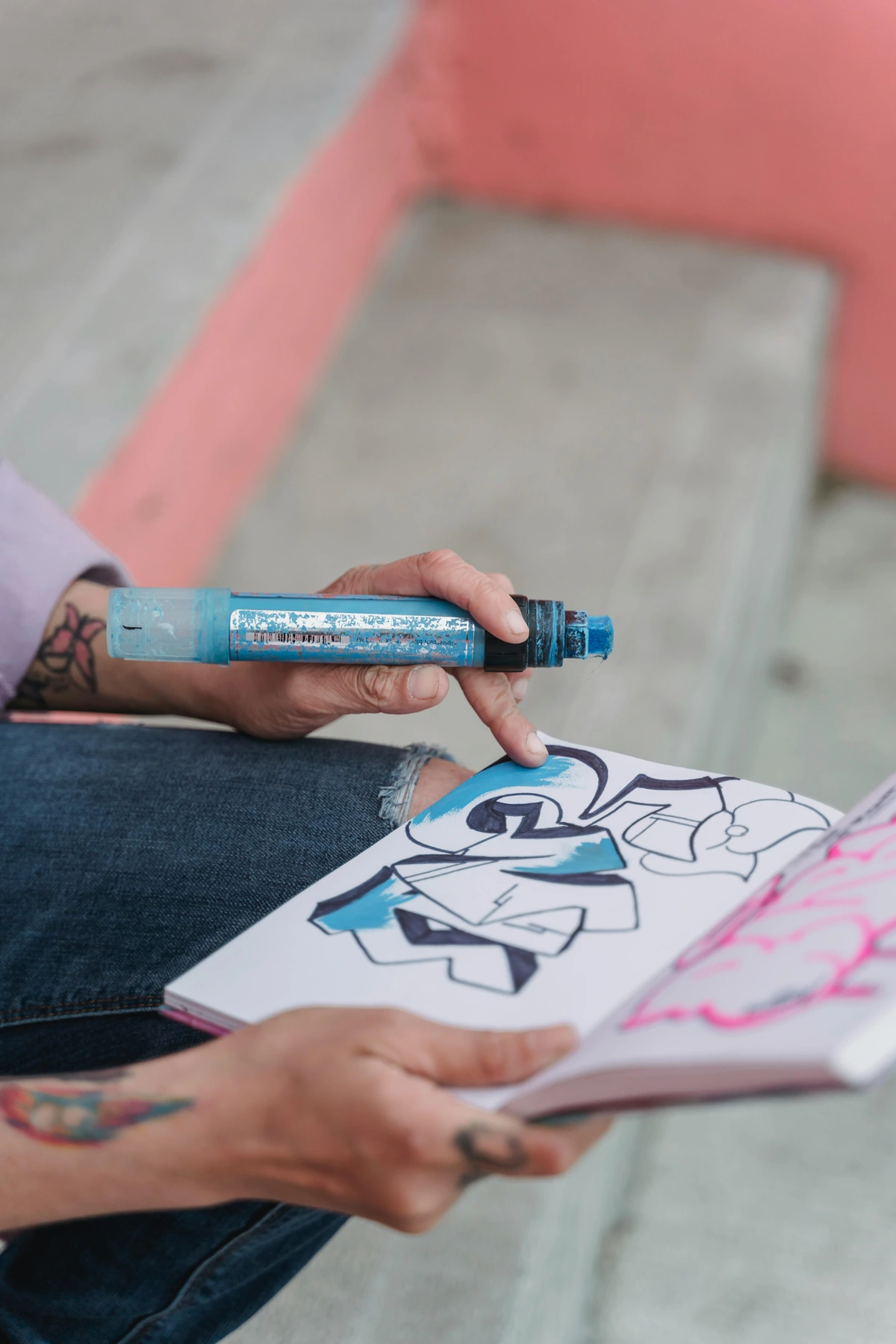
- Public Art Projects: Engaging with your local community through murals or installations, which can generate significant local buzz and press. (Thinking of powerful street art, like the kind you'd see in An Art Lover's Guide to Berlin or An Art Lover's Guide to Sao Paulo). These projects can be incredibly rewarding, grounding your abstract work in a tangible public space. If you're considering expanding your horizons, places like Art Capitals of the World offer a wealth of opportunities for global engagement.
It's about creating myriad touchpoints, both digital and physical, that allow people to experience your art and connect with you as the artist. This holistic approach ensures your work reaches diverse audiences and builds a loyal following, turning casual observers into dedicated collectors and patrons.
Digital Art Marketplaces: Expanding Your Reach
While your personal website is your primary hub, leveraging established online art marketplaces can significantly broaden your visibility and sales potential. These platforms act as virtual galleries, connecting you with a global audience of art buyers.
- Saatchi Art/Artsy: These are larger, curated platforms often preferred by more established artists and serious collectors. They offer professional profiles, curatorial support, and a higher-end clientele.
- Etsy/Artfinder: Excellent for emerging artists, prints, and smaller works, these platforms offer a lower barrier to entry and a vast, diverse buyer base. They're particularly good for direct-to-consumer sales.
- Social Commerce: Integrating direct selling capabilities on platforms like Instagram and Pinterest, allowing seamless purchases directly from your social feed. This reduces friction for impulse buyers.
Each platform has its own audience and fee structure, so choosing the right ones requires research and alignment with your artistic brand. It’s about strategic placement, ensuring your work is seen by the right eyeballs, wherever they might be online.
Navigating the Impersonal Nature of Digital Platforms
While digital platforms offer unparalleled reach, they can also feel incredibly impersonal. The challenge is to inject your unique artistic personality and create genuine connection within a seemingly automated space. This means:
- Authenticity over Perfection: Don't just show finished pieces; share your process, your struggles, and your insights. People connect with the human story behind the art.
- Engage, Don't Just Post: Respond to comments, answer questions, and initiate conversations. Treat every interaction as an opportunity to build a relationship.
- Personalized Outreach: Utilize email newsletters for more intimate communication, sharing deeper insights and exclusive content that transcends fleeting social media posts.
- Video & Live Sessions: Leverage video to show your studio, demonstrate techniques, or host Q&As. Seeing and hearing you can bridge the digital divide and create a stronger bond.
- Behind-the-Scenes Content: Pull back the curtain on your daily life as an artist, showing the glorious mess and the genuine passion. This builds relatability and trust.
It's about humanizing the digital experience, transforming a screen into a window into your artistic soul.
Here’s a little reality check:
The Instagram Dream | My Actual Morning |
|---|---|
| Meditative journaling & green tea | Scrolling through emails with one eye open, wondering if I remembered to hit 'send' on that invoice. Or worse, dealing with a critical email about a late shipment. |
| An hour of inspired sketching, capturing ephemeral light | Fighting with a shipping label printer that just refuses to cooperate, or tracking down an overdue payment, which inevitably involves phone calls and follow-up emails. |
| Wearing a pristine linen apron, looking pensively at a blank canvas | Wearing a paint-stained sweater from 2012, desperately searching for that one lost paint tube (and probably finding it dried out). |
| Starting a beautiful new painting, fresh with inspiration | Invoicing a client for a piece sold last month, then spending another hour updating the website's /buy links and optimizing image files. |
| Effortlessly floating through a creative reverie | Strategizing social media content that will actually get seen by real human eyeballs, and trying to decipher the latest algorithm changes. |
| Pure, unadulterated artistic freedom | Navigating the labyrinthine world of How to License Your Art and intellectual property. |
| Effortless networking and serendipitous connections | Deliberately seeking out online forums or local artist meetups to avoid isolation and foster genuine connections. |
| Zen-like focus on a new masterpiece | Wrestling with client contracts or chasing down an overdue payment, all while trying to maintain a polite, professional demeanor. |
| Artistic solitude and quiet contemplation | Trying to decipher the latest changes to an online gallery's submission portal, or formatting images for a grant application that's due tomorrow. |
| Effortlessly translating emotion to canvas | Wrestling with a creative block, wondering if I've entirely lost my artistic voice, and resorting to mindless doodling to kickstart ideas. |
This admin work is crucial. It’s what allows me to keep being an artist. But it uses a totally different part of my brain, and switching from 'business mode' to 'creative mode' isn't like flipping a switch.
Mid-Morning to Afternoon: The Studio Dance
Once I’ve wrestled the Admin Monster into submission—or at least convinced it to take a coffee break—I can finally head to the studio. This isn't just a room; it’s my sanctuary, a sacred space where raw ideas begin their journey into tangible form. But even here, I don't just dive headfirst into painting. There's a ritual, a warm-up, a kind of mental and physical stretching before the real work begins.
Studio Maintenance: The Unsung Hero of Productivity
Before the creative chaos, there's often the quiet hum of maintenance. This isn't just about cleaning up a mess; it's about preparing your environment for optimal flow. For me, this might involve:
- Cleaning Brushes: A simple, meditative task that clears both physical and mental clutter. Starting fresh with clean tools is a small victory.
- Prepping Surfaces: Stretching a fresh canvas (learning how to stretch a canvas for painting properly is a foundational skill), applying gesso (how to apply gesso to canvas a beginners guide), or preparing a wooden panel. These physical acts ground me and connect me to the craft.
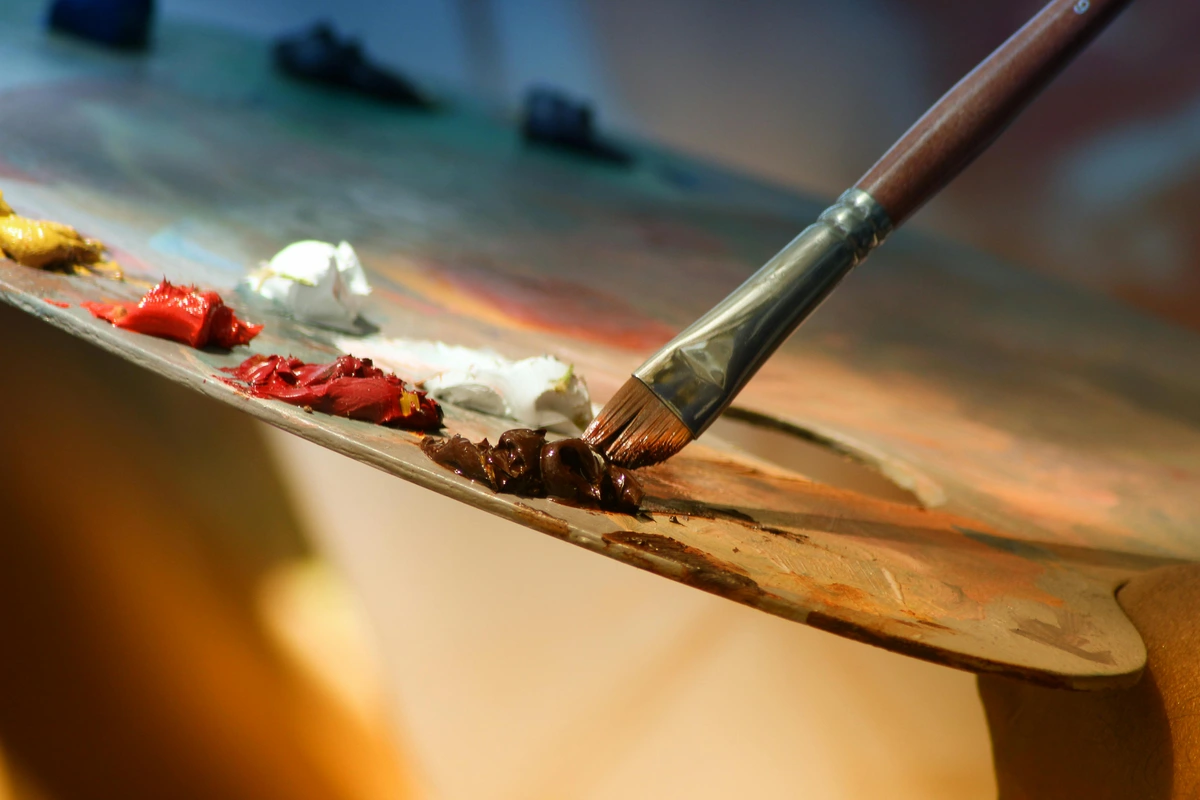
- Organizing Palette: Laying out fresh paint, refilling water containers, and generally setting up my immediate workspace. A clean, organized palette is an invitation to paint.
- Ventilation Check: Ensuring proper airflow, especially when working with certain mediums. A healthy studio is a productive studio.
These mundane tasks are actually profound acts of preparation. They're a bridge from the administrative world to the artistic one, a quiet moment to transition my mind from spreadsheets to brushstrokes. It’s a deliberate act of entering the creative zone. Sometimes it’s as simple as cleaning brushes from the day before, a quiet, repetitive task that clears the mental clutter, a subtle way to transition my mind from spreadsheets to brushstrokes. Other times, it’s a more involved process like prepping a new surface—stretching a fresh canvas (learning how to stretch a canvas for painting properly is a foundational skill that roots you in tradition even when your art is cutting-edge), applying gesso (how to apply gesso to canvas a beginners guide is always a good refresher), or preparing a wooden panel. Beyond traditional canvas, I might be preparing paper for charcoal (referencing resources like Best Paper for Charcoal Drawing), or setting up a screen for printing. The world of materials is vast and exciting, and understanding how different mediums behave is half the battle. If you're curious about blending different materials, check out My Journey with Mixed Media: Blending Materials for Abstract Expression.
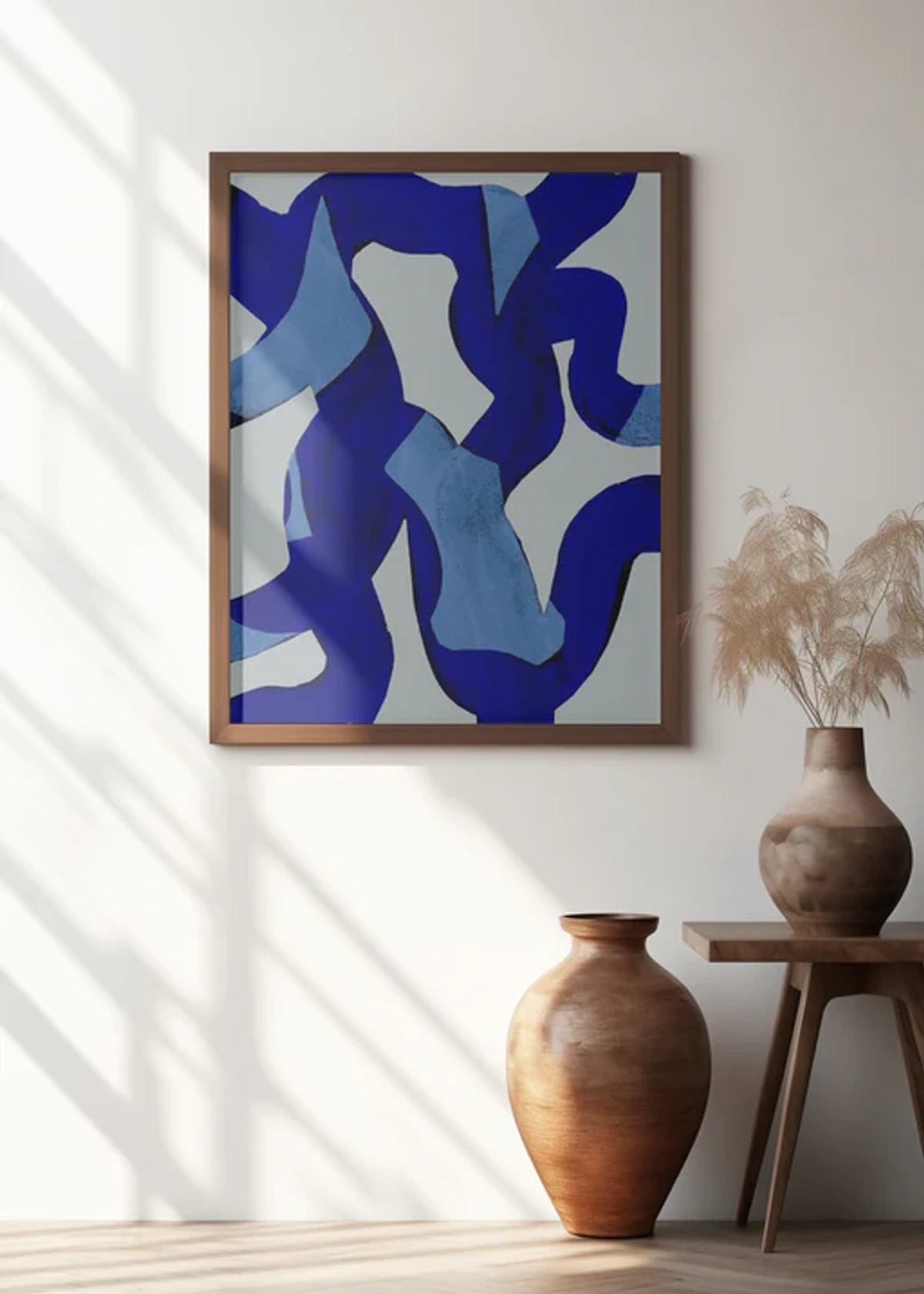
The Ritual of Preparation: Setting the Stage for Creativity
These seemingly mundane tasks are actually profound acts of preparation. They're a bridge from the administrative world to the artistic one, a quiet moment to transition my mind from spreadsheets to brushstrokes. It’s a deliberate act of entering the creative zone. I find that this ritual of preparing my space and materials is almost a meditative practice, signaling to my subconscious that it's time to shift gears. It's about creating a mental and physical container for the creative flow to emerge.
The Importance of Artist Statements: Articulating Your Vision
Before I even put brush to canvas for a new series, I often find myself wrestling with words. Crafting an artist statement isn't just a requirement for galleries or grant applications; it's a crucial part of my creative process. It forces me to articulate the 'why' behind the 'what.' Why these colors? Why this theme? What emotional landscape am I trying to evoke? This pre-emptive verbal exploration often clarifies my artistic intent, acting as a compass as I navigate the more intuitive phases of painting. It's like building a conceptual armature for the emotional journey of the artwork. If you're struggling with this, remember that The Art of the Artist Statement: Crafting Your Narrative is an excellent resource for translating your visual language into compelling words.
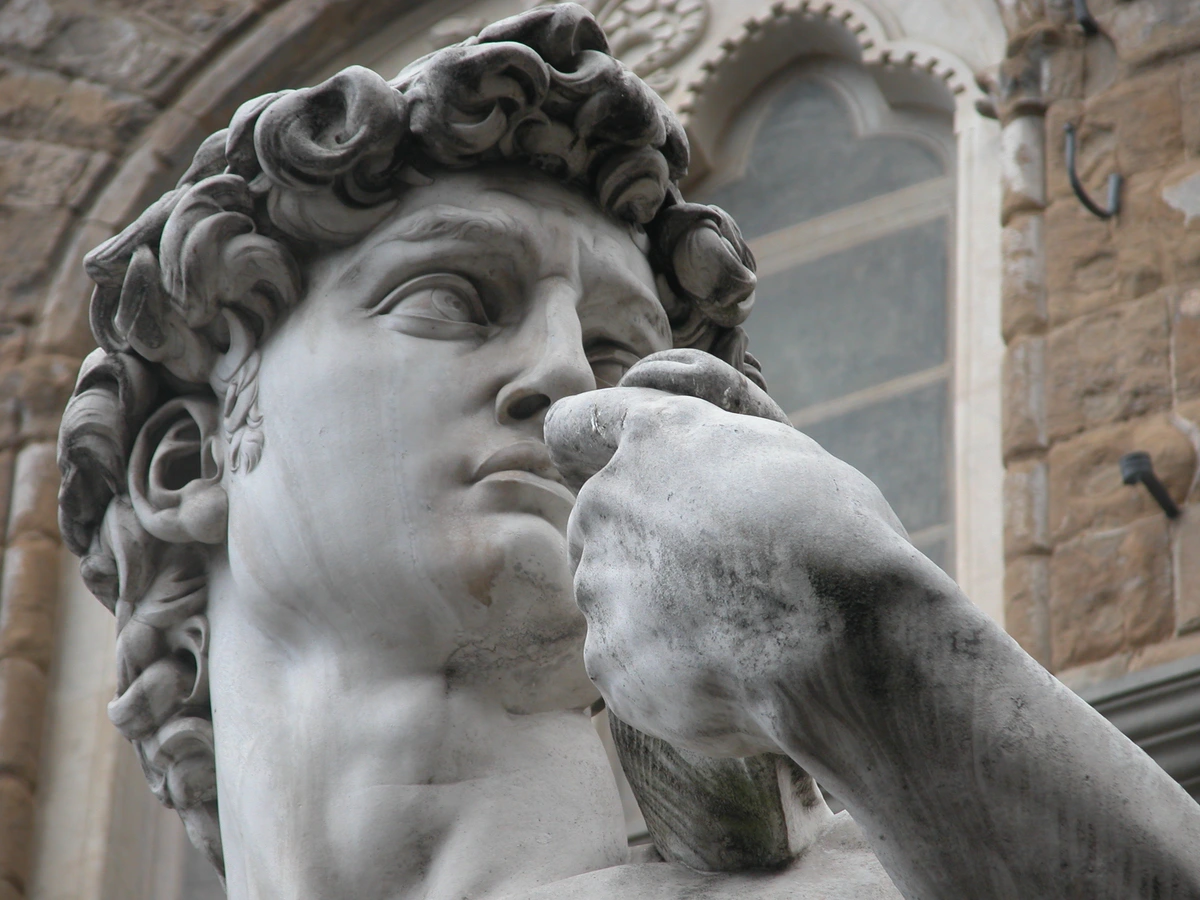
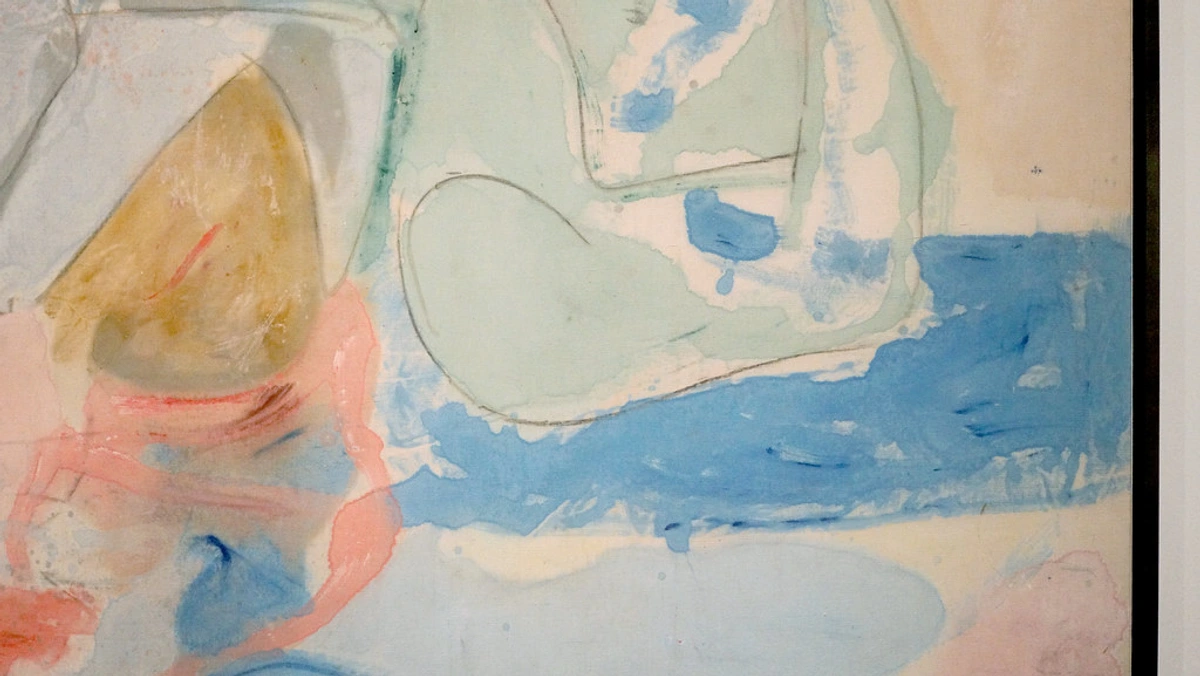
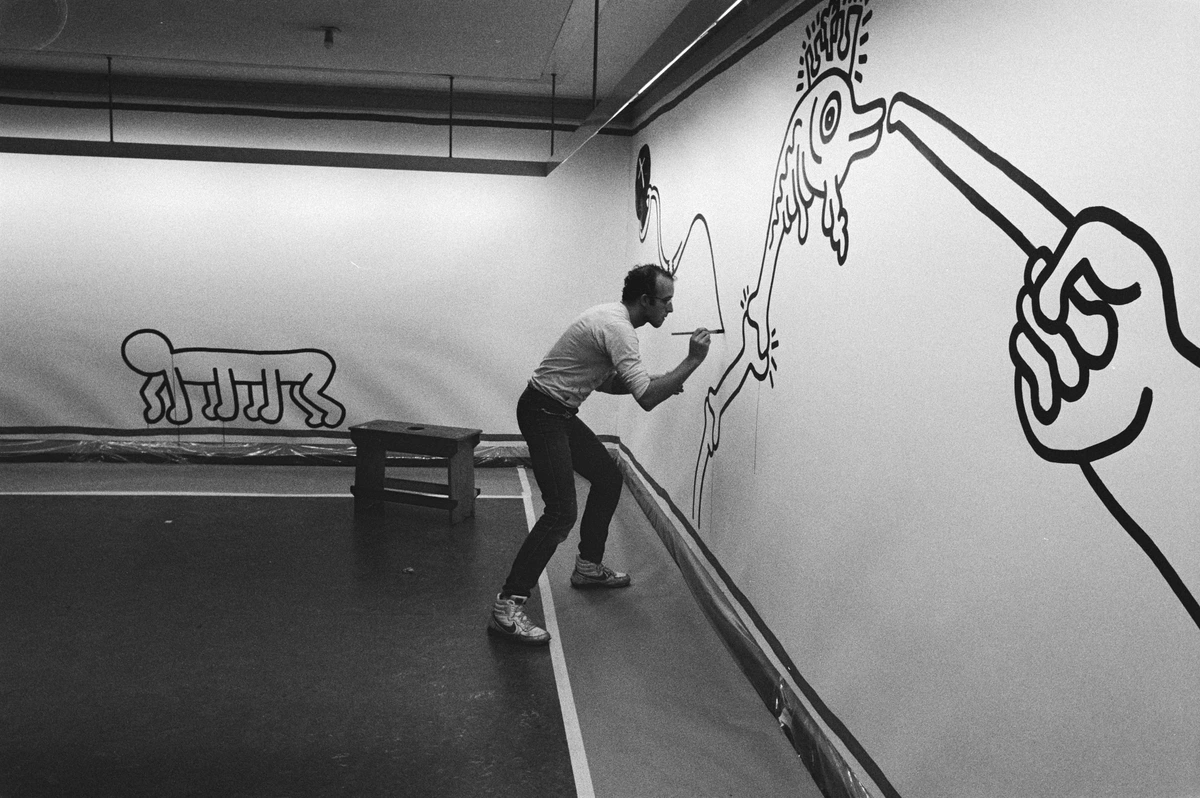
Then, the real dance begins. It has a few distinct phases:
Phase 1: The Stare-Down
This phase, often mistaken for procrastination (and sometimes, let's be honest, it is), is actually crucial. It involves a lot of intense looking, a prolonged dialogue with the canvas. I'll scrutinize the work in progress from yesterday, trying to recall the exact feeling I had when I left it. Was I excited? Frustrated? Did I see a solution I've since forgotten? I'll eye the blank canvas with a mix of anticipation and slight dread. Where do I even begin? What colors are calling to me today? I walk around it, approaching it from different angles, squinting, head cocked. And yes, I drink more coffee. It's about finding that elusive entry point, understanding the nascent conversation happening on the surface, and intuitively grasping what the piece desperately needs next. It's visual problem-solving before the brush even touches the surface, a mental warm-up to prepare for the physical act of creation. This is where I often look for subtle cues in the work itself – a misplaced line, a surprising color interaction – to guide my next move, almost like having a quiet conversation with the painting itself. Sometimes, a quick glance at nature, like the intricate patterns in a forest, provides the spark I need to begin, reminding me of the inherent balance in the world, or I might reflect on What is Design in Art to reconsider fundamental principles. It's a foundational step that connects to the very elements of art: line and form, and even The Definitive Guide to Understanding Form and Space in Abstract Art: Principles, Perception, and Practice. Or perhaps a piece of music, with its shifting harmonies and rhythms, will suggest a new compositional direction. I might even revisit a favorite artist's work, not to copy, but to understand their approach to similar visual challenges. It's about being open to subtle cues from everywhere, trusting that inspiration isn't always a bolt of lightning, but often a quiet whisper from the world around you. This internal dialogue and preparatory observation are crucial for understanding the latent possibilities within the canvas before making the first mark. I often reflect on how Art Inspirations from various sources can influence these initial decisions.
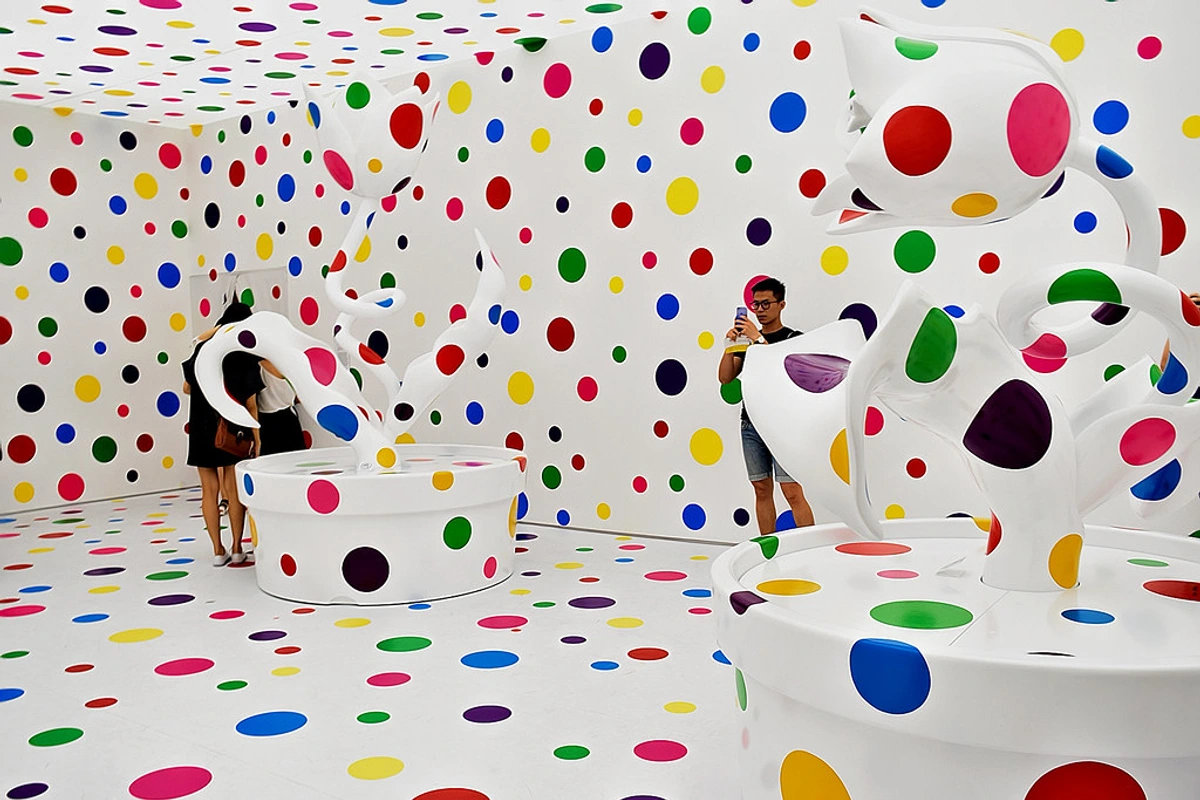
Artistic Decision-Making: Navigating the Canvas
Artistic Decision Point | Internal Question | Desired Outcome |
|---|---|---|
| Compositional Balance | Does it feel weighted? Is there tension or harmony? Is the visual weight distributed effectively? | Visual equilibrium, engaging eye movement, a sense of stability or intentional dynamism. |
| Color Harmony | Are the colors speaking to each other? Is there enough contrast or unity? Does the palette evoke the desired emotional response? | Emotional resonance, purposeful visual impact, a cohesive and intriguing color story. |
| Narrative/Intent | What am I trying to say? Is the message coming through? Am I leaning into intentional ambiguity or striving for clarity? | Clear (or intentionally ambiguous) communication of theme, inviting viewer interpretation. |
| Materiality | Is the texture working? Does the medium enhance the message? Am I using the physical qualities of the paint to their fullest? | Engaging surface quality, appropriate material expression, adding tactile depth. |
| Overall Impact | Does it hold attention? Does it evoke a response? Does it have that elusive 'it' factor? | A compelling and memorable aesthetic experience, leaving a lasting impression. |
| Intuitive Response | What is my gut feeling? Does it feel 'right'? | Trusting artistic instinct, an internal resonance that signals completion or direction. |
| Historical Context | Does it unconsciously echo or intentionally challenge art historical precedents? | Connecting to a broader artistic conversation, adding layers of meaning. |
| Rhythm & Movement | Is there a visual flow? Does the eye travel across the canvas in an engaging way? Does it feel static or dynamic? | Creating visual interest and guiding the viewer's gaze, imbuing the piece with a sense of life. |
Phase 2: The Flow State (The Magic)
Ah, the fabled flow state. This is what everyone imagines being an artist is like, 100% of the time. It’s when the world melts away, the internal critic goes quiet (for once!), and my hands seem to know exactly what to do without my conscious mind interfering too much. Hours can pass in what feels like mere minutes, a truly glorious, almost out-of-body experience where creation feels less like work and more like discovery. It's where intuition takes the wheel, guiding my hand with a wisdom I don't fully comprehend, almost as if the art is making itself through me. However, this sublime state is incredibly rare. I'm lucky if I can snatch a solid hour of this pure, unadulterated magic in a day. It's a testament to the power of sustained focus, a deep conversation between intention and accident.
Battling the Inner Critic: Silencing the Doubters
Even in the glorious flow state, or especially when it's elusive, the inner critic can be a relentless saboteur. This voice of doubt, often louder than any external critique, can paralyze creation. I've learned that you don't 'defeat' it; you learn to manage it.
- Acknowledge, Don't Engage: Hear the critic, but don't get into an argument. Thank it for its input (it often thinks it's protecting you), then gently redirect your focus back to the work.
- Separate Self from Art: Remind yourself that a 'bad painting day' doesn't mean you're a 'bad artist.' Your worth is not tied to every outcome.
- Practice Self-Compassion: Just as you'd encourage a struggling friend, offer yourself kindness and understanding during creative blocks or perceived failures.
- Focus on Process, Not Product: Shift your attention from the 'masterpiece' you're trying to create to the simple, joyful act of making marks. This can release the pressure.
- Set Small, Achievable Goals: Instead of aiming for a finished piece, aim to mix five colors, make ten marks, or work for thirty minutes. Small wins build momentum and silence the critic.
It's an ongoing practice, but learning to coexist with (and occasionally ignore) this internal editor is a crucial skill for creative longevity. It allows the true artistic voice to emerge from beneath the layers of self-doubt. Cultivating this kind of intuitive connection with your work is a journey, and you can read more about it here: Translating Emotion into Abstract Art: My Process of Visual Expression or Embracing Intuition in Abstract Painting.
Phase 3: The 'Ugly' Stage
Every single painting goes through an awkward, ugly phase. It's that point where I've made some moves, but nothing is working together. The colors are wrong, the composition feels off, and a voice in my head whispers, "You've completely forgotten how to paint." Pushing through this requires trust in the process and a stubborn refusal to throw the canvas out the window. It's where a solid understanding of balance in art composition becomes an artist's best friend, and a deeper dive into The Definitive Guide to Understanding Composition in Abstract Art can provide crucial insights. When I hit this wall, I often:
- Step Away: A physical and mental break can work wonders. Even a few minutes can reset your visual perception. A walk around the block, a quick cup of tea – anything to break the intense gaze. Sometimes the best solutions come when you're not actively looking for them.
- Flip it Upside Down: Viewing the piece from a different orientation can help you see compositional issues without the distraction of its intended subject or orientation. It tricks your brain into seeing shapes and colors anew, revealing underlying structural flaws or harmonies.
- Change the Light: Sometimes a subtle shift in lighting can reveal hidden problems or unexpected solutions. Natural light changes throughout the day, so revisiting a piece under different conditions can be illuminating, literally and figuratively. This connects to the language of light.
- Incorporate a New Medium (Cautiously!): Sometimes, the addition of a completely different material—a charcoal line, a collage element, or a different paint type—can break the impasse and offer a fresh perspective. Just ensure it aligns with your overall vision and the archival quality of your piece. Exploring The Definitive Guide to Mixed Media in Abstract Art: Techniques, Materials, and Contemporary Masters can provide inspiration.
- Work on Something Else: Shifting focus to a different piece or even a completely unrelated task can unstick your brain. Often, the solution for one painting will unexpectedly reveal itself while I’m working on another. It's like letting your subconscious do the heavy lifting.
- Consult a Friend (Cautiously!): A trusted artist friend can offer a fresh, objective perspective. But choose wisely; not all feedback is constructive, and discerning useful criticism is an art in itself.
- Do a Color Study: Sometimes the problem isn't composition, but color. Doing a small, quick color study, or exploring the psychology of color can help isolate and solve color harmony issues, preventing you from overworking the main piece.
- Re-evaluate your Color Palette: If a piece feels 'off,' sometimes the issue isn't in the brushstrokes but in the fundamental color choices. Ask yourself: Is the palette too limited or too chaotic? Are the values (lightness/darkness) varied enough? Sometimes a shift in just one dominant hue or the introduction of a complementary color can completely transform the piece, bringing it back to life. I often reflect on How Artists Use Color for new ideas.
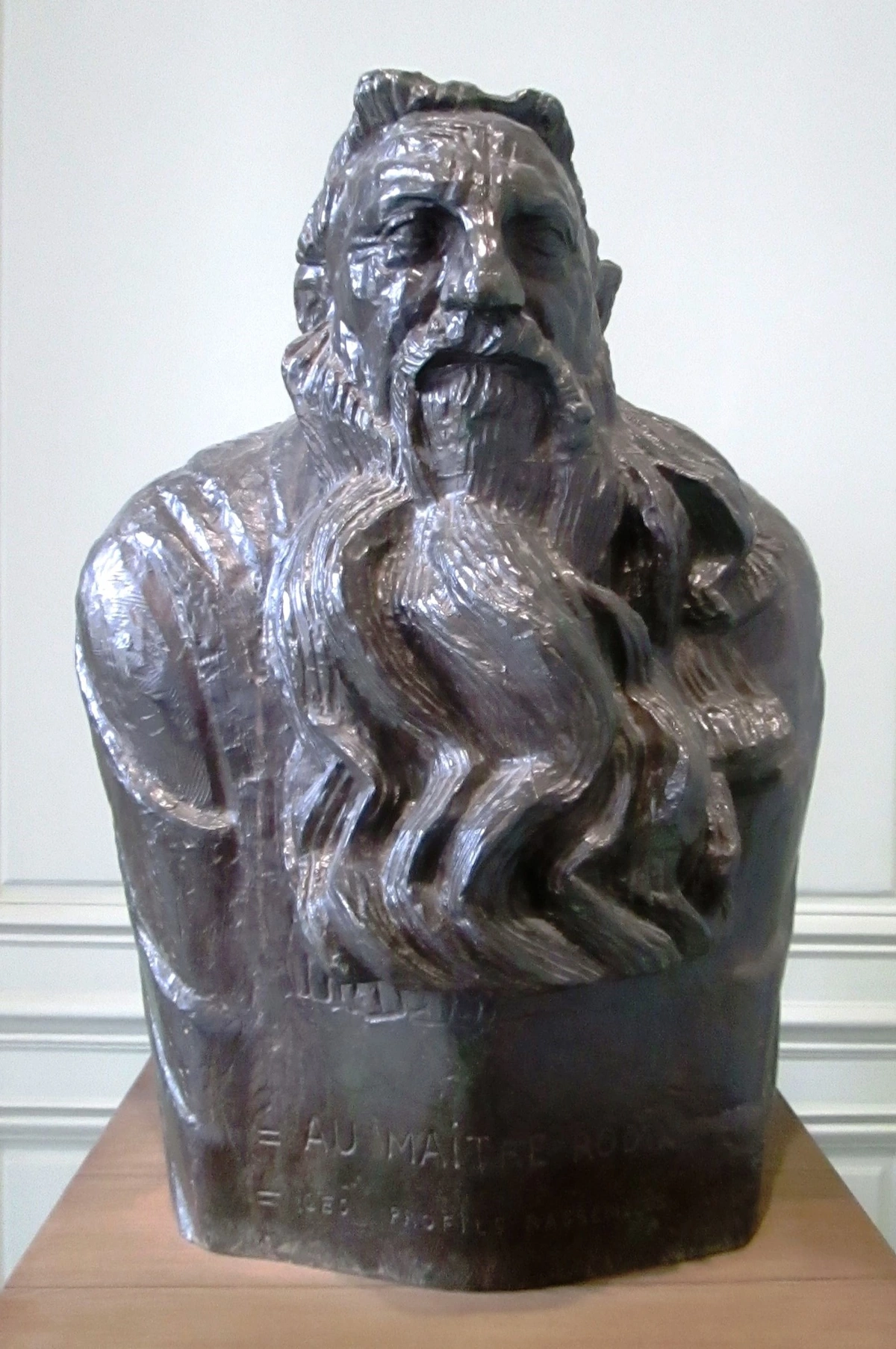
- Revisit Art History: Looking at how masters tackled similar problems can offer profound insights. A quick dive into The Definitive Guide to the History of Abstract Art: Key Movements, Artists, and Evolution or even a specific artist like Edgar Degas can spark new approaches. Inspiration often hides in plain sight, in the echoes of those who came before.
- Collaborate or Seek Mentorship: Sometimes an outside perspective, especially from someone more experienced, can provide the exact insight you need. It’s like having a co-pilot when you feel lost. It can lead to surprising breakthroughs.
Phase 4: The Problem-Solving
This is the intellectual part of painting, perhaps the most critical for elevating a piece from 'good' to 'great'. I step back. I analyze. I ask questions. Does it need more contrast? Is that shape too dominant? What if I introduced a new color here, perhaps considering The Psychology of Color in Abstract Art: Beyond Basic Hues or How Artists Use Color for its emotional impact? How does the Understanding Balance in Art Composition truly play out here? This phase is less about wild, expressive gestures and more about quiet, calculated decisions, often feeling more like a scientific experiment than a creative outburst. I might look at some books on The Definitive Guide to the History of Abstract Art: Key Movements, Artists, and Evolution to see how other artists solved similar problems, or just leave the studio for a walk to clear my head, letting the unconscious mind work its magic. This phase is also where I consciously engage with fundamental principles of composition. Does it need more emphasis on The Definitive Guide to Understanding Composition in Abstract Art? Or perhaps a closer look at The Definitive Guide to Understanding Abstraction in Contemporary Art for fresh perspectives? Another invaluable tool at this stage is seeking feedback. Sometimes you're too close to the work to see it objectively. A trusted mentor or a peer critique group can offer fresh eyes and new perspectives, helping you identify solutions you might have completely overlooked. Another invaluable tool at this stage is seeking feedback. Sometimes you're too close to the work to see it objectively. A trusted mentor or a peer critique group can offer fresh eyes and new perspectives, helping you identify solutions you might have completely overlooked.
Beyond the Canvas: The Unseen Layers – Building Depth and Narrative
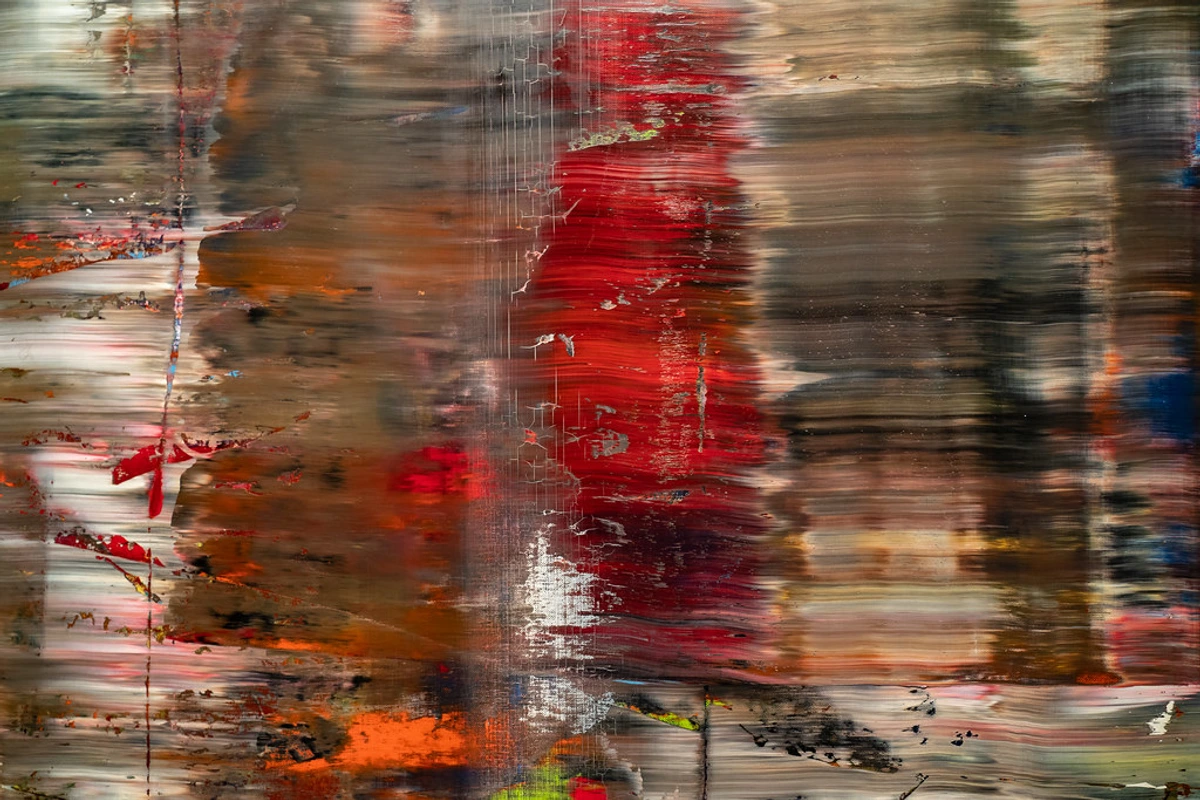
Sometimes, the magic of an abstract piece isn't just in what you see on the surface, but in the history of marks and decisions beneath. I often think of my paintings as archaeological sites, with layers of color and texture hinting at past choices and explorations. This approach isn't always visible in the final piece, but it contributes profoundly to its depth and resonance. It's about creating a rich visual history, even if that history is partially obscured. This often involves:
- Underpainting: Laying down initial washes of color or abstract shapes that establish a mood or compositional framework, which may or may not be completely covered by subsequent layers.
- Subtractive Techniques: Removing paint or material to reveal what's underneath, creating unexpected textures and insights into the painting's development.
- Glazing & Scumbling: Building up translucent layers that interact optically, creating new colors and a sense of atmospheric depth.
- Ghost Marks: Allowing faint impressions of earlier marks or drawings to remain visible, offering a glimpse into the creative process.
These unseen layers contribute to the painting's internal narrative, giving it a complexity that a single-layer approach simply can't achieve. For a deeper exploration, you might be interested in The Unseen Layers: My Process of Building Depth and Narrative in Abstract Mixed Media. I've also found that exploring historical techniques like The History of Encaustic Painting: Ancient Wax Art to Modern Revival can inspire new ways of layering and building surface history, even if I'm not working directly with wax.
The Role of Symbolism in Abstract Art: Meaning Beyond Representation
While abstract art doesn't depict reality literally, it's far from meaningless. In fact, it often delves into profound layers of symbolism. For me, certain colors might consistently represent emotions (blue for tranquility, red for passion), while particular shapes or gestures might evoke universal concepts (a circle for wholeness, a jagged line for disruption). It’s not about a secret code, but about tapping into collective and personal associations that resonate with the viewer on a deeper, more intuitive level. Understanding Understanding the Symbolism of Colors in Different Cultures can be incredibly illuminating here, as it reminds me how powerfully color speaks across contexts, even if I'm not intentionally using culturally specific symbols. Beyond universal archetypes, I also explore deeply personal symbolism – recurring shapes that represent specific memories, or particular color combinations that evoke a sense of home. It’s about weaving a visual poetry that transcends mere aesthetics and becomes a conduit for shared human experience, inviting viewers to find their own narratives within the abstraction. My personal artistic language is often explored through My Abstract Language: Decoding the Personal Symbolism and Narratives Within My Work. I believe that even without literal representation, art can tell powerful stories, and symbolism is a key to unlocking those narratives. For instance, a recurring sharp angle might symbolize a moment of tension or decision in my life, while sweeping, curvilinear forms might represent fluidity or growth. These are not static meanings, but evolving interpretations, creating a dynamic visual diary.
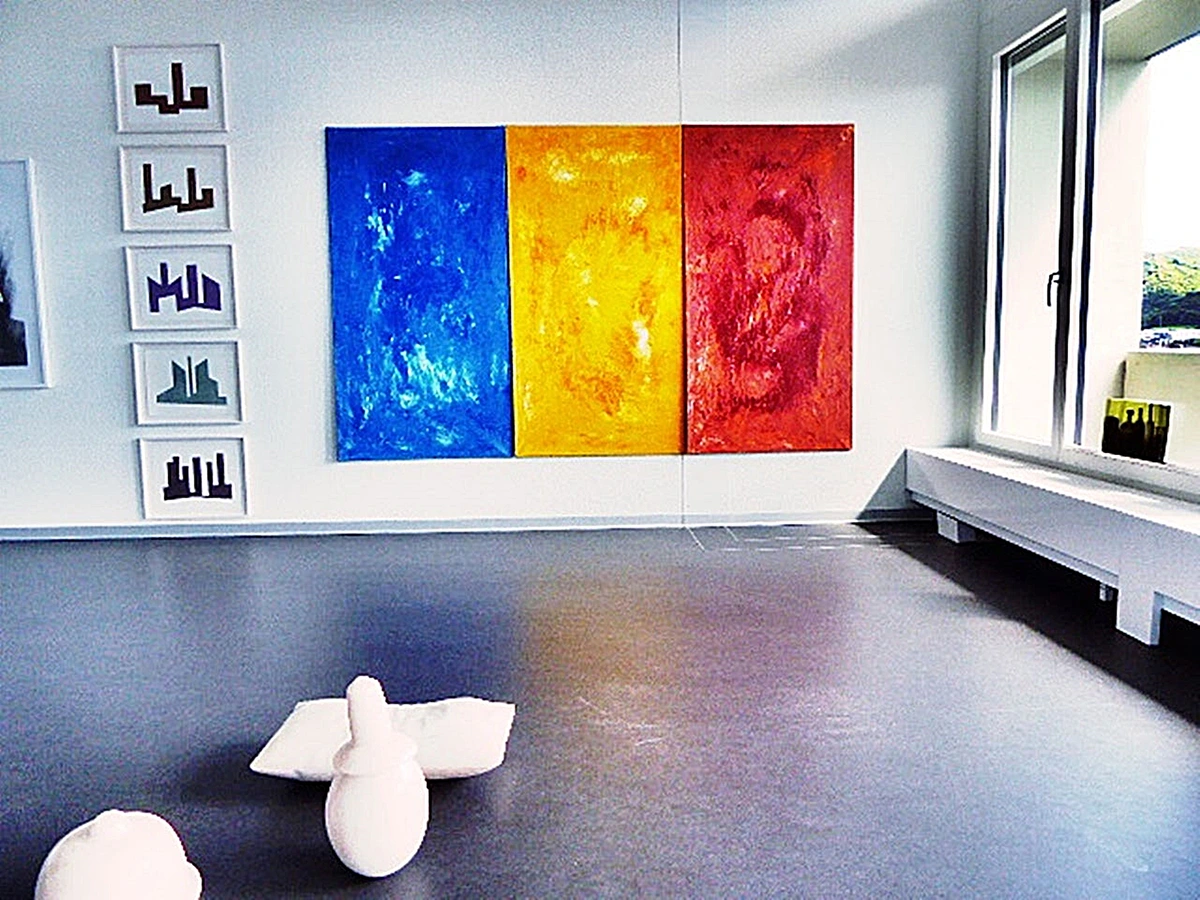
Exploring Texture and Mark-Making: The Language Beyond Color
Beyond color and composition, the tactile quality of a painting—its texture and the types of marks I make—is incredibly important, especially in abstract art. It's another layer of communication, adding depth, rhythm, and emotional weight. This involves conscious decisions about:
- Impasto: Applying paint thickly to create raised, sculptural surfaces that catch the light. I often use palette knives for this, which offer a distinct feel and control. If you're curious, What is a Palette Knife and How to Use It is a great starting point for mastering this technique.
- Glazes: Thin, transparent layers of paint that allow underlying colors to show through, creating luminous optical mixtures and a sense of depth. Think of them like stained glass on your canvas.
- Sgraffito: Scraping through wet paint to reveal layers beneath, adding linear elements and raw energy. This technique adds a primal, almost archaeological feel to the surface.
- Collage: Incorporating unexpected materials directly onto the canvas, breaking the traditional two-dimensional plane and introducing new narratives. (Though my abstract work usually doesn't involve explicit collage, understanding the principles of What is Collage Art is key to expanding your textural vocabulary).
- Experimental Tools: Sometimes the most exciting textures come from non-traditional tools—combs, sponges, even household items like bubble wrap or fabric—pushing the boundaries of what a 'mark' can be. It's about being playful and open to accidental discoveries.
- Alla Prima / Wet-on-Wet: While often associated with representational painting, applying wet paint onto wet paint in abstraction can create beautiful, soft edges and seamless color transitions, contributing to a rich, fluid texture.
- Environmental Texture: Sometimes, I'll even incorporate environmental elements, not directly into the painting, but as inspiration for texture. The rough bark of a tree, the weathered surface of old concrete, or the intricate patterns of rust can all spark ideas for new ways to build tactile surfaces or create unique marks. It's about seeing the world as a vast palette of textural possibilities.
- Drips and Splatters: Intentionally allowing paint to drip or splatter adds an element of controlled chaos and organic movement, breaking up static compositions.
It's an ongoing dialogue with the materials, a constant search for new ways to articulate feeling. For a deeper dive into this, check out Exploring Texture: My Favorite Techniques for Adding Depth to Abstract Paintings and Exploring Oil Sticks for Expressive Mark-Making.
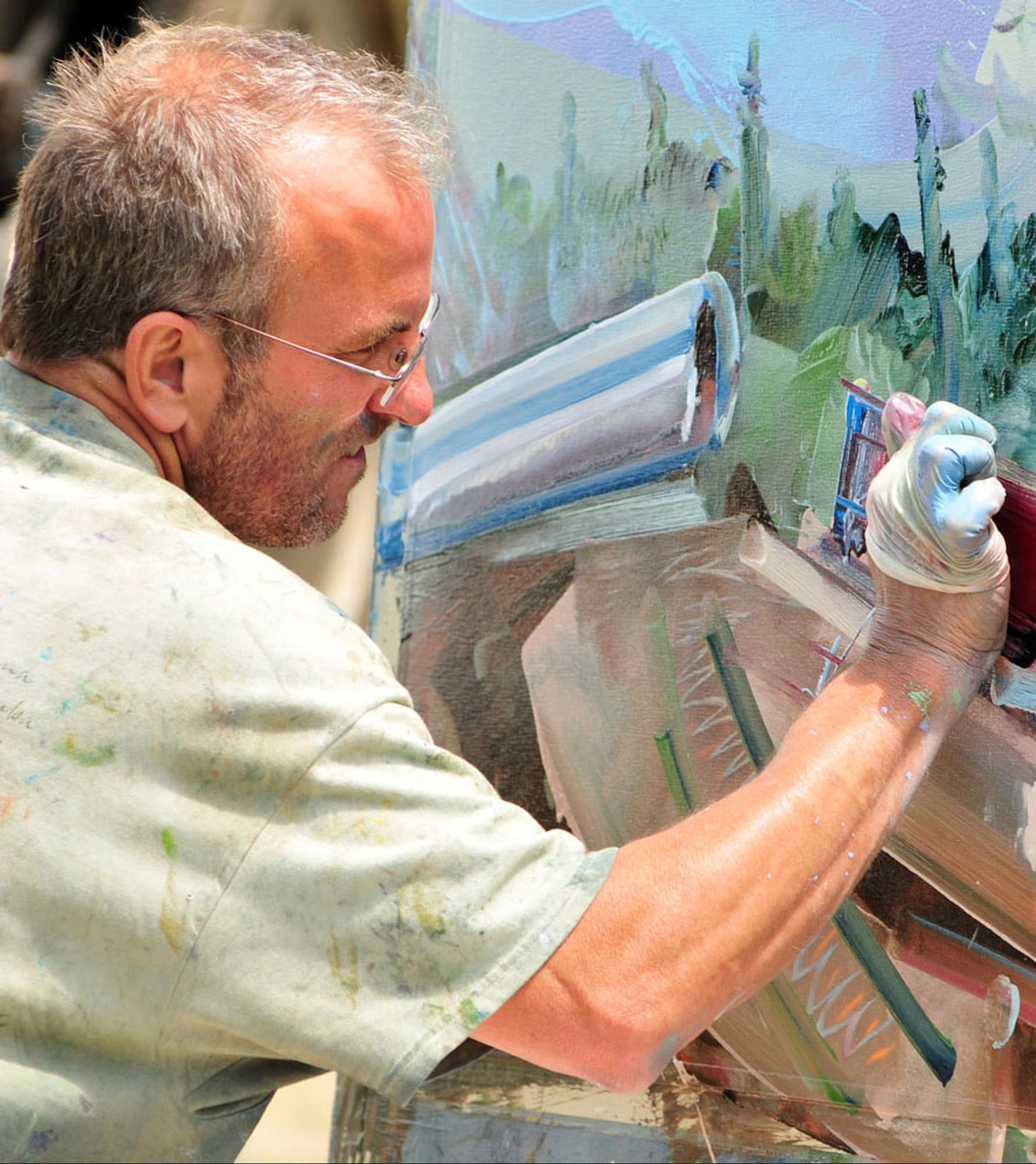
Drawing Beyond the Line: Integrating Expressive Mark-Making
Beyond just paint, I often incorporate drawing materials into my abstract work. A charcoal line can be incredibly potent, adding a raw, immediate energy that a brushstroke might not achieve. Graphite, pastels, or even ink can provide a contrasting texture or a momentary pause within a vibrant painting. It's about expanding the vocabulary of marks to include everything from delicate scribbles to bold, aggressive gestures, allowing the entire surface to sing with visual information. This expressive power of drawing can be seen vividly in pieces that leverage Expressive Power of Charcoal in Abstract Art, where the medium itself becomes a part of the emotional narrative.
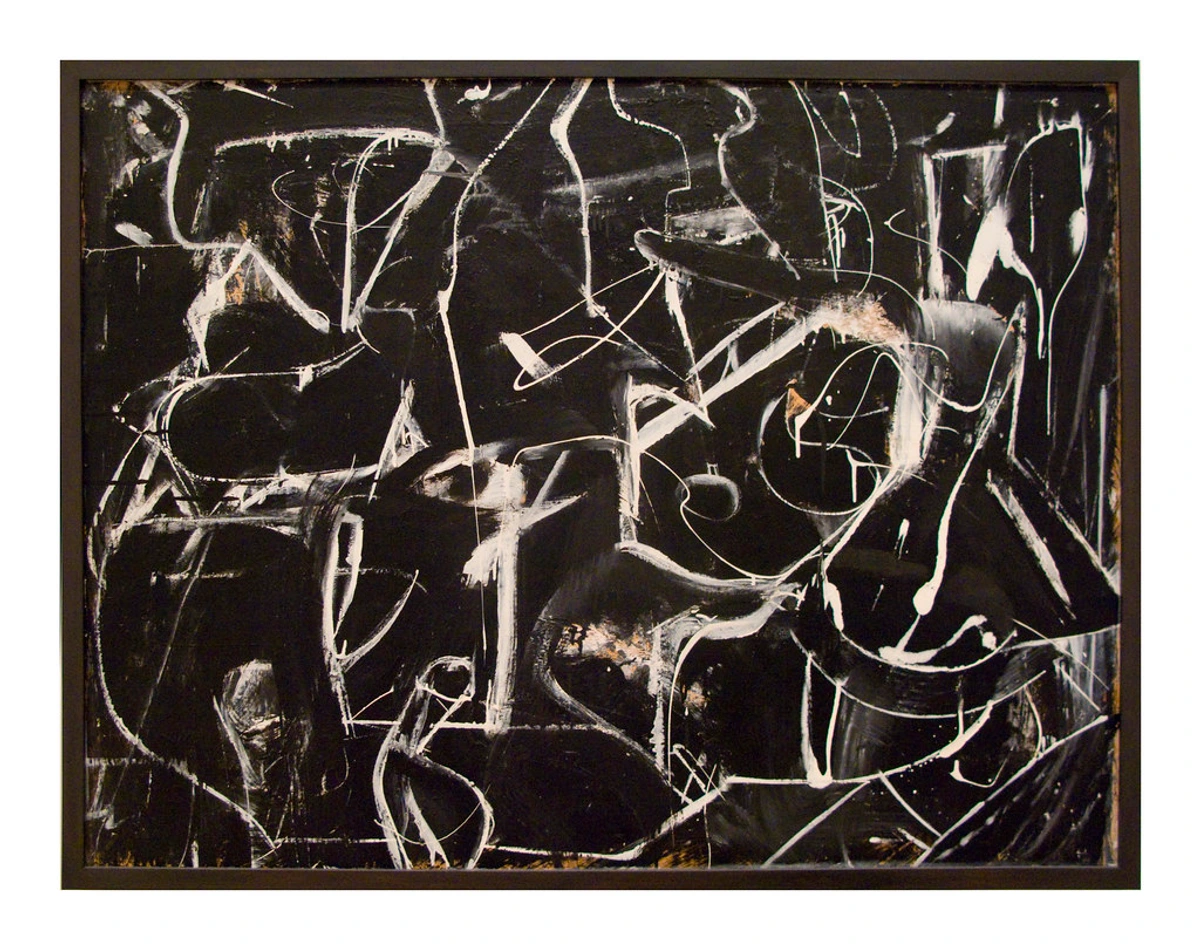
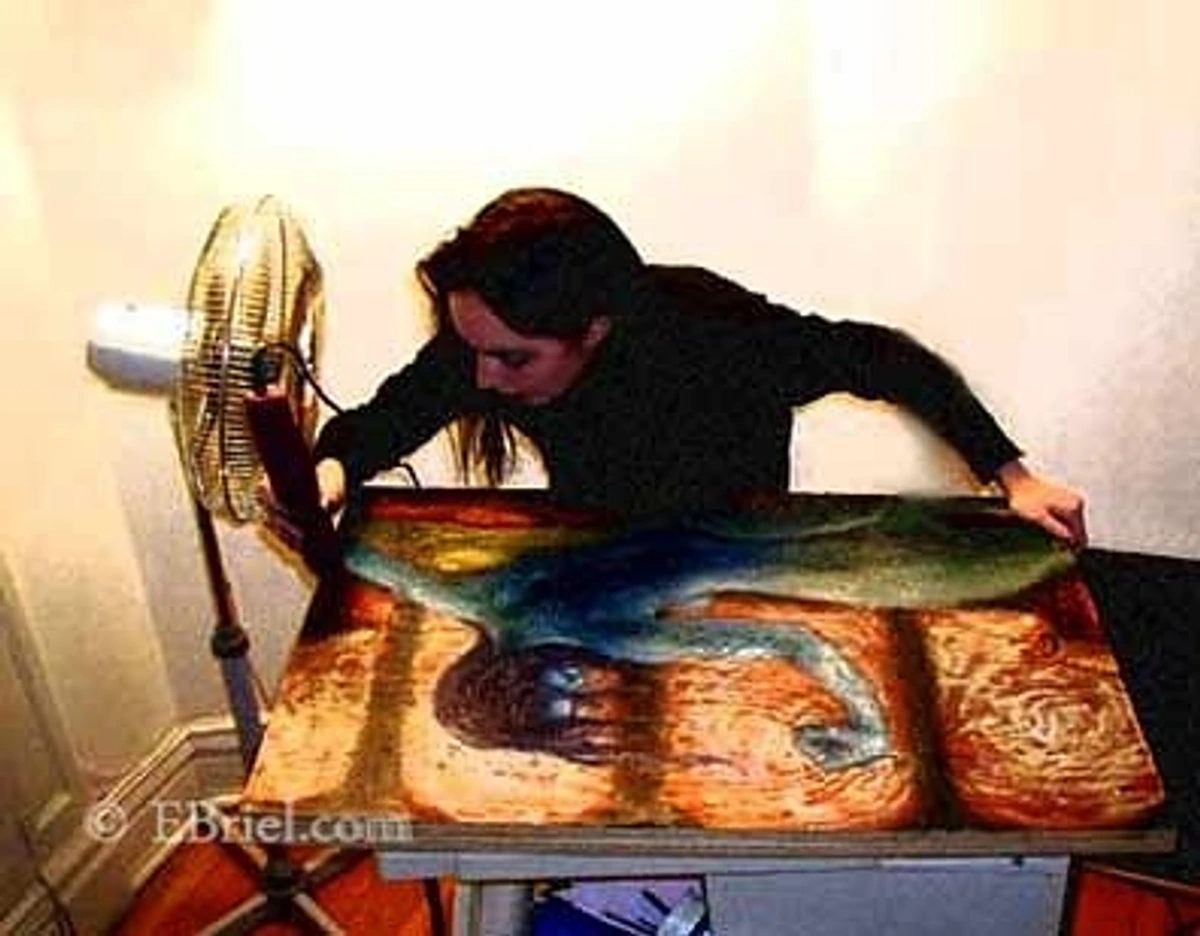
Late Afternoon: Switching Hats Again
The Business of Being an Artist: Diversifying Income Streams
While the romantic ideal often focuses solely on gallery sales, the reality for most full-time artists is a multi-faceted approach to income. Relying on a single stream is precarious. I've learned to diversify, to treat my artistic output as a versatile product that can be shared and appreciated in many forms. This not only provides financial stability but also allows my art to reach a wider audience.
Key areas for diversification include:
- Original Art Sales: The core, of course, selling unique, one-of-a-kind paintings or sculptures. This is where the magic truly happens, where a piece finds its permanent home. It's the most direct connection between artist and collector, often resulting in the highest profit margins.
- Limited Edition Prints: Offering high-quality, archival prints makes art more accessible and allows for multiple sales from a single original piece. This is where understanding What is Giclée Print becomes essential, ensuring quality and longevity. These can be a fantastic way to broaden your audience and create a more consistent income stream.
- Commissions: Working directly with clients to create bespoke pieces for their homes or collections. This requires excellent communication and project management skills, as you're translating someone else's vision through your unique artistic lens. While creatively challenging, commissions offer a guaranteed sale and deep client engagement.
- Licensing: Allowing my artwork to be used on products, in publications, or for commercial purposes. This is a complex but rewarding area, and knowing How to License Your Art is invaluable. It’s a way to let your art live in unexpected places, generating passive income without the need to create new physical works.
- Teaching & Workshops: Sharing my knowledge and process with aspiring artists, either in-person or online, provides income and builds community. This could range from introductory sessions on Basic Brushstrokes for Acrylic Painting to advanced abstract art theory. There’s a joy in seeing others discover their own creative spark. It also forces me to articulate my process, which, surprisingly, often clarifies my own understanding of my work. The act of teaching is a powerful form of learning, and it offers a predictable income stream.
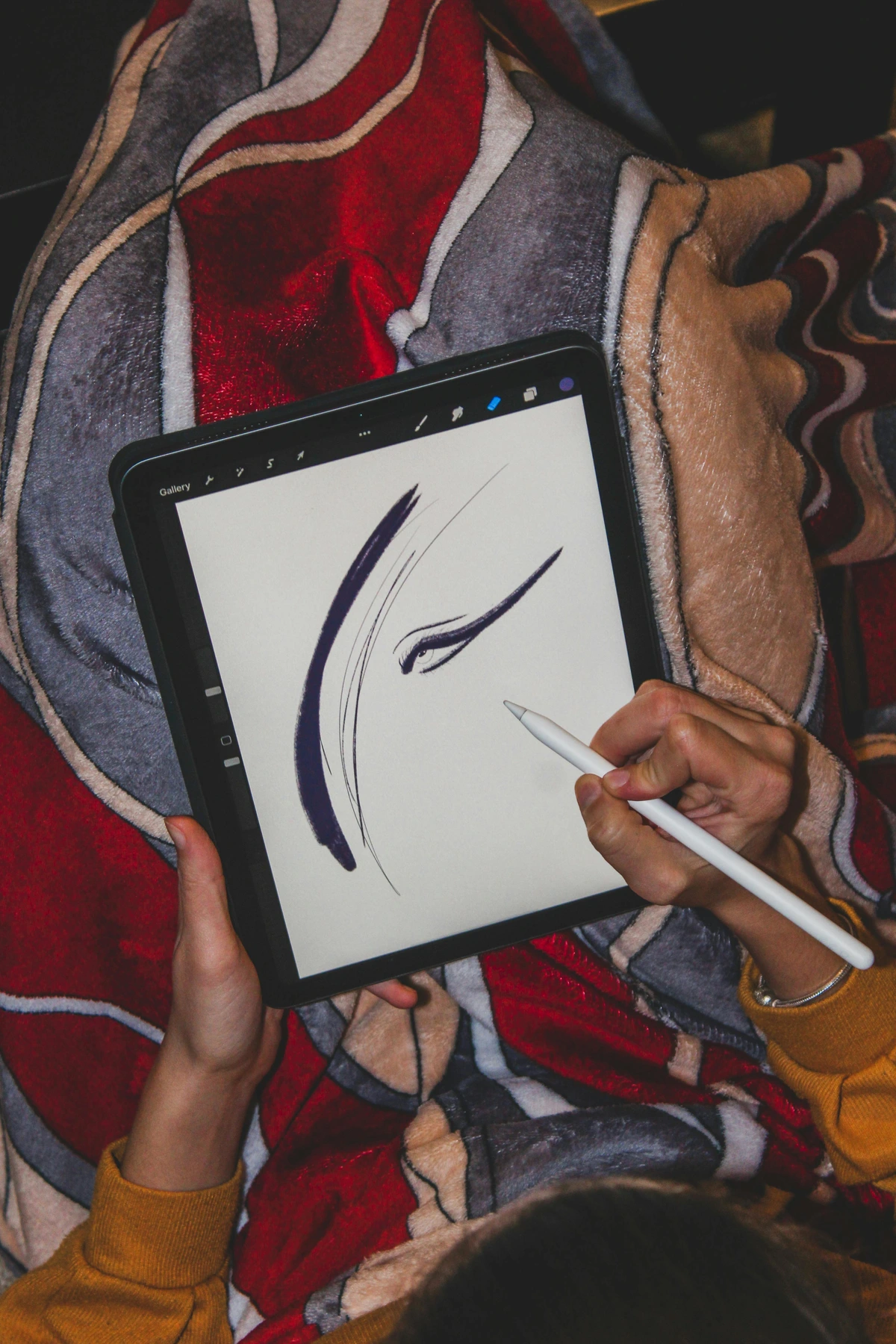
- Art Consulting/Curating: Leveraging my expertise to help collectors choose art or curate spaces (for example, exploring Case Study: Transforming a Home Office with Biophilic Abstract Art or even guiding new collectors through Guide to Art Galleries for New Collectors). It’s about sharing knowledge and helping others connect with art.
- Product Design & Collaborations: Partnering with brands to apply my artwork to textiles, homeware, or other products. This can extend the reach of my art beyond traditional canvases and into everyday life. Think about how your unique visual language could translate to a scarf, a phone case, or even wallpaper.
- Merchandise: Expanding the brand beyond prints to items like stationery, textiles, or homeware featuring my artwork. This reaches an even broader audience, making art a part of everyday life. This often involves partnering with manufacturers or using print-on-demand services.
Income Stream Considerations: Balancing Passion and Profit
Income Stream | Pros | Cons | Best For |
|---|---|---|---|
| Original Art Sales | High profit margin, prestige | Irregular, limited quantity | Core artistic vision, high-value collectors |
| Limited Edition Prints | Accessible price point, wider audience | Production costs, quality control | Expanding reach, passive income |
| Commissions | Guaranteed sale, creative challenge | Client expectations, potential for revisions | Personalized art, direct client relationships |
| Licensing | Passive income, brand exposure | Legal complexities, lower per-unit royalty | Broad market, diverse products |
| Teaching/Workshops | Community building, direct income | Time-intensive, requires teaching skills | Sharing expertise, skill development |
| Merchandise | Mass market appeal, brand visibility | High production volume, retail competition | Brand extension, casual buyers |
| Grant Writing | Funding for specific projects, artistic development | Highly competitive, time-consuming application process | Project funding, career development |
This entrepreneurial spirit is as crucial as artistic talent. It’s about building a sustainable career around what I love to do.
Grant Writing & Residencies: Fueling Artistic Growth
Beyond direct sales, grants and artist residencies offer invaluable opportunities for financial support, dedicated time for creation, and professional development. They are competitive, but the rewards are significant.
- Artist Grants: These provide funding for specific projects, research, or general living expenses, allowing artists to focus on their work without immediate commercial pressure. Crafting a compelling proposal that articulates your vision, budget, and impact is an art in itself. For guidance, check out How to Write an Artist Grant Proposal.
- Artist Residencies: These programs offer artists a dedicated period and space (often with accommodations, studio access, and sometimes a stipend) to create away from their daily routines. They can foster intense focus, cross-disciplinary collaboration, and exposure to new environments. I've found that a change of scenery can be incredibly invigorating, sparking new ideas and pushing me out of my comfort zone.
Both grants and residencies require meticulous application processes, but they are powerful tools for sustaining and evolving an artistic practice. They allow for periods of deep immersion, exploration, and growth that are difficult to achieve amidst the demands of daily life. For successful applications, you'll need a strong artist statement, high-quality images of your work, a clear project proposal, and a well-thought-out budget.
Navigating the Art Market: Beyond the Studio Walls
Understanding the broader art market is a constant learning curve. It's not just about making art and selling it; it's about understanding its context, its value, and how it moves through the world.
- Gallery Representation: While traditional, finding the right gallery that aligns with your vision can be transformative. This involves extensive research and often, a lot of patience and persistence. Galleries offer invaluable connections, marketing support, and credibility, but require careful selection and strong partnership.
- Art Fairs (Domestic & International): These are huge undertakings but offer immense exposure and networking opportunities. They require significant investment in time and resources, including travel, booth fees, and marketing materials. However, the direct sales and networking can be invaluable.
- Online Platforms & Aggregators: Websites like Saatchi Art, Artsy, or even dedicated platforms for abstract art (like those found when searching How to Abstract Art) can extend your reach exponentially. They provide a global storefront for your work, but require consistent effort in maintaining your profile and engaging with potential buyers.
- Building Relationships with Collectors: Beyond sales, nurturing long-term relationships with patrons who believe in your work is invaluable. These are often the true champions of your artistic journey. This goes beyond just sending an invoice; it involves personal notes, offering studio visits, sharing insights into your creative process, and keeping them updated on new work or exhibitions. It’s about fostering a genuine connection, transforming a transaction into a long-term artistic partnership.
- Understanding Valuation: While art pricing is subjective, understanding factors like provenance, exhibition history, and market trends is crucial for both selling and for collectors interested in Collecting Emerging Abstract Art: A Guide to Discovering Tomorrow's Masters.
It’s a complex ecosystem, and the more you understand its dynamics, the better equipped you are to thrive within it.
The Art of Self-Promotion: Crafting Your Personal Brand
In today's interconnected world, an artist is also a brand. This isn't about selling out; it's about coherently communicating your unique vision, values, and aesthetic to the world. Your personal brand encompasses everything from your website's visual style and your social media presence to how you interact with collectors and gallerists. It's about creating a consistent, authentic narrative that draws people in and makes them feel connected to your work. Think about what makes your art distinctly yours and weave that thread through every interaction and platform. It's an ongoing exercise in self-awareness and strategic communication, ensuring your voice is heard in a crowded marketplace. This also relates to how you position yourself and your work in online and physical galleries (Guide to Art Galleries for New Collectors). It’s about creating an undeniable 'you' that is instantly recognizable and deeply resonant.
The Evolution of an Artist's Voice
One of the most fascinating and humbling aspects of a full-time artistic life is witnessing your own creative evolution. It's never a static journey; it's a constant ebb and flow, a perpetual becoming, a series of discoveries and occasional dead ends. My early work, for instance, looks vastly different from what I create now, and I find that incredibly freeing. It reminds me that growth is an inherent, often messy, part of the process, and that 'finding your voice' isn't a one-time, definitive event, but an ongoing, intimate conversation with yourself, your materials, and the world around you. This journey often involves phases of intense exploration (sometimes chaotic, sometimes brilliant), followed by periods of refinement, and sometimes, a complete pivot—a glorious, terrifying leap into the unknown. It's about developing an authentic, unmistakable artistic fingerprint that resonates deeply with your core being. If you're curious about this deeply personal journey, you might enjoy reading about Finding My Voice: The Evolution of My Abstract Artistic Style or even exploring The Evolution of Abstract Art: Key Movements and Their Collectible Value to see how my personal journey mirrors broader artistic shifts. It's a testament to the fact that art, much like life, is a continuous unfolding.
Mentorship and Collaboration: Accelerating Artistic Growth
While the artistic journey often feels solitary, seeking guidance from mentors and engaging in collaborations can profoundly accelerate growth and broaden perspectives. I've found that some of my most significant breakthroughs have come from these interactions.
- The Value of Mentors: A good mentor offers not just technical advice, but also wisdom on navigating the art world, dealing with setbacks, and sustaining a long-term career. They can be a sounding board, a critic, and a champion, all rolled into one. It’s about learning from someone who has walked the path before you.
- Collaborative Projects: Working with other artists, musicians, writers, or even scientists can push you out of your comfort zone and spark entirely new creative directions. The synergy of different perspectives can lead to truly innovative work that you couldn't have created alone.
- Peer Critique Groups: A trusted group of fellow artists provides invaluable fresh eyes and honest feedback. It's a safe space to share works-in-progress, articulate challenges, and celebrate small victories. This communal learning is a powerful antidote to isolation.
These relationships foster a dynamic exchange of ideas and energy, reminding you that you're part of a larger creative ecosystem, continuously learning and evolving together.
Stages of Artistic Development: A Personal Map
While every artist's path is unique, I've observed a general trajectory in my own development, which often mirrors what I see in my peers. It's less about a linear progression and more about cyclical learning.
Stage of Artistic Development | Characteristics | Focus |
|---|---|---|
| Exploration | Experimentation with materials, styles, and subjects; high curiosity, less concern for 'finished' work. Embracing mistakes as learning opportunities, a joyful chaos. | Learning techniques, understanding mediums (like exploring Definitive Guide to Paint Types for Artists), discovering personal interests, pushing boundaries, and sometimes breaking rules. |
| Refinement | Developing preferred methods, honing skills, a clearer sense of aesthetic direction emerges. Increased self-critique and intentionality, finding your distinct visual language. | Building a consistent body of work, strengthening artistic identity, understanding visual language, addressing Understanding Balance in Art Composition, and developing a signature style. |
| Articulation | Confident expression of a unique vision, mastery of chosen mediums, work speaks for itself with clarity and depth. Connecting personal narrative to universal themes, a profound resonance. | Communicating deeper meanings, engaging with broader themes, innovative approaches, refining the The Art of the Artist Statement: Crafting Your Narrative, and making a lasting impact. |
| Innovation/Evolution | Consciously pushing beyond established boundaries, integrating new influences, and allowing the artistic voice to transform. Embracing calculated risks. | Seeking new challenges, exploring interdisciplinary approaches (e.g., From Pixels to Paint: My Creative Journey Integrating Digital Tools in Abstract Art), and ensuring the work remains fresh and relevant. |
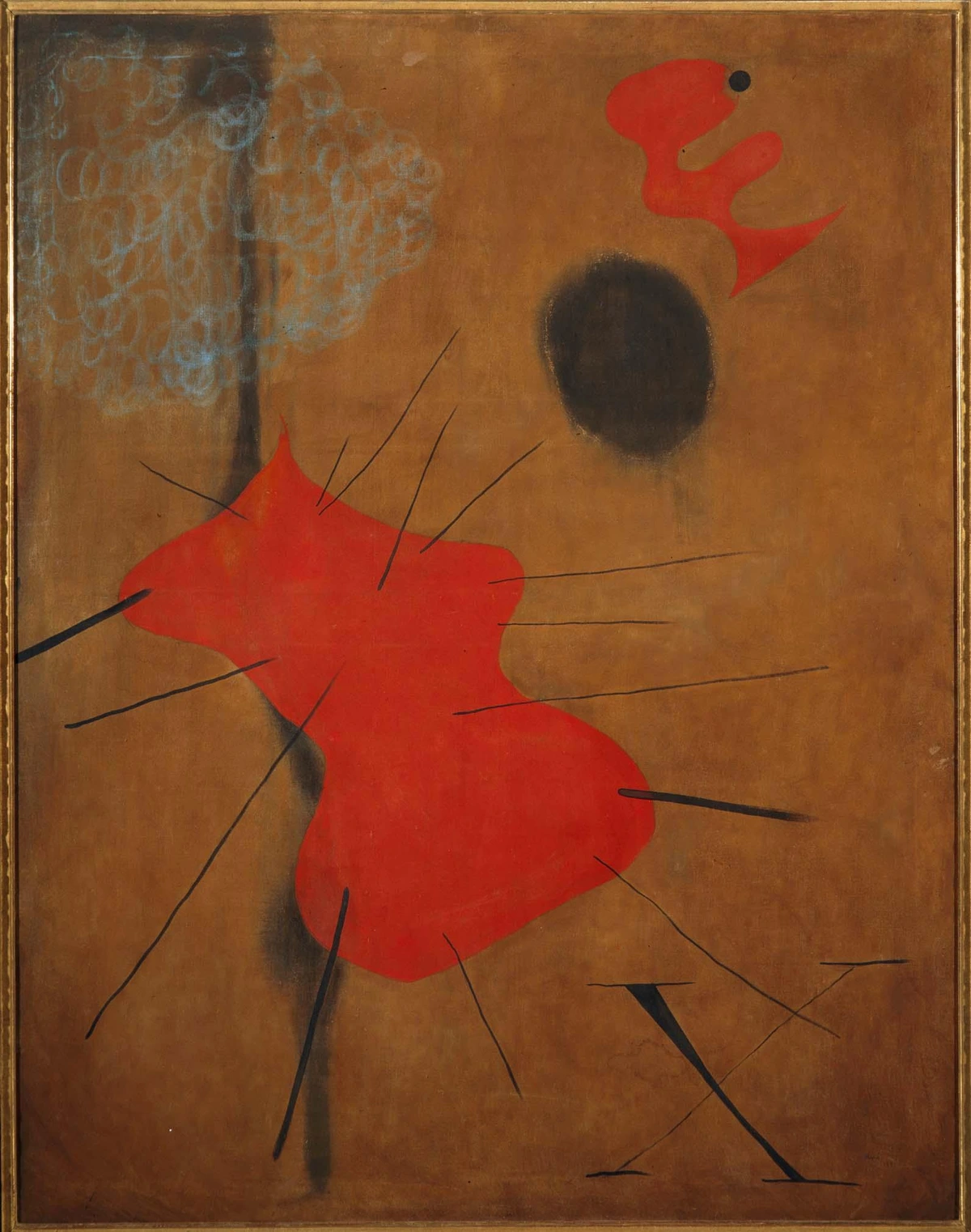
For me, abstract art has been the most profound language to articulate these inner landscapes and evolving perspectives. It allows for an unparalleled freedom to explore emotions, ideas, and pure aesthetic principles without the constraints of literal representation. There’s a profound philosophy behind why an artist chooses abstraction, and for me, it’s about accessing a deeper truth, a visual poetry that transcends the literal. You can dive into my personal philosophy here: Why I Paint Abstract: My Personal Philosophy and Artistic Vision. To explore more, check out How to Abstract Art. It's a continuous quest for expressing the inexpressible through color, form, and texture.
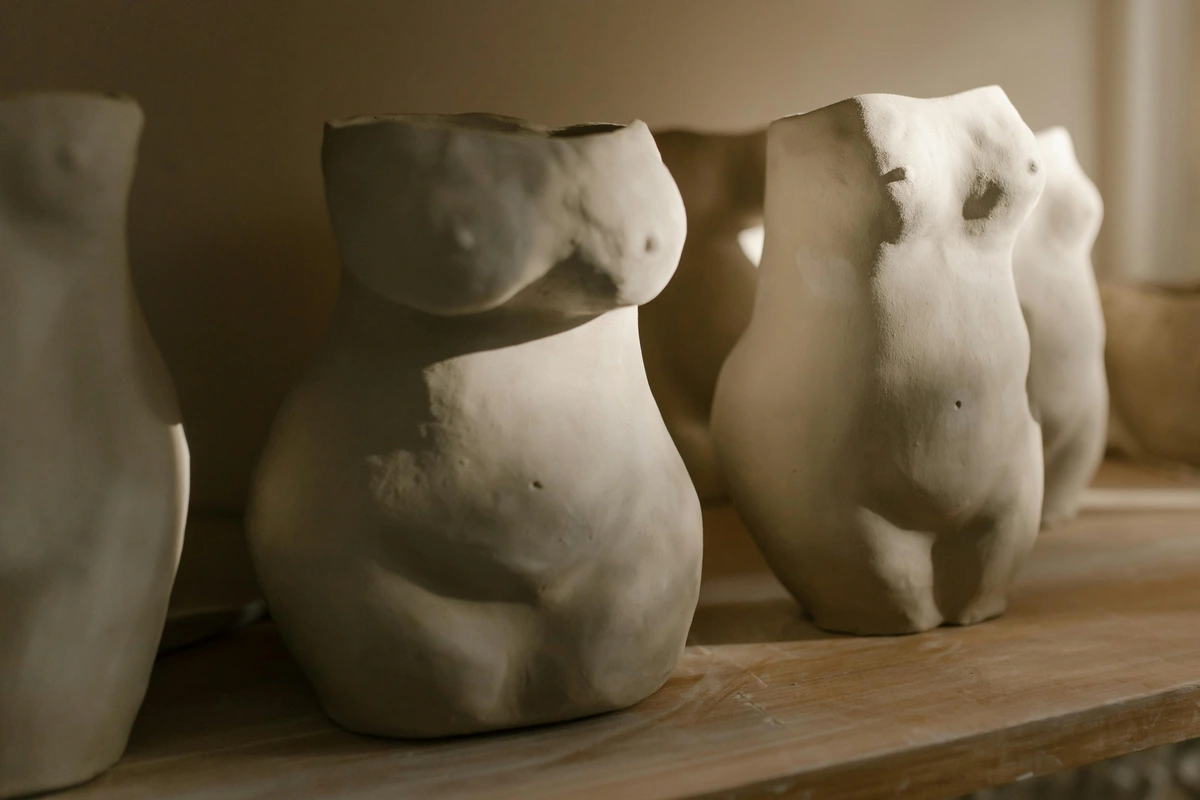
Creative energy is a finite resource. By mid-afternoon, my brain is usually fried from making thousands of tiny decisions on the canvas. This is often a good time to switch back to a more practical task.
This could be:
- Photographing finished work: This is a whole art form in itself, requiring good lighting, composition, and often a bit of post-processing to accurately represent the artwork online and for archives. It's about capturing the essence of the piece in a two-dimensional format, an almost scientific endeavor to translate a physical object into digital data. It involves understanding color temperature, avoiding glare, and using professional-grade equipment (or at least mimicking its results with clever setups). I often use a DSLR camera with a prime lens, a tripod, and diffused natural light or studio lights. Post-processing in software like Adobe Lightroom or Photoshop is essential for color correction and cropping. This meticulous process ensures that my digital portfolio truly reflects the nuances of the physical work, especially crucial for online sales via /buy links. Think of it as creating a digital twin for every physical piece. This also includes capturing detailed shots of texture and specific marks that might not be visible in a full-frame shot, offering collectors a closer look at the materiality of the piece.
The Importance of Documentation and Archiving
Beyond simply selling the work, an often-overlooked but crucial aspect of being a professional artist is meticulous documentation. Every piece that leaves my studio, and even many that don't, needs a thorough record. This isn't just for insurance; it's about building a historical archive of your creative output, a tangible legacy that outlives your immediate sales.
This includes:
- High-Resolution Photography: As mentioned, professional photos are non-negotiable. They are your legacy, and they form the foundation of your digital presence.
- Detailed Records: Keeping track of titles, dimensions, mediums, dates of creation, exhibition history, sales records, and any relevant provenance. I use a dedicated spreadsheet for this, logging everything from the initial sketch to the final sale. This also helps with Understanding Art Appraisals: What Every Collector Needs to Know.
- Artist Statements & Notes: Documenting the conceptual framework and inspiration behind each piece or series. My internal notes often provide a richer context than the public-facing statement, capturing the fleeting thoughts and intentions behind the work.
- Conservation Information: Knowing the materials used and any specific care instructions for longevity, including notes on UV protection or appropriate display environments. This ensures the artwork is properly cared for by its new owner, preserving its integrity for future generations.
- Building a Collector Database: Beyond just sales records, maintaining a comprehensive database of your collectors, their preferences, and their purchased works is invaluable. This allows for personalized communication, informs future marketing efforts, and builds lasting relationships. A CRM (Customer Relationship Management) tool can be incredibly useful here.
This disciplined approach ensures that my work can be properly understood, exhibited, and valued long after it leaves my hands. It also helps me track my own artistic journey and see patterns in my evolution, providing invaluable self-reflection points. I use cloud-based storage for all my digital records, including high-resolution images, video documentation of my process, and all written materials, ensuring easy access and robust backups.
- Packing and shipping: I swear, I have a PhD in bubble wrap and cardboard engineering. Ensuring a fragile piece of art arrives safely at its destination is a high-stakes puzzle, demanding meticulous care and attention to detail. This involves choosing the right materials, custom-building crates (sometimes even learning A Guide to Building a Floating Frame for Canvas Art can inspire shipping solutions), navigating shipping logistics, and understanding insurance policies. International shipping, customs forms, and tracking can add layers of complexity, making each delivery a mini-project in itself. It's a logistical ballet that culminates in the safe arrival of a piece of your soul. I often invest in specialty art shipping services for high-value works, ensuring professional handling and appropriate climate control during transit.
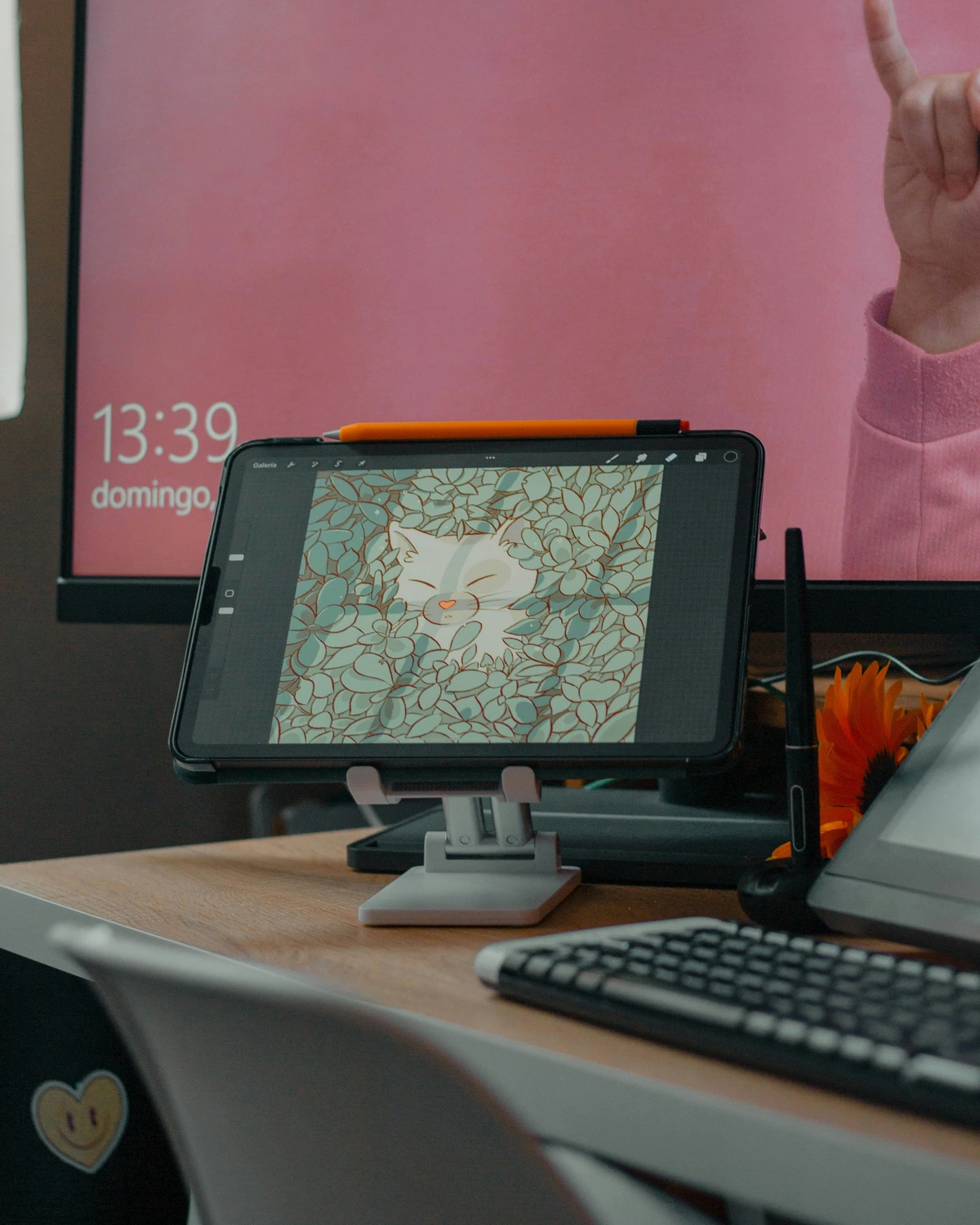
- Writing about my work: Crafting compelling artist statements, detailed proposals for something like an artist grant, exhibition texts, or even blog posts requires a different, yet equally vital, kind of creativity. It's about translating the visual into the verbal, articulating your vision and process in a way that resonates with galleries, collectors, and grant committees. The skill of articulating your artistic narrative is critical, and there's a lot to learn about The Art of the Artist Statement: Crafting Your Narrative. This also includes writing engaging content for social media, crafting email newsletters, and drafting press releases.
- Updating my portfolio and online presence: Making sure the work available to /buy is current, well-displayed, and accurately priced is a constant task. This extends beyond just my own website; it includes managing profiles on online galleries (like Saatchi Art or Artsy), social media platforms (Instagram, Pinterest, even TikTok for process videos), and other digital showcases to ensure maximum visibility and engagement with potential buyers and collaborators. It's an ongoing, dynamic process of digital curation and outreach, sometimes requiring an understanding of The Art of Display: How to Light and Position Abstract Art for Maximum Impact even for digital presentation.
The Evening: Refilling the Well
Does the day ever really 'end'? Not exactly. My brain is still mixing colors and solving compositional problems while I'm trying to cook dinner. It's hard to clock out when your job is so tied to your identity. But trust me, intentionally stepping away from the studio, both physically and mentally, is not a luxury—it’s a critical component of creative longevity. It's about giving your subconscious the space to process, to synthesize, and to re-energize itself away from the immediate pressures of production.
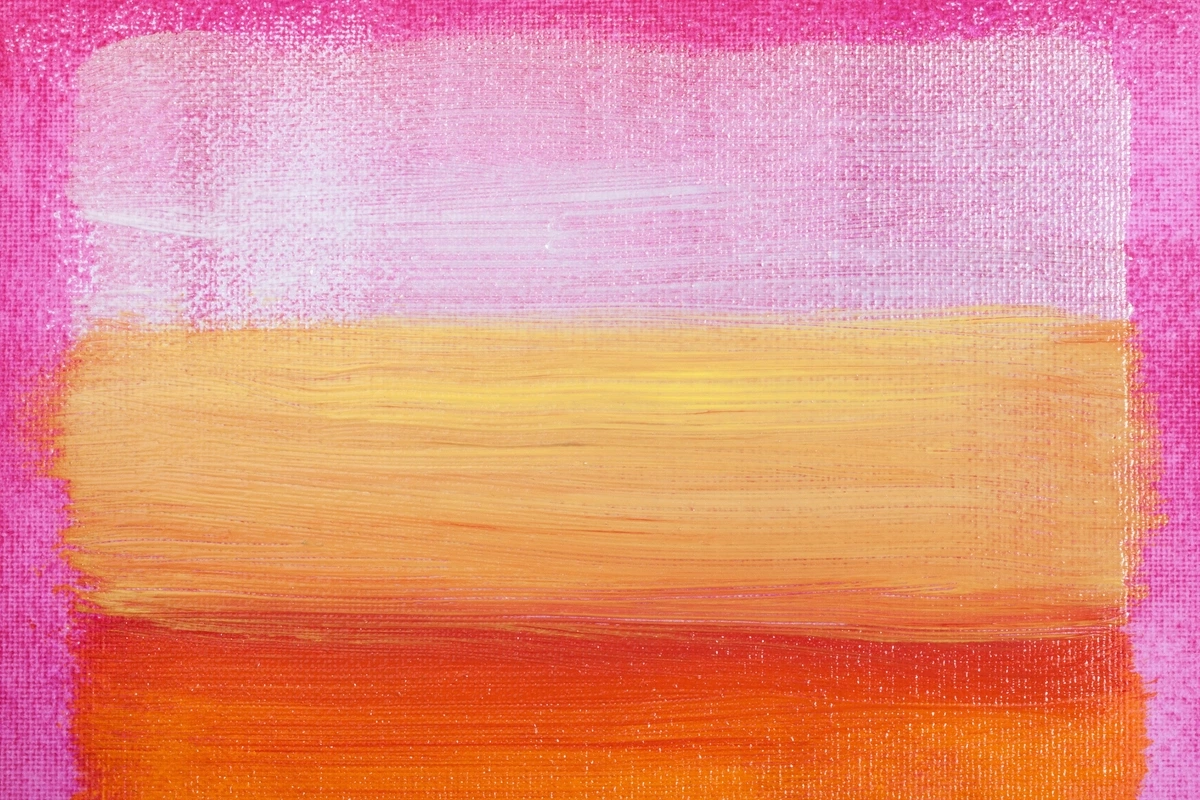
The Art of Disconnecting: Hobbies and Downtime
For an artist, the line between 'work' and 'life' can blur into oblivion. That's why I've learned the crucial importance of having hobbies and downtime that are completely unrelated to art. Whether it's gardening, hiking, learning a new language, or diving into obscure history books, these activities serve as a vital reset button. They feed different parts of my brain, offer new perspectives, and surprisingly, often provide unexpected inspiration that filters back into my art. It's about understanding that input is just as important as output; you simply cannot create in a vacuum. Everything I see, read, and experience—a snippet of conversation, the way light hits a building, a piece of music—becomes potential fuel for the next day's work in the studio. And speaking of input, connecting with other artists is equally vital. It's a reminder that you're part of a larger, supportive community. This isn't just about commiserating over shared struggles; it's about sharing insights, celebrating successes, and finding inspiration in collective endeavors. I often find that discussions about My Studio Playlist: Music That Fuels My Abstract Creations can be surprisingly insightful, revealing how others harness different forms of art for inspiration.
Lifelong Learning: The Unending Art Education
One common misconception is that once you finish art school (if you even go), your education is 'done.' Oh, if only it were that simple! The truth is, being an artist is a commitment to lifelong learning. Trends evolve, new materials emerge, and your own internal creative landscape constantly shifts. I find myself regularly:
- Taking Workshops: Even after years, there's always a new perspective or technique to learn, whether it's an advanced Basic Brushstrokes for Acrylic Painting workshop or exploring a completely different medium like ceramics. It's about continuously expanding your toolkit and challenging your own conventions. You might even discover a new passion, like delving into Introduction to Ceramics: History, Techniques, and Contemporary Practice.
- Reading & Researching: Diving into art history (especially The Definitive Guide to the History of Abstract Art: Key Movements, Artists, and Evolution), artist biographies, and contemporary art theory keeps my mind stimulated and connected to the broader artistic conversation. Understanding the past informs the present and inspires the future.
- Visiting Museums & Galleries: This is pure fuel. Seeing how other artists solve visual problems, experiencing different scales, and engaging with diverse narratives is crucial. A trip to the /den-bosch-museum, for instance, can be just the reset I need, sparking new connections and perspectives and reminding me of art's timeless power. It’s about soaking up visual information and letting it percolate.
- Engaging in Critique Groups: Getting honest, constructive feedback from fellow artists is invaluable. It helps you see your work through fresh eyes and identify areas for growth you might have missed, challenging assumptions and pushing boundaries. It’s a safe space for vulnerability and growth.
- Exploring New Technologies: Keeping abreast of digital tools and their applications in art, from advanced digital painting software to 3D rendering. (Which ties into From Pixels to Paint: My Creative Journey Integrating Digital Tools in Abstract Art). Technology isn't a replacement for traditional skills, but a powerful extension.
This continuous engagement with learning isn't a chore; it's a vital part of keeping the creative well full and ensuring my work remains fresh, relevant, and authentically mine. It’s a personal responsibility to keep growing and evolving as an artist. At its heart, this continuous learning is fueled by insatiable curiosity – a desire to understand 'how' and 'why,' to deconstruct and reconstruct, to see the world with fresh eyes every single day. Without curiosity, creativity stagnates.
Travel as Inspiration: Broadening Your Artistic Horizon
Stepping out of the studio and into the world is one of the most potent ways I've found to refill my creative well. Travel, whether across the globe or just to a neighboring town, offers an unparalleled immersion in new visual landscapes, cultures, and perspectives.
- New Visual Language: From the ancient architecture of Rome to the vibrant street art of São Paulo (like An Art Lover's Guide to Sao Paulo), every destination offers a unique visual vocabulary of colors, forms, and textures that can spark entirely new artistic directions.
- Cultural Immersion: Engaging with different traditions, narratives, and ways of seeing the world can profoundly influence your artistic philosophy and the stories you want to tell. It’s about understanding the universal human experience through diverse lenses.
- Sensory Overload (in a good way!): The sounds, smells, tastes, and sights of a new place can overwhelm your senses in the best possible way, providing a rich tapestry of input for your subconscious mind to process and transform into art.
- Breaking Routine: Simply being away from your familiar environment can dislodge creative blocks, offering fresh insights and a renewed sense of purpose upon your return to the studio.
A trip to the /den-bosch-museum, for instance, can be just the reset I need, sparking new connections and perspectives and reminding me of art's timeless power. It’s about soaking up life in all its messy, beautiful forms, and allowing the world to imprint itself on your artistic soul.
But let me tell you, it's absolutely crucial to refill the creative well. This isn't optional; it's non-negotiable homework. For me, that often means deliberately stepping away from the art world: reading things that have absolutely nothing to do with art (like obscure history or quantum physics, just for kicks), diving into a weird, obscure movie, taking a long, reflective walk in nature, or immersing myself in a different form of beauty, like visiting a museum. A trip to the /den-bosch-museum, for instance, can be just the reset I need, sparking new connections and perspectives and reminding me of art's timeless power. It's about soaking up life in all its messy, beautiful forms.
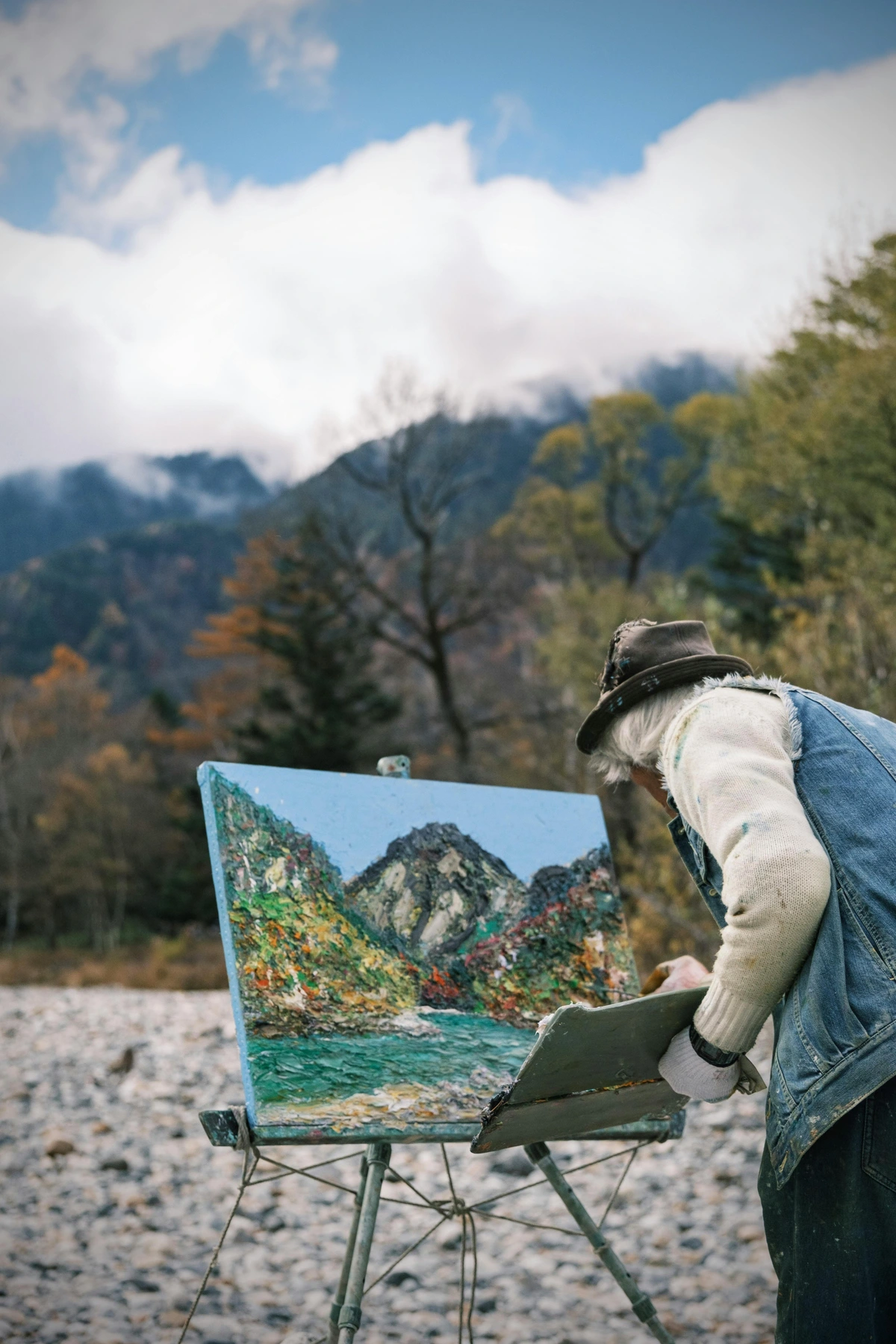
Input is just as important as output. You simply cannot create in a vacuum. Everything I see, read, and experience—a snippet of conversation, the way light hits a building, a piece of music—becomes potential fuel for the next day's work in the studio. And speaking of input, connecting with other artists is equally vital. It's a reminder that you're part of a larger, supportive community. This isn't just about commiserating over shared struggles; it's about sharing insights, celebrating successes, and finding inspiration in collective endeavors.
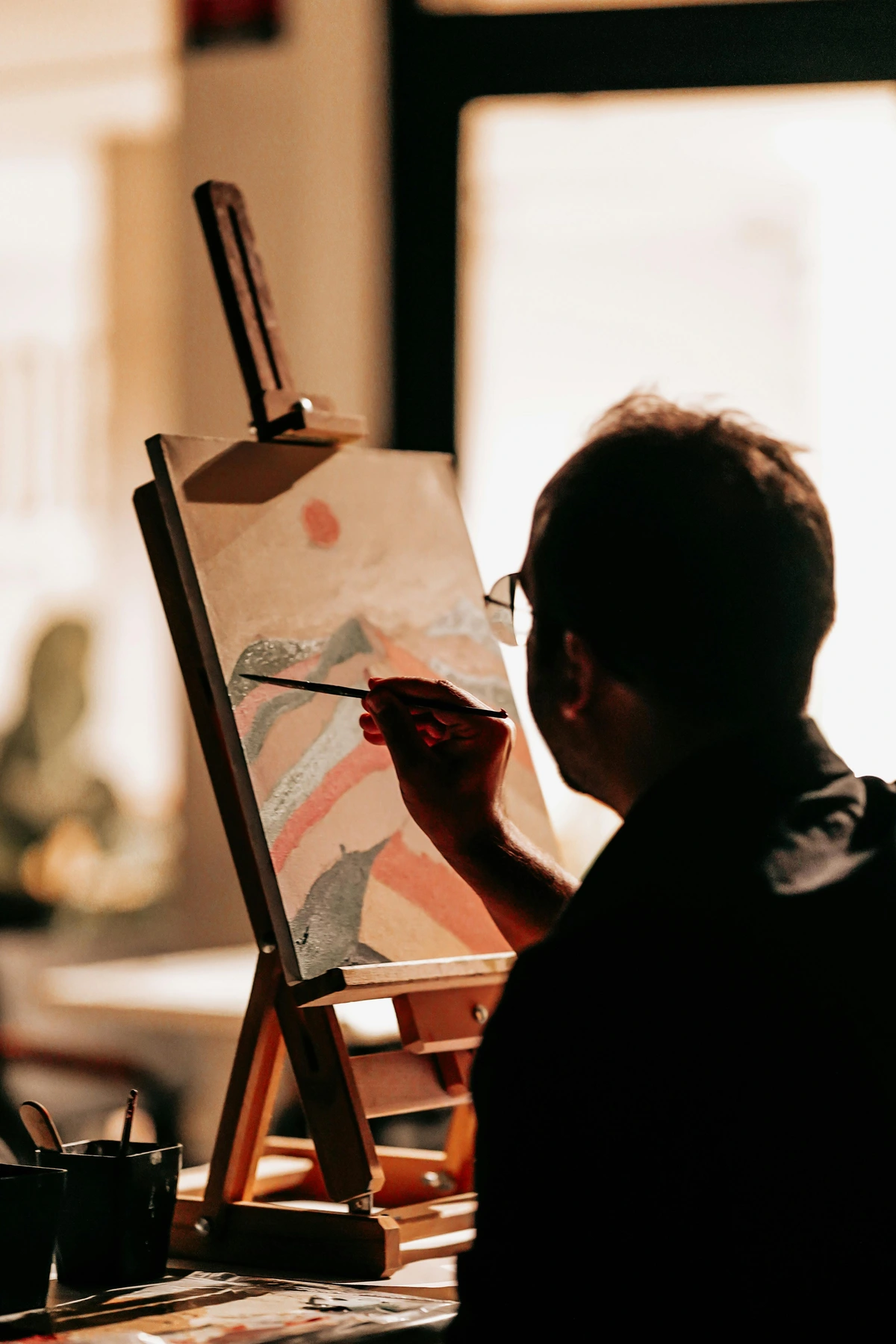
Here are a few ways I've found to build a thriving artistic community:
- Online Forums & Social Groups: Platforms dedicated to artists offer a virtual space for connection, advice, and even critique. These can be surprisingly deep and supportive.
- Local Art Meetups & Guilds: In-person gatherings can lead to collaborations, exhibition opportunities, and genuine friendships. Nothing beats face-to-face banter about the latest pigment obsessions.
- Workshops & Classes: These are not just for learning techniques; they're prime environments for networking and finding your tribe. Sharing the struggle of a new medium (like reviewing the best gouache sets for beginners, for example) creates instant bonds.
- Art Fairs & Open Studios: Engaging with the public and other artists at these events can be incredibly energizing, reminding you why you do what you do.
- Social Media Engagement: Beyond just marketing, genuinely interacting with other artists' work, commenting thoughtfully, and sharing their successes can build powerful reciprocal relationships.
Visiting Art Gallery Visitors can provide insight into how people engage with art, and how crucial shared experiences are for both creation and appreciation.


The Role of Technology in the Modern Art World
The art world, traditionally seen as a bastion of tactile creation, is rapidly evolving with technological advancements. As a contemporary artist, ignoring this shift isn't an option; embracing it, however, opens up incredible new avenues for creation, exhibition, and connection. It’s a fascinating, sometimes bewildering, convergence of ancient craft and cutting-edge innovation. I often think about how masters like Leonardo da Vinci would have embraced these tools – probably inventing a few more along the way, always pushing the boundaries of what's possible.
Digital Tools in the Studio
While my hands still get messy with paint, digital tools have become indispensable. From drafting compositions and experimenting with color palettes in Procreate or Photoshop before touching a canvas, to using project management software like Asana or Trello to keep my commissions organized, technology streamlines many aspects of my practice. It's not replacing the brush, but enhancing it, allowing for more informed decisions and efficient processes, freeing up more time for the actual creation. I often think of my tablet as an extension of my sketchbook, a place for quick, fearless experimentation before committing to canvas, a digital playground for ideas. This blending of worlds, where pixels inform paint, is explored further in From Pixels to Paint: My Creative Journey Integrating Digital Tools in Abstract Art.
Essential Digital Tools for Artists: A Quick Guide
Tool Category | Examples | Primary Use |
|---|---|---|
| Digital Painting | Procreate, Photoshop, Corel Painter | Sketching, color studies, composition drafting, digital art creation, quick mock-ups. |
| Project Management | Asana, Trello, Monday.com | Organizing commissions, deadlines, inventory, client communications, task tracking. |
| Website Builders | Squarespace, Shopify, WordPress | Online portfolio, e-commerce, blog, artist statement, building brand presence. |
| Social Media Mgmt. | Later, Hootsuite, Buffer | Scheduling posts, analyzing engagement, managing multiple platforms, content planning. |
| Accounting Software | QuickBooks, FreshBooks | Tracking income/expenses, invoicing, tax preparation, financial reporting. |
| E-commerce Platforms | Etsy, Artfinder, Saatchi Art | Direct sales of originals and prints, broader market reach, handling transactions. |
| Online Learning Platforms | Skillshare, Domestika, Artstor | Access to tutorials, art history lectures, technique demonstrations, continuous education. |
Expanding Reach Through Online Platforms
The internet has democratized access to art in a way never before possible. Online galleries like Saatchi Art, Artsy, or even Etsy for smaller works; social media platforms such as Instagram, Pinterest, and TikTok; and dedicated artist websites allow me to reach a global audience directly. This is where tools, even some powered by AI as Co-Creator: Exploring Collaborative Art Projects with Artificial Intelligence, can also come into play, helping to generate concepts or variations that spark new directions in my work. It’s about building a digital footprint that mirrors and amplifies my physical presence, turning a solitary studio practice into a global conversation, allowing my abstract vision to travel far beyond my studio walls. It’s about leveraging every available channel to tell your story and share your work. The digital realm also offers unique opportunities for decorating with abstract art in bohemian chic interiors, making your work accessible for virtual staging and interior design concepts.
The Discussion Around NFTs and Digital Ownership
And then there's the elephant in the digital room: NFTs. While the hype has certainly cooled, the underlying technology of blockchain does raise interesting questions about digital ownership, provenance, and how artists can monetize purely digital creations. My stance remains one of cautious observation; while the potential for new revenue streams and authenticated digital art is intriguing, the environmental impact and the highly speculative, often volatile nature of the market still present significant concerns for me. It's a conversation that's still unfolding, and one that artists need to approach with both curiosity and discernment, understanding the risks as much as the potential rewards. The landscape of The Rise of Digital Abstract Art: A New Frontier for Collectors is undeniably expanding, but it's important to navigate with caution. The long-term implications for artist rights, market stability, and the very definition of 'art' itself are still being written, and I believe a measured, informed approach is always best. It's a Wild West out there, and critical thinking is your best compass, especially as we learn more about understanding the AI art market. The ethical considerations, particularly around intellectual property and fair compensation for artists, are still being debated fiercely within the community. While the technology offers undeniable innovation in tracking provenance and ownership in the digital realm, its cultural integration and long-term value proposition remain areas of active discussion and evolution. I'm keeping a keen eye on how this space develops, always prioritizing sustainable and ethical practices for artists. I also consider the environmental footprint of blockchain technology, which is a significant concern for many artists, myself included.
FAQ: The Stuff You're Probably Wondering
How do you define success as a full-time artist?
This is a beautiful question, and one I've grappled with throughout my career. Initially, 'success' felt tied to gallery representation or major sales. But over time, my definition has evolved. Now, it's a tapestry woven from several threads: the joy of consistent creative output, the genuine connection I feel with collectors who resonate with my work, the financial stability to sustain my practice without undue anxiety, and the continuous growth of my artistic voice. It’s less about external validation and more about internal fulfillment, about showing up every day and truly loving the messy, glorious dance of being an artist. If I can inspire one person, or create one piece that truly moves someone, that's a profound success in my book.
How do you choose themes or subjects for your abstract art?
This is a fantastic question, and one I've spent a lot of time contemplating. For me, abstract art is less about depicting a specific object and more about translating an experience, an emotion, or a philosophical idea into visual form. It often starts with an internal sensation—a fleeting memory, a complex feeling, or even a profound observation of nature. I might be captivated by the way light refracts through glass, or the emotional weight of a particular piece of music, or the intricate patterns of a city from above (like in 
credit, licence). These abstract inspirations then inform my choice of color palette, texture, and compositional rhythm. It’s a journey of internalizing the world and then externalizing it through the language of pure form, a constant translation of the unseen into the visible. The process is deeply personal, akin to Why I Paint Abstract: My Personal Philosophy and Artistic Vision.
credit, licence
How do you price your art?
Ah, the million-dollar question! Pricing art is a delicate balance of objective factors and subjective value. I consider:
- Materials & Time: The cost of canvas, paints, mediums, and the hours (sometimes days or weeks!) poured into a piece. This isn't just literal hours, but the cumulative experience that allows for efficient creation.
- Size: Larger pieces generally command higher prices due to material cost, time, and scale of impact.
- Experience & Reputation: As an artist grows, their market value typically increases, reflecting their track record, exhibition history, and critical reception. This also includes the development of a distinctive artistic voice.
- Market Demand: What similar artists are selling their work for in comparable venues, and the current economic climate. It's about understanding where your work fits within the broader art ecosystem.
- Emotional Labor: The intangible energy and part of my soul that goes into each creation. This is the hardest to quantify but often the most valuable to collectors. It’s the culmination of years of practice, countless hours of experimentation, and the very essence of my artistic journey.
- Appraisal Value: For collectors, understanding the market value and potential investment aspect is key. Professional art appraisals can offer objective valuations, providing a formal document of the artwork's worth. This is particularly relevant for higher-value pieces or for estate planning (Understanding Art Appraisals: What Every Collector Needs to Know).
- Exhibition History & Provenance: Where the work has been shown and its ownership history can significantly impact its value, adding to its story and prestige.
It’s not just about a simple formula; it's about valuing my time, my skill, and the unique piece of art I'm offering to the world. And it's an ever-evolving process of adjustment and assessment, often guided by instinct and the advice of trusted gallerists or advisors.
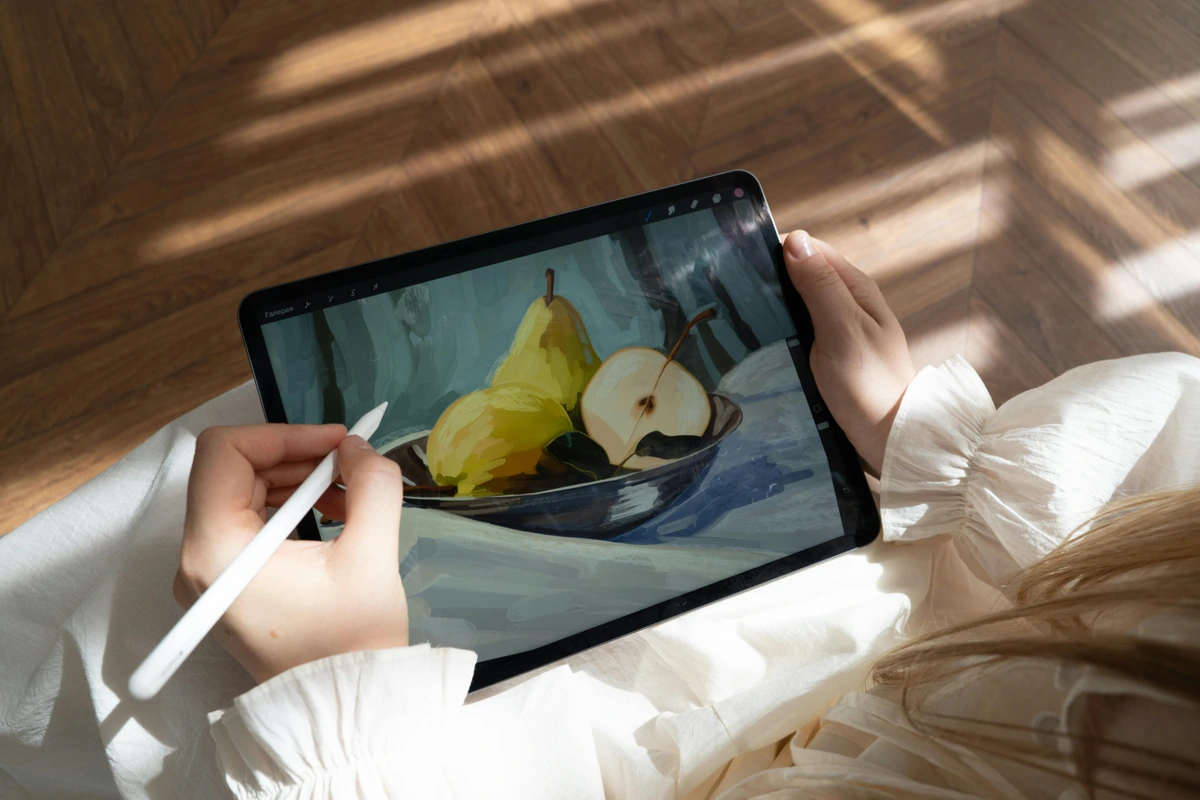
Do you paint every single day?
Ha. No. And anyone who says they do is either lying or a robot. Some days are purely for admin. Some days are for research. And some days are for staring blankly at a wall until an idea feels generous enough to show up. I've decided that counts as work. The work of an artist is multifaceted, it's not just the visible act of putting paint to canvas. Sometimes, it's simply living and absorbing the world, which is just as vital for the creative process as the actual brushstrokes.
How do you stay motivated and deal with creative block?
The trick is to show up anyway. I go to the studio even when I feel completely uninspired. I'll clean, organize paints, or just make mindless marks on paper. Action precedes motivation, not the other way around. The block isn't a wall; it's just a fog. You have to start walking to get through it. Sometimes, that means switching mediums entirely for a day—exploring reviewing the best gouache sets for beginners or sketching with in-depth review of prismacolor premier colored pencils rather than painting. Other times, it's about seeking external inspiration, whether it's visiting a museum, reading about The Ultimate Guide to Abstract Art Movements: From Early Pioneers to Contemporary Trends, or just people-watching, absorbing the visual chaos of the world. Mindful observation, whether of a bustling street or a quiet forest, can be surprisingly fertile ground for new ideas. Sometimes, a vigorous walk or a different physical activity can shake loose what's stuck, proving that inspiration isn't always found sitting still. It’s about being kind to yourself and understanding that creativity isn't a tap you can just turn on; it's a well you have to maintain.
- Change Your Environment: A temporary change of scenery, even just working in a coffee shop for a few hours instead of your studio, can break the mental rut. New visual input can often spark unexpected ideas and refresh your perspective.
Is being a full-time artist lonely?
It can be incredibly isolating, I won't lie. It’s mostly just me and my thoughts (and my carefully curated studio music playlist) all day. This is precisely why connecting with other artists, whether online through virtual communities or in person at workshops and critique groups, is so vital. It’s a powerful reminder that you're not the only one wrestling with a painting that's currently in its ugly stage, or battling the Admin Monster, or questioning every single creative decision. Shared experiences are a lifeline. I find immense value in online artist forums, local art guilds, and even just casual coffee meetups with creative friends. These connections validate the journey and provide a crucial sense of belonging. I remember once, a fellow artist and I spent an hour dissecting the merits of different brands of gesso over coffee. It sounds mundane, but that shared niche knowledge, that understanding of the nitty-gritty, is incredibly affirming. It's about finding your tribe in a world that often misunderstands the artistic path. These connections aren't just for commiserating; they're for celebrating successes, collaborating on projects, sharing resources, and providing that crucial sense of belonging that validates your unique journey. A strong support system can transform isolation into solidarity.
credit, licence

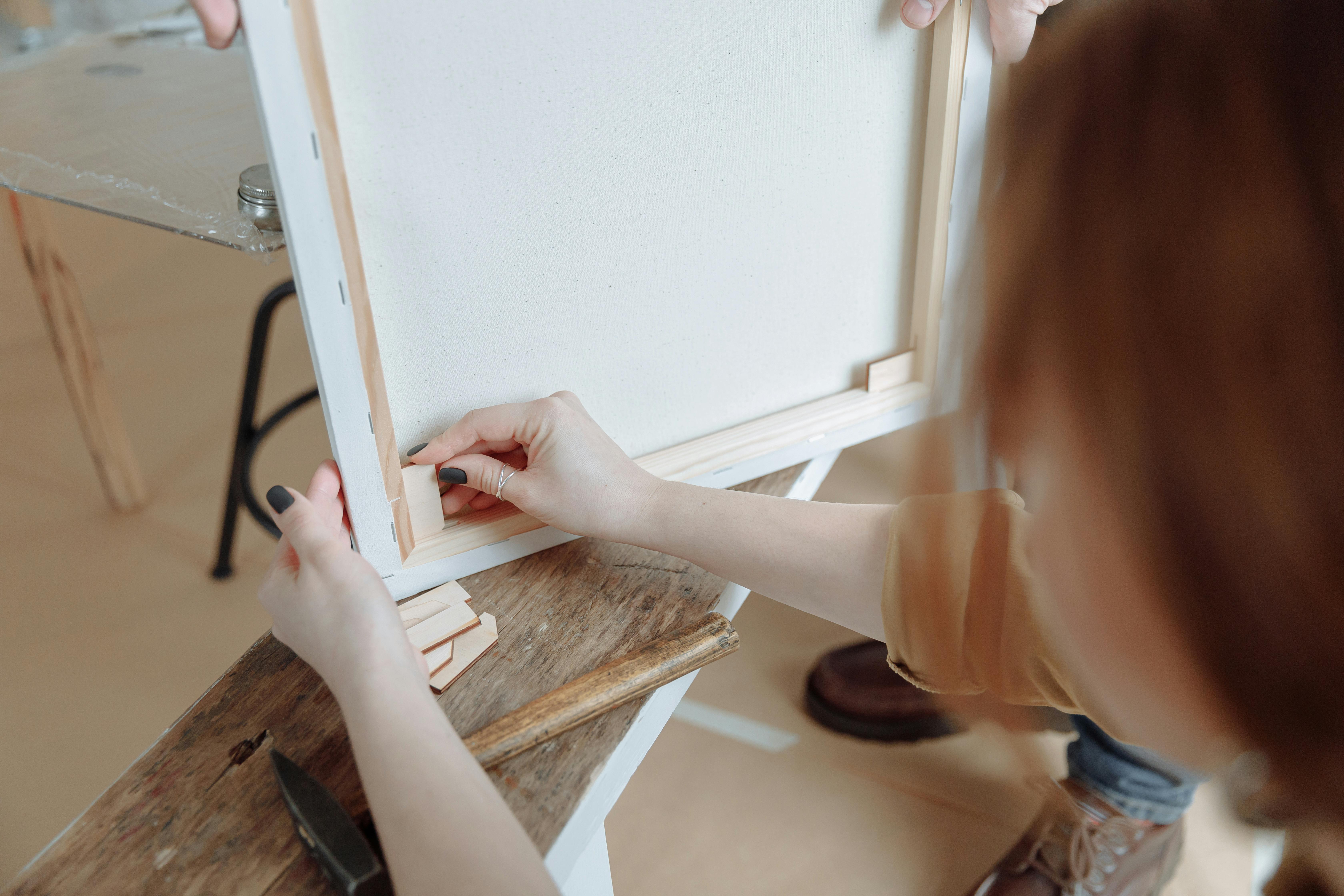

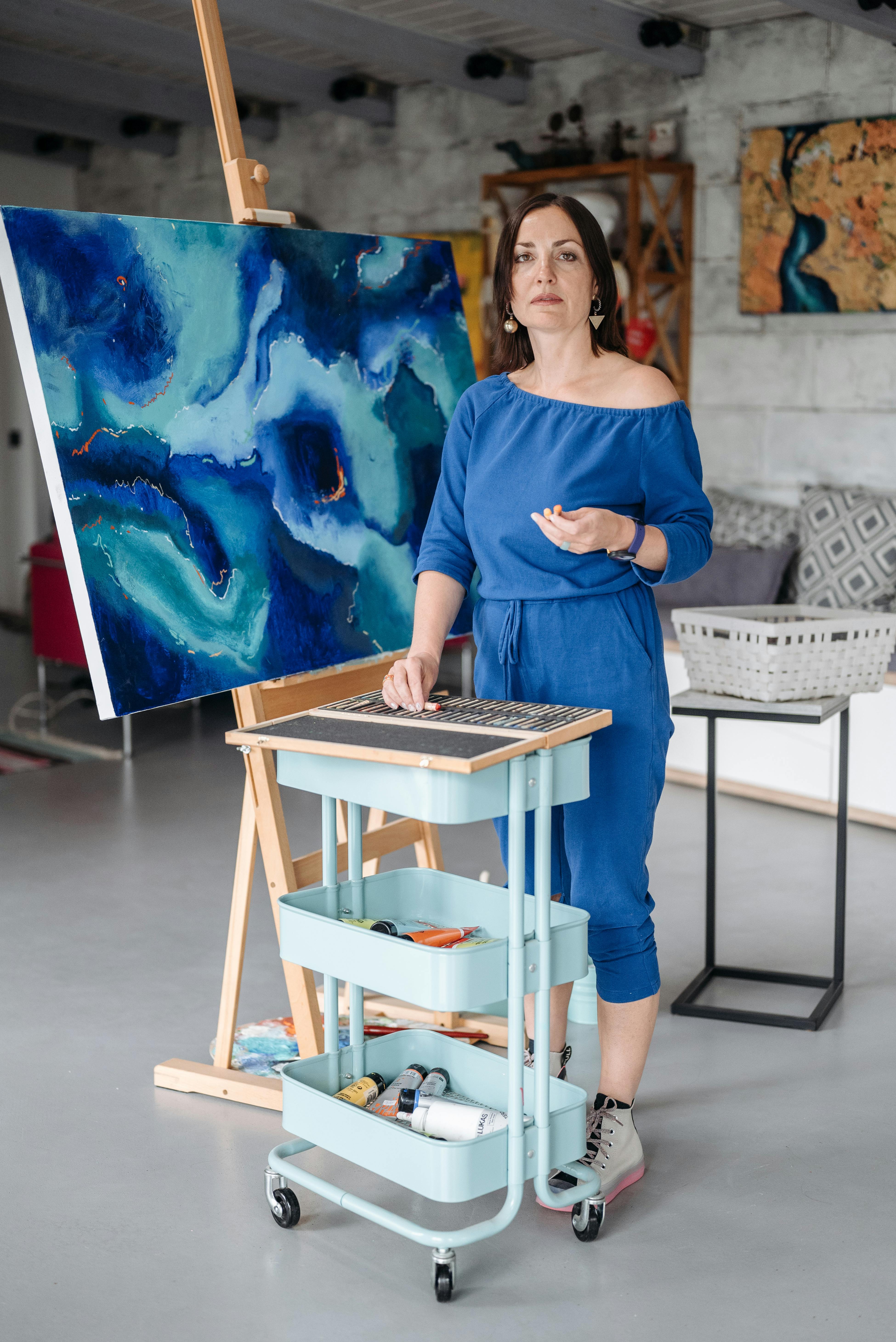


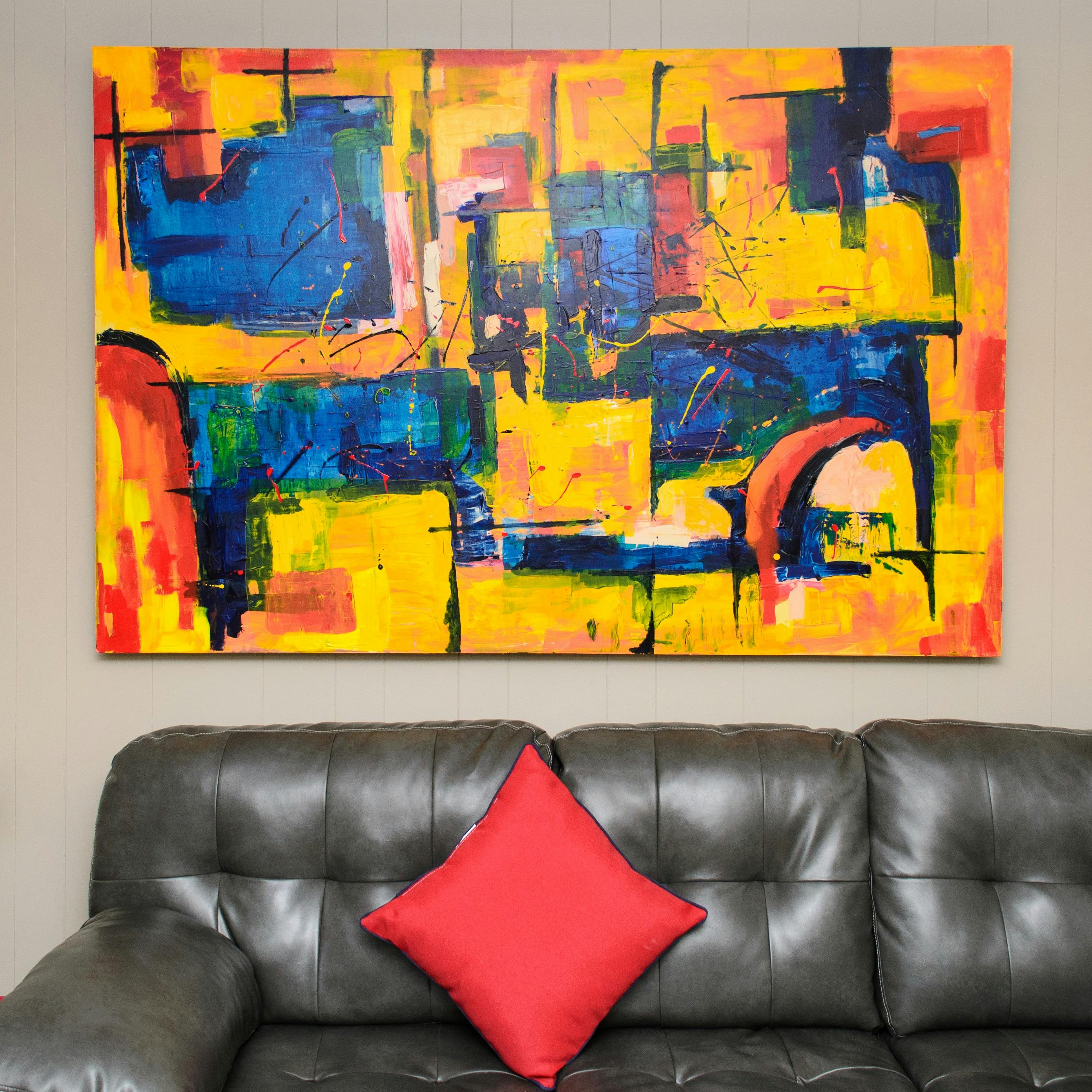


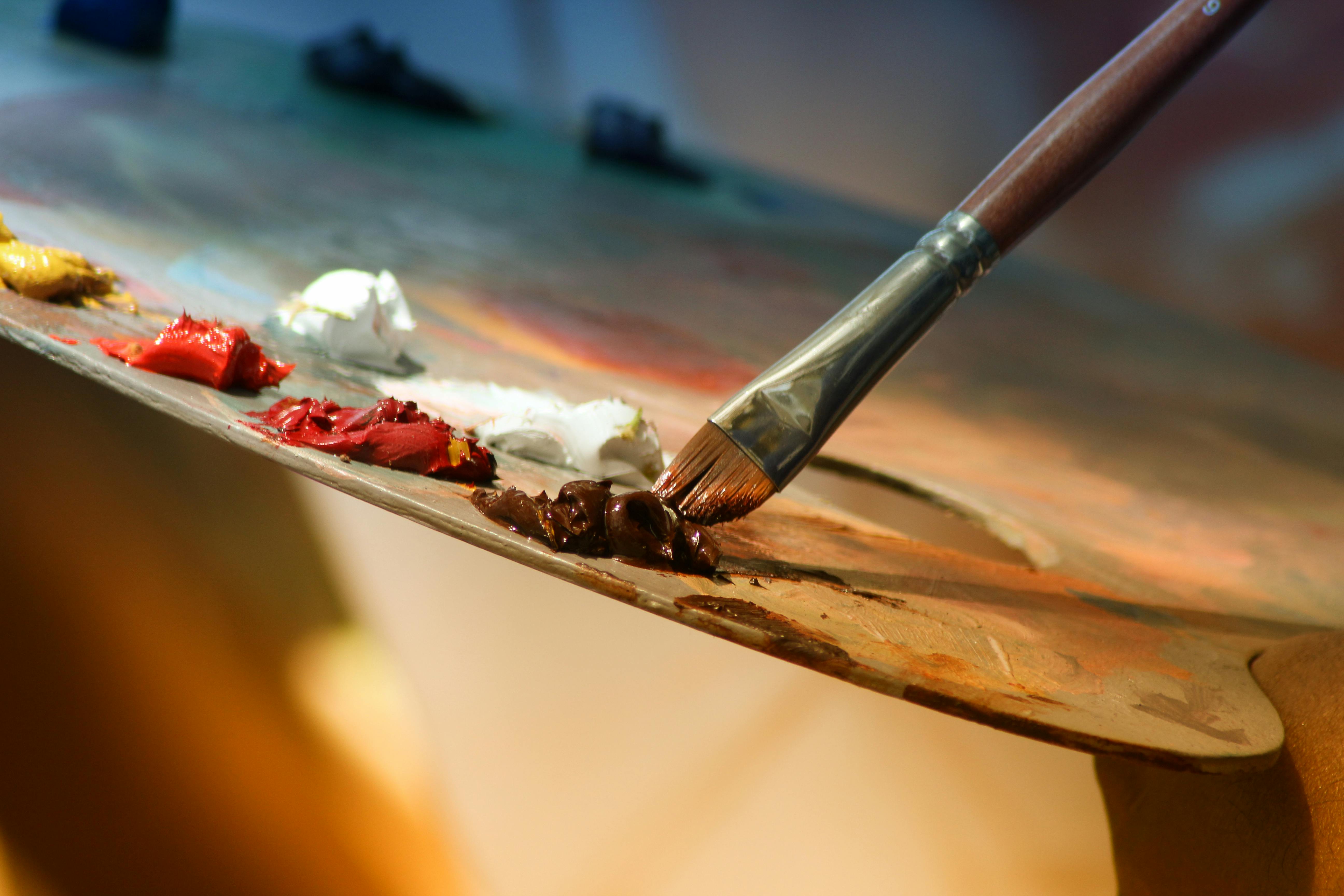


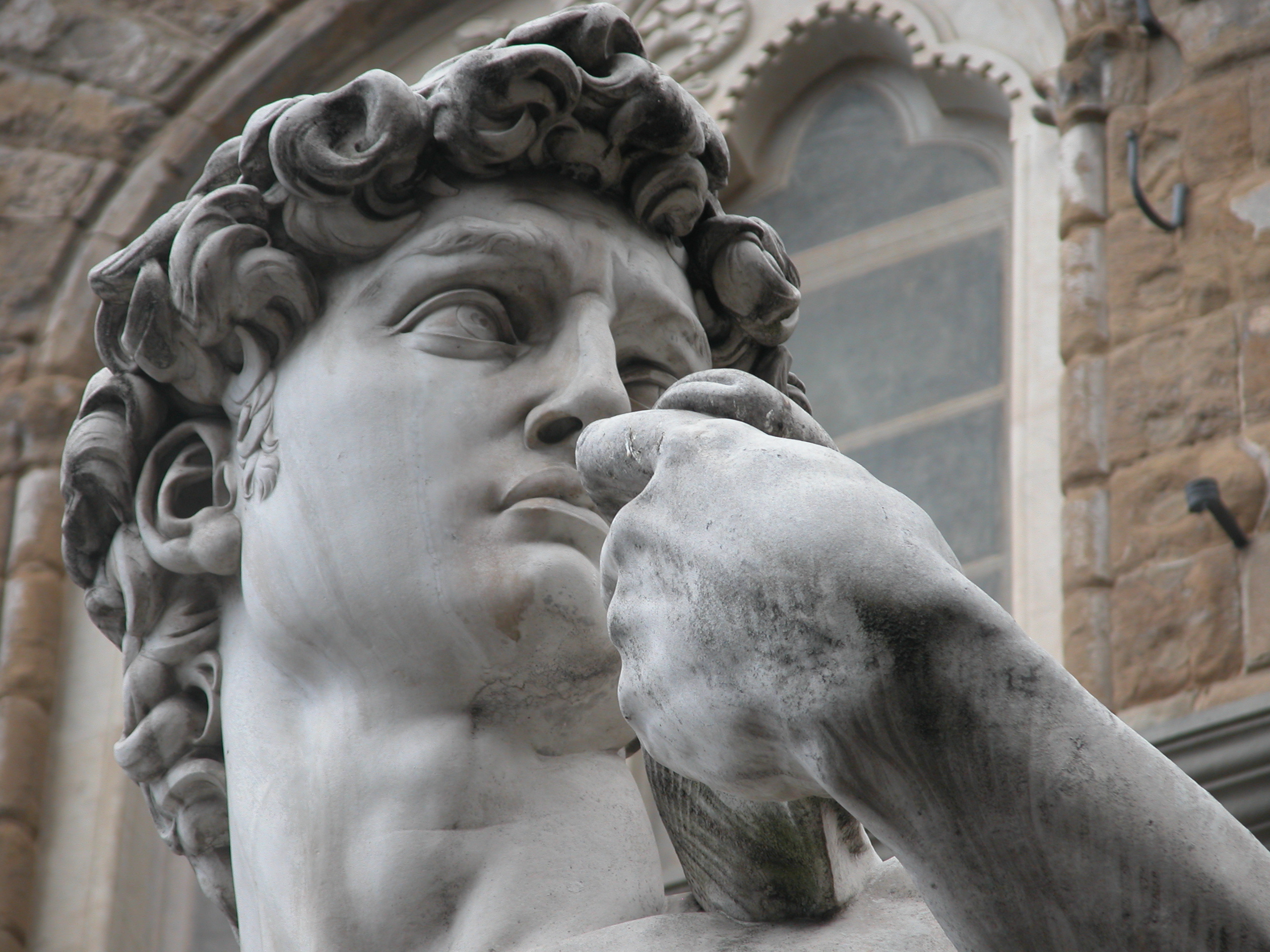


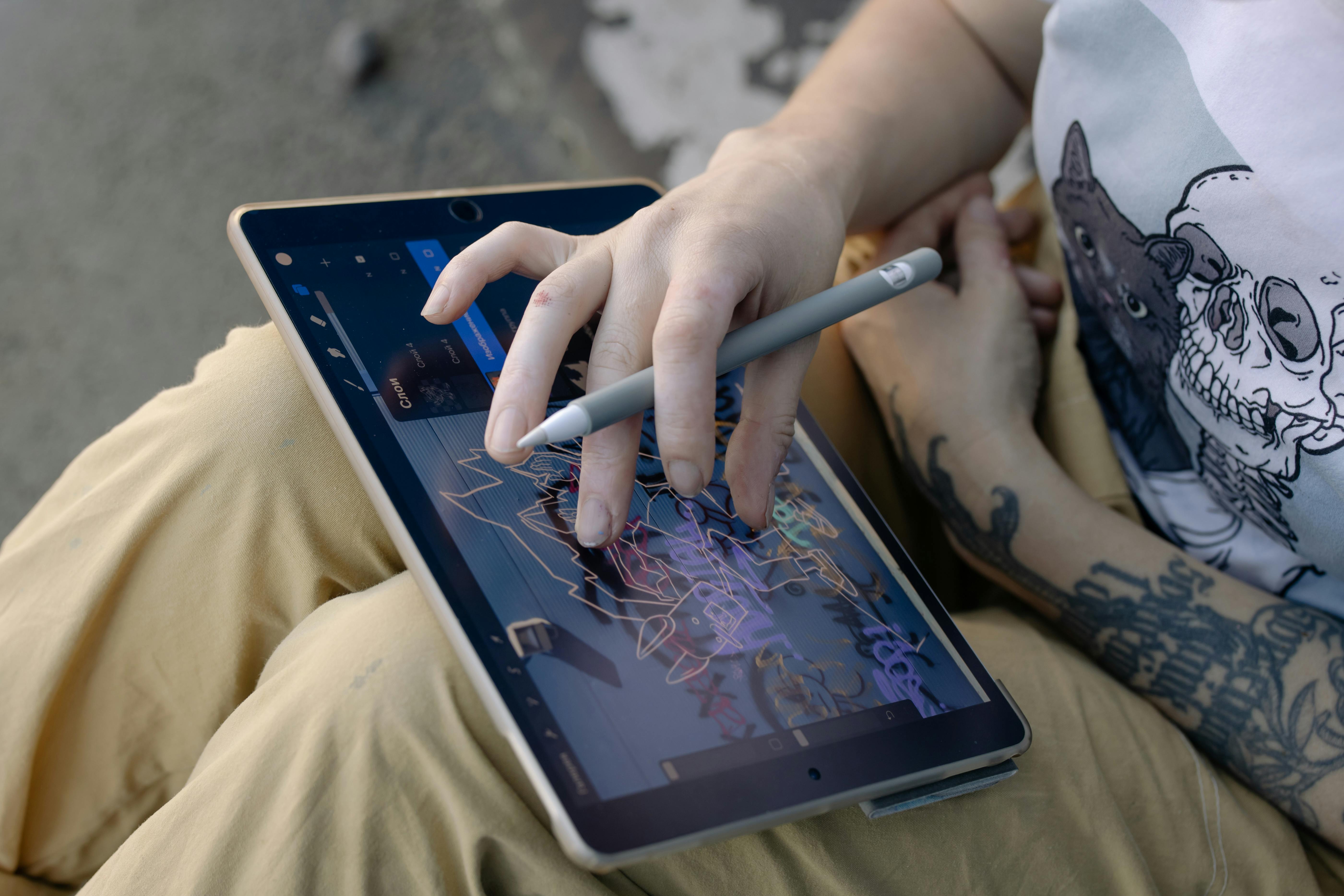


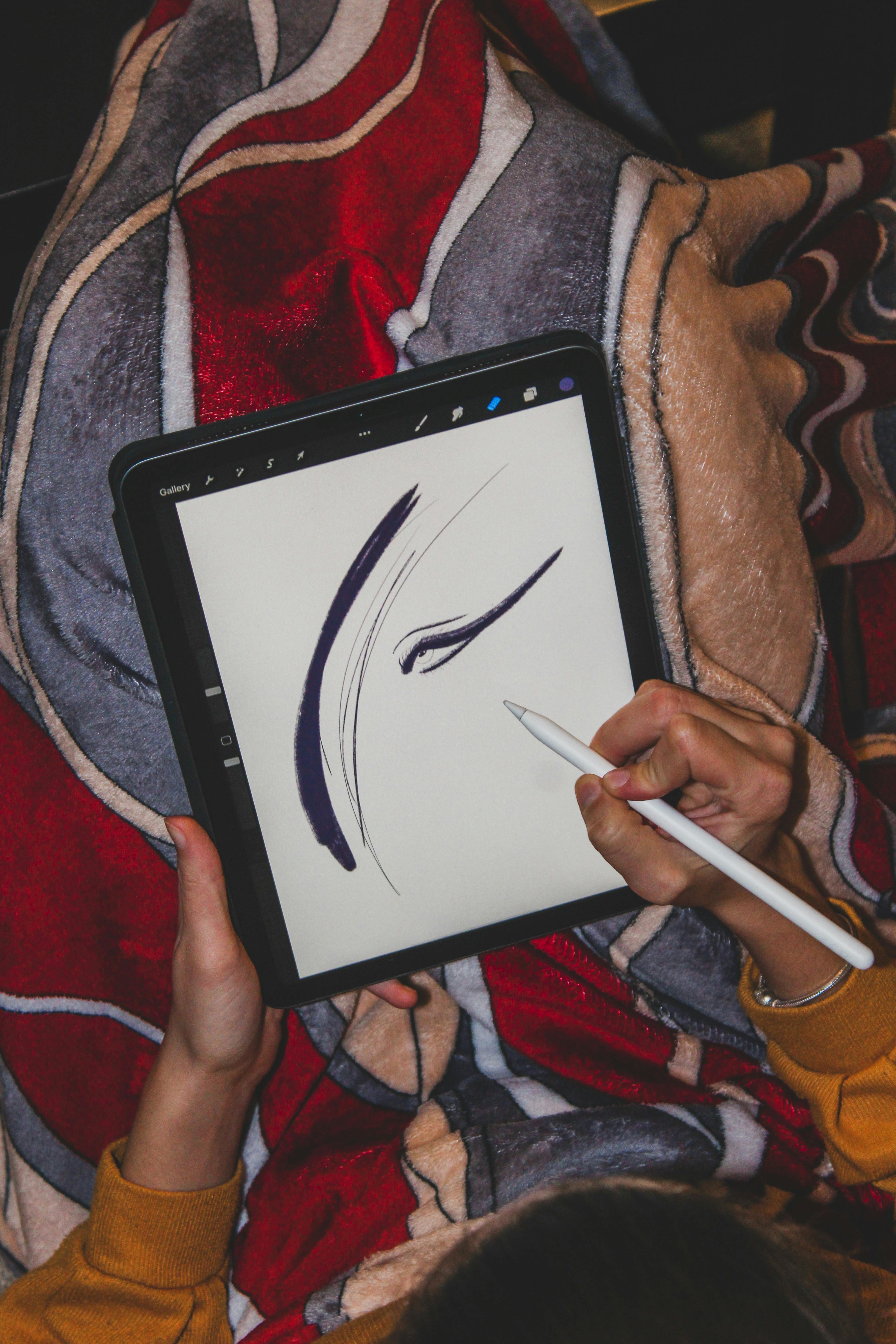


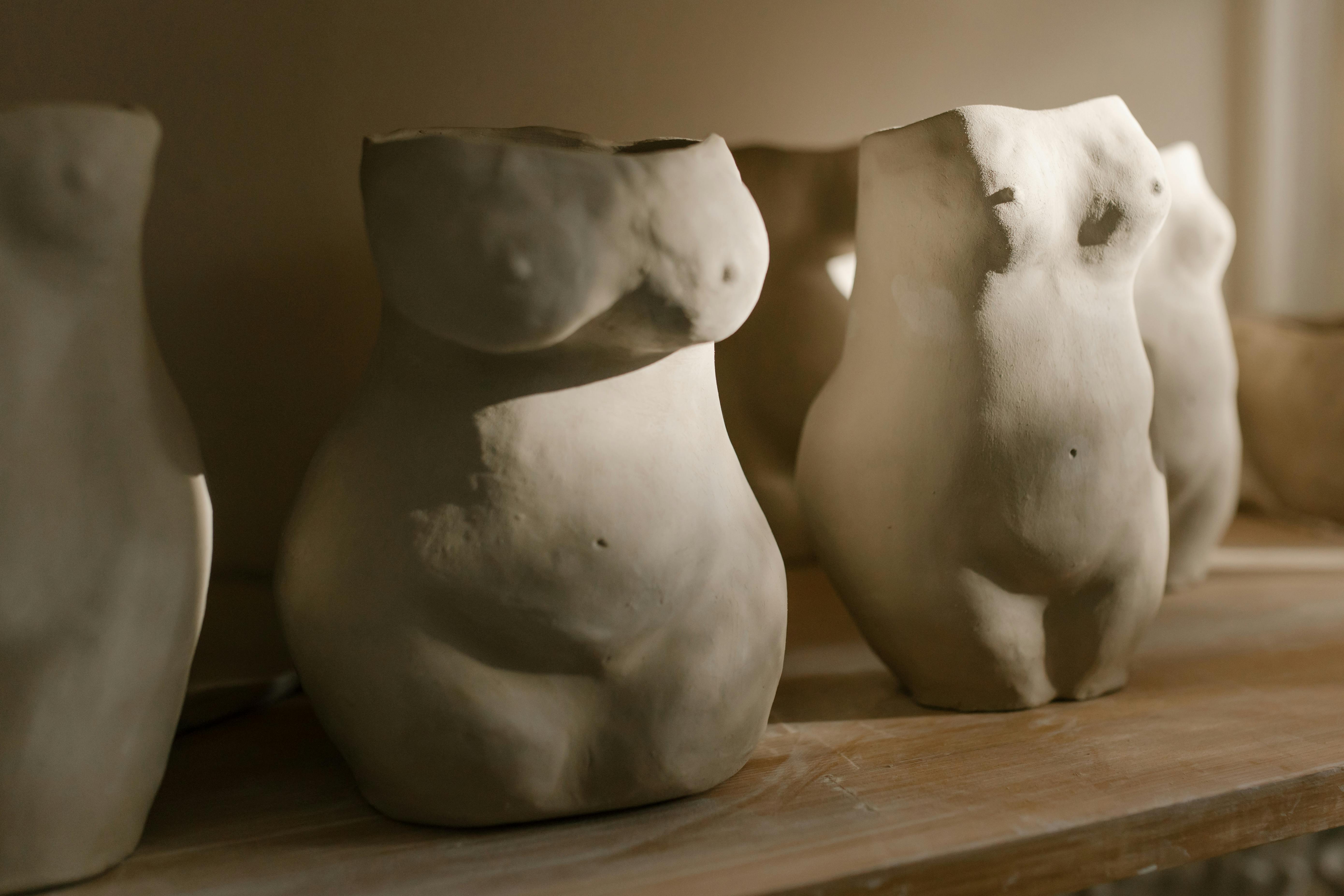

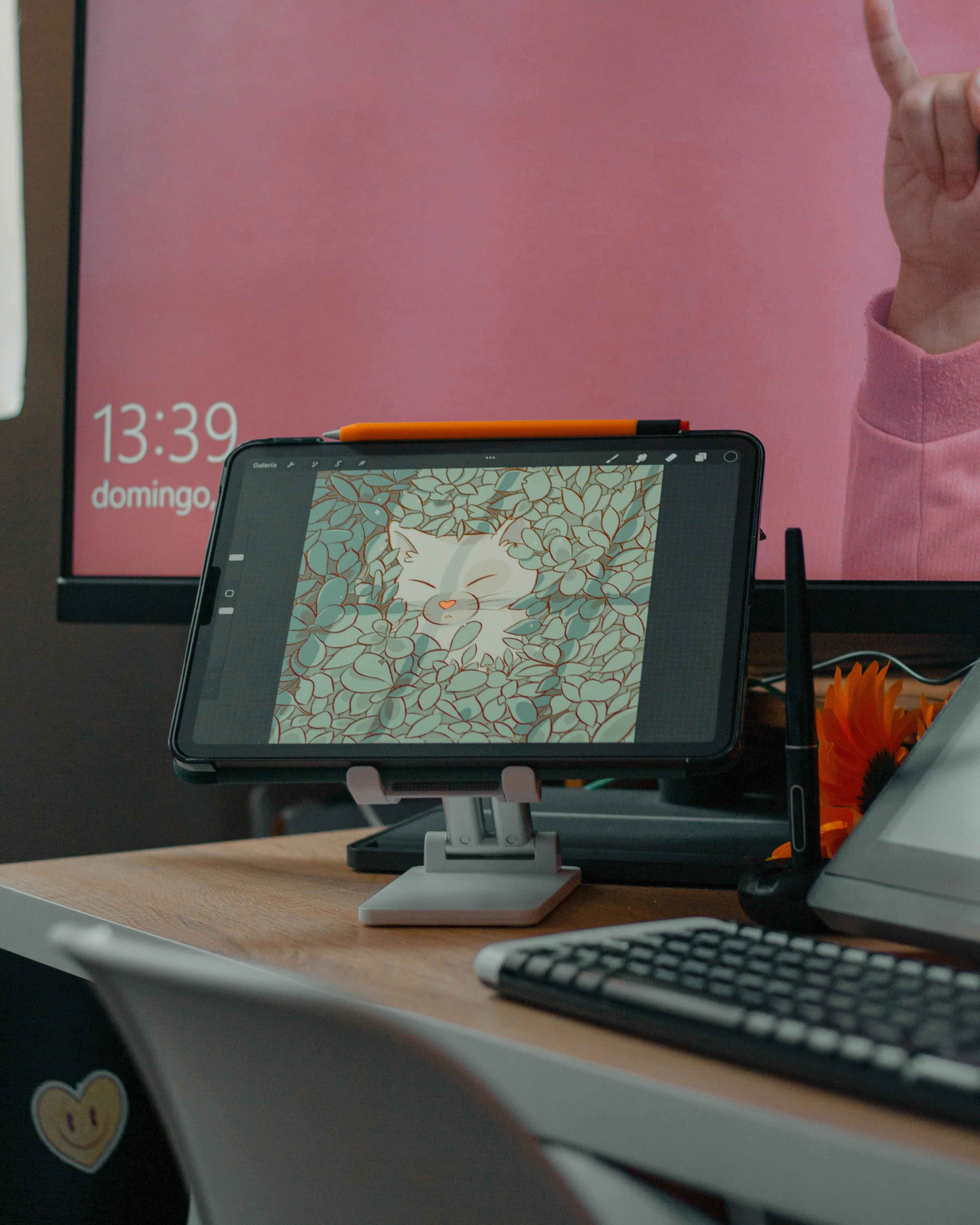

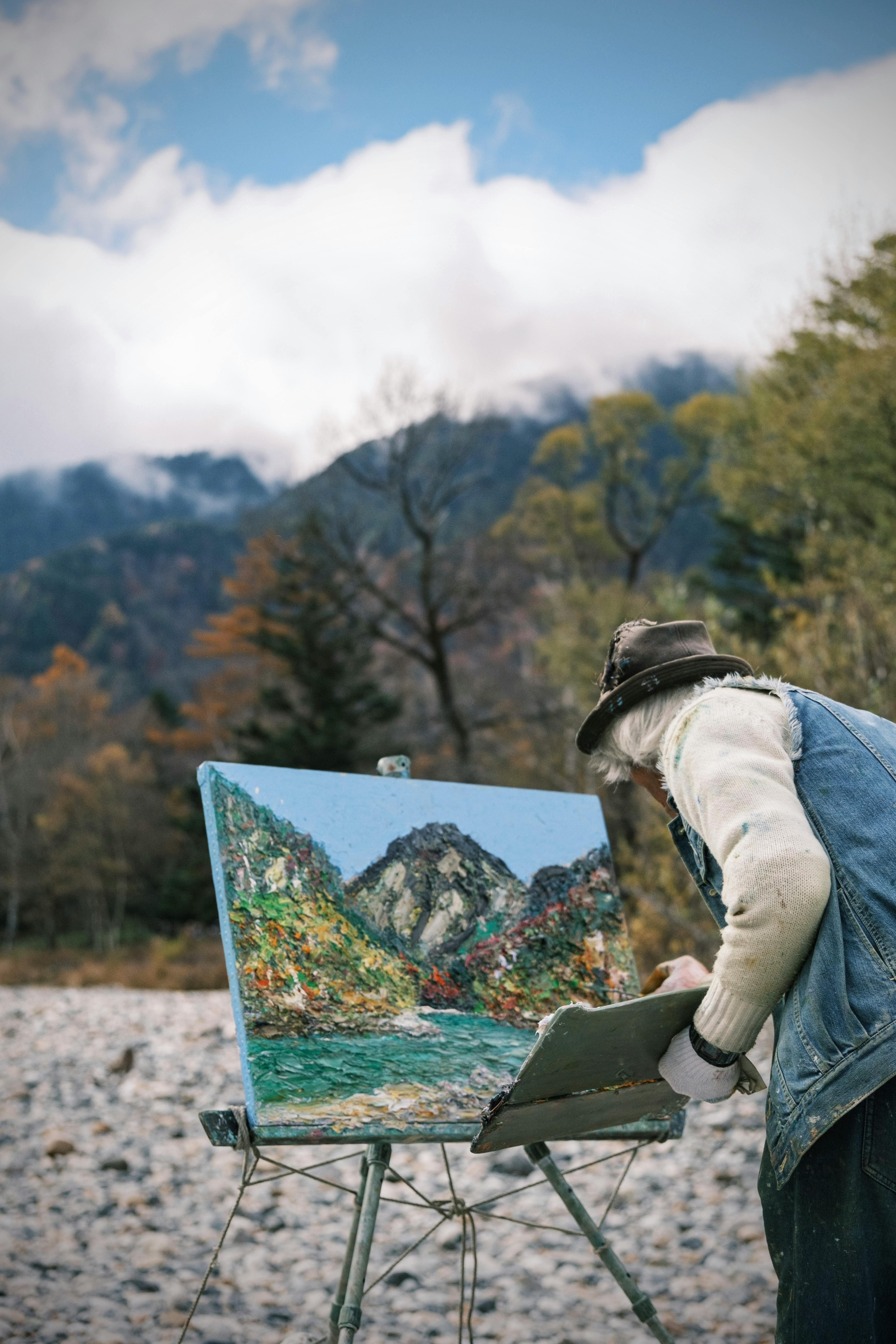
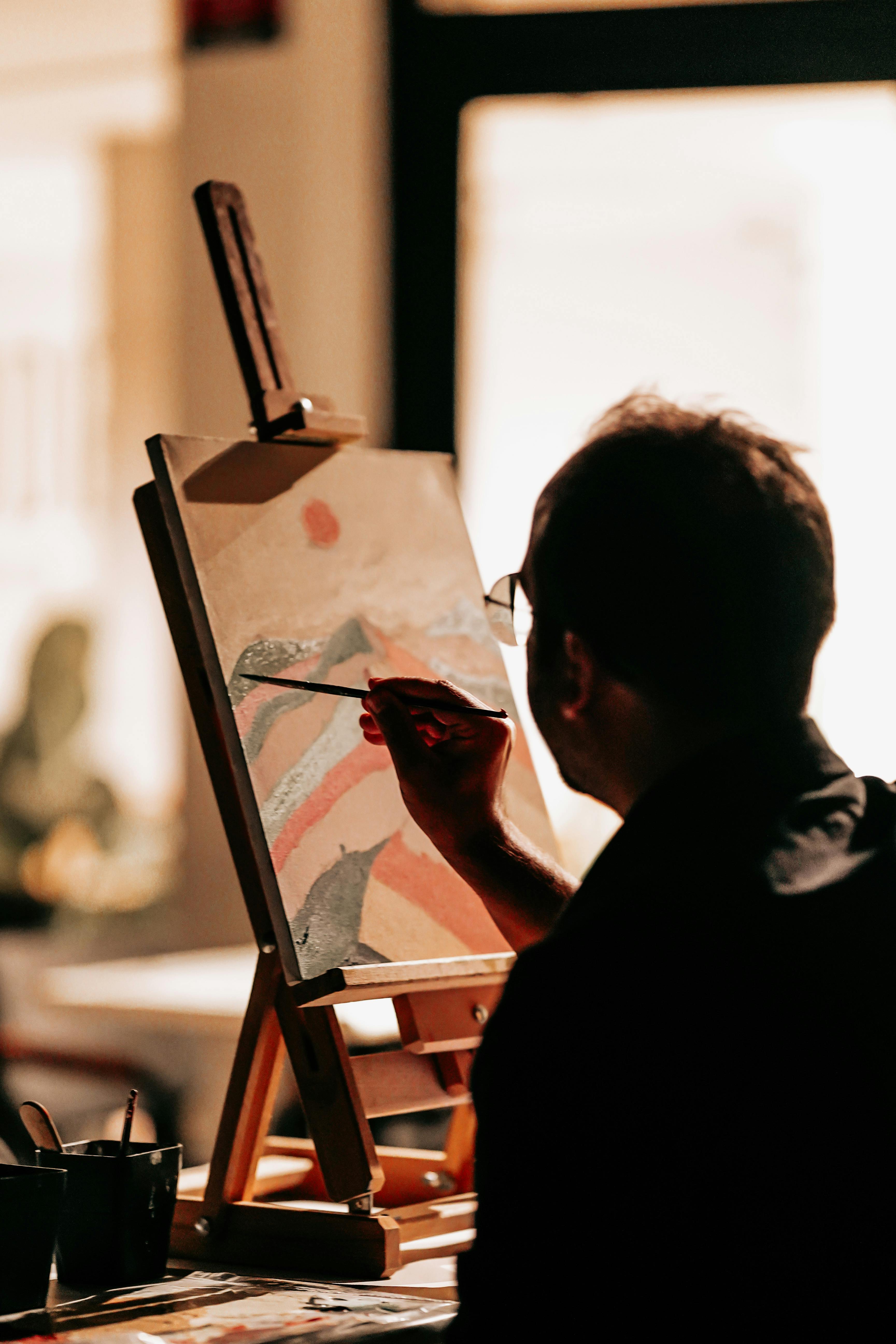


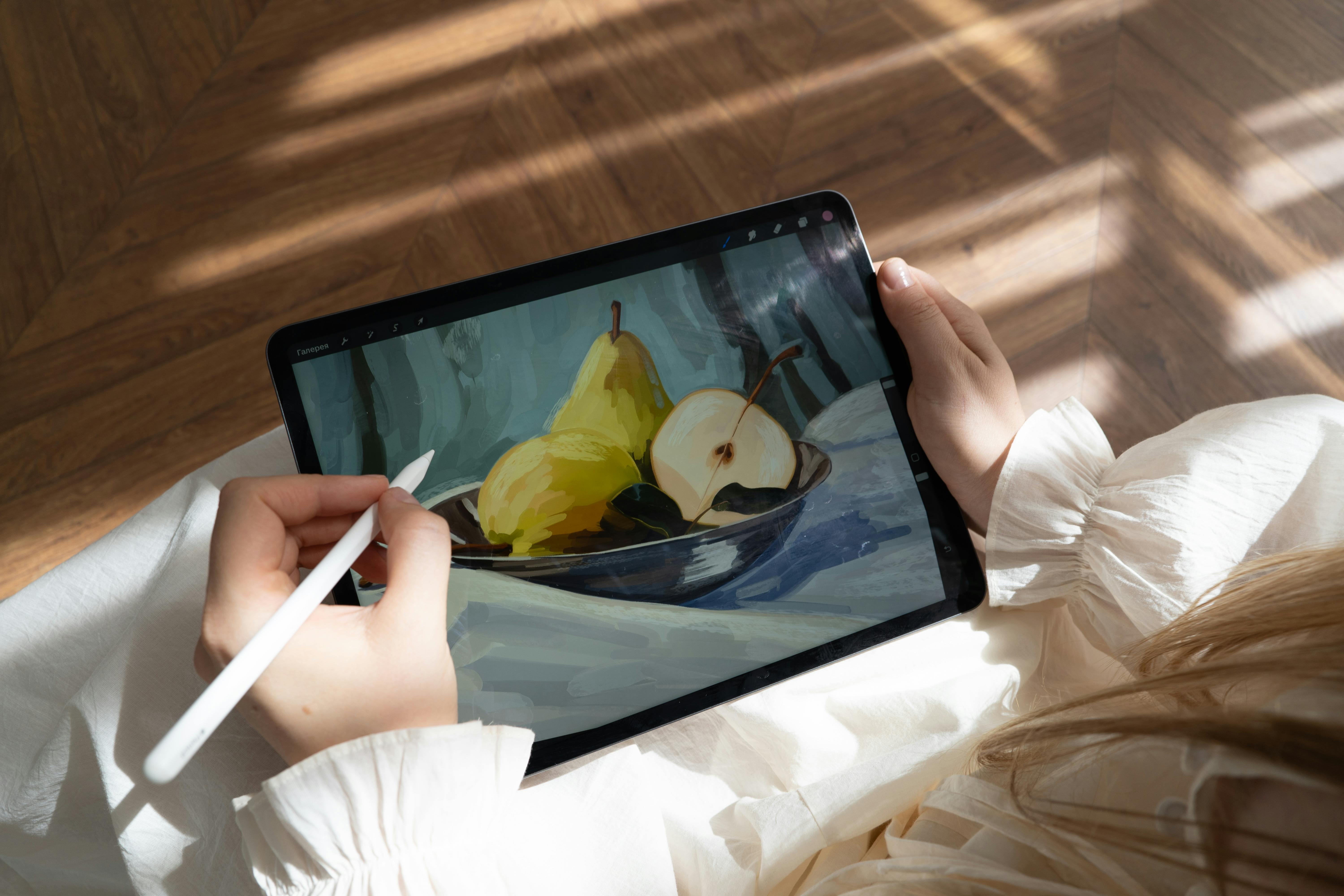

How do you protect your intellectual property?
This is a non-glamorous but utterly essential part of being a professional artist. I protect my intellectual property (IP) through a combination of proactive measures:
- Copyright Registration: While copyright exists automatically upon creation, formal registration (especially in countries like the US) provides stronger legal recourse against infringement.
- Clear Licensing Agreements: For any usage of my art beyond direct sales, I ensure detailed licensing agreements are in place, specifying usage, duration, territory, and royalties. This is crucial if you're exploring How to License Your Art.
- Watermarking & Digital Protection: While not foolproof, digital watermarks on online images and using low-resolution images for portfolios can deter casual theft. More importantly, understanding image rights and actively monitoring for unauthorized use is vital.
- Artist Resale Right (Droit de Suite): In some jurisdictions, artists have a right to a percentage of the resale price of their works. I stay informed about these rights as they apply to my work and sales.
- Legal Counsel: For complex situations, I don't hesitate to consult with an art lawyer specializing in IP. It's an investment in the long-term protection of my career.
It’s about being vigilant and understanding that your creations are valuable assets that deserve robust protection, ensuring your work can flourish in the world without being exploited.
How do you deal with criticism and rejection?
Ah, the inevitable. Criticism, whether constructive or not, and the sting of rejection (from galleries, shows, or even potential buyers) are part of the artist's journey. My strategy? Develop a thick skin, but keep an open mind. Not all feedback is useful, but some of it can be invaluable for growth. Rejection is rarely personal; it's often about fit, timing, or market. I try to view it as redirection, a sign to keep pushing forward and refining my vision, rather than a definitive 'no.' It’s a constant practice of resilience. I've learned to separate the feedback from my self-worth, treating critiques as data points for improvement, not judgments on my inherent value as an artist. It's a continuous mental exercise, much like building muscle, where each 'no' strengthens your resolve to find the right 'yes.'
How do you stay current with art trends and evolving styles?
The art world is a dynamic, ever-shifting landscape, and staying current is a continuous, fascinating process. For me, it's less about chasing trends and more about understanding the broader cultural conversations that influence art. I achieve this through:
- Immersive Research: Regularly reading art journals, online publications, and critical reviews helps me understand what's being discussed, exhibited, and debated in the contemporary art world.
- Gallery & Museum Visits: Experiencing art in person, both locally and internationally (when possible), is irreplaceable. It allows me to see new work, understand different curatorial approaches, and observe how audiences engage with art. A trip to the /den-bosch-museum always provides fresh perspectives.
- Online Platforms: Following curators, galleries, and fellow artists on platforms like Instagram, Artsy, or even dedicated art blogs keeps me connected to global developments and emerging voices.
- Workshops & Conferences: Attending these offers direct exposure to new techniques, materials, and theoretical discussions. It's a fantastic way to learn, network, and challenge my own assumptions.
- Cross-Disciplinary Exploration: Sometimes, the most interesting trends emerge from unexpected places – science, philosophy, technology, or social movements. Engaging with these broader fields often reveals subtle shifts that will eventually manifest in artistic expression. For example, the discussions around The Rise of Digital Abstract Art: A New Frontier for Collectors directly inform my understanding of evolving mediums.
It’s about maintaining a curious, open mind, continuously absorbing new information, and allowing it to subtly (or sometimes dramatically) inform my own evolving artistic voice, without losing sight of my authentic core.
How do you balance art with other life commitments?
This is the eternal juggle! Honestly, it's a constant negotiation. There's no magic formula, but scheduling dedicated studio time, treating art like a 'real job' with set hours, and learning to say 'no' to distractions are key. It also helps to have a supportive network that understands the unique demands of a creative career. Sometimes, it means working late nights, and other times, it means taking a break to recharge. It's all about finding your sustainable rhythm.
What are your go-to art supplies and how do you choose them?
Choosing art supplies is a deeply personal journey, almost as intimate as choosing your colors. For me, because I often work in abstraction, I prioritize high-quality pigments that offer vibrant, lasting color and excellent workability. I gravitate towards professional-grade acrylics for their versatility and quick drying time (and sometimes, I'll even experiment with Liquitex Basics Acrylic Paint Review for studies or underpainting), and a range of brushes and palette knives that allow for diverse textures and marks. My decision often comes down to how a material feels in my hand and how it responds on the canvas. It's an ongoing exploration, and what works for one piece might not work for the next. For instance, Winsor & Newton Professional Watercolors are fantastic, even if I mostly use acrylics, because understanding different mediums enriches my overall practice and broadens my understanding of definitive guide to paint types for artists. It's about finding those tools that feel like an extension of your creative intention.
My Essential Toolkit: A Deep Dive
While my choices are personal, there's a rationale behind them. Quality matters, especially when you're dedicating hours to a piece. Here’s a glimpse into the categories of supplies I regularly employ:
Supply Category | Key Considerations | My Preferences (Abstract Focus) |
|---|---|---|
| Paints | Pigment load, archival quality, drying time, consistency, environmental impact, vibrancy. | High-viscosity acrylics for texture, fluid acrylics for washes, some oil sticks for expressive marks (see: Exploring Oil Sticks for Expressive Mark-Making). I'm increasingly looking at Best Eco-Friendly Art Supplies for Conscious Artists. My personal philosophy is evolving towards more sustainable choices, which is a significant part of my artistic journey. |
| Brushes & Tools | Shape, material (natural vs. synthetic), resilience, versatility, maintenance, ergonomic comfort. | A wide range of synthetic flats, rounds, and filberts for precision; large house painting brushes for broad strokes; various palette knives for texture and impasto. (Also, check out Best Brushes for Acrylic Painting). Experimentation is key! Choosing the right tools is critical for expressing my unique vision. |
| Surfaces | Absorbency, tooth, stability, archival properties, ethical sourcing, texture. | Stretched canvas (often primed with multiple gesso layers for a rich surface), heavy-weight paper for studies and initial explorations, wooden panels for smaller, more detailed works or mixed media. The surface choice impacts the entire creative process. |
| Drawing Boards/Supports | Portability, rigidity, smooth surface, size, weight. | Lightweight drawing boards for sketching on the go, rigid supports for working on paper or smaller canvases, or even a simple clipboard for quick studies. These provide a stable foundation for intricate work. |
| Mediums & Additives | How they alter paint properties (e.g., transparency, drying time, texture), compatibility, archival safety. | Heavy gel mediums for sculptural effects, fluid mediums for drips and glazes, acrylic retarders for extended blending time, and pouring mediums for unique effects. (Best Acrylic Mediums for Abstract Artists is a great resource to understand the full range). These allow me to push the boundaries of texture and depth. |
| Drawing Materials | Mark-making capabilities, blendability, erasability, lightfastness, expressive range. | Charcoal (often used for initial compositional sketches and expressive lines, especially beneficial to understand when reading Expressive Power of Charcoal in Abstract Art), graphite, soft pastels for layering and atmospheric effects, even Best Sketching Pencils for Artists for precise details. These materials add another dimension to my mixed media approach. |
| Sustainability & Ethics | Sourcing of materials, manufacturing processes, waste reduction, animal welfare. | Prioritizing brands with transparent practices, reusing materials, responsible disposal of chemicals, and supporting companies committed to ethical production. This is an increasingly important part of my selection process, reflecting my values as an artist and global citizen. |
It's about finding what resonates with your hand and your vision. Don't be afraid to experiment; sometimes the most unexpected tools lead to the most exciting discoveries. Remember, your tools are partners in your creative journey.

What's the role of imperfection in your art?
This is a fantastic question, and one I've spent a lot of time contemplating. In abstract art, especially, 'perfection' in the traditional sense is often counterproductive. I embrace the unexpected, the accidental drip, the slightly uneven brushstroke, the visible layering of previous decisions. These 'imperfections' are not flaws; they are evidence of the human hand, the ongoing process, and the life that the painting has lived. They add character, authenticity, and a unique narrative that a perfectly polished surface simply can't convey. In many ways, the beauty of abstraction lies in its embrace of the imperfect, allowing for deeper emotional resonance and a more authentic connection with the viewer. You can read more about this philosophy here: The Power of Imperfection: Embracing Accidents and Evolution in My Abstract Art.
What about burnout?
Oh, it's real. The passion that fuels an artist can also be its greatest vulnerability. Burnout happens when the creative demands, administrative burdens, and financial pressures become too much, creating a sense of exhaustion and detachment. My antidote? Proactive self-care, which looks different for everyone. For me, it's about setting boundaries (even if that means saying 'no' to a commission that feels like a bad fit), taking deliberate breaks (and truly disconnecting), and ensuring I engage in activities purely for pleasure, completely unrelated to art. Sometimes it's a long walk, sometimes it's diving into a good book, or sometimes it's just doing absolutely nothing. Recognizing the signs early and taking preventative action is crucial to a long, sustainable career. It’s not a luxury; it’s a necessity for creative longevity.
What's the best part of your job?
The moment a painting finally 'clicks'. After days or weeks of struggling, there’s a point where it suddenly comes to life and starts speaking for itself. It feels less like I created it and more like I helped it arrive. That feeling is worth all the admin headaches in the world.
And the worst part?
The financial instability. The income rollercoaster is real. There can be months of plenty followed by months of... crickets. It takes a certain kind of stubbornness (or foolishness) to stick with it.
So there you have it. It’s not a bohemian dream. It’s a real job with deadlines, spreadsheets, and moments of crippling self-doubt. But it's also a job where I get to make something from nothing, speak in a language of color and texture, and connect with people in a deeply human way. And for that, I'm endlessly grateful.
Glossary of Key Terms
To help navigate the often-specialized language of the art world, here’s a quick reference for some terms you might encounter:
Term | Definition | Relevance to the Artist's Life |
|---|---|---|
| Abstract Art | Art that does not attempt to represent external reality, but rather achieves its effect using shapes, forms, colors, and textures. | My primary mode of expression, allowing for unparalleled freedom in translating emotion and philosophy into visual form. This is the core of how to abstract art. |
| Artistic Voice | The unique style, philosophy, and consistent aesthetic language that distinguishes an artist's work from others, evolving over time. | The authentic fingerprint that makes my work distinctly mine, a continuous journey of self-discovery and expression (see: Finding My Voice: The Evolution of My Abstract Artistic Style). |
| Archival Quality | Materials designed to last for a very long time without degrading, fading, or discoloring, ensuring the artwork's longevity. | Ensures the permanence and long-term value of artwork; absolutely crucial for professional practice and for collectors. |
| Art Market | The economic system of buying and selling artworks, including galleries, auction houses, art fairs, and online platforms. | Crucial to understand for diversifying income, gaining exposure, and making sustainable business decisions as an artist. |
| Commission | A request for an artist to create a specific work of art, often tailored to a client's requirements, resulting in a bespoke piece. | Provides direct, often guaranteed, income and an opportunity to create unique pieces that respond to a specific vision. |
| Curator | A person who manages or oversees a collection, an exhibition, or a museum department, often responsible for thematic selections. | Essential for exhibiting work, gaining exposure, understanding thematic presentations, and positioning art within a larger narrative. |
| Flow State | A mental state in which a person performing an activity is fully immersed in a feeling of energized focus, full involvement, and enjoyment. | The coveted, magical period of intense creation where time melts away and the artwork seems to create itself through the artist. |
| Digital Art | Art created using digital technology, often involving computers, tablets, and software, encompassing a wide range of styles and mediums. | An expanding frontier for creation and exhibition, blending traditional aesthetics with cutting-edge tools and new forms of ownership (see: From Pixels to Paint: My Creative Journey Integrating Digital Tools in Abstract Art). |
| Giclée | A high-quality fine art inkjet print, often used for reproductions of paintings, known for its color accuracy and archival properties. | Allows for accessible prints, expanding audience and income streams, making art more attainable for a wider demographic. |
| Gesso | A primer applied to canvas, wood, or other surfaces before painting to prepare the surface, provide a consistent base, and ensure better paint adhesion. | Fundamental for proper paint adhesion, vibrancy of colors, and the overall longevity of the artwork, creating a stable foundation. |
| Impasto | A painting technique where paint is laid on thickly enough so that brushstrokes or palette knife marks are clearly visible and create texture. | Adds physical texture, dimension, and an expressive, tactile quality to a painting, inviting closer inspection. |
| Medium (Art) | The material or technique used by an artist to create a work of art (e.g., oil, acrylic, watercolor). Also, a substance added to paint to alter its properties like transparency or drying time. | Crucial choice that impacts aesthetic, process, final look, and even the emotional resonance of the artwork. |
| Intellectual Property (IP) | Creations of the mind, such as inventions; literary and artistic works; designs; and symbols, names and images used in commerce, legally protected as assets. | Crucial for safeguarding my original artworks, brand, and creative concepts against unauthorized use, ensuring long-term professional sustainability. |
| Patina | A green or brown film on the surface of bronze or similar metals, produced by oxidation over a long period. More broadly, a sheen on any surface produced by age or use, adding character. | Adds character, depth, and a rich sense of history to sculptures or aged works, telling a story of time and exposure. |
| Provenance | The record of ownership of a work of art or antiquity, used as a guide to authenticity, quality, and value through its historical journey. | Essential for establishing authenticity, tracking value, and providing a comprehensive history of a piece for collectors, galleries, and insurers. |
| Palette Knife | A tool with a flexible steel blade and a cranked handle, used for mixing paints, applying paint to the canvas, or creating textured effects. | Indispensable for creating impasto, layering colors, and adding diverse textures to abstract paintings (see: What is a Palette Knife and How to Use It). |
| Resilience (Artistic) | The ability of an artist to recover quickly from creative setbacks, rejections, and challenges, maintaining belief in their vision. | Essential for navigating the unpredictable nature of an artistic career and sustaining long-term creative output. |
| Sgraffito | A technique in painting (or pottery) where a top layer of color or slip is scratched through to reveal a different color or texture underneath, creating linear effects. | Used for mark-making, adding lines, texture, and revealing underlying layers for visual interest and energetic contrasts. |
| Mixed Media | An artwork in which more than one medium or material has been employed (e.g., combining paint, collage, and drawing materials). | Offers expansive creative freedom, allowing for richer textures, deeper narratives, and unique visual combinations (see: The Definitive Guide to Mixed Media in Abstract Art: Techniques, Materials, and Contemporary Masters). |
| Substrate | The surface on which an artwork is created (e.g., canvas, paper, wood panel), serving as the foundational support. | The foundational support for the art; significantly affects how paint behaves, the overall stability, and the final presentation of the piece. |
| Color Study | A small, quick painting or drawing made to explore how different colors interact and to test color palettes before committing to a larger work. | Helps in resolving color harmony issues, understanding the psychological impact of colors (like the psychology of color in abstract art), and preventing overworking a main piece. |
| Elements of Art | The basic visual components that artists use to create a work of art, including line, shape, form, space, color, value, and texture. | Fundamental building blocks for all artistic creation, allowing for intentional design and visual communication, especially in abstract work. |
| Impressionism | An art movement originating in the 19th century characterized by small, thin, yet visible brush strokes, open composition, emphasis on accurate depiction of light in its changing qualities, ordinary subject matter, inclusion of movement as a crucial element of human perception and experience, and unusual visual angles. | Provides historical context for understanding visual perception and the evolution of artistic techniques that prioritize light and atmosphere. |
| Symbolism | The practice or art of using an object or a word to represent an abstract idea. An action, person, place, word, or object can have a symbolic meaning. | Crucial for enriching abstract art with deeper personal and universal meanings, allowing the artist to communicate complex ideas indirectly. |
| Art Installation | A three-dimensional work of art, often site-specific, designed to transform the perception of a space. | Provides opportunities for large-scale, immersive expression, engaging viewers in a physical environment beyond a traditional canvas. |
| Art Appraisal | The process of evaluating and estimating the monetary value of a work of art, often performed by a qualified professional. | Essential for insurance, sales, and estate planning, providing a professional assessment of an artwork's market value and historical significance. |
This glossary is just a starting point; the language of art is as rich and diverse as the art itself.
The Journey Continues...
Being a full-time artist is a path less traveled, fraught with challenges but bursting with unparalleled rewards. It's a continuous act of showing up, of wrestling with ideas, of problem-solving, and of pouring a piece of your soul onto a surface, day after messy, glorious, coffee-fueled day. It’s a privilege, a struggle, and a profound way to engage with the world. And in that beautiful, bewildering journey, I wouldn't trade it for anything. It's about leaving a mark, both literally on the canvas and figuratively in the collective cultural consciousness. Keep creating, keep exploring, and most importantly, keep your coffee cup full. And for those of you reading this who aren't artists but are drawn to the magic of creation, I encourage you to delve deeper. Visit a local gallery, talk to an artist, take an art class, or simply spend more time with art in any form. Support your local artists, explore new styles, and perhaps even consider adding a piece to your collection at /buy. Engaging with art, whether creating or appreciating it, is one of the most enriching experiences life has to offer. It's a dialogue, a connection, and a continuous source of wonder in a sometimes chaotic world.