Happy Accidents or Master Plan? The Real Role of Choice in Art
A deep dive into the role of deliberate choice in artistic creation. Discover the balance between intention, happy accidents, and the thousands of micro-decisions that truly define a work of art.

The Art of Intentionality: Navigating Choice in the Creative Process
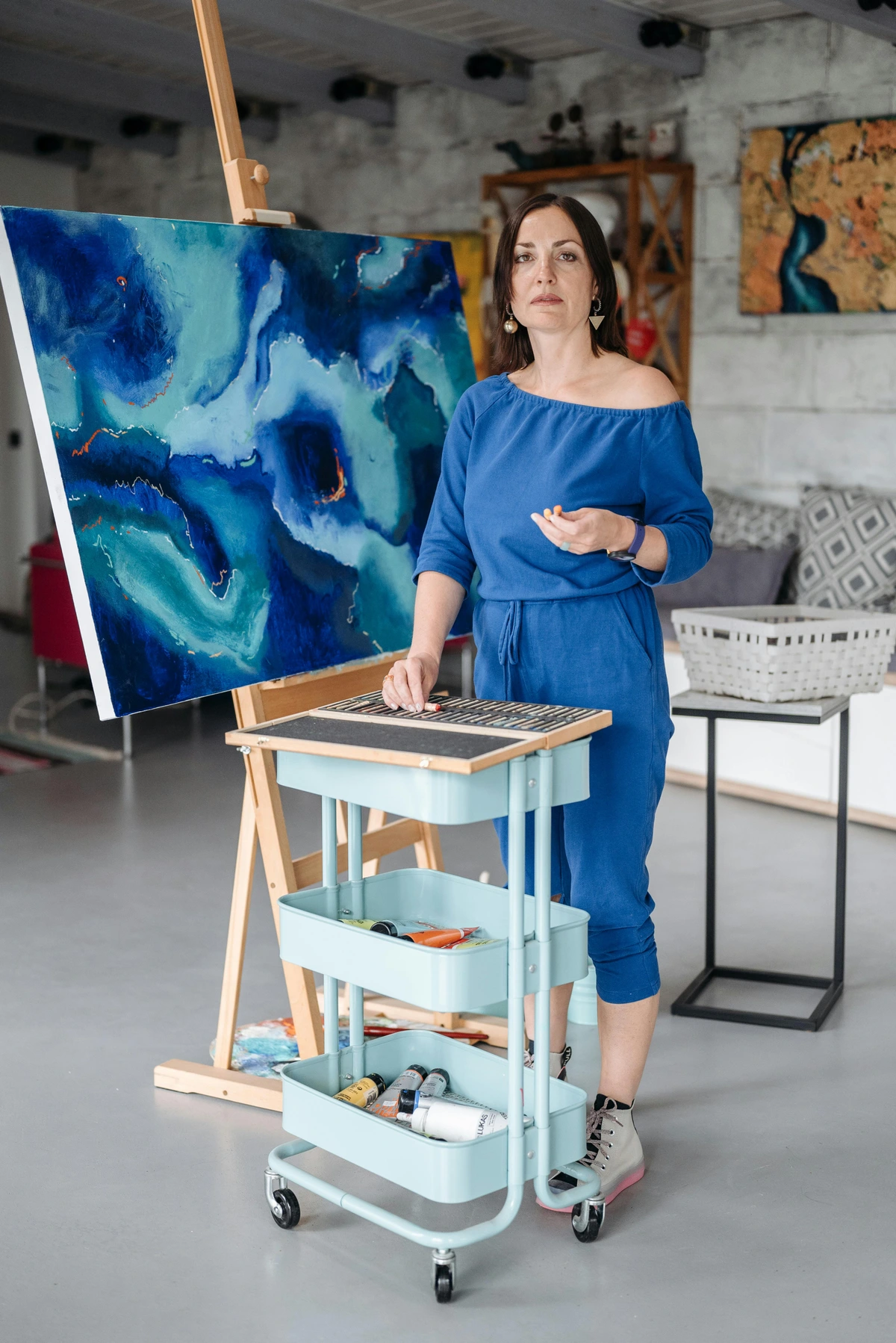
Have you ever found yourself in a moment where a simple decision shifted everything? I certainly have. I remember staring at a canvas once, completely stuck. My brush had slipped, leaving a defiant smear of cadmium red right where it absolutely wasn't supposed to be. My first instinct, of course, was to panic—to quickly cover that perceived "mistake," to restore the illusion of a perfect plan. But then I paused. A quiet whisper of curiosity nudged me. Something about that accidental streak had an unbridled energy, a raw, almost defiant pulse that the rest of the careful composition lacked. In that split second, a profound opportunity unfurled. The deliberate choice I made wasn't to fix an error, but to embrace it, to lean into the unexpected chaos, and ultimately, to build the entire composition around its vibrant spontaneity. It felt less like correcting a fault and more like discovering a hidden path, a new direction for the artwork to truly breathe and grow. This, I realized, is the real magic, and this realization is precisely what this article is dedicated to. Consider this your definitive journey into the conscious and unconscious decisions that shape every brushstroke, every sculpture, every digital creation.
This personal revelation gets right to the pulsating heart of a question people often ponder about art, a question that constantly swirls through my own studio: How much of what we witness on a canvas, in a sculpture, or projected digitally, is the direct result of meticulous planning, and how much is pure, in-the-moment magic—a spontaneous outpouring of intuition? Is an artist primarily a diligent architect, blueprinting every detail with exacting precision, or simply a conduit for happy accidents and subtle, intuitive nudges? The truth, as I've discovered in my own messy, paint-splattered journey, is that it's a constant, often unpredictable, and profoundly beautiful dance between these two forces. And let me tell you, that intricate tango between intention and intuition, that dynamic interplay, is precisely where the real, living art truly happens. It's all about the choices we make, both big and small, conscious and subconscious. Every single one shapes the final piece. This article delves into the profound 'why' and 'how' behind every artistic decision, aiming to be the most comprehensive guide to understanding intentionality in creativity. We're not just scratching the surface here; we're diving deep into the psychology, history, and practice of deliberate choice in art, hoping to give you the ultimate lens through which to view and create. We'll explore the subtle power of subconscious nudges, the courage required to embrace accidents, and the sheer willpower involved in bringing a vision to life. You'll gain an unparalleled insight into the artistic mind, equipping you to both create with greater purpose and appreciate art with deeper understanding.
The Myth of the Unthinking Genius
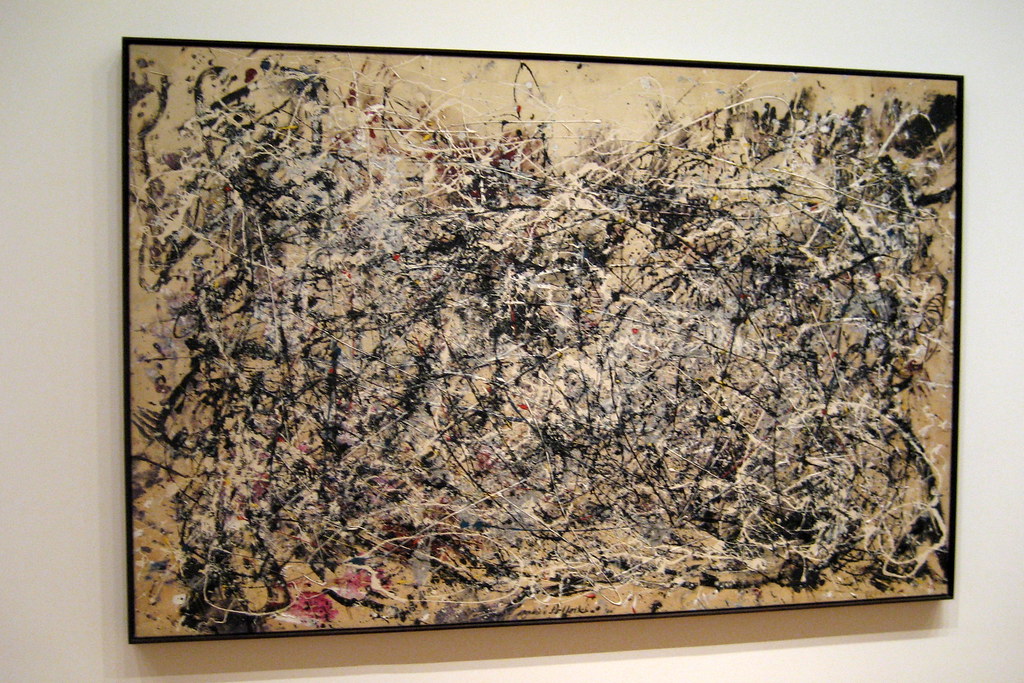
We love the romantic image of the artist lost in a creative frenzy, splashing paint with wild abandon, completely unaware of their own actions until a masterpiece mysteriously appears before them. It's a compelling myth, perhaps because it hints at a magic we all wish we possessed—a kind of effortless genius. Think of the stories we tell about Jackson Pollock, famously dripping and pouring paint across monumental canvases laid out on the floor. To the casual observer, it looks utterly chaotic, doesn't it? Like pure, unadulterated chance, a spontaneous combustion of pigment. But that, my friend, is precisely where the story gets deliciously complex, and frankly, a bit misleading. It's a great narrative, sure, but it’s mostly just that—a narrative spun around an immensely disciplined act of choice, control, and profound artistic agency. Pollock, for all his apparent spontaneity, made intensely deliberate choices about the scale of his canvases (often enormous), the viscosity and type of his paint, the specific tools he used (from sticks and hardened brushes to even basting syringes), and the physical, almost choreographic movements of his body around the work. He wasn't just aimlessly flinging paint; he was meticulously orchestrating chaos, making active, informed decisions within his chosen method, turning perceived randomness into controlled, expressive force. He literally redefined the canvas as an arena for action, a choice that dramatically shifted the paradigm of painting.
Even the most chaotic-looking abstract pieces are built on a profound foundation of decisions – a conceptual framework woven from countless deliberate acts. Every single artist, whether they’re meticulously painting a hyperrealistic portrait or, yes, throwing buckets of paint at a massive canvas, is making choices, consciously or otherwise. They choose to start. They choose their canvas and its size. They choose their palette, their first color, the angle of their arm, the speed of their gesture. This relentless string of decisions, some conscious and agonizingly slow, others subconscious and lightning-fast, is the invisible framework that holds every piece of art together. It’s what transforms mere material into meaningful expression. My own personal philosophy on painting abstractly is deeply rooted in this idea of profound intentionality, even when the outcome looks breathtakingly spontaneous. Even someone like Christopher Wool, whose abstract paintings often incorporate patterns and drips, engages in a deliberate dance of control and chance, making calculated choices about what marks to keep and which to rework. His repetitive use of stencils and text, often layered and distressed, points to a methodical approach even within a seemingly industrial aesthetic. It’s a deliberate deconstruction and reconstruction of visual information.
Similarly, consider the apparent wildness of Jean-Michel Basquiat's work. While his art feels raw, immediate, and spontaneous, his use of recurring symbols, text, and deliberate juxtapositions reveals a highly intentional mind. His choices were about disrupting established norms, injecting street culture into high art, and making powerful socio-political statements through a seemingly chaotic aesthetic. His decision to blend graffiti with classical art references was a profound act of cultural commentary, deliberately challenging the perceived 'purity' of the art world and bringing raw, unfiltered urban narratives into the pristine white cube of the gallery.
And what about Keith Haring? His iconic, energetic lines and vibrant figures seem so free, so effortlessly spontaneous. Yet, his work was intensely deliberate, driven by a conscious choice to make art accessible, to engage directly with the public, and to address pressing social and political issues like AIDS awareness and apartheid. Every chalk drawing in the subway, every mural, was a powerful, intentional act of communication, a testament to his belief in art as a tool for change. He made profound choices about his mediums, his audience, and the messages he wanted to convey, all while maintaining an unmistakable, fluid style.
The Architecture of Intuition: Planning for Spontaneity
I know, I know. It sounds like a paradox, doesn't it? How can you plan for spontaneity? But for many artists, myself included, that's exactly where the magic lies. It's about creating a framework, a structure of deliberate choices that allows for unexpected moments to flourish. Think of it like a jazz musician who knows scales and chords inside and out, but then chooses to improvise wildly within that knowledge. The more deeply ingrained your foundational choices are – about your materials, your composition, your color palette – the more freedom you have to respond intuitively to what emerges on the canvas. I often start with a loose 'choreography' for my brush, a general direction for movement and energy, rather than a precise line. This initial, deliberate choice provides the launchpad for intuitive responses.
The Spectrum of Artistic Intentionality: From Blueprint to Breakthrough
Perhaps the biggest choice any artist makes is the choice to engage with the unknown, to invite spontaneity, but always with a discerning eye. It’s a bit like a chef adding a surprise ingredient – it might be an accident, but the choice to include it, to make it work, is entirely intentional. This brings us to a critical point: artistic intentionality isn't a binary state, it's a vast spectrum. On one end, you have artists whose process is almost entirely predetermined, like a hyperrealist painter meticulously planning every reflection in an eye. On the other, you have those who dive headfirst into chaos, making active choices only in response to what emerges. Neither approach is inherently superior; rather, they represent different strategies for exercising artistic agency. What truly matters is the artist's conscious engagement with their chosen method, whether it's the meticulous planning of a Renaissance master or the rapid-fire decision-making of an Abstract Expressionist. Each path is paved with choices, both grand and granular.
For me, navigating this spectrum is a constant negotiation. Sometimes I begin with a clear vision, a detailed mental blueprint, and my choices are about executing that vision with precision. This might involve extensive sketching, precise color mixing, and a methodical layering process. Other times, the canvas itself dictates the journey, and my choices become about listening to the emerging forms, reacting to the serendipitous interaction of color and texture. This reactive process, often driven by intuition, is still punctuated by deliberate decisions about what to keep, what to alter, and how to push the boundaries of the initial 'accident.' It's a dynamic interplay that ensures the work remains fresh and challenging, and honestly, keeps me on my toes.
The Anatomy of an Artistic Choice
When we talk about 'choice' in art, it's never just one monumental, grand declaration. Oh no. It's far more intricate, a swirling cascade of thousands of micro-decisions, each one building upon the last, like the countless translucent layers in a rich abstract painting. Some choices are fast, almost intuitive flashes of insight—a gut feeling about a color, a swift gesture of the hand. Others are agonizingly slow, deliberate deliberations, like trying to pick just the right shade of blue from an infinite digital palette, or waiting for inspiration to strike, then choosing to act on it. Let's really break down a few of these, because understanding this granular, often invisible, level of choice is absolutely fundamental to truly appreciating the depth, complexity, and sheer willpower behind any artwork. It's in these subtle, often overlooked choices, that the true character, unique voice, and profound intention of a piece truly emerge, speaking volumes to the discerning eye.
Type of Choice  | What It Involves | Potential Impact |
|---|---|---|
| Concept/Subject Matter | Deciding what the art is about. Is it a feeling, an idea, a narrative, or a visual exploration? What story, if any, do you want to tell? This is often where the truly unseen layers and narratives begin to form in my own process, giving the work a profound underpinning. | This foundational choice dictates the entire direction of the work, influencing all subsequent decisions and shaping the message conveyed. For me, it often starts with an unseen layer or narrative. |
| Color | Selecting a specific palette. Deciding which color harmonizes or clashes with another. The strategic choice of warm versus cool tones, vibrant versus muted, or even choosing to create a color study to inform your decisions. | Drastically alters the mood, emotional resonance, and spatial perception of the piece. A single color can shift the entire psychological weight. See more on the psychology of color. |
| Composition | Where to place elements on the canvas. Creating balance, tension, rhythm, or harmony. Deciding on a focal point, or deliberately avoiding one. This is about guiding the viewer's eye and creating a cohesive visual experience. | Guides the viewer's eye through the work, influencing their journey and engagement. A strong composition feels 'right' even when we can't articulate why. Learn about balance in composition. |
| Material | Choosing oil paint over watercolor, acrylic over gouache, or a smooth canvas over a rough one. Deciding on wood panel versus paper. Using found objects or traditional pigments. The inherent qualities of the material are part of the message. | The materials themselves speak their own language. Texture, transparency, drying time, and inherent qualities all profoundly influence the final look, feel, and even the longevity of the piece. Explore my journey with mixed media and how material choices create depth. |
| Medium & Technique | Beyond what you use, how you use it. Are you brushing, dripping, spraying, sculpting, digitally rendering, or perhaps even performing? Are you working in layers or alla prima? This defines the visual language. | This choice defines the execution and visual language. It impacts texture, line quality, depth, and the overall aesthetic. It's the difference between a delicate frottage and a bold impasto, between the permanence of oil and the fleeting nature of charcoal. |
| Mark-Making | A delicate, whisper-thin line versus a bold, thick slab of paint. A frantic scribble conveying urgency versus a calm, meditative dot. The pressure, speed, and repetition of your hand. This is your artistic fingerprint. | This is, quite literally, the artist's handwriting, their unique signature. It directly conveys energy, emotion, and personality. It’s how I work to translate emotion into my art and let the raw feeling show through. |
| Scale and Format | Deciding the physical size of the artwork, its shape, and presentation (e.g., monumental canvas, intimate sketch, multi-panel installation, site-specific work). This fundamentally alters the viewer's interaction. | Fundamentally shifts the viewer's experience, dictating intimacy, impact, and even the logistical challenges of creation and display. A small piece draws you in; a massive one envelops you. |
| Value / Light & Shadow | The choice of how light and dark areas are distributed, creating contrast, mood, and defining form. This relates to chiaroscuro, tenebrism, and overall tonal range, powerfully shaping the emotional landscape of the piece. | Crucial for creating depth, drama, and emotional intensity. It can evoke mystery, highlight a focal point, or flatten a composition deliberately. |
| Audience/Context | Deciding who the art is for, where it will be displayed, and what message it conveys within that space. Is it for a private collector, a public installation, or a specific community? | This choice influences everything from subject matter and scale to materials and overall presentation, shaping how the work is received and understood. |
| Time/Duration | For performance art or process-based art, the choice of how long an action or creation takes, or how it unfolds over time. The ephemeral nature of a moment can be a powerful choice. | This introduces an entirely new dimension to the artwork, impacting its meaning, the viewer's experience, and the very concept of its existence. |
| Risk-Taking / Experimentation | The decision to push boundaries, try a new technique, deliberately fail, or incorporate unexpected elements. It's about choosing courage over comfort in the studio. See more on the role of experimentation in my abstract art. | This choice is fundamental to artistic growth and innovation, often leading to breakthroughs that would not have been possible within established comfort zones. It can redefine an artist's entire style. |
| Collaboration | Choosing to work with other artists, disciplines, or communities. This involves shared decision-making, compromise, and the deliberate merging of different creative visions. | Collaboration can enrich an artwork with diverse perspectives and skills, fostering new ideas and challenging individualistic notions of authorship. It's a choice to expand the creative ecosystem. |
| Texture | The actual or implied surface quality of the artwork. Choosing between smooth, rough, slick, or gritty surfaces. Deciding to use impasto, frottage, or incorporate found objects. | Texture creates a tactile experience for the viewer, adding another layer of sensory engagement and emotional resonance. It can evoke a sense of age, rawness, or refinement. |
| Narrative/Symbolism | Whether to explicitly tell a story, suggest a narrative, or imbue objects/colors with symbolic meaning. This includes choosing specific iconography or abstracting it. | This choice deepens the intellectual and emotional engagement, allowing the artwork to communicate on multiple levels beyond its purely visual form. It’s where much of understanding symbolism in contemporary art comes into play. |
| Space/Negative Space | How the empty areas around and within the forms are handled. Choosing to emphasize the subject or the void, creating depth or flatness, tension or calm. | Shapes the overall composition and the viewer's perception of dimension and relationship between elements. It can create a sense of vastness or claustrophobia. |
| Sound/Silence | For auditory art or installations, the choice of specific sounds, their duration, volume, and rhythm. Equally, the deliberate choice to incorporate moments of silence. | This engages the auditory senses, profoundly affecting mood, atmosphere, and the immersive experience of the artwork. Silence can amplify visual elements or create dramatic tension. |
The Interconnectedness of Choices: A Creative Ecosystem
Each of these choices builds on the last, often in a complex, recursive loop. It's never a purely linear process. A choice of initial concept might influence your material selection, which then dictates the kind of technique you'll employ. That technique, in turn, informs your compositional approach, and so on. It’s like a conversation unfolding, each utterance influencing the next. It's a complex, interconnected web of decisions, a true ecosystem of creative thought, where every tiny shift can ripple through the entire work, sometimes leading to unforeseen, yet equally deliberate, adjustments. This dynamic interplay is what makes the artistic journey so continuously fascinating, even for the artist navigating it. For me, the process often feels like a constant recalibration, where a seemingly minor decision about a brushstroke can lead to a complete rethinking of the overall composition. It's in this continuous dialogue with the emerging artwork that the true 'voice' of a piece begins to manifest, often in ways I couldn't have predicted at the outset.
The Unseen Choices: Subtlety and Subversion
Beyond the obvious choices of color or subject, there’s an entire realm of subtle, often subversive decisions an artist makes. These are the quiet acts of rebellion or affirmation that might not be immediately apparent to the viewer but profoundly shape the work's meaning. For example, an artist might choose to deliberately leave a section unfinished, inviting the viewer to complete the narrative in their mind, much like the negative space in a calligraphic work invites contemplation of the unwritten. This isn't laziness; it's a profound act of trust in the viewer's interpretative agency, a conscious choice to create an open-ended dialogue. Think of Rodin’s partially finished sculptures, where the raw marble merges with the refined form – a deliberate choice to reveal the process and invite contemplation of emergence. Or they might select a seemingly mundane object, like a urinal, and recontextualize it in a gallery, forcing us to question the very definition of art – a choice that, as we'll explore later, was revolutionary. These deliberate provocations, acts of artistic subversion, are themselves profound choices, revealing an artist's agency to challenge the status quo. These are choices about silence, absence, and challenging perception, which speak volumes about the artist's agency and vision.
Another powerful example? The choice of ephemeral art. Think of sand mandalas created by Buddhist monks, meticulously constructed only to be ritually dismantled. The choice here isn't about permanence, but about process, attachment, and the beauty of fleeting existence. Or closer to home, the subtle choice to incorporate raw, unprimed canvas into a painting – a direct challenge to the historical conventions of academic painting, revealing the material's truth rather than hiding it under layers of gesso. These seemingly minor decisions can carry immense philosophical weight.
credit, licence
The Iterative Nature of Art: Choosing to Revisit and Revise
Here’s a secret most non-artists don’t realize: very few pieces of art emerge fully formed in a single, flawless burst of creativity. More often, the artistic process is deeply iterative. It's a constant cycle of making choices, observing the results, making new choices, and then revising, rethinking, or even outright rejecting earlier decisions. That "happy accident" I mentioned in the introduction? It often becomes the catalyst for a whole new series of deliberate choices, shifting the entire trajectory of the piece. I've personally had paintings sit in my studio for months, sometimes years, waiting for that one crucial decision to unlock their potential, or for me to choose to scrape everything off and start anew, keeping only a ghost of the original intention. This willingness to revisit, to revise, and to engage in a continuous dialogue with the evolving artwork is, in itself, one of the most profound acts of artistic choice. It's where resilience meets vision. I like to think of it as a creative 'undo' button, but with much higher stakes and far more emotional investment. This deliberate embrace of imperfection and evolution is, in my experience, central to artistic growth. It's in these moments of stepping back, reassessing, and then plunging back in with renewed intention that an artwork truly finds its voice, becoming something far richer and more complex than a single, initial vision could have ever dictated. It's a powerful lesson in non-attachment and constant creative curiosity, and a testament to the artist's courage to let go of what isn't working.
Historical Perspectives on Artistic Choice: A Journey Through Time and Intent
It might seem like this emphasis on "choice" is a very modern concept, a product of our highly individualized world. But the truth is, artists throughout history have always navigated constraints and freedoms, making deliberate decisions within their contexts. Understanding this lineage helps us see the threads of intentionality running through millennia of art, revealing that the act of choosing is a fundamental human drive expressed through creative endeavors. From the utilitarian choices of early humans to the conceptual leaps of contemporary artists, every era presents a unique landscape of constraints and freedoms within which deliberate decisions are made. This journey through art history isn't just about changing styles; it's about the evolving nature of artistic agency, the persistent human need to express, and the ever-present dialogue between the artist's vision and the world around them. It's a fascinating look at how purpose, technique, and cultural context shape every deliberate mark. What truly fascinates me is how, despite vastly different tools and belief systems, the underlying human impulse to make a deliberate choice in art remains a constant.
Ancient and Indigenous Choices: Form, Function, and Sacred Meaning
Long before the Renaissance, during what we now call the Prehistoric era, artists made choices that were deeply embedded in their cultures, often intertwined with ritual, survival, and storytelling. Think of the cave paintings of Lascaux or Altamira, or the intricate spiral carvings at Newgrange. The choice of subject matter (animals, hunting scenes, abstract symbols), the choice of materials (earth pigments, charcoal, carved stone), and the choice of location (deep within caves, megalithic structures) were profoundly deliberate. These weren't merely decorative acts; they were choices made to communicate with the spiritual world, to ensure successful hunts, to mark territories, or to record ancestral narratives. Indigenous art, too, is brimming with intentionality. Every woven pattern, every carved mask, every painted symbol is a deliberate choice carrying layers of meaning, tradition, and communal identity. Consider the intricate dot paintings of Australian Aboriginal artists, where seemingly abstract patterns are in fact complex maps or narratives, each dot and line a deliberate mark conveying ancient stories and deep spiritual connection. The freedom might have been constrained by tradition or available resources, but within those boundaries, the artists made powerful, purpose-driven choices, making sacred meaning visible. And think of the intricate Totem Poles of the Pacific Northwest Indigenous peoples, where every carved animal, every figure, is a deliberate choice to represent clan lineage, ancestral stories, or significant events, each with precise cultural protocols and deep symbolic resonance. It's a profound demonstration of how communal narratives are made visible through intensely intentional artistic acts. Similarly, the detailed pottery and monumental sculptures of ancient Mesoamerican civilizations or the elaborate masks and ceremonial objects of various African cultures each embody a meticulous series of choices about form, material, and symbolic function, all serving to reinforce community, spirituality, and historical memory. For more on this, check out the enduring influence of indigenous art on modern abstract movements.
From Renaissance Precision to Impressionist Intuition
Before the Renaissance, during the Gothic period, artistic choices were often dictated by religious narratives and the structural demands of monumental cathedrals. Artists made deliberate decisions about iconography, the placement of sculptures and stained glass (like at Chartres Cathedral), and how best to convey complex theological concepts to a largely illiterate populace. The overarching choice was to serve the glory of God and the Church, with deliberate choices in color, light, and symbolic representation all contributing to this singular purpose. This era also saw the emergence of more refined sculptural choices that broke from the rigid forms of Romanesque art, moving towards a more naturalistic, albeit still highly idealized, portrayal of the human form and divine figures. The development of stained glass, for example, was a highly intentional choice to transform light into a spiritual, storytelling medium within the vast cathedrals. Artists also made deliberate choices in architectural elements, using flying buttresses and ribbed vaults to allow for taller, thinner walls and larger windows, fundamentally shaping the interior experience and the interplay of light and space within these sacred structures. This was a choice for elevation, both literally and spiritually.
credit, licence
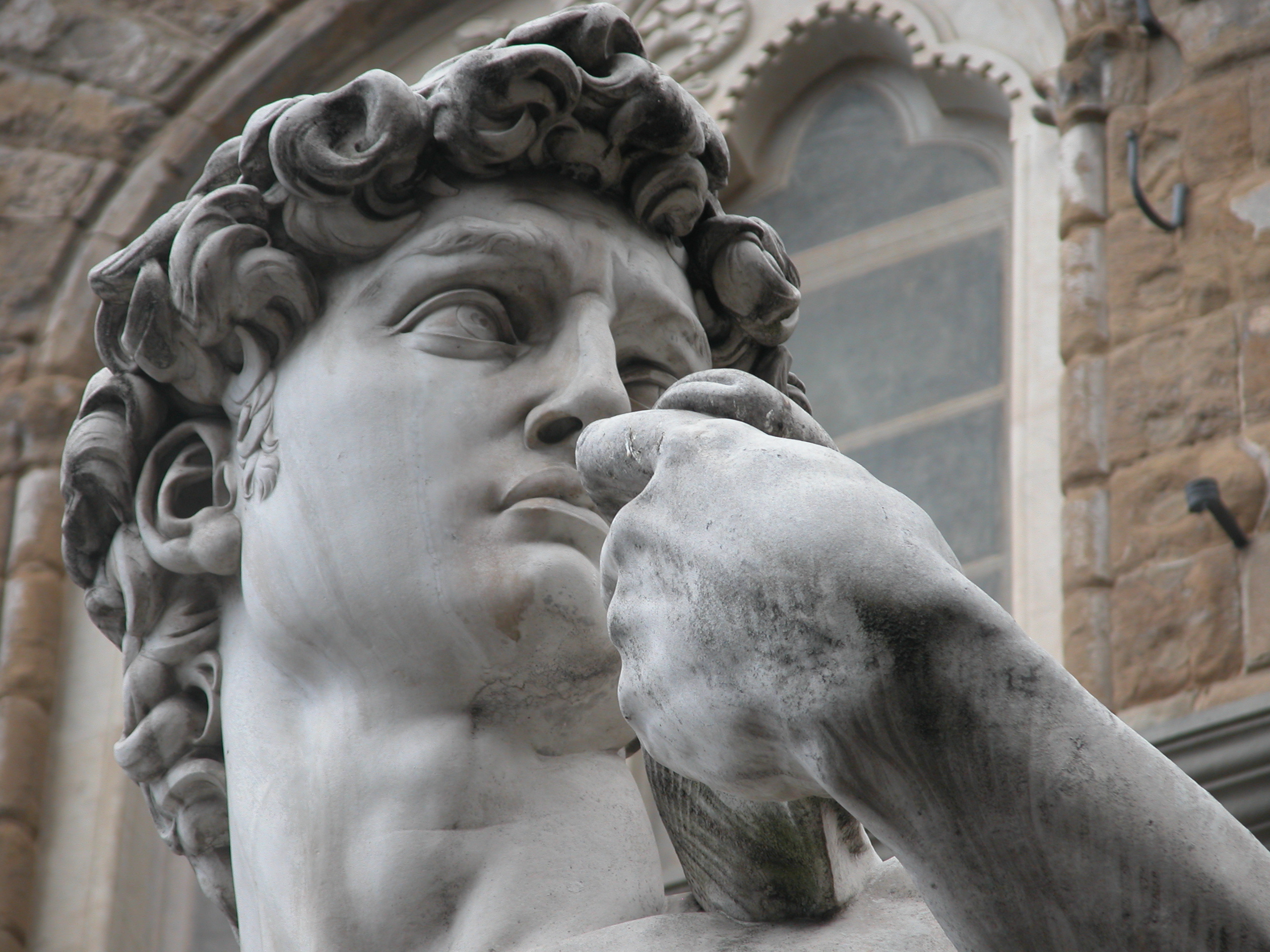
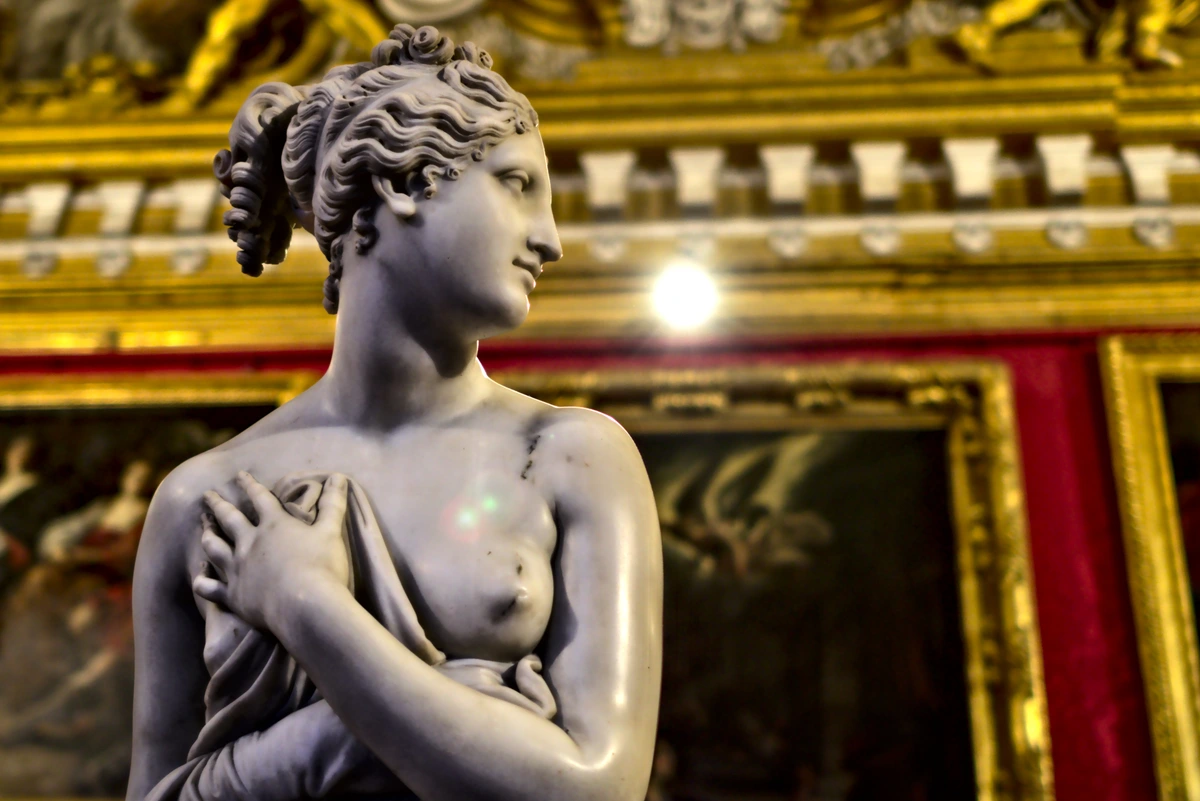
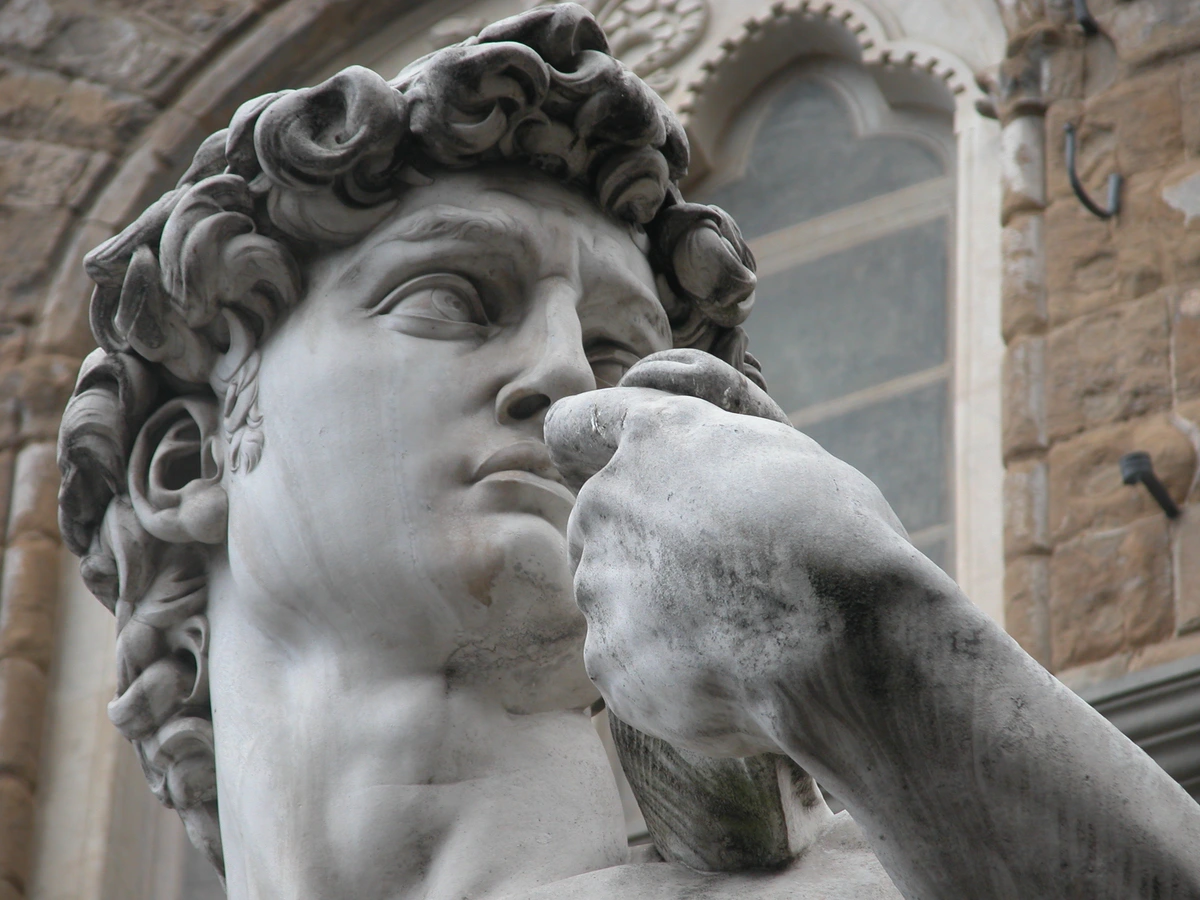
Then think about the Renaissance masters like Leonardo da Vinci or Michelangelo. Their choices were often dictated by powerful patronage, the resurgence of classical ideals, religious dogma, and stringent anatomical studies. Every brushstroke, every chisel mark, was a deliberate attempt to achieve an idealized realism, a divine precision, often steeped in complex symbolism and narrative storytelling. The choice was in mastering technique to perfectly represent a pre-determined vision, to convey theological truths or humanistic ideals through impeccable craft. Even within these strictures, artists made profound choices: how to depict a saint's expression, the precise angle of a vanishing point, or the selection of pigments that would best convey light and shadow. The deliberate choice to master and employ linear perspective, for example, was a revolutionary act, creating the illusion of three-dimensional space on a two-dimensional surface and fundamentally altering how narratives could be presented and perceived. The choice of oil painting itself became a powerful tool, allowing for unprecedented subtlety in color and light. Consider Donatello, whose revolutionary choices in sculpture brought a new level of realism and emotional depth to his figures, moving away from the idealized forms of the Gothic period and ushering in a new era of human-centric art. His David sculpture, for instance, was a radical choice in its naturalism and use of bronze. Sofonisba Anguissola, for example, made deliberate choices to break conventions of her time, pushing portraiture in new directions, even within the confines of societal expectations for women artists, showcasing her own artistic agency through subtle innovations and a focus on intimate, psychological portrayals. The choices artists made in this era weren't just aesthetic; they were often tied to burgeoning scientific understanding, philosophical shifts towards humanism, and the demands of influential patrons.
Baroque and Rococo: Emotion, Drama, and Ornamentation
Moving into the Baroque era, roughly from the early 17th to mid-18th century, artistic choices shifted towards heightened drama, intense emotion, and grandeur. Artists like Caravaggio made deliberate choices about tenebrism (dramatic contrasts of light and shadow) to create theatricality, drawing the viewer into a visceral experience. Peter Paul Rubens, for instance, made grand choices in his compositions, using swirling forms and dynamic figures to create monumental, emotionally charged scenes that captivated and persuaded. Bernini, in sculpture, chose dynamic movement and elaborate compositions to evoke awe and spiritual ecstasy. The choices here were about persuasion and impact, often serving the Catholic Church's Counter-Reformation efforts or the absolutist monarchies of the time. The very scale of Baroque works was a deliberate choice to convey power and magnificence. This period fundamentally shaped how artists made choices about emotional resonance and immersive experiences.
Following the Baroque, the Rococo period (mid-18th century) saw a deliberate shift towards lightness, grace, and elaborate ornamentation. Artists chose pastel palettes, curvilinear forms, and intimate, playful subject matter, often reflecting the aristocratic tastes of the time. The development of the fête galante, for example, where scenes of elegant outdoor amusements were depicted, was a deliberate choice to cater to the desires of a new, leisure-loving aristocracy. The choice was to move away from the gravitas of the Baroque, towards a more whimsical and decorative aesthetic, often found in private salons rather than grand public spaces. While seemingly frivolous, these were still highly intentional choices about style, audience, and the desired emotional effect.
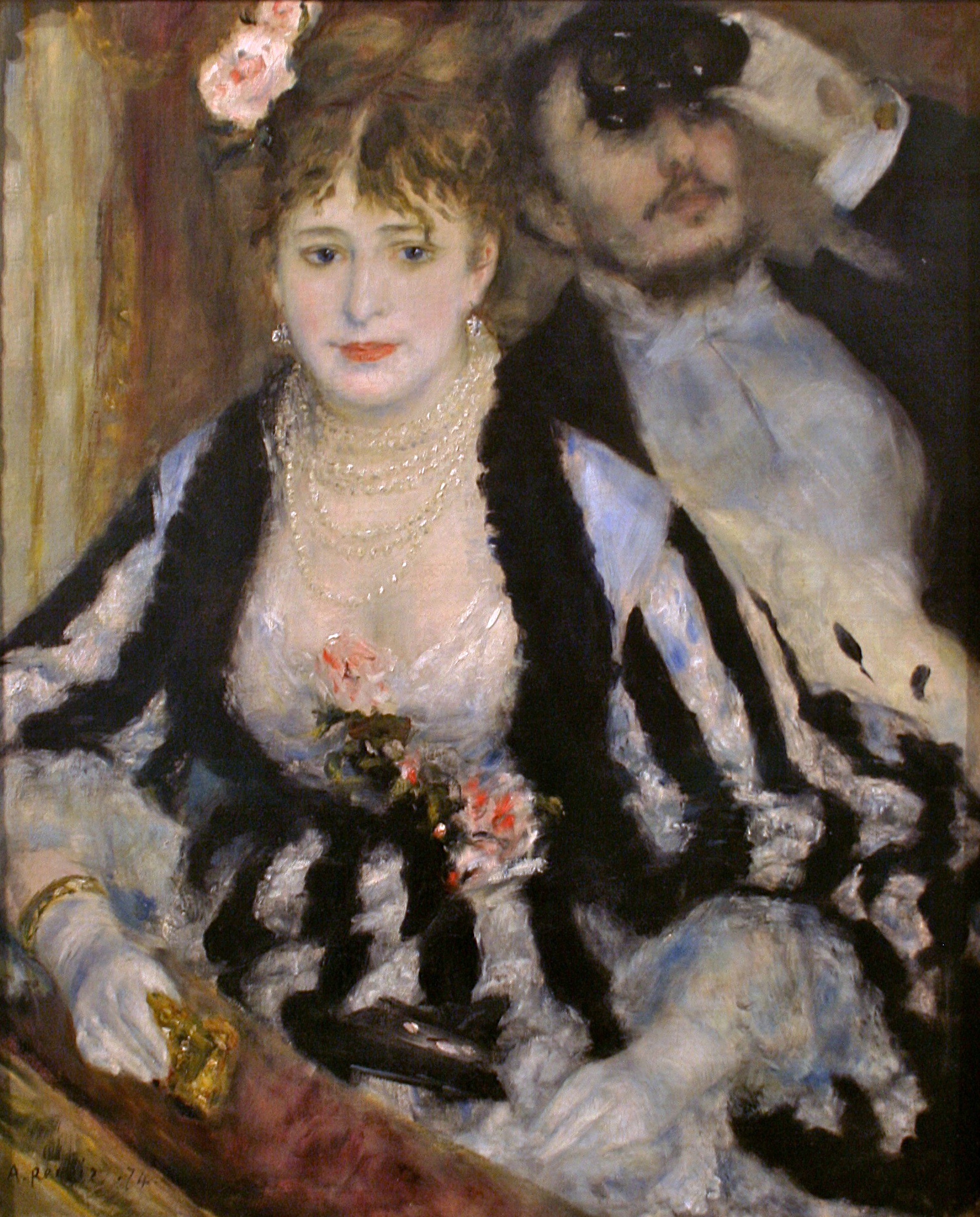
Fast forward to the Impressionists of the 19th century, like Renoir or Monet. Their choices shifted dramatically. Instead of idealized realism, they chose to capture fleeting moments, the ephemeral effects of light and color. Their deliberate choices lay in their innovative brushstrokes, their outdoor painting (plein air), and their focus on subjective perception rather than objective reality. They chose to embrace a more immediate, sensory experience, challenging academic traditions. This was a deliberate rebellion against the rigid hierarchy of the traditional Salon system, where official art exhibitions dictated public taste and artistic success. By choosing to exhibit independently, the Impressionists made a powerful collective statement about artistic autonomy. This then paved the way for Post-Impressionists like Van Gogh and Cézanne, who, while building on Impressionist principles, made new choices about color, form, and emotional expression, pushing art further into subjective interpretation and paving the way for the radical shifts of the 20th century. Artists like Paul Gauguin, for instance, made deliberate choices to reject Impressionism's emphasis on objective reality, opting instead for bold colors and flattened forms to convey symbolic meaning and emotional depth, particularly after his choices to immerse himself in non-Western cultures. Van Gogh's deliberate choice of bold, impasto brushstrokes and vibrant, expressive colors was a conscious effort to convey intense emotion and his inner world. Cézanne, on the other hand, made revolutionary choices about analyzing form and space, reducing subjects to their geometric components, a foundational step towards Cubism and a profound influence on subsequent modern art. We also see artists like Georges Seurat, whose meticulous application of Pointillism – tiny, distinct dots of color – was a highly scientific and deliberate choice to achieve optical blending and luminous effects, a stark contrast to the spontaneous brushwork of the Impressionists, but equally intentional in its pursuit of light and color.
The Bold Choices of Modernism and Beyond
The 20th century, as you know, exploded with diverse movements, each driven by revolutionary choices that fundamentally reshaped how we define and experience art. Before even Cubism, movements like Expressionism (think Edvard Munch and his raw emotional choices, reflecting inner turmoil through distorted forms, as seen in his iconic The Scream (see more on Expressionism)) pushed against academic realism, choosing subjective experience over objective depiction. Groups like Die Brücke (The Bridge) in Germany made deliberate choices to create a new art, unburdened by academic convention, focusing on intense emotional expression through bold outlines, vivid colors, and sometimes jarring compositions. Artists like Käthe Kollwitz also made powerful expressionistic choices, using stark, empathetic imagery to convey social injustice and the suffering of the working class, making her art a deliberate tool for social commentary.
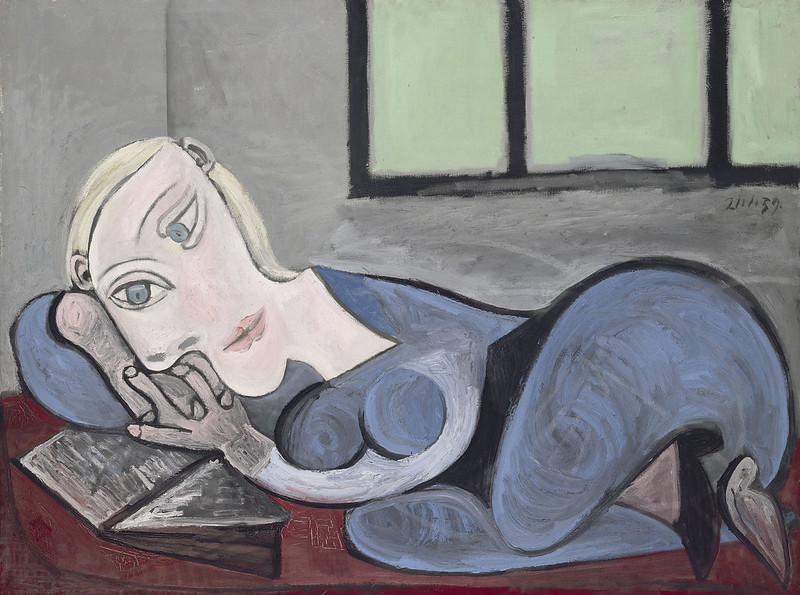
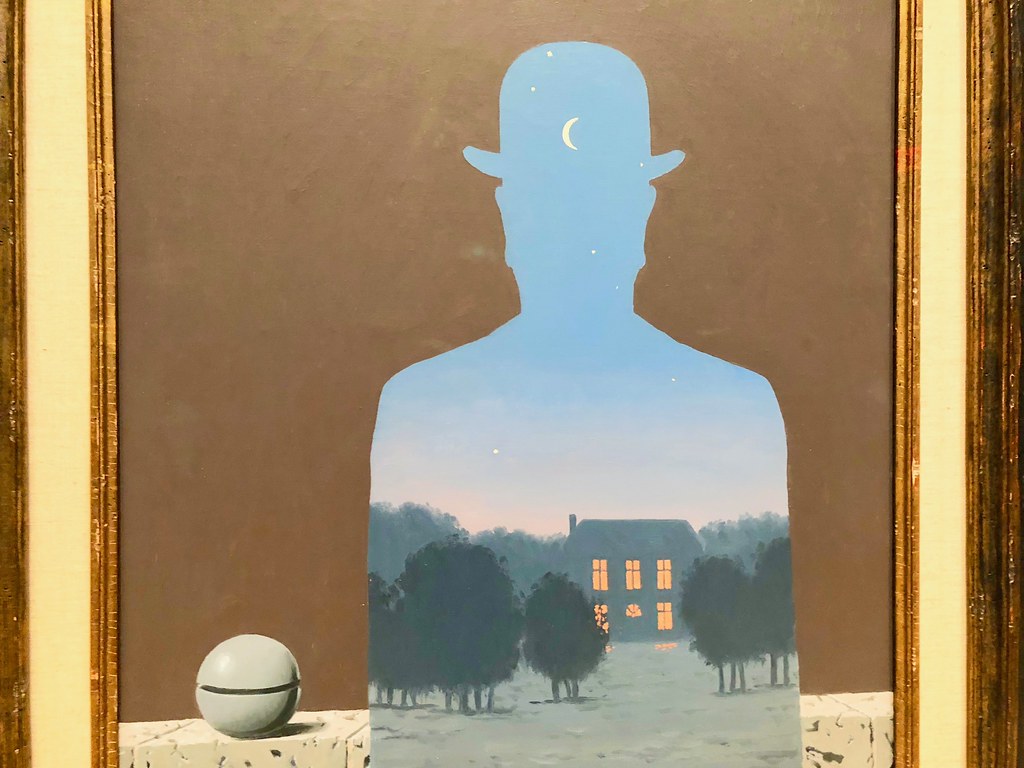
Following the turmoil of World War I, a movement born of disillusionment and a rejection of traditional values, Dadaism, emerged. Artists like Marcel Duchamp and Man Ray made profoundly deliberate choices to create "anti-art," using ready-mades and absurd juxtapositions to challenge the very definition of what constituted art. Their choices were about questioning authorship, originality, and the institutions that defined taste. This was a powerful, if sometimes perplexing, exercise in artistic agency. Then, Cubism, spearheaded by Picasso and Braque, shattered traditional perspectives, deliberately choosing multiple viewpoints to represent reality, deconstructing objects into geometric forms. This was a conscious rejection of linear perspective, a radical choice that forced viewers to see in new ways, profoundly influencing the trajectory of abstract art. A contemporary movement, Futurism, while distinct, also made deliberate choices about capturing movement, speed, and the dynamism of modern life, though often through more fragmented, energetic forms rather than Cubism's static multiplicity of viewpoints. Their manifestos explicitly detailed their artistic choices and intentions. Abstract Expressionists (like our friend Pollock, but also Mark Rothko with his profound color fields, or Willem de Kooning with his ferocious brushwork) chose raw emotion and gesture over representation, making choices about energetic application and the very scale of their work, aiming for direct, unmediated expression on monumental canvases. De Kooning, in particular, wrestled with his images, often scraping back and re-working surfaces, each layer a testament to his deliberate, almost aggressive, pursuit of form and feeling. Their decisions were about the immediacy of experience and the artist's inner world, giving rise to concepts like action painting and emphasizing the artist's psychological state. Their decisions were about the immediacy of experience and the artist's inner world, giving rise to concepts like action painting and emphasizing the artist's psychological state. Later, Surrealism chose to delve into the subconscious, embracing dreams and automatism as sources of artistic imagery, a deliberate attempt to liberate the creative mind and explore irrational juxtapositions, profoundly influencing artists like René Magritte (explore more on Surrealism). Minimalism, in stark contrast, chose to strip away all non-essential forms, focusing on elemental shapes, industrial materials, and the viewer's direct experience, making choices about purity and reduction, a movement I find fascinating in its profound simplicity (see more on Minimalism). And Pop Art deliberately chose to embrace popular culture, consumerism, and advertising imagery, blurring the lines between high art and everyday life. Andy Warhol, for example, made the deliberate choice to elevate mundane objects like soup cans and Brillo boxes to the status of fine art, profoundly questioning notions of originality and mass production. These were all revolutionary choices, each pushing against the boundaries of what art could be, and each a testament to artists' ongoing exploration of what it means to make a mark, both literally and figuratively.
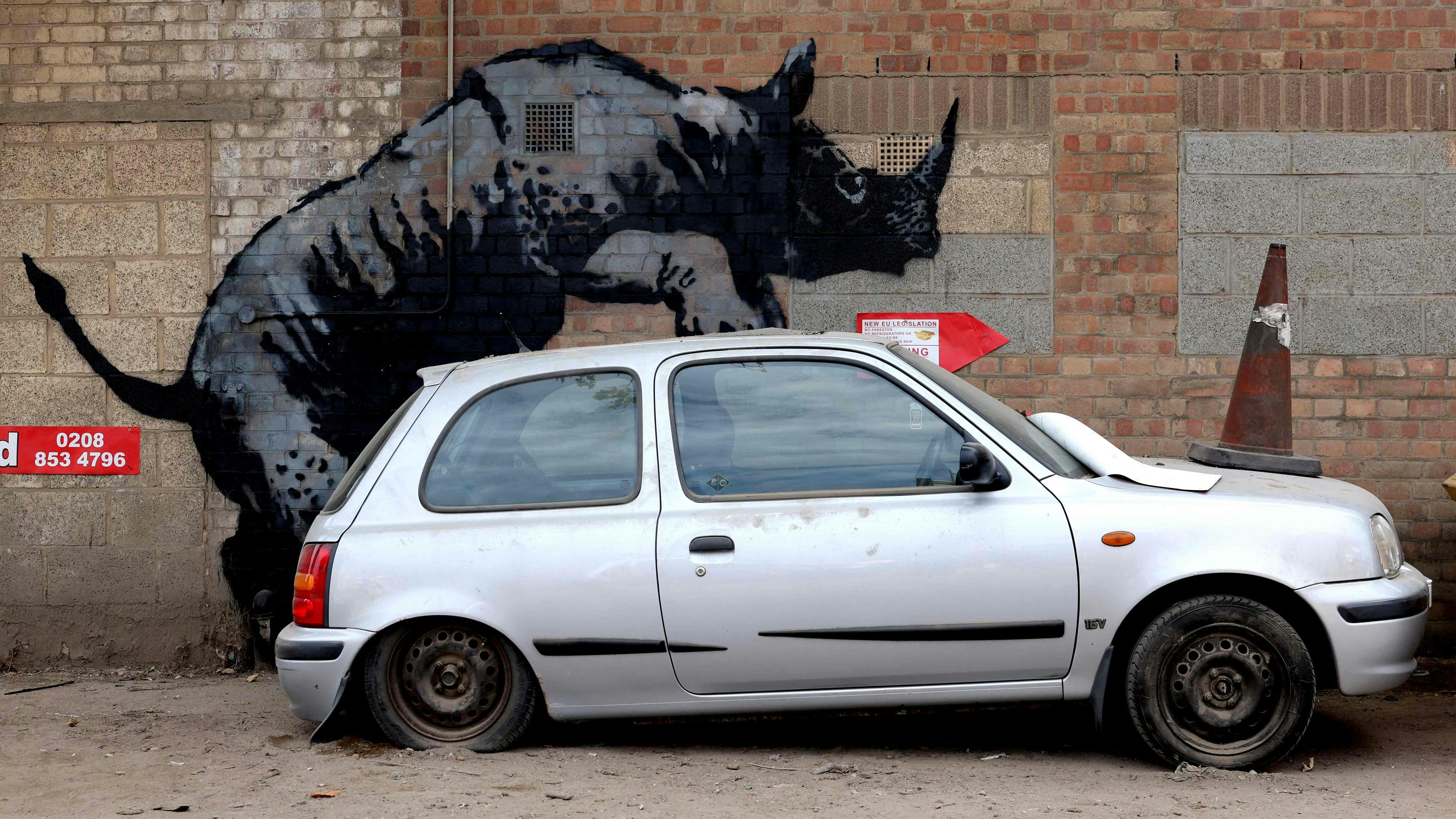
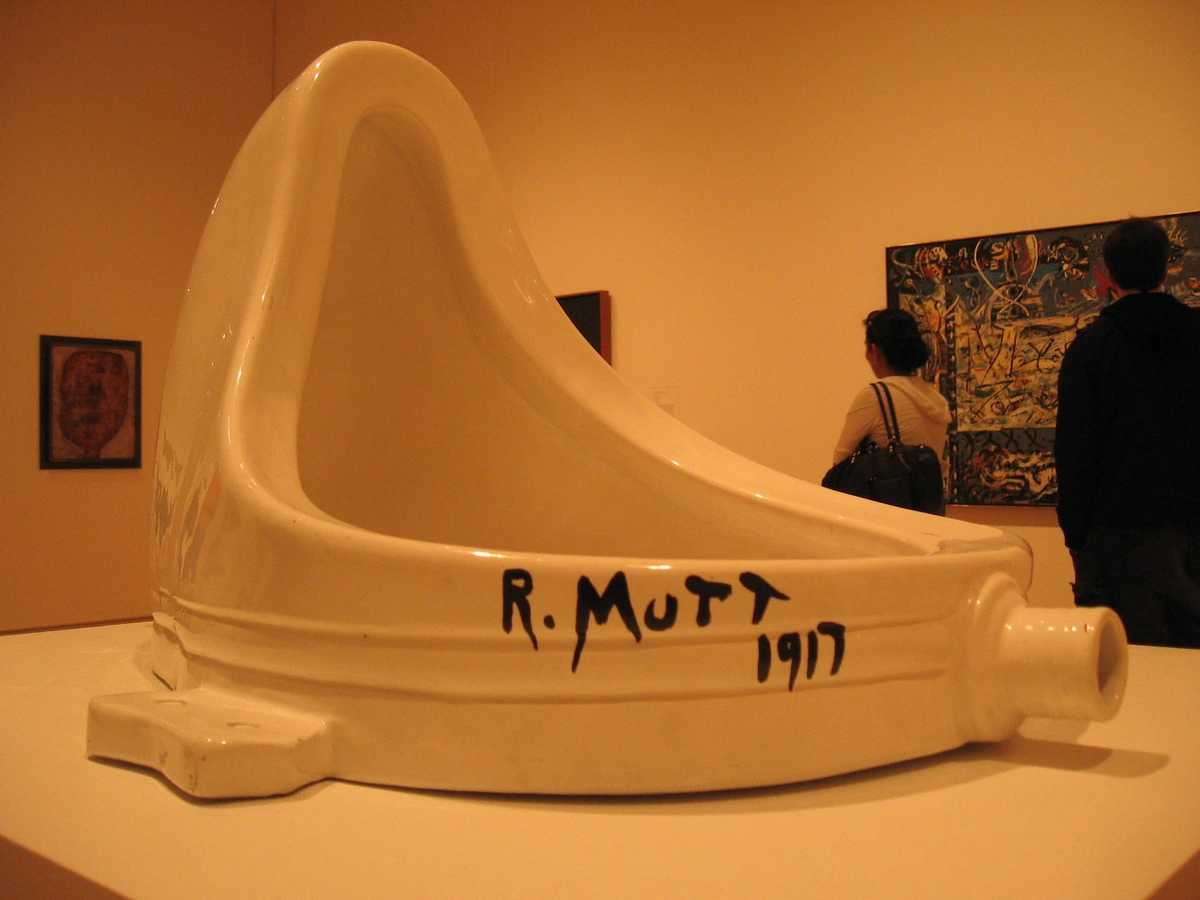
Then, Conceptual Art elevated the idea itself to the forefront, with the artist's primary choice being the concept, often minimizing the importance of the physical object. Think of Marcel Duchamp's Fountain – his choice to select a urinal, sign it with a pseudonym ('R. Mutt'), and present it within a gallery context was the art itself. It was a profoundly deliberate act designed to provoke questions about authorship, originality, and the very definition of art. This radical approach forced the art world to confront its own assumptions and significantly expanded the boundaries of what could be considered art, laying the groundwork for much of the art that followed. This lineage culminates in contemporary artists who make deliberate choices about everything from digital mediums to social commentary, like Banksy's impactful street art, where location, message, and medium are all meticulously chosen to maximize their effect.
So, while the language and emphasis on "choice" may evolve, the fundamental act of an artist making deliberate decisions, within or against the prevailing currents of their time, remains a constant, vital pulse in the history of art. It's the thread that connects a cave painter to a digital artist, a testament to the enduring human capacity for intentional creation.
Contemporary Choices: Beyond the Gallery Walls
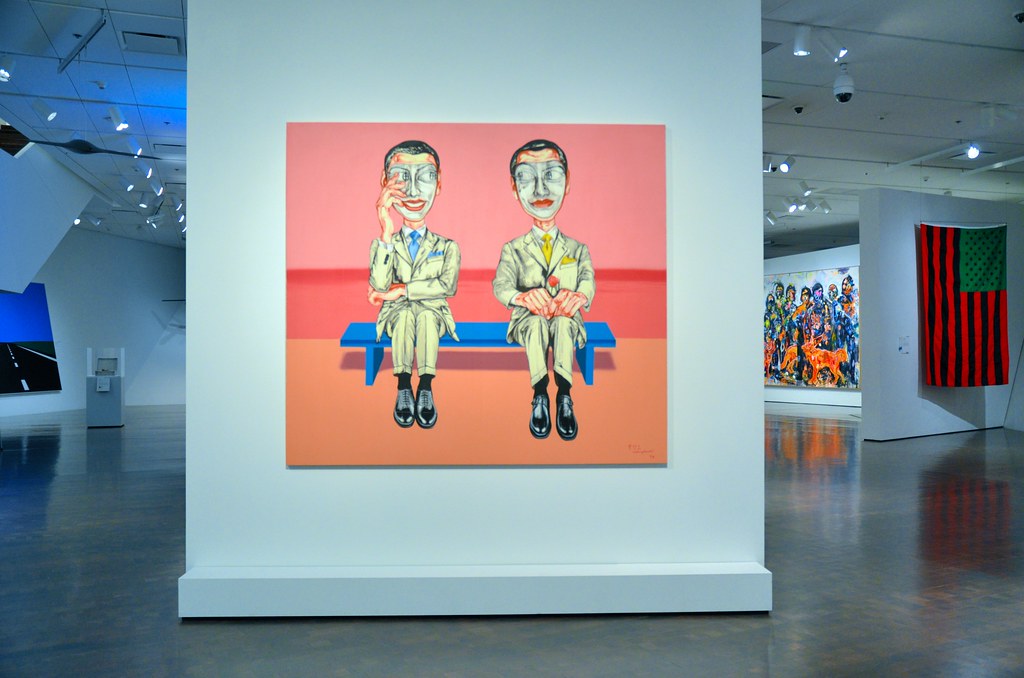
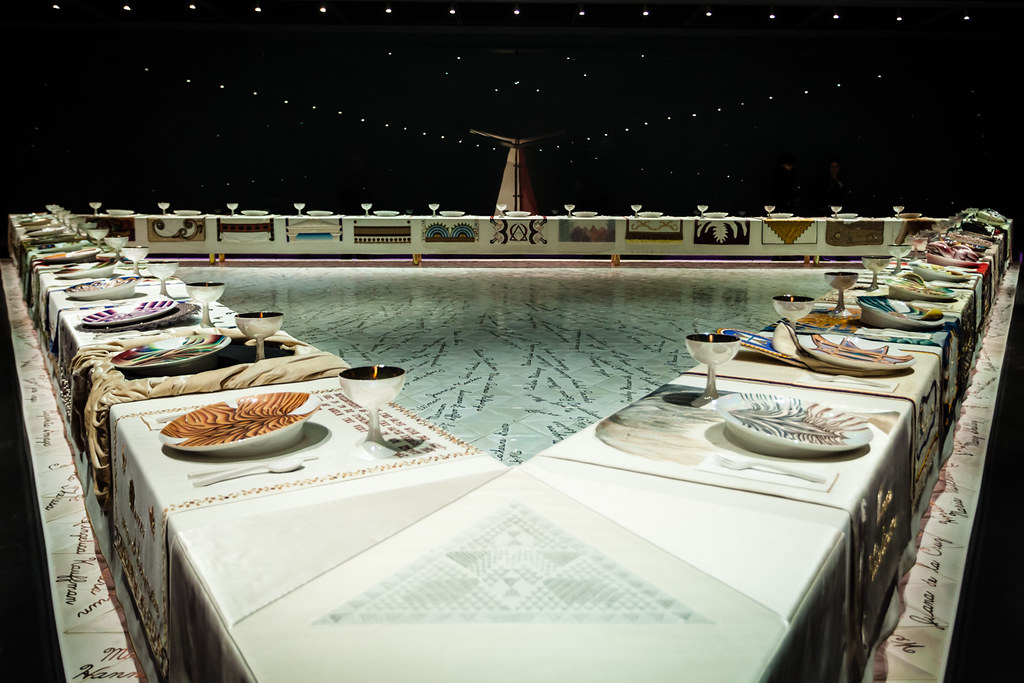
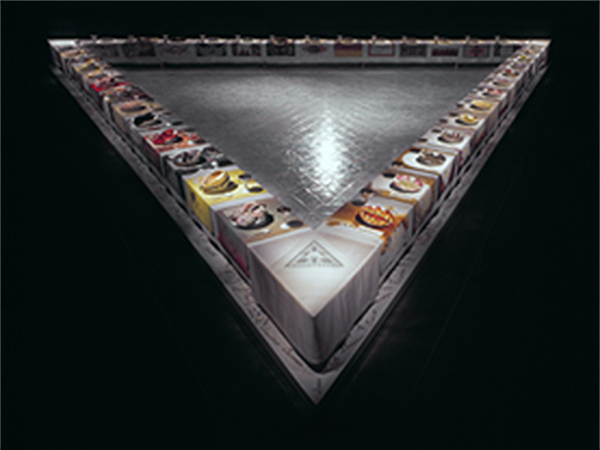
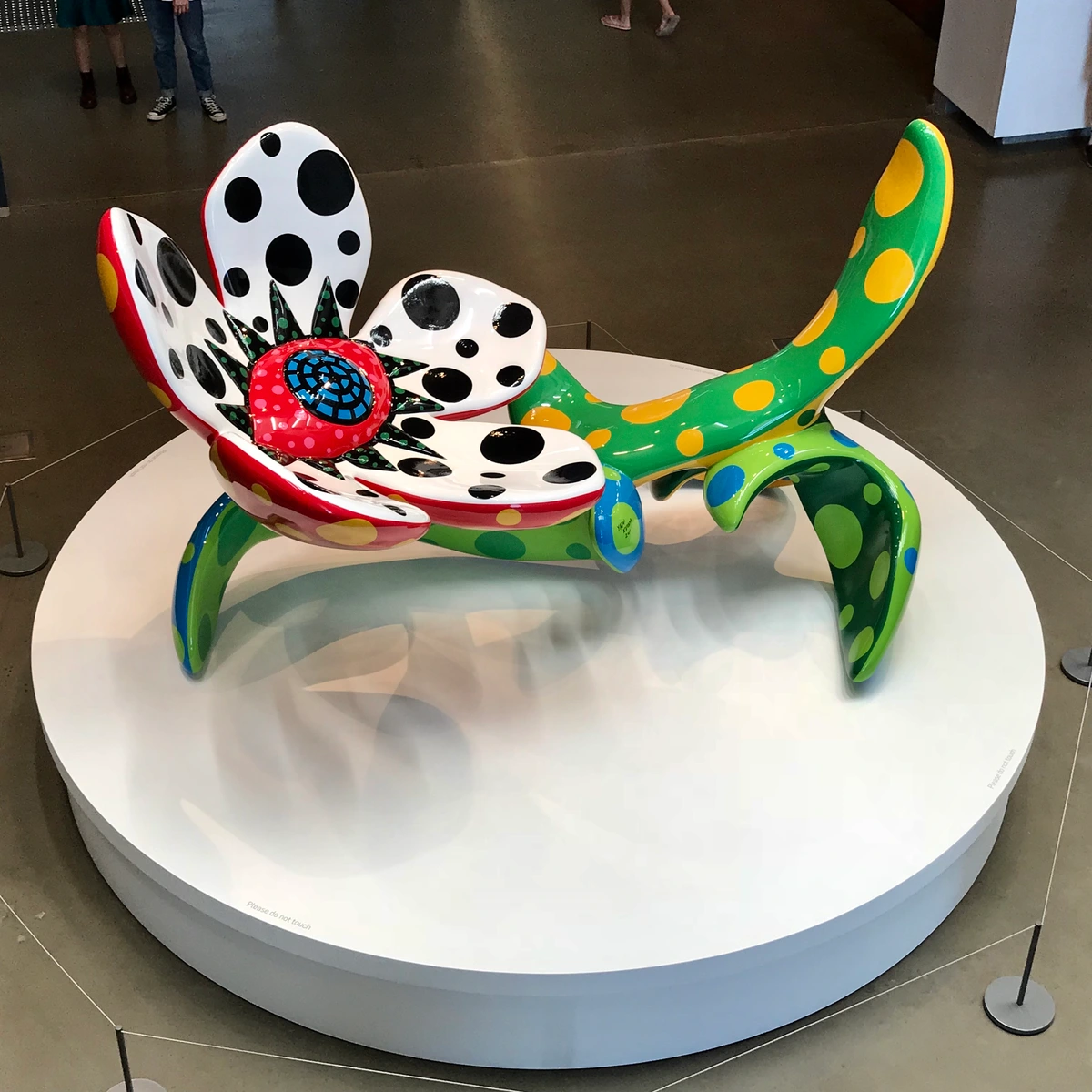
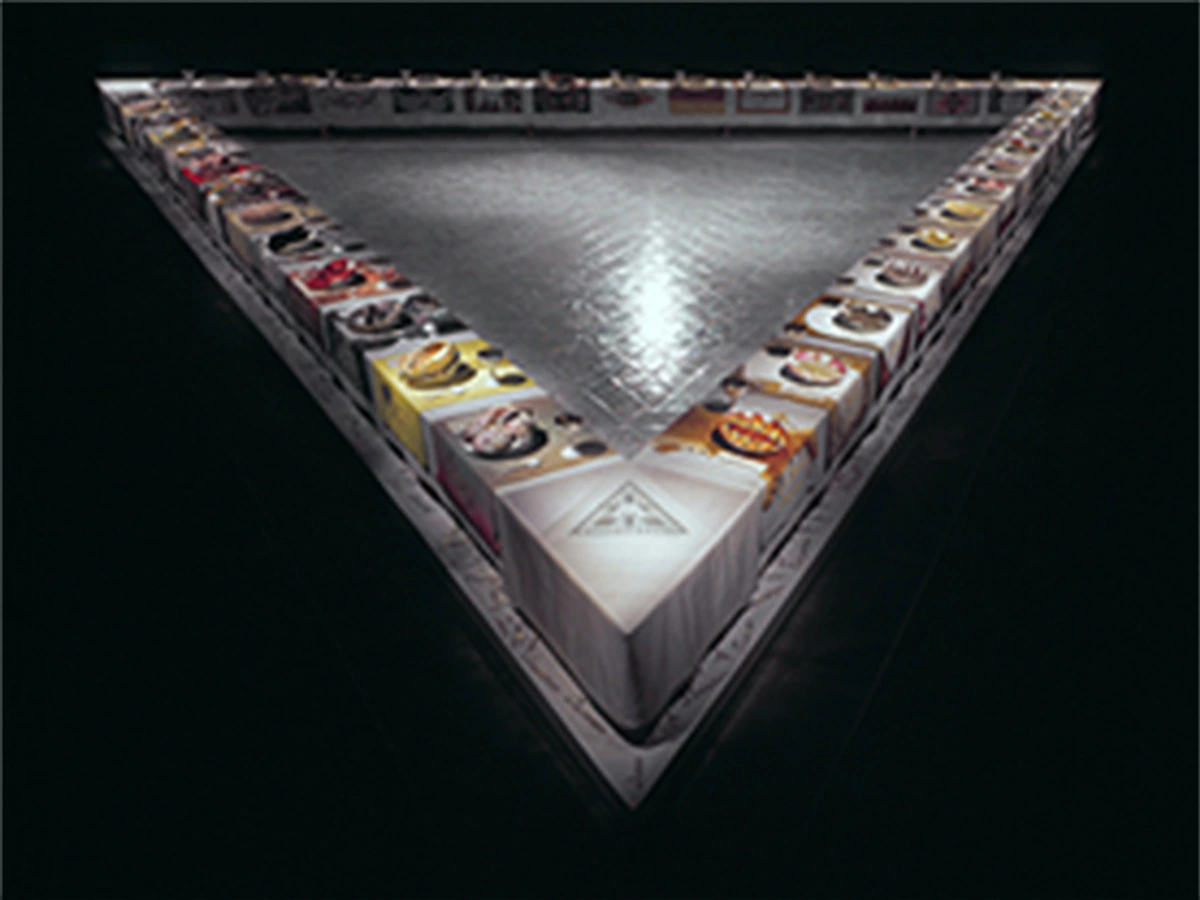
The 21st century continues this lineage of deliberate choice, but with an expanded toolbox and a global perspective. Contemporary artists make profound choices about everything from performance art (where the artist's body and actions are the medium, making ephemeral, deliberate statements) to social practice art (where the creation of community, dialogue, or direct intervention is the artistic choice). Artists like Zeng Fanzhi, with his Mask series, make deliberate choices to comment on societal pressures and individual identity in a globalized world. Judy Chicago, through monumental installations like The Dinner Party, made powerful choices to reclaim women's historical narratives, transforming craft into high art through sheer force of intentionality.
The choices made today often blur the lines between disciplines, incorporating technology, science, and community engagement. The gallery is no longer the sole stage; public spaces, digital platforms, and even scientific laboratories become sites for artistic intervention and deliberate choice. This expanding definition of art and its context is a testament to the unending array of choices artists make. Artists are making deliberate choices about: Performance Art (where the artist's body and actions are the medium, making ephemeral, deliberate statements), Social Practice Art (where the creation of community, dialogue, or direct intervention is the artistic choice, often blurring the lines between art and activism), and Environmental Art (making choices about natural materials, site-specific installations, and ecological commentary). Artists like Zeng Fanzhi, with his Mask series, make deliberate choices to comment on societal pressures and individual identity in a globalized world. Judy Chicago, through monumental installations like The Dinner Party (see more on Judy Chicago), made powerful choices to reclaim women's historical narratives, transforming craft into high art through sheer force of intentionality.
Global Perspectives and Cross-Cultural Dialogues
In our interconnected world, contemporary artists are increasingly making choices that transcend geographical and cultural boundaries. This involves deliberate engagement with diverse traditions, materials, and narratives, often leading to powerful cross-cultural dialogues. Artists might choose to reinterpret ancient myths through a contemporary lens, or blend traditional craft techniques with modern conceptual approaches. For instance, an artist might deliberately integrate indigenous weaving patterns into a digital art piece, or use traditional calligraphy in a contemporary installation to bridge historical and cultural divides. These choices reflect a conscious effort to challenge Eurocentric art historical narratives and embrace a more inclusive, global understanding of artistic intentionality. It's a fascinating evolution where influences are fluid, and the act of choice becomes a bridge between worlds. For a deeper dive into current trends, explore art movements of the 21st century. The conversation about what is the meaning of art continues to evolve with every new set of artistic decisions.
The Critical Role of the 'Happy Accident'
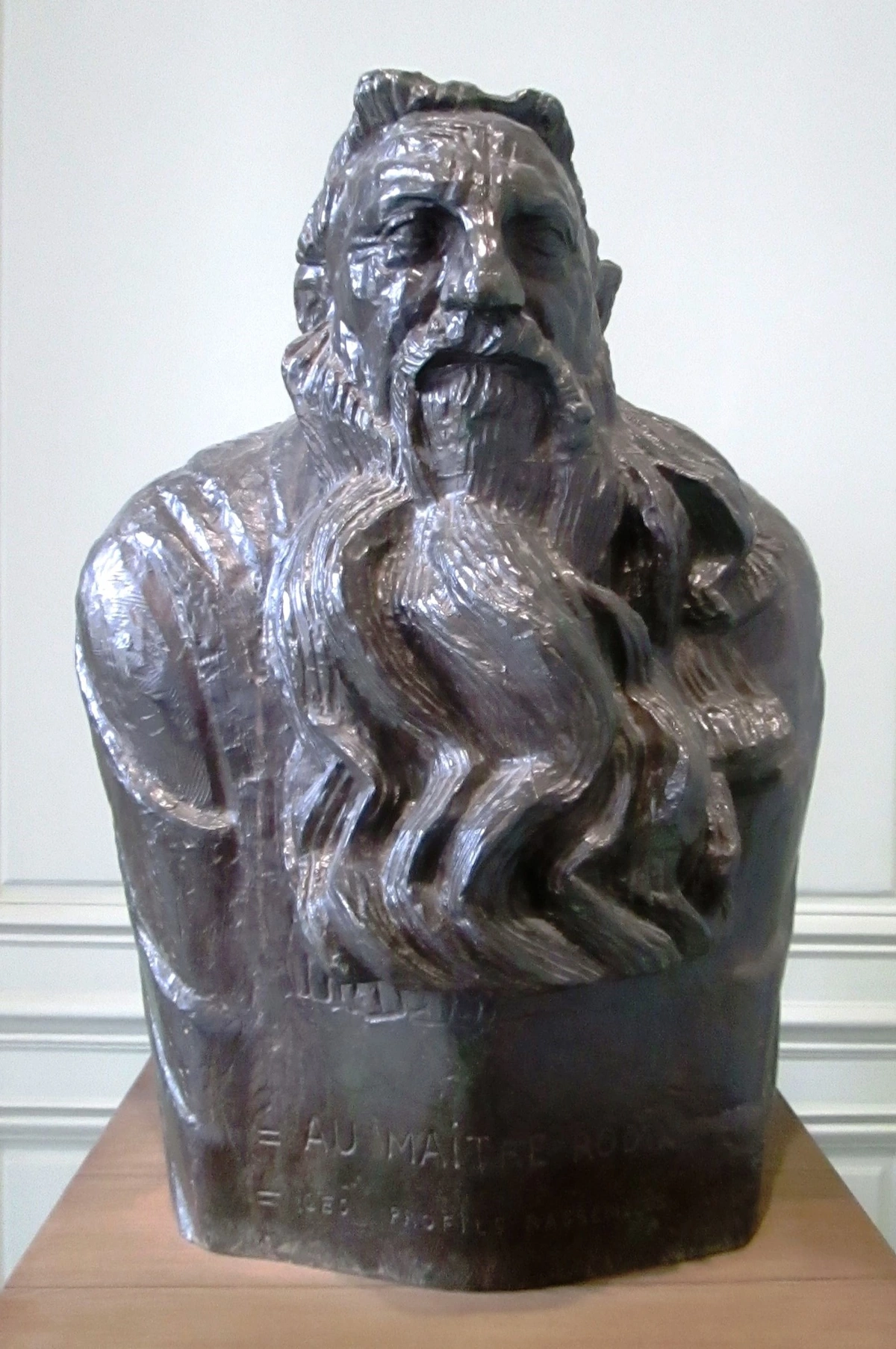
So, where do those enigmatic "happy accidents" fit into this grand tapestry of deliberate choice? They are, I'd argue, absolutely crucial, undeniably potent ingredients in the creative stew. But here’s the kicker, and this is important: their power doesn't actually come from the accident itself. Oh no. Its true magic, its transformative spark, comes from the deliberate choice to recognize it, to lean into its unexpected potential, and to consciously react to it. Without that human intervention, that moment of decisive artistic agency, it's just a random event, a blip in the material world.
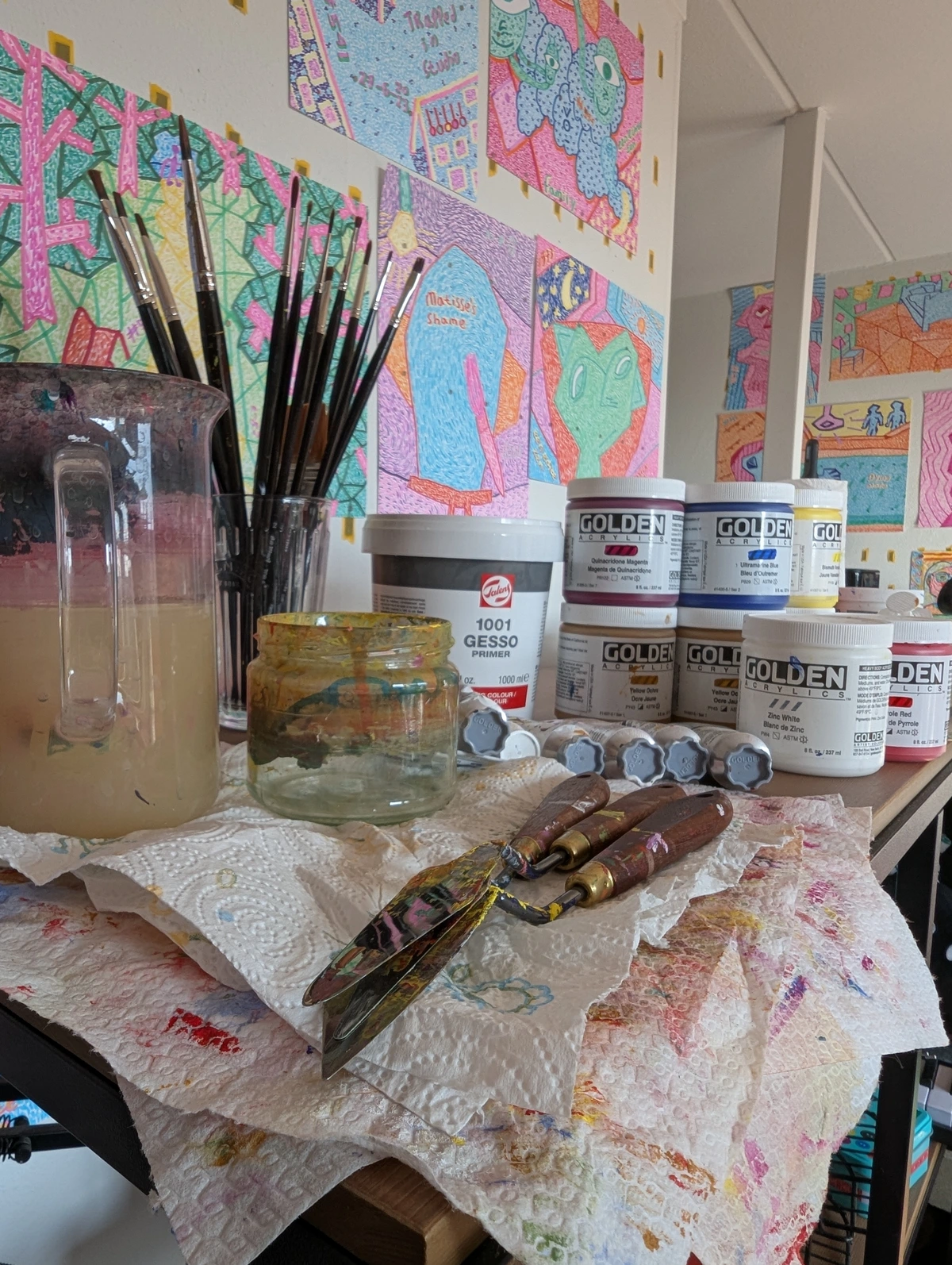
Think about it: A drip of paint, a smudge on the canvas, a color blending in an unexpected, perhaps even "ugly," way—these are, in isolation, just random physical occurrences. They only become art when the artist, with their discerning eye, honed intuition, and willingness to deviate from the script, sees their potential. The choice, in that split second, is to ask: "Does this serve the painting? Does this make it more interesting, more complex, more alive? Can I consciously integrate this into my vision, or even let it redefine my vision entirely?" It's not about being passive acceptance; it's about active, engaged negotiation with the unforeseen. This often plays a huge role in how to abstract art, where the initial gestural marks can lead to entirely new compositions based on the artist's spontaneous yet informed reaction. It's a testament to the power of human adaptability and creative problem-solving. My own studio is full of these moments; I recall one abstract piece where an accidental splash of turquoise, initially a frustrating error, became the unexpected focal point, completely altering the intended palette and ultimately leading to a much more dynamic composition. It truly was a 'happy accident' only because I chose to let it be one. This isn't passive acceptance; it's active engagement. It's the artist's eye, honed by years of practice and conscious decision-making, that recognizes the potential in the unforeseen, transforming a mere mishap into a pivotal creative turning point. It's a testament to artistic resilience, the choice to pivot and adapt, rather than succumb to frustration.
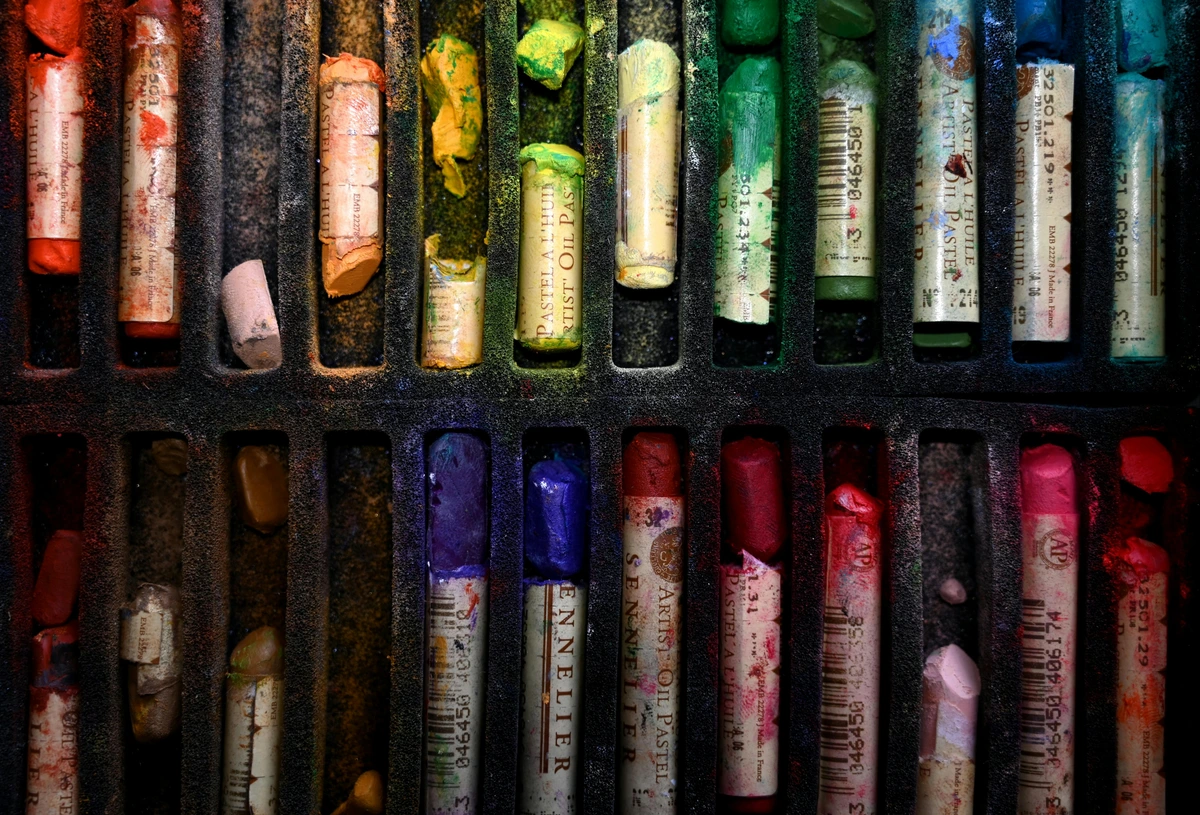
This is the very essence of embracing imperfection in art, a philosophy I deeply resonate with, and one that has profoundly shaped my own explorations of texture and depth. It's a profound dialogue between the artist and their evolving creation. The materials and chance offer a suggestion—a whisper, a shout, a bizarre detour—and the artist chooses whether to accept that suggestion, reject it, or warp it into something entirely new. That decision—to meticulously integrate the smudge, to boldly paint over it, or to deliberately make ten more just like it, transforming an anomaly into a motif—is one of the most powerful and vulnerable choices an artist can make. It’s where the human element, the unique imprint of consciousness, truly shines through the chaos, proving that true mastery isn't about avoiding mistakes, but about intelligently responding to them.
How to Build Your 'Choice Muscle'
Whether you're an artist wrestling with a blank canvas or just someone who loves art and wants to deepen their appreciation, understanding this fundamental process of choice can radically change how you create and how you see. For artists, becoming more intentional doesn't mean becoming rigid or losing spontaneity. Quite the opposite, actually! It means building your awareness, your visual vocabulary, and your intuitive decision-making so that your in-the-moment choices are more powerful, more informed, and ultimately, more you. It's about consciously nurturing your artistic voice.
Here are a few ways I've found to deliberately cultivate that "choice muscle":
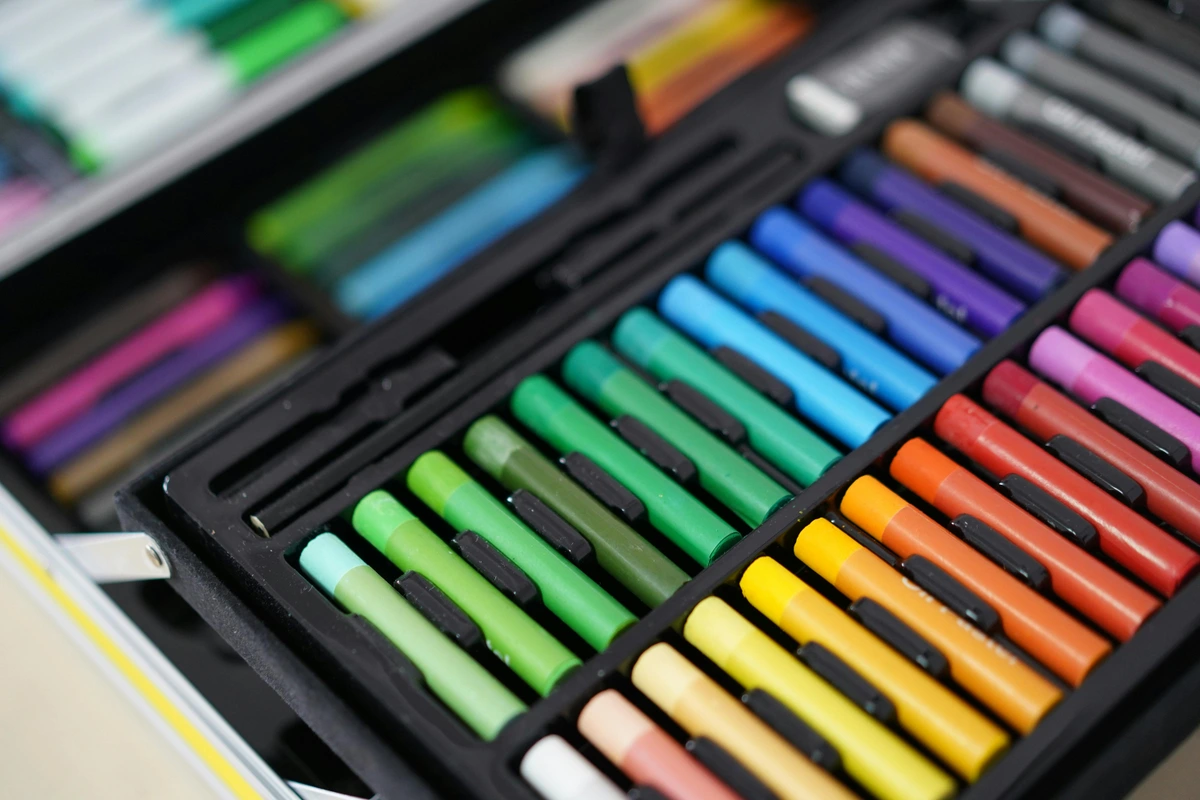
- Keep an Idea Bank: Sometimes, the best choices aren't made in the heat of the moment, but are drawn from a well-spring of accumulated inspiration. Keep a sketchbook, a digital folder, or even a simple note on your phone where you jot down ideas, capture interesting color combinations, or sketch out compositional possibilities. This acts as a reservoir of deliberate choices you can draw upon when facing creative blocks. It's about consciously nurturing your creative flow.
- Set Limitations (Self-Imposed Challenges): This sounds counter-intuitive, doesn't it? Limiting yourself to only three colors, or using only one type of brush for an entire painting, or even working within a strict time limit. But I've found that limitations don't stifle creativity; they force you to make more inventive, deliberate, and often bolder choices within a defined framework. It’s like a creative puzzle you have to solve.
- Analyze Art (Yours and Others) with Intent: Look at a painting, any painting, and try to reverse-engineer the choices the artist made. Why did they put that electric blue there, next to that murky brown? What if that delicate line was thicker, more aggressive? This isn't about judgment; it's about sharpening your eye for cause and effect, for the profound impact of every decision. It's a key part of analyzing artistic merit and truly understanding the language of art.
- Embrace Iteration and 'Productive Failure': Don't aim for perfection in your first attempt. Choose to experiment, knowing that not every decision will lead to a masterpiece. Some of the most profound discoveries in my own work have come from what initially felt like a "failure." Embrace the opportunity to revisit, to revise, and to let previous choices inform subsequent, stronger ones. This iterative process is a core component of artistic growth.
- Art Journaling & Reflection: Keep a dedicated sketchbook or digital journal. After a creative session, reflect on the choices you made. What worked? What didn't? Why did you choose that particular color or technique? This conscious reflection strengthens your awareness and helps you internalize lessons from your creative process. It's a way to document your creative flow and understand your evolving artistic voice.
- Seek Feedback (and Choose How to Use It): Share your work with trusted peers or mentors. Their fresh perspective can reveal choices you hadn't considered, or highlight the impact of choices you made subconsciously. The crucial part, however, is to choose how you integrate that feedback. Not all advice is right for your vision, and discerning what serves your work is, in itself, a powerful act of intentionality. It's about taking in information and then deliberately deciding what resonates with your personal philosophy on painting abstractly.
- Learn to Say 'No': This might be one of the hardest choices for any creative. Saying 'no' to a commission that doesn't align with your vision, to an exhibition that doesn't feel right, or even to a specific stylistic direction, is a powerful act of self-preservation and strengthens your artistic integrity. It’s a deliberate choice to define your boundaries and protect your unique voice.
- Cultivate Mindfulness and Active Listening: Spend time simply observing your artwork without judgment. What is it telling you? What choices is it inviting you to make? This active listening, a form of artistic mindfulness, can reveal solutions and directions that intellectualizing alone might miss. It’s a conscious choice to engage with the art on a deeper, more intuitive level, much like practicing meditation for your creative process.
Cultivating Your Artistic Voice Through Choice
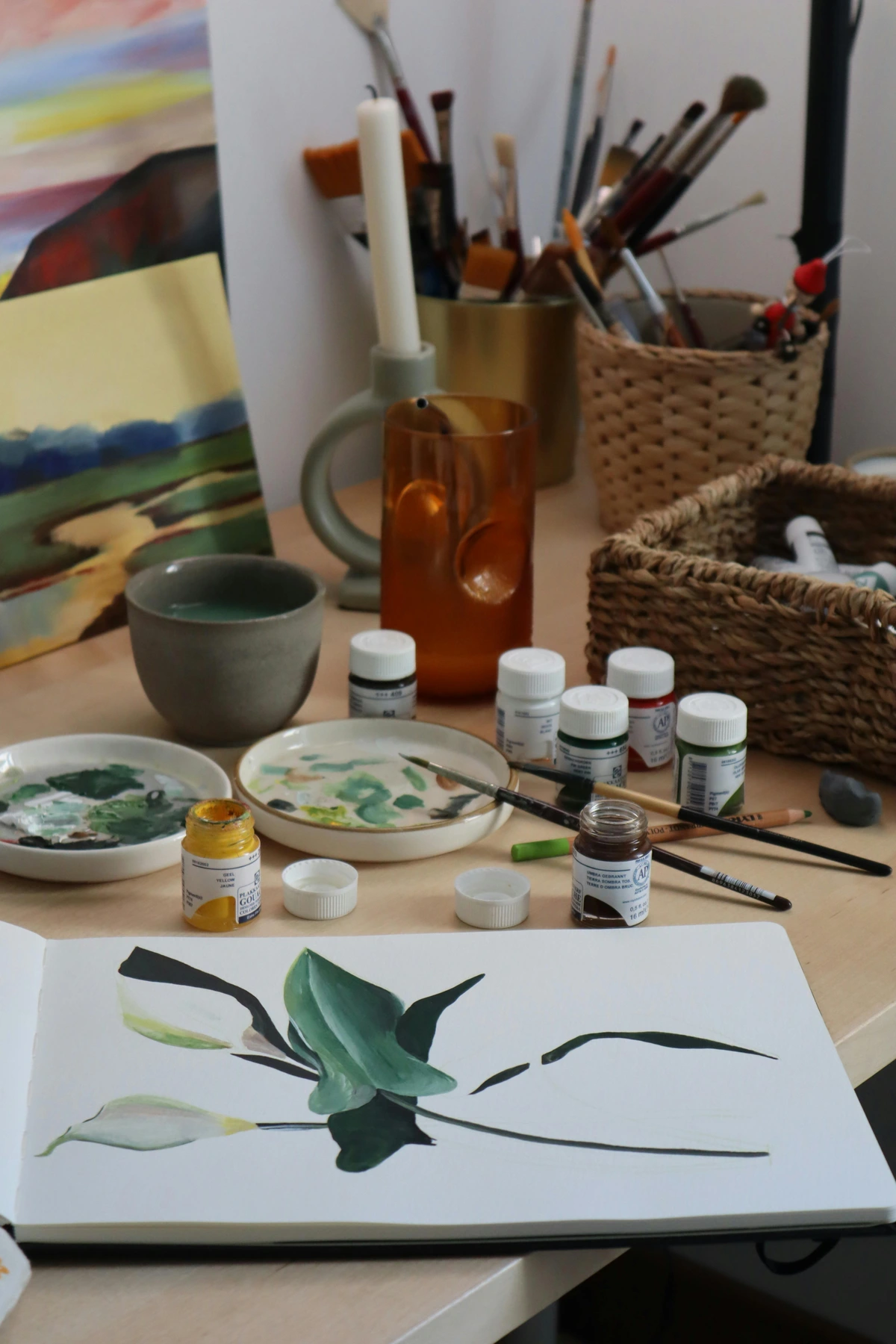
Ultimately, this process of honing your artistic voice is a long one, a journey of countless accumulated choices. It's about finding that sweet spot between deliberate action and intuitive response. You can trace this evolving journey through my own work on my timeline, where you'll see the echoes of these decisions playing out across different series and periods. Every artist's journey is a testament to the power of continuous choice.
Technology and Choice: The Digital Frontier
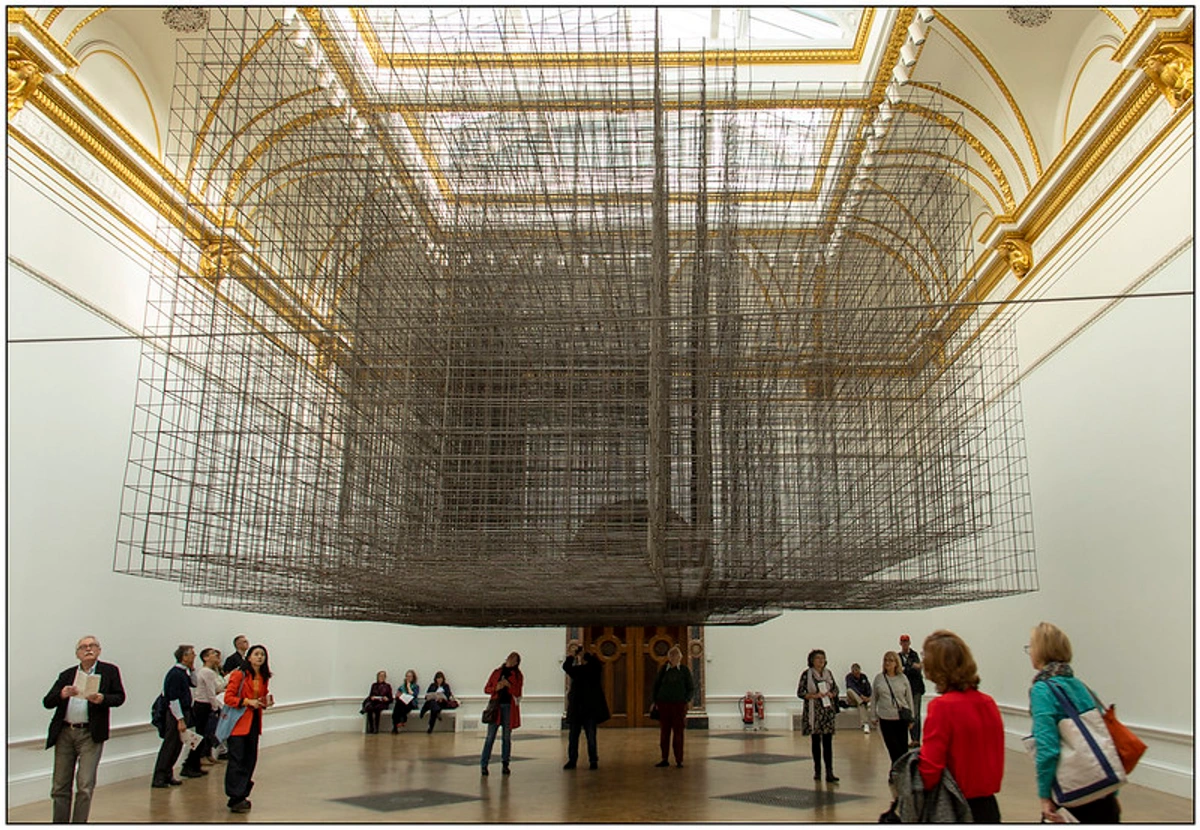
The digital age has introduced an entirely new dimension to artistic choice, fundamentally altering the tools, processes, and even the very definition of "art." From sophisticated drawing tablets to generative AI, artists are now faced with a bewildering array of technological choices, each with its own set of advantages and challenges. These digital frontiers are not just new tools; they represent new paradigms for artistic decision-making. It's like having an entirely new palette, not of colors, but of computational possibilities, and deciding how to wield them responsibly and creatively.
New Tools, New Decisions
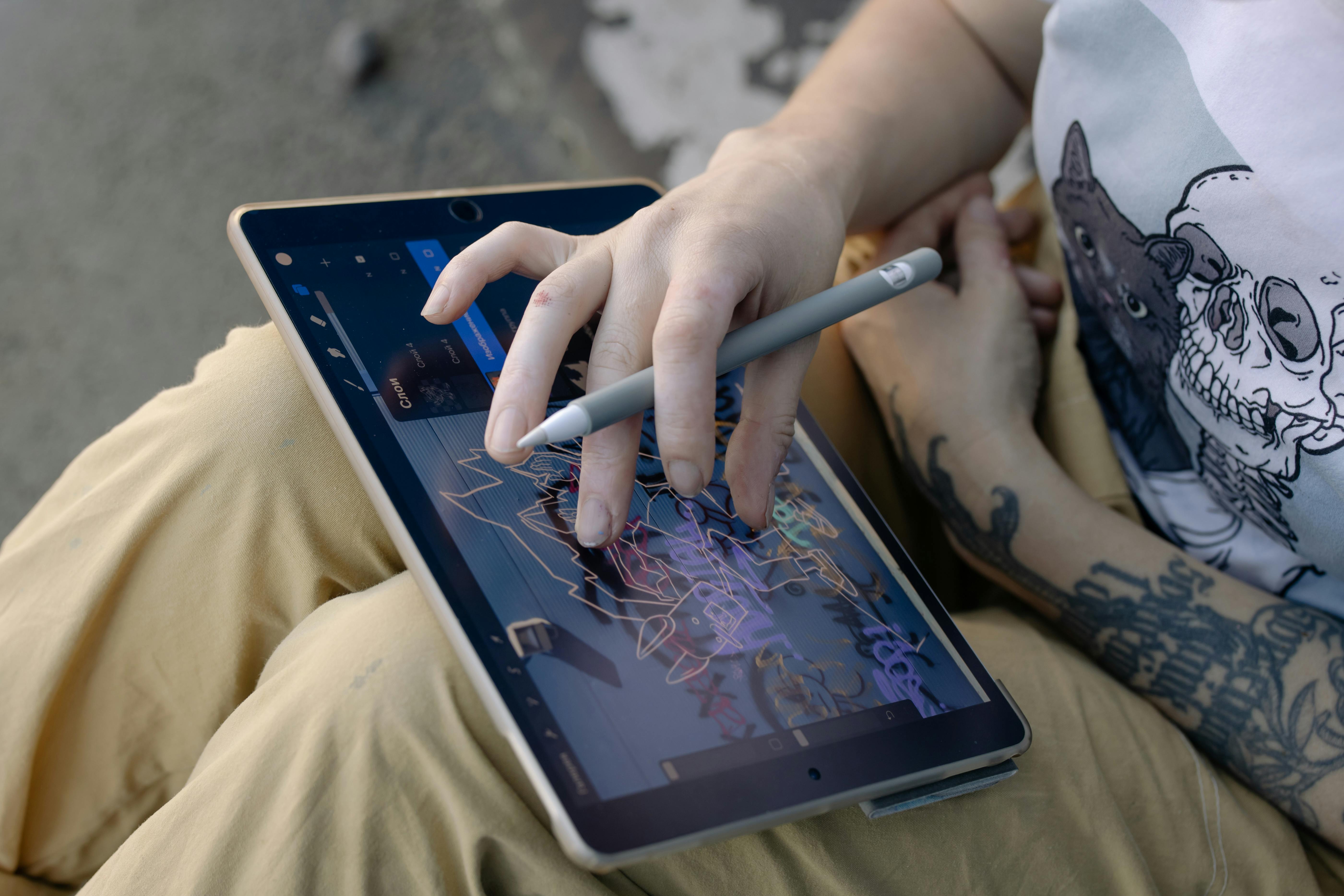
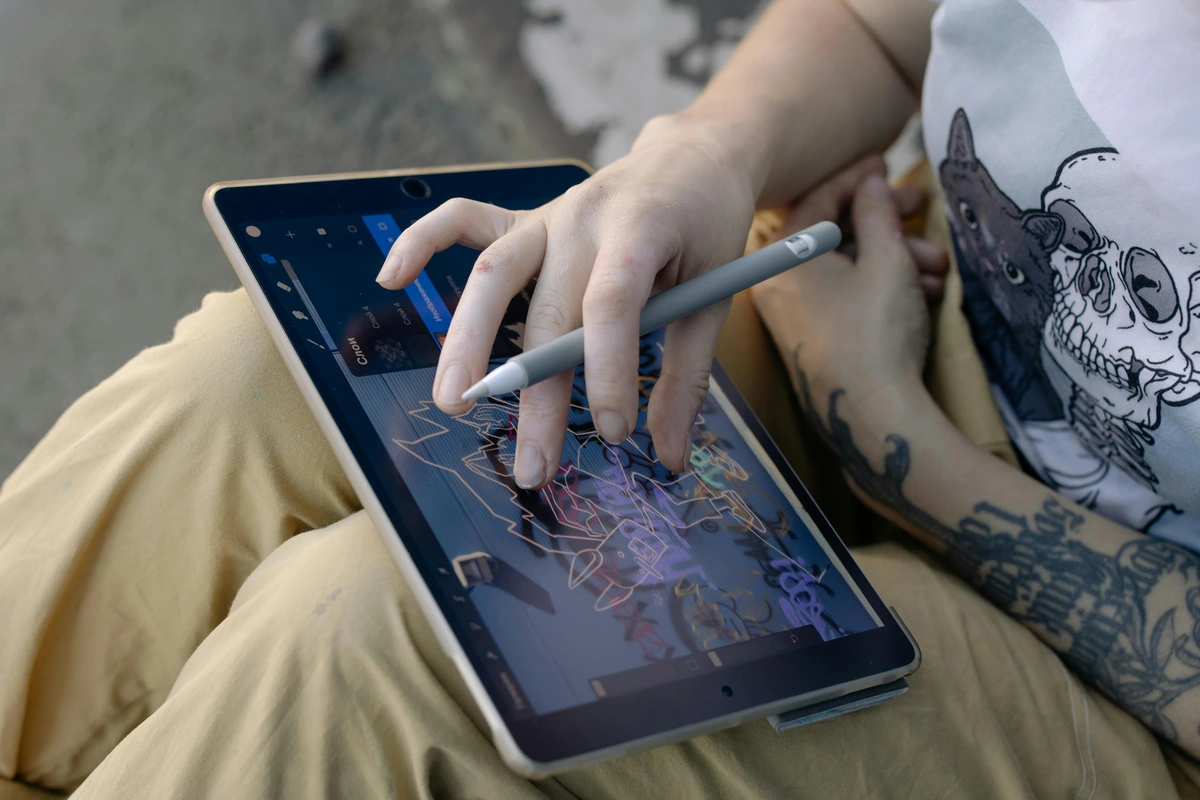
- Digital Mediums: Choosing to work digitally (say, on a tablet with a stylus) opens up a universe of possibilities that would have been unimaginable to artists just a few decades ago. Suddenly, "undo" buttons, infinite customizable color palettes, non-destructive layer management, and a vast array of virtual brushes and textures become artistic choices that traditional mediums simply don't offer. This can be incredibly liberating, allowing for boundless experimentation, rapid prototyping, and risk-taking without the irreversible consequences of physical paint or clay. It's part of my own journey from pixels to paint, where I've found digital tools to be a powerful extension of my creative process, allowing me to explore ideas with a fluidity that then informs my physical work. The ability to instantly test variations of color or composition, for example, allows for a rapid iterative process that was once confined to countless sketches or costly paint wastage.
- Generative Art & AI as Co-Creator: This is where things get truly interesting, and often a little thorny, from the perspective of "choice." When an artist uses Artificial Intelligence to generate images, patterns, or even entire compositions, whose choices are truly being reflected? Is it the programmer's choices in designing the algorithm? The artist's choices in crafting the prompts, selecting the data, and then curating and refining the AI's output? Or does the AI itself make "choices," even if they're algorithmic? I've personally been exploring AI as co-creator, and while it opens fascinating new avenues for creative exploration, the artist's ultimate choices in direction, refinement, ethical consideration, and final presentation remain paramount. This brings up critical questions about copyright, originality, and the very definition of artistic labor. While the promise of accessibility is appealing, we must make deliberate choices about ethical sourcing of training data and ensuring fair compensation for human artists whose work informs these algorithms. It's a collaborative dance, for sure, but the human still, and arguably always will, lead the creative vision and ultimate decision-making. The tools evolve, but the human agency at the core of art persists.
- The Rise of NFTs & Blockchain (A Measured View): And then there's the whole discussion around NFTs. While the underlying technology (blockchain) itself offers verifiable provenance and a new paradigm for digital ownership, which are certainly interesting choices for artists seeking novel ways to monetize and secure their digital works, it's crucial to approach this realm with a healthy, discerning dose of skepticism. From my perspective, the artistic choices inherent in the digital creation—the aesthetics, the concept, the execution—remain the immutable core. The NFT, in many ways, represents a choice about how that art is authenticated, valued, and exchanged, rather than a direct artistic choice about the work itself. While blockchain offers verifiable provenance, the speculative nature of the NFT market often overshadows the inherent artistic value. It's a new frontier, for sure, with its own set of choices and potential pitfalls for digital abstract art collectors, requiring artists and collectors alike to make informed decisions about its long-term relevance and sustainability beyond current trends. My take? The technology is fascinating for its potential in verifying authenticity, but the art itself, the actual creative choices made by the artist, must always remain the primary focus, not the token attached to it. It’s a tool, not the art. My concern is that the speculative bubble often distracts from the intrinsic value of the artistic choices themselves, leading to decisions driven more by market hype than by genuine aesthetic or conceptual merit.
Ultimately, technology doesn't remove the need for choice; it merely shifts where those choices are made. It adds new layers to the decision-making process, requiring artists to be even more deliberate about their tools, their collaborators (even if algorithmic), and the very context in which their art exists. The digital frontier is a testament to the enduring human drive to make art, and to make choices, regardless of the medium.

The Psychology of Artistic Decision-Making: Intuition, Deliberation, and Flow
What actually happens in our minds when we make these artistic choices? It's a fascinating blend of intuition, deliberate thought, and sometimes, a state of profound immersion known as "flow." Our brains are constantly processing visual information, drawing on years of learned experience and subconscious associations. This complex interplay of conscious and unconscious processes highlights the depth of engagement required in the creative act. It's not just about what we choose, but how our minds arrive at that choice. It's a high-wire act of mental gymnastics, often feeling effortless when it's going well, and like pulling teeth when creative blocks hit. And let’s be honest, sometimes the most profound psychological choice is simply the resilience to keep going when a piece feels utterly lost.
The Intuitive Flash vs. Deliberate Calculation
- Intuition: Often, the fastest, most potent choices feel instinctive. This isn't magic; it's our subconscious mind rapidly synthesizing vast amounts of information—color theory, compositional principles, personal aesthetic—and presenting us with a "gut feeling." It's the artist's cultivated experience manifesting as immediate insight.
- Deliberation: Then there are the moments of careful, conscious thought. What if I shift this line? What emotional impact will this specific shade of blue have? These are choices driven by analysis, problem-solving, and often, a critical dialogue with the evolving artwork.
- Flow State: The ideal, for many artists, is to reach a "flow state," a deep meditative immersion where the distinction between intuition and deliberation blur. In this state, choices seem to unfold effortlessly, almost as if the art is making itself, yet every action is deeply intentional and responsive to the needs of the piece. This is where the dance between chance and control becomes truly seamless. However, it's also worth noting the influence of cognitive biases – unconscious patterns of thought that can subtly (or not so subtly) steer our decisions. Recognizing these biases can be another layer of intentionality, allowing artists to deliberately challenge their own ingrained ways of seeing and creating. For instance, confirmation bias might lead us to only seek out information that validates our initial artistic idea, potentially closing us off to more innovative directions. Or anchoring bias might make us overly attached to the first color we chose, even if it's no longer serving the piece. Awareness of these mental shortcuts is the first step in making truly free and deliberate choices.
Overcoming Analysis Paralysis: The Choice to Act
One of the biggest hurdles artists face, myself included, is analysis paralysis. It’s that moment when you have too many choices, too many possibilities, and the sheer weight of decision-making stops you dead in your tracks. The canvas remains blank, the clay untouched. The antidote? Making the deliberate choice to act, even if it's a small, imperfect action. It could be simply making one mark, mixing one color, or sketching one line. The act of doing often breaks the spell of indecision, creating new information for your intuition to react to. Sometimes, the most important choice is just to begin, and then to keep choosing, one step at a time.
Understanding these internal processes helps us appreciate that artistic choice is not just about the external act, but the complex mental landscape from which it emerges.
FAQ: Your Questions on Artistic Choice
You've got questions, and that's fantastic! It means you're actively engaging with these ideas, making choices about what you want to understand. Here are some of the most common questions I hear about artistic choice, along with my take:
How does art education influence artistic choices?
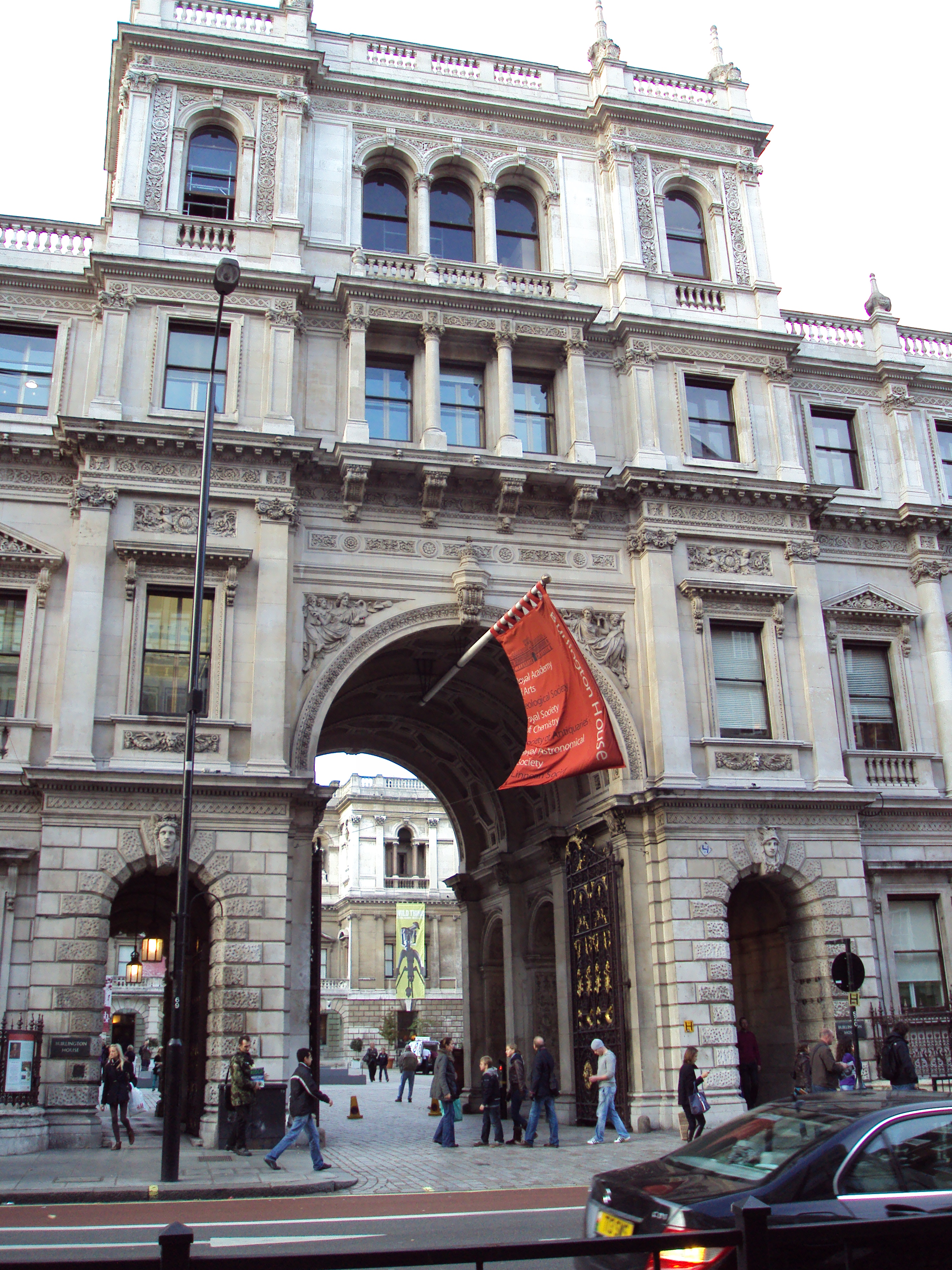
Art education, at its best, isn't about teaching you what to choose, but how to choose more effectively. It provides you with a vast toolkit: understanding color theory, mastering various techniques, learning art history, and developing critical thinking skills. These are all frameworks for making informed choices. It equips you with the vocabulary and historical context to make deliberate decisions, whether you choose to adhere to traditions or rebel against them. The key is that even rebellion is a choice, made more impactful by understanding what you're rebelling against. Institutions like the Royal Academy of Arts have historically defined artistic standards, and artists often make powerful choices by either conforming to or consciously deviating from those established norms. It's about having the tools and the knowledge, and then choosing how to use them to forge your own path.
How do galleries influence an artist's choices?
Galleries play a significant role, often acting as a bridge between the artist and the market. Choosing a gallery is, in itself, a huge intentional decision for an artist. Once represented, a gallery might offer guidance on what kind of work sells well, suggest themes for upcoming shows, or even influence the scale or medium of pieces. While a good gallery respects and nurtures an artist's vision, there's always a subtle dance between artistic integrity and commercial viability. The artist's challenge is to make deliberate choices that honor both their creative path and the practicalities of a career.
Is commercial art less 'choosy' than fine art?
That's a common misconception, and frankly, a bit of a snobby one! While the context and objectives might differ, commercial art absolutely requires immense intentionality and choice. A graphic designer choosing a font, a photographer choosing a lens for an advertisement, an illustrator choosing a style for a book cover – these are all highly deliberate decisions aimed at achieving a specific communicative goal for a client. The constraints might be different (often tighter deadlines and client briefs), but the act of making informed, impactful choices remains central to the creative process. It simply channels artistic agency into a different kind of purpose, often with very specific audience choices in mind. Whether you're creating art for a gallery or designing a compelling advertisement for a dining room setting, the core act of deliberate decision-making to achieve a desired impact is the same.

Is art that is purely accidental still 'art'?
This is a classic debate, isn't it? And a fascinating one! My short answer is: no, not purely accidental. The key lies in the artist's choice to elevate that accident. Think of Marcel Duchamp's Fountain. The urinal itself was just an industrial object. The art wasn't in its accidental existence, but in Duchamp's deliberate, provocative choice to select it, sign it (with a pseudonym!), and present it within a gallery context, thereby forcing us to question what art is. So, I'd argue the art is never in the accident itself, but in the conscious, deliberate human act of framing that accident as something worthy of consideration, reflection, or critique. Without that choice, it's just, well, a urinal. Or a drip of paint. It's the artist's eye, their unique filter, and their decisive act of selection and presentation that transforms the mundane or the accidental into something profound. The initial 'chance' encounter is merely the raw material for a subsequent, deliberate choice.
How can I be more decisive in my own creative process?
Ah, the quest for decisiveness! It's less about being inherently decisive and more about building confidence through consistent practice and self-trust. Start small, seriously. Engage in quick, low-stakes projects where the consequences of a "wrong" choice are minimal. The more decisions you make, even seemingly insignificant ones, the more you learn to trust your gut instincts. And here’s a crucial insight I've gleaned over the years: a "wrong" decision is rarely a dead end. More often, it's just a stepping stone, a detour that leads you to a more interesting, unexpected "right" one. Embrace the detours! Don't forget that even finding your art subject is a choice. Often, the most profound subject matter reveals itself through a series of smaller, seemingly unrelated choices. It’s a process of iterating, learning, and refining, and every decision, big or small, contributes to that invaluable reservoir of experience. And sometimes, the most decisive choice is simply to take a break, clear your head, and return with a fresh perspective.
Does overthinking my choices kill creativity?
It absolutely can, yes! This, my friend, is the essence of the dance I mentioned earlier – the delicate balance between control and letting go. The goal isn't to plot out every single brushstroke or pixel in advance. That way lies creative paralysis! Instead, the goal is to build such a strong foundation of knowledge (about color theory, composition, materials, etc.) that your in-the-moment, intuitive choices are profoundly informed and therefore more powerful and effective. It's about finding the sweet spot between thoughtful preparation and spontaneous expression. My own process often involves deep research and planning, but then a deliberate choice to let go and respond to the unfolding artwork, trusting that the preparation has laid a solid groundwork for informed spontaneity. It's a bit like preparing for a marathon: you train rigorously, but on race day, you have to let your body respond intuitively to the demands of the course.
What about the choice of pseudonym or anonymity in art?
This is a fascinating, and often strategic, choice. For some artists, like the enigmatic Banksy, anonymity is a deliberate choice to shift focus from the individual creator to the message or the work itself, allowing for bolder social commentary without personal repercussions. For others, a pseudonym might be chosen to establish a distinct artistic persona, to break from previous work, or even to navigate societal expectations. It's a powerful act of agency, a choice to control how the artist is perceived, and ultimately, how the art is received.
Does knowing the artist's intention change how I should see the art?
It certainly adds a layer of richness and context, for sure. Reading an artist statement can be incredibly illuminating, offering insights into the artist's mindset, motivations, and the choices they made. It can deepen your appreciation, reveal hidden narratives, and sometimes, completely reframe your initial perception. But here's the beautiful paradox of art: once it leaves the studio, once it's out in the world, it's also yours to interpret. The artist makes their choices, and then you, the viewer, make your own choices about what you see, what you feel, and what meaning you draw from it. Your honest, personal interpretation is just as valid, and often just as profound, as the artist's original intention. It’s a dialogue, not a monologue. The artist sets the stage with their choices, but the audience participates in completing the narrative through their own subjective experience and interpretation. It's a collaborative act of meaning-making.
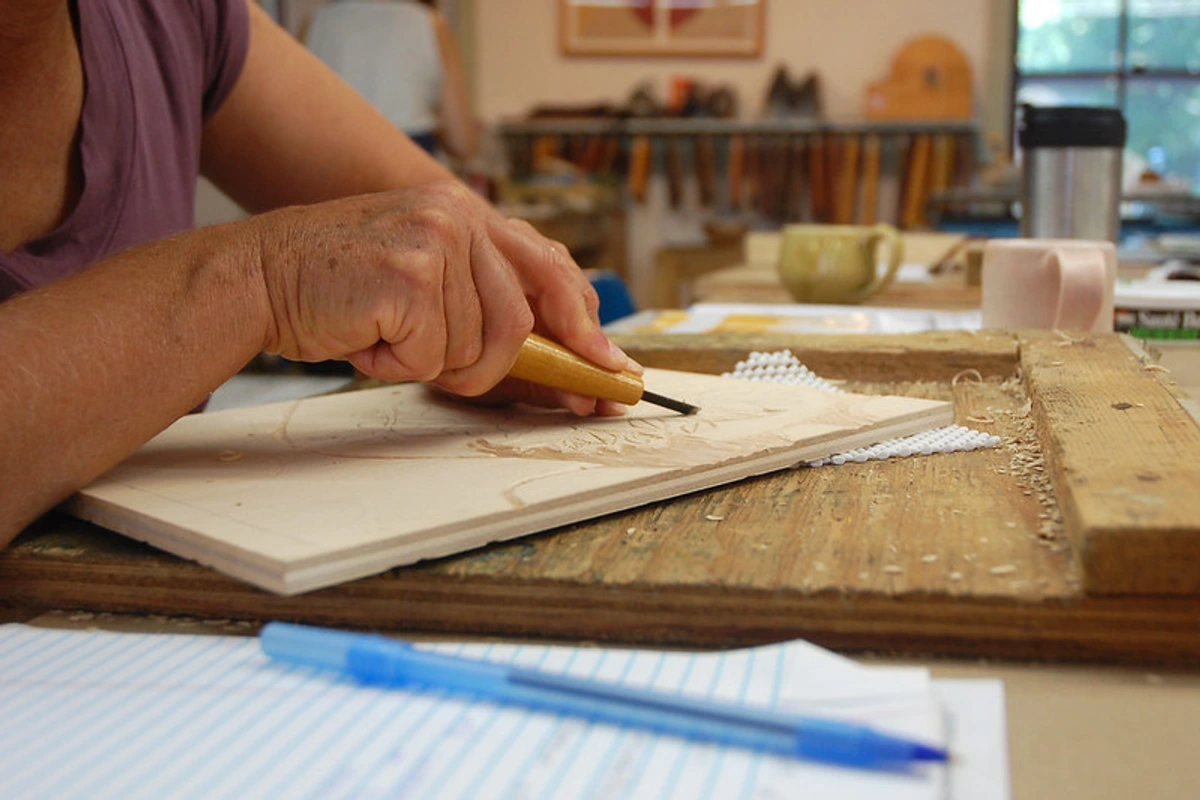
How do established artists approach their choices? Do they still struggle?
Absolutely! The struggle, the wrestling with choices, never truly goes away – it just changes form. Established artists often face different kinds of choices: navigating the art market, choosing galleries, evolving their style without alienating collectors, and deciding which new concepts to explore. The core process of making artistic decisions, however, remains. They often rely on their honed intuition and years of experience, making choices that appear effortless but are backed by a deep well of knowledge and previous "failures." The choice is often about refinement and pushing boundaries in subtle ways, rather than foundational discovery. It's a testament to the fact that creativity is a lifelong journey of continuous learning and adaptation, and that making profound choices is always at its heart. Even the most seasoned artist still has to decide what to put on the canvas each day.
How does the choice of a title influence the viewer's perception?
The title of an artwork is often one of the artist's final, yet most impactful, deliberate choices. A title can guide the viewer's interpretation, reveal a hidden narrative, or provide a conceptual key to an abstract piece. Conversely, an artist might choose a neutral title, like "Untitled," to invite open interpretation and allow the artwork to speak for itself. It's a powerful choice that can dramatically shape the dialogue between the viewer and the art, either narrowing or expanding the field of possible meanings. My own process often involves wrestling with titles, as they're the last words I offer the piece before it leaves my studio.
Is there a 'right' or 'wrong' choice in art?
This is a philosophical minefield, and I love it! In a purely subjective sense, no, there isn't a universally "right" or "wrong" choice. What resonates with one person might fall flat for another. However, from an artistic craft perspective, some choices might be more effective than others in achieving a particular desired outcome or conveying a specific message. A choice of color might be "wrong" if it actively works against the mood you're trying to create. But even then, sometimes a "wrong" choice can lead to a fascinating, unexpected breakthrough. So, I'd say: there are effective and ineffective choices, but "right" and "wrong" are too absolute for the fluid world of art. The choice is yours to define what works. The beauty of art often lies in its ambiguity, in the very act of questioning established norms, and in the artist's courageous choices to forge new paths, even if they initially seem 'wrong' to some.
What role does patronage play in an artist's choices?
Patronage, whether historical (like the Medicis commissioning Renaissance masterpieces) or contemporary (a collector buying your work), undeniably influences artistic choices. It can provide the financial freedom to create, but it can also introduce constraints in terms of subject matter, style, or scale. An artist might choose to adapt their vision to a patron's desires, or they might deliberately choose to reject such influences, prioritizing their artistic integrity. It’s a complex negotiation, where the artist's agency is constantly being tested and redefined by external forces. Ultimately, the decision to accept, negotiate, or decline patronage is itself a profound artistic choice. This dynamic interplay between artistic vision and external support is a constant in art history, from the grand commissions of the past to the subtle negotiations in today's art market.
How does audience reaction influence artistic choices?
This is a delicate balance. On one hand, an artist making work solely to please an audience risks losing their authentic voice and becoming a crowd-pleaser. That's a conscious choice many artists choose not to make. On the other hand, art exists in a dialogue with its audience. An artist's choices might be subtly (or overtly) influenced by a desire to communicate, provoke, or connect. Positive feedback can reinforce certain choices; negative feedback can prompt reflection. But ultimately, the most powerful choices come from an internal compass, an authentic vision, rather than a reactive response to external validation. It's about making choices that feel true to yourself, regardless of the noise. The intention to connect is one choice, but the content of that connection must stem from an authentic wellspring of artistic integrity. It's a conversation, but the artist initiates the topic.
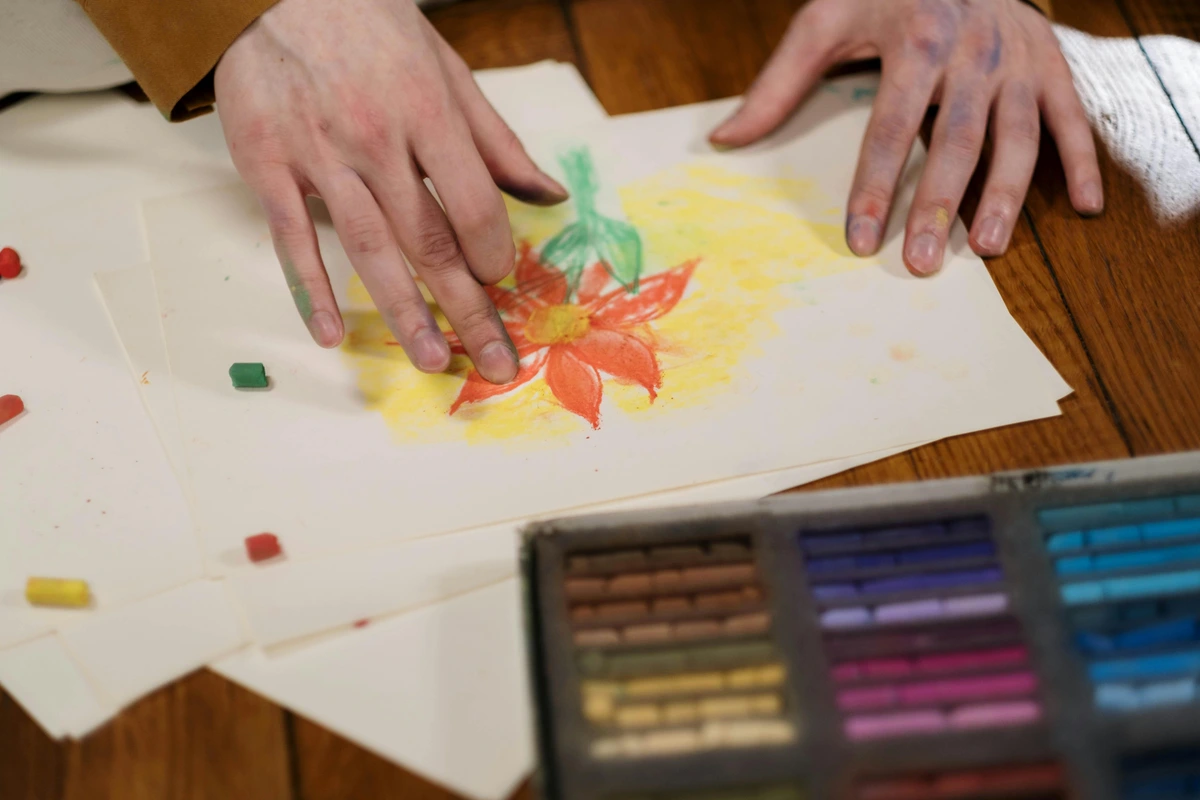
How do cultural backgrounds influence artistic choices?
Our cultural background acts as an invisible yet profound filter for our artistic choices. It shapes our understanding of beauty, symbolism, narrative, and even the very purpose of art. An artist raised in a culture rich in storytelling traditions might make deliberate choices to imbue their work with narrative depth, while someone from a culture emphasizing abstract patterns might focus on geometric precision. These are not always conscious choices, but deep-seated influences that inform everything from color palettes to subject matter. Recognizing this influence allows artists to either embrace their cultural heritage or deliberately subvert it, both of which are powerful acts of choice.
What is the role of commercial pressures on artists' choices?
Commercial pressures can be a double-edged sword. On one hand, the need to sell work to sustain a practice can influence choices about style, subject, or market trends. An artist might make a deliberate choice to create more marketable pieces to support their more experimental work. On the other hand, succumbing entirely to commercial demands can stifle artistic freedom and lead to a loss of authentic voice. The key is making conscious choices about how to navigate these pressures, perhaps by finding a balance or by deliberately choosing patrons who align with one's artistic vision, allowing for greater integrity in the work. It's about making strategic choices to ensure the longevity of your creative journey and personal evolution of artistic style.
Does copying other artists hinder my own choices?
Copying, especially as a learning tool, is a time-honored tradition. Art students throughout history have copied masters to understand technique and composition. In this context, it's a deliberate choice to learn and internalize principles. However, if copying becomes an end in itself, without conscious effort to integrate personal vision, then yes, it can absolutely hinder the development of your own unique choices and artistic voice. The goal isn't just to replicate, but to understand, internalize, and then make the deliberate choice to forge your own path, building upon the lessons learned from others. It’s about learning the language, then choosing to write your own poetry.
How do current events or social issues impact artistic choices?
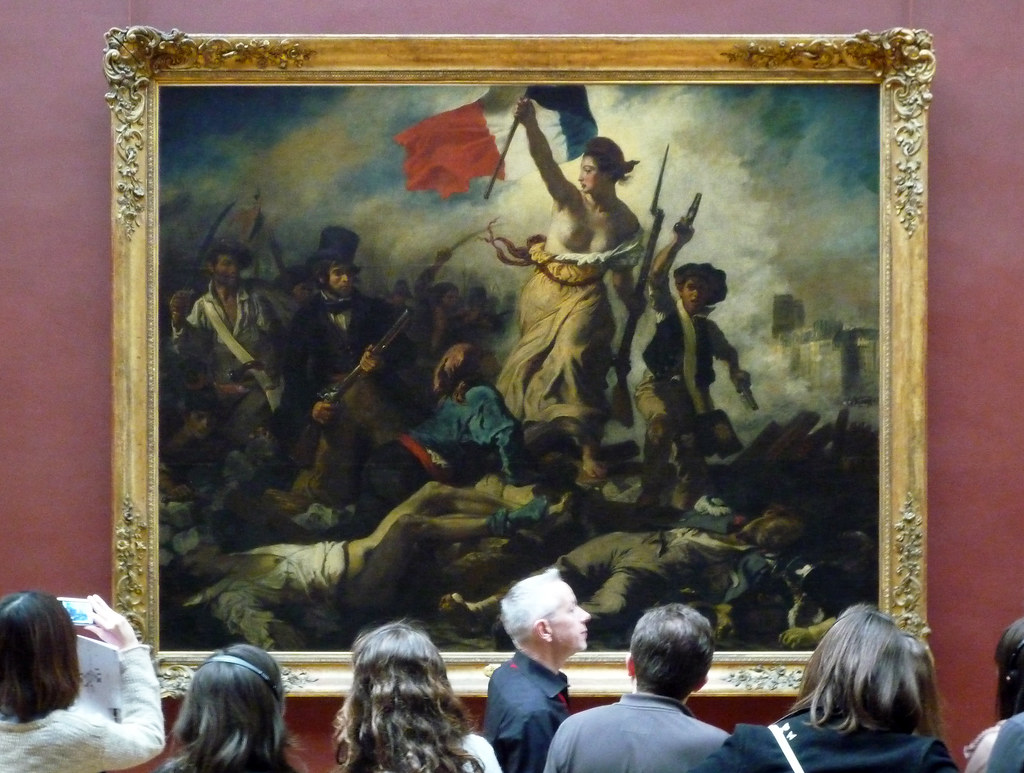
Current events and social issues often serve as powerful catalysts for artistic choices. Many artists feel a profound responsibility to reflect their times, to respond to societal challenges, or to provoke dialogue on pressing issues. This can manifest in deliberate choices about subject matter (e.g., protest art, environmental art), medium (e.g., street art for public accessibility), or even exhibition context. The choice to engage with the world, to use art as a form of commentary or activism, is a deeply intentional one, transforming the artwork into a powerful platform for communication and change. Liberty Leading the People is a classic example of this, where the artist made a powerful choice to comment on a specific historical event.
The Final Choice
In the end, every finished painting you encounter, whether it's hanging in a prestigious gallery at the Den Bosch Museum or one you're personally considering to buy for your own collection, isn't just an image. It's so much more than that; it's a profound artifact. It's a fossil record of a thousand tiny decisions, a palpable history of creative struggle and triumph. It's a deeply personal map of an intensely intimate conversation between an artist and their canvas, a dynamic dialogue shaped by every deliberate choice, every intuitive leap, and every embraced accident along the way. It's a visible manifestation of an artist's evolution of artistic style and their ongoing quest to translate an inner vision into a tangible reality. It's a culmination of a lifetime of looking, thinking, feeling, and, most importantly, choosing. The art itself becomes a mirror, reflecting not just the artist's decisions, but inviting our own.
So the next time you look at a piece of art, don't just see the final picture, the polished surface. Try to see the ghosts of the choices that were made – the bold ones, the hesitant ones, the inspired ones. See the paths not taken, the ideas discarded, and yes, that one accidental smudge of red that changed everything. That’s where the real story is. That’s where the magic lives, waiting for your own interpretive choices to bring it fully to life. It’s a profound conversation, spanning centuries and cultures, all initiated by the artist's unwavering commitment to making a mark, one deliberate choice at a time.