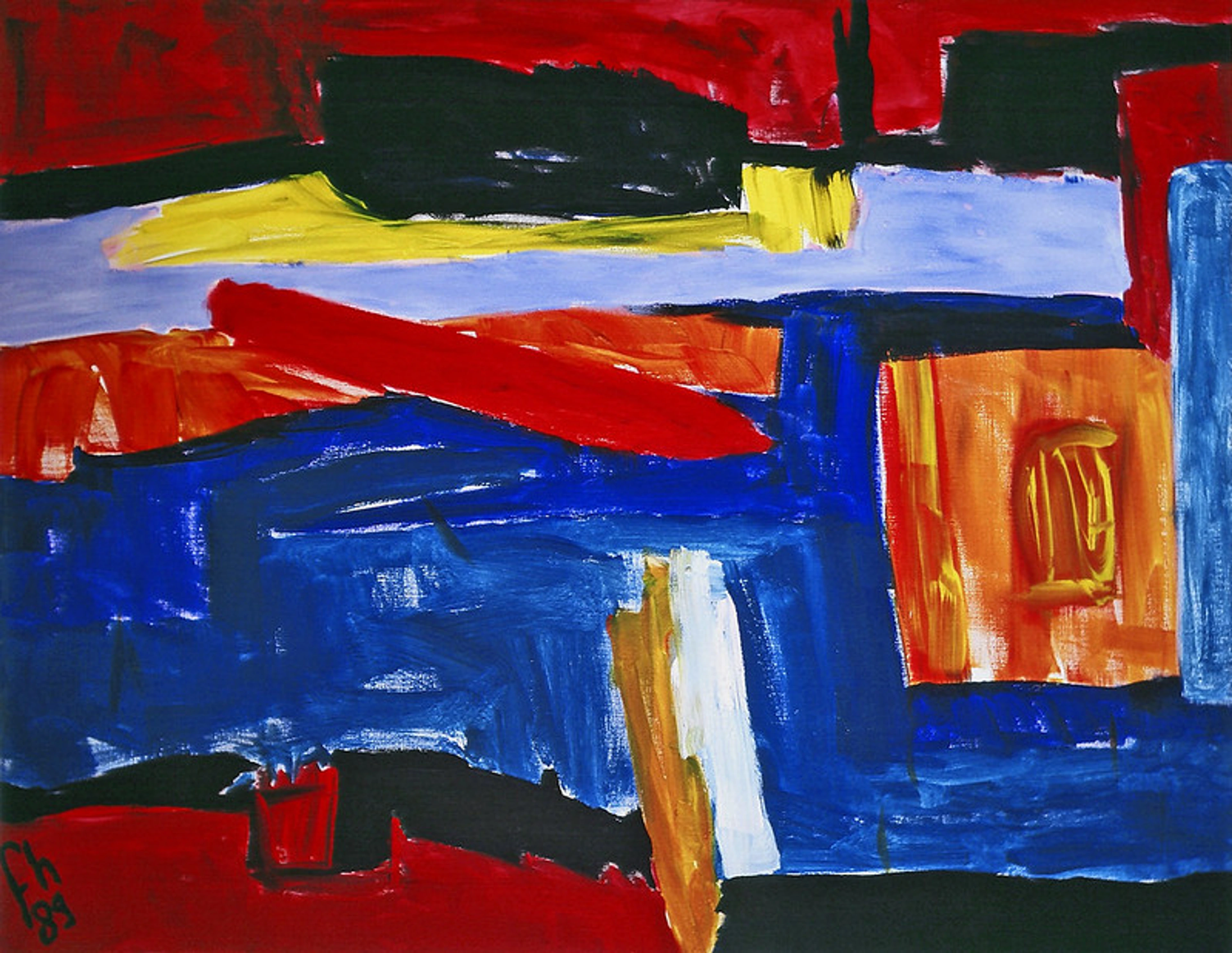
The Ultimate Guide to Modern Art Movements: A Personal Journey
Explore modern art from Impressionism to Contemporary through a personal lens. Discover the 'why' behind each revolutionary movement and how they influence today's art and my own creative process.

The Ultimate Guide to Understanding Modern Art Movements: From Impressionism to Contemporary
Honestly, I used to think art history was just a really fancy way of saying, 'here's a bunch of old paintings and the names of the people who made them.' I'd walk into a museum, squint at a canvas, maybe nod sagely, and then quickly move on to find the gift shop. But then something clicked. It wasn't about knowing every date or every artist; it was about understanding the why – the human story behind the brushstrokes, the wild ideas, and the moments of pure genius (or glorious failure, depending on your perspective). That's when modern art, in all its perplexing, beautiful, and sometimes utterly revolutionary glory, started to make sense to me. The audacity of it, the sheer nerve to break from centuries of tradition—it was scandalous, exhilarating, and utterly captivating. Come with me as we journey through this wild, wonderful world, exploring its diverse movements and their enduring impact on art today, including my own.
If you've ever felt a similar disconnect, wondering what is modern art or how it all fits into the grand history of modern art, you're in good company. This guide will walk you through the wild, wonderful world of modern art movements, from the sun-drenched fields of Impressionism right up to the boundary-pushing contemporary pieces that sometimes make me scratch my head (in a good way, mostly). My own artistic journey has been deeply shaped by these revolutionary shifts.
Defining Modern Art: A Radical Shift
Modern art isn't just 'new' art. It's a specific and transformative period, generally considered to run from the 1860s to the 1970s. Think of it as humanity collectively deciding, 'You know what? We're tired of painting exactly what we see. Let's try something different.' This was a radical break from the academic traditions that had dominated for centuries, fueled by a rapidly changing world—industrialization, scientific discoveries, the advent of photography, and significant social and political upheaval which challenged old ways of thinking. These factors freed artists from purely representational duties. Artists started experimenting with color, form, perspective, and subject matter in ways that, at the time, were utterly scandalous. Imagine the outrage! I love that spirit – the urge to redefine, to break rules, to express an inner world rather than just mirroring the outer one. It's a lot like how my own creative process evolved, constantly pushing what I thought was possible. It's also important to note that modern art is distinct from contemporary art, which generally refers to art made from the 1970s to the present day, a period we'll explore later.
Before the Revolution: The Grip of Academic Art
To truly appreciate the seismic shift of modern art, it helps to glance back at what it was rebelling against. For centuries, art was largely dictated by powerful academies and the Salon system, particularly in Paris. This meant adhering to strict rules: classical subjects (history, mythology, portraits), crisp lines, smooth brushstrokes (to hide the artist's hand), and idealized forms. Neoclassicism and Romanticism, while different in emotional tone, both largely operated within these academic confines. Success meant pleasing the Salon jury, which often favored grand narratives and moralistic tales, actively rejecting anything that strayed too far from their rigid standards. It was a world of polished perfection, leaving little room for individual expression beyond established conventions. That's why the 'modern' artists were seen as truly wild beasts – they were kicking over the very foundations of what art was supposed to be.
Impressionism: Chasing Fleeting Light
Let's kick things off with Impressionism, a movement that, to me, feels like a deep breath of fresh air. Imagine being an artist in the mid-19th century. For years, painting was all about crisp lines, historical narratives, and mythological scenes, often painted indoors. Then, a bunch of artists, fed up with the rigid rules, decided to take their easels outside. They wanted to capture the impression of a moment – the fleeting, subjective visual experience of light and atmosphere, the blurry edges of life as it happens. They were obsessed with light and how it changed the colors of everything.
I often think about how quickly light shifts in my own studio – one minute, a canvas is vibrant, the next, a shadow falls, and the whole mood changes. The Impressionists truly understood this ephemeral nature of reality. They painted with loose, visible brushstrokes, not trying to hide their technique but celebrating it. This celebration of light, color, and spontaneous feeling, even in abstract forms, subtly influences how I approach the dynamic interplay of hues and textures in my own work. It was revolutionary, prompting critics to scoff at the 'mere impressions' – a label that ironically became their name. Think of Claude Monet's Impression, Sunrise (1872), which gave the movement its name, or Pierre-Auguste Renoir's lively Bal du moulin de la Galette (1876).
Key Impressionist Figures:
Artist  | Key Characteristic |
|---|---|
| Claude Monet | Master of light, series paintings, Impression, Sunrise |
| Pierre-Auguste Renoir | Lively, candid snapshots of Parisian life |
| Edgar Degas | Ballet dancers and racehorses, unconventional compositions |
Want to know more? Here's my ultimate guide to Impressionism.

Post-Impressionism: Beyond the Shimmer
Just when you thought art was getting chill, along came the Post-Impressionists. They appreciated the Impressionists' use of color and light but felt it lacked emotional depth or structural integrity. They wanted more feeling, more meaning, more form. This movement wasn't as unified as Impressionism; it was more about individual artists striking out on their own paths, each with a distinct vision. It's like they learned the rules, truly understood them, and then deliberately broke them to see what new worlds they could create. That restless energy, the urge to build upon what came before, deeply resonates with my own creative process. It's an inspiring example of taking a foundational idea and pushing its boundaries, much like how I evolve my abstract forms and color palettes.
Notable Post-Impressionists:
Artist | Key Characteristic |
|---|---|
| Vincent van Gogh | Intense emotional expression, swirling colors, thick impasto |
| Paul Cézanne | Explored geometric forms, bridge to Cubism |
| Paul Gauguin | Symbolic use of color, exotic subjects |
| Georges Seurat | Developed Pointillism, tiny dots of pure color |
There's so much more to uncover in my ultimate guide to Post-Impressionism.
The Fauvist Roar and Expressionist Scream: Color Unleashed
Imagine color not just as a descriptor, but as a force unto itself. That's what happened with Fauvism and Expressionism. These movements said, 'Who needs realistic colors? Let's paint with our feelings!' I find this so liberating – the idea that a tree can be bright blue or a face can be searing green if that's what conveys the emotion. It's permission to be bold, to be unapologetically vibrant, which is a philosophy I definitely embrace in my own art for sale.
Fauvism, meaning 'wild beasts,' earned its name because critics were shocked by its intense, non-naturalistic colors (meaning, colors not found in nature) and simplified forms. Henri Matisse was a master of this joyful liberation, using color to create harmony and a sense of visual pleasure. Expressionism followed, pushing even further into depicting emotional experience rather than objective reality, often with distorted figures, strong, raw brushstrokes, and a focus on inner turmoil or psychological states. Where Fauvism was often about the joy of color, Expressionism (seen in artists like Ernst Ludwig Kirchner or Franz Marc) often delved into deeper anxieties and psychological states, mirroring the turbulent early 20th century.
Key Fauvist & Expressionist Artists:
Artist | Movement | Key Characteristic |
|---|---|---|
| Henri Matisse | Fauvism | Master of color and line, joyful compositions |
| André Derain | Fauvism | Bold color, simplified forms |
| Ernst Ludwig Kirchner | Expressionism | Founder of Die Brücke, raw emotional expression |
| Wassily Kandinsky | Early Expressionism | Pioneer of pure abstraction, spiritual themes |
Explore more in my guides to Fauvism and Expressionism.
Cubism: Shattering Reality, Piece by Piece
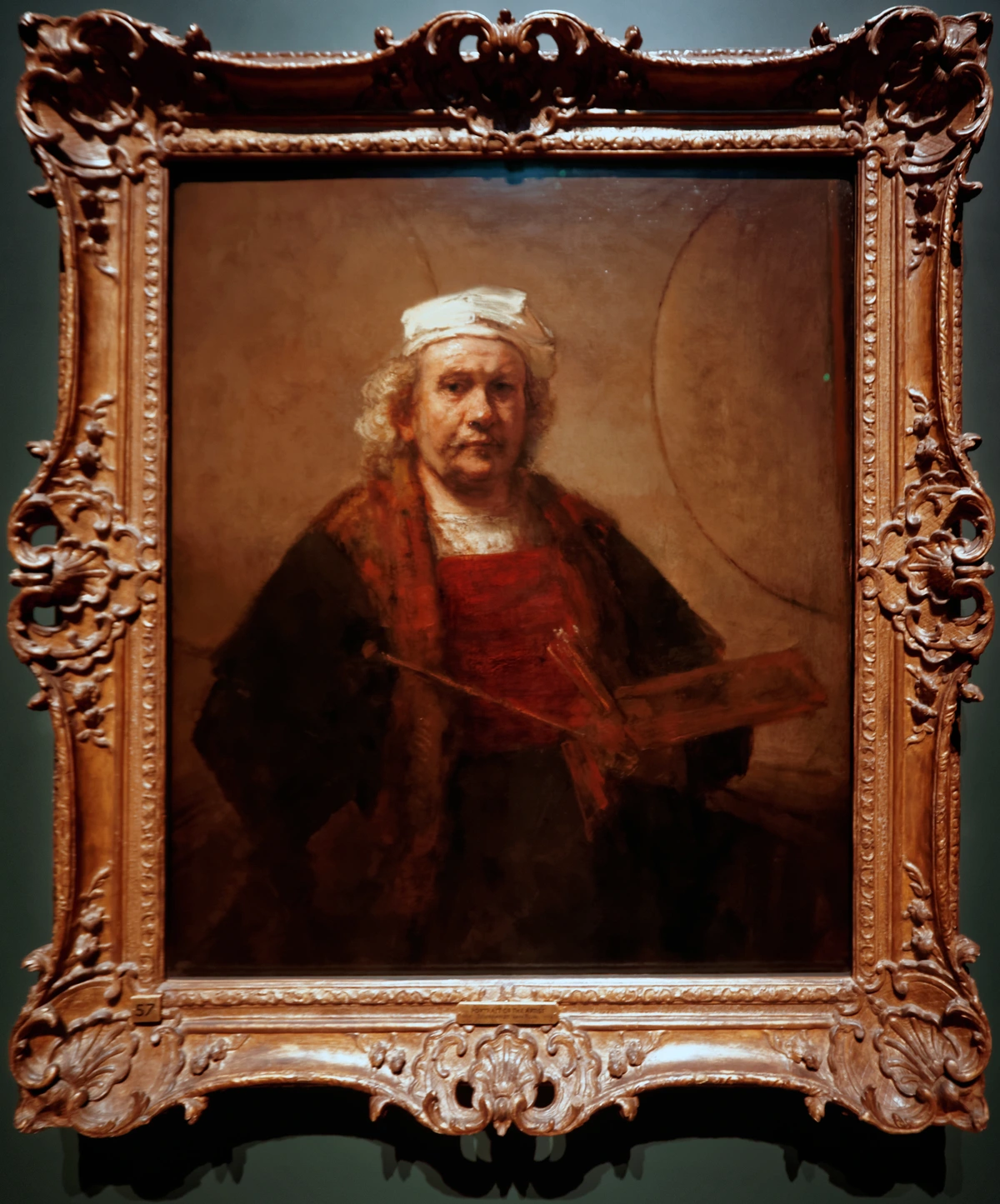
Okay, so you've got color unleashed. What next? How about shattering traditional perspective entirely? That's Cubism for you. If you've ever looked at a Picasso and thought, 'What even is that?' – welcome to the club! Cubism, pioneered by Pablo Picasso and Georges Braque, rejected the single viewpoint. Instead, they depicted subjects from multiple viewpoints simultaneously, breaking them down into geometric shapes and reassembling them. It's like trying to show the front, side, and back of an object all at once on a two-dimensional surface.
It's confusing at first, but incredibly insightful once you get it. I often think about this when I'm composing an abstract piece – how can I show more than one idea, emotion, or perspective at the same time? Cubism offers a fascinating answer to that question, directly informing my approach to fragmenting and reassembling forms to explore multiple facets of a subject within a single canvas. Picasso's groundbreaking Les Demoiselles d'Avignon (1907) is often seen as a crucial precursor, fragmenting figures and space in a radical new way.
Key Cubist Innovators:
Artist | Key Characteristic |
|---|---|
| Pablo Picasso | Co-founder, known for Analytic and Synthetic Cubism |
| Georges Braque | Co-founder, close collaborator with Picasso |
| Juan Gris | Focused on collage and more vibrant color in Synthetic Cubism |
Delve deeper with my ultimate guide to Cubism.
Dada: The Anti-Art Provocation
Before we dive into the dream logic of Surrealism, we have to talk about Dada. Born out of the disillusionment and horror of World War I, Dada wasn't really an art movement in the traditional sense; it was an anti-art movement. It embraced nonsense, irrationality, and chance, rebelling against the logic and reason that had, in their view, led to the war. Artists like Marcel Duchamp famously presented a urinal as a sculpture (Fountain, 1917), challenging the very definition of art itself. Dada was chaotic, provocative, and deeply influential, clearing the ground by dismantling conventional artistic norms, thereby paving the way for future movements that would explore the subconscious and question established norms.
Surrealism: Dreams, Dada, and the Deep Subconscious
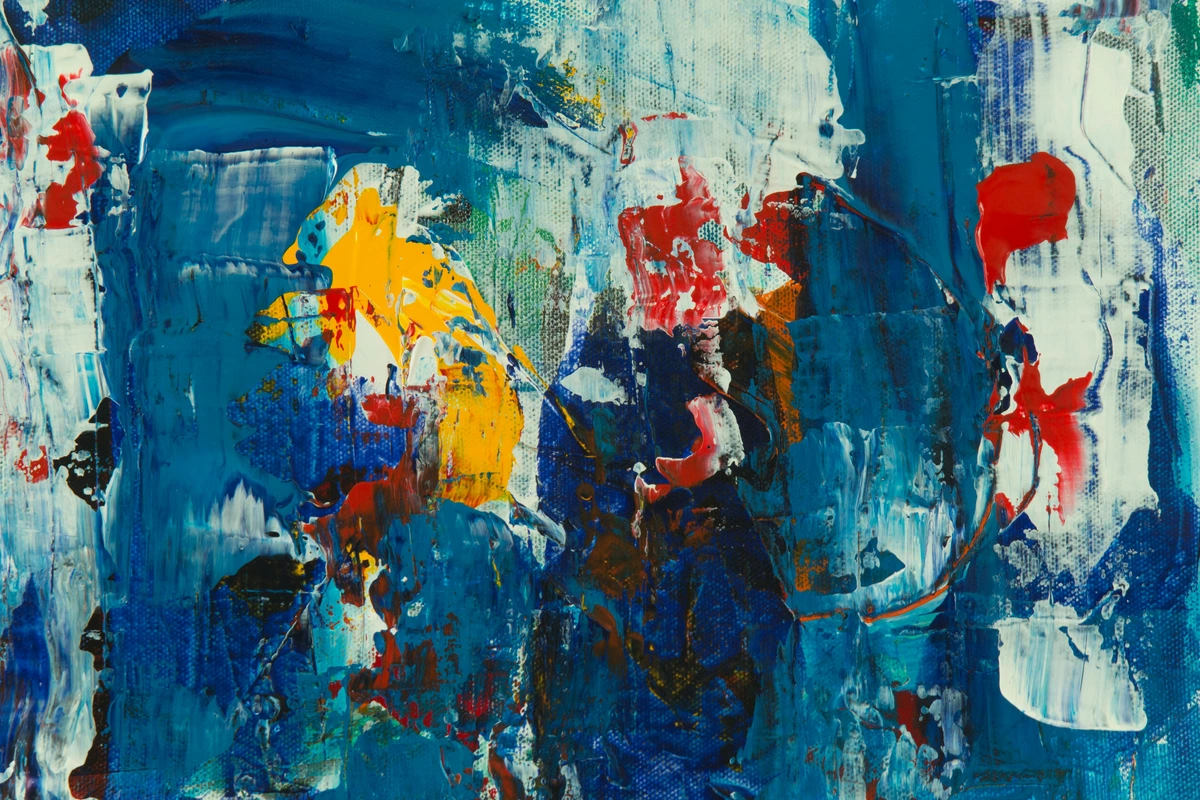
If you've ever had a dream where a melting clock sat next to an elephant with spindly legs, you've pretty much nailed Surrealism. Born from the Dada movement's anti-establishment chaos, Surrealism explored the realm of dreams, the subconscious, and the irrational. Artists like Salvador Dalí (think The Persistence of Memory with its melting clocks) and René Magritte (The Treachery of Images with its 'This is not a pipe' text) created bizarre, dreamlike juxtapositions that challenged logic and convention.
I sometimes wonder what kind of wild dreams my cat has when she's twitching in her sleep. Surrealism, to me, is about tapping into that unfiltered, illogical part of our minds, and bringing it to the canvas. This embrace of intuition and the non-linear, often drawing from unconscious ideas, deeply resonates with my own process of creating abstract art, where meaning often emerges from instinct rather than rigid planning. It's playful, profound, and often disturbing, all at once.
Key Surrealist Figures:
Artist | Key Characteristic |
|---|---|
| Salvador Dalí | Dream-like landscapes, melting objects, paranoiac-critical method |
| René Magritte | Visual paradoxes, witty and thought-provoking imagery |
| Joan Miró | Biomorphic forms, vibrant colors, automatism |
Want to fall deeper into the rabbit hole? Check out my ultimate guide to Surrealism.
Diving into Abstraction: When Art Isn't 'Anything'
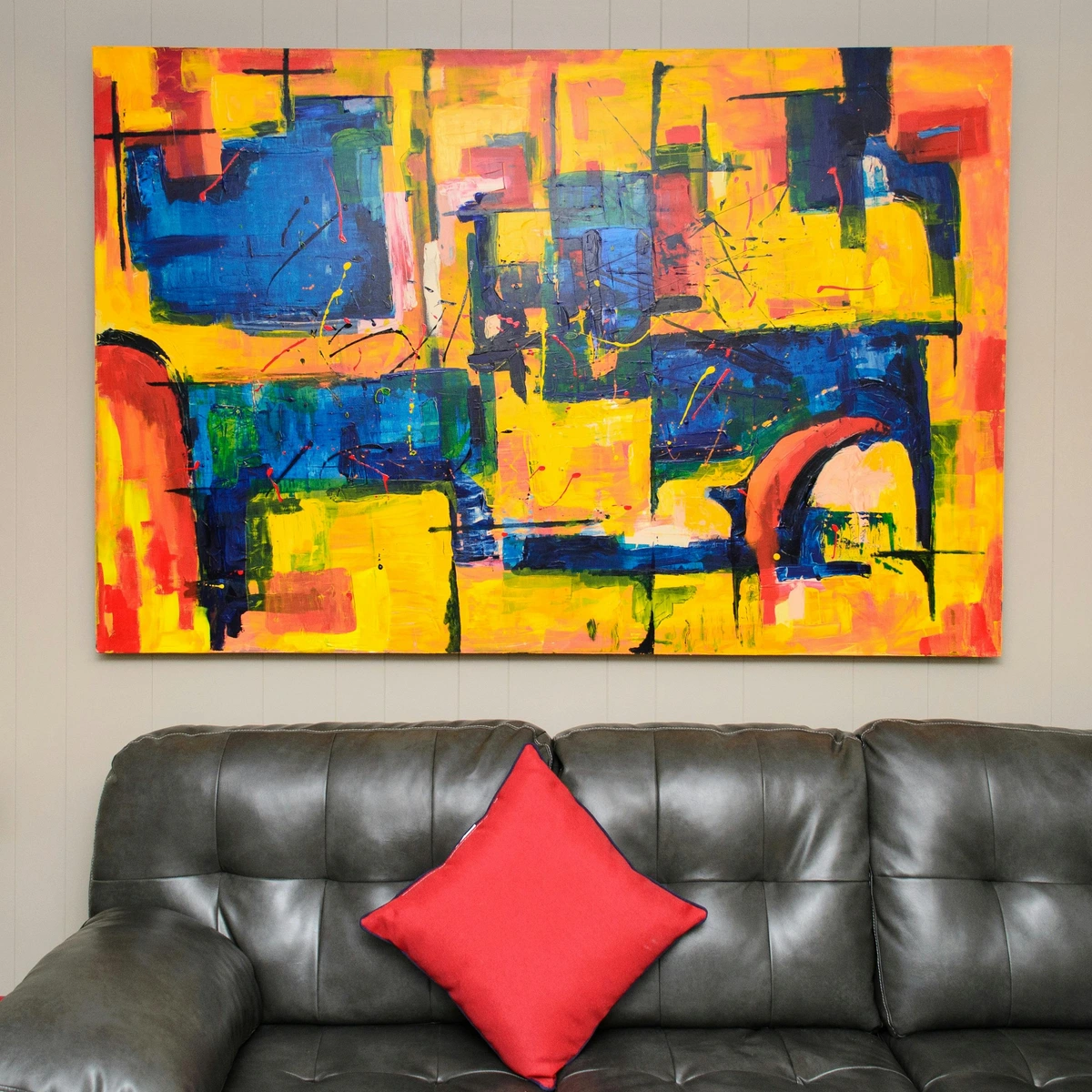
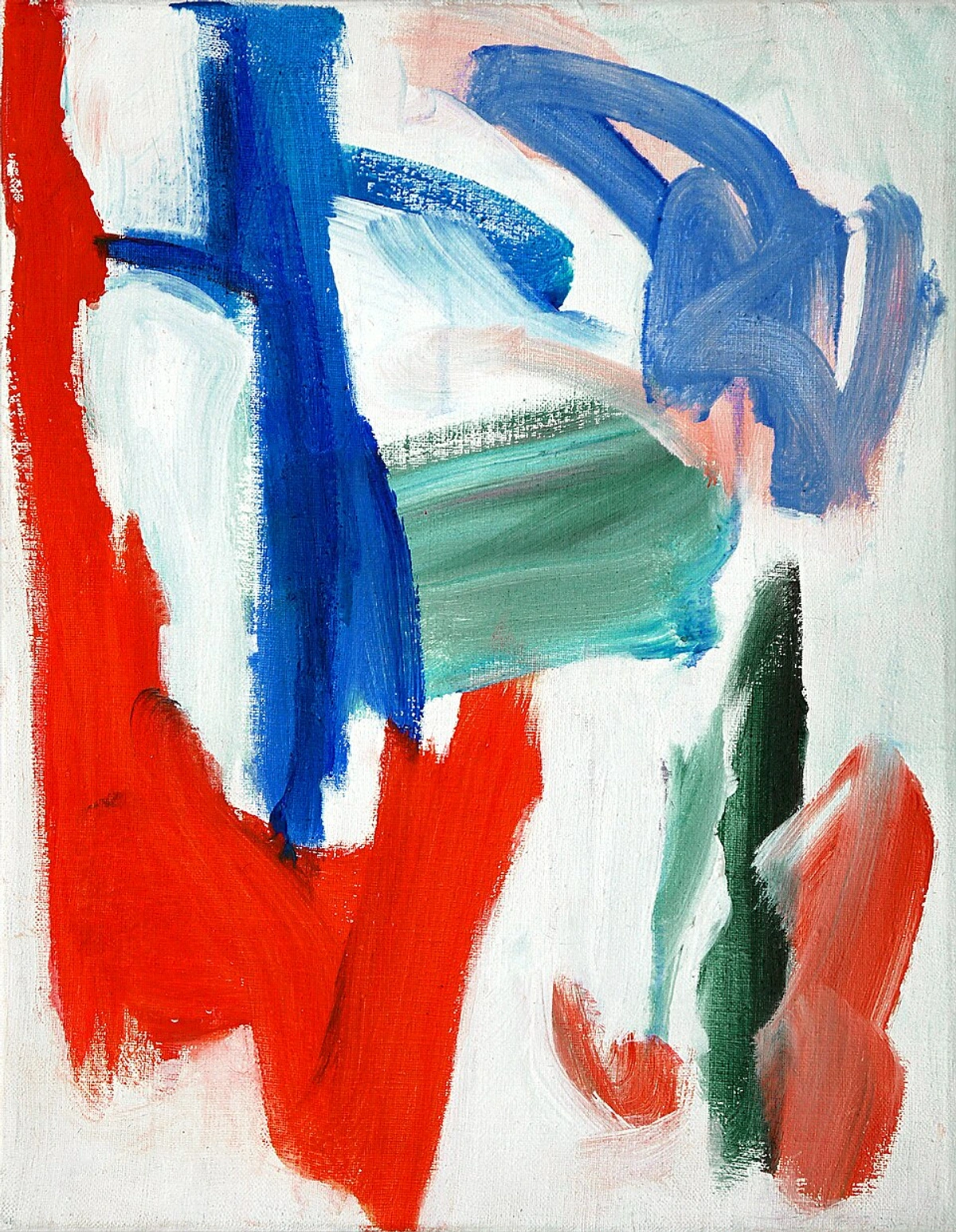
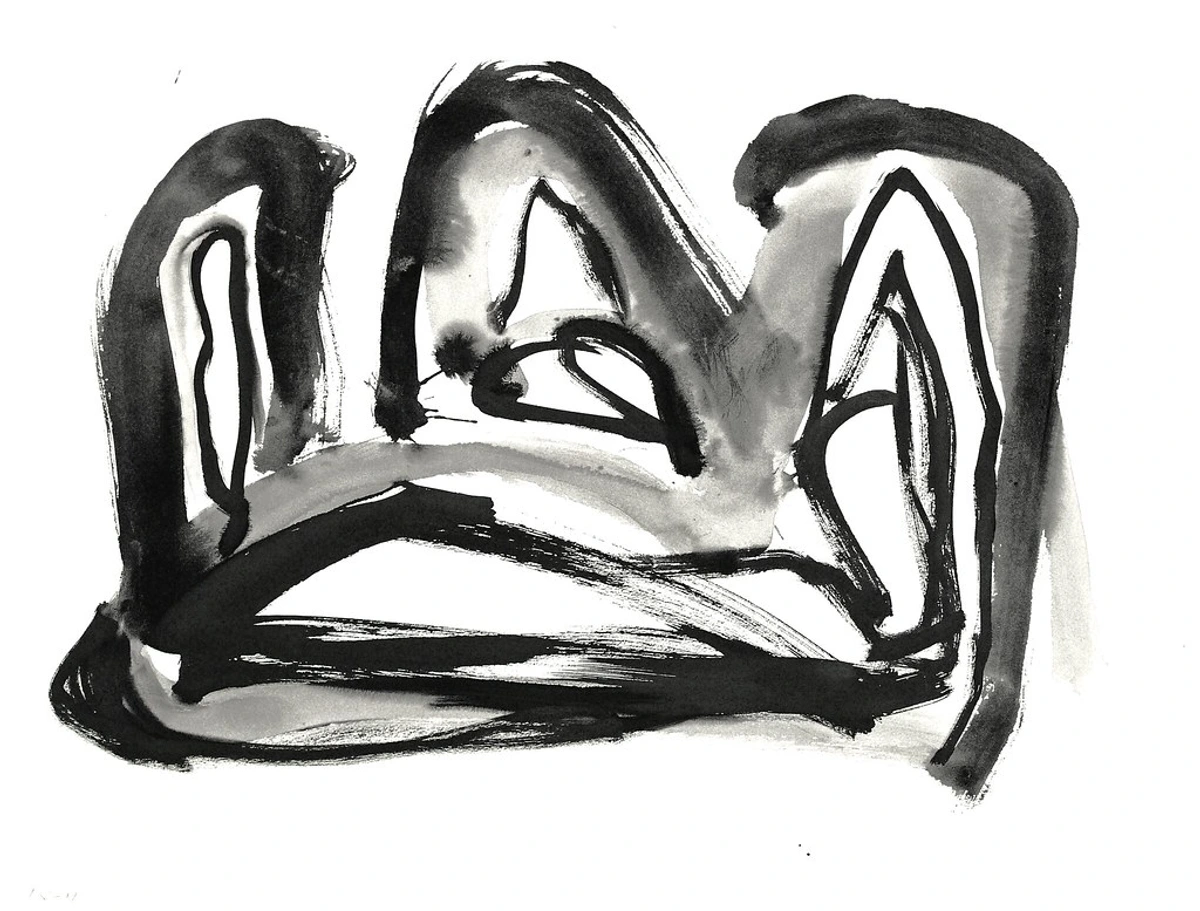
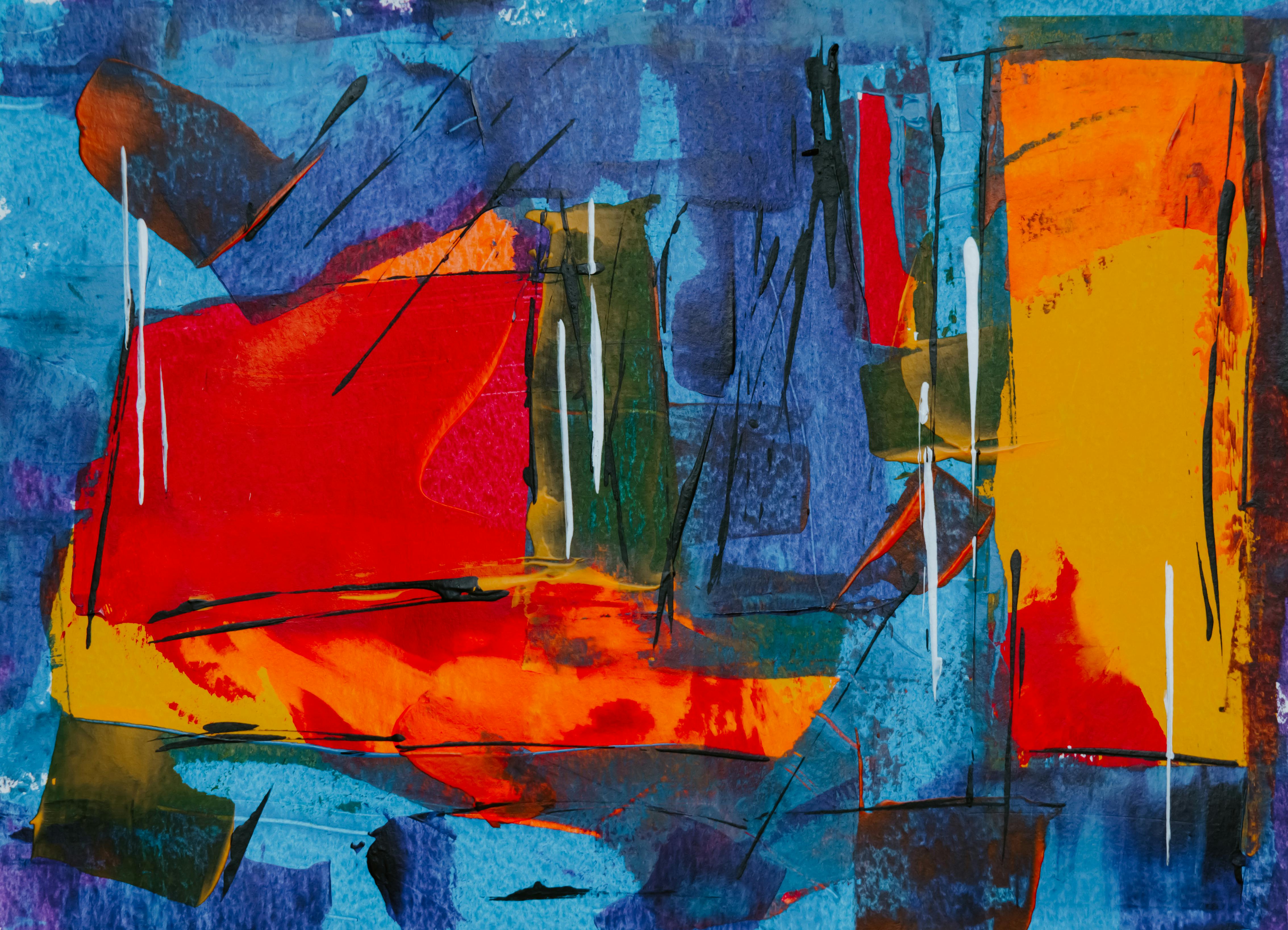
After Cubism started fragmenting reality and Dada questioned its very essence, it wasn't a huge leap to just ditch reality altogether. And thus, Abstract Art was born. This is where art truly becomes about form, color, and line for their own sake, rather than representing objects in the real world. Movements like Futurism (focused on technology and speed), Constructivism (social purpose), and Suprematism (pure geometric forms) pushed the boundaries of what art could be, exploring non-objective forms with fervor. It's a space I feel deeply connected to in my own work. Some people find it intimidating, asking, 'What am I supposed to see?' My answer is usually, 'What do you feel?'
It's not about deciphering a hidden image; it's about the pure visual experience. The energy of a line, the mood of a color, the tension between shapes – this direct conversation between the artwork and your emotions is at the heart of my creative practice. This shift towards non-representational art also birthed diverse styles, some of which became highly valued for their innovation and emotional depth, leading to their significant collectible value. If you've ever wondered how to approach it, my guide on decoding abstract art: a guide to finding meaning in non-representational works might just be what you need.
Key Abstract Movements to Explore:
Movement | Key Figures | Core Idea |
|---|---|---|
| Abstract Expressionism | Jackson Pollock, Mark Rothko | Spontaneous, emotional expression, large scale |
| De Stijl | Piet Mondrian | Geometric abstraction, primary colors |
| Bauhaus | Walter Gropius, Paul Klee | Art, craft, and technology integration |
More on Abstract Expressionism and The Bauhaus movement's enduring influence on modern design and art.
Pop Art: Elevating the Everyday
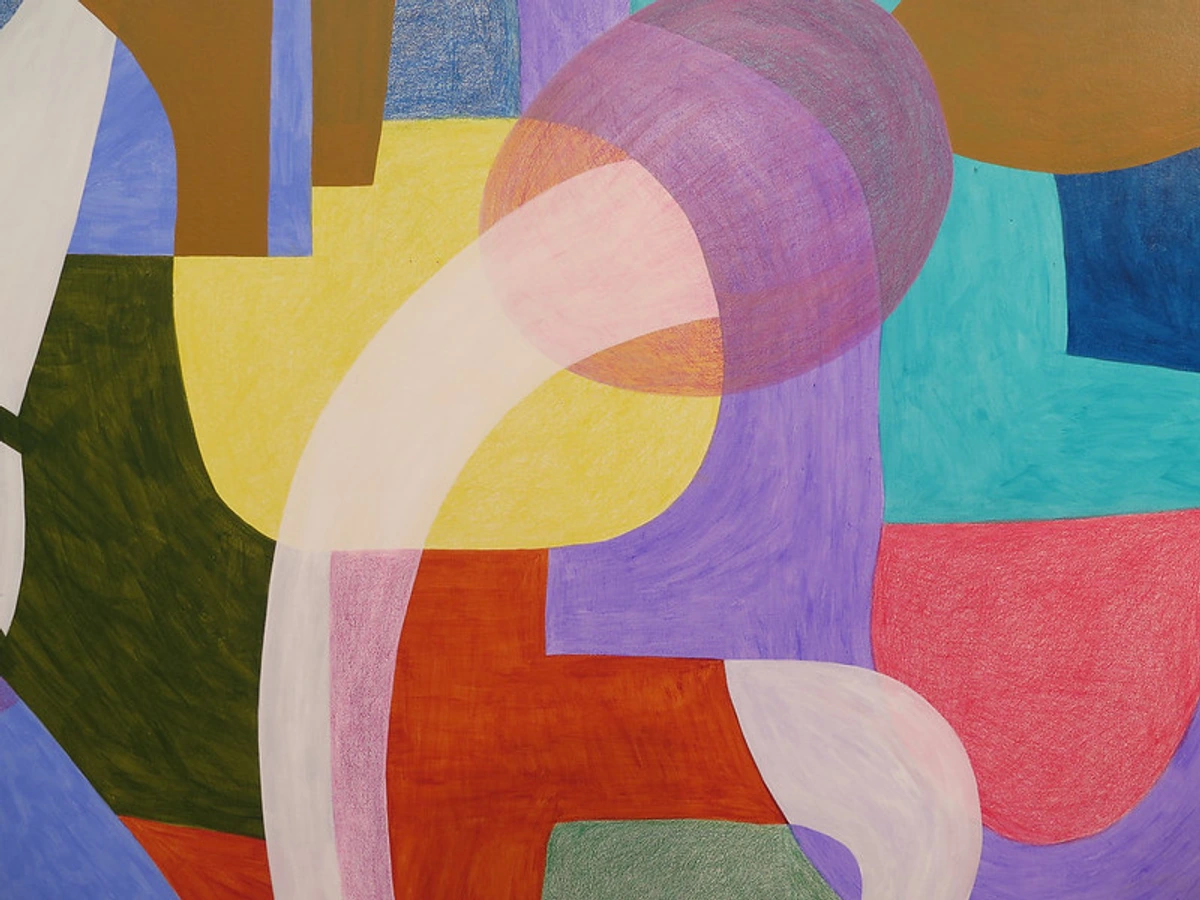
Moving into the mid-20th century, art took a very different turn. After the heavy emotional weight of Expressionism and the intellectual puzzles of Cubism, along came Pop Art, saying, 'Hey, what about all this cool stuff around us?' Led by figures like Andy Warhol, Pop Art embraced popular culture, consumerism, and everyday objects. Think Campbell's soup cans, comic strips, and celebrity portraits. It blurred the lines between high art and commercial art, often with a cheeky wink. It was vibrant, accessible, and a direct reflection of a consumer-driven society. I often find myself drawn to the energy of everyday objects, how they can be transformed into something extraordinary—an idea that truly informs my colorful, abstract prints that you can find for sale. I might transform the graphic boldness of a vintage advertisement or the repetitive patterns of consumer packaging into a series of abstract compositions, finding unexpected beauty in the mundane.
Key Pop Art Figures:
Artist | Key Characteristic |
|---|---|
| Andy Warhol | Icon of Pop Art, celebrity portraits, consumer products |
| Roy Lichtenstein | Comic book style, Benday dots |
| Keith Haring | Public art, vibrant outlines, social commentary |
Learn more about this vibrant movement in my ultimate guide to Pop Art.
Minimalism: Is Less Truly More?
Then, as a counter-movement to Pop Art's explosion of imagery, Minimalism arrived. It stripped art down to its bare essentials: simple geometric forms, often monochromatic, devoid of elaborate themes or emotional expression. It was about the object itself, its relationship to the space, and the viewer's direct experience. No frills, no fuss. It was a rigorous pursuit of purity and clarity, pushing against the perceived excesses of Abstract Expressionism and the commercialism of Pop Art.
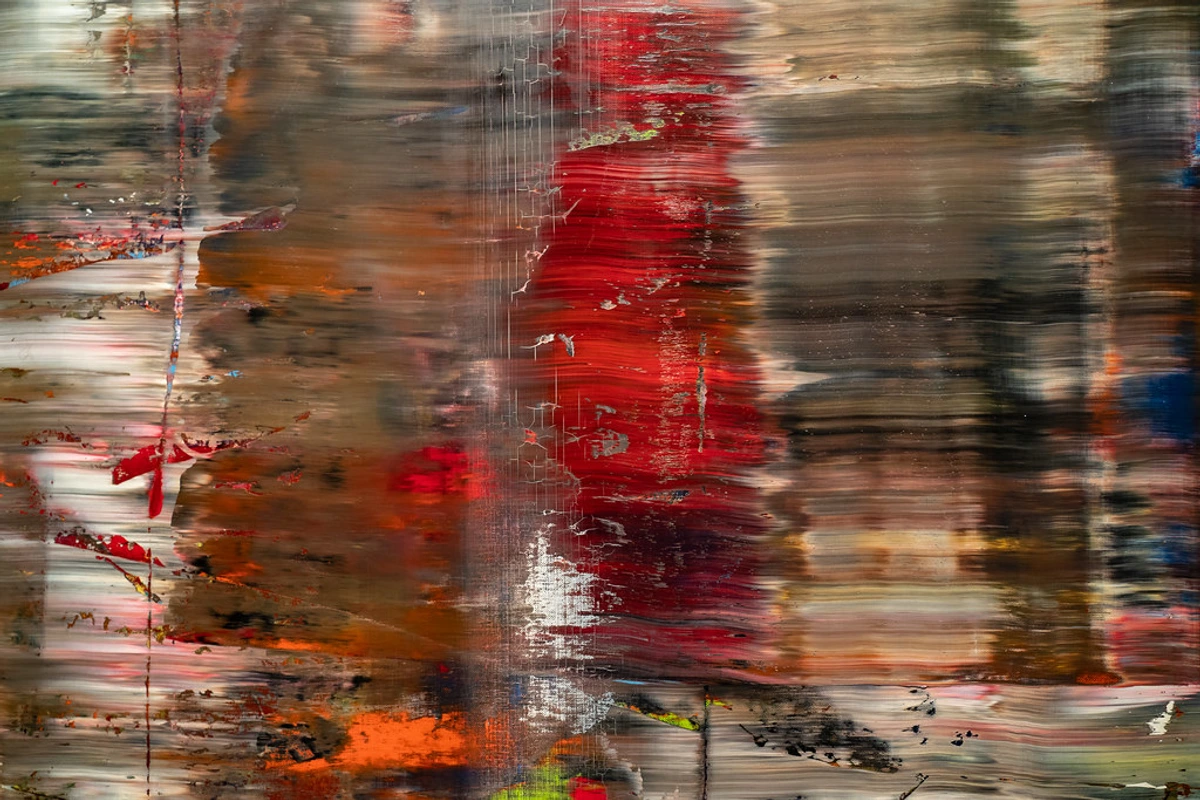
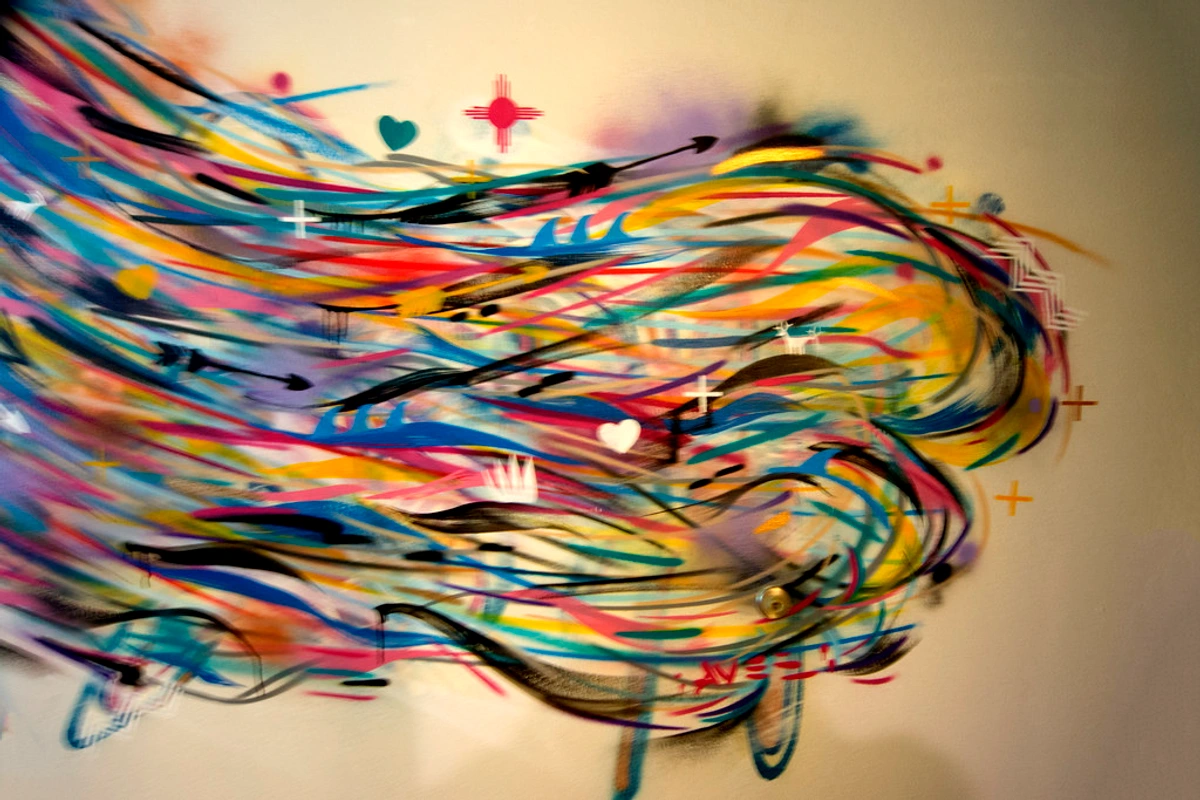
I have to admit, as someone who loves a good burst of color, Minimalism sometimes felt like the artistic equivalent of a blank wall. But then I realized its power: by removing everything extraneous, it forces you to focus. It's a meditation, a challenge to our constant craving for stimulation. It’s like finding peace in pure simplicity, which is surprisingly hard to achieve. Even in my colorful, layered abstract works, Minimalism's emphasis on fundamental forms, careful composition, and the inherent beauty of materials subtly informs my appreciation for underlying structure and visual balance. My ultimate guide to Minimalism explores this fascinating movement further.
Key Minimalist Artists:
Artist | Key Characteristic |
|---|---|
| Donald Judd | Stacks, industrial materials, specific objects |
| Dan Flavin | Fluorescent light installations |
| Carl Andre | Floor pieces, raw materials |
Contemporary Art: The Ever-Evolving Present (And My Place In It)
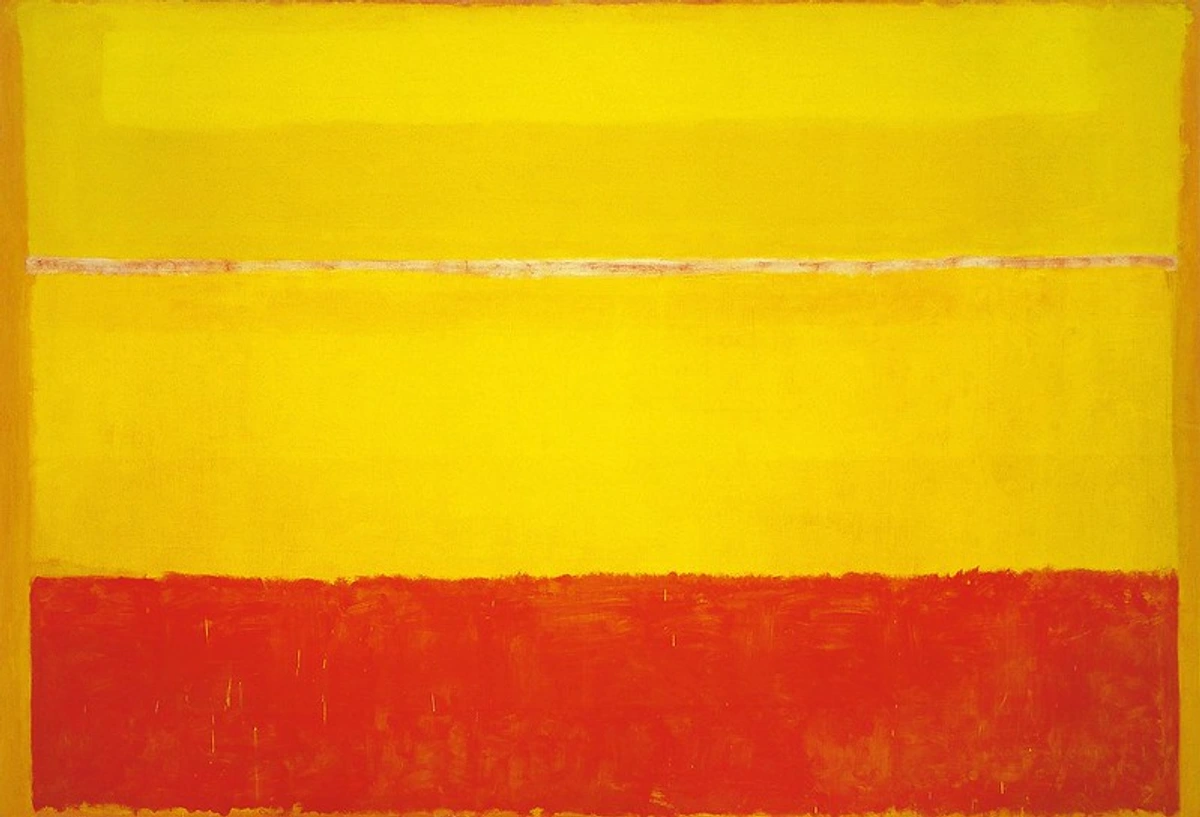
And now we arrive at contemporary art, which broadly refers to art made from the 1970s to the present day. This is where things get really wild and wonderfully undefined. There's no single dominant style or movement. Contemporary art is incredibly diverse, encompassing everything from installations and performance art to video art, digital art, conceptual art, and, of course, abstract painting like mine. It's a period marked by a constant questioning of boundaries, medium, and the very purpose of art itself. Many of the earlier modern movements, with their emphasis on individual expression and breaking norms, laid the groundwork for this expansive field.
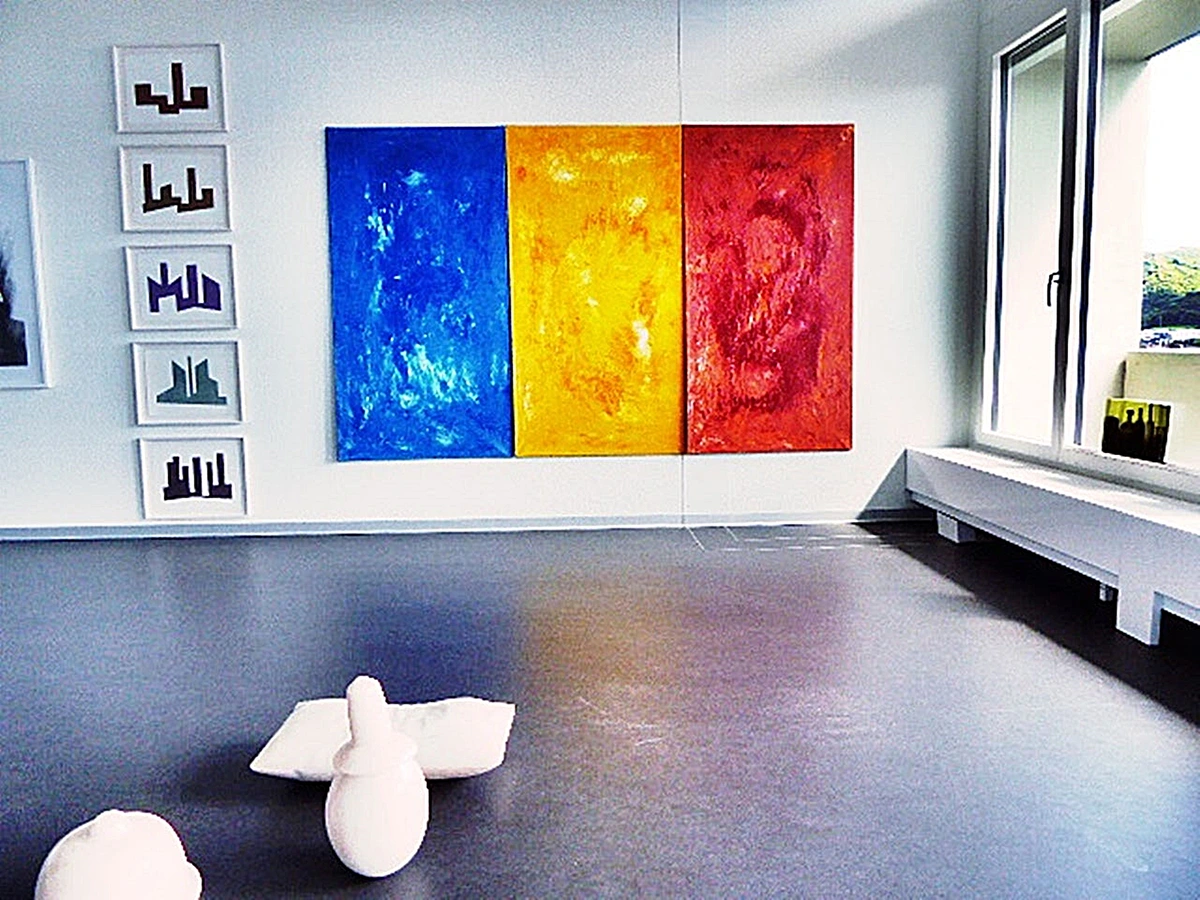
For me, contemporary art is exhilarating because it's constantly questioning, pushing boundaries, and reflecting our current world – our anxieties, our hopes, our technologies, our evolving identities. It's a conversation that never ends. As an artist working today, I'm part of this ongoing dialogue, taking inspiration from the past but always looking forward, trying to contribute my own unique voice to the ever-expanding universe of art. You can experience some of it in person at my museum in 's-Hertogenbosch.
If you want a deeper dive, my article, the definitive guide to contemporary art movements: beyond the big names, really digs into the nuances of what's happening now.
Frequently Asked Questions About Modern Art Movements
Is modern art just anything made after 1860?
While the period of modern art typically runs from the 1860s to the 1970s, it's more about a philosophical shift than a strict date. It represents a radical break from traditional, academic art, focusing on experimentation, personal expression, and new ways of seeing the world. Contemporary art is what came after, from the 1970s to today, continuing to push boundaries in new ways.
Why is modern art so 'weird'?
Ah, the classic question! It often feels weird because it challenges our expectations of what art 'should' be. Instead of depicting reality perfectly, modern artists explored emotions, abstract concepts, fragmented perspectives, and social commentary. It's less about weirdness and more about a deliberate departure from familiar visual language, like learning a new dialect of expression. It asks you to think and feel differently, which can be unsettling but also incredibly rewarding once you lean into it. What do you think Picasso was trying to achieve by showing all sides at once, for example? It's less about weirdness and more about a different kind of truth.
How can I appreciate modern art?
My best advice? Drop your expectations. Don't try to 'understand' it in a purely logical sense. Instead, ask yourself:
- How does this make me feel?
- What colors, shapes, or textures catch my eye?
- What story (if any) might the artist be trying to tell, or what idea are they exploring?
- What was happening in the world when this art was made?
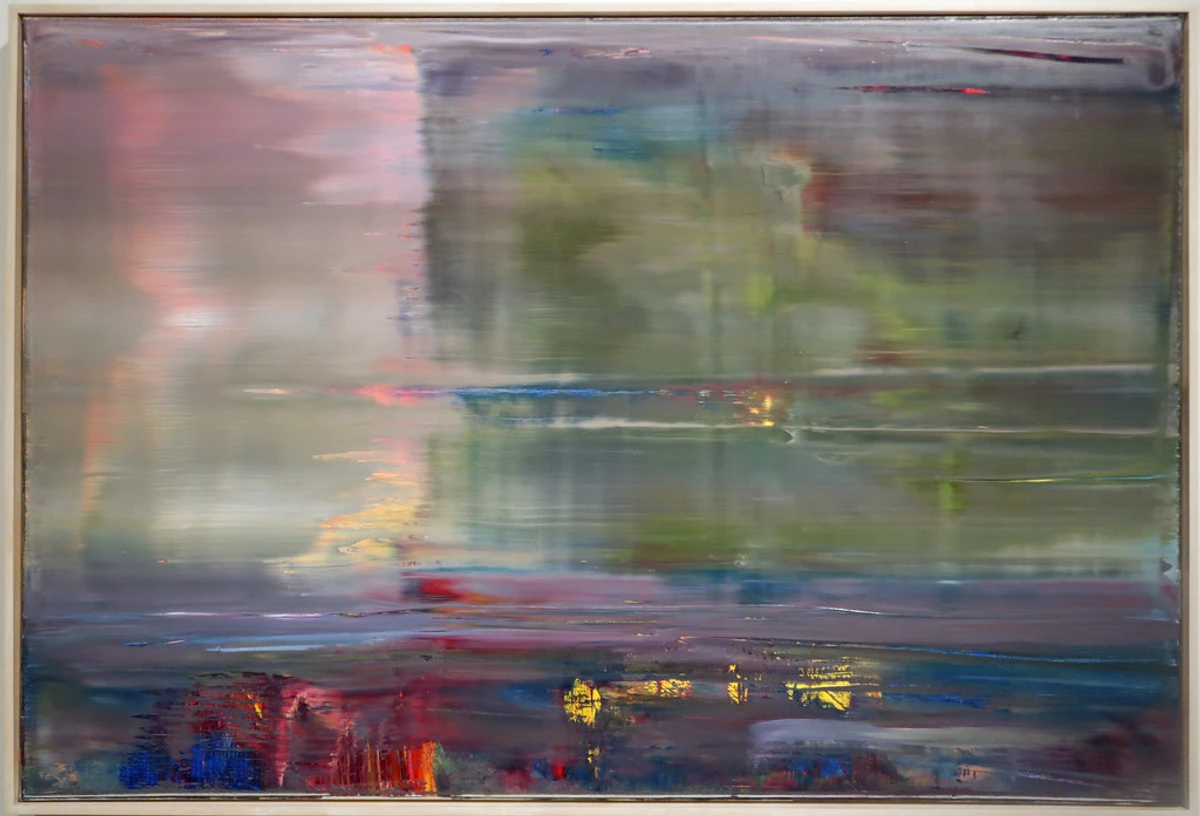
Just be open, let your eyes wander, and allow yourself to react. You don't have to love everything, but you might just find a new favorite.
Where can I see modern art?
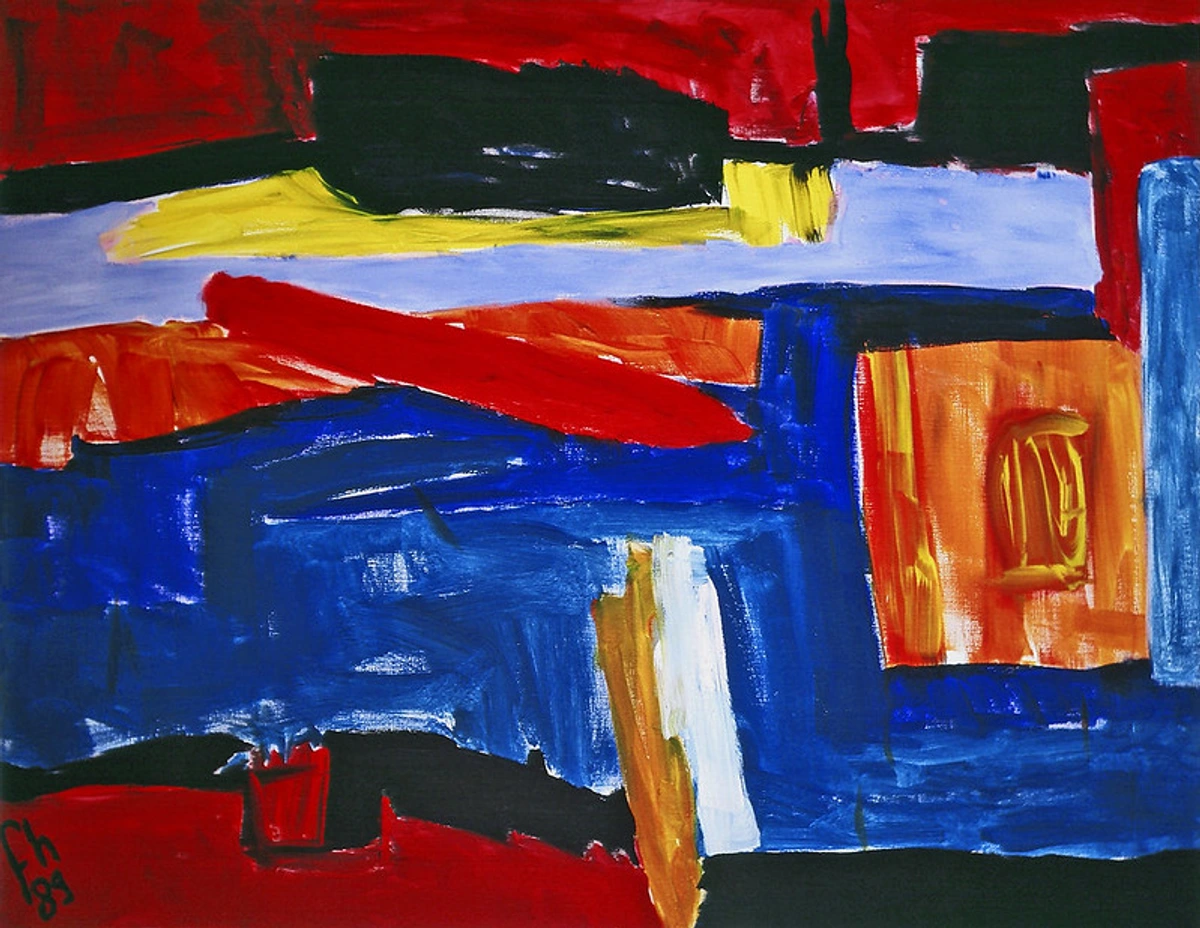
Modern art is displayed in major museums worldwide! Most major cities will have a dedicated modern art museum or a significant modern wing in a larger institution. From the MoMA in New York to the Tate Modern in London, there are countless places to explore. You can also find modern art in many private galleries and increasingly through online platforms. And of course, if you're ever in the Netherlands, you can always visit my museum in 's-Hertogenbosch to see how these historical influences manifest in contemporary abstract works.
Conclusion: My Ever-Unfolding Conversation with Art
Looking back at these movements, from the delicate brushstrokes of Impressionism to the bold statements of contemporary art, it's clear that art is never static. It's a living, breathing conversation across centuries, a continuous exploration of what it means to be human. Each movement built upon or reacted against what came before, leaving us with an incredible tapestry of creativity. It’s a testament to the enduring human desire to see, to express, and to constantly reinvent our visual language.


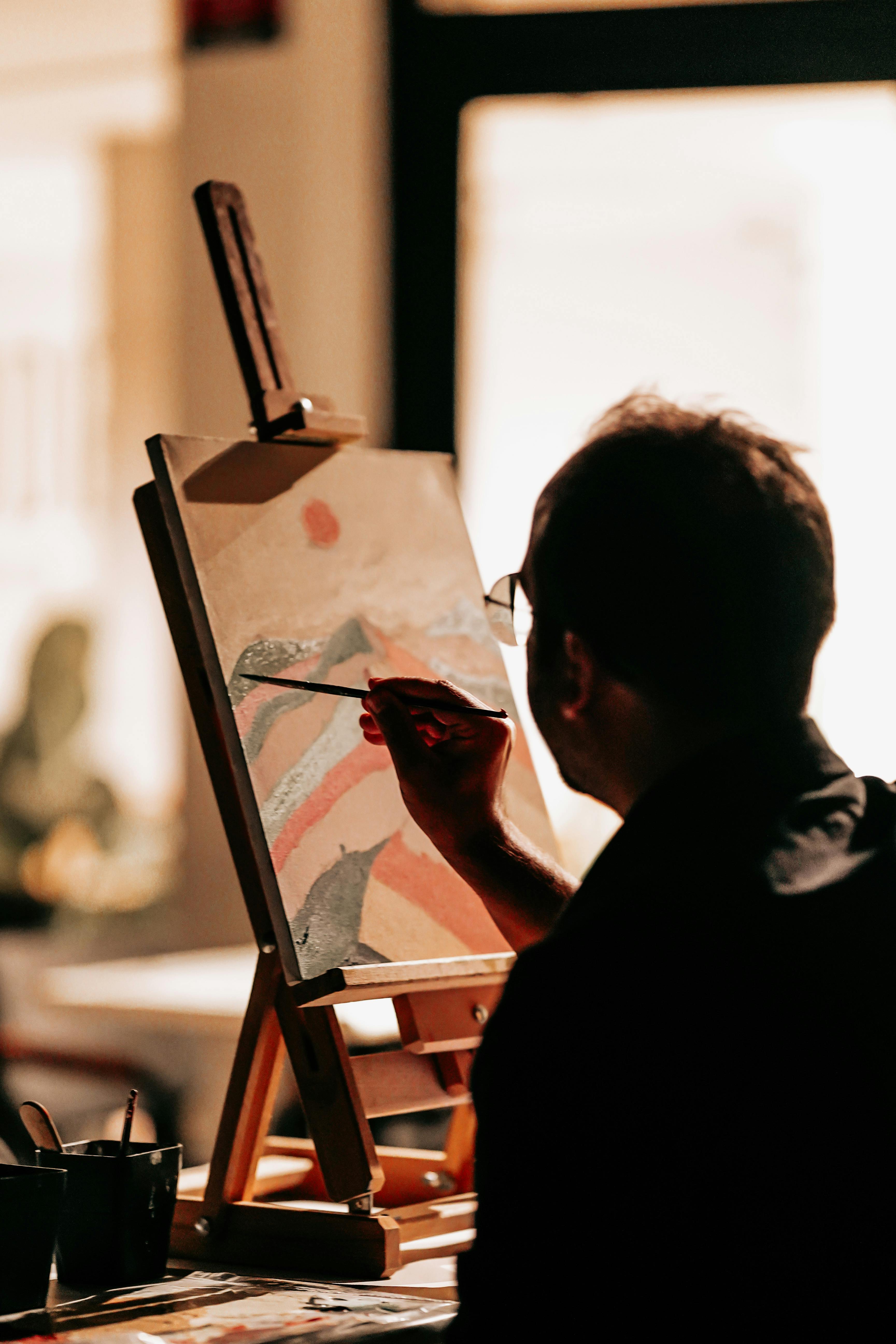


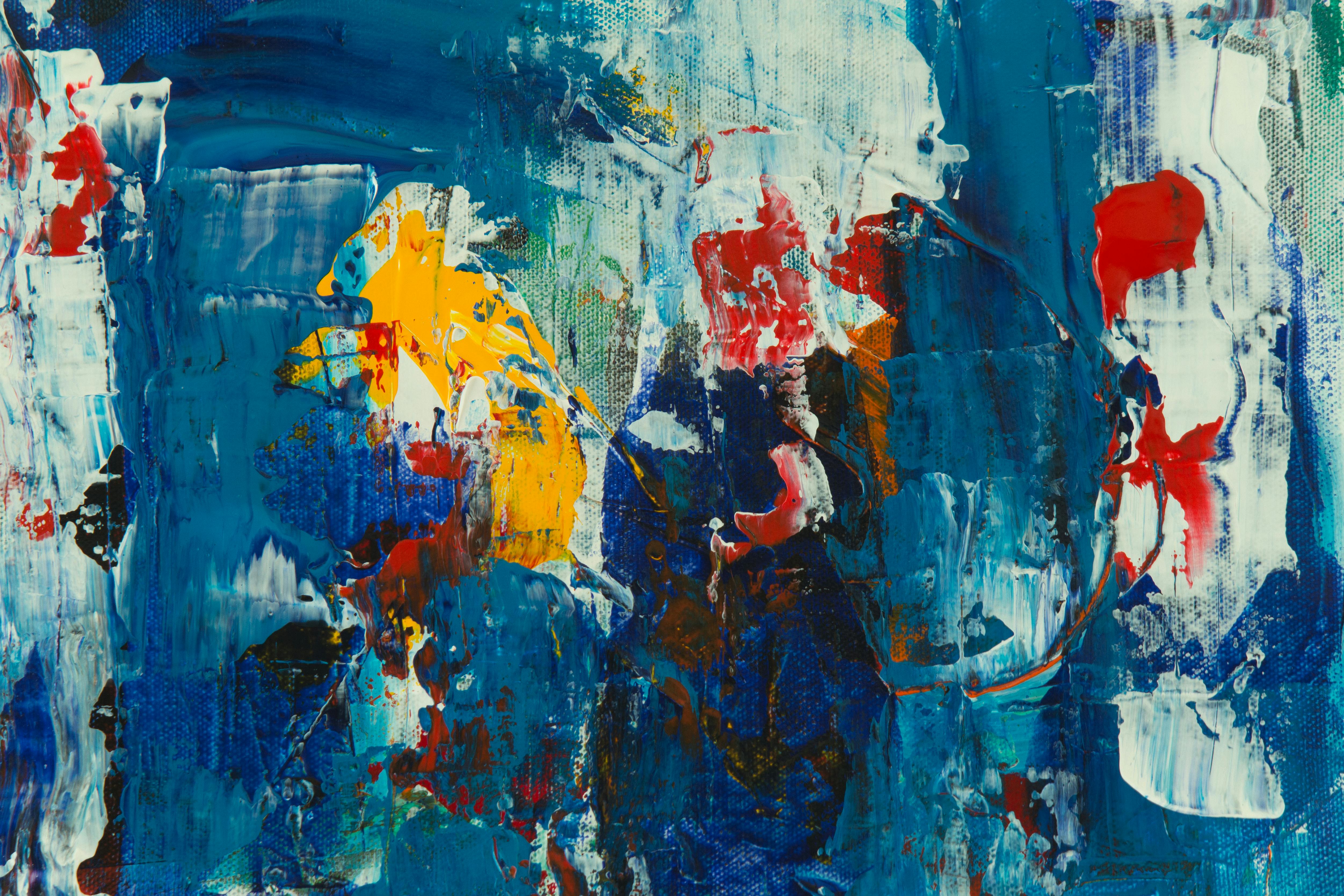
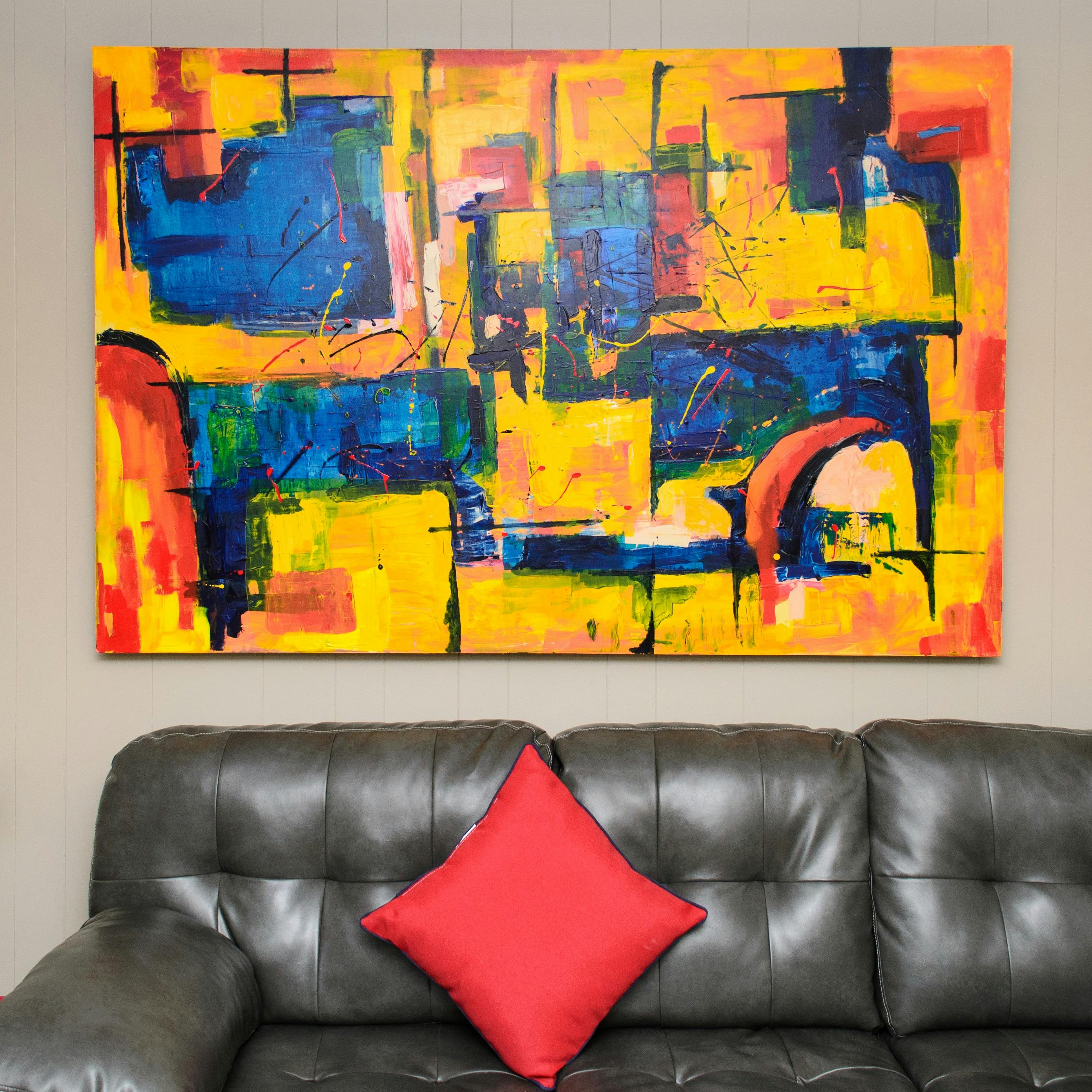


For me, understanding these movements isn't just about memorizing names; it's about seeing the threads that connect them to my own work, to the vibrant colors and abstract forms I create today. It's a reminder that every artist, whether they know it or not, stands on the shoulders of giants, adding their own unique voice to the endless story of art. I continue to draw inspiration from these historical dialogues, allowing them to inform and enrich my ongoing creative process. So, go forth, explore, and let modern art challenge, inspire, and perhaps even mystify you – it's all part of the fun! What movement resonates most with your own creative spirit?