Impressionism vs. Post-Impressionism: The Key Differences Explained
Confused by Impressionism and Post-Impressionism? We break down the real differences between Monet and Van Gogh, from light and color to raw emotion. Finally understand what separates these two pivotal art movements.

Impressionism vs. Post-Impressionism: What's The Actual Difference?
You know that feeling when you're looking at something familiar, but then someone points out a tiny detail, a hidden pattern, and suddenly, the whole thing clicks into place, revealing a deeper truth? That's exactly how I felt when I first truly grasped the distinction between Impressionism and Post-Impressionism. For years, I’d walk through a museum, look at a shimmering Monet and then a swirling Van Gogh, and my brain would just file them under the same big, blurry category: "Old-Timey French Painting." They both had visible brushstrokes, they both loved color, and neither looked like a photograph. Close enough, right? And I get it, the labels can feel like an academic hurdle, obscuring the sheer joy of the art itself. But here's the thing: understanding these nuances isn't about being a snob; it’s like being let in on a fantastic secret, a secret that unlocks a richer understanding. It truly changes the way you see not just these specific paintings, but the entire arc of modern art and even how we perceive reality. It's truly a mental upgrade, a shift in perspective that transforms every gallery visit into a more profound, more connected experience. In this guide, I want to pull back the curtain on these two titanic movements, not just to define them, but to show you how they reshaped our very understanding of what art can be, laying the groundwork for everything that followed. It's a journey from the outward gaze to the inner world, a pivotal shift that birthed modern art as we know it, and I'm genuinely excited to share that journey with you.
At its heart, it’s the difference between a beautiful snapshot and a deeply personal diary entry. One captures a moment as it looks, the other, as it feels. And that distinction, that journey from the external, observable world to the internal, subjective experience, is where the real magic unfolds, revealing the core of what art can be. I mean, who hasn't tried to capture a moment with a quick photo, only to realize later that the true 'feeling' of that moment was something deeper, something the camera couldn't quite convey? That's the essence of the shift these artists initiated. Think of it as a family drama, if you will: Impressionism is the revolutionary parent who broke all the old rules, daring to paint modern life as it truly appeared, capturing the fleeting truth of perception. They were the trailblazers who looked out the window and said, "This! This fleeting moment, this vibrant blur of life, this is what matters." Post-Impressionism, on the other hand, is the collection of rebellious kids who took that newfound freedom and ran in a dozen different, wild, deeply personal directions, seeking to infuse art with deeper meaning, emotion, and structure. They asked, "Okay, we've captured the world as it looks, but what about how it feels? What about what it means? What else can art do?" To truly appreciate the rebellion, though, we first need to understand the regime they overthrew and the artistic landscape they completely transformed. It’s a story of breaking free, finding new voices, and ultimately, shaping the entire trajectory of what we now call modern art. You can dive deeper into this foundational movement with our ultimate guide to Impressionism.
Setting the Scene: From Academic Rules to Artistic Rebellion
To truly appreciate the seismic shift brought about by Impressionism and Post-Impressionism, we first need to understand the rigid art world they shattered. Imagine a time when art was less about personal expression and more about strict adherence to tradition, a world where innovation was often met with outright hostility.
Historical Backdrop: The Reign of Academic Art and The Salon
Before the Impressionists dared to splash their vibrant, visible brushstrokes onto canvases, the art world was a very different, far more rigid place. Imagine a powerful, almost dictatorial body known as the French Salon, dictating what was considered 'true' art. It wasn't just an exhibition; it was the annual event, the sole gateway to recognition, patronage, and a career for any aspiring artist in Paris. The Salon, and the Académie des Beaux-Arts that underpinned it, upheld strict, centuries-old conventions that glorified classical history, mythology, religious narratives, and meticulously rendered portraits of the elite. Art was meant to be 'noble,' 'timeless,' and 'idealized.' Artists were trained to emulate the Old Masters, prioritizing historical accuracy, moral allegory, and meticulously refined technique that left no trace of the artist's hand. Any deviation was deemed crude and unacceptable.
Before the Impressionists dared to splash their vibrant, visible brushstrokes onto canvases, the art world was a very different, far more rigid place. Imagine a powerful, almost dictatorial body known as the French Salon, dictating what was considered 'true' art. It wasn't just an exhibition; it was the annual event, the sole gateway to recognition, patronage, and a career for any aspiring artist in Paris. The Salon, and the Académie des Beaux-Arts that underpinned it, upheld strict, centuries-old conventions that glorified classical history, mythology, religious narratives, and meticulously rendered portraits of the elite. Art was meant to be 'noble,' 'timeless,' and 'idealized.'
Artists trained in these academies adhered to stringent rules: subjects had to be morally uplifting or historically significant, compositions were formal and balanced, and above all, the artist's hand was to be invisible. Paintings were polished to a smooth, almost photographic finish, erasing any trace of the creative process. Think of the grandeur and perfection of artists like Jean-Léon Gérôme or William-Adolphe Bouguereau, whose meticulously rendered scenes exemplified this high academic style. Their canvases were narratives, often grand and heroic, demanding a precise, almost sculptural approach to form and detail. Any deviation from these strictures was met with rejection, ridicule, and often, professional ruin. It was a stifling environment, indeed, where innovation was largely unwelcome and personal expression was subservient to established tradition.
The Seeds of Change: Industrial Revolution and Photography
The prevailing academic system was, however, destined for disruption. The world was changing at an unprecedented pace, and art, inevitably, had to catch up.
The public, however, was slowly growing weary of these highly idealized and often inaccessible narratives, subtly craving art that reflected their own rapidly changing world. The Industrial Revolution, with its bustling cities, new social classes, and burgeoning urban leisure, was transforming society at an unprecedented pace. People desired art that spoke to their contemporary lives, not ancient myths or gods, art that mirrored the vibrant dynamism they experienced daily. Adding to this ferment was the nascent technology of photography, which, by the mid-19th century, was rapidly democratizing portraiture and documentary realism. The camera could capture a scene with an objective accuracy and instantaneousness that painting simply couldn't replicate, effectively liberating painters from the centuries-old burden of mere faithful reproduction. This profound shift in how we perceived images was a quiet but powerful catalyst for the artistic rebellions to come, pushing artists to ask: if a machine can capture reality, what then is the unique purpose of the painter's eye and hand?
First, The Parent: What Was Impressionism Trying to Do?
This is the context that the Impressionists, a loose-knit group of radical young painters, burst onto the scene in the mid-19th century (roughly 1860s-1880s). Paris itself was transforming, with Baron Haussmann's grand renovations creating wide boulevards and new spaces for leisure, and a burgeoning cafe culture that buzzed with modern life. The Impressionists were tired of the official, sanctioned art of the French Salon. They saw it as stifling, artificial, and utterly disconnected from the vibrant, changing world around them, a world undergoing rapid modernization and social change. The academies, you see, dictated not only how to paint but what to paint. Grand narratives, biblical scenes, and classical mythology were considered the peak of artistic achievement, all rendered with a polished, 'finished' surface that disguised any trace of the artist's hand. It was about ideals, not reality. For the Impressionists, art wasn't about recounting ancient myths in a darkened studio; it was about capturing the immediate, fleeting experience of being alive, right now, in the glorious chaos of the modern world. They wanted to paint life, not idealized versions of it. This included portraits of ordinary people, cityscapes, landscapes, and even still life subjects that celebrated the beauty of the everyday. They embraced the everyday, the ephemeral, the unposed – capturing moments like a snapshot of a busy street or a quiet moment in a garden. They wanted art to reflect the here and now, a genuine slice of contemporary existence. It was a profound democratization of subject matter, asserting that a simple haystacks or a bustling cafe could be as worthy of artistic contemplation as any mythological epic. This focus on the mundane transformed how art was valued, shifting its gaze from the grand and noble to the immediate and personal. It sounds simple now, but it was truly revolutionary. Other key figures like Alfred Sisley joined the movement, becoming known for his luminous landscapes and masterful depictions of atmospheric effects, often focusing on the subtle shifts of light and weather along the Seine River.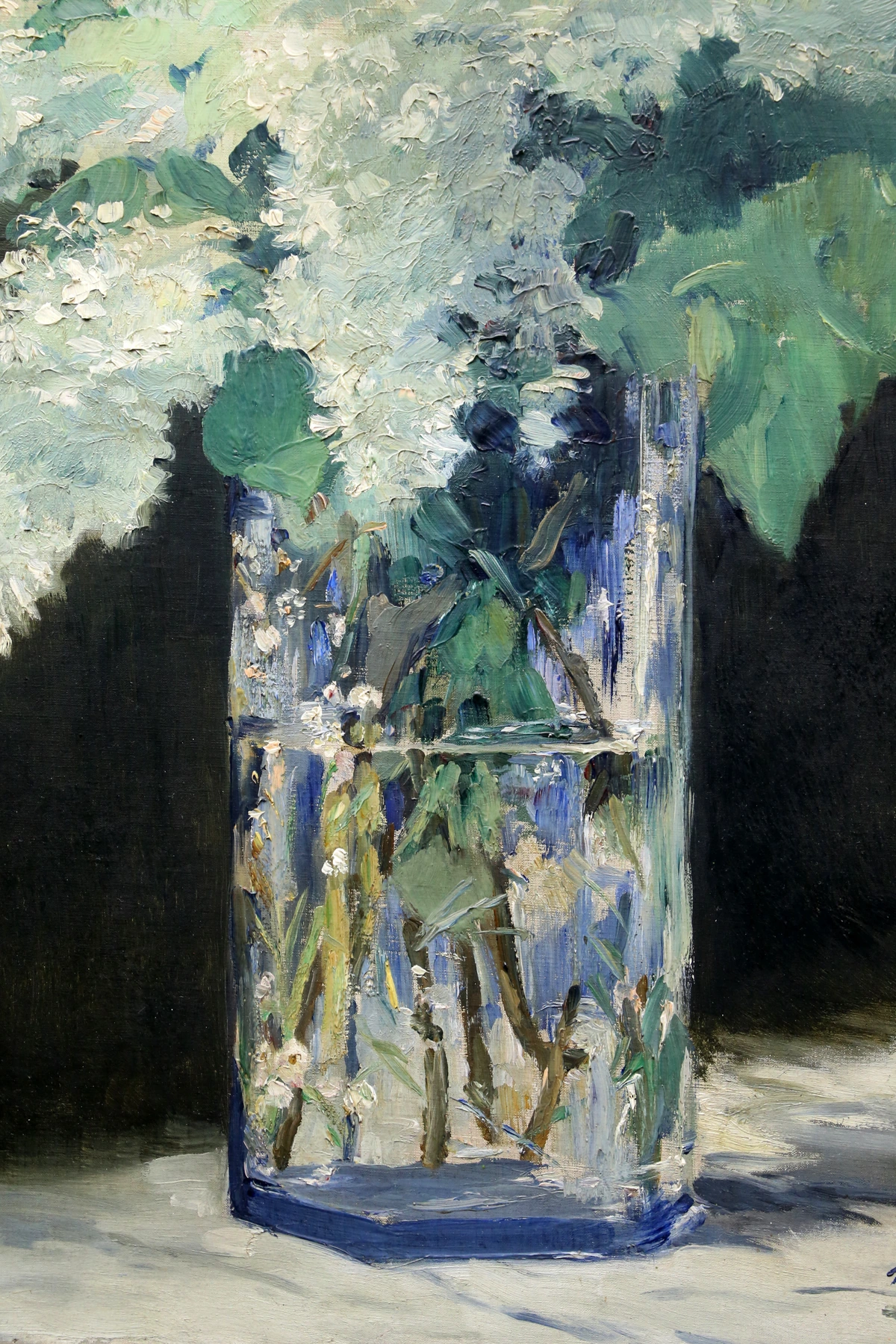
It's impossible to talk about the Impressionist revolution without mentioning Édouard Manet. Though often considered a transitional figure rather than a pure Impressionist himself, his bold, uncompromising approach to modern subjects and his direct, almost scandalous painting style, truly lit the fuse. His notorious works like Olympia (a starkly modern nude confronting the viewer directly) and Luncheon on the Grass (depicting fully clothed men with a nude female companion, shocking contemporary sensibilities), caused outrage at the Salon, but they also legitimized the portrayal of contemporary life and a freer brushstroke, directly inspiring the younger generation. He was less interested in depicting light effects and more concerned with the act of painting itself, using stark contrasts and flattened forms that felt aggressively modern. Manet’s rebellious spirit, his willingness to challenge conventions, and his dedication to depicting the realities of modern urban life set a powerful precedent for the Impressionists. He was, in many ways, the audacious older cousin who dared to speak truth to power, opening the door for the Impressionists to burst through with their own vision, but never quite joining their ranks, maintaining his own unique path.
In fact, the rejection of academic strictures was so profound that it led to the famous Salon des Refusés in 1863, an exhibition of works rejected by the official Salon. This alternative exhibition, sanctioned by Emperor Napoleon III himself due to public outcry, featured works by Manet, James McNeill Whistler, and other artists whose innovative approaches challenged the status quo. It was a pivotal moment, signaling the beginning of modern art's independent spirit and paving the way for the Impressionists' own groundbreaking independent exhibitions a decade later. This public display of defiance demonstrated a growing demand for art that resonated with contemporary experiences, not just historical narratives. It was a true turning point, showing artists and the public alike that the old guard could be challenged, and new visions could find their audience. It's almost hard to imagine the sheer audacity required to defy such an entrenched system, but that defiance was the fertile ground from which modern art sprung.
credit, licence You can learn more about this pivotal figure with our ultimate guide to Édouard Manet. For a broader understanding of the diverse talents of the time, check out our famous Impressionist artists guide.
The Obsession with Light: En Plein Air and Fleeting Moments
They were obsessed with light. How it changed, how it reflected, how it felt at a specific time of day. They literally dragged their easels outdoors (en plein air), a revolutionary act that broke centuries of studio-bound tradition. I'm not sure if you've ever tried to paint outside, but it's a wonderfully frustrating experience. The light changes every five minutes, the wind tries to blow your canvas away, and sometimes a curious squirrel tries to steal your brushes! But for the Impressionists, this direct encounter with nature was essential. This wasn't just a quirky habit; it was a fundamental shift, made possible by innovations like pre-mixed paints in tubes and portable easels. Suddenly, artists could easily transport their studios to riverbanks, gardens, and bustling city streets, liberating them from the confines of the studio. They weren't just painting a scene; they were trying to capture the fleeting, sensory experience of a moment—an impression. This was a direct, visceral engagement with the world, a rejection of idealized, academic reconstructions. It wasn't about painting a boat; it was about painting the effect of sunlight on the water next to the boat, or the way a cloud momentarily transformed the color of a field. This focus on capturing the ephemeral quality of light and atmosphere also meant they paid less attention to crisp outlines and detailed forms, letting the sensation guide their brush. This concept of the 'vibration of light' was central, aiming to capture the subjective perception of a moment rather than a static, objective reality. They were, in essence, trying to paint time itself, or at least the visual experience of its passage. Think of Monet's various paintings of haystacks or Rouen Cathedral, where the same subject is rendered repeatedly under different lighting conditions, meticulously documenting how light completely transforms perception and color. It was almost a scientific inquiry into the phenomenology of light. For a deeper look into this liberating practice, check out our guide on what is plein air painting and also what is the Impressionism art movement. You might even find yourself looking at how artists use color in a whole new way after seeing their work.
The Birth of Independent Exhibitions
Frustrated by the Salon's constant rejections, the Impressionists took matters into their own hands. In 1874, they organized their first independent exhibition at the studio of photographer Nadar. This was a radical act, bypassing the traditional gatekeepers entirely and asserting artistic autonomy. It was at this exhibition that a critic, Louis Leroy, derisively coined the term "Impressionism" after Monet's painting, Impression, Sunrise. He meant it as an insult, suggesting the works were mere "impressions" or sketches, unfinished and lacking proper form. Little did he know, he had inadvertently named one of the most significant art movements in history. These independent shows continued for over a decade, allowing the artists to present their work directly to the public, fostering a sense of community and rebellion and demonstrating that a new art world was indeed possible. It felt like a truly audacious move, a declaration of independence that echoed across the art world.
Key characteristics you'll see, and these are often what make an Impressionist painting so instantly recognizable:
- Visible, quick brushstrokes: This is perhaps the most defining trait, a stark contrast to the polished, invisible brushwork of the Academy. Impressionists had to paint fast, often in a single sitting, to capture the ephemeral quality of light before it changed. Think of Monet's rapid dabs, Renoir's feathery touches, Pissarro's short, broken strokes, or Morisot's delicate, vibrant marks. This technique, often called broken color, involved applying unblended strokes of color next to each other, allowing the viewer's eye to mix them optically from a distance. This rendered the shimmering effects of light and created a sense of movement, rather than solid, static forms. It’s like their hands were trying to keep up with their eyes, capturing the fleeting moment before it vanished, emphasizing the process of perception itself. You'll see this in virtually every Impressionist canvas, from the shimmering surfaces of Monet's water scenes to the bustling crowds of Renoir's cityscapes.
- Focus on light and atmosphere: The subject itself often becomes secondary to the way light interacts with it. It's less about the object and more about its illuminated, atmospheric presence. You're meant to feel the time of day, the season, the weather, and the specific quality of light (dappled, misty, bright, hazy). This led to iconic series paintings, where artists like Monet would paint the same subject (like haystacks or Rouen Cathedral) repeatedly under different lighting conditions, meticulously documenting how light completely transforms perception and color. It was almost a scientific inquiry into the phenomenology of light.

- Everyday subject matter: This was a radical departure! No more gods or kings, no grand historical narratives. Impressionists embraced modern life – they painted picnics in parks, bustling train stations, dancers backstage (hello, Degas!), tranquil river scenes, portraits of ordinary people, and even still lifes of mundane objects. This was a direct challenge to the Salon's hierarchy of genres, elevating the commonplace to the realm of high art. Mary Cassatt, for instance, famously captured intimate domestic scenes of mothers and children, bringing a fresh, authentic perspective to everyday domesticity and the inner lives of women; you can learn more in our ultimate guide to Mary Cassatt. Camille Pissarro consistently documented rural and urban landscapes, capturing the essence of modern French life, from bustling Parisian boulevards to quiet village scenes, and was particularly adept at rendering the effects of different weather conditions on a scene. And Berthe Morisot, often overlooked, rendered delicate domestic moments and portraits with a vibrant energy and an immediate, candid feel, capturing the nuances of female experience with remarkable subtlety and a fluid, luminous brushwork. This embrace of the ordinary elevated genre painting to a new level of importance, validating the beauty and significance of contemporary existence. It was art for the people, about the people.
- Optical mixing of colors: Instead of mixing many colors on their palette, Impressionists often placed pure, contrasting colors side-by-side on the canvas, allowing the viewer's eye to blend them from a distance. This created a more vibrant and luminous effect than traditional mixing, making their paintings seem to glow with an inner light. It’s like your eyes do the work of the palette, making the colors shimmer and vibrate. This technique, drawing on contemporary scientific understanding of color and light (such as Michel Eugène Chevreul's theories on simultaneous contrast and complementary colors), made the viewer's perception an active and crucial part of the painting process, a true innovation in how art engaged its audience. This wasn't just aesthetic choice; it was rooted in the science of perception, aiming for a more 'true' visual experience.
- An objective observation: The goal was to paint what they saw, an almost scientific approach to visual perception, rather than imbuing the scene with overt emotional or symbolic meaning. It was about pure, unfiltered optical sensation, capturing the world as the eye perceived it in that specific, fleeting moment, almost like a photographic lens. This detachment from narrative or overt emotion would be a key point of departure for the Post-Impressionists, who yearned for a return to deeper psychological and symbolic content in their work.
- Influence of Photography: While not a direct technique, the rise of photography profoundly impacted Impressionism. The camera's ability to capture candid, instantaneous moments and create unconventional, cropped compositions freed Impressionists from the need for meticulous realism. Instead, they could focus on the impression, the fleeting visual truth, knowing that photography could handle documentary accuracy. This subtle shift allowed them to push painting into new, more subjective territories, paving the way for later movements to explore even more deeply what painting could do that a camera could not. Photography handled the literal, freeing painting to explore the felt, the seen, the interpreted. It was a brilliant, almost serendipitous, division of labor that propelled painting into an entirely new era of experimentation and self-discovery.
It’s this commitment to capturing light and momentary sensation that truly defines the movement. Their rebellion was not just in their subjects, but in how they saw and translated the world onto canvas. They weren't just showing you a scene; they were inviting you to experience it, to feel the air, the light, the fleeting vitality of that specific moment.
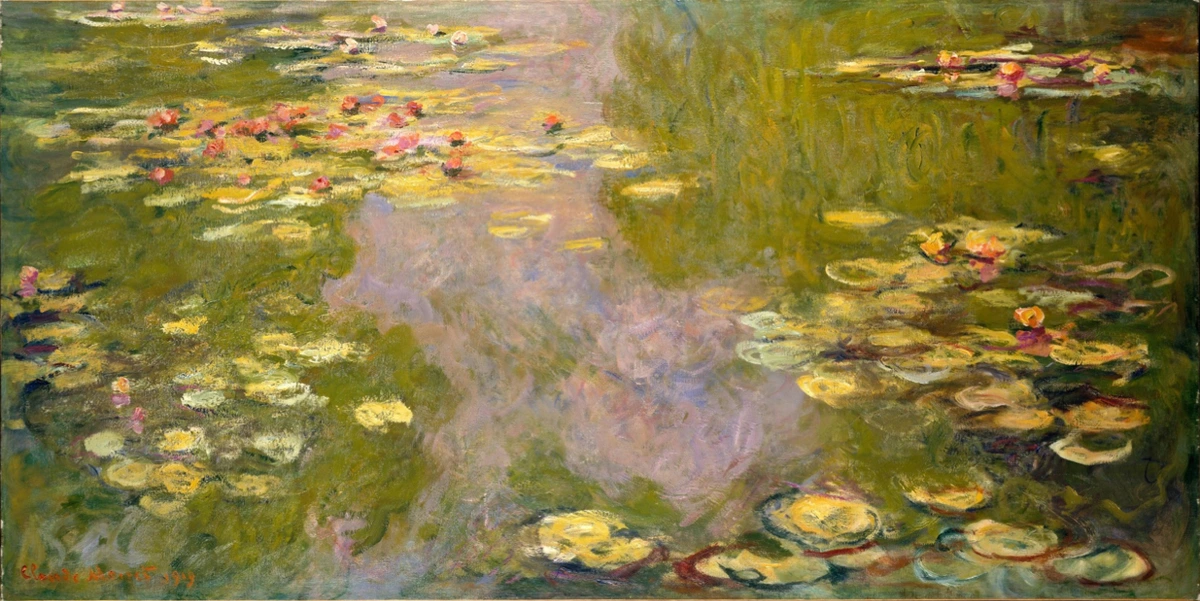
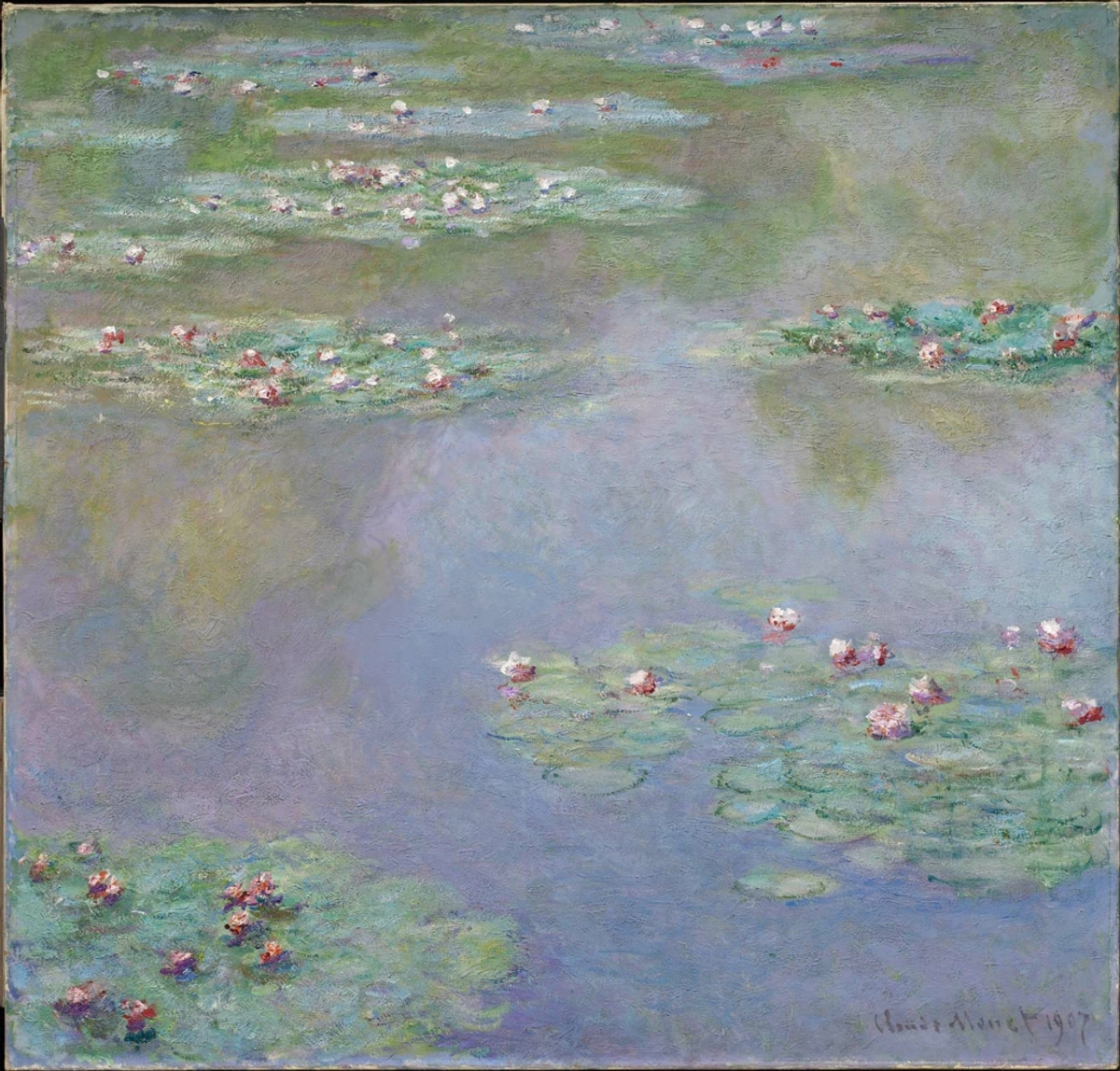
Look at Monet's Water Lilies. When I first saw them, I admit, I just saw pretty flowers. But you're not meant to see a perfect botanical illustration. You're meant to feel the shimmer of late afternoon sun on a pond, the way the light dances on the surface, blurring the distinction between water and sky. It's less about the literal lilies and more about the fleeting visual sensation they create. It's a vibe. It's a snapshot of light, a meditation on the ephemeral beauty of the world. It’s an invitation to pause and simply see. Monet spent the last decades of his life immersed in this series, exploring how light transformed the same subject endlessly, from dawn to dusk, across seasons. It became almost abstract in its focus on color and form, pushing the boundaries of representation itself. He was almost conducting a scientific experiment with paint, documenting the endless permutations of light, turning his garden at Giverny into his personal laboratory for light and color. If you want to dive deeper into the mind of this master of light, our ultimate guide to Claude Monet is a great place to start.
Beyond Monet, consider Pierre-Auguste Renoir's depictions of Parisian social life, like La Loge or the bustling Bal du moulin de la Galette, which capture the fleeting glamour and movement of people with a soft, feathery touch. He was a master of capturing the joy and sensuality of human connection, often depicting crowds and dances with a vibrant, almost effervescent quality. Or Edgar Degas, whose candid portrayals of ballerinas, laundresses, and racehorses capture motion and momentary grace, almost like a photographic slice of life, often with unusual, cropped compositions and daring angles, as if you've stumbled into a private moment. His studies of dancers are a world unto themselves; you can delve deeper into his work with our ultimate guide to Edgar Degas.

And then there's Mary Cassatt, an American expat who brought a tender, intimate lens to the everyday lives of women and children, often exploring themes of motherhood with remarkable empathy. She captured quiet moments of domesticity, bathing, reading, and motherly affection, asserting the dignity and importance of women's experiences. These artists, each in their own way, pushed the boundaries of what art could be, moving it out of the stuffy studio and into the vibrant, fleeting world. If you're intrigued by her unique perspective, a Mary Cassatt biography can offer fascinating insights.

The Rebellion: So, Why Post-Impressionism?
By the 1880s, a new generation of artists who had grown up with Impressionism started to feel like something was missing. You know that feeling when something is good, but not quite it? That was the Post-Impressionist sentiment. They thought, "Okay, capturing light is cool, really cool, but what about emotion? What about structure? What about ideas and symbols? Where's the oomph?" I mean, I can relate. Sometimes you capture a beautiful moment, but it still feels like there's a deeper truth or a stronger feeling just out of reach, a sense that the purely objective eye doesn't tell the whole story. They respected the Impressionists' break from tradition, their courage in painting modern life, but they wanted to put more of themselves—their minds, their souls, their inner worlds—back into the art. They felt Impressionism, in its pursuit of objective observation, had become too superficial, too focused on the external world at the expense of deeper meaning, compositional solidity, or spiritual resonance. It wasn't a rejection of Impressionism's breakthroughs, but rather a profound re-evaluation. It was a sigh of creative relief, an explosion of individual visions that took Impressionism's freedoms and intensified them, pivoting from external sensation to internal meaning, and asking, "What is the purpose of art beyond capturing a fleeting moment?"
The Post-Impressionists didn't reject the Impressionist palette or their visible brushstrokes entirely; rather, they extended these innovations, seeing them as a starting point. They sought to go beyond the mere recording of optical impressions, delving into deeper subjective truths. While the Impressionists were united by a common approach to light and momentary observation, the Post-Impressionists were a diverse group, each seeking a personal artistic vision to imbue their work with greater expressive force, formal structure, or symbolic content. It was less about a single manifesto and more about a collective desire to explore the emotional, psychological, and intellectual dimensions of art, carving out new avenues for artistic expression. This desire led to several distinct, yet interconnected, artistic paths, transforming the fleeting glance into a profound statement. It's almost as if, once the chains of academic tradition were broken, the artists were free to ask not just 'what do I see?' but 'what do I feel?' and 'what do I think about what I see?'
But let's be clear: Post-Impressionism isn't one single style. That's the most important thing to remember. It’s more of a transitional umbrella term for the various directions artists took after Impressionism, roughly between 1886 and 1905, though its influences extended far beyond. It's less of a unified movement and more of a collective experimentation, a branching out from the Impressionist tree, where each artist sought their own unique path. They all began with the Impressionist palette and visible brushstrokes but then started to twist them, reshape them, and infuse them with personal significance, leading to a much wider array of styles. Each artist, in their own powerful way, sought to address what they perceived as the limitations of Impressionism: a perceived lack of expressive content, compositional structure, symbolic meaning, or spiritual depth. This era, in my opinion, represents art's glorious adolescence, a time of intense self-discovery and diverse rebellion. For a complete journey through this fascinating era, check out our ultimate guide to Post-Impressionism. You'll find a spectrum of approaches, from the scientific precision of Seurat to the raw emotionality of Van Gogh, all under this expansive umbrella.
Key Figures and Their Distinct Paths
The Post-Impressionists: Diversifying the Revolution
The Post-Impressionists, as I mentioned, were less a unified movement and more a collection of powerful individual voices, each forging their own distinct path away from the purely optical focus of Impressionism. It's almost like they were all given the same revolutionary toolkit by the Impressionists, but then each went off to build their own unique, mind-blowing contraptions. Let's dive into some of the titans who defined this era, seeing how they twisted, reshaped, and infused art with profound personal significance, pushing the boundaries of what art could express, both intellectually and emotionally.
Georges Seurat and Neo-Impressionism: The Scientific Eye
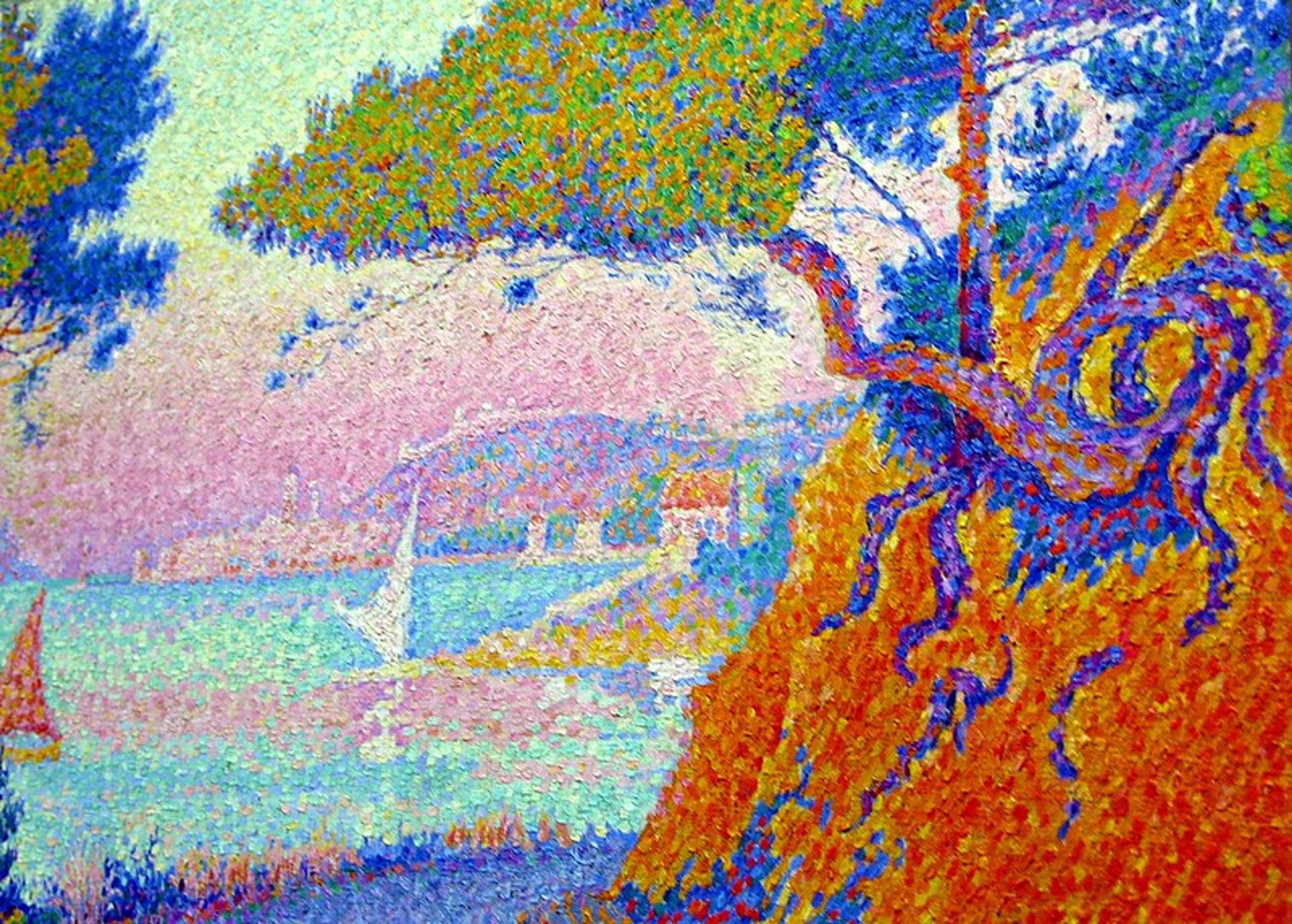
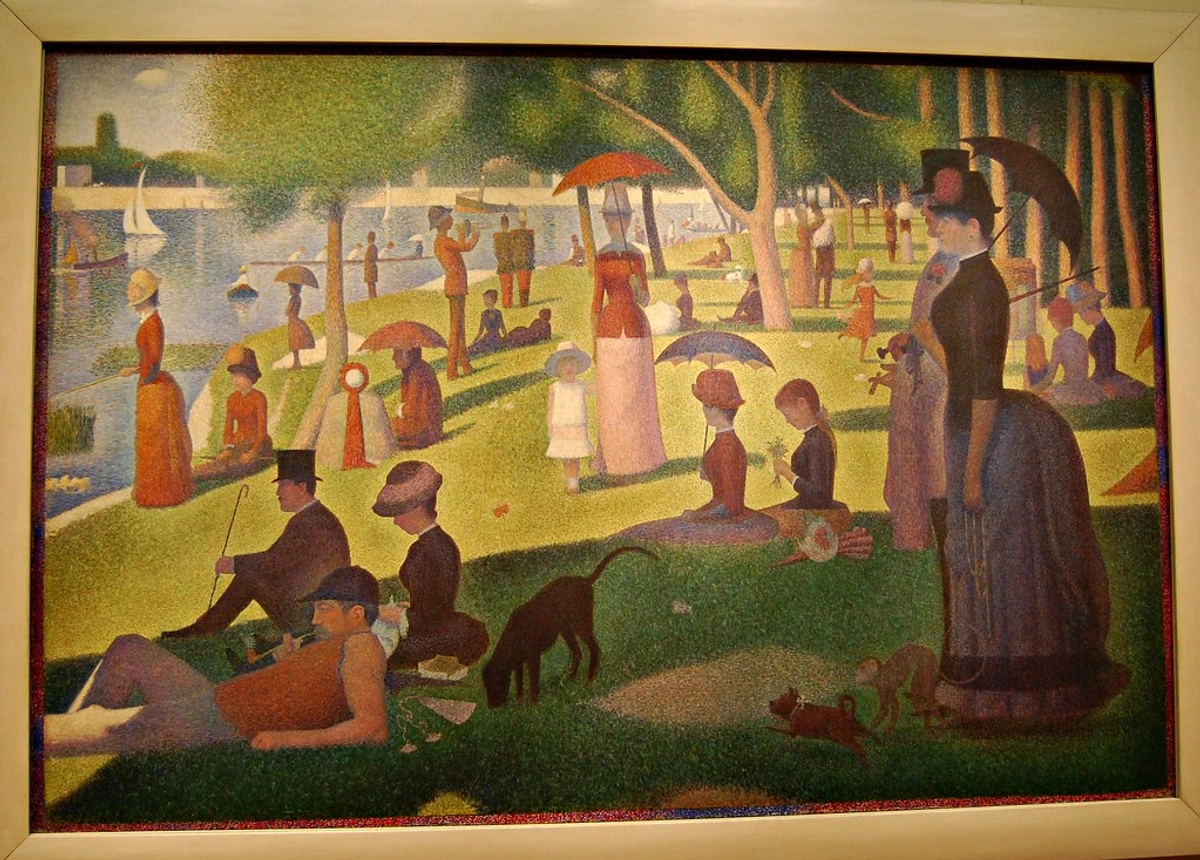
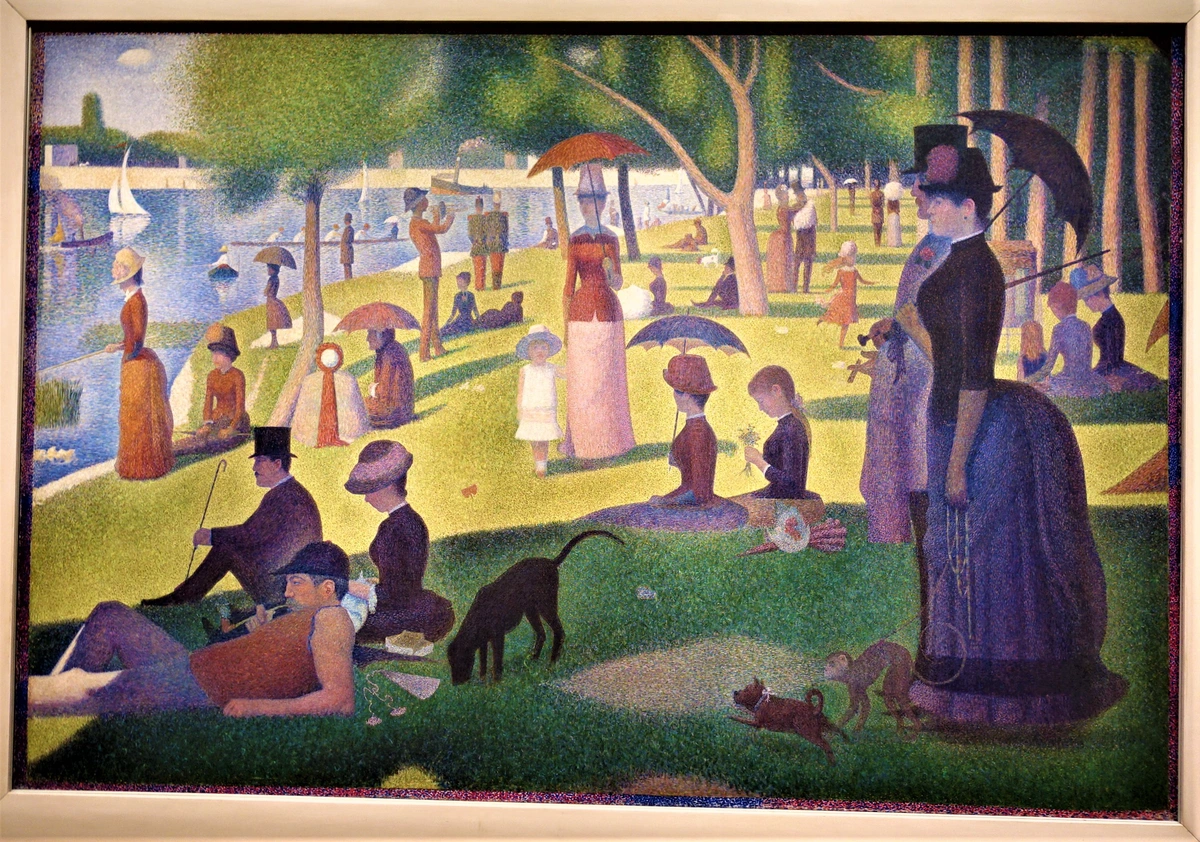
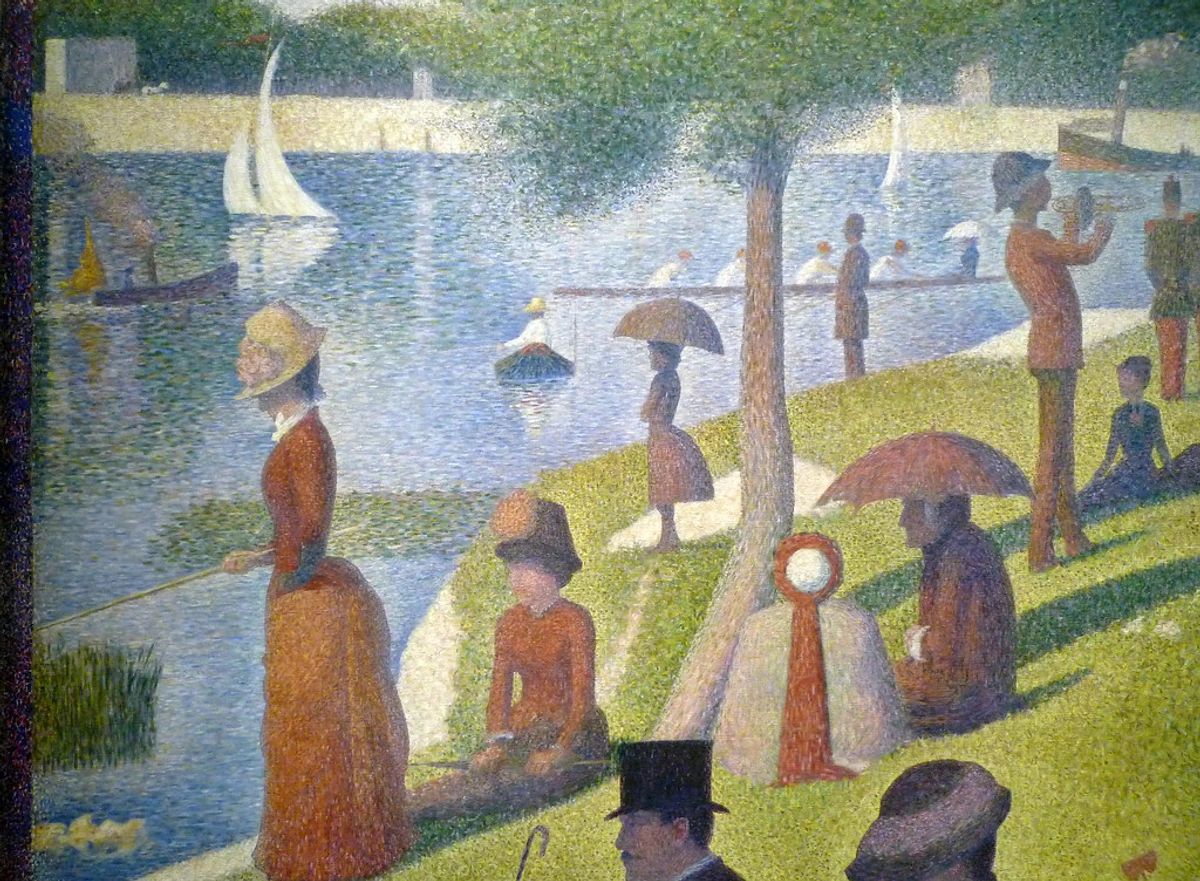
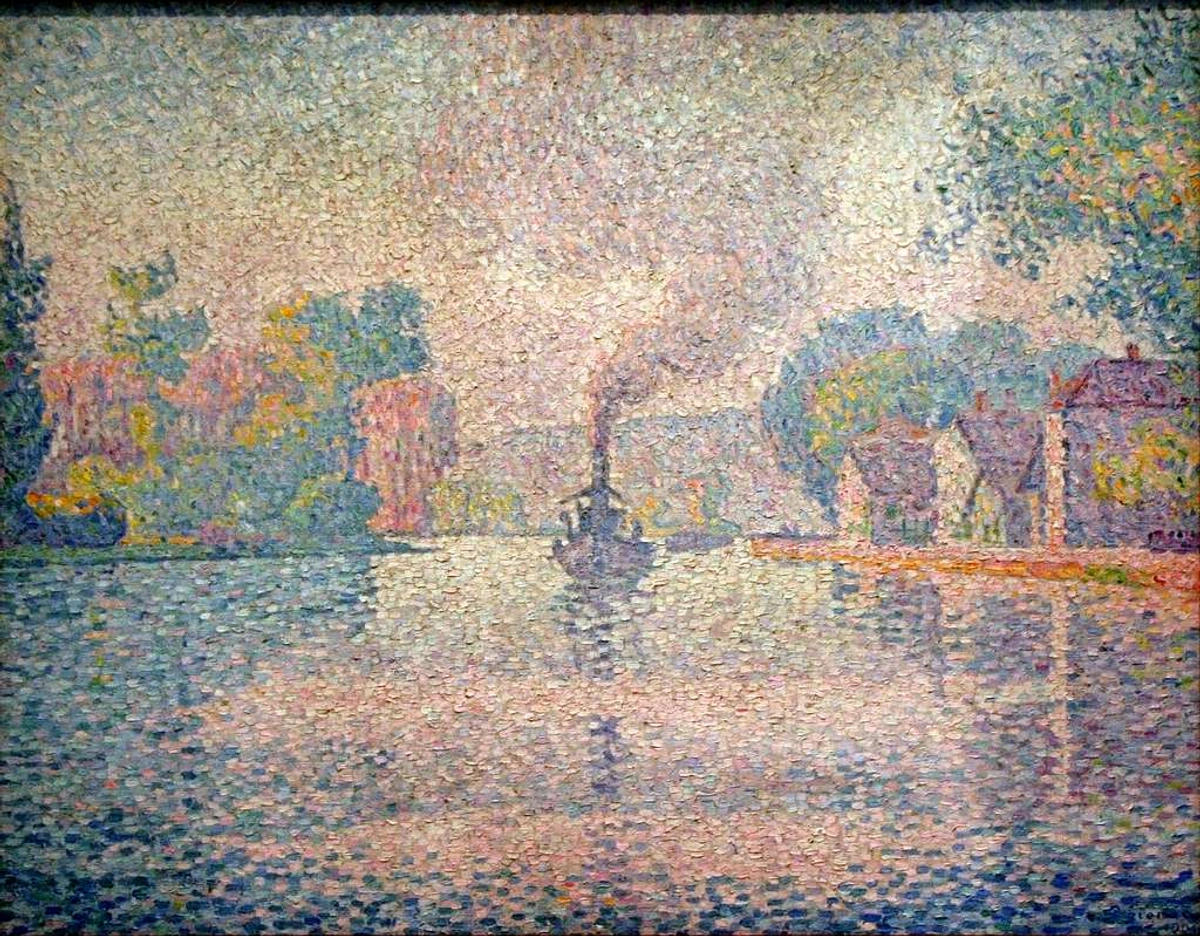
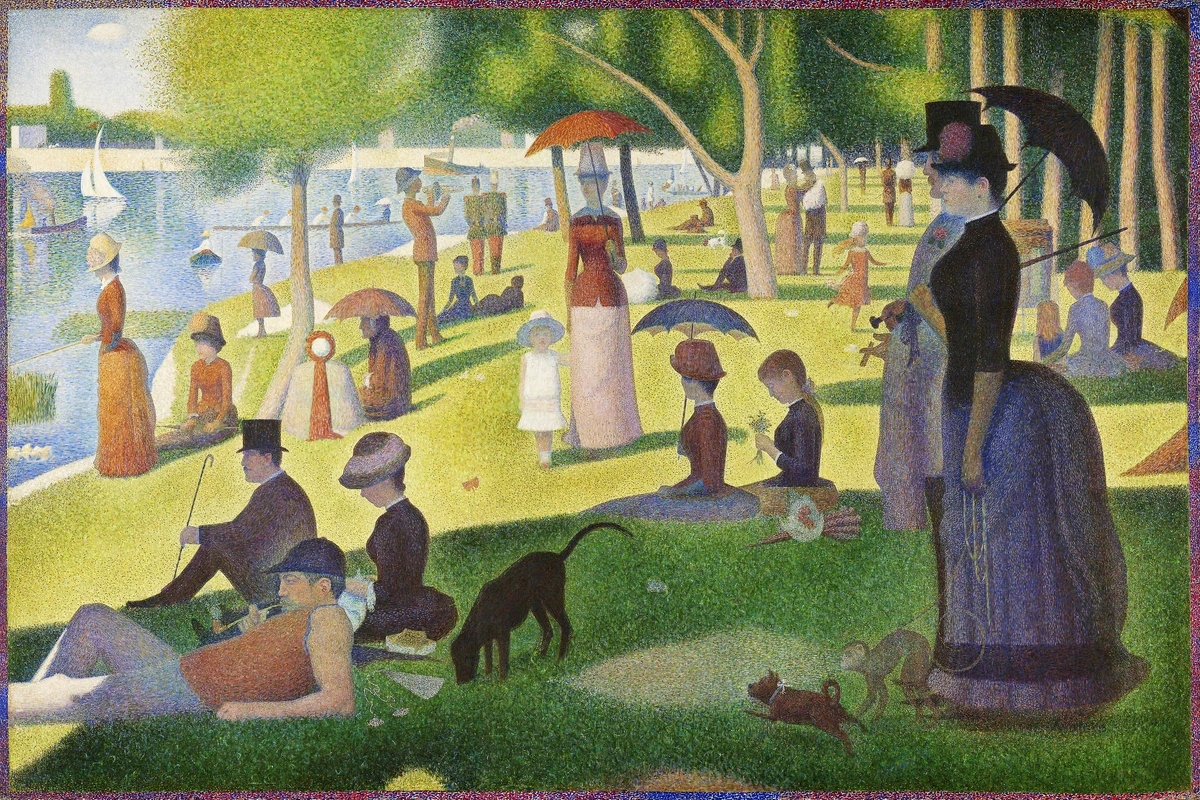
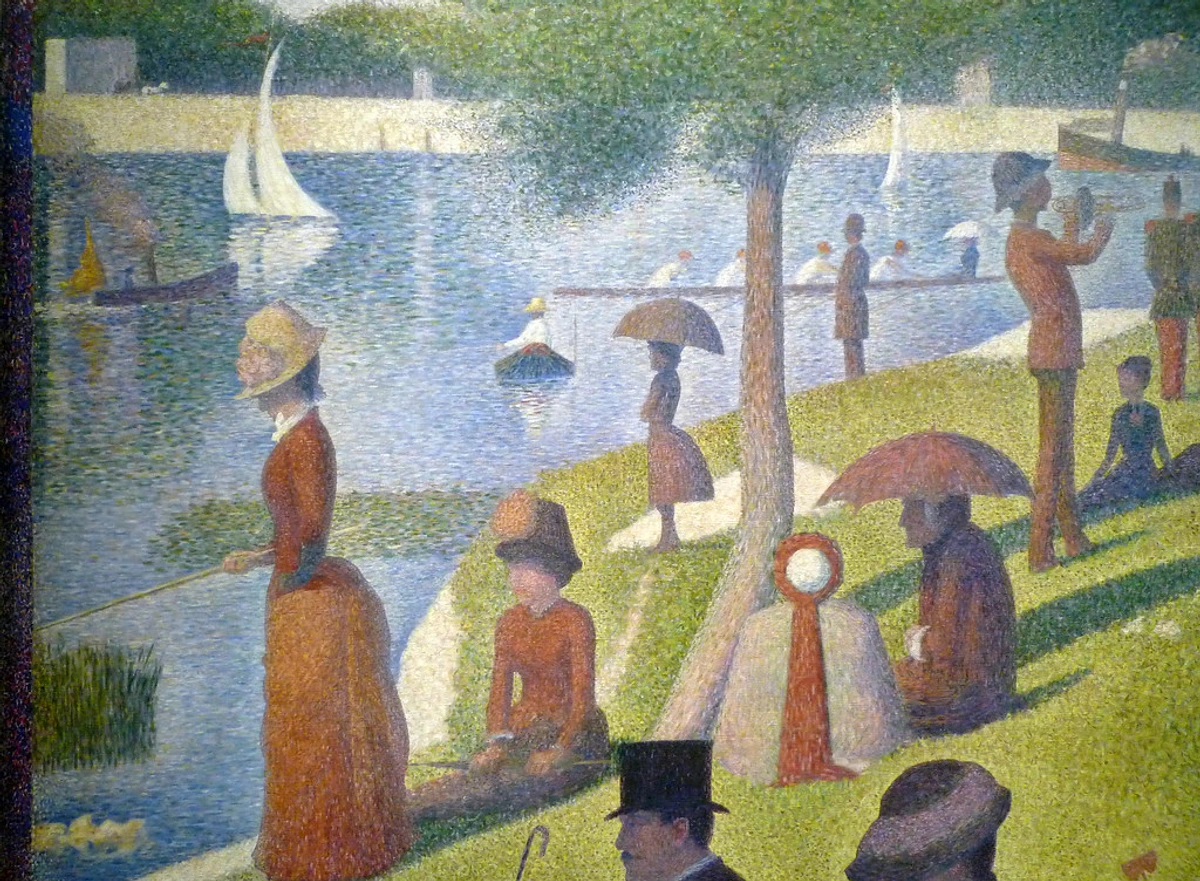
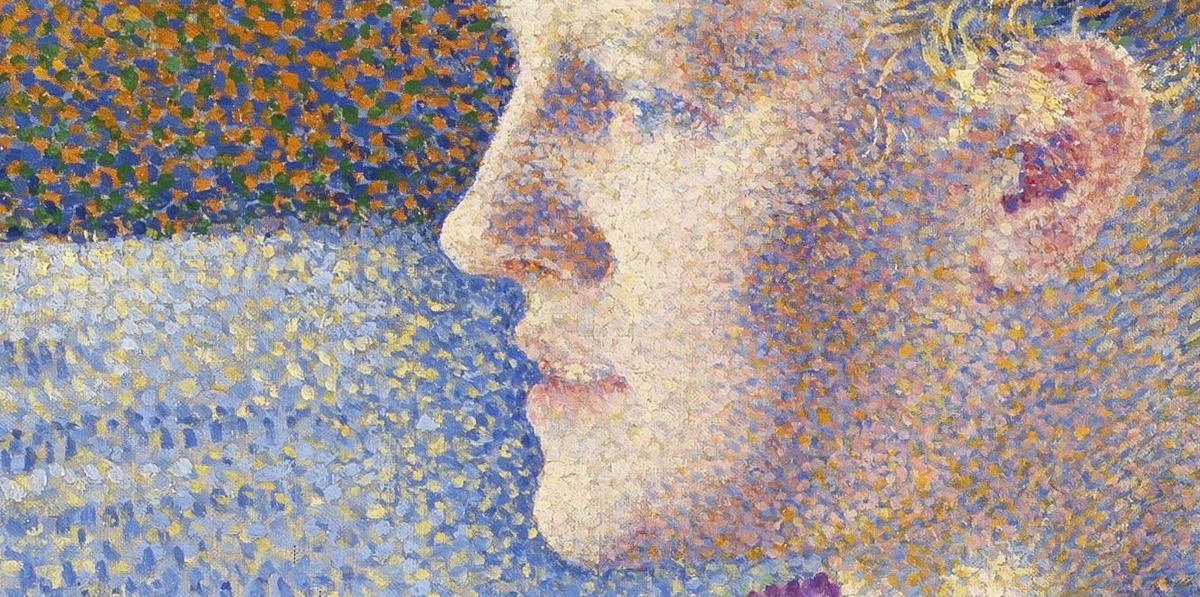
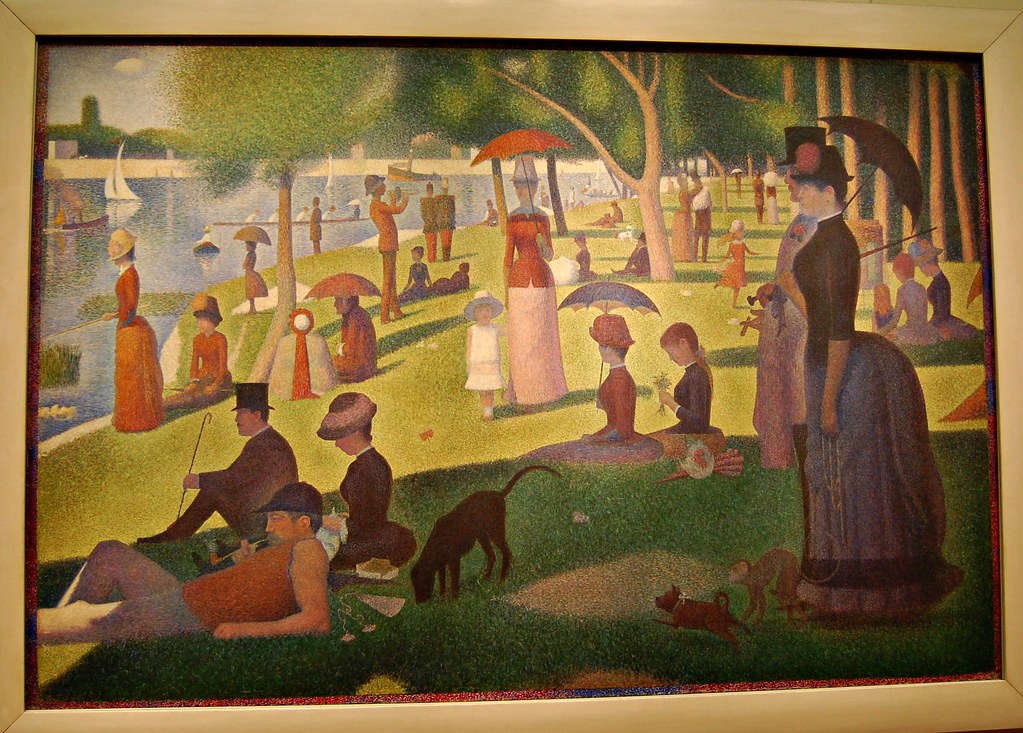
One of the most striking departures came from Georges Seurat. While other Post-Impressionists pursued emotion or symbolic meaning, Seurat, almost like a meticulous scientist, wanted to bring order, logic, and scientific rigor back into painting. He developed Neo-Impressionism, also known as Pointillism or Divisionism, a meticulously controlled approach that stood in stark contrast to the Impressionists' spontaneity. Instead of mixing colors on the palette, he applied tiny, pure, unmixed dots (points) of color directly to the canvas, relying on the viewer's active perception. The idea, based on contemporary scientific theories of light and color perception (like Michel Eugène Chevreul's color theories on simultaneous contrast and complementary colors), was that the viewer's eye would "mix" these colors optically from a distance, creating a more vibrant and luminous effect than traditional pigment mixing. It's a fascinating theory, and when you stand back from a Seurat, you truly see the magic happen—colors seem to shimmer with an inner light, almost vibrating on the canvas. He wanted to achieve maximum luminosity and solidity of form, which he felt Impressionism, with its fleeting impressions, had sacrificed. His approach was a deliberate counterpoint to Impressionism's spontaneity, aiming for permanence and a more scientific depiction of light and color. Fellow artist Paul Signac also became a prominent figure in Neo-Impressionism, applying these theories to vibrant seascapes and landscapes, often documenting his travels along the French coast, and pushing the technique towards even more intense and abstract color fields. Signac, in particular, was instrumental in popularizing the technique, believing it could create art that was both visually stimulating and intellectually rigorous, combining scientific precision with artistic freedom.
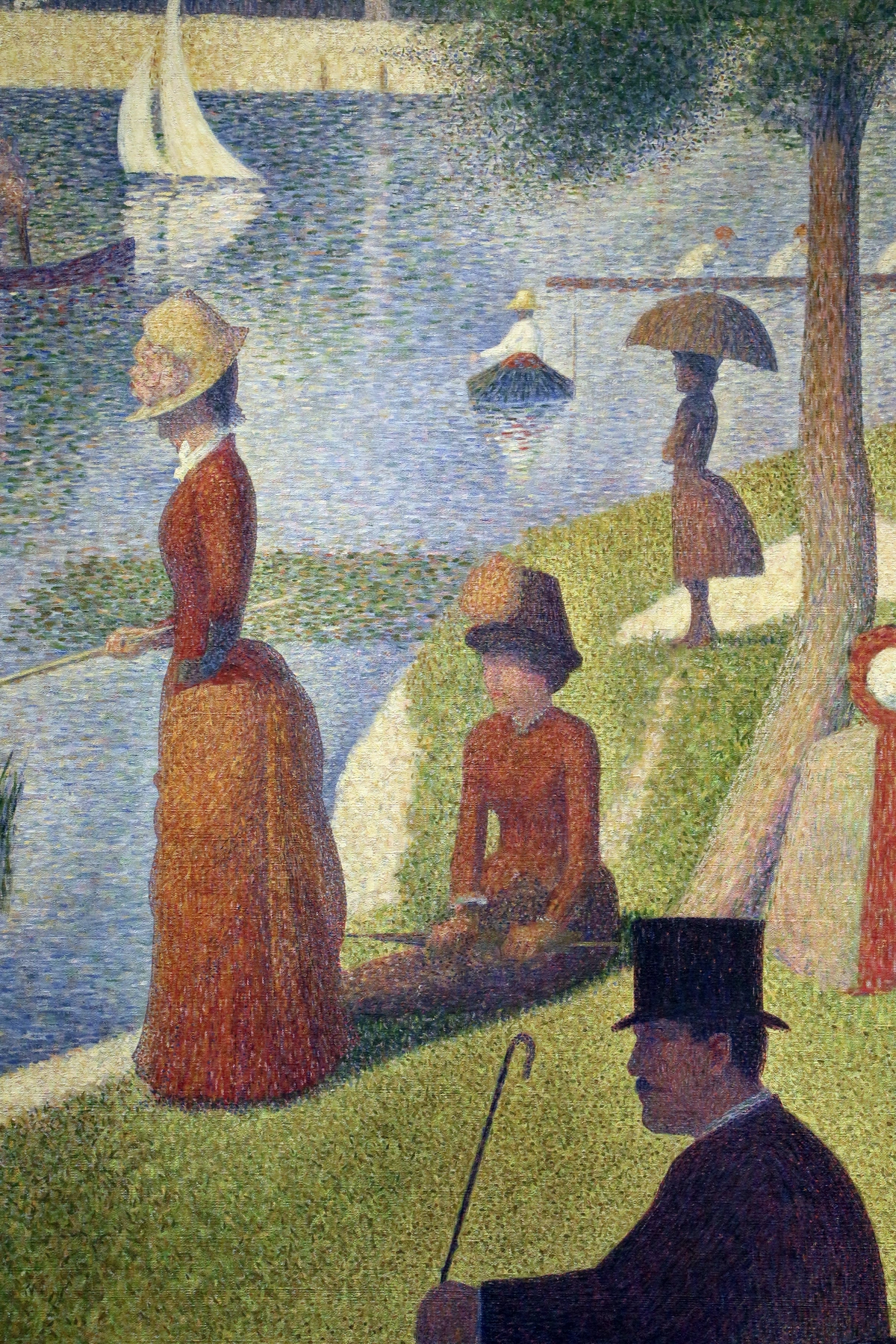
His monumental work, A Sunday on La Grande Jatte, is perhaps the most famous example. It’s a snapshot of Parisian life, like an Impressionist scene, but rendered with incredible precision and a sense of timeless stillness, completely unlike the fleeting spontaneity of Monet. Every dot is deliberately placed, contributing to a monumental composition, transforming a casual park scene into an almost classical frieze. It's a painting that demands to be seen from various distances – up close, it's a field of colored dots; step back, and a vibrant, cohesive scene emerges. You can learn more about this meticulous artist in our guide on who is Georges Seurat.
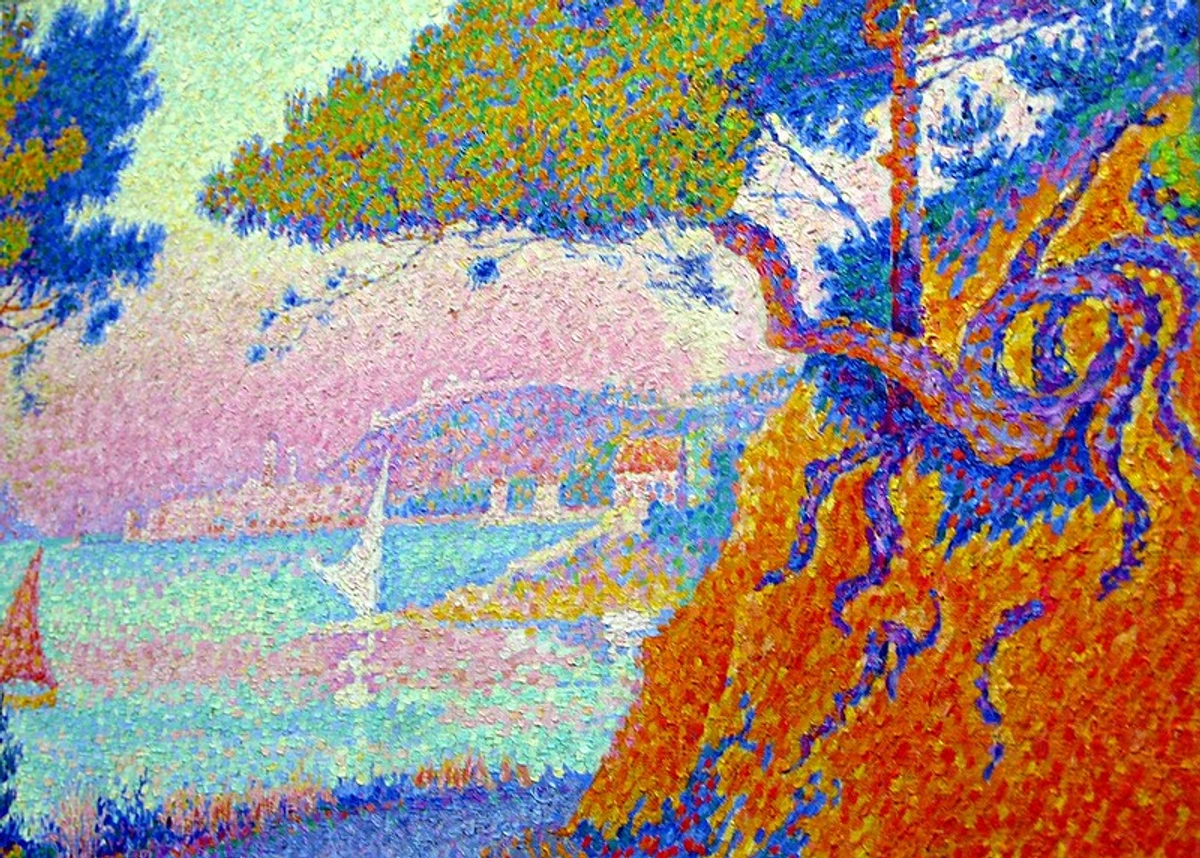
Signac's work, like Golfe-Juan, exemplifies the Neo-Impressionist technique, creating luminous landscapes that feel both vibrant and meticulously ordered, a clear evolution from the more spontaneous Impressionist approach. It’s like a carefully composed symphony of dots, each contributing to a grand visual harmony. He saw Divisionism as a way to create an even more intense and vivid representation of light and color than the Impressionists achieved, pushing towards a new kind of modern classicism.
Vincent van Gogh: The Emotional Depths
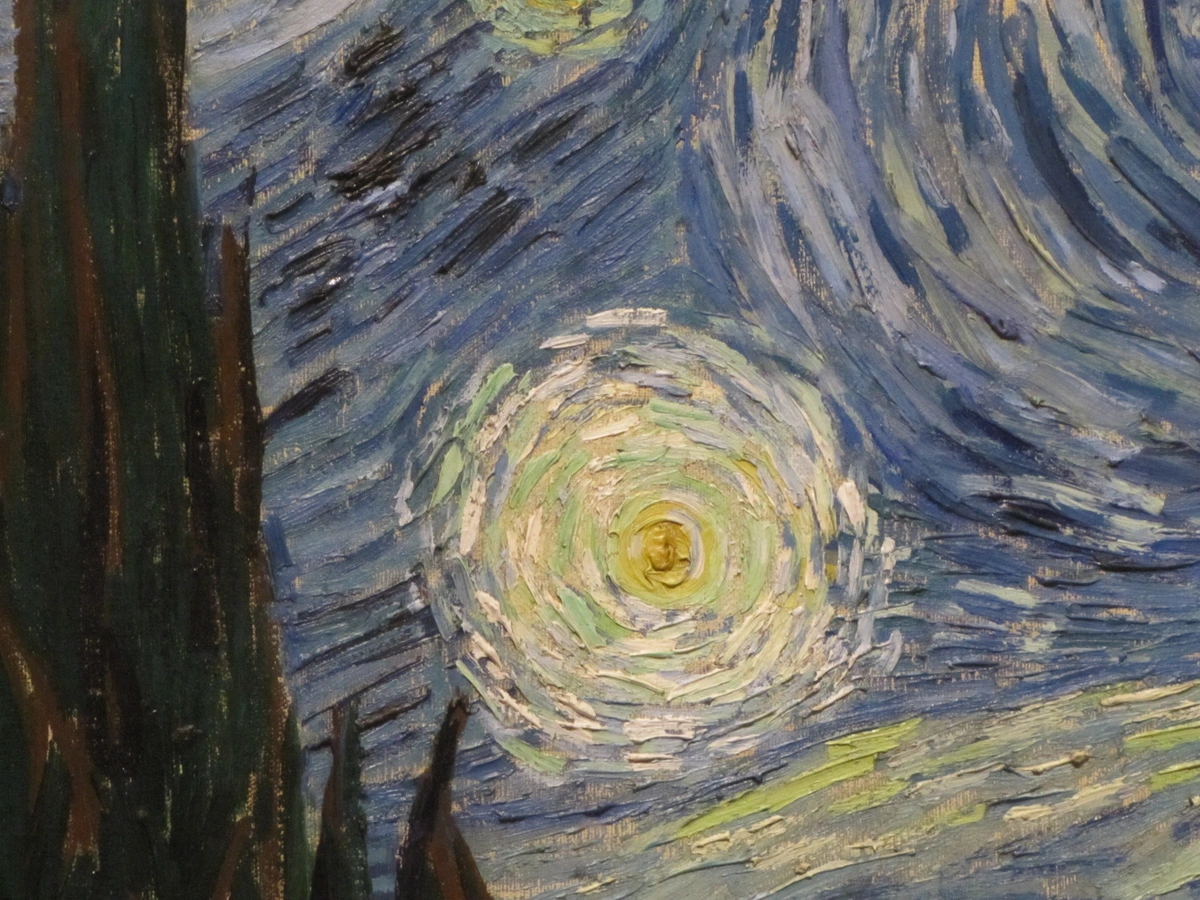
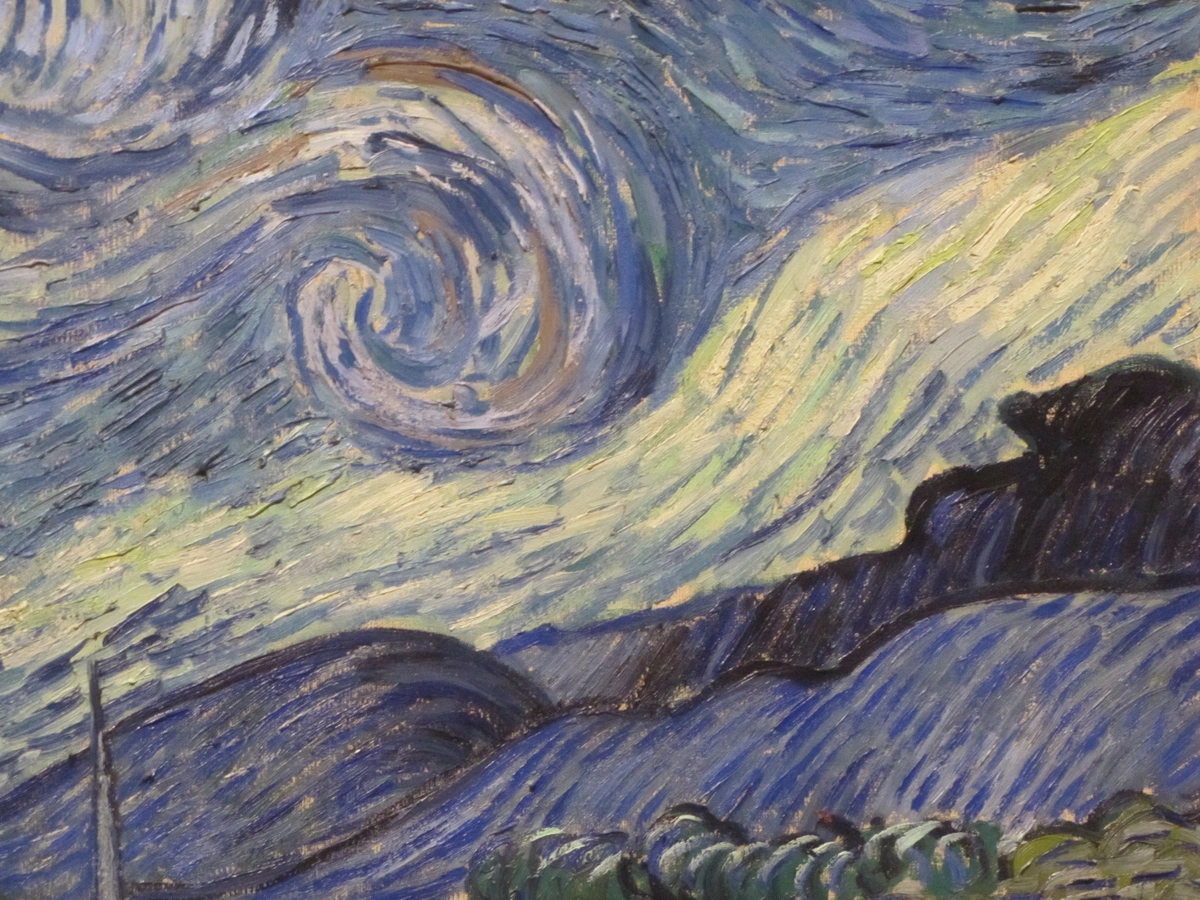
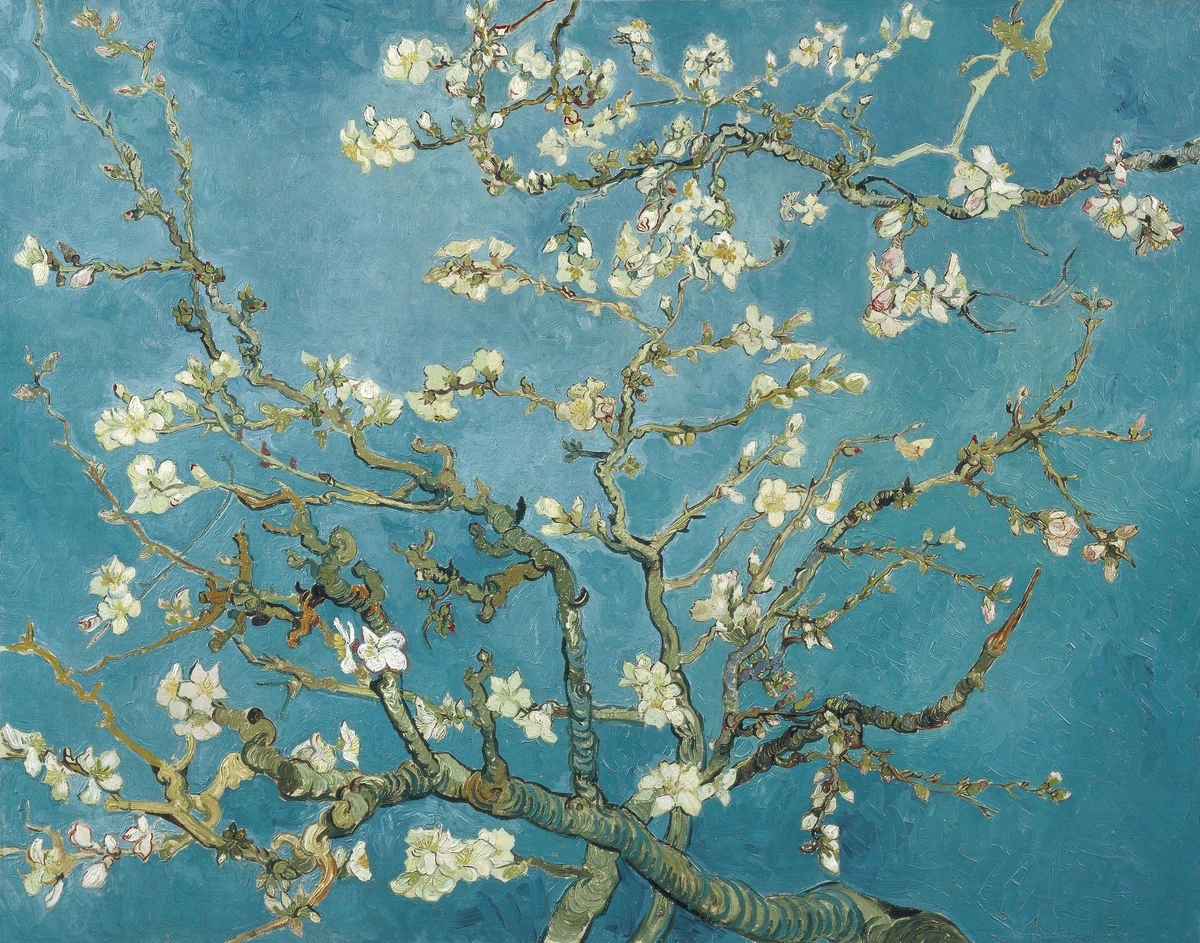
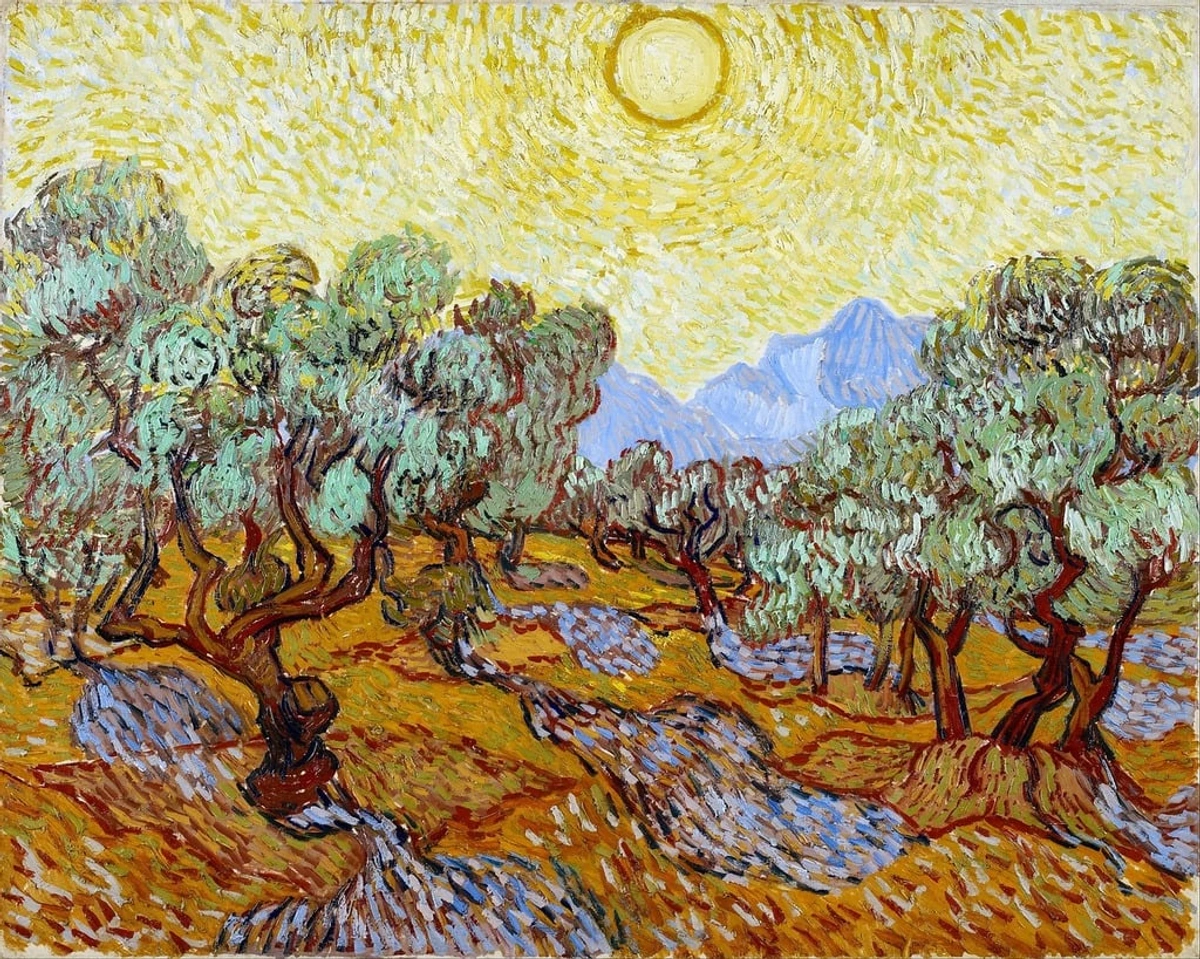
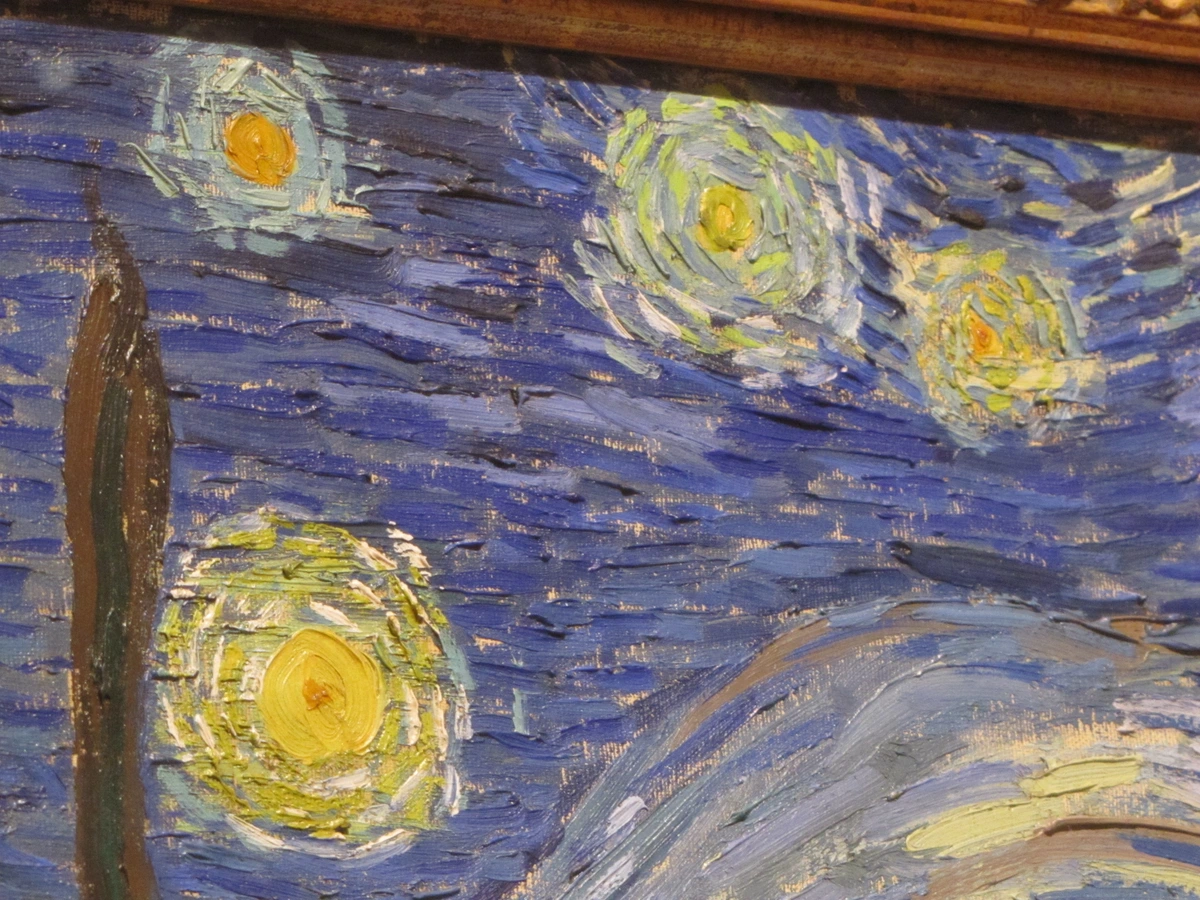
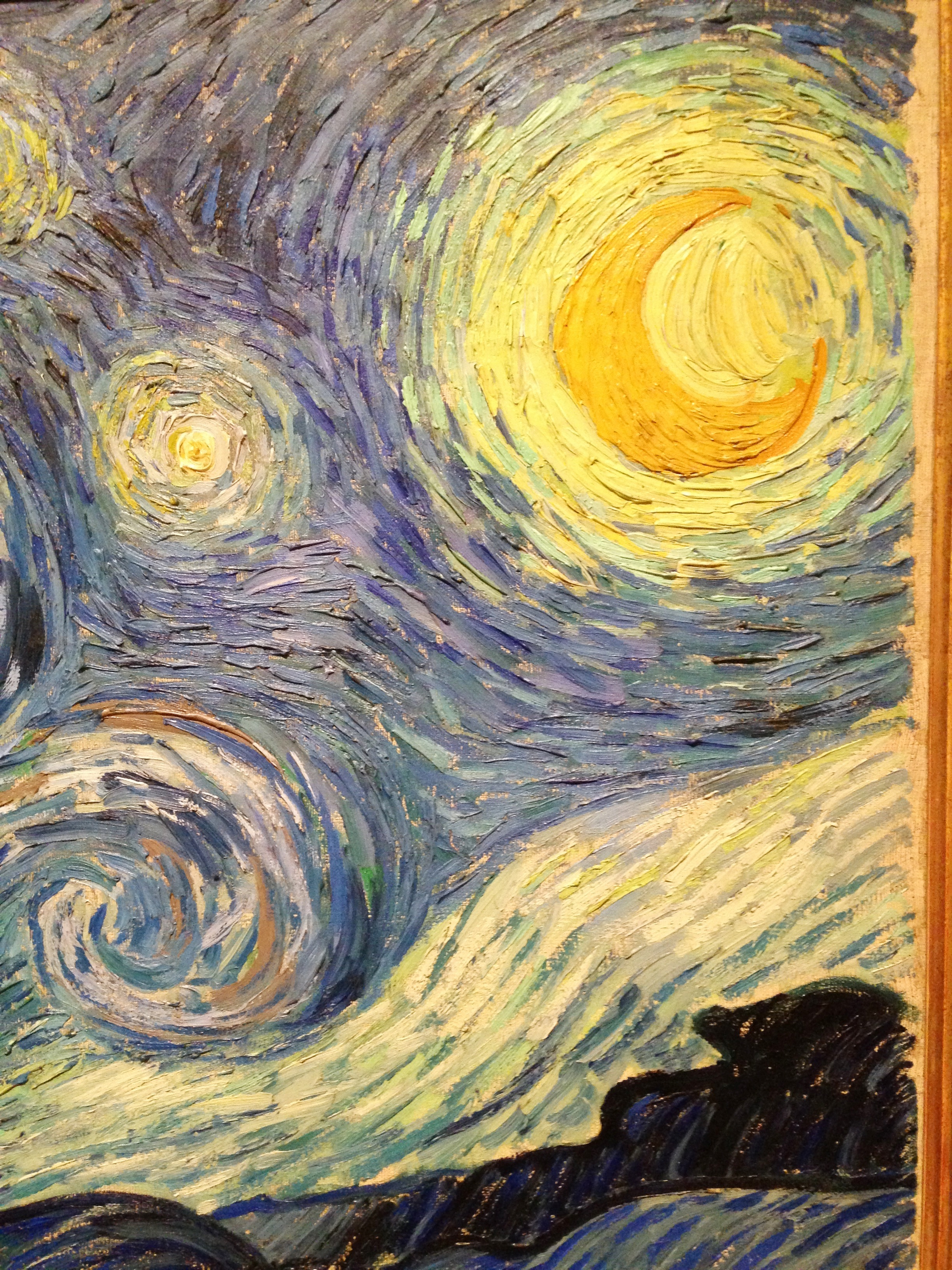
Then there's Vincent van Gogh. Talk about putting your soul on the canvas! Van Gogh took Impressionism's vibrant colors and visible brushstrokes and cranked up the emotional intensity to eleven. For him, color wasn't just about light; it was about expressing his inner turmoil, his joy, his despair, his fervent desire for connection to the world around him. His brushstrokes became swirling, energetic, almost sculptural, conveying a profound sense of movement and emotional force that seems to emanate directly from his psyche. If Impressionism was about the objective eye, Van Gogh was all about the subjective heart, filtering the world through his intense personal vision. He famously wrote, "Instead of trying to reproduce exactly what I have before my eyes, I use color more arbitrarily to express myself forcibly." This wasn't about detached observation; it was about channeling his experience, his suffering, his hope, directly onto the canvas, transforming mundane scenes into powerful reflections of his inner state. Even a simple scene like his The Potato Eaters (which depicted the harsh reality of peasant life with raw empathy), his vibrant Café Terrace at Night, or his various still lifes of sunflowers are infused with a deep, almost spiritual resonance, pulsating with his unique vision. He sought to paint the essence of things, not just their appearance, creating a visual language that felt intensely personal and universally resonant, transforming mundane reality into a heightened emotional experience. His goal was to make visible the invisible, to paint the very soul of a place or a person. The impasto, the thick application of paint that gives his canvases a palpable texture, almost makes the surface pulse with his energy. It's a physical manifestation of his emotional output.
His works like The Starry Night, his vibrant Sunflowers, or even a seemingly simple Village Street in Auvers don't just depict a scene; they feel like the scene, filtered through his intense personal vision. The very act of looking at a Van Gogh can feel like an emotional experience, a direct connection to his psyche. His famous letters to his brother Theo also offer unparalleled insight into his artistic philosophy and emotional struggles, making his life and art inextricably linked. If you want to dive deeper into the mind of this extraordinary artist, our ultimate guide to Van Gogh is a great place to start, and you can also read about what is Van Gogh's The Starry Night.
Paul Gauguin: The Symbolic Search
Another giant of Post-Impressionism was Paul Gauguin. He became deeply disenchanted with what he saw as the superficiality of Western society and academic art, famously seeking inspiration in what he perceived as "primitive" cultures, primarily in Tahiti. Gauguin rejected the naturalistic observation of Impressionism entirely, opting instead for flat areas of bold, often non-naturalistic color, strong, dark outlines (a technique known as cloisonnism, reminiscent of stained glass or enamel work, where distinct areas of color are separated by bold contours), and subjects drawn from imagination, myth, and a spiritual realm. His art was deeply symbolic, aiming to convey profound ideas, spiritual truths, and a sense of an Edenic past rather than mere visual reality. He believed art should be a "synthesis" of outer observation and inner reflection, a spiritual dialogue, and a window into a more authentic, less corrupted existence, often drawing on non-Western spiritual beliefs and artistic traditions. He was truly searching for something beyond the visible surface, a spiritual truth that he felt modern European society had lost, a spiritual truth he believed he found in the vibrant cultures of Brittany and later, Tahiti. Works like Vision After the Sermon (where Breton women witness Jacob wrestling an angel) or his monumental Where Do We Come From? What Are We? Where Are We Going? (a philosophical narrative on life, death, and human existence) are iconic examples of his profound symbolic approach, using color and form to evoke meaning rather than merely describe. His radical use of color and simplified forms, divorced from naturalism, was a profound influence on later Symbolist and Fauvist artists, inspiring them to use color as an independent expressive force, and laid crucial groundwork for the Symbolism movement.
While this image by Henri Matisse is later and represents Fauvism, it clearly demonstrates the lasting impact of Gauguin's revolutionary use of bold, expressive, and non-naturalistic color, alongside strong outlines, moving away from strict naturalism in favor of emotional and decorative effect. This approach deeply influenced later movements, showcasing how understanding how artists use color became increasingly vital. Gauguin's impact on Symbolism and primitive art movements was also immense, shifting the focus of art from observation to introspection, valuing inner vision over outer reality. He dared to paint ideas and feelings, not just what the eye saw, and his work resonated deeply with artists seeking to imbue their art with spiritual and mythical dimensions. He dared to paint ideas and feelings, not just what the eye saw.
Paul Cézanne: The Architect of Form
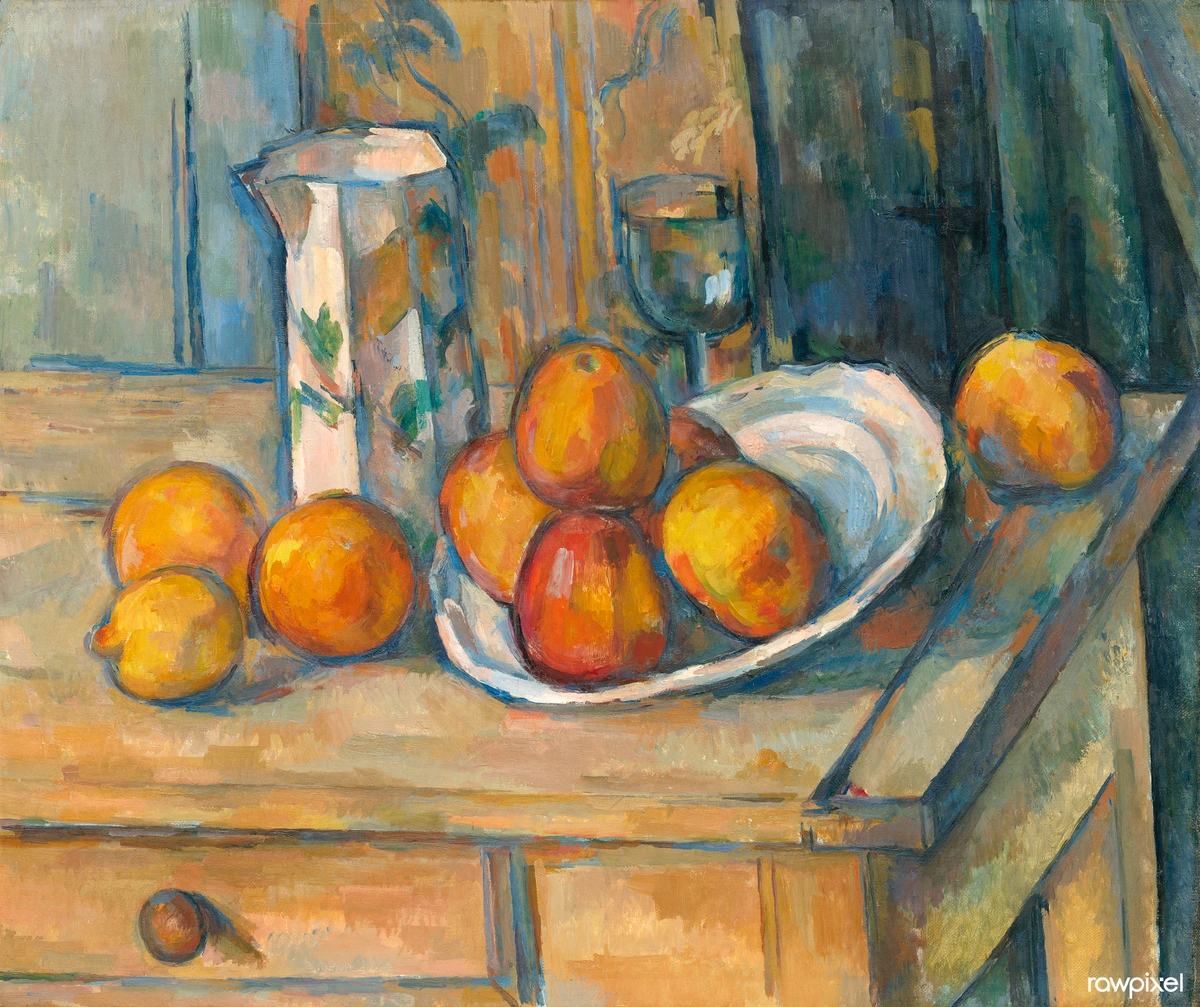
And then there was Paul Cézanne, a man who, I imagine, spent a lot of time staring intently at apples. Seriously, countless still lifes of fruit, all in a meditative quest. Cézanne felt that Impressionism, for all its beauty, lacked solidity and structure. He wanted to "make of Impressionism something solid and durable, like the art of the museums." This wasn't a rejection of Impressionism's palette or direct observation, but an evolution—he sought to find the underlying, enduring order beneath the fleeting visual impression. He meticulously analyzed his subjects – whether apples, mountains, or portraits – breaking them down into fundamental geometric forms: cylinders, spheres, cones. He famously painted objects from multiple viewpoints within a single painting, challenging traditional single-point perspective and subtly flattening the picture plane, leading to a revolutionary way of seeing that profoundly foreshadowed Cubism. This wasn't about capturing a fleeting moment; it was about constructing a lasting, intellectual reality, a more profound understanding of visual perception itself. His numerous studies of Mont Sainte-Victoire, for instance, are less about the mountain itself and more about how its forms can be broken down and reconstructed on the canvas, showing its planes and volumes from various angles simultaneously. He was essentially asking: how do we truly see and comprehend a three-dimensional object on a two-dimensional surface, and how can painting represent this multi-faceted perception? This intellectual rigor set the stage for completely new ways of experiencing and creating art, moving beyond mere visual reproduction. He was the great deconstructor, revealing the bones beneath the skin of reality, transforming painting into a profound philosophical inquiry.
His relentless focus on structure, form, and the objective analysis of what he saw, rather than merely the surface appearance, directly paved the way for Cubism. You can trace the lineage straight from his monumental still lifes and landscapes to Picasso and Braque's revolutionary fragmented forms, where objects are depicted from multiple angles simultaneously. He truly reinvented the concept of what is design in art and how we perceive form, laying groundwork for literally abstracting reality and setting the stage for 20th-century artistic innovation, proving that art could be both intellectual and deeply personal. If you ever want to understand how painting can be a form of intellectual inquiry, a meditative and rigorous exploration of the world, dive into Cézanne. He proved that even a simple apple could hold infinite complexity, if only you looked hard enough, and he changed the way we understand visual perception forever.
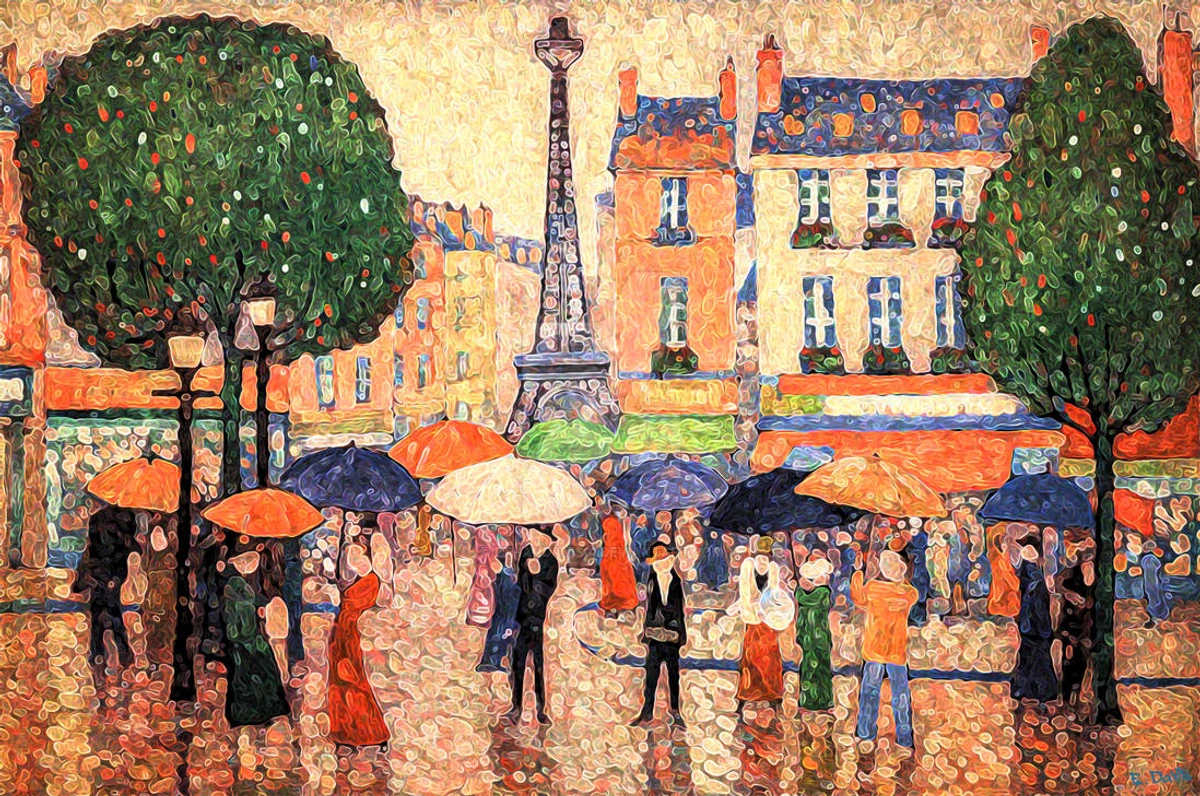
Henri de Toulouse-Lautrec: The Chronicler of Parisian Nightlife
While not fitting neatly into the structural or symbolic camps, Henri de Toulouse-Lautrec carved out his own distinct Post-Impressionist path. A keen observer of Parisian bohemian life, he captured the vibrant, often gritty, atmosphere of cabarets, dance halls, and brothels with an unflinching eye. His bold outlines, flat areas of color, and dynamic compositions, heavily influenced by Japanese prints and their unique perspective, conveyed a sense of immediacy and psychological insight into his subjects. He focused on the individual characters and the electric energy of modern city life, but with a deeply personal, often empathetic, lens that moved beyond mere objective observation, delving into the psychology of his subjects, particularly the performers and marginalized figures of Montmartre. He was the ultimate chronicler of fin-de-siècle Parisian nightlife, capturing its glamour and its pathos with equal measure. His poster art, in particular, revolutionized advertising and graphic design, elevating a commercial medium to a true art form and cementing the visual identity of Belle Époque Paris.
Lautrec's work, often in the form of posters and prints, immersed the viewer directly into the energy of places like the Moulin Rouge, highlighting the raw humanity, both glamorous and vulnerable, within these dazzling settings. His influence on graphic arts and advertising was also profound, blending fine art with commercial application in a way that was truly innovative for his time. His keen eye for character and dynamic compositions, often influenced by the flat planes and bold outlines of Japanese woodblock prints, allowed him to capture the essence of fin-de-siècle Parisian nightlife with unparalleled vivacity and psychological depth. He didn't just paint the scene; he painted the soul of the scene, if that makes sense. His distinct portrayal of characters like Jane Avril or Aristide Bruant became iconic, transforming real-life figures into recognizable symbols of Parisian bohemian culture.
Key Differences Summarized: A Quick Reference
If your head is spinning with all these "isms," don't worry, mine does too sometimes! Here's a table that breaks down the core distinctions between our revolutionary parent and their rebellious children:

Feature  | Impressionism | Post-Impressionism |
|---|---|---|
| Time Period | Roughly 1860s - 1880s | Roughly 1880s - 1905 (overlapping, but distinct intentions) |
| Primary Focus | Capturing fleeting moments of light, atmosphere, and optical sensation | Expressing emotion, conveying symbolism, or imposing structural order |
| Brushstrokes | Visible, quick, often fragmented, to record changing light and direct perception | Visible, deliberate, varied (dots, swirls, flat areas, distinct patches), serving expressive or structural ends |
| Color Use | Descriptive, objective, aiming to reproduce perceived light and shade | Symbolic, expressive, emotional, subjective, often non-naturalistic |
| Composition | Often open, asymmetrical, influenced by photography, snapshot-like | More structured, deliberate, or distorted for expressive/symbolic effect |
| Key Themes | Modern urban/rural life, leisure, landscapes, light effects, fleeting moments | Emotional experience, spiritual meaning, formal structure, primitive cultures, inner psychological states |
| Subject Matter | Everyday life, landscapes, urban scenes, portraits of modern life, objective | Landscapes, portraits, allegorical scenes, introspective, subjective, visionary content |
| Key Artists | Claude Monet, Pierre-Auguste Renoir, Edgar Degas, Camille Pissarro, Mary Cassatt, Édouard Manet, Berthe Morisot | Vincent van Gogh, Paul Cézanne, Paul Gauguin, Georges Seurat, Henri de Toulouse-Lautrec, Paul Signac |
| Driving Force | Objective observation of the external world, emphasis on the retinal (what the eye sees) | Subjective interpretation of inner and outer world, emphasis on the mind, soul, or intellect |
| Influence | Freed color and brushstroke; paved way for modern approaches to light, democratized subject matter | Laid foundations for Fauvism, Expressionism, Cubism, Symbolism, and modern abstraction, emphasized individual artistic vision |
The Enduring Legacy: Why These Movements Still Matter
When you look at modern art today—anything from Fauvism's explosive colors to Cubism's fractured forms, or even the wild abandon of Expressionism—you're seeing the echoes of Impressionism and Post-Impressionism. The Impressionists freed color and light from academic constraints, daring artists to paint what they saw. The Post-Impressionists then took that freedom and ran with it, painting what they felt and thought, introducing concepts of subjectivity, symbolism, and structural analysis that became foundational to 20th-century art.
Impact on Later Movements
- Fauvism: Think of artists like Henri Matisse and André Derain, who took Gauguin's bold, non-naturalistic color and unleashed it with even greater intensity. They used color not to describe, but to express emotion and create decorative harmony. If you're curious about this explosion of color, explore our ultimate guide to Henri Matisse or our ultimate guide to Fauvism.
- Expressionism: German Expressionists, deeply influenced by Van Gogh's emotional intensity and raw brushwork, sought to convey inner feelings rather than external reality. They distorted forms and used jarring colors to express psychological states, creating art that was often unsettling but profoundly powerful. Learn more in our ultimate guide to Expressionism.
- Cubism: As mentioned, Cézanne's analytical breakdown of form was a direct precursor to Cubism. Picasso and Braque took his ideas of multiple viewpoints and geometric analysis to their logical conclusion, shattering objects and reassembling them on the canvas. Our ultimate guide to Cubism delves deep into this revolutionary movement.
- Symbolism: Gauguin's quest for spiritual meaning and his use of symbolic color and form laid significant groundwork for the Symbolist movement, which sought to evoke ideas and emotions through suggestive imagery rather than direct representation.
Without their bold explorations, we wouldn't have the vibrant, diverse art world we inhabit today. They collectively smashed the old rules and created a fertile ground for every art movement that followed. If you're interested in how art continued to evolve, explore our guides on the ultimate guide to Cubism, the ultimate guide to Expressionism, the definitive guide to the history of abstract art: key movements, artists, and evolution, and art movements of the 21st century. Or delve into the broader historical context with our guide on what is baroque art or the ultimate guide to renaissance art.
It's fascinating to see how the spirit of these movements—the bold use of color, the focus on individual expression, the breaking of traditional forms—continues to resonate in contemporary art. My own work, often abstract and vibrant, draws heavily from this legacy of pushing boundaries and exploring the emotional impact of color and form. It’s a direct descendant of that rebellious spirit. It’s a direct descendant of that rebellious spirit. If you're curious to see how these historical innovations translate into today's art, feel free to explore my collection and perhaps buy a piece that speaks to you. You can also explore the diverse impacts of these movements on art through history by visiting the timeline or discovering works at the Den Bosch Museum.
Additional Insights
Beyond the specific characteristics and artists, it's worth reflecting on the sheer bravery these artists demonstrated. To challenge centuries of established artistic tradition, to face ridicule and rejection from the powerful Salon, and to persist in their unique visions required an immense amount of courage. Their story is a powerful reminder that true innovation often comes from questioning the status quo and daring to see the world, and indeed art itself, in a completely new light. Their legacy is not just in the paintings they left behind, but in the freedom they carved out for every artist who followed.





Further Reading
To continue your exploration of art history and the profound shifts these movements brought about, consider these related articles:
Frequently Asked Questions (FAQ)
What is the main difference between Impressionism and Post-Impressionism?
The core difference lies in their intent. Impressionism focused on capturing the fleeting, objective visual impression of light and atmosphere from the external world. Post-Impressionism, while building on Impressionist techniques, sought to infuse art with deeper subjective meaning, emotion, structure, or symbolic content, moving beyond mere optical reality into the artist's inner world or a more analytical understanding of form. Think of it as the difference between a high-definition photograph of a moment and a deeply personal, stylized memory of that same moment – both beautiful, but serving entirely different purposes.
Who are the most famous Impressionist artists?
Some of the most iconic Impressionist artists include Claude Monet, known for his groundbreaking series paintings and water lilies; Pierre-Auguste Renoir, celebrated for his joyful depictions of Parisian life; Edgar Degas, famous for his candid studies of dancers and racehorses; Camille Pissarro, who captured both urban and rural landscapes; and Mary Cassatt, an American artist renowned for her intimate portrayals of women and children. Édouard Manet is often considered a crucial precursor, though not strictly an Impressionist himself. Also notable are Berthe Morisot and Alfred Sisley.
Who are the most famous Post-Impressionist artists?
The Post-Impressionist movement is defined by its diverse individual voices. Key figures include Vincent van Gogh, known for his emotionally charged, expressive brushwork and vibrant use of impasto; Paul Cézanne, who analytically explored form and structure, laying the groundwork for Cubism; Paul Gauguin, who sought symbolic meaning and vibrant, non-naturalistic color in "primitive" cultures, influencing Symbolism and Fauvism; and Georges Seurat, who developed the scientific approach of Pointillism. Henri de Toulouse-Lautrec also captured the essence of Parisian nightlife with his distinctive style, heavily influenced by Japanese prints. Other artists like Paul Signac further developed Neo-Impressionism.
Did Post-Impressionism reject Impressionism?
Not entirely. Post-Impressionists respected Impressionism's groundbreaking liberation of color, light, and brushstroke, and its embrace of modern subject matter. However, they felt Impressionism, in its pursuit of objective observation, had become too superficial or lacked a certain gravitas. They sought to extend or react against these perceived limitations—whether it was a lack of emotional depth, formal structure, or symbolic meaning—rather than outright reject the entire movement. They built upon its innovations, taking them in new, highly individualized directions, essentially asking: "Now that we're free to paint anything, what more can art do?"
Why are these movements important for modern art?
Both Impressionism and Post-Impressionism were absolutely pivotal in breaking away from centuries of academic tradition and setting the stage for all subsequent modern art movements. Impressionism freed artists to paint modern life as they saw it, emphasizing subjective perception. Post-Impressionism then pushed further, introducing the importance of individual expression, emotional truth, symbolic content, and structural analysis, directly influencing Fauvism, Expressionism, Cubism, Symbolism, and ultimately, abstract art. They collectively redefined what art could be, moving it from mere representation to a profound exploration of vision, emotion, and thought. Their combined legacy is nothing less than the birth of modern art as we know it, a radical paradigm shift from external observation to internal interpretation.