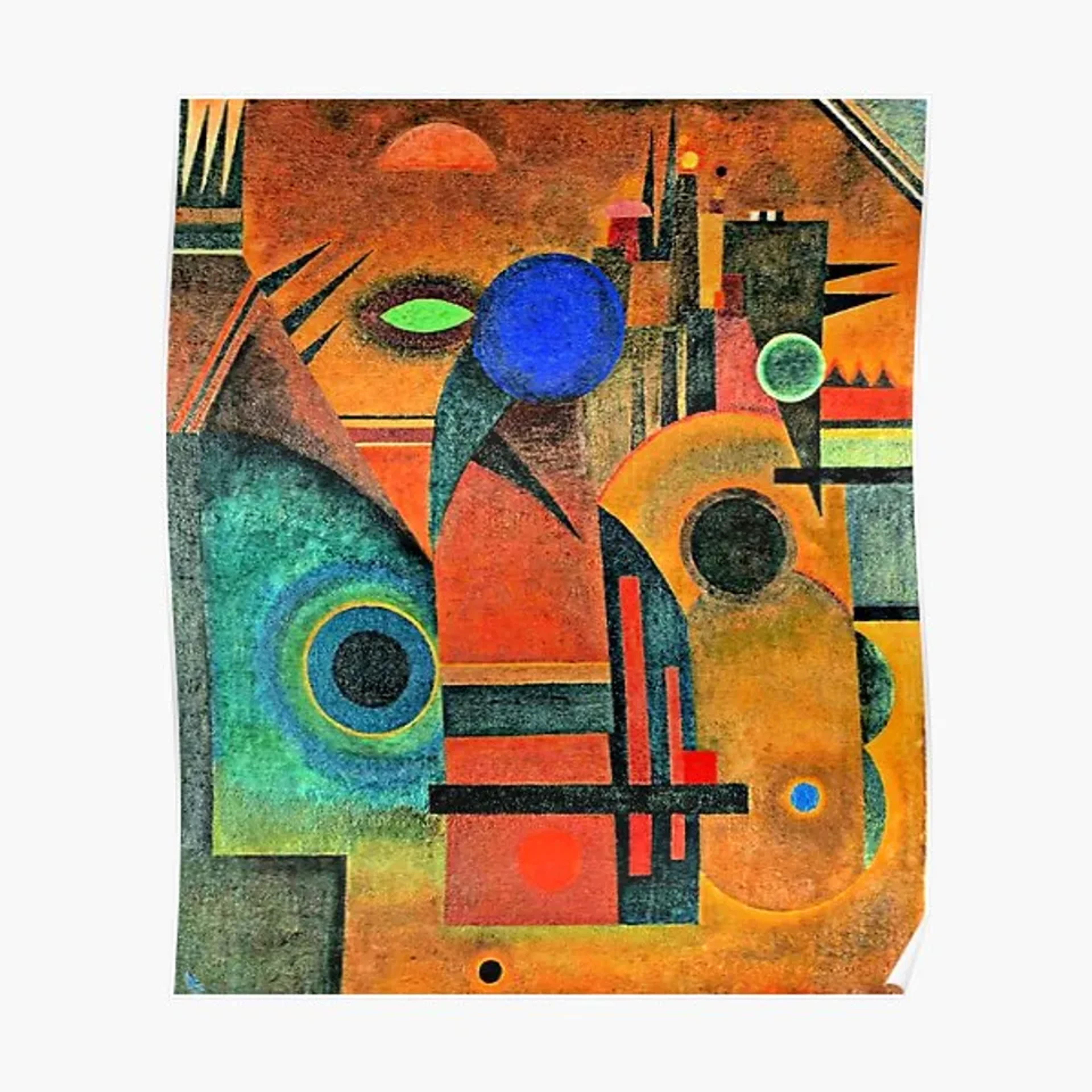
Paul Cézanne: The Quiet Revolutionary Who Fathered Modern Art and Cubism
Unlock Paul Cézanne's revolutionary vision: how his geometric forms, multiple viewpoints, and constructive strokes redefined reality, laying the bedrock for Cubism and all modern art. Your ultimate guide.

Paul Cézanne: The Quiet Revolutionary Who Fathered Modern Art and Cubism
I have this weird habit. When I’m holding a coffee mug, I find myself tracing the rim with my thumb, feeling the curve of the handle, even while I’m just looking at one side of it. I’m not just seeing the mug; I’m experiencing the whole object, building up a sense of its three-dimensional form. I know it has a back, a bottom, and an inside, even if they’re hidden from view. It’s a simple act of perception, really, a little mental trick we all do, stitching together fragmented observations into a complete mental image.
This simple, almost unconscious act of perception—experiencing an object from multiple angles, over time, and building a full mental image—became the lifelong obsession of a grumpy, brilliant painter from Provence a little over a century ago. In wrestling with it, he didn't just tweak artistic rules; he completely rewrote the entire playbook of how we depict reality. That man was Paul Cézanne, and without his relentless, almost solitary quest to capture the full, multi-faceted knowledge of an object – its weight, its hidden side, its very appleness (that tangible, solid quality that makes an apple feel like an apple, beyond just its color or shape) – we probably wouldn't have Picasso as we know him, or Cubism, or indeed, a huge chunk of modern art. He wasn't trying to start a revolution, not really. He was just trying to paint an apple that felt as solid and real as the one he could hold in his hand. And in his quiet, stubborn pursuit of that elusive truth, he gave future artists an entirely new language for understanding and depicting reality, laying the undeniable groundwork for everything that followed.
Paul Cézanne: The Man Behind the Brush – A Life of Quiet Rebellion
Paul Cézanne is one of those pivotal figures who sits squarely between worlds, often feeling like an outsider. Born into a well-to-do family in Aix-en-Provence in 1839, his early life was marked by a domineering banker father who initially steered him towards a career in law. Can you imagine? The man who would dismantle traditional perspective stuck in legal codes. It wasn’t a good fit, to say the least. I've often thought that this early immersion in his father's structured world of finance, with its emphasis on underlying systems and logical frameworks, might even have subtly influenced Cézanne’s later obsession with the fundamental structures beneath surface appearance in his art. He was, in a way, seeking the 'logic' and immutable laws of nature itself.
While he eventually broke free to pursue art, first studying at the École des Beaux-Arts in Aix and later attending the Académie Julian in Paris, his early artistic education was heavily influenced by the rigid academic tradition. This tradition, exemplified by artists like Jean-Auguste-Dominique Ingres and Jacques-Louis David, emphasized historical subjects, idealized forms, and highly finished surfaces, all valued by the official Salon system (the primary exhibition venue in France, often dictating artistic taste). His relationship with his father, and indeed with much of the art world, remained fraught. I can only imagine the tension at the dinner table, the ambitious father and the stubbornly artistic son. And, of course, the advent of photography in the 19th century further pushed artists to redefine their role; if a camera could capture reality with perfect mimesis, what was painting for? This question, I believe, deeply resonated with Cézanne.
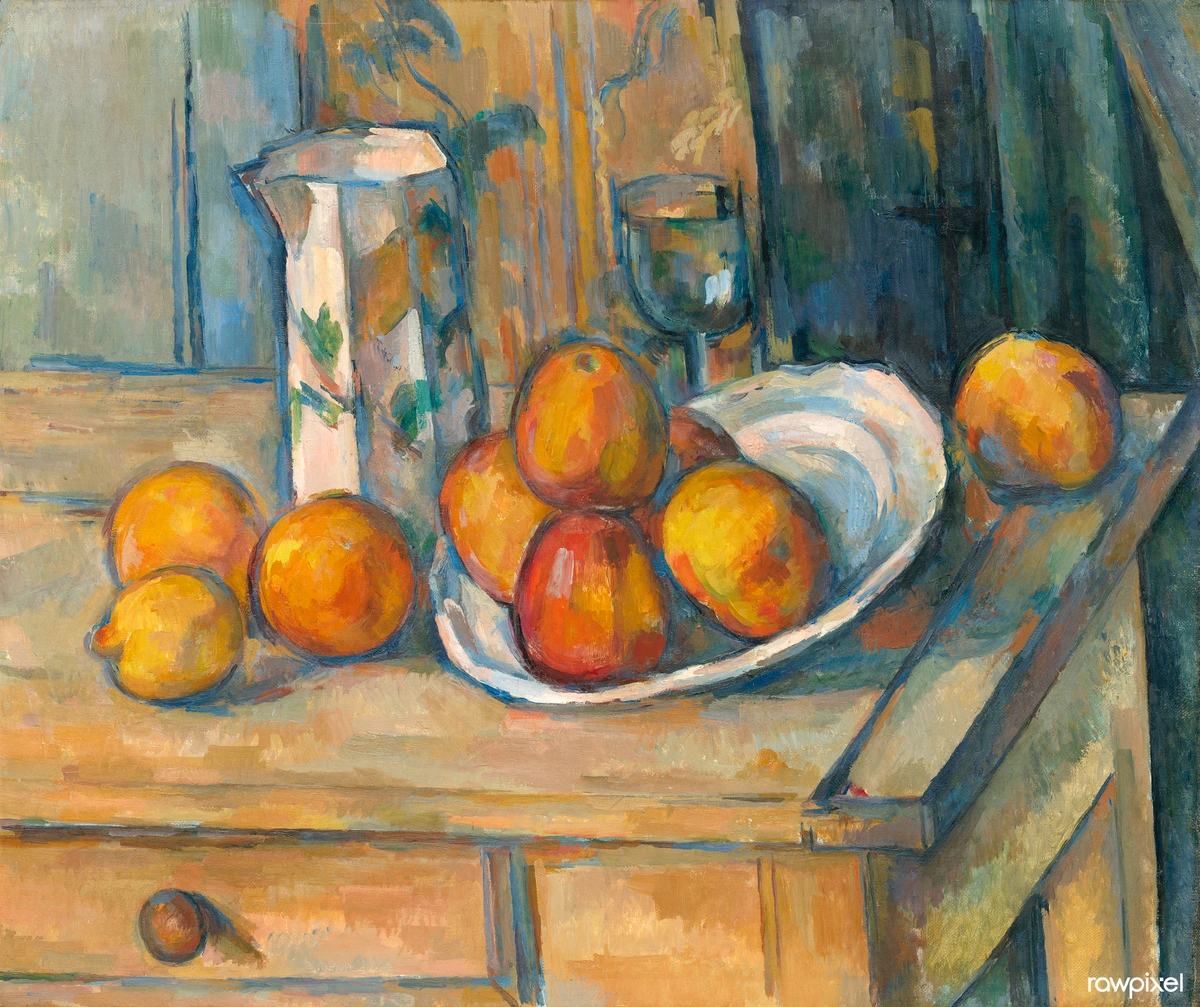
His artistic journey began with a period influenced by Romanticism and Realism, even dabbling in the Salon system he would later critique. For a time, he found himself loosely associated with the Impressionists, exhibiting with them in their groundbreaking early shows. You can see the shift from the academic rigidity of the past, as shown in works like this Impressionist piece, where light and color were beginning to take precedence:
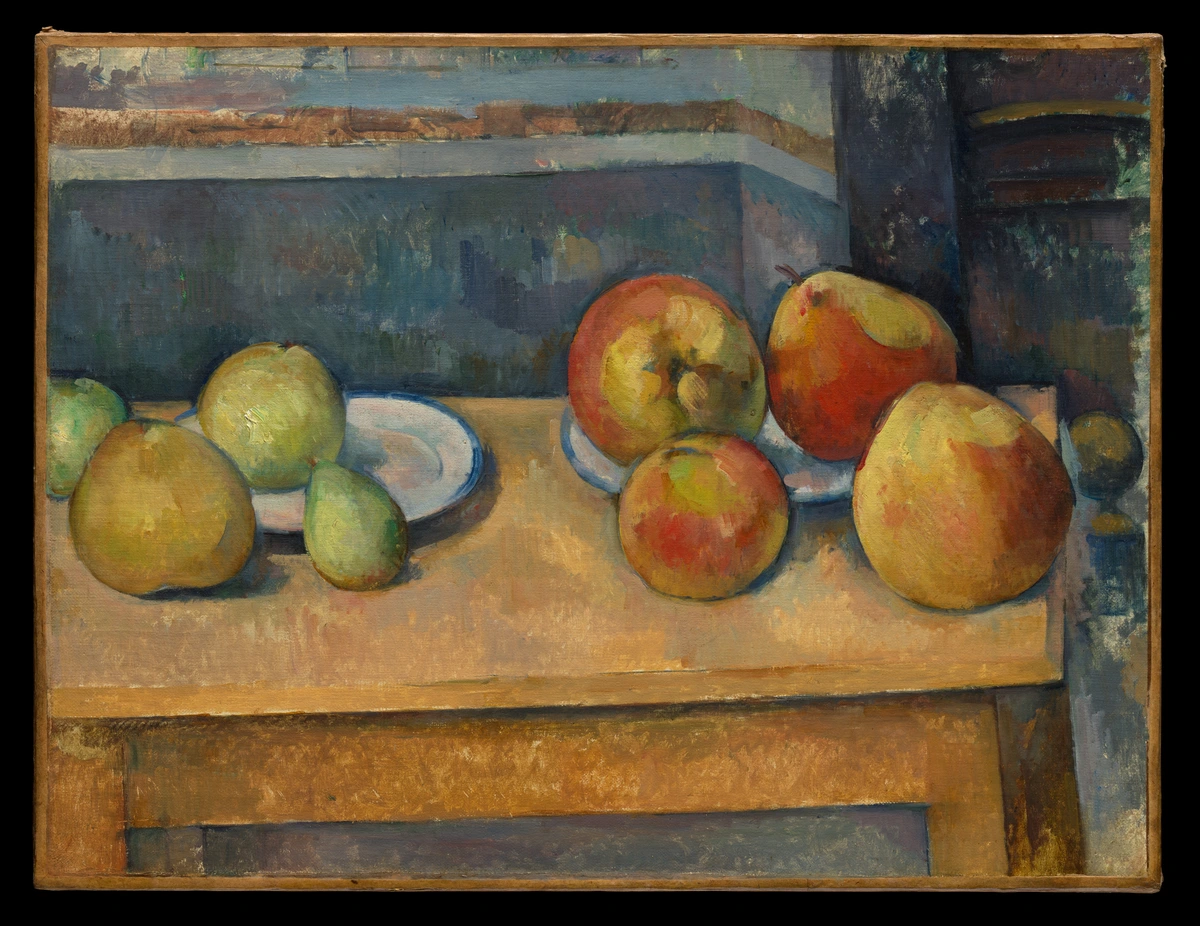
However, Cézanne quickly grew profoundly dissatisfied with what he saw as the Impressionists' fleeting, ephemeral focus on light and atmosphere. While he appreciated their liberated palette and direct observation, for him, it lacked the weight, the substance, the bones of reality. He realized that while they captured the impression of a moment, they often sacrificed the underlying structural integrity of the objects they painted. He famously declared he wanted to "make of Impressionism something solid and durable, like the art of the museums." By "art of the museums," he meant the Old Masters, like Nicolas Poussin, Jean-Baptiste-Siméon Chardin, or Claude Lorrain. These were artists whose classical compositions were built with architectural rigor, timeless form, and a profound sense of permanence – Poussin, for example, for his structural clarity and monumental figures; Chardin for the tactile solidity of his still lifes. This was a stark contrast to the fleeting impressions of his contemporaries. It was a direct, almost confrontational challenge to the very essence of Impressionism, a profound desire to restore gravity, weight, and lasting structure to painting. He was more a Post-Impressionist, building on and reacting against their ideas, particularly through the mentorship of Camille Pissarro, who encouraged his use of a brighter palette and direct observation.
He spent most of his life as a recluse in his hometown, relentlessly painting the same subjects—from still lifes of apples and oranges to the imposing Mont Sainte-Victoire and his series of bathers—over and over again. This wasn't merely repetition; it was a deep, almost meditative engagement with these forms. He would return to Mont Sainte-Victoire, for example, not just to paint it again, but to observe it at different times of day, in changing seasons, and from various viewpoints, building a composite understanding of its monumental presence that transcended any single observation. He would often physically move around his still life setups, observing the objects from slightly different angles, absorbing their three-dimensional presence. This intensive, almost scientific, studio practice was key to his unique vision.
He was notoriously difficult, profoundly insecure, and completely obsessed with his work. I can only imagine the sheer frustration of pouring your soul onto canvas, battling with an elusive vision, only to be largely ridiculed by critics. His childhood friend, Émile Zola, initially championed his work, but later based a failed artist character, Claude Lantier, on him in his novel L'Œuvre (The Masterpiece), deeply hurting Cézanne and effectively ending their friendship. It’s that familiar tightrope walk between inspiration and execution, between what you see and what you know, that I, and frankly, any artist who dares to push against convention, knows all too well. He was chasing an idea, a new way of seeing, that no one else quite understood at the time. Yet, a few discerning minds, like dealer Ambroise Vollard, recognized his genius, organizing his first solo exhibition in 1895, quietly supporting him through these difficult years. It’s a testament to his sheer willpower that he continued, day after day, armed only with his vision and a stubborn refusal to compromise.
The Big Idea: Painting What You Know, Not Just What You See – Cézanne's Fundamental Breakthrough
Here’s where Cézanne’s genius truly ignites. His big breakthrough wasn't just a stylistic tweak; it was a wholesale rejection of how Western art had fundamentally understood vision since the Renaissance. Traditional linear perspective, with its single, fixed vanishing point, aimed to create an illusionistic window into a static, singular reality. This system, perfected by masters like Filippo Brunelleschi and Leon Battista Alberti, created the illusion of depth from one specific, frozen viewpoint, as if looking through a peephole.
Cézanne, however, figured, why should I only paint this apple from one specific, frozen angle? That’s not how we truly experience things. We move, we blink, we shift our gaze, we walk around objects. We take in an object over time, constructing a mental image that incorporates all these fleeting perceptions. He wanted to capture that multi-faceted, dynamic experience, not just a single snapshot, imbuing his subjects with a tangible, almost tactile presence. This fundamental shift – from merely depicting what is to exploring how we know what is – is the bedrock of modernism itself.
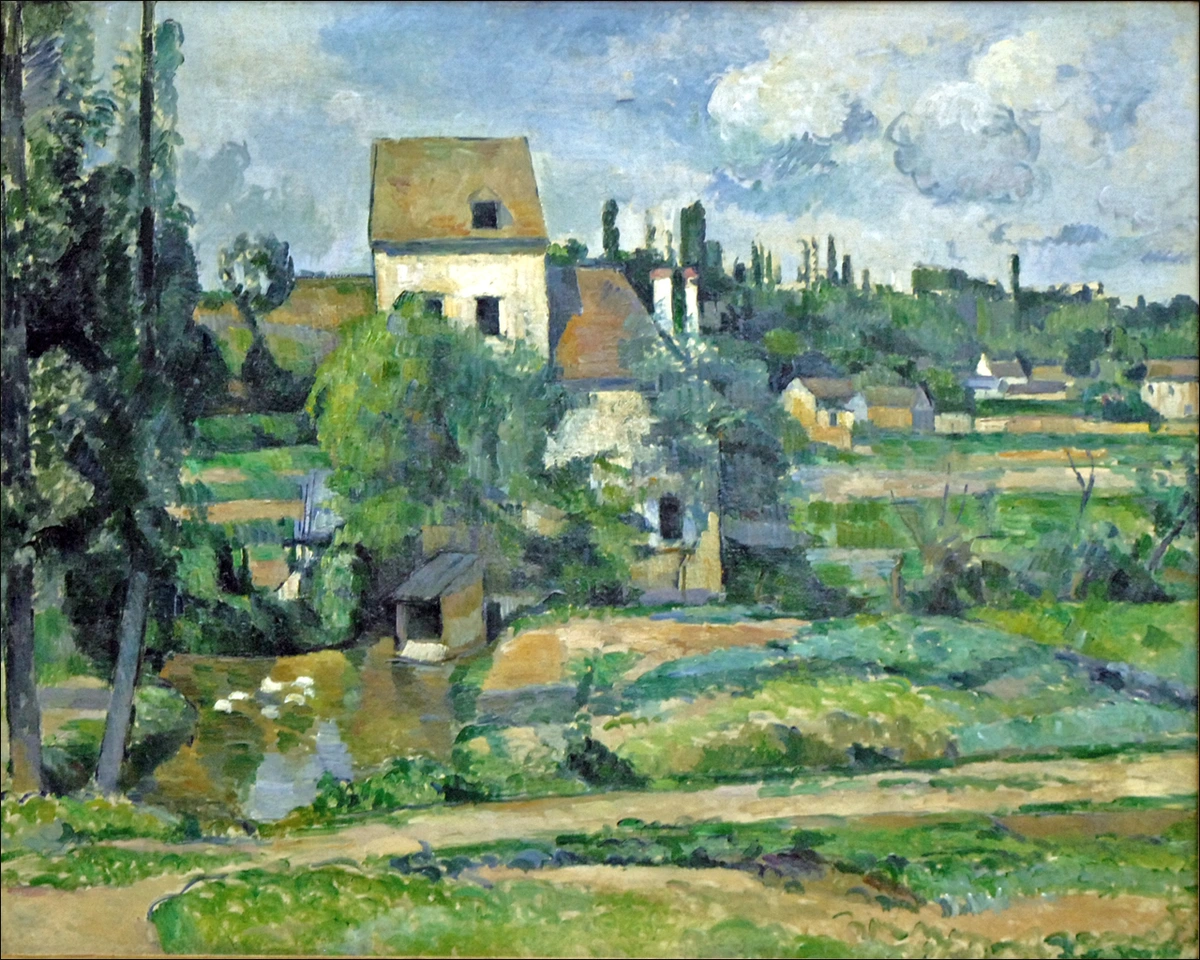
Seeing Around Corners: Stitching Together Perception (Simultaneous Viewpoints)
Look closely at one of his still lifes, say, Still Life with Apples and Oranges. The edge of a table might not quite line up, seeming to slope at an odd angle. A bowl of fruit seems to be tilted towards you, while the bottle next to it is seen head-on. This isn't an error; it’s a conscious artistic decision, a profound philosophical statement about perception. Cézanne was painting different objects, or even different parts of the same object, as if he were subtly moving his head, seeing them from slightly different angles across time. He was literally stitching together multiple moments of perception (what we now call simultaneous viewpoints) into one cohesive image. For instance, imagine looking at an apple. First, you see its front. Then, you slightly tilt your head and see a bit of its top. A moment later, you shift your weight and catch a glimpse of its side. Cézanne would take these distinct, momentary observations and integrate them into a single, unified painted form. For the viewer, this creates an experience where the object feels robust and complete, as if you could walk around it within the painting, truly knowing its three-dimensional reality, not just seeing a flat illusion. This radical departure from a single, fixed viewpoint was the very seed that would later sprout into the full-blown, fractured reality of Cubism. His approach challenged the very notion of a static, singular reality. It was less about optical illusion and more about mental construction, creating a deeper psychological space of knowing and solidity.
Nature's Building Blocks: The Primacy of Geometric Form (Addressing "Cézanne Geometric Shapes")
This is perhaps his most famous and enduring contribution, directly addressing common searches for "Cézanne geometric shapes." In a letter to another painter, Émile Bernard, he famously advised: "Treat nature by the cylinder, the sphere, the cone." He posited that all natural forms—from the plump spherical apples in his still lifes, to the cylindrical trunks of trees in his landscapes, to the imposing conical structure of Mont Sainte-Victoire – could be deconstructed into these basic geometric components. He wasn't just painting a tree; he was painting the underlying cylindrical forms of the trunk and branches, and the spherical masses of the foliage, understanding their fundamental structure rather than just their surface appearance. Consider Mont Sainte-Victoire, which he painted over 80 times: he sought to reveal its immutable, almost geological structure beneath the changing light and atmosphere, reducing its grand peaks and valleys to interlocking geometric masses. This wasn't merely an academic exercise; it was a profound way to imbue his subjects with that coveted solidity and weight, almost making them monumental. This method starkly contrasted with earlier artistic techniques like sfumato or chiaroscuro, which used subtle gradations of light and shadow to create soft, blended volumes. Cézanne's approach was more fundamental, building form from its geometric core.
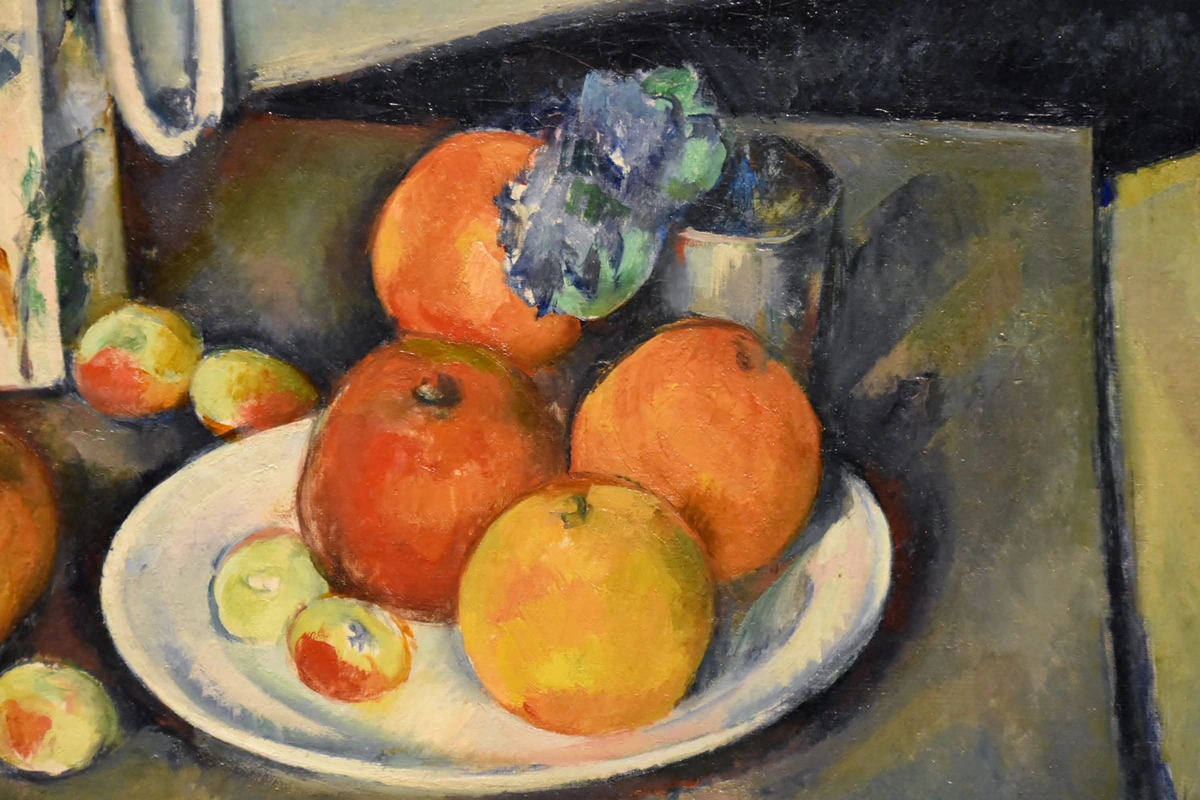
To manifest these fundamental forms on canvas and address "Cézanne painting techniques," Cézanne developed a distinctive approach to brushwork and color. He achieved this by not just drawing outlines, but by actively building form with visible, often parallel or diagonal, constructive strokes – almost sculpting with paint. Think of each stroke as a tiny building block of color and form, meticulously laid down with purpose, creating a palpable, physical texture on the surface of the canvas. This is often described as a "patchwork" or "passage" technique, where the edges between planes of color are blurred or allowed to flow into one another, creating a continuous, interlocked surface that contributes to the overall sense of volume and presence. He masterfully employed color theory, using warm colors (reds, yellows) to advance forms and cool colors (blues, greens) to recede them, creating depth and mass without relying solely on traditional linear perspective. He also keenly observed simultaneous contrast, where the perceived color of an area is affected by the colors surrounding it (for instance, a vibrant red apple will appear even more vivid against a green background), using this to make his forms vibrate with an internal energy. This direct handling of color, where color modulation, not just light and shadow, became the primary tool for defining three-dimensional form, contributed directly to the "feeling solid and real" quality of his work.

This approach, ironically, often appeared to flatten the image, emphasizing its two-dimensional surface and deliberately moving away from photographic realism. This wasn't a flaw; it was a conscious, radical move to remind you that you're looking at a painting, an object in its own right, with its own internal logic, its own undeniable presence, rather than a perfectly illusionistic window into another world. He elevated the canvas itself, emphasizing its physical reality and the artist's role as a constructor, not just a copier. This was a revolutionary idea that gave his work an architectural solidity and a completely new visual vocabulary, one that artists had been unconsciously waiting for.
credit, licence
His innovations in structural color and form also extended to his portraits, where faces often appear simplified, almost mask-like, built from planes of color rather than rendered with delicate academic realism. This simplification, paradoxically, gave them a timeless, monumental quality, turning individuals into universal forms that seemed to exist beyond a specific moment in time.
Enter Picasso and Braque: The Heirs to the Throne
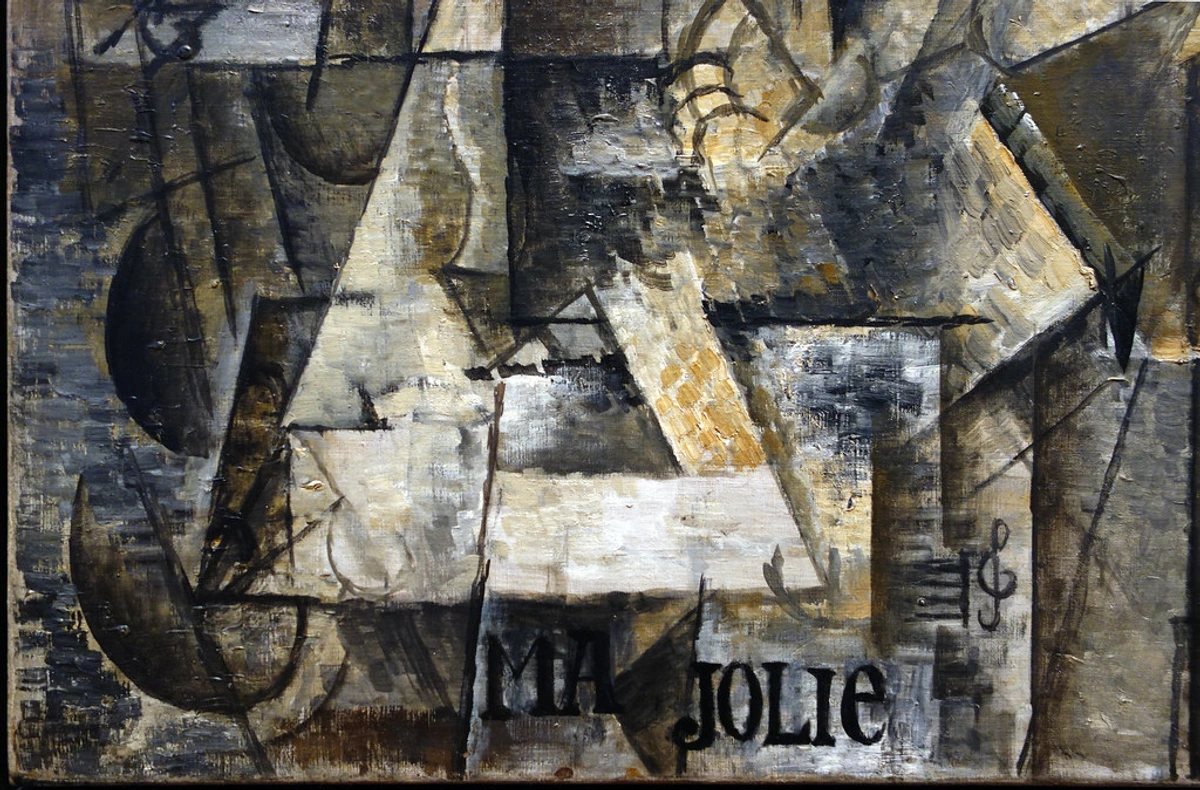
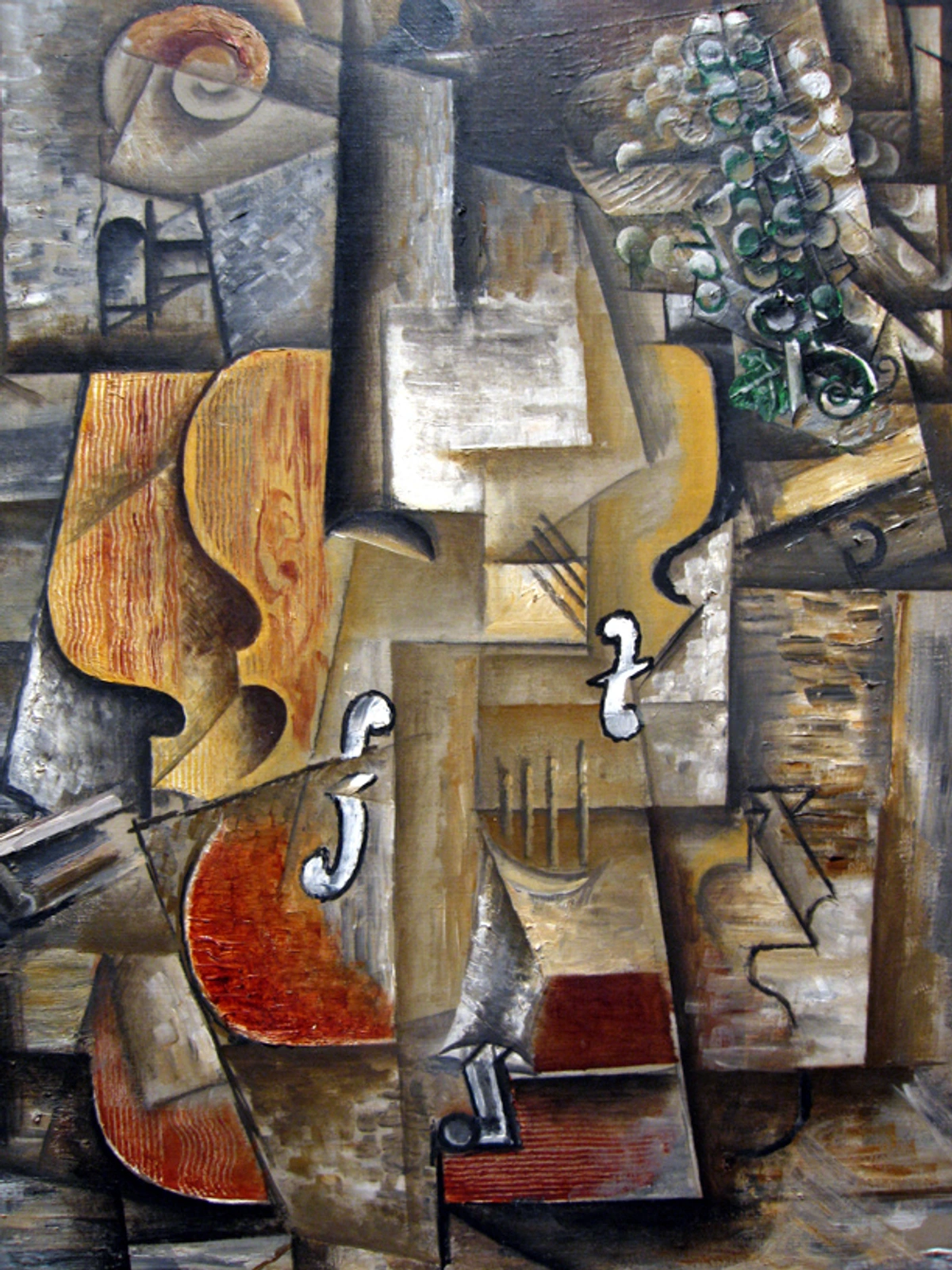
While Cézanne toiled in relative obscurity, often facing critical scorn and public indifference, his radical ideas were percolating, waiting for the right minds to ignite them. And ignite they did, with two young firebrands in Paris. Years after Cézanne’s death in 1906, Pablo Picasso and Georges Braque saw his posthumous retrospective in 1907, and it hit them like a lightning bolt. They saw what he was doing—breaking down form, showing multiple views, using color to build structure—and they decided to push it to its absolute limit.
Picasso famously declared, "Cézanne is the father of us all."
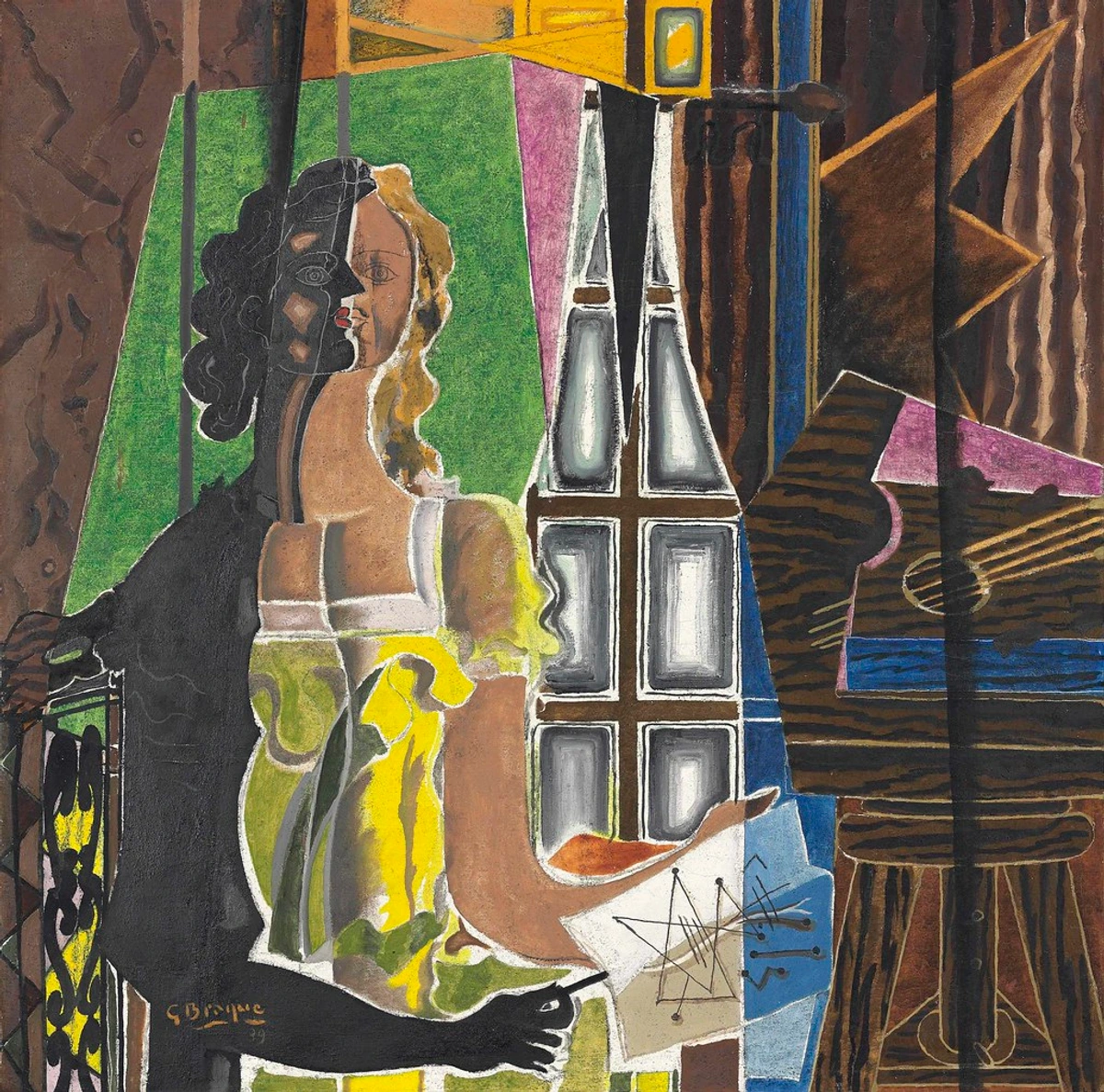
They took his subtle shifts in perspective and shattered the picture plane completely – that illusionistic window onto reality that traditional painting had always aimed for. They took his geometric underpinnings and made them the main event, dissecting and reassembling objects with unprecedented rigor. What Cézanne started, Picasso and Braque turned into a full-fledged artistic movement: Cubism. If you want to fall down that rabbit hole, you should definitely check out The Ultimate Guide to Cubism.
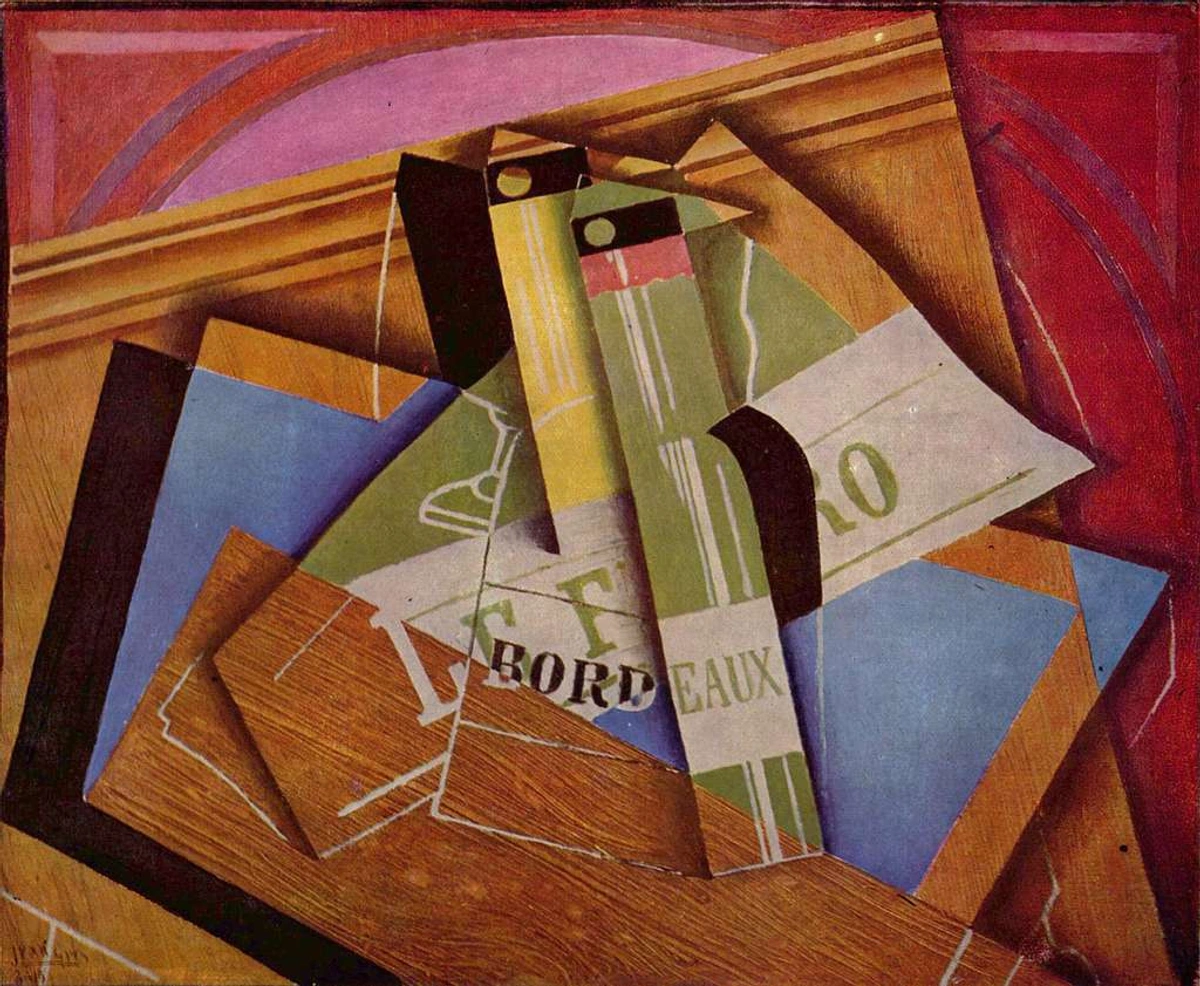
To better grasp the monumental leap from Cézanne to Cubism, let's look at how his foundational ideas were dramatically reinterpreted:
Feature  | Paul Cézanne's Approach | Early Cubism (Picasso & Braque) |
|---|---|---|
| Perspective | Subtle, simultaneous multiple viewpoints on an object. | Radical, simultaneous viewpoints; fractured, geometric planes. |
| Form | Objects reduced to geometric essentials (cones, spheres). | Objects deconstructed and reassembled into abstract forms. |
| Color | Used to model form, create depth, and build structure. | Often monochromatic (browns, grays) to focus solely on form. |
| Brushwork | Visible, directional constructive strokes; patchwork. | Fragmented, often uniform strokes that flatten space. |
| Subject Matter | Still lifes, landscapes (Mont Sainte-Victoire), portraits. | Still lifes, portraits, musical instruments, figures, urban scenes. |
| Overall Intent | Capture enduring truth and solidity of an object's essence. | Explore multiple realities and intellectual deconstruction. |
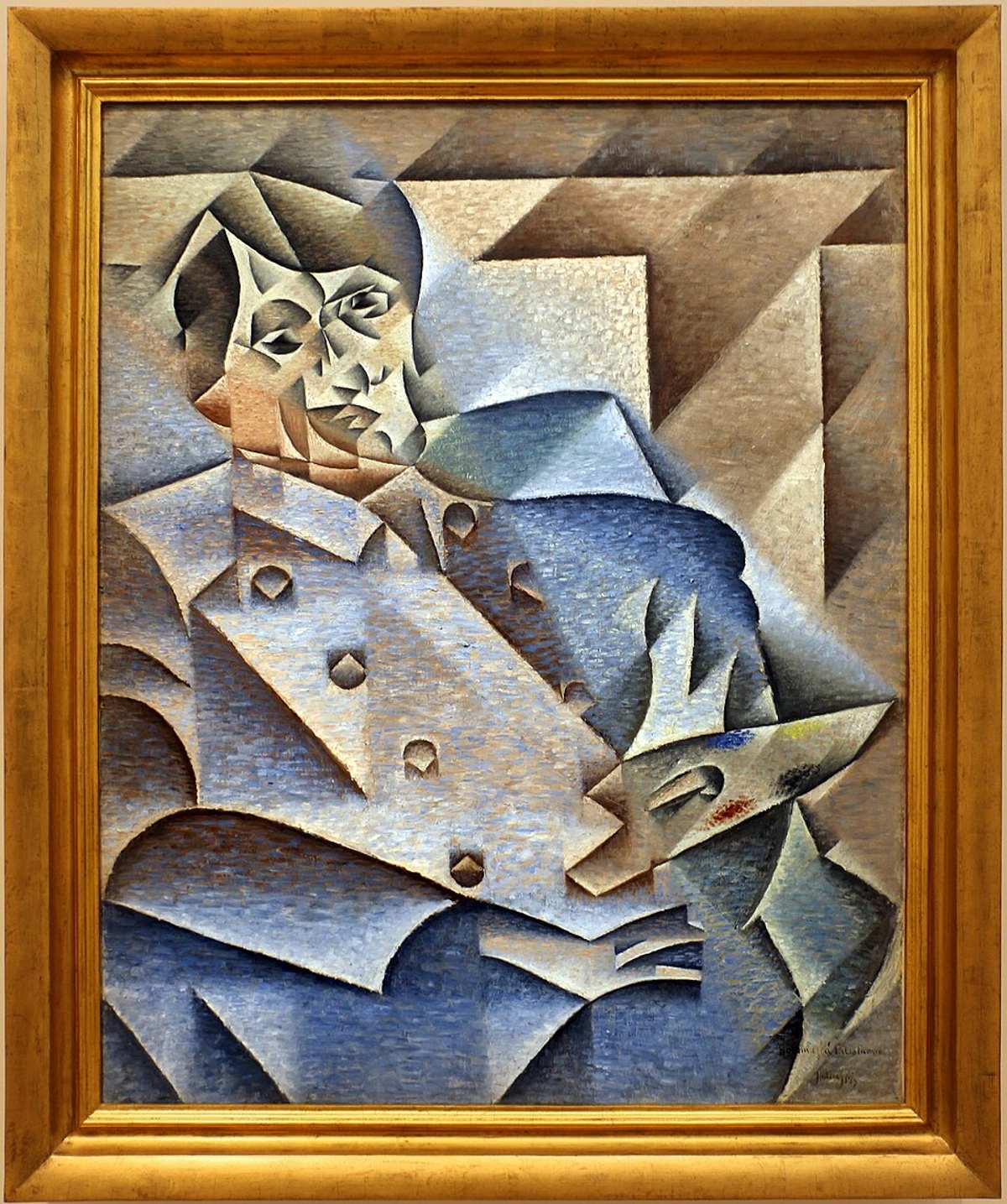
Why Does Any of This Matter Today? Cézanne's Enduring Legacy and Impact on Modern Art
You might be looking at a weird, abstract sculpture in a museum, or perhaps a particularly vibrant piece of modern art, and thinking, "What on earth is this?" Well, the philosophical journey to that sculpture or painting probably started with Cézanne trying to paint an apple. His influence didn't stop with Cubism; echoes of his structural thinking and his liberated approach to color can be found in countless movements grappling with how to represent reality without merely copying it. This is a key answer to "Cézanne influence on modern art."
Think of the bold, non-naturalistic color experiments of Fauvism, where artists like Henri Matisse directly adopted Cézanne's idea of building form with pure, expressive color, rather than relying on traditional shading. Matisse, for example, in works like Open Window, Collioure, used vibrant, unmixed colors not just decoratively, but to construct the visual weight and presence of objects, freeing it from merely descriptive roles and allowing it to define shape and depth on its own terms.
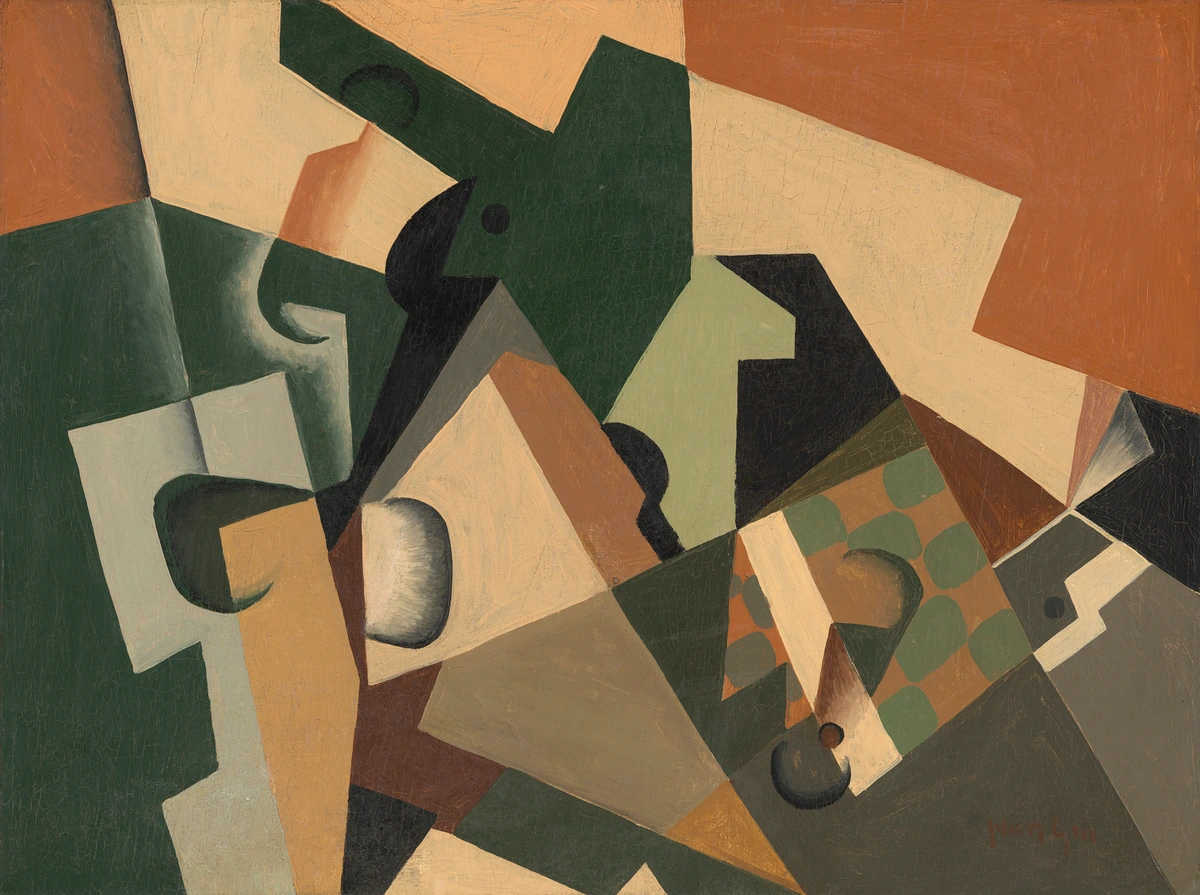
The distilled emotional forms of German Expressionism also show a clear lineage, with artists like Ernst Ludwig Kirchner or Edvard Munch using distorted, angular figures to convey psychological states. They took Cézanne's deconstruction of the human form into planes and pushed it further, using these fragmented, almost brutal forms to amplify emotional intensity, rather than just describe physical reality. Munch's Despair, while predating Cézanne's late retrospectives, embodies a raw emotional truth through simplified forms that would resonate with the structural explorations of Expressionism.
And even the gestural freedom and fragmented figures of Abstract Expressionism—early Willem de Kooning, for instance, in his 'Woman' series, shows a clear lineage of deconstructing the figure into powerful, constructive strokes and planes, revealing a raw, unyielding structure beneath the surface, much like Cézanne sought to reveal the underlying forms of nature.

He gave artists permission. Permission to break from photographic reality, to paint an idea or a feeling, or the process of seeing, instead of just a literal copy of the world. He showed them that a painting isn't just a window into another world; it's an object in its own right, with its own rules, its own internal logic, its own undeniable presence. This fundamental shift—from depicting what is to exploring how we know what is—is the bedrock of modernism itself. It allowed art to evolve from mere representation to a profound investigation of perception, consciousness, and the very nature of artistic creation. It's a legacy that continues to resonate in contemporary art, where artists constantly question the nature of reality and representation. You can see his influence not just in painting, but in the structural deconstruction found in some modern architecture (like the Centre Pompidou, with its exposed inner workings, revealing its skeletal structure), or even in the way photographers might composite multiple perspectives of a single scene, long before digital tools made it commonplace. For those curious about the broader artistic journey, our timeline is an excellent resource, and to see how this legacy informs contemporary work, explore my art.
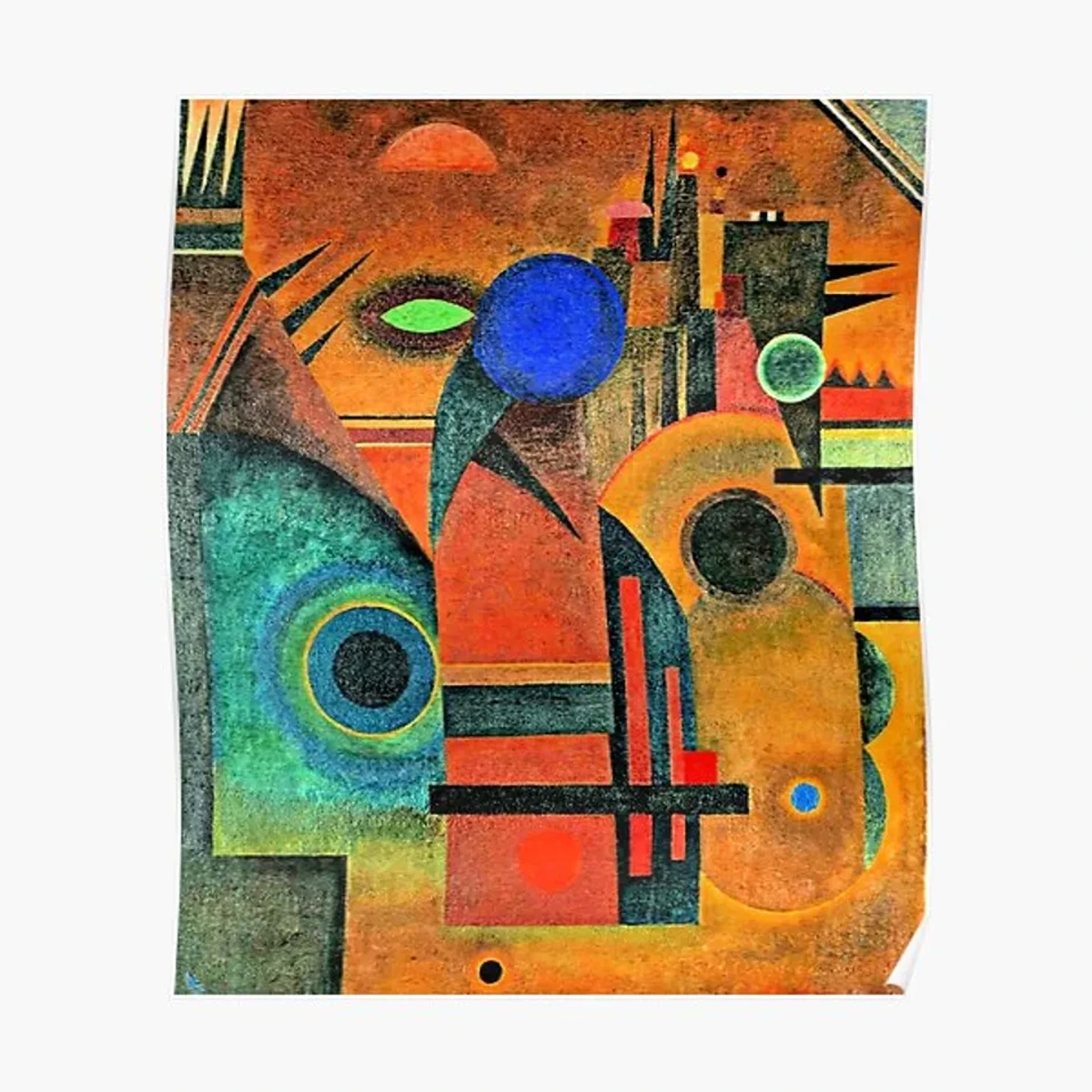
For me, as an artist, Cézanne is a constant reminder that the most profound insights often come from stubborn persistence in questioning the obvious. That relentless drive to truly see beyond the surface – it's something I grapple with in my own studio every single day, trying to capture that multi-faceted experience in my own creations.




What I Want You to Remember: Key Takeaways from Cézanne's Revolution
- Shifted Perception: Pioneered moving art beyond a single, fixed viewpoint, integrating multiple perspectives (or simultaneous viewpoints) into one image, reflecting how we truly know objects rather than just see them. This challenged Renaissance linear perspective, inviting viewers to experience a deeper, mental reality of the object.
- Geometric Underpinnings: Championed treating nature by its fundamental geometric forms (cylinder, sphere, cone), revealing underlying structure rather than just surface appearance – a direct answer to "Cézanne geometric shapes." This provided solidity and permanence beyond fleeting surface realism.
- Constructive Stroke & Color Theory: Utilized visible, deliberate constructive brushstrokes (often in parallel or diagonal patches, creating a "passage" effect that blurs edges between planes) that actively build form and volume, almost sculpting with paint. Masterfully used color modulation (warm colors advancing, cool colors receding) and simultaneous contrast to define shape, depth, and mass, making color a primary structural element. This is central to "Cézanne painting techniques."
- Challenged Illusionism: Emphasized the two-dimensional nature of the canvas (flattened perspective, picture plane), making the painting an object in its own right, with its own internal logic and undeniable presence, rather than a perfect illusionistic window. This elevated the artwork itself to an independent reality.
- Father of Modernism: Directly inspired Cubism (Picasso and Braque) and countless other avant-garde movements like Fauvism and German Expressionism, setting the stage for 20th-century art's exploration of abstraction, subjective reality, and the artist's unique vision.
Ready to dive deeper into the movements he influenced? Explore our timeline of art history!
Frequently Asked Questions (FAQ)
What is Paul Cézanne's most famous quote about art?
His most influential advice, a cornerstone of his approach and a guiding principle for generations of artists, was to "treat nature by the cylinder, the sphere, the cone." This highlights his unwavering focus on the underlying geometric structures of the visible world, a radical departure from merely copying surface appearances.
What are Cézanne's most famous paintings?
Some of Cézanne's most famous paintings, often searched for, include his numerous still lifes with apples (e.g., Still Life with Apples and Oranges), his iconic series depicting Mont Sainte-Victoire (painted over 80 times from various angles), and his profound series of The Card Players. These works are renowned for their groundbreaking exploration of form, light, and perspective, each contributing significantly to his revolutionary vision.
What are the main themes in Cézanne's work?
The primary themes in Cézanne's oeuvre revolve around perception and knowledge, moving beyond superficial appearances to capture the essence and solidity of subjects. He relentlessly explored how we experience objects over time, the underlying geometric structure of nature, and the painter's role in constructing reality rather than just imitating it. His work also delves into the relationship between the two-dimensional canvas and three-dimensional space, the transformative power of color as a structural element, and the enduring presence of common subjects (still lifes, landscapes, portraits) rendered with monumental timelessness.
Did Cézanne consider himself an Impressionist?
It's complicated. He exhibited with them early on and learned from their innovations in color and light, particularly from Camille Pissarro. However, he grew profoundly dissatisfied with their focus on fleeting moments, finding it lacked substance and permanence. He sought to add solidity and structure to their approach, famously stating he wanted to make Impressionism into "something solid and durable, like the art of the museums." He is generally categorized as a Post-Impressionist, building on and reacting against their ideas, moving towards a more structured and permanent representation of reality.
How did Picasso view Cézanne?
Picasso held Cézanne in the highest regard, famously calling him "the father of us all" and his "one and only master." Picasso, alongside Georges Braque, saw Cézanne's work as the essential bridge from traditional painting to the new possibilities of modern art. They recognized his conceptual foundation of simultaneous viewpoints and geometric deconstruction, which they then pushed to their radical conclusion in Cubism, effectively shattering the picture plane Cézanne had begun to flatten.
What are the key characteristics of Cézanne's painting style (Cézanne painting techniques)?
Key features, often sought by those interested in "Cézanne painting techniques," include visible, deliberate constructive brushstrokes (often in parallel or diagonal patches, creating a "passage" effect that blurs edges between planes) that actively build form and surface texture; the simplification of objects into underlying geometric forms (cylinders, spheres, cones); the integration of multiple viewpoints simultaneously within a single composition (reflecting how we know an object over time, rather than just seeing it from one static position); and a tendency towards flattened perspective which emphasized the canvas as an object itself rather than a perfect illusionistic window. He used color not just for realism, but structurally, to define shape, volume, and depth through modulation of warm and cool tones, and through the principle of simultaneous contrast. His ultimate aim was to capture the knowledge of an object, not just its fleeting visual impression, resulting in a unique sense of solidity and presence.
What was Cézanne's impact on Abstract Art?
Cézanne's impact on Abstract Art was foundational and immense. By liberating painting from strict illusionistic representation, emphasizing the geometric structure of forms, and prioritizing the two-dimensional reality of the canvas over a purely illusionistic window, he essentially gave artists permission to explore abstraction. His deconstruction of objects into basic shapes directly led to Cubism, the first major abstract movement, which then paved the way for further abstraction in the 20th century. Artists who later pursued non-representational or abstract forms could trace their lineage back to Cézanne's radical ideas about breaking down and reassembling reality, using color and line to create new, independent artistic realities.
What are common interpretations of Cézanne's 'The Card Players'?
Cézanne's series The Card Players (five paintings total) is often interpreted as a profound study of human interaction, psychological intensity, and the dignity of rural life. Far from being simple genre scenes, these works explore universal themes of concentration and quiet introspection. The figures are simplified, almost monumental, built from geometric planes, giving them a timeless and weighty presence, much like his still lifes and landscapes. The compositions are meticulously balanced, reflecting Cézanne's pursuit of classical order even in everyday subjects. They are seen as masterpieces of Post-Impressionist figural painting, deeply influencing later artists in their approach to form and psychological depth.
How did Cézanne's landscapes differ from Impressionist landscapes?
While Impressionists like Monet sought to capture the fleeting effects of light and atmosphere in their landscapes, Cézanne aimed for something more enduring: the underlying structure and permanence of nature. Impressionist landscapes often dissolve into shimmering light and color, emphasizing the momentary visual sensation. Cézanne's landscapes, in contrast, build forms (like Mont Sainte-Victoire) from geometric solids, employing distinct, constructive brushstrokes and color modulation to create a sense of palpable weight and architectural solidity. His focus was less on the ephemeral light and more on the bones of the earth itself, resulting in compositions that feel timeless and monumental rather than instantaneous.
Was Cézanne successful in his lifetime?
Not commercially, for the most part. He was often ridiculed and misunderstood by academic critics and the wider public for much of his career, finding his work challenging to sell. His genius was only truly recognized and celebrated by a small, influential circle of younger avant-garde artists (like Émile Bernard and later, Picasso and Braque) and a few discerning collectors (like Ambroise Vollard) near the end of his life, and especially after his death in 1906, through crucial retrospectives. His reputation exploded posthumously, making him one of the most influential artists of all time.
So the next time you hold that coffee mug, feeling its hidden curves and knowing its unseen sides, just remember that stubborn man from Provence. He wasn't trying to be weird or revolutionary. He was just trying to get it right, trying to paint that apple as profoundly as he experienced it. And in doing so, he changed everything about how we perceive art, and perhaps, even how we perceive the world itself.