Paul Cézanne: Father of Modern Art & Vision (Ultimate Guide)
Dive into Paul Cézanne's revolutionary art. Discover his geometric forms, multiple perspectives, and structural brushwork that forged modern art's foundation and inspired Cubism.

Paul Cézanne: The Architect of Modern Vision, Father of Modern Art
When I think about the true giants who didn't just walk the path of art history but fundamentally reshaped its very landscape, Paul Cézanne immediately comes to mind. After years of grappling with his work and diving deep into his profound impact, I firmly believe that calling him the "father of modern art" is one of the most deserved titles ever given to an artist. This wasn't a man driven by fleeting trends or a desire for easy fame; Cézanne was a solitary, often famously gruff, revolutionary from Aix-en-Provence, compelled by an almost relentless inner vision. His quest? To take the vibrant, ephemeral light of Impressionism and make something out of it that was "solid and durable, like the art of the museums." It sounds deeply philosophical, doesn't it? Because it was. He was the essential, quiet earthquake that shifted painting away from merely seeing reality to deeply knowing its underlying structure. This profound pivot laid the indispensable groundwork for the fragmented, analytical worlds of Fauvism and Cubism, and truly, every subsequent movement. If you truly want to grasp the very foundations of modern art, you must understand Cézanne. He essentially gave modern art its backbone, transforming painting into a structured, intellectual pursuit that would echo through the entire 20th century. Stick with me, and we'll unpack precisely how he did it, revealing why his quiet revolution truly birthed modern vision.
The Early Years: A Loner's Path Through Rejection and Revelation
But this titan of art didn't emerge fully formed; his journey was one of persistent struggle and quiet defiance. Cézanne's path was anything but smooth. Born in 1839 into a comfortable, yet strict, banking family, he initially studied law—a path I can only imagine felt profoundly stifling to his artistic temperament, a common clash for many creative souls throughout history. His early artistic career was marked by intense struggle and relentless rejection, especially from the powerful, conservative Salon de Paris, the arbiter of official artistic taste. Can you imagine the frustration of being consistently denied entry to the prestigious Académie des Beaux-Arts in Paris, even after multiple attempts? The Salon, which championed academic realism, idealized forms, smooth finishes, and historical or mythological narratives, found Cézanne's raw, often brooding canvases deeply offensive. His canvases from this "Dark Period" (roughly the 1860s-1870s), like A Modern Olympia (1873) or The Murder (c. 1870), were often raw, dark, and charged with a brooding intensity. They were heavily influenced by the dramatic contrasts, emotional depth, and often violent themes of Romantic painters like Delacroix (think of his powerful historical scenes) or even Goya. This stood in stark contrast to the luminous, light-filled works favored by critics and the establishment, who frequently dismissed him, often labeling his work clumsy, even barbaric. One critic, Louis Leroy, famously quipped that Cézanne's works "appear to have been painted with a palette knife, by a clumsy giant." It must have been an incredibly isolating and frustrating experience, one that perhaps only deepened his conviction in his own unique vision for creating robust form, even if the subjects were dark.
His lifelong friendship with Émile Zola, the celebrated novelist, offered crucial early emotional support. They were childhood friends, sharing dreams of artistic glory in Paris, but as Cézanne moved further into his own distinct, structural approach to painting, Zola, who championed naturalism, found himself unable to follow. This divergence, though painful, became a defining moment. It’s a tough lesson many of us learn: sometimes the deepest friendships can’t cross artistic or intellectual divides. Zola eventually portrayed a Cézanne-like character in his novel L’Œuvre as a failed genius, a heartbreaking fictionalization that underscored Cézanne's unwavering commitment to his evolving, radical vision, even at the cost of his closest friendships.
It was his eventual mentorship under Camille Pissarro, a far gentler soul and a key figure in Impressionism, that proved pivotal. Pissarro was known for his openness to new ideas and his experimental nature, making him uniquely receptive to Cézanne's burgeoning individuality. He encouraged Cézanne to embrace plein air (outdoor) painting and adopt the brighter palette of the Impressionists. For a time, Cézanne even exhibited with them, absorbing their revolutionary approach to capturing light and color. Pissarro's guidance helped Cézanne to soften his palette and observe nature directly, but crucially, he also taught him how to build forms with color and construct compositions with a subtle underlying order—lessons Cézanne would push further into his unique structural language, like a master craftsman teaching an apprentice to see the bones beneath the surface. But, like many truly independent thinkers, he felt something vital was still missing. He admired the Impressionists' vibrancy, but his internal compass pointed towards something more enduring. He yearned for a solidity and permanence he deeply admired in the Old Masters—artists like famous Renaissance artists such as Poussin and Raphael, who built their compositions with rigorous underlying order, clarity of volumetric form, and a sense of timeless presence, or Chardin, whose still lifes possessed a profound, almost tangible weight. It was this admiration for the durable over the fleeting that eventually steered him away from the momentary.
The Essential Bridge: From Fleeting Light to Enduring Form
The Impressionists—artists like Claude Monet and Pierre-Auguste Renoir—were absolute masters of the momentary. Their canvases shimmered with the transient effects of light, the ephemeral dance of atmosphere, the quick glance of a figure in a crowded street. Their art was about pure sensory perception: what the eye sees in a fleeting instant, a celebration of subjective experience. And let's be honest, who doesn't adore a Monet water lily? They are pure, ethereal beauty.
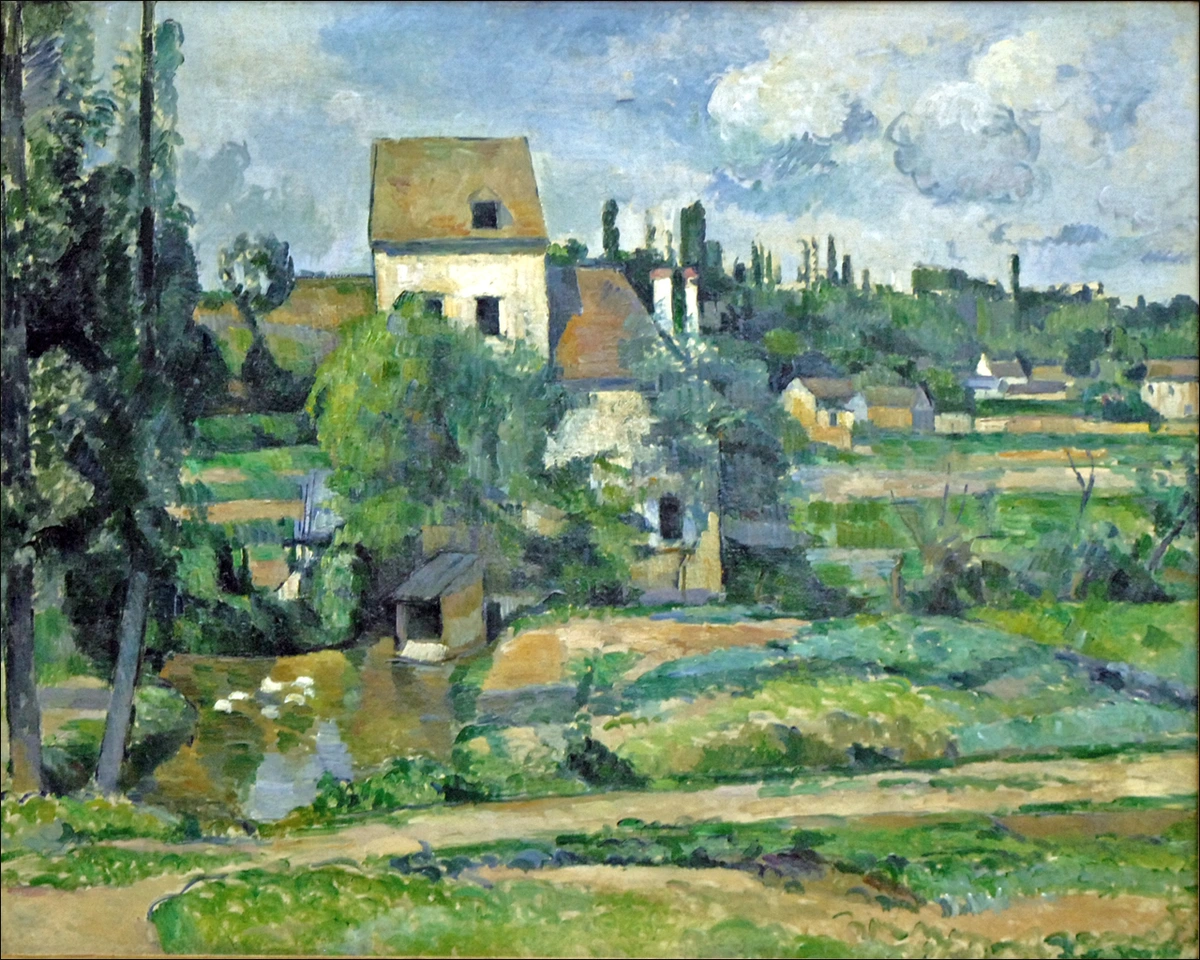
But Cézanne? He craved more. I think of it like this: the Impressionists offered us a beautiful photograph of a moment, but Cézanne wanted to build us the very architecture of that moment, showing us its bones and sinews. He felt that this singular focus on the momentary, while beautiful, lacked the intellectual rigor and structural permanence he admired in classical art. When he spoke of making art "solid and durable, like the art of the museums," he was thinking of the architectural compositions of Raphael, the robust forms of Titian, or the profound presence in a Chardin still life. He wasn't content to simply show how an apple looked in a particular light, say, reflecting the afternoon sun; he wanted to depict the idea of the apple, its intrinsic weight, its volume, its irreducible presence in space. This wasn't about photographic realism at all. It was about revealing a deeper, more permanent truth about the structure of the world, a kind of visual philosophy that verged on the phenomenological, seeking the essence beyond mere appearance. He moved fundamentally from painting what he saw to painting what he knew about what he saw. It's a subtle but monumental shift, one that irrevocably changed the trajectory of art.
To clarify this crucial departure, this profound shift from seeing to knowing, I've put together a little table. Sometimes, seeing it laid out like this just clicks, doesn't it? It certainly did for me when I first began to truly understand Cézanne's genius.

Aspect  | Paul Cézanne's Approach | |
|---|---|---|
| Focus | Capturing fleeting moments, light, atmosphere | Depicting underlying form, structure, permanence |
| Goal | Sensory perception, immediate visual experience | Intellectual construction, essential reality, experience of perception, building a pictorial structure |
| Brushwork | Loose, broken, light dabs | Deliberate, parallel, "constructive strokes" |
| Color Use | Optical effect, atmospheric vibration | Modeling form, creating volume, defining planes |
| Perspective | Traditional (often softened by atmosphere) | Synthesis of multiple viewpoints, structural depth |
| Subject Matter | Everyday life, landscapes, urban scenes, portraits | Still lifes, landscapes, portraits, bathers (repeatedly) |
Cézanne sought to build his paintings with the same structural integrity that an architect constructs a building, ensuring they possessed a timeless presence that transcended the momentary. This focus on the inherent qualities of the artwork itself, rather than its representational function, is what we call formalism – prioritizing the artwork's visual elements (form, color, line) over its subject matter. It was a radical idea for its time because, for centuries prior, art was often valued for its ability to tell a story, convey a moral, or depict a religious narrative. Formalism fundamentally declared the painting a constructed object with its own internal logic, rather than merely a window onto the world, or a vehicle for external narrative. This approach was a direct precursor to the abstract art that would define the 20th century, laying the groundwork for movements purely concerned with form and color.
Deconstructing Reality: Cézanne's Radical Innovations
Cézanne's genius, the very reason he's heralded as the father of modern art, lies in the specific, radical techniques he painstakingly developed over decades. These weren't mere stylistic quirks; they constituted an entirely new way of seeing and representing the world, providing the direct blueprint for the next generation of avant-garde artists. Think of it as a deep dive into the very mechanics of perception and pictorial construction. He moved painting from being a window onto the world to an object in itself, a constructed reality with its own internal logic. It's a shift that was truly monumental, paving the way for everything that followed. I remember first encountering his work and feeling a slight disorientation, then a profound realization – he wasn't just showing me what he saw, but how he understood it. It was like he was diagramming his own internal experience of reality, and that, for me, was mind-blowing.
Here are the core pillars of his revolutionary approach, all interconnected and driven by his overarching philosophical quest for solidity and permanence:
1. "Treat Nature by the Cylinder, the Sphere, the Cone": Geometric Reduction and Planar Construction
This is probably his most famous, and perhaps most initially perplexing, quote. I remember hearing it for the first time and thinking, "What on earth does that mean?" But it's the core of his philosophy, a profound statement on geometric reduction and planar construction. Cézanne posited that all natural forms—a gnarled tree, a majestic mountain, a human body, or even a humble apple—could be conceptually reduced to these basic geometric solids. By doing so, he wasn't simplifying reality in a childish way; he was revealing its fundamental, underlying architecture. Imagine you're an architect, not just designing a pretty facade, but understanding the core structural elements – the beams, the foundations, the load-bearing walls. That's what Cézanne was doing with vision. This wasn't about imitation; it was about building a pictorial reality—an image that possesses its own internal logic and coherent pictorial structure, rather than merely copying an external appearance. His method of planar construction involved building up forms using distinct, often flat planes of color, much like the facets of a gem reflecting light, creating a robust sense of volume and solidity. Each plane, like a deliberate brushstroke, contributes to the overall structure, making the object feel robust and tangible. This deliberate construction with planes inherently moved towards abstraction, laying groundwork for artists to see the canvas as a site for building, not just depicting. He was essentially giving us a diagram of perception itself, a structured approach to visual knowledge, a precursor to constructivism in its purest sense of building a new reality on the canvas.
2. The Power of the Brushstroke: Constructive Strokes, Impasto, and Passage
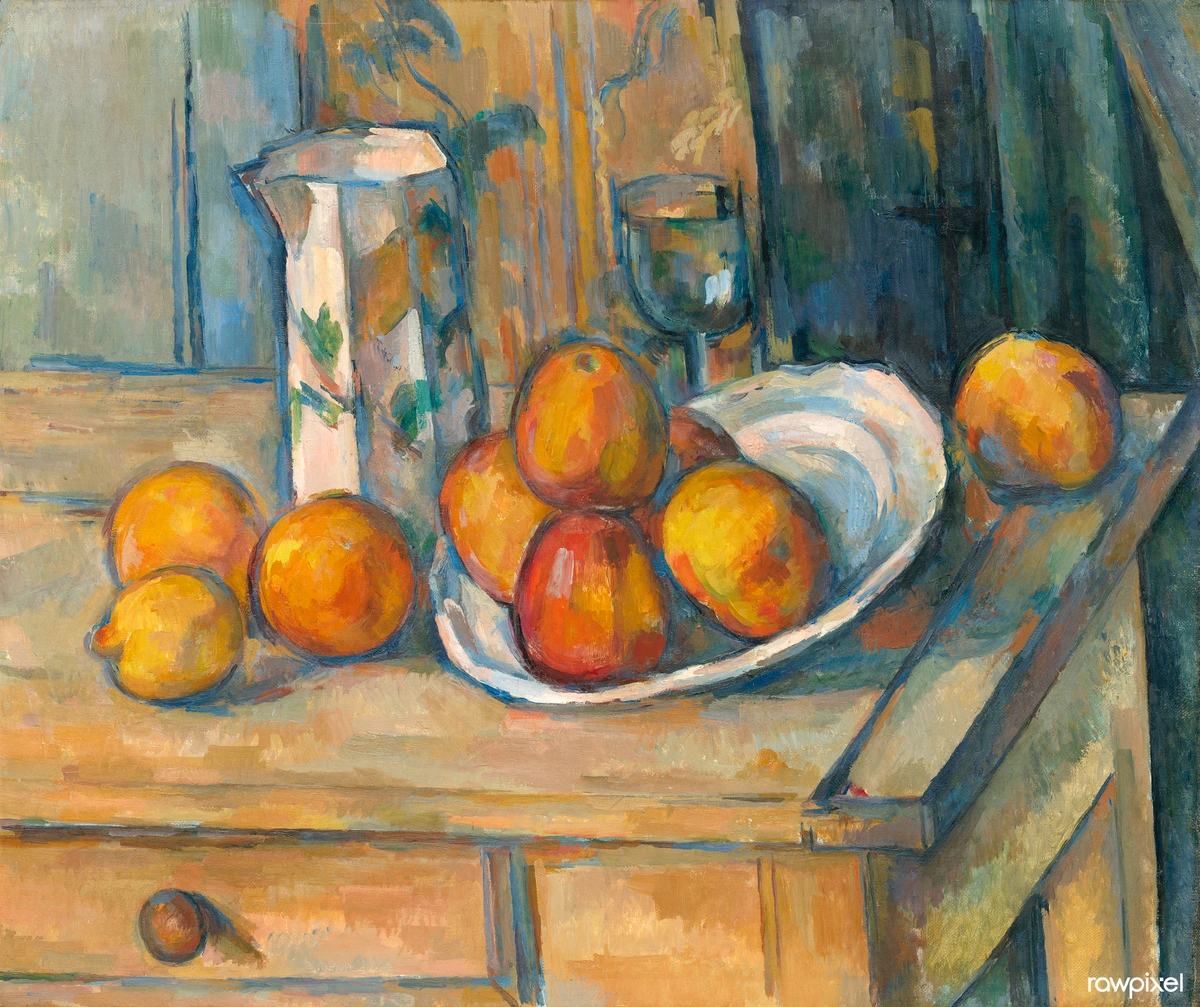
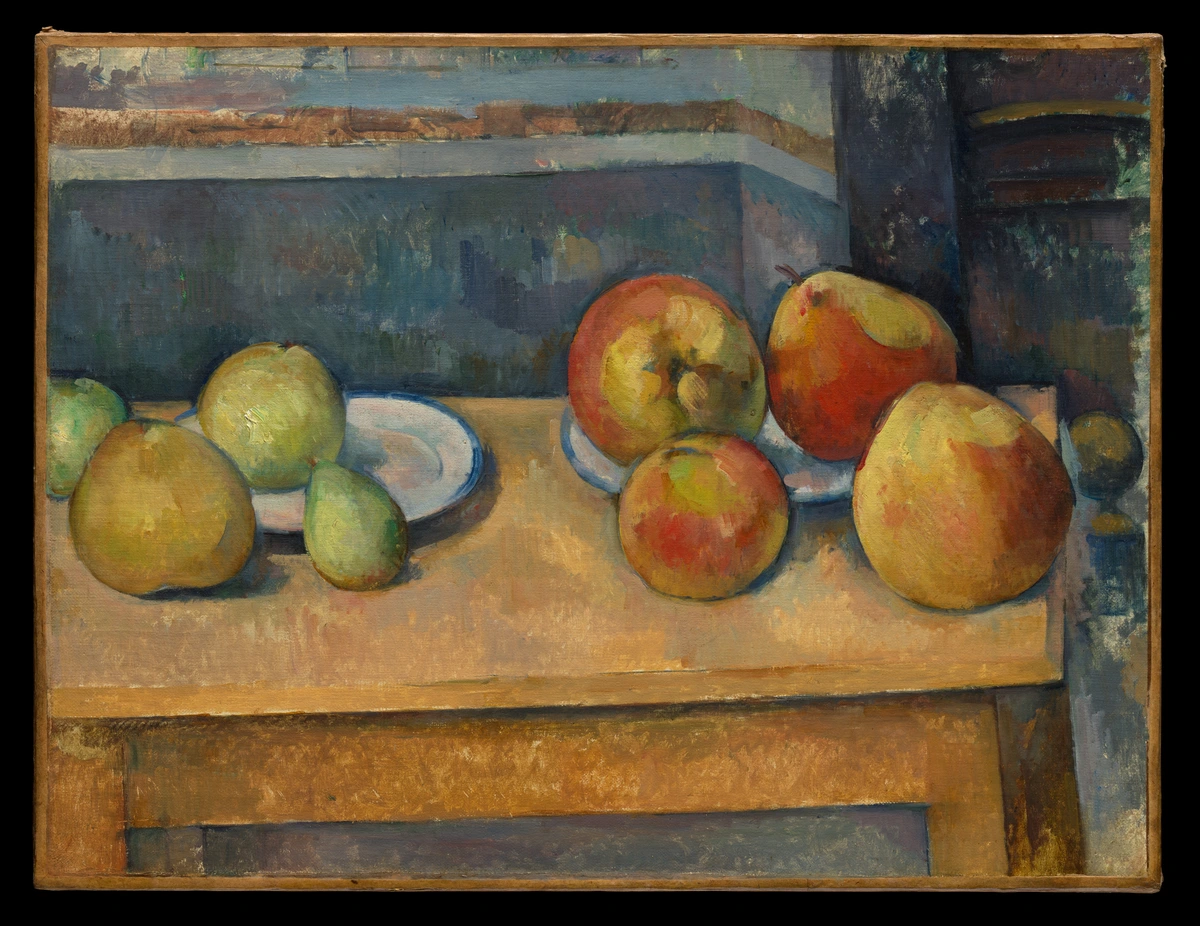
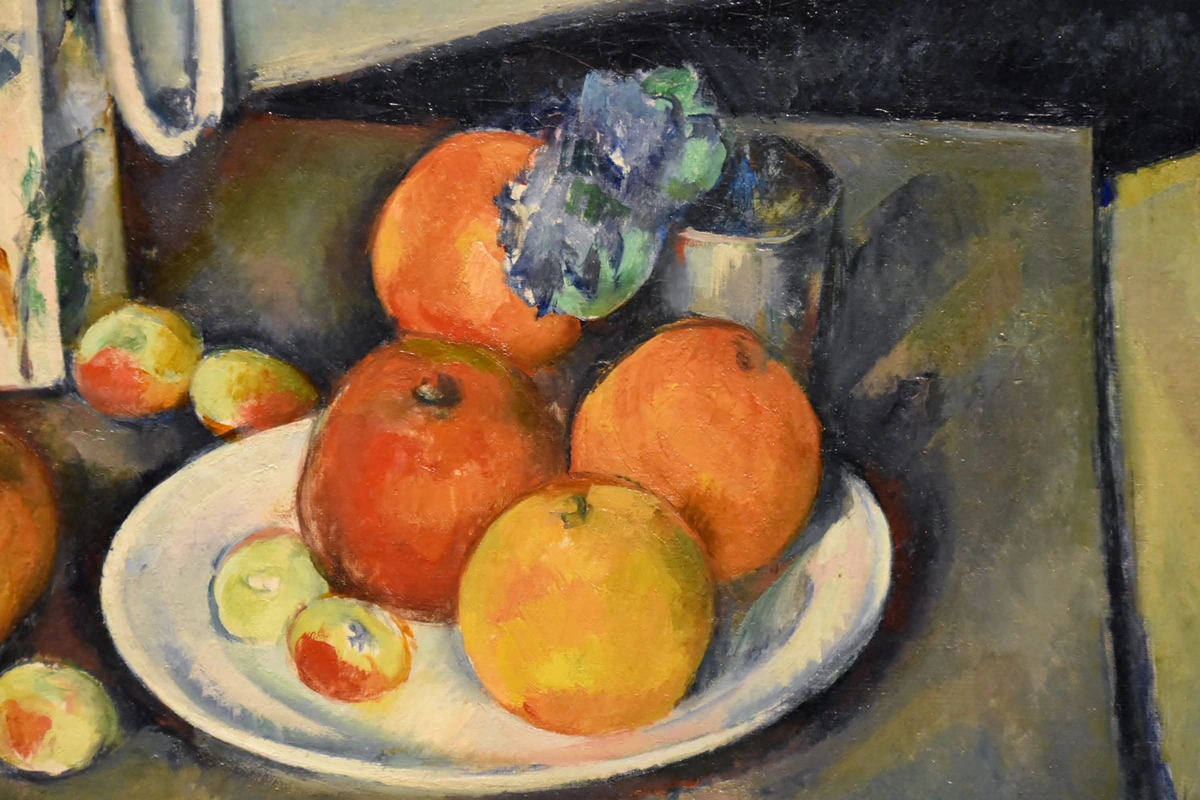
Forget the quick, light dabs of the Impressionists. Cézanne developed what we now call the constructive stroke. These were disciplined, often parallel, hatched patches of color, each one deliberately placed like a brick in a meticulously built wall. He used them not just to apply paint, but to build form and model volume, directly creating the geometric solids he spoke of. Every stroke wasn't just a mark; it was a structural component, following the planes and contours of the object. For instance, if you look closely at one of his apples in Still Life with Apples and Oranges (c. 1895-1900), you can see how his careful, interlocking strokes define its distinct facets, almost chiseling its form into existence. In his landscapes of Mont Sainte-Victoire, these rough, weighty strokes build the texture of rock faces, giving the mountain a tangible presence. His brushwork was notably thicker and more deliberate than the Impressionists, often employing a slight impasto (thick application of paint) that gave his surfaces a tangible, almost sculptural quality, emphasizing the paint's materiality as a building block. As he himself famously said, "I want to make of Impressionism something solid and durable, like the art of the museums." This wasn't just about color; it was about the tactile quality of the paint itself. He understood intuitively how cool colors (like blue) tend to recede and warm colors (like red and yellow) advance, utilizing this knowledge to sculpt his subjects with paint. For example, a red apple might pop forward with warm hues, while cool blues in the background create depth. It's like he was chiseling with paint, creating a dense, interlocking weave of color and form, a method later explored by artists using impasto. Moreover, Cézanne famously employed passage, a technique where brushstrokes and color planes blend across the boundaries of forms and objects, blurring edges and creating a continuous, unified pictorial surface. For instance, notice how the edge of a tablecloth might subtly merge with the background wall, or a fruit's contour might bleed into the air around it, creating a seamless visual "stitching." This subtle blending further emphasized the overall structure and interconnectedness of his compositions, moving away from distinct, separate objects towards a cohesive visual field.
3. Multiple Viewpoints: Shattering Perspective, Forging Cubism
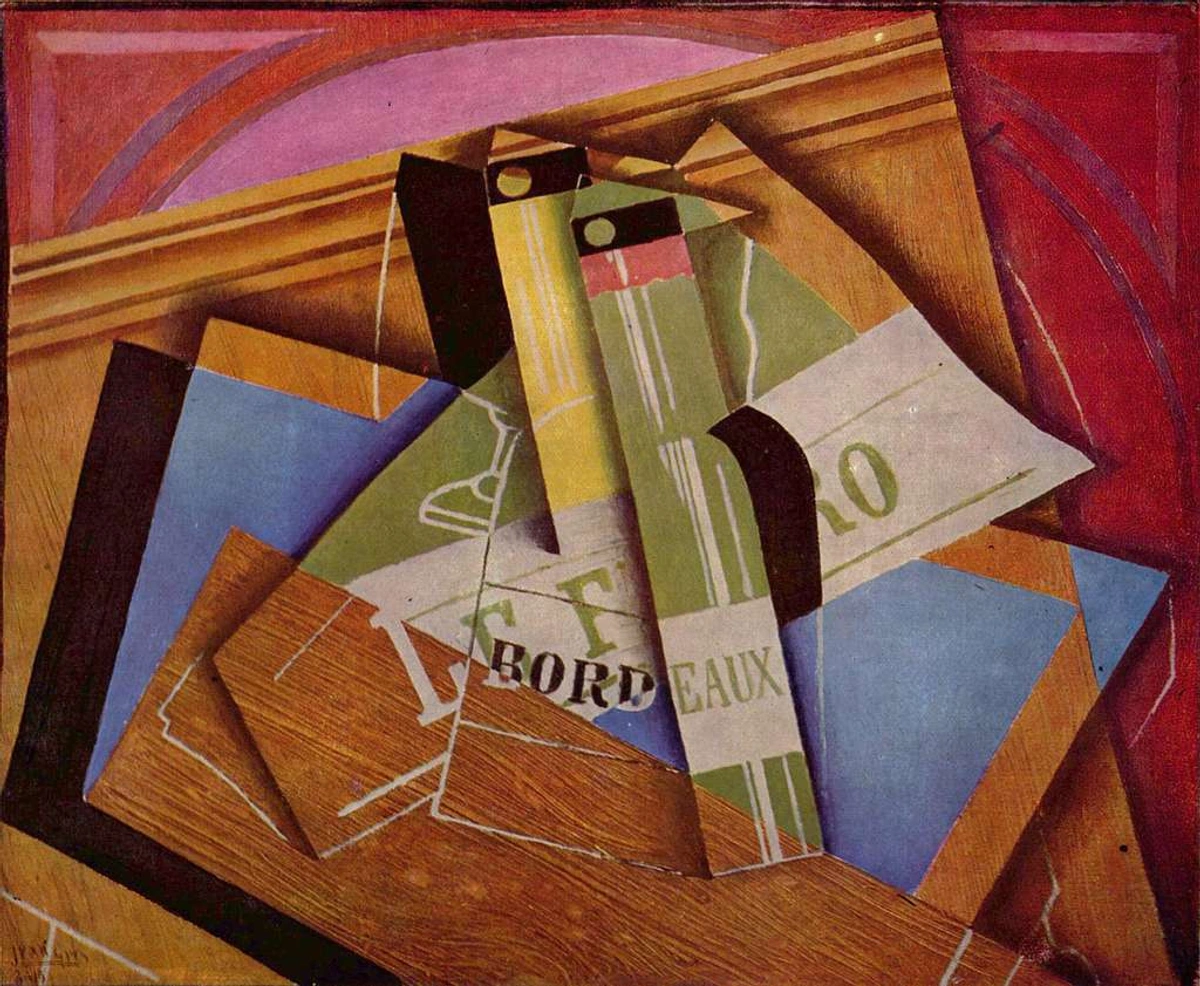
Here's where Cézanne truly threw a monumental curveball at centuries of artistic tradition. He daringly abandoned traditional single-point perspective in art. If you meticulously study one of his still lifes, like Still Life with a Basket of Apples (c. 1890-94), you might notice a table tilted forward impossibly, while the fruit on it is seen from directly above, and a pitcher from a slightly different angle. This wasn't a mistake, or a sign of a clumsy hand. Not at all. He was, in essence, depicting objects as we actually experience them in real life: through a sequence of glances over time, from slightly different positions as we move around them. Imagine you're walking around a table with apples. You don't see them from just one fixed point, do you? Your eyes gather multiple bits of information. Cézanne synthesized these varied perspectives into a single, unified, yet unconventional, composition. This radical approach shattered the rules established during the Renaissance and directly laid the groundwork for the Cubism art movement. It was almost like he was anticipating cinematic cuts, presenting a visual montage within a single frame—a series of 'shots' from different angles, challenging the static, singular truth of traditional perspective and paving the way for a more dynamic, temporal representation of reality. Picasso and Braque, the pioneers of Cubism, looked at Cézanne's work and saw a direct path to their own fragmented, multi-dimensional representations of reality. Picasso famously acknowledged, "Cézanne is the father of us all." His early proto-Cubist work, such as Les Demoiselles d'Avignon, clearly shows this direct lineage in its geometric figures and multiple viewpoints. This intellectual approach to vision, of breaking down and reassembling reality, was utterly groundbreaking. It allowed him to create a sense of enduring solidity that felt more real than any single, static viewpoint could provide.
Cézanne's Artistic Evolution: A Lifelong Pursuit
These groundbreaking innovations didn't appear overnight; they were the product of decades of dedicated artistic evolution. Cézanne's career, a testament to relentless artistic investigation, can generally be divided into three periods, each building upon the last in his unyielding pursuit of a new pictorial reality. While he mostly worked in isolation in Aix-en-Provence, the unique light and landscape of his hometown profoundly influenced his developing vision, offering him consistent subjects for his rigorous investigations. His occasional visits to Paris and interactions with other artists, though often strained due to his notoriously difficult temperament, still subtly shaped his path. The consistent presence of the clear, monumental Mont Sainte-Victoire outside his studio window, for example, offered him a stable, grand subject for continuous formal exploration, almost like a living laboratory for his structural studies.
- Early Period (1860s-1870s): The Dark Period. Influenced by Romantic painters like Delacroix, his early works were characterized by dark, impasto brushwork and subjects often featuring violent or imaginative themes. Think The Stoning of Saint Stephen (1870-71) or the dramatic portraits of his uncle, such as Uncle Dominique in a Monk's Habit (c. 1866-67), which showcases a brooding psychological intensity through thick, somber paint. These pieces were often met with incomprehension and outright rejection by the Salon, highlighting his early struggles and fiercely independent spirit, a foundational period for his Expressionism.
- Middle Period (1870s-1880s): Impressionist Encounters and Divergence. Under Pissarro's guidance, Cézanne lightened his palette and embraced outdoor painting. He exhibited with the Impressionists but soon began to diverge. This is where he started grappling with his desire for solidity, applying Impressionist colors not for fleeting light, but to build form and volume. The House of the Hanged Man (1873), for instance, despite its Impressionist palette, displays a geometric rigor and structural weight in the buildings that set it apart from a purely atmospheric Impressionist work. L'Estaque: View from the Gulf of Marseilles (c. 1878-79) similarly demonstrates Impressionist lightness infused with a new structural rigor, where houses feel like solid blocks of color, in stark contrast to how Monet might render a dissolving, light-drenched scene. The table comparing his work with Impressionism perfectly captures this shift.
- Late Period (1880s-1906): The Mature Vision. This is where Cézanne fully developed his unique style, focusing on the geometric simplification of forms, multiple perspectives, and his signature constructive brushstrokes. His iconic still lifes, Mont Sainte-Victoire landscapes, and Bathers series were predominantly created during this time, marking his profound contribution to modern art. Masterpieces like Still Life with a Basket of Apples (c. 1893) and Mont Sainte-Victoire (c. 1904-06) define this period, showing forms reduced to their essential geometric components and built with deliberate, sculptural brushwork. For more on his life, consider Paul Cézanne: Biography and Famous Artworks.
Cézanne's Obsessive Quest: Apples, Mont Sainte-Victoire, and Bathers as Laboratories
As his vision matured, Cézanne found his most potent laboratories for these new ways of seeing not in fleeting trends, but in the enduring forms he encountered daily. Cézanne wasn't one for constantly chasing new subjects. In fact, he famously revisited certain motifs again and again, almost obsessively. Why? Because these weren't just things to paint; they were his laboratories, his philosophical battlegrounds, his trusted models for dissecting and reconstructing reality. They offered endless opportunities to explore and refine his theories on form, color, and composition. For him, the subject was merely a pretext for the ongoing visual investigation.
Still Life as a Laboratory
His still lifes, those monumental arrangements of apples, oranges, and pitchers, were his personal testing ground. Here, in the controlled environment of his studio in Aix, he could manipulate every variable, endlessly experiment with form, color, and composition. He would meticulously arrange and rearrange objects, observing them from countless angles, and even alter the lighting dramatically to understand how each change affected their perceived structure. He deliberately created compositions with slight imbalances or unusual juxtapositions—a tilted table, a slightly askew bottle—to challenge traditional perspective and deepen the sense of constructed reality. It's like he deliberately set up a subtle disquiet, forcing you to look past a pretty arrangement to the fundamental truth of how things occupy space. Take for instance, Still Life with Apples and Oranges (c. 1895-1900) or The Basket of Apples (c. 1893), where the fruit, far from being perishable items, became solid, almost architectural forms, as permanent and weighty as the mountains he painted outdoors. You might notice the impossibly tilted table, a clear example of his multiple viewpoints at play, creating a subtle disquiet. He famously struggled with the reflective surfaces of objects like pitchers and glass, meticulously applying his constructive strokes to capture their multifaceted appearance without resorting to mere illusion. This elevated the humble still life from a minor genre to a major vehicle for profound artistic investigation. I often think of him as a scientist of sight, with his apples as the atomic particles he was trying to understand and reassemble.
The Sacred Mountain: Mont Sainte-Victoire
No subject held Cézanne's fascination quite like Mont Sainte-Victoire, the imposing limestone mountain near his home in Aix. He painted it more than sixty times, from countless angles, in various seasons and lights. This particular mountain, with its clear, enduring geological forms and dominant presence in his familiar landscape, became a deeply personal metaphor for his artistic quest for solidity and permanence. Each rendition wasn't merely a landscape; it was a deeper dive into its geological structure, its volume, its profound relationship to the surrounding plains and sky. The mountain itself, a prominent geological feature of the region, with its clear, enduring forms and monumental scale, offered a perfect subject for his pictorial structure investigations. Unlike traditional landscape painters who sought to capture picturesque views, Cézanne treated the mountain as a geological sculpture, a constant, enduring form that could be endlessly explored and reinterpreted through his geometric lens. He used color not just to describe but to build the mountain, allowing warm colors to advance and cool colors to recede, giving the mountain a palpable, breathing presence. To me, each painting of Sainte-Victoire feels like another page in a lifelong visual diary, each entry revealing a new, profound truth about an old friend.
The Bathers: A Quest for Timeless Form
His "Bathers" series, depicting nude figures in a landscape, also consumed years of his artistic life. Why nudes? Cézanne, always looking to strip away the anecdotal and trivial, chose the human body as another fundamental form to explore. He wanted to revert to classical, monumental forms, but render them in his distinctly modern, structural idiom. Unlike traditional academic nudes, which often focused on idealized beauty, mythological narratives, or anecdotal scenes with smooth, perfectly rendered figures, Cézanne's figures are often generalized, monumental, almost sculptural. Consider The Large Bathers (c. 1900-1906), Five Bathers (c. 1877-78), or Three Bathers (c. 1879-82), where the figures are seamlessly integrated into the landscape as if they are part of its architecture, their bodies defined by strong outlines and simplified, almost blocky forms. Critics sometimes found these figures stiff or lacking sensuality, and you can understand why if you're used to the smooth, idealized forms of classical nudes. However, this was a deliberate choice by Cézanne. He wasn't interested in individual likeness or anecdotal storytelling but in the geometric relationship of the bodies to the landscape and to each other. They're part of the overall structural composition, another element reduced to its fundamental cylinders, spheres, and cones. These powerful, if sometimes awkward, arrangements were his attempt to create a timeless, classical art in a modern idiom, stripping away the anecdotal to get to the pure, enduring form—a universal humanity expressed through geometric relationships. He grappled with the series for years, often painting from memory or imagination, driven by the compositional challenge of integrating the human form into his unique pictorial structure. After all this exhaustive exploration, he felt he was only just beginning to truly grasp how to render the human form in this new, structural way.
Cézanne's Most Important Paintings: Visualizing the Revolution
To truly grasp Cézanne's impact, it helps to look at some of his most pivotal works, each a testament to his groundbreaking vision. These paintings are not just masterpieces; they are crucial visual evidence of his revolutionary ideas in action, showcasing his unique approach to form, color, and space:
- The House of the Hanged Man (1873): This early Post-Impressionist work, created during his pivotal period with Pissarro, already hints at a more structured approach than his peers. Its solid, weighty forms and deliberate composition foreshadow his later architectural concerns, demonstrating his emerging desire for solidity even within a bright Impressionist palette, breaking from the fleeting nature to suggest something more permanent.
- Still Life with a Basket of Apples (c. 1893): An iconic example of his multi-perspectival approach, where the table is famously distorted, and objects are viewed from different angles simultaneously to emphasize their volume and presence. It's a masterclass in his geometric reduction and planar construction, demonstrating how he built, rather than merely depicted, reality. Notice the deliberate imbalances, a hallmark of his structured vision, which create a subtle tension.
- The Card Players (1890-95): A series depicting Provençal peasants, these works showcase his monumental figures and structural composition, treating the human form with the same architectural rigor he applied to landscapes and still lifes. They exemplify his goal of universal humanity through geometric relationships, stripping away individualistic details for universal form and psychological depth, hinting at a quiet, internal drama through their focused poses.
- Mont Sainte-Victoire and the Viaduct of the Arc River Valley (c. 1882-85): One of many depictions of his beloved mountain, this particular piece exemplifies his use of color planes to build form and create a sense of deep, enduring space, rather than atmospheric illusion. It's a prime example of his structural landscapes and the enduring solidity he sought, transforming a scenic view into a geological investigation.
- The Large Bathers (c. 1900-1906): The culmination of his Bathers series, a monumental work synthesizing figures and landscape into a unified, timeless, and almost abstract composition, reducing bodies to their essential geometric components and embodying his quest for classical permanence in a modern idiom. It's a powerful statement on formalism, where the human body becomes an element of pure pictorial structure, seamlessly integrated into its environment.
A Prophet Without Immediate Honour: Cézanne's Reception
It’s often hard for us, looking back from the vantage point of history, to imagine a world where Cézanne wasn't revered. But for much of his life, his work was either ridiculed or, perhaps worse, ignored. He rarely achieved critical success, and when he did exhibit, it was frequently met with bewilderment or outright contempt. Critics, accustomed to the smooth finishes of academic art or the shimmering surfaces of Impressionism, simply didn't know what to make of his "unfinished" appearance, his bold brushwork, and his distorted perspectives. His rough surfaces, figures that felt more like monumental forms than living beings, and a defiance of traditional narrative directly challenged the established aesthetic rules of the time, causing genuine offense to many. "His canvases… appear to have been painted with a palette knife, by a clumsy giant," one critic famously quipped during the 1877 Impressionist exhibition. Another critic, in an 1895 review, described his work as "a collection of crude attempts, an infantile and barbarous painting," seemingly unable to look beyond the surface texture to the profound structural vision beneath. It makes you wonder if they'd had too much absinthe at the time, or perhaps were simply looking for the wrong thing entirely. He was largely a solitary figure, working in isolation, fueled by an inner conviction that few understood. I often wonder what internal storms he weathered, how deeply such public disdain must have stung, even for a true innovator. While the general public and critics often scoffed, a few forward-thinking collectors and dealers, such as Ambroise Vollard, recognized his genius early on, providing crucial, albeit limited, support. This early, quiet recognition, often in the face of public ridicule, truly highlights the Cézanne Paradox – his simultaneous struggle and profound influence. He himself was plagued by self-doubt, often lamenting, "I haven't attained and realized..." – a poignant admission from a man who had already changed art forever.
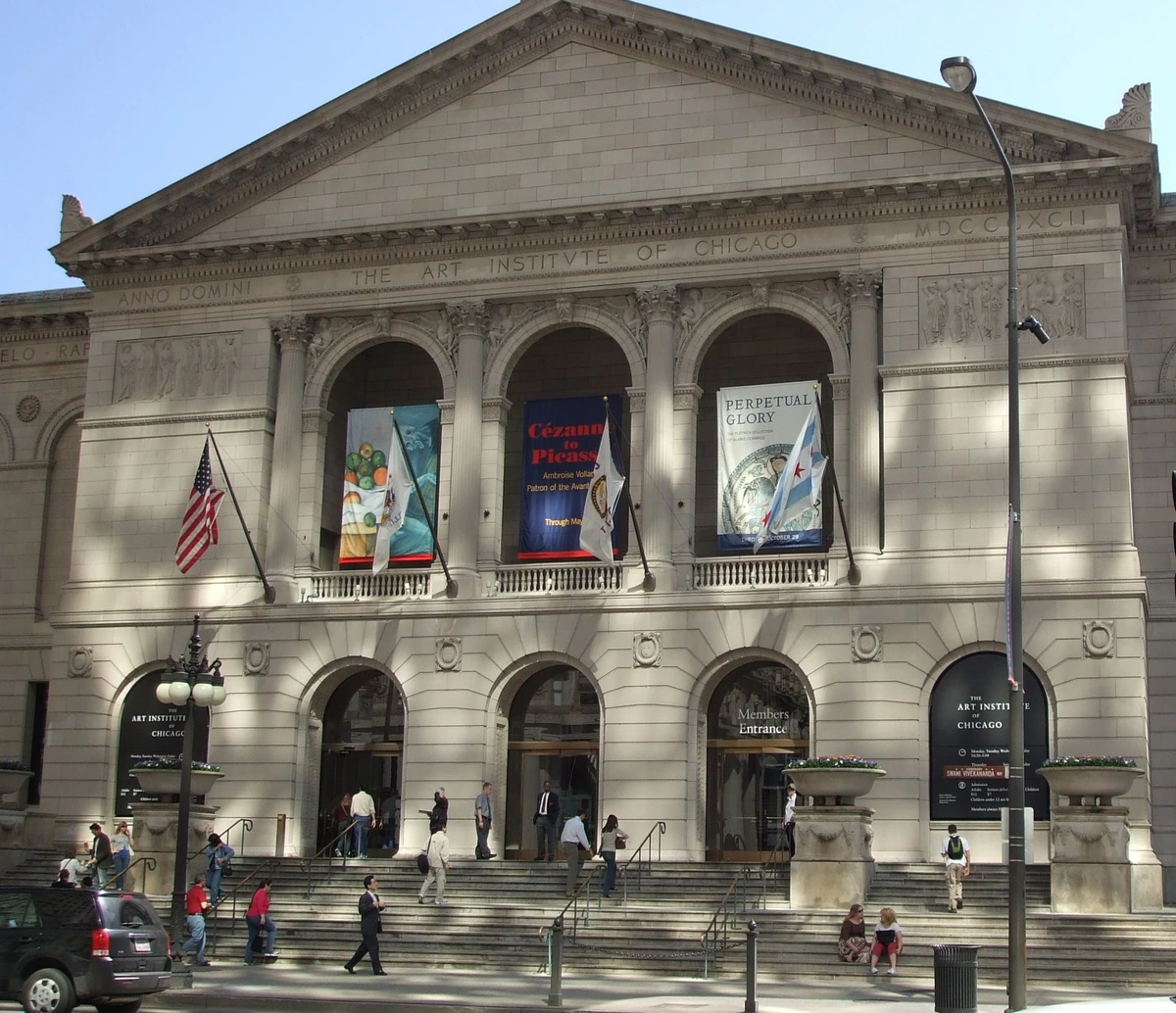
It wasn't until the very end of his life, and more significantly, after his death in 1906, that his true impact began to be recognized. A major retrospective in Paris in 1907 was a revelation for a younger generation of artists. Suddenly, what seemed clumsy or unfinished was recognized as profound, visionary, and utterly groundbreaking. Artists like Henri Matisse and André Derain were profoundly impacted, seeing in Cézanne's work a new, liberated pathway for color and form. This quiet ferment would soon erupt into the seismic shifts of the 20th century, proving his genius was merely biding its time. Talk about posthumous fame! It just goes to show you, sometimes genius needs time for the world to catch up.
The Echo Chamber: Cézanne's Unstoppable Influence
The influence of Paul Cézanne on 20th-century art is truly immeasurable. He didn't just inspire a single movement; he fundamentally shifted the paradigm of painting itself, a true modern art pioneer who redefined what a painting could be. His insistence on the painting as a constructed object, rather than merely a window onto the world, became a cornerstone of modernism. His profound influence echoes through virtually every major art movement that followed, proving him to be the essential link between centuries.
From Aix to Paris: Inspiring Fauvism and Cubism
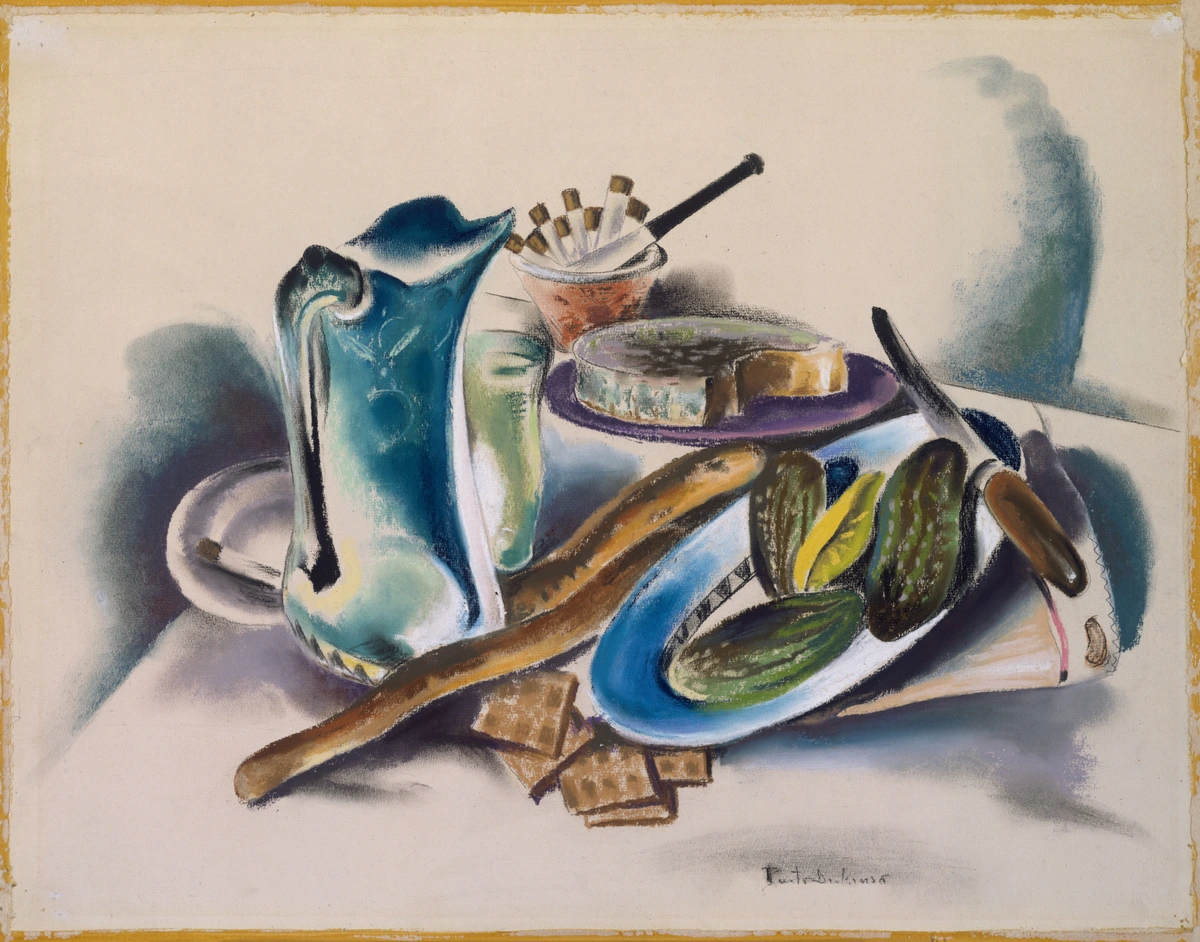
His groundbreaking approach to form and color directly impacted the vibrant, expressive canvases of the Fauvism art movement artists. Henri Matisse and André Derain, among others, recognized Cézanne's revolutionary use of color not just for description, but for its structural and emotional power. This liberation of color from its descriptive role, using it to build and define form rather than merely replicate optical effects, directly paved the way for the Fauvists' bold, non-naturalistic hues and their expressive spatial relationships.

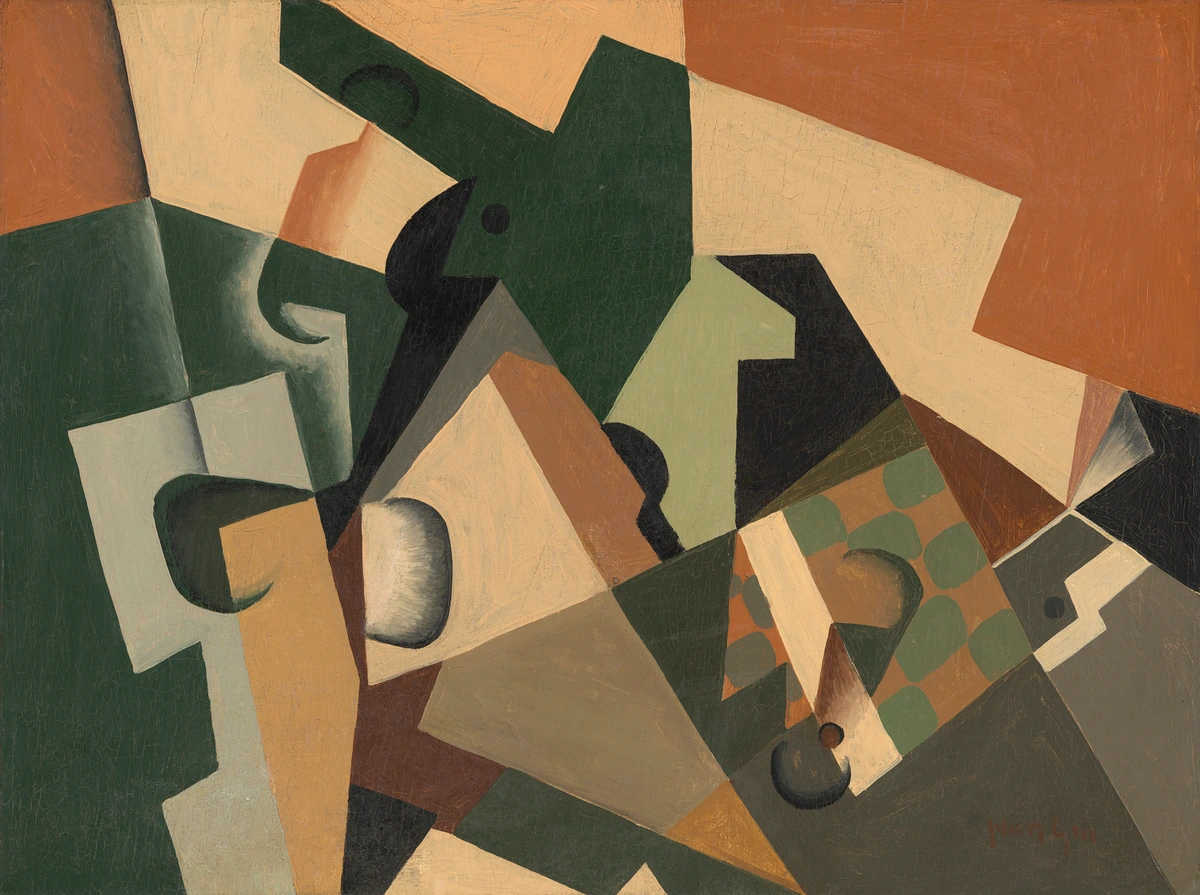
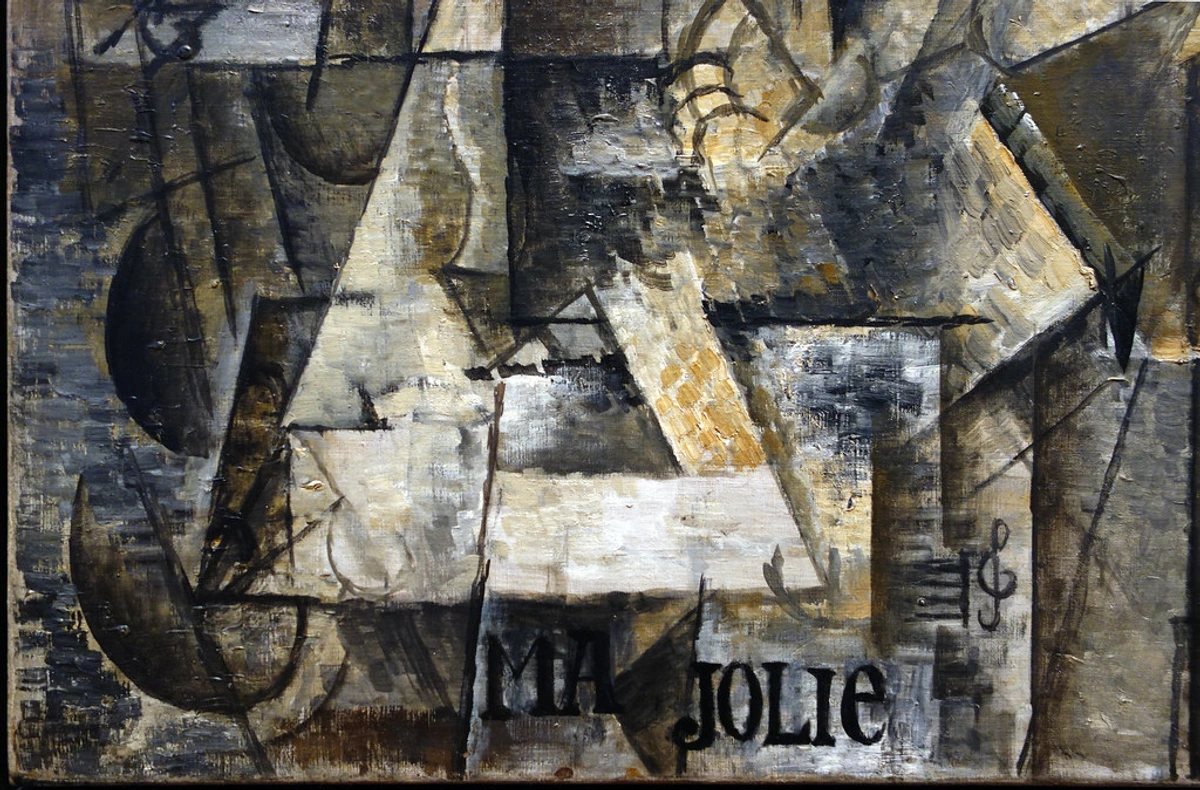
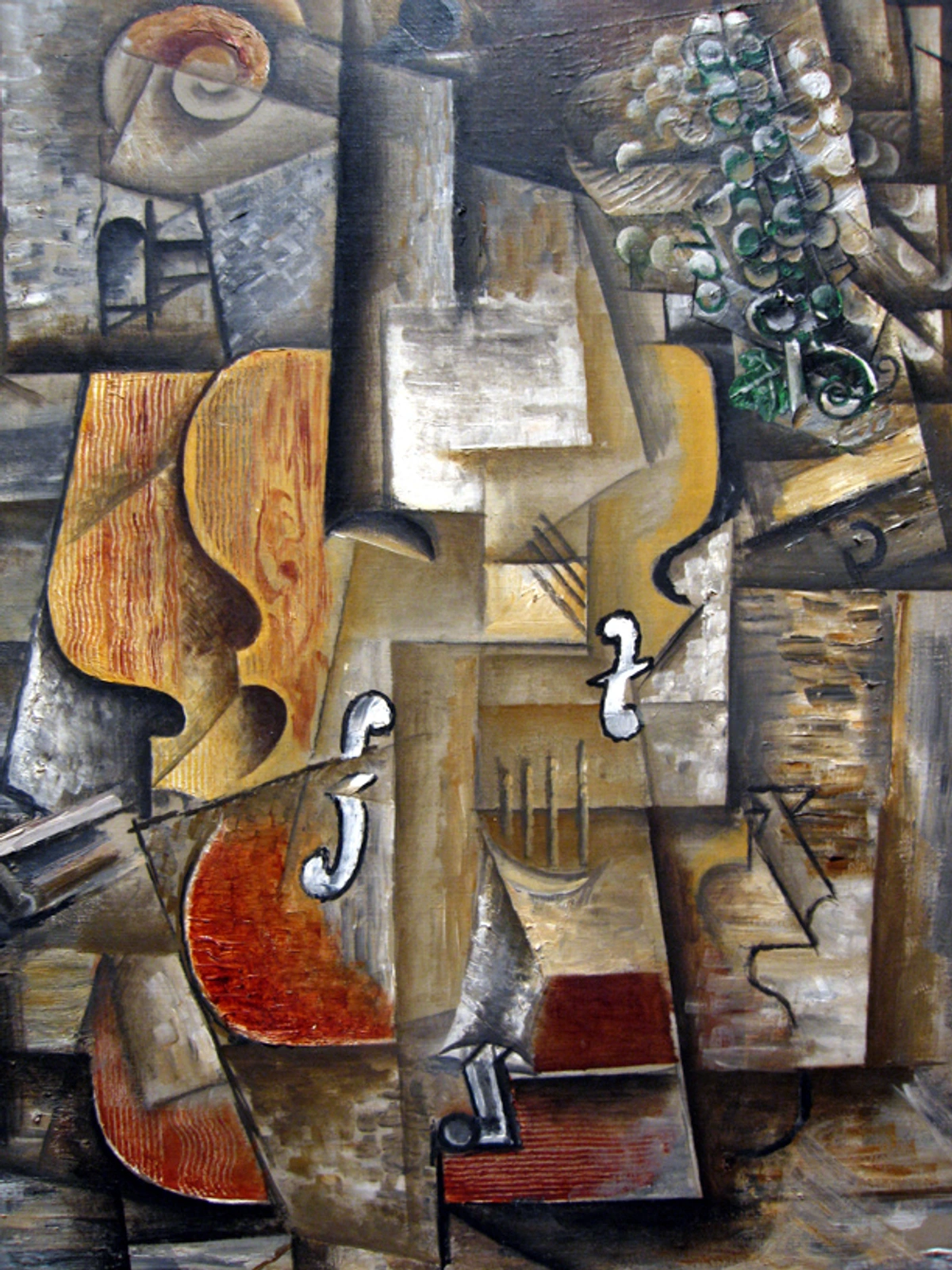
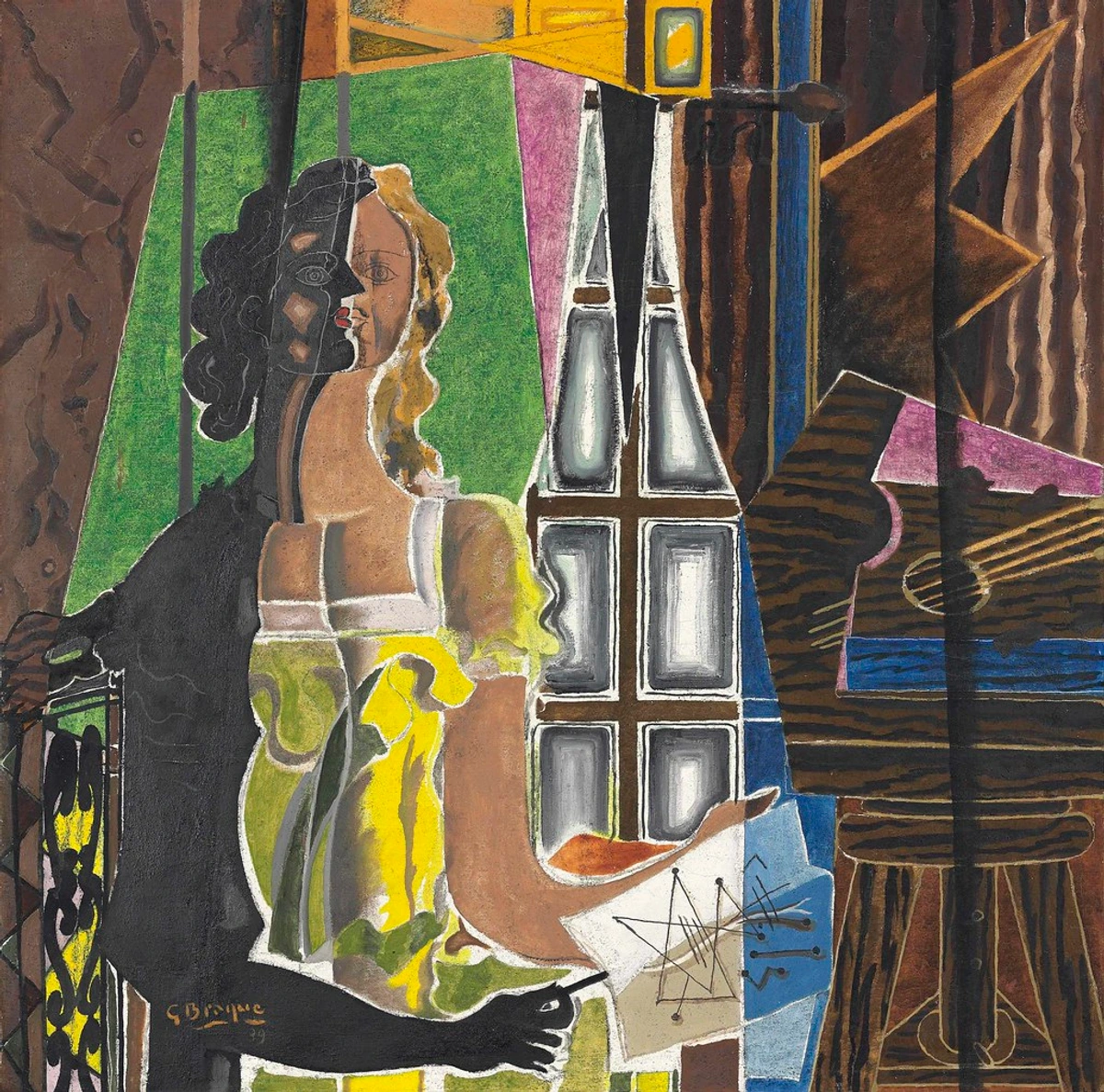
But it was in Cubism that Cézanne's ideas found their most direct and dramatic heirs. Pablo Picasso and Georges Braque literally studied Cézanne's paintings, deconstructing them to understand his methods. Picasso famously declared, "Cézanne is the father of us all," a sentiment that perfectly captures his foundational role. They took his multi-perspectival approach, his reduction of forms to geometric solids, and his constructive brushwork, pushing them to their logical, fragmented conclusions. Early Cubist works, such as Picasso's Les Demoiselles d'Avignon (1907) or Braque's landscapes from L'Estaque (1908, a village Cézanne also painted), clearly demonstrate how Cézanne’s influence provided the very backbone for the movement, with its shattered planes and multiple viewpoints. It was a direct, palpable lineage, from a quiet studio in Aix to the Parisian avant-garde.
A Continual Wellspring for Modern Art
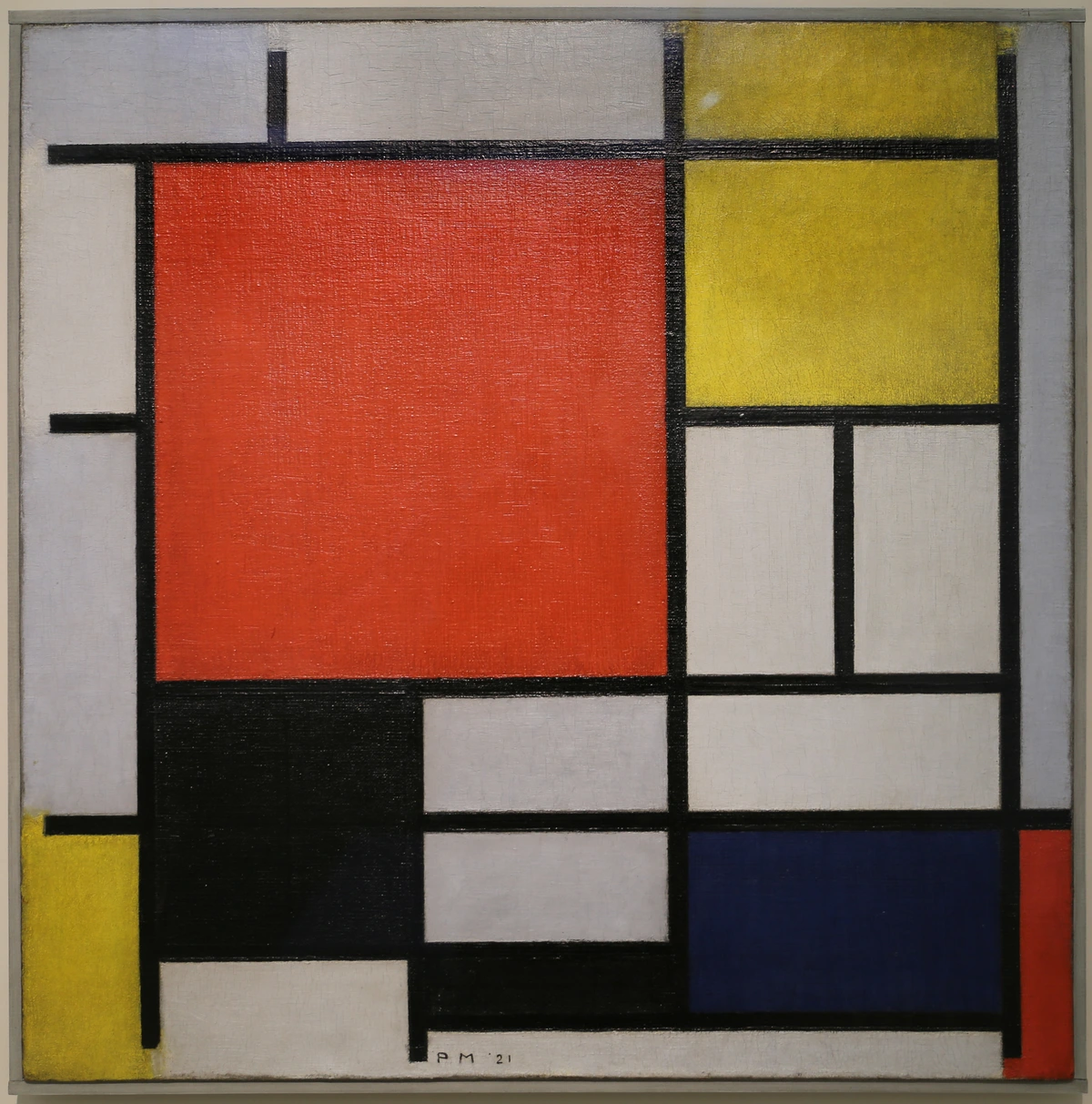
Beyond Cubism and Fauvism, Cézanne's spirit permeates much of modern art. His emphasis on the integrity of the canvas—the idea that a painting is not just a window onto the world but an object in itself, a constructed reality with its own inherent rules—resonated with generations of abstract artists. His relentless pursuit of an underlying, permanent reality, rather than a superficial appearance, continues to inspire artists to this day. Even artists like Piet Mondrian, with his grid-like abstractions, and Wassily Kandinsky, with his spiritual exploration of form and color, can be seen as continuing Cézanne’s project of understanding and building a new pictorial reality, albeit in vastly different ways.
- Futurism: Cézanne’s groundbreaking fracturing of a single viewpoint directly informed the Futurists’ attempts to depict movement, speed, and multiple moments in time within a static canvas. By showing multiple facets of an object simultaneously, Cézanne essentially provided a visual syntax for depicting an object’s presence across moments in time, a concept Futurists would explode into dynamic representations of speed and motion.
- Abstract Expressionism: Though seemingly disparate, the analytical rigor of Cézanne's focus on the act of painting and the materiality of paint, along with his emphasis on the canvas as an autonomous object, provided a conceptual foundation for artists like Jackson Pollock. His structural concern for the artwork's internal logic, rather than external representation, allowed later abstract artists to explore pure form, gesture, and the inherent properties of paint itself.
- Post-Impressionism: Cézanne stands as one of the key figures of Post-Impressionism, directly influencing artists like Georges Seurat (in his systematic approach to color and composition) and Vincent van Gogh (in his bold, deliberate brushwork and structural concerns for landscape) through his systematic approach to color and form, albeit in their own distinct ways.
- Constructivism & Suprematism: His ideas about painting as a constructed entity, built from fundamental geometric forms and planes, directly anticipate the non-objective, geometric art of movements like Constructivism and Suprematism, where art was seen as an engineering of pure form.
When you see artists grappling with form, structure, and the very nature of perception—how we construct meaning from what we see—you’re often witnessing Cézanne's legacy at work, even if they don't explicitly know it. From the sculptural quality of later movements to the analytical rigor of contemporary practice, Cézanne's ideas laid crucial groundwork, proving that the canvas could be a site for intellectual inquiry and structural innovation, not just mere depiction. Even in today's digital age, where artists construct realities through code and algorithms, Cézanne's foundational idea of the artwork as a consciously built entity, with its own internal logic, resonates deeply. He truly established the foundation upon which the entire edifice of 20th-century art would be built.
credit, licence
The Cézanne Paradox: A Legacy of Doubt and Influence
So, here we have this profound paradox: a solitary, often cantankerous artist, plagued by self-doubt and largely scorned during his lifetime, who tirelessly pursued a vision that few could initially comprehend. Yet, it was this very dedication, this unshakeable belief in his own unique way of seeing, that made him the indispensable figure he is today. He wasn't interested in pleasing crowds or chasing trends. He was driven by an internal imperative to understand the world in a way no one else had, to strip away the superficial and get to the very core of form and perception. His famous self-doubt, often expressed as, "I haven't attained and realized..." or "I am still searching for the realization of my sensations," speaks volumes, doesn't it? We all have those moments of creative uncertainty, but Cézanne's perseverance through his own crippling self-doubt is what makes his journey so inspiring. His relentless questioning and dissatisfaction with his own work weren't impediments; they were catalysts for deeper exploration and further innovation. Even at the height of his powers, he felt he was still striving, still searching for that perfect synthesis. And maybe that's the greatest lesson from Cézanne: true innovation often comes from a relentless, often lonely, pursuit of truth, even when the world isn't quite ready for it. He taught us that a painting is a constructed reality, a tangible object with its own rules, and in doing so, he opened the floodgates for everything that came after. He gave modern art its backbone, a robust structure upon which countless movements would build.




If you're eager to continue your exploration of this pivotal artist and his world, consider delving deeper into his personal story and individual works. For a more biographical perspective, check out Paul Cézanne: Biography and Famous Artworks. You might also enjoy seeing how contemporary artists, like Zen Dageraad Visser, grapple with form and color in abstract ways on the /buy page, or see our entire /timeline of art history to place Cézanne in his broader context. Or if you happen to be in the Netherlands, consider a visit to our /den-bosch-museum to experience art in person.
Frequently Asked Questions about Paul Cézanne
Why is Paul Cézanne considered the Father of Modern Art?
Paul Cézanne earned this profound title because his revolutionary approach fundamentally transformed the very goals of painting and the concept of art itself for the 20th century. Instead of merely depicting reality as it appears to the eye (as Impressionism did), he emphasized the artist's subjective interpretation, the underlying structural integrity of objects, and the autonomy of the artwork itself as a consciously constructed entity. His focus on geometric reduction, multiple perspectives, and the deliberate constructive brushstroke broke decisively from centuries of traditional realism and illusionism. This paradigm shift, prioritizing pictorial structure and the experience of perception, opened the door for abstract art, Cubism, Fauvism, and virtually every major avant-garde art movement of the 20th century, providing a new intellectual and visual foundation for modernism. He truly moved art from imitation to construction, from surface impression to structural analysis, providing the crucial transition that Cubism and Fauvism then amplified.

What are the key characteristics of Cézanne's style?
Cézanne's style is defined by several innovative characteristics, all aimed at achieving a deeper, more enduring representation of reality, making his art "solid and durable, like the art of the museums":
- Formalism: This is paramount. Cézanne prioritized the artwork's visual elements (form, color, line) over its subject matter, treating the painting as a constructed object with its own internal logic, not just a window onto the world. He aimed for a timeless aesthetic that transcended mere representational accuracy, paving the way for art movements that were purely about form and color.
- Geometric Reduction: Reducing all natural forms (people, trees, mountains) to basic geometric solids like cylinders, spheres, and cones, revealing their fundamental architecture and allowing for a more universal, structural representation.
- Planar Construction: Building up forms using distinct, often flat planes of color, creating a robust sense of volume and solidity, rather than relying solely on traditional shading. This is akin to building with facets, creating a tangible presence and inherently moving towards abstraction.
- Constructive Brushstrokes: Deliberate, parallel, hatched patches of color that function as structural components, sculpting forms and defining planes rather than merely describing surfaces. These often involved impasto (thick application of paint) to emphasize materiality and give the painting a sculptural quality, along with passage to unify forms.
- Multiple Viewpoints (Simultaneous Perspective): Depicting objects from various angles within a single painting, synthesizing different moments of perception to create a more comprehensive and enduring representation of form and space. This challenged traditional single-point perspective and allowed for a richer understanding of the object.
- Color as Form: Using warm and cool colors to create depth and volume and define the boundaries of objects, rather than solely for optical effects of light. For example, warm reds and yellows would advance, while cool blues and greens would recede, effectively sculpting with paint.

What did Cézanne mean by "treat nature by the cylinder, the sphere, the cone"?
Cézanne believed that all natural forms, regardless of their apparent complexity—from a mountain to a human figure—could be conceptually reduced to basic geometric shapes like cylinders, spheres, and cones. This wasn't an attempt to make them look abstract in a simplistic way, but rather to reveal their fundamental, enduring structure beneath their fleeting surface appearance. It was a tool for understanding the underlying architecture of visual reality. Think of it as an artist acting like an architect or a geologist, looking for the underlying blueprints or rock strata of a form. By reducing forms to these solids and then building them up with carefully applied planes of color and constructive brushstrokes, he sought a more solid, permanent, and intellectually rigorous representation of reality, rather than just an optical illusion. It was his way of finding the universal, underlying order in the chaos of nature and translating it into a powerful pictorial structure that could stand the test of time, creating an internal, visual truth on the canvas.
How did Cézanne bridge Impressionism and Cubism?
Cézanne began his career by adopting the bright palette and plein air methods of the Impressionists but grew dissatisfied with their sole focus on capturing fleeting light and momentary sensations. He then introduced groundbreaking ideas: emphasizing structural form (reducing objects to geometric solids), employing multiple viewpoints within a single canvas (showing objects from various angles simultaneously), and developing analytical, constructive brushwork (using distinct brushstrokes to build form). These innovations directly inspired Cubist artists like Pablo Picasso and Georges Braque. They meticulously studied Cézanne's work and pushed his concepts of deconstructing and reassembling objects from various angles to their logical, fragmented conclusions, making him the direct precursor and intellectual godfather of Cubism. His work provided the crucial missing link, moving art from surface impression to structural analysis, and enabling the shift from subjective perception to subjective construction, creating a new visual language for modernity.
What are some of Cézanne's most famous subjects?
Cézanne famously returned to a few core subjects throughout his career, using them as laboratories for his artistic experiments rather than as ends in themselves. These include:
- Still lifes: Particularly monumental arrangements of apples, oranges, and pitchers. Unlike earlier artists who focused on lush detail or moral allegories, Cézanne used still lifes to rigorously explore form, volume, and composition from multiple, synthesized perspectives, often with famously tilted tables and deliberate imbalances. For him, the fruit became architectural elements, embodying his quest for formalism and structural permanence.
- Landscapes: Most notably the iconic Mont Sainte-Victoire near his home in Aix, which he painted over sixty times. He systematically examined its geological structure and its profound relationship to the surrounding environment and sky, using color and form to build the mountain's enduring presence rather than just depict its appearance. It became a personal metaphor for his artistic journey, a constant source of structural investigation, revealing nature's fundamental architecture.
- "Bathers" series: Depicting nude figures in a landscape, where he focused on the geometric relationship of the bodies to each other and their surroundings. These monumental, often generalized figures were part of his attempt to create a timeless, classical art in a thoroughly modern idiom, reducing human form to its essential geometric components, similar to his approach to mountains and fruit. He was less interested in narrative or sensuality and more in creating enduring form within a structured composition. His relentless pursuit of this series underlines his deep commitment to formal challenges.