Decorate Your Table & Desk: The Ultimate Guide to Stylish Surfaces & Personal Expression with Art
Unlock the secret to captivating tabletops! This ultimate guide offers actionable tips, personal anecdotes, and art-focused strategies for styling coffee tables, desks, consoles & more. Learn to create balance, ambiance, and a reflection of your evolving story with art, plants, books, and unique objects. Elevate every surface from mundane to magnificent, on any budget.

How to Decorate a Table & Desk: The Ultimate Guide to Stylish Surfaces and Personal Expression with Art
I used to think of tables and desks as just… well, flat surfaces. A place to dump keys, stack mail, or awkwardly balance a laptop. For years, my coffee table looked less like a curated centerpiece and more like a retail store's bargain bin. But I've come to realize they are prime real estate, canvases even, for expressing your style, adding personality, and truly enhancing the functionality and ambiance of a room. Whether it's a coffee table, a humble side table, an elegant console, your bustling dining table, or that ever-important work desk, learning how to decorate it thoughtfully can make an astounding difference. Trust me, I've navigated my fair share of cluttered surfaces, and the transformation from chaotic to curated is genuinely cathartic. This guide provides practical tips and ideas to help you transform your tabletops from mundane to magnificent, creating what designers call a 'vignette' – a small, intentional arrangement that tells a story. For a broader perspective on shaping your living spaces, you might find my thoughts on how to decorate your living room helpful.
The Philosophy of Table & Desk Styling: More Than Just Stuff
Before we dive into specific items, let's talk about the mindset. Styling isn't about filling space; it's about curating it. I think of it as composing a small, intimate still life for daily life, a deliberate arrangement that tells a quiet story. Imagine setting up a mini-exhibition in your home. Here are some core principles I always keep in mind:
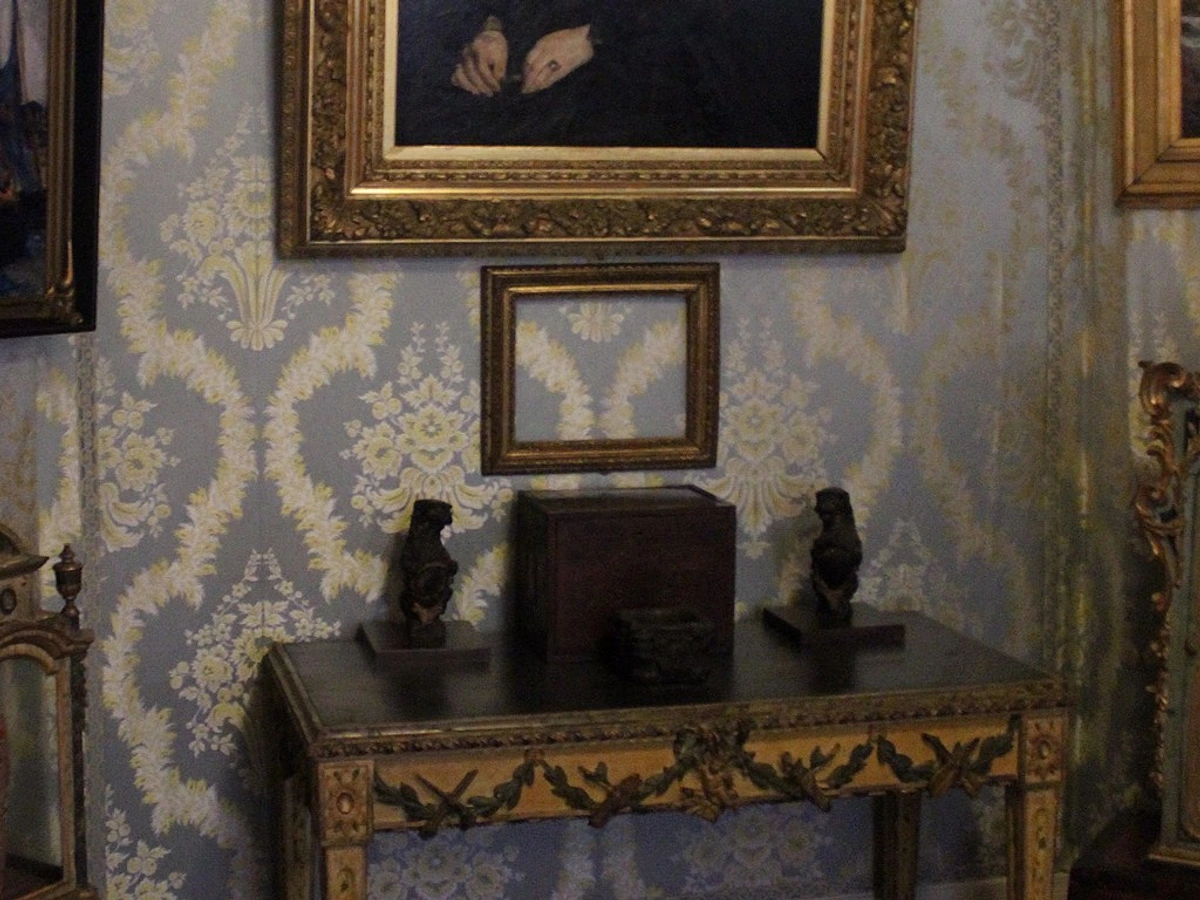
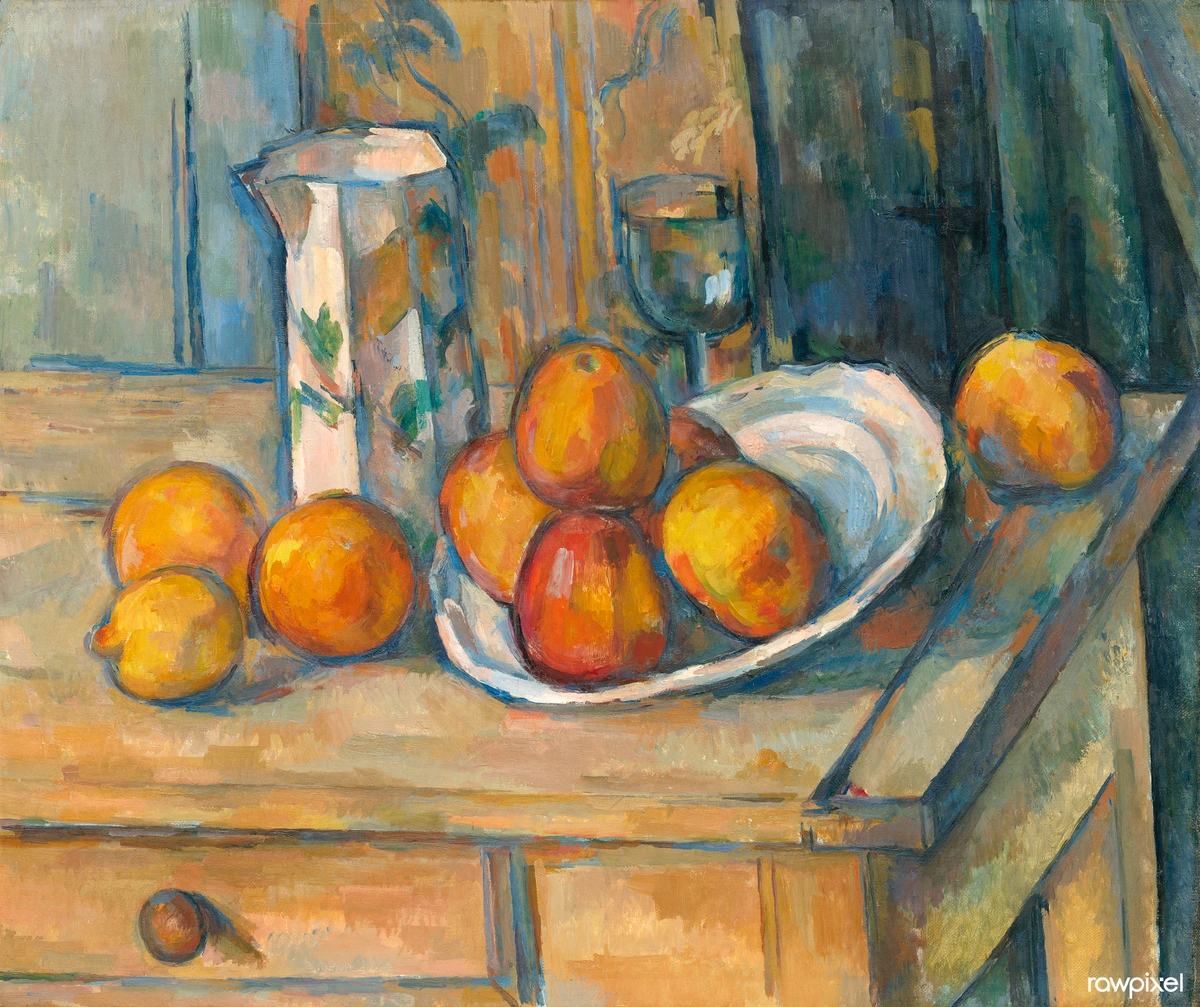
Consider this painting, 'Still Life with Rayfish.' Notice how the artist deliberately arranged objects of varied heights, textures, and colors, using light and shadow to create depth and a compelling narrative. While our tables aren't always meant to be fine art, applying these same compositional techniques can elevate everyday surfaces into thoughtful displays.
- Function First (Always!): The Non-Negotiable Foundation I know, it sounds obvious, but it's the first thing I forget when I get carried away. What is this table primarily for? A dining table needs space for place settings, a desk must have room to work, and a coffee table should accommodate drinks or remotes without feeling like an obstacle course. Decor should enhance, not impede, its primary purpose. Forgetting this means you'll constantly be moving beautiful, but impractical, objects around. My coffee table once sported a towering sculpture that made placing a cup of tea an Olympic sport – a beautiful disaster, if you will.
- Balance & Proportion: The Visual Equilibrium This is where the eye comes in. The size and number of decorative items must be proportionate to the table. A towering sculpture will swallow a tiny side table, making it look overwhelmed and out of place, just as a few minuscule objects will disappear on a grand dining table, feeling lost and insignificant. Aim for visual equilibrium – it feels right when you see it. Think of it like trying to balance a tiny teacup on a giant dinner plate – it just looks awkward. It's like finding the right piece of art above the sofa; scale matters for impact and harmony.
- Vary Heights and Dimensions: The Dynamic Landscape A flat tablescape is a dull tablescape, in my humble opinion. I used to fall into this trap, thinking everything should be on the same level. But then I started introducing different heights – a tall vase, a medium-sized stack of books, a low bowl – and suddenly, the whole arrangement came alive. This creates natural visual pathways for the eye, preventing a monotonous flat plane and adding a sense of depth and dynamic visual interest. Try a tall, slim object, a medium-height grouping (like two stacked books), and a low, wider piece (like a decorative coaster or a small dish).
- Mix Textures & Colors: The Sensory Experience This is where things get really fun. Combine different materials: the smooth ceramic of a vase with the rough wood of a coaster, or shiny metal of a lamp with soft textiles like a woven placemat or a velvet runner, and clear glass. The interplay of textures adds depth and invites touch. Use color to either seamlessly blend with your room's existing palette or, if you're feeling bold, to add intentional pops of vibrant interest. Don't be afraid to experiment with how art for minimalist interiors uses texture. For a deeper dive, consider a monochromatic palette (variations of one color for sophistication) or complementary colors (opposites on the color wheel, like blue and orange, for high contrast and energy).
- Theme & Cohesion: Telling Your Story Your chosen items should feel like they belong together, telling a quiet story, and undeniably complement the room's overarching style. Are you leaning modern, rustic, minimalist, or perhaps something eclectic? Let your choices echo that. If you're struggling to define your aesthetic, ask yourself: Do I gravitate towards natural materials or sleek finishes? Do I prefer muted tones or vibrant hues? What emotions do I want this space to evoke? I've got some thoughts on how to define your personal art style.
- The Rule of Threes (and Fives): The Visual Narrative This is less a rigid law and more a very helpful guideline. Grouping items in odd numbers (typically three or five) often creates a more dynamic and visually appealing arrangement than even numbers. It's about creating a subtle asymmetry that feels balanced and creates a visual story, almost like a mini-narrative. A tall vase, a stack of books, and a small sculptural object form a classic trio. This applies to small vignettes on a coffee table, a cluster of plants on a console, or even cushions on a sofa.
- Negative Space: The Power of the Empty Spot This is something I learned the hard way. There’s a temptation to fill every inch, but leaving intentional empty space allows your decorative items to breathe and shine. Instead of cramming every surface, imagine giving each item its own breathing room – like a gallery exhibit where each piece has space to be appreciated. It prevents a surface from feeling cluttered and gives the eye a place to rest, allowing the arrangement to make a stronger statement. Sometimes less is truly more, especially when choosing art for a small living room.
- Declutter Regularly: The Ongoing Battle Let's be honest, tables and desks are magnets for clutter. It’s a constant battle, and I'm certainly not winning every day. But regular editing is key. Keep only intentional decorative items and functional necessities. Everything else needs a designated home, far away from your beautifully styled surface. I find a quick five-minute 'reset' each evening works wonders.
The Art of Tabletop Art: Your Secret Ingredient
While all these elements contribute to a beautiful surface, there's one ingredient that truly elevates any arrangement: art. As someone immersed in the art world, I can't stress enough how transformative a well-chosen piece of art can be for any surface. It's not just an accessory; it can be the anchor, the conversation starter, the very soul of your display. It’s an invitation to pause, reflect, and appreciate beauty in the everyday.
Why Art? The Unique Impact
Art brings a unique depth that other decorative objects sometimes miss. It adds:
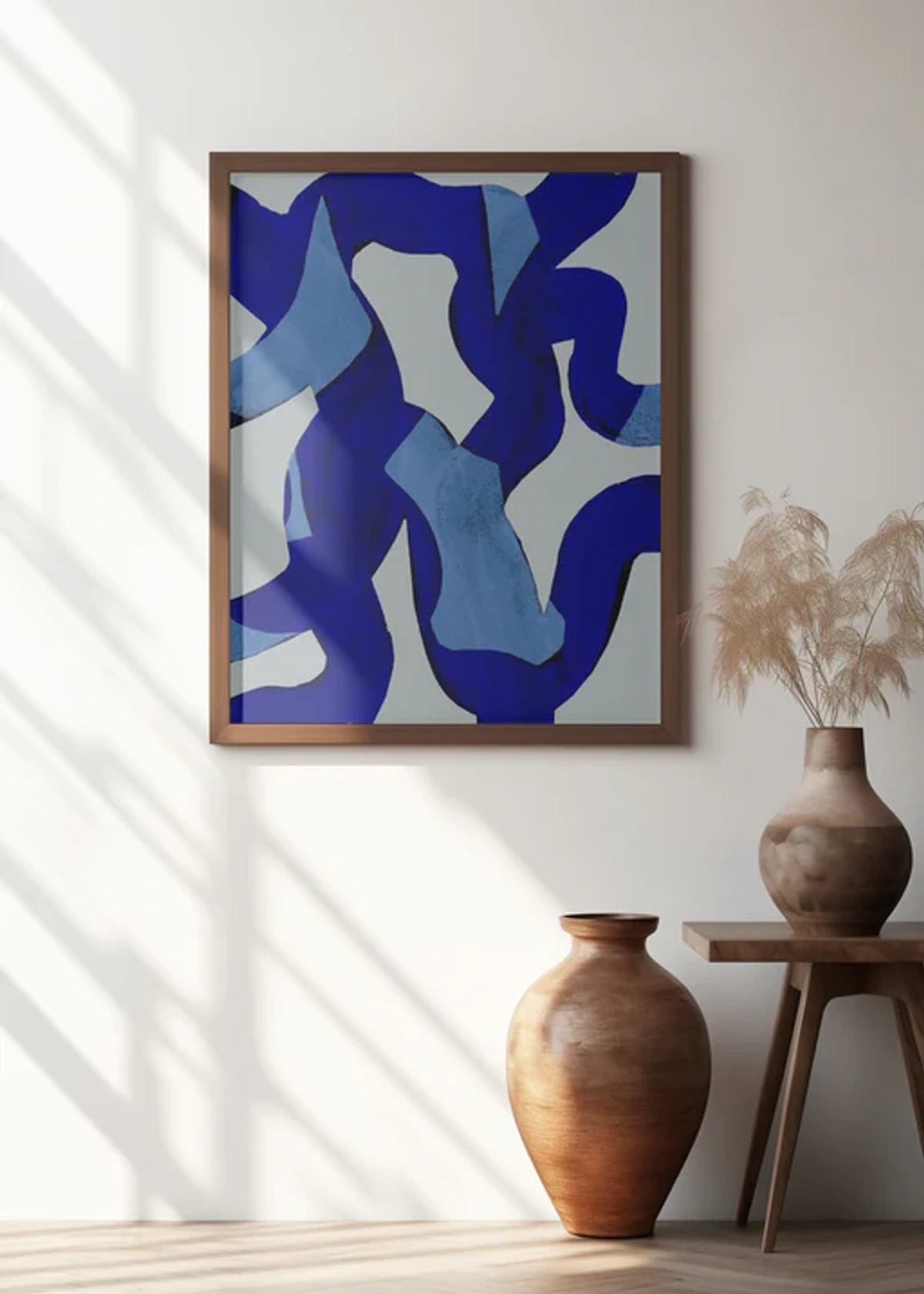
- Personality: Nothing expresses 'you' quite like the art you choose. It reflects your taste, your curiosities, your inspirations. For me, the art I choose for a surface is like a visual diary entry – it speaks volumes about what's inspiring me at that moment. I believe it's the most direct way to infuse your spirit into a space.
- Color & Texture: A vibrant abstract print or a tactile small sculpture can introduce a rich palette and interesting textures that elevate the entire arrangement. This is especially true for contemporary, colorful, abstract art which can really energize a space. Specific color combinations can evoke feelings of calm, excitement, or contemplation, while varied textures invite a more sensory experience.
- Focal Point: A striking piece of art can instantly become the focal point of your table or desk, drawing the eye and grounding the entire vignette.
- Narrative: Art often tells a story or evokes an emotion, adding a layer of contemplation to an otherwise purely aesthetic display. Imagine a vibrant seascape that conjures memories of a favorite vacation, or a serene portrait that suggests a mood of quiet reflection. It's a way to imbue your space with personal meaning.
Integrating Art into Your Tabletop Displays
When I'm thinking about tabletop art, I consider these options, always ensuring they enhance the surface's primary function:
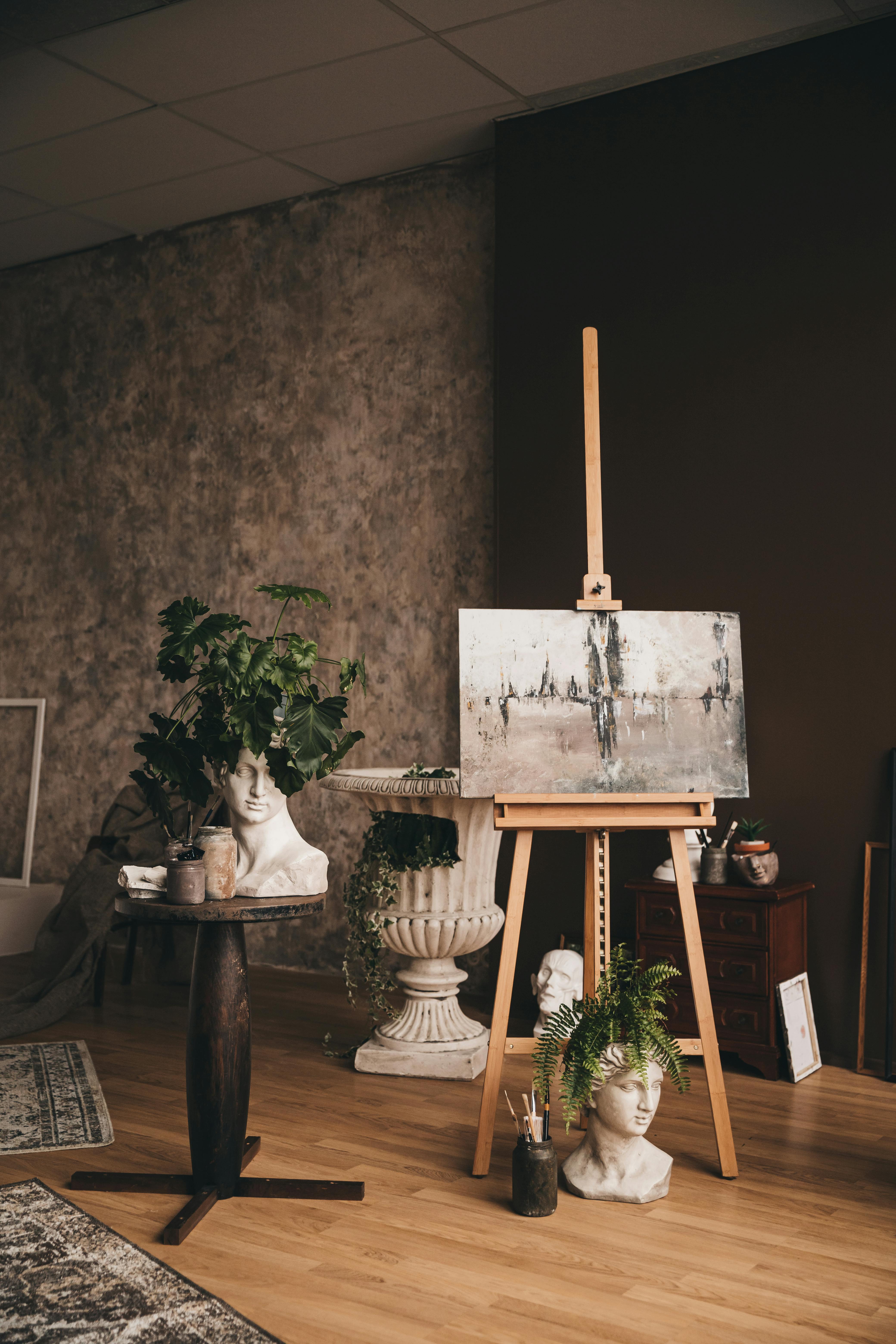
- Small Framed Prints or Canvases: These are incredibly versatile. Lean a small framed abstract piece against the wall on a console table or desk, or place it on a stand as part of a coffee table vignette. The key is to ensure it's not so large it overwhelms the surface or impedes function. A vibrant abstract print can add a dynamic splash of color, while a botanical illustration offers an organic, calming touch. I sometimes use a small piece of art for entryway tables to set the mood right when you walk in.
- Sculptural Objects: Not all art hangs on walls! A unique ceramic piece (like the beautifully glazed bowl I once found on a trip), a small bronze figure, or even an artist-designed vase can act as a sculptural element. These add three-dimensional interest and can be particularly striking in minimalist settings. Think about what you might find in a gallery or museum – sometimes the simplest forms are the most profound. Explore how to incorporate sculptural art into modern interiors.
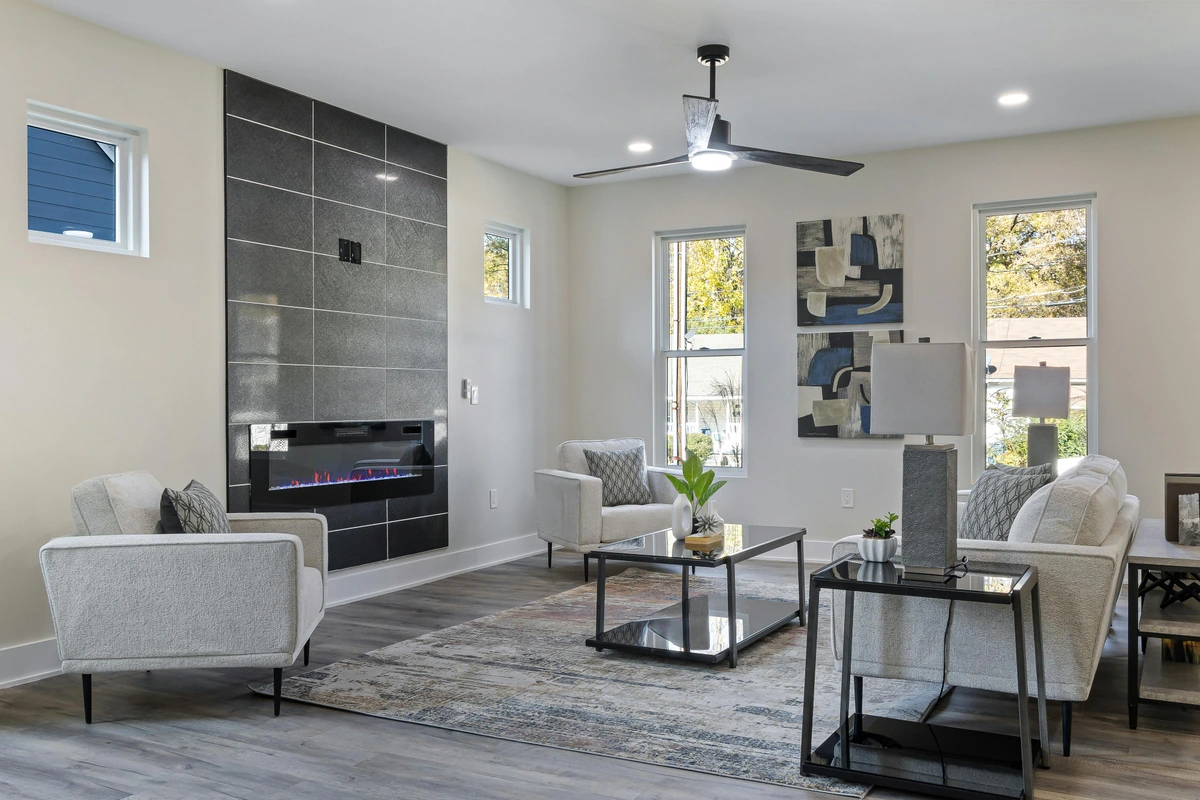
- Art Books: As mentioned earlier, art books are fantastic. Their covers often feature beautiful artwork, and their size provides a solid base for layering other objects. They also invite interaction and conversation, acting as visual cues to your interests. A monograph on a contemporary abstract artist (perhaps even an original work by Zen Dageraad Visser if you're lucky enough to find one!) can serve as both a display piece and a source of inspiration.
- Art-Inspired Everyday Objects: Sometimes, even functional items can be artistic. A hand-painted ceramic bowl, a beautifully designed pen holder, a unique coaster set, or patterned stationery can subtly weave art into your everyday environment.
Choosing the Right Scale of Art for Tabletops
Scale is paramount. A tiny painting will get lost on a grand console, while a large sculpture will overwhelm a small side table. I generally aim for art to occupy no more than one-third to one-half of the available surface area, depending on the other elements in the vignette. For taller pieces like sculptures or vases, ensure they don't block sightlines or make the table feel top-heavy.
Essential Decor Elements for Tables & Desks: My Go-To Objects
When I'm building an arrangement, I gravitate towards these versatile items. Think of them as your core styling toolkit, each contributing to the principles we've discussed earlier. And remember, you don't need a huge budget – thrift stores, flea markets, and even natural elements from your garden can provide fantastic finds.
- Trays: The Organizer & Stage-Setter These are my secret weapon for organization and cohesion. Perfect for grouping smaller items on coffee tables or consoles, they instantly add a contained, organized look. Plus, a beautiful tray itself (perhaps a lacquered or mirrored one) can be a decorative object. They define boundaries and prevent clutter from spreading, acting as a mini-stage for your curated vignette. I love the contrast of a sleek metal tray on a rustic wooden table.
- Vases & Greenery: Bringing Life Indoors Fresh flowers, dried arrangements, or potted plants (real or faux, no judgment here!) instantly add life, organic texture, and often crucial height. I find a small succulent or a trailing plant can do wonders for a desk, bringing a bit of nature indoors and fulfilling the 'varied heights' principle. Consider mixing a delicate glass vase with rough, textural dried grass for dynamic interplay.
- Books: Intellectual Anchors & Layering Bases I love stacking coffee table books horizontally for height and color, or using sculptural bookends for vertical stacks on a desk. Art books (especially those with captivating photography or monographs on color theory), design books, or travel guides with intriguing covers are not just for reading; they’re visual anchors, conversation starters, and a solid base for layering other objects. They are excellent for varying dimensions and adding texture. For a budget-friendly option, look for beautiful hardcovers at second-hand shops.
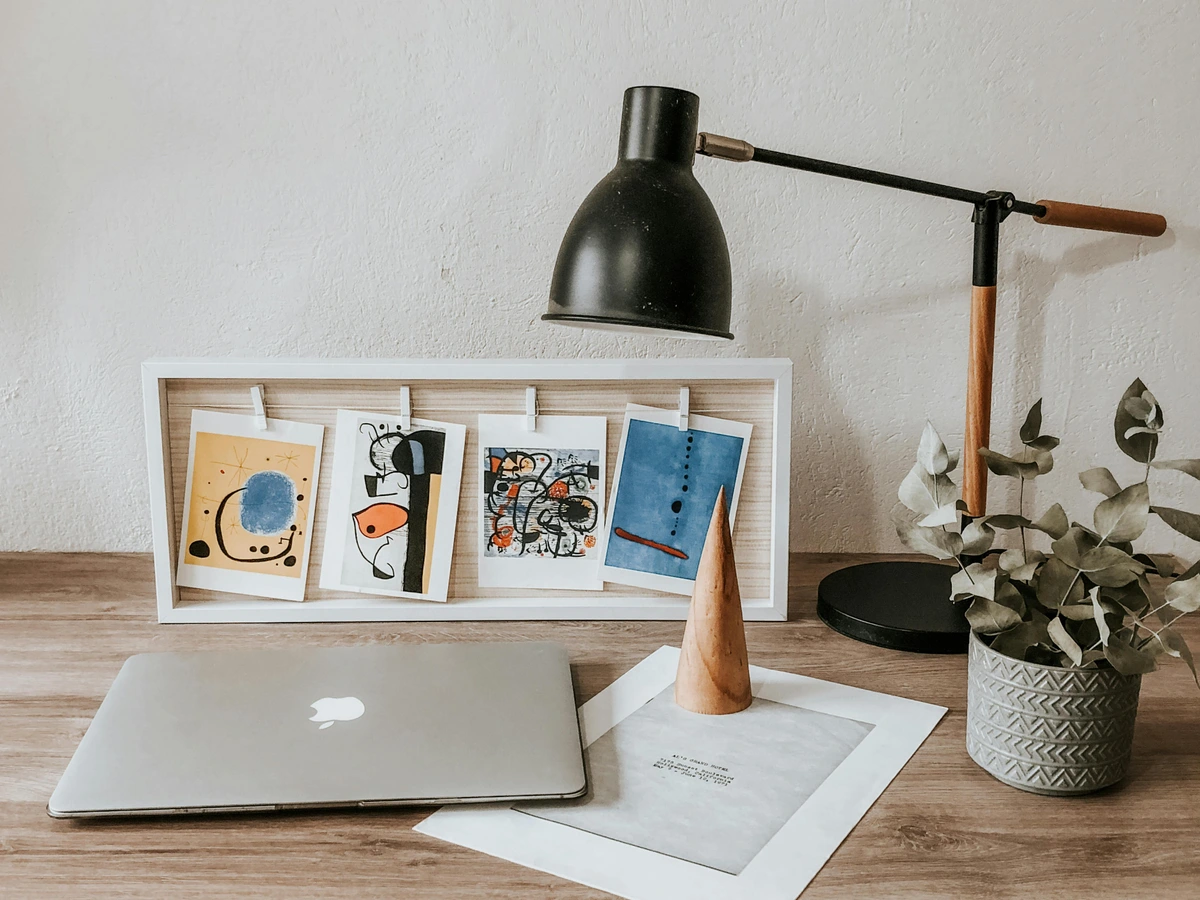
- Lamps: Functional Art & Ambiance Creators Beyond their obvious function, lamps are powerful decorative elements. For side tables and desks, choose styles that complement your decor and add a soft, ambient glow. A lamp can be a sculptural statement in itself, contributing to varied heights and introducing metallic or ceramic textures. A vintage lamp can add character, while a modern design can bring sleekness.
- Candles & Holders: Warmth & Elevated Mood Taper candles in elegant holders add height and a touch of formality, while pillar candles or jar candles provide wonderful ambiance. The holders themselves, whether sleek metal or rustic wood, can be decorative objects even when unlit, playing into theme and texture. For a cozy, inviting feel, I often group a few candles of different heights in a metallic tray.
- Sculptural Objects & Small Art: Your Unique Signature This is where your unique personality truly shines through. Think beyond the obvious! I look for unique finds from travels, intriguing small sculptures (like artisanal ceramics, a small bronze figure, or delicate metalwork), or even a framed art print that resonates with me. Don't underestimate the impact of a carefully chosen small artwork or an artistic vase, like something you might see in a museum display. Abstract prints work well for a vibrant splash of color, while minimalist line drawings can offer subtle elegance. Explore different types of art like prints or paintings that could work on a smaller scale, always aiming for pieces that reflect your personal taste, perhaps even a piece by an artist you admire like Zen Dageraad Visser, whose vibrant, abstract work often translates beautifully to smaller formats.
- Decorative Bowls & Boxes: Stylish Storage Practical and pretty! Use decorative bowls (perhaps a woven or metallic one) on console tables for keys or mail, or stylish boxes on desks for storing small supplies. They hide clutter while adding to the aesthetic and can introduce varied textures and colors. A beautiful antique wooden box can serve as a hidden charging station for tech.
- Photo Frames: Personal Touches & Memories A simple way to add a personal touch. Pictures of loved ones, meaningful moments, or even beautiful landscape prints can ground a space and make it feel more 'you'. They offer an opportunity to personalize your surface and introduce subtle thematic elements. I love placing black and white family photos in sleek, modern frames for a timeless look.
Decorating Specific Table Types: Tailoring Your Approach
While the core principles are universal, applying them to different types of tables requires a tailored approach, each with its own quirks and best practices. Here's how I approach them:
Table Type  | Key Styling Considerations & My Approach | Related Internal Insights |
|---|---|---|
| Coffee Table | This is often the centerpiece of the living area, so I aim for items that are relatively low (to maintain sightlines for conversation or TV viewing). A tray is invaluable for grouping smaller items, adding a sense of order. I typically combine a stack of appealing art or design books, a small, interesting sculptural object (perhaps a ceramic bowl), and a plant or a low vase with fresh flowers. | Decorate Your Living Room, Choosing Art for Your Living Room |
| Side/End Table | These are usually smaller, so I keep the scale in mind. Often, I'll feature a lamp (a functional necessity that can also be a sculptural element) and ensure there’s still space for essentials like a drink, phone, or a small snack. A small stack of books or a single, interesting object (like a carved wooden bird) often works best without overcrowding. | |
| Console Table | Whether in an entryway or behind a sofa, the taller profile of a console table allows for more height in decor. I love using a pair of lamps or tall vases for symmetry, perhaps a decorative bowl (a lacquered one, maybe?) for keys or mail, and often, leaned art against the wall behind the objects. This is a great spot to create a captivating vignette. | How to Decorate a Wall, How to Choose Art for an Entryway |
| Dining Table | The key here is flexibility. My focus is always on easily movable centerpieces – flowers, a line of candles, or a sculptural bowl – that can be cleared quickly for meals. I also love the idea of seasonal updates here, bringing in elements that reflect the time of year to keep things fresh. | How to Choose Art for a Dining Room |
| Desk | This is where function and inspiration must truly co-exist. I prioritize organization for work tools, but I also make sure there are elements that spark joy and creativity. A good task lamp is non-negotiable. I add personal touches like a framed photo, a low-maintenance plant, or, crucially, art. | Choosing Art for Home Office Productivity, Decorating with Art in a Home Office |
The Artful Desk: Balancing Productivity and Personality
Your workspace should undeniably foster productivity, but it absolutely can (and should!) still be stylish. For me, a desk is a reflection of my creative mind – organized chaos sometimes, but always with intention. Organize essentials like pens, notebooks, and charging cables neatly in attractive holders or drawers. A task lamp is, in my book, a functional piece of art in itself; choose one that complements your aesthetic. For further ideas, check out decorating with art in industrial interiors for sleek office inspiration.
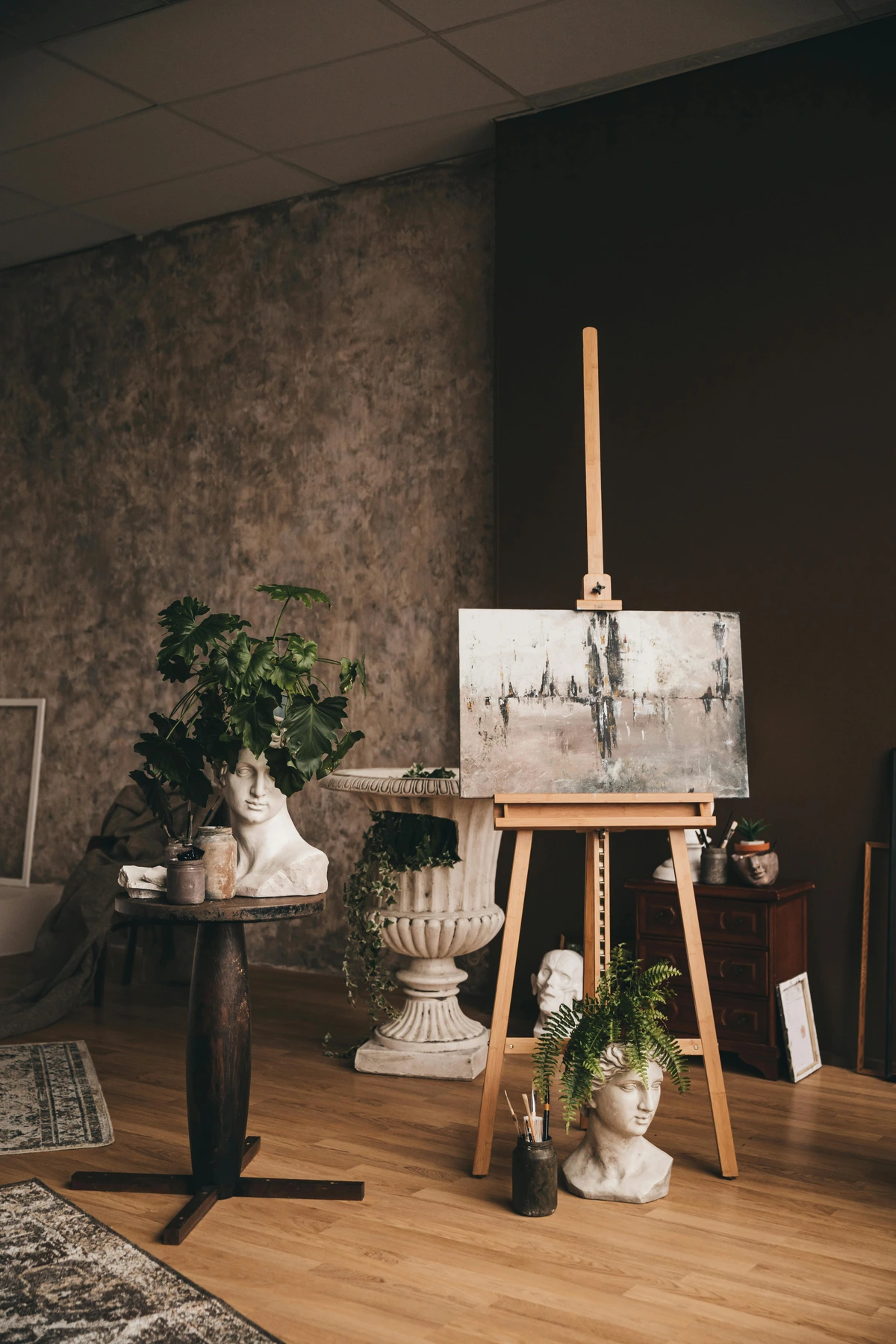
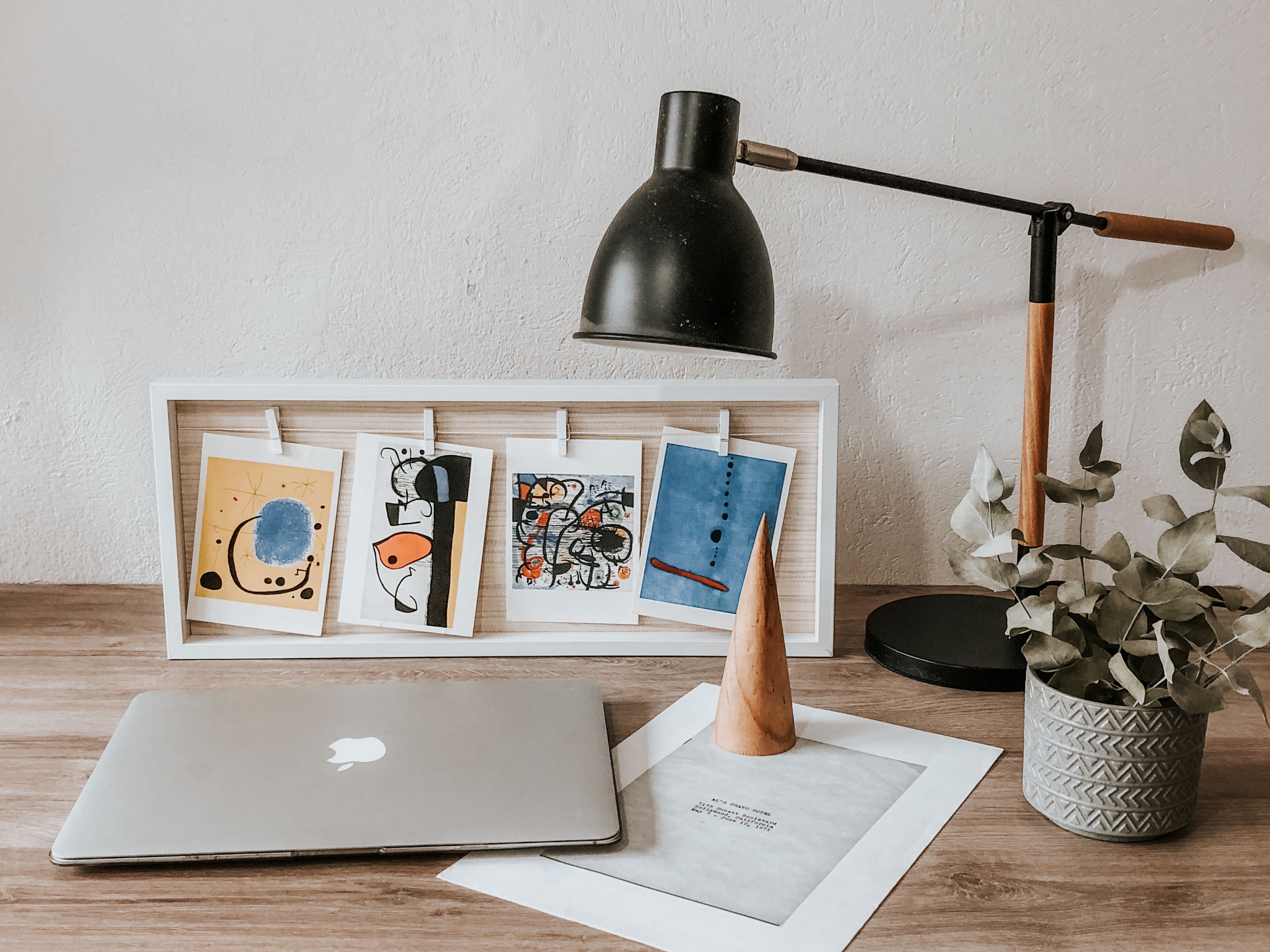
But here’s my favorite part: adding personality with art. A small, framed photo, a vibrant low-maintenance plant, or a tiny, inspirational piece of contemporary art can make all the difference. When I say inspirational, I mean something that offers a visual spark – stimulating colors in an abstract print, a calming miniature landscape, or a thought-provoking geometric form. For a goal-oriented individual, a print with a powerful motivational quote could be perfect. For someone in a high-stress role, a serene minimalist landscape might offer a moment of calm. And for a creative professional, a vibrant abstract print is pure fuel. I find a small, colorful abstract print or even an art postcard can add a much-needed splash of color and mental refresh without overwhelming the work zone. It's a subtle reminder of the broader creative world, a little spark. Explore small, affordable options, maybe even something from the Zen Museum Store. Just remember: keep the main work surface as clear as possible for actual work. To stylishly integrate tech, consider a sleek charging pad or a decorative box to hide cables, maintaining a cohesive aesthetic.

Seasonal Styling: A Fresh Perspective for Every Season
One of my favorite ways to keep tabletops exciting is through seasonal updates. It's an easy way to reflect the changing world outside and infuse your home with fresh energy without a major overhaul. It’s like giving your room a mini-vacation without leaving the house! This approach ensures your decor feels current and alive, mirroring nature's rhythm.
Season | Common Elements & My Ideas |
|---|---|
| Spring | After winter's slumber, I crave freshness! Think pastels, light colors, and anything that signifies new growth. Small potted herbs (like mint or basil) on the dining table, a delicate vase of tulips or daffodils on the console, or a bright, cheerful ceramic bird figurine on a side table. Swap heavier textures for lighter fabrics like linen or cotton. A light blue abstract print on the desk can mirror the clear spring skies. |
| Summer | Embrace vibrancy and natural textures. Bright, bold colors and elements that evoke warmth and outdoor living are perfect. On a coffee table, a glass bowl filled with colorful fruit (lemons or limes), a stack of travel guides to sunny destinations, or a vase with vibrant wildflowers. Woven placemats on the dining table or a light linen runner can enhance the feel. Consider a collection of blue and white ceramic pieces for a Mediterranean summer vibe, paired with clear glass objects. |
| Autumn | Time for cozy, earthy tones and rich textures. I bring in elements like small decorative gourds, scented candles (pumpkin spice, anyone?), pinecones, or branches with colorful leaves. A centerpiece of varying-sized candles on a rustic wooden tray for the dining table, or a stack of art books in deep reds and oranges with a small bronze sculpture on the coffee table. A cluster of brass candle holders on a dark wood tray creates instant warmth, complemented by soft wool or velvet textiles. |
| Winter | Focus on warmth, sparkle, and inviting ambiance. Jewel tones, metallics (gold, silver, copper), and plenty of soft lighting are key. Elegant taper candles in metallic holders on a console, a decorative bowl filled with silver or gold ornaments, or even a tiny, sparkling abstract art print on the desk. Richer textiles like velvet or faux fur can add to the luxurious, cozy feel. Consider a dark, moody abstract print to add depth and sophistication, perhaps with a touch of deep forest green or icy blue. |
Themed Vignettes: Beyond Seasons
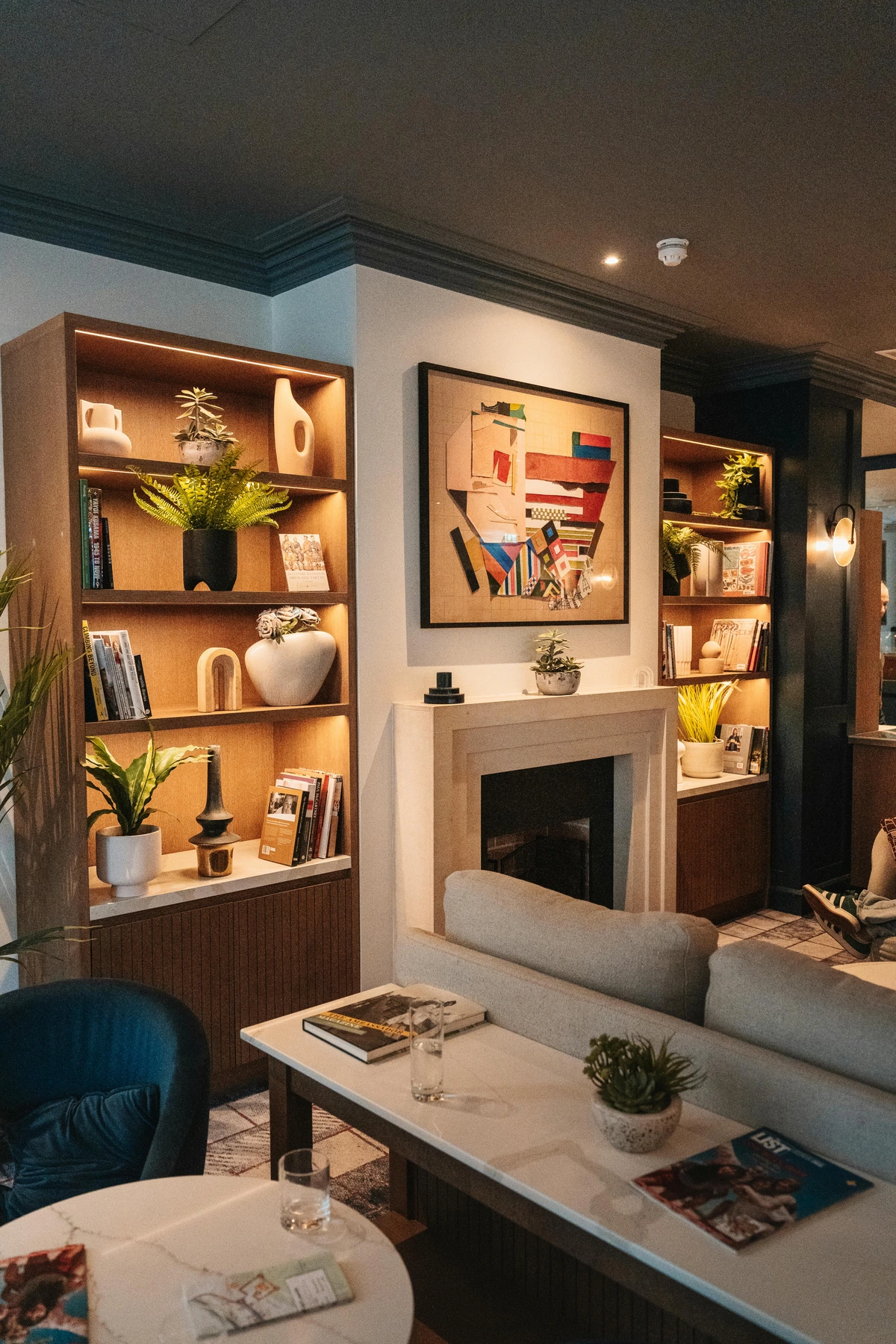
Beyond seasonal shifts, consider creating more permanent themed vignettes that speak to your passions. A 'travel' theme might feature a small globe, a souvenir from a favorite trip, and a stack of exotic photography books. A 'literary' theme could include antique books, a quill pen, and a small bust of a beloved author. These consistent themes add another layer of personality and cohesion to your tabletop narratives.
Quick Arrangement Techniques: Bringing It All Together
Once you have your elements, how do you actually put them together to turn those abstract principles into tangible results? These techniques are practical applications of the styling philosophies we've discussed, designed to make your arrangements look effortlessly chic and intentionally curated:
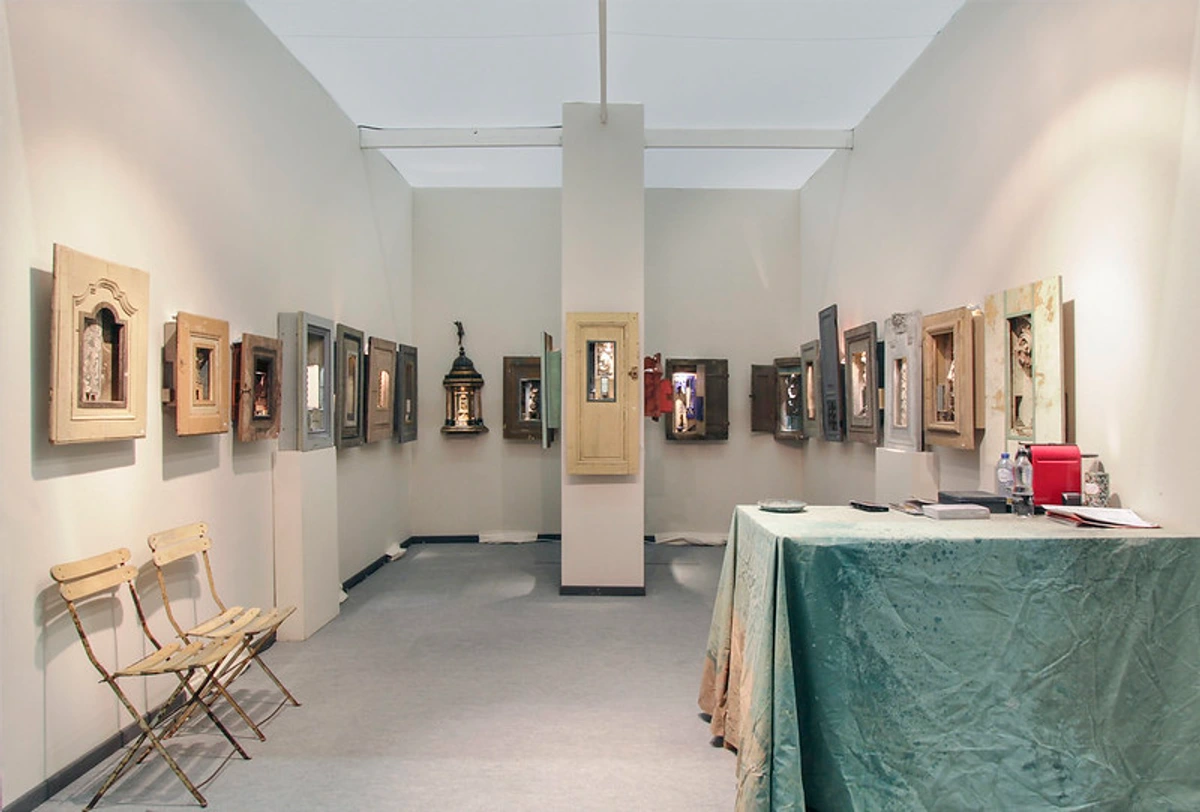
- The Power of Grouping (Rule of Threes in Action): This is a classic for a reason. Instead of scattering individual items, group three related objects of varying heights together. For example, a tall vase with flowers, a stack of two art books (perhaps a photography monograph and a design theory book), and a small decorative object like a paperweight or a ceramic bird. It creates a cohesive, intentional 'mini-scene' that feels complete and visually dynamic.
- Layering for Depth: Creating Visual Intrigue On consoles or larger desks, I love to layer. Place taller items behind shorter ones. You can even lean framed art against the wall behind other objects to add visual depth without taking up much surface area. Imagine a tall vase with dried reeds behind a stack of books, with a small sculptural object in front – each layer reveals something new. Think of it like building a mini gallery wall on your table, with each layer revealing something new.
- Tray Vignettes: Containing the Chaos This is particularly effective for coffee tables. Create a self-contained scene within a tray. For instance, a candle, a small plant (like a succulent), and a stack of coasters on a coffee table tray. The tray defines the boundary and instantly makes everything feel more organized and purposeful, preventing clutter from sprawling.
- Symmetry for Formality: Classical Elegance If you're aiming for a more formal or traditional look, especially on a console or dining table, try symmetry. Place identical items (two lamps, two identical vases) on either end of the surface. It creates a sense of order and grandeur that speaks to classical elegance.
- Asymmetry for a Relaxed Feel: Modern Dynamics For a more casual or modern vibe, I lean towards asymmetry. Create balance with items of different visual weights and shapes. A tall, slim vase on one side can be balanced by a wider, lower stack of books on the other, for instance. It's about finding equilibrium without being perfectly mirrored, resulting in a more dynamic and approachable aesthetic.
Common Table Styling Mistakes I've Made (So You Don't Have To!)
I've certainly learned a lot through trial and error (mostly error!). My own coffee table was once a chaotic monument to 'stuff,' and my desk, well, let's just say it knew more about organized chaos than actual organization. Here are some of the missteps I've made, so you can hopefully avoid them:
- Overcrowding: The 'Everything Must Go' Mentality My coffee table used to be a dumping ground for magazines, remotes, half-finished craft projects, and every trinket I’d ever acquired. The result? A cluttered mess that stressed me out just looking at it. The Fix: Embrace negative space! Regularly edit your surfaces. If an item doesn't serve a clear function or add aesthetic value, find it a proper home or let it go. Trays are your best friend here, as they define boundaries and force curation.
- Monotony: The Flatland Syndrome For years, everything on my console table was the same height – a row of short vases, a few flat books. It looked… boring. My eye had nowhere to go. The Fix: Introduce variation in height, shape, and size. Think tall, medium, and low. Combine a tall lamp, a medium stack of books, and a low decorative bowl. This creates visual interest and makes the eye dance across the arrangement.
- Ignoring Function: Beauty Over Practicality I once had a magnificent, but enormous, floral centerpiece on my dining table. It looked stunning, but every time we ate, I had to completely dismantle it. Pure frustration! The Fix: Always consider the table's primary purpose. Dining tables need easily movable decor. Desks need space to work. Coffee tables need room for actual coffee. Your decor should enhance the table's use, not hinder it.
- Lack of Personal Touch: The Generic Display My early attempts at styling often felt cold and impersonal, like a page ripped from a catalog. They lacked me. The Fix: Infuse your personality! This is where art, personal photos, unique finds from travels, or objects with sentimental value truly shine. An abstract print that speaks to your soul, a small ceramic piece from a local artist – these make a space undeniably yours. For me, a small piece of contemporary abstract art is a non-negotiable for my desk.
- Forgetting the Fourth Wall: Styling in a Vacuum I used to focus solely on the tabletop itself, forgetting how it interacted with the wall behind it or the furniture around it. The Fix: View your tabletop vignette as part of a larger composition. Lean art against the wall behind a console table. Ensure the colors and textures complement the sofa fabric. The styling shouldn't stop at the edge of the surface; it should flow into the room, creating a cohesive story.
A Glimpse into History: How Table Styling Evolved Through the Ages
It's easy to think of table decorating as a modern invention, but humanity has been adorning surfaces for millennia. From ancient Roman banquets laden with elaborate silver and fruits to the opulent, overflowing displays of the Rococo era, our tables have always reflected our cultural values and aesthetic ambitions. It’s a fascinating journey through evolving tastes and societal norms, and I find it inspiring to see how these historical approaches still subtly influence our contemporary choices.
- Ancient Civilizations (e.g., Roman & Egyptian): Functional Status Symbols Early tables were functional but also served as symbols of status. Roman banquets, for instance, featured elaborate spreads with precious metals, carved serving dishes, and intricate food arrangements, emphasizing abundance and wealth. Egyptians used decorative vessels and offerings on smaller tables, showcasing reverence or affluence.
- The Renaissance (14th-17th Century): Displays of Wealth & Artistry As art and culture flourished, so did table styling. Noble households showcased valuable objects like intricate tapestries, exotic fruits, and finely crafted silverware, turning meals into grand displays of wealth and artistic appreciation. The table became a stage for power and prestige, often featuring ornate salt cellars or elaborate platters.
- The Baroque Era (17th-Early 18th Century): Grandeur and Drama This period brought grandeur, drama, and excess. Table settings were opulent, featuring lavish centerpieces with towering candelabras, ornate floral arrangements, and elaborate sculptures, often designed to impress and awe guests. Symmetry and dramatic flair were key, with a focus on rich materials like gilded bronze and crystal.
- The Rococo Era (Mid-18th Century): Whimsical Elegance & Intimacy Rococo softened the Baroque's heavy grandeur with lighter, more playful aesthetics. Tables featured delicate porcelain, whimsical figurines, pastel colors, and asymmetrical arrangements. The emphasis shifted to charm, intimacy, and sophisticated elegance, often with intricate floral motifs and smaller, more personal decorative items.
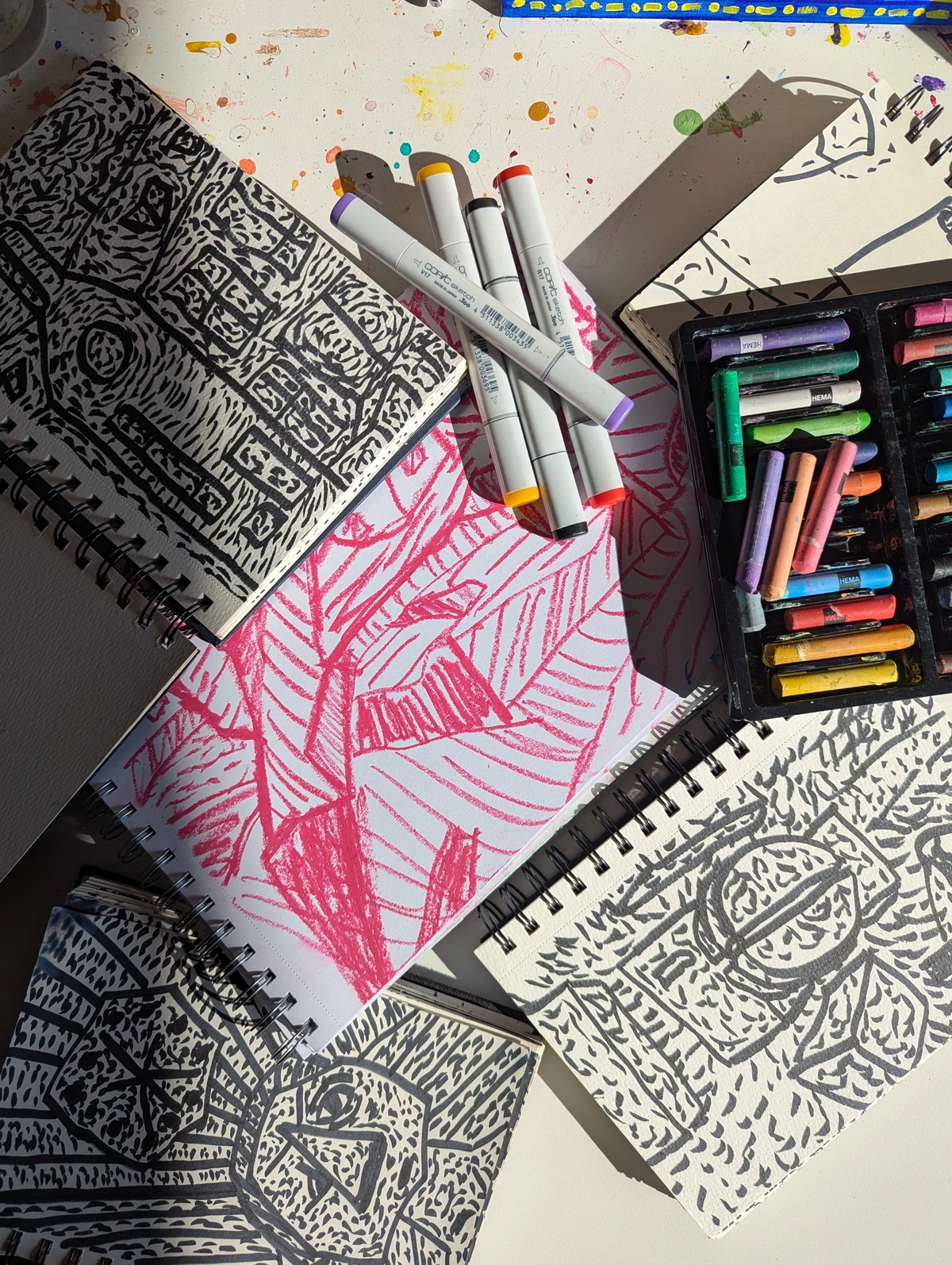
- The Victorian Era (19th Century): Maximalist Comfort Every surface was a testament to domestic abundance, often featuring intricate lace doilies, porcelain figurines, framed photographs, and overflowing floral arrangements. This was a maximalist approach, where more was always more, reflecting a desire to showcase comfort and propriety, often with collections of curios and sentimental objects.
- Art Deco (1920s-1930s): Geometric Glamour Characterized by geometric patterns, luxurious materials like chrome, glass, and exotic woods, and bold, symmetrical statements. Table styling reflected this glamour with sleek cocktail shakers, stylized figurines (often in bronze or chrome), and geometric serving dishes, creating a sense of modernity and luxury.
- Mid-Century Modernism (Mid-20th Century): Clean Lines & Function This contrasted sharply with Victorian excess. It prioritized clean lines, functional design, and a curated simplicity. Often, a single, striking object – perhaps a minimalist vase or an abstract sculpture – took center stage, emphasizing form and function. Think less clutter, more intentionality and iconic design pieces.
- Post-Modernism (Late 20th Century Onwards): Eclectic Personal Expression This era brought playfulness, eclecticism, and a challenge to traditional norms. Table styling became more about personal expression, mixing and matching styles, and often incorporating ironic or unexpected elements. Today's approach often blends these influences, allowing for eclectic personal expression while maintaining a focus on balance and purpose, often incorporating vintage finds alongside contemporary pieces.
Finding Inspiration: Where to Spark Your Creativity
Stuck for ideas? We all get there. I certainly do! My go-to strategy is always to look around, really look, at the world and draw connections. Sometimes a single image or a fleeting moment can spark an entire design concept.
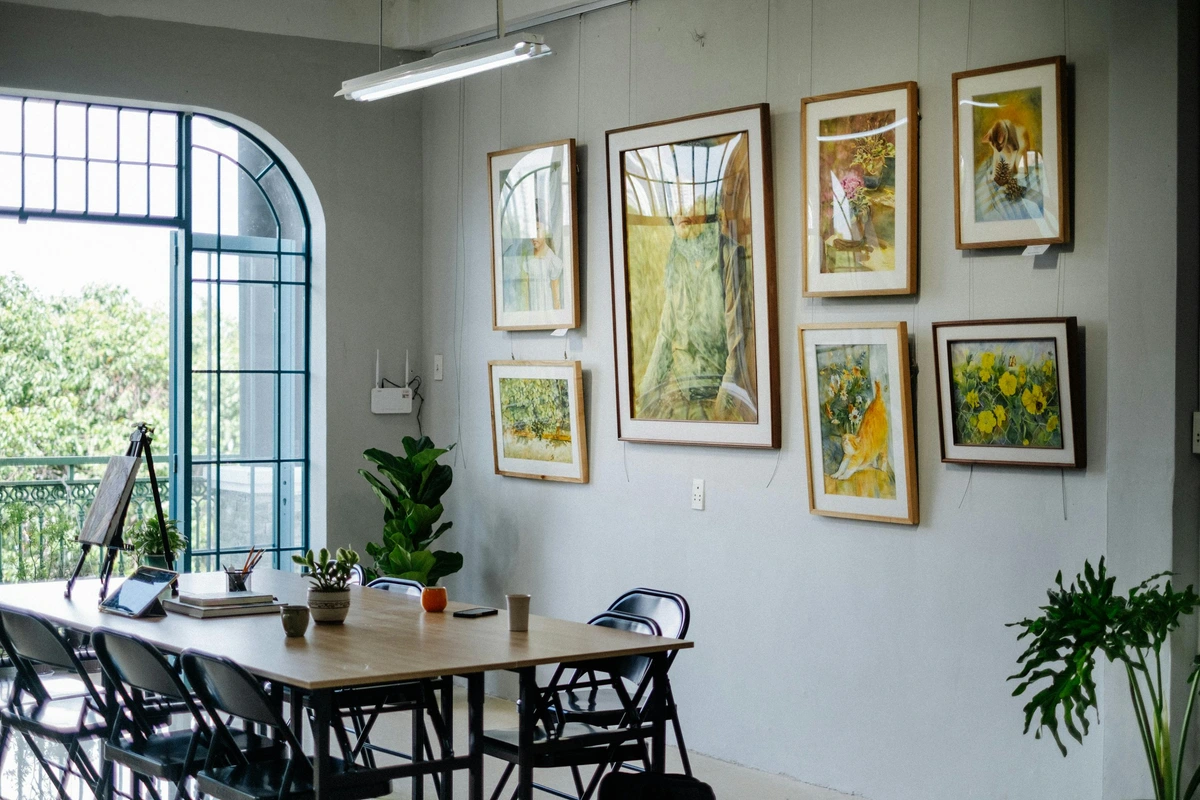
- Digital Deep Dive: Browse design magazines (online, of course!), Pinterest, and Instagram. Hashtags like #tablestyling, #deskdecor, #shelfie, #vignette, and #artfulsurfaces are goldmines. I save anything that catches my eye, not necessarily to copy, but to understand why I like it. Sometimes a single image of a perfectly styled console table sparks an entire room refresh.
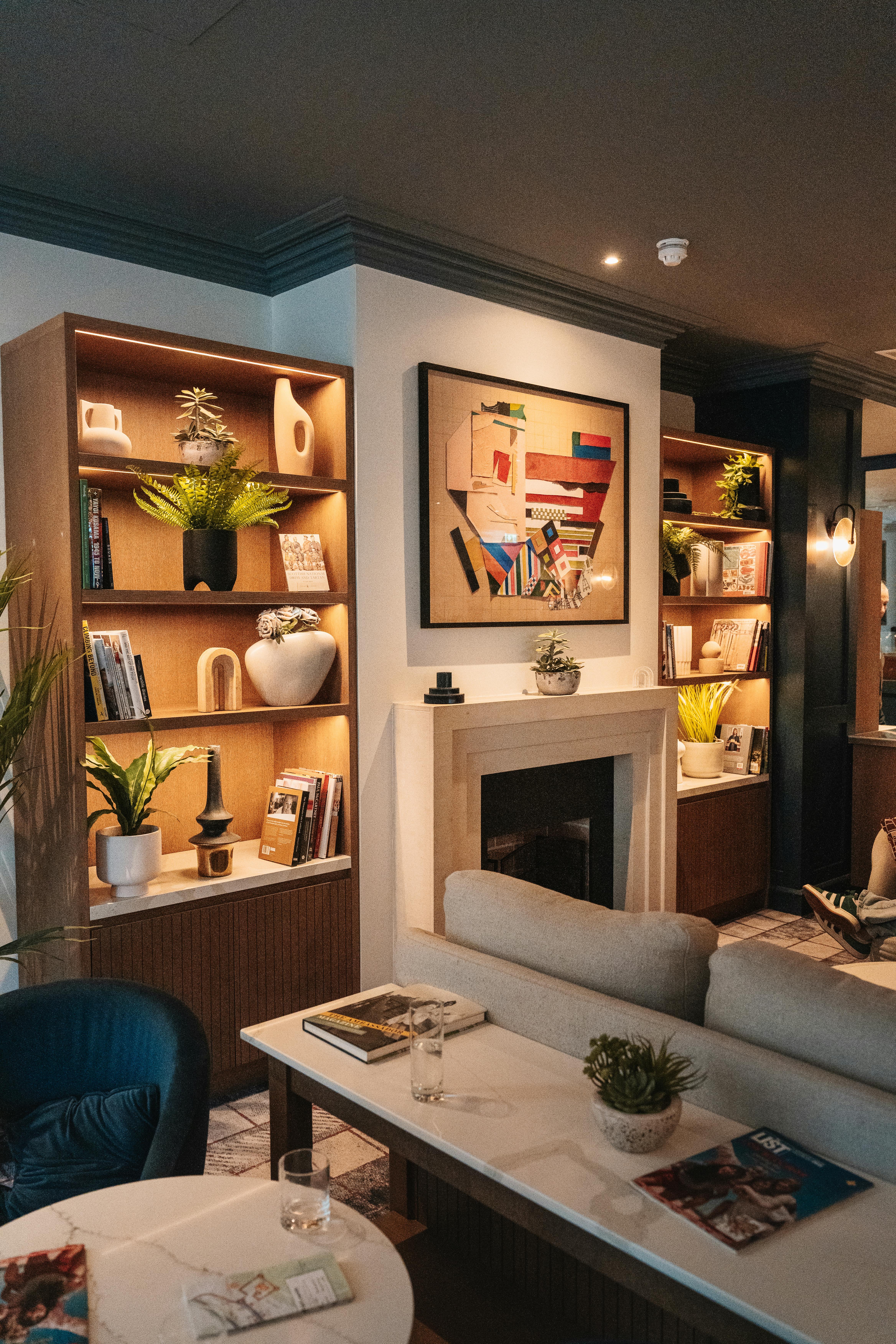
- Real-World Retail & Hospitality: Pay attention to how objects are displayed in stylish retail stores, boutique hotels, or even well-curated cafes. They often have professional stylists working their magic, and you can learn a lot from their arrangements – how they group items, play with lighting, and create focal points. I often take mental notes (or discreet photos!) in these settings.
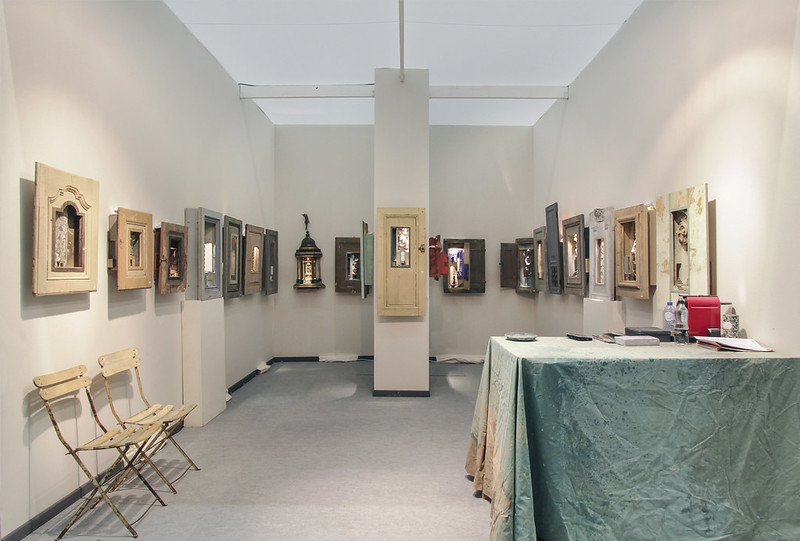
- The Ultimate Curators: Museums and Galleries: This is a big one for me. Visit museums and galleries! Notice how objects and art are arranged in display cases or within exhibition spaces. Even contemporary spaces like the Zen Museum in Den Bosch can offer incredible inspiration through their presentation of art and objects, teaching you about composition and visual weight. You'll be surprised how much translates to home decor. Sometimes just stepping out and engaging with art inspirations can kickstart your own creative juices.





Frequently Asked Questions (FAQ)
How do I start decorating a bare table?
Start with function! What will you use the table for? Then, choose a focal point (like a lamp or a striking vase). Build around it by adding items of varying heights and textures, keeping the "Rule of Threes" in mind. Don't forget negative space to let your chosen pieces shine. A decorative tray can be a great starting point to define your area.
What are some common mistakes to avoid?
Overcrowding is a big one – resist the urge to fill every inch. Avoid monotony by introducing varied heights and textures. Always prioritize function over pure aesthetics, especially for active tables like dining tables and desks. And remember to add personal touches to make the space feel like 'you', avoiding a generic, catalogue look.
How can I make my table decor feel cohesive with the rest of the room?
Echo elements already present in your room. Use similar color palettes, materials (e.g., if you have a lot of wood, incorporate wood elements), or thematic styles (e.g., if your room is minimalist, keep your table decor simple). Art is a fantastic way to tie in colors and themes from your existing decor, acting as a visual bridge between your tabletop and the larger room.
Can I use faux plants and flowers?
Absolutely! Faux plants and flowers have come a long way in terms of realism and quality. They're a fantastic, low-maintenance option for adding greenery and height without the commitment of live plants. Just choose good quality ones that look natural – a quick touch test often reveals the best fakes!
How can I decorate on a budget?
Don't be afraid to repurpose! Look at what you already own. Thrift stores, flea markets, and even your own garden (think interesting branches or stones) are goldmines for unique, affordable finds. DIY art projects, like simple abstract paintings or pressed botanical prints, can add a personal touch without breaking the bank. Focus on a few impactful pieces rather than many small, inexpensive trinkets.
Conclusion: Your Table, Your Story
Decorating tables and desks, I've come to realize, is far more than just arranging pretty objects. It's a deeply personal act of curation, a chance to compose small still-life narratives that reflect who you are, what you love, and how you live. Each surface in your home is an opportunity to tell a quiet story, to invite contemplation, and to elevate the everyday. So, take a moment, look at those flat surfaces, and ask yourself: What story do you want to tell today? What spark of art, what touch of nature, what curated collection best expresses your evolving self? Embrace the journey, make mistakes, learn from them (like I did!), and most importantly, have fun creating spaces that truly feel like home. After all, your surfaces are waiting to be transformed into canvases of personal expression. Go forth and create! Your home will thank you.