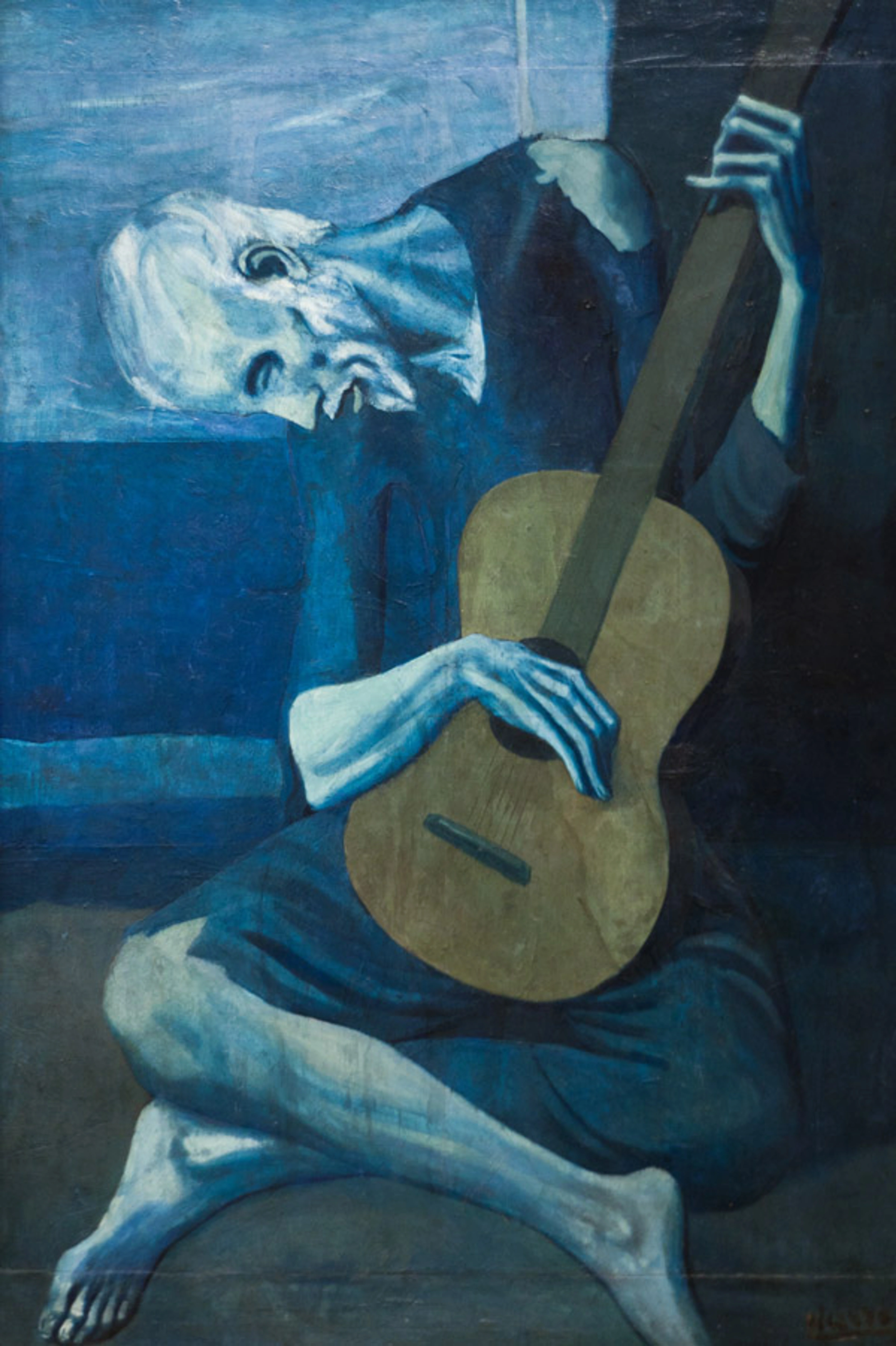
The Ultimate Guide to Narrative Art: Unlocking Visual Stories and Meaning
Unlock the power of narrative art, from ancient cave paintings to abstract expression. Discover how artists craft stories using plot, character, setting, and elements like color, composition, and symbolism. Learn to interpret visual narratives and find deep meaning in every brushstroke. Your definitive guide.

The Ultimate Guide to Narrative Art: Unlocking Visual Stories and Their Meanings
I know what you're thinking: another art guide. But have you ever really looked at a painting, a sculpture, or even a vibrant street art mural and felt an undeniable pull, as if the image itself was inviting you into a rich, unfolding world? That magnetic human craving for stories is truly universal. Honestly, from ancient myths to the latest binge-worthy series, we're simply hardwired for narrative. For me, art is the oldest, most profound storyteller – a silent, powerful language that effortlessly transcends time and culture. I'm endlessly fascinated by how a static image can ignite a whole universe of meaning, how a simple brushstroke or a carefully placed object can whisper tales centuries old or echo a deeply personal truth. This inherent human need for narrative is, in my experience, most profoundly met through visual art. It’s the art that makes you lean in and say, 'Tell me more.' This, my friend, is the essence of narrative art.
What Exactly is Narrative Art? The Blueprint of Visual Storytelling
So, what are we talking about when we say narrative art? At its core, it's any art that tells a story, depicts an event, or illustrates a sequence of events. It's about communicating information, emotion, or a moral through purely visual means. Imagine a single painting capturing a pivotal historical moment, a sculpture illustrating a myth, a series of photographs revealing a personal journey, or even an interactive installation that unfolds a speculative future. Narrative art is much more than just aesthetics; it demands our engagement because it's built on fundamental storytelling elements that guide our interpretation, evoke empathy, and invite us to question. For me, that's where the real magic happens – when a piece sparks a conversation, making us feel the weight of its message and the complexity of its layers. That’s the power, that’s the pull.
At its heart, narrative art functions much like a written story, but with a unique visual language. It employs elements that might feel familiar from literature, expertly translated into forms, colors, and compositions:
- Purpose: Every narrative has a reason to exist. In visual art, the artist's purpose might be to document history, persuade an audience (think propaganda posters from World War II or political murals!), commemorate an individual, celebrate a culture, convey a moral lesson, explore a spiritual state, or simply entertain. This underlying intent shapes every visual choice.
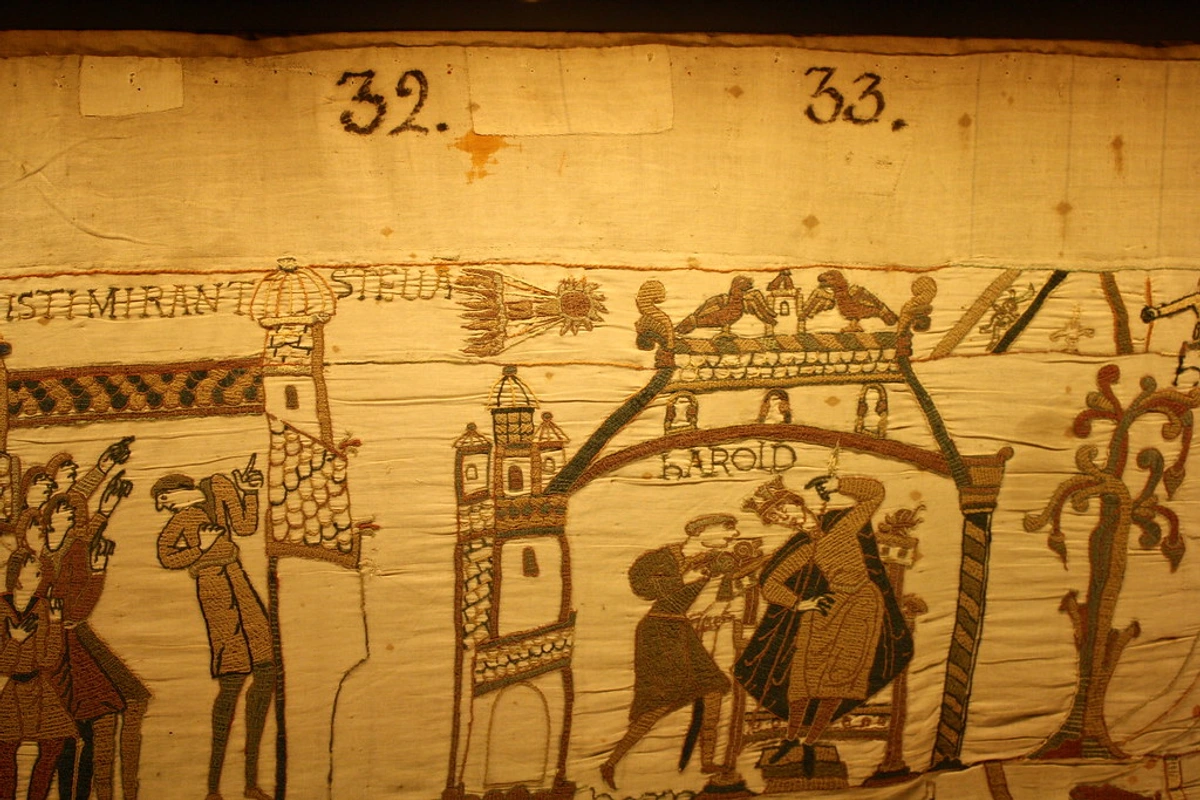
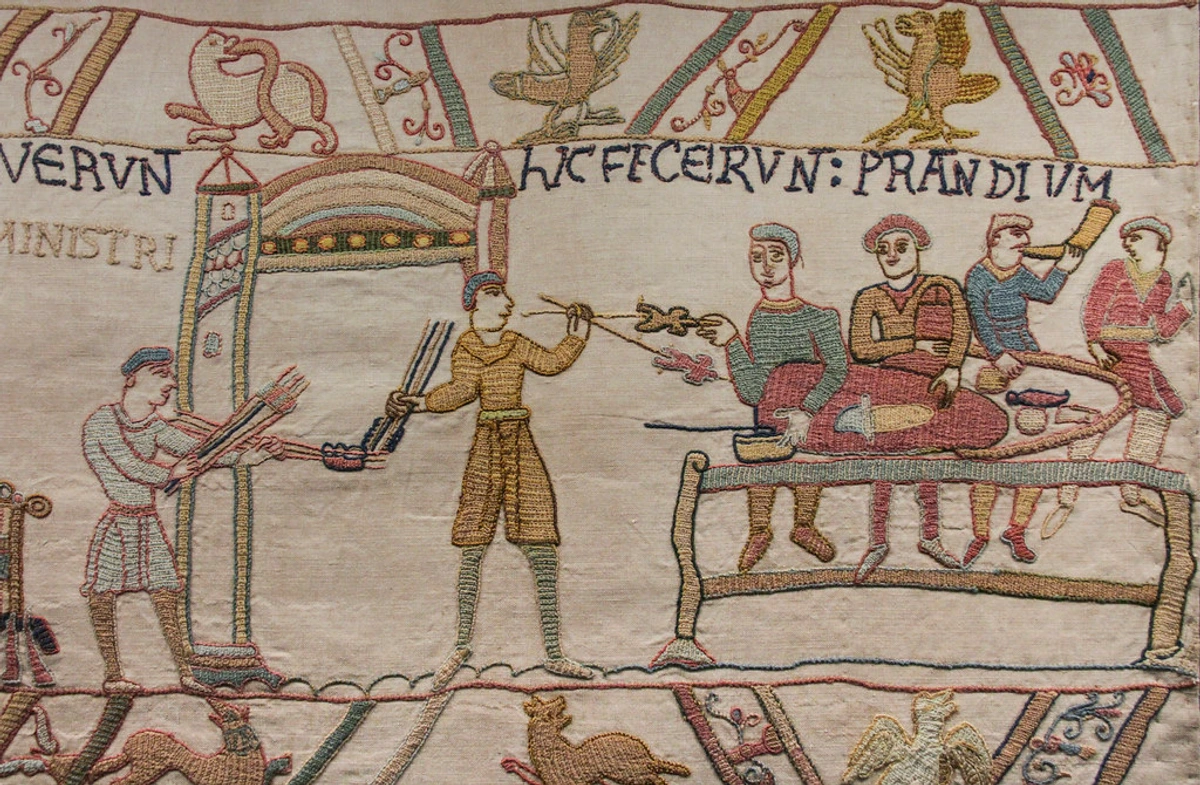
- Plot: How is a sequence of events, a conflict, or a journey conveyed without words? Artists use techniques like continuous narrative (where different points in a story are shown within a single artwork, like the Bayeux Tapestry showing the Norman conquest, or even a modern comic strip) or enlightened storytelling (depicting a single, climactic moment that implies what came before and after). They rely on implied action, dynamic compositions, and even the direction of a figure's gaze to suggest an unfolding plot. A vanishing point, for instance, can draw your eye to a crucial future moment in a visual journey.
- Characters: Visual characters aren't just figures; they're emotional anchors. Their expressions, gestures, clothing, pose, and even symbolic attributes (like a crown for royalty or a specific tool for a craftsperson) reveal personality, motivations, and relationships. Whether it's the sorrow on a mother's face or the determined stride of a warrior, characters are our entry point into the story, often representing universal archetypes (hero, villain, wise elder, trickster) that resonate across cultures.
- Setting: The environment isn't just a backdrop; it's an active participant in the narrative. Landscapes can reflect internal turmoil or evoke peace. Architectural details can place a story in a specific historical period or culture. The atmosphere – created by light, color, and texture – establishes mood and context, sometimes even acting as a character itself, subtly influencing the unfolding events.
- Conflict/Resolution: Just like any good story, narrative art often presents a tension, a problem, or a dramatic confrontation. The artist then visually suggests the outcome, the aftermath, or the emotional resolution, inviting the viewer to contemplate the journey from struggle to peace, or vice-versa.
Narrative Art vs. Other Art Forms: Where the Lines Blur
To really get a handle on what narrative art is, let's quickly contrast it with other common forms. While nearly all art can evoke emotion, narrative art intentionally communicates a specific story or message. This isn't to say the lines are always clear-cut; they very often blur, which, frankly, is where a lot of the fun is! Many artworks exist on a spectrum, borrowing elements from different categories.
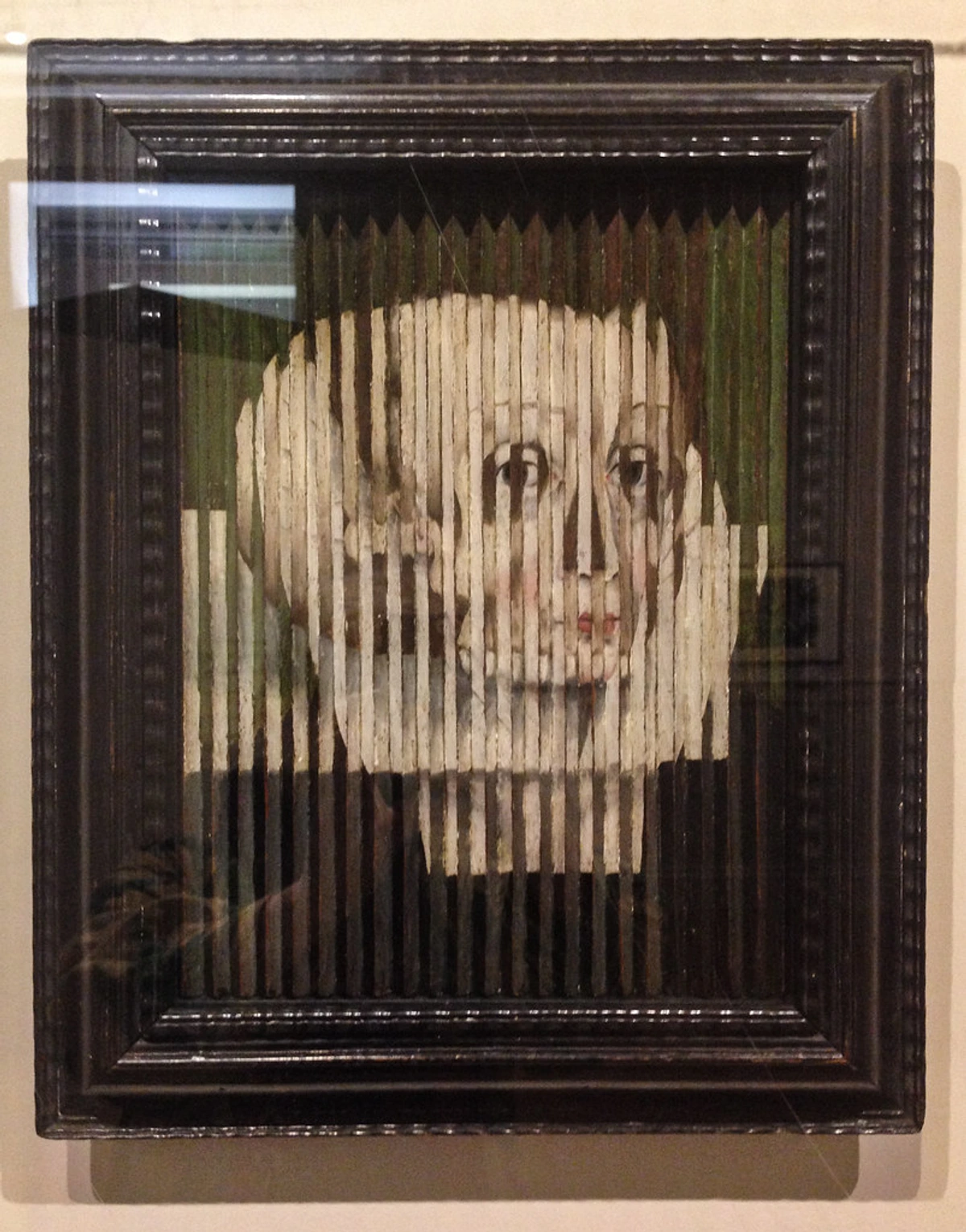
First, consider representational art, which aims to depict subjects in a recognizable way. Think classical portraits, photorealistic landscapes, or detailed historical paintings. When representational art focuses on depicting a specific event, person, or scene to convey a message or story, it inherently becomes narrative art. For instance, a detailed portrait of a queen might implicitly tell a story of power and regality through her pose and attire, even without explicit action.
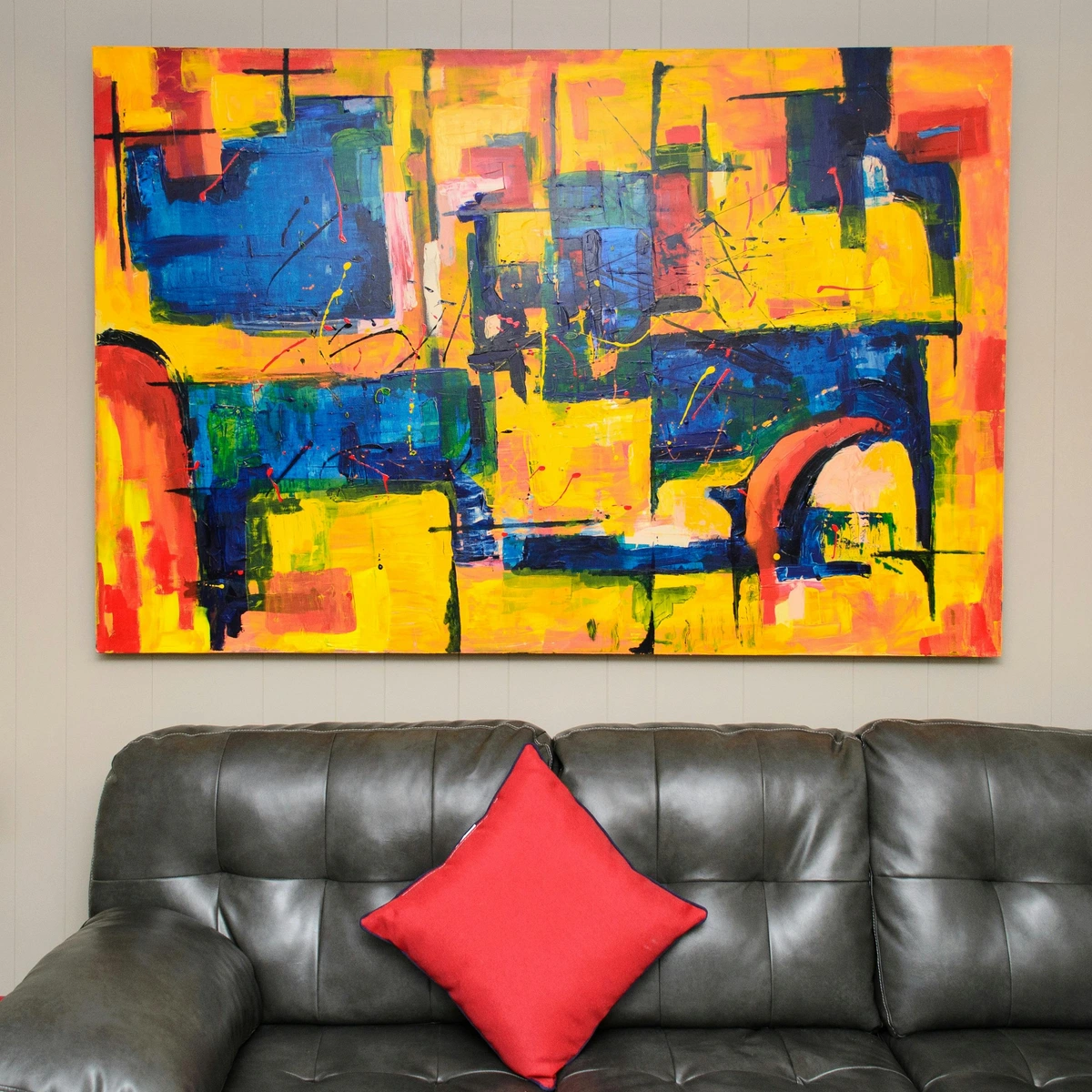
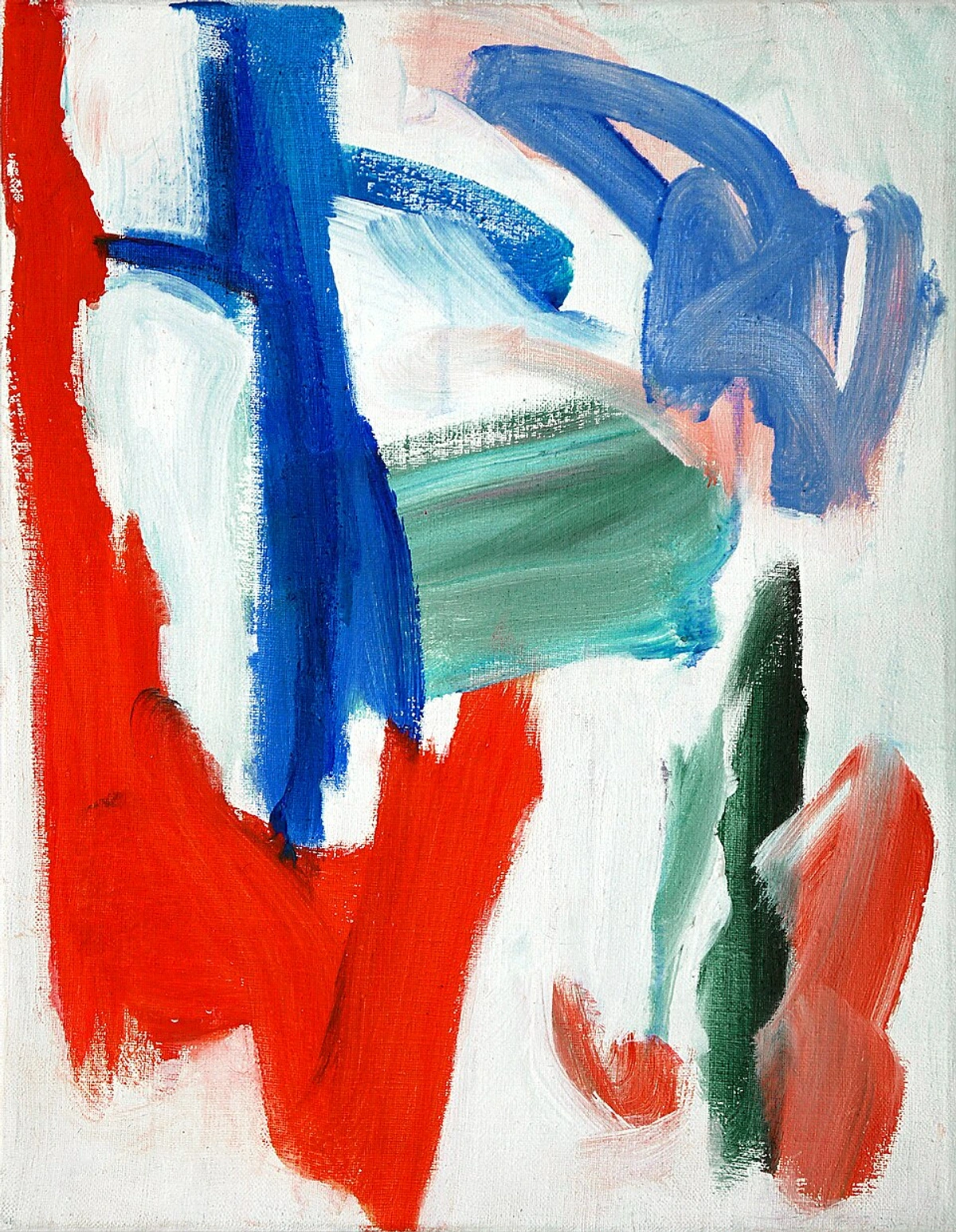
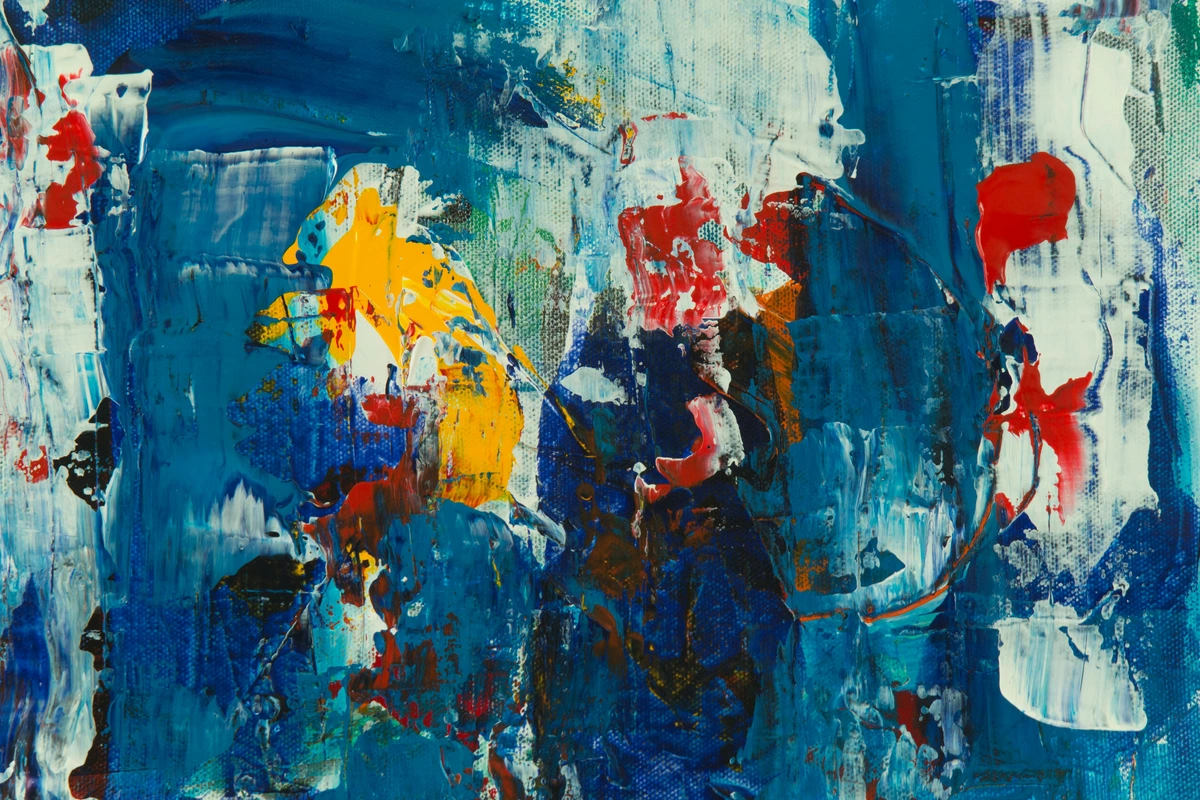
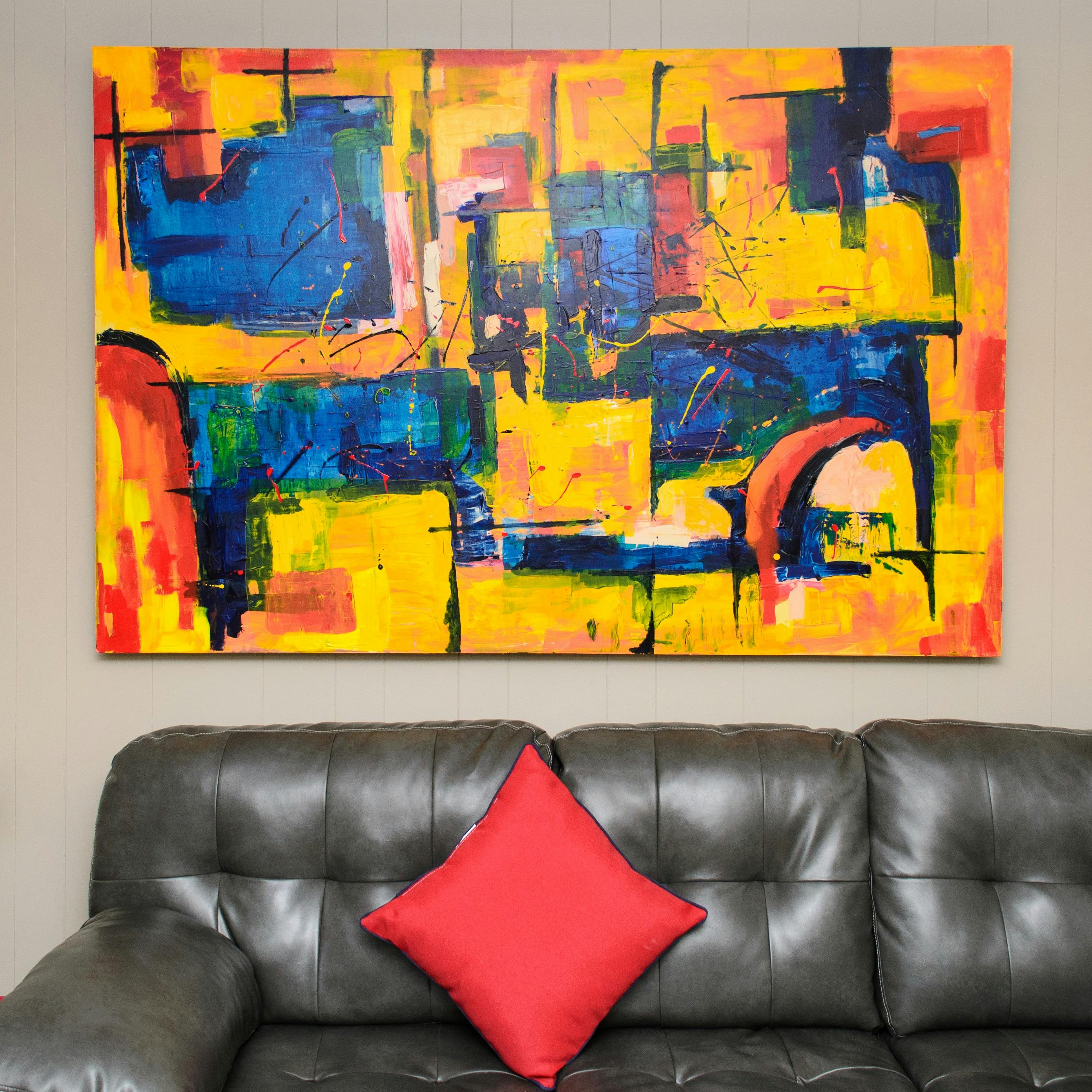
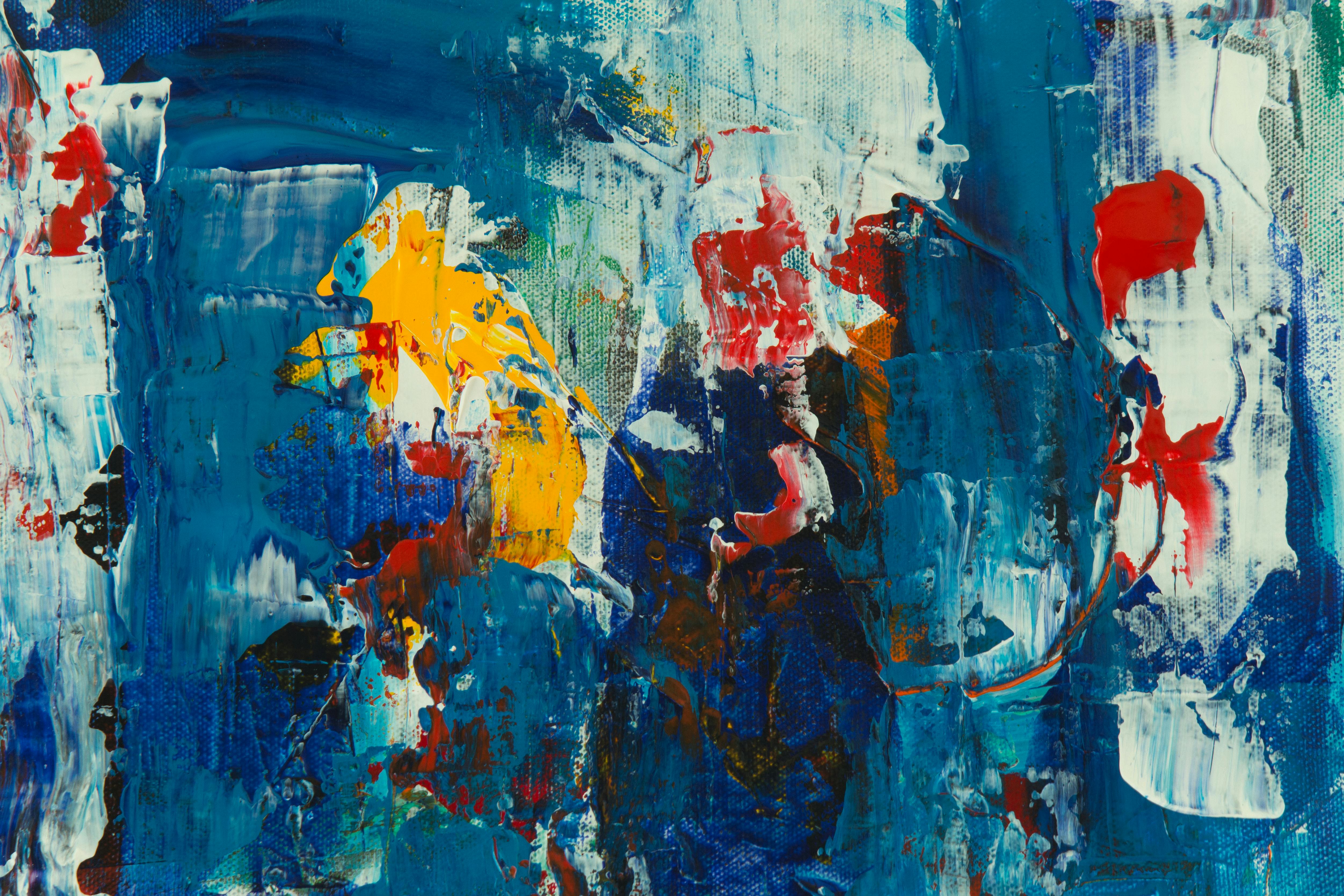
Now, let's think about abstract art: while it doesn't depict literal scenes, it can be deeply narrative in its evocation of internal states or journeys, prioritizing feeling over explicit representation. For example, a swirl of chaotic blues and sharp reds might tell a story of inner turmoil and resilience, a visual diary of an emotional journey. Similarly, symbolic art often carries narrative weight, using universally recognized icons to hint at larger stories without showing a full plot. Its primary function might still be decorative or allegorical rather than direct storytelling, but the embedded symbols guide a particular narrative reading – think of the symbolic narratives embedded in heraldic crests or specific patterns in Islamic art that convey unity or divine order. And let's not forget sequential art forms like graphic novels and comics, which offer rich visual narratives, blending imagery and text to create stories that unfold over time, sharing principles with fine art but often with a more overt linear progression. It's truly fascinating how often these boundaries soften; art, in my experience, rarely fits neatly into rigid boxes!
Feature  | Narrative Art | Representational Art (often) | Abstract Art (often) | Symbolic/Decorative Art (often) |
|---|---|---|---|---|
| Core Function | To tell a specific story, event, or sequence of events; to document or convey a moral | To depict subjects recognizably; to capture visual reality | To explore form, color, and texture; evoke internal states or philosophical concepts | To beautify, represent concepts, or convey specific meanings through established signs |
| Subject Matter | Recognizable figures, scenes, historical events, myths, allegories, character interactions | Observable world: portraits, landscapes, still life, historical scenes | Shapes, colors, lines; non-objective forms; often rooted in internal experience or process | Stylized motifs, patterns, or universal symbols (e.g., peace, eternity), religious icons, cultural emblems |
| Viewer's Role | To interpret a guided story, engage with characters and plot, understand message | To recognize the subject; to appreciate realism or artistic interpretation | To experience sensory input, reflect internally, co-create personal meaning | To appreciate aesthetics, recognize cultural/universal meanings, connect spiritually |
| Primary Effect | Empathy with characters/situations, dramatic tension, moral reflection, intellectual engagement | Recognition, aesthetic pleasure, appreciation of skill and observation | Sensory experience, internal reflection, emotional catharsis, cognitive association | Aesthetic pleasure, spiritual connection, cultural understanding, beauty |
My Art and the Unfolding Story: Finding Narrative in Abstraction
Now, you might be thinking, "But my art is abstract! How does that tell a story?" And that's a fair question, one I get a lot. My work, while non-representational, is deeply rooted in personal experience, emotion, and the unfolding narrative of my own life. Abstract artists often convey narrative by evoking internal states, emotional journeys, or philosophical concepts through color, form, and texture. This approach is reminiscent of movements like Abstract Expressionism, where the very act of painting, the gestural marks, became a narrative of the artist's inner world. Each of my pieces, with its layers and textures, often represents a particular feeling, a challenge overcome, or a moment of profound reflection – much like a novelist uses words to build emotional landscapes. For me, visual leitmotifs – recurring shapes, colors, or compositional choices that carry a consistent symbolic weight across a series of works – often build a larger, evolving personal narrative over time across my body of work. It’s a bit like how a composer uses a recurring melody or theme to represent a character or idea throughout a symphony, evolving and transforming it as the narrative progresses. This approach to art-making, focusing on layers and textures to build narrative, is something I explore further in my process of building depth and narrative in abstract mixed media.
I remember working on "Endless Bad Trip" during a particularly challenging period. It doesn't depict a specific literal narrative, but its very title, combined with the visuals, absolutely tells a story of enduring tumult, of navigating unsettling times – perhaps a health battle or a relentless ailment. The pink figure with blue hair, for me, became a personal symbol of vulnerability and perseverance, a tenacious spirit continuing onward. The winding yellow path represents the arduous, uncertain journey, while the dark-green field punctuated by red circles embodies the metaphorical ripples of challenges, obstacles, or even moments of intense pain. The gestural mark-making here powerfully conveys raw emotion through vigorous, energetic strokes that are almost a visual scream, rendering an internal struggle visible through the sheer energy of the lines and forms, inviting you to feel the rawness of that moment.
It's about the feeling of a journey, an internal landscape made tangible. This is a different kind of storytelling, one that invites you to bring your own experiences and emotions to complete the narrative. If you're curious about decoding abstract art: a guide to finding meaning in non-representational works or want to delve into my abstract language: decoding the personal symbolism and narratives within my work, you'll find there's always a story, even when it's not immediately obvious. Perhaps you'll even find a piece that resonates deeply and tells your story – you can always buy a print or original to bring that story into your home.
A Journey Through Time: How Humanity Has Told Stories Through Art
Stories aren't new, and neither is telling them through art. This isn't some modern invention; it's as old as humanity itself. The ways artists have done it, across cultures and millennia, are just astounding – a testament to our enduring need to share and understand. For me, visual storytelling is a profoundly human act, a vital means of preserving historical memory and fostering collective identity. It’s a bit like a cultural memory stick, passed down through generations. Imagine the quiet satisfaction of early humans crafting images that would speak to us thousands of years later; that's the power we're talking about.
From Cave Paintings to Civilizations: Early Visual Narratives
From the earliest Paleolithic cave paintings in places like Lascaux, Chauvet, and Altamira, depicting vivid hunting rituals, daily life, and perhaps even shamanic journeys or origin myths – those faint whispers of survival and community – to early rock carvings, pottery decorations telling sequential tales of daily life, and Venus figurines hinting at fertility cults and early spiritual narratives, humans have always felt the urge to record their experiences. This urge isn't just about art; it's about historical documentation and cultural memory, ensuring stories of survival and belief were passed down. Trying to decipher the full stories from thousands of years ago is always an educated guess, of course, but the narrative intent is undeniable.
Imagine the complex stories embedded in Egyptian hieroglyphics, not just symbols, but comprehensive visual narratives. They depicted pharaohs' lives, religious rites, and journeys to the afterlife, often covering temple walls and guiding the deceased to eternity with epic sagas that functioned as both sacred texts and elaborate visual histories. Similarly, the intricate scenes on Mesopotamian cylinder seals, tiny but mighty objects rolled onto wet clay, created continuous friezes narrating myths, divine battles, or royal decrees in miniature. These served as administrative markers and personal identifiers, a tiny, portable form of storytelling where each impression was a testament to an unfolding epic. And we can't forget the monumental Assyrian narrative reliefs, like those from the palace of Ashurnasirpal II, which depicted grand military campaigns and royal lion hunts with stunning detail, serving as both propaganda for the ruler's power and a lasting historical record carved in stone.
Fast forward a bit, and you find the Romans, for example, absolute masters of visual storytelling. Their mosaics, my goodness, they're like ancient graphic novels spread across floors and walls!
I mean, look at this Roman mosaic depicting a love scene. It's not just decorative; it's a window into a moment, a culture, a shared human experience, often adorning homes and public baths, conveying tales of daily life or mythology. You can almost hear the soft music, smell the wine, feel the lazy afternoon. It tells a whole story in one glance, doesn't it? If you're keen to dive deeper, there's a fantastic article on the art of the artist statement: crafting your narrative that really opens up that world of intentional storytelling. And let's not forget textiles! The Bayeux Tapestry, for instance, is a monumental embroidered cloth from the 11th century, depicting the events leading up to the Norman conquest of England and the Battle of Hastings. It's a medieval epic, a propaganda tool, a comic strip of history, stitched thread by thread, telling a grand political and military narrative that still captivates us today with its continuous narrative flow and detailed Latin captions. Beyond these, Roman triumphal arches, adorned with relief sculptures, narrated military victories and imperial glories, while frescoes in lavish villas brought mythological tales and daily scenes to life on their walls, showing a comprehensive approach to visual storytelling that permeated public and private spaces.
Sacred Narratives and Grand Visions: Medieval to Renaissance
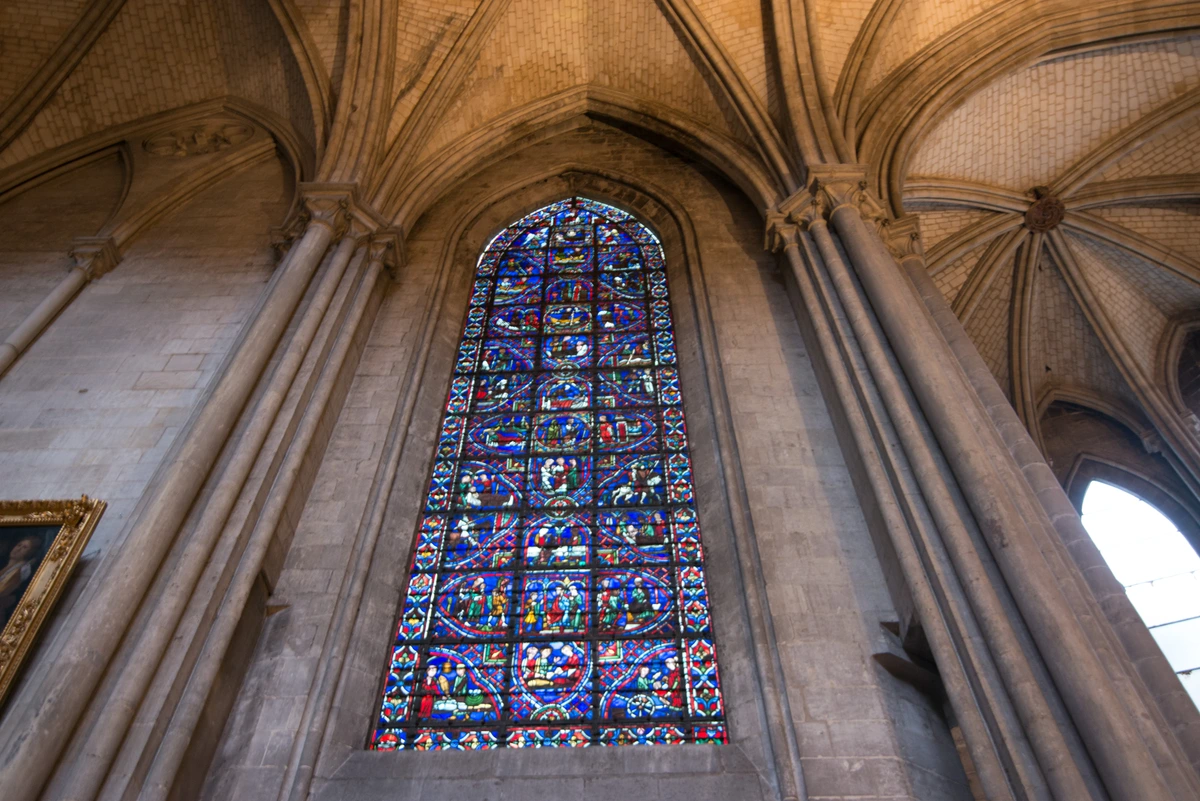
Then came the eras where religion became the primary narrative. Think about the incredible frescoes of the Renaissance, like Giotto’s Arena Chapel cycle, Masaccio's groundbreaking narrative scenes in the Brancacci Chapel, or the glowing complexity of stained glass in cathedrals. These weren't just pretty windows; they were the Bibles of the illiterate, vibrant sermons told in glass and light, each panel a sequential chapter in a sacred story, with colors and figures carrying deep symbolic meaning. Every scene was packed with meaning, guiding congregations through biblical tales or the lives of saints. For example, a stained glass window might show Saint George battling the dragon in one panel, then healing the sick in another, and finally ascending to heaven, all within a single visual story. And let's not overlook the exquisite detail in illuminated manuscripts and the narrative power of multi-panel altarpieces, where hand-painted illustrations and carefully arranged scenes brought sacred texts and epic poems to life, each page or panel a miniature narrative world, often depicting complex allegories or historical accounts, with text and image working in perfect synergy. Devotional paintings, too, often told deeply personal stories of faith and connection. We also see grand narrative tapestries, like the magnificent "Hunt of the Unicorn" series, which not only beautified noble homes but also wove a complex allegorical story of the Passion of Christ and courtly love through intricate scenes of pursuit and capture. Even religious icons in Orthodox Christianity, while highly formalized, served as powerful narrative devices, telling the stories of saints and biblical events through strict iconographic rules and symbolic color palettes.
Who hasn't been utterly captivated by Michelangelo's Sistine Chapel ceiling? It's not just a masterpiece of form and color; it's an epic cosmic narrative, from creation to judgment. The sheer scale and ambition of it, telling such a fundamental story through human figures and architectural illusion, just astounds me. And don't even get me started on the magic of stained glass, which has its own rich history of telling stories through dazzling light.
Visual Epics from the East: Asian Narrative Art
While European art was steeped in religious narratives, East Asian cultures developed equally rich and distinct traditions of visual storytelling. For me, it’s a powerful reminder of how universal the human impulse to narrate truly is.
Consider the exquisite Chinese narrative handscrolls, which literally unfold stories as you move from right to left, revealing sequential scenes, landscapes, and characters. They often depict historical events, literary classics like The Admonitions of the Instructress to the Court Ladies, or the tranquil journeys of scholars through nature. The viewer controls the pace, unrolling only a section at a time, creating an intimate, temporal experience much like reading a book. This slow reveal builds a narrative tension and encourages deep contemplation. Similarly, miniature painting traditions in India, such as the Mughal and Rajput schools, created vibrant and detailed narratives from epic poems, courtly life, and religious texts, often emphasizing color and intricate symbolism within their small, precious formats.
In Japan, ukiyo-e prints from the Edo period mastered the art of visual storytelling for a mass audience. These "pictures of the floating world" depicted captivating narratives of kabuki actors, sumo wrestlers, courtesans, and famous landscapes, often presented in dynamic series. Think of Katsukawa Shunshō's actor portraits that capture dramatic moments from plays, or Hokusai's iconic Thirty-six Views of Mount Fuji series, which, while focusing on a landscape, tells a broader story of human interaction with the natural world over different seasons and perspectives, each print a vignette in a larger visual epic. Artists like Utagawa Kuniyoshi excelled at creating multi-panel narratives of samurai heroes and folk legends, pulling viewers into their dramatic worlds.
Korean art also boasts a vibrant tradition, particularly with narrative folding screens (byōbu) that adorned homes and palaces. These multi-panel artworks often depicted epic historical battles, elaborate court rituals, or scenes from popular folk tales and novels, bringing these stories to life in grand scale and vibrant detail. Artists skillfully used composition and color to guide the viewer's eye across the panels, immersing them in sweeping sagas or intricate moral fables, often illustrating classics like The Tale of Chunhyang or historical events from the Joseon Dynasty. These traditions didn't just tell stories; they preserved history, celebrated cultural heroes, and taught moral lessons, acting as crucial vessels for collective memory and identity.
Social Commentary, Personal Expressions, and New Media: Modern & Contemporary Narratives
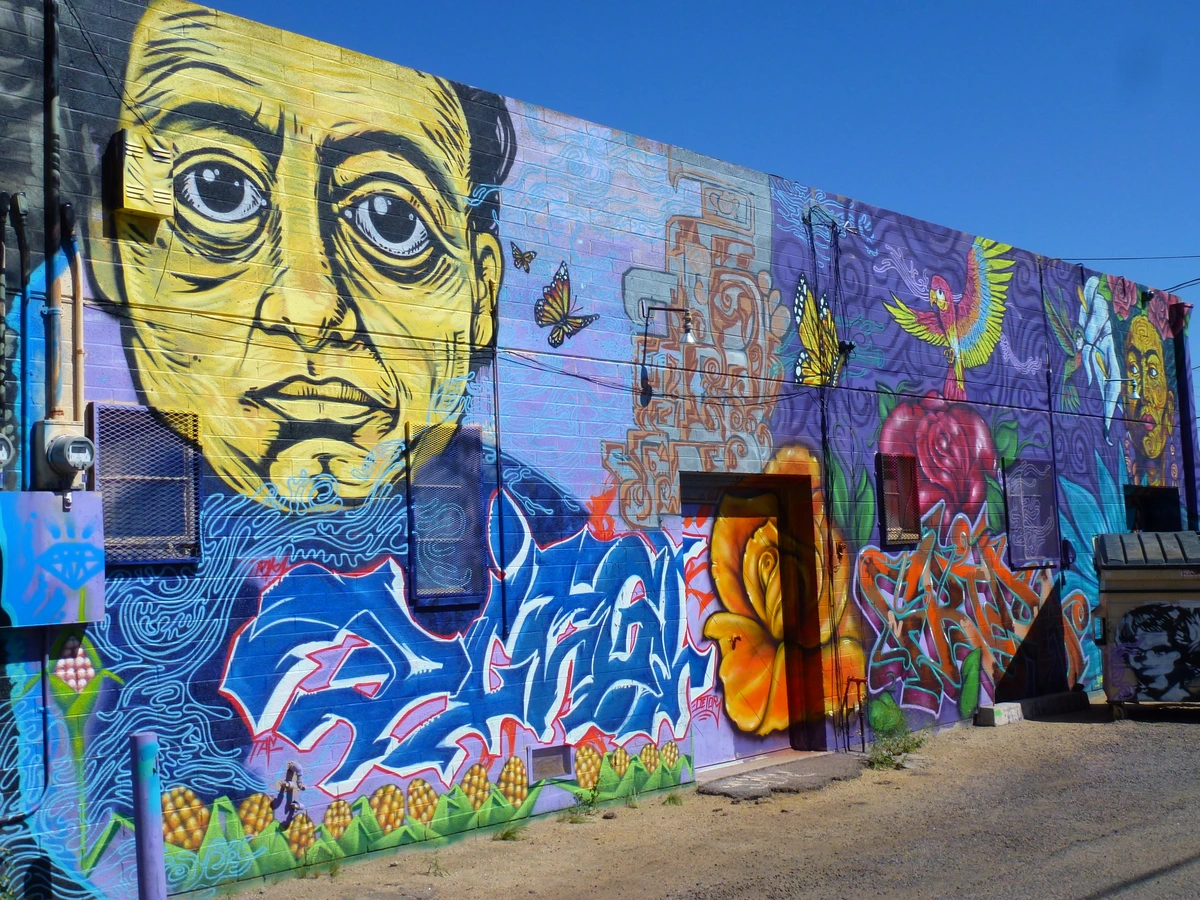
Moving into more modern times, narrative art often took on profound social and political dimensions, becoming a powerful tool for historical documentation and challenging existing power structures. Think about the early 20th century rise of Social Realism, an art movement often depicting the lives and struggles of the working class with clear narrative intent. The Mexican Muralists – artists like David Alfaro Siqueiros, Diego Rivera, and José Clemente Orozco – for instance, used vast public walls to tell stories of revolution, indigenous identity, historical struggles, and the aspirations of their people, focusing on themes like land reform, workers' rights, and national heritage. Their work is a powerful testament to art's ability to be a tool for social change, making history tangible for entire communities and serving as monumental visual textbooks for the populace.
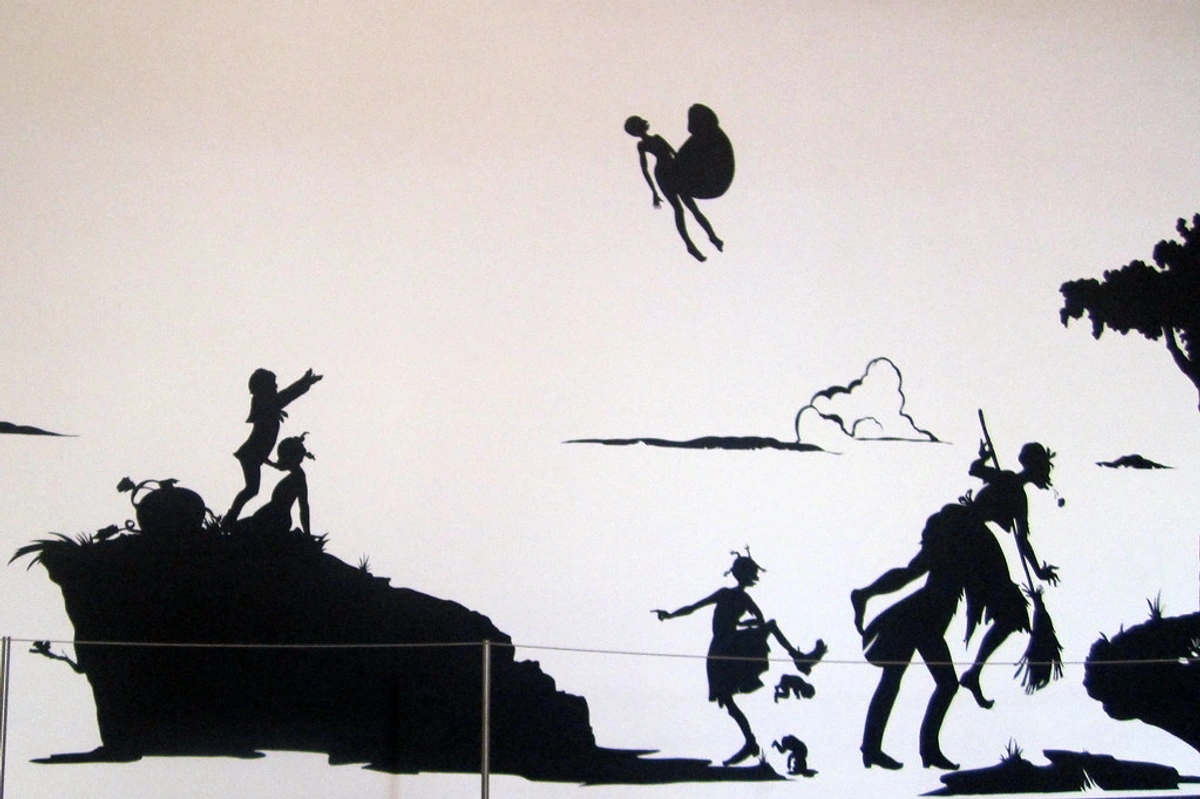
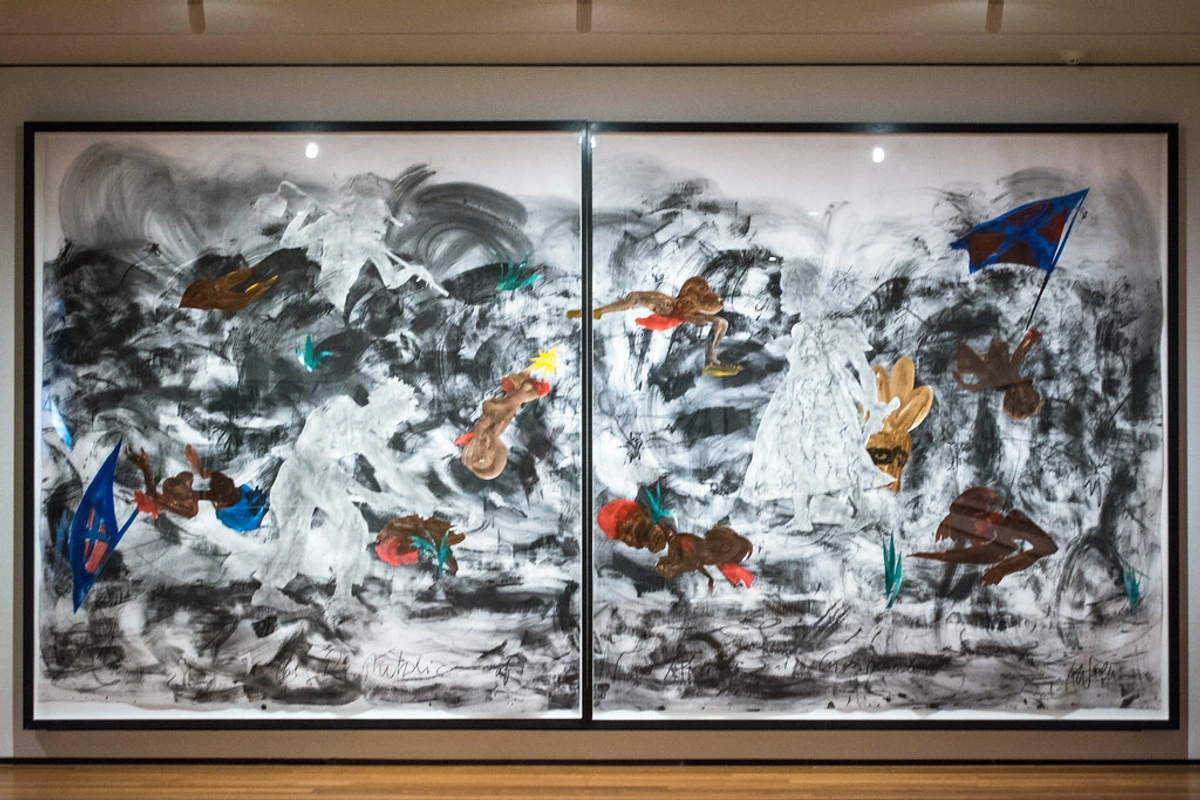
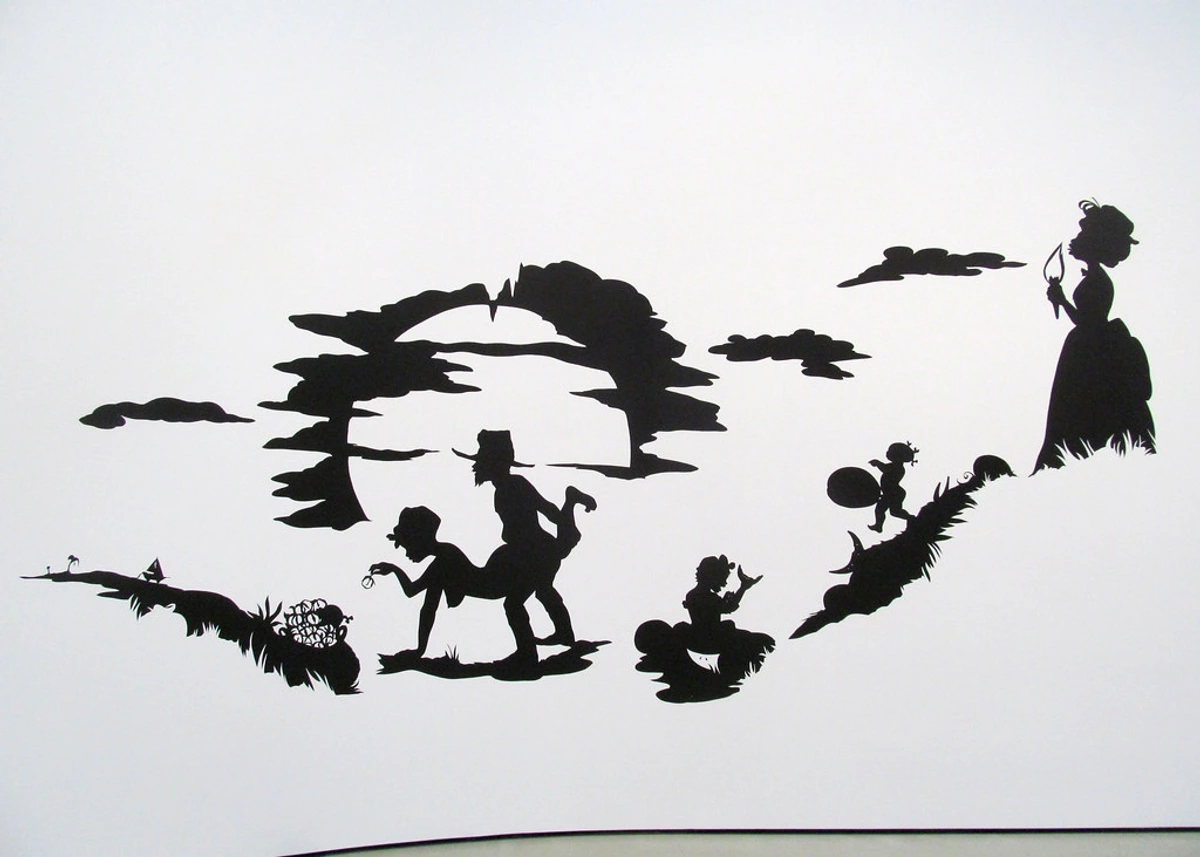
Consider Kara Walker's incredible silhouettes, which use a deceptively simple, almost charming medium to tell complex, often unsettling, stories about race, gender, and historical trauma in America. Her monumental cut-paper tableaux, like those from her series 'Gone: An Historical Romance of a Civil War As It Occurred b'tween the Dusky Thighs of One Young Negress and Her Heart', are brilliant examples of how even shadows can carry profound, challenging narratives, using the flattened forms to both obscure and amplify identity and racialized stereotypes. The stark black and white forms force us to confront often-uncomfortable historical truths directly, without the softening of color.
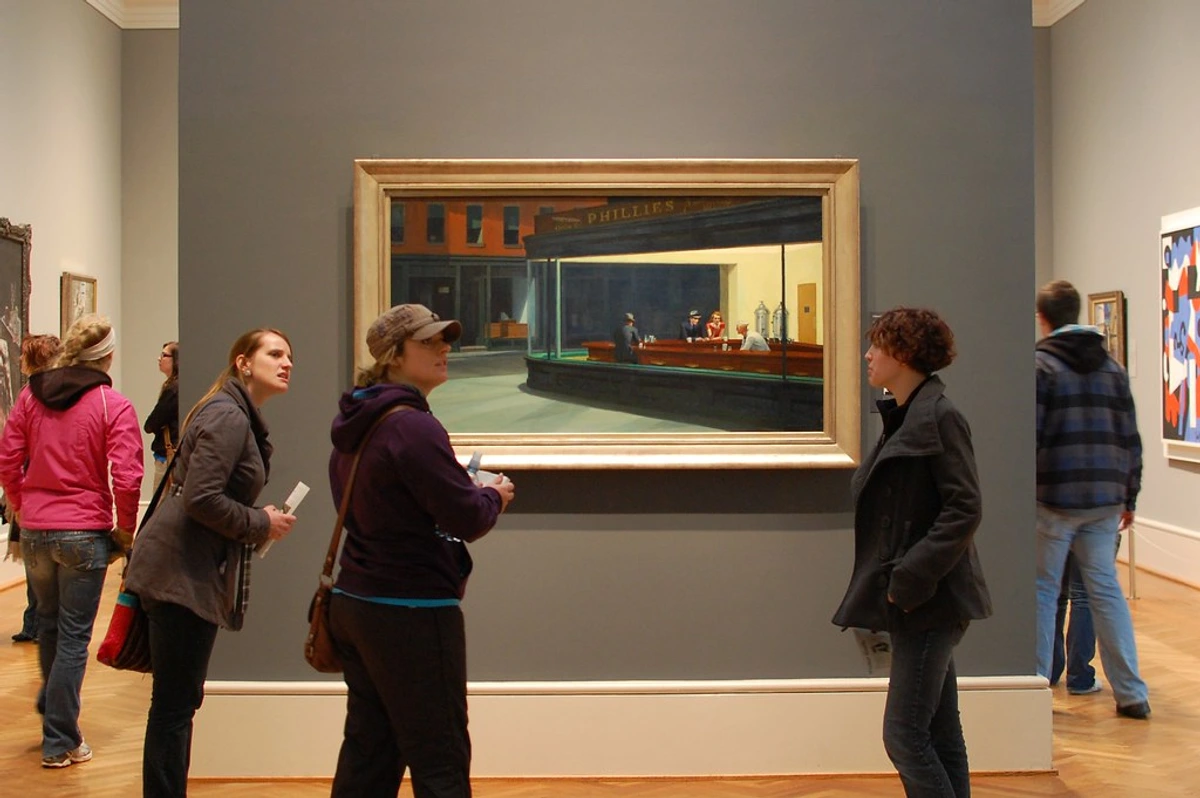
And then you have artists like Edward Hopper. His seemingly mundane scenes are absolute goldmines of narrative tension and implied storytelling. Take his iconic "Nighthawks." It’s not just a diner scene; it’s a profound story about urban isolation, about quiet desperation, about connection and disconnection, conveyed through stark lighting, isolated figures, and the lack of an obvious entrance or exit. Honestly, if you haven't already, dive into what is the meaning of Edward Hopper's Nighthawks – it’s a brilliant exploration of how everyday moments can hold such deep narratives of the American experience.
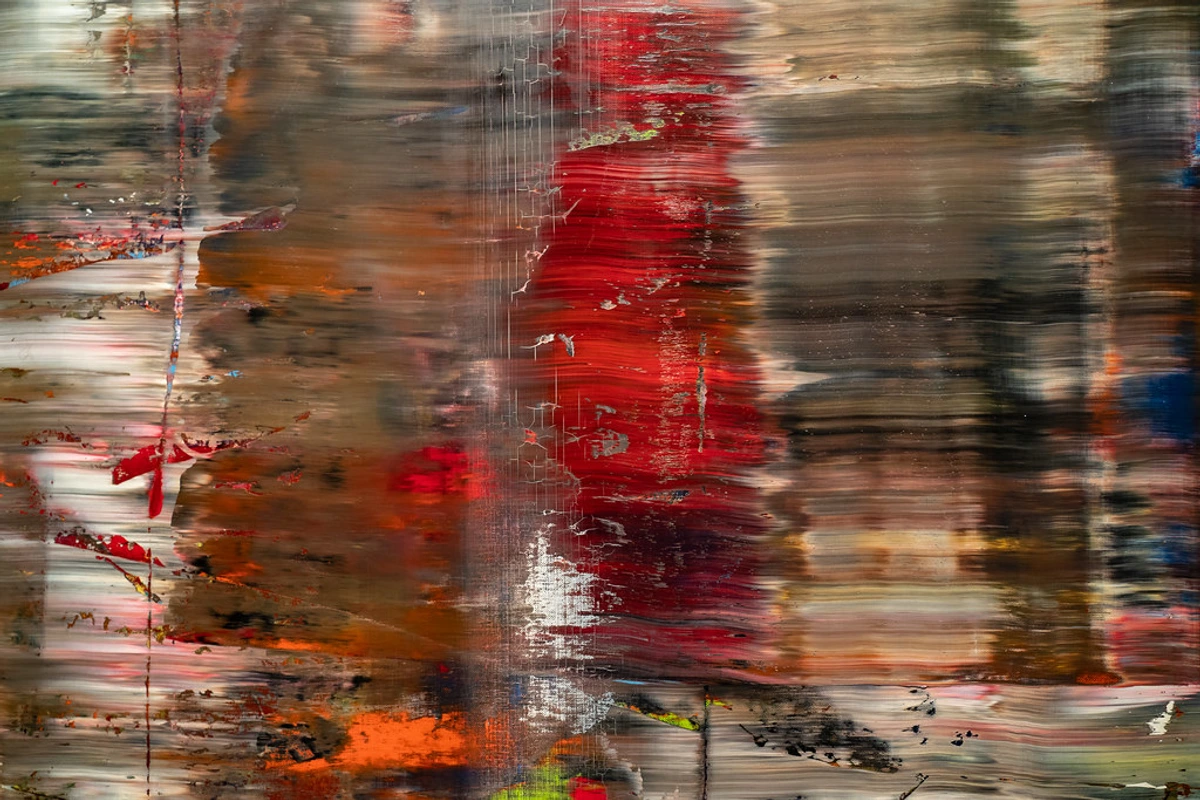
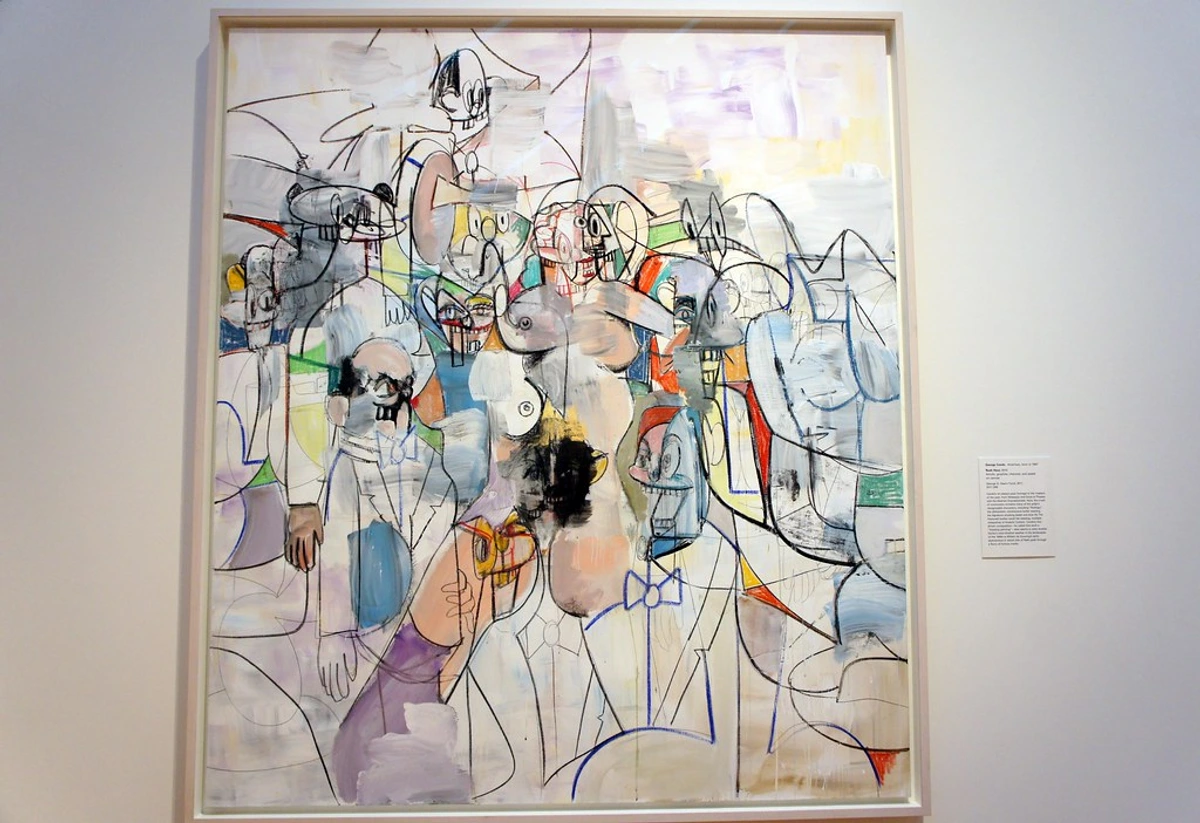
Even in the raw, energetic works of someone like Jean-Michel Basquiat, you find deep narratives about race, class, and personal struggle, often interwoven with raw symbolism – like his recurring crowns for royalty/heroism or anatomical diagrams for the human condition – that speaks volumes about his experience as a Black artist in America and his critique of societal structures. Or the incredible, often unsettling, outsider art of Henry Darger, who created an entire epic world, the "Realms of the Unreal," telling a complex, often violent story through seemingly innocent child figures in massive, hand-bound books. And let's not forget the emotional narratives within Expressionist works, where distorted forms and intense colors tell stories of inner turmoil, as exemplified by the raw power of Edvard Munch's 'Angst',

or the searing social critique in the work of Käthe Kollwitz, whose poignant pieces like "The Grieving Parents" captured the sorrow of war and poverty. Her powerful narrative of human suffering is something I find profoundly moving, and you can explore more about her impactful work in the ultimate guide to Käthe Kollwitz. Frida Kahlo's intensely personal and often surreal self-portraits also serve as powerful narratives of pain, identity, and resilience, turning her own life story into universally resonant art.
Beyond traditional painting and sculpture, the modern era has seen the rise of new narrative forms. Photojournalism and documentary photography, for instance, capture real-world events, telling powerful, often immediate stories through a single image or a series, shaping our understanding of global narratives with an undeniable sense of truth and historical documentation, though always with an implicit ethical responsibility to the subject. Artists also create staged narrative photography, carefully constructing scenes and figures to tell fictional or symbolic stories, much like a film still, inviting us to decode their deliberate symbolism. And who can deny the rich, complex narratives found in graphic novels and comic art, which combine visual and textual elements to create unique, sequential stories that borrow heavily from fine art principles and have become a powerful contemporary medium for complex narratives, from personal memoirs to epic fantasies? Even performance art tells stories through live actions, often ephemeral, engaging the audience in a direct, visceral narrative, sometimes even inviting participation.
Even video art and digital art installations frequently employ narrative structures, sometimes interactive, inviting the viewer into unfolding stories or abstract emotional journeys where their choices can even influence the story's progression – imagine an immersive digital environment where the path you choose or the gestures you make literally reshape the narrative unfolding before you. It's truly a testament to the unending creativity of artists. While digital ownership models, including blockchain technologies and NFTs, have certainly emerged and changed how we think about art ownership and provenance, their long-term impact on traditional narrative art and its interpretation remains a subject of ongoing discussion and evolving understanding. It's a field I observe with a healthy dose of skepticism, to be honest; the focus often seems more on speculation than on genuine artistic value or sustained narrative depth.
The Tools of the Storyteller: Techniques, Elements, and Structures of Visual Narrative
So, how do artists do it? How do they pack so much story, so much emotion, into a single frame or a series of moments? It's a combination of clever techniques, thoughtful choices, and a deep understanding of narrative structures that, frankly, astounds me every time I really look. Artists use a sophisticated toolkit to guide your eye and your emotions through their narrative.
Narrative Structure: The Blueprint of Storytelling
Before even touching a brush or chisel, many artists, consciously or unconsciously, draw upon established narrative structures. Just like a novelist plans a plot, a visual artist might consider the journey their viewer will take. This often involves elements familiar from literature, but adapted for the visual realm:
- Exposition: Setting the scene, introducing characters or concepts. An artist might do this with a detailed background, symbolic objects that give context, or an establishing shot that places the viewer within the narrative's world.
- Rising Action: Building tension, introducing conflict or development. This can be conveyed through dynamic composition (e.g., diagonal lines, figures leaning into action), dramatic lighting (creating strong contrasts or shadows), or the active interaction between figures that hints at a developing situation.
- Climax: The peak emotional moment or turning point. This is often the focal point of a narrative painting, drawing the eye to the most impactful action, often amplified by color, light, and a central composition.
- Falling Action: The events following the climax, leading to resolution. An artist might use softer lines, receding forms, a shift in mood through subdued colors, or figures moving away from the central drama to convey this winding down.
- Resolution: The conclusion, where conflicts are resolved or a final message is delivered. This could be a serene landscape after a storm, a symbolic gesture of peace, a depiction of consequences, or simply a contemplative moment that allows the viewer to absorb the story's aftermath.
Of course, visual art rarely follows these steps as linearly as a book. Often, a single painting might capture only the climax, implying what came before and after, a technique sometimes called enlightened storytelling (as I mentioned earlier). Consider a painting of a figure weeping – the climax of sorrow – which implies a preceding loss and the falling action of grieving. But understanding these underlying narrative blueprints helps us appreciate the deliberate choices artists make. It also helps us see how artists manipulate elements of composition in art to guide our experience.

Visual Elements: Crafting Mood and Meaning
These elements are the mood-setters, the emotional backdrop to any visual story. Artists manipulate these to steer your feelings and enhance the narrative.
Color, Light, and Texture: Setting the Scene and Stirring the Soul
Think of a dark, stormy sky in a painting – instant drama! A warm, golden light? Comfort, perhaps nostalgia. Take Caravaggio, for example; his dramatic use of chiaroscuro (intense contrasts between light and dark) doesn't just illuminate figures; it heightens emotional tension, creates a sense of mystery, and emphasizes key narrative moments by spotlighting crucial actions like a pointing finger or a surprised face – think of "The Calling of St. Matthew." The strong shadows in his work tell a story of moral ambiguity and raw human drama. Similarly, Claude Monet's Impressionistic use of color and light captures fleeting moments, telling stories of passing time and changing perceptions, evoking the feeling of a specific time and place, where the very impermanence is part of the narrative. And texture, whether it's the rough impasto of a Van Gogh's starry night (which tells a story of intense inner vision) or the smooth, polished surface of a classical portrait, adds another tactile, sensory layer to the story, communicating the physicality of the subject, the emotional rawness of a struggle, or the luxuriousness of a setting. If you want to dive deeper into how color functions in art, there's a fantastic resource on how artists use color, and for understanding its deeper meanings, exploring the symbolism of colors in different cultures is invaluable. You can also explore the definitive guide to understanding light in art.
Line Quality and Gestural Mark-Making: The Artist's Hand Speaking Volumes
Beyond just outlines, the quality of a line itself can carry immense narrative weight. A sharp, precise line might suggest order, tension, or a clear boundary, while a soft, broken line could convey fragility, uncertainty, or movement. Think of the dynamic, expressive, almost jagged lines in a drawing by Egon Schiele that seem to scream anxiety and psychological turmoil, versus the serene, flowing contours of a Renaissance master like Botticelli, which evoke grace and idealism. Closely related is gestural mark-making, where the very action of the artist's hand—a vigorous brushstroke, a frantic scribble, a sweeping wash—becomes part of the story, conveying raw energy, emotion, or movement, almost like a visual record of an internal struggle or a dynamic idea. In my own abstract work, I often use bold, intuitive marks to convey raw emotion or a sense of energetic movement, letting the viewer feel the unfolding internal narrative. This approach resonates with the spontaneous power seen in artists like Willem de Kooning, whose powerful gestures became synonymous with internal struggle and dynamic action, making the very process of painting a narrative in itself. For a deeper dive, check out the art of mark-making: expressive lines and gestures in abstract painting and the definitive guide to understanding line in abstract art.
Composition and Foreshortening: Directing the Eye Through the Story
Composition is everything. It's how the artist arranges elements – figures, objects, landscapes – to guide your eye, to create focus, to build tension or calm. Think of diagonal lines that imply movement or conflict, or leading lines that draw you directly to the narrative's climax, like a spotlight on the most crucial part of the story. A strong composition is like a well-written script for your eyes, directing you through the story’s flow, creating a sense of balance or deliberate imbalance that can itself be part of the narrative's tension. For instance, the Golden Ratio or Rule of Thirds can create harmonious narratives, while deliberately broken rules can introduce chaos or drama. You can learn more about understanding balance in art composition and the art of composition: guiding the viewer's eye. And then there's foreshortening, that amazing trick of perspective that makes an object or figure appear to recede dramatically in space, giving it breathtaking depth and realism by mimicking how our eyes perceive objects at different distances. It's often used to depict dynamic action or dramatic gestures, pulling the viewer right into the immediate presence of the narrative. If you're ever curious about how artists achieve such depth, a look into the definitive guide to perspective in art is a real eye-opener. You might also find the definitive guide to understanding form and space in abstract art helpful for understanding how artists create volume and depth.
Layers of Meaning: Iconography, Symbolism, and Allegory
Oh, the layers! Artists are masters of embedding deeper meanings, often influenced by their cultural context. Let me break down these three subtly distinct but interconnected concepts, which are crucial for interpreting narrative art:
- Iconography: This is the study and interpretation of specific figures, gestures, and symbols that have established, widely recognized meanings within a particular cultural or religious tradition. For example, a halo above a figure in Christian religious art instantly tells you about their sanctity within that specific tradition. The depiction of Saint Catherine of Alexandria often includes a broken wheel and a sword – these are her specific iconographic attributes. This meaning is often specific to certain cultural and religious frameworks, and understanding it requires contextual knowledge.
- Symbolism: Here, an object or image stands for something else, often by association or convention, but with more flexibility than strict iconography. A dove for peace, a skull for mortality, or specific flowers conveying different sentiments (e.g., lilies for purity, roses for love) are classic examples. More broadly, the color blue might symbolize calm, or a broken chain might symbolize freedom. It's crucial to remember that these meanings can shift dramatically across cultures and time periods; a symbol revered in one context might be meaningless or even offensive in another, leading to fascinating layers of interpretation (or sometimes, misinterpretation!). While iconography relies on widely recognized meanings within a system, symbolism can be more personal, poetic, or context-dependent, inviting a broader range of associations. You can learn more in the definitive guide to understanding symbolism in art.
- Allegory: This is where an entire story or painting functions as a complex, extended metaphor for a deeper moral, spiritual, or philosophical truth. Every element in an allegorical work contributes to a larger, overarching message, often personifying abstract ideas. Think of Thomas Cole's "The Voyage of Life" series, an incredible allegory for the stages of human existence, depicting Infancy, Youth, Manhood, and Old Age. Even a single painting from that series, like "The Departure," speaks volumes about life’s journeys, youthful optimism, and the uncertain path ahead. Another classic is Jan Vermeer's "Allegory of Painting," where every object, from the map on the wall to the curtain in the foreground, symbolizes aspects of art or history.
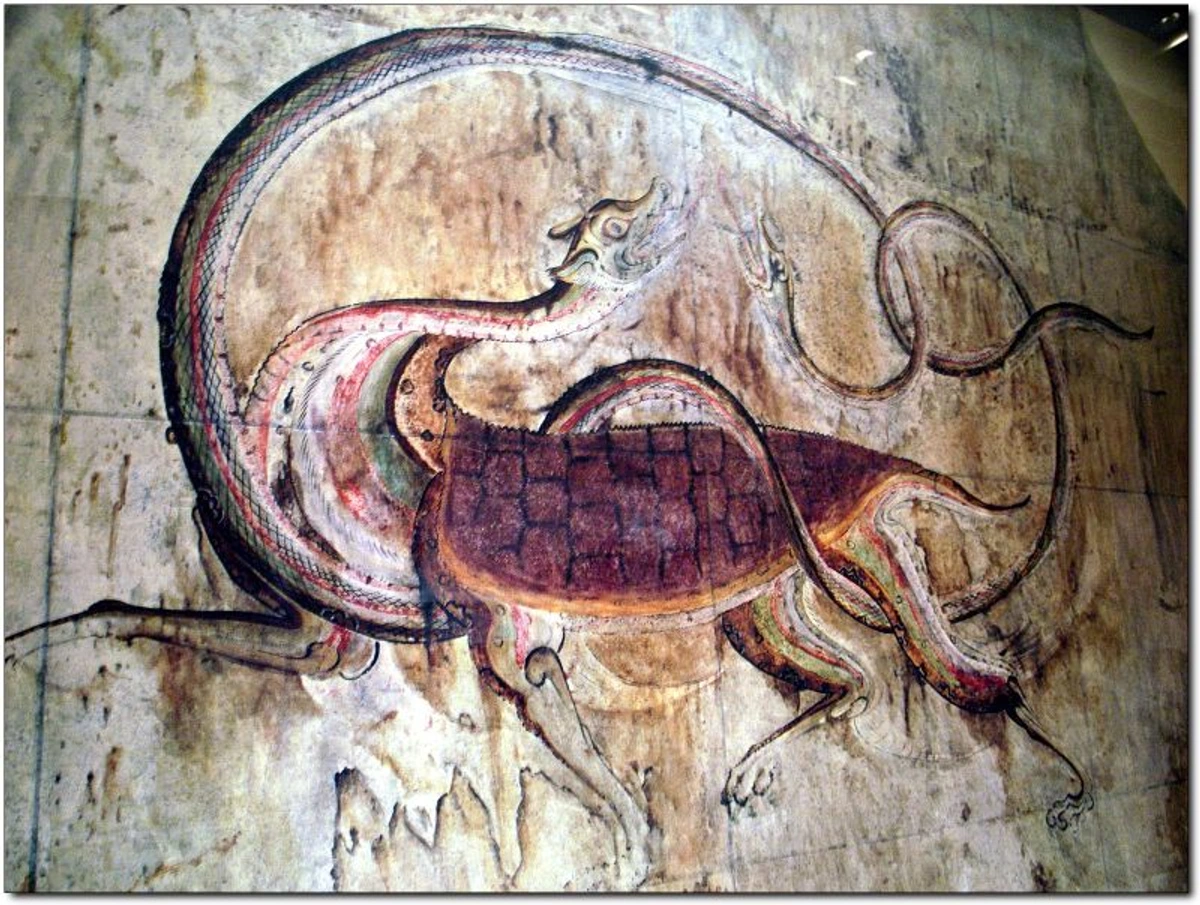
These are not just pretty landscapes; they are profound philosophical statements wrapped in beauty. Another powerful example is the surreal, dreamlike works of artists like Remedios Varo, whose fantastical landscapes and enigmatic figures, such as those in her painting "Nacimiento de la Flora," often serve as allegories for spiritual quests, transformation, or psychological states, using symbols like gears for fate or animals for inner selves, inviting viewers to unravel their own deep meanings. And thinking of more contemporary allegories, artists sometimes use seemingly mundane objects or scenes to critique consumerism or political systems, creating a hidden narrative for those who dig deeper. I often find myself drawn to the symbolic layers in art, much like how I try to embed meaning in my own work – it's truly a treasure hunt for the mind.
The Role of the Title: Framing the Narrative
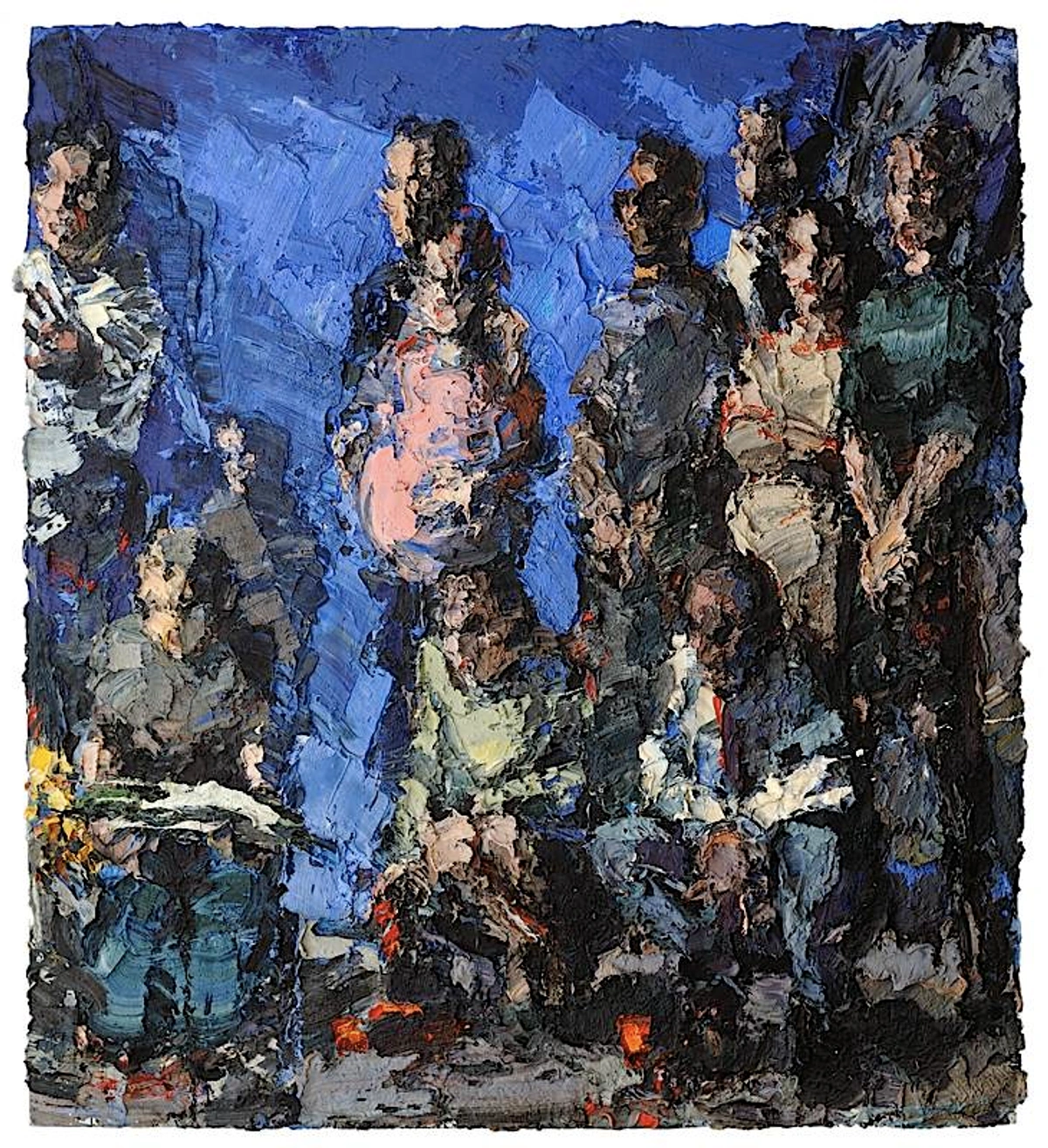
Sometimes, the simplest element, the title, profoundly shapes our understanding of a narrative. An artist's choice of title can provide crucial context, hint at a hidden story, or even deliberately mislead to provoke deeper thought. Think of a painting depicting a serene landscape – a title like "Tranquil Dawn" might evoke peace, but "The Calm Before the Storm" entirely shifts the narrative, infusing it with tension and foreboding. Titles can also create powerful irony or juxtaposition, where the words contrast with the visuals, adding an unexpected layer to the narrative. The title acts as a verbal lens, framing the visual story and guiding our interpretation, sometimes even revealing the artist's personal intention or political stance before we even absorb the visual details.
Beyond the Canvas: Assemblage, Mixed Media, and Collage – Stories Built and Rebuilt
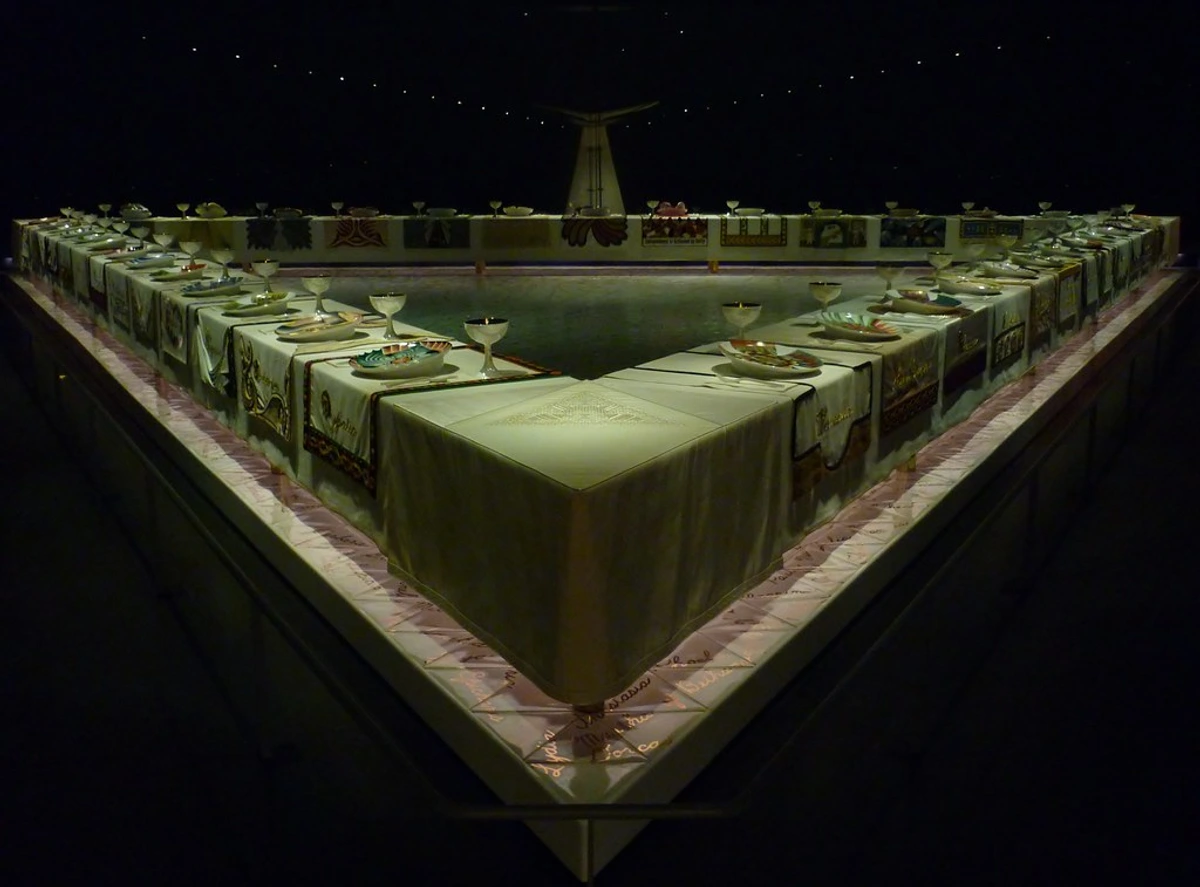
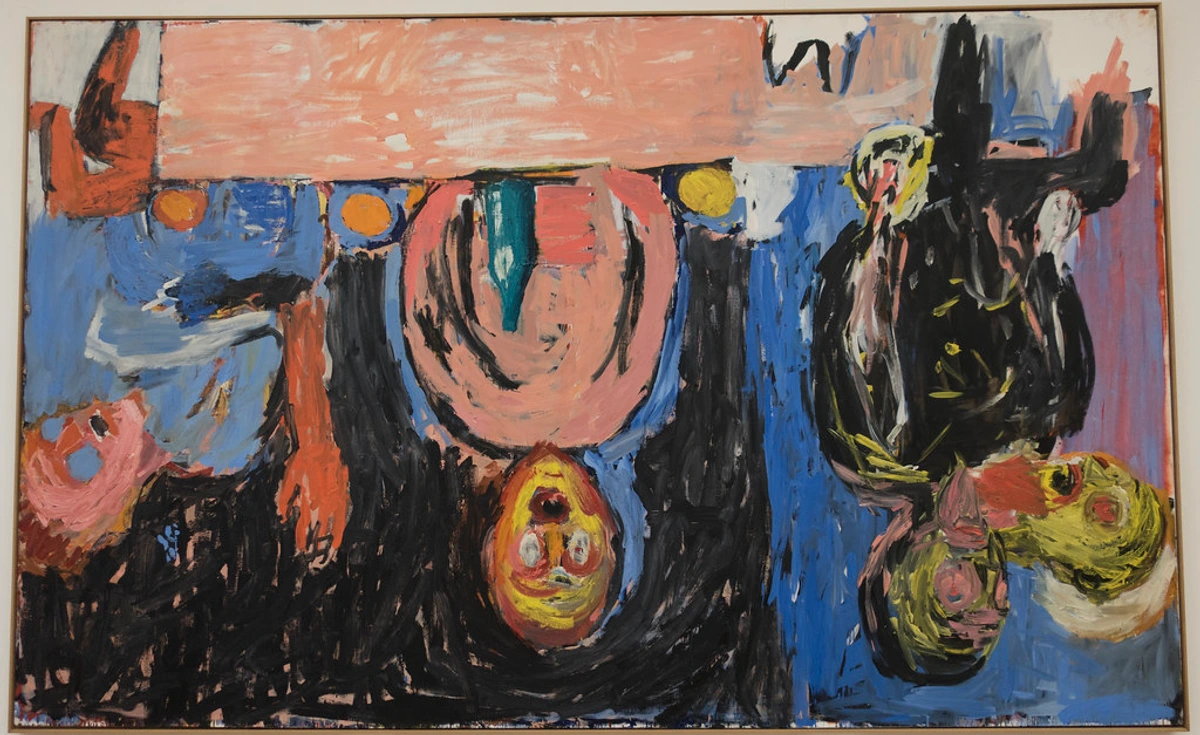
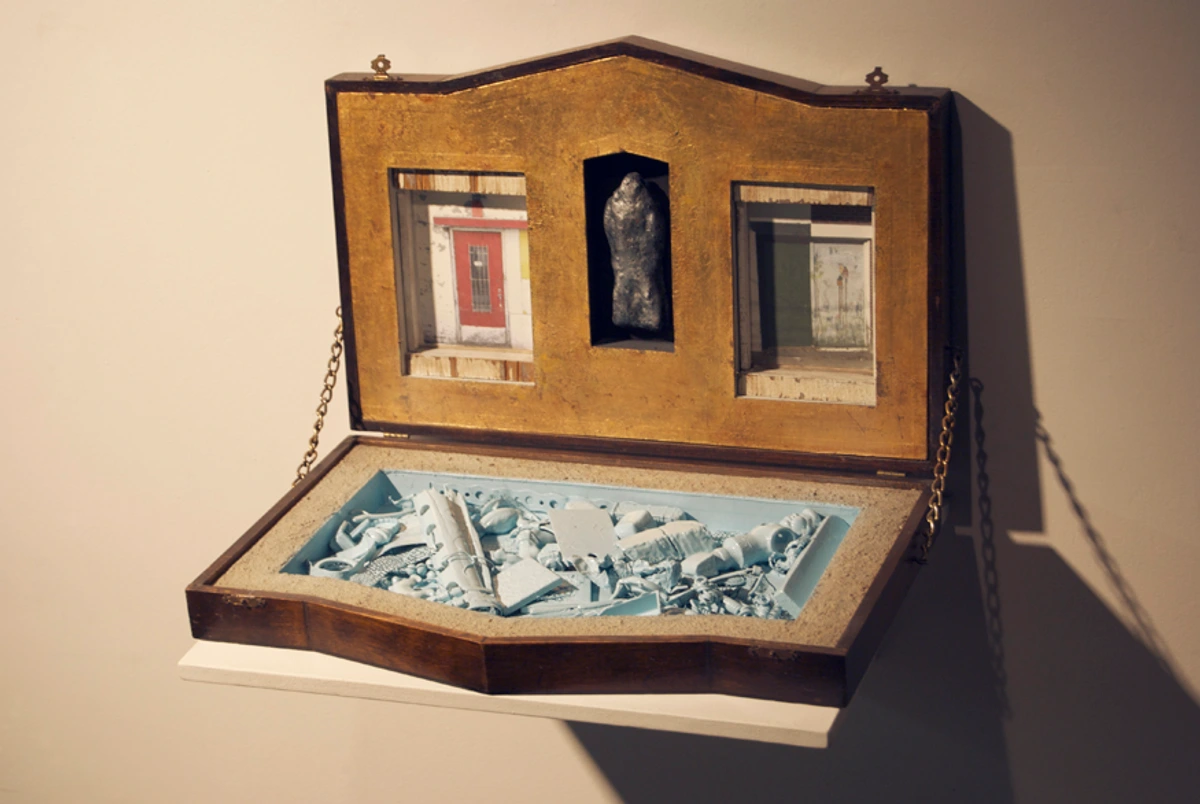
Sometimes, the story isn't just painted; it's built. Artists using assemblage or mixed media literally bring objects together to create a narrative. Every found object carries its own history, its own whispered memory, and when combined, they form a whole new tale. The original context of a found object profoundly shapes its narrative power within a new artwork – a rusty key from an old house, for instance, immediately suggests a story of forgotten secrets or lost access. It's a bit like writing a story with bits and bobs from an antique shop, isn't it? The juxtaposition of seemingly unrelated elements creates unexpected narratives, inviting the viewer to piece together their own interpretations from these fragmented histories. Imagine a rusty key, a faded photograph, and a broken clock combined – a story of lost time, memory, and perhaps a forgotten secret begins to unfold, rich with implied backstories and emotional resonance. My own journey with mixed media has been incredibly rewarding, opening up new avenues for expression and allowing me to embed layers of personal history and symbolic objects into my abstract narratives, making the art itself a collection of stories. Similarly, collage artists meticulously cut and reassemble existing images and texts to construct new narratives, often recontextualizing familiar visuals to create fresh, sometimes jarring, stories and critiques. The power of combining disparate elements to forge a new meaning is truly compelling. This is where what is design in art becomes incredibly important – how these disparate elements are arranged intentionally.
Finding Your Own Story: Interpreting Narrative Art and Co-Creating Meaning
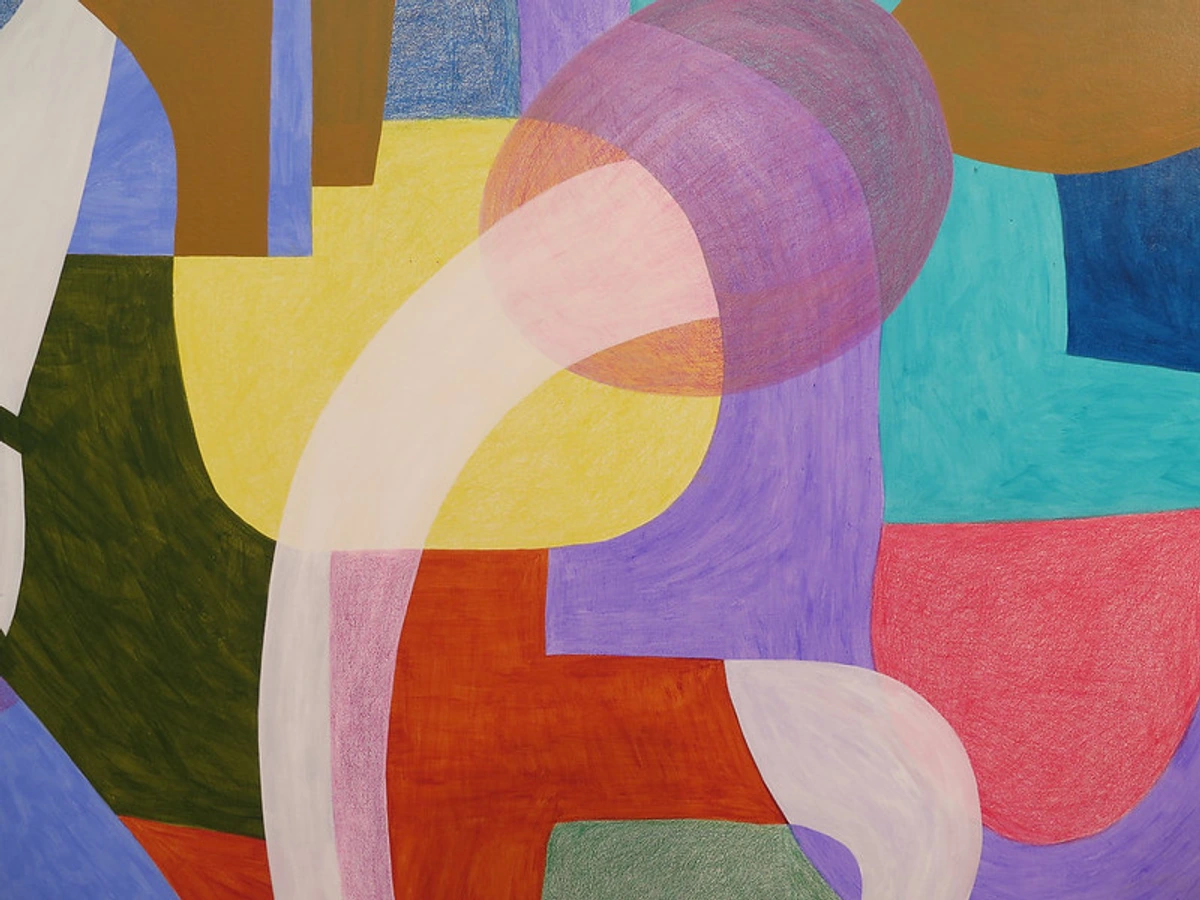
Okay, so artists are incredibly clever. But what about you? How do you engage with narrative art, especially when the story isn't immediately obvious? I see it as a thrilling, active journey – a bit like being a detective, piecing together clues. Your interpretation isn’t inherently wrong; it’s simply yours, a unique dialogue between you and the artwork. The crucial part is to be open, to ask questions, and to bring your whole self to the experience. However, a word of caution: when interpreting, especially art from cultures different from your own or from distant historical periods, it’s vital to be mindful of context to avoid misinterpretations or, worse, unintended cultural appropriation. Always seek to understand the artist's background and the intended audience and historical moment. Here are some questions to ask yourself to start uncovering the stories embedded in art:

- What's happening here? Describe the scene as objectively as possible. What actions are the figures engaged in? What is the main event or implied moment? What medium is used, and how might that influence the narrative (e.g., the spontaneity of watercolor vs. the deliberate layers of oil paint)?
- Who are these people (or figures)? What do their expressions, gestures, and clothing tell me? Consider exploring how to interpret body language in portrait art for deeper insights. What are their relationships, implied or explicit? Do they represent archetypes or specific individuals?
- What is the mood or atmosphere? How do the colors, lighting, and composition contribute to this feeling? Consider the impact of specific color choices and how they set the emotional tone. Does the overall scale of the artwork (intimate miniature vs. monumental mural) affect your emotional response? Are there any suggested sound elements implied by the visuals (e.g., a stormy sea might imply crashing waves, or a celebration might suggest music)?
- What objects do I recognize, and what might they symbolize? Are there any implied conflicts, resolutions, or underlying messages through these symbols? Remember to consider cultural context for symbolism.
- Are there multiple scenes or moments depicted? (This might indicate a continuous narrative – where different points in a story are shown within a single artwork, like a Roman frieze or a medieval manuscript showing a saint's life across several panels! It’s an ingenious way to condense an entire story into one visual space, inviting the viewer to follow a journey.)
- What is the implied timeline of this artwork? Does it depict a single climactic moment (enlightened storytelling, implying what came before and what might come after), a sequence of events, or hint at a broader historical context? Is there a sense of narrative ambiguity, where the artist intentionally leaves questions unanswered, inviting your active participation in completing the story?
- Does the artwork present a clear resolution to the depicted situation, or does it leave the viewer with unanswered questions and open-ended possibilities? How does the ending resonate with you?
- How does the artwork's emotional tone evolve as you look at it? Are there shifts in mood or feeling conveyed through the visual elements, or even through the artist's technique?
- What clues are there about the time period or cultural context? How might understanding the artist's background or historical events influence my interpretation? What does the title of the work tell me, and how does it frame the narrative?
- What might be the artist's intention or message? What cultural, historical, or personal context might be relevant? For example, understanding the context of Picasso's masterpiece truly unlocks the meaning of Guernica. Consider checking for an artist's statement if available.
- What questions does this artwork leave you with? What remains unresolved or open to further thought? How does it connect to your own life experiences? What story do you see unfolding in this piece?
Sometimes the story is obvious, sometimes it's hidden, and sometimes it's designed to make you complete it. If you're looking for ways to engage more deeply, my article on visual storytelling techniques in narrative art might offer some new perspectives. What stories do you see unfolding? Tell me in the comments below!
Frequently Asked Questions (FAQ) About Narrative Art
What is the primary purpose of narrative art?
The primary purpose of narrative art is to tell a story, convey an event, or communicate a specific message or moral through visual means. It aims to engage the viewer's understanding of a sequence of actions or ideas, often inviting empathy or reflection on human experiences, history, or mythology. It's how artists preserve cultural memory, foster a collective identity, and provide a unique lens through which to explore complex human experiences.
Can abstract art tell a story?
Absolutely! While not depicting a literal, explicit story, abstract art can powerfully convey narratives of emotion, internal states, philosophical concepts, or an artist's personal journey. My own work, for example, often uses visual leitmotifs – recurring forms or colors – to build an evolving narrative of personal experience. It invites the viewer to co-create the story based on their own feelings and interpretations, as discussed in decoding abstract art: a guide to finding meaning in non-representational works. Some abstract works are deliberately designed to evoke a narrative through their composition, color choices, and gestural marks, even if they are non-representational, with the viewer's active interpretation playing a significant role in completing the narrative.
How do artists create a sense of time in narrative art?
Artists use several ingenious techniques: depicting a single climactic moment that implies preceding and succeeding events (often called enlightened storytelling); showing multiple scenes from different points in time within a single frame (called continuous narrative – imagine a Roman frieze or a medieval painting showing a saint's life across several panels, or a character at different stages of an action side-by-side); using symbols and allegories that refer to a broader historical or mythological timeline; or even depicting subtle changes in light or weather to suggest the passage of hours or seasons. The viewer's eye is guided through the implied temporal progression.
How do artists create a sense of space or depth in narrative art?
Artists create a sense of space and depth through techniques like perspective (linear, atmospheric), foreshortening (making objects appear to recede dramatically), overlapping figures or objects, and manipulating scale (smaller objects appear further away). They also use color (e.g., warmer, more saturated colors advance; cooler, desaturated colors recede) and light (highlights and shadows define form and position, as seen in chiaroscuro) to give the illusion of three-dimensional space on a two-dimensional surface. You can dive deeper into these methods in the definitive guide to perspective in art.
What are some famous examples of narrative art?
Iconic examples include Michelangelo's Sistine Chapel ceiling, Giotto's frescoes in the Arena Chapel, ancient Roman mosaics depicting daily life or myths, the Bayeux Tapestry, classical Greek sculptures illustrating heroic deeds, Jan van Eyck's "Arnolfini Portrait" (rich with symbolic narrative), Edward Hopper's "Nighthawks," the political murals of Mexican artists like Diego Rivera and José Clemente Orozco, and Picasso's emotionally charged Guernica. Kara Walker's contemporary silhouettes, Frida Kahlo's intensely personal self-portraits, and Käthe Kollwitz's powerful depictions of human suffering are also prime examples. Beyond traditional mediums, consider impactful photojournalism or contemporary graphic novels like Art Spiegelman's Maus.
Why is storytelling so important in art?
Storytelling in art is vital because it connects us to shared human experiences, historical events, cultural values, and personal emotions. It helps us understand the world and ourselves better, preserves history and traditions, and provides a powerful means for artists to communicate complex ideas and spark empathy across time and cultures. It's how we pass on knowledge, inspire change, find common ground, and explore the very essence of what it means to be human, reinforcing collective memory and identity. It allows us to step into another's shoes, if only for a moment.

How does scale affect the narrative impact of a piece?
The scale of a narrative artwork significantly impacts its effect. Monumental works, like murals or grand altarpieces (e.g., the Sistine Chapel), can overwhelm and immerse the viewer, emphasizing the epic or sacred nature of the story, making the viewer feel small in the face of grand events and encouraging a collective experience. Smaller works, like manuscript illuminations, miniature portraits, or an intimate drawing, often invite a more intimate, reflective, and personal engagement, drawing the viewer into detailed narratives or private emotional worlds, fostering a one-on-one dialogue with the artwork.
What is the role of cultural context in interpreting narrative art?
Cultural context is absolutely crucial. Symbols, gestures, historical events, religious beliefs, and even color meanings all carry specific significances within different cultures and time periods. Understanding the cultural background of an artwork helps unlock its intended narrative, prevents misinterpretations, and reveals deeper layers of meaning. For example, a color that symbolizes royalty in one culture might signify mourning in another, completely altering the narrative conveyed. Without context, we risk imposing our own (often anachronistic) interpretations.
How has technology changed narrative art?
Technology has profoundly expanded the possibilities for narrative art. Digital art, video installations, virtual reality (VR), and augmented reality (AR) now allow artists to create immersive, interactive narratives that unfold over time or in response to viewer input. These mediums can combine traditional visual storytelling elements with sound, motion, and participant agency, pushing the boundaries of what a "story" in art can be, creating new forms of experiential and non-linear narratives where the viewer's choices can even influence the story's progression. While digital ownership models, including blockchain technologies and NFTs, have emerged, their long-term impact on traditional narrative art and its interpretation remains a subject of ongoing discussion and evolving understanding. It's a field I observe with a healthy dose of skepticism, to be honest; the focus often seems more on speculation than on genuine artistic value or sustained narrative depth.
What's the difference between a story in art and just a picture?
The key difference lies in intention and progression. While any picture can evoke a feeling or represent an object, a "story in art" deliberately communicates a sequence of events, a psychological journey, or a specific message with a beginning, middle, and/or implied end. It has characters (even if abstract), a setting, and a plot or theme that develops. A mere picture might be descriptive or aesthetically pleasing, but narrative art aims to tell something through its visual elements, inviting interpretation of actions, consequences, or meaning beyond simple depiction.
How can I learn to 'see' narrative in art?
Learning to 'see' narrative in art involves cultivating active looking and critical thinking. Start by observing details: expressions, gestures, objects, and their arrangement. Ask yourself the interpretive questions listed earlier in this article. Research the artist, historical period, and cultural context. Pay attention to how elements like color, light, composition, and even the choice of medium create mood, emphasize certain parts of the story, or guide your eye. Practice with different genres and eras, and don't be afraid to form your own interpretations. Over time, you'll develop an intuitive sense for the visual clues artists embed, allowing you to uncover deeper layers of meaning. Engaging with art actively, rather than passively, is key – you become a co-creator of the story.
How does narrative art relate to storytelling in other media, like film or literature?
That's a fantastic question, as the principles often overlap significantly! Narrative art in visual mediums shares a common lineage with film and literature. All three rely on fundamental elements like plot, character, setting, and emotional arc. However, visual art often has to convey its narrative through a single image or a limited series, using implied action, symbolism, and composition to suggest a timeline or emotional journey. Film and literature have the luxury of extended time and sequential unfolding, allowing for more explicit plot development, dialogue, and character arcs. But I've always felt that the best visual narrative art, much like poetry, can convey volumes with subtle gestures and carefully chosen details, inviting a unique kind of active, contemplative interpretation from the viewer, often distilling complex stories into powerful, singular moments.
How does my personal background influence my interpretation of narrative art?
Your personal background is absolutely central to how you experience and interpret any artwork! Your cultural upbringing, life experiences, emotional history, and even your current mood will all act as filters through which you view a piece. While artists often intend specific messages, the viewer always co-creates the meaning based on their own internal world. For example, a painting depicting struggle might resonate deeply with someone who has overcome adversity, or a celebratory scene might evoke different feelings in someone experiencing sorrow. This is why art is so powerful and personal – it's a mirror as much as a window, reflecting your own story back to you, adding richness and individuality to every interpretation. It's not about being "right" or "wrong"; it's about the unique dialogue between you and the artwork.
How do artists decide whether to create narrative art or simply an aesthetic object?
That's often a deeply intuitive and personal decision, varying greatly from artist to artist. Some artists are primarily driven by the desire to convey a specific message, tell a historical account, or explore a social critique – in which case, narrative intent is paramount. Their choices about subject matter, composition, and symbolism will all serve the story. Other artists might be more interested in exploring pure form, color, or texture for their intrinsic aesthetic qualities, focusing on beauty, sensory experience, or abstract emotional evocation without a specific 'story' in mind. Sometimes, an artwork starts as an aesthetic exploration and a narrative emerges unintentionally, or vice-versa. For me, it's often a blend; my abstract work might begin with an aesthetic impulse, but the layers and marks inevitably start to tell a personal story, making the aesthetic object a vehicle for narrative, even if it's an abstract one.
What are narrative archetypes in art?
Narrative archetypes in art refer to universal patterns, characters, or themes that appear across different cultures and time periods. These are fundamental, recurring human experiences or figures – like the hero's journey, the trickster, the wise mentor, the innocent, or the struggle between good and evil. Artists tap into these deep-seated patterns to create stories that resonate universally, even when depicted in culturally specific ways. Recognizing these archetypes can provide immediate access to deeper meaning, as they often carry a collective emotional and psychological weight that transcends individual narratives.






Conclusion: The Unending Human Story Through Art
In the end, art that tells a story isn't just about what's on the canvas or in the sculpture. It's about what it sparks in us – the recognition, the empathy, the questions, the quiet moments of understanding. It's a powerful reminder that our need for narrative is universal, deeply ingrained in the human spirit across all cultures and time periods. Narrative art fulfills this essential function, serving as a vital vessel for collective memory, identity, and shared human experience, fostering a profound connection between past, present, and future. It's, quite simply, how we make sense of the world and our place in it.
So go ahead, find a piece that speaks to you, lean in, and let the story unfold. Actively engage, visit a local gallery, or even try creating your own visual story – you might be surprised by what emerges! Perhaps you'll find your next story right here in my collection; you can explore my timeline or plan a visit to the Den Bosch Museum to see more works in person. And if a piece truly captures your imagination, remember, a story shared is a story multiplied. You can always buy a piece to keep that conversation going in your own space, fostering a tangible connection to the narrative and becoming part of its ongoing, vibrant story. Perhaps it will even inspire your own visual storytelling journey.