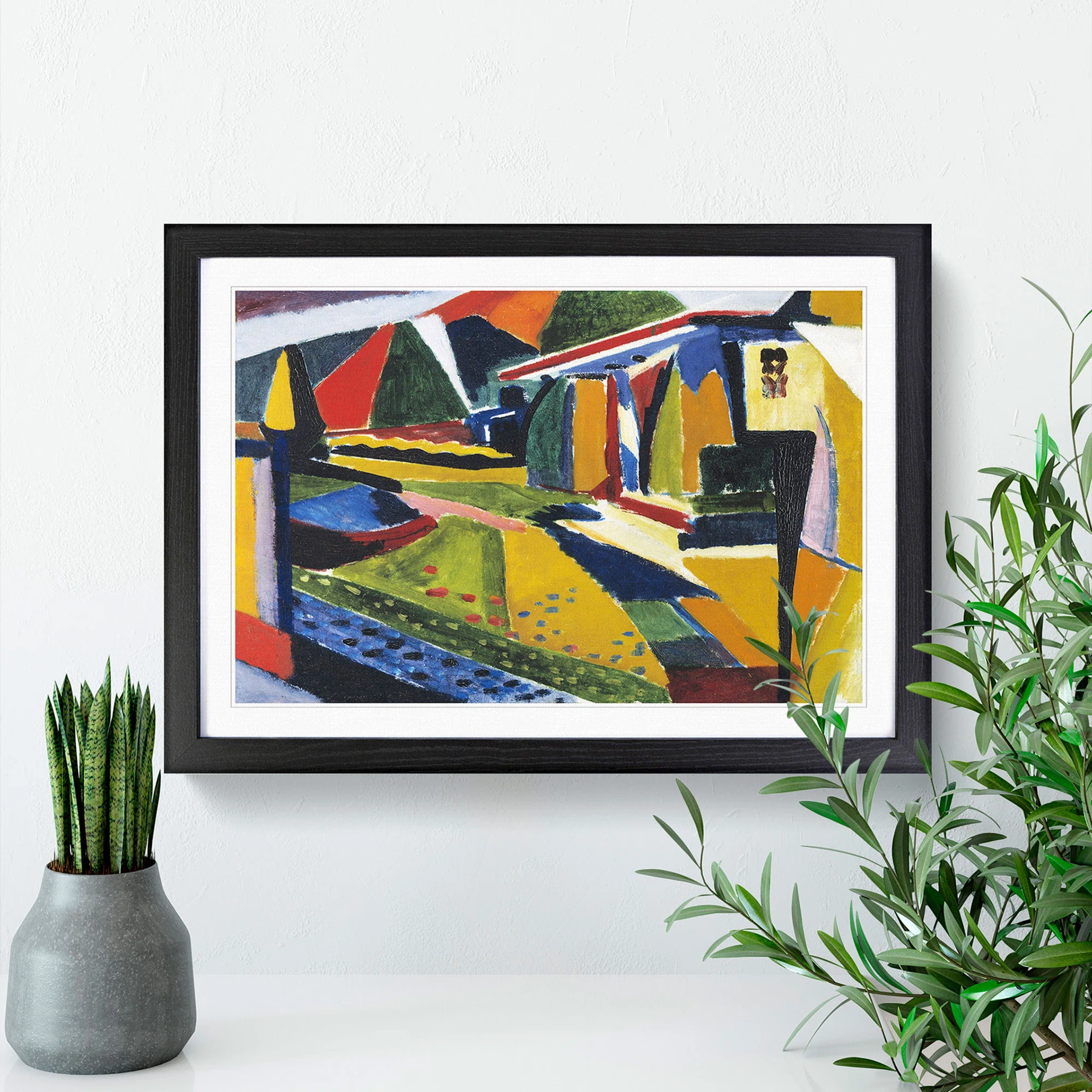
Art at Home: Your Ultimate Guide to Curating a Personal & Meaningful Collection
Transform your home into a unique sanctuary. This ultimate guide helps you discover, display, care for, and budget for a personal art collection that truly reflects your unique style and tells your story.

Art at Home: Your Ultimate Guide to Curating a Personal & Meaningful Collection
There’s this particular sensation I always chase: walking into a home that doesn’t just look good, but feels profoundly lived in, cherished, and authentic. It's more than just a decor trend or a perfectly matched sofa; it’s about layers of story, whispers of personality, and visible connections. For me, the most potent ingredient in achieving that feeling is art.
And no, I'm not talking exclusively about acquiring museum-grade masterpieces – though, let's be honest, who wouldn't want a Cézanne in their living room? What I mean are pieces that truly resonate – they catch your eye, stir something within you, and feel like they intrinsically belong to your unique space and journey. An artwork resonates when it evokes a genuine emotional or intellectual response in you, transforming a space from merely functional to deeply personal. It’s an immediate, often inexplicable connection that makes a piece feel like it was always meant for you. Do you remember the last time a piece of art just… spoke to you? That's the feeling we're chasing.
For far too long, I harbored this silly notion that art was reserved for hushed galleries or the impossibly elegant abodes of people with 'secret handshakes' in the art world. It felt, quite frankly, intimidating. Like there was an unwritten rulebook I hadn't received, filled with specialized knowledge and unspoken customs. But over the years, through countless experiments (and a few comedic failures, like the time I tried to DIY a floating frame for a canvas far too heavy, resulting in more than just a dented wall, but a bruised ego and a trip to the hardware store), I’ve wholeheartedly embraced the truth: art at home isn't about being an expert, having an encyclopedic knowledge of art history, or needing an astronomical budget. It’s a deeply personal pursuit of connection, a joyful act of surrounding yourself with things that bring a quiet sense of bliss, spark vibrant conversations, or simply transform a bland wall from merely blank to brilliantly bold.
In this ultimate guide, we’ll embark on a comprehensive journey together. We'll start by tracing art's deep roots in domestic life throughout history, then explore its profound power to transform your living spaces. From there, I'll arm you with the insights you need to find pieces that truly speak to you, navigate the art market, manage your budget, master clever display techniques (even for rentals!), and care for your cherished collection – all to help you craft a home that is wonderfully, authentically yours.
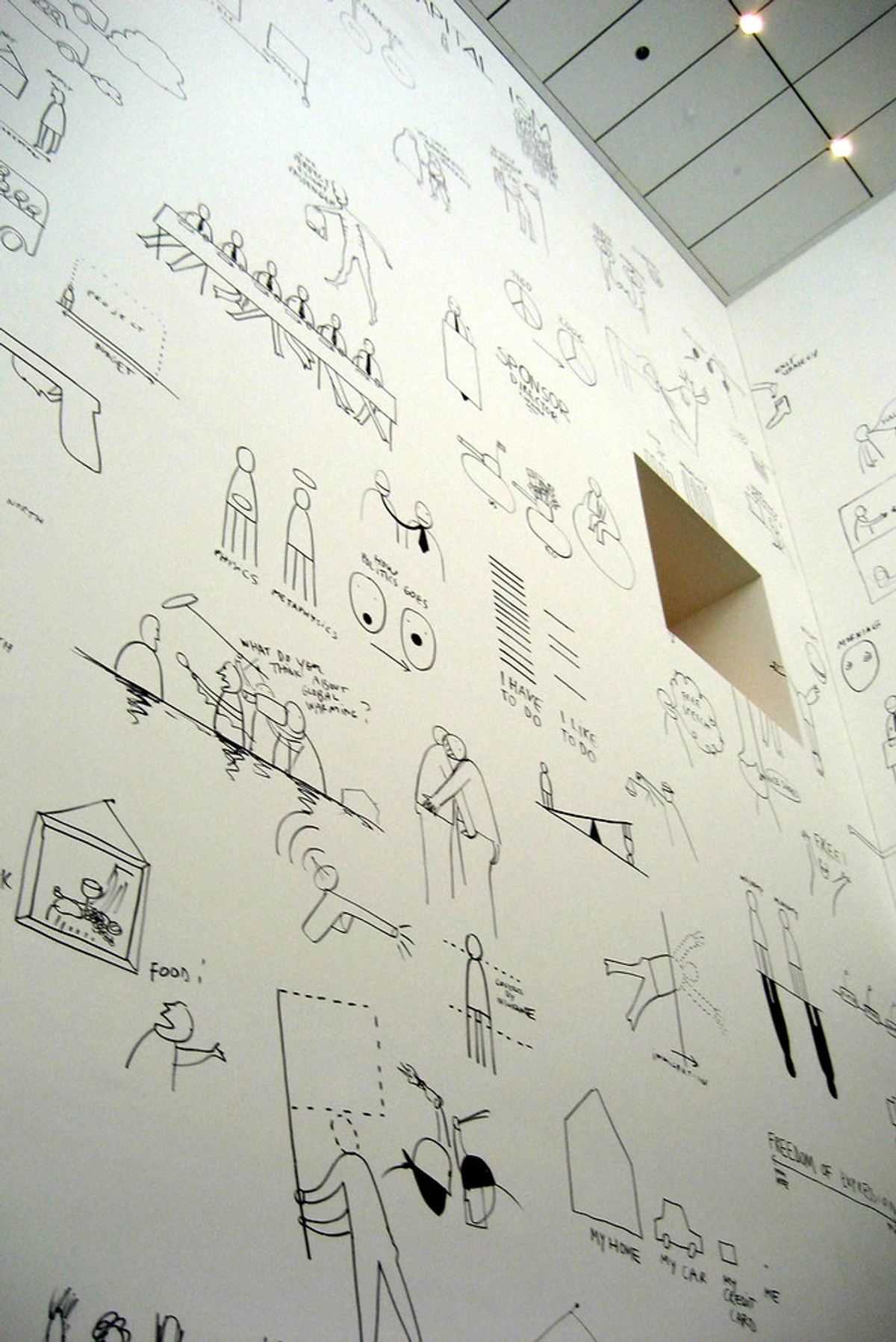
Art Through the Ages: A Journey Through History's Home Collections
The concept of "art in the home" isn't a modern invention; it's a thread woven deep into human history. From the earliest cave paintings adorning shelters to grand tapestries in medieval castles, and intricate frescoes in Renaissance villas, art has always been intimately intertwined with our living spaces. Understanding this lineage helps us appreciate our own collecting journey more deeply, recognizing that we are part of a continuous human desire to surround ourselves with beauty and meaning.
Early Civilizations & Antiquity: Utility, Status, and Sacred Space
For millennia, art in homes served practical, spiritual, and status functions. Cave paintings, like those in Lascaux, weren't just decorative; they were often part of rituals, imbued with meaning for those who lived within those spaces. Imagine the reverence for the decorated pottery and carved tools that were both functional and beautiful, integral to daily life. In ancient Egypt, artisans crafted detailed tomb paintings and sculptures essential for the afterlife, while Roman homes, particularly those of the wealthy, featured mosaics, frescoes depicting mythology or heroic deeds, and classical sculptures like portrait busts, often incorporating household shrines. These pieces weren't just adornments; they were powerful statements of identity, belief, and intellectual standing, shaping the very soul of the domestic realm.
Medieval & Renaissance Eras: Piety, Patronage, and Personal Story
During the Middle Ages, religious iconography dominated domestic art, with devotional paintings and small altarpieces found in private chapels or bed chambers. Art served as a constant reminder of faith and often illustrated biblical narratives. The Renaissance brought a renewed focus on humanism, wealth, and the individual. Influential families like the Medici in Florence became major patrons, commissioning family portraits to immortalize members, often placing them prominently in their grand halls. Beyond portraits, mythological scenes and religious devotionals were commissioned for private chapels or study rooms, reflecting personal piety and cultural sophistication. Donatello's sculptures and intricate tapestries (which were also art) also found their way into these grand abodes, subtly showcasing the patron's prosperity. These artworks served as both decoration and symbols of wealth, piety, and erudition, a true reflection of personal power and cultural sophistication. Even then, people were building their own timeline of aesthetic exploration.
The Age of Enlightenment & Beyond: Intimacy, Opulence, and Accessibility
The 18th century saw the rise of more intimate domestic spaces, with Rococo art bringing playful elegance and Baroque grandeur into private residences. Think of the lavish, gilded interiors adorned with works by artists like Fragonard or Boucher, often gracing boudoirs and salons, whispering stories of indulgence. Portraiture continued to be popular, but genre scenes (depicting everyday life) also found their way into homes, signaling a shift towards personal narrative. The Industrial Revolution of the 19th century, coupled with the rise of photography, democratized art somewhat; while grand commissions remained, mass-produced prints and accessible artworks allowed a burgeoning middle class to decorate their homes. The Impressionists, once controversial, eventually found their way into these homes, signaling a shift in aesthetic appreciation toward personal experience and fleeting moments over grand narratives.
Modern & Contemporary Home Art: Unprecedented Personalization
The 20th century, with its explosion of art movements from Cubism to Surrealism, Abstract Expressionism, and Pop Art, challenged traditional notions of what art could be. This era saw art move from purely representational to deeply conceptual, allowing for unprecedented personalization in home decor. Artists like Kara Walker pushed boundaries with narrative silhouettes, while Anish Kapoor explored reflective, monumental forms. Today, our options are limitless, embracing everything from traditional oils to digital art, street art, and mixed media. The desire to surround ourselves with beauty and meaning remains profoundly the same, but the ways we achieve it are as diverse as humanity itself.
I always find it fascinating how art has mirrored society's evolution, from grand statements of power to intimate reflections of self. Think of your art journey not as a shopping spree, but as a slow, deliberate act of curation. You're building a narrative, a visual diary of your life, interests, and evolving aesthetic. Each piece is a chapter, each room a themed gallery. There's immense satisfaction in seeing your collection grow organically, each new acquisition adding depth and dialogue to what's already there. It's about finding pieces that resonate with you, not with fleeting trends. This is your personal timeline of aesthetic exploration, a testament to your unique eye. Understanding this rich lineage isn't just an academic exercise; it underscores how art has always been about more than just decoration – it’s about shaping our environment and enriching our very lives, a power we can harness today more than ever.
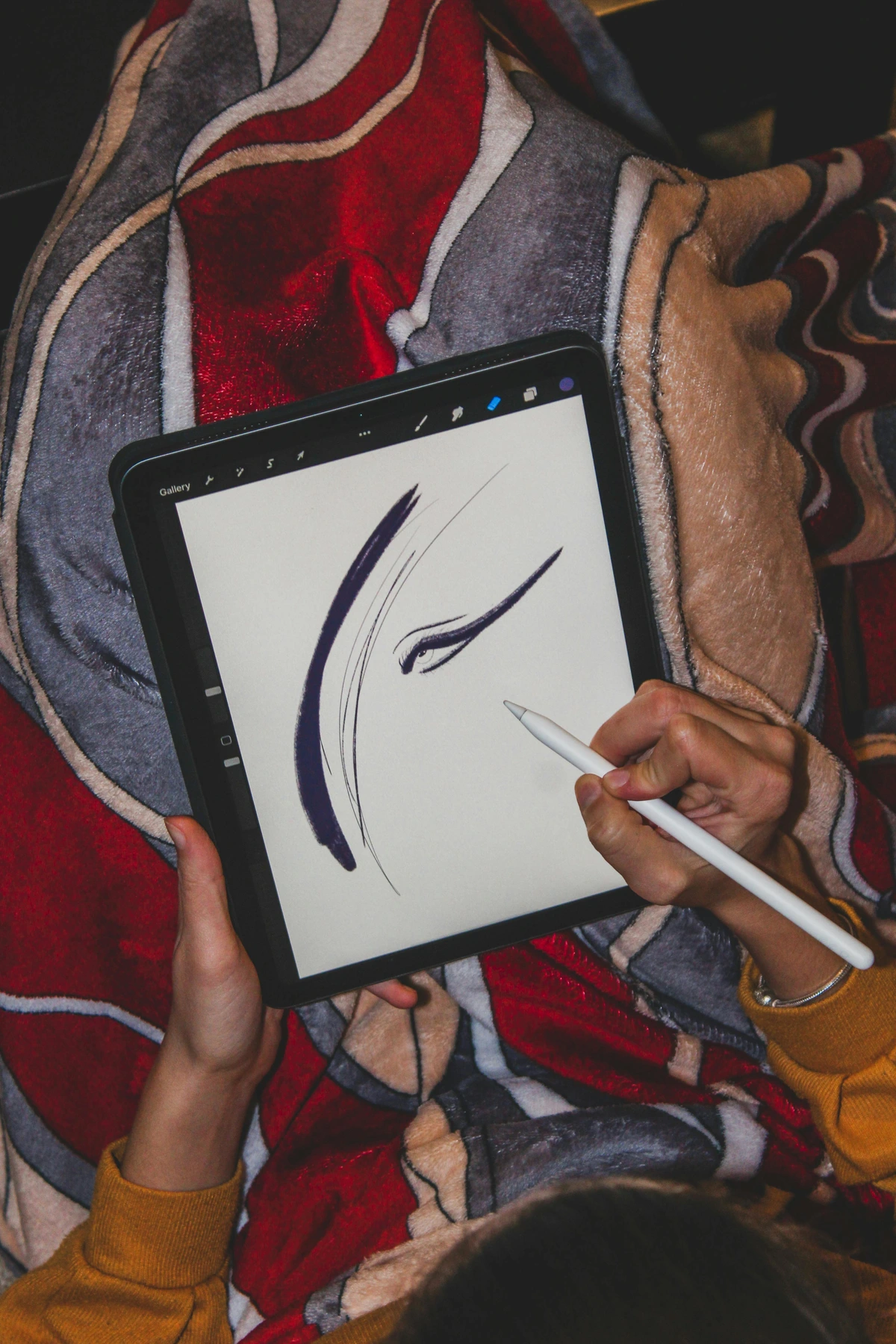
The Transformative Power of Art in Your Home: Beyond Decoration
You know that favorite, slightly chipped mug? Or the ridiculously comfortable armchair you've sworn to your partner you'll never get rid of? These objects hold stories, imbued with a feeling that transcends their utility. Art operates on a similar, yet often more profound, scale. It’s not just a fancy adornment; it's an extension of your inner world, a powerful form of self-expression. It can quietly reflect your personality, mirror your moods, and even embody your deepest aspirations. It's the antidote to a generic, soulless living space, reshaping it into a unique sanctuary that is wonderfully, authentically yours.
I distinctly remember the moment I hung my first truly cherished piece – a modest abstract print I picked up impulsively at a small art fair. It wasn't expensive, but the effect was immediate and palpable. That once-empty corner of the room suddenly felt alive, purposeful. It gained a focal point, a visual anchor that drew the eye and distributed color and energy throughout the entire space. It transformed from just a wall into a curated backdrop for something I genuinely loved. And honestly, it lifted my spirits every time I walked past it. This brings me to a crucial point: the profound psychological benefits of integrating art into your daily life.
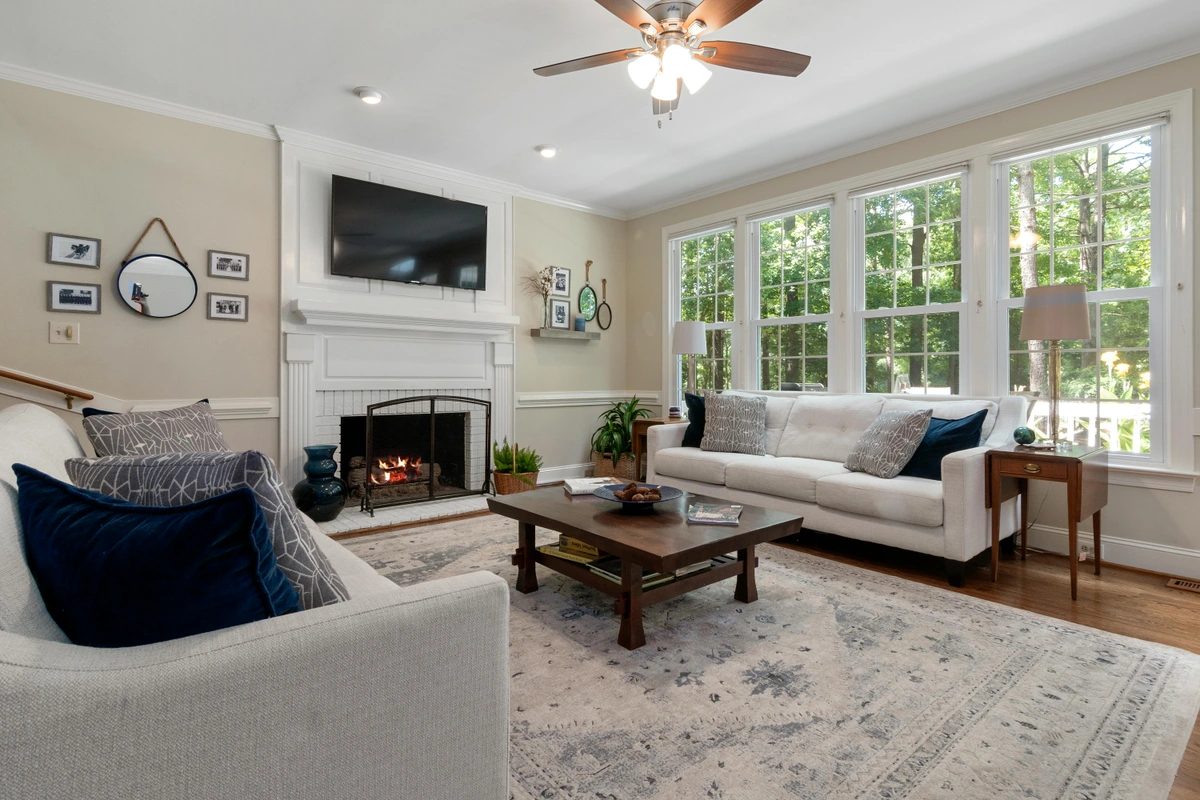
Art for Well-being: A Visual Mantra
Art in your home can be a constant wellspring of inspiration, a subtle prompt for creativity, or a gentle source of comfort after a long day. It can challenge your perspectives, transport you to another realm or era, or simply offer a moment of quiet contemplation. Studies have even shown that exposure to art can reduce stress, improve mood, and foster a sense of well-being. Think about it: a piece that evokes calm in your bedroom, or something vibrant to spark dialogue in your living room. Personally, I find certain abstract pieces, with their interplay of color and form, to be incredibly meditative, almost like a visual mantra, inviting introspection and a sense of calm. Can you recall a moment a piece of art truly shifted the atmosphere of a room for you?

Art as a Conversation Starter: Building Connections
But beyond personal solace, art is a magnificent conversation starter. I've seen a single, intriguing abstract piece ignite hours of discussion among guests, unveiling hidden perspectives and shared connections. It provides a common ground, a prompt to explore ideas, history, or simply the unique stories a particular artwork evokes. The right art makes your house a home, and a home a reflection of you.
It’s about how art acts as a mirror, reflecting our inner landscape, and a window, inviting us to see the world differently. This duality makes it an indispensable element of a truly lived-in space. Whether it’s a calm landscape that provides an escape or a bold abstract that challenges you, art has a unique way of engaging with our senses and our psyche, nurturing a richer domestic experience.

Finding Art That Truly Speaks to YOU
Alright, so you're ready to invite art into your life! But I know the feeling – the sheer volume of options out there can be utterly overwhelming. My steadfast advice? Actively ignore the trends. Seriously. Forget what you think you should like, or what someone else's Instagram feed dictates. Just look. Keep your eyes open. And when something — anything — makes you pause, makes you feel a genuine something, pay very close attention. That's your inner art compass pointing the way. It’s a bit like dating, but for your walls: you're seeking a profound, often inexplicable, connection that might just make your heart skip a beat. It’s about discovering that unique piece that evokes a memory, sparks a new idea, or simply brings you joy every time you see it.
Where to Discover Your Next Piece
So, where exactly does one look? The answer is: everywhere! Seriously, the world truly is your oyster. Don't feel confined to traditional, often intimidating, art venues alone. My most treasured find, a quirky small-scale sculpture, came from a forgotten corner of a local charity shop – sometimes the most unexpected places hold the biggest surprises. Here's a quick guide to kickstart your exploration:

- Local Art Galleries: These are fantastic for seeing art in person, understanding local scenes, and talking to gallerists about the artists and their work. Start with local art galleries to build a connection and see what's happening in your community. Don't be shy; gallerists are usually passionate about sharing their artists' stories and insights into their creative process.
- Art Fairs: Often brimming with fresh talent and a more approachable atmosphere than traditional galleries. Visiting art fairs can feel like a treasure hunt, offering a wide range of styles and price points. Many artists exhibit directly, giving you a chance to meet them and hear about their work firsthand.
- University Art Shows & Student Exhibitions: Truly hidden gems where you can discover tomorrow's masters today, often at more accessible prices. You're supporting emerging artists directly, and their work often brings a raw, fresh perspective and a tangible energy.
- Online Marketplaces: The internet has thrown open a massive, democratic door to the world of buying art online. You can find everything from prints and photographs to truly original pieces directly from artists on their websites, dedicated online galleries, or bustling marketplaces like Etsy. Don't dismiss auction sites or even well-curated flea markets for unique finds, either!
- Artist Studios/Websites & Social Media: Buying directly from an artist through their studio visit or website ensures they receive the full benefit of your purchase. Plus, you get to hear the story behind the art firsthand, which enriches your connection to the piece. Following artists on social media platforms like Instagram can also give you a peek into their process and new works, often leading to direct sales opportunities.
- Charity Auctions & Flea Markets: These unexpected venues can yield incredible finds. While charity auctions for established artists might be pricey, smaller local events or even well-curated flea markets can unearth unique, overlooked pieces at surprisingly good value. I once found a stunning mid-century print at a local charity auction for a song – it just needed a new frame to shine.

A crucial aspect I've come to appreciate is understanding the context of the art itself. Beyond just its aesthetic appeal, what inspires the artist? What message, if any, are they trying to convey? Engaging with these deeper questions adds layers of meaning to a piece and enriches your connection to it, making it more than just something pretty for the wall. I've found that knowing an artist's story can make a piece I initially only 'liked' transform into something I truly 'love.' If you’re keen on my personal style, you can always explore the art for sale right here.
Understanding Art Styles and Mediums
To effectively navigate the vast world of art, it helps to understand the fundamental categories. Broadly, we can differentiate between art styles (the aesthetic characteristics or philosophical approach of a piece—think of it like the genre of music) and art types/mediums (the physical form or material—the instrument). This distinction is crucial for both identifying what you love and understanding how it functions in your space.
Popular Art Styles to Explore for Your Home
Are you drawn to the visceral energy of abstract art or the meticulous detail of realism? Perhaps the fragmented perspectives of Cubism, the dreamlike landscapes of Surrealism, or the bold statements of Pop Art capture your imagination? Exploring different visual expressions can be an incredibly insightful starting point, helping you understand the vast language of art. Here's a quick guide to some popular styles and why they might be perfect for your home:
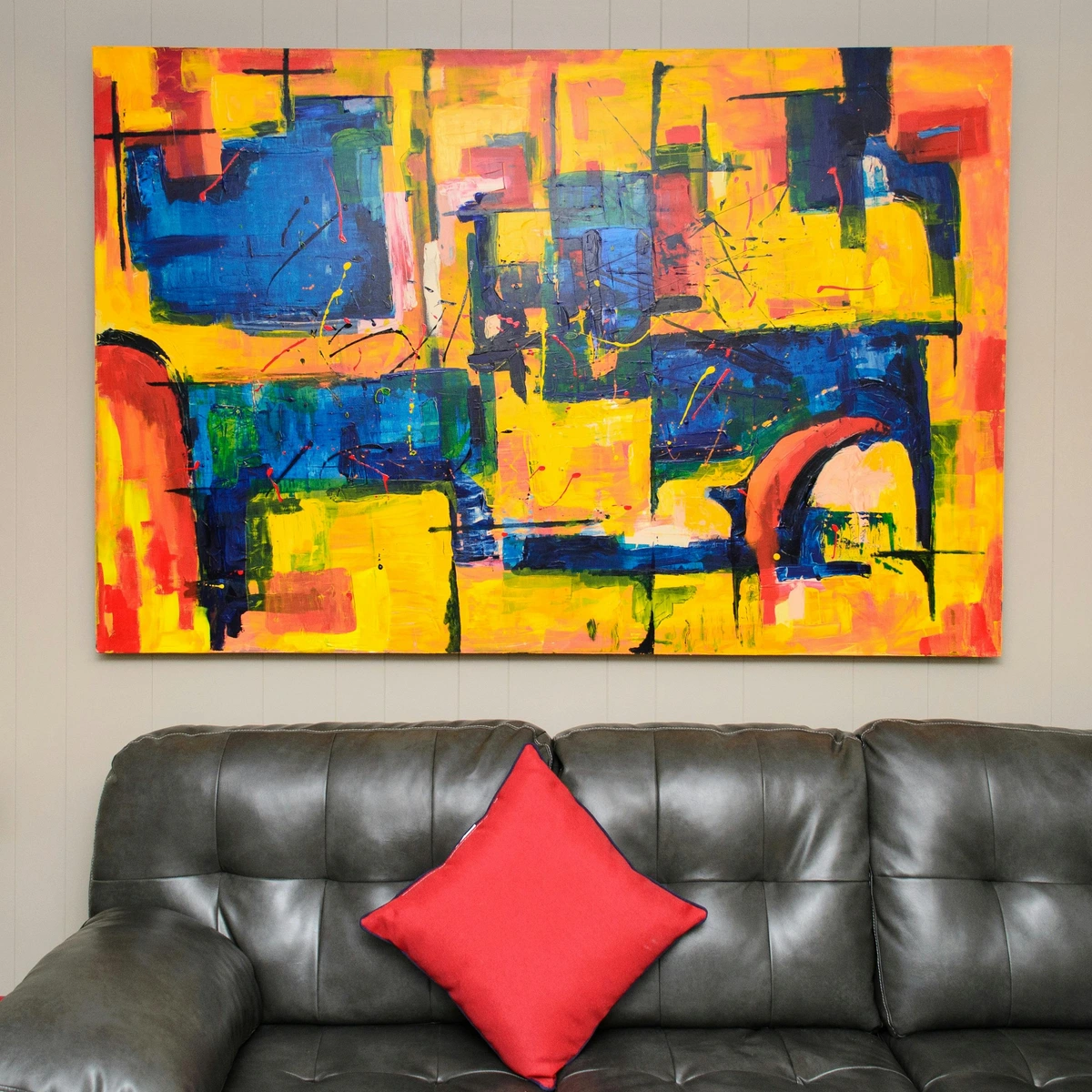
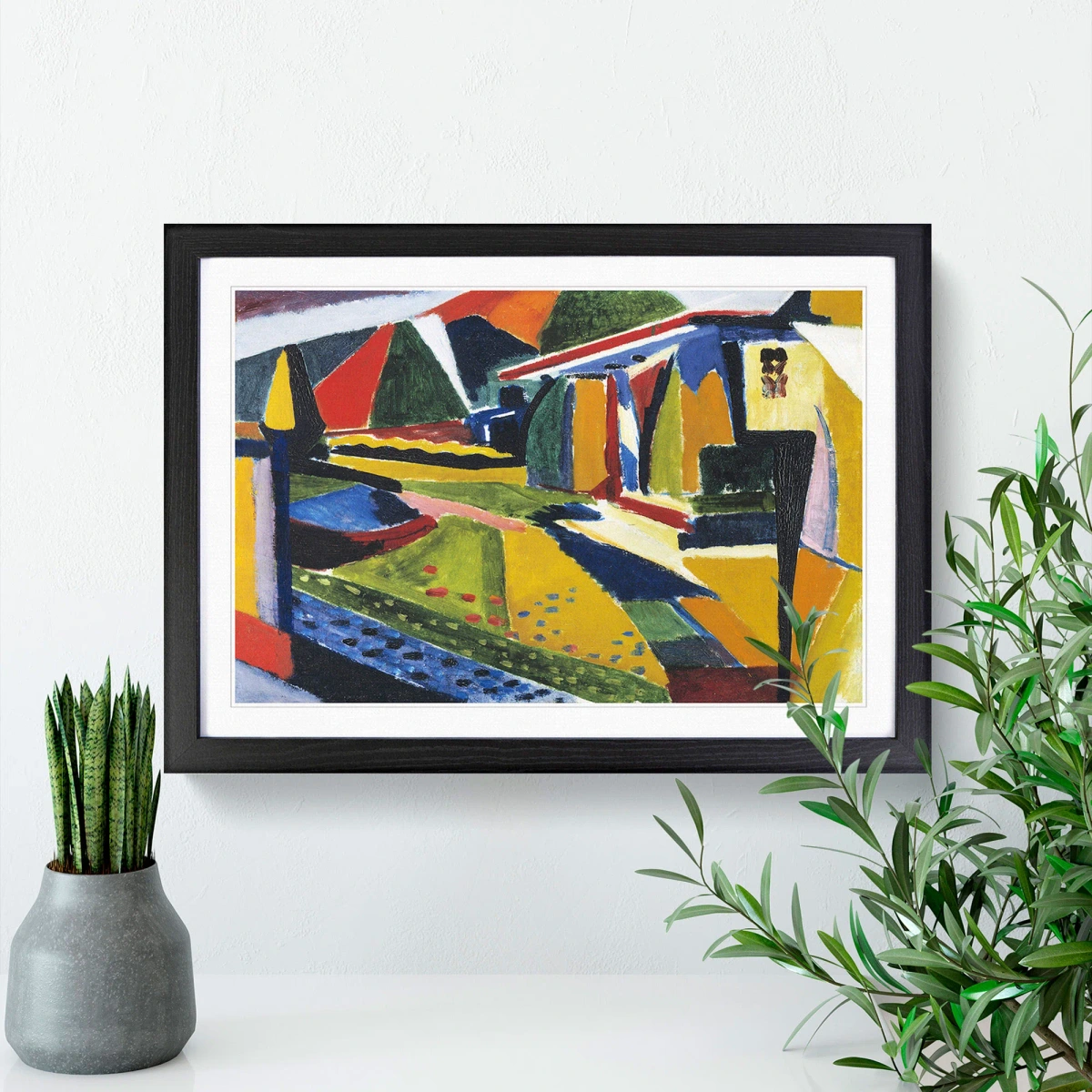
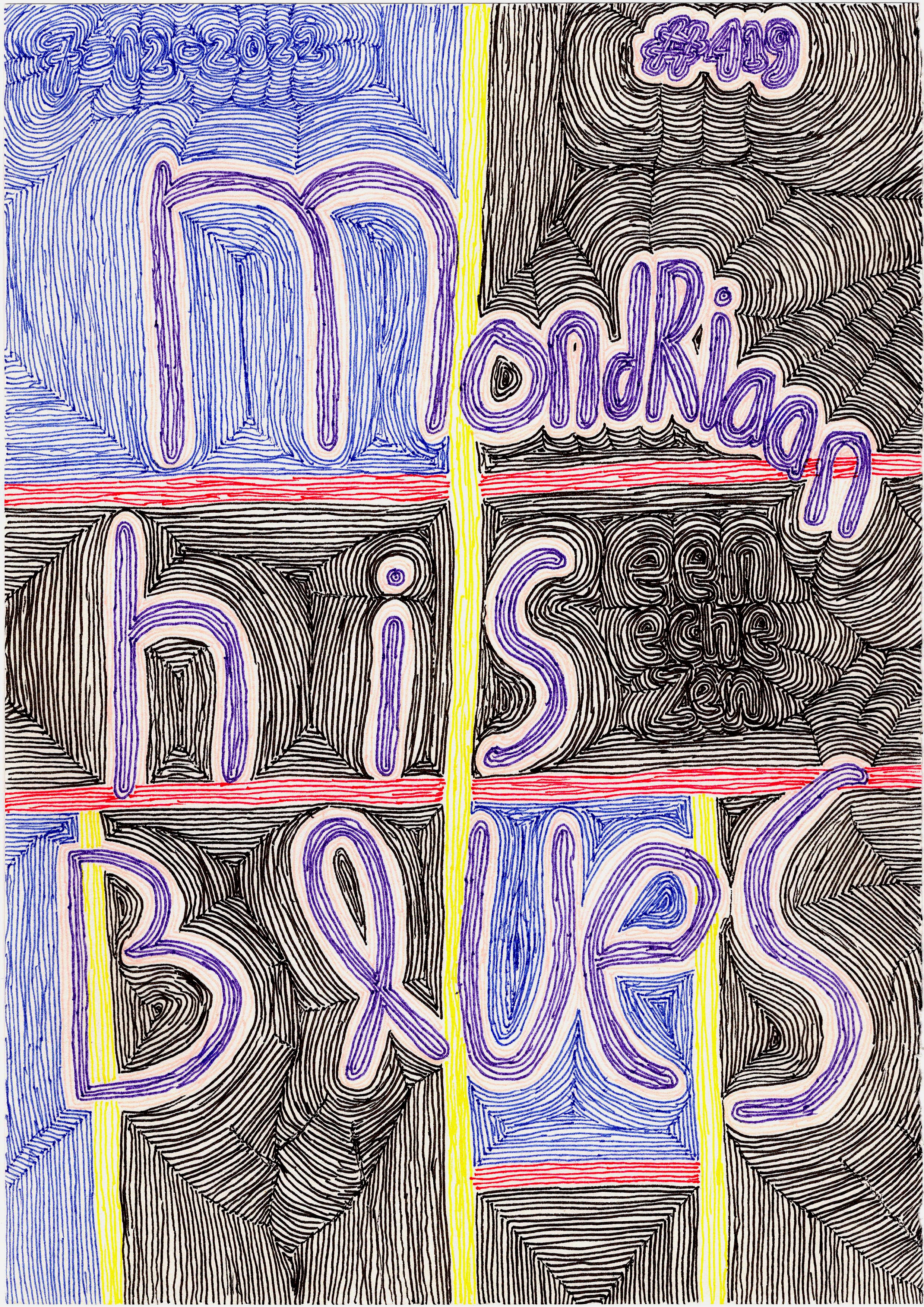
- Abstract Art: Think emotion, energy, and form over literal representation. It’s like a visual poem, focusing on the interplay of color, line, and shape. A vibrant abstract piece can inject dynamism into a minimalist space, or a calming one might be perfect for a meditative corner. Artists like Wassily Kandinsky, Jackson Pollock, or Mark Rothko are iconic for their emotive depth. For example, a piece like Mondriaan-inspired
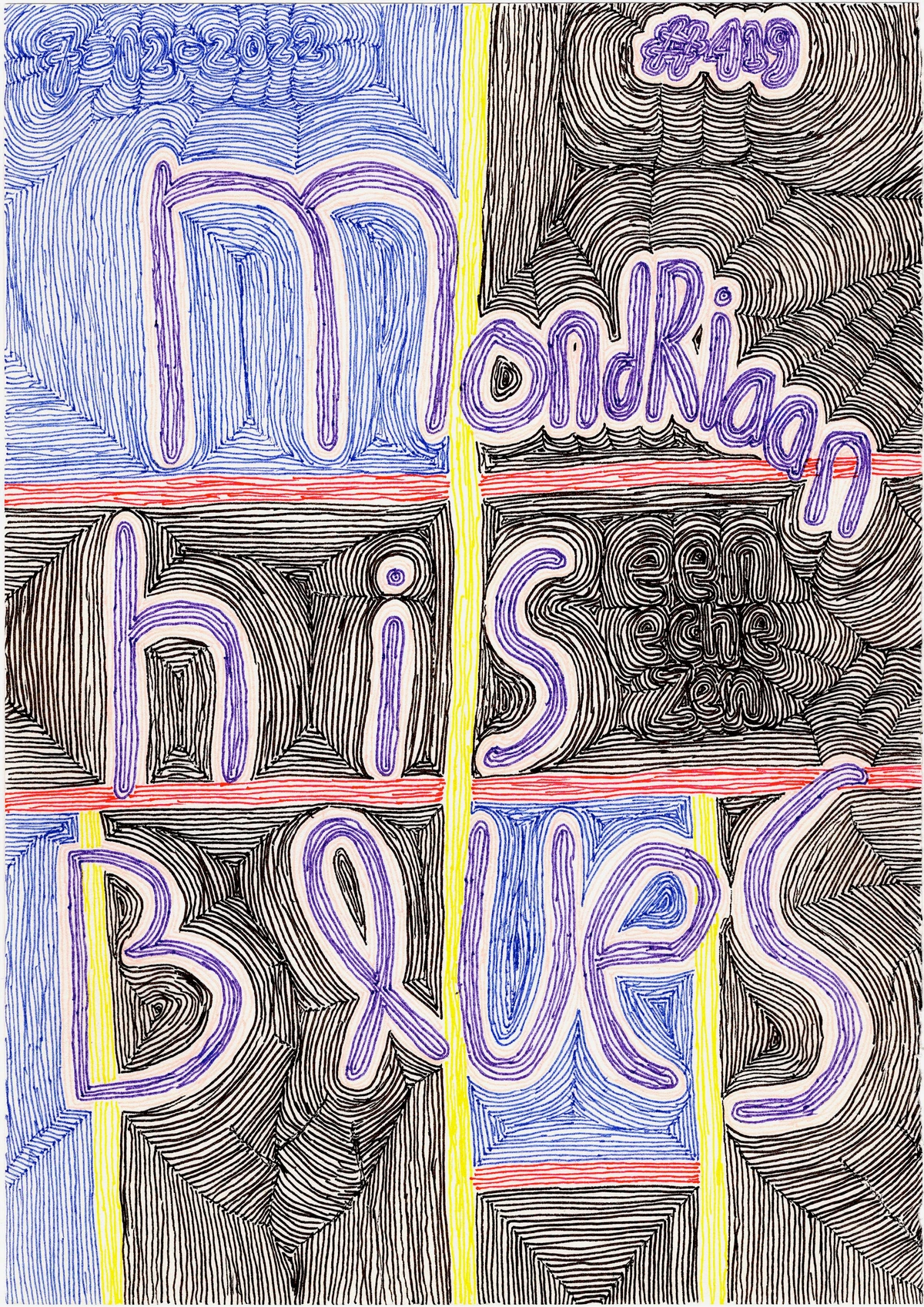 credit, licence could ground a modern living room with its geometric precision, while a more expressive work like
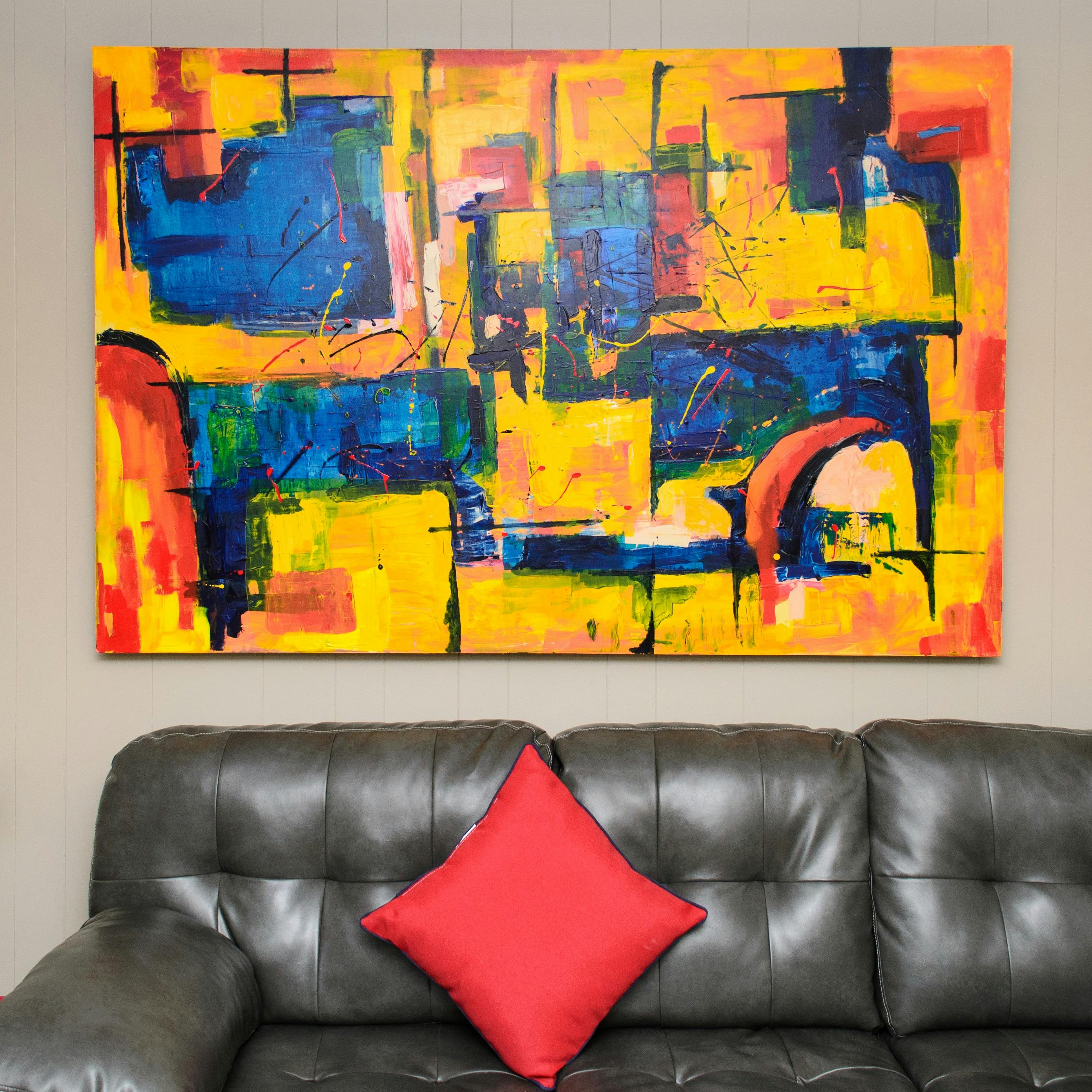
 credit, licence might offer a vibrant burst of color and emotion. To dive deeper, explore the definitive guide to the history of abstract art.
 - Impressionism: Characterized by soft brushstrokes and a focus on capturing light and fleeting moments. Think Claude Monet's water lilies or Pierre-Auguste Renoir's joyful scenes. These pieces often evoke a sense of nostalgia, tranquility, or the beauty of everyday life, making them wonderful for spaces where you want to relax and reflect. Their gentle aesthetic can soften a room and invite quiet contemplation.
- Baroque & Rococo: Rich, dramatic, often opulent and highly decorative. While not for every modern home, a single, carefully chosen Baroque-inspired piece or a delicate Rococo artwork can add a striking sense of history, grandeur, and theatricality, creating a powerful focal point. Think the drama of Caravaggio or the delicate charm of Fragonard, whose works often adorned the intimate salons of 18th-century nobility.
- Surrealism: Dreamlike, illogical, often challenging reality, delving deep into the subconscious mind. Salvador Dalí's melting clocks or René Magritte's mysterious figures. A surrealist piece can add intrigue and a sense of wonder, making it a powerful conversation starter and a window into the subconscious mind. It's an invitation to ponder the uncanny and the beautiful. (See Dali's iconic

- Pop Art: Bold, iconic, often drawing from popular culture and commercial imagery. Andy Warhol's soup cans (like his famous
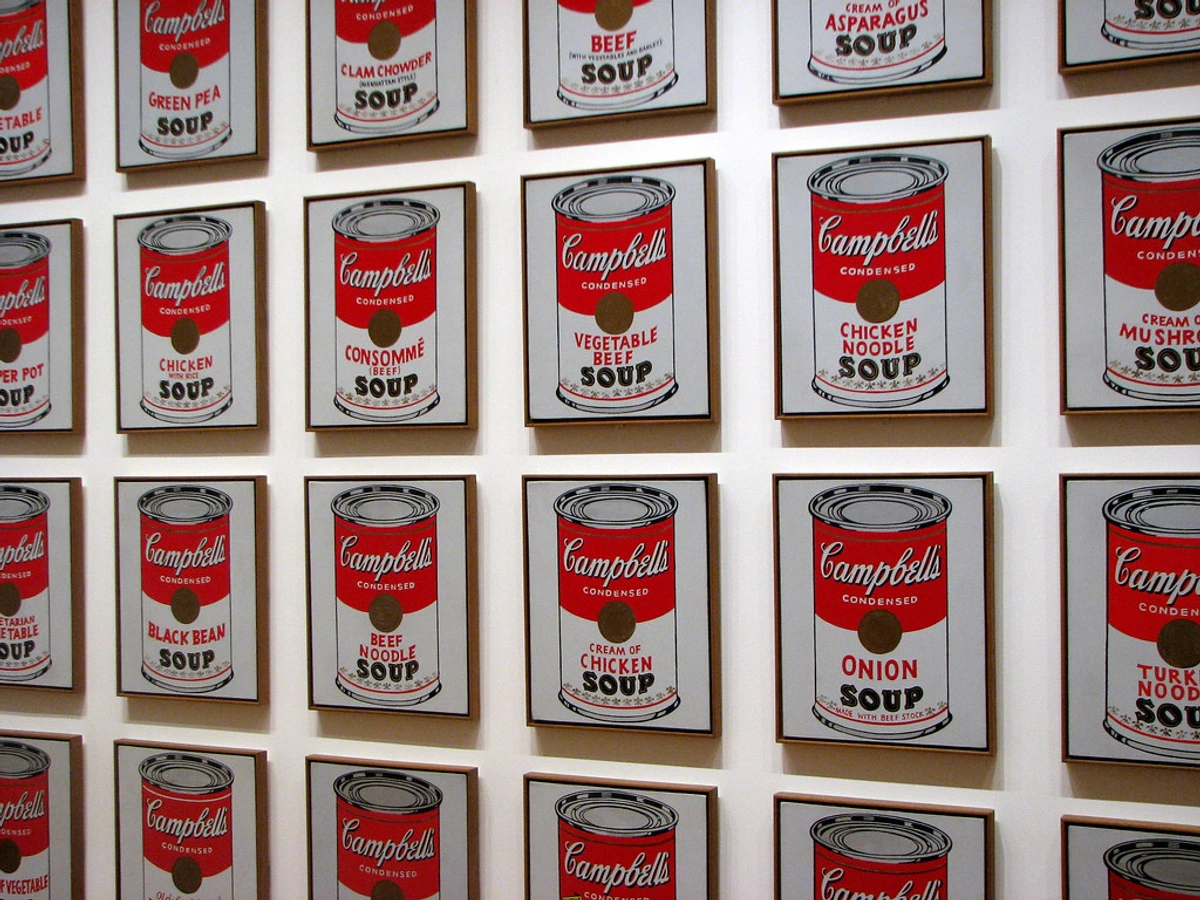 credit, licence below) or Roy Lichtenstein's comic book panels. These works add a playful, modern, and often nostalgic energy to a space, making a bold statement about consumerism and celebrity.
 - Minimalism: Clean lines, often monochromatic, focusing on simplicity, form, and negative space. A minimalist piece can bring a sense of calm order and sophistication to a busy or modern interior, promoting a sense of peace and clarity through deliberate restraint.
- Street Art/Graffiti (Prints): Edgy, vibrant, and often carrying strong social commentary, this style (often acquired as high-quality prints or limited editions) brings an urban, contemporary flair. It's great for injecting a rebellious energy or showcasing a connection to contemporary culture. Think Banksy's powerful stencils or bold, colorful murals (like this
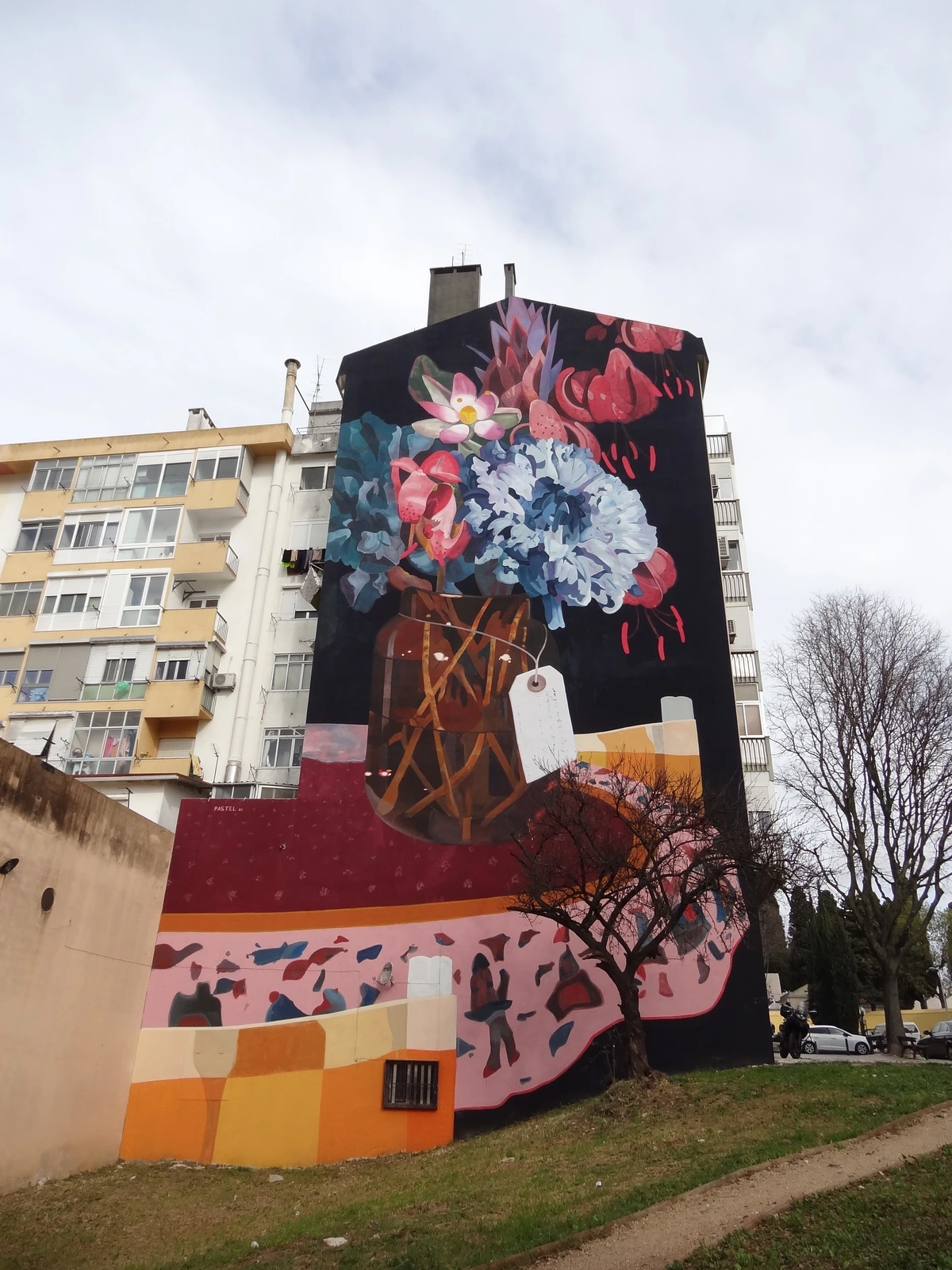
- Figurative Art: Art that clearly represents people, objects, or scenes. This broad category includes realism, portraiture, and genre scenes. It's fantastic for telling stories, evoking empathy, or simply admiring skill in depiction. A beautifully rendered portrait (like Mary Cassatt's intimate domestic scenes) or a dynamic scene (like Degas'
 credit, licence ) can connect deeply with viewers, or a powerful silhouette from Kara Walker can prompt reflection on history and identity.
Types of Artwork: Mediums and Their Characteristics
No matter the style, understanding the different types of artwork (or mediums) can also guide your search. This table gives you a quick overview of what to expect, including typical material, durability, and display considerations. When you're considering a new piece, always ask yourself: does its physical form align with how I want to live with it?
Art Type & Common Mediums  | Average Cost Range | Typical Subject Matter / Style | Durability & Care | Display Versatility | Typical Emotional Impact / Use Case |
|---|---|---|---|---|---|
| Prints (Giclée, Lithograph, Screenprint) | Low to Medium | Reproductions of originals, abstract, photography, graphic designs | Moderate (with frame, archival inks). Longevity varies by print type and paper quality. | High (easily framed, gallery walls, leaning) | Accessible, versatile, ideal for experimenting with styles or reproductions. Adds a graphic touch. |
| Original Paintings (Oil, Acrylic, Watercolor) | Medium to High | Abstract, landscapes, portraits, still life, expressionist, impressionist. | High (canvas, wood); Varies for Watercolor (delicate). Oil/Acrylic durable, but avoid direct sun/humidity. Watercolor needs acid-free matting & UV glass. | Moderate (often requires careful framing/placement; less mobile) | Unique, direct connection to artist, often an investment. Can evoke deep emotion or create a focal point. |
| Photography (Archival print, Metal print) | Low to Medium | Landscapes, portraits, street scenes, abstract, documentary. | Moderate (with frame, UV glass). Metal prints are very durable. | High (modern, sleek, versatile, storytelling) | Captures moments, often very personal or documentary. Excellent for visual storytelling or contemporary aesthetics. |
| Sculpture (Stone, Metal, Wood, Ceramic, Mixed) | Medium to High | Figurative, abstract, architectural, conceptual. | High (materials vary); Can be delicate (ceramic). Fragility depends heavily on material; clean gently. | High (freestanding, pedestals, shelves, dynamic focus) | Adds three-dimensional interest, texture, and a tactile element. Can ground a space or offer unexpected visual delight. |
| Mixed Media (Various combinations) | Medium to High | Highly varied, often abstract, conceptual, collage, found objects. | Varies greatly by materials used. Can be delicate. | Moderate (can be delicate, often unique mounting needs) | Combines various materials (e.g., paint, collage, found objects, textile). Offers unique textures and compelling depth. Often very expressive and layered. |
| Textiles (Tapestry, Weaving, Embroidery, Quilting) | Medium | Abstract, geometric, figurative, cultural motifs, natural scenes. | Moderate (susceptible to dust/light). Dust gently, avoid direct sun/humidity. | High (wall hangings, drapes, framed, sculptural) | Adds warmth, texture, and often a global or artisanal flair. Can soften acoustics and bring comfort. |
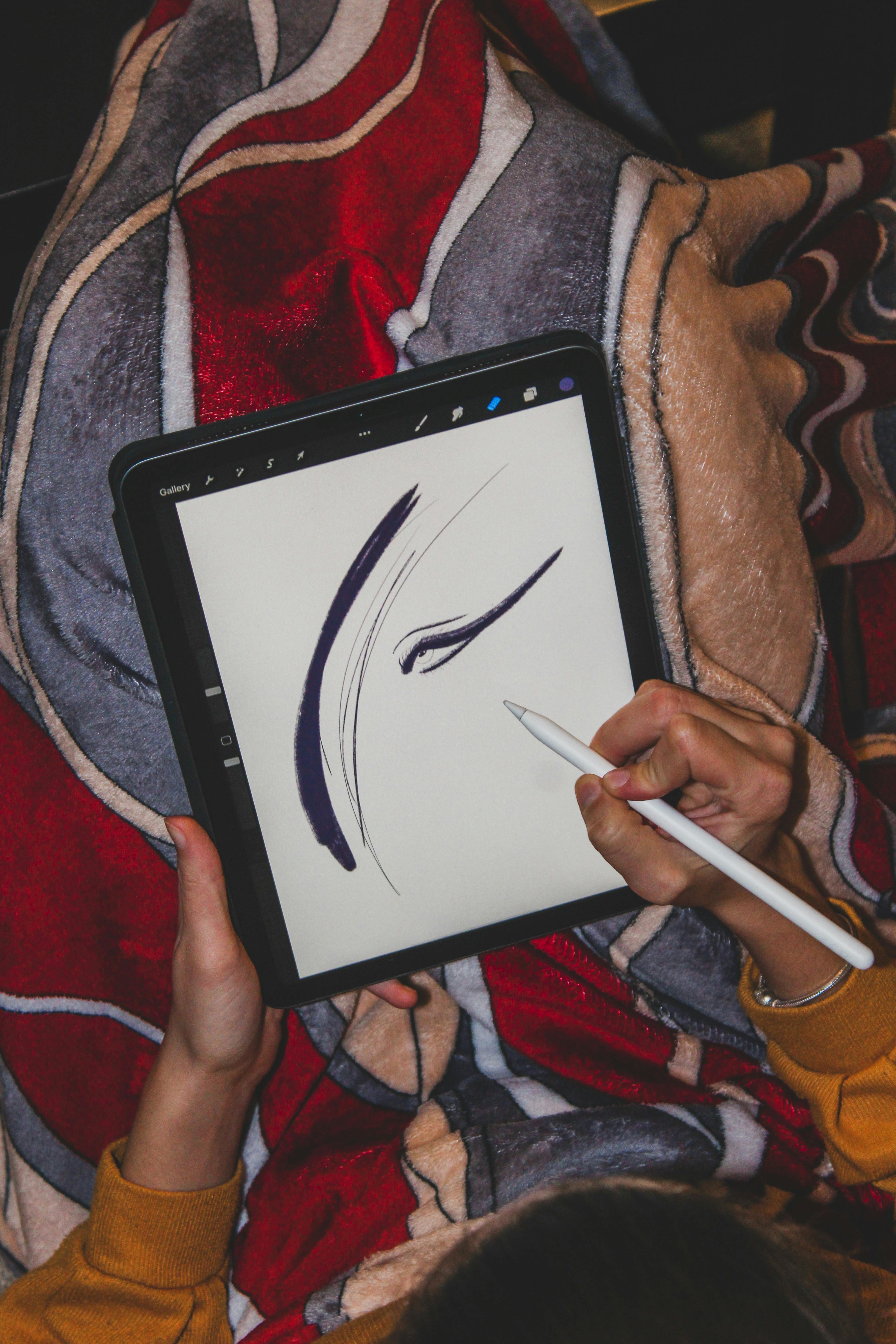
| Digital Art (Digital prints, Screens) | Low to High | Abstract, generative, conceptual, animated, photographic. | Screens durable; Prints like photos. Digital displays offer dynamic, evolving art. | High (screens, digital frames, traditional prints) | Modern, dynamic, can be interactive, generative, or endlessly rotating. Excellent for contemporary spaces, showcasing animation or constantly rotating collections. (Think high-resolution digital prints on metal or acrylic). |
| Ceramics & Pottery (Clay, Glaze) | Low to Medium | Functional (vases, bowls), decorative, abstract, organic forms. | Moderate (can chip/break). Dust with soft cloth. | High (shelves, tables, functional decor) | Adds organic texture, handmade charm, earthy tones, or vibrant pops of color. Great for grounding a space or adding an artisan touch. |
| Street Art Prints (Limited editions) | Medium | Urban scenes, social commentary, abstract, graphic, pop culture. | Moderate (with frame). | High (modern, edgy, urban aesthetic) | Brings an urban, contemporary edge. Often carries strong social commentary or vibrant graphic appeal. |
Scale and Proportion: Getting it Just Right
When you're trying to figure out what type of art fits best, don't forget the practical side of scale and proportion. This is about the artwork's size relative to your wall, your furniture, and the room itself. A tiny painting on a vast wall can feel utterly lost, while an oversized canvas in a small space can overwhelm, making the room feel cramped and unbalanced. It's a delicate dance, but when done right, it makes all the difference.
My advice? Cut out a paper or cardboard template of the artwork's size and tape it to your wall to get a real feel for its impact before committing. Consider how a large piece of art above the sofa can anchor an entire living room, or how a smaller, well-chosen piece can bring focus to a cozy nook. A good rule of thumb for hanging art above furniture is that the artwork should occupy about two-thirds to three-quarters of the width of the furniture it hangs above, and leave about 6-8 inches (15-20 cm) of space between the bottom of the frame and the top of the furniture. Aim for harmony: the artwork should neither shrink into the background nor dominate the space aggressively, but rather exist in comfortable dialogue with its surroundings. Remember, scale is also about the viewing distance; a piece that looks great up close might be lost from across the room. I once optimistically hung a rather small piece on a huge wall, only to step back and realize it looked like a postage stamp – a quick template trick could have saved me a lot of re-drilling!

Navigating the Art Market: Beyond Discovery
Once your eye is developing and you're finding pieces that resonate, you'll naturally start encountering the practicalities of the art world. Navigating this landscape doesn't have to be intimidating; understanding a few key aspects will empower you to make more informed decisions, whether you're buying your first print or considering a significant acquisition.
Artist Statements & Gallery Representation
When exploring artists, don't just look at the artwork; read their artist statements. These often provide invaluable insight into their creative process, inspirations, and the philosophical underpinnings of their work. It's like getting a peek into their mind, which can deepen your connection to a piece. A strong artist statement will articulate the artist's vision and intent, helping you understand the 'why' behind the 'what.' Similarly, understanding gallery representation can be helpful. When an artist is represented by a reputable gallery, it often indicates a certain level of professional vetting and commitment to their career. Galleries act as partners, promoting the artist and providing a structured market for their work. They can also offer expert advice and ensure fair practices. It’s a good sign an artist is serious and supported.
Primary vs. Secondary Market
It’s useful to distinguish between the primary market and the secondary market. Primary Market: Buying directly from the artist or through their representing gallery (the first sale). Secondary Market: Reselling previously owned art, often through auction houses or dealers. For most home collectors, especially when starting out, the primary market offers a more direct and often more accessible entry point, supporting artists directly and allowing for personal connections. The secondary market, on the other hand, involves buying art that has already been owned and is being resold, often through auction houses or dealers. Here, prices are influenced by factors like the artist’s reputation, market demand, and previous sales history.
Digital Art and its Evolving Role
While the market for physical art remains strong, the landscape of digital art is rapidly expanding. Beyond traditional prints of digital works, we're seeing interactive installations, generative art, and dynamic displays designed for screens. While the discussion around blockchain and NFTs (Non-Fungible Tokens) has introduced complexities and skepticism – primarily concerning environmental impact and speculative bubbles – the broader embrace of digital mediums means new ways to experience and collect art. NFTs, in this context, are digital certificates of ownership recorded on a blockchain, used to authenticate and create scarcity for digital artworks. While they've seen speculative markets, the underlying technology can provide a verifiable provenance for digital creations. Engaging with digital art can offer incredible flexibility and a fresh aesthetic for modern homes, allowing for constantly evolving displays and unique visual experiences that transcend static imagery. Think of high-resolution digital prints on metal or acrylic, or even dedicated screens displaying animated art that changes throughout the day.
Budgeting for Your Art Collection: Investing in Joy
Consider your budget, of course. You absolutely do not need to spend a fortune to begin building a collection. Starting an art collection on a budget is not only entirely doable but also incredibly rewarding. Prints, limited edition photographs, and works by emerging artists are often far more accessible than established names. And speaking of emerging artists, do your homework! Look at their consistency, their exhibition history (even small local shows count!), and how their work evolves. Remember, many celebrated artists started with very affordable prices. My first original art purchase was a small piece from a local art student's exhibition – an absolute steal, and it still brings me joy today.
The Nuance of Art as Investment
Now, I know some of you are thinking about the "investment" side of art. And yes, art can appreciate in value. But please, please, don't let this be your sole motivation, especially when you're just starting out. I've seen too many people buy something they don't truly love because they were chasing a speculative bubble, only to be left with a piece that feels cold and out of place. Buy for love, for connection, for the joy it brings. Collecting art for personal enrichment is fundamentally different from investing in art purely for financial gain. While some art does become a valuable asset, the emotional return should always be your primary driver.
However, if you're curious about potential appreciation, a few pointers:
- Emerging Artists: Works by talented emerging artists can offer significant value growth. Look for consistent quality, a unique voice, and a growing exhibition history. I once acquired a small abstract piece from a local art fair, and the artist's career has since taken off – a truly rewarding experience both aesthetically and financially.
- Provenance: This is the documented history of ownership. Good provenance adds value and authenticity. Always ask for it, especially for more expensive pieces; it’s like tracing the lineage of a prized racehorse or an heirloom. It tells a story of the artwork's journey through time, reassuring you of its legitimacy.
- Originality and Condition: Originals generally hold more value than prints (though limited edition prints can also be valuable). Immaculate condition is key. Any damage, even minor, can significantly impact value. Think of it like a vintage car – a pristine example fetches a much higher price.
- Market Research: Understand that the art market is complex and highly subjective. There are no guarantees. Factors like artist reputation, medium, size, exhibition history, and demand all play a role in pricing. Consult multiple sources, speak to gallerists, and follow market trends if you're serious about the investment aspect. Focus on acquiring pieces that enrich your life now, and any financial gain down the line is a bonus.
- Authentication: For significant pieces, particularly from established artists, authentication by experts is crucial. This helps confirm the work's legitimacy and origin, protecting your investment from forgeries or misattributions.
Ethical Sourcing: Buying with a Conscience
When I first started out, I probably didn't think enough about where my art came from, beyond just liking it. Now, it's a huge part of the puzzle for me. Ethical sourcing ensures artists are fairly compensated and recognized for their talent, supporting a sustainable creative ecosystem. It also means respecting cultural heritage and avoiding pieces that might be unethically acquired or promote appropriation. It's about ensuring your purchase contributes positively to the art world and its communities.
- Direct from Artists: Buying directly from an artist, whether through their website or studio, ensures they receive the full benefit of your purchase. This also fosters a direct, personal connection to the creator and their story.
- Reputable Galleries & Fairs: Established local art galleries and reputable art fairs often champion fair practices and artist support. They act as a vetting system, ensuring quality and ethical conduct.
- Beware of Reproductions: Be cautious of mass-produced items deceptively marketed as unique or "handmade." If a deal seems too good to be true for an original, it probably is. Always ask for clarification on the edition size and origin, and understand the copyright and licensing of prints and reproductions.
- Indigenous & Cultural Art: If collecting Indigenous or cultural art, research the artist and the gallery to ensure it's ethically produced and sold, supporting the community rather than exploiting it. For textiles or ceramics, this means looking for fair trade cooperatives or direct support of local craftspeople. Understanding the cultural context and avoiding appropriation are paramount. Seek out works that are genuinely created by the community they represent, and sold through channels that benefit those artists and communities directly. Always look for transparent provenance and information about the artist's background and cultural affiliation. This diligence helps ensure your collection is both beautiful and respectful.

Budget-Friendly Art Solutions: Creativity Without the Cost
Let’s be honest, not everyone has an unlimited budget for art, and that’s perfectly fine! The beauty of art for your home is its accessibility. You can still cultivate a deeply personal and visually engaging space without breaking the bank. Remember, the value of art in your home isn't measured solely in monetary terms, but in the joy and connection it brings.
Here are a few ways to get creative with your budget and truly personalize your space:
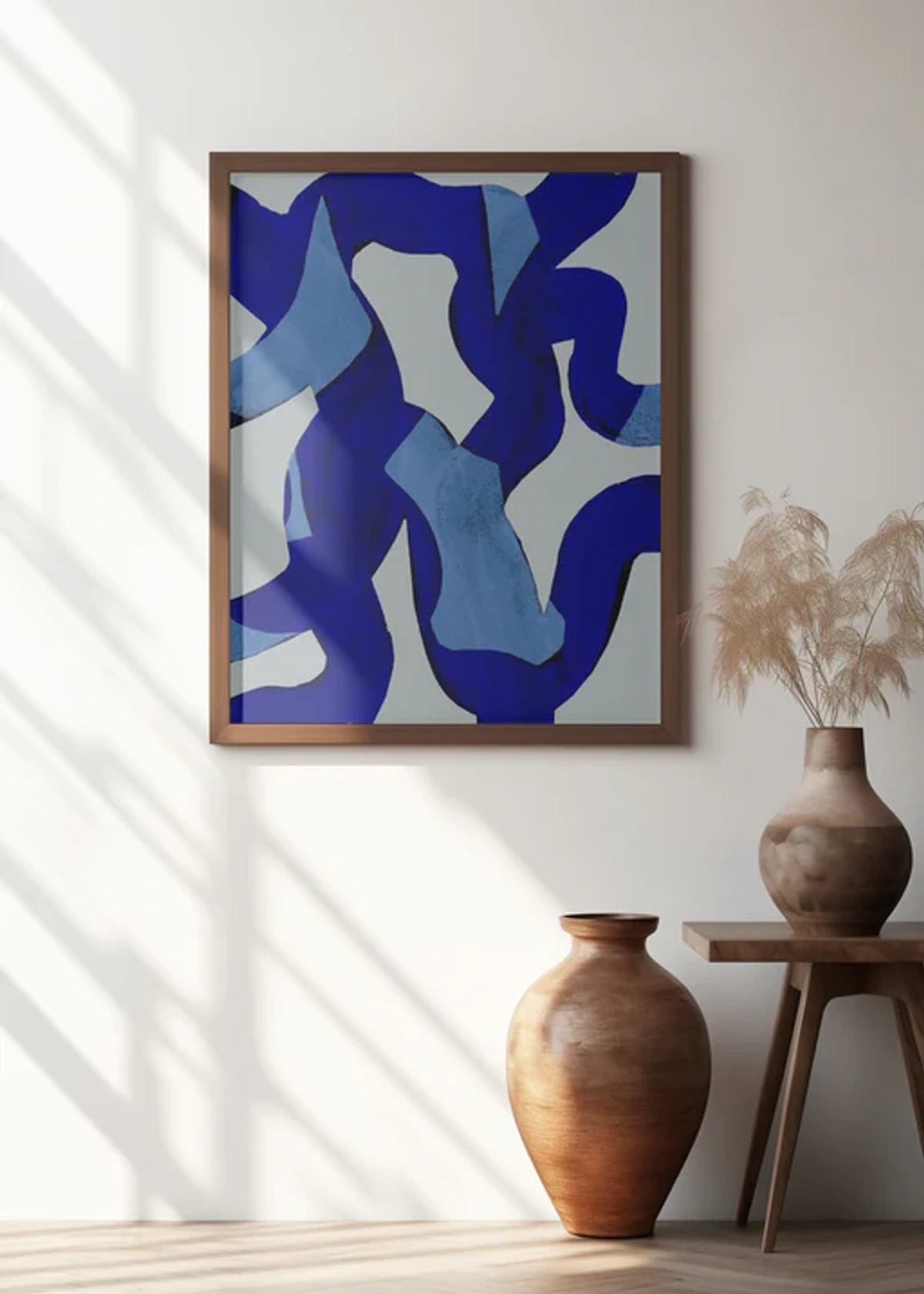
- Stylish Posters & Giclée Prints: High-quality posters and prints from online shops or museum stores can offer stunning visuals without the original artwork price tag. Look for giclée prints, a fine art digital printing method that uses archival inks and papers for exceptional color accuracy and longevity. The key is how you frame and display them – a good frame can elevate even the simplest print. My go-to is often a clean, simple frame with a wide mat to give an affordable print a more substantial, gallery-like feel. This considered presentation makes a world of difference, making even an inexpensive print appear more polished and valuable.
- DIY Art Projects: Feeling crafty? There are countless ways to create your own art! Think abstract painting using found objects (a sponge, a credit card), collage art, simple line drawings, textured paste art using joint compound on canvas, simple printmaking techniques (like linocut or potato prints for unique textures), marbling paper for swirling patterns, or creating custom stencils for graphic designs. This approach offers unparalleled personalization and a sense of accomplishment. It's a fantastic way to experiment, perhaps using techniques like applying gesso to canvas to prepare your surface. I once created a surprisingly impactful piece using just a canvas, some house paint samples, and a palette knife. It taught me that art isn't about perfection, but expression, and certainly helped me understand the frustration of a paint spill or a wonky line!
- Local & University Art Sales: As mentioned, these can be goldmines for discovering talented emerging artists before their prices soar. You're supporting a local creative economy, which feels good. I always make a point of visiting these when I can, often finding unique perspectives that wouldn't be in mainstream galleries. It’s like discovering a band before they hit the big time.
- Repurpose & Reimagine: Look at everyday objects with an artistic eye. A beautiful piece of fabric, an antique map, even a collection of vintage postcards can be framed and displayed as art. Consider framing interesting pages from old books or magazines for a truly unique gallery wall. Even an interestingly shaped piece of driftwood, a beautifully textured stone, a carefully arranged collection of sentimental objects, textile scraps, old maps, beautiful wallpaper samples, or even vintage sheet music or scientific illustrations can become a sculptural element or a compelling vignette. Your own thoughtfully edited photographs can also be framed as deeply personal art.
Bringing Art to Life: Displaying and Integrating
So, you've found a piece (or several!) that you absolutely adore. Now comes the exciting part: bringing it to life in your space. This is where many people, myself included, used to freeze up. My personal philosophy? Less about rigid rules, more about making it authentically work for you and your home's unique rhythm. There are endless guides on decorating your walls or displaying art, but here are a few hard-earned insights from my own journey of trial and (sometimes literal) error.
The Power of Framing and Presentation
Before you even think about hanging, let's talk about how you present your art. A well-chosen frame is more than just a border; it's a protective embrace and a powerful tool for integrating the art into your existing decor. It can elevate even the simplest print to something significant. I once bought an inexpensive print and put it in a beautiful, solid wood frame with a wide mat – suddenly, it looked like a museum piece, commanding attention it didn't previously. This is where the magic happens.
- Professional Framing: For valuable originals, delicate works, or unusual dimensions, a professional framer is highly recommended. They offer specialized conservation-grade materials (like UV-filtering glass and acid-free mats) and expertise that protect and beautifully present your art for decades. It’s an investment in preservation and presentation.
- DIY Framing: For affordable prints or standard sizes, DIY framing is a great, cost-effective option. You can find ready-made frames in various styles. For canvases, you can even learn how to build a simple floating frame for a sleek, modern look. My own experience with DIY framing has been a mix of triumphs and a few "lessons learned" (like always double-check your measurements, unless you enjoy an unplanned trip back to the hardware store for a new cut!).
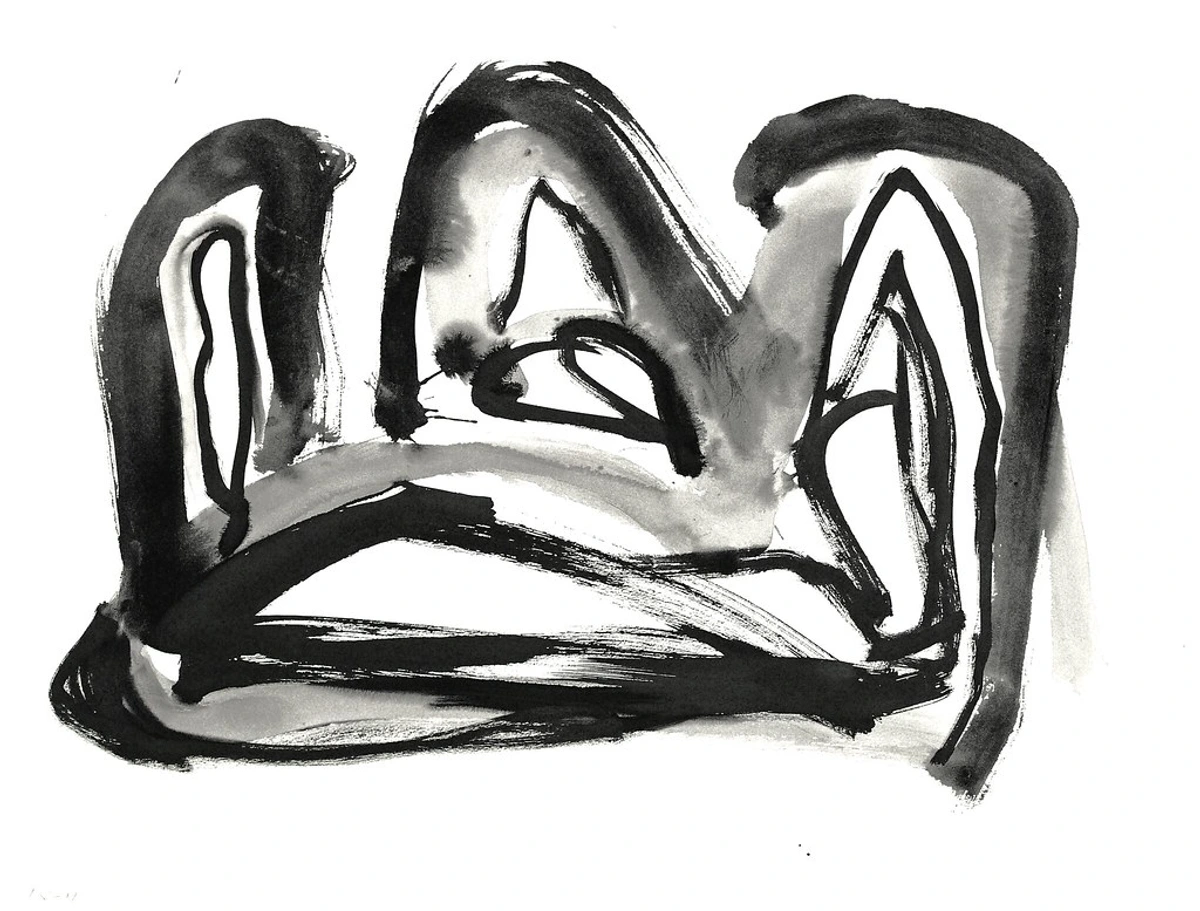
The Art of the Gallery Wall
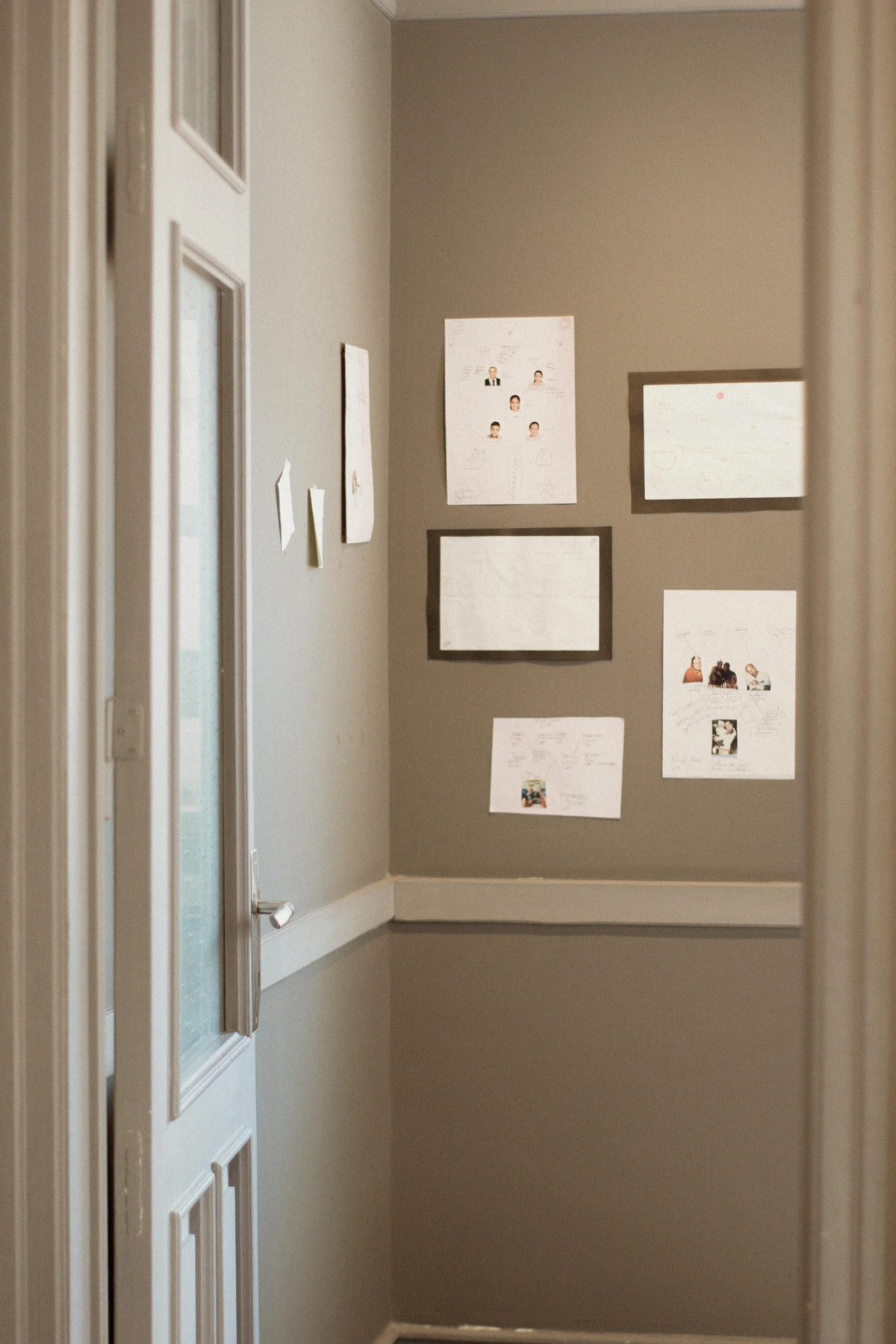
Gallery walls are a simply fantastic way to display multiple pieces, mixing sizes, styles, and mediums to tell a truly rich visual story. It demands a bit of planning (a dry run on the floor is always a good idea!), but the eclectic, personalized result is profoundly rewarding. Don't be afraid to mix family photos with abstract prints! There's even a guide on what is a gallery wall that walks you through the process, avoiding my past mistakes of haphazard arrangements and too many nail holes.
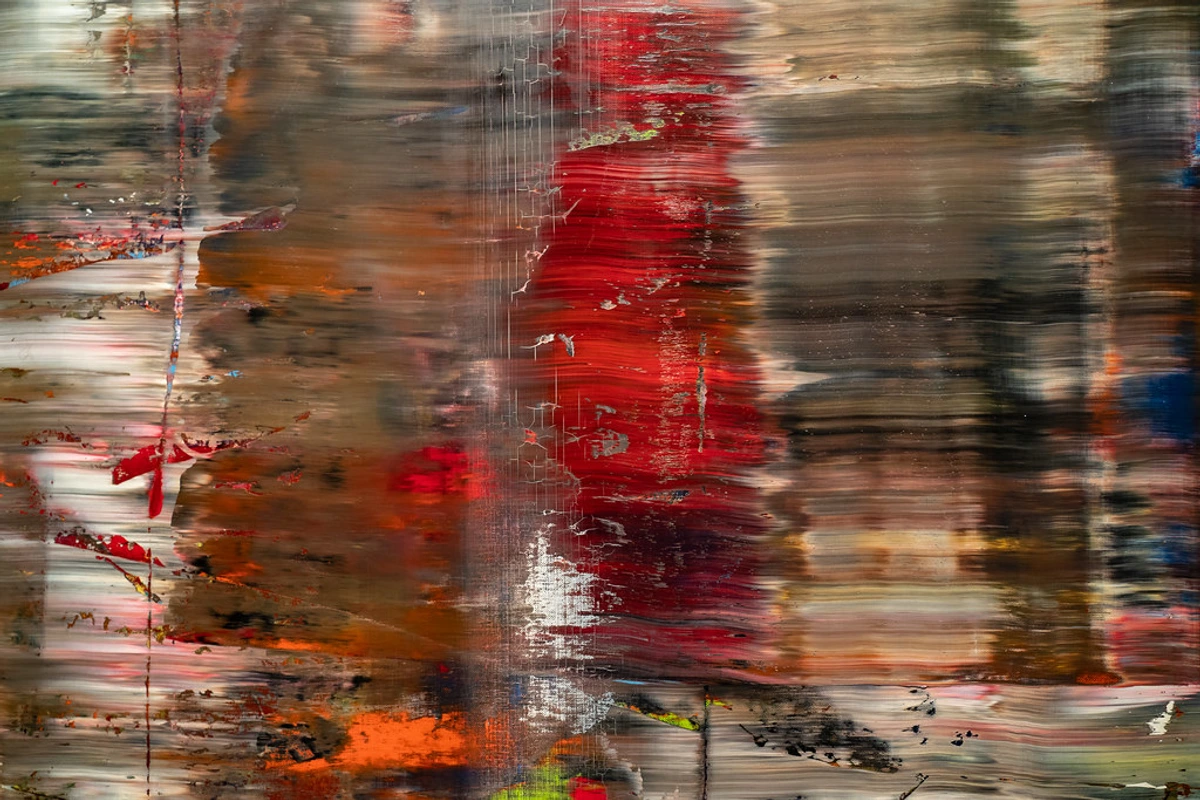
Beyond the Wall: Adding Dimension with Objects
Remember, art isn't exclusively flat! Think about incorporating sculptures, ceramics, or even beautifully textured textiles. These elements introduce wonderful dimension and tactile quality to your space. Smaller objects can be artfully arranged on tables or integrated into bookshelves for unexpected visual delights, even transforming your entire bookshelf into a curated art display. I love seeing a small sculpture peeking out from a stack of books, or a vibrant textile draped over a minimalist shelf. These unexpected touches often make a space feel more considered and personal.

Art in Rental Properties: Hang Without the Hassle
If you're renting, the thought of putting holes in walls can be a nightmare. Thankfully, there are many non-damaging display methods that allow you to personalize your space without losing your deposit. You don't have to live with bare walls, I promise!
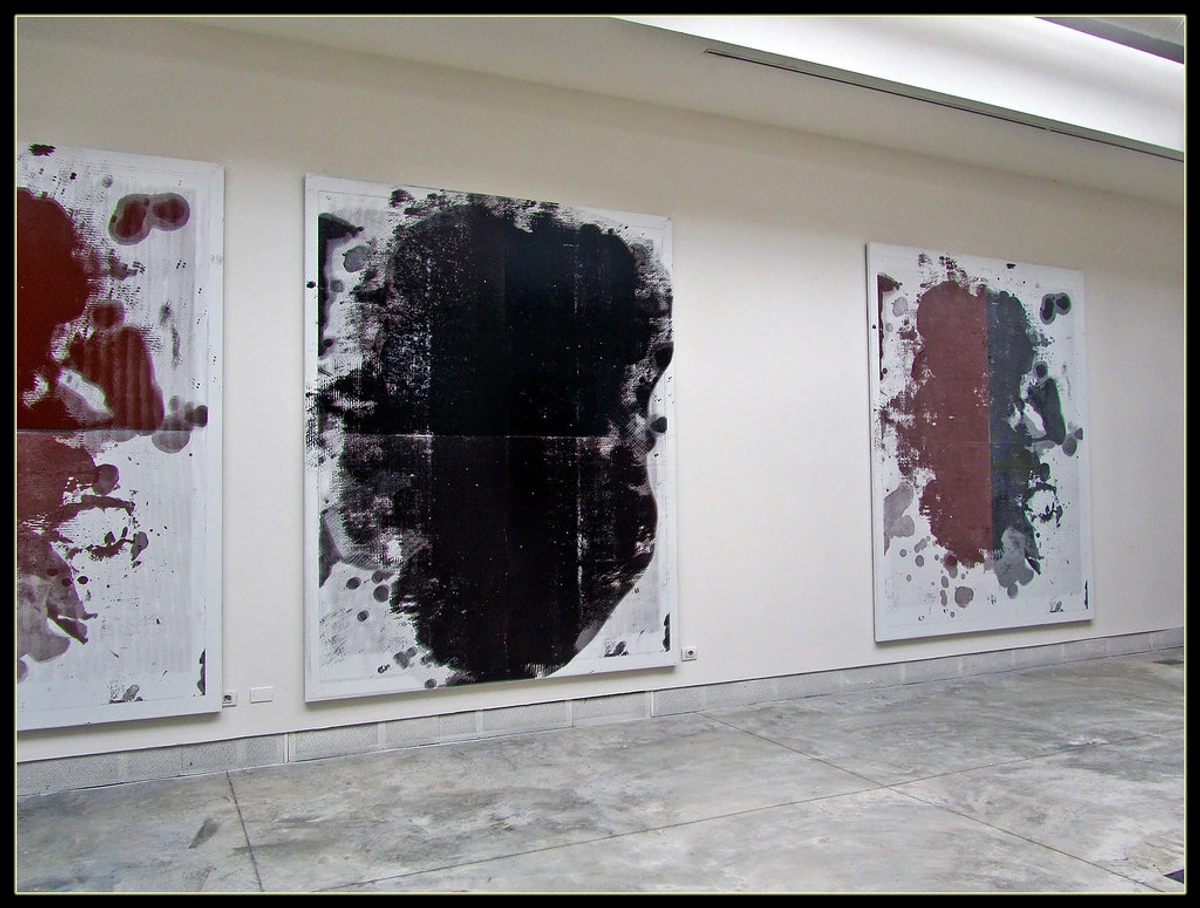
- Command Strips & Hooks: These are fantastic for lighter framed pieces, canvases, or even small gallery walls. Just be sure to check the weight limits meticulously! I once, in a moment of pure optimism (or perhaps delusion), tried to hang a particularly large and rather heavy framed piece using only a couple of those aforementioned command strips. Let's just say gravity won that round, quite spectacularly. It was a messy, albeit invaluable, lesson in using the right hardware for the job. Sometimes, the simplest things require a bit of research, or a good, handy friend! For heavier pieces, specialized picture hanging strips designed for heavier loads are available.
- Leaning Art: Larger canvases or framed prints can be elegantly leaned against walls on consoles, sideboards, or even directly on the floor for a relaxed, contemporary vibe. This adds an effortless, gallery-like feel and requires no holes. Just ensure they are stable and in low-traffic areas. This is especially effective in small apartments.
- Picture Ledges & Shelves: Install a few picture ledges (if your landlord allows minimal holes for these) to display multiple pieces that can be easily rearranged. Or simply prop smaller pieces on existing shelves and side tables. This offers immense flexibility for rotating your collection.
- Floor Sculptures & Larger Objects: Utilize freestanding sculptures or other decorative objects to create focal points without touching the walls. For homes with curious kids or pets, ensure these are heavy enough not to be easily tipped, or placed in low-traffic areas.
- Adhesive Putty/Tape: For very lightweight prints or unframed photos, temporary adhesive putty or artist's tape can be a good option. Test a small, inconspicuous area first to ensure it doesn't damage the wall paint upon removal.
- Tension Rod Shelves: In alcoves or between two walls, tension rods can create temporary shelves to display lightweight art without any drilling. Combine with small easels for a sophisticated look.
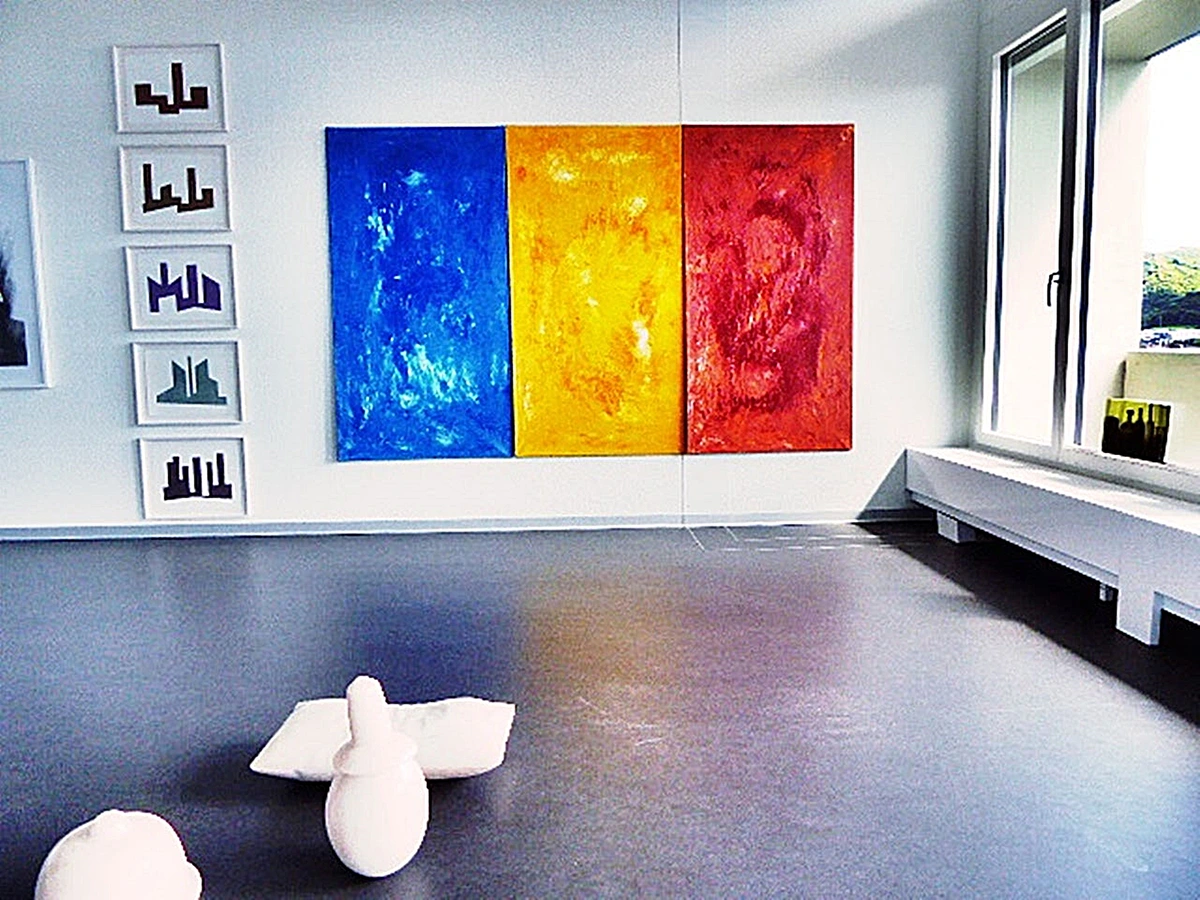
Lighting Your Masterpieces: A Subtle Art
How you light your art can dramatically alter its perception. It’s not just about visibility; it's about enhancing textures, colors, and the overall mood. It’s an investment that truly brings your art to life, revealing nuances you might otherwise miss.
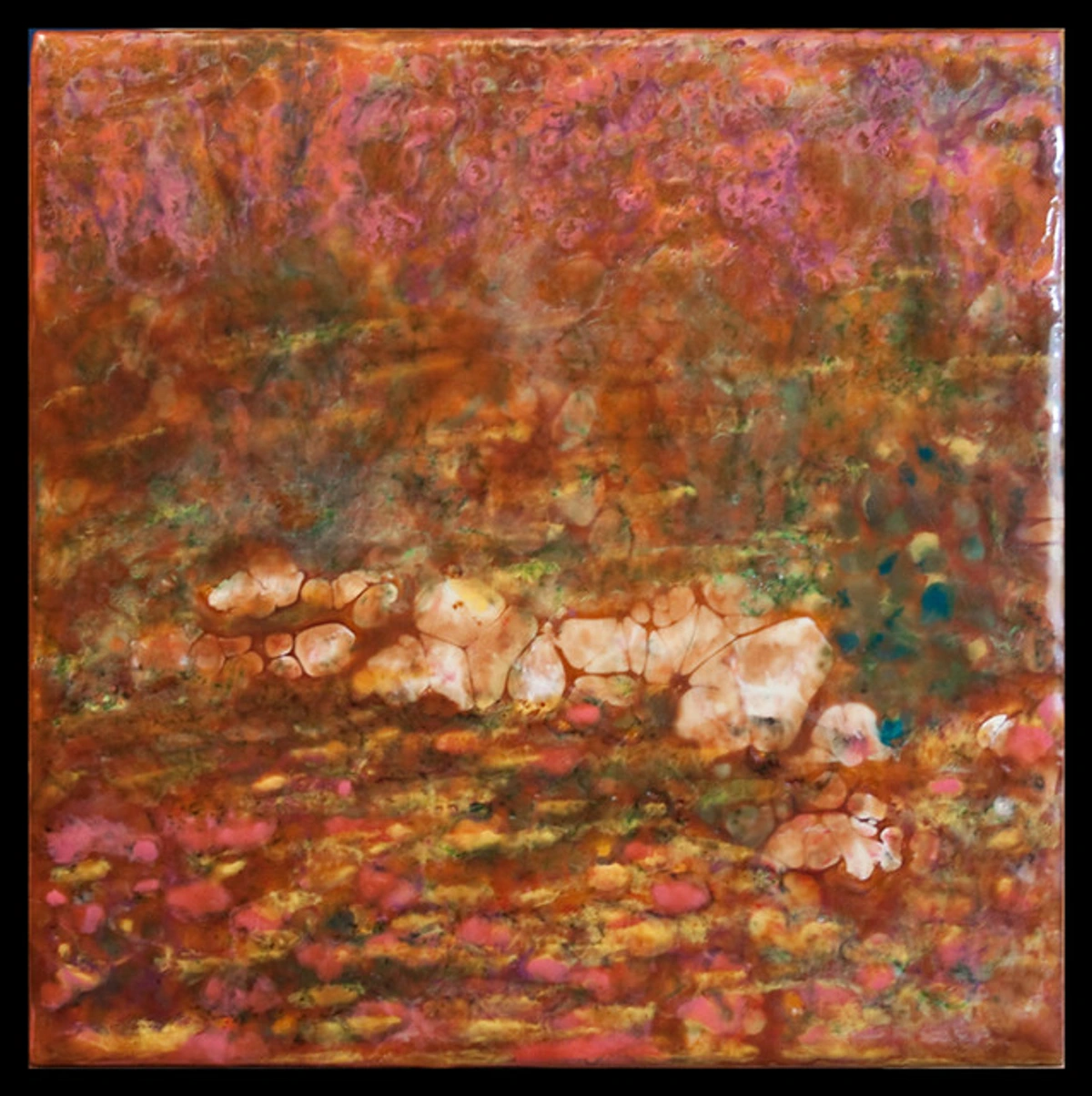
- Natural Light: Wonderful for general illumination, but direct, unfiltered sunlight is art's arch-nemesis! It can cause irreversible fading, cracking, and damage over time. Always avoid placing delicate pieces in direct sun, or use UV-filtering glass for protection. Think of it as sunscreen for your art.
- Track Lighting: Offers flexibility with adjustable heads, allowing you to highlight specific artworks. It creates a focused, gallery-like effect and is particularly good for abstract art, bringing out its dynamic forms and colors. Consider how the angle of the spotlight can create either a grazing light (emphasizing texture) or a direct wash light (evenly illuminating a flat surface). It's my personal favorite for larger collections or for highlighting pieces on high walls.
- Picture Lights: Small, self-contained lights mounted directly above a frame provide an elegant, traditional way to illuminate individual pieces. Look for LED options that emit minimal heat and UV, protecting your art while showcasing it beautifully. I once saw a painting completely transformed by a simple, well-placed picture light. What was once muted and understated suddenly popped with vibrant, hidden details. It’s a small investment that makes a huge difference. (Always consult a qualified electrician for complex installations, especially if running new wiring).
- Accent Lighting: Recessed spotlights or floor lamps can be angled to cast a gentle glow on larger installations or sculptures, adding drama and depth. This is key for maximizing impact, especially for large pieces or unique textures. Consider also using dimmer switches to adjust the mood, particularly for rooms with low light.
- Consider Color Temperature: Warm white lights (around 2700K-3000K) typically enhance the colors in traditional paintings and wood tones, creating a cozy ambiance. Cooler lights (3500K-4000K) might be better for modern photography or monochrome pieces, providing a crisp, contemporary feel, or for artworks with cool color palettes. Experiment to find what best complements each artwork and your overall room aesthetic.
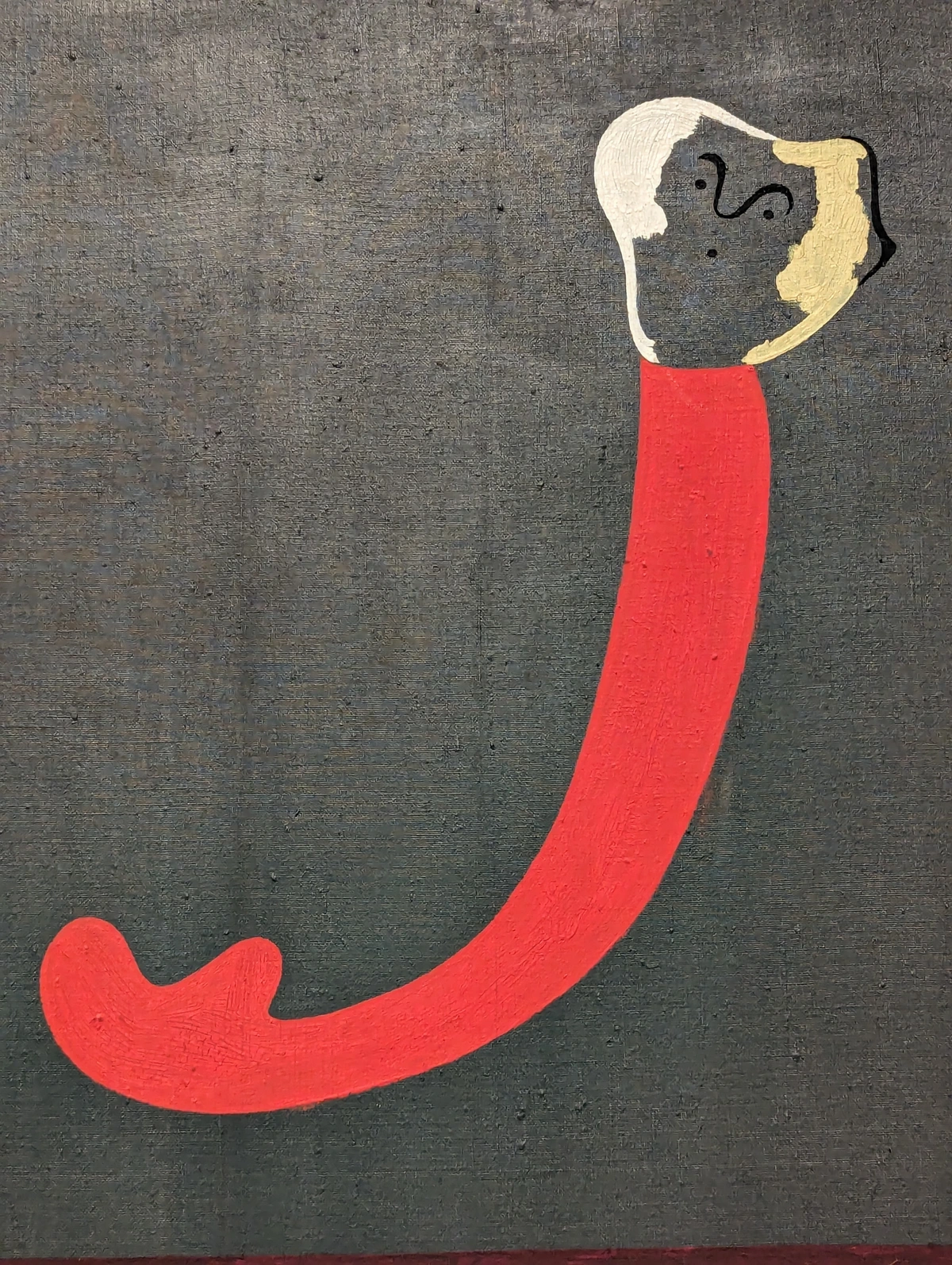
Art for Every Room: Tailoring Your Collection to Your Space
Don't just hang things randomly. Think about each room's primary function and its natural flow. Where will you see the art most often? What specific mood do you want to cultivate in that particular spot? This is where your personal story and the art's narrative truly merge. Consider how you might display art for apartments to maximize impact in smaller spaces, or art for compact areas by thoughtfully selecting pieces.
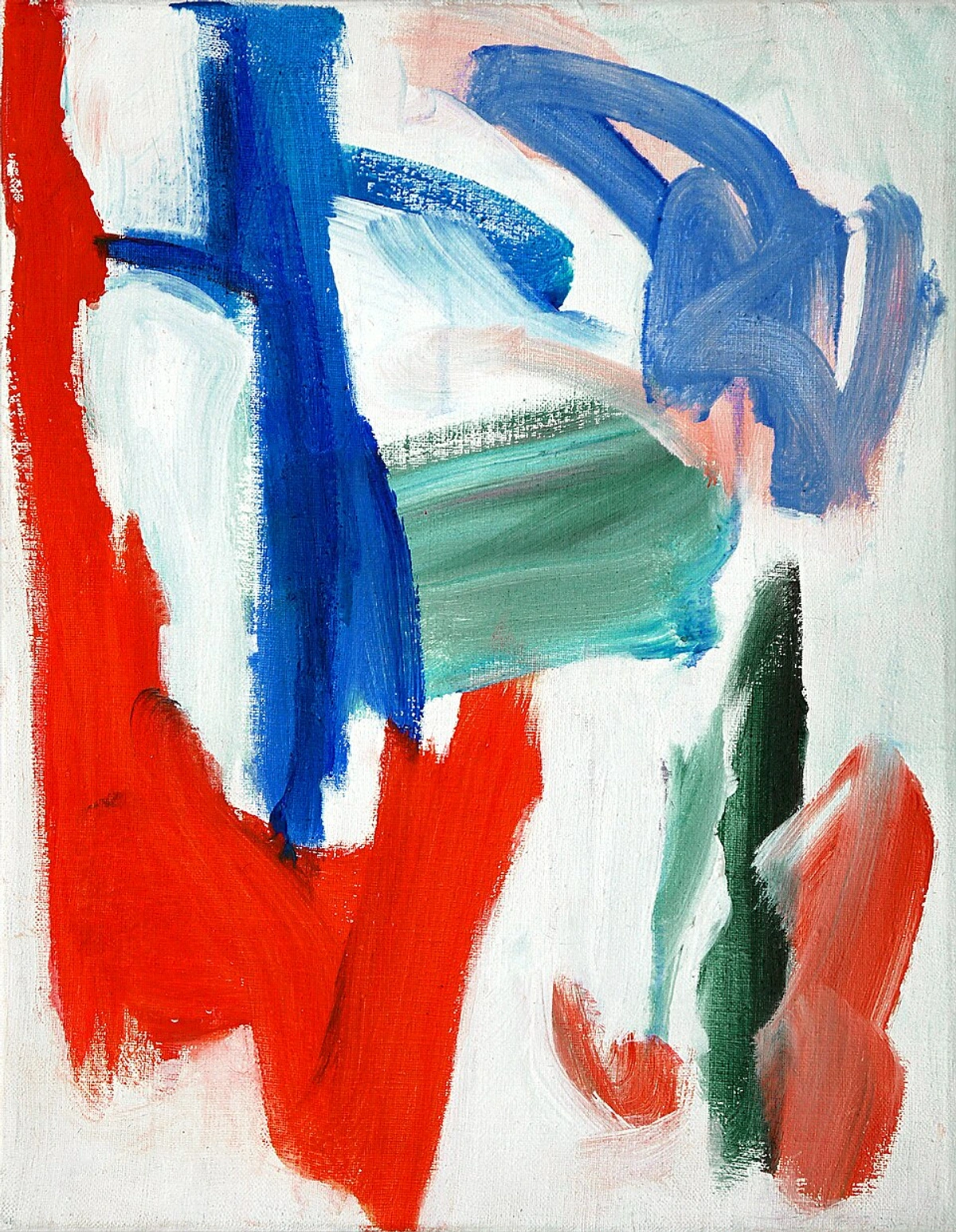
Social Spaces (Living & Dining Rooms)
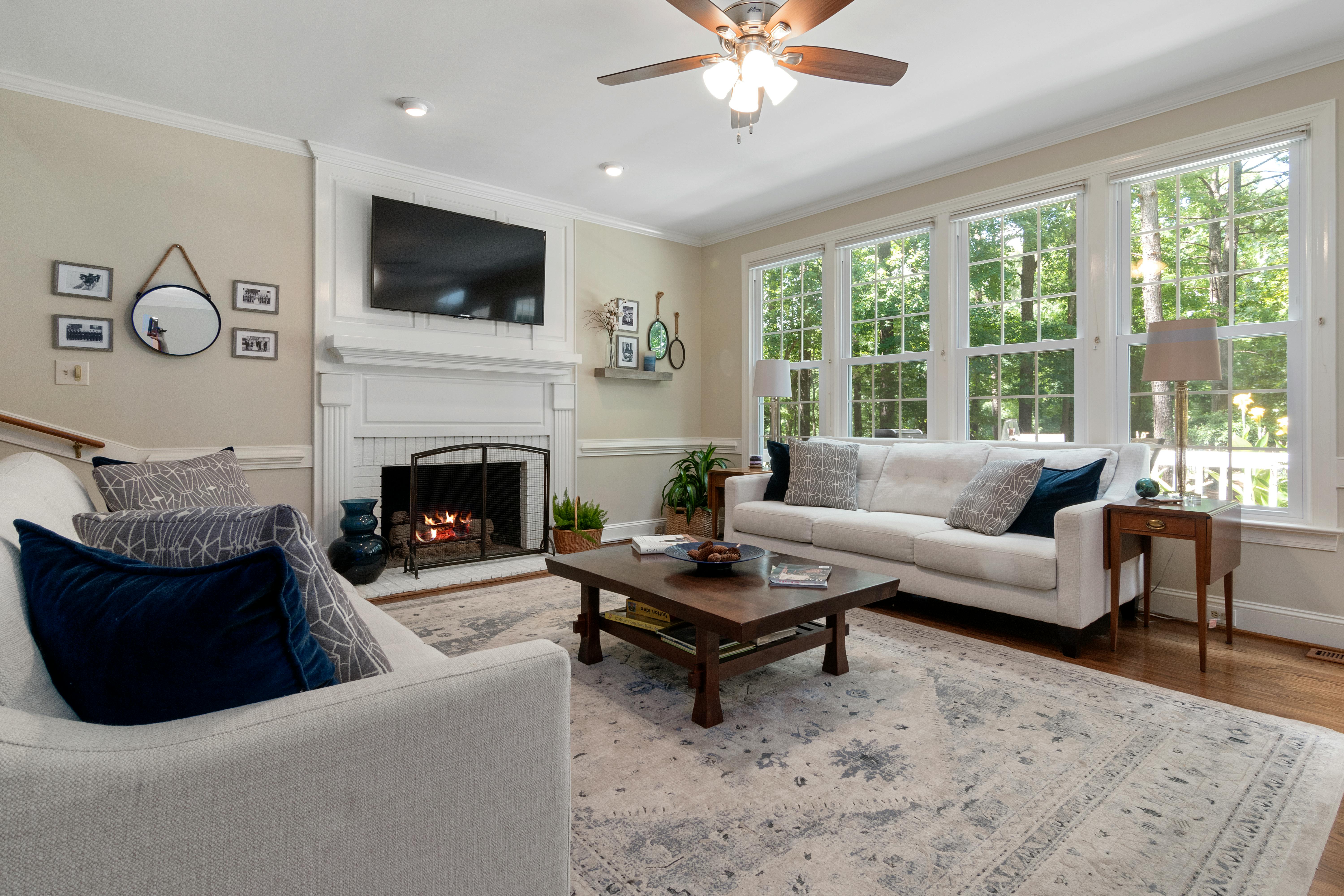
- Living Room: This is often a social hub, so something vibrant and thought-provoking could ignite conversation. Consider how choosing art for your living room can set the tone, particularly if you have high ceilings or are navigating low light conditions. A large statement piece above the sofa can anchor the entire room. Think bold abstracts, intriguing figurative works, or multi-panel pieces that draw the eye and create a dynamic focal point. A gallery wall of varied pieces can also be a wonderful conversation starter. For tranquility, consider a serene landscape photograph; for a modern edge, geometric prints can work wonders.
- Dining Room: Art in the dining room can be a fantastic conversation starter, much like a good meal. Abstract pieces or still life paintings (which have a rich history in this context) often work well here, even for a formal dining setting. Think thematic prints related to botanicals, food, or even retro advertisements, complementing the culinary atmosphere. Personally, I find that a carefully chosen piece can enhance the dining experience itself, making meals feel more special and engaging. Vibrant abstract works with warm colors can also invite lively discussion.
Private Sanctuaries (Bedrooms & Bathrooms)
- Bedroom: Aim for calming, serene pieces to promote relaxation. Soft landscapes, abstract art with muted tones, or personal photographs work beautifully. A calming, serene piece might be perfect in the bedroom, especially if you're selecting art for a small bedroom or art for above the bed. Remember, this is your personal retreat, so choose what truly soothes you. Gentle, ethereal watercolors or quiet nature scenes are often ideal.
- Bathroom: Yes, you absolutely can put art in the bathroom, just choose pieces resilient to humidity! Waterproof prints (especially giclée on metal or acrylic), photography on metal or acrylic, or works on treated wood are good choices. For framed pieces, ensure a sealed backing and UV-filtering glass. Consider durable tile art for a unique touch. Even powder rooms can be transformed with the right art, turning a small space into an unexpected jewel box. Just avoid delicate papers, unframed canvas, or fabric art in high-moisture areas. Abstract pieces with bold colors or soothing nature-inspired photography often work well. I once forgot about a lovely watercolor print in a poorly ventilated bathroom – let's just say it didn't end well!
Functional & Transitional Spaces (Home Office, Kitchen, Hallways)
- Home Office: Choose art that inspires focus or creativity, especially if you're looking for decorating with art in a home office - boosting creativity and focus. An abstract piece could stimulate new ideas, while a calming landscape might reduce stress. You can even use nature-inspired abstract art for a natural touch, or specific pieces designed for choosing art for home office. Think clear, geometric patterns for focus, inspiring travel photography, or biophilic art that connects you to the natural world.
- Kitchen: While less common, the kitchen can benefit from art. Opt for pieces that are easy to clean or protected under glass, and perhaps themes of food, nature, or bold abstracts. Think vibrant still lifes, graphic prints that complement the culinary activity, or even durable tile art for a splash of color and personality. Playful food-themed art or abstract pieces with warm, inviting colors can truly enhance this space.
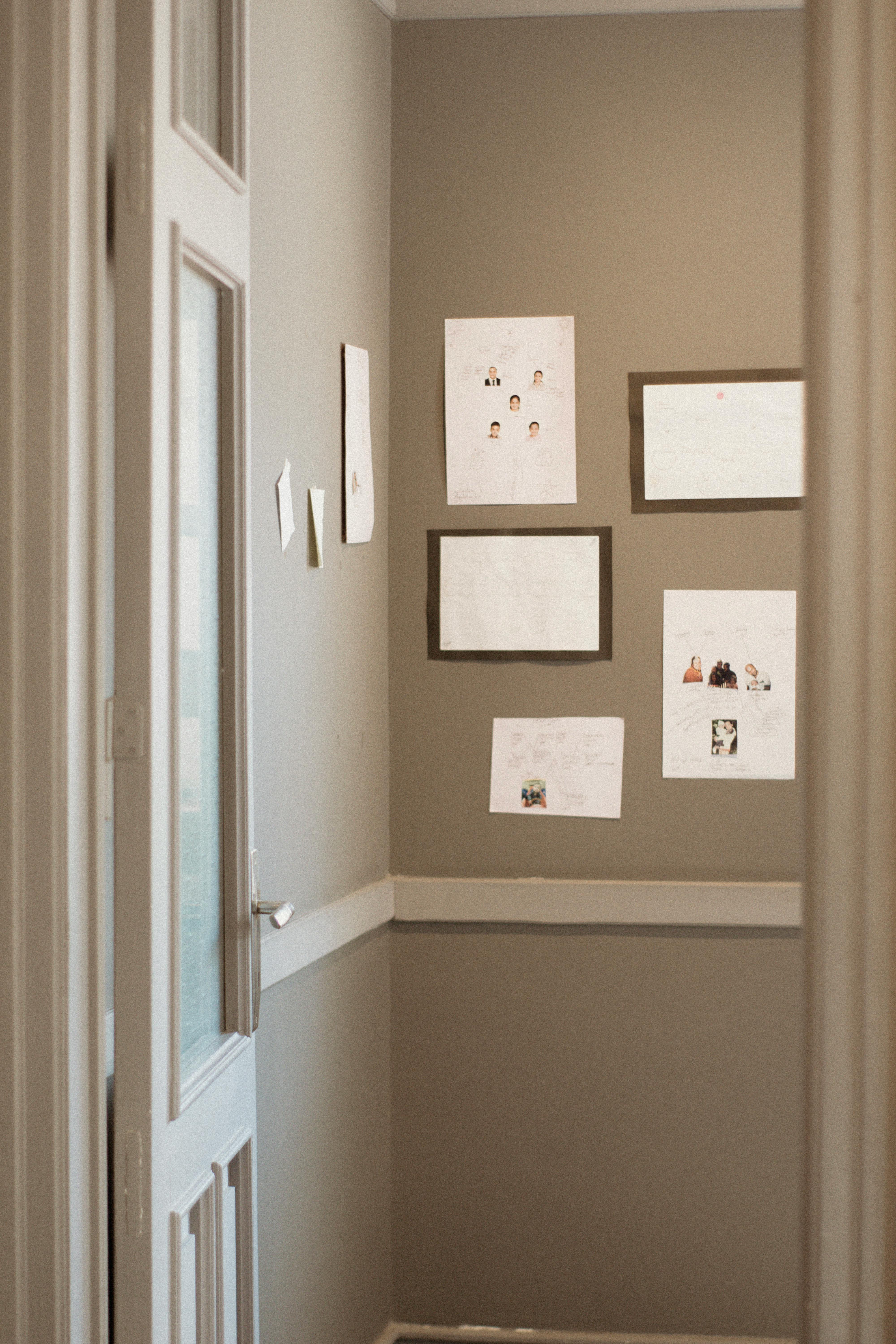
- Hallways & Entryways: These transitional spaces are fantastic for creating a visual journey. Consider a series of smaller pieces or a curated gallery wall that tells a developing story as you walk through. They're often overlooked opportunities for visual impact, especially art for long, narrow hallways or specific art for an entryway. A thoughtfully arranged collection can transform a simple passage into an engaging path. Don't forget that large, impactful pieces can also make a statement in an entryway, setting the tone for the rest of your home. Or consider using mirrors in conjunction with art to visually expand the space.
Special Considerations for Specific Spaces
- Art for Children's Rooms: Focus on playful, educational, and age-appropriate themes. Durability and safety are paramount – think framed prints under acrylic instead of glass, or soft textile wall hangings. Art can spark imagination and learning, so choose pieces that tell stories or depict fascinating worlds. Bright colors, whimsical illustrations, constellation maps, or even framed versions of their own art can be wonderful additions.
- Art for Small Spaces/Apartments: Maximize impact without overwhelming. Leaning art on consoles, creating dynamic gallery walls with varied sizes, or choosing pieces with depth (like a well-framed shadowbox) can make a small room feel larger and more curated. Scale is even more critical here; don't let a huge piece consume your space, but don't be afraid of a single, powerful statement either. Read more on how to choose art for a small apartment. Minimalist pieces or works with strong vertical lines can also visually expand a room. Strategically placed mirrors can also amplify the effect of your chosen art.
- Art that Promotes Well-being: Beyond mere aesthetics, choose art with intentionality for your mental state. Calming landscapes or abstract pieces with cool, muted tones work well for bedrooms or meditation spaces. Vibrant, energetic art with warm colors can stimulate creativity in an office or conversation in a living room. Consider art with biophilic elements (nature-inspired patterns or forms) to connect with the natural world and reduce stress, bringing a sense of calm and vitality to any room.
Your entire collection, or even a single grouping of pieces, can become a visual autobiography. Each piece marks a moment, a discovery, a feeling. Let it tell your story.
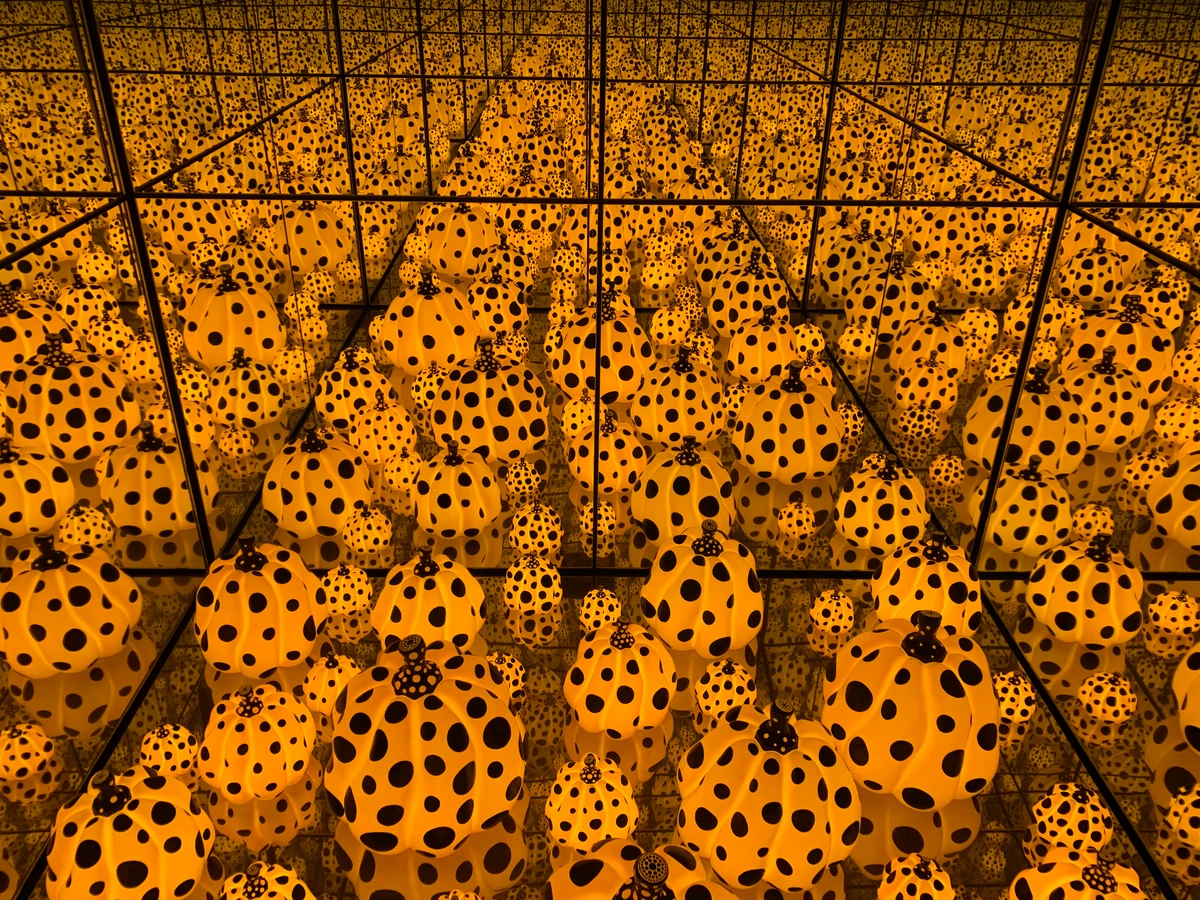
Living with Art: Care and Connection
Once art becomes a part of your home, it seamlessly weaves itself into the fabric of your daily life. You'll pass it a hundred times, perhaps notice a new brushstroke or a subtle shift in color depending on the light or your mood. It transforms into a quiet, living, breathing presence within your environment. Now that you've brought your cherished pieces home, let's ensure they remain a vibrant part of your life for years to come.
Preserving Your Pieces: A Little Care Goes a Long Way
Caring for your art is genuinely important to ensure it continues to look its best for years to come. Simple, mindful habits make a world of difference.
- Sunlight is the Enemy: Always avoid direct sunlight (it's a notorious fade-artist!), as UV rays can irreversibly damage pigments, paper, and materials. Use UV-filtering glass for framed pieces or position art in indirect light. Even prolonged indirect light can cause fading, so rotate pieces occasionally if you have a particularly sunny home. Think of it as sunscreen for your art.
- Humidity & Temperature: Keep pieces away from high-moisture areas (like directly above a steaming radiator or in a perpetually damp basement) unless specifically designed for it (like that bathroom art!). Extreme fluctuations in temperature and humidity can cause warping of wood, cracking of paint, or mold growth. Aim for stable, moderate conditions – ideally around 50-55% relative humidity and a consistent room temperature. Also, ensure good ventilation and consider dehumidifiers in very humid environments.
- Gentle Dusting: Give your art a gentle, regular dusting with a soft, dry microfiber cloth or a soft-bristled brush. Resist the urge to scrub! For delicate surfaces like unglazed ceramics or highly textured paintings, a soft, clean makeup brush or a dedicated art dusting brush can work wonders, using a light, feathery touch.
- Handling with Care: When moving or adjusting artwork, always handle framed pieces by the frame, not the glass. For unframed canvases or photographs, wear clean cotton gloves to avoid transferring oils and dirt from your skin to the delicate surface. Never touch the painted or printed surface directly.
- Cleaning Specifics:
- Framed Prints/Photos (under glass): Clean the glass with a mild, ammonia-free glass cleaner sprayed onto a soft cloth (never directly onto the frame/art, as liquids can seep in and cause damage). Trust me, I've learned the hard way that water and artwork don't always mix, and a tiny spill can mean a big headache!
- Oil & Acrylic Paintings (unframed): Only dust gently. For deeper cleaning or restoration, always consult a professional conservator. Attempting to clean an oil painting yourself can cause irreparable damage to the paint layers. Leave it to the experts; they have specialized knowledge and tools.
- Sculptures/Ceramics: Dust with a soft brush or cloth. For more thorough cleaning, research the specific material, as different materials require different care. Avoid harsh chemicals.
- Professional Restoration: For any significant damage, fading, or signs of deterioration, consult a professional art conservator. They are trained to restore and preserve artwork safely, ensuring its longevity without causing further harm.













Frequently Asked Questions About Art at Home
Here are some common questions I hear from people embarking on their art-at-home journey. I hope my answers help clarify some of the practicalities and philosophies we've explored:
Question | Answer |
|---|---|
| How do I choose art if I don't know my style? | Start by exploring! Visit galleries, browse online, look at art history books. Pay attention to what genuinely catches your eye and evokes emotion, regardless of style or artist. Don't overthink it initially; let your gut feeling guide you. Create a mood board by saving images you like from Pinterest, Instagram, or magazines to identify recurring themes, colors, or feelings. Your style will emerge over time. |
| Can I mix different art styles in one room? | Absolutely! Eclecticism can create a wonderfully dynamic and personal space. The key is to find common threads, such as a unifying color palette, similar framing styles, or a consistent theme. A gallery wall is an excellent way to blend diverse pieces harmoniously. |
| What's the ideal height to hang artwork? | A common guideline is to hang the center of the artwork at eye level for an average person, typically around 57-60 inches (145-152 cm) from the floor. For art above furniture, leave about 6-8 inches (15-20 cm) of space between the bottom of the frame and the top of the furniture. |
| How can I make affordable art look expensive? | Thoughtful framing is your best friend! A custom mat, quality glass (especially UV-filtering), and a substantial frame can dramatically elevate a print. Consider a linen or textured mat for a more premium feel. Pay attention to scale; a smaller, well-framed piece can have more impact than a large, poorly framed one. |
| Is original art always better than prints? | Not necessarily! "Better" is subjective. Original art offers a direct connection to the artist and unique textures, often making it an investment. High-quality prints (like giclées, which use archival inks for exceptional longevity and color fidelity) make art accessible, allowing you to enjoy beautiful imagery without the original price tag. Both have their place in a collection. |
| How often should I rotate my art collection? | There are no strict rules. Some people rotate seasonally, others annually, and some keep pieces in place for years. Rotating can refresh a space and allow you to appreciate different pieces, or prevent prolonged exposure to light for delicate works. |
| Should I buy art to match my sofa? | I strongly advise against it. While you want your art to complement your space, it shouldn't be chosen solely to match decor. Buy art because you love it, and then integrate it thoughtfully. Art that is chosen purely as a decorative accessory often lacks soul and personal meaning. |
| How do I clean an oil painting? | For anything beyond very gentle dusting with a soft, dry brush, always consult a professional art conservator. DIY cleaning of oil paintings can cause irreversible damage to the paint layers and original artist's work. |
| What about art in humid climates or bathrooms? | Choose resilient mediums! Opt for framed prints under glass (with a sealed backing) on durable substrates like metal or acrylic, or sculptures made from stone or treated wood. Ensure good ventilation and consider using dehumidifiers in very humid environments. Avoid unframed canvas or delicate paper works in high-humidity areas. |
| How do I choose art for a room with low light? | Opt for pieces with lighter color palettes or reflective surfaces (like metallic accents or works under glass) to maximize available light. Proper accent lighting (track lights, picture lights) becomes even more crucial to bring these pieces to life. |
| How can I use art to make a small space feel bigger? | Consider large-scale pieces that act as a "window" to another scene, or lean art against walls to save visual space. Minimalist art or works with strong vertical lines can also create an illusion of height. Thoughtful placement of mirrors can also visually expand a room and amplify the effect of your art. |
| What is the difference between a print and a limited edition print? | A standard print is typically an open edition, meaning there's no limit to how many copies can be made. A limited edition print, however, is produced in a finite, numbered quantity, often signed by the artist. This scarcity usually makes limited editions more valuable and collectible than open editions. |
| How do I know if an artist is 'legitimate' or has potential? | Look for a consistent body of work, a professional website or online presence, a history of exhibitions (even local ones), and clear, transparent pricing. While there are no guarantees for future value, these signs often indicate dedication and a serious approach to their craft, making them good candidates for collecting. |
| What is 'provenance' and why is it important? | Provenance refers to the documented history of ownership of an artwork. It's crucial because it verifies the piece's authenticity, traces its journey through time, and can significantly impact its value and historical context. Always ask for provenance, especially for more expensive acquisitions. |
| How can I display art in a rental without damaging walls? | Utilize command strips (check weight limits!), lean larger pieces against walls, use picture ledges (if minor drilling is allowed), prop smaller items on existing shelves, or employ tension rod shelves for temporary displays. Test any adhesive before full application. |
Conclusion: Your Home, Your Art, Your Story
Ultimately, building an art collection for your home is one of the most personal and rewarding journeys you can undertake. It's not about adherence to rigid rules or chasing fleeting trends, but about cultivating a deeper connection to your living space and, by extension, to yourself. Each piece you choose, whether an expensive original or a cherished DIY creation, contributes to the unique narrative of your home – a visual autobiography that evolves with you. It’s an act of self-expression, a way to invite beauty, thought, and conversation into your daily life. It brings that profound sense of a home that is truly lived in, cherished, and authentic.
So, open your eyes, trust your intuition, and allow yourself the joy of discovery. Let art transform your house into a home that is truly, wonderfully, and authentically yours. Embrace the journey, and watch your walls come alive with stories only you can tell. Your collection is a testament to your individual taste, your values, and the life you're building. Start collecting for you. Pick one corner, one wall, or even just one piece that calls to you. The journey begins with that first, personal connection. What single piece is whispering to you right now from the world of art, waiting to start your story? Perhaps a piece from our own collection is calling your name.