Expressionism: Art's Raw Emotional Outcry & Enduring Legacy
Expressionism: art's raw emotional outcry. Explore its 20th-century origins, core traits (distortion, bold color, intense brushwork), pivotal artists, and defiant legacy in modern art. Your ultimate guide.

Expressionism: Art's Raw Emotional Outcry & Enduring Legacy
Have you ever encountered art that didn't just invite you to look, but demanded that you feel? Art that bypassed your intellect and went straight for the gut, leaving you with a knot of discomfort or a surge of recognition you couldn't quite name? That's precisely what Expressionism aims to do. I remember my first real encounter with an Expressionist painting – a canvas of raw, almost brutal strokes and colors that didn't depict reality so much as they screamed it. It was bewildering, yes, but undeniably powerful, almost like a raw, unfiltered download of someone else's intense internal world, a world I didn't quite understand but felt viscerally. And that, I've come to understand, is the essence of this profoundly human artistic movement. In this ultimate guide, we'll journey back to the anxious world that birthed this movement, dissect its explosive artistic language, introduce its fiery pioneers, and trace its enduring echo through art history and culture.
Expressionism isn't interested in painting a perfect, photorealistic apple. No, it’s about capturing the feeling of seeing that apple: perhaps the sharp crunch as you bite into it, the sudden burst of sweetness, or even the melancholic weight of its inevitable transience. It’s art that chose to scream instead of speak politely, a raw, unfiltered diary entry onto canvas. It’s messy, it’s intense, and in its unapologetic portrayal of the human condition, it’s deeply, wonderfully human – much like trying to make sense of a particularly complex emotional day! I believe this article will be your most comprehensive and engaging source for understanding this vital movement.
A World on Edge: Why Expressionism Screamed
At its core, Expressionism is an artistic movement that began in the early 20th century, primarily in Germany, around 1905. To understand its genesis, you have to imagine the world at that time: industrialization was churning along at a breakneck pace, cities were swelling, and the old certainties – the polite academic traditions of art and society – seemed to be crumbling. Think of the seismic shifts of rapid urbanization, the burgeoning scientific discoveries (like Einstein's relativity, quantum mechanics, and even the implications of Darwin's theories) that challenged long-held beliefs about humanity's place in the universe, or the sheer anxiety of a world teetering on the brink of immense social and political upheaval. There was this pervasive sense of anxiety, alienation, and a creeping unease, a feeling that something fundamental was shifting beneath society's feet. The bourgeois society, that comfortable, often complacent middle and upper-middle class, was becoming a target of critique, perceived as stifling, materialistic, and hypocritical. Artists felt trapped by its conventions, desperate to tear down the veneer of polite order and expose the turbulent realities beneath.
Before Expressionism, art largely focused on mimesis, the imitation of external reality. Even the Impressionists, revolutionary as they were, still sought to capture the objective visual experience of light and atmosphere. But the Expressionists turned their gaze inward. They insisted that reality was filtered through the individual's unique emotional and psychological lens. Influenced implicitly by emerging psychological theories (like Freud's groundbreaking work on the subconscious mind, repression, and the often-unsettling depths of the human psyche – offering artists a framework to explore irrational fears and desires, which could then manifest in dreamlike or unsettling imagery) and philosophical ideas (such as Nietzsche's emphasis on individual will, raw human experience, and the rejection of conventional morality, giving them permission to paint its storms), they wanted to express their inner world, their subjective emotions, and their raw psychological states. It was as if Freud offered them a map to the internal landscape, and Nietzsche gave them permission to paint its storms.
So, they used distorted figures, exaggerated colors, and jarring compositions—think angular, elongated forms that convey emotional strain, fragmented perspectives that mirror a fractured internal state, or bodies contorted not by physical force but by inner turmoil. Imagine a cityscape where buildings lean unnaturally, mirroring a feeling of urban dread, or figures with contorted faces expressing overwhelming despair—this distortion isn't a sign of lacking skill—a common misconception—but a deliberate tool to amplify emotional impact. It was a potent rebellion against academic tradition, against the perceived superficiality of Impressionism, and against the polite, seemingly ordered society of the time, a way to tear down the veneer and expose the messy, often uncomfortable truth underneath. This fertile ground of societal upheaval and psychological exploration gave rise to Expressionism's distinct visual language, a recipe for raw emotion we'll now explore.
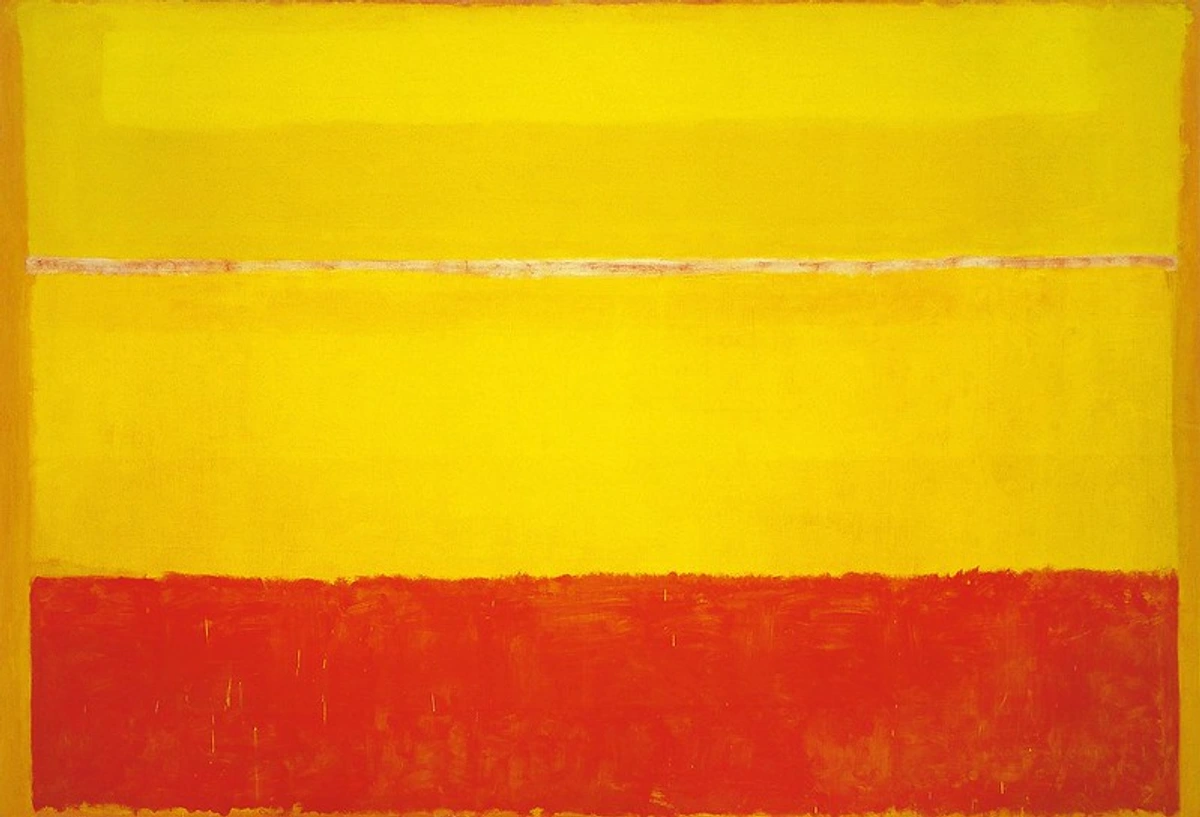
This focus on pure feeling is something I explore in my own work. Translating an internal state—a fleeting moment of joy, a pang of nostalgia, or a quiet desperation—into color and form is the ultimate challenge for me. You can see my attempts on my timeline.
The Core Ingredients of Expressionism: A Recipe for Raw Emotion
From that fertile ground of unease and introspection, Expressionism developed a distinct visual language. But what exactly are the building blocks of this emotional architecture? While it's not a strict checklist (art rarely is, thank goodness!), you'll often find these elements swirling around in the emotional vortex of an Expressionist piece. Think of them as the essential ingredients in a potent, often unsettling, artistic cocktail. How do these elements make you feel when you encounter them?
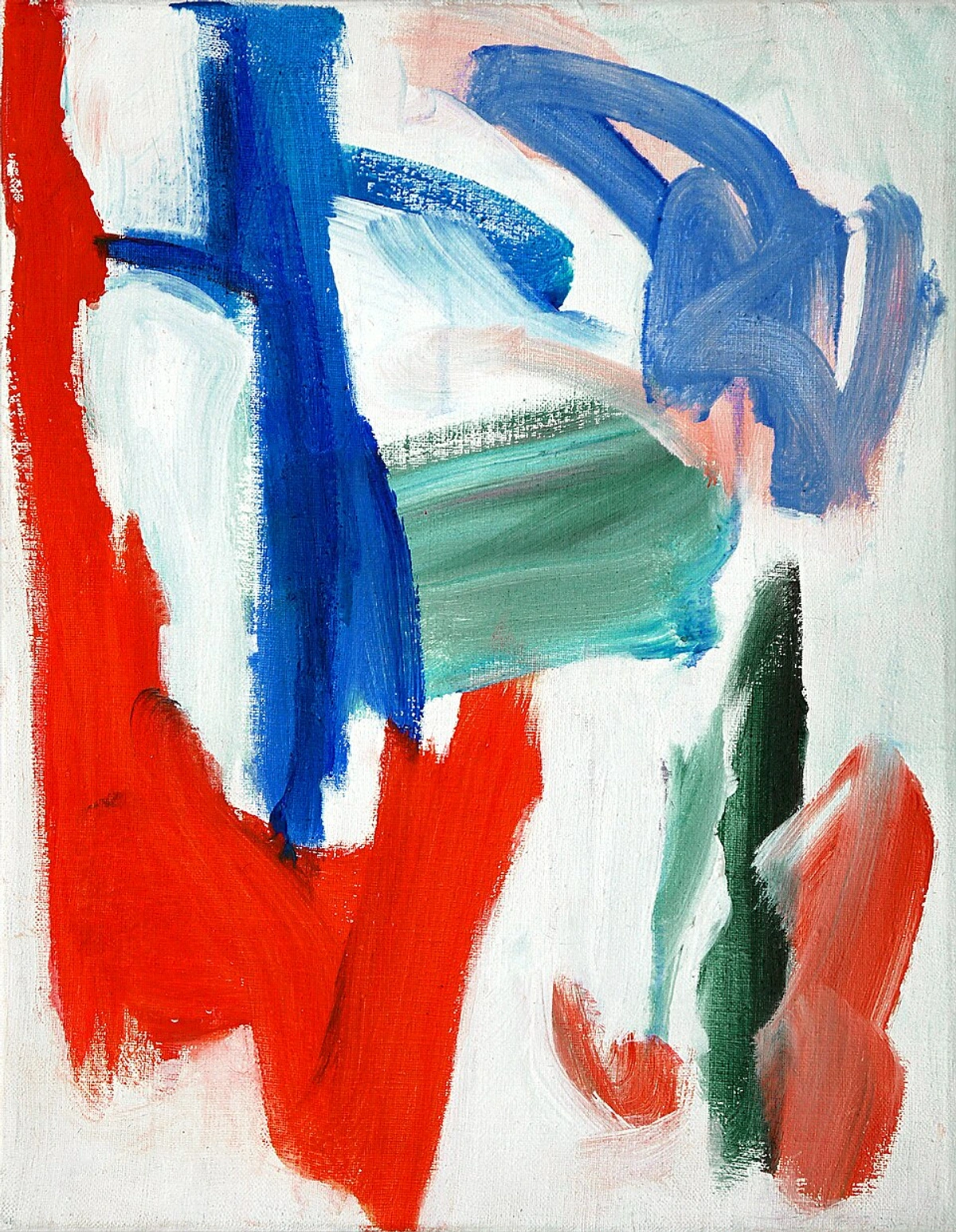
- Subjective Reality: The artist's personal vision and feelings are paramount, far more important than any objective, observable reality. If the sky feels red with anxiety, then you paint it red, regardless of the actual sunset. If a familiar room evokes claustrophobia, its walls might press in and distort. This is the artist saying, "My truth, my feeling, is the only reality that matters here." It's a fundamental break from centuries of art striving for mimetic accuracy, directly contrasting Impressionism's attempt to capture objective visual experience. It declares the internal world as the true landscape to explore.
- Distortion for Effect: Figures, landscapes, and objects are frequently bent, twisted, elongated, or simplified. This isn’t about accuracy; it’s a deliberate tool to heighten emotional impact and convey a specific psychological state. For instance, Egon Schiele's emaciated self-portraits, where his contorted limbs and stark, angular lines seem to writhe with an inner tension, express profound vulnerability, sexual angst, and physical decay. He uses the skeletal frame and awkward poses to convey a raw, almost self-lacerating honesty about the human body and its psychological torment. Similarly, Ernst Ludwig Kirchner's stark Street, Dresden scenes often feature elongated, almost menacing figures that embody urban alienation, their forms twisted to reflect the psychological unease of city life and the anonymity of the crowd. This distortion is an intentional choice, a visual shorthand for inner turmoil, rather than a lack of artistic skill.
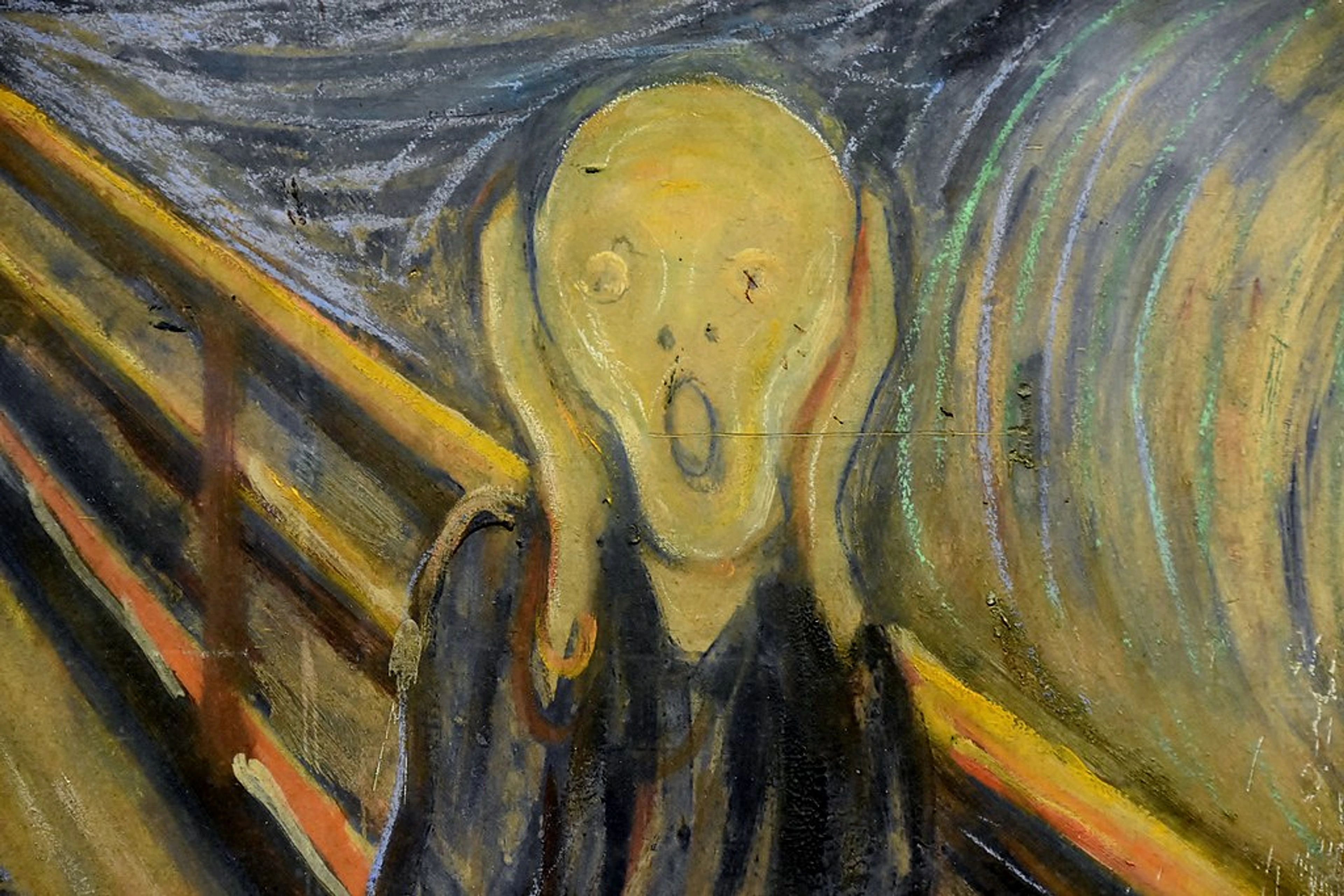
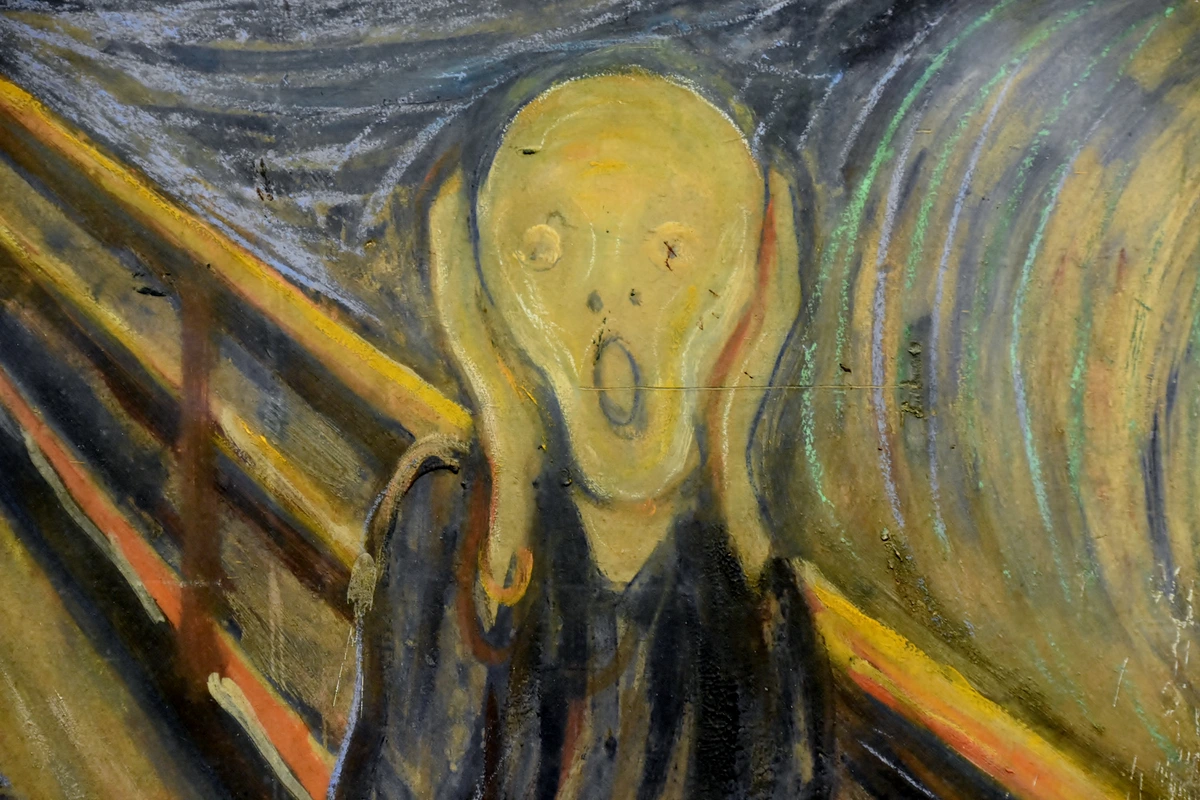
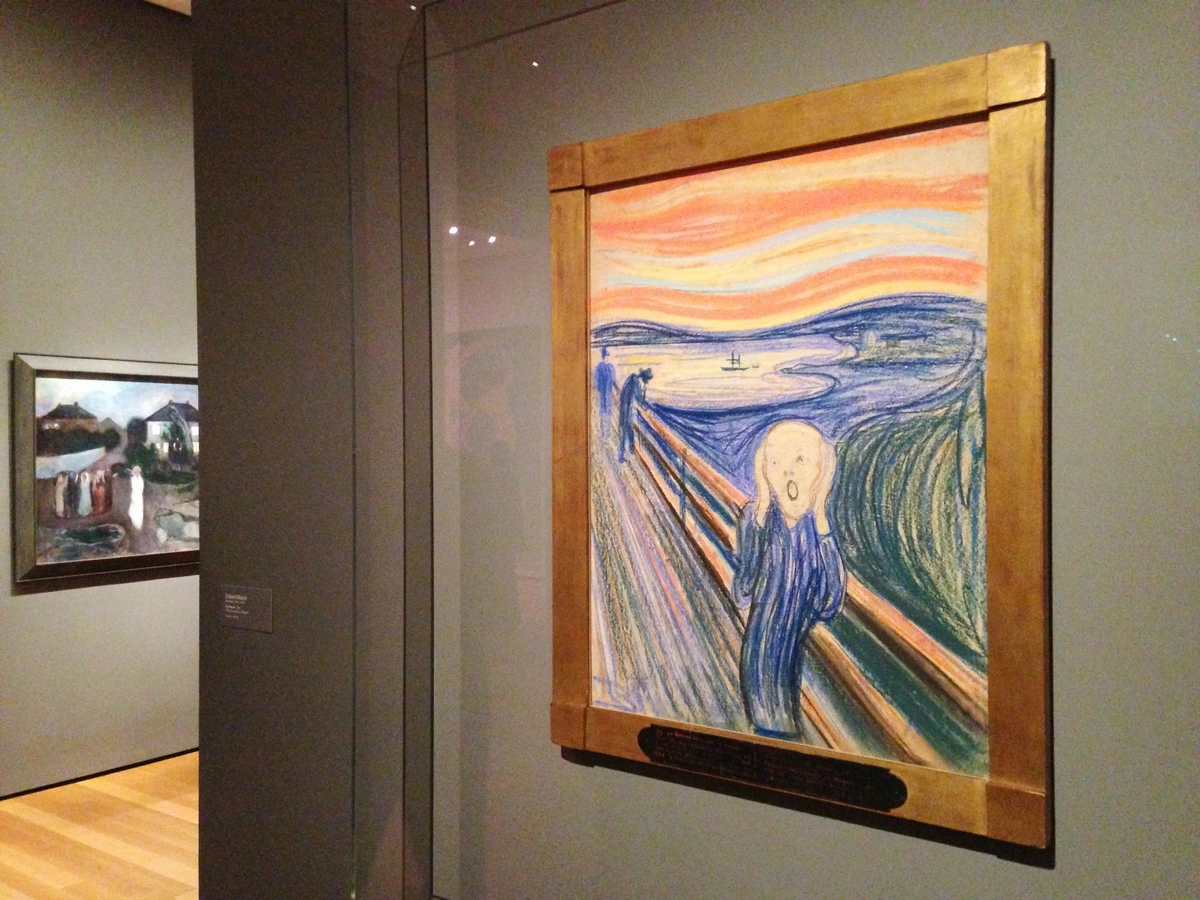
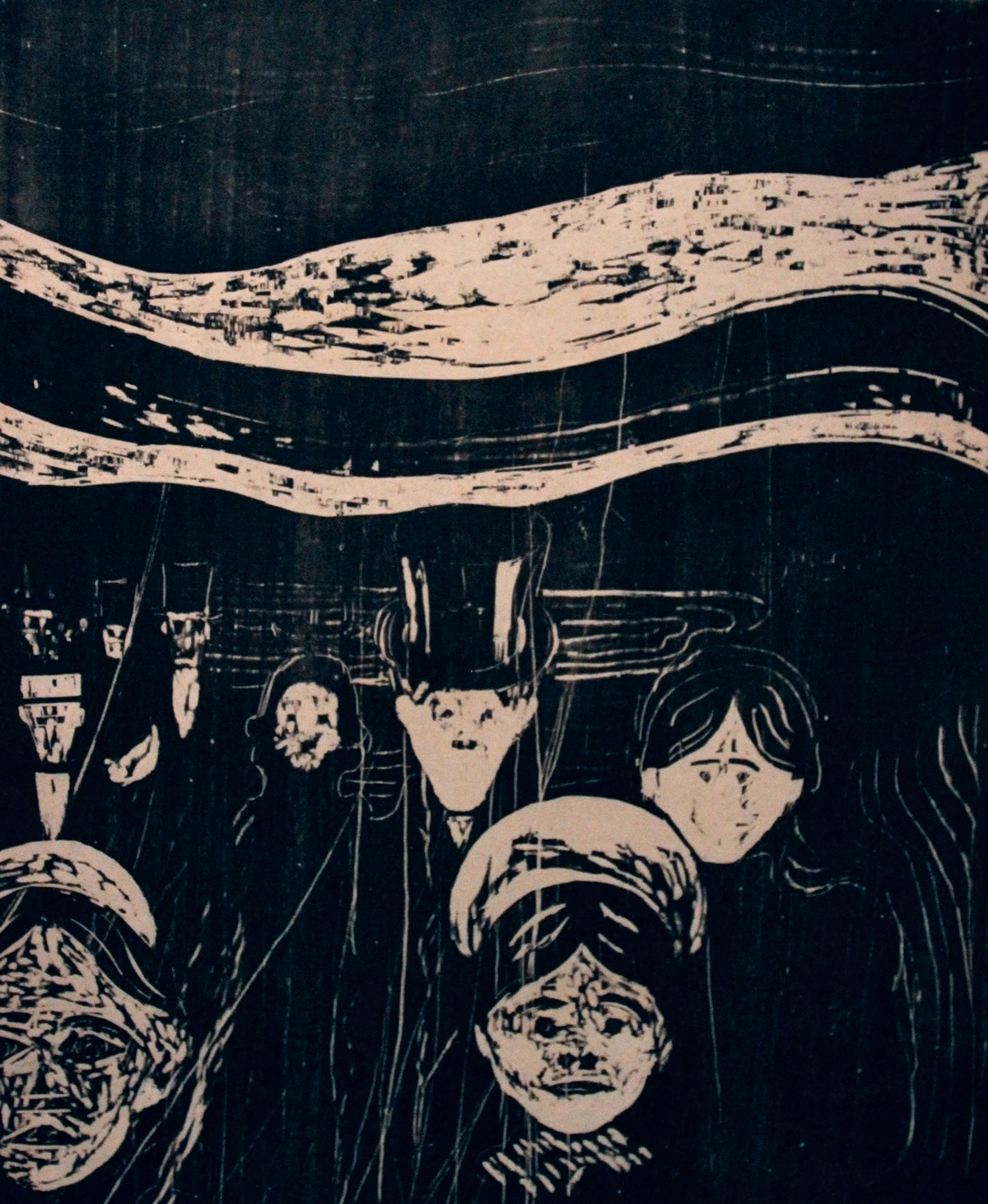
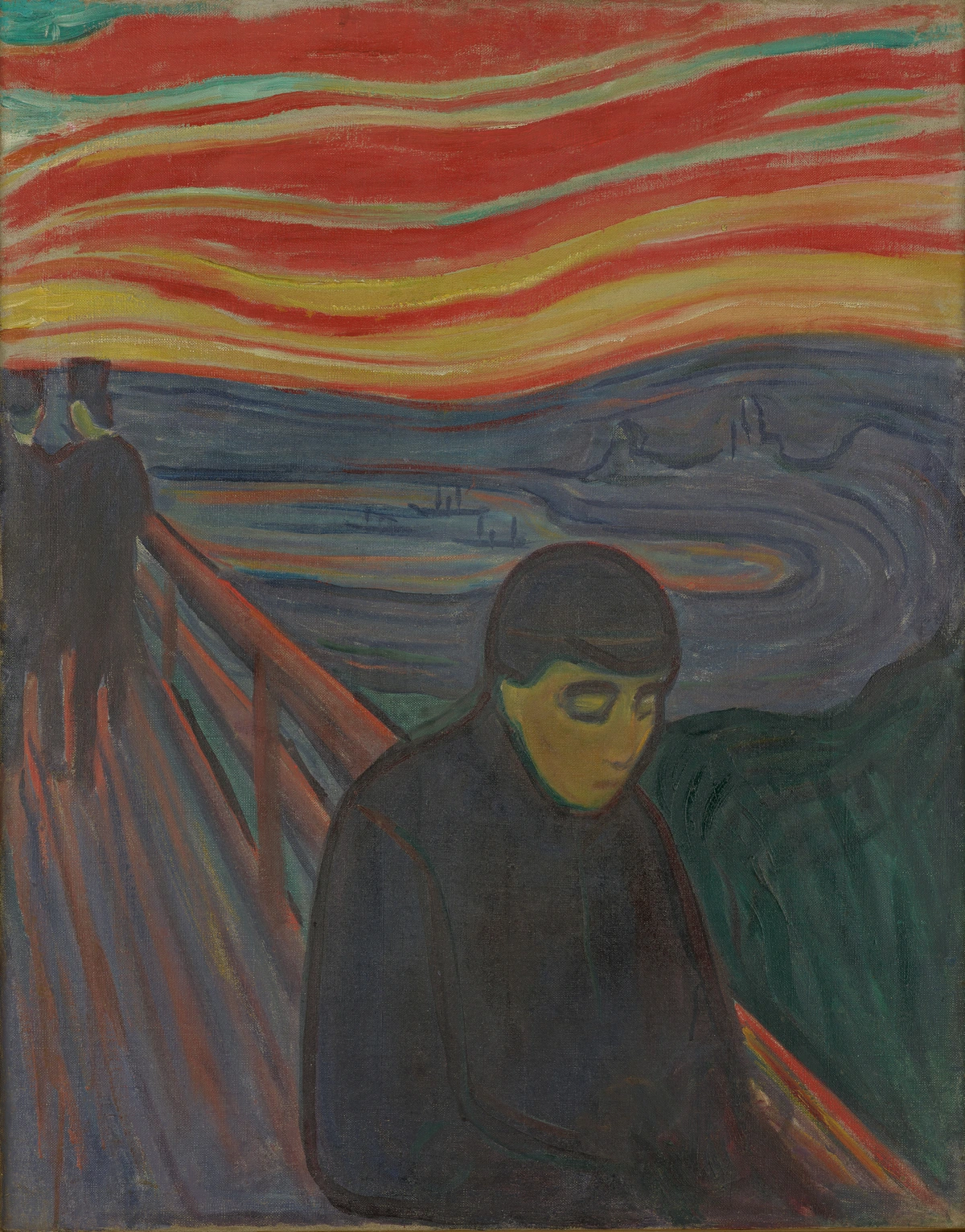
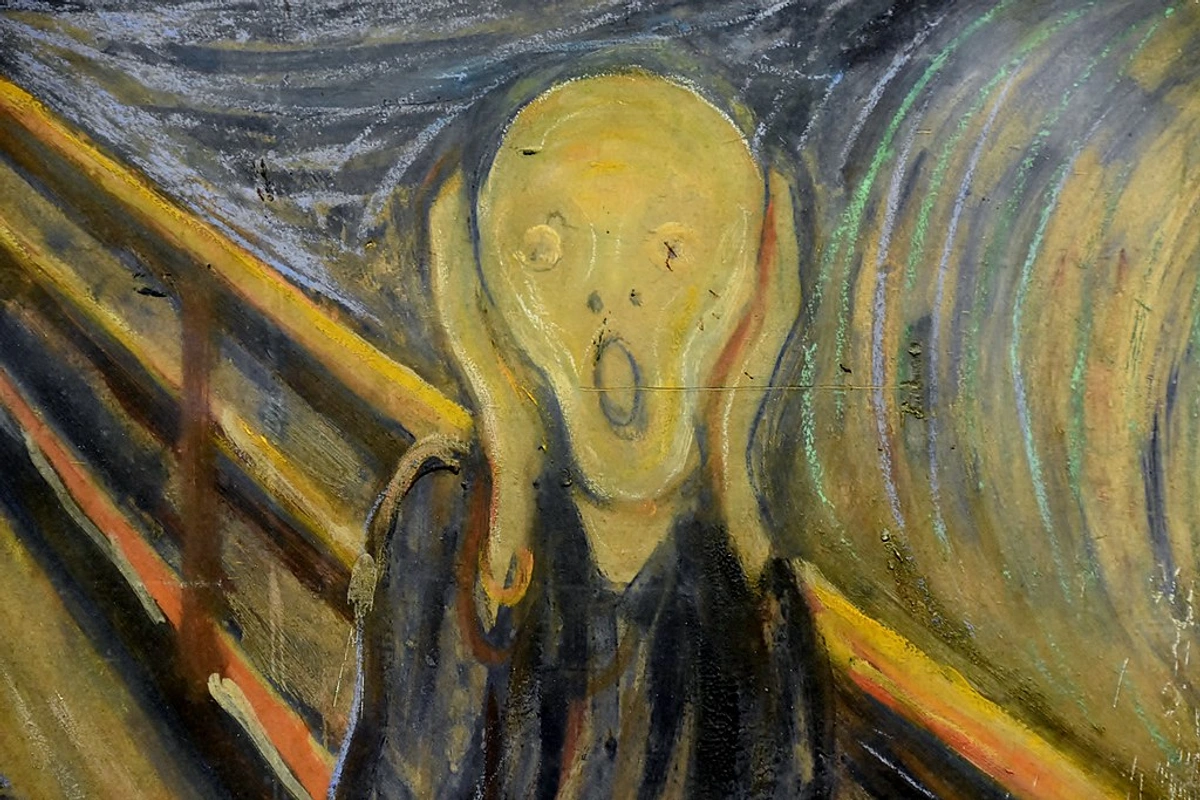
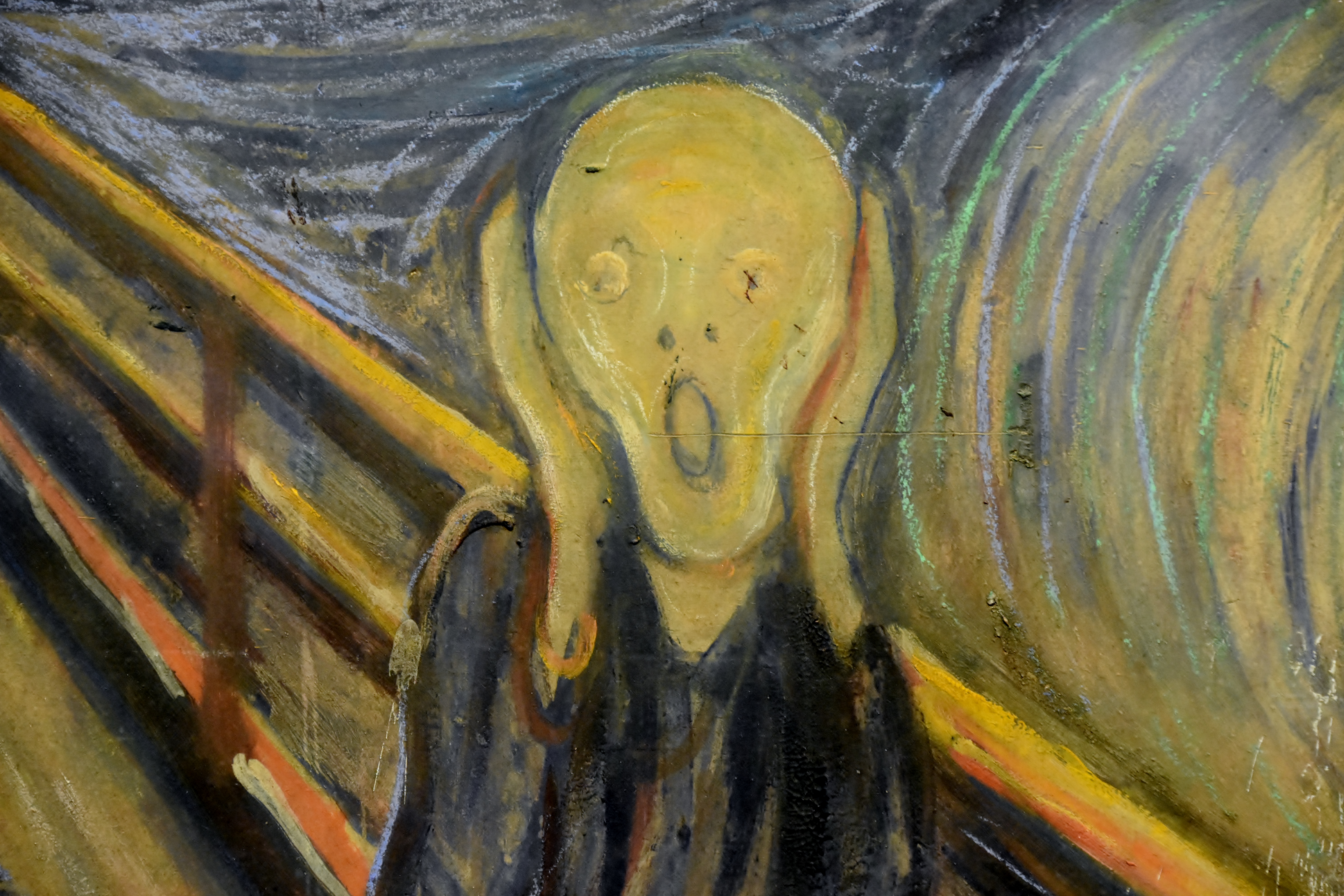
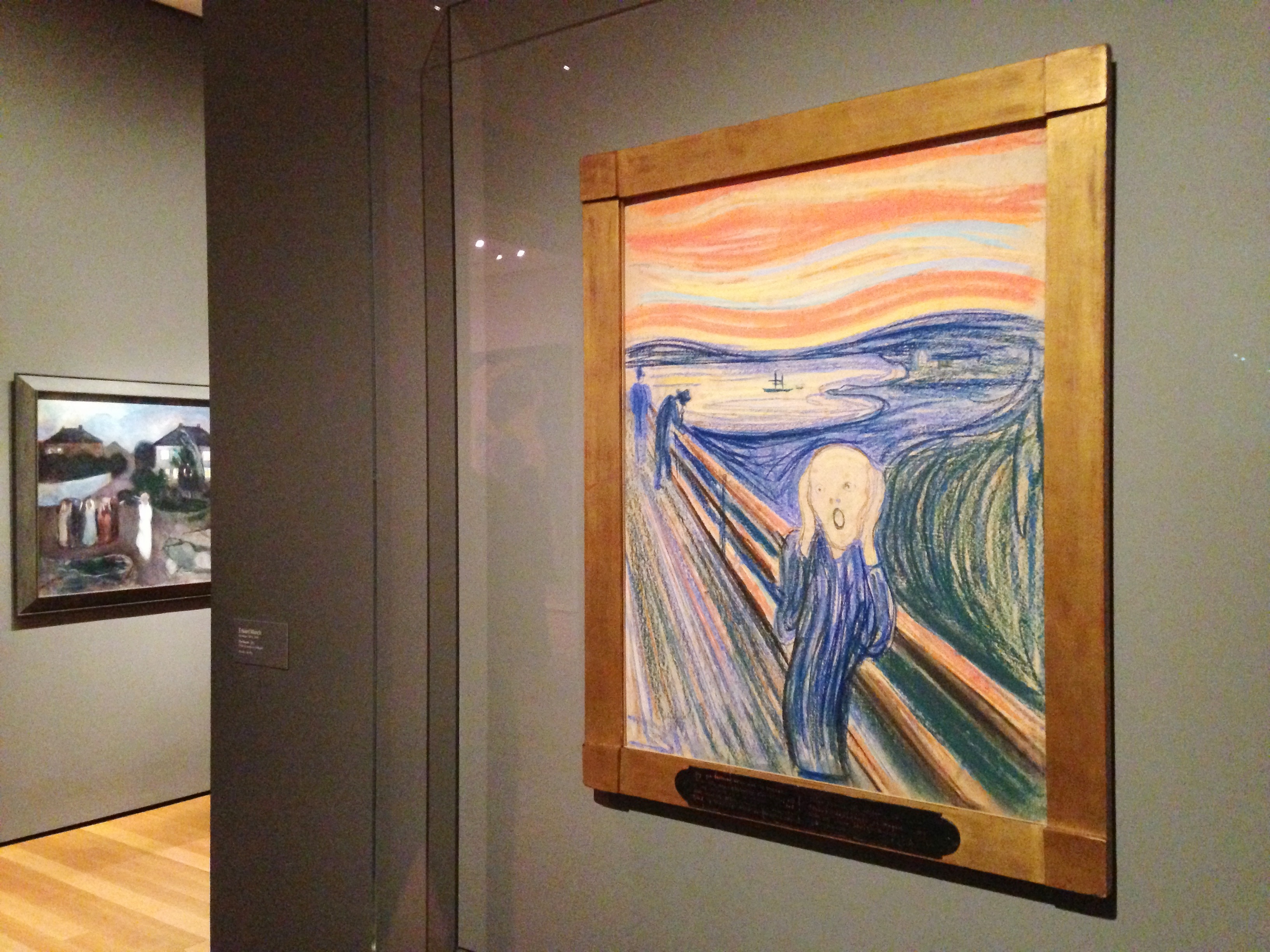
- Bold, Emotionally Driven Color: Colors are chosen to express emotion, not to depict nature realistically. A face might be painted green with envy, a street a violent yellow to convey unease, or a forest a stark blue to evoke melancholy. Think of Edvard Munch's The Scream, where the blood-red sky isn't realistic but amplifies the protagonist's terror and distress. This deliberate choice to let color sing its own emotional tune is something I frequently explore in my own practice, using hues not to describe, but to feel. You can see this in the psychology of color in abstract art, where color itself becomes the language of feeling. Emil Nolde, for example, used intense, unmixed colors in his mask paintings, making them scream with primal energy and spiritual intensity. The choice of color is never truly "arbitrary" for an Expressionist; it's a deeply felt, subjective decision, often imbued with symbolic meaning (e.g., blue for spirituality, yellow for hope or sickness).
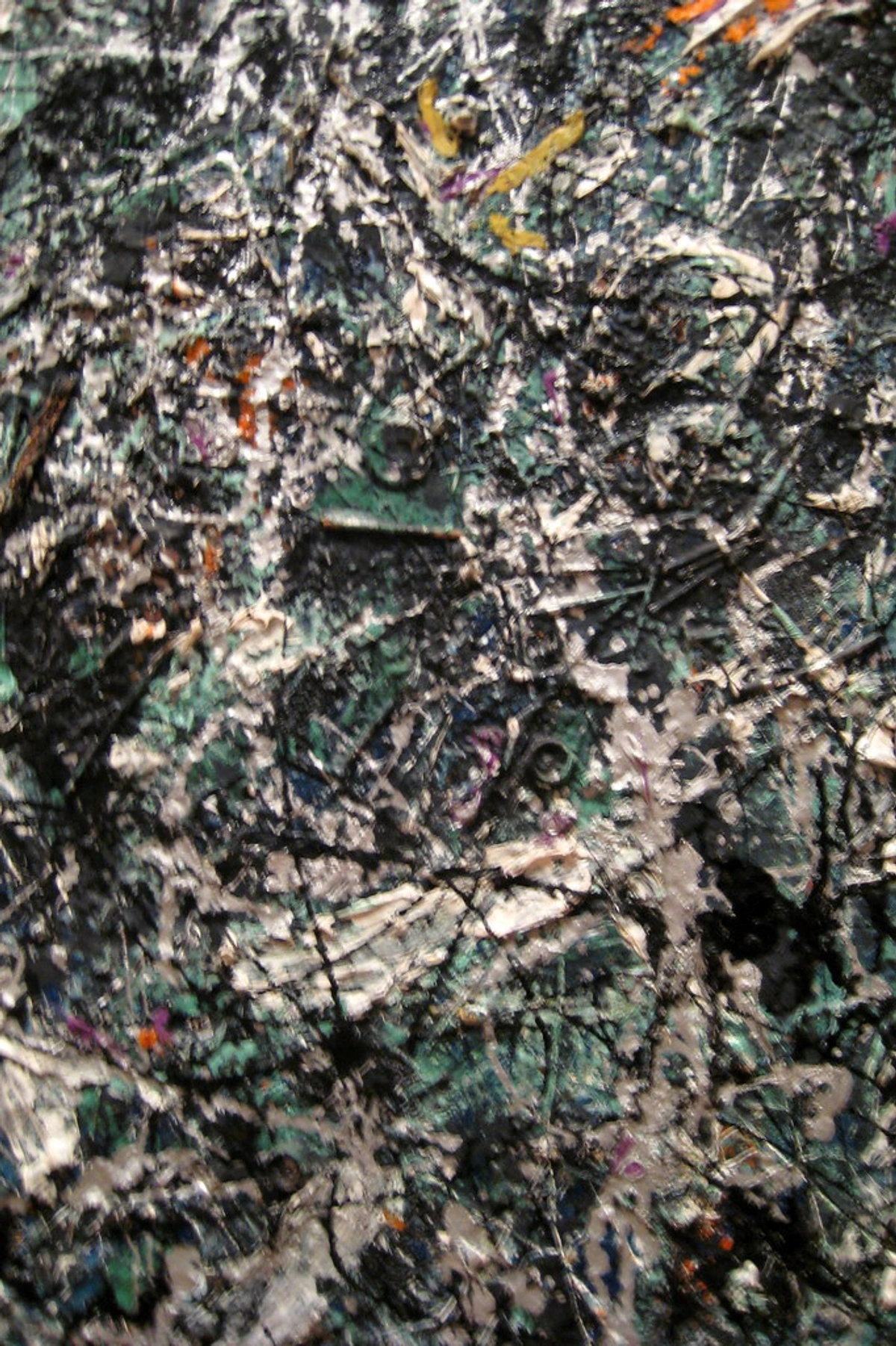
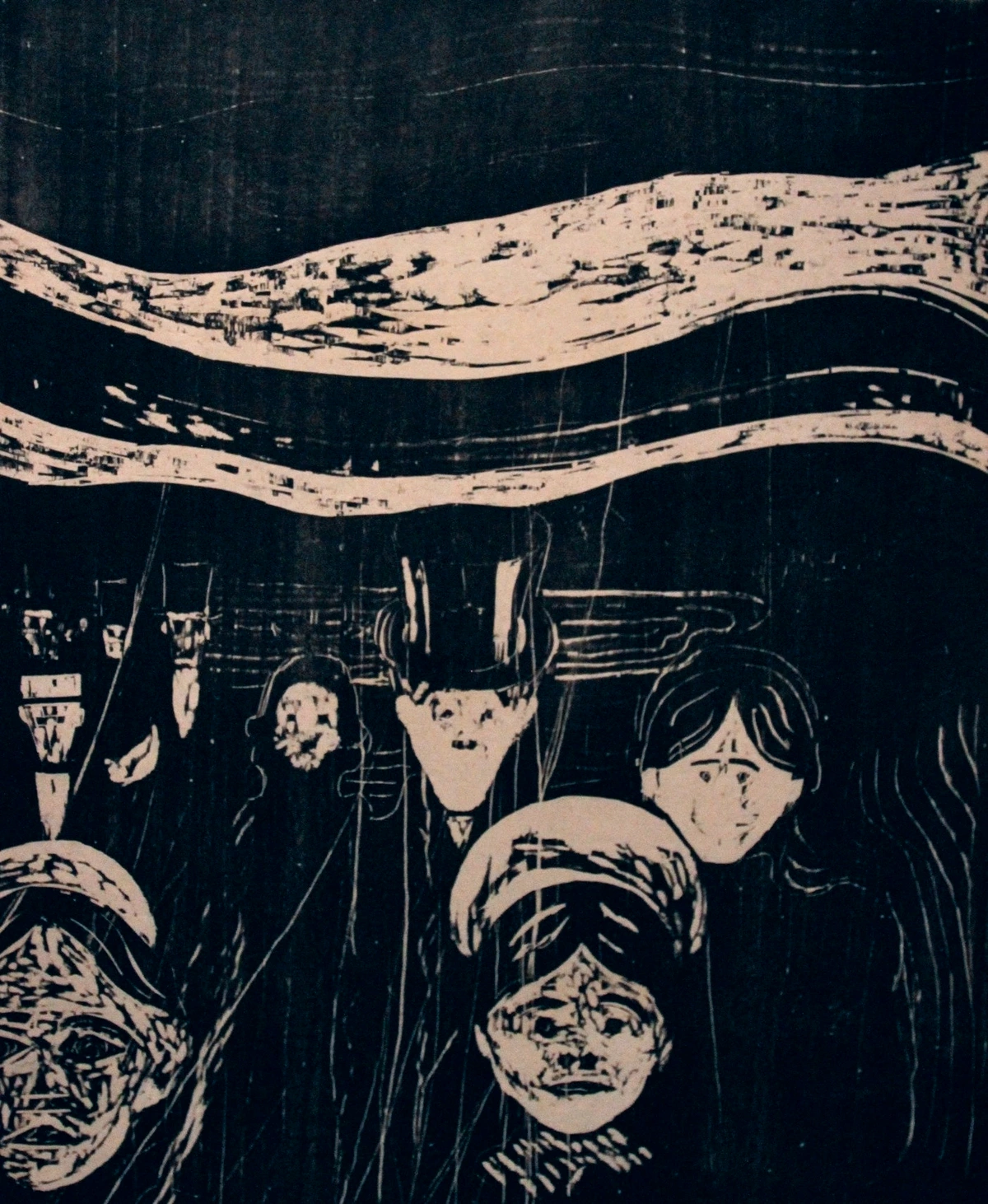
- Intense, Expressive Brushwork & Materiality: You can almost feel the energy, urgency, and raw spontaneity of the artist through thick, gestural brushstrokes. The paint isn't carefully blended; it's applied with a directness that bypasses careful rendering, often creating visible texture or impasto (a thick, often sculptural application of paint) that adds to the emotional charge – something I often emphasize in exploring texture. This directness, this raw presence of the artist's hand, is a powerful statement. Many Expressionists, especially from Die Brücke, also heavily favored woodcuts for their raw, sharp lines, which perfectly conveyed their direct, immediate aesthetic and the brutal force they sought to express. Unlike the smooth graduations of lithography or delicate etchings, the woodcut's inherent resistance demanded a forceful, almost aggressive approach, carving away rather than adding. The rough, often black-and-white nature of woodcuts lent itself to stark contrasts and a sense of raw, almost primal energy, aligning perfectly with Expressionist aims. This direct engagement with the material resonated deeply with their desire for authenticity. Artists like Karl Schmidt-Rottluff leveraged the rough, unrefined quality of woodcuts to amplify the rawness of their subjects, making the very process of creation a statement of defiant emotion.
These potent ingredients weren't mixed in a vacuum; they coalesced into powerful artistic communities that forged new paths in painting, printmaking, and beyond.
Expressionism vs. Impressionism: A Quick Breakdown
To truly grasp what Expressionism is, it's helpful to understand what it is not. People often get these two revolutionary movements mixed up. Both broke from academic tradition, but their goals were polar opposites, like two sides of the same artistic coin, one looking outward, the other inward. Here’s a simple table to clear up the distinction, because understanding what they weren't helps define what they were.
Feature  | Impressionism | Expressionism |
|---|---|---|
| Era | Late 19th Century (c. 1870-1890s) | Early 20th Century (c. 1905-1930s) |
| Primary Objective | To capture the objective, fleeting visual impression of light and atmosphere | To convey subjective, internal emotional states and psychological truths |
| Focus | Capturing the external world; light and atmosphere | Expressing the internal world; emotion and psychology |
| Subjectivity vs. Objectivity | Objective observation of optical reality | Subjective interpretation of emotional reality |
| Subject | Fleeting moments of light, landscapes, daily life, leisure | Raw emotion, psychology, spirituality, urban angst, societal critique, existential dread |
| Goal | Objective observation of optical reality | Subjective interpretation of emotional reality |
| Colors | Natural, observed light and atmosphere; broken color | Emotionally driven, exaggerated, symbolic, non-naturalistic |
| Technique/Approach | Loose, visible brushstrokes capturing momentary effects; emphasis on light and color modulation | Intense, gestural brushwork; distortion of form and color for psychological impact; often rough, direct, and confrontational |
| Feeling Conveyed | Often pleasant, calm, observational, harmonious, fleeting, capturing transient beauty | Often intense, anxious, dramatic, confrontational, unsettling, raw, visceral |
| Key Artists | Monet, Renoir, Degas, Pissarro | Munch, Kandinsky, Kirchner, Schiele, Marc, Nolde, Kokoschka |
| Legacy | Influenced modern color theory, light depiction, and the breaking of academic rules. | Paved the way for abstraction, psychological art, and direct emotional expression in numerous subsequent movements. |
It's a useful distinction, I think, because it highlights how two equally revolutionary movements can diverge so dramatically in their core intent. While Impressionists sought to capture the fleeting, sensory experience of a moment out there in the world, Expressionists were after the enduring, often uncomfortable truth of a moment in here, in the artist's turbulent inner landscape. One was about seeing, the other about feeling.
Who Were the Expressionists? Meet the Trailblazers of Feeling
Expressionism wasn't one single, neatly defined movement with a secret handshake. It was more like a constellation of passionate, intense artists and groups, all exploring similar themes of inner turmoil and subjective experience, but in slightly different artistic dialects – meaning distinct stylistic variations in color use, subject matter, and emotional intensity, much like different languages convey nuances. Before the formal groups emerged, there were crucial precursors who laid the groundwork, showing that art could be a vessel for profound emotional truth.
Recurring Themes & Motifs: The Soul of Expressionism
Beyond stylistic choices, Expressionism frequently returned to a core set of themes, mirroring the anxieties and spiritual quests of the era. These motifs weren't just subjects; they were emotional vessels, often depicted with a searing intensity that pierced through conventional pleasantries. They sought to uncover a deeper, often uncomfortable, primal truth about the human condition.
- Alienation & Isolation: A profound sense of detachment from modern industrial society, urban crowds, or even one's own self. Figures often appear isolated, lost, or trapped within stark, angular environments. Think of the solitary, screaming figure in Edvard Munch's The Scream or the anonymous, distorted city-dwellers in Ernst Ludwig Kirchner's Dresden street scenes, embodying the psychological impact of overwhelming urban anonymity.
- Existential Angst & Mortality: A deep engagement with the fundamental questions of existence, suffering, death, and the precariousness of life. This often manifests in raw, vulnerable self-portraits (Egon Schiele) or stark depictions of human fragility, reflecting the inherent anxieties of being human in a rapidly changing world. The fleeting nature of life and the inevitability of death were constant undercurrents.
- The Grotesque & Primitivism: A fascination with the raw, untamed aspects of humanity and nature, often embracing distorted, even ugly forms to reveal a deeper, primal truth. Expressionists, particularly Die Brücke, found inspiration in African, Oceanic, and folk art (such as wood-carved masks and sculptures from sub-Saharan Africa or the South Pacific), which they saw as embodying a direct, unfiltered connection to human emotion and experience, untouched by the perceived intellectualism and hypocrisy of Western civilization. This was a deliberate rejection of idealized beauty in favor of raw expressiveness and an attempt to reconnect with fundamental human instincts.
- Sexuality & the Body: A frank, sometimes confrontational exploration of human sexuality, desire, and the naked body, often stripping away idealization to expose vulnerability, tension, or raw physicality. Schiele is a prime example here, his emaciated figures often appearing exposed and profoundly uneasy, using the body as a direct mirror of inner torment and challenging societal norms around depiction of the nude. Die Brücke artists also explored this, often placing figures in raw, natural settings to emphasize an uninhibited connection to nature and primal urges.
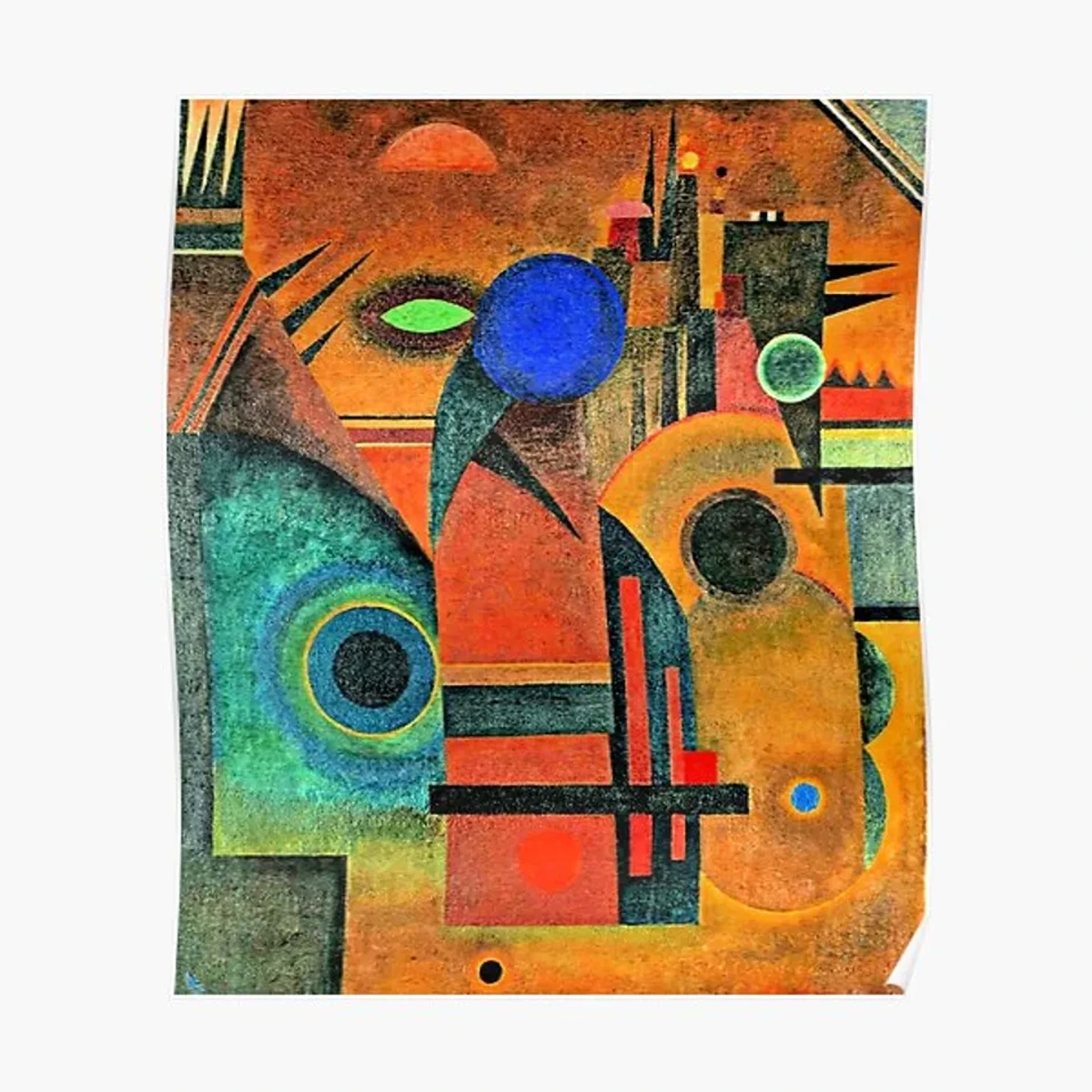
- Spirituality & the Inner Life: Especially prominent in Der Blaue Reiter, a search for spiritual meaning beyond the material world. This led to abstract forms and symbolic colors, aiming to express an inner cosmic truth rather than observable reality, as seen in Wassily Kandinsky's early abstract works. This was a direct reaction against the perceived materialism and emptiness of modern life, seeking a deeper resonance through art.
- Urban Life & Decay: The overwhelming, often dehumanizing experience of the rapidly growing modern city, depicted with stark contrasts, aggressive lines, and a sense of unease, threat, or sensory overload. The city became a metaphor for internal turmoil, a concrete jungle reflecting the psychological state of its inhabitants, particularly in the works of Die Brücke, where bustling street scenes are transformed into psychological dramas.
Influential Precursors: Setting the Stage for Emotion
While Expressionism coalesced in the early 20th century, its roots run deeper. Artists who fearlessly pushed against the observational, objective traditions of their time paved the way for the full-blown emotional outburst:
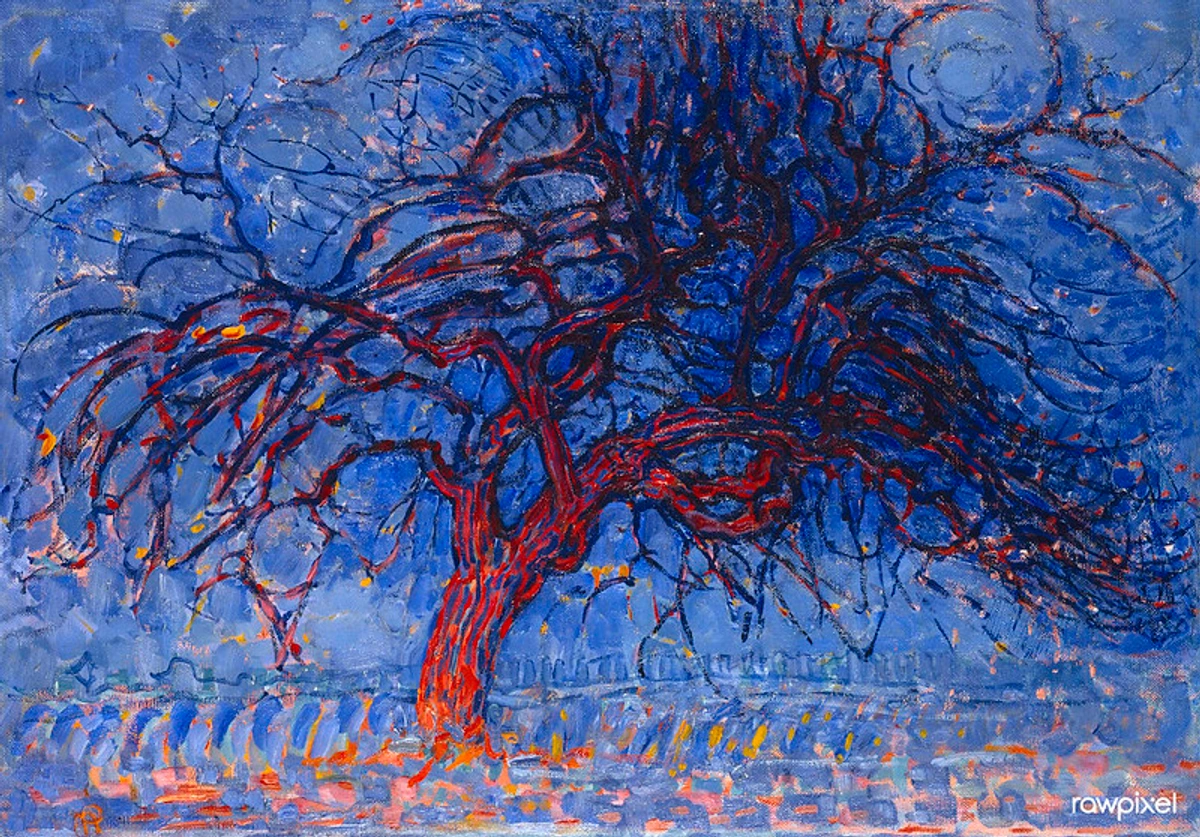
- Vincent van Gogh: His intensely personal, emotionally charged use of color and agitated, visible brushstrokes, visible in works like The Starry Night or his fervent self-portraits, profoundly influenced the Expressionists' embrace of subjective vision and the power of individual feeling. You feel the artist's turmoil and passion in every stroke, a direct conduit to his inner world, particularly through his bold impasto and symbolic, non-naturalistic hues.
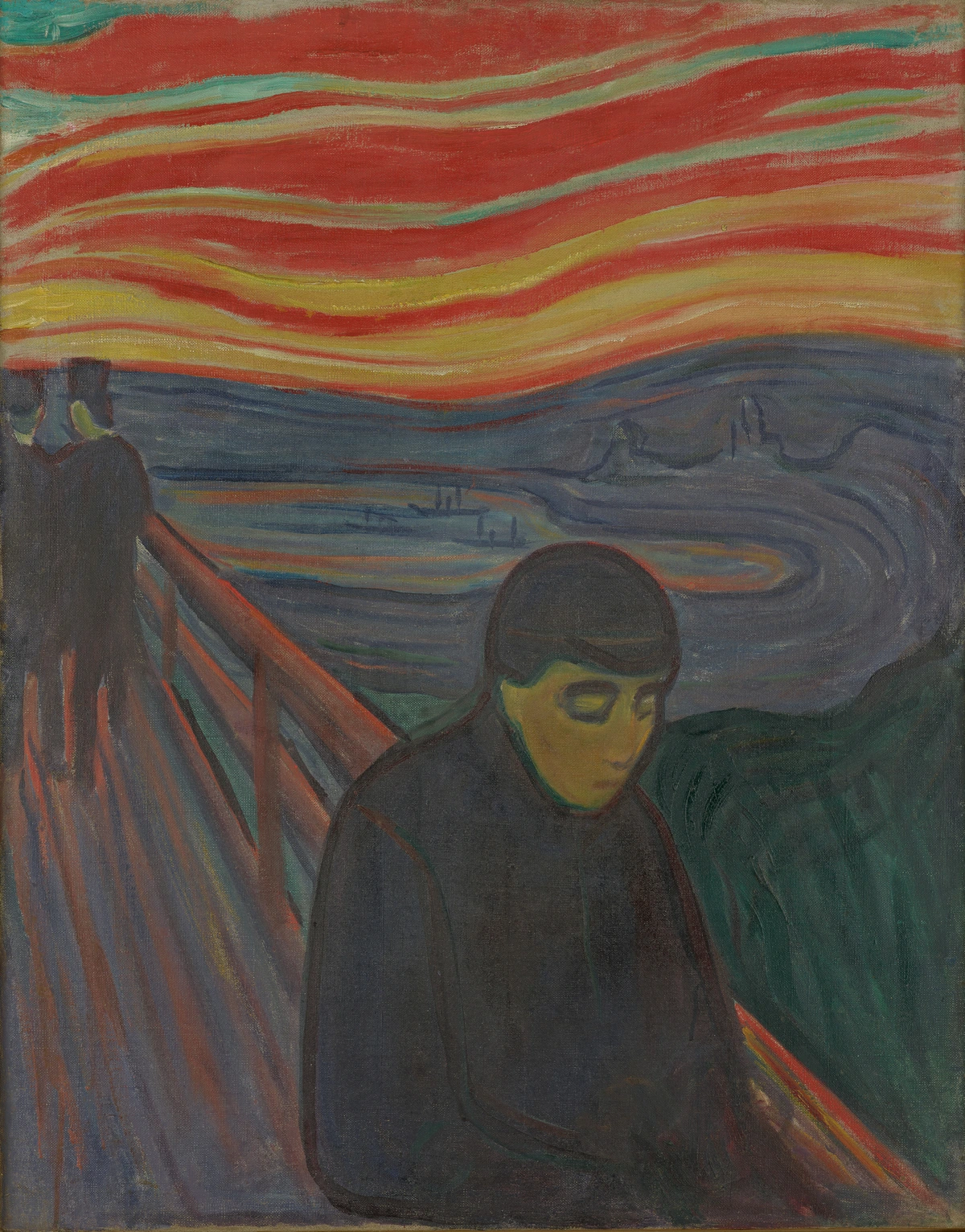
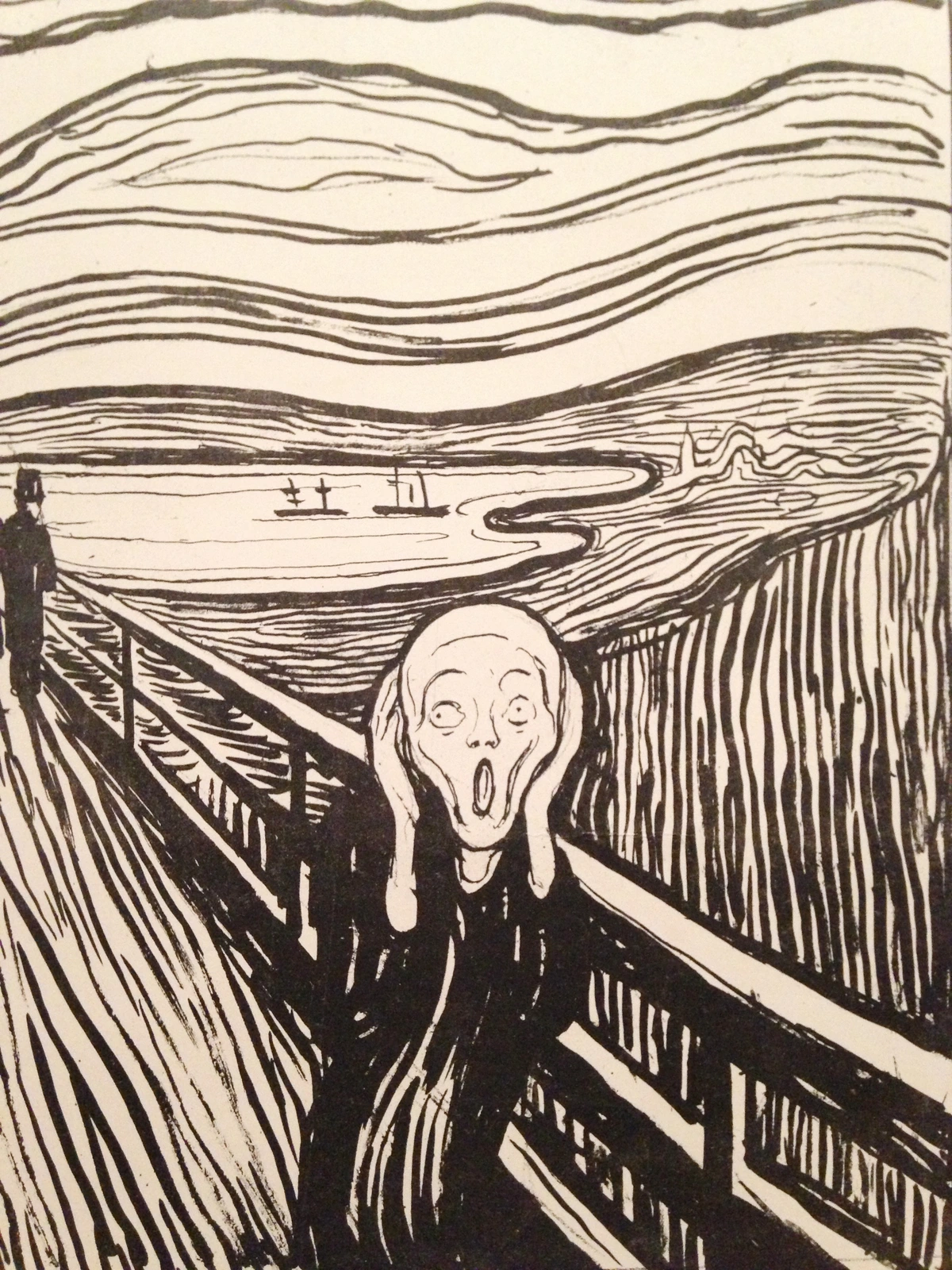
- Edvard Munch: A Norwegian artist often seen as the pivotal forefather of the movement. His work, especially The Scream (originally titled Despair), is the quintessential image of existential dread and psychological angst. Just look at the swirling, blood-red sky, the distorted, almost skull-like face, and the hands pressed to the ears—it's a direct, unfiltered cry of agony made visible. His ability to externalize inner turmoil and make visible the unseen anxieties of the psyche, often using dramatic, unsettling compositions and stark contrasts, was revolutionary.
- Francisco Goya: Even further back, Spanish Romantic painter Goya, particularly in his later, darker works and etchings like The Disasters of War (which brutally depicted the atrocities of war with unflinching honesty) and his chilling Black Paintings (such as Saturn Devouring His Son), explored grotesque distortion and offered unvarnished depictions of human cruelty and psychological terror that profoundly foreshadowed the Expressionist desire to confront humanity's darker aspects. His unflinching gaze at humanity's darker side offered a powerful precedent for depicting the uncomfortable truths of existence.
- Symbolism: Artists like Gustave Moreau and Odilon Redon, active in the late 19th century, also contributed by prioritizing the depiction of inner states, dreams, mysticism, and symbolic meaning over objective reality. Their focus on the fantastical, the spiritual, and the psychological provided a fertile ground for the Expressionists' later explorations of the subjective self and the unseen realms of human experience.
- Paula Modersohn-Becker: A crucial proto-Expressionist, Modersohn-Becker (though active before the official formation of Die Brücke) broke from academic norms with her raw, intensely emotional depictions of women, children, and rural life. Her focus on the inner life, the physical body, and an unvarnished reality, conveyed through simplified forms, broad brushstrokes, and warm, earthy colors, anticipated many of Expressionism's core tenets and its commitment to subjective truth. Her work, like her self-portraits or her powerful mother-and-child paintings, radiates an emotional depth and directness that feels distinctly Expressionist.
These artists proved that art could, and perhaps should, prioritize feeling over faithful representation, and that the interior landscape of the human mind was as valid, if not more potent, a subject than the external world. Now, let's meet the groups who built on this foundation.
The Anguish of the City: Die Brücke (The Bridge)
Founded in Dresden in 1905, this group's name symbolized their desire to create a "bridge" to the future of art, breaking away from traditional academic styles and fostering a direct, authentic, and often raw mode of expression. Artists like Ernst Ludwig Kirchner, Erich Heckel, and Karl Schmidt-Rottluff were at the forefront. My own attempts at capturing raw emotion sometimes feel like a chaotic mess, but seeing the deliberate, powerful chaos of Die Brücke makes me feel less alone in that artistic struggle. Their work is often characterized by a raw, almost brutal honesty, focusing on:
- Harsh, clashing, often unmixed colors, applied with a fierce directness.
- Jagged, splintered forms, reflecting urban alienation and societal tensions, as seen in Kirchner's stark Street, Berlin or Street, Dresden scenes, where elongated, mask-like figures with empty eyes embody the psychological unease and anonymity of city life. The busy, often overwhelming, modern metropolis, with its crowds and anonymity, became a central theme, depicting the individual lost within its machinery.
- Themes of sexuality, the raw energy of nature, and the gritty realities of city life, often depicting nudes in stark, natural settings, or intense, almost confrontational portraits like Erich Heckel's Portrait of a Man, where the sitter's angular features and direct gaze seem to convey a deep, unsettling psychological introspection. My guess is they weren't much concerned with pleasing polite society, and honestly, good for them for choosing authenticity over amenity.
They wanted their art to be a direct, authentic expression of life, a bit like a raw, unfiltered diary entry, sometimes shocking in its immediacy. The aggressive, unpolished aesthetic of their woodcuts perfectly embodied their desire for raw, confrontational truth, often drawing inspiration from the bold, direct forms of non-Western, so-called 'primitive' art forms they believed held a purer connection to emotion.

Spiritual Resonance: Der Blaue Reiter (The Blue Rider)
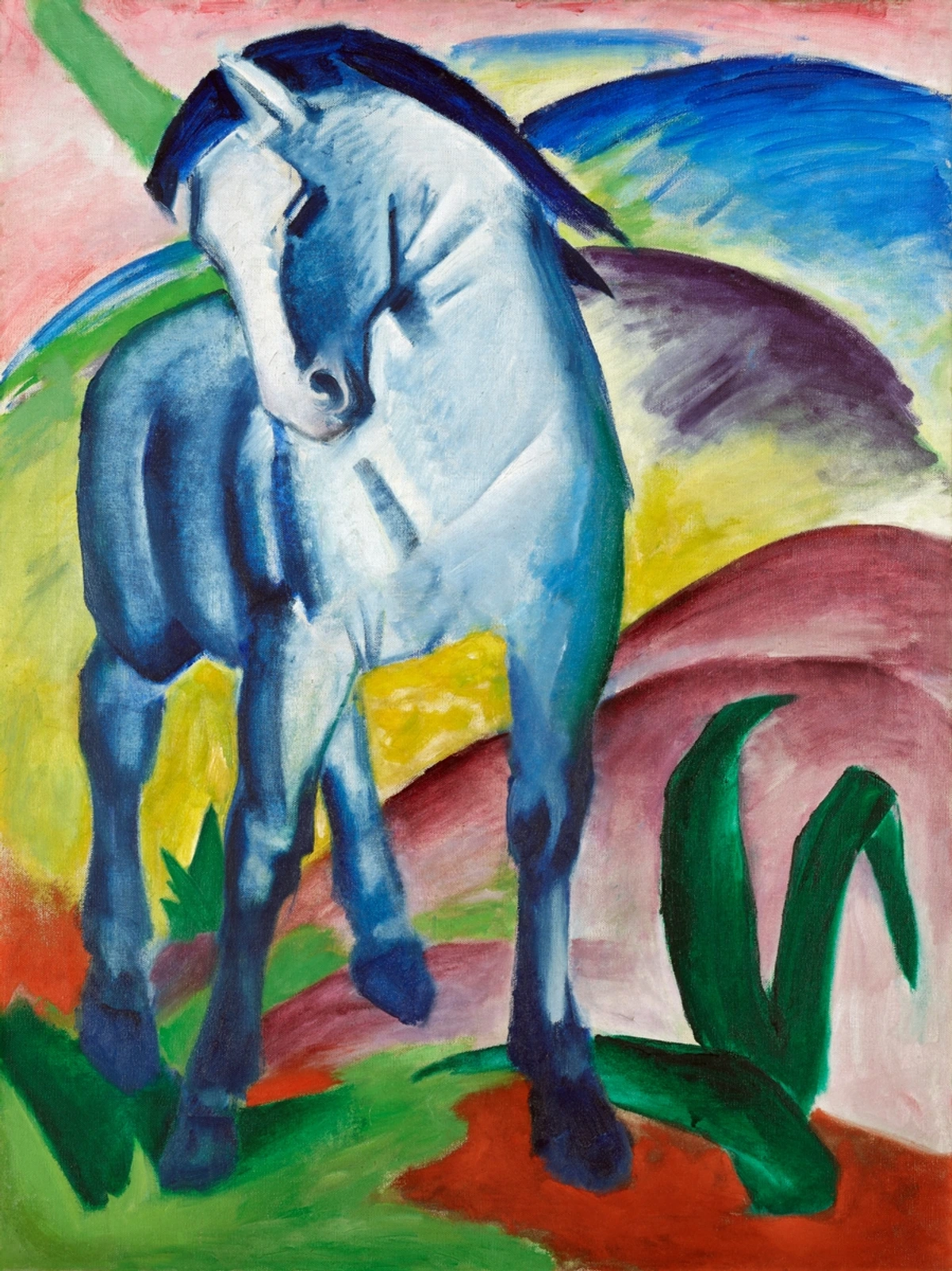
This group, formed in Munich around 1911, was a bit more lyrical, spiritual, and utopian in its aims, perhaps a gentler, more contemplative cousin to Die Brücke. Led by Wassily Kandinsky and Franz Marc, and including figures like August Macke and Gabriele Münter, they were less concerned with the gritty anxieties of city life and more interested in the spiritual and symbolic power of color and form. The name "The Blue Rider" itself was symbolic, representing Marc's fascination with horses (a symbol of primal innocence and freedom) and Kandinsky's love for the color blue (which he associated with spirituality and the infinite). They believed art could transcend the material world, often finding inspiration in folk art, children's drawings, and non-Western art forms, which they felt possessed a pure, unadulterated emotional expression, free from academic constraints. You can see this in Marc's vibrant, symbolic animal studies, like Blue Horse I, which sought to uncover the spiritual essence of nature, using color to imbue animals with profound symbolic meaning – a topic often explored in the symbolism of animals in contemporary art.
Kandinsky, in particular, is a fascinating figure. He was one of the pioneers of pure abstraction – art that doesn't represent anything from the real world, but rather moves beyond representation to a new language of form and color. His journey to this point was a gradual process, moving from landscapes and figures to a belief that colors and shapes could act like musical notes, evoking emotions directly without needing to represent anything real. His theoretical writings, like Concerning the Spiritual in Art, are cornerstones of the definitive guide to the history of abstract art. For Kandinsky, this spiritual abstraction was a direct response to the perceived spiritual emptiness of the modern, materialist world, a search for a cosmic truth accessible only through art. While Die Brücke was like a scream, Der Blaue Reiter was more like a meditative song, seeking to awaken the soul.

The Lone Wolves: Austrian Expressionism and Beyond
Beyond these organized collectives, certain singular artists, often with an even more intense focus on individual psychology and existential torment, became synonymous with Expressionism, often with a distinctly Austrian flavor of raw psychological intensity. In a Vienna grappling with its own fin-de-siècle anxieties and the burgeoning field of psychoanalysis, artists like Schiele and Kokoschka pushed beyond the German Expressionists' social critique into even more raw, often disturbing, explorations of the individual soul. They were the ones who truly bared their souls on canvas.

- Egon Schiele: An Austrian artist whose portraits and self-portraits are brutally honest, often self-lacerating, and intensely psychologically charged. He used twisted, emaciated lines and a raw, confrontational style to explore themes of sexuality, vulnerability, mortality, and the raw human condition, often depicting himself or his subjects in poses of profound unease, such as his Self-Portrait with Grimace or Self-Portrait with Arm Twisted Above Head. His ability to convey extreme psychological states through physical distortion, making the body a direct mirror of inner torment and a canvas for existential anguish, was a brave and profoundly vulnerable act, in my opinion.
- Oskar Kokoschka: Another prominent Austrian Expressionist, Kokoschka's portraits are often described as "psychological portraits," aiming to reveal the sitter's inner state rather than just their physical appearance. His agitated brushwork, stark colors, and unusual perspectives gave his subjects a palpable sense of anxiety and turmoil, as seen in his intense portrait of The Tempest (also known as The Wind Bride), where the figures are intertwined in a storm of emotion. His cityscapes, too, often conveyed a sense of overwhelming, anxious energy, much like a psychological mirror of urban chaos.
This constellation of artists, whether in groups or as solo acts, shared a common thread: a profound commitment to expressing the inner emotional truth over external appearances, making their art a powerful vehicle for subjective experience.
The Impact of World War I
The shadow of World War I, which engulfed Europe from 1914 to 1918, profoundly reshaped Expressionism. The horrors of industrialized warfare, the widespread trauma, and the subsequent disillusionment with societal progress fueled an even darker, more critical edge to the movement. Artists who experienced the war, such as Otto Dix (before his New Objectivity period) and Max Beckmann, often depicted the physical and psychological scars of conflict, the shattered bodies, and the moral decay, reflecting a broken world and a lost generation. Themes of existential despair, the grotesque, and the fragility of humanity became even more pronounced, cementing Expressionism as an art form uniquely capable of conveying the profound anxieties of its time.
Die Neue Sachlichkeit (New Objectivity): A Post-Expressionist Reaction
As the raw emotional intensity of Expressionism began to wane in the mid-1920s, a new movement emerged in Germany: Die Neue Sachlichkeit (New Objectivity). While Expressionism sought to express inner feelings through distorted reality, New Objectivity reacted against this subjectivity and overt emotionalism, favoring a more detached, cynical, and often satirical depiction of reality. It was a move from screaming emotion to a cold, hard stare – yet one that retained a keen psychological edge and an unflinching gaze at societal ills. This was not a return to traditional realism; it was a critical realism, often exposing the social and moral decay of the Weimar Republic. Artists like Otto Dix and George Grosz, many of whom had witnessed the horrors of World War I firsthand, used a stark, precise, almost clinical style to depict war veterans, prostitutes, the moral decay, and the psychological scars of post-war Germany. Dix's The Skat Players (1920), for instance, brutally portrays disfigured and cynical veterans with stark, almost caricatural detail, showcasing a harsh realism that Expressionism's emotional distortions rarely embraced. While their style was stark and realistic, the intensity of their vision and their critical engagement with the human condition certainly owed something to the path Expressionism had blazed in its desire to expose uncomfortable truths.
The Enduring Echo: How Expressionism's Scream Resonates Today
Expressionism didn't just fade away after its initial outburst; its impact was seismic. It blew the doors wide open for artists to prioritize personal expression and emotional truth over realistic depiction, fundamentally altering the course of modern art. In many ways, it's a direct ancestor to countless later movements and even other art forms. I think of it as art's declaration of independence from mere representation. During its own time, Expressionism often provoked shock and outrage from a public and critics accustomed to more traditional or pleasing aesthetics. It was seen as confrontational, ugly, and even degenerate, precisely because it dared to expose uncomfortable truths.
This confrontational nature, this willingness to expose discomfort, made Expressionism a target. Conservative critics decried its 'ugliness' and 'lack of skill,' unable or unwilling to see past the distorted surface to the profound emotional truth it sought. Tragically, in the 1930s, the Nazi regime condemned Expressionist art (along with many other modern movements) as 'degenerate art' (Entartete Kunst), confiscating works from museums, publicly ridiculing them, and even destroying them. This act of suppression was a deliberate propaganda tactic to promote their idealized vision of Aryan art and society (which favored realistic, heroic, and idealized depictions of the human form and German landscapes), underscoring the power of Expressionism to challenge authority and provoke a visceral reaction, cementing its place as an art of courageous, if uncomfortable, truth.
Paving the Way for Abstraction
Most notably, Expressionism paved the way for pure abstraction, particularly through the spiritual explorations of Der Blaue Reiter. Its emphasis on inner vision over external reality allowed artists to believe that art could communicate directly through color and form, without needing to represent anything recognizable. Wassily Kandinsky is the prime example, evolving from Expressionism towards the very first purely abstract paintings, believing art could resonate directly with the soul like music.
Influence on Dadaism and Surrealism
Before it led directly to Abstract Expressionism, its radical spirit also fueled movements like Dadaism and Surrealism. Dadaists, reacting to the perceived absurdity of a world plunged into war, embraced irrationality, collage, and anti-art, directly echoing Expressionism's rejection of conventional aesthetics and its desire to expose a deeper, often chaotic reality. Surrealists, profoundly influenced by Freud's exploration of the subconscious, delved into dreams and the unconscious, a territory Expressionism had already begun to chart visually through its exploration of inner psychological states, using dreamlike imagery and automatism to tap into the wellspring of the unconscious mind.
The Rise of Abstract Expressionism
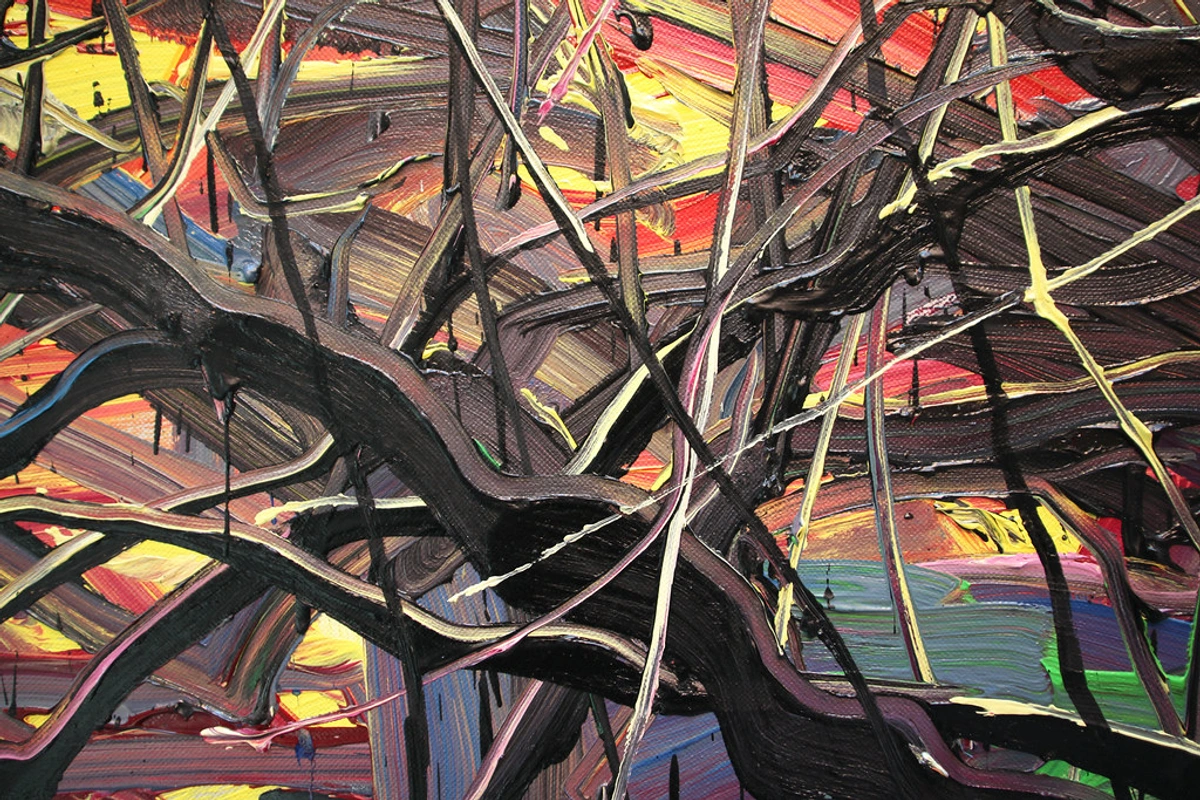
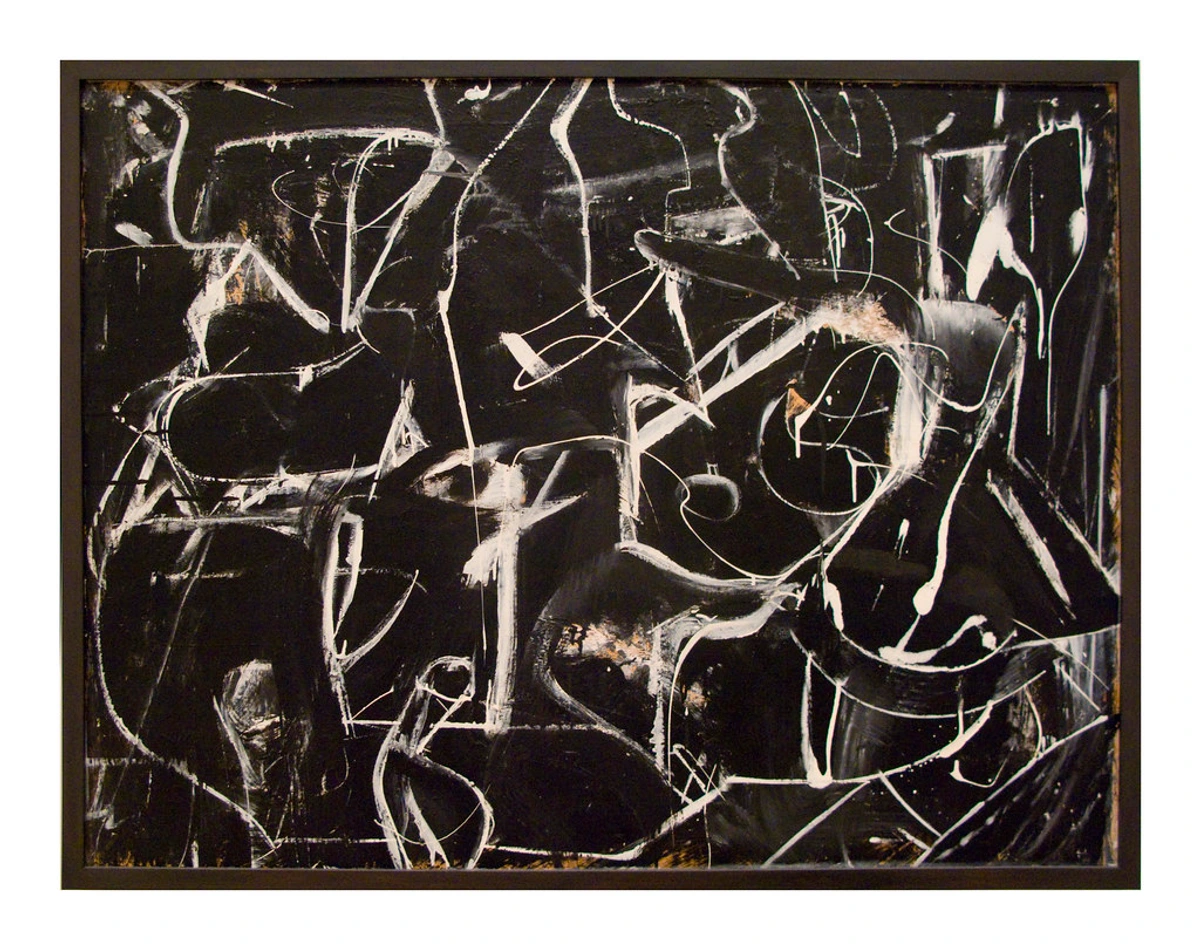
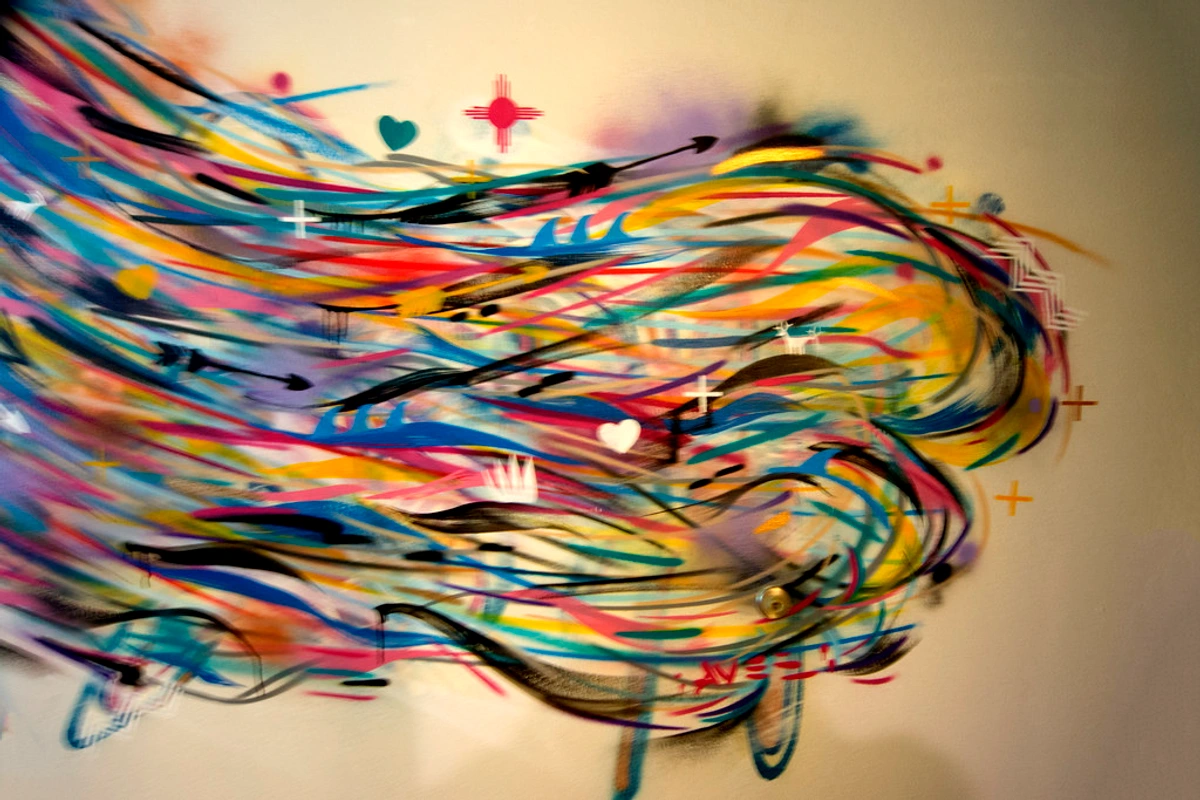
Artists like Jackson Pollock and Willem de Kooning took the emotional intensity, spontaneity, and directness of Expressionism and pushed it into complete abstraction, turning the canvas into an arena for raw psychological drama. Think of Pollock's frantic, all-over drip paintings, a direct lineage to the unfiltered emotional energy and direct application of paint that characterized Expressionism – the hand of the artist, the raw canvas, the unleashed emotion. It's all there, just recontextualized into a pure visual language of feeling.
Neo-Expressionism's Return
Even later, in the 1970s and 80s, Neo-Expressionism emerged as a powerful reaction against the cool, detached feel of Minimalism and Conceptual Art. It brought back raw figuration, intense color, and gestural brushwork, echoing the original Expressionist desire for direct, emotional communication. Artists like Anselm Kiefer (whose monumental works engage with German history and myth with raw materiality and searing emotional intensity), Jean-Michel Basquiat (whose raw figuration, graffiti aesthetics, and social commentary directly channel Expressionist directness and urban angst), and Julian Schnabel channeled intense emotional and historical narratives through monumental, raw works that clearly spoke the language of Expressionist angst and a renewed focus on subjective human experience.

Expressionism Beyond Painting: Film and Literature
Beyond specific movements, Expressionism's influence can be seen in German Expressionist cinema (think The Cabinet of Dr. Caligari (1920) with its stark, distorted, angled sets, dramatic chiaroscuro lighting, and exaggerated acting that perfectly mirrored Expressionist painting's psychological depth and dramatic intensity). This style was particularly well-suited to film, allowing directors to externalize characters' inner turmoil and create visually unsettling worlds. Its impact extended powerfully to literature and theatre, where playwrights like Georg Kaiser (Gas) and Ernst Toller (Man and the Masses) explored similar themes of alienation, psychological turmoil, and social critique through exaggerated language, stark symbolism, and fragmented, dreamlike dramatic structures, creating truly visceral, emotional experiences. Their plays often featured anonymous, archetypal characters and screamed against the dehumanizing effects of industrialization and war, creating a truly visceral, emotional experience that mirrored the visual arts.
And while Expressionism is strongly associated with Germany and Austria, its spirit of emotional liberation and subjective truth resonated far beyond those borders, influencing artists across Europe and beyond who sought to imbue their work with deeper psychological weight.
Contemporary Echoes
The broader philosophical stance of Expressionism—this fundamental belief that art's purpose is to convey inner feeling, not outer appearance—continues to resonate across countless contemporary art forms. Whether it's the raw, visceral figuration of artists like Francis Bacon (whose distorted, psychologically charged figures directly channel Expressionist torment and vulnerability) or the emotionally charged narrative paintings seen in some digital art, the legacy is clear: the subjective, feeling human is still the most compelling subject. Artists like Cecily Brown or Dana Schutz, for instance, use vibrant, gestural brushwork and often distorted figures to explore intense emotional states and contemporary anxieties, directly echoing Expressionist concerns. How do you see its echoes in art around you today? I know I see it constantly in contemporary pieces that prioritize feeling over form, abstract or otherwise.
Frequently Asked Questions (FAQ) about Expressionism
Sometimes, the heart wants to know more! Here are some common questions I hear about Expressionism.
What is the main idea of Expressionism?
The main idea of Expressionism is to express subjective emotions and inner psychological states rather than objective, external reality. It's about feeling over fact, using artistic elements like color, form, and distortion to convey the artist's intense personal experience and reaction to the world. It declares that the inner truth is more real than outward appearance, making it a pivotal movement in the history of abstract art. It also stands as a rebellion against academic traditions and the perceived superficiality of its era, often touching upon themes of existentialism and the raw human condition.
Who started Expressionism?
Expressionism wasn't started by a single person but emerged from the influential work of precursors like Vincent van Gogh, Edvard Munch, Francisco Goya, Paula Modersohn-Becker, and Symbolist artists, who pushed the boundaries of emotional representation. Their fearless exploration of subjective experience directly informed the later movement. The movement then formalized in Germany with groups like Die Brücke (The Bridge) in 1905 and Der Blaue Reiter (The Blue Rider) around 1911, which codified its stylistic and philosophical tenets.
Is Picasso an Expressionist?
While Pablo Picasso's powerful works like Guernica (with its intense emotional impact and stark depiction of suffering) certainly possess immense emotional intensity and distortion, he is primarily associated with Cubism, the revolutionary movement he co-founded. Cubism, despite its distortions, fundamentally focused on dissecting and reassembling forms from multiple perspectives to explore space and structure, rather than solely expressing subjective emotion. He absorbed Expressionist influences, especially in certain periods or specific works, but his core artistic identity remained Cubist.
What are the three main characteristics of Expressionism?
The three main characteristics of Expressionism are:
- Subjectivity: The artist's personal feelings, vision, and perspective are the primary subject matter and driving force behind the artwork, overriding objective observation. For instance, an artist might paint a cityscape not as it appears, but as it feels – overwhelming or alienating.
- Distortion for Effect: Reality is intentionally bent, exaggerated, or simplified to convey inner feelings and psychological states, rather than to represent objective reality. Egon Schiele's emaciated figures, for example, physically embody his subjects' inner torment.
- Bold, Emotionally Driven Color: Color is used expressively for emotional and symbolic effect, rather than to depict nature realistically. Edvard Munch's red sky in The Scream is a visceral representation of the figure's terror, not a literal sunset.
What is the difference between Die Brücke and Der Blaue Reiter?
While both were Expressionist groups, Die Brücke (1905, Dresden) focused on a raw, often brutal, and confrontational style, depicting urban alienation, sexuality, and the gritty realities of modern life with harsh colors and jagged forms. Their overall mood was one of urgent, almost aggressive social critique and emotional intensity. They favored woodcuts for their directness. Der Blaue Reiter (1911, Munich) was more concerned with spirituality, symbolism, and abstraction, aiming to express inner cosmic truths through lyrical forms and vibrant, symbolic colors, often inspired by folk art and a more utopian vision. Their art often carried a more meditative, introspective, and spiritual tone. Die Brücke was like a scream, Der Blaue Reiter more like a meditative song, seeking to awaken the soul.
How did Expressionism influence film and literature?
Expressionism had a profound impact across the arts. In film, German Expressionist cinema (e.g., The Cabinet of Dr. Caligari, Nosferatu, Metropolis) used distorted sets, stark chiaroscuro lighting, and exaggerated acting to create visually unsettling worlds that mirrored the psychological turmoil of the paintings. This medium was particularly receptive, allowing directors to externalize characters' inner states and create powerful, moody atmospheres. In literature and theatre, writers like Georg Kaiser (Gas) and Ernst Toller (Man and the Masses) employed fragmented narratives, symbolic language, and archetypal characters to explore themes of alienation, social critique, and existential angst, creating visceral, emotionally charged experiences for audiences, much like the visual art aimed to do.
What did Expressionism rebel against?
Expressionism rebelled against several facets of its time: academic traditions in art that prioritized objective realism and idealized beauty; the perceived superficiality and materialism of bourgeois society; the polite conventions that stifled authentic emotional expression; the societal emphasis on rationalism and scientific objectivity that seemed to neglect human emotion; and the objective observational approach of Impressionism, arguing for a deeper, subjective, psychological truth in art. It was a rebellion for the right to feel deeply and express it truthfully, no matter how uncomfortable.
What is 'degenerate art'?
'Degenerate art' (Entartete Kunst) was a term used by the Nazi regime in the 1930s to condemn and suppress modern art, including Expressionism, Cubism, Surrealism, and others. The Nazis deemed it 'un-German,' 'Jewish-Bolshevik,' 'ugly,' and a sign of moral decay, preferring art that was realistic, heroic, and idealized (often depicting idealized Aryan figures or traditional landscapes). This ideological attack was a deliberate propaganda tactic to promote their idealized vision of Aryan art and society, leading to the confiscation, public ridicule, and destruction of thousands of artworks. Sadly, it underscored Expressionism's power to challenge authority and societal norms.
How can I appreciate Expressionist art?
To appreciate Expressionist art, I suggest you approach it with an open mind and an open heart. Don't look for realistic depictions; instead, ask yourself: "What emotion is the artist trying to convey?" "How do the distorted forms, bold colors, and frantic brushstrokes make me feel?" "What colors evoke a sense of dread or excitement?" or "How do the distorted figures make you feel about their situation?" Allow the art to provoke a response, even if it's discomfort. Look beyond the surface to the inner world it reveals, and remember that its 'ugliness' is often a deliberate choice to convey a deeper, often uncomfortable, truth about the human condition. Consider researching the historical context of pre-WWI Europe and the anxieties of the time; understanding the world the artists lived in can unlock the depth of their emotional expression. It's an invitation to a conversation, a challenge to feel deeply and empathetically.





A Final Thought on Feeling
Expressionism can be a challenging style, no doubt about it. It doesn't offer the easy comfort of a beautifully rendered landscape or a perfectly proportioned portrait. Instead, it demands that you engage, that you truly feel, and that you look beyond the surface to the turbulent emotional landscape within. It's a powerful reminder that art isn't just about what things look like, but about what it feels like to be alive—in all its messy, glorious, and sometimes terrifying complexity. And in a world that often asks us to keep our feelings neatly in check, that's a pretty vital and necessary message.
Its legacy is not just in art history books; it's an enduring testament to the power of subjective truth, a timeless voice that continues to speak to the human condition. The courage of the Expressionists to expose the raw, uncomfortable truths of their era, and of the human psyche, remains profoundly relevant today. As we navigate our own complex, often overwhelming world, perhaps a little more of that Expressionist courage—that willingness to feel deeply and express it truthfully—is exactly what we need to connect with our own inner lives, and with each other, in a profoundly human way. Expressionism’s emphasis on personal vision and emotional truth ultimately paved the way for greater artistic freedom and diversity of expression in subsequent art movements. So, the next time you encounter a piece that seems to scream rather than speak, take a moment to listen. What raw emotion does it evoke within you? Expressionism’s invitation to feel deeply is perhaps its most vital, enduring legacy.
If this exploration of emotional art resonates with you, you might find something you connect with in my own collection of art for sale.