How to Know When an Artwork is Finished: A Guide for the Brave and the Terrified
An honest, personal guide on the universal artistic struggle of knowing when to put the brush down. Explore practical tips, emotional checks, and why 'finished' is often a feeling, not a fact.

How to Know When an Artwork is Finished: A Guide for the Brave and the Terrified
Ah, the artist's eternal paradox: the canvas whispers its almost-completion, yet a nagging voice insists, “Just one more stroke.” Sound familiar? It's that knife-edge between a masterpiece and an overworked mess, a silent battle waged in every studio. I've often felt like there's a specific kind of phantom haunting my corners – not chain-rattling, but the ghost of the ‘almost-finished’ painting, tempting me to push just a little further. This isn't merely about technique; it's a profound psychological dance, a testament to our relentless drive for perfection and the simultaneous, gut-wrenching fear of ruining what we’ve painstakingly brought to life. It’s about finding that elusive threshold where the work transcends mere effort and truly begins to speak. It’s about the art of knowing when to stop, a crucial skill every artist must cultivate.
Honestly, this 'finish line' is often the most formidable challenge in my entire creative process. It eclipses the terror of a blank canvas, and even the messy middle where nothing seems to coalesce. The ending, for me, is the real precipice. One stroke too many, and you've smothered the very spark you toiled hours to ignite. One stroke too few, and the piece feels tentative, lacking the conviction it deserves. The courage required to declare a piece finished – to step back, exhale, and let it stand on its own – is a pivotal, almost spiritual, moment in an artist's journey. This guide is my attempt to map that delicate terrain, to help you discover that profound 'exhale moment' when your artwork doesn't just sing, but truly soars.
We'll embark on a deep dive into this quintessential artistic dilemma, dissecting both the intuitive whispers and the tangible technical cues that signal completion. We'll arm ourselves with strategies to outsmart the urge to overwork, explore the unique finishing challenges inherent in different mediums, and ultimately, forge the inner confidence to declare your artwork truly finished – not merely abandoned out of sheer exhaustion. Because, let’s be honest, your art deserves to be seen, not perpetually imprisoned in the purgatory of perpetual tinkering. Get ready to transform your understanding of 'finished' from a daunting endpoint to a liberating declaration. We'll connect this often-agonizing decision to the broader sweep of art history, and equip you with practical tools to navigate this critical phase of your creative journey.
Before we even touch on the 'how,' let's acknowledge the colossal elephant stomping around every artist's studio: why is this act of completion so profoundly, emotionally taxing? It’s far more than a mere technical hurdle; it’s a deep plunge into the swirling currents of self-doubt, raw vulnerability, and that primal, almost obsessive, human urge to create something 'perfect.' For many of us, the act of finishing an artwork feels akin to a small death, a painful severance from a piece of our very soul. We pour our rawest emotions, our deepest thoughts, and countless hours into these creations. To then declare them 'done' means consciously cutting that intimate, active umbilical cord. It's a profound moment of letting go, an almost ceremonial separation from a part of ourselves that has been intensely present.
And then there are the fears: the chilling fear of external judgment from others, the gnawing anxiety that it’s simply 'not good enough,' or, in a twisted paradox, the terrifying fear that it is good enough, and we might never be able to replicate that fleeting success (the infamous fear of success). It’s a relentless dance between the demanding ego and our exposed vulnerability, a ceaseless negotiation with that insidious inner critic who constantly whispers, "just one more stroke." This relentless pursuit of an often-undefined perfection can also manifest as imposter syndrome, where despite evidence of our skill, we feel like a fraud, undeserving of the 'finished' label. We also grapple with the sunk cost fallacy, where the sheer volume of time and effort invested makes it impossible to walk away, leading to unproductive overworking. But it goes deeper, doesn't it? There's also the very real threat of artist's block that can loom once a major piece is completed – the fear of the creative well running dry. Or perhaps, the subtle, insidious act of self-sabotage, where we unconsciously keep a piece 'unfinished' to avoid the consequences (good or bad) of putting it out into the world. There's also the often-unspoken fear of the post-completion void—what do I do after this piece is done? The blank canvas, or screen, can feel daunting, leading us to prolong the current creation. Truly grasping these complex, underlying psychological currents isn't just an interesting tangent; it’s the foundational first step toward truly mastering the art of artistic completion. It's about recognizing that these fears are a natural part of the creative process, but they don't have to define your finish line. Understanding these internal battles is key to unlocking your ability to confidently declare a piece finished.

This internal struggle is universal, and I've wrestled with it countless times. It’s the battle between the ambitious vision in my head and the tangible reality on the canvas, a constant negotiation. Sometimes, the art feels like it's fighting back, demanding more, or less, or something entirely different from what I initially conceived. Learning to interpret these internal cues is a significant part of the journey. But how do you cultivate this artistic dialogue? For me, it often involves periods of active creation interspersed with moments of quiet contemplation, almost as if I'm having a conversation with the piece itself, asking it: "What do you need from me now? And when will you be ready to stand on your own?"
So how do you know? Honestly, there's no magic formula. If there were, art would be a science, and we'd probably all be a lot more sane (and probably a lot less interesting). But there are clues, whispers from the work itself that you can learn to listen to. It's a deep conversation between you, the materials, and the piece itself, a dialogue that shifts from active creation to appreciative observation. It's about developing an acute sensitivity, a learned intuition that discerns when the work has found its own voice and no longer needs yours so intensely.

The Emotional Barometer: When It Just 'Feels' Right
Let’s start with the most abstract and yet most important tool you have: your gut. That deep, often inarticulate sense that tells you, unequivocally, that something is right. It’s a profound, almost spiritual connection with your work, a silent conversation that concludes with a resonant 'yes.' This isn't just wishful thinking; it's a learned sensitivity, a finely tuned internal compass that becomes more accurate with every piece you complete (and, yes, sometimes even abandon). This intuitive knowing is the bedrock of artistic completion, a feeling that transcends technical checklists and external validation.
The Elusive 'Exhale Moment'
For me, a profound signal that a piece is finished is when it simply stops demanding anything more. The internal dialogue, that constant creative negotiation, finally quiets down. You can step back, take it all in, and there’s this profound sense of harmony that just is. It breathes on its own, a complete entity, no longer requiring you to be its life support. I've dubbed this the “exhale moment.” It’s a literal physical relaxation; your shoulders drop, a quiet sense of deep satisfaction washes over you. It’s that precise point where the intense dialogue between you and the canvas shifts from active, demanding creation to one of appreciative, settled observation. The creative tension, which can feel like a tight knot in your stomach, finally, blissfully dissipates. It’s rarely a joyous explosion of fireworks, but rather a deep, calm, and knowing affirmation that resonates through your very being. This feeling is not just a cessation of effort; it's a recognition that the artwork has achieved its own independent existence, a subtle shift from being 'your' work to 'the' work, a complete entity unto itself. It's the moment when the piece whispers, "I am whole."
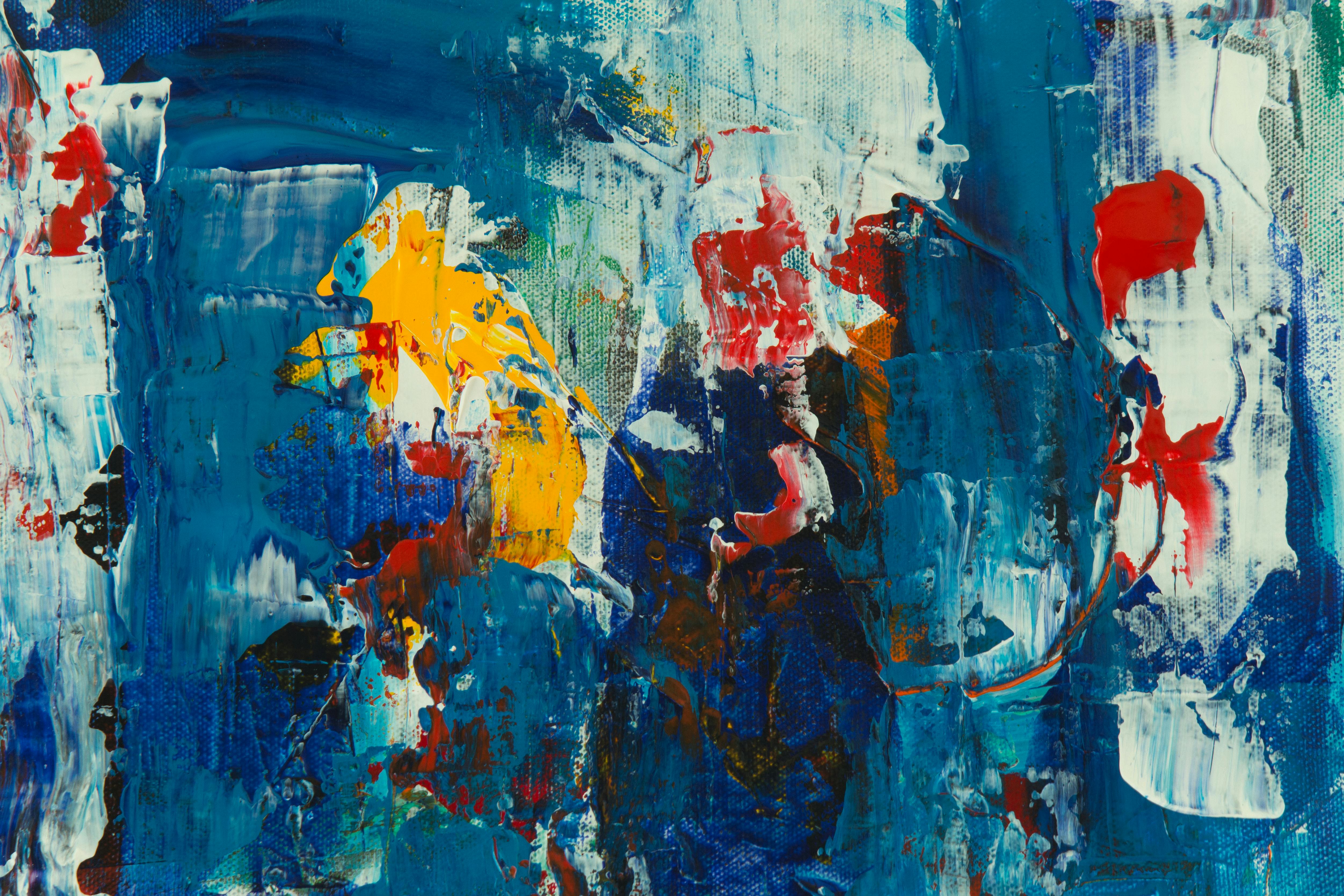
This intuitive sense, this almost psychic calibration, is not gifted; it’s hard-won. It's meticulously built from the crucible of completing hundreds of pieces – some triumphs, many lessons. I remember one particular abstract piece, a vibrant swirl of reds and blues, where I kept adding layers, convinced it wasn't quite there. Then, one afternoon, stepping back to grab a coffee, it hit me: the piece was done. It had found its own voice. There was this undeniable feeling of cohesion, a visual and emotional balance that clicked into place with an almost audible thunk. The work might not achieve some mythical 'perfection' (spoiler alert: it never will), but it felt utterly whole, complete in its own skin, radiating its own distinct energy. This is often the point where you've truly captured the essence you were chasing, even if it evolved beyond your initial statement of intent. This developed intuition also allows you to trust your vision, even when it deviates from initial plans, leading to more authentic and compelling outcomes. It's about discerning the artwork's intrinsic rhythm and knowing when its unique melody has reached its final, satisfying note.
Here are some intuitive whispers that might signal your piece is done:
- A sense of "rightness": The elements feel balanced, and no single part screams for more attention. It just works. I often describe it as a visual 'symphony' where every instrument plays its part, and the conductor (you) feels the final, resounding chord.
- The conversation stops: You find yourself making changes for the sake of making changes, rather than addressing a clear need. The piece isn't telling you what it needs anymore; it's almost as if it's politely nudging your hand away, suggesting it's time for quiet contemplation rather than active manipulation.
- Emotional resonance: The artwork evokes the feeling or message you intended, or perhaps a new, unexpected one that feels complete and powerful. This is where your initial intention, however vague, finds its undeniable voice, resonating with a depth that feels self-sufficient.
- Nothing to add, nothing to take away: Every mark feels essential, and removing or adding something would diminish the whole. It has a sense of inevitability, as if it was always meant to be this way, a perfect ecological system of form and color.
- Physical relaxation: You literally feel your shoulders drop when you look at it. The tension in your body releases, mirroring the release in the artwork. It's a physiological signal that your intense engagement has reached a natural conclusion, allowing you to breathe with the piece, not for it.
- A feeling of independence: The artwork begins to stand on its own, demanding nothing further from you. It has achieved a distinct presence, almost as if it has detached itself from your creative umbilical cord and gained its own unique spirit.
The Power of Detached Observation
Sometimes, the best way to feel if a piece is finished is to simply not look at it for a while. I call it the "visual cleanse." Stepping away, whether for an hour or a week, allows your brain to reset. When you return, the artwork isn't just a collection of familiar strokes; it's a fresh experience. This detached observation allows your intuitive sense to resurface, unclouded by the immediate struggle of creation. It's like pressing a reset button on your perception, allowing you to gauge its overall impact with unbiased eyes. This is also where techniques like viewing it in a mirror or flipping it upside down truly shine, forcing you to see the composition as pure form, not as a familiar image.
But let's be honest, that physical relaxation can be fleeting, almost cruelly so. Sometimes, even when the piece feels undeniably "right," a sneaky, insidious voice of self-doubt creeps in, whispering doubts and poking at perceived flaws. This is precisely where artistic confidence, meticulously built from the trenches of countless finished (and yes, strategically abandoned) works, becomes your strongest shield. Learning to distinguish between the razor-sharp, constructive self-criticism that propels growth, and the paralyzing insecurity that stunts it, is perhaps the most crucial skill in the artist's toolkit – a skill that often takes years, if not decades, to truly hone. It’s about cultivating the profound courage to trust your deepest instincts, even when that inner critic is screaming at you to keep going, to 'fix' just one more tiny thing. This confidence also manifests as the ability to accept imperfections, recognizing that they can often add character and authenticity to a piece rather than detract from it. It's about accepting the artwork as a complete entity, glorious in its particular existence. This profound self-trust is often the final brushstroke of the creative process, allowing you to gracefully cede control and allow the artwork to simply be.
The Inner Critic: Your Uninvited Studio Guest
That persistent voice, the one telling you it's not good enough, that it needs more, or that you're a fraud – that's your inner critic. And it's a powerful force. While a healthy dose of self-critique is essential for growth, allowing this guest to overstay its welcome can derail your entire finishing process. I've found that acknowledging it, rather than fighting it, is often the first step. Listen to what it's saying, ask if it's genuinely constructive, and if not, politely show it the door (or at least, tell it to wait outside for a bit). Sometimes, the critic isn't trying to help, it's just afraid of the vulnerability that comes with releasing a finished piece into the world, or perhaps the fear of the blank canvas that awaits. Cultivating a quiet confidence, perhaps through practices of mindfulness or even a structured creative routine like my approach to achieving flow state, can help you gently, but firmly, silence this unhelpful chatter. For me, regular meditative practices and a consistent studio rhythm help to distinguish between genuine critical assessment and the unhelpful whispers of insecurity. Knowing your own creative patterns is half the battle, and recognizing the critic's true motivations is the other half. It's about consciously choosing to listen to your artistic intention over fear. It's a continuous negotiation, a careful calibration between pushing yourself to grow and accepting the inherent limitations and beautiful imperfections of any creative act. Sometimes, the critic is a masked guardian, attempting to protect you from perceived failure, but often, its methods are self-defeating.
I've also found immense value in externalizing the critic. Sometimes, I'll literally write down its nagging comments on a separate piece of paper. Seeing them in black and white often reveals how irrational or repetitive they are. Or, I might assign the critic a silly voice in my head – suddenly, its pronouncements lose their power. Another approach is to engage in constructive journaling, where I specifically log my creative challenges and breakthroughs, allowing me to track patterns and objectively assess my progress and self-criticism over time. This helps build a stronger, more resilient creative self, less swayed by fleeting doubts. Furthermore, I sometimes find it helpful to engage in a mental dialogue with the critic, asking it directly, "What are you truly afraid of?" Often, the answer reveals a deeper, more primal fear that can then be addressed with self-compassion, rather than relentless self-perfection.
The Spectrum of "Finished": It's Not Always Black and White
Before we dive into checklists, let's acknowledge a crucial truth: "finished" isn't a single, rigid destination. It's more of a spectrum, a fluid concept that changes with your intent, your medium, your style, and even your mood. For some artists, the raw, energetic marks of a nearly complete piece are precisely the point. Others strive for a meticulous, polished surface. There’s no right or wrong here, just different journeys to artistic completion. It's about your artistic style and the unique language you've cultivated.
Consider the difference between a quick sketch that captures an idea perfectly and a detailed oil painting that takes months. Both can be "finished" in their own right. The key is understanding your definition of completion for that specific work. This allows for immense freedom, for embracing evolution in abstract paintings, and for letting go of unrealistic ideals of perfection that can paralyze your progress. In many ways, this self-negotiation is the most challenging part of the entire process, requiring an almost philosophical understanding of what 'completion' truly means in your personal artistic vocabulary. It's about finding that sweet spot where your vision and the artwork's intrinsic nature align, rather than forcing a preconceived endpoint.
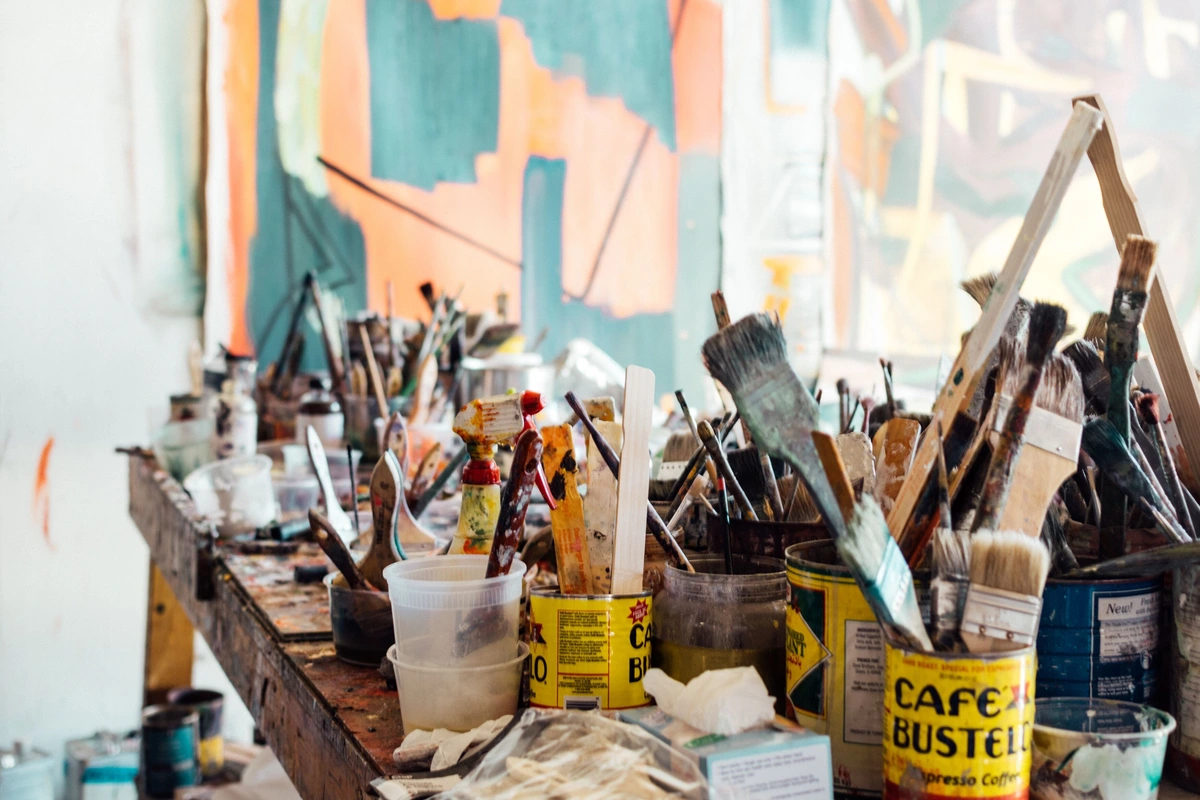
Defining 'Finished' Across Mediums and Intentions
Medium/Style  | Characteristics of 'Finished' | Examples/Considerations |
|---|---|---|
| Impressionism | Capturing a fleeting moment, light, and atmosphere; visible brushstrokes. | Monet's 'Water Lilies' – the feeling is paramount, not hyper-realistic detail. |
| Abstract Art | Achieving internal coherence, emotional impact, or a resolved compositional tension; may deliberately retain raw elements. | My own abstract pieces often find their 'finish' when the colors and forms achieve a vibrant harmony. |
| Realism/Portrait | Accurate representation of subject, meticulous detail, smooth transitions; meeting client expectations for commissioned work. | Classical portraits, where every brushstroke contributes to likeness and depth. |
| Sculpture | Form, texture, and spatial relationship are resolved; piece feels balanced and complete from all angles. | Rodin's 'The Thinker' – profound emotion conveyed through form. |
| Conceptual Art | Idea is fully articulated and understood; physical execution may be minimal or appear 'unfinished' deliberately. | Often, the 'finish' is in the viewer's contemplation of the concept itself. |
| Photography | The moment, light, and composition are perfectly captured; post-processing enhances, but doesn't create, the core image. A clear narrative or emotional impact is achieved. | A street photograph where the decisive moment is immortalized, even with grain, or a landscape that evokes profound serenity. |
| Digital Art | Achieves the artist's vision through pixels; often involves layers and non-destructive editing, yet demands a deliberate 'save' as final. The infinite 'undo' makes intentional cessation even more critical. | A meticulously rendered illustration or a vibrant abstract animation loop, where every digital brushstroke feels resolved. |
| Ceramics | The form, texture, glaze, and firing process are resolved, serving the functional or aesthetic intent. The piece withstands its intended use and conveys its maker's touch. | A perfectly balanced pot or a sculpture where the glaze tells a story, and the form feels inherently stable. |
| Installation Art | The spatial experience and interaction with the environment are complete and convey the intended message. All elements, often diverse, cohere into a singular, immersive statement. | An immersive room where every element contributes to the overall sensory experience, guiding the viewer's journey. |
| Performance Art | The live experience culminates, and the artist's interaction with time, space, and audience achieves its purpose. The ephemeral nature of the act is fully realized and communicated. | The artist's presence, the audience's reaction, and the ephemeral nature of the act, leaving a lasting impression through its transient existence. |
| Textile Art | Threads, colors, and textures are woven, stitched, or manipulated to create a resolved surface and convey a narrative or aesthetic intent. | An intricate tapestry where every knot contributes to the larger picture, or a quilt that tells a family story through its patterns. |
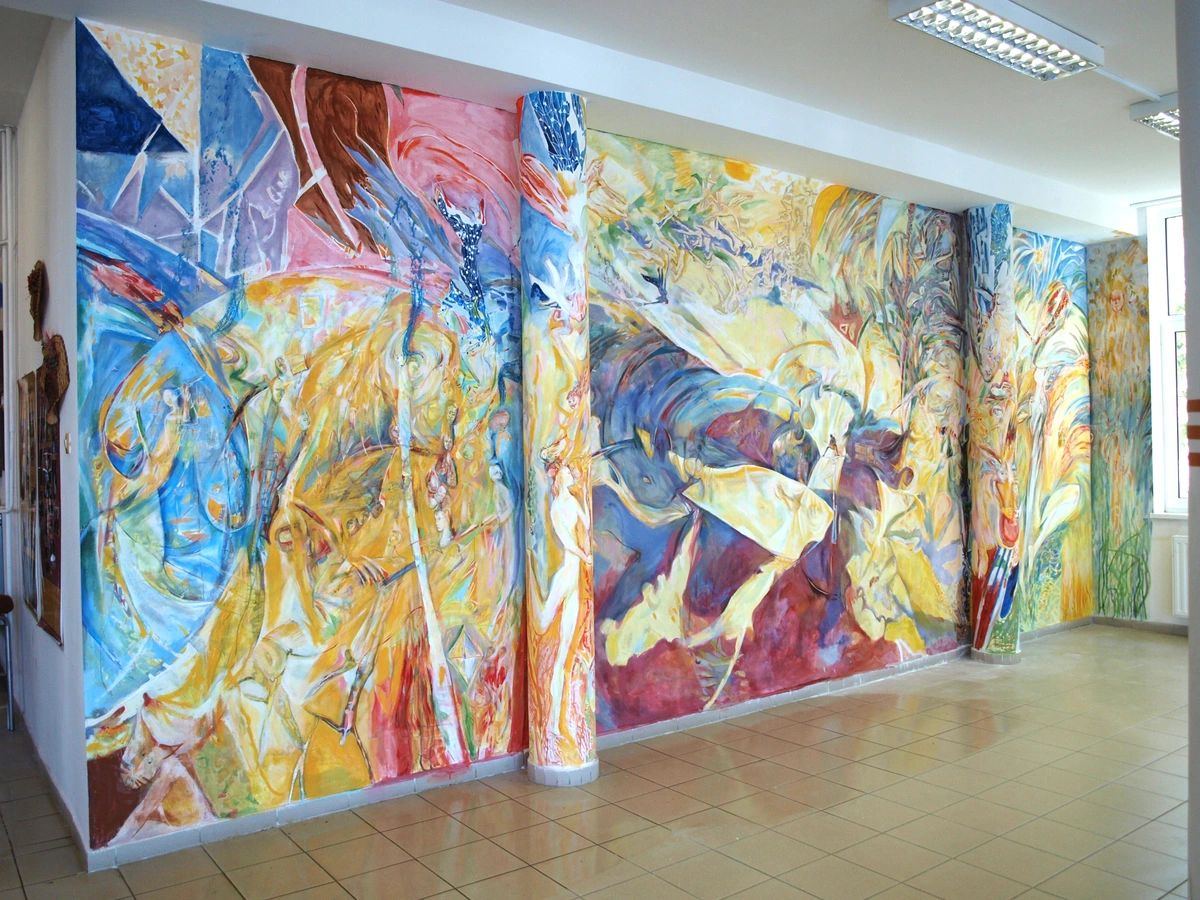
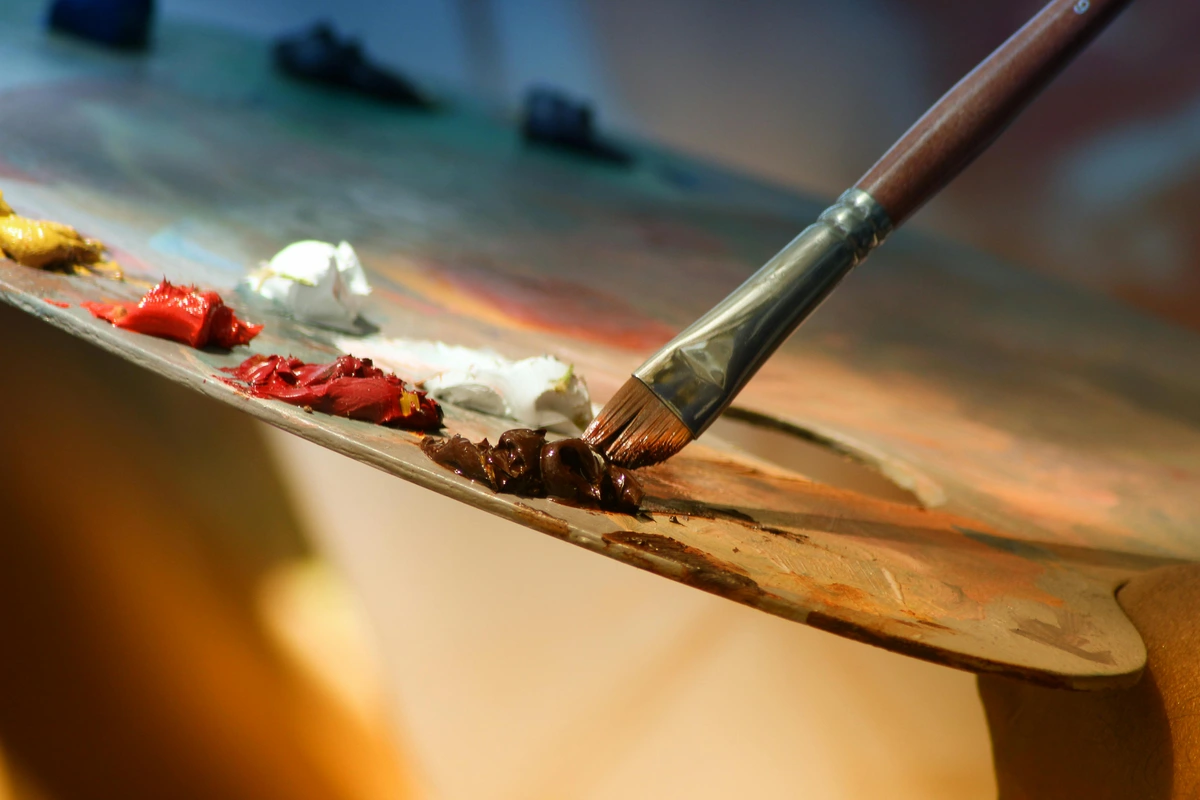
Ultimately, your definition of "finished" for any given piece is a pact between you, the materials, and the vision you're pursuing. It’s a deeply personal self-negotiation, not a universal law dictated by external forces. And that, I think, is a liberating thought. This personal pact becomes your internal compass, guiding you through the often-turbulent waters of creative decision-making, allowing you to embrace the unique journey of each artwork without the burden of external expectations. It's about owning your artistic choices, from inception to the final declaration of completion.
The Technical Checklist: A Sanity Check for Your Intuition
While intuition is king, it can sometimes be a treacherous monarch. Feelings can be misleading, especially after staring at the same canvas for eight hours straight (I’ve been there, trust me, my eyes start playing tricks!). That’s when a more objective checklist becomes your co-pilot, pulling you back from the brink of overworking a piece. These technical elements are not rigid rules, but a framework for informed critique, ensuring your artwork holds together structurally and visually, allowing your intuitive 'exhale moment' to be genuinely earned. This assessment often acts as the quiet anchor to your passionate, sometimes chaotic, creative process.
Think of these as probing questions you ask the artwork, helping you pinpoint what might be off, rather than just feeling that something is off. This objective analysis is a vital part of resolving and refining abstract paintings, moving from intuitive creation to considered refinement and making those final touches that complete a painting. It's about building a robust understanding of understanding the elements of design in art and how they manifest in your work.
1. Composition and Balance
My first question when assessing completion always comes back to composition. Does your eye move around the piece with ease, invited to explore, or does it snag, getting perpetually stuck in one spot? A truly finished piece usually boasts a clear, often subtle, visual pathway – an unspoken invitation for the viewer's gaze to wander and discover. Every element, even the seemingly chaotic ones in an abstract work, feels intentional, playing a vital role in the overall harmony. This, to me, is the very core of the art of composition; it's about leading the viewer on a meticulously choreographed journey, weaving a cohesive visual narrative through the entire frame. Think of it not just as arrangement, but as a silent conductor guiding an orchestra for the eye, ensuring every instrument (element) contributes to the overall symphony. It’s the invisible architecture that supports the entire emotional and visual experience. A well-composed piece feels as if its elements belong together, not merely coexist.
Beyond just flow, consider principles like the Rule of Thirds, Golden Ratio, or visual weight. Does the piece feel balanced, whether understanding balance in art composition symmetrically or asymmetrically? Is there a primary focal point, or does the visual hierarchy intentionally distribute attention? In abstract art, this might translate to a resolved tension between forms or colors, rather than a single identifiable subject. It's about ensuring every part of the canvas or sculptural form feels activated and considered, with no 'dead zones' that drain the energy from the whole. Also, consider the principles of repetition and rhythm: Do elements recur in a way that creates visual harmony and movement? Does the scale and proportion of different elements feel intentional and contribute to the overall impact? A well-composed piece often achieves a sense of inevitability, as if no other arrangement would truly suffice. It’s the difference between a collection of elements and a unified statement, especially in understanding composition in abstract art. And don't forget variety and emphasis; a compelling composition offers enough visual diversity to maintain interest, while subtly highlighting key areas without demanding overwhelming attention. It’s a delicate dance, a visual negotiation that, when resolved, feels utterly complete.

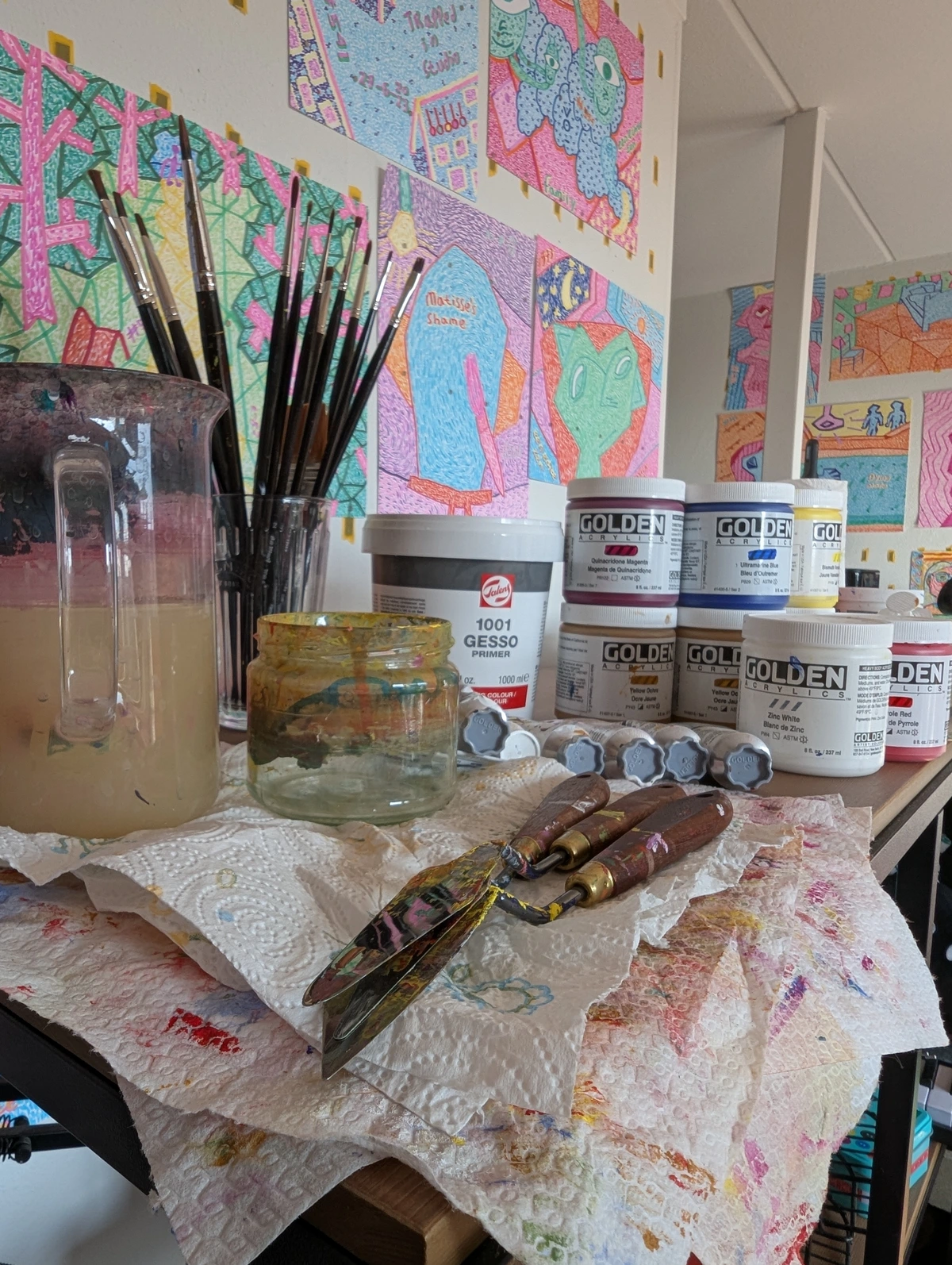
Ask yourself:
- Is there a clear focal point? Does it need one? (Sometimes the absence of a focal point is the point, especially in abstract work). Have I intentionally directed the viewer's eye, or let it wander freely as intended? What is the primary area of interest, and does it hold attention as desired?
- Does the viewer's eye naturally travel through the piece, or does it get stuck or jump around erratically? A strong composition has a compelling visual flow, a visual narrative that unfolds gracefully. Is there a clear path for the eye, or is it a jumbled maze?
- Does the piece feel lopsided or is there a sense of balance in the composition? This could be symmetrical, asymmetrical, or radial. Does the visual weight feel correctly distributed, creating a sense of stability or intentional dynamic tension?
- Does every part of the canvas feel activated and considered? Or are there 'dead zones' that pull the energy down? Is every inch contributing to the whole, or just taking up space, acting as visual static?
- Are there leading lines that guide the viewer's eye through the composition effectively? Are they subtle or overt, as dictated by my intent? This is crucial for composition in art explained. Do they lead to the focal point or create an engaging journey?
- Does the negative space around your subject contribute positively to the overall impact, or does it feel empty and unresolved? Remember, negative space is as much a part of the composition as the positive forms; it's the air the artwork breathes.
- Have I considered the depth and perspective? Even in abstract work, a sense of foreground, middle ground, and background can create an immersive experience. Does the piece breathe, or does it feel flat? Does it invite the viewer into the space, or does it remain on the surface?
- Is the framing (even if implied) enhancing the subject, or cutting it off awkwardly? This is the final boundary, after all. Does it contain the artwork effectively, or does it feel like an afterthought?
Compositional Element | Sign of Completion (or Intentionality) | Warning Sign (May Need Work) |
|---|---|---|
| Focal Point | Clear, draws attention where intended (or absence is a deliberate statement). | Eye wanders aimlessly, or multiple elements compete for dominance. |
| Balance | Visual weight feels evenly distributed (symmetrically or asymmetrically). | Piece feels heavy on one side, unstable, or visually jarring. |
| Rhythm/Movement | Eye flows smoothly through the composition, guided by lines, shapes, values. | Gaze gets trapped, jumps erratically, or struggles to find a path. |
| Unity/Harmony | All elements feel connected and contribute to a cohesive whole. | Elements feel disparate, unrelated, or as if they belong to different works. |
| Negative Space | Shapes created by empty space are intentional and add to the composition. | Empty areas feel accidental, neglected, or detract from the subject. |
| Visual Weight | Heavier (darker/more complex) elements are thoughtfully distributed. | Composition feels top-heavy, bottom-heavy, or unbalanced due to density. |
| Scale and Proportion | Elements relate harmoniously in size, creating a sense of natural fit. | Elements feel mismatched or out of context, creating visual dissonance. |
2. Mark-Making & Surface Quality
Beyond the grand sweep of compositional structures, I've found that the individual marks, the inherent textures, and the overall surface quality of an artwork can profoundly dictate its sense of completion. Are your brushstrokes confident, deliberate, even if seemingly chaotic? Does the texture truly serve the piece's overarching mood, or is it just 'there'? Sometimes, a painting simply feels finished when its very surface vibrates with a particular resonance – be it the glassy smoothness of a painstakingly blended oil painting or the raw, energetic, almost archaeological layers of an abstract piece. For visionaries like Christopher Wool, the very act of mark-making and its glorious imperfections are the subject. It’s a powerful reminder that it's not just about what you paint, but profoundly how you paint it. The way a surface interacts with light, the way it invites touch (even if only visually), speaks volumes about its readiness for the world.
Consider the stark difference: the thick, expressive impasto of a Van Gogh, a delicate watercolor wash that celebrates translucency, or the crisp, almost surgical lines of a technical drawing. Each demands a vastly different kind of 'finish.' This extends beyond brushes, too. I often use palette knives, scrapers, sponges, carving tools, or even digital pens and unconventional tools to build layers and texture. The 'finish' might involve allowing the raw canvas to show through, or building up a dense, tactile surface that begs to be touched. The intentionality behind these choices speaks volumes about the artwork's readiness. We're talking about exploring texture in abstract art and the role of texture in abstract art here – it's a deliberate artistic decision, not an accident. The very way a medium is handled, whether through the expressive fluidity of ink or the controlled precision of engraving, contributes to its perceived completeness.

Ask yourself:
- Are the textures consistent with the overall message or aesthetic? Does a rough texture make sense for a delicate subject? Or does a smooth, polished finish contribute to a sense of serenity? Is the texture drawing the viewer in, or pushing them away? Is the tactile quality of the piece speaking the same language as its visual message?
- Do the marks feel intentional, even if spontaneous? Are they adding to the conversation or just cluttering it? Are they contributing to a sense of energy or quiet? It’s about the raw expressiveness of elements of art-line. Does every line, every stroke, every dab of color serve a purpose, even an intuitive one?
- Is the surface visually interesting without being distracting? Does it invite a closer look, or push the viewer away? Does it reward sustained attention, revealing new details upon closer inspection? Does it have a tactile quality that speaks to the viewer even before they touch it? Is the interplay of light and shadow on the surface enhancing the overall impact?
- Does the interplay of different marks or textures create an engaging rhythm or contrast within the piece, or does it feel chaotic without purpose? Is there a dialogue between the smooth and the rough, the thick and the thin, that enriches the artwork rather than fragmenting it?
3. Value and Color Harmony
I often tell fellow artists that value (the lightness or darkness of a color) is the unsung, often invisible, hero of a truly finished work. A piece with a robust, well-considered value structure feels inherently solid and complete, even if the actual colors are wildly expressive. My go-to trick? Squint your eyes when you look at your work; this action magically blurs the distracting details and dramatically reveals the underlying value pattern. Does it still hold together? If it feels resolved and compelling in black and white, it's almost certainly doing its job splendidly in color. Beyond mere value, how do your chosen colors truly interact? Are they harmonious, singing in unison, or are they creating an unintended, grating visual clang? It’s a delicate balance, a conversation between hues and tones that must find its resolution, much like the process of careful selection in any art form. The mastery of value creates the foundational strength, while color provides the emotional and aesthetic richness.
This is where a deeper understanding of color theory becomes an invaluable guide. Beyond just complementary colors (opposates on the color wheel that generate intense vibrancy and contrast) or analogous colors (neighbors that foster a sense of serenity and cohesion), consider how you're using triadic, tetradic, or monochromatic schemes. Are your colors achieving the desired emotional palette or contributing to a psychology of color that elevates the piece? Don't forget saturation – the intensity or purity of a color – and how its variation can add depth and focus. The way colors interact can profoundly impact the viewer's emotional response, influencing whether the work feels vibrant, melancholic, energetic, or calm. The 'finish' often lies in this subtle, yet powerful, negotiation of chromatic relationships. For example, I often find myself experimenting with a limited palette, pushing the boundaries of what can be expressed with just a few carefully chosen hues. It's about how artists use color to build a coherent, impactful visual statement, making every hue purposeful. Even the manipulation of light sources and how they interact with your chosen palette can dictate the mood and perceived completeness of a piece, whether it's a dramatic chiaroscuro or a subtle, diffused glow.
Question | Good Sign (Probably Done) | Bad Sign (Maybe Needs Work) |
|---|---|---|
| Color | The colors feel unified and support the mood or intention. | One color feels out of place or is screaming for attention. |
| Value | There's a dynamic range of lights, darks, and mid-tones. | Everything is a similar value, making it feel flat or muddy. |
| Contrast | There's enough contrast to create interest and depth. | The piece feels washed out, visually boring, or chaotic. |
| Temperature | Warm and cool colors are used intentionally to create depth. | Colors are clashing or creating unintended tension. |
| Unity | All colors feel like they belong together, creating a cohesive visual experience. | Colors feel disparate, like separate entities fighting for attention. |
For more on how artists use color to achieve this, you might find my thoughts on the psychology of color in abstract art interesting. I remember one abstract piece where I was stuck for days, convinced something was off. Flipping it to grayscale on my computer instantly showed me the problem: a middle-value blob was sucking all the energy. A quick shift in value, and suddenly, it sang! And if you're ever truly stuck on a piece, try flipping it upside down or viewing it in grayscale – it can reveal surprising truths about its underlying structure. Another trick is to view it through a color filter, like a red or blue gel, to see if new relationships emerge. This meticulous attention to color and value ensures that the work is not only visually appealing but also emotionally potent, considering the understanding the symbolism of colors in different cultures and going beyond the primary. It's a continuous exploration, a relentless questioning of whether each hue and tone serves the artwork's highest purpose.
Ask yourself:
- Does the overall color scheme evoke the intended mood or feeling, or is there an unintended dissonance that pulls the viewer out of the experience?
- How does the interplay of warm and cool colors contribute to depth and emotional temperature? Are they creating a harmonious push and pull, or an unsettling clash?
- Is the contrast between light and dark values sufficient to create visual interest and structure, or does the piece feel flat and unresolved?
- Is there a subtle or overt use of color to guide the viewer's eye, creating a visual pathway that feels intentional and engaging?
4. The Statement of Intent
This might be the most crucial question I ask myself: What did I initially set out to say? And, more importantly, have I actually said it? It’s astonishingly easy to get utterly lost in the dense forest of technique, the endless brushstrokes, or those subtle, almost obsessive, color shifts, only to completely lose sight of that original emotional spark, that core impulse that birthed the artwork. For me, a piece is truly finished when it effectively, powerfully communicates its core idea or its intended feeling. This doesn’t imply a literal, narrative story; in the realm of abstract art, it’s about successfully conveying an energy, a profound tranquility, a vibrant chaos, or an effervescent joy that deeply resonates. This process often begins with pre-visualization: nurturing a rough idea, a nascent feeling, or a specific, guiding message I want to impart long before the first brushstroke even graces the canvas. The 'finish' is the moment that initial vision, however abstract, finds its undeniable voice within the work. Sometimes, the intent evolves during the process, and the 'finish' is recognizing and embracing this evolution, allowing the piece to speak its new, emergent truth, which often leads to decoding abstract art in unexpected ways. This "flexible vision" is crucial; trying to force a piece into a rigidly predetermined outcome often stifles its potential. The artwork, in its creation, often has something new to say, and a truly finished piece allows that emergent voice to sing. It's about letting go of the ego's grip on a fixed outcome and allowing the art itself to lead the way to its authentic conclusion. The piece is finished when its story, however abstract, feels fully told.
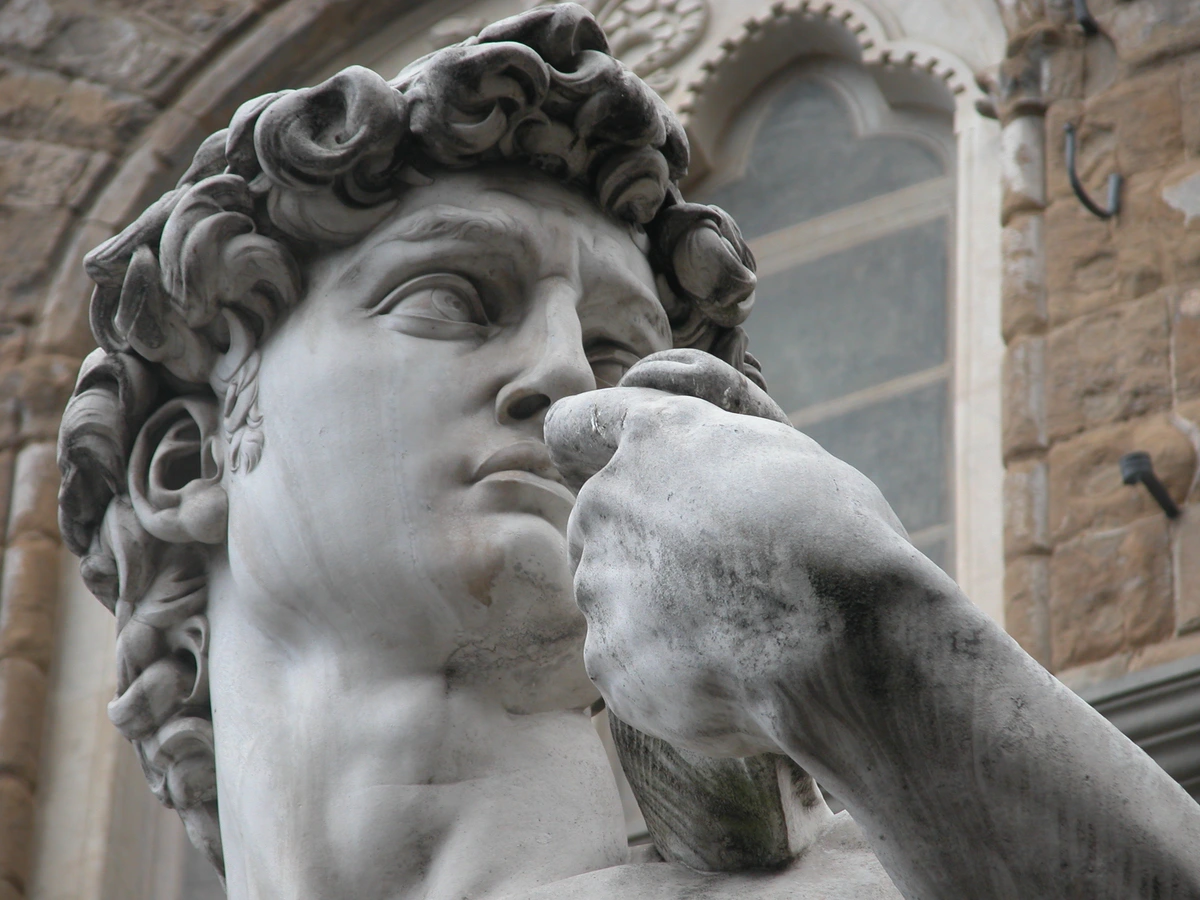
Here’s a small table to help frame different types of artistic intent:
Type of Intent | Description | Example |
|---|---|---|
| Expressive | To convey a specific emotion, mood, or personal experience. | A painting born from intense grief, aiming to evoke empathy in the viewer. |
| Conceptual | To explore an idea, question, or philosophical concept, often prioritizing thought over aesthetic beauty. | An installation designed to challenge perceptions of space and value. |
| Aesthetic | To create a visually pleasing or beautiful object, focusing on harmony, form, and color. | A sculpture meticulously crafted for its elegant lines and balanced proportions. |
| Narrative | To tell a story or depict a specific event (more common in figurative art). | A historical painting capturing a pivotal moment in time. |
| Social/Political | To comment on societal issues, provoke thought, or inspire change. | A street art mural (like some of Banksy's work) addressing consumerism or injustice. |
| Exploratory | To experiment with materials, techniques, or processes, where the journey itself is part of the intent. | An abstract piece where the artist is pushing the boundaries of paint interaction, discovering new forms. |
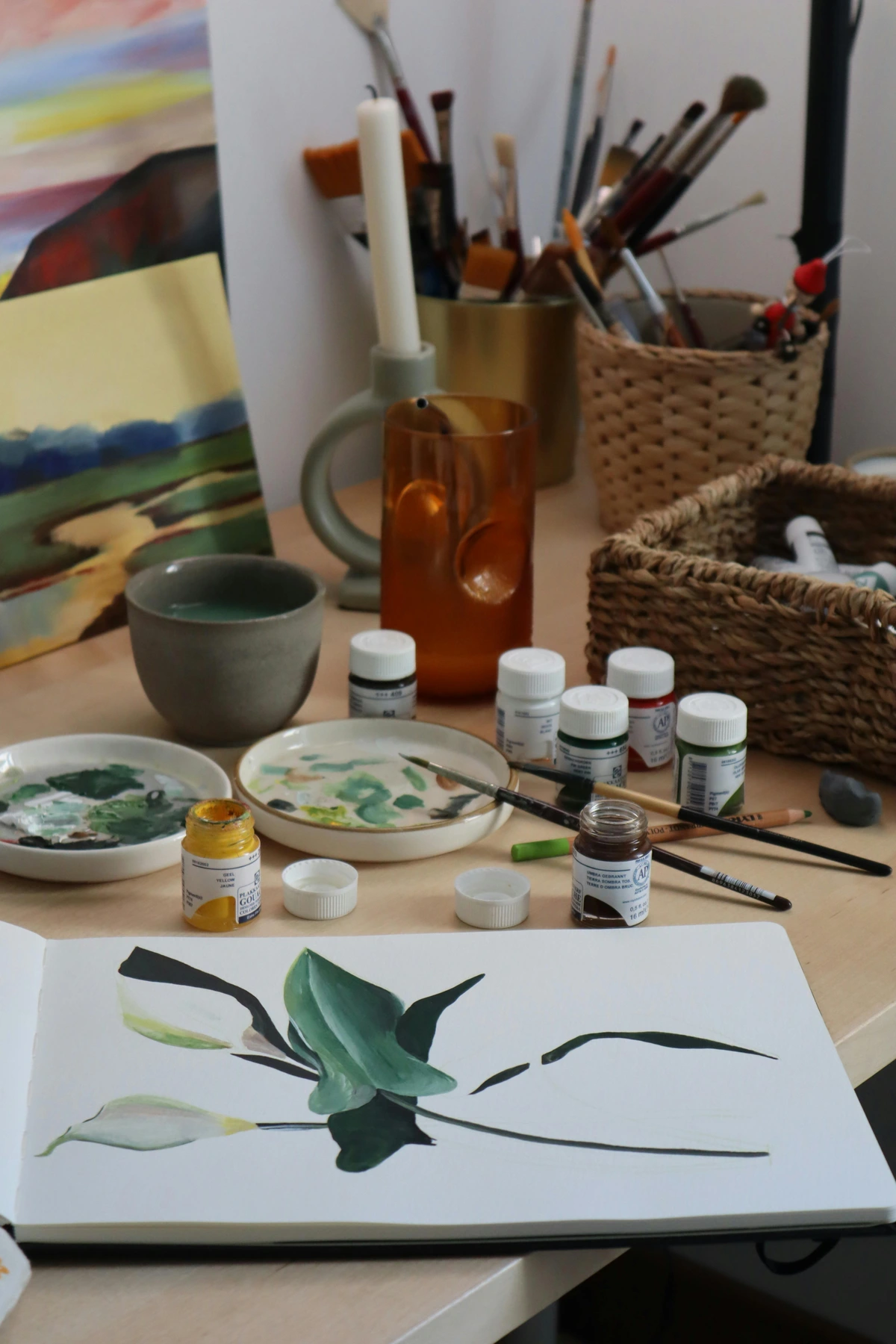

It's a bit like writing an artist statement: the work needs to speak for itself with clarity and purpose, even if that purpose is to evoke a question rather than an answer. While the allure of blockchain technology might suggest new ways to verify provenance, I've found that the core value of an artwork still lies in its intrinsic message and connection with the viewer, not just its digital certificate. Ultimately, the intention is what guides the hand, and the finish reveals whether that guidance was true. If your intention was to create chaos, does it feel like intentional chaos, or merely a mess? Does the piece convey its message with a whisper or a shout, and is that volume intentional? It's about ensuring the artwork's voice is clear, authentic, and resonates as you intended, even if that intention evolved along the way.
5. Technical Execution and Craftsmanship
Beyond the wonderfully subjective realm of intuition and intent, there’s the undeniable, objective reality of craftsmanship. When I look at a piece, I'm asking: Are there any technical flaws that actively detract from its impact? This isn't a relentless pursuit of clinical perfection, but rather a deep commitment to intentionality. Are your lines crisp and clean where they need to be? Is the paint applied consistently, with the desired opacity or translucency? Was the surface prepped correctly, ensuring longevity and a stable foundation? Good craftsmanship isn't about hiding the hand of the artist, but about making sure that hand's work supports the overall vision, rather than hindering it. It's about respecting your materials and your audience. A piece can be raw and expressive while still demonstrating impeccable craftsmanship in its intentionality.
I’ve found that a piece often feels stubbornly unfinished precisely because a fundamental technical element hasn't been adequately addressed. This is where the relentless, often unglamorous, practice of fundamental skills comes into sharp focus. You certainly don't need to be a hyperrealist to possess excellent craftsmanship; it's about making sure your technical choices meticulously serve and elevate your overarching artistic vision. I've witnessed countless promising pieces undermined by seemingly minor details: sloppy framing, phantom pencil lines lurking beneath a supposedly finished paint layer, or inconsistent varnish that creates a distracting, uneven sheen. But beyond aesthetics, good craftsmanship also involves archival quality: ensuring your materials are sound, that the work is stable, and that it will endure over time. It's about respecting the longevity of your creation and the trust of your audience. Attention to these often-overlooked details is what elevates a piece from a good idea to a truly professional presentation, signaling a respect for both the art and the viewer. Good craftsmanship ensures the viewer's journey through your art is unobstructed by avoidable technical distractions. Attention to these details elevates a piece from a good idea to a professional presentation. It's the subtle but profound difference between a compelling sketch and a fully realized statement, regardless of style.
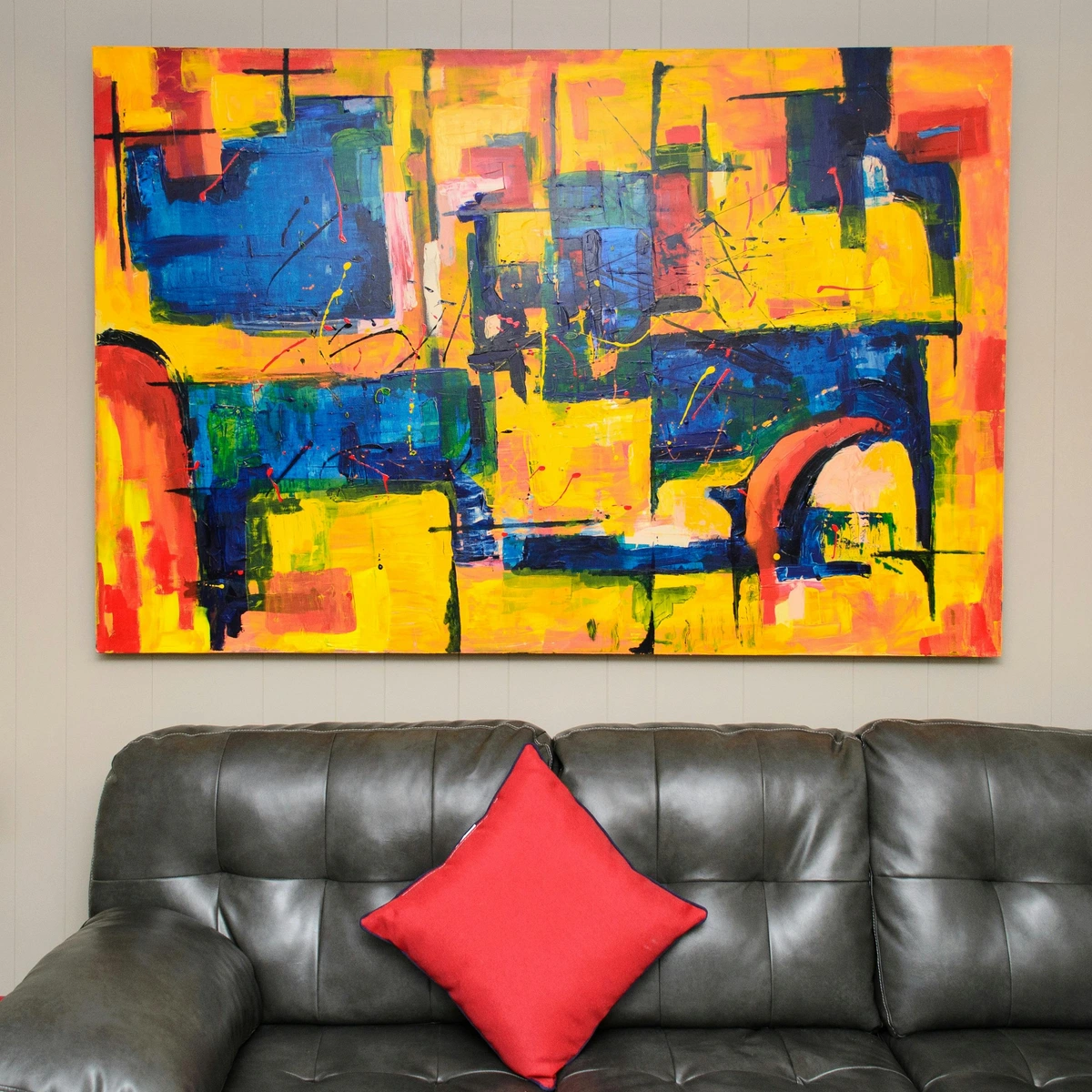
The Danger Zone: Resisting 'Just One More Thing'
The temptation to endlessly tweak is real, almost a siren song for the artist. It often comes from a place of fear—fear that the work isn't good enough, fear of judgment, or even fear of the void that finishing a piece creates before the next one begins. And sometimes, paradoxically, it's a fear of success – what if this piece is too good, and I can't replicate it? This psychological tug-of-war is incredibly common. But great artists know when to stop. The legendary artist Gerhard Richter, for example, talks about a point where he can only make a painting worse, where adding more only subtracts. Recognizing that point is a skill in itself, a crucial aspect of resolving and refining abstract paintings, and truly knowing when a painting is finished. It's about identifying that precise moment when adding another brushstroke would diminish, rather than enhance, the artwork's integrity.
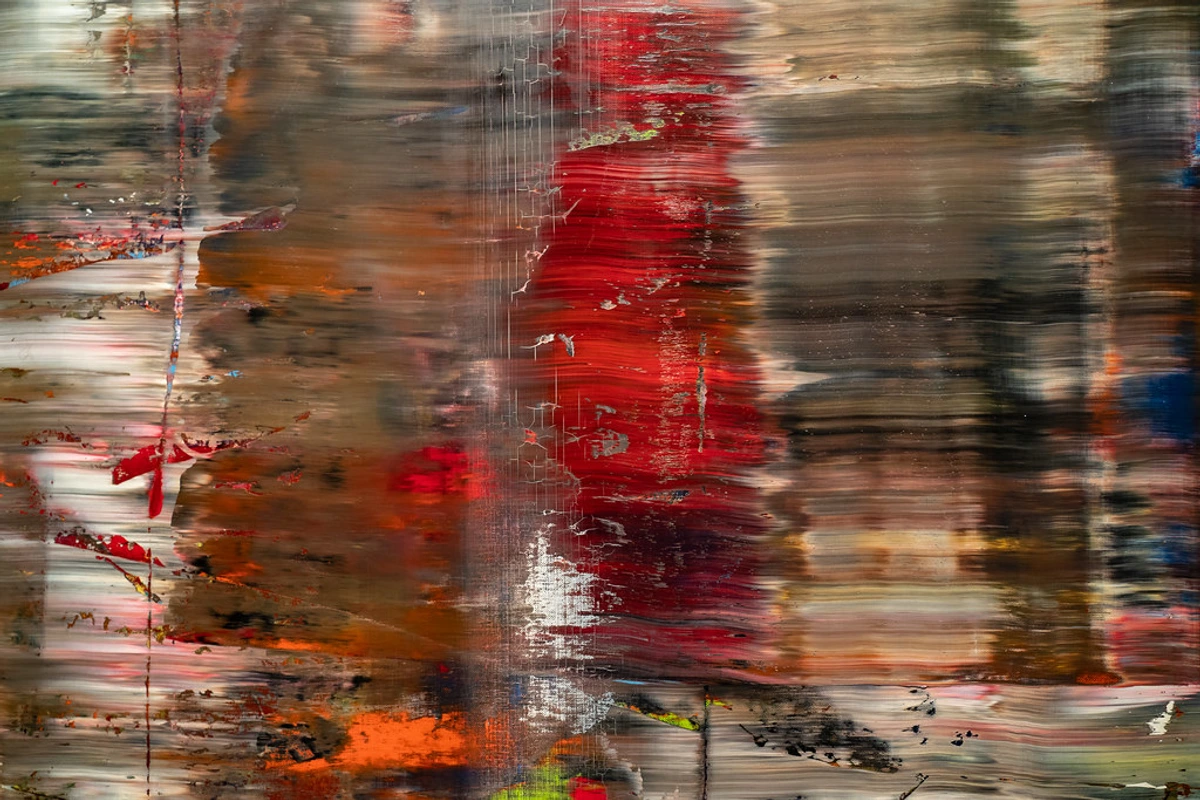
Recognizing the Loop: The Psychology of Overworking
This incessant urge to add 'just one more thing' often stems from a deeper psychological loop. For me, it's frequently rooted in a fear of finality – the idea that once a piece is 'done,' it's out of my control, subject to the world's judgment. It can also be linked to the sunk cost fallacy: having invested so much time and emotion, we feel compelled to keep going, convinced that more effort must lead to a better outcome, even when it clearly isn't. Breaking this loop requires a conscious act of artistic will. It means trusting the journey you've already undertaken and acknowledging that perfection is a mirage.
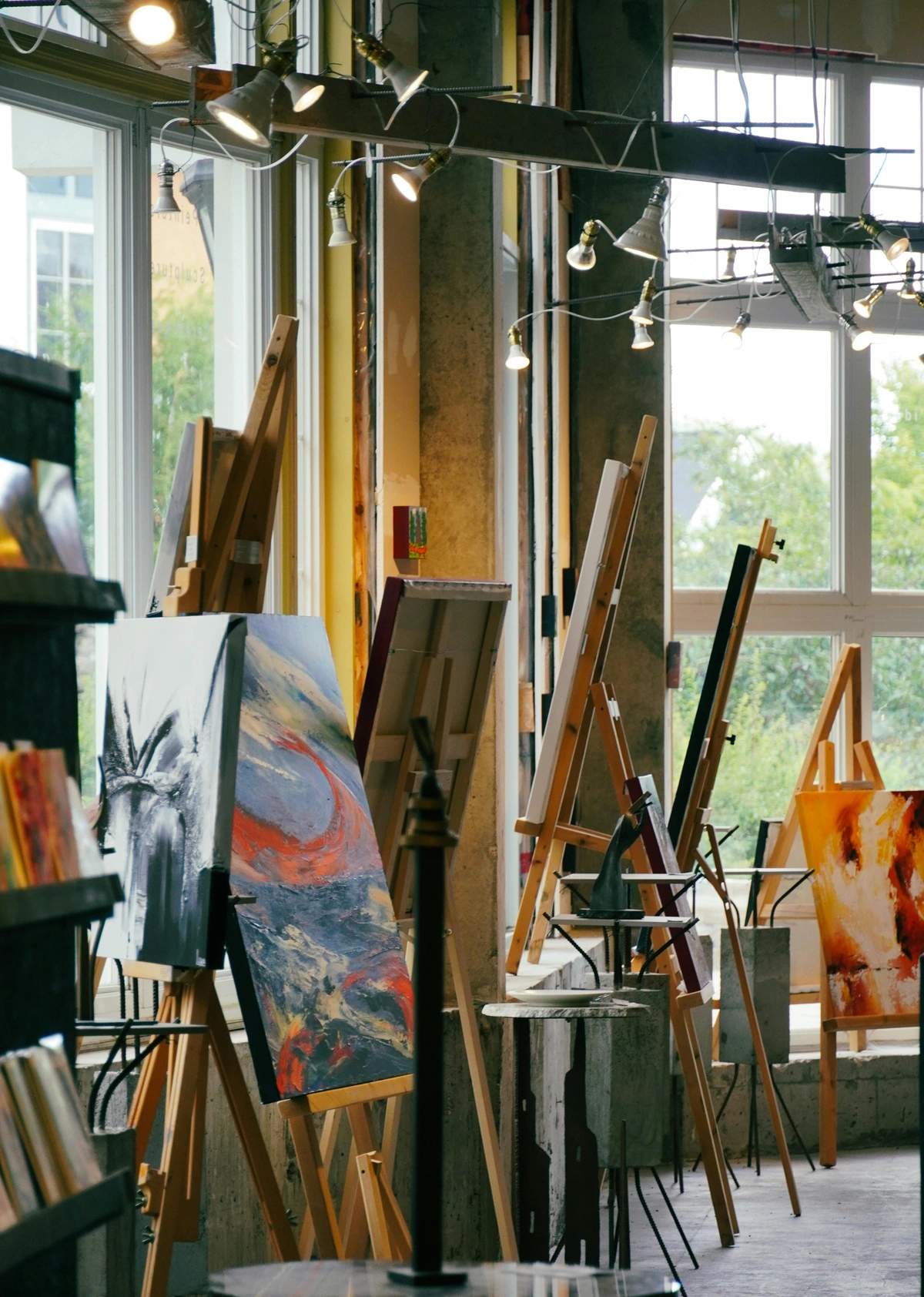
Here are a few tricks I use to save myself from myself, to step away before I ruin something I’ve worked so hard on. These are concrete actions that help create a necessary psychological and visual distance from your work, giving you the clarity to make that definitive 'finished' call. They are less about rigid rules and more about cultivating a mindful approach to your creative process.
The Paradox of the Infinite Undo (Digital Artists, Listen Up!)
For digital artists, the "undo" button is a powerful tool, but it's also a trap. The lack of physical consequence—no ruined canvas, no wasted paint—makes it alarmingly easy to noodle endlessly, tweaking pixels into oblivion. The same core principles apply: step away, get fresh eyes (even from a digital mirror flip!), and set deliberate completion points. You have to intentionally save a final state, mimicking the commitment of traditional mediums. The medium may change, but the psychological challenges remain, often amplified by this digital safety net.

Technique | How It Helps | Why It Works |
|---|---|---|
| The Turnaround | Hiding the piece for 24+ hours forces fresh eyes. | Breaks your intense focus, allowing objective assessment upon return. |
| Change Environment | Different lighting/context reveals new perspectives. | Alters visual perception, highlighting previously unnoticed flaws or successes. |
| The Mirror Trick | Reverses the image, exposing compositional imbalances. | Our brains adapt to familiar images; a mirror tricks them into seeing anew. |
| Trusted Feedback | Specific questions to peers offer targeted insights. | Provides an external, objective viewpoint, confirms or challenges your intuition. |
| Sign It (Temp) | Symbolic act of signing shifts mindset to 'finished'. | Psychological commitment; signals a definitive end to active creation. |
| Document Process | Photos track evolution, reveal past successes/mistakes. | Offers an objective timeline of decisions, aiding retrospective critique. |
| Regular Breaks | Stepping away for 15-20 mins resets visual fatigue. | Prevents overworking and allows for mental and visual regeneration. |
| The Physical Distance Test | View the artwork from across the room, then step closer. | Reveals overall impact versus detail, helping to prioritize what truly matters. |
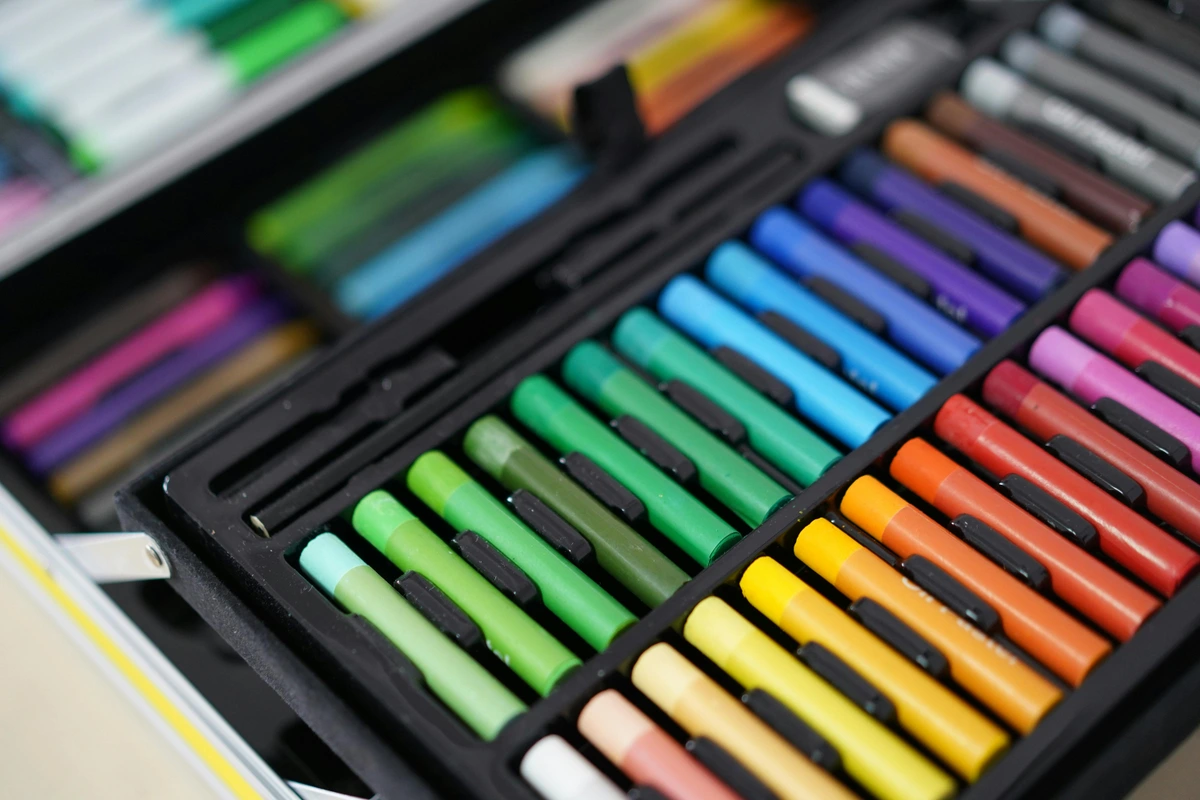
- The Turnaround: Turn the painting to face the wall for at least 24 hours (or even a week!). When you turn it back around, your first impression will be brutally honest. You'll immediately see what's working and what's not, often with a clarity that was impossible just moments before.
- Change Your Environment: If possible, take the artwork to a different room, or even temporarily hang it in a new spot. Different lighting, different surroundings, and a different context can highlight areas that need attention or confirm its completeness.
- The Mirror Trick: Look at the artwork in a mirror. This reverses the image and helps you see it with fresh eyes, revealing compositional flaws you've become blind to, or confirming that the balance you felt intuitively is truly there.
- Seek Trusted Feedback: While ultimately you decide when a piece is finished, a fresh pair of eyes from a trusted peer or mentor can be invaluable. Ask specific questions rather than "What do you think?" For example, "Does the red feel too dominant?" or "Does your eye get stuck here?"
- Sign It (Even Temporarily): Take a piece of paper with your signature on it and place it on the work. Does it look like it belongs there? Sometimes, the symbolic act of signing, even just imagining it, can mentally shift the work into the 'finished' category, allowing you to see it as a complete entity.
- Document the Process: Take photographs at various stages. Sometimes, looking back at an earlier stage can reveal that you've already achieved a certain quality, or that a change you made was actually detrimental. It's like a visual diary of your artistic decisions, helping you to objectively track your progress.
- Take Regular Breaks: It sounds simple, but getting up and walking away from your artwork, even for just 15-20 minutes, can do wonders. This allows your eyes and mind to reset, preventing visual fatigue and allowing you to return with a fresher perspective.
Embracing Intentional Unfinishedness: When "Done" Means "Open-Ended"
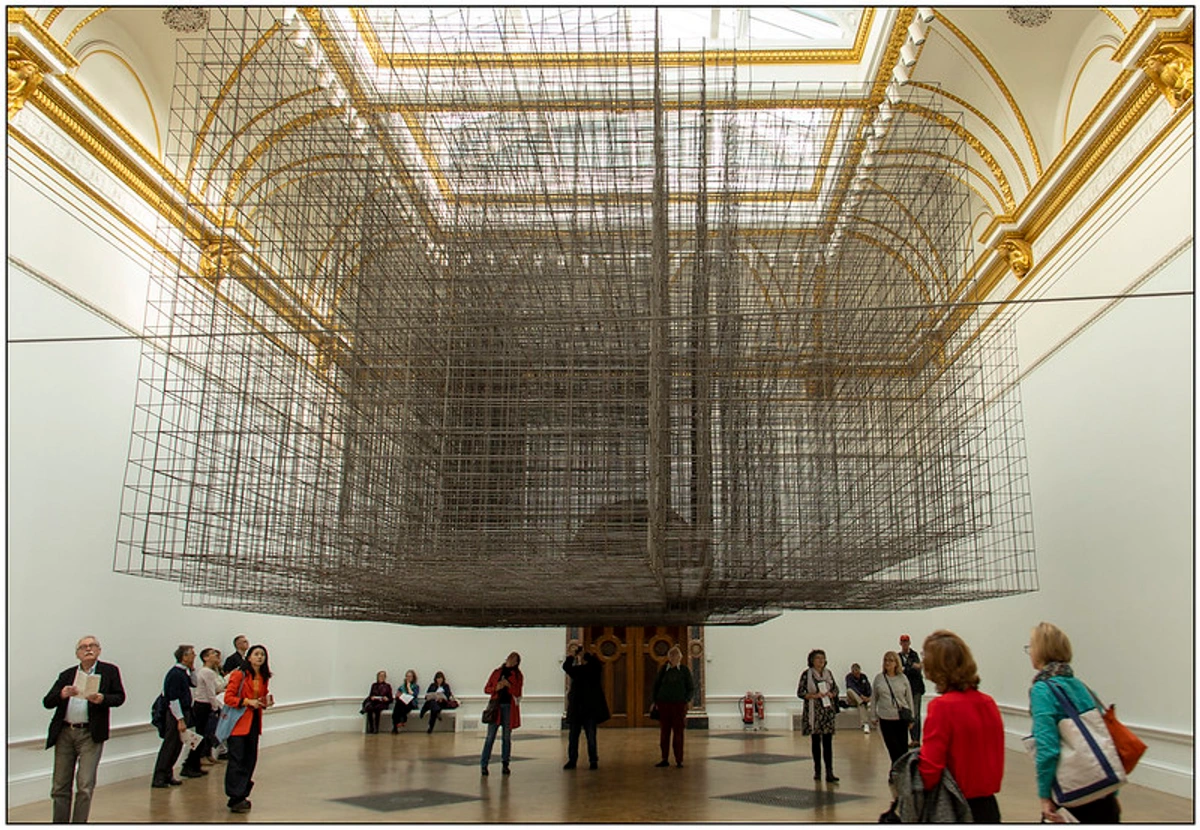
Not every artwork I create, or indeed, not every artwork in history, is intended to be meticulously polished. In fact, some of the most profound pieces deliberately retain elements of the "unfinished" to evoke a visceral sense of dynamism, tantalizing mystery, or to explicitly invite the viewer to participate in the very creative process itself. This is never laziness; it’s a deeply conscious, powerful artistic choice, a resonant statement in its own right. Think of the raw, expressive brushwork of the Impressionists, the unrestrained energy of Abstract Expressionism, or even the deliberate, intellectual fragmentation inherent in Cubism. In these movements, the "unfinished" quality doesn't denote a lack of completion, but becomes an integral part of the statement, a testament to the transformative journey rather than merely the static destination. It’s about how artists convey finality in painting, sometimes by not fully rendering every detail, intentionally leaving vital space for the viewer's imagination to engage and 'complete' the piece. It’s a powerful subversion of traditional expectations, a declaration that completeness can reside in suggestion and implication.
Artists like Jackson Pollock, with his iconic action paintings, wholeheartedly embraced a raw, immediate, almost primal quality that defiantly defied traditional notions of a "finish." For him, the kinetic process itself was as paramount, if not more so, than the final static state. This audacious approach is brilliantly explored in articles like The Art of the Unfinished: Embracing Evolution in Abstract Paintings and The Power of Imperfection: Embracing Accidents and Evolution in My Abstract Art. Even many Renaissance masters occasionally left works non-finito, not due to any lack of skill or time, but to convey a powerful sense of a living, breathing process, or to elevate the very act of creation itself. Rodin’s sculptures, with their raw, unpolished bases and figures heroically emerging from the rough-hewn stone, stand as another powerful testament to embracing the 'almost finished' as the ultimate, compelling final statement. This philosophy liberates the artist from rigid constraints, fostering a deeper connection to the material and the creative flow. It recognizes that some art gains power from its rawness, its visible struggle, rather than its polished perfection. Think of the dynamic energy in abstract art that explicitly embraces the process, not just the product. It's a conscious decision to value expressive vitality over a meticulously rendered, academic endpoint. It’s about understanding that sometimes, the most profound statement is made through an intentional lack of absolute resolution.
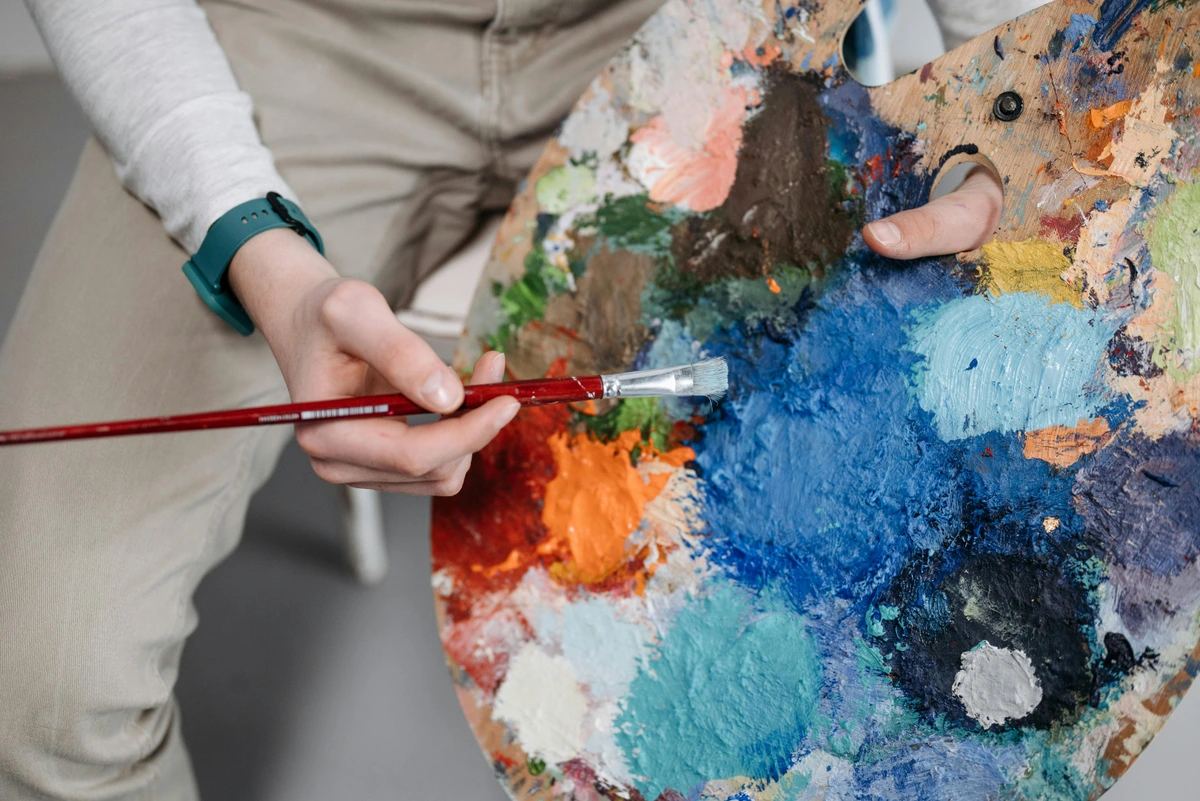
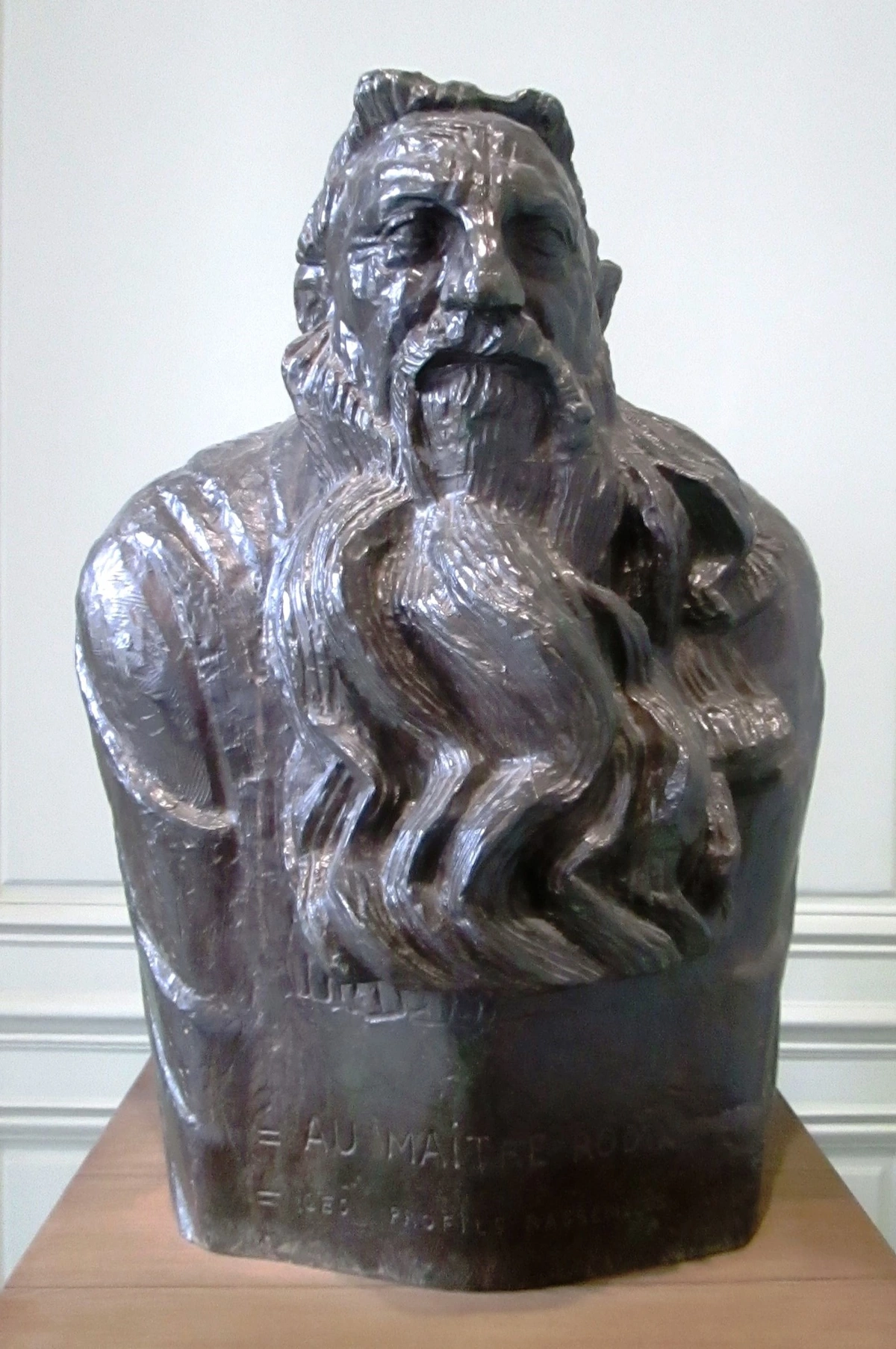
So, before you obsess over every last detail, ask yourself: does this piece need to be perfectly rendered, or would a certain degree of "unfinishedness" actually enhance its impact, its message, its raw authenticity? Is the perceived 'flaw' actually a feature, a testament to the human hand and the unique journey of its creation?
A Brief Historical Perspective on "Finish"
The concept of "finished" – this seemingly immutable ideal – has actually shape-shifted dramatically throughout the grand tapestry of art history. Its definition reflects an ever-changing kaleidoscope of philosophies, prevailing cultural values, and deeply personal artistic intentions. Consider ancient Egyptian art: here, completion wasn't about subjective feeling, but rigid adherence to established conventions, ensuring the subject's eternal, unchanging presence. For the ancient Greeks, an almost divine ideal of perfection, harmony, and idealized forms often dictated a smooth, flawless 'finish' in sculpture, aiming for an abstract, universal beauty. The 'finish' was intrinsically tied to the purpose and cultural context of the artwork, whether it was for ritual, commemoration, or idealized representation.
Moving forward, through the classical and Renaissance periods, a high degree of polish, meticulous detail, and an almost invisible hand of the artist were often synonymous with completion. This 'finish' signified mastery, profound devotion to the subject, and an unwavering pursuit of an elevated ideal of beauty. Think of the sublime, almost undetectable brushstrokes of a Raphael painting – every detail rendered with breathtaking precision, leaving virtually no trace of the individual artist’s laborious process. This was the pinnacle of 'finished' for its time. Even in the elaborate storytelling of the Bayeux Tapestry, the 'finish' was in the narrative's completion, not necessarily a hyper-realistic depiction of battle. It was a testament to the artist's skill in rendering a believable, idealized reality.
However, with seismic shifts like the Enlightenment and the industrial revolution, and subsequent art movements such as Impressionism, Expressionism, and eventually the raw power of Abstract Expressionism, the very idea of 'finish' underwent a radical transformation. The visible brushstroke, the raw, energetic gesture, and even the deliberate suggestion of incompleteness, began to emerge as powerful artistic statements in themselves. The ironic advent of photography, which liberated painters from the perceived 'burden' of literal representation, opened vast new avenues for exploring profoundly subjective notions of 'finish.' Grasping this rich historical context, I believe, can profoundly free us from rigid, often outdated, notions of what a "finished" artwork must look like. Compare the almost forensic rendering of a Renaissance portrait to the vibrant, spontaneous, almost fleeting brushwork of an Impressionist landscape, like a Renoir, where the very "finish" resides in the captured light and transient moment, rather than in any semblance of hyper-realism. Or consider the raw, emotional energy of a Gothic sculpture, where expressive power overrides anatomical perfection. Or consider the raw energy of a Cubist piece, where fragmentation is the completion, a deliberate intellectual exercise in perception. Even in ancient times, like with the intricate carvings of Newgrange, the 'finish' was in the meticulous execution of symbolic patterns, not a realistic depiction. Moving into the Post-Impressionist era, artists like Van Gogh and Cézanne pushed beyond the fleeting impressions, seeking more emotional depth and structural solidity, leading to a 'finish' that was intensely personal and expressive. And don't forget the Baroque period, where dramatic movement and intense emotion often led to a 'bravura' finish, celebrating the artist's visible hand and dynamic execution, a stark contrast to the smooth perfection of the Renaissance. Then came movements like Dadaism, which challenged the very definition of art, where an 'anti-art' stance meant the 'finish' could be provocative and intentionally absurd. Or the surreal dreamscapes of Rene Magritte, where the 'finish' is in the perfectly rendered paradox, making the impossible seem real. And in Minimalism, the finish is often about reducing art to its essential elements, where the purity of form and material is the ultimate statement. This kaleidoscope of approaches demonstrates that the finish is not a universal constant, but a culturally and personally defined endpoint.
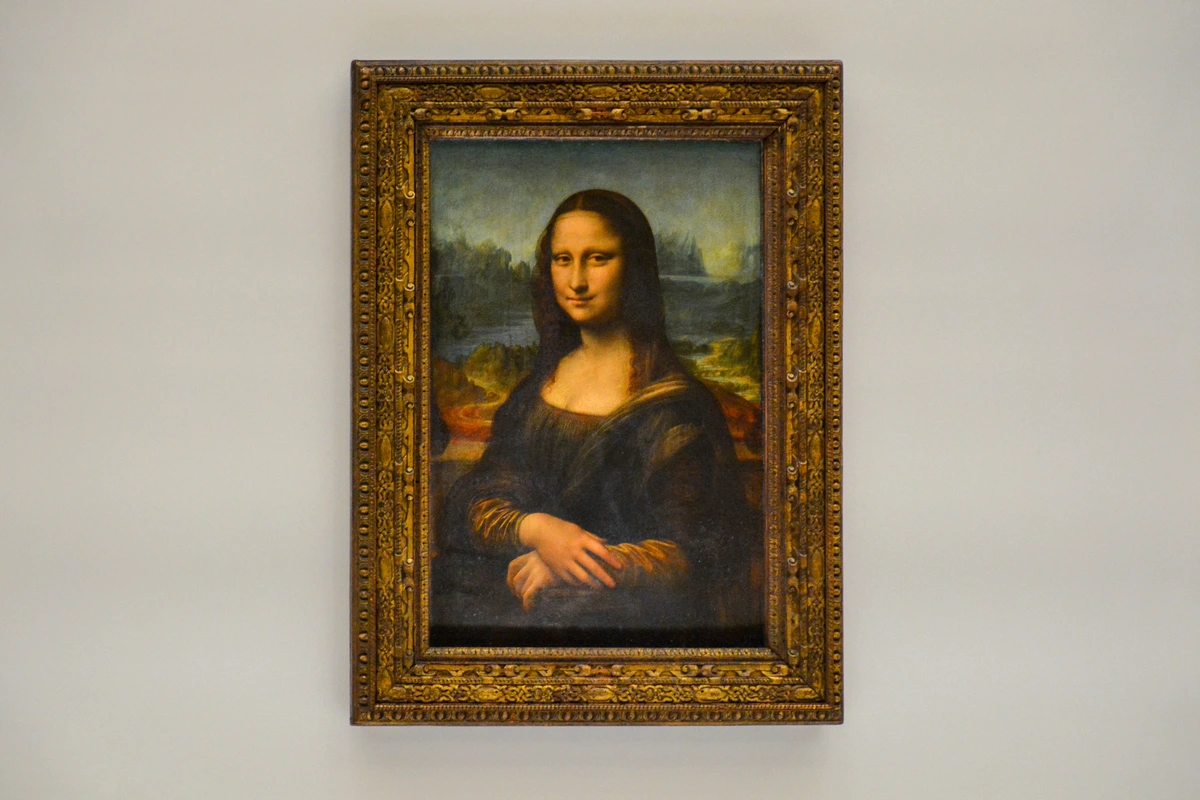
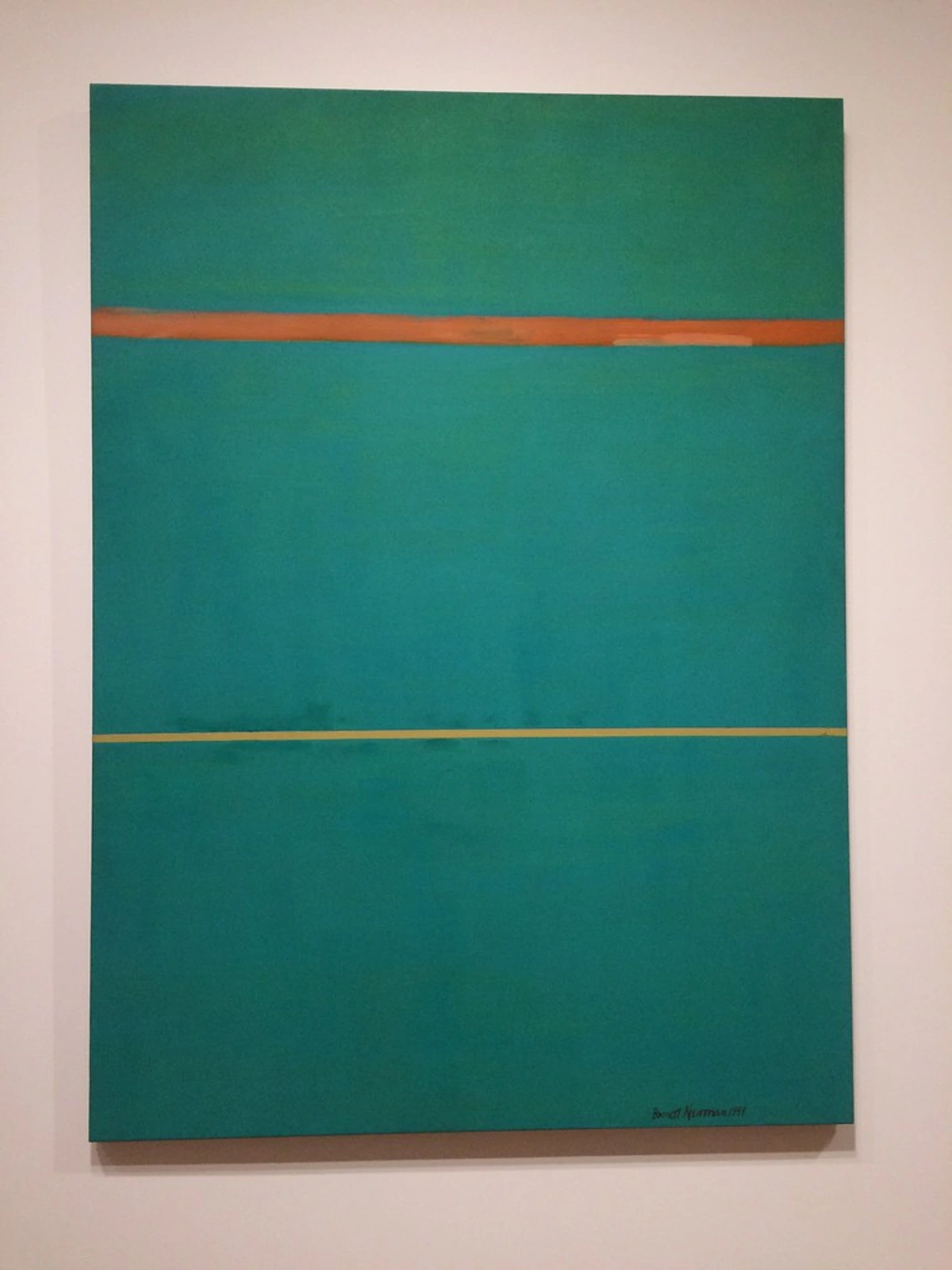
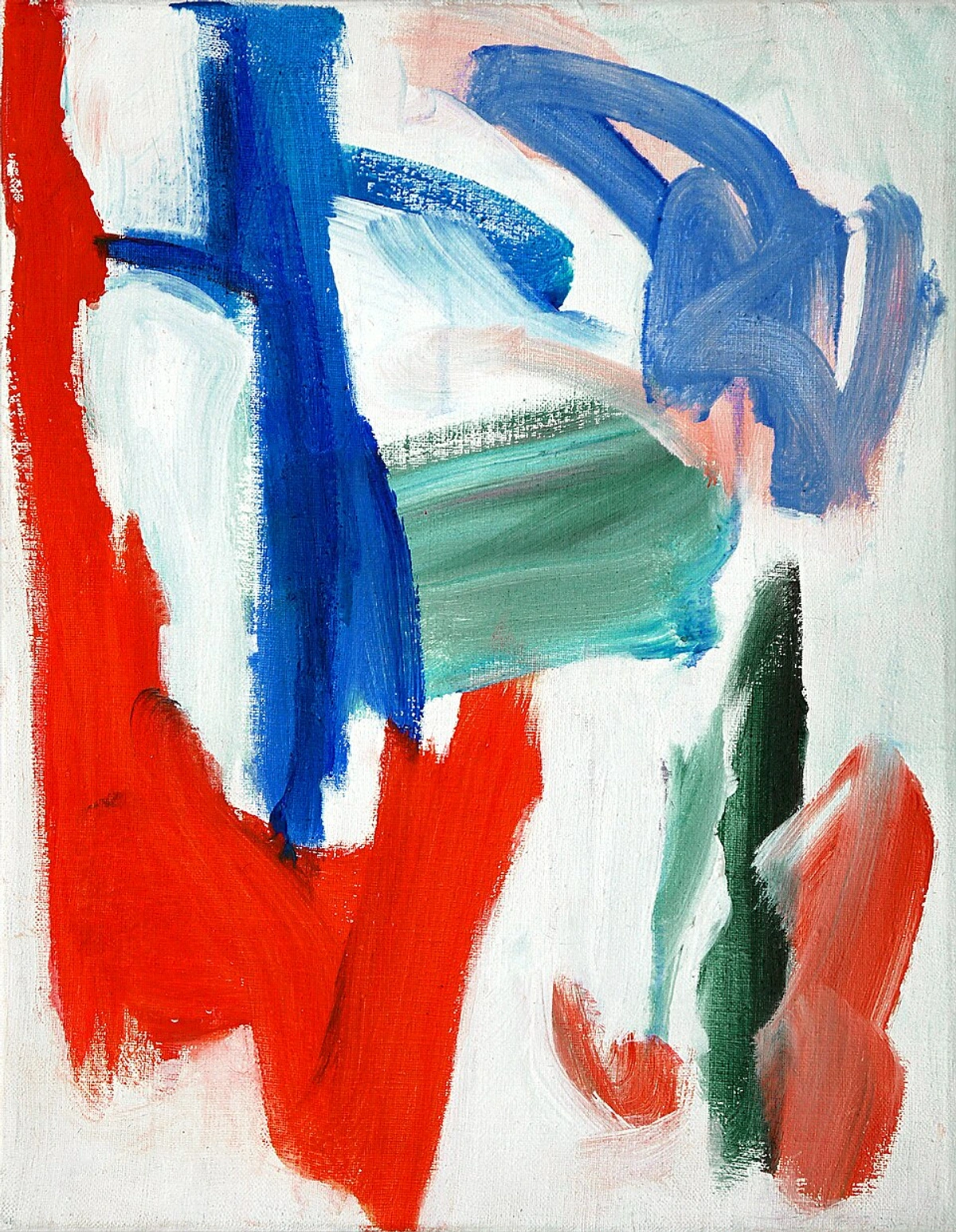

This evolution demonstrates that finality in painting is not a static concept, but a dynamic one, shaped by the artist's era, personal vision, and the evolving dialogue of art itself. It reminds us that there's no single path to declaring a work complete. Understanding this fluidity can be incredibly liberating, allowing you to define your own artistic journey and its unique points of resolution.
Frequently Asked Questions (FAQ)
Q: How do I handle external criticism or differing opinions on my finished piece?
A: Oh, this is a tough one, isn't it? It's so easy to let outside voices shake your conviction. Remember, art is subjective. While feedback from trusted peers can be invaluable (as we discussed in the "Danger Zone"), ultimately, your vision and your internal sense of completion are paramount. Learn to differentiate between constructive critique that helps you grow and subjective opinions that simply don't align with your artistic intent. Not everyone will 'get' your work, and that's perfectly fine. Trust your gut, especially after you've given the piece all you intended. It's about developing a thick skin and an unwavering belief in your own artistic compass. Your work, once declared finished, is a statement, not an invitation for endless debate.
Q: What if I come back to a 'finished' piece a year later and hate it?
A: Welcome to being an artist! This is totally normal. It doesn't mean the piece was unfinished; it means you've grown. Your skills and sensibilities have evolved. See it as a marker of your progress, not a failure of the past work. It's a snapshot of who you were creatively at that moment. I often look back at pieces on my timeline and think, "Wow, I'd never do that now!" – and that's a cause for celebration, not regret. It means you're still learning, still evolving, and your artistic eye is constantly sharpening. Don't let past work dictate your present or future; instead, let it be a stepping stone for future explorations. Every completed piece is a document of a specific moment in your creative journey.
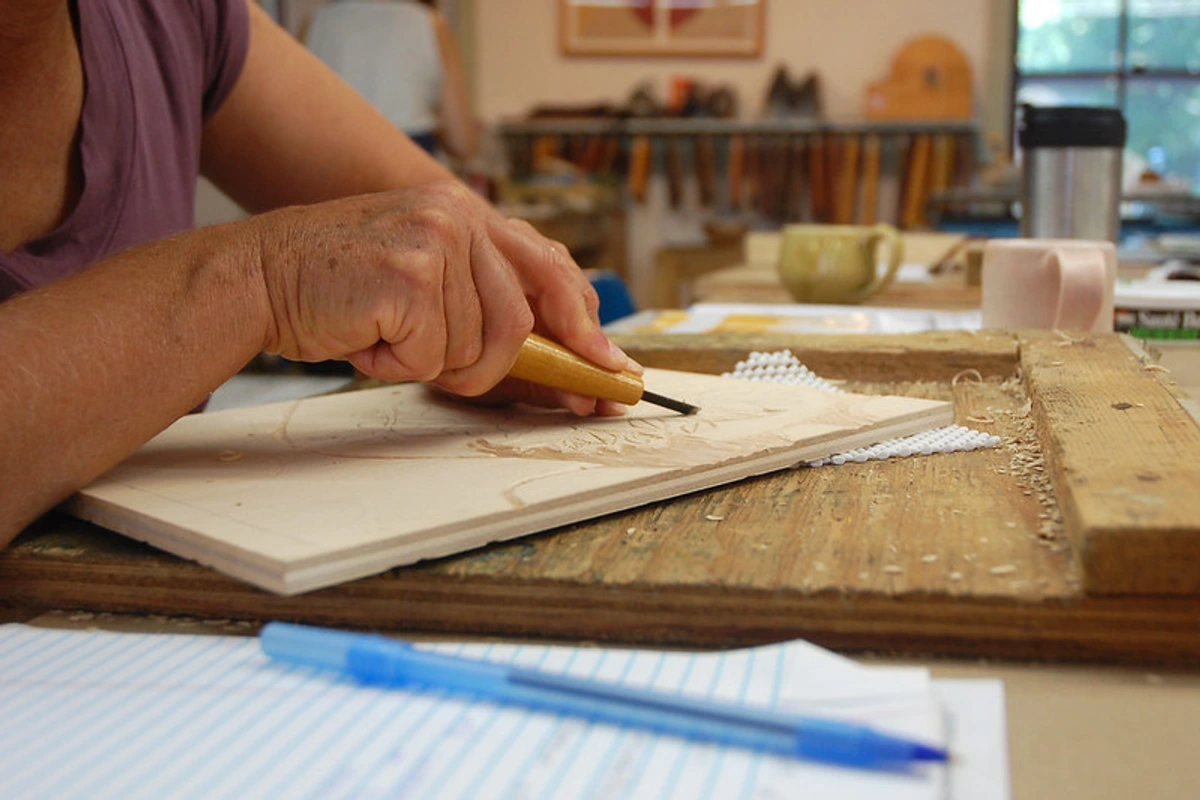
Q: How does my personal style impact the 'finished' feeling?
A: Your personal style is everything! It's the unique lens through which you see the world and translate it into art. For me, as an abstract artist, 'finished' often means achieving a vibrant tension or a specific emotional resonance, even if elements appear 'raw.' For a hyperrealist, it might mean microscopic detail and a perfectly smooth surface. Your style dictates your aesthetic benchmarks. Embrace it, study it, and let it guide your unique definition of completion for each piece. It's a continuous exploration of your artistic identity, evolving with every brushstroke and decision. The 'finished' state is a reflection of your unique artistic signature, not a generic ideal.
Q: How do I know if my artistic style is hindering my ability to finish?
A: This is a fantastic and often overlooked question! If you find yourself consistently unable to declare a piece finished, and it's not due to technical flaws, it might be that your perceived "style" has become a cage rather than a liberating framework. Perhaps you're adhering to an idea of what your art "should" look like, rather than allowing it to authentically evolve. A healthy style supports your finishing process; a rigid one can become an obstacle. Reflect on whether your approach is still serving your creative growth, or if it's leading to stagnation. Sometimes, the answer is to consciously break your own rules and experiment outside your comfort zone, even if just for a few small studies. A dynamic style is one that allows for both continuity and courageous evolution.
Q: What role does intuition play as I gain more experience?
A: As you gain experience, your intuition becomes more refined. That initial 'gut feeling' transitions from a vague sense of unease or satisfaction to a more precise internal compass. You learn to trust those whispers more, distinguishing genuine artistic needs from the noise of self-doubt. It's a muscle that gets stronger with every piece you complete (or even strategically abandon!). The more you trust it, the more clearly it speaks to you. It evolves from a nascent sense to a deeply informed, almost subconscious guidance system, honed by years of studio practice and self-reflection.
Q: What about collaborating on an artwork? How does that change the 'finish' line?
A: Collaborating introduces a fascinating dynamic to the concept of 'finished.' It's no longer solely your internal barometer that matters; it becomes a shared vision and a negotiated endpoint. Open communication is paramount. I've found that setting clear intentions and defining the 'finish' criteria together before you even begin can prevent a lot of headaches. It's about finding harmony not just within the art, but between the artists, ensuring everyone feels their contribution is honored and the collective piece reaches a mutually agreed-upon state of completion. It's a dance of compromise and collective intuition, often leading to unexpected and richer 'finished' works than you might create alone. The 'finish' becomes a consensus, a shared moment of collective exhale. It's a testament to shared vision and the power of collaborative creativity.
Q: How does the concept of "finished" change for commissioned work?
A: For commissions, the definition of "finished" often involves an external factor: the client's approval. While your artistic integrity remains paramount, there's a delicate dance between your vision and their expectations. It’s crucial to have clear communication from the outset regarding milestones and revisions. A piece is "finished" when it meets both your artistic standards and the agreed-upon client brief. It's a collaborative 'knowing when a painting is finished' rather than a solitary one. Clear contracts and regular check-ins are your best friends here. It's about aligning your creative journey with an external destination, navigating a shared understanding of success.

Q: How do I deal with physical limitations or fatigue when nearing completion?
A: Oh, the body often has its own opinions on when a piece is 'done'! As artists, we pour so much physical and mental energy into our work that fatigue can easily set in, clouding our judgment. Recognize this as a real factor. Break large works into smaller, more manageable sessions. Step away, stretch, hydrate, and get enough rest. Sometimes, the inability to continue isn't a sign the art isn't finished, but a sign you are. Pushing through severe fatigue can lead to mistakes or overworking, so listen to your body and your mind. It's a form of self-care that ultimately serves your art. I've learned that a well-rested mind sees more clearly than an exhausted one. Don't mistake physical exhaustion for artistic incompleteness; sometimes, the best thing you can do for your art is to rest and return with renewed vigor.
Q: Is an artwork ever truly finished?
A: Philosophically? Probably not. The acclaimed painter Peter Doig, known for his evocative landscapes, once said something to the effect of artworks being “abandoned” rather than finished. I think that's a wonderfully healthy and liberating way to look at it. You do the best you can until the point of diminishing returns, until you feel you can only make it worse, and then you let it go and move on to the next challenge. This perspective is vital for every artist to grasp. It's about recognizing that every piece is a snapshot of your evolving self, a marker in your continuous creative journey. The 'finish' is a declaration of temporary cessation, a moment of letting go before the next cycle of creation begins.
Q: Does the scale of the artwork impact when it feels finished?
A: Absolutely. A small, intimate piece might convey its message with fewer elements and less detail, reaching completion relatively quickly. A large-scale mural or an expansive installation, however, demands a different kind of endurance and often a more methodical approach to ensure every section contributes to the grand vision. With larger works, you might consider sections "finished" before the whole is truly complete, often requiring stepping far back (sometimes very, very far back!) to assess its overall impact. The 'finish' of a monumental piece often involves a different kind of logistical and conceptual closure than that of a delicate miniature.
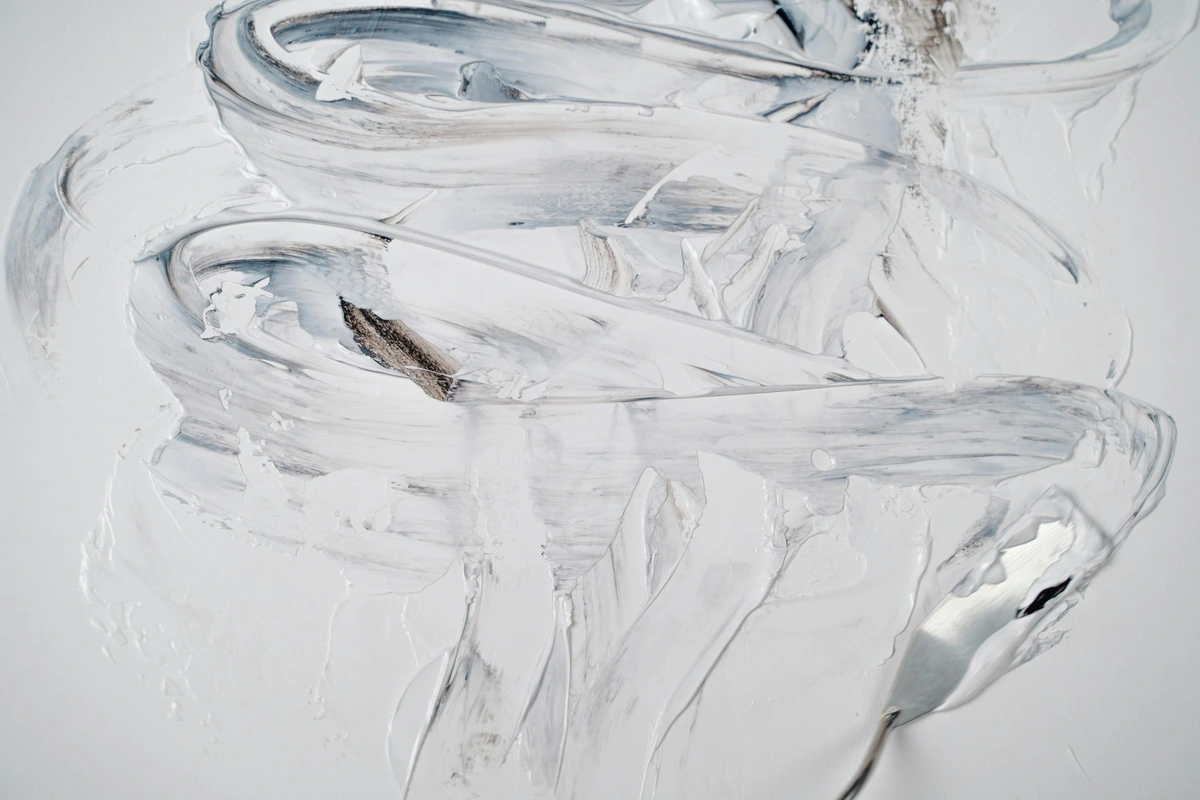
Q: How do different mediums influence the idea of 'finished'?
A: Each medium carries its own unique characteristics that inform its 'finish'. For example, watercolor often celebrates translucency and spontaneous washes, where overworking can quickly make it muddy, demanding a decisive 'finish.' Oil paint allows for endless layering and reworking, making its 'finish' a matter of deliberate cessation – a conscious stopping point. Acrylics, with their fast-drying nature, often encourage a more layered or energetic approach, while pastels thrive on their powdery softness. Sculpture finds its completion when form, texture, and balance are resolved in three dimensions. Even digital painting, with its infinite 'undo' options, requires the artist to intentionally save a final state, mimicking the commitment of traditional mediums. Understanding these inherent qualities of your chosen medium is crucial for discerning its readiness. For instance, in printmaking, the 'finish' is often in the editioning process, where each print is a final, approved iteration of the plate or block. The medium's intrinsic properties often dictate the pace and nature of the 'finish,' guiding the artist toward its natural conclusion.
Q: What about art that is meant to be ephemeral or performative? How do they "finish"?
A: Ah, this is where the concept truly expands! For ephemeral art (like sand sculptures, ice installations, or transient land art), the "finish" often coincides with its intended decay or disappearance. The artwork's complete cycle, from creation to natural dissolution, is its finished state. For performance art, the "finish" is the culmination of the live act itself. It's about the experience, the interaction with time and audience, achieving its purpose in that specific, fleeting moment. The documentation of such art (photos, videos) then becomes a secondary, enduring "finished" artifact, but the primary work's completion is in its execution and temporal existence. It's a powerful reminder that "finished" doesn't always mean "permanent." In these cases, the 'finish' is a fleeting but profound moment, existing vividly in memory and documentation.
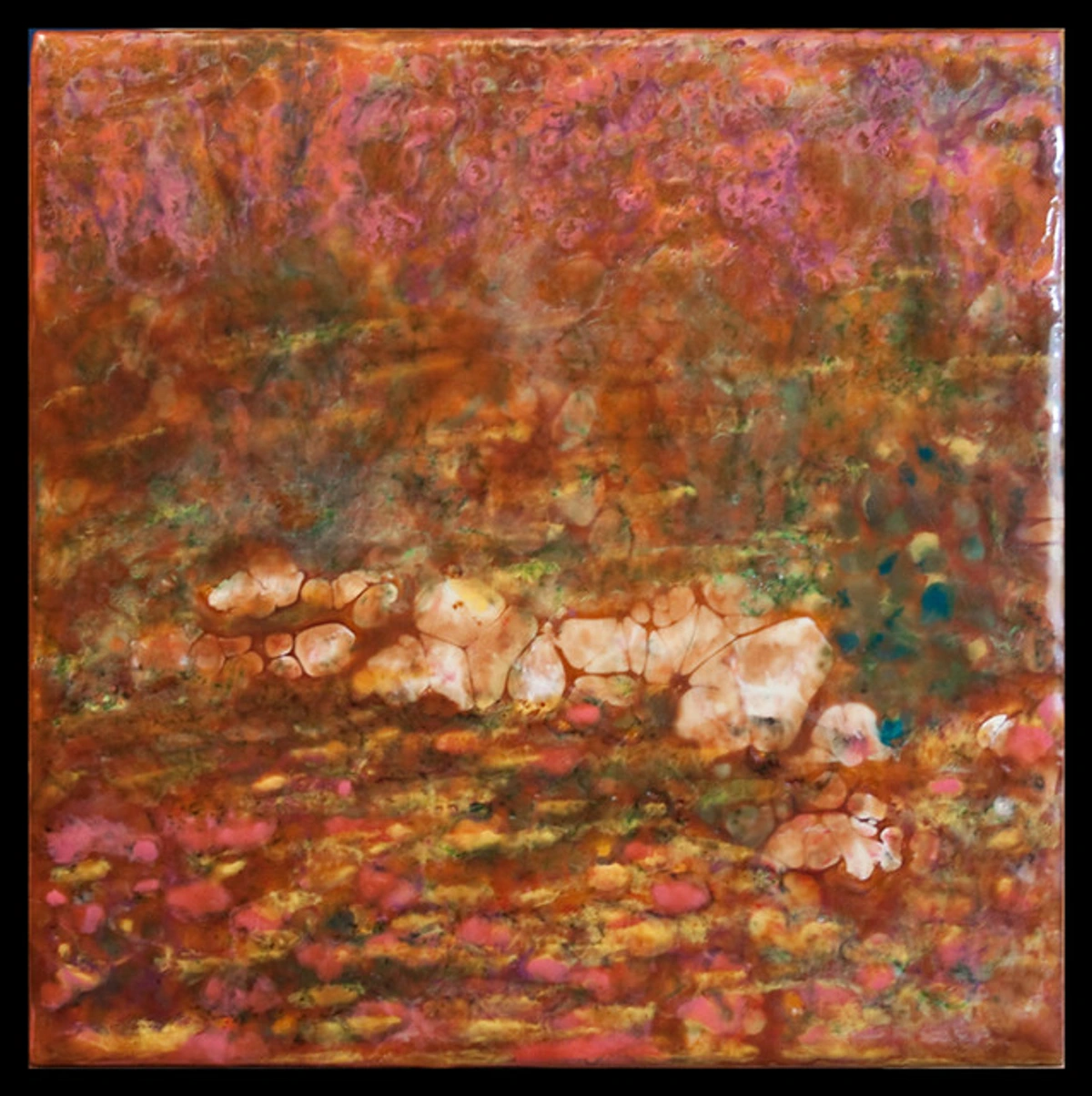
Q: How does this apply to digital art vs. traditional painting?
A: The underlying principles are identical, but the danger of overworking is arguably even greater in digital art because of the ubiquitous 'undo' button. The lack of physical consequence – no ruined canvas, no wasted paint – makes it alarmingly easy to noodle endlessly, tweaking pixels into oblivion. The same core rules apply: step away, get fresh eyes, and rigorously check against your technical and emotional goals. Set firm deadlines, even for yourself, and resist the urge to 'just fix one more thing' with infinite undo options. The digital realm offers boundless freedom, but also demands heightened discipline in defining that elusive 'finish' line.
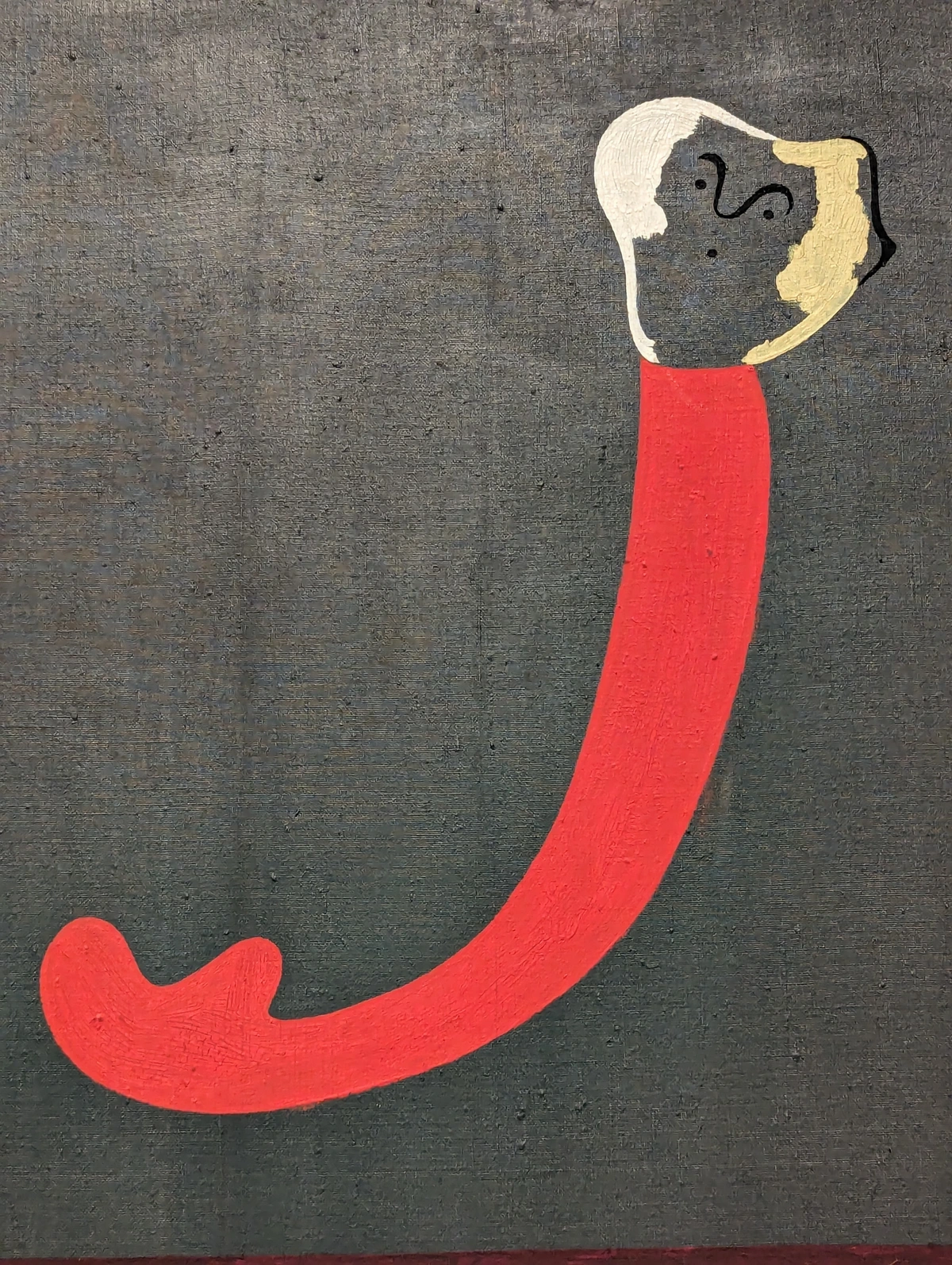
Q: When is it okay to revisit a "finished" piece, and when should I resist?
A: This is a tricky one! Generally, it's best to resist the urge to immediately pick up a "finished" piece again. Give it time, perhaps months or even years. If, after significant personal growth and a fresh perspective, you genuinely see a way to improve the piece without destroying its original essence (and that's the key, not just changing it for the sake of it), then a thoughtful revisit can be rewarding. However, if it's just a nagging feeling of "it's not perfect," it's usually better to apply what you've learned to a new artwork. Knowing when to make the final touches that complete a painting is an ongoing learning process, a continuous evolution. A piece, once completed, takes on a life of its own; revisiting it requires a delicate touch and a clear intention, not just an impulse to 'fix' a past self.
Q: Should I ever restart a 'finished' piece?
A: Broadly, no. Once a piece is declared "finished," even if later you have reservations, it's generally more productive to channel those new ideas and insights into a new piece. Trying to "fix" a past work often leads to overworking, confusion, and can erase the very qualities that made it unique in its original state. Think of it as a snapshot of your artistic journey at that specific moment; altering it extensively is like editing history. Of course, there are exceptions (radical reinterpretation for an exhibition, for example), but for personal growth, a fresh canvas is almost always the better path. Each artwork is a completed chapter; the lessons learned are for the next story, not for rewriting the last one.
Q: How do I avoid burnout related to the finishing process?
A: Burnout is a real danger when you're so deeply invested! The intense focus required to bring a piece to completion can be exhausting. I've found it's crucial to build in rituals of self-care. That means scheduled breaks, celebrating small milestones within a larger work, and ensuring you have other outlets (even non-artistic ones) to recharge. Don't let your art consume you entirely. Remember why you started – for the joy of creation. Protect that joy. Finishing a piece should feel like a satisfying conclusion, not a draining ordeal. Building in deliberate acts of letting go, as discussed earlier, is also a powerful antidote to burnout. It's about maintaining a sustainable creative practice, not just a series of sprints. Treat your creative energy as a finite resource that requires mindful replenishment, not endless extraction.
Q: How does the choice of frame or presentation impact the 'finished' feeling?
A: This is often overlooked, but the way an artwork is presented can profoundly impact its perceived 'finish'. A well-chosen frame, a perfectly cut mat, or even the right lighting can elevate a piece, giving it a sense of completeness and professionalism. Conversely, a poor presentation can detract from even the most resolved artwork. For me, the frame acts as the final boundary, a 'period' at the end of the artistic sentence. It formally separates the art from the everyday, inviting the viewer to engage with it as a distinct entity. The presentation is the artwork's final handshake with the viewer, a critical element in its complete communication.
Q: I'm a beginner. How can I develop this 'gut feeling'?
A: By finishing a lot of work. Seriously. Give yourself permission to make 50 'bad' paintings, or even 100 'mediocre' ones. The goal isn't to create a masterpiece each time, but to go through the entire process from start to finish. Each time you declare a piece 'done,' you're training your intuition and building your internal library of "finished" feelings. The more mileage you get, the clearer that inner voice becomes. It's a journey of accumulated experience, a library of resolved (or intentionally unresolved) pieces that build your inner wisdom.















Q: How does external pressure (exhibitions, sales, deadlines) affect the finishing process?
A: External pressures can be a double-edged sword. On one hand, a looming deadline can provide the necessary impetus to declare a work finished and stop procrastinating. It can be a powerful motivator. On the other hand, the pressure to conform to expectations or market demands can lead to overworking, compromising your artistic vision, or rushing a piece that genuinely needs more time. It's about finding a balance, and sometimes, learning to say "no" or negotiating timelines before you start. Build in buffer time, communicate clearly, and protect your artistic process fiercely. This often contributes to how artists convey finality in painting. The key is to manage these external forces so they serve your art, rather than dictate its authentic conclusion.
Q: What is the role of digital tools in knowing when an artwork is finished?
A: Digital tools can be both a blessing and a curse. On one hand, they offer incredible flexibility with layers, non-destructive editing, and easy experimentation with color and composition. You can save multiple versions and compare them, which is fantastic for objective critique. However, the infinite "undo" button can also feed the perfectionist's loop, making it easier to noodle endlessly without ever committing to a final state. The same principles apply: step away, get fresh eyes (even from a digital mirror flip!), and set deliberate completion points. The medium may change, but the psychological challenges remain.
Q: What if I'm afraid to start a new piece after finishing one?
A: This is a surprisingly common feeling! Finishing a piece can feel like a mini-death, leaving a void. The best antidote is usually to simply start. Even if it’s just a sketch or a small study, the act of beginning a new creative cycle helps break the inertia and shifts your focus from what's done to what's next. Embrace the fresh start. The blank canvas isn't a threat; it's an invitation to a new adventure, a new conversation.
Q: What if I feel I'm always chasing perfection, and never truly feel a piece is finished?
A: Ah, the perfectionist's trap! This is incredibly common and often stems from a fear of vulnerability or a misunderstanding that "finished" means "flawless." Remember, no artwork is truly perfect, just as no human is. The pursuit of an unattainable ideal will paralyze your creative flow and steal the joy from your process. Instead, focus on progress, on learning, and on the joy of expression. "Finished" is a declaration of completion for this iteration, allowing you to gather your insights and move to the next creative challenge. It's about recognizing the point of diminishing returns, where additional effort yields little to no significant improvement, and often, actively harms the piece. I once spent days trying to 'perfect' a small corner of an abstract painting, only to realize I was just moving paint around, draining its initial energy. Learning to accept 'good enough' is a superpower for artists. Sometimes, the most powerful 'finish' is the courage to declare a piece done, even if it holds perceived flaws. It's about embracing the beauty of the imperfect, the unique fingerprint of your artistic journey, rather than a sterile, unattainable ideal.

The Courage to Conclude: Embracing Imperfection and Moving Forward
After all this exploration, what's the grand takeaway? There's no mythical, universally applicable finish line. Knowing when a piece is done is a profoundly quiet, deeply personal negotiation, an intimate dialogue that unfolds uniquely between you and your creation. It's about cultivating the wisdom to trust yourself, to discern the subtle whispers of completion over the incessant, often paralyzing, shouts of doubt. It's about recognizing that this complex internal dialogue is not a flaw, but a core, invaluable part of your unique artistic process.
The most liberating realization I've personally embraced is that 'finished' is not, and never will be, synonymous with 'perfect.' Rather, 'finished' is a courageous declaration that the conversation for this particular piece is, for now, complete. It signifies it's time to graciously close this chapter and eagerly embark on a new one, carrying all the hard-won lessons and insights into your next creative adventure, richer and wiser for the experience. It's an act of self-acceptance and a profound trust in your ongoing artistic evolution.
This act of "abandoning" rather than "finishing," as the acclaimed painter Peter Doig so eloquently suggests, is a wonderfully healthy and liberating mindset. It wholeheartedly acknowledges that your growth as an artist is a continuous, unfolding journey, and no single artwork can ever, or should ever, be expected to capture your entire evolving vision. It's about consciously making peace with imperfection, celebrating the wild, messy, beautiful journey of creation, and perpetually moving forward. It frees you from the tyranny of the impossible, allowing you to find profound satisfaction in the possible and the realized.
Here are some of the most potent strategies I've cultivated to embody this 'art of letting go,' transforming intention into declaration:
- Time Limits as Creative Sprints: Sometimes, especially with experimental pieces, imposing a strict time limit can be incredibly liberating. It forces decisive choices and prevents that endless, unproductive tinkering. Think of it as a creative sprint, compelling you to focus on the raw, essential truths of the artwork. This approach often leads to more spontaneous and energetic results, capturing a moment rather than striving for an unattainable ideal. It’s about embracing the urgency of intuition.
- The Ritual of the Signature: The act of signing your work is more than just identification; it's a powerful psychological trigger. It’s a deliberate, public declaration, a statement of "this is complete, for now." For me, it creates an almost impermeable mental barrier against further modifications, signaling to my artistic self that it's truly time to move on, to close that specific creative chapter. It’s a moment of profound commitment, a sacred vow to your artistic intuition.
- The "Good Enough" Mindset: This is a superpower for artists. Shift your focus rigorously from the elusive phantom of "perfect" to the tangible reality of "effective." Does the piece powerfully communicate what it needs to? Does it stand robustly on its own? If so, it is, without a doubt, good enough. The relentless pursuit of perfection is often the insidious enemy of good, devouring countless hours for negligible gains, and frequently harming the work itself. It’s about finding liberation in acceptance.
- Embrace the Next Canvas: In my experience, the single best way to release the hold of a completed (or abandoned) piece is to enthusiastically dive into the next one. The fresh excitement of a new beginning, a new challenge, can effortlessly release the intense grip the previous work had on you, allowing you to view it with a newfound, necessary detachment. It's like a creative palate cleanser, preparing your senses for new flavors and new journeys. The next chapter is always the most exciting.
- The Time Capsule Method: If you're truly locked in a struggle to let go, try the literal 'time capsule' approach. Store the piece away – in a box, a closet, facing the wall – with a firm date to revisit it months or even years later. This removes it from your immediate gaze, grants you invaluable distance, and allows you to return with genuinely fresh eyes, unburdened by the immediate creative struggle and emotional attachment. Time is a powerful revealer of truth.
- The "Small Wins" Method: For larger, more complex pieces, I break them down into smaller, manageable milestones. I celebrate the completion of each section, each successful layer. This cultivates a positive psychological rhythm of finishing, reinforcing the idea that "finished" can be a series of smaller, achievable victories, not just one grand, intimidating finale. It builds momentum and confidence throughout the entire process, making the mountain feel like a series of hills.
- The Curated Exhibition Mindset: Imagine your piece hanging in a gallery or museum, surrounded by other works. Does it hold its own? Does it contribute to the overall experience? This mental framing helps you evaluate its readiness not just in isolation, but within a larger artistic context, detaching it from your personal struggle and assessing its public impact. It helps you see the artwork as the world will see it.
- Learning from 'Failure' (The Overworked Piece): Sometimes, despite your best efforts, you do overwork a piece. Instead of despairing, view it as a powerful learning experience. What specific changes led to its demise? What were the warning signs you ignored? Document these lessons. This "failed" piece isn't a waste; it's a teacher, providing invaluable data for your next creative endeavor, helping you define your personal "too far" line. Every misstep is a lesson in disguise, guiding you towards greater mastery.
So, my friend, the next time that insidious ghost whispers in your ear, tempting you with "just one more stroke," you can look it squarely in the eye and, with a quiet strength, say, “Thank you for your concern, but we are unequivocally done here.” You've poured in the work, you've listened intently to the artwork itself, and you’ve made a courageous, decisive choice. Then you sign the piece (or perhaps just lovingly photograph it for your portfolio), put the brush down with a sense of closure, and bravely walk away, carrying the profound satisfaction of a journey completed. And that, my friend, is a victory worth celebrating – a powerful testament to your growth, your discipline, and your unwavering artistic integrity. Now, go forth, start your next masterpiece. Remember, your artistic journey, and the deeply personal way you define 'finished' for each unique piece, is singularly yours. It's a living testament to your continuously evolving eye and your immense courage to fearlessly and authentically bring something new, vital, and beautiful into the world. If you're ever in need of a fresh jolt of visual inspiration, feel free to explore my latest creations and artistic evolutions at the Den Bosch Museum or delve into my timeline of work. This journey of creation and completion is a continuous cycle of learning and growth, shaping not just your art, but your very being. It's a dance between intentionality and surrender, a profound act of creation that culminates in a courageous declaration of enough.