The Unfinished Canvas: Embracing Art's Dynamic Process & Viewer Connection
Explore the profound beauty of 'unfinished' abstract art as a deliberate choice. Celebrate artistic process, authentic imperfection, and the continuous conversation it sparks, inviting deeper personal connection.

The Beautiful Paradox: Embracing the "Unfinished" in Abstract Painting, and Why It's a Conversation, Not a Period
I've always had this weird, almost adversarial relationship with the word "finished." In life, in projects, and especially in my abstract paintings. It feels so final, doesn't it? Like a definitive period at the end of a sentence, or a perfectly manicured hedge that has no room to grow – a concept I've always found myself wrestling with, almost to the point of a friendly feud, actually. But what if the real magic, the genuine story, lies in the unfolding, the messy, glorious, evolving middle? That's what I've been wrestling with, and ultimately, celebrating, in my own work. Because here's the thing: in abstract art, 'unfinished' isn't a lack of completion; it's a powerful, deliberate artistic choice, an invitation to a continuous conversation rather than a final statement. We'll dive into why this idea resonates so deeply with me, exploring its philosophical roots, its manifestation on the canvas, and how it ultimately liberates the artist and invites you, the viewer, into a deeper connection.
Defining "Finished": A Philosophical Detour into the Ever-Flowing
Honestly, defining "finished" in abstract art feels like trying to catch smoke. Is it when every brushstroke is perfect? When the colors sing in absolute harmony? Or when I decide it's done? I used to agonize over this. I remember one exhausting studio night, convinced a piece needed "just one more thing," only to realize at 3 AM I was chasing a ghost of perfection, pushing a wild river into a perfectly straight canal and losing all its natural energy in the process. My journey with embracing intuition in abstract painting taught me a lot about letting go of that tight grip – that suffocating need for absolute perfection.
Historically, the idea of a definitive 'finished' work has been a strong Western tradition, often implying meticulous rendering, a clear narrative, and technical mastery to present a singular, complete vision. But even before the Impressionists dared to leave brushstrokes visible, you can find hints in Baroque sketches, where the raw energy of the artist's hand was prized. Or look further back, to philosophical traditions that celebrated the transient nature of existence. Think of Heraclitus, the ancient Greek philosopher who famously declared "everything flows" (panta rhei), emphasizing a constant state of becoming rather than being. This resonates, doesn't it? Similarly, in Eastern philosophies like Taoism, there's a deep appreciation for the natural, unforced flow of things, where perfect equilibrium is found in dynamic change, not static completion. Romanticism, too, valued raw emotion and process over a polished finality. These traditions laid groundwork for what we now understand as Process Art, a distinct movement that explicitly values the unfolding, evolving act of creation over a static, final object, making the journey the art itself. Crucially, Process Art often subtly challenges the traditional art market's focus on a tangible, saleable object by emphasizing the transient or conceptual nature of the work.
More recently, movements like Minimalism and Conceptual Art pushed this even further, often prioritizing the idea or process over the physical object's traditional 'finish.' This period saw a significant trend towards the dematerialization of the art object, where the concept or the viewer's experience became paramount, diminishing the importance of a beautifully crafted, finite physical product. Artists like Donald Judd, with his precise yet industrial forms, emphasized material and spatial relationships rather than narrative completeness. Sol LeWitt's wall drawings, for instance, are masterpieces where the art isn't the physical drawing itself, but the instructions for creating it; the execution can vary, made by others, and even be painted over, meaning the physical manifestation is secondary and perpetually variable. This elevates the concept and process, making the physical artwork perpetually 'unfinished' in its potential iterations, a testament to its dynamic nature. This shift in thinking profoundly shaped the landscape of modern abstraction; you can delve deeper into this evolution with the definitive guide to understanding abstraction in contemporary art. And it's not just painting; consider Rodin's sculptures, where rough, unpolished bases and figures emerging from raw stone were intentionally left to highlight the creative struggle and the 'becoming' of the form. Or in literature, think of the fragments and unfinished narratives prized in certain poetic traditions, where the reader is invited to complete the meaning. This concept of intentional incompleteness has a rich lineage, suggesting that the journey is as significant as any imagined destination.
Then there are artists like Cy Twombly, with his energetic, almost frenetic scribbles, or Anselm Kiefer, whose monumental works often incorporate raw materials and appear to be perpetually undergoing decay or transformation, completely redefining what a 'finished' piece can be. Twombly's work, with its layered, almost calligraphic marks, feels like a continuous act of thinking on the canvas, a visual diary of process, deliberately leaving interpretation open-ended. Kiefer, on the other hand, uses materials like straw, lead, and ash, allowing them to crack, oxidize, or decay, making impermanence and the passage of time inherent to the artwork itself. His works are 'unfinished' because their very subject is transformation, not just a static representation. They don't just hint at process; they make impermanence and evolution the undeniable subject, embedding a perpetual state of becoming within the work.
This fluidity in defining 'finished' naturally leads us to consider the very nature of imperfection in art, and why it's not a flaw, but a strength.
The Power of Imperfection: Why "Unfinished" Isn't "Incomplete"
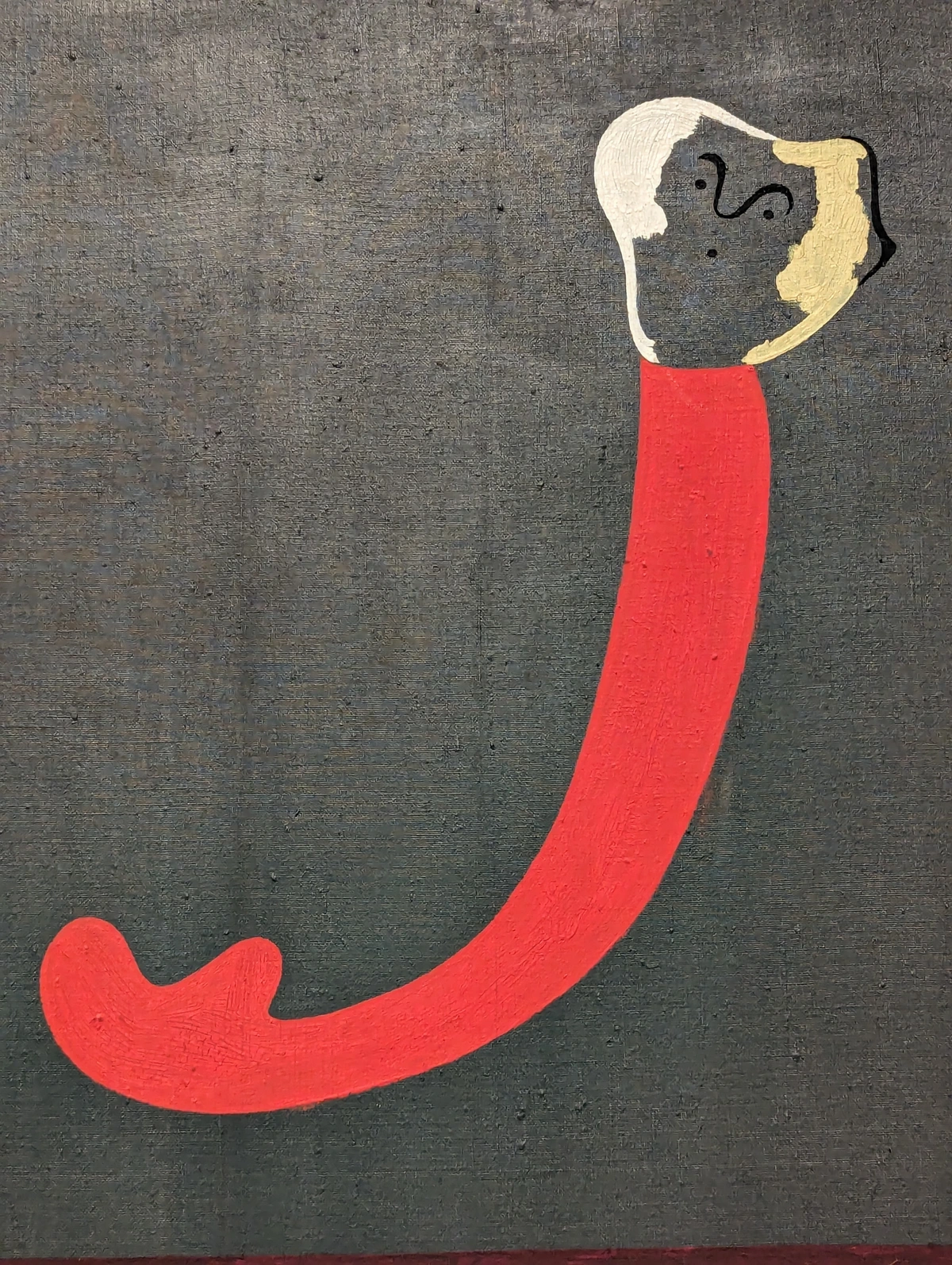
If the definition of "finished" is so fluid, what then of its opposite, "imperfection"? What if those perceived 'flaws' are actually the very heart of the artwork? Sometimes, a raw, vulnerable quality emerges from an "unfinished" aesthetic, creating a profound emotional resonance that a perfectly polished piece simply can't achieve. The truth is, some of my most compelling pieces aren't "finished" in the traditional sense. They're more like snapshots of a dynamic process, still humming with the energy of what came before and what could still come. There's a raw honesty in a painting that isn't perfectly polished. Techniques like impasto, where thick paint stands proud on the canvas, or dripping and gestural marks, inherently build this sense of ongoing movement and discovery into the work. These aren't just decorative flourishes; they are direct imprints of the creative act, shouting: 'I was made, not merely presented!' This visible evidence of the artist's hand and mind at work gives them their 'unfinished' quality – the sense of a moment captured, still vibrating with life. Think of Action Painting, famously pioneered by Jackson Pollock, where the canvas became an arena for the artist's physical movements. Drips, splatters, and pours became the direct record of the intense, in-the-moment creative act. The lack of traditional compositional rules and the emphasis on raw, spontaneous gesture were radical departures, making the 'finish' here not a static image, but the dynamic trace of the making itself, a prime example of why abstract art styles embrace process. For a broader perspective on various approaches, consider the definitive guide to understanding abstract art styles.
This ethos, interestingly, echoes concepts like Wabi-sabi in Japanese aesthetics, which celebrates the beauty of imperfection, impermanence, and incompleteness. It's about finding profundity in the natural, the unadorned, the transient, often manifested in rough textures, asymmetry, or the marks of time. Imagine a beautifully imperfect, hand-thrown ceramic bowl with an accidental crack mended with gold lacquer (Kintsugi), its history celebrated rather than hidden. This philosophy teaches us to appreciate the beauty of natural aging and repair. Or a moss-covered stone path – their flaws are their character, telling a story of time and authenticity. Wabi-sabi resonates deeply with abstract art's 'unfinished' nature by inviting the viewer to actively engage, to seek beauty not in a predetermined outcome, but in the evolving process, finding meaning in the gaps and the traces of time. It suggests that true beauty lies in the journey of becoming, not just a static state of being. Closely related is the Japanese concept of Mono no aware (物の哀れ), which speaks to the gentle melancholy and poignant beauty of the transient nature of things. It's the awareness of impermanence and the deep emotional appreciation for things that fade, shift, or are inherently incomplete – a perfect parallel to finding beauty in the evolving, 'unfinished' canvas. Both concepts teach us to embrace the natural flow of existence, with all its inherent imperfections and changes, and importantly, they train the viewer to be more receptive to the "unfinished" aesthetic, understanding that perceived flaws can be sources of deep aesthetic pleasure and meaning.
This acceptance allows the viewer to see the journey, the layers, the decisions – and where those delightful surprises and 'happy accidents' shine! It’s not about laziness; it’s about authenticity, a raw reflection of the journey, not just the polished destination. It's about letting the painting breathe, letting its story unfold organically, rather than forcing a predetermined narrative onto it. This embrace of letting go and finding beauty in the unexpected is a theme I explore further in the power of imperfection. It’s about leaving room for interpretation, for you to connect your own narrative threads and find your own stories within the canvas. What 'imperfectiohttps://images.zenmuseum.com/abstract-art-on-wood-panels-exploration/b242af80-913e-11f0-b5ce-1dfa3746de4c.jpgns' in your own life have you come to cherish?
My Process: Dancing with the Unknown, Embracing the Chaos
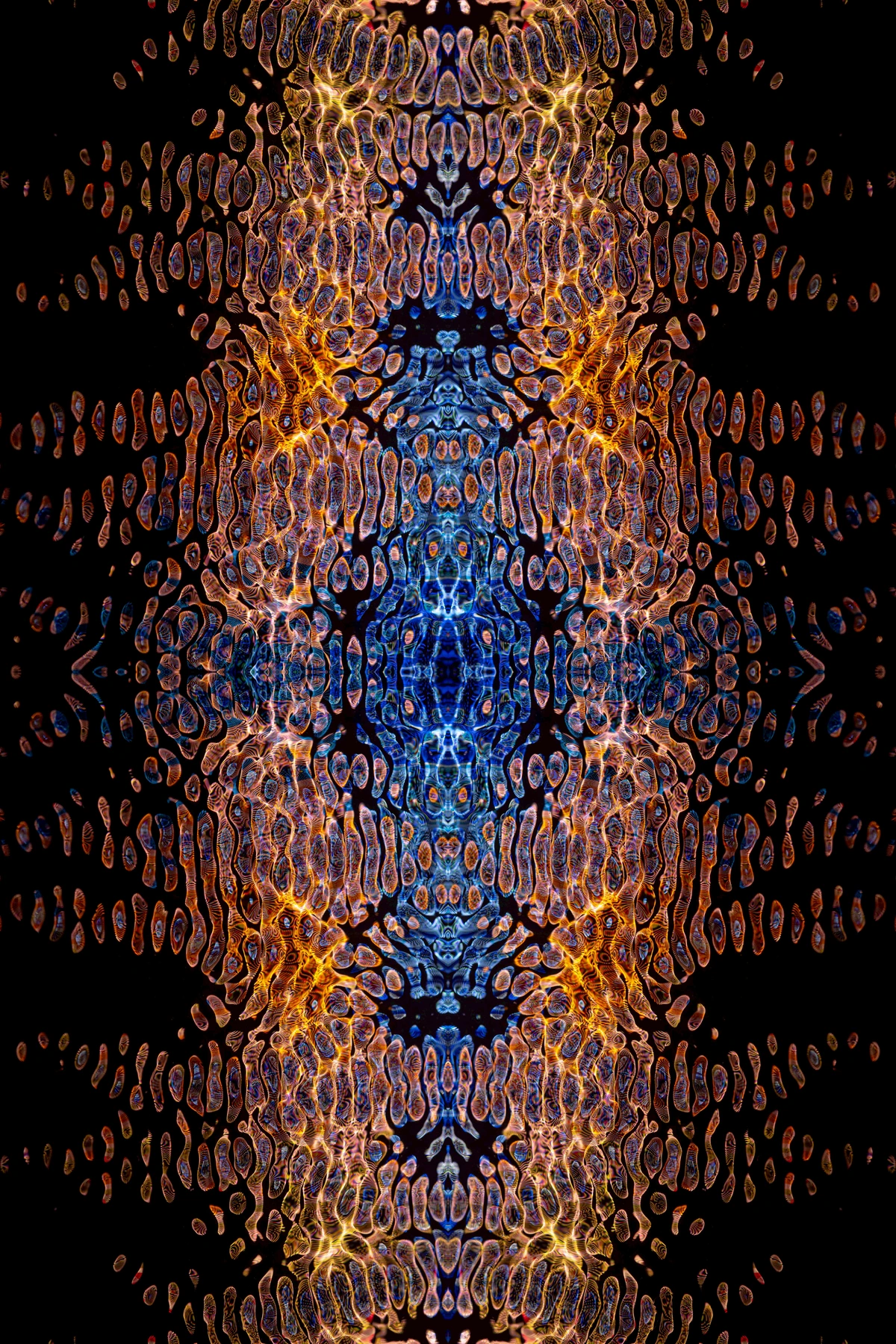
This embrace of the unexpected doesn't just happen; it's deeply woven into my own creative methodology, the very fabric of how I think and feel in the studio. It's how I translate those philosophical concepts of process and imperfection onto the canvas itself. When I start a new abstract painting, I rarely have a rigid blueprint. It's less a rigid blueprint and more a dynamic conversation with the canvas, where colors argue and textures whisper back. Sometimes it’s a full-blown argument on the canvas, a frustrated scrubbing out of a layer that just isn't working – I mean, who hasn't yelled at a canvas? – only for the subtle imprint of that layer to emerge later as a compelling texture, a sort of beautiful scar. There are certainly days when the canvas feels like a battlefield, a frustrating impasse where I question every decision, but it's often in those moments of struggle that a breakthrough emerges. Other times, it's a gentle dance, a soft whisper of a glaze that deepens a color I hadn't even intended.
Beyond the accidental, I also deliberately incorporate techniques that lend themselves to an 'unfinished' aesthetic in my own work. I often use a palette knife in a less controlled, more expressive way, letting the thick paint catch the light unevenly, or dragging it across a dry layer to create a rich, broken texture. This uneven application creates a sense of raw energy, as if the paint is still settling into its form, resisting a smooth, final polish, thus embodying that 'becoming' state. Sometimes, I'll deliberately leave sections of the raw canvas exposed, or use a dry brush technique to allow glimpses of underlying layers to show through, creating a sense of transparency and history. This exposes the painting's construction, highlighting the foundational elements and preventing any illusion of complete, seamless perfection. In other pieces, I might intentionally leave certain areas with a rough, unprimed texture, allowing the raw material of the canvas itself to speak. I might even apply a thin, almost translucent wash of color over a textured area, allowing the underpainting to subtly show through, creating an ambiguous sense of depth and an evolving narrative. I remember one moment, utterly exhausted and probably on my fourth coffee (yes, my studio smells strongly of coffee, linseed oil, and happy chaos), I just flung a blob of bright yellow onto a meticulously built gradient, thinking I'd ruined it. I left it overnight in a fit of pique. But walking back in the next morning, that 'mistake' had somehow become the sun, the anchor point, the whole reason the composition finally sang. Another time, a drop of water accidentally fell, disturbing a freshly painted area. Instead of trying to fix it, I let the water bleed, then used it as a starting point to introduce more fluidity and movement, transforming the "mistake" into a deliberate effect of controlled chaos, adding to the painting's unique story. This intuitive approach, this embrace of the unknown and the accidental, is really at the heart of my creative journey from concept to canvas. I build layers, sometimes obscuring what came before, sometimes letting glimpses shine through, like secrets waiting to be discovered. This messy, beautiful dance on the canvas is a lesson I'm constantly learning, not just from my own studio experiments, but from observing those who have walked this path before me.
Learning from Masters of Process and Evolution
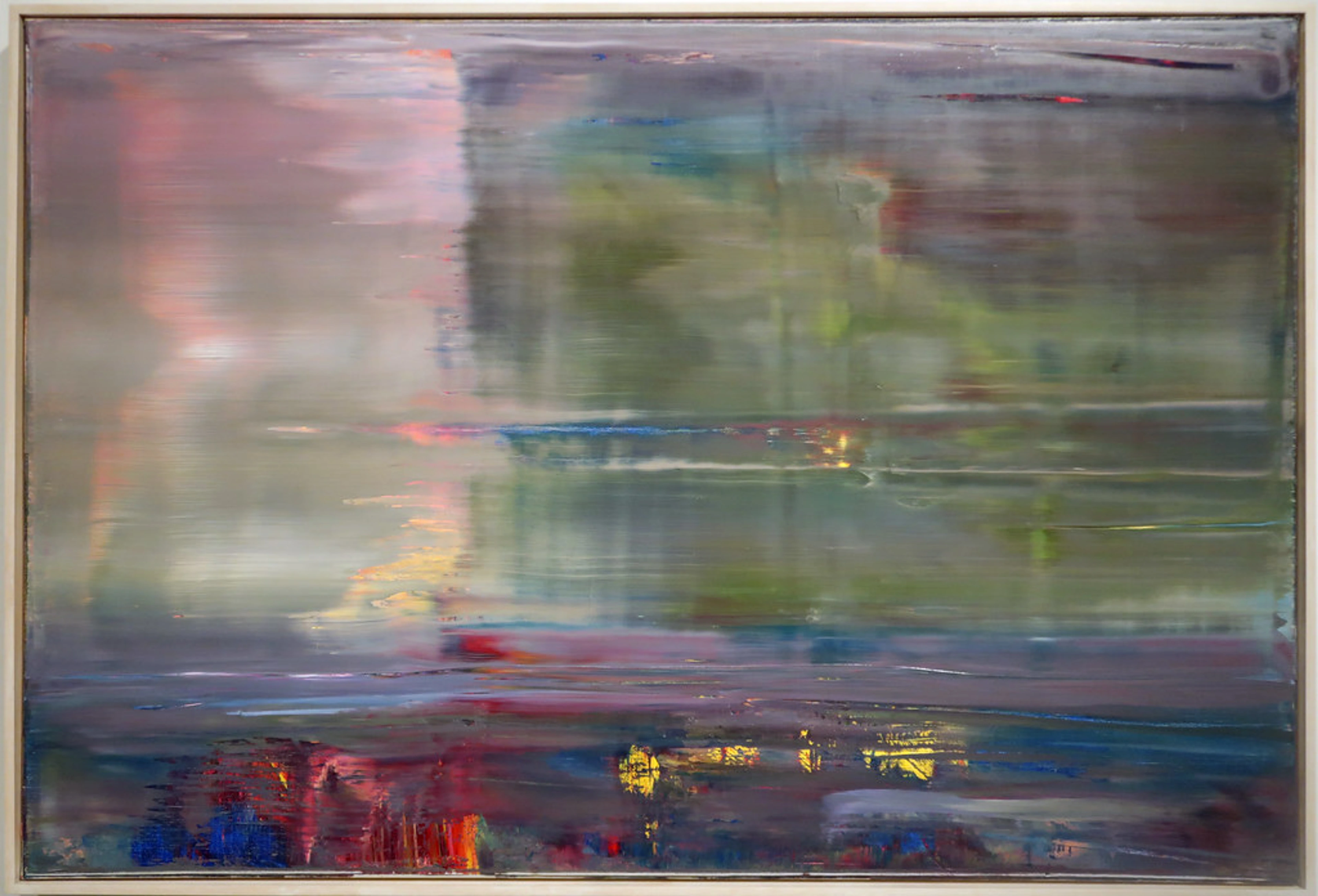
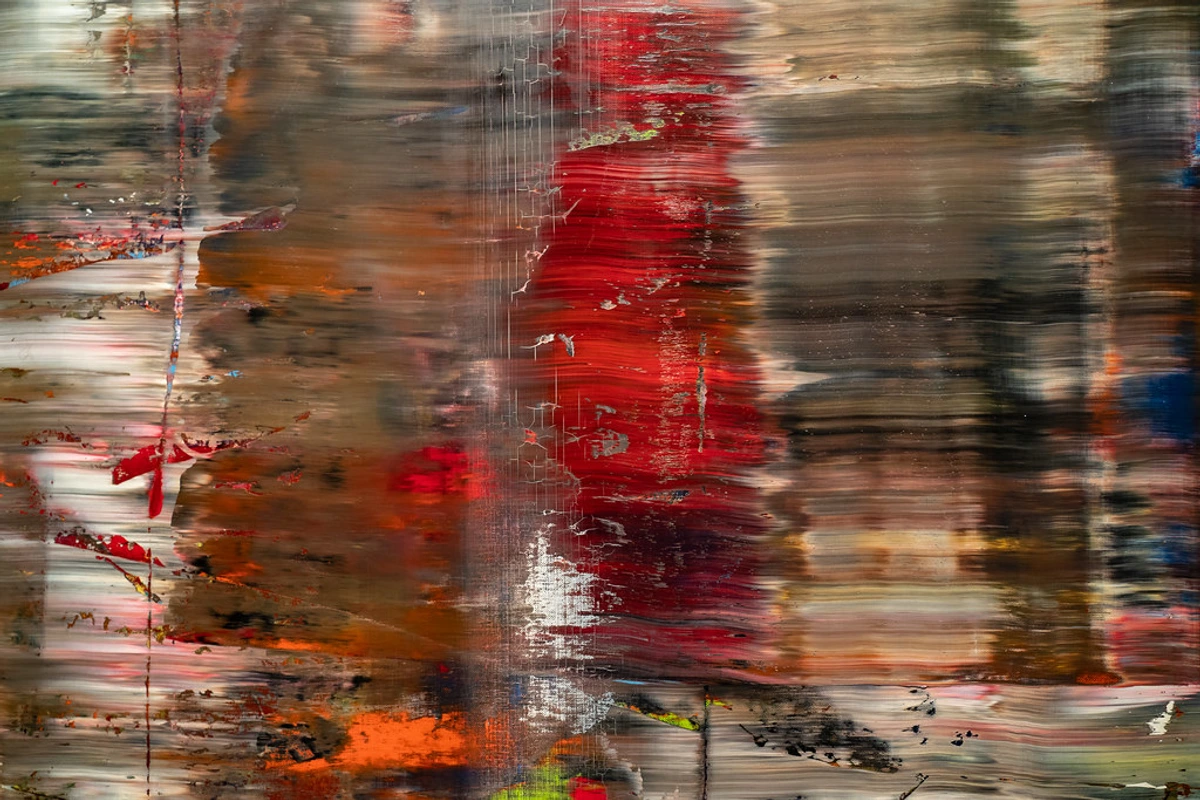
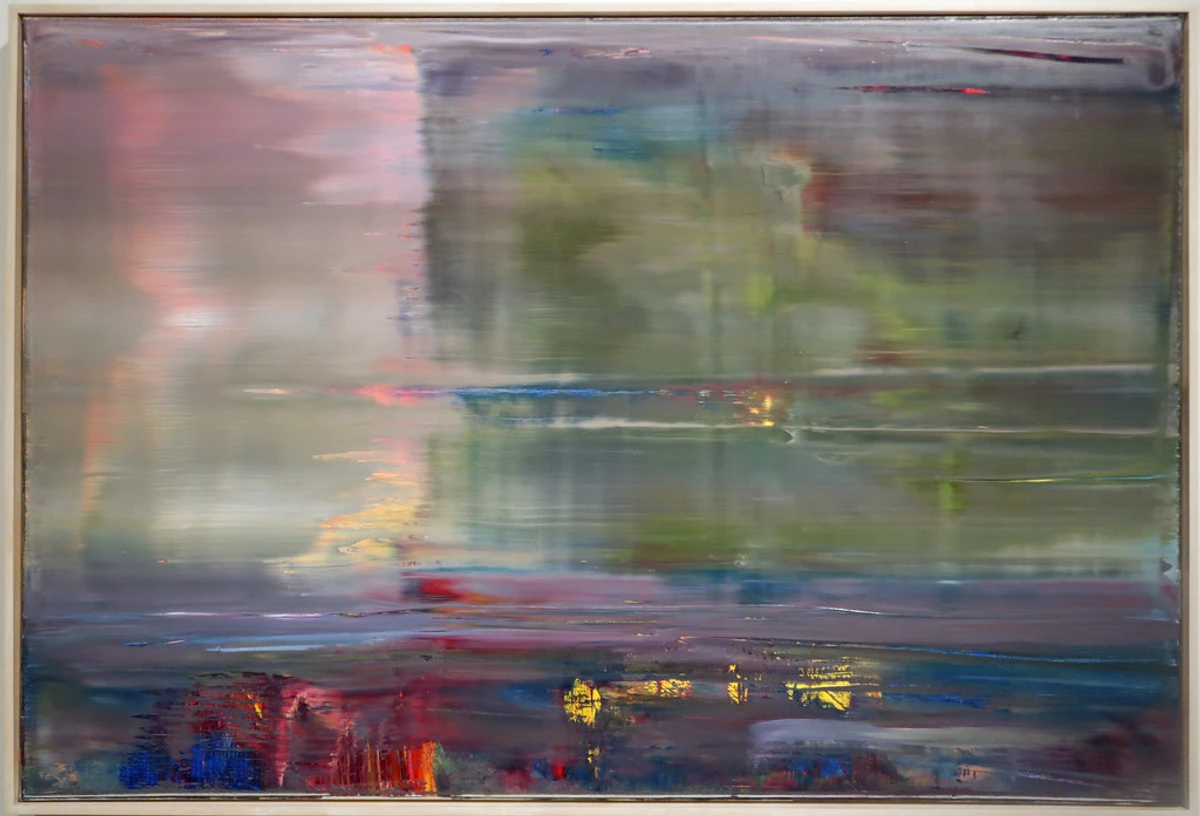
This intuitive dance with the unknown isn't a solitary endeavor; it's a path walked by many artists before me, and their work offers profound lessons. You know, when I look at artists like Gerhard Richter, especially his abstract work, I see this incredible openness to the process. His scraped surfaces, the visible layers – they don't whisper 'finished' in the classical sense; they really shout 'evolution'! For Richter, the process of adding, scraping, and revealing layers is the subject; his work truly embodies 'evolution' rather than simply stating 'finished.' The effect of his scraping technique is fascinating: it creates a sense of profound depth and history, as if excavating layers of memory or revealing glimpses of past thoughts, inviting the viewer to witness the continuous push and pull of creation. That experience fundamentally shifted how I approached layering and allowed me to embrace the messier, more unpredictable aspects of my own creation. It’s a powerful reminder that the process itself can be the ultimate statement, a deliberate artistic choice rather than a lack of completion. My own evolution of artistic style has been a constant lesson in this, moving from trying to control everything to finding freedom in letting go. I remember standing in front of one of his pieces, completely mesmerized by the visible history on the canvas, and thinking, "So this is what true freedom looks like in paint." For more, explore the ultimate guide to Gerhard Richter.
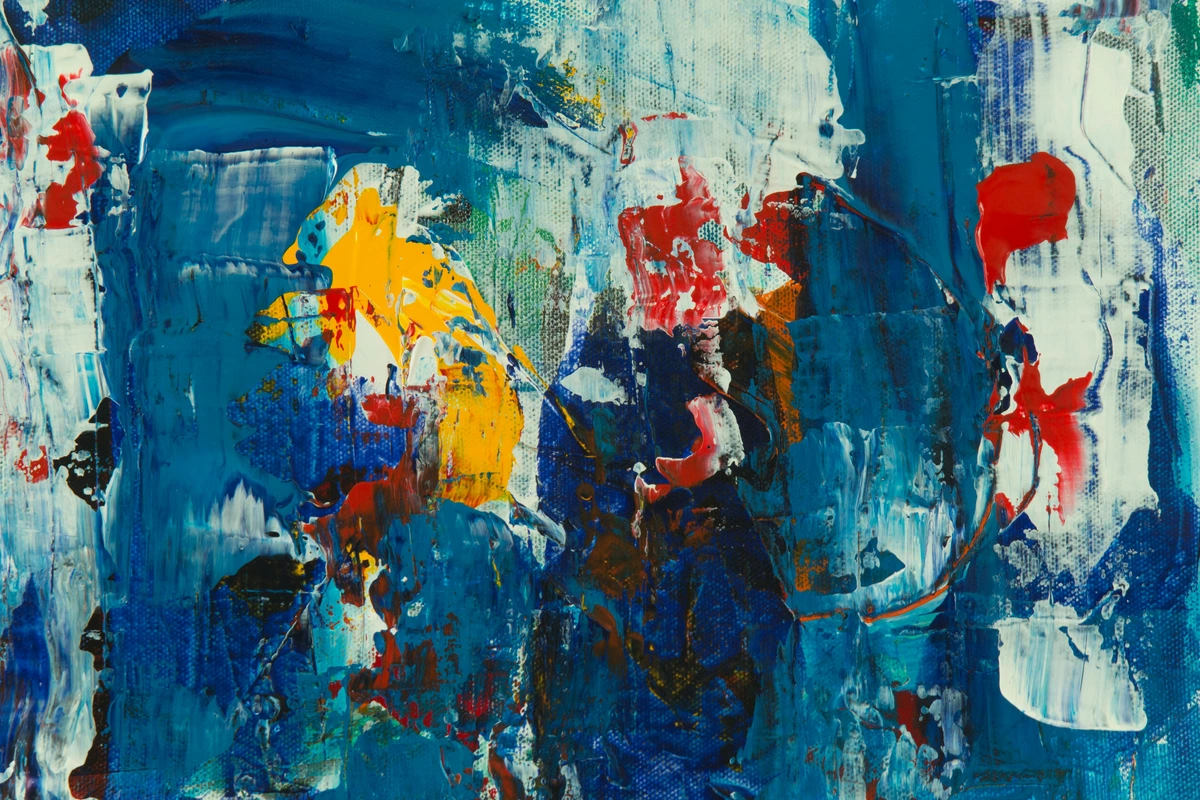
Another master of embracing the raw process is Christopher Wool. His word paintings, often created with stencils or stamps, frequently show drips, smudges, and imperfect applications – elements that would traditionally be considered 'mistakes.' Yet, these very imperfections are central to their power, deliberately challenging notions of a 'finished' product. By allowing drips and misalignments, Wool highlights the physical process of application, almost mimicking the imperfect, messy reality of communication and urban decay. His works are not about slick perfection but the gritty reality of making, deliberately leaving the process visible to challenge notions of finish. This encouraged me to trust my own intuitive marks and the spontaneous imperfections that emerge in my abstract compositions. This journey of letting go also holds a deeper, personal significance, connecting external inspiration to my own internal liberation. You can delve deeper into his impactful work with the ultimate guide to Christopher Wool.
This journey of embracing the 'unfixed' also extends beyond the static canvas. Consider Ana Mendieta, whose ephemeral 'earth-body' sculptures from the 1970s blurred the lines between performance art, land art, and sculpture. Her works, often created with natural materials like earth, blood, and flowers, were made to interact with the environment, gradually changing, decaying, or being washed away. The art wasn't just the final form, but the act of creation, its interaction with nature, and its eventual return to the earth. Her pieces were inherently 'unfinished' in the traditional sense, existing as traces, photographs, and memories, meaning the documentation of her process often becomes the 'artwork' itself, further blurring the lines of completion. These examples, from monumental paintings to fleeting performances, consistently remind me that the most powerful art often resides in the liminal spaces, in the act of becoming rather than simply being.
The Inner Landscape: The Artist's Liberation in the "Unfinished"
This journey of letting go, inspired by both historical movements and contemporary masters, holds a deeper, personal significance for me; it connects external artistic philosophies to my own internal liberation. Beyond the canvas, embracing the 'unfinished' has been a profound personal liberation. I used to be so bogged down by the pressure to create a 'perfect' piece, a singular, irrefutable statement. That pressure, ironically, often stifled the very creativity I sought to express. Letting go of that rigid endpoint has transformed my relationship with art. It's allowed me to experiment more freely, to take risks, to celebrate the journey over the destination. For example, a few years ago, I was stuck on a series of canvases, trying to make them "perfectly balanced." I felt blocked. Then, remembering the beauty in imperfection, I deliberately introduced an off-center element, perhaps a jarring splash of neon yellow, or an unexpectedly rough texture created with a coarse brush. This single act of rebellion against my own perfectionism often unlocked the entire piece, leading to a freedom I hadn't experienced before. This mindset fosters a kind of creative resilience, where 'mistakes' become opportunities, and the joy of discovery outweighs the fear of imperfection. It’s a powerful lesson in mindfulness, in being present with the evolving moment, much like the meditative experience I hope viewers find in abstract art itself.
This philosophy of the 'unfinished' isn't limited to paint on canvas; it extends across various media. Think of the inherent impermanence and subtle shifts in charcoal drawings, where the smudging, layering, and ephemeral nature of the medium itself encourages a less controlled, more process-oriented approach. Or the beautiful, unpredictable bleeding of watercolors, where transparency and the flow of pigment naturally lend themselves to an "unfinished" aesthetic, creating a sense of evolving forms and soft edges. Even in new media, the concept of an 'open-ended' work is increasingly relevant. Consider generative art, where algorithms continuously create new patterns and forms without a pre-defined final state, meaning the artwork literally keeps producing variations indefinitely. Or interactive installations that respond to viewer input, making the artwork a perpetually 'unfinished' and evolving experience driven by collaboration or computational processes, never truly static. The 'unfinished' is truly a timeless, trans-medium concept. This liberation, this constant state of becoming, is a profound peace, a sense of creative freedom that allows the work to breathe and surprise even me. It's a peace I hope you can experience, perhaps by exploring my work, or even by visiting my museum in Den Bosch. So, how can this perspective resonate with you, the viewer?



How to See the Beauty in the Evolutionary Canvas (For Collectors & Viewers)
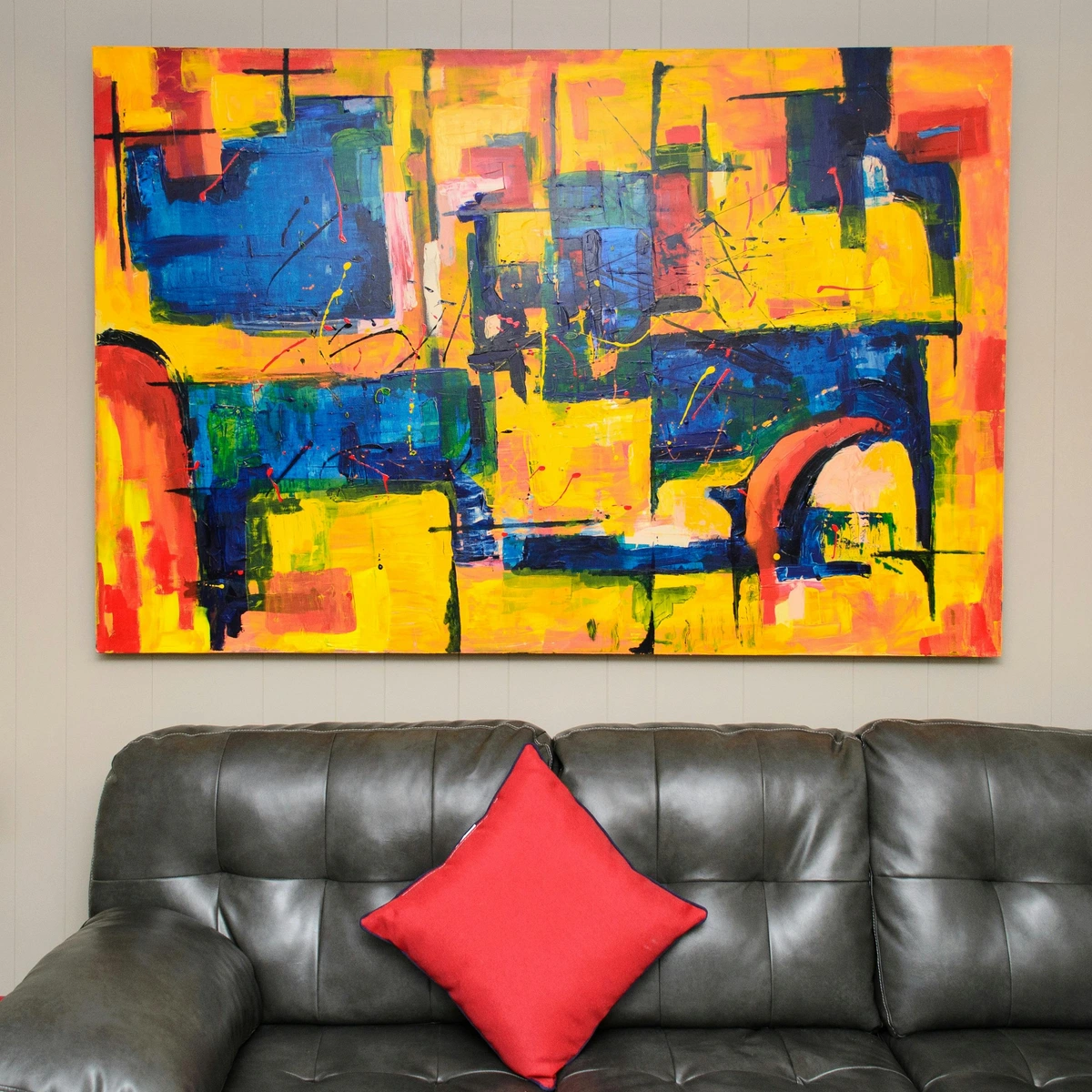
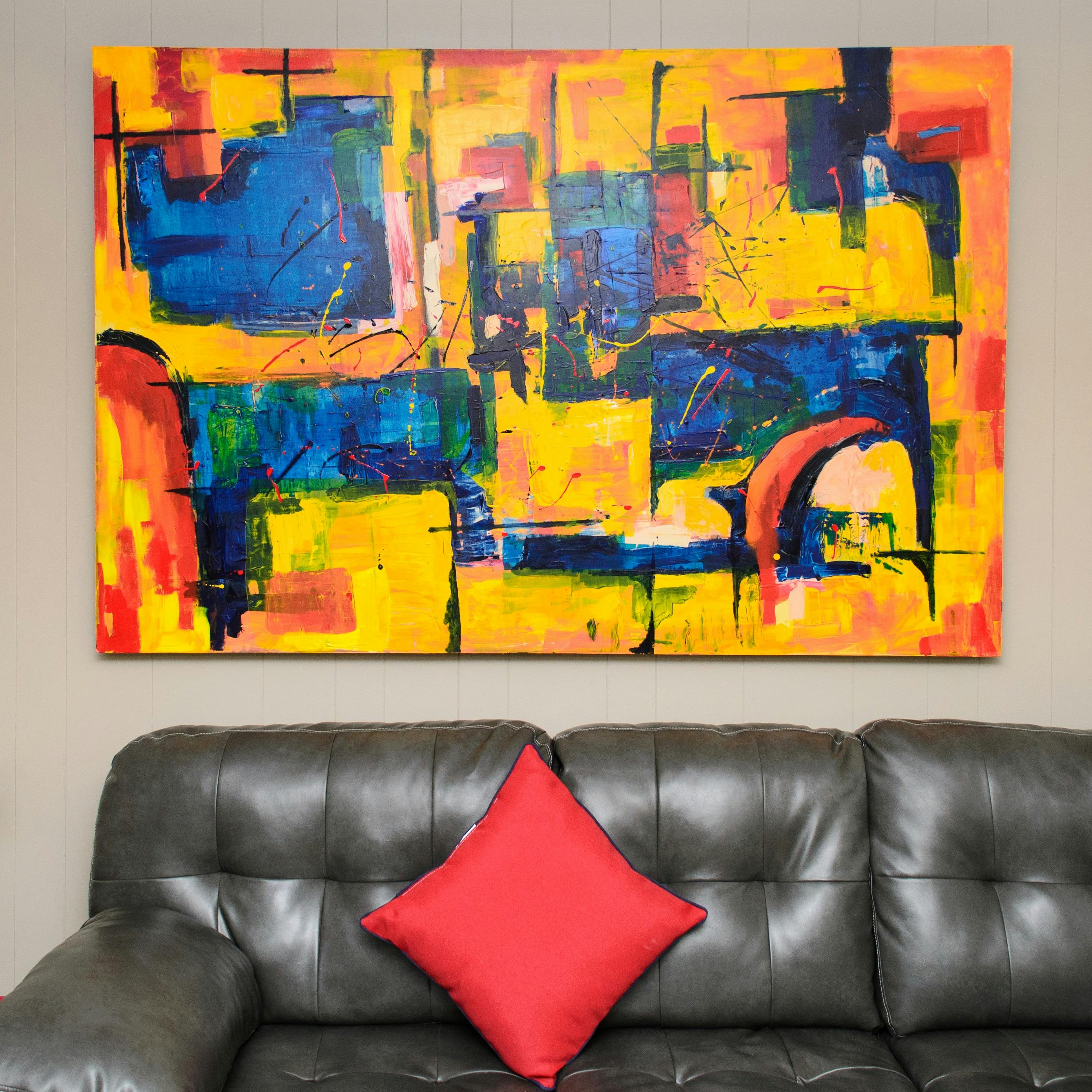
So, what does this mean for you, the person looking at art, perhaps even considering a piece for your home? It means an invitation to participate, an active engagement that transcends mere observation. An "unfinished" painting isn't missing anything; it's offering something extra – a narrative that continues in your mind, a space for your own imagination to play. It's dynamic, alive, and full of potential, much like life itself, and it encourages a more active, less passive viewing experience, fostering a deeper intellectual and emotional connection. The scale of the artwork, for example, can profoundly impact this; a monumental piece might emphasize the artist's immense labor and ongoing dialogue with the surface, conveying an almost endless journey, while a smaller work might invite a more intimate reflection on a captured, evolving moment.
Here’s how you can lean into the experience:
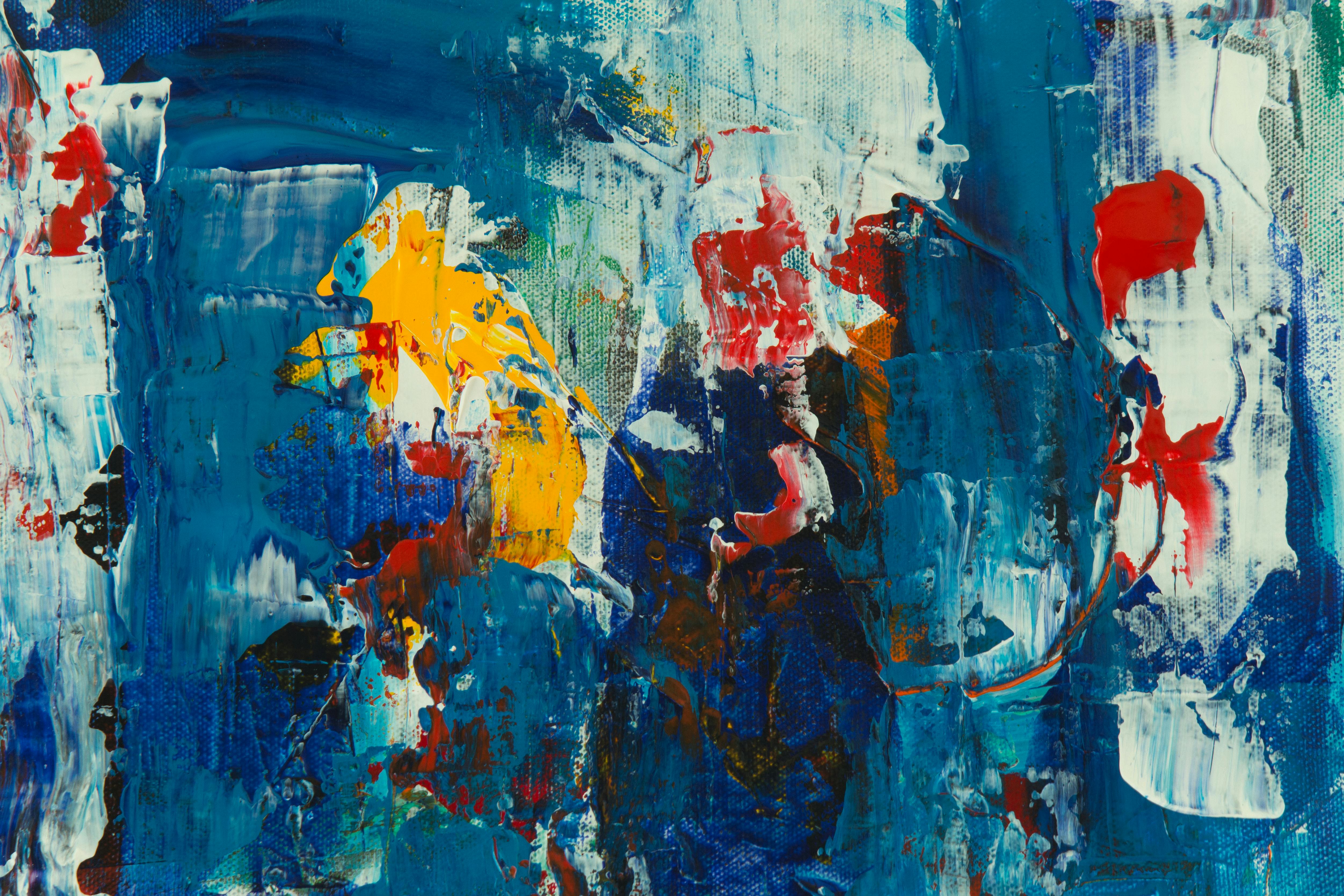
- Look for the layers: Notice how colors peek through, how textures build upon each other. Each layer tells a story of time and decision.
- Embrace the "negative space": Don't just focus on the painted areas. The untouched canvas, or areas of intentional sparseness and less detailed rendering, creates deliberate breathing room, inviting your eye to fill in the gaps and connect with what's present.
- Feel the energy: Observe the visible brushstrokes, drips, or raw marks. They are direct imprints of the artist's action and emotion, creating a palpable sense of movement and vitality.
- Ask "what if?": Let your mind wander. What would happen if a line continued? What story is implied by the visible history of the painting?
This aesthetic can evoke a powerful sense of curiosity, drawing you deeper into the artist's process, making you feel more intimately connected to the creation. It’s about finding meaning in the exploration, not just the declaration. And don't overlook the artist's signature; often, it's not just a mark of ownership, but a final, deliberate flourish or an integrated part of the composition, a closing gesture that, ironically, solidifies the 'unfinished' narrative by acknowledging the hand that guided its evolution. Don't be afraid to sit with it, to let your eyes wander and connect the dots in your own way. That's where the real magic happens, where the art truly comes alive for you. What unique perspectives or emotions does an evolving canvas stir within you? This participatory engagement is key to appreciating the living, breathing essence of abstract art.
FAQ: Pondering the Perennial Process
This idea of embracing the beautiful mess, of seeing art as a living, breathing entity, often sparks a few questions. To address some common ponderings that naturally arise from this perspective, let's dive into a few frequently asked questions:
How do you know when to stop working on a piece (even if it's "unfinished")?
Ah, that's the million-dollar question, isn't it? I remember standing before a piece once, convinced it needed one more bold stroke, but something felt off. I walked away, stewed on it for a week, and came back to realize that exact 'off' feeling was the painting's voice telling me it was done, not that it needed more. It's a feeling that's taken me years to trust, that quiet hum, that moment when the canvas seems to exhale and say, "I'm ready." Just recently, I was working on a large abstract piece, building up intense layers of red and orange. I planned to add a strong contrasting blue line across the top. But after a particularly draining studio session, I stepped back, and the warmth of the reds felt complete, vulnerable even. The blue line, I realized, would have been a forced 'completion,' an unnecessary final statement. I decided to stop there, embracing the vibrant, open-ended warmth. It's not about achieving conventional completion, but about finding a compelling pause in the conversation between me and the canvas. I look for a point where the visual tension between elements feels resolved – perhaps a dominant form finds its counterpoint, or a splash of color creates a surprising harmony – or when a particular color interaction creates a sense of finality within the ongoing dialogue, even if the surface isn't perfectly smooth. When adding more would detract rather than enhance, when the energy feels just right – that's when I step away. This approach deliberately evokes emotions like vulnerability, struggle, or growth, inviting a deeper, more empathetic connection from the viewer. It's a delicate balance of intuition, experience, and an honest assessment of my emotional connection to the piece at that moment. Trusting my intuition is a process I've cultivated over many years of exploring texture.
Is it really "art" if it's not finished?
Absolutely! The notion of 'finished' is largely a human construct applied to art. In Western tradition, we've often revered the meticulously completed masterpiece, but many cultural traditions, particularly certain Eastern philosophies like Wabi-sabi in Japan or the spontaneous brushwork of Zen Buddhism, actually value the process, the aesthetic of impermanence, and the 'unperfected' or transient state more highly than a rigid finality. This perspective is central to Process Art, where the artwork is understood not as a static object, but as a continuous unfolding of materials, actions, and ideas. Think of the beauty in a perfectly imperfect raku tea bowl, or the powerful spontaneity of Zen calligraphy. Movements like Fluxus also championed this ethos, often creating ephemeral, event-based works that challenged traditional notions of art as a fixed, commodifiable object.
Beyond painting, consider performance art, which by its very nature is ephemeral and exists primarily in the moment of its creation and experience, leaving behind only documentation. Or ephemeral installations that are designed to decay or be dismantled, where the process of their existence is key. In these forms, the 'finish' is often the experience itself, not a static object. In contemporary and abstract art, the journey, the exploration, and the visible evidence of creation are often the very essence of the work. For me, it’s about the authenticity of the expression, not a tidy endpoint.
Does an "unfinished" look impact value?
Not necessarily, especially in the realm of contemporary abstract art. The art market has increasingly moved to appreciate conceptual depth, the artist's unique voice, and the narrative of creation itself. For many collectors, the authenticity, originality, and the artist's unique voice often dictate value, far more than adherence to a rigid definition of "finished." Crucially, the artist's intent behind the 'unfinished' aesthetic is paramount. It distinguishes a deliberate exploration of process from an accidentally incomplete work. In fact, the market for abstract and conceptual art has matured to a point where works celebrating process and raw authenticity are not just accepted but highly sought after, precisely because they offer intellectual depth, emotional resonance, and a tangible connection to the artist's creative journey. This is often amplified by the artist's reputation and the historical significance of their unique approach within the broader art historical discourse. It tells a more compelling story, and it reflects the dynamism of modern artistic thought. The scale of the artwork can also play a subtle role here; a large, intentionally "unfinished" piece might convey a sense of grand vision and ongoing dialogue with the medium, adding to its perceived significance and value, while a smaller piece might offer an intimate glimpse into a moment of evolving thought.
The Ongoing Conversation: Embracing Life's Beautiful Becoming
Ultimately, the art of the unfinished is about embracing life itself. It’s about acknowledging that we are all, every single one of us, works in progress – messy, beautiful, and constantly evolving. There’s beauty, vulnerability, and immense strength in that. And sometimes, this embrace of the 'unfinished' is also a quiet rebellion against the commercial pressures that often demand easily digestible, 'perfect' artworks. It's a statement that art can be more than just a product; it can be a living, breathing dialogue. So, next time you see an abstract painting that feels a little... open-ended, don't just walk past it. Lean in. Ask what story it's still trying to tell, and how its visible journey speaks to your own. Perhaps this journey into the 'unfinished' will spark something in you, inspiring you to bring that ongoing conversation, that celebration of the evolving, into your own space by considering a piece for your home, and embracing the beautiful, imperfect masterpiece that is your own life.